Si deseas distinguir tus productos, servicios o ambos de los de otra empresa, es posible que necesites una marca o nombre comercial. Descubre qué son, en qué consiste su procedimiento de registro y qué implica.

Información sobre los plazos de presentación de solicitudes de transformación de marcas de la Unión Europea en marca nacional española. Más información


Si tienes un nuevo dispositivo, producto o procedimiento que resuelva un problema técnico o tenga una ventaja práctica, existen distintas formas de protegerlo en España y en otros países. Descubre cómo hacerlo.

¿Tu innovación reside en la estética, la ornamentación o la apariencia de tu producto? Protégela mediante un diseño industrial. Descubre qué derechos confiere el registro y cómo realizar la tramitación.

Las indicaciones geográficas protegen el nombre de un producto originario de una zona geográfica, a la cual le debe una determinada calidad, reputación u otra característica. Descubre qué son, en qué consiste su procedimiento de registro y qué beneficios conceden.

Las patentes publicadas en todo el mundo son una valiosa fuente de información científica, técnica y comercial.

Si eres emprendedor/a o una empresa y quieres potenciar y mejorar la rentabilidad de tu negocio protegiendo de forma adecuada los activos intangibles de tu organización, en este espacio encontrarás lo necesario.


 513
resultados
513
resultados
 Última actualización
16/10/2026 [07:15:00]
Última actualización
16/10/2026 [07:15:00]


 Resultados 175 a 200 de 513

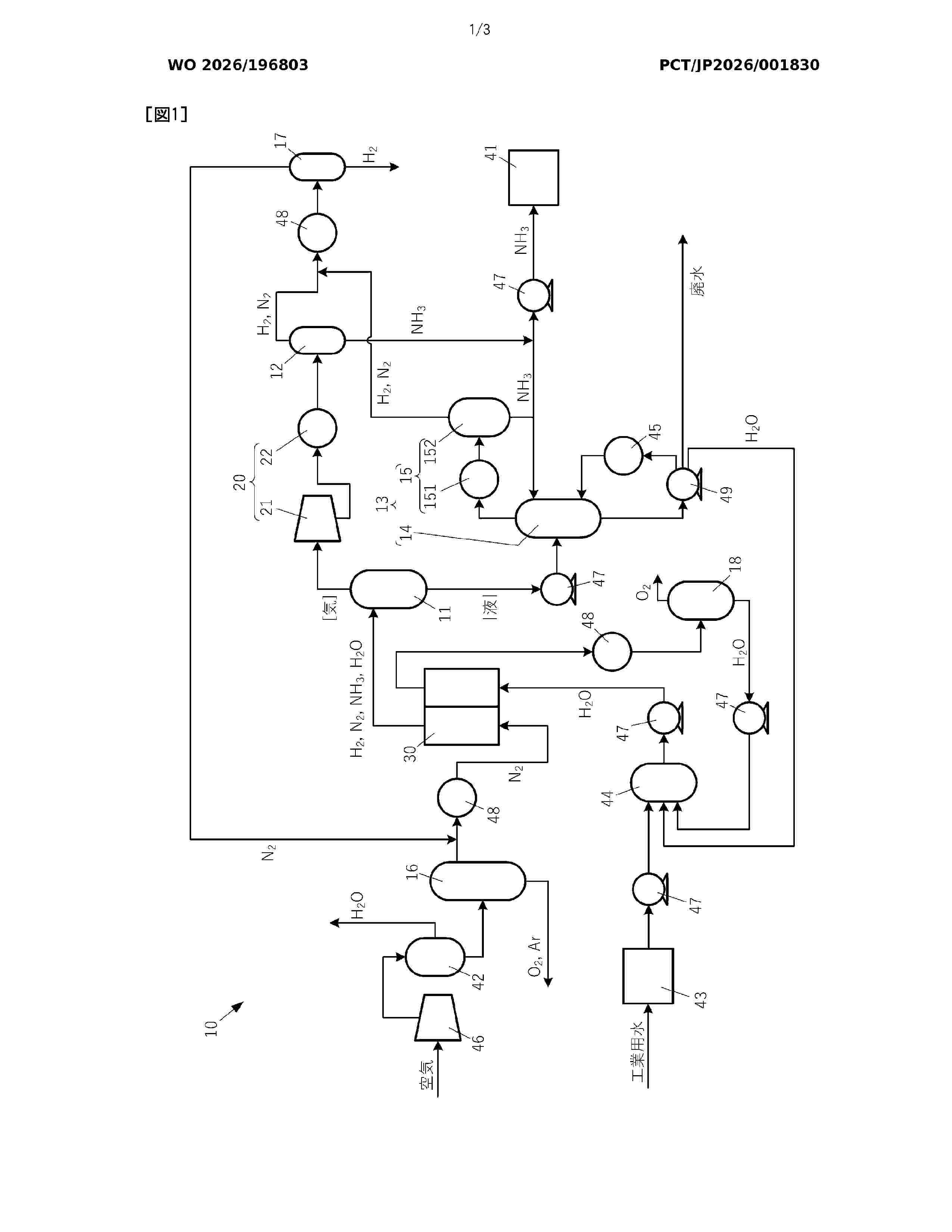
Resumen de: WO2026196803A1
The present disclosure provides an ammonia production apparatus and an ammonia production method with which it is possible to reduce energy consumption. One aspect of the present disclosure pertains to an ammonia production apparatus comprising: a first separation means for performing gas-liquid separation on a first mixture containing ammonia, nitrogen, hydrogen, and water to obtain a gas phase component containing at least ammonia, nitrogen, and hydrogen and a liquid phase component containing at least water; a pressure-application cooling means for liquefying ammonia by subjecting the gas phase component separated by the first separation means to a pressure-application cooling treatment at a pressure of 300-700 kPaA and a temperature of -80°C to 0°C; and a second separation means for separating the liquefied ammonia, hydrogen, and nitrogen obtained through the pressure-application cooling treatment by the pressure-application cooling means into liquefied ammonia, and nitrogen and hydrogen.

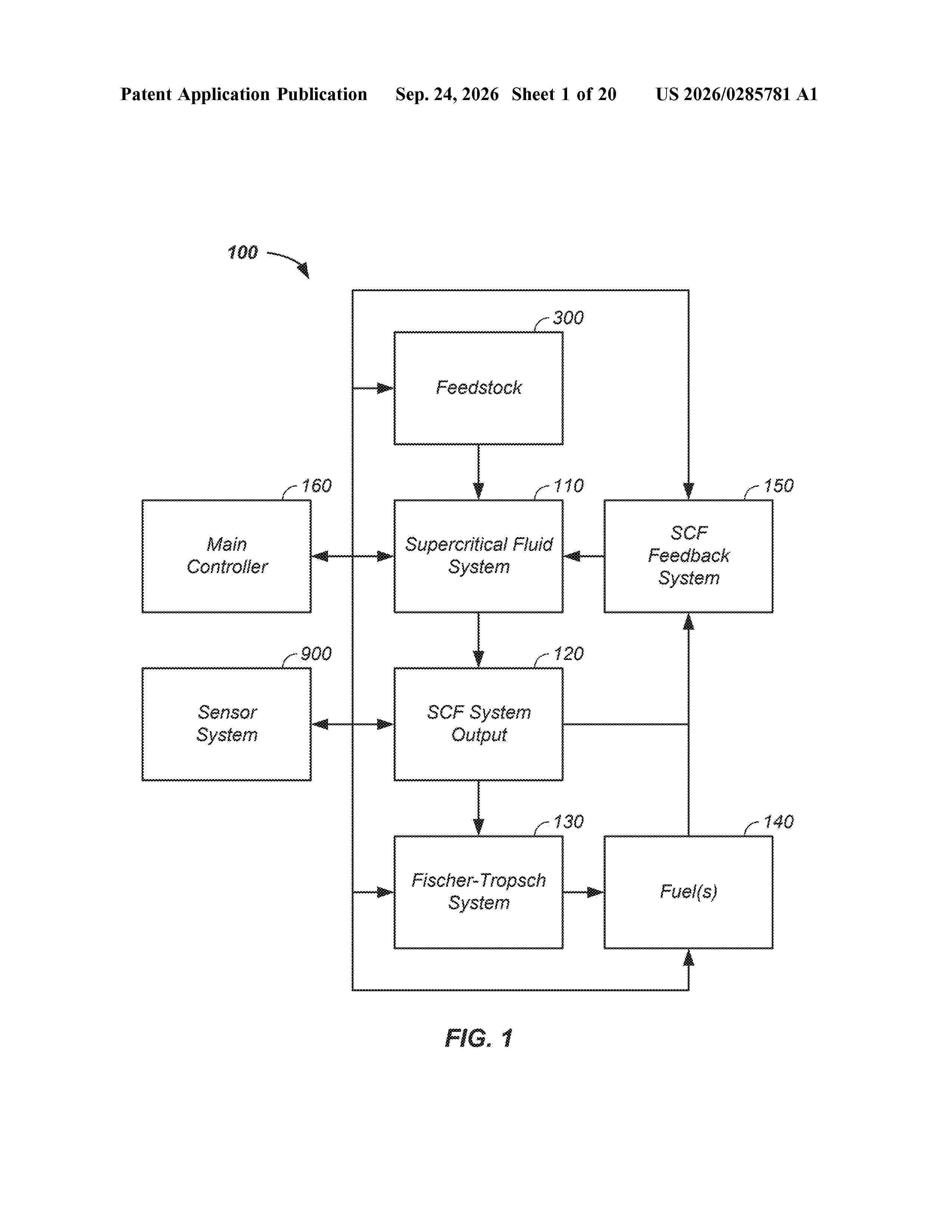
Resumen de: US20260285781A1
The invention comprises an apparatus and method of use thereof for processing a waste product feedstock, comprising the steps of: converting the waste product feedstock, in a supercritical fluid chamber, into at least: water, carbon monoxide, and molecular hydrogen; moving the water, in a supercritical fluid system output system, from the supercritical fluid chamber to an electrolysis system; maintaining a temperature of the water at greater than one hundred degrees Fahrenheit from a first time of exiting the supercritical fluid chamber to a second time of entering the electrolysis system; and electrochemically converting the water into at least a generated hydrogen gas in the electrolysis system with optional steps of feeding at least a portion of the carbon monoxide and the molecular hydrogen into a Fischer-Tropsch system and generating fuel with the Fischer-Tropsch system.
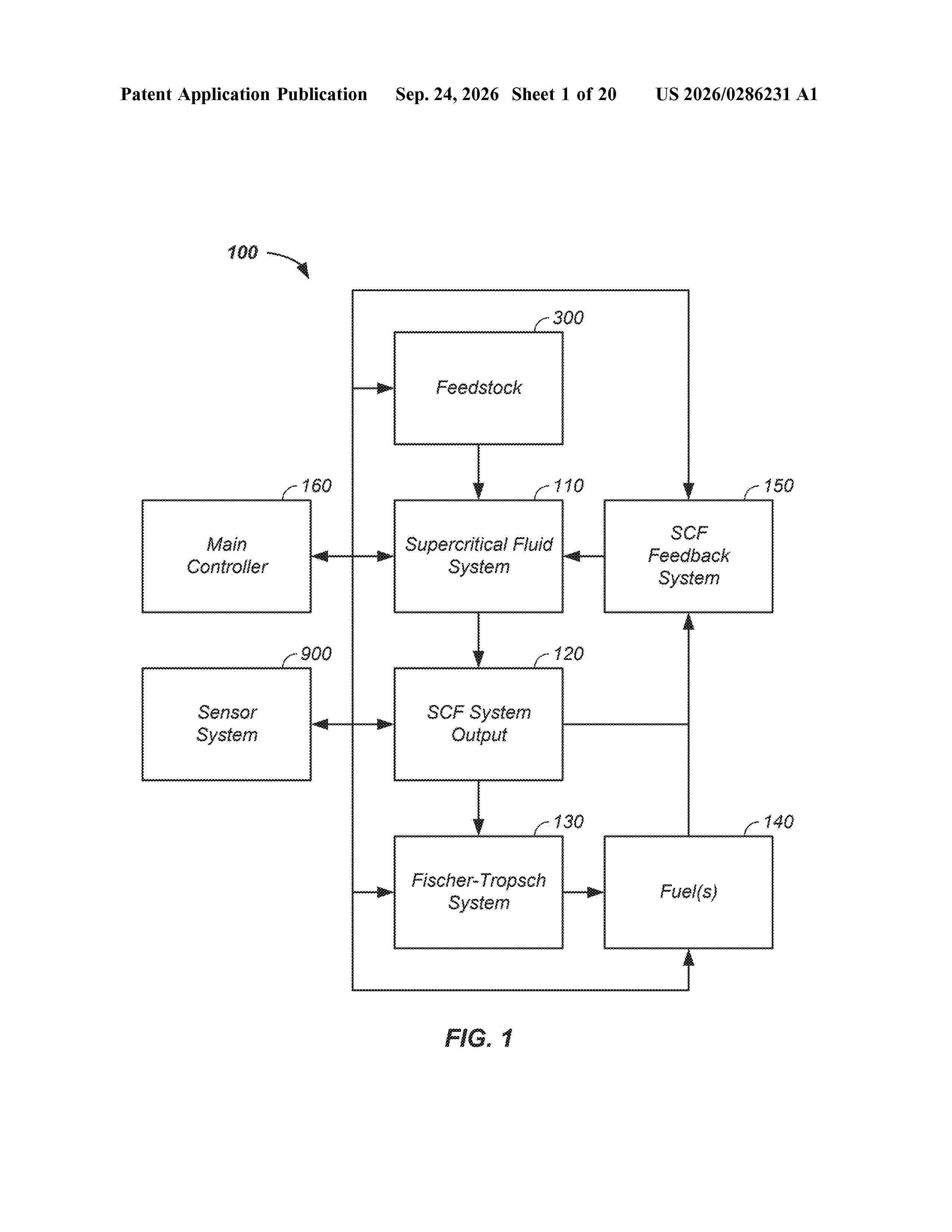
Resumen de: US20260286231A1
The invention comprises a method for controlling reactions in a supercritical fluid chamber, comprising the steps of: forming a formed hydrogen gas in a supercritical fluid chamber; outputting the formed hydrogen gas from the supercritical fluid chamber; feeding a first portion of the formed hydrogen gas back into the supercritical fluid chamber through a feedstock feedback system; measuring quantity of the first portion of the hydrogen gas in the feedback system with a sensor; and controlling flow of the first portion of the hydrogen gas back into the supercritical fluid chamber with a controller and output from the sensor, where a majority of the formed hydrogen gas is formed in the breakdown as waste products, such as waste plastic and/or waste rubber. Optionally, a second portion of the formed hydrogen gas is used in a Fischer-Tropsch process in fuel generation.
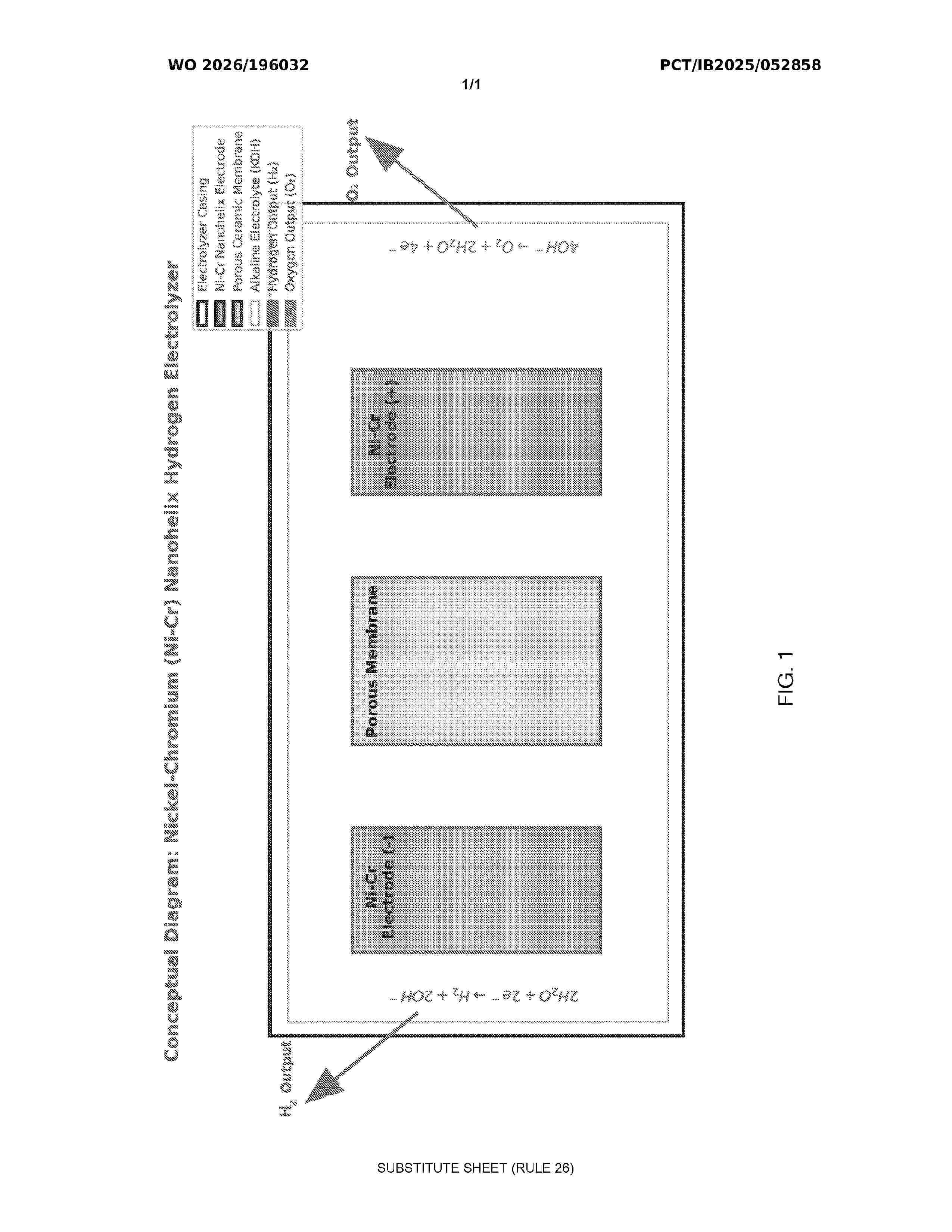
Resumen de: WO2026196032A1
This invention presents an advanced high-efficiency alkaline hydrogen electrolyzer utilizing a Nickel-Chromium (Ni- Cr) Nanohelix electrode structure. Unlike traditional proton exchange membrane (PEM) electrolyzers that rely on costly platinum-group metals (PGMs), this system enhances hydrogen evolution reaction (HER) kinetics using a durable, cost- effective transition metal-based catalyst.Achieving 85% efficiency at 300-500 mA/cm2 with hydrogen costs of $1.50/kg, this electrolyzer offers an economical, sustainable, and scalable solution for green hydrogen production.
Resumen de: WO2026197921A1
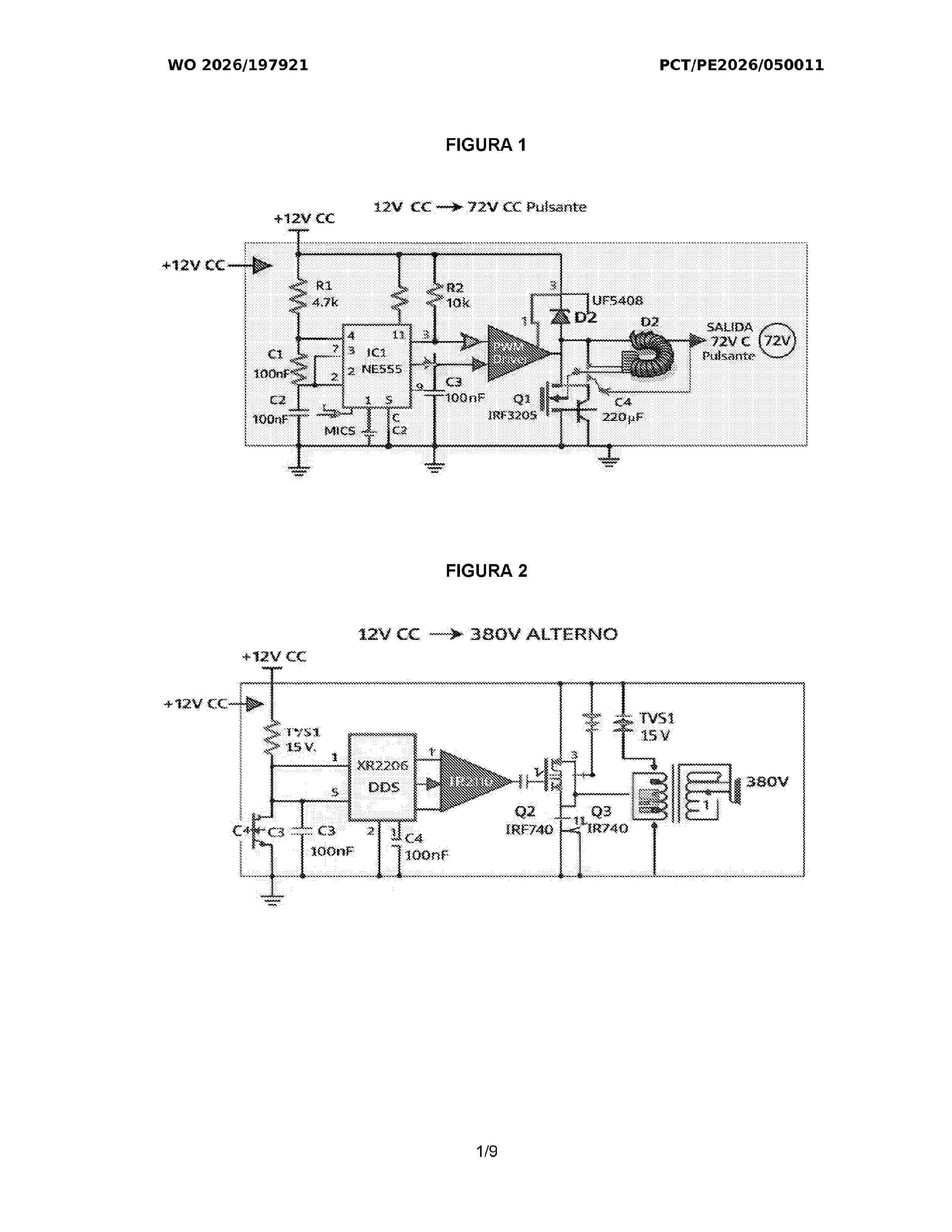
The invention relates to a synchronised multi-phase electronic system, a dissociation apparatus and a method for producing hydrogen and oxygen from water via the application of a composite electrical signal. The system includes a master synchronisation generator which coordinates an inductive phase that generates a pulsed signal, an inverter phase that produces a high-frequency alternating signal, and a low-amplitude resonant phase. A coupling stage combines these signals and applies them to a conductive aqueous medium to induce non-steady-state electrochemical conditions that promote molecular dissociation. The apparatus comprises tubular columns having reaction cartridges with thin, flexible plates, a recirculation and cooling unit, and a hydrogen storage tank with high- and low-pressure lines. The associated method allows the efficient generation of hydrogen and oxygen, using less energy than conventional electrolysis.
Resumen de: US20260284640A1
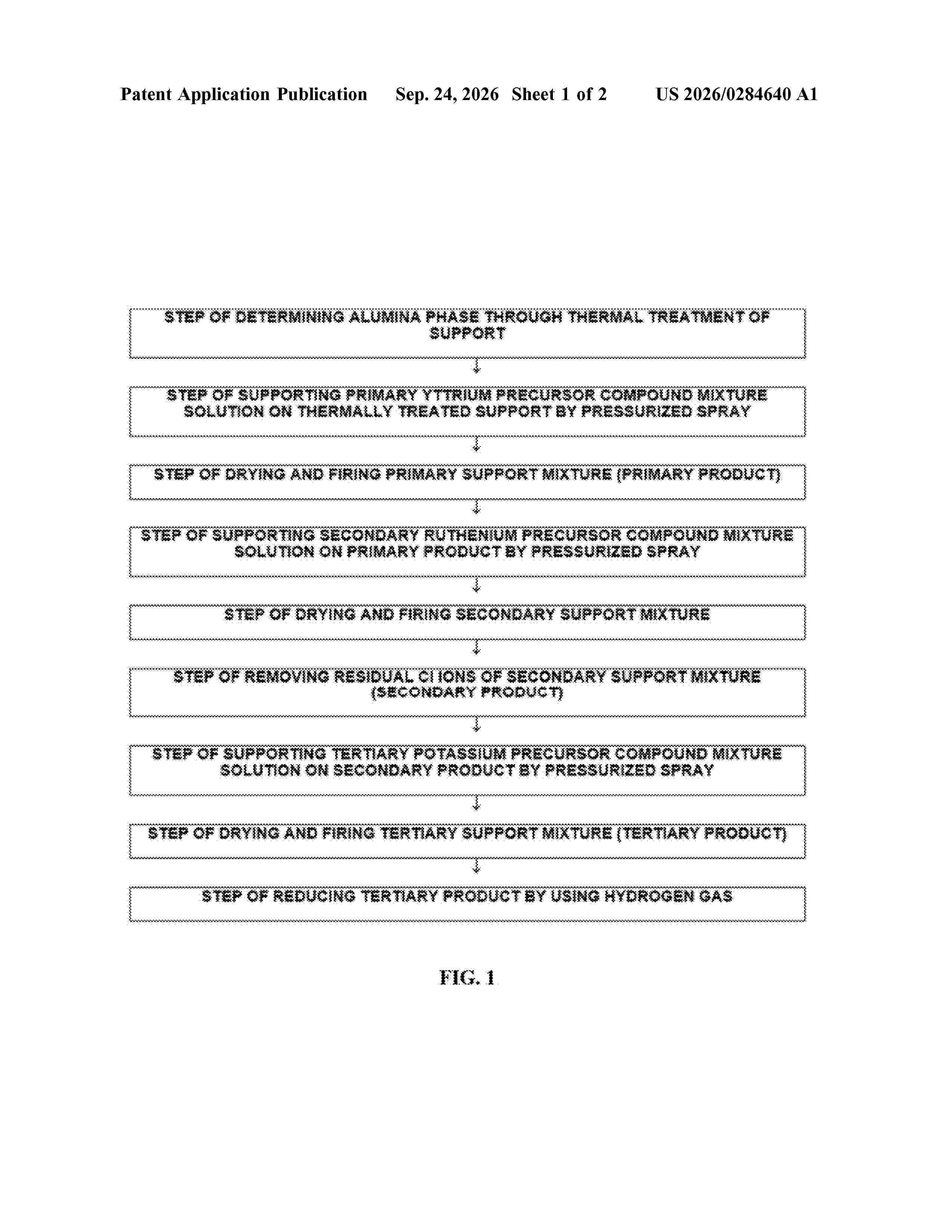
0000 Described is a preparation method for a complex metal catalyst in the form of a triple metal of ruthenium, yttrium, and potassium by using a thermally transformed delta-alumina support and to a production method for hydrogen through ammonia cracking using same. The described catalyst for ammonia cracking attains the adjustment of the ratio of ruthenium/potassium+yttrium, along with a thermally transformed alumina support in a specific phase, even when using a low content of a ruthenium metal, the minimization of the contents of chlorine and nitrogen compounds, which are impurities in the catalyst, and the localization of active metals in the catalyst, thus achieving a very high ammonia conversion rate and hydrogen production efficiency even at a low temperature, compared with a catalyst having the same ruthenium metal content.
Resumen de: EP4810668A1
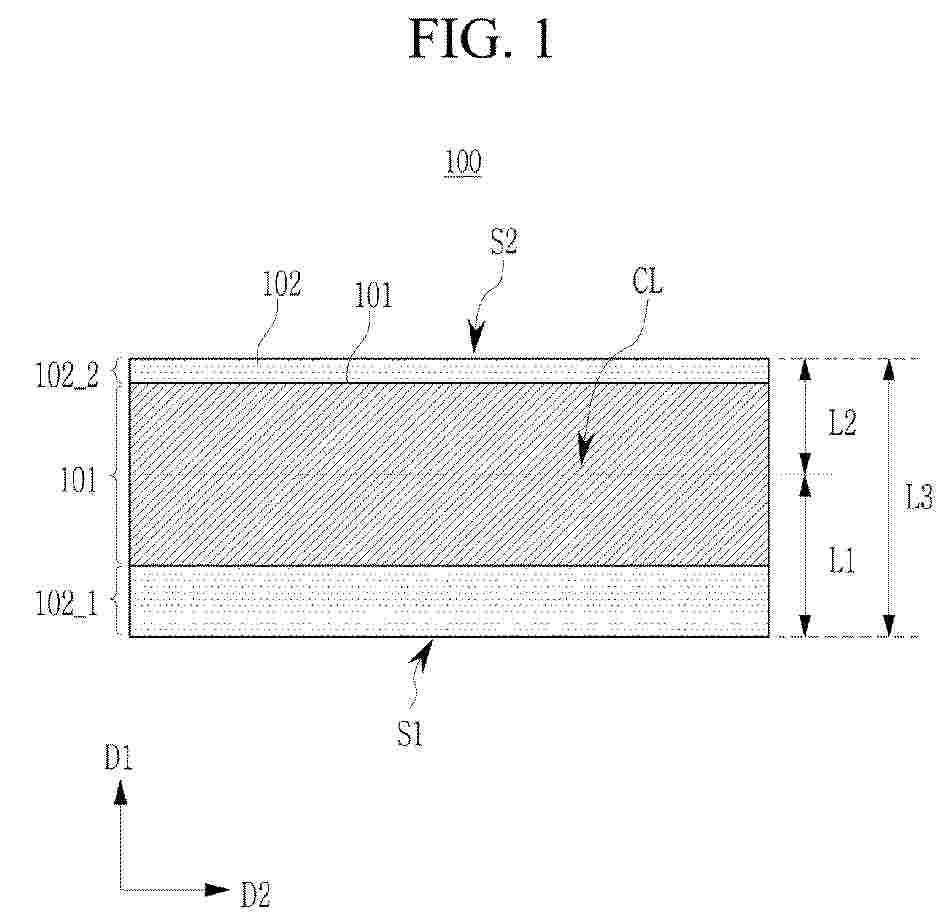
0001 The present invention relates to a reinforced composite membrane for a water electrolysis cell, a membrane-electrode assembly for a water electrolysis cell, comprising same, and a water electrolysis cell comprising same, wherein in the reinforced composite membrane for a water electrolysis cell, a porous support is arranged to be biased toward the surface adjacent to an oxygen evolution electrode before operation of the water electrolysis cell, on the basis of a prediction of the area that expands after the operation, the oxygen evolution electrode undergoing relatively greater expansion, thereby evenly distributing the expansion stress applied to the reinforced composite membrane for a water electrolysis cell after operation and improving the performance and durability of the membrane-electrode assembly and water electrolysis cell comprising same.
Resumen de: WO2025103558A1
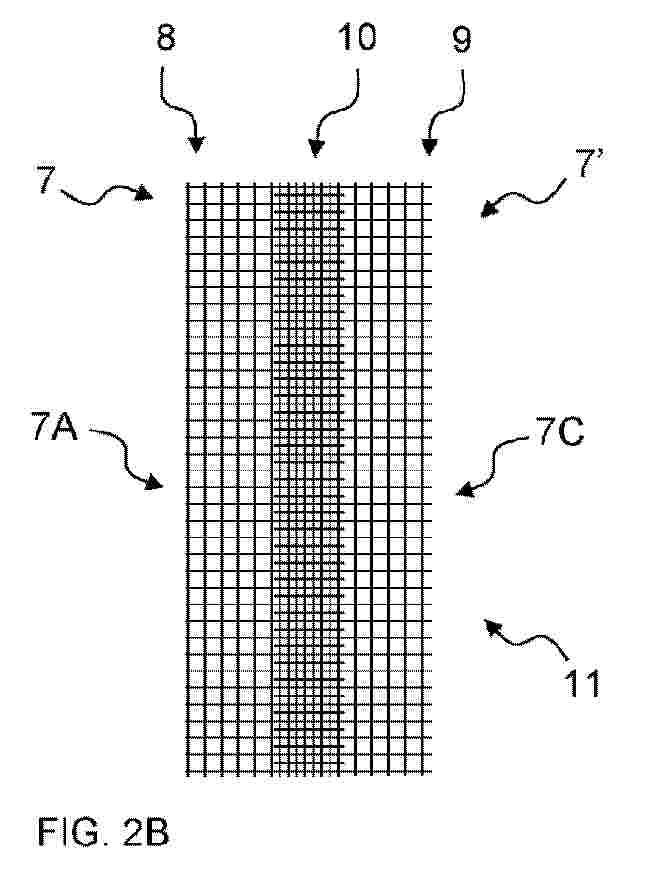
Porous hydrophilic separator, its method of production, and an alkaline electrolyzer with such separator In an alkaline electrolyzer (12), especially for production of hydrogen gas, the separator (11) has larger pores in layers (8, 9) on its outer sides (7A, 7C), facing the electrodes (13, 14), than in the bulk layer (10). In a practical embodiment, the separator (11) is composed of two diaphragms (7, 7'), each with asymmetric pore structure, where the diaphragms (7, 7') are oriented such that largest pores are on the outer sides of the sep- arator (11).
Resumen de: WO2025104428A1
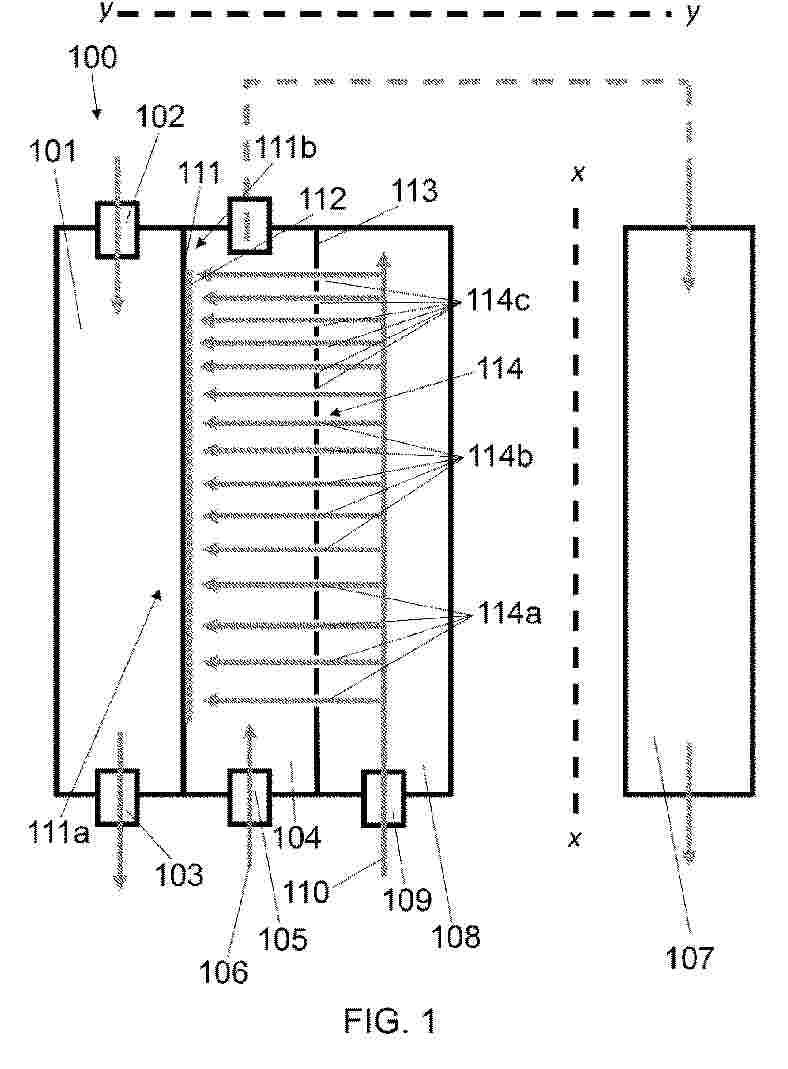
The invention provides a device for hydrogen production comprising a reaction chamber containing one or more catalysts disposed therein, a fuel gas inlet, and a hydrogen-rich gas outlet; a first reactant gas chamber having a first reactant gas inlet for conveying a first reactant gas and being in fluid communication with an exhaust; and a second reactant gas chamber having a second reactant gas inlet for conveying a second reactant gas; wherein the reaction chamber and the first reactant gas chamber share a first wall therebetween, the first wall comprising a thermally conductive substrate having a reaction chamber face and a first reactant gas chamber face, wherein the first reactant gas chamber face of the first wall has a reaction surface which is coated with a reactant gas decomposition catalyst; wherein the first reactant gas chamber further comprises a second wall opposite the first wall defining a volume therebetween, the second wall being shared between the first reactant gas chamber and the second reactant gas chamber; wherein the second wall comprises one or more apertures disposed in an aperture-containing area along a length and width of the second wall such that the second reactant gas chamber and the first reactant gas chamber are in fluid communication with one another, wherein the aperture-containing area has a first section, a second section, and a third section, the first section being a third of the aperture-containing area distal to the fuel gas inlet and
Resumen de: WO2025103570A1
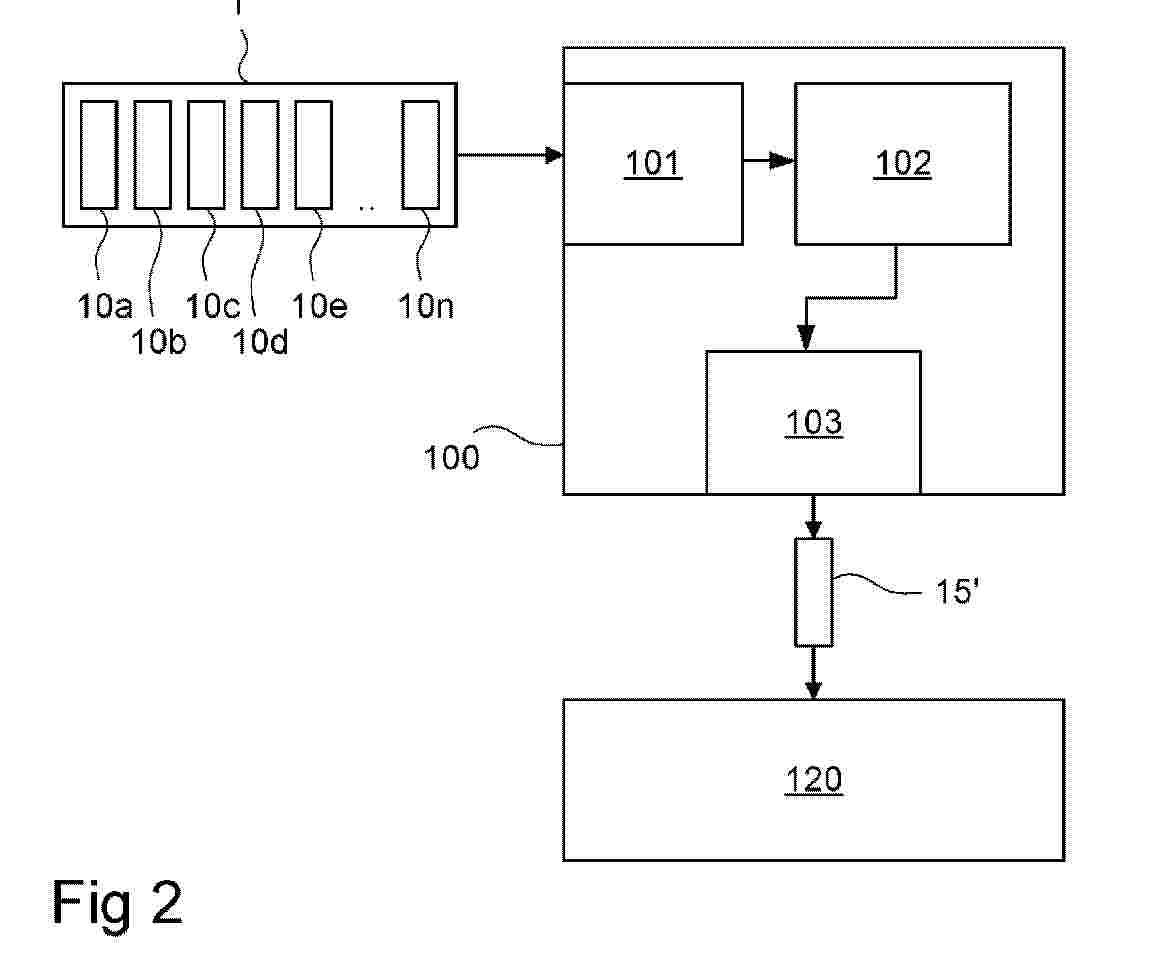
A method of producing hydrogen by reacting silicon powder and water, comprises providing water in a reactor (120), providing loose silicon powder in the reactor (120), dispersing the silicon powder in the water in the reactor (120), and5 collecting hydrogen gas from the reactor (120). The silicon powder is provided as a plurality of silicon doses, each silicon dose comprising a predetermined amount of the silicon powder. The disclosure provides methods systems and energy carriers which are suitable in the context of production of hydrogen by reacting silicon powder and10 water. (Fig. 1) 15
Resumen de: EP4811580A1
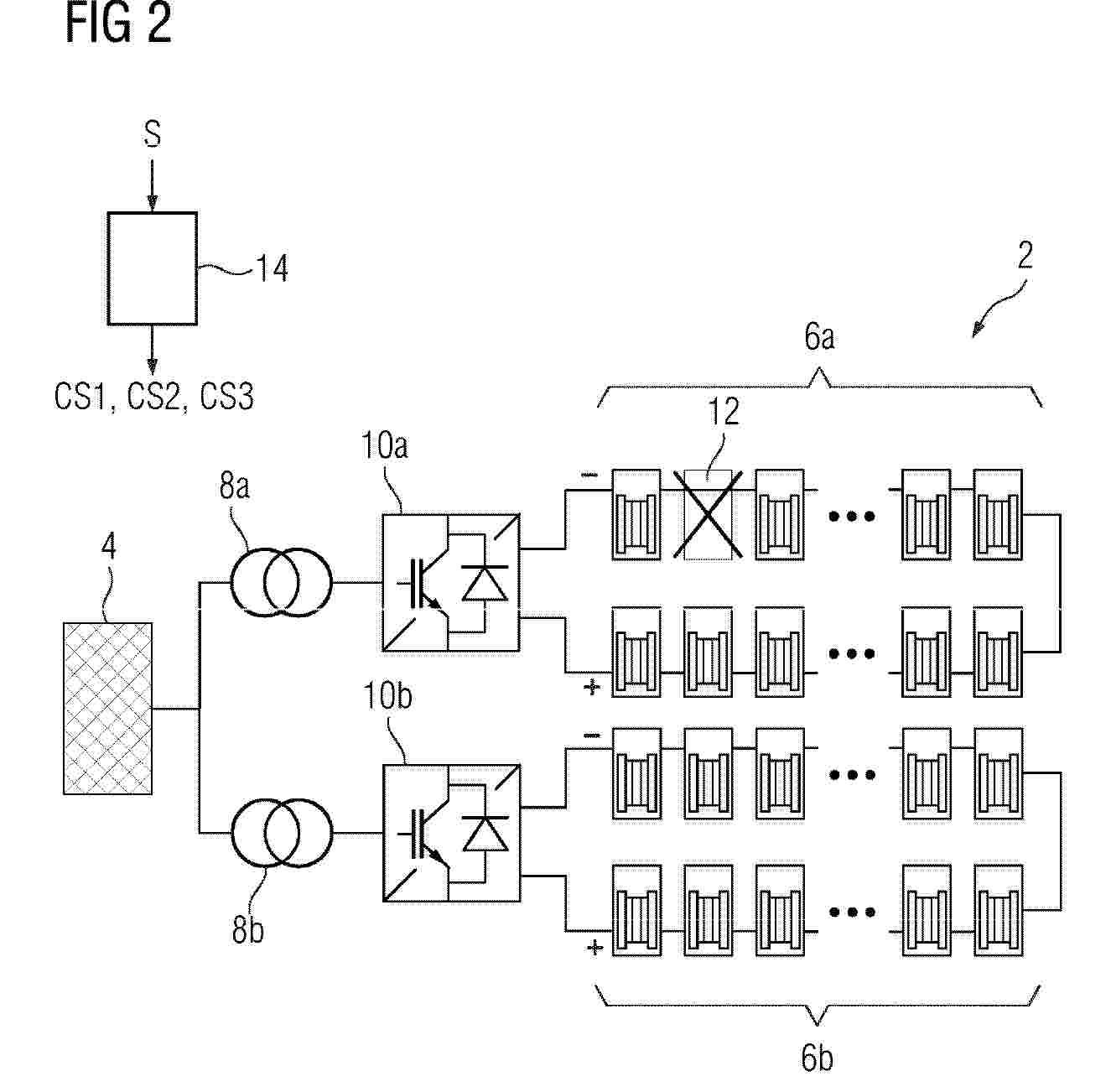
Method of operating an electrolysis system (2) where-in the method comprising the steps of:(S100) reading in a signal (S) for a faulty stack (12),(S200) providing a control signal (CS1) in order to bypass the faulty stack (12),(S300) providing a second control signal (CS2) in order to provide a first voltage adapted to the n-1 row (6b) with the faulty stack (12), and(S400) providing a third control signal (CS3) in order to provide a second voltage adapted to the n row (6a) without the faulty stack (12).
Resumen de: WO2025104292A1
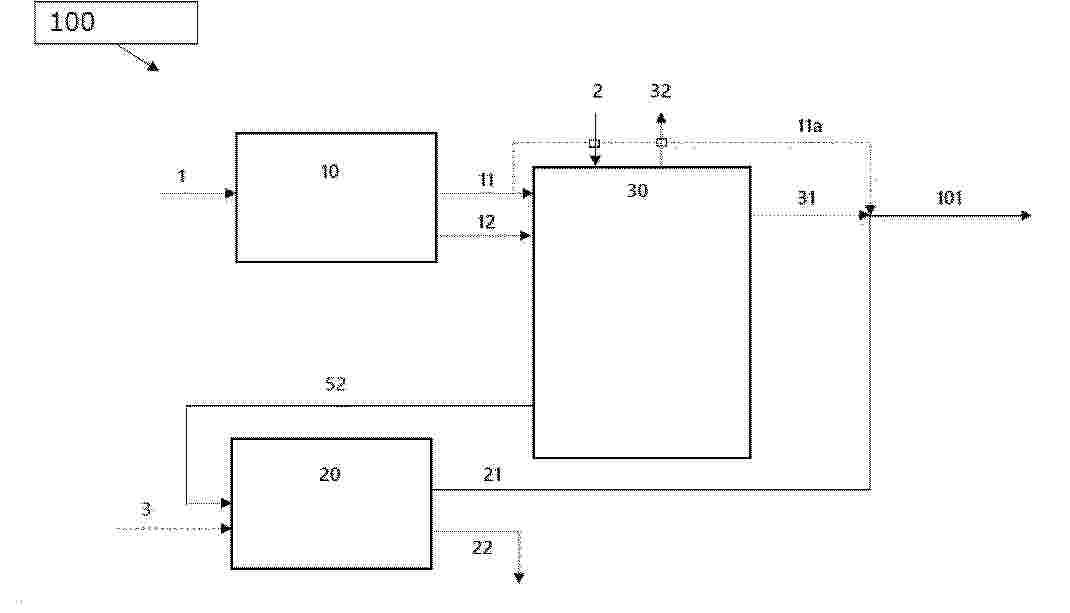
The invention relates to a system and a method for producing a synthesis gas from a carbon dioxide-rich feed stream and a water feedstock via electrolysis, wherein excess heat from CO2 electrolysis is arranged to generate steam to steam electrolysis. More specifically, a system and a process are provided for production of a synthesis gas stream, said system comprising: a carbon dioxide-rich feed stream; a first H2O-rich feed stream; a first solid oxide electrolysis (SOEC) section; a second solid oxide electrolysis (SOEC) section; and a conversion section. Optimal use of heat energy is achieved by heat transfer from the output of the first SOEC section to the input of the second SOEC section.
Resumen de: EP4810670A1
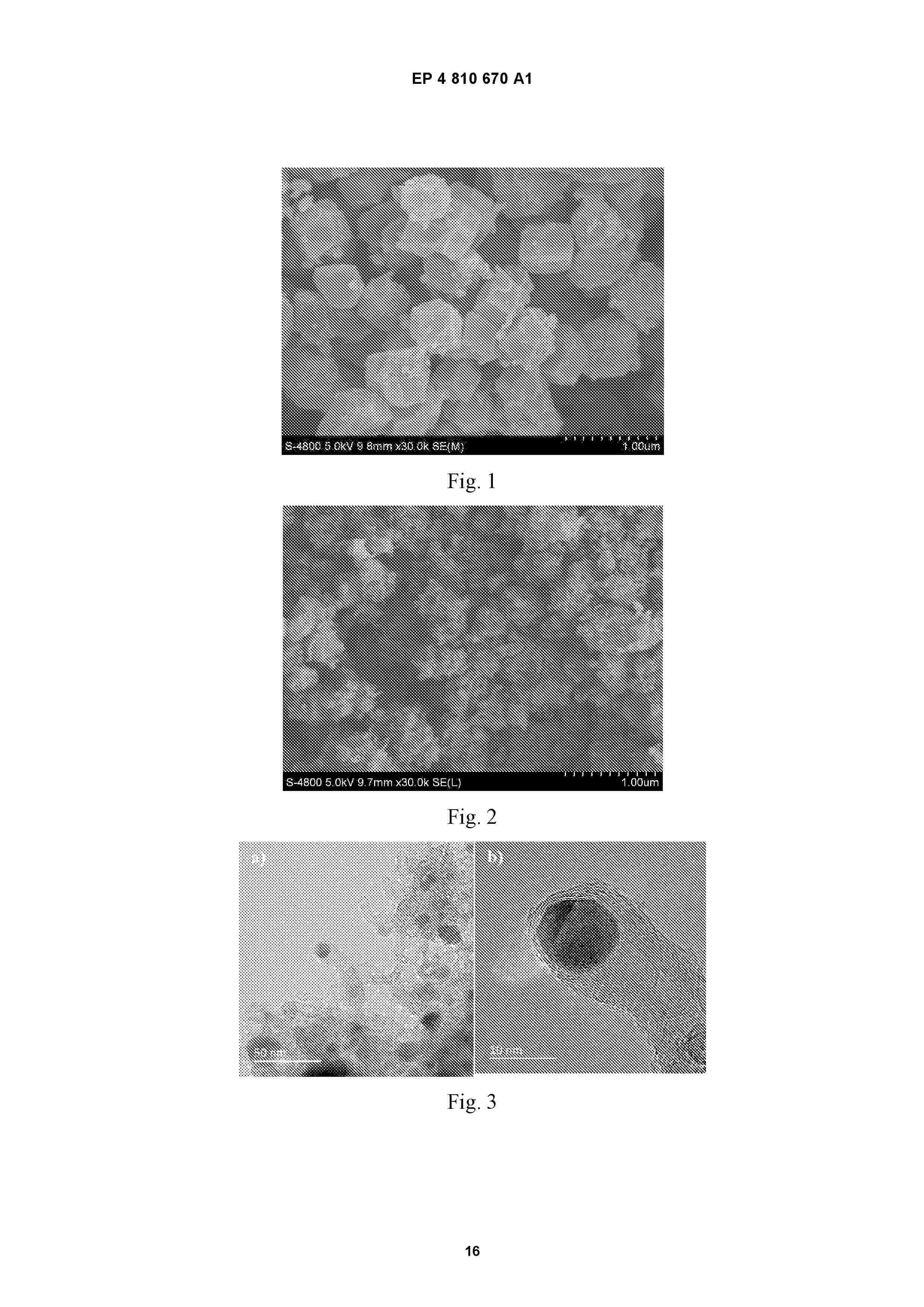
0001 The present invention relates to the field of hydrogen production by water electrolysis, and discloses a carbon nanotube-supported nitrogen-doped catalyst, wherein the catalyst has a carbon nanotube structure as carrier, with cobalt and ruthenium as active components, wherein the content of cobalt element is 30-45wt%, the content of ruthenium element is 1-7wt%, and relative to all ruthenium elements, the proportion of ruthenium element existing in the form of RuN is 60wt%-90wt%. The graphitic structure of this catalyst is conducive to charge conduction. Ru is uniformly loaded on the carrier surface through low-temperature reduction process and interaction with defect sites on the carrier surface, and then forms interactions with N elements and metallic Co after high-temperature calcining, thereby improving the hydrogen evolution catalytic activity of the catalyst.
Resumen de: WO2025103851A1
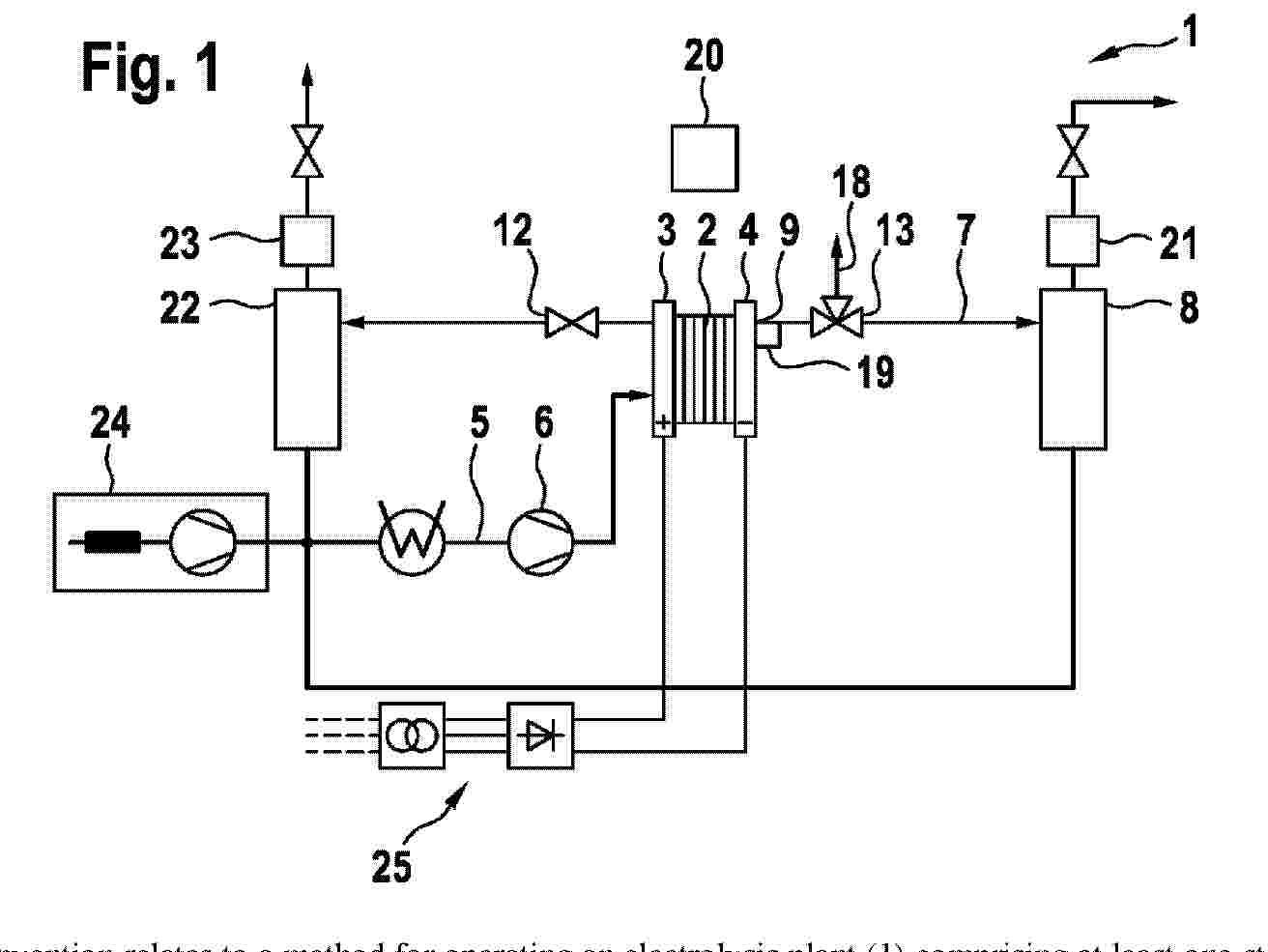
The invention relates to a method for operating an electrolysis plant (1) comprising at least one stack (2) which has a plurality of electrolysis cells and has an anode (3) and a cathode (4), wherein in normal operation of the electrolysis plant (1), water is supplied to the anode (3) via a water circuit (5) having an integrated pump (6), said water being split in the at least one stack (2) into hydrogen and oxygen by electrolysis, and wherein the hydrogen produced by electrolysis is discharged via a cathode outlet (9) of the stack (2) and a media line (7) connected to said cathode outlet. According to the invention, a reduced stack flow is maintained when the electrolysis plant (1) is shut down and, by means of the stack flow and a cell-side recombination catalyst (10), oxygen present on the anode side is recombined with hydrogen, which diffuses from the cathode side to the anode side, to form water. The invention further relates to an electrolysis plant (1) that is suitable for carrying out the method or can be operated according to the method.
Resumen de: EP4810657A1
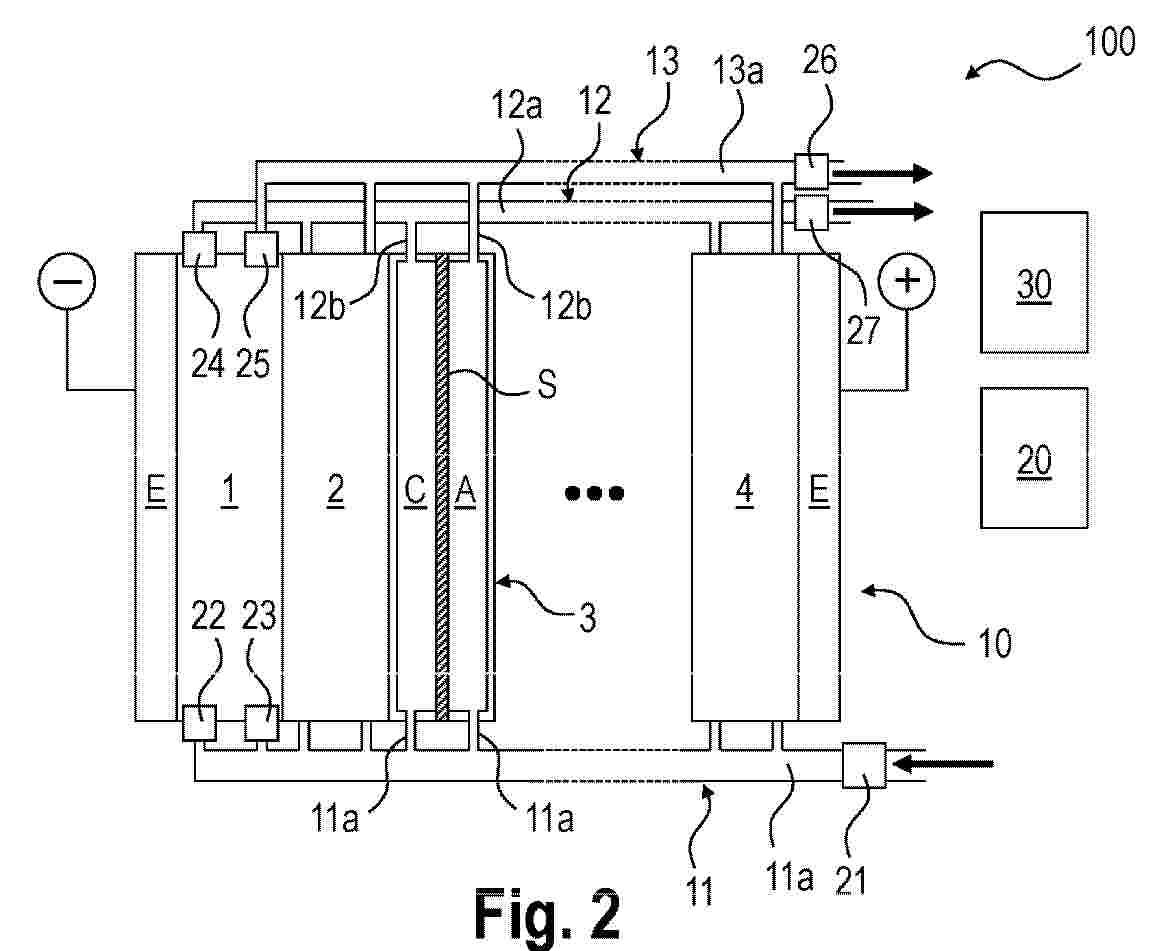
Vorliegend wird eine Elektrolyseanordnung (100) mit einem Elektrolyseblock (10) mit einer Vielzahl von Elektrolysezellen (1-3), die Kathodenkammern (C) und Anodenkammern (A) aufweisen, und mit einem Elektrolytsystem (20), das eine Speiseleitungsanordnung (11), eine kathodenseitige Entnahmeleitungsanordnung (12) und eine anodenseitige Entnahmeleitungsanordnung (13) aufweist, vorgeschlagen. Die Elektrolyseanordnung (100) ist dafür eingerichtet, den Kathodenkammern (C) und den Anodenkammern (A) über die Speiseleitungsanordnung (11) Lauge zuzuführen, den Kathodenkammern (C) über die kathodenseitige Entnahmeleitungsanordnung (12) Lauge und in den Kathodenkammern (C) gebildeten Wasserstoff zu entnehmen, und den Anodenkammern (A) über die anodenseitige Entnahmeleitungsanordnung (13) Lauge und in den Anodenkammern (A) gebildeten Sauerstoff zu entnehmen. In der Speiseleitungsanordnung (11), der kathodenseitigen Entnahmeleitungsanordnung (12) und/oder der anodenseitigen Entnahmeleitungsanordnung (13) ist oder sind ein oder mehrere Durchflussrestriktoren (21-27) bereitgestellt und dafür eingerichtet, einen Durchströmungsquerschnitt in Abhängigkeit von einem Mengenstrom der durch die Elektrolysezellen (1-3) geführten Lauge zu verändern. Ein entsprechendes Verfahren wird ebenfalls vorgeschlagen.
Resumen de: EP4810669A1
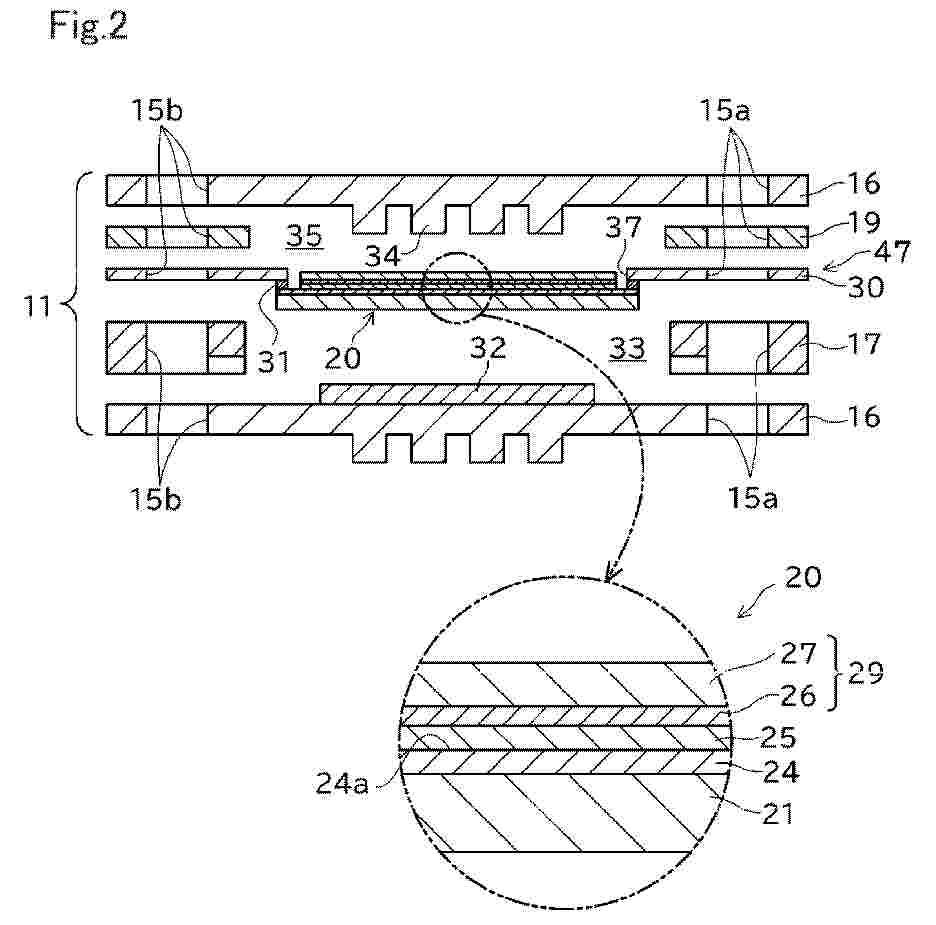
0001 Provided is a technique capable of suppressing lowering of current density, while suppressing separation at the interface between an air electrode and a solid electrolyte layer, during use of a solid oxide electrolysis cell. The solid oxide electrolysis cell includes an air electrode, a fuel electrode, and a solid electrolyte layer disposed between the air electrode and the fuel electrode. The air electrode contains: a complex oxide having a perovskite structure represented by a general formula ABO<3>; and ZrO<2>. The ZrO<2> content of the air electrode is 1×10<-3> mass% or greater and 5×10<-1> mass% or less with respect to the entire air electrode.
Resumen de: WO2025159903A1
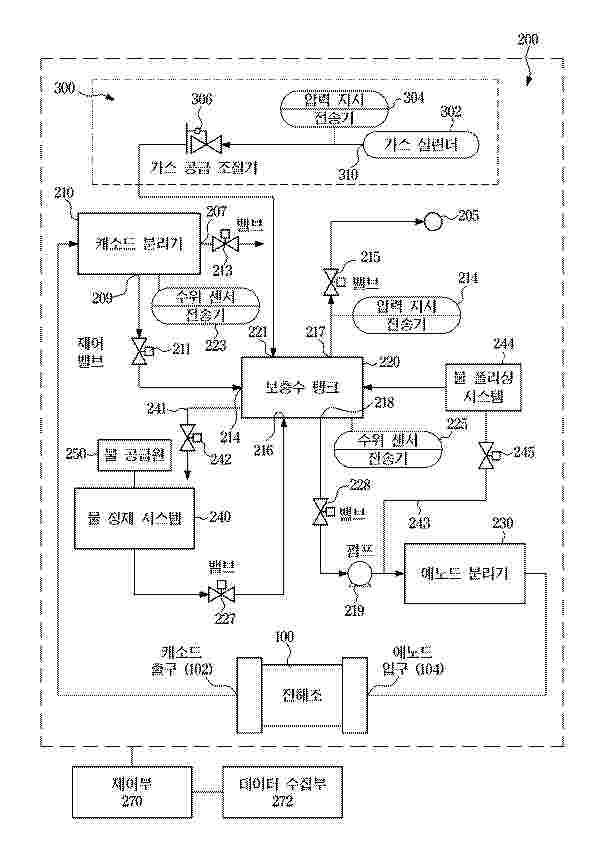
A system for separating a fluid in the operation of an electrochemical system includes: a cathode separator configured to separate a fluid into a first stream having hydrogen gas and a second stream having water and dissolved hydrogen; and a makeup water tank. The makeup water tank is configured to: receive the second stream from the cathode separator; operate at a pressure that is greater than atmospheric pressure and less than an operating pressure of the cathode separator; and separate at least a portion of the dissolved hydrogen from the water via a reduction in pressure from the cathode separator to the makeup water tank to provide a purified water stream and hydrogen gas. The hydrogen gas from the makeup water tank is configured to be transferred out of the makeup water tank and the purified water stream is configured to be transferred out the makeup water tank.
Resumen de: CN122787436A
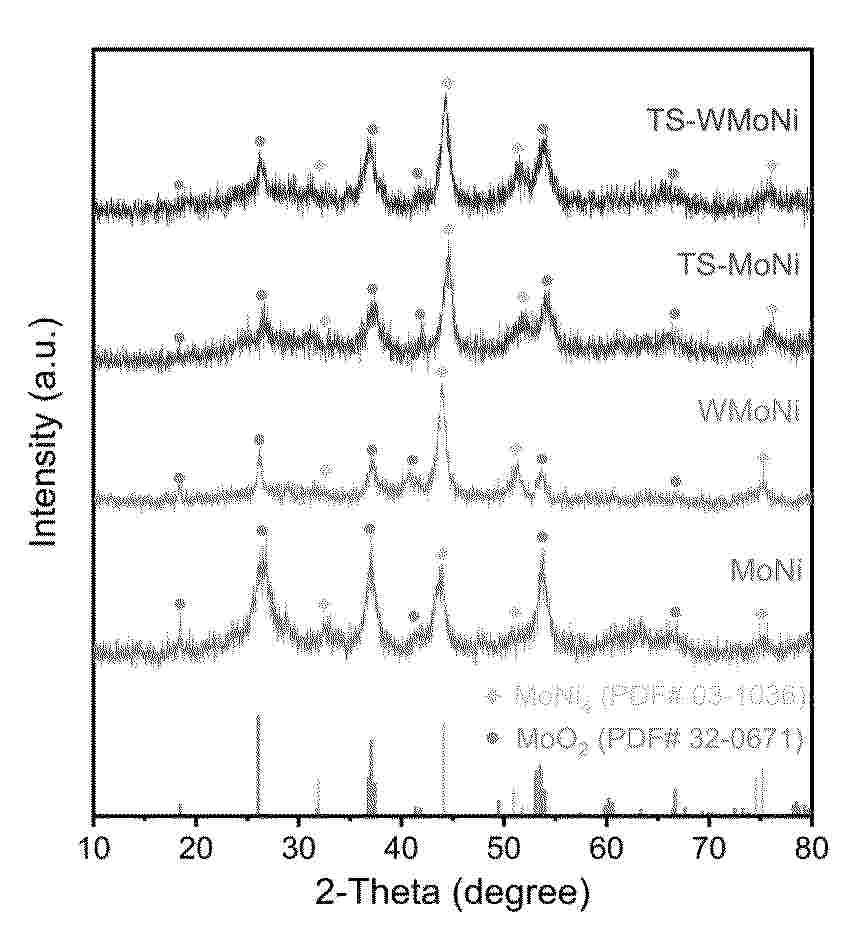
本发明属于功能化材料以及电解海水领域,具体涉及为一种扭转应变钨钼镍合金催化剂及其制备方法和应用。本发明提供的扭转应变钨钼镍合金催化剂的制备方法,包括以下步骤:将镍盐、钼酸盐与水混合,进行水热反应,得到钼酸镍纳米棒前驱体;将所述钼酸镍纳米棒前驱体于保护气体与还原性气体的混合气氛中进行还原反应,得到中间体;将所述中间体与钨盐醇溶液混合进行淬火,得到所述扭转应变钨钼镍合金催化剂。本发明提供的扭转应变钨钼镍合金催化剂能够抗沉淀,具有高活性和耐久性,在工业级电流密度下能够直接电解天然海水。
Resumen de: WO2025192602A1
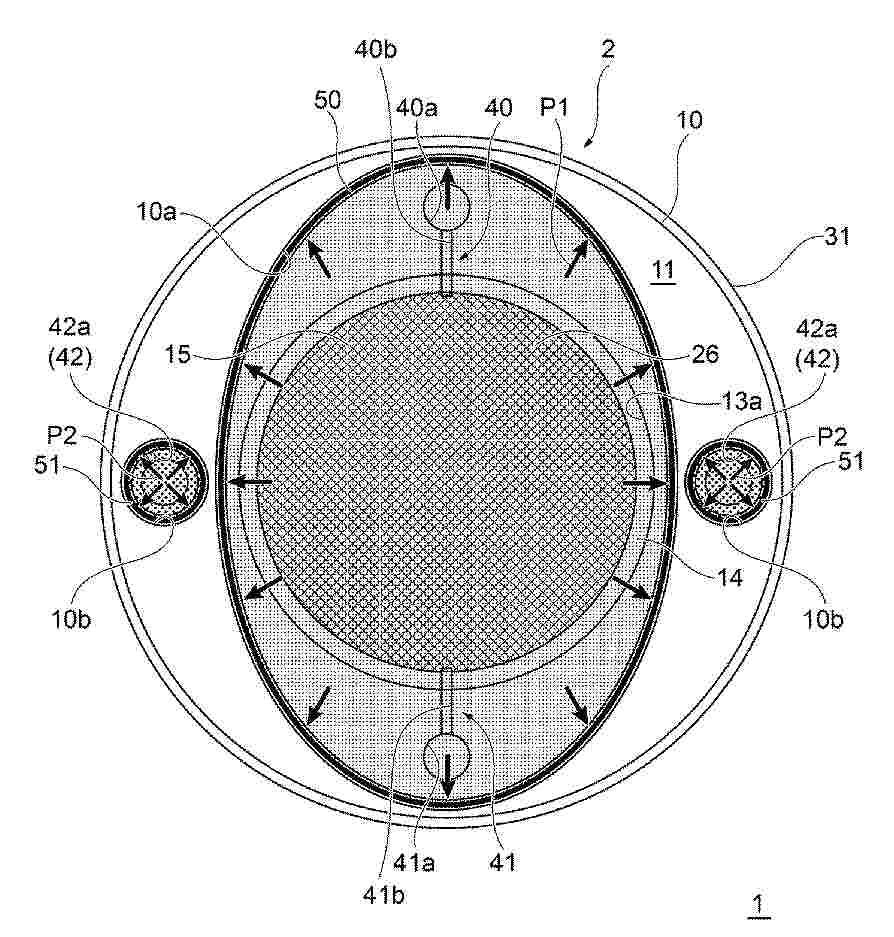
A cell unit (2) comprises: a base material (10) that defines a first surface (11) and a second surface (12) facing each other; a hole (13) that penetrates from the first surface (11) to the second surface (12); a film (21) that is disposed in the hole (13) and partitions the hole (13) into a first space (15) on the first surface (11) side and a second space (16) on the second surface (12) side; a first flow path (40) that is formed on the base material (10) and serves for introducing a first fluid into the first space (15); a second flow path (42) that is formed on the base material (10) and serves for taking out a second fluid from the second space (16); a first gasket (50) disposed on the first surface (11) and surrounding the first space (15) and the first flow path (40); and a second gasket (51) disposed on the first surface (11) and surrounding the second flow path (42) on the outside of the first gasket (50).
Resumen de: WO2025183169A1
A laminate according to the present invention comprises a porous metallic body on an electrolyte membrane. Fine metal particles are included at least in pores and/or in the electrolyte membrane-side surface of the porous metallic body. The average pore size of the porous metallic body is preferably 0.5-100 μm. The average particle size of the fine metal particles is preferably 5-200 nm. The thickness of the porous metallic body is preferably 1-500 μm. In addition, a fine metal particle layer is preferably provided between the electrolyte membrane and the porous metallic body. The porous metallic body is preferably a metal foam or a metal fiber mat.
Resumen de: CN122791403A
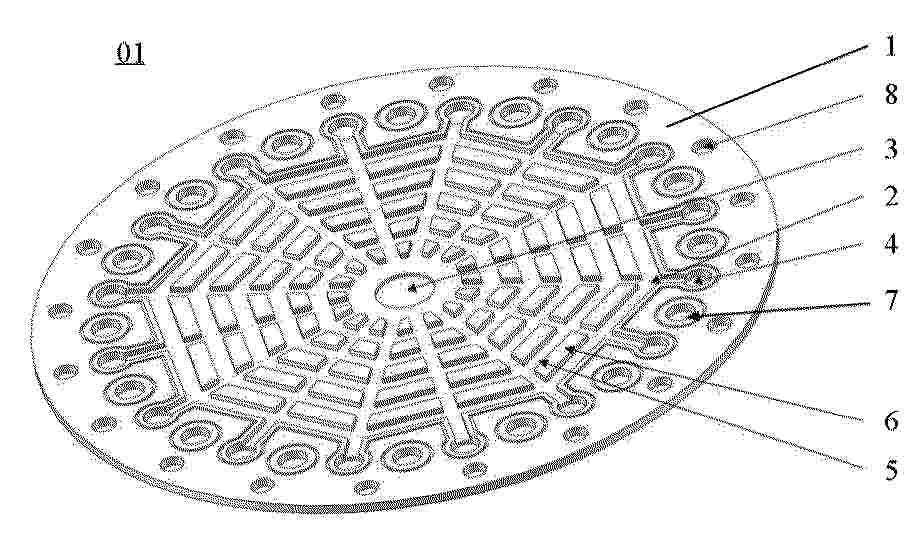
本申请提供一种流道板及电解装置,涉及电解水技术领域,具体技术方案为:流道板包括板体、以及设置于板体上的流道结构,流道结构包括:多个第一流道、流道入口、多个流道出口和多组第二流道,多个第一流道由板体的中心向四周呈发射状延伸;流道入口位于板体的中心,且与多个第一流道连通;多个流道出口与多个第一流道一一对应,且每个流道出口位于对应的第一流道的远离流道入口的一端;相邻的两个第一流道之间设置有一组第二流道,且每组第二流道与相邻两侧的两个第一流道均连通。采用本方案可以使流道板内的流体分布均匀,提高传质效率、减少涡流和气堵风险,并且,该流道板结构简单,有助于降低成本提高生产良率。
Resumen de: CN122791423A
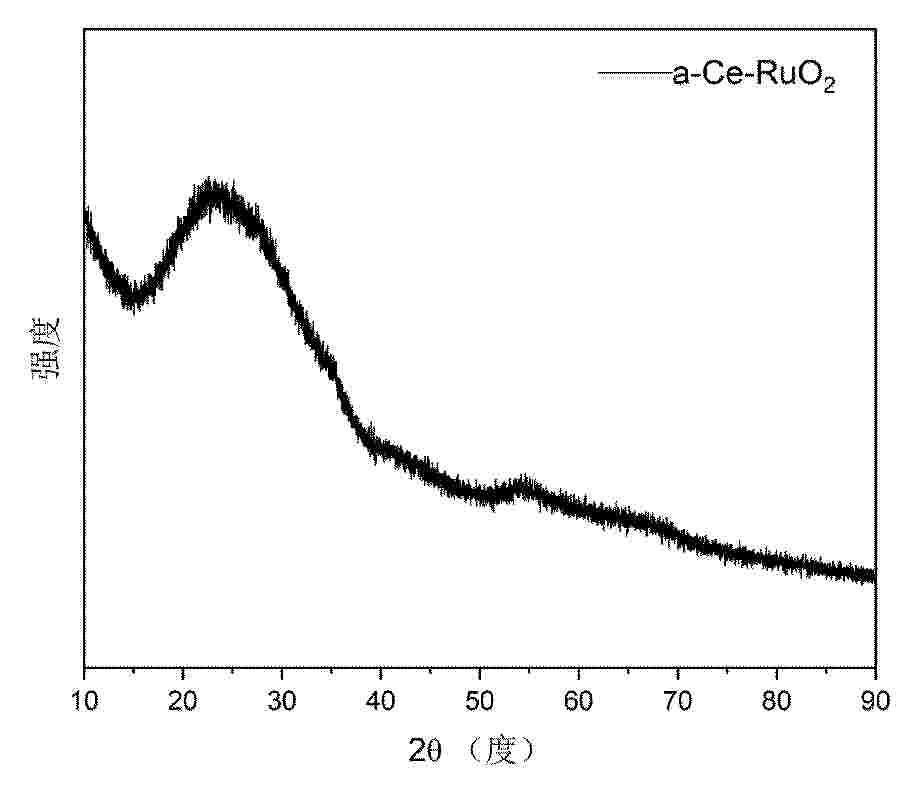
0001 本发明属于微纳米材料制备技术领域,具体涉及一种稀土元素掺杂的非晶氧化钌催化剂及其制备方法和应用。本发明提供的制备方法,包括以下步骤:将稀土金属硝酸盐与钌盐混合均匀,得到前驱体;将硝酸锂加热至270‑300℃,得到熔融LiNO<3>;将前驱体加入熔融LiNO<3>中进行反应,反应结束后冷却至室温,将LiNO<3>与产物分离后,即得稀土元素掺杂的非晶氧化钌催化剂。本发明提供的方法通过熔融LiNO<3>提供的富氧环境,同时以熔融盐中的Li<+>辅助合成,不需要精确控制煅烧温度和煅烧时间,就可以稳定得到稀土元素掺杂的非晶氧化钌催化剂。本发明工艺简单、可以大规模生产,制备出的催化剂在电催化析氧反应中表现出较高的活性。
Resumen de: CN122791413A
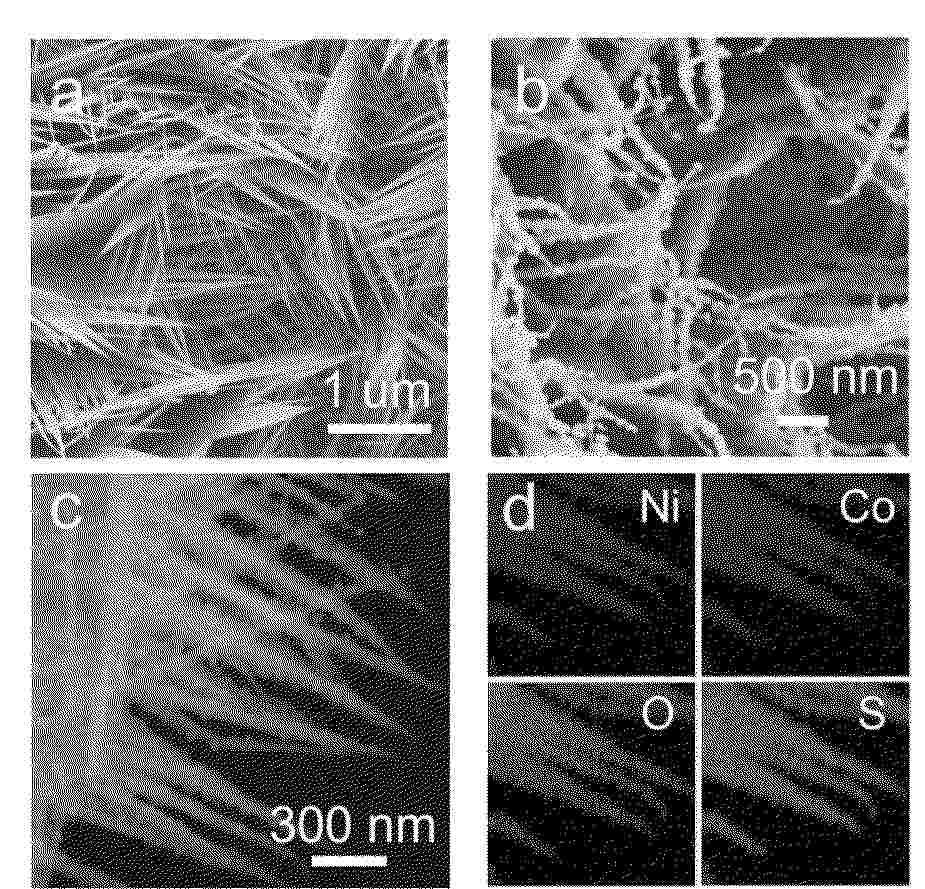
本发明属于电催化技术领域,公开了一种NiCo2S4纳米针阵列催化剂。所述NiCo2S4纳米针阵列通过以下方法制备:对导电基底进行清洗和表面活化预处理;在预处理后的导电基底表面原位生长Ni‑Co前驱体纳米针阵列;将所述Ni‑Co前驱体纳米针阵列进行硫化转化,得到NiCo2S4纳米针阵列。本发明利用纳米针尖端的小曲率半径所产生的尖端效应,增强了局域电场分布和反应界面电荷积累,有利于促进反应物吸附、键活化和电子转移过程,从而提升电催化反应动力学。本发明的制备方法简单、结构可控,可通过调节前驱体生长条件和硫化条件实现纳米针长度、密度及尖端形貌的调控,具有较好的可重复性和放大制备潜力。
Resumen de: CN122791428A
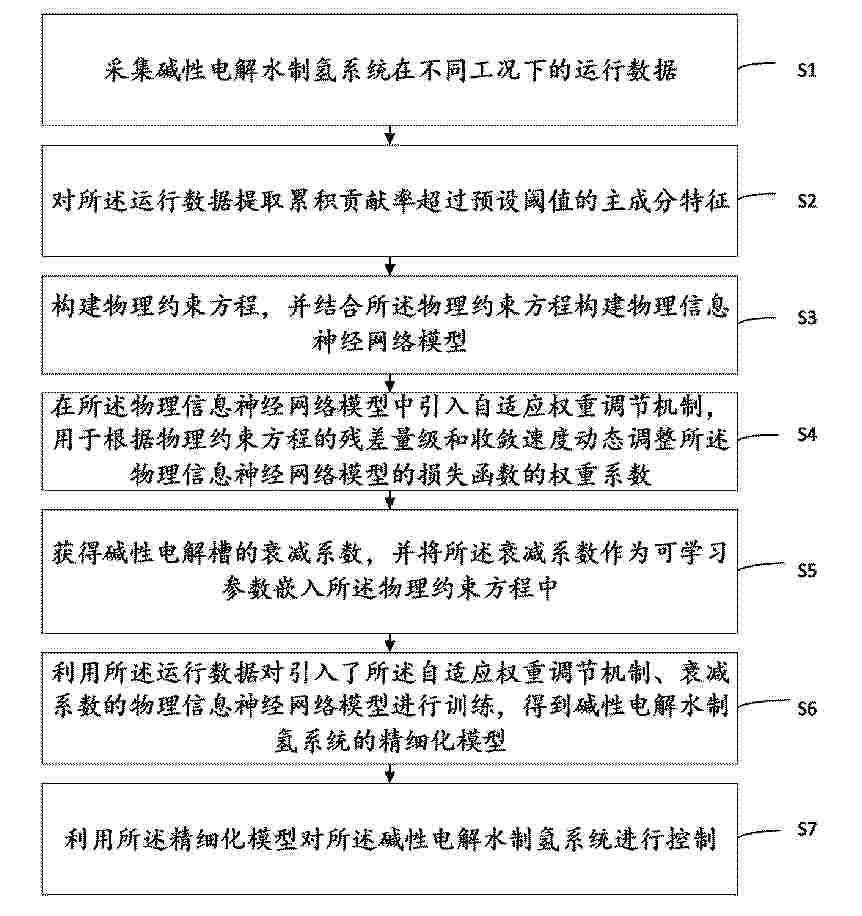
本发明提供一种碱性电解水制氢系统控制方法及装置,所述方法包括:采集碱性电解水制氢系统在不同工况下的运行数据;对所述运行数据提取累积贡献率超过预设阈值的主成分特征;构建物理约束方程,并结合所述物理约束方程构建物理信息神经网络模型;在所述物理信息神经网络模型中引入自适应权重调节机制;获得碱性电解槽的衰减系数,并将所述衰减系数作为可学习参数嵌入所述物理约束方程中;利用所述运行数据对引入了所述自适应权重调节机制、衰减系数的物理信息神经网络模型进行训练,得到碱性电解水制氢系统的精细化模型;利用所述精细化模型对所述碱性电解水制氢系统进行控制。
Nº publicación: CN122787030A 22/09/2026
Solicitante:
潍坊学院
Resumen de: CN122787030A
本发明公开了一种WO3‑In2O3/CuO‑ZrO2载氧体及其制备方法和应用,涉及载氧体技术领域。其技术方案包括以下步骤:1)载体CuO‑ZrO2的制备:将ZrO(NO3)2·2H2O、Cu(NO3)2·3H2O溶解于水中,尿素作为沉淀剂,反应,干燥,煅烧,得到双金属氧化物载体CuO‑ZrO2;2)In2O3/CuO‑ZrO2的制备:加入In(NO3)3·4.5H2O,老化,煅烧;得到In2O3/CuO‑ZrO2;3)载氧体WO3‑In2O3/CuO‑ZrO2的制备:加入Na2WO4·2H2O,搅拌,蒸发水得到固体,干燥,煅烧,得到载氧体。本发明实现了NH3分子的高效转化。
 BOPI
BOPI
 Sede Electrónica