Si deseas distinguir tus productos, servicios o ambos de los de otra empresa, es posible que necesites una marca o nombre comercial. Descubre qué son, en qué consiste su procedimiento de registro y qué implica.

Información sobre los plazos de presentación de solicitudes de transformación de marcas de la Unión Europea en marca nacional española. Más información


Si tienes un nuevo dispositivo, producto o procedimiento que resuelva un problema técnico o tenga una ventaja práctica, existen distintas formas de protegerlo en España y en otros países. Descubre cómo hacerlo.

¿Tu innovación reside en la estética, la ornamentación o la apariencia de tu producto? Protégela mediante un diseño industrial. Descubre qué derechos confiere el registro y cómo realizar la tramitación.

Las indicaciones geográficas protegen el nombre de un producto originario de una zona geográfica, a la cual le debe una determinada calidad, reputación u otra característica. Descubre qué son, en qué consiste su procedimiento de registro y qué beneficios conceden.

Las patentes publicadas en todo el mundo son una valiosa fuente de información científica, técnica y comercial.

Si eres emprendedor/a o una empresa y quieres potenciar y mejorar la rentabilidad de tu negocio protegiendo de forma adecuada los activos intangibles de tu organización, en este espacio encontrarás lo necesario.


 513
resultados
513
resultados
 Última actualización
16/10/2026 [07:15:00]
Última actualización
16/10/2026 [07:15:00]


 Resultados 50 a 75 de 513

Resumen de: AU2025251398A1
The present invention relates to immunosuppressive compounds that deplete coronin 1 levels, in particular to coronin 1 promoter inhibitors. Accordingly, the present invention relates to a compound of formula (I) or a pharmaceutically acceptable salt, stereoisomer, diastereoisomer, enantiomer, polymorph, racemic mixture, or solvate thereof. The compound of formula (I) can be used as a medicament, in particular for inhibiting coronin 1 expression in the induction of immunosuppression or in the treatment and/or prevention of a disease or disorder selected from the group consisting of transplant rejection, autoimmune diseases, inflammatory diseases, infectious diseases, and lymphoproliferative disorders. The present invention further relates to a pharmaceutical composition comprising the compound of the present invention and a pharmaceutically acceptable carrier.

Resumen de: WO2025122791A1
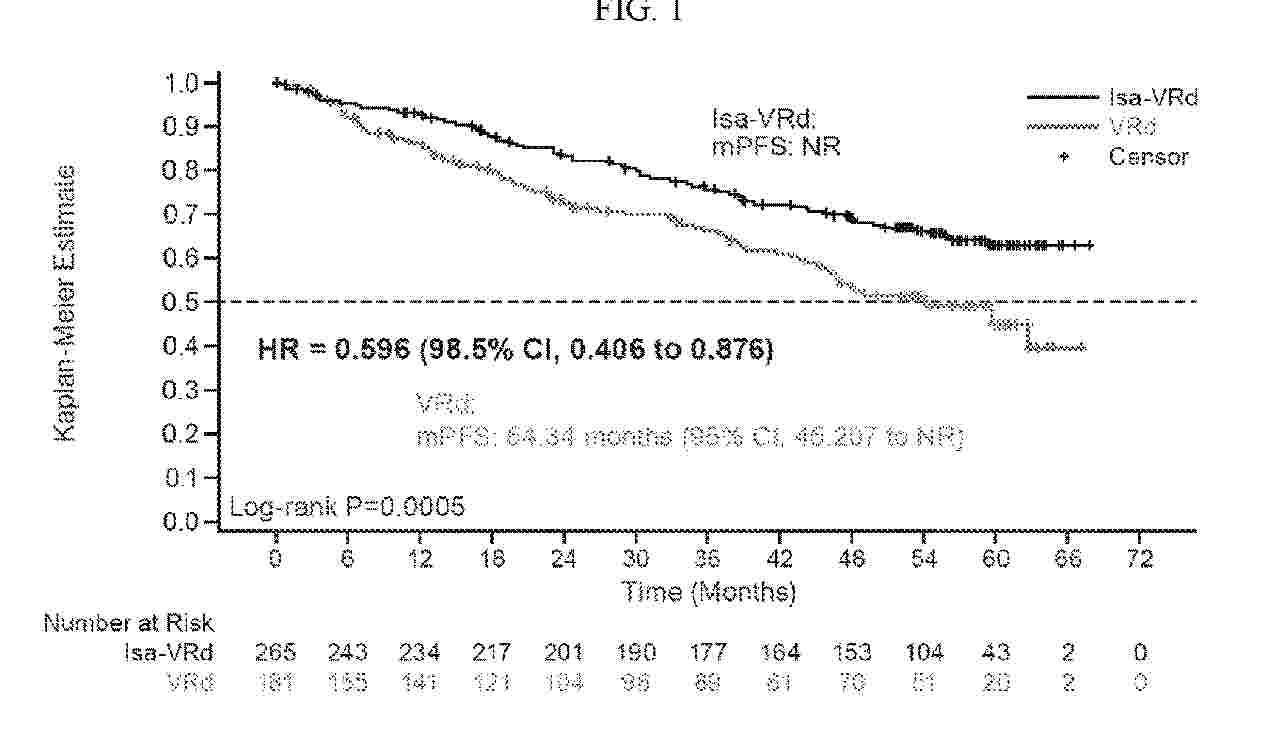
Provided herein are methods and uses for treating multiple myeloma (such as Newly Diagnosed Multiple Myeloma) in a patient in need thereof. The methods comprise administering to the patient an anti-CD38 antibody, bortezomib, lenalidomide, and dexamethasone.
Resumen de: WO2025122985A1
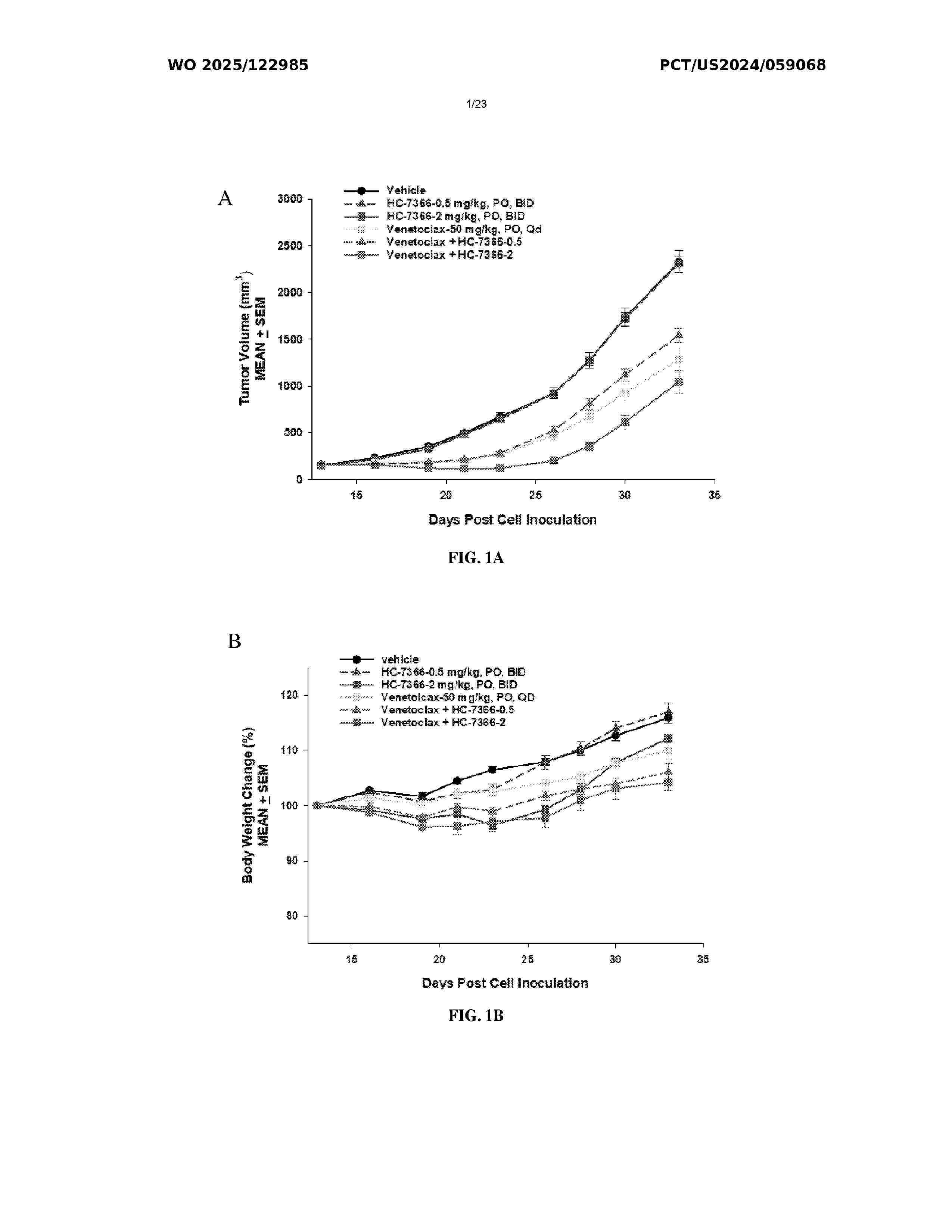
Provided herein are methods of treating acute myeloid leukemia (AML) in a subject in need thereof, comprising administering to the subject combinations of Compound 1, or a pharmaceutically acceptable salt thereof, venetoclax, and 5-azacitidine. Also provided herein are methods of inhibiting/overcoming resistance of AML to venetoclax in a subject in need thereof, and/or improving the efficacy of venetoclax in the treatment of AML in a subject in need thereof, comprising administering to the subject combinations of Compound 1, or a pharmaceutically acceptable salt thereof, venetoclax, and 5-azacitidine.
Resumen de: EP4821917A1
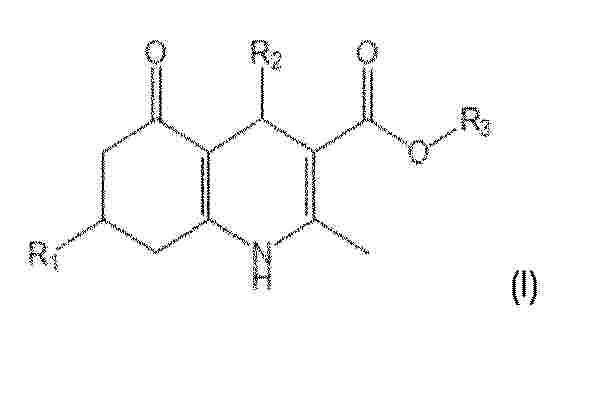
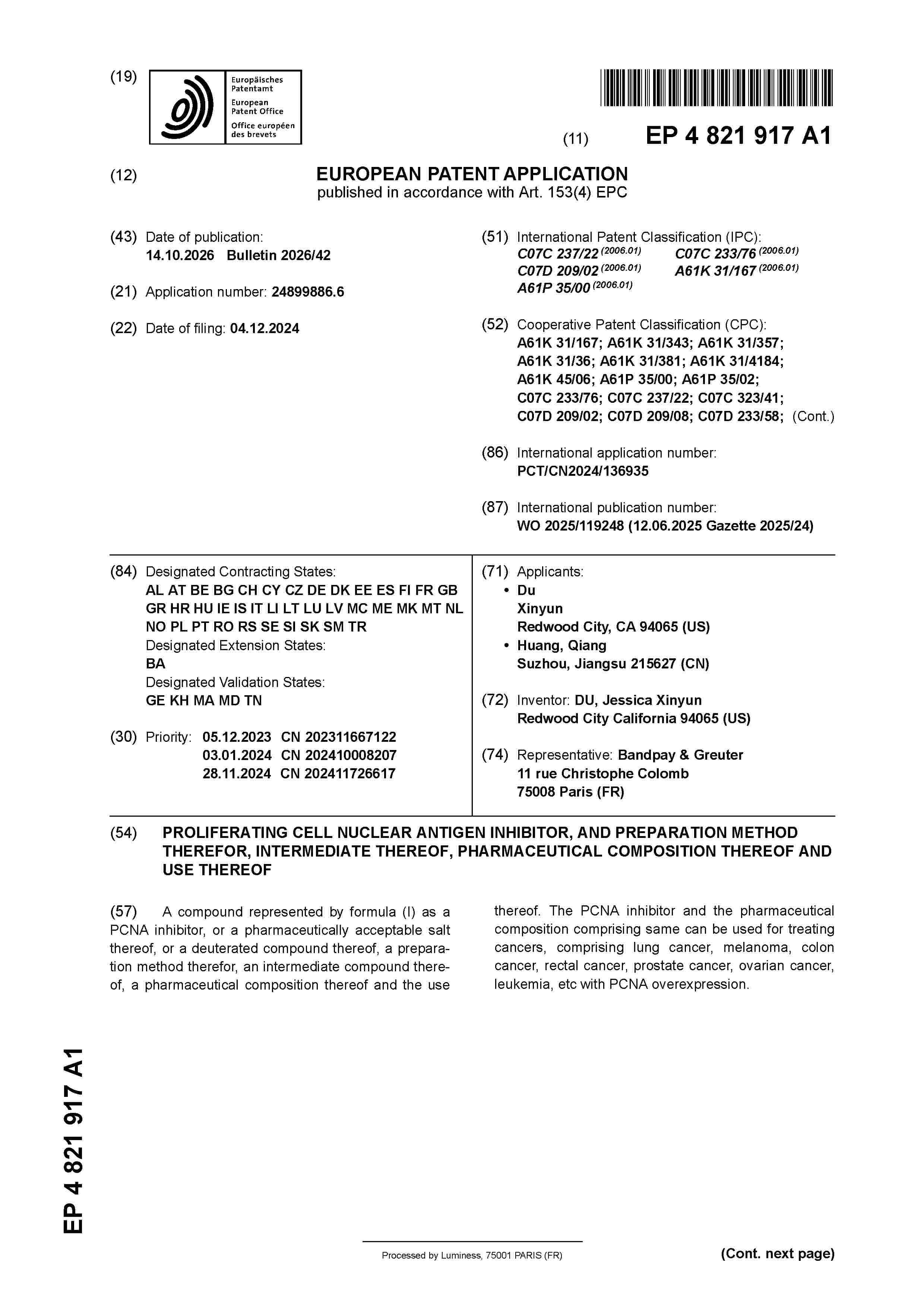
0001 A compound represented by formula (I) as a PCNA inhibitor, or a pharmaceutically acceptable salt thereof, or a deuterated compound thereof, a preparation method therefor, an intermediate compound thereof, a pharmaceutical composition thereof and the use thereof. The PCNA inhibitor and the pharmaceutical composition comprising same can be used for treating cancers, comprising lung cancer, melanoma, colon cancer, rectal cancer, prostate cancer, ovarian cancer, leukemia, etc with PCNA overexpression.
Resumen de: EP4821484A1
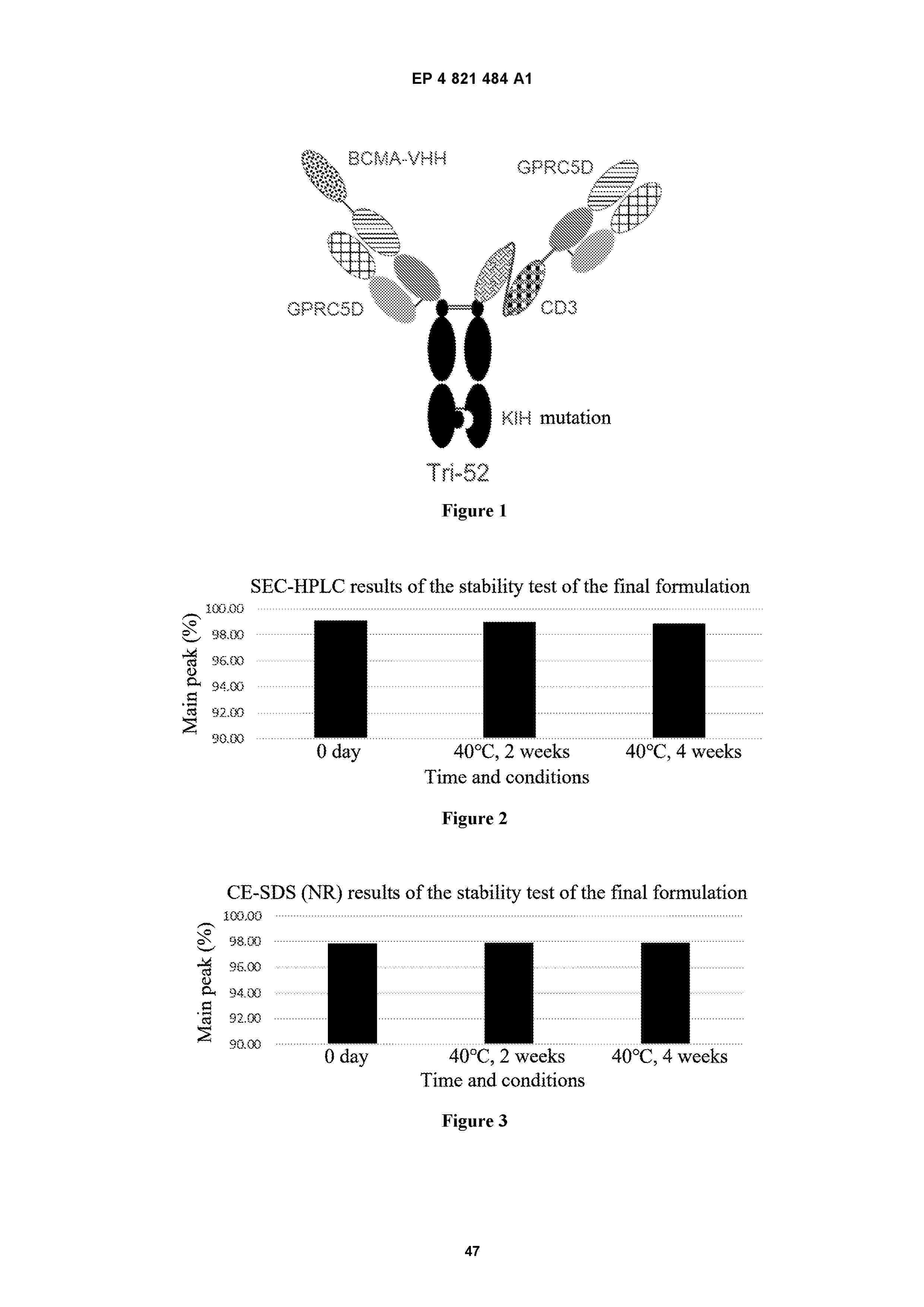
0001 The present disclosure relates to a composition, which can be a lyophilization preparation liquid or a lyophilized powder preparation. The composition comprises a multispecific antibody, a surfactant, a buffer system, and a stabilizer/a osmotic pressure regulator. Further disclosed are a preparation method and use of the composition, for example use in the treatment of a tumor, in particular multiple myeloma.
Resumen de: WO2025120113A1
Provided herein are methods of treating and/or managing multiple myeloma, which comprise administering to a patient 3-(4-((4-(morpholinomethyl)benzyl)oxy)-1-oxoisoindolin-2-yl)piperidine-2,6-dione ("Compound A"), or an enantiomer or a mixture of enantiomers, a tautomer, an isotopolog, a pharmaceutically acceptable salt, solvate, hydrate, co-crystal, clathrate, or polymorph thereof, in combination with a bispecific antibody comprising a first binding part binding to B cell maturation antigen (BCMA) and a second binding part binding to cluster of differentiation 3 (CD3).
Resumen de: US20260306486A1
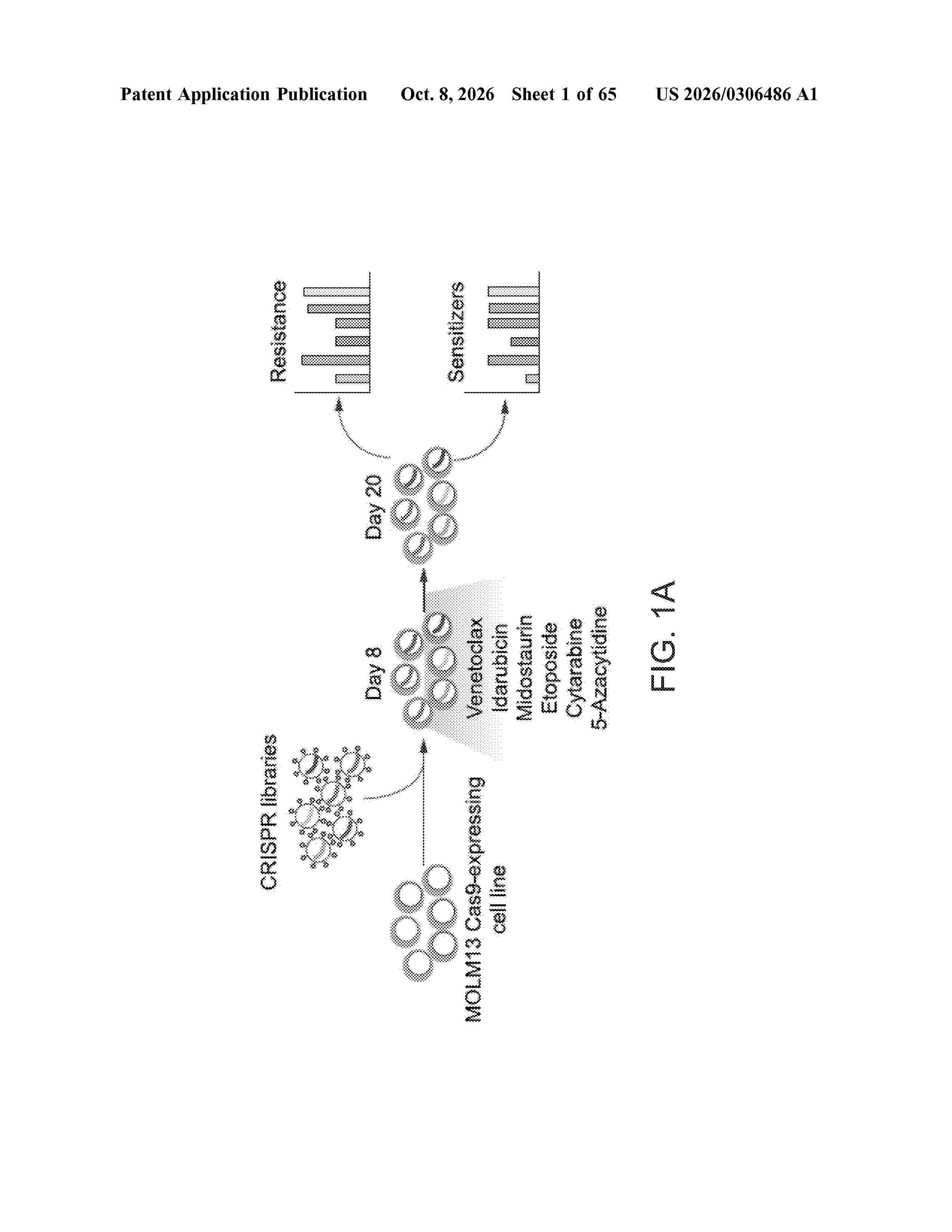
The present disclosure provides methods for treating leukemia (e.g., AML) using a CLK/DYRK inhibitor and a B-cell lymphoma 2 (BCL2) inhibitor (e.g., venetoclax). Kits for use in practicing the methods are also provided.
Resumen de: AU2025235980A1
Provided herein are methods of treating a subject who has multiple myeloma and has received one to three prior treatment(s). Infusions of chimeric antigen receptor (CAR)-T cells comprising a CAR capable of specifically binding to an epitope of BCMA are administered to the subject.
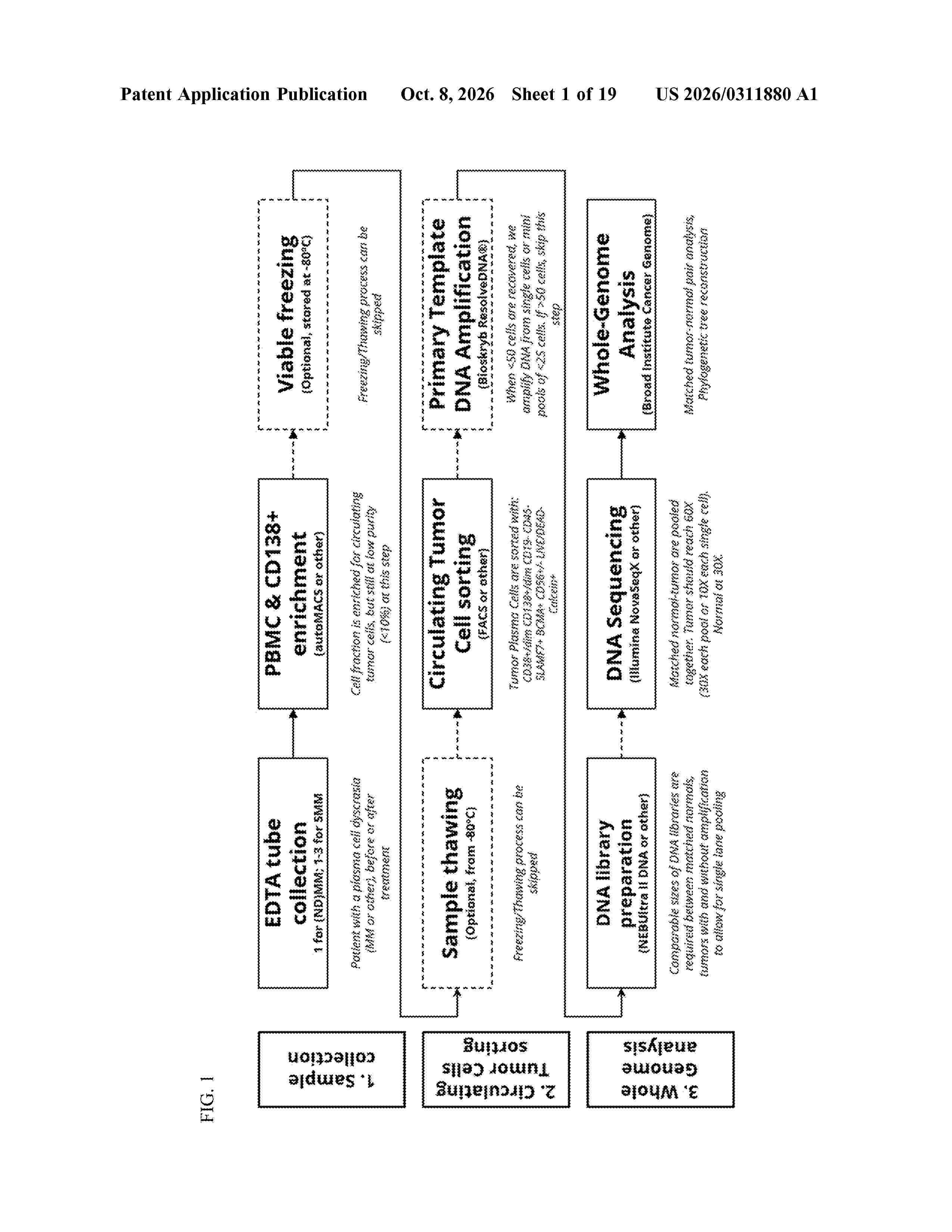
Resumen de: US20260311880A1
0000 Disclosed are methods of monitoring minimum residual disease using genomic profiling. In some methods, a subject has or has had multiple myeloma or a precursor thereof. The methods include amplifying a sample using primary template-directed whole genome amplification (PTWGA) and enable monitoring of liquid samples, such as blood samples.
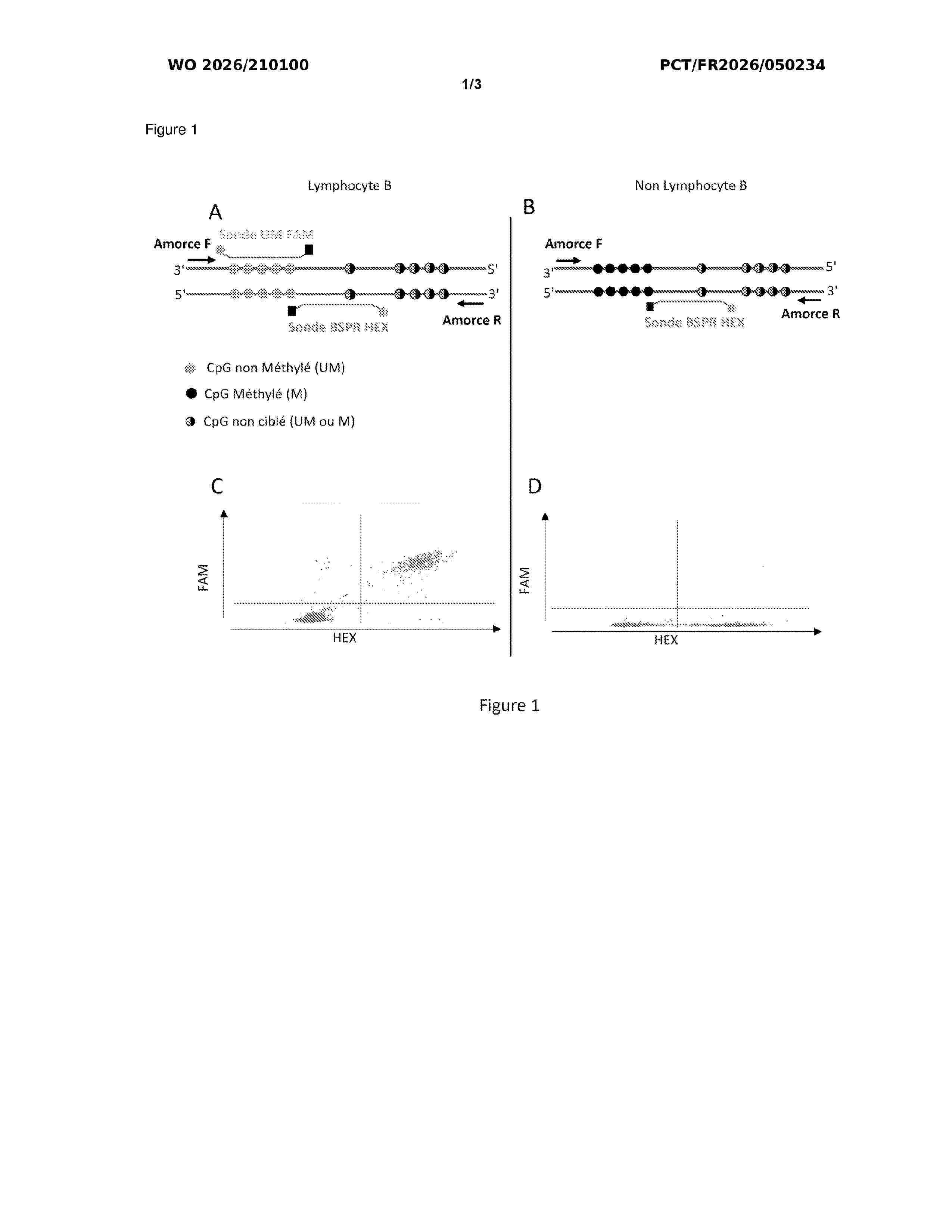
Resumen de: WO2026210100A1
The invention relates to a method for the in vitro diagnosis of a B-cell lymphoma of the central nervous system, comprising analysing the methylation status of at least one, in particular of at least two, more particularly of at least three, preferably of at least four, more preferably of the five CpG motifs of the LRP5 (Low-density lipoprotein receptor-related protein 5) gene present in the circulating free DNA derived from at least one cerebrospinal fluid sample. The invention also relates to a method for monitoring the response to an anti-cancer treatment and to kits associated with the method for in vitro diagnosis.
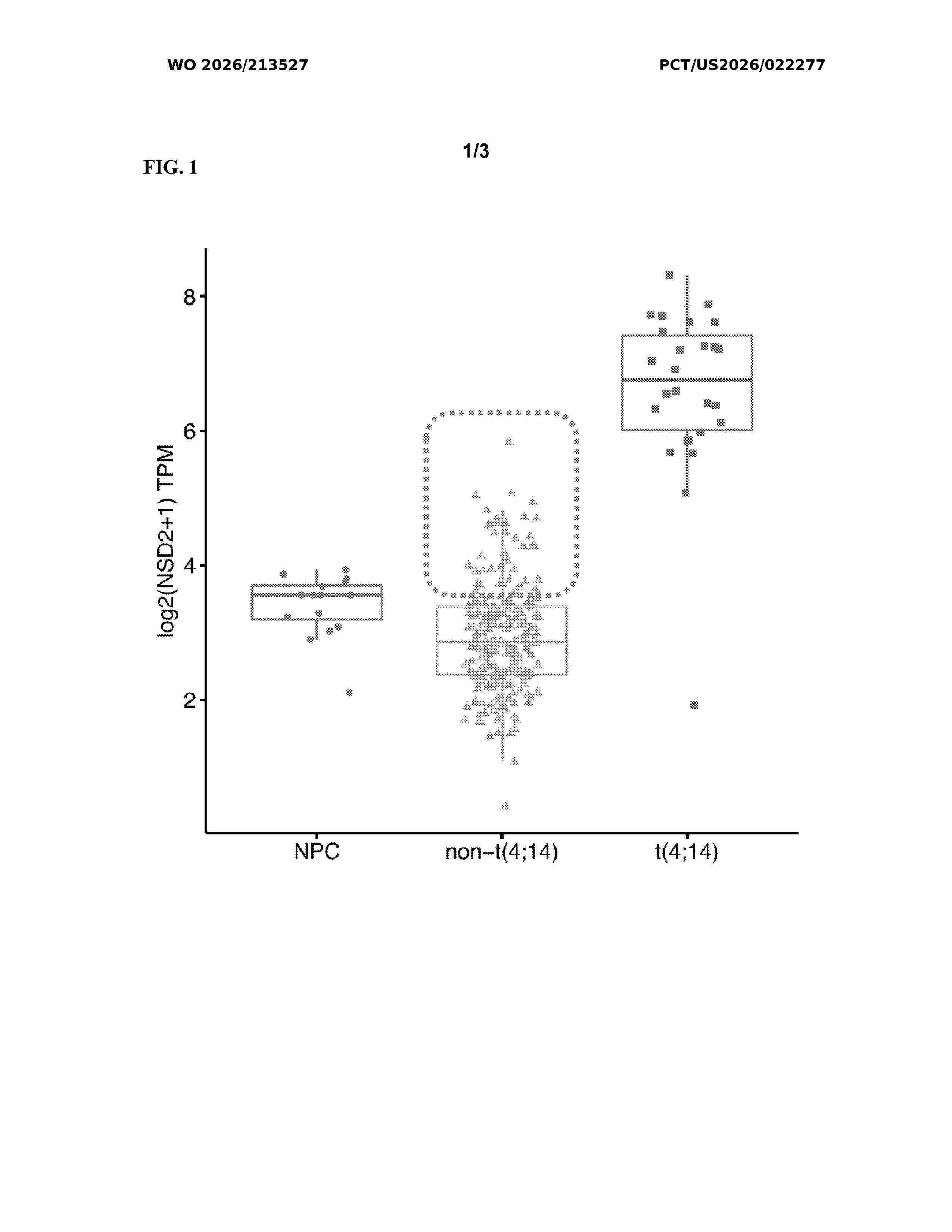
Resumen de: WO2026213527A1
The present invention provides methods and compositions for using a piperidinyl-methylpurineamine nuclear SET domain- containing protein 2 (NSD2) inhibitor to treat light chain myeloma in subjects with reduced activity of the TP53 gene or elevated expression of NSD2 due to a medical defect other than a t(4; 14) translocation.
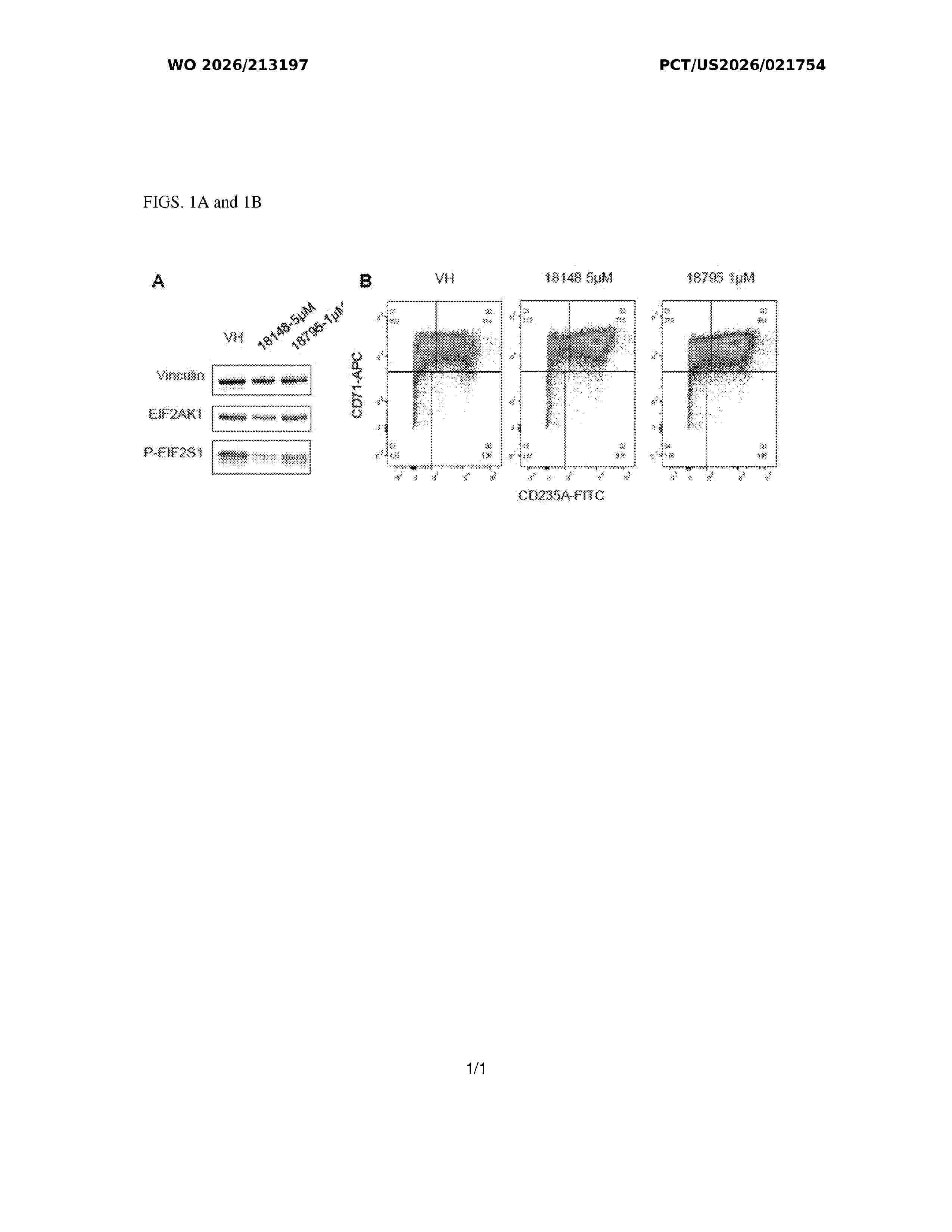
Resumen de: WO2026213197A1
The present invention relates to lH-pyrazolo3,4-bpyridine compounds and methods useful as inhibitors of HRI kinase for the treatment or prevention of hematological disorders The invention includes a method of treating myelodysplastic syndrome in patients who are non-responders to luspatercept or elythropoiesis-stimulating agents comprising the administration, to a patient in need thereof, of a HRI kinase inhibitor.
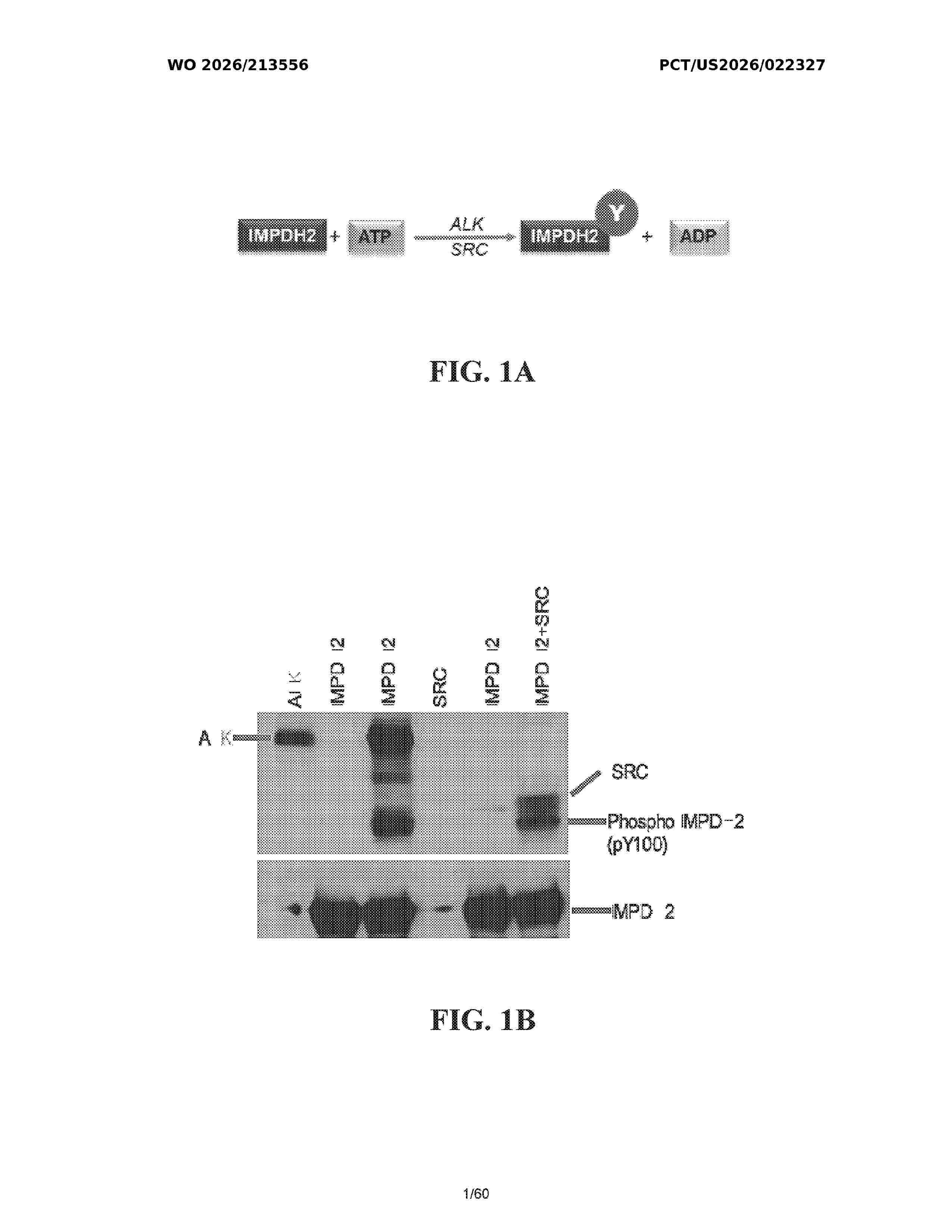
Resumen de: WO2026213556A1
The present disclosure is concerned with pharmaceutical compositions comprising an inosine-5' -monophosphate dehydrogenase 2 (IMPDH2) inhibitor and methods of treating cancer (e.g., a sarcoma, a carcinoma, a hematological cancer, a solid tumor, breast cancer, cervical cancer, gastrointestinal cancer, colorectal cancer, brain cancer, skin cancer, prostate cancer, ovarian cancer, non-small cell lung carcinoma, thyroid cancer, testicular cancer, pancreatic cancer, liver cancer, endometrial cancer, melanoma, glioma, leukemia, lymphoma, chronic myeloproliferative disorder, myelodysplastic syndrome, myeloproliferative neoplasm, and plasma cell neoplasm (myeloma). This abstract is intended as a scanning tool for purposes of searching in the particular art and is not intended to be limiting of the present invention.
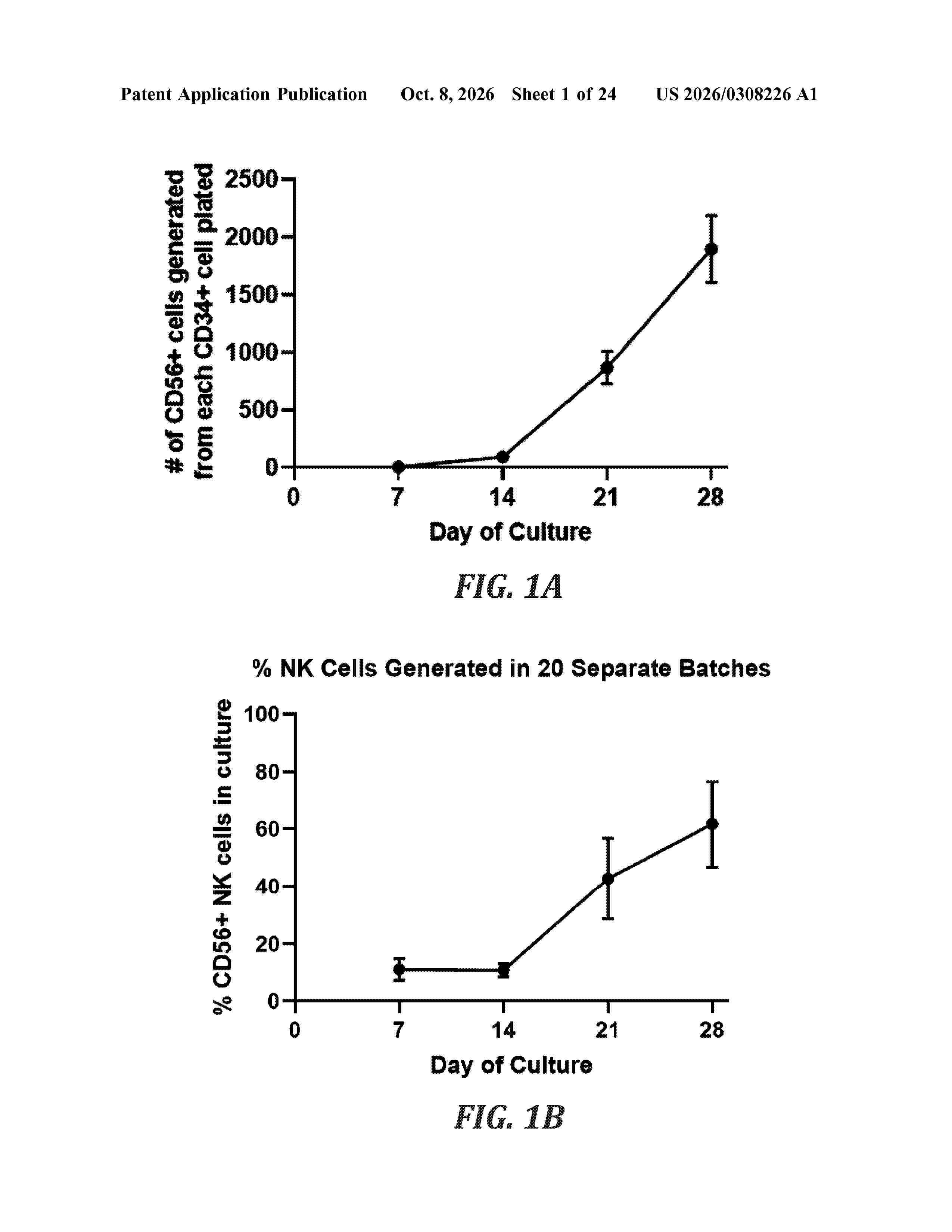
Resumen de: US20260308226A1
The present invention provides NK cell compositions and/or preparations and methods of using such NK cell compositions and/or preparations for immunotherapy. The NK cell compositions and/or preparations can be used in therapies of a broad range of viral infections, bacterial infections, cancer and leukemia malignancies, and other diseases.
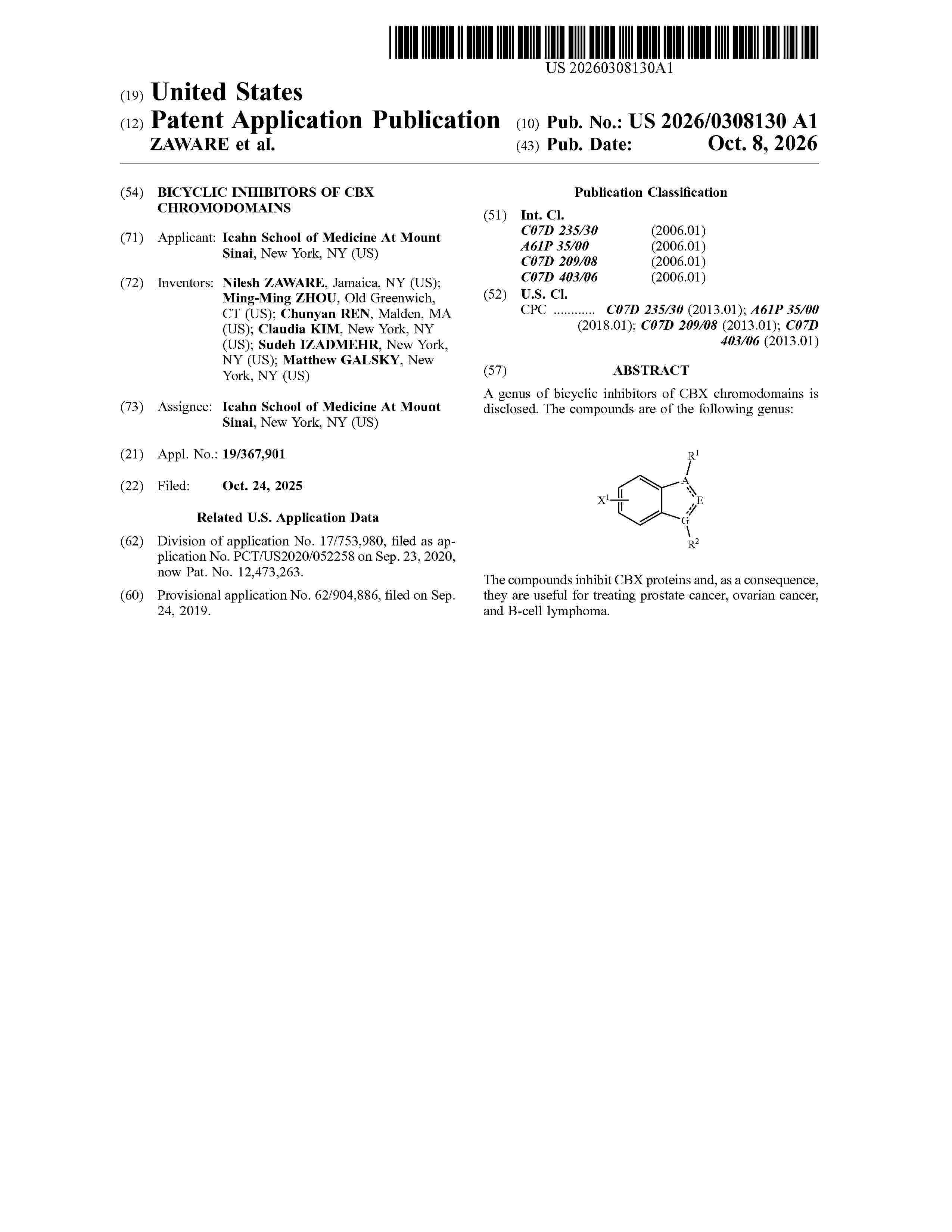
Resumen de: US20260308130A1
0000 A genus of bicyclic inhibitors of CBX chromodomains is disclosed. The compounds are of the following genus:
0000
0000 The compounds inhibit CBX proteins and, as a consequence, they are useful for treating prostate cancer, ovarian cancer, and B-cell lymphoma.
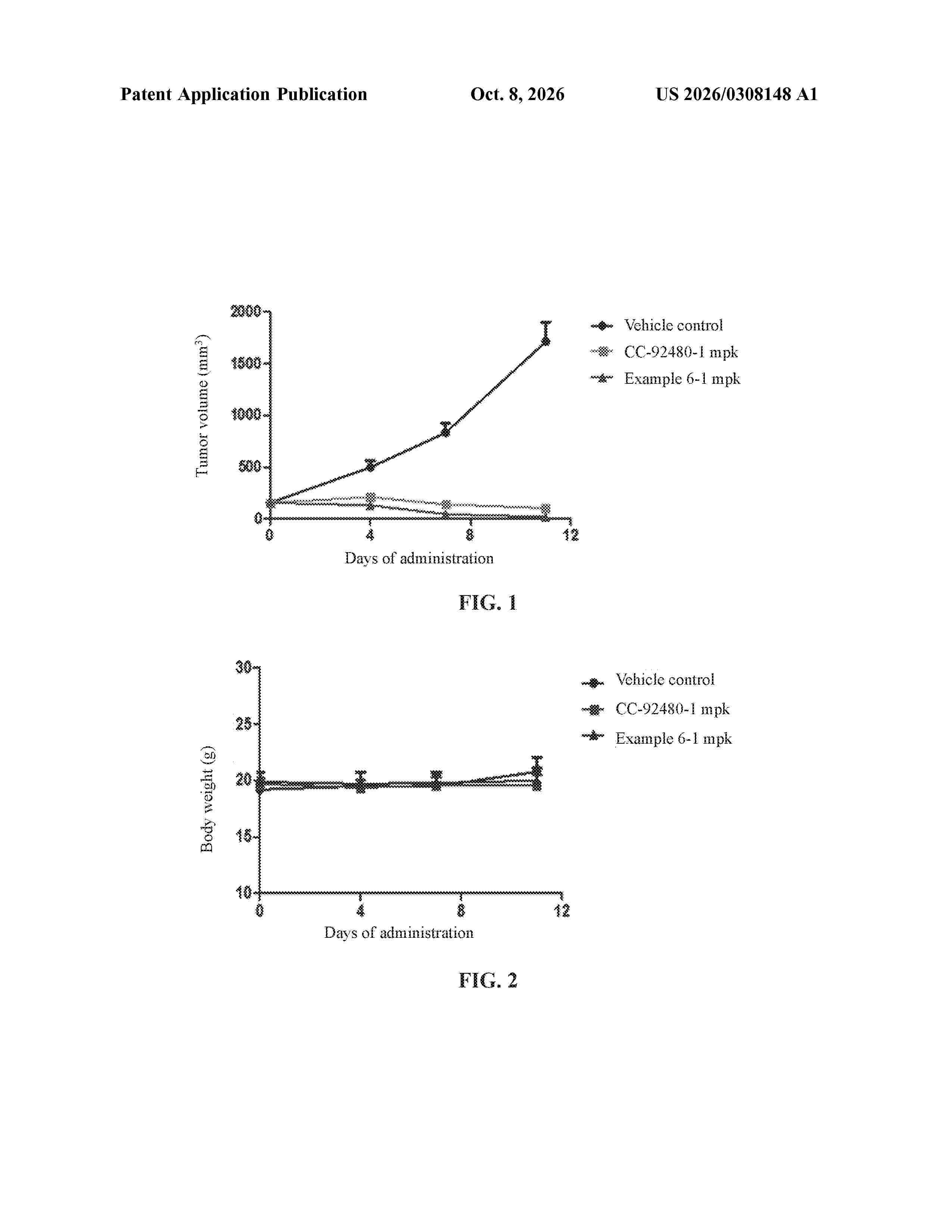
Resumen de: US20260308148A1
The present application relates to a sulfur-containing isoindoline derivative, and a preparation method therefor and medical use thereof. In particular, the present disclosure relates to a sulfur-containing isoindoline derivative as represented by general formula (I), a preparation method therefor, a pharmaceutical composition containing the derivative, and use thereof as a therapeutic agent, particularly use thereof as a Cereblon modulator in the field of treatment of multiple myeloma.
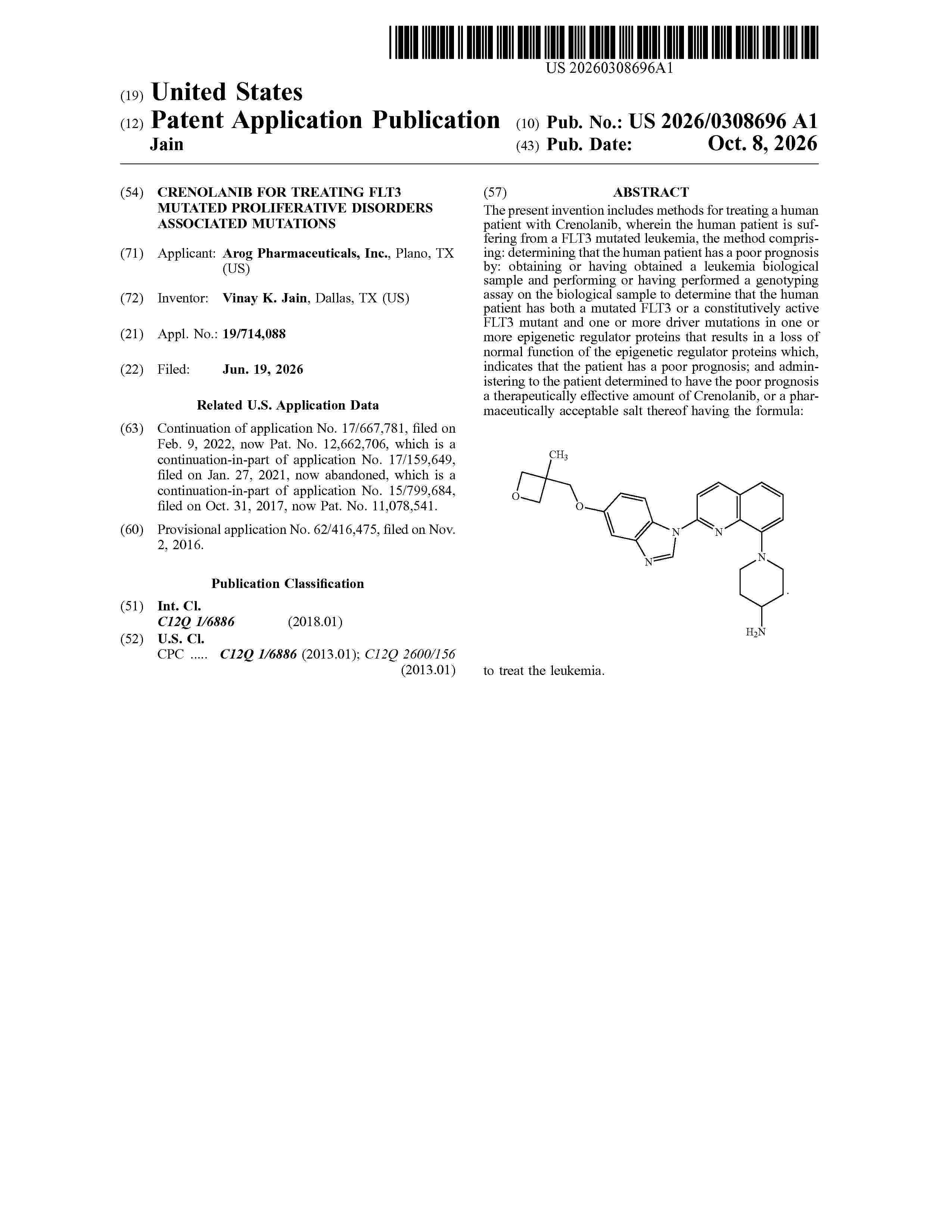
Resumen de: US20260308696A1
The present invention includes methods for treating a human patient with Crenolanib, wherein the human patient is suffering from a FLT3 mutated leukemia, the method comprising: determining that the human patient has a poor prognosis by: obtaining or having obtained a leukemia biological sample and performing or having performed a genotyping assay on the biological sample to determine that the human patient has both a mutated FLT3 or a constitutively active FLT3 mutant and one or more driver mutations in one or more epigenetic regulator proteins that results in a loss of normal function of the epigenetic regulator proteins which, indicates that the patient has a poor prognosis; and administering to the patient determined to have the poor prognosis a therapeutically effective amount of Crenolanib, or a pharmaceutically acceptable salt thereof having the formula:to treat the leukemia.
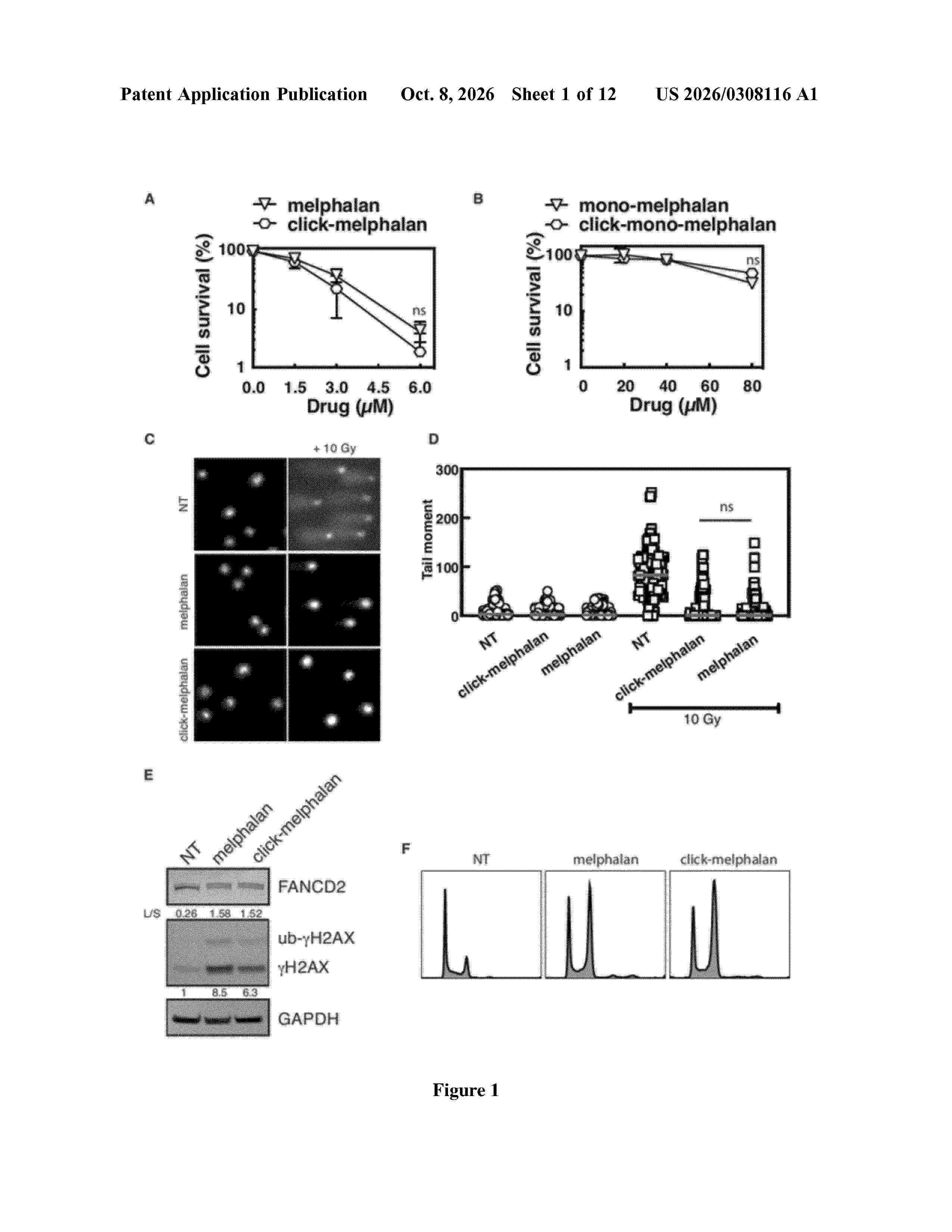
Resumen de: US20260308116A1
0000 Tertiary amine compounds that have an alkyne group or an azide group, in particular an alkyne group, and/or their pharmaceutically acceptable salts and solvates that are useful to monitor DNA lesions and to reveal interstrand crosslinks repair defects are disclosed herein. Methods of monitoring DNA lesions in patients selected from Fanconi Anemia (FA) patients, xeroderma pigmentosum (XP) patients, acute myeloid leukemia (AML) patients, head-and-neck cancer patients, ovarian cancer patients, and breast cancer patients using the tertiary amine compounds and/or their pharmaceutically acceptable salts and solvates are also disclosed.
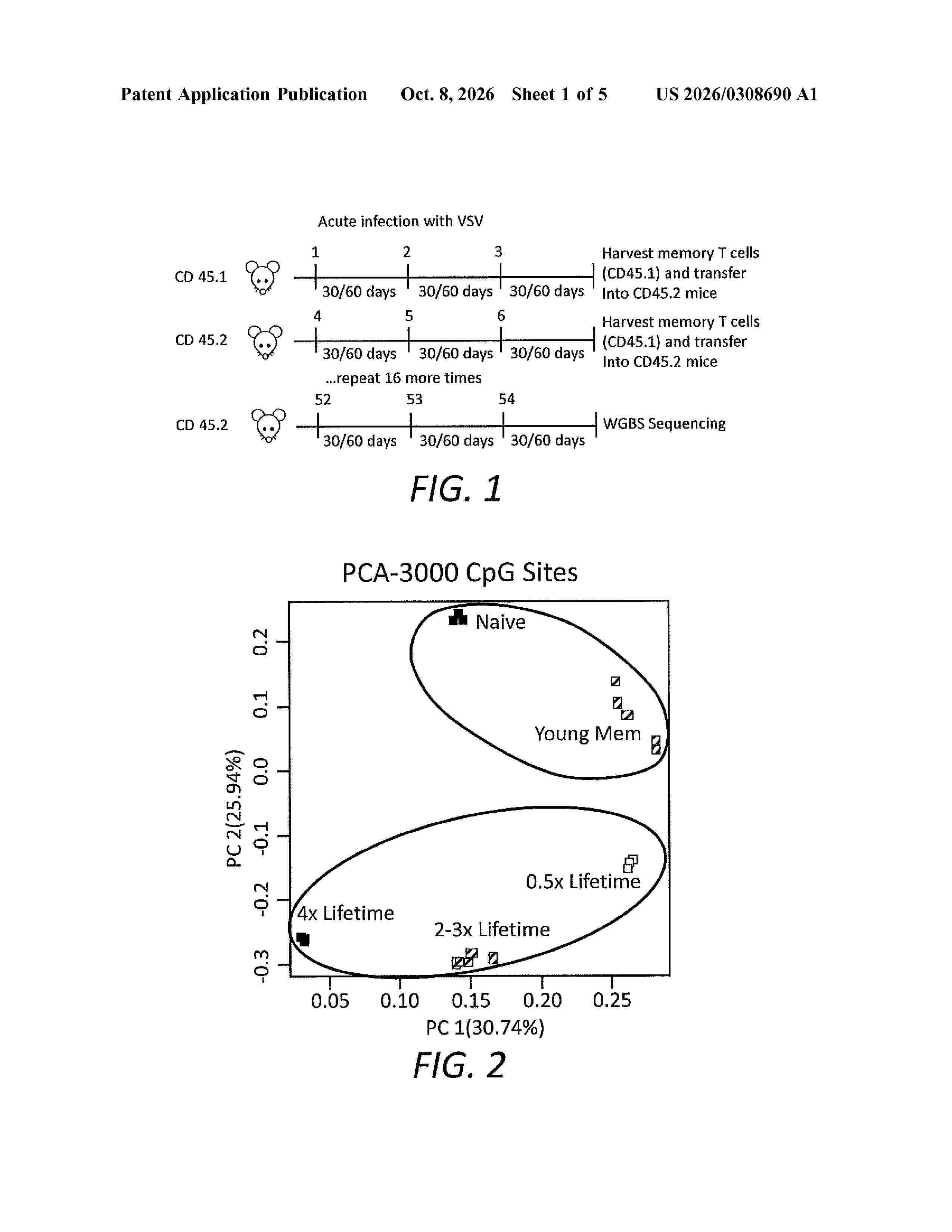
Resumen de: US20260308690A1
0000 A 139-gene epigenetic signature for use in. methods for assessing the age and longevity of a T cell, selecting a T cell for a T cell therapy, and/or determining a T-cell acute lymphoblastic leukemia subtype is provided.
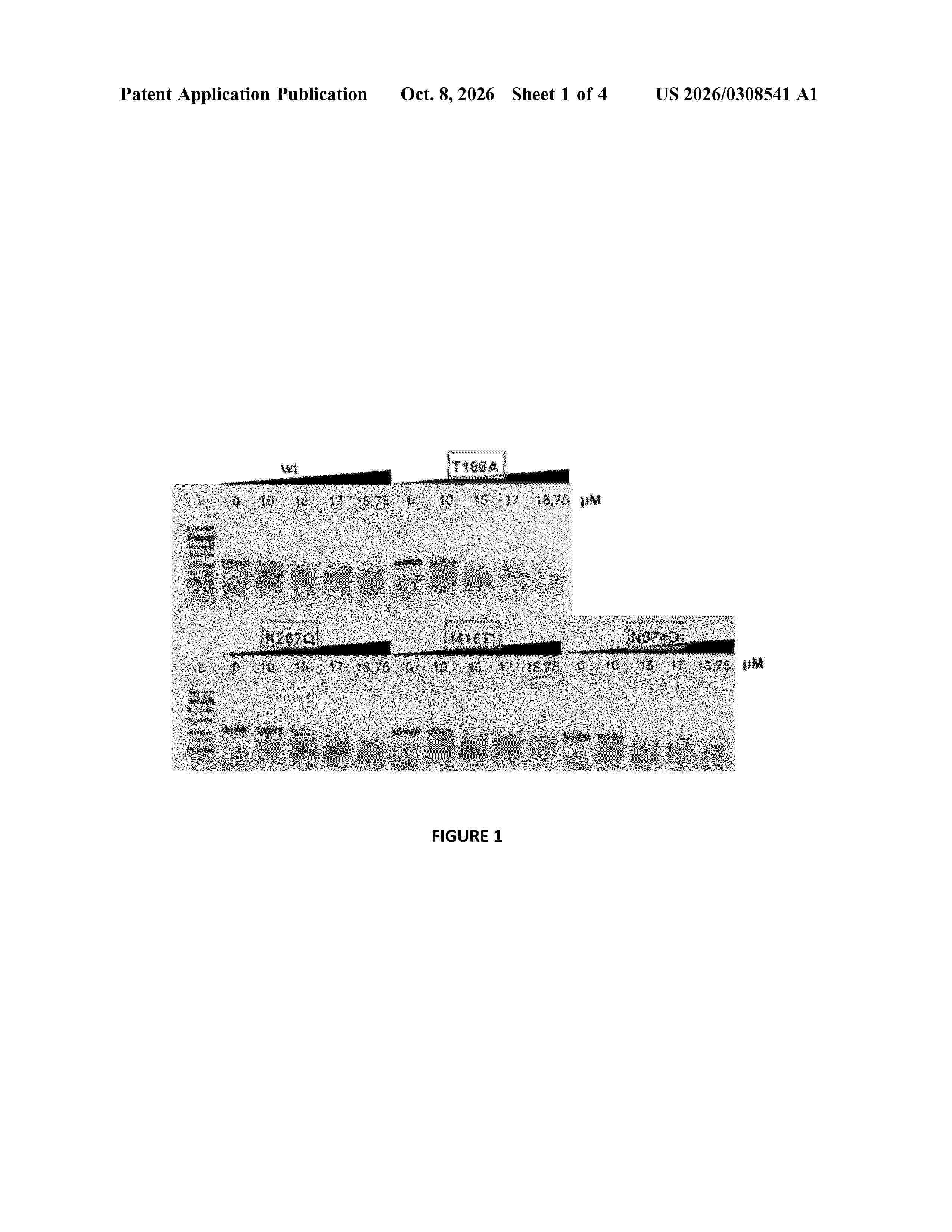
Resumen de: US20260308541A1
0000 The present invention relates to reverse transcriptase enzymes comprising a modified Moloney Murine Leukaemia Virus reverse transcriptase amino acid sequence, wherein said amino acid sequence comprises a mutation compared to the wild-type Moloney Murine Leukaemia Virus reverse transcriptase, and said enzyme possesses increased inhibitor resistance compared to the wild-type Moloney Murine Leukaemia Virus reverse transcriptase. The present invention also relates to compositions, reaction mixtures, and kits comprising the said reverse transcriptase enzymes are used to synthesize cDNA from RNA.
Resumen de: EP4818207A1
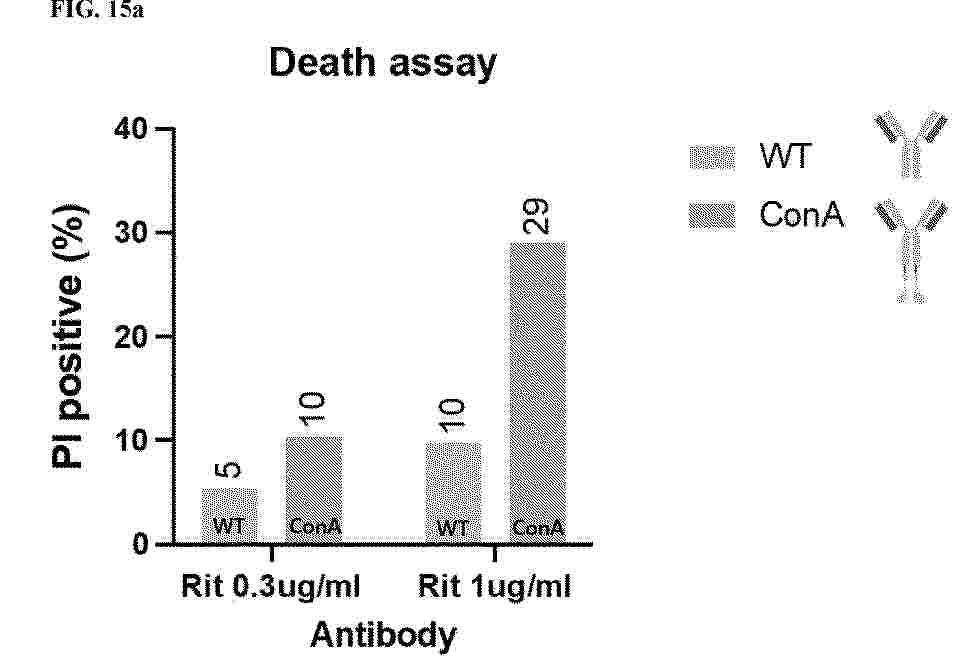
0001 The present invention relates to a recombinant polypeptide that specifically binds to B lymphocytes and a composition for preventing or treating B-cell lymphoma, comprising the recombinant polypeptide as an active ingredient. The present invention can significantly enhance direct cell death activity against tumor cells by conjugating concanavalin A, a ligand of MPZL1, to an antibody molecule that recognizes a B-lymphocyte-specific antigen such as CD20. Accordingly, unlike therapeutic antibodies that act mainly through antibody-dependent cell-mediated cytotoxicity (ADCC), complement-dependent cytotoxicity (CDC) and antibody-dependent cellular phagocytosis (ADP), the recombinant polypeptide of the present invention does not depend on effector mechanisms of a patient's immune system. Therefore, the recombinant polypeptide can be usefully employed as an effective therapeutic composition even for cancer patients with reduced immune activity.
Resumen de: EP4818333A1
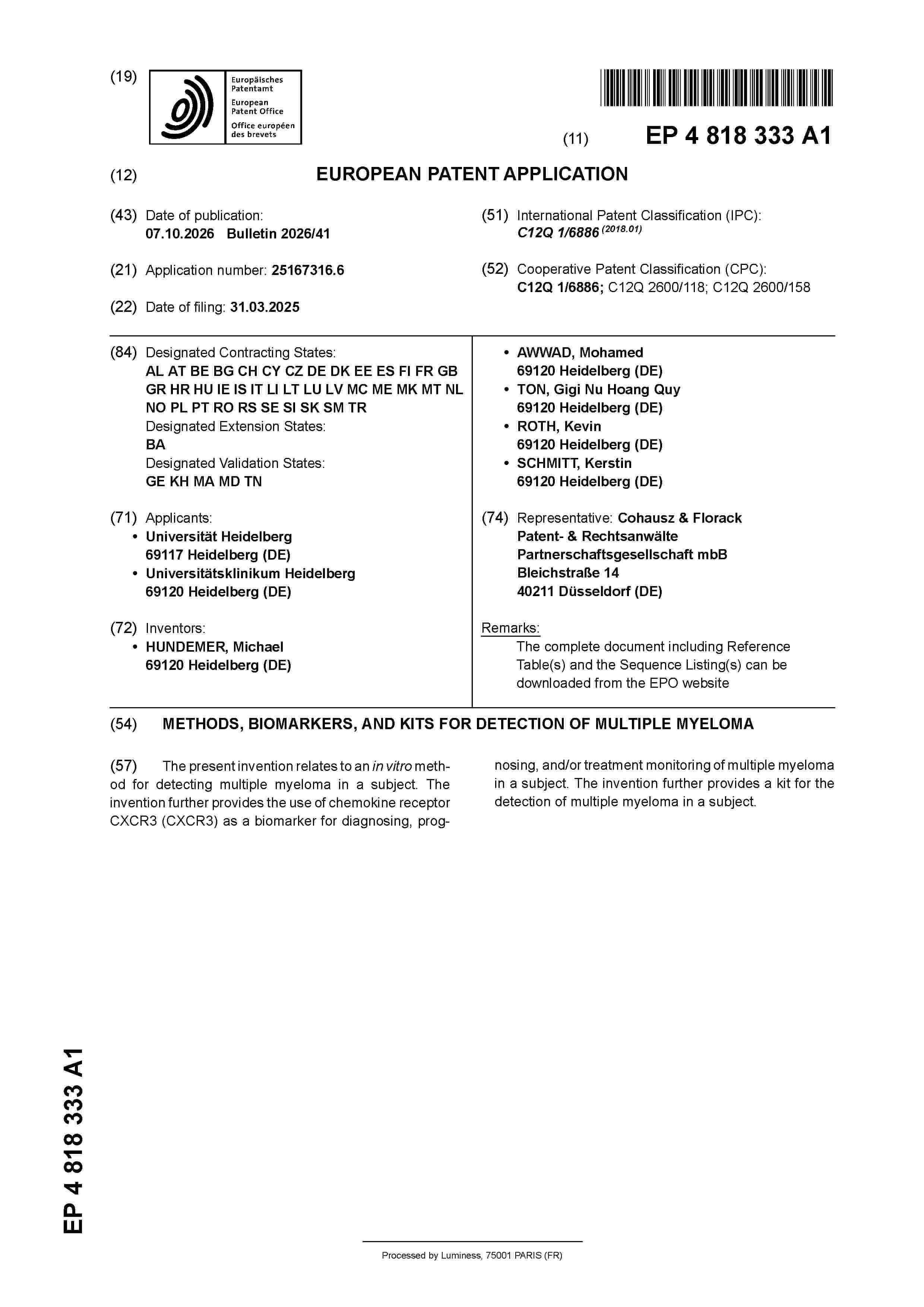
The present invention relates to an in vitro method for detecting multiple myeloma in a subject. The invention further provides the use of chemokine receptor CXCR3 (CXCR3) as a biomarker for diagnosing, prognosing, and/or treatment monitoring of multiple myeloma in a subject. The invention further provides a kit for the detection of multiple myeloma in a subject.
Resumen de: GB2705174A
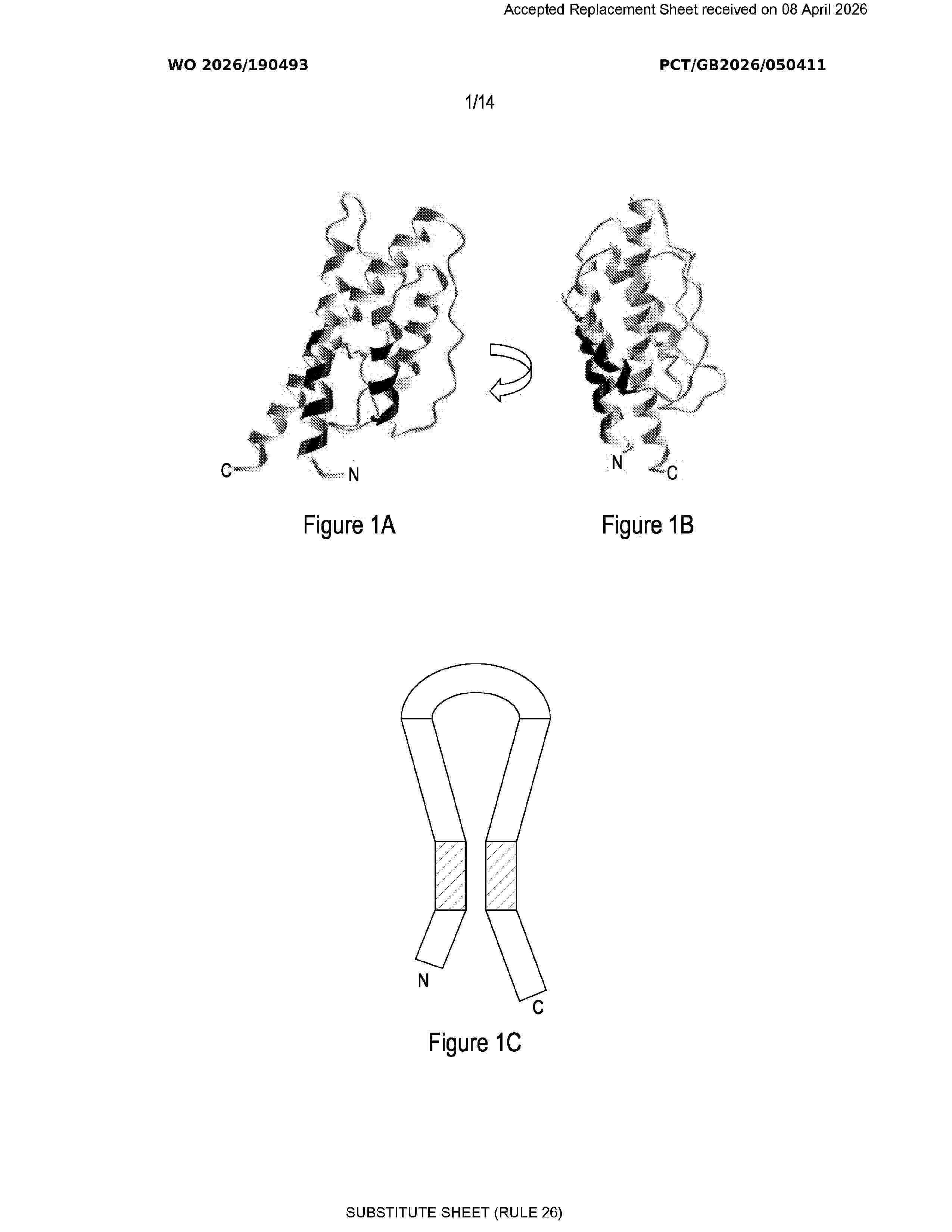
A chimeric protein comprising a first peptide and first and second segments of a second peptide. The second peptide includes an epitope. The N-terminus of the first peptide is linked to either the first or the second segment of the second peptide. The C-terminus of the first peptide is linked to the other of the first or second segment of the second peptide. The epitope can be formed from both segments of the second peptide. The second peptide can be IL-31, IL-6, IL-11, ciliary neurotrophic factor (CNTF), leukemia inhibitory factor (LIF), oncostatin M (OSM), cardiotrophin 1 (CT-1), cardiotrophin-like cytokine (CLC), or IL-27. The second peptide can be human or canine IL-31. The first peptide can be a bacterial colicin, bacterial ribonuclease, spycatcher protein, ColE7, or Barnase. The second peptide can be divided into the first and second segments at a division site from an unstructured region or a glycine residue. A further aspect is a virus-like particle comprising the chimeric protein. A further aspect is a polynucleotide capable of hybridizing the polynucleotide. A further aspect is an immunogenic composition comprising the chimeric protein for use in treating atopic dermatitis, cancer, inflammatory, neurodegenerative, metabolic, cardiovascular, renal, gastrointestinal, respiratory, autoimmune diseases. Figure 5
Resumen de: GB2705211A
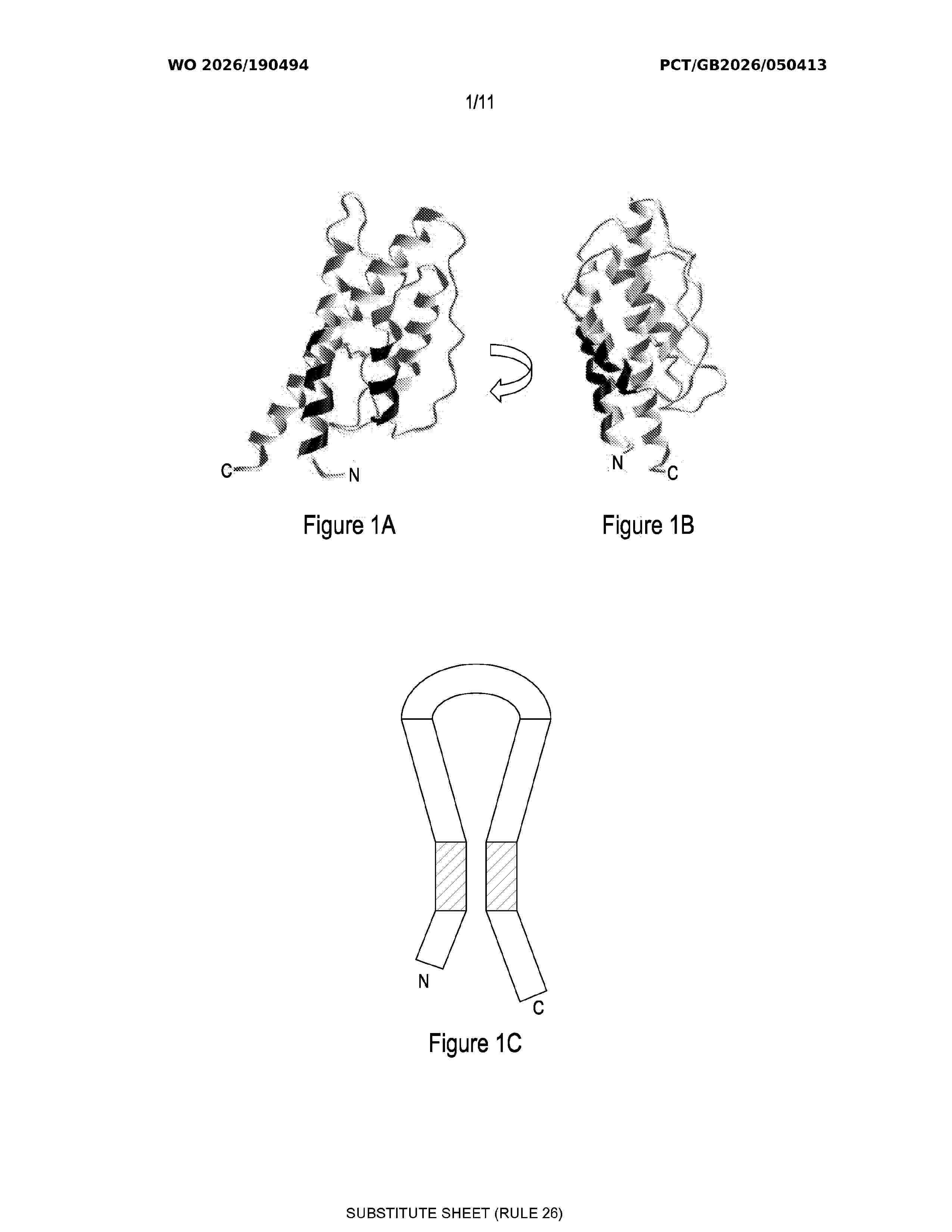
A chimeric protein comprising a first peptide linked to a second peptide. The second peptide includes an epitope. The second peptide is formed from C-terminal and N-terminal segments of a target peptide comprising the epitope. The relative positions of the C-terminal segment and the N-terminal segment are transposed in the second peptide relative to the target peptide. The epitope can be formed from both first and second segments of the second peptide. The second peptide can be IL-31, IL-6, IL-11, ciliary neurotrophic factor (CNTF), leukemia inhibitory factor (LIF), oncostatin M (OSM), cardiotrophin 1 (CT-1), cardiotrophin-like cytokine (CLC), or IL-27. The second peptide can be human or canine IL-31. The first peptide can be a bacterial colicin, bacterial ribonuclease, spycatcher protein, ColE7, or Barnase. A further aspect is a virus-like particle comprising the chimeric protein. A further aspect is a polynucleotide capable of hybridizing the polynucleotide. A further aspect is a method of producing the chimeric protein wherein the target peptide is split at a division site without disrupting formation of secondary structure elements. A further aspect is an immunogenic composition comprising the chimeric protein for use in treating atopic dermatitis, cancer, inflammatory, neurodegenerative, metabolic, cardiovascular, renal, gastrointestinal, respiratory, autoimmune diseases. Figure 6
Nº publicación: EP4815987A1 07/10/2026
Solicitante:
TENEOONE INC [US]
Teneoone, Inc.
Resumen de: US20250177520A1
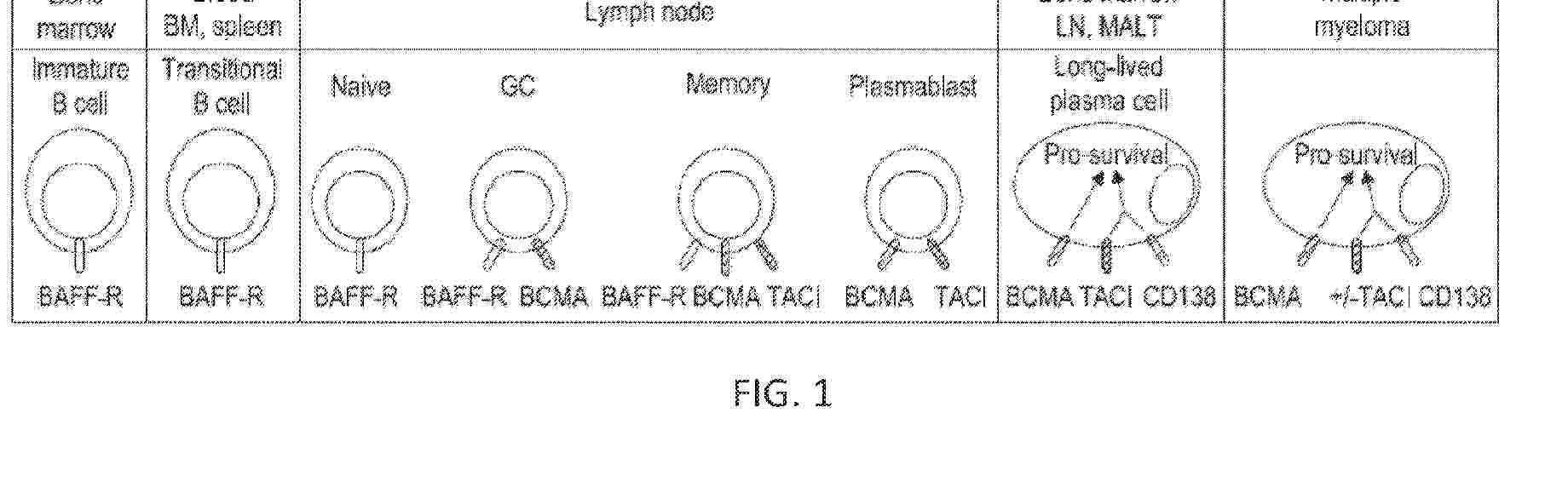
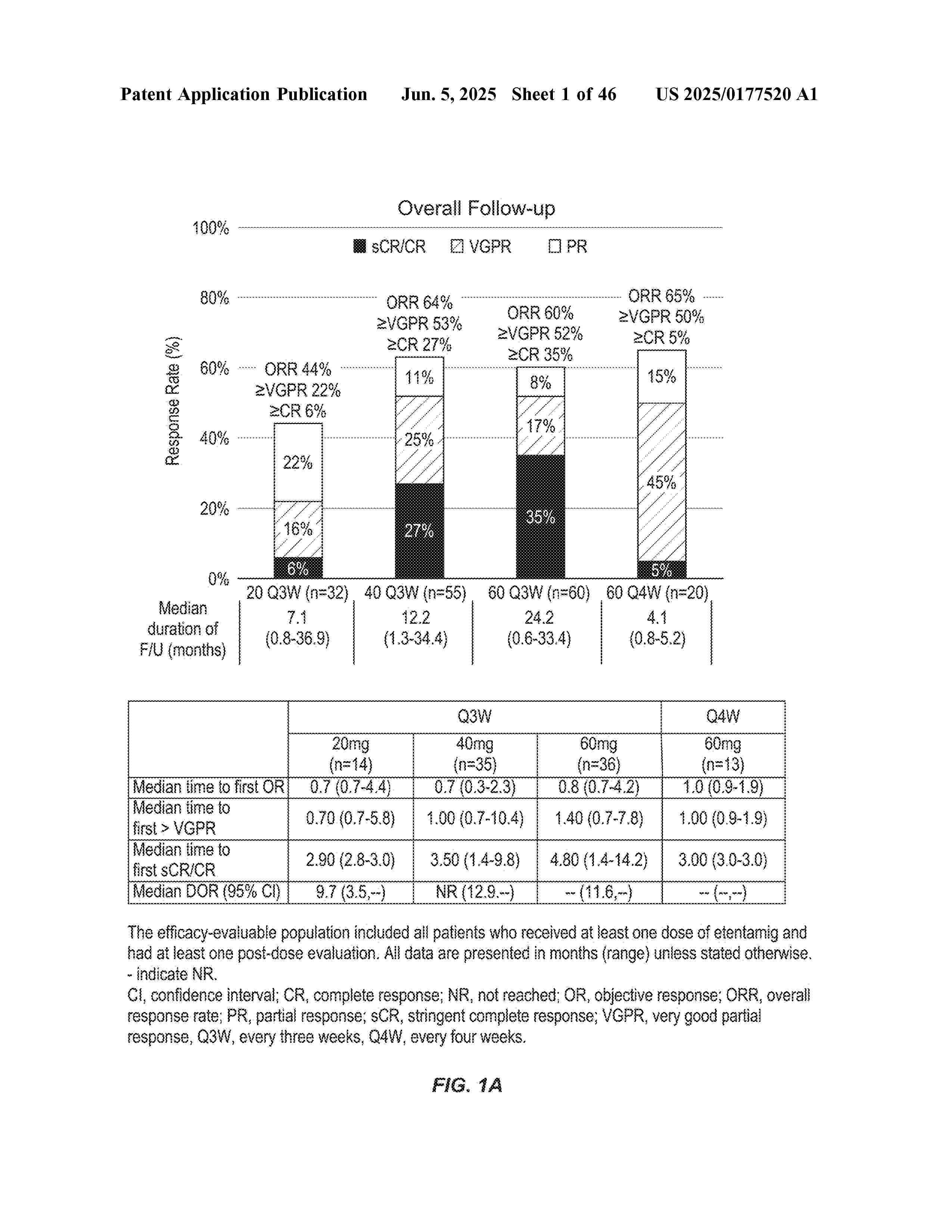
Methods of treating multiple myeloma by administering a bispecific antibody that binds to CD3 and BCMA to a patient in need are provided.
 BOPI
BOPI
 Sede Electrónica