Si deseas distinguir tus productos, servicios o ambos de los de otra empresa, es posible que necesites una marca o nombre comercial. Descubre qué son, en qué consiste su procedimiento de registro y qué implica.

Información sobre los plazos de presentación de solicitudes de transformación de marcas de la Unión Europea en marca nacional española. Más información


Si tienes un nuevo dispositivo, producto o procedimiento que resuelva un problema técnico o tenga una ventaja práctica, existen distintas formas de protegerlo en España y en otros países. Descubre cómo hacerlo.

¿Tu innovación reside en la estética, la ornamentación o la apariencia de tu producto? Protégela mediante un diseño industrial. Descubre qué derechos confiere el registro y cómo realizar la tramitación.

Las indicaciones geográficas protegen el nombre de un producto originario de una zona geográfica, a la cual le debe una determinada calidad, reputación u otra característica. Descubre qué son, en qué consiste su procedimiento de registro y qué beneficios conceden.

Las patentes publicadas en todo el mundo son una valiosa fuente de información científica, técnica y comercial.

Si eres emprendedor/a o una empresa y quieres potenciar y mejorar la rentabilidad de tu negocio protegiendo de forma adecuada los activos intangibles de tu organización, en este espacio encontrarás lo necesario.


 568
resultados
568
resultados
 Última actualización
17/10/2026 [07:24:00]
Última actualización
17/10/2026 [07:24:00]


 Resultados 500 a 525 de 568

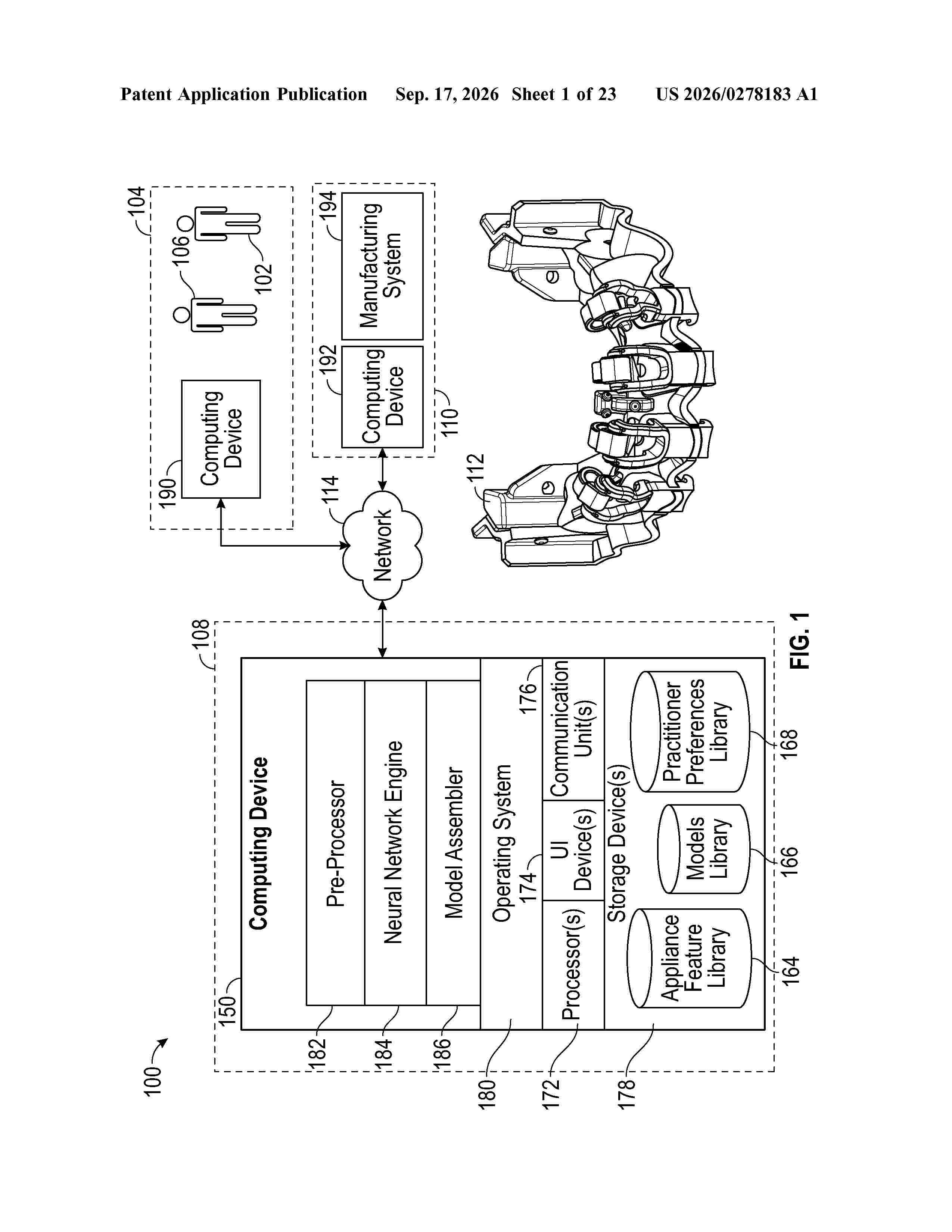
Resumen de: US20260278183A1
Techniques are described for automating the design of dental restoration appliances using neural networks. An example computing device receives transform information associated with a current dental anatomy of a dental restoration patient, provides the transform information associated with the current dental anatomy of the dental restoration patient as input to a neural network trained with transform information indicating placement of a dental appliance component with respect to one or more teeth of corresponding dental anatomies, the dental appliance being used for dental restoration treatment for the one or more teeth, and executes the neural network using the input to produce placement information for the dental appliance component with respect to the current dental anatomy of the dental restoration patient.

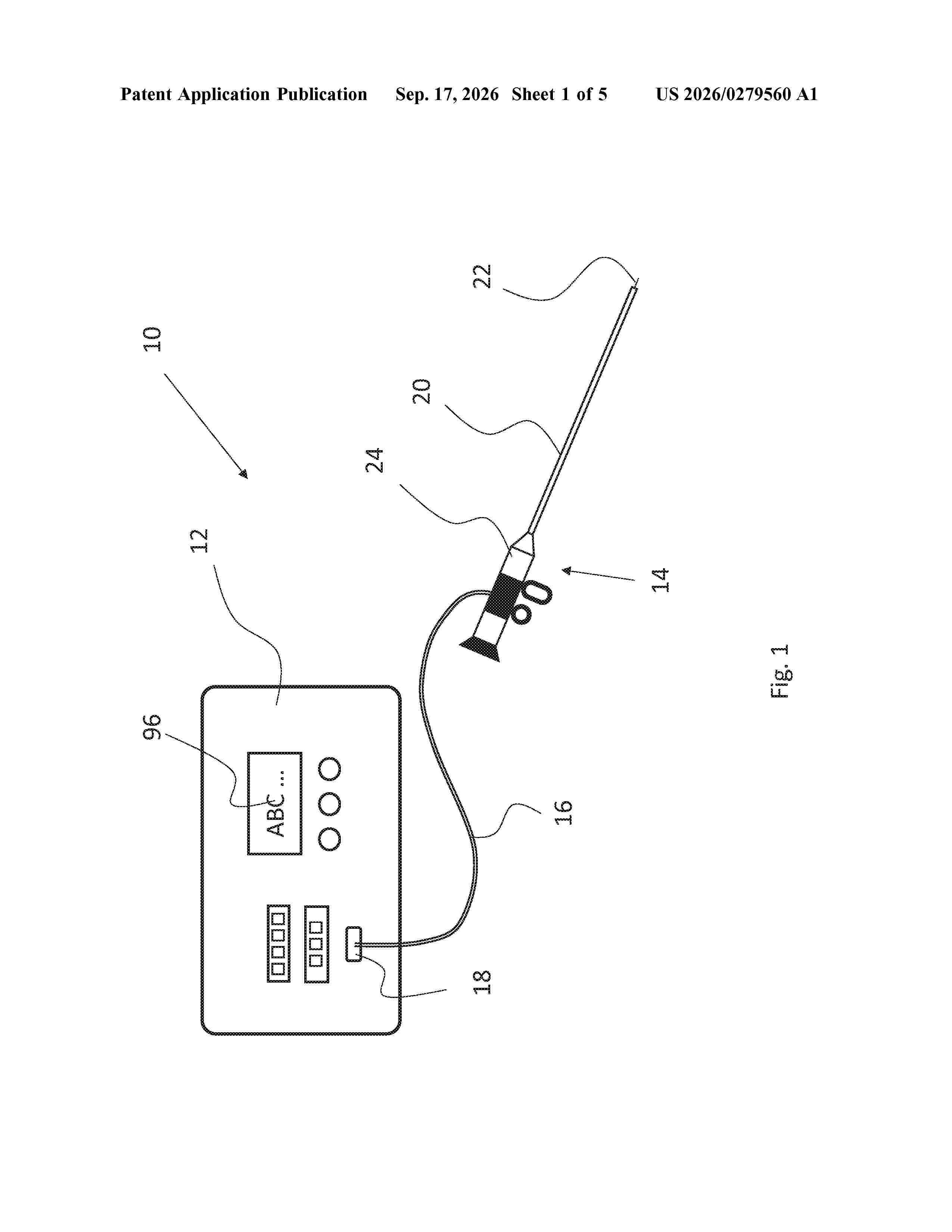
Resumen de: US20260279560A1
0000 An electrosurgical system including an electrosurgical instrument and generator to which the electrosurgical instrument is connected. The electrosurgical generator has a processor, one generator data memory and optical and our acoustic signaling and/or display providing optical and/or acoustic notifications to a user during the operation of the electrosurgical generator. The electrosurgical instrument has one instrument data memory in which a data set with structured data is stored, wherein some of this data represent signaling instructions, based on which the processor can control the output of optical and/or acoustic notifications for a user during the operation of the electrosurgical generator. The generator data memory contains an operating program for controlling the operation of the electrosurgical generator in conjunction with the electrosurgical instrument and the processor is configured to control during the operation of the electrosurgical generator the signals or notifications to be output by the signaling and/or display on the data signaling instructions stored in the instrument data memory of the electrosurgical instrument.
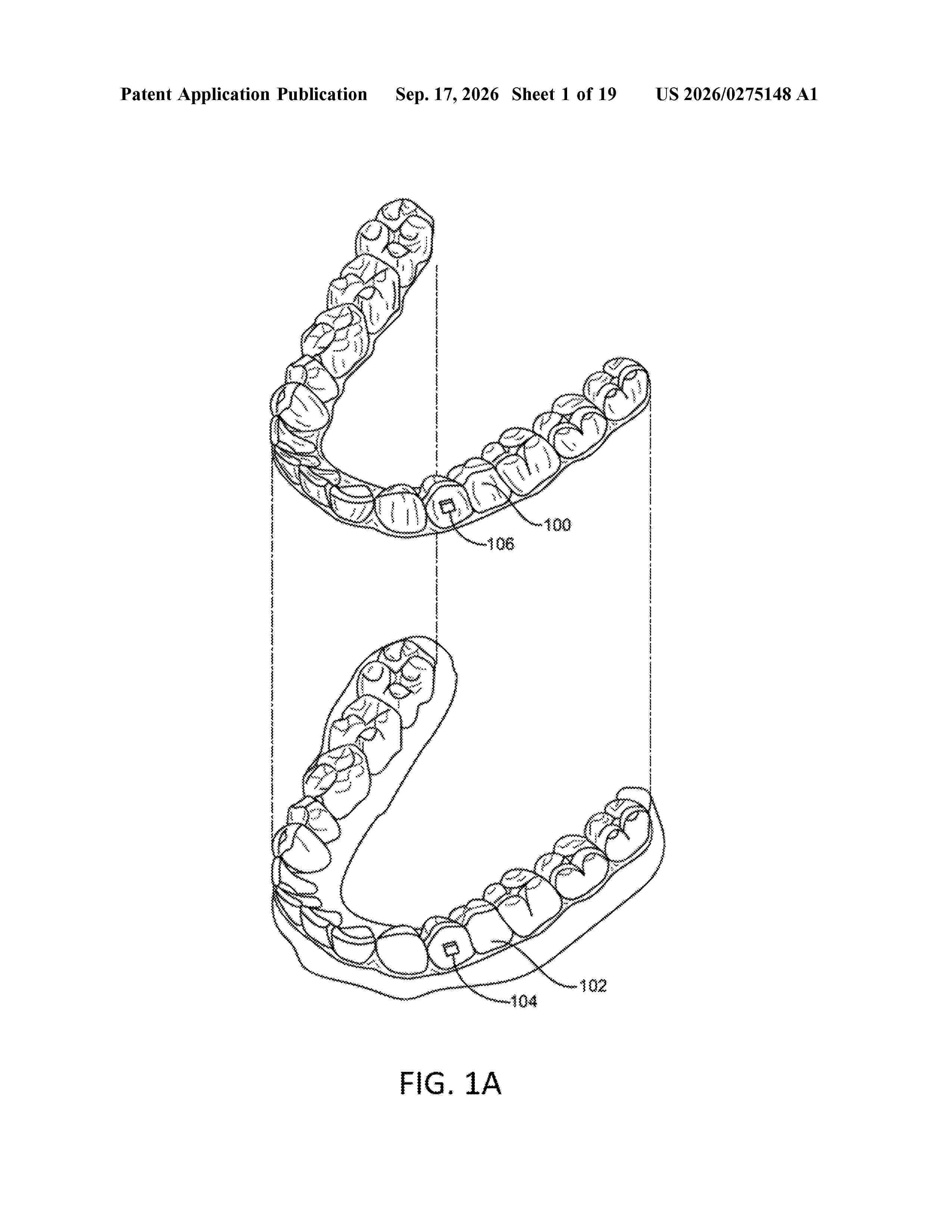
Resumen de: US20260275148A1
This disclosure provides polymeric materials comprising weak crosslinking covalent bonds and/or weak crosslinking units comprising a weak covalent bond. Weak covalent bonds can be used in place of hydrogen bonds present in traditional polymeric materials (e.g., polyurethanes). Advantageously, the toughness can be controlled by varying the strength of weak covalent bonds and/or by varying the number of weak covalent crosslinks. Crosslinked materials applying the weak covalent crosslinking bonds can be used to create tough materials able to resist stress relaxation. Further, the present disclosure provides polymer chains and polymeric materials comprising inchain loops (also referred to herein as rings). The inchain loops comprise weak bonds and/or weak bridges comprising at least one weak bond. This disclosure also provides compositions comprising the polymer chains, materials comprising the polymer chains, monomer units that can react to form inchain loop-comprising polymer chains, resins comprising the monomer units, and related materials, appliances, and uses.
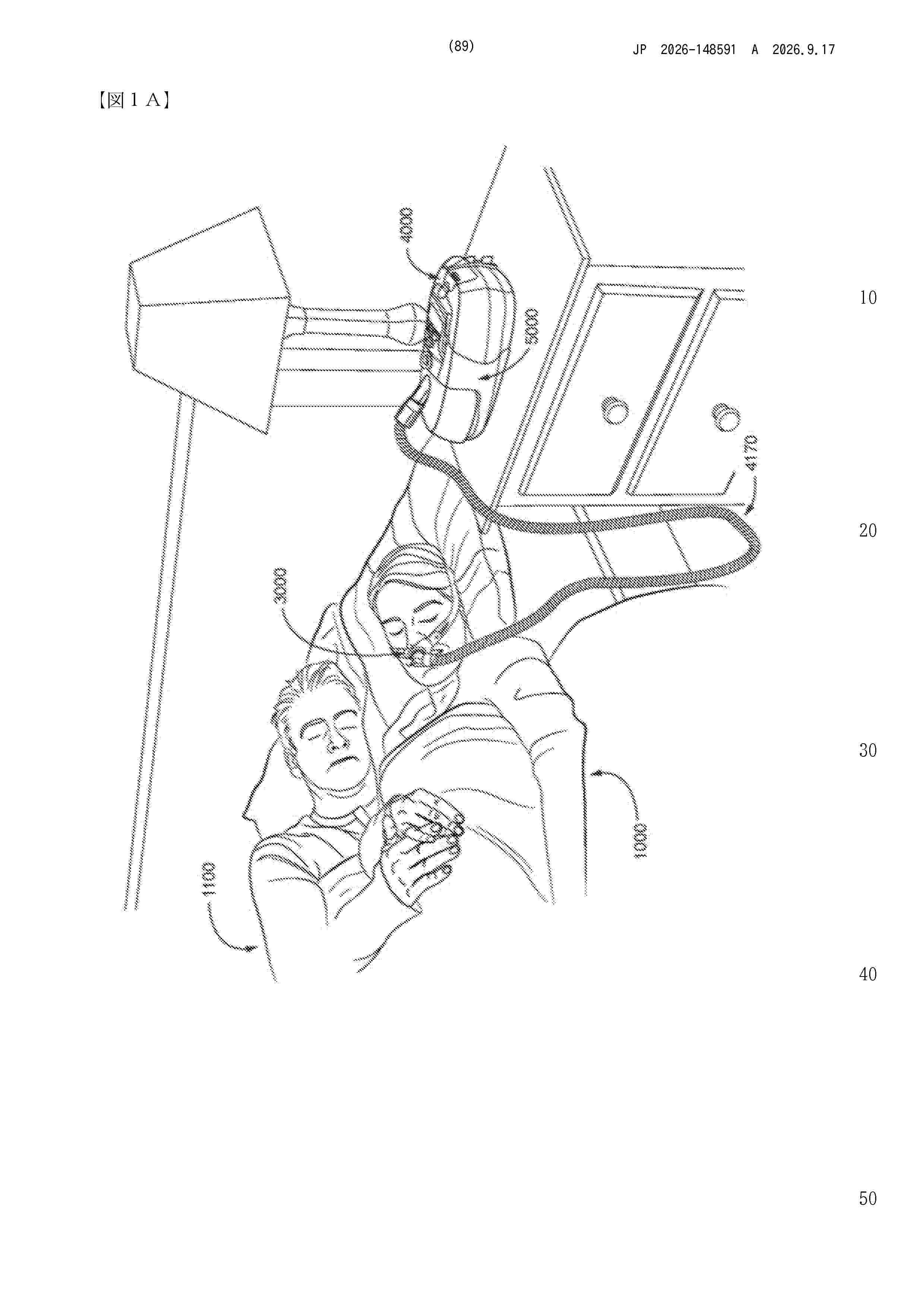
Resumen de: WO2021045688A1
Systems and methods producing a customised patient respiratory interface are disclosed. Data representative of one or more landmark features of a head of a human is obtained. One or more landmark feature locations of the landmark features are identified based on the data. A set of manufacturing specifications for production of the patient respiratory interface component is determined based on the one or more landmark feature locations. The patient respiratory interface component is produced based on the set of manufacturing specifications.
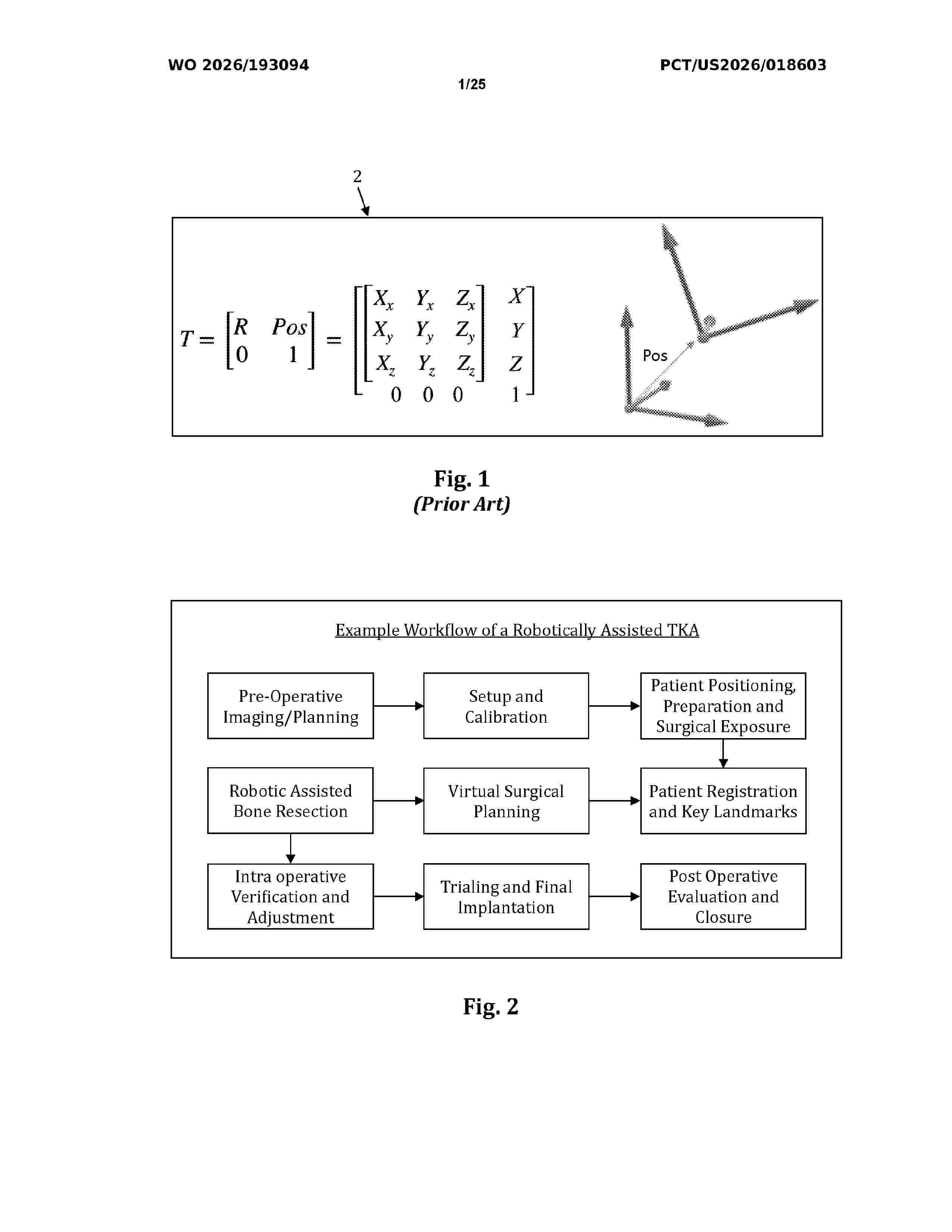
Resumen de: WO2026193094A1
A structured light 3D scanning system designed for intraoperative surgical use, with a novel method to improve registration accuracy while reducing computational cost is described. The system utilizes a light source to project structured light patterns onto the surgical site, generating a 3D point cloud that can be used, for example, to align preoperative CT data, aid in surgical planning decisions, and verify the accuracy of planned resections. Modified Surgical Field Materials (SFMs) are described that optimize registration accuracy, reduce computational load, and streamline surgical workflows, making structured light scanning more reliable and effective for precision-based procedures such as orthopedic, neurosurgical, and other complex surgical interventions. The present disclosure further provides a drape system designed to maintain a sterile field during the operation of a structured light 3D scanner by covering unsterilized hardware components while preserving the optical integrity necessary for accurate scanning.
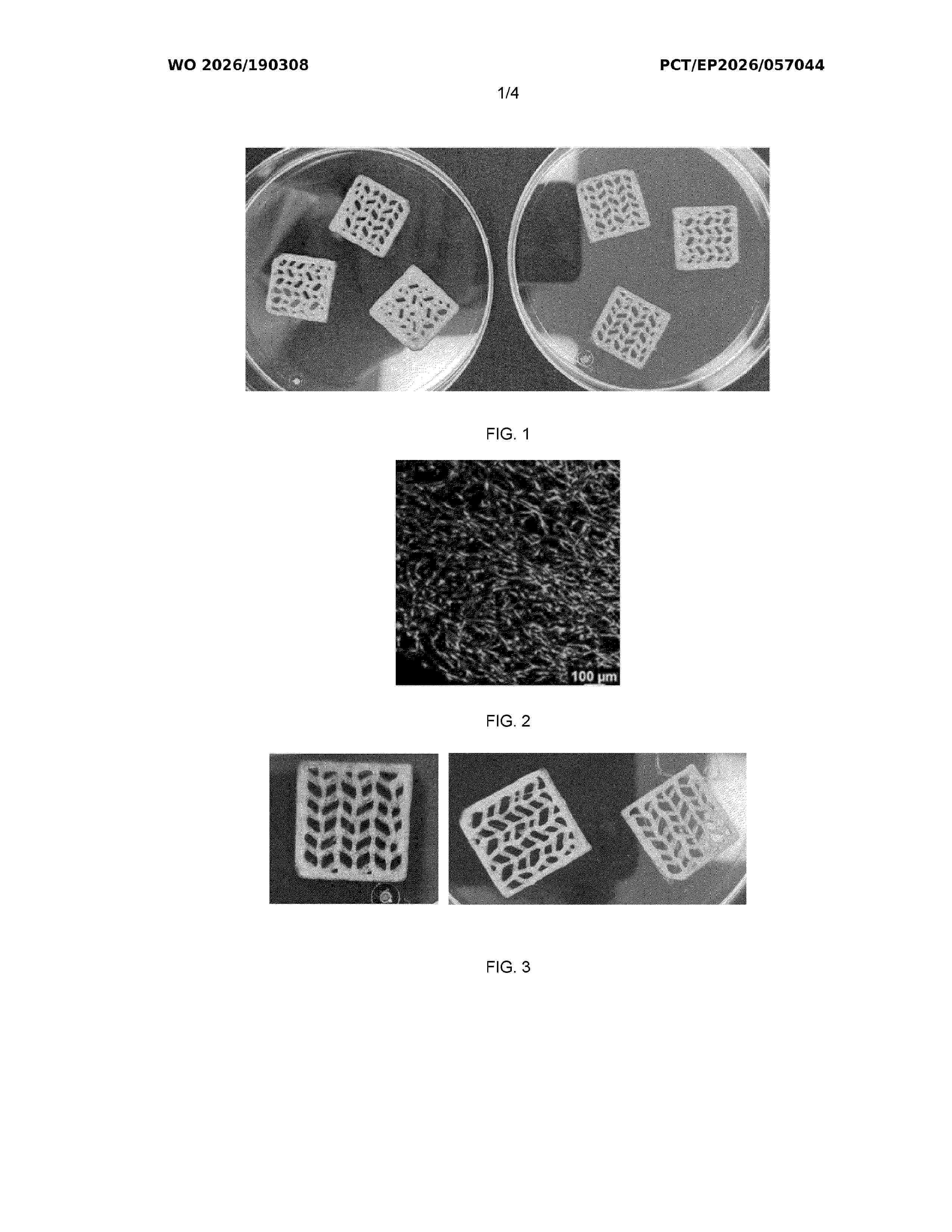
Resumen de: WO2026190308A1
Sterilized fibrillar collagen bioink and scaffolds comprising it It relates to a collagen bioink sterilized by ionizing radiation, which has a storage modulus equal to or lower than 50000 Pa, wherein the sterilized collagen bioink is an aqueous suspension comprising: i) a mass of native Type I collagen fibers, wherein the 5 concentration of collagen is from 0.1 to 10% by weight with respect to the total bioink weight; and at least 90% of the total mass of the fibers have a length equal to or lower than 3500 μm and a fiber diameter equal to or lower than 150 μm measured at pH from 1 to 2; and ii) one or more additives capable of controlling the storage modulus of the collagen bioink when it is sterilized such that the storage modulus of the sterilized bioink is 0 at most 200% of the storage modulus of the non-sterilized bioink. It also relates to process for the preparation of the sterilized collagen bioink, the use of the bioink for printing 3D scaffolds, and to the scaffolds comprising the bioink.
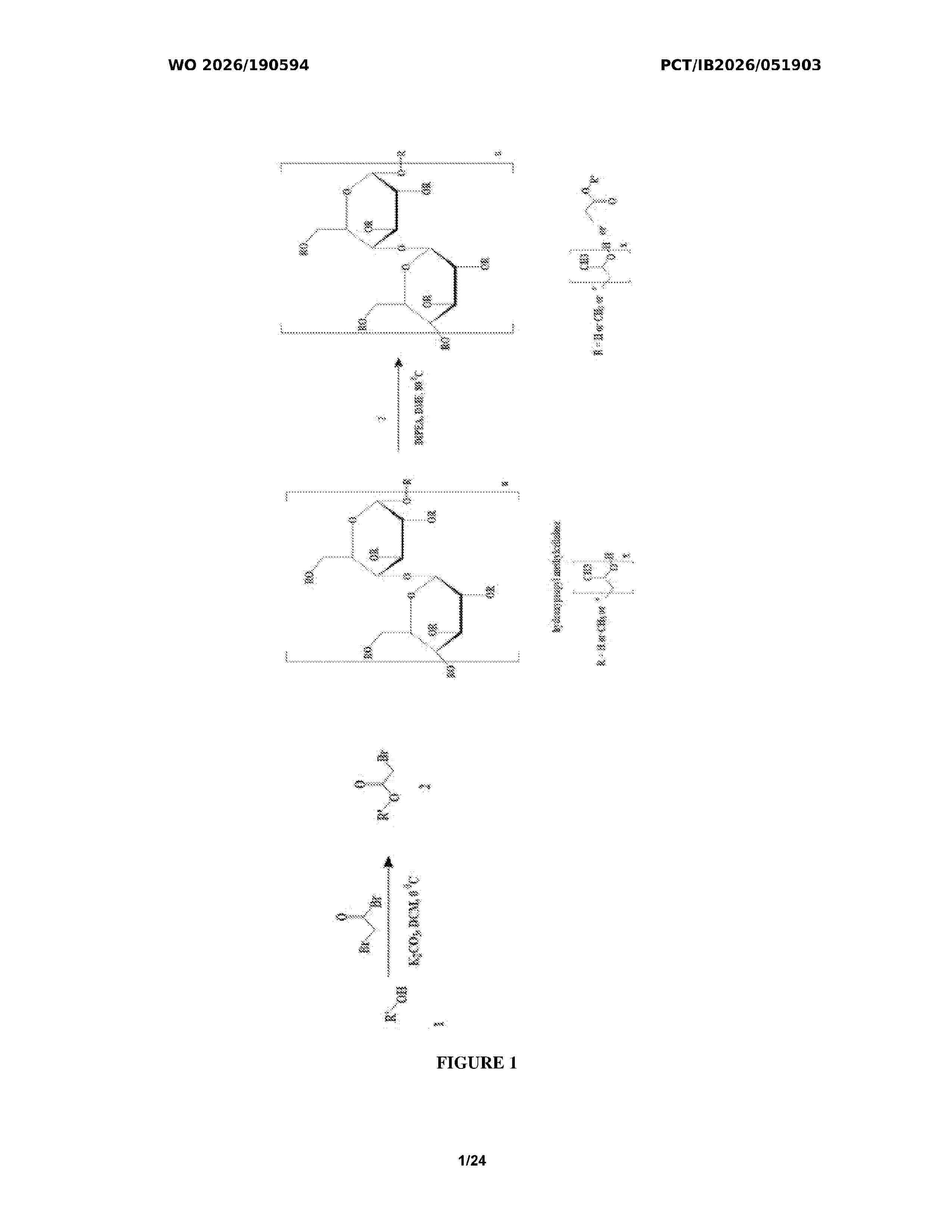
Resumen de: WO2026190594A1
Present invention relates to compositions having modulatable viscosity, methods of preparation and use thereof. More particularly, the present invention relates to compositions such as hydrogels that "liquify" under pressure and are self-healing when the pressure or shear force is removed. The present invention finds applications where a fluid's sol-gel state needs to be transitioned without chemical modifications. The present invention also finds applications in delivering therapeutic drugs in a sustained and controlled manner in a subject in need thereof. Additionally, the invention can also find application as a composition for 3D bio-printers due to self-healing properties of the compositions or hydrogels.
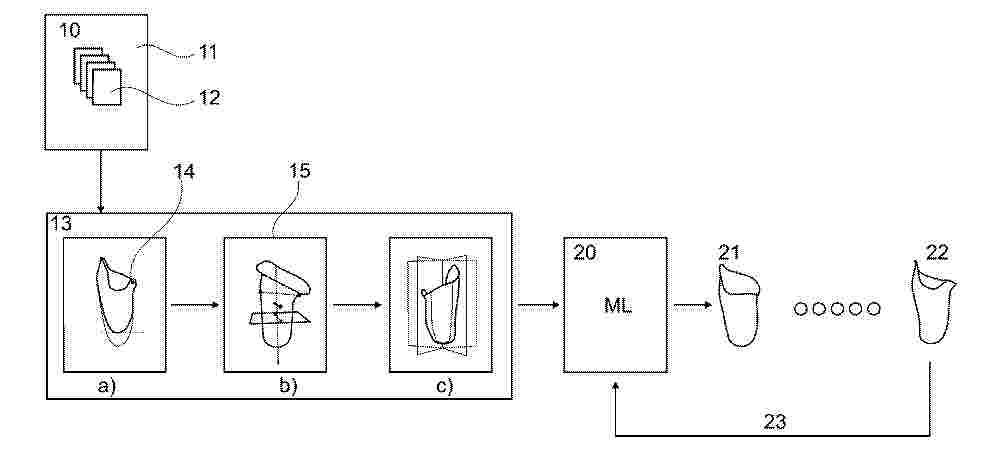
Resumen de: DE102025109695A1
Die Erfindung betrifft ein computerimplementiertes Verfahren zum Trainieren eines maschinellen Lernsystems, das einen Zusammenhang zwischen 3D-Modelldaten eines Körperteils eines Patienten als Eingabedaten und einer 3D-Bauform zumindest eines Teils einer orthopädietechnischen Einrichtung, mit der das Körperteil versorgt werden soll, als Ausgabedaten erlernen soll, wobei das Verfahren die folgenden Schritte umfasst:- Bereitstellen von Trainingsdaten mit einer Mehrzahl von Trainingsdatensätzen, die jeweils digitale 3D-Modelldaten eines Körperteils eines Patienten und eine dazu korrespondierende digitale 3D-Bauform zumindest eines Teils einer orthopädietechnischen Einrichtung, die an das Körperteil angepasst ist, beinhalten,- für jeden Trainingsdatensatz,◯ Ausrichten der digitalen 3D-Bauform und der digitalen 3D-Modelldaten zueinander in Abhängigkeit von einer Markierung an der 3D-Bauform und/oder den digitalen 3D-Modelldaten,◯ Ausrichten der digitalen 3D-Bauform und der digitalen 3D-Modelldaten innerhalb eines für alle Trainingsdatensätze gemeinsamen 3D-Koordinatensystems, und◯ Normieren der digitalen 3D-Bauform und der digitalen 3D-Modelldaten in Bezug auf eine für alle Trainingsdatensätze einheitliche Datenstruktur,- Trainieren des maschinellen Lernsystems in Abhängigkeit von den ausgerichteten und normierten Trainingsdatensätzen.
Resumen de: WO2026190461A1
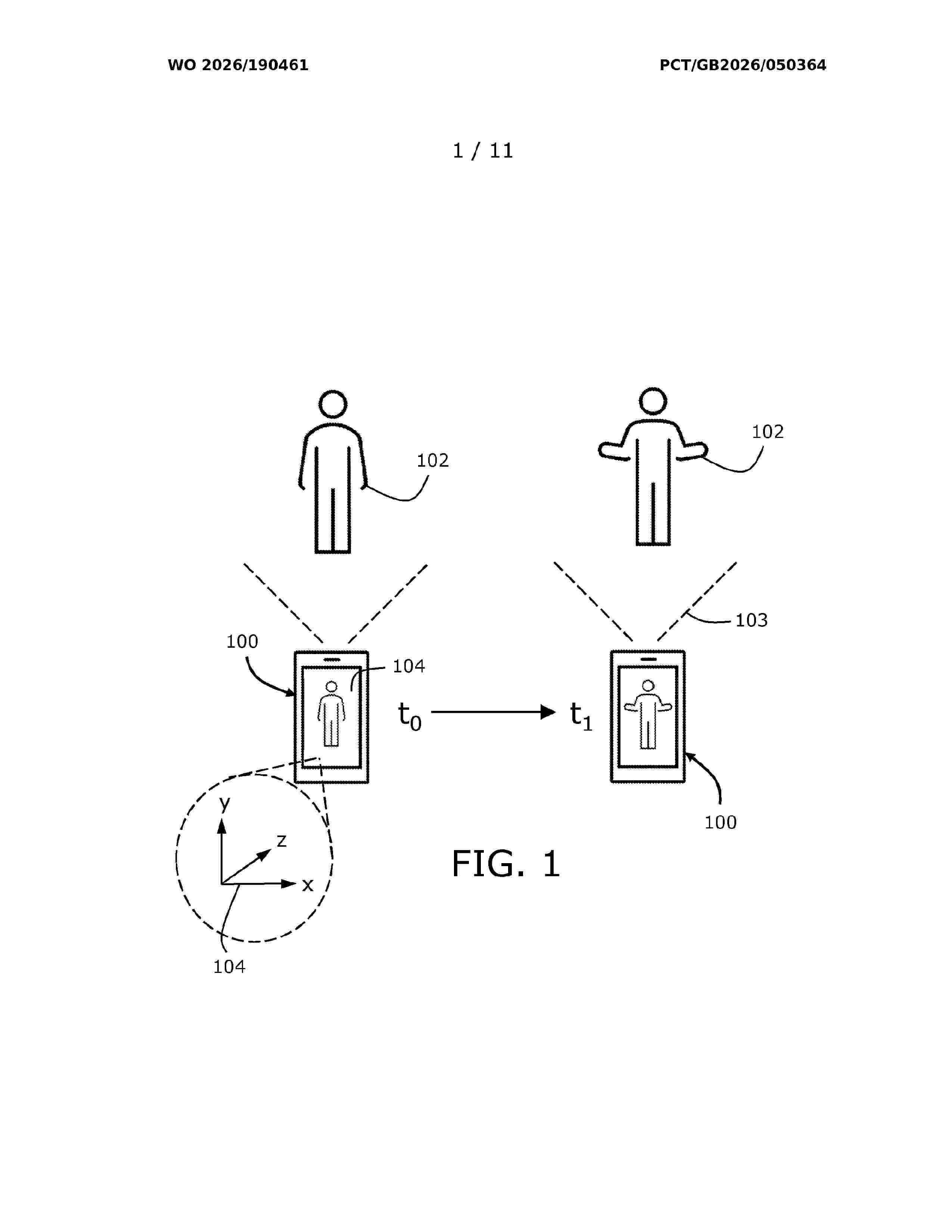
A computer-implemented device for determining joint angles of a subject, which device comprises: a digital camera adapted to output digital video data comprising frames of image data in two-dimensions (2D) in an image plane of the digital camera; at least one machine learning model; and a memory for storing said digital video data in which the frames of image data contain at least one joint of the subject; the computer-implemented device adapted, for each frame of image data, to: determine using said at least one machine learning model a plurality of body landmarks of the subject, each body landmark comprising 2- dimensional (2D) co-ordinate data representing the co-ordinates of the body landmark in a first dimension and a second dimension within the image plane of the digital camera; perform a time-dependent analysis of said plurality of body landmarks to estimate a third-dimension co-ordinate for each body landmark in said frames of image data, said third dimension mutually perpendicular to said first and second dimensions; use said third dimension co-ordinates to convert said 2D co-ordinate data into three-dimensional (3D) co-ordinate data for each body landmark; use said 3D co-ordinate data of said plurality of said body landmarks to determine a 3D joint angle of said at least one joint of the subject within respective frames of image data; and output data representing said 3D joint angle.
Resumen de: US20260272695A1
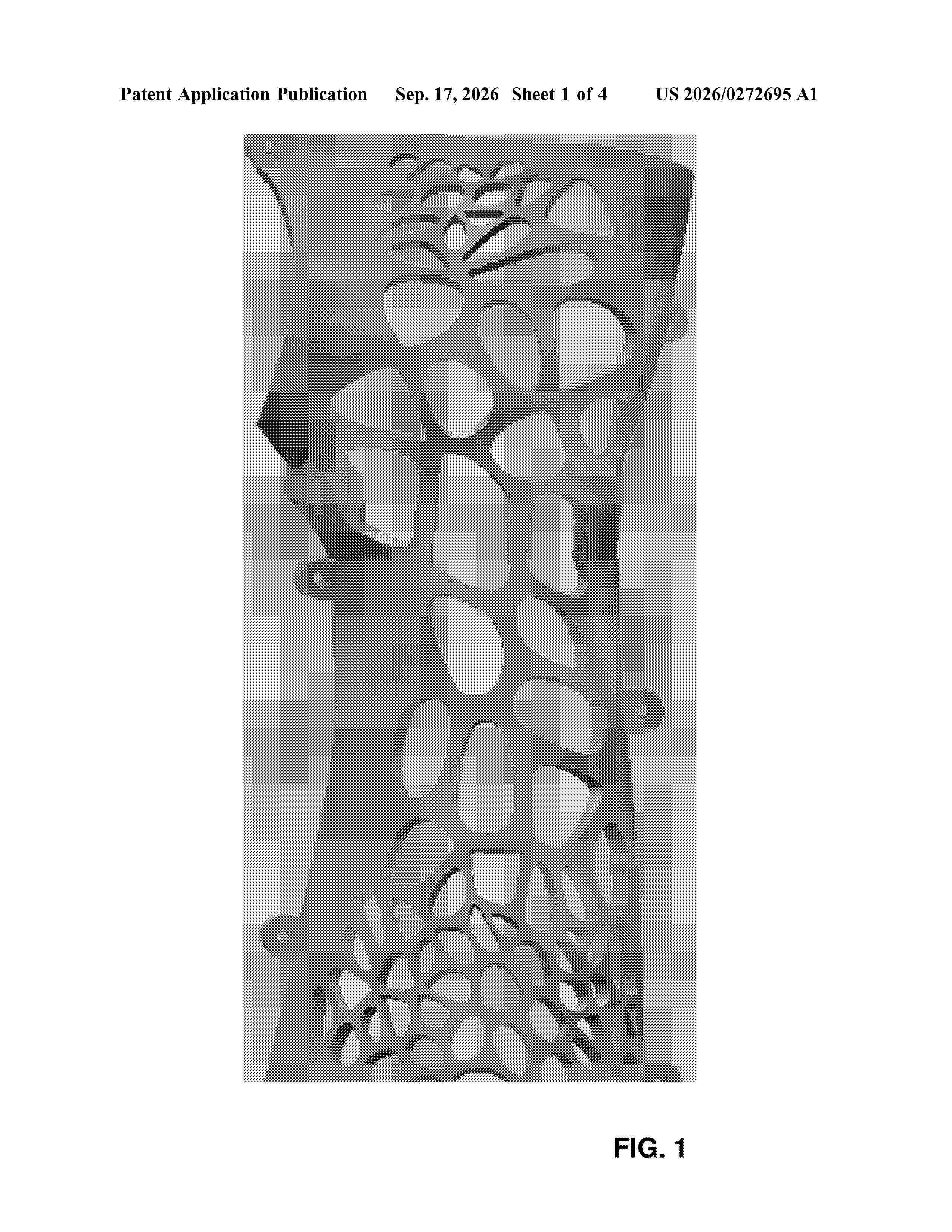
An orthopedic cast made of a vitrimer polymer lattice shell additively manufactured from anatomical scan data. The cast provides ventilation, structural immobilization, and thermal reshaping capability while maintaining mechanical integrity. A cast system for adult distal radius fractures is disclosed, a vitrimer-based polymer lattice shell custom-generated through anatomical modeling and additive manufacturing. A patient-specific immobilization device with modular segments and structural zones tailored for the distal forearm and wrist region. Using 3D anatomical input and a proprietary digital workflow, the system calculates fracture-appropriate cast geometry, including variable wall thickness and ventilation cell size. The cast design accommodates fracture type, swelling potential, and ergonomic function while permitting surgical site access.
Resumen de: WO2026193095A1
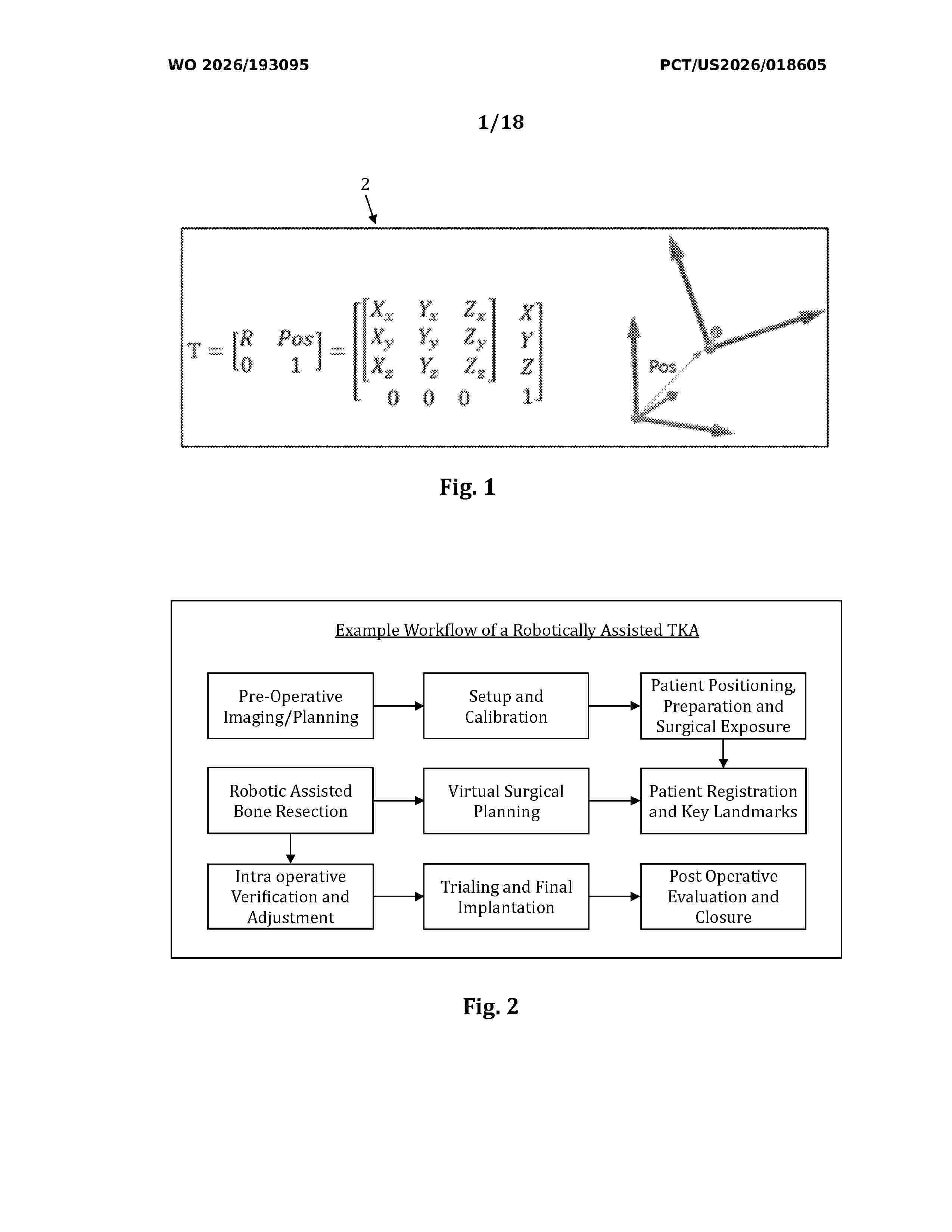
A method of optimizing scan data in constructing 3D point cloud models is disclosed herein. For example, the method may be used to increase the speed (or reduce the latency of) object registration in instances in which the system may otherwise generate large point cloud models of the target object. By way of example, the method (and any other method) disclosed herein is configured for use with or implementation by a structured light scanning system.
Resumen de: WO2026193448A1
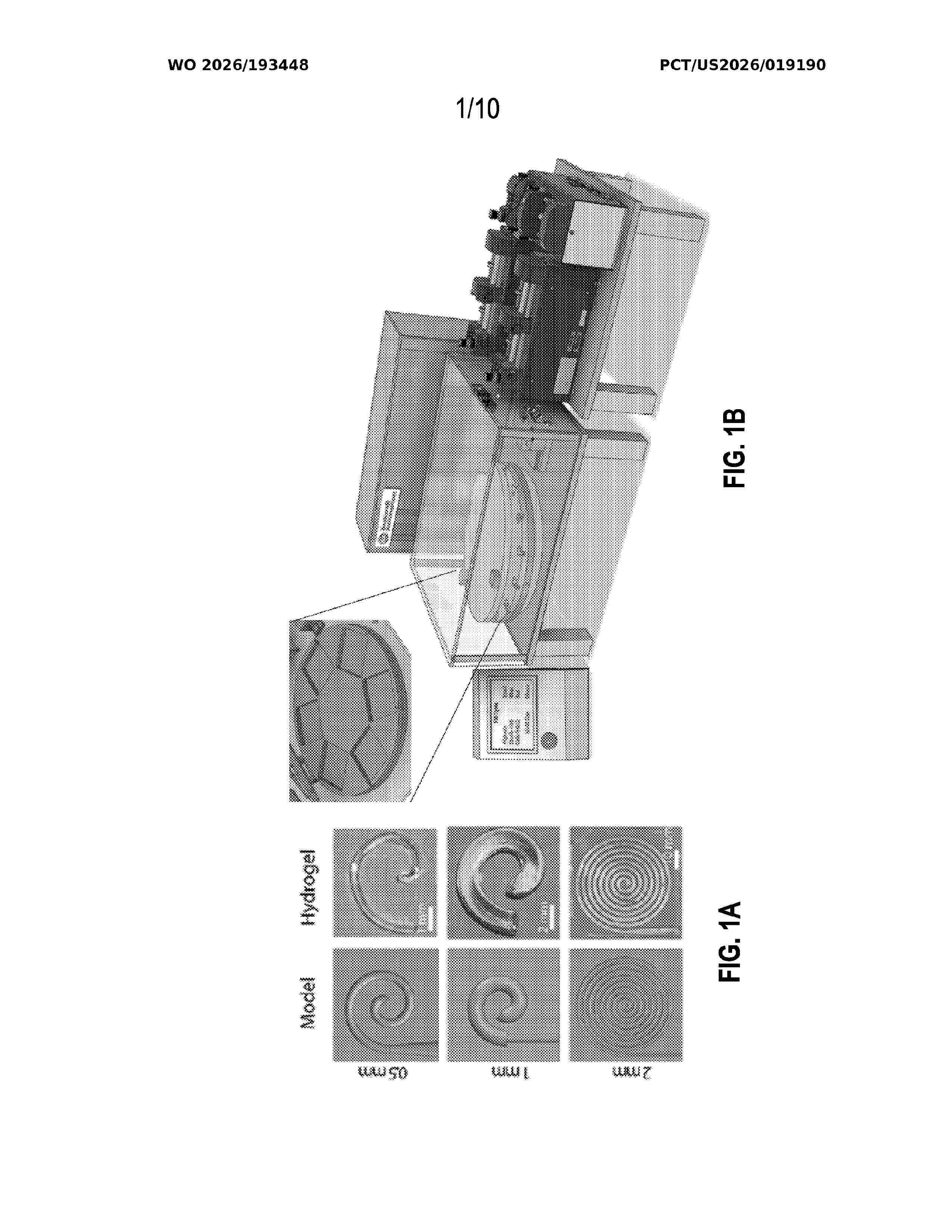
Methods for automated biomanufacturing of hydrogel cell macroencapsulation devices having complex geometries are disclosed. First and second components may be introduced into a microfluidic mixer and undergo mixing flow such that they combine to form a gelling alginate solution. Cells may be incorporated into the gelling alginate solution after mixing and centered in the gelling alginate solution through the use of laminar flow. The cell incorporated gelling solution is then injected into a three-dimensional hydrogel mold to form the hydrogel cell microencapsulation device.
Resumen de: US20260272619A1
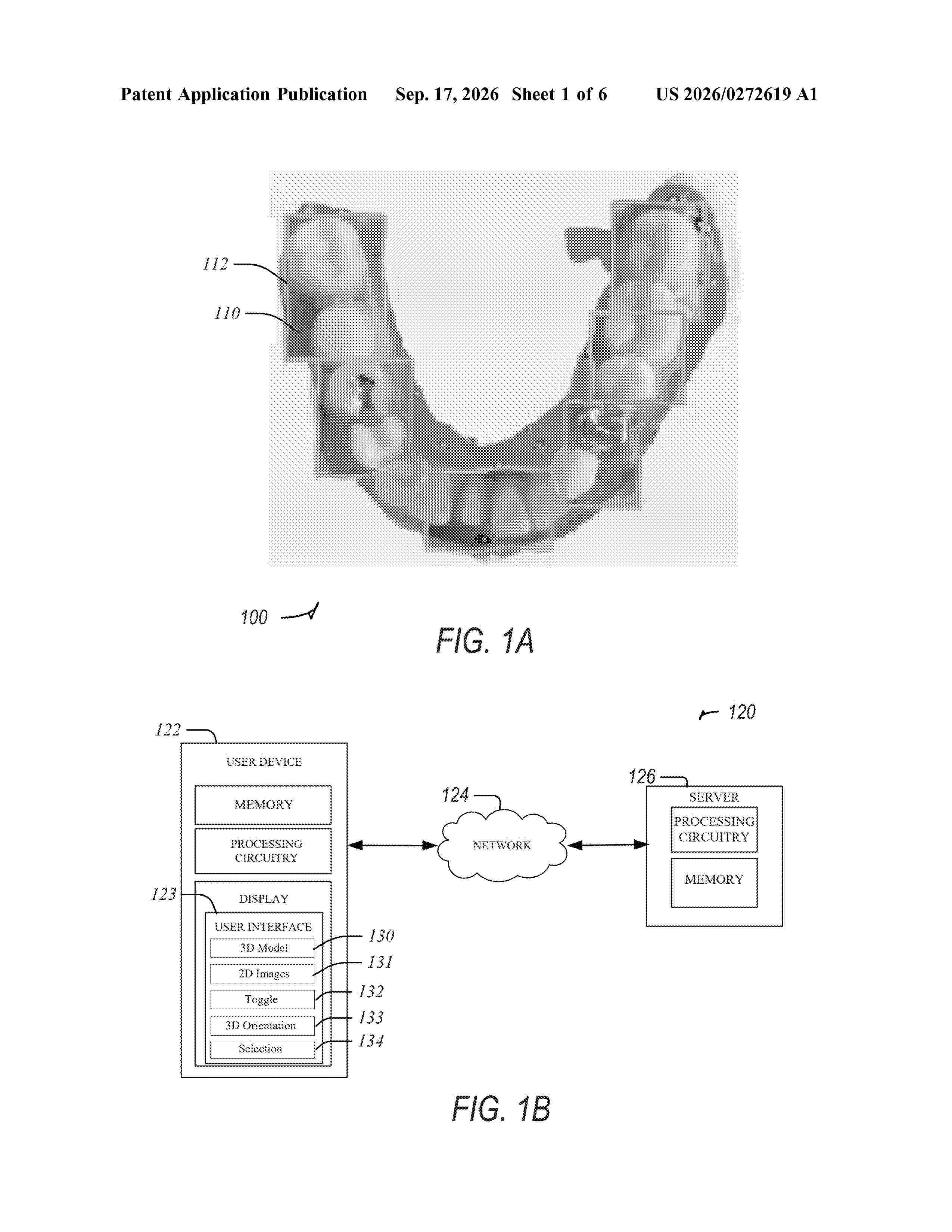
0000 Various embodiments disclosed relate to imaging and analysis of a patient's dental arch. A 3D model and a selection of correlated 2D images are presented to a practitioner. One or more of the 2D images include highlighted borders to alert the practitioner when an alternate image can be selected to improve information concerning a feature of interest.
Resumen de: AU2026223274A1
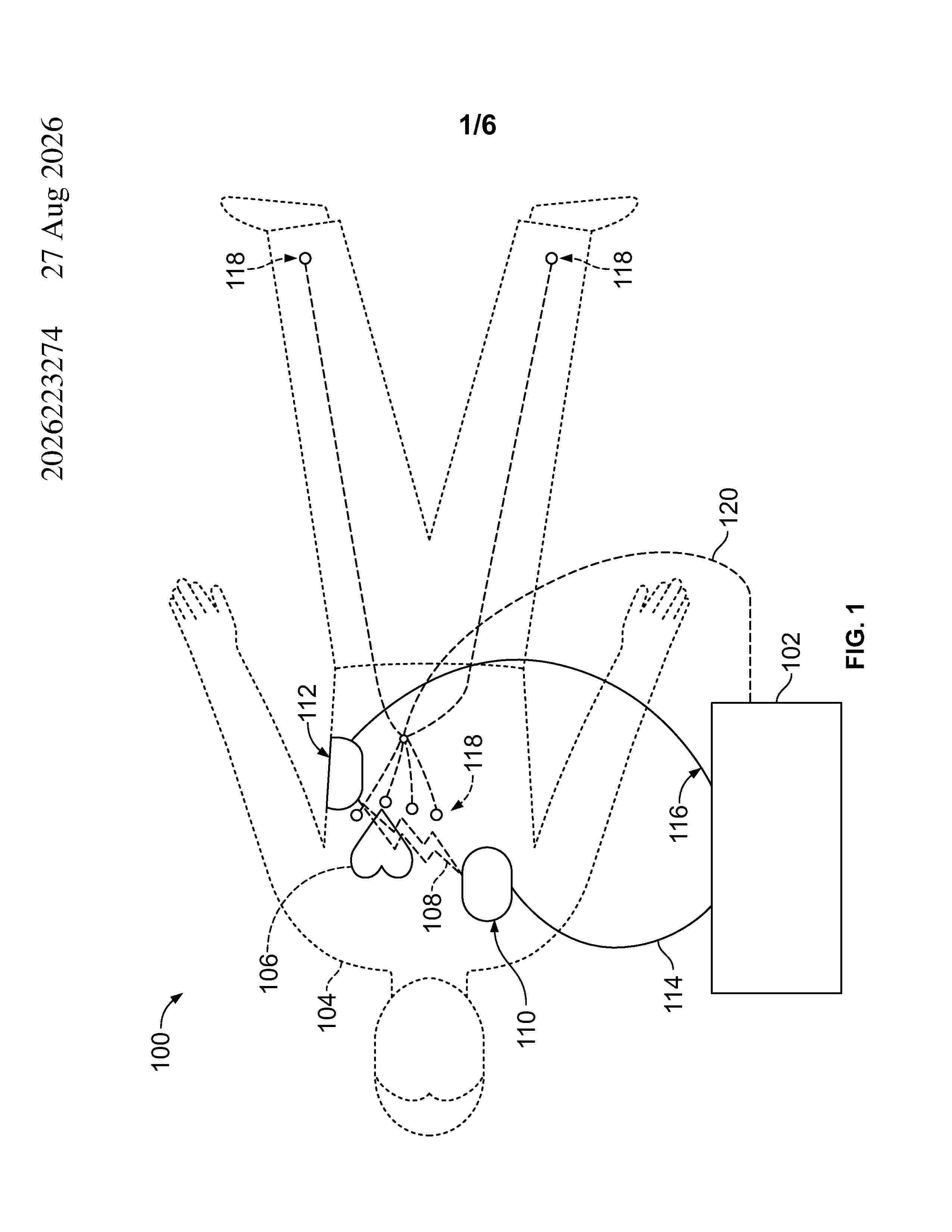
A portable medical device for adjusting a cardiopulmonary resuscitation (CPR) treatment includes a processor. The processor is configured to determine a particular CPR treatment protocol from one or more CPR treatment protocols. The particular CPR treatment protocol may include a ratio of a number of chest compressions to ventilations for administering during a CPR cycle. The processor is configured to receive a CPR time period for the CPR treatment for the CPR treatment, to determine a number of CPR cycles for the CPR treatment based on the particular CPR treatment protocol, and to calculate a time duration of the CPR treatment based on the number of CPR cycles of the particular CPR treatment protocol. The processor is configured to compare the time duration to the CPR time period and to modify the particular CPR treatment protocol or CPR time period based on the comparison. ug u g
Resumen de: US20260278974A1
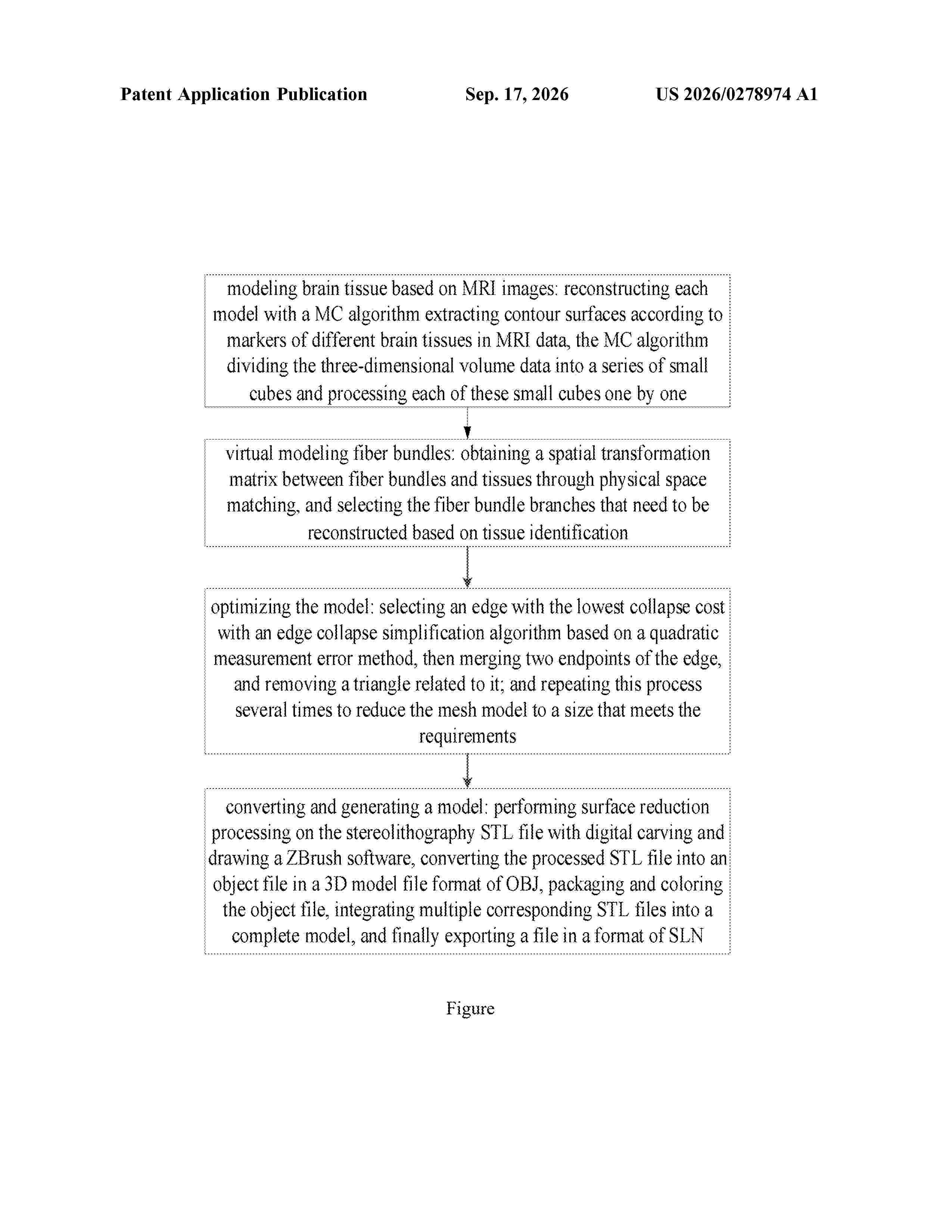
An imaging method and means for cognitive brain science based on metaverse mixed reality technology are provided, which can provide a clear, intuitive, and highly interactive brain function teaching platform, enhancing the efficiency and immersion of medical education, neuroscience research, and clinical training. The method includes the following steps: (1) modeling brain tissue based on MRI images; (2) virtual modeling fiber bundles; (3) optimizing the model; (4) converting and generating a model.
Resumen de: WO2026193372A1
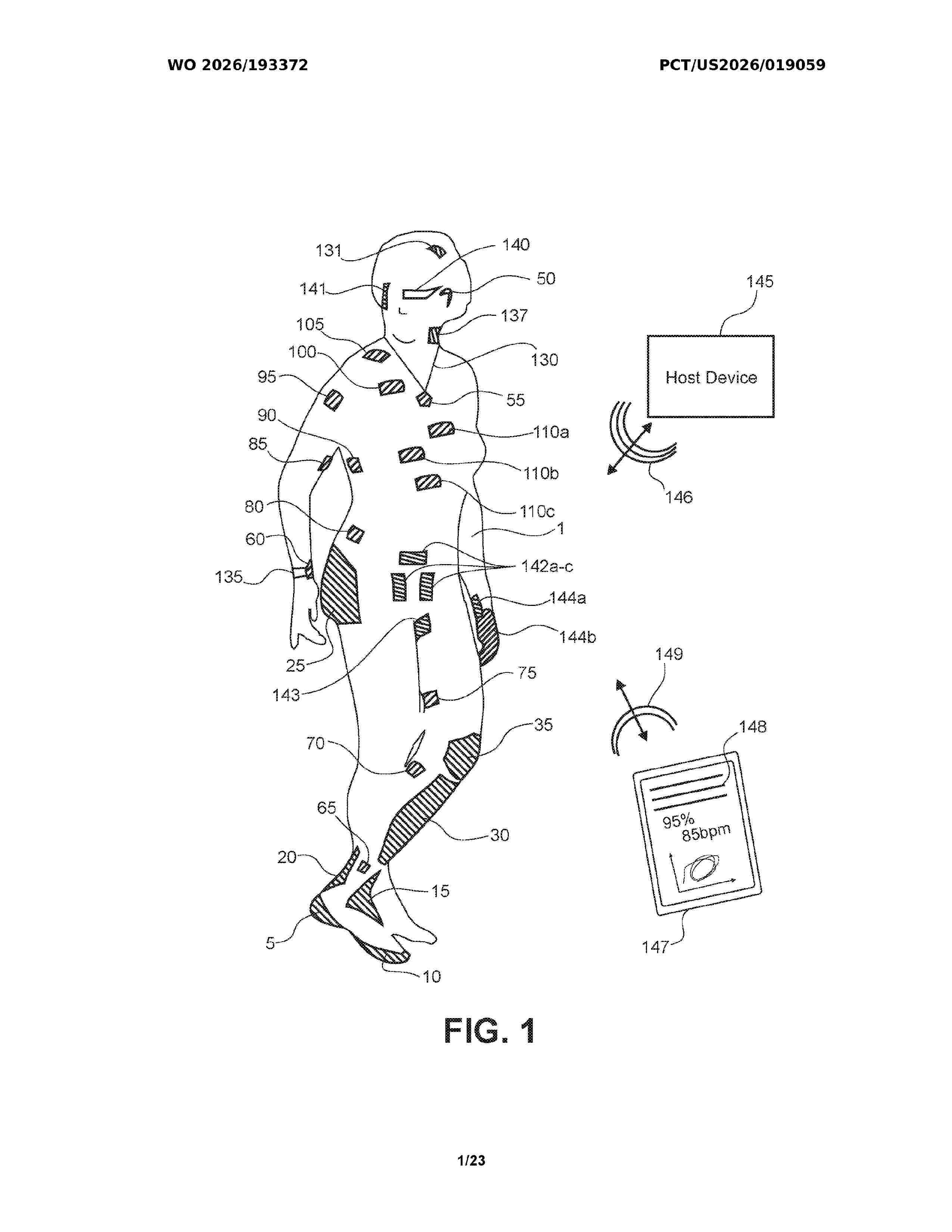
Techniques are disclosed for resource accountability management. An apparatus includes at least one processing device configured to determine, for a workflow comprising tasks associated with locations, assignment of resources to the tasks and hierarchical associations between different ones of the resources. The at least one processing device is also configured to monitor, at a given location associated with a given task, presence of respective ones of the resources utilizing sensor devices associated with the resources, and to generate, based at least in part on the monitored presence of respective ones of the resources, one or more accountability management visualizations for the given task.
Resumen de: US20260273181A1
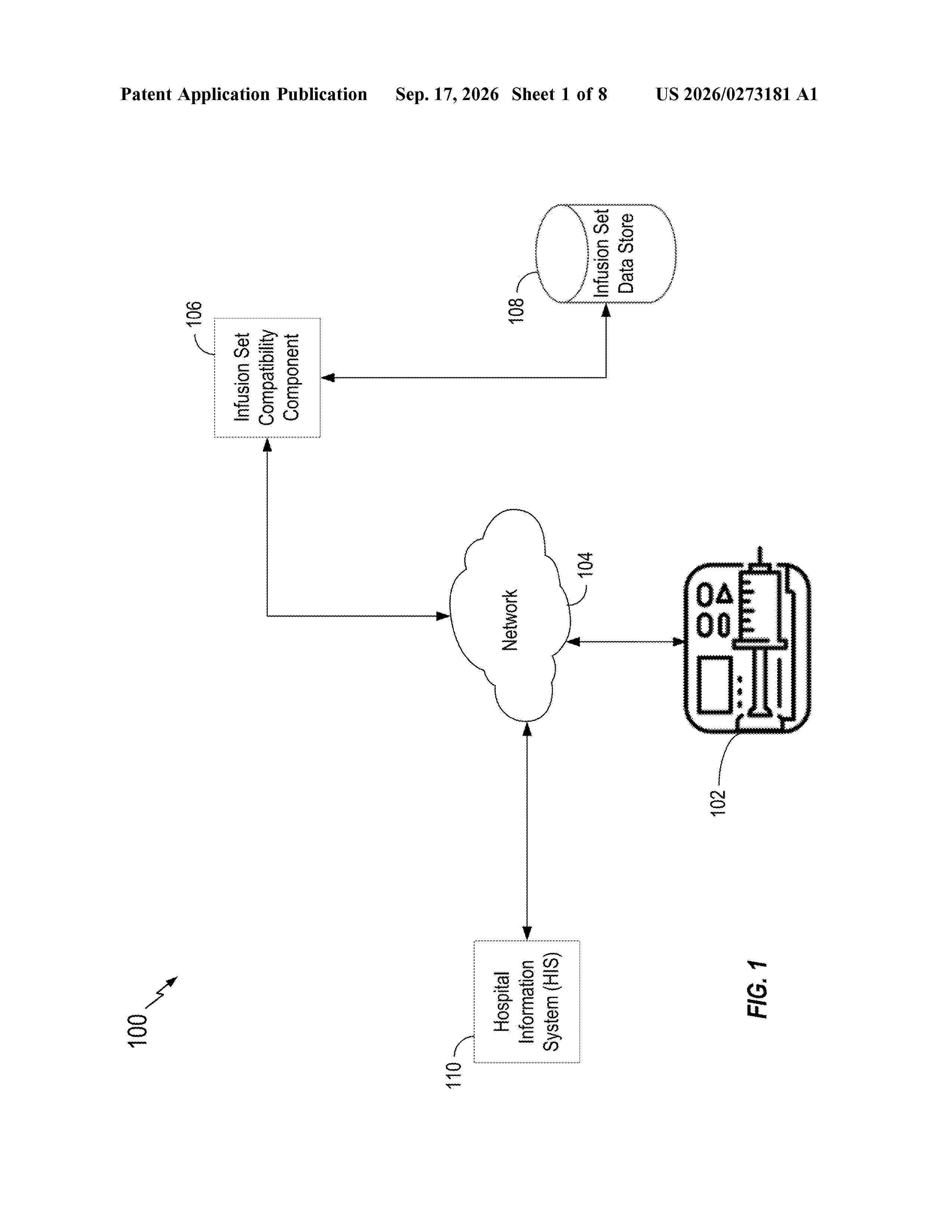
0000 Certain aspects of the disclosure provide systems and methods for detecting compatibility between infusion systems and infusion administration sets, in particular between infusion administration sets and infusion fluids. Some methods include determining information characterizing the infusion administration set and detecting at the infusion device, compatibility between the infusion administration set and the fluid based on the information characterizing the infusion administration set.
Resumen de: WO2026188343A1
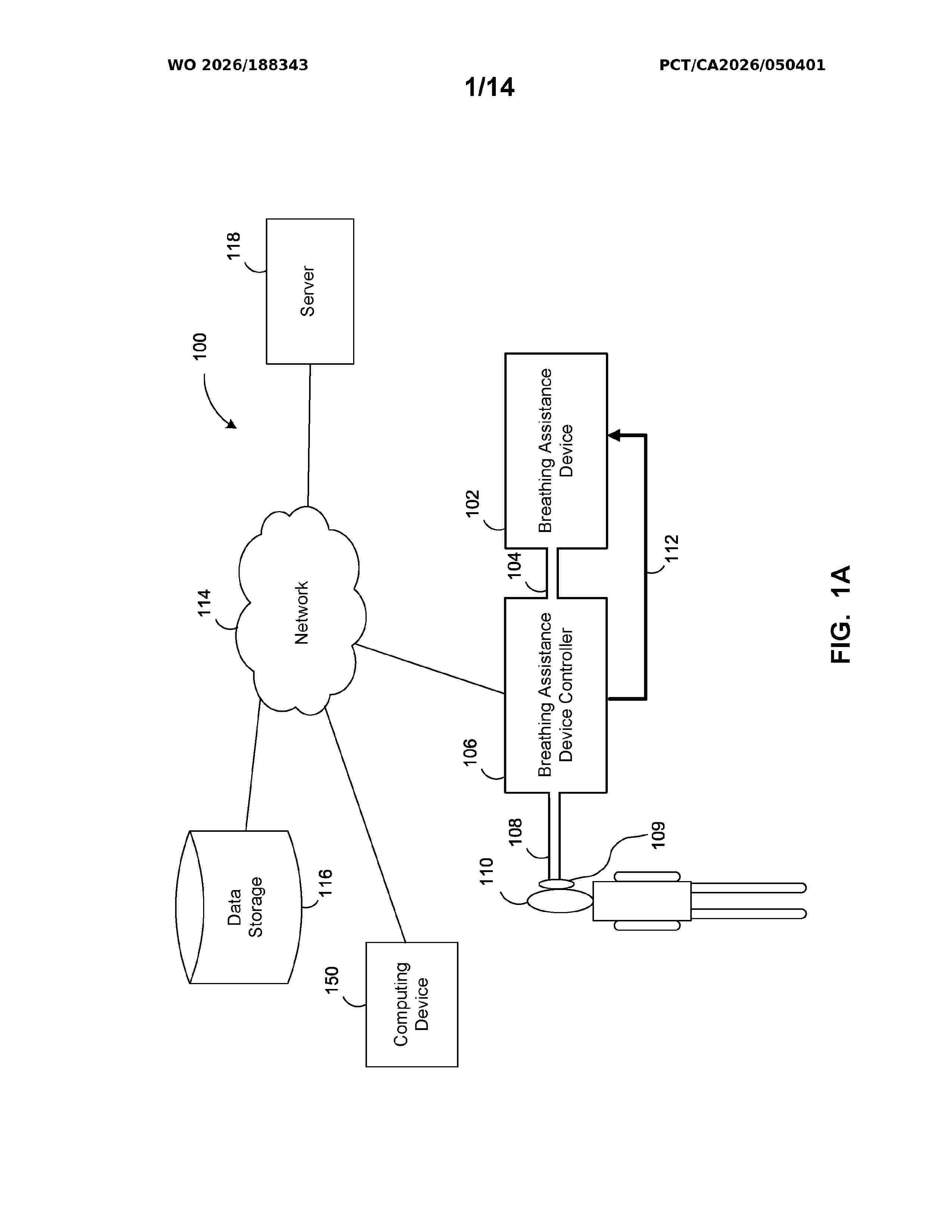
Various methods, devices and systems for providing personalized breathing assistance for a user and controlling breathing assistance devices based on phenotype-specific models are described herein. The methods involve receiving at least one polysomnography signal associated with user, identifying one or more apnea-related events in the polysomnography signal, determining an apnea signature for the user based on the identified one or more apnea-related events, projecting the apnea signature for the user onto a cluster plot. The cluster plot includes clusters that include apnea signatures of other users where the clusters represent corresponding phenotypes. The methods further involve identifying a phenotype for the user based at least on a location of the projected apnea signature in the cluster plot relative to each of the clusters determining the phenotype-specific breathing assistance model associated with the identified phenotype for the user.
Resumen de: US20260271879A1
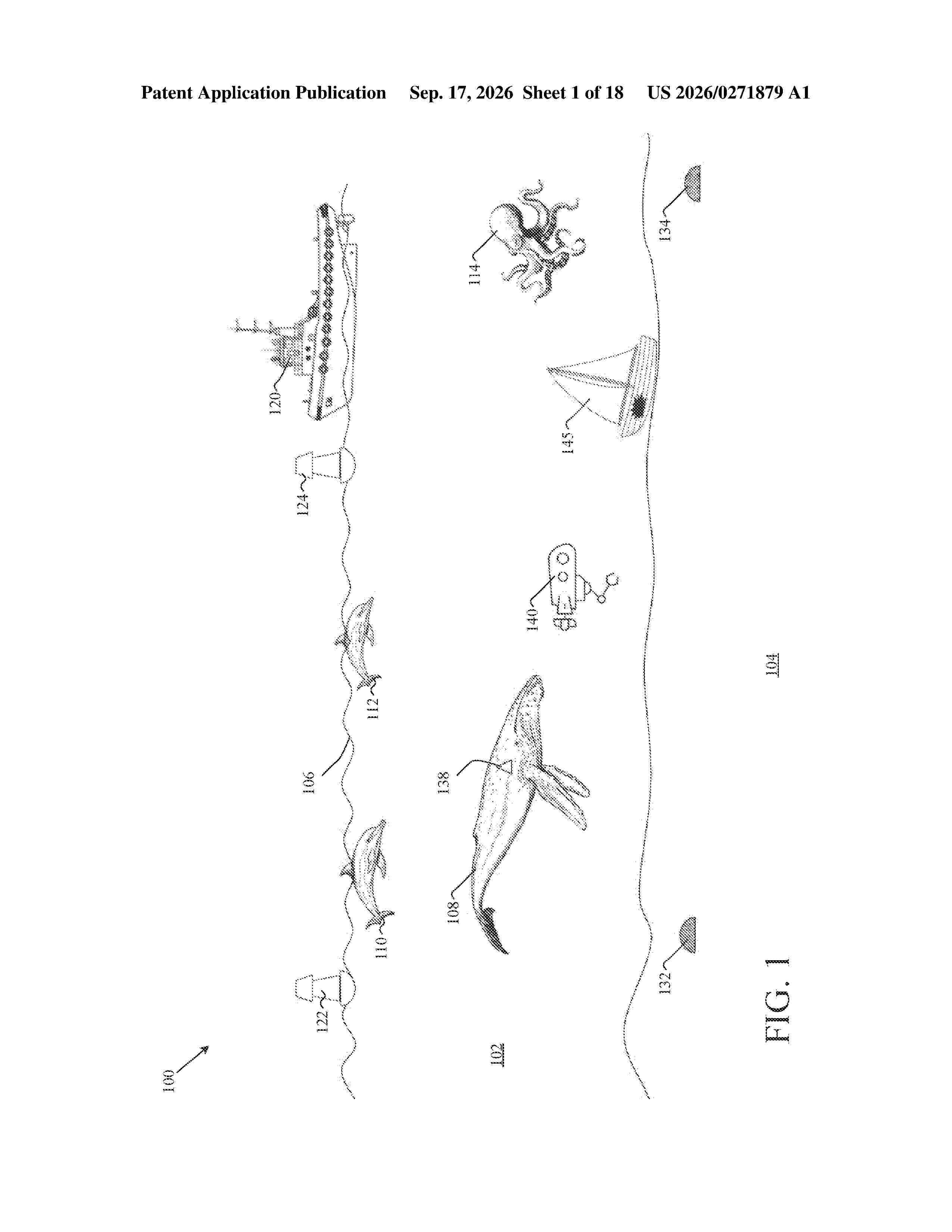
Disclosed embodiments provide a system and method for adaptive real-time animal training and welfare management, utilizing non-invasive neural monitoring and cognitive assessment via machine learning. The system includes conductive polymer ink electrodes or specialized wearable headgear for continuous acquisition of neural signals. Advanced algorithms perform frequency-domain analysis to correlate specific neural profiles with cognitive states such as attentiveness and stress. A multi-layered machine learning framework interprets these signals, dynamically adjusting training protocols and welfare assessments. Integrated environmental sensors enable multimodal data fusion, refining contextual accuracy. This invention supports continuous data-driven optimization of training efficacy, animal welfare, and predictive performance analytics throughout the animal’s lifecycle.
Resumen de: WO2026193435A1
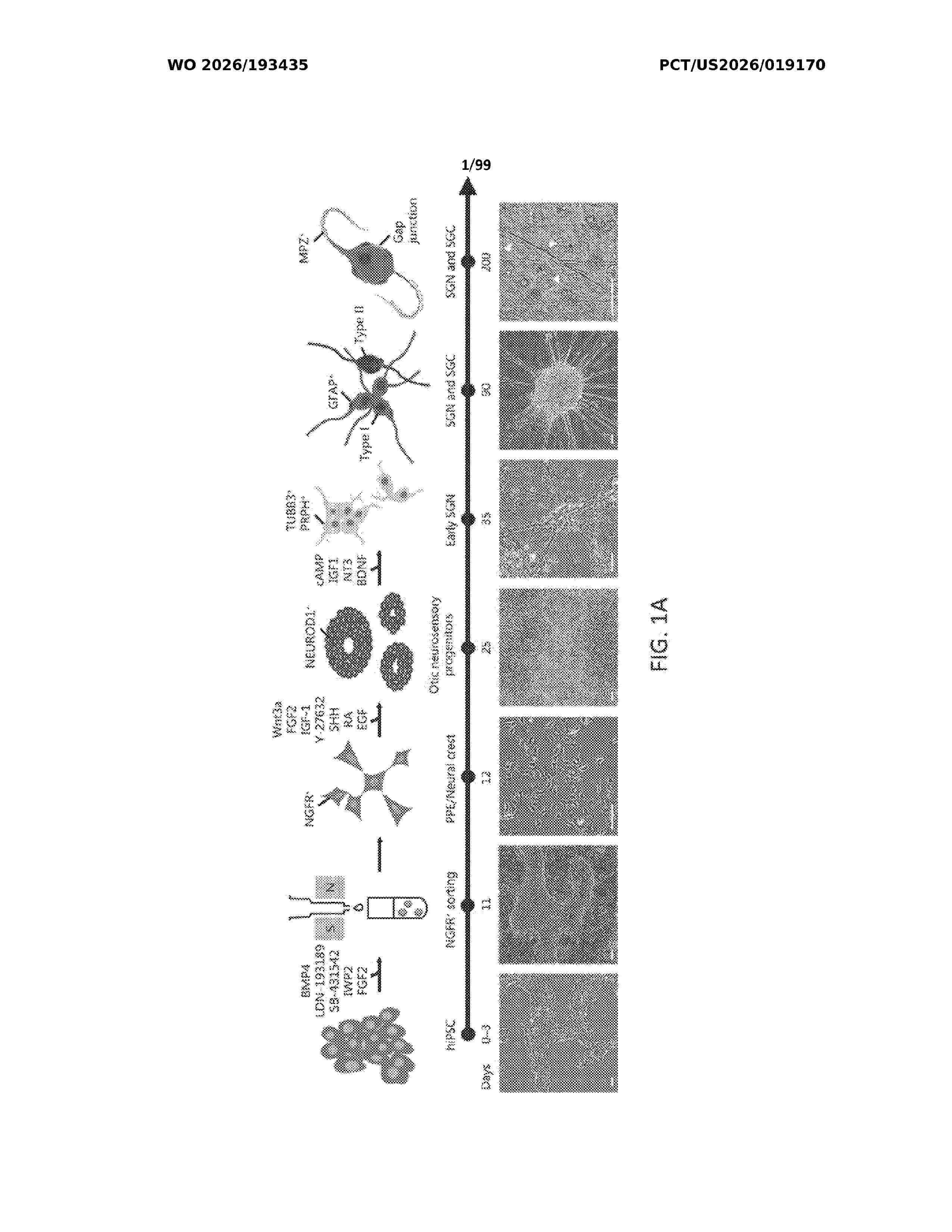
Compositions and methods are provided for generating spiral ganglion neuron-like cells from stem cells. Methods of using such spiral ganglion neuron-like cells in auditory research, disease modeling of sensorineural hearing loss, drug screening, and cell therapy are also provided.
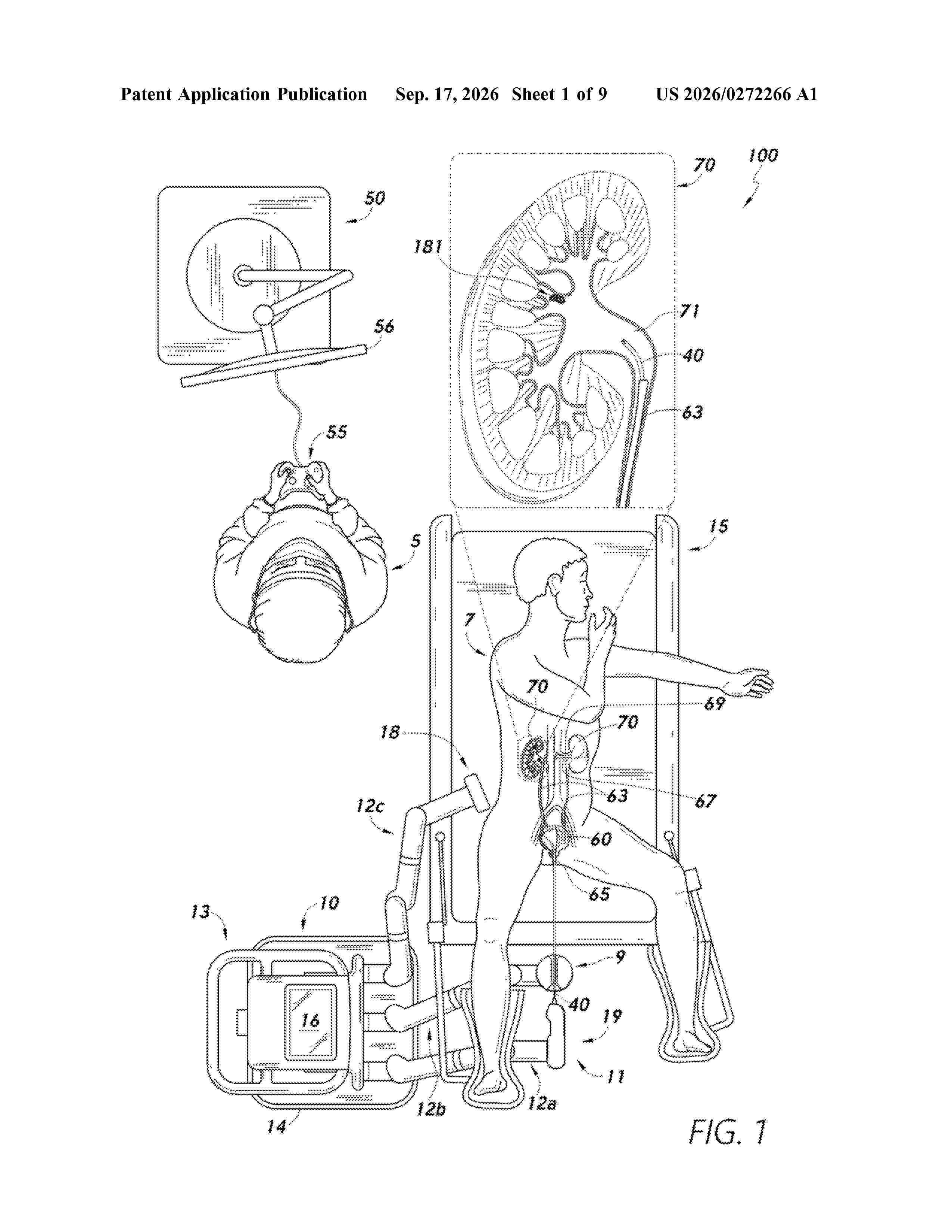
Resumen de: US20260272266A1
0000 This disclosure provides methods, devices, and systems for classifying video frames. The present implementations more specifically relate to vision-based scene segmentation and action classification. In some aspects, a machine learning model may be trained to infer, from images or video captured by a camera disposed on the distal end of a medical instrument (such as a scope), information about a working channel instrument and/or other objects in a field-of-view (FOV) of the camera. In some implementations, a first machine learning model may be trained to extract features associated with an object (such as a working channel instrument, an anatomy, or a target within the anatomy) from one or more frames of video depicting the object, and a second machine learning model may be trained to infer an action associated with the object, for each frame of the one or more frames, based on the features extracted from the frame.
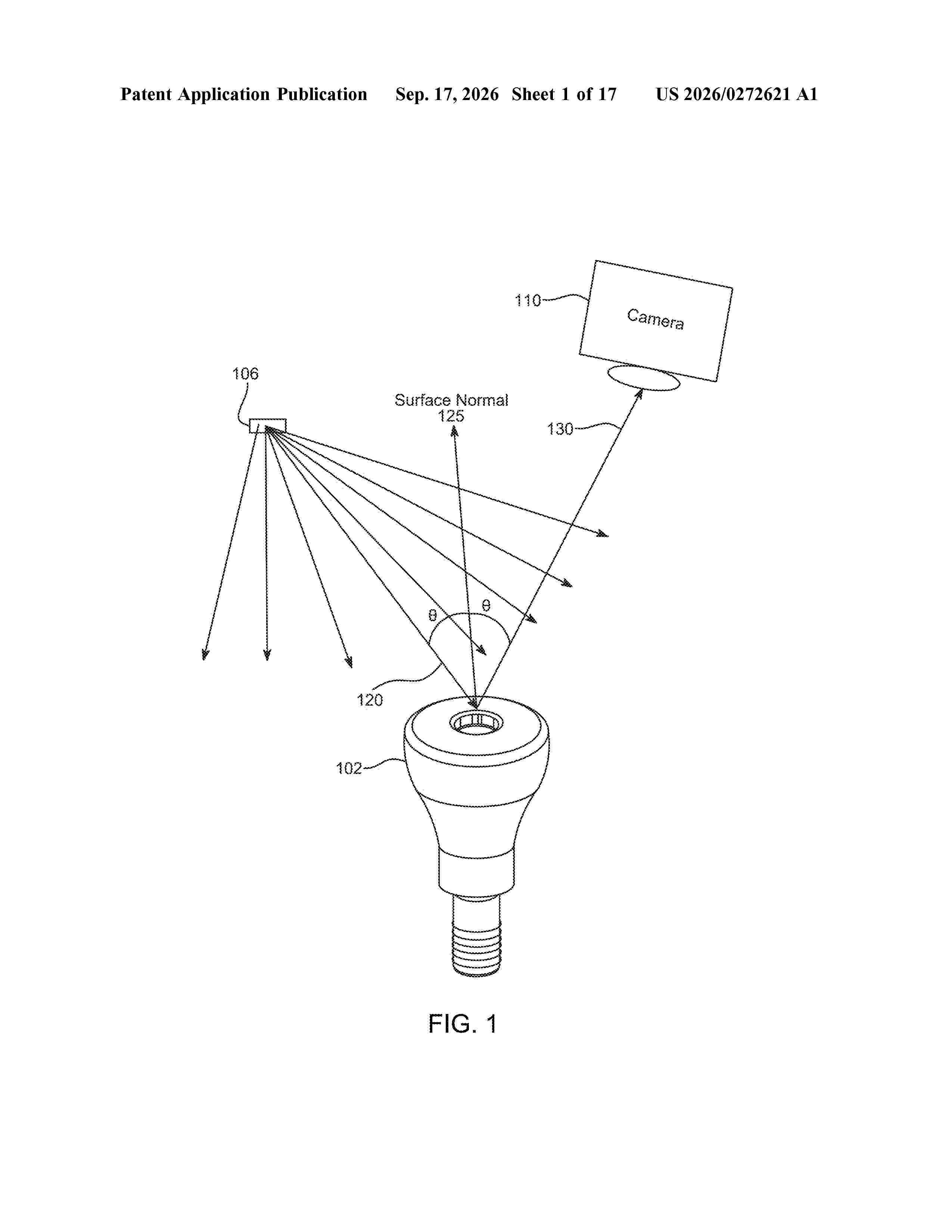
Resumen de: US20260272621A1
A method includes receiving intraoral scan data generated by an intraoral scanner, the intraoral scan data comprising one or more images of a reflective intraoral object generated during projection of light onto the reflective intraoral object by a light projector of the intraoral scanner. The method further includes identifying a virtual image of the light projector in the one or more images caused by reflection of the light off of the reflective intraoral object. The method further includes determining at least one of a position or an angle of a surface of the reflective intraoral object based at least in part on the virtual image of the light projector identified in the one or more images.
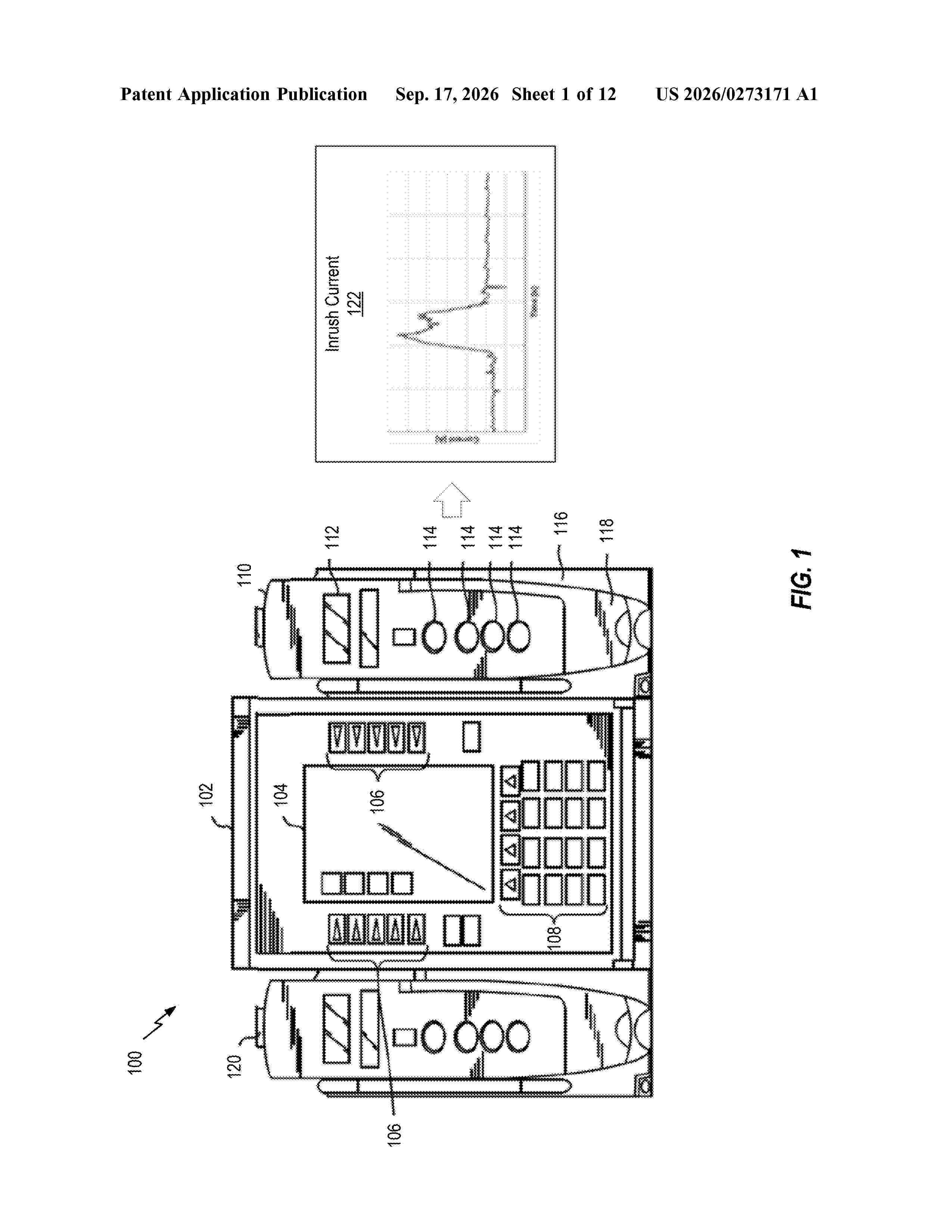
Resumen de: US20260273171A1
0000 Certain aspects of the disclosure provide systems and techniques for operating medical devices. An example method includes obtaining over a period of time, an inrush current of one or more hardware modules connected to the process control unit; determining a respective type of each of the one or more hardware modules based on the inrush current; and operating the process control unit based on the respective type of each of the one or more hardware modules.
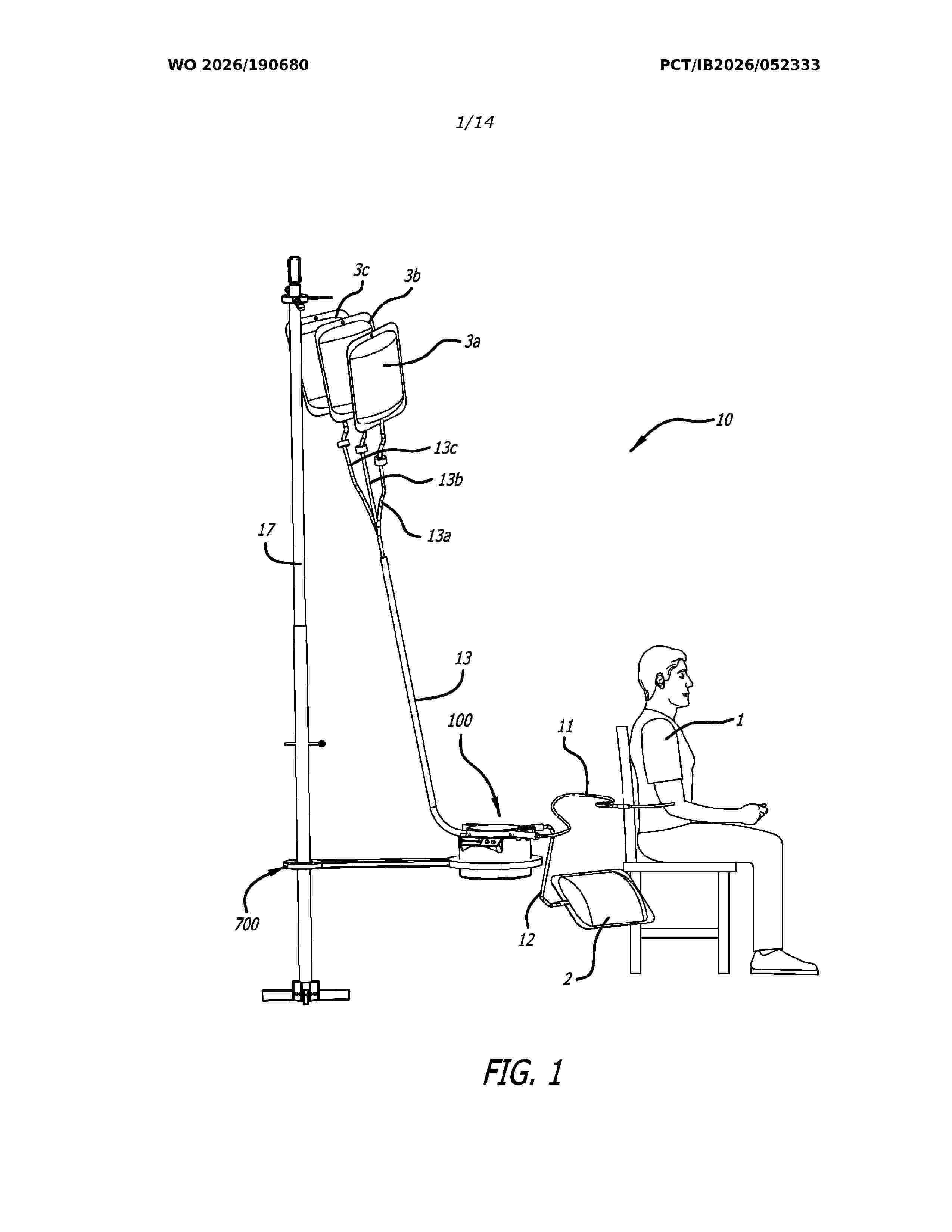
Resumen de: WO2026190680A1
Apparatus, systems, and methods for a solenoid-actuated and low-cost device for automating at least part of a continuous ambulatory peritoneal dialysis (CAPD) therapy are provided. A CAPD device includes a front housing, a rear housing, a central bracket, and a cover configured to surround a Y-junction of a CAPD tubing set. The CAPD device further includes first and second solenoids configured to move first and second occlusion tips between depressed and extended positions. The occlusion tips are configured to occlude a dialysis fluid line and a drain line of the CAPD tubing set to achieve a drain cycle, a fill cycle, and/or a dwell cycle.
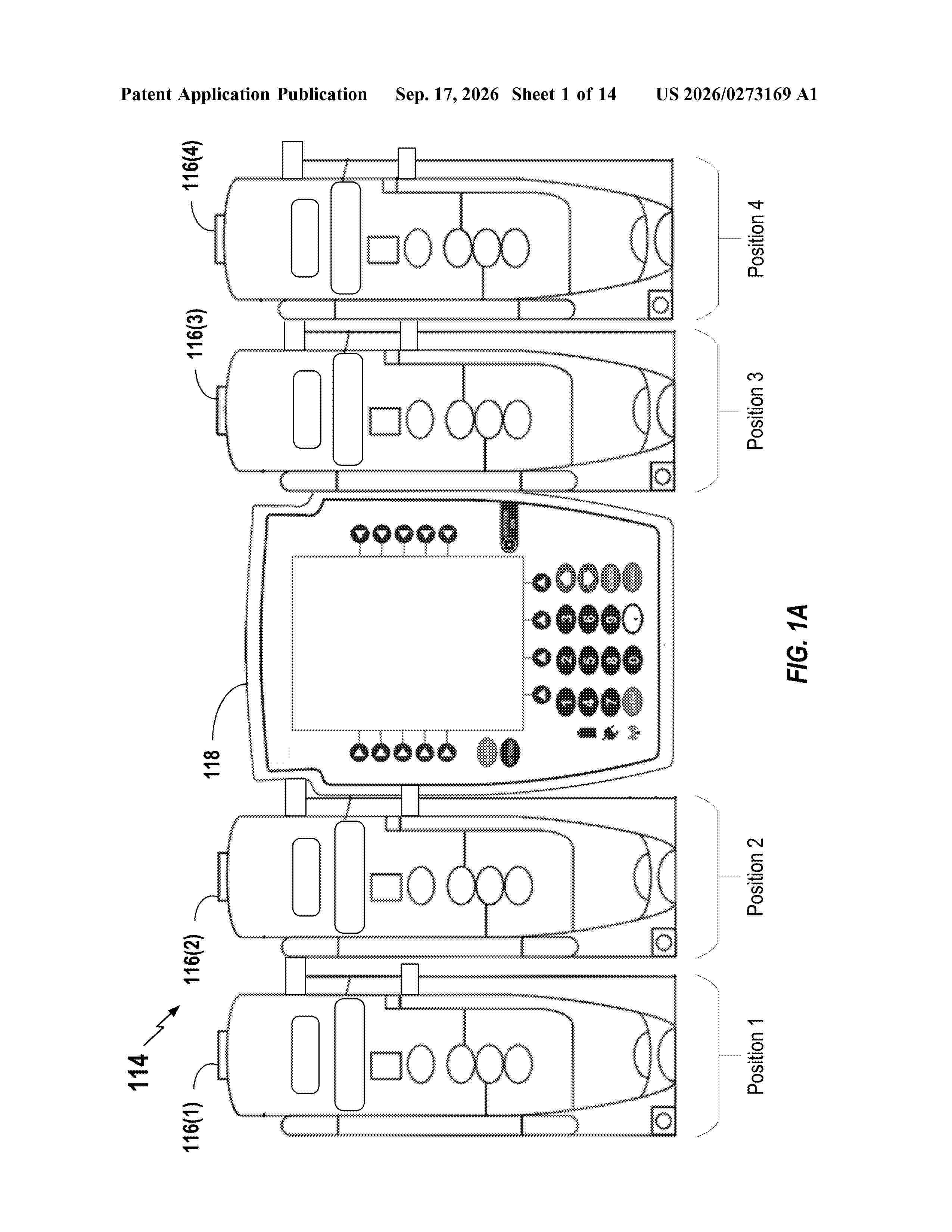
Nº publicación: US20260273169A1 17/09/2026
Solicitante:
CAREFUSION 303 INC [US]
CareFusion 303, Inc.
Resumen de: US20260273169A1
Certain aspects of the disclosure provide systems and methods for detecting coupling of multiple infusion devices and determining a connection position of the coupled infusion devices relative to one another. Coupling data may be used to indicate usage, or overuse, of the connection position. Such usage information may be used to determine when the infusion device is ready for maintenance, cleaning, repair, and/or maintenance. Further, such usage information may be used to generate a configuration recommendation to balance and distribute usage across various connection positions of the infusion device.
 BOPI
BOPI
 Sede Electrónica