Si deseas distinguir tus productos, servicios o ambos de los de otra empresa, es posible que necesites una marca o nombre comercial. Descubre qué son, en qué consiste su procedimiento de registro y qué implica.

Información sobre los plazos de presentación de solicitudes de transformación de marcas de la Unión Europea en marca nacional española. Más información


Si tienes un nuevo dispositivo, producto o procedimiento que resuelva un problema técnico o tenga una ventaja práctica, existen distintas formas de protegerlo en España y en otros países. Descubre cómo hacerlo.

¿Tu innovación reside en la estética, la ornamentación o la apariencia de tu producto? Protégela mediante un diseño industrial. Descubre qué derechos confiere el registro y cómo realizar la tramitación.

Las indicaciones geográficas protegen el nombre de un producto originario de una zona geográfica, a la cual le debe una determinada calidad, reputación u otra característica. Descubre qué son, en qué consiste su procedimiento de registro y qué beneficios conceden.

Las patentes publicadas en todo el mundo son una valiosa fuente de información científica, técnica y comercial.

Si eres emprendedor/a o una empresa y quieres potenciar y mejorar la rentabilidad de tu negocio protegiendo de forma adecuada los activos intangibles de tu organización, en este espacio encontrarás lo necesario.


 568
resultados
568
resultados
 Última actualización
17/10/2026 [07:24:00]
Última actualización
17/10/2026 [07:24:00]


 Resultados 525 a 550 de 568

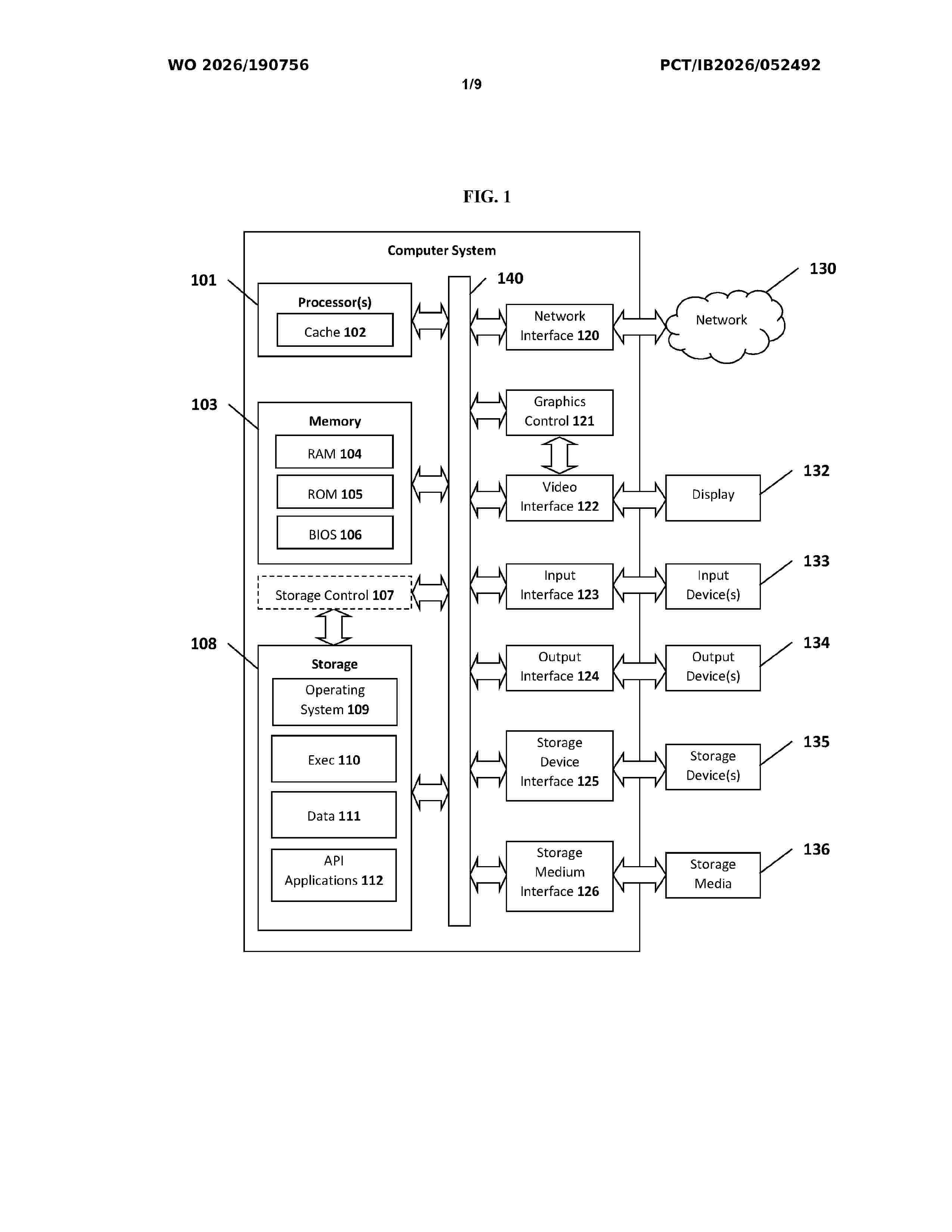
Resumen de: WO2026190756A1
Provided are methods, systems, and kits for analyzing genetic data and transcriptomic data derived from a sample of a subject with a trained machine learning algorithm to determine a degree of bladder cancer risk in the subject.

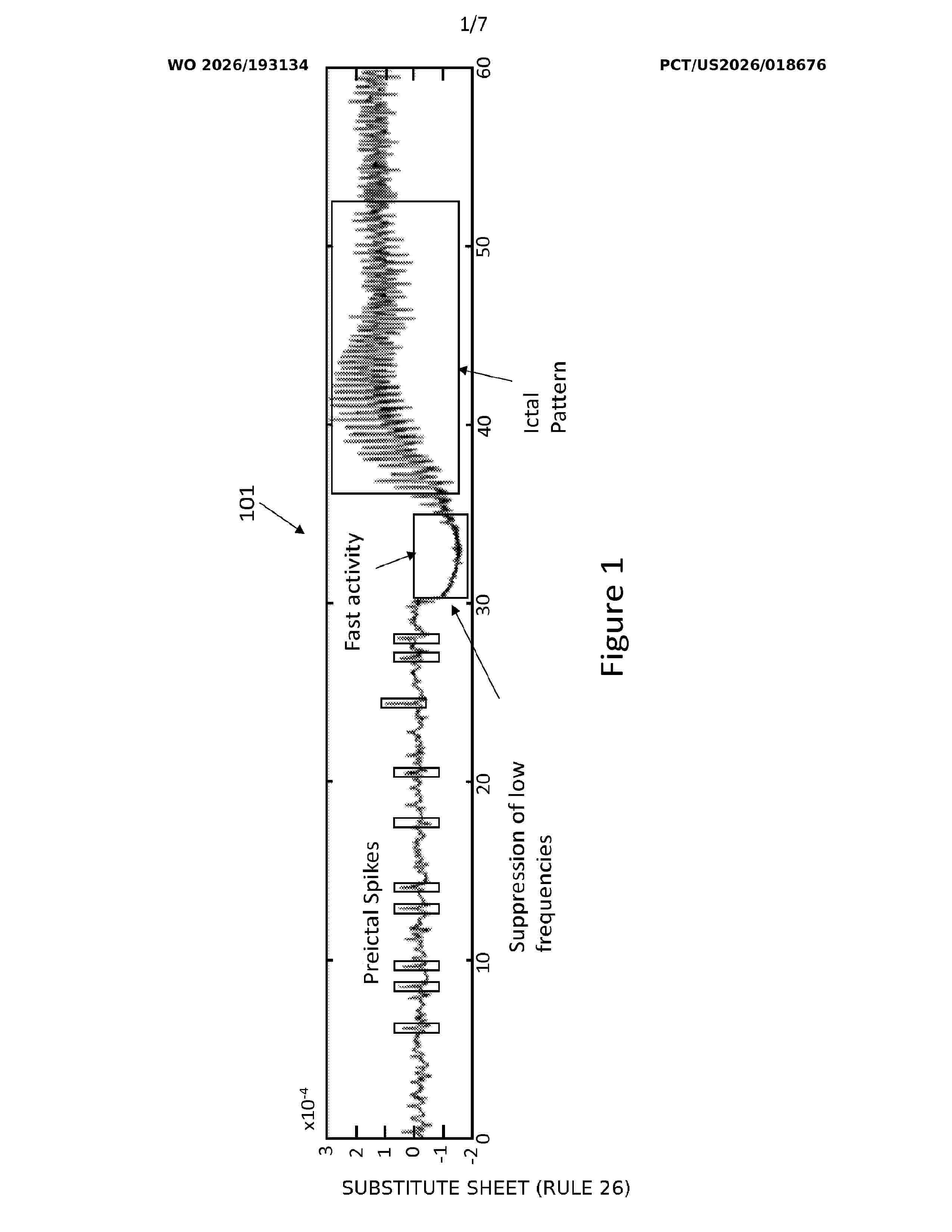
Resumen de: WO2026193134A1
The present disclosure relates to machine learning systems and methods for locating seizure onset zones and tasks related to stereotactic electroencephalogram (SEEG) data. Latent features that capture intrinsic structure within SEEG signals can be identified, and used to classify SEEG channels as corresponding to epileptogenic or non‑epileptogenic regions and/or used for distinguishing ictal patterns associated with neuromodulation therapies, comparing electrophysiological signatures across different diagnostic modalities, grouping or stratifying patients, and/or integrating with structural or functional imaging datasets to facilitate multimodal localization of epileptogenic networks. An example method of the present disclosure includes obtaining EEG or SEEG data, performing a time-frequency decomposition, extracting one or more features from the spectral data, encoding a time and determining a sequence of the detected features, generating a multidimensional vector based on the determined sequence of features, and classifying one or more dimensions of the multidimensional vector.
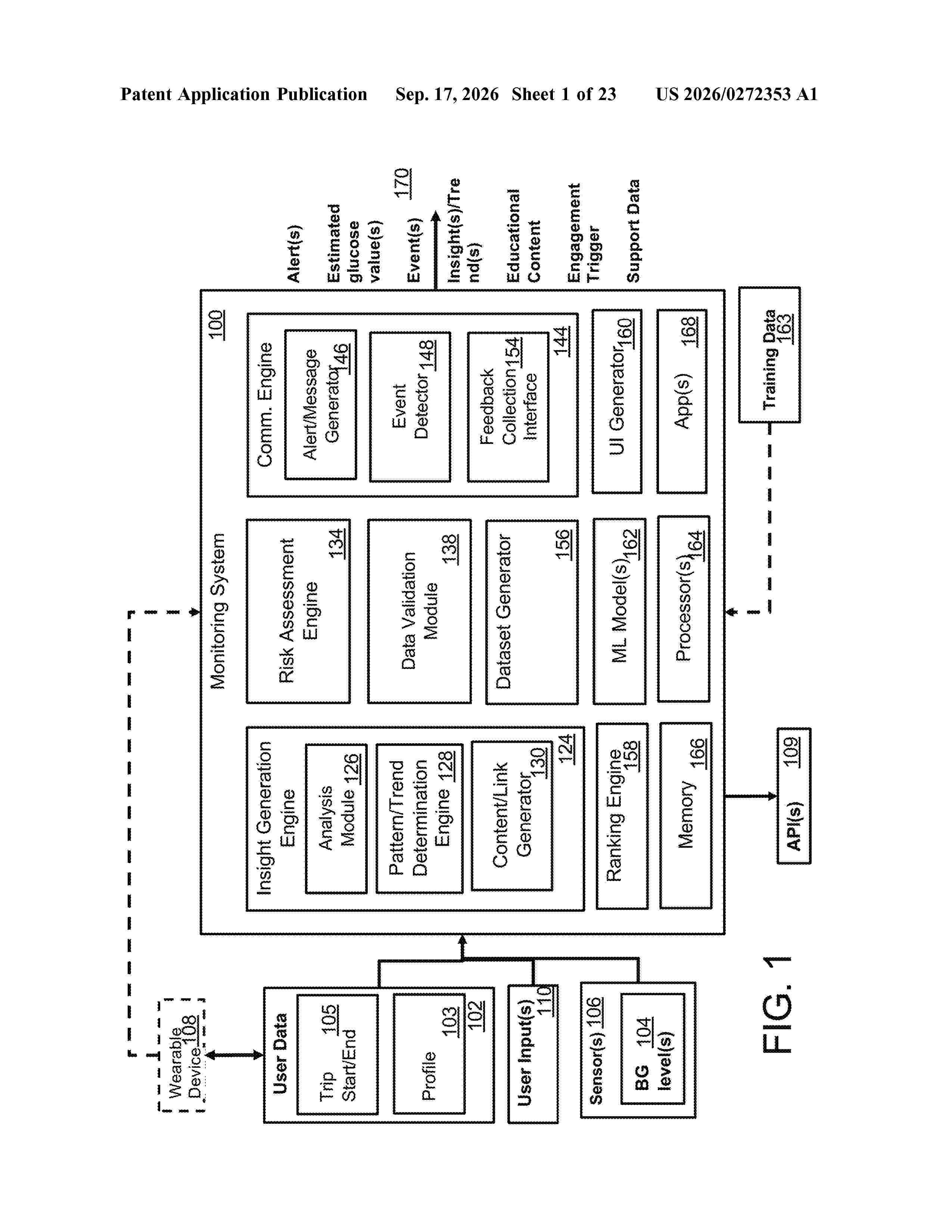
Resumen de: US20260272353A1
0000 Systems and methods are described for monitoring blood glucose when driving. The methods may include receiving blood glucose input for a user over a time period, detecting one or more driving events associated with the user over the time period, correlating the blood glucose input with the one or more driving events; determining, based on the correlation, at least one pattern indicating a blood glucose status for the user, generating, based on the blood glucose status and a repository of user data, at least one insight or trend corresponding to the user, and causing presentation of the at least one insight or trend.
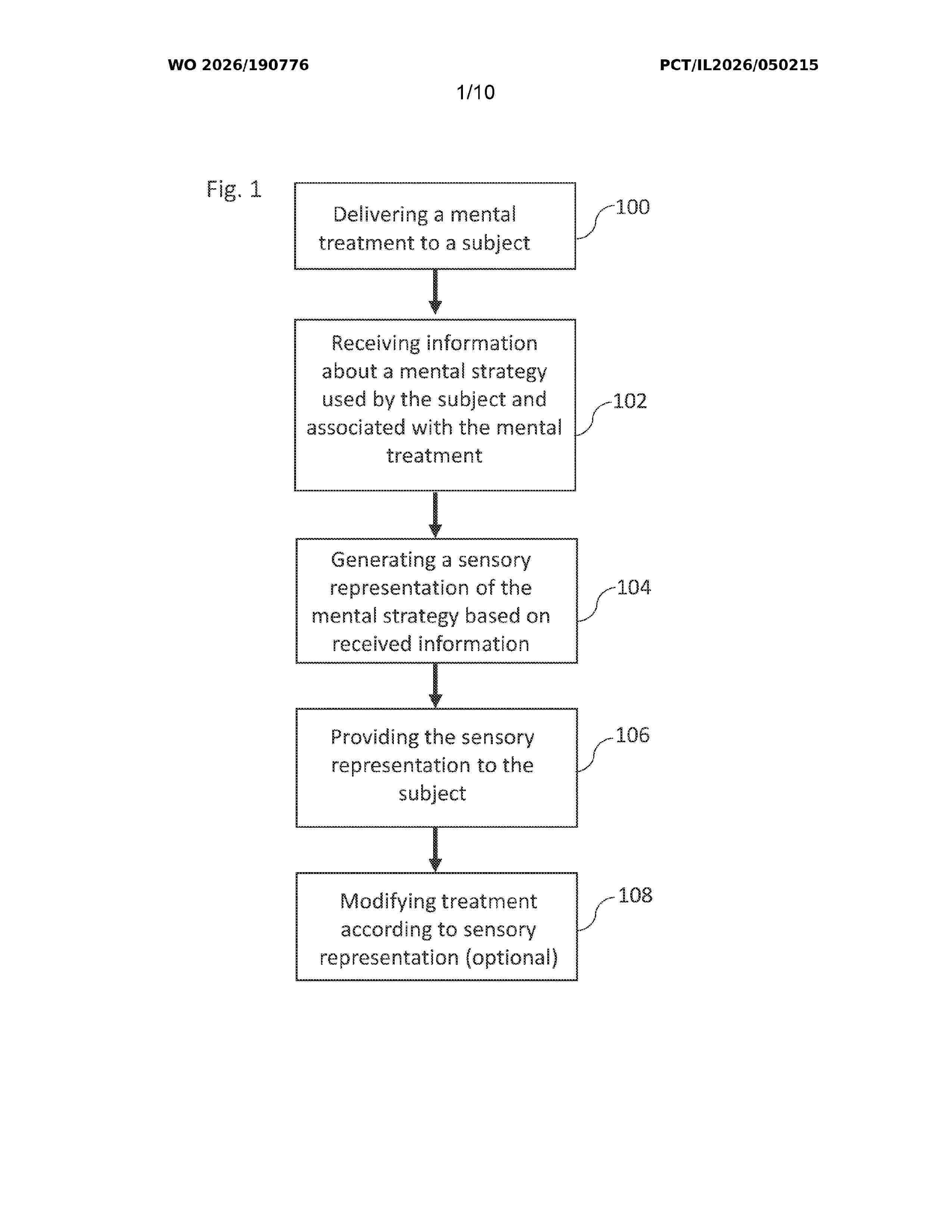
Resumen de: WO2026190776A1
A method for generating a sensory representation of a mental strategy used during a mental treatment, including: receiving by a system input information, wherein the input information comprises information about at least one mental treatment delivered to a subject and information about at least one mental strategy used by the subject during the mental treatment, wherein the mental treatment is configured to modify a subject state; generating by the system a sensory representation of the at least one mental strategy based on the received input information; and providing the sensory representation by the system to the subject.
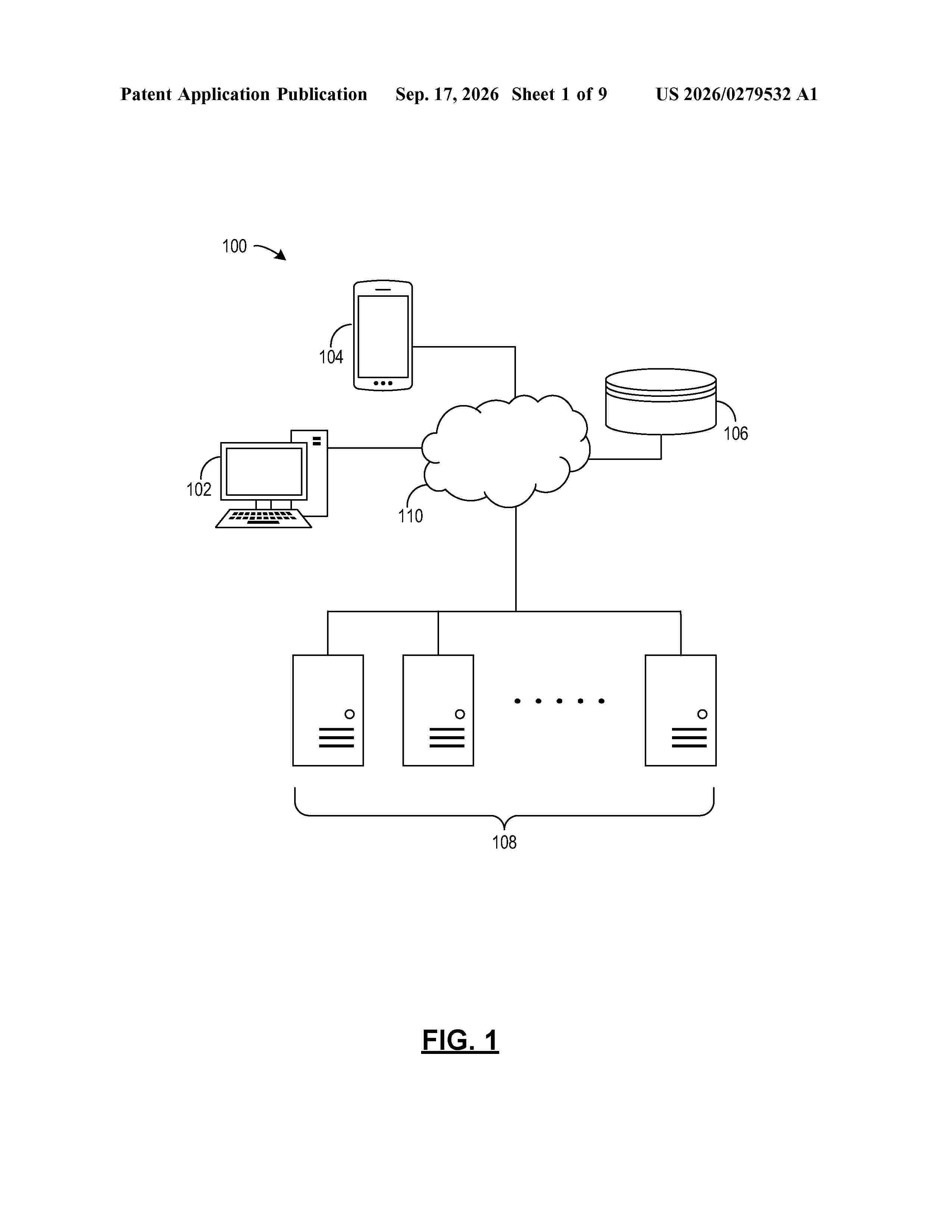
Resumen de: US20260279532A1
Disclosed are systems and methods that generate real-time health recommendations by computing higher-order derivatives, including jerk (third derivative), of physiological parameters and composite indices to detect early trend inflections that may indicate changes in health conditions. The systems may include a server with a health recommendation unit, databases, and data models that time-align heterogeneous inputs and optionally smooth signals prior to differentiation. Derivatives may be estimated from irregularly sampled clinical data. Events may be detected using magnitude thresholds, sign changes, and persistence windows, triggering intervention, confirmation, or monitoring-cadence recommendations. Examples include LDL cholesterol trajectories and allostatic load (AL) methods that select, normalize, and weight multi-system physiological parameters to determine an allostatic load index AL(t), followed by computation of one or more derivatives of AL(t) including at least a third derivative. Outputs may used to feed a closed-loop that adapts thresholds, weights, and goal difficulty to personalize future guidance. The approach enables earlier, explainable recommendations than absolute levels alone.
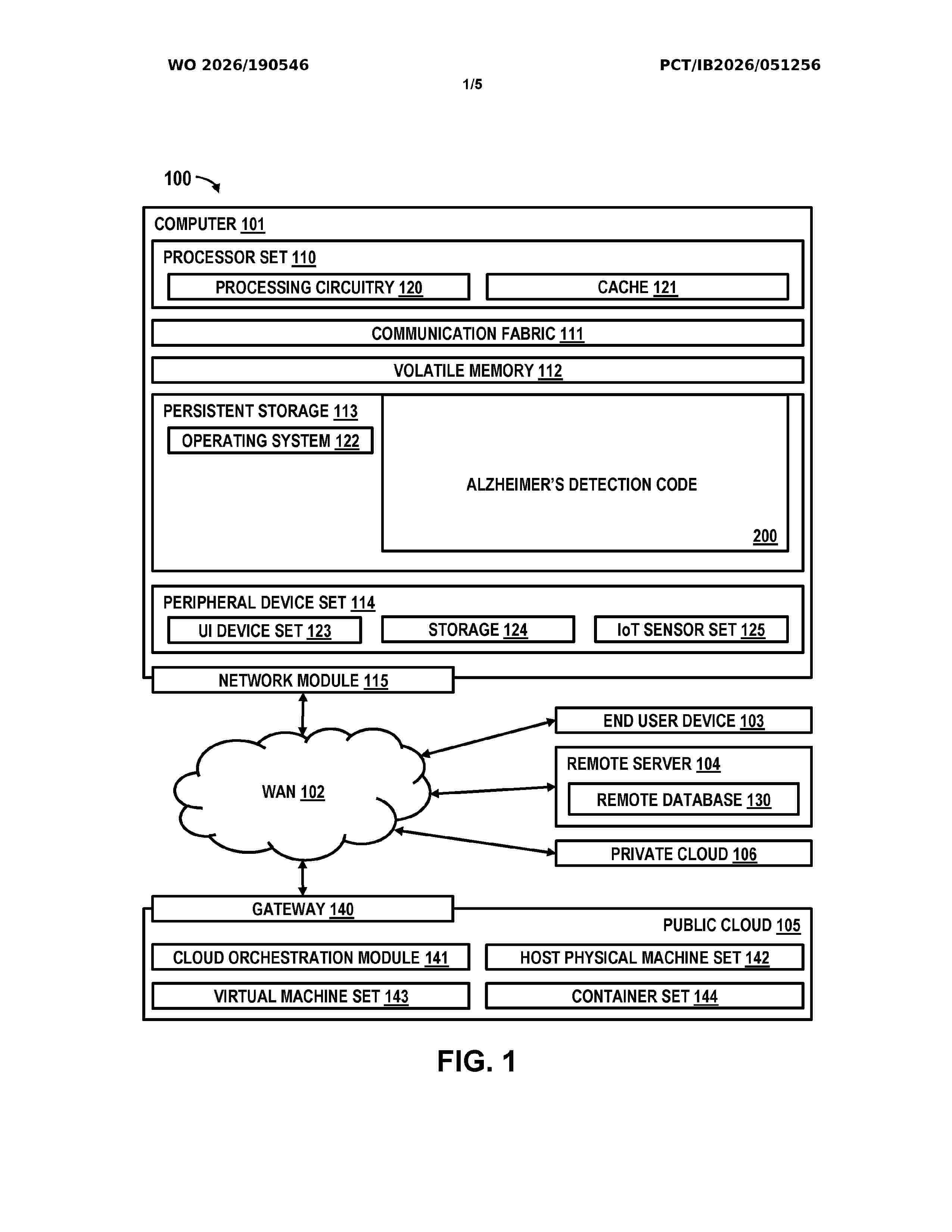
Resumen de: WO2026190546A1
A method, comprising: receiving user data from a device; creating a user profile based on the user data; training an artificial intelligence (AI) model using the user profile and historical user profiles; determining a long term cognitive state score (CSS) and a real-time CSS using the trained AI model; determining that an Alzheimer's risk score is below a predetermined Alzheimer's threshold based on the long term CSS and the real-time CSS; and providing a notification in response to the Alzheimer's risk score being below the predetermined Alzheimer's threshold.
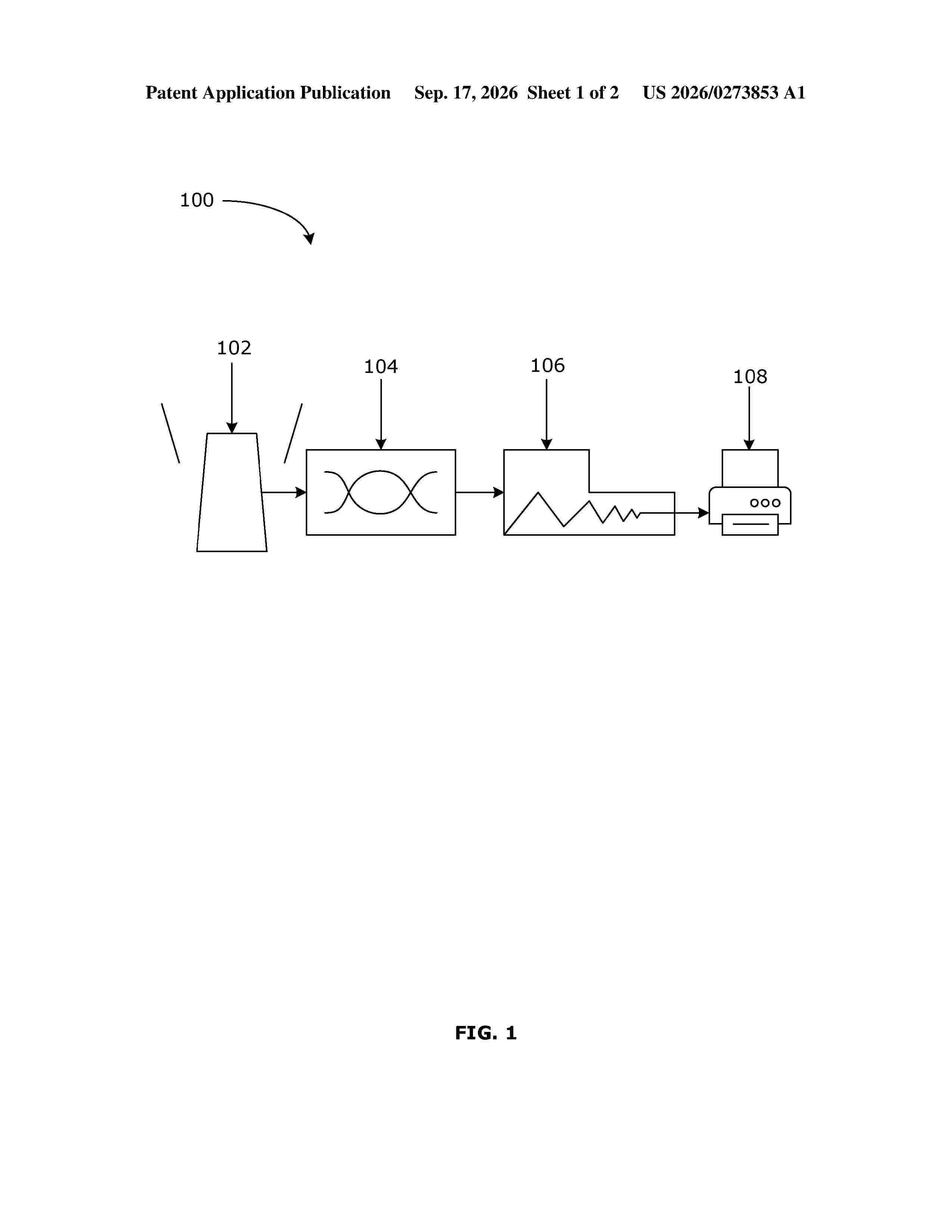
Resumen de: US20260273853A1
The present disclosure provides a system to produce a blended textile material. The system comprises a fiber preparation unit processing a mixture comprising at least one natural fiber selected from Alpaca wool, Vicuna wool, Llama wool, goat wool, sheep wool, lamb wool, and cotton, and at least one synthetic fiber selected from virgin polyethylene terephthalate and recycled polyethylene terephthalate. A blending unit pelletizes the mixture and forms fiber blends for extrusion. An extrusion unit receives the fiber blends from the blending unit and co-extrudes the fiber blends to form a hollow fiber structure comprising a combination of the natural fiber and the synthetic fiber. A 3D bio-printing unit deposits a material comprising polyester and cellulose onto a surface of the hollow fiber structure to modify surface properties.
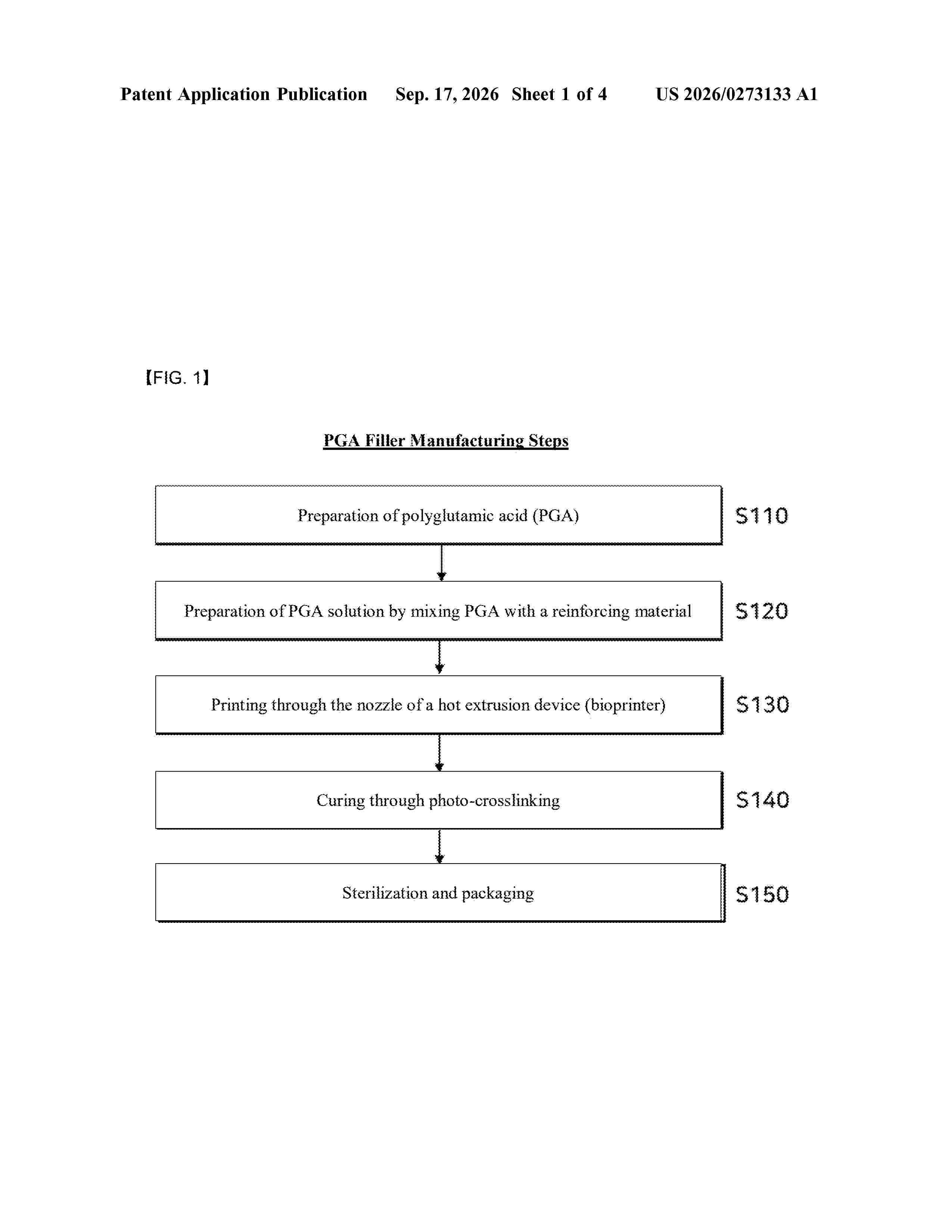
Resumen de: US20260273133A1
The present invention provides a method for manufacturing polyglutamic acid (PGA) fillers or implants comprising: preparing the main material, polyglutamic acid, and a reinforcing material, hyaluronic acid (HA); mixing said PGA and said HA together with a solvent containing water to prepare a mixed solution; feeding said mixed solution to a hot extrusion device; extruding said mixed solution through a nozzle of said hot extrusion device; and sterilizing said extruded mixed solution.
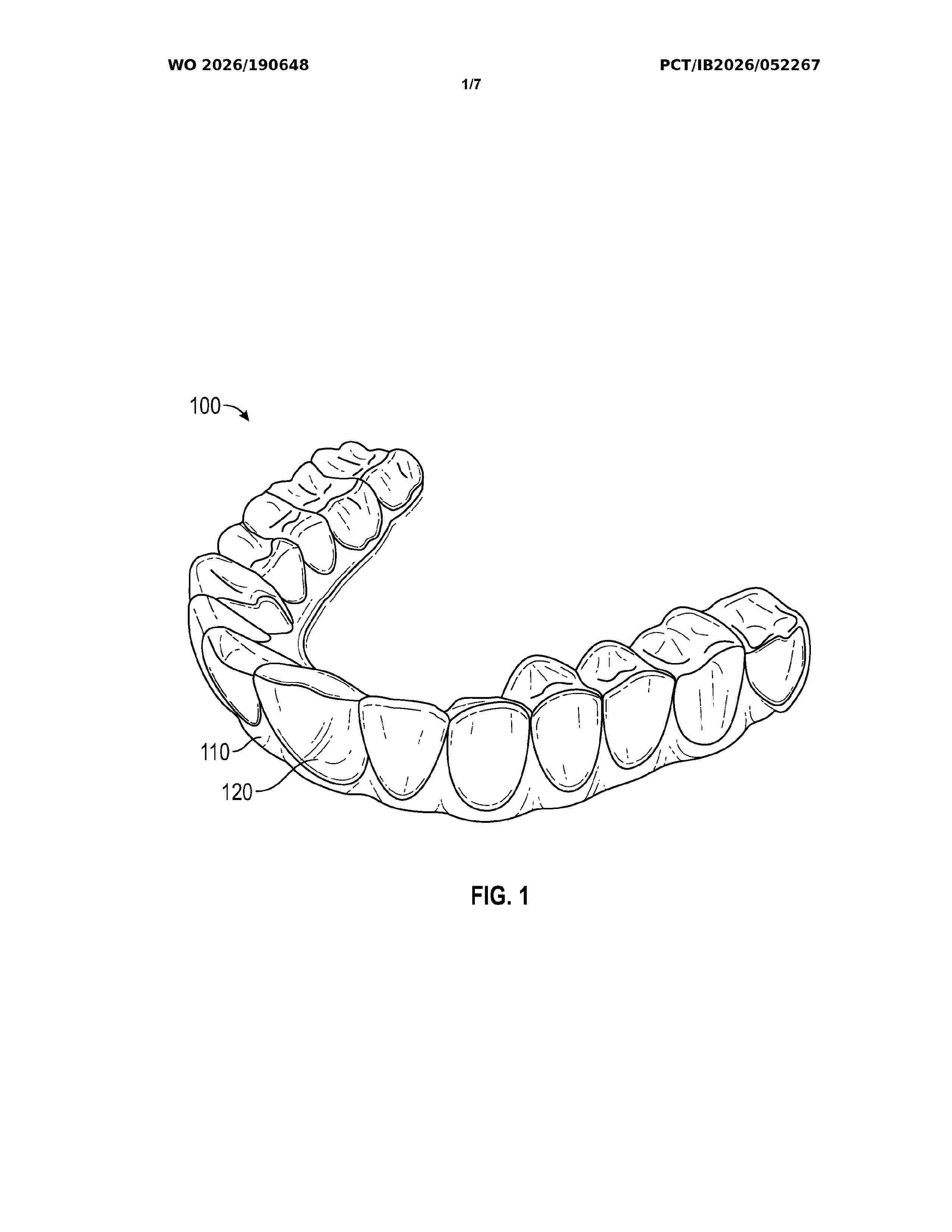
Resumen de: WO2026190648A1
The present technology uses an additive manufacturing process to prepare aligners designed for a treatment plan. An aligner is built on support elements extending from a platform formed on a building plate using an additive manufacturing process. The building plate, optionally, can have a reference feature. The aligner is oriented such that the gingival surface of the aligner is facing the building platform. The support elements are positioned such that the support elements only contact the border of the gingival surface. When completed, the aligner can be cut away from the support elements along the gingival line of the aligner.
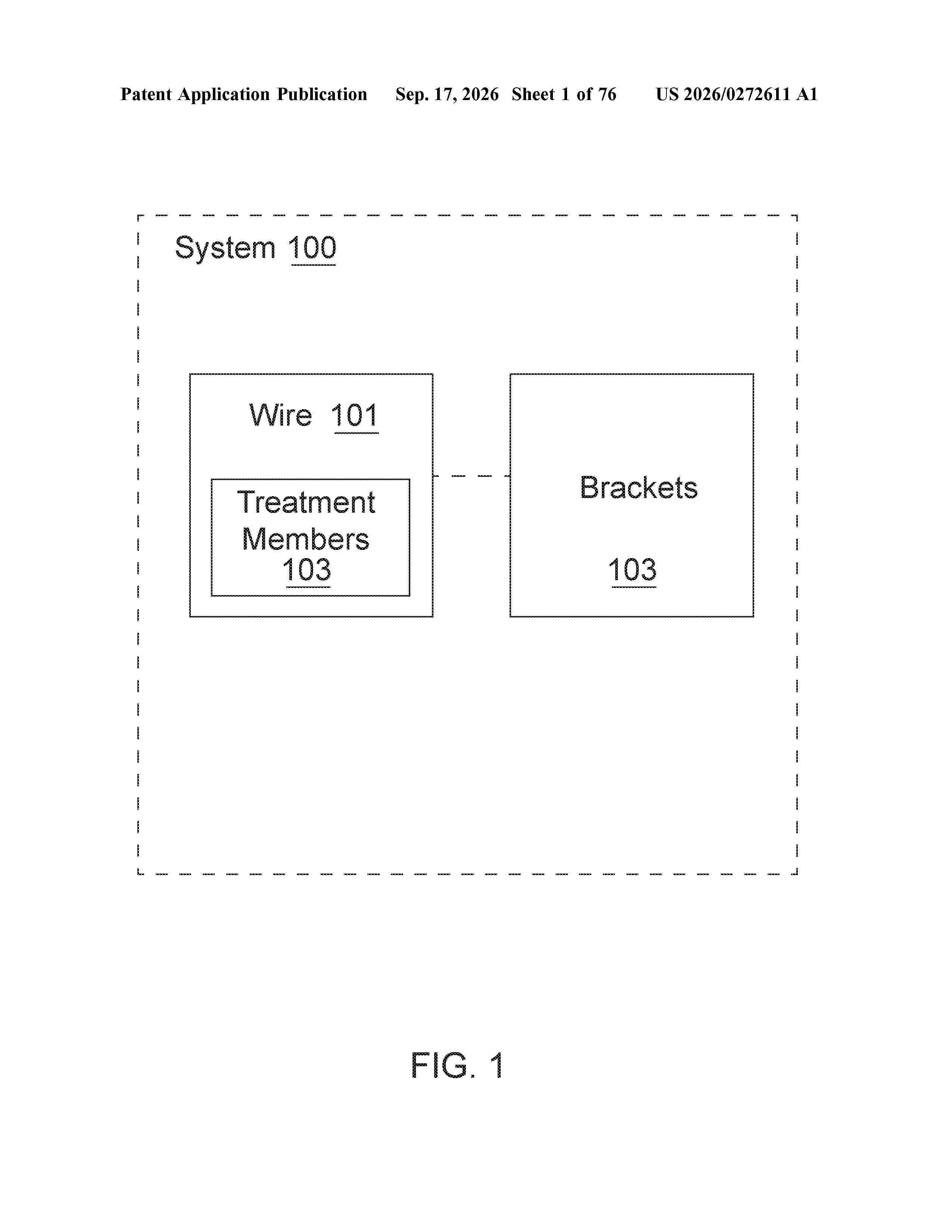
Resumen de: US20260272611A1
A system can include at least one bracket including a first surface and a second surface, the second surface having a shape matching an outer surface of the at least one tooth of the patient, where the at least one bracket is formed from a metallic material via additive manufacturing. The system can include a wire extending along a plane, the wire to directly couple to the at least one bracket along the first surface, where a portion of the wire in direct contact with the at least one bracket has a first thickness in a first direction along the plane. The system can include at least one treatment member coupled to and continuous with the wire and extending along the plane, where the wire and the at least one treatment member have a same thickness in a second direction perpendicular to the plane.
Resumen de: WO2026192903A1
Disclosed herein are urethane monomers, acidic monomer, monovinyl multiurethane monomers, monourethane multivinyl monomers, and oligomeric clustered urethanes; curable compositions thereof; and acid-reinforced urethane polymers.
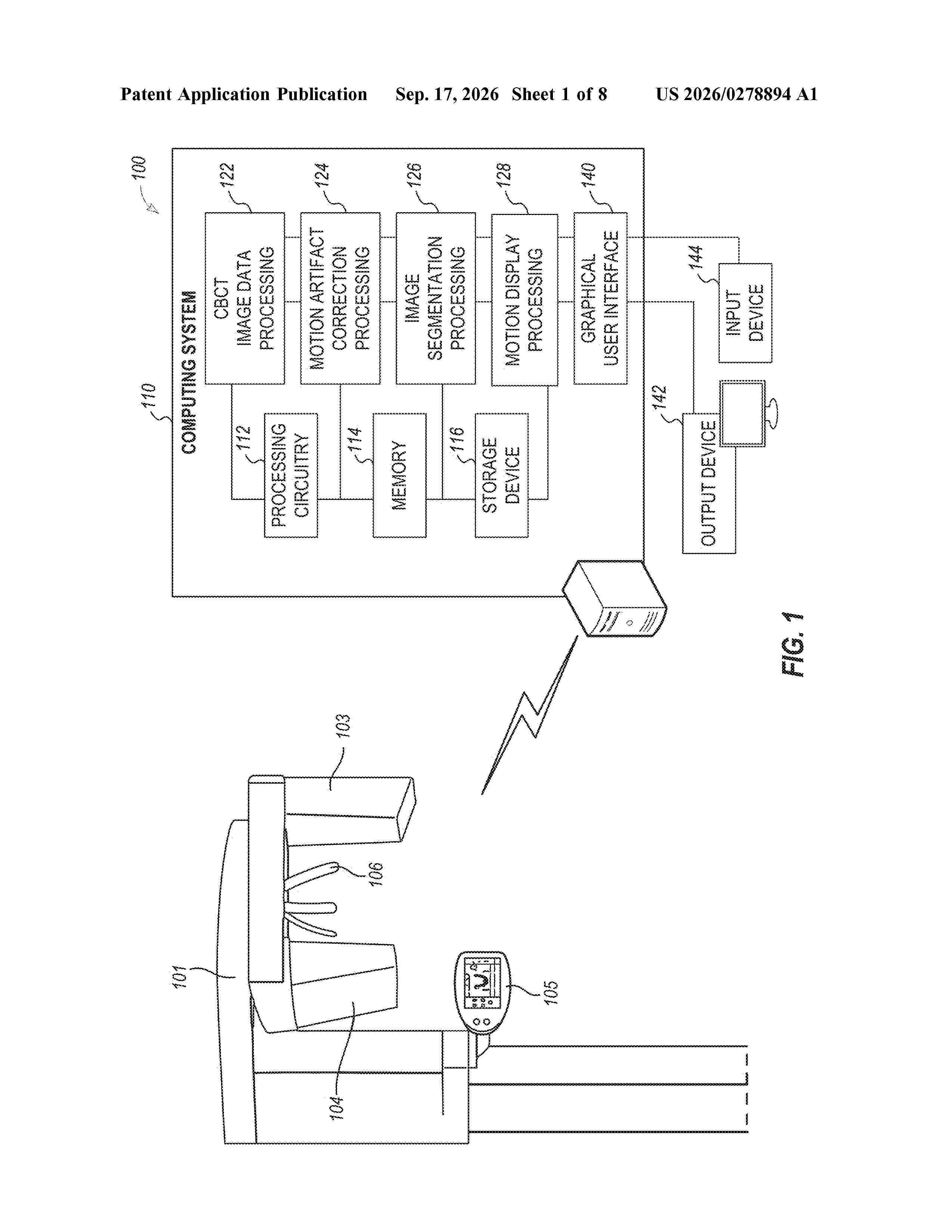
Resumen de: US20260278894A1
Various aspects of systems, methods, and related aspects to generate a maxillofacial imaging volume with motion, from a three-dimensional (3D) extra-oral x-ray system, are described. One example technique includes: obtaining imaging data of a patient, captured during movement of an upper jaw and the lower jaw of the patient; establishing a motion model that defines an expected movement of the upper jaw relative to the lower jaw; segmenting the imaging data into at least an upper jaw segment corresponding to the upper jaw and a lower jaw segment corresponding to the lower jaw, based on the expected movement defined by the motion model; performing motion artifact correction separately on the upper jaw segment and the lower jaw segment; and outputting an imaging volume that includes an artifact-corrected representation of the upper jaw segment and an artifact-corrected representation of the lower jaw segment.
Resumen de: US20260277304A1
Current emotional detection technologies often struggle to consistently identify emotional state shifts in real-time, particularly in noisy environments where signals fluctuate due to minor external changes, and also fail to provide a robust mechanism that can account for and filter out these transient signals. Method and system disclosed herein perform real-time emotional state shift detection of a user and adaptive response generation. The system captures and processes a multi-modal input data in real time, during which weight of each multi-modal input data is determined based on a sensitivity factor that is determined by performing dynamic sensitivity adjustment for each multi-modal input data. An adaptive question is generated for the facilitator and the response is collected. The user is made to play a generative game until the user is identified to be in a pre-defined state. Further, a customized interview structure is generated for the user.
Resumen de: WO2026188894A1
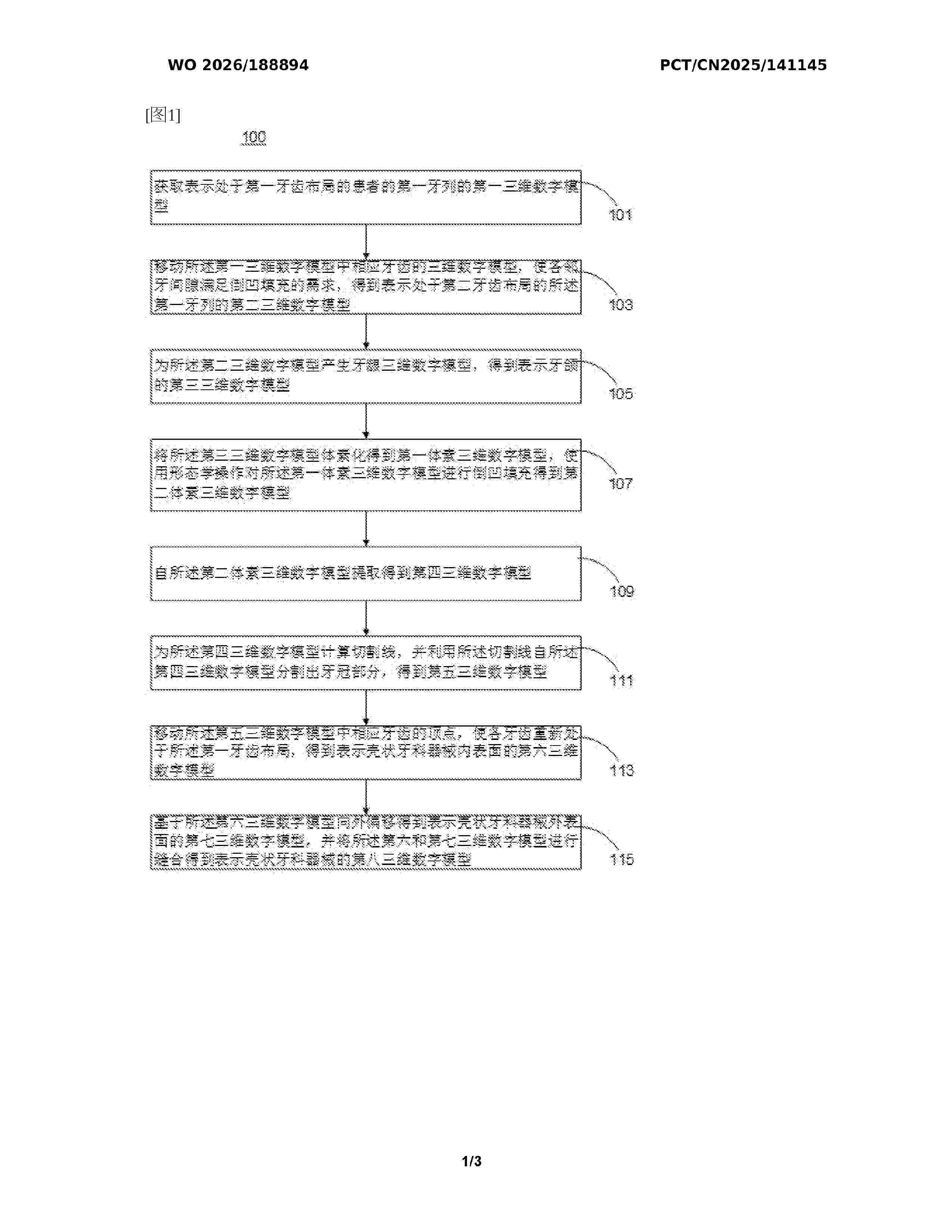
One aspect of the present application provides a computer-implemented method for generating a three-dimensional digital model of a shell-shaped dental instrument. The method comprises: acquiring a first three-dimensional digital model representing a first dentition in a first tooth layout; moving corresponding teeth in the first three-dimensional digital model so that gaps between adjacent teeth meet a requirement for undercut filling, to obtain a second three-dimensional digital model representing the first dentition in a second tooth layout; voxelizing the second three-dimensional digital model to obtain a first voxel model; performing undercut filling for the first voxel three-dimensional digital model to obtain a second voxel model; extracting a third three-dimensional digital model of a tooth portion from the second voxel model; moving corresponding vertices on the third three-dimensional digital model back to the original positions to obtain a fourth three-dimensional digital model representing an inner surface of the shell-shaped dental instrument; offsetting outward on the basis of the fourth three-dimensional digital model to obtain a fifth three-dimensional digital model representing an outer surface of the shell-shaped dental instrument; and stitching together the fourth and fifth three-dimensional digital models to obtain a sixth three-dimensional digital model representing the shell-shaped dental instrument.
Resumen de: WO2026192569A1
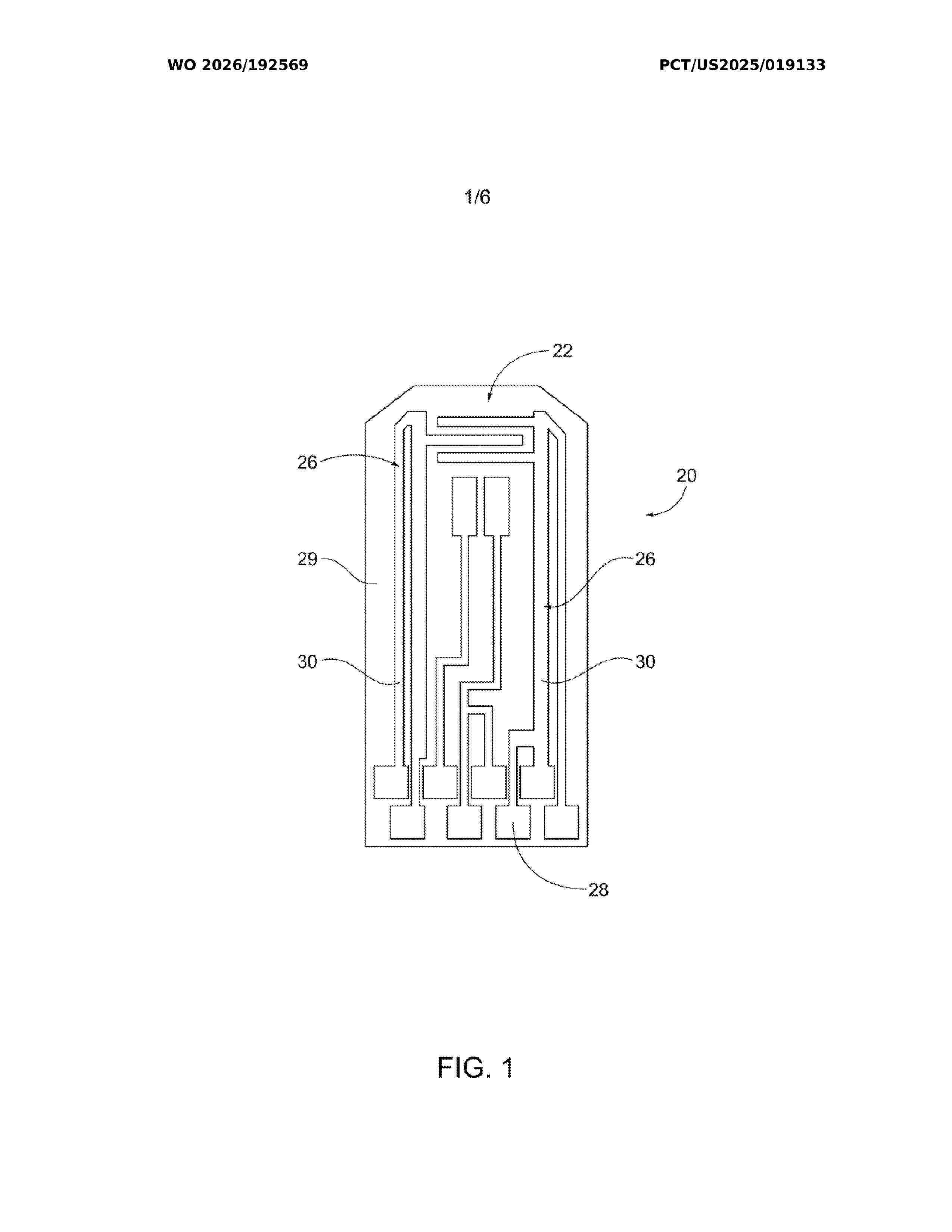
A method of selective activation of a secondary analyte detection algorithm comprises testing a sample for a first analyte, generating a measurement of a primary analyte in the sample, generating an assessment of a secondary analyte in the sample based on a least one feature extracted from the measurement of the first analyte, the second analyte being different than the first analyte, and using patient data to determine whether the assessment of the secondary analyte should be provided to the user. Particular analytes of interest include glucose measurement and ketone classification.
Resumen de: AU2026201346A1
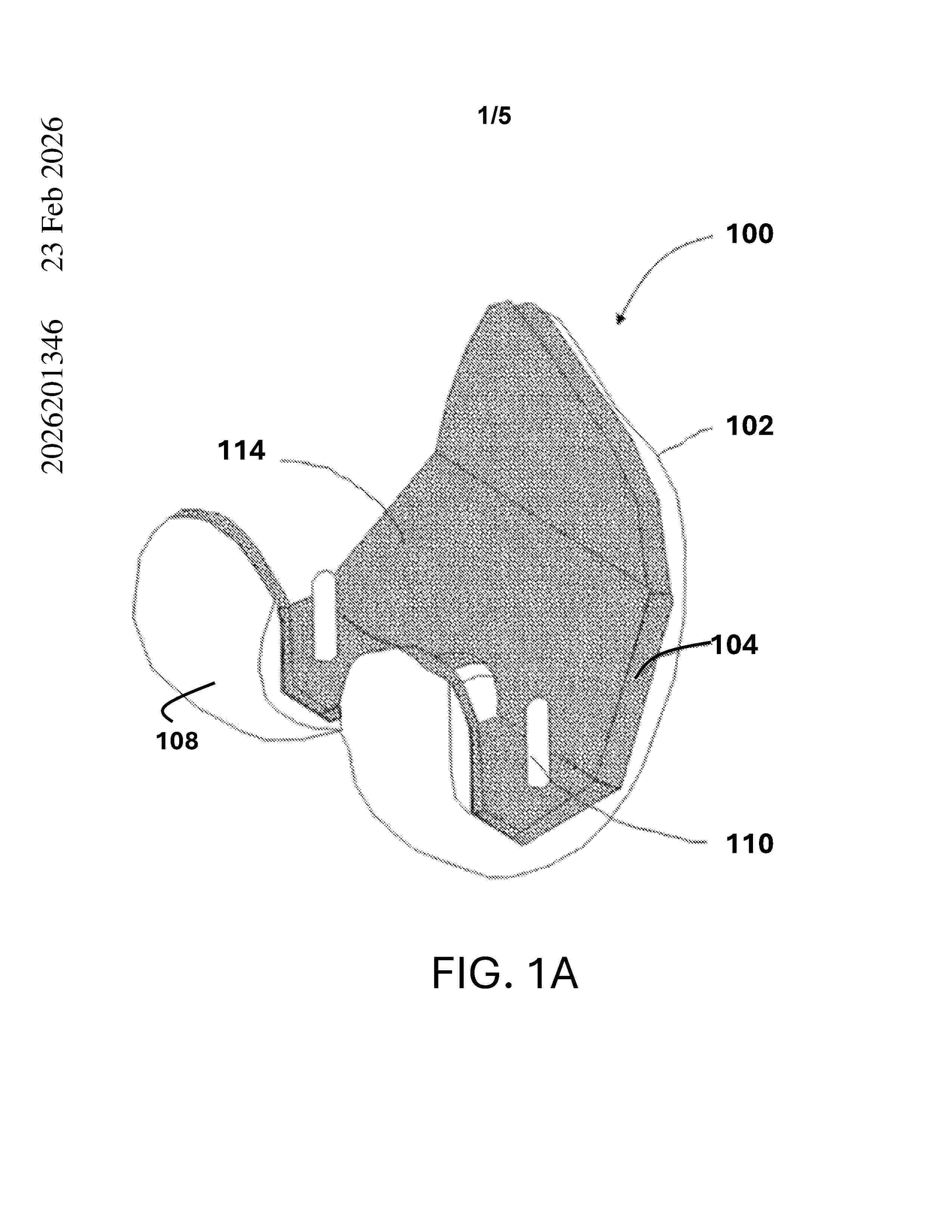
A method of manufacturing an implant including additively manufacturing the implant from a first material such that the implant defines a plurality of pores. Then inserting a filler material into the pores after the implant has been manufactured. Next, overmolding the implant with a second material after the filler material has been inserted the pores, and then dissolving the filler material from the pores prior to deployment of the implant. eb e b
Resumen de: US20260272613A1
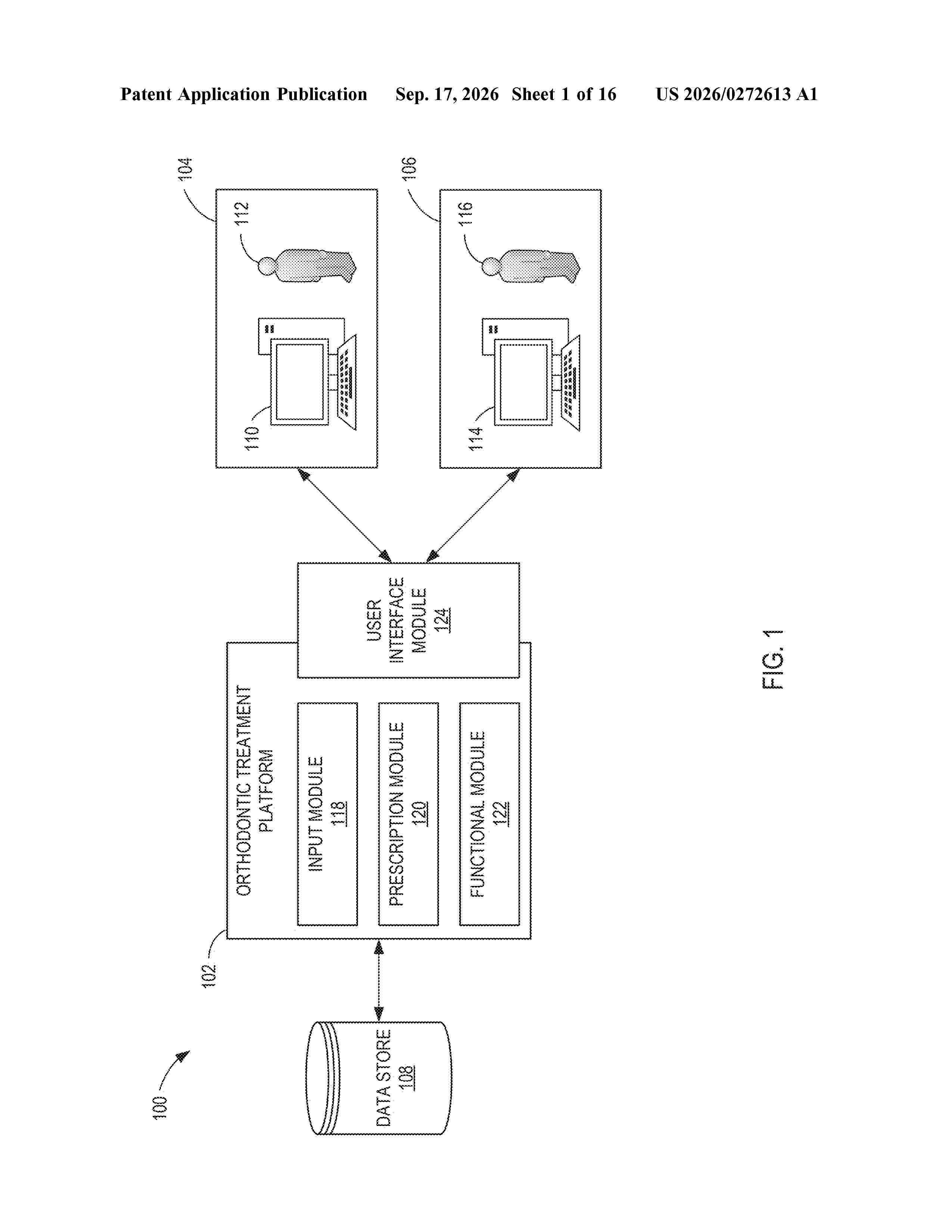
The techniques described herein relate to additively manufactured orthodontic appliances. An example custom metal orthodontic bracket includes a body, a plurality of tie-wings, and a base. The base includes a base surface that is contoured to a shape of a tooth of a patient to which the custom metal orthodontic bracket is to be bonded, and a plurality of retentive structures, wherein at least one of a portion of the base is not polished or only partially polished, or a portion of at least one of the plurality of retentive structures is not polished or only partially polished. An example method for manufacturing a custom orthodontic bracket includes measuring dentition data of a patient, constructing a three-dimensional (3D) model of at least one tooth of the patient, designing a 3D model of the bracket, preparing feedstock, building the bracket, removing the feedstock, hardening the bracket, and polishing the bracket.
Resumen de: US20260272665A1
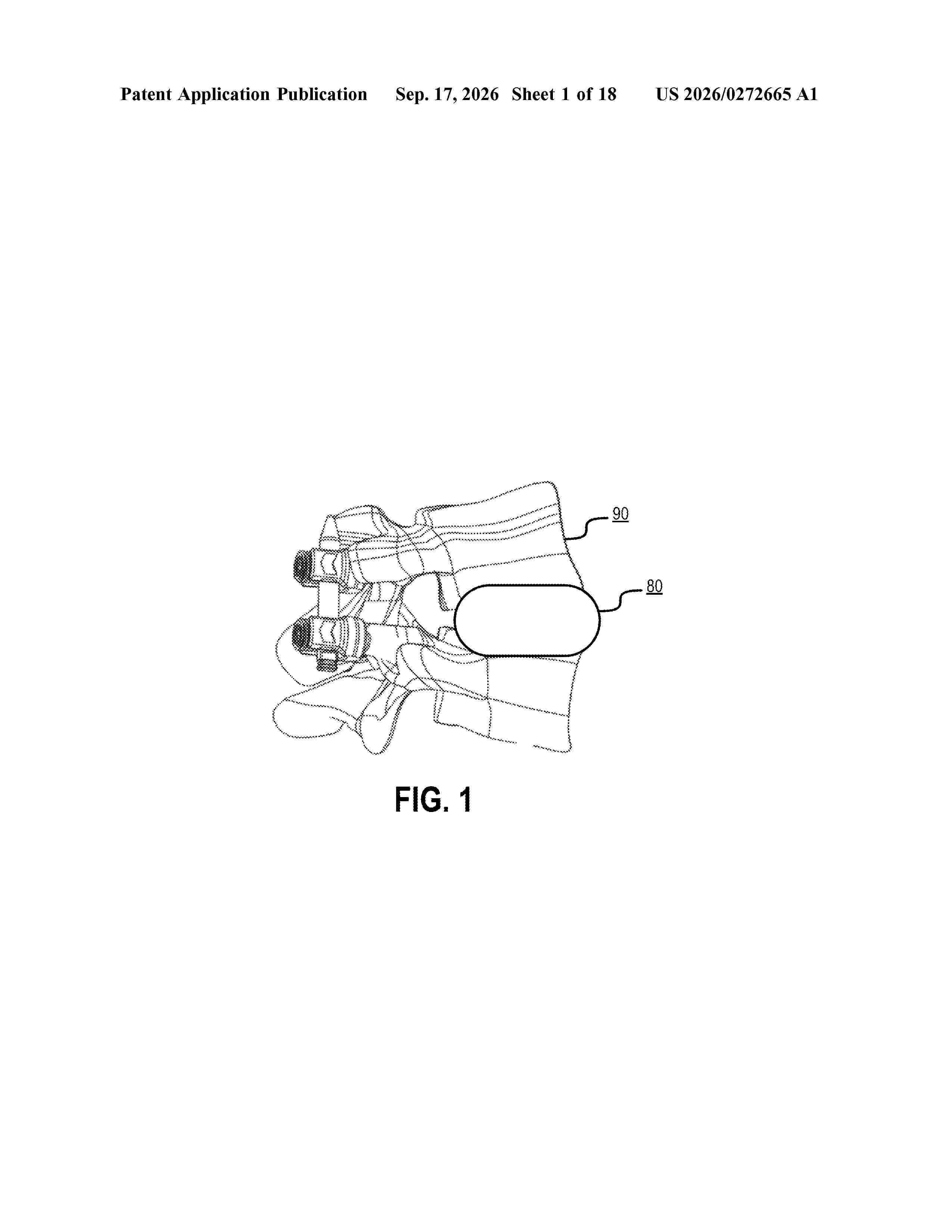
An implant can be configured to transition between a first stable state and a second stable state. The implant can include a first surface and a second surface coupled to the first surface. The first surface can include a first structure configured to form a stable planar shape during the first stable state of the implant and to form a stable three-dimensional (“3D”) shape during the second stable state of the implant. The second surface can include a second structure configured to form a stable planar shape during the first stable state of the implant and to form a stable 3D shape during the second stable state of the implant.
Resumen de: US20260279386A1
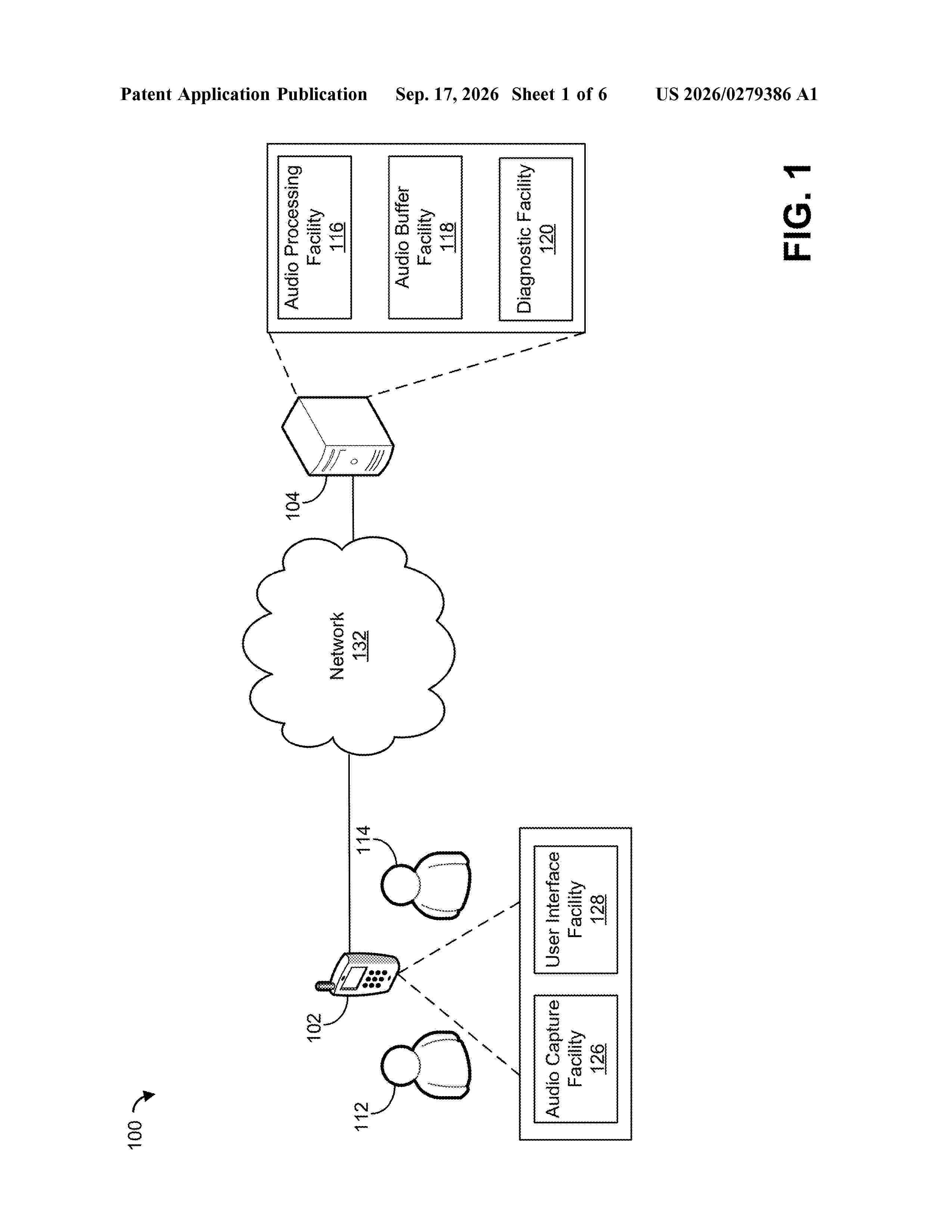
Disclosed herein are techniques for diagnosing health conditions of a subject based on the subject's vocal biomarkers, including techniques for generating one or more models (e.g., machine learning models) trained to predict a health condition in multiple subjects. One or more techniques may include receiving ambient audio data, segmenting the ambient audio data by speaker to form speech data samples for a given speaker, filtering the speech data of the given speaker to remove irrelevant or insignificant portions, coalescing filtered speech data to form speech data that satisfies a predetermined threshold of speech data, analyzing the input speech data using one or more trained models, and outputting the prediction of whether the given speaker has any of the one or more health conditions.
Resumen de: US20260273308A1
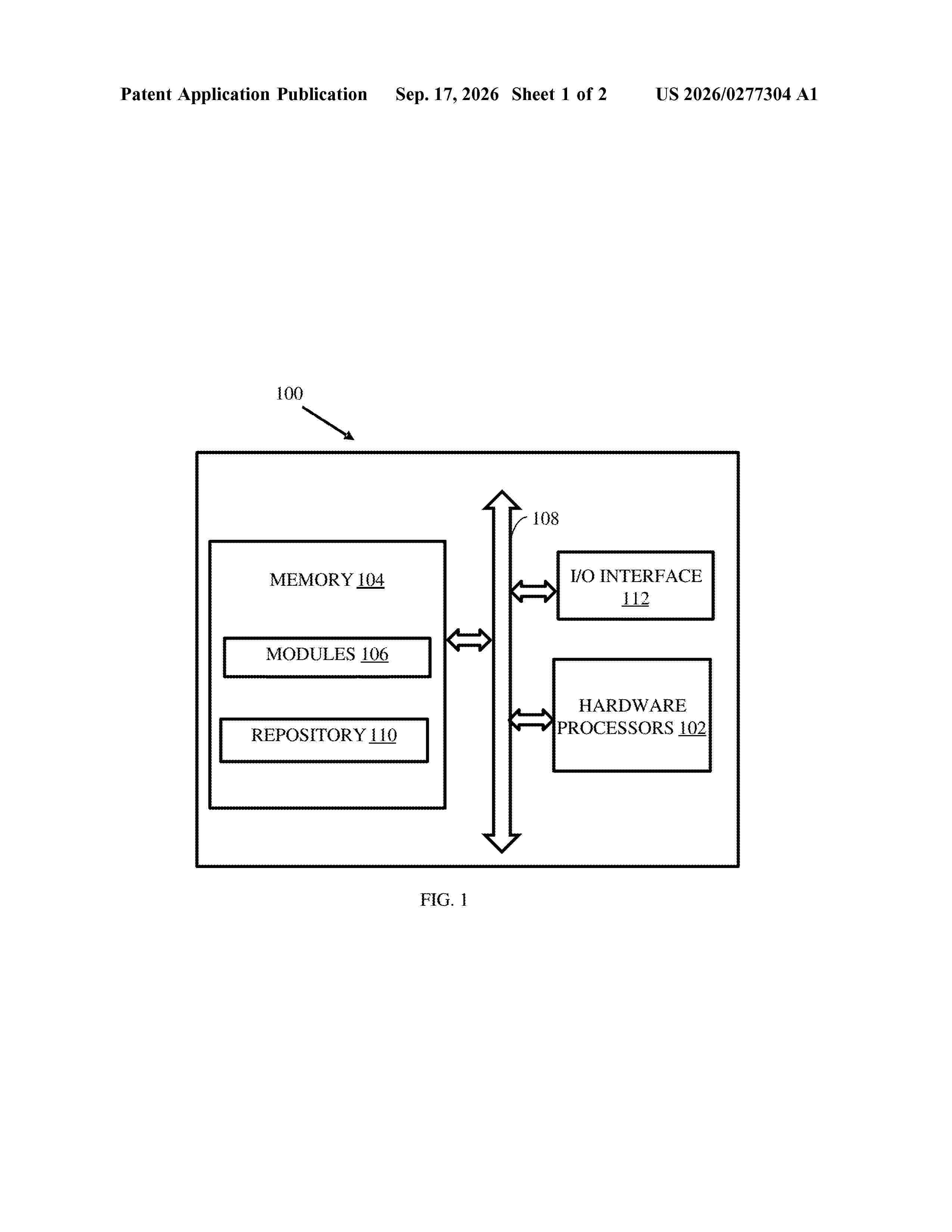
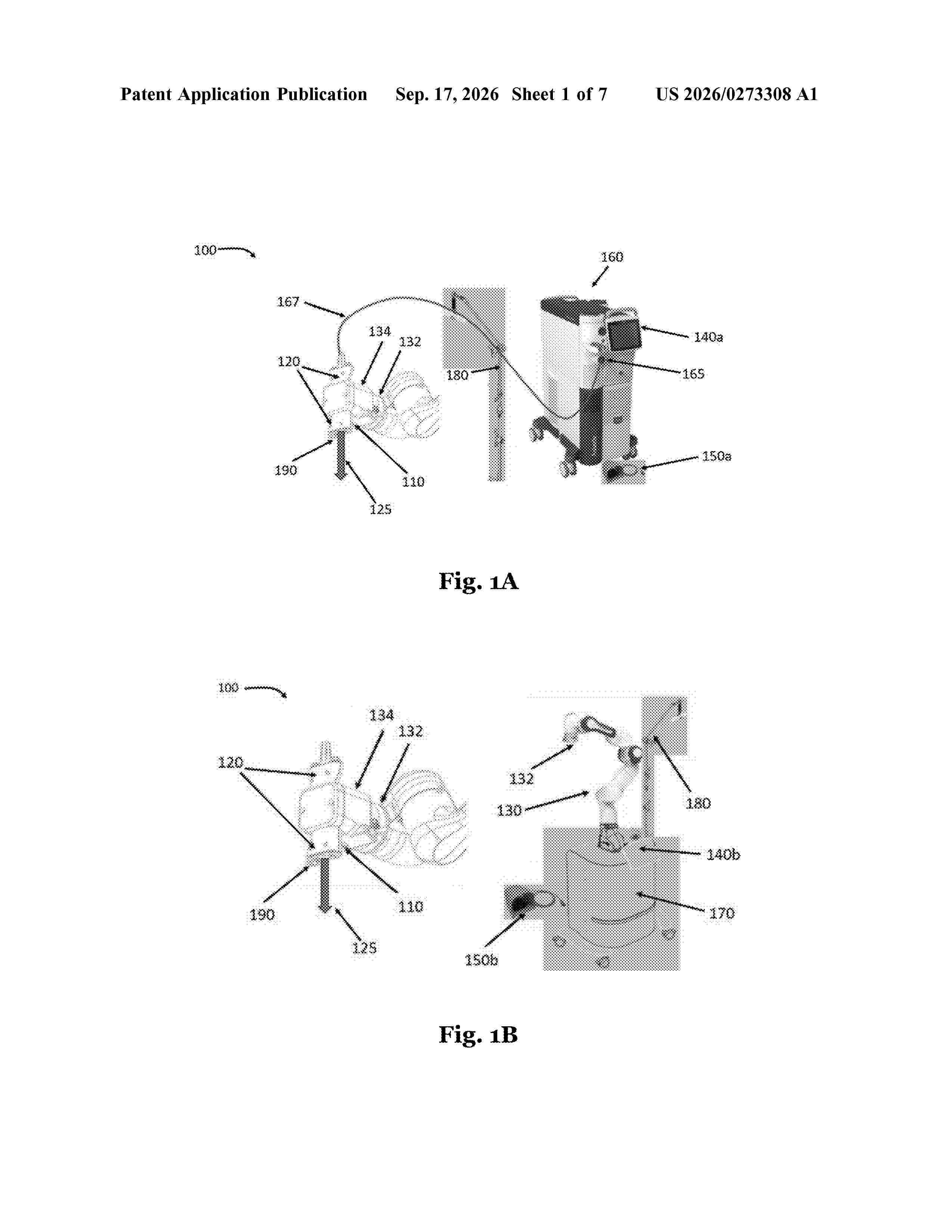
0000 The present invention relates to an apparatus for treatment of a target area of a patient by an energy beam. The apparatus comprises means for receiving at least one 3D image of the target area; means for delivering the energy beam to at least a portion of the target area and means for automatically moving the energy beam, preferably by moving at least a portion of the means for delivering the energy beam, such that energy is delivered essentially uniformly across the target area. In particular, the apparatus is adapted to control, during the moving of the energy beam, an effective distance of the means for delivering the energy beam and/or an orientation of the energy beam relative to the target area, at least in part based on the at least one 3D image of the target area.
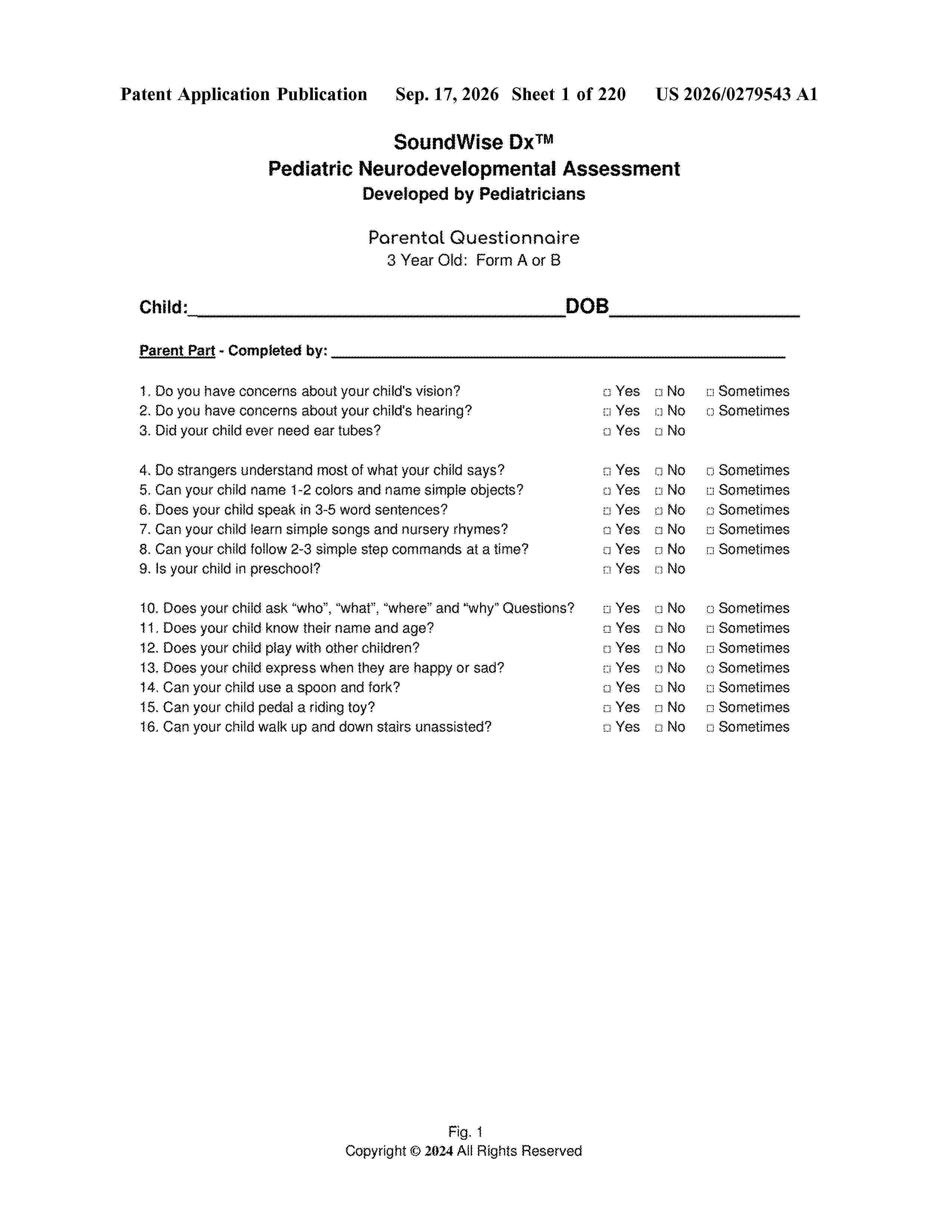
Resumen de: US20260279543A1
Systems and methods for the diagnosis and treatment of developmental delay and/or disorders in children for the purpose of early diagnosis and treatment of children to promote the development of at least one of fine motor skills, gross motor skills, sound articulation and sound discrimination skills, receptive language, expressive language, phonological awareness, phonological processing to prevent reading failure, academic underachievement, color blindness, attention issues and social emotional dysregulation. The systems and methods resulting in the generation of a referral of the individual for services in areas where the evaluation results were deficient to promote at least one of fine motor skills, gross motor skills, sound articulation, and sound discrimination skills.
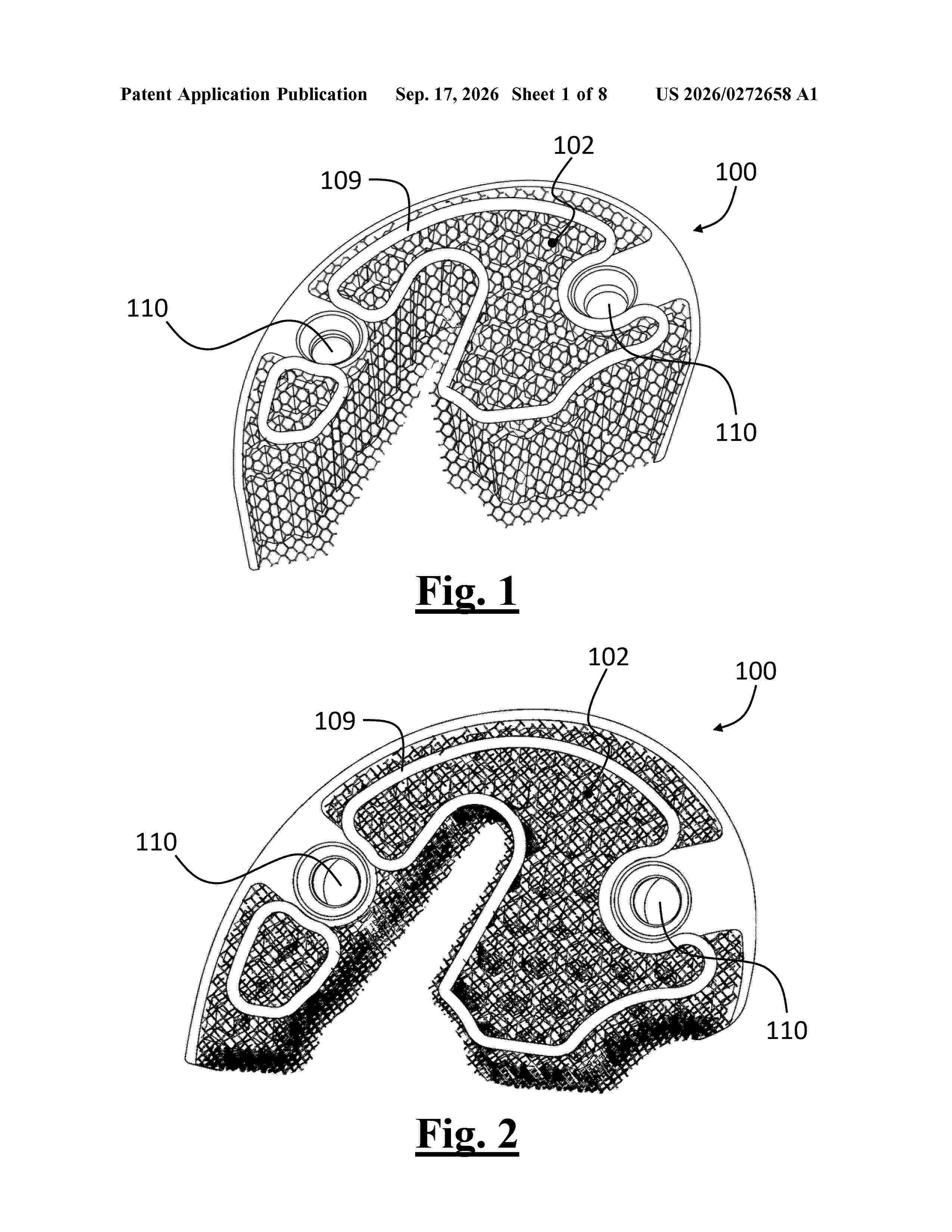
Resumen de: US20260272658A1
Element (100, 200, 300) for augment or bone filler, comprising at least one first outer-layer portion (101) having a trabecular lattice of metallic material, and further comprising at least one reinforcing inner layer (103) of metallic material having a plurality of channel structures (104) arrayed with respective channel openings (105) delimited by edges in structural contact with the at least one first outer-layer portion (101).
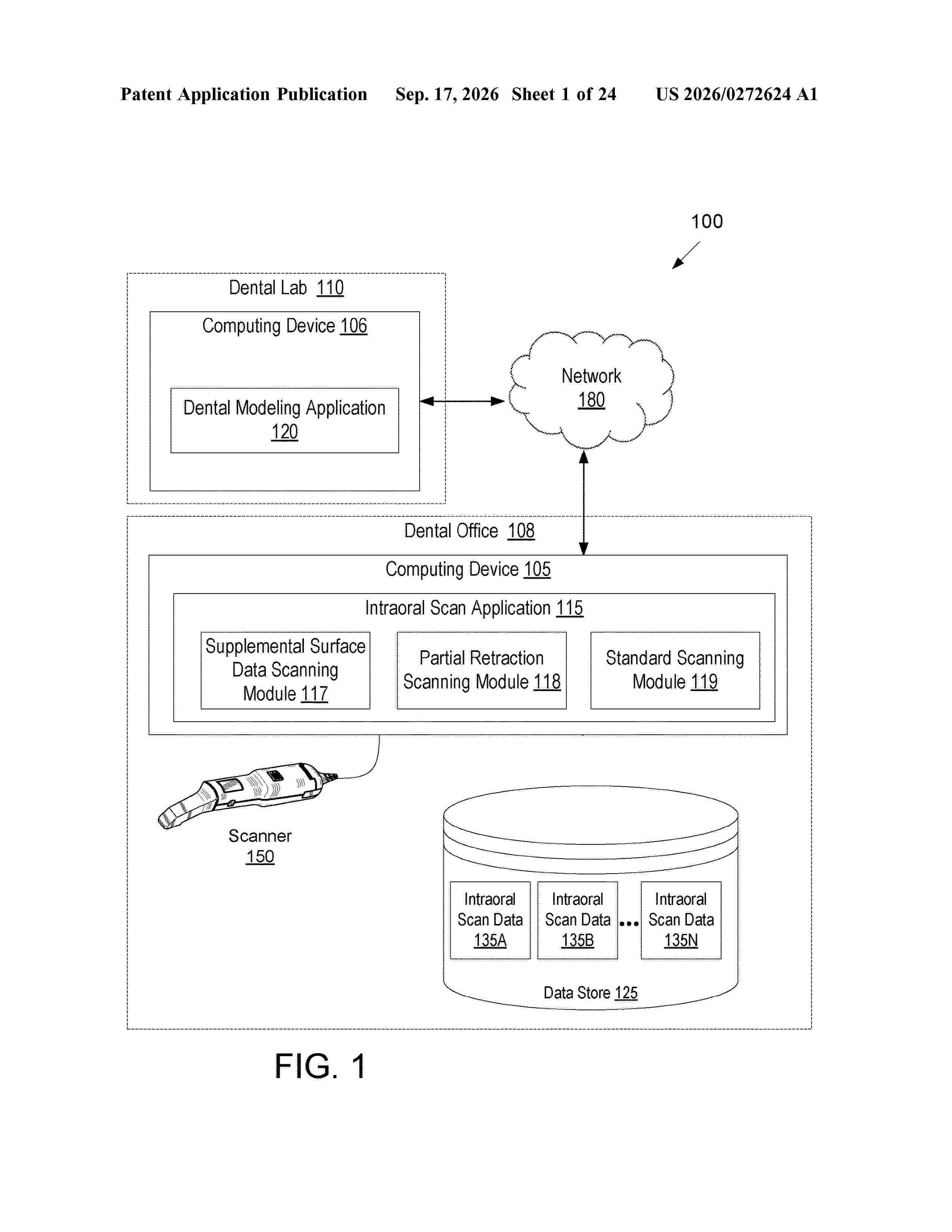
Resumen de: US20260272624A1
0000 A system comprises an intraoral scanner and a computing device. The computing device is configured to: receive intraoral scan data of at least a first portion of a dental site; perform object recognition on the intraoral scan data to determine an identity of a tool in the intraoral scan data; use the identity of the tool to determine a known shape of the tool; generate a three-dimensional (3D) surface of the dental site based on the received intraoral scan data; and supplement the 3D surface of the dental site with additional surface data of a second portion of the dental site that is hidden from direct viewing by the intraoral scanner, wherein the additional surface data is based at least in part on the known shape of the tool.
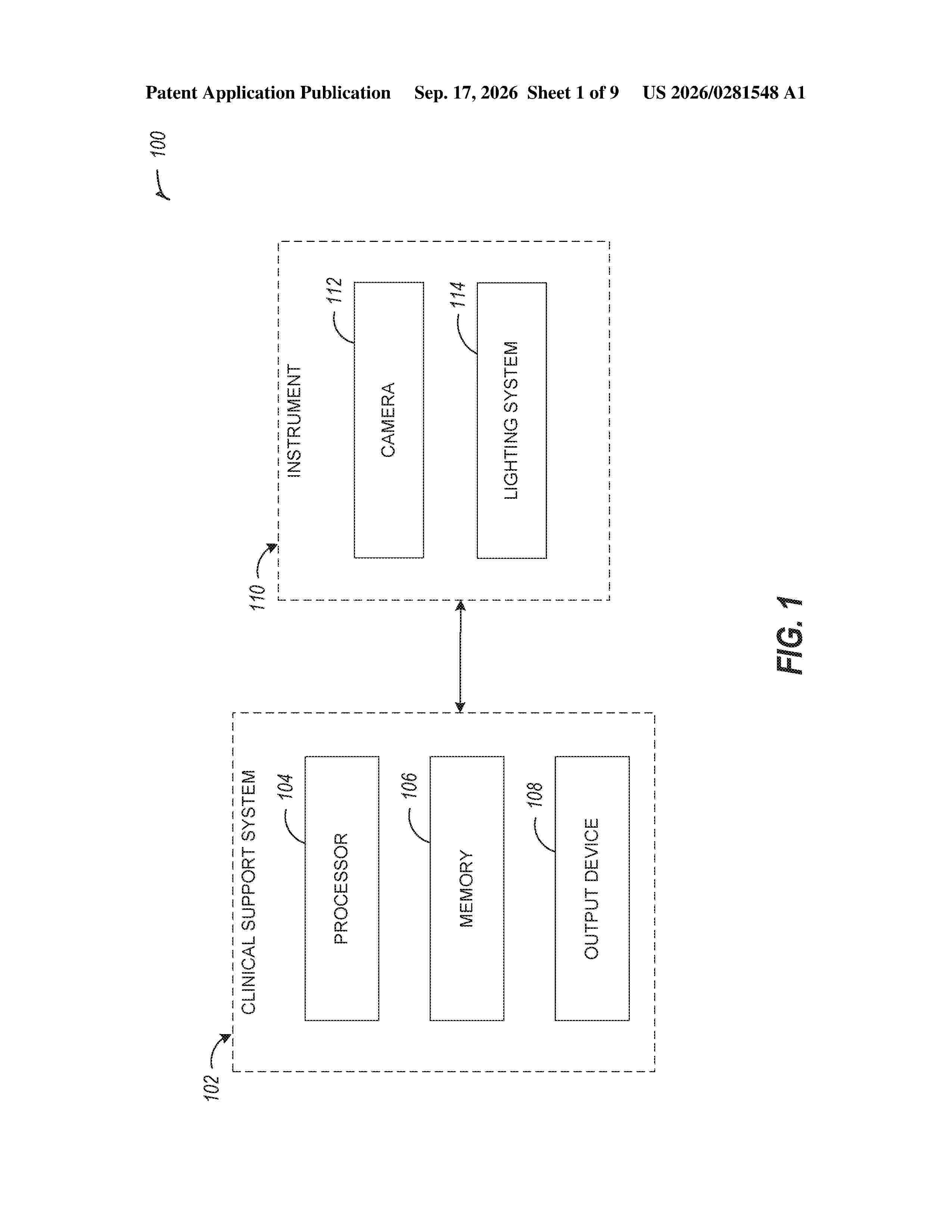
Resumen de: US20260281548A1
0000 A system and processing techniques for simultaneously analyzing multiple imaging modalities. The discussed technique can include capturing a combined image stream including a first modality stream and at least a second modality stream. The technique continues by analyzing the first modality stream with a first analysis module and, concurrently, analyzing a second modality stream with a second analysis module. The combined image stream can be generated using timed lighting modalities to generate interleaved image streams or by extracting narrow color bands from a primary color sensor.
Nº publicación: US20260278800A1 17/09/2026
Solicitante:
WASHINGTON UNIVERSITY ST LOUIS [US]
Washington University
Resumen de: US20260278800A1
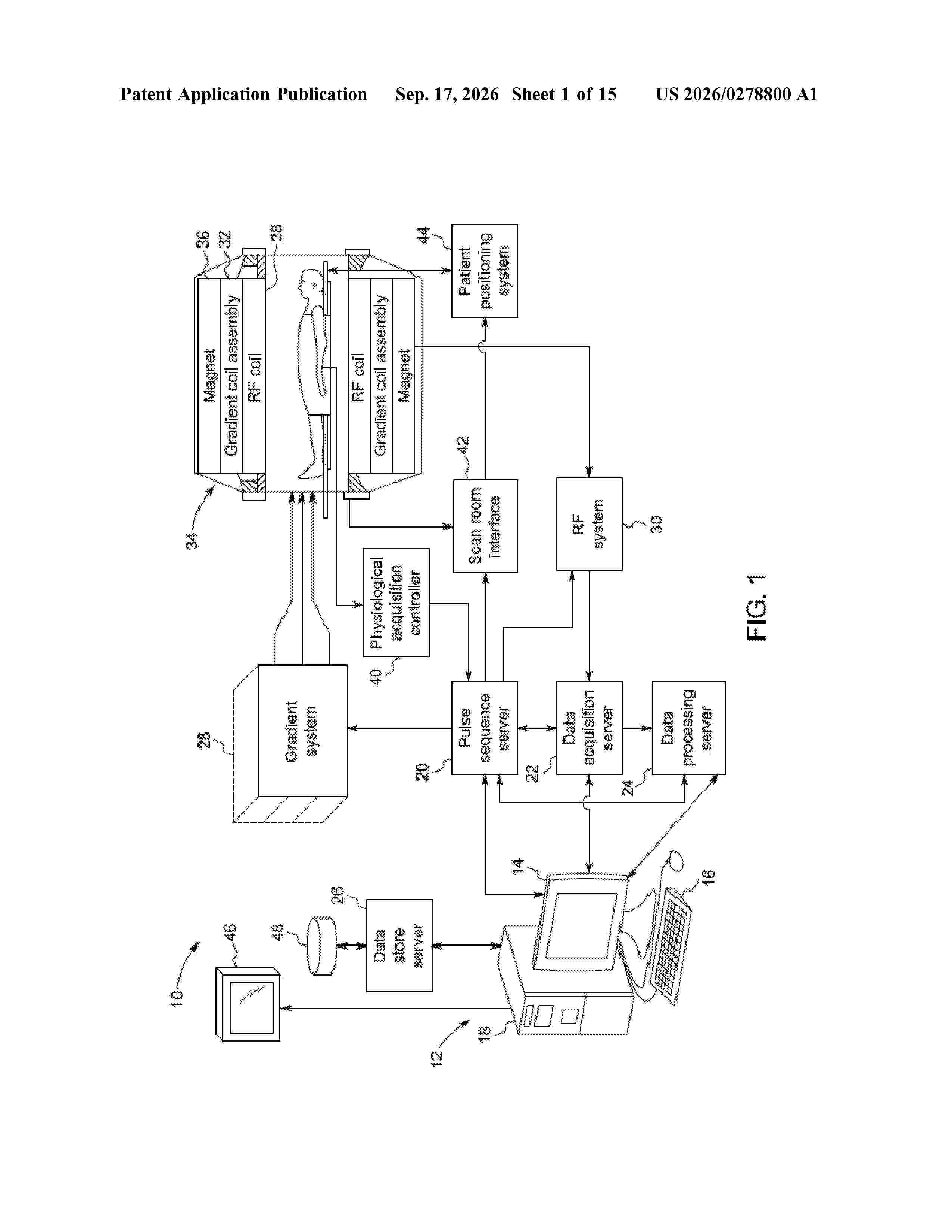
A method of mapping autoregulation of a kidney using magnetic resonance (MR) imaging is provided. The method includes acquiring a time series of MR images of a subject while the subject is at rest by acquiring MR images of an imaging region repeatedly over a period of time by applying a pulse sequence. The imaging region includes at least a kidney of the subject. The method also includes analyzing the time series of MR images along a temporal dimension, and identifying features associated with autoregulation of the kidney including tubuloglomerular feedback (TGF) in voxels of the MR images based on the analysis. The method further includes generating a map and/or a metric of the autoregulation based on the identified features, and outputting the map and/or the metric.
 BOPI
BOPI
 Sede Electrónica