Si deseas distinguir tus productos, servicios o ambos de los de otra empresa, es posible que necesites una marca o nombre comercial. Descubre qué son, en qué consiste su procedimiento de registro y qué implica.

Información sobre los plazos de presentación de solicitudes de transformación de marcas de la Unión Europea en marca nacional española. Más información


Si tienes un nuevo dispositivo, producto o procedimiento que resuelva un problema técnico o tenga una ventaja práctica, existen distintas formas de protegerlo en España y en otros países. Descubre cómo hacerlo.

¿Tu innovación reside en la estética, la ornamentación o la apariencia de tu producto? Protégela mediante un diseño industrial. Descubre qué derechos confiere el registro y cómo realizar la tramitación.

Las indicaciones geográficas protegen el nombre de un producto originario de una zona geográfica, a la cual le debe una determinada calidad, reputación u otra característica. Descubre qué son, en qué consiste su procedimiento de registro y qué beneficios conceden.

Las patentes publicadas en todo el mundo son una valiosa fuente de información científica, técnica y comercial.

Si eres emprendedor/a o una empresa y quieres potenciar y mejorar la rentabilidad de tu negocio protegiendo de forma adecuada los activos intangibles de tu organización, en este espacio encontrarás lo necesario.


 568
resultados
568
resultados
 Última actualización
17/10/2026 [07:24:00]
Última actualización
17/10/2026 [07:24:00]


 Resultados 475 a 500 de 568

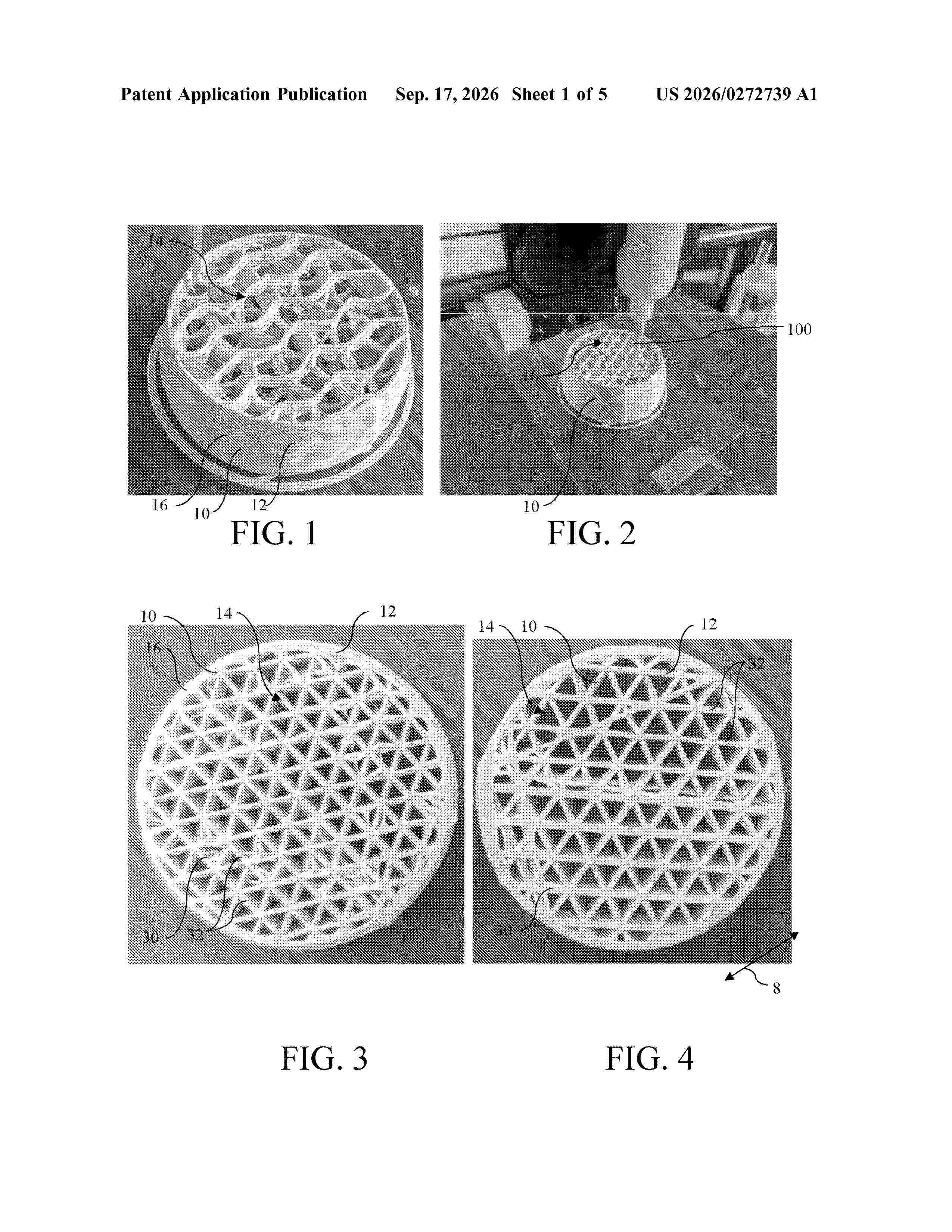
Resumen de: US20260272739A1
A compressible element comprises a resilient material arranged in an open structure having predetermined geometry to provide a desired mechanical property. The resilient material can be 3D printed. The predetermined geometry can comprise a volumetric density of the open structure. A pad can comprise a frame and a plurality of such compressible elements.

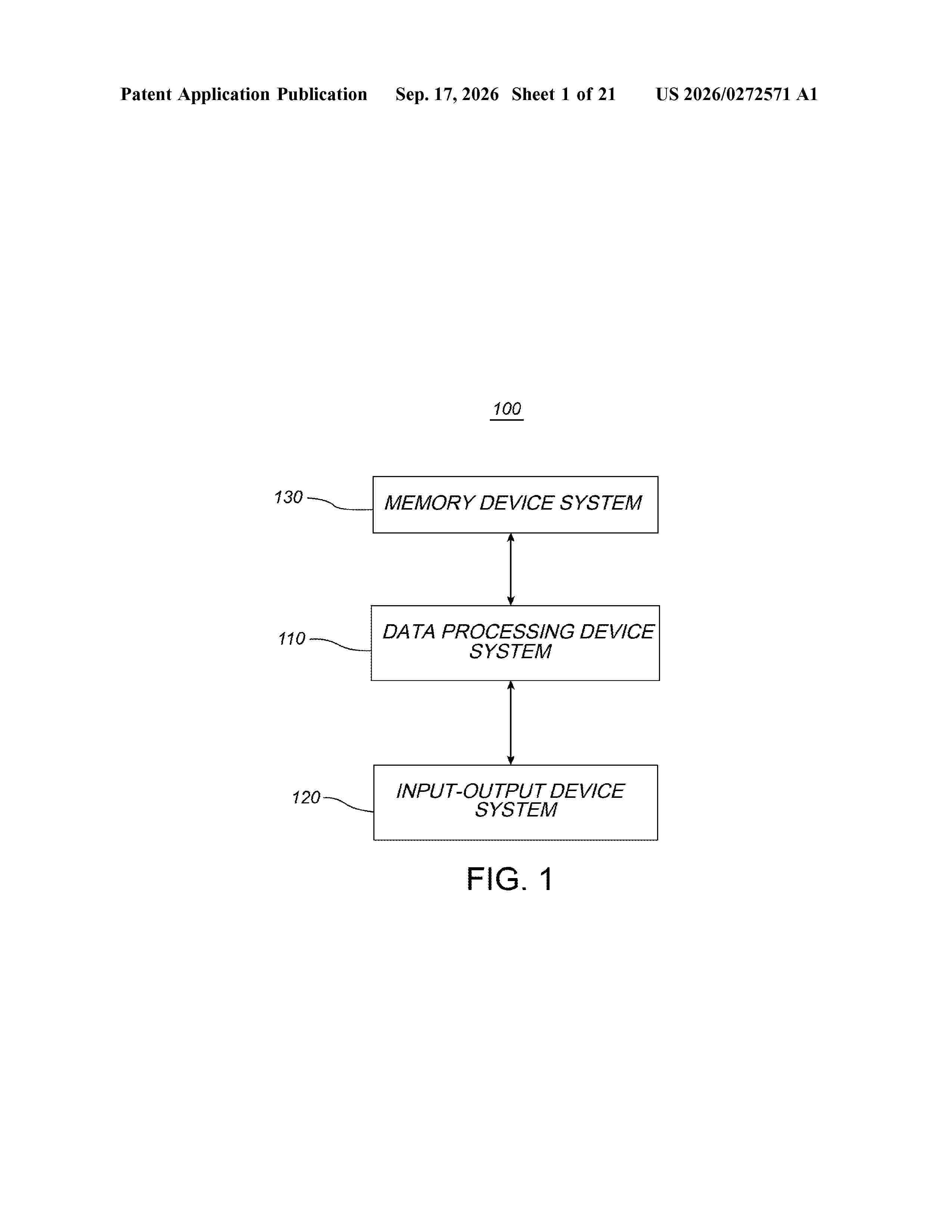
Resumen de: US20260272571A1
A data processing device system may be configured to cause display of a three-dimensional graphical representation of a first volume within a bodily cavity, cause the three-dimensional graphical representation to be annotated to include a graphical annotation set, and cause, at least in response to the annotation, the three-dimensional graphical representation to add an anatomical feature graphical representation. A data processing device system may be configured cause display of a particular graphical representation including a graphical representation of a particular volume within a cardiac cavity, cause the particular graphical representation to be annotated to include a graphical annotation set having a particular graphical attribute set, and cause, in response to a movement of a medical device, a changing of the particular graphical attribute set while the graphical annotation set graphically remains in correspondence with a same location in real-world three-dimensional space.
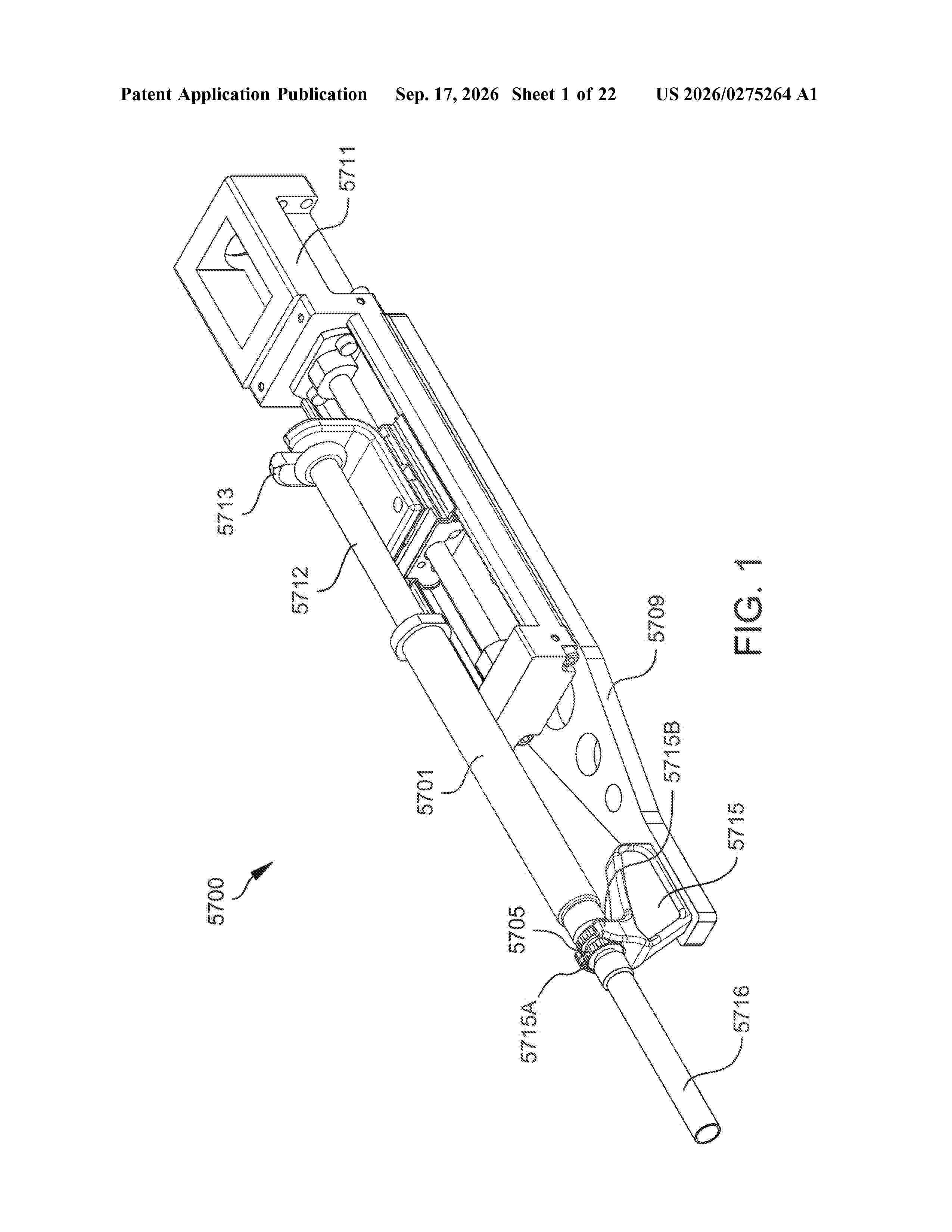
Resumen de: US20260275264A1
A transfer device designed to extract an amorphous or semi-solid structure, tissue, or construct from supporting media while maintaining the spatial integrity/organizational architecture thereof. The transfer device can include a controller, an actuator assembly, a plunger, and a needle. The controller can move the transfer device and the plunger independently.
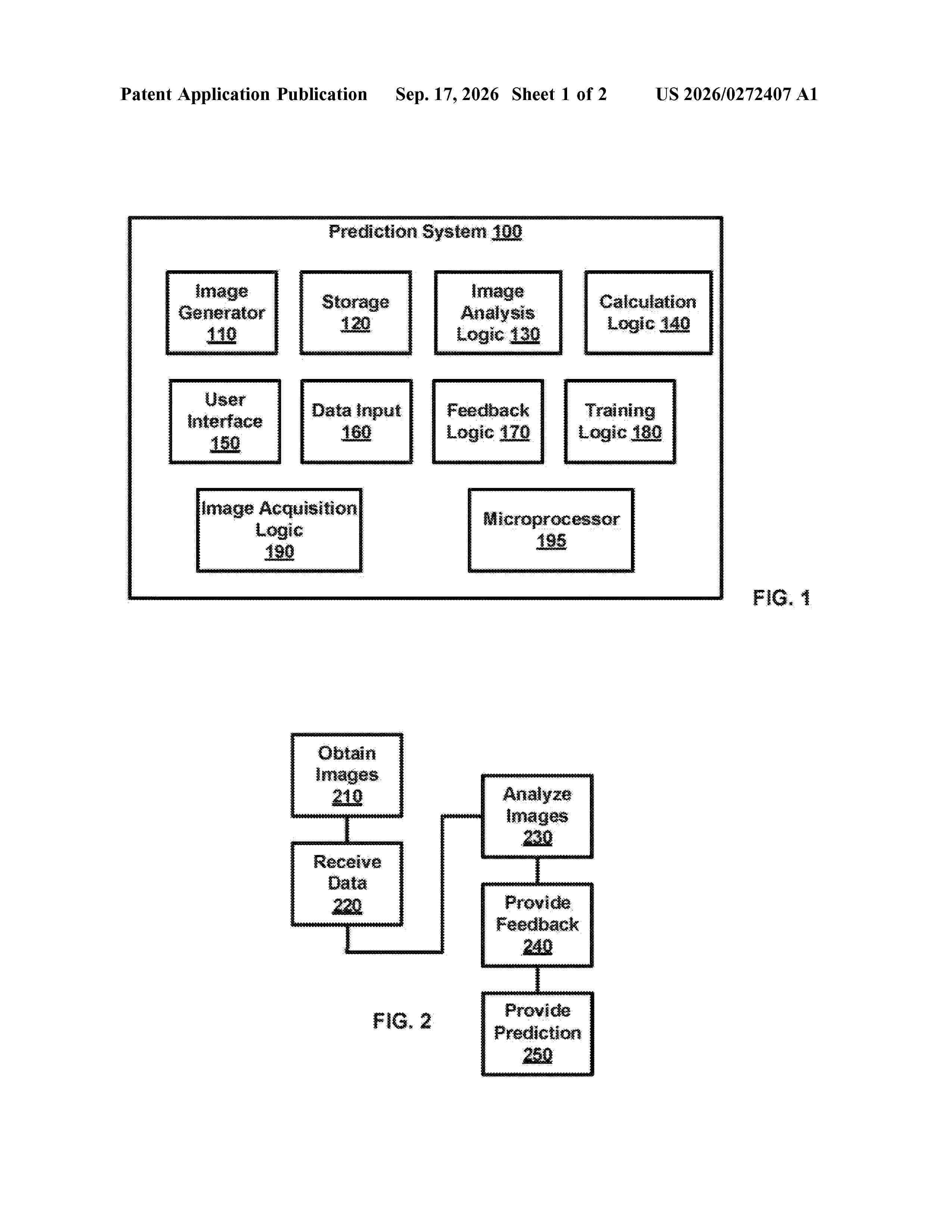
Resumen de: US20260272407A1
Systems and methods for establishing a patient's current or future clinical or lab values are provided. A neural network is trained on a dataset of medical images, such as ultrasound images, that are tagged with information concerning the lab values of people who were imaged to produce the medical images. The trained neural network can then be provided with medical images of a patient, and the neural network can then make a determination as to the patient's current or future clinical or lab values.
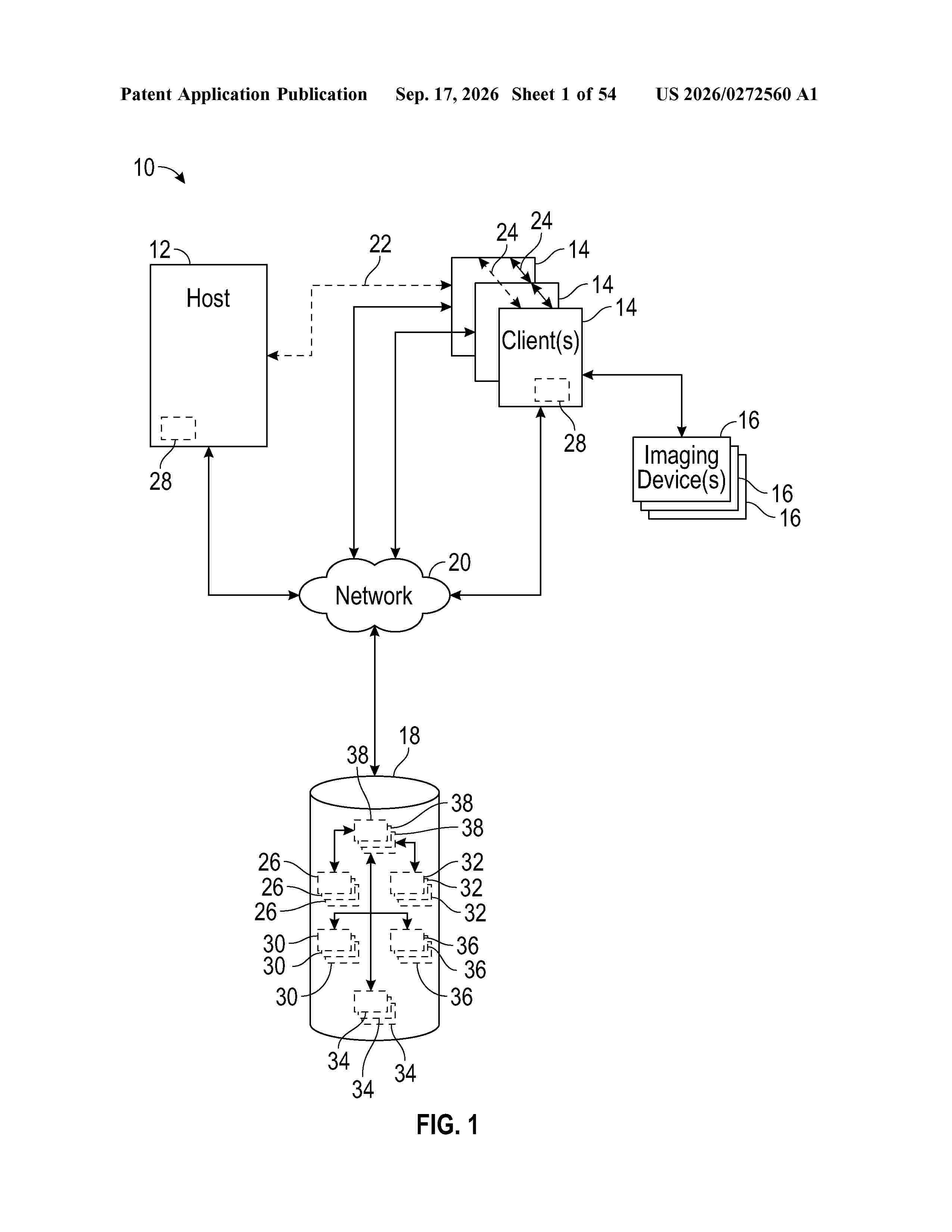
Resumen de: US20260272560A1
Bone fractures may be associated with one or more fragments separated from a bone. The fractured bone may be captured with an imaging device. The disclosed systems may be configured to predict or otherwise determine a position of the fragments prior to occurrence of the bone fracture. The determined position may be utilized to position and secure the fragments during a surgical procedure. Methods for determining the pre-fracture position of bone fragments are also disclosed.
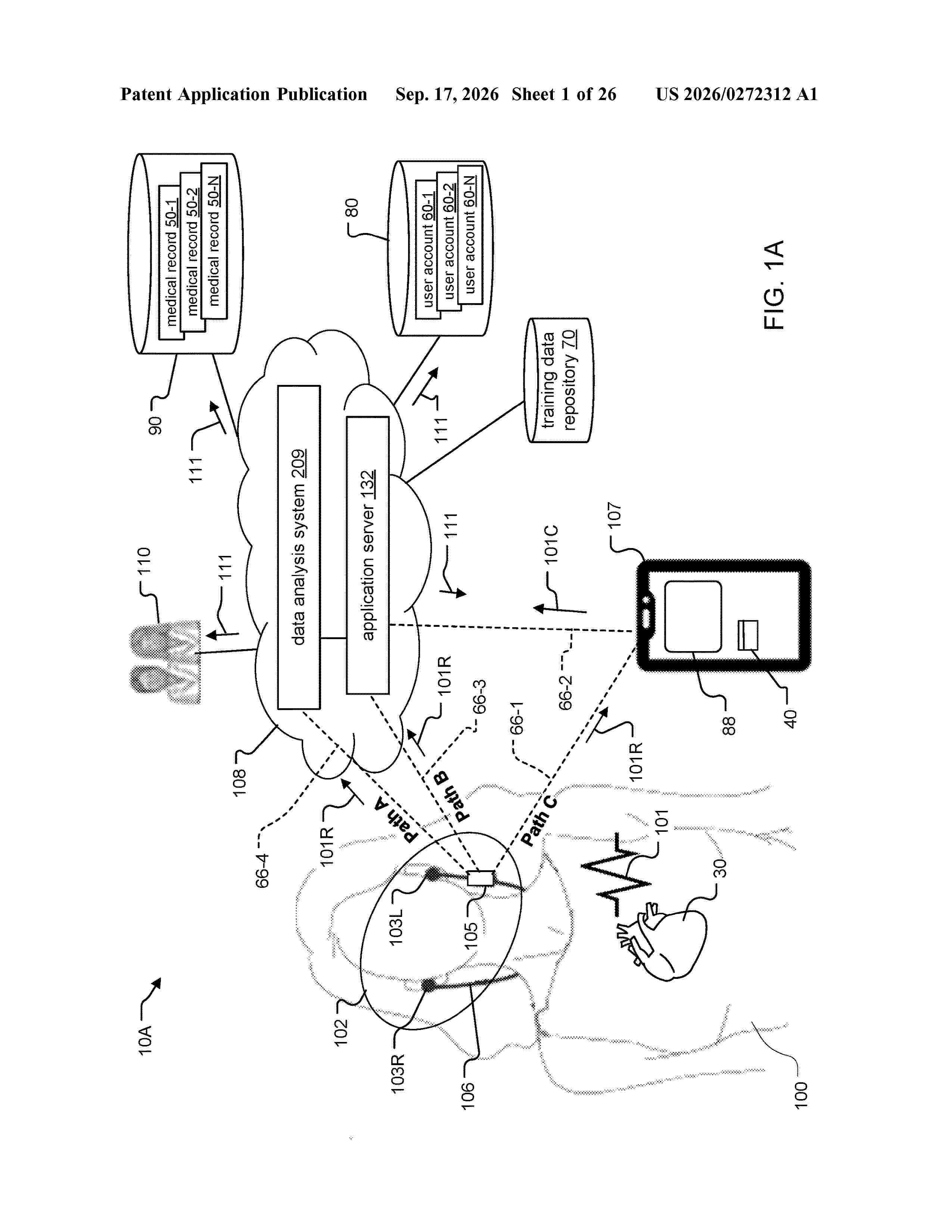
Resumen de: US20260272312A1
0000 A system and method for cardiovascular monitoring and reporting are disclosed. The system (CV monitoring system) includes a data analysis system and an in-ear biosensor system that preferably includes left and right earbuds. The earbuds include infrasound/vibration sensors that detect biosignals from the individual including signals associated with cardiovascular activity (CV signals). The analysis system calculates cardiovascular function measurements (CV function measurements) based upon the CV signals. The CV monitoring system uses machine learning to predict blood pressure (BP) measurements of the individual based upon the CV signals and the calculated CV function measurements. In an embodiment, the CV monitoring system includes an EKG detection system that detects EKG signals associated with heart function. The analysis system can calculate additional CV function measurements from the EKG signals to augment the CV function measurements calculated from the CV signals, and predict BP measurements using the full complement of CV function measurements.
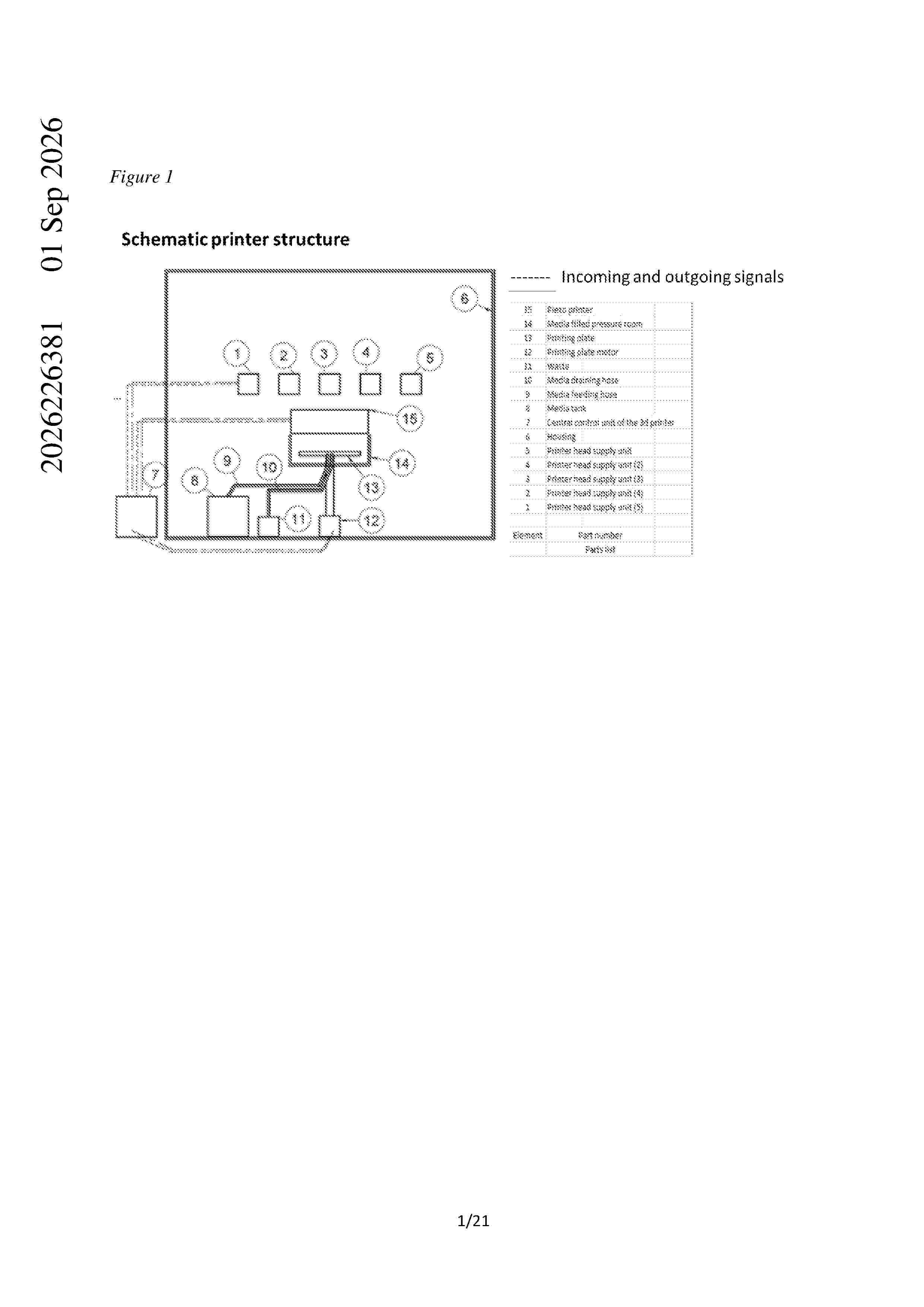
Resumen de: AU2026226381A1
Abstract: The 3D printing method disclosed here for the production of vascularized tissues and organs requires a droplet printer to produce photorealistic high-resolution prints and a device for applying non-directional or directional electromagnetic waves. The process uses a new type of capillary ink that crosslinks or undergoes a layer-forming reaction only in the edge area of the ink drops. Unbound capillary ink components are removed. The resulting cavities form a capillary network with diameters of up to approx. 10 µm. Also disclosed is a novel printer table for supplying the printed tissue with medium during printing and a printer head supply unit for individually mixing the bio-inks from cell concentrate and various ink concentrates. concentrate and various ink concentrates. ep b s t r a c t : e p c o n c e n t r a t e a n d v a r i o u s i n k c o n c e n t r a t e s
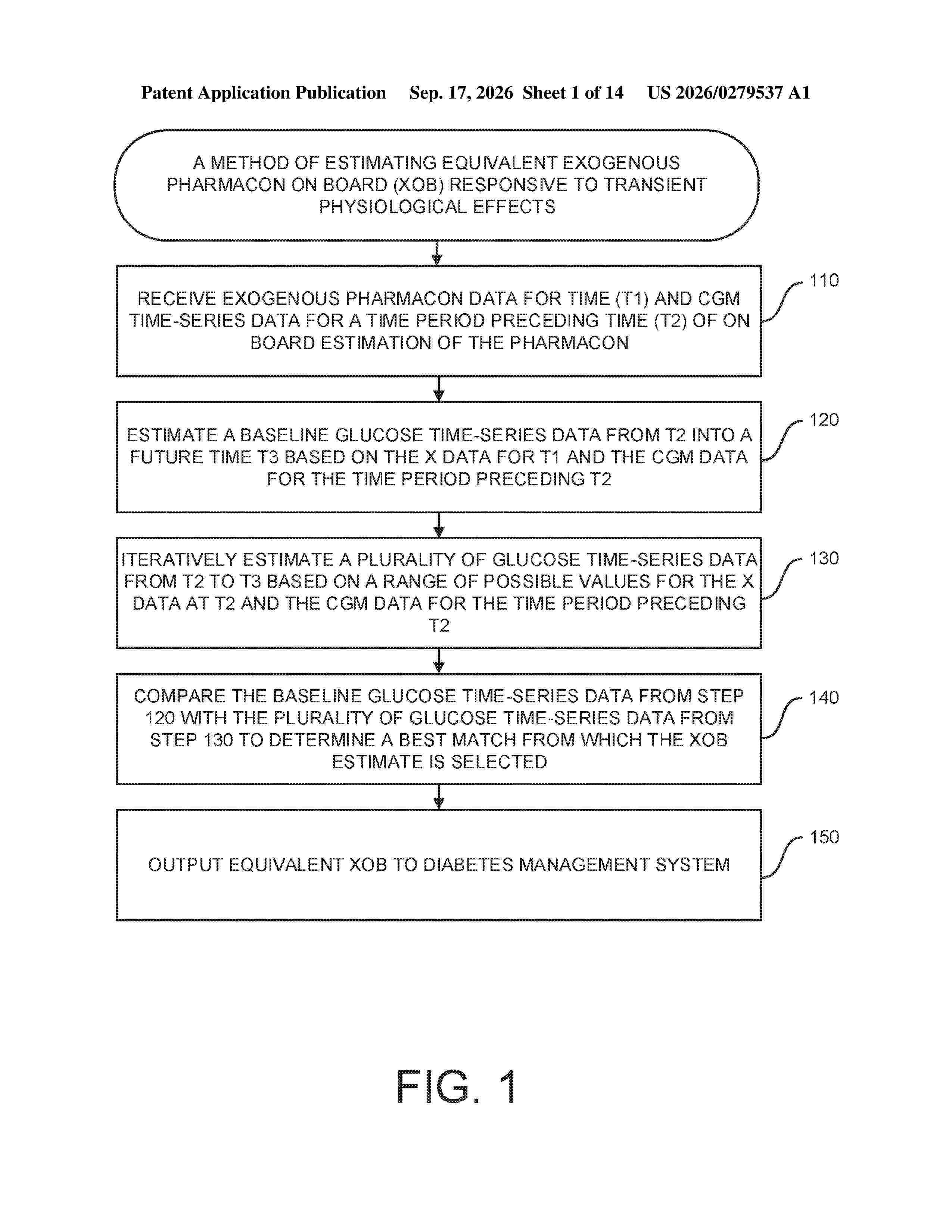
Resumen de: US20260279537A1
Adaptive on board estimation of exogenous pharmacon responsive to transient (i.e., impermanent) physiological effects is provided. Dynamically estimating an equivalent amount of an exogenous pharmacon on board (XOB), such as insulin and/or carbohydrates, left in the subject, is based on predictions of glucose time-series data. These estimated values, such as insulin on board (IOB), are useful for diabetes management software, including decision support and/or artificial pancreas (AP) algorithms, for example.
Resumen de: US20260273626A1
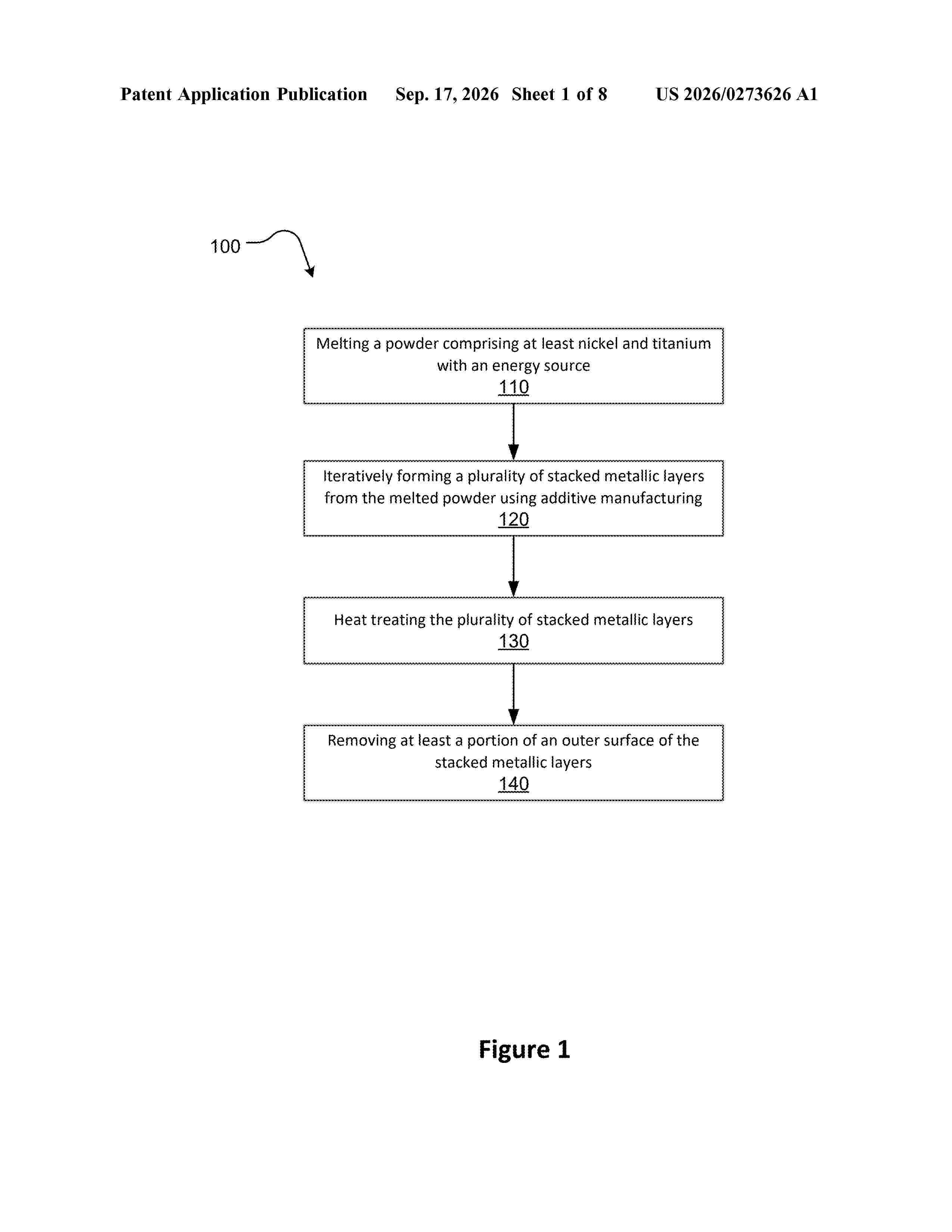
An implantable object 1000′ and a method 100 of fabricating an implantable object is disclosed. The method 100 comprises melting a powder 210 comprising at least nickel and titanium with an energy source 220 and iteratively forming a plurality of stacked metallic layers 330 from the melted powder using an additive manufacturing technique. The implantable object is biased to expand from a first configuration 501 to a second configuration 502 when at or above a transformation temperature.
Resumen de: US20260279596A1
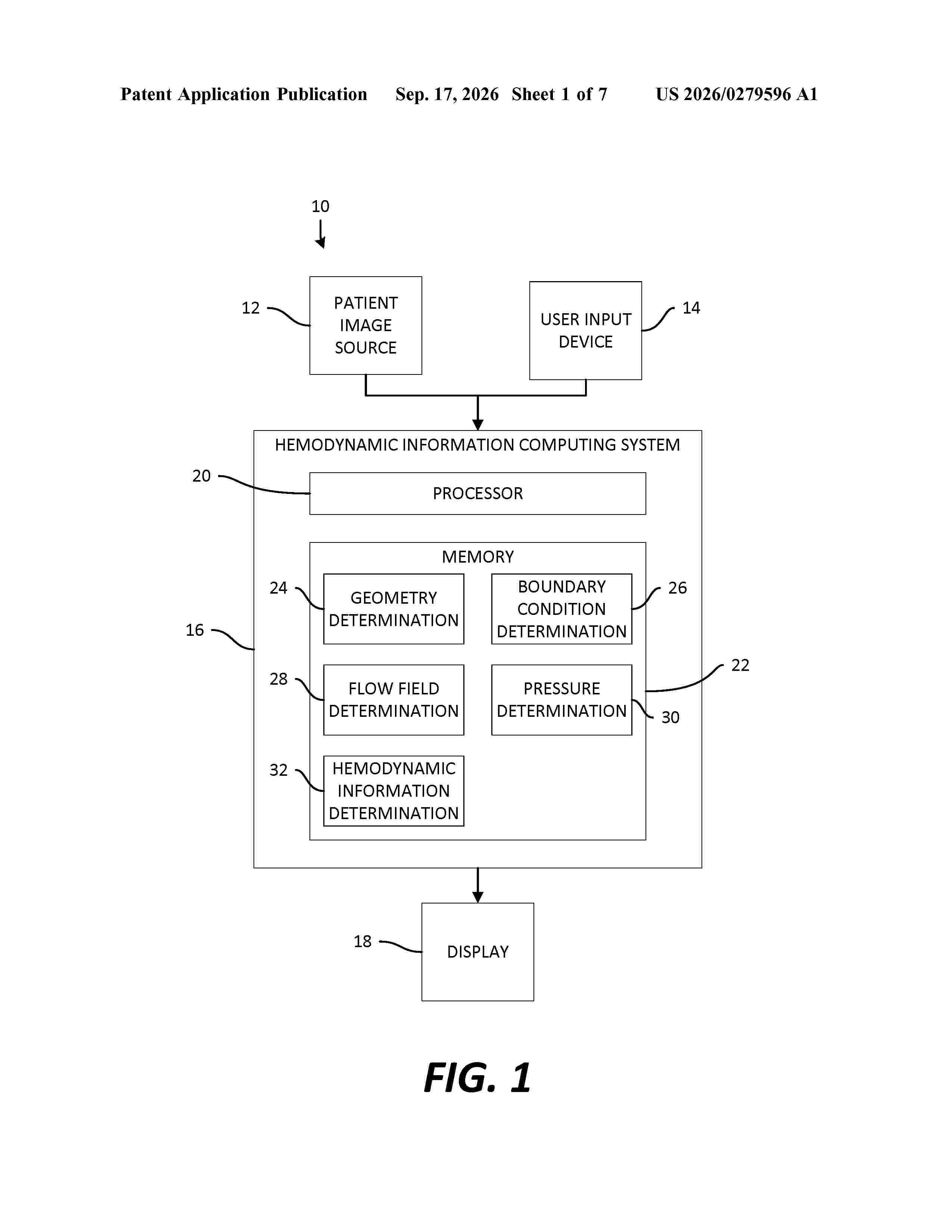
A diastole-based hemodynamic index, such as instantaneous wave-free ratio (IWFR), may be calculated noninvasively for a patient by receiving image data respective of an anatomical region of the patient, creating an electronic model of the anatomical region, creating one or more boundary conditions model value sets representative of flow conditions during diastole, calculating one or more pressure drops at a location in the anatomical region, and determining, based on the calculated pressure drop(s) and based on a reference pressure, a hemodynamic index value, such as IWFR, for the location.
Resumen de: US20260272660A1
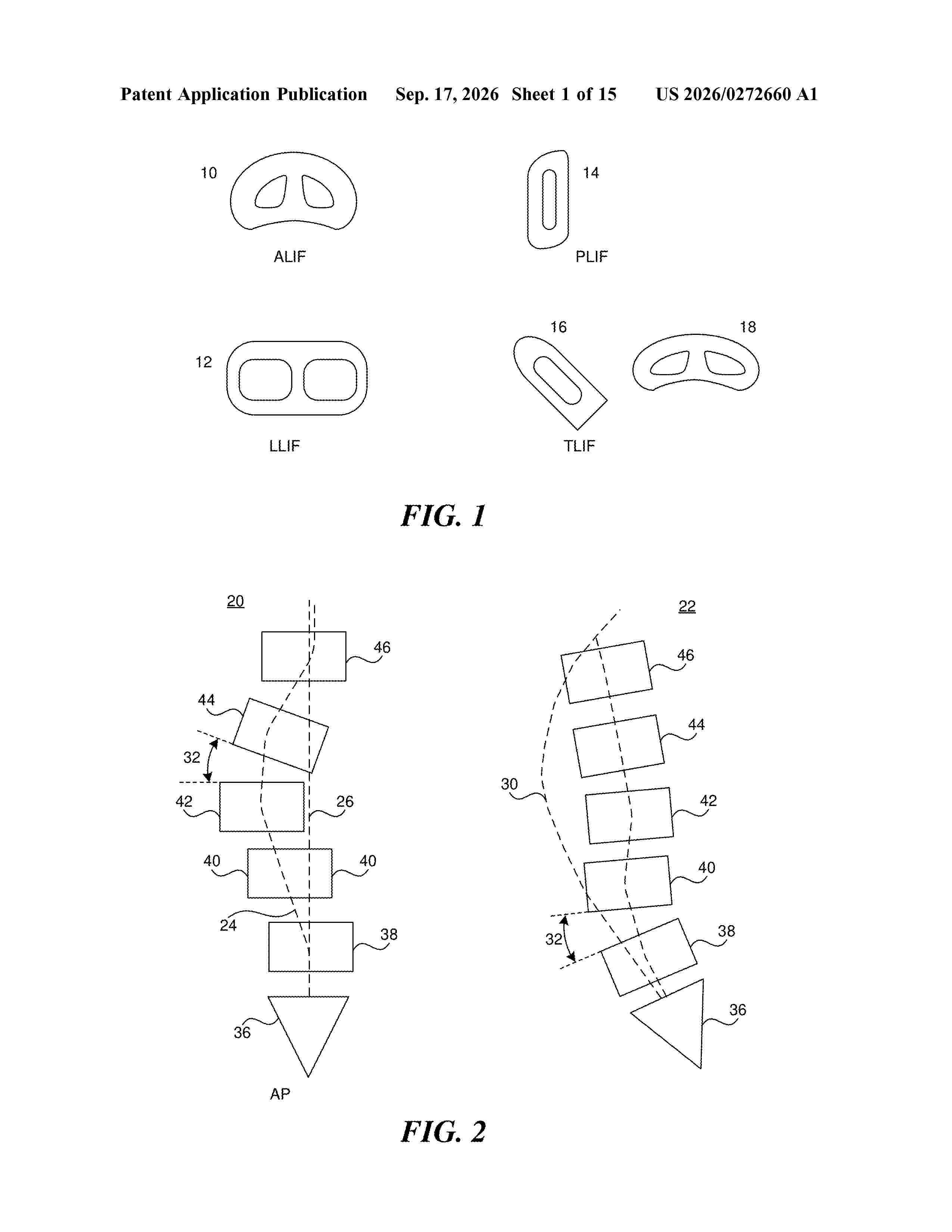
A system and computer-implemented method for manufacturing an orthopedic implant involves segmenting features in an image of anatomy. Anatomic elements can be isolated. Spatial relationships between the isolated anatomic elements can be manipulated. Negative space between anatomic elements is mapped before and/or after manipulating the spatial relationships. At least a portion of the negative space can be filled with a virtual implant. The virtual implant can be used to design and manufacture a physical implant.
Resumen de: US20260273146A1
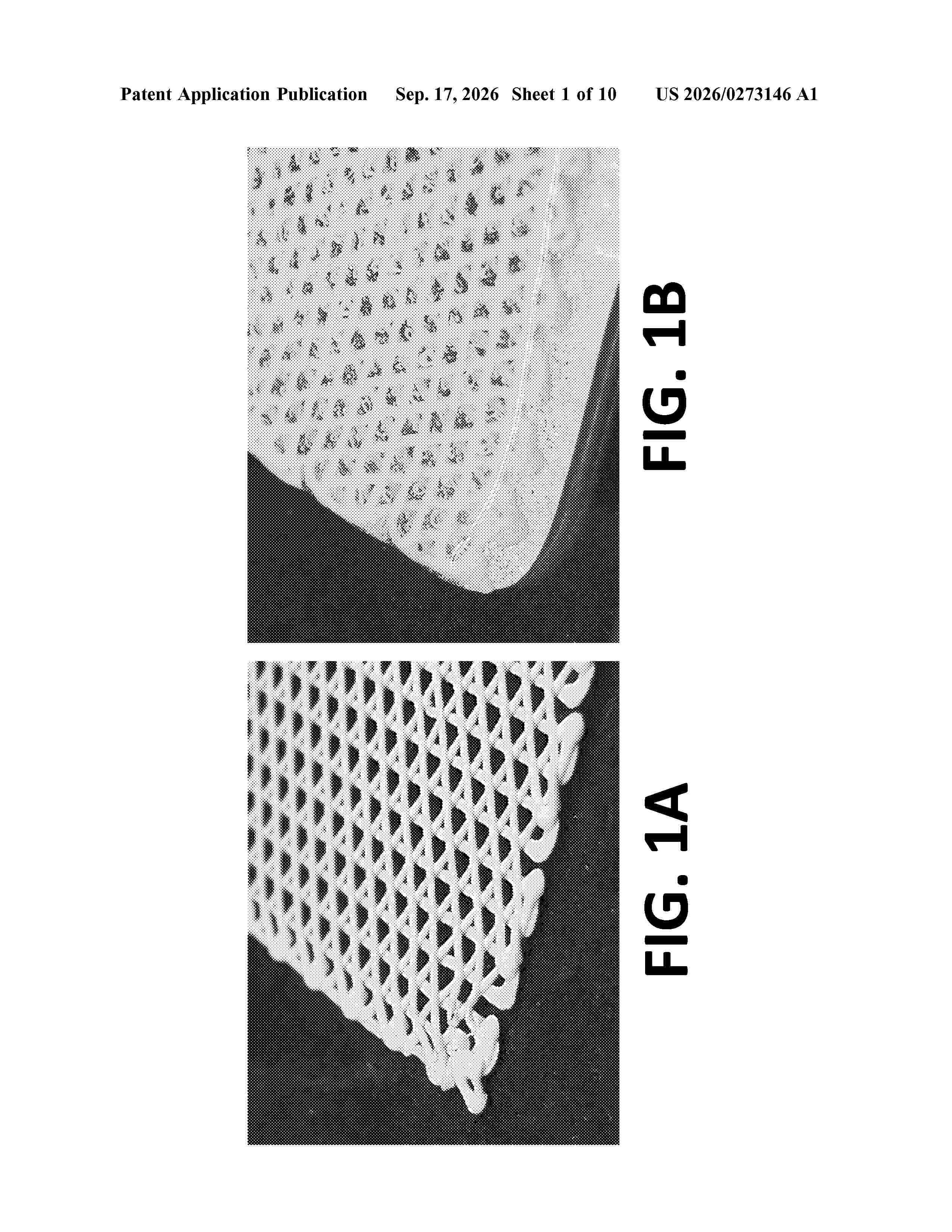
Disclosed are Self-Gelling materials and structures or materials or structures having one or more self-gelling components that overcome existing gel limitations due to hydrogel localization for medical applications by providing, for example, 1) microstructurally, or physically, anchored characteristics to help localize the gel, and the overall printed, or otherwise formed structure, giving structural form to the gel that allows the gel to be localized within the body, and even sutured in place, and mitigates gel migration and extends its residence time; 2) to provide an underlying 3D printed structure to help contain and support the gel after implantation; and more. Self-Gelling 3D printed structures may be further processed via milling to yield deconstructed scaffold micro-granules, with the composition and nano-/micro-structure of the original larger structure. Deconstructed scaffold micro-granules may be hydrated to form a micro-granule embedded gel network that can be injected, giving form to injectable gels.
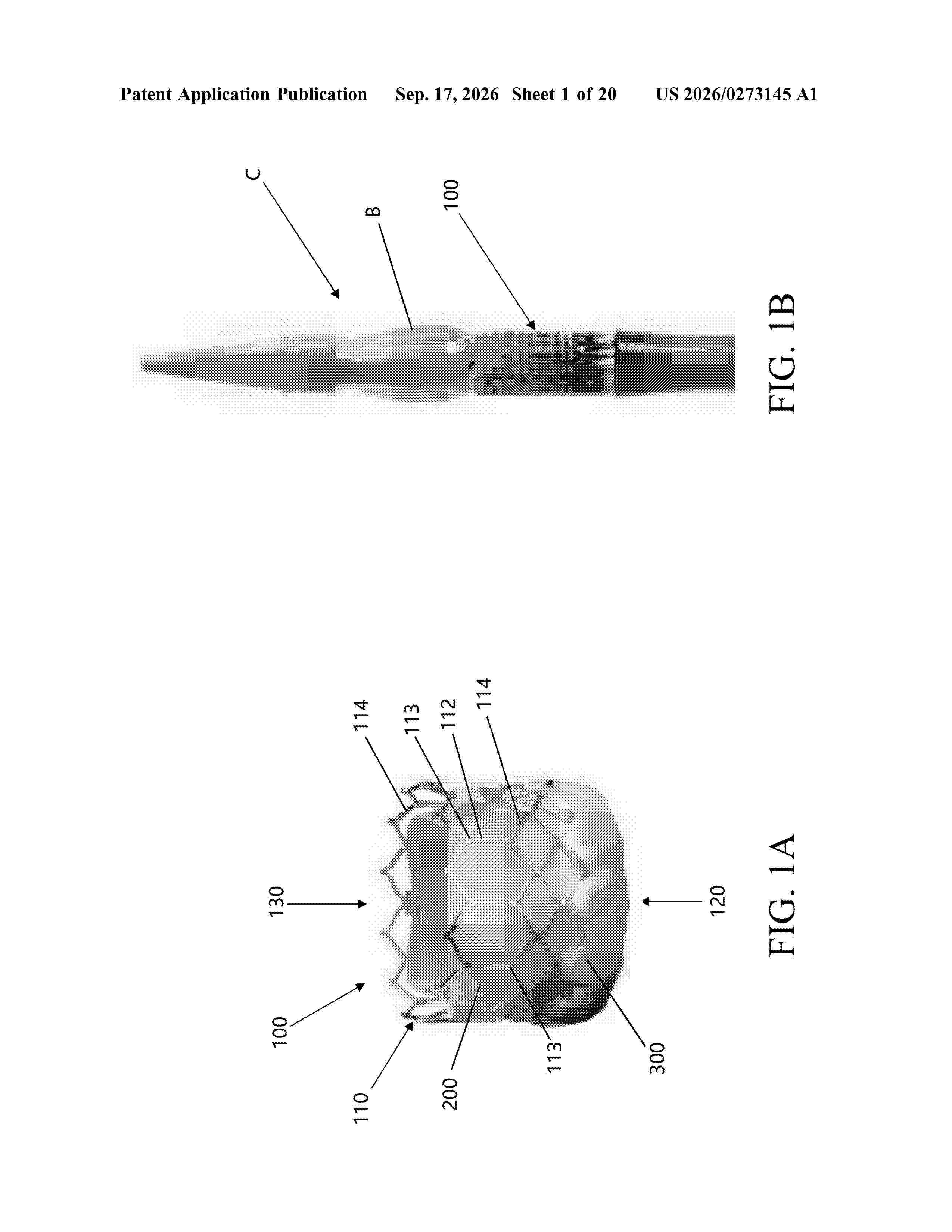
Resumen de: US20260273145A1
A medical device that is at least partially formed of a refractory metal alloy, and a method for inserting the medical device in a patient.
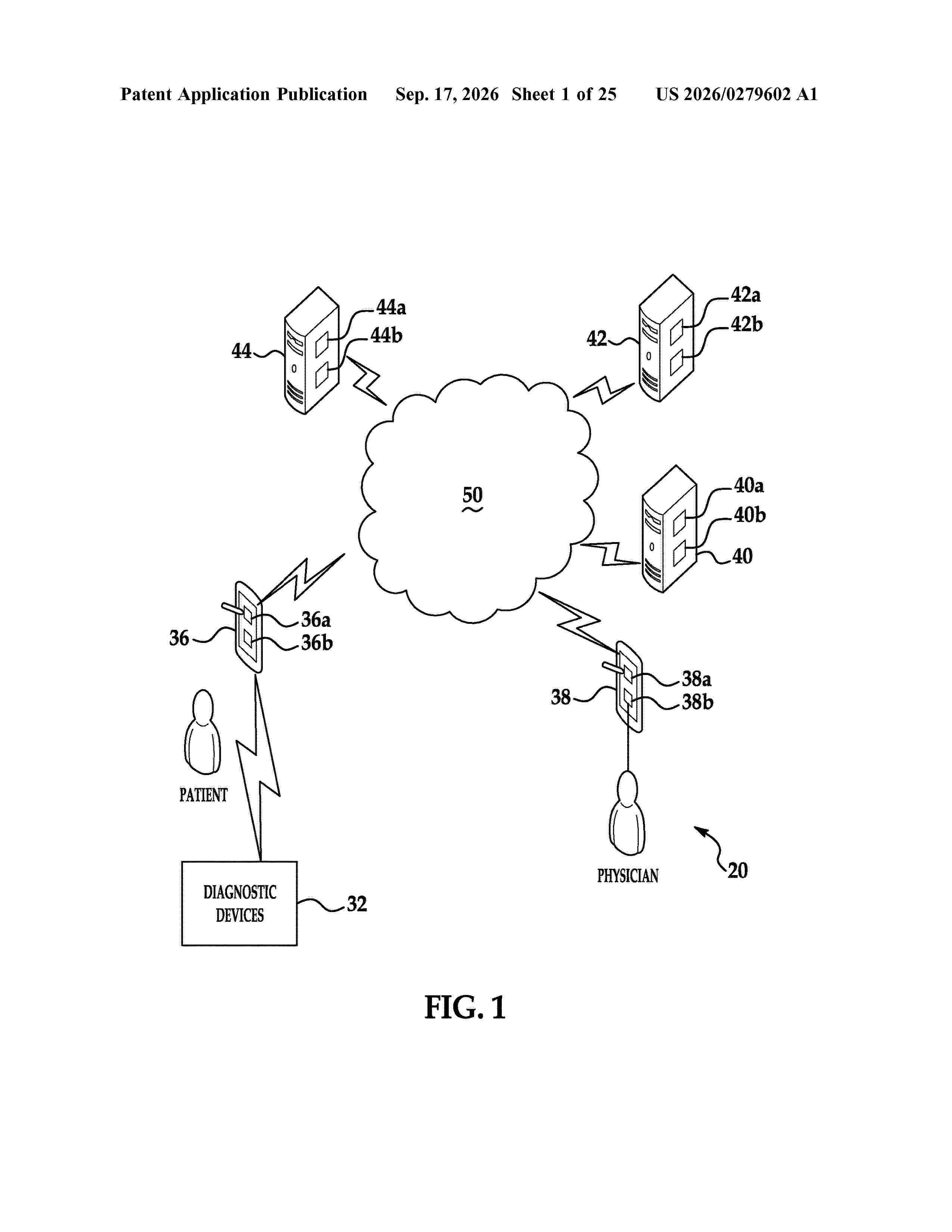
Resumen de: US20260279602A1
0000 A method that, when executed by a server, causes the server to perform operations that include receiving encrypted diagnostic data for a patient from a computing device associated with the patient, wherein the diagnostic data was encrypted by the computing device and is linked to a unique patient identifier for the patient. The operations also include authenticating that a healthcare provider is authorized to access the server using a healthcare provider computing device and receiving an entered patient identifier from the healthcare provider via the healthcare provider computing device. The operations also include determining that the entered patient identifier matches the unique patient identifier, and, based on determining that the entered patient identifier matches the unique patient identifier, providing the encrypted diagnostic data to the healthcare provider computing device, wherein the healthcare provider computing device is configured to decrypt the encrypted diagnostic data for the healthcare provider.
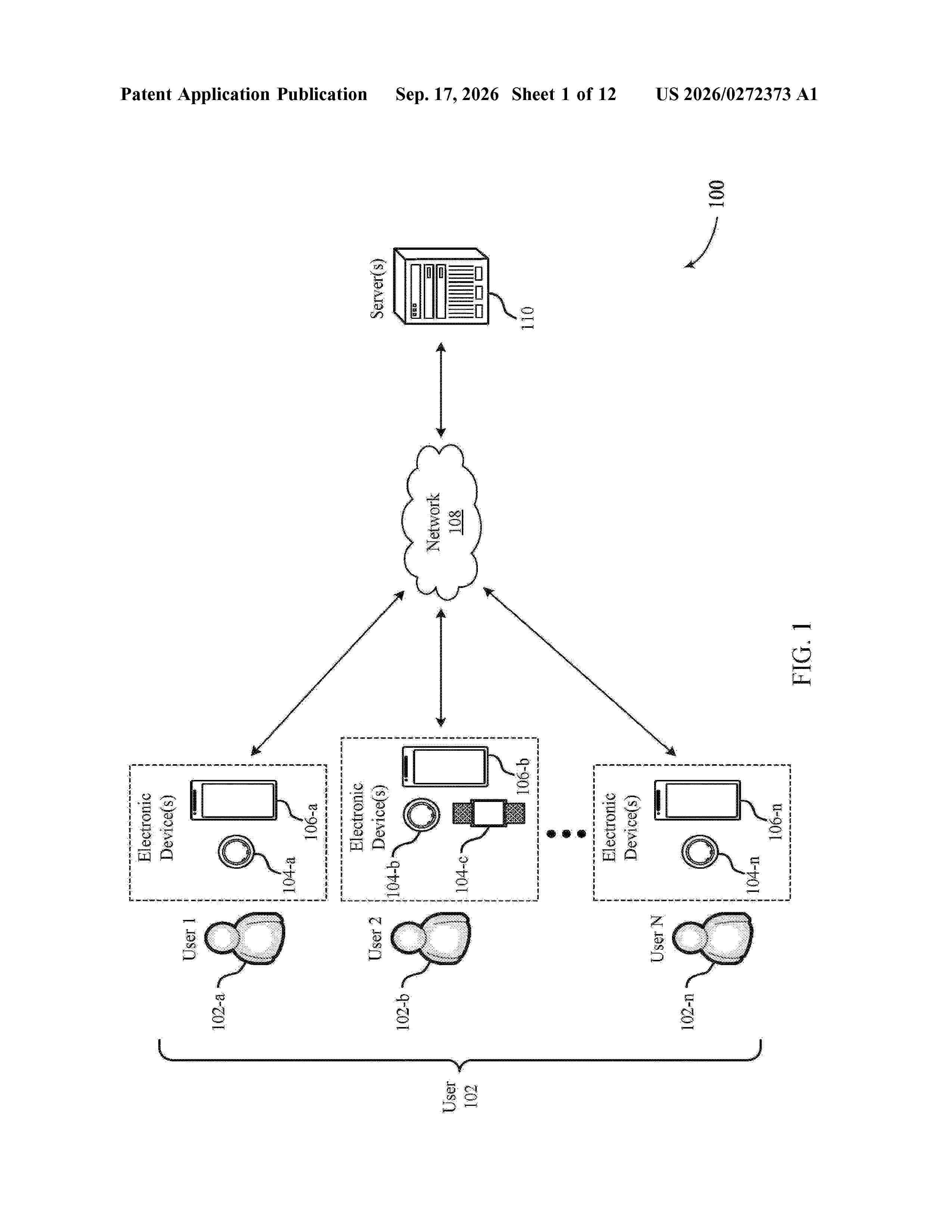
Resumen de: US20260272373A1
0000 Methods, systems, and devices for fertility prediction are described. A system may be configured to receive physiological data collected over a plurality of days, where the physiological data includes at least temperature data. Additionally, the system may be configured to determine a time series of temperature values taken over the plurality of days where the time series includes a plurality of menstrual cycles. The system may then determine a plurality of menstrual cycle length parameters associated with the menstrual cycles and determine a user fertility prediction based on the menstrual cycle length parameters. The system may generate a message for display on a graphical user interface that indicates the determined user fertility prediction.
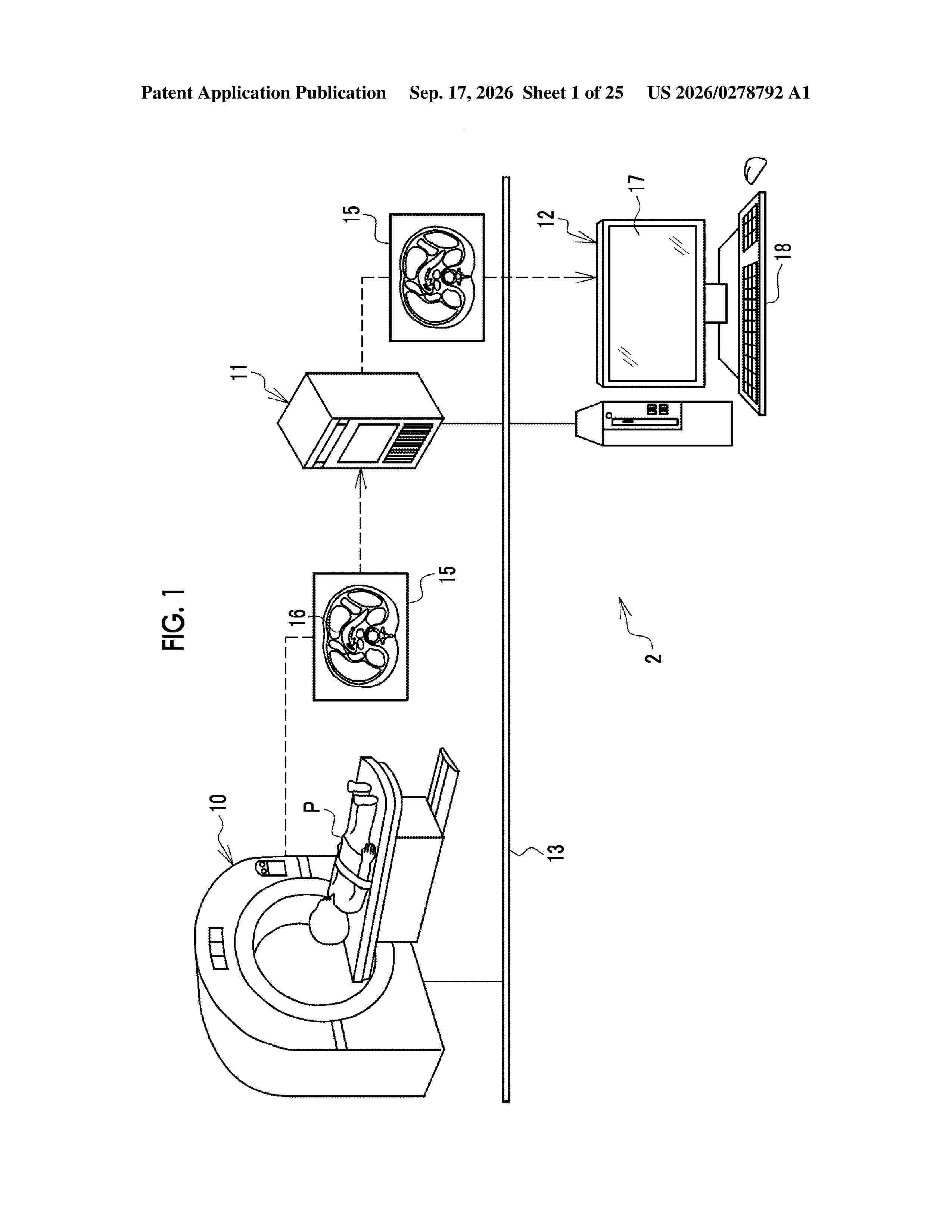
Resumen de: US20260278792A1
A medical image processing device, an operation method and an operation program thereof are provided. The medical image processing device includes a processor configured to acquire a medical image, derive indirect finding information related to an indirect finding that represents at least one feature of a shape or a property of peripheral tissue of a lesion associated with an occurrence of the lesion by analyzing the medical image using a first machine learning model, derive provisional lesion presence probability information that indicates a provisional presence probability of the lesion, which represents at least one feature of a shape or a property of the lesion, by analyzing the medical image using a second machine learning model, and derive lesion presence probability information that indicates a presence probability of the lesion based on the indirect finding information and the provisional lesion presence probability information using a third machine learning model.
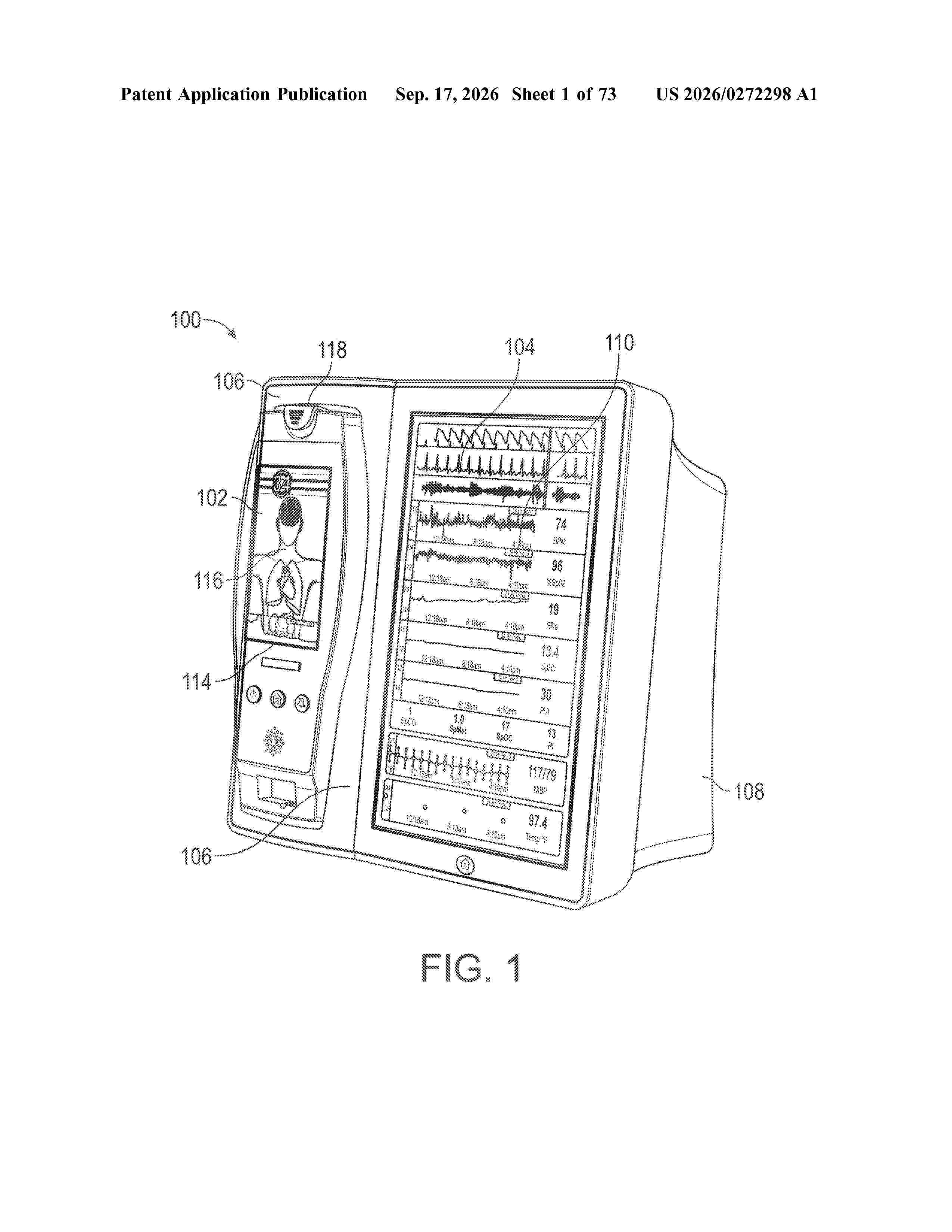
Resumen de: US20260272298A1
The present disclosure includes a host device that is part of a patient monitoring system. The host device can provide an improved, organized, uncluttered, and graphically-rich display that presents an integrated display of real-time patient data and alarms from multiple integrated or non-integrated devices, such as patient monitors, ventilators, anesthesia gas machines, or intravenous (IV) pumps. The host device may provide a supplementary display for the patient data collected by the multiple devices and present information, such as comprehensive real-time patient status, historical trends, or alarm indicators, in an organized manner for particular clinical scenarios. The one or more displays can be central to a care team for a patient, and the care team can together simultaneously view and act upon the information presented.
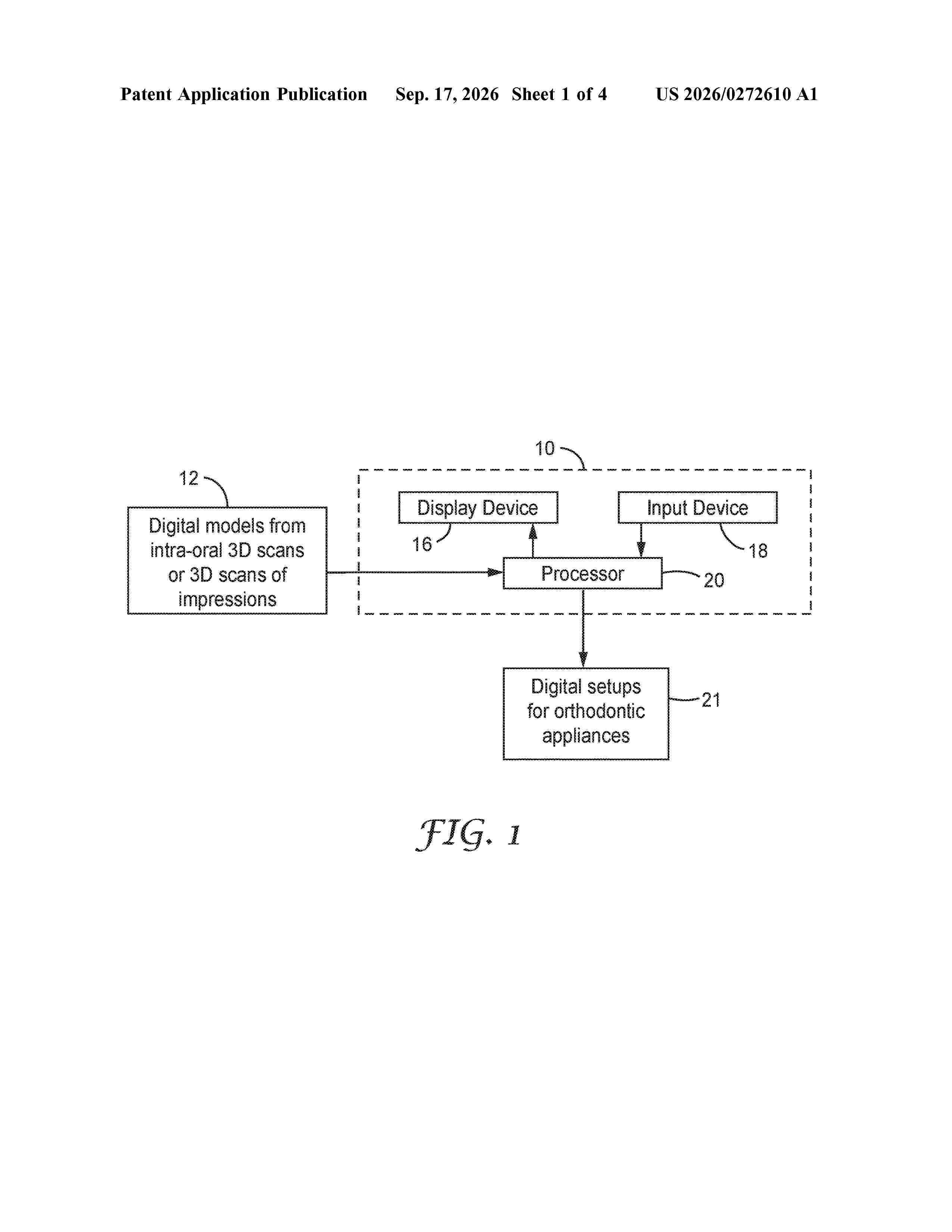
Resumen de: US20260272610A1
A method for generating digital setups for an orthodontic treatment path. The method includes receiving a digital 3D model of teeth, performing interproximal reduction (IPR) on the model and, after performing the IPR, generating an initial treatment path with stages including an initial setup, a final setup, and a plurality of intermediate setups. The method also includes computing IPR accessibility for each tooth at each stage of the initial treatment path, applying IPR throughout the initial treatment path based upon the computed IPR accessibility, and dividing the initial treatment path into steps of feasible motion of the teeth resulting in a final treatment path with setups corresponding with the steps. The setups can be used to make orthodontic appliances, such as clear tray aligners, for each stage of the treatment path.
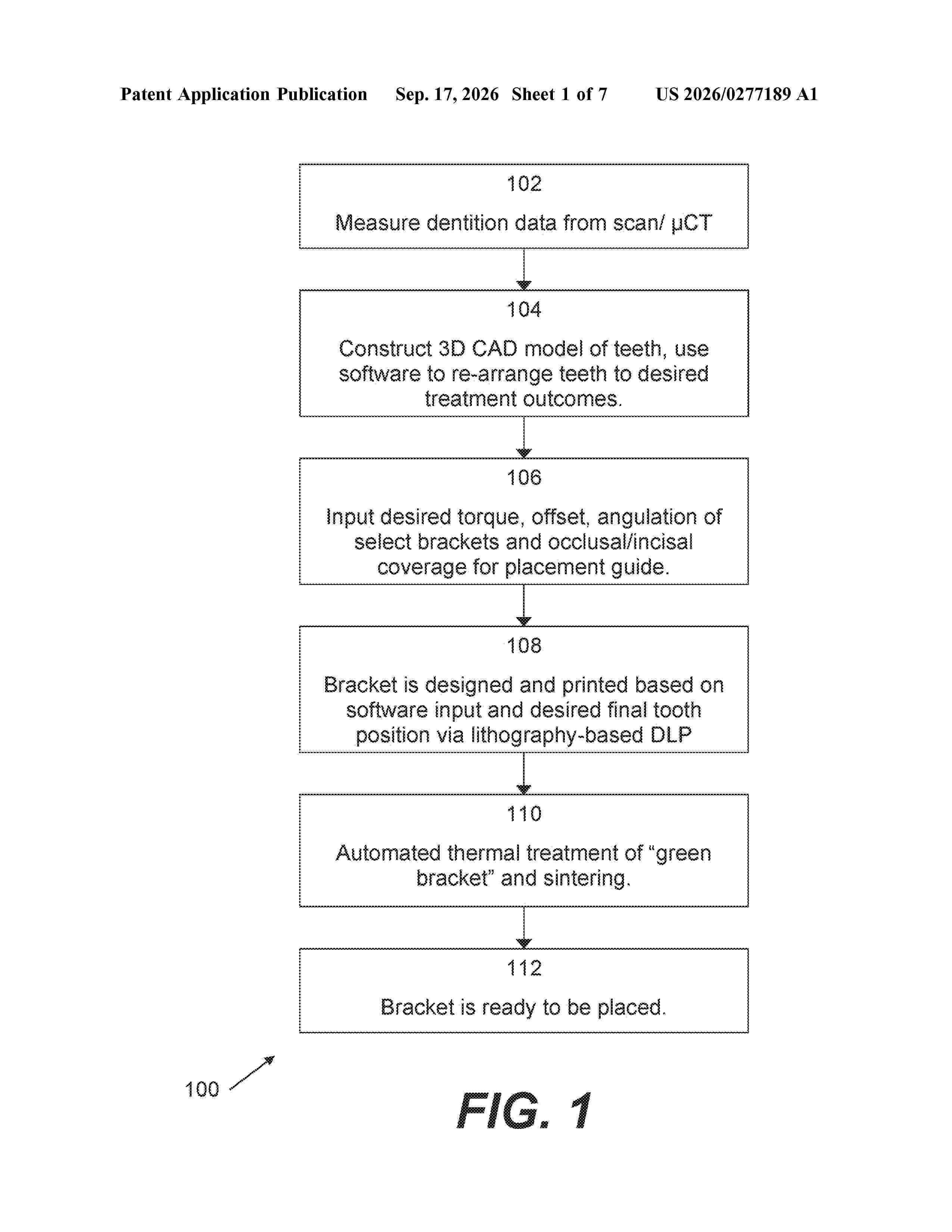
Resumen de: US20260277189A1
A method of manufacturing customized ceramic labial/lingual orthodontic brackets by digital light processing, said method comprises measuring dentition data of a profile of teeth of a patient, wherein measuring dentition data is performed using a CT scanner or intra-oral scanner, based on the dentition data, creating a three dimensional computer-assisted design (3D CAD) model of the patient's teeth using reverse engineering, and saving the 3D CAD model on a computer, designing a 3D CAD bracket structure model for a single labial or lingual bracket structure, importing the 3D CAD bracket structure model into a Digital Light Processing (DLP) machine, directly producing the bracket by layer manufacturing
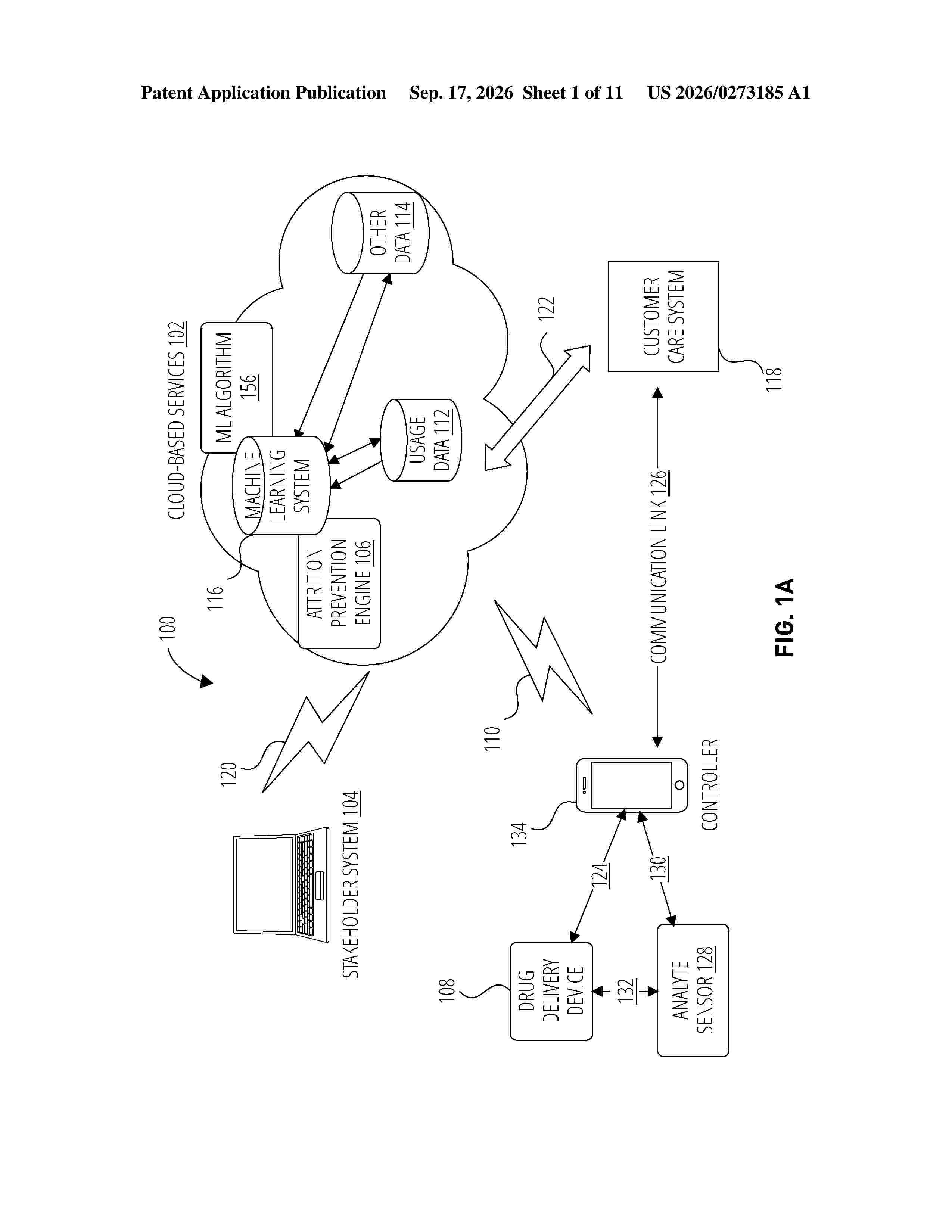
Resumen de: US20260273185A1
0000 The provided examples of systems, devices and techniques improve systems and methods for keeping users of automatic drug delivery systems engaged and assisting with the optimal use of the drug delivery system. The automatic drug delivery system may include a drug delivery device and a controller. Through the use of an attrition prevention engine in a cloud-based services system that cooperates with an attrition prevention application executing on the controller of the drug delivery device, notifications that include instructions for adjusting operation of the drug delivery device as well as offer assistance to the patient to optimize performance of the drug delivery system for the patient may be provided. Optimizing the performance of the drug delivery system has been shown to prevent attrition of patients from using the drug delivery system.
Resumen de: US20260277190A1
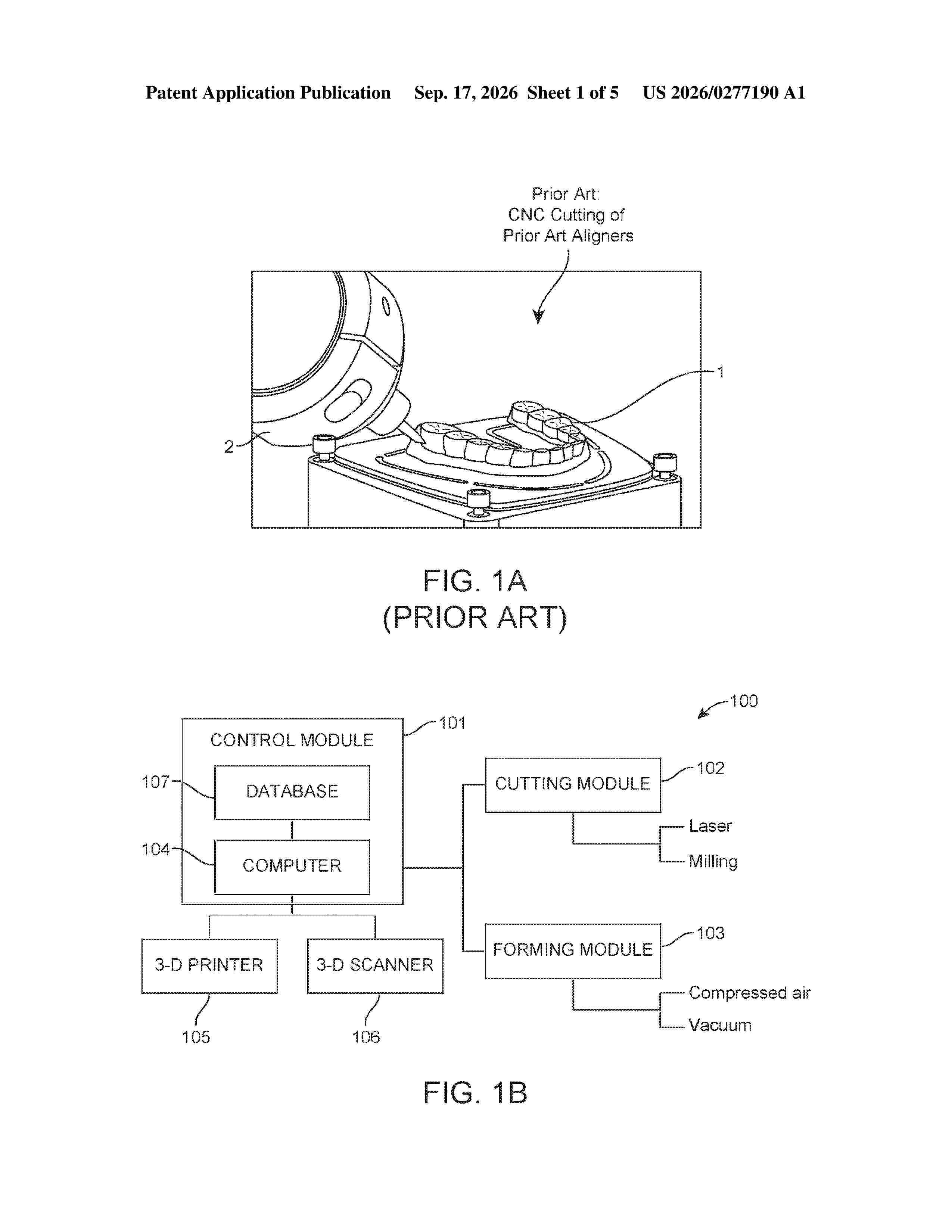
0000 The invention is a system and method for forming a dental appliance. A control module may be configured to receive data concerning a dental model and determine a toolpath for creating a pre-cut substrate based on the data. A cutting module may be configured to create the pre-cut substrate based on the toolpath. A forming module may be configured to apply a second substrate to the pre-cut thermoforming substrate received from the cutting module and form a dental appliance from the pre-cut substrate and the secondary substrate. The method may include receiving data concerning a dental model, determining a toolpath for cutting a substrate into a pre-cut thermoforming substrate based on the data, pre-cutting a first substrate based on the toolpath to form a pre-cut substrate, applying a second substrate to the pre-cut substrate, and thermoforming a dental appliance from the pre-cut substrate and the second substrate.
Resumen de: US20260272110A1
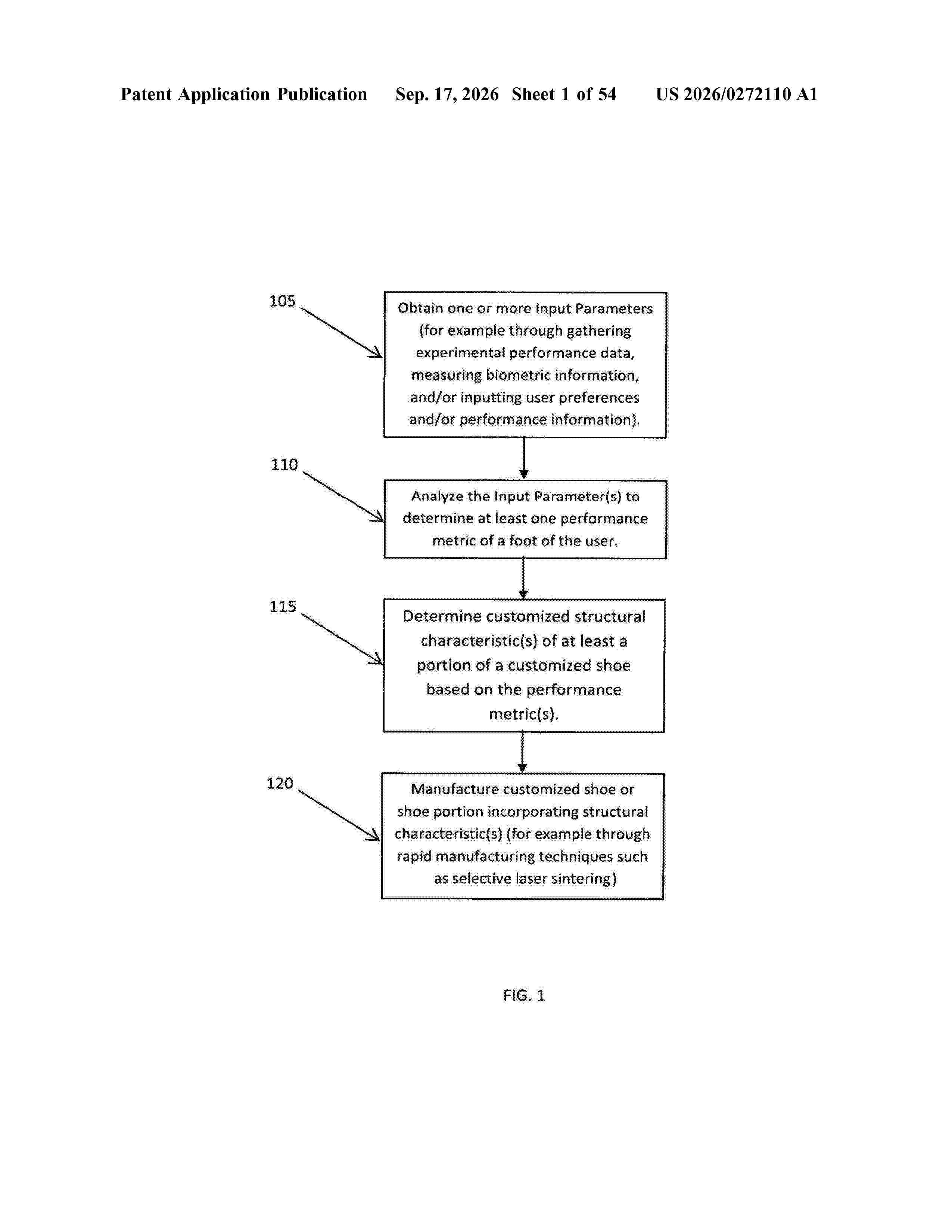
The invention relates to devices and methods for designing and manufacturing customized footwear, and components thereof. An example method includes a method of designing at least a portion of a sole of an article of footwear customized for a user. The method includes the steps of determining at least one input parameter related to a user, analyzing the at least one input parameter to determine at least one performance metric of a foot of the user, and determining at least one customized structural characteristic of at least a portion of a sole of an article of footwear for the user based on the performance metric.
Resumen de: JP2022013898A
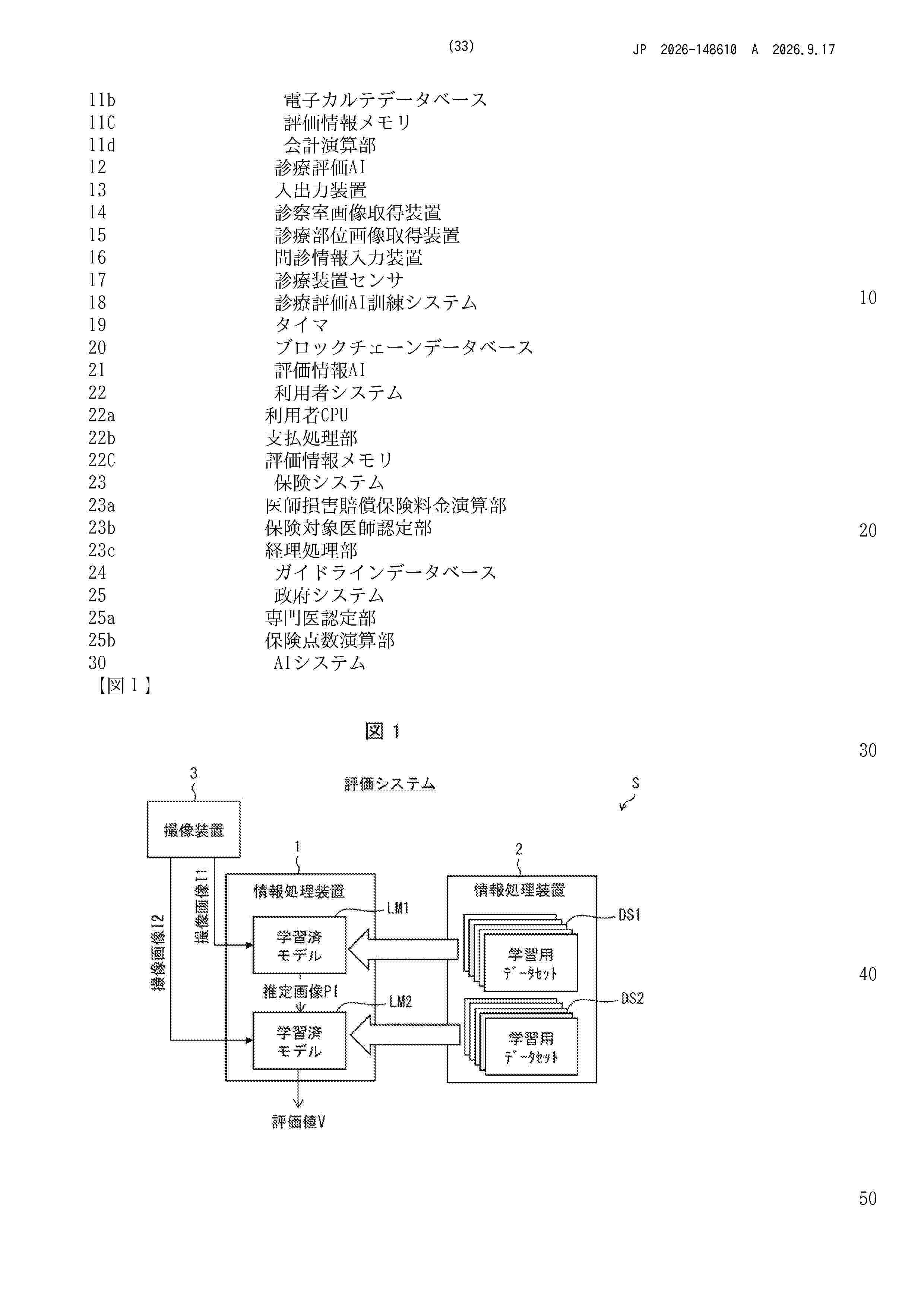
To provide a technique which enables an objective evaluation about an operative method used for actual hard tissues.SOLUTION: An information processor (1) has a processor (11). The processor (11) executes derivation processing (M12) of deriving output information including an estimation image (PI) showing a hard tissue after an operative method is applied as an evaluation basis from input information including a taken image (IM1) showing the hard tissue before the operative method is applied, by using a learned model (LM1) constructed from a machine learning.SELECTED DRAWING: Figure 5
Resumen de: US20260272557A1
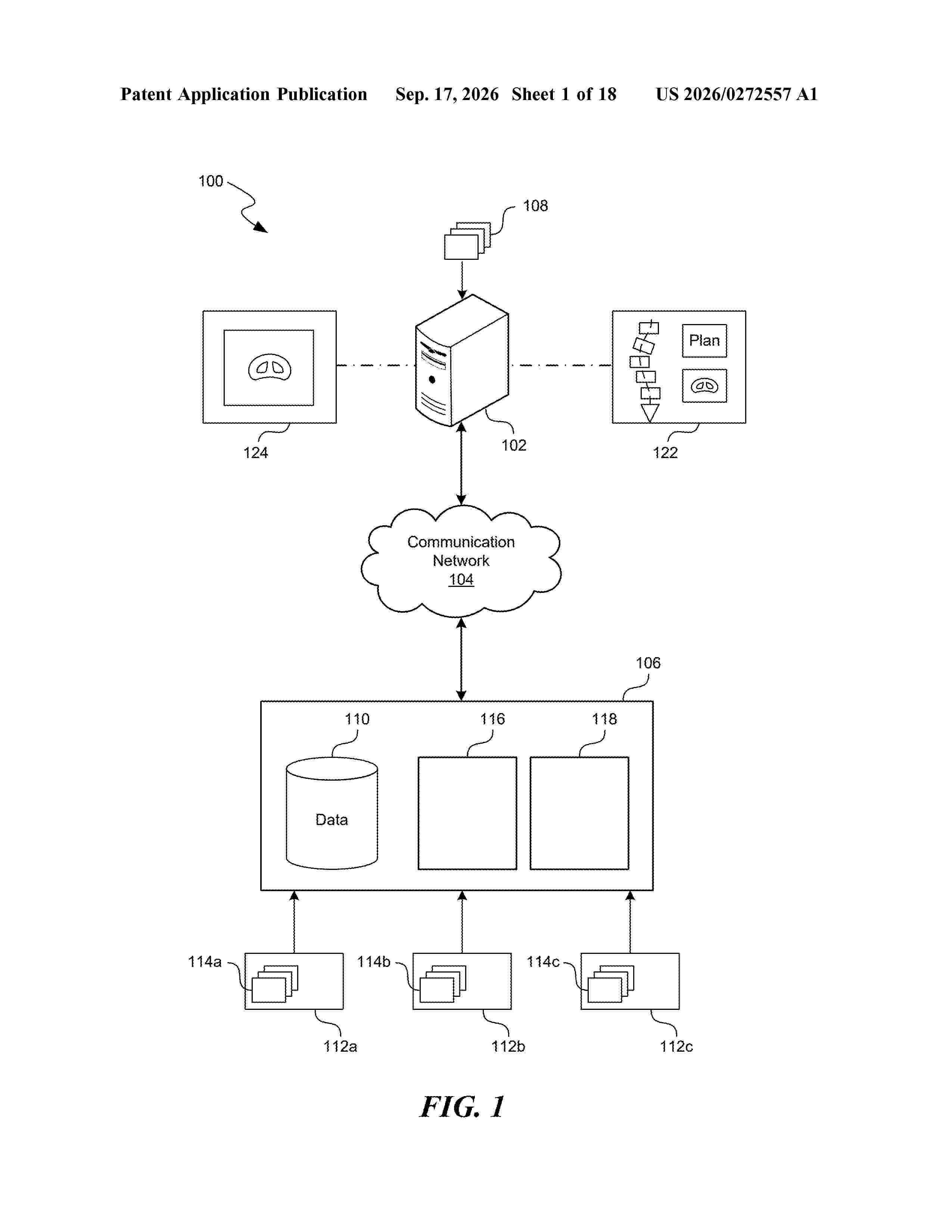
Systems and methods for designing and implementing patient-specific surgical procedures and/or medical devices are disclosed. In some embodiments, a method includes receiving a patient data set of a patient. The patient data set is compared to a plurality of reference patient data sets, wherein each of the plurality of reference patient data sets is associated with a corresponding reference patient. A subset of the plurality of reference patient data sets is selected based, at least partly, on similarity to the patient data set and treatment outcome of the corresponding reference patient. Based on the selected subset, at least one surgical procedure or medical device design for treating the patient is generated.
Nº publicación: US20260275042A1 17/09/2026
Solicitante:
US GOV VETERANS AFFAIRS [US]
The United States Government as Represented by the Department of Veterans Affairs
Resumen de: US20260275042A1
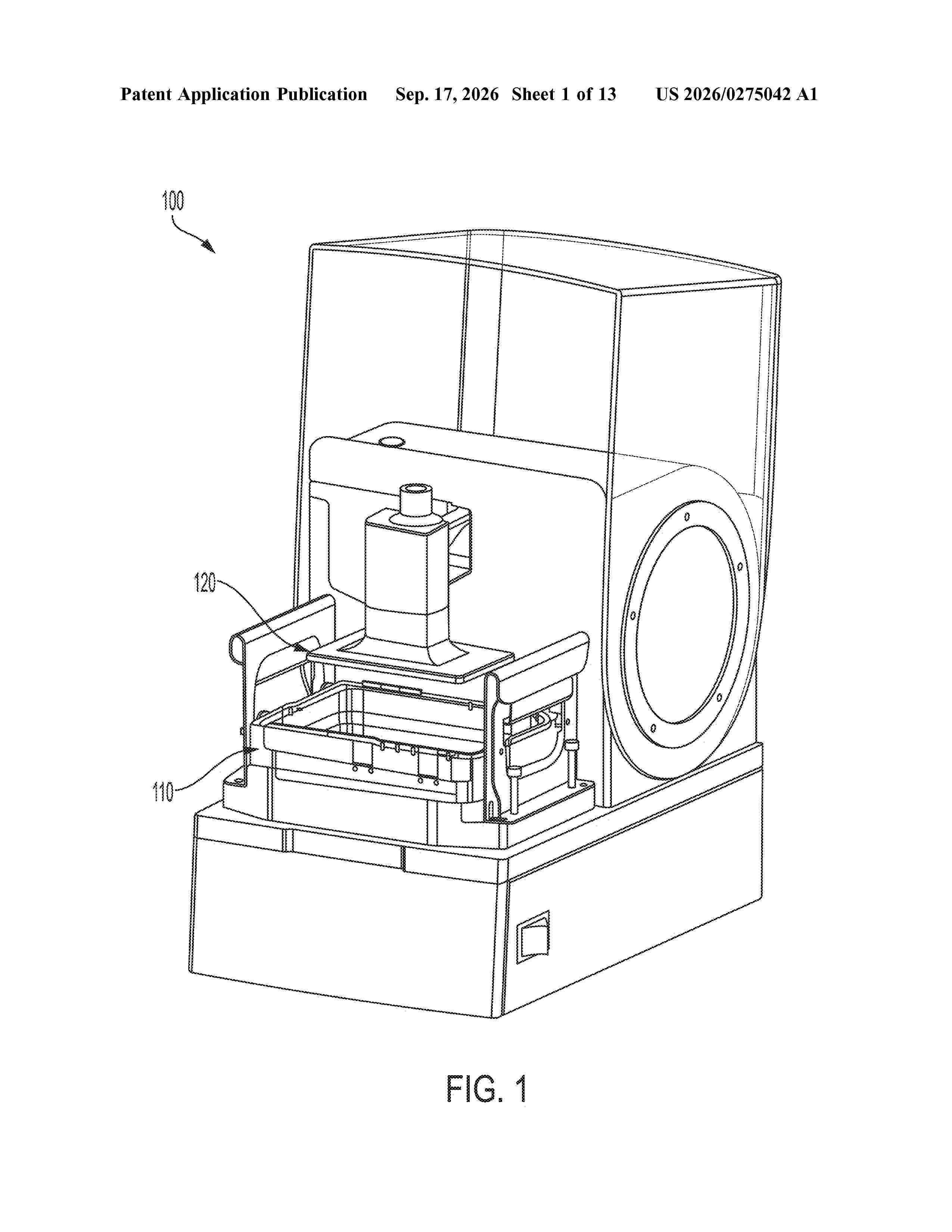
Provided are photocurable resins comprising a poly(siloxane)-based copolymer together with a photoinitiator, and other optional ingredients such as a photocurable diluent, a photoabsorber, a photosensitizer, or a hydrophillic additive. Also provided are methods of stereolithographically printing a 3-D object from a disclosed resin. Also provided is an improved method for stereolithographically printing a 3-D object, the improvement comprising the use of a disclosed photocurable resin. Further provided is a 3-D microfluidic device such as an artificial lung prepared from a disclosed photocurable resin.
 BOPI
BOPI
 Sede Electrónica