Si deseas distinguir tus productos, servicios o ambos de los de otra empresa, es posible que necesites una marca o nombre comercial. Descubre qué son, en qué consiste su procedimiento de registro y qué implica.

Información sobre los plazos de presentación de solicitudes de transformación de marcas de la Unión Europea en marca nacional española. Más información


Si tienes un nuevo dispositivo, producto o procedimiento que resuelva un problema técnico o tenga una ventaja práctica, existen distintas formas de protegerlo en España y en otros países. Descubre cómo hacerlo.

¿Tu innovación reside en la estética, la ornamentación o la apariencia de tu producto? Protégela mediante un diseño industrial. Descubre qué derechos confiere el registro y cómo realizar la tramitación.

Las indicaciones geográficas protegen el nombre de un producto originario de una zona geográfica, a la cual le debe una determinada calidad, reputación u otra característica. Descubre qué son, en qué consiste su procedimiento de registro y qué beneficios conceden.

Las patentes publicadas en todo el mundo son una valiosa fuente de información científica, técnica y comercial.

Si eres emprendedor/a o una empresa y quieres potenciar y mejorar la rentabilidad de tu negocio protegiendo de forma adecuada los activos intangibles de tu organización, en este espacio encontrarás lo necesario.


 568
resultados
568
resultados
 Última actualización
17/10/2026 [07:24:00]
Última actualización
17/10/2026 [07:24:00]


 Resultados 450 a 475 de 568

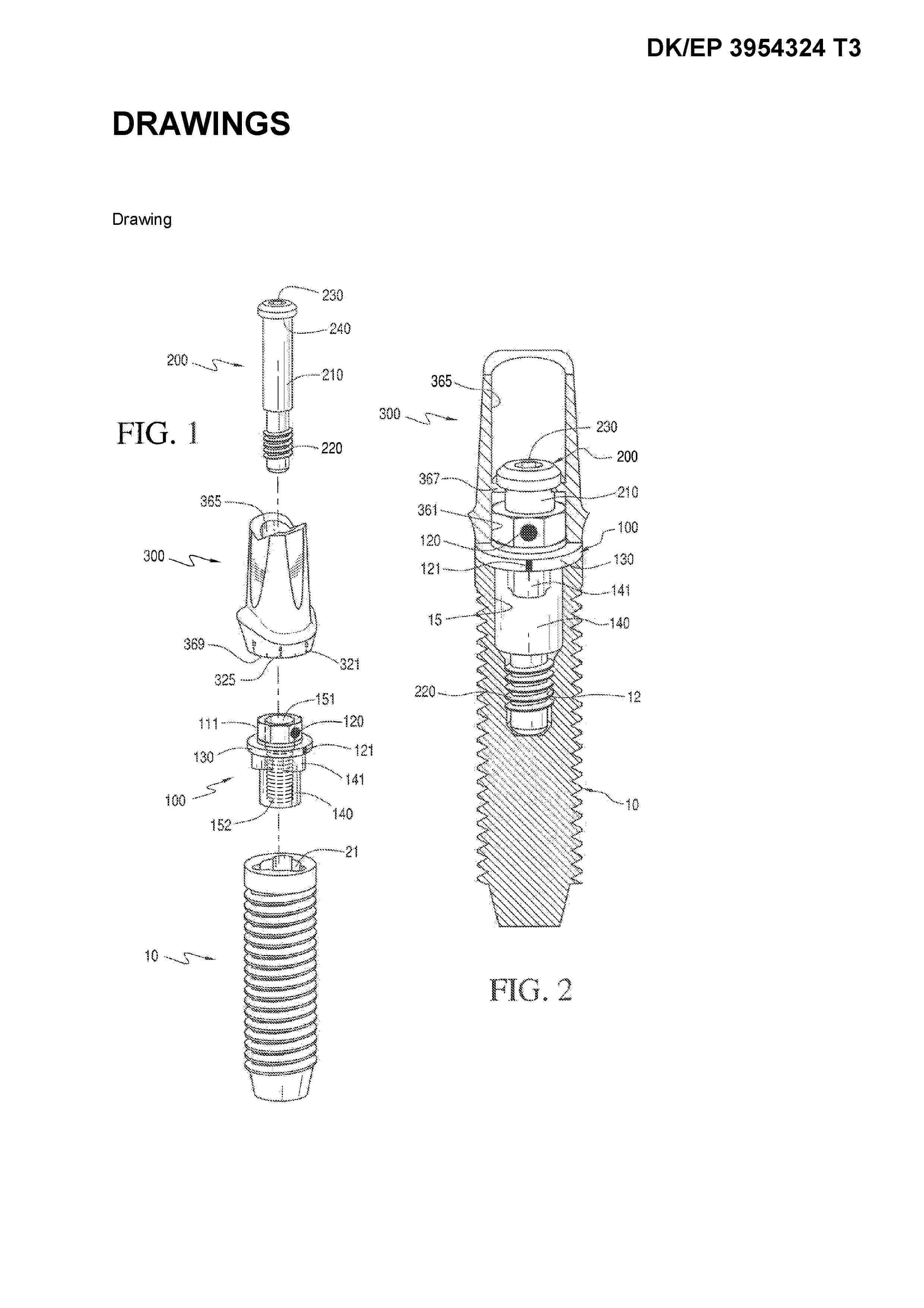
Resumen de: US2014205969A1
0001 A system for dental implant restoration is provided. It includes universal aligning adaptors and prosthetic components having co-operable indices, which together form a translational, integrating system which aligns, synchronizes, and references the prosthetic components about an implant's central axis of rotation. Rotation of an adaptor about a prosthetic component, with its reference point becoming aligned to a predetermined reference point on the prosthetic component, followed by the rotation of the adaptor/prosthetic component assembly about the implant, situates the prosthetic component in a predetermined position such that all other prosthetic components become synchronized to the adaptor's reference point. The prosthetic component is mechanical for clinical or lab bench use, or is virtual for restoration design in a software program, prior to milling prosthetic abutments or devices. Abutments, healing caps and screw access holes are realigned to preferred positions and synchronized with minimal deviation from the ideal direction.

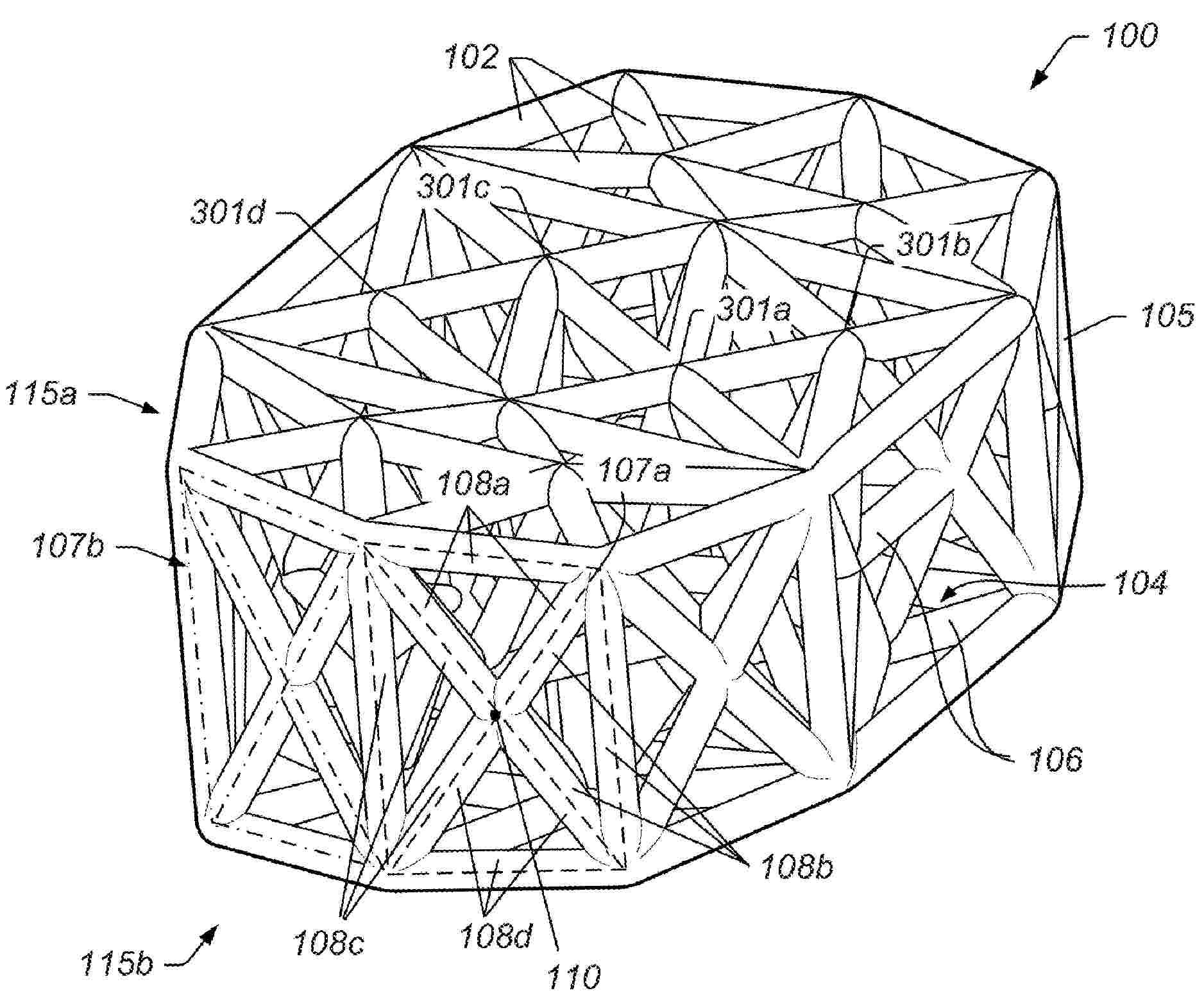
Resumen de: US20250107895A1
0000 Various embodiments of implant systems and related apparatus, and methods of operating the same are described herein. In various embodiments, an implant for interfacing with a bone structure includes a web structure, including a space truss, configured to interface with human bone tissue. The space truss includes two or more planar truss units having a plurality of struts joined at nodes. Implants are coated with, or have struts formed from, a piezoelectric material to enhance bone growth around and through the implant.
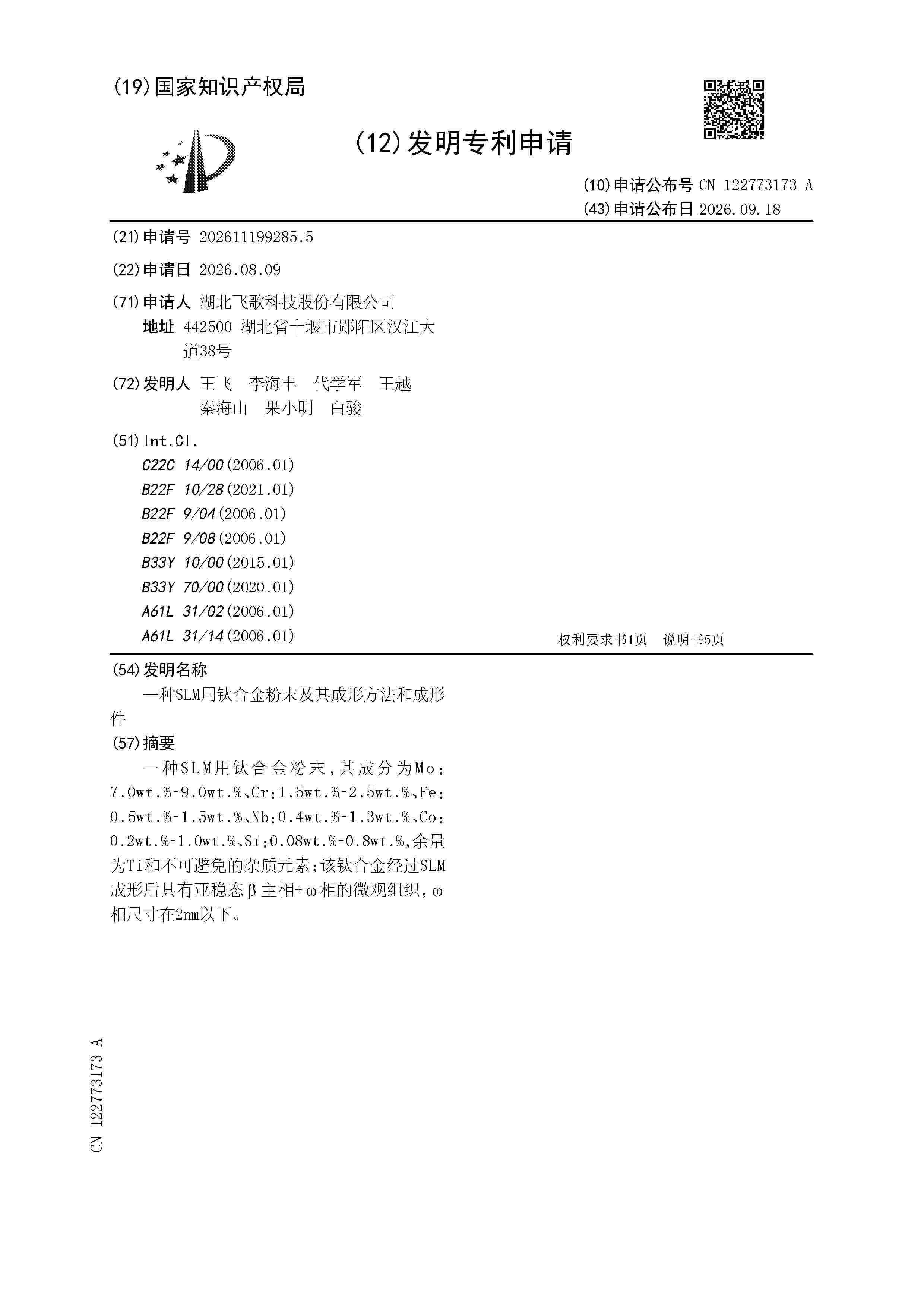
Resumen de: CN122773173A
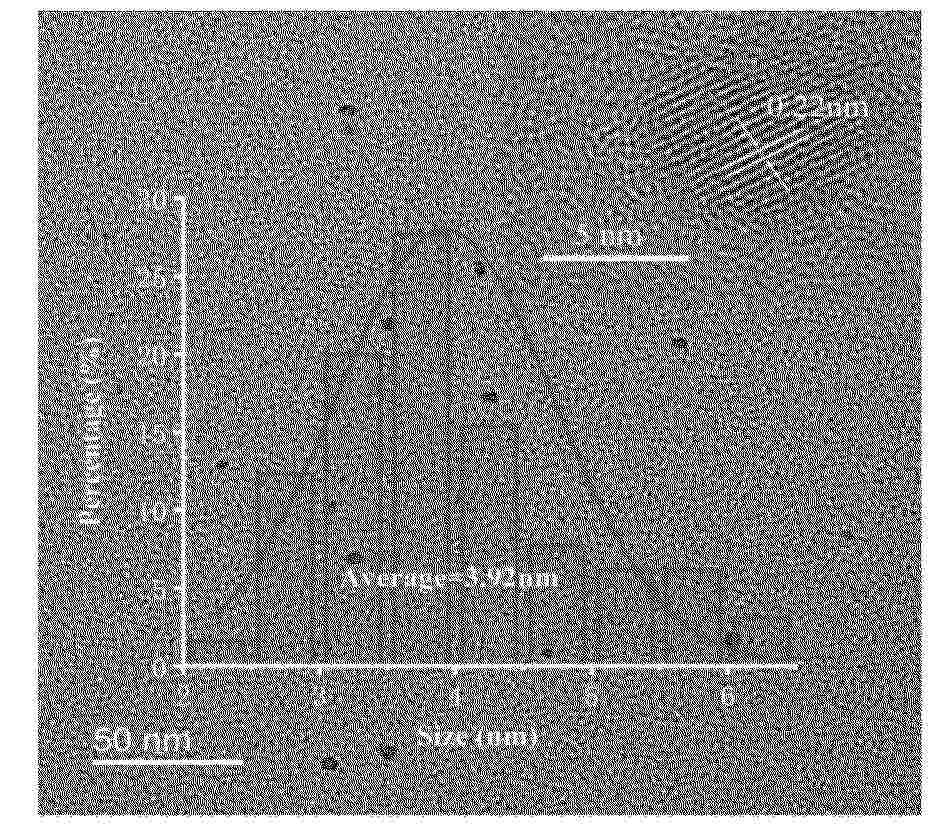
一种SLM用钛合金粉末,其成分为Mo:7.0wt.%‑9.0wt.%、Cr:1.5wt.%‑2.5wt.%、Fe:0.5wt.%‑1.5wt.%、Nb:0.4wt.%‑1.3wt.%、Co:0.2wt.%‑1.0wt.%、Si:0.08wt.%‑0.8wt.%,余量为Ti和不可避免的杂质元素;该钛合金经过SLM成形后具有亚稳态β主相+ω相的微观组织,ω相尺寸在2nm以下。
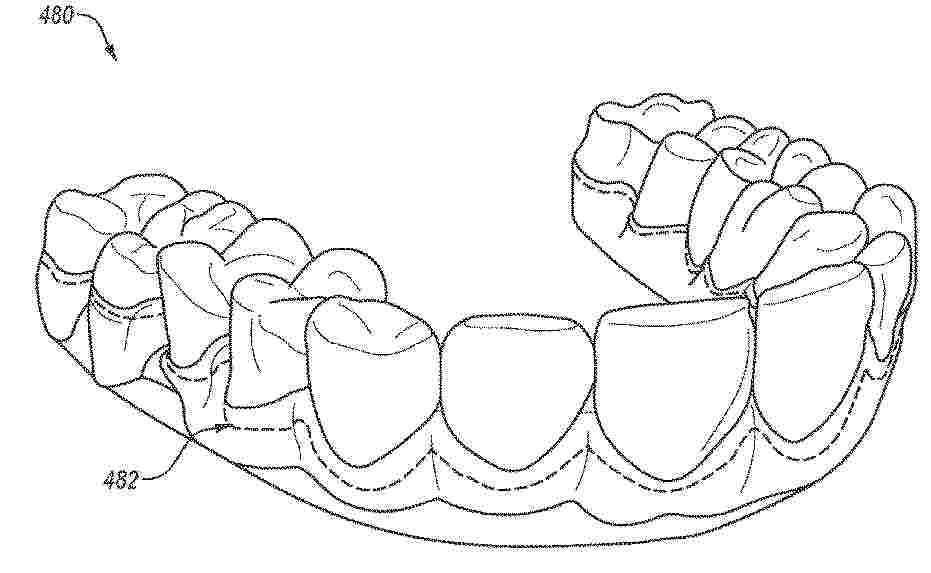
Resumen de: WO2018080829A1
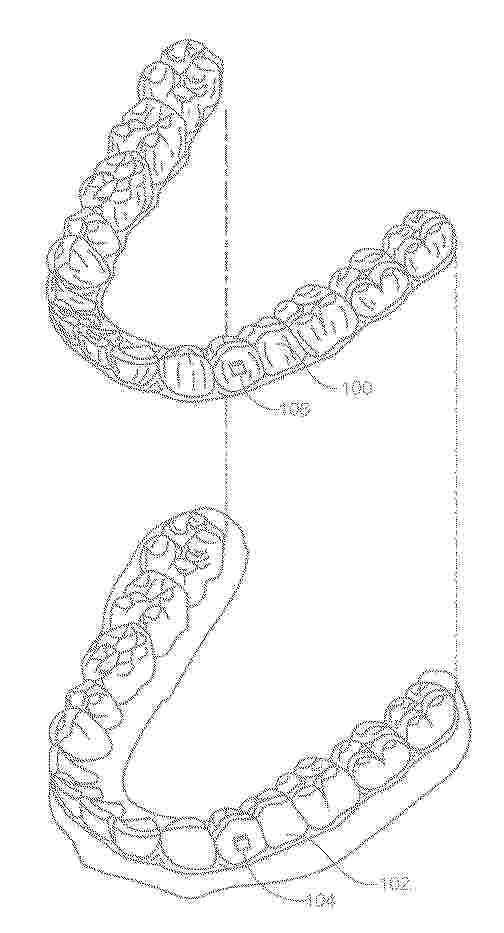
The invention relates to adding customized cut line (415, 440, 494) information to a shell that is to be formed over mold (400, 484) of a dental arch. In one embodiment, a cut line is determined for the shell. A processing device determines one or more markings for the shell that will mark the cut line (415, 440, 494). The processing device determines one or more features (486, 492) to add to the mold over which the shell will be formed that will cause the shell to have the one or more markings. The processing device generates a digital model of the mold, the digital model comprising the one or more features, wherein the digital model is usable to manufacture the mold having the one or more features.
Resumen de: CN122768041A
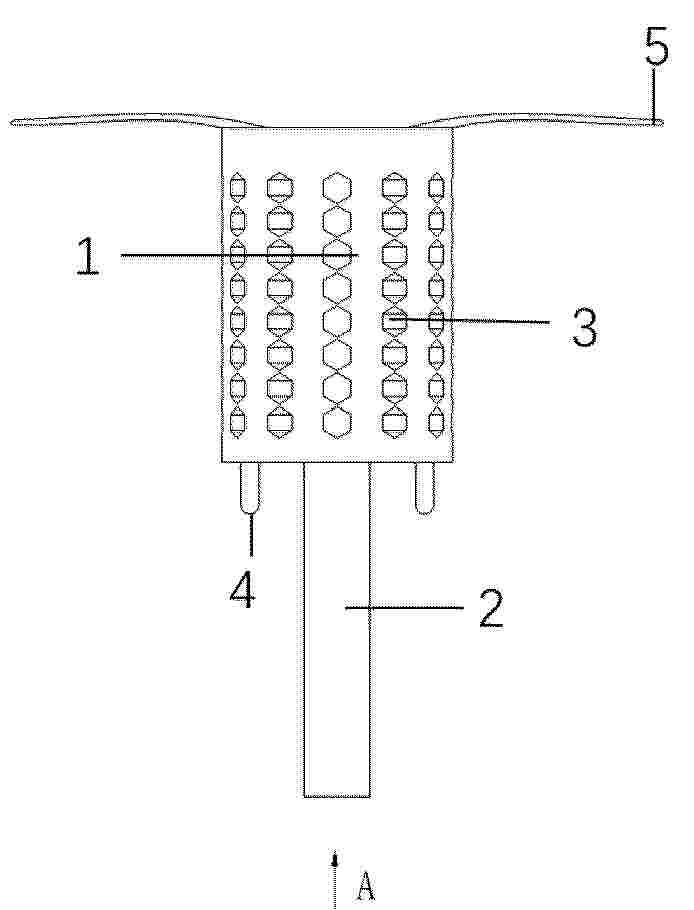
本发明公开了一种可吸收给药型节育器及其在早期子宫内膜癌治疗中的应用。该节育器由生物可吸收材料制成,包括给药主体模块、输药管模块及可折叠支撑臂模块;给药主体模块为中空圆柱结构,其侧壁为设置有多组通孔的镂空结构;输药管模块设置于给药主体模块下端并与其内腔连通;可折叠支撑臂模块设置于给药主体模块上端,用于将节育器固定于子宫腔内。该节育器可负载孕激素实现长期持续释放,通过输药管模块周期性补充PD‑L1抑制剂水凝胶,实现宫腔局部联合给药;可完全降解吸收,无需二次手术取出。该节育器可在制备用于早期子宫内膜癌治疗的宫腔给药器械中应用。
Resumen de: CN122768404A
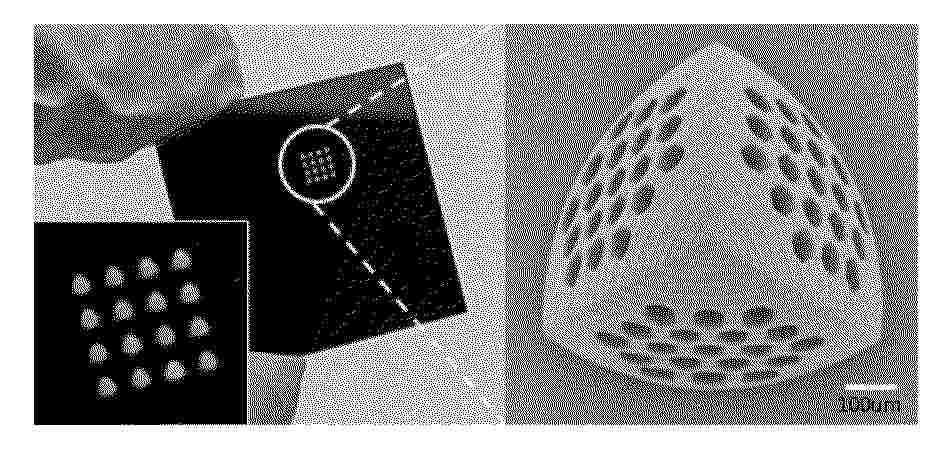
一种鲁洛四面体载药微结构及其制备方法和应用,属于生物医学领域,包括磁响应微球、载药液滴构筑、鲁洛四面体微结构以及复合组装。其中,制备表面改性的磁响应微粒并将其分散于油相中构建载药液滴体系;利用双光子三维打印构建具有空腔结构的鲁洛四面体微结构;将磁响应载药液滴引入空腔,实现结构与功能的集成;通过旋转实现亲水性药物扩散到外部,达到药物释放的效果。本发明微结构在外加磁场作用下可实现定向运动及可控释放药物,具有良好的机动性能与操控能力;同时,具有制备过程简单、结构可控性强及重复性好的优点。所制备的载药微结构能够在复杂生理环境中实现高效递送与精准释放,在靶向药物递送及生物医学工程领域具有良好的应用前景。
Resumen de: CN122768111A
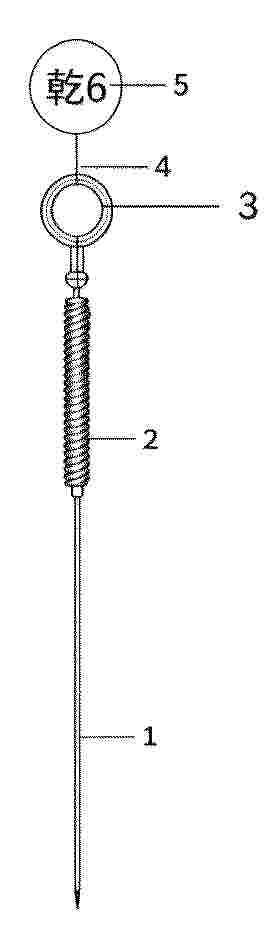
0001 本发明涉及医疗器械领域,公开了一种基于卦数穴三位一体的针灸标识器械系统及控制方法,本发明基于时空针灸公知理论体系,首次构建与该理论1:1对应的卦—数—穴唯一绑定标准化标识体系,从器械根源上实现穴位空间归属与操作时序的双重锚定,覆盖临床全品类针灸工具,同时配套标准化同序控制方法,强制规范器械布设与移除的时序一致性。本发明可将卦‑数‑穴匹配误差率降至0,布设/移除时序符合率达100%,大幅降低时空针灸的学习与操作门槛,为该疗法的标准化推广、基层普及与国际循证医学研究提供核心装备支撑。
Resumen de: CN122768037A
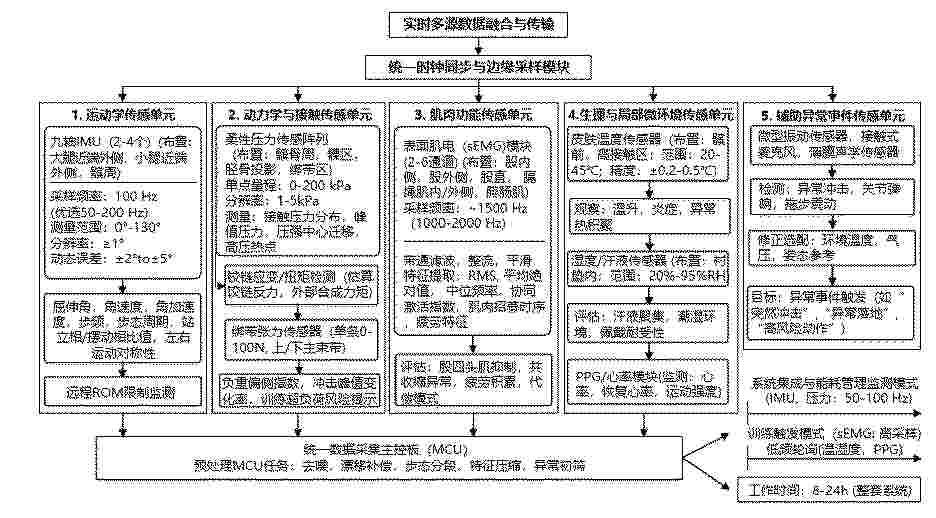
本发明涉及医疗康复与智能穿戴设备领域,公开了多模态感知与人工智能决策的个体化膝关节康复支具系统,包括闭环调控执行模块,分别与所述人工智能决策计算模块、所述角度限位执行机构和所述张力调节执行机构通信连接;所述闭环调控执行模块解析所述目标支撑参数指令,并根据所述目标张力值向所述张力调节执行机构输出第一驱动控制信号,根据所述目标限位角度向所述角度限位执行机构输出第二驱动控制信号。本发明在传统支具机械支撑基础上,实现对膝关节运动学、动力学、肌肉功能及局部耐受状态的连续感知,并根据患者个体特征和实时康复状态动态优化活动范围、负重等级、训练强度及支具支撑参数,最终形成闭环康复管理模式。
Resumen de: CN122778640A
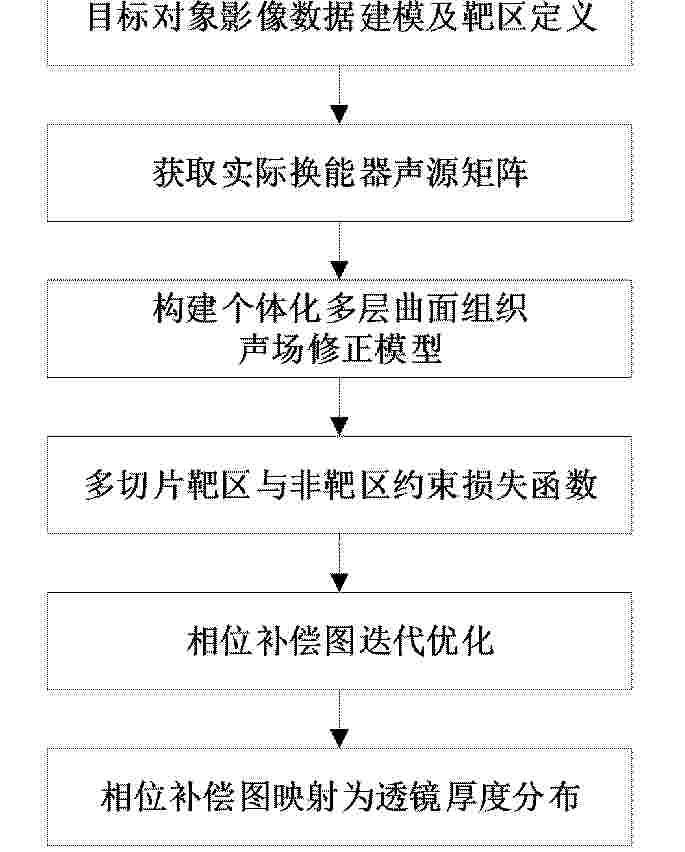
0001 一种用于个体化声场调控的声透镜逆向设计方法,属于医学超声调控技术领域。本发明解决了现有方法采用理想声源、均匀传播介质假设,难以同时约束靶区覆盖和非靶区声能泄漏,未考虑三维打印制造约束的问题。本发明将目标对象多层组织的曲面几何、声速和衰减参数转换为组织声场修正矩阵,可降低均匀介质假设造成的声场预测偏差,提高个体化组织结构与声场计算模型的匹配程度;将实验测量得到的换能器表面复声压分布作为初始声源输入,使后续声场优化更接近实际;在损失函数中引入靶区声能约束和非靶区声能惩罚以增强目标约束能力,将目标相位补偿图映射为透镜厚度分布并进行后处理。本发明方法可以用于声场调控领域的声透镜设计。
Resumen de: CN122767997A
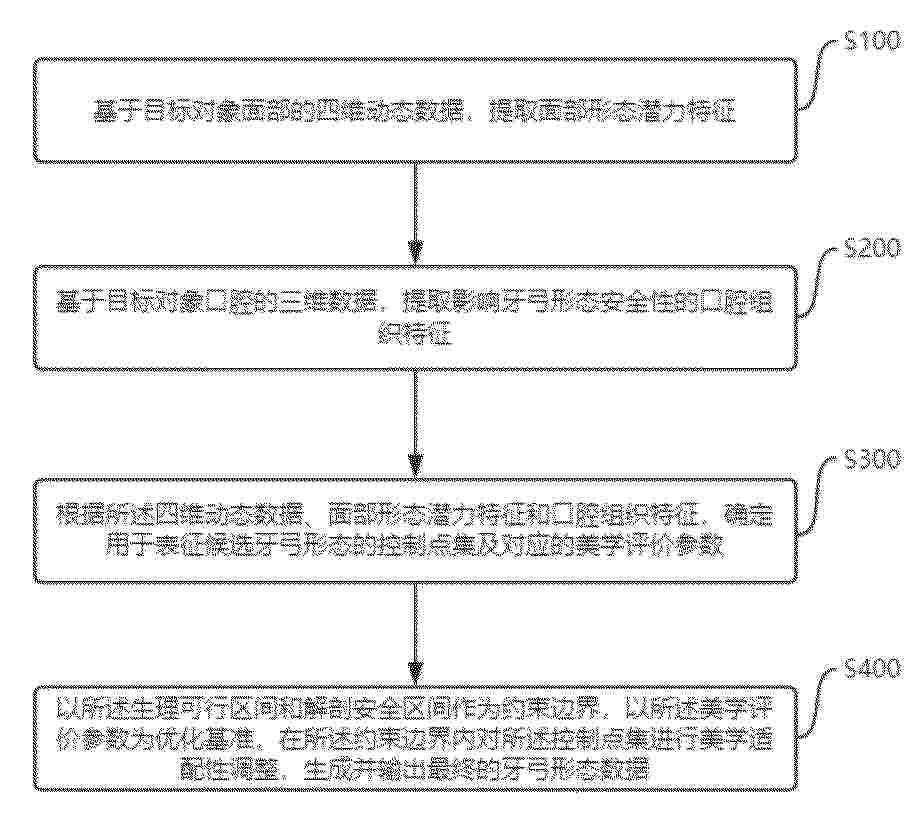
0001 本申请提供一种个性化牙弓形态生成方法、存储器及电子设备,方法包括:基于目标对象面部的四维动态数据,提取面部形态潜力特征;基于目标对象口腔的三维数据,提取影响牙弓形态安全性的口腔组织特征;根据四维动态数据、面部形态潜力特征和口腔组织特征,确定用于表征候选牙弓形态的控制点集及对应的美学评价参数;以生理可行区间和解剖安全区间作为约束边界,以美学评价参数为优化基准,在约束边界内对控制点集进行美学适配性调整,生成并输出最终的牙弓形态数据。本申请的方法,兼顾牙弓设计的个性化、安全性与美学性,实现了安全边界约束下的精准美学优化,大幅提升牙弓形态与患者个体特征的适配度。
Resumen de: CN122767798A
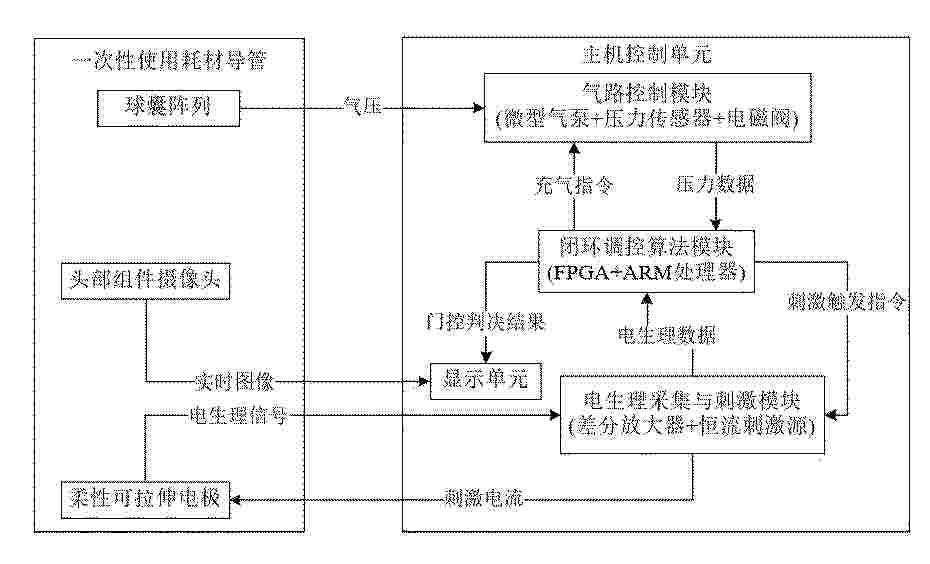
本发明公开了一种基于柔性电极的可视化肠道动力评估与神经调控系统,包括一次性使用耗材导管和可重复使用的主机控制单元;所述导管远端设有头部组件、沿轴向间隔设置的球囊阵列以及附着于各球囊外表面的柔性可拉伸电极阵列;所述柔性可拉伸电极采用蛇形结构,可直接印刷或黏贴在球囊表面,随球囊充盈而自适应贴合肠壁,用于同步检测肠道平滑肌电慢波与快波信号并传递刺激电流;所述主机控制单元包括气路控制模块、电生理采集与刺激模块及闭环调控算法模块;所述闭环调控算法模块根据各球囊通道压力峰值的时间差计算蠕动波传导速度和方向,并结合不应期估计执行门控判定,仅在满足条件时选通刺激输出,实现基于实时生理信号的智能闭环神经调控。
Resumen de: CN122767824A
本申请涉及宠物健康监测技术领域,尤其是涉及一种基于生物电阻抗与运动传感的宠物肥胖管理装置及控制方法。该装置包括智能胸背带本体和移动端应用程序,智能胸背带本体上设置有生物电阻抗测量模块、运动感知模块和呼吸监测模块三个传感器模块。生物电阻抗测量模块通过BIA干电极发射安全微电流测量体阻抗,可穿透毛发干扰准确获取体脂率数据;运动感知模块通过六轴惯性测量单元采集三维运动数据,估算卡路里消耗并识别活动类型;呼吸监测模块通过薄膜压力传感器检测腹部压力变化,获取呼吸频率并建立疲劳基线。控制方法包括体成分采集分析、运动热量估算、疲劳分析、热量抵消换算生成运动目标、完成度验证及疲劳预警干预。该装置能够解决蓬松犬种视觉误差问题,实现热量摄入与消耗的科学量化管理,并为肥胖宠物提供运动安全保护。
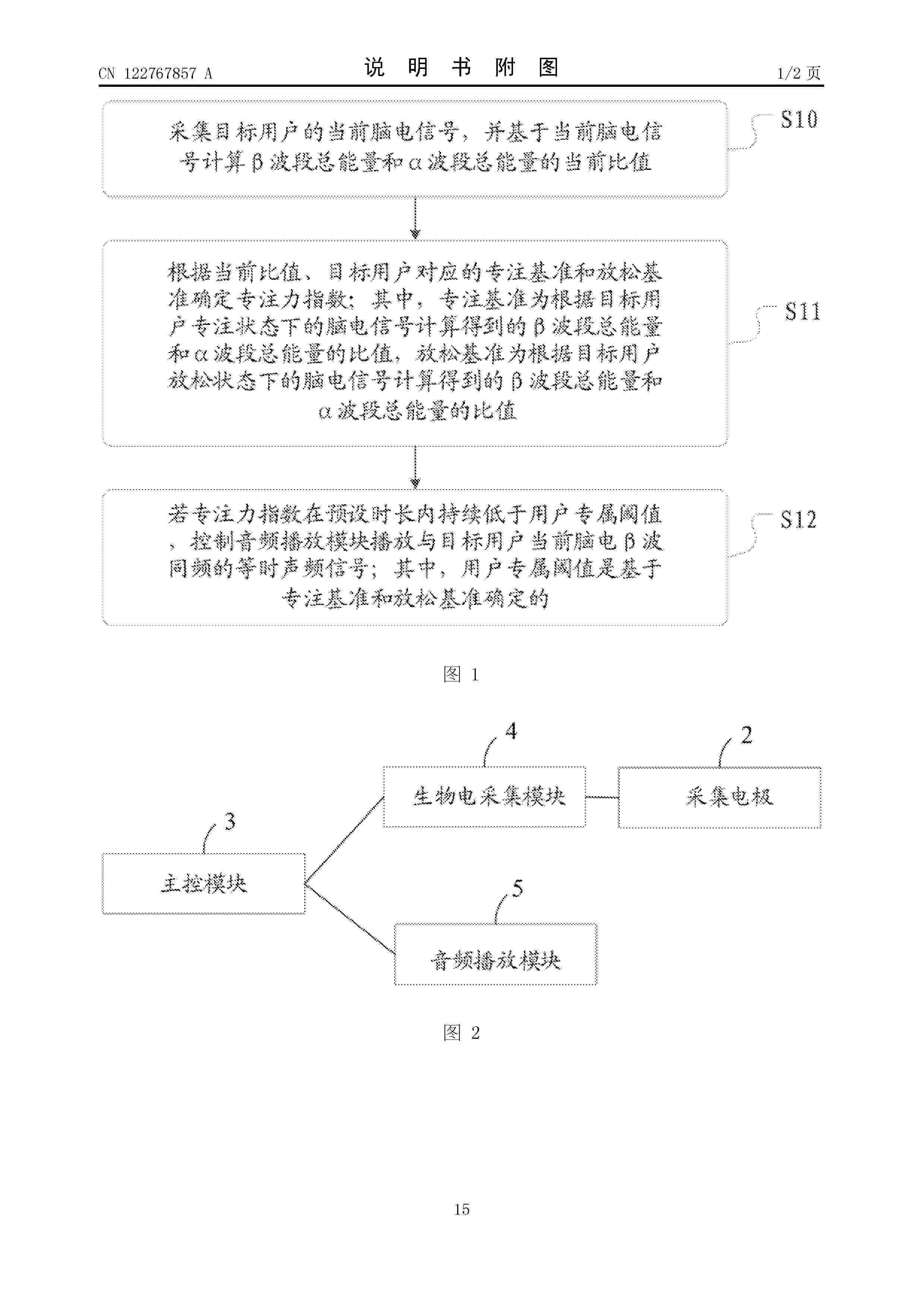
Resumen de: CN122767857A
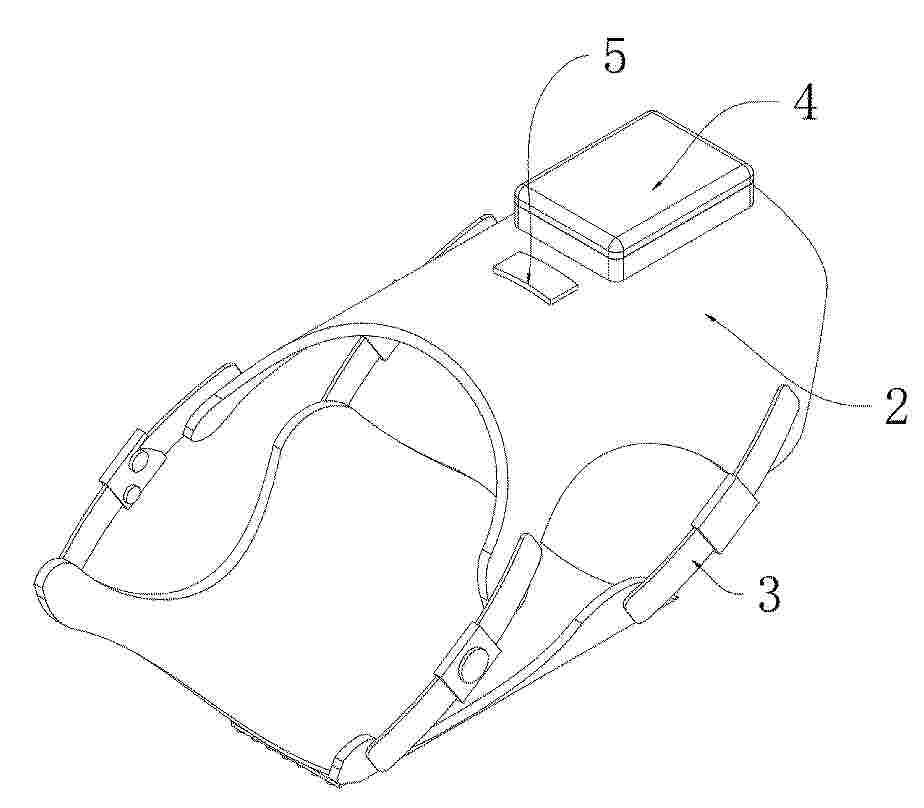
本申请公开了一种专注力监测头环及其控制方法,涉及专注力监测技术领域,专注基准和放松基准分别是根据目标用户在专注状态下和放松状态下的脑电信号计算得到的β波段总能量和α波段总能量的比值,两基准源于用户自身生理信号,反映个体脑电节律基线特征,实现个性化适配;采集目标用户当前脑电信号并计算当前比值,根据当前比值、专注基准和放松基准确定专注力指数,专注力指数相对于用户自身生理基准计算,能够提升专注力识别精度;若专注力指数在预设时长内持续低于用户专属阈值,控制音频播放模块播放与目标用户当前脑电β波同频的等时声频信号,利用听觉稳态响应引导用户脑电向专注状态所需的β波频段同步,有效避免强刺激对专注状态的扰乱。
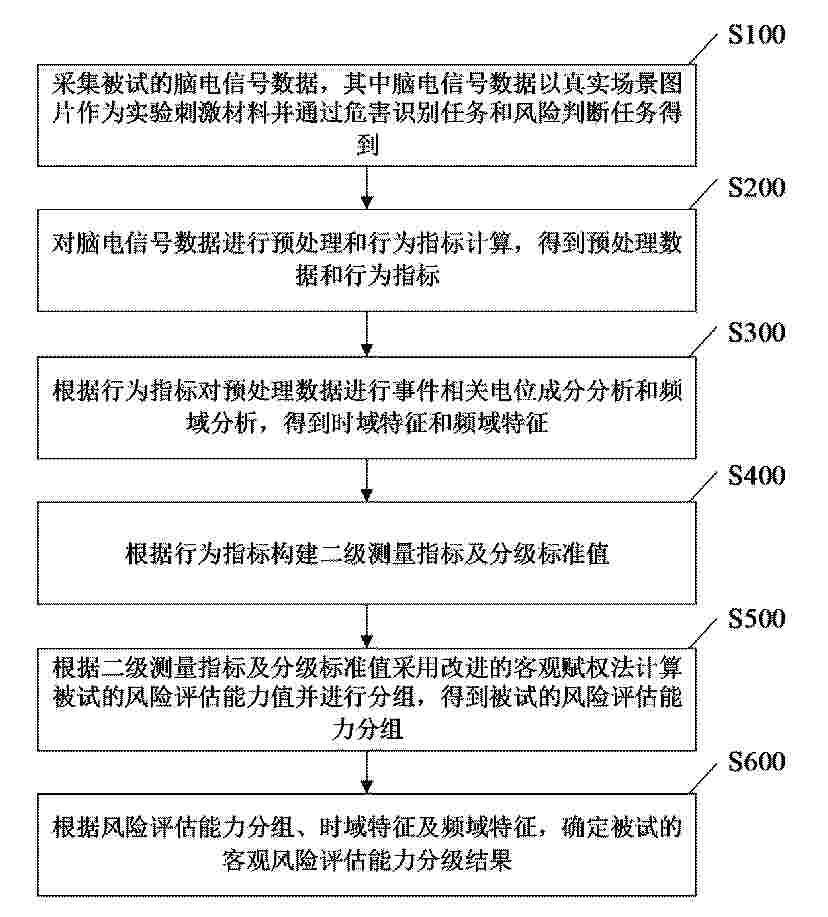
Resumen de: CN122767859A
本发明属于安全科学与工程技术领域,本发明提供了一种风险认知能力的评估方法、装置、电子设备及存储介质,其中方法包括:对脑电信号数据进行预处理和行为指标计算,得到预处理数据和行为指标;根据行为指标对预处理数据进行事件相关电位成分分析和频域分析,得到时域特征和频域特征;根据行为指标构建二级测量指标及分级标准值;根据二级测量指标及分级标准值采用改进的客观赋权法计算被试的风险评估能力值并进行分组,得到被试的风险评估能力分组;根据风险评估能力分组、时域特征及频域特征,确定被试的客观风险评估能力分级结果,根据该技术方案本发明提高了风险认知能力的评估准确性和科学性。
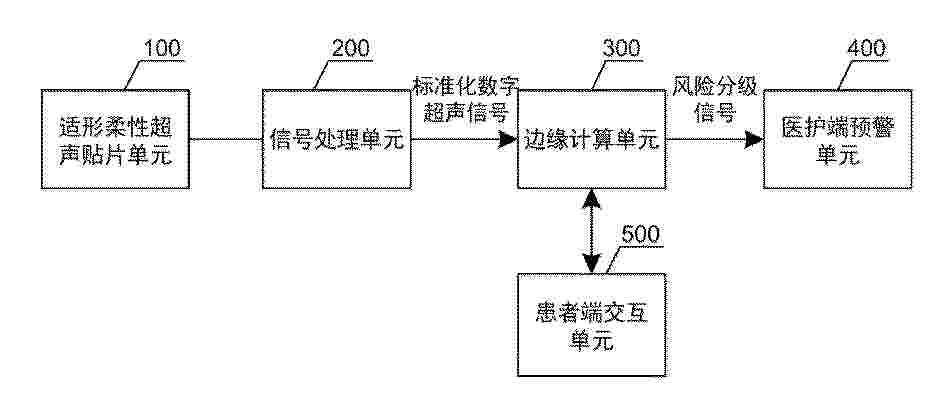
Resumen de: CN122767896A
0001 本发明公开了一种基于岛‑桥结构与边缘AI的可穿戴适形贴片超声DVT监测装置用于解决传统超声间断监测漏诊率高、刚性探头贴合性差、算法专用性不足及缺乏多参数融合研判的技术问题,该装置包括依次建立通信连接的适形柔性超声贴片单元、信号处理单元、边缘计算单元、医护端预警单元及与边缘计算单元双向通信的患者端交互单元,适形柔性超声贴片单元采用岛‑桥柔性可拉伸结构,包括由若干2×8子阵列构成的32×8总超声阵列,所述总超声阵列包括血流监测子阵列和形态成像子阵列;本发明可实现围术期卧床患者下肢深静脉血栓的24小时连续实时监测,提升成像稳定性与血栓识别准确率,实现早期精准预警,有效降低致死性肺栓塞发生风险。
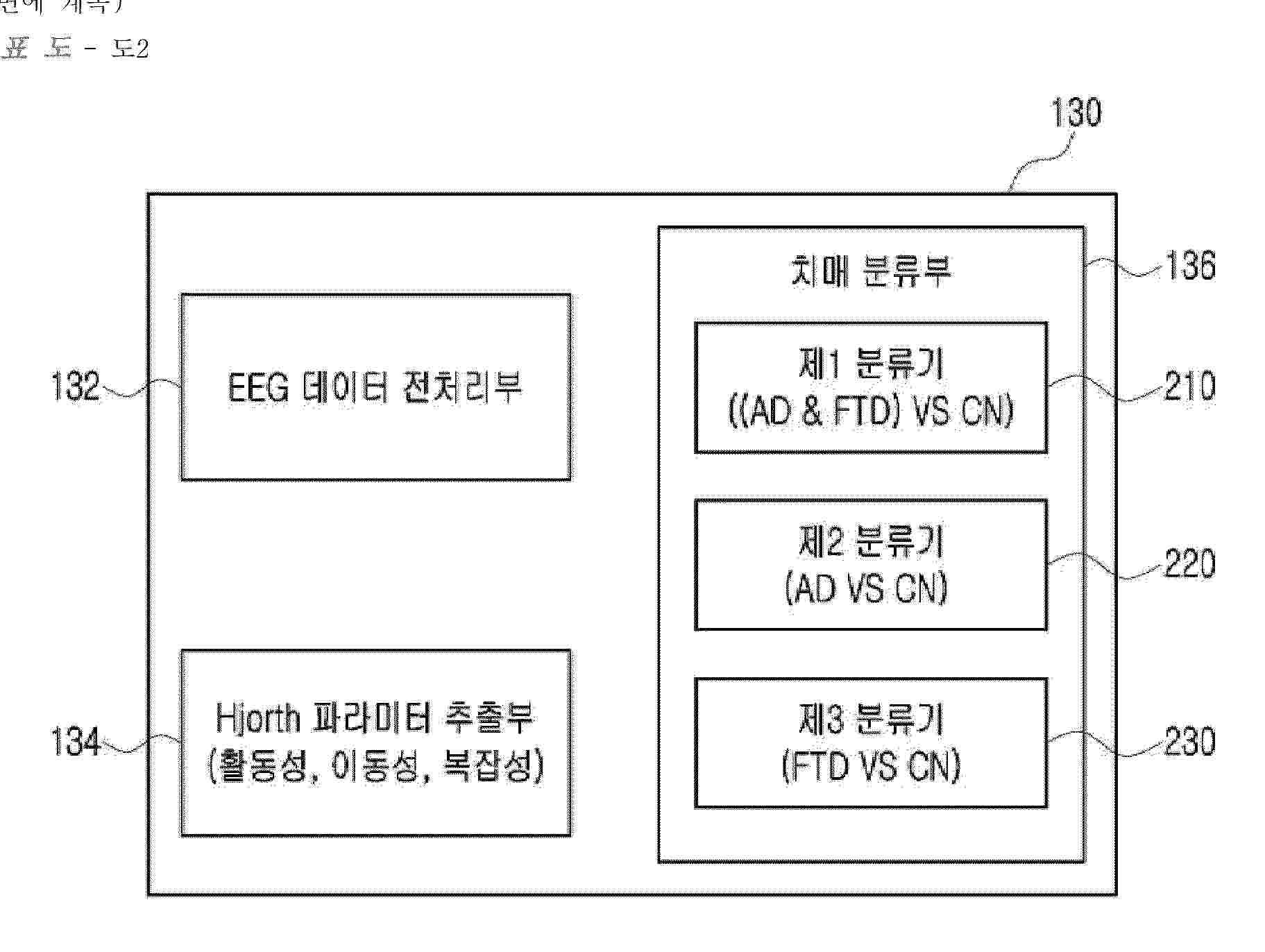
Resumen de: KR20260138056A
뇌전도(EEG) 데이터 셋의 시간 영역 분석을 통해 활동성, 이동성 및 복잡성의 3가지 주요 지표로 구성되는 Hjorth 파라미터를 사용하여 알츠하이머병(AD), 전두측두엽 치매(FTD) 및 인지 정상(CN) 대상을 분류하는 EEG 기반 치매 진단 보조 방법 및 장치와 이를 포함하는 EEG 기반 치매 진단 보조 시스템이 개시된다. EEG 기반 치매 진단 보조 장치는, 수집된 검사 대상자의 EEG 데이터 셋을 전처리하되, 수집된 EEG 데이터 셋에 대해 윈도우 길이와 이동 길이를 설정하여 시간 구간으로 분할하는 EEG 데이터 전처리부; 각 시간 구간에 대해 활동성 지표, 이동성 지표, 복잡성 지표를 포함하는 Hjorth 파라미터를 추출하는 Hjorth 파라미터 추출부; 및 추출된 Hjorth 파라미터들을 바탕으로 검사 대상자를 알츠하이머병(AD) 그룹, 전두측두엽 치매(FTD) 그룹 및 인지 정상(CN) 그룹 중 하나의 그룹으로 분류하는 치매 분류부를 포함한다. 이에 따라, EEG 데이터 셋의 시간 영역 분석을 통해 활동성, 이동성 및 복잡성의 3가지 주요 지표로 구성되는 Hjorth 파라미터를 사용하여 알츠하이머병(AD), 전두측두엽 치매(FTD) 및 인지 정상(CN) 대상을 분류할 수 있다.
Resumen de: CN122768005A
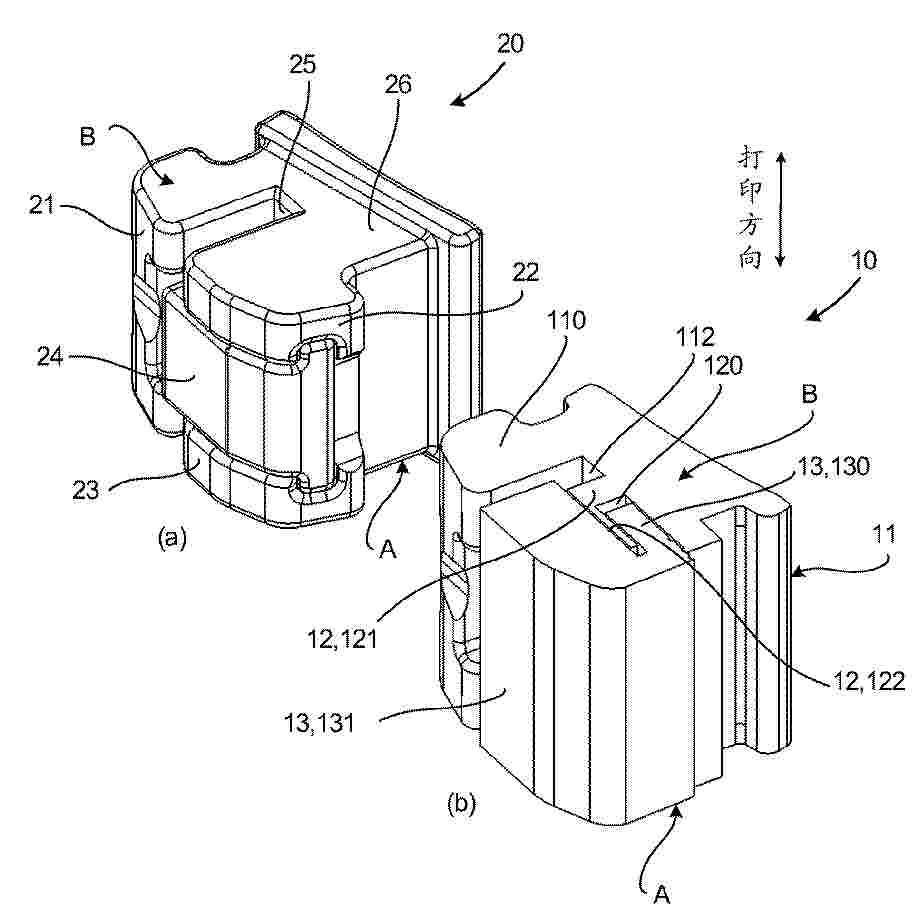
提供一种自锁正畸托槽(10),包括托槽主体(11)、滑动支撑体(12)和锁定部件(13),托槽主体(11)具有安置弓丝的弓丝槽(112)且被构造为依靠弓丝施加的约束力固定于牙齿上;滑动支撑体(12)构造于托槽主体(11)上并沿远离弓丝槽(112)的开锁方向延伸以在托槽主体(11)上形成滑槽(120);锁定部件(13)具有可沿开锁方向及其相反的闭锁方向移动的第一锁定部(130)和第二锁定部(131),第一锁定部(130)被构造为可在滑槽(120)内移动,以使第二锁定部(131)在滑动支撑体(12)上方同步移动;在闭锁方向上,当第一锁定部(130)移动至目标位置时锁紧,同时第二锁定部(131)闭合弓丝槽(112),以将弓丝有效封闭在弓丝槽(112)内。
Resumen de: CN122770267A
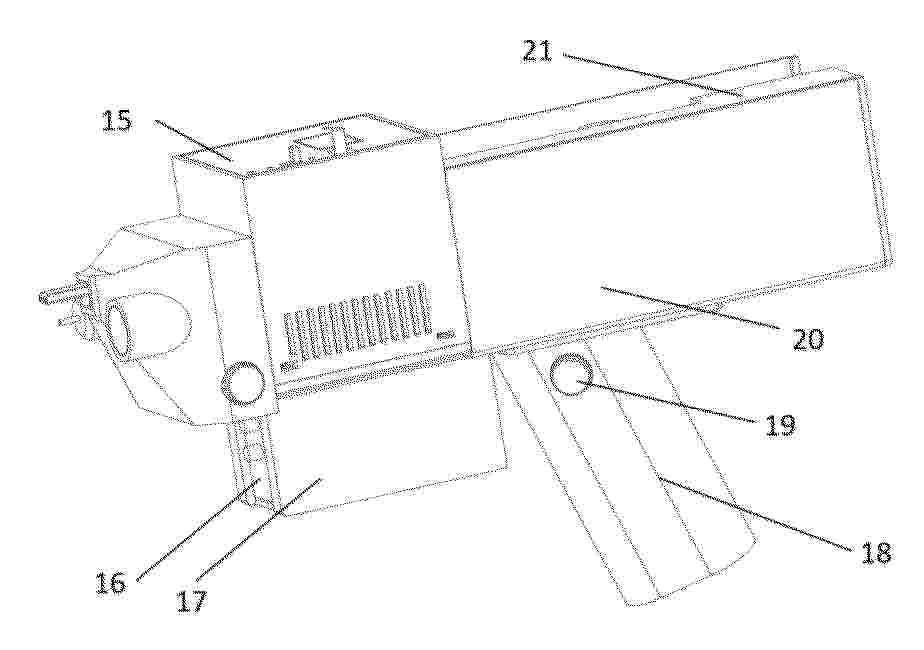
本发明属于生物制造技术领域,具体涉及一种静电纺丝/挤出打印/气喷多工艺集成手持式数字化生物打印机。本发明公开的多工艺集成手持式数字化生物打印机主要包括进给模块、温控模块、静电纺丝模块、喷涂模块、人机交互模块以及原位光交联模块。温控模块可稳定调控温敏水凝胶的凝胶化过程。静电纺丝模式可制备多种材料的纳米纤维膜。喷涂模式可实现水凝胶前驱体的快速雾化沉积和药物携载。基于原位光交联模块的挤出打印模式可实现多种水凝胶的稳定挤出与成形。人机交互模块用于打印机与智能手机无线通信,实现关键工艺参数的设置与精准出料控制,从而保障多模式切换与连续构建的稳定性。
Resumen de: CN224762020U
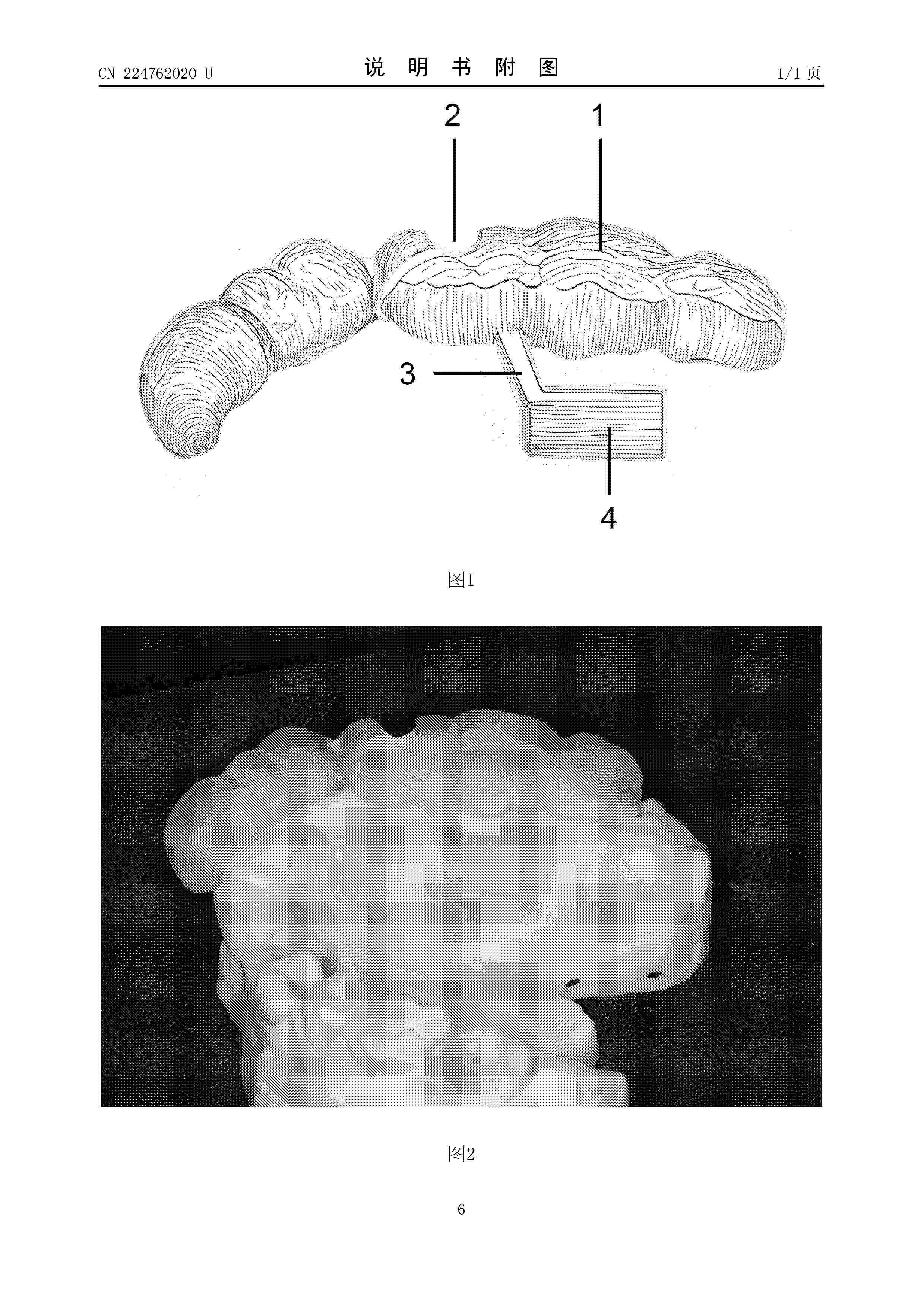
本实用新型公开一种口腔软组织取瓣导板,包括通过连接杆固定连接的定位板和指示板,定位板为基于患者口腔定制的类牙套结构,与取瓣区域附近的预设牙列适配,定位板上设有至少一个用于观察定位板是否就位的就位检查窗,指示板与口腔供瓣区域黏膜贴合,其大小及形状与取瓣大小及形状一致。本实用新型用于辅助取瓣,操作方便。
Resumen de: WO2025147626A1
The present disclosure provides novel oligomer compounds (e.g., non-polar oligomers) that can produce desirable polymeric materials (e.g., with polar reactive diluents), polymer compositions, and/or photo-curable resins that have excellent stain resistance. Further provided herein are methods of producing polymerizable compositions, resins, devices, and polymeric materials. Also provided herein are methods of using polymerizable compositions, resins, and polymeric materials for the fabrication (e.g., via 3D printing) of medical devices, such as orthodontic appliances with increased stain resistance.
Resumen de: US2022296386A1
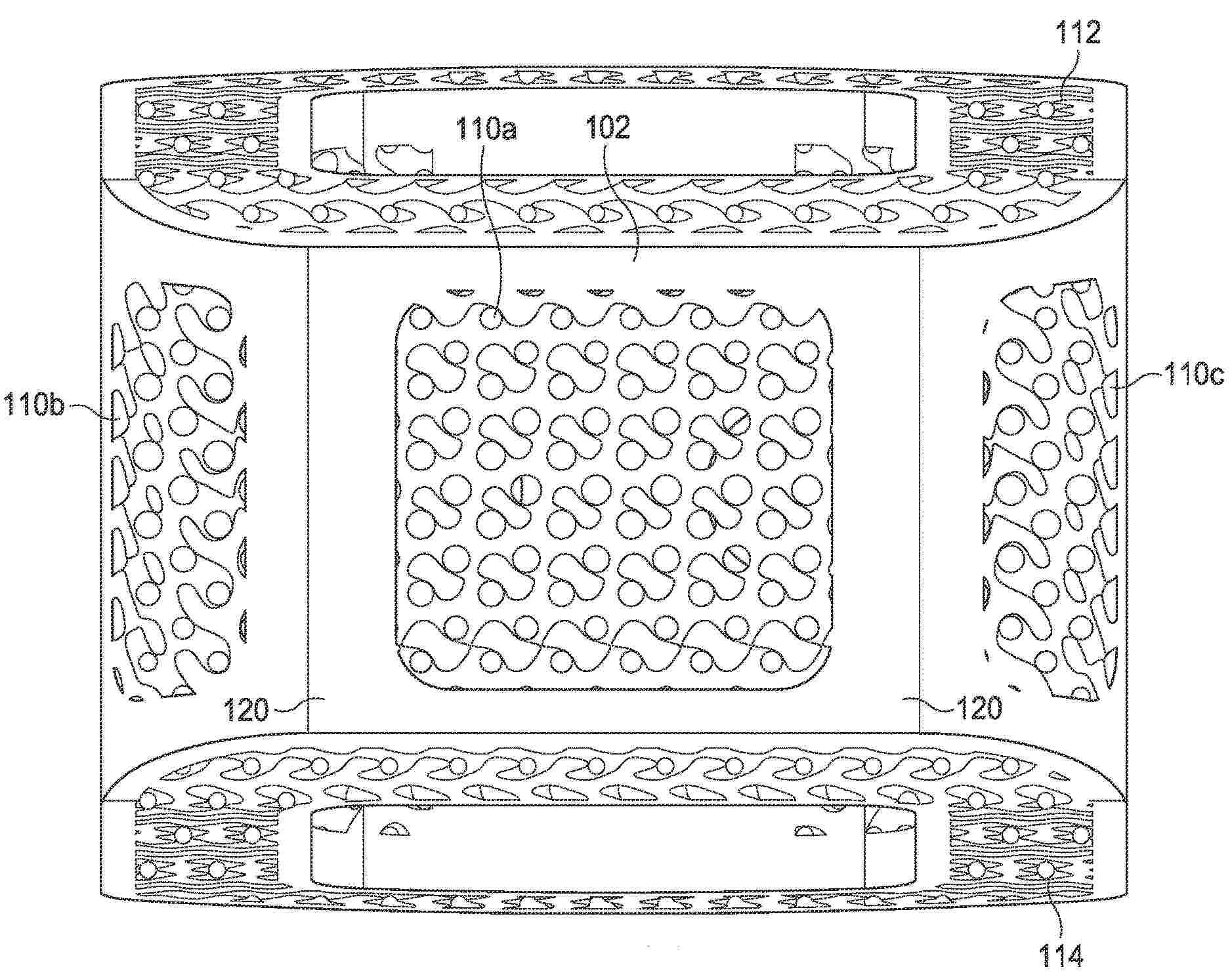
An interbody device configured for insertion between adjacent vertebrae includes a body comprising and exterior surface and an interior surface defining a cavity. The body comprises a visualization window extending between the exterior surface and the interior surface, where the visualization window comprises a lattice of radiopaque structures. A density of the lattice in a central region of the visualization window is less than in the density of the lattice in an outer region of the visualization window such that the visualization window is radiolucent through the central region.
Resumen de: CN122771368A
本发明提供了一种怀地黄碳点及其制备方法和应用,属于中药碳量子点技术领域。本发明采用水热法将怀地黄制备为碳量子点,显著提高了怀地黄药物的水溶性和生物利用度;怀地黄碳点可保留母体药物的药理活性,这使得碳点本身不再是惰性的载体,而是具备内在药理活性的治疗主体,其生物相容性和治疗靶向性相比于传统中药更优;并且怀地黄碳点通过纳米尺寸效应可精准靶向。进一步,本发明通过制备氮掺杂怀地黄碳点,其荧光性能优于未氮掺杂怀地黄碳点,并且自由基清除能力也显著提升。本发明制备的怀地黄碳点/氮掺杂怀地黄碳点在制备防治顺铂肾毒性、骨髓抑制毒性药物中具有显著的防治效果且无副作用。
Resumen de: US20260275299A1
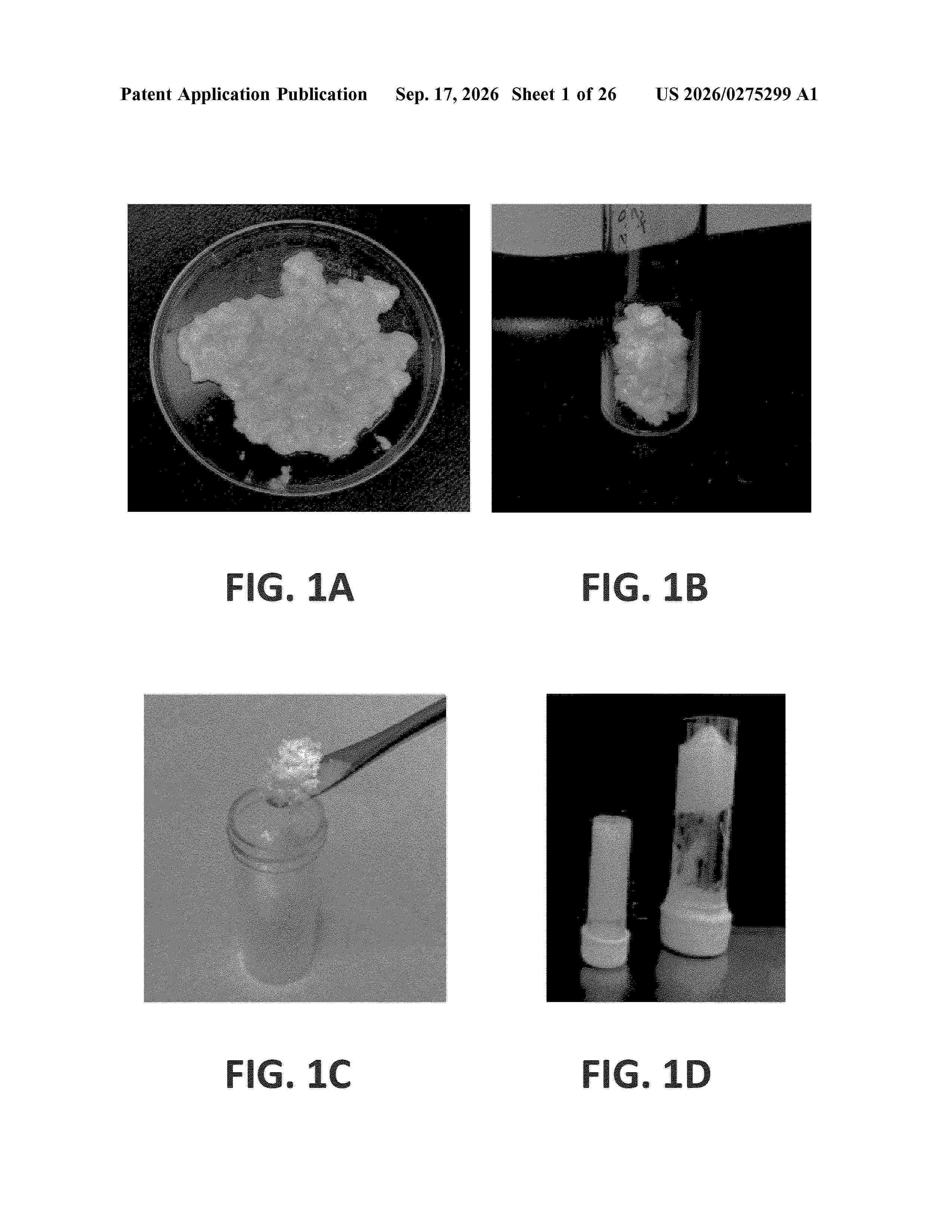
The present invention relates a bioprinted three-dimensional tumor model which is able to reproduce the cellular heterogeneity, the spatial architecture, and the tissue-specific ECM of the tumor microenvironment. In addition, the invention refers to a process for preparing such three-dimensional tumor model, to methods for testing anticancer drugs as well as to the use of the tumor model in developing personalized medicine and developing new therapies based on the understanding of the in vitro tumor progression.
Resumen de: AU2026223304A1
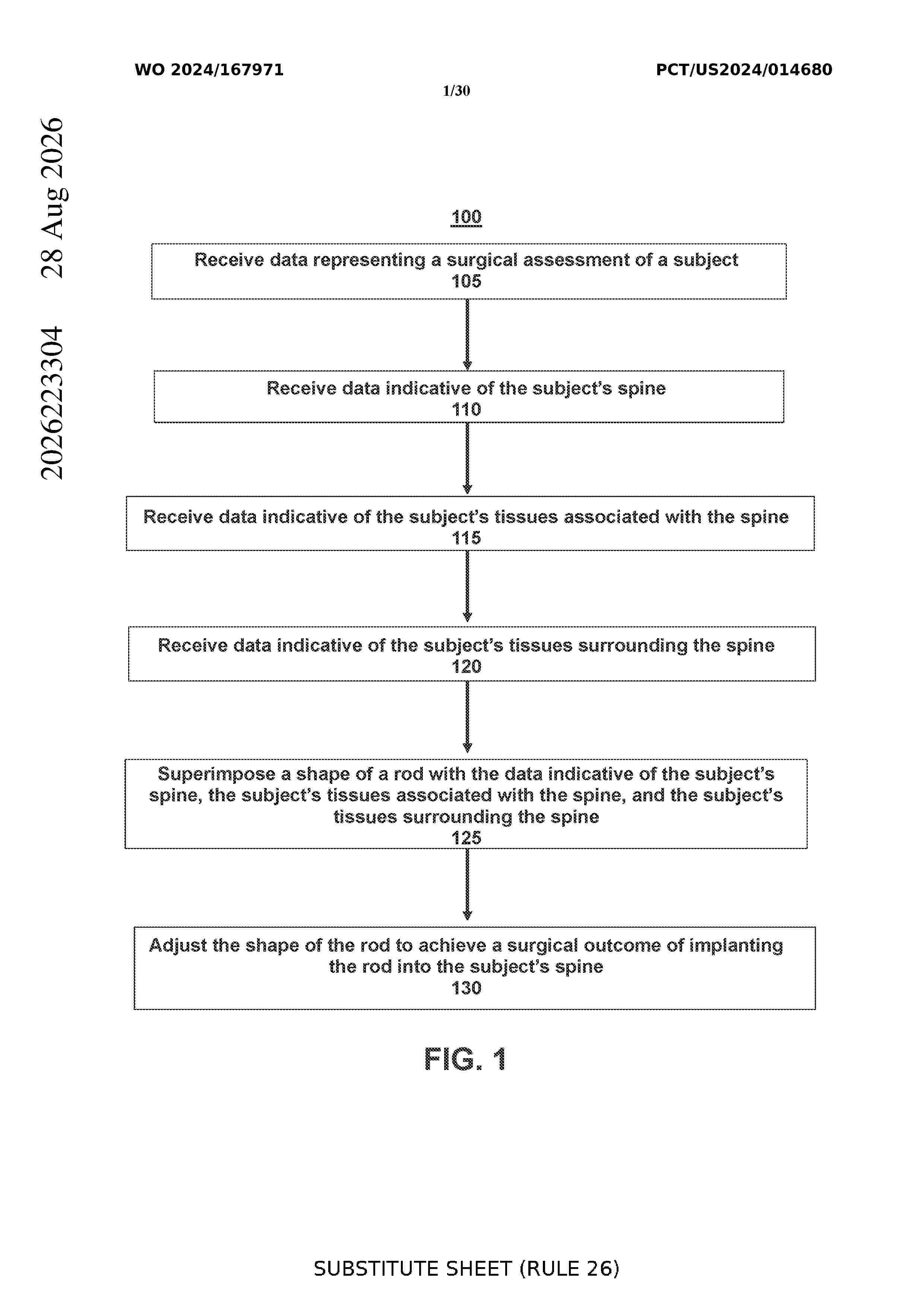
Abstract Machine learning techniques are disclosed for making of spinal fixation rods and other custom orthopedic implants with preferred, long-term surgical outcomes, each implant with a shape predicted by multiple layers of trained convoluted neural networks, mainly for use in a spinal surgery on a subject's spine. The rods provide predictable long-term outcomes for the patients. The rods include a curvature that is matched to the features of matching a unique curvature of the subject's spine; matching a preferred outcome from a large data set of improved patients; and matching a machine learning algorithm for two or more tulip head screw position markings on the rod operative to ensure an execution of a surgical plan following the rod's established contour. The implants can be configured in a kit ready for use by a surgeon in a surgical procedure. Abstract WO 2024/167971 PCT/US2024/014680 Receive data representing a surgical assessment of a subject yy Receive data indicative of the subject’s spine Receive data indicative of the subject’s tissues associated with the spine Receive data indicative of the subiect’s tissues surrounding the spine Superimpose a shape of a rod with the data indicative of the subject’s spine, the subject’s tissues associated with the spine, and the subject’s tissues surrounding the spine Adjust the shane of the rod to achieve a surgical outcome of implanting the rod into the subject's spine SUBSTITUTE SHEET (RULE 26) wo 2024/167971 ug u
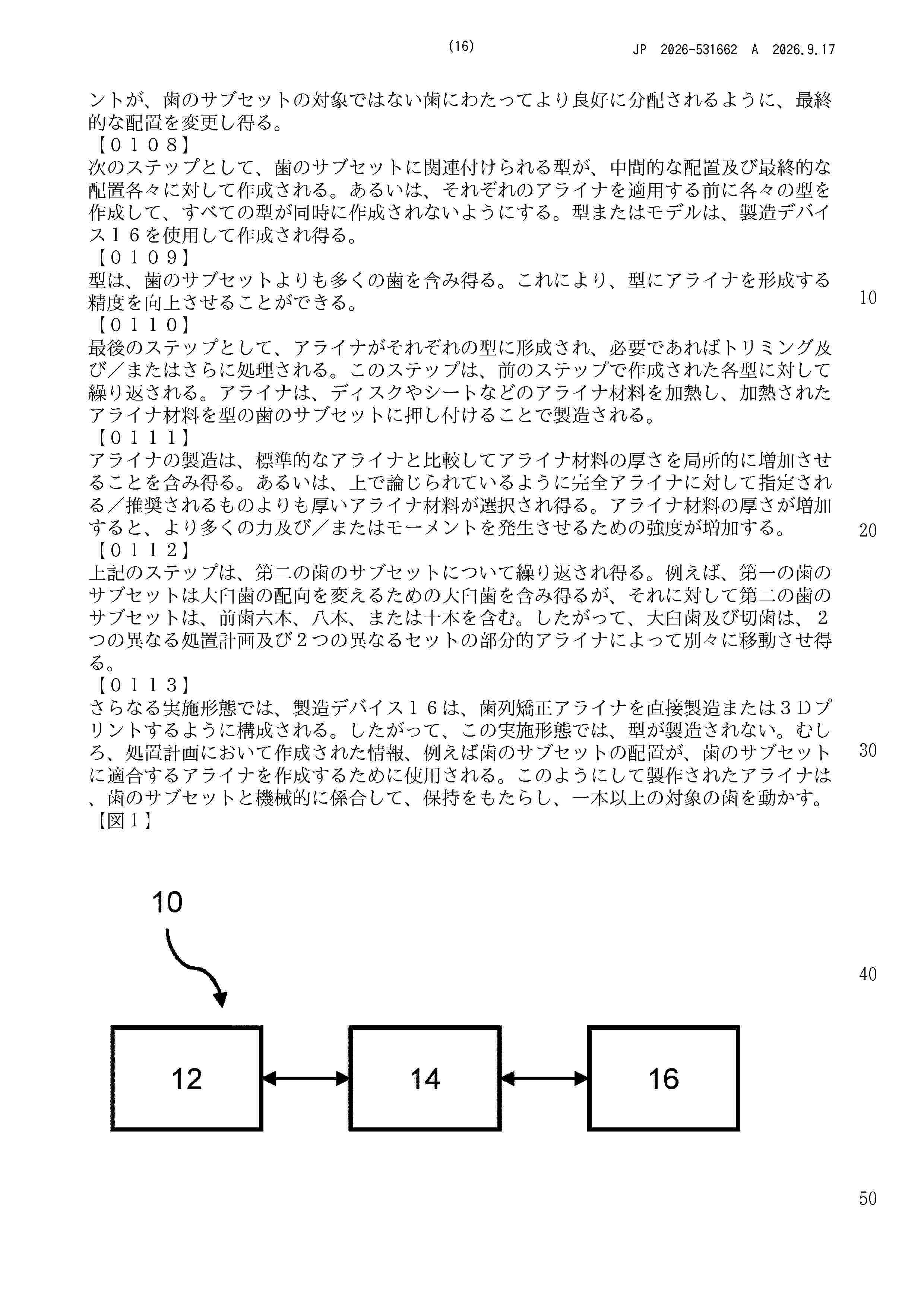
Nº publicación: JP2026531662A 17/09/2026
Solicitante:
ビタウェア・リミテッド
Resumen de: WO2025056156A1
A method of manufacturing an orthodontic aligner which includes gathering a digital representation of an initial arrangement of at least a subset of adjacent teeth of a patient's jaw and manufacturing the orthodontic aligner which covers the subset of teeth. The method includes (a) gathering a digital representation of an initial arrangement of a least a subset of adjacent teeth of a patient's jaw; (b) preparing a treatment plan which comprises at least one arrangement for the subset of teeth; and (c) producing the orthodontic aligner based on the subset of adjacent teeth for the at least one arrangement. The aligner covers only a subset of teeth.
 BOPI
BOPI
 Sede Electrónica