Si deseas distinguir tus productos, servicios o ambos de los de otra empresa, es posible que necesites una marca o nombre comercial. Descubre qué son, en qué consiste su procedimiento de registro y qué implica.

Información sobre los plazos de presentación de solicitudes de transformación de marcas de la Unión Europea en marca nacional española. Más información


Si tienes un nuevo dispositivo, producto o procedimiento que resuelva un problema técnico o tenga una ventaja práctica, existen distintas formas de protegerlo en España y en otros países. Descubre cómo hacerlo.

¿Tu innovación reside en la estética, la ornamentación o la apariencia de tu producto? Protégela mediante un diseño industrial. Descubre qué derechos confiere el registro y cómo realizar la tramitación.

Las indicaciones geográficas protegen el nombre de un producto originario de una zona geográfica, a la cual le debe una determinada calidad, reputación u otra característica. Descubre qué son, en qué consiste su procedimiento de registro y qué beneficios conceden.

Las patentes publicadas en todo el mundo son una valiosa fuente de información científica, técnica y comercial.

Si eres emprendedor/a o una empresa y quieres potenciar y mejorar la rentabilidad de tu negocio protegiendo de forma adecuada los activos intangibles de tu organización, en este espacio encontrarás lo necesario.


 568
resultados
568
resultados
 Última actualización
17/10/2026 [07:24:00]
Última actualización
17/10/2026 [07:24:00]


 Resultados 350 a 375 de 568

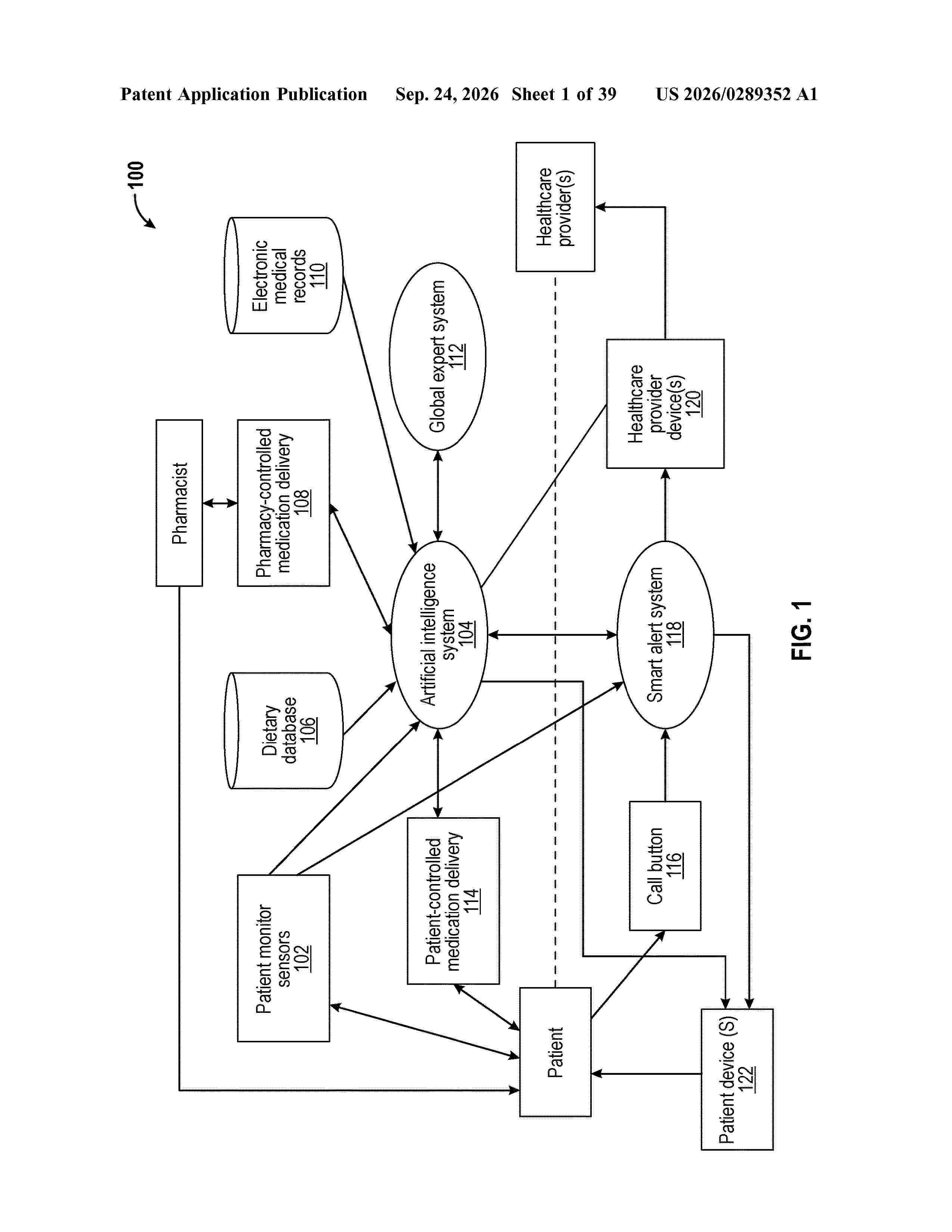
Resumen de: US20260289352A1
Optimizing and/or personalizing activities to a user through artificial intelligence and/or virtual reality.

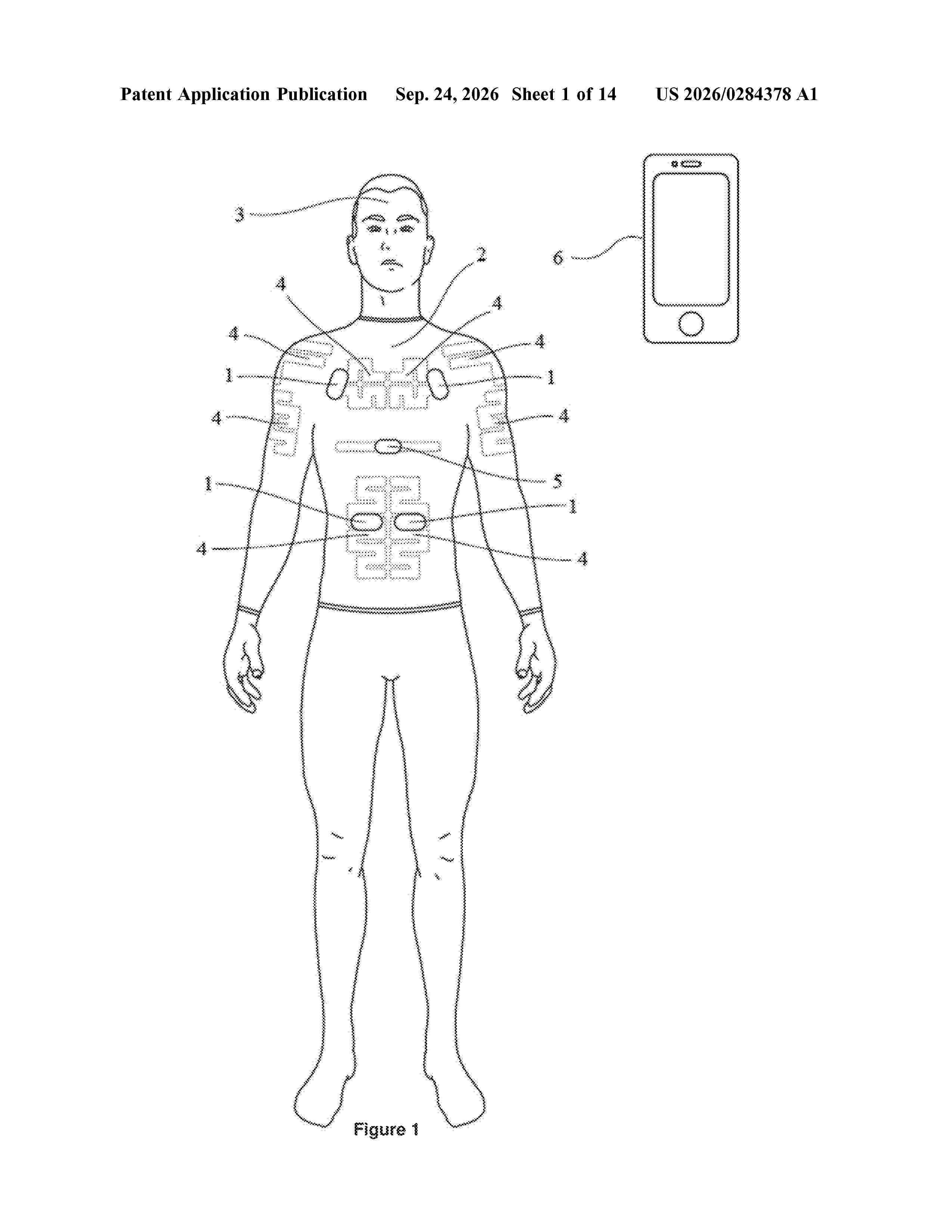
Resumen de: US20260284378A1
0000 A system for providing wireless electrical stimulation to muscles and nerves for the treatment of medical and non-medical conditions. The electrical stimulation is delivered to the stimulated object (individual) by small neuromuscular electrical stimulation devices attached to wearable supports featuring electrically conductive material rendered on the inside and acting as electrodes. The control of the electrical stimulation devices is provided by a dedicated
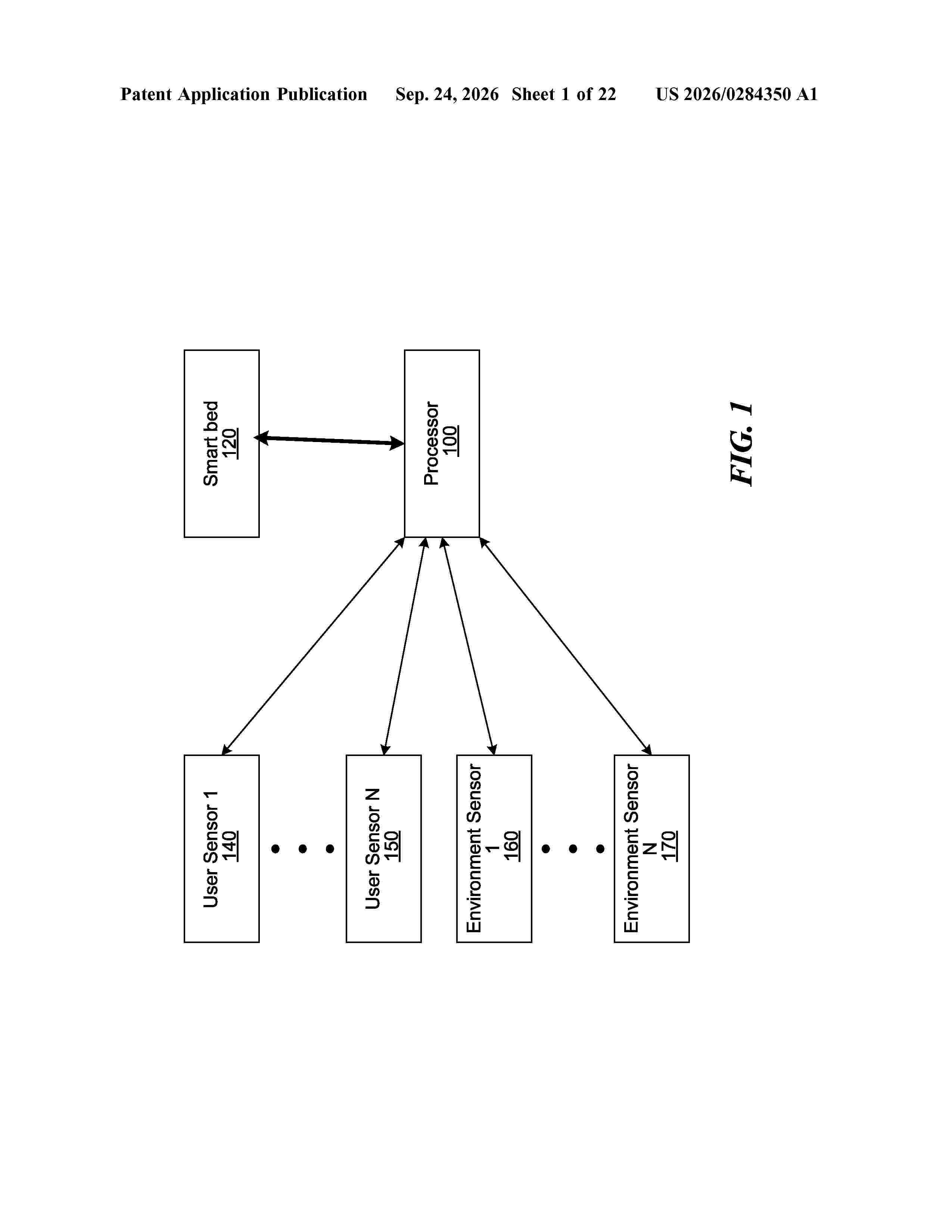
Resumen de: US20260284350A1
0000 Introduced are methods and systems for an adjustable bed device configured to gather biological signals, analyze the gathered biological signals, determine a sleep phase, and heat or cool a bed. The bed device includes a piezo electric strip attached to a sensor strip that is horizontally arranged across the bed.
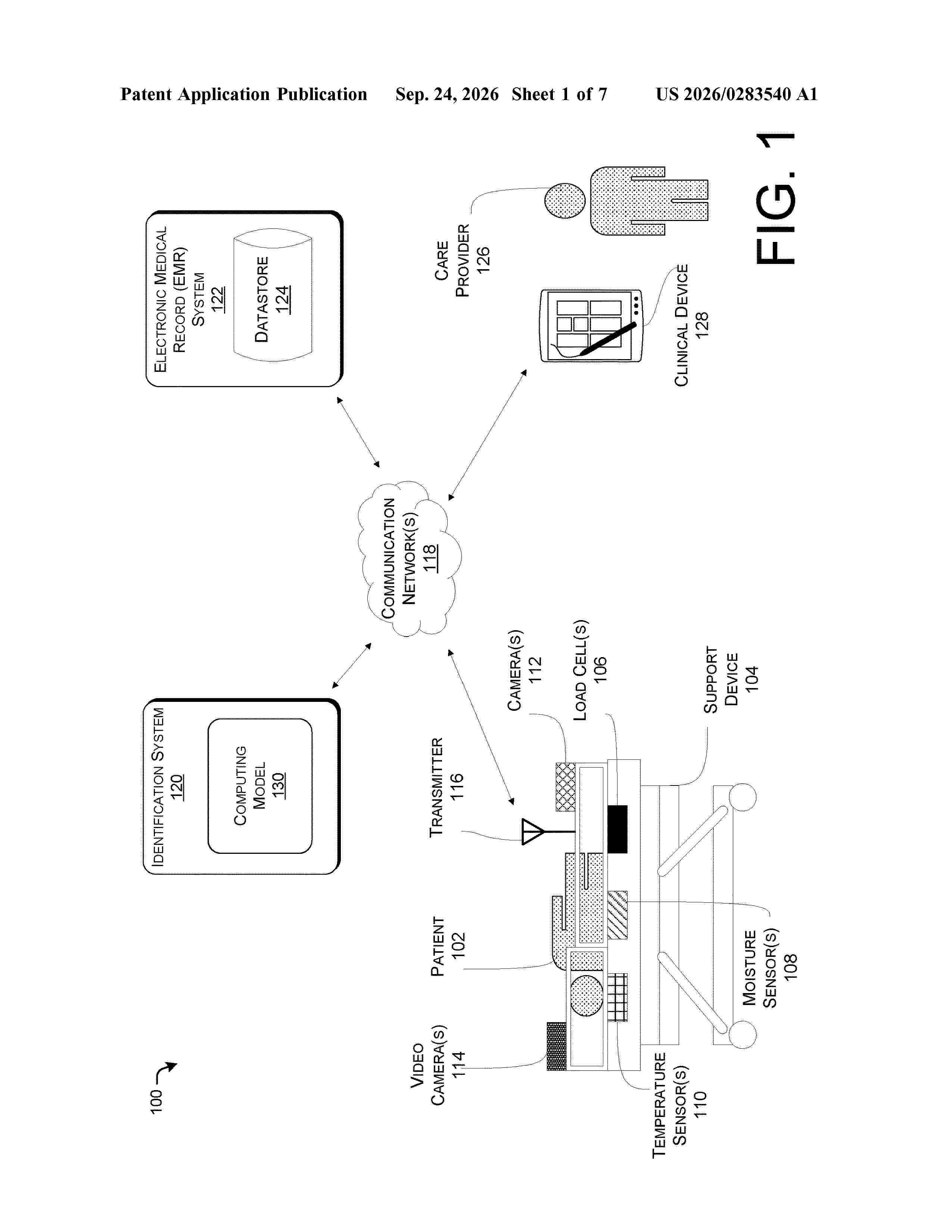
Resumen de: US20260283540A1
0000 Various systems, devices, and methods for predicting and identifying root causes of pressure injuries in a clinical environment are described. An example method includes identifying, based on an electronic medical record (EMR) of a patient, that the patient has an injury; receiving, from one or more sensors, sensor data indicating one or more parameters of the patient; determining, based on the sensor data, at least one root cause of the injury; and transmitting, to an external computing device, a report indicating the at least one root cause of the injury.
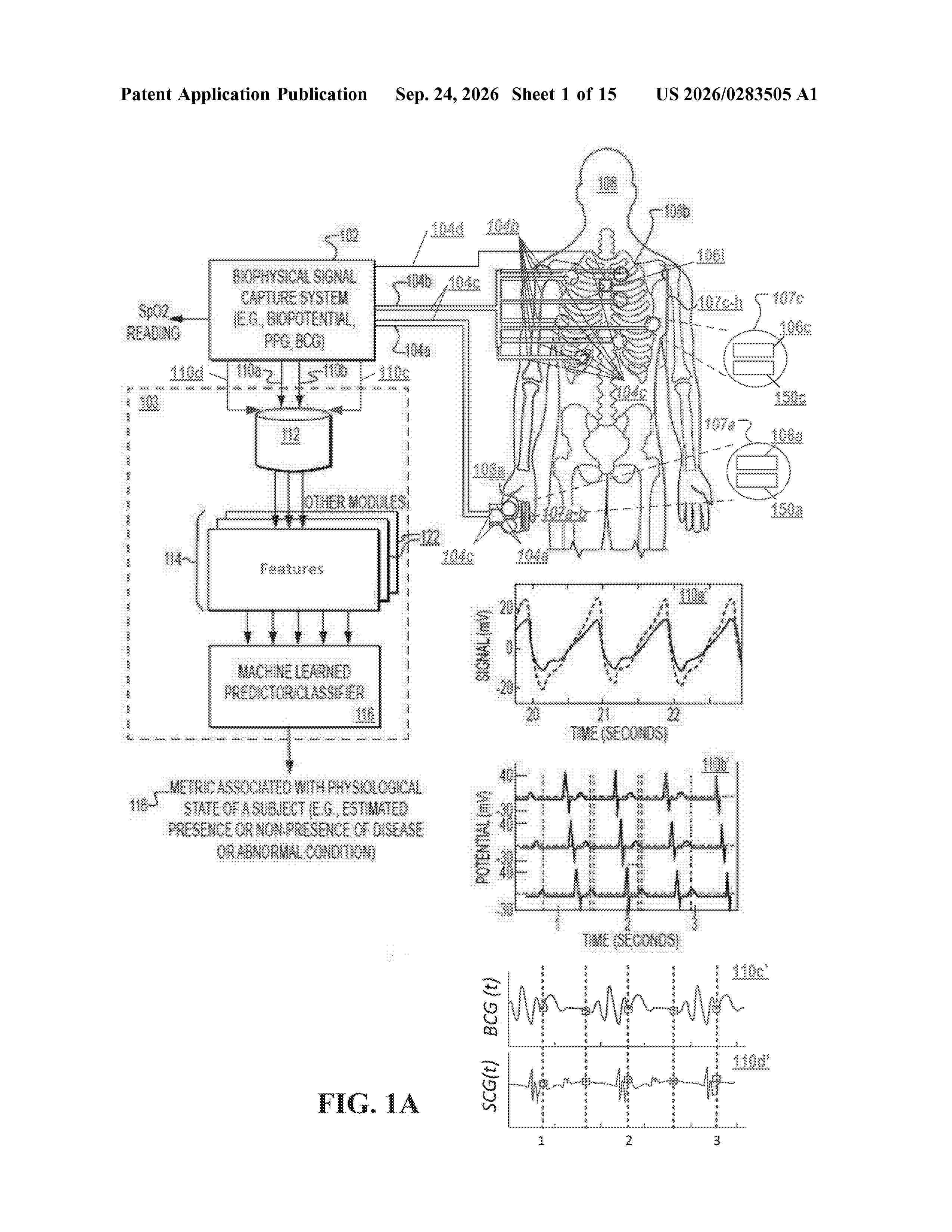
Resumen de: US20260283505A1
The exemplified methods and systems (e.g., machine-learned systems) facilitate the acquisition of ballistocardiographic signals and the determination and use of ballistocardiographic signal related features, or parameters, in a model or classifier to estimate metrics associated with the physiological state of a subject, including for the presence or non-presence of a disease, medical condition, or indication of either. The estimated metric may be used to assist a physician or other healthcare provider in diagnosing the presence or non-presence and/or severity and/or localization of diseases, medical condition, or indication of either or in the treatment of said diseases or indicating conditions. In some embodiments, certain ballistocardiographic signals can also be used to remove motion artifacts from biophysical signals used for the estimation.
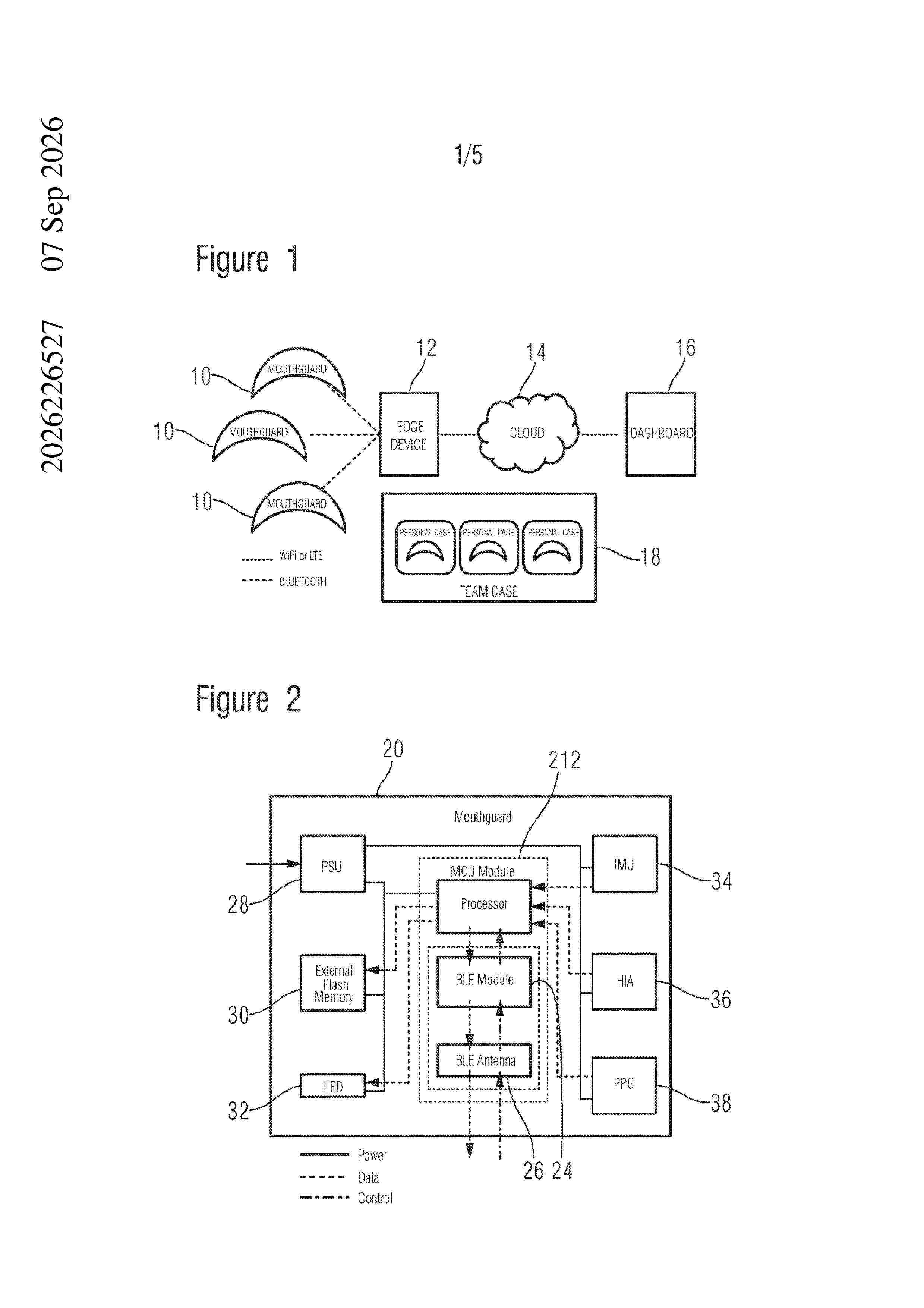
Resumen de: AU2026226527A1
A mouthpiece for a fitness tracking and/or monitoring system, the mouthpiece comprising a retainer member shaped and configured to be worn, in use, within a user's mouth, the retainer member being formed of at least two layers of elastomeric material having a physiological sensor therebetween. 5 ep e p Figure 1 10 MOUTHGUARD CLOUD DASHBOARD 10 MOUTHGUARD PERSONAL CASE PERSONAL CASE PERSONAL CASE WiFi or LTE 18 Figure 2 Mouthguard PSU MCU Module 28 Processor External Flash BLE Module HIA Memory 36 BLE Antenna Power Data 26 24 Control ep e p
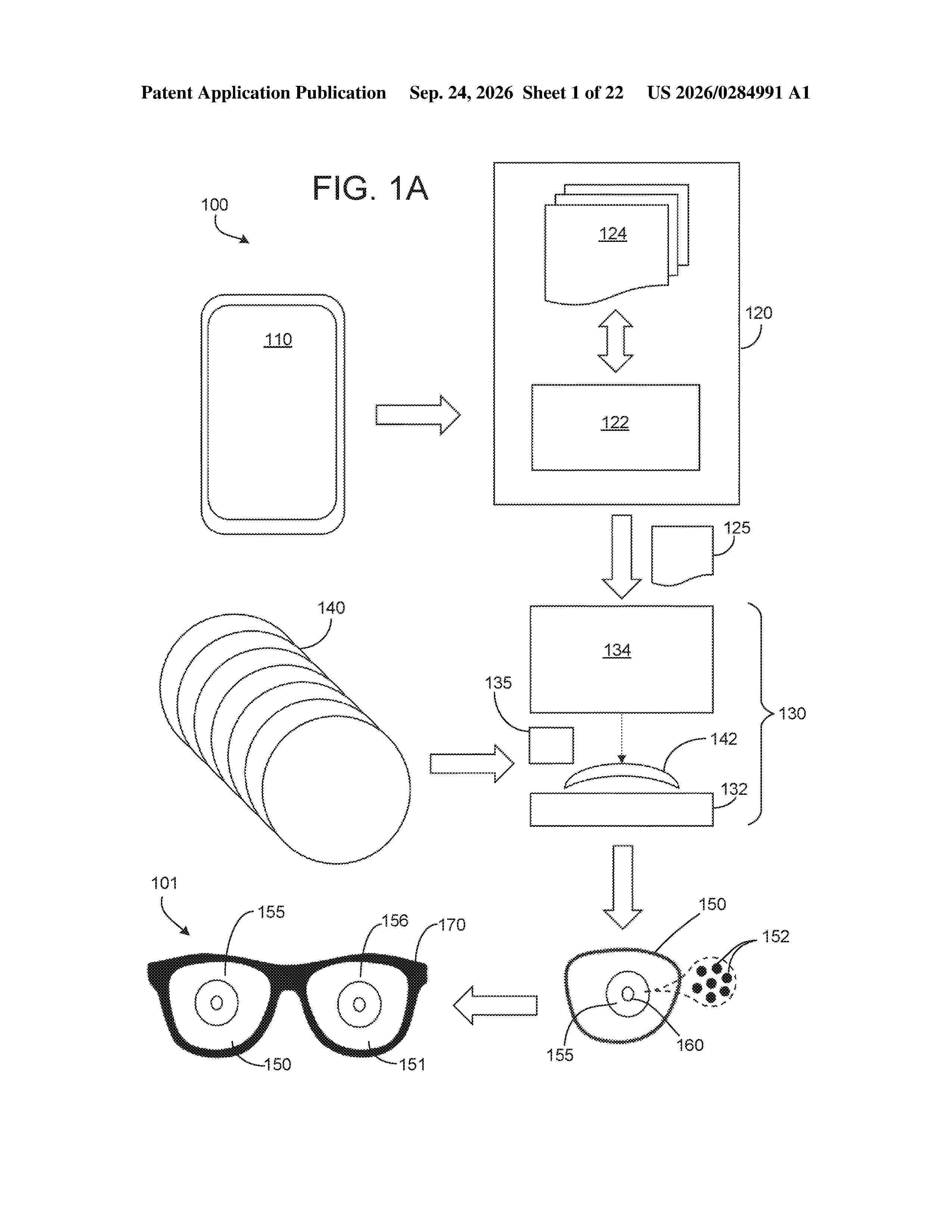
Resumen de: US20260284991A1
0000 Ophthalmic lenses and method of manufacturing ophthalmic lenses are disclosed. The lenses are manufactured with markers for aligning the lenses in a particular rotational alignment with respect to a specific frame. The lenses can also be provided with scattering parts for defocus to prevent myopia.
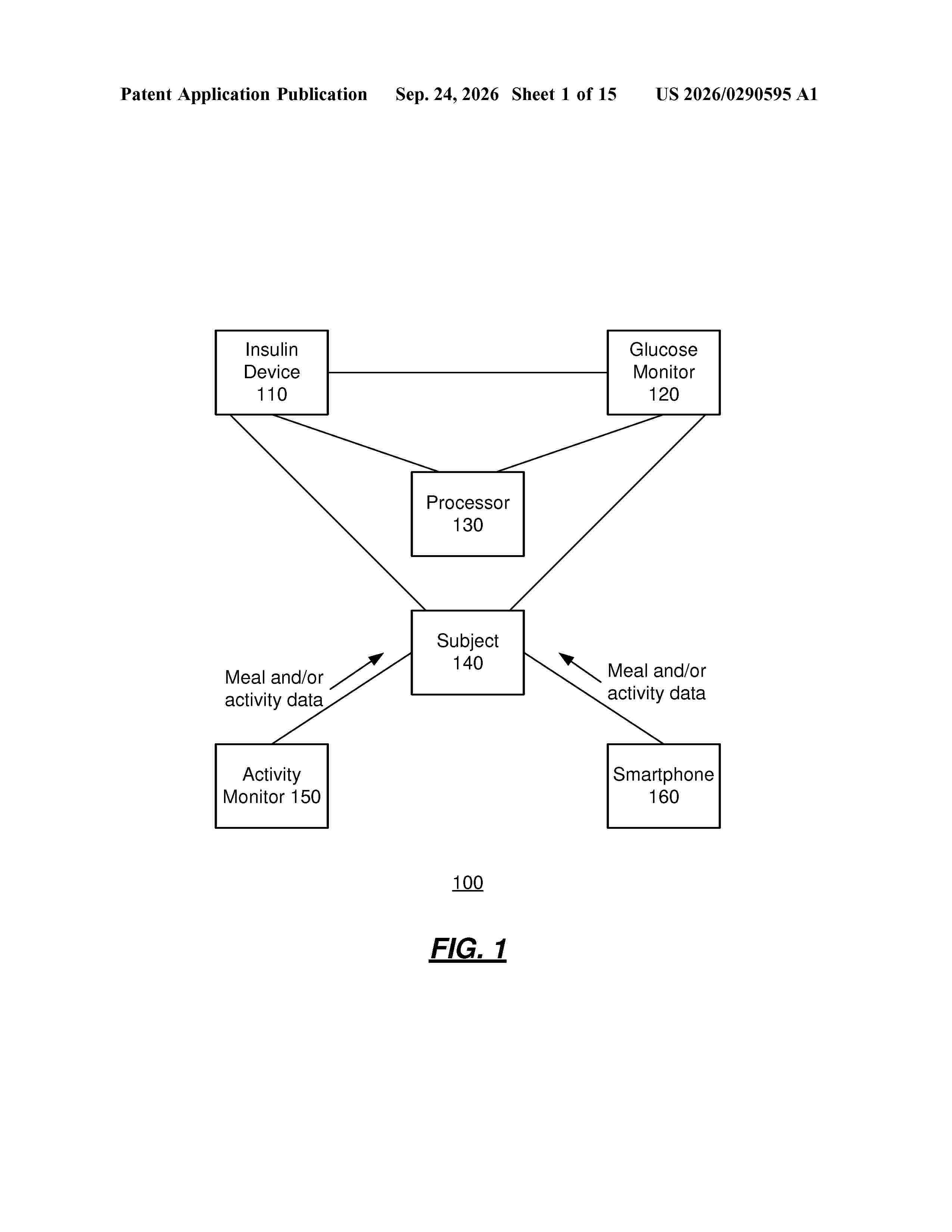
Resumen de: US20260290595A1
0000 Systems and methods are provided for reconciling untrusted data of a subject using trusted data pertaining to the subject. Systems and methods are directed to evaluating differences in predicted data with respect to corresponding received data. Systems and methods estimate metabolic states from a combination of trusted and untrusted metabolic inputs, along with optionally using a personalized mathematical model with parameter optimization. Systems and methods provide for reconciled untrusted inputs with their measured impact of the glycemic signals that is consistent with a metabolic model. Estimation of future metabolic states for decision support and automated insulin dosing is enabled. Replay of scenarios with estimated or reconciled data is also provided.
Resumen de: US20260290528A1
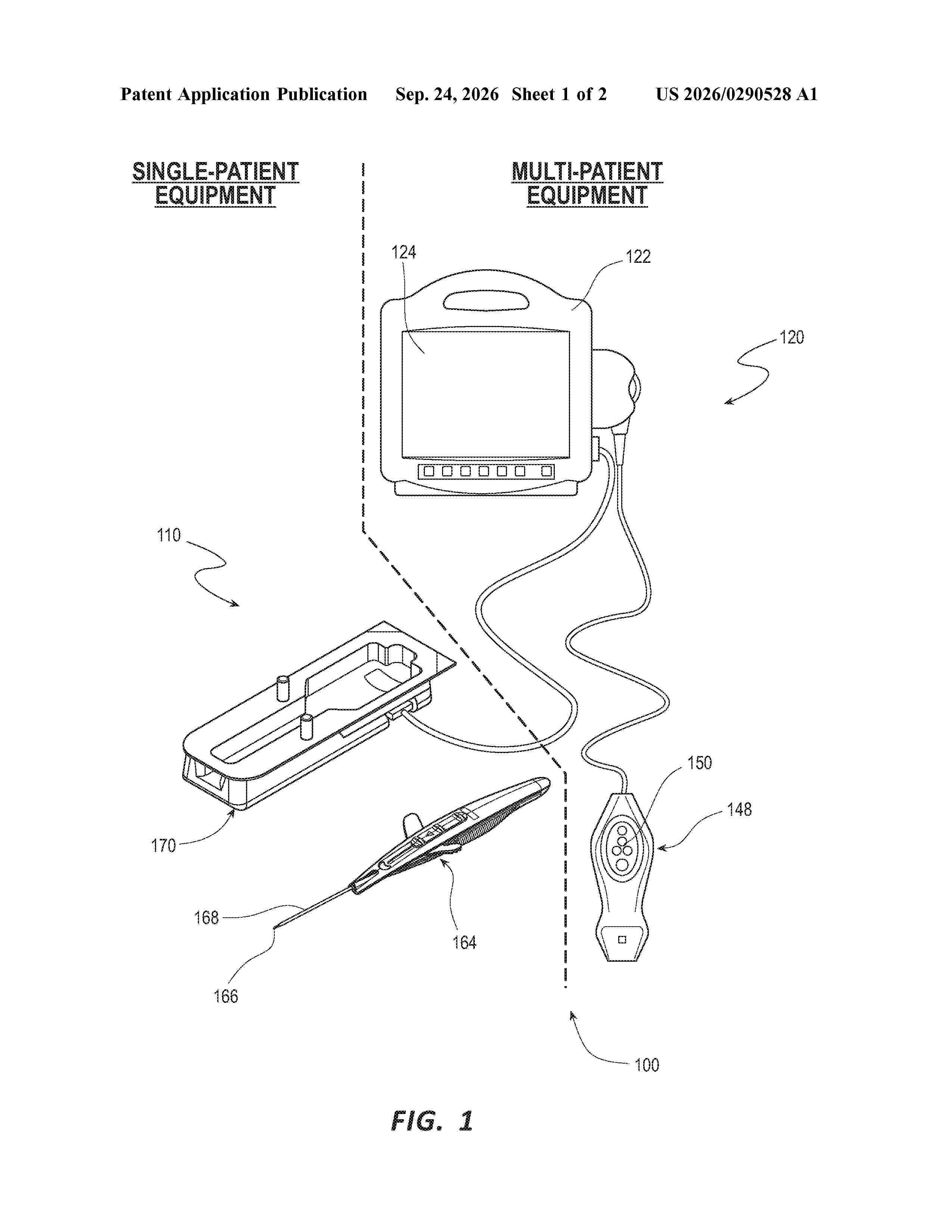
0000 A needle-guidance system includes single-patient equipment, multi-patient equipment, and an RFID reader-writer. The single-patient equipment can include a vascular access device (“VAD”) having a needle and an RFID tag. The RFID tag can be incorporated into the VAD or packaging for the VAD. The console can be configured to automatically start needle tracking for a clinician on an integrated display screen of the console after receiving RFID-tag data from the RFID tag and processing with a processor of the console instructions of needle-tracking software provided by memory of the console for the needle tracking. The RFID reader-writer can be configured to read the RFID-tag data from the RFID tag and write additional RFID-tag data to the RFID tag. The RFID reader-writer can be provided with the packaging for the VAD or the multi-patient equipment. A method of the needle-guidance system includes receiving RFID-tag data and validating compatibility of the VAD.
Resumen de: US20260283759A1
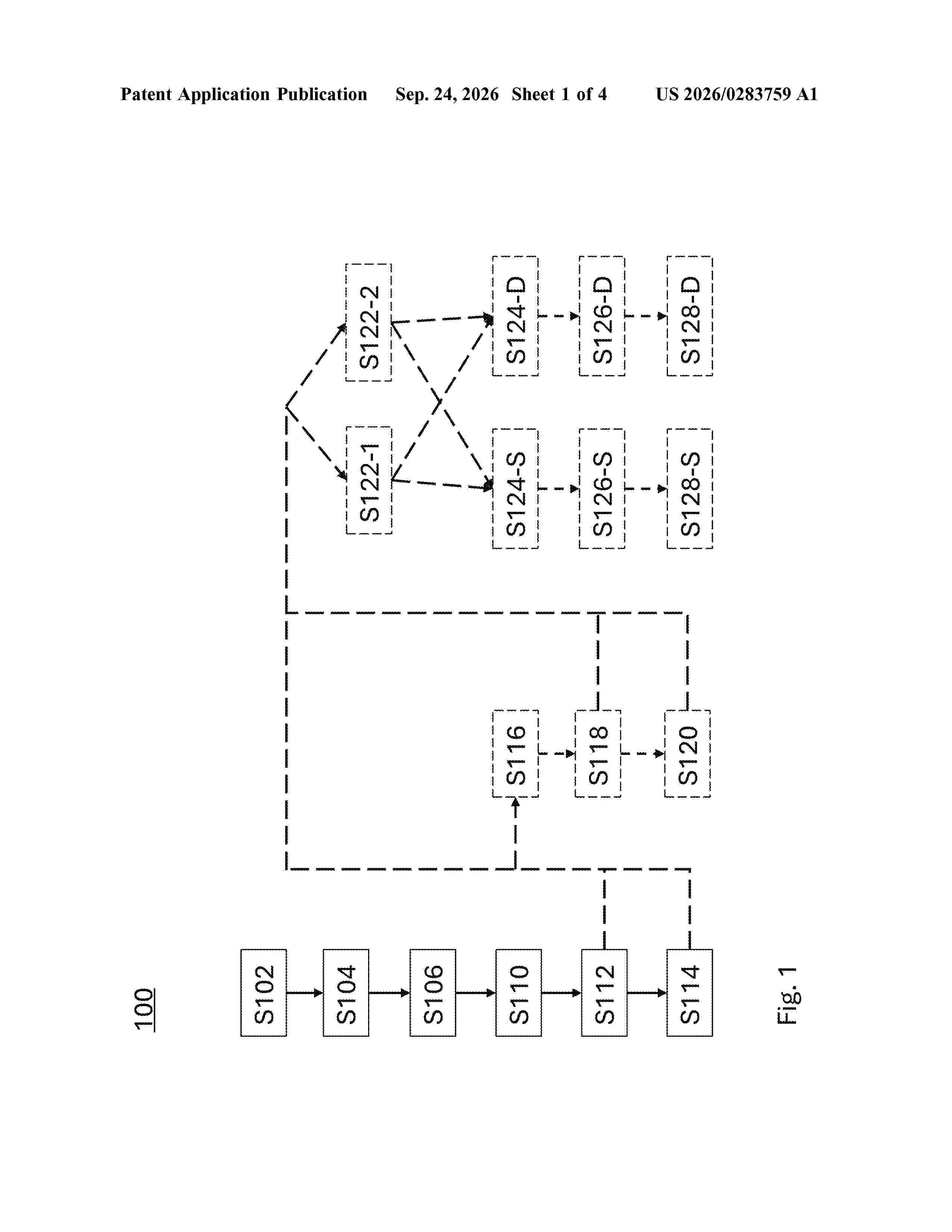
A method for defining a position of an origin of a model of an anatomy of a patient's dental arch (302; 402) within a reference frame (XYZ) comprises receiving a first dataset comprising a surface representation of a surface topology of the patient's dental arch (302; 402) and segmentation lines representing borders between tooth crowns and adjacent soft tissue. A projection of the segmentation line into an occlusion plane (412) is generated. A center of a tooth in the occlusion plane (412) is determined as the centroid of an area bounded by a projected segmentation line. A segment of a parabola is fit to the centroids. An anterior point of the patient's dental arch (302; 402) is identified as the vertex of the parabola. A first translation vector is determined for positioning the anterior point at the origin of a third main component (X) of the reference frame.
Resumen de: WO2026198014A1
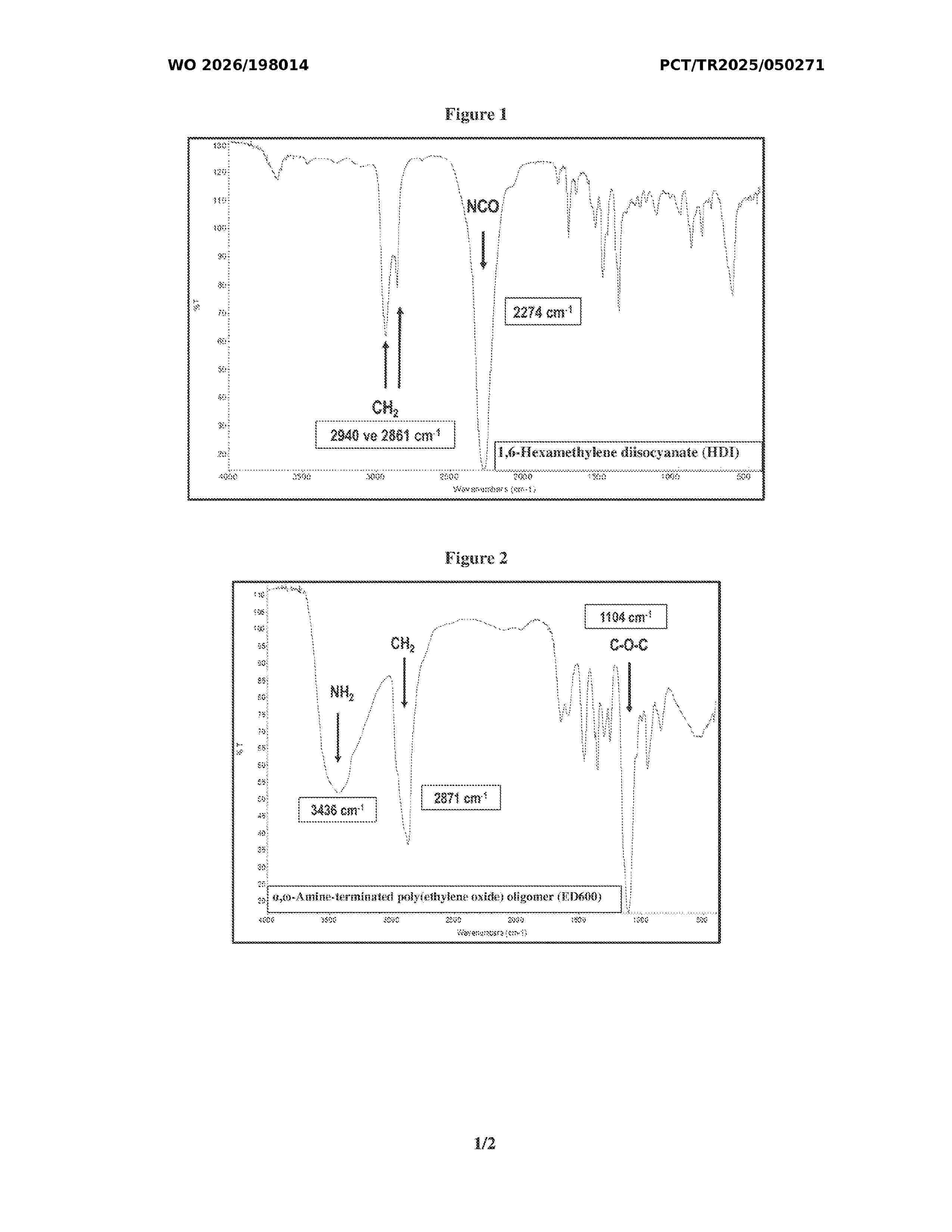
The present invention relates to an oligomeric and/or polymeric product for use as water-soluble, biocompatible, biodegradable, three-dimensional (3D) printable, and radiation-curable bioink.
Resumen de: DE102025111349A1
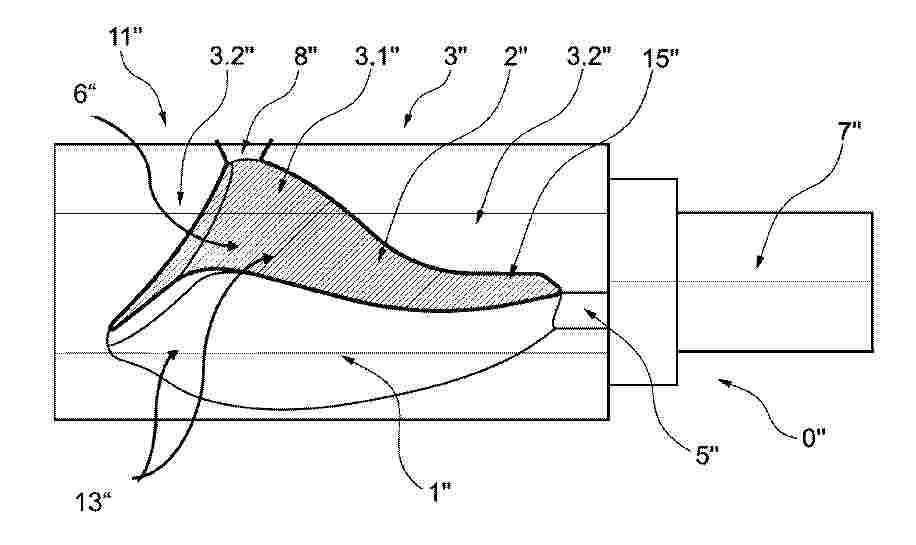
Die Erfindung betrifft ein reales sowie ein virtuelles 3D-Formkörperzwischenprodukt (0, 0“), zur Herstellung eines Zwischenproduktes (13, 13“) einer realen oder einer virtuellen Prothese, als auch zur Herstellung einer realen oder virtuellen Prothese (10, 10“). Ferner betrifft die Erfindung ein Verfahren zur Generierung des virtuellen 3D-Formkörperzwischenproduktes (0, 0“) als auch ein Verfahren, insbesondere ein computerimplementiertes Verfahren, zur Herstellung des Zwischenproduktes (13) einer realen Prothese als auch der realen Prothese (10), insbesondere einer realen dentalen Prothese (10). Gleichfalls Gegenstand der Erfindung ist ein Datensatz, des 3D-Datenmodells des virtuellen 3D-Formkörperzwischenproduktes (0“), insbesondere umfassend ein Computerprogrammprodukt zur Herstellung des virtuellen und/oder realen 3D-Formkörperzwischenproduktes (0).
Resumen de: DE102025111307A1
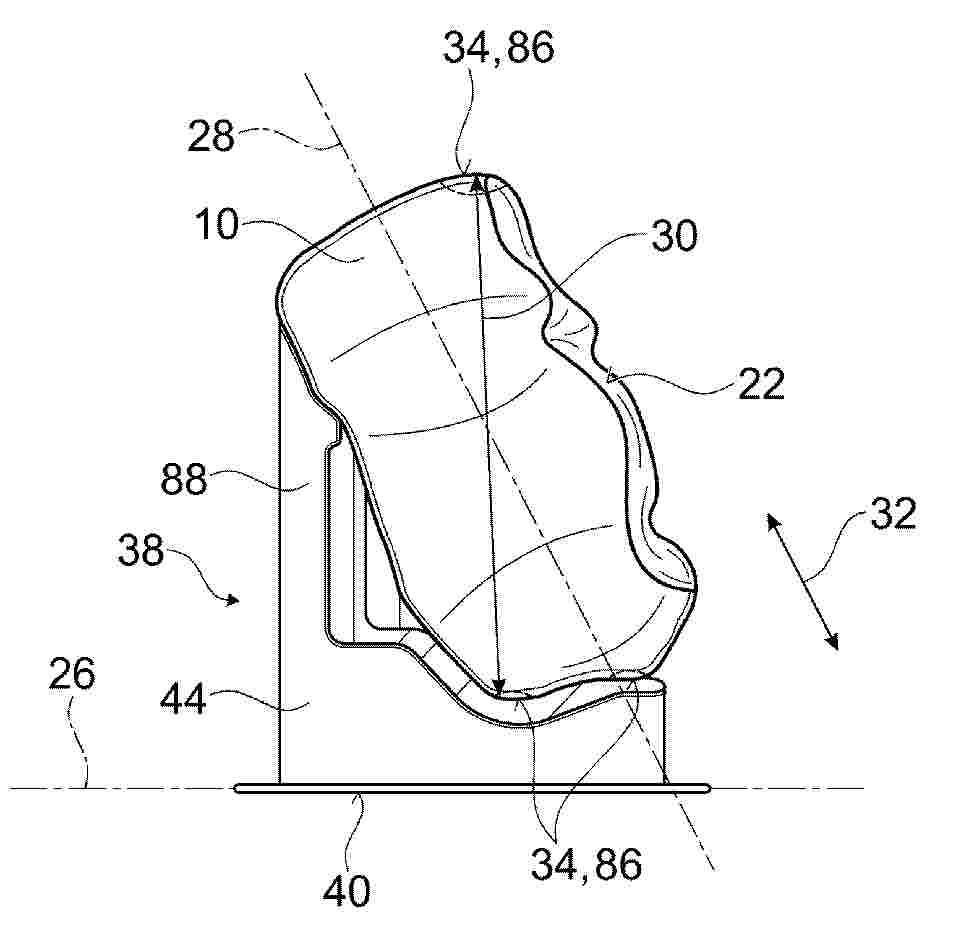
Die Erfindung geht aus von einem Verfahren zu einer Herstellung einer dentalen Vorrichtung (10, 10', 10''), insbesondere einer Einzelkrone, einer mehrgliedrigen Brücke und/oder eines Aligners, mittels eines Dentalfilamentdrucksystems, wobei in zumindest einem Konvertierungsschritt (12) eine CAD-Datei der dentalen Vorrichtung (10, 10', 10'') mittels einer Recheneinheit (14) in Druckbefehle konvertiert wird und wobei die Druckbefehle mittels der 3D-Filament-Druckvorrichtung (16) in einem Druckschritt (18) ausgeführt werden und die dentale Vorrichtung (10, 10', 10'') gedruckt wird.Es wird vorgeschlagen, dass in zumindest einem Ausrichtungsschritt (20) vor dem Druckschritt (18) eine Ausrichtung der dentalen Vorrichtung (10, 10', 10'') für einen Druck, insbesondere mittels der Recheneinheit (14), insbesondere selbsttätig, bestimmt wird, wobei die Ausrichtung derart gewählt wird, dass eine Kaufläche (22, 22') und/oder eine Kauflächenreferenzfläche (24) quer zu einer Druckebene (26) ausgerichtet ist.
Resumen de: US20260290423A1
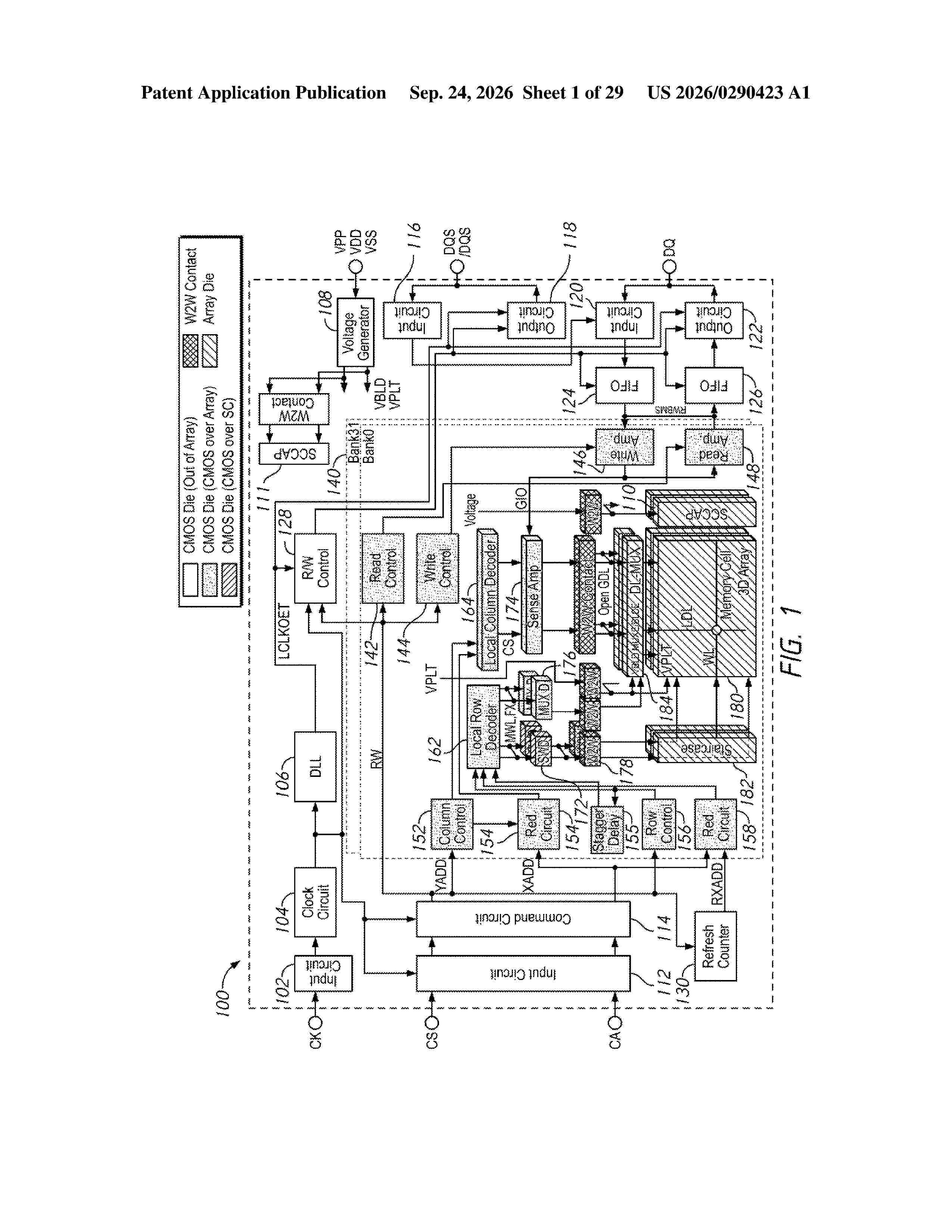
0000 Apparatuses, systems, and methods for a refresh scheme that refreshes word lines in a same tier in 3D-DRAM. The 3D memory device includes multiple memory patches each of which includes a 3D array of memory cells arranged at the intersection of word lines running in a first direction, local digit lines (LDLs) running in a second direction, and global digit lines (GDLs) running in a third directions. The 3D memory array may be refreshed on a word line-by-word line basis as part of a refresh operation. During the refresh operation, one or more word lines may be refreshed in the 3D memory device. The word lines being refreshed may all be at a same tier of the 3D memory device. The tier may represent the depth at which the refreshed word line exists within a stack of word lines in the 3D memory array.
Resumen de: WO2026198182A1
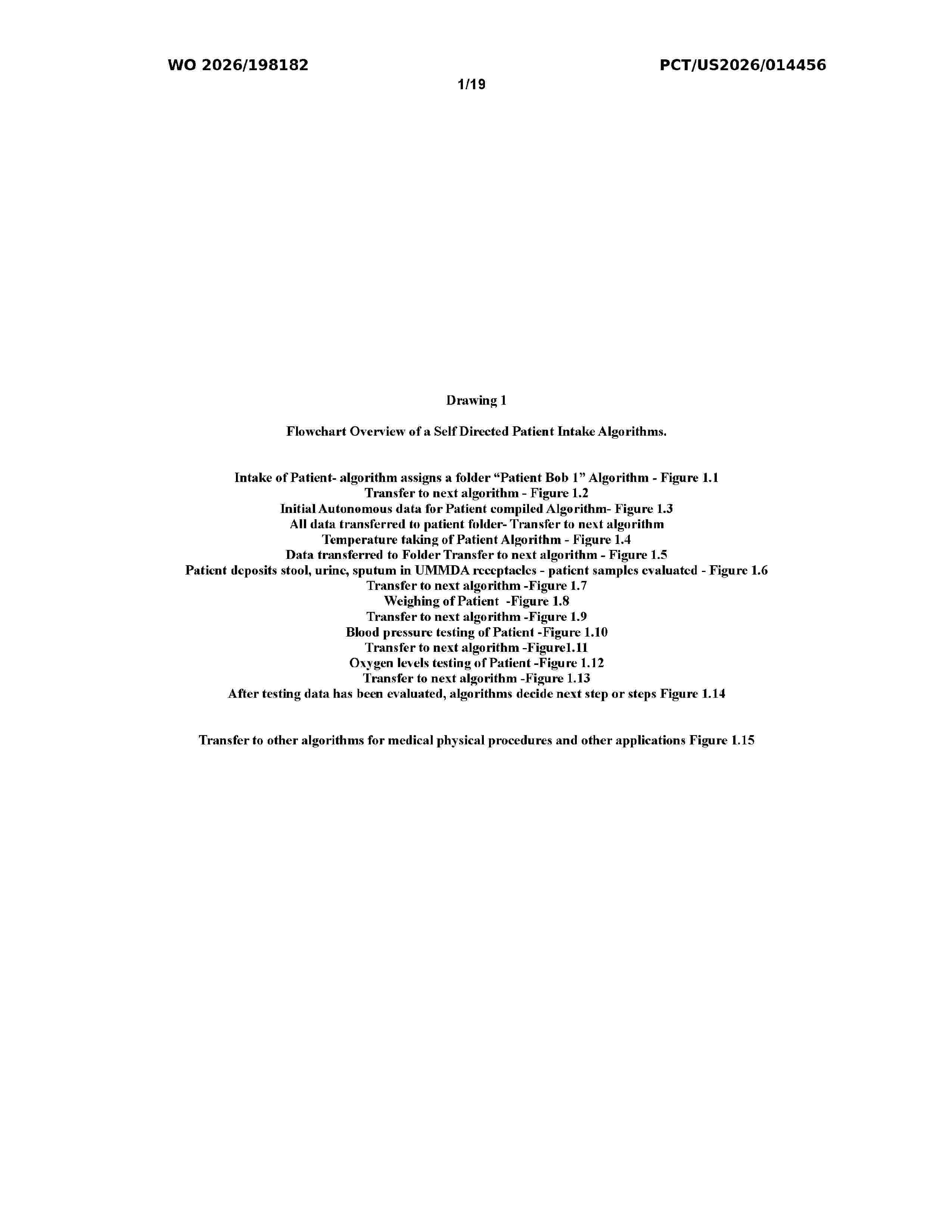
Robots self-directed by quantum computing and classical algorithms performing autonomous physical procedures in the medical, dental, cosmetic, ophthalmology, and veterinarian professions without guidance, or intervention by human operators. The system relies on comparisons of two data pools: one for real time patient data and the other archived patient data from prior patients. The comparisons are in image data, measurement data, and physical medical procedure data.
Resumen de: US20260283760A1
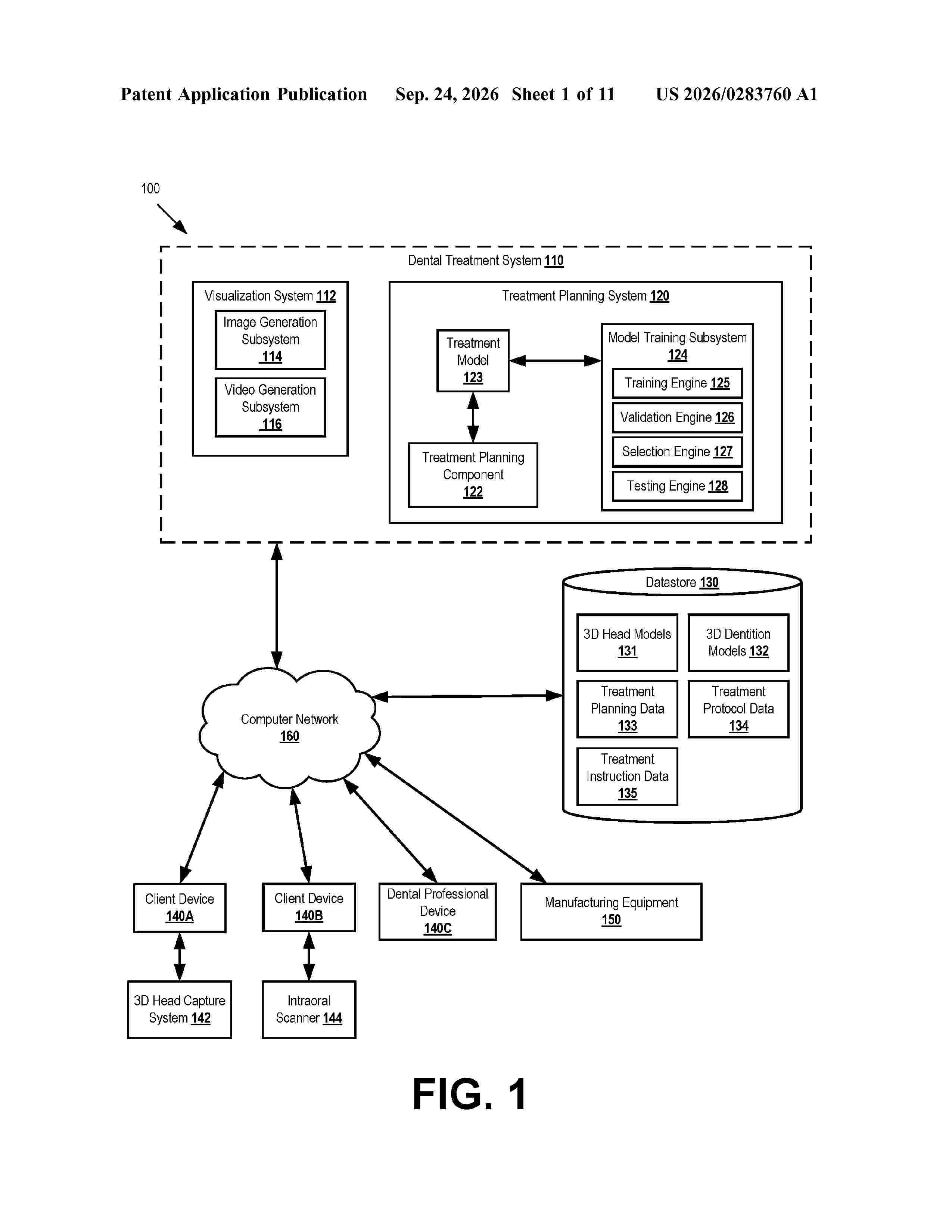
0000 A method includes obtaining a 3D head model including a depiction of a current head of a patient; obtaining a first 3D dentition model including a depiction of the current dentition of the patient and a second 3D dentition model including a depiction of an altered dentition of the patient; registering the first 3D dentition model to the 3D head model; generating one or more first images of the 3D head model in one or more poses and generating one or more second images of the second 3D dentition model corresponding to the one or more poses based at least in part on a result of the registering; and generating modified versions of the one or more first images by replacing the current dentition of the patient with the altered dentition of the patient from the one or more second images.
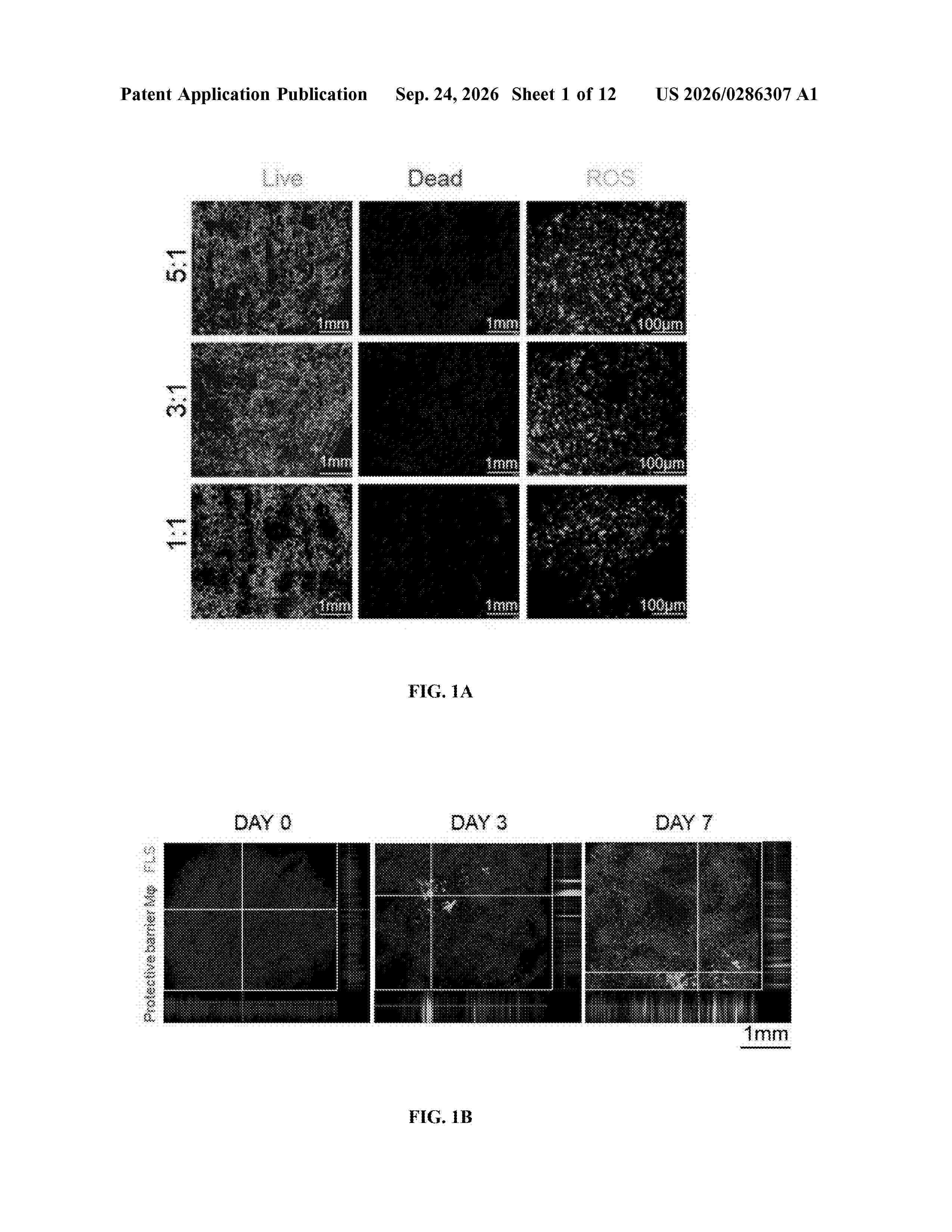
Resumen de: US20260286307A1
A bio-printed in vitro three-dimensional (3D) human synovium model, comprising: an upper layer comprising human synovial cells and human macrophages exhibiting a pro-inflammatory phenotype; and a lower layer comprising human macrophages exhibiting an anti-inflammatory phenotype; wherein the model is configured to mimic the inflammatory microenvironment of human synovial tissue. The present invention also discloses a method for constructing an in vitro three-dimensional (3D) human synovium model, comprising the steps of preparing hydrogel cell inks; incorporating one or more human cells exhibiting an anti-inflammatory phenotype into the hydrogel to form at least one layer; incorporating one or more human synovial cells and human cells exhibiting a pro-inflammatory phenotype into the hydrogel to form at least one layer above the anti-inflammatory layer; and performing crosslinking and culturing the hydrogel to establish an inflammatory microenvironment, thereby forming an in vitro 3D human synovium model.
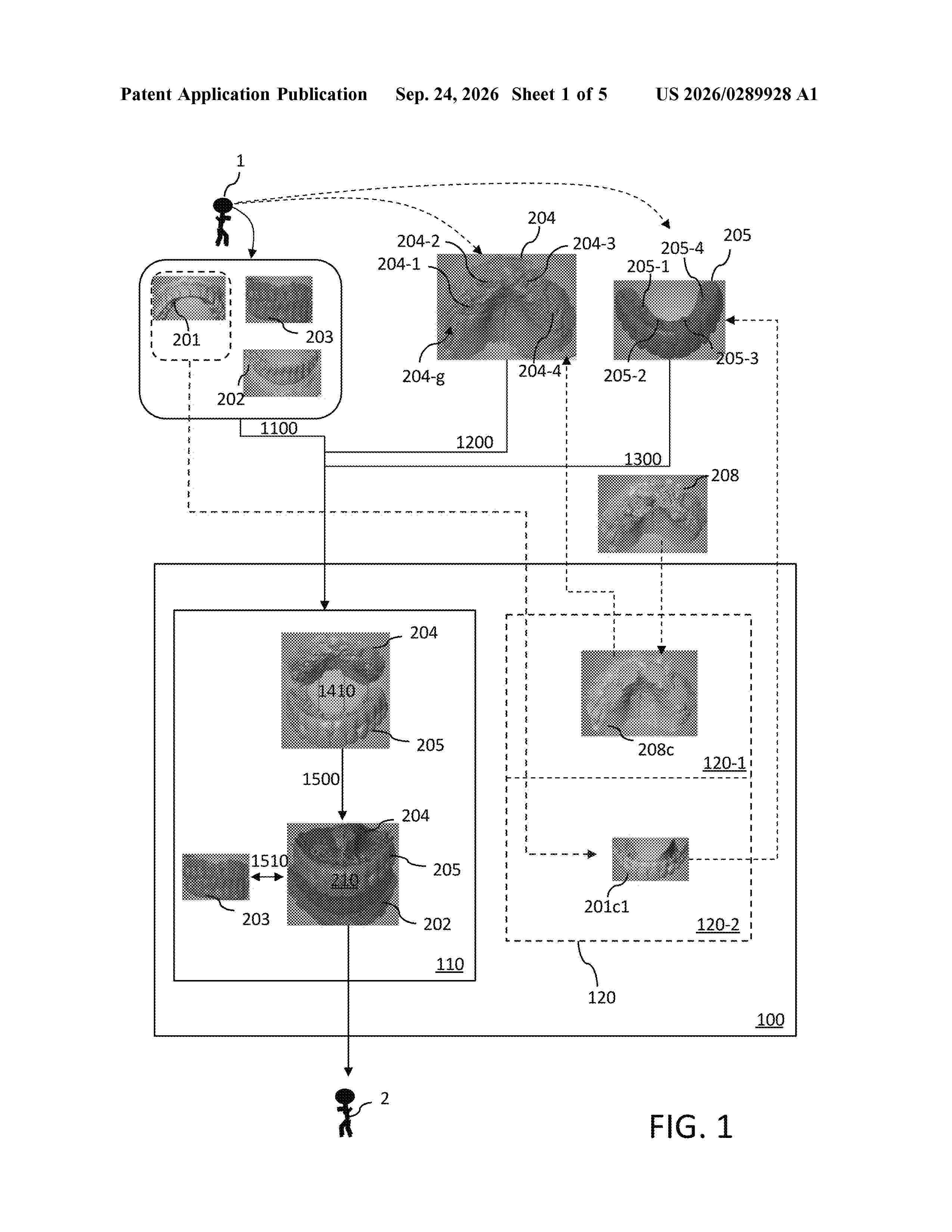
Resumen de: US20260289928A1
0000 Computer-implemented method, computer program product and computing system (100) for generating a three-dimensional digital patient model (210) of a patient's oral anatomy with the patient (1) having a first at least semi-edentulous jaw arch, and having at least one first dental implant placed in the jawbone of said first at least semi-edentulous jaw arch, and having a prosthesis applied to the at least semi-edentulous jaw arch. The system receives a second three-dimensional intra-oral surface scan dataset (202) obtained from the patient's jaw arch opposing the at first least semi-edentulous jaw arch in a non-occlusion state and a third dataset (203) comprising representations of both jaw arches in an occlusion state. A fourth three-dimensional intra-oral surface dataset (204) of at least portions of the gingiva surface (204-g) in said first at least semi-edentulous jaw arch and with surface information of a first implant head interface (204-1, 204-2, 204-3, 204-4) of the at least one first implant located in the at least semi-edentulous jaw arch is received. A fifth three-dimensional 4π surface dataset (205) of the prosthesis is received with surface information of at least one first abutment interface (205-1, 205-2, 205-3, 205-4) configured to engage positively with the implant head interface (204-1, 204-2, 204-3, 204-4). The digital patient aligns the fourth three-dimensional intra-oral surface dataset (204) and the fifth three-dimensional 4π surface dataset (205
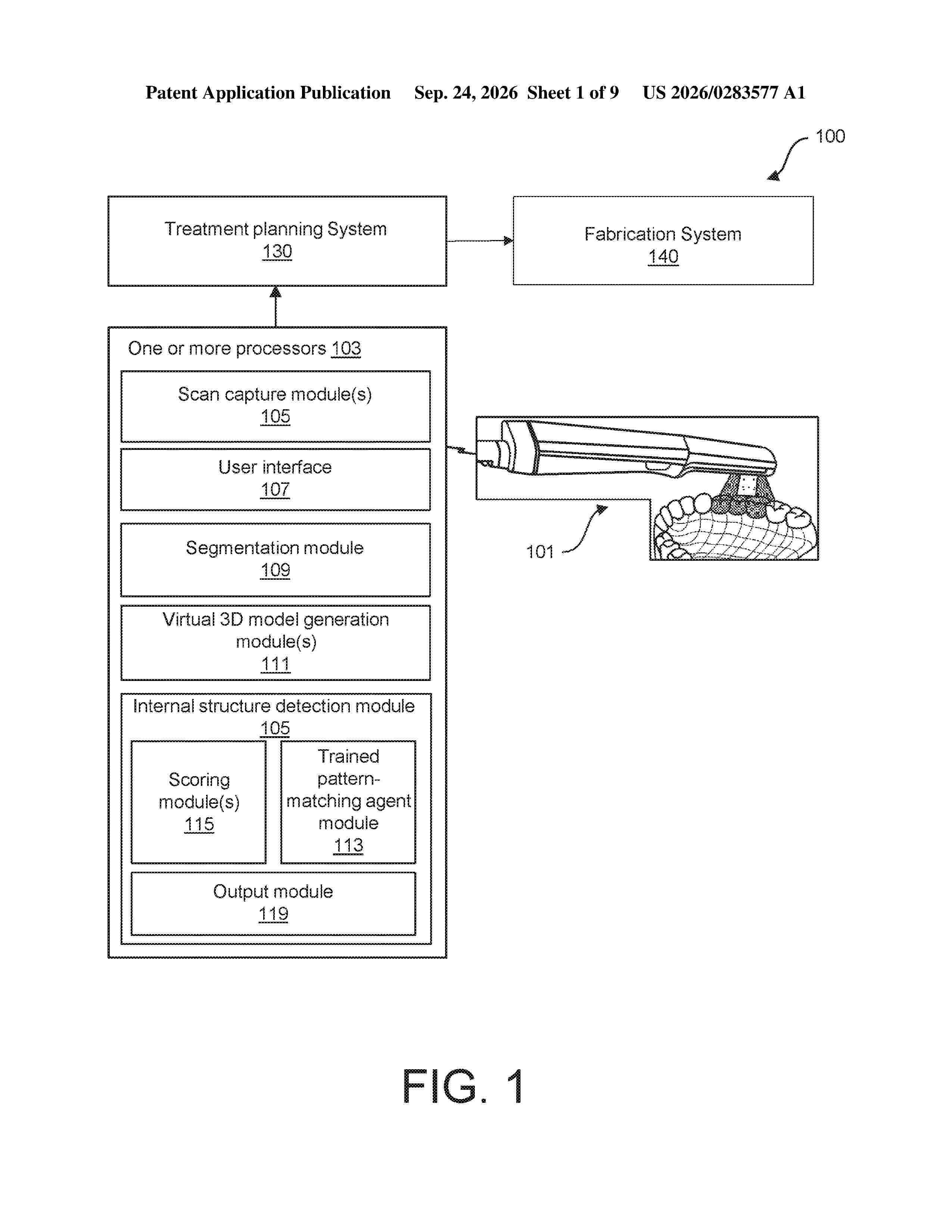
Resumen de: US20260283577A1
Systems, apparatuses, and methods disclosed herein are directed to systems, methods, and apparatuses for enabling the determination of enamel width and dentin shape and location from near infrared and 3D surface scan data for use in treating a patient’s dentition.
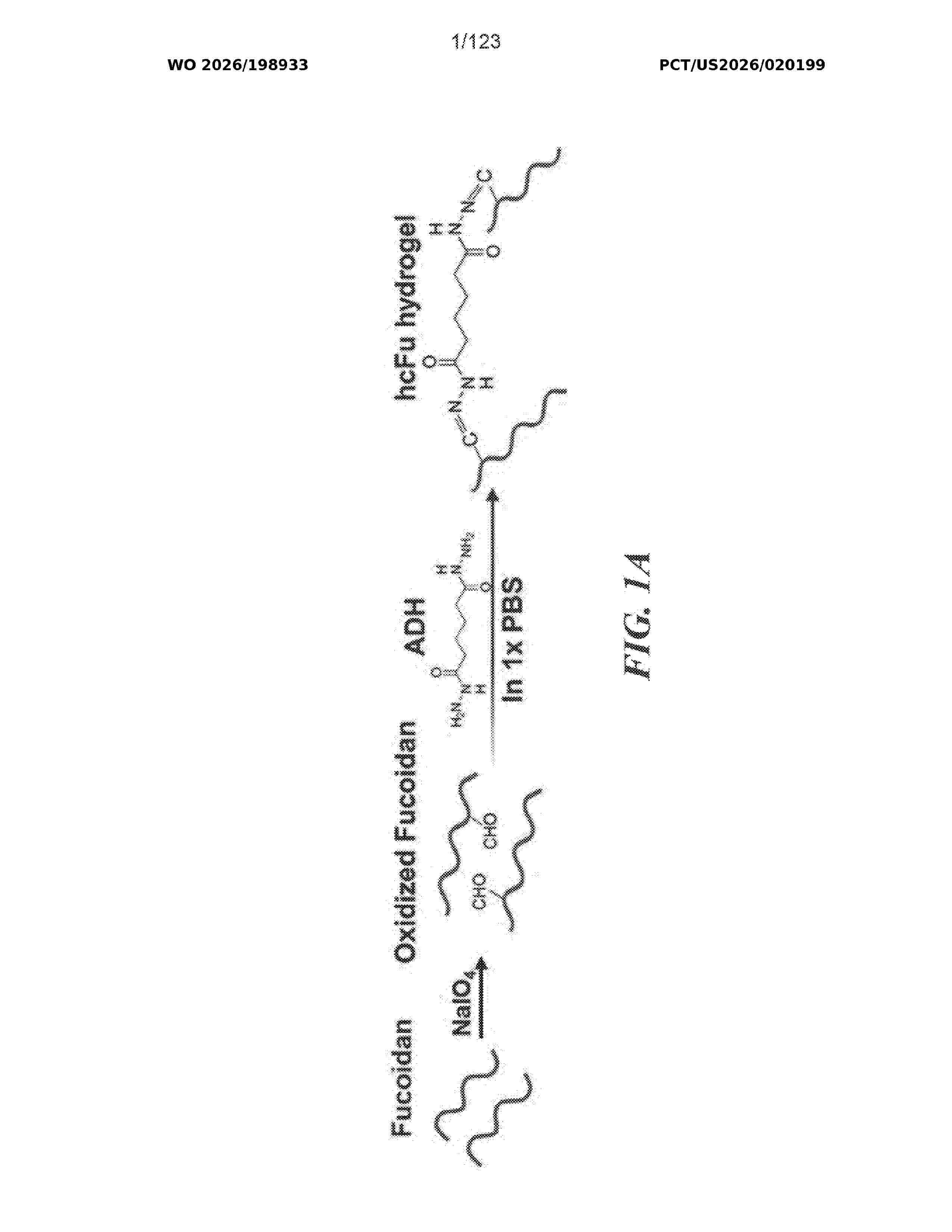
Resumen de: WO2026198933A1
Disclosed herein are hydrogels comprising functionalized fucoidans and methods of use thereof. Specific disclosures include hydrogels comprising oxidized fucoidans crosslinked with hydrazone or imine bonds and methods of treating cancer or wounds with the same. Also disclosed are methods of bioprinting with fucoidan hydrogels.
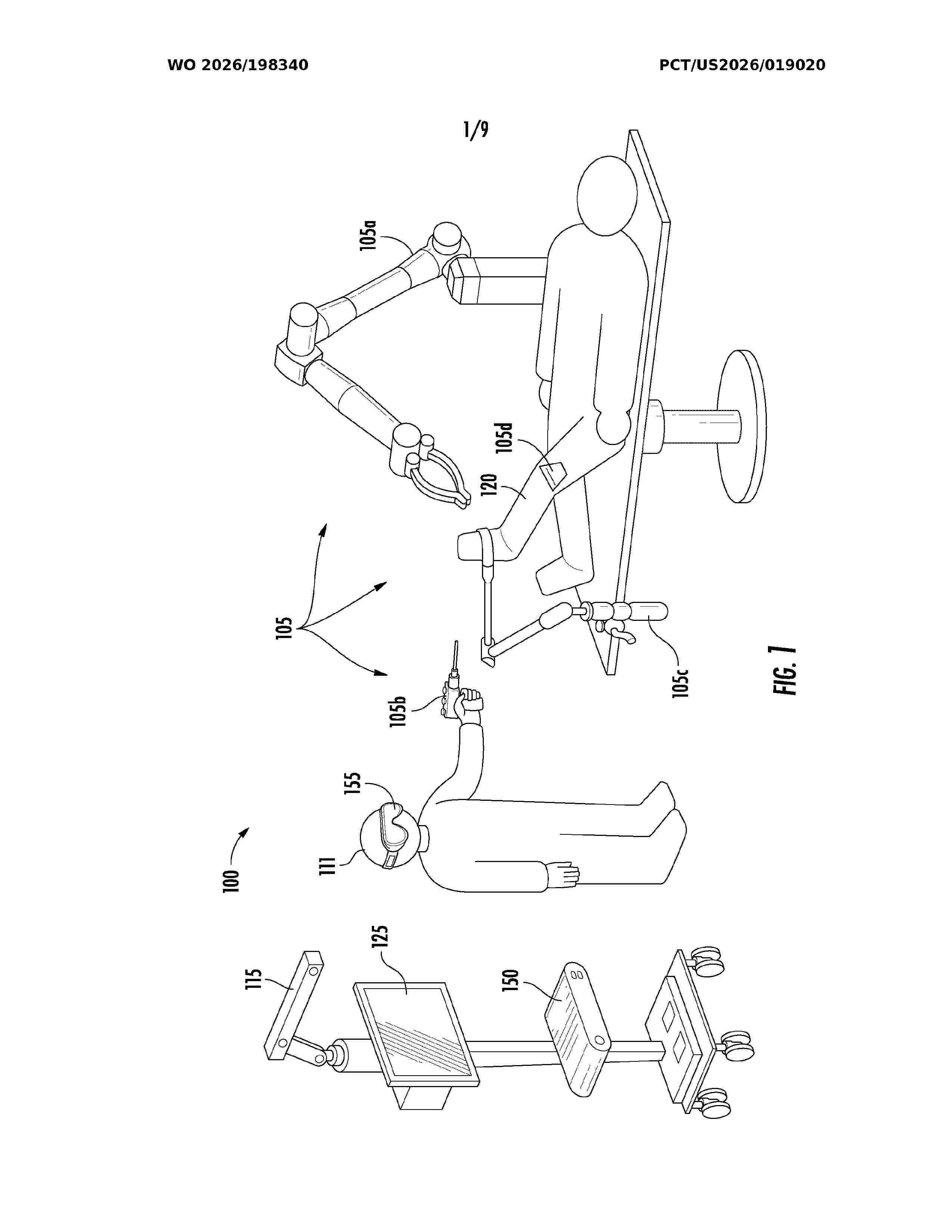
Resumen de: WO2026198340A1
Methods and systems for geometry-based identification of anatomical paths for knee implant placement are disclosed. The method includes determining a first set of candidate starting and ending points for a set of first paths along a trochlear groove of a native anatomy of a femur, the set of first paths representing paths of a patella moving along the trochlear groove during flexion of the knee. The method includes determining a second set of candidate starting and ending points for a set of proposed paths along the revised trochlear groove. The method includes selecting one of the first paths and one of the proposed paths. The method includes performing a comparison of the selected first path and the selected proposed path to determine a deviation of movement of the patella. The method includes determining a corrective action to minimize the deviation and outputting instructions for performing the corrective action.
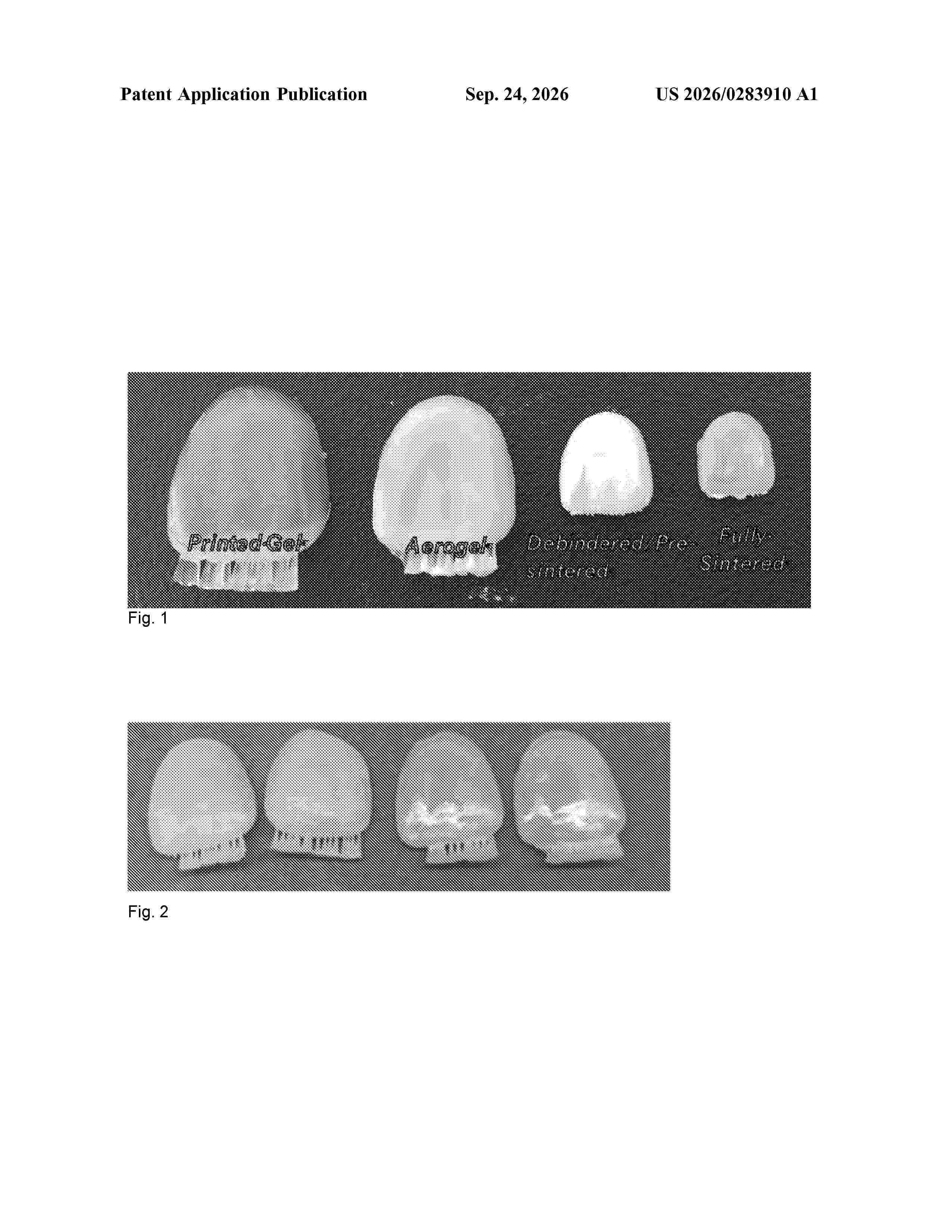
Resumen de: US20260283910A1
The invention relates to a process of producing a dental zirconia article, the process comprising the steps of processing a radiation-curable zirconia sol A as construction material in an additive-manufacturing process comprising a radiation-curing step to obtain a zirconia gel article, the zirconia gel article having the shape of a dental article with an outer and an inner surface, applying a radiation-curable zirconia sol Bx on at least a portion of the outer surface of the zirconia gel article, radiation-curing the radiation-curable zirconia sol Bx of step (b), transforming the zirconia gel article into a zirconia aerogel article, the radiation-curable zirconia sol A being same or different from the radiation-curable zirconia sol Bx with respect to chemical composition and/or physical properties. The invention also relates to a dental ceramic zirconia article obtainable by the process described in any of the proceeding claims.
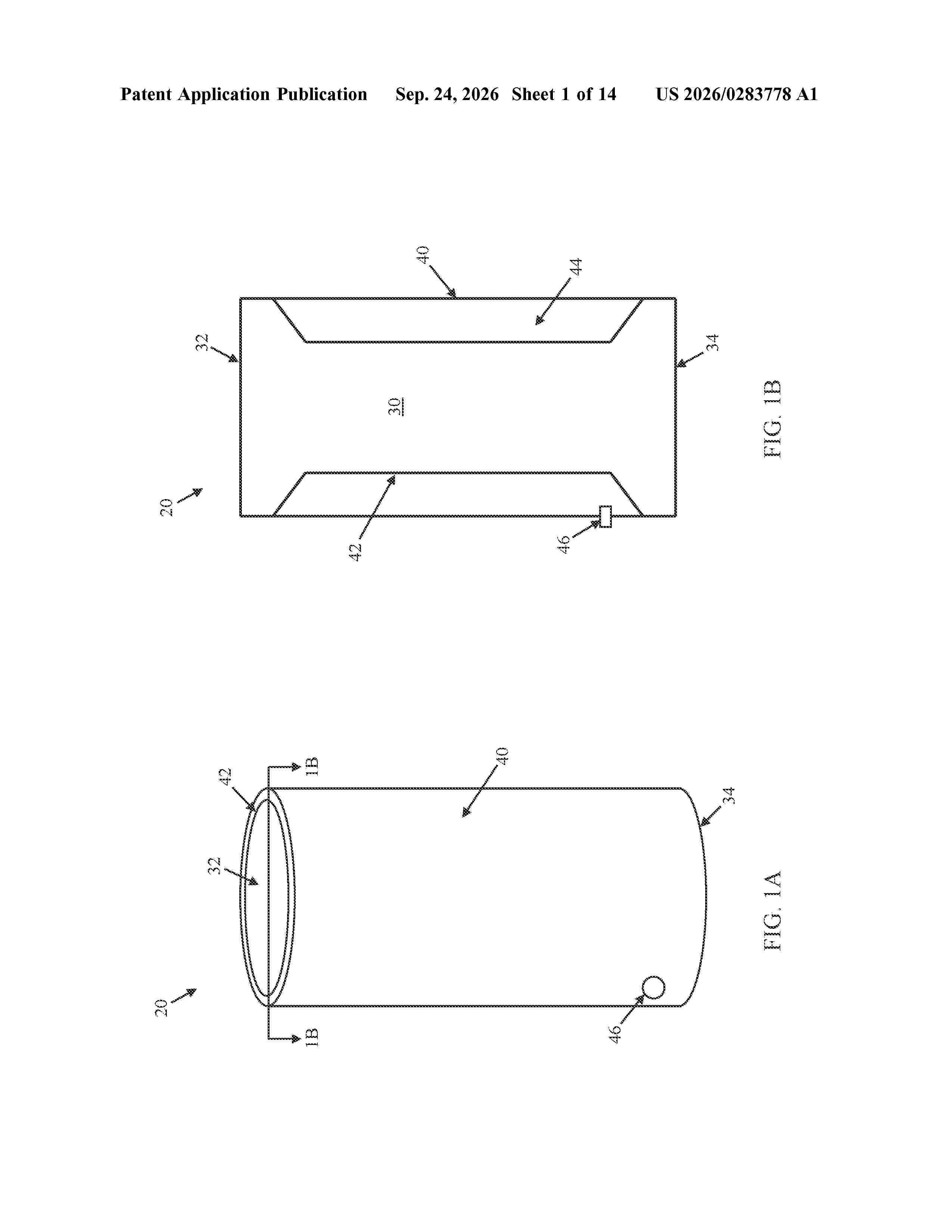
Resumen de: US20260283778A1
Methods for making thin wall balloons or bladders. Methods of the present disclosure provide for the manufacture of medical balloon devices (150) from a singular elastic material, for example double walled balloons useful as vessel implants. In some non-limiting examples, the medical device balloon is formed by 3D printing. The methods of the present disclosure are customizable for individual patients and can generate medical balloon devices that can be used as venous or aortic stent-graft devices.
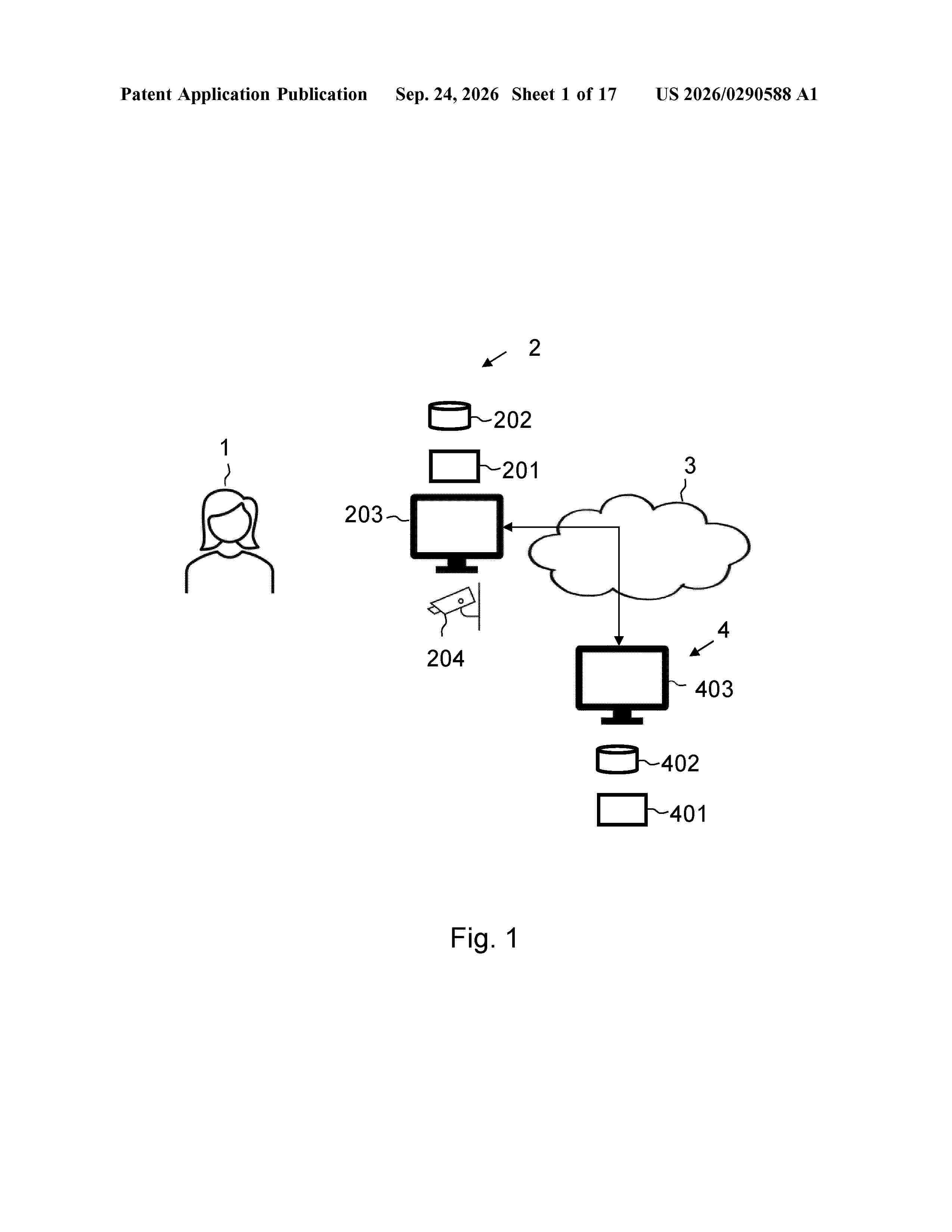
Resumen de: US20260290588A1
The present invention relates to methods computer-implemented method of monitoring a subject who has been diagnosed as having or likely to have a neuromuscular disease or disorder, the method comprising: obtaining movement data that has been collected by implementing a digital physiotherapy method; and determining, from said movement data, the value of one or more digital biomarkers, wherein the one or more digital biomarker values are indicative of a clinical measure of motor function. Related methods, systems and products are also described.
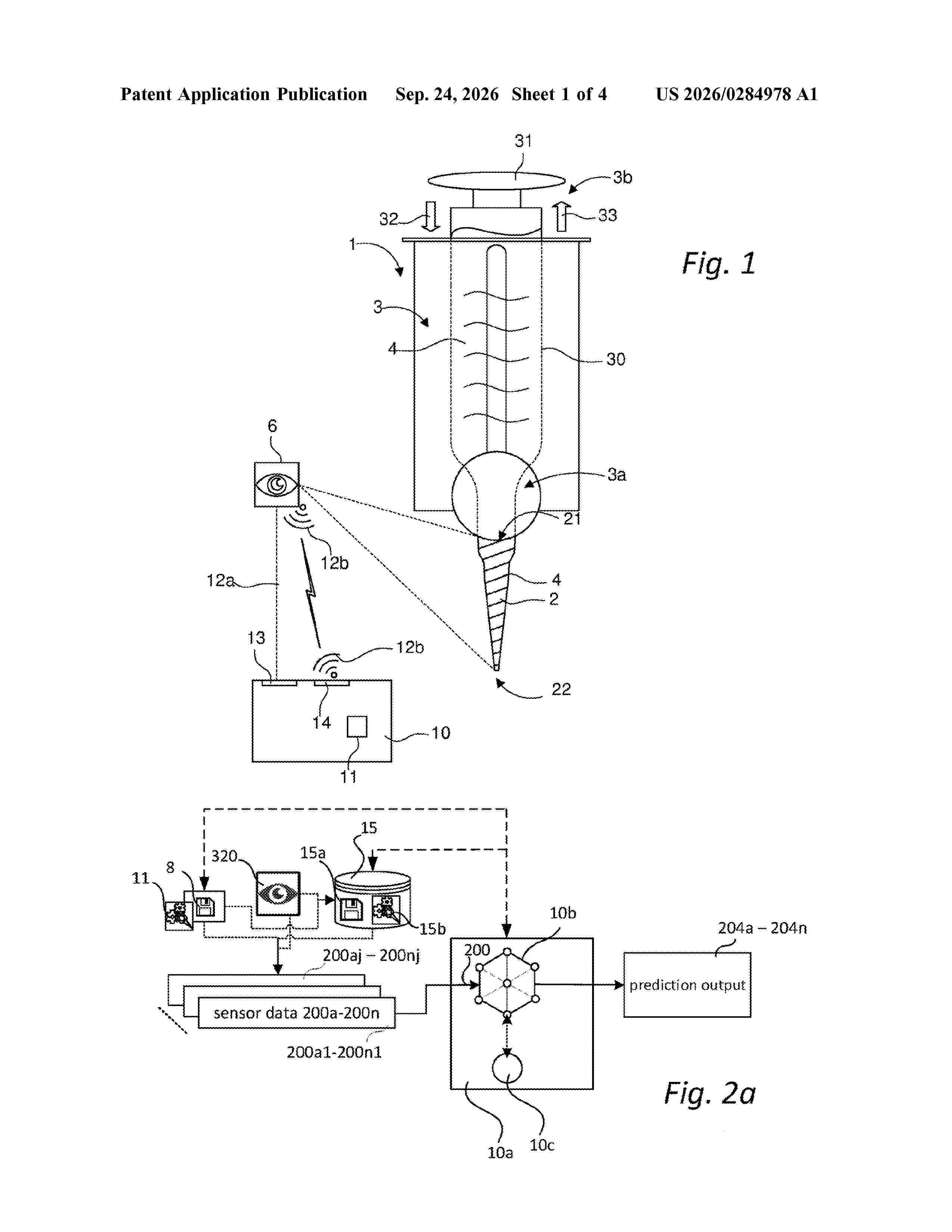
Nº publicación: US20260284978A1 24/09/2026
Solicitante:
CELLINK BIOPRINTING AB [SE]
Cellink Bioprinting AB
Resumen de: US20260284978A1
0000 The present disclosure relates to a method, system, a 3D bio¬printer comprising control system, a computer program carrier and a computer program product. The computer-implemented method comprises obtaining sensor data representative of a printhead (1) of the 3D bio-printer, and a surrounding environment of the printhead, the obtained sensor data comprising one or more images of the printhead of the 3D bio-printer captured by means of an imaging sensor device (6). Further, the method comprises providing the obtained sensor data to a trained neural network algorithm. The method further comprises generating, by means of the neural network algorithm, one or more prediction outputs representative of a calibration condition of the dispensing means.
 BOPI
BOPI
 Sede Electrónica