Si deseas distinguir tus productos, servicios o ambos de los de otra empresa, es posible que necesites una marca o nombre comercial. Descubre qué son, en qué consiste su procedimiento de registro y qué implica.

Información sobre los plazos de presentación de solicitudes de transformación de marcas de la Unión Europea en marca nacional española. Más información


Si tienes un nuevo dispositivo, producto o procedimiento que resuelva un problema técnico o tenga una ventaja práctica, existen distintas formas de protegerlo en España y en otros países. Descubre cómo hacerlo.

¿Tu innovación reside en la estética, la ornamentación o la apariencia de tu producto? Protégela mediante un diseño industrial. Descubre qué derechos confiere el registro y cómo realizar la tramitación.

Las indicaciones geográficas protegen el nombre de un producto originario de una zona geográfica, a la cual le debe una determinada calidad, reputación u otra característica. Descubre qué son, en qué consiste su procedimiento de registro y qué beneficios conceden.

Las patentes publicadas en todo el mundo son una valiosa fuente de información científica, técnica y comercial.

Si eres emprendedor/a o una empresa y quieres potenciar y mejorar la rentabilidad de tu negocio protegiendo de forma adecuada los activos intangibles de tu organización, en este espacio encontrarás lo necesario.


 568
resultados
568
resultados
 Última actualización
17/10/2026 [07:24:00]
Última actualización
17/10/2026 [07:24:00]


 Resultados 325 a 350 de 568

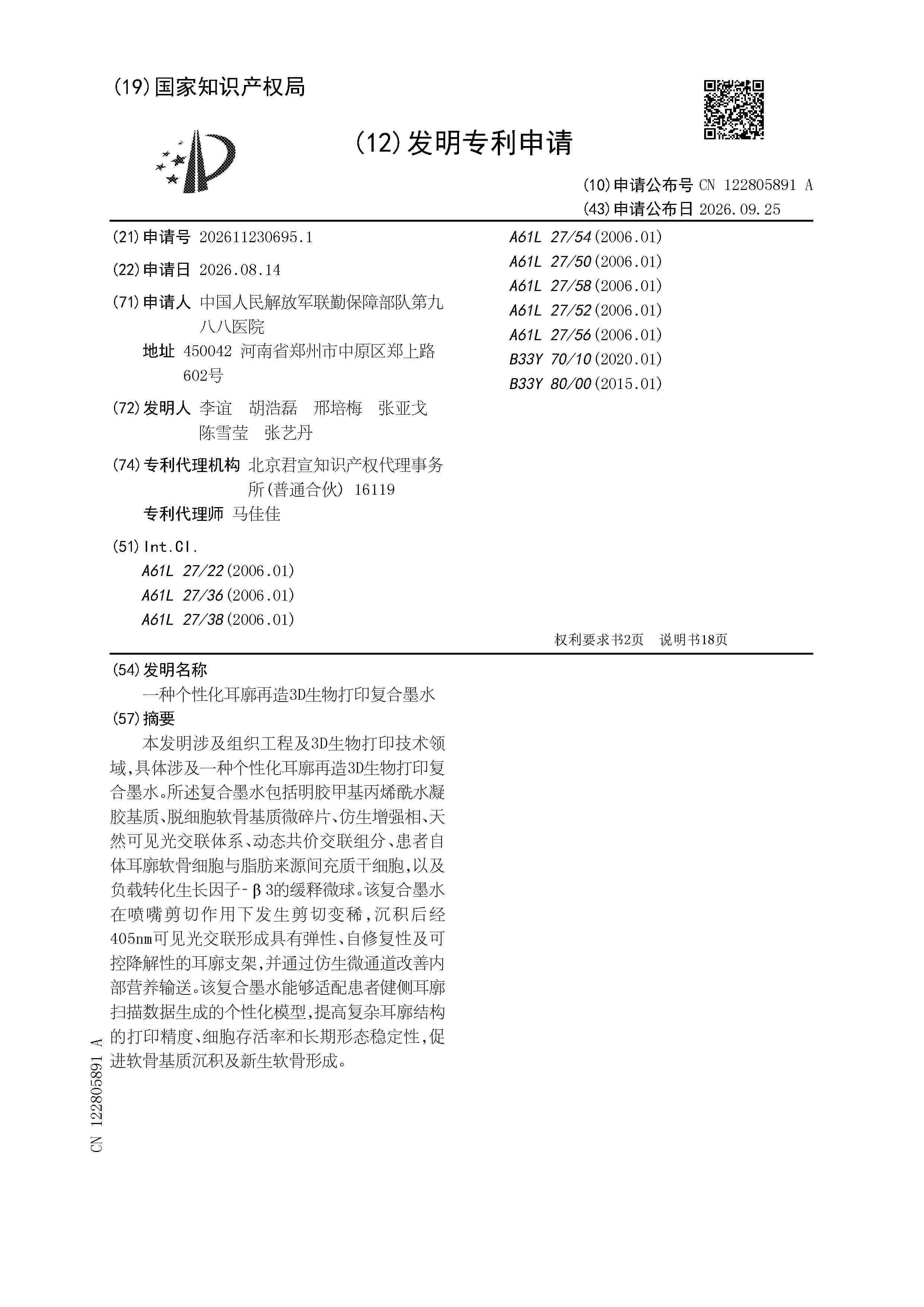
Resumen de: CN122805891A
本发明涉及组织工程及3D生物打印技术领域,具体涉及一种个性化耳廓再造3D生物打印复合墨水。所述复合墨水包括明胶甲基丙烯酰水凝胶基质、脱细胞软骨基质微碎片、仿生增强相、天然可见光交联体系、动态共价交联组分、患者自体耳廓软骨细胞与脂肪来源间充质干细胞,以及负载转化生长因子‑β3的缓释微球。该复合墨水在喷嘴剪切作用下发生剪切变稀,沉积后经405nm可见光交联形成具有弹性、自修复性及可控降解性的耳廓支架,并通过仿生微通道改善内部营养输送。该复合墨水能够适配患者健侧耳廓扫描数据生成的个性化模型,提高复杂耳廓结构的打印精度、细胞存活率和长期形态稳定性,促进软骨基质沉积及新生软骨形成。

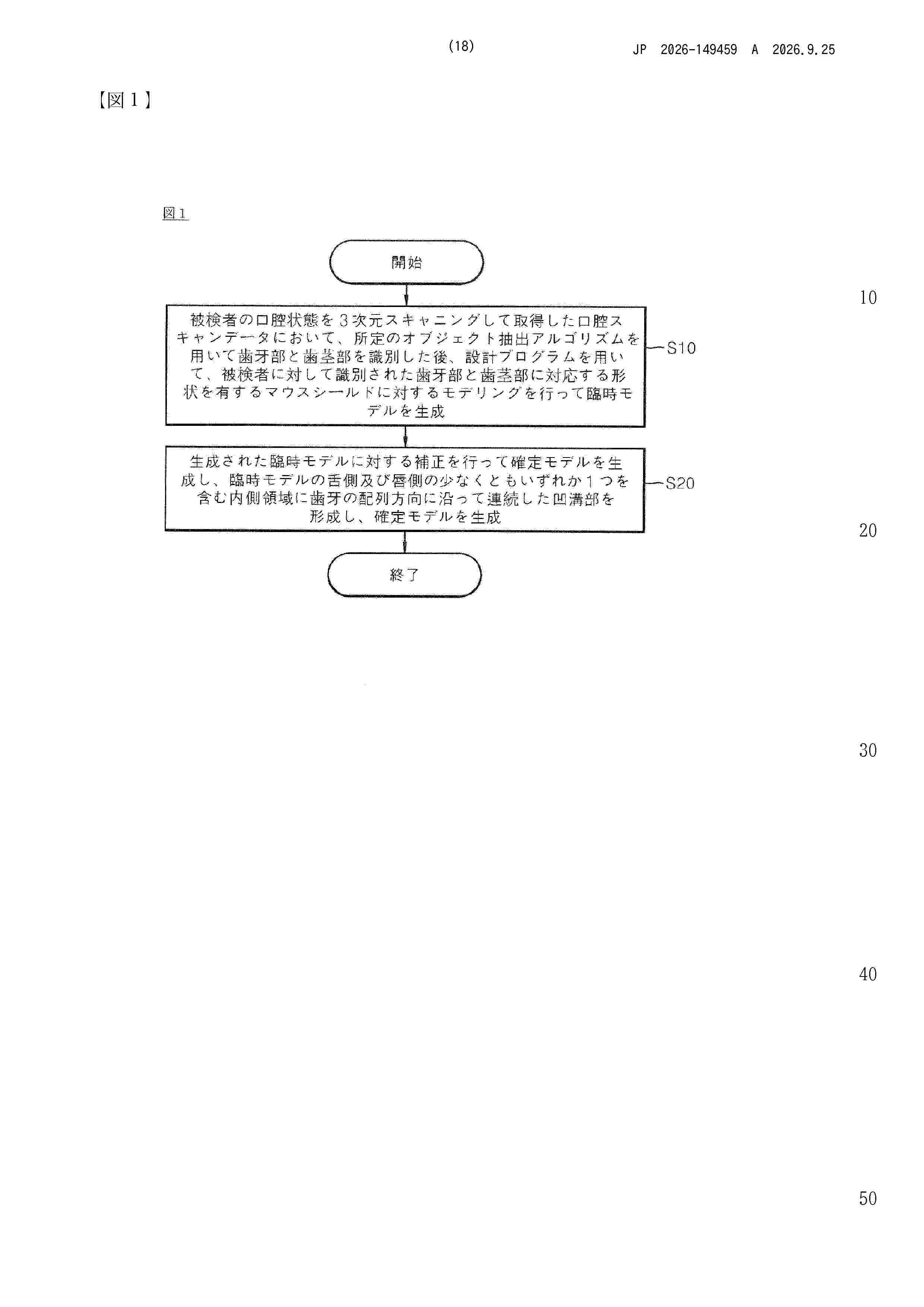
Resumen de: EP4807760A1
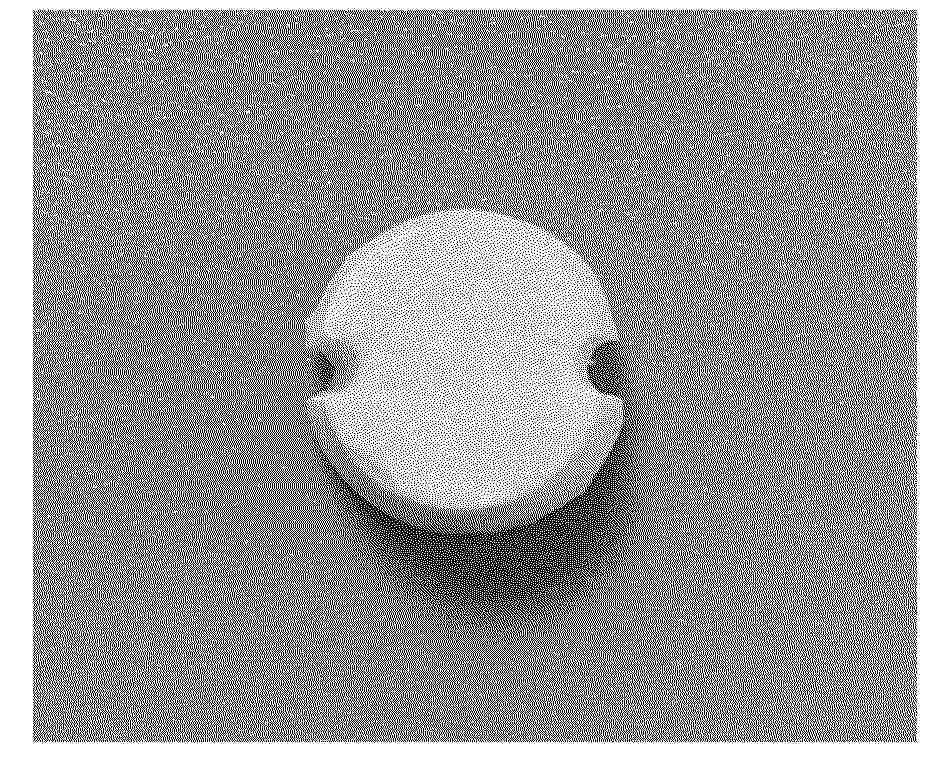
The present invention relates to a method for designing a mouth shield having a medicament supply unit, comprising: a temporary model generation step (S10) of identifying a tooth part (30T) and a gum part (30G) using a preset object extraction algorithm from oral scan data (1), which is obtained by three-dimensionally scanning an oral condition of a subject, and generating a temporary model by performing modeling on the mouth shield having a shape corresponding to the identified tooth part (30T) and gum part (30G) for the subject using a design program; and a definitive model generation step (S20) of generating a definitive model by performing correction on the temporary model generated in the temporary model generation step (S10), in which the definitive model is generated by forming continuous concave groove parts (H) in an inner region including at least one of a lingual side and a labial side of the temporary model along an arrangement direction of teeth.
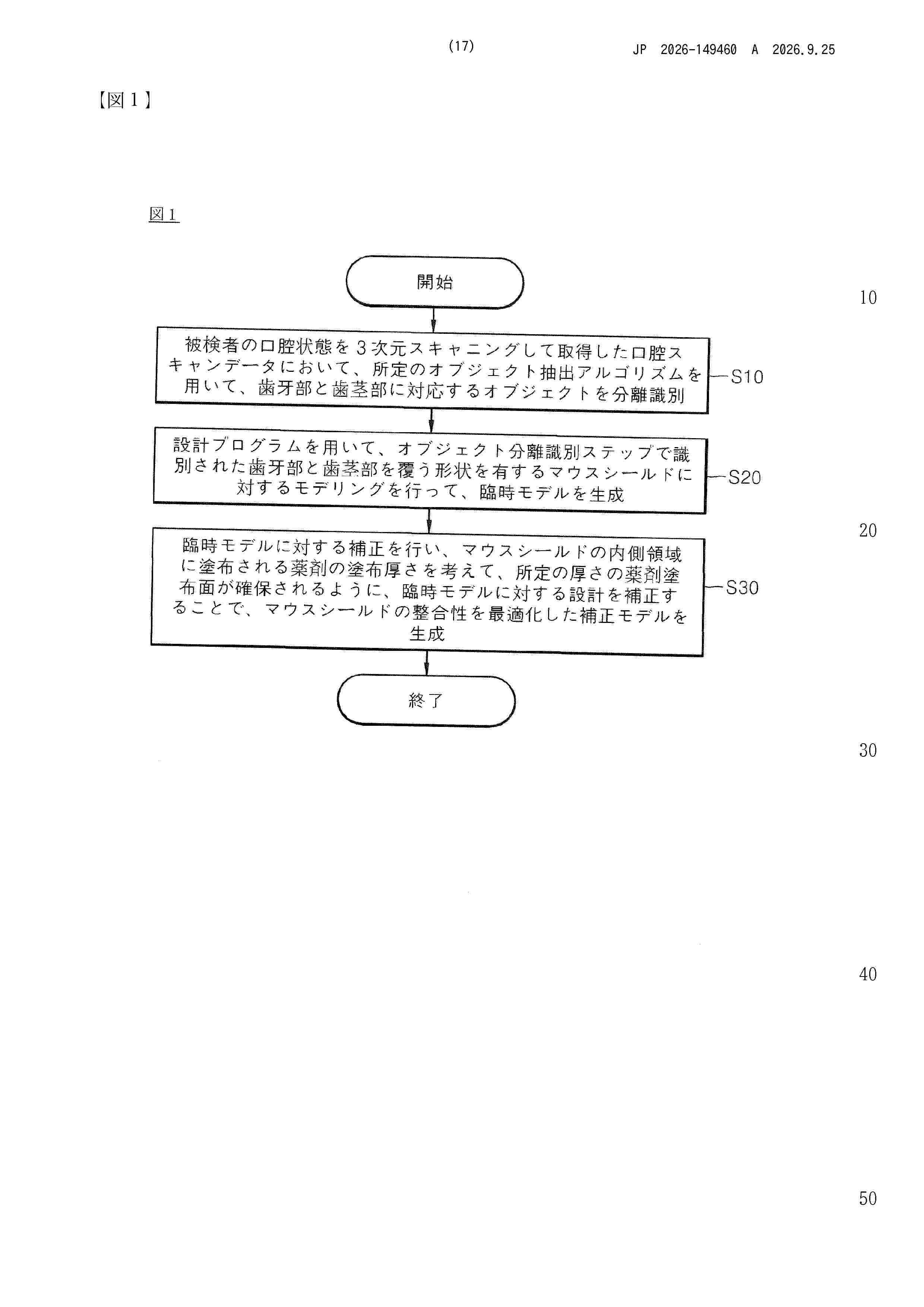
Resumen de: US20260268031A1
A method for designing a mouth shield having a medicament application area includes an object classification and identification step of classifying and identifying objects corresponding to a tooth part and a gum part from oral scan data, a temporary model generation step of generating a temporary model by performing modeling on the mouth shield having a shape to cover the tooth part and the gum part identified in the object classification and identification step using a design program, and a correction model generating step of generating a correction model, in which correction is performed on the temporary model in which a design for the temporary model is corrected such that a medicament application surface is secured in consideration of the application thickness of the medicament to be applied to an inner area of the mouth shield, thereby generating the correction model with optimized consistency of the mouth shield.
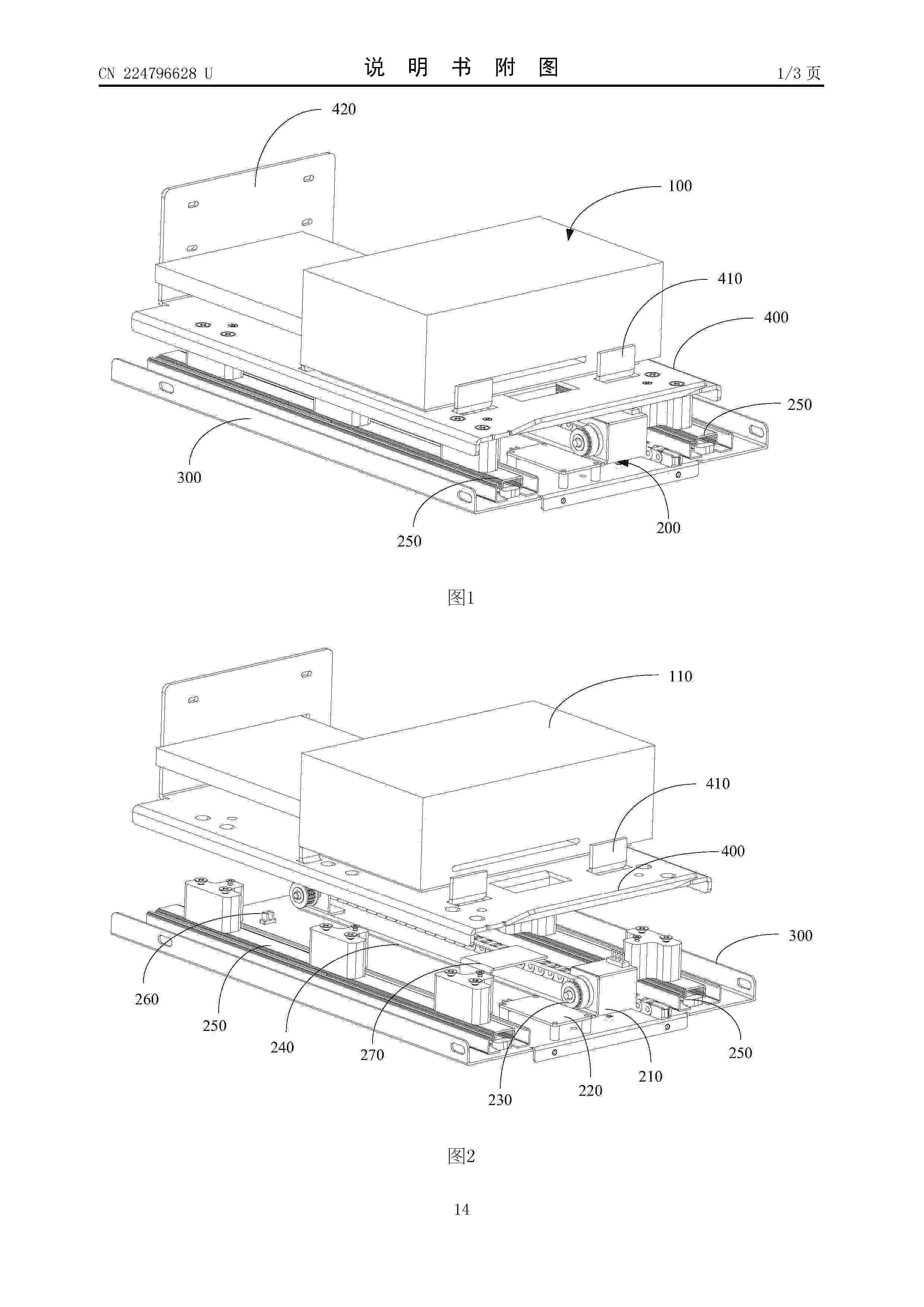
Resumen de: CN224796628U
本实用新型公开一种医疗设备及诊疗系统,医疗设备包括设备主体、辅助器件和驱动组件,设备主体的内部形成有安置腔,安置腔具有开口;辅助器件收容在安置腔内,且可沿预设方向经开口向外移出,辅助器件包括打印机;驱动组件设于设备主体,且与辅助器件驱动连接;其中,在确认打印机完成打印后,驱动组件驱动打印机经开口向外移出。本实用新型采用相对简单的结构,实现辅助器件在稳定收纳和精准推送之间的自动切换,有助于提升辅助器件和医疗设备之间的使用品质和使用可靠性。
Resumen de: CN122805882A
本发明公开了一种基于骨粘合剂的3D打印骨修复体及其制备方法,属于医用修复材料制备技术领域。所述骨修复体包括可吸收聚合物支撑网及填充于其内部的骨粘合剂,所述骨粘合剂的液相固化液为柠檬酸与丙二酸的混合酸水溶液。本发明还公开了所述骨修复体的制备方法,通过双喷头3D打印技术分别构建支撑网和填充骨粘合剂,并根据修复体尺寸自适应选择是否打印支撑网。本发明利用柠檬酸与丙二酸的协同效应显著提升了骨粘合剂的抗压强度、降解pH稳定性和降解速率适配性,实现了与骨再生周期的精准匹配,可广泛应用于颅骨、颌面、牙槽骨及四肢骨等不同类型骨缺损的个性化修复。
Resumen de: CN122810377A
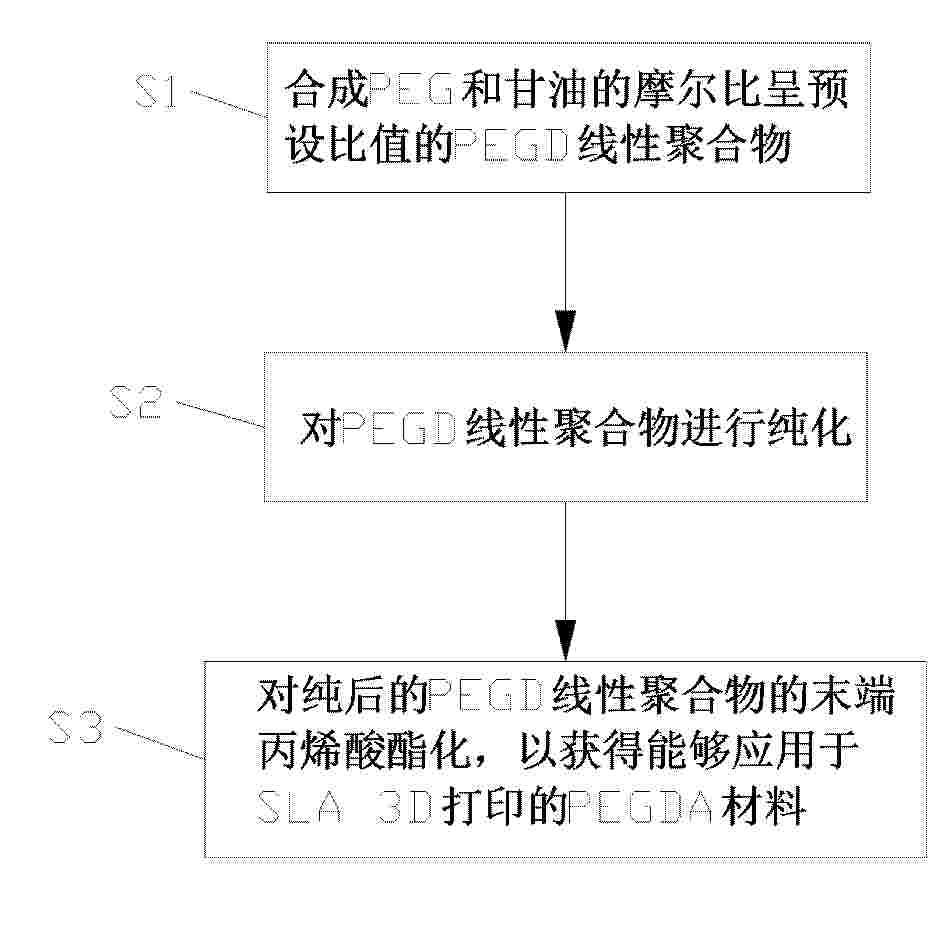
本发明涉及一种光固化PEGDA材料的合成方法及其SLA 3D打印应用,包括以下步骤:合成PEG和甘油的摩尔比呈预设比值的PEGD线性聚合物,所述预设比值的取值范围为20:80~60:40;对所述PEGD线性聚合物进行纯化;对纯化后的PEGD线性聚合物的末端丙烯酸酯化,以获得能够应用于SLA 3D打印的PEGDA材料,具有使制成的PEGDA材料具备光固化性能、状记忆效应、生物降解性和机械强度,适用于高分辨率的SLA打印的优点。
Resumen de: WO2025211918A1
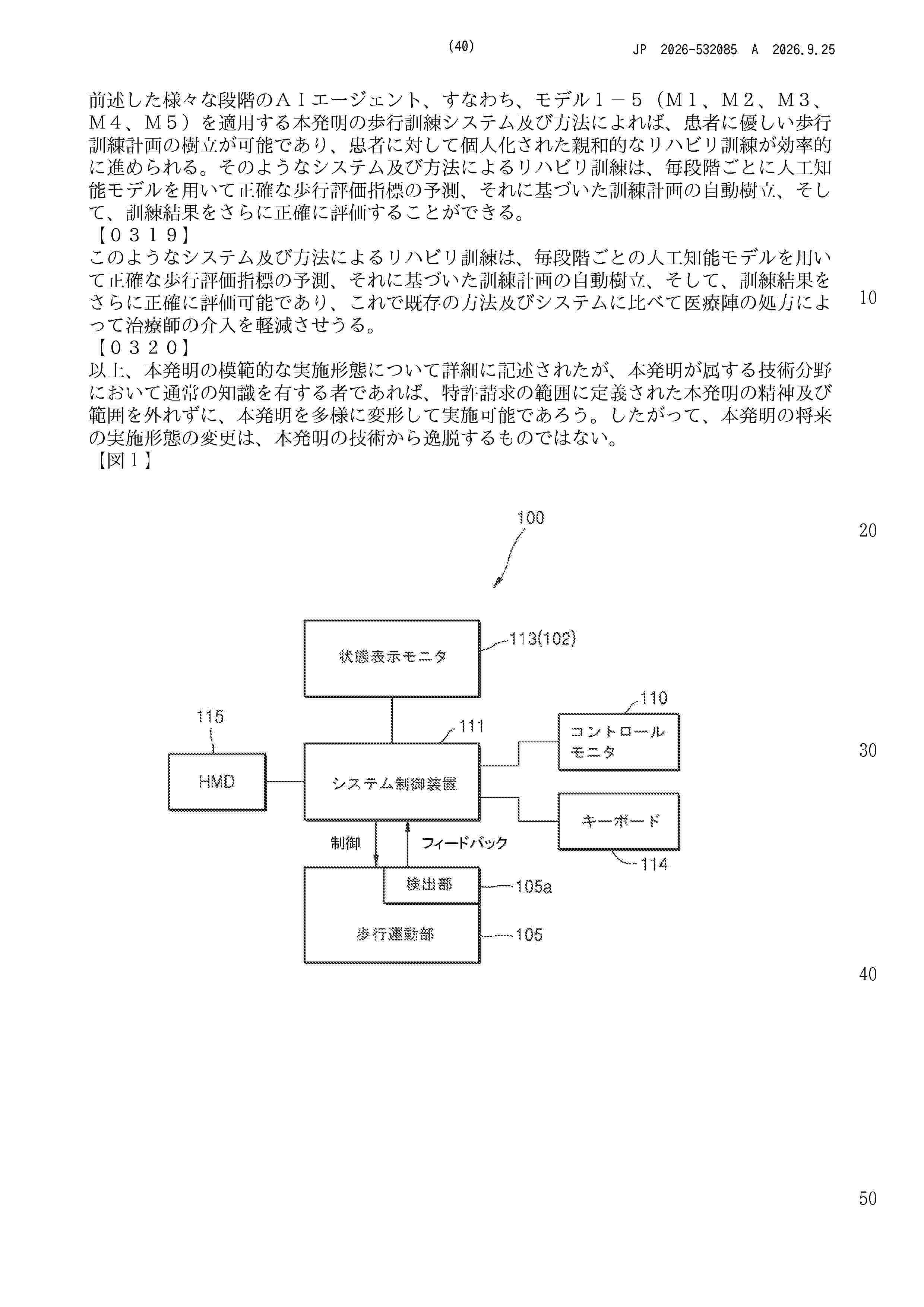
Disclosed is an exercise system including: a walking exercise device including an effector having at least one link that drives a pedal on which a patient stands; and a system operation device for controlling a main effector according to a training plan for each individual to conduct walking training for the patient, wherein the system operation device includes: an index prediction unit having an index prediction model for predicting a walk evaluation index of the patient on the basis of basic information including personal information and initial walking state information of the patient; a training planning unit for establishing an individual training plan for each patient on the basis of the predicted waling evaluation index; a training evaluation unit for evaluating a training result on the basis of training result data according to a result of rehabilitation training of the patient performed by the walking exercise unit; and a reporting unit for performing reporting on the training result on the basis of the evaluation of the training result.
Resumen de: WO2025128745A1
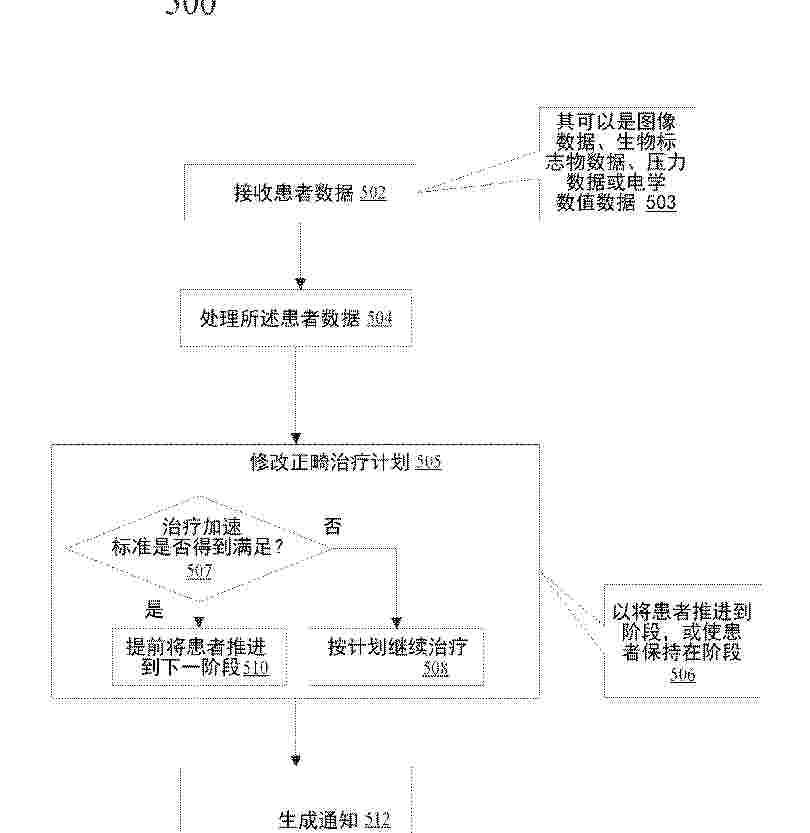
A method is provided for optimizing a dental treatment plan. In some cases, the method can include receiving patient data comprising one or more progress indicators associated with an dental treatment plan, processing the patient data to determine a level of progression associated with the dental treatment plan based on the one or more progress indicators, modifying the dental treatment plan in response to the determined level of progression, and generating a notification of the modified dental treatment plan. In some cases, modifying the dental treatment plan in response to the determined level of progression includes advancing a patient associated with the patient data to a subsequent stage of the dental treatment plan or retaining the patient within a current stage of the dental treatment plan.
Resumen de: WO2025184382A1
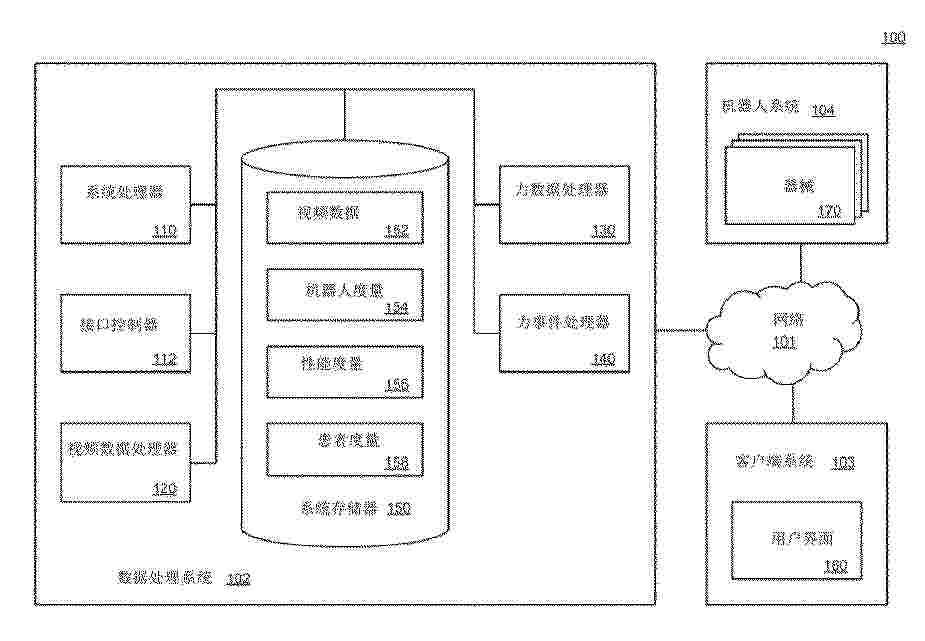
Configuration of force data of robotic systems for compatibility with network transmissions is provided. A system receives a data set corresponding to force at an instrument of a robotic medical system during a medical procedure. The system removes first points from the data set that satisfy a first threshold indicative of a first magnitude of force at the instrument of the robotic system. The system identifies, with a machine learning model and from the data set with the one or more first points removed, one or more second points that satisfy a second threshold indicative of a second magnitude of force at instrument of the robotic medical system. The system causes a user interface to present one or more videos for one or more times during the medical procedure that correspond to the one or more second points from the data set.
Resumen de: WO2025057081A1
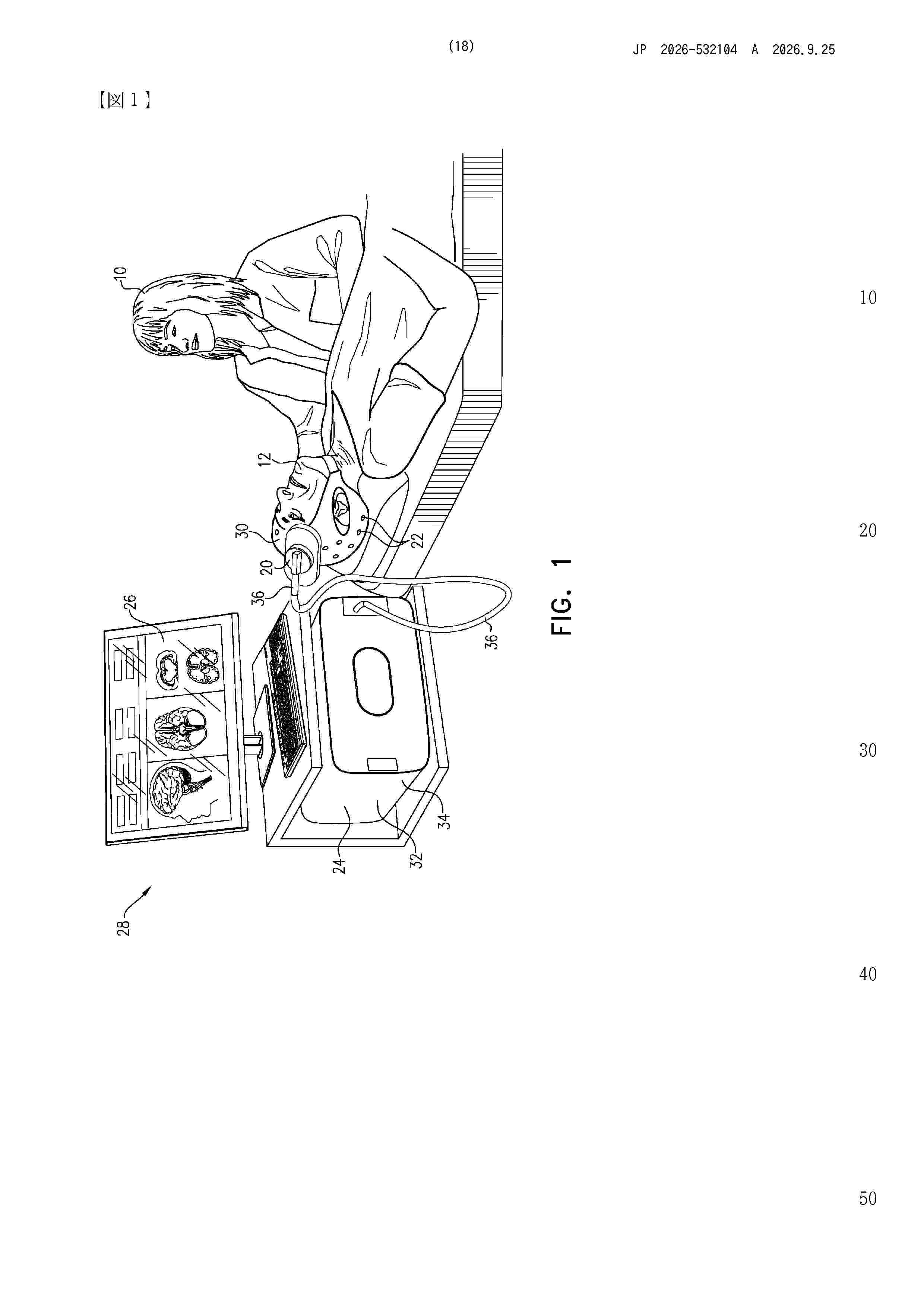
A system (28) includes multiple electrodes (22) configured to record respective signals produced, by a brain of a patient (12) suffering from a particular subtype of Parkinson's Disease (PD), in response to magnetic stimulation of the brain. The system further includes a processor (32) configured to receive the signals, to identify a subset, of multiple subtypes of PD, to which the particular subtype belongs, by processing the signals, and to output an output indicating the subset of the subtypes. Other embodiments are also described.
Resumen de: EP4421818A1
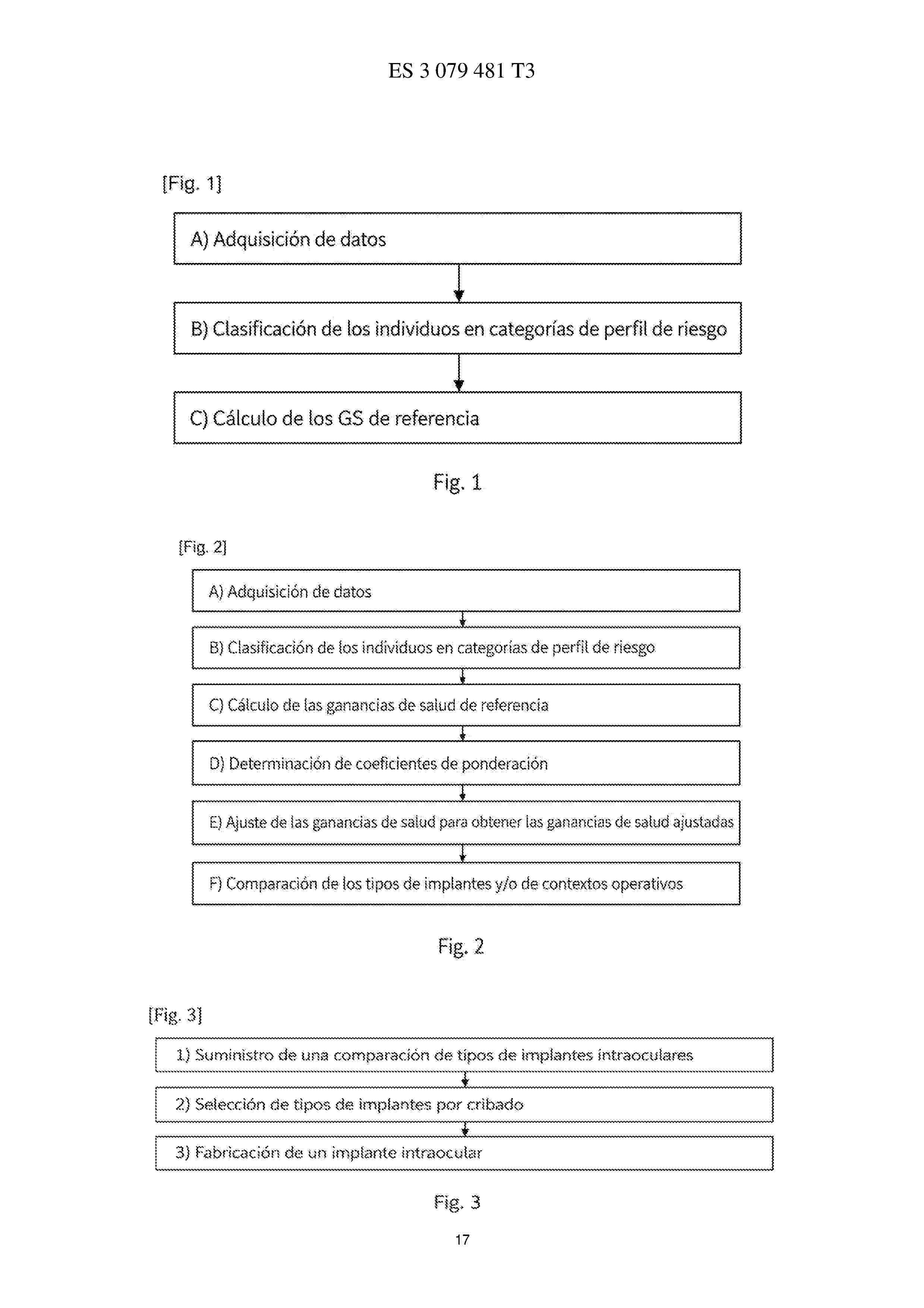
Procédé de comparaison d'implants ou de prothèses, et/ou de contextes opératoires, à partir d'une population d'individus portant chacun un implant ou une prothèse, le procédé comportant :A) pour chaque individu:- renseignement du type d'implants ou de prothèses, et/ou d'au moins un paramètre du contexte opératoire de mise en place de l'implant ou de la prothèse;- acquisition de paramètres cliniques; et- détermination d'un score (GS) quantifiant un bénéfice apporté à l'individu par l'intervention;B) classification des individus de sorte à obtenir au moins deux catégories de profil de risque indicatives d'un rapport entre un bénéfice apporté et le risque encouru;C) pour chaque catégorie, calcul d'un GS de référence, le GS de référence étant un quantile des GS des individus de la catégorie ;après l'étape C), comparaison, au sein de chaque catégorie, des types d'implants ou de prothèses et/ou des contextes opératoires en fonction des GS.
Resumen de: US20260283745A1
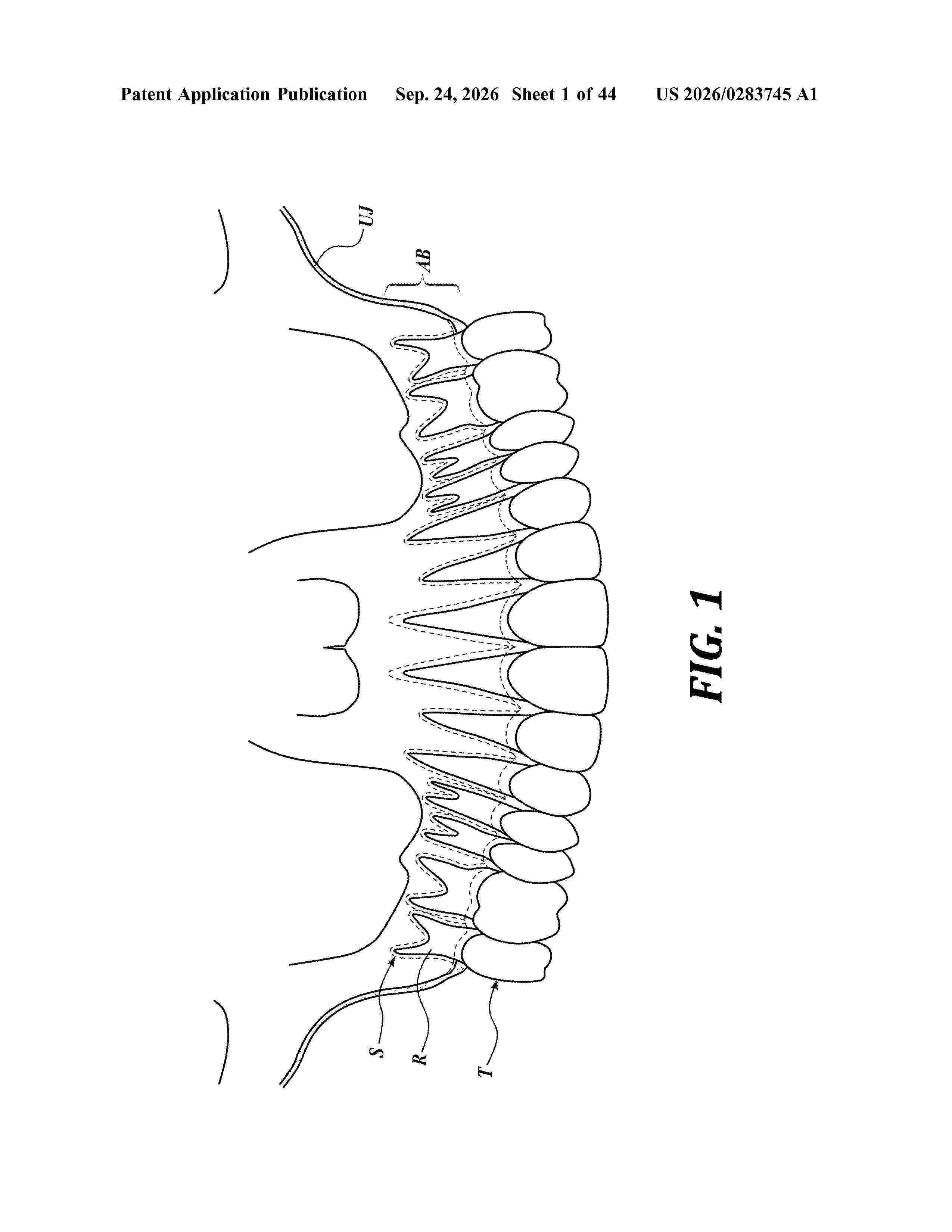
A surgical guide for placing implants in a patient's replacement arch to support a teeth-only, gingiva-free, full-arch dental restoration device may include a surgical guide body configured to temporarily, securely mate with teeth and/or gums of a patient's replacement arch and surgical guide sleeves received in the body for guiding implant placement into a corresponding number of post-extraction root sockets of the replacement arch when the surgical guide body is mated with the teeth and/or gums, wherein each surgical guide sleeve is configured to substantially align a longitudinal axis of an implant with an axis of the corresponding post-extraction root socket, and wherein each surgical guide sleeve is configured to limit a depth of an implant within the corresponding post-extraction root socket such that a collar of the implant is generally above the outer cortex layer of the bone at least partially in the gingiva layer.
Resumen de: US20260284259A1
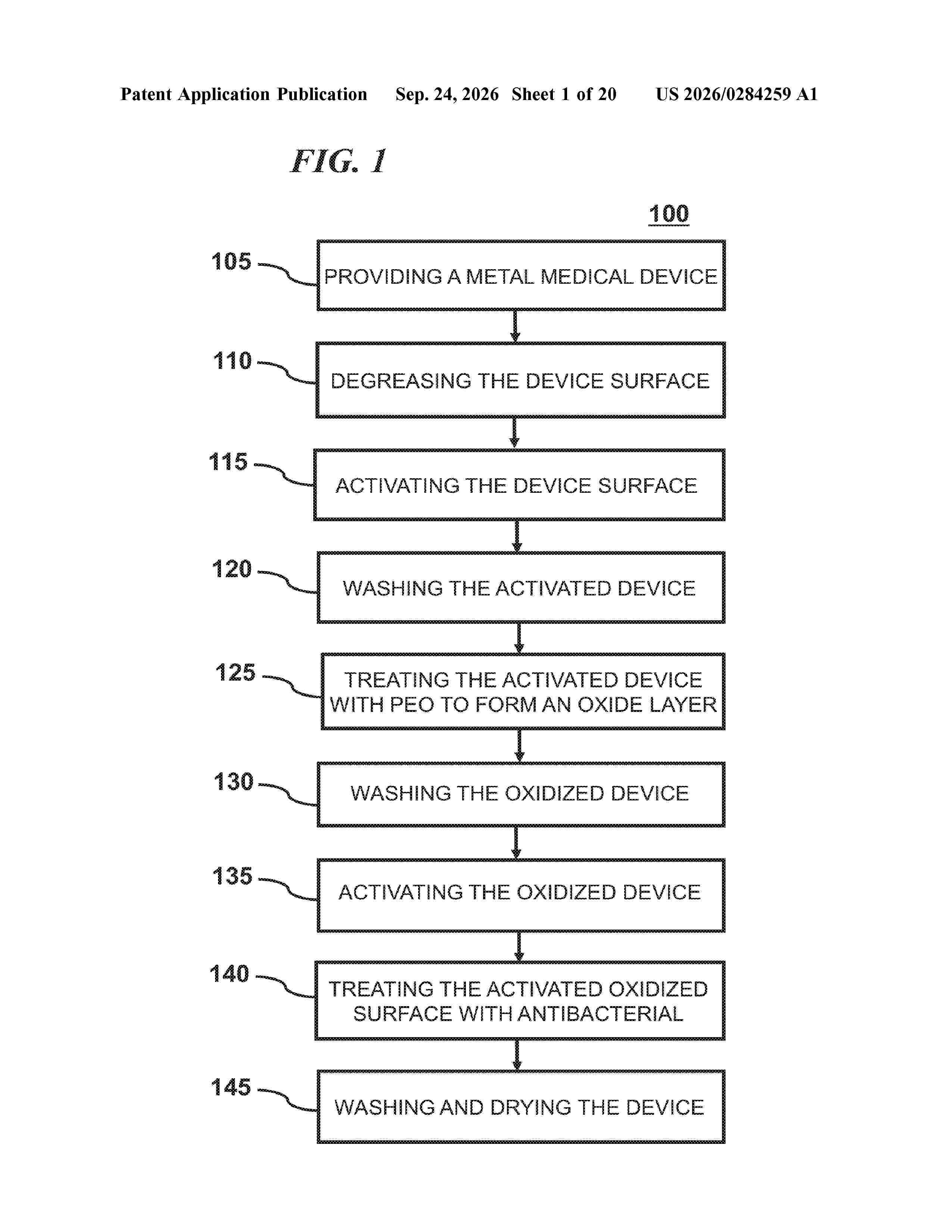
A method of producing a bioactive surface on a medical device configured for cementless implantation, the method comprising providing a medical device comprising a surface formed of titanium metal or a titanium alloy, treating the surface with an acidic solution consisting of nitric acid to form an activated surface, treating the activated surface using a plasma electrolytic oxidation process in an electrolyte solution to form an oxidized surface comprising a microporous oxide layer having bioactive elements, compounds, or phases, and chemically treating the resulting oxidized surface with an alkaline solution to form a bioactive surface comprising a structure selected from the group consisting of: a nanofibrous network, a composite of a nanofibrous network and nano-to-micro sized calcium phosphate particles, and a composite of the nanofibrous network, nano-to-micro sized calcium phosphate particles and a film comprising hydroxyapatite.
Resumen de: US20260284968A1
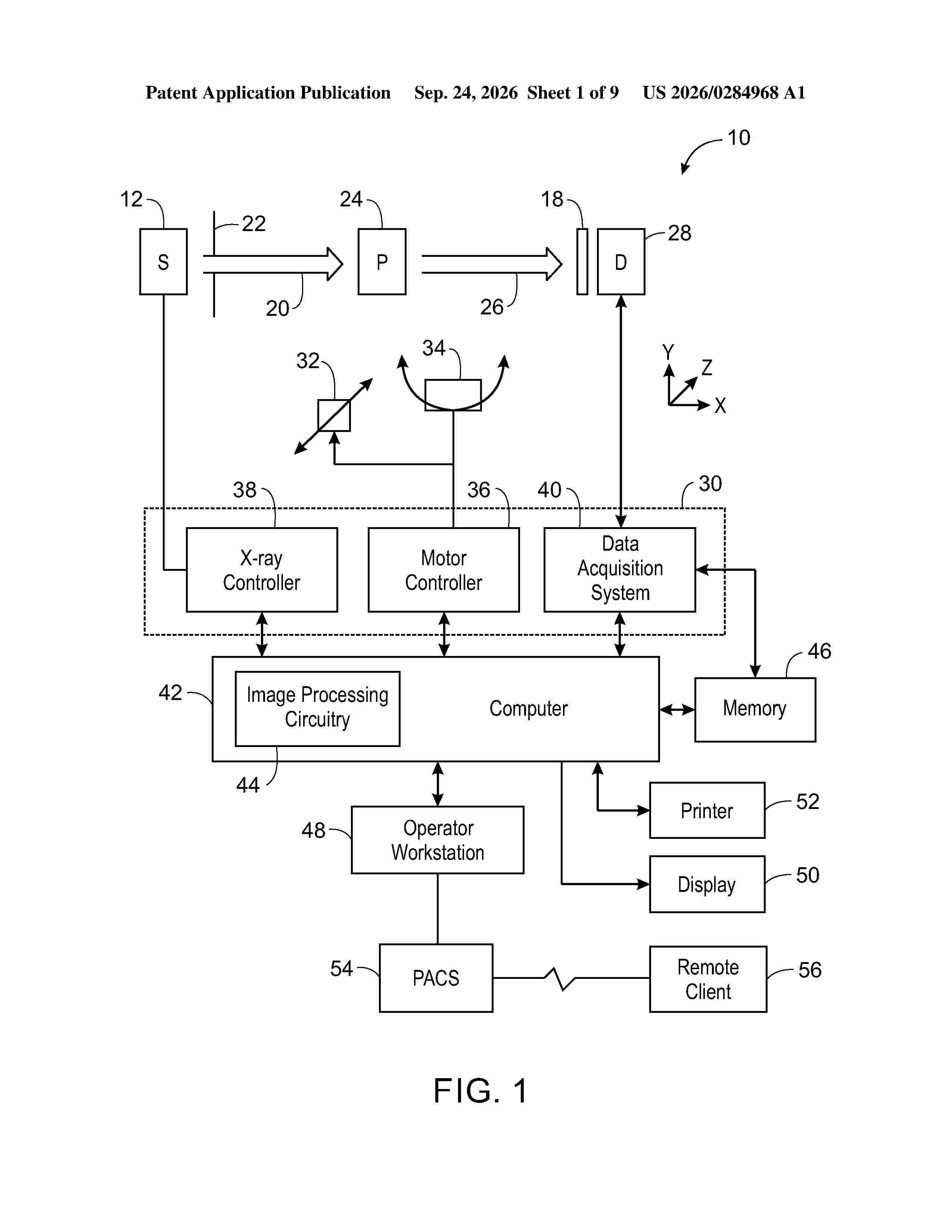
0000 A method for forming a metallic grid structure includes utilizing 3D printing for printing a first layer of a first wall section of the metallic grid structure in a first direction along a first vector offset from a center line of the first wall section by half of a first distance of a first width of the first wall section that is orthogonal to the center line. The method also includes utilizing 3D printing for printing a second layer of the first wall section on the first layer in a second direction along a second vector offset from the first line of the first wall section by half of the first distance of the first width of the first wall section, wherein the second direction is opposite the first direction, and the first vector and the second vector are disposed on opposite sides of the center line.
Resumen de: US20260283809A1
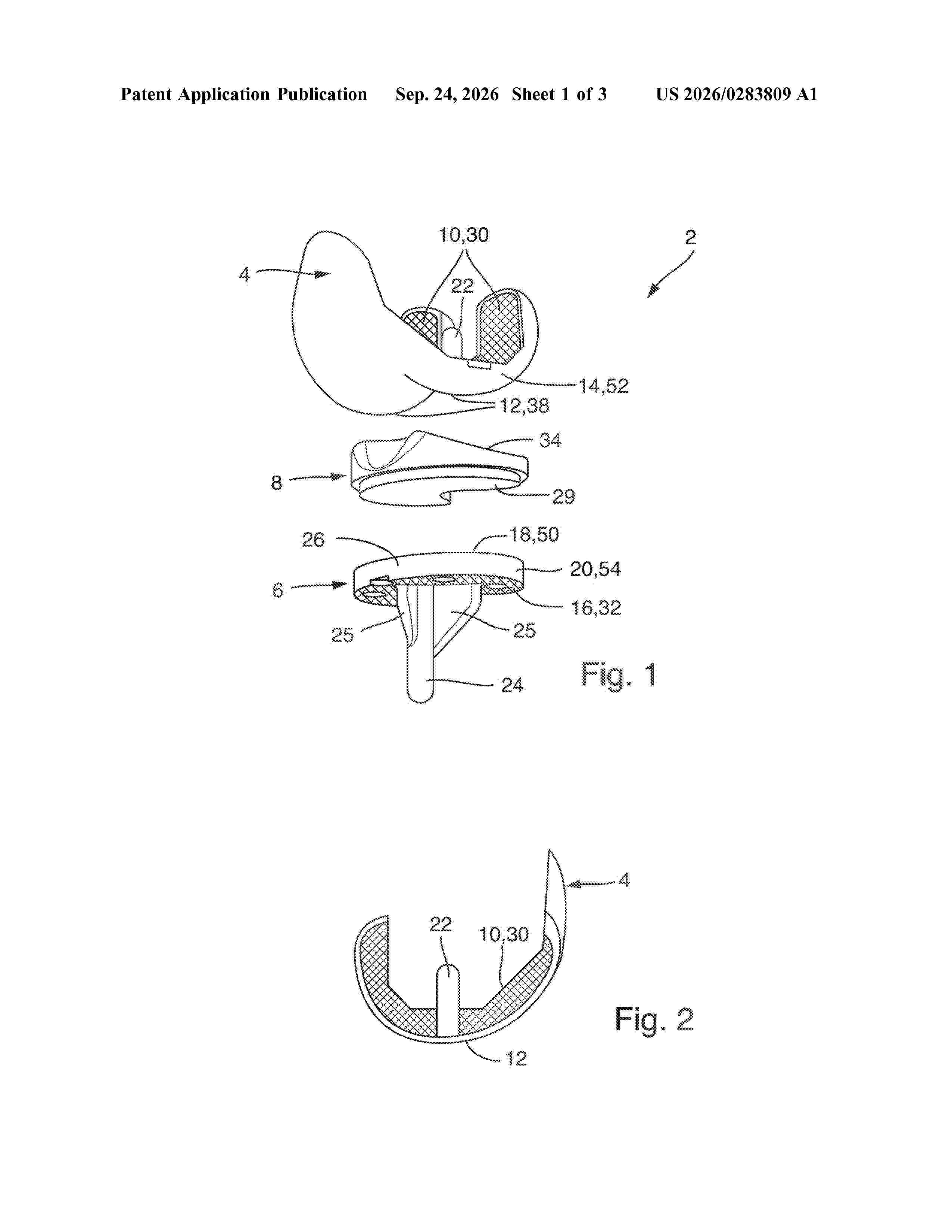
0000 An orthopedic knee joint prosthesis includes a metallic femoral implant part, a metallic tibial implant part, and a meniscus replacement part. The femoral implant part and in particular also the tibial implant part are manufactured additively by metallic 3D printing. The femoral implant part and/or the tibial implant part have/has a three-dimensionally porous surface structure formed by the 3D printing, in surface regions configured to face the bone, to allow incorporation of the bone into the implant part. The femoral implant part and/or the tibial implant part have/has at least in some areas a coating in surface regions configured to not be in contact with the bone and not be in contact with the meniscus replacement part but configured to be in contact with soft tissue. The coating reduces a surface roughness of the surface regions.
Resumen de: US20260283602A1
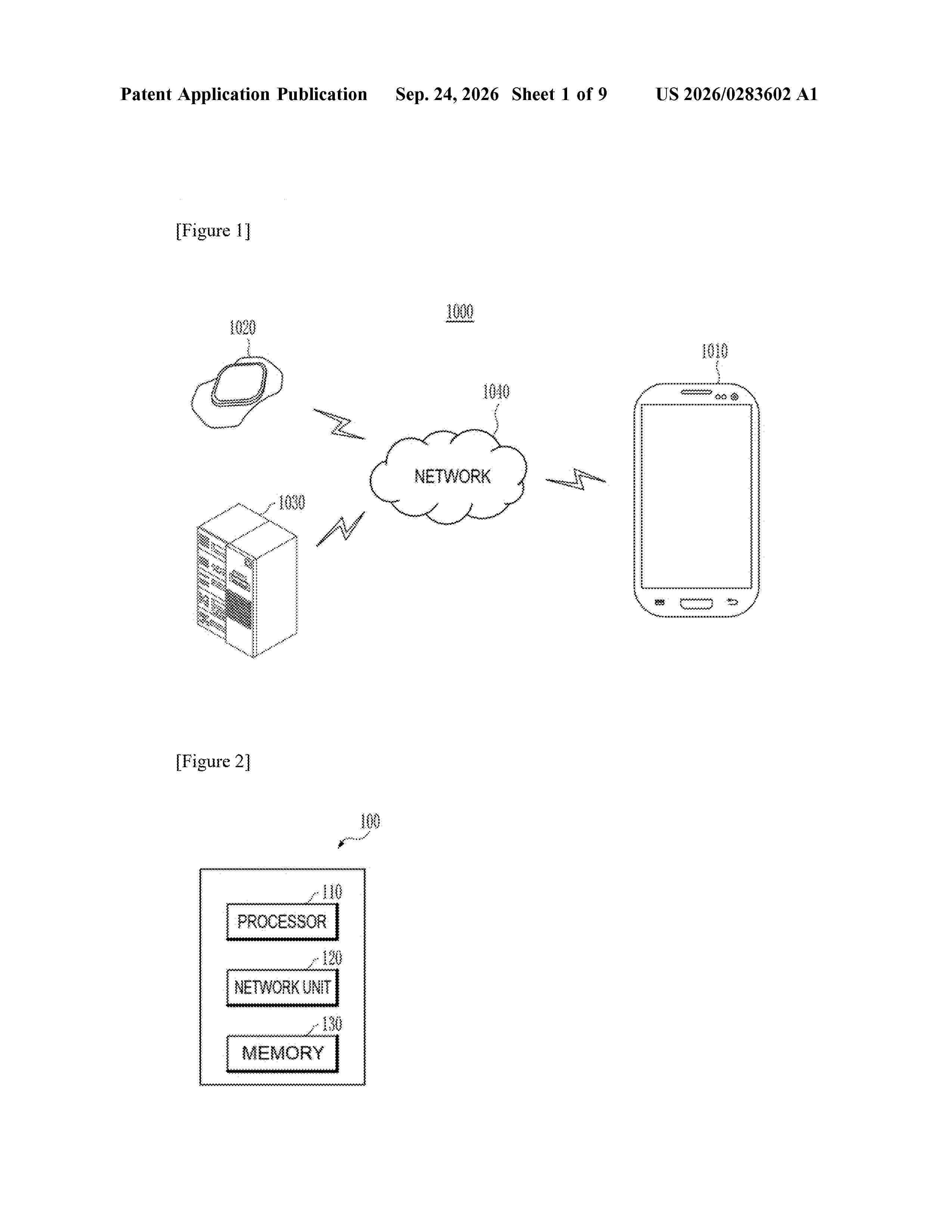
0000 According to some exemplary embodiments of the present disclosure, disclosed is a method for providing menstrual related information, which is performed by a computing device. The method may include: obtaining biometric information including a plurality of predetermined electrocardiogram variable information, the plurality of electrocardiogram variable information including time series data; obtaining user question and answer information corresponding to the plurality of electrocardiogram variable information; and generating, by an analysis model, menstrual cycle prediction information based on the biometric information and the user question and answer information.
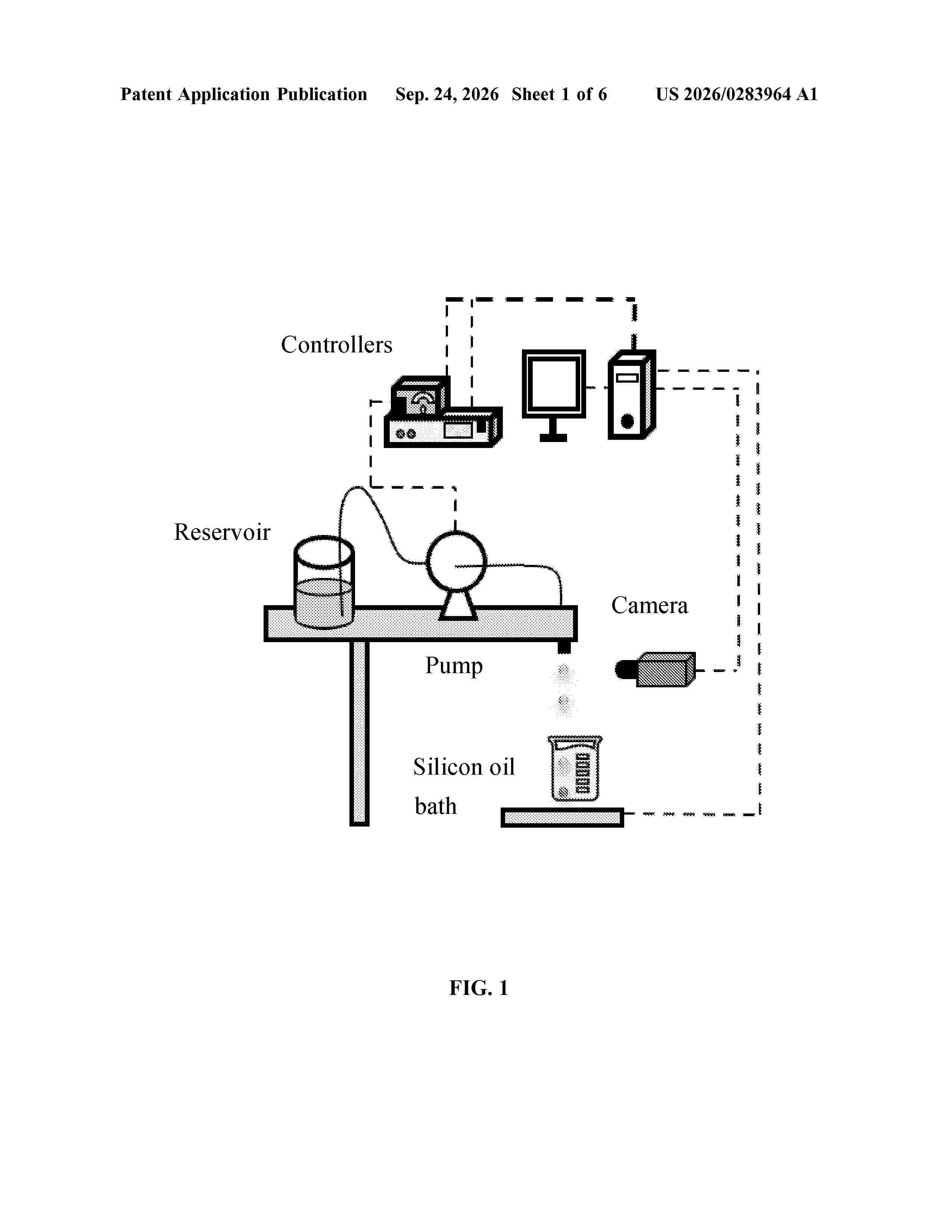
Resumen de: US20260283964A1
0000 A method for manufacturing pharmaceutical mini-tablets with a low dosage and high content of uniformity by employing drop-on-demand three-dimensional printing; a printed mini-tablet manufactured in accordance with the method; and a combination of two or more printed mini-tablets.
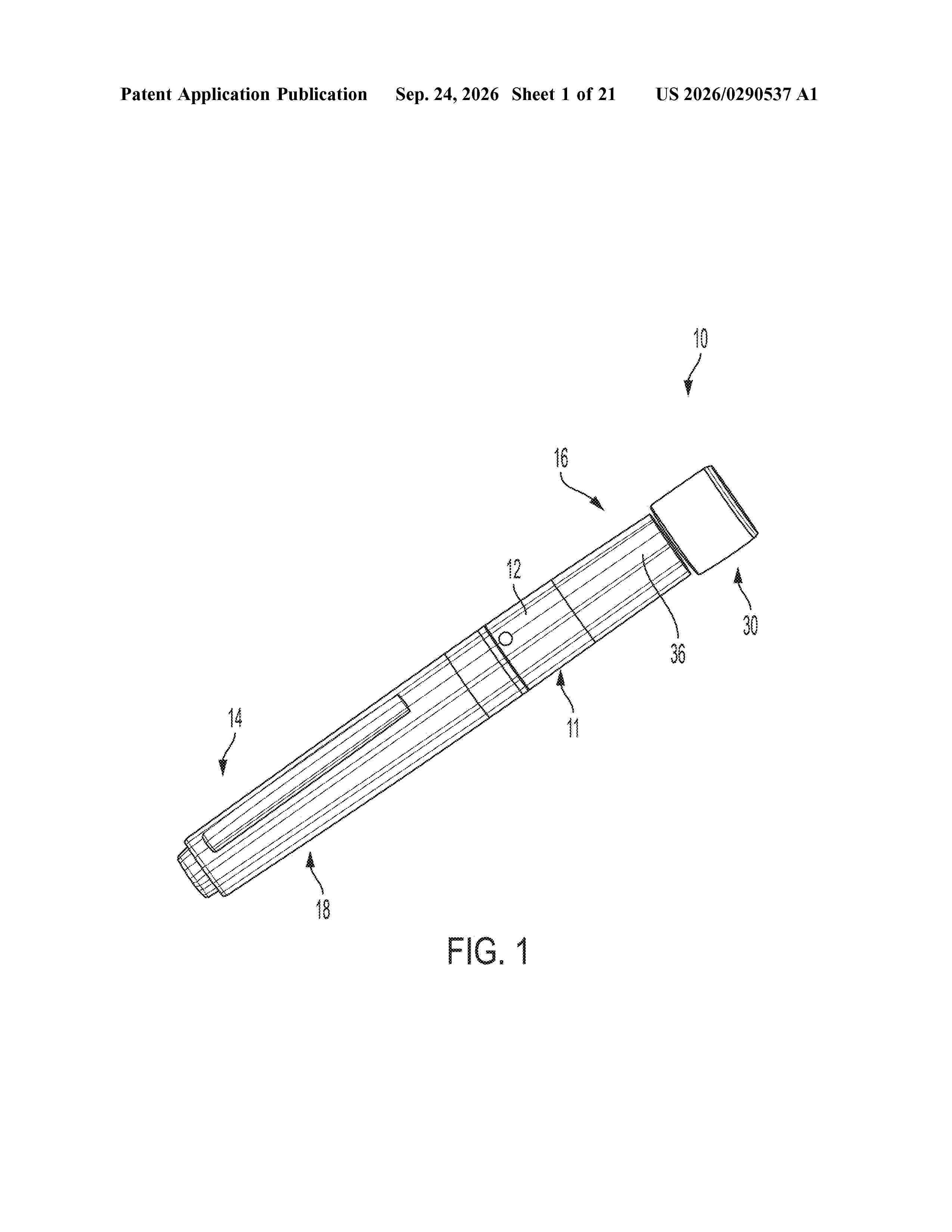
Resumen de: US20260290537A1
0000 A method is provided for presenting information from a particular medication delivery device to a user. The method includes: receiving a set of advertising packets, the set of advertising packets comprising at least one advertising packet from one or more medication delivery devices, the one or more medication delivery devices including the particular medication delivery device, wherein each advertising packet includes an identifier associated with a respective medication delivery device of the one or more medication delivery devices; determining a number of unique identifiers included in the set of advertising packets to determine a number of transmitting medication delivery devices; determining, based on the number of transmitting medication delivery devices, whether to prompt the user to provide identification information for the particular medication delivery device; and presenting the information from the particular medication delivery device to the user.
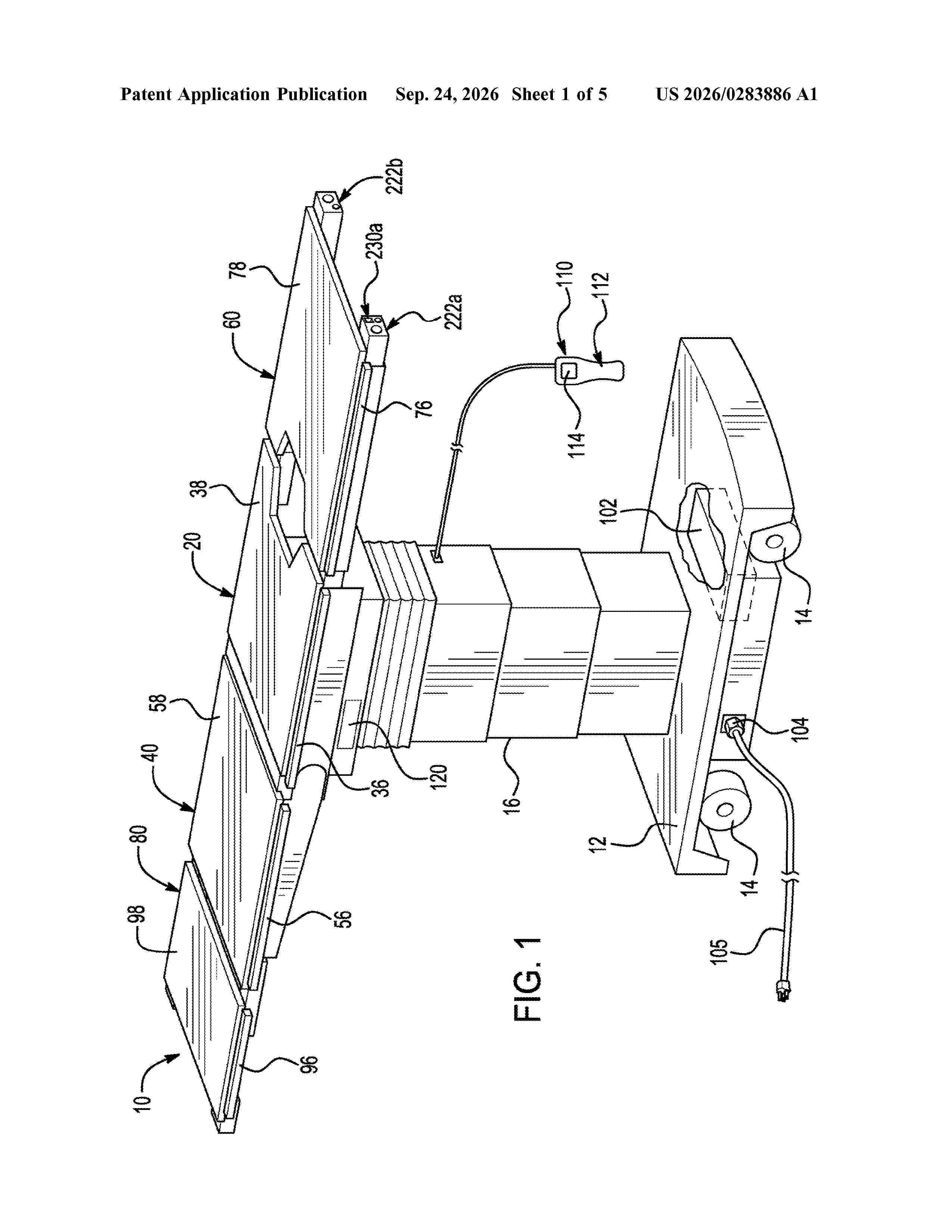
Resumen de: US20260283886A1
A surgical table including attachable components that have pre-stored parameter data on-board the attachable component, wherein the parameter data is associated with the attachable component. Attachable components that are attached to the main platform of the surgical table communicate the pre-stored parameter data to the table controller via wired or wireless communications. In response, the table controller operates the surgical table with enhanced control feature in accordance with the parameter data.
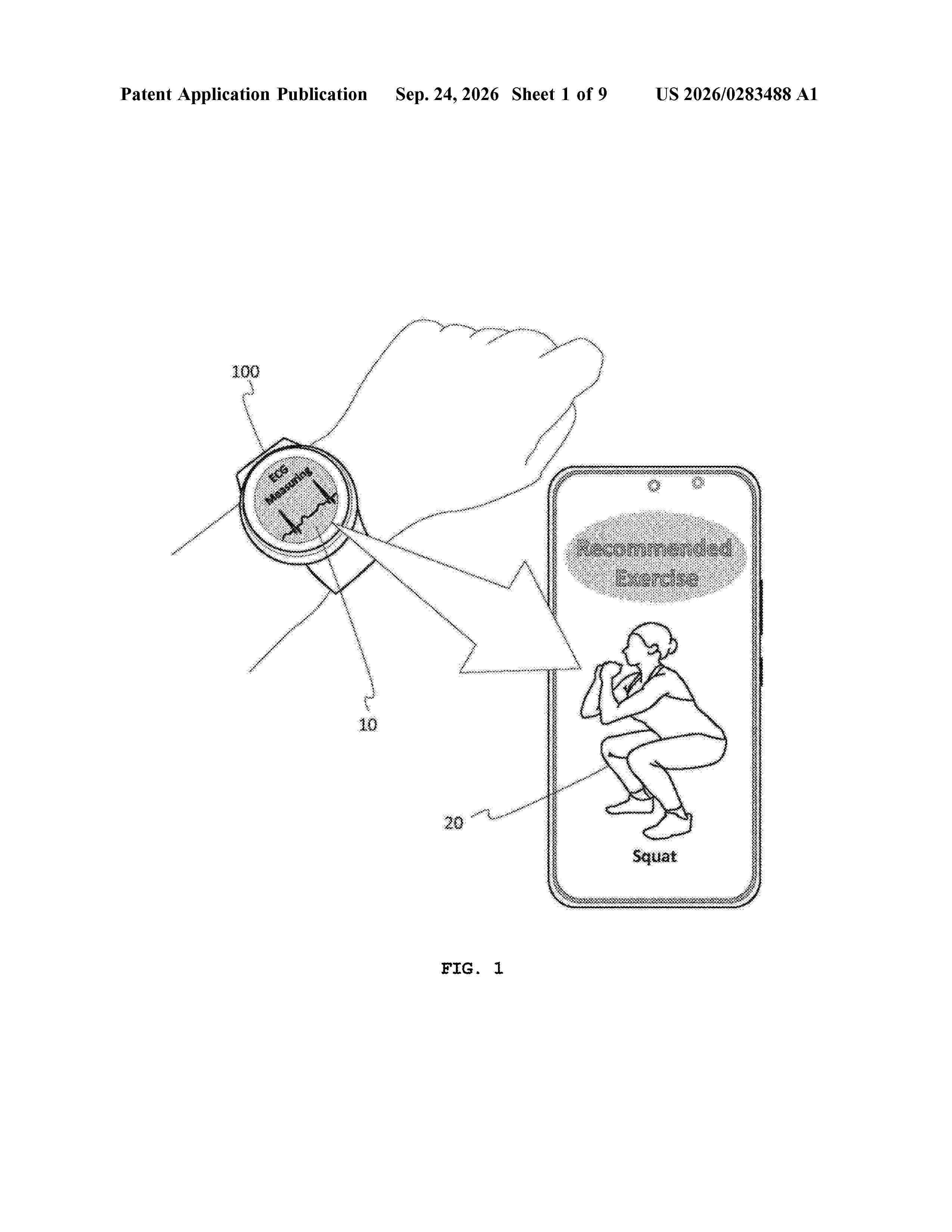
Resumen de: US20260283488A1
The present invention proposes a method of recommending exercise suitable for a user's real-time health condition based on an electrocardiogram. The method may include obtaining an electrocardiogram signal measured for a user, identifying the state of the cardiac pump of the user by analyzing the electrocardiogram signal using pre-trained artificial intelligence, and determining the type of exercise to be recommended to the user in accordance with the identified state of the cardiac pump. Through this, a user may receive a recommendation for exercise optimized for his or her current health condition simply by measuring his or her electrocardiogram.
Resumen de: US20260290536A1
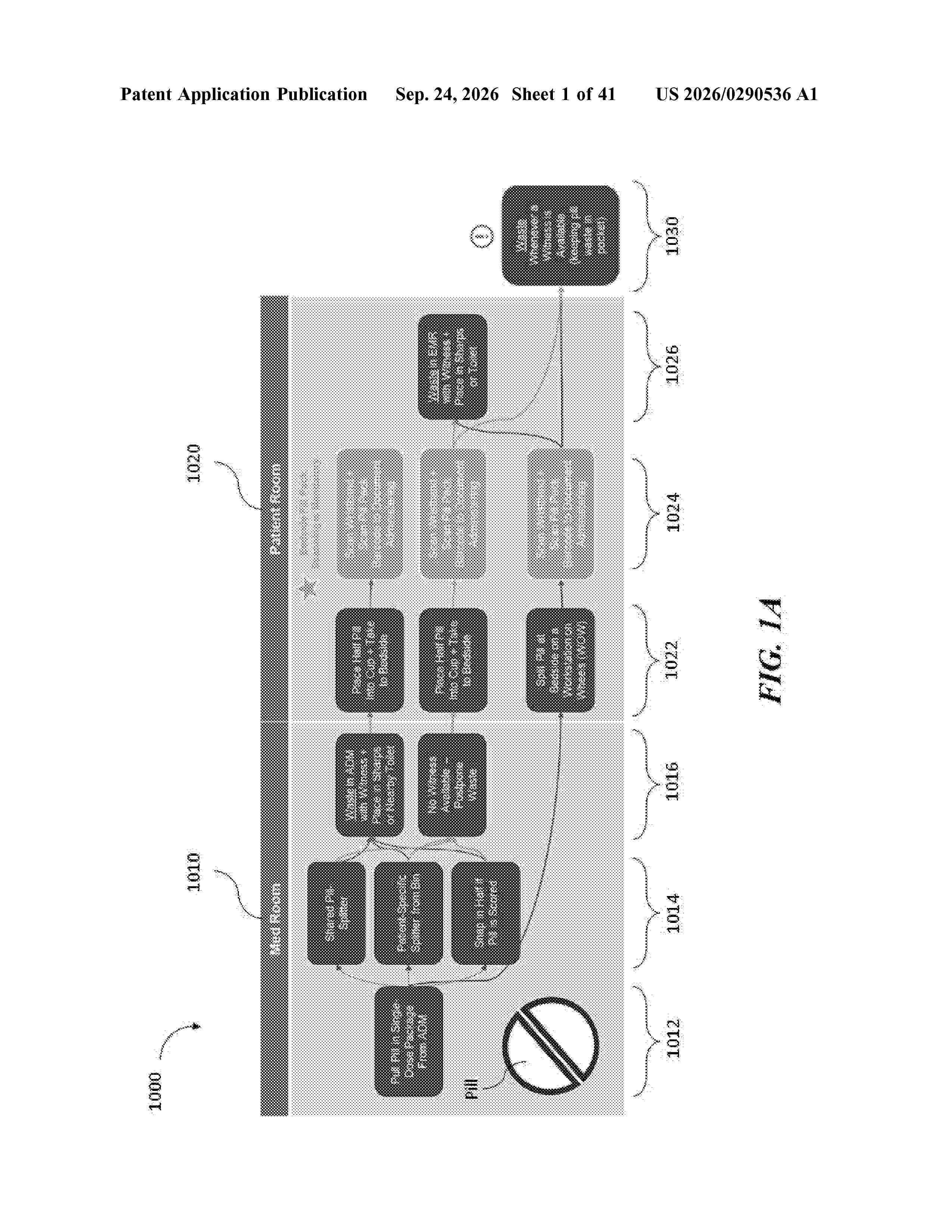
0000 The present disclosure provides systems and methods for medication disposal, e.g., at a medical institution or a pharmacy. For example, a system for medical disposal can comprise a receiving unit configured to receive a medication from a user. The medication can be an unused or leftover portion of a prescribed medication for a subject in need thereof. The system can comprise one or more sensors operatively coupled to the receiving unit. The one or more sensors can be configured to detect the medication received by the receiving unit. The system can comprise an analysis engine operatively coupled to the one or more sensors. The analysis engine can be configured to determine a score indicative of a management of the prescribed medication by the user, based at least in part on (i) the detection of the medication received.
Resumen de: US20260290552A1
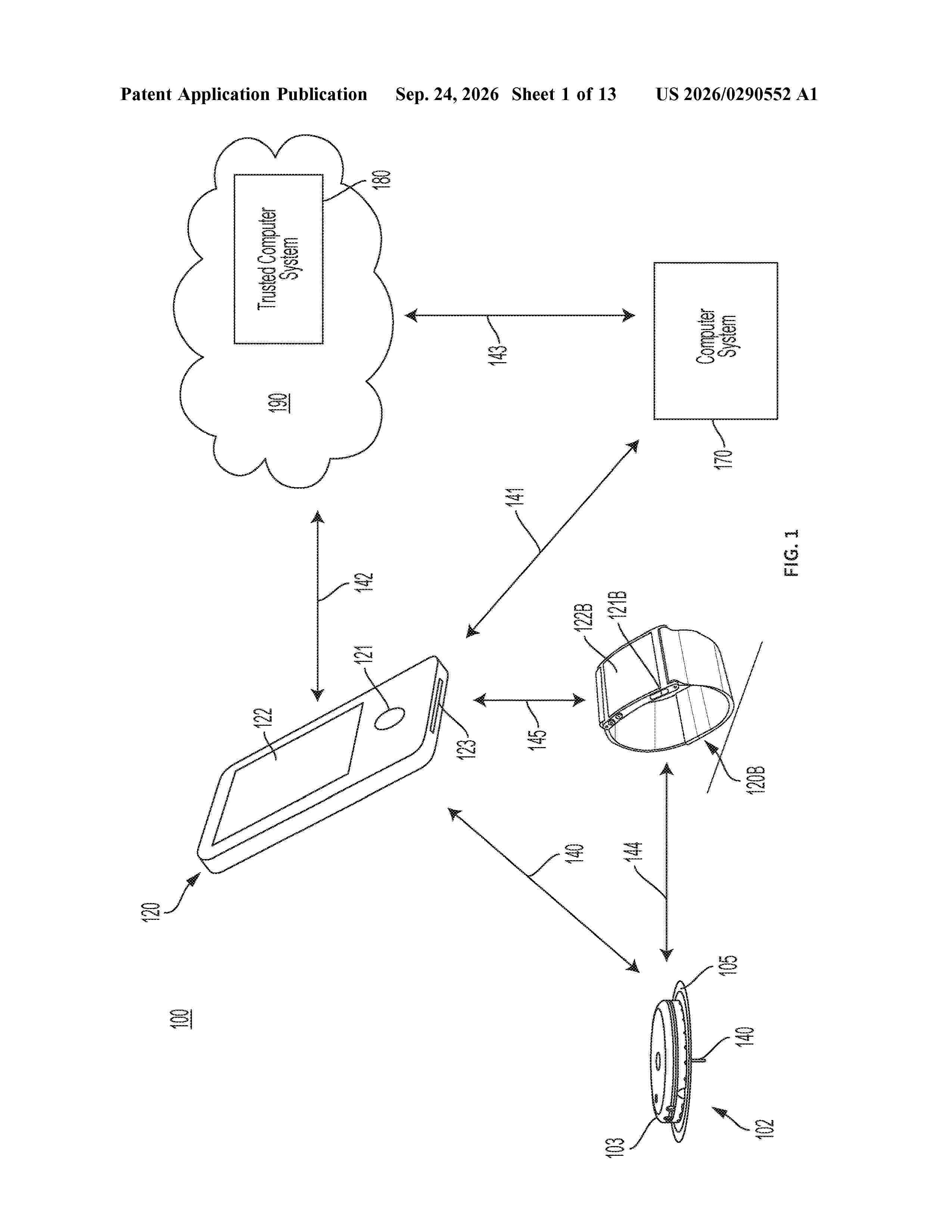
Various embodiments of systems, devices and methods for improved meal and therapy interfaces in analyte monitoring systems are disclosed. These embodiments can determine a medication dosage to be administered with the consumption of a meal, identify meal start and meal peak response candidates, and recommend user-initiated analyte checks.
Resumen de: US20260283963A1
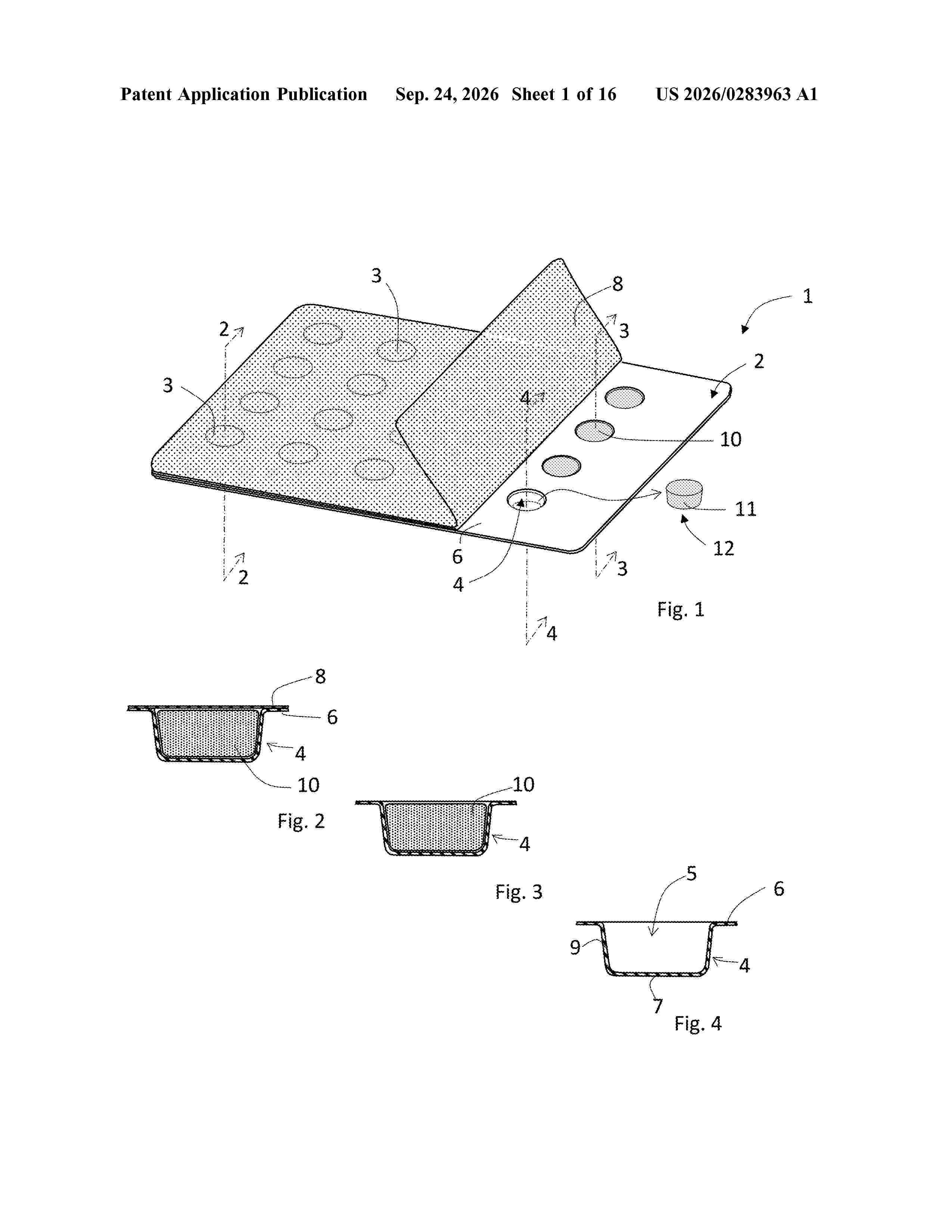
A method and system of forming a pharmaceutical dosage form within a portion of a blister packaging. The method includes the steps of providing a blister packaging for the dosage form with depressions. A predetermined amount of a drug-containing powder material comprising drug-containing particles is deposited into a substantially uniform powder layer within the depressions. A binding liquid is then deposited in a pattern on the powder layer within the depressions, to bind the particles of the powder layer and form an incremental wetted layer. Excess solvent in the binding material can be removed to form an incremental bound layer. These steps are repeated in sequence at least one or more times to form the pharmaceutical dosage form within the blister packaging.
Resumen de: US20260290559A1
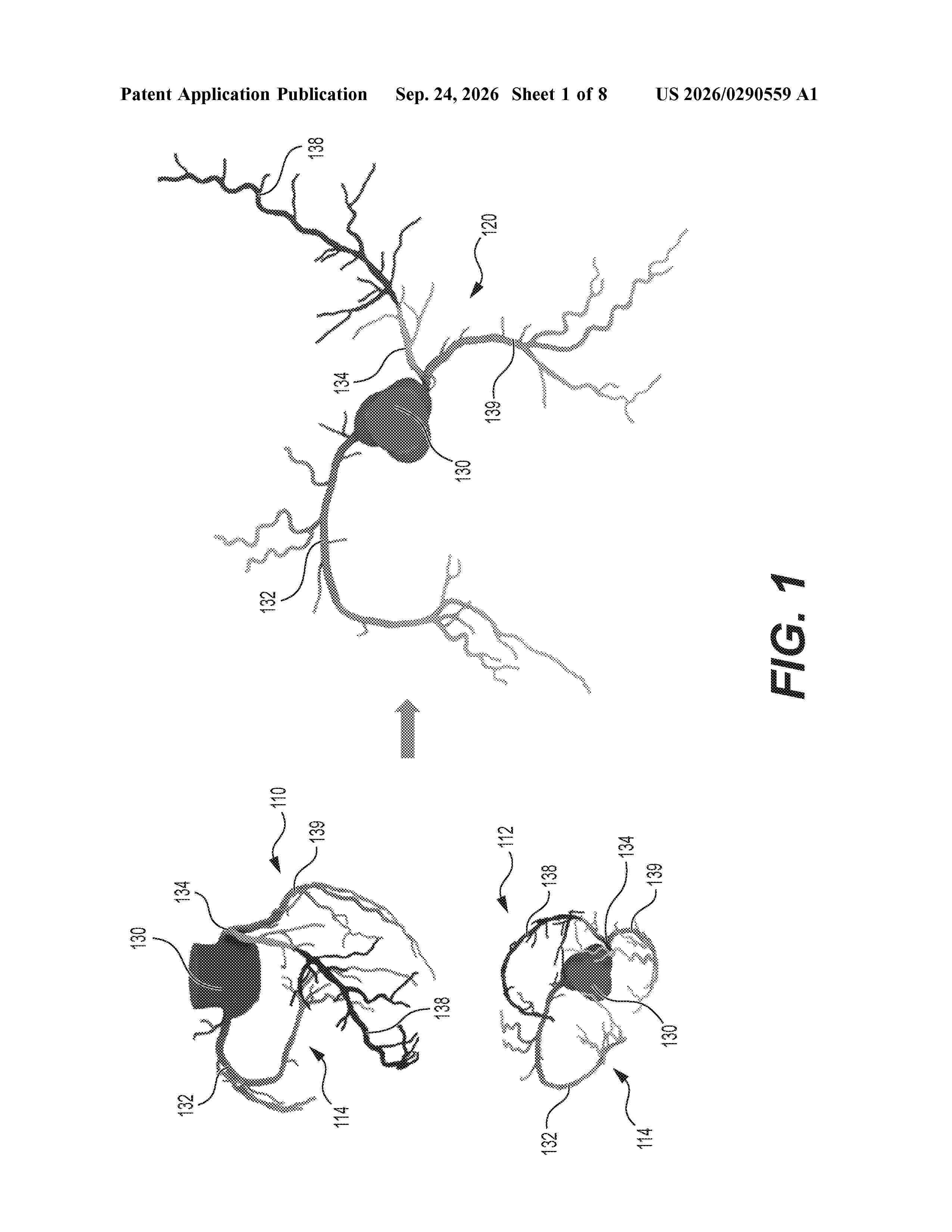
0000 A computer-implemented method for processing electronic images for subject-specific two-dimensional modeling of a subject's vasculature, comprising: receiving one or more subject-specific three-dimensional models of the subject's vasculature, wherein the subject-specific three-dimensional model includes a representation of the vascular tree structure; determining a two-dimensional viewing plane; determining a projection of the representation of the vascular tree structure of the one or more subject-specific three-dimensional model onto the two-dimensional viewing plane; generating one or more subject-specific three-dimensional models around the representation of the vascular tree structure; and generating a two-dimensional image depicting the one or more generated models.
Nº publicación: US20260292997A1 24/09/2026
Solicitante:
DEXCOM INC [US]
Dexcom, Inc.
Resumen de: US20260292997A1
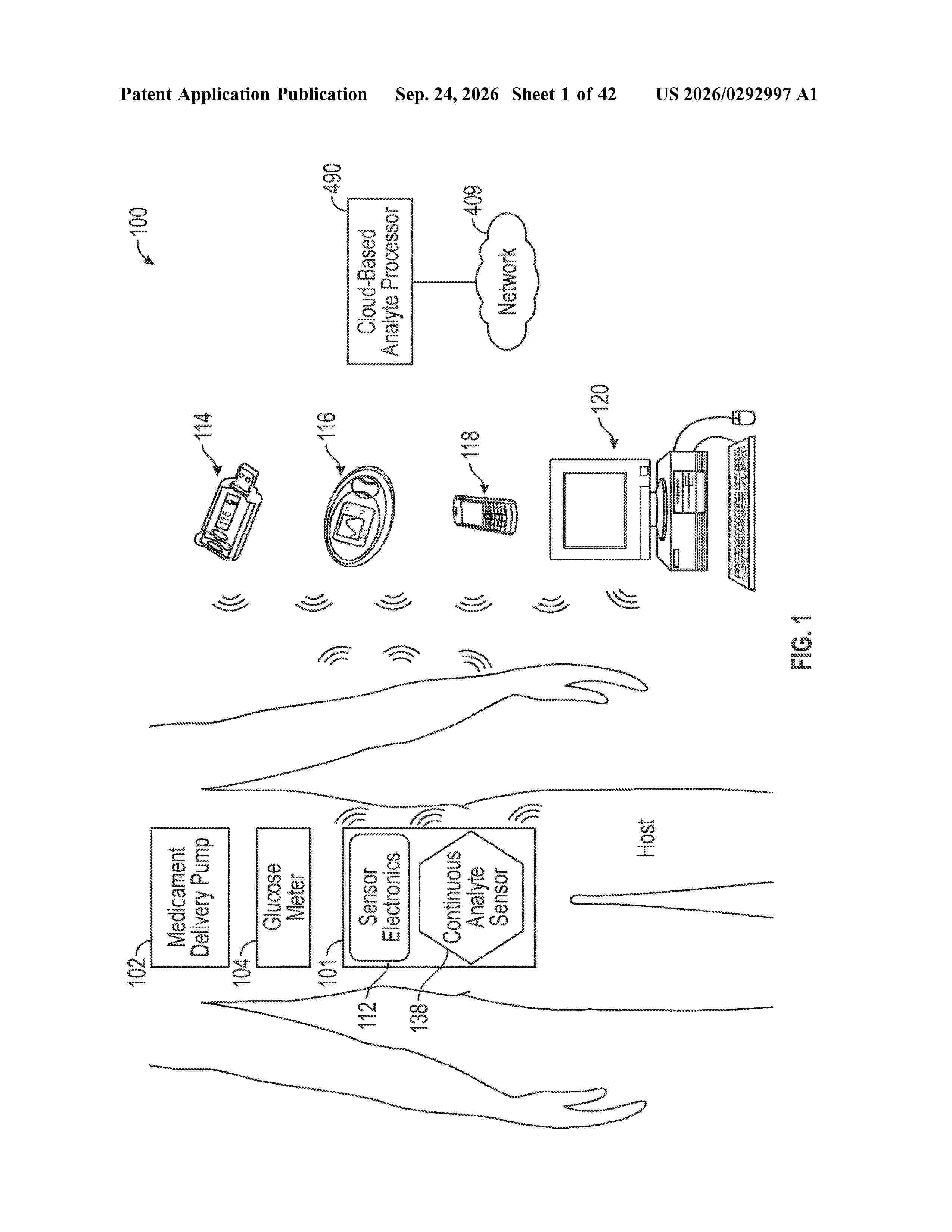
Pre-connected analyte sensors are provided. A pre-connected analyte sensor includes a sensor carrier attached to an analyte sensor. The sensor carrier includes a substrate configured for mechanical coupling of the sensor to testing, calibration, or wearable equipment. The sensor carrier also includes conductive contacts for electrically coupling sensor electrodes to the testing, calibration, or wearable equipment.
 BOPI
BOPI
 Sede Electrónica