Si deseas distinguir tus productos, servicios o ambos de los de otra empresa, es posible que necesites una marca o nombre comercial. Descubre qué son, en qué consiste su procedimiento de registro y qué implica.

Información sobre los plazos de presentación de solicitudes de transformación de marcas de la Unión Europea en marca nacional española. Más información


Si tienes un nuevo dispositivo, producto o procedimiento que resuelva un problema técnico o tenga una ventaja práctica, existen distintas formas de protegerlo en España y en otros países. Descubre cómo hacerlo.

¿Tu innovación reside en la estética, la ornamentación o la apariencia de tu producto? Protégela mediante un diseño industrial. Descubre qué derechos confiere el registro y cómo realizar la tramitación.

Las indicaciones geográficas protegen el nombre de un producto originario de una zona geográfica, a la cual le debe una determinada calidad, reputación u otra característica. Descubre qué son, en qué consiste su procedimiento de registro y qué beneficios conceden.

Las patentes publicadas en todo el mundo son una valiosa fuente de información científica, técnica y comercial.

Si eres emprendedor/a o una empresa y quieres potenciar y mejorar la rentabilidad de tu negocio protegiendo de forma adecuada los activos intangibles de tu organización, en este espacio encontrarás lo necesario.


 568
resultados
568
resultados
 Última actualización
17/10/2026 [07:24:00]
Última actualización
17/10/2026 [07:24:00]


 Resultados 275 a 300 de 568

Resumen de: EP4813352A1
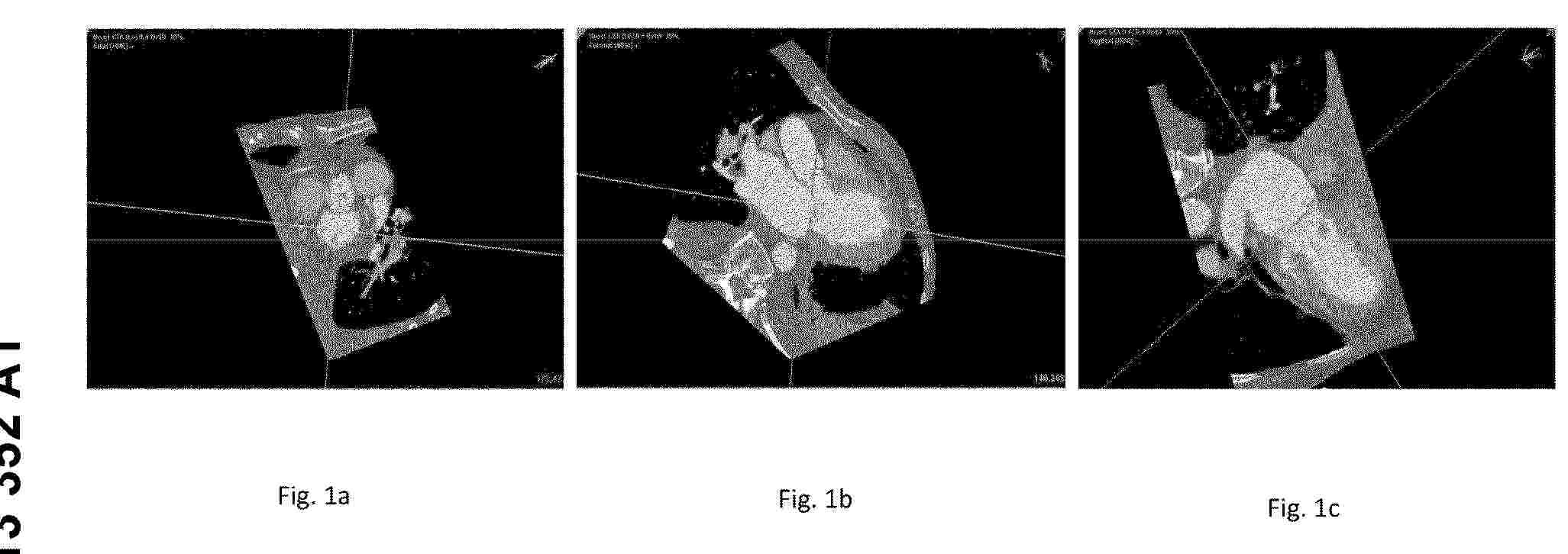
0001 A method of manufacturing a patient-specific hemivalve prosthesis for mitral valve repair comprises segmenting a patient's mitral valve from medical imaging data to generate a segmented mitral valve model, creating an anterior leaflet model and a posterior leaflet model from the segmented mitral valve model by determining geometric references including a commissure-to-commissure line between two commissures, a coaptation line based on overlapping surfaces between the leaflet models, a posterior annulus connecting points along the posterior leaflet model adjacent to the left atrial wall, and a free edge line along points of the anterior leaflet in a ventricle underneath an annulus plane, reconstructing the posterior leaflet model by creating a neo-coaptation line to achieve a minimum target coaptation height, and forming the hemivalve prosthesis based on the reconstructed posterior leaflet model such that the prosthesis is configured to establish a coaptation plane with the patient's anterior leaflet.

Resumen de: EP4814981A2
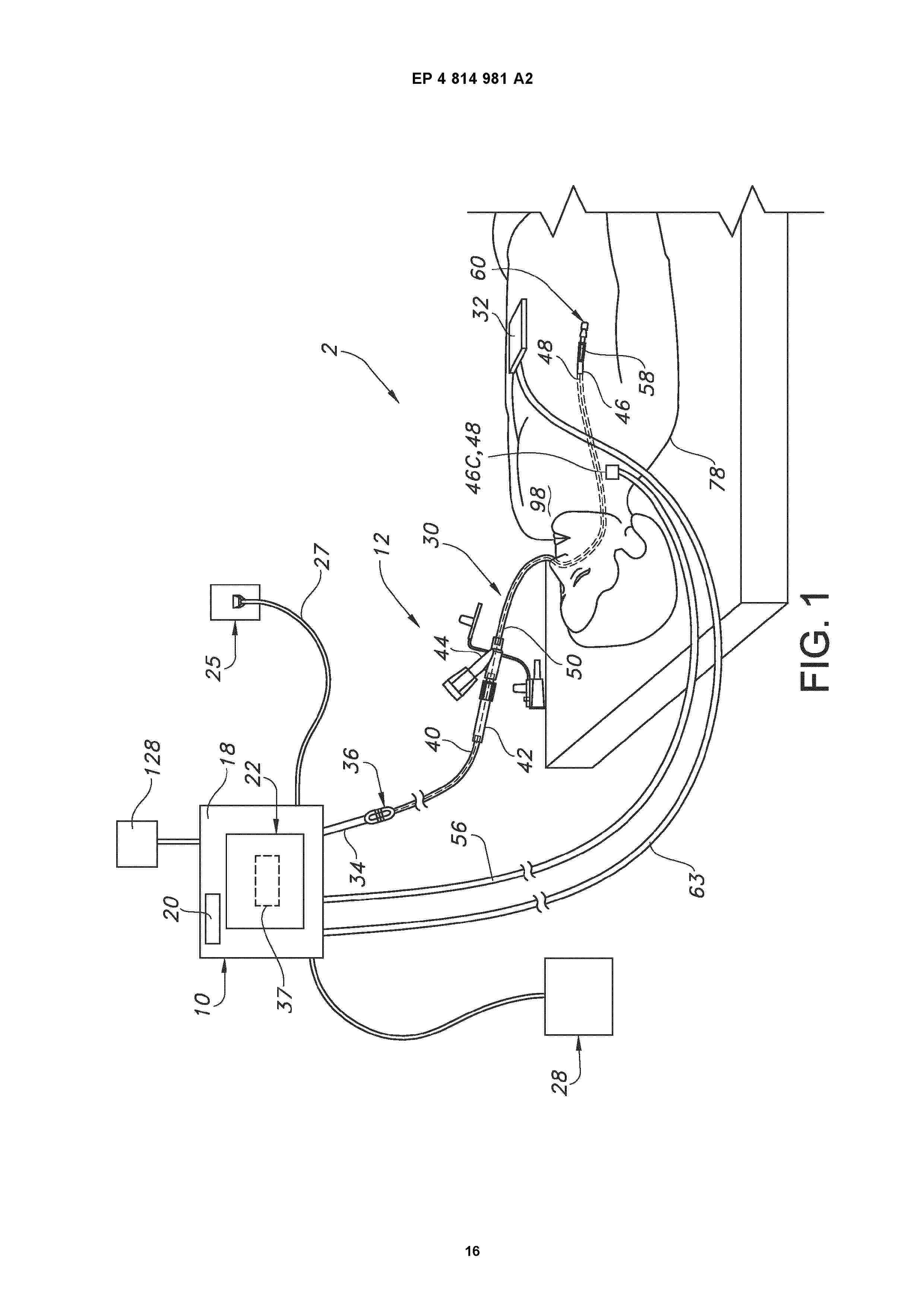
0001 A system comprises a tubing assembly including a catheter extending in a longitudinal direction between a proximal end and a distal end and defining a lumen therebetween. The system further comprises a stimulation electrode assembly for delivering an electrical stimulation waveform to tissue at a voltage of 1.01 V to 100 V, a recording electrode assembly, and a processor. In operation, the stimulation electrode assembly generates and delivers the electrical stimulation waveform to the tissue. The recording electrode assembly monitors, over a frequency range, electrical activity elicited by the tissue in response to a noise signal and communicates the monitored electrical activity to the processor in real time. The system thus enables tissue stimulation and real-time monitoring of the resulting electrical activity.
Resumen de: EP4814976A2
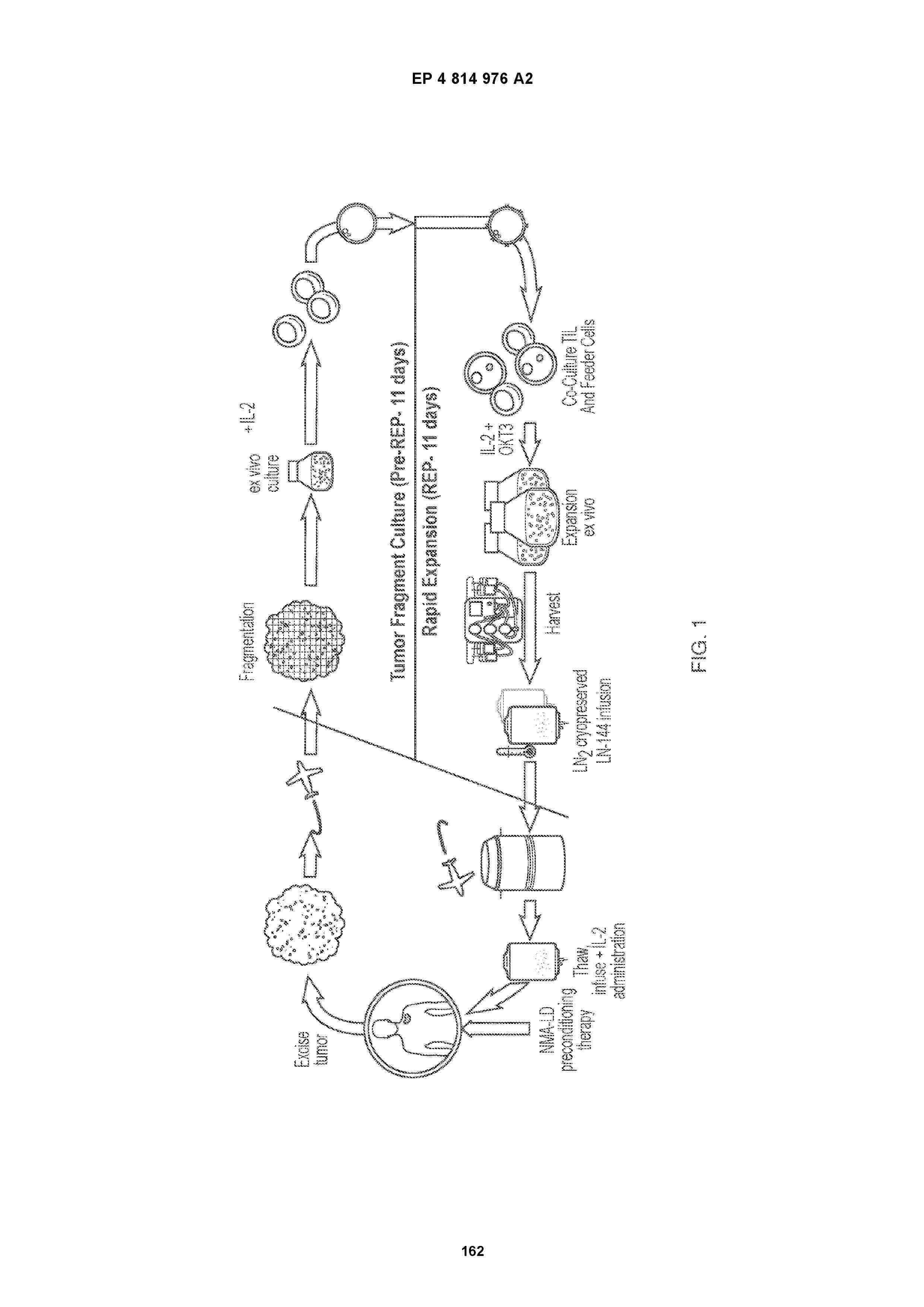
0001 Methods and systems are disclosed herein. A method of manufacturing a cell therapy product for treating cancer in a patient comprises initiating manufacturing of the cell therapy product from at least a portion of a tumor or a population of cells obtained from the patient using a multi-step cell expansion process, based on a cell order request to manufacture the cell therapy product, a preliminary schedule of patient treatment events for treating the patient with the cell therapy product, and a selected manufacturing slot at a manufacturing facility, wherein the manufacturing slot is selected from a plurality of available manufacturing slots based on the preliminary schedule of patient treatment events; performing quality control assays to determine acceptance parameters at each of a plurality of time points during the multi-step cell expansion process, wherein the acceptance parameters comprise one or more of viability, sterility, cell count, mycoplasma count, CD3 count, a result of an endotoxin assay, and a result of a Gram strain assay; determining, during the manufacturing of the cell therapy product, whether the acceptance parameters determined at respective time points meet acceptance criteria associated with the respective time points; in response to a determination that the acceptance parameters at a first time point of the plurality of time points meet the acceptance criteria, continuing the multi-step cell expansion process, or in response to a determination
Resumen de: KR20260143045A
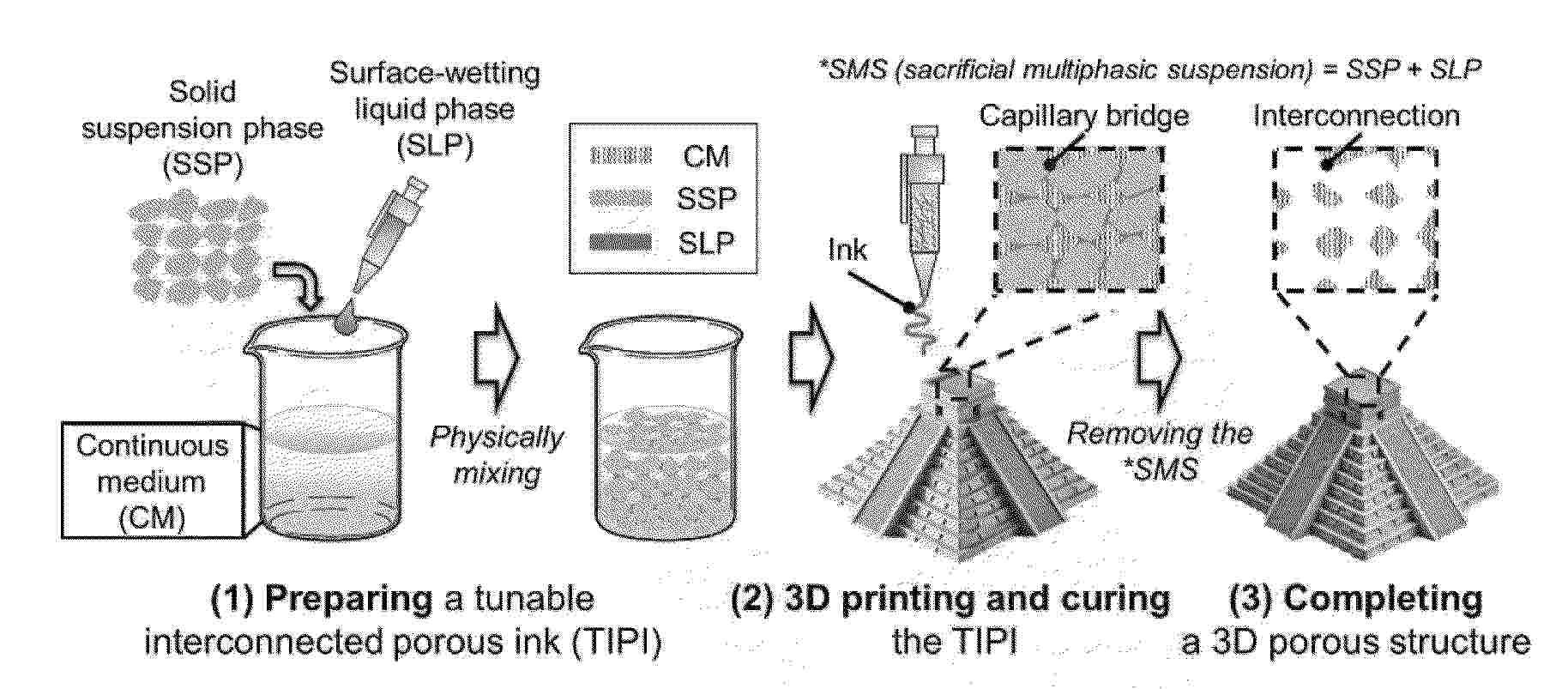
0001a 본원은 고분자 또는 고분자 전구체를 포함하는 연속 매질; 상기 연속 매질 내에 분산된 고체 입자; 및 상기 고체 입자 표면에서 유동하는 표면 젖음성 액체를 포함하고, 상기 표면 젖음성 액체는 상기 고체 입자들 사이에 모세관 브릿지를 형성하여 점탄성 특성을 발현시키는 것인, 상호 연결 다공성 잉크(Tunable Interconnected Porous Ink)에 관한 것이다.
Resumen de: MA71195A1
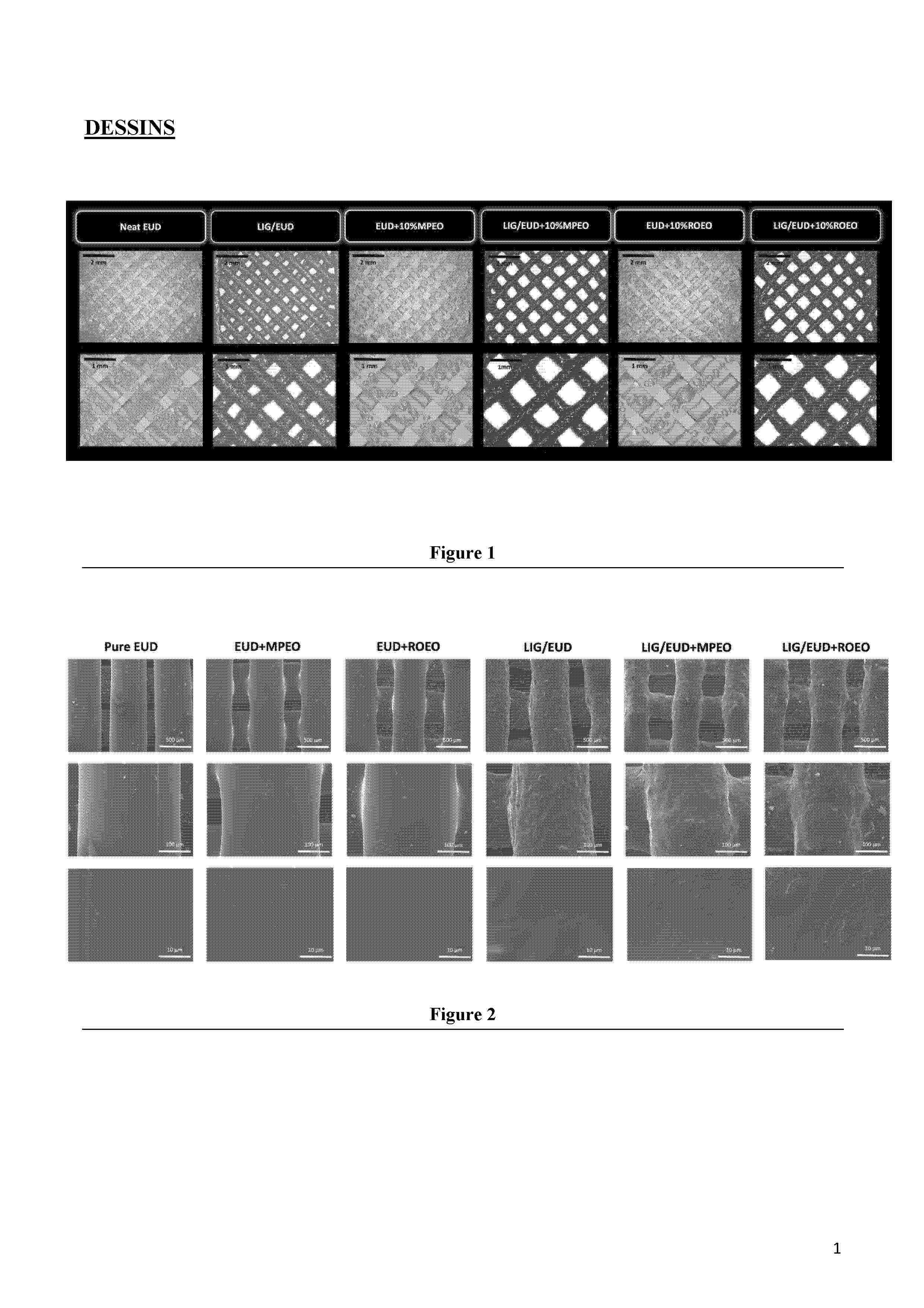
This invention presents an environmentally friendly approach to producing 3D-printed antibacterial biocomposite material using naturally extracted biopolymers. An essential oil formulation based on lignin derived from argan nut shells (ANS) replaces synthetic or commercial lignin, significantly reducing production costs while leveraging the inherent antibacterial and antioxidant properties of this sustainable waste product. The biocomposite material is created by blending ANS lignin with Eudragit RS PO (a synthetic polymer that controls drug release), polyethylene glycol (PEG) for flexibility, and Soluplus to enhance the release of essential oils for antimicrobial activity. The resulting smooth, slightly viscous formulation is 3D-printed at room temperature into porous shapes, preserving the bioactivity of the natural essential oils by avoiding high-temperature processes. This method ensures the synergistic antibacterial effects of the essential oils and lignin, significantly improving the performance of the produced material. The process uses a rapid, one-step mixing technique followed by 3D printing, thus offering a simple and efficient preparation method.
Resumen de: EP4814986A2
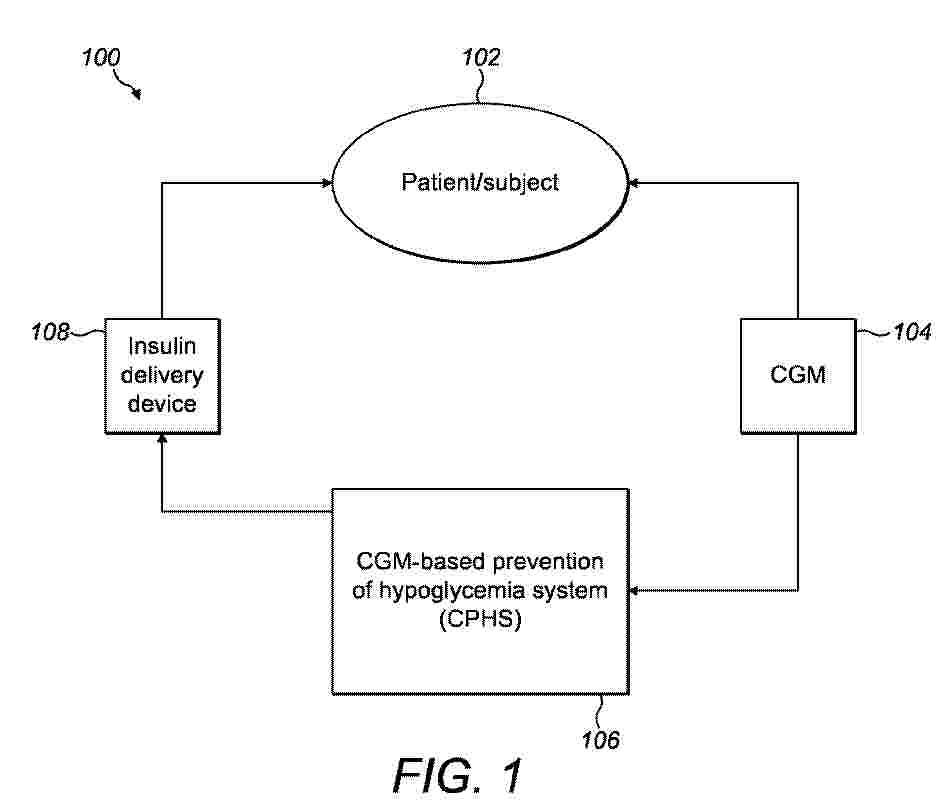
0001 An aspect of an embodiment or partial embodiment of the present invention (or combinations of various embodiments in whole or in part of the present invention) comprises, but not limited thereto, a method and system (and related computer program product) for continually assessing the risk of hypoglycemia for a patient and then determining what action to take based on that risk assessment. A further embodiment results in two outputs: (1) an attenuation factor to be applied to the insulin rate command sent to the pump (either via conventional therapy or via open or closed loop control) and/or (2) a red/yellow/green light hypoglycemia alarm providing to the patient an indication of the risk of hypoglycemia. The two outputs of the CPHS can be used in combination or individually.
Resumen de: JP2023020895A
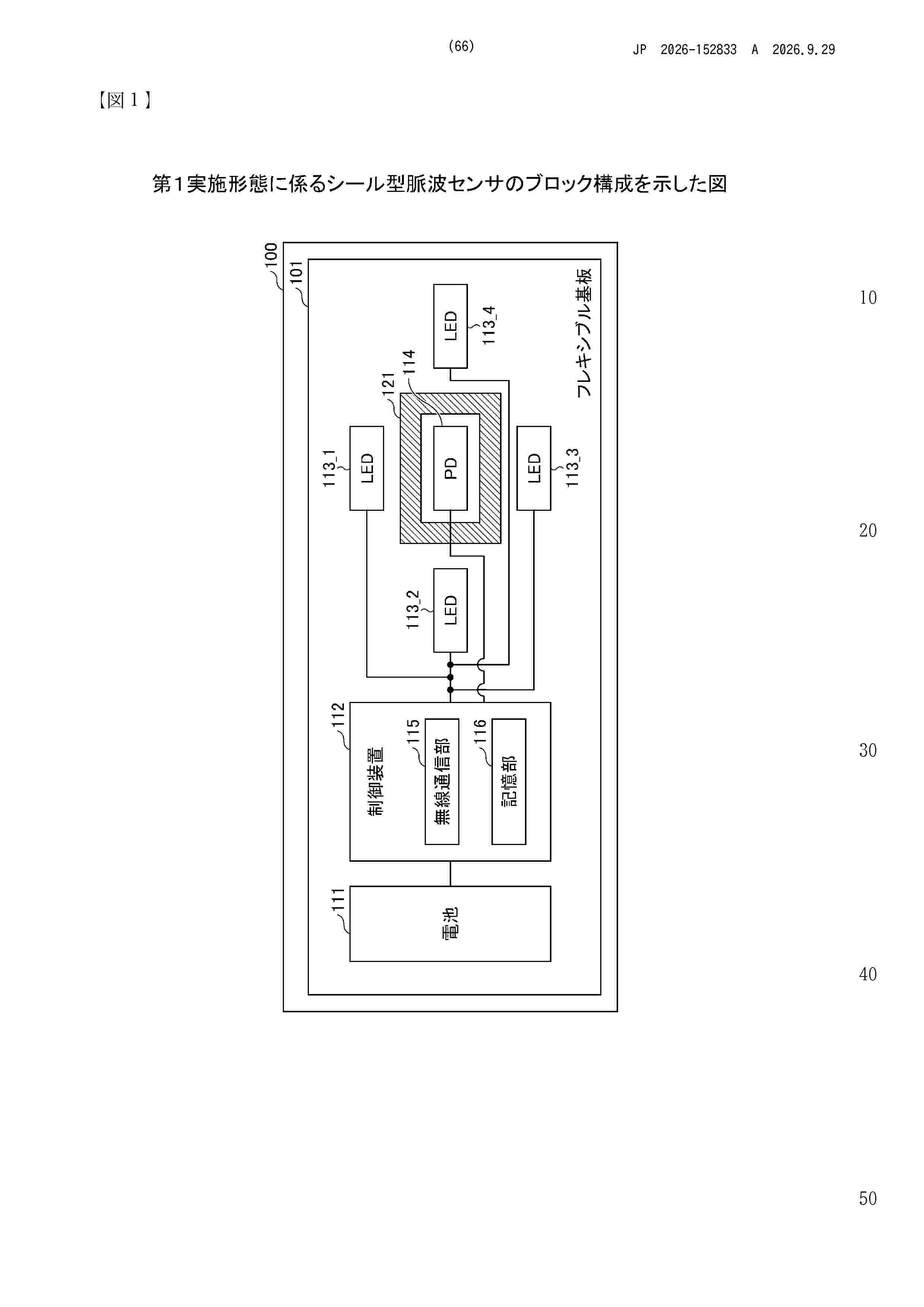
To improve accuracy in detecting a pulse wave or the like.SOLUTION: A biometric device comprises: light irradiation parts for irradiating a subject with light; a light detection part for detecting the light reflected inside the subject; a control part for calculating information related to the pulse wave of the subject based on the light detected by the light detection part; and a flexible substrate including a first surface where the light irradiation part and the light detection part are arranged, and wiring for connecting the light irradiation part to the control part and connecting the light detection part to the control part; a light shielding part arranged on the first surface and arranged between the light irradiation part and the light detection part so as to be further projected in the vertical direction of the first surface than the light irradiation part and the light detection part; and an adhesion part for allowing the light shielding part to be brought into close contact with the subject.SELECTED DRAWING: Figure 2
Resumen de: CN122827821A
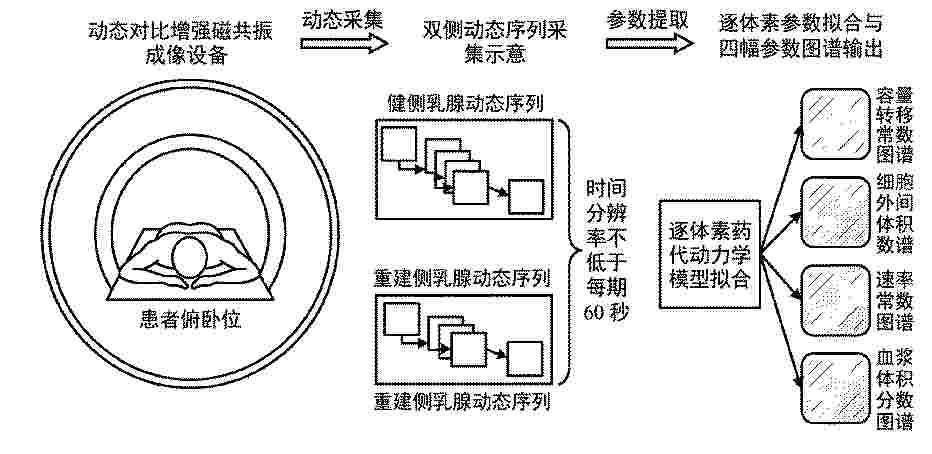
本申请涉及医疗器械技术领域,具体涉及一种可降解乳房支架制造方法及可降解乳房支架。可降解乳房支架制造方法包括:获取患者健侧乳房的灌注参数图谱;基于健侧乳房的灌注参数图谱生成重建侧乳房的目标灌注参数图谱;基于目标灌注参数图谱获得重建侧乳房区域的组织生长速率综合指数;根据组织生长速率综合指数生成打印参数;依据打印参数通过增材制造成型得到可降解乳房支架。上述方法以健侧灌注参数为基础生成重建侧目标灌注参数,进而获得组织生长速率综合指数以生成打印参数,使打印出的支架孔隙结构与预期组织生长速率相匹配,从而获得较好的乳房重建效果。
Resumen de: EP4005777A1
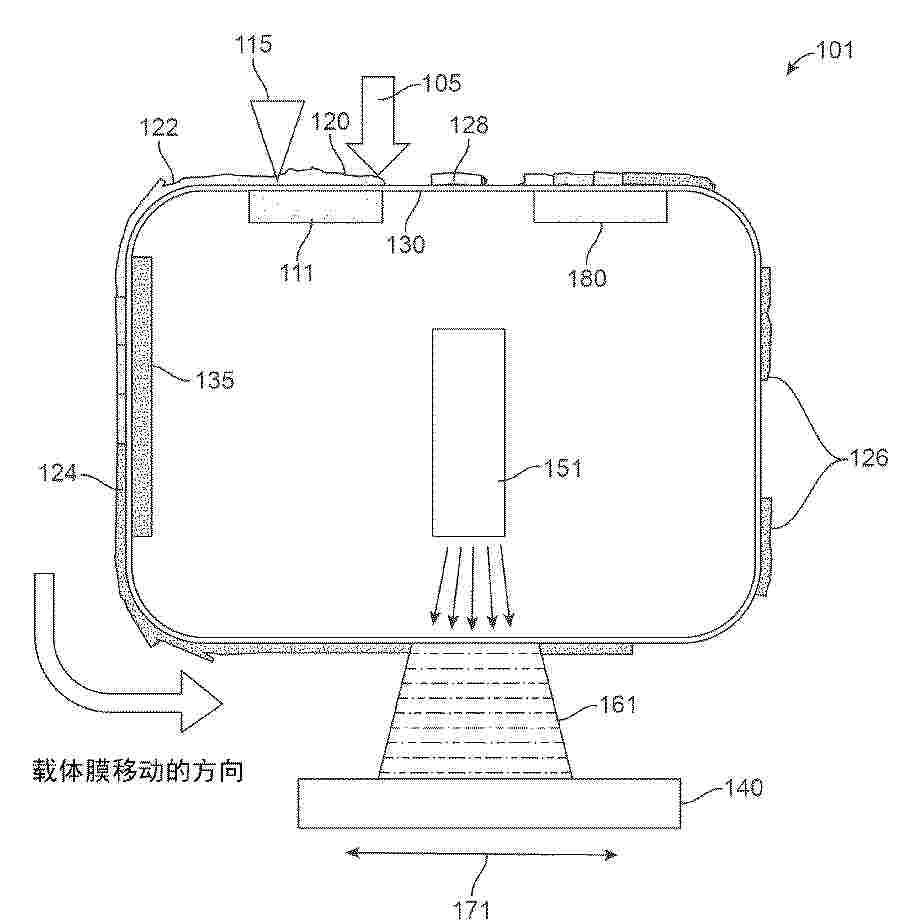
0001 Provided herein are systems and processes to control multiple temperatures in additive manufacturing. Such temperature control adjusts polymer properties and facilitates processing of materials to form 3D objects. The systems and processed disclosed herein also facilitate the processing of typically difficult-to-process materials and deliver such materials to a photocuring zone configured to photopolymerize materials into 3 dimensional objects with a layer-by-layer process. Such processes can include the steps of heating a resin to a flowable temperature, applying the resin to a carrier, cooling the film to increase viscosity or to solidify the resin, and applying the film containing the resin onto an area being printed, then photocuring the film. Also provided herein are resins and related polymer materials having properties that are tunable with exposure to more than one temperature zone. The formed polymers can include multiple regions of polymer material, each independently having distinct properties. Processes and systems are also provided herein that are configured to produce polymeric materials having multiple regions with distinct properties from a single-component formulation.
Resumen de: US20250366810A1
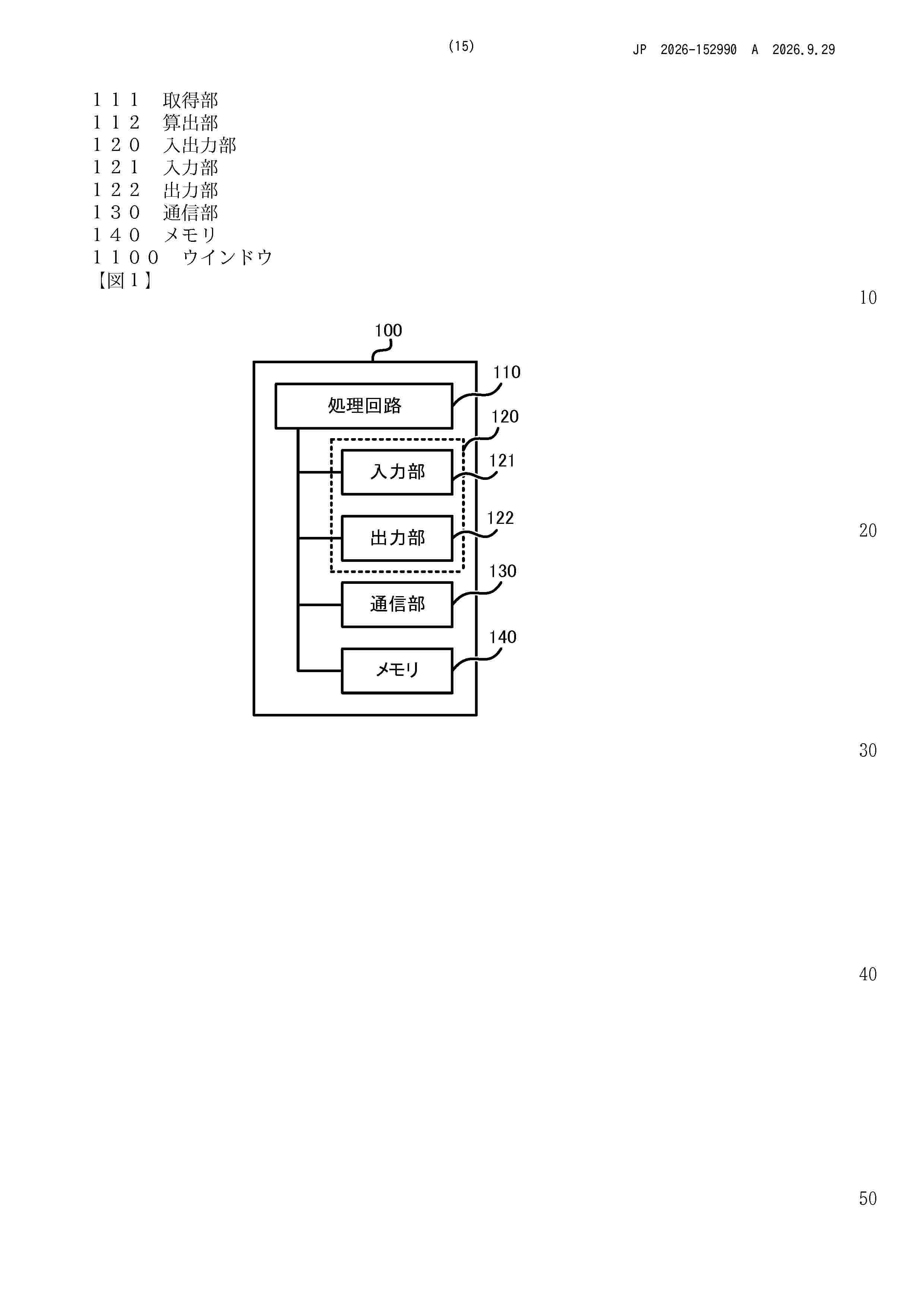
0000 A dynamic image analysis apparatus includes an acquisition unit that acquires a dynamic image of an imaging target by dynamic imaging; and a calculation unit that calculates, from the dynamic image, two pieces of displacement amount data related to a region obtained by dividing a still image constituting the dynamic image and change amount data related to a density of the region.
Resumen de: US12746393B1
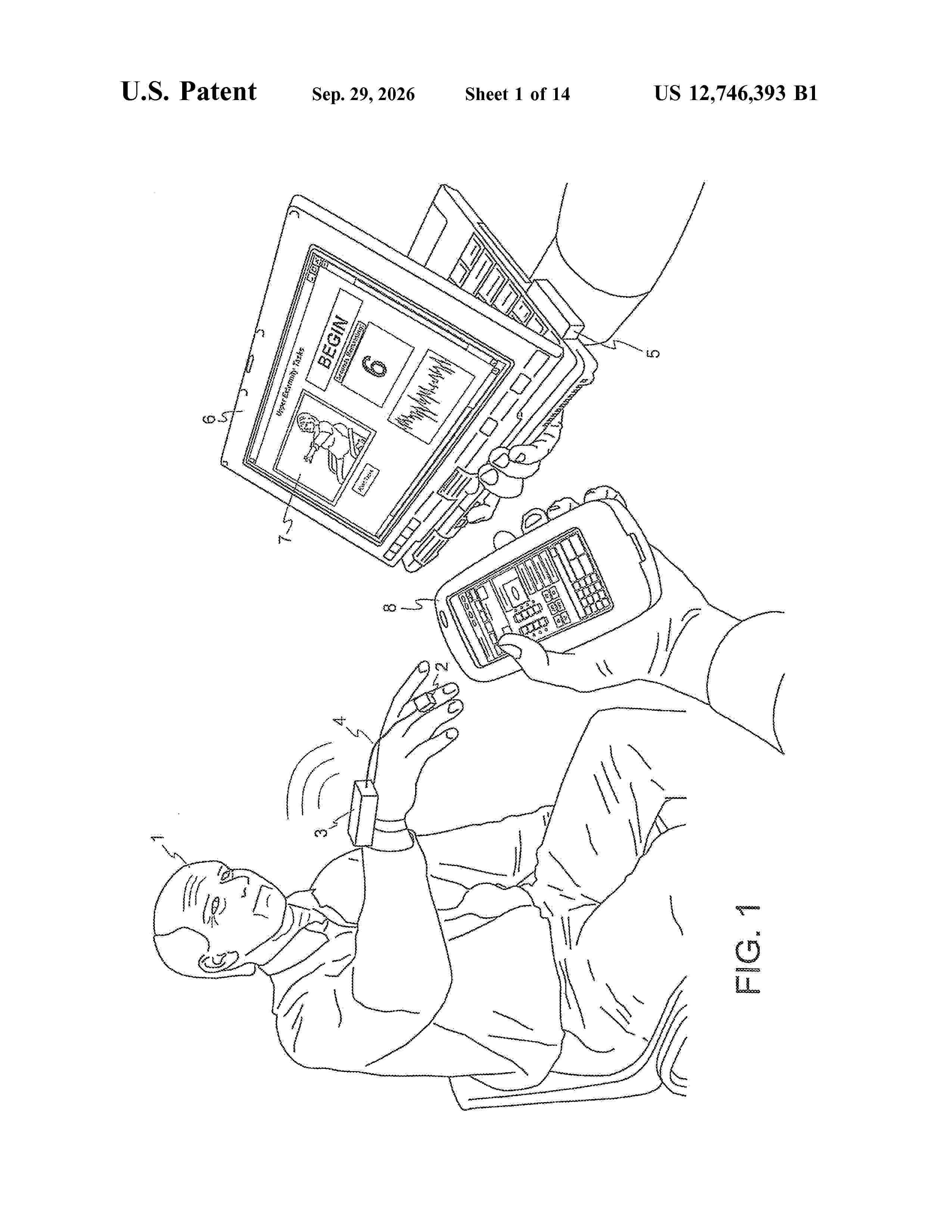
0000 The present invention relates to methods for remotely tuning treatment parameters in movement disorder therapy systems where the subject and clinician are located remotely from each other. The present invention still further provides methods of quantifying movement disorders for the treatment of patients who exhibit symptoms of such movement disorders including, but not limited to, Parkinson's disease and Parkinsonism, Dystonia, Chorea, and Huntington's disease, Ataxia, Tremor and Essential Tremor, Tourette syndrome, stroke, and the like. The present invention yet further relates to methods of remotely tuning a therapy device using objective quantified movement disorder symptom data to determine the therapy setting or parameters to be transmitted and provided to the subject via his or her therapy device. The present invention also provides treatment and tuning remotely, allowing for home monitoring of subjects.
Resumen de: WO2025147641A1
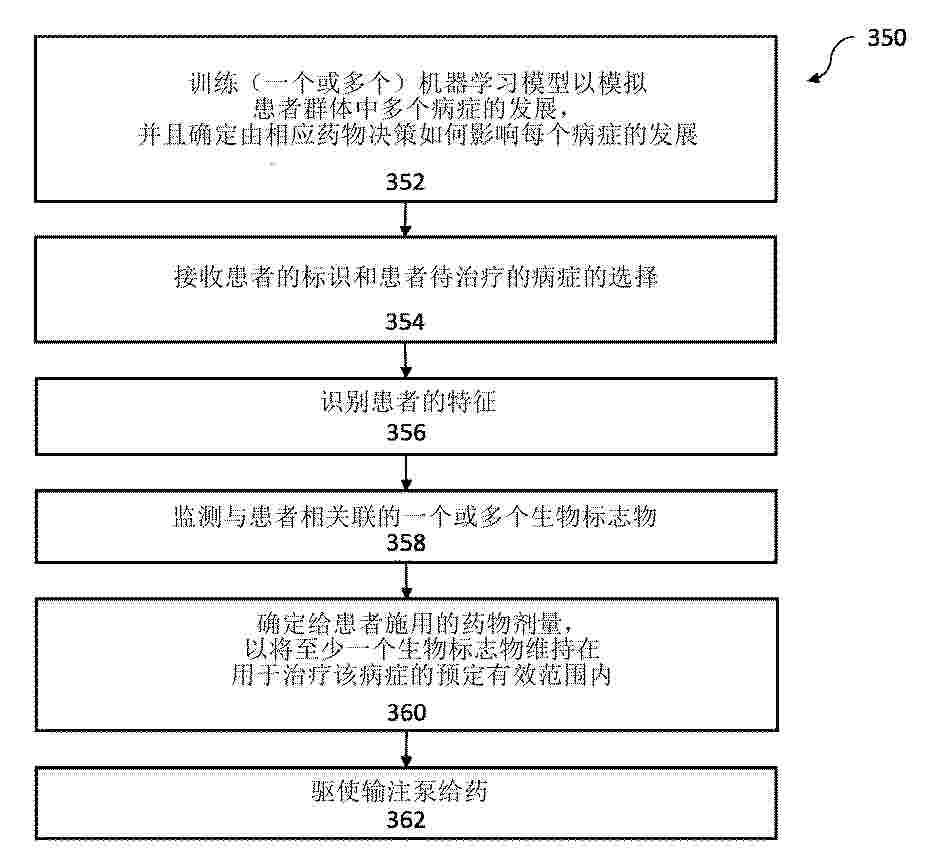
A system and method for intelligently controlling an individualized infusion is described. A machine learning model is trained to simulate progression of a plurality of conditions across a patient population under a care of a plurality of physicians, and to determine how the progression of each condition is affected by respective medication decisions made by one or more physicians regarding (i) dosing of one or more medications and (ii) a respective pharmacokinetic model of the one or more medications. A condition to be treated is selected for a patient and the system monitors patient biomarkers and determines, in real time, a dose of a medication to administer to the patient to maintain at least one of the biomarkers in a predetermined effective range. The system causes an infusion pump to administer the dose of the medication to the patient and adjusts the dose continuously based on reevaluation of the biomarkers.
Resumen de: WO2025184384A1
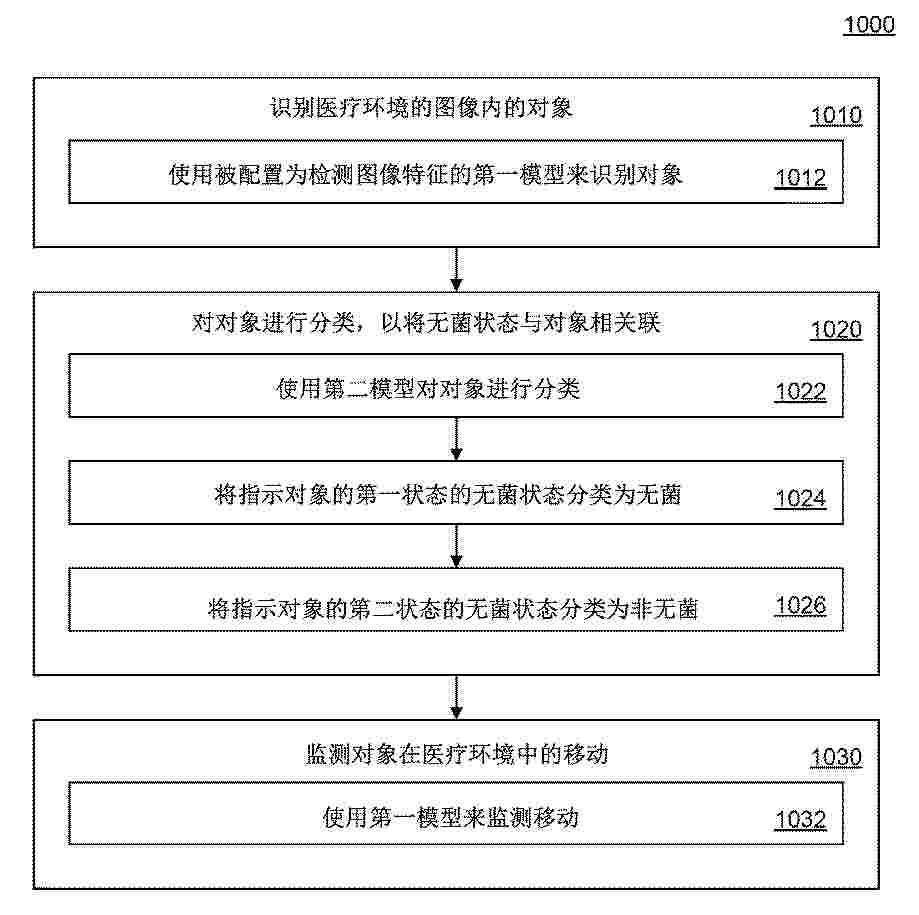
Aspects of this technical solution can include identifying, using a first model configured to detect image features, an object within an image of a medical environment, classifying, using a second model, the object to associate a sterility status with the object, the sterility status indicative of a first state of the object as sterile or a second state of the object as non-sterile, monitoring, using the first model, movement of the object within the medical environment, determining, based on the movement of the object within the medical environment, a metric indicative of a risk of breach of sterility of the object, and generating, in response to the metric meeting a threshold indicative of the second state of the object as non-sterile, an output in real¬ time indicative of the metric meeting the threshold.
Resumen de: WO2025188456A1
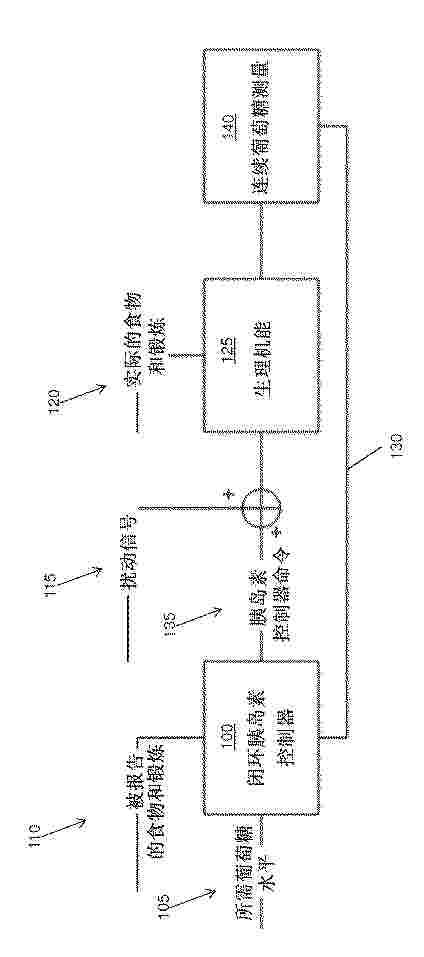
Disclosed is a method of determining sensitivity by a patient to a medication delivered at a delivery frequency including perturbing the delivery amount by a perturbation amount at a perturbation frequency, defining a perturbation signal, measuring a patient response to the perturbation, and recovering the effect of the perturbation. Also disclosed is a system for determining sensitivity by a patient to a medication including a processor configured for the method.
Resumen de: WO2025163396A2
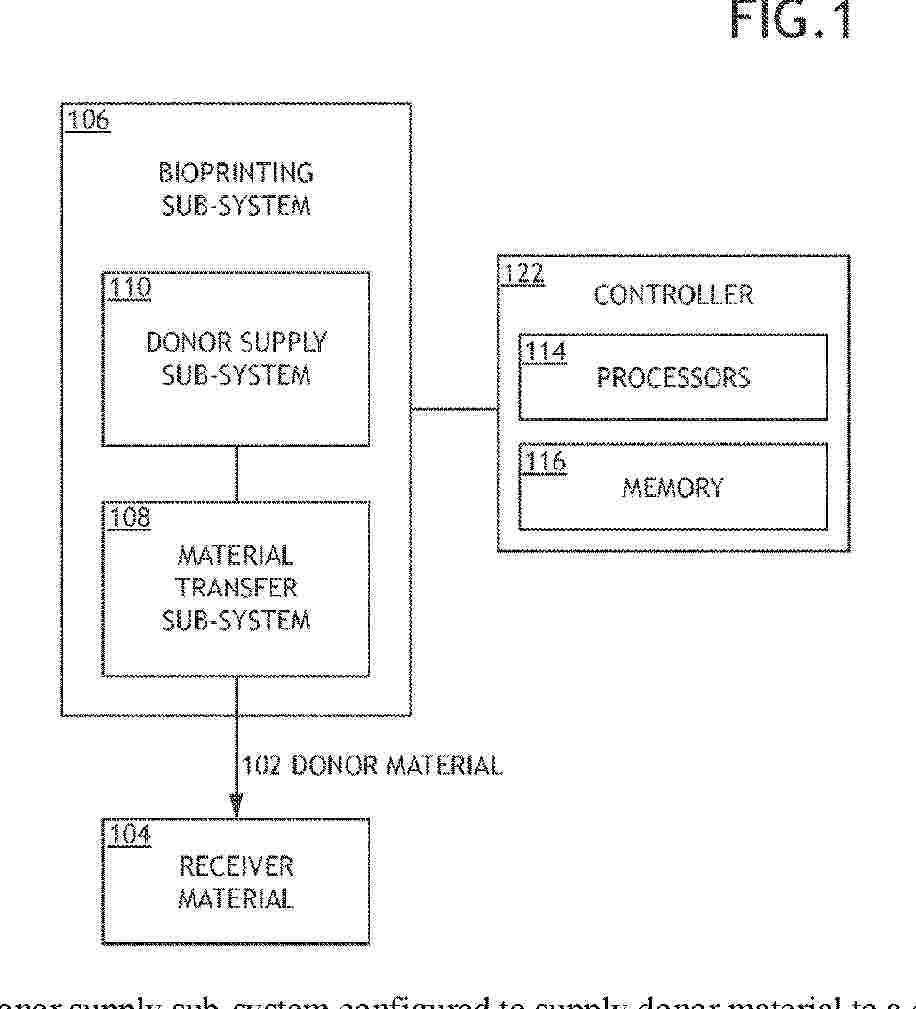
A system may include a donor supply sub-system configured to supply donor material to a donor substrate. The system may include a material transfer sub-system comprising a laser configured to illuminate the donor substrate via a transfer beam. The system may include an instrument head of a medical instrument configured to house the donor substrate, wherein upon an illumination of the donor substrate, the donor material is transferred to receiver material in vivo.
Resumen de: CN122842915A
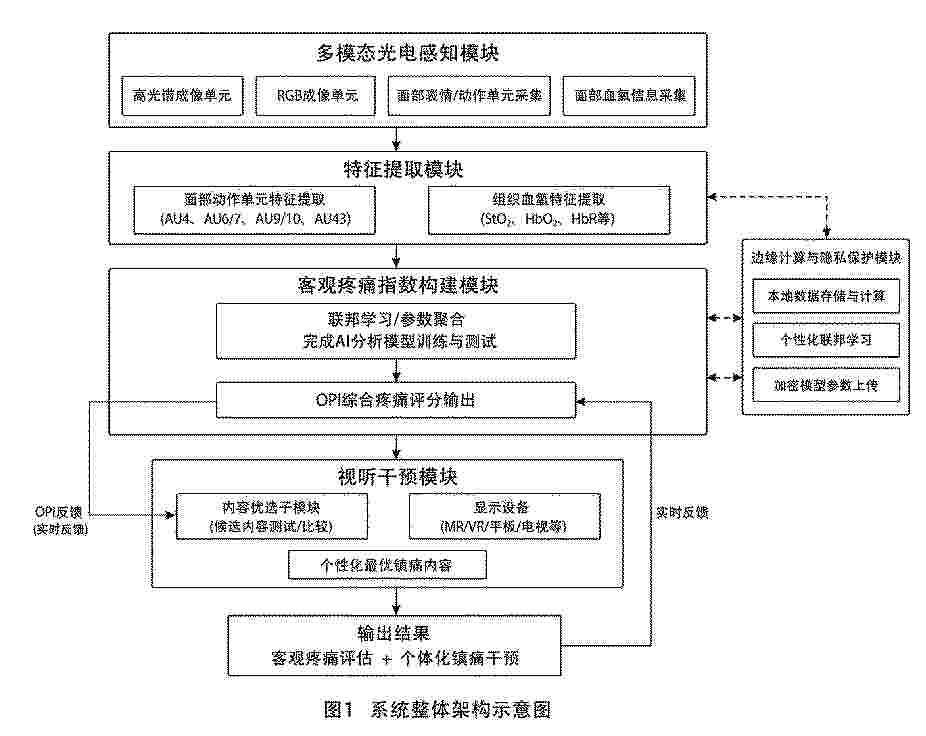
0001 本发明公开了一种面部光谱与动作单元融合的疼痛评估及视听优选干预系统。系统包括:多模态光电感知模块,由高光谱成像单元与RGB成像单元构成,用于同步采集患者面部的高光谱图像和RGB视频图像;特征提取模块,提取面部动作单元强度特征和感兴趣区域的血氧代谢特征;客观疼痛指数构建模块,融合构建客观疼痛指数OPI;视听干预模块,在预设的测试阶段依次播放多种候选镇痛内容,基于OPI实时反馈筛选出个性化最优内容用于后续疼痛期;边缘计算与隐私保护模块,采用个性化联邦学习框架确保原始数据不离开本地。本发明实现了疼痛的连续、客观、非接触式定量评估,并通过内容优选机制提供个性化无创镇痛干预,可应用于产妇分娩镇痛等多种场景。
Resumen de: EP4813296A1
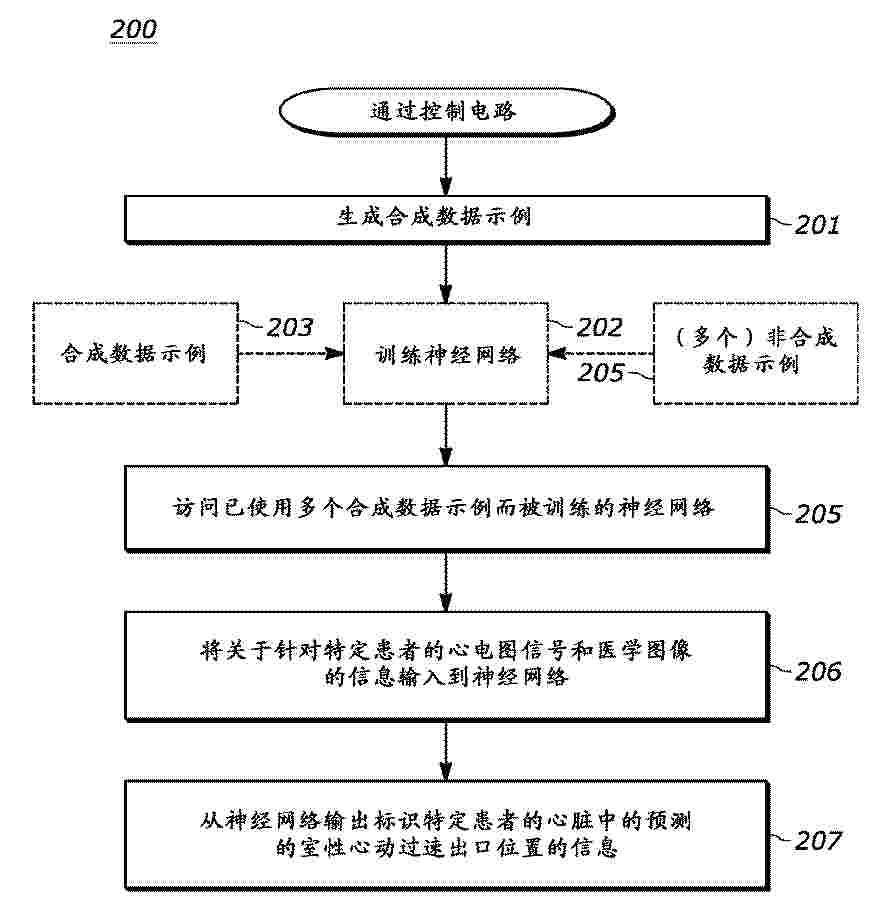
0001 To non-invasively identify a ventricular tachycardia exit site in a heart of a particular patient (107) using electrocardiogram signals and medical imagery for the particular patient, a control circuit (101) can be configured to access (205) a neural network (104) that has been trained (202) using a plurality of synthetic data examples (203) and to input information regarding the electrocardiogram signals and the aforementioned medical imagery for the particular patient to the neural network. The control circuit can then output from the neural network information that identifies a predicted ventricular tachycardia exit site in the heart of the particular patient.
Resumen de: US12745894B1
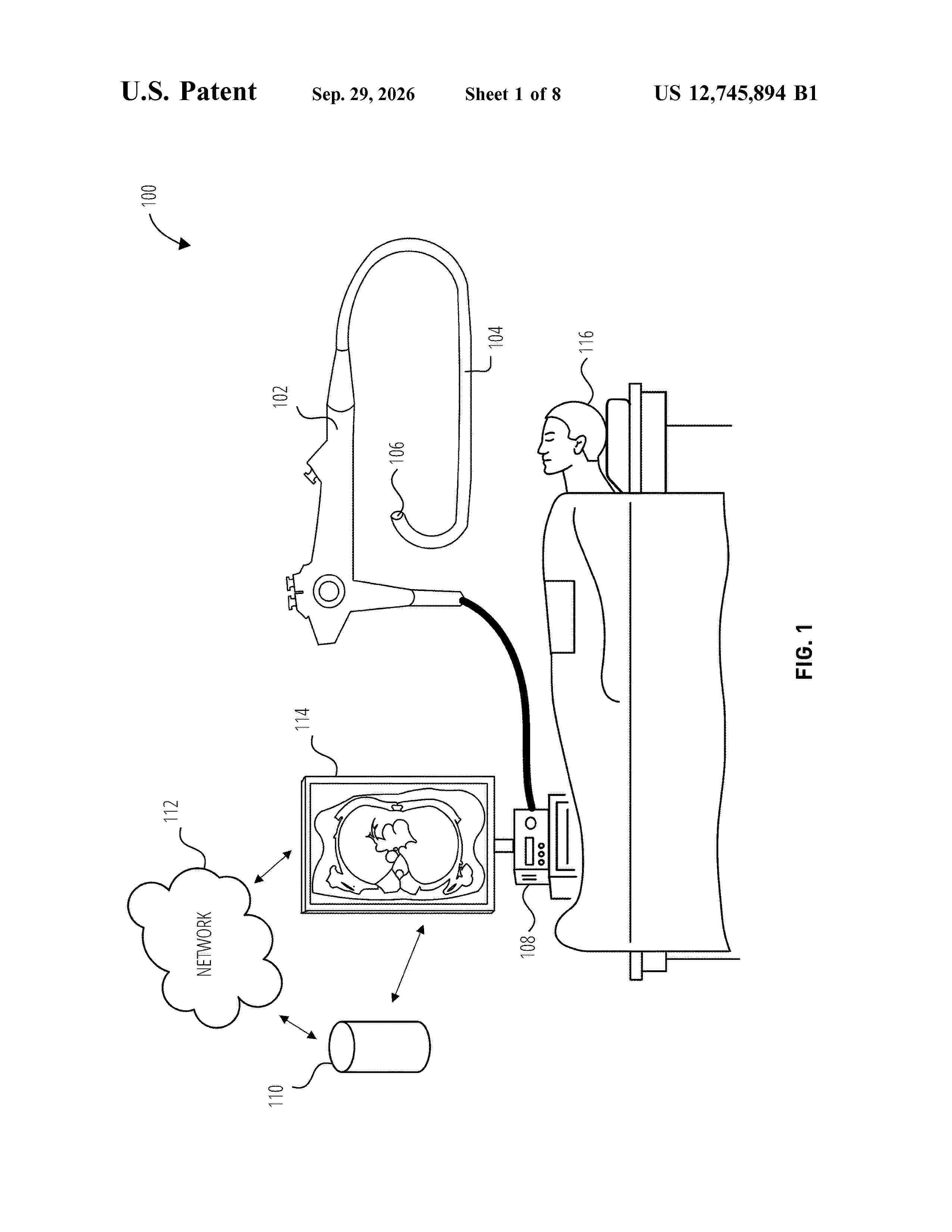
0000 In some embodiments, a method of automatically generating high-resolution images of features of interest to accompany video data of a medical procedure of a given type is provided. A computing system provides the video data of the medical procedure to a first machine learning model trained to annotate features of interest. The computing system provides annotated portions of the video data to a second machine learning model trained on past images of features of interest to produce superresolution images of features of interest. The computing system generates a presentation of the video data of the medical procedure that includes the superresolution images of the features of interest produced by the second machine learning model.
Resumen de: EP4813450A1
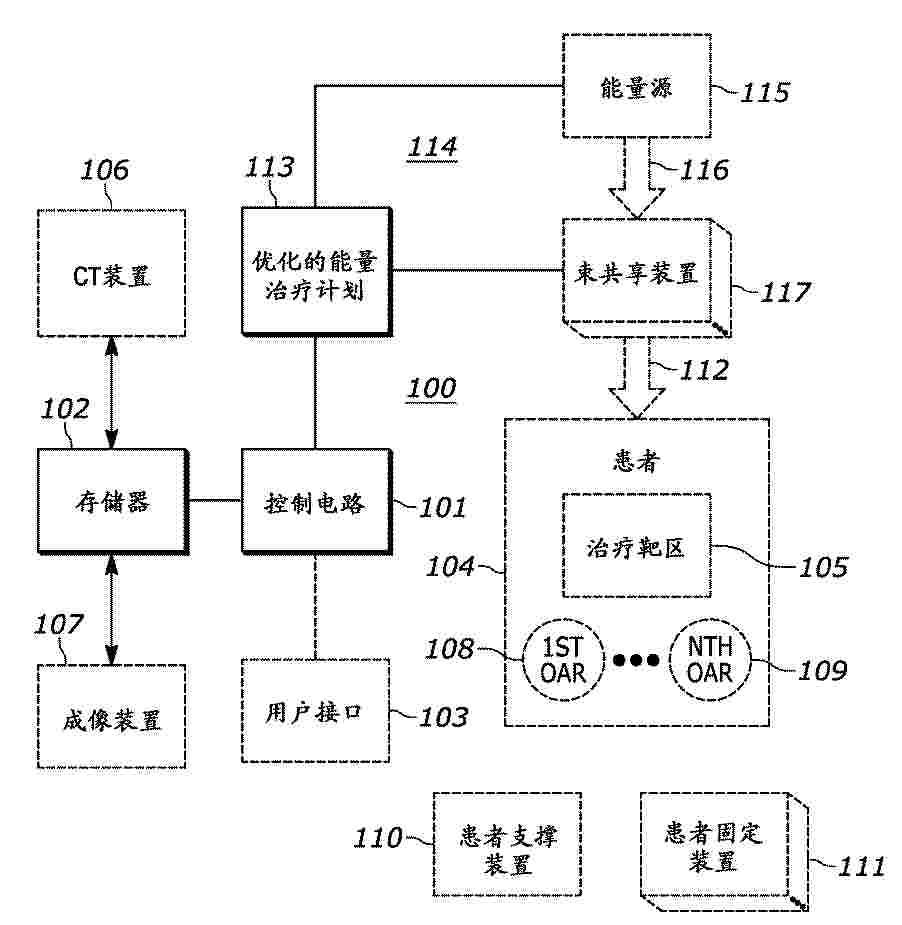
0001 To facilitate optimizing a radiation treatment plan for a particular patient using a particular radiation treatment machine having a multi-leaf collimator, a control circuit 101 can access a treatment duration parameter 201 and then optimize 203 the radiation treatment plan using a cost function having a term that is dependent on the treatment duration parameter to then provide an optimized radiation treatment plan having an optimized delivery time.
Resumen de: CN122839080A
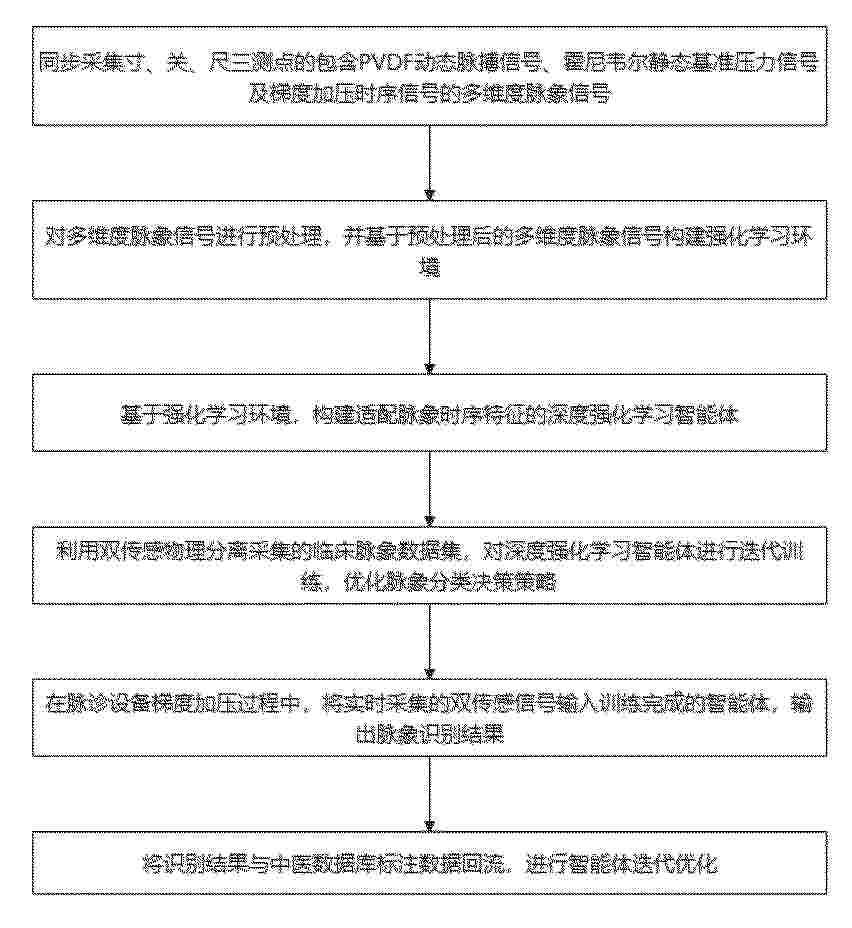
0001 本发明属于中医脉象信号分析技术领域,具体为基于增强学习的中医脉象信号识别方法与系统,包括:同步采集寸、关、尺三测点的;对多维度脉象信号进行预处理,并基于预处理后的多维度脉象信号构建强化学习环境;构建适配脉象时序特征的深度强化学习智能体;对深度强化学习智能体进行迭代训练;输出脉象识别结果;将识别结果与中医数据库标注数据回流;本发明中通过两种不同物理原理的传感器组合,实现了动压和静压在采集源头的物理隔离与解耦,打破了传统悬臂梁传感器靠后端软件滤波分离导致的信号失真瓶颈。
Resumen de: CN122827619A
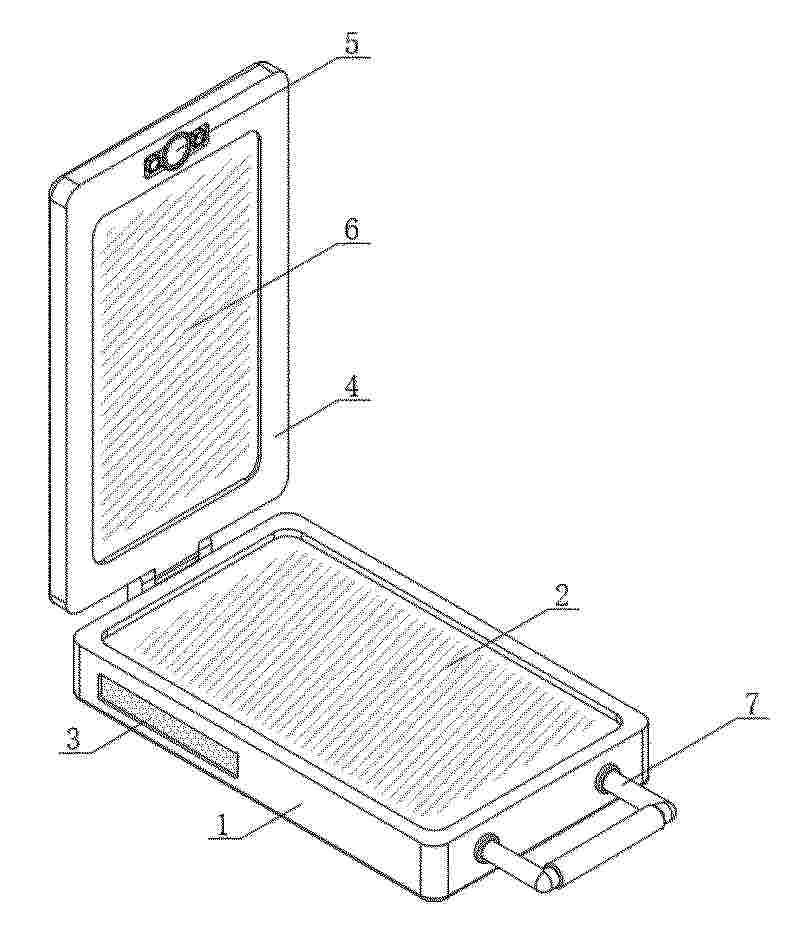
0001 本发明公开了中医便携式体质辨识仪及其辨识方法,涉及医疗器械技术领域,包括安装底座,安装底座的内顶部固定连接有触控屏,安装底座的内壁两侧均固定连接有扬声器,安装底座的顶部转动连接有盖板,盖板的表面顶部固定连接有摄像头,盖板的表面安装有补光灯;该中医便携式体质辨识仪及其辨识方法,通过多模态自适应融合辨识算法的设置,整合舌象、面象、问诊三种中医诊断模态的信息,计算各模态的不确定性度量并生成对应的模态可靠性指数,基于该指数构建λ模糊测度后利用Choquet积分完成多模态数据的自适应加权融合,从而解决了传统单一模态辨识精度低、受主观因素和环境因素影响大的问题,显著提升了中医体质辨识结果的准确性和可靠性。
Resumen de: CN122842868A
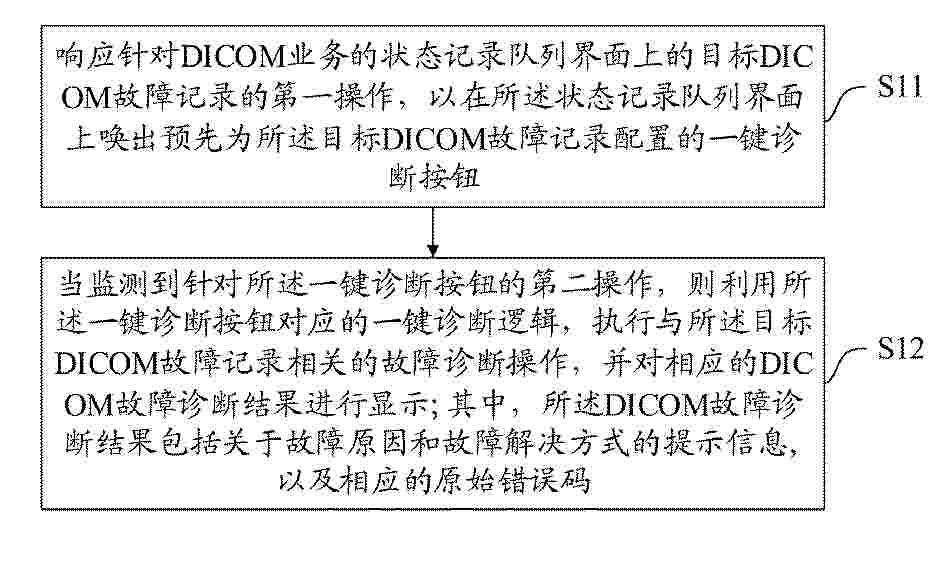
0001 本申请公开了一种超声设备故障诊断方法、装置、设备及介质,涉及计算机技术领域,包括:响应针对DICOM业务的状态记录队列界面上的目标DICOM故障记录的第一操作,以在所述状态记录队列界面上唤出预先为所述目标DICOM故障记录配置的一键诊断按钮;当监测到针对所述一键诊断按钮的第二操作,则利用所述一键诊断按钮对应的一键诊断逻辑,执行与所述目标DICOM故障记录相关的故障诊断操作,并对相应的DICOM故障诊断结果进行显示;所述DICOM故障诊断结果包括关于故障原因和故障解决方式的提示信息,以及相应的原始错误码。本申请能够在超声设备发生DICOM故障后,快速准确的定位出故障原因,并给出故障解决方式。
Resumen de: CN122840946A
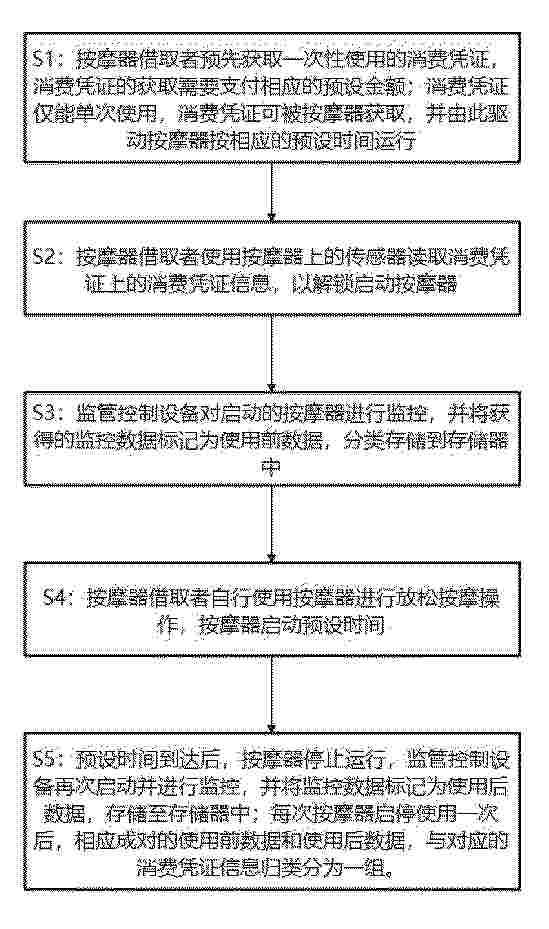
0001 本发明公开了一种共享按摩器的收费使用方法及按摩器,涉及按摩器技术领域,所述使用方法包括:步骤S1:使用者预先付费获取一次性使用的消费凭证;消费凭证仅能单次使用,可被按摩器获取,按摩器据此按相应的预设时间运行;步骤S2:使用者使用按摩器上的传感器读取消费凭证上的凭证信息,以解锁启动按摩器;步骤S3:监管控制设备对启动的按摩器进行监控,并将获得的数据标注为使用前数据;步骤S4:使用者自行使用按摩器进行放松按摩操作;步骤S5:按摩器按预设时间停止运行后,监管控制设备再次启动监控,并将监控数据标记为使用后数据,每次按摩器启停使用一次后,相应成对的使用前数据和使用后数据,与对应的消费凭证信息归类分为一组。
Resumen de: CN122832214A
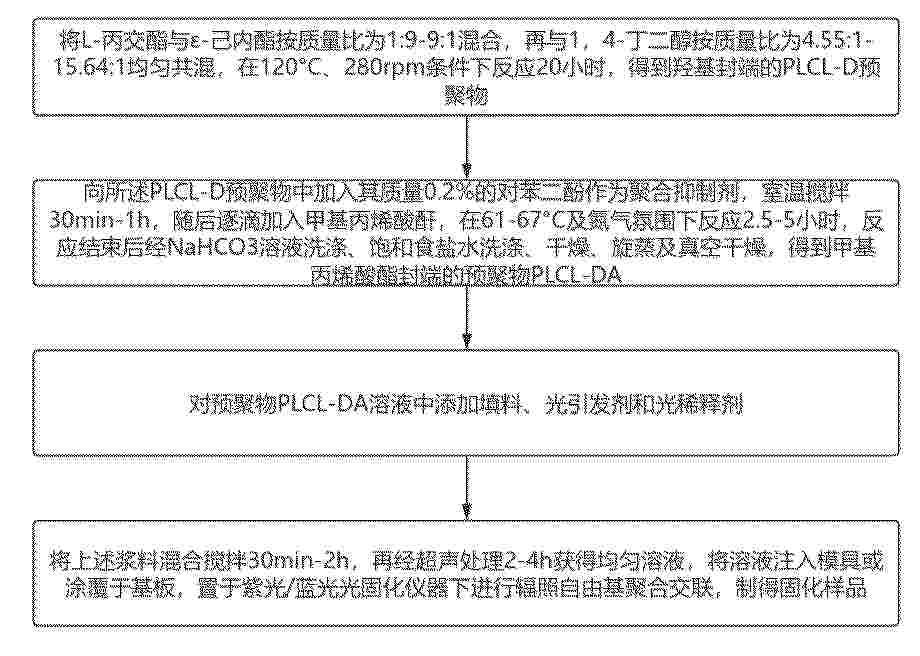
本发明公开了一种光固化3D打印聚丙交酯‑己内酯树脂复合材料的制备方法。将L‑丙交酯与ε‑己内酯按质量比为1:9‑9:1混合。本发明通过严格控制开环聚合及封端反应的工艺参数,确保了PLCL‑D预聚物分子量分布窄、端羟基含量高,且甲基丙烯酸酯封端率高,结合特定的后处理工艺,去除了未反应的甲基丙烯酸酐及溶剂,显著降低了细胞毒性;采用“纳米羟基磷灰石+球磨珍珠粉+MPC”的三元复合体系,纳米HA提供骨传导性,微米级珍珠粉起到微增强及促进骨生长作用,2‑甲基丙烯酰氧乙基磷酸胆碱的引入赋予材料优异的抗蛋白吸附性和血液相容性,三者协同作用,解决了单一填料分散难、力学弱的问题,显著提高了生物相容性和力学强度。
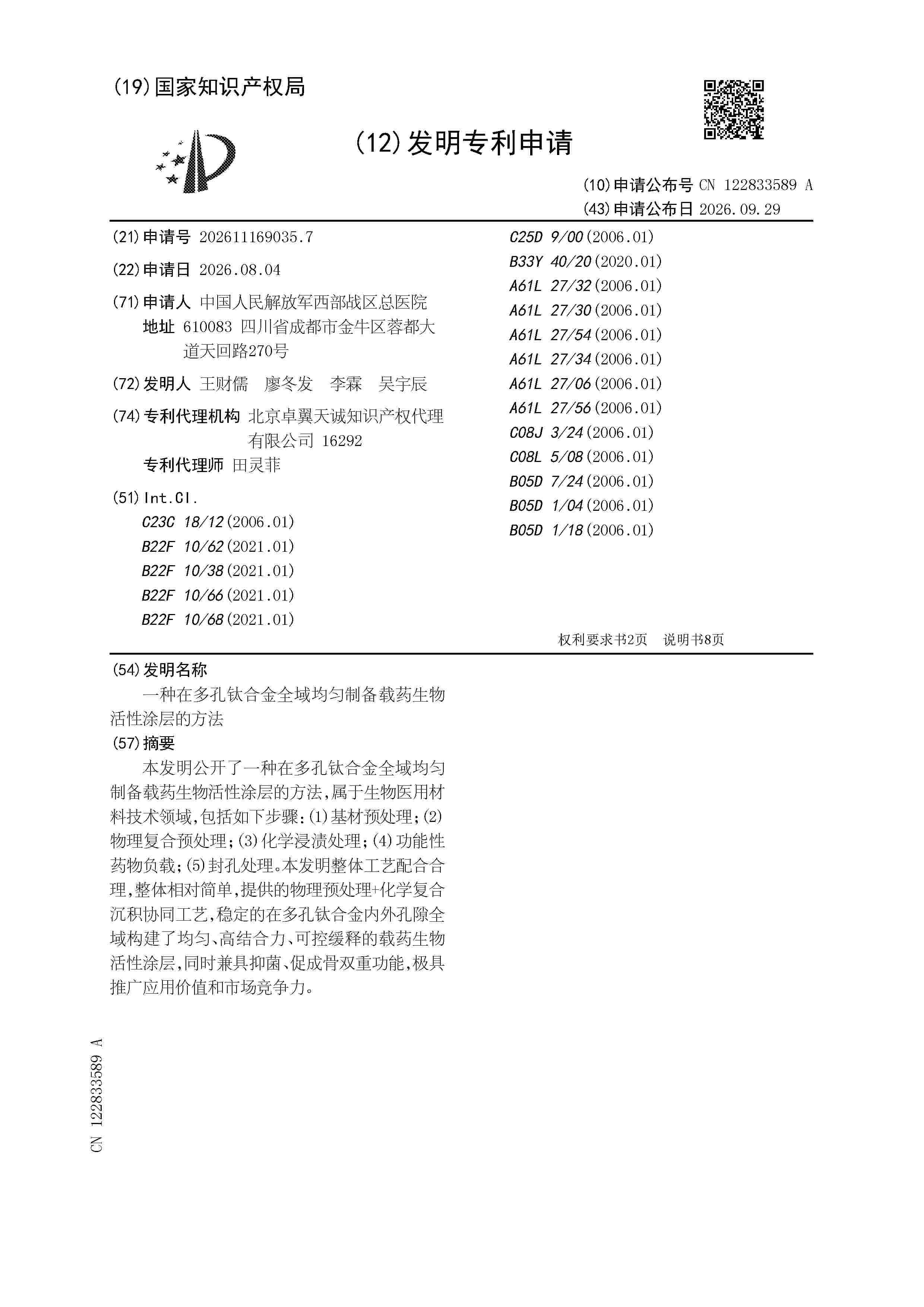
Nº publicación: CN122833589A 29/09/2026
Solicitante:
中国人民解放军西部战区总医院
Resumen de: CN122833589A
本发明公开了一种在多孔钛合金全域均匀制备载药生物活性涂层的方法,属于生物医用材料技术领域,包括如下步骤:(1)基材预处理;(2)物理复合预处理;(3)化学浸渍处理;(4)功能性药物负载;(5)封孔处理。本发明整体工艺配合合理,整体相对简单,提供的物理预处理+化学复合沉积协同工艺,稳定的在多孔钛合金内外孔隙全域构建了均匀、高结合力、可控缓释的载药生物活性涂层,同时兼具抑菌、促成骨双重功能,极具推广应用价值和市场竞争力。
 BOPI
BOPI
 Sede Electrónica