Si deseas distinguir tus productos, servicios o ambos de los de otra empresa, es posible que necesites una marca o nombre comercial. Descubre qué son, en qué consiste su procedimiento de registro y qué implica.

Información sobre los plazos de presentación de solicitudes de transformación de marcas de la Unión Europea en marca nacional española. Más información


Si tienes un nuevo dispositivo, producto o procedimiento que resuelva un problema técnico o tenga una ventaja práctica, existen distintas formas de protegerlo en España y en otros países. Descubre cómo hacerlo.

¿Tu innovación reside en la estética, la ornamentación o la apariencia de tu producto? Protégela mediante un diseño industrial. Descubre qué derechos confiere el registro y cómo realizar la tramitación.

Las indicaciones geográficas protegen el nombre de un producto originario de una zona geográfica, a la cual le debe una determinada calidad, reputación u otra característica. Descubre qué son, en qué consiste su procedimiento de registro y qué beneficios conceden.

Las patentes publicadas en todo el mundo son una valiosa fuente de información científica, técnica y comercial.

Si eres emprendedor/a o una empresa y quieres potenciar y mejorar la rentabilidad de tu negocio protegiendo de forma adecuada los activos intangibles de tu organización, en este espacio encontrarás lo necesario.


 568
resultados
568
resultados
 Última actualización
17/10/2026 [07:24:00]
Última actualización
17/10/2026 [07:24:00]


 Resultados 225 a 250 de 568

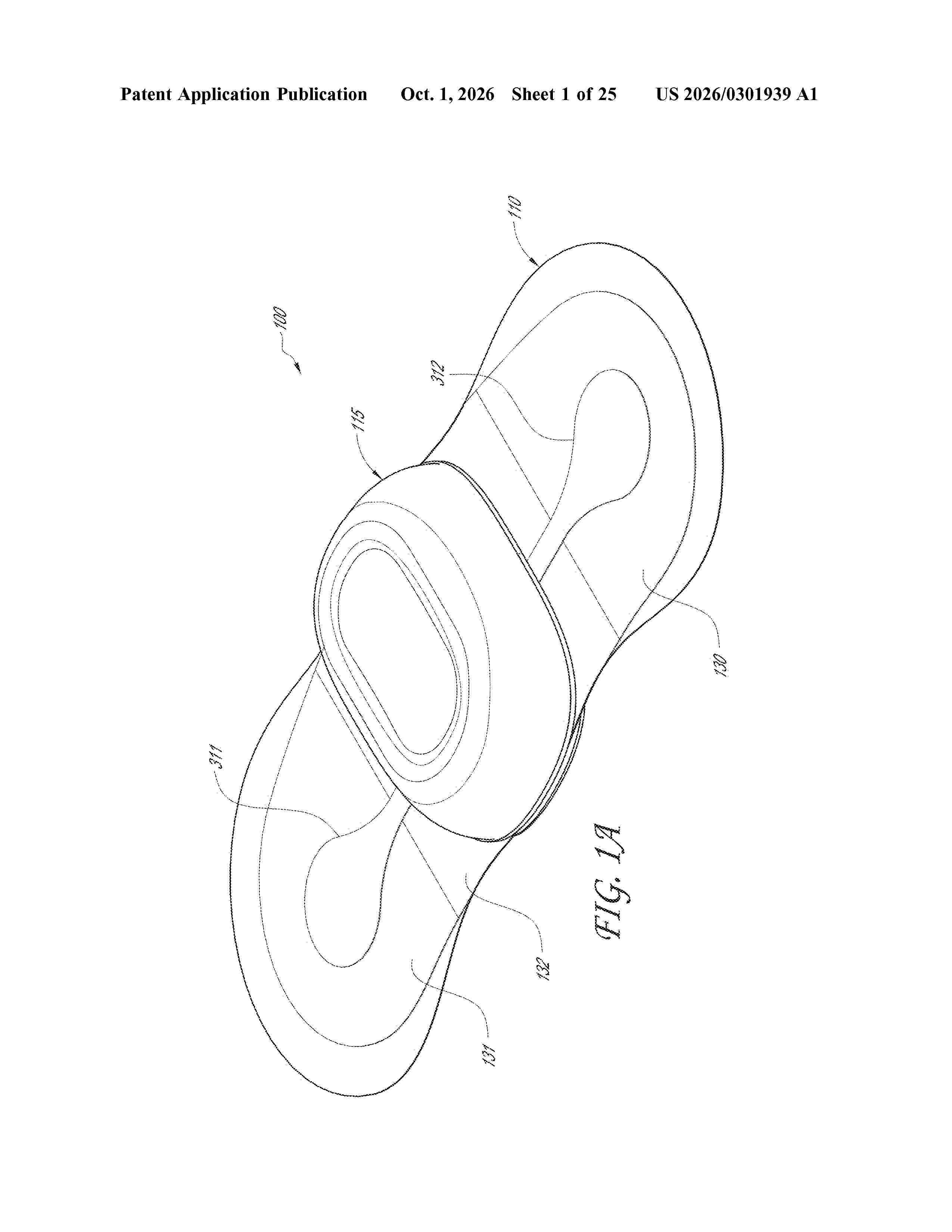
Resumen de: US20260301939A1
The present disclosure relates to a wearable monitor device and methods and systems for using such a device. In certain embodiments, the wearable monitor records cardiac data from a mammal and extracts particular features of interest. These features are then transmitted and used to provide health-related information about the mammal.

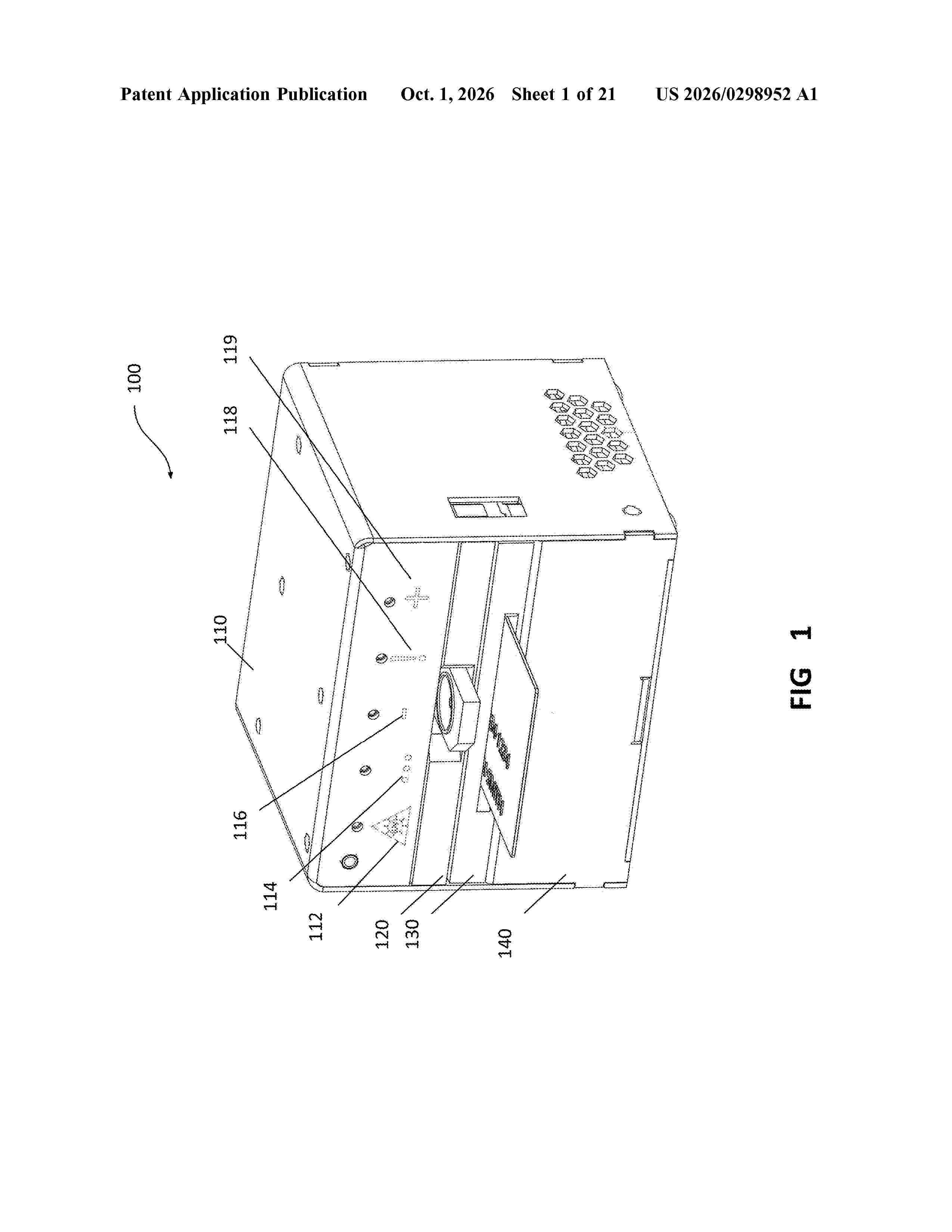
Resumen de: US20260298952A1
0000 A system having a processor and memory coupled to the processor is provided. The memory stores a local testing database having a test configuration profile with the test configuration profile having an intensity threshold value denoting a positive test result. The system includes a carrier for receiving a cassette containing a lateral flow assay (“LFA”) strip and an LFA strip reader coupled to the processor for reading the LFA strip regardless of alignment of the cassette within the carrier and for transmitting an LFA strip image to the processor. The processor determines an LFA test result based on comparing an intensity value of a portion of the LFA strip image to the intensity threshold value and provides the LFA test result on an indication panel.
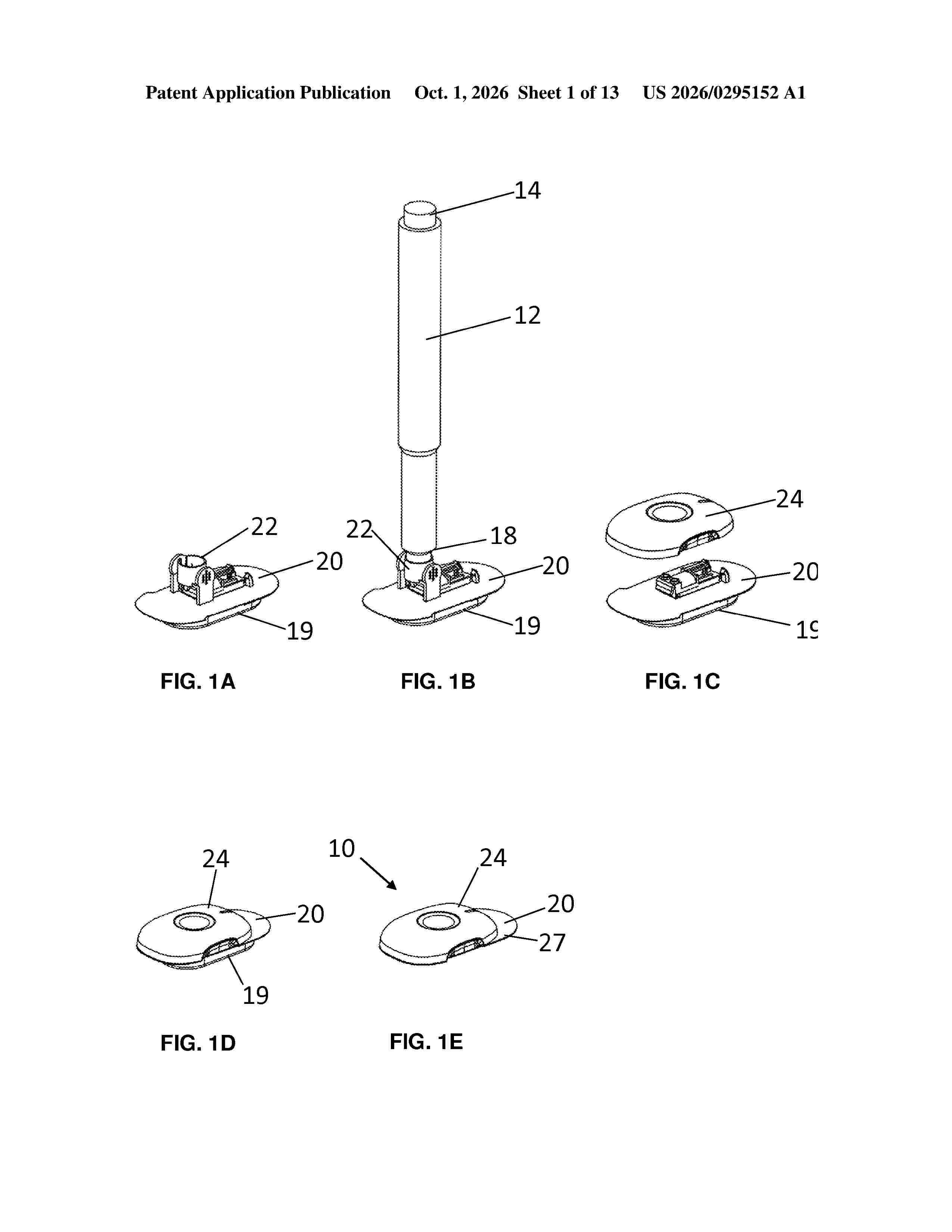
Resumen de: US20260295152A1
A medication fluid delivery device and methods are provided with the delivery device having a dispensing unit and a drive unit that are attachable together. The dispensing unit includes a dispenser for delivering medication fluid to a user and a reservoir configured to be filled with a variable amount of medication fluid received from a medication fluid injector. The drive unit includes a control unit that controls the drive unit and causes medication fluid in the reservoir to be pumped through the dispenser and includes a registration mechanism configured to act with the dispensing unit to determine a state the reservoir including an initial level of the filled reservoir.
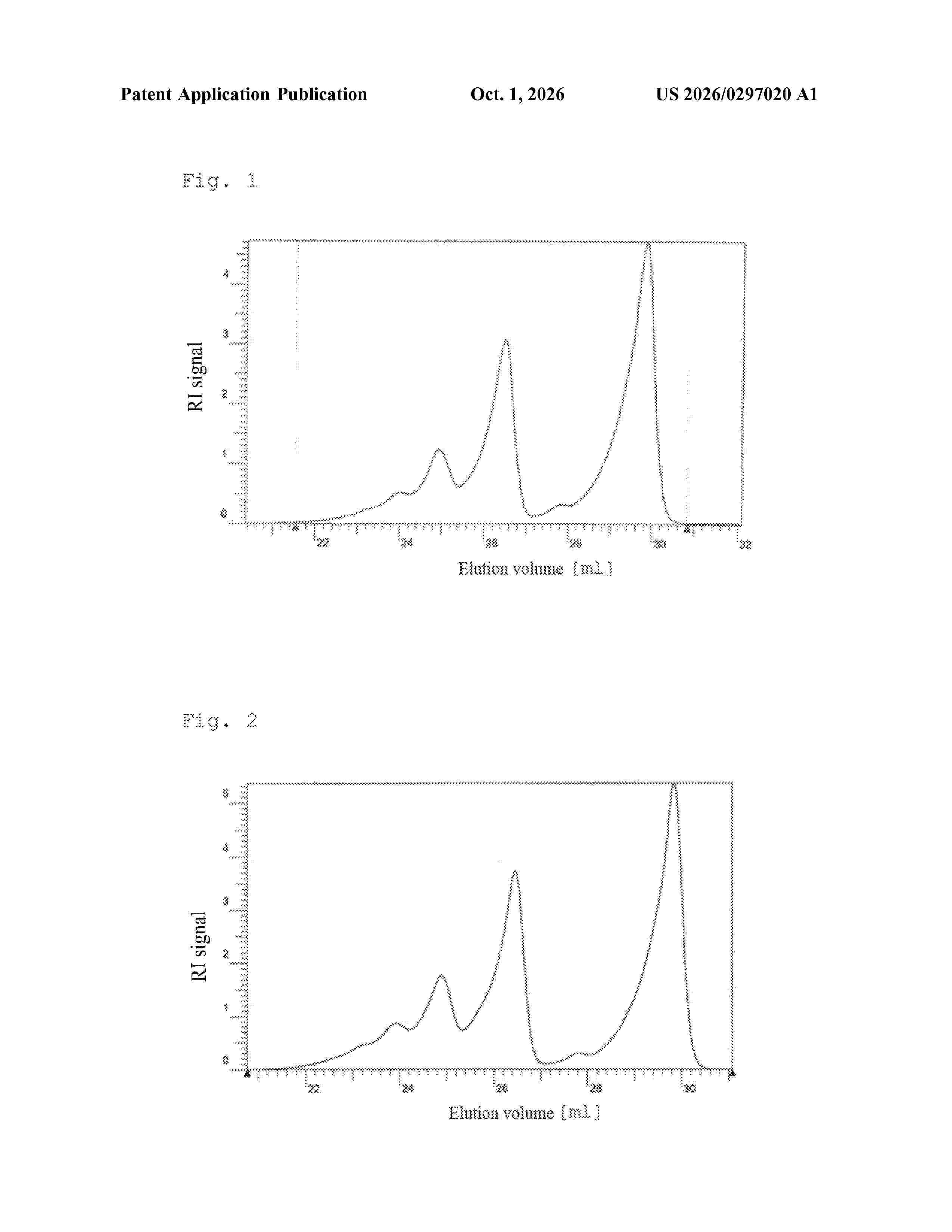
Resumen de: US20260297020A1
The invention relates to a radically polymerisable compound represented by a structure of formula 1: PG-Sp-PCA-Sp-OG (O) NH—K—NHC (O) O-Sp-PCA-Spn-PG (formula 1), wherein PG=in each case independently selected from a radically polymerisable group, R1=selected from hydrogen, a C1-C8 alkyl group, an aryl group and an araliphatic group having C6-C8 carbon atoms, R2=selected from hydrogen, a C1-C4 alkyl group; Sp=in each case independently of one another a spacer group selected from unbranched and branched alkylene with C1-C19 carbon atoms, which may additionally contain oxygen, sulfur and/or —OOC— in the carbon chain, or Sp is absent; PCA=in each case independently of one another a polycyclic group; K=an aliphatic acyclic, saturated or unsaturated unit having C1-C15 carbon atoms, an aliphatic cyclic, saturated or unsaturated unit having C3-C15 carbon atoms, or an aromatic or araliphatic unit having C6-C14 carbon atoms; n=1 to 9. The invention also relates to a process for preparing such a compound, a radically polymerisable composition containing such a compound, the use thereof and a cured dental material.
Resumen de: US20260294587A1
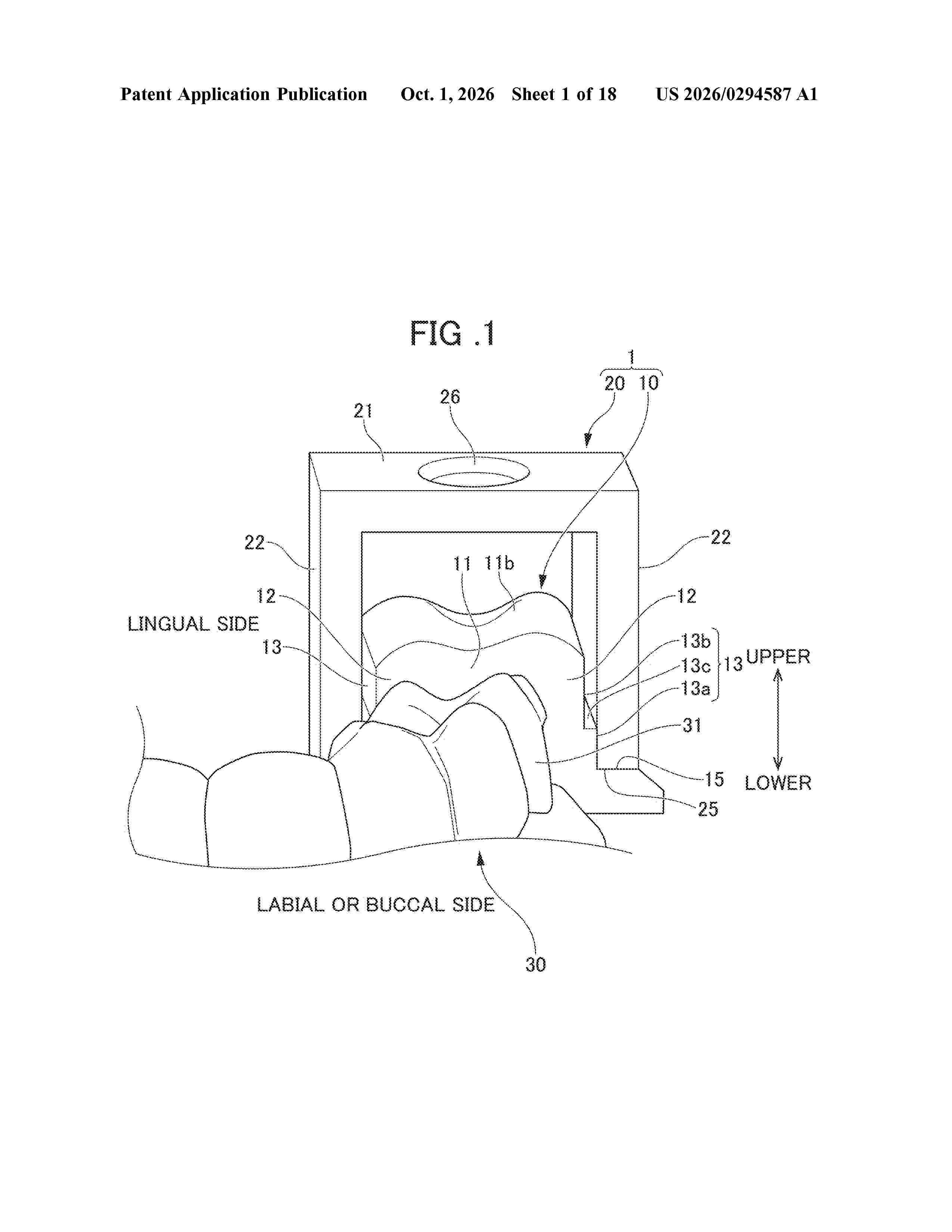
0000 Provided is a dental-treatment index that enables high-quality tooth crown restoration regardless of the skill of a practitioner. A dental-treatment index 10 according to the present invention is composed of a material through which light transmits, and has two fixing outer surfaces 13 and a tooth-shaped hole 14 provided in an internal surface 11a between said two fixing outer surfaces 13. Each of the fixing outer surfaces 13 is provided with a guide part 13a . A dental-treatment index fixing holder 20 is composed of a material through which light transmits, and has two holder lateral surface parts 22 that are coupled to each other. In the two holder lateral surface parts 22, fixing inner surfaces 23 facing each other have guided parts 23a provided thereto.
Resumen de: US20260294651A1
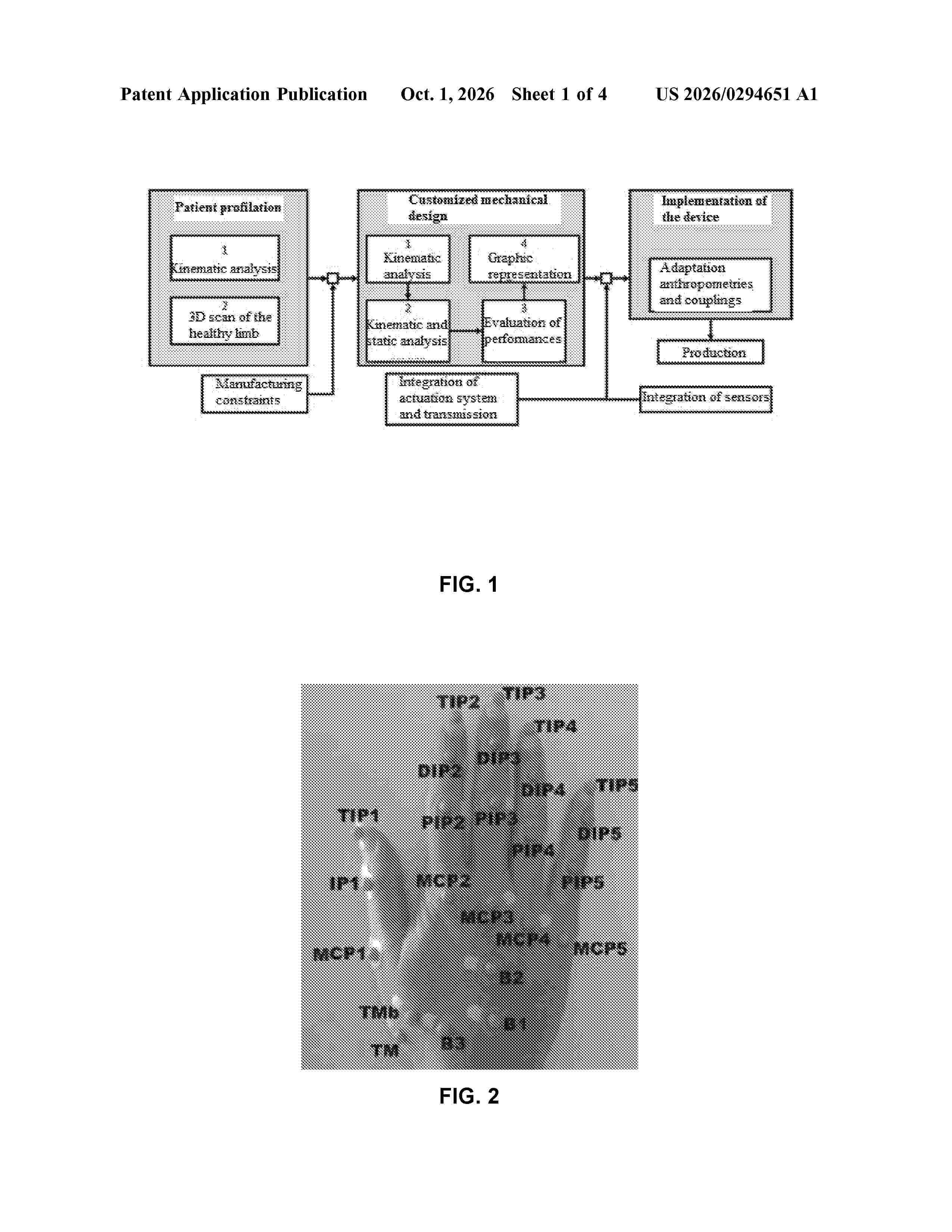
A method for designing a functional prosthesis of customized hand, for patients amputated at trans-radial level, implemented with additive manufacturing technology. The method flow for designing and developing the devices consists of the following steps: i) kinematic analysis and 3D scan of the limb contralateral to the amputated one; ii) kinematic synthesis of the planar mechanism at one active degree of freedom (GdL), modular for each finger, and optimization of the same through a global performance index (GPI); iii) prototyping of the assembly of five fingers.
Resumen de: US20260295115A1
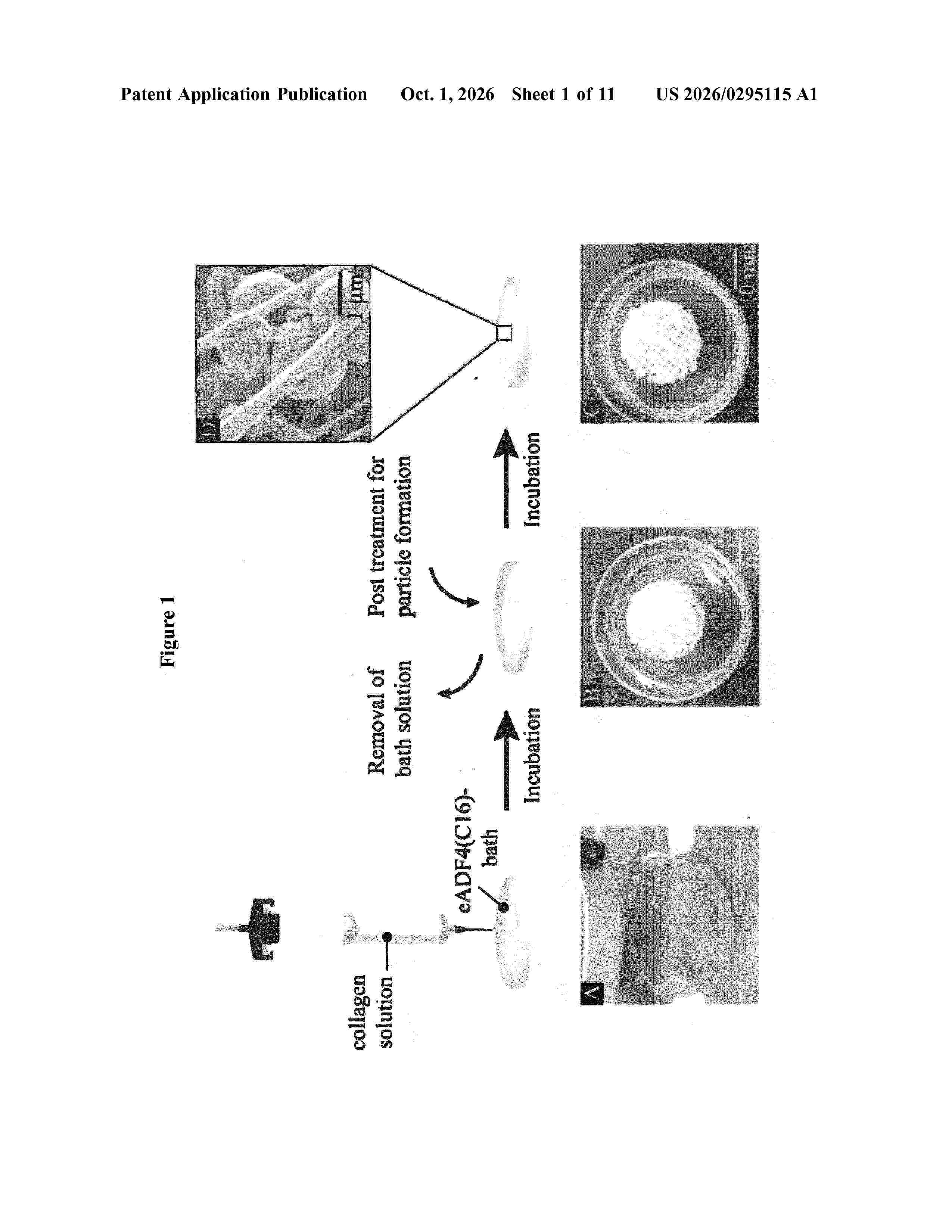
0000 The present invention relates to a method for producing a collagen and silk polypeptide composite structure. In addition, the present invention relates to a collagen and silk polypeptide composite structure and uses thereof.
Resumen de: US20260294795A1
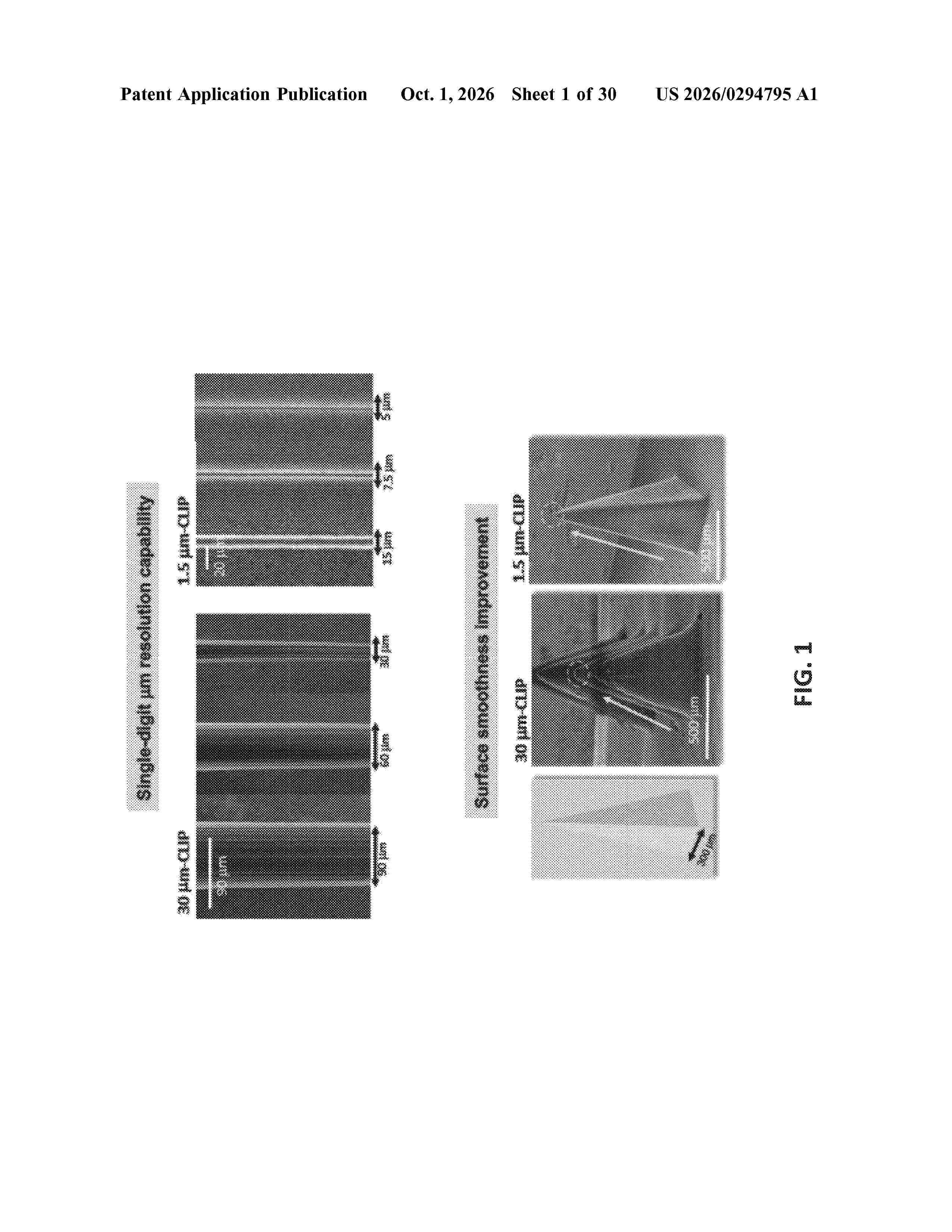
Aspects of the present disclosure include polymeric structures (e.g., microneedles) having a lattice microstructure composed of one or more lattice cell units. Polymeric structures according to certain embodiments have repeating lattice cell units that are formed by high resolution continuous liquid interface production. Aspects also include systems for making polymeric structures having a lattice microstructure. Systems according to certain embodiments include a micro-digital light projection system having a light beam generator component and a light projection monitoring component and a liquid interface polymerization module having a build elevator and a build surface configured for generating the polymeric lattice microstructure from a polymerizable composition positioned therebetween. Methods for making polymeric structures having a lattice microstructure with the subject systems are also provided. Patches having an array of polymeric microneedles for applying to a skin surface of a subject are also described. In some embodiments, patches include microneedles that contain an active agent compound (e.g., an immunogenic active agent). Methods for applying the patches to the skin surface of a subject are also described.
Resumen de: WO2026199685A1
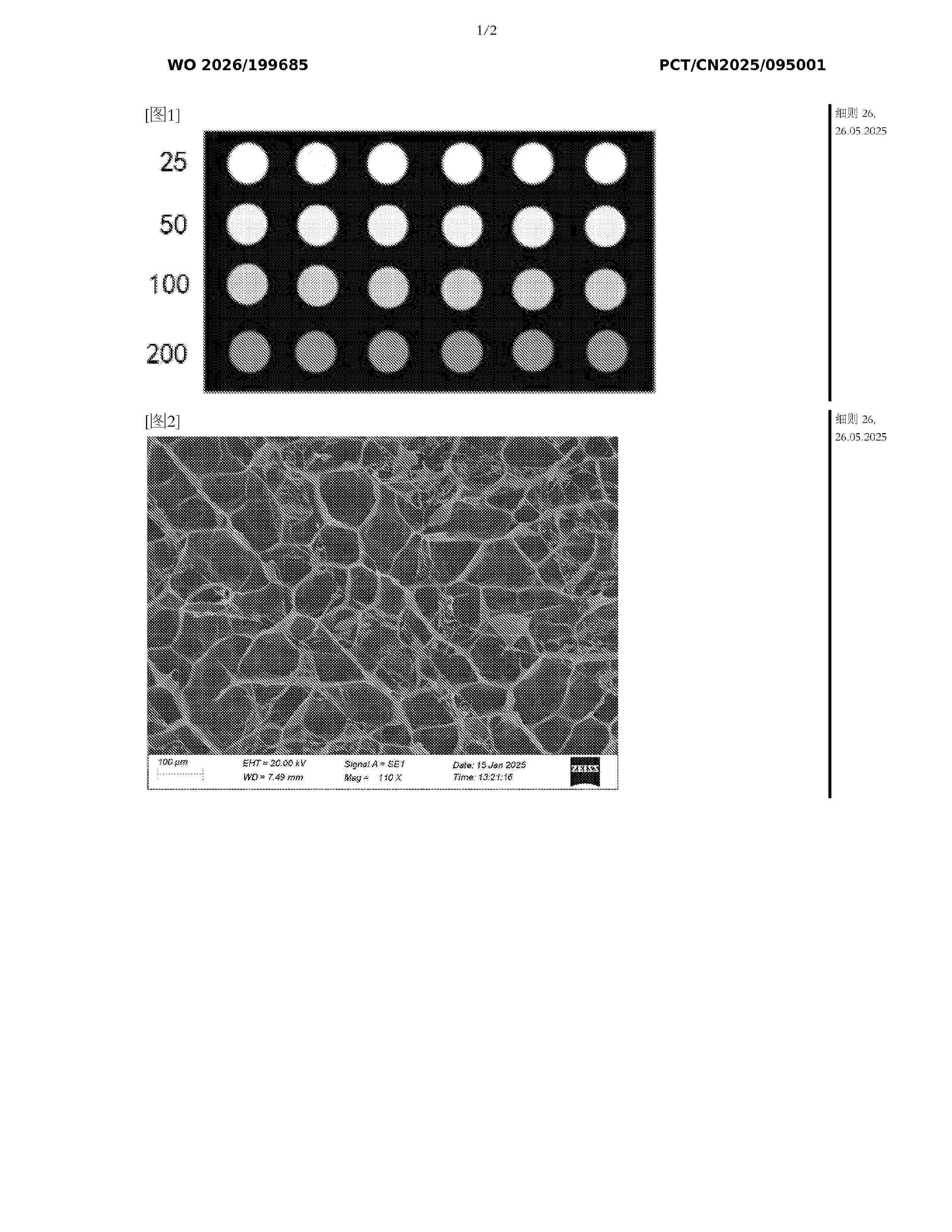
Provided are a bioprinted heart valve fibrosis disease model, a preparation method therefor, and use thereof. The method comprises the following steps: using a hydrogel containing valve cells as a printing material, printing by means of digital light processing (DLP) technology to obtain a valve model, wherein the digital light processing technology comprises importing design drawings of different grayscales into a digital light processing printing device, and after printing, culturing to obtain bioprinted heart valve fibrosis disease models with different stiffnesses. According to the method, by means of regulating DLP printing parameters, adjusting the stiffness of an extracellular matrix, controlling the degree of fibrosis of various mechanically responsive cells such as fibroblasts, and simulating different fibrotic states, the effect of the in vivo environment on valve tissue can be better simulated.
Resumen de: US20260301947A1
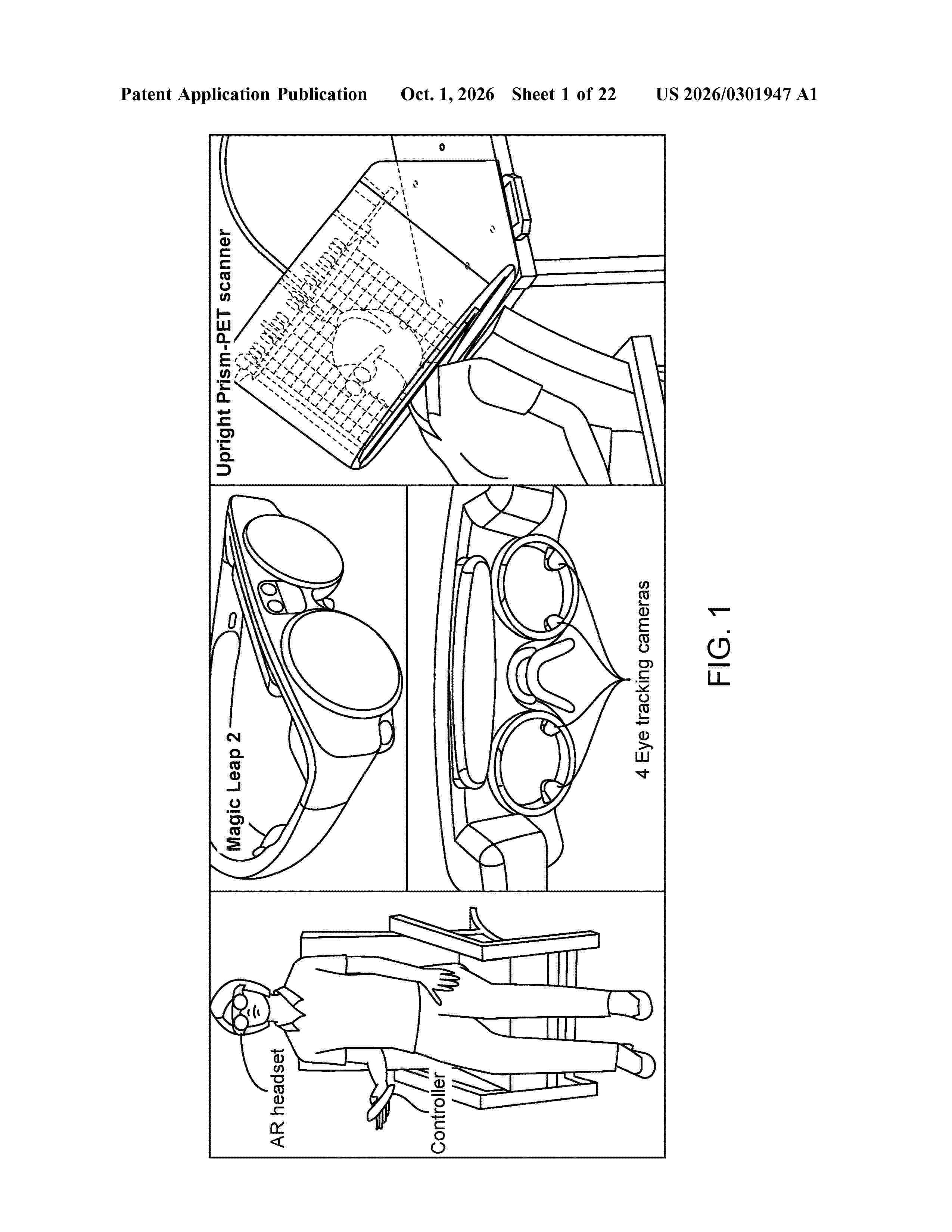
0000 Presented herein are directed to systems and methods for detecting conditions in subjects provided with stimuli. A computing system may send, to a headset situated on a head of a first subject in an upright posture, an instruction for the headset to present a stimuli to direct the subject to perform a task. The computing system may receive, via a tomography scanner arranged about the head of the first subject, a dataset defining a first plurality of tomograms of a first nervous system of the first subject. The computing system may obtain, via a sensor, a first signal associated with a first physiological function of the first subject over the time period. The computing system may determine, from the plurality of conditions, a condition associated with the first nervous system of the first subject based on applying a model to the first plurality of tomograms and the first signal.
Resumen de: US20260294383A1
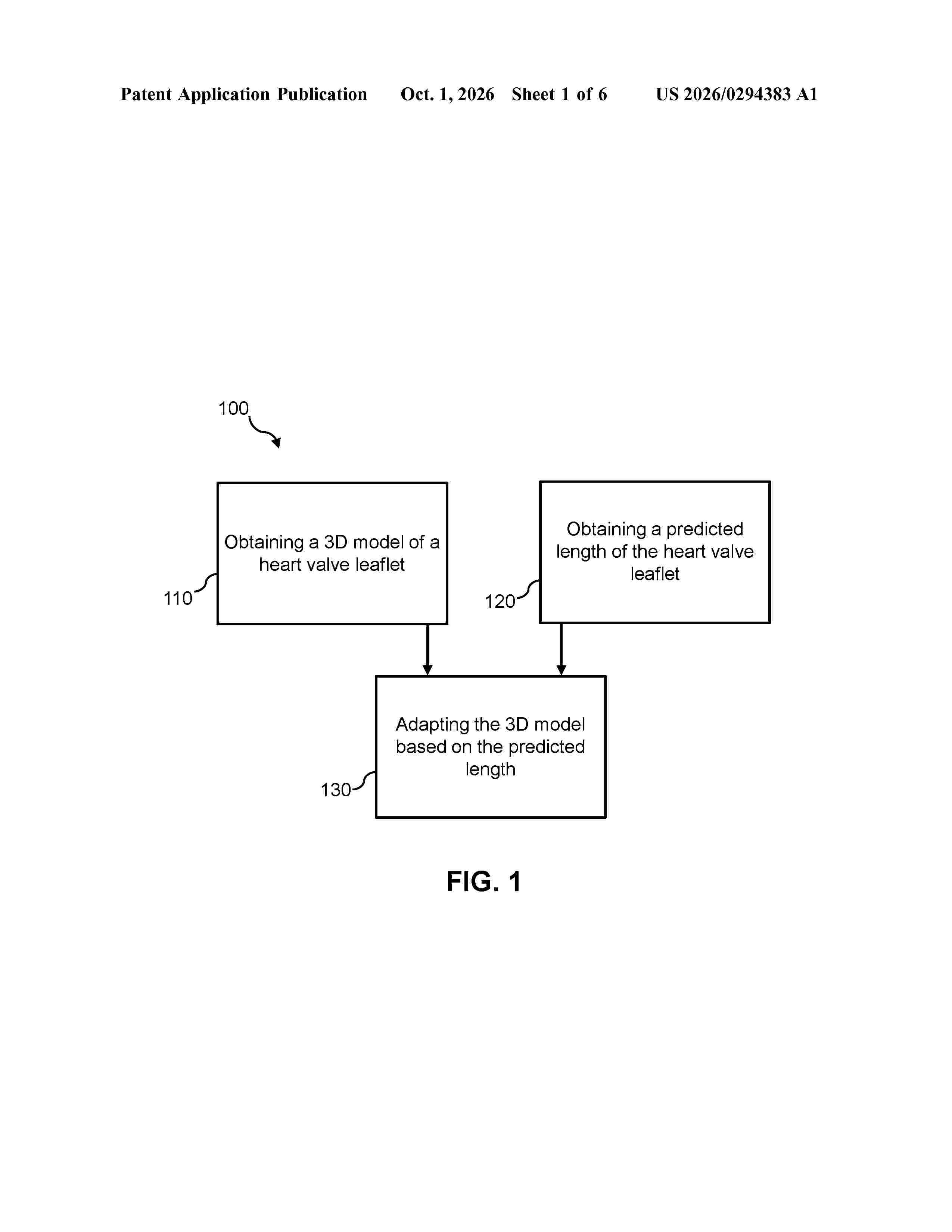
Proposed concepts thus aim to provide schemes, solutions, concept, designs, methods and systems pertaining to representing a predicted length of a heart valve leaflet. This can be achieved by obtaining both a 3D model representative of the geometry of a heart valve leaflet and a predicted length of the heart valve leaflet. The 3D model can then be adapted based on the predicted length to generate an adapted 3D model representing an extension of the heart valve leaflet to the predicted length.
Resumen de: US20260295199A1
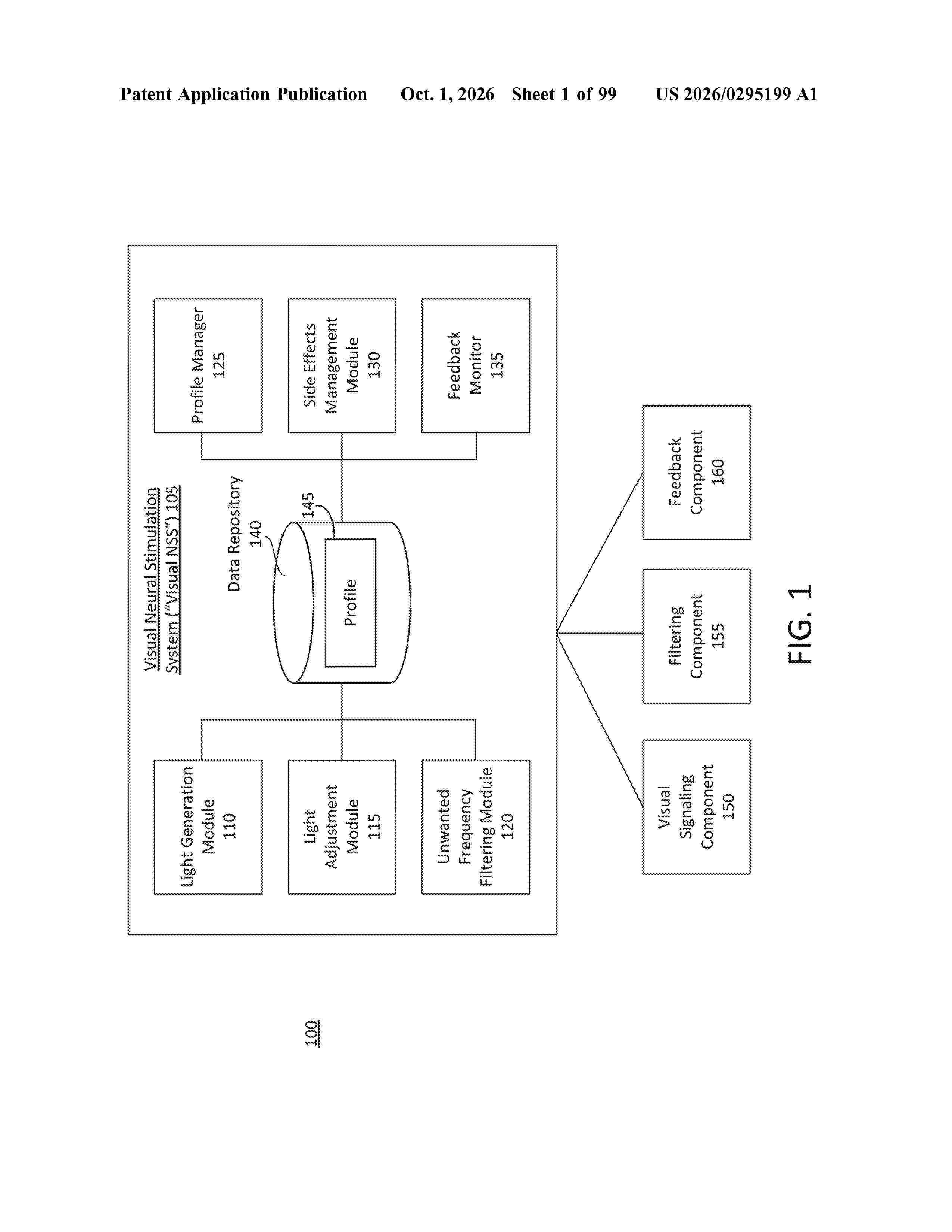
Disclosed is a light therapy device for managing body clock of a user. The light therapy device includes a mask unit, and an electronic processing device. The mask unit has a light emitting panel having a plurality of light emitting sources (LES), and a controller operably coupled to the light emitting panel for controlling operational characteristics of the LES. The electronic processing device is in operational communication with the controller, and includes a simulation module, which is adapted to receive one or more operating parameters from the user, and a profile corresponding to the user. The simulation module is further configured to process the operating parameters and the profile, and send the processed information to the controller for managing the body clock of the user. This allows a personalization of the light therapy being provided to the user.
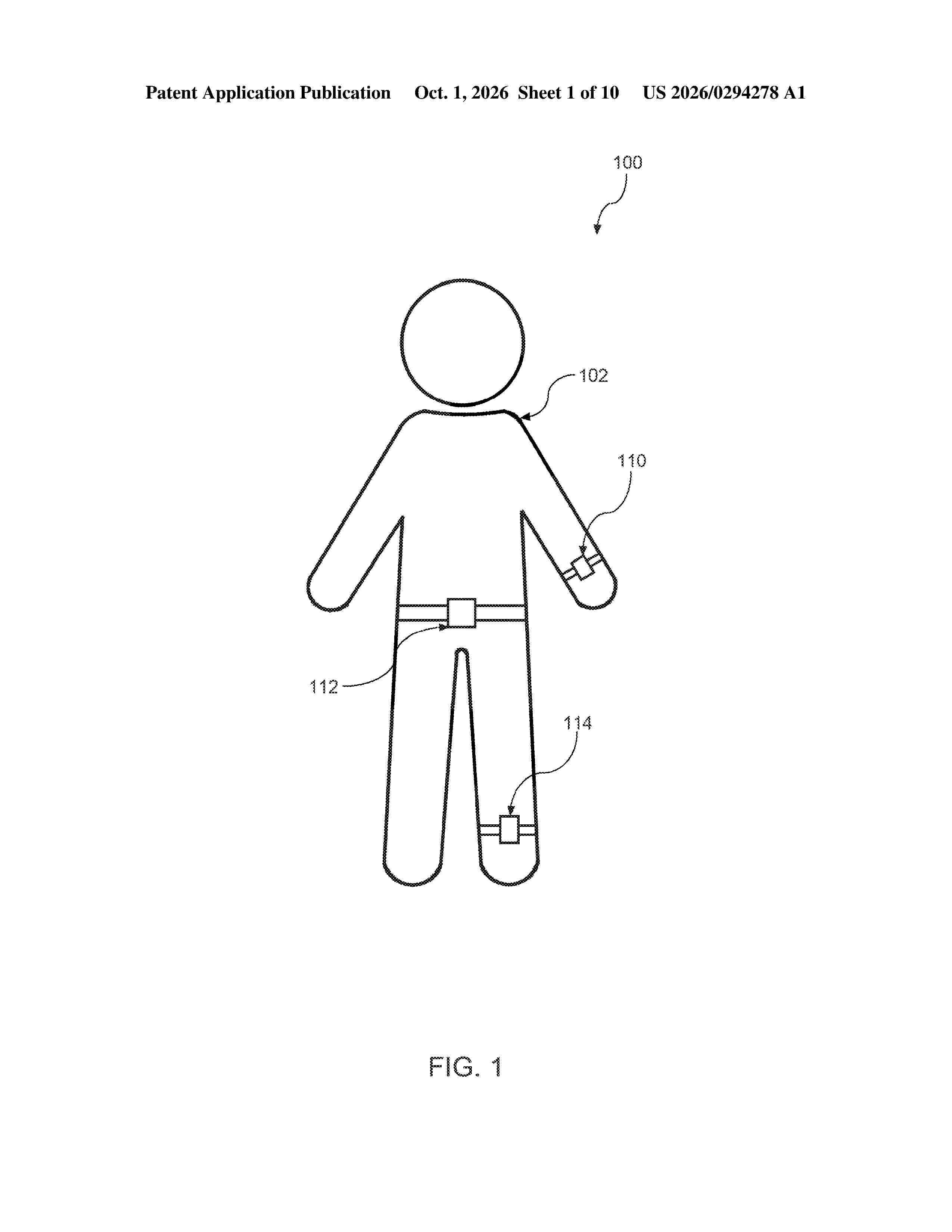
Resumen de: US20260294278A1
A computer-implemented method for assessing a fall risk of a user is provided. The computer-implemented method includes obtaining data indicative of the user engaging in a fall risk activity. The computer-implemented method includes adjusting a fall detection threshold of a wearable computing device worn by the user based, at least in part, on the data indicative of the user engaging in the fall risk activity. The method includes providing a notification indicative of the user being at risk of falling due, at least in part, to the user engaging in the fall risk activity.
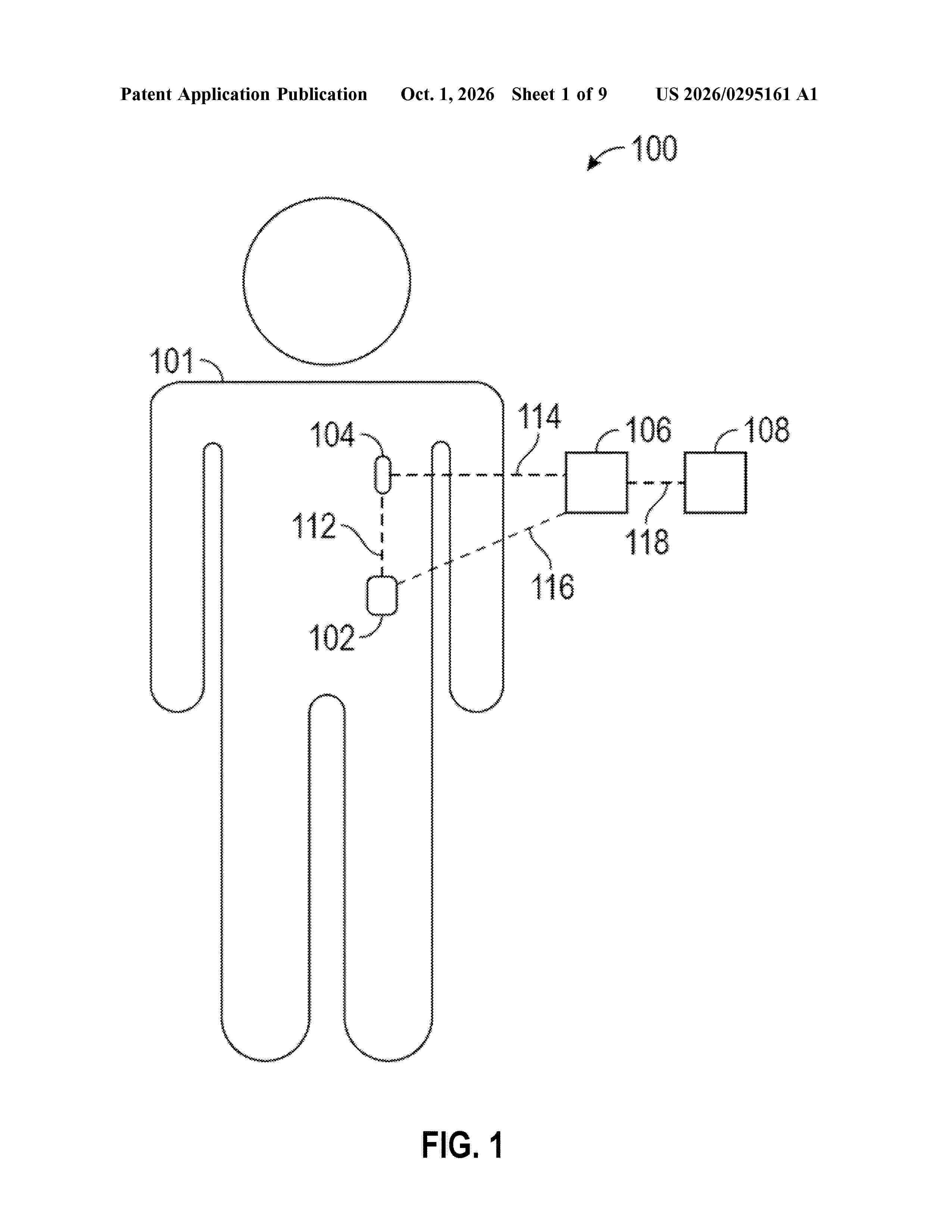
Resumen de: US20260295161A1
Disclosed herein are techniques related to delivery of correction boluses. In some embodiments, the techniques involve obtaining data indicative of an ongoing glycemic response to a meal. The data includes glucose concentration measurements evaluated in combination with one or more insulin concentration values. The techniques further include causing delivery of one or more correction doses to at least partially counteract the ongoing glycemic response to the meal. The one or more correction doses are delivered instead of or in addition to a meal bolus delivered for the meal.
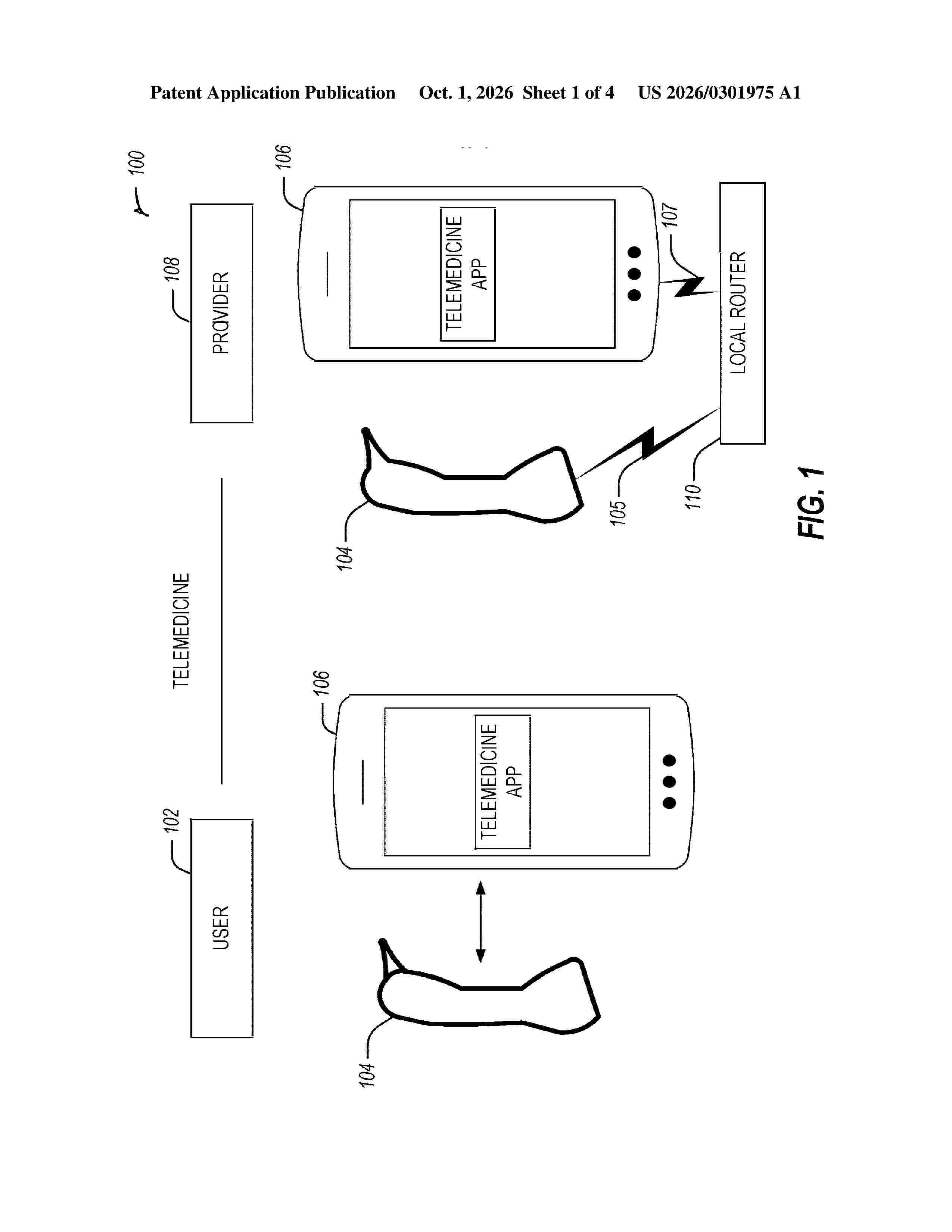
Resumen de: US20260301975A1
0000 A method for merging imaging data into a telemedicine session is provided. The method includes initiating a telemedicine session on a host device and determining whether a network connection is available between an otoscope and the host device for providing imaging data. The otoscope is configured to generate a direct connection for providing the imaging data. Based on availability of the network connection, a connection is established between the host device and the otoscope via either the network connection or the direct connection. Imaging data generated by the otoscope, including a video stream and/or one or more images, is shared from the host device during the telemedicine session.
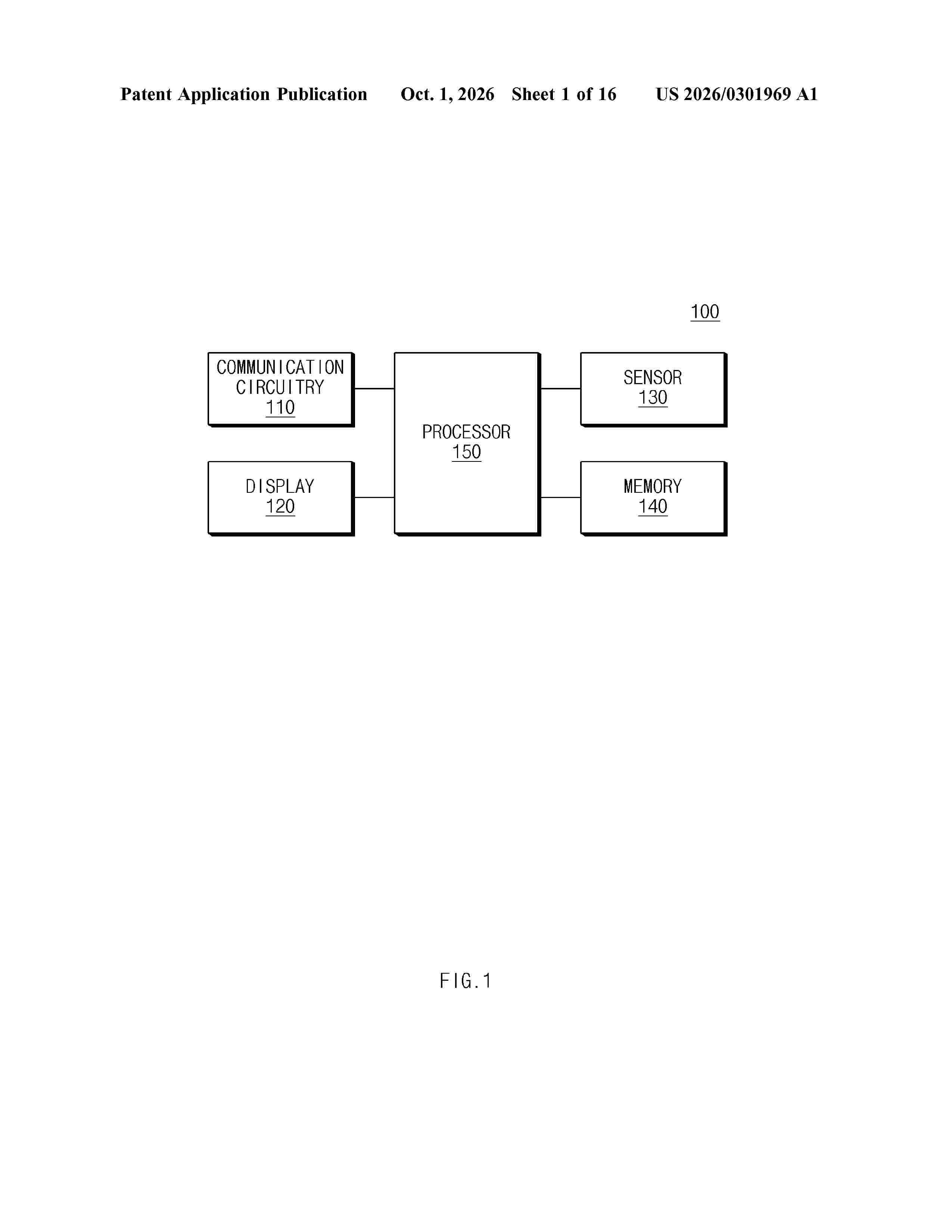
Resumen de: US20260301969A1
An electronic device according to an embodiment may include communication circuitry, a display, at least one sensor, a memory including a generative artificial intelligence model, and a processor. The memory may store instructions that, when executed by the processor, cause the electronic device to identify biometric data periodically measured using the at least one sensor, determine whether the biometric data is missing, identify information related to a period during which the biometric data is missing, identify a measurement history of previously measured biometric data, and generate, using the generative artificial intelligence model, missing biometric data based at least in part on the measurement history.
Resumen de: US20260301898A1
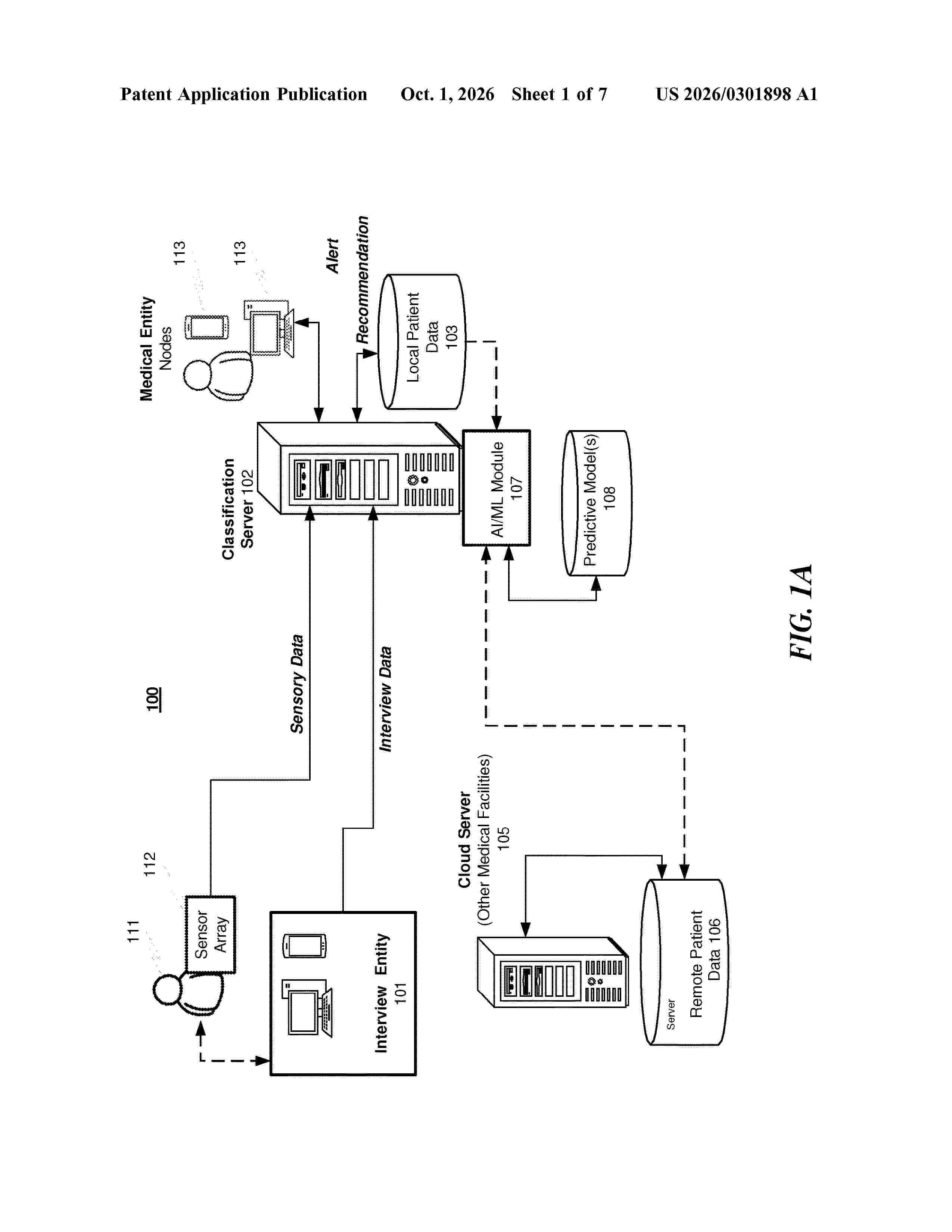
0000 A system for generation of diagnosis parameters based on patient-related data, including a processor and a memory on which are stored machine-readable instructions that when executed by the processor, cause the processor to: acquire sensory data from a plurality of biosensors; receive patient interview data comprising audio data generated during patient interview; derive a language metadata from the interview data; parse the interview data based on the language metadata to derive a plurality of key features; retrieve local historical patients'-related data related to previous patients'engagements associated with previous interview data based on the plurality of features; generate a feature vector based on the plurality of features, the sensory data and the local historical patients'-related data; and provide the feature vector to a ML module configured to generate a predictive model for producing a diagnosis for generation of the patient-related classification for the at least one medical entity node.
Resumen de: US20260295203A1
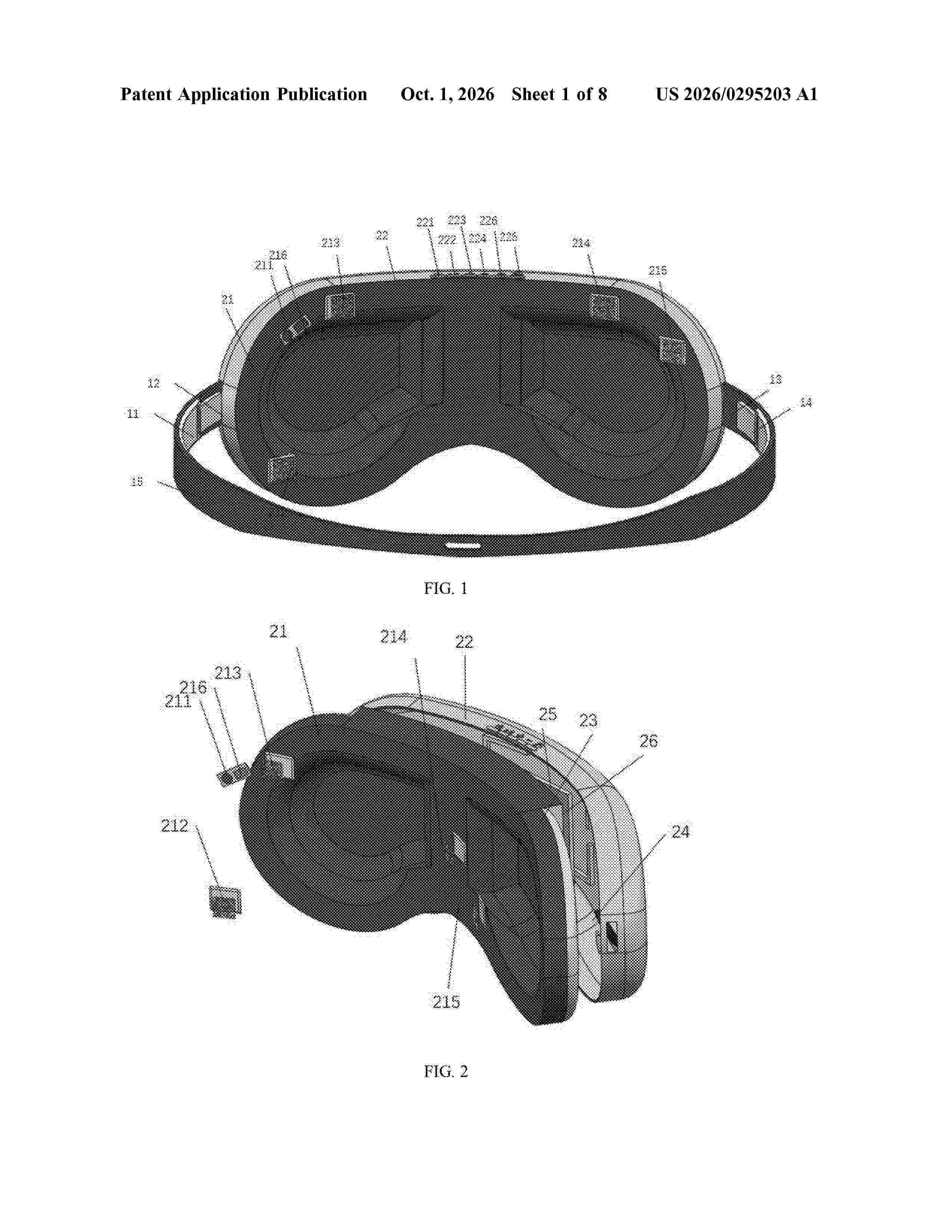
0000 A closed-loop sleep management method applied to a head-worn closed-loop sleep management device includes: performing sleep monitoring in real time based on an electroencephalogram (EEG) signal, an electrooculogram (EOG) signal, a heart rate (HR), and a blood oxygen saturation (SpO<2>); and controlling an intervention component to perform sleep intervention when a sleep monitoring result meets a preset condition. The sleep monitoring includes sleep staging and calculation of a duration of a current sleep stage. The sleep monitoring result includes the current sleep stage and the duration thereof. The method applies a deep learning algorithm to perform sleep staging and calculate the duration of the current sleep stage based on multi-modal signals, enabling real-time and accurate sleep state monitoring. Additionally, the method can achieve effective dynamic sleep intervention based on the sleep monitoring result, achieving closed-loop management from sleep monitoring to sleep intervention.
Resumen de: US20260294314A1
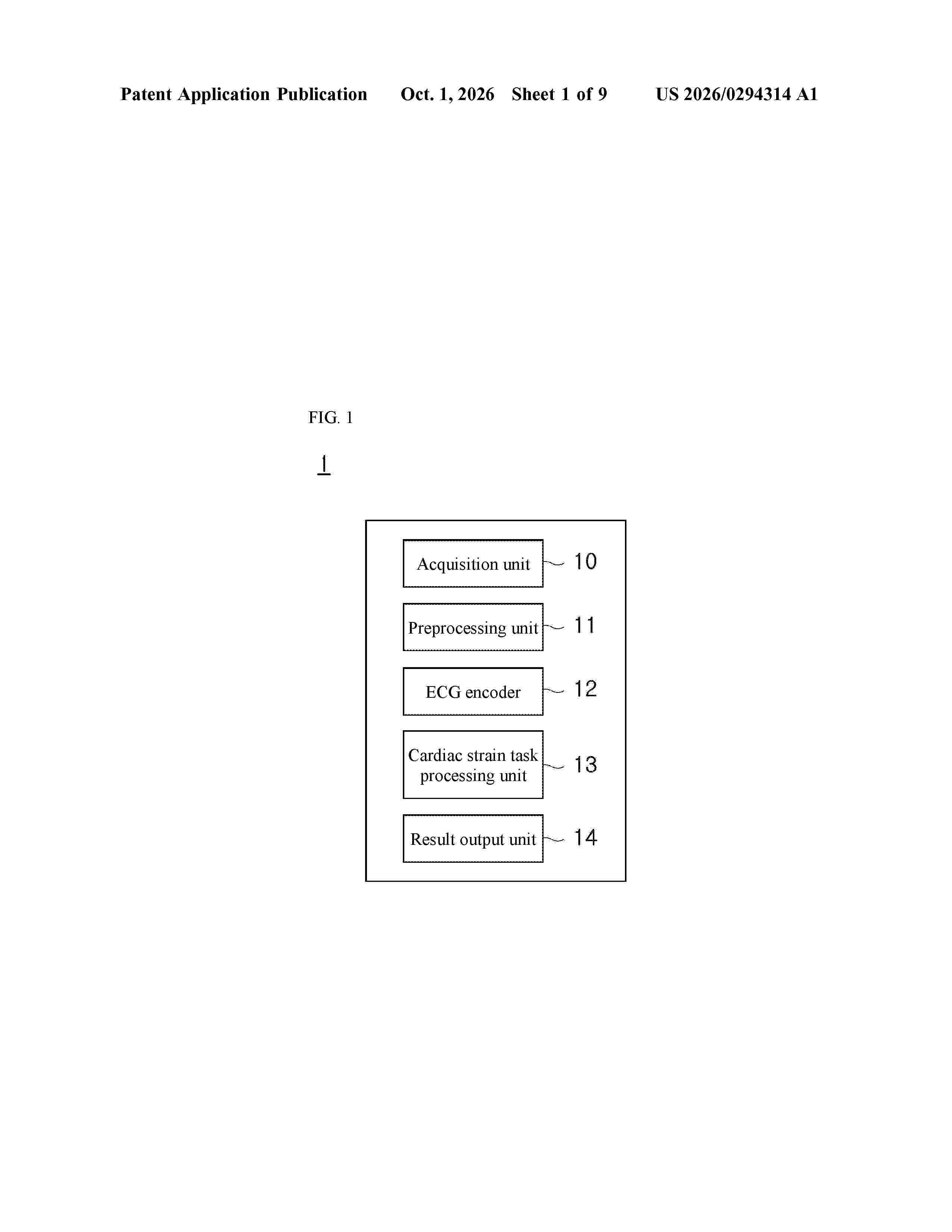
0000 Embodiments provide an artificial-intelligence-based device and method for evaluating cardiac strain through electrocardiography, the device comprising: an acquisition unit for acquiring electrocardiography data of a subject; an ECG encoder which inputs with the electrocardiography data so as to extract an ECG embedding vector including feature information of the electrocardiography data; and a cardiac strain task processing unit which inputs with the ECG embedding vector so as to include and generate cardiac strain information about one or more task items. Since the electrocardiography data is input into an artificial-intelligence neural network so as to evaluate the degree of cardiac strain, various cardiac strain can be measured and a consistent quantitative assessment can be performed at a low cost.
Resumen de: US20260303972A1
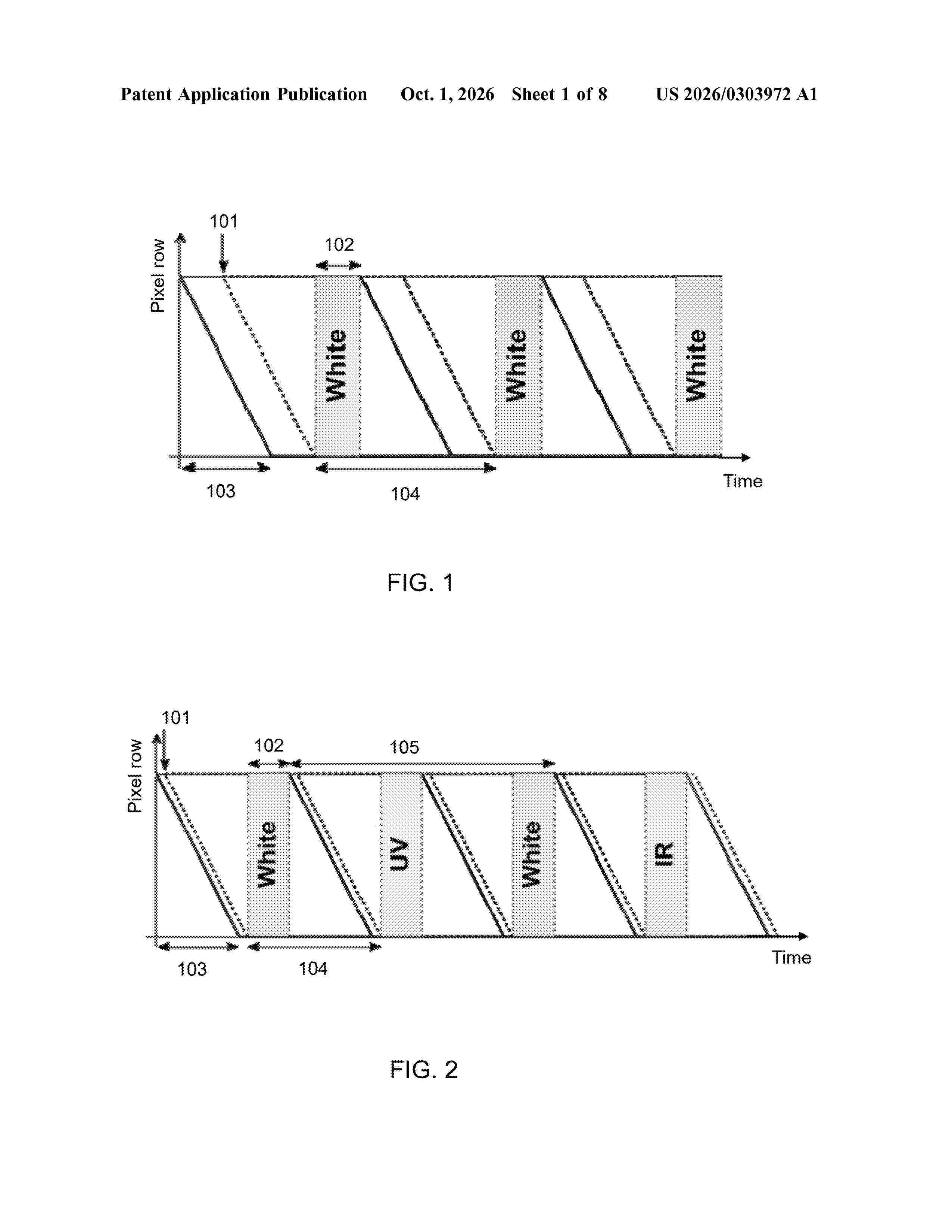
An intraoral 3D scanner includes at least one projector unit including a light source configured for emitting light; and a pattern generating element configured for generating a pattern of light to be projected onto a surface of an object. The scanner further includes one or more camera units, operatively coupled to the projector unit, each camera unit including an image sensor for capturing one or more image frames, wherein the image sensor includes a two-dimensional array of pixels arranged in rows and columns and is configured for capturing a given image frame by sequentially exposing individual rows within the two-dimensional array of pixels, wherein each row is exposed for a predefined exposure time. The scanner is configured for sequentially switching the light source on and off at a predefined frequency, wherein the light source is turned on for a predefined duration during which all rows are exposed simultaneously.
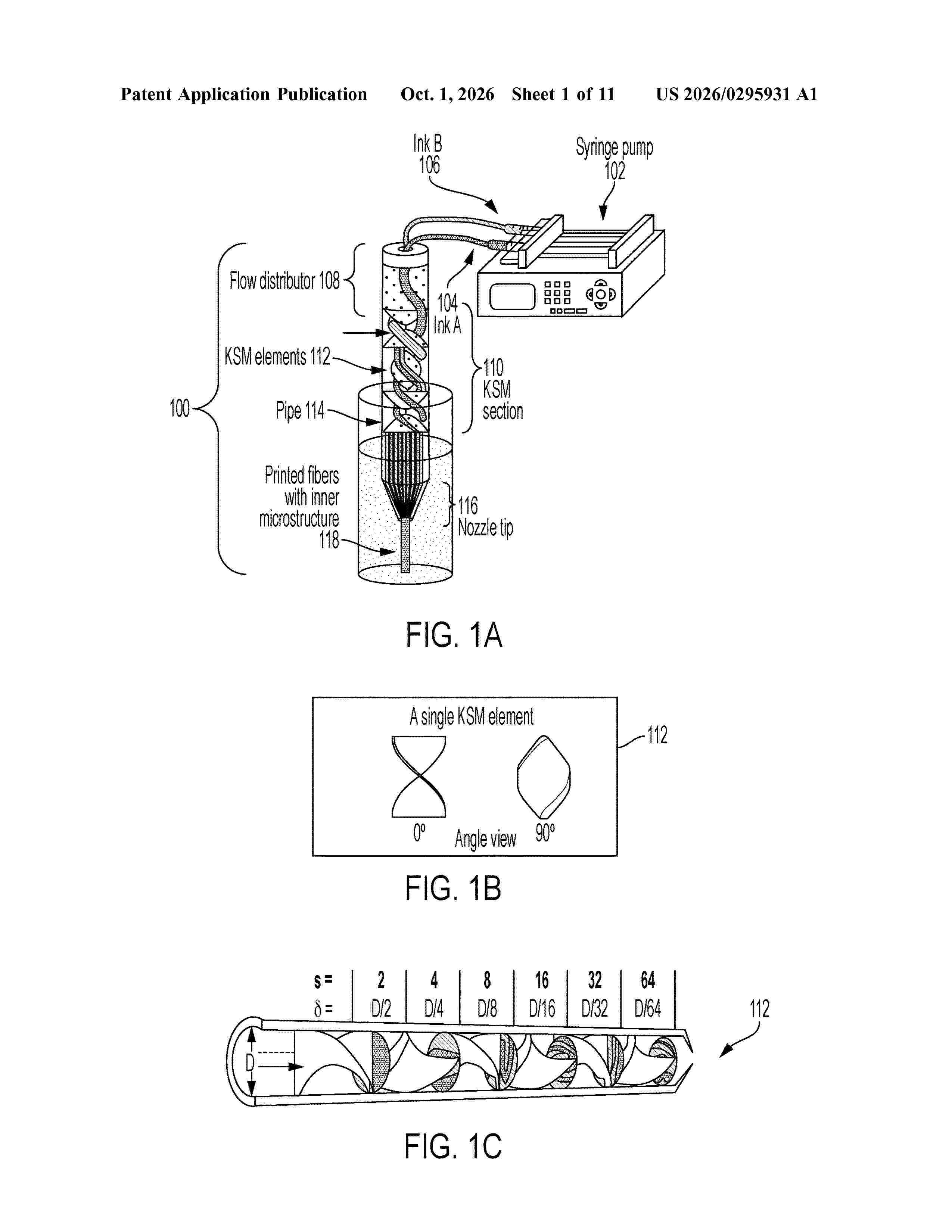
Resumen de: US20260295931A1
0000 A challenge to the clinical viability of large-scale tissue engineering is being able to perfuse entire constructs with blood supply that persists long-term. To accomplish this, tissue engineering needs to replicate the hierarchically branching networks of microvasculature that distribute homogeneous blood supply from arteries to capillary beds in natural tissues. Chaotic Printing can be adapted to extruding wide sheets of hydrogel containing hierarchically branching layers of multiple cell types that are native to vascular tissue. An in vitro “prevascularization” period can allow these cells to form into hollow tubular structures that mimic native microvasculature and can be perfused with blood supply. These prevascularized sheets can then be implanted in a subject to integrate with native arteries and veins and perfuse injured tissue with new blood supply.
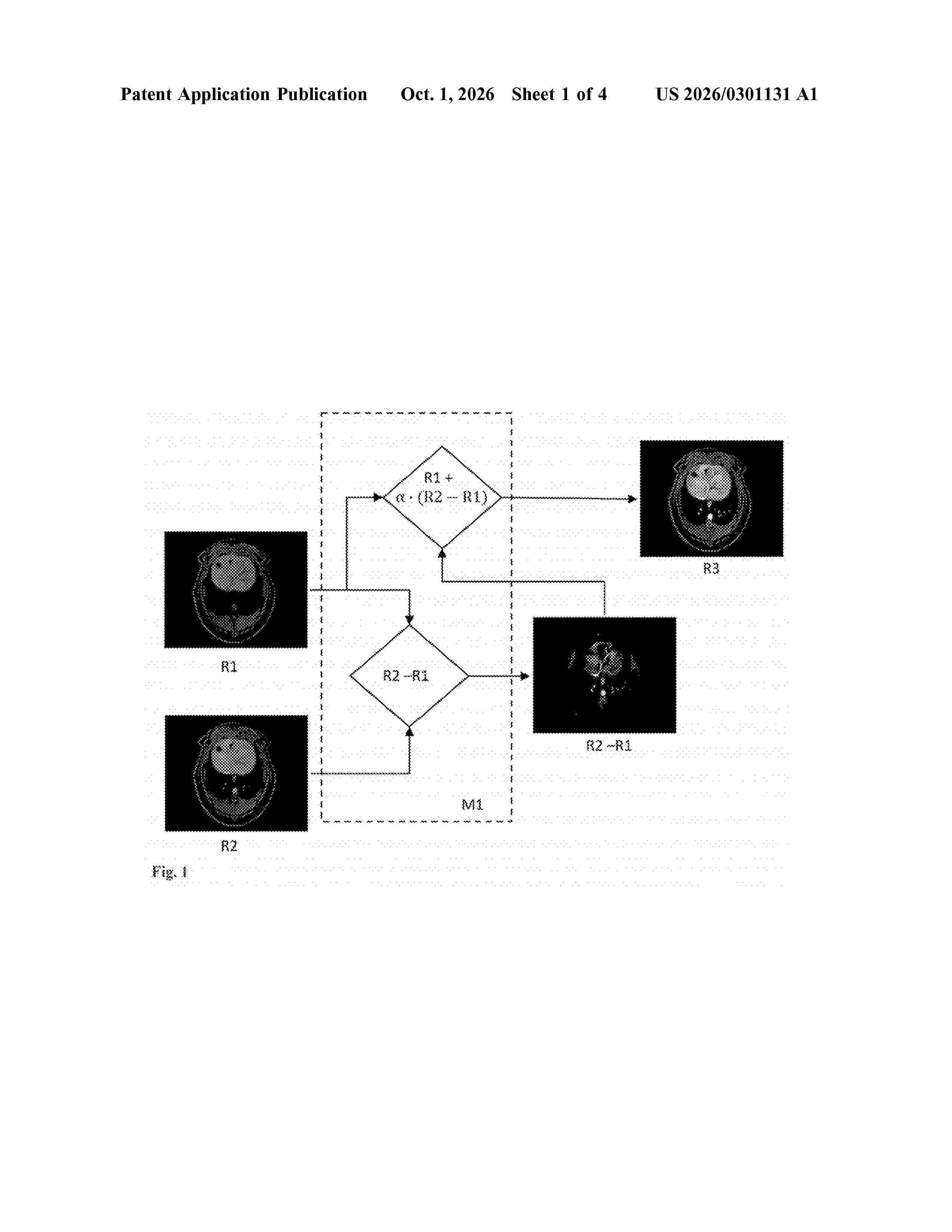
Resumen de: US20260301131A1
The present invention relates to the technical field of generating artificial contrast-enhanced radiological images.
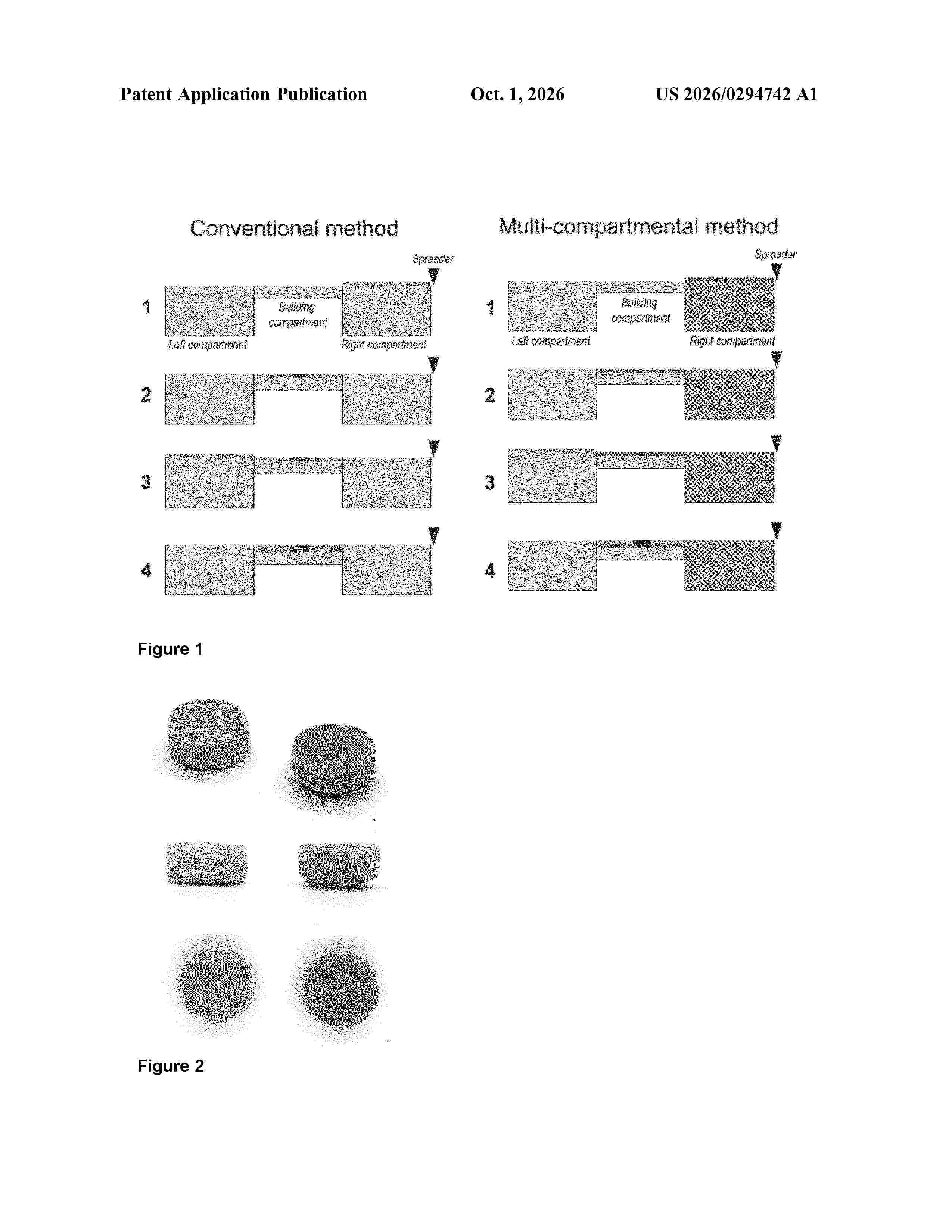
Resumen de: US20260294742A1
The present invention relates to a process for producing a Pharmaceutical dosage form by powder bed fusion selective laser 3-dimensional printing, in particular selective laser sintering 3-dimensional printing (SLS), and a pharmaceutical dosage form manufactured by that process.
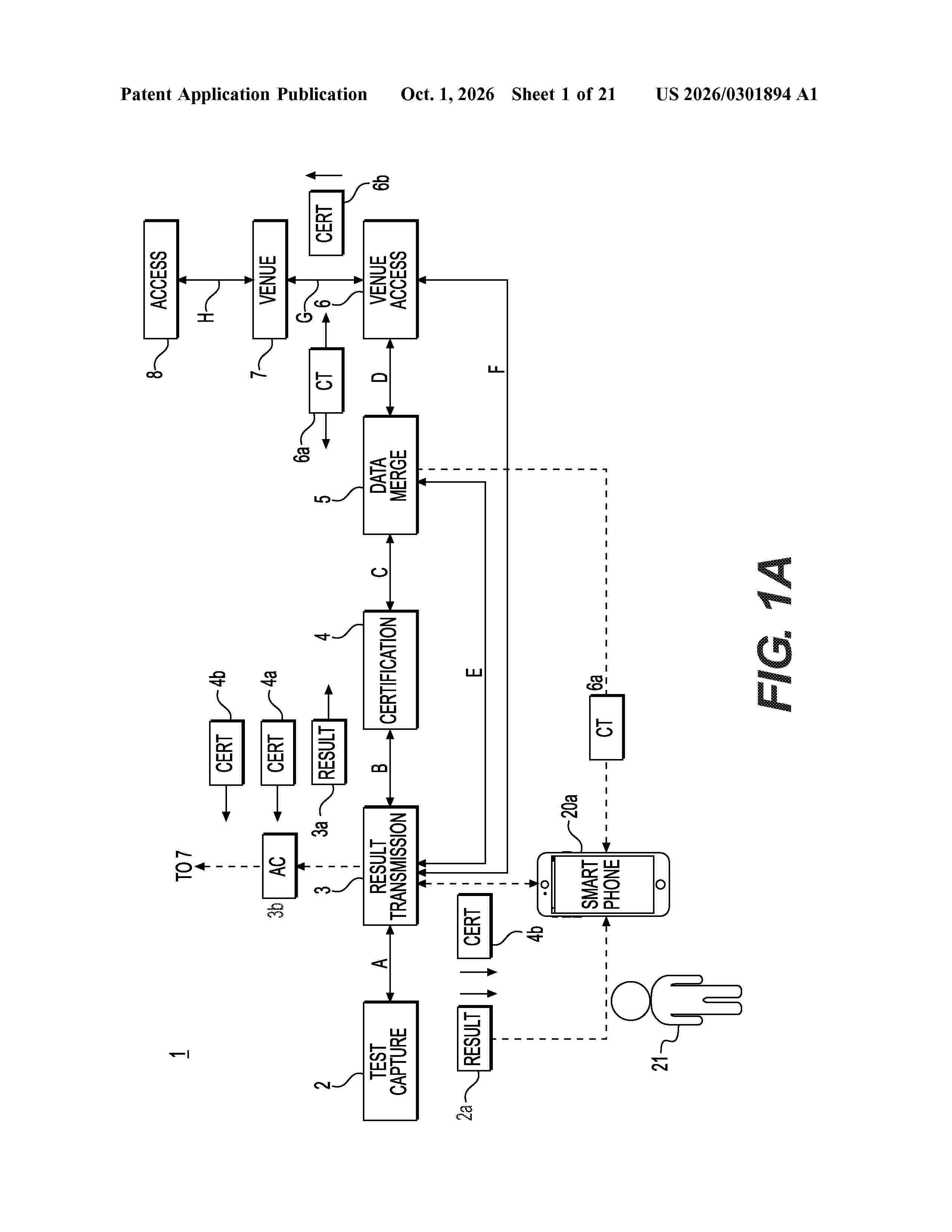
Resumen de: US20260301894A1
0000 A computer-implemented method includes accessing, by a processor of health safety credential platform, an access requirement associated with a venue or service; accessing, a certified health status record associated with an individual; comparing the certified health status record to the access requirement; determining an access determination according to one or more access-evaluation parameters comprising a disease identifier, a test type, a sample-collection time, a test-result time, a time to live value, a vaccination date, an effective date range, a geographic rule, and a validity period; generating a machine-readable access object representing the access determination; and encoding, the machine-readable access object to suppress health-status information utilized in generating the access determination while preserving information indicating the access determination.
Nº publicación: WO2026199041A1 01/10/2026
Solicitante:
SETHI MOKSH [AU]
SETHI, Moksh
Resumen de: WO2026199041A1
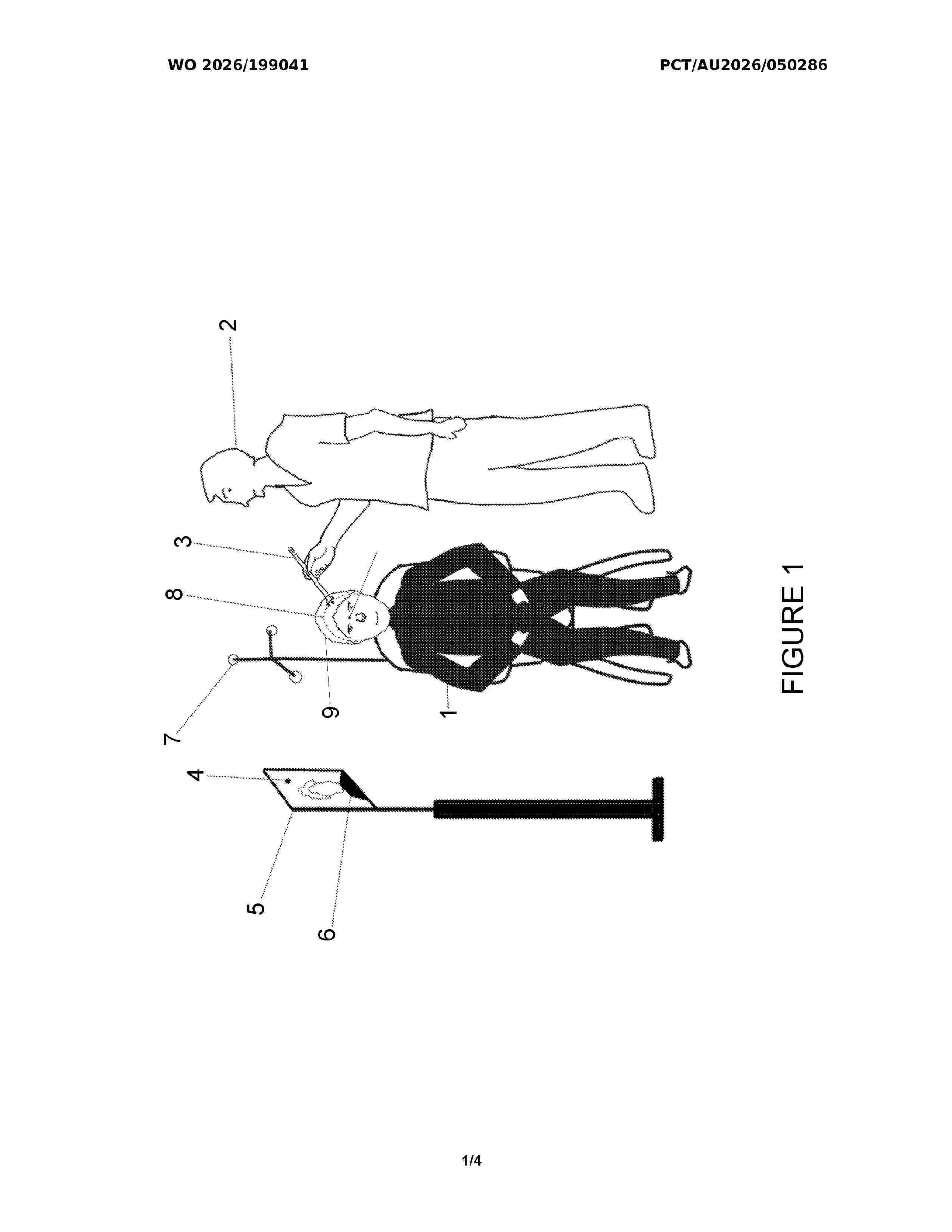
The present invention relates to a system and method for automated electrode or sensor site mapping and placement guidance on a subject's body surface, including regions obscured by hair, fur, or subject positioning. The system combines LiDAR- based three-dimensional scanning with calibrated tactile probes to generate an accurate model of the body surface. An external reference landmark system comprising three or more fixed fiducial markers provides a static coordinate reference frame to compensate for subject movement during scanning and placement guidance. A processing unit integrates LiDAR and probe data, calculates electrode or sensor site locations based on standard or custom placement systems, and provides guidance for site placement through visual, auditory, or haptic feedback. The system is applicable to clinical and research applications, including electroencephalography (EEG), neuromodulation, and animal studies, where accurate and reproducible electrode or sensor placement is essential. The system reduces operator dependency, compensates for motion, and improves placement accuracy and efficiency.
 BOPI
BOPI
 Sede Electrónica