Si deseas distinguir tus productos, servicios o ambos de los de otra empresa, es posible que necesites una marca o nombre comercial. Descubre qué son, en qué consiste su procedimiento de registro y qué implica.

Información sobre los plazos de presentación de solicitudes de transformación de marcas de la Unión Europea en marca nacional española. Más información


Si tienes un nuevo dispositivo, producto o procedimiento que resuelva un problema técnico o tenga una ventaja práctica, existen distintas formas de protegerlo en España y en otros países. Descubre cómo hacerlo.

¿Tu innovación reside en la estética, la ornamentación o la apariencia de tu producto? Protégela mediante un diseño industrial. Descubre qué derechos confiere el registro y cómo realizar la tramitación.

Las indicaciones geográficas protegen el nombre de un producto originario de una zona geográfica, a la cual le debe una determinada calidad, reputación u otra característica. Descubre qué son, en qué consiste su procedimiento de registro y qué beneficios conceden.

Las patentes publicadas en todo el mundo son una valiosa fuente de información científica, técnica y comercial.

Si eres emprendedor/a o una empresa y quieres potenciar y mejorar la rentabilidad de tu negocio protegiendo de forma adecuada los activos intangibles de tu organización, en este espacio encontrarás lo necesario.


 947
resultados
947
resultados
 Última actualización
18/03/2026 [07:08:00]
Última actualización
18/03/2026 [07:08:00]


 Resultados 850 a 875 de 947

Resumen de: CN121381043A
本发明公开了一种莫特肖特基异质结电催化材料及其制备方法和用途,该莫特肖特基异质结电催化材料的分子式为Co/VN@DDC,制备方法为:制备钴钒金属有机框架,记为CoV‑MOF;将所述CoV‑MOF与三聚氰胺混匀后,在惰性气氛中,以程序升温的方式进行退火,得到所述莫特肖特基异质结电催化材料。本发明的有益效果在于:通过利用莫特‑肖特基界面,大大增加了活性位点的可用性,并提高了氢吸附能力。由此产生的Co/VN@DDC异质结在各种pH值条件下都表现出卓越的HER性能,证明了其作为pH值通用型HER催化剂的潜力。

Resumen de: CN121380976A
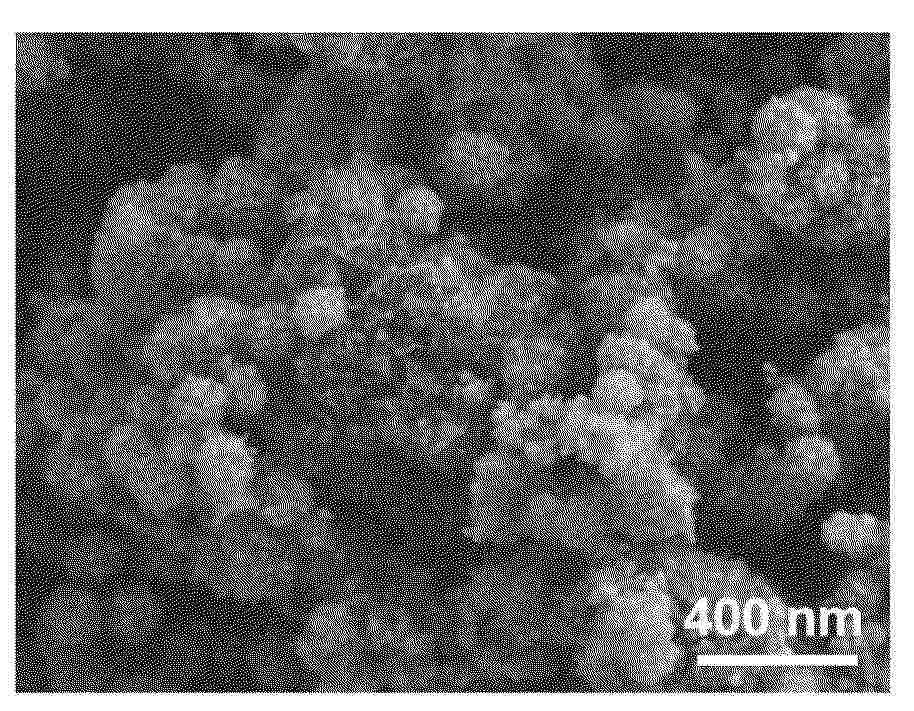
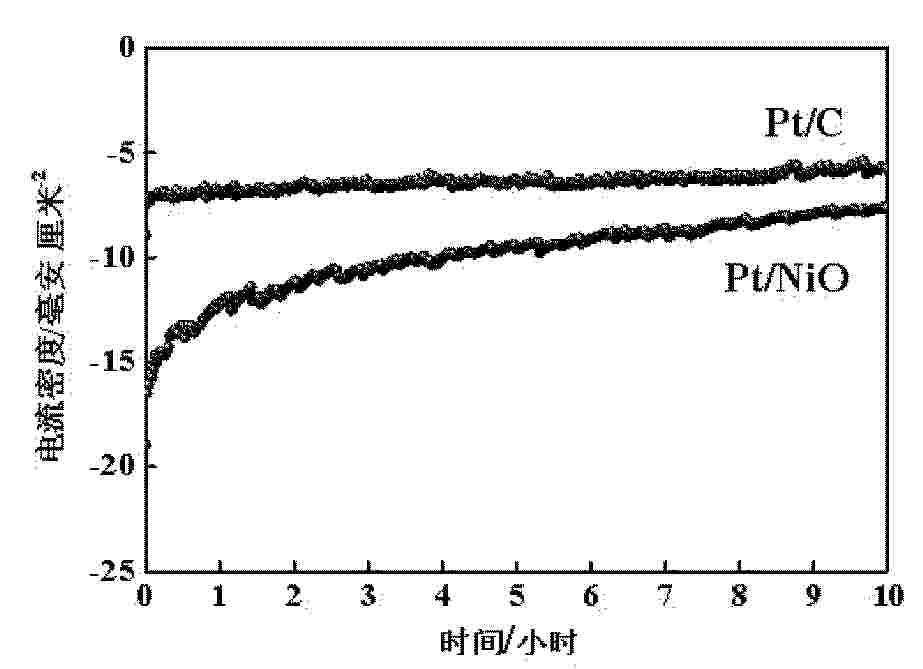
本发明公开了一种氧化镍负载铂的析氢催化剂的制备方法,属于催化材料技术领域。制备方法的主要步骤为,称取四水合乙酸镍与石墨各0.2 g,研磨均匀,随后转移至马弗炉中,在空气氛围450~750℃煅烧1~3 h,得到前驱体A,称取4~18 mg前驱体A,置于一定量的浓度为0.2~1.5 mmol L‑1的H2PtCl6溶液中,超声30~60 min,随后,在反应釜中160~200℃下加热5~10 h完成水热反应,冷却至室温后,进行抽滤、干燥,即得到所制备的催化剂。本发明所制备的催化剂具有与商业Pt/C相当的催化效果,且铂的使用量较商业Pt/C显著降低,具有商业应用前景。
Resumen de: CN121381003A
本发明涉及碱性水电解制氢装置技术领域,具体公开了一种压扁电极与集流体的整体焊接结构及其制备工艺,其中,压扁电极与集流体的整体焊接结构包括集流体基板、乳突阵列、压扁电极以及焊接层。本发明显著降低了界面电阻,提升了能效,直接降低了制氢成本;增强了结构稳定性与运行可靠性,延长了设备寿命;优化了电流分布,提升了反应效率与一致性;工艺兼容性好,易于实现规模化生产;实现了“结构”与“功能”的统一。
Resumen de: CN121381074A
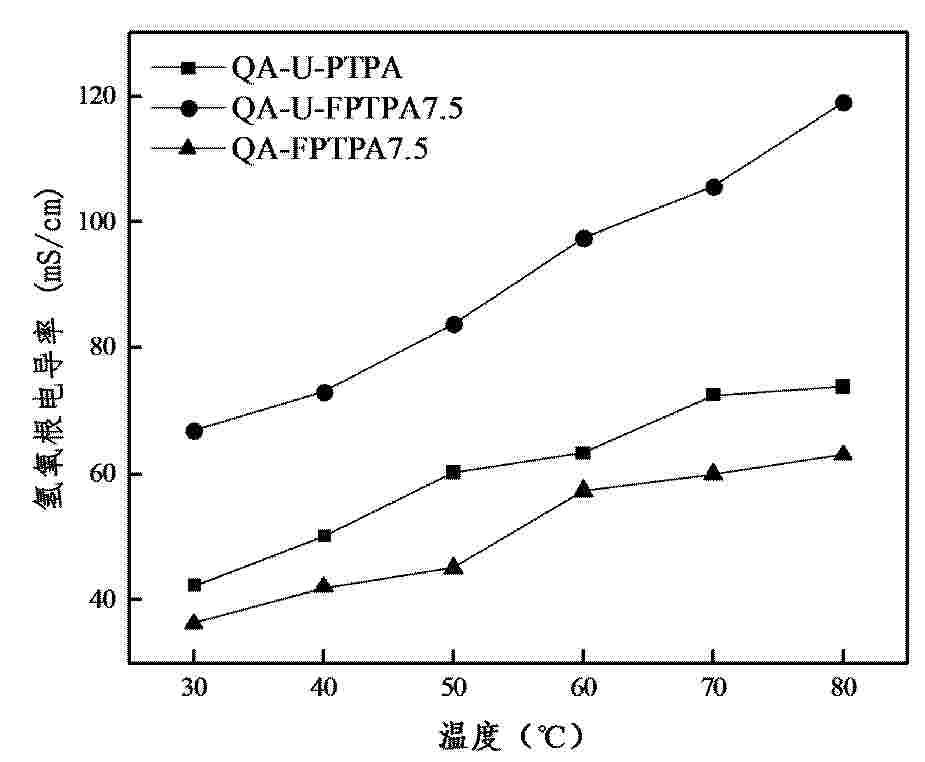
本发明公开了一种聚芳烷基阴离子交换膜及其制备方法与应用,属于电解水制氢技术领域,本发明在主链中引入高度疏水的全氟烷基侧链和亲水的脲基侧链,利用亲疏水热力学不相容性构建离子传输通道,而离子通道的形成便于传输氢氧根离子。引入的脲基间形成的氢键网络也促进了离子的高效传输,从而提高电导率。在机械性能上,一方面较低的离子交换容量(IEC)可以抑制过度溶胀,提升湿态下机械性能;另一方面脲基引入构建的氢键,增强了聚合物分子链间的相互作用力,提高链间缠结性,从而赋予阴离子交换膜更好的机械性能。本发明有效解决了现有用于阴离子交换膜水电解池中阴离子交换膜高离子电导率和湿态下机械性能之间的相互制约效应。
Resumen de: CN121381030A
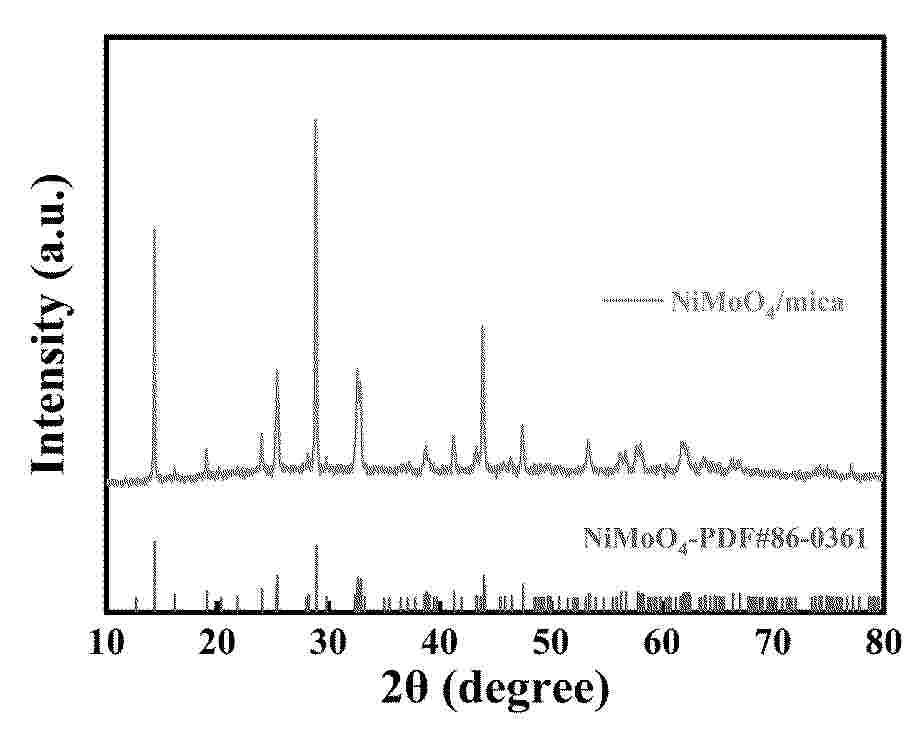
本发明公开了一种钼酸镍/云母复合材料及其制备方法和应用,属于电解水催化剂技术领域。包括钼酸镍和云母,所述钼酸镍负载在云母上。其制备方法包括将云母粉预处理;称取云母粉、镍粉和钼粉混合后进行球磨,干燥,得前驱体;将前驱体研磨筛分,然后进行煅烧。本发明首次将钼酸镍与云母进行复合,利用云母的层状结构和优异化学稳定性,为钼酸镍提供了稳定的支撑基底,有效抑制了活性组分的团聚与脱落,所制备的复合材料具有催化活性高、机械强度好、结构稳定及成本低廉等优点,是一种析氧反应过电位低、本征活性高、运行稳定性好的新型电催化剂,可直接作为电极材料用于电解水析氧反应,具有很高的使用价值和广阔的应用前景。
Resumen de: CN121381078A
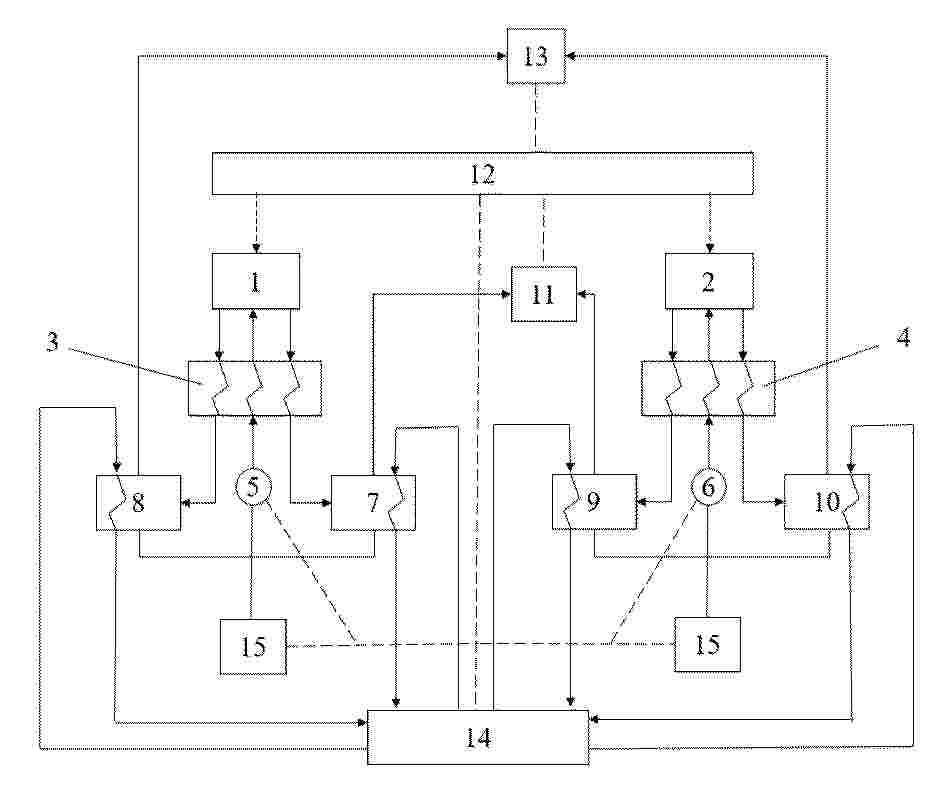
本公开涉及一种集成设计的ALK‑PEM混联系统以及运行方法,该运行方法本公开根据制氢单元接受到电网单元的实时电功率,灵活的调节PEM电解槽阵列和ALK电解槽阵列的运行状态,以使制氢单元在实时电功率较低的情况下利用PEM电解槽阵列低负荷运行;PEM电解槽阵列和ALK电解槽阵列共同作用,不仅能够降低制氢功率运行范围的下限,还能够提升该混联系统在低负荷运行时的系统能效。并且,在PEM电解槽阵列运行时,使PEM电解槽阵列出口的换热后的冷却水为所述ALK电解槽阵列预热能维持ALK电解槽阵列中电解液的温度,进而能够在实时电功率出现波动时,及时的响应,提高制氢单元消纳波动性出力的能力。
Resumen de: CN121380999A
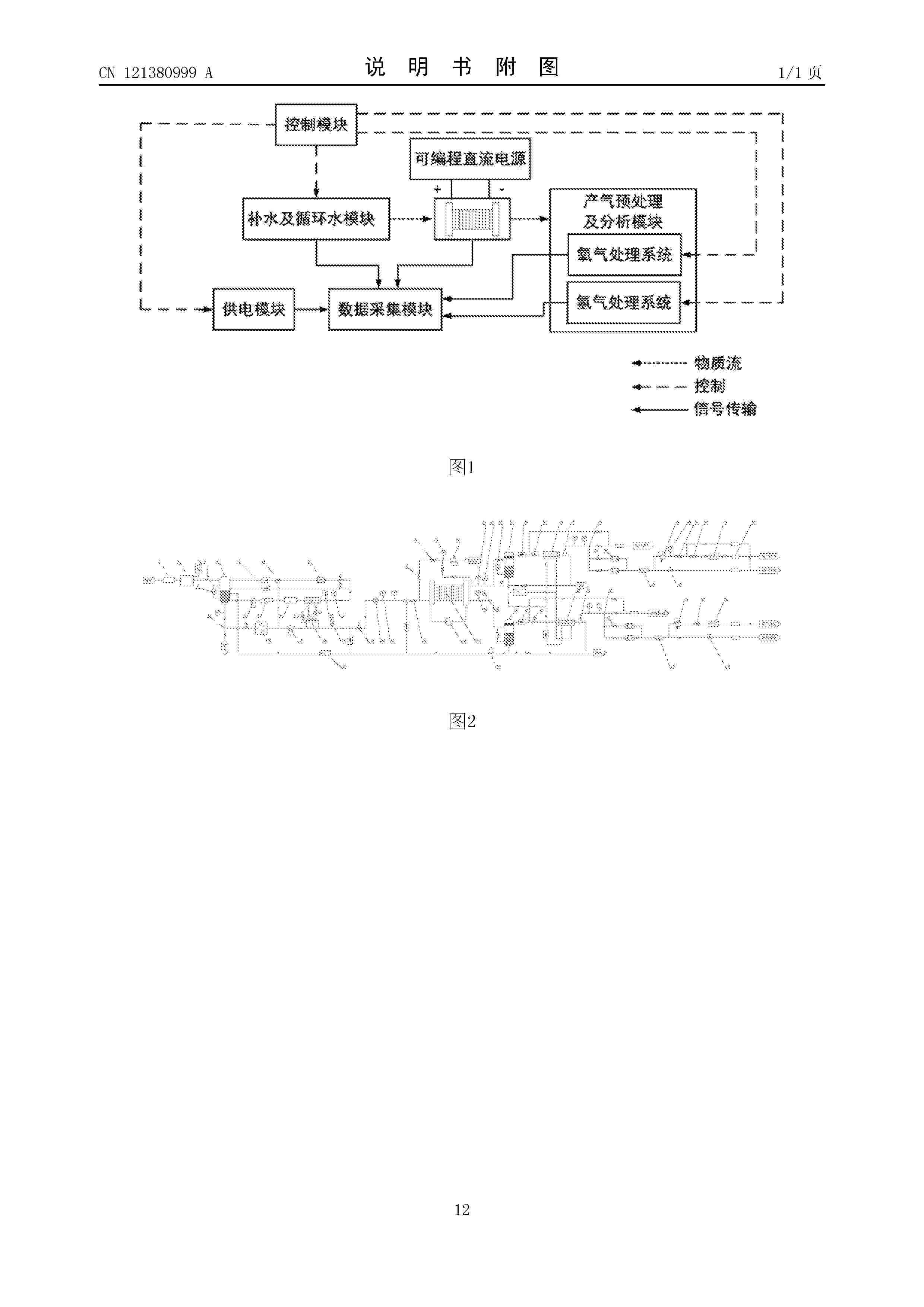
一种PEM电解槽测试系统,涉及质子交换膜电解水技术领域,包括电解槽、补水及循环水模块、产气预处理及分析模块、氮气吹扫模块、冷凝模块、数据采集模块、控制模块和供电模块。所述补水及循环水模块设置有补水缓冲支路,用于在补水时削弱低温水对循环水温的扰动;所述产气预处理及分析模块包括平行的氢气处理系统和氧气处理系统,氢气处理系统中设置有露点仪,用于检测产出氢气的露点。本发明通过补水缓冲支路设计,有效稳定了进入电解槽的水温;通过集成露点仪,扩展了对电解槽产出气体干燥度的检测能力;系统整体构架优化,提升了测试精度与能效,降低了运行成本。
Resumen de: CN121381058A
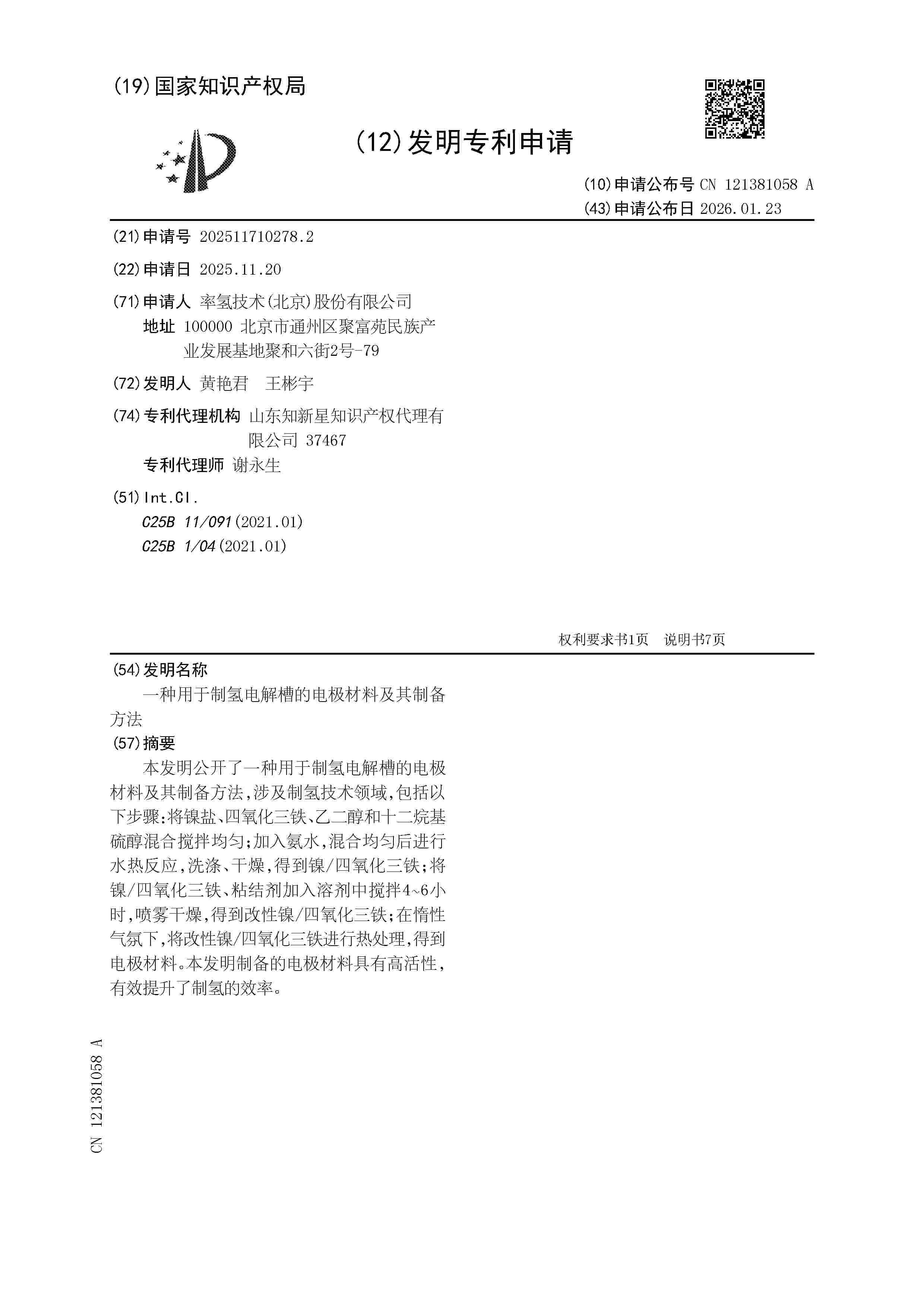
本发明公开了一种用于制氢电解槽的电极材料及其制备方法,涉及制氢技术领域,包括以下步骤:将镍盐、四氧化三铁、乙二醇和十二烷基硫醇混合搅拌均匀;加入氨水,混合均匀后进行水热反应,洗涤、干燥,得到镍/四氧化三铁;将镍/四氧化三铁、粘结剂加入溶剂中搅拌4~6小时,喷雾干燥,得到改性镍/四氧化三铁;在惰性气氛下,将改性镍/四氧化三铁进行热处理,得到电极材料。本发明制备的电极材料具有高活性,有效提升了制氢的效率。
Resumen de: CN121377134A
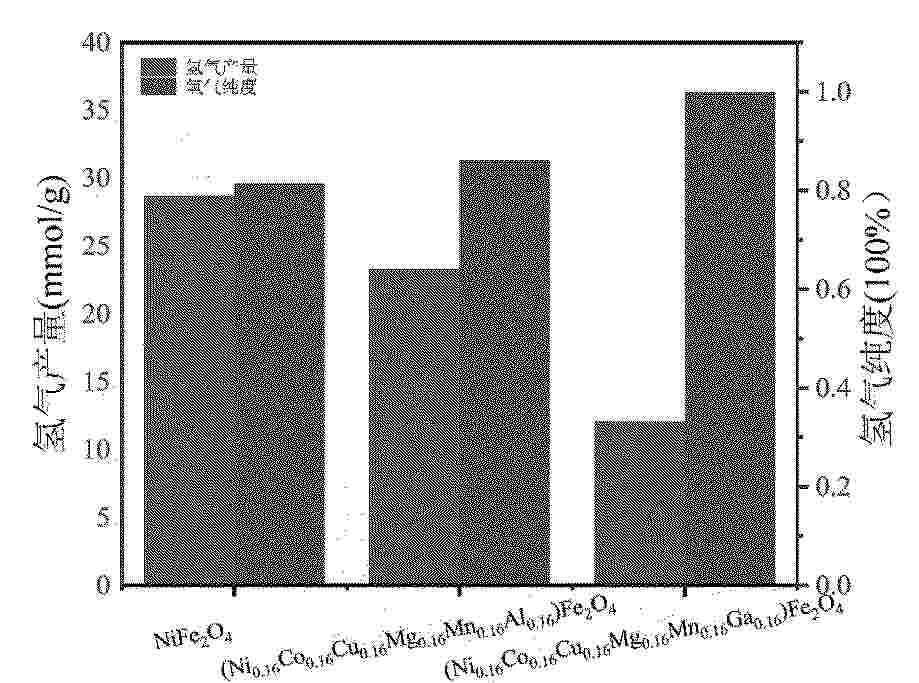
本发明涉及一种高熵氧化物及其制备方法和应用,其化学式为:(NiaCobCucMgdMneAf)Fe2O4,A元素为Ga元素,组成六元高熵氧化物,相比传统的尖晶石,能够在热化学循环中制备出纯度更高的氢气,从而减少分离纯化氢气的费用。通过甲烷能够显著降低反应温度,能够在800℃下得到超过传统镍铁尖晶石的产率和纯度。本发明采用六元氧载体保障氢气产率和纯度的稳定性。
Resumen de: CN121378555A
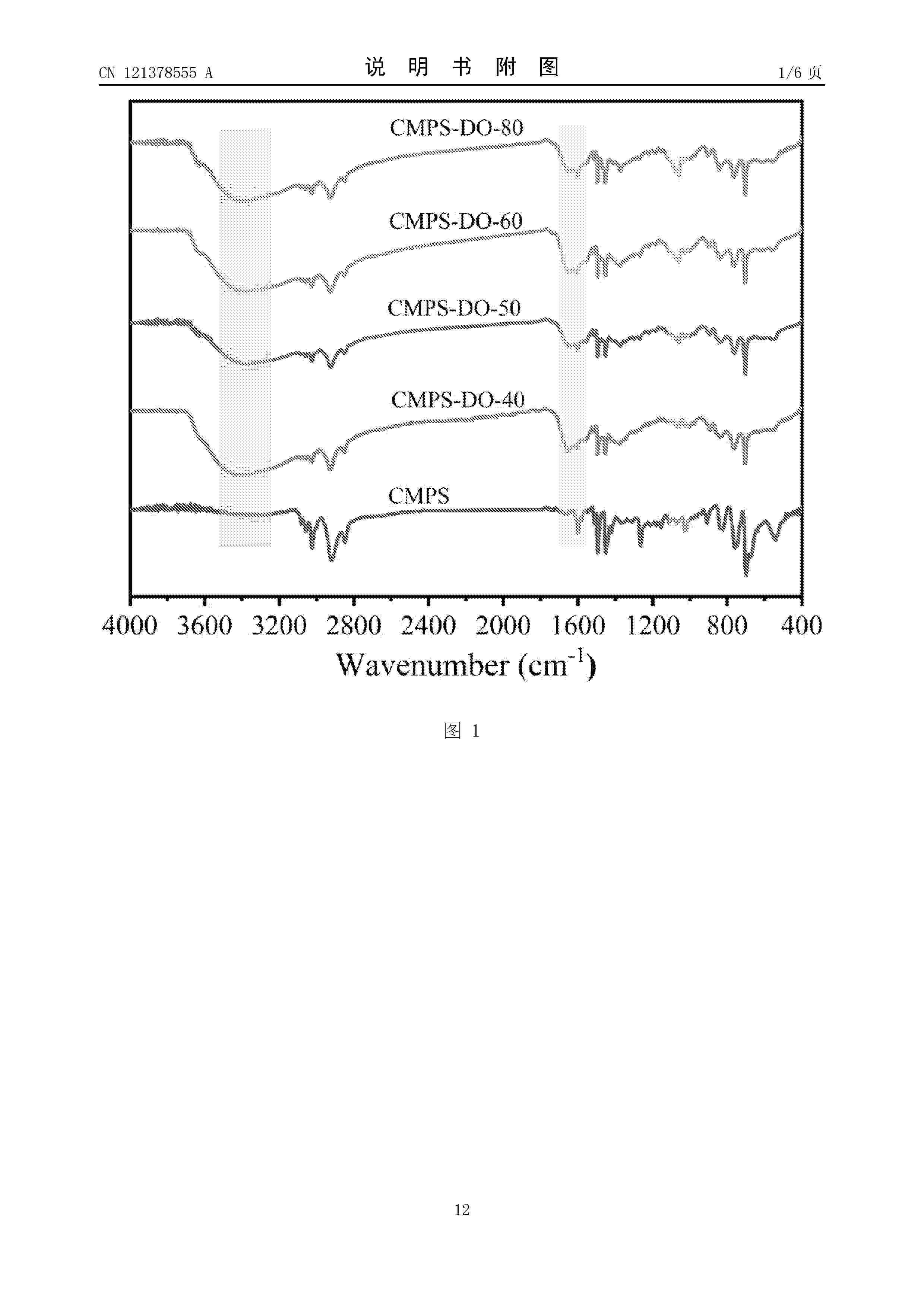
本发明公开了一种交联型聚苯乙烯阴离子交换膜及其制备方法和应用。所述交联型聚苯乙烯阴离子交换膜的制备包括如下步骤:先以苯乙烯、对氯甲基苯乙烯为单体,在引发剂的作用下,通过本体聚合获得共聚物;然后将共聚物和1,4‑二氮杂双环2.2.2辛烷制成铸膜液进行浇铸成膜,再将所得膜浸入三甲胺水溶液中完全季铵化,最后在KOH水溶液中处理得到交联型聚苯乙烯阴离子交换膜。本发明提供了所述交联型聚苯乙烯阴离子交换膜在碱性电解水中的应用。本发明阴离子交换膜合成过程简单,试剂廉价易得,能极大地平衡传统阴离子交换膜OH‑电导率和尺寸稳定性之间的矛盾,同时具有高碱性稳定性,在碱性电解水中表现出优秀的电解性能。
Resumen de: CN120882907A
A system and method for generating hydrogen from a liquid source comprising water is disclosed. The system comprises: a high fluid velocity electrolysis cell comprising an inlet and an outlet, the inlet of the high fluid velocity electrolysis cell being fluidly connected to a liquid source; and a gas fractionation system fluidly connected to the outlet of the high fluid velocity electrolysis cell.
Resumen de: AU2024257970A1
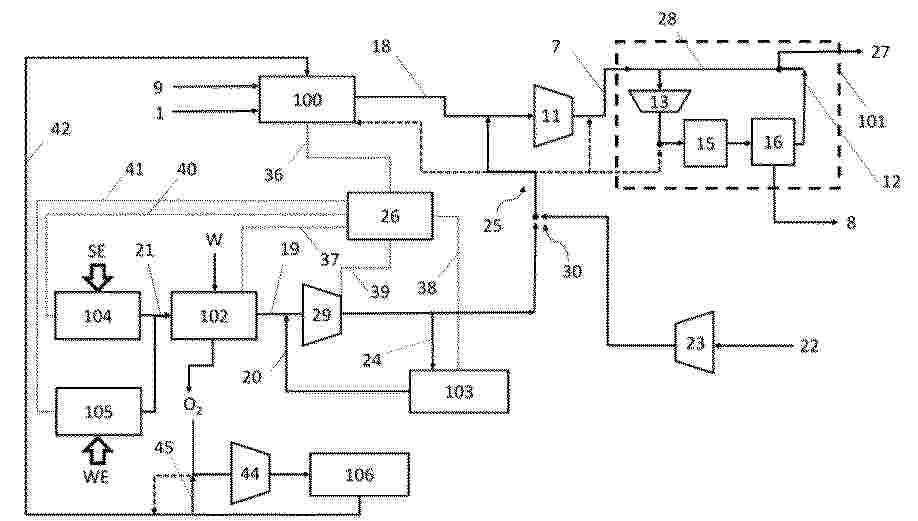
Process for synthesis of ammonia wherein: ammonia make-up gas (7) containing hydrogen and nitrogen is reacted in an ammonia converter (15) under ammonia forming conditions thus obtaining an ammonia-containing effluent (8); a first hydrogen portion contained in the ammonia make-up gas (7) is produced by reforming a hydrocarbon source (1) in a reforming process (100); a second hydrogen portion (19) contained in the ammonia make-up gas (7) is produced separately from said reforming process (100), by using at least a renewable energy source (SE, WE); a part of said hydrogen (19) produced in step (c) is stored in a hydrogen storage (103); hydrogen (20) from said hydrogen storage (103) is used to fully or partially replace said second hydrogen portion (19) when said renewable energy source (SE, WE) is fully or partially unavailable. Said process comprising the steps of: assessing an expected flow rate of the hydrogen (19) produced in step (c); adjusting a flow rate of the hydrocarbon source (1) so that a flow rate of the first hydrogen portion in said ammonia make- up gas (7) is in a desired ratio with respect to said expected flow rate; detecting an actual amount, e.g., a filling level, of said hydrogen in said hydrogen storage (103); detecting an actual flow rate of hydrogen produced using the renewable energy source (SE, WE), and adjusting a flow rate of the hydrogen (20) from said hydrogen storage (103) depending on said actual amount detected in said hydrogen storage (103) and
Resumen de: TW202513457A
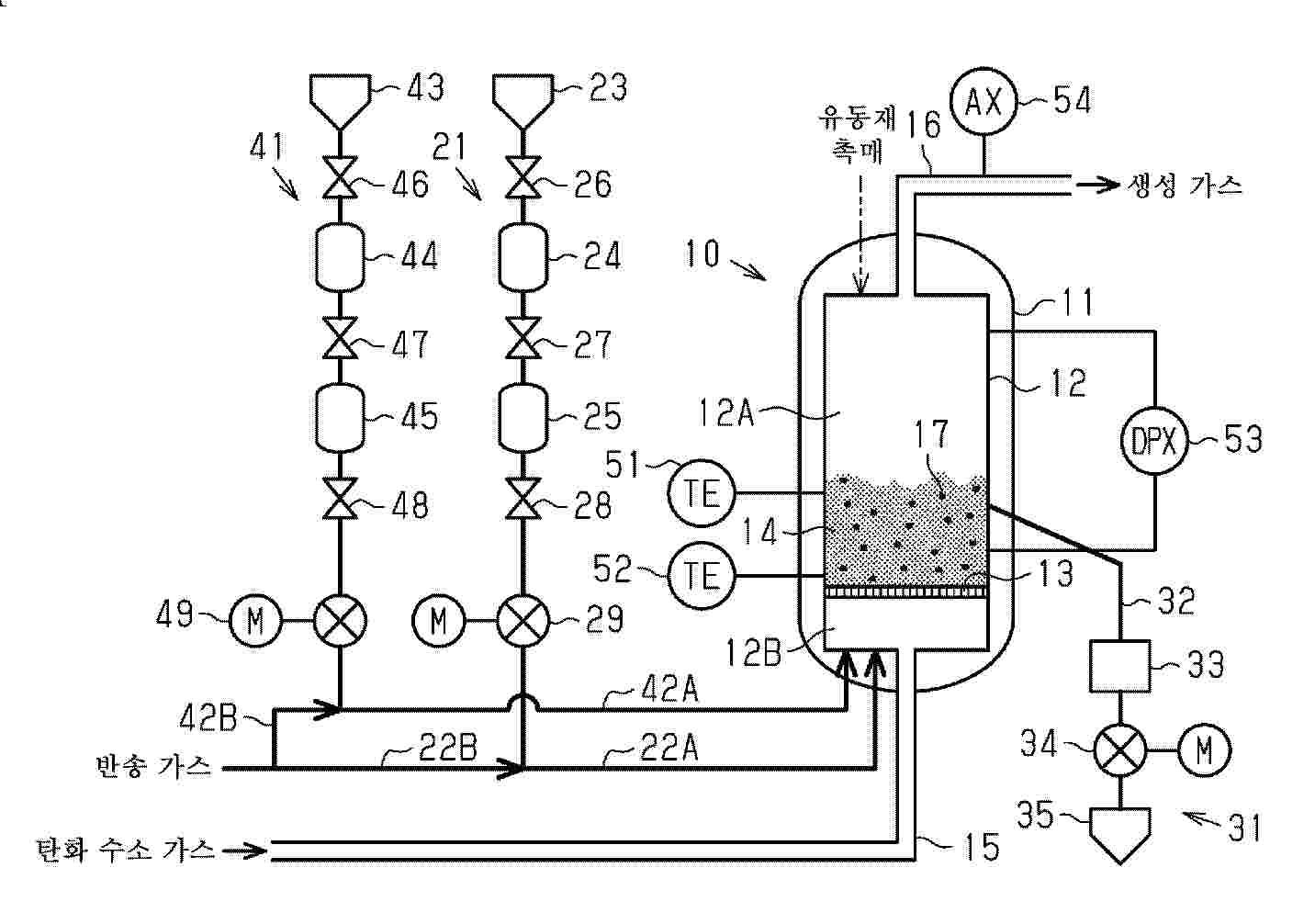
A hydrogen production device (10) has a reactor (12) for producing hydrogen by thermally decomposing a hydrocarbon gas, which is a raw material gas, using a catalyst (14), which is fine metal particles, and a fluidized bed of catalyst is formed inside the reactor by introducing raw material gas from the lower part. The reactor is configured to provide an activated catalyst.
Resumen de: WO2026019103A1
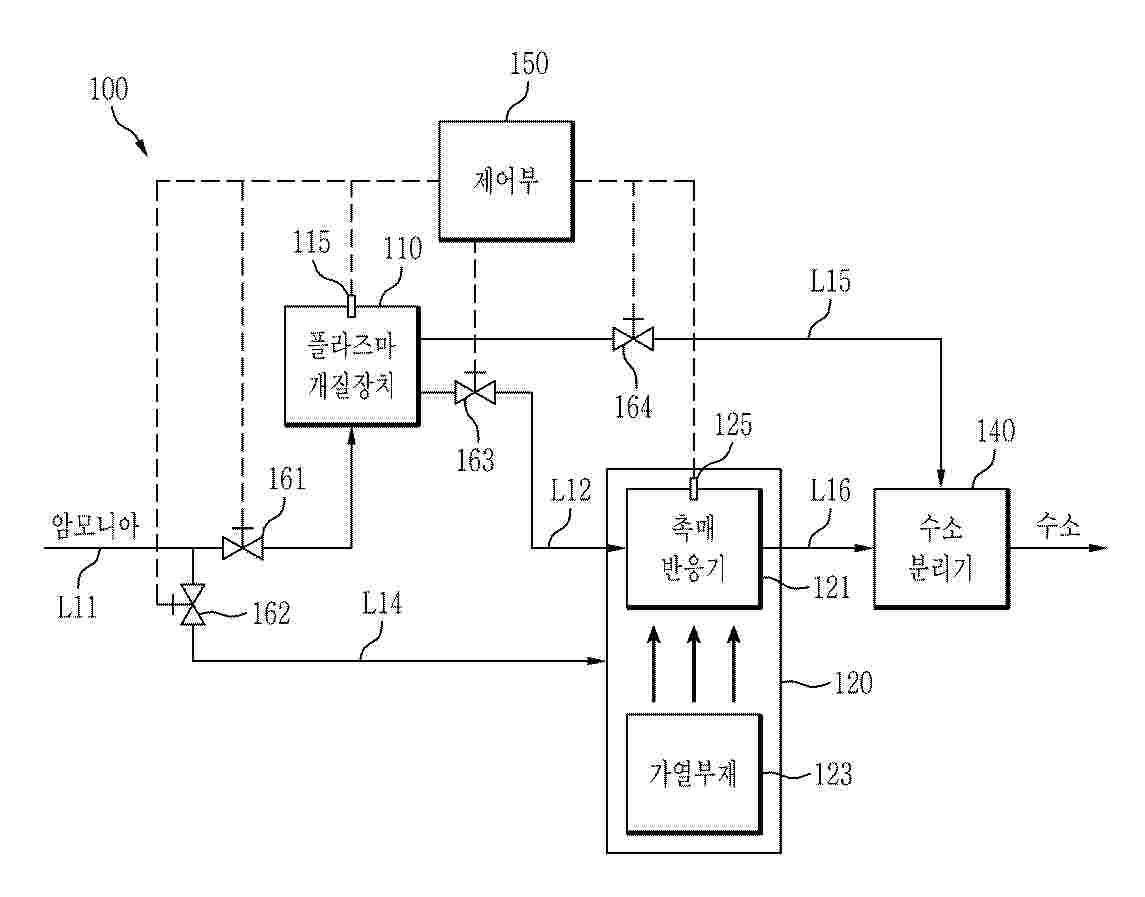
An ammonia decomposition system according to one embodiment of the present invention comprises: a decomposition device for decomposing ammonia, which comprises a heating member for heating a catalytic reactor and the catalytic reactor containing a decomposition catalyst; a plasma reforming device disposed upstream of the decomposition device so as to reform ammonia; and a reformed gas supply pipe for connecting the plasma reforming device and the decomposition device, and supplying the reformed gas generated in the plasma reforming device to the catalytic reactor and/or the heating member, wherein the plasma reforming device can pyrolyze ammonia by using plasma.
Resumen de: US20260022476A1
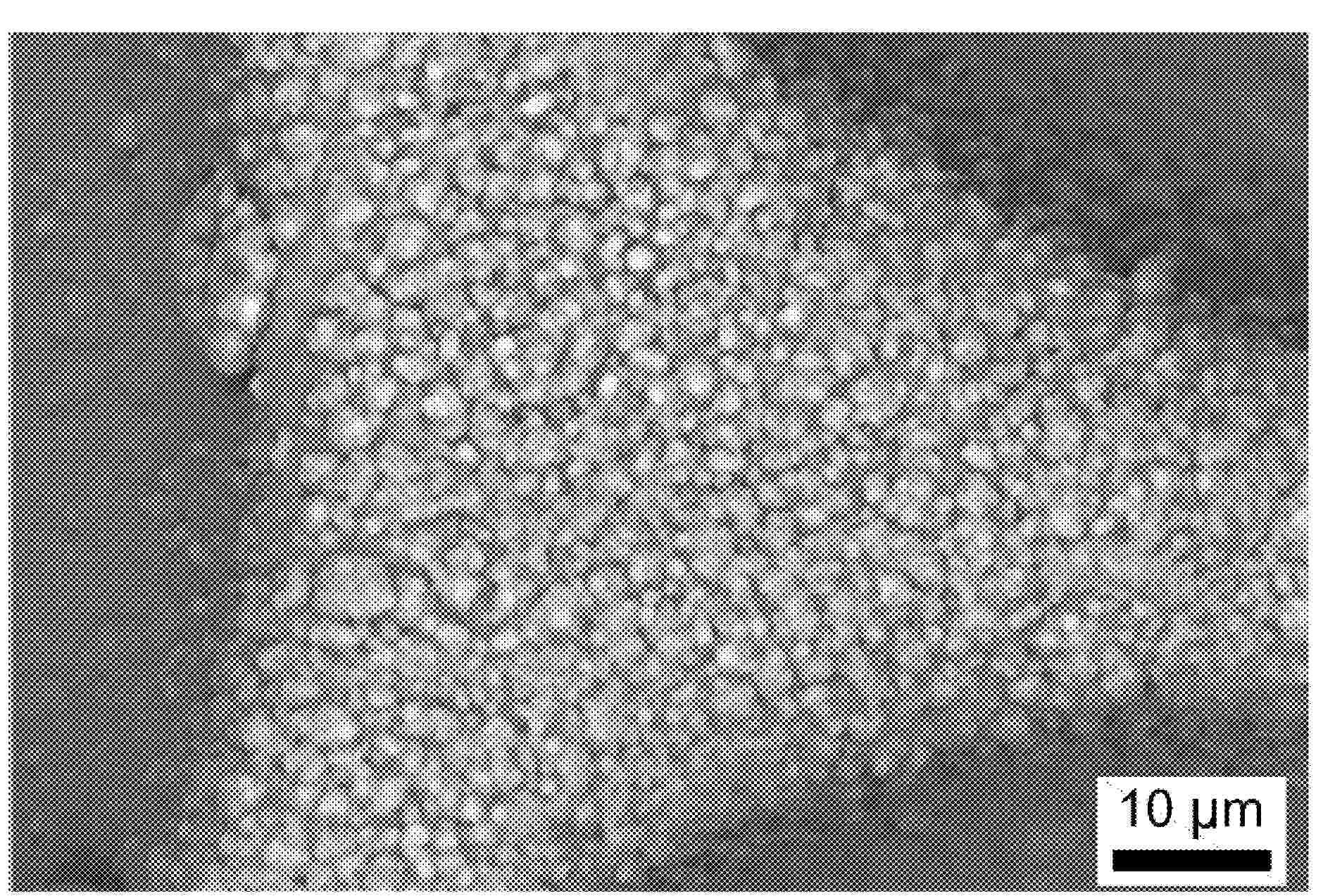
A vanadium oxide-based electrode for electrochemical water splitting that includes metallic substrate and a layer of particles of a vanadium oxide composite at least partially covering a surface of the metallic substrate. The particles of the vanadium oxide composite are in the form of nanobeads having an average particle size of 50 to 400 nm. A method of making the electrode.
Resumen de: KR20260010855A
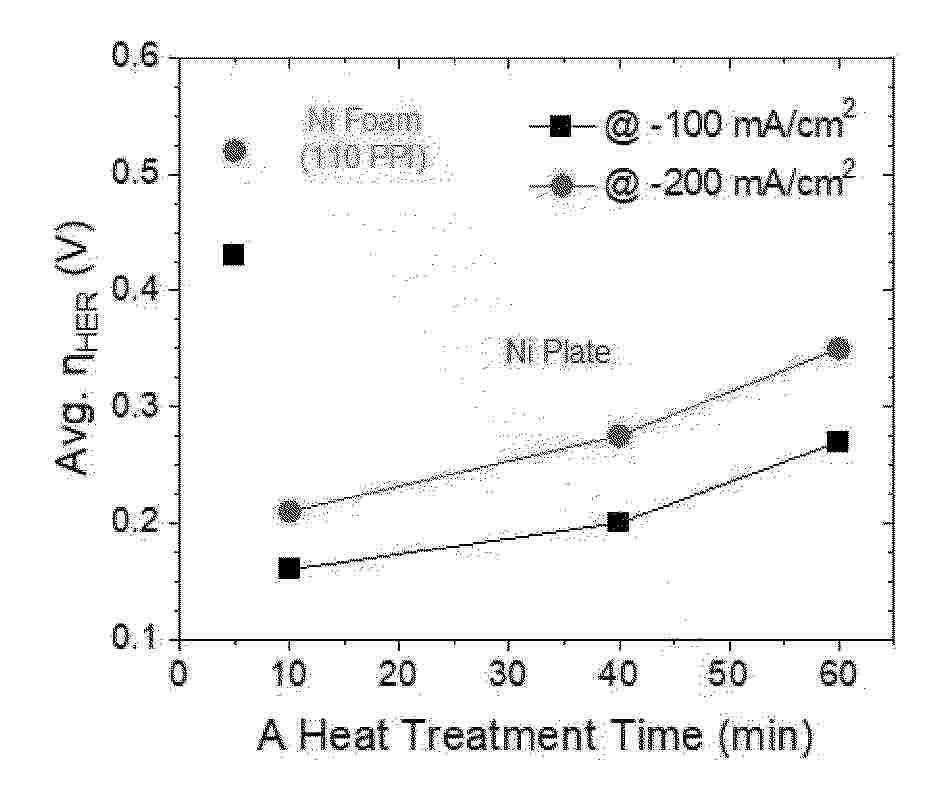
본 발명의 용융도금법 기반 수전해용 레이니 Ni 촉매 제조 방법은 Ni 플레이트(Plate)를 준비하는 단계, 상기 Ni 플레이트를 용융 도금욕에 침지하여 도금하는 단계, 상기 용융 도금된 Ni 플레이트를 합금화 열처리하는 단계 및 상기 합금화 열처리된 Ni 플레이트를 화학적으로 리칭(leaching)하여 표면에 다공성 구조의 Ni 촉매층을 형성하는 단계를 포함할 수 있다.
Resumen de: AU2026200050A1
21680504_1 (GHMatters) P123644.AU 6/01/26 The invention relates to a method for configuring a plant for the production of green ammonia using renewable energies for the production of hydrogen. an a n
Resumen de: AU2024324493A1
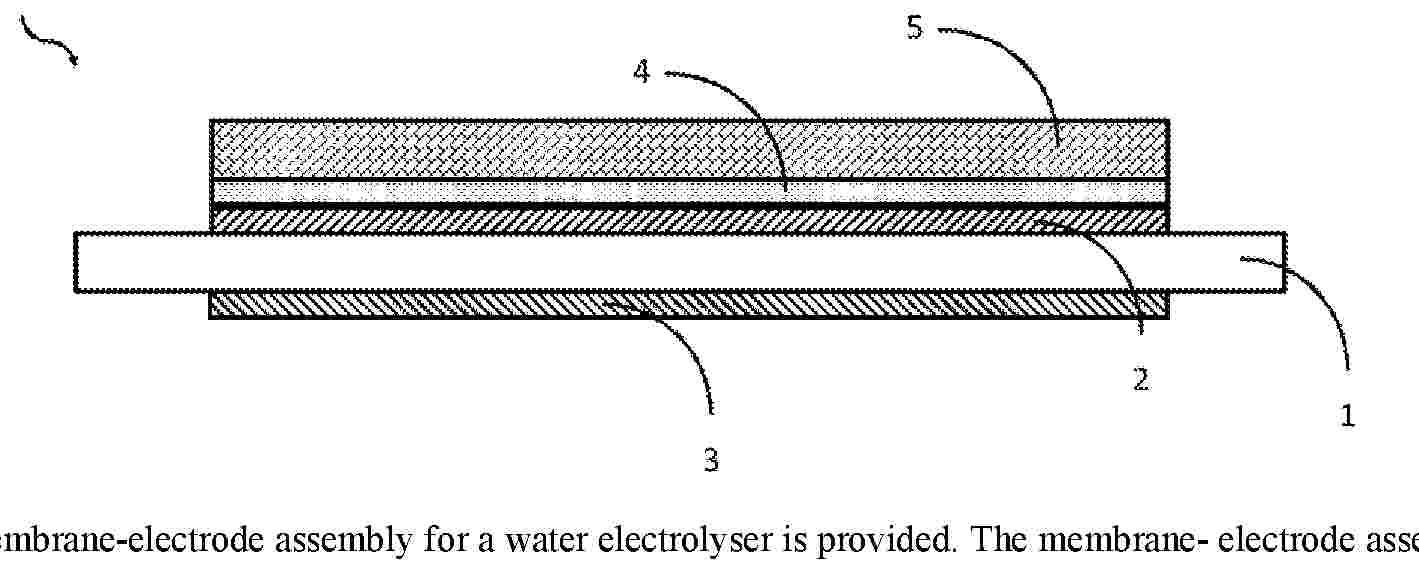
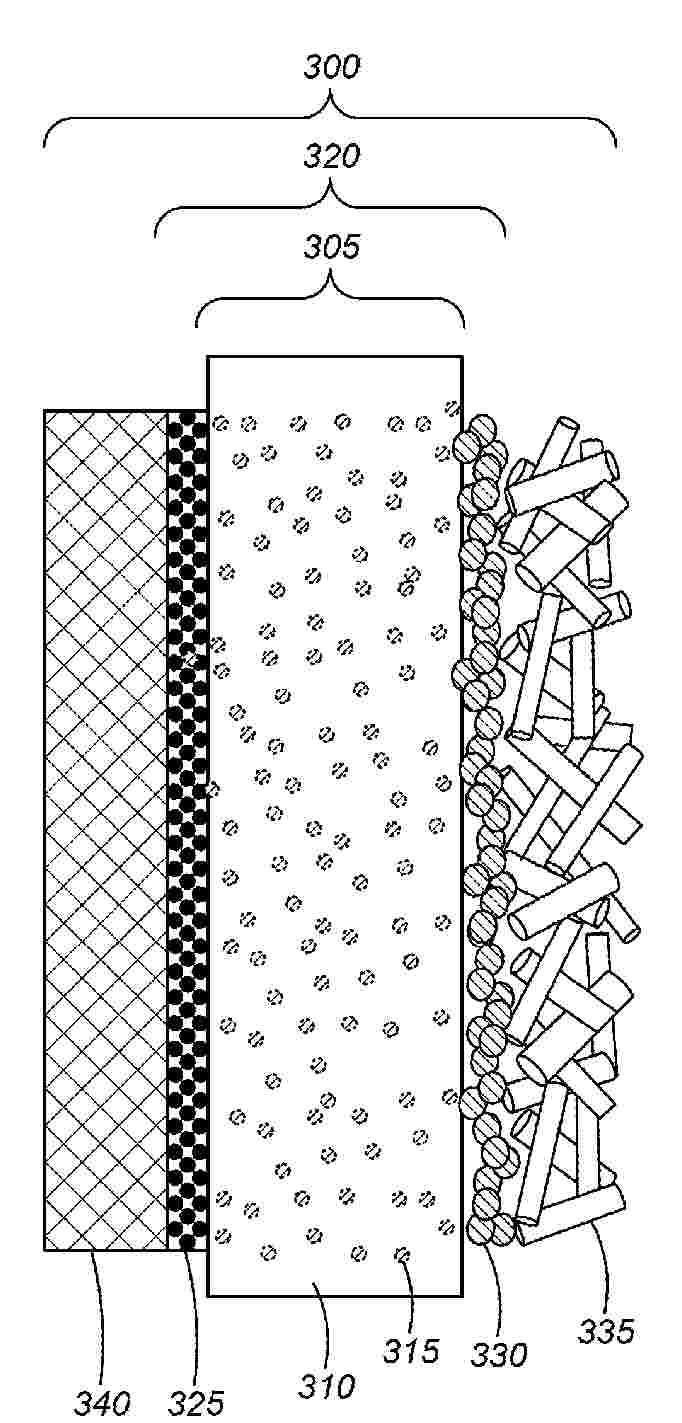
A membrane-electrode assembly for a water electrolyser is provided. The membrane- electrode assembly comprises a polymer electrolyte membrane with a first face and a second face; an anode catalyst layer on the first face of the membrane, the anode catalyst layer comprising an oxygen evolution reaction catalyst; and a porous web of polymer fibres in contact with the anode catalyst layer, the polymer fibres comprising a conductive metal additive.
Resumen de: AU2023449815A1
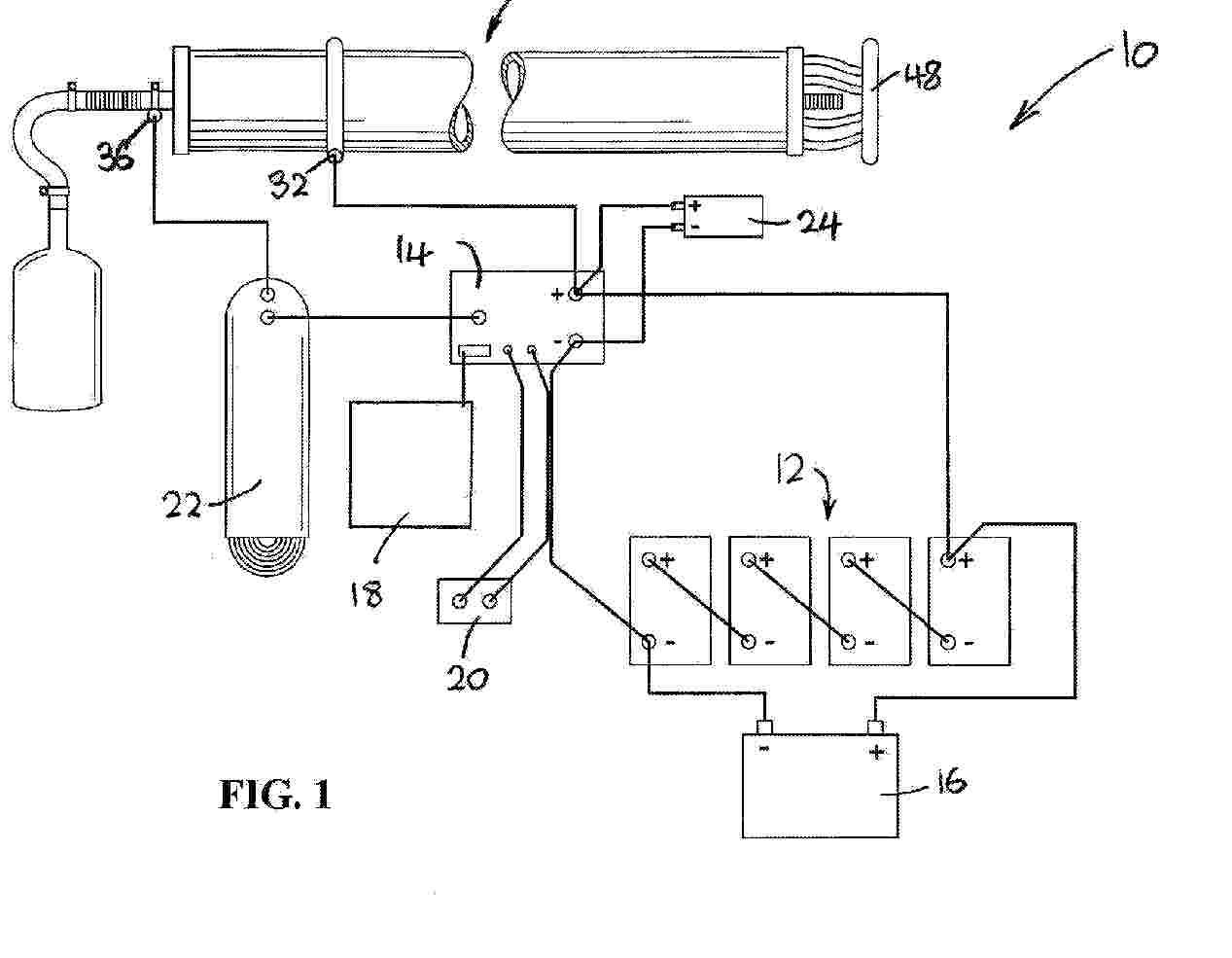
A system and method of making hydrogen from water. A cylindrical reaction vessel is provided with an outer shell, a central shaft, and one or more concentric inner tubes separated by annular spaces. Water is delivered to the annular spaces by a water pump through an inlet defined in the reaction vessel. The water courses along a tortuous flow path. That path begins at an inner annular space around a central shaft. It ends at an outer annular space. The water emerges from the reaction vessel through an outlet associated with a manifold. A high-frequency vibratory stimulus is applied to the reaction vessel and water. Water molecules are dissociated into hydrogen molecules and oxygen atoms. These reaction products are delivered through the manifold along an effluent flow path to a receiving pressure vessel before deployment to a sub-assembly for harnessing clean energy.
Resumen de: US20260022480A1
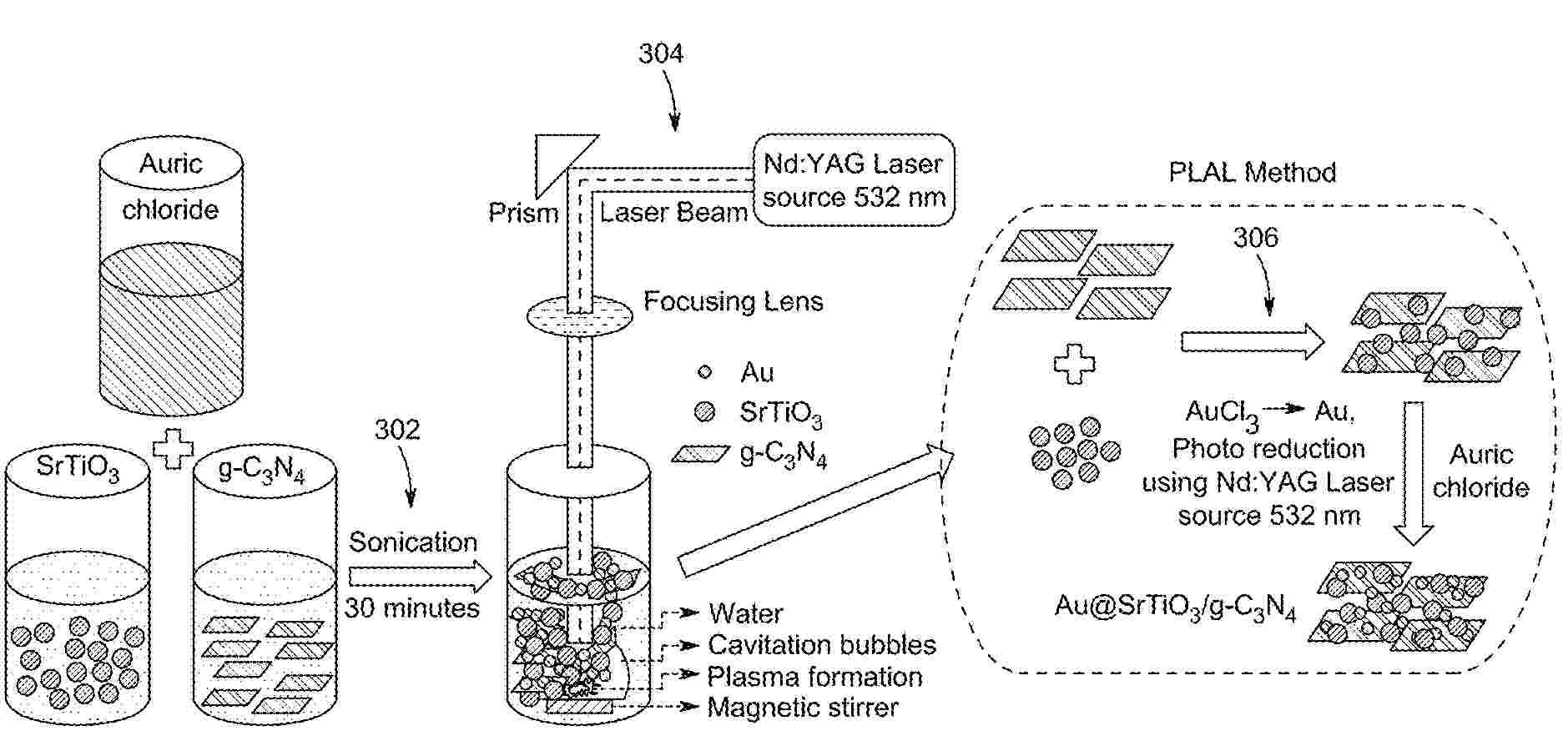
An electrode including a transparent substrate and a layer of a perovskite-based nanocomposite (PTNC) material at least partially covering a surface of the transparent substrate. The PTNC material includes gold (Au) nanoparticles, graphitic carbon nitride (g-C3N4) nanoparticles, and perovskite-based nanoparticles through synergistic interaction. A method of making the electrode is described.
Resumen de: US20260022704A1
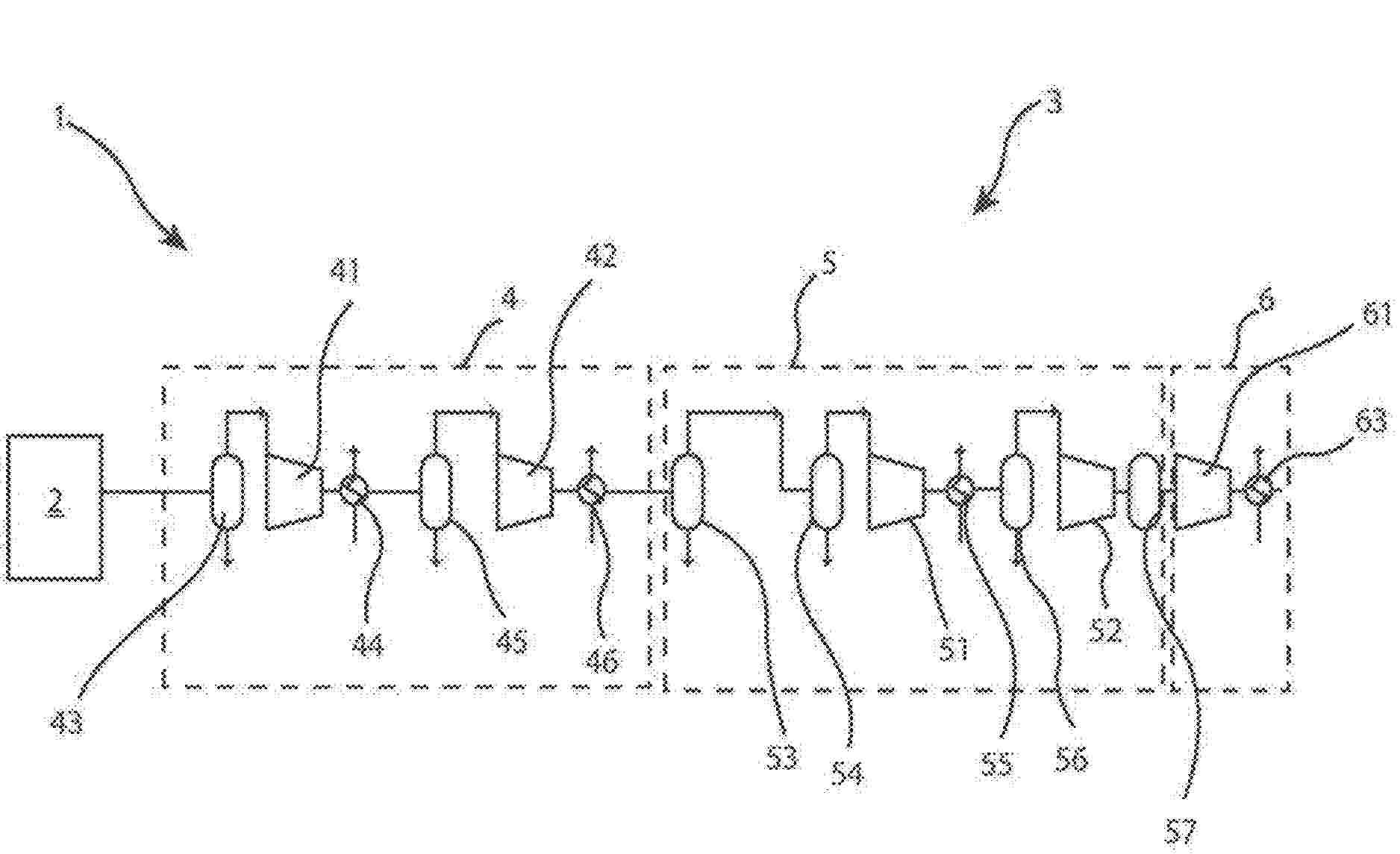
A hydrogen production plant, to produce hydrogen having a compressing assembly, for increasing the pressure of the hydrogen. The compressing assembly has at least one barrel compressor and at least one integrally geared centrifugal compressor. Also disclosed are methods of compressing hydrogen.
Resumen de: US20260022482A1
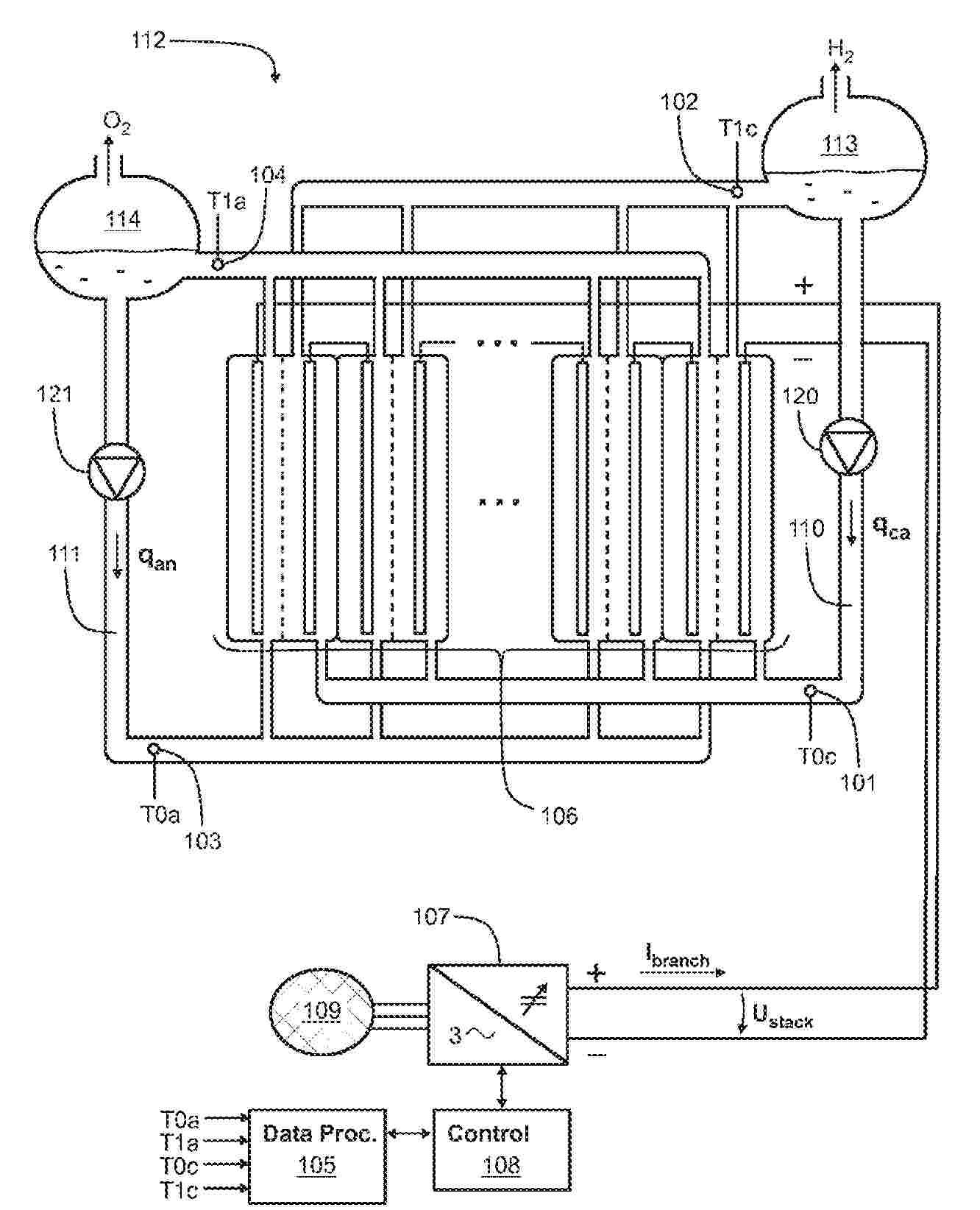
An estimation system for estimating current efficiency of an electrolyser comprises a data processing system (105) for computing heat loss of the electrolyser based on specific heat capacity of electrolyte, a flow rate of the electrolyte in a cathode side of the electrolyser, a flow rate of the electrolyte in an anode side, a temperature difference (T1c-T0c) between electrolyte circulation outlet and inlet of the cathode side, and a temperature difference (T1a-T0a) between electrolyte circulation outlet and inlet of the anode side. The current efficiency is estimated based on a difference between electric power supplied to the electrolyser and the computed estimate of the heat loss, and on a product of thermoneutral voltage of electrolysis cells of the electrolyser and electric current supplied to the electrolyser.
Resumen de: US20260022481A1
Composite anion exchange membranes are described. The composite anion exchange membranes comprise an anion exchange polymer containing a hydrogen recombination catalyst dispersed in the anion exchange polymer. The anion exchange membrane may also include a radical scavenger. The anion exchange polymer comprises a plurality of repeating units of formula (I)Catalyst coated membranes and membrane electrode assemblies made using the composite anion exchange membranes are also described.
Resumen de: US20260022478A1
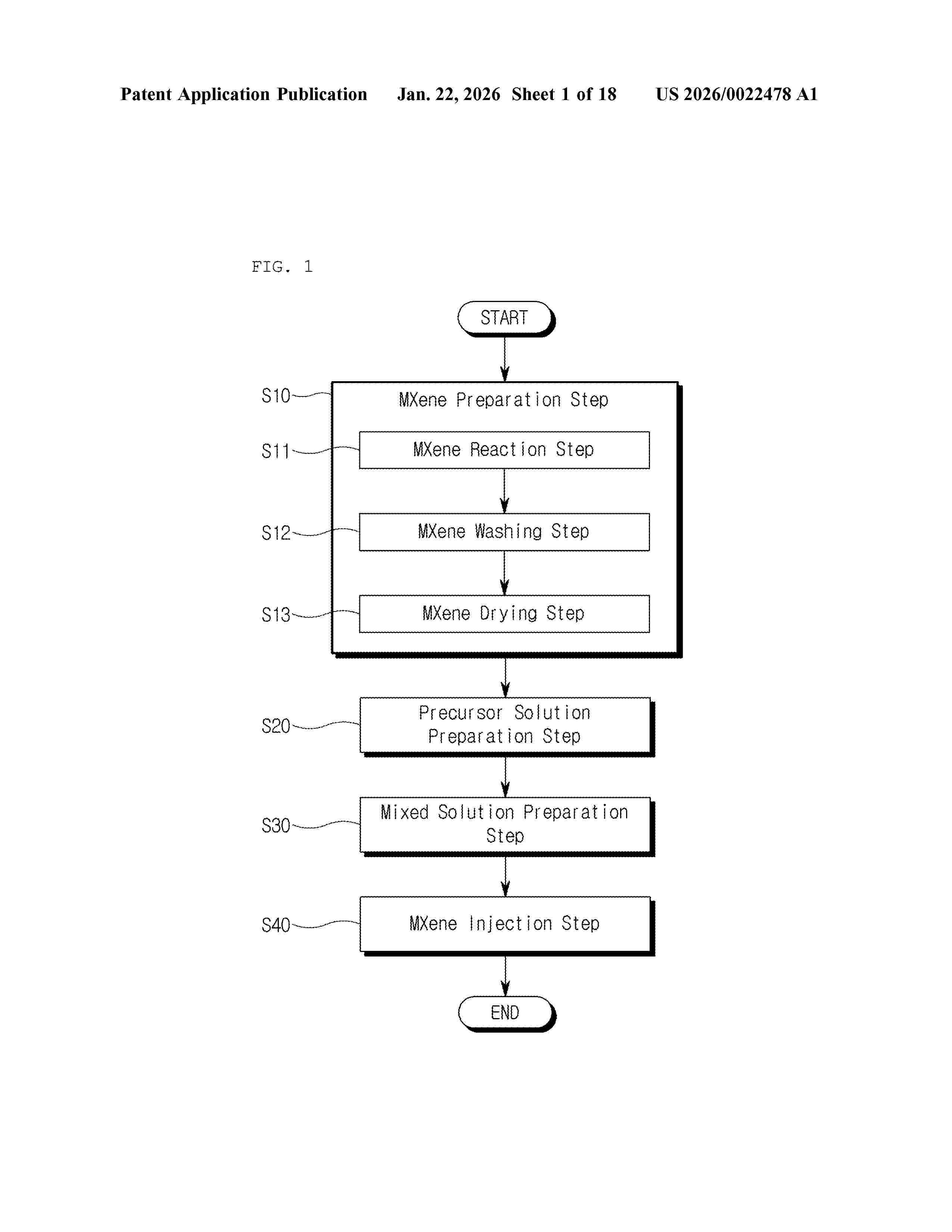
Discloses are an electrocatalyst for a water electrolysis and a method of preparing the same, which includes a support made of a MXene having a two-dimensional structure; and a transition metal compound located on and heterogeneously bonded to the support, thereby increasing electrochemical activity by improving the operation stability and increasing the surface area compared to conventional commercial catalysts.
Nº publicación: US20260022475A1 22/01/2026
Solicitante:
POSTECH RES AND BUSINESS DEVELOPMENT FOUNDATION [KR]
POSTECH RESEARCH AND BUSINESS DEVELOPMENT FOUNDATION
Resumen de: US20260022475A1
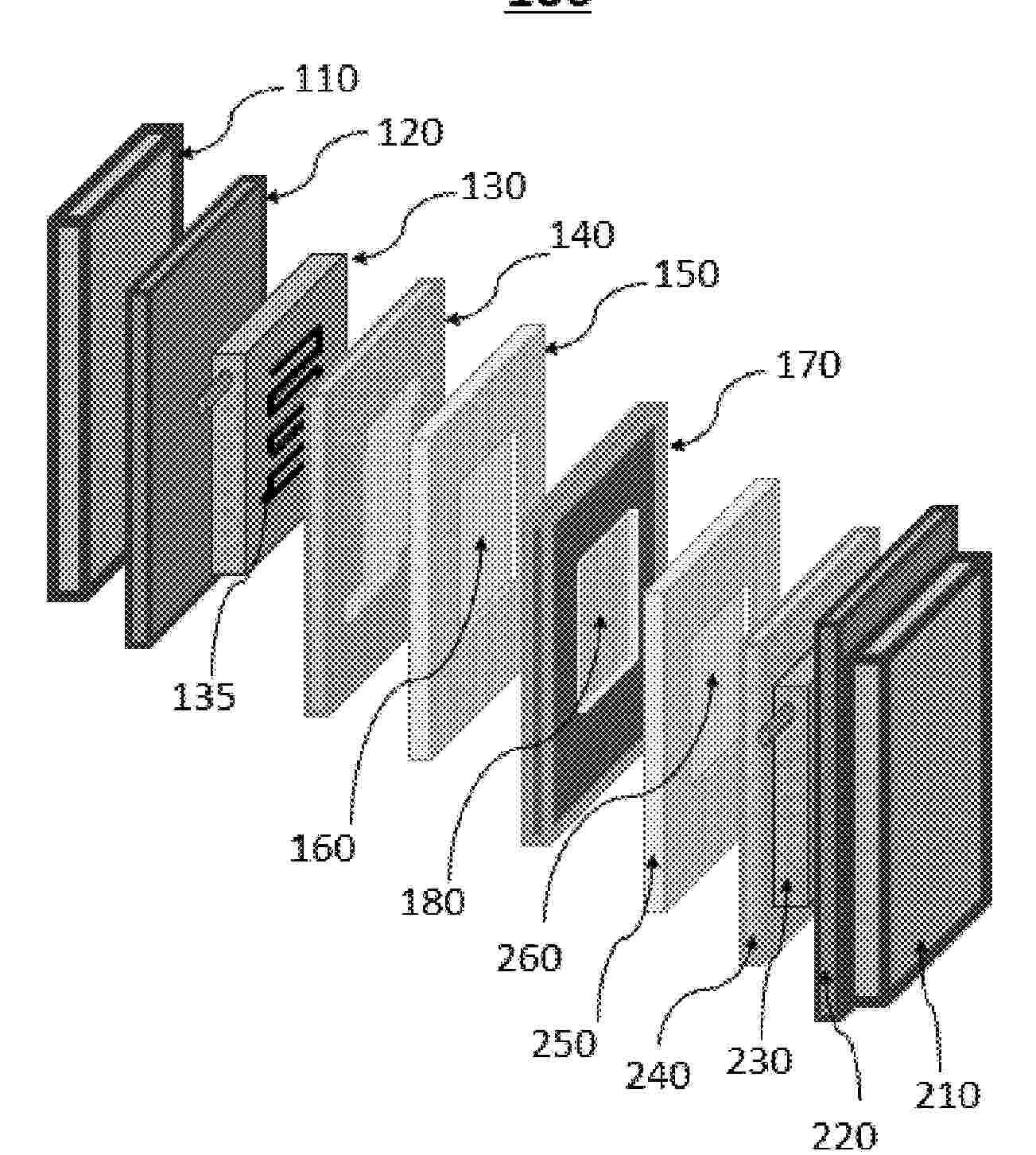
An ammonia electrolysis cell according to one embodiment of the present invention includes an end plate, a collector plate, a separator plate, a porous transport layer support gasket, a porous transport layer electrode, and a membrane, wherein the collector plate is connected to a power source, the power source may be characterized in that it cross-applies a working voltage and a rest voltage of 0.2 V or less. Thus, the present invention can effectively remove* NHx and OH− that poison the oxidation electrode, thereby significantly increasing the efficiency of hydrogen production, and can provide a bulk storage and transportation device for utilizing hydrogen as an energy medium.
 BOPI
BOPI
 Sede Electrónica