Si deseas distinguir tus productos, servicios o ambos de los de otra empresa, es posible que necesites una marca o nombre comercial. Descubre qué son, en qué consiste su procedimiento de registro y qué implica.

Información sobre los plazos de presentación de solicitudes de transformación de marcas de la Unión Europea en marca nacional española. Más información


Si tienes un nuevo dispositivo, producto o procedimiento que resuelva un problema técnico o tenga una ventaja práctica, existen distintas formas de protegerlo en España y en otros países. Descubre cómo hacerlo.

¿Tu innovación reside en la estética, la ornamentación o la apariencia de tu producto? Protégela mediante un diseño industrial. Descubre qué derechos confiere el registro y cómo realizar la tramitación.

Las indicaciones geográficas protegen el nombre de un producto originario de una zona geográfica, a la cual le debe una determinada calidad, reputación u otra característica. Descubre qué son, en qué consiste su procedimiento de registro y qué beneficios conceden.

Las patentes publicadas en todo el mundo son una valiosa fuente de información científica, técnica y comercial.

Si eres emprendedor/a o una empresa y quieres potenciar y mejorar la rentabilidad de tu negocio protegiendo de forma adecuada los activos intangibles de tu organización, en este espacio encontrarás lo necesario.


 789
resultados
789
resultados
 Última actualización
15/09/2026 [08:08:00]
Última actualización
15/09/2026 [08:08:00]


 Resultados 575 a 600 de 789

Resumen de: KR20260115525A
본 발명은 수소 분포의 제어가 가능한 전기화학적 수소 장입 시스템 및 이를 이용한 방법에 관한 것이다.

Resumen de: CN122446225A
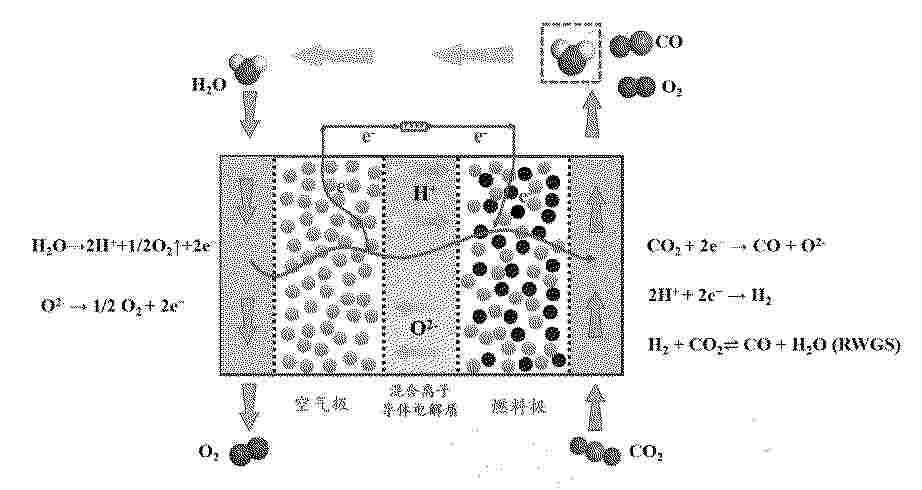
The invention relates to the technical field of solid oxide electrolytic cells, in particular to a mixed ion conductor solid oxide electrolytic cell, a preparation method thereof and application of the mixed ion conductor solid oxide electrolytic cell in collaborative electrolysis of CO2-H2O. According to the invention, a mixed proton conductor electrolyte and an oxygen ion conductor electrolyte are adopted as electrolyte materials, so that the system has oxygen ion and proton conduction capabilities at the same time, CO2 and H2O are respectively introduced to two sides of an electrode in the same electrolysis device as co-reactants, and a coupling reaction of CO2 reduction and H2O electrolysis in an air electrode is realized at a fuel electrode; according to the invention, the fuel electrode is used for directly generating synthetic gas (CO + H2) with an adjustable ratio, and meanwhile, the fuel electrode realizes reverse water gas reaction (RWGS), so that the CO2 conversion efficiency is improved, the composition of the synthetic gas is regulated and controlled, and the synchronous improvement of CO2 resource utilization and energy conversion efficiency is realized.
Resumen de: CN122446246A
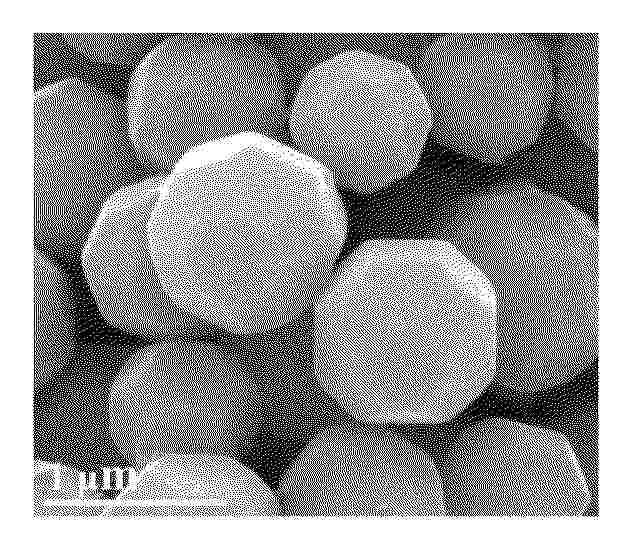
本发明涉及一种NiFeMo基球形多孔复合催化材料及其制备方法与应用,属于电催化材料技术领域。旨在解决现有材料制备流程复杂、粉体易团聚、形貌可控性不足及连续化制备能力有限的问题。本发明提供一种NiFeMo基球形多孔复合催化材料,为含Ni、Fe、Mo元素的复合粉体,呈单分散球状颗粒,具有多级多孔结构,Ni、Fe、Mo摩尔比为10:10:(0.5~2);采用超声喷雾热解一步法制备。本发明的材料电化学活性表面积达0.6303 cm2,高于NiFeV(0.3360 cm2)和NiMo(0.1485 cm2);析氢驱动电位更小、电荷传递阻力更低,适用于碱性电解水阴极析氢催化剂。
Resumen de: CN122446241A
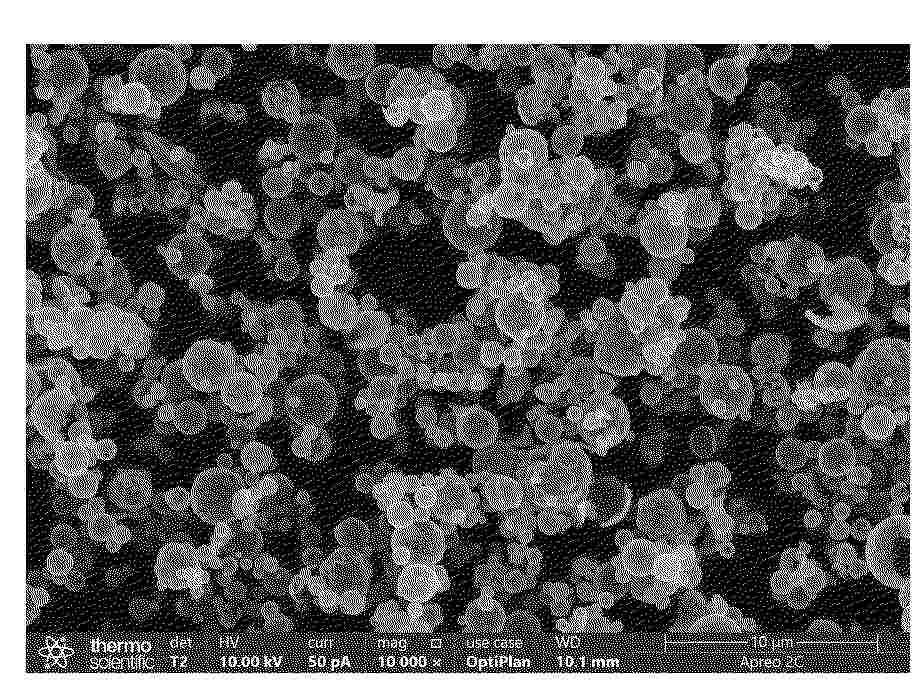
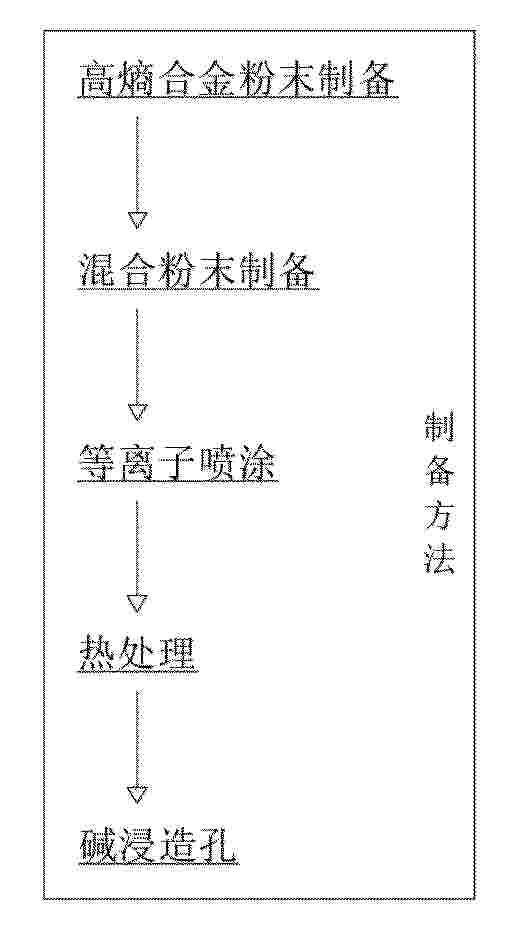
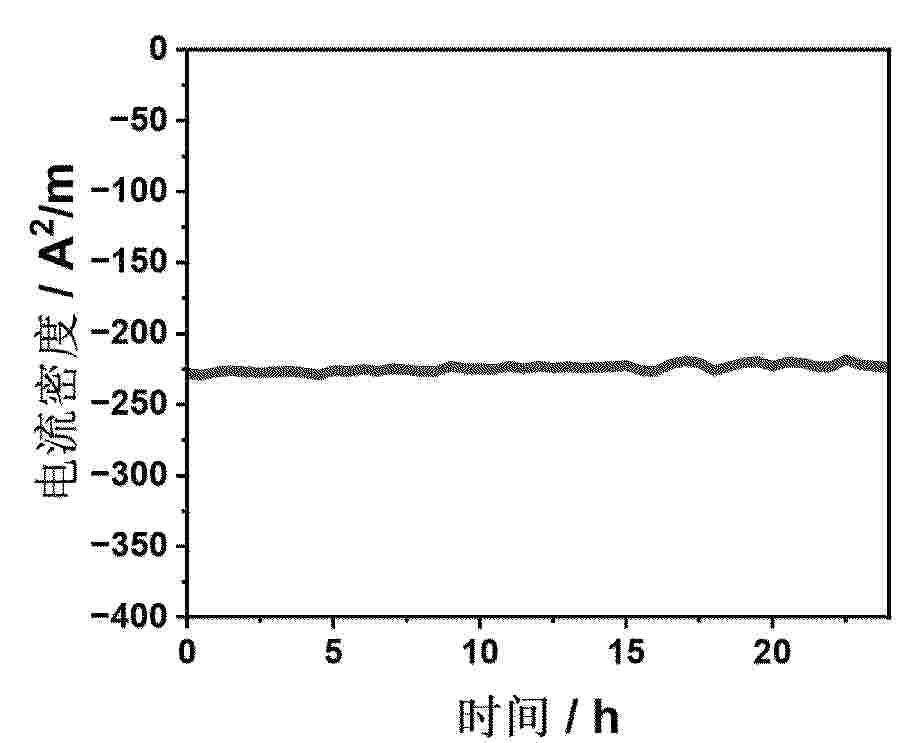
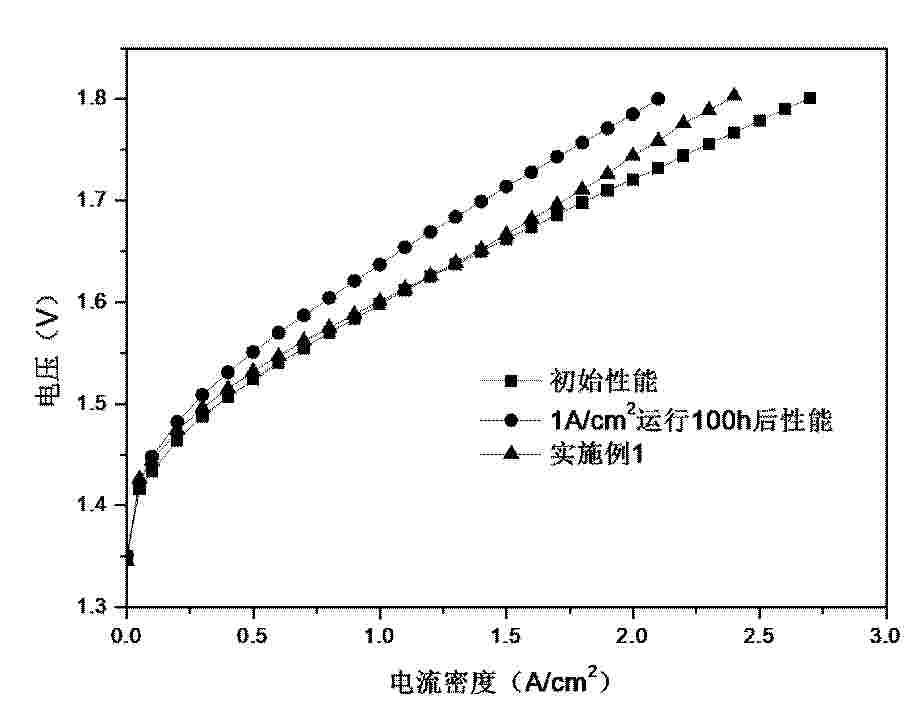
The invention discloses a FeCoNiMnCr high-entropy alloy oxygen evolution electrode and a preparation method and application thereof, and belongs to the field of hydrogen energy technologies and new materials. The preparation method comprises the steps that Fe, Co, Ni, Mn and Cr metal elementary substances are mixed in proportion, and high-entropy alloy powder is prepared through vacuum melting and gas atomization; after high-entropy alloy powder and aluminum powder are mixed, the mixture is sprayed to a nickel net substrate through plasma; performing heat treatment in an inert atmosphere; and performing alkaline leaching and pore forming to form the high-entropy alloy electrode with a three-dimensional porous structure. The prepared electrode has excellent mechanical stability, high oxygen evolution catalytic activity and excellent chemical stability and has the characteristics of low overpotential and long service life in hydrogen production through alkaline water electrolysis, the oxygen evolution overpotential is reduced by 80-120 mV compared with a traditional raney nickel electrode under the current density of 500 mA/cm, and the voltage change rate of a 500-hour stability test is lower than 2.5%. The process is simple and controllable, is suitable for large-scale industrial production, and can be widely applied to the fields of green hydrogen preparation, alkaline water electrolysis hydrogen production systems and the like.
Resumen de: CN122446242A
本发明公开了一种钛基金属间化合物的应用及其制备方法,钛基金属间化合物的化学式为TiNiSn或TiCoSn。TiNiSn一般为热电材料,本发明将其用于电解水制氢,在碱性条件下保持较高的活性和稳定性。本发明的钛基金属间化合物,可通过高温熔融一步合成,无需进一步退火或控制冷却程序以减少杂相,大幅简化了制备方法。
Resumen de: CN122446233A
0001 本发明提供一种双功能电解水氮磷掺杂高熵催化剂的制备方法,属于电解水制氢技术领域。该方法首先对金属基底进行预处理,随后通过浸渍吸附含有镍、钼、钴、锆、铁的五元金属前驱体溶液,并采用瞬时焦耳热技术快速构建高熵氧化物结构。核心创新在于利用次磷酸铵与次磷酸钠在焦耳热过程中原位分解产生的还原性气氛以实现材料表面的同步氮磷化改性,将传统工艺数小时的耗时缩短至秒级并显著降低能耗。最终制得的催化剂具有优异的析氢(HER)与析氧(OER)双功能活性与化学稳定性:在10 mA·cm<‑2>电流密度下OER过电位<230mV、HER过电位<50mV;在波动电解测试、启停测试和恒流电解中电解电压保持稳定,具有优异的稳定性。
Resumen de: CN122446206A
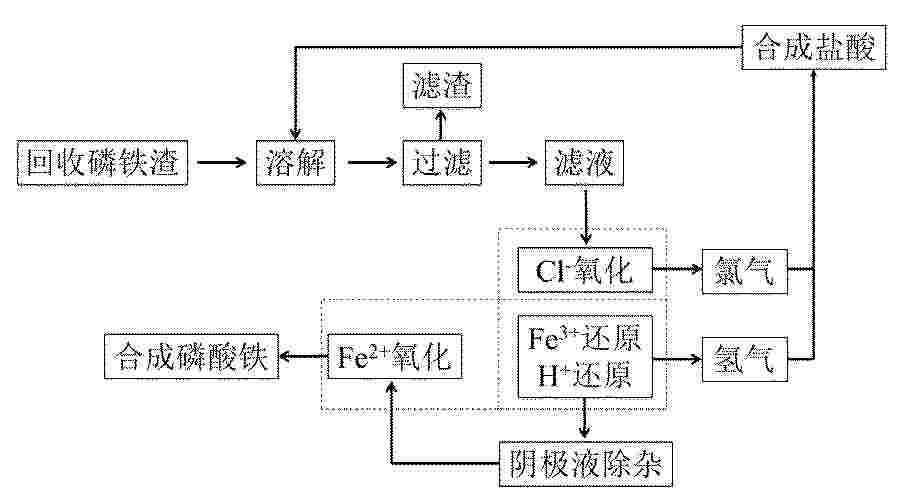
The invention provides a recovery method and a recovery device.The recovery method comprises the recovery process of phosphorus and iron elements in an iron phosphate system and the hydrochloric acid recycling process, and the recovery process of the phosphorus and iron elements comprises the steps that acid leaching is conducted, specifically, the iron phosphate system is subjected to acid leaching with acid containing hydrochloric acid, and an acid leaching solution is obtained; the hydrochloric acid recycling process comprises the following steps: a chloride ion removal step: carrying out electrolytic oxidation on the pickle liquor to remove chloride ions and generate chlorine; hydrochloric acid regeneration: reacting chlorine with hydrogen to generate hydrochloric acid; and a hydrochloric acid recycling step: recycling the hydrochloric acid to the acid leaching step. The electrochemical method is adopted, the recovery cost is low, the use amount of chemical agents is reduced, the influence on an iron phosphate system is small, the pressure in the rear-end impurity removal and iron phosphate regeneration process is relieved, and the prepared iron phosphate meets the battery-grade iron phosphate standard and can be used for preparing a lithium iron phosphate battery.
Resumen de: CN122444128A
The invention discloses a method for transferring stored water into Xinjiang based on a urea carrier, and belongs to the technical field of optimal configuration of water resources and utilization of renewable energy sources. According to the method, urea is taken as a water resource chemical carrier, and the trans-regional water transfer of the hidden water entering the Xinjiang is realized through a whole-process closed loop of producing hydrogen by electrolyzing water through green electricity, synthesizing green ammonia from hydrogen and nitrogen, synthesizing urea from ammonia and carbon dioxide, transporting to the Xinjiang for a long distance and preserving a byproduct pure water at a urea terminal. According to the method, geological, ecological and cross-border risks of traditional engineering water transfer are thoroughly avoided, hazardous chemical substance supervision limitation is completely eliminated, zero-weight assets can fall to the ground within three months, marketization profit is achieved in the whole process, meanwhile, three major pain points of Xinjiang new energy consumption, agricultural water shortage and low-carbon transformation are solved, and the method can be widely applied to cross-basin water transfer scenes such as Xinjiang water storage and the like.
Resumen de: CN122446260A
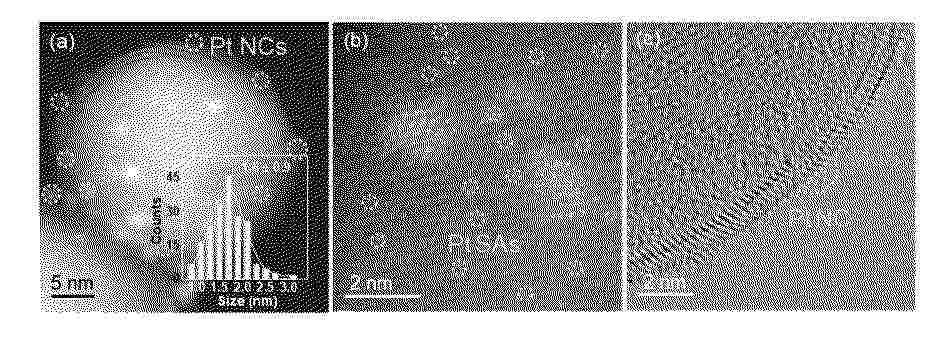
0001 本申请提供一种负载金属的过渡金属氧化物@过渡金属硫族化合物复合材料及其制备方法和应用,过渡金属硫族化合物纳米壳层包裹在过渡金属氧化物纳米颗粒表面形成核壳结构,过渡金属硫族化合物纳米壳层表面负载有金属微粒,金属微粒为单原子、纳米团簇或者纳米晶。本发明复合材料具有金属和硫族空位双活性位点,纳米壳层和金属微粒在分子尺度上紧密结合,以本发明核壳结构复合材料作为电催化剂进行电催化HER具有更低的过电位、更小的塔菲尔斜率和阻抗、更大的表面活性面积以及更优的耐久性。本发明解决了pH对于过渡金属硫族化合物电催化HER的制约问题,为制备高效全pH电催化剂提供了原子级设计策略,对推动电解水可持续制氢具有重要意义。
Resumen de: CN122446243A
0001 本发明公开了一种NiFe基催化剂原位修复方法及其应用,属于碱性电解水制氢技术领域,包括:向碱性电解液中引入包含镍源和铁源的离子补充剂;对所述NiFe基催化剂施加反向电流进行原位修复;其中,离子补充剂中的镍离子和铁离子在所述NiFe基催化剂表面电沉积,同时还原剥离所述NiFe基催化剂表面的氧化层,重构活性位点。本发明通过离子补充与反向电流协同作用,实现了催化剂活性位点的原子级重构,在不拆卸电解槽的情况下高效恢复催化剂活性,延长了电解槽使用寿命。
Resumen de: CN122446253A
0001 本发明公开了一种Cu<2>O@NiFe‑LDH异质结构电催化剂与集成催化阴离子交换膜电极及其制备方法和应用。所述电催化剂的制备包括:以NaOH与CuCl<2>·H<2>O为原料,加入甲醛溶液经自放热反应合成Cu<2>O纳米颗粒;以Ni(NO<3>)<2>·6H<2>O和Fe(NO<3>)<3>·6H<2>O为原料,经水热反应制备NiFe‑LDH纳米片;再将Cu<2>O加入反应体系中原位生长得到Cu<2>O@NiFe‑LDH复合材料。将所得复合材料通过超声喷涂法负载于W‑25T阴离子交换膜上,得到集成催化膜电极。该膜电极可作为阳极和阴极组装成对称电极用于碱性电解水制氢。本发明具有p‑n异质结界面效应强、电荷转移快、稳定性好等优点。
Resumen de: CN122447191A
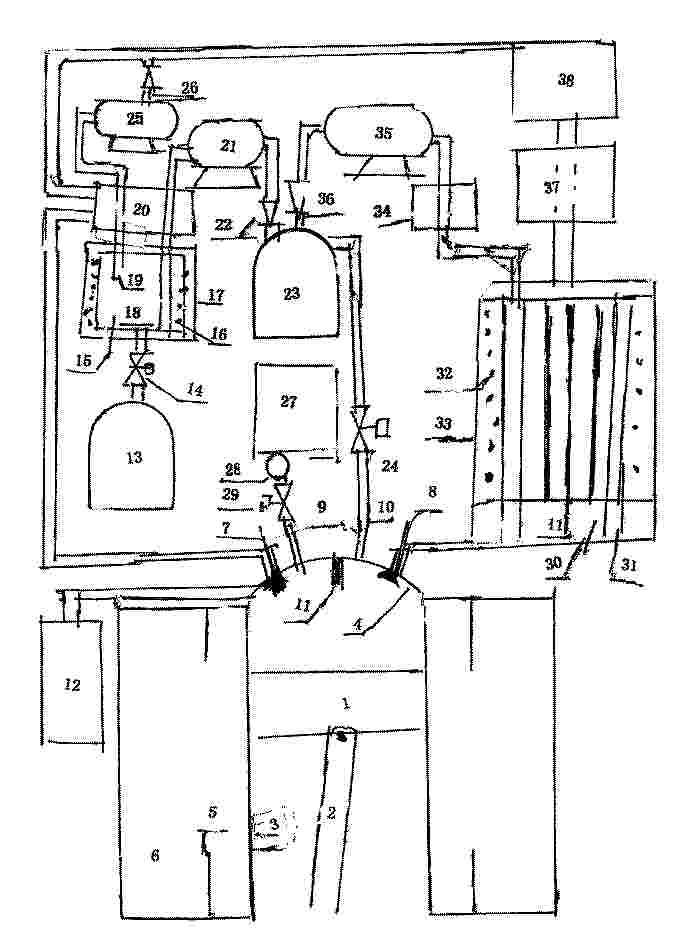
The invention discloses a four-cylinder reciprocating piston engine with double fuel nozzles and a control method. Water vapor in the electric boiler enters the insulating ceramic container through the water vapor electric control valve, is heated to 800 DEG C by eddy current and then is electrolyzed, and generated hydrogen is sucked by the hydrogen compressor after being cooled and then is fed into the fuel gas storage tank. The generated oxygen is sucked by an oxygen compressor after being cooled, and enters an air inlet valve through a compressed oxygen one-way valve and a pressurized air heater. Fuel gas in the fuel gas storage tank is injected into the air cylinder through the compressed fuel gas electromagnetic valve to be ignited by the igniter, and fuel oil is injected into the air cylinder through the fuel oil electromagnetic valve to be heated by microwaves and then is ignited by fuel gas flames. Water vapor in the cylinder is electrolyzed. When the carbon particles are combusted, an exhaust valve is opened, smoke with the temperature of 600 DEG C enters a foam tungsten alloy cathode tube to be heated by eddy current and then is electrolyzed, generated fuel gas is sucked by a fuel gas compressor and then is fed into a fuel gas storage tank, and generated oxygen supports combustion of the carbon particles. And then the flue gas enters a turbocharging device, and air is compressed and then fed into an air inlet valve.
Resumen de: EP4563523A1
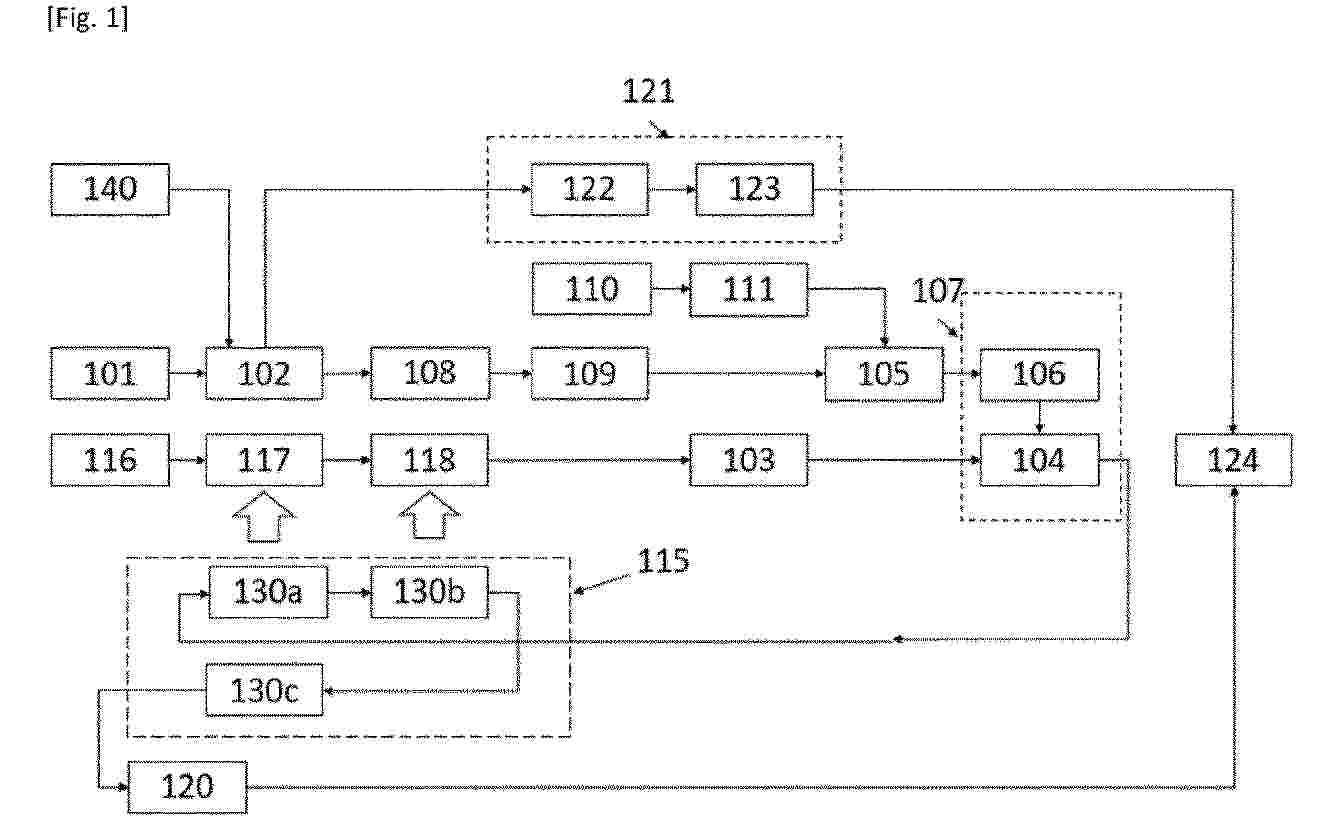
0001 The invention relates to a process (100) for the production of hydrogen from ammonia comprising the following steps: - providing a water feed stream to a water electrolyzer (101); - performing a water electrolysis (102) of the water feed stream in the electrolyzer, producing an oxygen product stream and an electrolysis hydrogen stream; - providing an ammonia feed stream to an ammonia cracking reactor (103); - providing an oxidant stream (105) and performing a combustion reaction (106) with said oxidant stream, thereby generating heat; - in the ammonia cracking reactor, performing an endothermic reaction of ammonia cracking (104) of the ammonia feed stream with said generated heat; characterized in that the oxidant stream comprises at least a portion of the oxygen product stream produced by the water electrolysis of the water feed stream.
Resumen de: CN122459503A
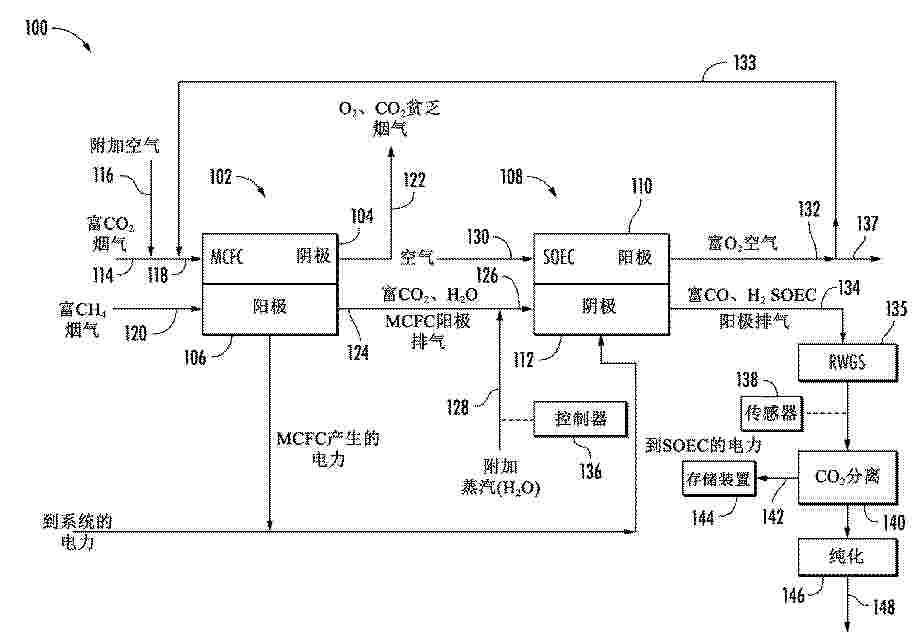
A syngas generation system includes a molten carbonate fuel cell (MCFC) including: an MCFC cathode configured to receive an MCFC cathode input stream comprising a flue gas stream; and an MCFC anode configured to output an MCFC anode exhaust stream comprising carbon dioxide and steam. The syngas generation system further includes a solid oxide electrolysis cell (SOEC), the solid oxide electrolysis cell including a SOEC cathode and a SOEC anode. The SOEC is configured to: receive a SOEC cathode input stream at the SOEC cathode, the SOEC cathode input stream comprising at least a portion of the MCFC anode discharge stream; co-electrolyzing carbon dioxide and steam in the SOEC cathode input stream; and outputting a SOEC cathode effluent stream comprising carbon monoxide and hydrogen from the SOEC cathode.
Resumen de: WO2025135726A1
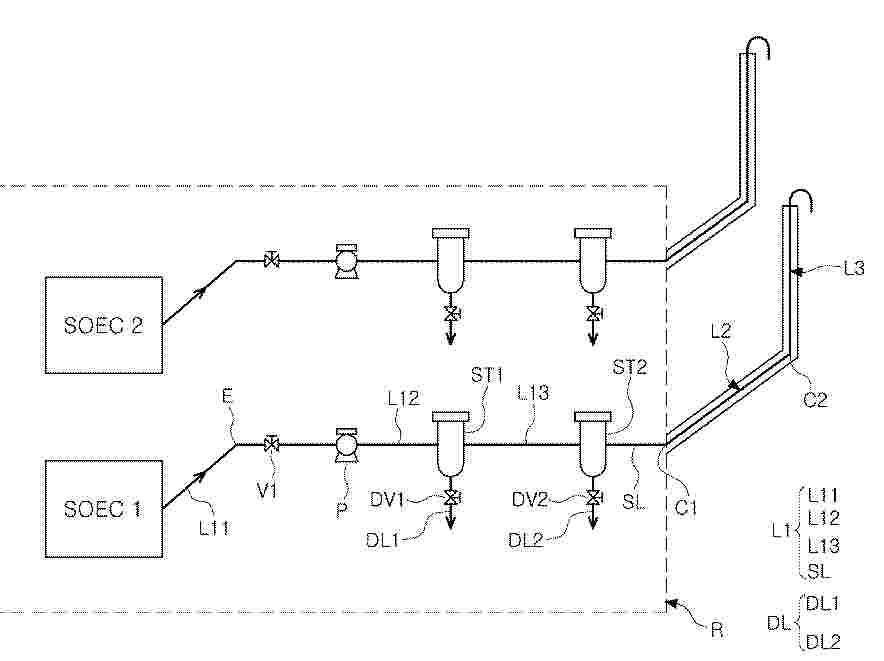
The present invention provides a hydrogen vent system for discharging hydrogen generated in a high-temperature water electrolysis stack to the outside, comprising: a first pipe unit connected to the high-temperature water electrolysis stack and having a curved portion; a drain line which is connected to the first pipe unit and through which condensed water is drained; and a discharge unit which is connected to the first pipe unit and which releases hydrogen upward into the air, wherein a surge tank that maintains pressure and moves the condensed water to the drain line is disposed in the first pipe unit.
Resumen de: CN121419830A
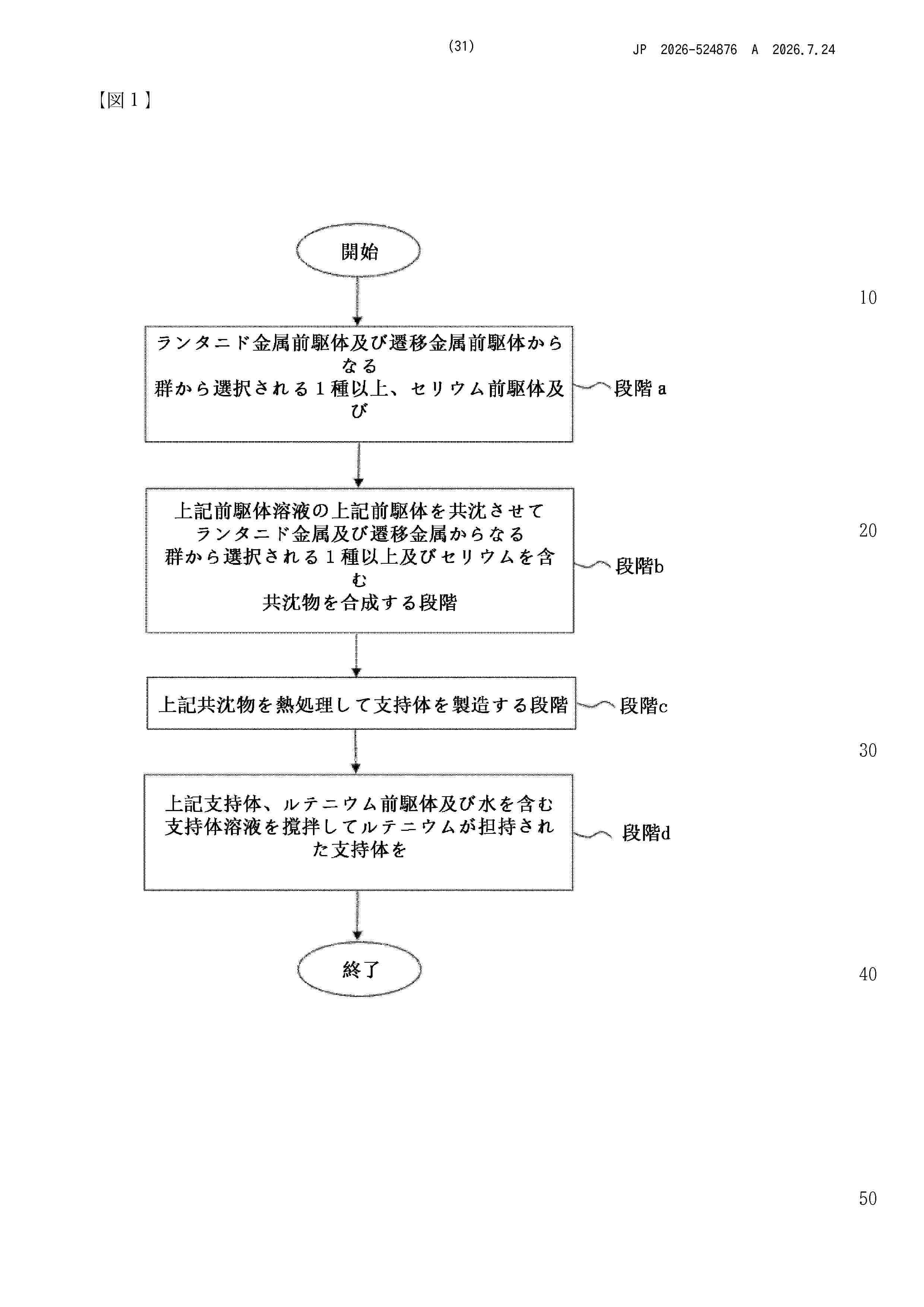
The invention discloses a hydrogen extraction catalyst based on ammonia partial oxidation, a preparation method thereof and a hydrogen extraction method using the catalyst. The hydrogen extraction catalyst based on ammonia partial oxidation comprises a support body and ruthenium (Ru) supported on the support body, and the hydrogen extraction method using the catalyst can maintain the internal temperature of a reactor at a high temperature without an external heat source. And the problem that the existing thermal efficiency is reduced due to long reaction time can be solved, and a high ammonia conversion rate can be obtained.
Resumen de: WO2024256503A1
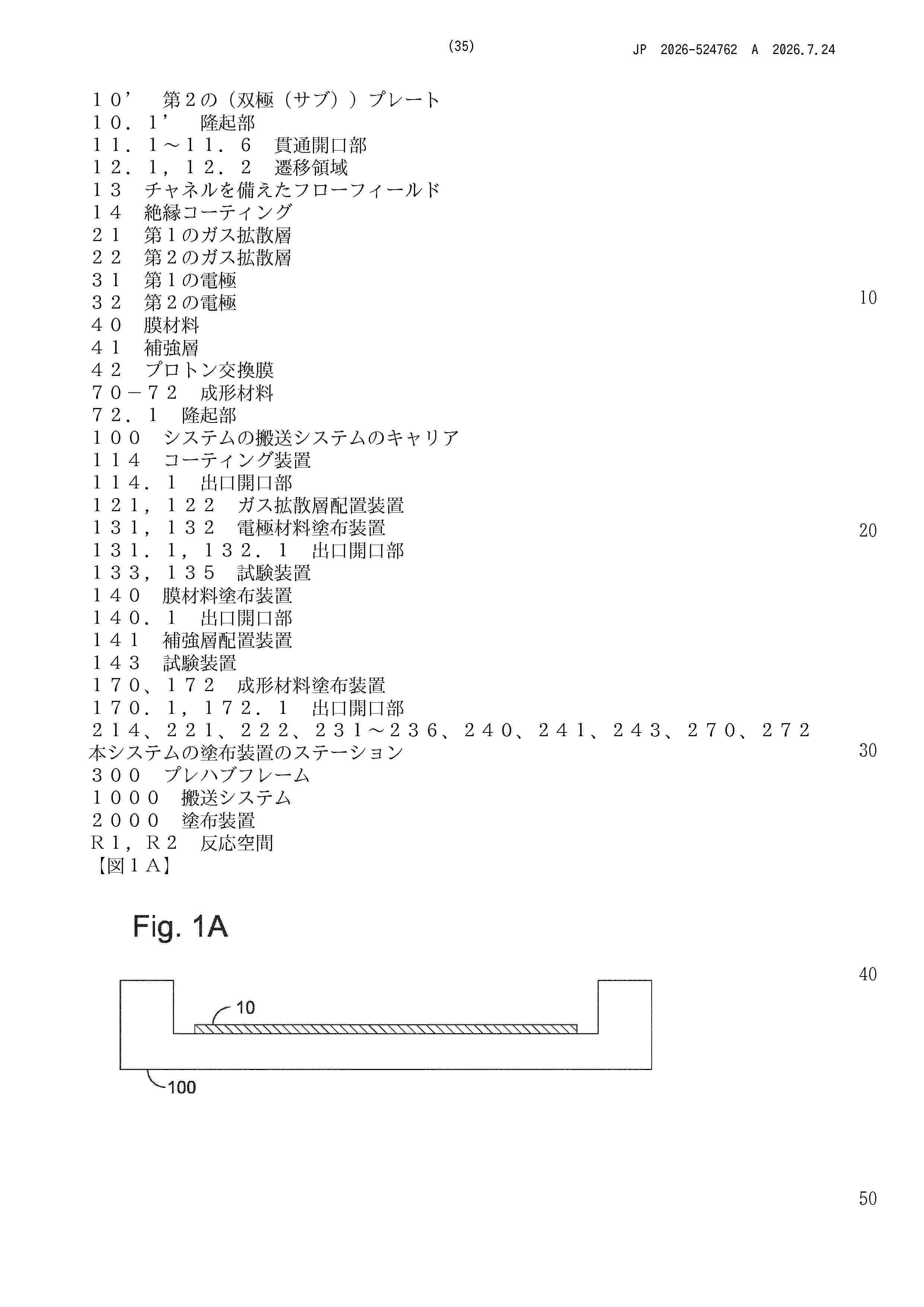
The invention relates to a method for manufacturing an assembly for an electrochemical cell, wherein the assembly comprises at least the following structural components: a first plate (10; 10') for supplying and/or discharging fluid, a proton exchange membrane (42), a first electrode (31) arranged between the first plate and the proton exchange membrane, and a first gas diffusion layer (21) arranged between the first plate and the first electrode, and wherein the method comprises the steps of A) providing a base comprising only a portion of the structural components, in particular the first plate and/or the first gas diffusion layer; and B) assembling the assembly, wherein the assembling involves adding the remaining structural components; or the steps of a) providing a base that is different from the structural components; and b) assembling the assembly, wherein the assembling involves adding the structural components; wherein a casing is formed by applying one or more layers of moulding material (70-72) to the provided base, a strength of this moulding material increases after said application, and at least one layer of the moulding material forming the casing or at least a circumferential section of the casing is applied before step B) or b). The invention also relates to an electrochemical cell, in particular a fuel cell or electrolysis cell, a cell stack with cells of this type, as well as a method and a system for manufacturing assemblies for cells or cell stacks of thi
Resumen de: CN122455792A
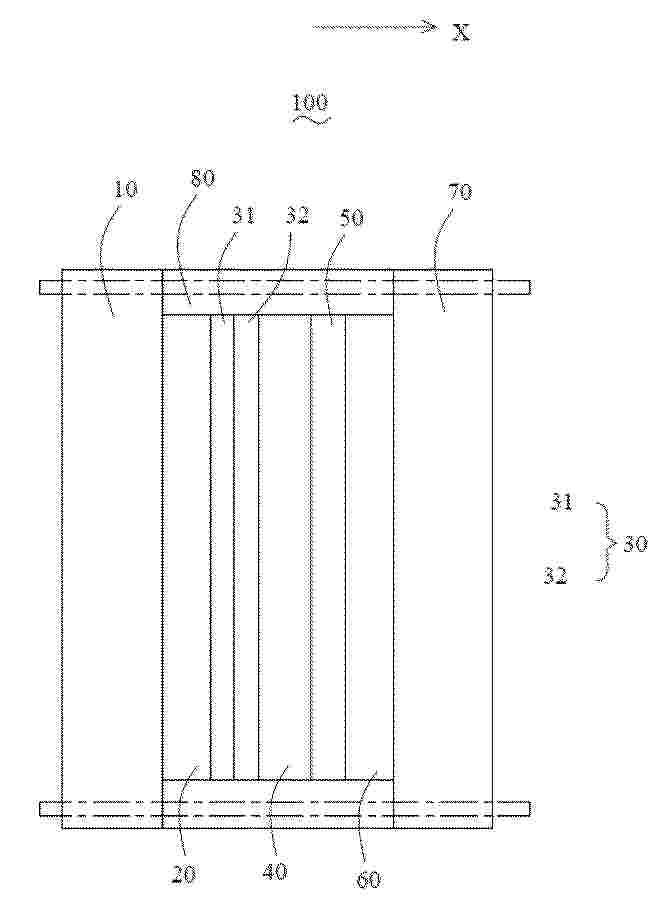
The invention provides a reversible fuel cell, a control method thereof and an electric pile device, and belongs to the field of cells, the reversible fuel cell comprises an oxygen catalyst layer, an anion exchange membrane and a hydrogen catalyst layer which are sequentially stacked along a first direction; wherein the oxygen catalysis layer comprises a first catalysis layer and a second catalysis layer, and the first catalysis layer, the second catalysis layer and the anion exchange membrane are sequentially arranged in a stacked mode in the first direction; each of the first catalyst layer and the second catalyst layer comprises an oxygen evolution reaction catalyst and an oxygen reduction reaction catalyst, the mass ratio of the oxygen evolution reaction catalyst to the oxygen reduction reaction catalyst in the first catalyst layer is M, the mass ratio of the oxygen evolution reaction catalyst to the oxygen reduction reaction catalyst in the second catalyst layer is N, and M is smaller than N. The first catalyst layer and the second catalyst layer are arranged in a specific gradient mode, so that the ion transmission network and the gas transmission network are interwoven and coexist on the oxygen electrode side in a specific mode, and quick response and efficient operation of switching of different modes are ensured.
Resumen de: WO2026154053A2
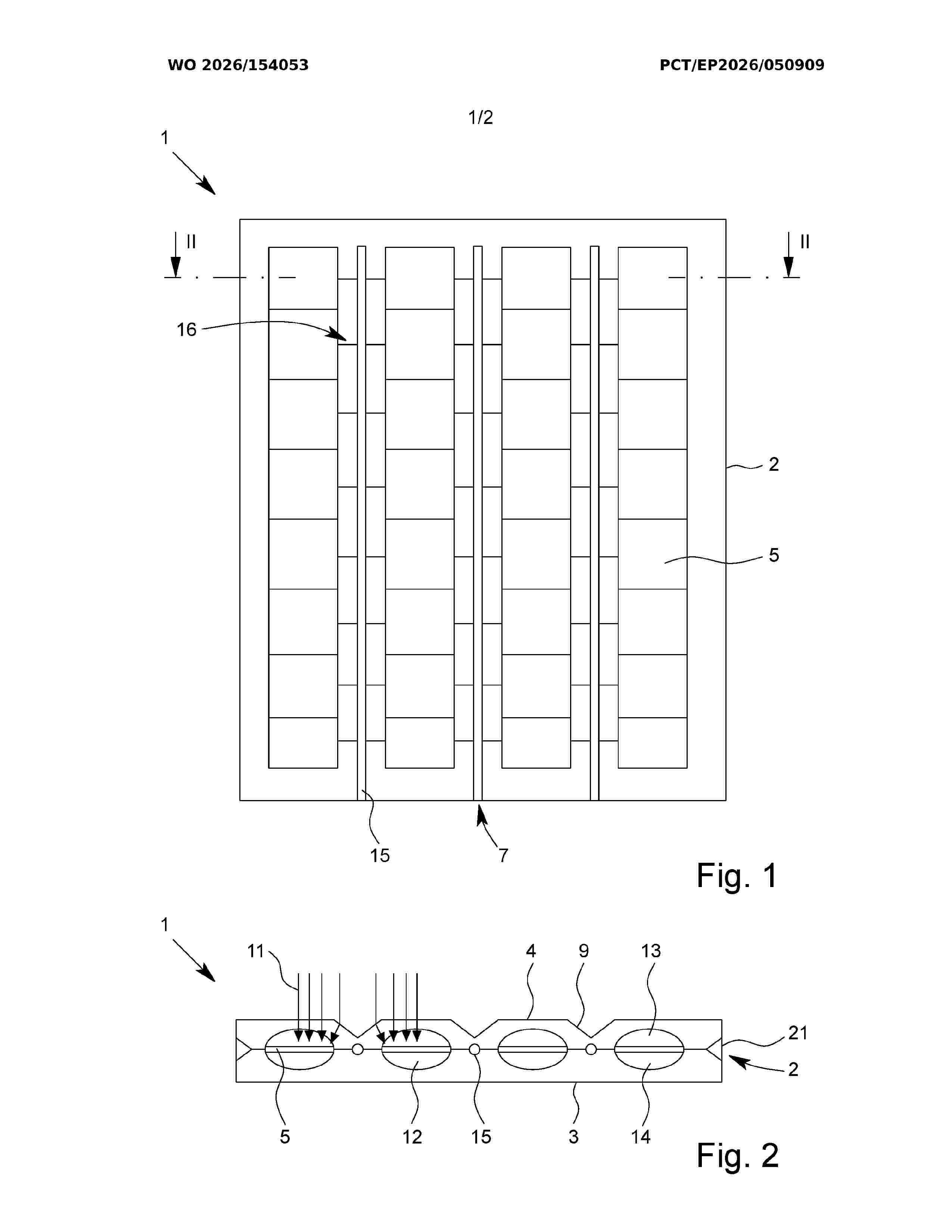
The invention relates to a reaction cell for photoelectrochemical, in particular solar, molecule splitting, and to the use of said reaction cell.
Resumen de: US20260209961A1
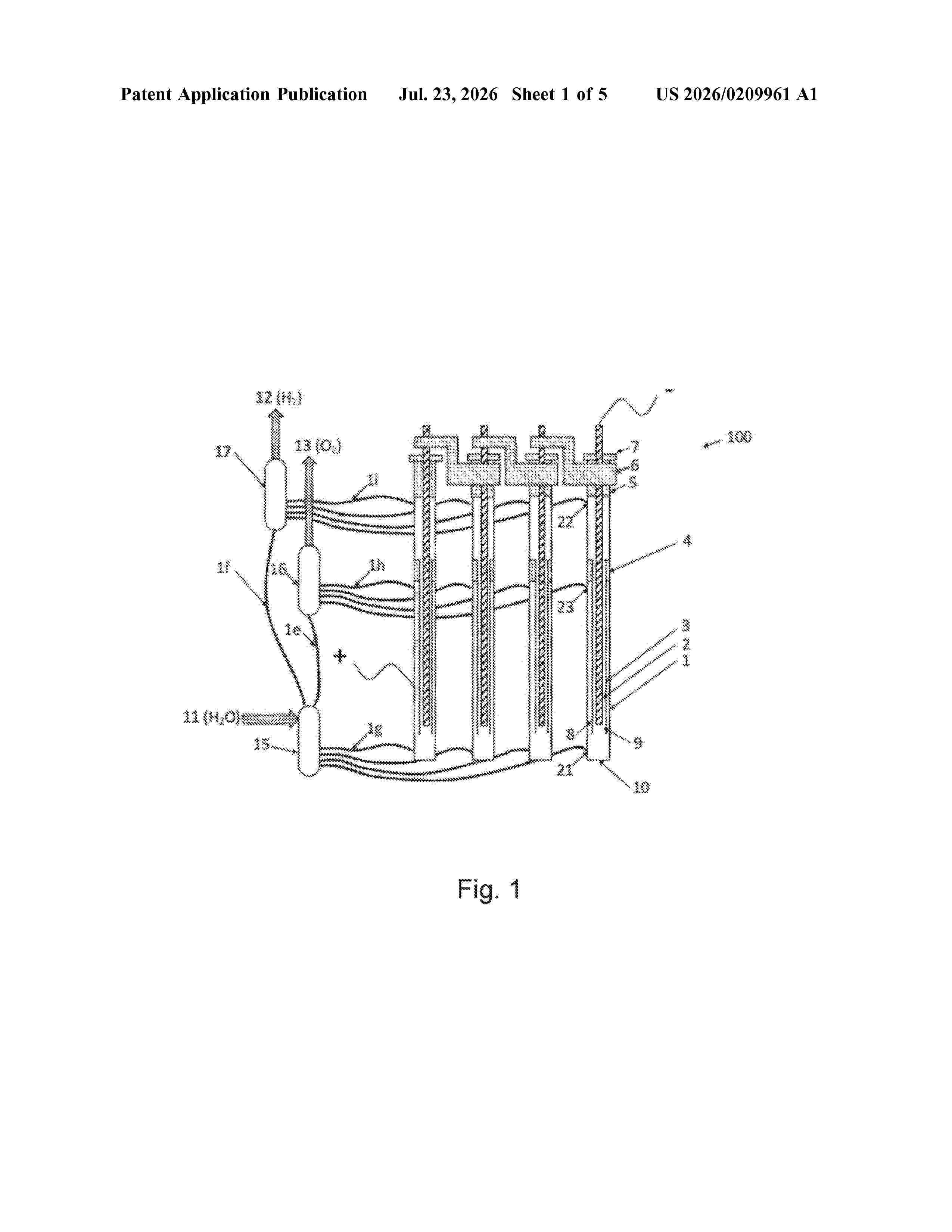
0000 A small scale high-pressure electrolyzer for generating hydrogen and oxygen is provided comprising one or more units each comprising a plurality of high-pressure electrolytic cells, wherein the electrolytic cells of each unit are electrically connected in series, as well as a central electrolyt header, functionally connected to each electrolytic cell for the supply of liquid electrolyt to the cell; a central hydrogen header connected to each electrolytic cell for the discharge of generated hydrogen from the cell; a central oxygen header connected to each electrolytic cell for the discharge of generated oxygen from the cell; a direct current power source for the power supply to each unit of serially connected electrolytic cells; wherein the units of serially connected electrolytic cells are electrically connected in parallel.
Resumen de: WO2026154283A2
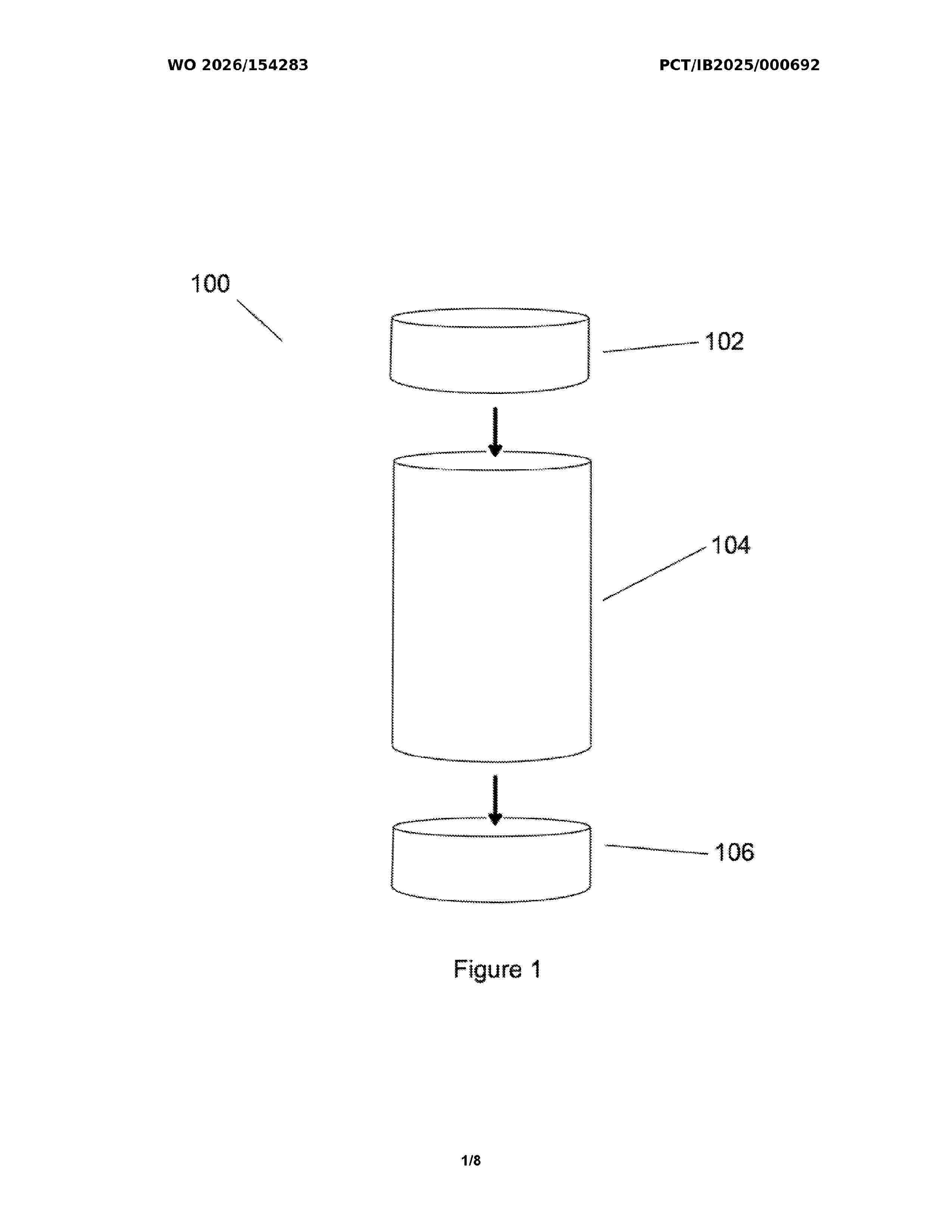
A drinking container is disclosed having a hydrogen-generation compartment isolated from a drinking-fluid chamber. Hydrogen gas accumulates until a threshold pressure opens a one-way valve, releasing the gas into the chamber while preventing backflow of liquid. In some embodiments, the gas passes through an intermediate chamber and porous mesh to form fine bubbles for dissolution. Mixing assemblies, magnetic impellers, oxygen vents, and controlled power delivery may be incorporated to enhance infusion efficiency, user control, and system safety.
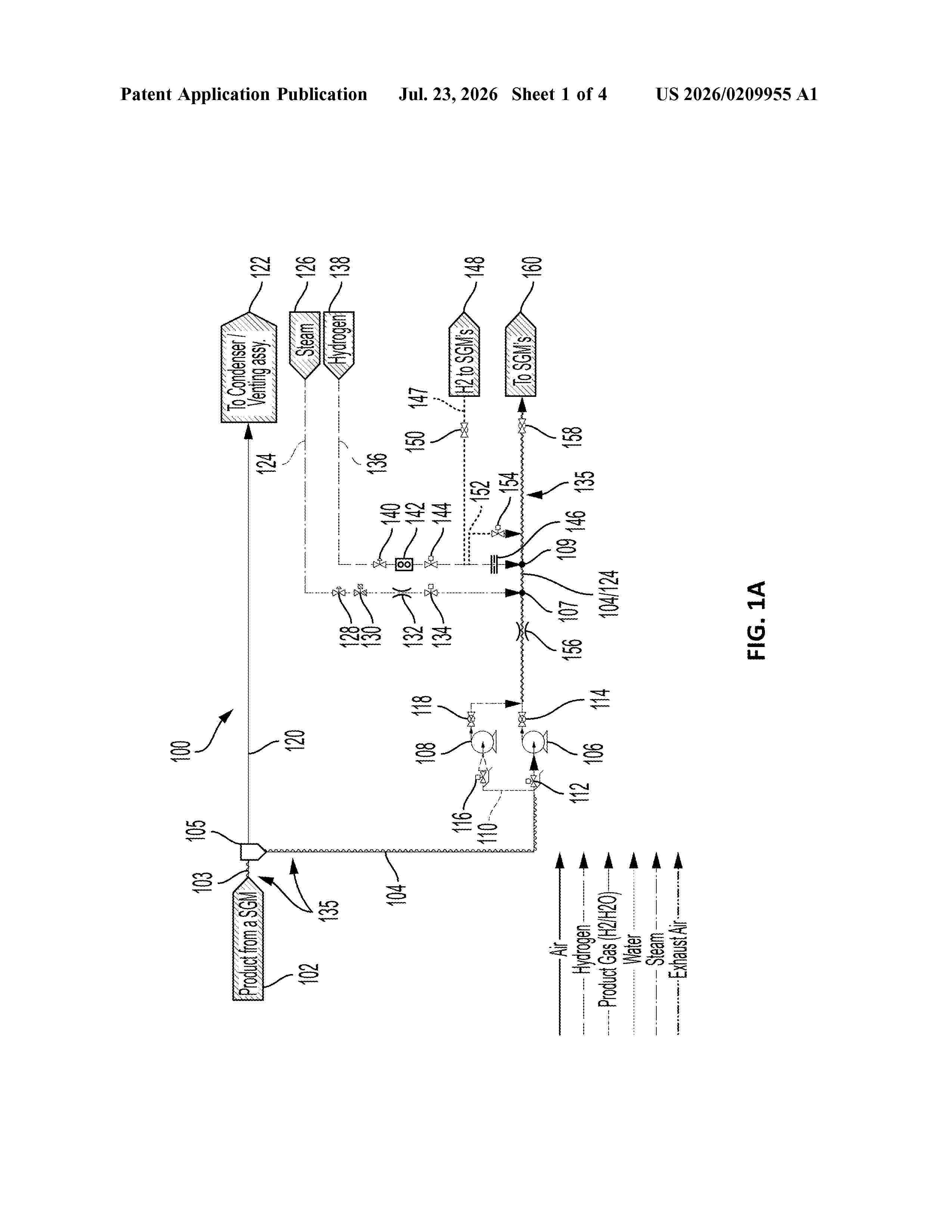
Resumen de: US20260209955A1
0000 A method of operating an electrolyzer system includes providing steam to a plurality of hydrogen generation modules (HGMs), each containing at least one electrolyzer cell stack or column of stacks, electrolyzing the steam in the plurality of HGMs to generate hydrogen and oxygen, supplying at least a first portion of a hydrogen-containing product feed from the plurality of HGMs to a recycling conduit, and recycling at least a first portion of the hydrogen-containing product feed to the plurality of HGMs.
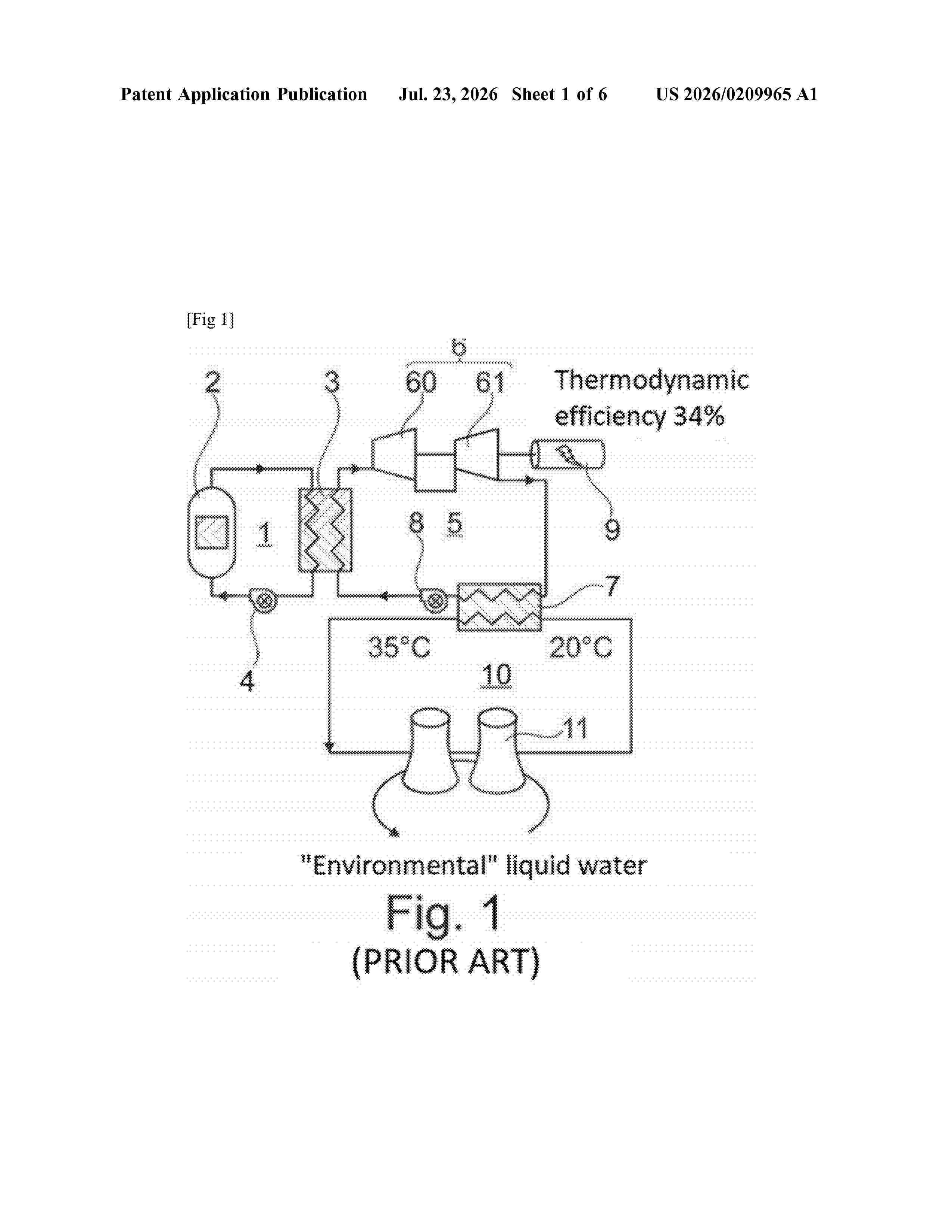
Resumen de: US20260209965A1
Using optimal indirect thermal coupling between a thermal power plant and a hydrogen production unit by high-temperature electrolysis via a withdrawal branch connection made in a fluid branch of the power plant's thermodynamic conversion cycle to install, on the one hand, a thermal storage tank to provide the heat necessary to preheat the steam intended for the cathodes of the HTE unit and, on the other hand, a pneumatic and thermal storage tank to supply pressurized hot air to the anodes.
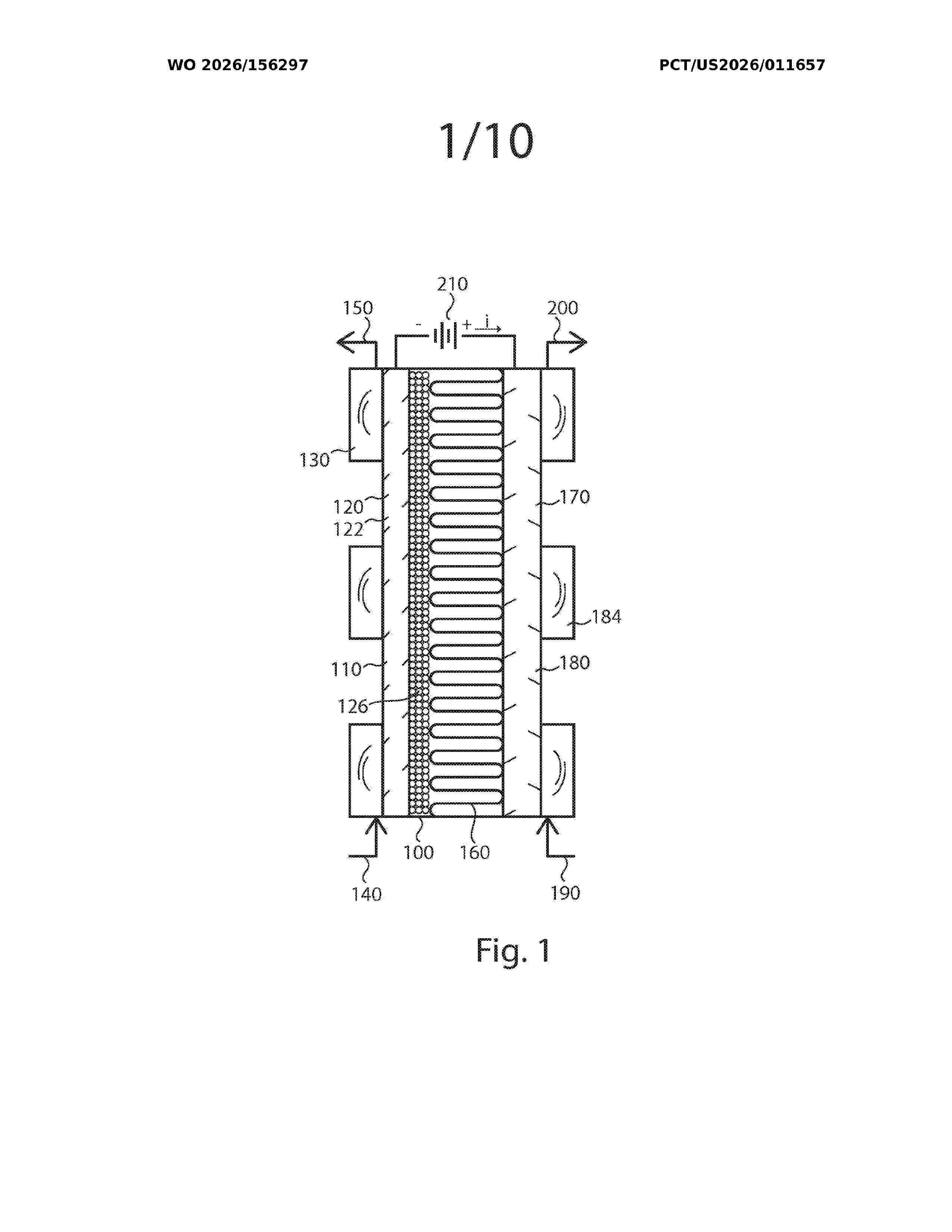
Resumen de: WO2026156297A1
Electrochemical devices and associated methods are disclosed for reacting carbon oxides. These devices may include an ion exchange membrane, a cathode, a copper catalyst located on the cathode, a cathodic solution in contact with the ion exchange membrane and the cathode, an anode, a second catalyst located on the anode, an anodic solution, and a cathodic gas in contact with the cathodic solution. The cathodic gas may include hydrogen, ethylene, and an oxide of carbon. The cathode may be configured as a gas diffusion electrode.
Nº publicación: WO2026155798A2 23/07/2026
Solicitante:
UNIV WASHINGTON STATE [US]
WASHINGTON STATE UNIVERSITY
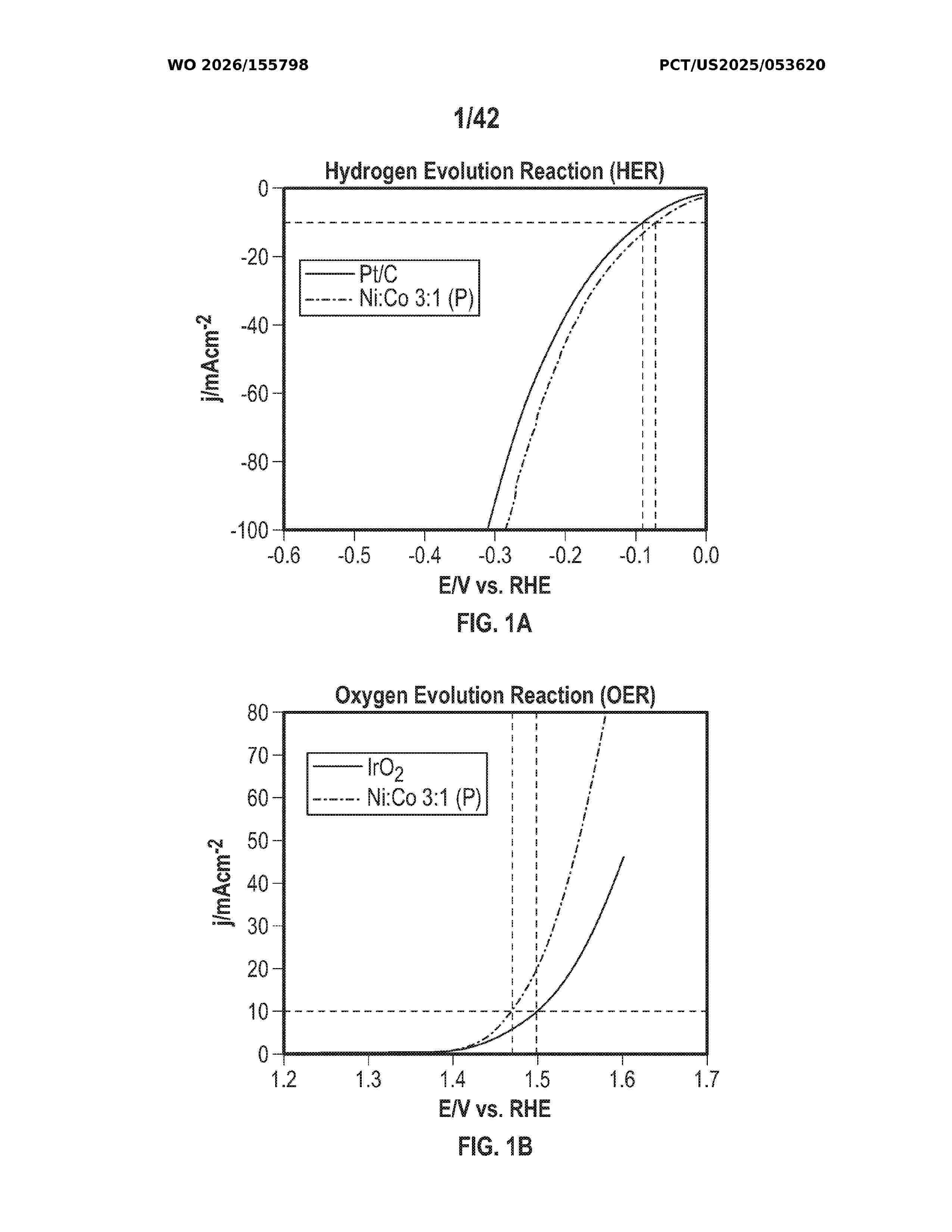
Resumen de: WO2026155798A2
Catalyst compositions, methods of making a bimetallic nanofoam catalyst composition, and methods of catalyzing a reaction are described. In an example, the catalyst comprises a nanofoam comprising plurality of intertwined nanowires comprising two or more metals. In an example, the nanofoam comprises a three-dimensional interconnected nanonetwork comprising the plurality of intertwined nanowires. In an example, the nanofoam is an aerogel comprising the plurality of intertwined nanowires. In an example, the nanofoam is self-supported, such as where the catalyst composition does not comprise a substrate supporting the nanofoam.
 BOPI
BOPI
 Sede Electrónica