Si deseas distinguir tus productos, servicios o ambos de los de otra empresa, es posible que necesites una marca o nombre comercial. Descubre qué son, en qué consiste su procedimiento de registro y qué implica.

Información sobre los plazos de presentación de solicitudes de transformación de marcas de la Unión Europea en marca nacional española. Más información


Si tienes un nuevo dispositivo, producto o procedimiento que resuelva un problema técnico o tenga una ventaja práctica, existen distintas formas de protegerlo en España y en otros países. Descubre cómo hacerlo.

¿Tu innovación reside en la estética, la ornamentación o la apariencia de tu producto? Protégela mediante un diseño industrial. Descubre qué derechos confiere el registro y cómo realizar la tramitación.

Las indicaciones geográficas protegen el nombre de un producto originario de una zona geográfica, a la cual le debe una determinada calidad, reputación u otra característica. Descubre qué son, en qué consiste su procedimiento de registro y qué beneficios conceden.

Las patentes publicadas en todo el mundo son una valiosa fuente de información científica, técnica y comercial.

Si eres emprendedor/a o una empresa y quieres potenciar y mejorar la rentabilidad de tu negocio protegiendo de forma adecuada los activos intangibles de tu organización, en este espacio encontrarás lo necesario.


 116
resultados
116
resultados
 Última actualización
16/10/2026 [07:20:00]
Última actualización
16/10/2026 [07:20:00]


 Resultados 75 a 100 de 116

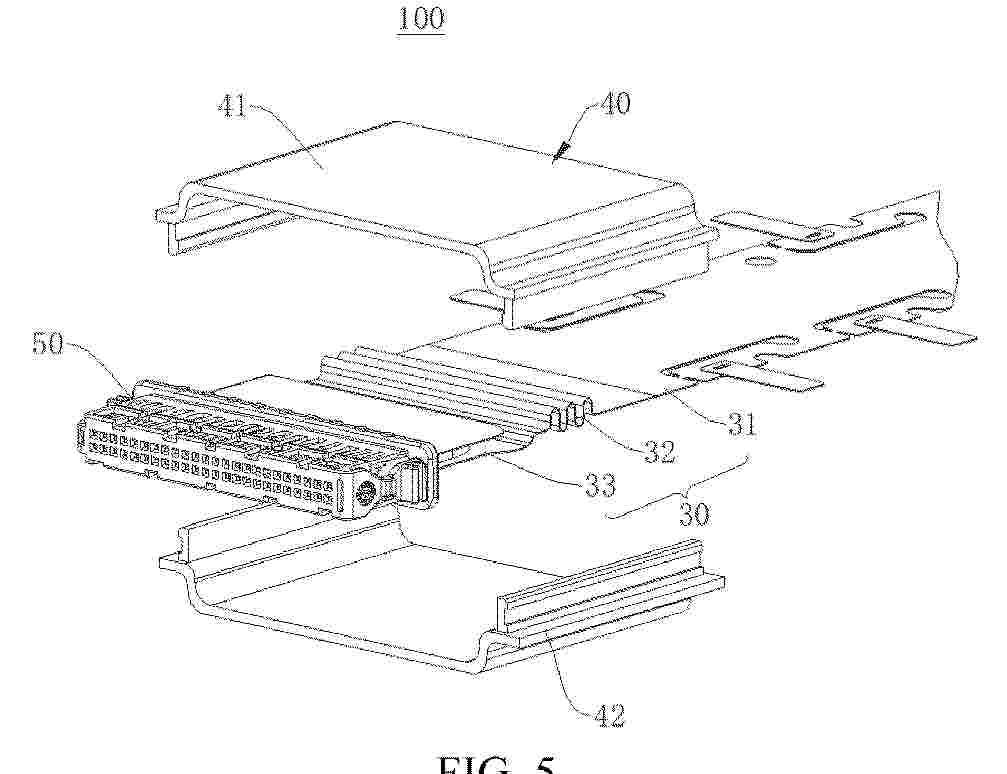
Resumen de: EP4822837A1
0001 A battery apparatus (100) and a power consuming device are provided. The battery apparatus (100) includes a battery cell (10), a flexible printed circuit (30), and a sleeve (40). The flexible printed circuit (30) is electrically connected to the battery cell (10). The flexible printed circuit (30) includes a body (31) and a stretch and contraction portion (32) connected to the body (31). The stretch and contraction portion (32) is deformable by stretching and contracting in a length direction of the body (31). The stretch and contraction portion (32) protrudes from the body (31) in a thickness direction of the body (31). The sleeve (40) is disposed outside the stretch and contraction portion (32) in a sleeving manner.

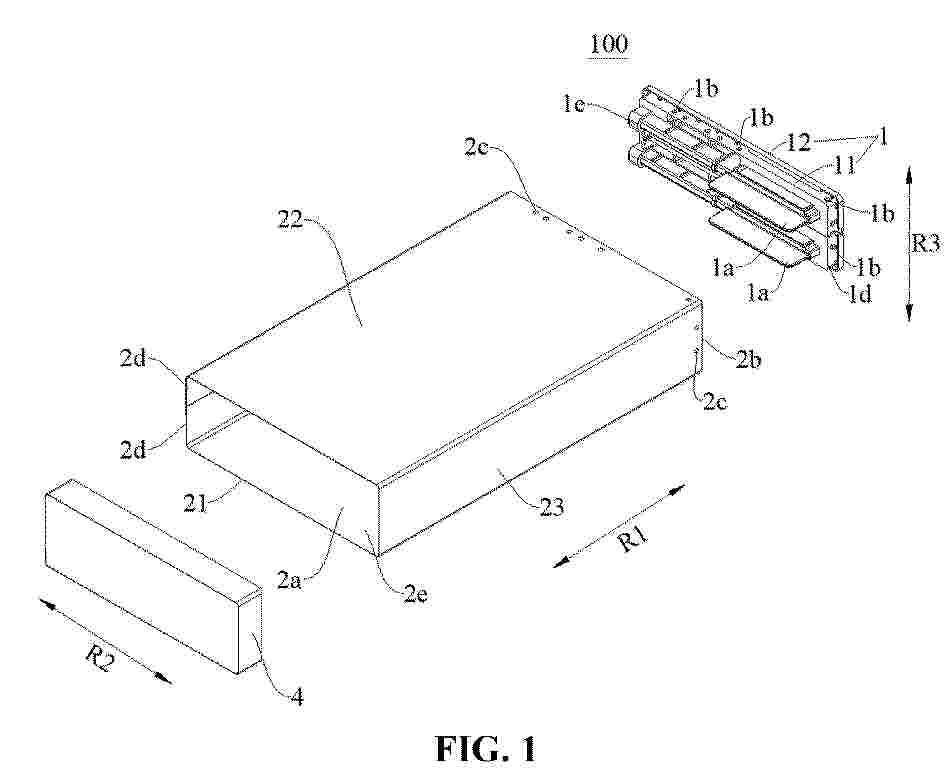
Resumen de: EP4822852A1
0001 A pouch battery (100) and a battery pack (1000). The pouch battery (100) comprises a pouch battery cell, a top cover (1), a housing (2), and fasteners. Tabs of the pouch battery cell are electrically connected to conductive terminals (1a) of the top cover (1); an accommodating cavity (2a) and a mounting opening (2b) communicated with the accommodating cavity (2a) are formed in the housing (2), the pouch battery cell is arranged in the accommodating cavity (2a), and the top cover (1) covers the mounting opening (2b); the fasteners pass through the housing (2) and the top cover (1) so as to connect the housing (2) and the top cover (1). The pouch battery (100) and the battery pack (1000) have low manufacturing costs.
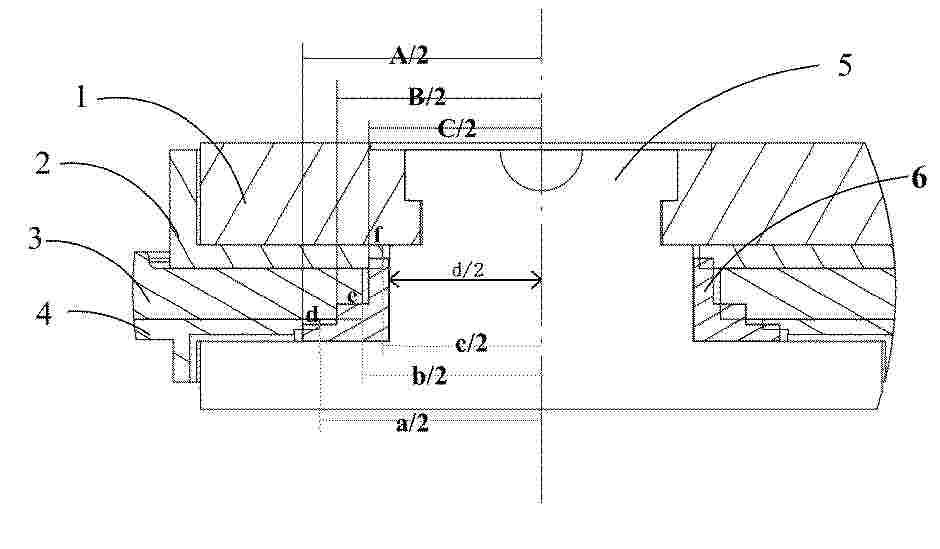
Resumen de: EP4822841A1
A battery and an electric device. The battery comprises: a plate body (3), through holes being formed in the plate body in a penetrating manner; poles (5) at least partially passing through the through holes in the axial direction, each pole (5) being provided with an abutment portion (51) abutting against a first side of the plate body (3) and a penetrating portion (52) penetrating out of a second side of the plate body (3); mounting members (1) riveted to the penetrating portions (52); first insulating members (2) abutted between the mounting members (1) and the second side of the plate body (3); second insulating members (4) abutted between the abutment portions (51) and the first side of the plate body (3); and multi-layer seal rings (6) sleeved on the outer peripheries of the poles (5), each multi-layer seal ring (6) being arranged in a stepped and layer-staggered manner, and each layer of each multi-layer seal ring (6) abutting against the corresponding first insulating member (2), the plate body (3) and the corresponding second insulating member (4) respectively in the radial direction and compressing in the axial direction. The multi-layer seal rings (6) can improve the sealing performance and insulation performance between the poles (5) and the plate body (3), so that the battery can adapt to a larger energy density, thereby avoiding liquid leakage of the battery.
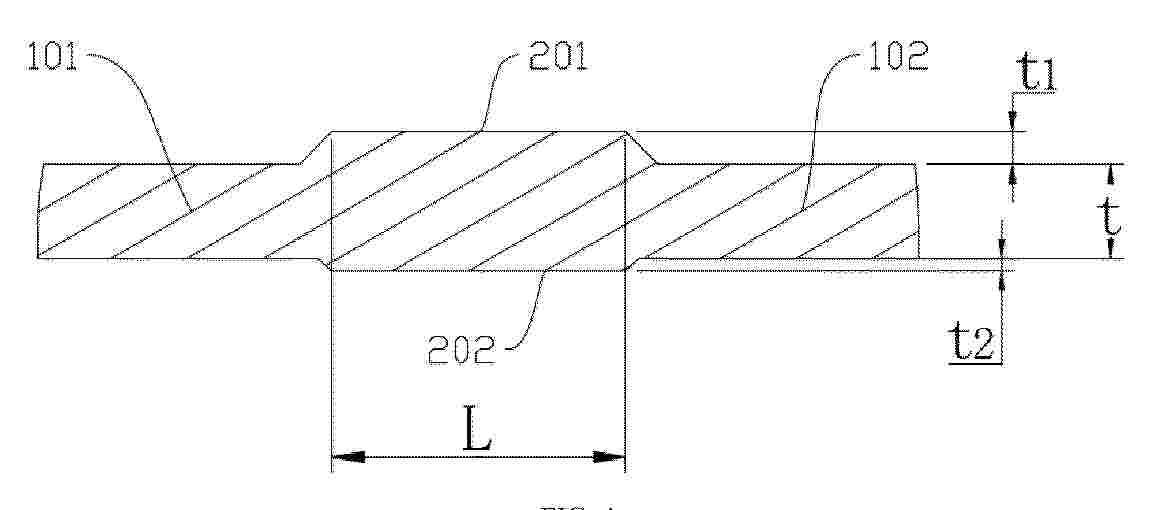
Resumen de: EP4822835A1
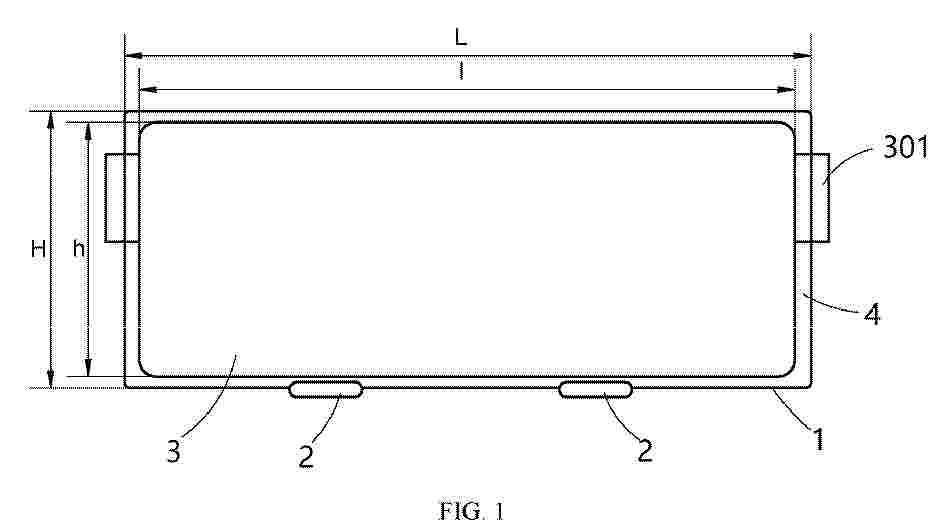
A battery cell casing, a battery cell, and a battery pack. The battery cell casing comprises a casing body, and the casing body comprises a first connecting edge and a second connecting edge, wherein the first connecting edge and the second connecting edge are joined, and an accommodating cavity is formed inside; and joining portions of the first connecting edge and the second connecting edge are welded to form a weld seam, the weld seam comprises a first boss that protrudes from an inner wall of the casing body, the height of the first boss that protrudes from the casing body towards the accommodating cavity is t1, the thickness of the casing body is t, and the height and the thickness satisfy ((t1 + t)/t) ≥ 1.08. In the battery cell casing, the strength of the weld seam is greater than the strength of the casing body, such that the pressure-bearing capability of the battery cell casing can be improved, thereby ensuring that the casing does not crack at the weld seam under the action of internal pressure. By means of increasing the requirements for the weld seam in the battery cell casing, the pressure resistance of the casing is improved, and the safety performance of the battery cell is improved, thereby reducing the risk of vehicle accidents caused by insufficient pressure resistance of the casing due to welding of the casing.
Resumen de: EP4822858A1
0001 The present application relates to the technical field of batteries. Disclosed are a battery and a battery pack. The battery comprises a housing, a pressure relief mechanism and an electrode assembly, wherein the pressure relief mechanism is disposed on the housing, the theoretical design value of the area of an opening region of the pressure relief mechanism is S<1>, and the actual value of the area of the opening region of the pressure relief mechanism is S
Resumen de: EP4822802A1
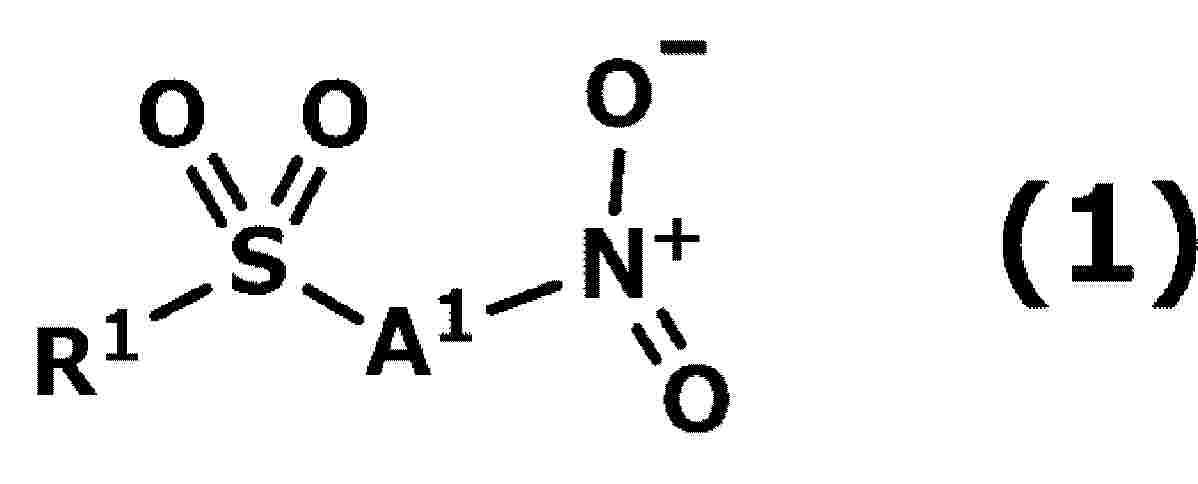
A nonaqueous electrolyte solution containing (1) a solute, (II) a nonaqueous organic solvent, and (111) at least one compound selected from the group consisting of a compound represented by the following general formula (1) and a compound represented by the following general formula (2), a nonaqueous electrolyte solution battery containing the nonaqueous electrolyte solution, and a method for producing the nonaqueous electrolyte solution battery:
Resumen de: EP4822768A1
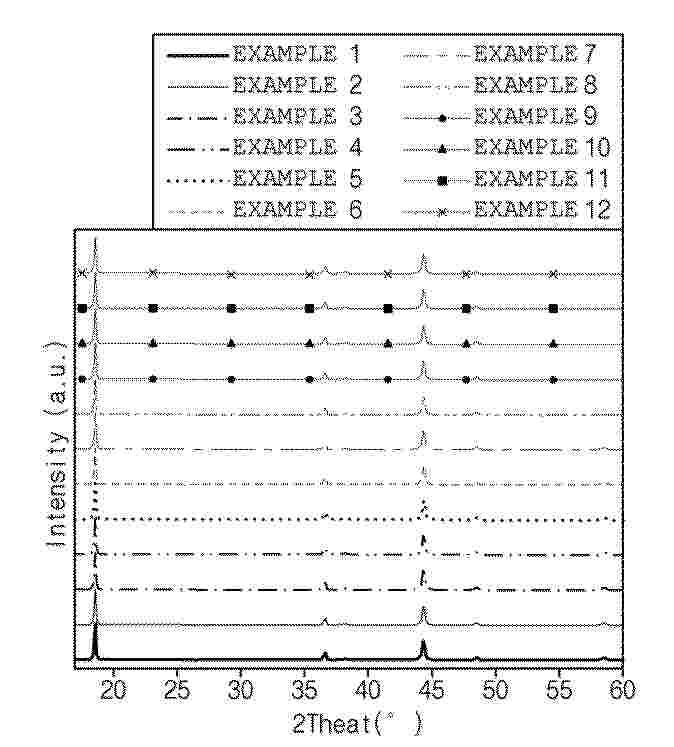
The present invention relates to a positive electrode active material which includes a lithium-rich manganese-based oxide simultaneously including a Li2MnO3 phase and a LiM'O2 (where M' is an element including at least one selected from Ni and Mn) phase; and a coating portion formed on the lithium-rich manganese-based oxide, wherein the lithium-rich manganese-based oxide includes at least two doping elements (Q) selected from W, Al, Co, Zr, Re, V, Cr, Fe, Ga, Si, B, Ru, Ti, Nb, Mo, Mg, Na, and Pt, and the coating portion includes at least one coating element (R) selected from Zn, Al, Co, Ti, Nb, V, Mo, W, B, and Ni, and satisfies Equation 1 described in this specification, a method of preparing the same, and a positive electrode and a lithium secondary battery which include the same.
Resumen de: WO2025120016A1
The present invention relates to an electrochemical element comprising at least one compressible porous layer acting as a buffer layer that helps to homogenise the operation of same.
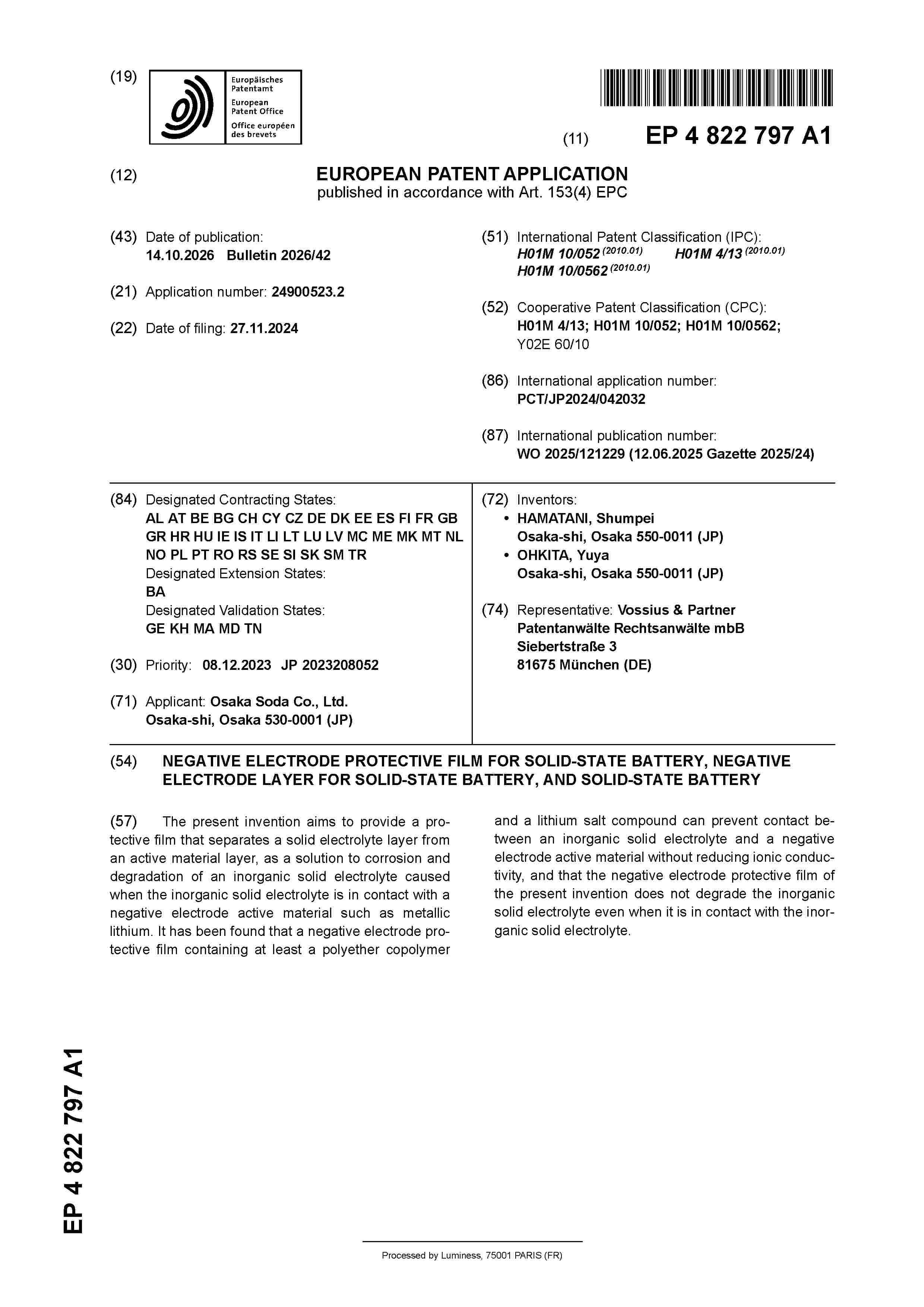
Resumen de: EP4822797A1
The present invention aims to provide a protective film that separates a solid electrolyte layer from an active material layer, as a solution to corrosion and degradation of an inorganic solid electrolyte caused when the inorganic solid electrolyte is in contact with a negative electrode active material such as metallic lithium. It has been found that a negative electrode protective film containing at least a polyether copolymer and a lithium salt compound can prevent contact between an inorganic solid electrolyte and a negative electrode active material without reducing ionic conductivity, and that the negative electrode protective film of the present invention does not degrade the inorganic solid electrolyte even when it is in contact with the inorganic solid electrolyte.
Resumen de: EP4822763A1
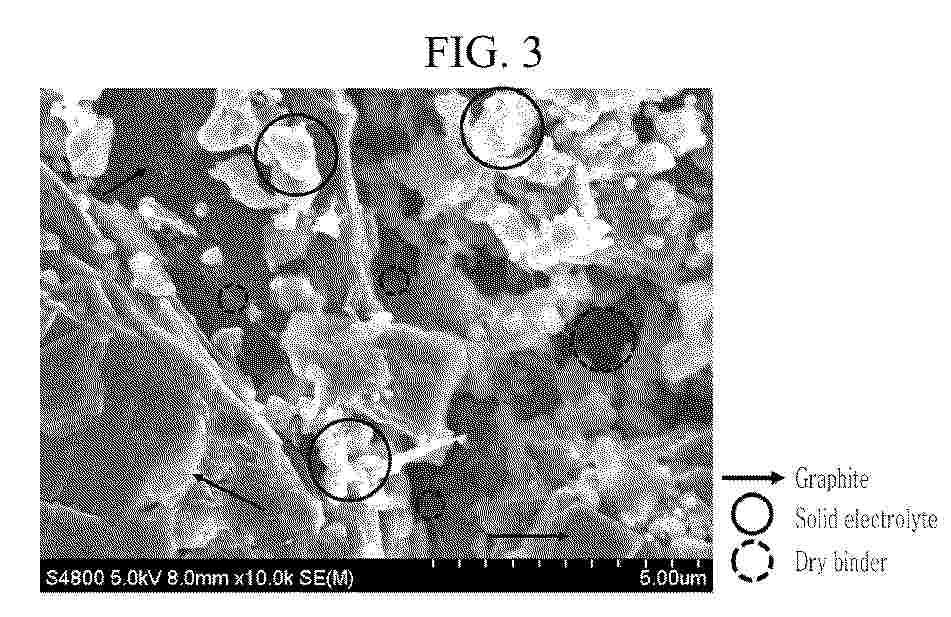
0001 The present invention relates to an anode for an all-solid-state battery, a manufacturing method thereof, and an all-solid-state battery comprising the anode, the anode comprising an anode current collector, and an anode layer disposed on the anode current collector and containing an anode active material, a solid electrolyte, polytetrafluoroethylene, and polyvinylidene fluoride, wherein mixing ratio of polytetrafluoroethylene and polyvinylidene fluoride is 95:5 to 80:20 in terms of weight ratio.
Resumen de: EP4822941A1
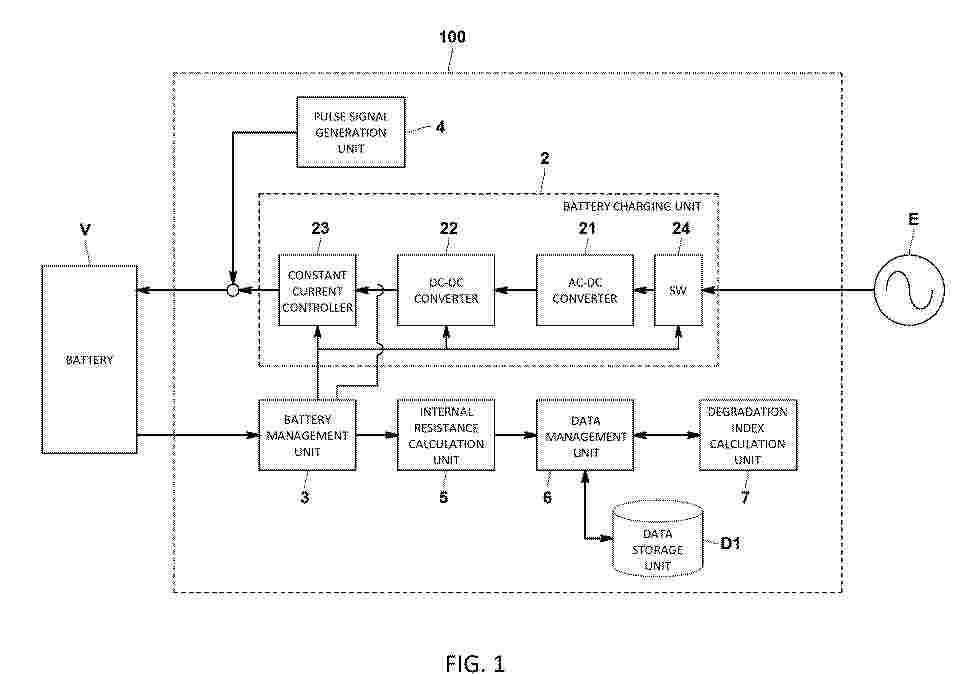
The present invention efficiently measures an internal resistance used as a degradation index of a battery at time of charging the battery, and includes a battery charging unit 2 that supplies a charging current and/or voltage to the battery B, a battery management unit 3 that manages a charging status of the battery B, a pulse signal generation unit 4 that superimposes a pulse current or a voltage on the charging current or voltage at one or more charging points according to the charging status of the battery B and supplies the resultant current or voltage to the battery, an internal resistance calculation unit 5 that calculates the internal resistance of the battery B from a current value and a voltage value of the battery at time of supplying the charging current or voltage on which the pulse current or voltage is superimposed, and a data management unit 6 that records, in a memory, the internal resistance calculated by the internal resistance calculation unit 5.
Resumen de: EP4822785A1
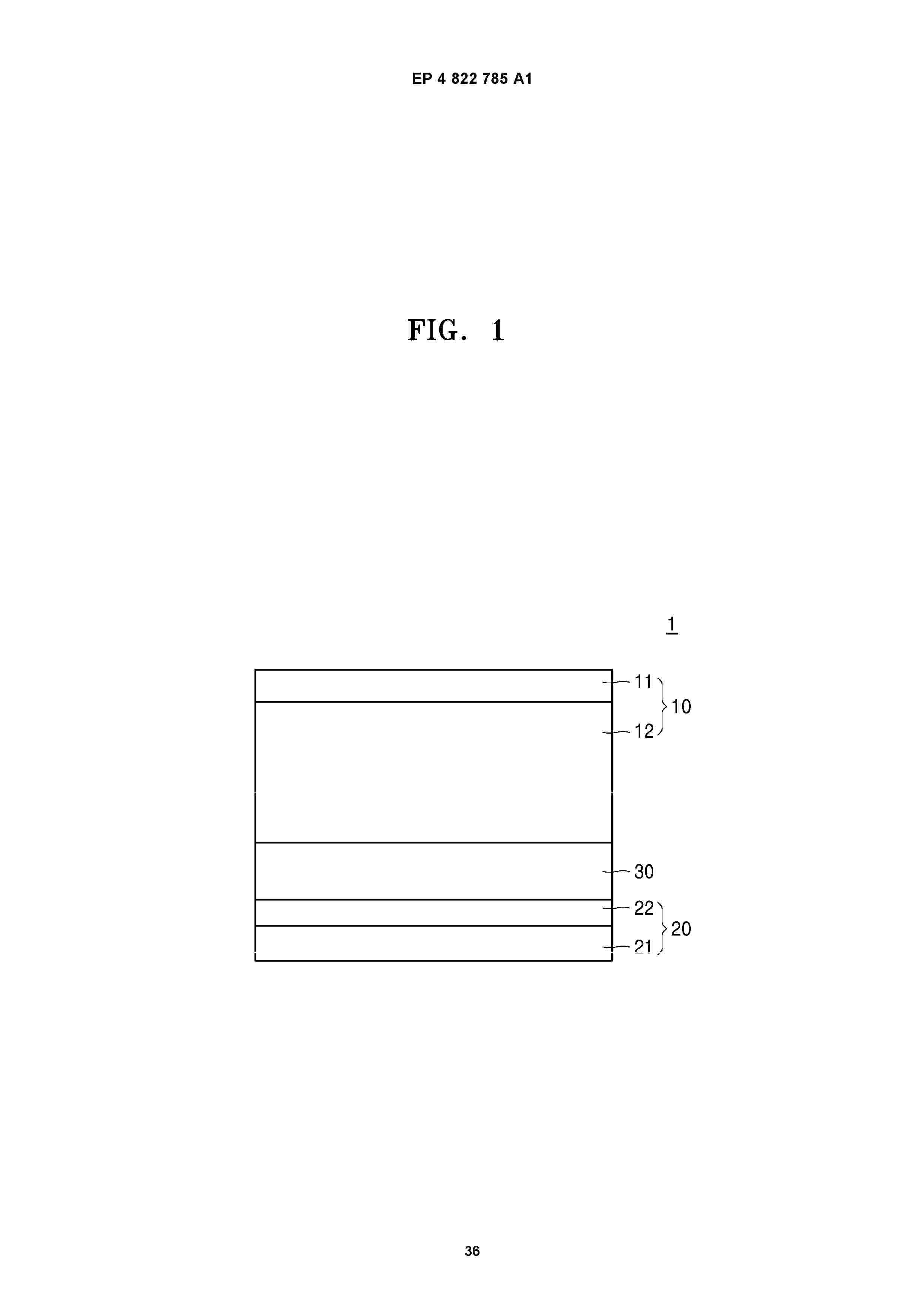
Provided is an all-solid-state secondary battery including: a cathode layer; an anode layer; and a solid electrolyte layer between the cathode layer and the anode layer, wherein the cathode layer includes: a cathode current collector; and a cathode active material layer on one side or opposite sides of the cathode current collector, the cathode active material layer includes a cathode active material, a first solid electrolyte, and an inorganic filler, the inorganic filler includes a lithium metal oxyhalide represented by LiaMbOcCld (0
Resumen de: EP4822791A1
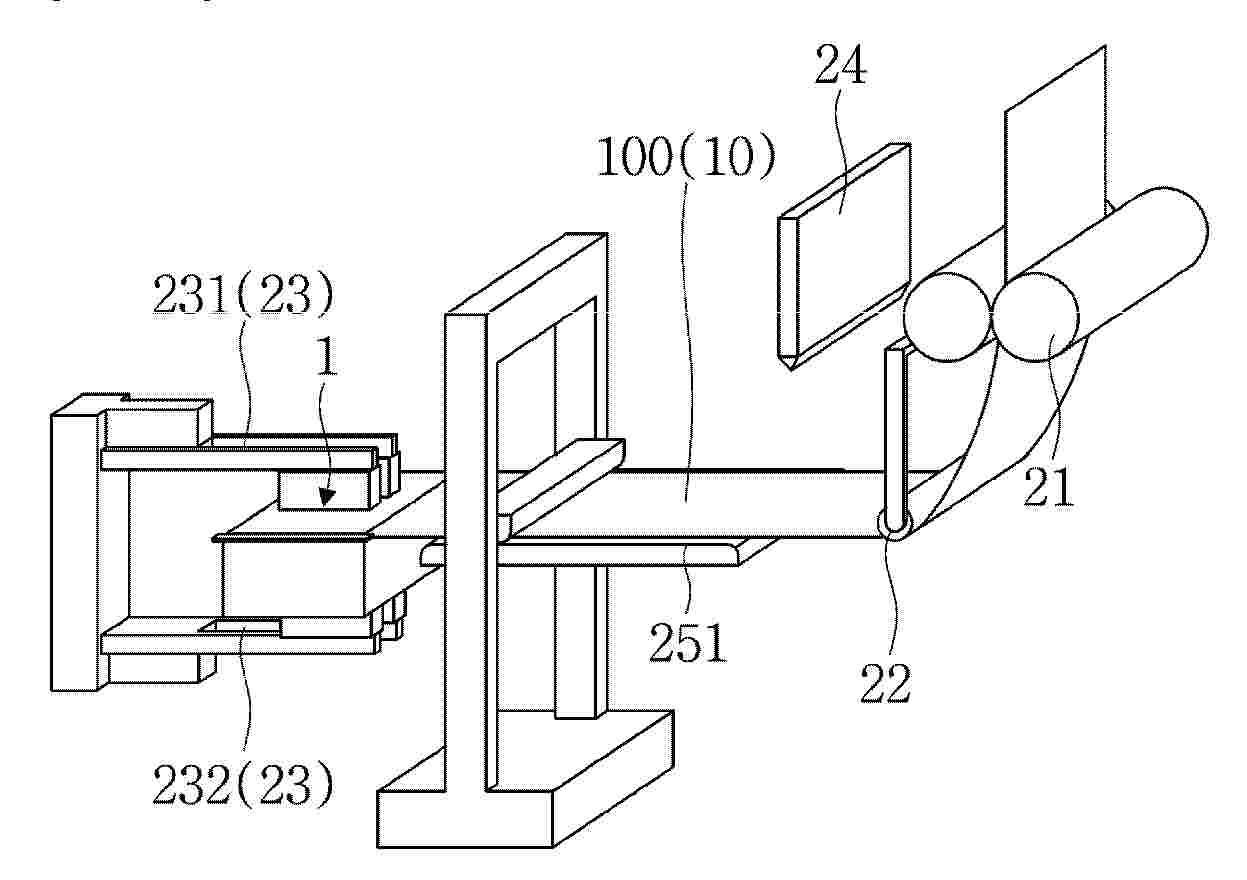
The present invention relates to a method for completing an electrode assembly by finishing an electrode laminate formed by zigzag stacking with a separator. More specifically, the present invention relates to a specific method for cutting a separator and winding the same onto an electrode assembly.
Resumen de: EP4822812A1
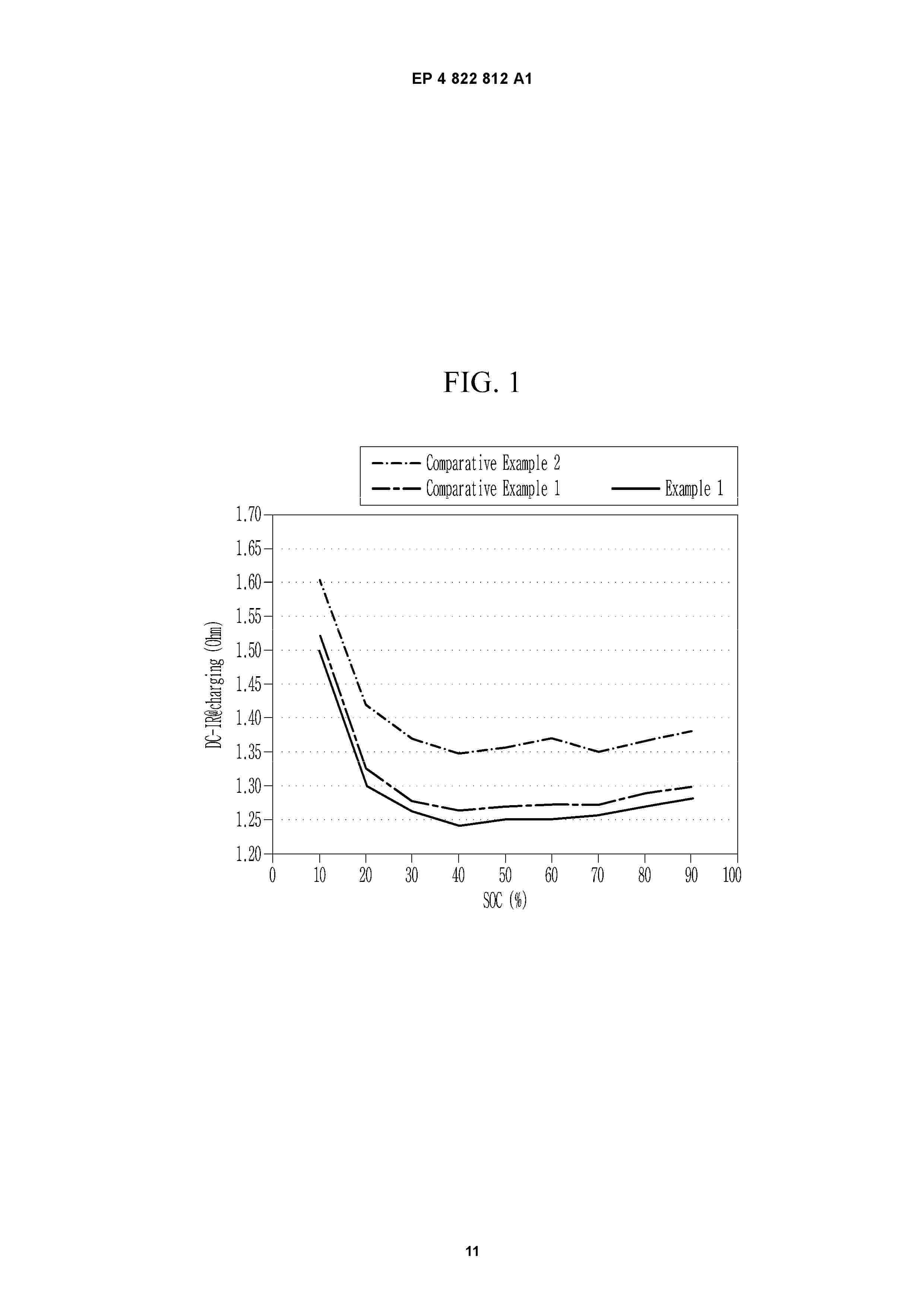
A secondary battery includes a positive electrode including a positive electrode current collector and a positive electrode active material layer formed on at least one surface of the positive electrode current collector, a negative electrode including a negative electrode current collector and a negative electrode active material layer formed on at least one surface of the negative electrode current collector, and an electrolyte layer interposed between the positive electrode and the negative electrode. The positive active material layer includes positive active material particles and electrode additive particles dispersed on the positive active material layer. The negative active material layer includes negative active material particles and electrode additive particles dispersed on the negative active material layer. The electrode additive particles include fumed silica and have an average diameter of 300 nm or less.
Resumen de: EP4822820A1
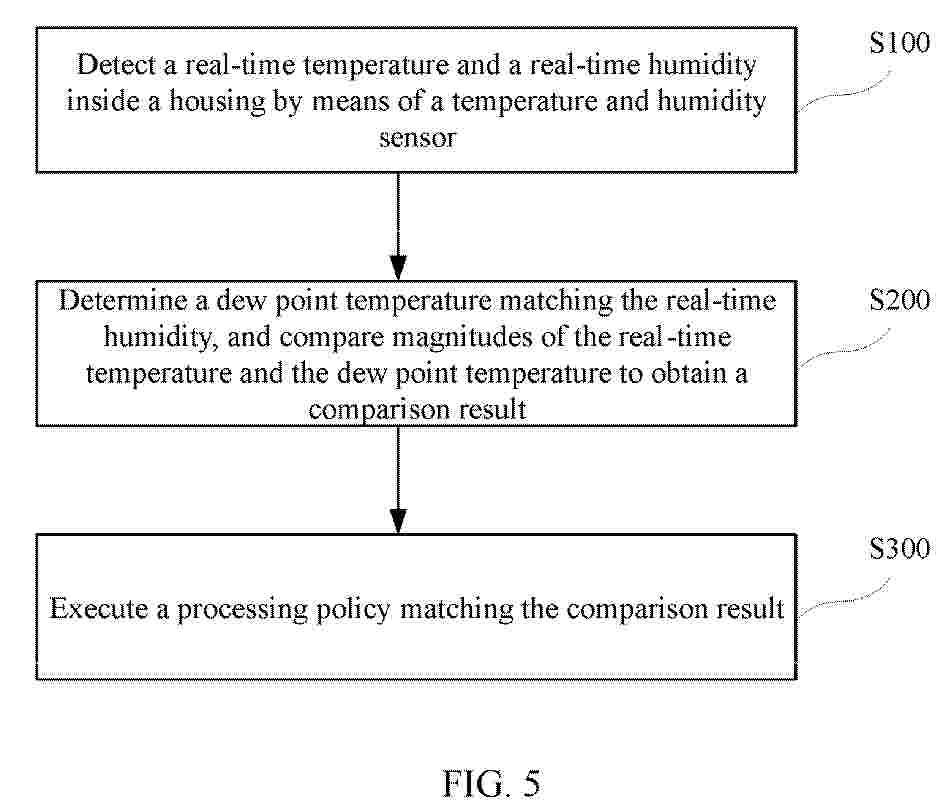
0001 Disclosed in the present application are a monitoring method for an energy storage apparatus, and an electric apparatus and an energy storage apparatus. The energy storage apparatus includes a housing, an energy storage unit group, and a temperature and humidity sensor, where the energy storage unit group and the temperature and humidity sensor are arranged inside the housing. The monitoring method includes: measuring a real-time temperature and a real-time humidity inside a housing by means of a temperature and humidity sensor; determining a dew point temperature matching the real-time humidity, and comparing the real-time temperature with the dew point temperature, so as to obtain a comparison result; and executing a processing policy matching the comparison result. By means of the method, the present application can monitor the environment inside an energy storage apparatus in real time, and can perform corresponding processing on the environment inside the energy storage apparatus, thereby more effectively maintaining the operation and usage of the energy storage apparatus during the process of using the energy storage apparatus.
Resumen de: CN122319537A
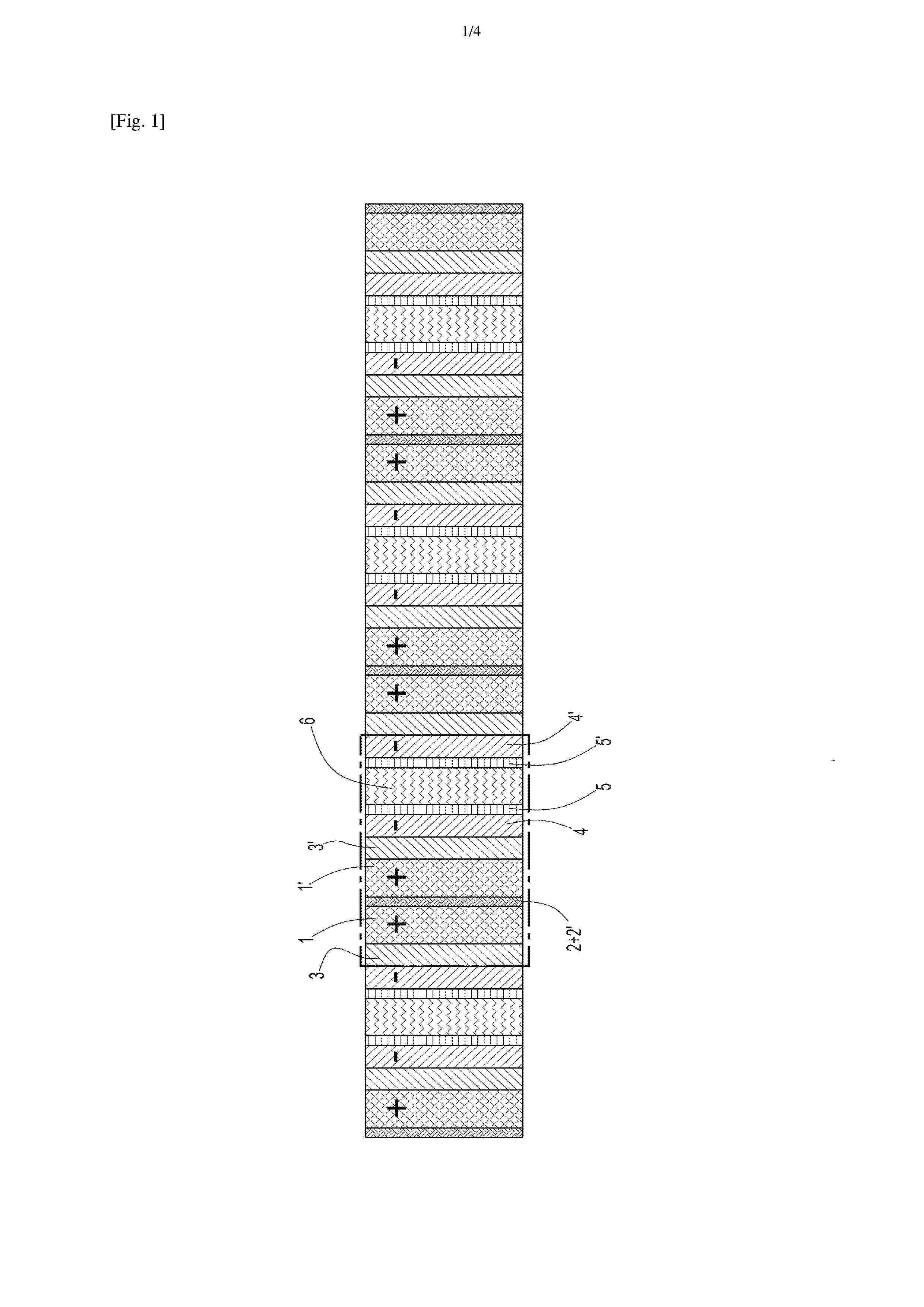
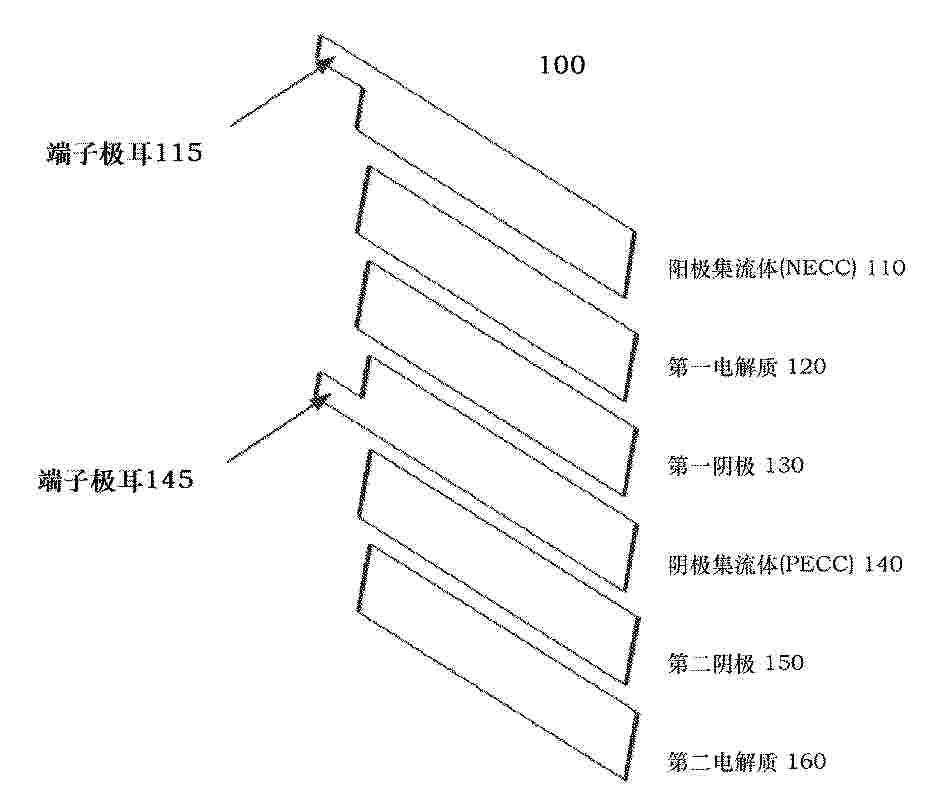
Embodiments provided herein relate to a double-layer stack comprising: a positive current collector; a first negative electrode current collector and a second negative electrode current collector; a first metal layer and a second metal layer; and the first cathode and the second cathode are positioned on two opposite sides of the positive current collector and are in contact with the positive current collector. The present application also provides a battery comprising two or more double layer stacks. The double-layer stack further comprises a first solid electrolyte located between the first metal layer and the first cathode; and a second solid electrolyte adjacent the second cathode.
Resumen de: EP4822780A1
0001 A secondary battery in which a positive electrode 11 including a positive electrode active material and a negative electrode 12 including a negative electrode active material are stacked with a separator 13 interposed therebetween, in which the positive electrode active material includes a mixture of a first active material having an average particle diameter (D50, a median diameter) of 10 to 20 µm, a second active material having the average particle diameter (D50, the median diameter) of 3 to 5 µm, and a third active material having the average particle diameter (D50, the median diameter) larger than that of the second active material and having a tap density lower than that of the second active material. As a result, it is possible to provide a secondary battery that is excellent in output characteristics as well as a high energy density of the battery due to a high density of the positive electrode.
Resumen de: WO2025122995A2
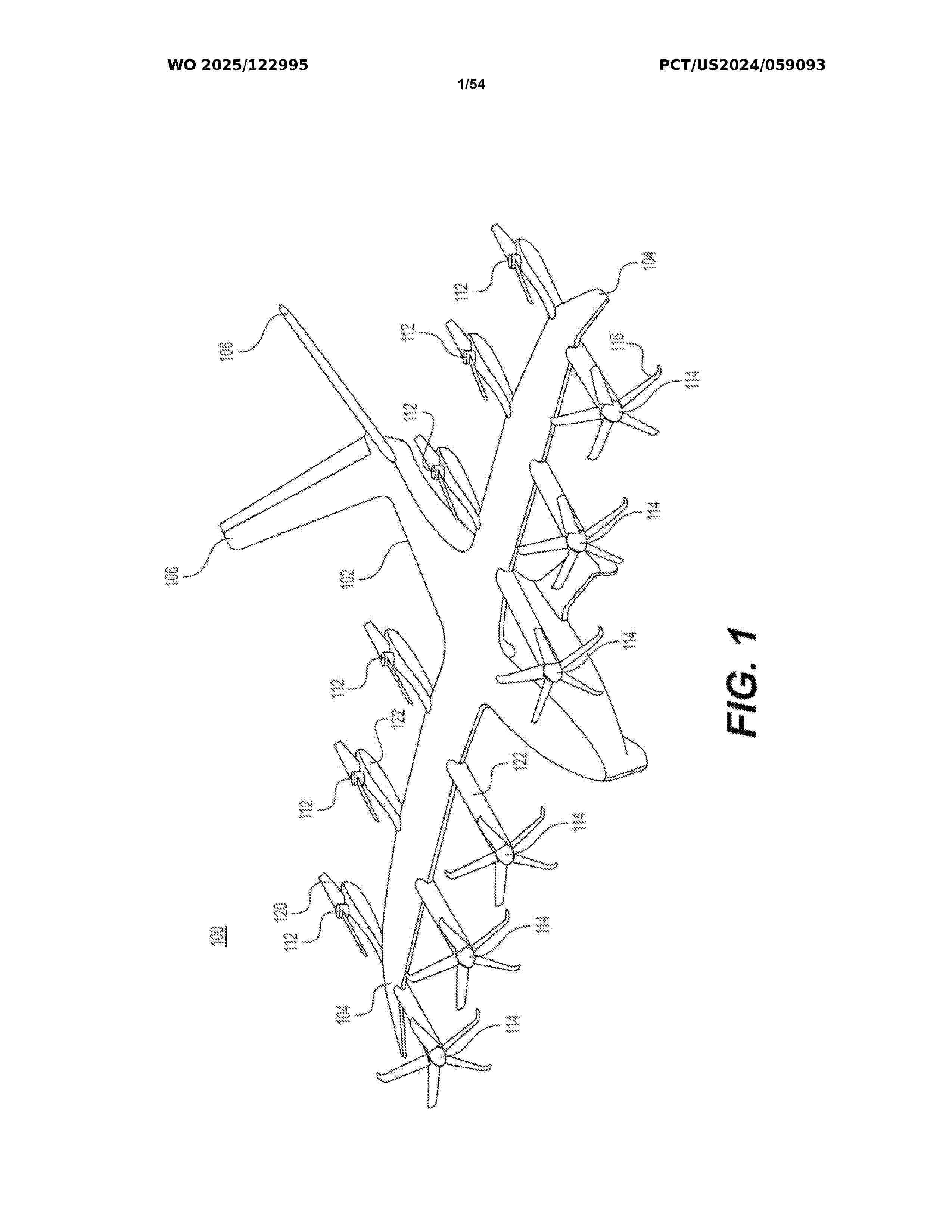
This disclosure relates to flight control of electric aircraft and other vehicles. A computer-implemented method for estimating available range of an aircraft in flight is disclosed, comprising: receiving electrical information of one or more batteries measured using a first sensor; estimating aircraft-level energy based on electrical information of the one or more batteries; receiving one or more of an altitude of the aircraft or a current airspeed of the aircraft measured using a second sensor; estimating a steady-state force based on the one or more of the altitude of the aircraft or the current airspeed of the aircraft; estimating one or more of a vertical landing range or a horizontal landing range based on the one or more of the estimated aircraft-level energy or the estimated steady-state force; and displaying the one or more of the estimated vertical landing range or the estimated horizontal landing range on a display.
Resumen de: WO2025122489A1
The present disclosure describes a battery which may include an anode including an alkali metal, an alkaline earth metal, or a combination thereof; a cathode including a carbon allotrope; a porous separator including xylem coated with a coating material, and an electrolyte. Coated xylem compositions and methods for preparing the same are also disclosed.
Resumen de: EP4822846A1
0001 A battery module of the present disclosure may include a cell stack in which a plurality of cell modules including at least one battery cell are stacked along a first direction; a module case configured to accommodate the cell stack; and a plurality of cell covers individually covering the plurality of cell modules, wherein the cell cover may be configured to cover at least three surfaces of the cell module.
Resumen de: EP4822804A1
0001 An electrolyte for lithium metal battery, a lithium metal battery, a battery, and an electric apparatus are provided. The electrolyte for lithium metal battery includes a main solvent, a diluent, and a lithium salt, where a molar concentration of the lithium salt is 1 mol/L to 4 mol/L, and a viscosity of the electrolyte is less than or equal to 5.5 mPa·s. This can improve cycling performance of a lithium metal battery.
Resumen de: WO2025120527A1
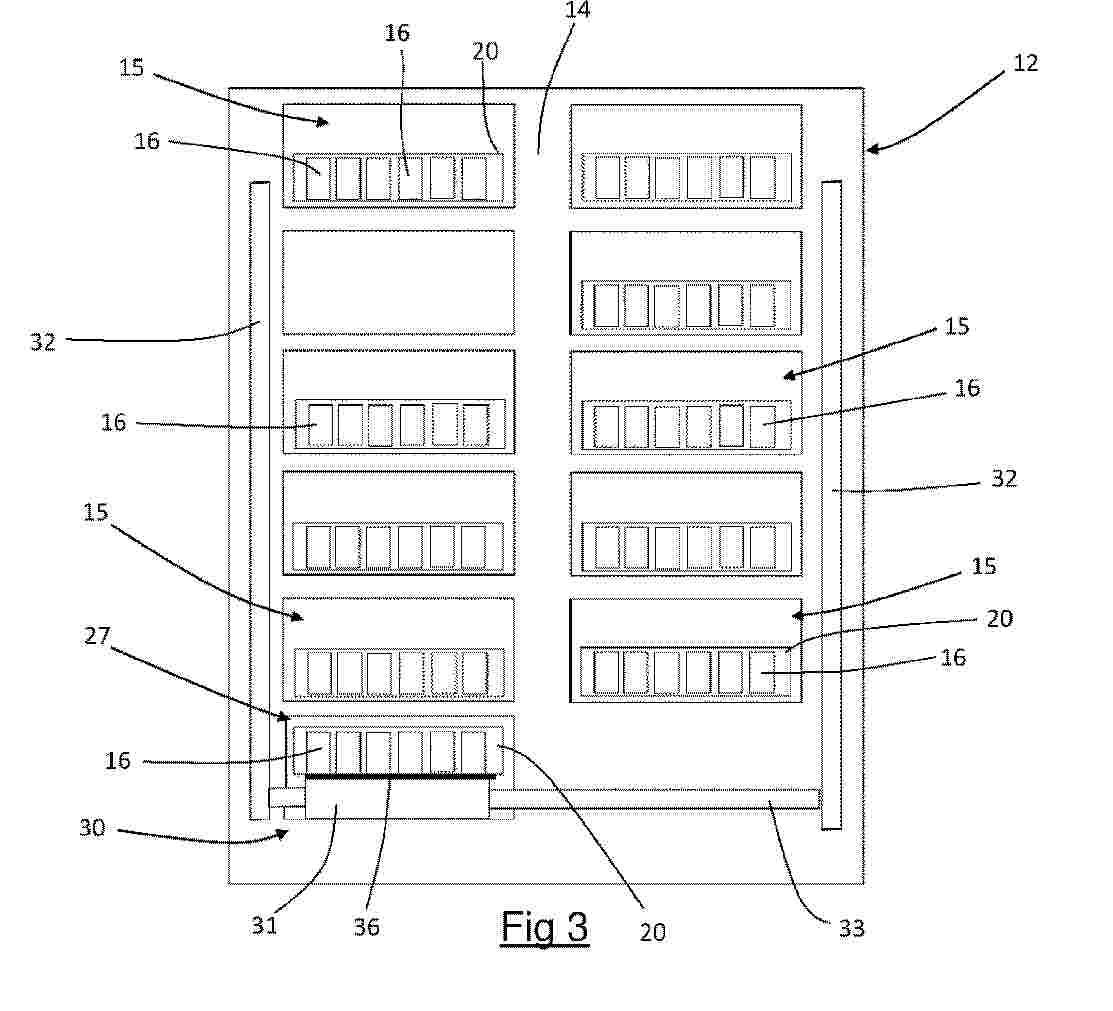
A warehouse (10) for the formation of electrochemical cells (100), comprising a containment structure (12) within which are housed: a plurality of formation modules (16), a plurality of drawers (20), a plurality of formation stations (15) and at least one service station (27); wherein each formation module (16) is configured to be coupled to a cell tray (11) to implement an at least partial formation cycle of electrochemical cells (100) contained in the cell tray (11); wherein at least part of at least one formation module (16) of the plurality of formation modules (16) is placed in each drawer (20) of at least one group of drawers of the plurality of drawers (20); wherein each drawer (20) of the at least one group of drawers (20) is movable within the containment structure (12) between at least one formation station (15) and the service station (27).
Resumen de: EP4822716A1
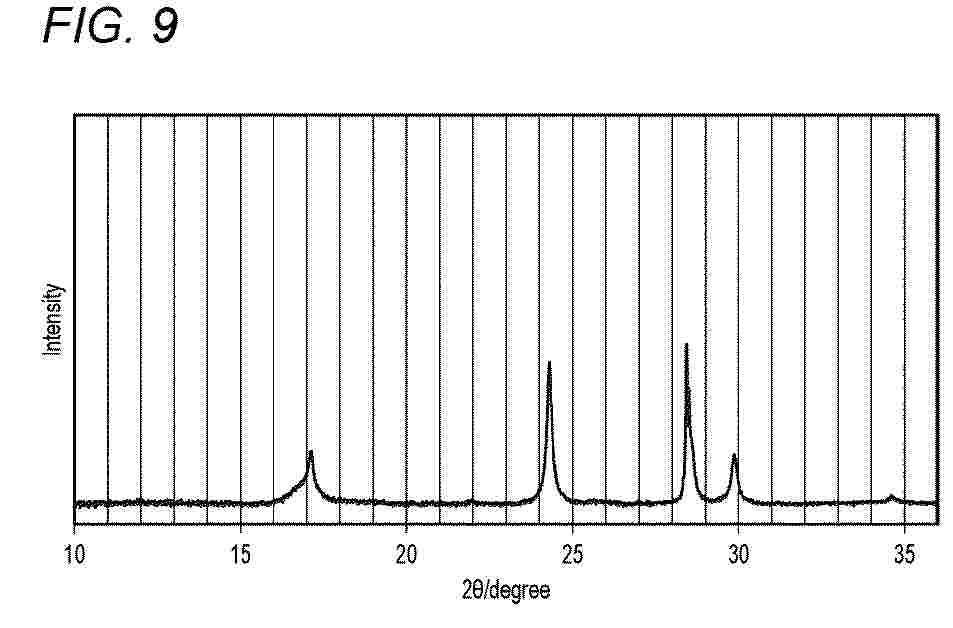
0001 The present invention relates to a sulfide solid electrolyte which has a crystal phase containing a crystal that is represented by composition formula RMS
Resumen de: WO2025122413A1
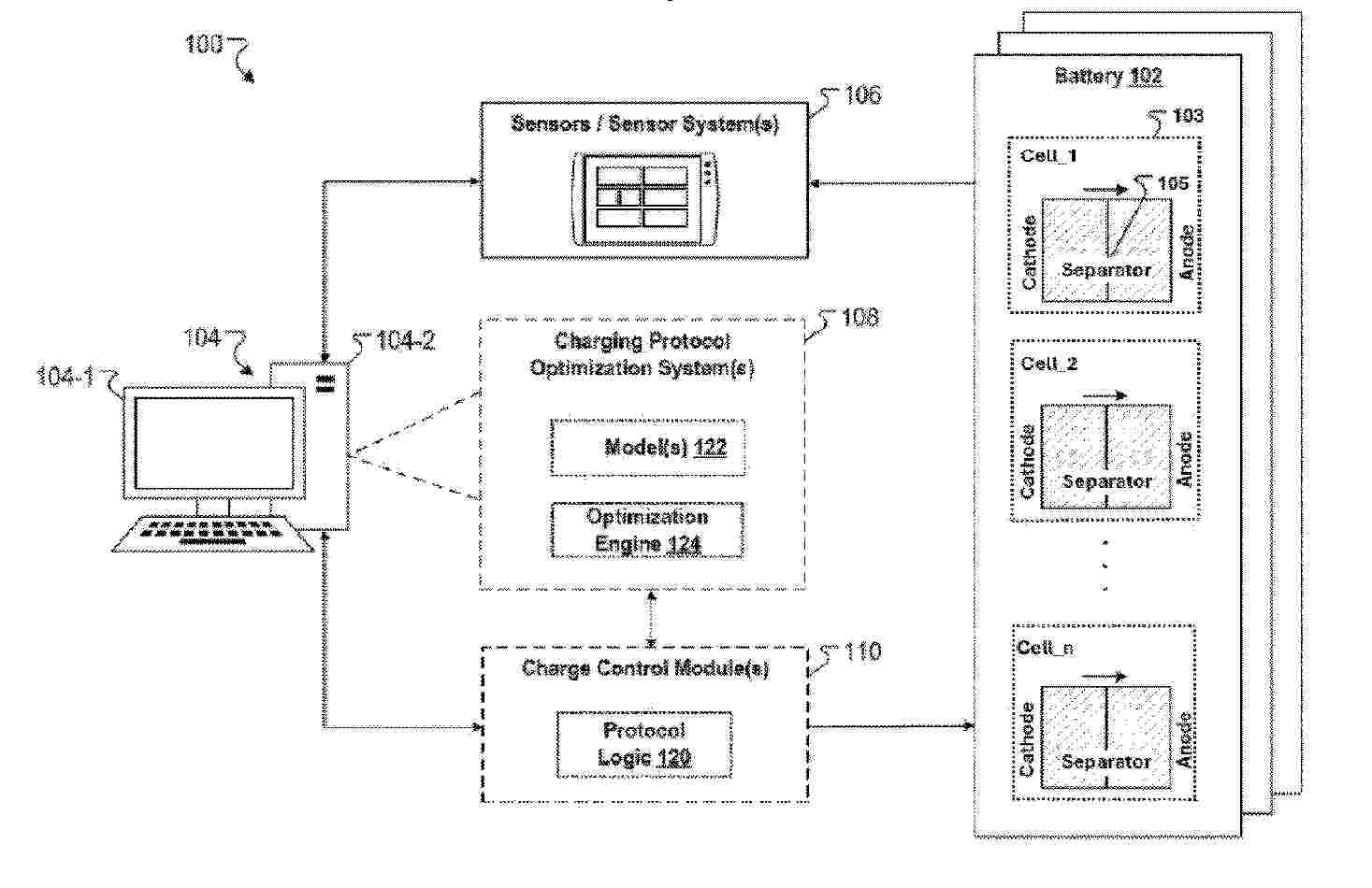
Disclosed are methods and systems for implementing optimization techniques for accelerated battery charging protocols. A state estimator model configured as a synthetic data generator generates a synthetic dataset from an input data. The synthetic dataset comprises one or more states of a battery. A surrogate model generates a set of features comprising exotic parameters representing internal attributes of the battery by applying time-series analysis to the synthetic dataset. A reduced order ML model determines a minimum charging time based on an optimization control parameter and a subset of features derived from the set of features while maintaining the optimization control parameter in an acceptable range. One or more charging protocols are generated based on the minimum charging time and the optimization control parameter. In some embodiments, an optimal charging protocol is further selected from the one or more charging protocols.
Nº publicación: EP4821088A1 14/10/2026
Solicitante:
VOLKSWAGEN AG [DE]
POWERCO SE [DE]
VOLKSWAGEN AG
PowerCo SE
Resumen de: WO2025120162A1
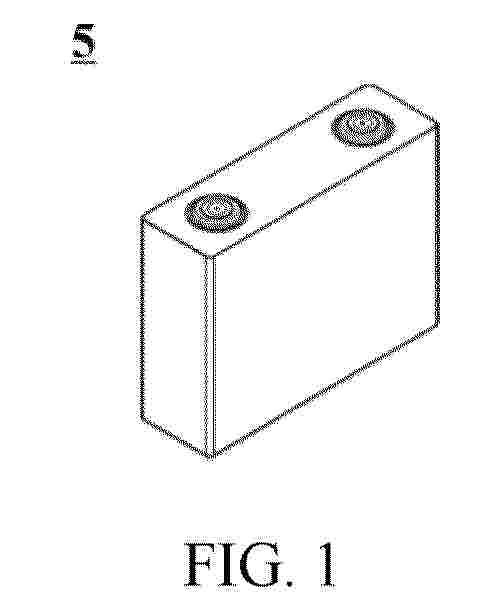
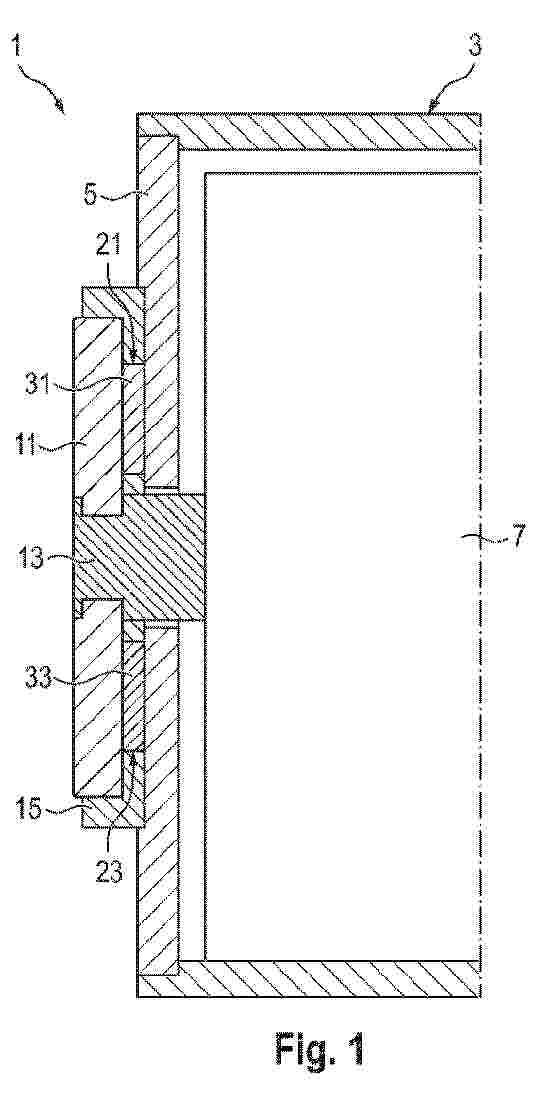
The invention relates to a battery cell having a cell housing (3) and a cell terminal, preferably an external contact element (11). According to the invention, at least one heat transfer means is disposed between the cell terminal, preferably the external contact element (11), and the cell housing (3), the external contact element (11) being connected to the cell housing (3) preferably thermally conductively via the heat transfer means and preferably electrically insulatingly.
 BOPI
BOPI
 Sede Electrónica