Si deseas distinguir tus productos, servicios o ambos de los de otra empresa, es posible que necesites una marca o nombre comercial. Descubre qué son, en qué consiste su procedimiento de registro y qué implica.

Información sobre los plazos de presentación de solicitudes de transformación de marcas de la Unión Europea en marca nacional española. Más información


Si tienes un nuevo dispositivo, producto o procedimiento que resuelva un problema técnico o tenga una ventaja práctica, existen distintas formas de protegerlo en España y en otros países. Descubre cómo hacerlo.

¿Tu innovación reside en la estética, la ornamentación o la apariencia de tu producto? Protégela mediante un diseño industrial. Descubre qué derechos confiere el registro y cómo realizar la tramitación.

Las indicaciones geográficas protegen el nombre de un producto originario de una zona geográfica, a la cual le debe una determinada calidad, reputación u otra característica. Descubre qué son, en qué consiste su procedimiento de registro y qué beneficios conceden.

Las patentes publicadas en todo el mundo son una valiosa fuente de información científica, técnica y comercial.

Si eres emprendedor/a o una empresa y quieres potenciar y mejorar la rentabilidad de tu negocio protegiendo de forma adecuada los activos intangibles de tu organización, en este espacio encontrarás lo necesario.


 116
resultados
116
resultados
 Última actualización
16/10/2026 [07:20:00]
Última actualización
16/10/2026 [07:20:00]


 Resultados 50 a 75 de 116

Resumen de: AU2026208127A1
Compositions, methods, kits, and uses are provided for detecting the presence of Salmonella, Shigella, Campylobacter, and Shigatoxigenic Escherichia coli (STEC) in samples. In some embodiments, the compositions, methods, kits, and uses comprise one or more oligonucleotides or the use of one or more oligonucleotides. ul u l

Resumen de: WO2022032100A2
The presently disclosed subject matter provides compositions, kits, and methods comprising imaging agents that can detect Programmed Cell Death Ligand 1 (PD-L1). The presently disclosed imaging agents can be used to detect diseases and disorders, such as cancer, infection, and inflammation, in a subject.
Resumen de: WO2025080776A2
Aspects of the invention described herein relate to a vaccine composition comprising at an antigenic polysaccharide and an immunomodulatory amount of a sialic acid binding moiety, wherein the sialic acid binding moiety comprises sialic acid binding domain (SBD) which is not fused to an antigenic polypeptide.
Resumen de: CN122582271A
本发明公开一种基于细菌的肿瘤原位疫苗,包括灭活细菌和腺苷脱氨酶,所述灭活细菌为大肠杆菌(Escherichia coli) Nissle 1917或减毒鼠伤寒沙门氏菌(VNP 20009)中的任意一种或两种。本发明的肿瘤原位疫苗对宿主脏器无明显毒副作用,具有良好的安全性,生产制备工艺简单、成本低;可通过瘤内注射方式刺激机体先天性和适应性免疫系统,增强抗肿瘤免疫,抑制肿瘤细胞生长,有效预防肿瘤的发生发展和复发转移。
Resumen de: CN122591946A
0001 本发明公开了一种兼具光热灭菌功能的适配体介导比率型光电化学传感器的构建方法和应用,涉及光电化学检测技术领域。本发明融合原位光热灭菌与信号放大技术,利用光热作用使捕获菌体裂解释放脂多糖,通过脂多糖与传感界面的特异性相互作用增强光电流响应,实现高效信号放大,完成目标菌精准定量检测。本发明实现灭菌与检测一体化,构建安全传感检测体系,从源头杜绝活菌外泄引发的感染隐患,保障操作生物安全,方法实用性强、抗干扰能力优,可高效完成样本中待测菌快速精准检测,适用范围广。
Resumen de: KR20260124251A
본 발명은 TolC 유전자가 결손된 신규 살모넬라 엔테리카 타이피뮤리움(Salmonella enterica Typhimurium) CK139 균주 및 상기 균주가 분비하는 단백질에 관한 것으로, 살모넬라 엔테리카 타이피뮤리움(Salmonella enterica Typhimurium) 균주에서 외막 단백질인 TolC에 대한 유전자가 결손된 돌연변이 균주인 살모넬라 엔테리카 타이피뮤리움(Salmonella enterica Typhimurium) CK139 균주가 철 이온의 농도에 따라 분비 단백질의 패턴이 유의적으로 변화되는 것을 확인하고, 낮은 철 이온 농도에서 에코틴(ecotin) 단백질의 분비가 유의적으로 증가되는 것을 확인하였으며, 상기 CK139 균주 또는 에코틴(ecotin) 단백질을 마우스에 주사한 결과 염증성 장질환이 악화됨을 확인함에 따라 상기 CK139 균주 또는 에코틴(ecotin) 단백질을 염증성 장질환의 악화 인자를 확인하고, 이를 이용하여 염증성 장질환 동물 모델의 제조 방법을 제공한다.
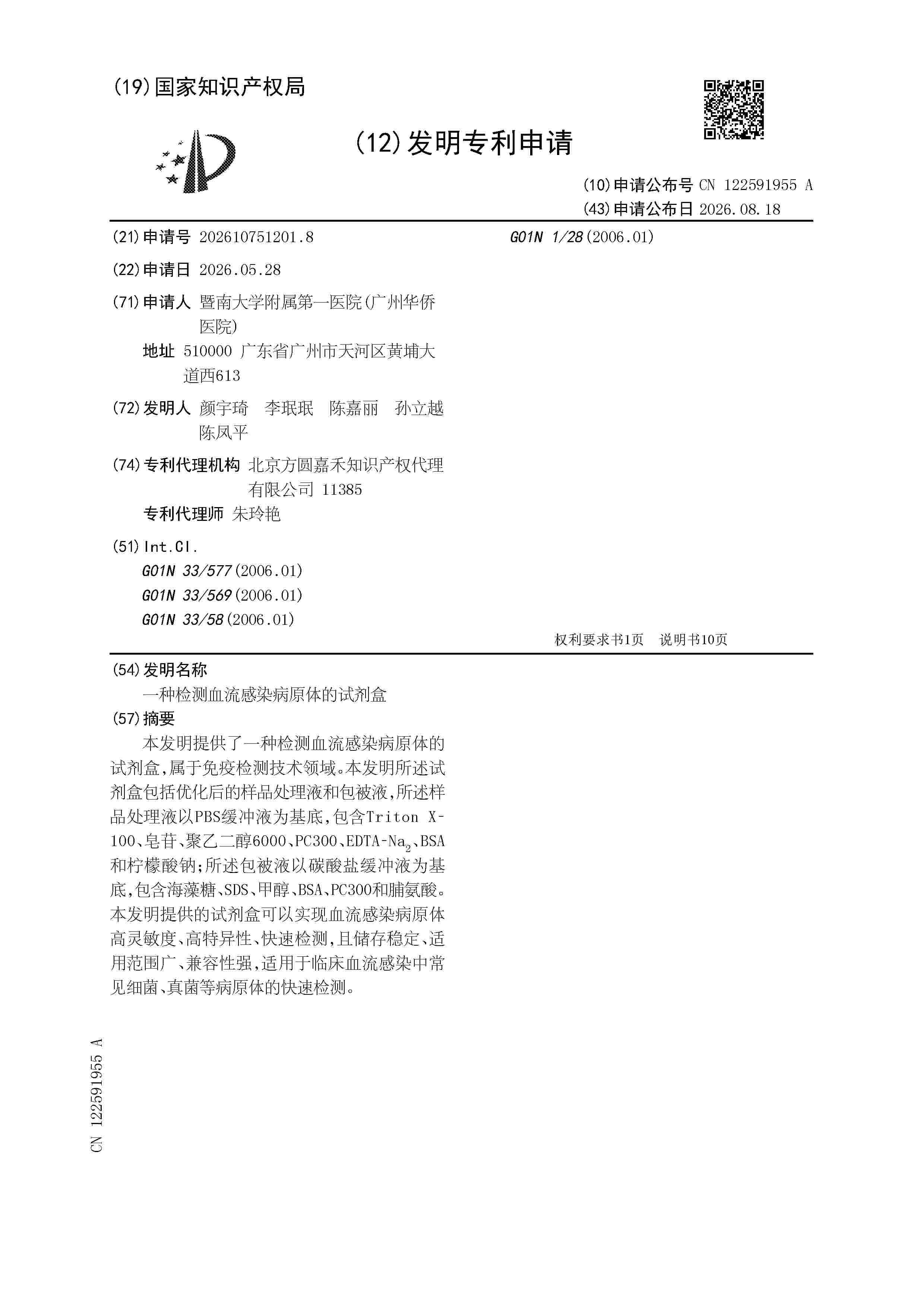
Resumen de: CN122591955A
0001 本发明提供了一种检测血流感染病原体的试剂盒,属于免疫检测技术领域。本发明所述试剂盒包括优化后的样品处理液和包被液,所述样品处理液以PBS缓冲液为基底,包含Triton X‑100、皂苷、聚乙二醇6000、PC300、EDTA‑Na<2>、BSA和柠檬酸钠;所述包被液以碳酸盐缓冲液为基底,包含海藻糖、SDS、甲醇、BSA、PC300和脯氨酸。本发明提供的试剂盒可以实现血流感染病原体高灵敏度、高特异性、快速检测,且储存稳定、适用范围广、兼容性强,适用于临床血流感染中常见细菌、真菌等病原体的快速检测。
Resumen de: CN115715198A
The present invention relates to a DNA vaccine comprising a Salmonella typhi Ty21a strain, the Salmonella typhi Ty21a strain comprising a DNA molecule, the DNA molecule comprising an eukaryotic expression cassette encoding at least a COVID-19 coronavirus (SARS-CoV-2) spike (S) protein or a portion thereof. In particular, the invention relates to the application of the DNA vaccine to prevention and/or treatment of the coronavirus disease COVID-19 or SARS-CoV-2 infection.
Resumen de: CN122562945A
本发明提供了一种抗大肠埃希氏菌的纳米抗体及其制备方法和应用,属于分子生物学、噬菌体展示技术以及蛋白质组学技术领域。所述抗大肠埃希氏菌的纳米抗体具有与大肠埃希氏菌特异性结合的功能,本发明公布了该纳米抗体及编码该纳米抗体的基因序列,该纳米抗体的表达载体和宿主细胞以及生产该纳米抗体的方法。本发明提供的抗大肠埃希氏菌的纳米抗体具有体积小、表达效率高、溶解性好、稳定性强等优点,在食品中大肠埃希氏菌检测方面具有良好的应用前景。
Resumen de: CN122563840A
本发明公开了一种肿瘤靶向定植且肠道可条件性清除的工程菌及其应用。该工程菌首次整合了“肿瘤专性定植回路”与“大肠杆菌素条件性敏感回路”:通过营养缺陷型突变(ΔaroA)与缺氧依赖性增殖回路(P hypox ‑ftsZ)的双重锁定,实现严格的肿瘤微环境专性定植;通过外源大肠杆菌素受体基因与时间延迟免疫蛋白回路的协同,实现在肠道穿越窗口期(约0‑4小时)内对大肠杆菌素耐受、穿越完成后恢复敏感的条件性清除能力。本发明工程菌解决了口服活菌制剂“既要高效穿越肠屏障、又要彻底清除肠道残留”的核心矛盾,为肿瘤细菌疗法提供了安全、可控的活体底盘,可广泛用作定植菌或效应菌应用于各类级联放大肿瘤免疫治疗系统。
Resumen de: US20260232581A1
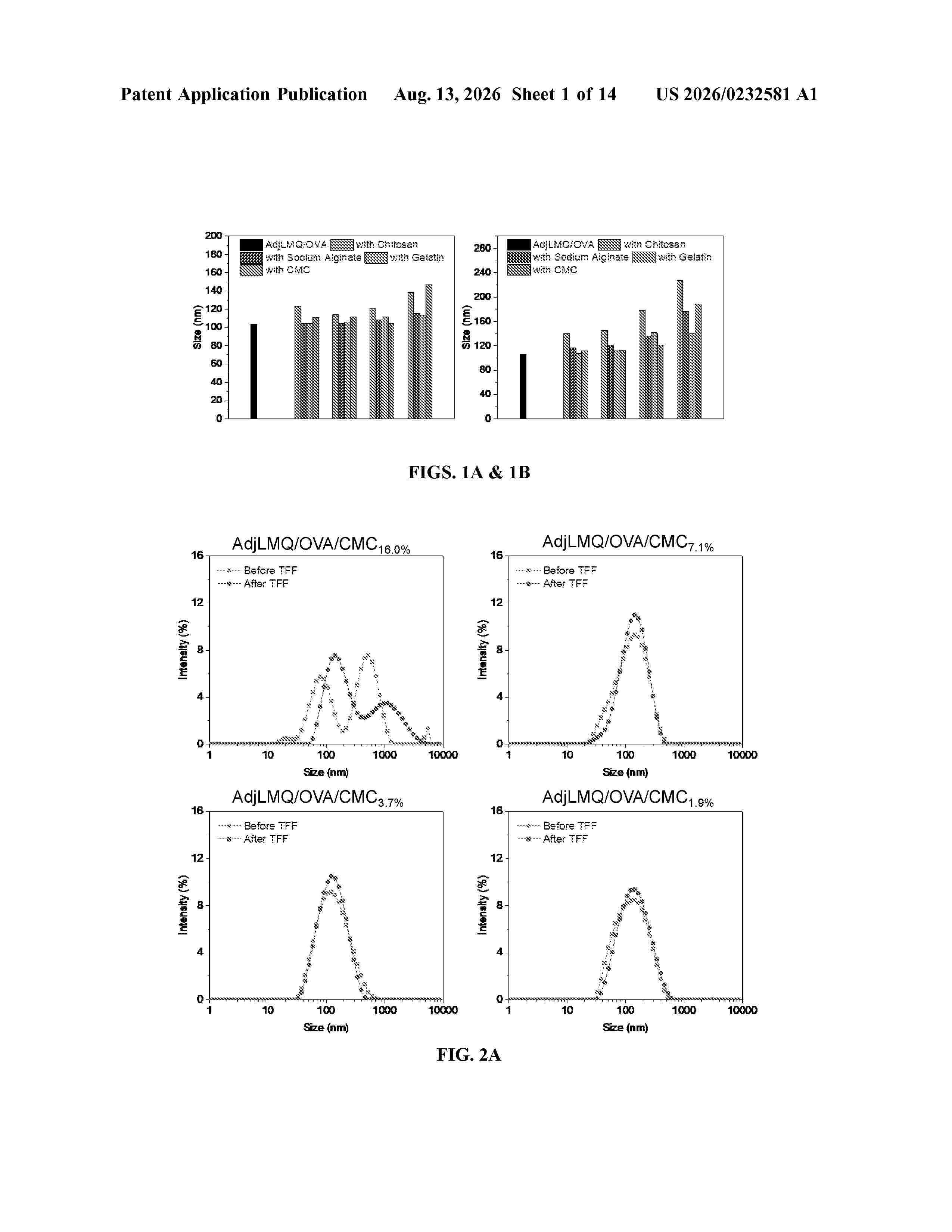
0000 The present disclosure provides pharmaceutical compositions for use in delivering therapeutics, such as vaccines or biologic material, to the nasal cavity or the deep lungs. In particular, the pharmaceutical compositions may preferentially deposit on the lower or middle turbinate region and the nasopharynx region of the nasal cavity. In other aspects the pharmaceutical compositions may be used to generate powders that penetrate the deep lungs. Also, provided herein are methods of preferential delivery to these regions.
Resumen de: WO2026170052A1
The present invention provides for enrichment of animal foodstuffs using endolysin polypeptides or fragments thereof, which possess antimicrobial activity (e.g., against gram-negative bacteria, such as Salmonella enterica). The invention also provides for nucleic acid molecules encoding the endolysin, and methods of their production. Also provided are compositions comprising the endolysins, or comprising any of the means for producing the endolysin (e.g., a host cell, lysate, or dried product, etc.) that has antimicrobial activity, for the use of said compositions in a method of reducing the population of gram-negative bacteria in a foodstuff, or preventing or treating a disease or disorder in an animal.
Resumen de: EP4790026A1
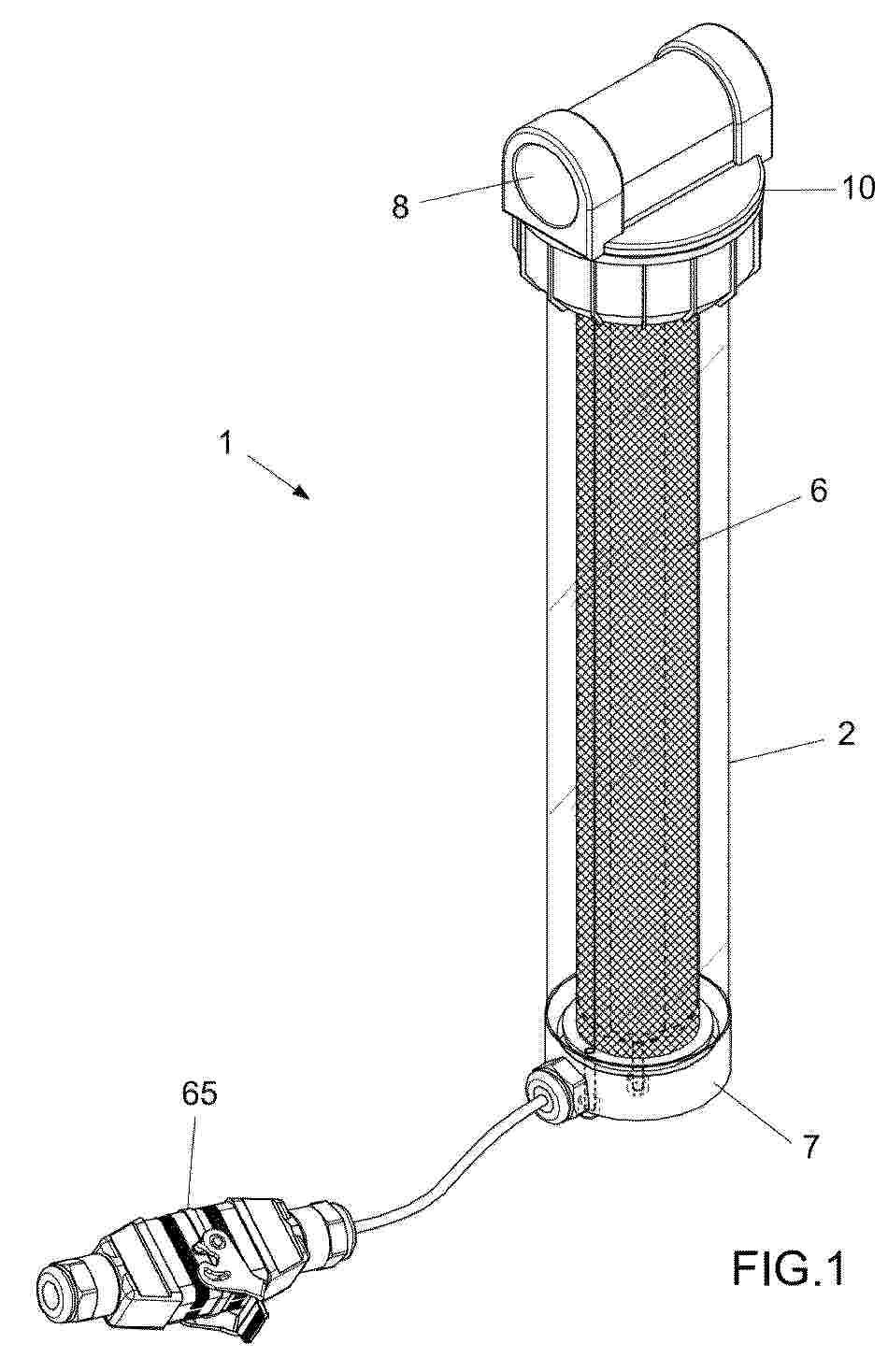
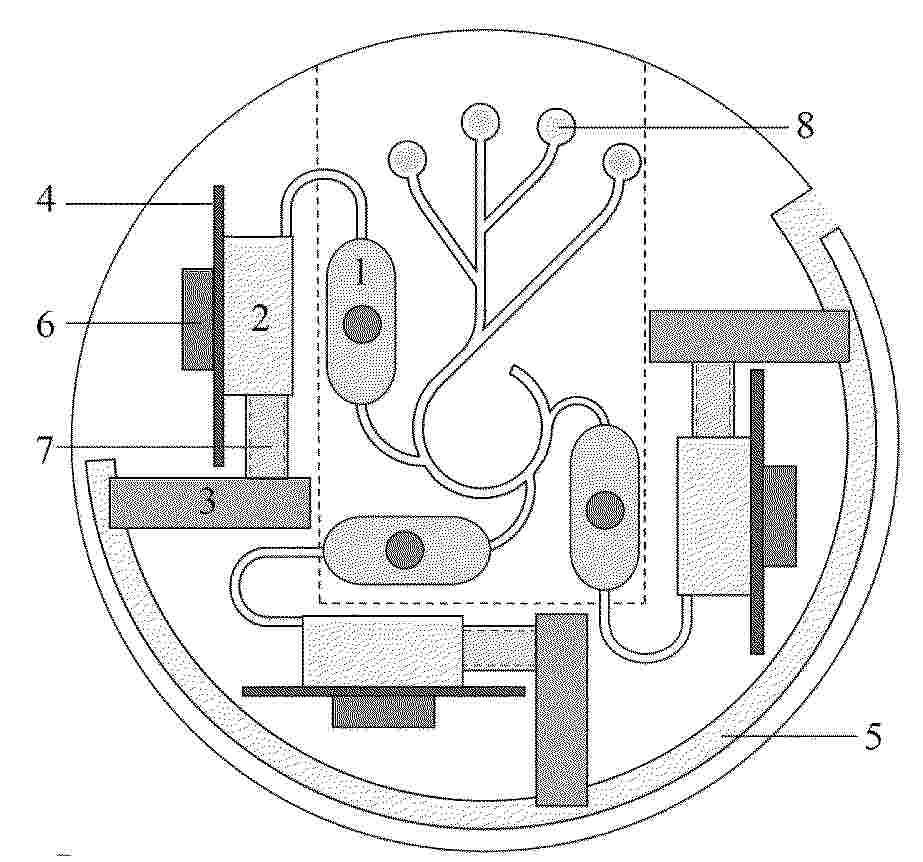
0001 Apparatus for treating various fluids, such as wine, must, water, oil, sauce, fruit juice, and others, to prevent contamination or the development and spread of diseases such as salmonella and legionella. The apparatus allows to avoid excessive proliferation of colonies of bacteria and yeasts which, if present in excessive quantities, can cause mould and pathogens in general. The apparatus comprises a container body containing a reticular cathode and anode that allow the liquid to pass through and are powered by an electrical connector that receives electrical current from a power supply controlled by an electronic control unit. The container body is configured to be immersed in the liquid to be treated, allowing the liquid to flow through the cathode and anode, which generate a pulsed electric field. The electrical signal has a frequency of about 300 Hz, an amplitude of 100V and pulses of few milliseconds. To increase the efficiency of the treatment, the signal changes polarity every 90 seconds.
Resumen de: WO2022036159A2
Provided are attenuated immunostimulatory bacteria with genomes that are modified to, for example, reduce toxicity and improve the anti-tumor activity, such as by increasing accumulation in the tumor microenvironment, particularly in tumor- resident myeloid cells, improving resistance to complement inactivation, reducing immune cell death, promoting adaptive immunity, and enhancing T-cell function. Also provided are immunostimulatory bacteria for use as vaccines, and for delivery of mRNA. The increase in colonization of phagocytic cells improves the delivery of encoded therapeutic products to the tumor microenvironment and to tumors and permits, among other routes, systemic administration of the immunostimulatory bacteria. The increase in colonization of phagocytic cells also provides for use of immunostimulatory bacteria for direct tissue administration for use as vaccines.
Resumen de: CN122545614A
本发明公开了一种基于微流控和银沉积的食源性致病菌的检测方法,利用噬菌体功能化磁珠特异性捕获目标致病菌,通过高碘酸钠氧化细菌表面多糖生成醛基,诱导银氨溶液中Ag+原位还原为银单质并负载于细菌表面,再利用微流控芯片,结合Ag/AgCl阳极溶出伏安法检测氧化峰电流,实现致病菌的定量检测。本发明利用细菌表面多糖诱导原位银沉积实现信号放大,单个细菌表面可沉积大量银单质结合固态Ag/AgCl阳极溶出伏安法的高信噪比,检测灵敏度高,且在宽浓度范围内电流信号与致病菌对数浓度呈良好线性关系,且检测时间≤1小时,试剂消耗少,且试剂盒便携,适用于食品生产、流通、检测等场景的现场快速检测。
Resumen de: CN122545801A
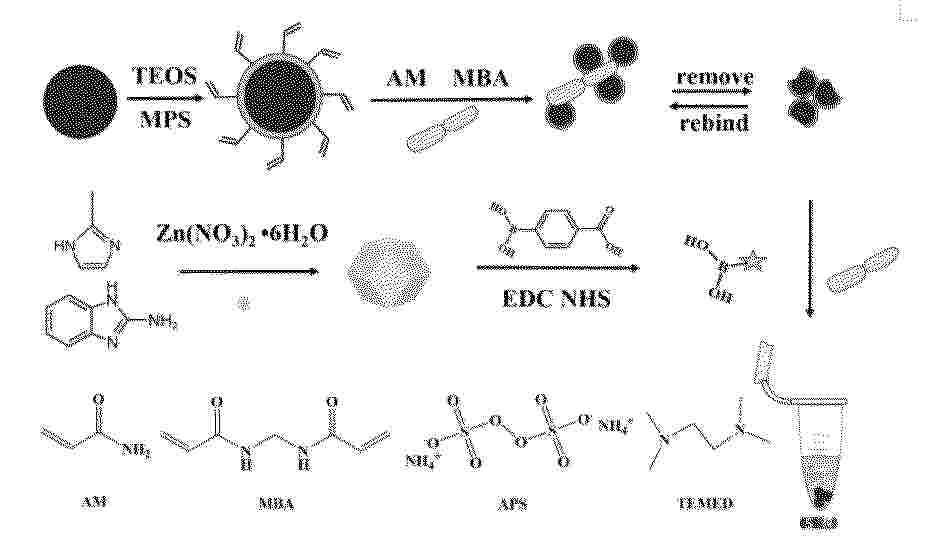
0001 本发明构建了一种基于磁性分子印迹与硼酸亲和协同作用的三明治结构传感器,用于肺炎克雷伯菌的快速可视化检测。该传感器以表面接枝双键的Fe3O4@SiO2为载体,以肺炎克雷伯菌为模板,通过自由基聚合制备了具有特异性识别空腔的磁性分子印迹聚合物(MIPs)。同时,合成了负载姜黄素的ZIF‑8材料,并修饰对羧基苯硼酸构建ZIF‑8@Cur@PBA信号探针,利用硼酸基团与细菌表面糖蛋白的顺式二醇基发生特异性结合。当目标菌存在时,MIPs与探针通过细菌介导形成三明治夹心结构,经磁分离后加入盐酸裂解ZIF‑8释放姜黄素,实现信号放大,再用氢氧化钠中和恢复颜色,通过肉眼观察实现可视化半定量检测,同时测定紫外吸光度进行定量分析。该传感器表现出优异的选择性、抗干扰能力和稳定性,为肺炎克雷伯菌的快速、灵敏检测提供了新方法,具有重要的实际应用价值。
Resumen de: WO2025021695A1
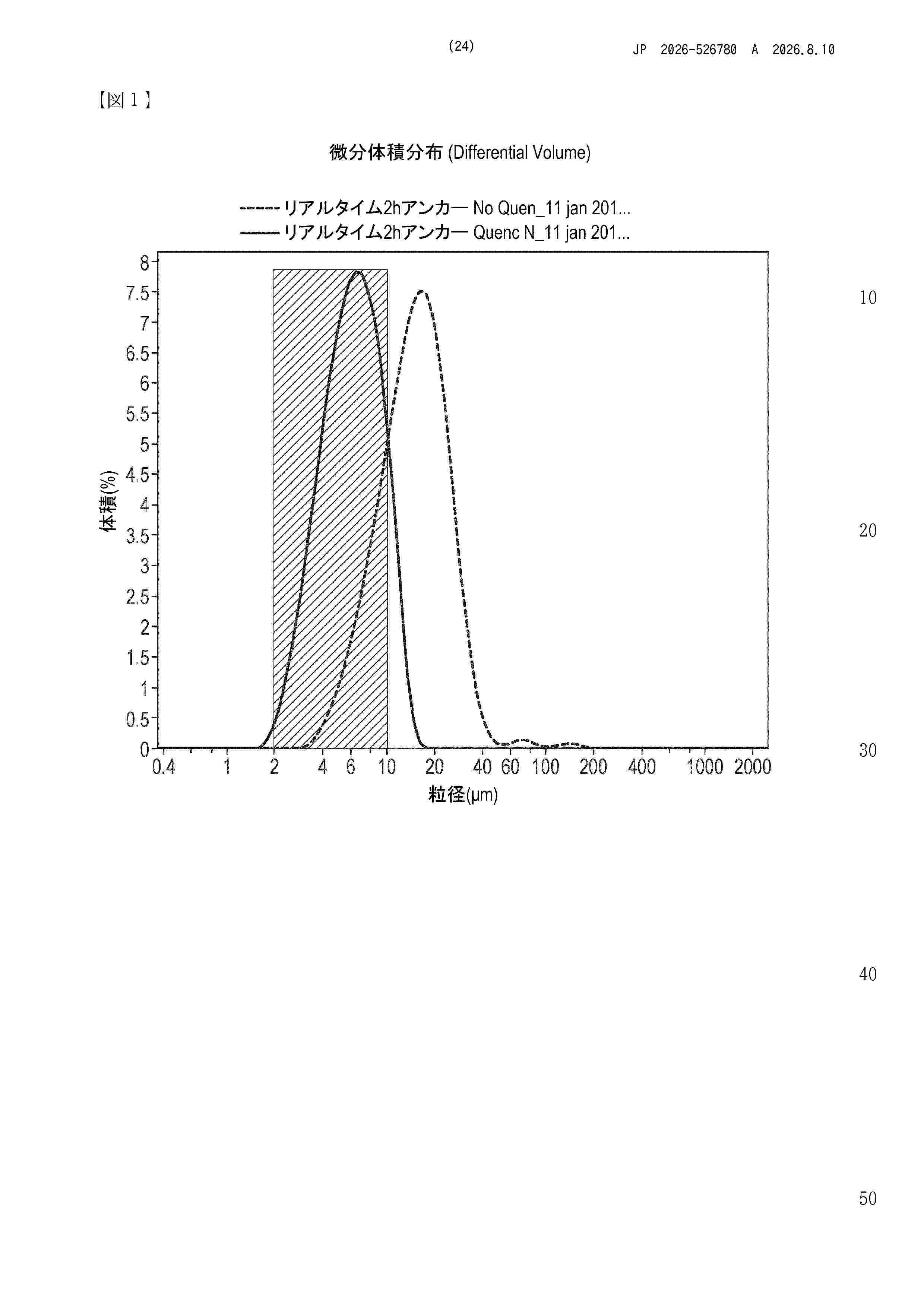
The present invention relates to immunogenic compositions comprising outer membrane vesicles (OMVs) adsorbed to an aluminium hydroxide adjuvant, whereby the aluminium hydroxide adjuvant is quenched. The present invention also relates to the use of the immunogenic compositions for providing protection against diseases caused by Gram-negative bacteria. The present invention also relates to a method for reducing particle aggregation and/or average particle diameter in compositions comprising OMVs and an aluminium hydroxide adjuvant.
Resumen de: CN122521878A
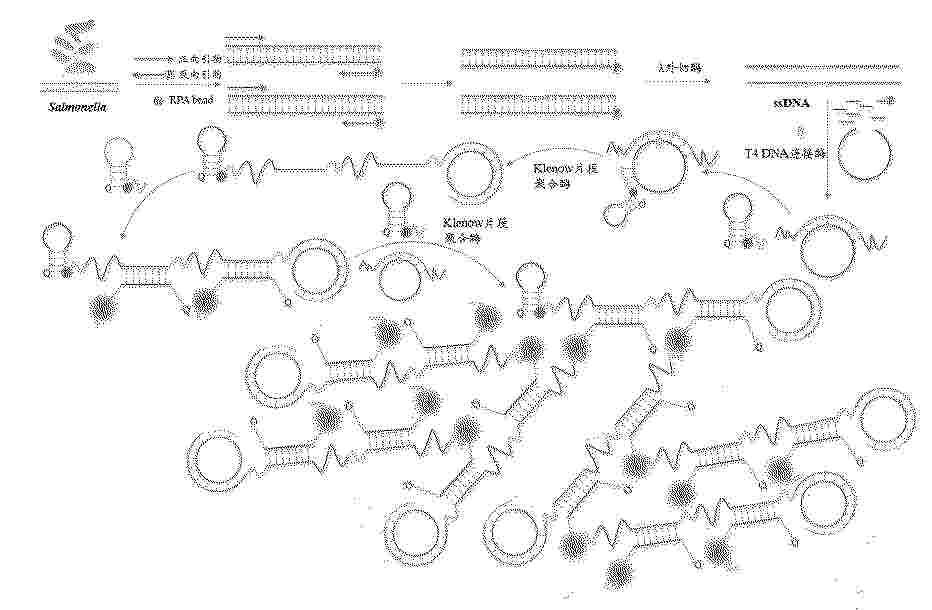
The invention discloses a salmonella detection method based on an RPA-HRCA cascade amplification platform and application of the salmonella detection method. The method comprises the following steps: performing recombinase polymerase amplification (RPA) on target DNA (Deoxyribonucleic Acid) from salmonella, wherein the 5'end of one primer is modified with a phosphate group, then lambda excision enzyme is used for selectively degrading ssDNA with the 5 'end modified with the phosphate group in an amplification product, complementary ssDNA which is not phosphorylated is reserved, then the reserved ssDNA is hybridized with a padlock probe, the padlock probe is cyclized, then the cyclized padlock probe is used as a template, and the fluorescence intensity of the padlock probe is enhanced. A molecular beacon with a polythymine tail is used for starting hyperbranched rolling circle amplification HRCA, and then a fluorescence signal of an amplification product is detected. According to the invention, RPA and HRCA are combined for cascade amplification of detection signals, and high-sensitivity detection of sensitive and specific pathogens can be realized under mild conditions.
Resumen de: CN122516344A
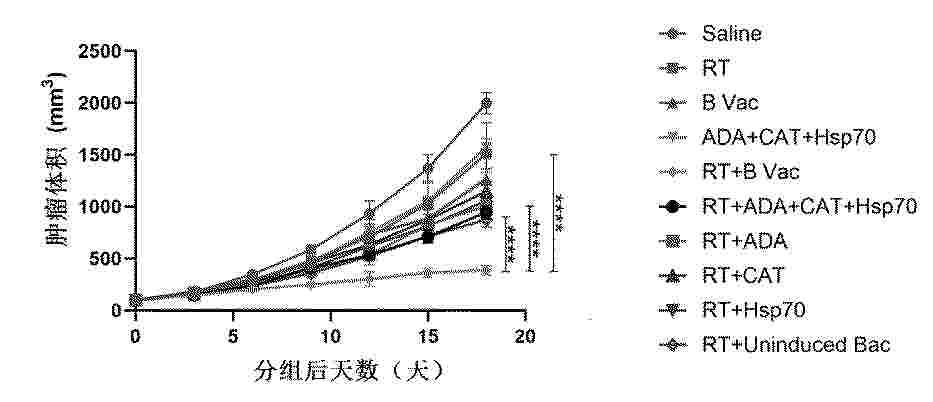
The invention discloses a tumor in-situ vaccine for relieving tumor immunosuppression as well as a preparation method and application of the tumor in-situ vaccine. The tumor in-situ vaccine comprises inactivated bacteria, heat shock protein and adenosine deaminase, wherein the heat shock protein and the adenosine deaminase are arranged in cell membranes of the inactivated bacteria; the inactivated bacteria are any one or two of inactivated escherichia coli (Escherichia coli) Nissle 1917 and inactivated attenuated salmonella typhimurium VNP 20009, and the inactivated bacteria are any one or two of inactivated escherichia coli (Escherichia coli) Nissle 1917 and inactivated attenuated salmonella typhimurium VNP 20009. The tumor in-situ vaccine provided by the invention can synergistically exert a natural immunologic adjuvant and metabolism regulation effect, effectively degrade adenosine and ROS in a tumor microenvironment, activate an immune system through Hsp, and inhibit tumor growth and metastasis.
Resumen de: CN122516140A
The invention discloses a mucoprotein-tannic acid packaged atractylodes macrocephala polysaccharide and lactobacillus casei compound as well as a preparation method and application thereof, and relates to the technical field of biology. The mucoprotein-tannic acid packaged atractylodes macrocephala polysaccharide and lactobacillus casei compound is of a core-shell structure and sequentially comprises a probiotic core, an inner coating layer and an outer coating layer from inside to outside, the probiotics are lactobacillus casei; the inner coating layer is formed by cross-linking tannic acid and mucoprotein; the outer coating layer is rhizoma atractylodis macrocephalae polysaccharide. The mucoprotein-tannic acid packaged atractylodes macrocephala polysaccharide and lactobacillus casei compound provided by the invention can resist the severe environment of the digestive tract, improve the survival rate of probiotics, and perform targeted colonization on the intestinal tract to inhibit the invasion of salmonella. The feed additive can repair double barriers of intestinal tracts, regulate and control immune inflammation of organisms and recover growth performance of piglets, is free of drug resistance and drug residues, can safely prevent and control salmonella infection of the piglets, and is wide in breeding application prospect.
Resumen de: CN122521544A
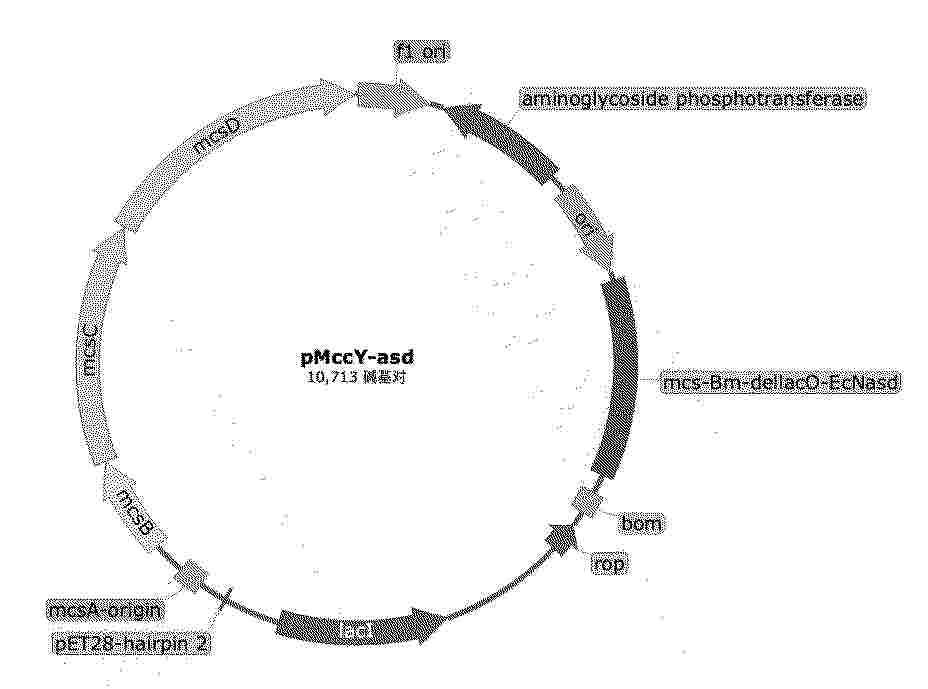
本发明公开了一种可分泌微菌素MccY的减毒鸡白痢沙门菌(pMccY‑asd),其制备方法及应用,归属于禽沙门菌病的防治领域。本发明提供的鸡白痢减毒沙门菌毒力显著降低,能有效清除强力菌株感染,并可应用平板凝集试验对免疫接种鸡和自然感染鸡予以区分。通过宿主载体平衡致死系统构建pMccY‑asd质粒,可以使菌株在不依赖抗生素筛选的情况下锁定质粒,并且持续高效地分泌表达MccY,对野生型鸡白痢沙门菌及不同血清型沙门菌有较好的抑菌作用。
Resumen de: CN122521592A
本发明公开了一株杂交瘤细胞株、其分泌的沙门菌SifA蛋白单克隆抗体及应用。本发明所提供的单克隆抗体具有效价高、特异性强的优势。本发明采用基于沙门菌SifA蛋白单抗建立的间接竞争ELISA检测试剂盒在用于检测时可快速准确地检测出感染沙门菌的血清样品,与现有技术相比,缩短了检测时间、简化了检测步骤、拥有高通量及广谱性的优势,为快速、高效检测多种不同血清型沙门菌感染提供了可靠的免疫学技术。
Resumen de: CN122520725A
本发明公开了一种沙门菌属特异性抗原片段、基因、试剂盒及其在检测鸡血清中沙门菌抗体中的应用。所述沙门菌属特异性抗原PagN片段的氨基酸序列如SEQ ID NO.1所示。本发明首次公开了沙门菌属特异性抗原PagN片段在沙门菌鸡群感染的血清学诊断价值,并将其作为间接ELISA的包被抗原,建立了沙门菌抗体间接ELISA检测方法。沙门菌外膜蛋白PagN片段能够特异性识别沙门菌属抗体,能绕过血清型差异造成的检测障碍,迅速锁定沙门菌属感染,适用于临床中需要快速初筛的场景。本发明能够用于鸡群中沙门菌属抗体的检测,为沙门菌的流行病学调查以及沙门菌感染的精准防控提供了有力的技术支持。
Resumen de: CN122520746A
The invention belongs to the field of pharmacy, and relates to an antibacterial peptide and application thereof. The invention specifically discloses an antibacterial peptide with an amino acid sequence as shown in SEQ ID NO. 2. The antibacterial peptide can be used for remarkably inhibiting staphylococcus aureus with the preservation number of ATCC 29213 or ATCC 33591, enterococcus faecium with the preservation number of ATCC 700221, streptococcus suis with the preservation number of ATCC 43765, acinetobacter baumannii with the preservation number of ATCC 19606, pseudomonas aeruginosa with the preservation number of ATCC 27853, salmonella with the preservation number of ATCC 51741 and escherichia coli with the preservation number of ATCC 25922. The antibacterial peptide is good in safety and high in antibacterial activity and has application and popularization prospects.
Nº publicación: CN122521594A 07/08/2026
Solicitante:
爱瑞泰制药公司
Resumen de: US2017000831A1
0001 The present invention relates to bacteriophage therapy. More particularly, the present invention relates to novel bacteriophages having a high specificity against Escherichia coli strains, their manufacture, components thereof, compositions comprising the same and the uses thereof in phage therapy.
 BOPI
BOPI
 Sede Electrónica