Si deseas distinguir tus productos, servicios o ambos de los de otra empresa, es posible que necesites una marca o nombre comercial. Descubre qué son, en qué consiste su procedimiento de registro y qué implica.

Información sobre los plazos de presentación de solicitudes de transformación de marcas de la Unión Europea en marca nacional española. Más información


Si tienes un nuevo dispositivo, producto o procedimiento que resuelva un problema técnico o tenga una ventaja práctica, existen distintas formas de protegerlo en España y en otros países. Descubre cómo hacerlo.

¿Tu innovación reside en la estética, la ornamentación o la apariencia de tu producto? Protégela mediante un diseño industrial. Descubre qué derechos confiere el registro y cómo realizar la tramitación.

Las indicaciones geográficas protegen el nombre de un producto originario de una zona geográfica, a la cual le debe una determinada calidad, reputación u otra característica. Descubre qué son, en qué consiste su procedimiento de registro y qué beneficios conceden.

Las patentes publicadas en todo el mundo son una valiosa fuente de información científica, técnica y comercial.

Si eres emprendedor/a o una empresa y quieres potenciar y mejorar la rentabilidad de tu negocio protegiendo de forma adecuada los activos intangibles de tu organización, en este espacio encontrarás lo necesario.


 175
resultados
175
resultados
 Última actualización
22/10/2026 [09:51:00]
Última actualización
22/10/2026 [09:51:00]


 Resultados 100 a 125 de 175

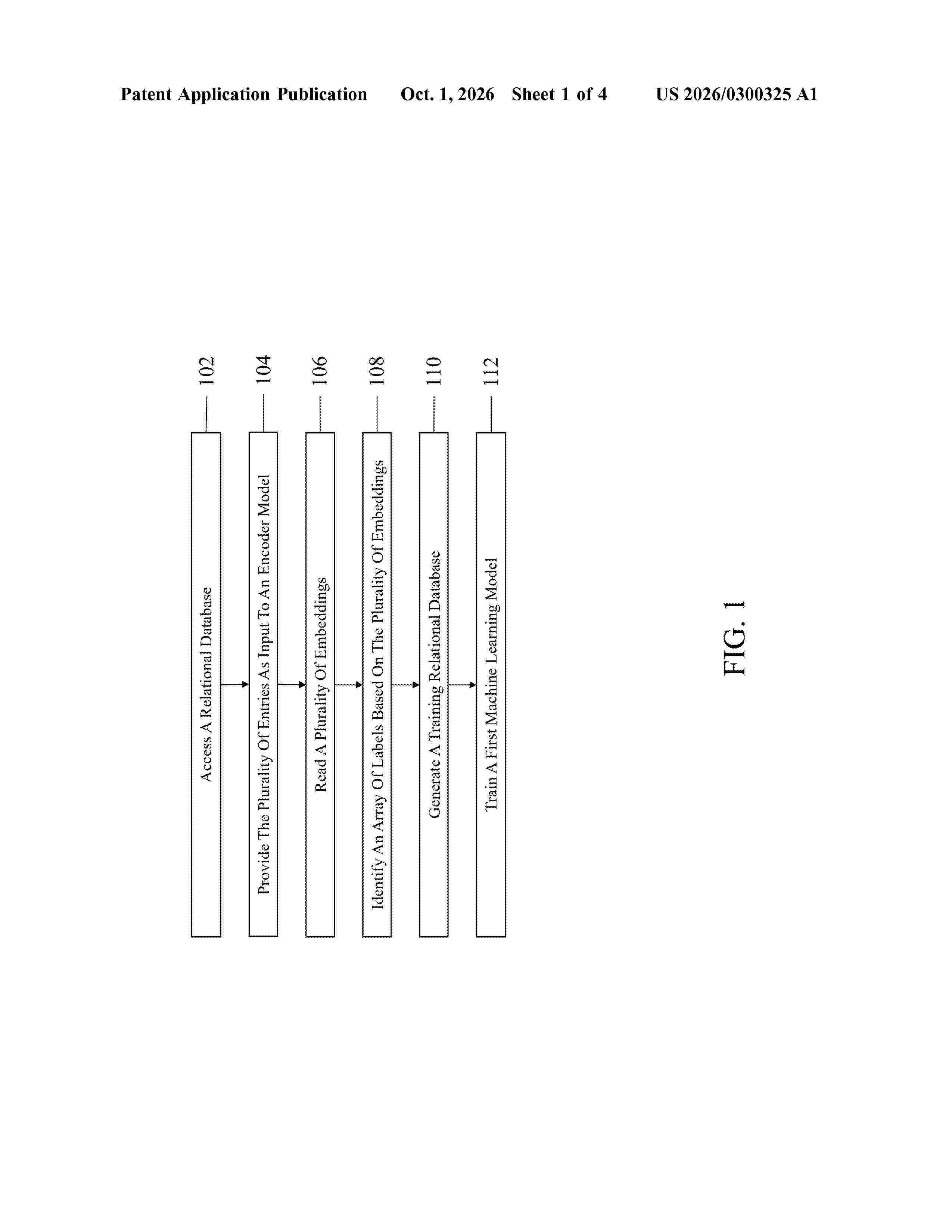
Resumen de: US20260300325A1
Systems, methods, and computer program products for training a machine learning model are disclosed. A method may comprise accessing a relational database comprising a first table, the first table comprising an array of entries, wherein each entry is associated with a record; providing the plurality of entries as input to an encoder model; reading a plurality of embeddings generated by the encoder model based on the input thereto such that an embedding characterizing each entry is read; identifying an array of labels based on the plurality of embeddings, wherein the array of labels comprises a label for each entry; generating a training relational database based on the relational database and the identified labels, the training relational database comprising a second table, the second table comprising the array of entries and the array of labels; and training a first machine learning model based on at least the training relational database.

Resumen de: AU2025374609A1
The present disclosure relates to systems, methods, and program applications for identifying separation-related problems in a pet. The methods, for example, can include identifying the presence or absence of multiple behavioral signs exhibited by a pet where each of the multiple behavioral signs are given a sign score based on binary annotations representing either the presence or the absence of each of the behavioral signs, and grouping subsets of the multiple behavioral signs into one of multiple principal component behavioral groupings using the binary annotations to generate principal component scores for each of the multiple principal component behavioral groupings. Methods can also include using one or more machine-learning algorithms under the control of at least one processor for accessing and correlating the principal component scores for each of the multiple principal component behavioral groupings with a population cluster associated with a type of separation-related problem.
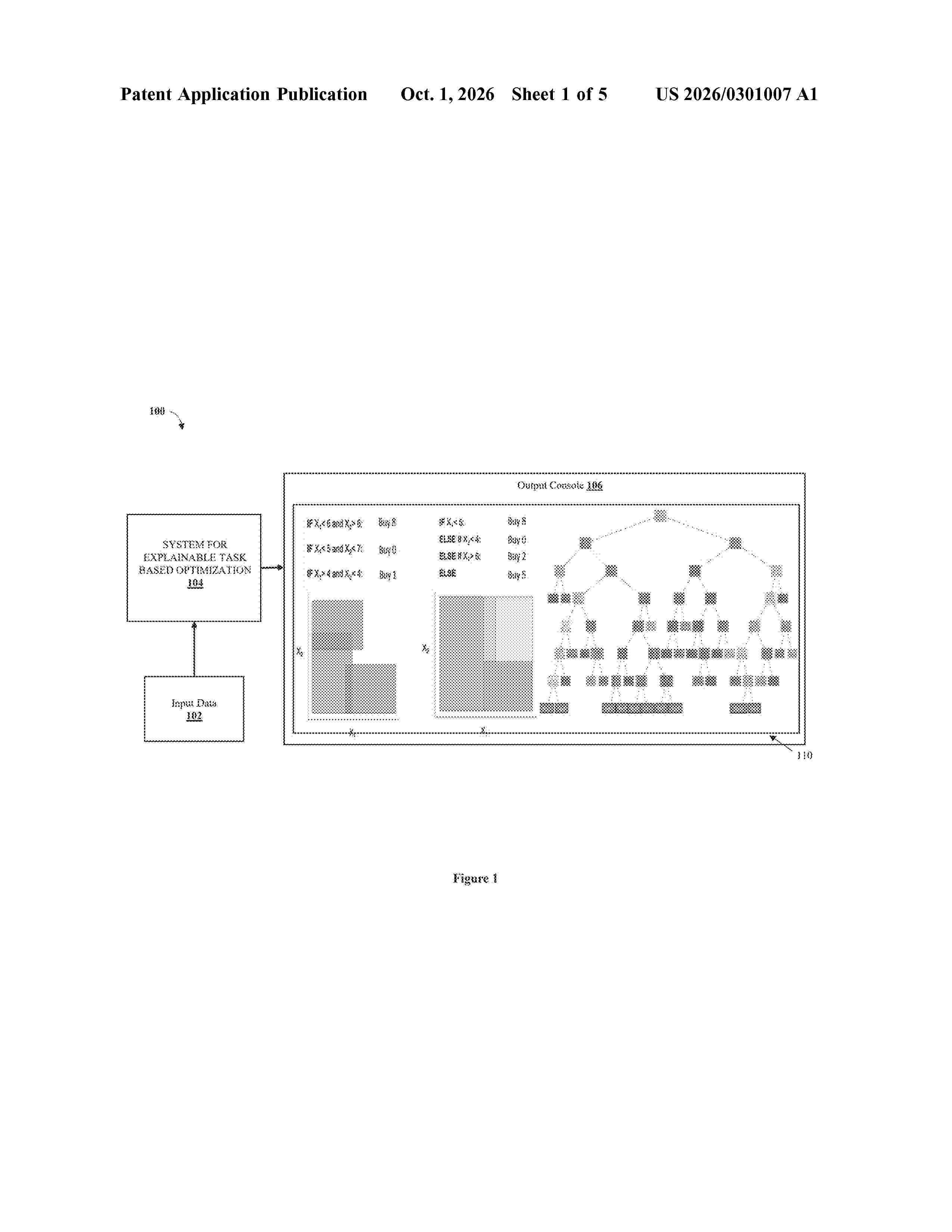
Resumen de: US20260301007A1
0000 The present disclosure relates to a method for explainable task-based optimization. The method includes receiving a target decision variable that is of interest to the user and an auxiliary dataset associated with a decision-making problem. Further, the method includes generating a prediction of the target decision variable using a forecasting machine learning (ML) model. Furthermore, the method includes determining an optimal decision variable for the decision-making problem with uncertain parameters and variables. Furthermore, the method includes executing the optimal decision variable and determining an actual cost outcome. Furthermore, the method includes updating the forecasting ML model using a rolling window technique based on the actual cost outcomes. Furthermore, the method includes evaluating the actual cost outcome of an executed decision based on comparing with the optimal performance and updating optimization parameters based on the actual cost outcome to refine the forecasting ML model.
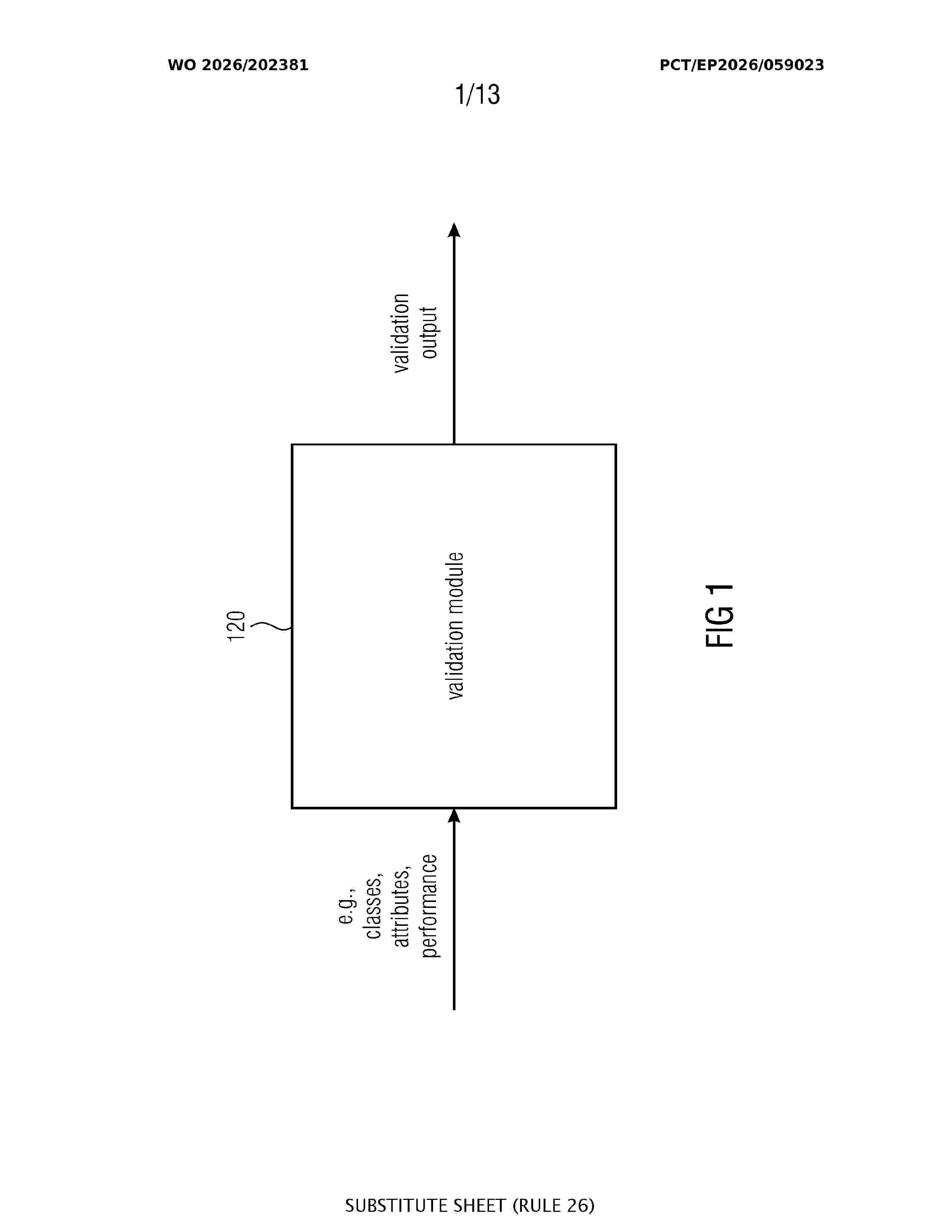
Resumen de: WO2026202381A2
An apparatus for validating at least one AI/ML model or functionality according to an embodiment is provided. The apparatus comprises a validation module (120) configured to conduct an evaluation by evaluating a performance and/or an applicability of the at least one AI/ML model or functionality depending on classes and/or attributes and/or performance criteria. The validation module (120) is configured to generate a validation output indicating whether the at least one AI/ML model or functionality meet one or more predefined criteria depending on the evaluation.
Resumen de: US20260300716A1
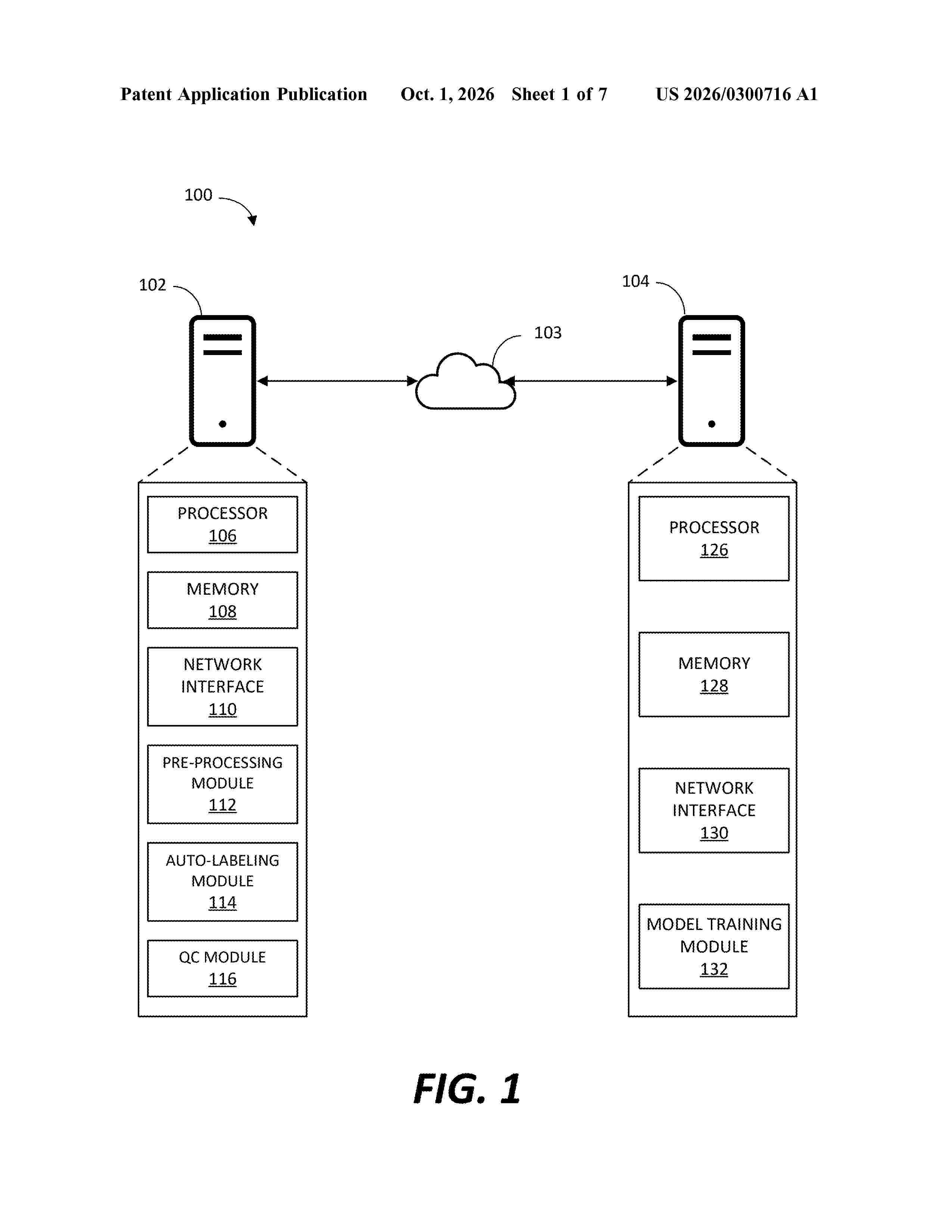
0000 A method includes generating a first set of coarse-grained labels, a first set of fine-grained labels, a second set of coarse-grained labels, and a second set of fine-grained labels. The first set of coarse-grained labels are generated by a first machine learning (ML) model and based on textual content and contextual information of each data point. The first set of fine-grained labels are generated by a second ML model and based on textual content and contextual information of each labeled data point. The second set of coarse-grained labels and the second set of fine-grained labels are generated by a third ML model and based on textual content and contextual information of each data point. The method also includes validating the subset of the input dataset based on comparisons of the first set of coarse-grained labels with the second set of coarse-grained labels and comparisons of the first set of fine-grained labels with the second set of fine-grained labels.
Resumen de: US20260300634A1
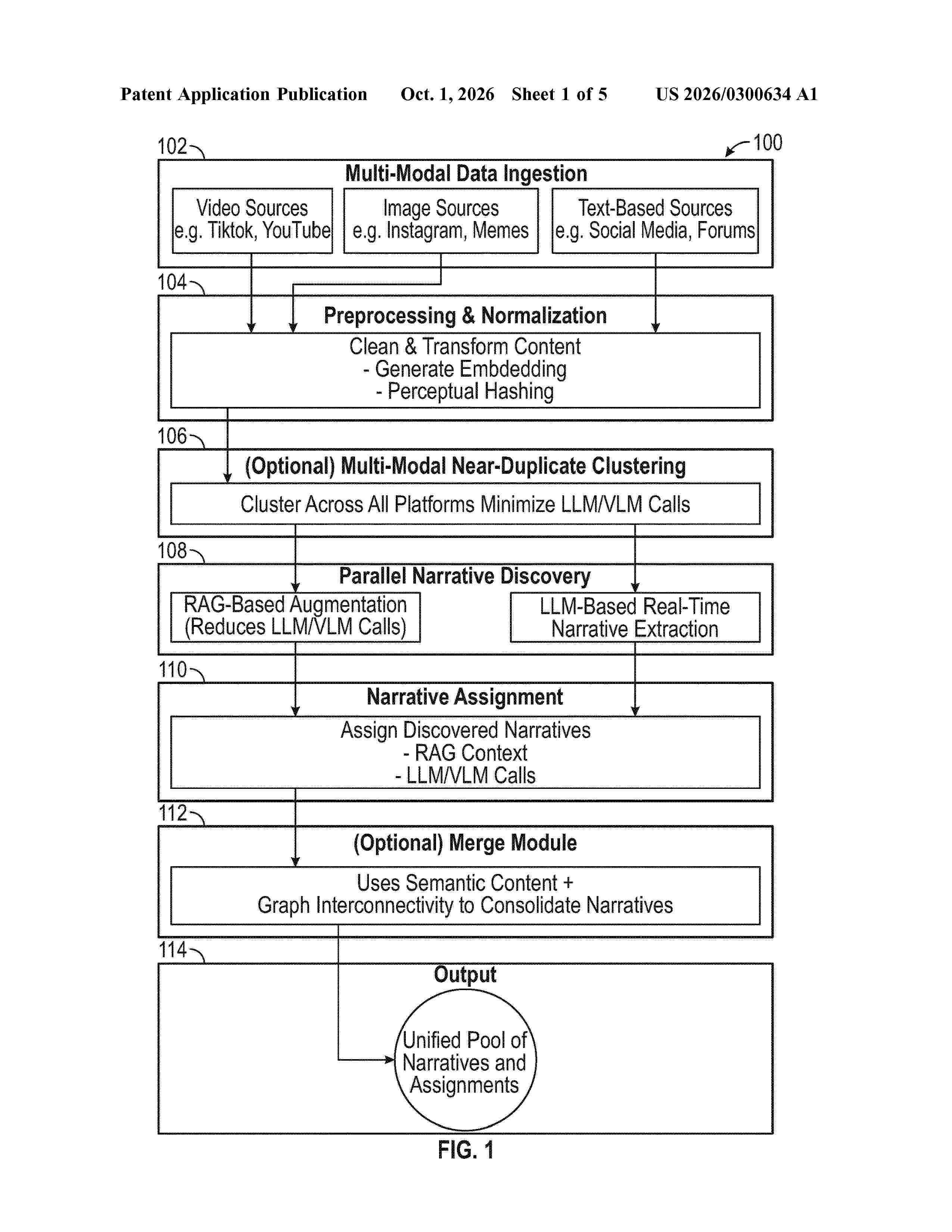
0000 Techniques to extract narratives from unstructured data using generative machine-learning models are provided. A computer-implemented method can include accessing a plurality of unstructured data items from one or more digital communication platforms. The computer-implemented method can also include applying a narrative-discovery machine-learning model to the plurality of unstructured data items to extract a set of narratives. In some instances, a narrative of the set of narratives includes semantic content. The computer-implemented method can also include generating a set of narrative mappings. A narrative mapping can include a corresponding narrative of the set of narratives and one or more assigned unstructured data items. In some instances, the assigned unstructured data items include content that substantially matches the semantic content of the corresponding narrative. The computer-implemented method can also include generating a narrative output that includes the set of narrative mappings.
Resumen de: US20260301097A1
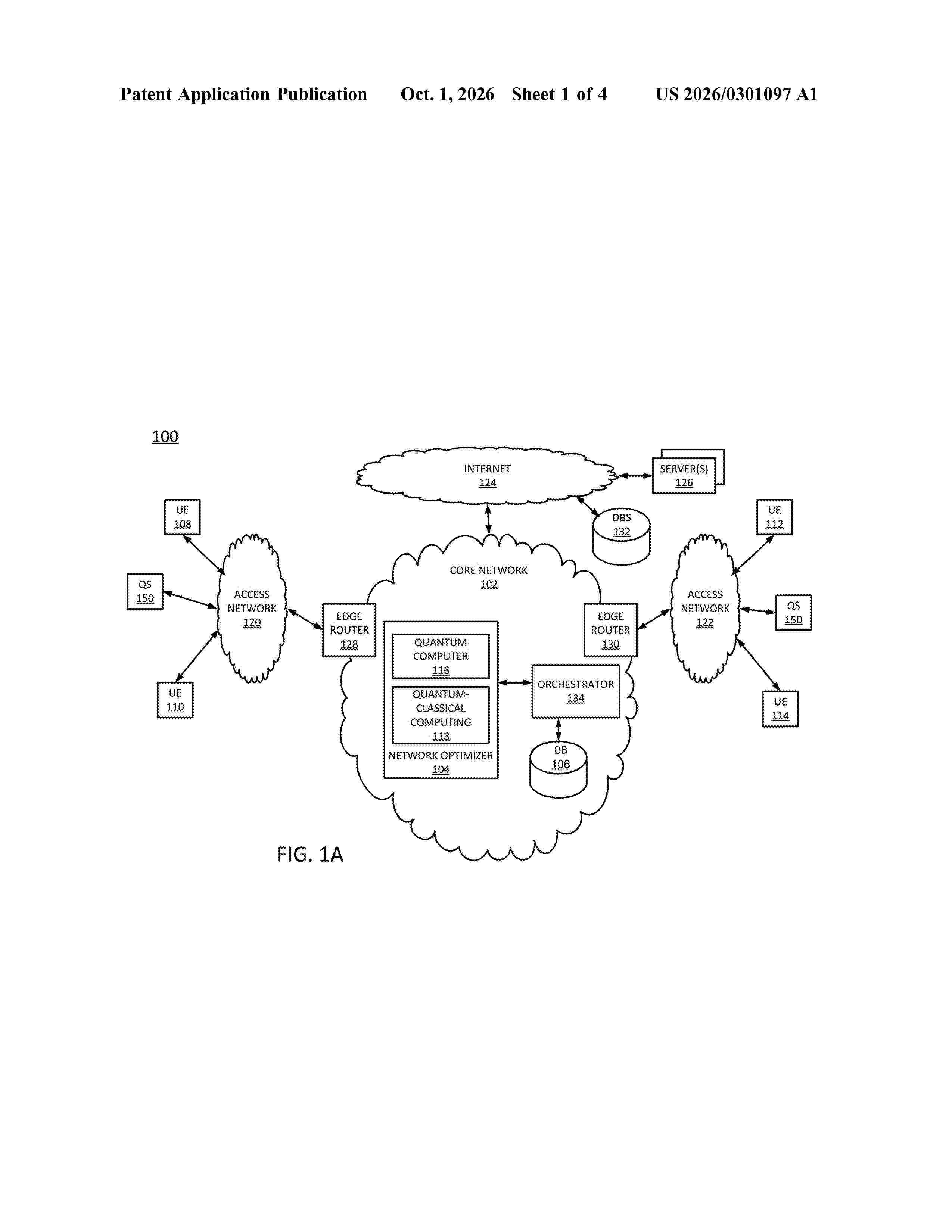
0000 A method performed by a processing system including at least one processor includes collecting, from a quantum sensor in a communications network, position data for a public safety device, tracking a movement pattern and a usage pattern of the public safety device by providing the position data as input to a quantum machine learning model that generates the movement pattern and the usage pattern as an output, determining, based on an analysis of the movement pattern and the usage pattern, that an emergency service should be contacted, and placing a call to the emergency service.
Resumen de: US20260300689A1
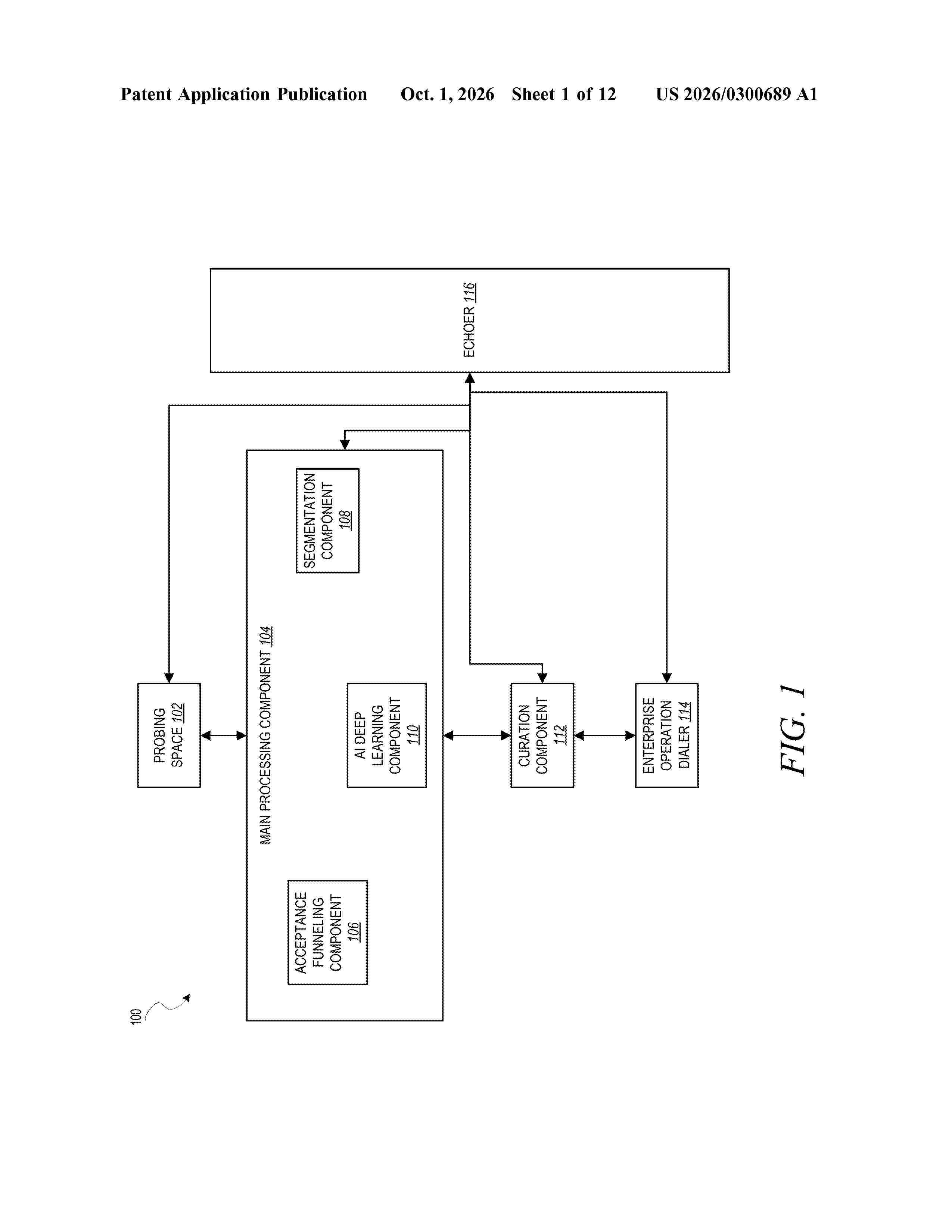
In an example embodiment, a machine learning framework is provided that enhances reliability of analysis of non-invasive cognitive input, correlates the cognitive input with additional non-cognitive input, and identifies context-based possible selections from software processes. A graphical user interface may be provided that depicts the possible selections to the user in a manner that makes it clear to the user which thoughts lead to which selections. This graphical user interface may be iteratively updated with each selection by the user, with each selection leading to one or more possible selections displayed in the graphical user interface being replaced with different possible selections. The result is a seamless framework that aids in enhancing cognitive interfaces.
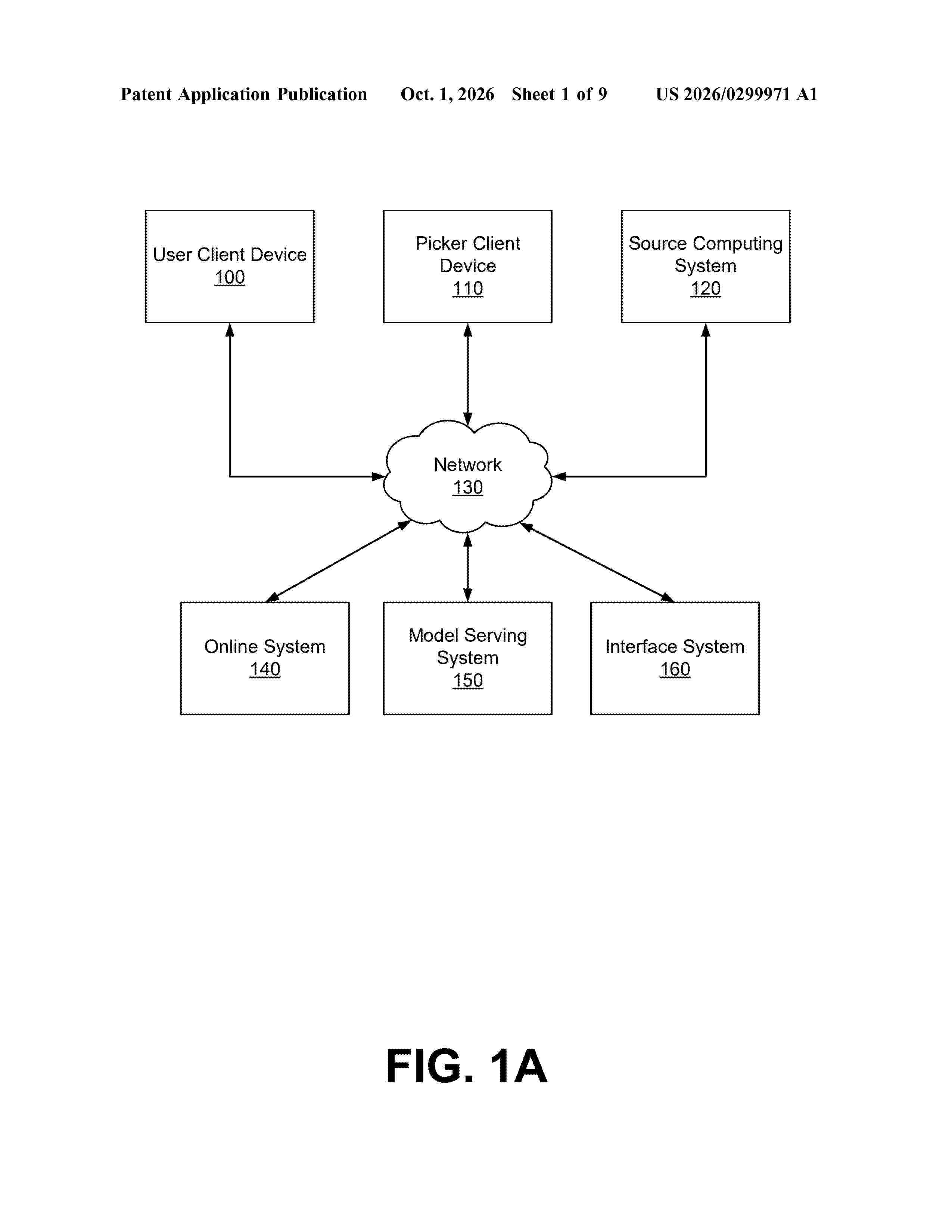
Resumen de: US20260299971A1
An online system presented herein generates adaptive and personalized user interfaces for attribute selection and item replacement selection. The online system fulfills an order by picking items at a source and delivering the items to a user. When an item is not found at the source, a picker attempts to find a suitable replacement item. To find acceptable replacements, the online system allows the user, when placing an order, to specify attributes of an item that are important for that order. To provide an improved user interface that helps the user select attributes for a given item, the online system selects a subset of the item's attributes that are likely important and relevant to potential replacements. If the item is not found, the user's attribute selection is communicated to the picker, as well as used to determine and rank replacements for displaying at a user interface of a picker's device.
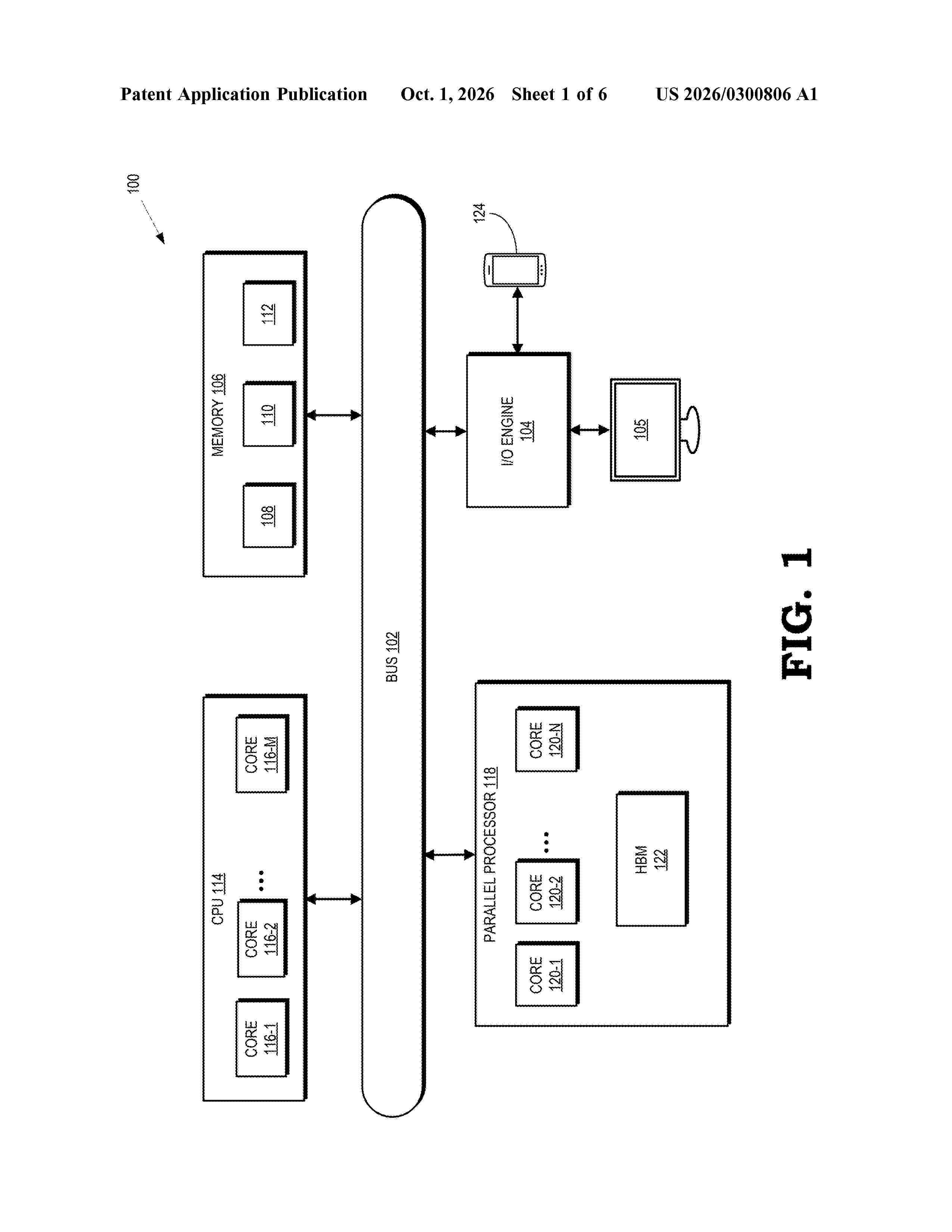
Resumen de: US20260300806A1
0000 A processing unit compares a first graph that represents a machine learning (ML) model and a second graph that represents a previously quantized ML model generated by quantizing a previous version of the ML model. Based on the comparison, a processing unit selectively reuses a first subset of quantization parameters from the previously quantized ML model and re-quantizes a second portion of the version of the ML model to form a second subset of the quantization parameters. The first subset is formed by quantizing a first portion of the previous version of the ML model. The processing unit combines the first subset and the second subset to form an updated quantized ML model. In some cases, the version of the ML model has a floating-point representation, and the previously quantized ML model is generated by quantizing a previous version of the ML model to form a fixed point representation.
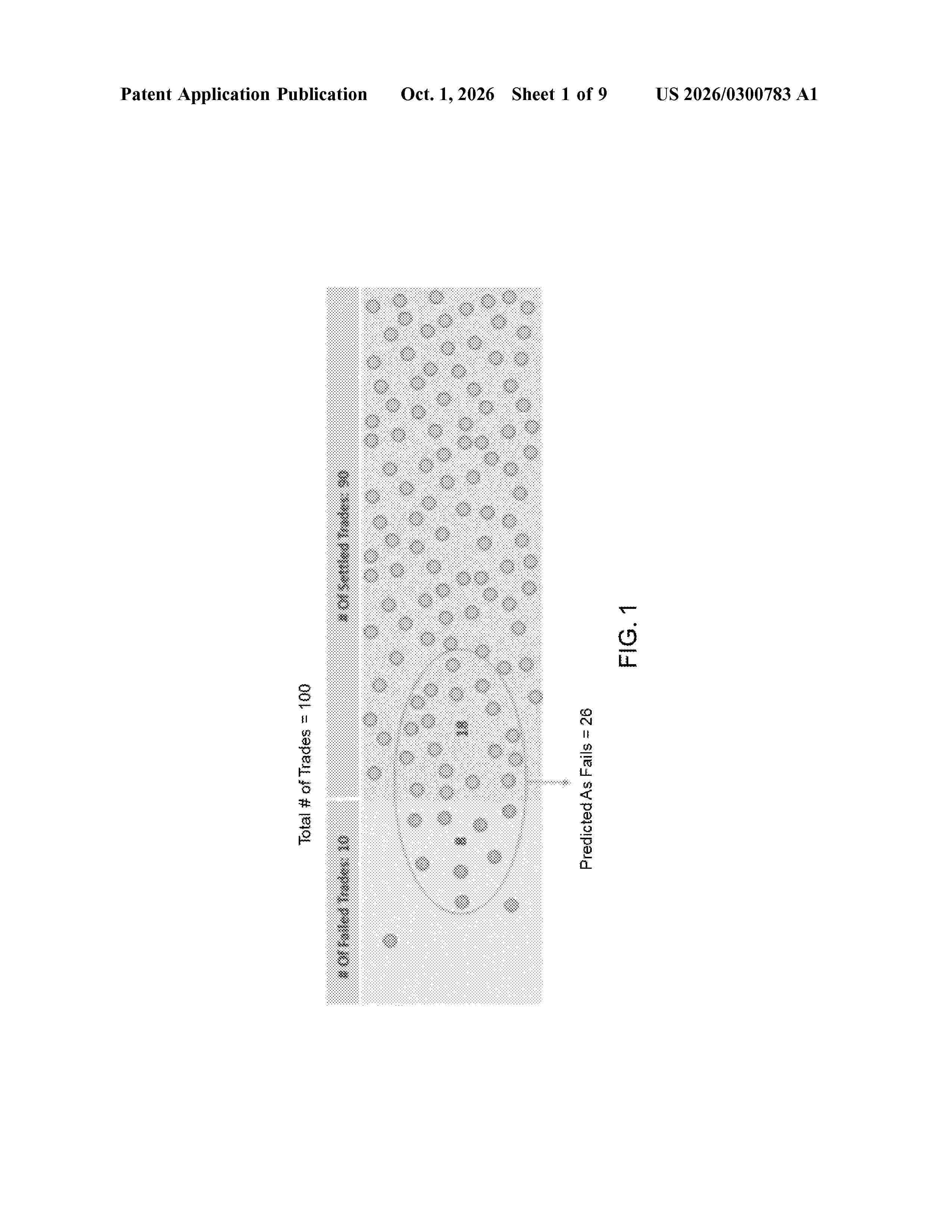
Resumen de: US20260300783A1
0000 A failure prediction method including a predicting flow and a model training flow, the predicting flow including receiving a natural language input from a client computer, translating the input into a task by a LLM, selecting a ML model dedicated to the task, receiving first data, converting the first data to second data of a predetermined format, immediately applying, the ML model on the second data for predicting an output and providing a corresponding explanation, storing the second data and the output into historical data in a storage layer, translating the output and the explanation into a prediction in the natural language by the LLM, and transmitting the prediction to the client computer and iterating the predicting flow for a predetermined number of time; and the model training flow including retrieving the historical data from the storage layer, and training the ML model on the historical data.
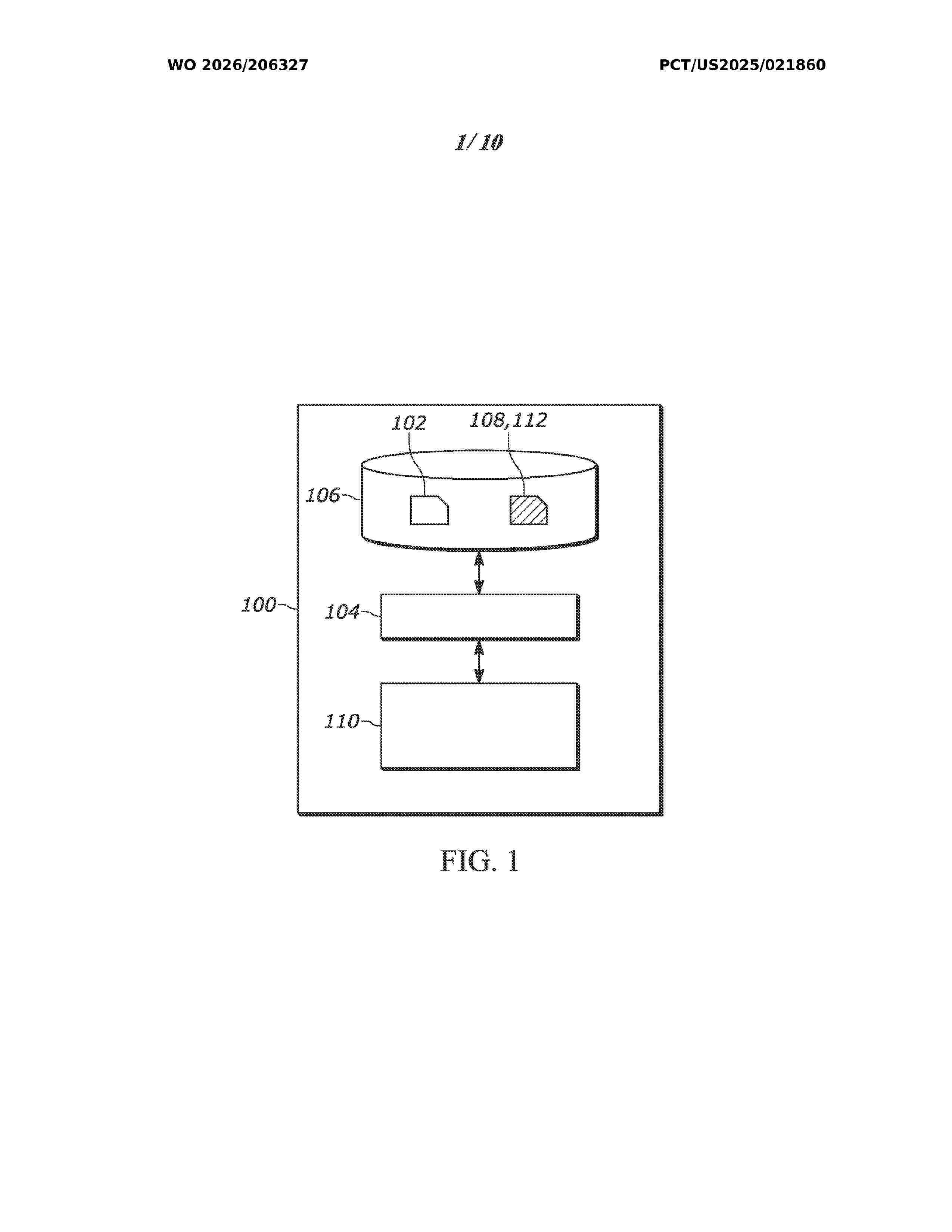
Resumen de: WO2026206327A1
A federated learning system and method for training neural networks addresses the challenge of efficiently merging locally trained models while maintaining data privacy. The system includes a server and multiple clients, where the server dispatches machine learning models to clients for local training. The server decomposes updated model weights into common and sparse components using robust principal component analysis (RPCA), applying distinct scaling factors to enhance model accuracy and convergence speed. This approach can be particularly advantageous in scenarios where data privacy is of significant importance, such as in smart devices and medical applications. The method iteratively refines the global model by leveraging client-specific variations and shared patterns, ensuring that client-specific data is not transferred to a central server.
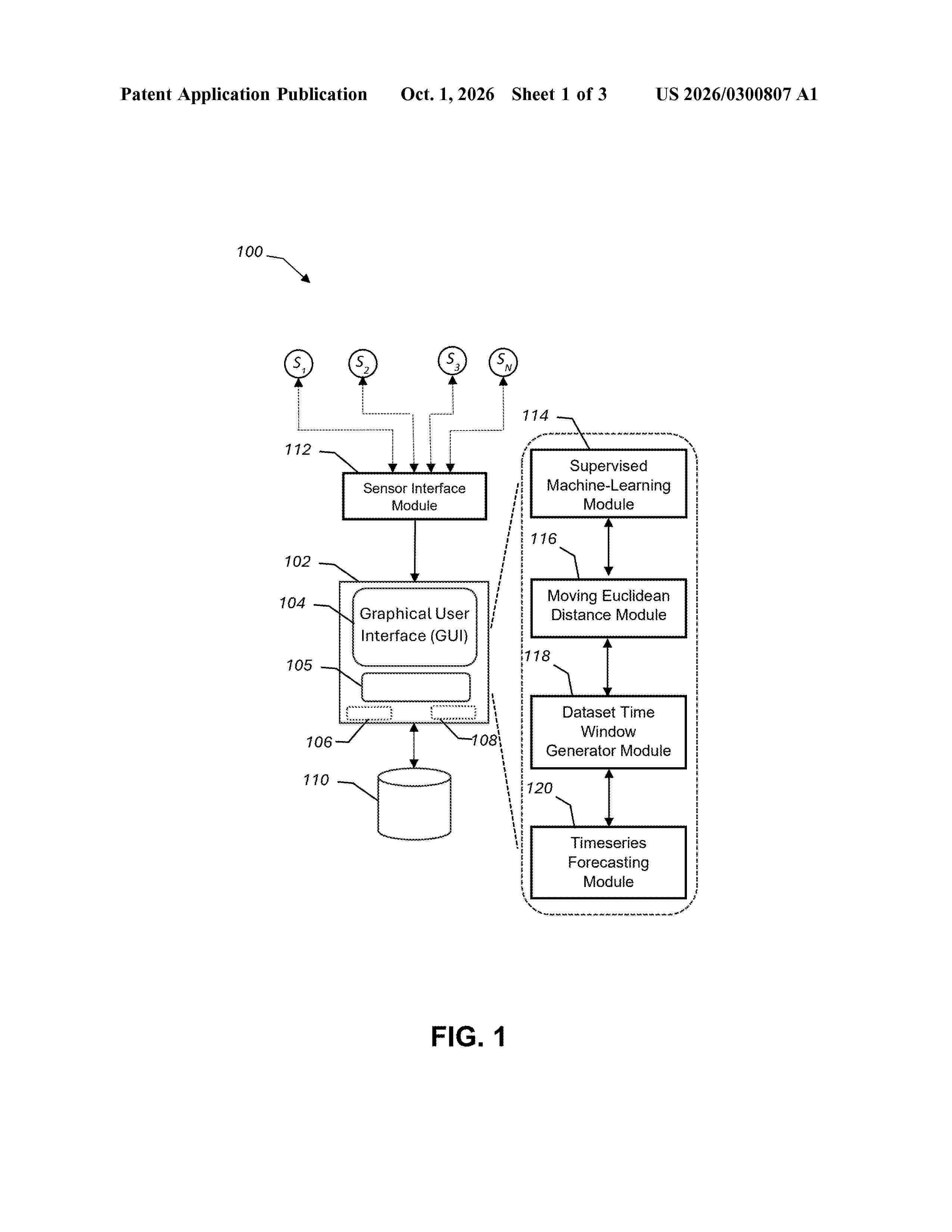
Resumen de: US20260300807A1
0000 Presented are self-learning systems for anomaly detection in timeseries datasets utilizing Euclidean geometry modeling and methods of operating such systems. A method of analyzing datasets to detect anomalies includes a system controller receiving a timeseries dataset containing a sequence of data values recorded within a select time period, and determining a window length defining a number of the sequential data values assigned to each data window. The controller assigns a respective subsequence of the data values to each data window in a series of data windows, and generates a distance value matrix with matrix cells that contain Euclidean distances between respective pairs of the data windows. The controller generates a shortest distance (SD) matrix containing SD values that each defines a shortest distance between each data window and every other data window. The SD array is analyzed to determine if any SD value is irregular and thereby indicates an anomaly.
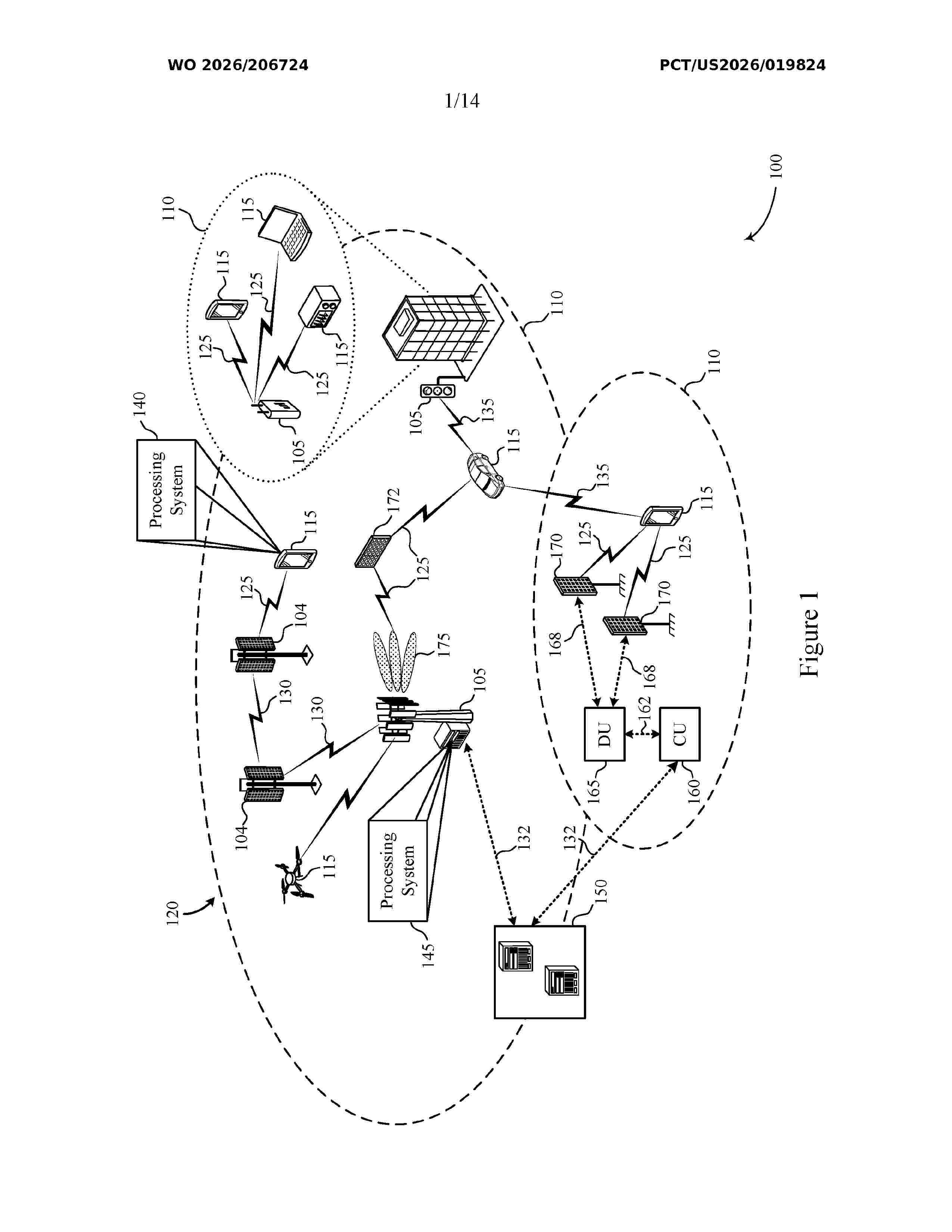
Resumen de: WO2026206724A1
Some examples of the techniques described herein may relate to data collection for training one or more artificial intelligence or machine learning (AI/ML) models to predict one or more measurements or measurement events. For example, signaling may be utilized for data collection for AI/ML model training. A trained AI/ML model may be utilized for beam management, channel state information (CSI) measurement prediction, CSI feedback prediction for a two-sided model, positioning enhancements, radio resource management (RRM) measurement prediction, or measurement event prediction, among other examples. Some approaches to RRM measurement prediction may include cell-level measurement prediction or beam-level measurement prediction. A user equipment (UE) may be configured by a source gNB with a set of cells to measure, a set of beams on each cell to measure, a set of cells for measurement prediction, or a set of beams on each cell for measurement prediction.
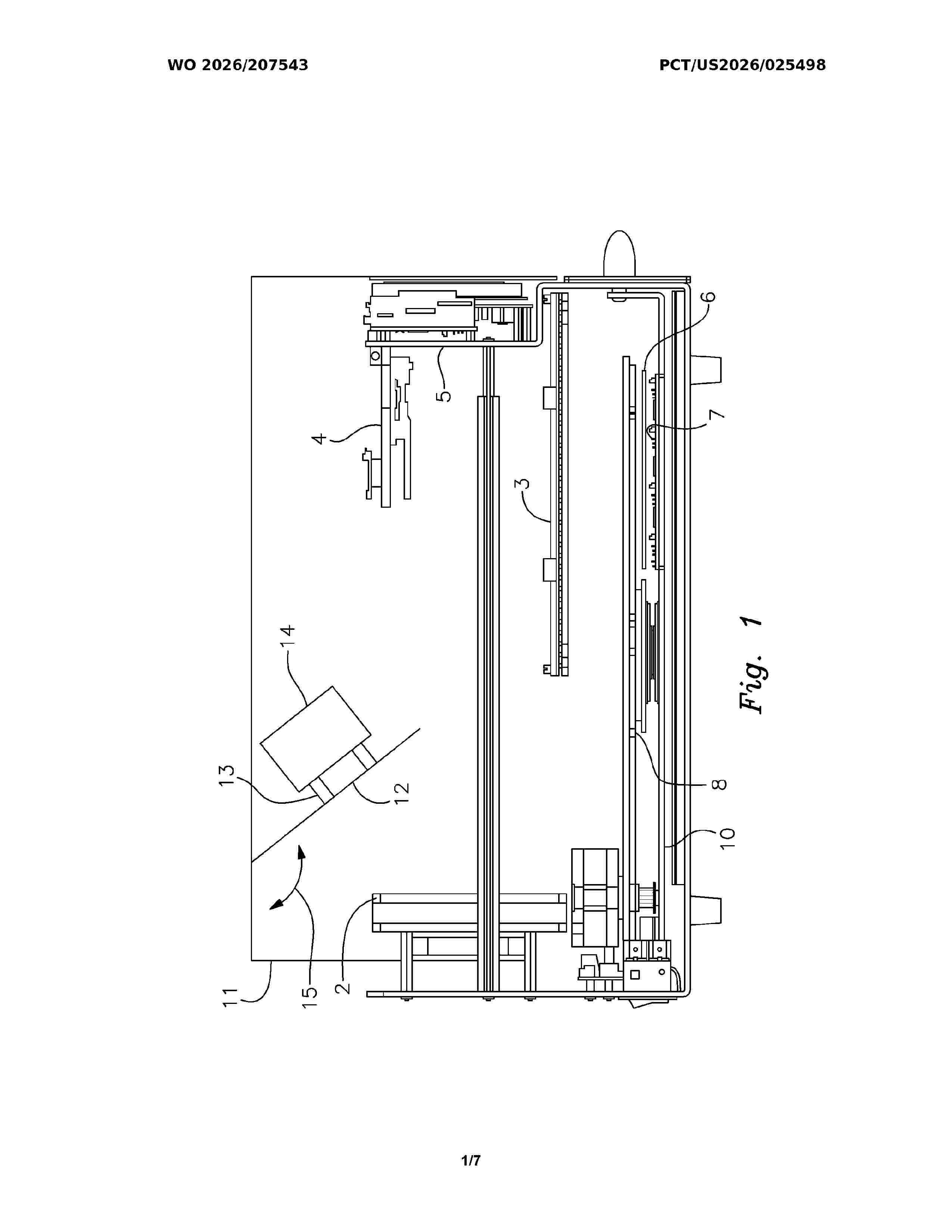
Resumen de: WO2026207543A1
A self-driving laboratory system and associated methods for autonomous scientific experimentation are disclosed. The system integrates automated laboratory instrumentation, multi-modal sensors, and artificial intelligence models to design, execute, and iteratively optimize biological or chemical experiments. A computing platform receives research objectives, generates experimental protocols, and controls laboratory instruments to perform experimental procedures. Experimental data are collected from imaging systems, analytical instruments, and environmental sensors and are integrated using machine learning and sensor fusion techniques to estimate experimental state. Optimization algorithms, including probabilistic and multi-objective models, analyze the data to generate modified experimental protocols that improve experimental outcomes. The system may dynamically adjust environmental parameters and measurement strategies during experimentation and may share learning across distributed laboratory sites. Digital twin models may simulate laboratory workflows to guide experimental planning. The disclosed platform enables efficient exploration of complex experimental parameter spaces while improving reproducibility, resource utilization, and discovery in automated laboratory environments.
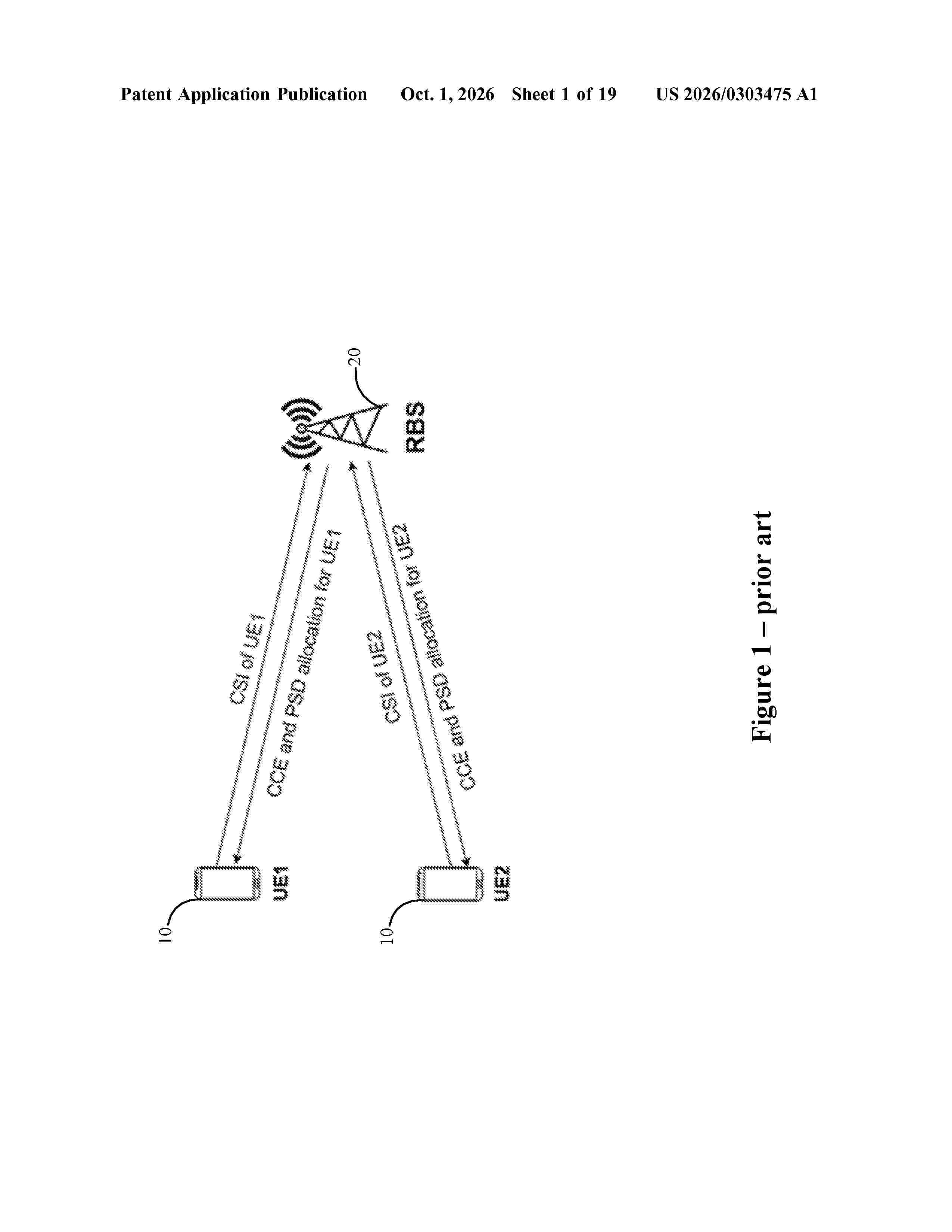
Resumen de: US20260303475A1
The disclosure relates to a ML-based method for determining a CCE aggregation level for a UE in a PDCCH. The method comprises obtaining RBS traces. The method comprises training, using first data obtained from the traces, a machine learning model to predict a probability of discontinuous transmission (DTX) “isDTX probability”. The method comprises inputting second data obtained from the traces into the machine learning model, obtaining the isDTX probability and expanding the second data with the isDTX probability. The method comprises, for each of a plurality of probability thresholds (PTs) and for each of a plurality of strategies, selecting a data having an isDTX probability greater or equal to the PT and best satisfying the strategy and using the data to train a classifier. The method comprises selecting one classifier and using the classifier for determining the CCE aggregation level for the UE in the PDCCH.
Resumen de: EP4815542A1
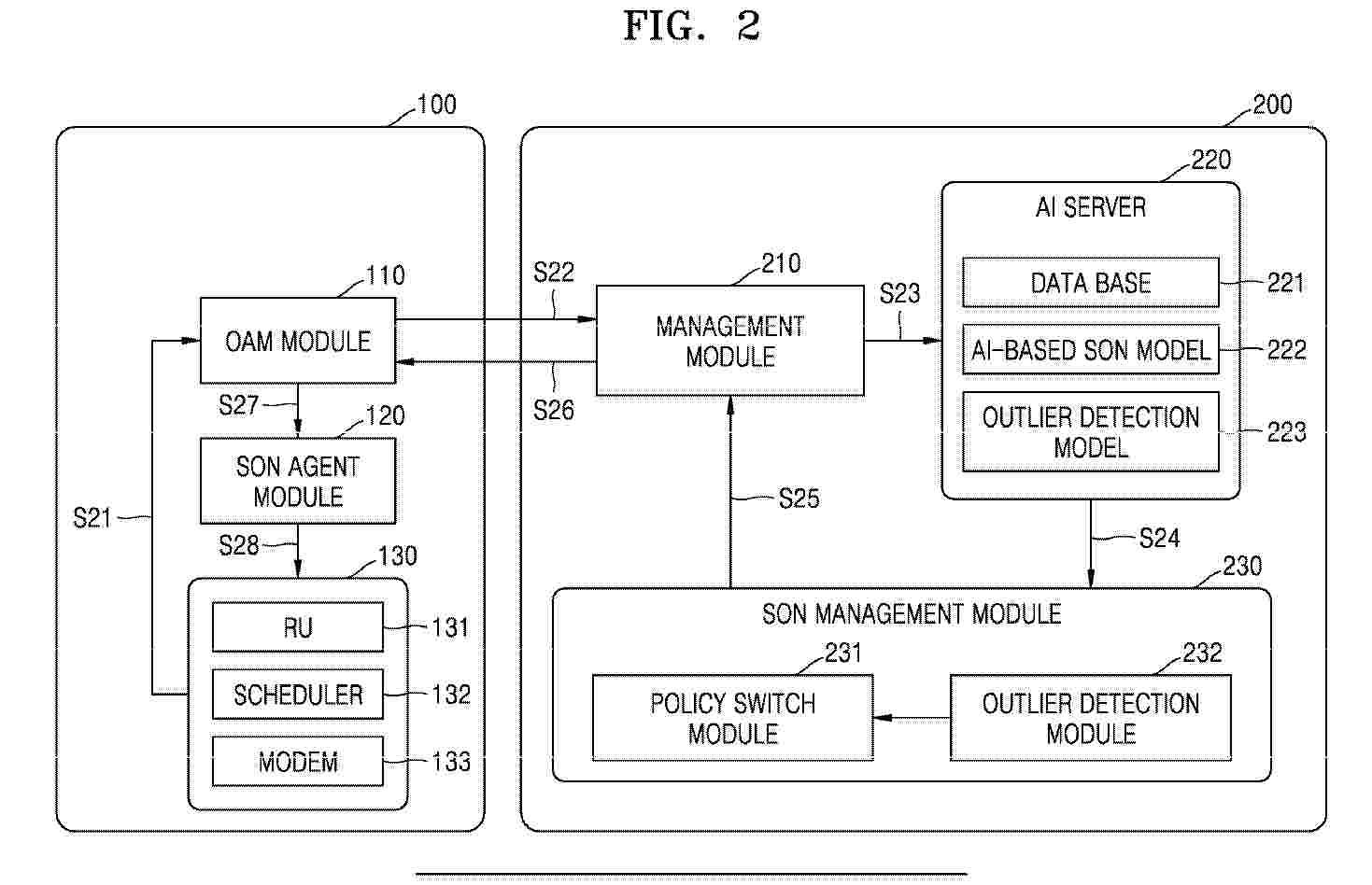
0001 A method for determining a policy for a SON is provided. The method may comprise the steps of: receiving PM data of a communication network; generating feature data representing the PM data by using a deep learning-based encoder; determining an outlier score of the feature data by using a deep learning-based outlier detection model; and selecting one of an artificial intelligence (AI)-based policy and a non-AI-based policy for performing SON in the communication network according to the outlier score.
Resumen de: EP4814811A1
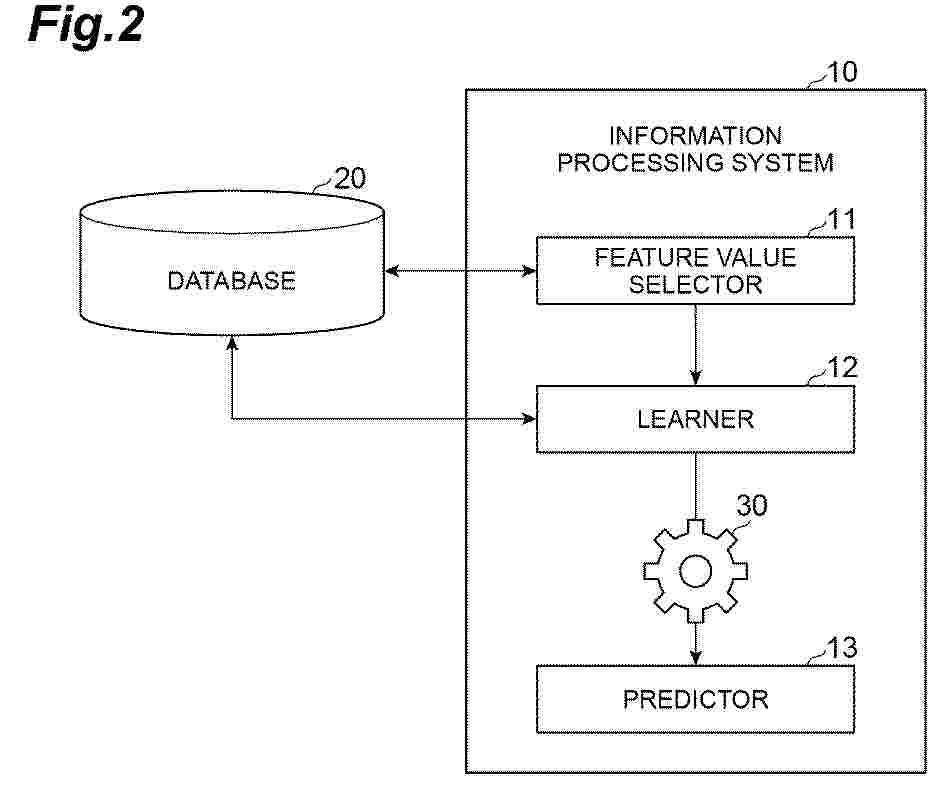
An information processing system of the present disclosure comprises at least one processor. The at least one processor acquires, for each of a plurality of first molecules, training data representing a plurality of feature values related to the first molecule, acquires, for each of a plurality of second molecules, test data representing a plurality of feature values related to the second molecule, calculates, for each of a plurality of feature values, an index based on a first probability distribution which is a probability distribution in the training data and a second probability distribution which is a probability distribution in the test data, and selects, on the basis of the index of each of a plurality of feature values, one or more of the plurality of feature values as one or more input feature values to be used as input parameters of a prediction model for predicting a characteristic value of a molecule on the basis of machine learning.
Resumen de: EP4814814A1
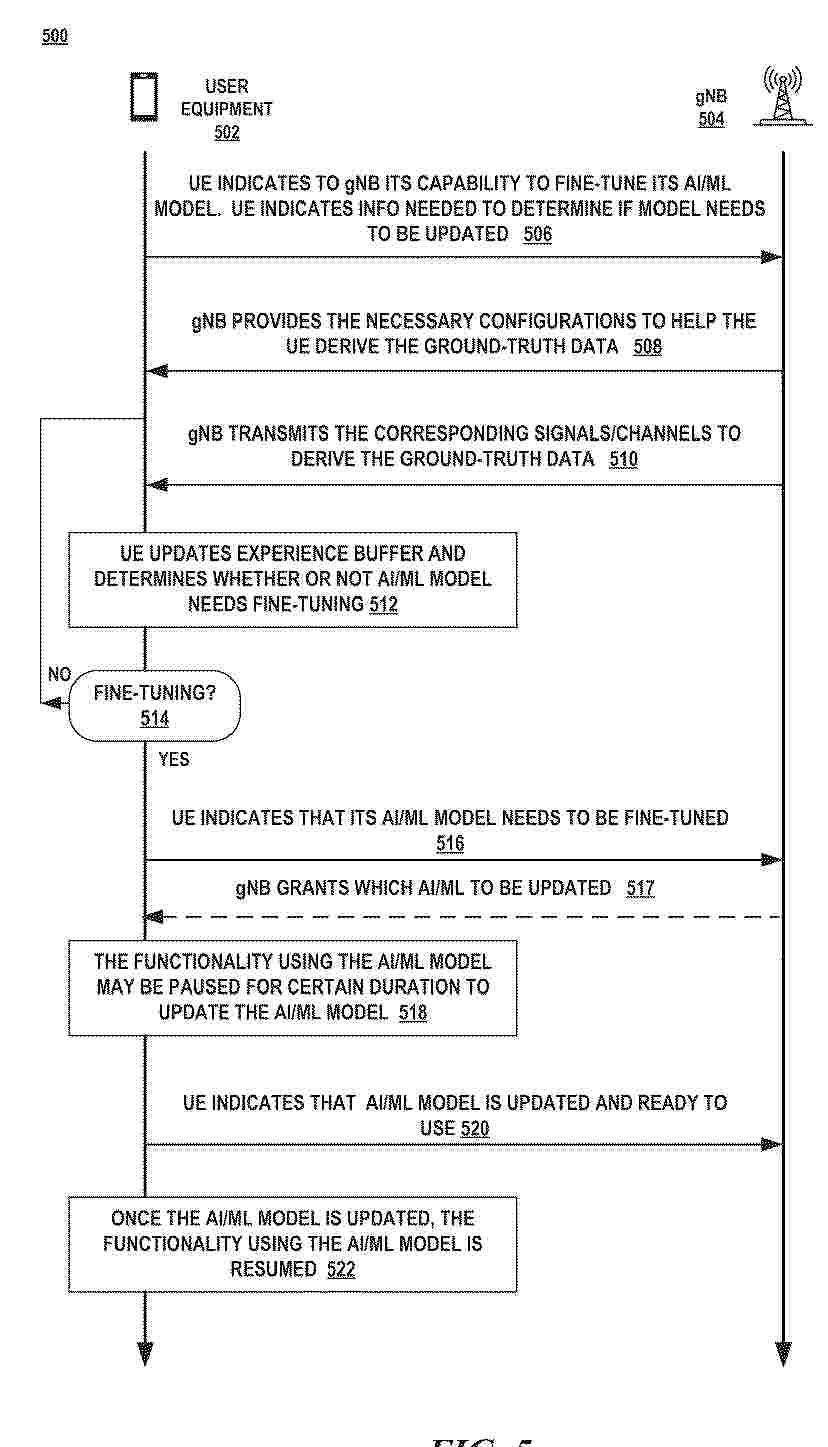
A system and a method are disclosed for fine-tuning an artificial intelligence/machine learning, Al/ML, model online in a wireless communication system. A user equipment, UE, (502) transmits to a base station (504) capability information of fine-tuning online one or more Al/ML models of the UE (502); receives, from the base station (504), channels and/or signals for the UE (502) to determine whether a first Al/ML model of the one or more Al/ML models of the UE (502) needs to be fine-tuned; determines to fine-tune the first Al/ML model online based on the channels and/or signals received from the base station (504) and model-generated output from the first Al/ML model; and fine-tunes the first Al/ML model to generate an output that is used for a downlink transmission.
Resumen de: GB2704984A
A method for calibration-based pruning of machine learning model comprises: training 110 the machine learning model; generating 120 a reliability diagram of the trained machine learning model for a plurality of samples; identifying 130 bins where the predicted confidence differs from the observed accuracy; for each of said identified bins: for each sample in the identified bin 140: deciding whether increasing or decreasing the predicted confidence for that sample will reduce a bin’s confidence-accuracy difference; computing using a feature importance method respective relevance scores of elements of the machine learning model; negating the relevance scores for those samples where a decrease instead of an increase in their predicted confidence is decided to reduce the bin’s confidence-accuracy-difference; identifying 160 elements with a lowest aggregated relevance score; and pruning 170 the elements with that lowest aggregated relevance score to obtain a pruned model. The feature importance method may comprise layer-wise relevance propagation, while the elements of the machine learning model may be neurons, filters, weights. figure 1
Resumen de: US20260289633A1
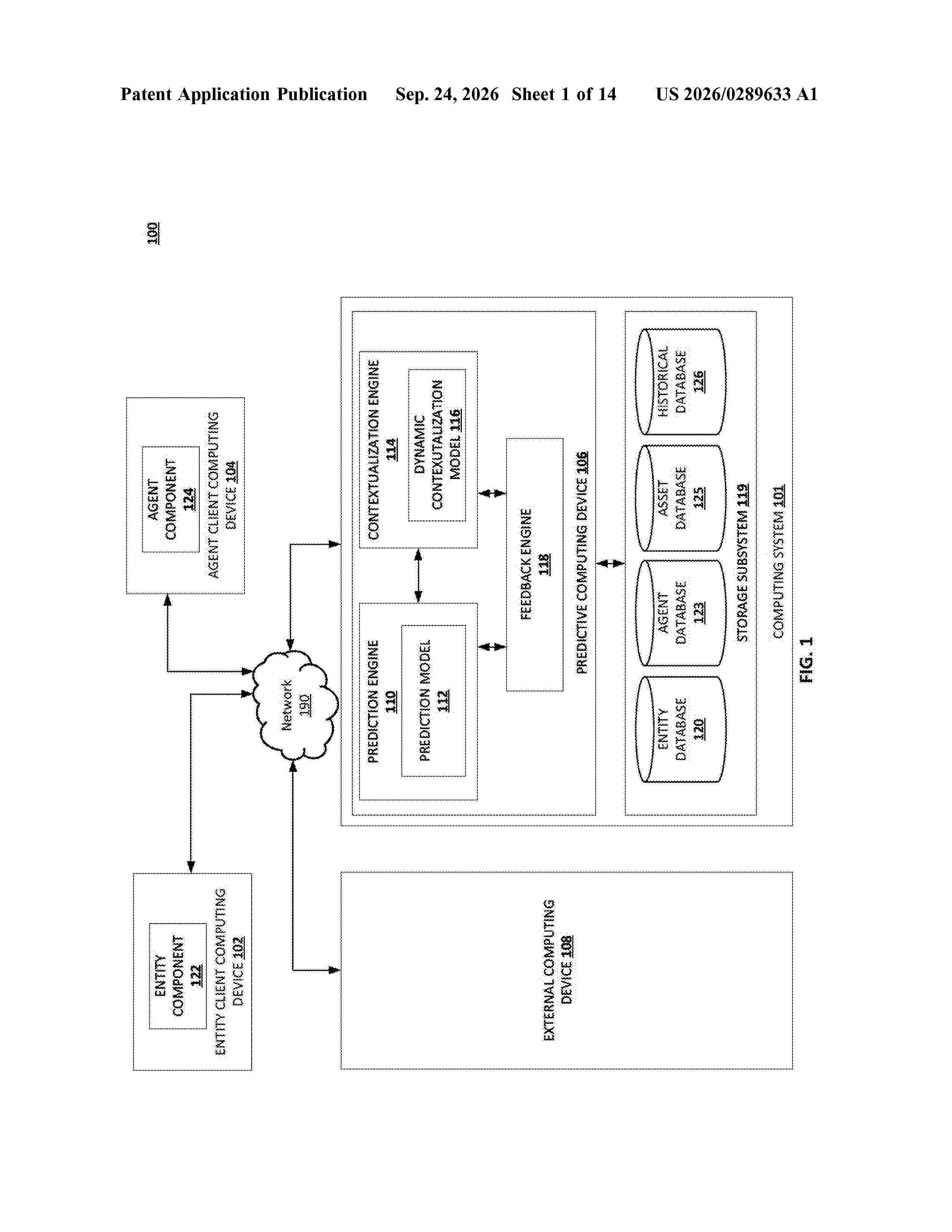
0000 Various embodiments are directed to apparatuses, methods, computer-readable media, computer program products, and systems related to detecting a process trigger that identifies a target entity; identifying, entity data associated with the target entity; generating, using a machine learning based prediction model, a predictive asset output based at least in part on the entity data, wherein the predictive asset output comprises at least one predicted asset; generating, using a dynamic contextualization model, a multifactor contextualized asset representation for the at least one predicted asset based at least in part on the at least one predicted asset and the entity data; and transmitting the multifactor contextualized asset representation to one or more computing devices via one or more communication channels.
Resumen de: US20260289351A1
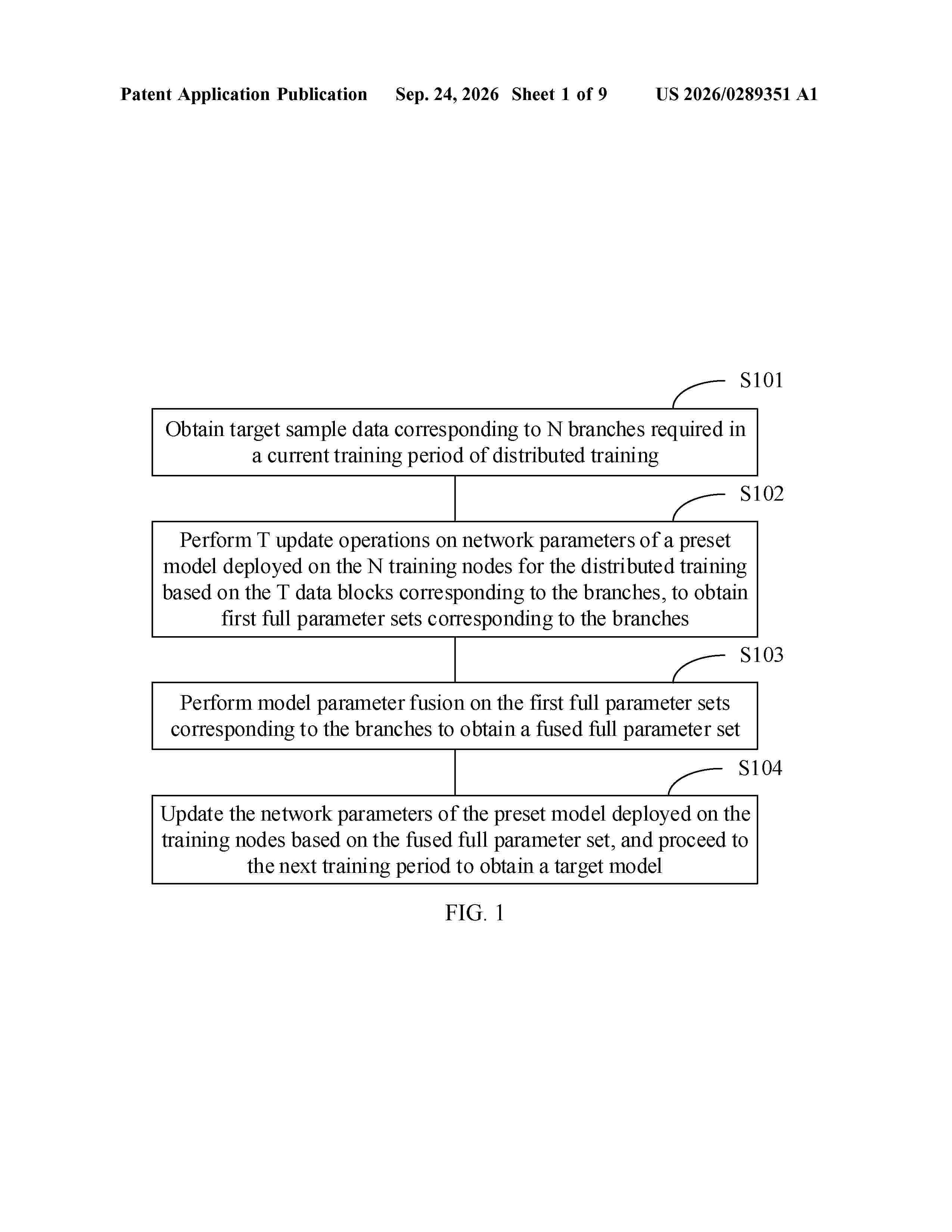
Provided is a method of model training, an electronic device and a storage medium, relating to the field of data processing technologies, and in particular, to the technical fields of artificial intelligence, big data, large models and deep learning. The method includes: obtaining target sample data corresponding to N branches required in a current training period of distributed training; performing T update operations on network parameters of a preset model deployed on the N training nodes for the distributed training based on T data blocks corresponding to the branches to obtain first full parameter sets corresponding to the branches; performing model parameter fusion on the first full parameter sets to obtain a fused full parameter set; and updating the network parameters of the preset model deployed on the training nodes based on the fused full parameter set and proceeding to the next training period to obtain a target model.
Resumen de: US20260289400A1
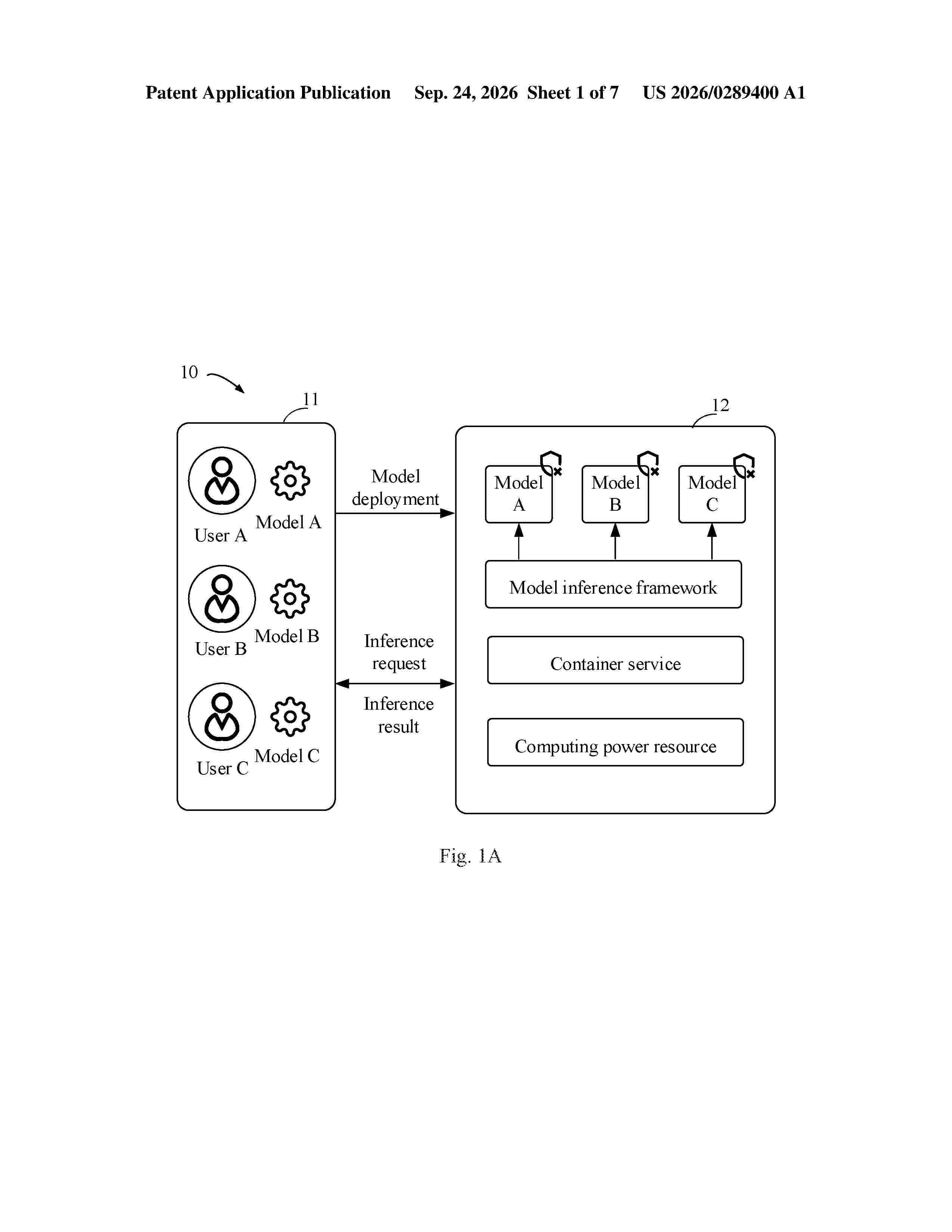
A method for securely deploying a model, a device, and a storage medium are provided. The method includes: receiving, from a user side, a deployment request for a machine learning model, the deployment request including at least a model identification of the machine learning model that is encrypted and a key identification of a key used to encrypt the machine learning model; obtaining the machine learning model that is encrypted and the key based on the deployment request; decrypting, in a trusted execution environment, the machine learning model that is encrypted using the key to obtain the machine learning model; and deploying the machine learning model in the trusted execution environment.
Resumen de: US20260285373A1
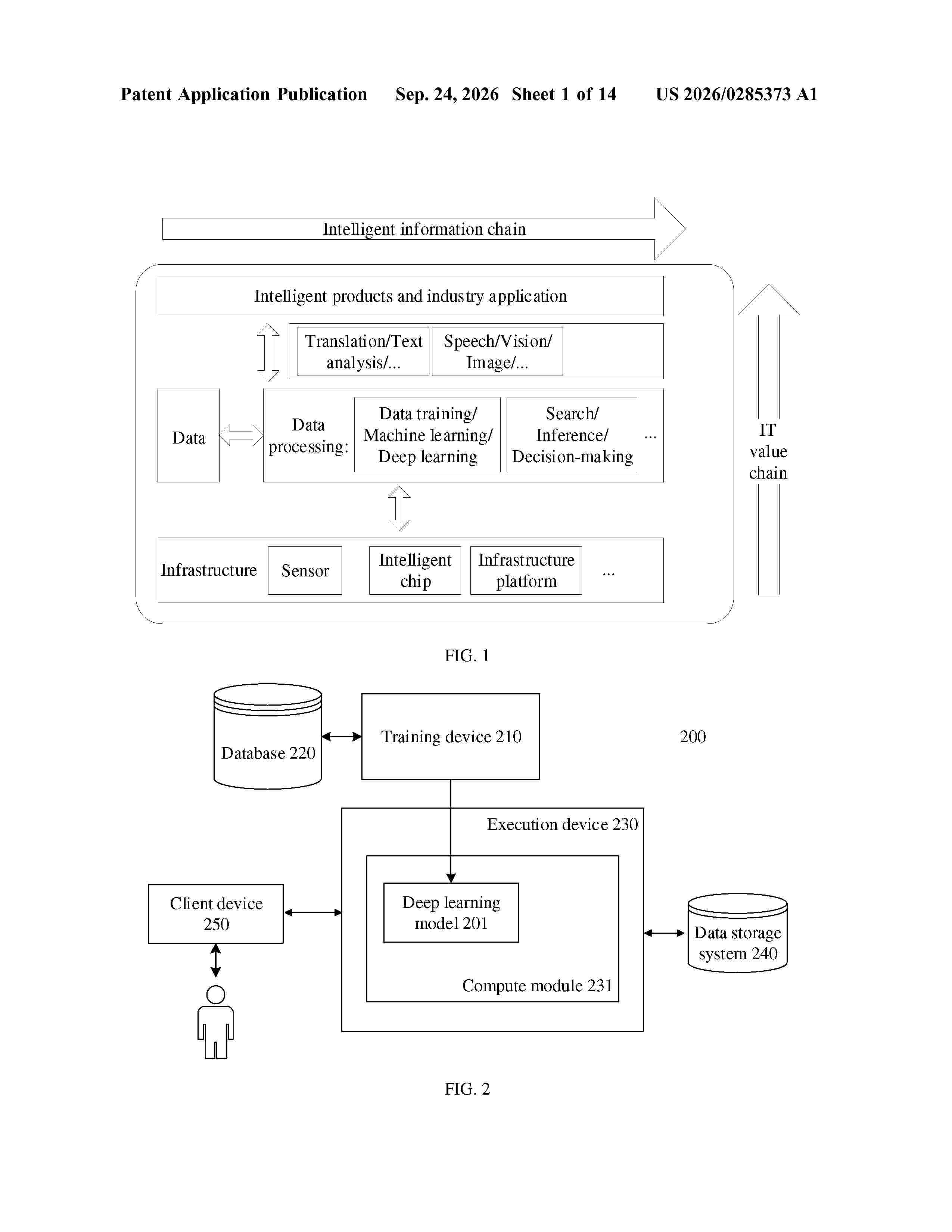
0000 Embodiments of this disclosure disclose an information processing method and a related device. The method may be applied to the autonomous driving field in artificial intelligence. The method includes: inputting, to a deep learning model, first information corresponding to a traffic scene around an ego vehicle, and obtaining second information corresponding to the first information, where the first information includes first text information, the second information is obtained based on the deep learning model, and the second information corresponds to any one of the following tasks: making a decision on behavior of the ego vehicle, planning a trajectory for the ego vehicle, or controlling the ego vehicle. Input information of the deep learning model provided in this disclosure includes text information that facilitates understanding by a user.
Nº publicación: US20260289401A1 24/09/2026
Solicitante:
BROOKS BRIAN E [US]
CASNER GLENN E [US]
KRISHNADAS ARUN [US]
VAAGE ANDERS J [US]
KNIO OMAR [US]
HANSOGE NITIN KRISHNAMURTHY [US]
Brooks Brian E.
Casner Glenn E.
Krishnadas Arun
Vaage Anders J.
Knio Omar
Hansoge Nitin Krishnamurthy
Resumen de: US20260289401A1
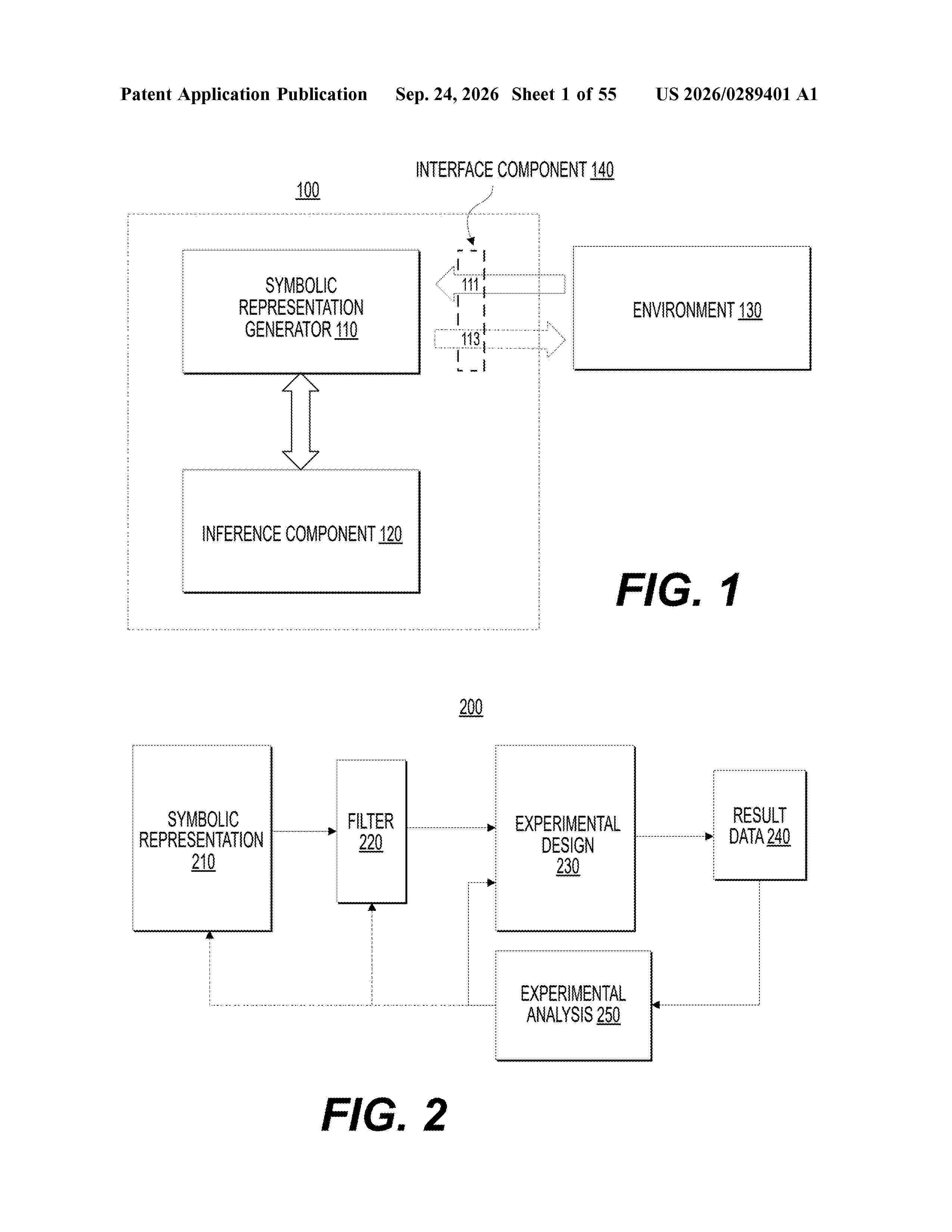
A machine learning system can include a symbolic representation generator and an inference component. The symbolic representation can generate a symbolic memory network using input obtained from an environment. The inference component can generate a causal model by experimenting upon components, operations, and parameters of the symbolic representation generator. The causal model can influence the generation of the symbolic memory network. In particular, the machine learning system can identify an analog in the symbolic memory network as being entangled, identify a disentangled version of the identified entangled analog in the symbolic memory network, and, in response to the identification of the disentangled version of the identified entangled analog, release the identified entangled analog from the symbolic memory network and provide instructions to take an action in an environment based on the disentangled version of the identified entangled analog.
 BOPI
BOPI
 Sede Electrónica