Si deseas distinguir tus productos, servicios o ambos de los de otra empresa, es posible que necesites una marca o nombre comercial. Descubre qué son, en qué consiste su procedimiento de registro y qué implica.

Información sobre los plazos de presentación de solicitudes de transformación de marcas de la Unión Europea en marca nacional española. Más información


Si tienes un nuevo dispositivo, producto o procedimiento que resuelva un problema técnico o tenga una ventaja práctica, existen distintas formas de protegerlo en España y en otros países. Descubre cómo hacerlo.

¿Tu innovación reside en la estética, la ornamentación o la apariencia de tu producto? Protégela mediante un diseño industrial. Descubre qué derechos confiere el registro y cómo realizar la tramitación.

Las indicaciones geográficas protegen el nombre de un producto originario de una zona geográfica, a la cual le debe una determinada calidad, reputación u otra característica. Descubre qué son, en qué consiste su procedimiento de registro y qué beneficios conceden.

Las patentes publicadas en todo el mundo son una valiosa fuente de información científica, técnica y comercial.

Si eres emprendedor/a o una empresa y quieres potenciar y mejorar la rentabilidad de tu negocio protegiendo de forma adecuada los activos intangibles de tu organización, en este espacio encontrarás lo necesario.


 1426
resultados
1426
resultados
 Última actualización
29/06/2026 [08:41:00]
Última actualización
29/06/2026 [08:41:00]


 Resultados 1025 a 1050 de 1426

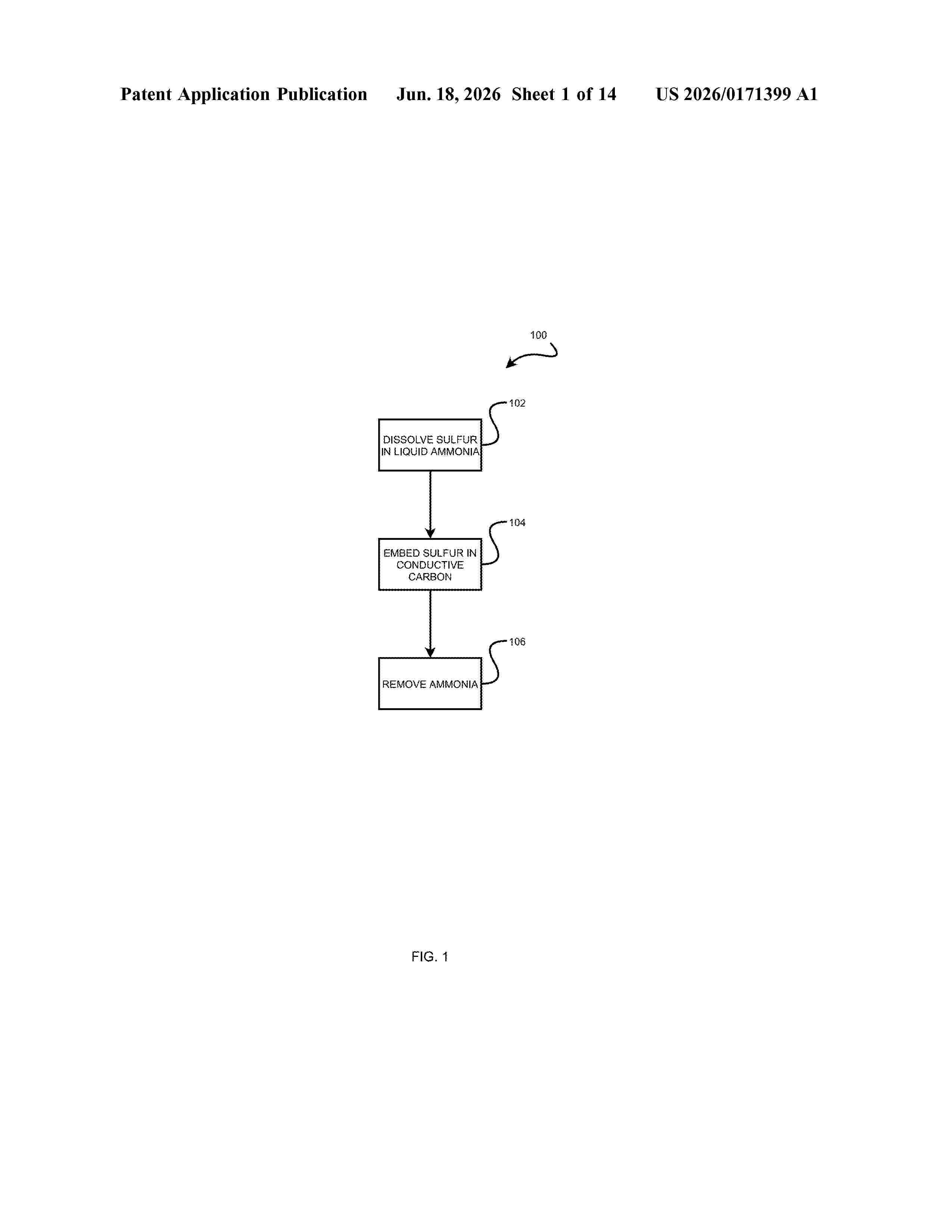
Resumen de: US20260171399A1
A method for embedding sulfur into conductive carbon is provided. Elemental sulfur is dissolved in liquid ammonia to form a sulfur-ammonia solution. Conductive carbon is soaked in the sulfur-ammonia solution to embed the conductive carbon with the dissolved sulfur. The liquid ammonia in the sulfur-ammonia solution can be removed as gaseous ammonia to yield sulfur-embedded conductive carbon. The sulfur-embedded conductive carbon can be used to manufacture sulfur cathodes. Such sulfur cathodes and batteries incorporating such sulfur cathodes are provided.

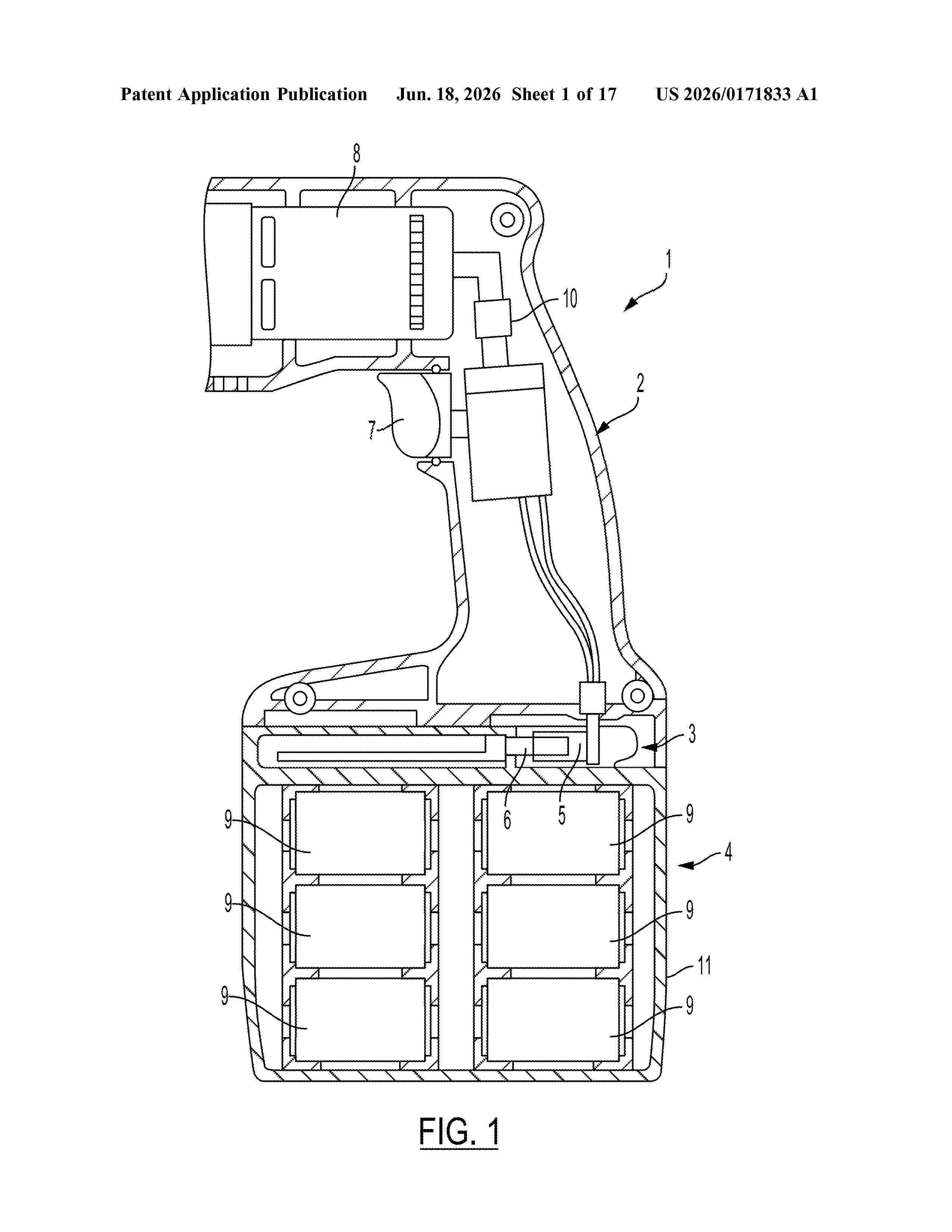
Resumen de: US20260171833A1
0000 The present disclosure is directed to charging a battery pack by measuring an electrical impedance value of a battery pack by applying a sinusoidal AC excitation signal to a plurality of battery cells of the battery pack, measuring a total impedance value of the battery pack, obtaining a chemical impedance value of the battery pack based on the electrical impedance value and the total impedance value, and adjusting a charge current applied to the battery pack based on the chemical impedance value of the battery pack.
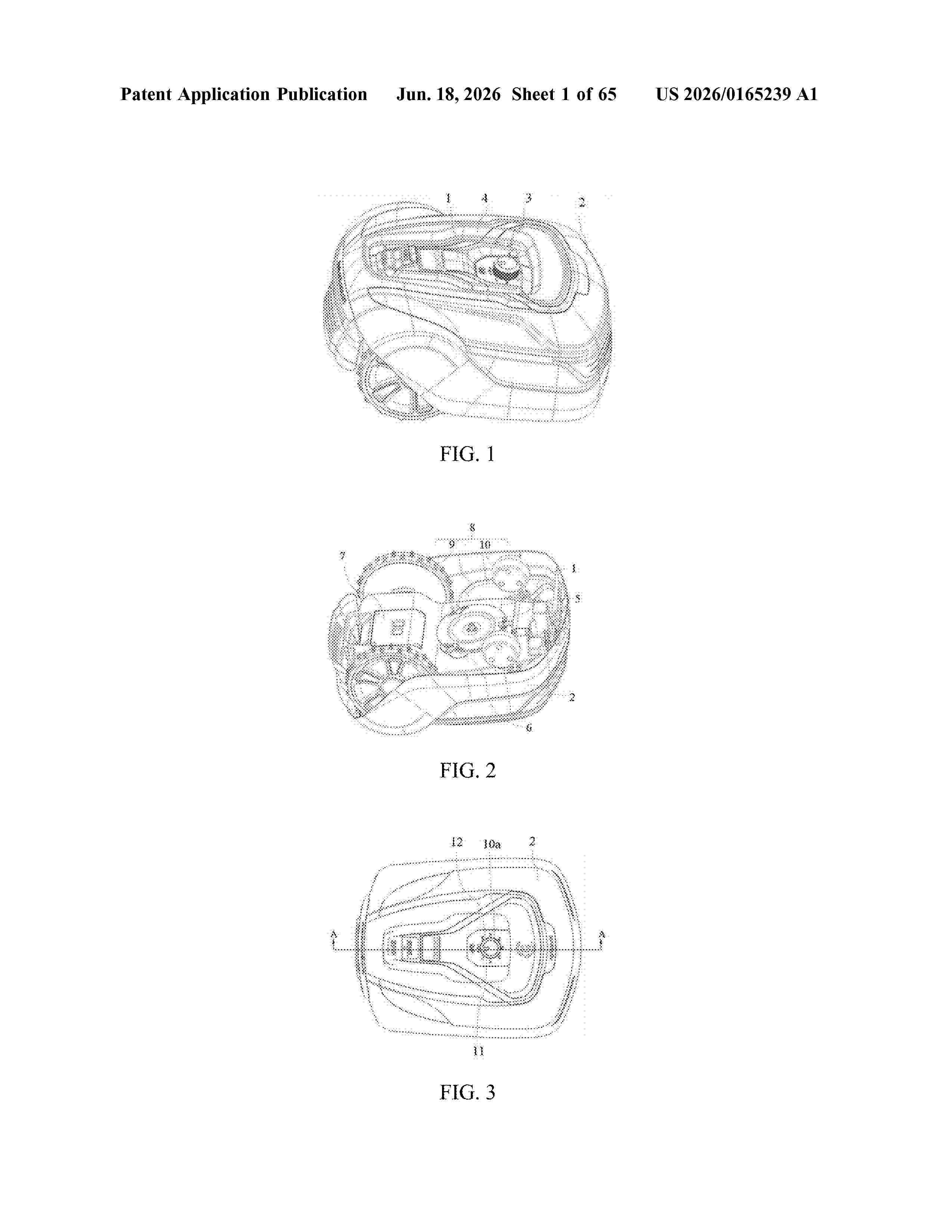
Resumen de: US20260165239A1
A mower is provided and includes: a housing; a movable upper cover, disposed on the housing; and a cutting assembly, disposed on the housing. The cutting assembly includes a blade carrier assembly, and the blade carrier assembly includes a blade carrier and a blade. The blade carrier includes a disc body and a blade receiving groove recessed inwardly from an edge of the disc body along an axial direction of the disc body. The blade is mounted in the blade receiving groove and arranged to be that the blade is not protruded out of the blade receiving groove in the axial direction of the disc body.
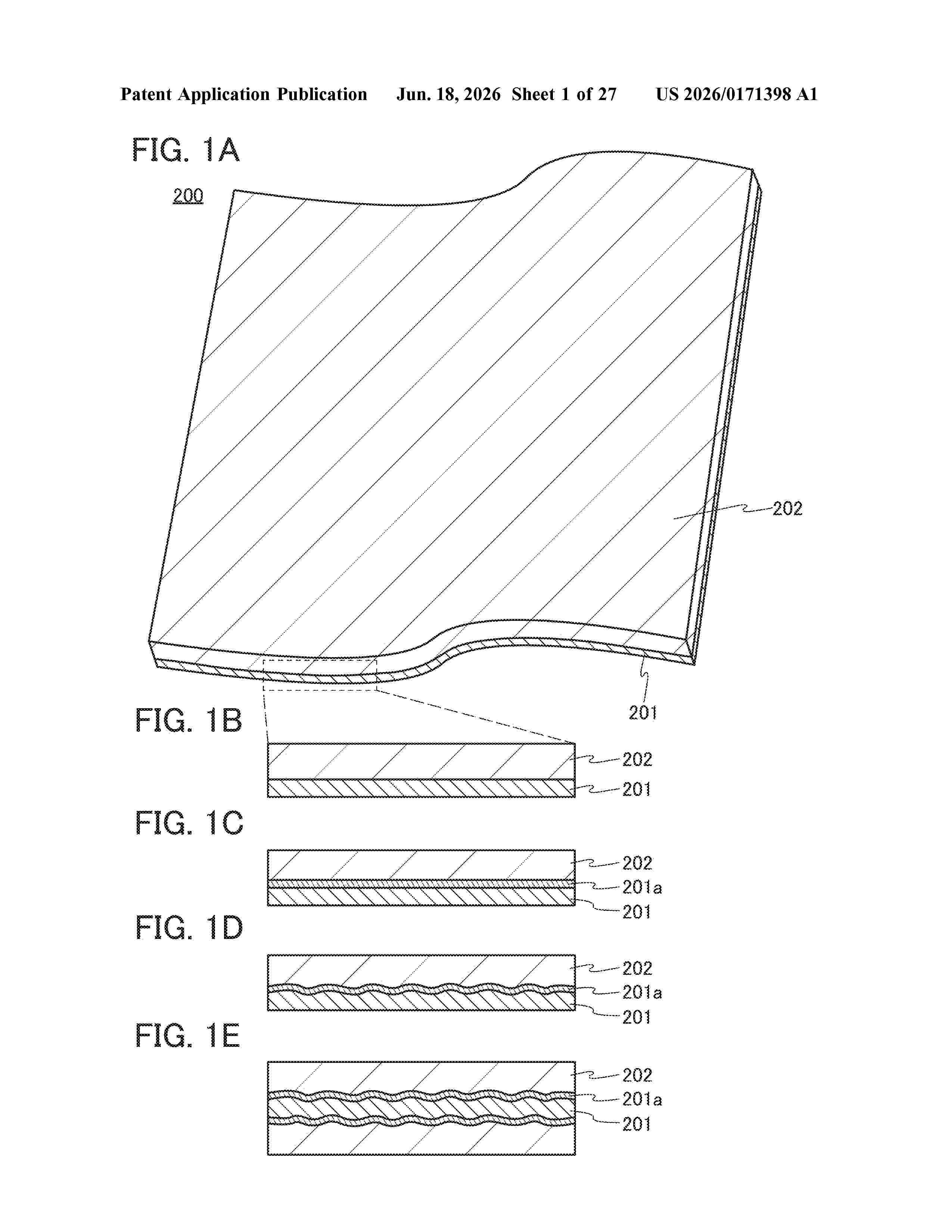
Resumen de: US20260171398A1
A secondary battery with favorable cycle performance is provided. Alternatively, a secondary battery with higher capacity is provided. A positive electrode active material layer including a first graphene layer, a second graphene layer, and a positive electrode active material. The first graphene layer includes a first region covering the positive electrode active material. The second graphene layer includes a second region covering the positive electrode active material and a third region overlapping with the first region. The first region includes a plane positioned between the positive electrode active material and the third region and formed of arranged six-membered carbon rings. The positive electrode active material includes a fourth region with a layered rock-salt structure. A lithium layer with a layered rock-salt structure included in the fourth region is substantially perpendicular to the plane formed of six-membered carbon rings and included in the second region.
Resumen de: US20260171851A1
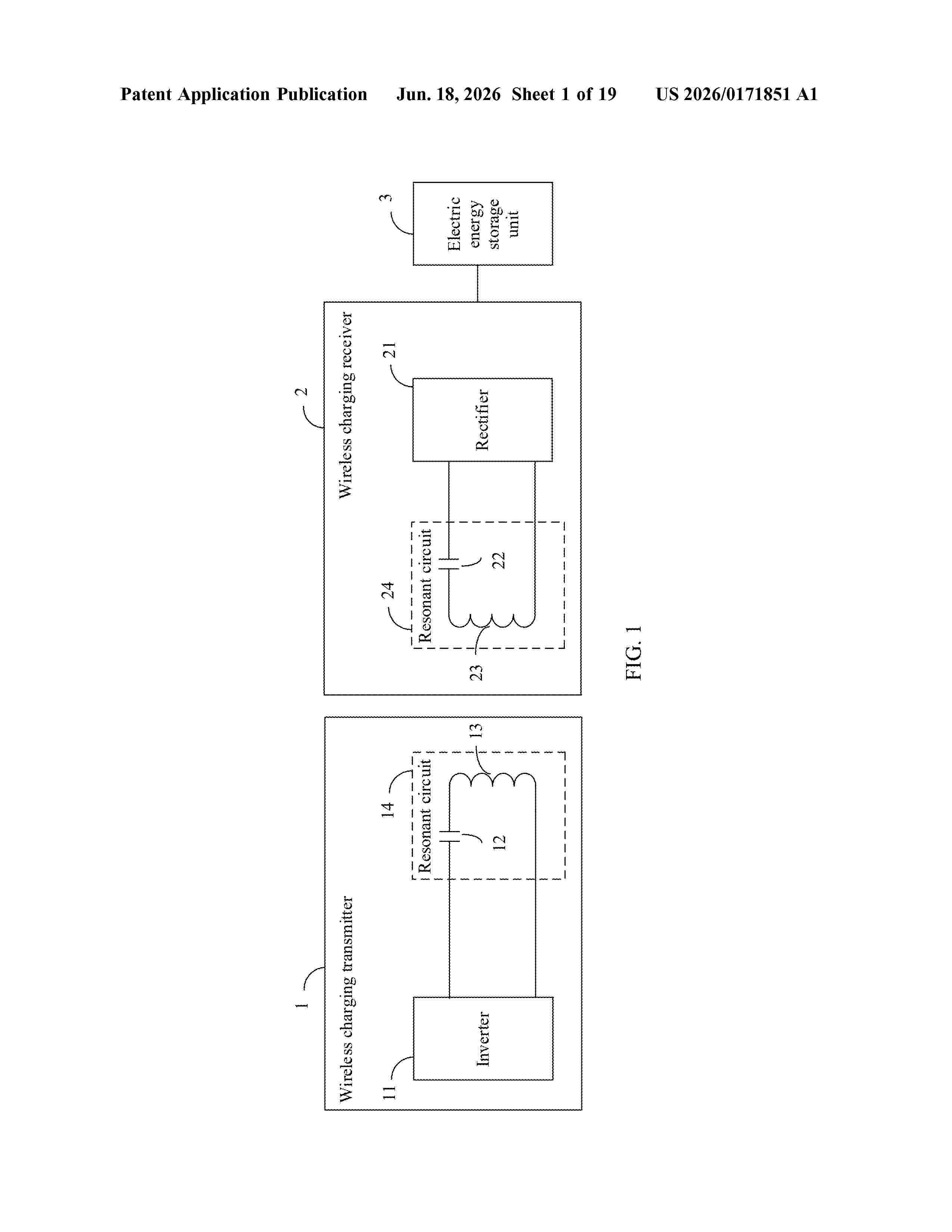
0000 The present disclosure provides a rectifier, an inverter, and a wireless charging device. The rectifier includes a signal conversion unit and a switchable capacitor unit that are mutually coupled. The switchable capacitor unit is configured to switch a rectification mode of the rectifier. The rectification mode may include but is not limited to any one of the following: a voltage multiplier rectification mode or a full-bridge rectification mode. Therefore, a variable dynamic range of the output voltage of the rectifier provided in embodiments of the present disclosure is extended.
Resumen de: US20260171876A1
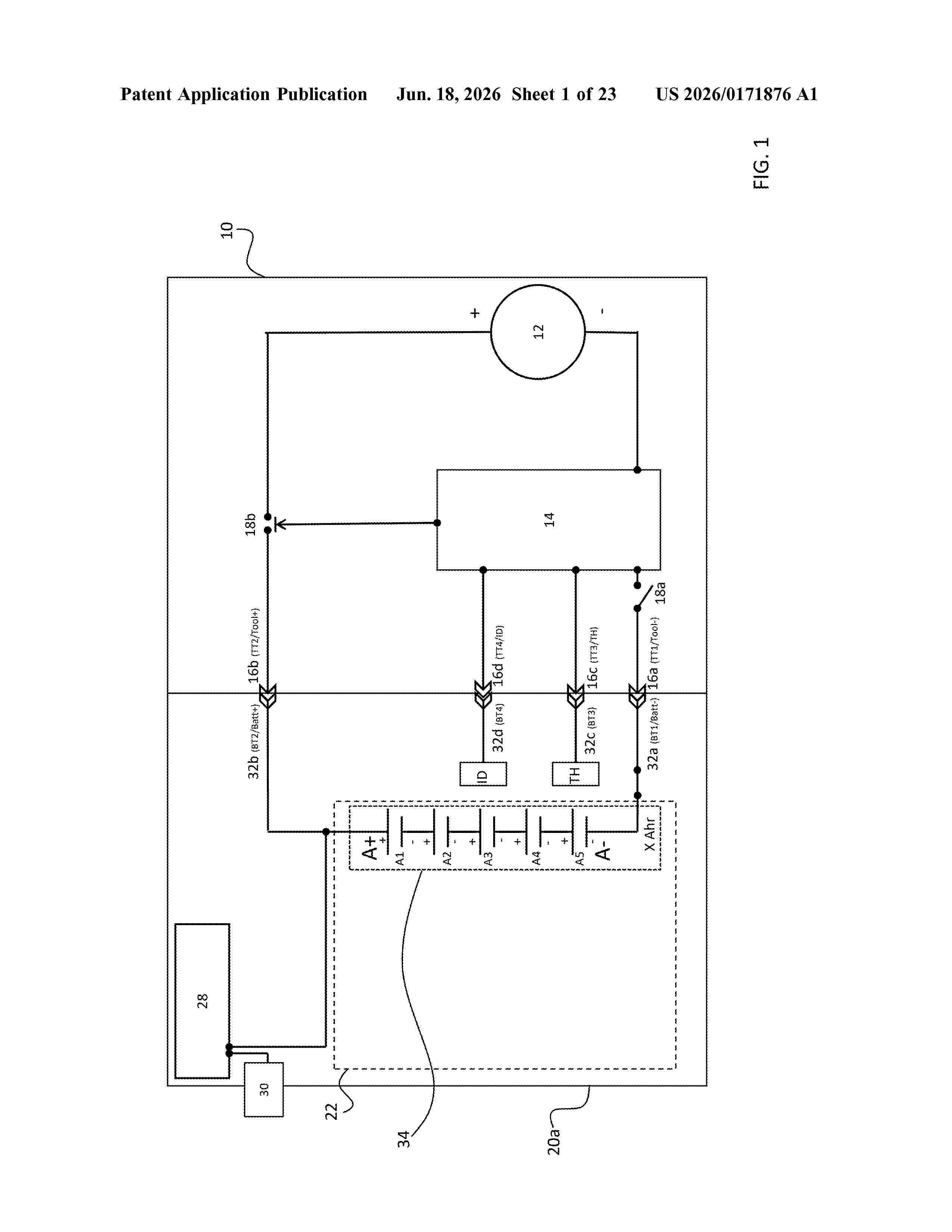
A power tool system includes a power tool having a tool housing. The tool housing includes a battery pack receptacle having a set of tool terminals. A brushless motor includes an output shaft operably coupled to drive a tool element, a stator having an outer diameter of approximately 60 mm to approximately 80 mm, and a stack length of approximately 75% to approximately 125% of the outer diameter of the stator. A controller is operably connected to the set of tool terminals and to the brushless motor to control power delivery to the brushless motor. A battery pack includes a battery pack housing connectable to the battery pack receptacle on the tool housing and a set of battery cells. The set of battery cells includes at least 15 battery cells each having a nominal voltage of approximately 3.6V and an impedance of approximately ≤13 mΩ. A set of battery pack terminals is connectable to the set of tool terminals. The battery pack has a nominal voltage of at least approximately 54V and the brushless motor is operable under load to output a power of between approximately 3000 W and approximately 5000 W.
Resumen de: US20260171394A1
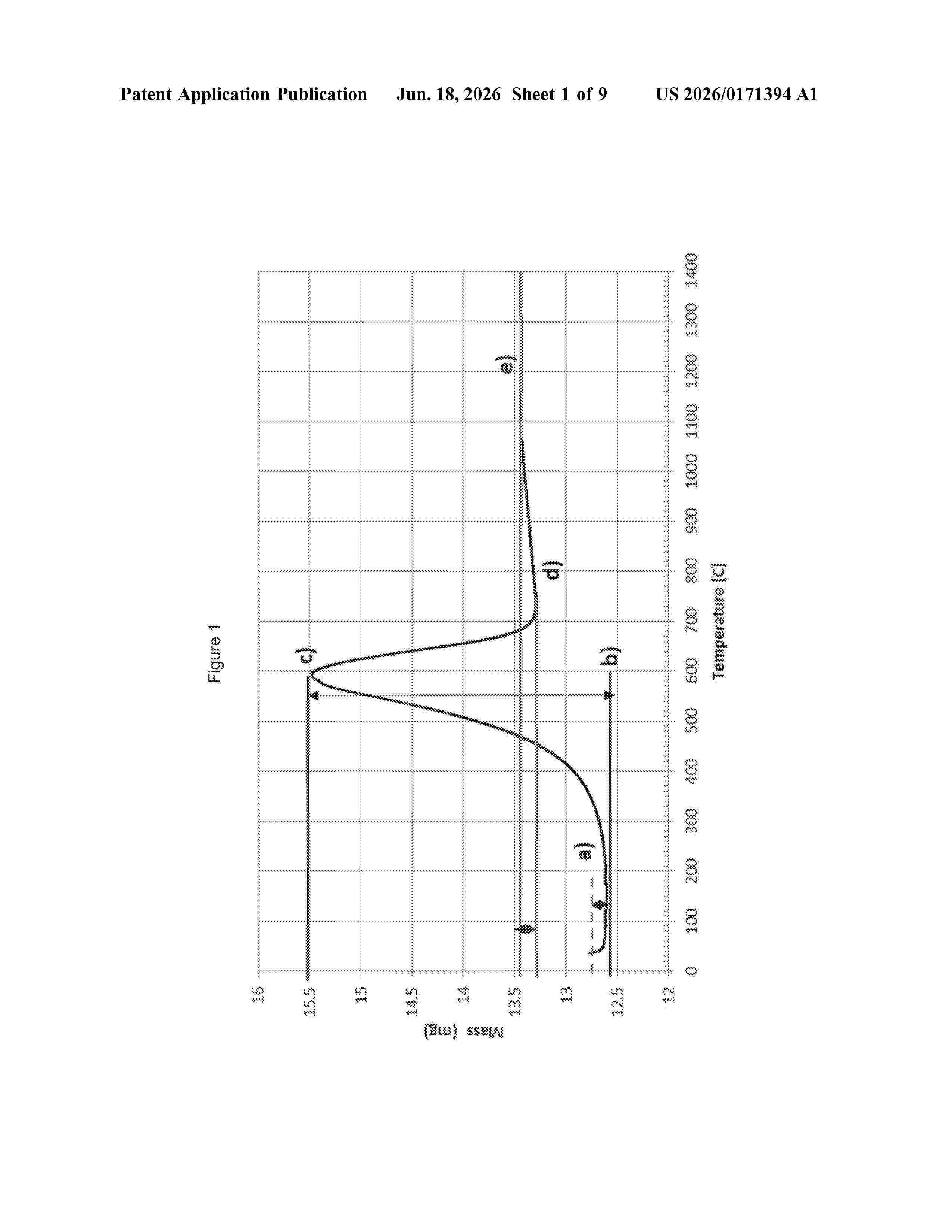
The invention provides methods for providing composite particles with a carbon coating and the resulting core-shell particulate material. The process comprises subjecting a plurality of precursor composite particles to a heat treatment in contact with a pyrolytic carbon precursor such that an outer shell of a pyrolytic conductive carbon material is formed on the precursor composite particles, wherein the heat treatment is carried out at a temperature of no more than 700° C.
Resumen de: AU2026204221A1
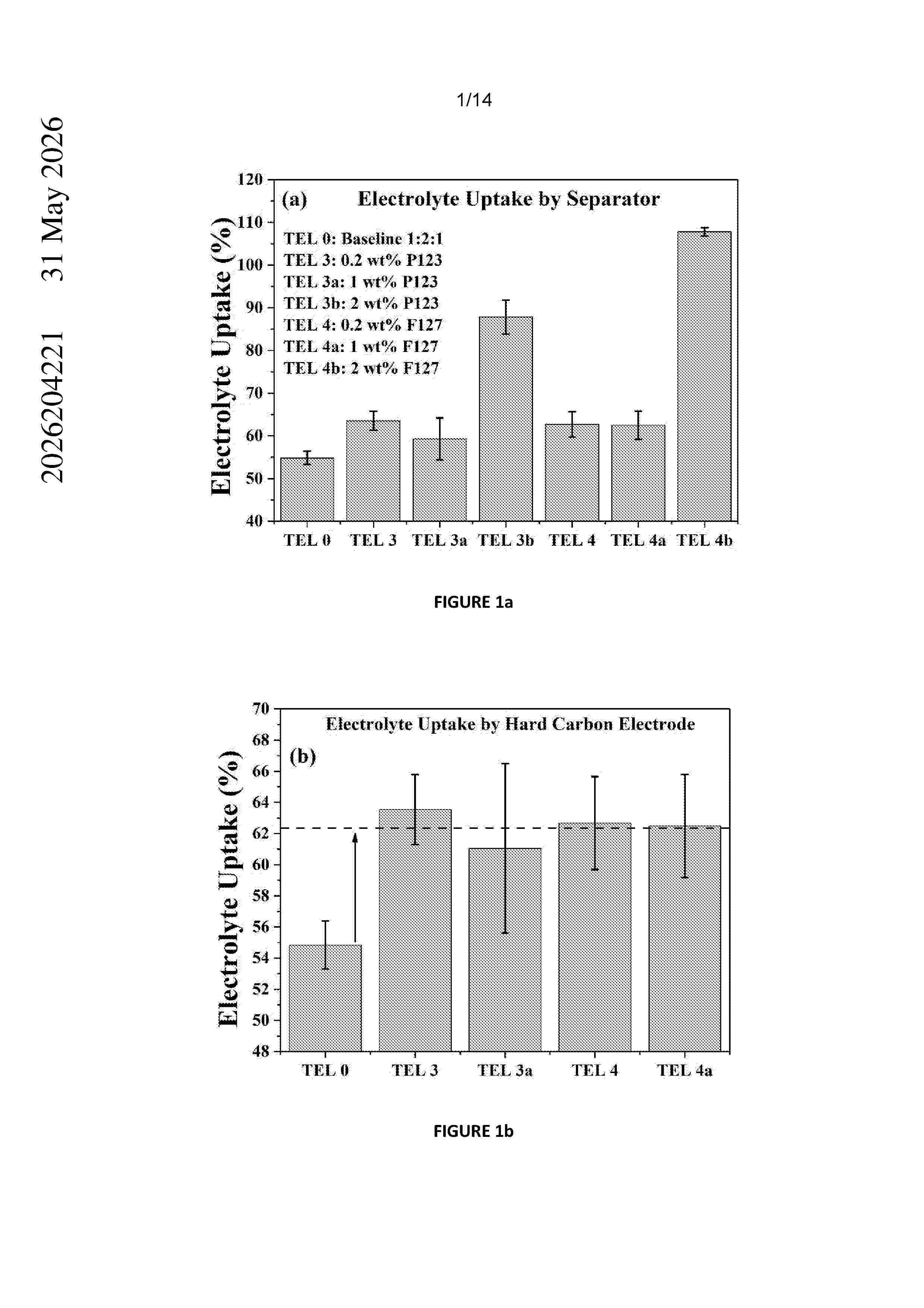
The invention provides novel non-aqueous electrolyte compositions comprising: a) one or more sodium-containing compounds; and b) a solvent system which comprises: i) a first solvent component which comprises one or more organo carbonate-based solvents; and ii) a second solvent component which comprises one or more surfactants in an amount of >0.5 to 10% by weight of the solvent system, ay a y s u r f a c t a n t s i n a n a m o u n t o f > t o % b y w e i g h t o f t h e
Resumen de: US20260171401A1
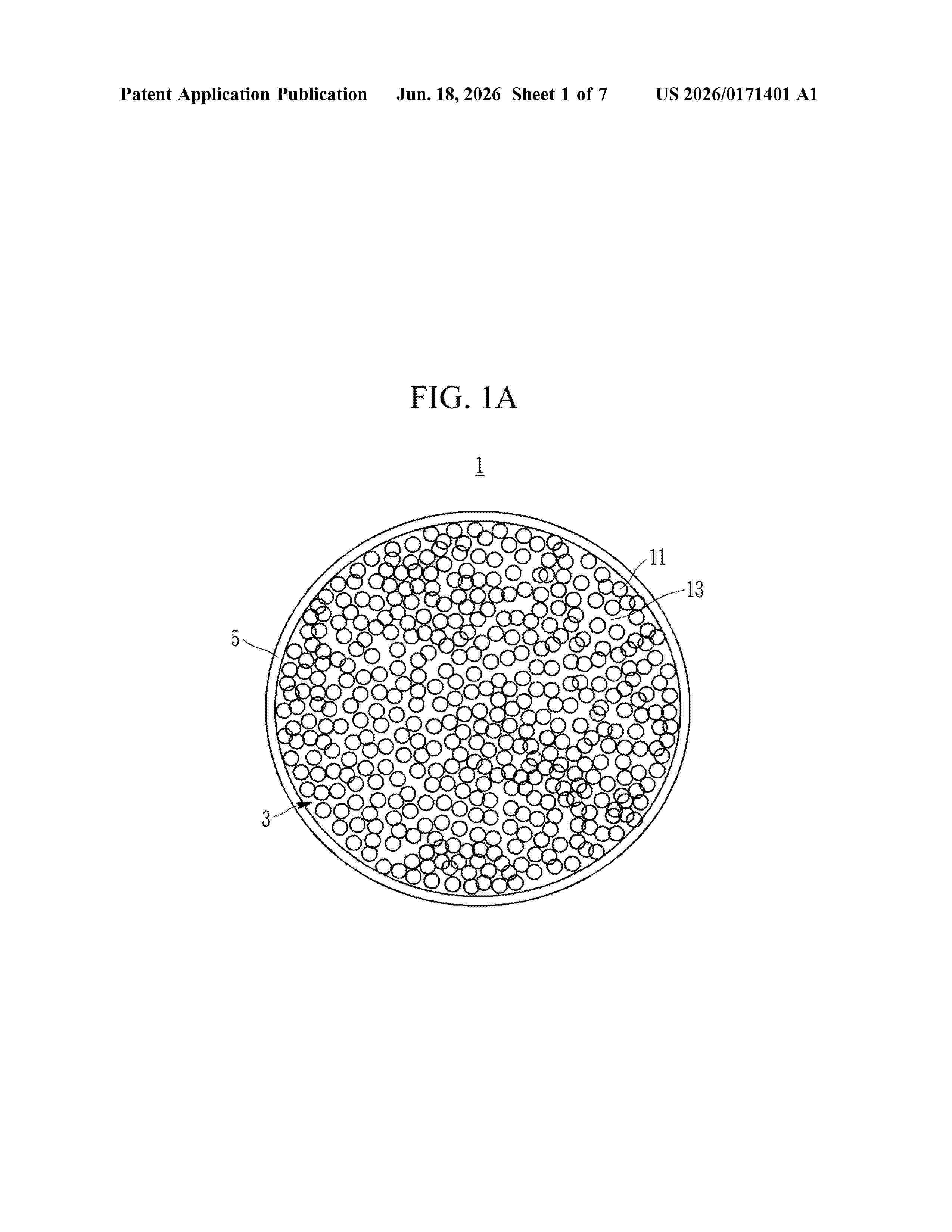
A negative active material composite includes a core and a coating layer surrounding the core. The core includes amorphous carbon and silicon nanoparticles, the coating layer includes amorphous carbon, and an adjacent distance between the silicon nanoparticles is less than or equal to about 100 nanometers.
Resumen de: US20260171606A1
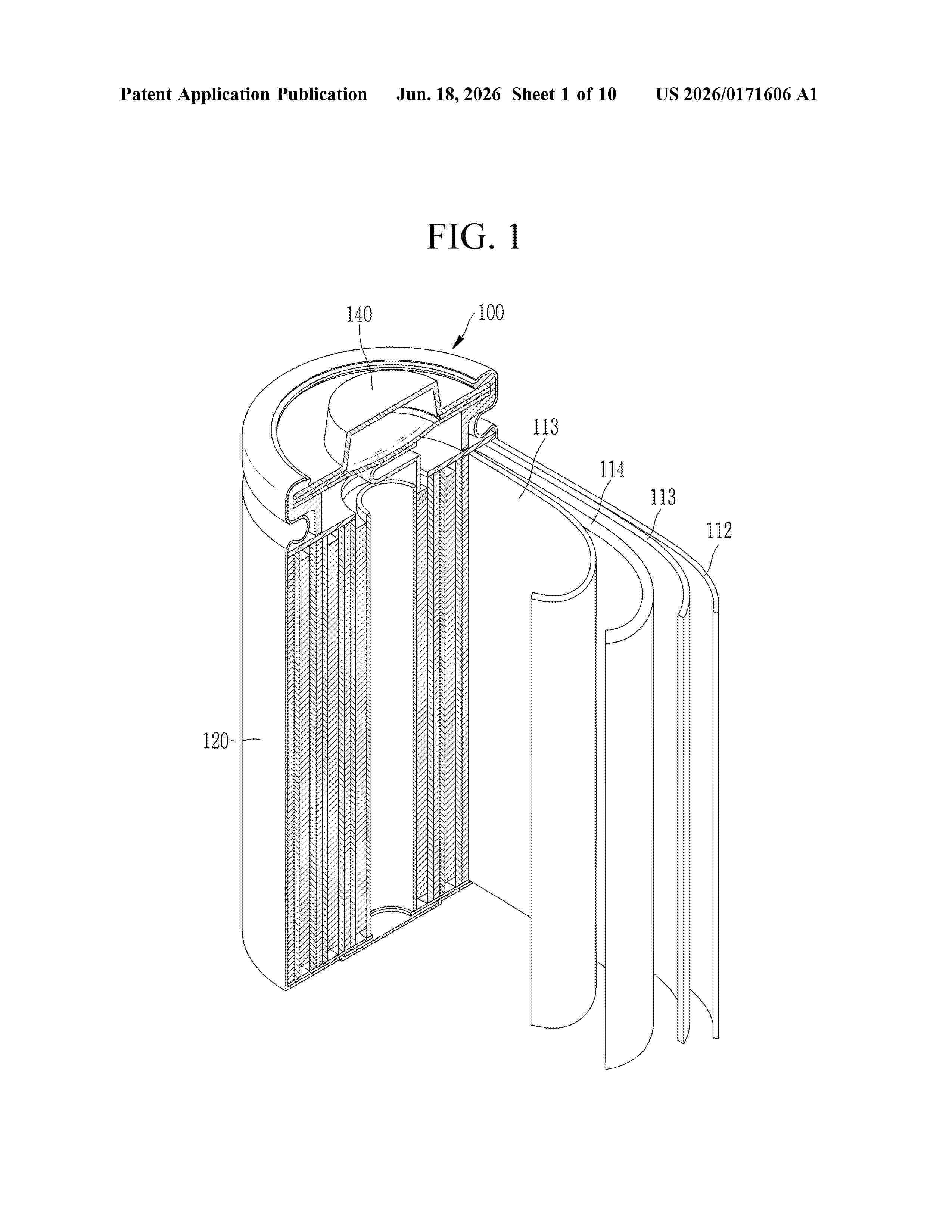
The present invention relates to a separator for a lithium secondary battery, and a lithium secondary battery including the same, the separator including a porous substrate and a coating layer located on at least one surface of the porous substrate, wherein the coating layer includes a heat-resistant binder including a (meth)acrylic copolymer including a first structural unit derived from (meth)acrylamide, a second structural unit derived from (meth)acrylonitrile, and a third structural unit derived from (meth)acrylaminosulfonic acid, a (meth)acrylaminosulfonate or a combination thereof; an adhesive binder having a core-shell structure; and inorganic particles, wherein the adhesive binder has an average particle diameter of 0.2 μm to 1.0 μm, and the inorganic particles have an average particle diameter of 0.2 μm to 1.0 μm.
Resumen de: US20260171510A1
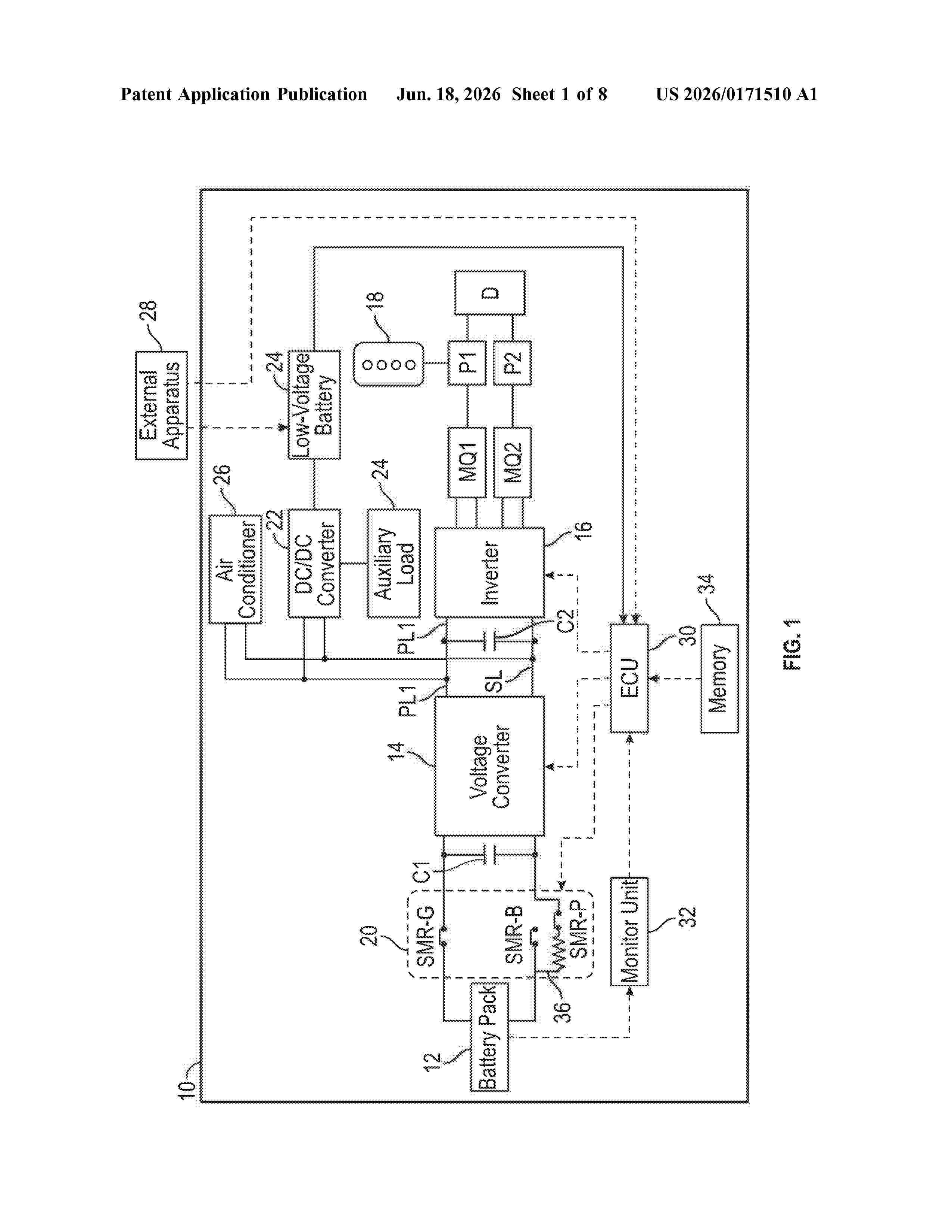
0000 A method of recycling battery packs having a plurality of battery units is disclosed. The battery units have positive and negative terminals combined with each other and are supported within a housing. The battery units are separated from battery packs subsequent to the one or more battery packs being judged as being degraded. Each of the battery units is tested with a battery test stand having a fixed resistance load to obtain battery operating data indicative of variable voltage and variable current. The battery units are matched based on the battery operating data to form sets of matching battery units. And, replacement battery packs are formed by connecting positive and negative terminals of the matching battery cells within the sets.
Resumen de: US20260166854A1
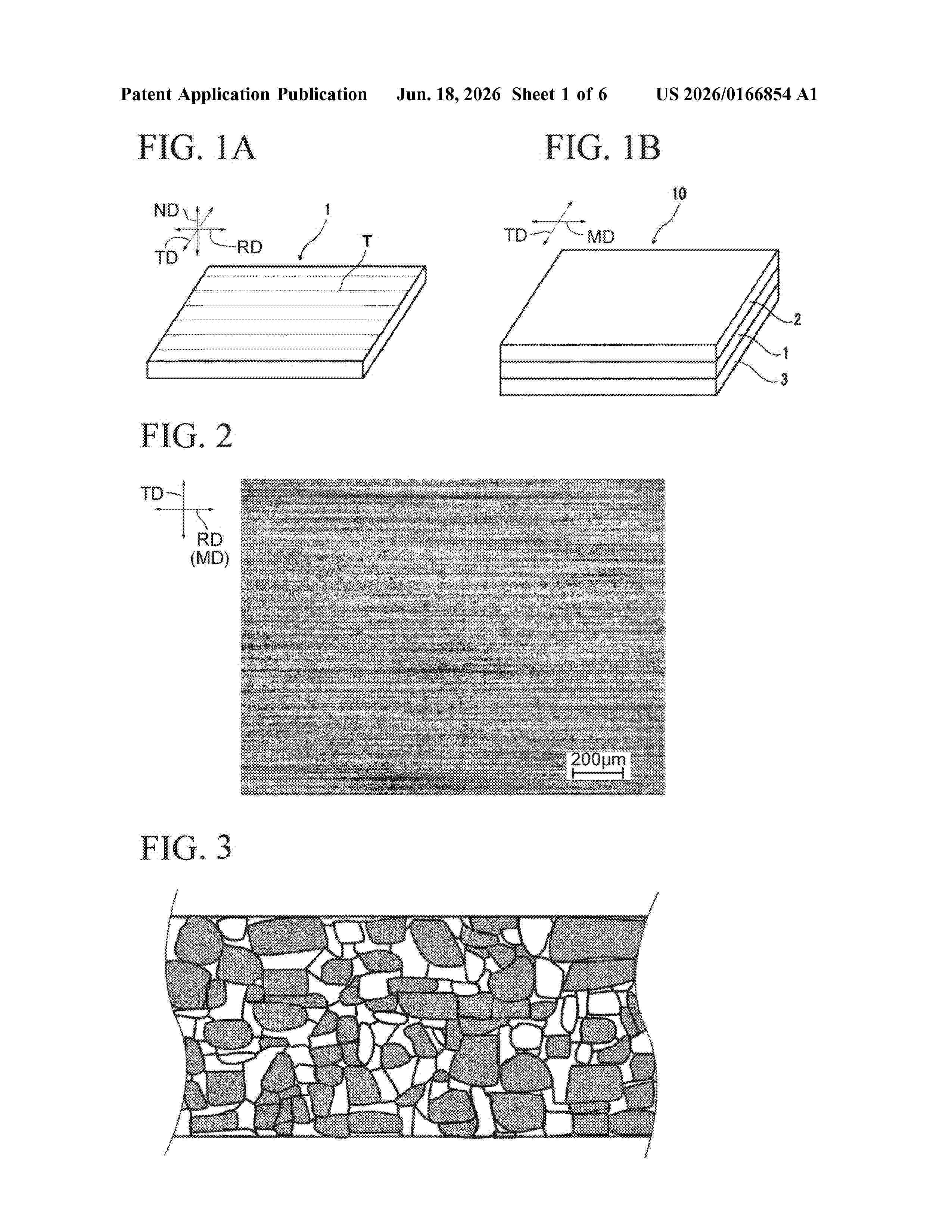
Aluminum alloy foil that, when used for battery packaging material, unlikely to develop pinholes or cracks even during molding of battery packaging material, and can exhibit excellent moldability. Aluminum alloy foil, which is for use in battery packaging material, wherein, with respect to cross section obtained by cutting aluminum alloy foil in vertical direction to rolling direction of aluminum alloy foil, which is a vertical direction to surface of aluminum alloy foil, proportion of total area of a {111} plane in total area of crystal planes of face-centered cubic structure, obtained by performing crystal analysis using EBSD method, is 10% or more; and with respect to cross section, a number average grain diameter R (μm) of crystals in face-centered cubic structure, obtained by performing crystal analysis using EBSD method, satisfies following equation: number average grain diameter R≤0.056X+2.0, where X=thickness (μm) of aluminum alloy foil.
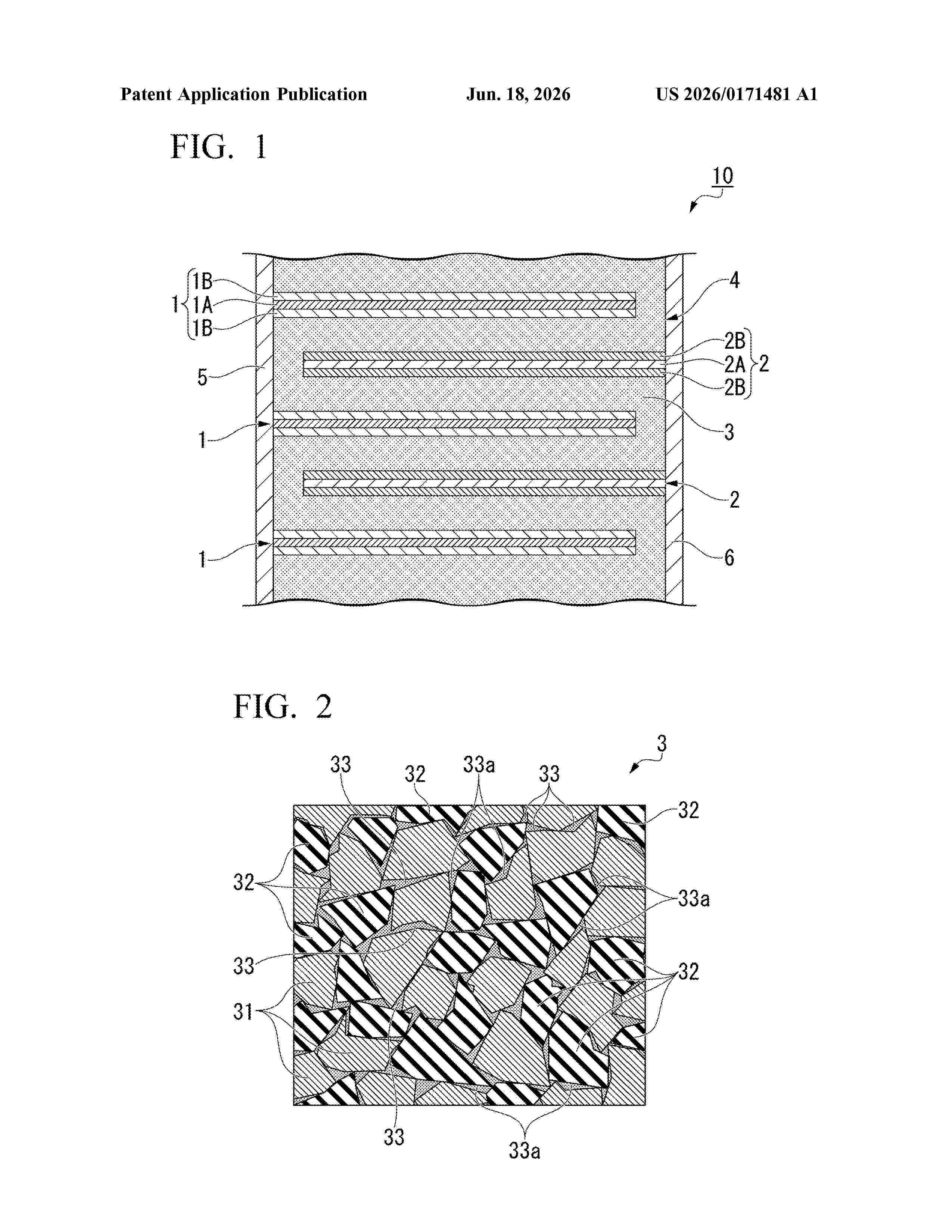
Resumen de: US20260171481A1
A solid electrolyte layer includes a first phase region containing a first solid electrolyte which contains Li, Si, P and O and has a γ-Li3PO4 type crystal structure, and a second phase region containing a second solid electrolyte which contains Li, Si, P and O, has a different composition from the first solid electrolyte, and has a Li4SiO4 type crystal structure. In the solid electrolyte layer, the ratio of the volume of the first phase region to the volume of the second phase region is preferably 0.1 or more and 9 or less.
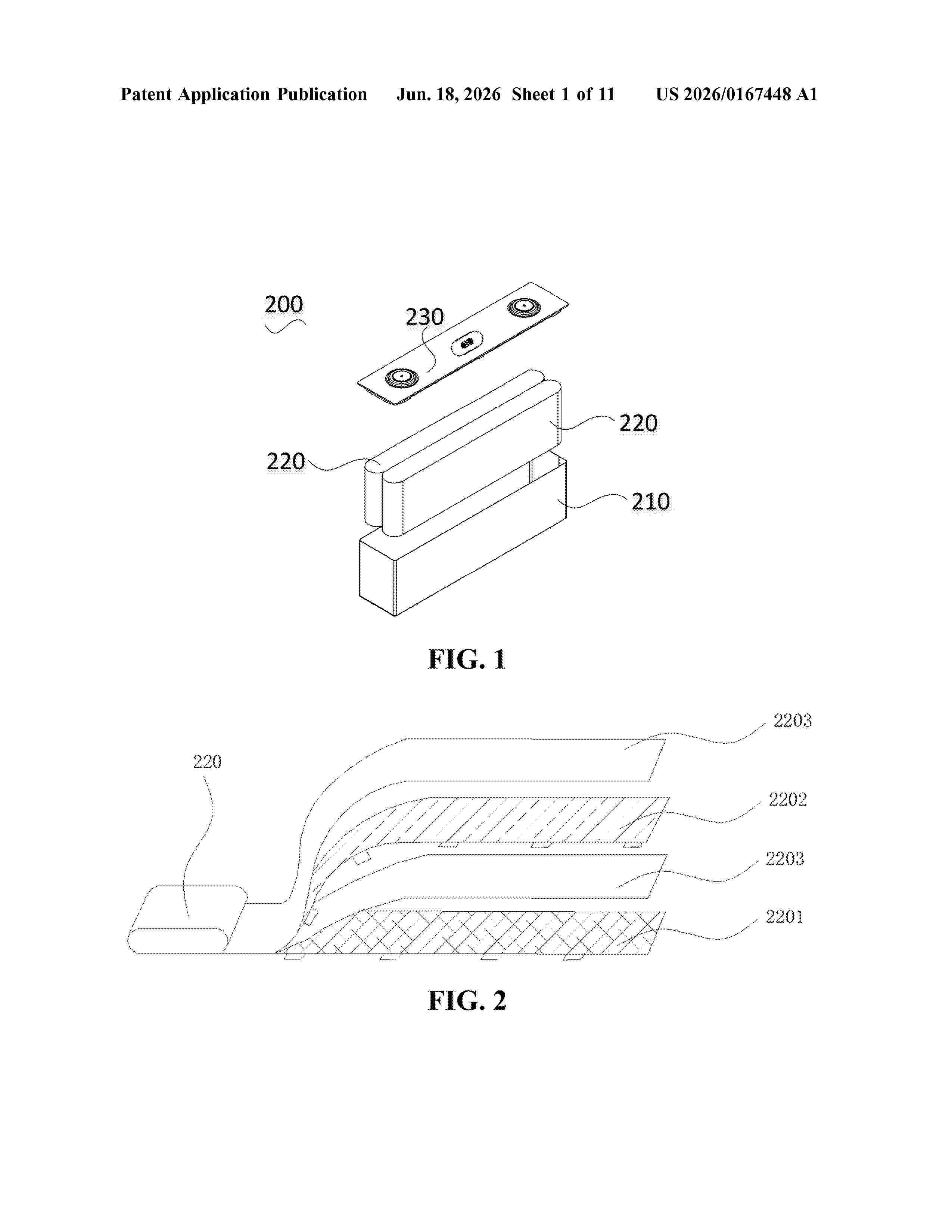
Resumen de: US20260167448A1
0000 The winding apparatus includes a base and at least two winding pins. The base has a winding position and a finishing position, the winding position and the finishing position being each provided with a winding pin, where the winding pin at the winding position is capable of exchanging positions with the winding pin at the finishing position. Each of the winding pins includes a main body portion and a first cutter assembly, where the first cutter assembly includes a first cutter disposed inside the main body portion; and the main body portion is configured to be circumferentially rotatable about an axial direction thereof relative to the first cutter, where an outer periphery of the main body portion is configured as a winding-attaching surface for wind-attaching a material during rotation of the main body portion.
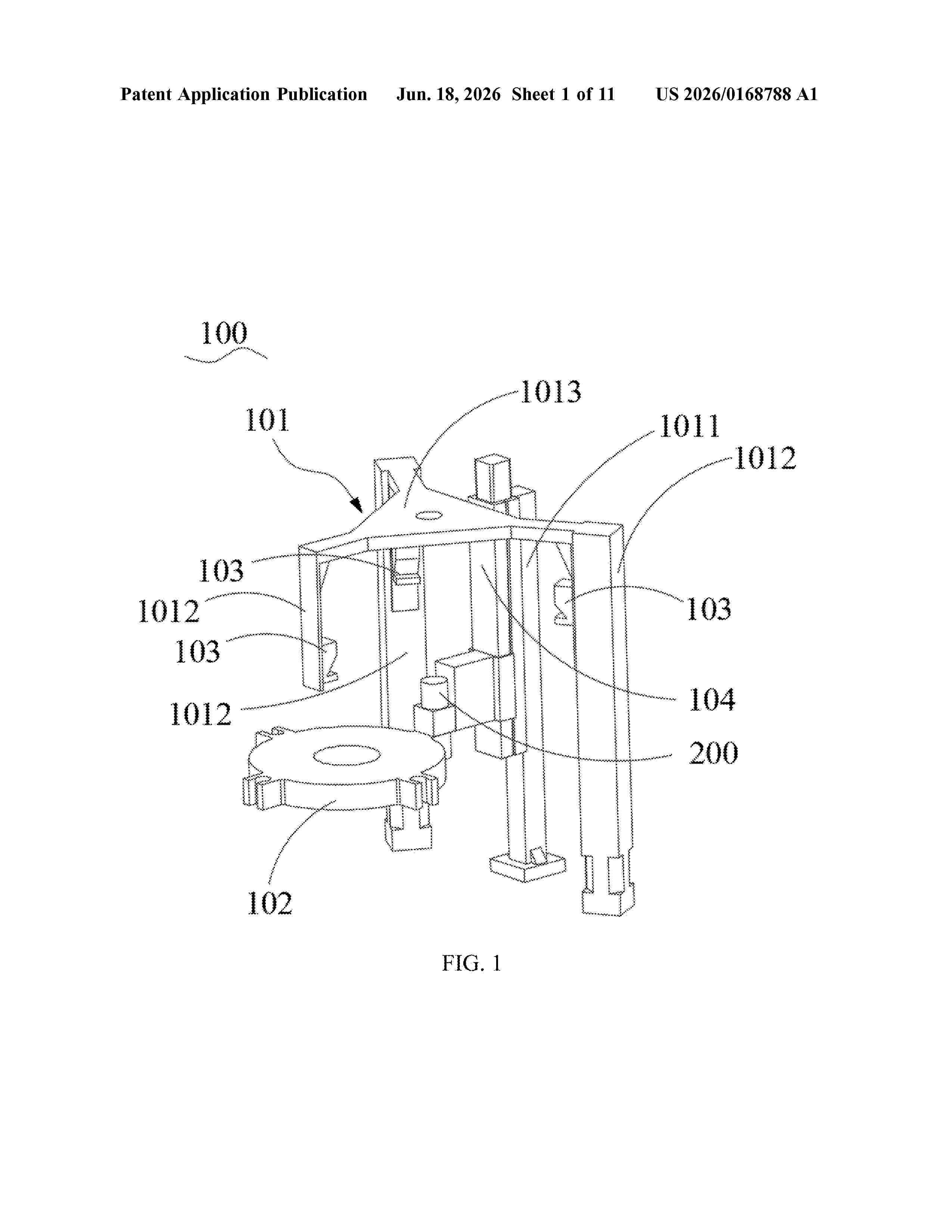
Resumen de: US20260168788A1
A cylindricity detection apparatus and detection method for a cylindrical battery cell. A cylindricity detection apparatus for a cylindrical battery cell includes a bracket; a stage mounted on the bracket, where the stage is configured to hold a cylindrical battery cell; and a plurality of image capture devices mounted on the bracket, respectively, where the plurality of image capture devices are configured to acquire image information of the cylindrical battery cell, so as to construct a cylindrical surface based on the image information, and acquire a cylindricity of the cylindrical battery cell based on the constructed cylindrical surface.
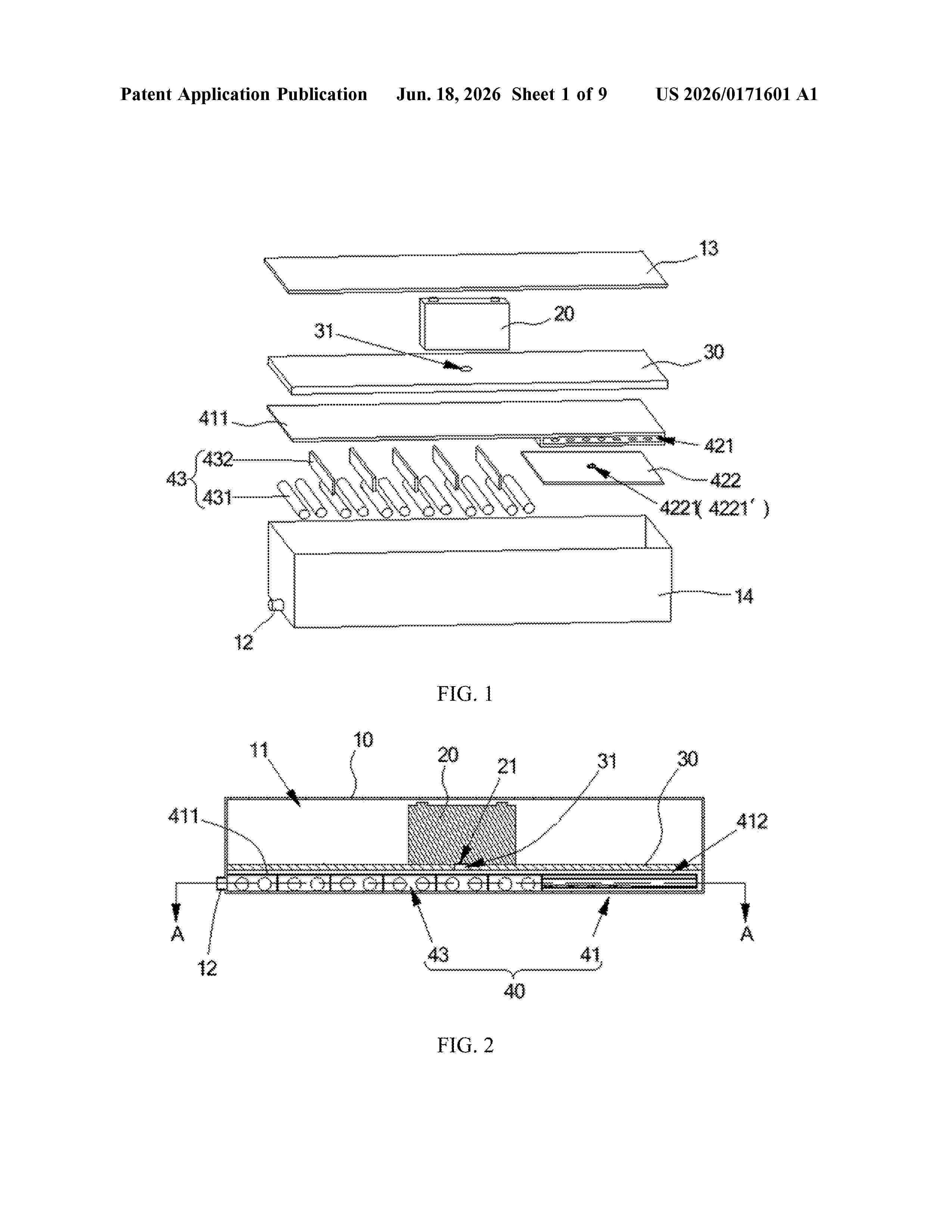
Resumen de: US20260171601A1
A battery and an electric device are disclosed. The battery includes a housing with an inner cavity and a battery cell positioned inside the cavity. The battery cell includes a pressure relief mechanism. A first partition divides the cavity into a first chamber and a second chamber. The battery cell is located in the first chamber. The partition includes a through hole that allows communication between the two chambers. The pressure relief mechanism is aligned with the through hole to direct fumes from the battery cell into the second chamber. A fume processing apparatus is positioned in the second chamber to treat the fumes and discharge the processed fumes outside the battery. This configuration reduces environmental pollution and health hazards caused by fumes generated during thermal runaway of the battery.
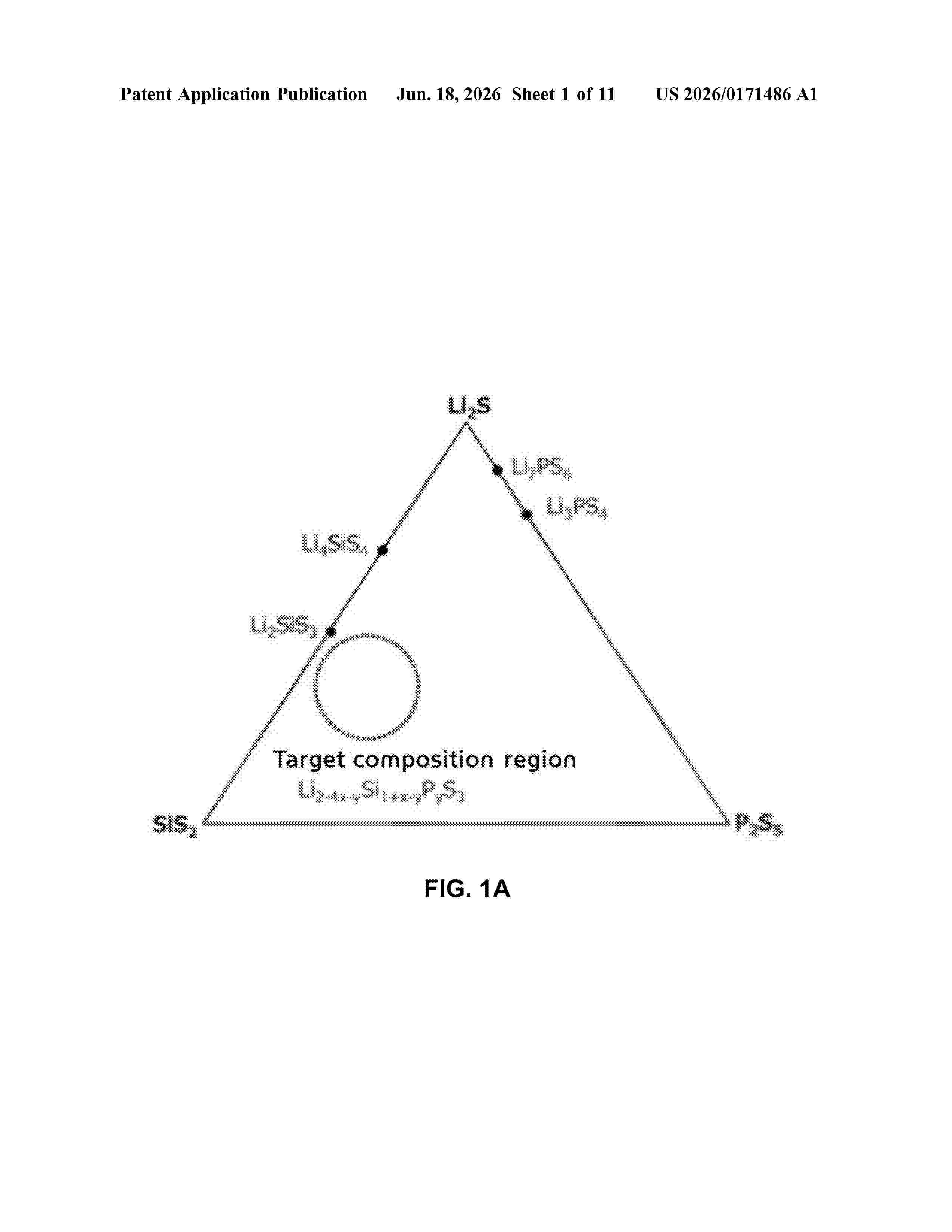
Resumen de: US20260171486A1
Disclosed are a solid electrolyte material including a naturally abundant element as a base, having lithium ion conductivity equal or superior to those of conventional sulfide solid electrolyte materials, being relatively inexpensive, and having a crystal structure, a manufacturing method thereof, and a battery using the same. The solid electrolyte material may include a naturally abundant element as a base, have lithium ion conductivity equal or superior to those of conventional sulfide solid electrolyte materials, be relatively inexpensive, and have a crystal structure. The sulfide solid electrolyte material includes a sulfide compound represented by a formula of Li2-4x-ySi1+x-yPyS3, and x and y satisfy conditions −0.040≤x≤0.095 and 0.036≤y≤0.192.
Resumen de: US20260167814A1
The present invention relates to a polymer composition, and a slurry composition, a separator and a secondary battery comprising same, the polymer composition comprising: a particle-type polymer comprising a carboxyl group or an alcohol group; and a chain-type polymer comprising a carboxyl group or an alcohol group (if the particle-type polymer comprises the carboxyl group, the chain-type polymer comprises the alcohol group and, if the particle-type polymer comprises the alcohol group, the chain-type polymer comprises the carboxyl group).
Resumen de: US20260167496A1
The present specification provides: a carbon nanotube dispersion liquid comprising single-walled carbon nanotubes (SWCNTs) having the purity of 95% or more and a cellulose-based dispersant, wherein the cellulose-based dispersant has the value of 7 or more and 13 or less calculated by mathematical formula 1; a method for preparing same; an electrode slurry composition comprising same; an electrode comprising same; and a lithium secondary battery comprising same.
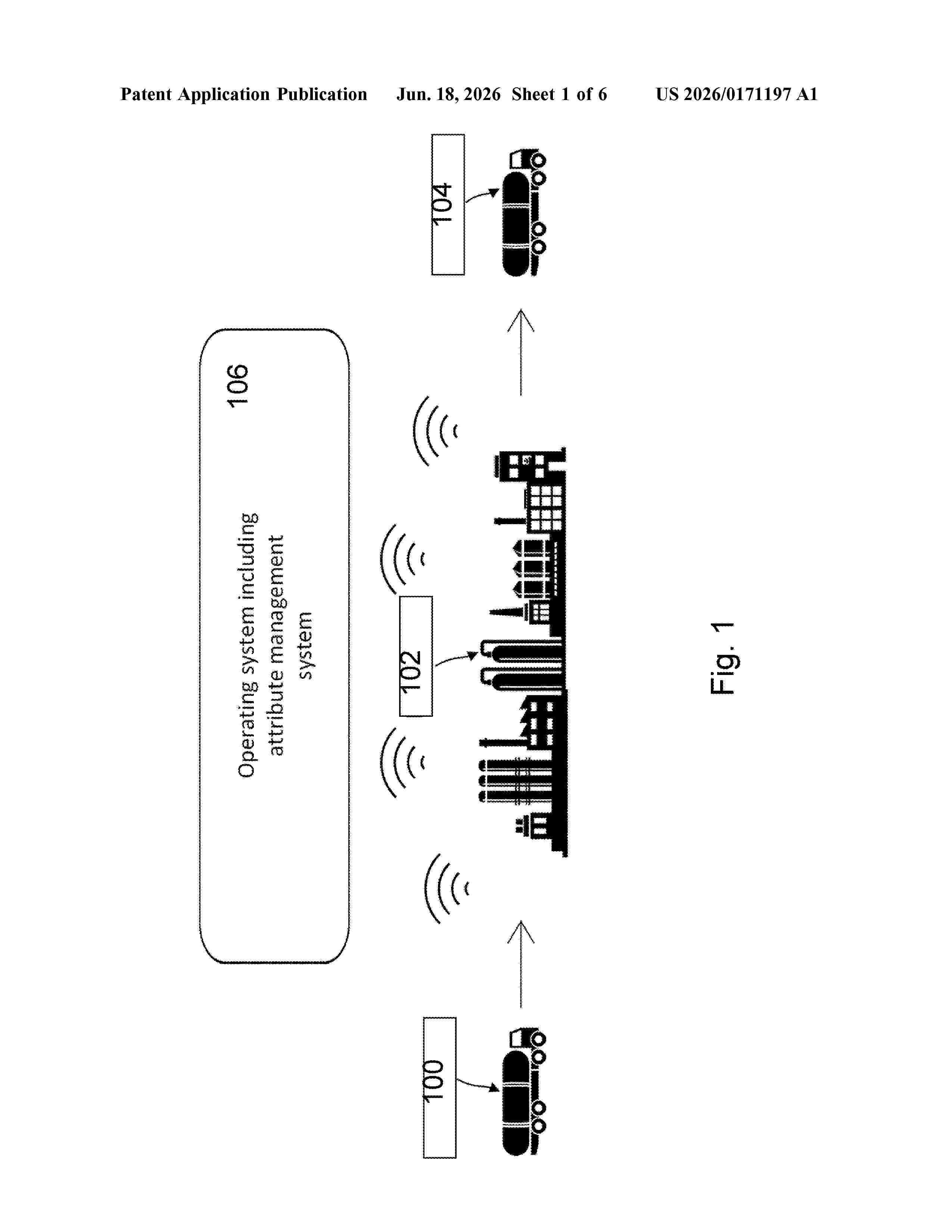
Resumen de: US20260171197A1
Disclosed herein are systems for producing a care composition ingredient associated with a digital asset, methods for producing a care composition ingredient associated with a digital asset, apparatuses for generating a digital asset, computer-implemented methods for generating a chemical passport, computer program elements for generating a digital asset, uses of a care composition ingredient associated with a digital asset, uses of a digital asset, products produced from the care composition ingredient and associated with a digital asset, a digital asset including one or more decentral identifier(s) and data related to the environmental impact data, apparatuses for producing a product associated with the digital asset and methods for producing a product associated with the digital asset.
Resumen de: US20260171397A1
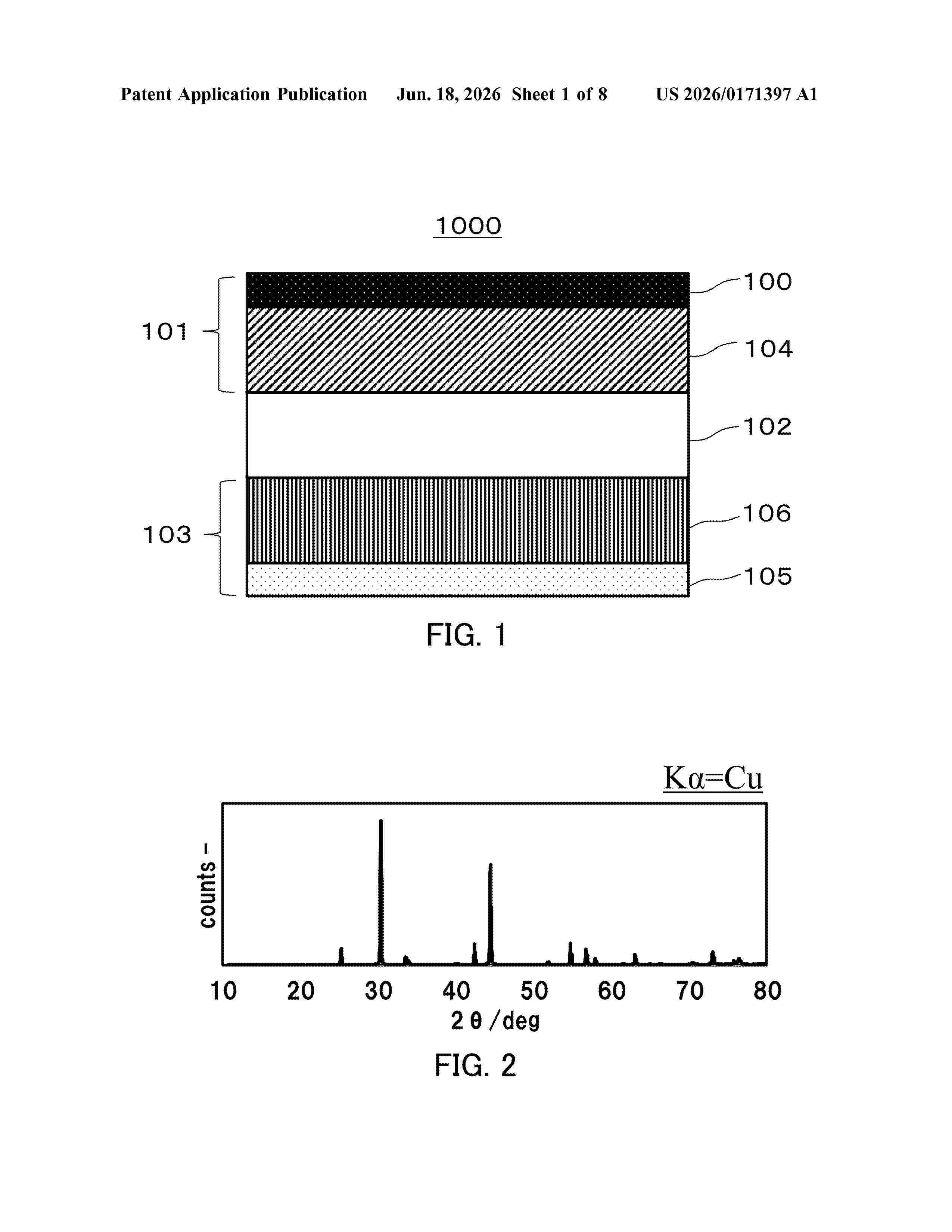
0000 A battery 1000 according to the present disclosure includes a positive electrode 103, a negative electrode 101, and an electrolyte layer 102 positioned between the positive electrode 103 and the negative electrode 101. The positive electrode 103 includes a positive electrode active material layer 106. The positive electrode active material layer 106 includes a compound, and the compound includes a transition metal element and an oxoanion and is capable of occluding and releasing lithium ions. The negative electrode 101 includes a negative electrode current collector 100 and a negative electrode active material layer 104. The negative electrode active material layer 104 includes an alloy, and the alloy includes Bi and Ni.
Resumen de: US20260171415A1
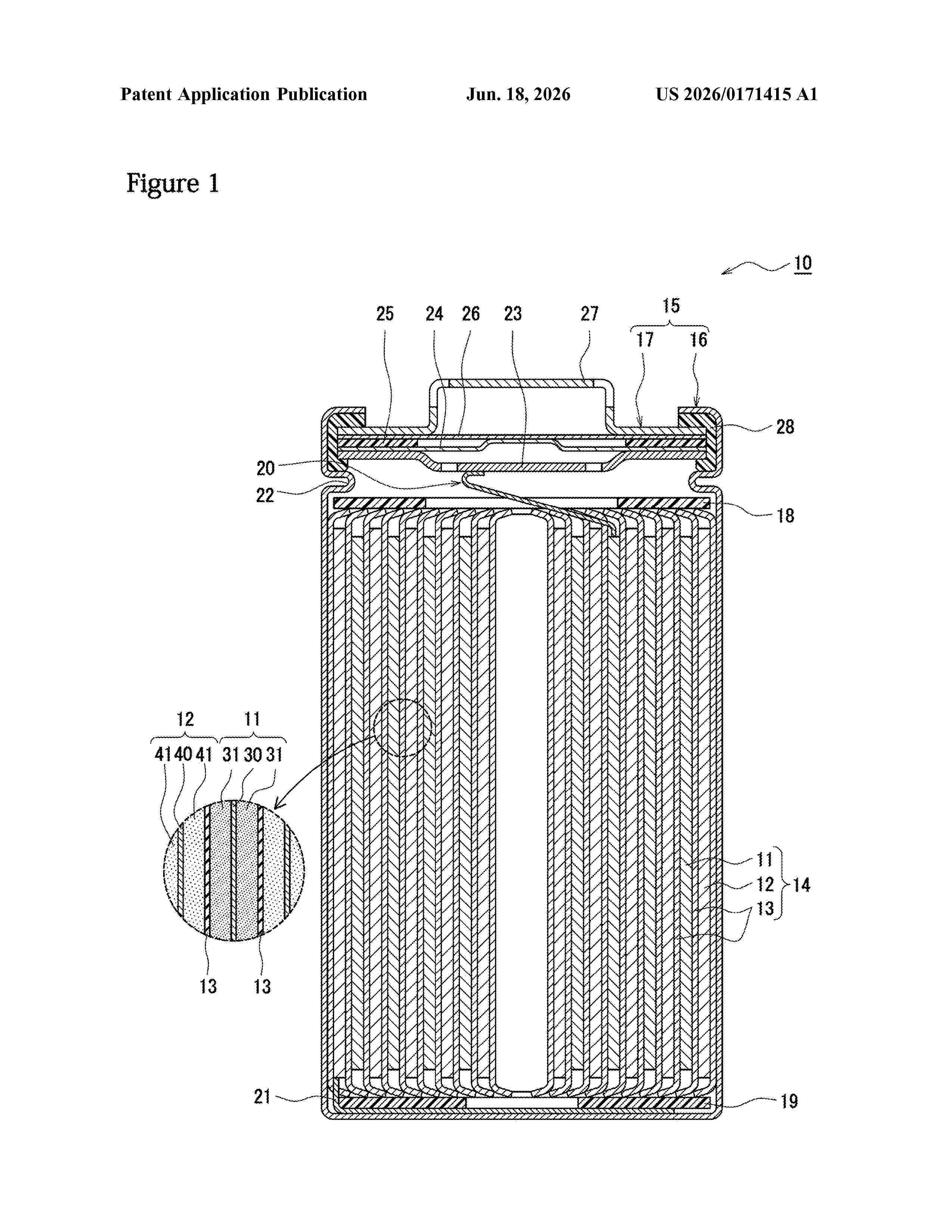
The present invention provides a positive electrode active material which has improved capacity retention rate at room temperature. A negative electrode contained in a nonaqueous electrolyte secondary battery according to the present invention contains a negative electrode active material and a lithium sulfonate salt represented by general formula (I); and the particle diameter of the lithium sulfonate salt is 1 nm to 1,000 nm. (In the formula, R presents an n-valent aliphatic hydrocarbon group having 1 to 5 carbon atoms; and n represents 1 or 2.)
Resumen de: US20260171467A1
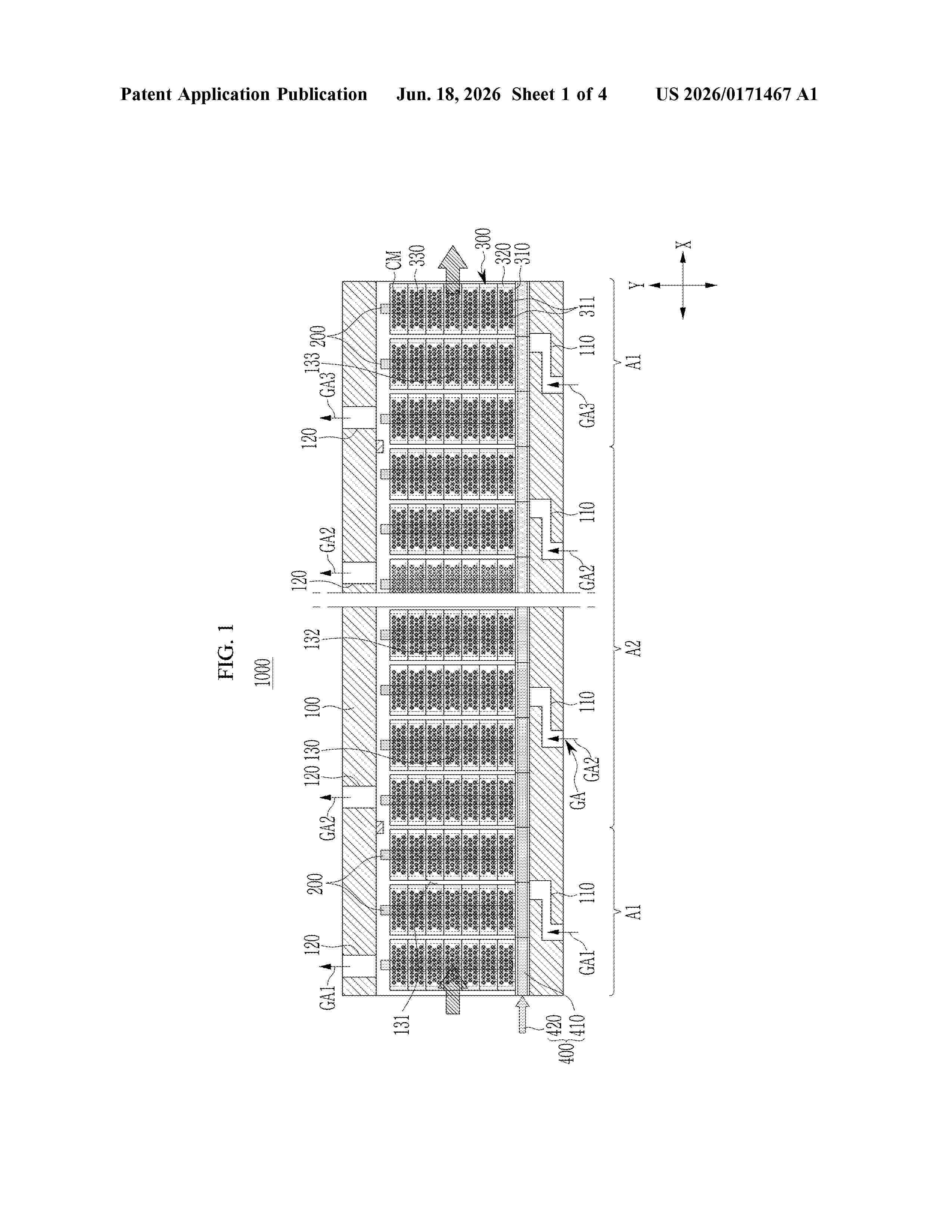
0000 Provided is an apparatus for firing a cathode material of a secondary battery by moving the cathode material in a horizontal direction, including: a firing furnace including an air supply part which is placed in a lower portion and to which gas is supplied, an exhaust part which is placed in an upper portion and from which the gas is exhausted, and a firing space which is placed between the air supply part and the exhaust part and extended in a vertical direction intersecting the horizontal direction; a heater which heats the firing space of the firing furnace; a plurality of saggers which store the cathode material for a secondary battery and are stacked in the vertical direction in the firing space; and a pusher which has the plurality of saggers settled therein and moves the plurality of saggers in the horizontal direction.
Resumen de: US20260171495A1
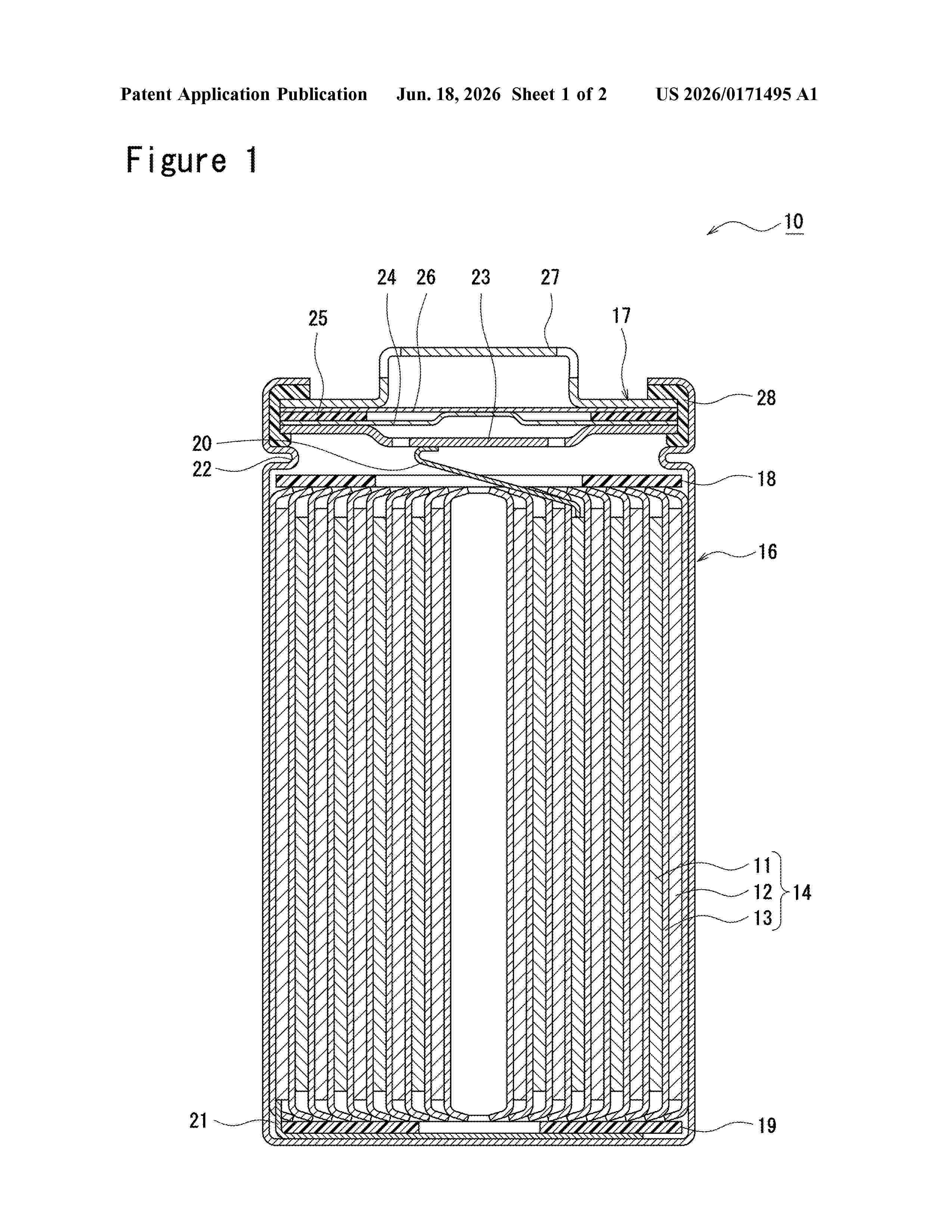
0000 In a non-aqueous electrolyte secondary battery according to one embodiment of the present invention, a positive electrode (11) has: a positive electrode core material (30); and a positive electrode mixture layer (31) formed on the surface of the positive electrode core material (30). The electrode mixture layer (31) contains, as a positive electrode active material, first lithium metal composite oxide particles that are non-aggregated particles having a volume-based median diameter of 2-10 μm, and second lithium metal composite oxide particles that are secondary particles that have a volume-based median diameter of 10-30 μm and that are each obtained by aggregation of primary particles having an average particle diameter from 50 nm to 2 μm. The first lithium metal composite oxide particles are contained more in a first region (31a ) than in a second region (31b ). A non-aqueous electrolyte contains a diisocyanate compound.
Nº publicación: US20260171531A1 18/06/2026
Solicitante:
HILTI AG [LI]
Hilti Aktiengesellschaft
Resumen de: US20260171531A1
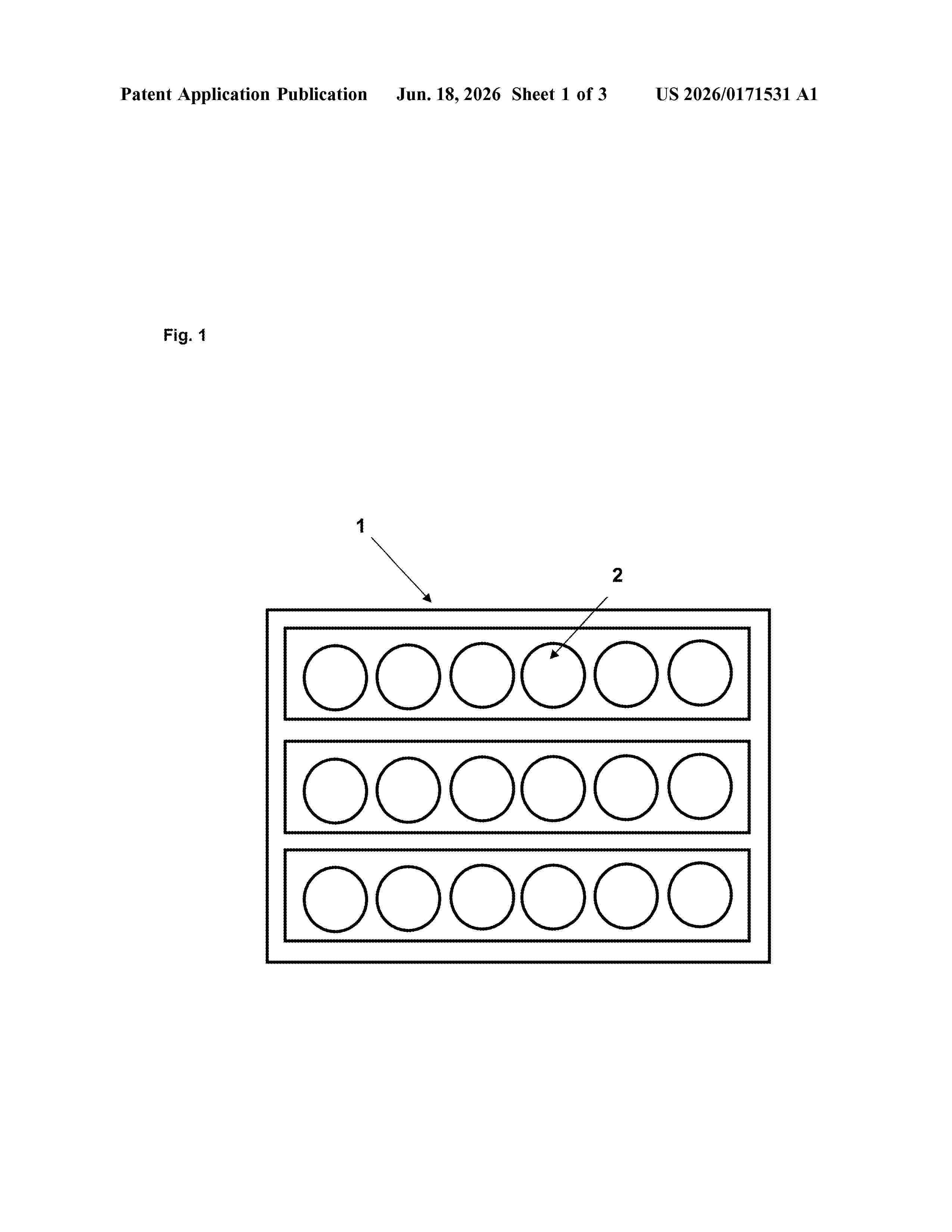
An energy supply device for a power tool, wherein the energy supply device comprises at least one cell. The at least one cell has a nominal capacity of at least 1.5 ampere hours, as well as a surface area A and a volume V. The surface area A of the at least one cell is greater than eight times the cube root of the square of the volume V of the at least one cell. In addition, a ratio of resistance and surface area of the at least one cell is less than 0.2 millionm/cm2. A power tool having a energy supply device is also provided.
 BOPI
BOPI
 Sede Electrónica