Si deseas distinguir tus productos, servicios o ambos de los de otra empresa, es posible que necesites una marca o nombre comercial. Descubre qué son, en qué consiste su procedimiento de registro y qué implica.

Información sobre los plazos de presentación de solicitudes de transformación de marcas de la Unión Europea en marca nacional española. Más información


Si tienes un nuevo dispositivo, producto o procedimiento que resuelva un problema técnico o tenga una ventaja práctica, existen distintas formas de protegerlo en España y en otros países. Descubre cómo hacerlo.

¿Tu innovación reside en la estética, la ornamentación o la apariencia de tu producto? Protégela mediante un diseño industrial. Descubre qué derechos confiere el registro y cómo realizar la tramitación.

Las indicaciones geográficas protegen el nombre de un producto originario de una zona geográfica, a la cual le debe una determinada calidad, reputación u otra característica. Descubre qué son, en qué consiste su procedimiento de registro y qué beneficios conceden.

Las patentes publicadas en todo el mundo son una valiosa fuente de información científica, técnica y comercial.

Si eres emprendedor/a o una empresa y quieres potenciar y mejorar la rentabilidad de tu negocio protegiendo de forma adecuada los activos intangibles de tu organización, en este espacio encontrarás lo necesario.


 1422
resultados
1422
resultados
 Última actualización
28/06/2026 [07:11:00]
Última actualización
28/06/2026 [07:11:00]


 Resultados 975 a 1000 de 1422

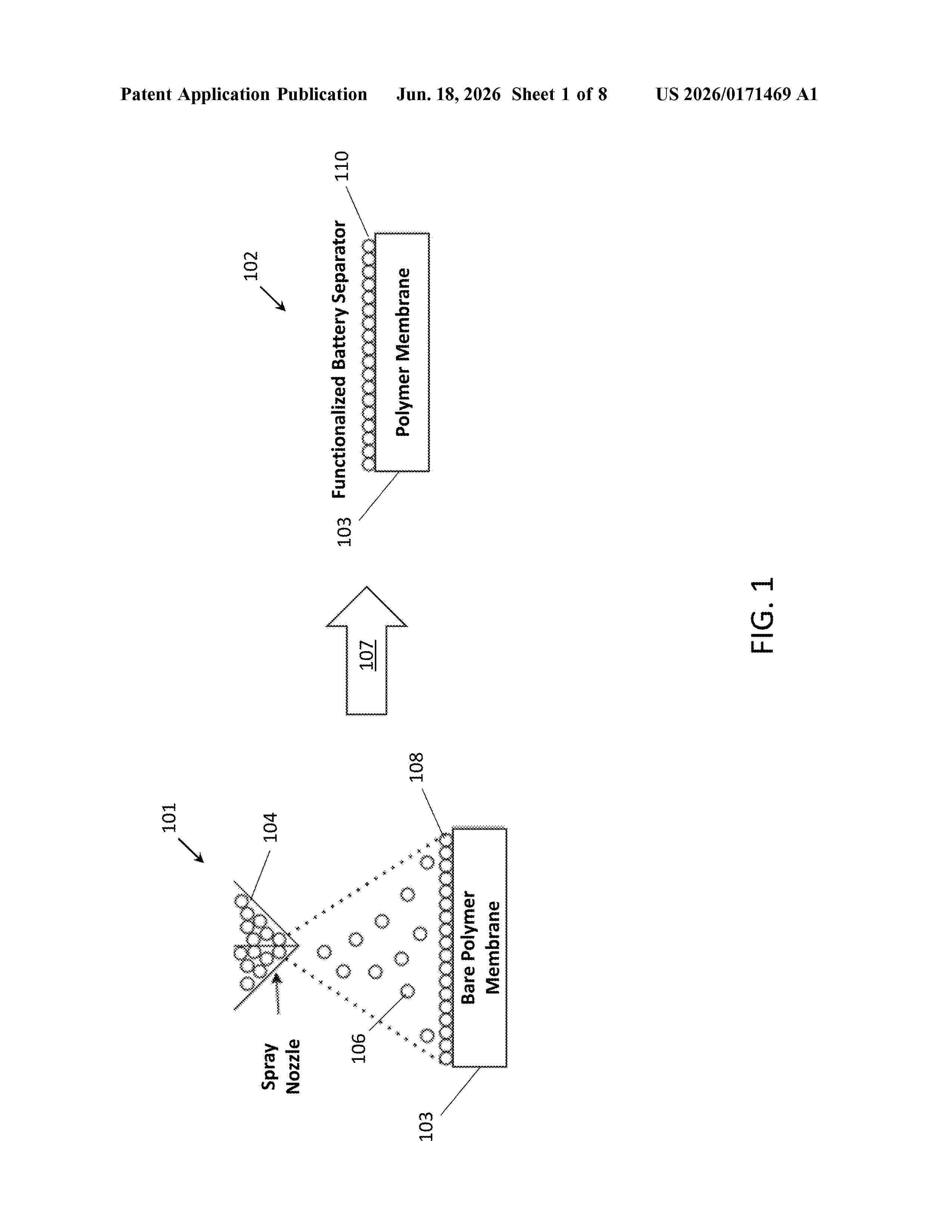
Resumen de: US20260171469A1
A functional battery separator including a bare separator component with a lithiophilic coating is disclosed. In particular, the lithiophilic coating is formed on a surface of the bare separator component, wherein the lithiophilic coating includes particles of an applied functional lithiophilic solution.

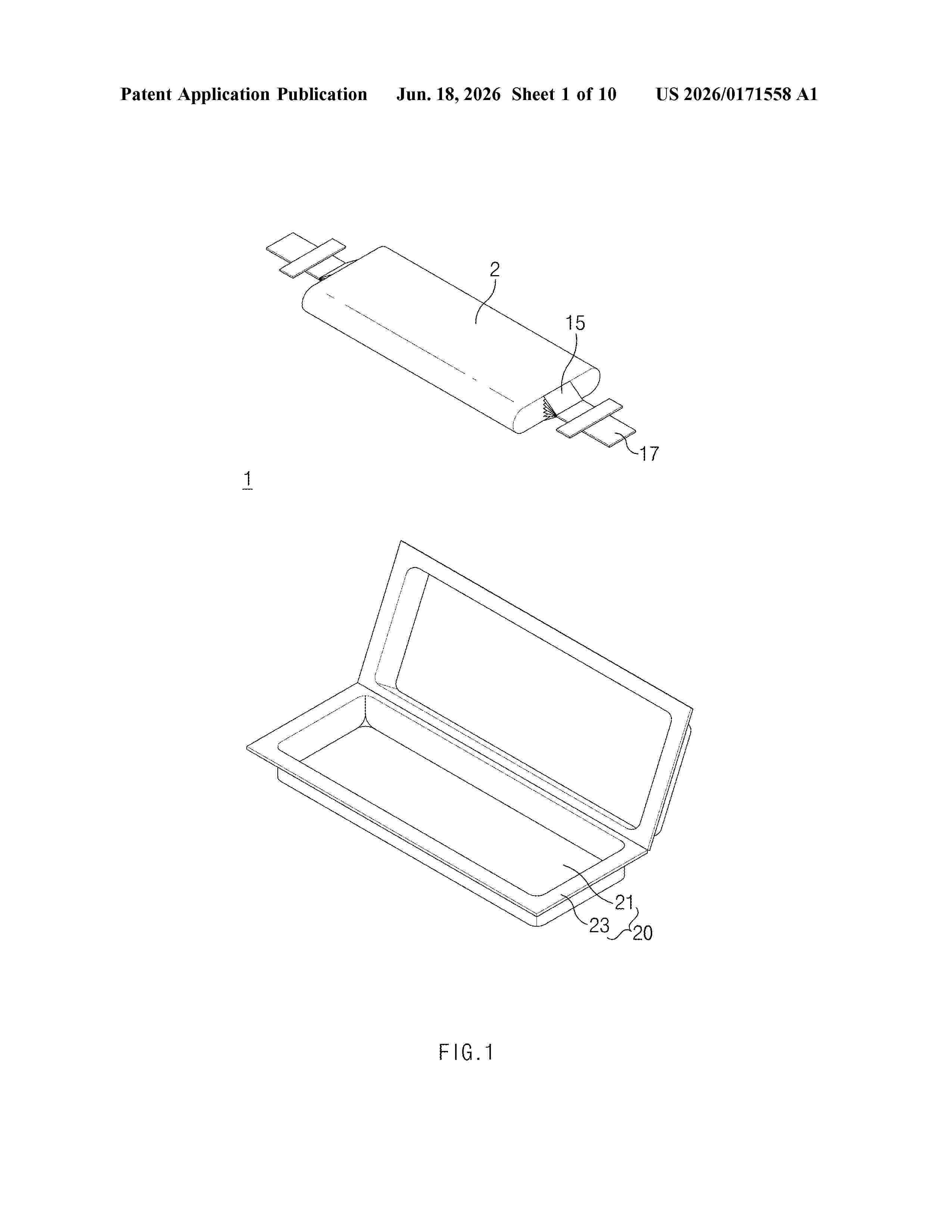
Resumen de: US20260171558A1
0000 A pouch-type secondary battery includes: a first pouch having a first cup portion recessed in a first direction forming a first inner space, and a first edge portion extending from the first cup portion in a horizontal direction perpendicular to the first direction and surrounding a portion of the first cup portion; and a second pouch disposed to face the first pouch and including a second cup portion recessed in a direction opposite to the first direction forming a second inner space cooperating with the first inner space, and a second edge portion extending from the second cup portion in the horizontal direction to surround at a portion of the second cup portion and coupled to the first edge portion. The second inner space includes: an overlapping space overlapping the first inner space in the first direction, and an additional space in the horizontal direction and not overlapping the first inner space.
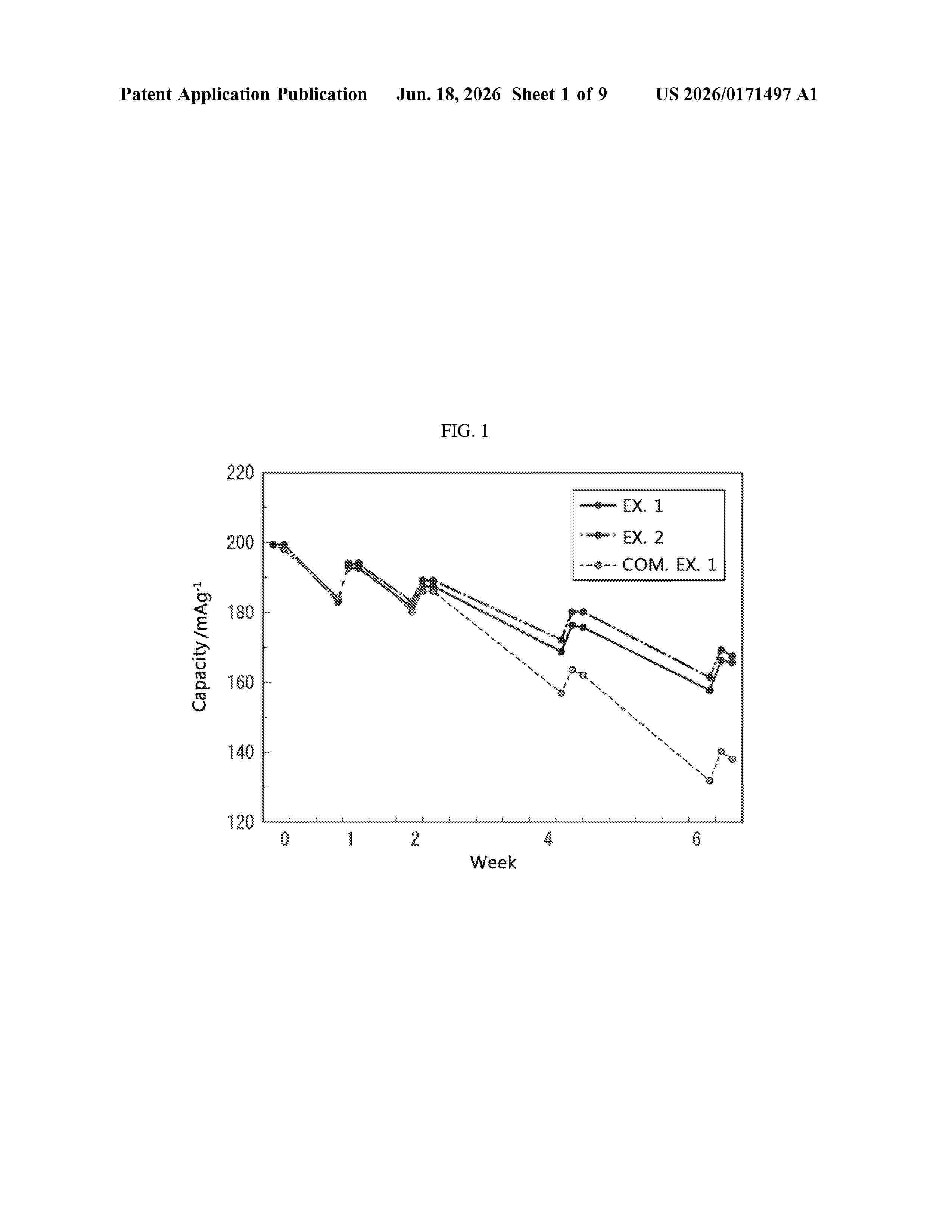
Resumen de: US20260171497A1
A non-aqueous electrolyte solution may reduces acid and/or moisture to decrease gas generation under high temperature conditions in order to suppress degradation in battery characteristics. An acid or moisture reducing agent for the non-aqueous electrolyte solution includes a diisocyanate compound represented by Formula (1), Formula (2), or Formula (3), wherein the non-aqueous electrolyte solution includes a fluorine atom-containing cyclic carbonate:
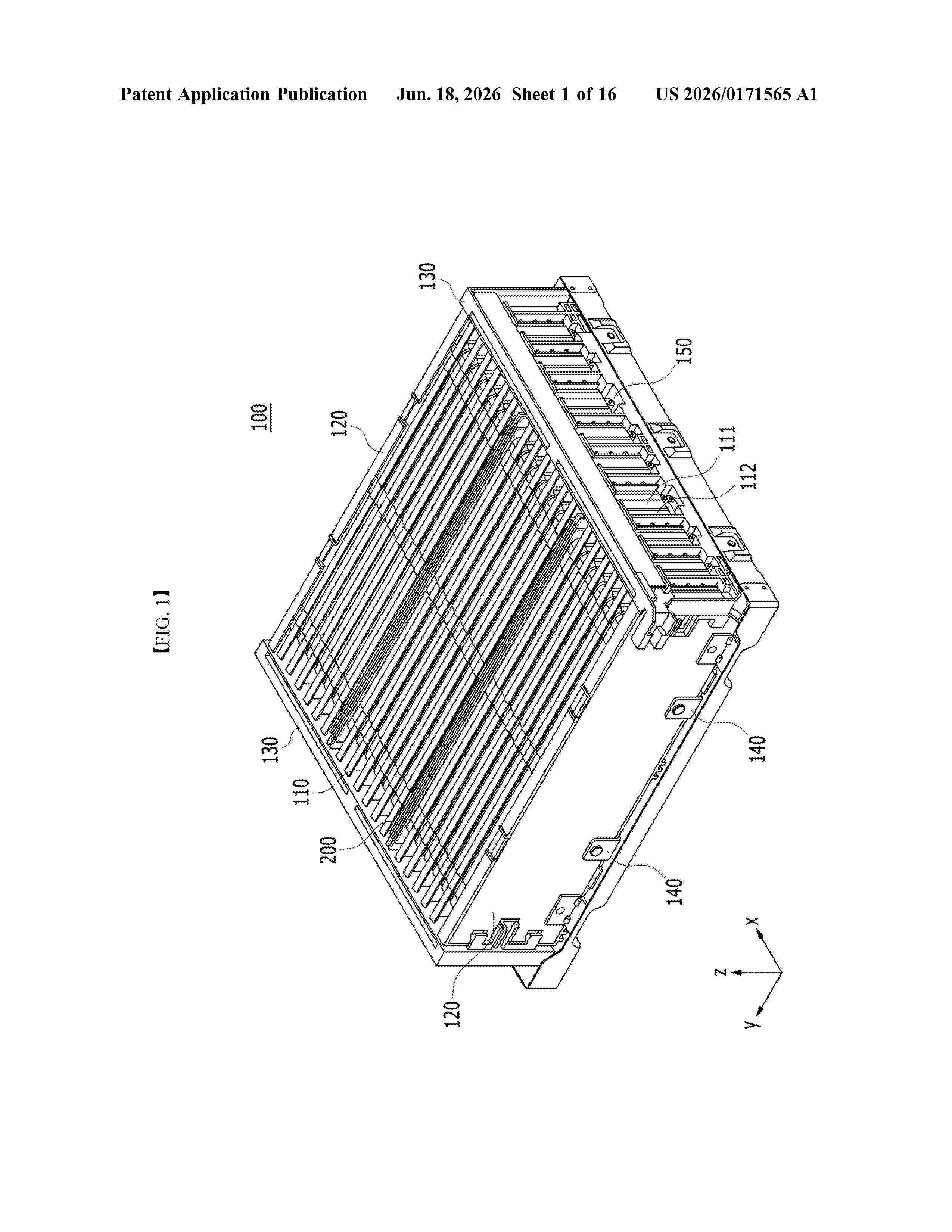
Resumen de: US20260171565A1
A cell module assembly in an example includes a battery cell stack in which a plurality of battery cells are stacked; and a blocking member disposed between at least one of the plurality of battery cells and at least another one of the plurality of battery cells. The blocking member includes a support plate, and the support plate includes a main body and a spacer coupled to the main body. The spacer has a higher melting point than the main body so as to maintain a shape and structure of the spacer during a battery cell thermal event.
Resumen de: US20260171409A1
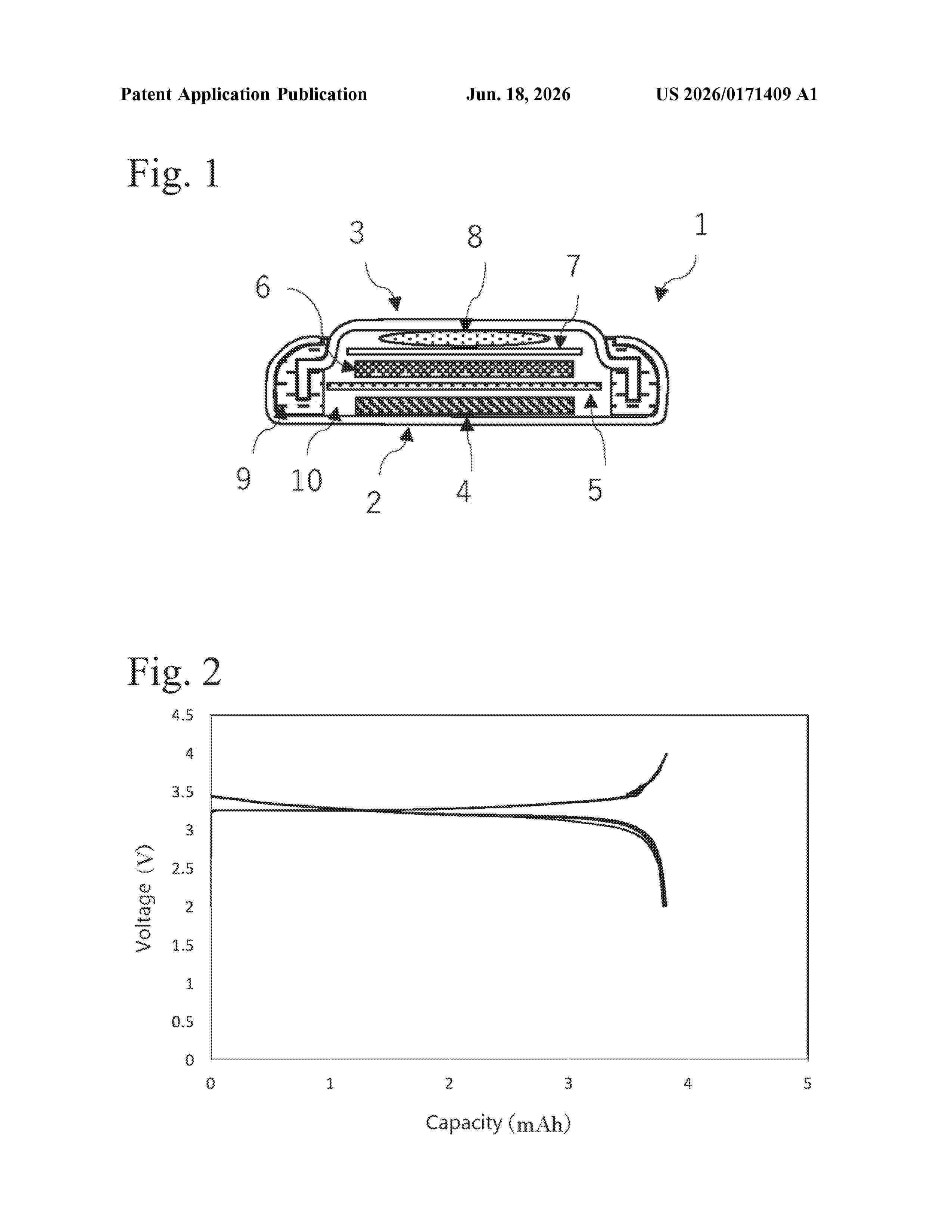
0000 To provide a secondary battery that is composed of resource-abundant materials, has high energy density, and is less likely to decrease in capacity even with charging and discharging repeated. The above-described problem is solved by a secondary battery comprising at least a positive electrode, a negative electrode, and an electrolyte. The positive electrode is an olivine-type phosphate, the negative electrode contains silicon or a silicon compound predoped with lithium, and a ratio of a capacity per unit area of the negative electrode to a capacity per unit area of the positive electrode (an AC ratio) is 1.5 or higher.
Resumen de: US20260167507A1
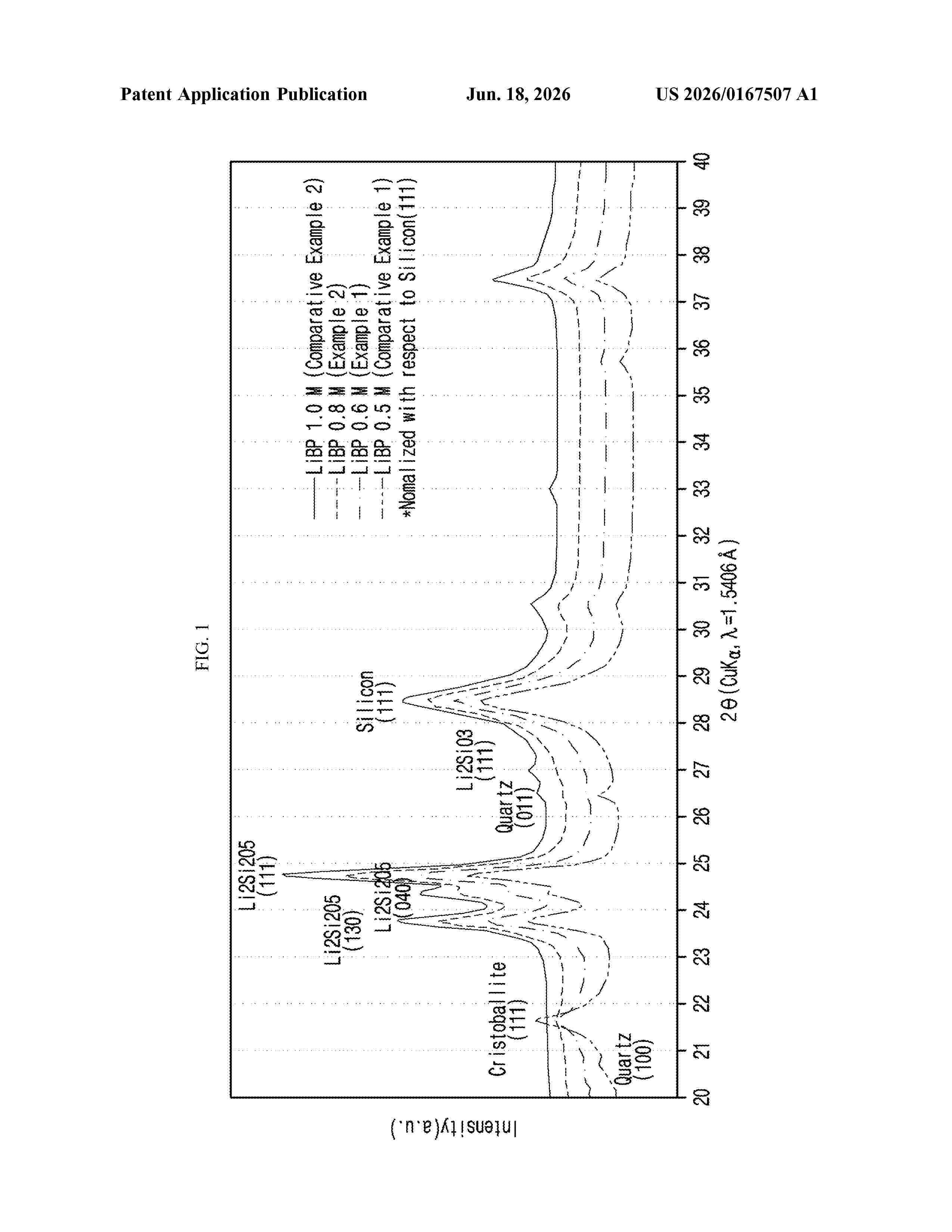
The present invention relates to a lithium silicon oxide exhibiting suppressed gas generation upon application to an aqueous slurry, a negative electrode including the same, and a lithium secondary battery including the negative electrode, and provides a lithium silicon oxide having peaks with 2θ being 23.8±0.5°, 24.3±0.5°, and 24.7±0.5° in an XRD pattern measured using non-monochromatized CuKα rays, and satisfying Mathematical Equation 1, a negative electrode including the same, and a lithium secondary battery including the negative electrode.
Resumen de: US20260171579A1
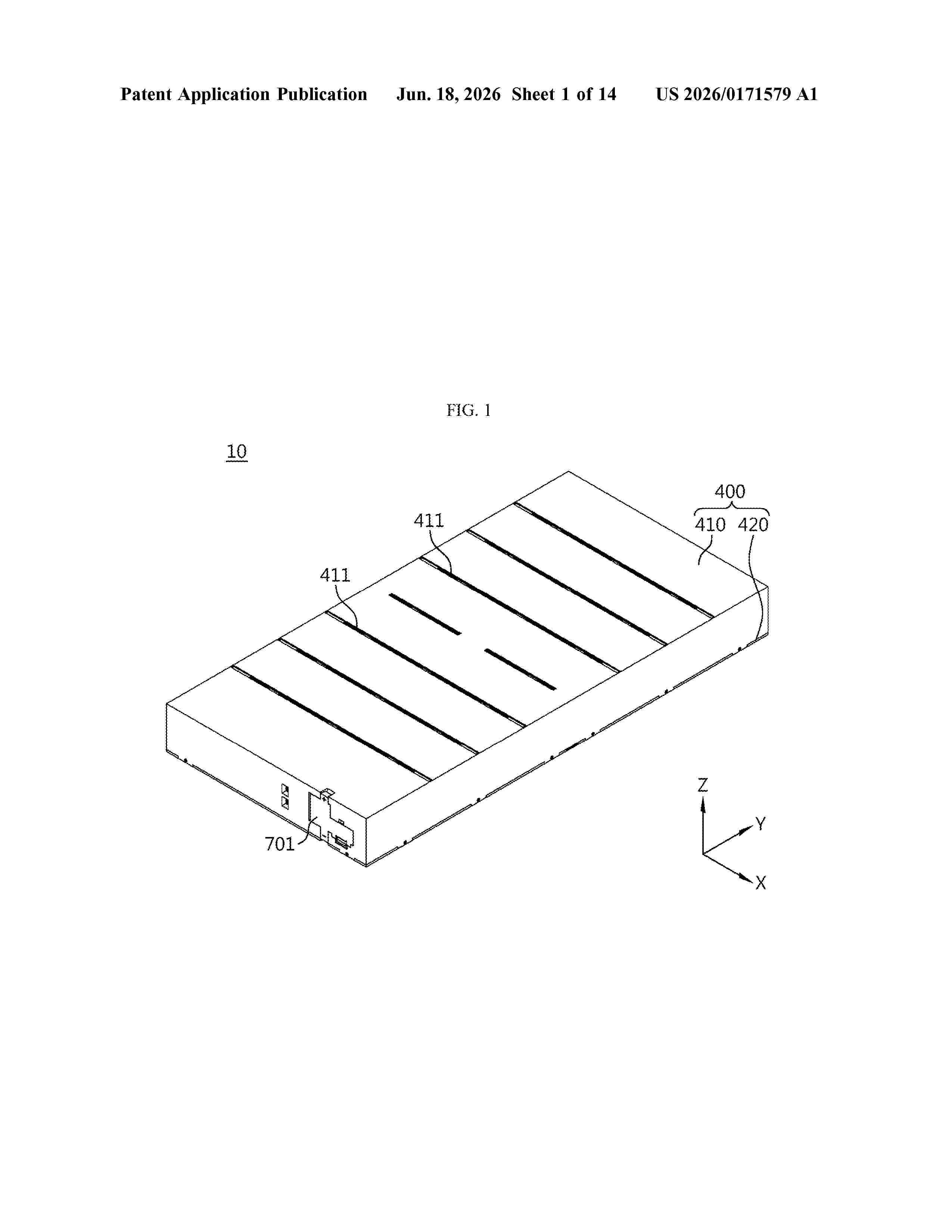
0000 Discussed is a battery back that may include at least one cell assembly and a pack case configured to accommodate the at least one cell assembly. The at least one cell assembly may include: two or more cell stacks including battery cells that are stacked; a cell pressurization unit disposed at outermost positions on opposite sides of each cell stack in a stacking direction of the battery cells and configured to provide pressing force to each cell stack; and a bus-bar frame assembly disposed at a front and a rear of the two or more cell stacks in a direction intersecting the stacking direction of the battery cells and configured to electrically connect the battery cells and integrally support the two or more cell stacks and the cell pressurization unit.
Resumen de: US20260168126A1
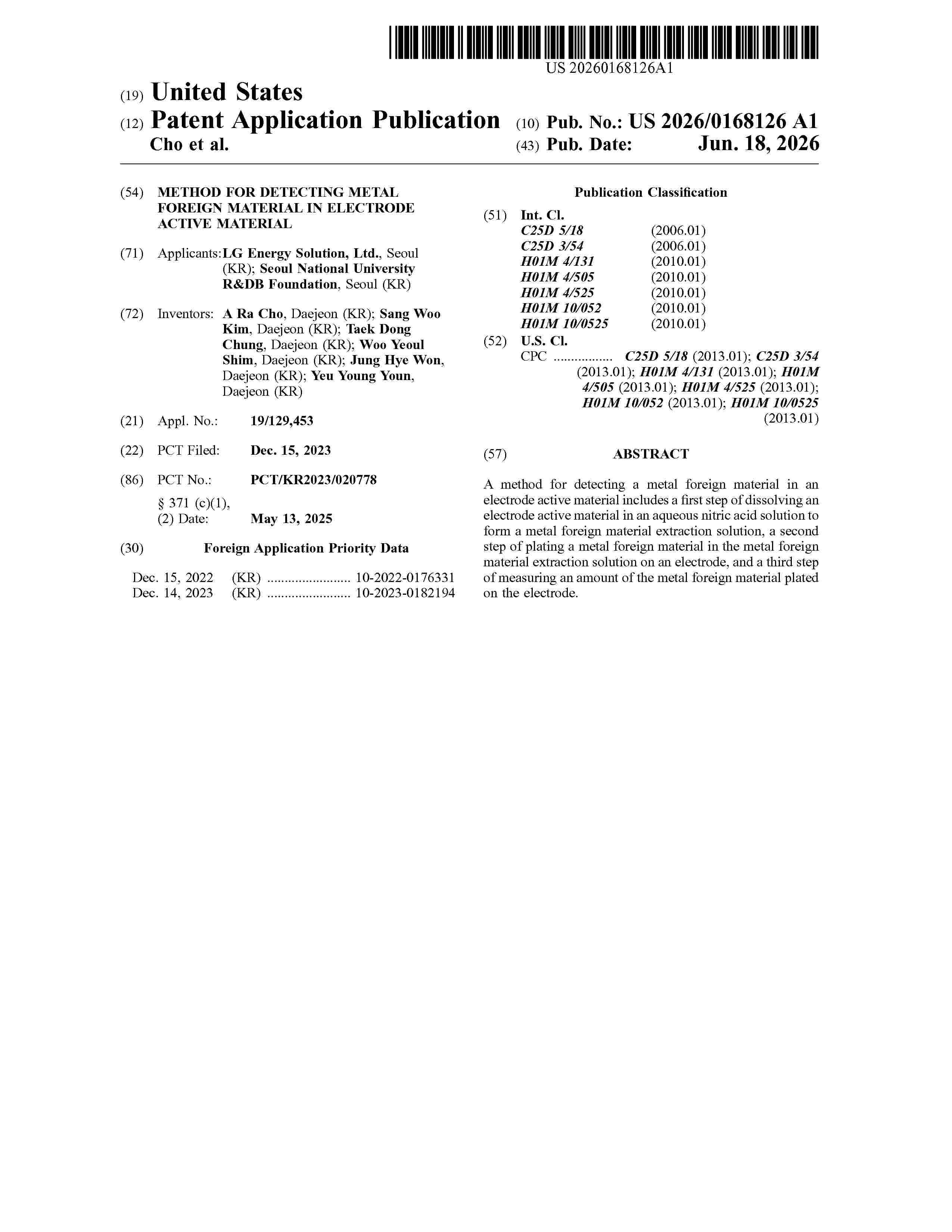
A method for detecting a metal foreign material in an electrode active material includes a first step of dissolving an electrode active material in an aqueous nitric acid solution to form a metal foreign material extraction solution, a second step of plating a metal foreign material in the metal foreign material extraction solution on an electrode, and a third step of measuring an amount of the metal foreign material plated on the electrode.
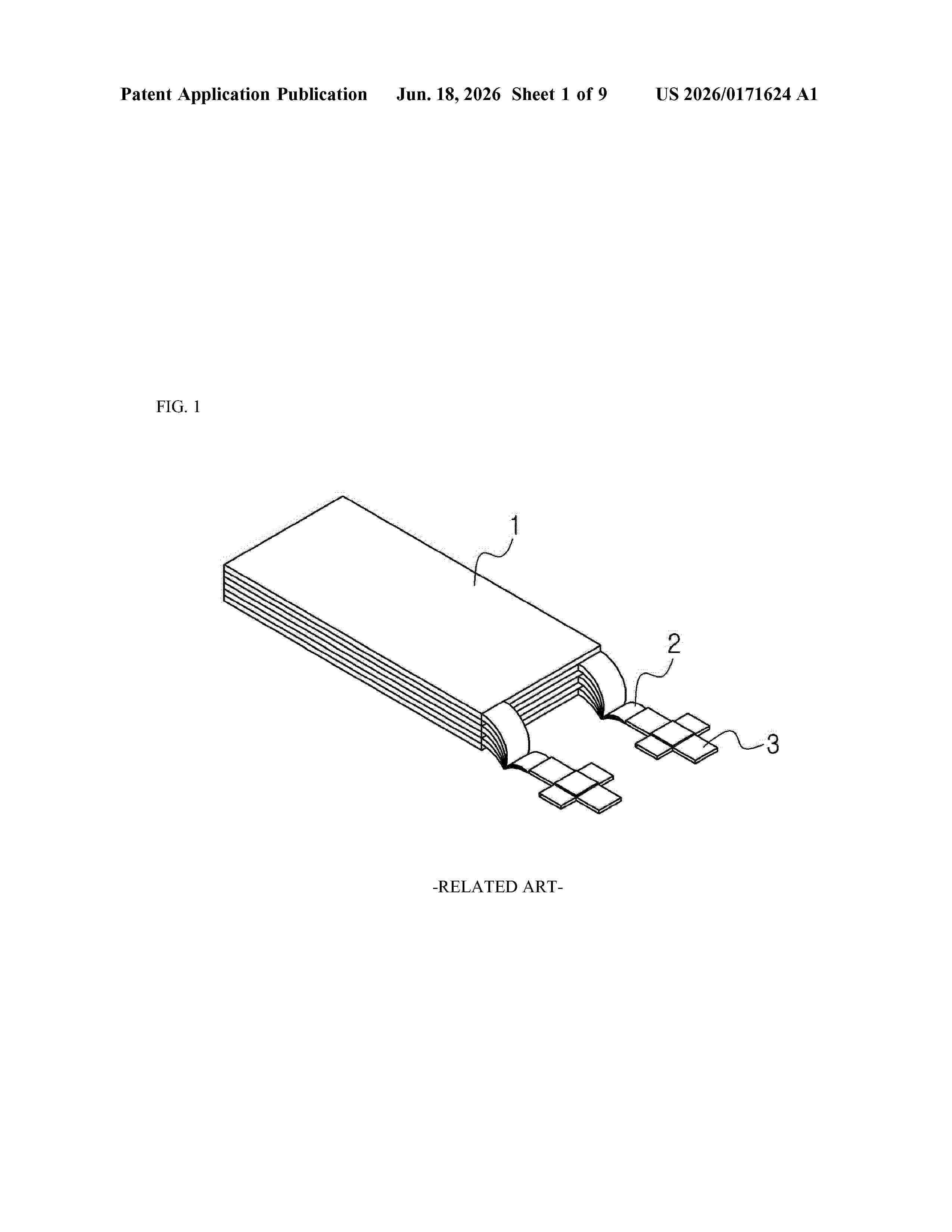
Resumen de: US20260171624A1
0000 A lead tab for bonding an electrode tab, a method for bonding the lead tab to the electrode tab, and a lithium secondary battery including a structure in which the lead tab is bonded to the electrode tab, which can prevent deformation of a lithium negative electrode tab by exposure while improving the physical strength and safety of the bonding area, are disclosed. The lead tab for bonding to the electrode tab includes: a first metal lead; and a second metal lead, wherein one end of the second metal lead is in contact with the first metal lead, and capping the electrode tab to form a bonding area.
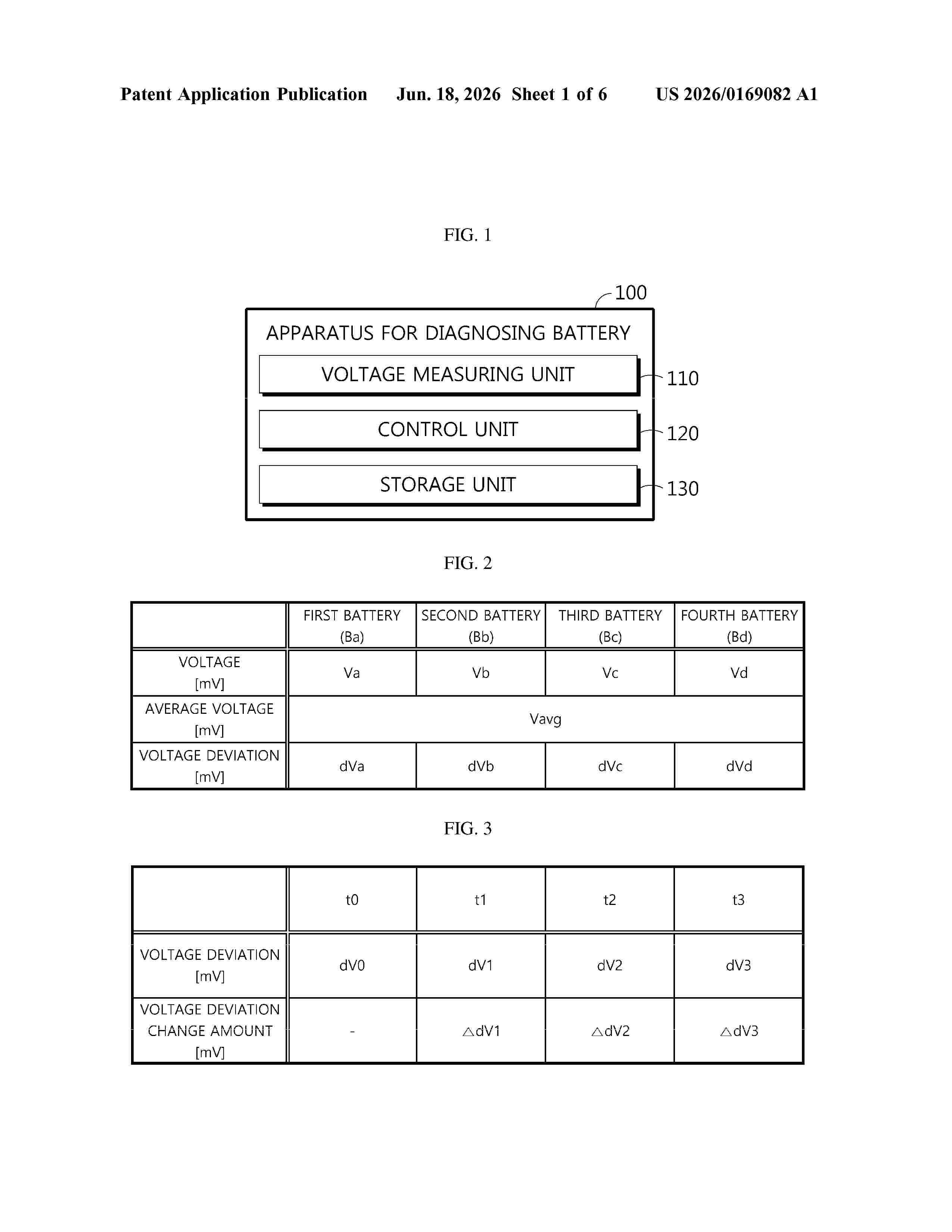
Resumen de: US20260169082A1
0000 An apparatus for diagnosing a battery includes a voltage measuring unit configured to measure voltages of a plurality of batteries, and a control unit configured to calculate a voltage deviation of the plurality of batteries, calculate a voltage deviation change amount of each of the plurality of batteries, and diagnose a state of each of the plurality of batteries based on the voltage deviation change amount and a calculation period of the voltage deviation change amount.
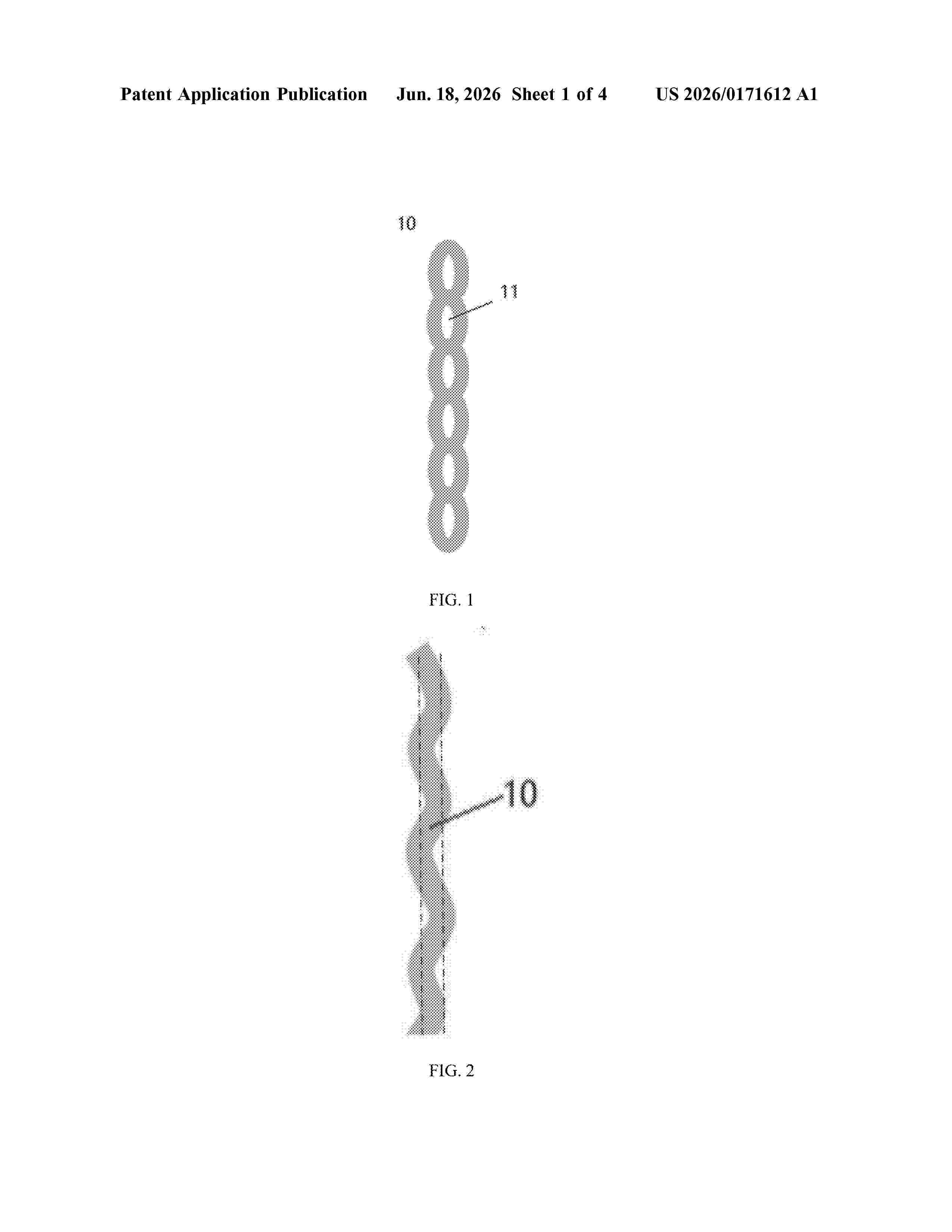
Resumen de: US20260171612A1
0000 This application provides a separator, an electrode assembly, a secondary battery, and an electric apparatus, where a resilience coefficient k of the separator ranges from 10% to 90%, where k=(H<0>−H<1>)/H<0>×100%, H<0 >represents an initial thickness of the separator at 25° C., and H<1 >represents a thickness of the separator having the initial thickness H<0 >after compressed at 25° C. with a load of 0.8 MPa for 60 seconds and then relaxed for 60 s after the load is removed. The separator of this application has excellent resilience performance.
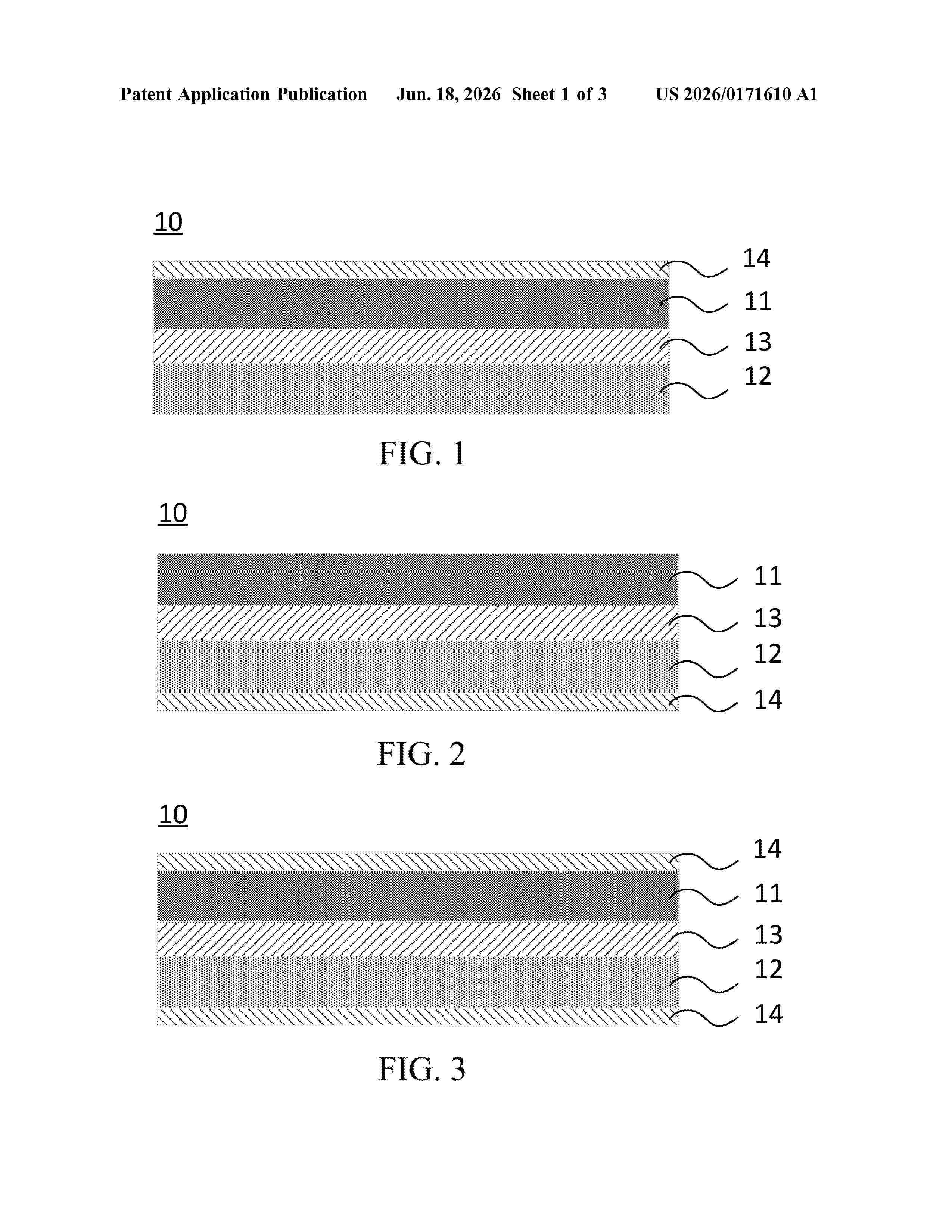
Resumen de: US20260171610A1
Provided in the present application are a separator and a preparation method therefor, a secondary battery, and an electric device. The separator includes a first substrate, a second substrate, a first bonding layer, and a second bonding layer, where the first bonding layer is located between the first substrate and the second substrate, and the first bonding layer includes a first binder; and the second bonding layer is located on one side of the first substrate and/or the second substrate facing away from the first bonding layer, and the second bonding layer includes a second binder. If the thickness of the first bonding layer is denoted as T1 and the thickness of the second bonding layer is denoted as T2, the separator satisfies: T1/T2>1.
Resumen de: US20260171471A1
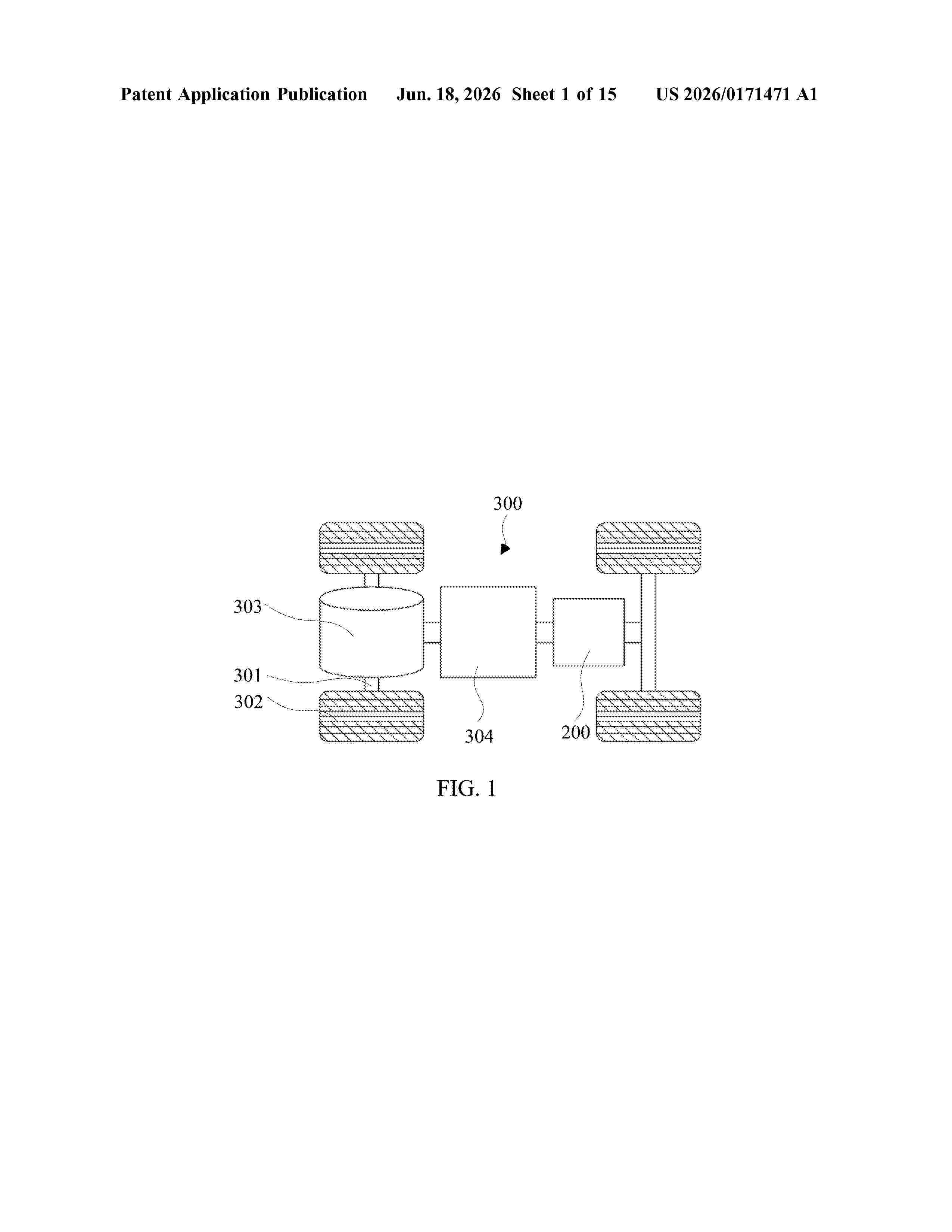
A battery cell and a manufacturing method thereof, a battery, and an electric apparatus. The battery cell includes: a housing, including a first wall; an electrode assembly, disposed within the housing, where the electrode assembly includes an electrode body and a first tab, and the first tab is led out from the electrode body; and a first current collector, configured to electrically connect the first tab to the first wall, where the first current collector is connected to an inner surface of the first wall by a first weld seam, and the first weld seam does not penetrate to an outer surface of the first wall.
Resumen de: US20260171483A1
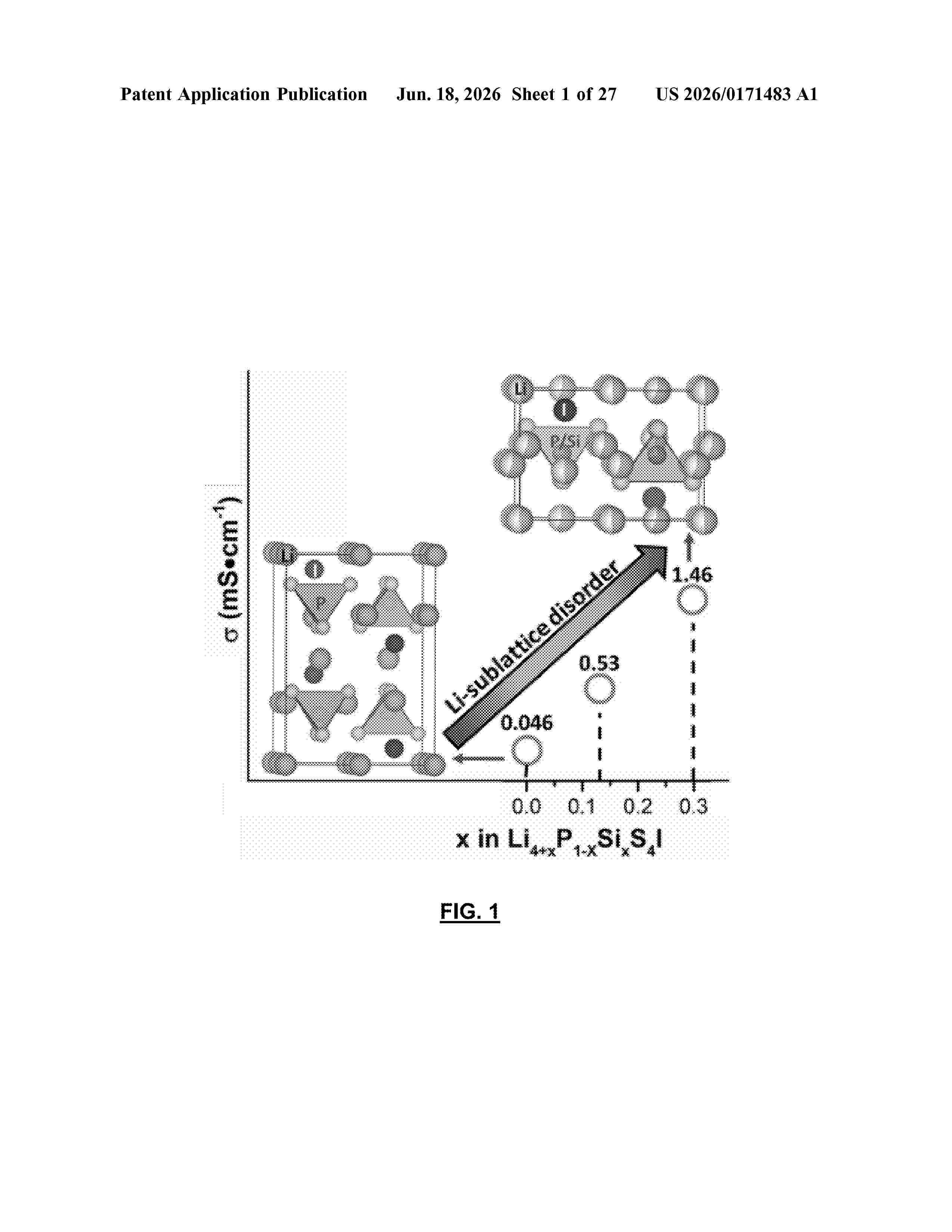
A material for use as a solid-state electrolyte, the material comprising a lithium thiophosphate halide having the formula Li4+xP1−xSixS4Z, where Z is a halide and/or a pseudohalide. In one aspect, Z is one or more of I−, Br−, BH4−, BF4−, NH2−, or N3−. In one aspect, 0.1
Resumen de: AU2024419101A1
The present invention relates to the technical field of safety protection of commercial lithium-ion batteries, and in particular, to a battery thermal protection system and application thereof. The battery thermal protection system consists of multifunctional coatings coated on a surface of an aluminum housing of each cell of a commercial lithium-ion battery and a fluid between cells in a module. The multifunctional coatings are one or a combination of an organic coating, an inorganic coating, and an organic-inorganic hybrid coating, and the number of layers of the multifunctional coatings is 1-10. Damage of thermal runaway of a single cell to adjacent cells and a whole battery set can be greatly reduced, and propagation of the thermal runaway is blocked.
Resumen de: US20260171812A1
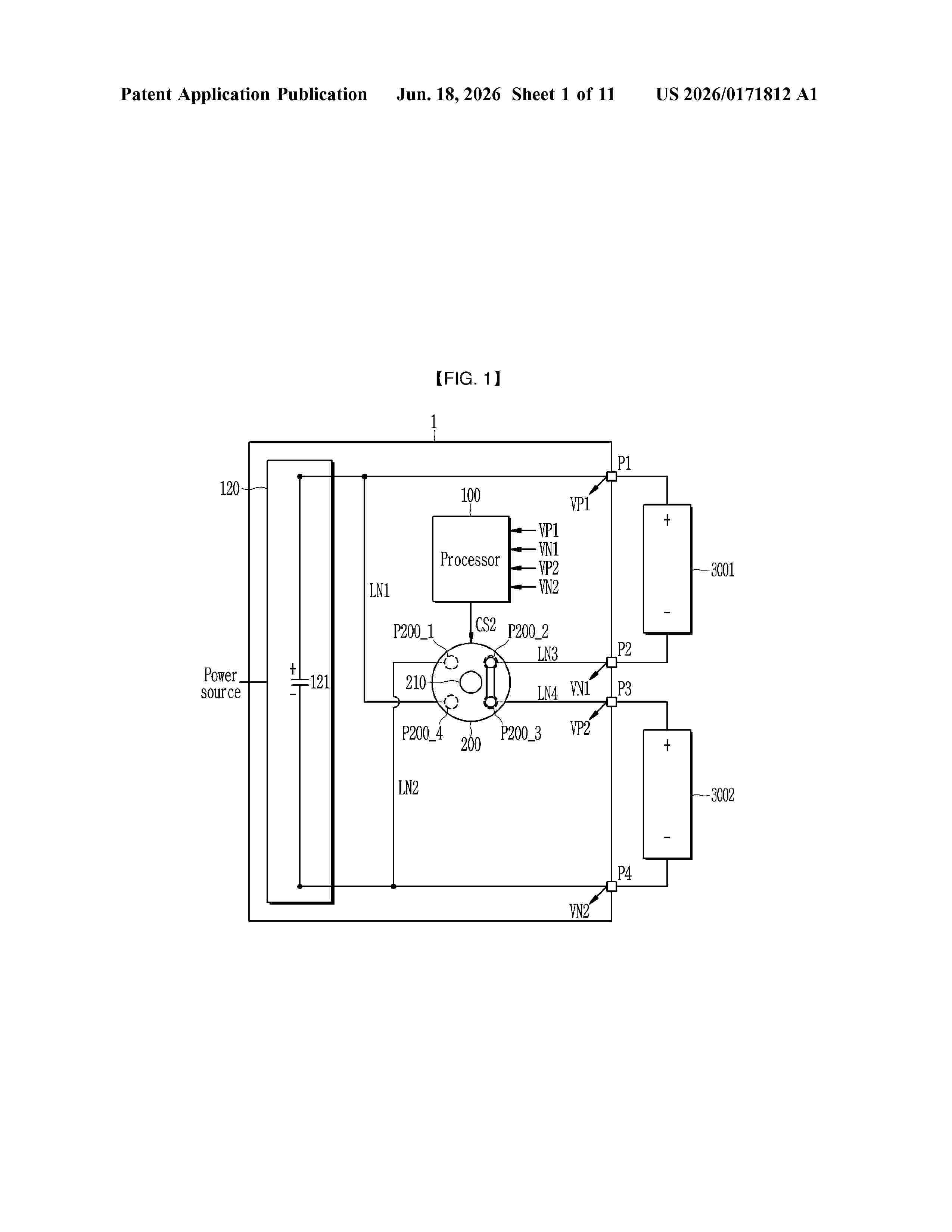
The present disclosure relates to a battery charging system and a battery charging method, and the battery charging system is connected to a respective positive electrode battery terminal and negative electrode battery terminal of each battery of a plurality of batteries including a first battery and a second battery, and includes a charger configured to supply power, a bypass configured to rotate about a central shaft and configured to provide a power route that connects at least one of the first and second batteries to a respective positive electrode charger terminal and negative electrode charger terminal of the charger, and a processor configured to monitor a respective end voltage between the respective positive electrode battery terminal and negative electrode battery terminal of each battery of the first and second batteries and control a rotation direction and a rotation angle of the bypass.
Resumen de: US20260171459A1
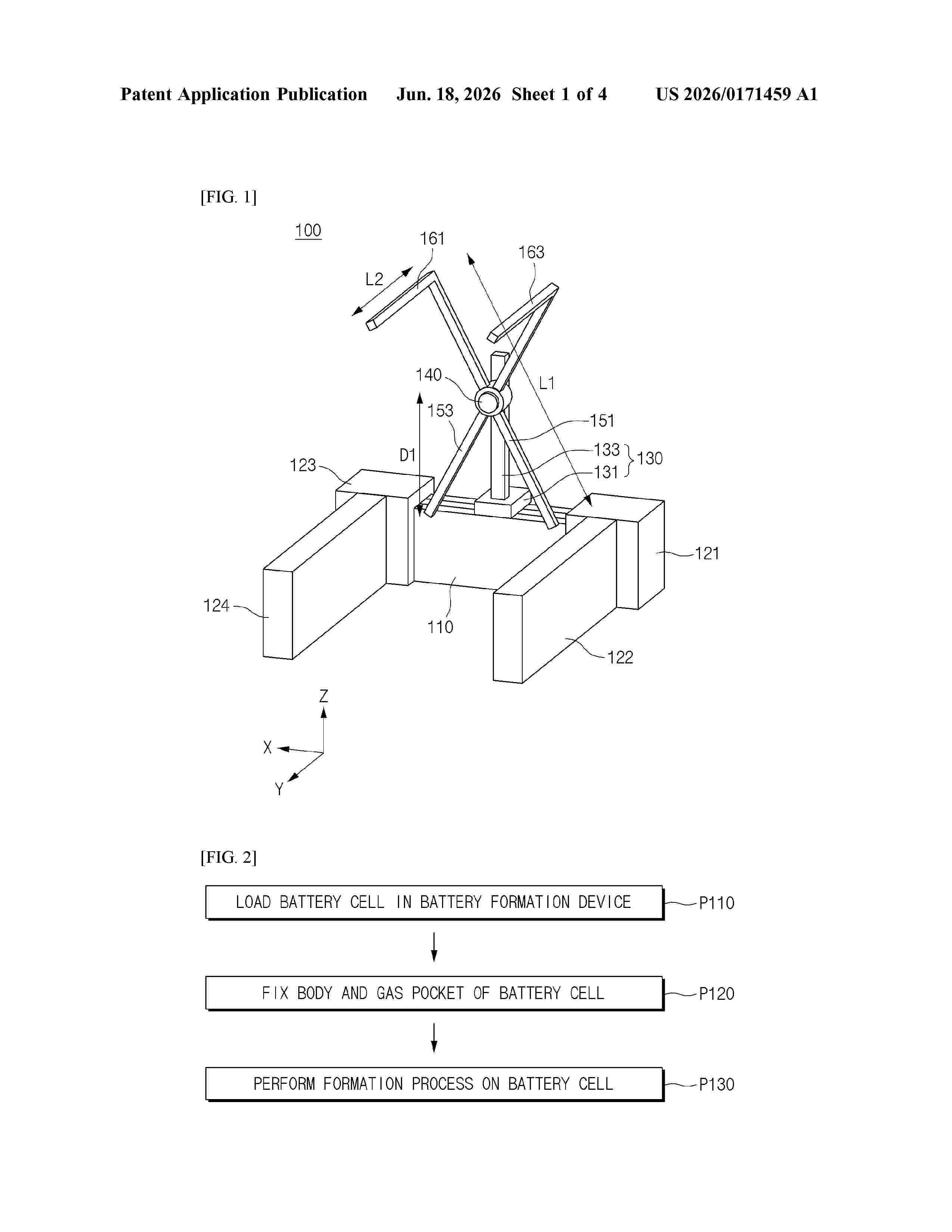
0000 A battery formation device is provided. The battery formation device includes a horizontal frame, first and second clamp holders configured to be moved along the horizontal frame, a vertical frame on the horizontal frame, a drive shaft coupled to the vertical frame, first and second arms coupled to the drive shaft, a first guide connected to the first arm, and a second guide connected to the second arm, wherein the first and second guides are configured to fix a gas pocket of a battery cell, and the battery formation device is capable of preventing damage to the gas pocket and the battery cell during unloading of the battery cell.
Resumen de: US20260166864A1
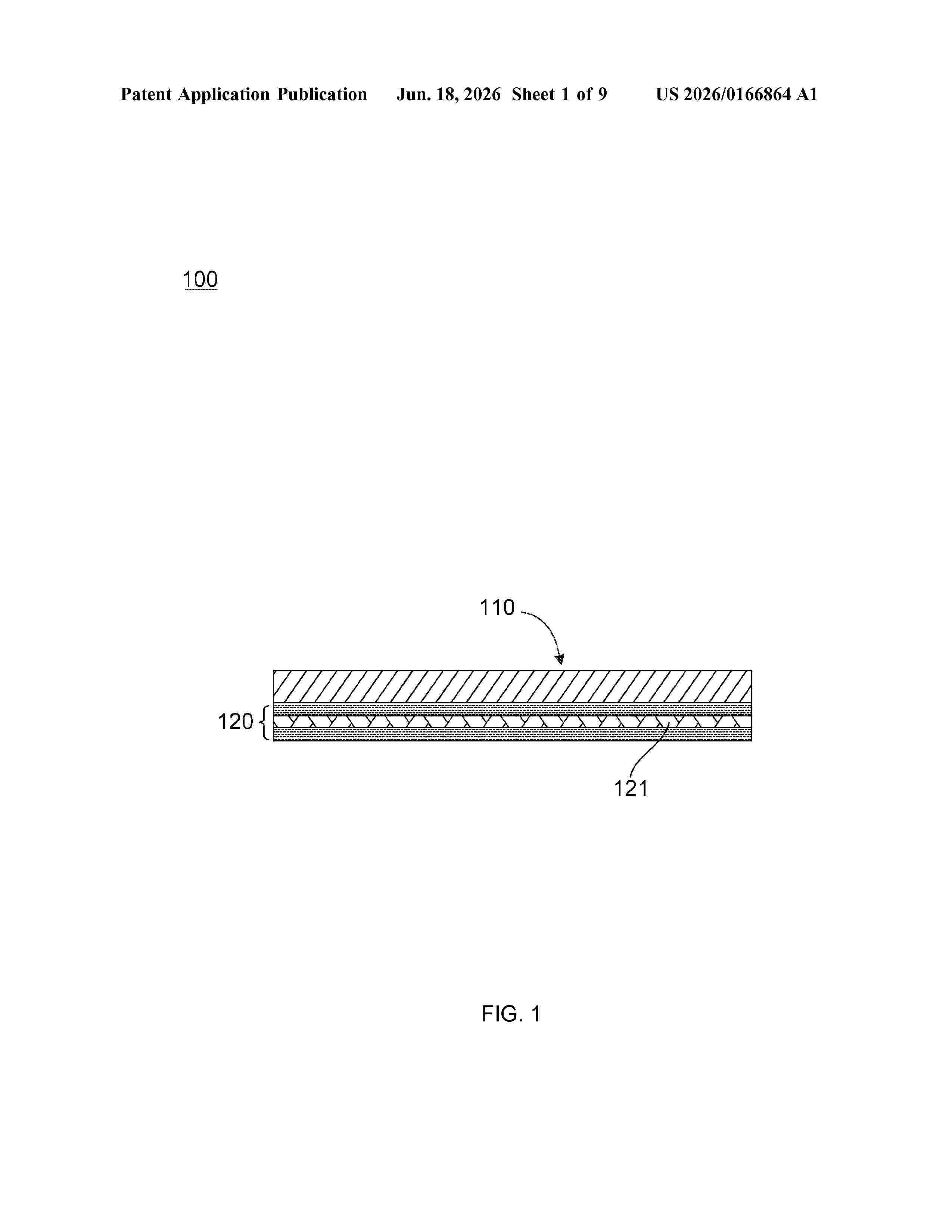
0000 The present application discloses a composite fire insulation sheet, a composite plate, a battery pack housing and a battery pack. The composite fire insulation sheet comprises a first glass fiber sheet and a first aerogel composite expansion fire insulation layer. The first aerogel composite expansion fire insulation layer is arranged on at least one surface of the first glass fiber sheet and has a second glass fiber sheet. According to the composite fire insulation sheet of this application, the expansion fireproof composition plays the role of flame retardant and fire prevention, while the aerogel composition is used to endow the sheet with excellent heat insulation property, such that the sheet can also perform the strong heat insulation performance.
Resumen de: US20260171418A1
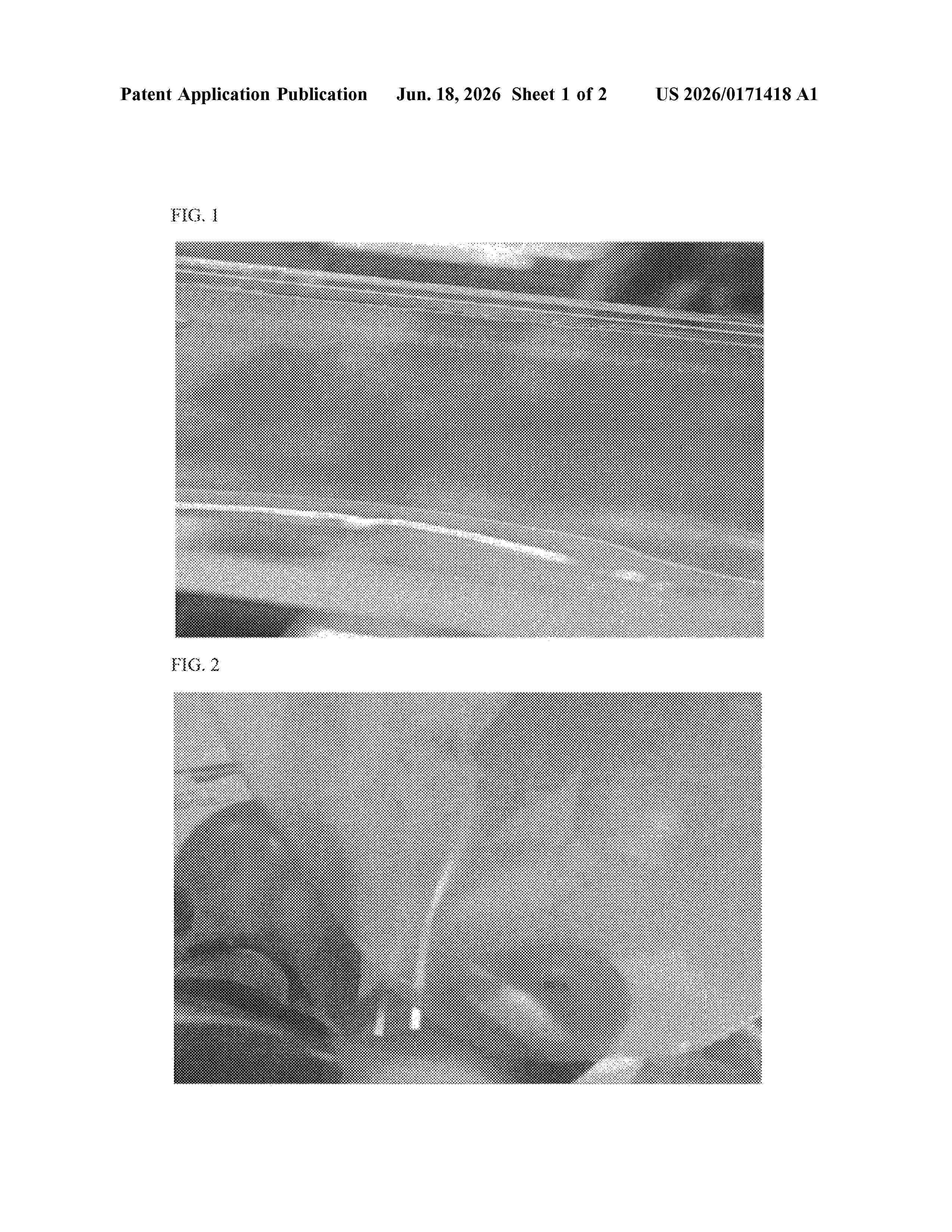
0000 The present disclosure relates to a polymer solid electrolyte composition for a lithium secondary battery and a use thereof. Particularly, the present disclosure relates to a polymer solid electrolyte composition for a lithium secondary battery, a polymer solid electrolyte for a lithium secondary battery, and a lithium secondary battery. The present disclosure can simultaneously improve the ionic conductivity and mechanical strength of a polymer electrolyte.
Resumen de: US20260167495A1
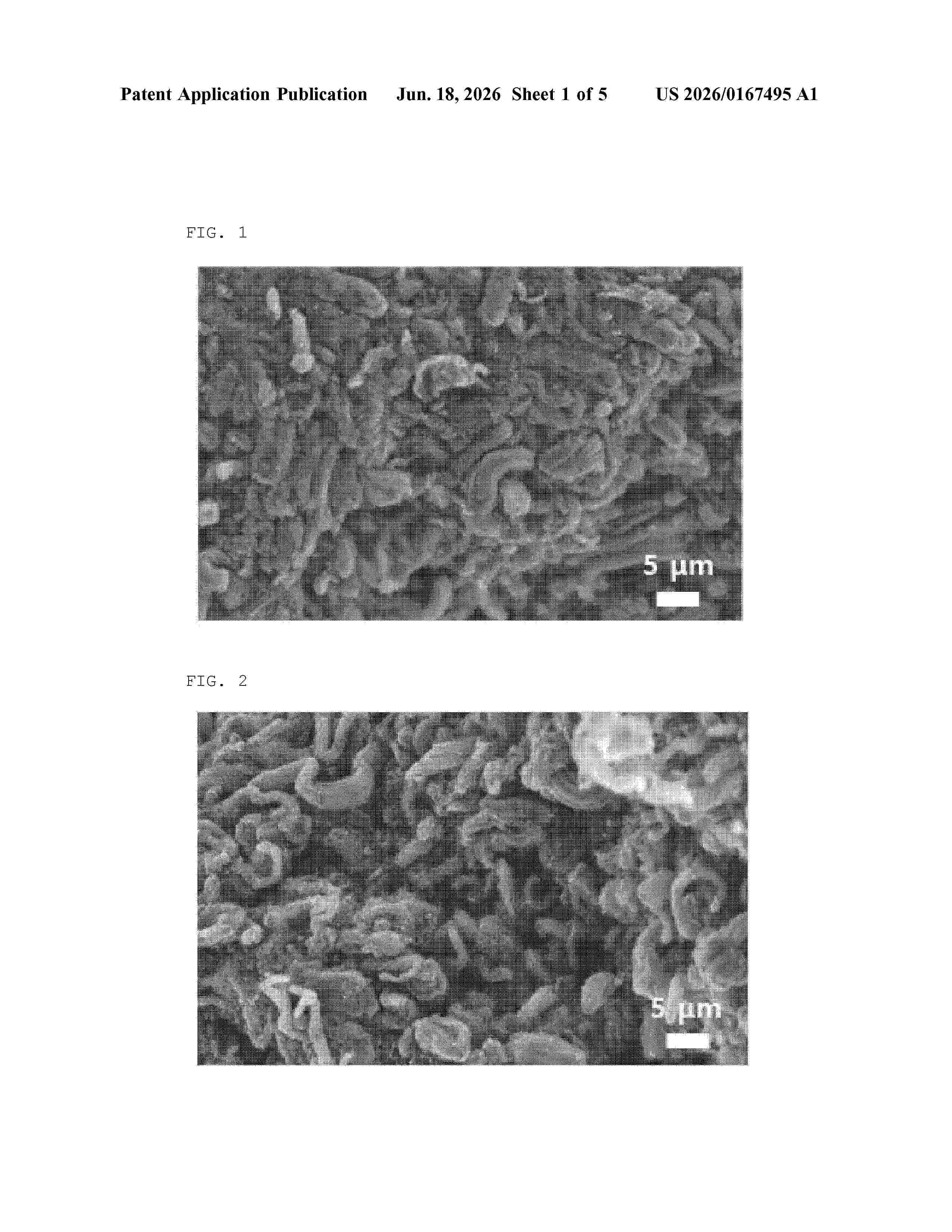
A carbon nanotube composition has a volume density of 500/mm3 to 2500/mm3 defined by Equation 1, wherein carbon nanotubes in the carbon nanotube composition have a high bulk density while maintaining a bundled shape, and thus, are excellent in both dispersibility and productivity.
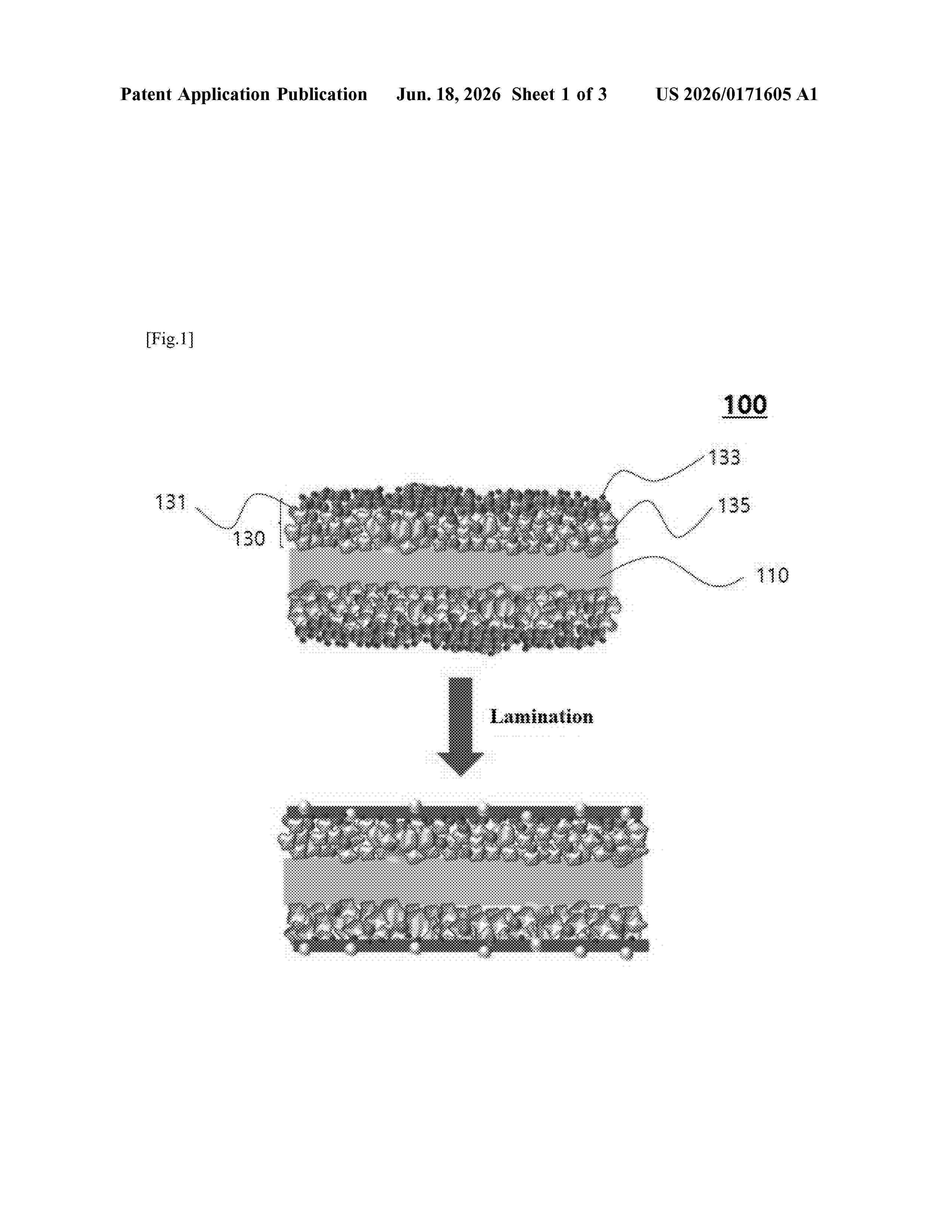
Resumen de: US20260171605A1
0000 Disclosed is a separator for an electrochemical device, an electrochemical device comprising the same, and a method for manufacturing the same. The separator for the electrochemical device can improve resistance and maintain porosity after lamination by including a polyvinylidene-containing binder containing a low content of hexafluoropropylene and/or a polyolefin-containing binder.
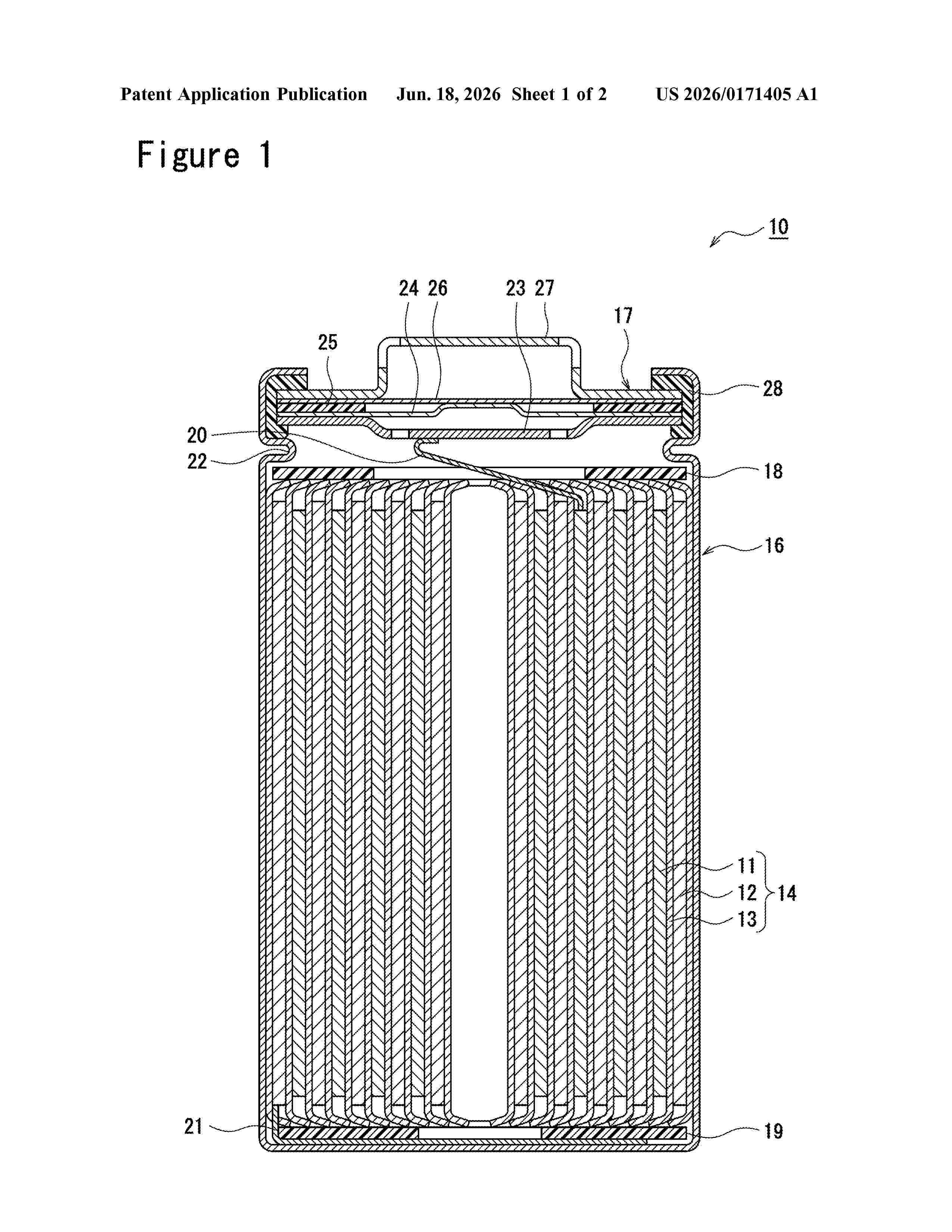
Resumen de: US20260171405A1
0000 According to an exemplary embodiment, the negative electrode active material for nonaqueous electrolyte secondary batteries is a composite particle comprising: an alkali aluminate phase containing two or more alkali metal elements and Al; a silicon phase that is dispersed in the alkali aluminate phase; and a conductive layer that is formed on the surface of a base particle comprising the alkali aluminate phase and the silicon phase.
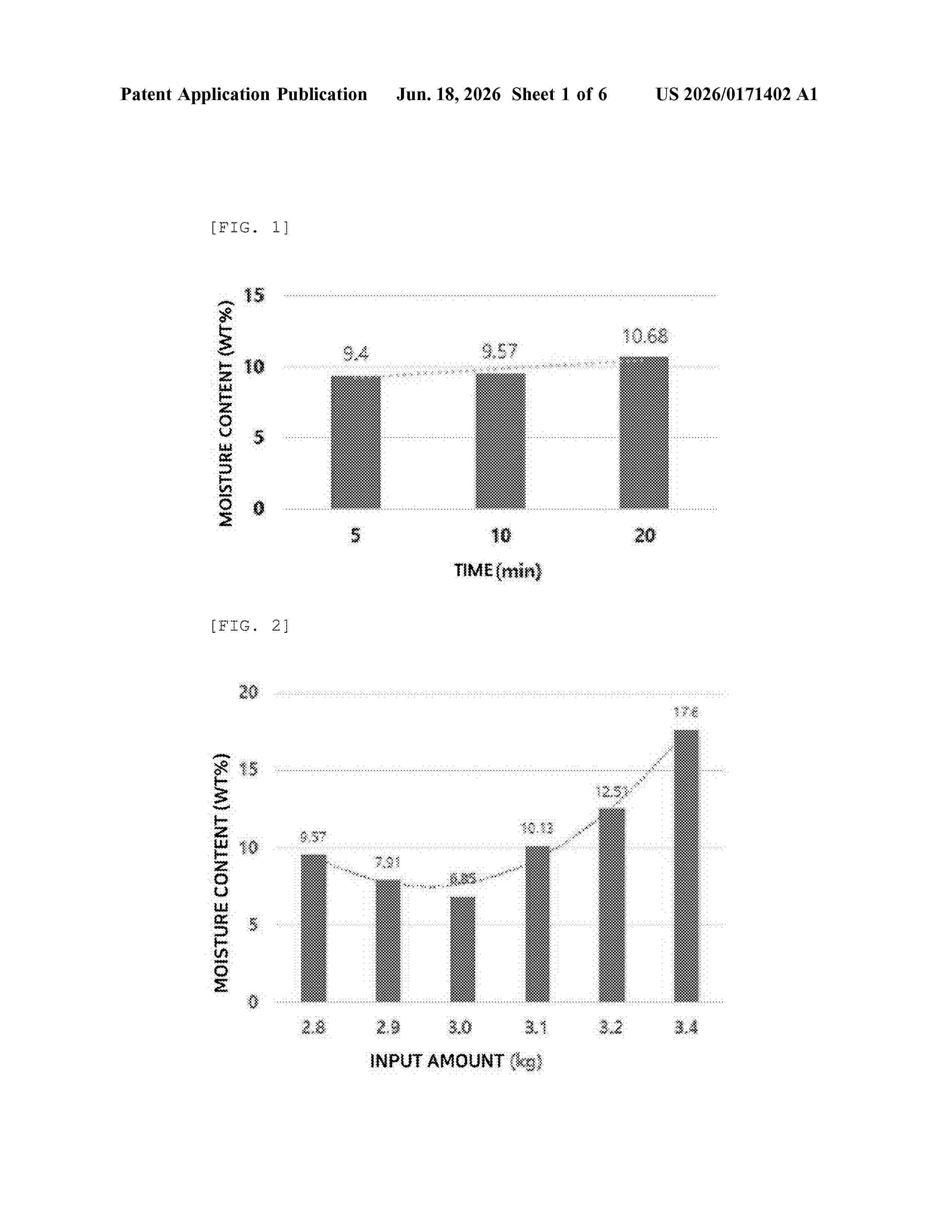
Resumen de: US20260171402A1
The present disclosure relates to a method of recycling a cathode active material and a recycled cathode active material prepared using the method. The method includes: (a) recovering a cathode active material by heat-treating a waste cathode including a current collector and a cathode active material layer coated thereon at 300 to 650° C. under an air or oxygen atmosphere; (b) mixing the recovered cathode active material and a washing solution; (c) filtering the cathode active material mixed with the washing solution; and (d) adding a lithium precursor to the filtered cathode active material and performing annealing at 400 to 1000° C. in air, wherein, in step (c), the filtered cathode active material has a moisture content of 5 to 10.5% by weight, and a recycled cathode active material prepared using the method.
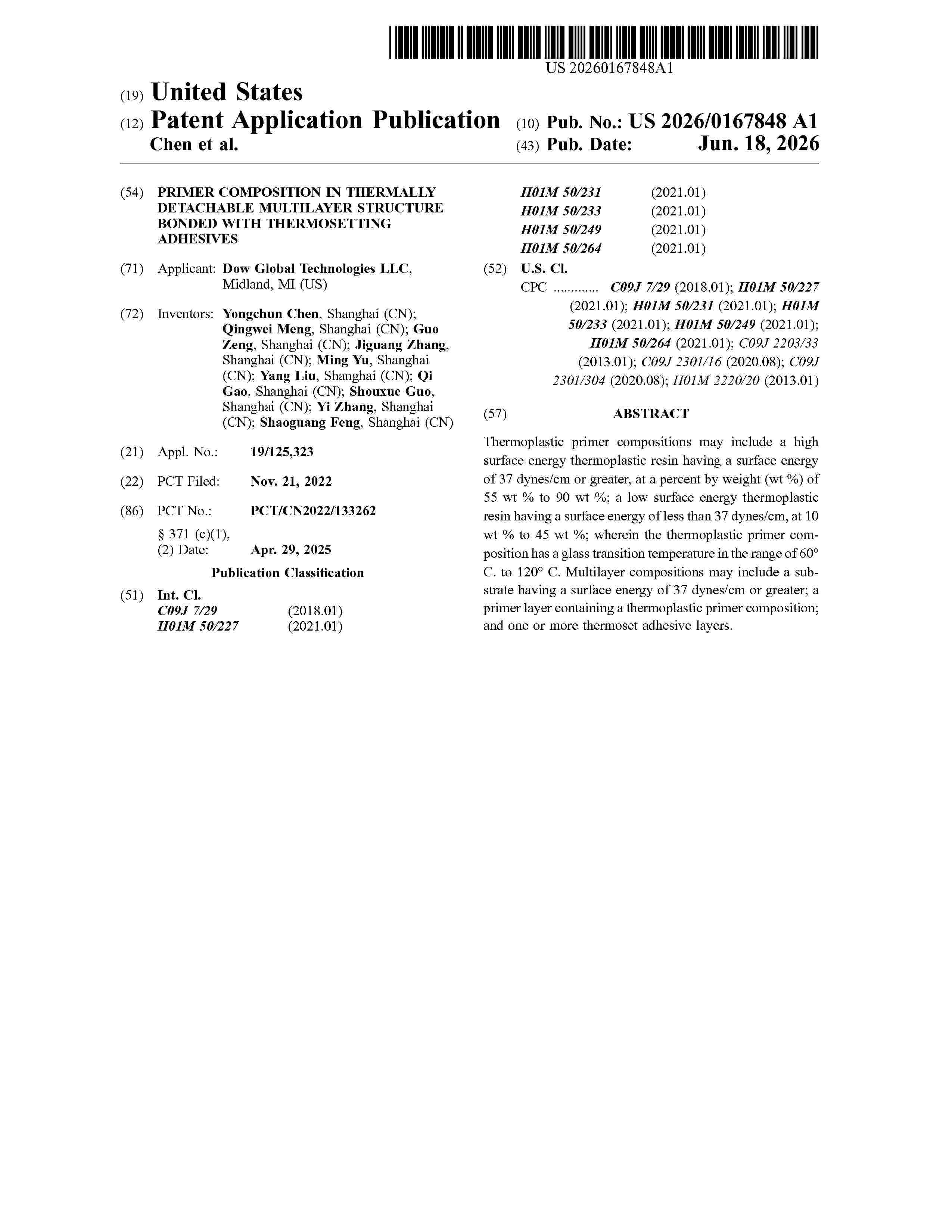
Resumen de: US20260167848A1
Thermoplastic primer compositions may include a high surface energy thermoplastic resin having a surface energy of 37 dynes/cm or greater, at a percent by weight (wt %) of 55 wt % to 90 wt %; a low surface energy thermoplastic resin having a surface energy of less than 37 dynes/cm, at 10 wt % to 45 wt %; wherein the thermoplastic primer composition has a glass transition temperature in the range of 60° C. to 120° C. Multilayer compositions may include a substrate having a surface energy of 37 dynes/cm or greater; a primer layer containing a thermoplastic primer composition; and one or more thermoset adhesive layers.
Nº publicación: US20260171586A1 18/06/2026
Solicitante:
JFE STEEL CORP [JP]
JFE STEEL CORPORATION
Resumen de: US20260171586A1
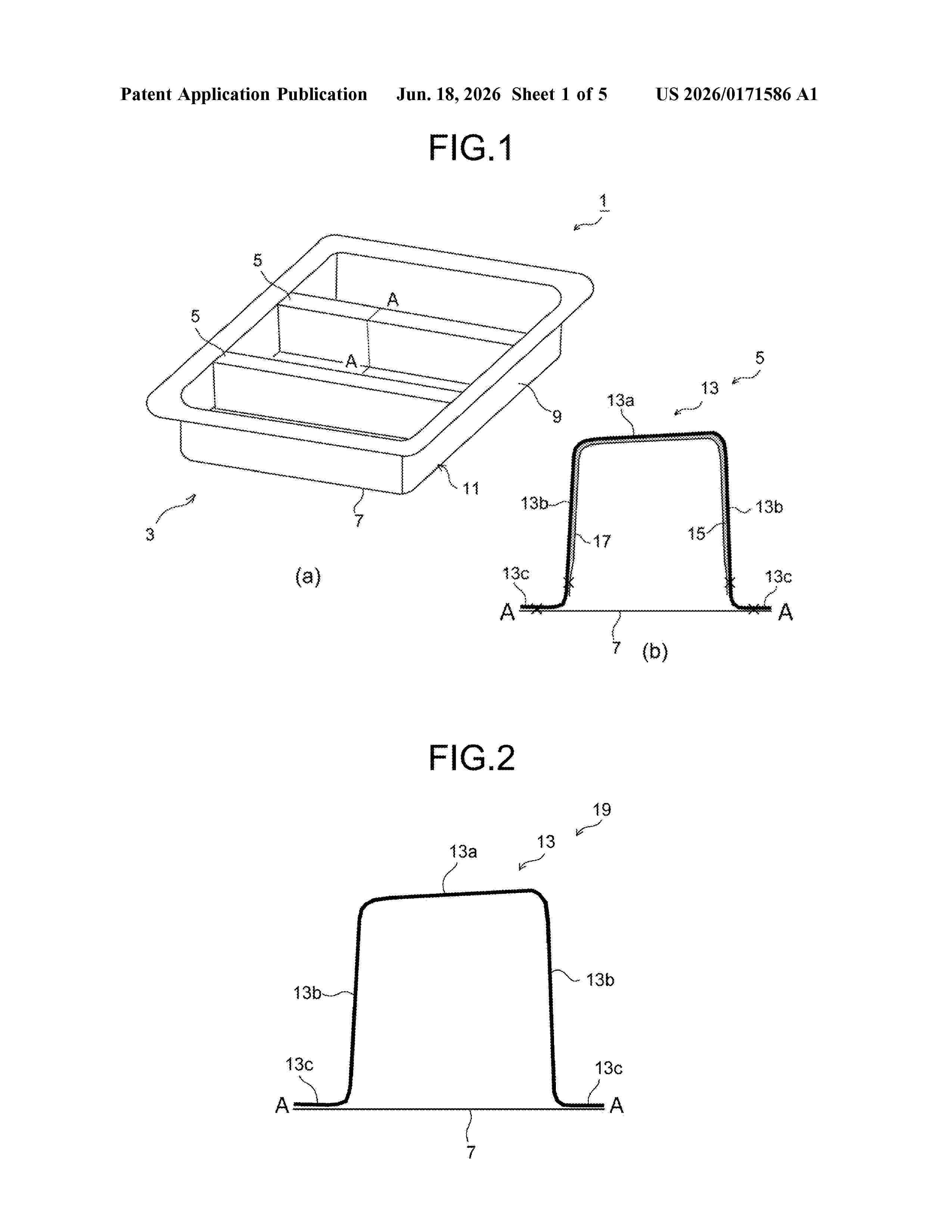
A battery case for being mounted under a floor of a vehicle body and storing a battery includes: a main body formed of a bottomed frame body having side walls facing each other in a vehicle width direction in a state of being mounted on the vehicle body; and a battery case cross member configured to extend between the facing side walls in the main body and to reinforce the main body. The battery case cross member includes a hat-shaped section part including a top portion, side wall portions, and flange portions, the flange portions abutting on a bottom surface of the main body, a resin patched on or coating a full length of an inner surface and/or outer surface of the hat-shaped section part, and a reinforcement arranged to cover the resin and adhered to the resin.
 BOPI
BOPI
 Sede Electrónica