Si deseas distinguir tus productos, servicios o ambos de los de otra empresa, es posible que necesites una marca o nombre comercial. Descubre qué son, en qué consiste su procedimiento de registro y qué implica.

Información sobre los plazos de presentación de solicitudes de transformación de marcas de la Unión Europea en marca nacional española. Más información


Si tienes un nuevo dispositivo, producto o procedimiento que resuelva un problema técnico o tenga una ventaja práctica, existen distintas formas de protegerlo en España y en otros países. Descubre cómo hacerlo.

¿Tu innovación reside en la estética, la ornamentación o la apariencia de tu producto? Protégela mediante un diseño industrial. Descubre qué derechos confiere el registro y cómo realizar la tramitación.

Las indicaciones geográficas protegen el nombre de un producto originario de una zona geográfica, a la cual le debe una determinada calidad, reputación u otra característica. Descubre qué son, en qué consiste su procedimiento de registro y qué beneficios conceden.

Las patentes publicadas en todo el mundo son una valiosa fuente de información científica, técnica y comercial.

Si eres emprendedor/a o una empresa y quieres potenciar y mejorar la rentabilidad de tu negocio protegiendo de forma adecuada los activos intangibles de tu organización, en este espacio encontrarás lo necesario.


 1422
resultados
1422
resultados
 Última actualización
28/06/2026 [07:11:00]
Última actualización
28/06/2026 [07:11:00]


 Resultados 950 a 975 de 1422

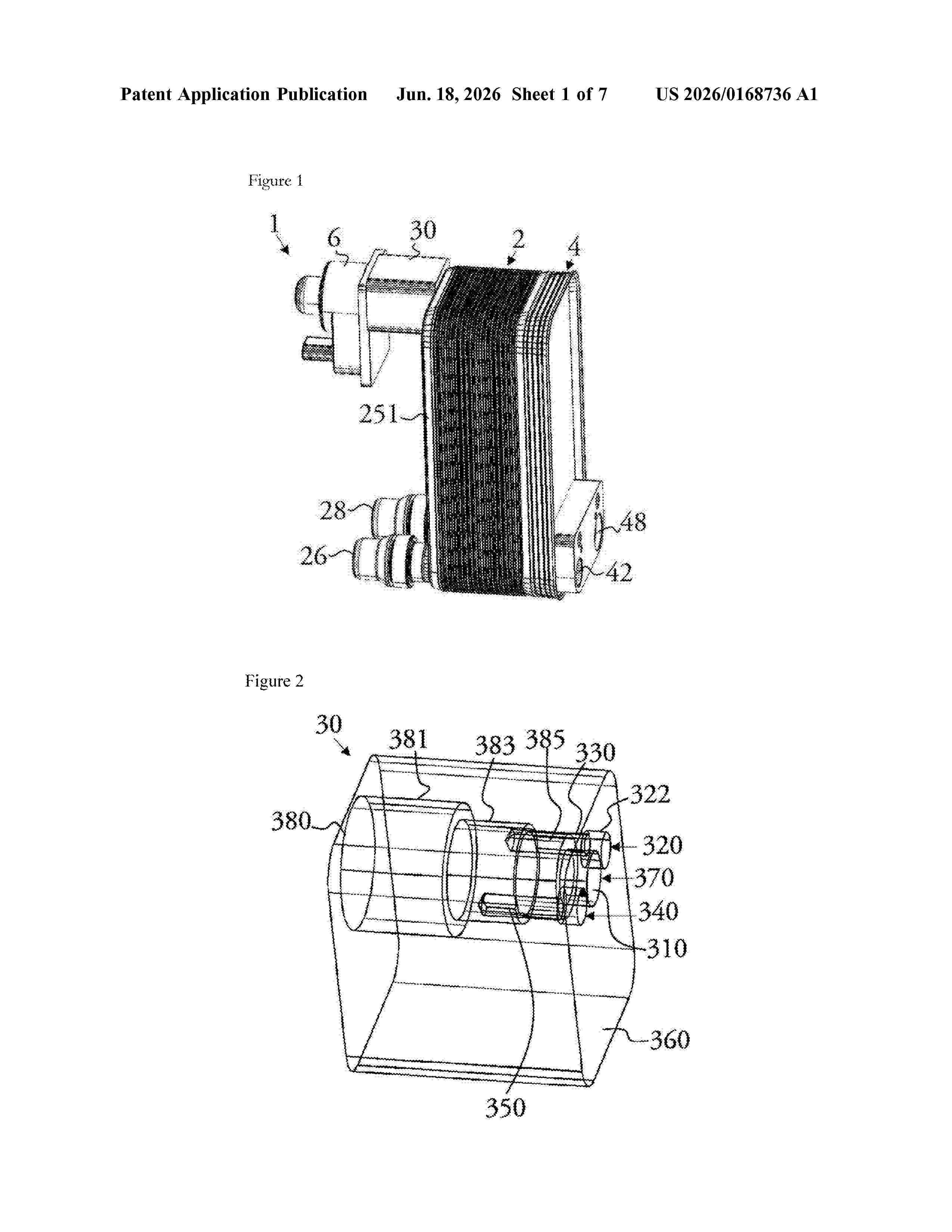
Resumen de: US20260168736A1
A connection block is configured to sealingly connect an expansion member to a heat exchanger. The connection block includes a refrigerant inlet, first and second refrigerant outlets, and receiving means for receiving the expansion member. The refrigerant inlet and the first and second refrigerant outlets are arranged on a contact surface with the heat exchanger. The receiving means are connected by a branch of the connection block to the refrigerant inlet, by a first passage of the connection block to the first refrigerant outlet and by a second passage of the connection block to the second refrigerant outlet.

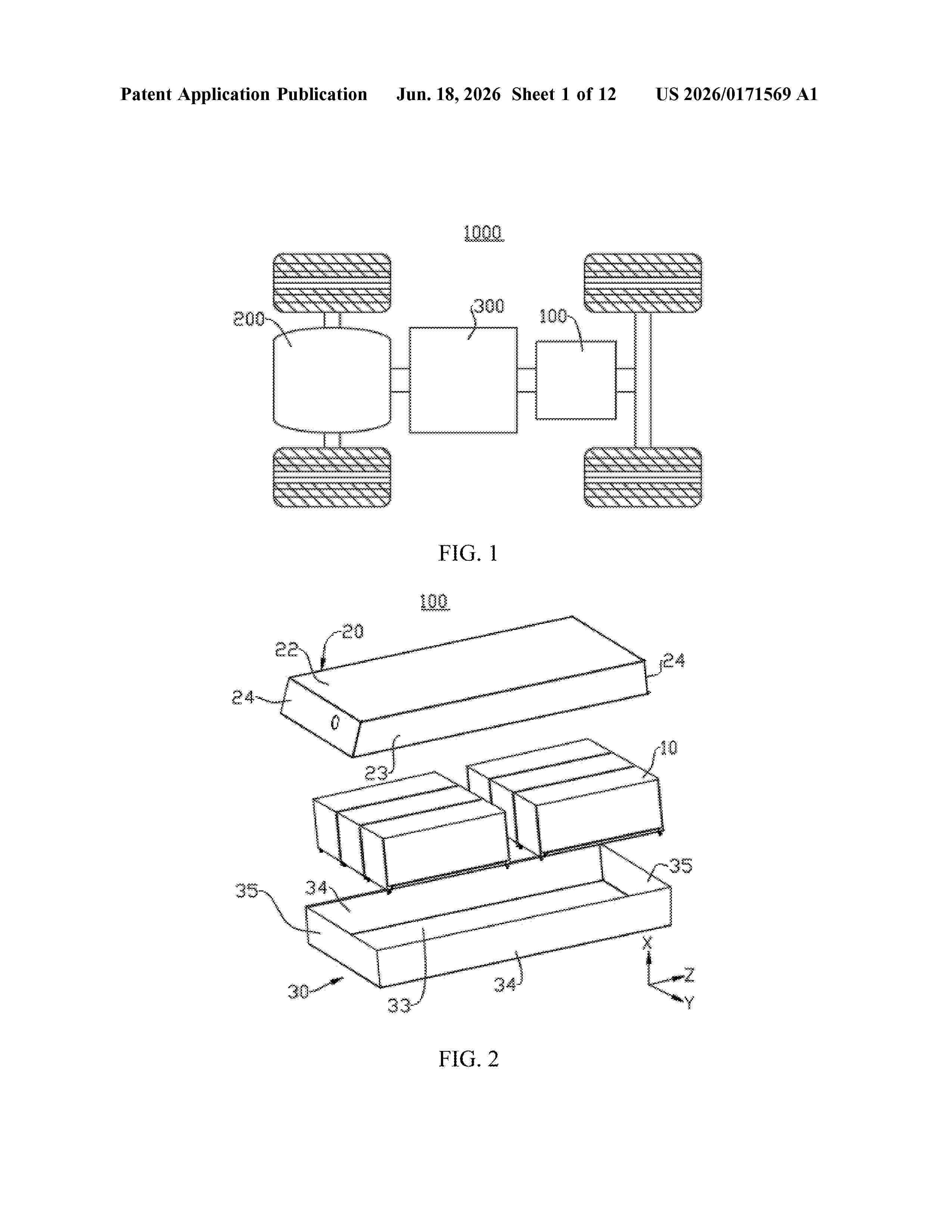
Resumen de: US20260171569A1
A battery and an electric device. The battery includes a battery cell, a first housing, and a second housing. The first housing includes a first sealing surface; and the second housing includes a first surface and a second sealing surface, where the first surface is configured to support the battery cell. The first housing and the second housing jointly enclose a closed space for accommodating the battery cell. The first sealing surface cooperates with the second sealing surface to seal the closed space. The first sealing surface intersects with the first surface, and the second sealing surface intersects with the first surface, reducing the space occupied by the first sealing surface and the second sealing surface in a direction parallel to the first surface and intersecting with the first sealing surface and the second sealing surface.
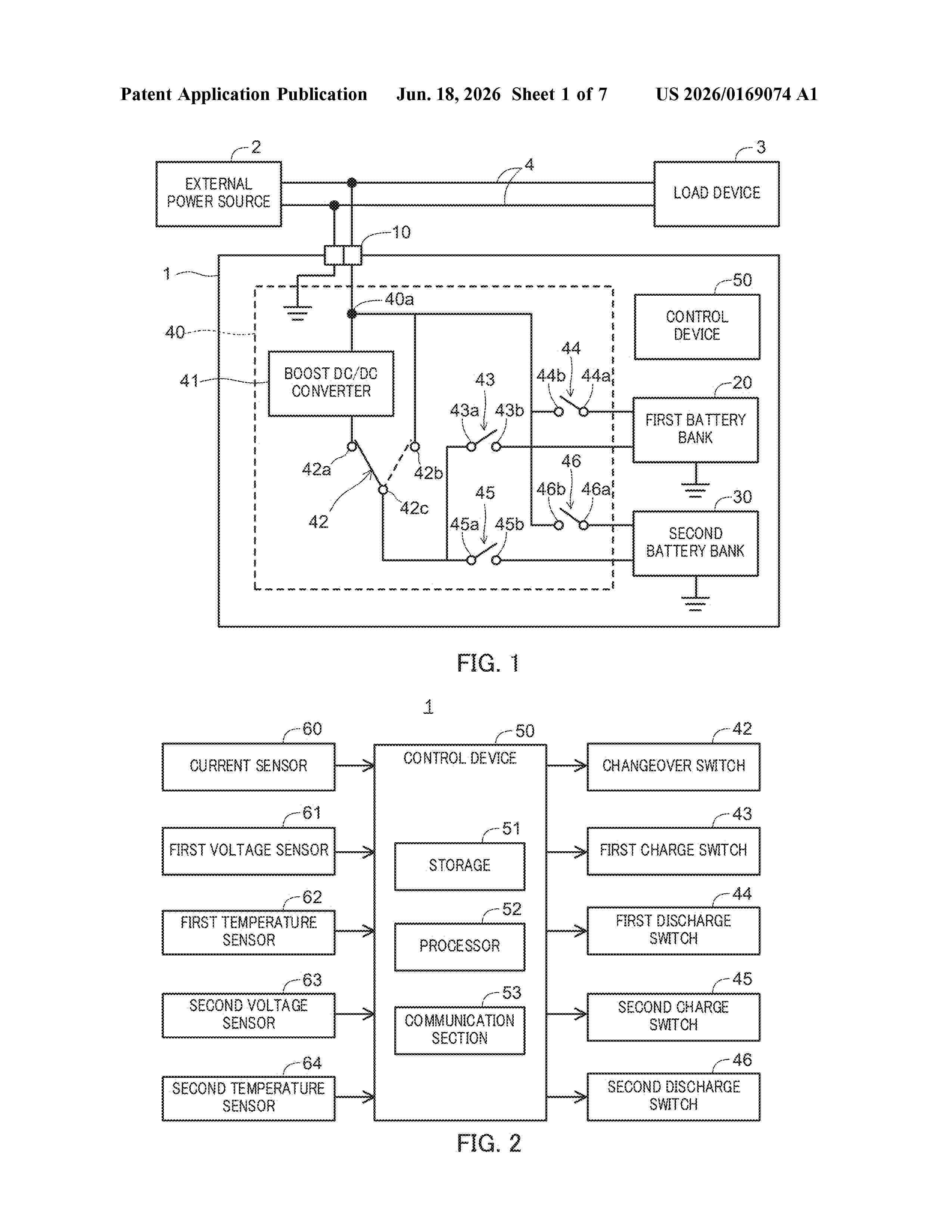
Resumen de: US20260169074A1
The purpose of the present invention is to allow users to sooner understand a more accurate time required in order for charging to complete. This charging control device comprises: a processing unit that, during charging of a power storage device, corrects a calculated value of remaining charging time calculated at the start of charging of the power storage device, and, at the start of charging, acquires information indicating a correction timing at which the calculated value of the remaining charging time is corrected; and a reporting unit that reports the correction timing at the start of charging and reports the correction value of the calculated value of the remaining charging time during charging.
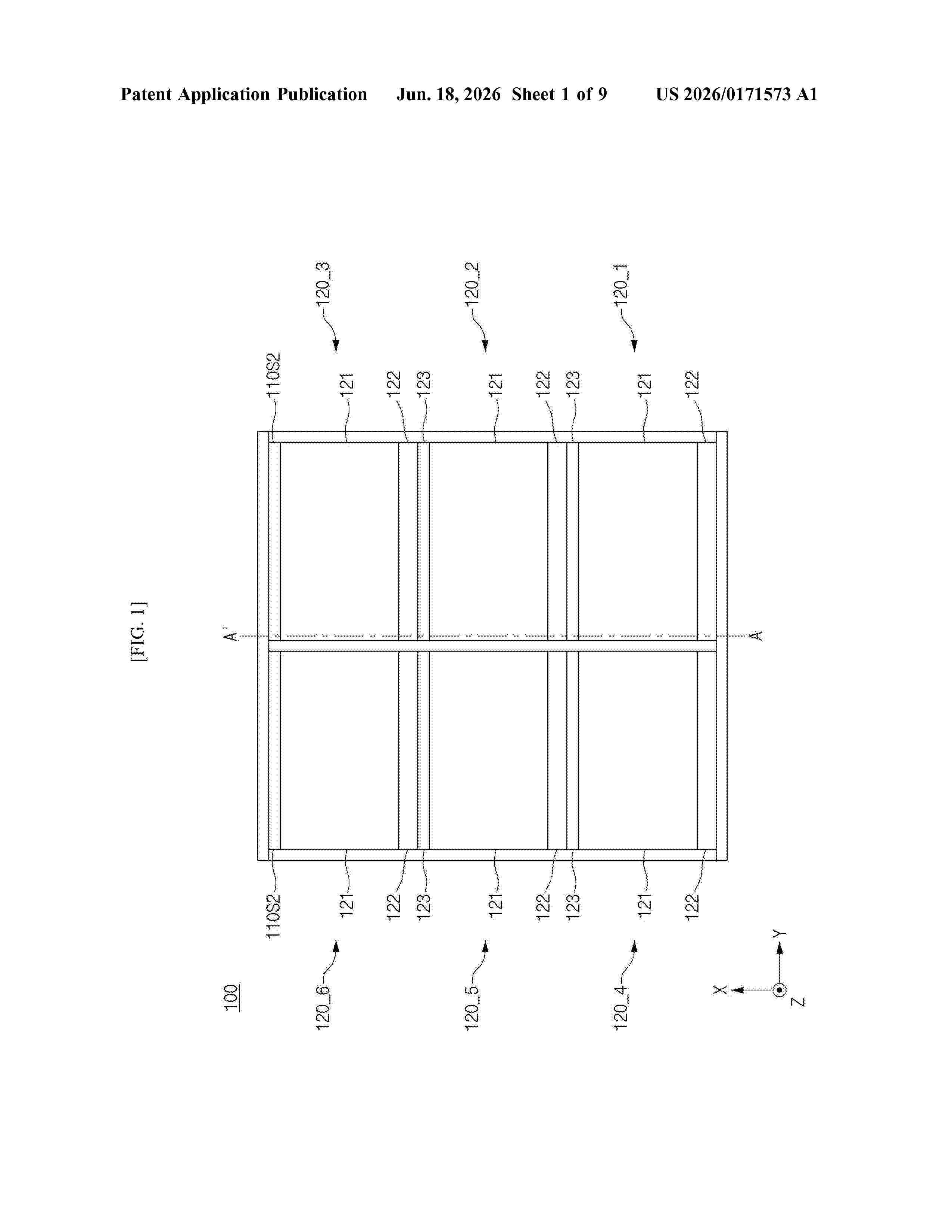
Resumen de: US20260171573A1
0000 A battery pack includes a lower frame including a base plate, a first side plate connected to a first side of the base plate, and a second side plate connected to a second side of the base plate, and first and second battery assemblies on the base plate, and each of the first and second battery assemblies includes a cell stack including a plurality of battery cells and a first cross beam coupled to a first side of the cell stack and a second cross beam coupled to a second side of the cell stack.
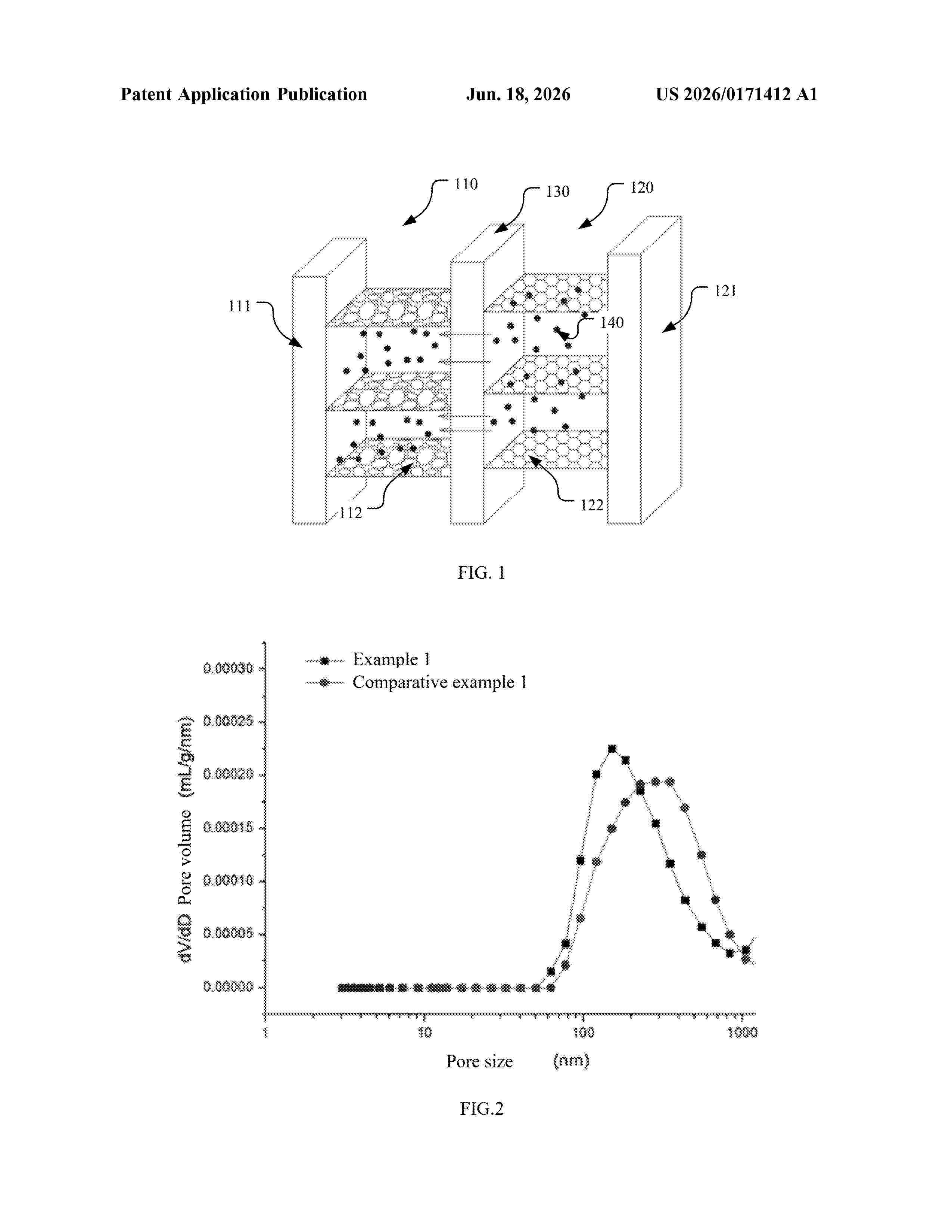
Resumen de: US20260171412A1
An anode material comprising: a carbon material having pores therein, wherein a total pore volume of pores with a pore size of 3 nm or more and 1,000 nm or less, measured by mercury intrusion porosimetry is V1, and 0
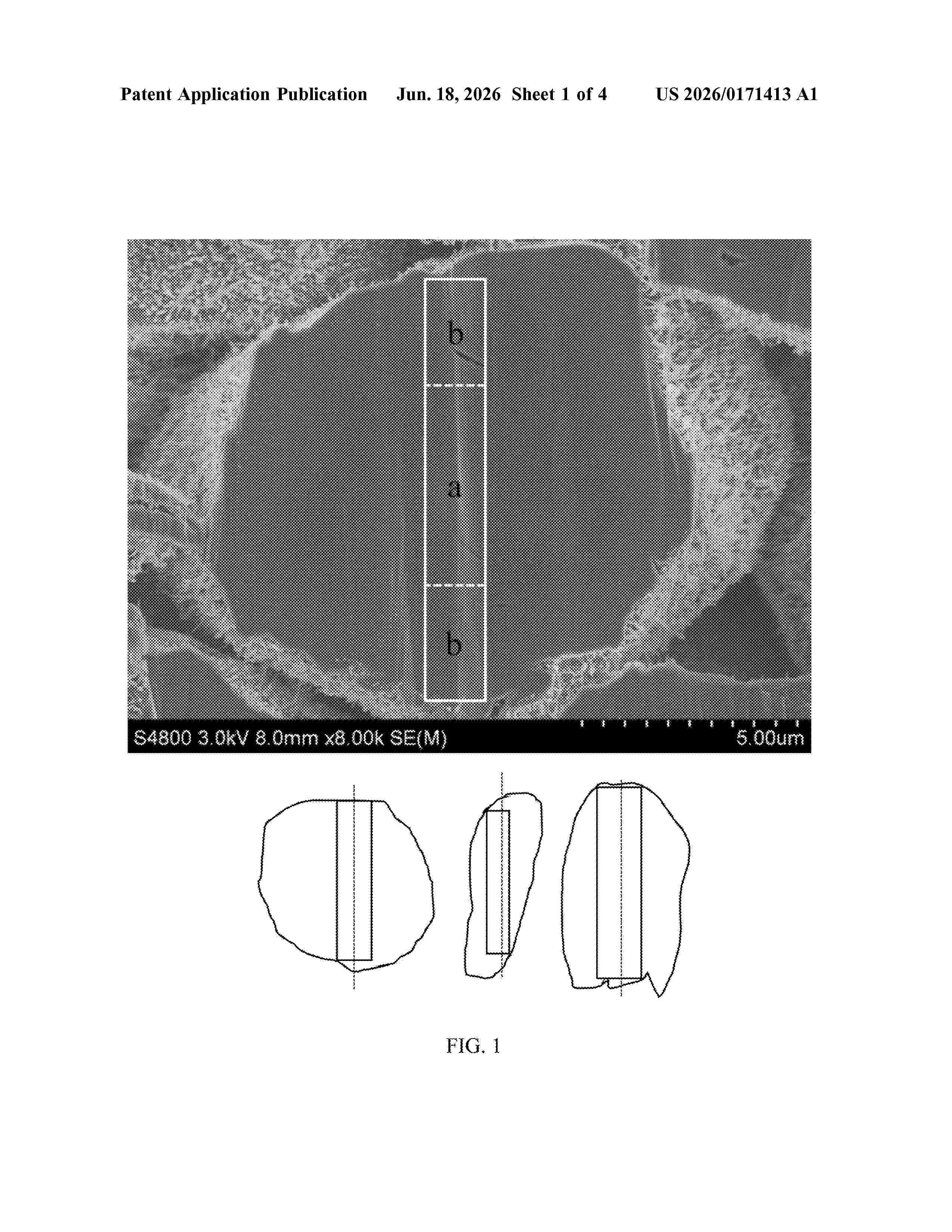
Resumen de: US20260171413A1
0000 An anode material includes a core and a coating layer. The coating layer is located on a surface of the core, the core includes natural graphite and first amorphous carbon filled in pores of the natural graphite, and the coating layer includes second amorphous carbon. A Raman spectrum of the anode material has a D peak and a G peak, and an intensity ratio of the D peak to the G peak is I
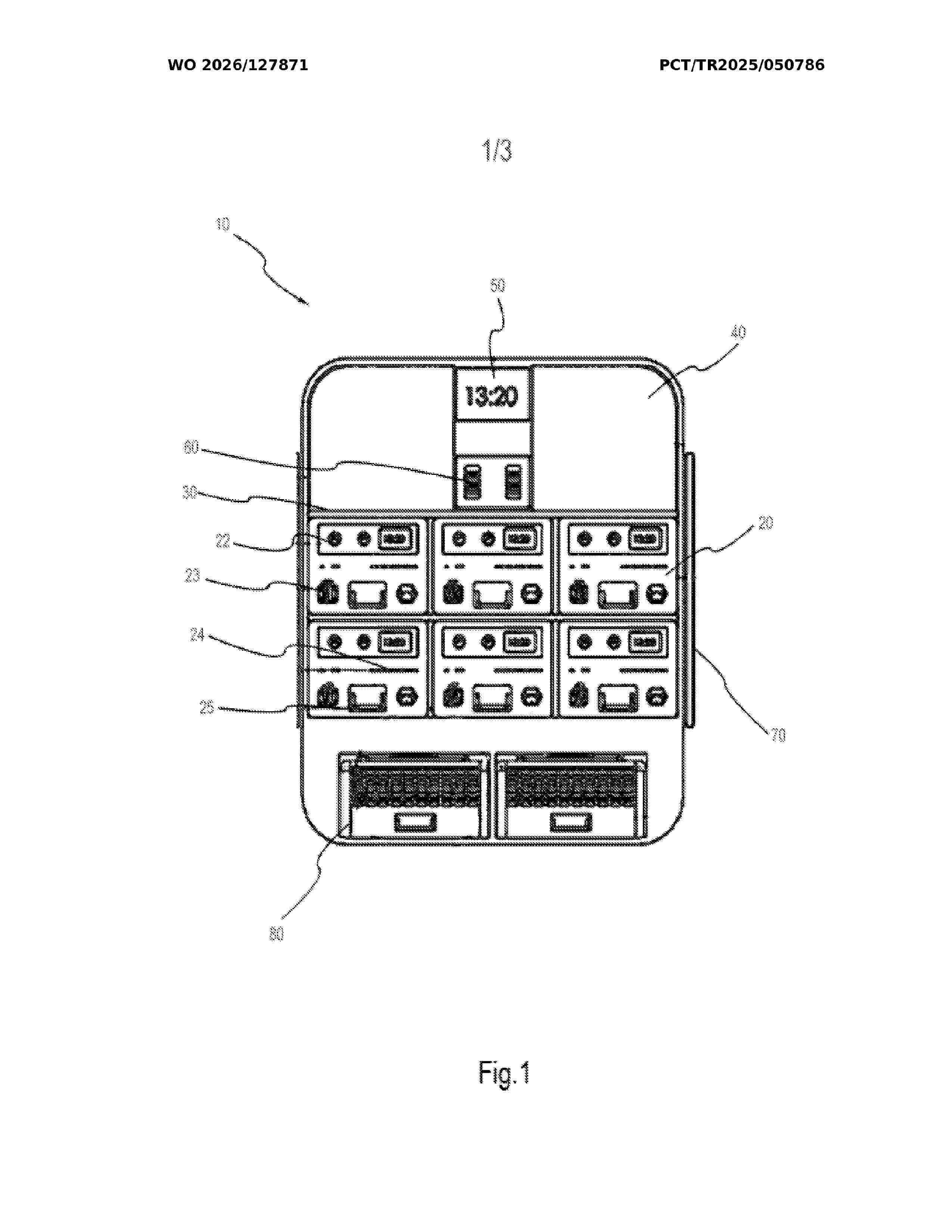
Resumen de: WO2026127871A1
The invention relates to a modular battery storage cabinet (10) comprising at least one central inverter (40) that enables electrical energy to be stored efficiently and makes the stored electrical energy suitable for domestic or industrial use, at least one digital display (50) that visually presents the energy status and system performance to the user, at least one battery (20) as a modular unit used for storing energy, and at least one shelf (30) in which the battery (20) is positioned. Accordingly, its novelty is that it comprises at least one solar panel (70) connected to the adjacent side of the modular battery storage cabinet (10) to ensure maximum efficiency from solar energy and minimize energy consumption, at least one portable air conditioning module (80) with a modular structure used to control and optimize the temperature levels of the system, at least one modular inverter (21) that enables the battery (20) to independently supply energy, and at least one battery management system (28) that allows the battery (20) to be safely charged and discharged.
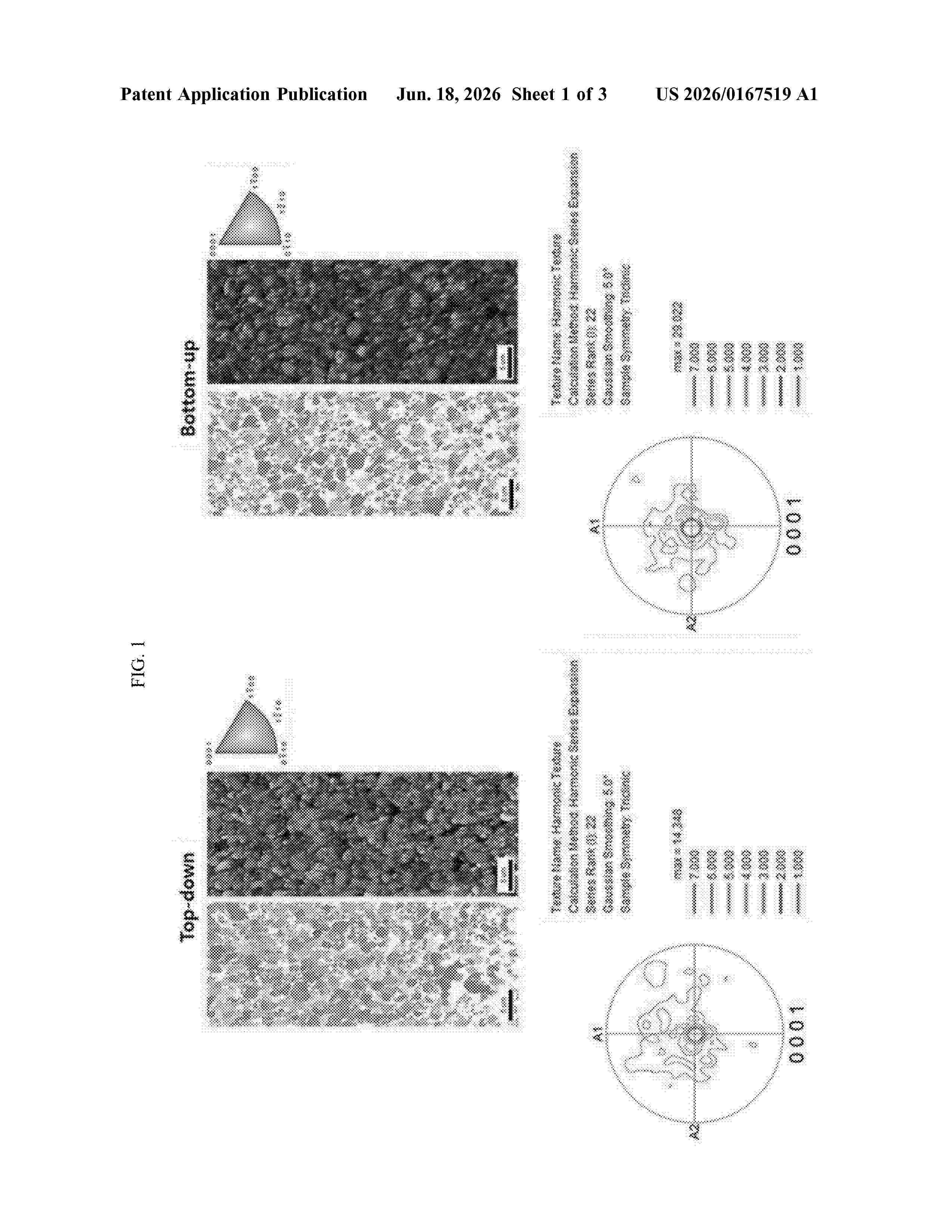
Resumen de: US20260167519A1
The present invention relates to a positive electrode active material for a lithium secondary battery, comprising a lithium transition metal oxide containing nickel (Ni), wherein the lithium transition metal oxide is in form of a single particle, has an average particle diameter (D50) ranging from 2 μm to 4 μm, and exhibits a maximum pole density value of 20 or less at the (001) plane as determined by Electron Back Scatter Diffraction (EBSD) analysis of a pole figure diagram.
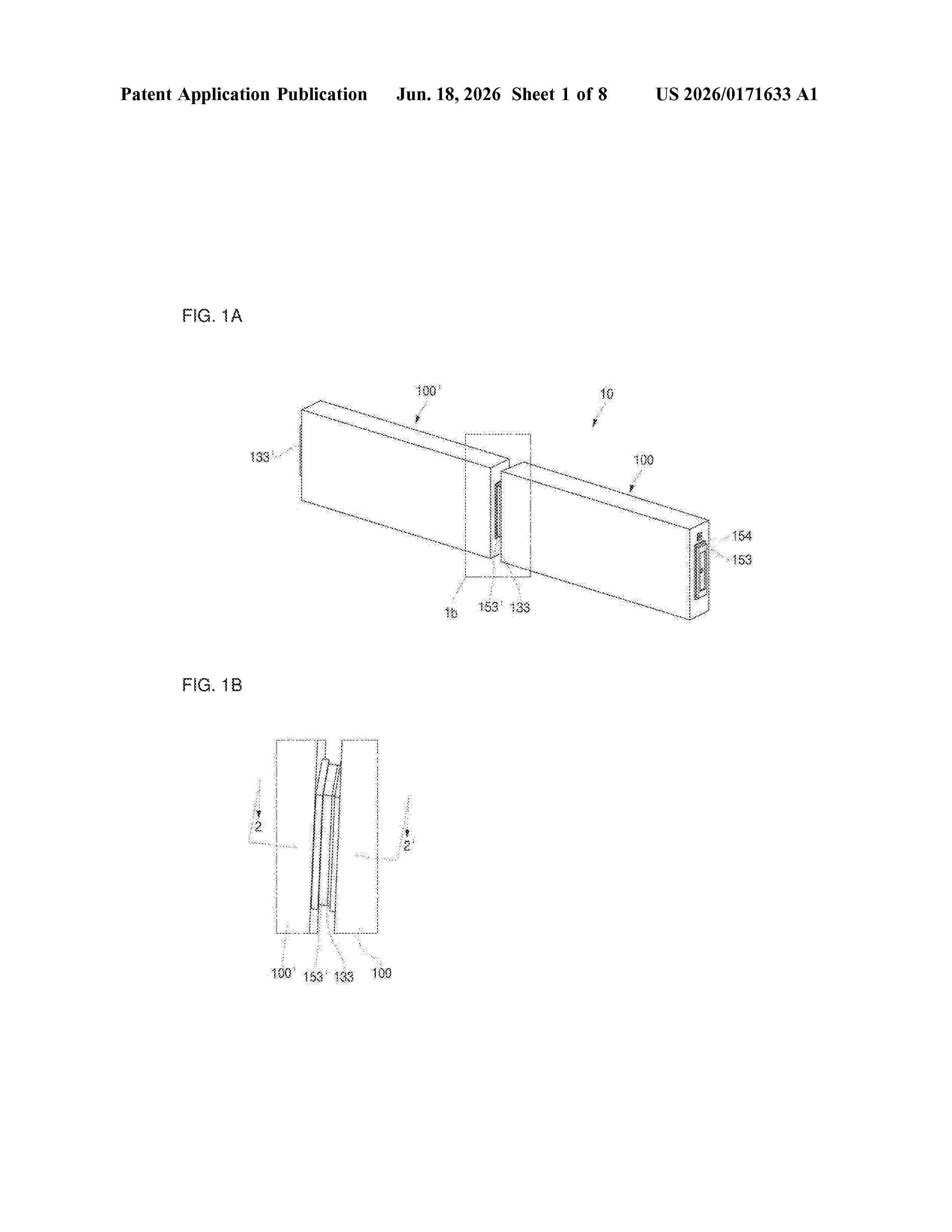
Resumen de: US20260171633A1
The present invention relates to a battery module in which terminals of two secondary batteries are directly coupled by welding, and which thus does not require a separate component for electrical connection and can reduce electrical contact resistance. Disclosed as an embodiment of the present invention is a battery module comprising a first secondary battery and a second secondary battery having the same structure as the first secondary battery, the first secondary battery comprising: an electrode assembly having a first electrode tab and a second electrode tab respectively exposed on both sides thereof; a case accommodating the electrode assembly and having two open sides; a first cap plate sealing one open side of the case; a first terminal electrically connected to the first electrode tab and exposed to the outside of the first cap plate; a second cap plate sealing the other open side of the case; and a second terminal electrically connected to the second electrode tab and exposed to the outside of the second cap plate, wherein a first protrusion portion protruding outwardly from the first terminal of the first secondary battery is coupled to and connected in series, by welding, with a second recessed portion recessed into the second terminal of the second secondary battery.
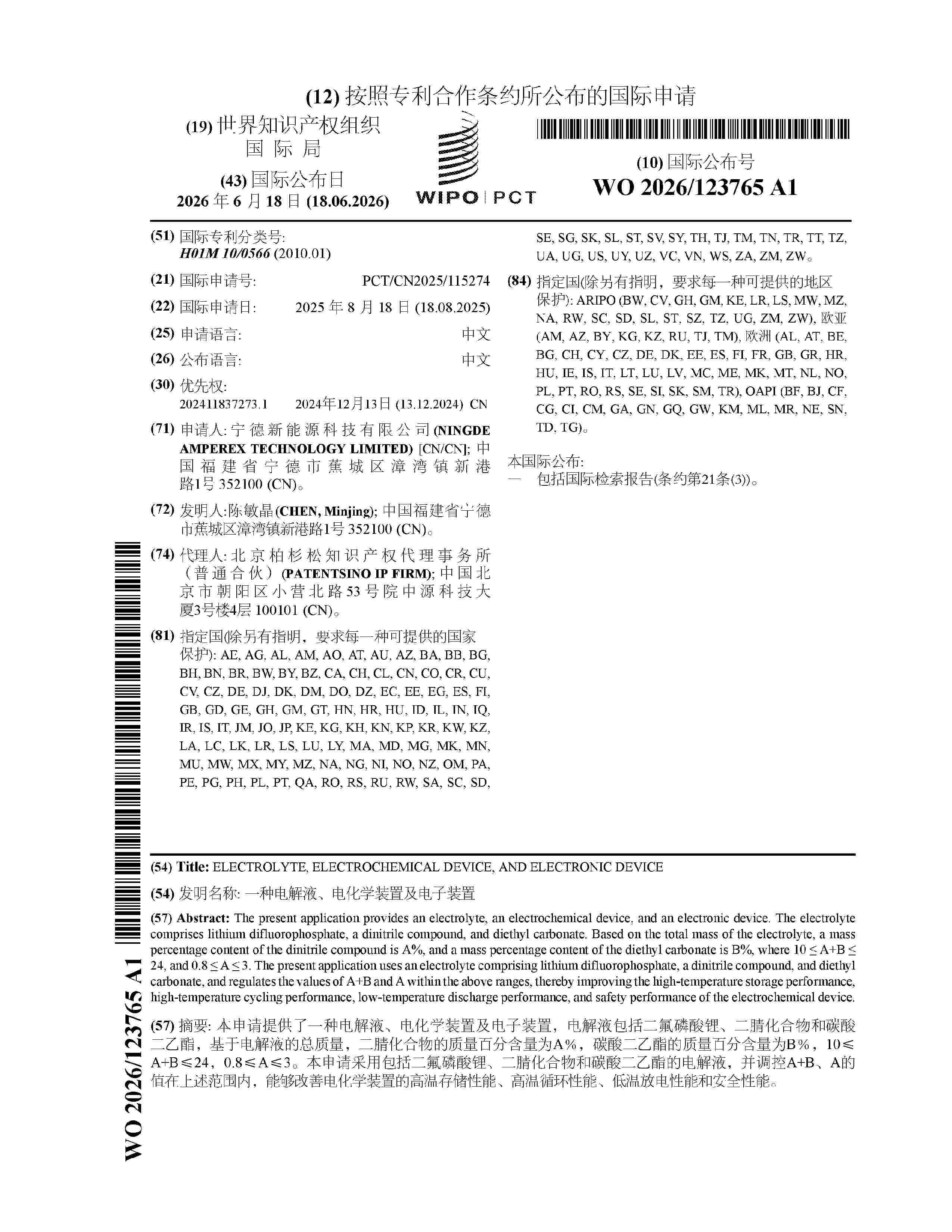
Resumen de: WO2026123765A1
The present application provides an electrolyte, an electrochemical device, and an electronic device. The electrolyte comprises lithium difluorophosphate, a dinitrile compound, and diethyl carbonate. Based on the total mass of the electrolyte, a mass percentage content of the dinitrile compound is A%, and a mass percentage content of the diethyl carbonate is B%, where 10 ≤ A+B ≤ 24, and 0.8 ≤ A ≤ 3. The present application uses an electrolyte comprising lithium difluorophosphate, a dinitrile compound, and diethyl carbonate, and regulates the values of A+B and A within the above ranges, thereby improving the high-temperature storage performance, high-temperature cycling performance, low-temperature discharge performance, and safety performance of the electrochemical device.
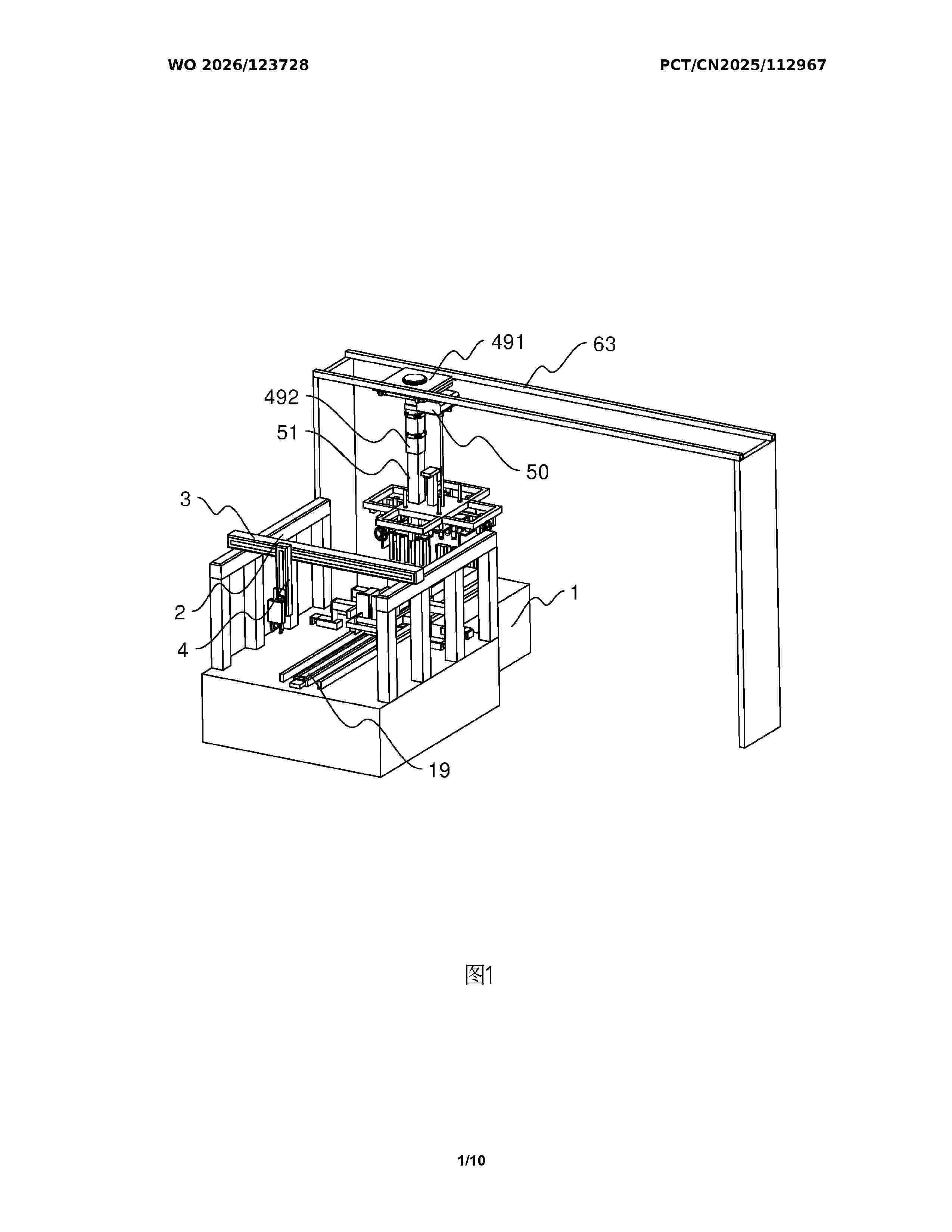
Resumen de: WO2026123728A1
The present invention relates to the technical field of battery pack production, and disclosed is an automatic stacking mounting lifting device for a battery pack, comprising a frame body, a feeding apparatus, a stacking apparatus, and a transfer apparatus. The feeding apparatus comprises a feeding moving mechanism and a feeding clamping mechanism. The stacking apparatus comprises a stacking moving mechanism, a first carrier frame, second carrier frames, and a stacking positioning mechanism, each second carrier frame is provided with an x-axis positioning assembly, and the x-axis positioning assembly comprises a fixed plate, a first driving member, and a first positioning plate. The stacking positioning mechanism comprises second positioning plates and second driving members, and the second driving members are used for driving the second positioning plates to move close to or away from the second carrier frames. The transfer apparatus comprises a transfer moving mechanism and a transfer clamping mechanism. The present application enables battery cells to be less prone to positional deviation during stacking, thereby ensuring the assembly stacking quality of the battery cells.
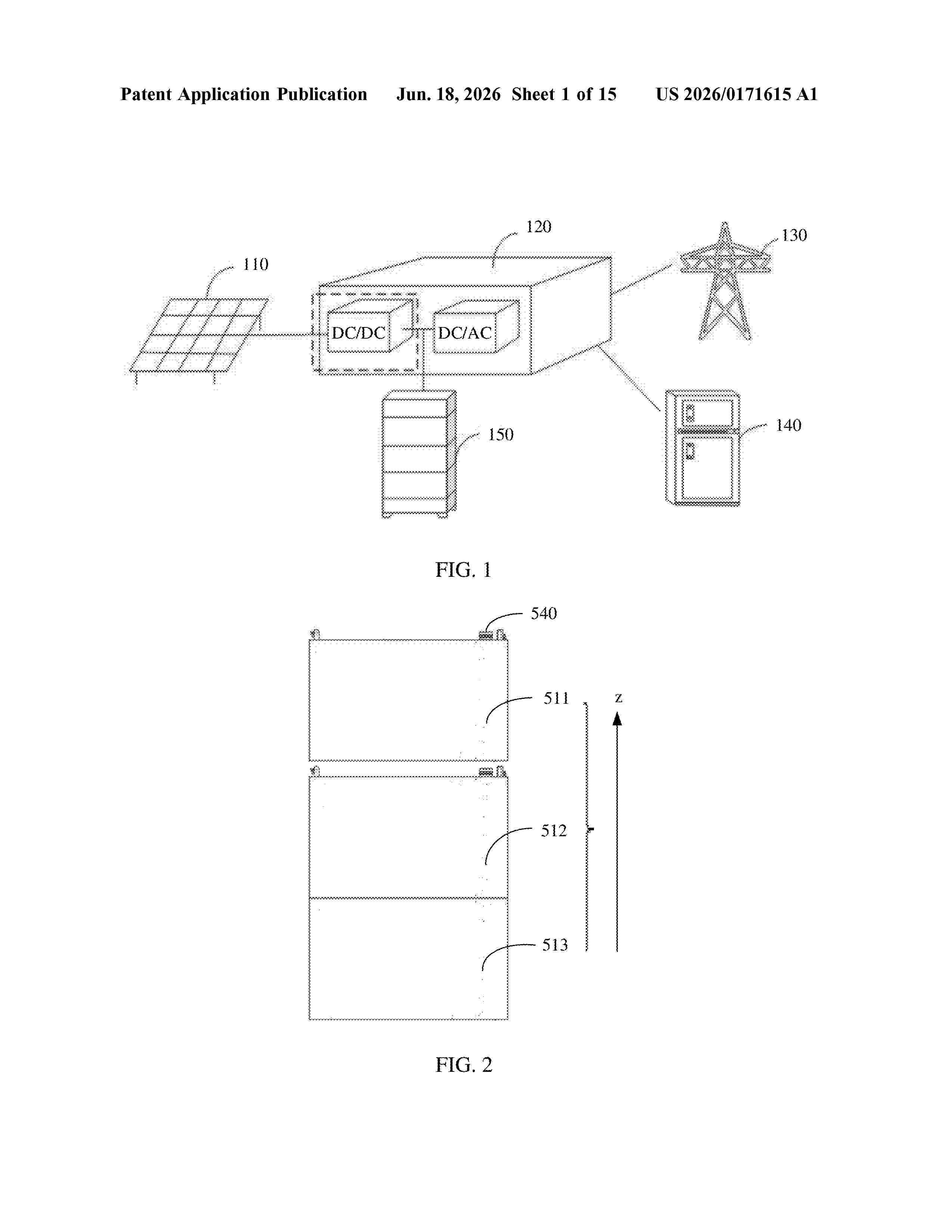
Resumen de: US20260171615A1
A battery pack, an energy storage apparatus, and an energy storage system are provided. The energy storage apparatus includes a plurality of stacked battery packs, each battery pack including a plurality of battery cells. In two contact surfaces of two adjacent battery packs, a protective part and a first connector are disposed on one of the contact surfaces in a protruding manner, and a groove and a second connector are disposed on the other of the contact surfaces. The second connector is located in the groove, the protective part is connected to the groove, and the first connector is connected to the second connector. The energy storage apparatus can implement accurate alignment between the battery packs, thereby greatly reducing an assembly procedure and an assembly time for mounting the energy storage apparatus and improving assembly efficiency of the energy storage apparatus.
Resumen de: US20260171522A1
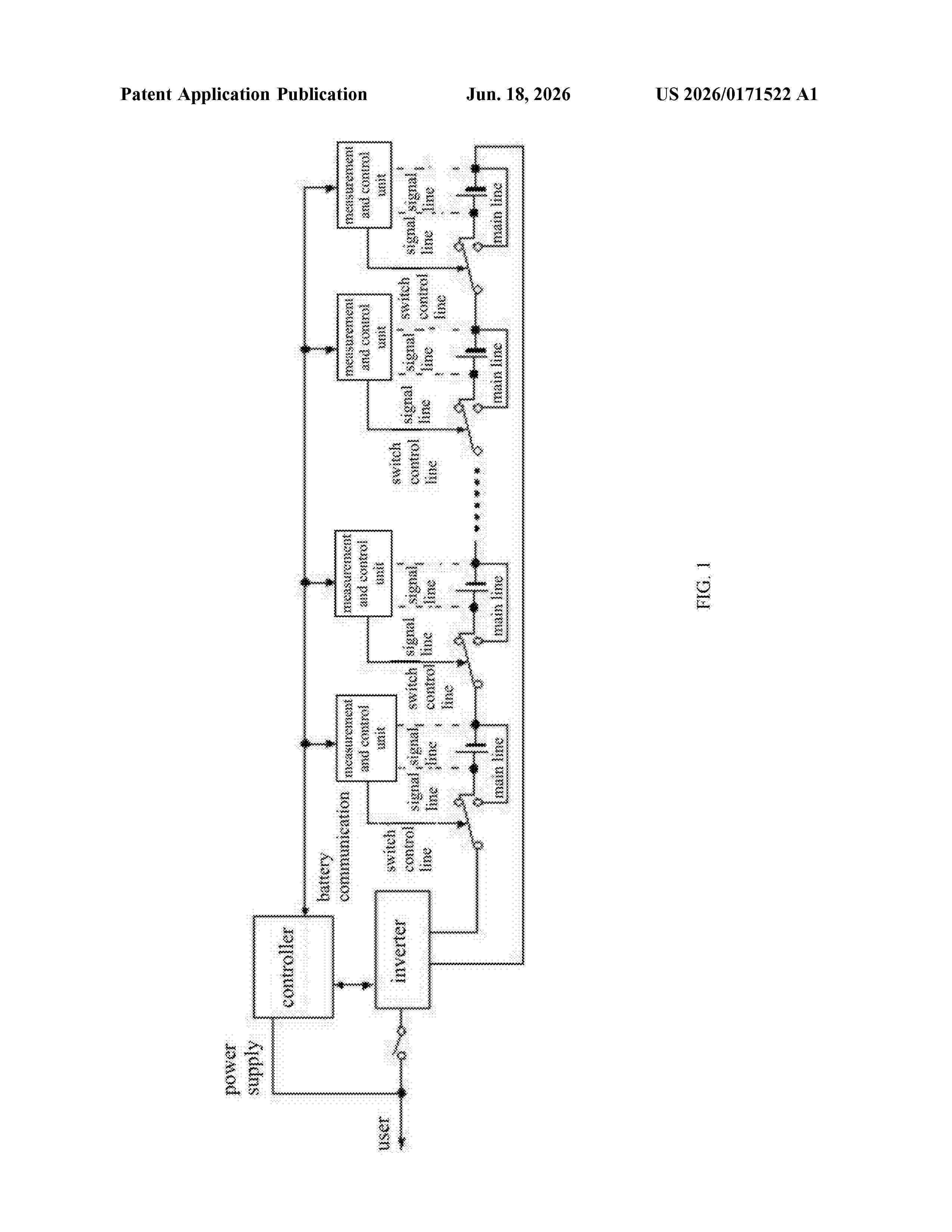
0000 A charging and discharging method for energy storage, relating to the technical field of new energy. The method comprises the following steps: (1) setting up a hardware system; (2) carrying out initialization detection to ensure that each hardware device is in a normal state; (3) setting up a software system; and (4) during standby or working, a controller reading battery parameters of each measurement and control unit in turn and comparing set data to make corresponding actions. The charging and discharging method for energy storage has the advantages of simple and convenient wiring, low cost, and easy maintenance.
Resumen de: US20260171475A1
An anode for electrolysis in which electrolysis performance is less likely to deteriorate even when electric power having a large output fluctuation, such as renewable energy, is used as a power source and in which excellent catalytic activity is stably maintained for a long period of time is provided. The anode for electrolysis 10 includes a conductive substrate 2 in which at least a surface of the conductive substrate 2 is formed of nickel or a nickel-based alloy; and a first layer 4 formed on the surface of the conductive substrate 2, the first layer 4 being capable of functioning as a catalyst layer containing a lithium-containing nickel cobalt oxide represented by a composition formula LixNiyCozO4 (0.05≤x≤1.0, 1.0≤y≤2.0, 1.0≤z≤2.0, and x+y+z=2 to 3).
Resumen de: US20260171562A1
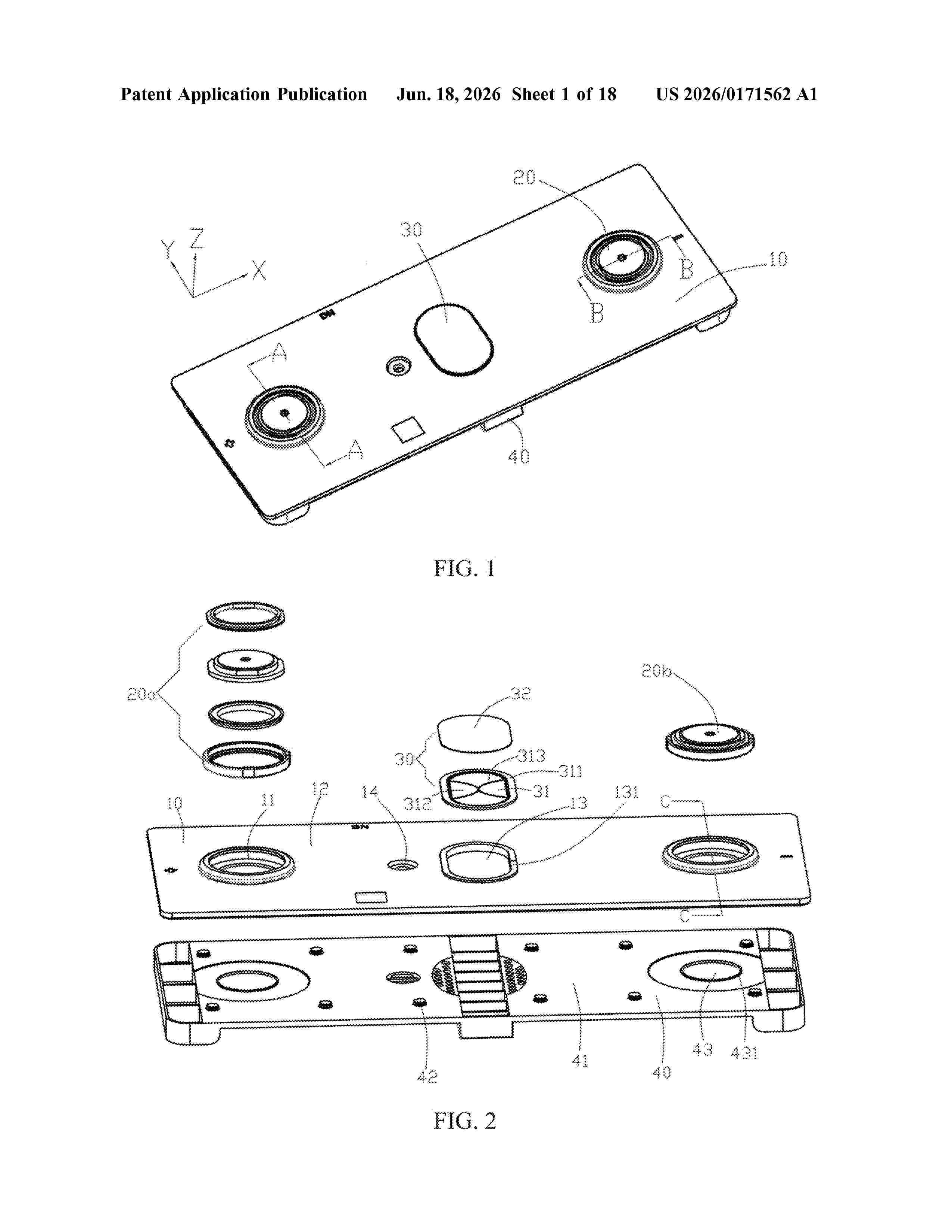
A cover plate manufacturing method and a battery top cover are provided. The cover plate manufacturing method includes following steps: providing a metal sheet, and punching the metal sheet to form punched holes; flanging a portion of the metal sheet on a periphery of each of the punched holes to form a sidewall extending upward; shaping and flattening each sidewall to enable each sidewall to reach a predetermined state; and splitting a material of each sidewall to form a horizontal bottom wall and form cover plates with terminal holes.
Resumen de: US20260171395A1
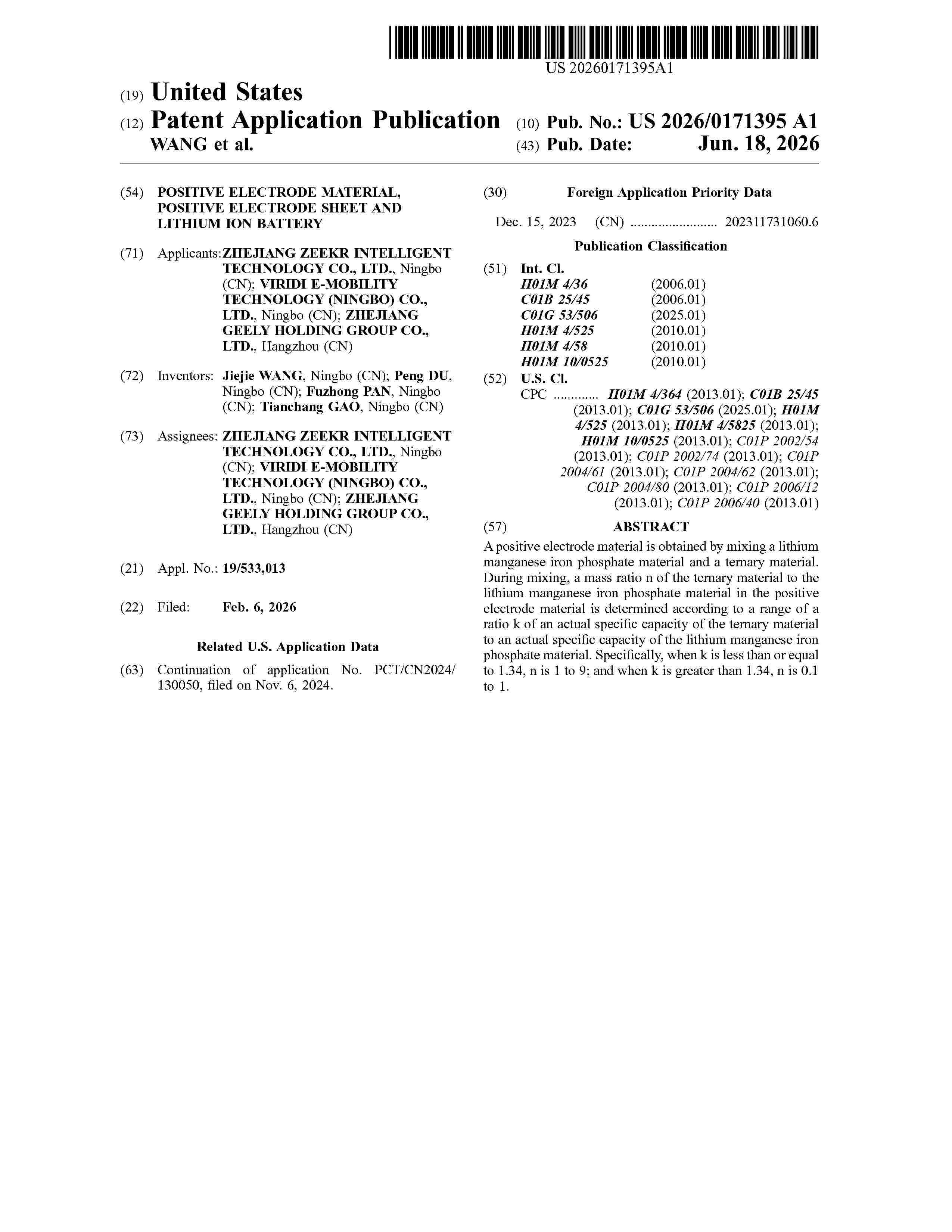
A positive electrode material is obtained by mixing a lithium manganese iron phosphate material and a ternary material. During mixing, a mass ratio n of the ternary material to the lithium manganese iron phosphate material in the positive electrode material is determined according to a range of a ratio k of an actual specific capacity of the ternary material to an actual specific capacity of the lithium manganese iron phosphate material. Specifically, when k is less than or equal to 1.34, n is 1 to 9; and when k is greater than 1.34, n is 0.1 to 1.
Resumen de: AU2025214887A1
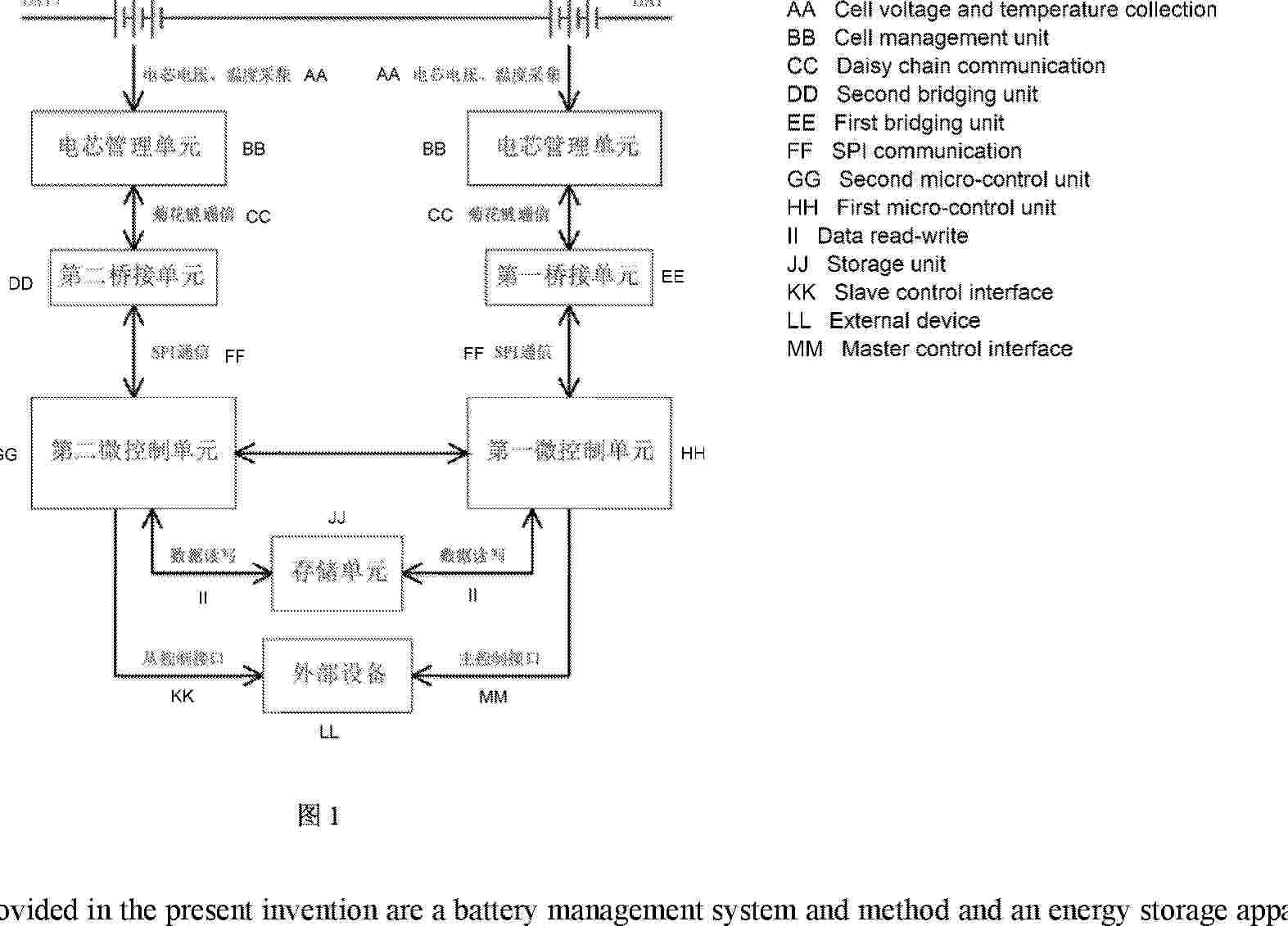
Provided in the present invention are a battery management system and method and an energy storage apparatus. The battery management system comprises micro-control units and a collection unit, wherein each micro-control unit is used for receiving and/or sending a control signal, the collection unit is used for collecting cell parameters, two ends of the collection unit are connected to the micro-control units, the collection unit comprises at least one cell management unit, each cell management unit is provided with an analog front end, each analog front end is used for connecting to one cell for collection of the cell parameters, there are two micro-control units and two cell management units, each cell management unit is connected to one micro-control unit, and the two micro-control units share parameter signals and the control signals. The battery management system of the present invention can manage each cell, so as to allow for more balanced workload of each component, thus reducing the risk of slave control failures; and the battery management system can fully use the two micro-control units, so as to make system operation safer and more reliable.
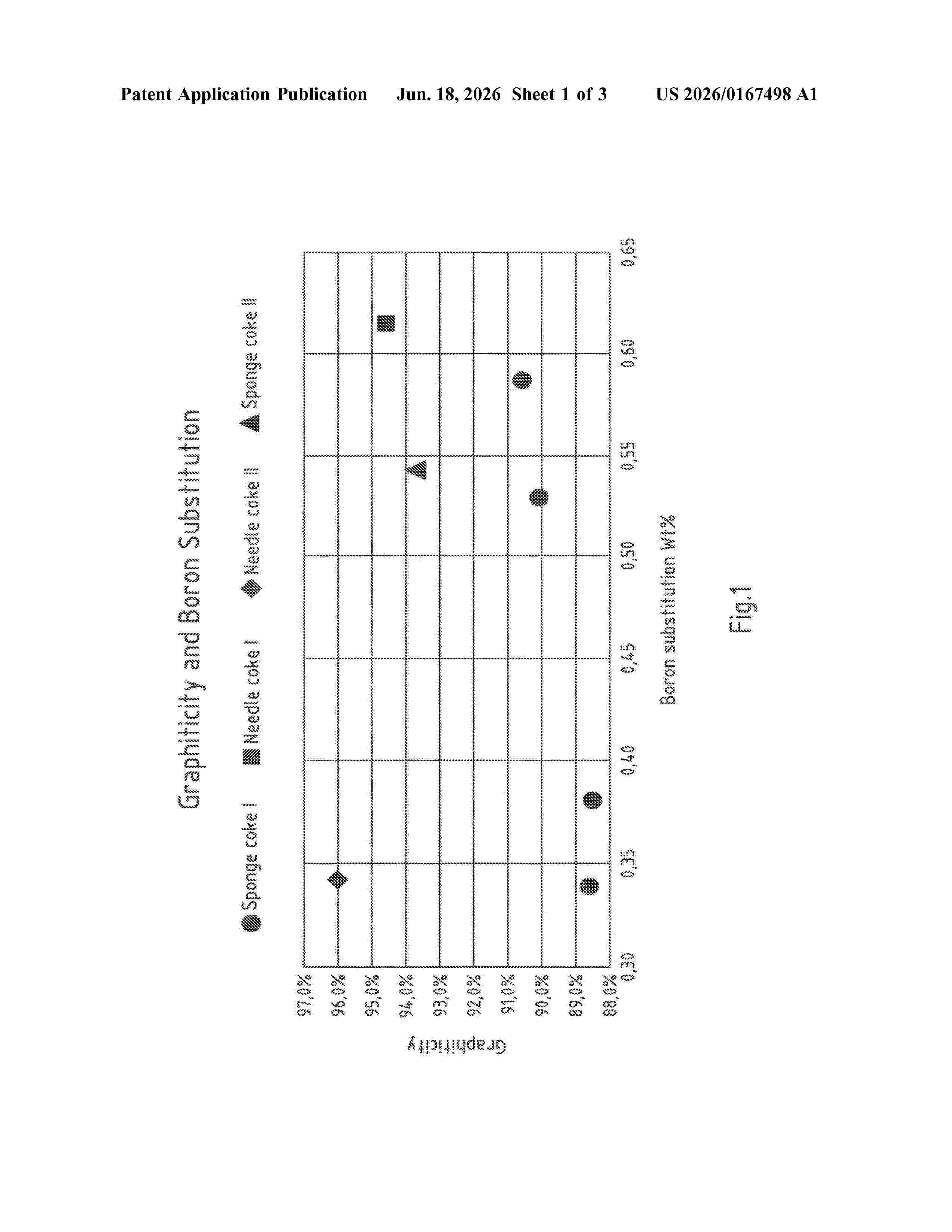
Resumen de: US20260167498A1
The invention relates to a carbon particle comprising at least 97 wt. % carbon, based on the total weight of the carbon particle, at most 0.2 wt. % impurities, based on the total weight of the carbon particle, at least 0.08 wt. % boron, based on the total weight of the carbon particle, at most 0.05 wt. % boron carbide, based on the total weight of the carbon particle. The invention also relates to a method for the manufacture of the carbon particle comprising a graphitization step in an electric field. The invention also relates to the use of the carbon particle as the active material of a negative electrode for a battery.
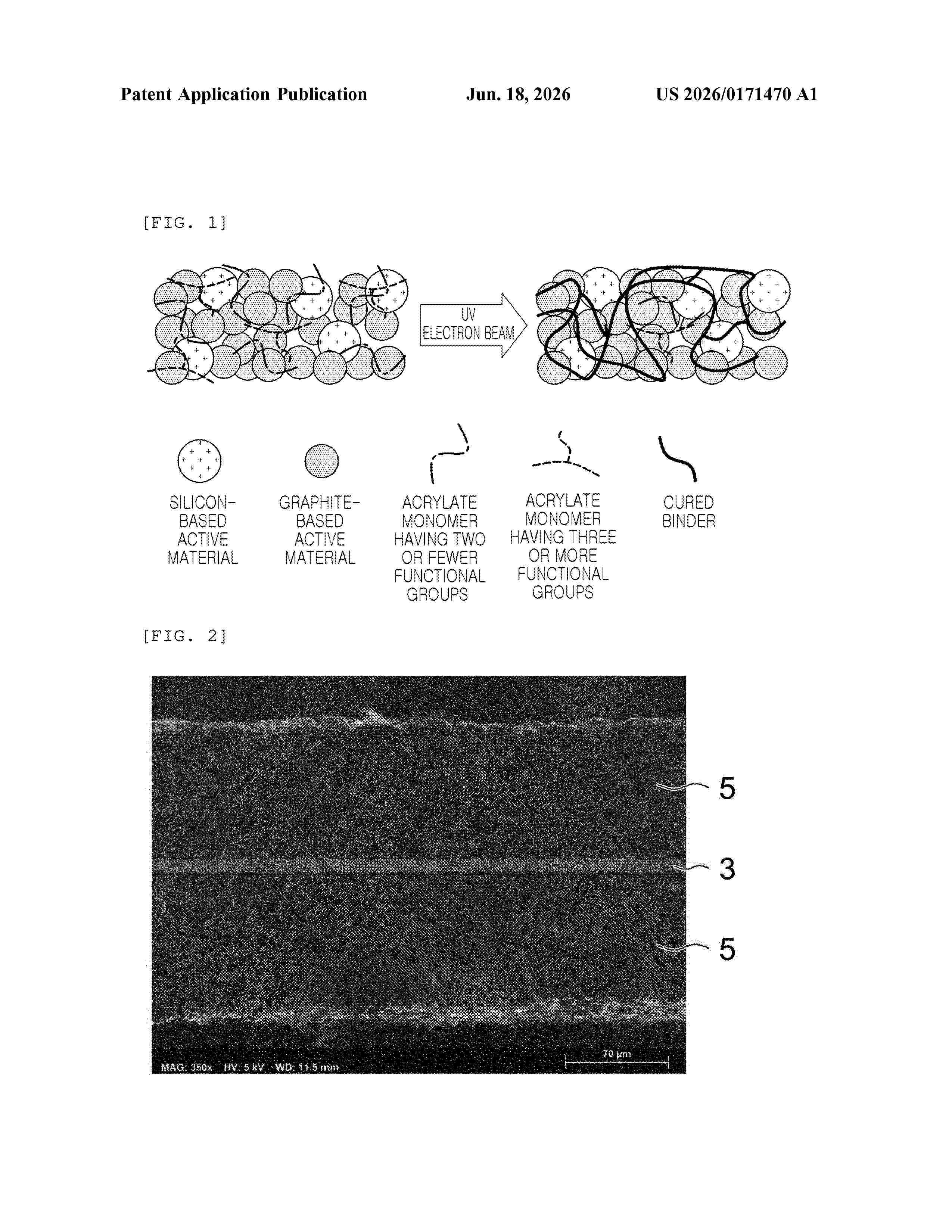
Resumen de: US20260171470A1
0000 The present embodiment relates to an anode mixture slurry, an anode manufactured from the anode mixture slurry and a lithium-ion battery comprising the anode, wherein the anode mixture slurry comprises a silicon-based anode active material and a photocurable binder, and the photocurable binder comprises: a first acrylate monomer or oligomer having two or fewer functional groups and an acrylate end; and a second acrylate monomer or oligomer having three or more functional groups and an acrylate end.
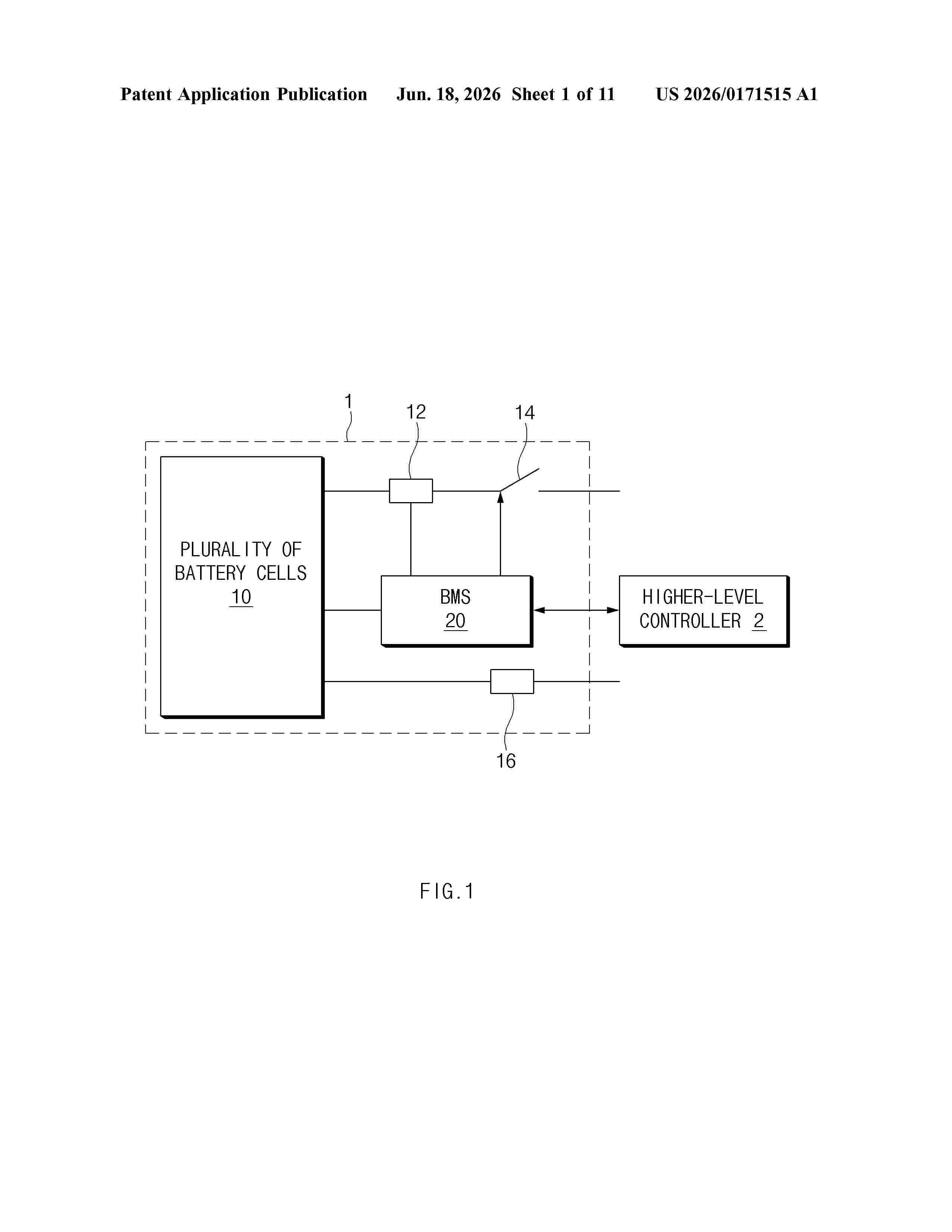
Resumen de: US20260171515A1
0000 A battery management apparatus includes an information obtaining unit configured to obtain an open circuit voltage of a plurality of battery cells and a controller configured to calculate a first voltage of each of the plurality of battery cells, which is related to a change in open circuit voltage of the plurality of battery cells, for a preset time, calculate a second voltage that is an average of the first voltage of each of the plurality of battery cells, calculate a deviation based on a first voltage and a second voltage of each of the plurality of battery cells, and diagnose the plurality of battery cells based on a ratio of the first voltage and the second voltage of each of the plurality of battery cells and the deviation.
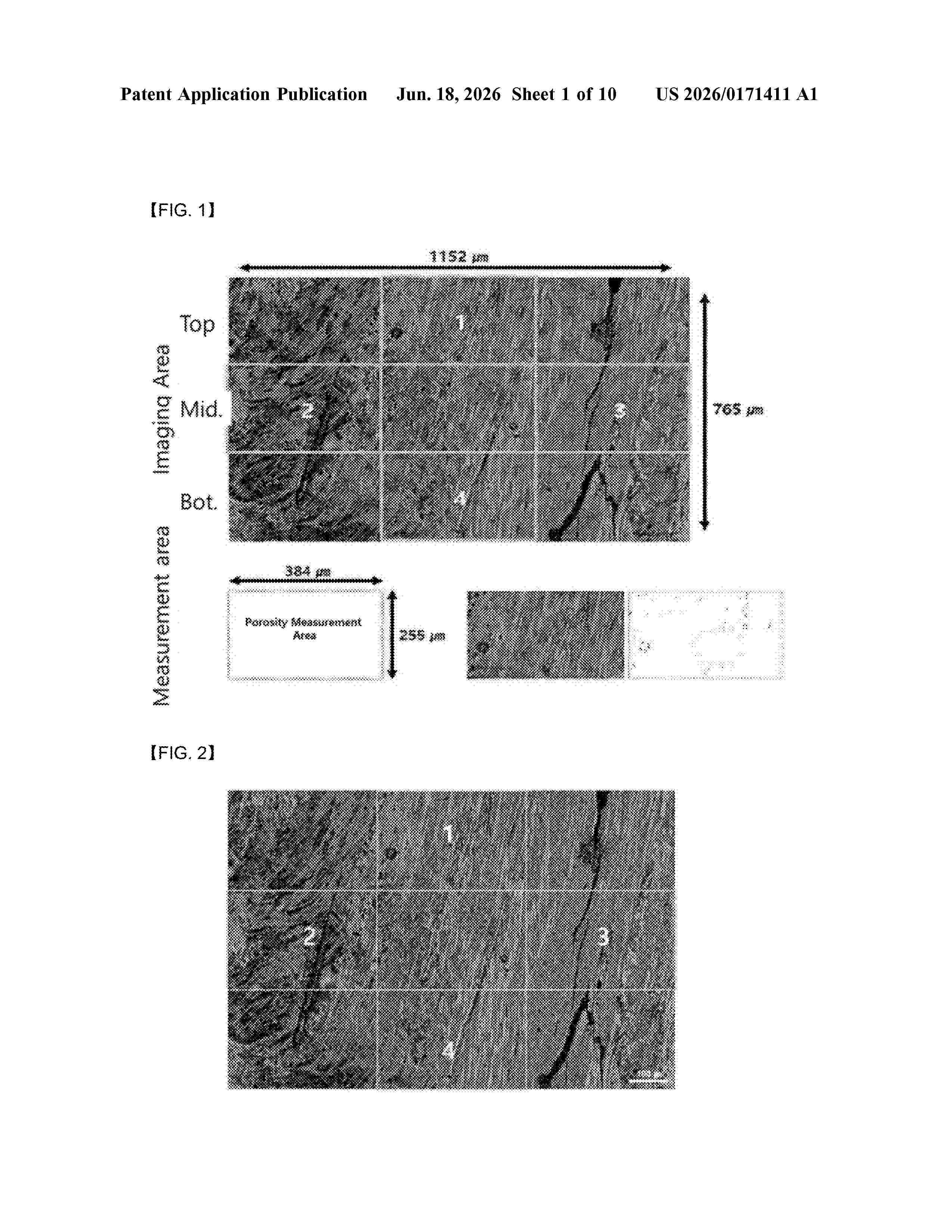
Resumen de: US20260171411A1
The present invention relates to a carbon material for a negative electrode active material comprising coke with an average porosity of less than 2%, a negative electrode active material using the same, and a lithium secondary battery.
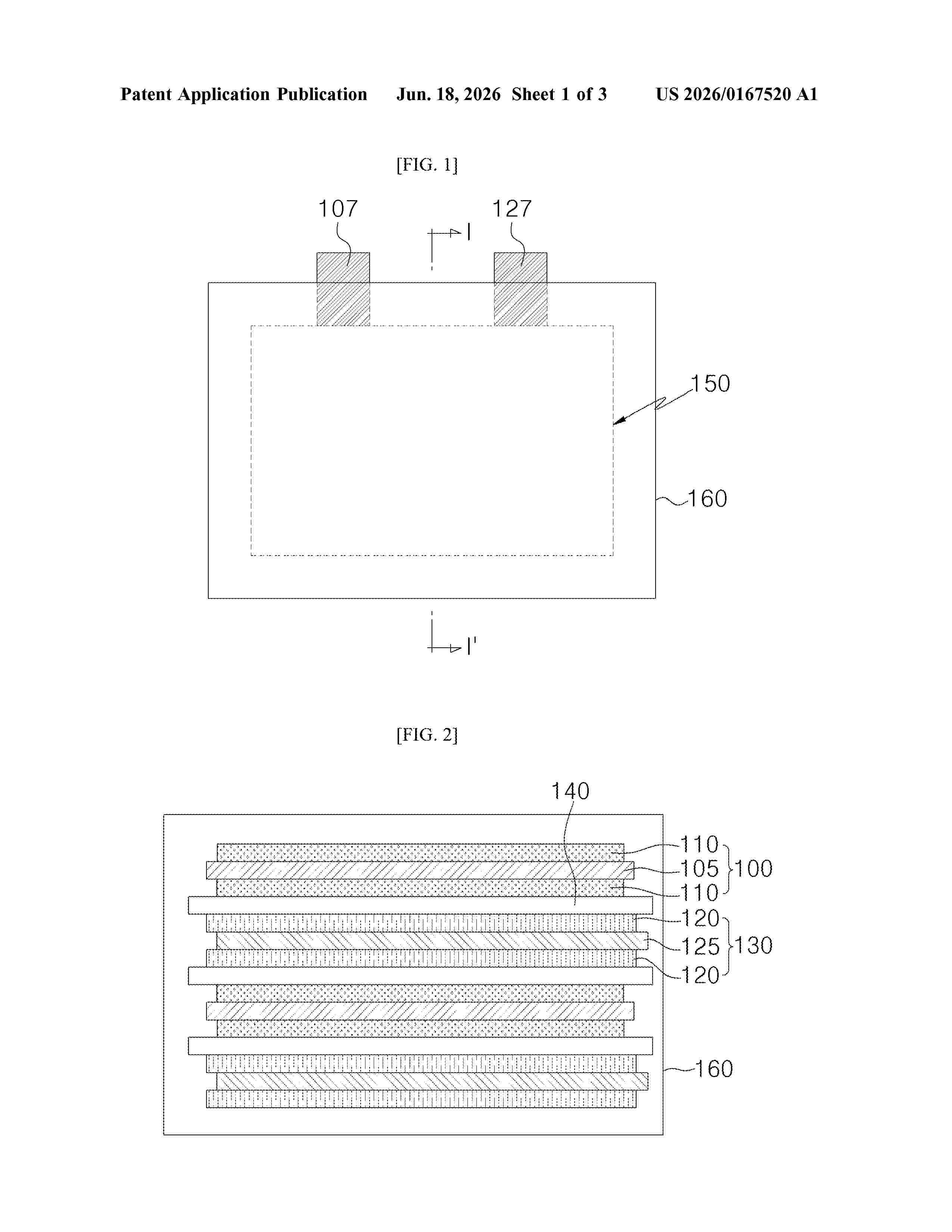
Resumen de: US20260167520A1
0000 A cathode for a lithium secondary battery according to exemplary embodiments includes a lithium metal oxide containing nickel and having a strain (Q) that satisfies a predetermined relationship. The strain is a maximum value among lattice strains measured within a predetermined voltage range, and the lattice strains may be calculated from an XRD profile of the cathode. The present disclosure may provide a cathode exhibiting improved structural stability, high-temperature stability and cycle characteristics, as well as enhanced high-capacity and high-power characteristics.
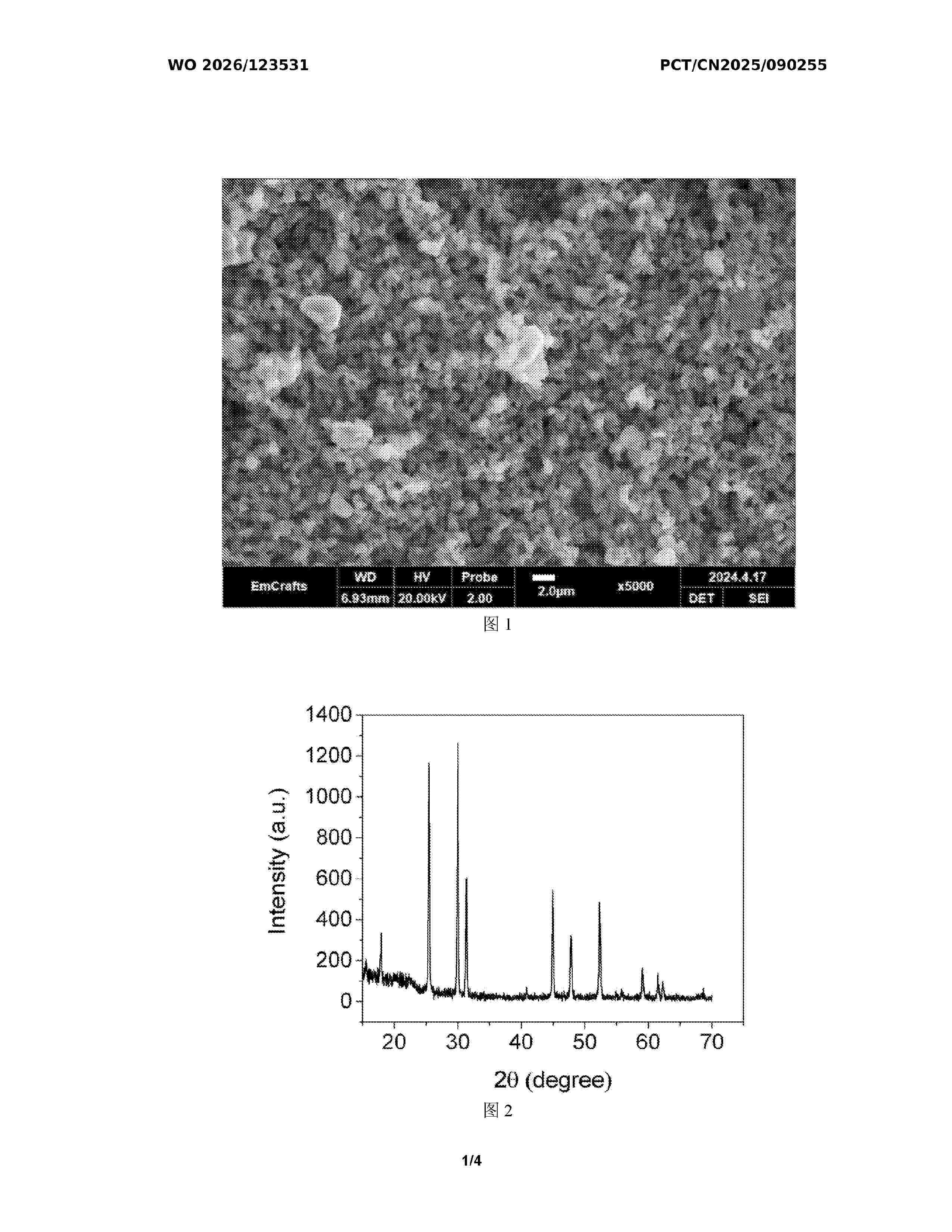
Resumen de: WO2026123531A1
An argyrodite-type solid electrolyte, a preparation method therefor, and use thereof. The molecular formula of the argyrodite-type solid electrolyte is Li5.5-xP1-xWxS4.5-3xO3xClyBr1.5-y. During preparation, raw materials are premixed according to a molar ratio and subjected to ball milling to obtain a solid electrolyte powder; then, the solid electrolyte powder is pressed into an electrolyte sheet, which is sintered to obtain the argyrodite-type solid electrolyte. The multifunctional electrolyte exhibits good stability in air while improving ionic conductivity.
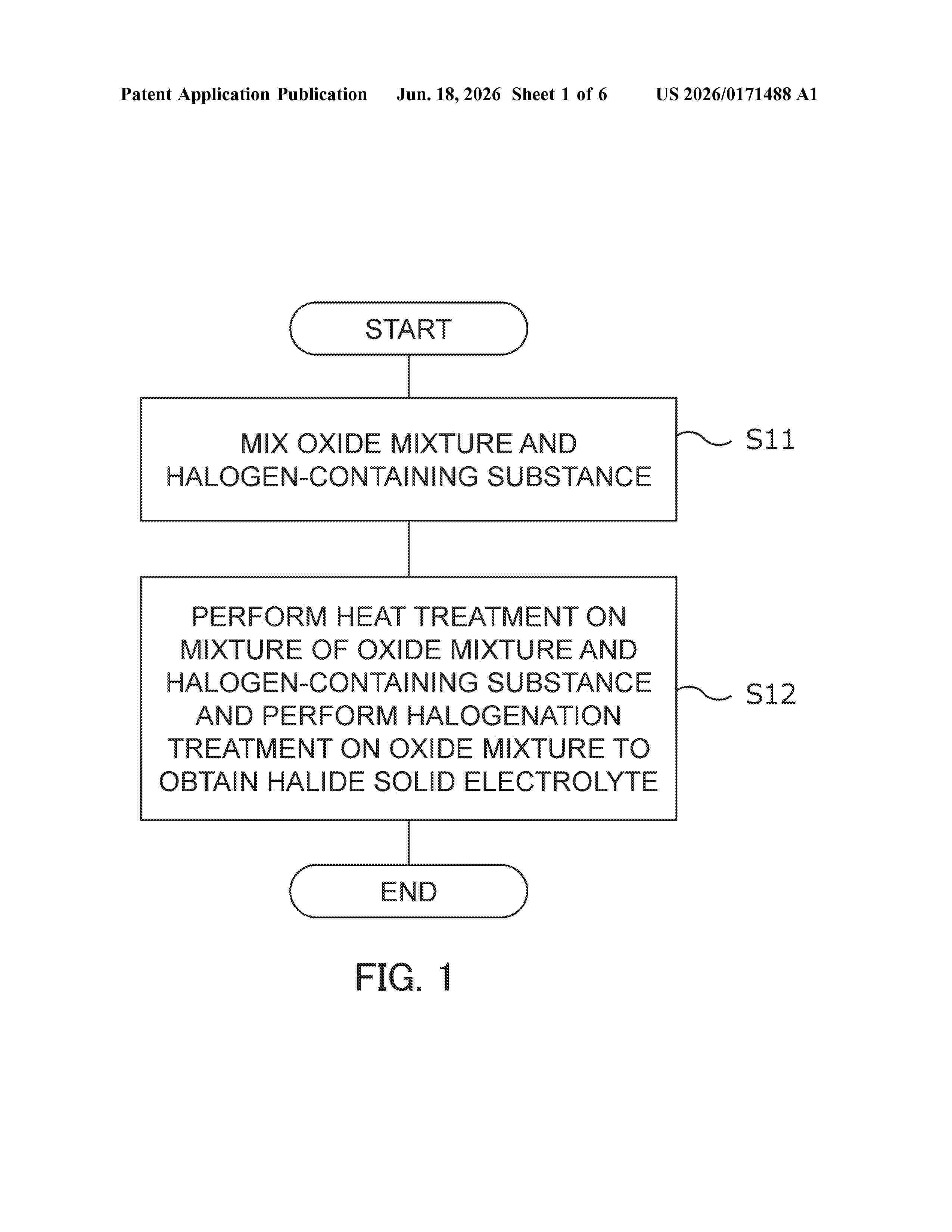
Resumen de: US20260171488A1
A production method for a halide solid electrolyte of the present disclosure includes (A) performing halogenation treatment on an oxide mixture including a composite oxide containing Li and Ti and an oxide raw material containing Li and M, to obtain a halide solid electrolyte containing Li, Ti, M, and X. The M is at least one element selected from the group consisting of metal elements (excluding Li and Ti) and metalloid elements, and the X is at least one selected from the group consisting of F, Cl, Br, and I.
Nº publicación: US20260168106A1 18/06/2026
Solicitante:
INNOTION TECH CO LTD [KR]
INNOTION TECH Co., Ltd.
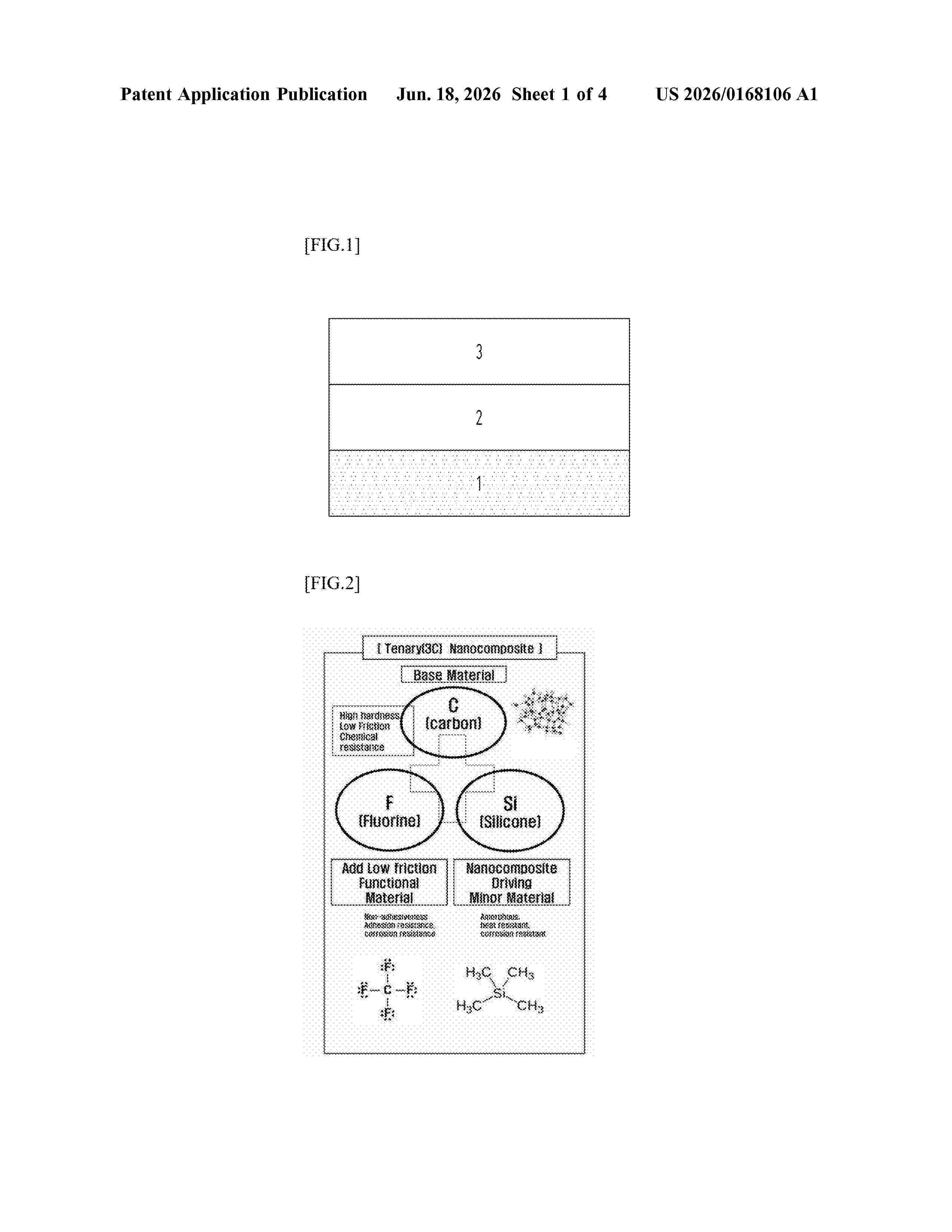
Resumen de: US20260168106A1
It is an object to provide a coating material having heat resistance, adhesion resistance, durability, chemical resistance, low friction, and releaseability applied to a base material, and to provide a manufacturing method and manufacturing system for such a coating material. A ternary nanocoposite coating material comprising C—F—H or C—F—Si applied to a base material is disclosed.
 BOPI
BOPI
 Sede Electrónica