Si deseas distinguir tus productos, servicios o ambos de los de otra empresa, es posible que necesites una marca o nombre comercial. Descubre qué son, en qué consiste su procedimiento de registro y qué implica.

Información sobre los plazos de presentación de solicitudes de transformación de marcas de la Unión Europea en marca nacional española. Más información


Si tienes un nuevo dispositivo, producto o procedimiento que resuelva un problema técnico o tenga una ventaja práctica, existen distintas formas de protegerlo en España y en otros países. Descubre cómo hacerlo.

¿Tu innovación reside en la estética, la ornamentación o la apariencia de tu producto? Protégela mediante un diseño industrial. Descubre qué derechos confiere el registro y cómo realizar la tramitación.

Las indicaciones geográficas protegen el nombre de un producto originario de una zona geográfica, a la cual le debe una determinada calidad, reputación u otra característica. Descubre qué son, en qué consiste su procedimiento de registro y qué beneficios conceden.

Las patentes publicadas en todo el mundo son una valiosa fuente de información científica, técnica y comercial.

Si eres emprendedor/a o una empresa y quieres potenciar y mejorar la rentabilidad de tu negocio protegiendo de forma adecuada los activos intangibles de tu organización, en este espacio encontrarás lo necesario.


 574
resultados
574
resultados
 Última actualización
15/09/2026 [08:53:00]
Última actualización
15/09/2026 [08:53:00]


 Resultados 475 a 500 de 574

Resumen de: EP4803575A1
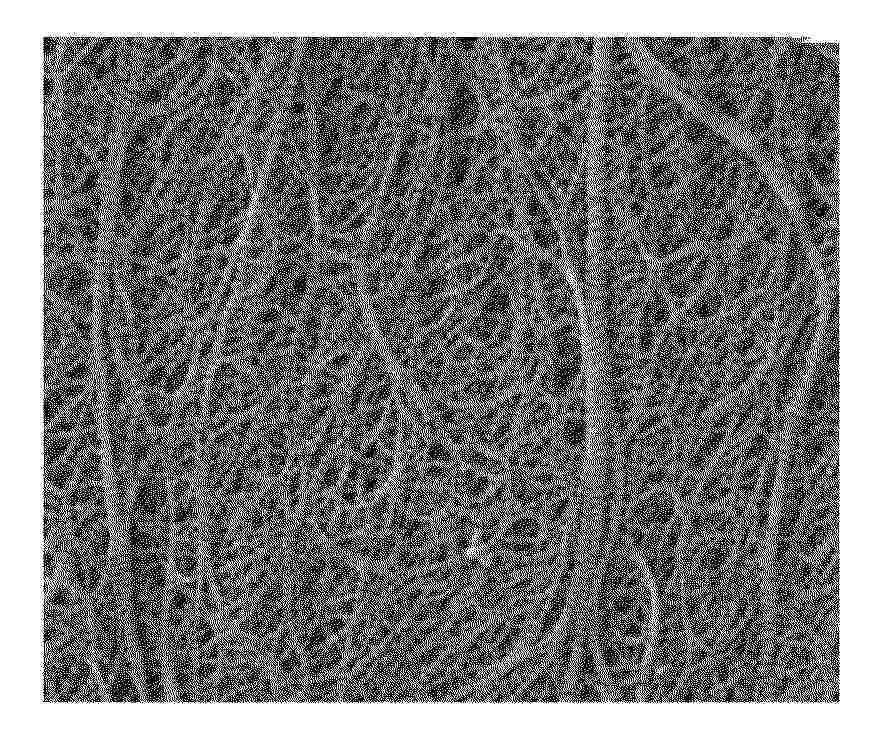
The present application belongs to the technical field of separator material preparation, in particular to a microporous membrane, and a preparation method therefor and an application thereof. The microporous membrane includes a polymer and an ionic liquid. Based on a total mass of the microporous membrane, the microporous membrane includes 0.01 wt% - 5 wt% of the ionic liquid, optionally, 0.1 wt% - 5 wt% of the ionic liquid. By introducing an appropriate amount of the ionic liquid into the microporous membrane, the ionic liquid can be continuously or discontinuously adsorbed on surfaces of fibrils inside the microporous membrane. The ionic liquid is adsorbed on the surfaces of the fibrils inside the microporous membrane by means of lipophilic ends of the ionic liquid. This can not only eliminate internal static electricity, but also better avoid the reduction of ionic conductivity, increasing the migration speed of ions in an electrolyte solution, and reducing lithium dendrites. When the microporous membrane of the present application is used as separators of batteries, an appropriate amount of the ionic liquid is added to the microporous membrane, which is conducive to alleviating the problem of static electricity accumulation in the microporous membrane, and meanwhile enables the microporous membrane to have low thermal shrinkage, thereby avoiding the compromise of battery capacity and the occurrence of electrochemical safety issues.

Resumen de: WO2025093132A1
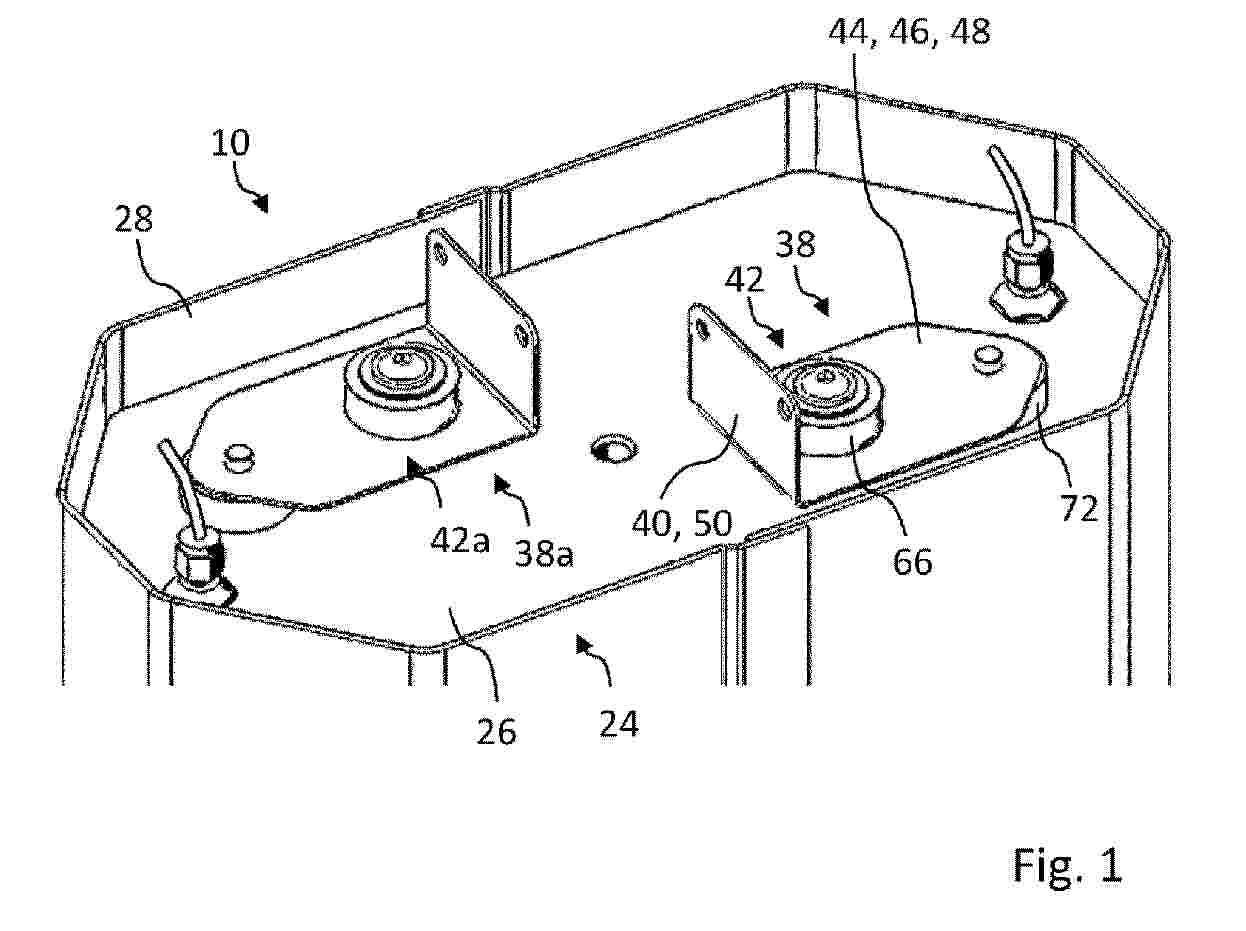
The invention relates to an electrochemical cell assembly (10), comprising a base plate, an end plate (26), a stack (12) comprising a plurality of cell units (14) stacked upon one another, said stack (12) being arranged between said base plate and said end plate, and an electrically conductive power transmission device (38) comprising a connector (40) that is located on a side of the end plate that is facing away from the stack, the power transmission device spanning the end plate and being electrically connected to the stack, wherein the power transmission device is attached to the end plate by a fastening device (42) at a portion of the power transmission device that is located between an electrical connection to the stack and the connector.
Resumen de: WO2025091077A1
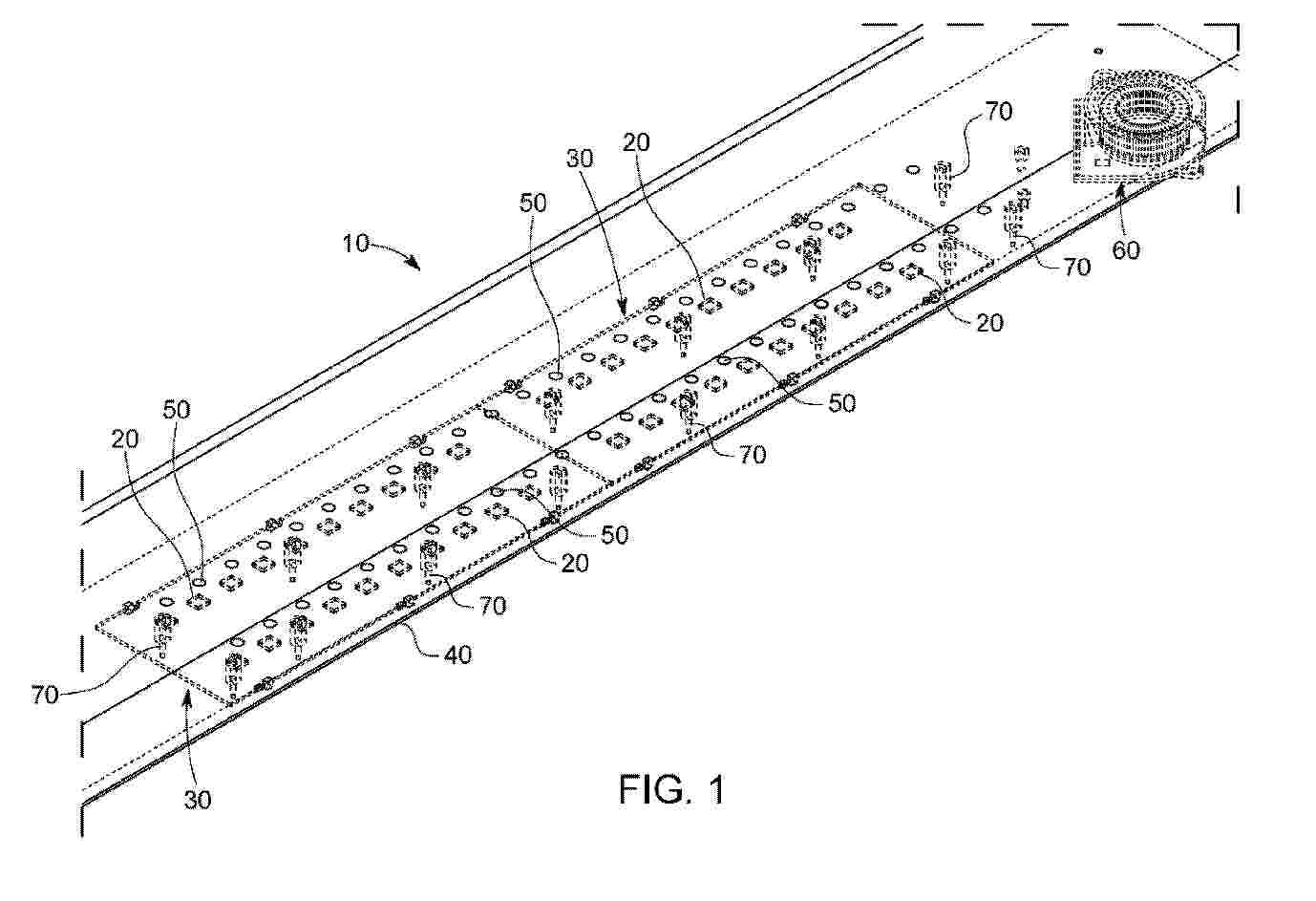
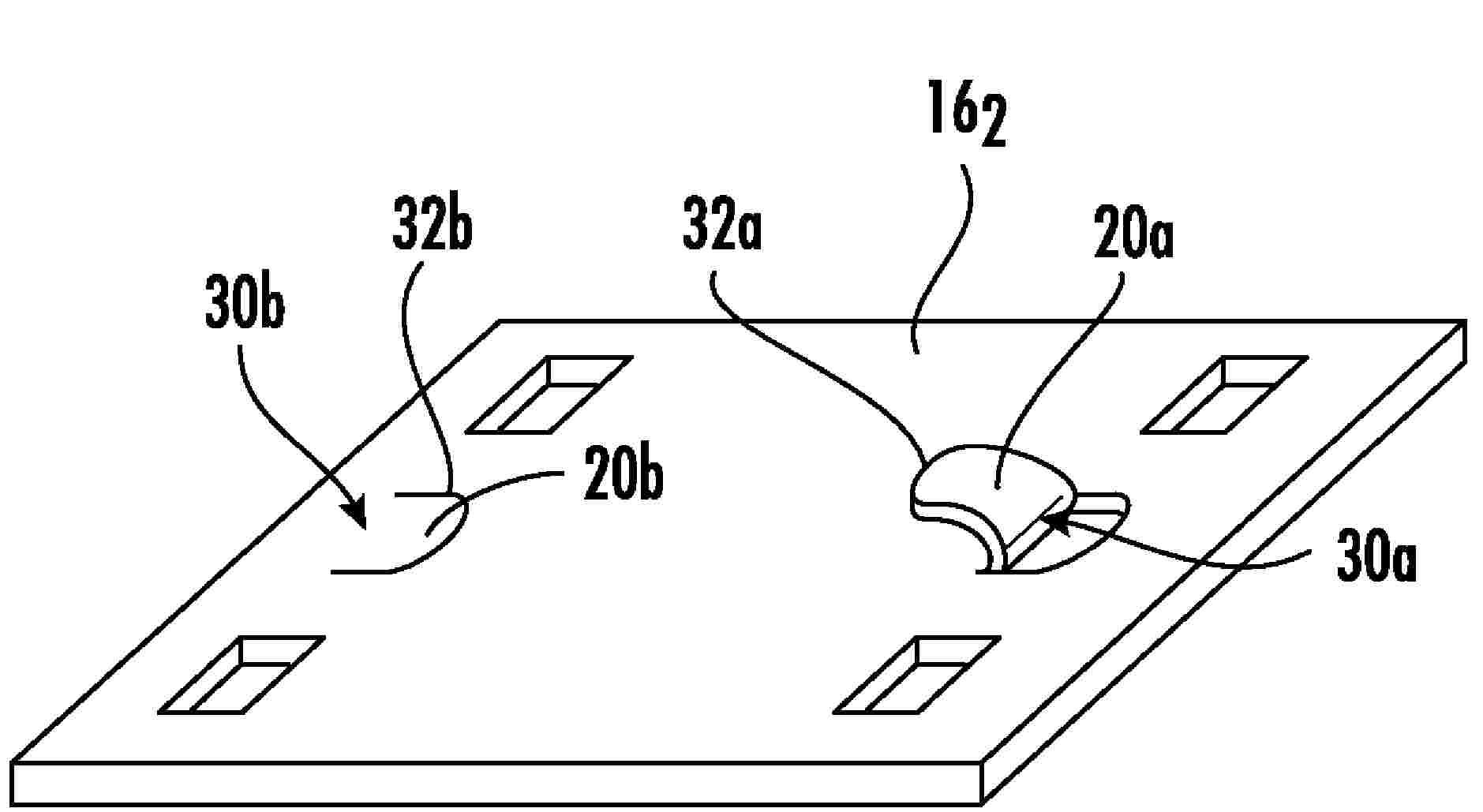
The present invention provides an apparatus for cooling individual sources of heat disposed at locations on one or more printed circuit board (PCB) assemblies. The apparatus includes a bladder having a plurality of apertures positioned to substantially align with and provide an independent air stream to the location of each individual source of heat, thereby providing targeted forced convection cooling to each individual heat source. The apparatus further includes a source of forced air directed to inflate the bladder and thereby create a flow of air into the bladder that egresses through the plurality of apertures. The bladder has overall dimensions such that when fastened in an arrangement that substantially aligns the apertures with heat sources, the bladder, once inflated, extends over the one or more PCB assemblies in which the heat sources are located and causes substantially uniform air temperature and flow of air egressing through individual apertures.
Resumen de: EP4804376A1
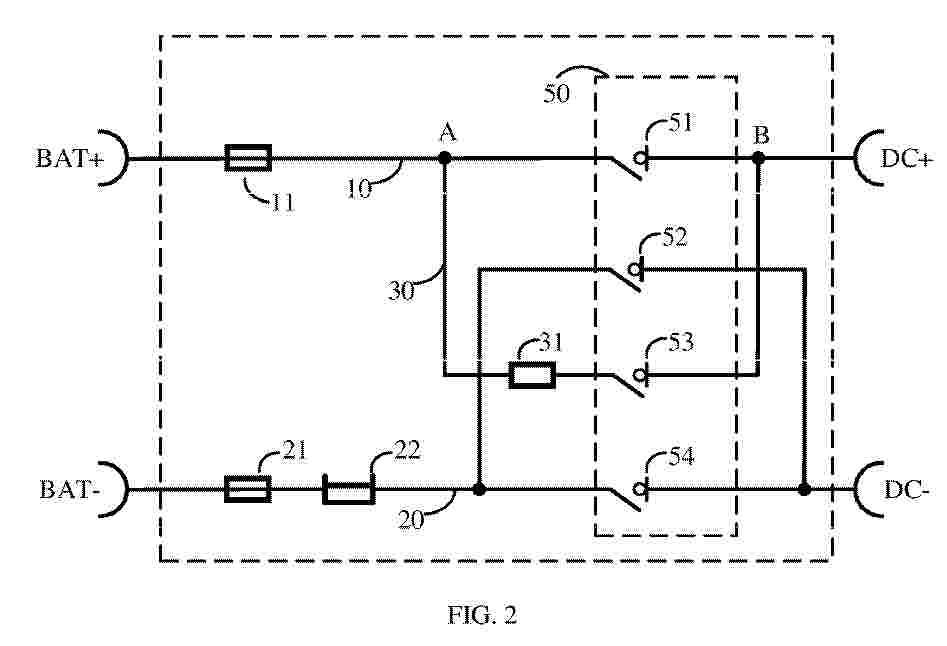
Provided in the present application are a high-voltage box, and an electrical control system and method for an energy storage battery cluster. The high-voltage box comprises a main positive circuit, a main negative circuit and a pre-charging circuit, and further comprises a pre-charging resistor and an integrated switch, wherein the integrated switch is provided with a first contact, a second contact, a third contact and a fourth contact; the first contact is connected to the main positive circuit, and the second contact and the fourth contact are connected in parallel and then connected to the main negative circuit; the pre-charging resistor and the third contact are connected in series in the pre-charging circuit, and the pre-charging circuit is connected across the first contact in parallel; and the first contact and the second contact are interlocked, and the third contact and the fourth contact are also interlocked. The high-voltage box of the present application reduces the number of components, thereby also reducing the cost.
Resumen de: EP4804258A1
0001 The present invention relates to an electrode material layer composition for a secondary battery and a secondary battery comprising the same, and more particularly, to a binder composition having a novel composition that comprises a ternary copolymer and is capable of improving adhesion between an electrode and a metal current collector, as well as binding strength among respective components within the electrode, regardless of whether it is applied in a wet process or a dry process, while stably maintaining electrical conductivity and thereby providing excellent electrochemical properties; and to an electrode material layer composition for a dry process comprising the binder composition, and a secondary battery comprising the same.
Resumen de: WO2025094101A1
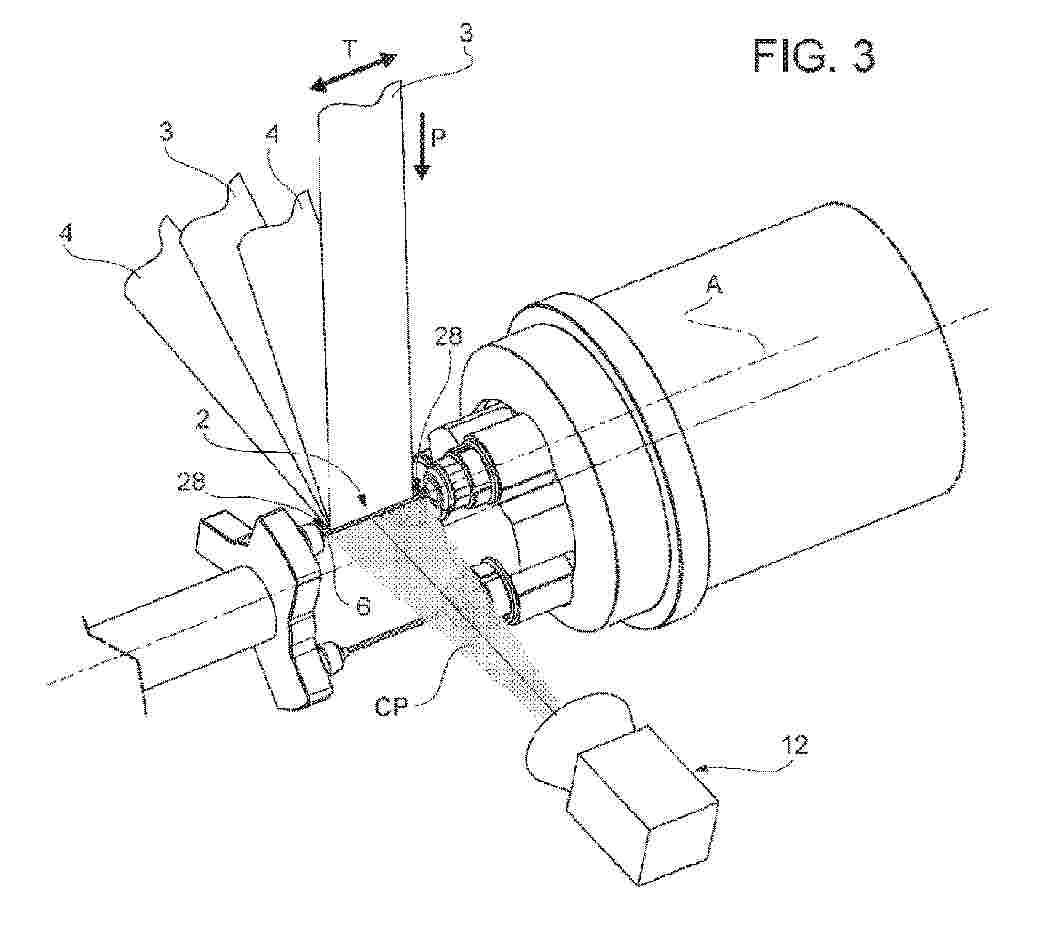
A method and system for quality control of a winding (2) of at least one strip (3, 4) of material for the production of electrical energy storage devices around a winding axis (A); the winding (2) has two base surfaces (9, 10) opposite to each other and transverse to the winding axis (A) and a lateral surface (11) joining the base surfaces (9, 10); the method includes an acquisition step, wherein at least one image of the strip (3, 4) comprising at least part of the lateral surface (11) of the winding (2) is acquired by means of at least one sensor (12); a processing step, wherein the image is processed to control the quality of the winding (2) and at least one measurement value relating to an axial position and/or an axial dimension of an element (20) of thestrip (3, 4) is determined as a function of the image; the quality of the winding (2) is controlled as a function of the measurement value.
Resumen de: GB2635137A
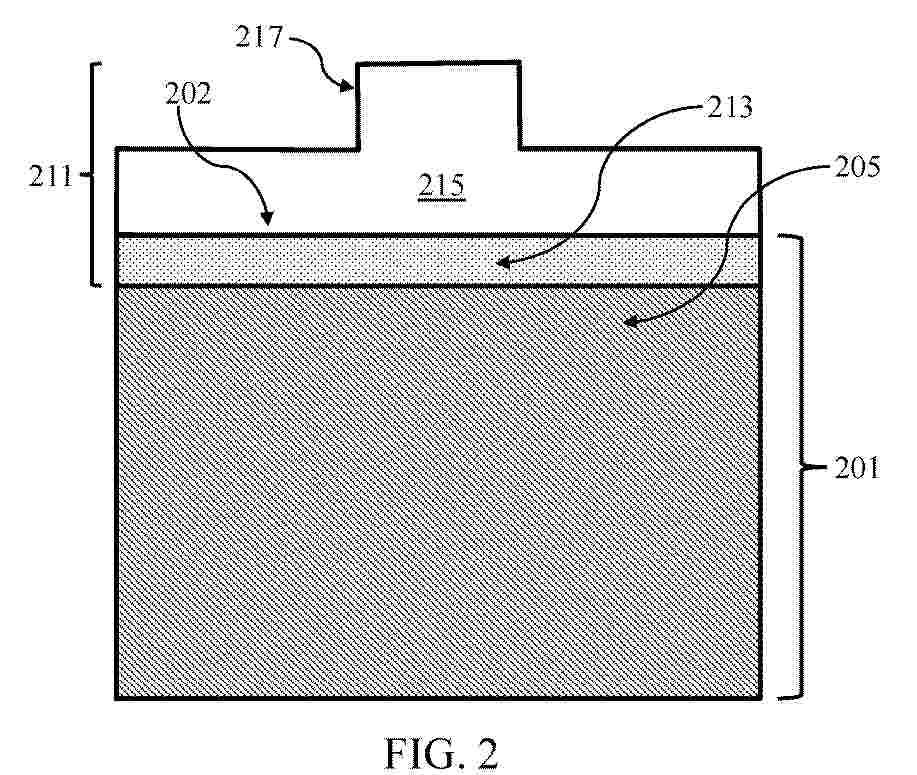
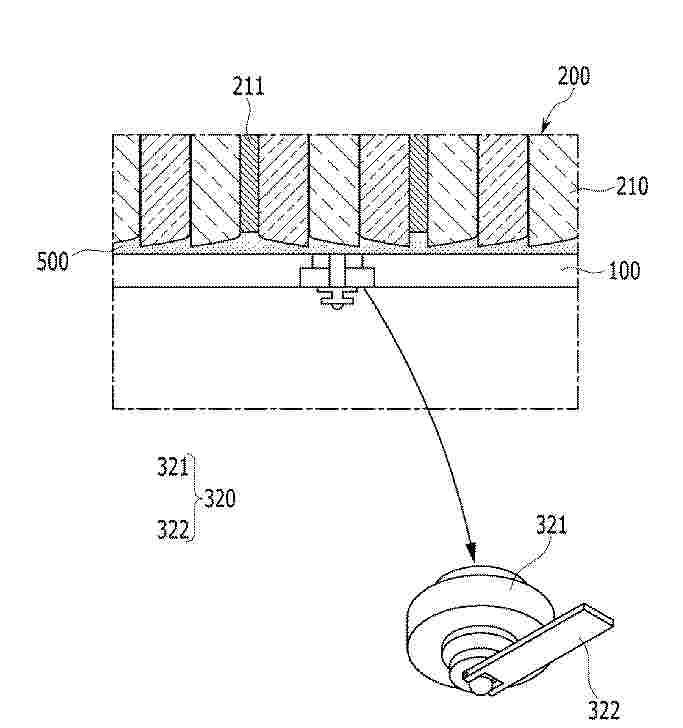
An electrode media 201 for a lead acid battery includes a fiber web 205 comprising 15-90 wt.% of microglass fibres having an average length of less than or equal to 0.5 mm, an average diameter of 0.1 to 15 microns, an average aspect ratio of less than or equal to 50. The fibre web further includes 0-90 wt.% staple fibres and 0-50 wt.% multicomponent fibres, each with respective average diameters of at least 1 micron. The electrode media may be pasted to produce an electrode. In a further electrode media a fibre web includes glass fibres and 2-20 wt.% multicomponent fibres and the multicomponent fibres are present at a first edge of the web and absent at a second edge. In a further electrode media a fibre web has 5% plasticity and a basis weight of 40 gsm and includes glass fibres and any of synthetic fibres, natural fibres or a second type of glass fibre. An electrode for use in a lead acid battery includes a fibre web including glass fibres and any of synthetic fibres, natural fibres or a second type or glass fibres wherein an electrically conductive lug 211 interpenetrates a boundary portion of the fibre web.
Resumen de: EP4549625A1
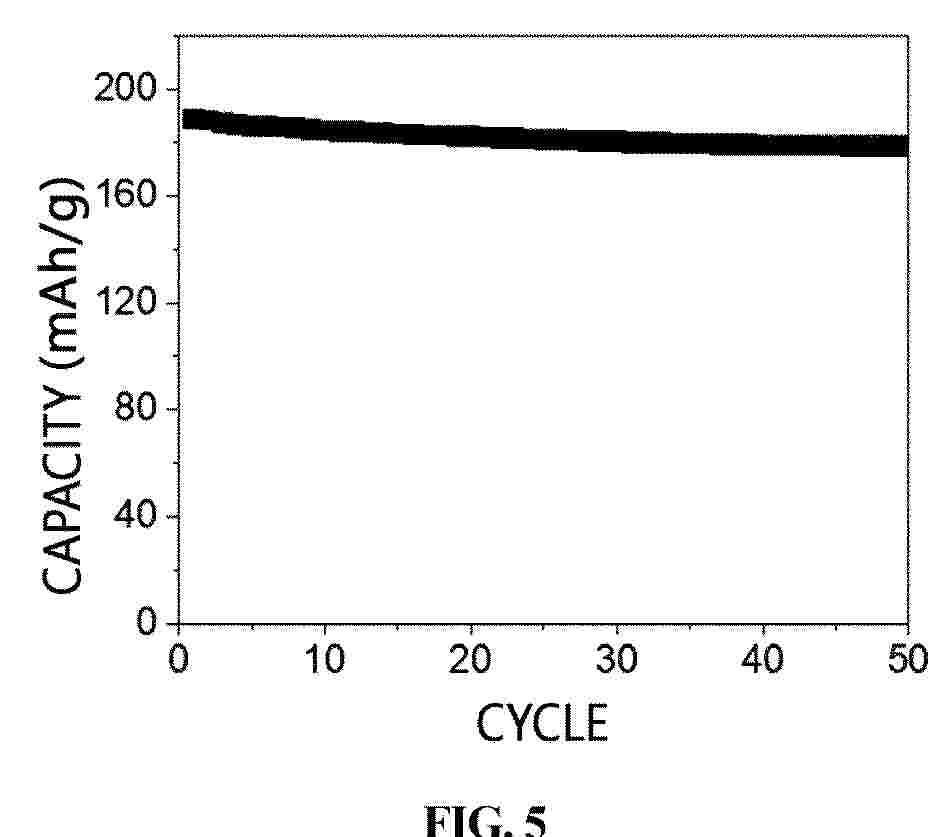
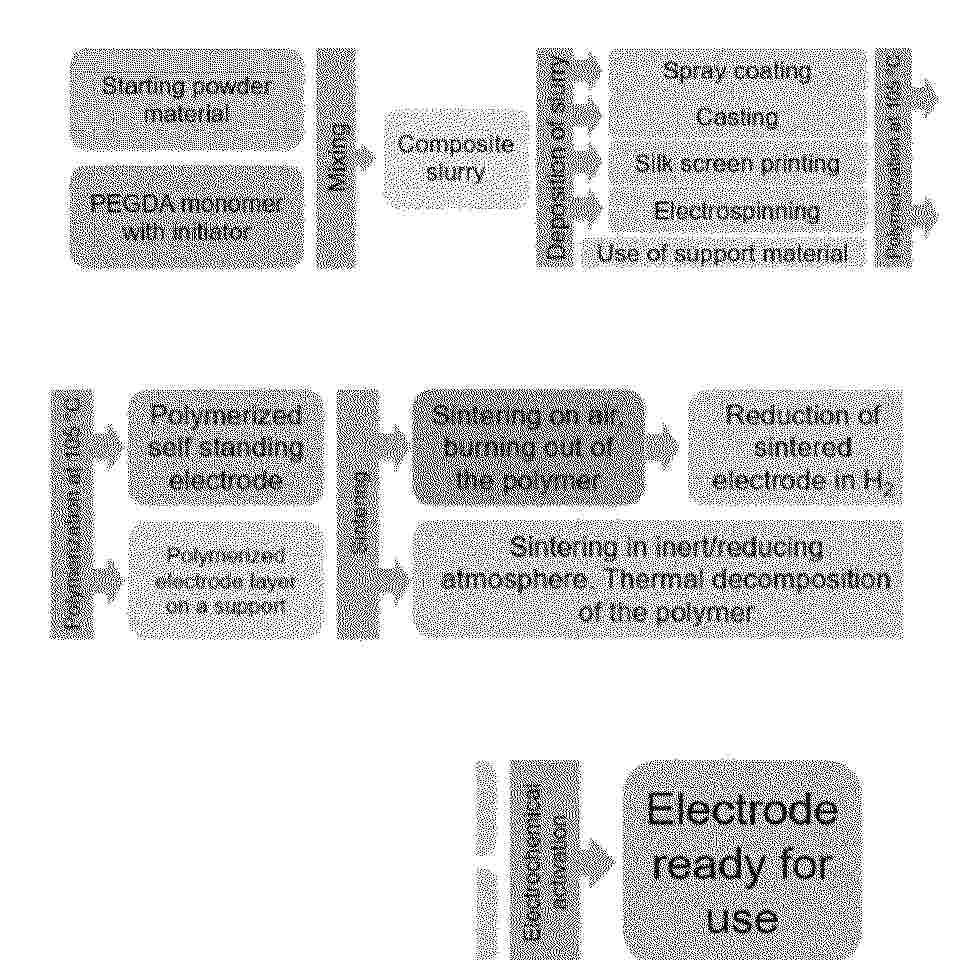
The method involves producing a porous structure by mixing polymerisable monomers with particles of electrochemically active metals or compounds. The mixture is heated to a polymerisation temperature to form a solid green body with embedded particles. This phase is then heated to a sintering temperature to cause sintering of the particles. The polymerisable monomer is chosen such that the solid green body has a decomposition temperature smaller than or equal to the sintering temperature of the metals or compounds. The particles can have a size between 5 nm and 100 micron, and may include nano particles with a size between 10 nm and 50 micron. The method can also involve mixing 20-80 wt.% of metals or metal oxides with 20-80 wt.% of polymerisable monomer. The resulting electrode can have a thickness of at least 30 micron and a porosity of between 30 and 90%.
Resumen de: EP4804313A1
0001 A battery pack according to an embodiment includes: a plurality of battery cell laminates each of which includes a plurality of battery cells; a lower plate on which the plurality of battery cell laminates are arranged; and a plurality of heat dissipation pads arranged between the respective battery cell laminates and the lower plate, and contacting the battery cell laminates, wherein the lower plate includes a plurality of vacuum adsorbing holes arranged corresponding to the respective heat dissipation pads, and a vacuum device combined to the plurality of vacuum adsorbing holes, and adsorbing the heat dissipation pad on the lower plate by removing air between the lower plate and the heat dissipation pad.
Resumen de: EP4804317A1
0001 The present application provides a separator, a preparation method therefor, and a battery. The separator includes a base film and a lithium supplementing layer located on a surface of at least one side of the base film, and a lithium element content in the lithium supplementing layer is 100-20000 ppm. According to the present application, the separator can be used for lithium supplementation of batteries, thereby reducing battery internal resistance and improving battery performance such as first-cycle coulombic efficiency and cycle life.
Resumen de: EP4804252A1
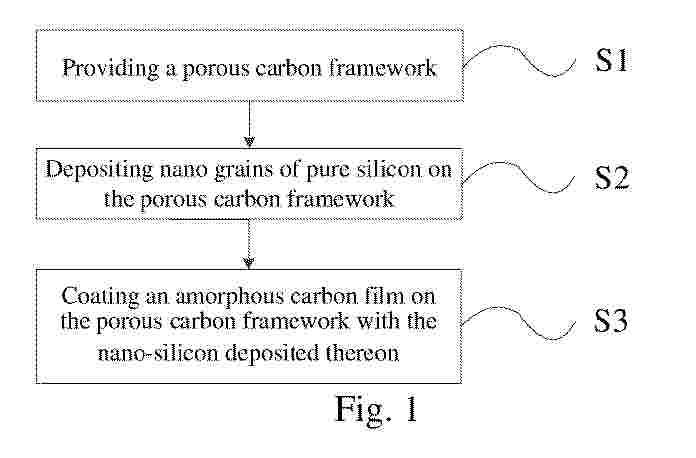
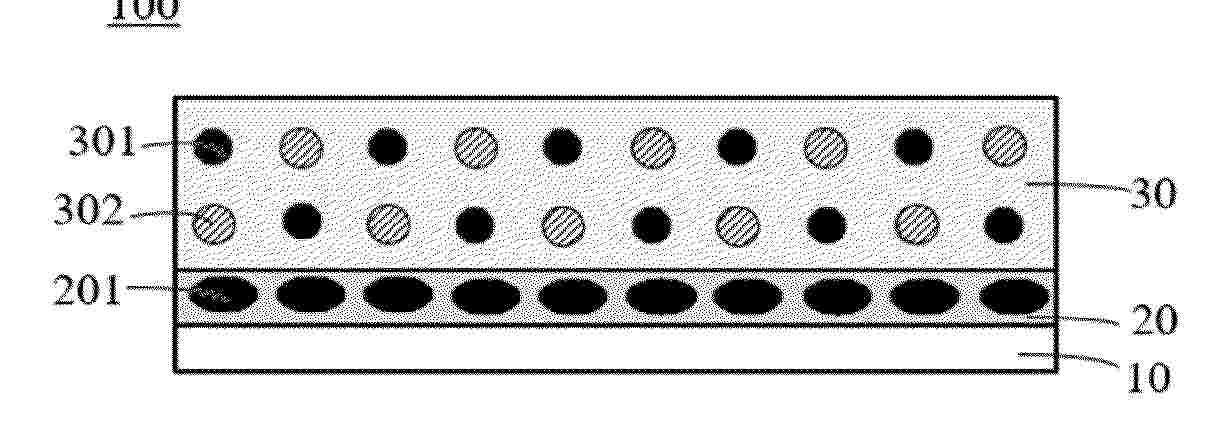
The present application provides an anode active material, a method for preparing the same, an electrode and a battery. The anode active material particles comprise a porous carbon framework, nano grains of pure silicon and an amorphous carbon film. The anode active material particles comprise silicon-deficient particles, a mass content of silicon in the silicon-deficient particles is at most 15%, and a quantity percentage Dlack of the silicon-deficient particles in the anode active material particles is at most 35%, and a product DS of a total silicon mass content Wtotal in the anode active material multiplied by the quantity percentage Dlack of the silicon-deficient particles is at most 0.15. The percentage of the silicon-deficient particles in the provided anode active material is controlled, thereby improving the deposition uniformity of the nano grains of pure silicon in the anode active material, avoiding the presence of a large number of ineffective porous carbon particles, and also preventing severe enrichment of the nano grains of pure silicon in some particles. Therefore, the Coulombic efficiency and cycling stability of the material are enhanced, and the expansion rate is reduced.
Resumen de: EP4804245A1
0001 A positive electrode, a lithium battery and a device. A positive electrode comprises a positive electrode current collector, and a lithium replenishment layer and a positive electrode material layer which are sequentially stacked on at least one side of the positive electrode current collector, wherein the lithium replenishment layer comprises a first positive electrode lithium replenishment agent, the positive electrode material layer comprises a positive electrode active material and a second positive electrode lithium replenishment agent, the initial coulombic efficiency of the first positive electrode lithium replenishment agent is less than 30%, and the second positive electrode lithium replenishment agent can be decomposed to generate gas.
Resumen de: EP4804310A1
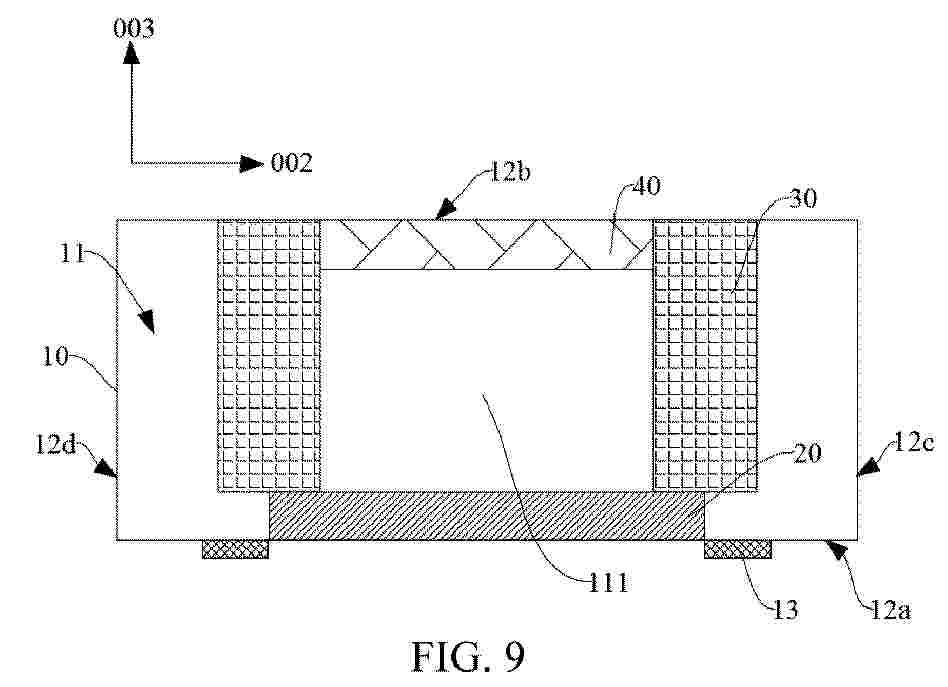
0001 A battery assembly (100), a battery pack (300), and an electric system (400). The battery assembly (100) comprises a plurality of battery cells (10) stacked in a vertical direction, and further comprises supporting members (20) and bonding members (30). Any battery cell surface between two adjacent battery cells (10) is a first surface (11), and supporting members (20) and bonding members (30) are provided on the first surface (11); the supporting members (20), the bonding members (30) and the first surface (11) together define a clearance region (111) located on the first surface (11), and the area ratio of the area of the clearance region (111) to the area of the first surface (11) is within 3:20 to 18:25.
Resumen de: EP4804110A1
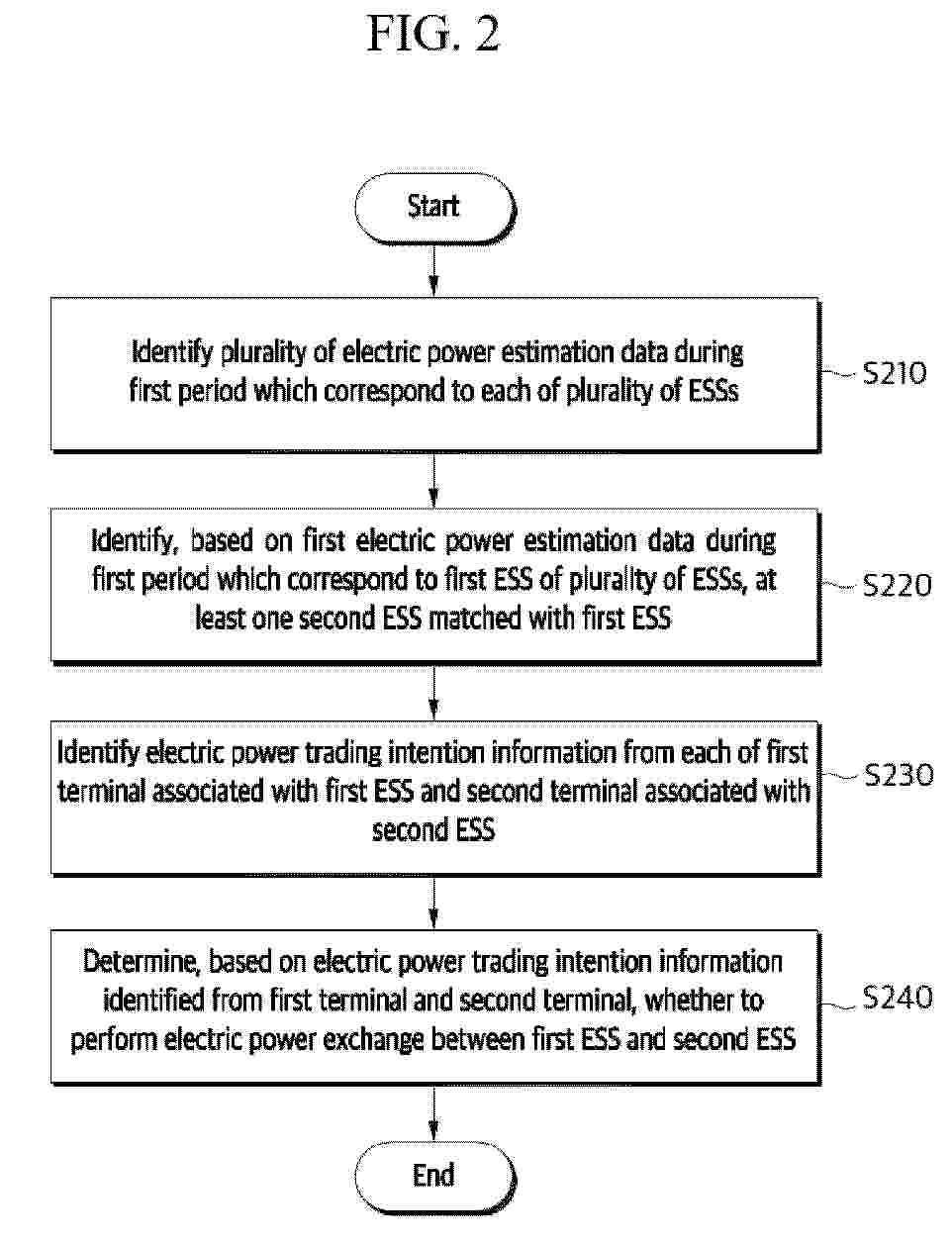
0001 Disclosed is an electronic device for supporting power transaction, the electronic device comprising: a transceiver; a processor; and a memory for storing one or more instructions, wherein the one or more instructions are configured to, when executed, cause the processor to: identify a plurality of power prediction data during a first period corresponding to a plurality of energy storage systems (ESSs), respectively; on the basis of first power prediction data during the first period corresponding to a first ESS among the plurality of ESSs, identify at least one second ESS matching the first ESS; identify power transaction intention information from each of a first terminal associated with the first ESS and a second terminal associated with the second ESS; and determine whether to perform power exchange between the first ESS and the second ESS, on the basis of the power transaction intention information identified from the first terminal and the second terminal.
Resumen de: WO2025093466A1
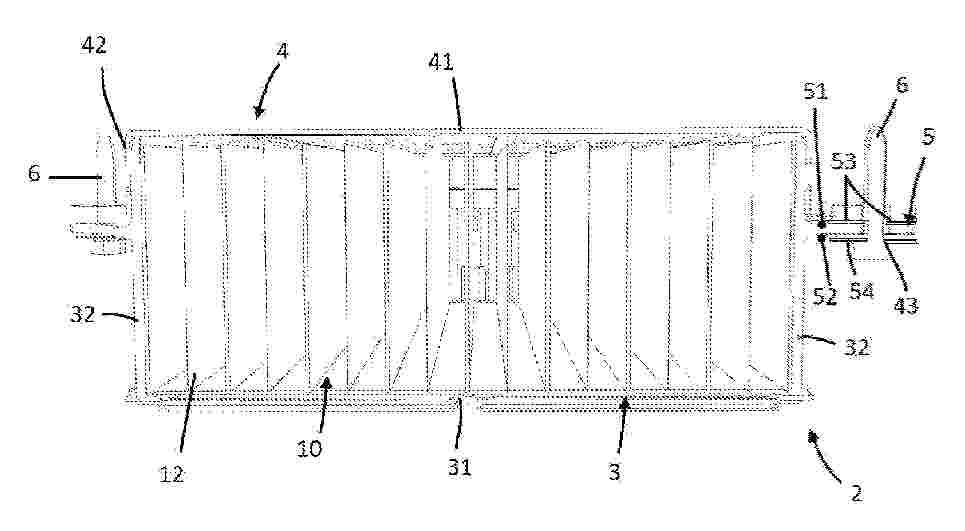
The invention relates to a housing (2) for a battery module (10) of a motor vehicle (1), comprising a base (3), a cover (4) and at least one attachment tab (5) for attaching the housing (2) to the inside of the vehicle (1), wherein the attachment tab is configured to receive an attachment means (6) and is configured to be attached to a body structure (11) of the vehicle (1), wherein a first surface (51) of the at least one attachment tab (5) is configured to be arranged facing or in contact with the body structure (11), and/or wherein a second surface (52) of the at least one attachment tab (5) comprises at least one secondary coating layer (54).
Resumen de: EP4804247A1
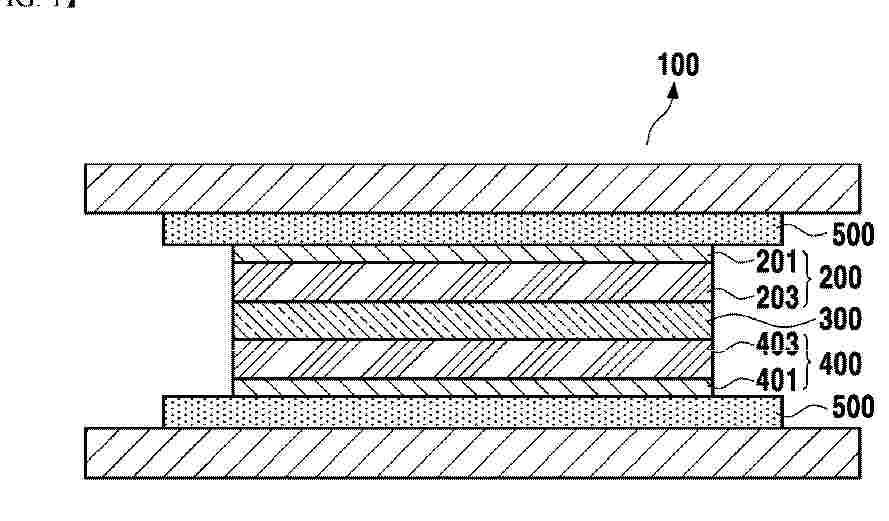
0001 Disclosed are a positive electrode for an all-solid-state battery, a positive electrode composition, and an all-solid-state battery comprising the positive electrode, the positive electrode for an all-solid-state battery comprising a current collector and a positive electrode active material layer disposed on the current collector, wherein the positive electrode active material layer comprises: a positive electrode active material; a sulfide-based solid electrolyte; a dispersion medium including a compound represented by chemical formula 1; a binder; an electrolyte salt; at least one of a mono- or higher functional (meth) acrylate having an alkylene glycol group, an oligomer thereof, and a cross-linked product thereof; and a conductive material.
Resumen de: US20250141240A1
0000 A method can include modeling a state of each battery cell within a battery pack and contemporaneously with discharging a first subset of battery cells of the battery pack either providing a differential drain on the first subset of battery cells such that battery cells of the first subset of battery cells are discharged faster than a second subset of battery cells or charging the second subset of battery cells (e.g., using the first subset of battery cells) where battery cells are identified as in the first subset or the second subset based on the states of the battery cells.
Resumen de: WO2025093973A1
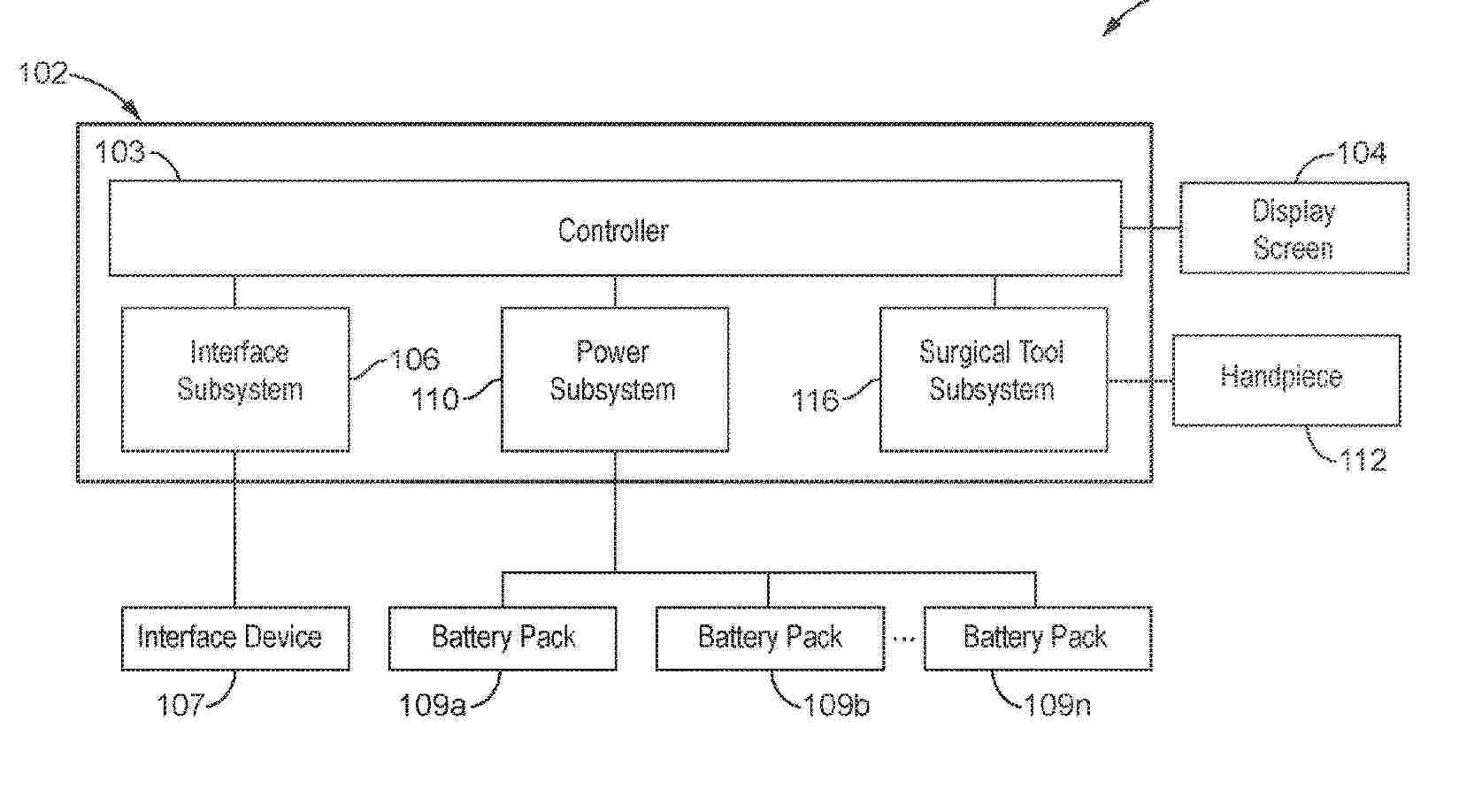
A surgical system including battery packs, a power subsystem and a controller is provided. The power subsystem is configured to connect at least two battery packs in parallel during a backup mode, disconnect the battery packs in a non-backup mode, and prevent each battery pack from charging one or more other battery packs during parallel operation. The controller is configured to individually charge each battery pack to a power capacity equal to or less than a predetermined power capacity, such as 100Wh.
Resumen de: EP4804164A1
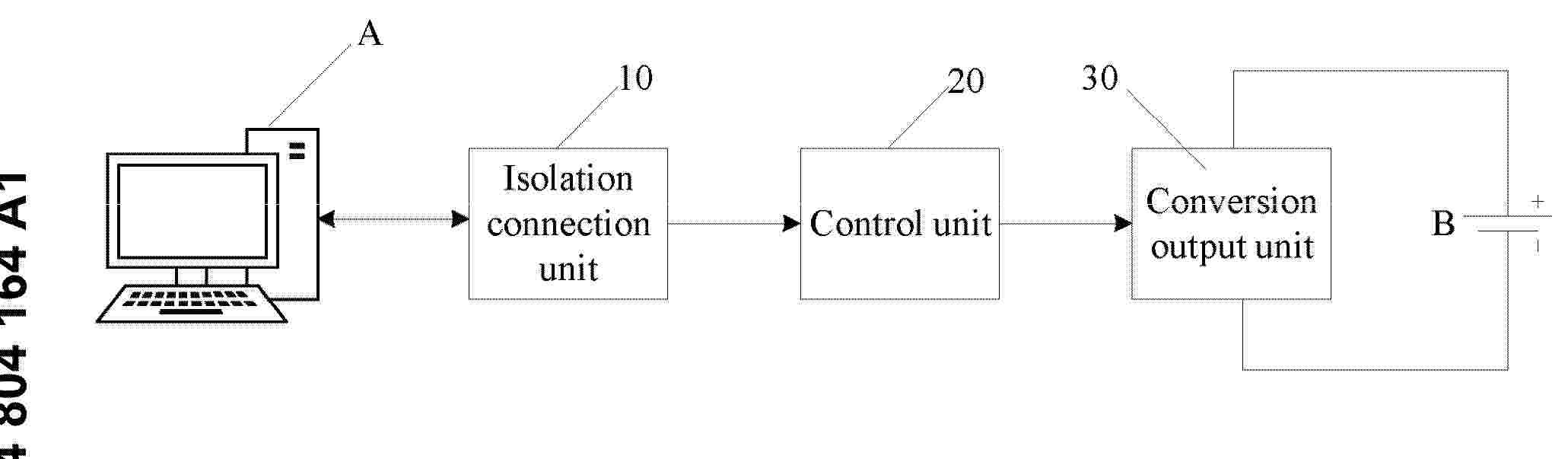
0001 The present application discloses a battery voltage simulation circuit, a battery voltage simulation system, and a power battery training apparatus, including: an isolation connection unit, a control unit, and a conversion output unit; an input end of the isolation connection unit is configured to be electrically connected to an external input device, an output end of the isolation connection unit is electrically connected to an input end of the control unit, an output end of the control unit is electrically connected to an input end of the conversion output unit, and an output end of the conversion output unit is configured to be electrically connected to a simulated battery cell; the isolation connection unit electrically isolates the control unit from the external input device and receives a required voltage signal transmitted by the external input device; the control unit is configured to respond to the required voltage signal by outputting a pulse modulation signal with a target duty cycle to the conversion output unit, where pulse modulation signals corresponding to different required voltage signals have different duty cycles; the conversion output unit converts the pulse modulation signal with the target duty cycle into a corresponding voltage simulation signal, enabling the simulated battery cell to simulate the output of the voltage.
Resumen de: WO2026009197A1
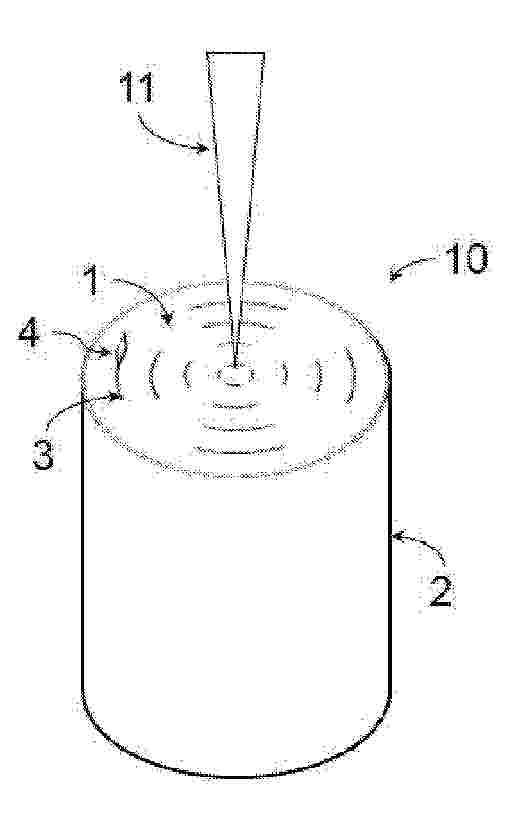
The invention relates to a method for manufacturing a cylindrical electric battery cell (10) for an electric propulsion vehicle, the cell (10) comprising: - a winding (1) of electrodes and separators including, in series, a first electrode sheet (3), a first separator, a second electrode sheet of opposite polarity to the first electrode sheet and a second separator; - at least one current-collecting tab (4) connected to the first electrode sheet, projecting at a first end of the winding; and - a cylindrical metal housing (2) housing the winding, the method comprising a metal additive manufacturing step, at the first end, of a current collector in contact with the cylindrical metal housing and fusing at least a portion of the current-collecting tab so as to electrically connect the first electrode sheet to the cylindrical metal housing.
Resumen de: EP4803463A1
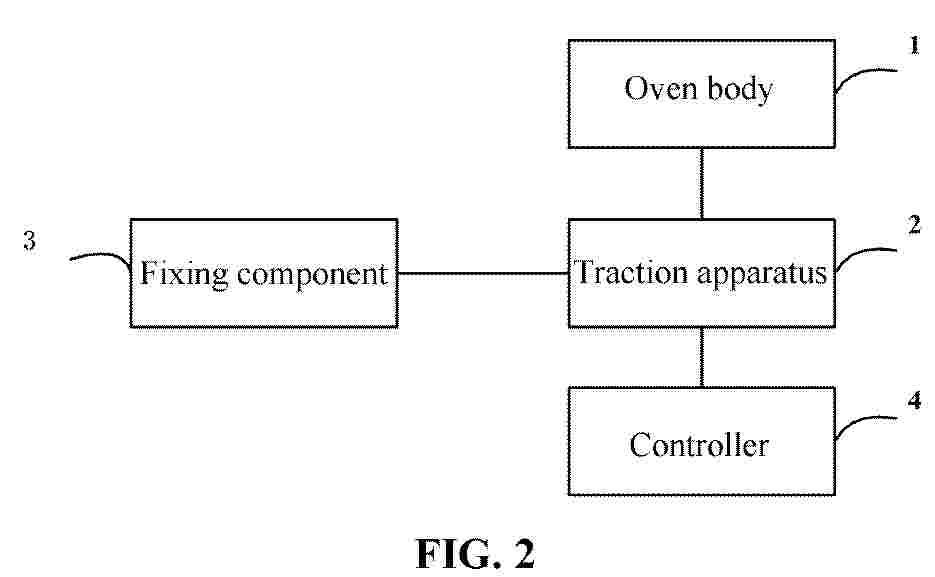
0001 Embodiments of the present application relate to the field of control, and provide a drying oven system, and a current collector passing-through control method for a drying oven system. The system compr i ses: an oven body, wherein a drying cavity is formed in the oven body, and a current collector inlet and a current collector outlet which are communicated with the drying cavity are formed in the oven body; a traction device passing through the drying cavity; a fixing part connected to the traction device; and a controller configured to control, when a current collector is fractured, a coating system to push a first fractured section of the current collector out to a first side outside the oven body and pull a second fractured section of the current collector out to a second side outside the oven body, and control the traction device and the fixing part to pull the first fractured section, which is fixed to the fixing part, to pass through the drying cavity, wherein the second side is a side in the opposite direction of the first side, and the first side or the second side is a current collector inlet side.
Resumen de: US20250140986A1
0000 A battery system includes multiple battery cells each having a cell vent configured to vent flames originating from the battery cell in the event of a thermal runaway condition of the battery cell, and an insulator disposed adjacent a first battery cell, wherein the insulator comprises a hinged element configured to align with the cell vent of the first battery cell. In a closed position, the hinged element provides insulation for the first battery cell, and in an open position, the hinged element provides a vent to enable flames venting from the cell vent of the first battery cell to escape from between the insulator and the first battery cell to thereby inhibit the flames venting from the cell vent of the first battery cell from reaching a second battery cell.
Resumen de: WO2025093515A1
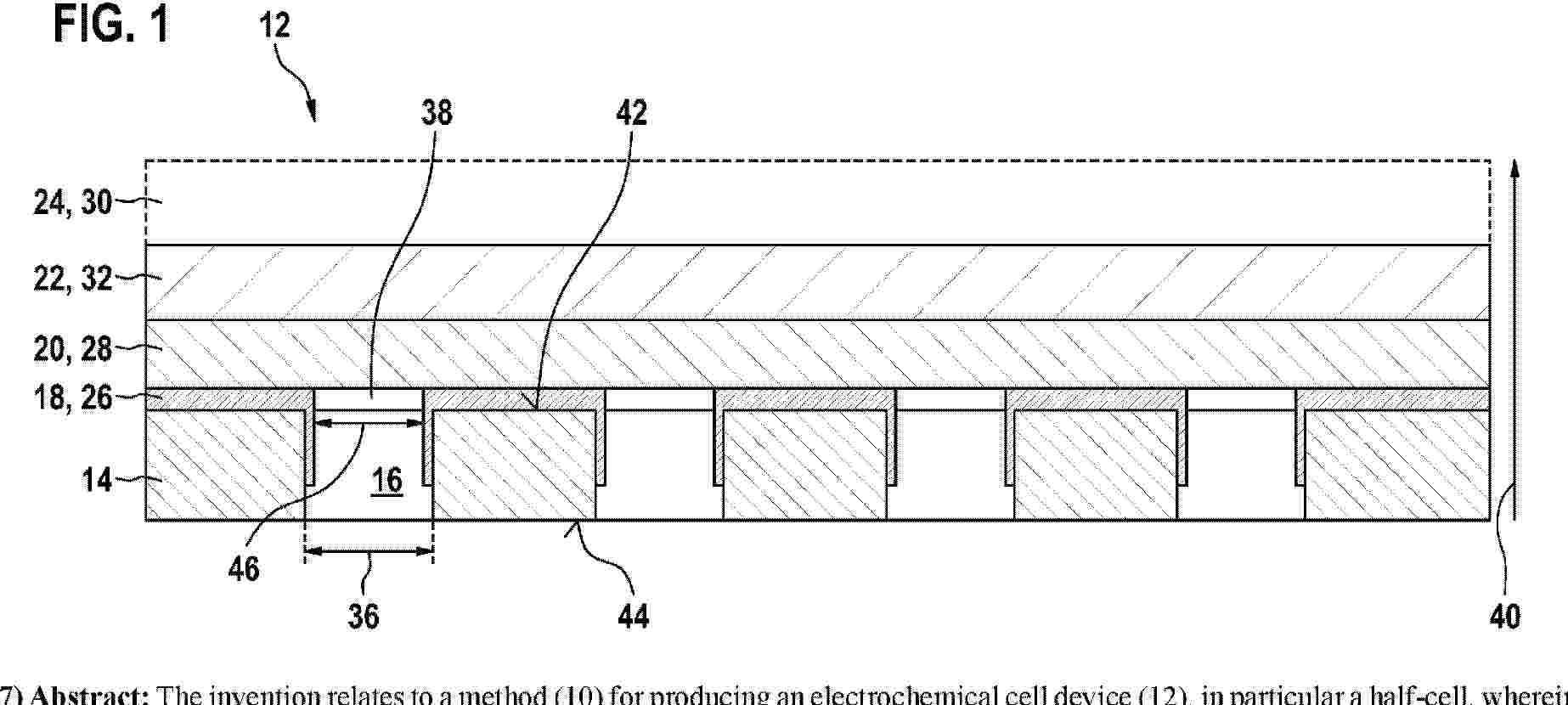
The invention relates to a method (10) for producing an electrochemical cell device (12), in particular a half-cell, wherein in at least one step, a metal support (14) of the electrochemical cell device (12) is provided, said metal support having at least one recess (16), and in at least one step, at least one functional layer (18, 20, 22, 24) of the electrochemical cell device (12) is applied onto the metal support (14). According to the invention, in at least one step, the at least one functional layer (18, 20, 22) is arranged on the metal support (14) in an open state of the at least one recess (16).
Resumen de: EP4804374A1
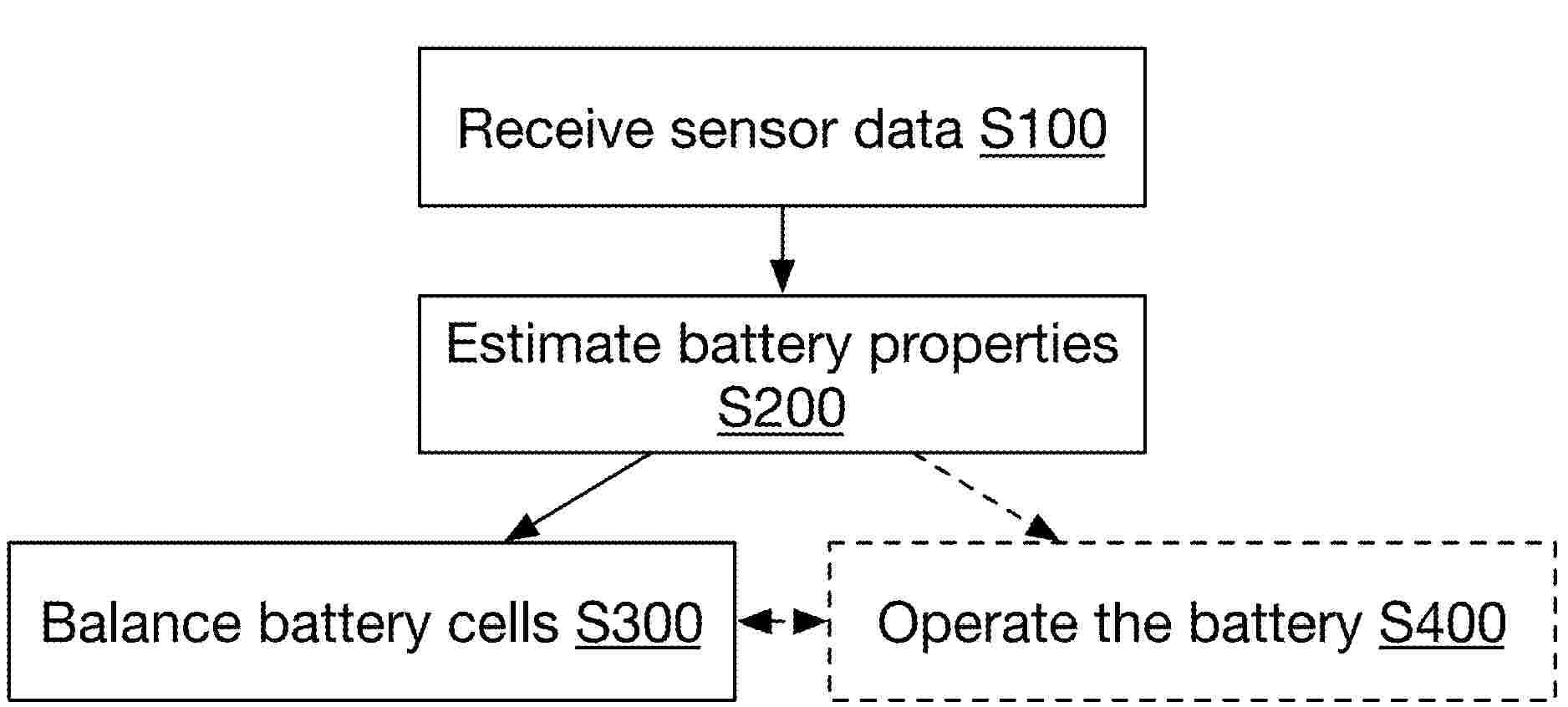
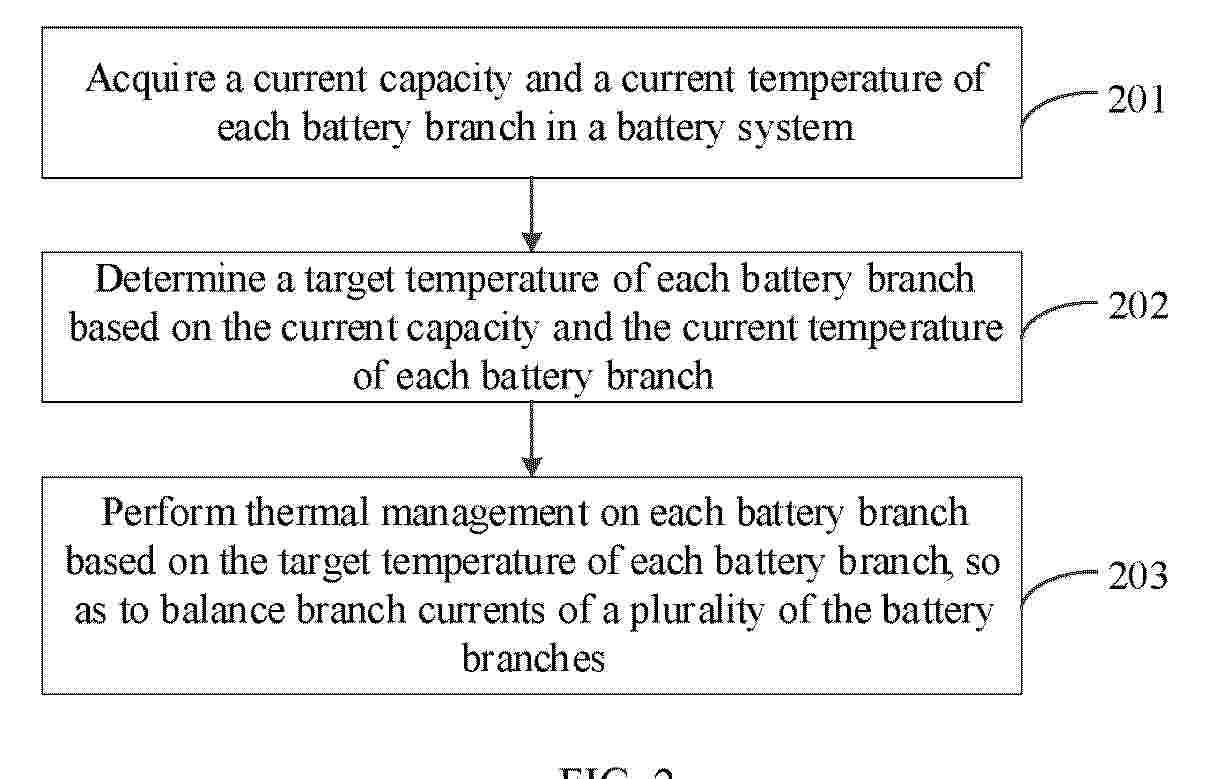
0001 The present application relates to a battery equalization control method, an apparatus, a device, a storage medium and a program product. The method comprises: acquiring the current capacity and the current temperature of each battery branch in a battery system; according to the current capacity and the current temperature of each battery branch, determining a target temperature of each battery branch; and, according to the target temperature of each battery branch, performing thermal management on each battery branch so as to balance branch currents of the multiple battery branches. Using the present application can reduce the problem of ring current and increase the available capacity of battery systems.
Nº publicación: EP4804280A1 09/09/2026
Solicitante:
CONTEMPORARY AMPEREX TECHNOLOGY CO LTD [CN]
Contemporary Amperex Technology Co., Limited
Resumen de: EP4804280A1
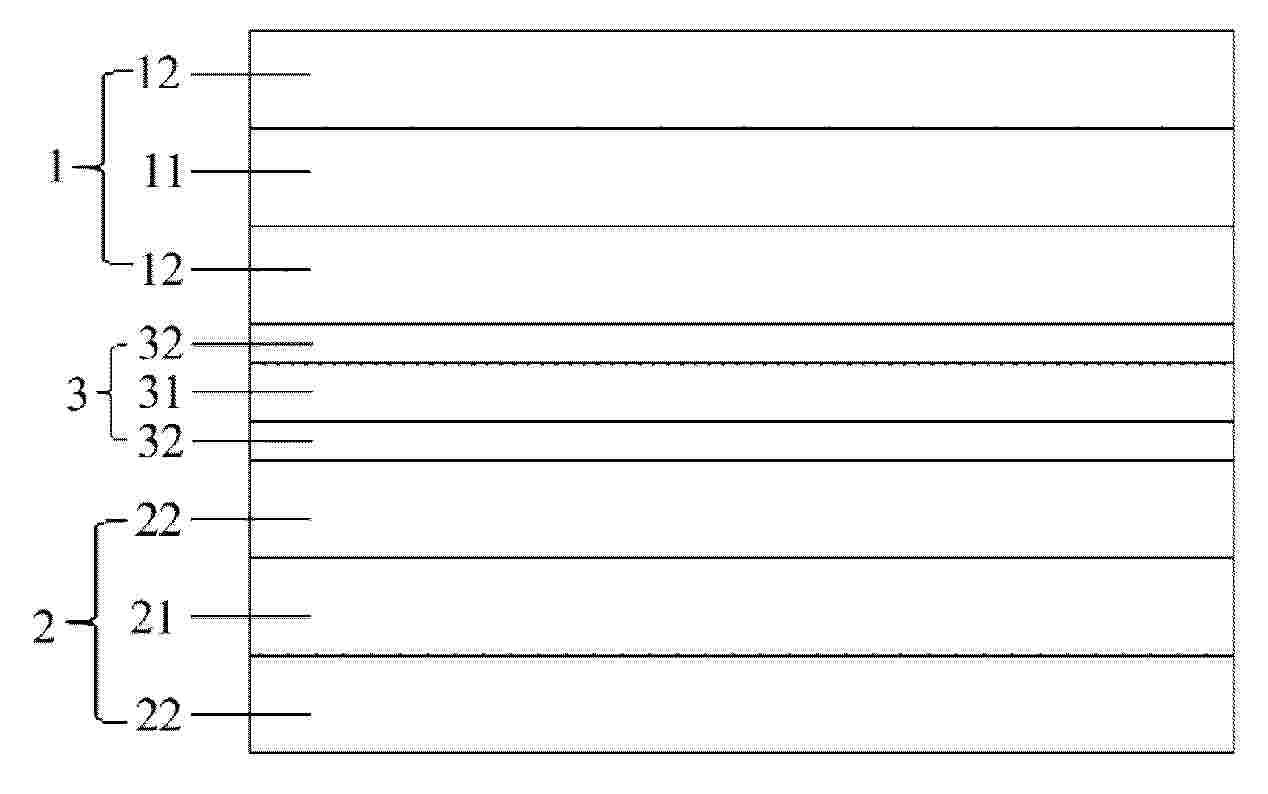
0001 The present application relates to a battery cell assembly, a manufacturing method therefor, a battery cell, a battery and an electrical device. The battery cell assembly comprises a first electrode sheet, a plurality of second electrode sheets and separators. The separators are arranged on two opposite sides of the first electrode sheet and are combined with the first electrode sheet so as to form a combined sheet, and the combined sheet is configured to be continuously Z-folded so as to form a plurality of sub-combined sheets, there being arranged one second electrode sheet between any two adjacent sub-combined sheets. In the length direction of the second electrode sheets, an isolation layer is connected between at least one side edge of each second electrode sheet and each sub-combined sheet. Since the isolation layers can connect the second electrode sheets to the sub-combined sheets, the distance between the second electrode sheets and the sub-combined sheets is shortened, thereby reducing gaps at corners of the combined sheet, improving the transport dynamic performance of a battery, and reducing phenomena of lithium plating at edges. In addition, when lithium-plating accumulation occurs at the edges, the provision of the isolation layers will stop dendrites generated by the lithium plating from puncturing the separators, thereby reducing risks of short circuits due to the connection between positive and negative electrodes.
 BOPI
BOPI
 Sede Electrónica