Si deseas distinguir tus productos, servicios o ambos de los de otra empresa, es posible que necesites una marca o nombre comercial. Descubre qué son, en qué consiste su procedimiento de registro y qué implica.

Información sobre los plazos de presentación de solicitudes de transformación de marcas de la Unión Europea en marca nacional española. Más información


Si tienes un nuevo dispositivo, producto o procedimiento que resuelva un problema técnico o tenga una ventaja práctica, existen distintas formas de protegerlo en España y en otros países. Descubre cómo hacerlo.

¿Tu innovación reside en la estética, la ornamentación o la apariencia de tu producto? Protégela mediante un diseño industrial. Descubre qué derechos confiere el registro y cómo realizar la tramitación.

Las indicaciones geográficas protegen el nombre de un producto originario de una zona geográfica, a la cual le debe una determinada calidad, reputación u otra característica. Descubre qué son, en qué consiste su procedimiento de registro y qué beneficios conceden.

Las patentes publicadas en todo el mundo son una valiosa fuente de información científica, técnica y comercial.

Si eres emprendedor/a o una empresa y quieres potenciar y mejorar la rentabilidad de tu negocio protegiendo de forma adecuada los activos intangibles de tu organización, en este espacio encontrarás lo necesario.


 345
resultados
345
resultados
 Última actualización
16/10/2026 [07:35:00]
Última actualización
16/10/2026 [07:35:00]


 Resultados 200 a 225 de 345

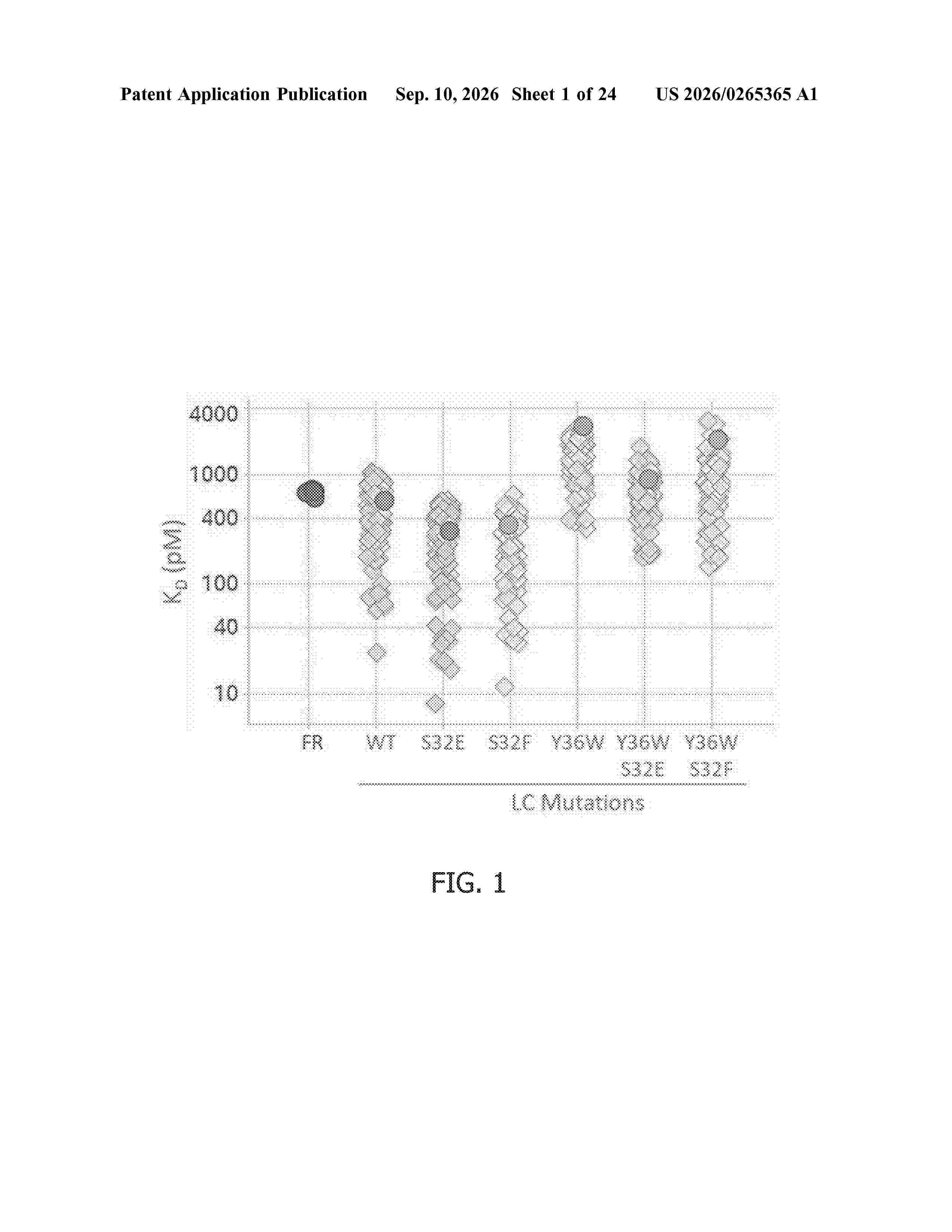
Resumen de: US20260265365A1
The present disclosure relates to anti-interleukin-11 (IL-11) antibodies and antigen-binding fragments thereof including their use in the treatment or prevention of an IL-11 (interleukin 11) pathway disease or disorder.

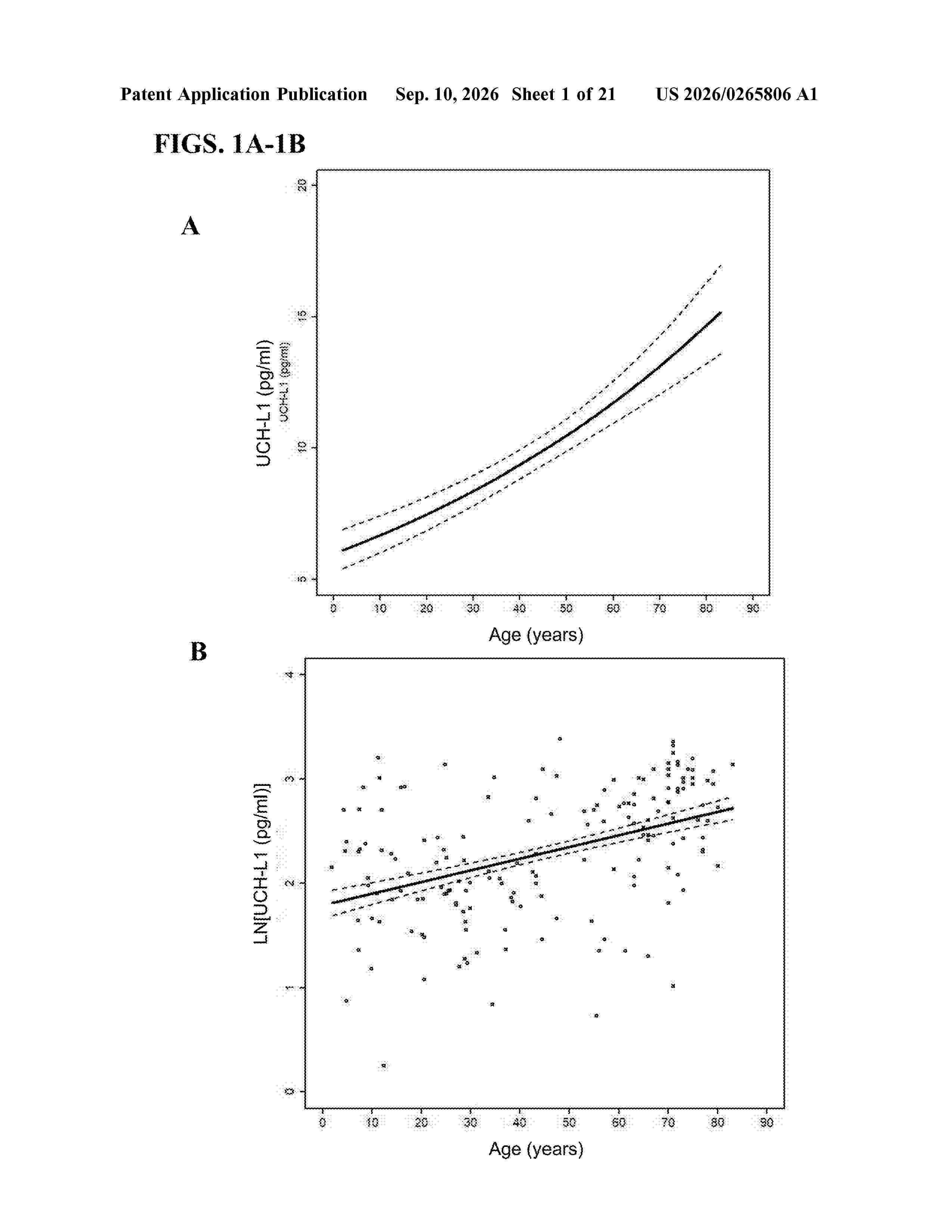
Resumen de: US20260265806A1
Embodiments of the instant disclosure relate to early diagnosis and intervention and/or treatment of neurodegenerative disorders and/or brain damage due to normal aging. Certain embodiments disclosed herein relate to quantifying concentrations of ubiquitin c-terminal hydrolase L1 (UCH-L1) in samples obtained from a subject to assess neuronal cell health and/or diagnose the subject with age-related neuronal cell damage. In some embodiments, a subject can be treated with an effective amount of a therapeutic to stabilize and/or reduce concentrations of UCH-L1 in the subject and treat the subject. In other embodiment, a targeted therapeutic agent, process, or task can be assessed for efficacy of reversing brain aging in a subject.
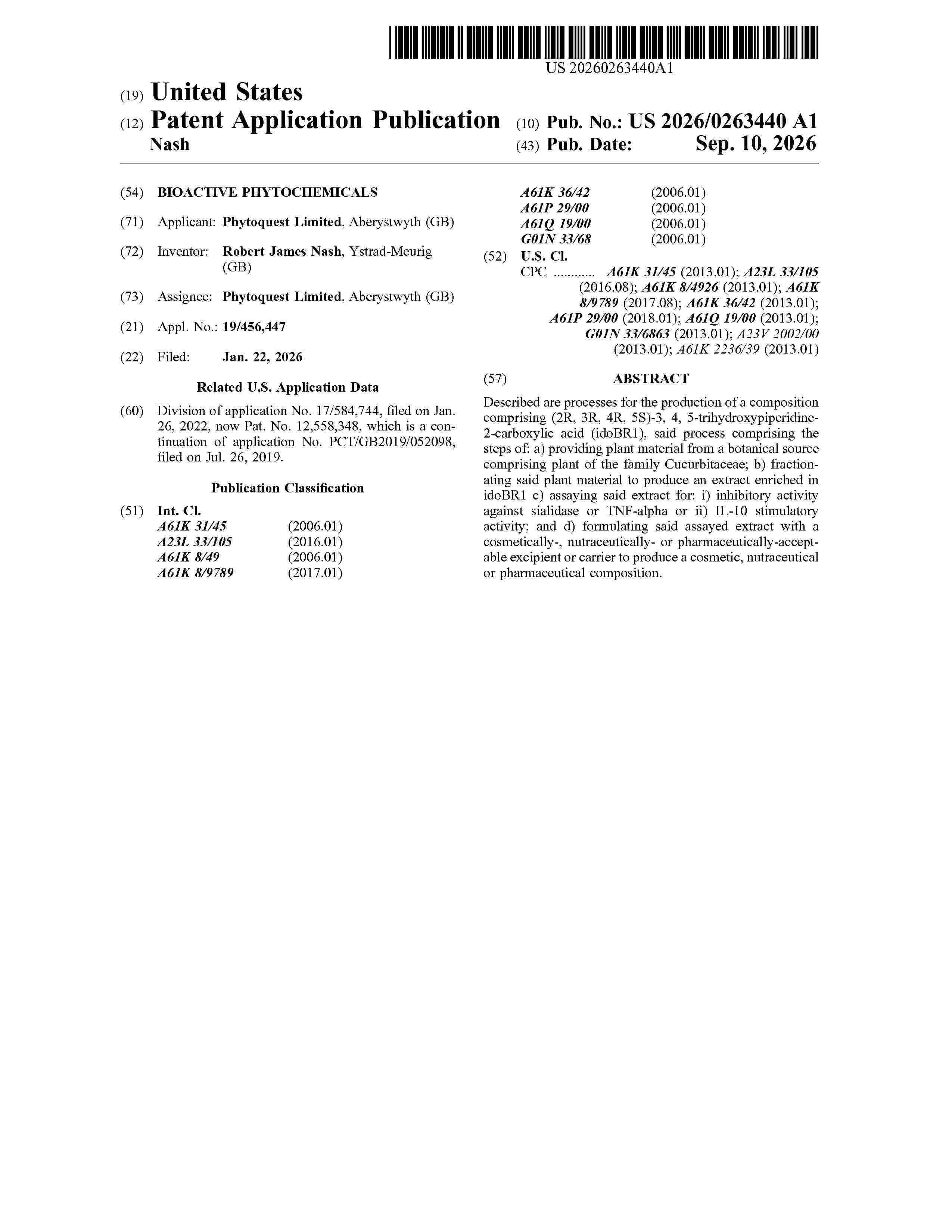
Resumen de: US20260263440A1
0000 Described are processes for the production of a composition comprising (2R, 3R, 4R, 5S)-3, 4, 5-trihydroxypiperidine-2-carboxylic acid (idoBR1), said process comprising the steps of: a) providing plant material from a botanical source comprising plant of the family Cucurbitaceae; b) fractionating said plant material to produce an extract enriched in idoBR1 c) assaying said extract for: i) inhibitory activity against sialidase or TNF-alpha or ii) IL-10 stimulatory activity; and d) formulating said assayed extract with a cosmetically-, nutraceutically- or pharmaceutically-acceptable excipient or carrier to produce a cosmetic, nutraceutical or pharmaceutical composition.
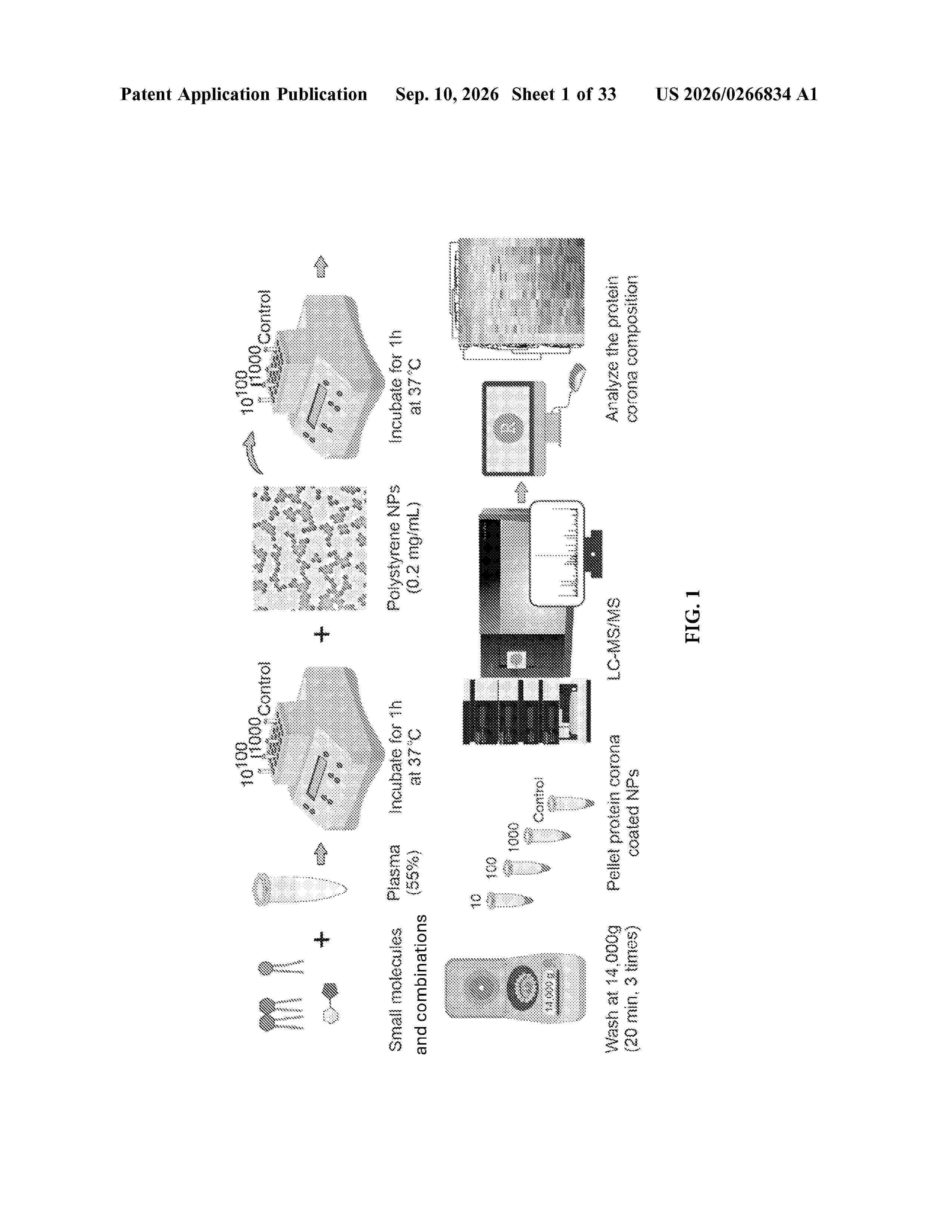
Resumen de: US20260266834A1
0000 A method for detecting proteins and/or their proteoforms is provided herein that includes adding one or more small molecule and one or more protein-binding agent to a biological sample, where a protein corona is formed on the surface of the protein-binding agent, and the proteins and/or their proteoforms in the protein corona are detected by an antibody-based technique or a proteomics technique. Also provided herein is a method for detecting one or more biomarker or a pattern of one or more biomarker associated with a disease or health spectrum condition, as well as a method of diagnosing or predicting a disease in a subject. Compositions including one or more small molecule, one or more protein-binding agent, and one or more biological sample are also provided.
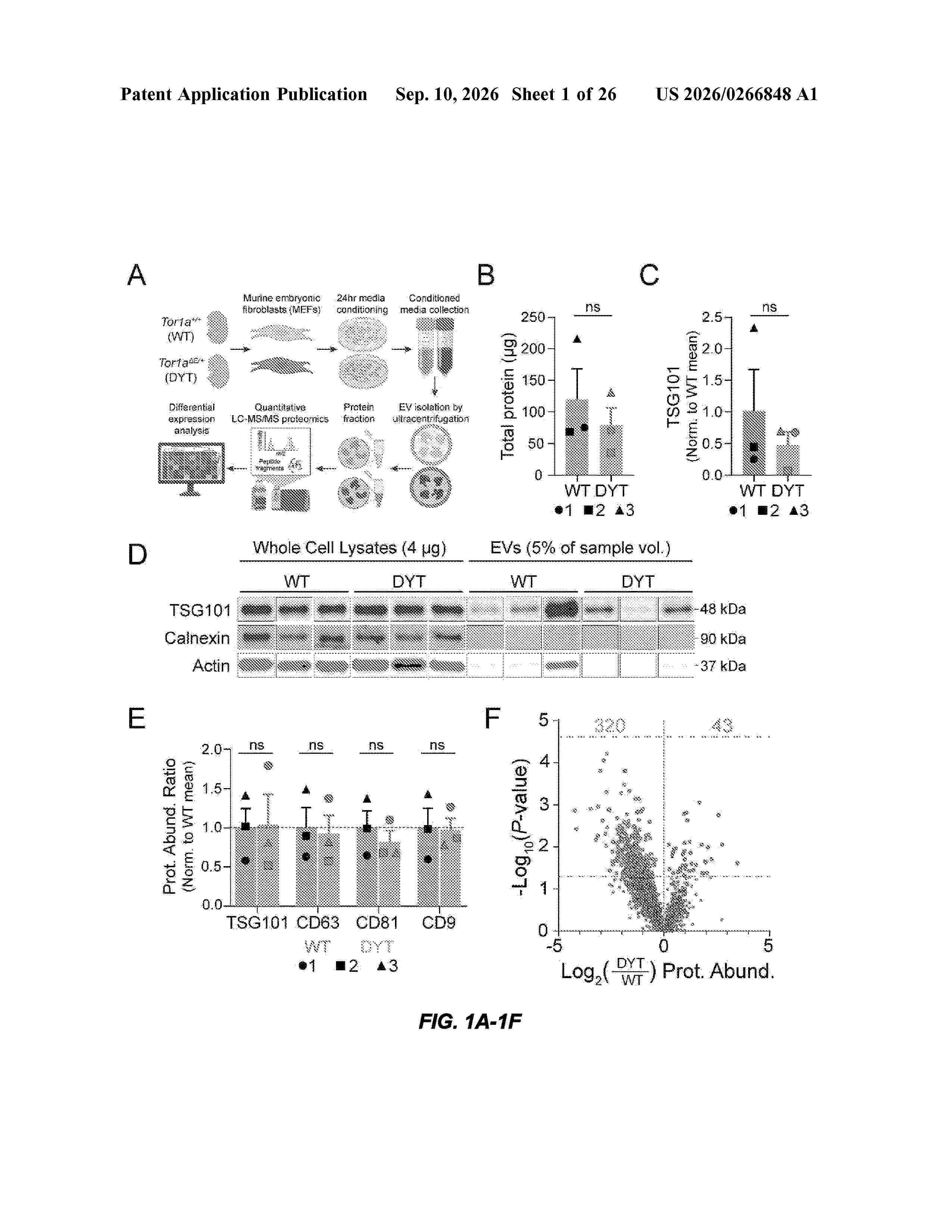
Resumen de: US20260266848A1
0000 Disclosed herein are compositions, kits, and methods for identifying protein, miRNA, or metabolite biomarkers for dystonia, for treating a subject having a dystonia, for selecting a subject for a clinical trial, for selecting a therapeutic agent, for treatment of dystonia in a subject, for classifying a subject having dystonia, and for predicting responsiveness to a dystonia treatment.
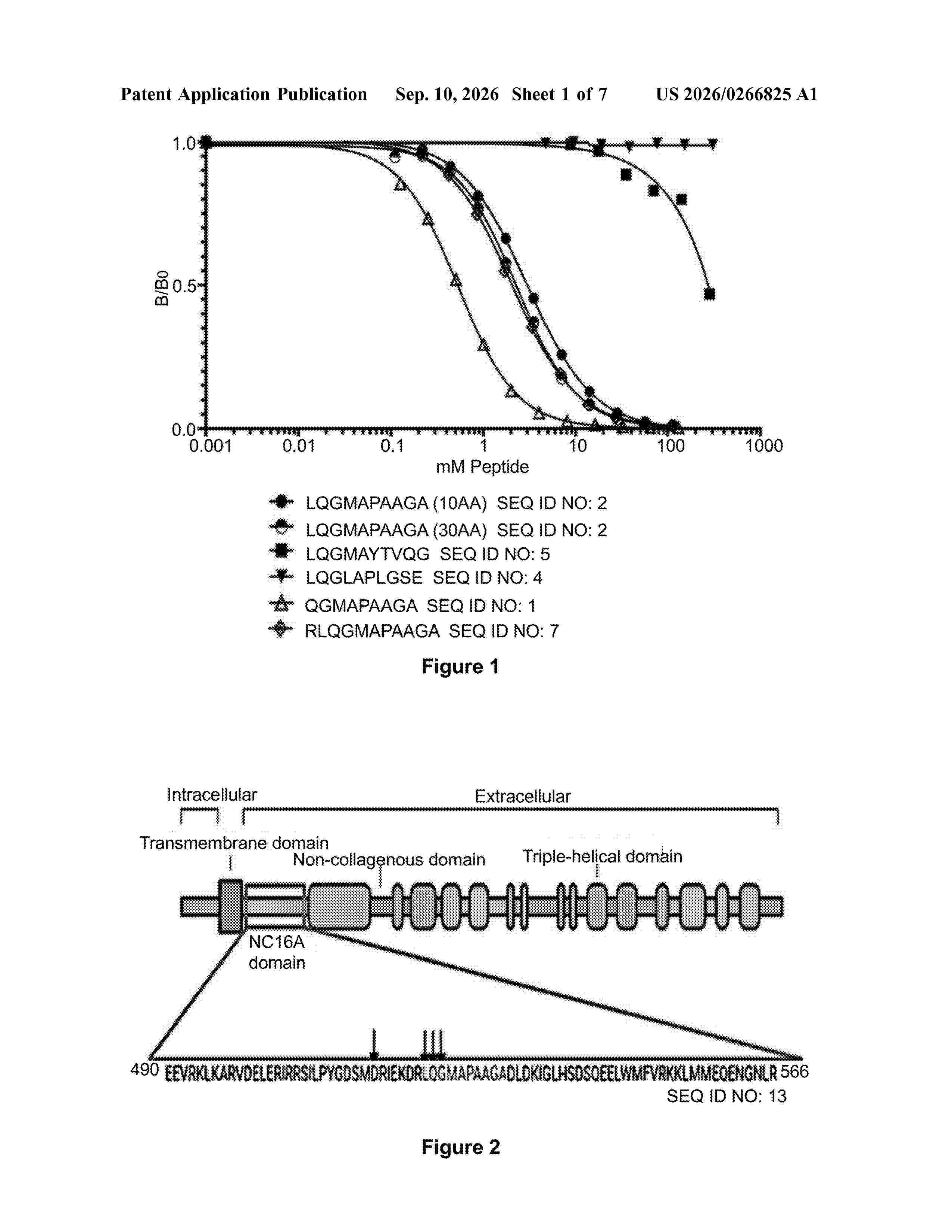
Resumen de: US20260266825A1
0000 Described herein is a method of immunoassay (the “PRO-C17 assay”) for measuring the levels of type XVII collagen ectodomain present in a patient sample, which method of immunoassay can be used for detecting and/or monitoring cancer and/or assessing the severity thereof in a patient. Also described are monoclonal antibodies and assay kits suitable for use in carrying out said methods.
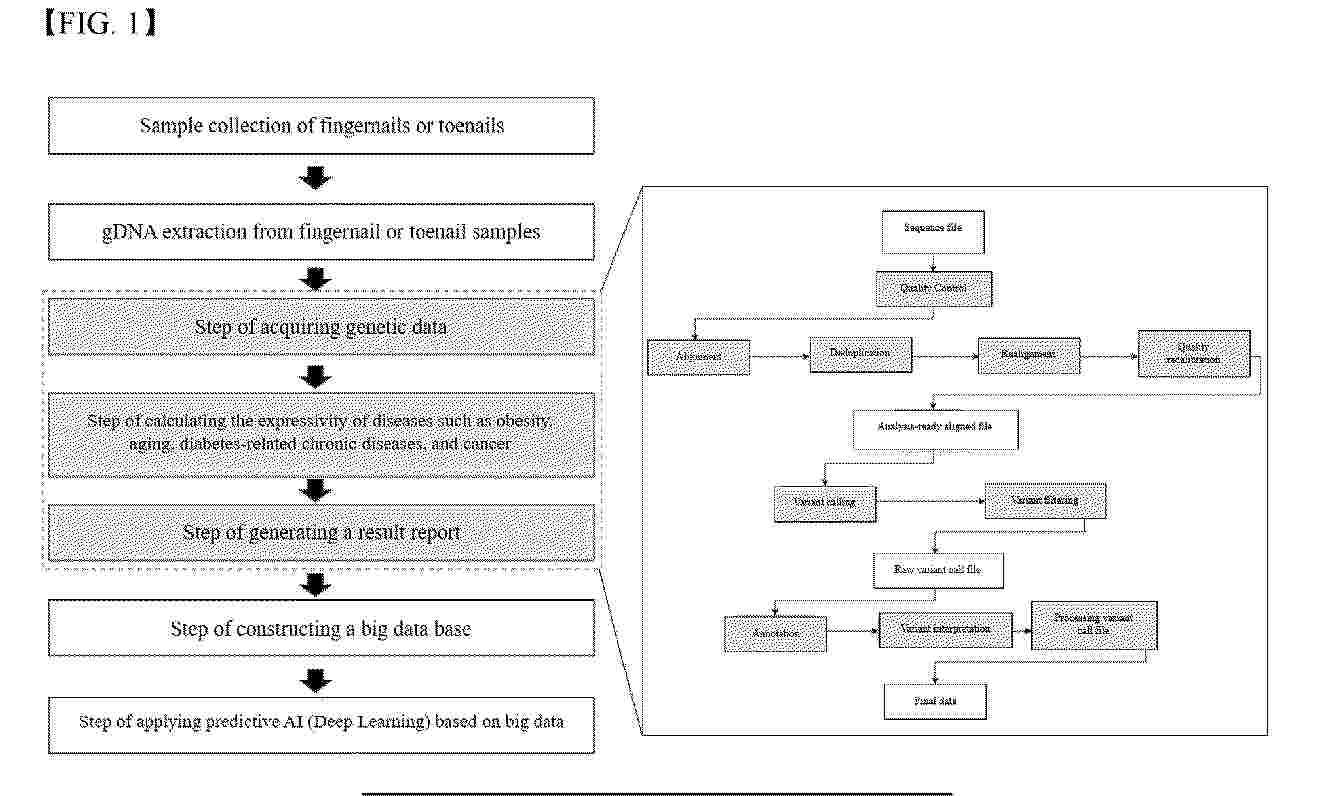
Resumen de: EP4804206A1
The present invention relates to a next generation sequencing (NGS) method for disease prediction through analysis of nail-derived germline mutations and somatic mutations, and a system therefor. Specifically, the present invention relates to a nail-based NGS analysis method for predicting or diagnosing a disease, comprising the steps of: isolating gDNA from nails; and analyzing the isolated gDNA using NGS.
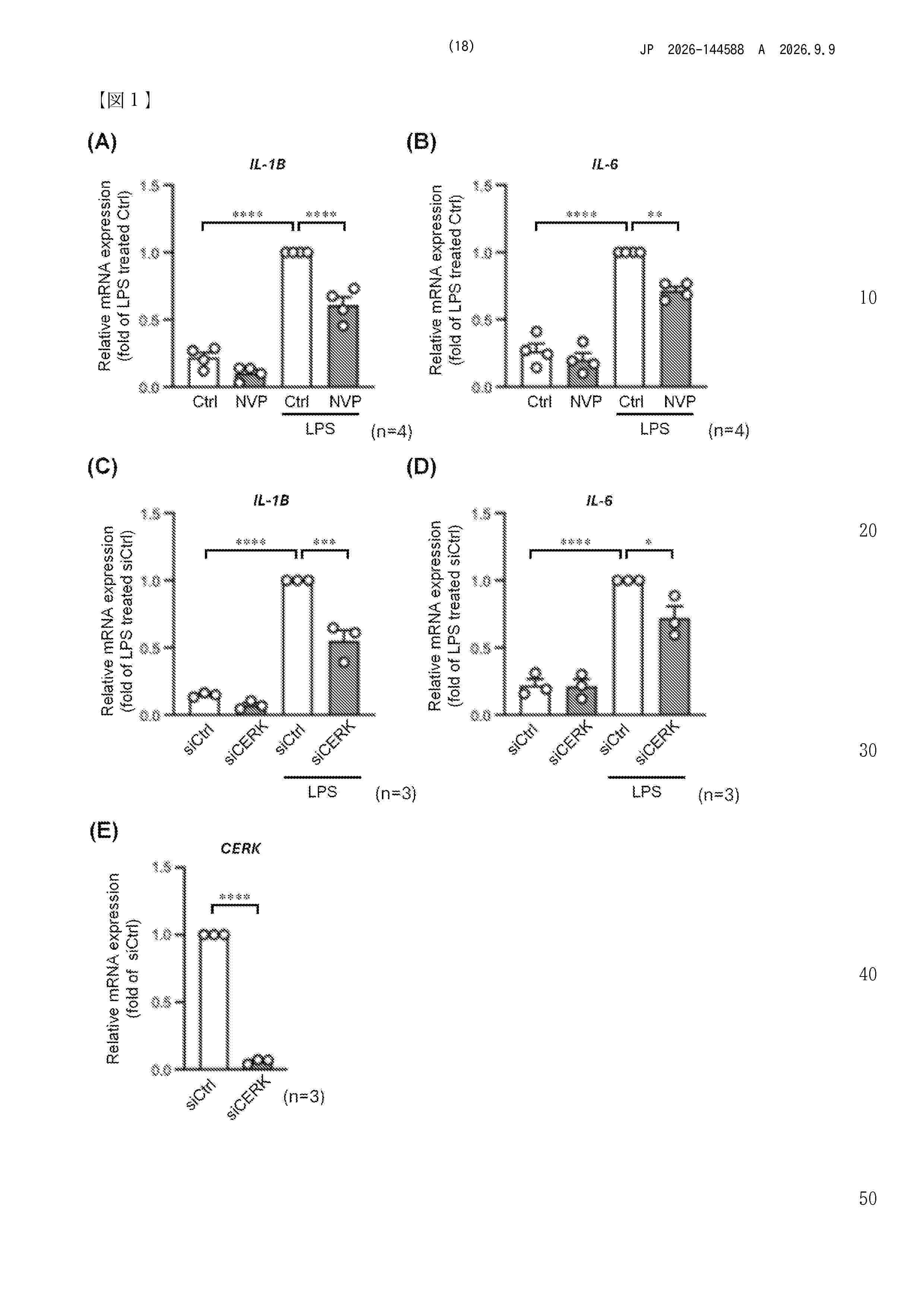
Resumen de: JP2026144588A
【課題】中枢神経系の抗炎症剤、神経炎症を伴う中枢神経系疾患の治療剤及び神経炎症を伴う中枢神経系疾患の治療剤のスクリーニング方法の提供。【解決手段】セラミドキナーゼの機能を阻害する化合物を有効成分として含む、中枢神経系の抗炎症剤又は神経炎症を伴う中枢神経系疾患の治療剤であって、前記化合物は、セラミドキナーゼ遺伝子の発現を抑制する又はセラミドキナーゼタンパク質の活性を阻害する化合物である抗炎症剤。【選択図】なし
Resumen de: WO2025093893A1
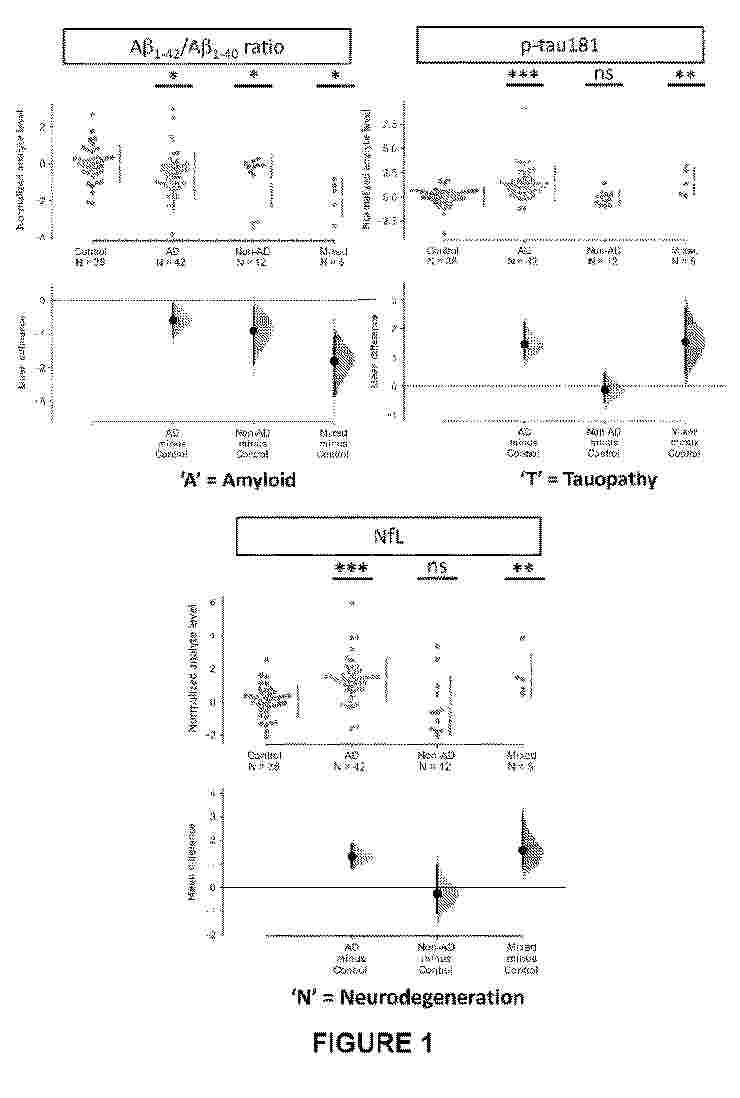
The present invention relates to methods of measuring the presence and/or levels of a combination of five biomarkers in a sample, said biomarkers being neurofilament light (NfL) polypeptide, glial fibrillary acidic protein (GFAP), β-Amyloid 1-42 (Aβ1-42), β-Amyloid 1-40 (Aβ1-40), and phosphorylated Tau (p-Tau181, pTau-231 and/or p-Tau217). The methods can be used to predict the subject's risk or likelihood of having and/or developing Alzheimer's disease, thus also provided is a method of predicting a subject's risk or likelihood of having and/or developing Alzheimer's disease, said method comprising measuring the presence of and/or the levels of the combination of five biomarkers. Further provided is a method of prognosing or diagnosing Alzheimer's disease in a subject comprising the methods of measuring the presence of and/or the levels of the combination of five biomarkers, and a method of treating Alzheimer's disease comprising predicting a subject's risk or likelihood of developing or having Alzheimer's disease using the methods of measuring the presence and/or levels of the combination of five biomarkers and administering a treatment if the risk or likelihood exceeds a threshold value.
Resumen de: EP4803610A1
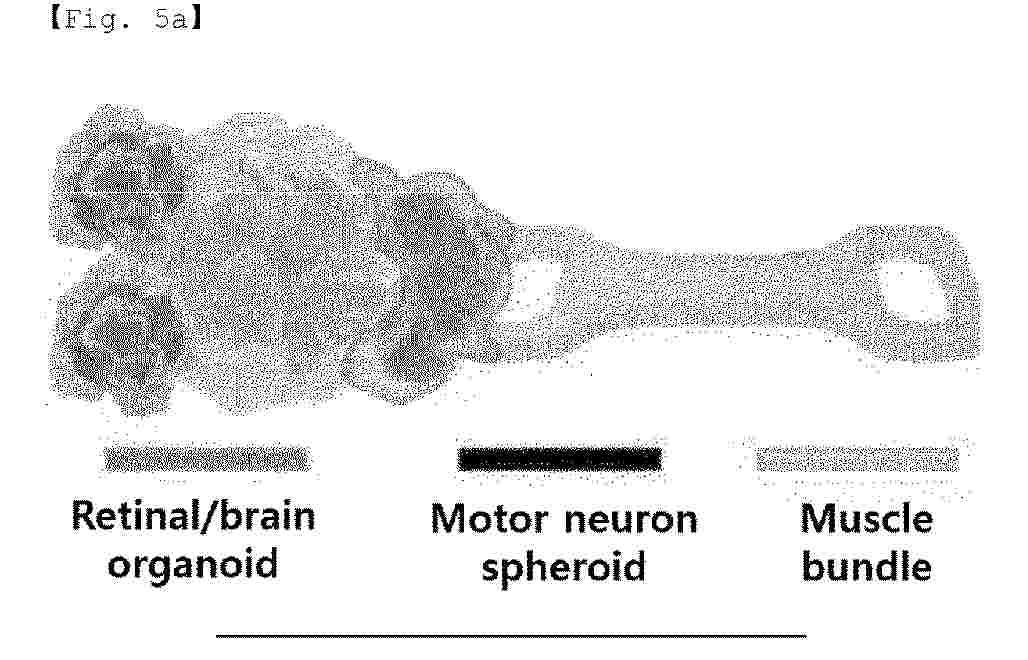
The present invention relates to a biohybrid robot comprising an eye/brain organoid, a motor neuron spheroid and a muscle bundle, and a method for fabricating the same, and a versatile biohybrid robot according to the present invention may cause movement of muscle cells by an electrophysiological signal generated from the eye/brain organoid like a human motor system using light stimulation and a neurotransmitter. It is expected to be utilized in disease models that stimulate human signal transduction systems by combining various neurodegenerative disease models, such as Parkinson's and Alzheimer's disease models, with eye tumor models in the future, and be utilized in the fabrication of drug screening platforms using the operation of versatile biohybrid robots composed of biological tissues.
Resumen de: WO2025129037A1
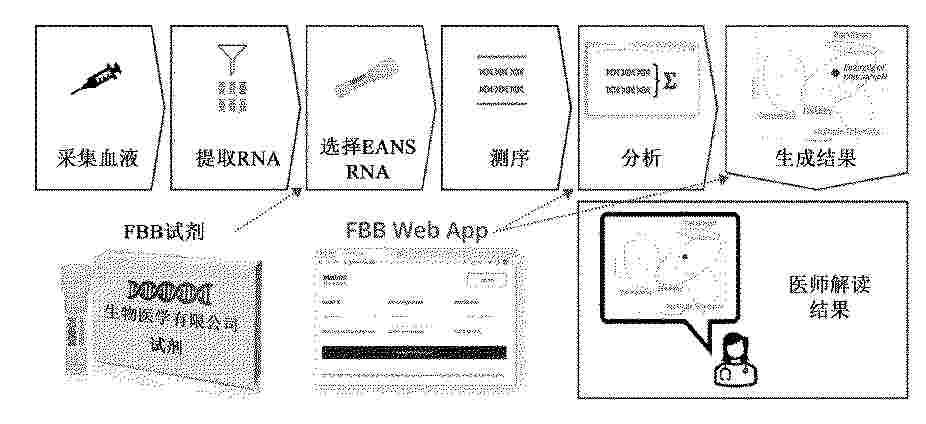
The current disclosure provides for methods and compositions for classifying subjects having different biological states. The disclosure describes a method comprising: filtering sequence data obtained from a sample from a subject based on long non-coding RNA (lncRNA) and/or pseudogene RNA (pgRNA), and/or the reference genome; determining a biological state classification of the subject by providing the filtered sequence data to one or more machine learning classifiers as input, wherein the one or more machine learning classifiers is trained to output biological state classifications based on filtered sequence data of a training data set.
Resumen de: WO2015061183A1
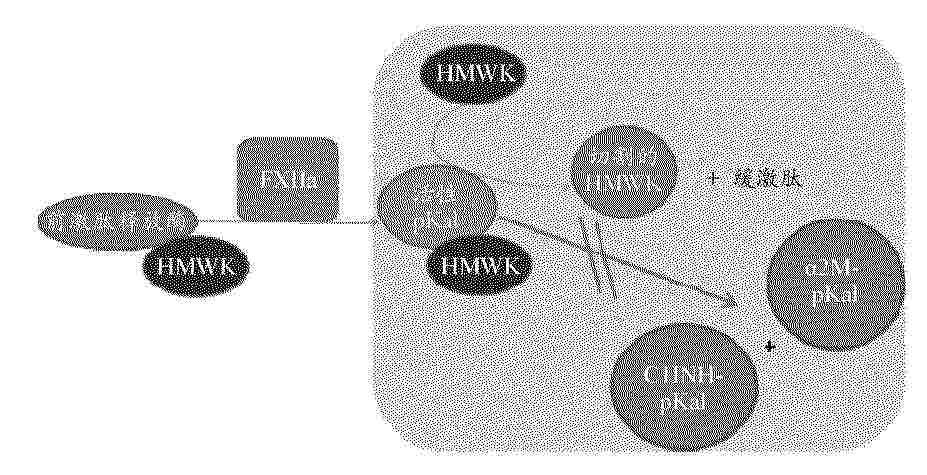
Methods and assays for determining the activation level of the plasma kallikrein (pKal) system and the uses thereof for assessing the activity of pKal modulators on the pKal system.
Resumen de: WO2025153985A1
This disclosure relates to analysis of biological patterns and more in detail a method of generating a characteristic signal of a living human or animal cell and a related device for implementing it, as well as a method of stimulating a living human or animal cell either in vivo or in vitro and a related appliance.
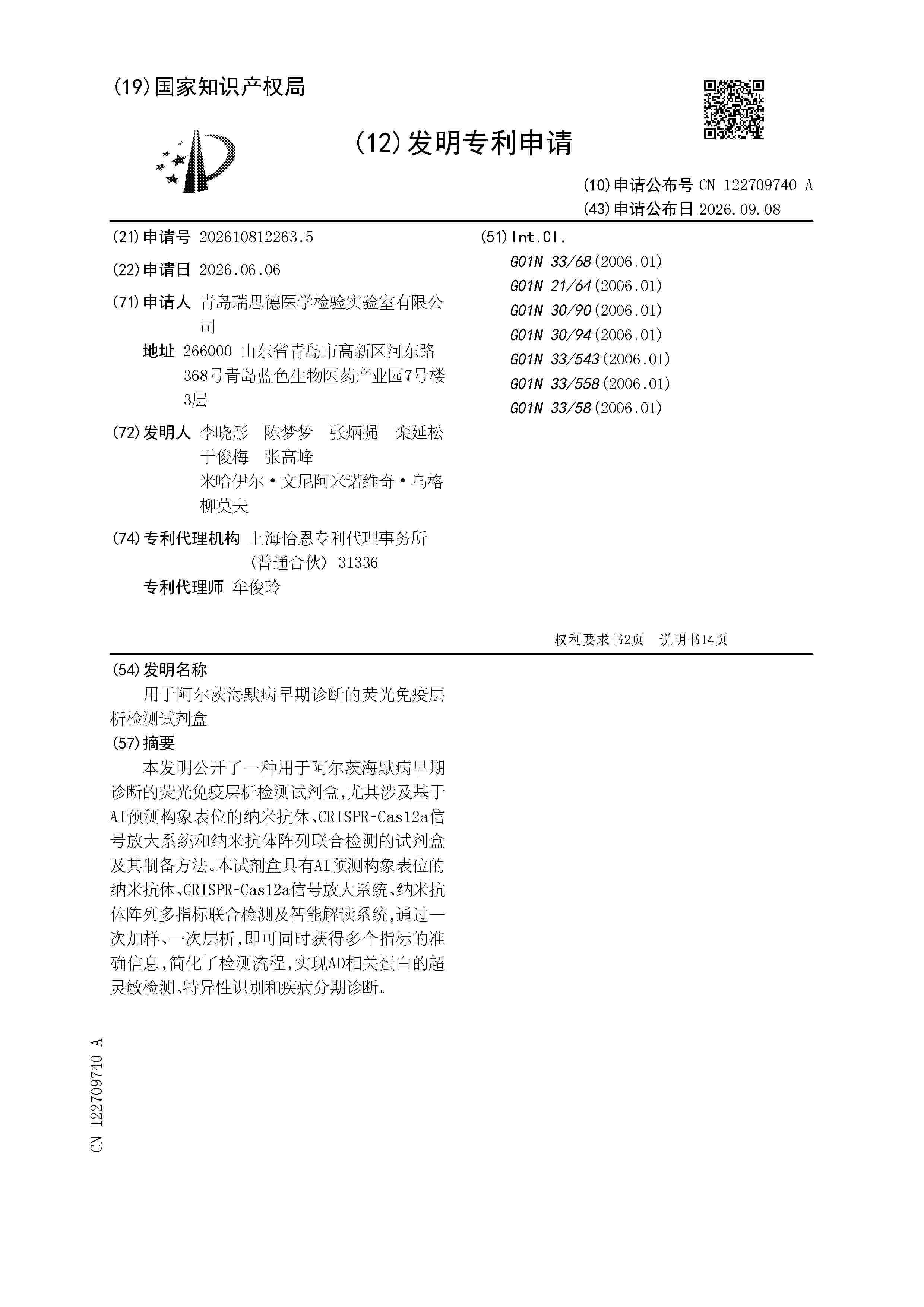
Resumen de: CN122709740A
本发明公开了一种用于阿尔茨海默病早期诊断的荧光免疫层析检测试剂盒,尤其涉及基于AI预测构象表位的纳米抗体、CRISPR‑Cas12a信号放大系统和纳米抗体阵列联合检测的试剂盒及其制备方法。本试剂盒具有AI预测构象表位的纳米抗体、CRISPR‑Cas12a信号放大系统、纳米抗体阵列多指标联合检测及智能解读系统,通过一次加样、一次层析,即可同时获得多个指标的准确信息,简化了检测流程,实现AD相关蛋白的超灵敏检测、特异性识别和疾病分期诊断。
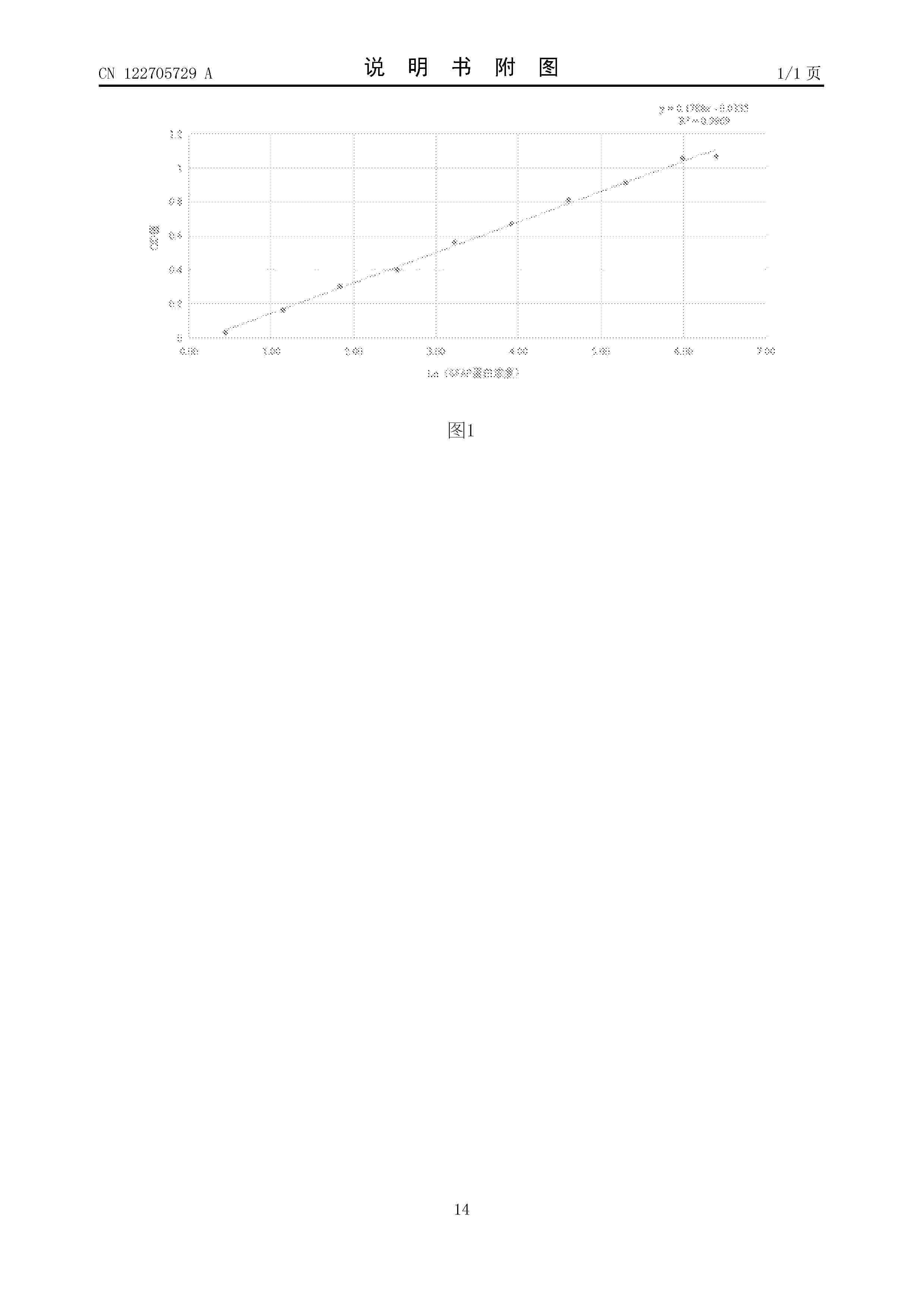
Resumen de: CN122705729A
0001 本发明公开了一种GFAP的ELISA检测试剂盒,属于生物医药检测技术领域。本发明提供了一对特异性结合GFAP的兔源单克隆抗体对,其中第一抗体的轻链氨基酸序列如SEQ ID NO:1所示、重链氨基酸序列如SEQ ID NO:2所示,第二抗体的轻链氨基酸序列如SEQ ID NO:3所示、重链氨基酸序列如SEQ ID NO:4所示;所述第一抗体与第二抗体识别GFAP上不同的抗原表位,能够形成双抗体夹心复合物。本发明还提供了包含所述抗体对的ELISA试剂盒、非诊断目的的GFAP检测方法及所述试剂盒在制备检测GFAP试剂中的应用。本发明试剂盒的检测线性范围为1.56~600pg/mL,检测下限为1.56pg/mL,具有灵敏度高、特异性强、重复性好的优点,适用于GFAP相关疾病的早期辅助诊断和科研定量分析。
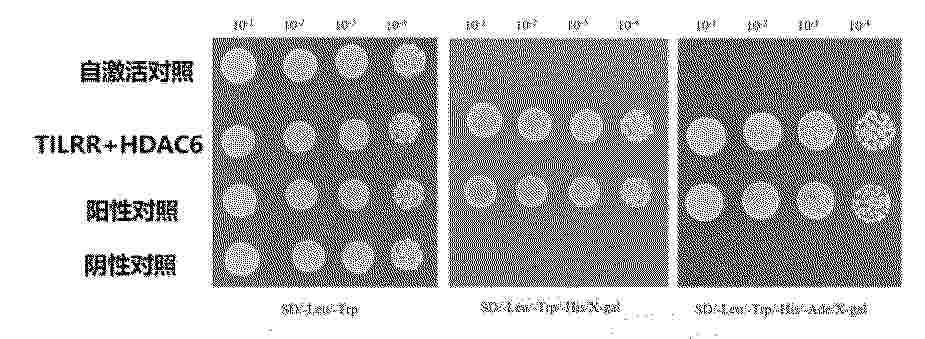
Resumen de: CN122705757A
0001 本发明公开了一种TILRR‑HDAC6蛋白复合体、TILRR源性的HDAC6抑制剂及其应用。所述TILRR‑HDAC6蛋白复合体包括TILRR蛋白和HDAC6蛋白,所述TILRR蛋白特异性结合于HDAC6蛋白的去乙酰化结构域;所述TILRR蛋白的氨基酸序列如SEQ ID NO:1‑ SEQ ID NO:3所示,所述HDAC6蛋白的氨基酸序列如SEQ ID NO:4所示。本发明首次发现TILRR蛋白与HDAC6蛋白存在特异性相互作用,二者形成稳定的复合体,且TILRR特异性结合于HDAC6的去乙酰化结构域。本发明为HDAC6相关疾病的治疗提供了全新的靶点和候选药物分子,具有重要的科学意义。
Resumen de: WO2021176336A1
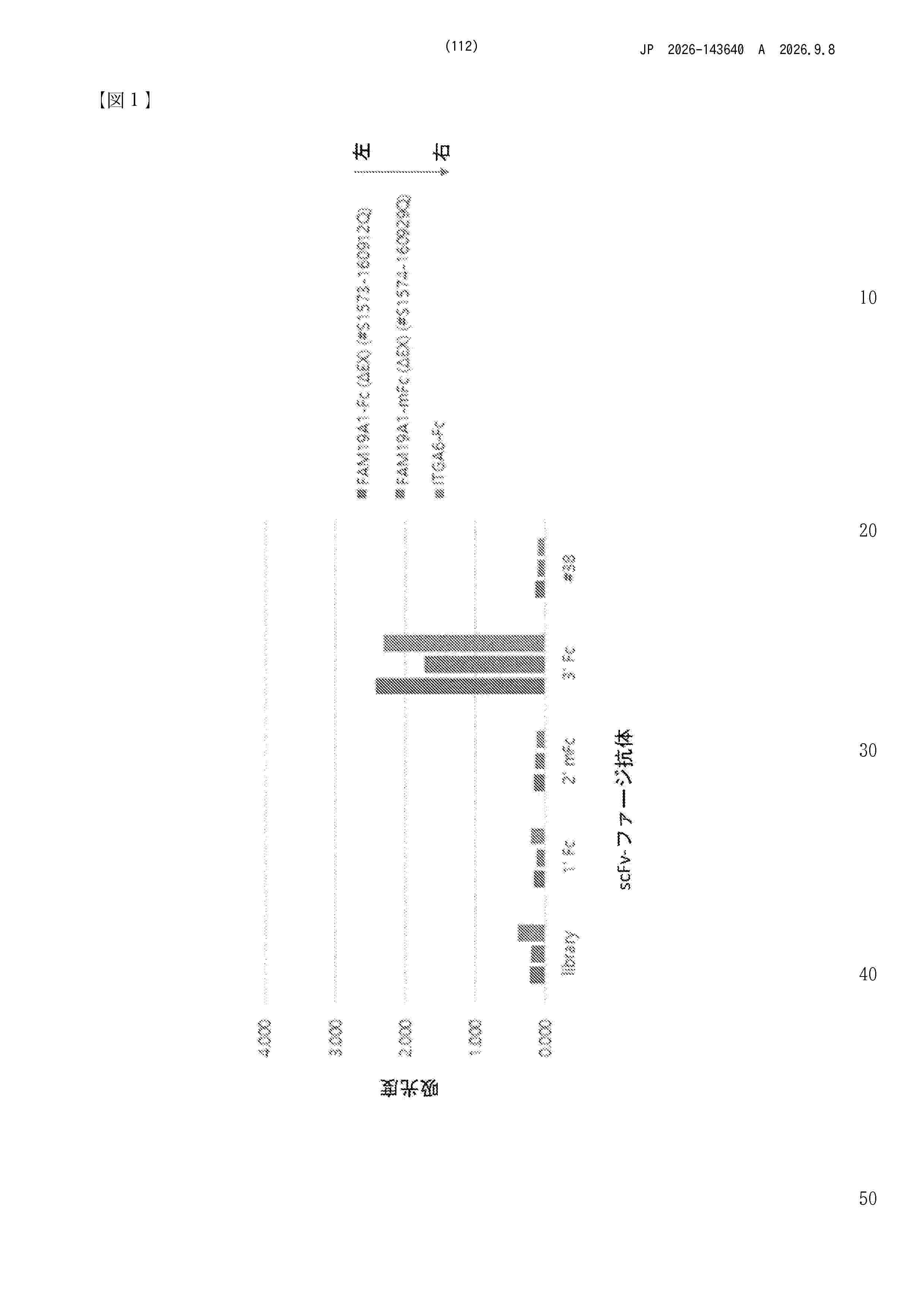
The present disclosure relates to a method of treating a disease or disorder associated with an abnormality in CNS function. Also provided is a method for diagnosing and/or identifying a subject having an abnormality in CNS function. FAM19A1 antagonists that can be used with the present disclosures are also provided.
Resumen de: CN122705737A
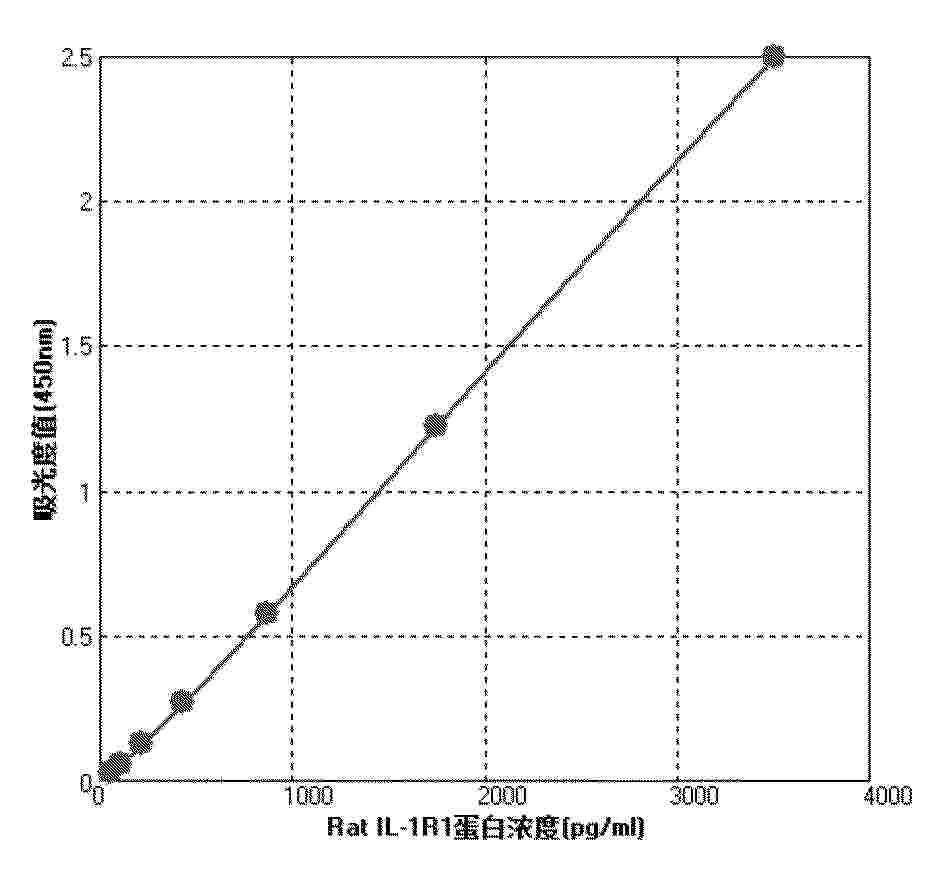
0001 本发明提供了一组特异性结合并检测大鼠IL‑1R1的单克隆抗体及检测试剂盒,属于免疫学检测技术领域。本发明提供了一组可特异性结合并检测大鼠白介素1受体1型蛋白(IL‑1R1)的单克隆抗体,所述单克隆抗体以大鼠来源IL‑1R1(rat IL‑1R1)为抗原通过免疫后得到,尤其是单克隆抗体MM08H和MM10H均与rat IL‑1R1结合良好,经配对检测发现,鼠单克隆抗体MM10H可作为包被抗体,通过显色催化酶标记的单克隆抗体MM08H可作为检测抗体,可将所述单克隆抗体用于rat IL‑1R1的免疫学检测。本发明利用所述单克隆抗体构建了rat IL‑1R1的免疫学检测试剂盒,具有良好的检测重复性和稳定性;最低检测限为4.33pg/ml,检测灵敏度良好。
Resumen de: AU2024401251A1
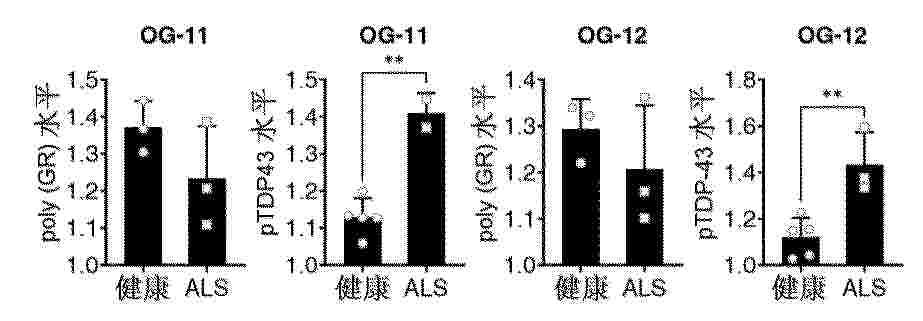
The present application relates to novel b-isox analogs for use in detecting misfolded proteins associated with neurodegenerative diseases, such as ALS, PD, AD, FTLD, and LATE. The present inventors identified and modified a specific site on the b-isox molecule, which significantly enhances detection capabilities. This modification also allows for the selection of analogs that either exhibit low background interference or alter cellular targets, based on the alteration of a functional group at critical site.
Resumen de: CN122705733A
0001 本发明提供了一种抗eMTBR‑tau243片段V256剪切位点的单克隆抗体及其应用和产品,涉及生物技术领域。本发明提供的单克隆抗体的可变区包括:氨基酸序列如SEQ ID NO.1所示的互补决定区CDR1‑VH、氨基酸序列如SEQ ID NO.2所示的互补决定区CDR2‑VH、氨基酸序列如SEQ ID NO.3所示的互补决定区CDR3‑VH、氨基酸序列如SEQ ID NO.4所示的互补决定区CDR1‑VL、氨基酸序列如SEQ ID NO.5所示的互补决定区CDR2‑VL和氨基酸序列如SEQ ID NO.6所示的互补决定区CDR3‑VL,能特异性识别eMTBR‑tau243片段V256剪切位点。
Resumen de: WO2025049924A1
The present disclosure relates to a method for detecting or measuring the content of one or more selected biomarkers in a canine skin sample, comprising the steps of: a) applying an adhesive tape to an exposed skin target area of the canine, whereby an epidermal sample adhering to the adhesive tape is collected, and b) detecting the presence of, and/or measuring the content of, the one or more selected biomarkers in the epidermal sample obtained at step a). It further relates to method of determining the presence of a cutaneous disorder state in a canine skin, a method for the diagnosis of an atopic dermatitis state in a canine skin, a method of determining the beneficial effect of a pharmaceutical agent and/or a selected diet regimen in a canine affected with an atopic dermatitis and a kit of parts for detecting and/or measuring canine biomarkers in a canine epidermal sample.
Resumen de: WO2025042969A2
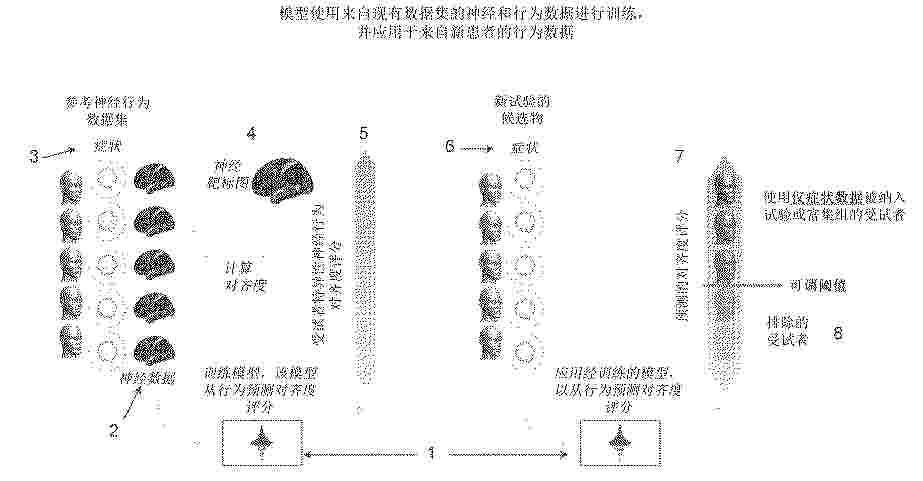
Disclosed herein are methods of selecting a candidate subject based on predicted response to an experimental treatment or therapeutic agent, and related methods of identifying subjects eligible to participate in a clinical trial that may be likely to respond to placebo. The methods disclosed herein are useful in the identification and/or selection of subjects for inclusion or exclusion from the clinical trial.
Resumen de: AU2021340971A1
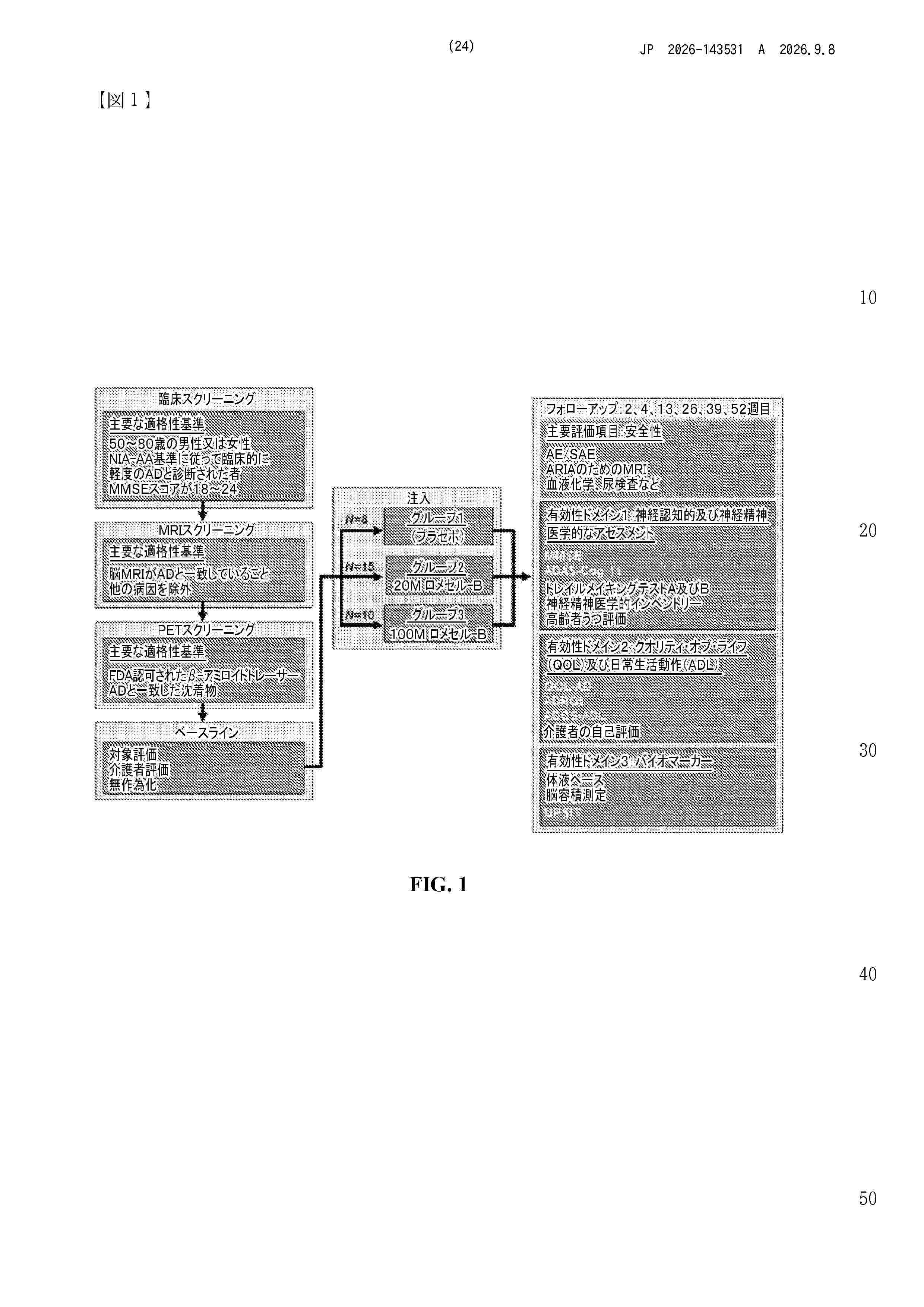
Compositions and methods are disclosed herein for the treatment of Alzheimer's disease with allogeneic mesenchymal stem cells. The methods of treatment involve the administration of a composition of allogeneic mesenchymal stem cells to a subject in need thereof, wherein the effectiveness of the treatment methods can be determined through the measurement of specific biomarkers and improved cognitive function.
Resumen de: CN122705731A
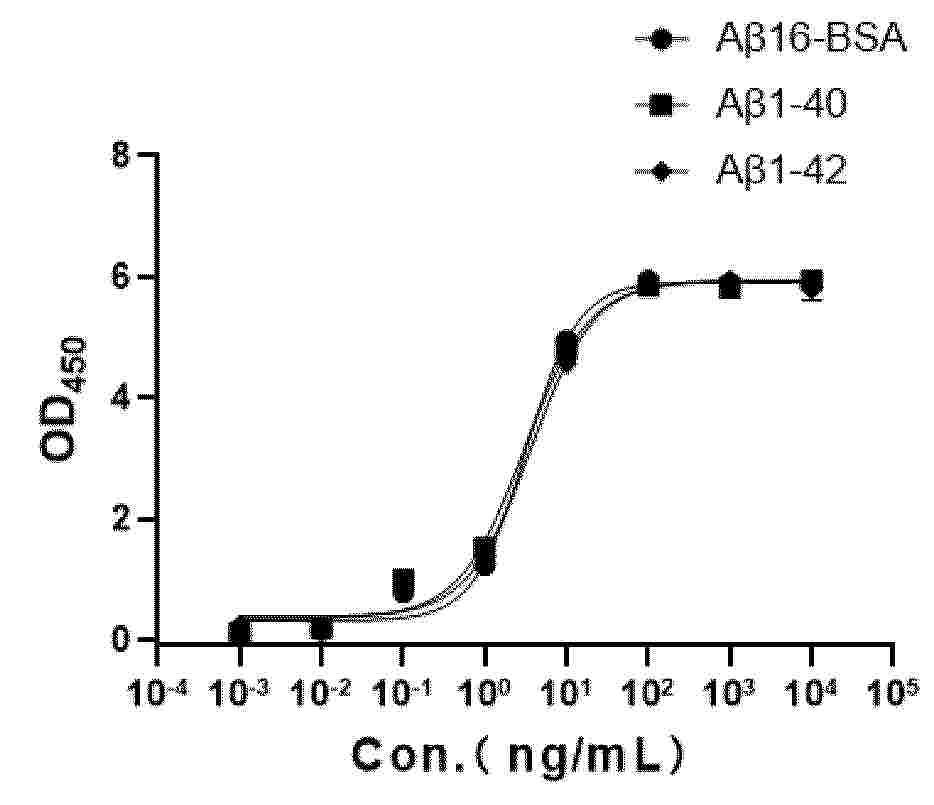
0001 本发明公开了一种抗人Aβ的抗体及其应用。所述抗体含重链可变区VH和轻链可变区VL;所述VH包含HCDR1、HCDR2和HCDR3,所述VL包含LCDR1、LCDR2和LCDR3;所述HCDR1‑HCDR3分别包含如SEQ ID NO:1‑3所示的氨基酸序列,所述LCDR1‑LCDR3分别包含如SEQ ID NO:4‑6所示的氨基酸序列。本发明的抗体灵敏性高、特异性好,基于该抗体对人Aβ进行免疫检测,操作简单、灵敏度高、特异性强,可实现人Aβ的快速检测,对评估人Aβ具有重要意义。
Nº publicación: CN122690127A 04/09/2026
Solicitante:
上海交通大学
Resumen de: CN122690127A
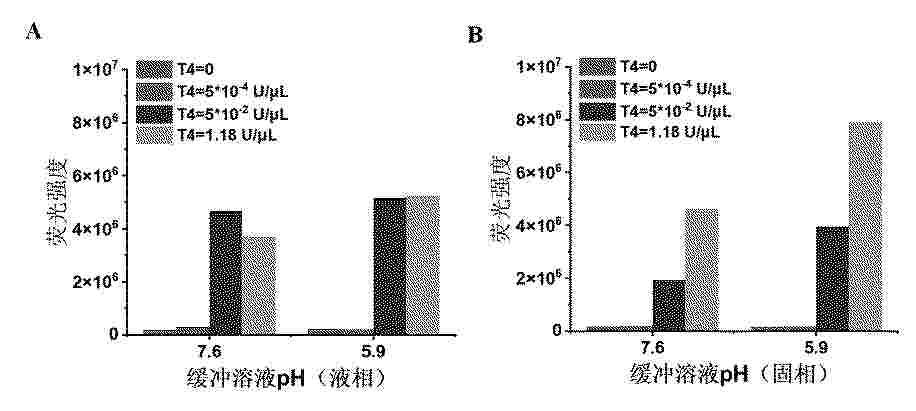
本发明公开了一种检测低丰度蛋白的方法,包括S1、将磁球偶联待测蛋白的捕获抗体和磷酸末端的寡核苷酸链段,得到捕获待测蛋白的微球、将捕获待测蛋白的微球、待测样品和生物素化检测抗体混合孵育;S2、酶标记,加入SA‑T4 PNKP酶,使捕获待测蛋白的微球表面标记T4 PNKP酶;S3、去磷酸化反应,洗去未结合的SA‑T4 PNKP酶,加入维生素B7置换结合在待测蛋白的微球表面的SA‑T4 PNKP,并激活T4 PNKP的去磷酸化性能,使得待测蛋白的微球表面的磷酸基团去磷酸化为羟基;S4、TdT信号放大,加入TdT酶和dTTP底物,识别待测蛋白的微球表面的羟基并进行polyT链延长;S5、荧光标记;S6、检测荧光强度以评估待测蛋白浓度;本发明提供了操作更为便捷,检测灵敏度高的低丰度蛋白的检测方法。
 BOPI
BOPI
 Sede Electrónica