Si deseas distinguir tus productos, servicios o ambos de los de otra empresa, es posible que necesites una marca o nombre comercial. Descubre qué son, en qué consiste su procedimiento de registro y qué implica.

Información sobre los plazos de presentación de solicitudes de transformación de marcas de la Unión Europea en marca nacional española. Más información


Si tienes un nuevo dispositivo, producto o procedimiento que resuelva un problema técnico o tenga una ventaja práctica, existen distintas formas de protegerlo en España y en otros países. Descubre cómo hacerlo.

¿Tu innovación reside en la estética, la ornamentación o la apariencia de tu producto? Protégela mediante un diseño industrial. Descubre qué derechos confiere el registro y cómo realizar la tramitación.

Las indicaciones geográficas protegen el nombre de un producto originario de una zona geográfica, a la cual le debe una determinada calidad, reputación u otra característica. Descubre qué son, en qué consiste su procedimiento de registro y qué beneficios conceden.

Las patentes publicadas en todo el mundo son una valiosa fuente de información científica, técnica y comercial.

Si eres emprendedor/a o una empresa y quieres potenciar y mejorar la rentabilidad de tu negocio protegiendo de forma adecuada los activos intangibles de tu organización, en este espacio encontrarás lo necesario.


 345
resultados
345
resultados
 Última actualización
16/10/2026 [07:35:00]
Última actualización
16/10/2026 [07:35:00]


 Resultados 175 a 200 de 345

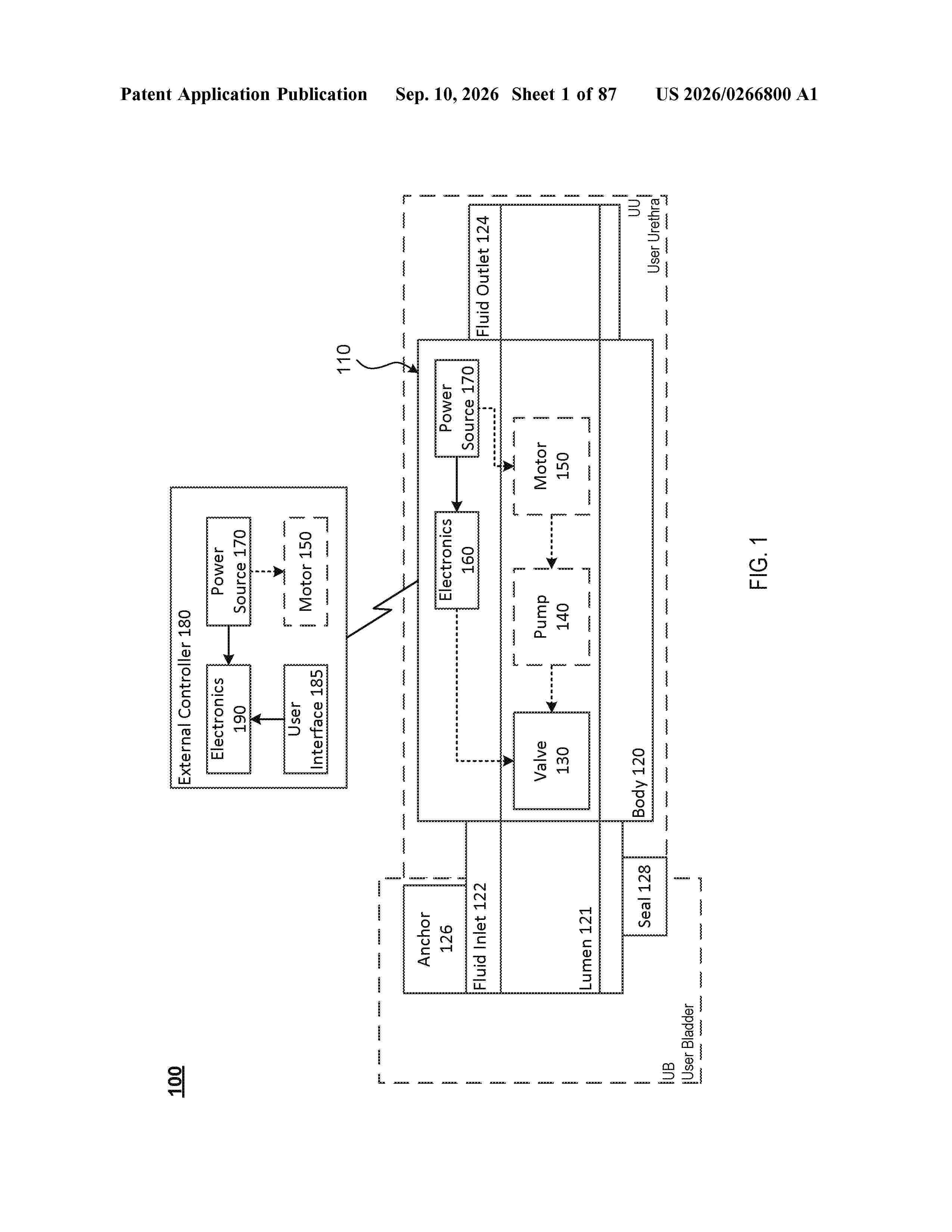
Resumen de: US20260266800A1
Systems, devices, and methods herein may include a system for monitoring bodily fluid from a patient. In some embodiments, the system may be configured to collect bodily fluid samples from a patient periodically over time to determine a baseline bodily fluid composition. In some embodiments, the system may use spectrophotometry to determine the baseline bodily fluid composition for the patient. The system may be configured to compare a bodily fluid sample to the baseline bodily fluid composition to detect detecting changes in one or more characteristics of the bodily fluid sample (e.g., composition, absorption spectrum, etc.) from the baseline. Changes in the bodily fluid sample characteristics may be used to predict and/or detect abnormalities or infection for individualized diagnosis.

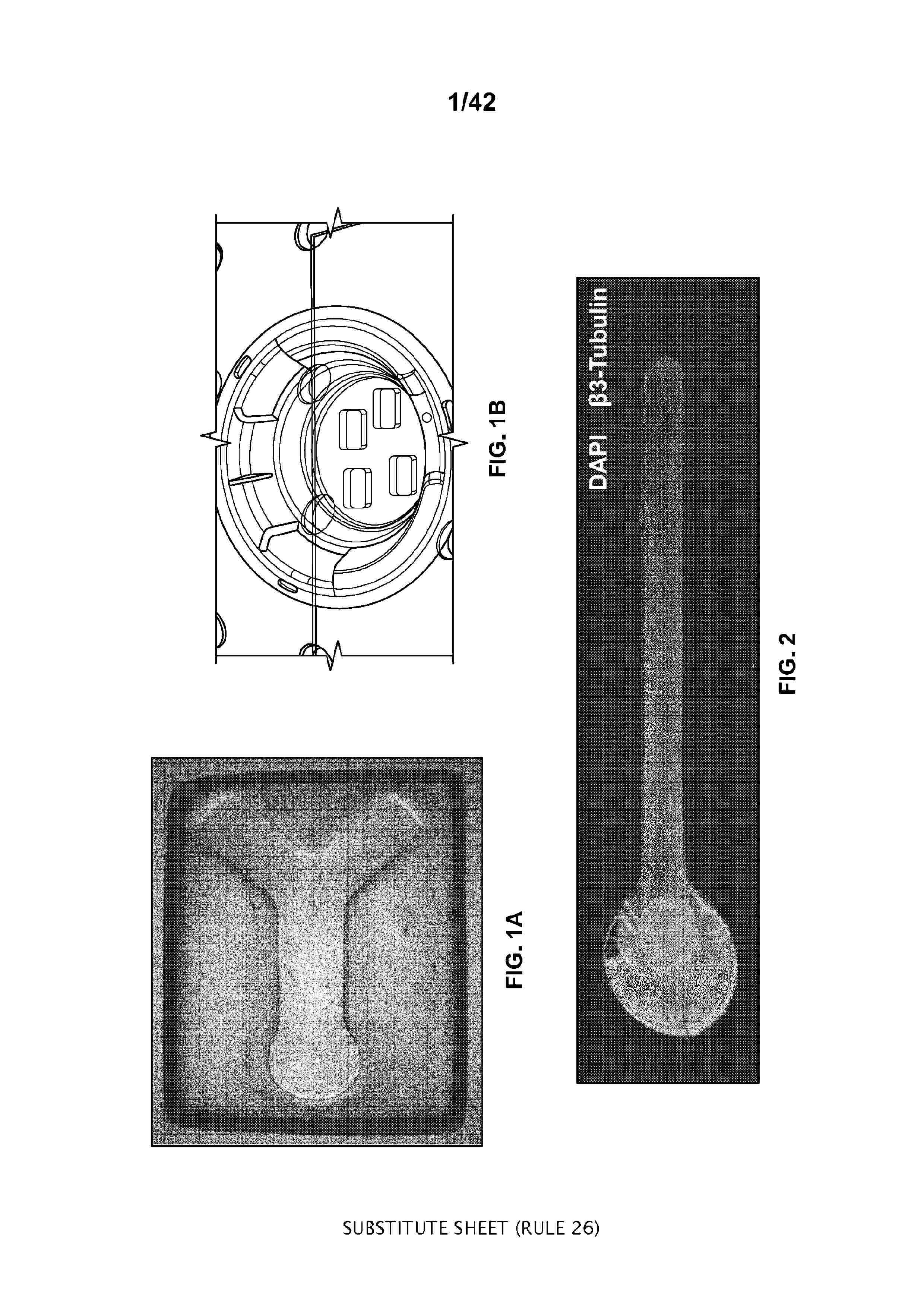
Resumen de: AU2026204971A1
The present disclosure generally relates to a cell culturing system, and specifically to a three-dimensional cell culturing system for neuronal cells that promotes both structural and functional characteristics that mimic those of in vivo peripheral fibers, including cell myelination. Using a dual hydrogel construct and spheroids comprising neuronal cells, the present disclosure provides methods, devices, and systems for in vitro spatially-controlled, three-dimensional models that permit intra- and extra-cellular electrophysiological measurements and recordings. The three-dimensional hydrogel constructs allow for flexibility in incorporated cell types, geometric fabrication, and electrical manipulation, providing viable systems for culture, perturbation, and testing of biomimetic neural growth with physiologically-relevant results. BSTRACT
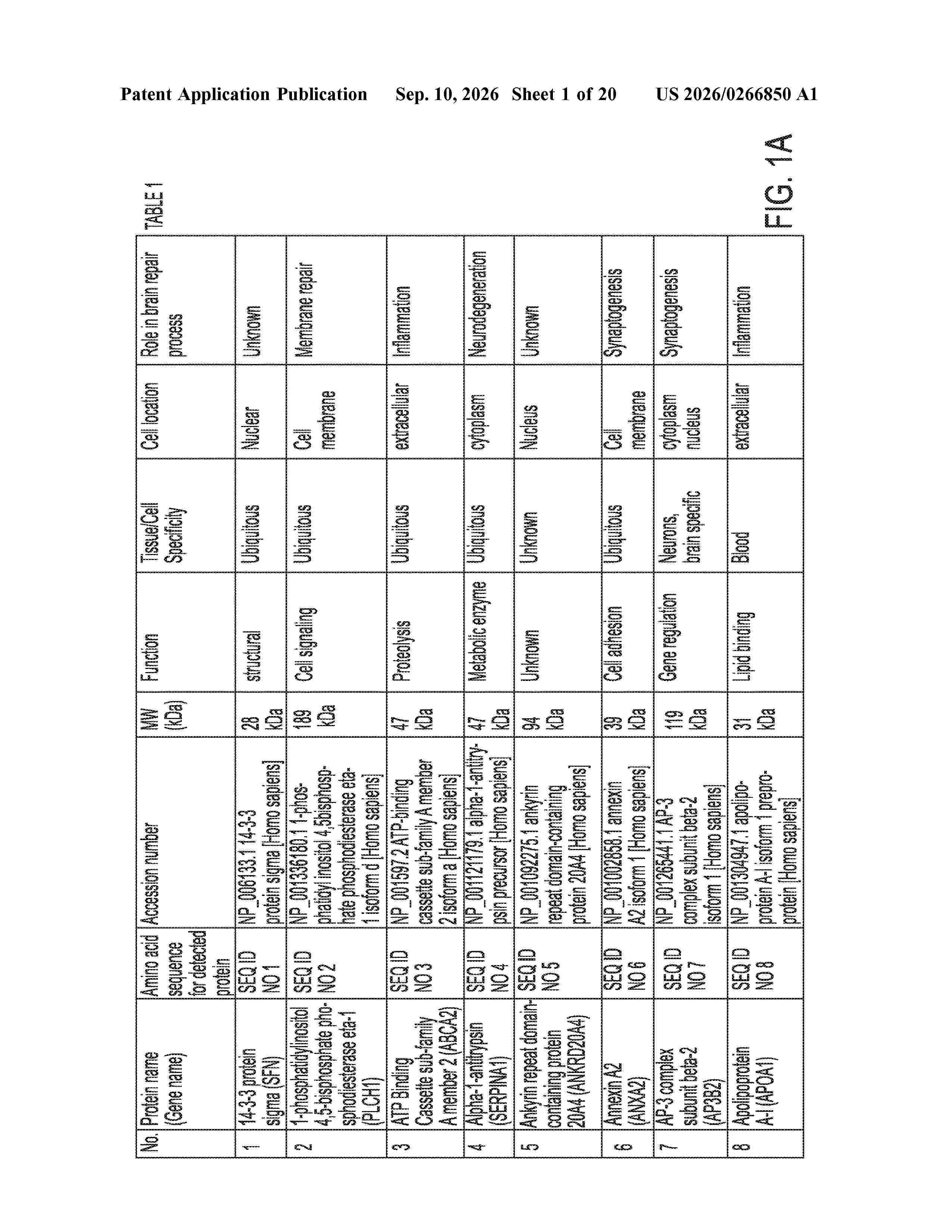
Resumen de: US20260266850A1
0000 Methods, compositions and kits useful in the detection, assessment, diagnosis, prognosis and/or treatment of neurological injury or disease or brain injury, such as traumatic brain injury (TBI), are provided in which certain newly discovered protein biomarkers are detected in a biological sample of a subject undergoing testing or evaluation. The methods allow for detection of changes in levels, amounts, or concentrations of the protein biomarkers in a subject compared with those of controls. Detection of the protein biomarkers, and/or levels thereof, provides an indication of biological and biochemical events, e.g., at a cellular level, that are occurring in the subject who is undergoing testing or analysis for the neurological injury or brain injury.
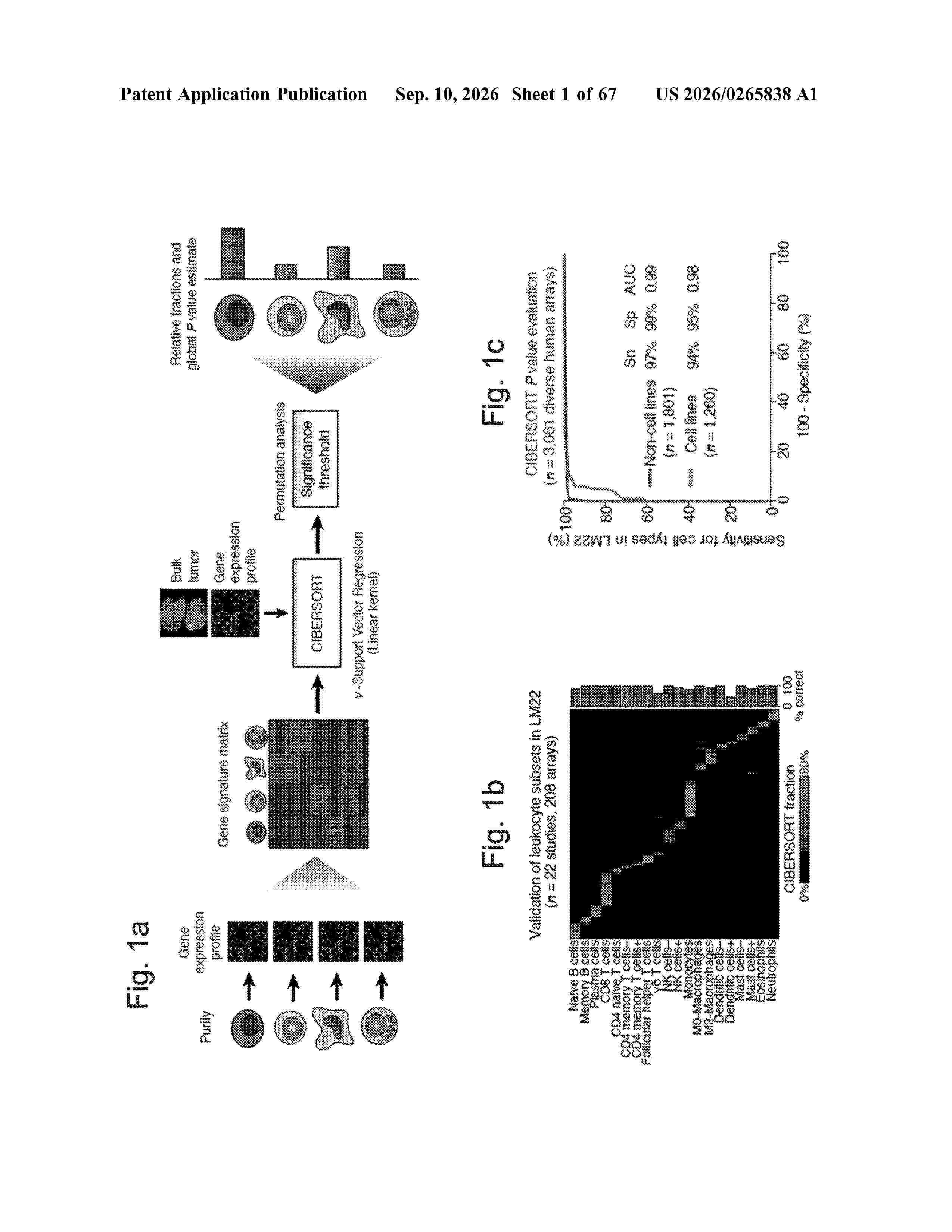
Resumen de: US20260265838A1
0000 Methods of deconvolving a feature profile of a physical system are provided herein. The present method may include: optimizing a regression between a) a feature profile of a first plurality of distinct components and b) a reference matrix of feature signatures for a second plurality of distinct components, wherein the feature profile is modeled as a linear combination of the reference matrix, and wherein the optimizing includes solving a set of regression coefficients of the regression, wherein the solution minimizes 1) a linear loss function and 2) an L2-norm penalty function; and estimating the fractional representation of one or more distinct components among the second plurality of distinct components present in the sample based on the set of regression coefficients. Systems and computer readable media for performing the subject methods are also provided.
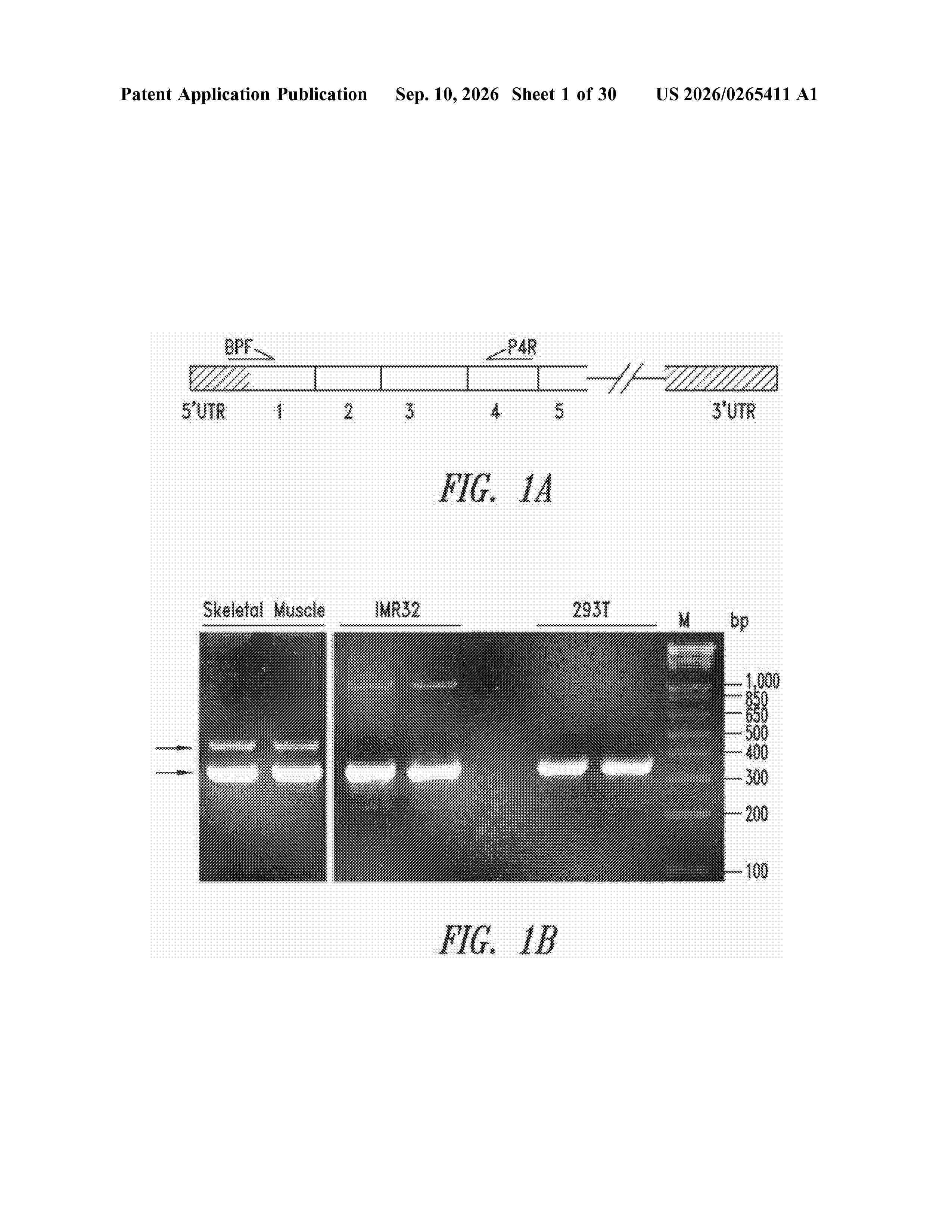
Resumen de: US20260265411A1
0000 Isolated histidyl-tRNA synthetase splice variant polynucleotides and polypeptides having non-canonical biological activities are provided, as well as compositions and methods related thereto.
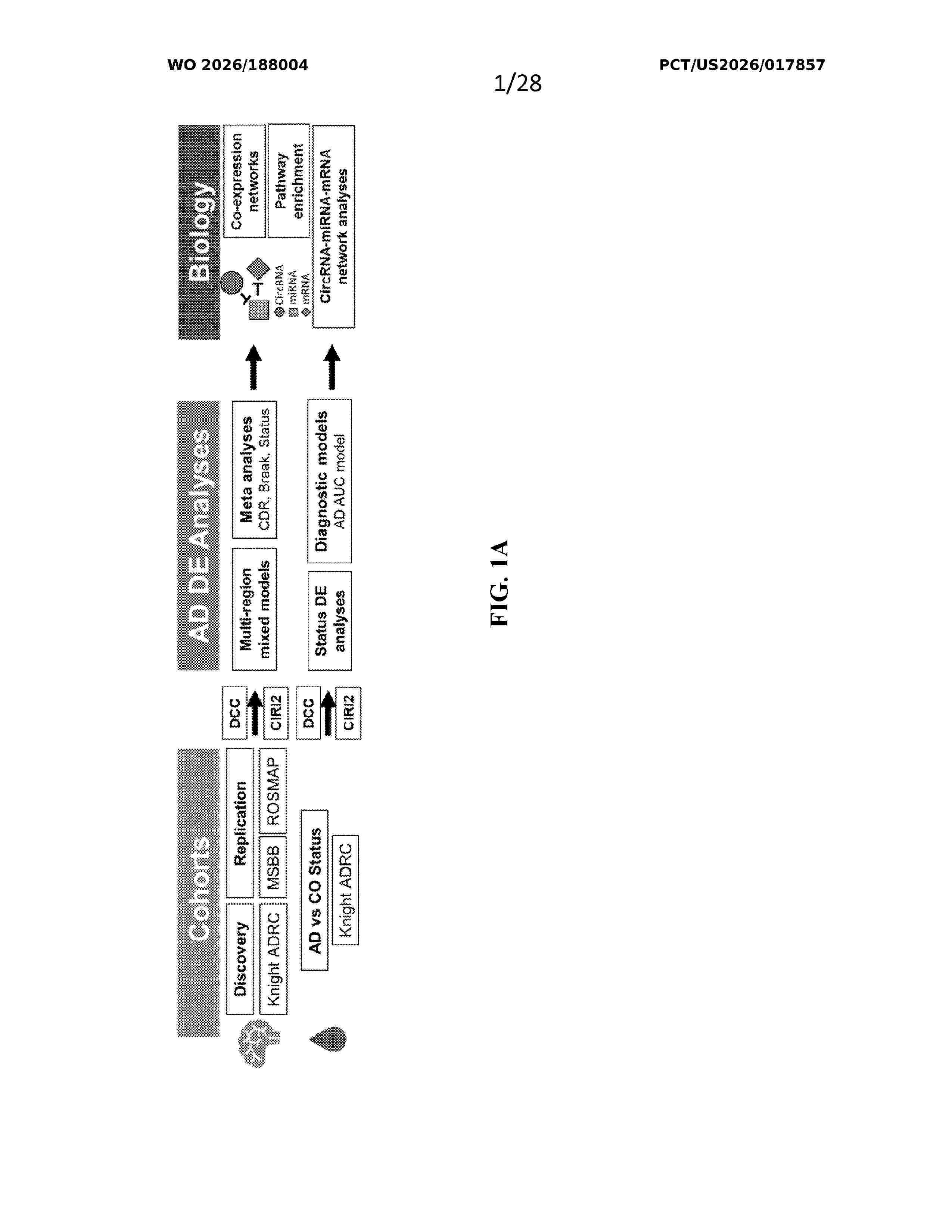
Resumen de: WO2026188004A1
Provided are methods for determining the risk or monitoring the progression of Alzheimer's disease in a subject using expression levels of one or more circRNAs. Also provided are methods for treating a subject identified as having or at risk for Alzheimer's disease.
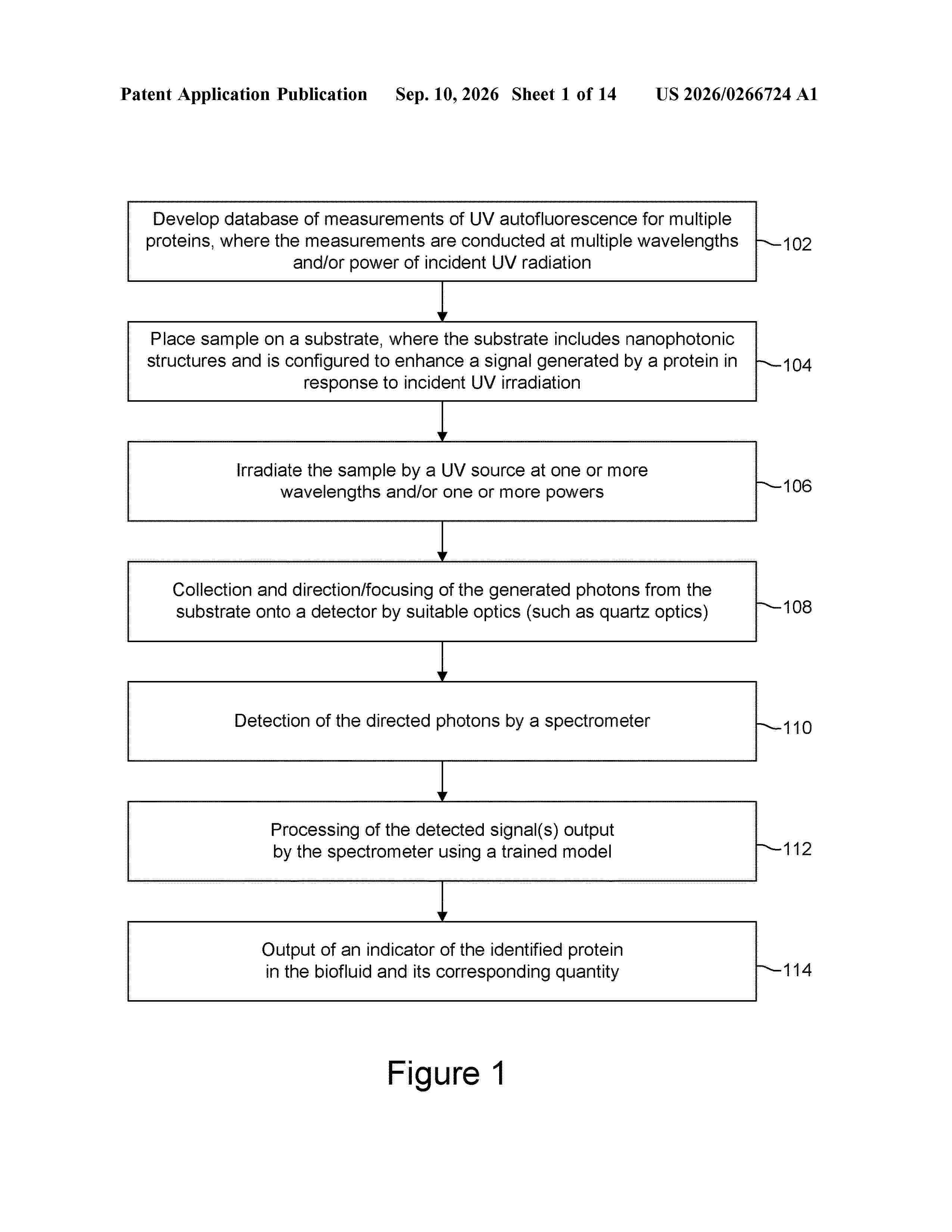
Resumen de: US20260266724A1
An apparatus and method for identifying a protein or proteins in a sample of a biofluid. The identification is based on illuminating the sample with ultraviolet radiation and detecting and analyzing the resulting fluorescence. A trained model may be used to determine a protein responsible for a spectra detected from the illumination of the sample.
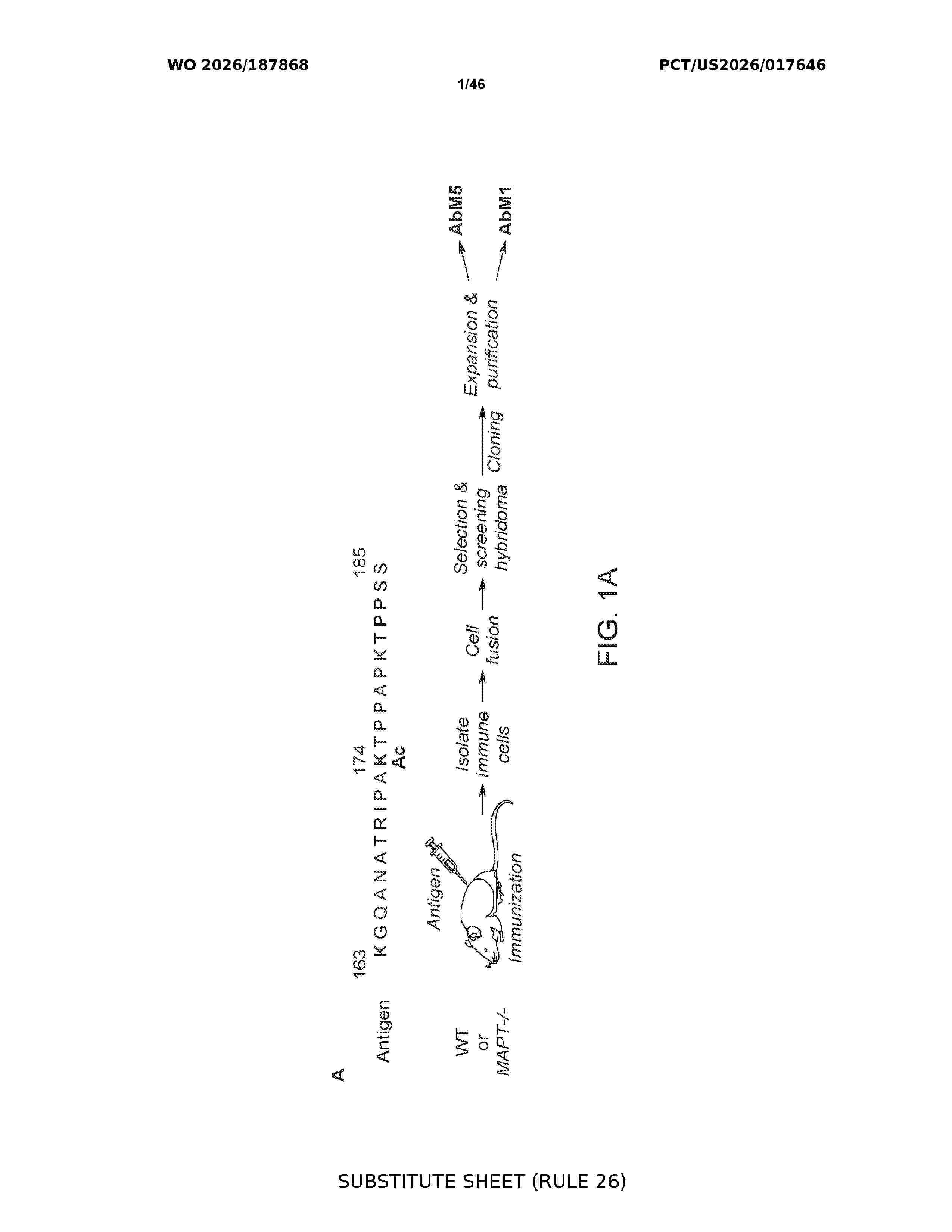
Resumen de: WO2026187868A1
The present disclosure provides specific anti-ac-tauK174, anti-ac-tauK274, and ac-tauK353 antibodies, or antigen-binding fragments thereof, and methods of their use in diagnosing, differentiating, targeting, staging, prognosing, and/or treating Alzheimer's Disease and related tauopathies, including traumatic brain injury. Methods of identifying a subject having early Alzheimer's Disease and related tauopathies are also provided, the methods comprising detecting proteins using at least one anti-ac-tauK174 antibody, at least one anti-ac-tauK274 antibody, and/or at least one anti-ac-tauK353 antibody. In some embodiments, the subject is ApoE4-positive.
Resumen de: US20260265322A1
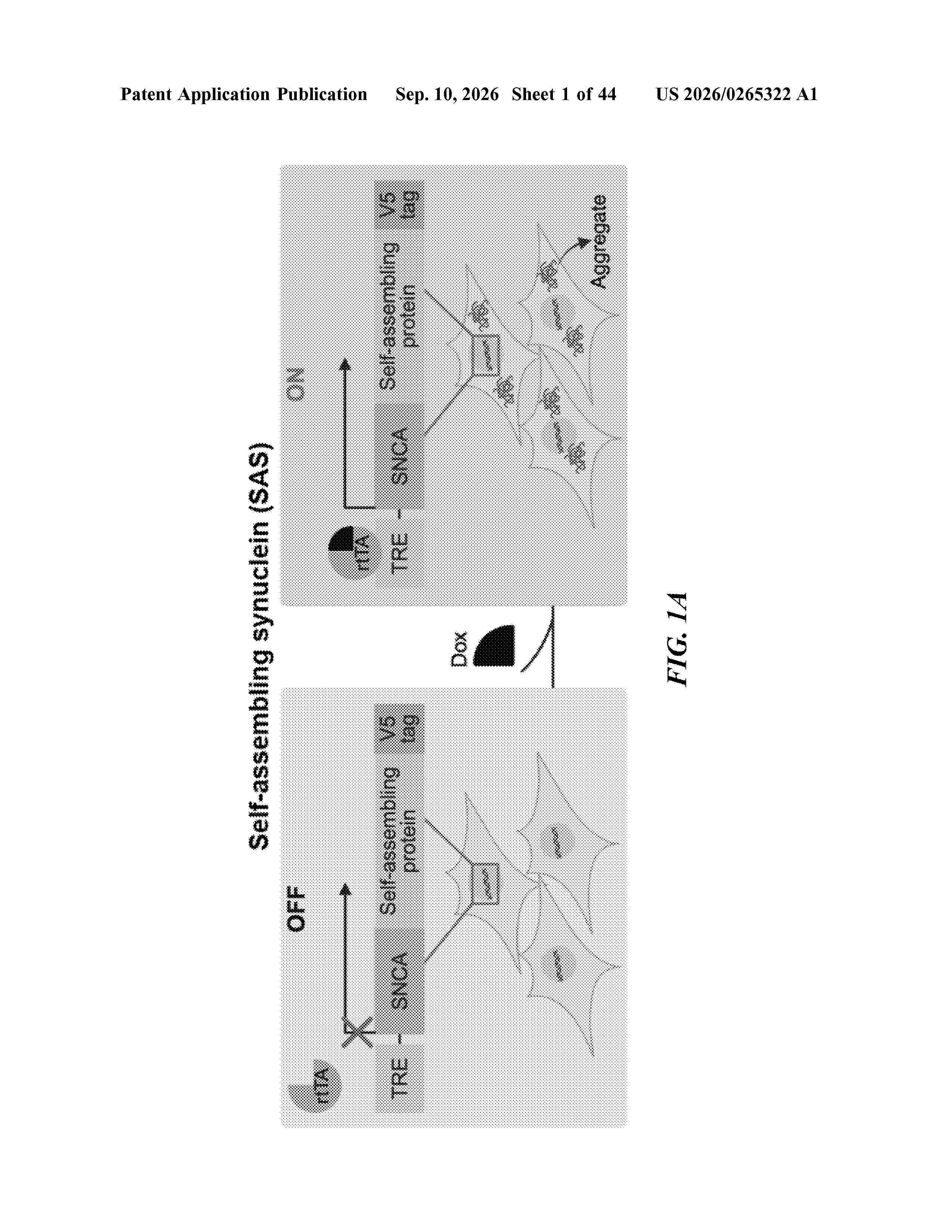
0000 Disclosed herein include polynucleotides, expression vectors and compositions enabling expression of a self-assembling proteopathic fusion protein comprising a self-assembling domain fused to a proteopathic polypeptide associated with a proteinopathy. The self-assembling proteopathic fusion protein is capable of forming intracellular protein aggregates that enable robust recapitulation of disease pathology. Provided herein also include methods of using the self-assembling systems disclosed herein to induce proteinopathies (e.g., neurodegenerative diseases) and to screen therapeutic compounds for the treatment of proteinopathies.
Resumen de: WO2026187918A1
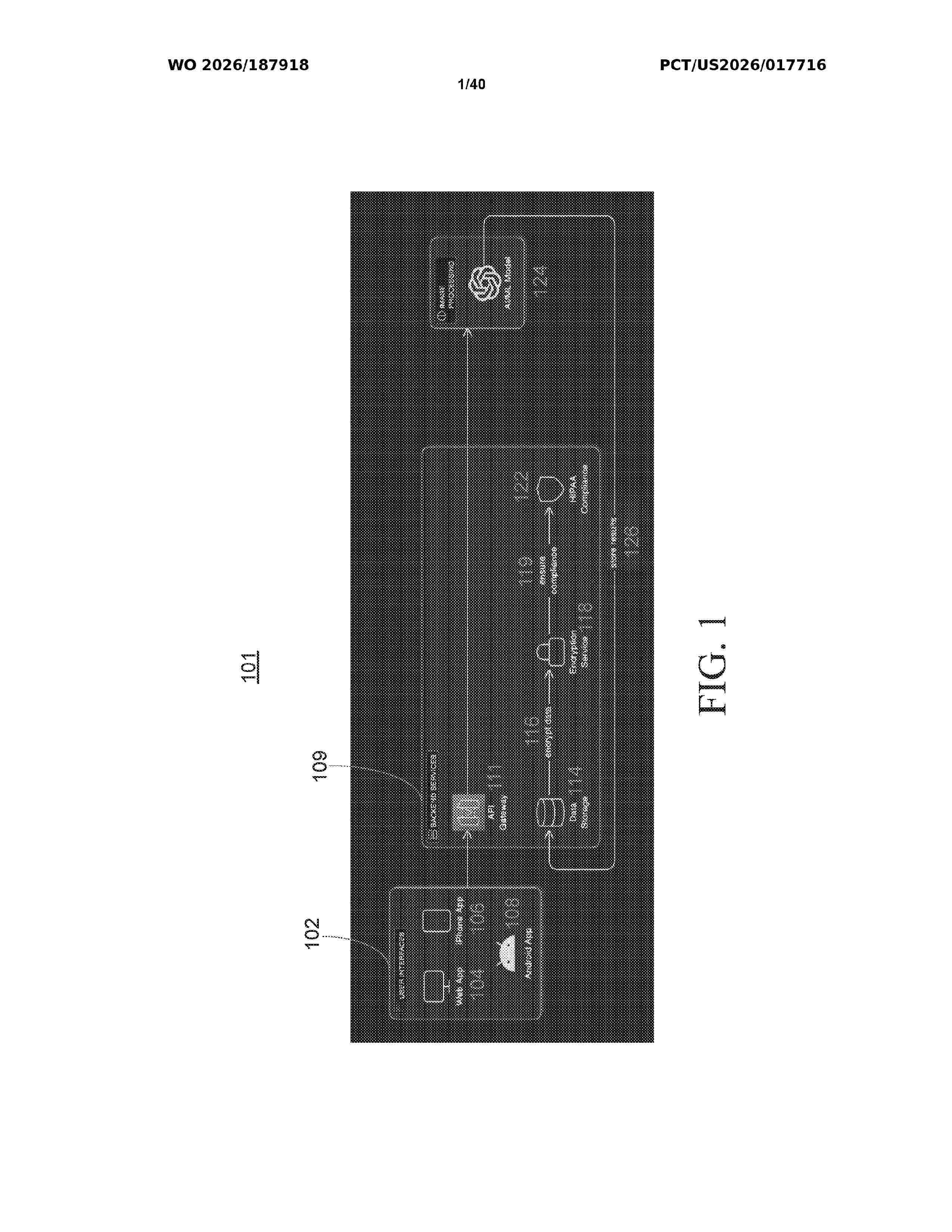
Provided herein are systems, devices and methods relating to the diagnosis of traumatic brain injury. A mobile application uses a smartphone camera and an on-device artificial intelligence model to read lateral flow assay test strips and produce a concussion diagnostic result. The application determines whether a concussion biomarker is present in a sample and, when present, calculates a numeric intensity score that reflects the strength of the biomarker signal. Before displaying any result, the application automatically checks the image and test for a set of quality and validity conditions and, if any problem is found, tells the user specifically what went wrong and how to correct it. The application guides users through the entire testing process with a step-by-step interface designed to be usable without clinical training, stores all completed results on the device for longitudinal review, and can optionally receive data from a paired hardware lateral flow assay reader.
Resumen de: WO2026187110A1
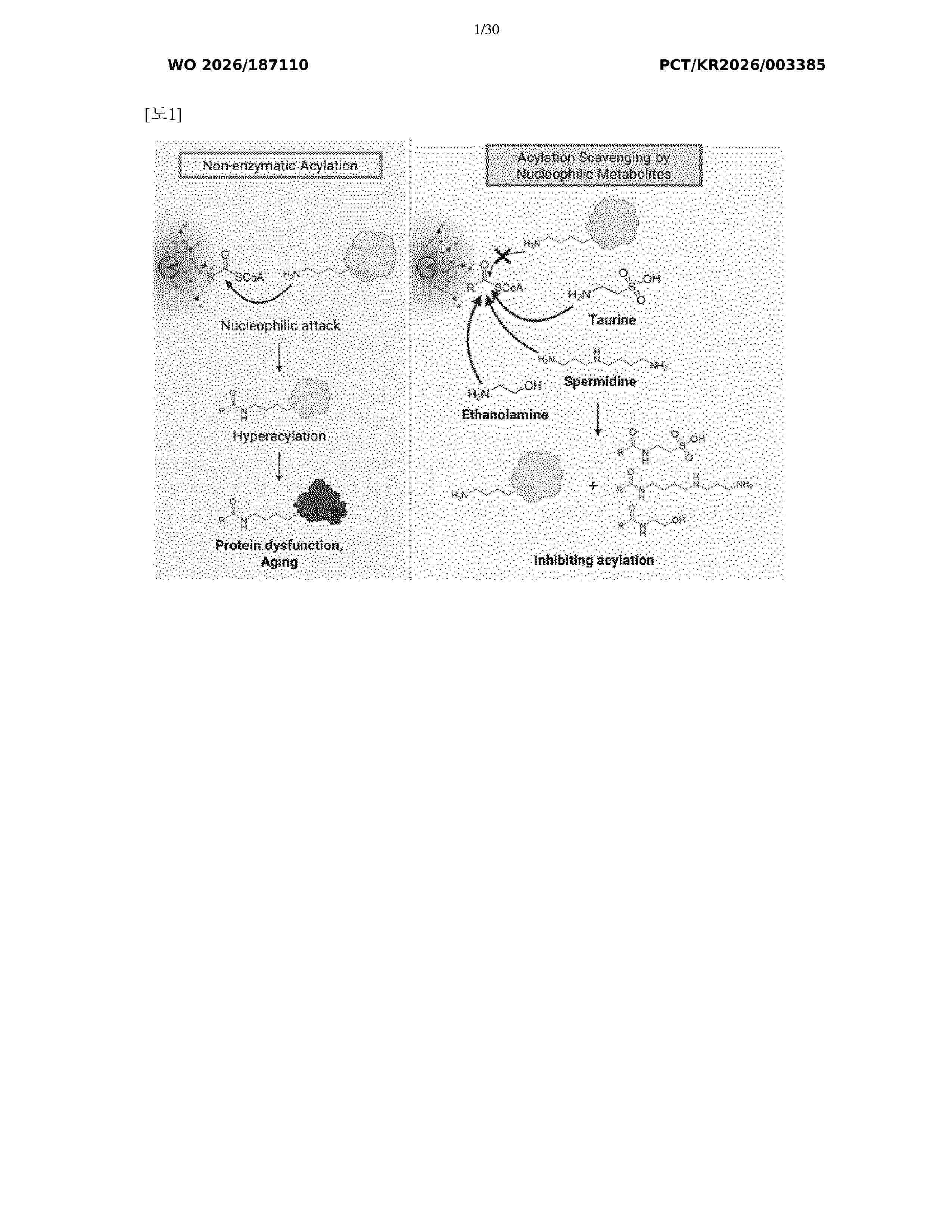
The present invention relates to a method for customized diagnosis of patients with acyl coenzyme A overproduction and screening for therapeutic agents for acyl coenzyme A overproduction-associated diseases by using a metabolite having a nucleophilic amine group. The present invention provides a method capable of indirectly identifying the degree of acyl coenzyme A overproduction by measuring an acyl-product generated upon ingestion of a metabolite having a nucleophilic amine group, and thus enables customized diagnosis of patients with acyl coenzyme A overproduction and screening for customized therapeutic agents for diseases caused by acyl coenzyme A overproduction.
Resumen de: US20260265825A1
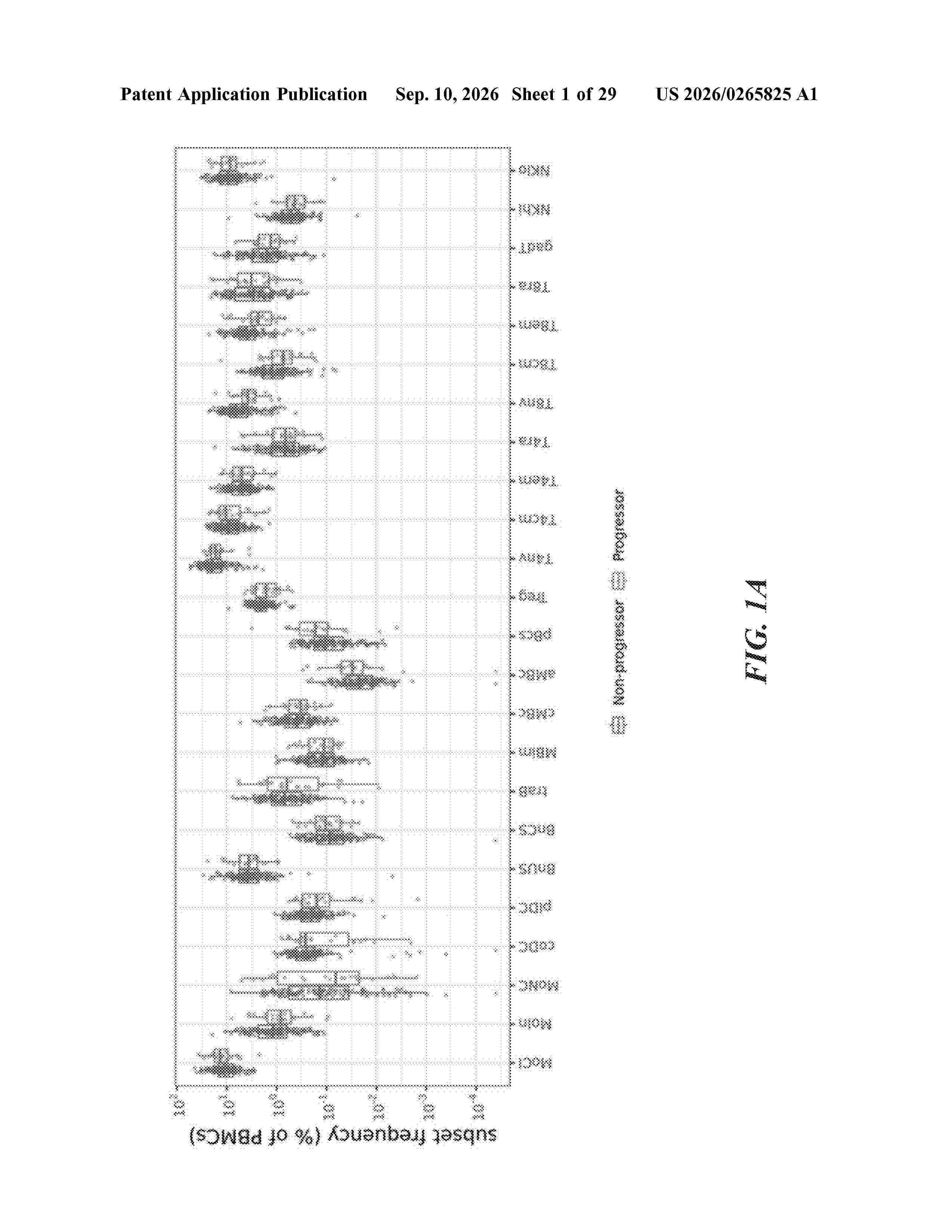
0000 A signature for identifying a subject at risk of developing a severe reaction to a SARS-CoV virus by detecting one or more of elevated serum cytokines, reduced monocyte subclasses, differentially expressed genes in monocyte subclasses, differentially expressed gene in CD8+ effector memory T cells, and elevated chromatin accessibility in intermediate monocytes are disclosed herein. Also disclosed are methods for obtaining the signature, methods of identifying a subject at risk of developing a severe reaction to a SARS-CoV virus, and methods of treating COVID-19.
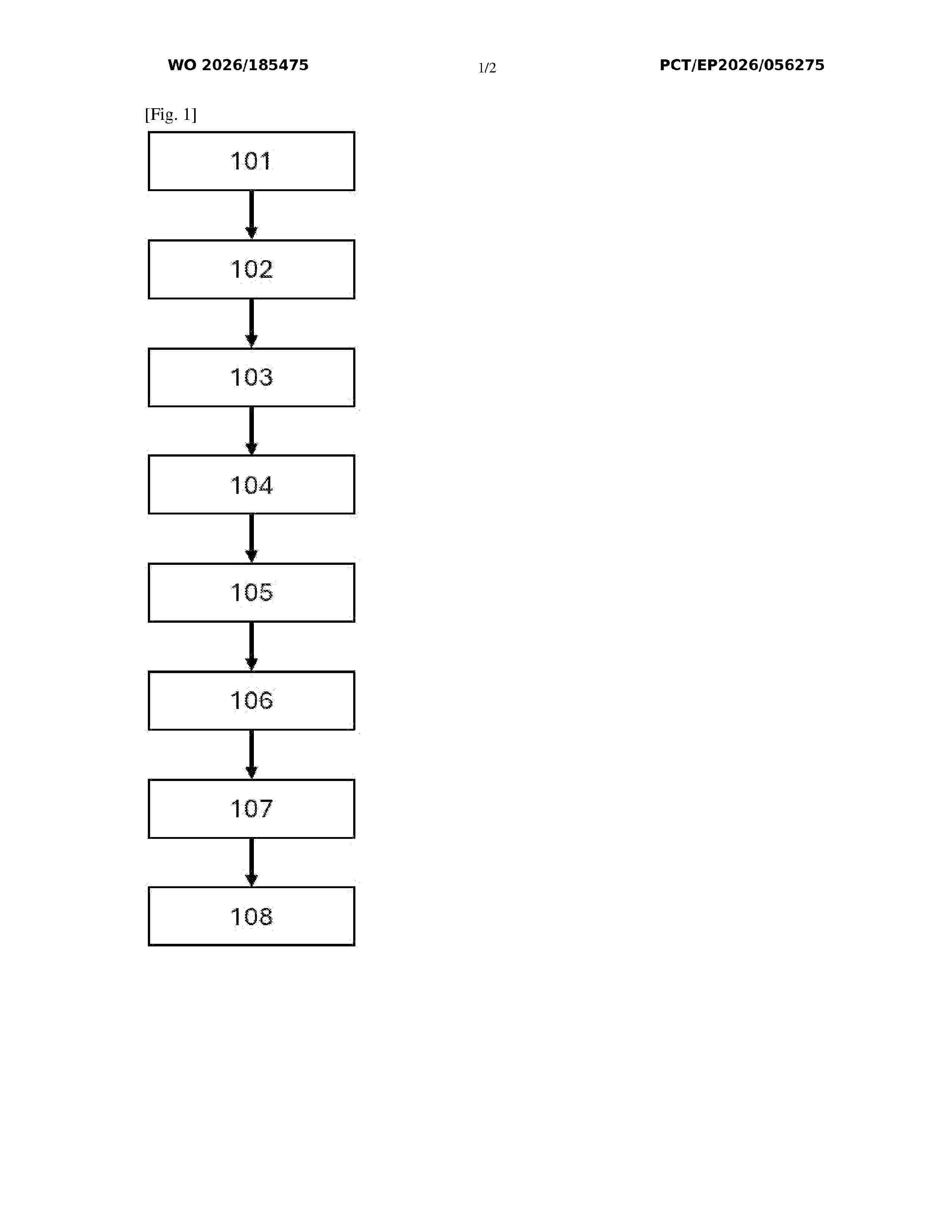
Resumen de: WO2026185475A1
The invention relates to a method for measuring production and/or reduction of the concentration of a chemical species from a microbiota sample of a subject, the method comprising: - preparing a solution to be analysed by adding a buffer solution to a microbiota sample of a subject; - measuring, with a measuring device, a concentration of the chemical species in the solution to be analysed at an initial time in order to obtain a reference measurement of the concentration of the chemical species in the sample at the initial time; then - carrying out multiple successive measurements of the concentration of the chemical species in the solution to be analysed during a determined period in order to establish a data sequence representing the production and/or the reduction of the chemical species in the solution to be analysed over time, wherein the chemical species is chosen from NO and NO 2 -.
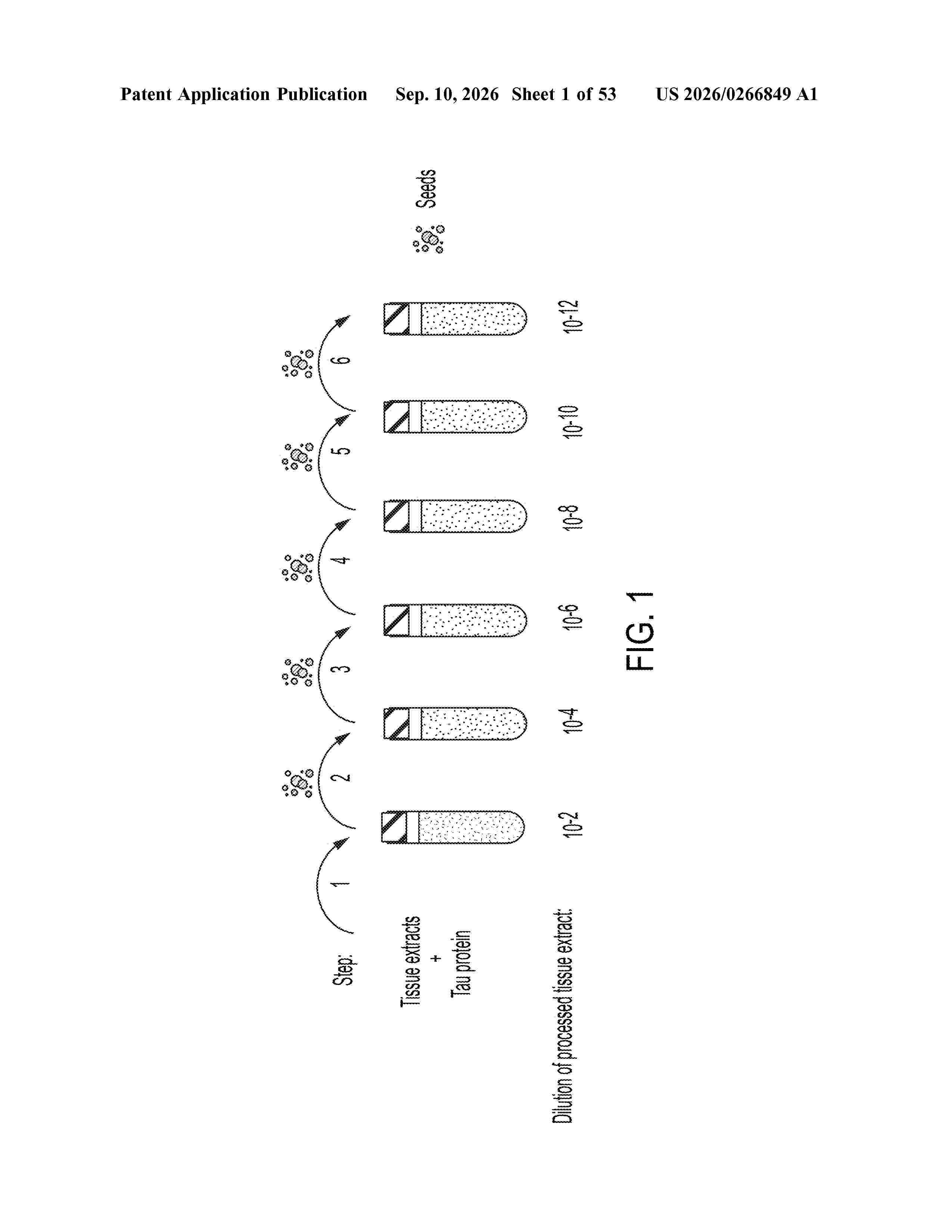
Resumen de: US20260266849A1
0000 Methods for serial amplification of Tau filaments and Tau assemblies include contacting monomeric Tau protein with Tau seed material under conditions permissive for seed-dependent fibril or assembly growth to produce amplified Tau filaments or assemblies, processing at least a portion of the amplified material to generate Tau seed material for further amplification, and repeating the contacting and processing steps to produce serially amplified Tau filaments or assemblies, where the monomeric Tau includes one or more Tau isoforms, variants, fragments, or modified forms. In some embodiments, Tau seed material is obtained from a biological sample associated with a Tauopathy. The methods further include characterizing amplified Tau filaments or assemblies or using the serial amplification process to identify compounds that modulate Tau assembly propagation by comparing propagation characteristics in the presence and absence of a test compound.
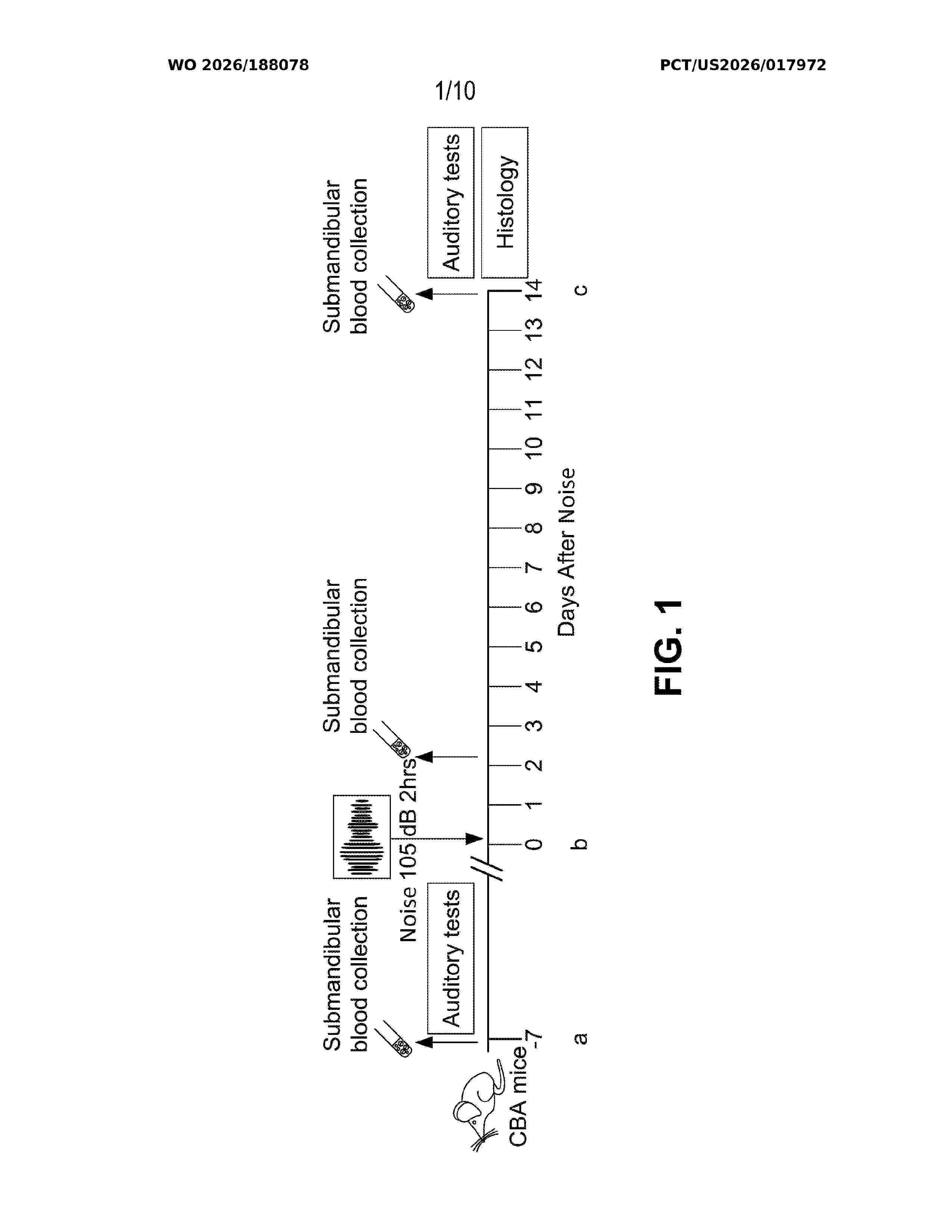
Resumen de: WO2026188078A1
The invention relates to quantitative blood-based protein biomarkers and computational methods for detecting and monitoring inner ear disorders and hearing loss. Proteins identified in plasma and extracellular vesicles following noise exposure, ototoxic drug administration, or age-related degeneration are quantified using mass spectrometry, aptamer-based array assays, or immunoassays. Inner ear disorder is identified based on defined fold-change thresholds or multi-biomarker panel performance achieving an AUC of at least 0.75. The invention further provides computer-implemented classification methods and diagnostic kits for early detection and therapeutic monitoring of inner ear disorders.
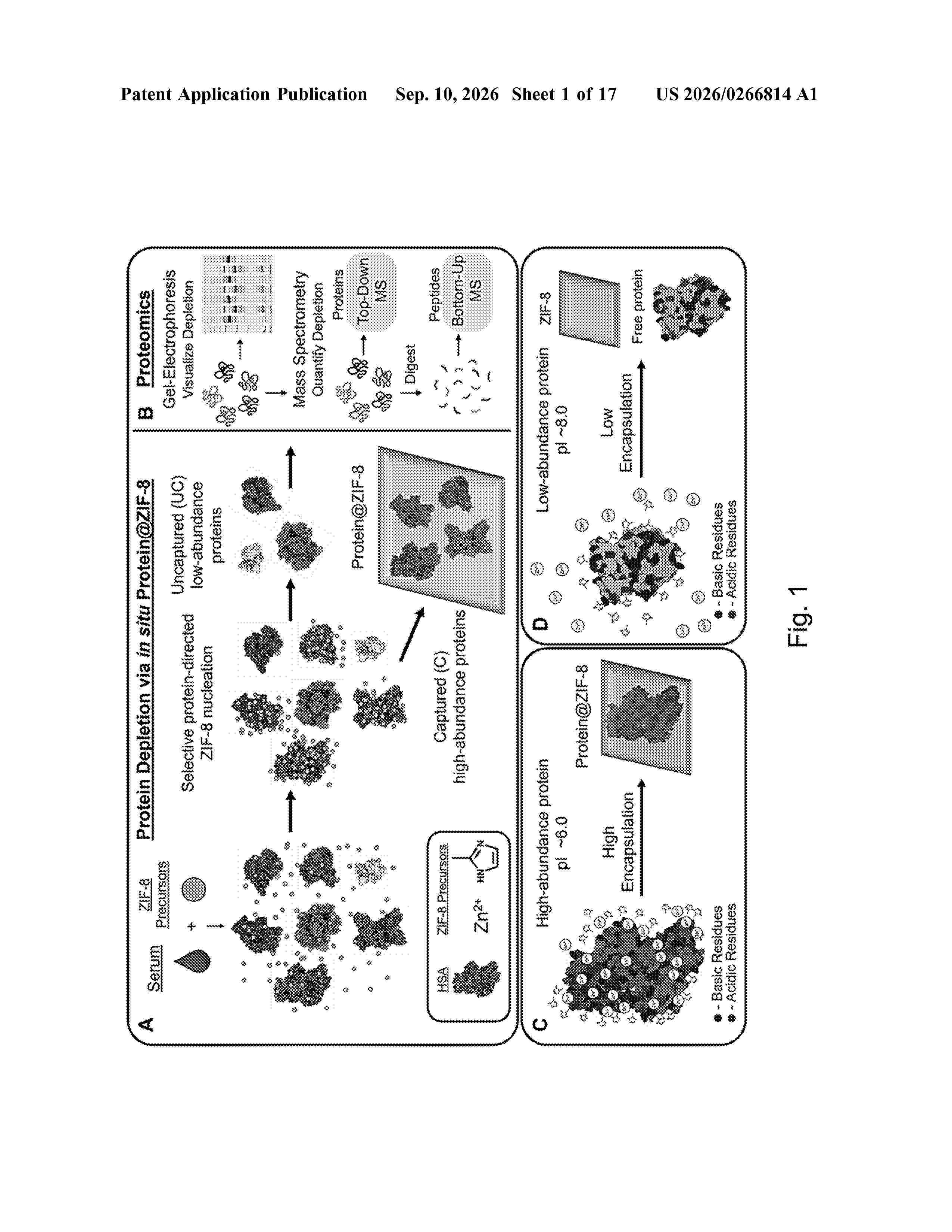
Resumen de: US20260266814A1
0000 Methods and kits for selectively separating biomolecules in complex samples, such as in blood serum, plasma, and other biological fluids. Metal-organic frameworks (MOFs) are formed around selected biomolecules in a mixture during an in-situ growth process, thereby allowing these biomolecules to be separated more easily from molecules that are not encapsulated by the MOFs. One aspect of the invention separates high-abundance proteins from a biological fluid to enhance the detection and characterization of lower-abundance or harder to detect proteins. This allows the lower-abundance or harder to detect proteins to be more easily detected and accurately analyzed, for example, by mass spectrometry. This is particularly useful in blood samples that contain highly-abundant plasma proteins that interfere with the mass spectrometry analysis of lower-abundant proteins and and protein biomarkers.
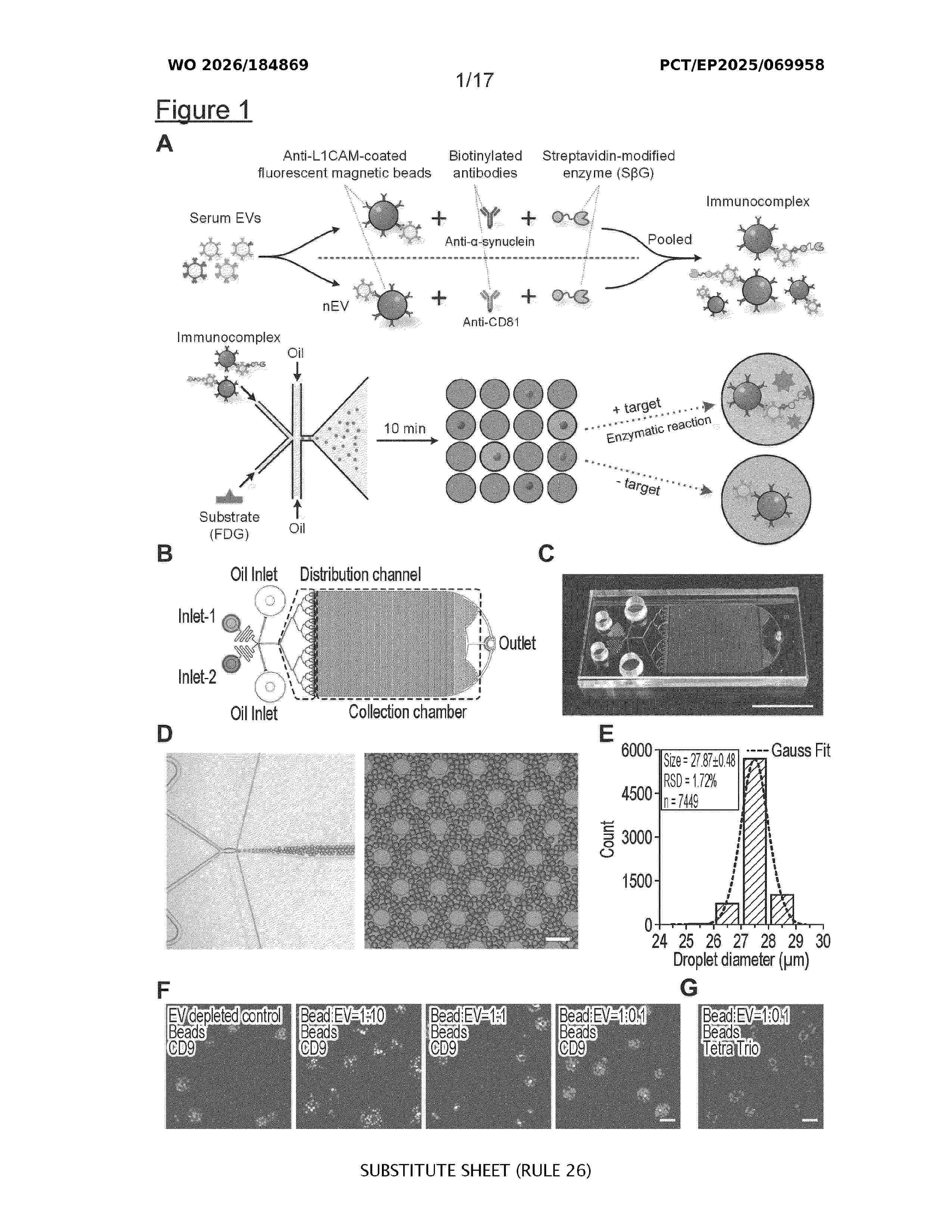
Resumen de: WO2026184869A1
The invention relates to using membrane-associated α-synuclein on neuronal-derived extracellular vesicles as a biomarker in the prediction or monitoring of a subject having Parkinson's Disease, and provides methods for determining its level using microfluidics chips.
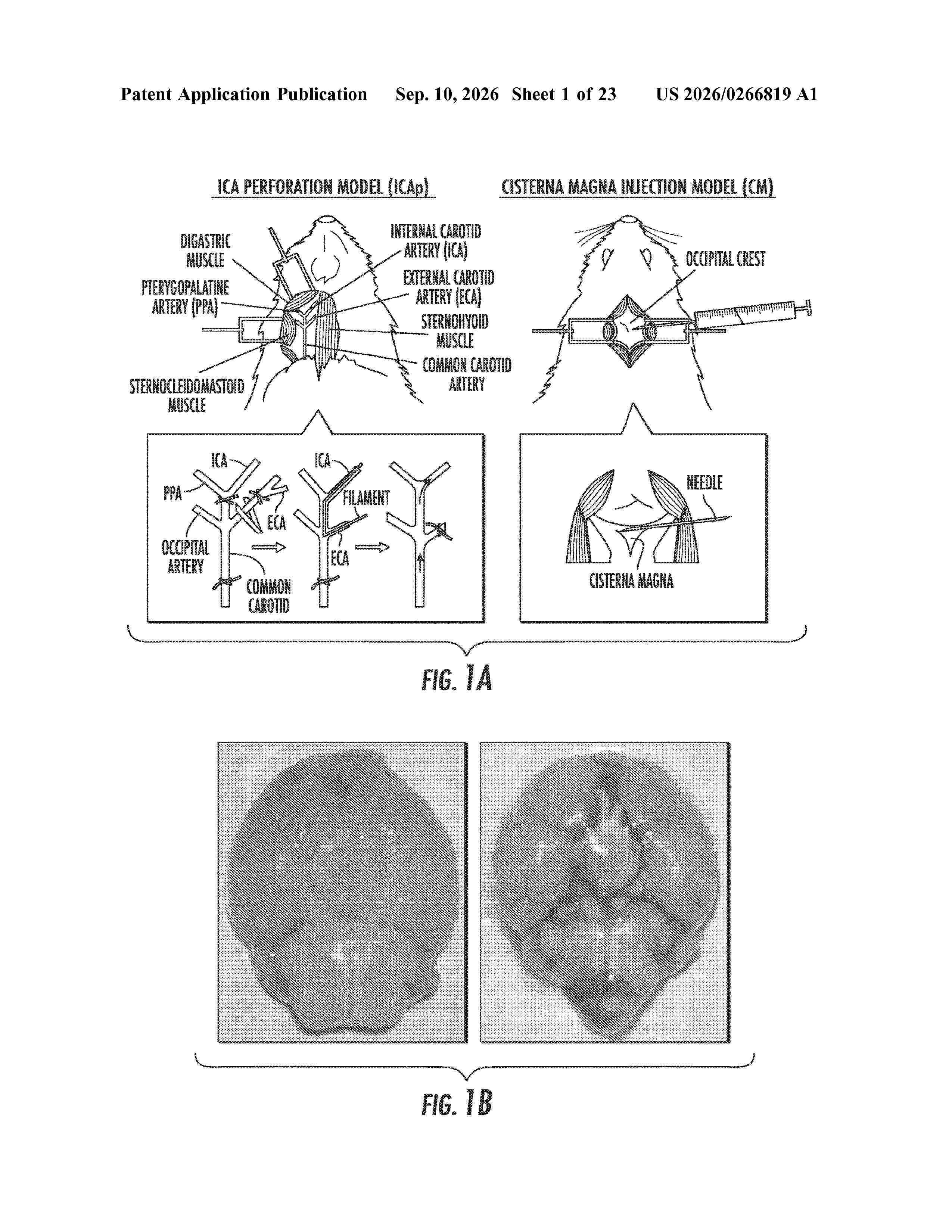
Resumen de: US20260266819A1
The present invention relates to the field of inflammation. More specifically, the present invention provides compositions and methods for treating cerebral inflammation and associated sequelae thereof including cerebral vasospasm. In one embodiment, a method for treating cerebral vasospasm in a patient comprises the step of administering to the patient a PD-1 agonist, wherein a blood sample obtained from the patient comprises elevated PD-1 expression on monocytes relative to a control.
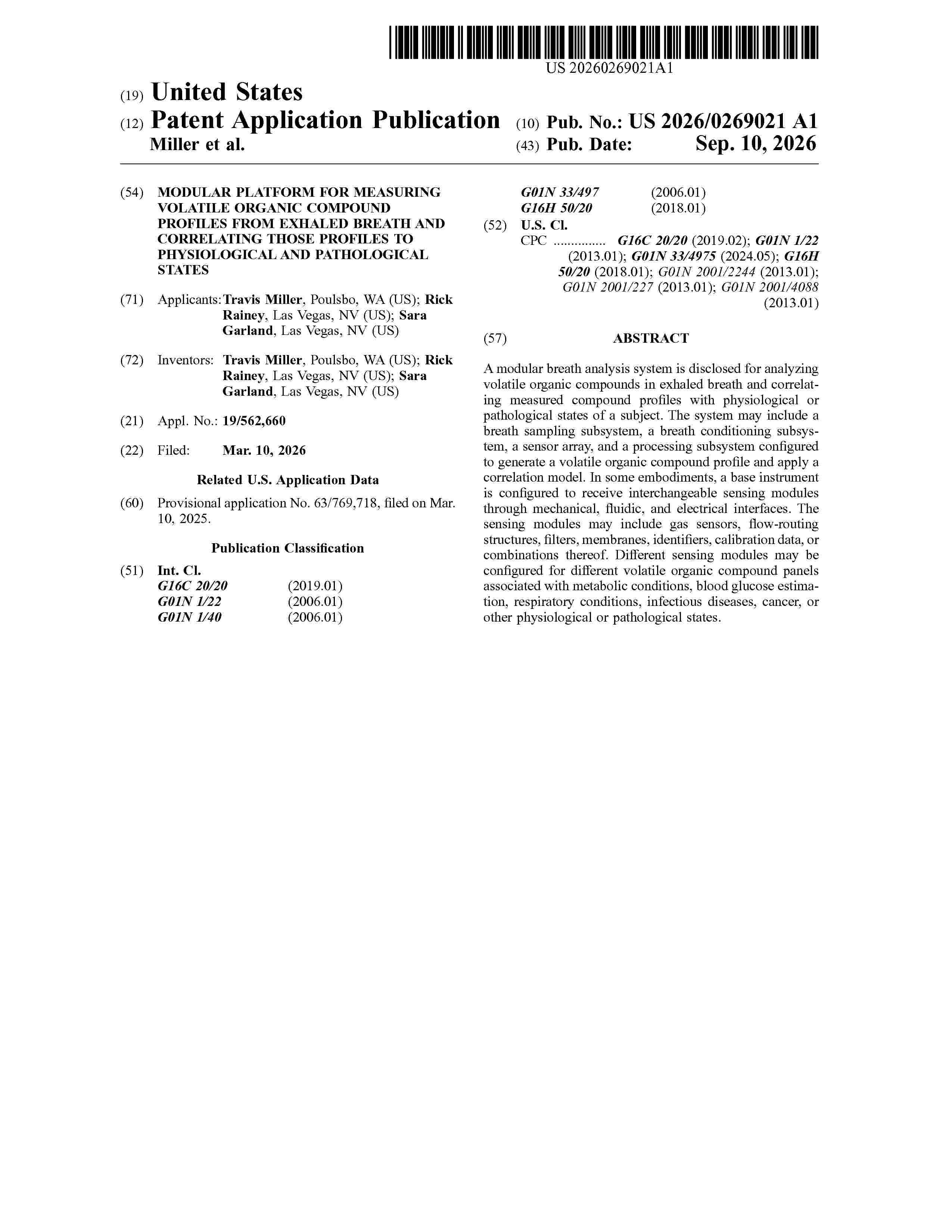
Resumen de: US20260269021A1
A modular breath analysis system is disclosed for analyzing volatile organic compounds in exhaled breath and correlating measured compound profiles with physiological or pathological states of a subject. The system may include a breath sampling subsystem, a breath conditioning subsystem, a sensor array, and a processing subsystem configured to generate a volatile organic compound profile and apply a correlation model. In some embodiments, a base instrument is configured to receive interchangeable sensing modules through mechanical, fluidic, and electrical interfaces. The sensing modules may include gas sensors, flow-routing structures, filters, membranes, identifiers, calibration data, or combinations thereof. Different sensing modules may be configured for different volatile organic compound panels associated with metabolic conditions, blood glucose estimation, respiratory conditions, infectious diseases, cancer, or other physiological or pathological states.
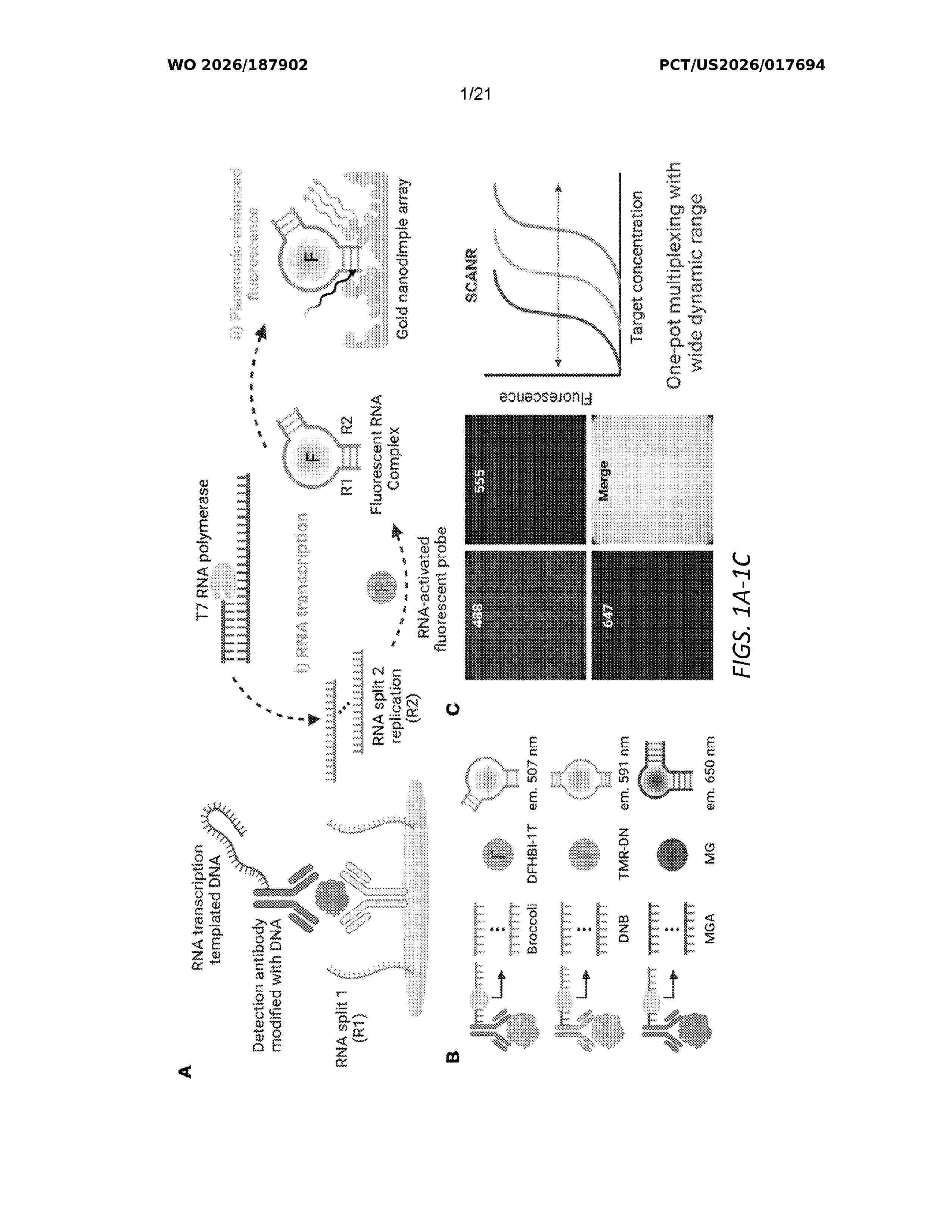
Resumen de: WO2026187902A1
The present disclosure relates to systems comprising nano-plasmonic chips and methods for the detection of proteins.
Resumen de: WO2026185407A1
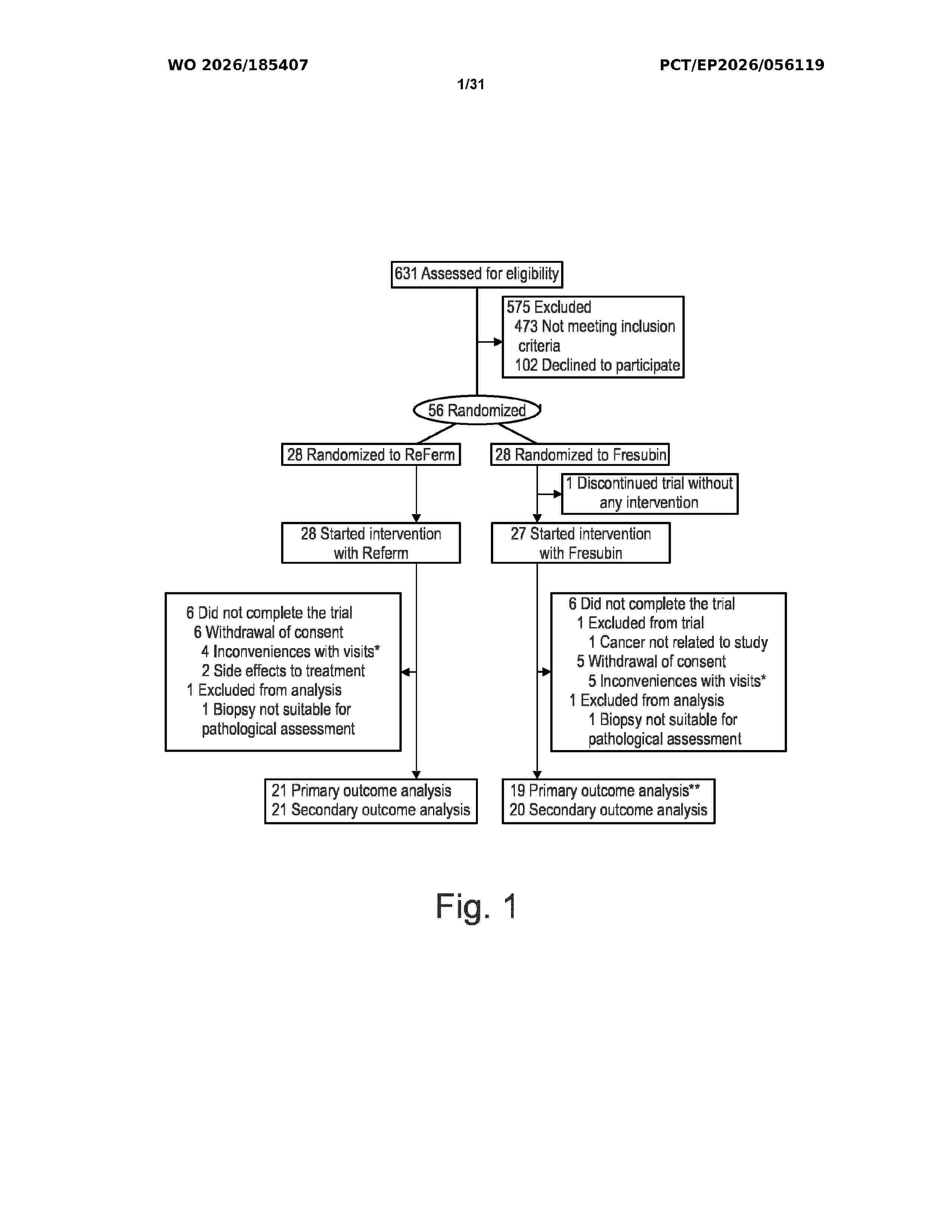
The present invention is directed to compositions, including post-biotic compositions, comprising cereal gruel fermented by Lactobacillus plantarum 299 and/or Lactobacillus plantarum 299v®. The compositions are useful for 5 treating diseases in human beings, including liver diseases, as well as gastrointestinal diseases and inflammatory conditions related to liver diseases. Disease treatment and treatment efficacies may be monitored based on the development in selected patient groups of one or more biomarkers, including intestinal fatty acid-binding protein (I-FABP) and C-reactive protein 10 (CRP).
Resumen de: AU2025223493A1
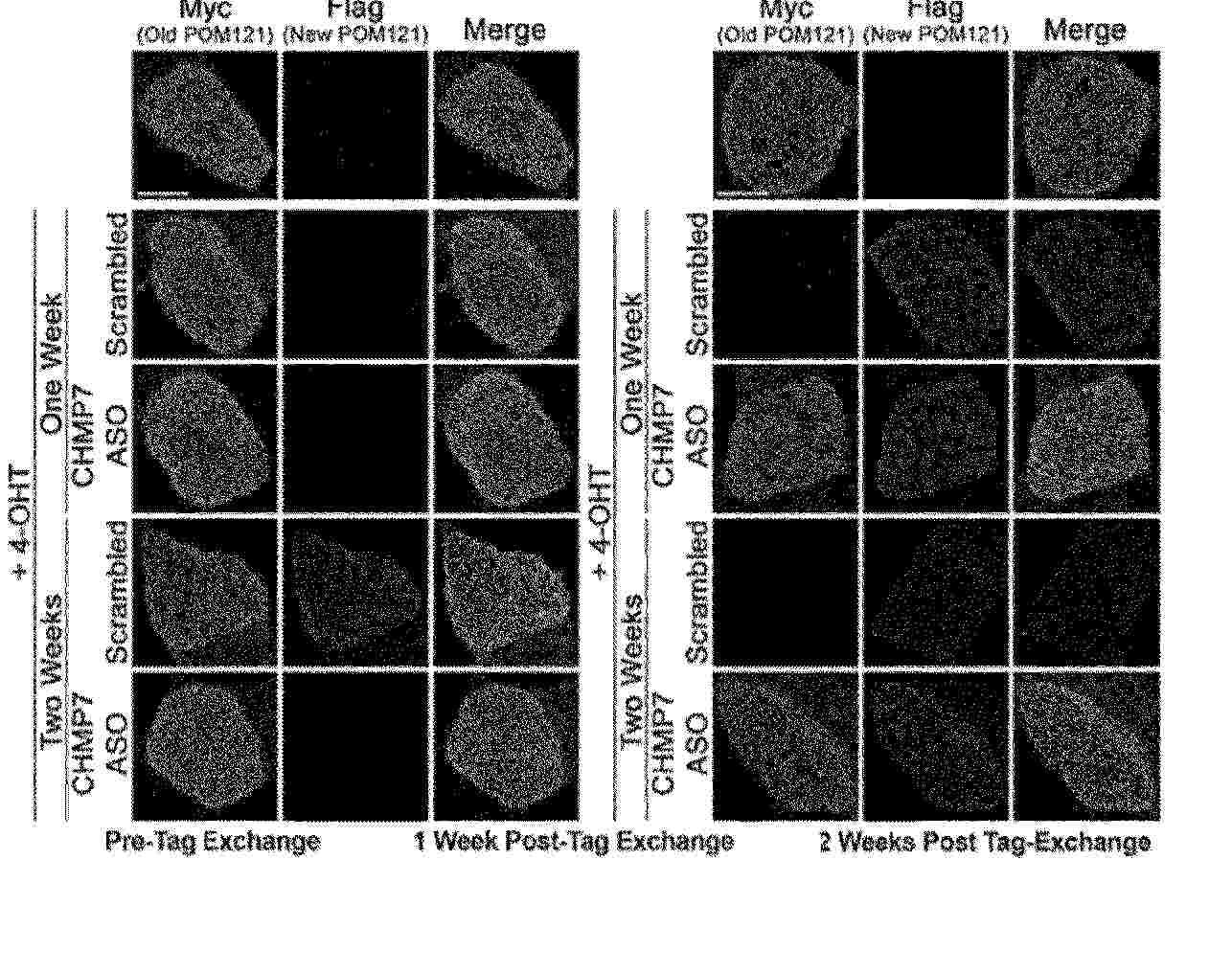
The present disclosure provides nucleic acids, compositions, and methods of preventing or treating neurodegenerative disease in a subject comprising administering to the subject an agent that targets CHMP2B. In some embodiments the present disclosure provides a method of preventing or decreasing nuclear accumulation of CHMP7 in a cell comprising contacting the cell with an agent that targets expression of CHMP2B in the cell.
Resumen de: US20260266805A1
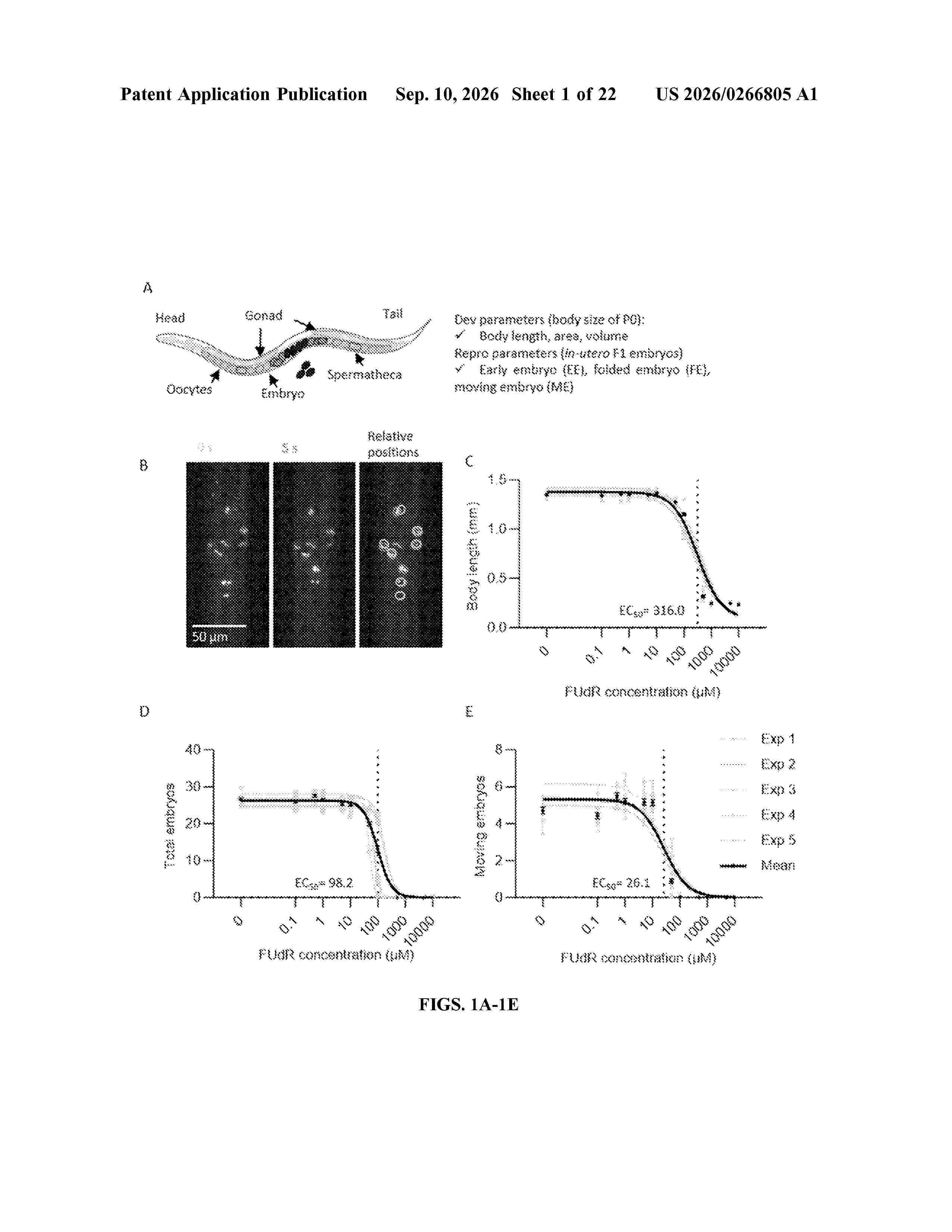
0000 A method of analyzing internal components of an organism, the method comprising a) taking an image of internal components of the organism, while said internal components are contained in vivo, and b) analyzing the internal components. Also a method of determining toxicity or efficacy of a substance, the method comprising: a. exposing an organism to one or more substances of interest; b. taking one or more images of one or more internal components of the organism, c. analyzing internal components of the organism from the images to determine the effects of the substance on the organism, and; d. using the results of the analysis to determine the toxicity or efficacy of the one or more substances.
Resumen de: US20260266810A1
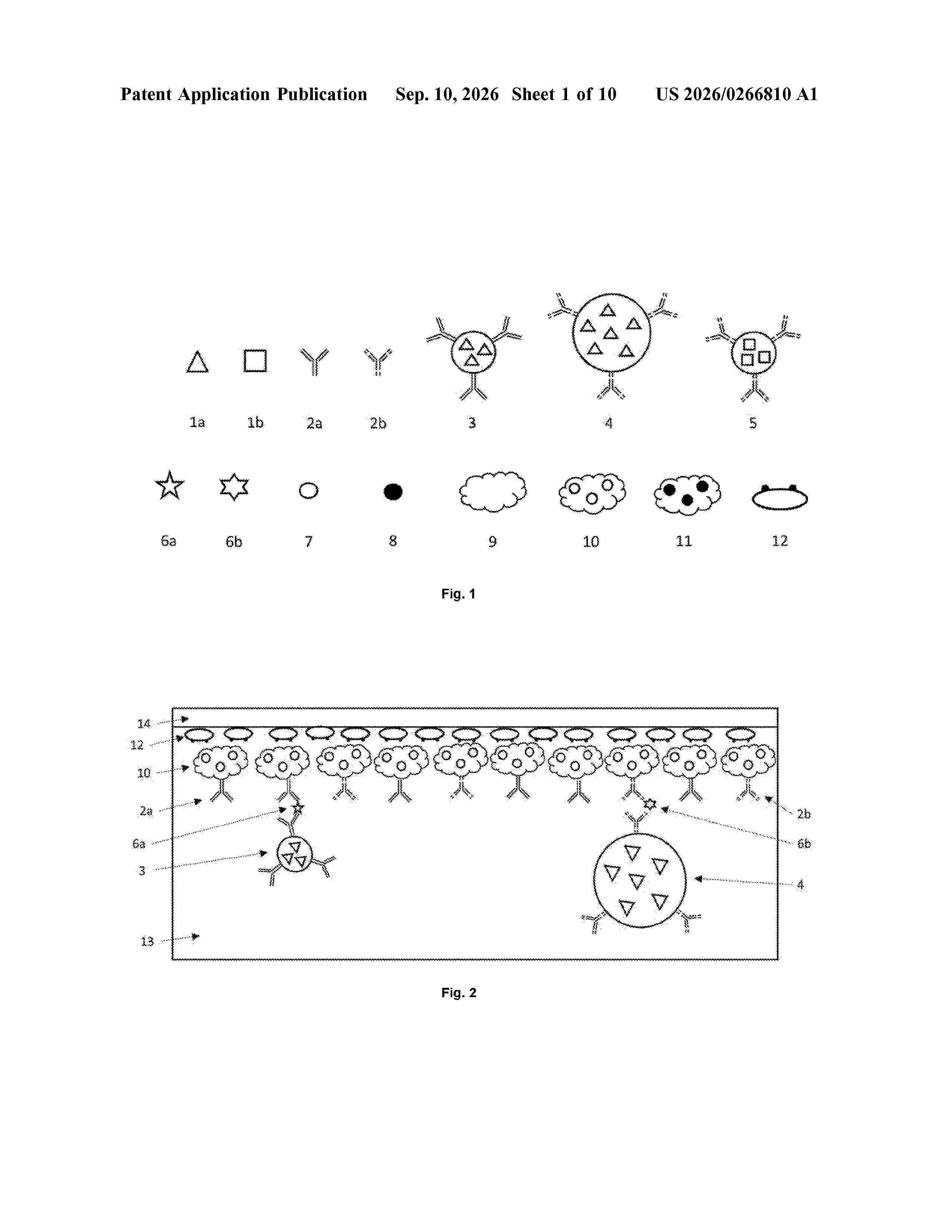
The present invention provides a method for detecting two or more analytes in a sample, the method comprising steps (i)-(v). Thus, the present invention provides a method for detecting two or more analytes in a sample in which only the reporter reagents in the vicinity of the surface of the substrate results in a signal, the signal being a local region of the optical component in the second optical state. It is the set of local regions of the optical component in the second optical state that are detected.
Nº publicación: US20260266811A1 10/09/2026
Solicitante:
PSYROS DIAGNOSTICS LTD [GB]
Psyros Diagnostics Limited
Resumen de: US20260266811A1
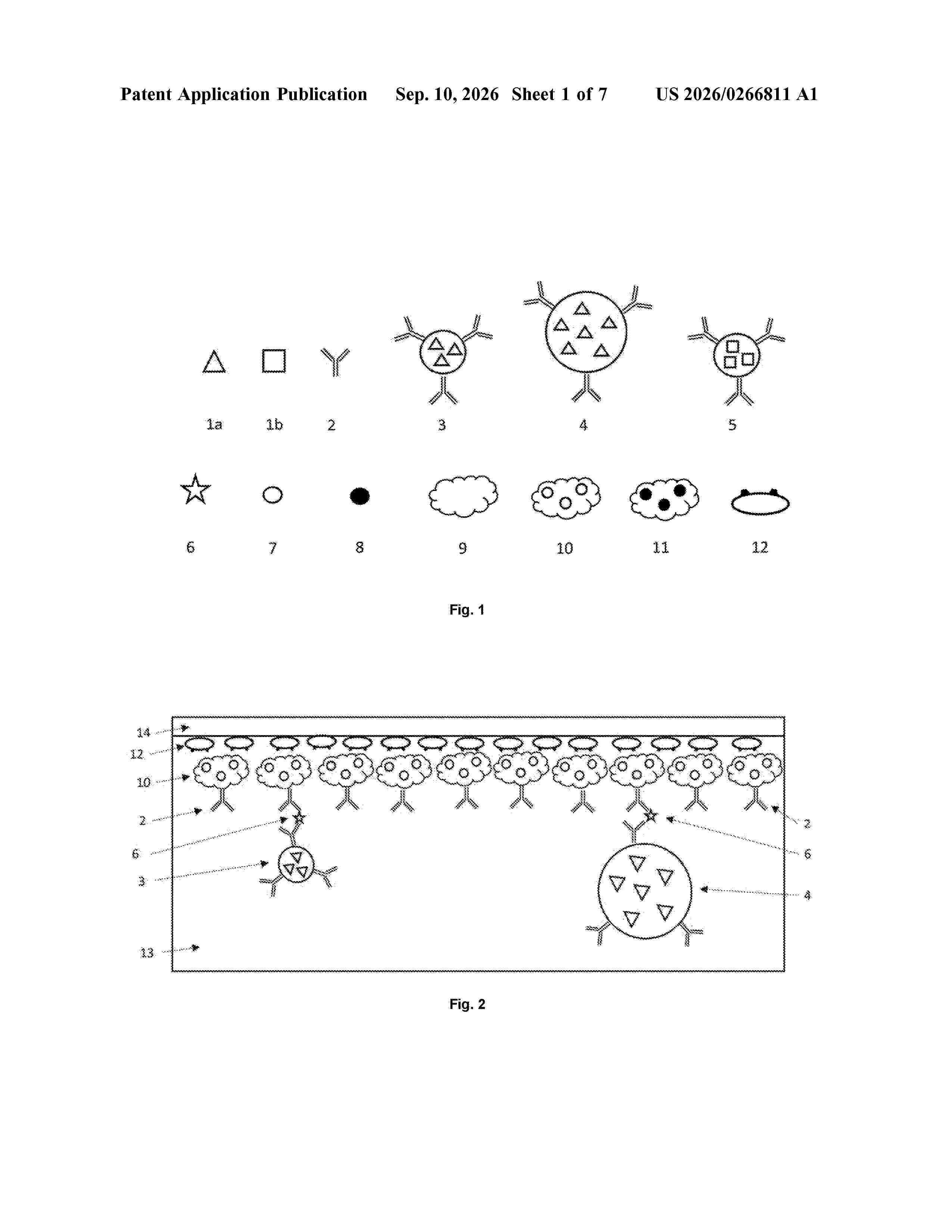
The present invention relates to a method for detecting an analyte in a sample suitable for detecting the analyte over a range of concentrations, the method comprising steps (i)-(v). Thus, the present invention provides a method for detecting an analyte in a sample in which only the reporter reagents in the vicinity of the surface of the substrate results in a signal, the signal being a local region of the optical component in the second optical state. It is the set of local regions of the optical component in the second optical state that are detected.
 BOPI
BOPI
 Sede Electrónica