Si deseas distinguir tus productos, servicios o ambos de los de otra empresa, es posible que necesites una marca o nombre comercial. Descubre qué son, en qué consiste su procedimiento de registro y qué implica.

Información sobre los plazos de presentación de solicitudes de transformación de marcas de la Unión Europea en marca nacional española. Más información


Si tienes un nuevo dispositivo, producto o procedimiento que resuelva un problema técnico o tenga una ventaja práctica, existen distintas formas de protegerlo en España y en otros países. Descubre cómo hacerlo.

¿Tu innovación reside en la estética, la ornamentación o la apariencia de tu producto? Protégela mediante un diseño industrial. Descubre qué derechos confiere el registro y cómo realizar la tramitación.

Las indicaciones geográficas protegen el nombre de un producto originario de una zona geográfica, a la cual le debe una determinada calidad, reputación u otra característica. Descubre qué son, en qué consiste su procedimiento de registro y qué beneficios conceden.

Las patentes publicadas en todo el mundo son una valiosa fuente de información científica, técnica y comercial.

Si eres emprendedor/a o una empresa y quieres potenciar y mejorar la rentabilidad de tu negocio protegiendo de forma adecuada los activos intangibles de tu organización, en este espacio encontrarás lo necesario.


 484
resultados
484
resultados
 Última actualización
15/09/2026 [06:53:00]
Última actualización
15/09/2026 [06:53:00]


 Resultados 375 a 400 de 484

Resumen de: WO2026181603A1
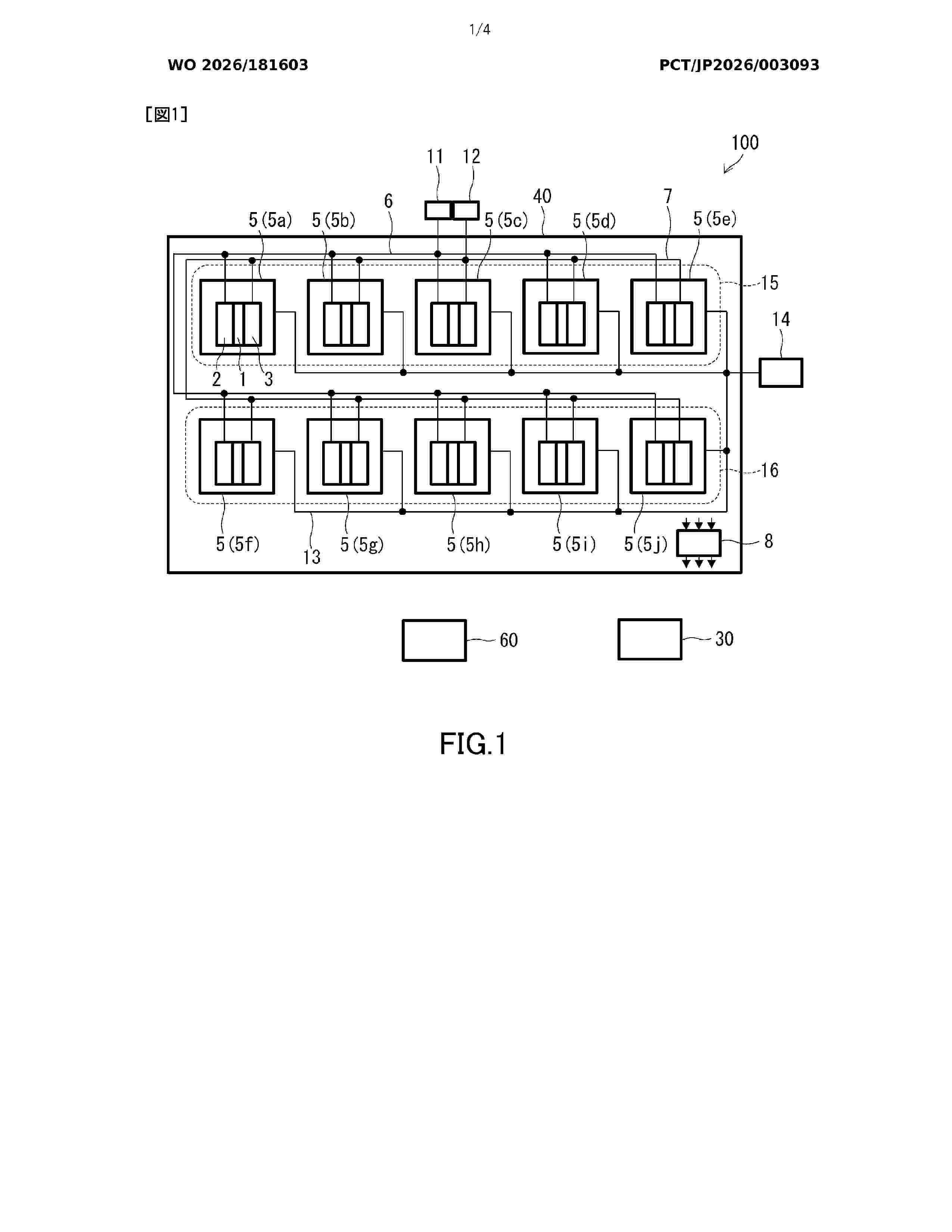
In the power generation planning method for fuel cell equipment (40) including a plurality of fuel cell units (5), a provisional number (MPRO) of the fuel cell units (5) is determined. A power generation plan (XFC) for the fuel cell equipment (40) is created such that the number of the fuel cell units (5) generating power at the same time point in the power generation plan (XFC) is suppressed to a predetermined number (MCON) or less. When the provisional number (MPRO) is equal to or less than an upper limit number (MMAX), the predetermined number (MCON) is the provisional number (MPRO). When the provisional number (MPRO) is greater than the upper limit number (MMAX), the predetermined number (MCON) is the upper limit number (MMAX). The provisional number (MPRO) is the number of the fuel cell units (5) for covering a required generated power (P0) requested by a user from the fuel cell equipment (40). The upper limit number (MMAX) is an upper limit value of the number of the fuel cell units (5) generating power at the same time point in the power generation plan (XFC).

Resumen de: WO2026181963A1
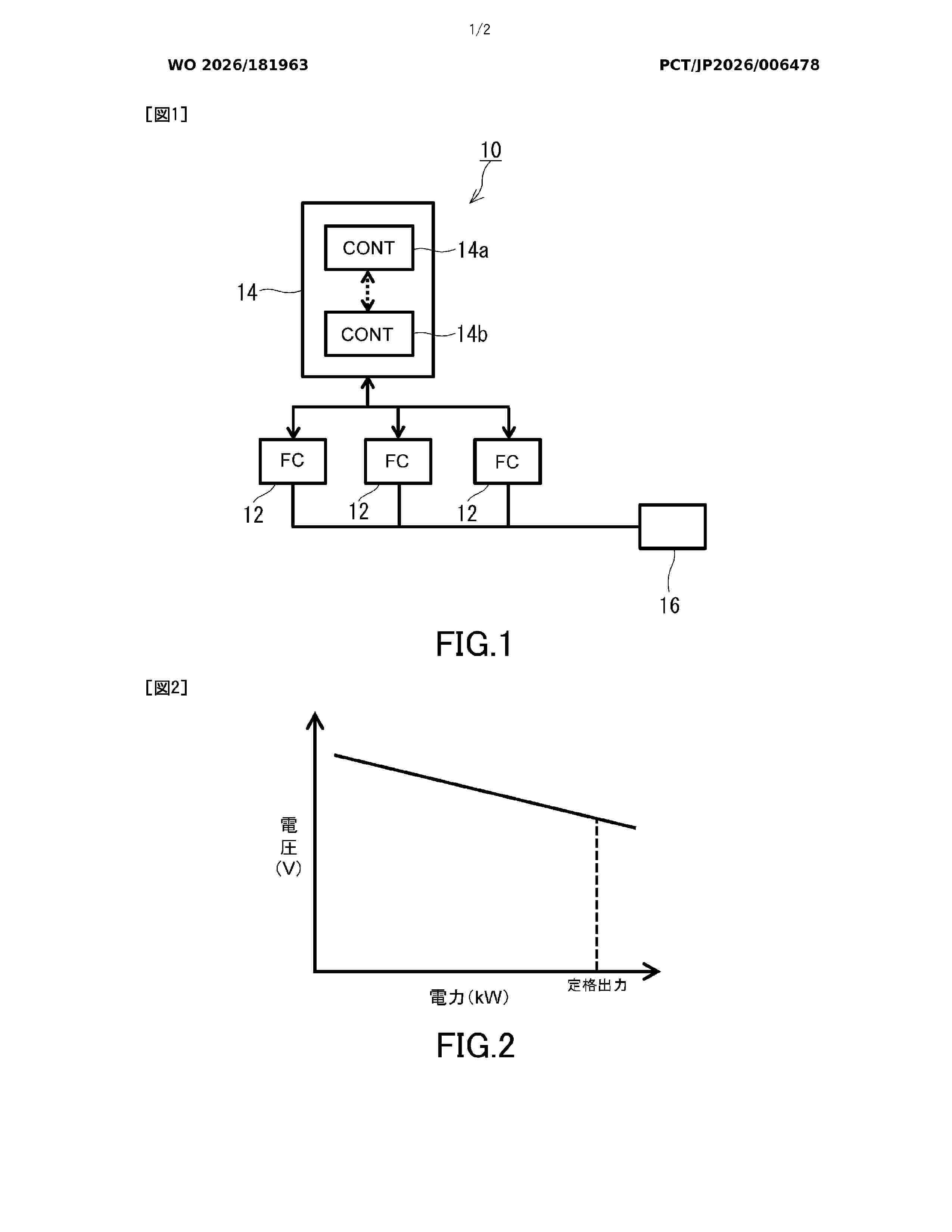
A fuel cell system 10 according to the present disclosure comprises: a fuel cell 12 that has variable output electric power; and a control device 14 that controls the fuel cell 12 such that the fuel cell 12 is operated at a rated output or an output that is lower than the rated output. The control device 14 diagnoses deterioration of the fuel cell 12 by using an output voltage and/or an output electric power of the fuel cell 12 during a rated operation period in which the fuel cell 12 is controlled such that the fuel cell 12 is operated at the rated output.
Resumen de: DE102025107949A1
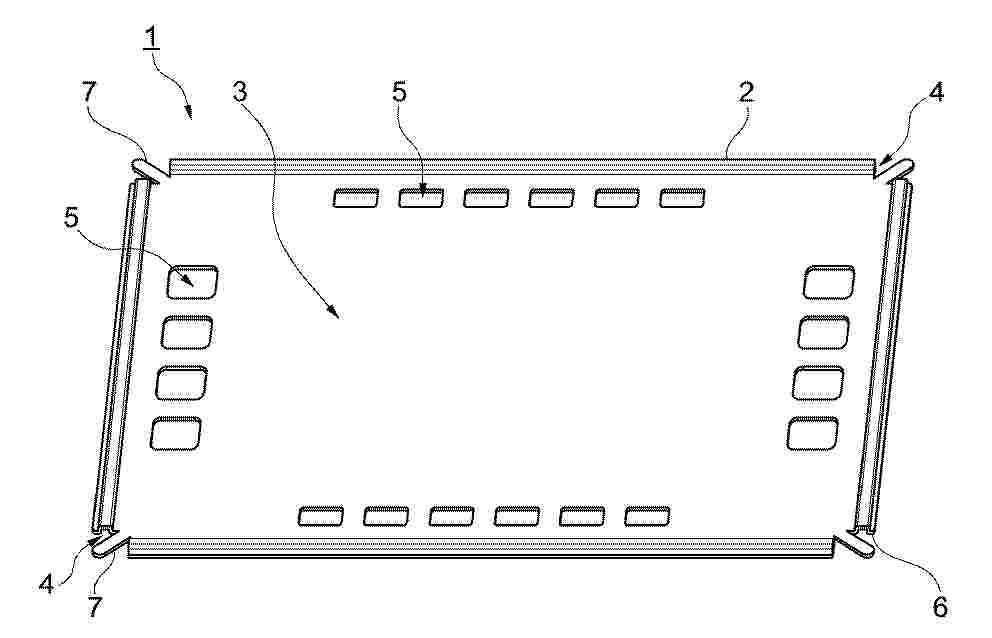
Eine Bipolarplatte (1) für ein elektrochemisches System, insbesondere Elektrolysesystem, weist eine mehreckige Grundform auf, wobei an mindestens zwei an einander grenzenden Seiten Sicken (4) einstückig mit einem zentralen Aktivfeld (3) ausgebildet sind, und wobei in einem Eckbereich zwischen den Sicken (4) ein von beiden Sicken (4) beabstandeter, zur Zellspannungsmessung nutzbarer Messkontakt (7), ebenfalls einstückig mit dem Material des Aktivfeldes (3), gebildet ist.
Resumen de: US20260260913A1
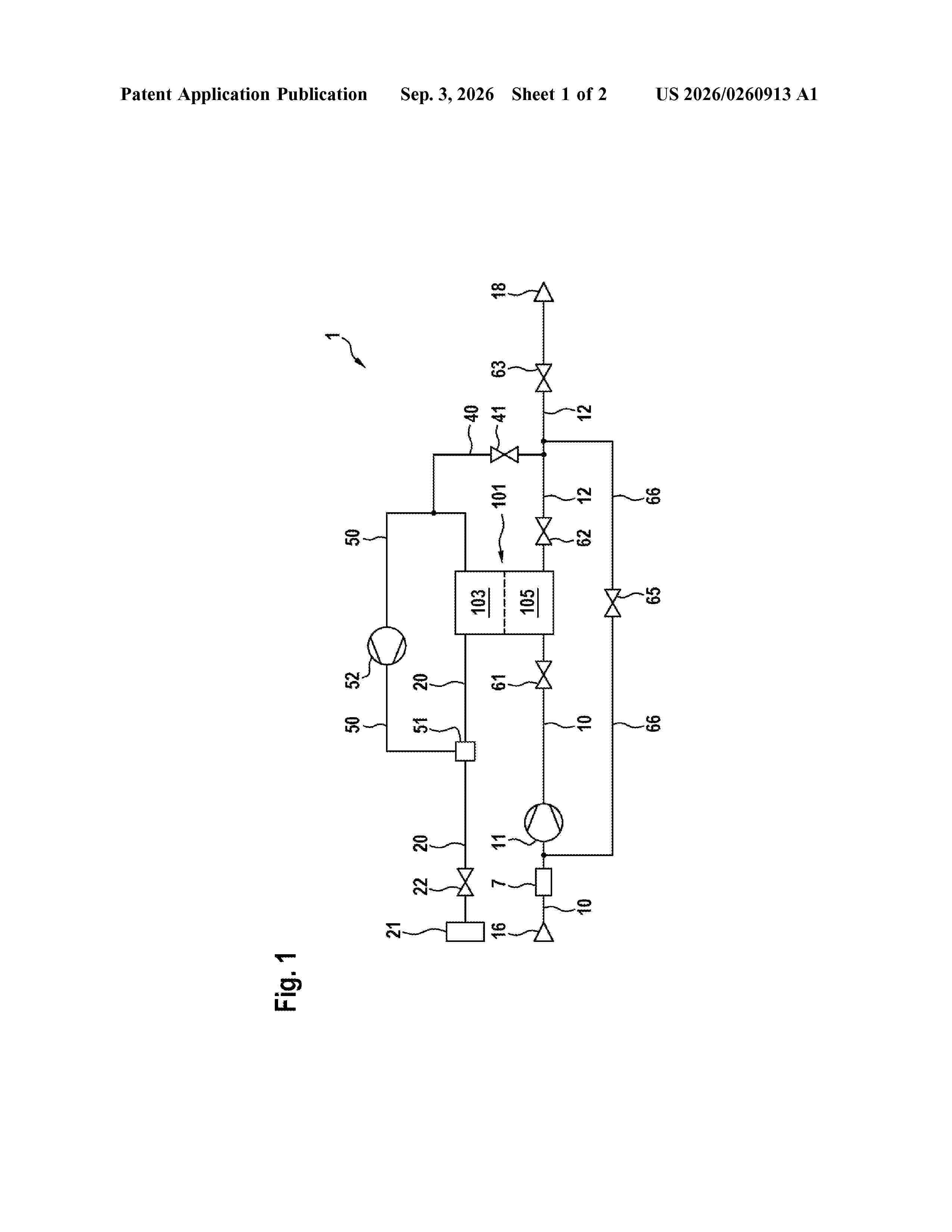
A method for starting a fuel cell system (1), wherein the fuel cell system (1) comprises a fuel cell stack (101), an air line (10), an exhaust line (12), and a fuel line (20) having a recirculation circuit (50), wherein, prior to starting, a first valve (61) in the air line (10) and a second valve (62) in the exhaust line (12) are closed. The method comprises the steps of: a. starting an air compressor (11) in the air line (10);b. opening a recirculation valve (65) in an exhaust recirculation line (66);c. opening the first valve (61) and the second valve (62).
Resumen de: US20260257217A1
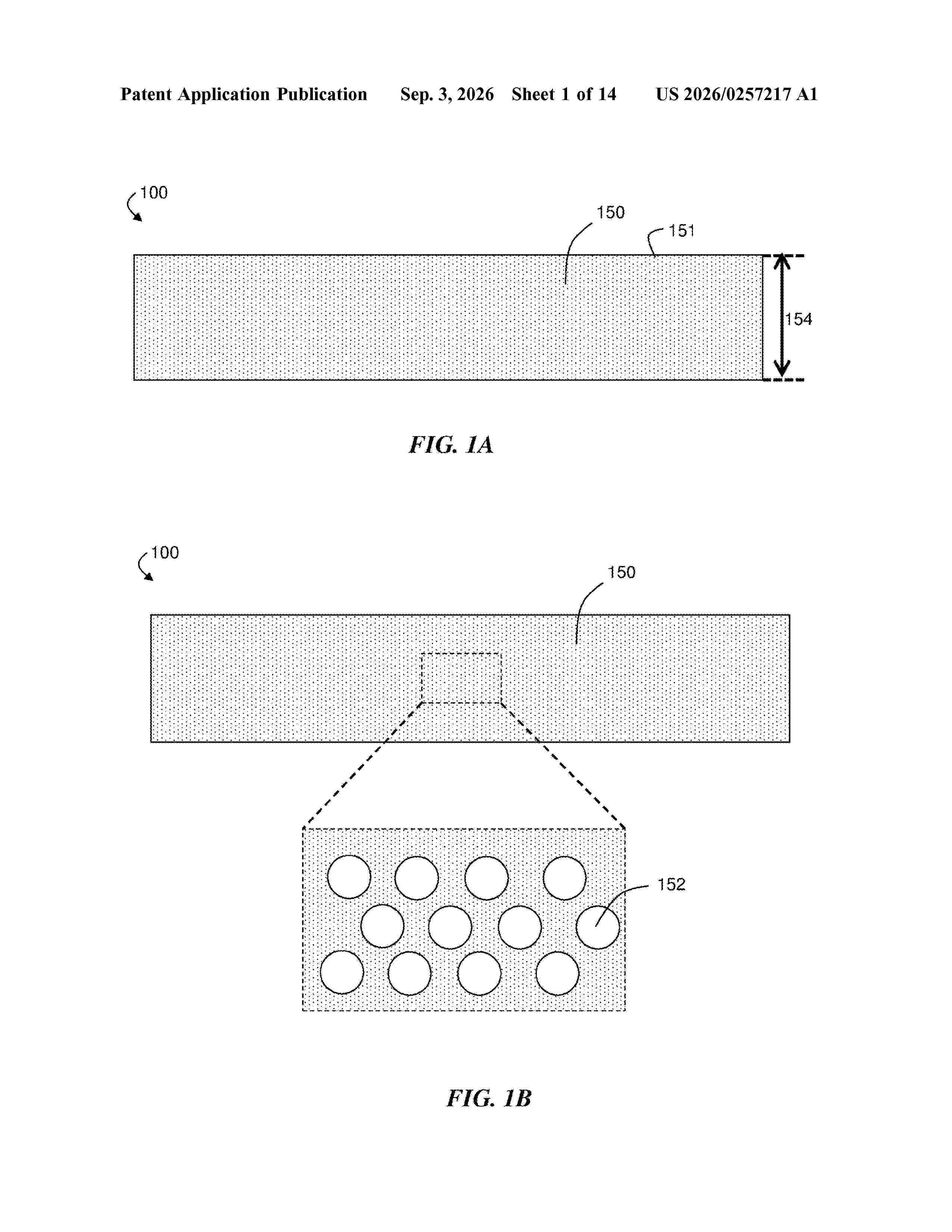
0000 Ion exchange membranes and materials including silica-based ceramics with ion exchange functional groups and hydrophobic groups, and associated methods, are provided. In some aspects, ion exchange membranes that include a silica-based ceramic that forms a coating on and/or within a porous support membrane are described. The ion exchange membranes and materials may have certain structural or chemical attributes (e.g., pore size/distribution, chemical functionalization) that, alone or in combination, can result in advantageous performance characteristics in any of a variety of applications for which selective transport of charged ions through membranes/materials is desired. In some embodiments, the silica-based ceramic contains relatively small pores (e.g., substantially spherical nanopores) that may contribute to some such advantageous properties. In some embodiments, the ion exchange membrane or material has relatively high stability even at elevated temperatures.
Resumen de: US20260260921A1
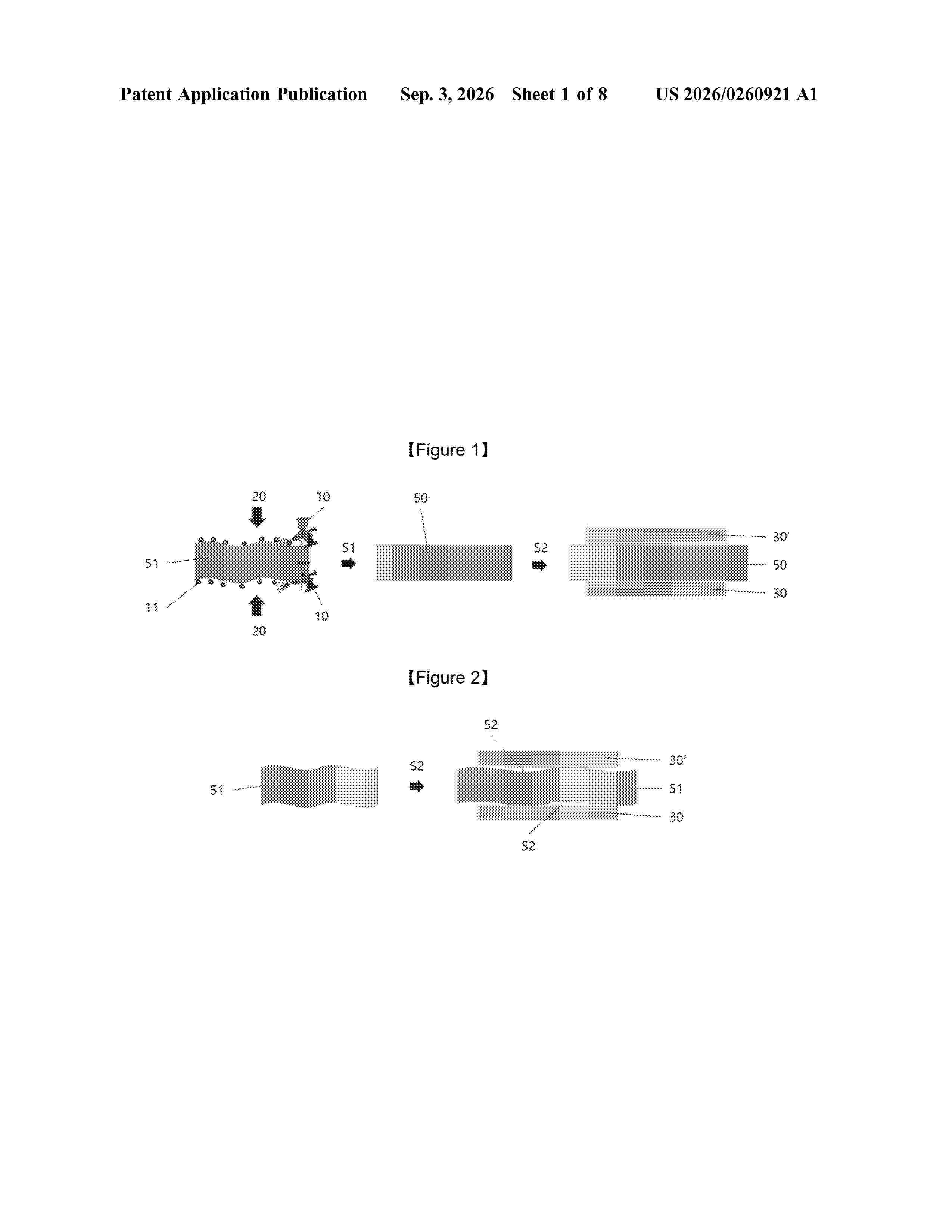
0000 Provided is a method for manufacturing a polymer electrolyte membrane, the method comprising: applying a solvent to a polymer electrolyte membrane having defects on the surface thereof to swell the polymer electrolyte membrane; and applying heat and pressure to the swollen polymer electrolyte membrane
Resumen de: US20260260911A1
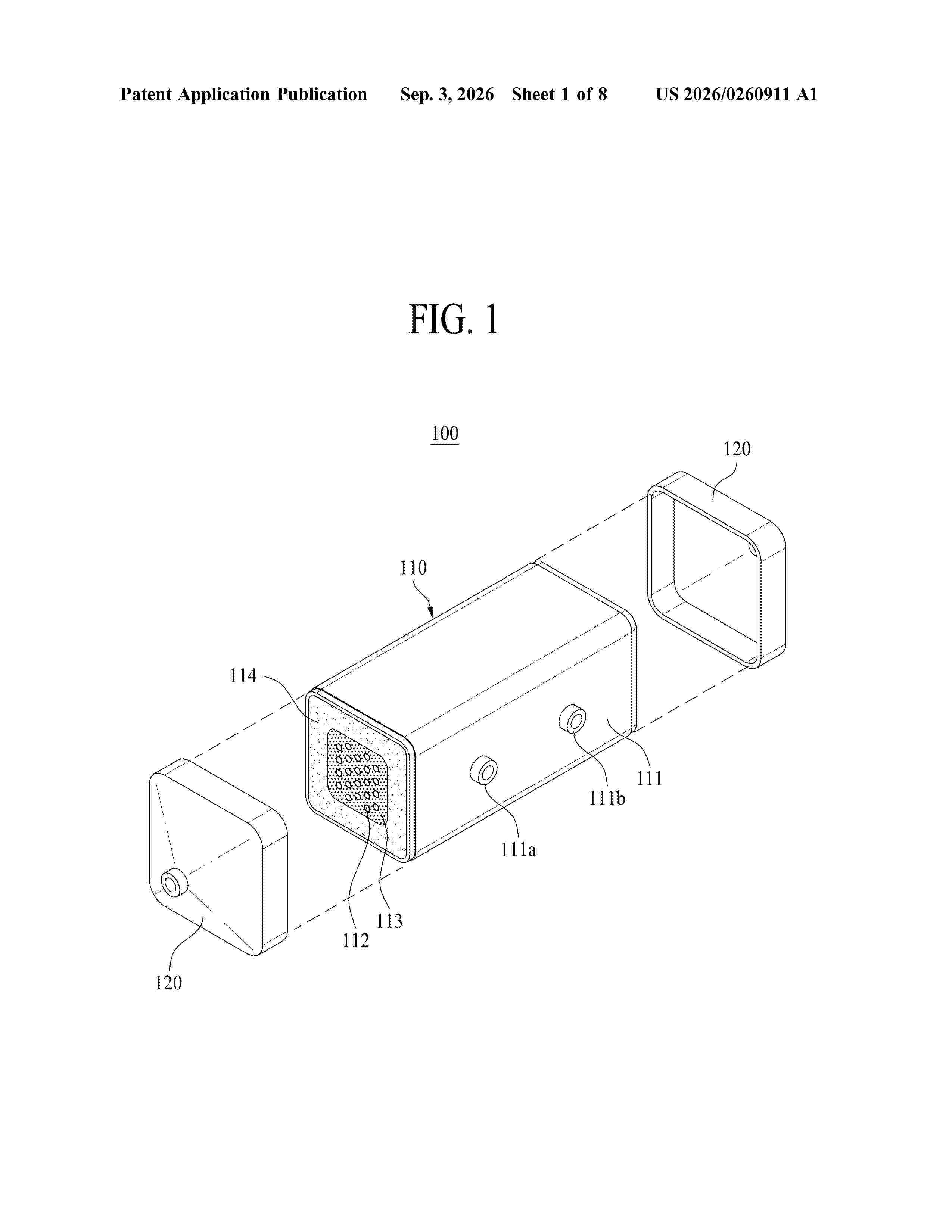
The present invention relates to a packing unit for a fuel cell humidifier, and a fuel cell humidifier, the packing unit comprising: a first packing body airtightly coupled to one end of a mid-case through mechanical assembly so that a first cap fluidically communicates only with hollow fiber membranes; and a condensate water discharge portion formed in the first packing body, wherein the condensate water discharge portion has one end fluidically communicating with the inside of the first cap and has the other end fluidically communicating with the inside of the mid-case so that condensate water located inside the first cap is discharged to the inside of the mid-case.
Resumen de: WO2025026794A1
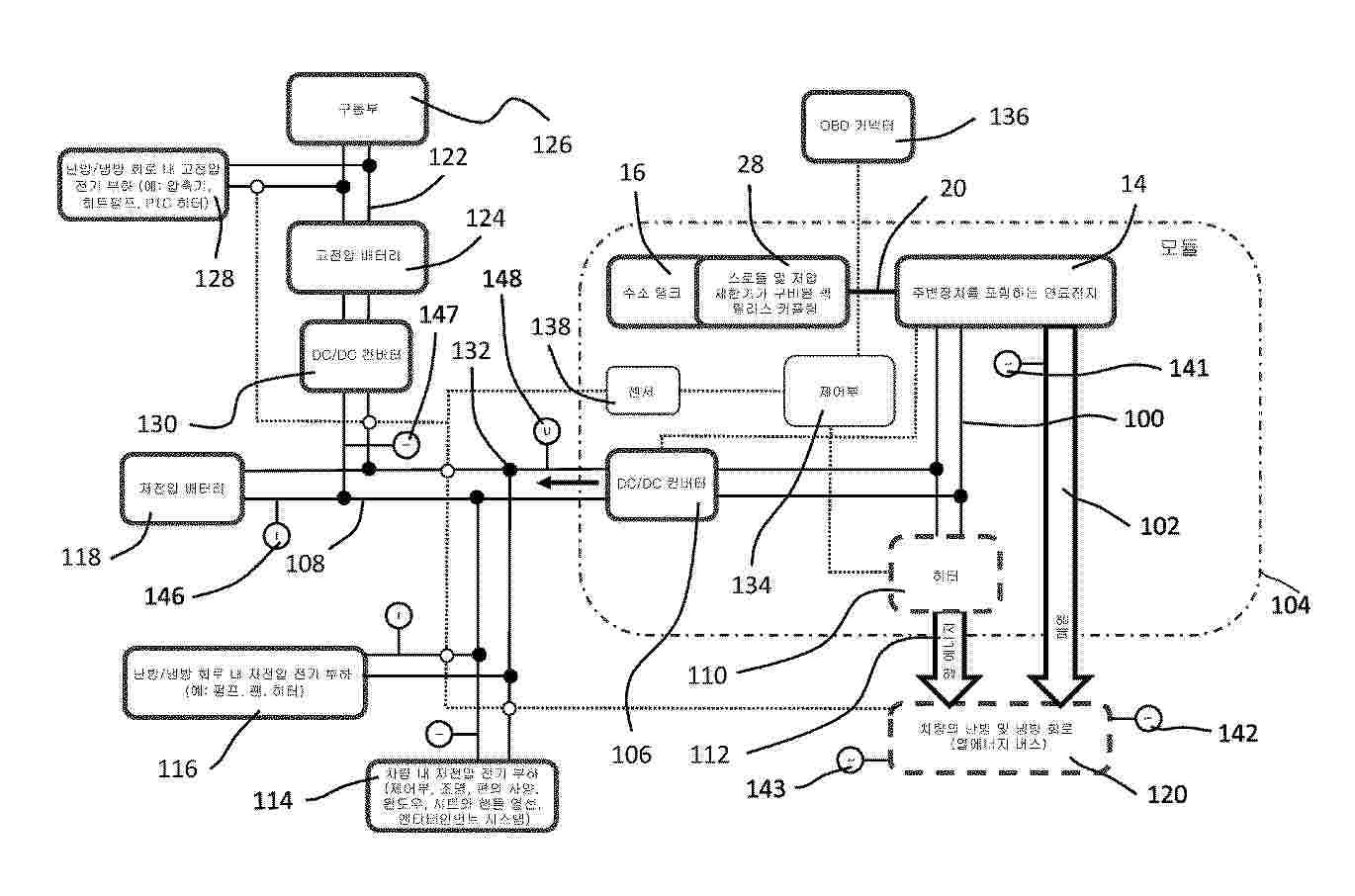
The invention relates to an electrically powered vehicle (10), including an electric drive (126) for propelling the vehicle (10); a fuel cell (14) for generating electrical and thermal energy; an electrically rechargeable high-voltage vehicle battery (124) for supplying power to the electric drive (126), which battery can be heated by thermal energy of the fuel cell (14); and a low-voltage electrical system (108) for supplying other electric low-voltage consumers (114); the invention is characterised in that the low-voltage electrical system (108) can be supplied with low-voltage power from the fuel cell (14).
Resumen de: CN122341666A
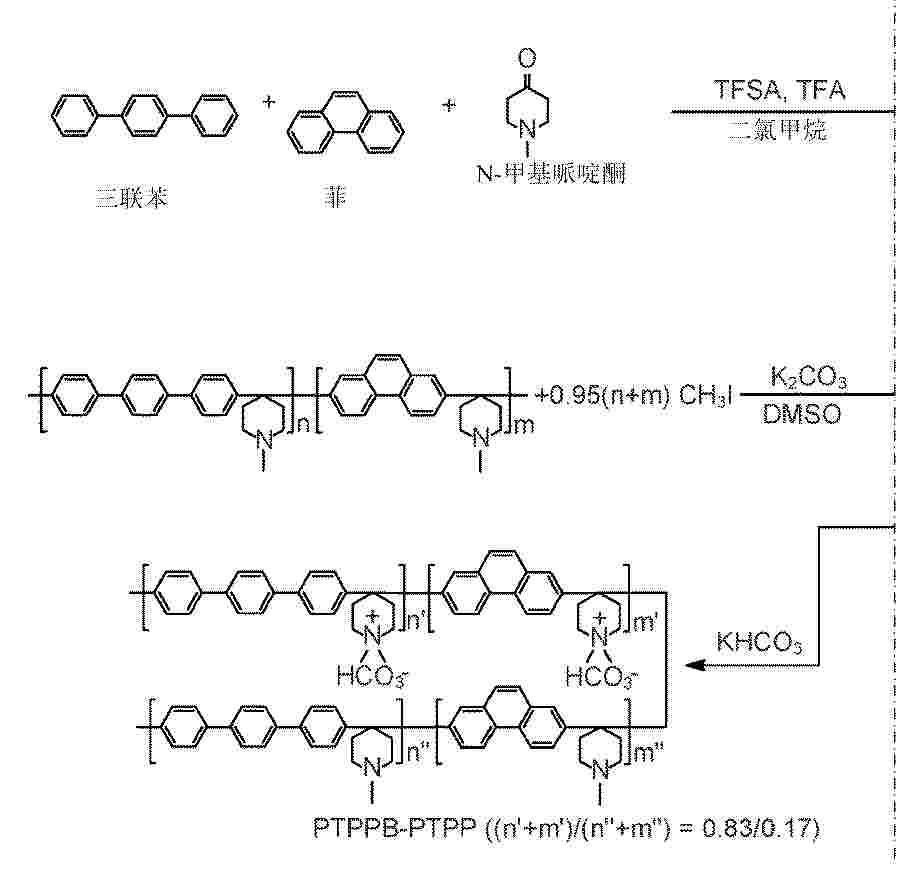
Anion exchange polymers for AEM having both anion exchange functionality and amine functionality have been developed. The polymer comprises a plurality of repeating units of formula (I). Anion exchange membranes and membrane electrode assemblies incorporating anion exchange polymers are also described. Membranes prepared using anion exchange polymers have low gas or electrolyte permeability, high mechanical strength, low swelling, high performance, and high long-term stability.
Resumen de: WO2025013422A1
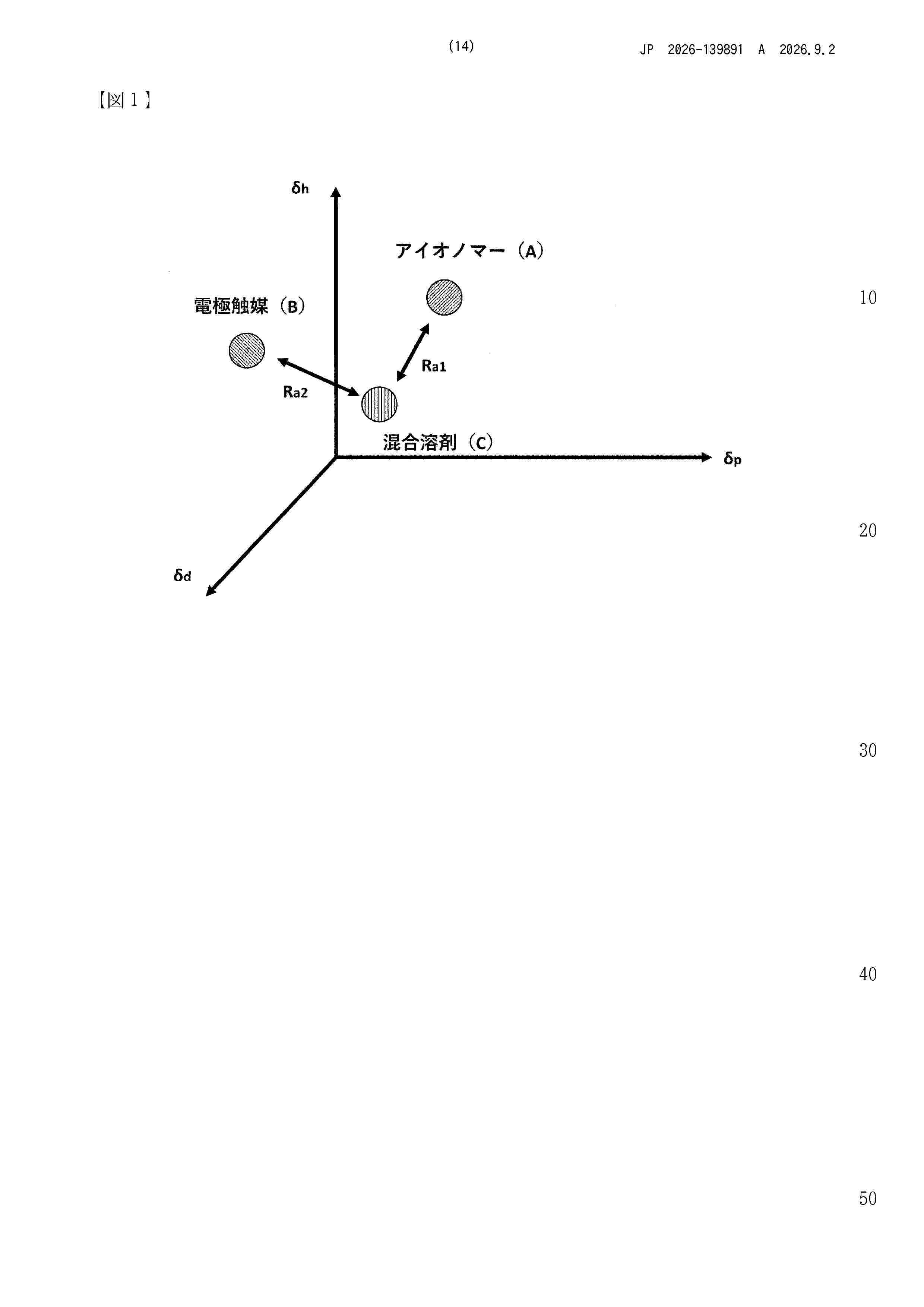
This electrode catalyst ink contains an ionomer (A), an electrode catalyst (B) containing at least one of a non-noble metal and a non-noble metal oxide, and a solvent (C). The solvent (C) contains a ketone-based solvent and water, and the volume ratio (water/ketone-based solvent) of the water to the ketone-based solvent is in the range of 0.05 to less than 0.55.
Resumen de: WO2025088170A1
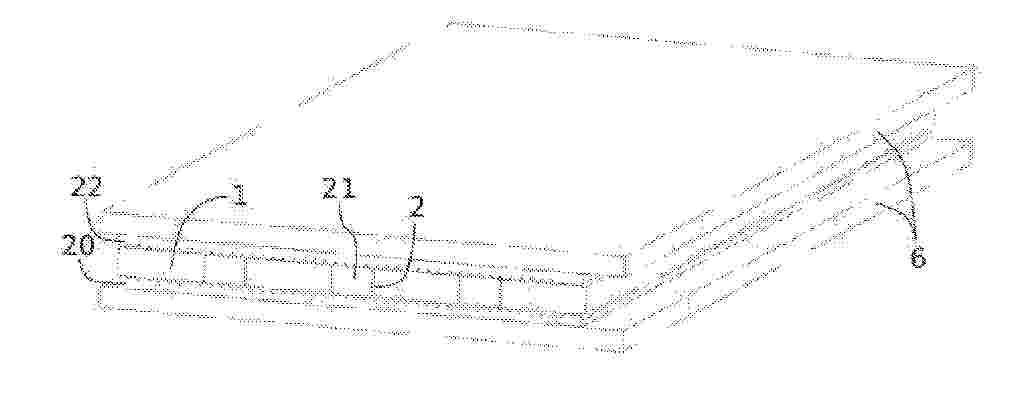
The invention relates to a method for manufacturing a solid oxide electrochemical reactor, the method comprising the following steps: - producing an electrically insulating support (1) with through-openings (2) made therethrough; - depositing a first fusible joint bed (20) on an interconnection plate (6) and arranging the electrically insulating support (1) thereon; - depositing a fusible joint interstitial bead (21) in the through-openings (2); - arranging, on the electrically insulating support (1), a second fusible joint bed (22); - producing and pressing an alternating stack and raising the temperature thereof to the melting point of the fusible joint so as to fuse the first fusible joint bed (20), the fusible joint interstitial bead (21) and the second fusible joint bed (22), wherein the fusible joint forms a seal that extends into the through-openings (2) in the electrically insulating support (1) and connects two interconnection plates (6) through the through-openings (2).
Resumen de: WO2025088169A1
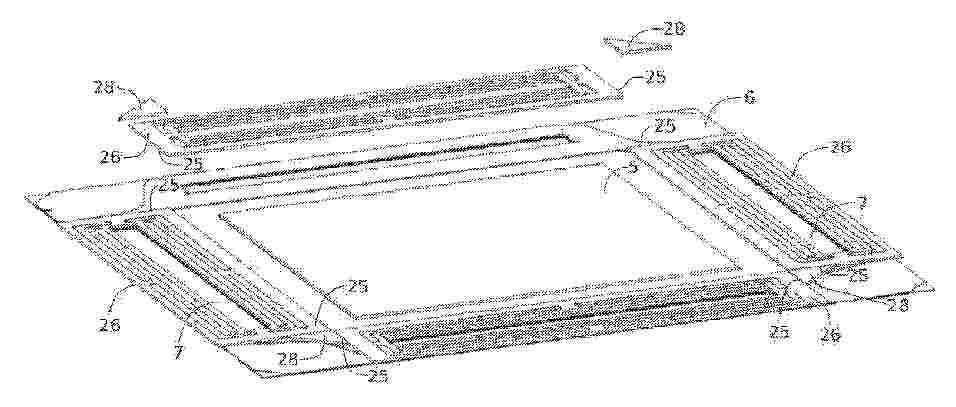
The invention relates to a method for manufacturing a solid oxide electrochemical reactor, the method comprising the following steps: - producing a plurality of distinct peripheral strips (26); - making joining through-openings in each peripheral strip (26); - forming an electrically insulating support by assembling, onto a first interconnection plate (6), a plurality of the peripheral strips (26); - producing an alternating stack of electrochemical cells (5) and interconnection plates (6); - pressing the alternating stack in the stacking direction and raising its temperature to the melting point of a fusible joint, such that the fusible joint extends into the joining through-openings of the electrically insulating support, and forms a seal that connects two interconnection plates (6) through these joining through-openings.
Resumen de: WO2025088334A1
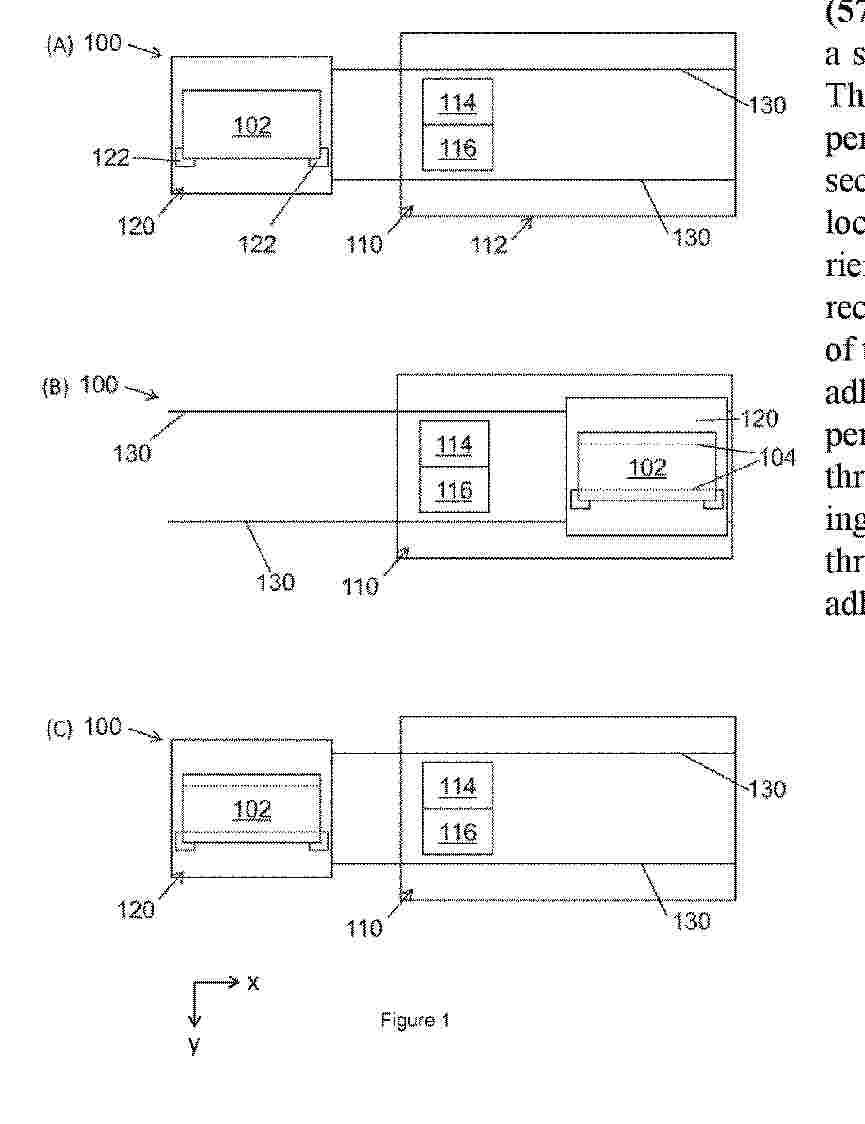
There is provided an apparatus for applying adhesive onto a substrate. The substrate is a component for a fuel cell or an electrolyser. The apparatus comprises: an adhesive dispensing unit comprising a first dispensing nozzle positioned to dispense adhesive in a first fixed locality and a second dispensing nozzle positioned to dispense adhesive in a second fixed locality; and a carrier comprising a substrate receiving area, wherein the carrier is movable in a machine direction so that a first portion of the substrate receiving area can pass through the first fixed locality and a second portion of the substrate receiving area can pass through the second fixed locality. The adhesive dispensing unit is configured to: dispense adhesive via the first dispensing nozzle while the first portion of the substrate receiving area is moving through the first fixed locality, and dispense adhesive via the second dispensing nozzle while the second portion of the substrate receiving area is moving through the second fixed locality. There is also provided a method of applying adhesive and a method of manufacturing a membrane electrode assembly.
Resumen de: WO2025087866A1
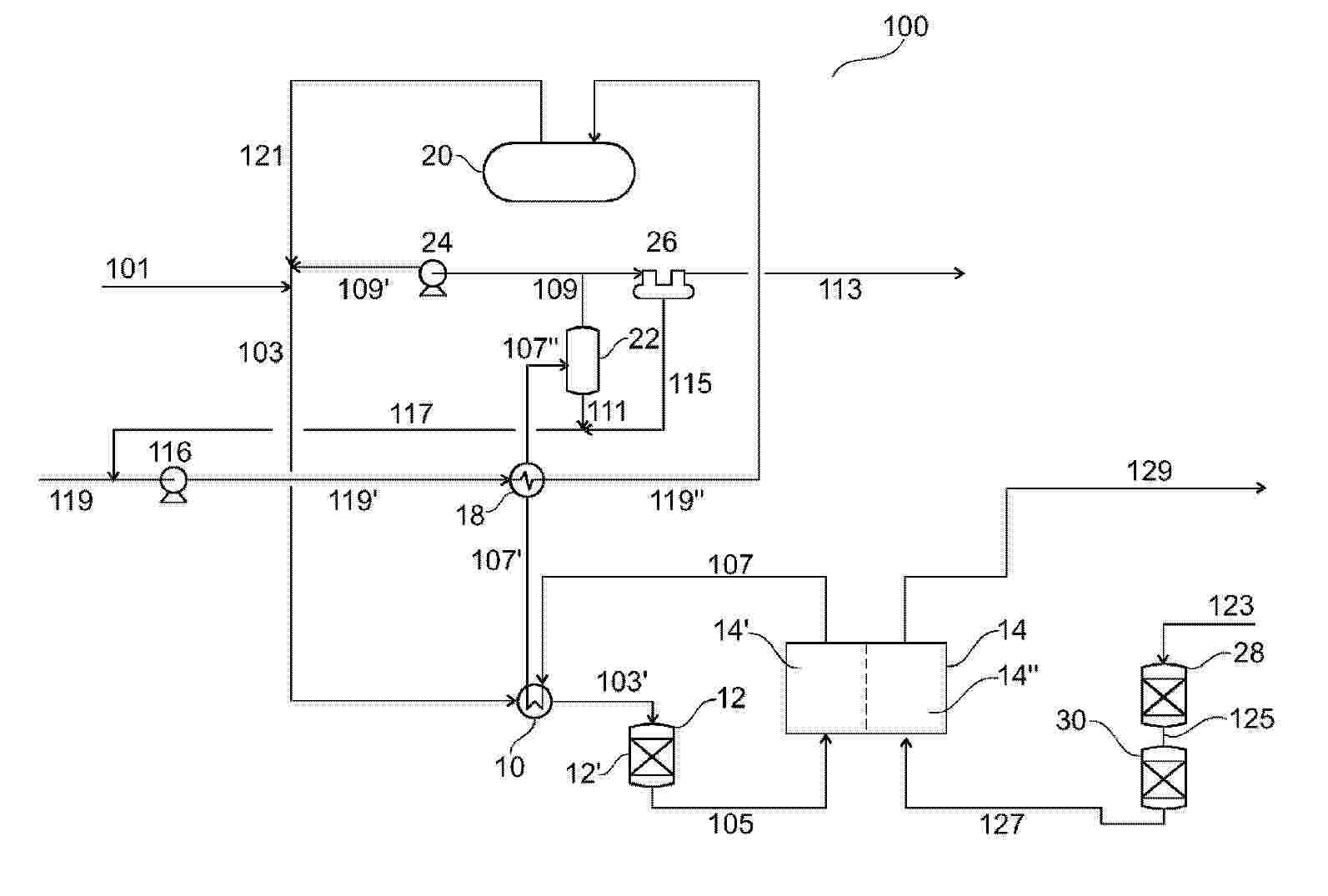
The invention relates to a method of operating a solid oxide electrolysis cell (SOEC) stack for producing hydrogen, and a system for carrying out the method, said SOEC stack comprising at least one solid oxide electrolysis cell (SOEC), said at least one SOEC comprising an electrolyte layer interposed between a fuel-side and an oxy-side, the method comprising transient operation, in which the transient operation comprises: - operating the SOEC stack under open-circuit voltage (OCV); - providing a feed gas comprising ammonia; - supplying at least a portion of said feed gas comprising ammonia to a guard bed reactor, said guard bed reactor comprising a catalyst active in the cracking of ammonia to nitrogen and hydrogen; and withdrawing from said guard bed reactor a forming gas comprising nitrogen and hydrogen; - supplying at least a portion of the forming gas comprising nitrogen and hydrogen to the fuel-side of the at least one of the solid oxide electrolysis cells (SOECs) of the SOEC stack; and withdrawing from said at least one of the SOECs of the SOEC stack, a first fuel-side exit gas.
Resumen de: EP4800161A1
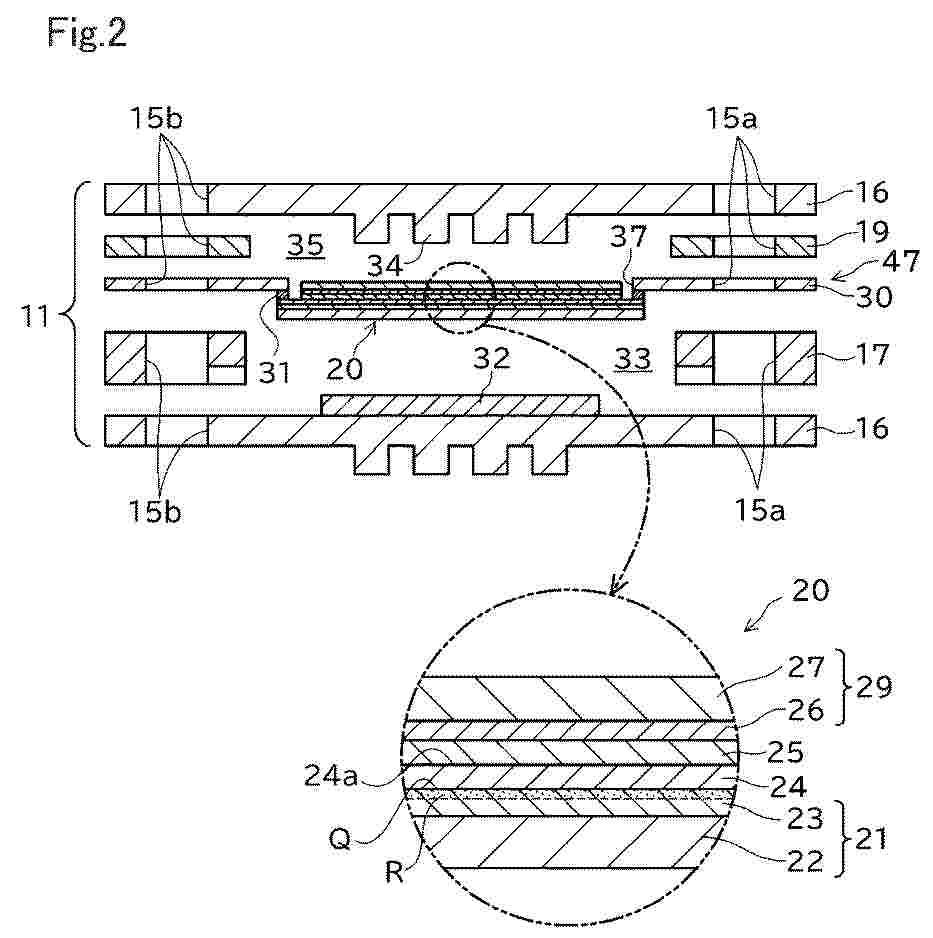
Provided is a technique for suppressing occurrence of cracking in a solid electrolyte layer. A solid oxide electrolysis cell includes an air electrode containing a complex oxide having a perovskite structure, a fuel electrode, and a solid electrolyte layer disposed between the air electrode and the fuel electrode. In an interface region of the fuel electrode, which region extends 5 µm from the interface between the fuel electrode and the solid electrolyte layer, the Al content is 1 ppm or greater and 100 ppm or less.
Resumen de: EP4546472A1
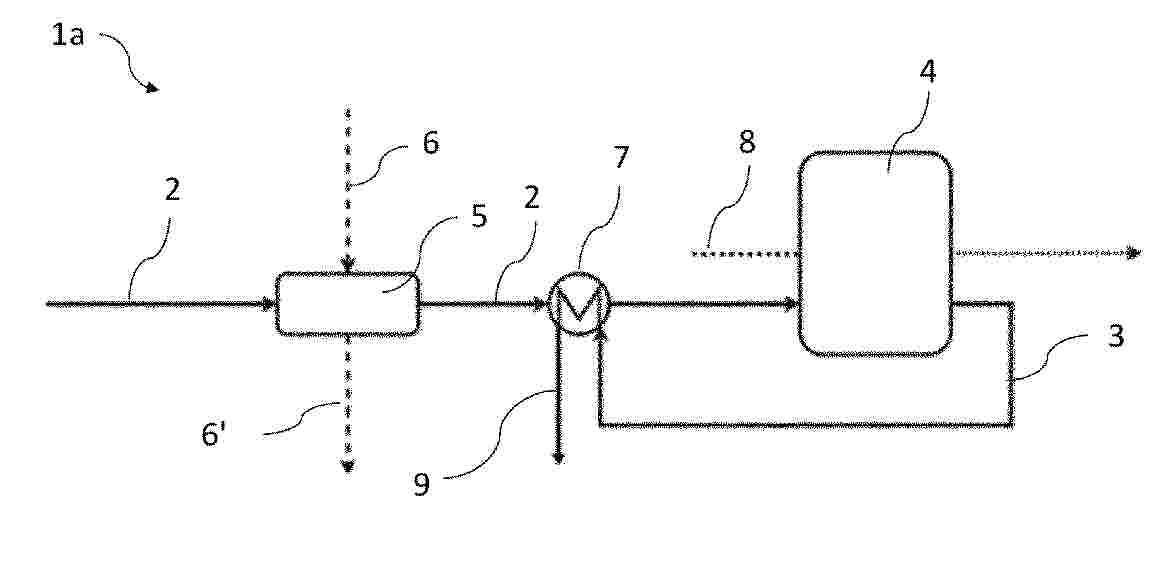
0001 The invention relates to an electrochemical device (1) comprising: - at least one, preferably a plurality of, electrochemical cell (4) comprising a fuel electrode an oxygen electrode and a membrane, - at least one fluid inlet line (2) leading to the fuel electrode of the at least one electrochemical cell (4), - at least one fluid outlet line (3), exiting the fuel electrode of the at least one electrochemical cell (4), - at least a first co-fluid line leading to the oxygen electrode of the at least one electrochemical cell, - a reformer with an integrated heat exchanger (5) located upstream to the at least one electrochemical cell (4), - at least one hot stream line (6) to provide heat to the fluid inlet line (2), - at least two temperature sensors (T) for detecting the inlet temperature of the at least one fluid and/or for detecting the at least one outlet temperature of the at least one fluid, preferably at a reformer inlet side and/or a reformer outlet side. 0002 A first pre-heater (7) is arranged between the reformer (5) and the at least one electrochemical cell (4). The fluid inlet line (2) is in fluid communication with the reformer (5) and/or first preheater (7) and the hot stream line (6) is in fluid communication with reformer (5) and/or the first preheater (7).
Resumen de: WO2025087881A1
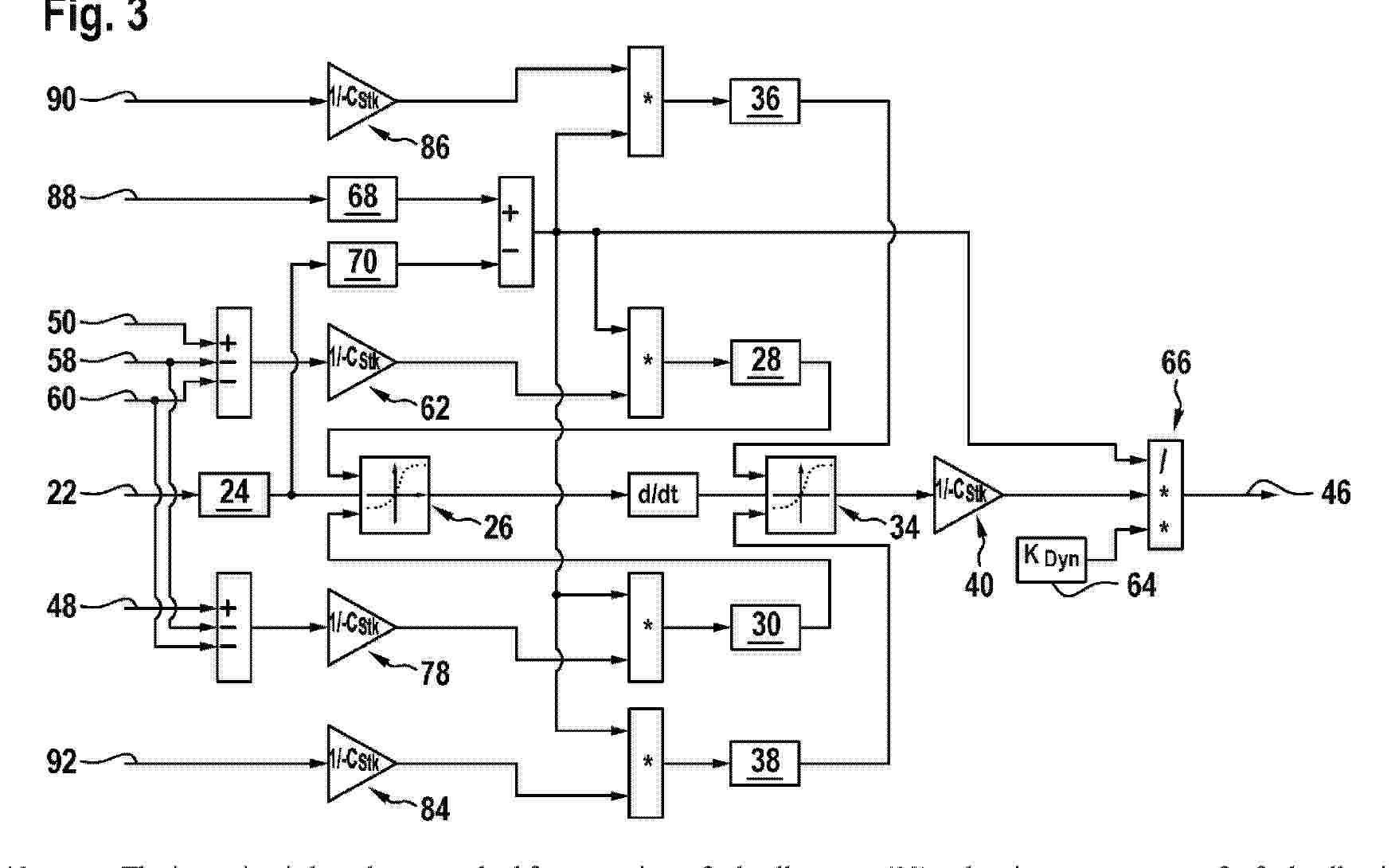
The invention is based on a method for operating a fuel cell system (10), wherein a temperature of a fuel cell unit (12) of the fuel cell system (10) is regulated by means of an air feed rate in one method step. It is proposed that the air feed rate in at least one operating state is determined at least depending on a rate of change of a target temperature value (22) of the fuel cell unit (12).
Resumen de: WO2025088418A1
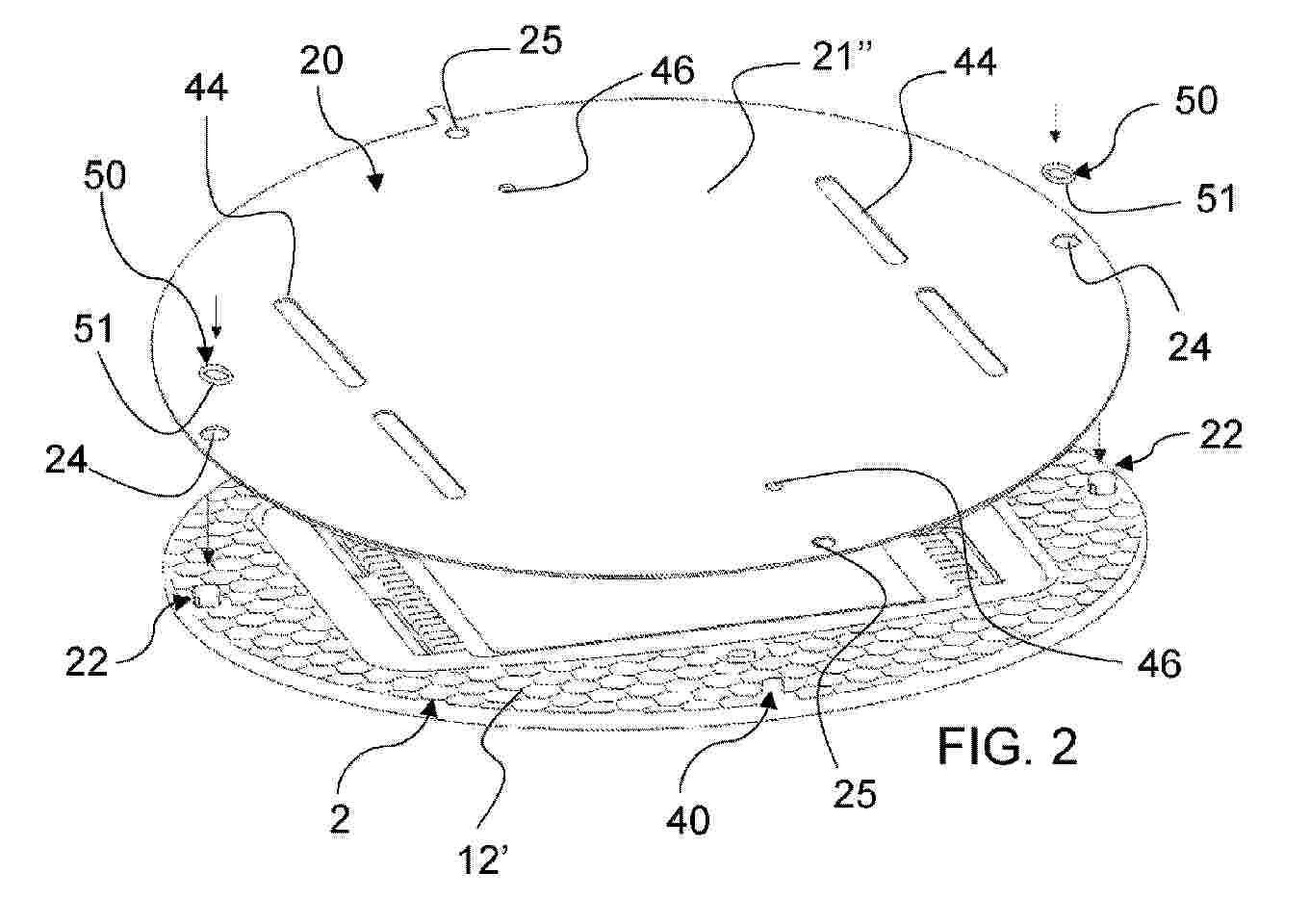
Electrochemical device (1), preferably of the electrolyser type for hydrogen production, characterised by comprising: - at least one support frame (2), with a substantially laminar development, which is provided with at least one seat (3) for an electrochemical module (10), said support frame (2) comprising a first face (12') and a second face (12") which are opposite to each other, at least one electrochemical module (10) which is mounted in said at least one seat (3) and which comprises a separation membrane interposed between two electrodes, respectively between an anode and a cathode, at least one bipolar plate (20) for applying/transferring electrical energy to the electrodes of said at least one electrochemical module (10), said bipolar plate (20) comprising a first surface (21') and a second surface (21") which are opposite to each other, said bipolar plate (20) being superimposed on said support frame (2) and being configured so that the first surface (21') of said bipolar plate (20) rests, at least in part, on a first face (12') of said support frame (2).
Resumen de: CN122074051A
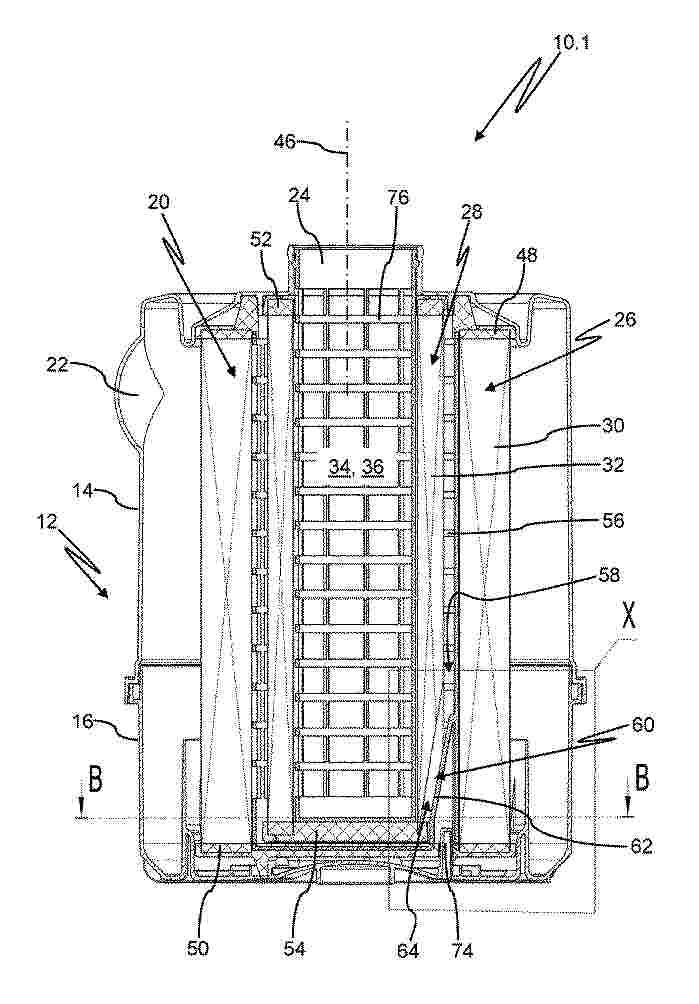
The present invention relates to an annular filter element assembly comprising two annular filter elements through which a fluid can flow in series. The outer annular filter element surrounds the inner annular filter element at least in a sub-region of its axial extension. The rotational position of the two annular filter elements relative to each other is fixed in such a way that an engagement element arranged between the two annular filter elements engages in the radial direction at least into one of the annular filter elements. The engagement element may be retained on a central tube that extends between the filter media bodies of the annular filter element. In one embodiment, the central tube is secured to one of the annular filter elements, and the engagement element is engaged into the other annular filter element. In another embodiment, the engagement element engages into the two annular filter elements, and then the central tube may be released from the two annular filter elements and may be secured to the filter housing. One or both of the annular filter elements may have a bellows. Preferably, the engagement element is engaged into the folded fold which is expanded.
Resumen de: EP4799982A1
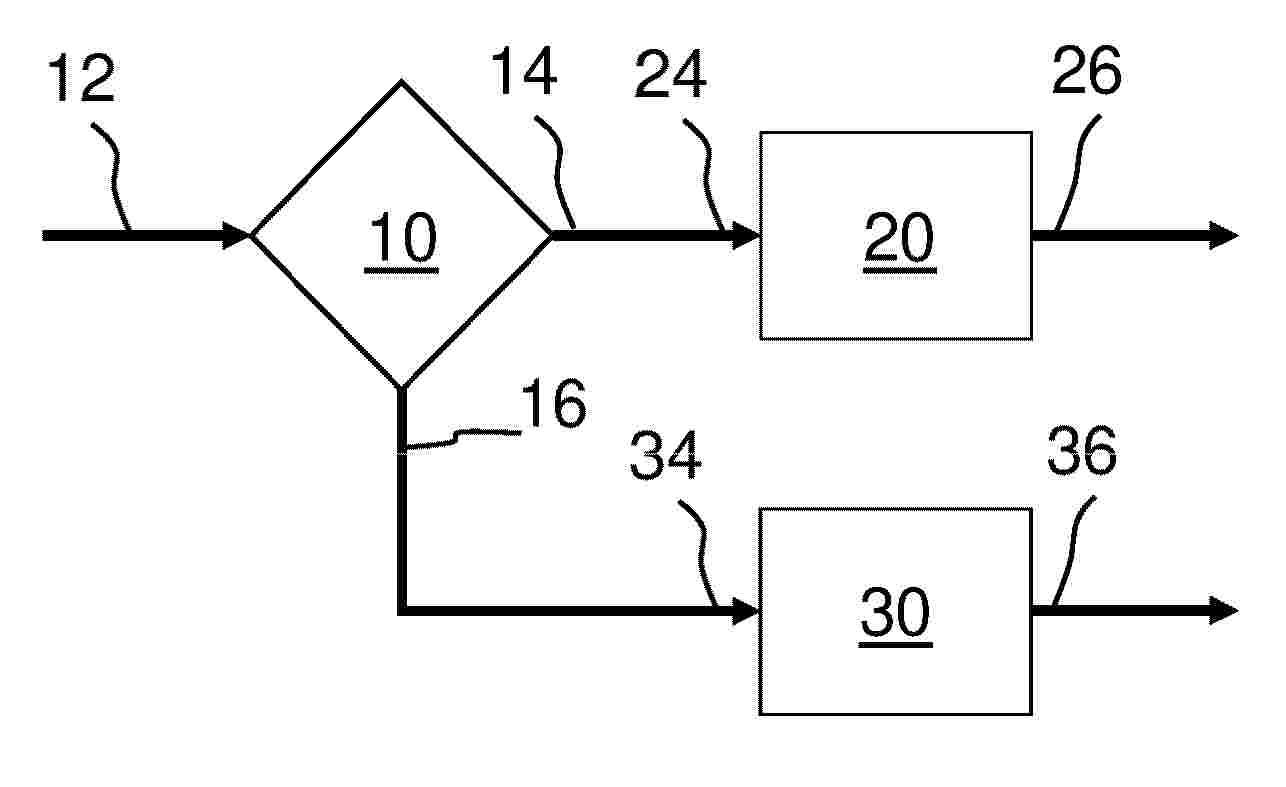
0001 A filtration system (100) for filtering fluids, in particular for filtering exhaust fluids of a fuel cell system, comprises a water separator (10) for separating water from a fluid flow, the water separator (10) comprising an inlet port (12) for the fluid flow having a first water content entering the water separator (10), an outlet port (14) for the fluid flow having a second water content leaving the water separator (10), and a water drain port (16) for the water separated from the fluid flow, the first water content being higher than the second water content, and a first filter module (20) and a second filter module (30), each of the first and second filter modules (20, 30) comprising a first adsorbent material (42) and/or a second adsorbent material (52). An inlet port (24) of the first filter module (20) is connected to the outlet port (14) of the water separator (10), an inlet port (34) of the second filter module (30) is connected to the water drain port (16) of the water separator (10), the first filter module (20) comprises an outlet port (26) for a filtered fluid, the second filter module (30) comprises an outlet port (36) for filtered water, and the first and second adsorbent materials (42, 52) are for removing at least perfluoroalkyl and polyfluoroalkyl substances from the fluid flow and/or the water.
Resumen de: EP4800783A1
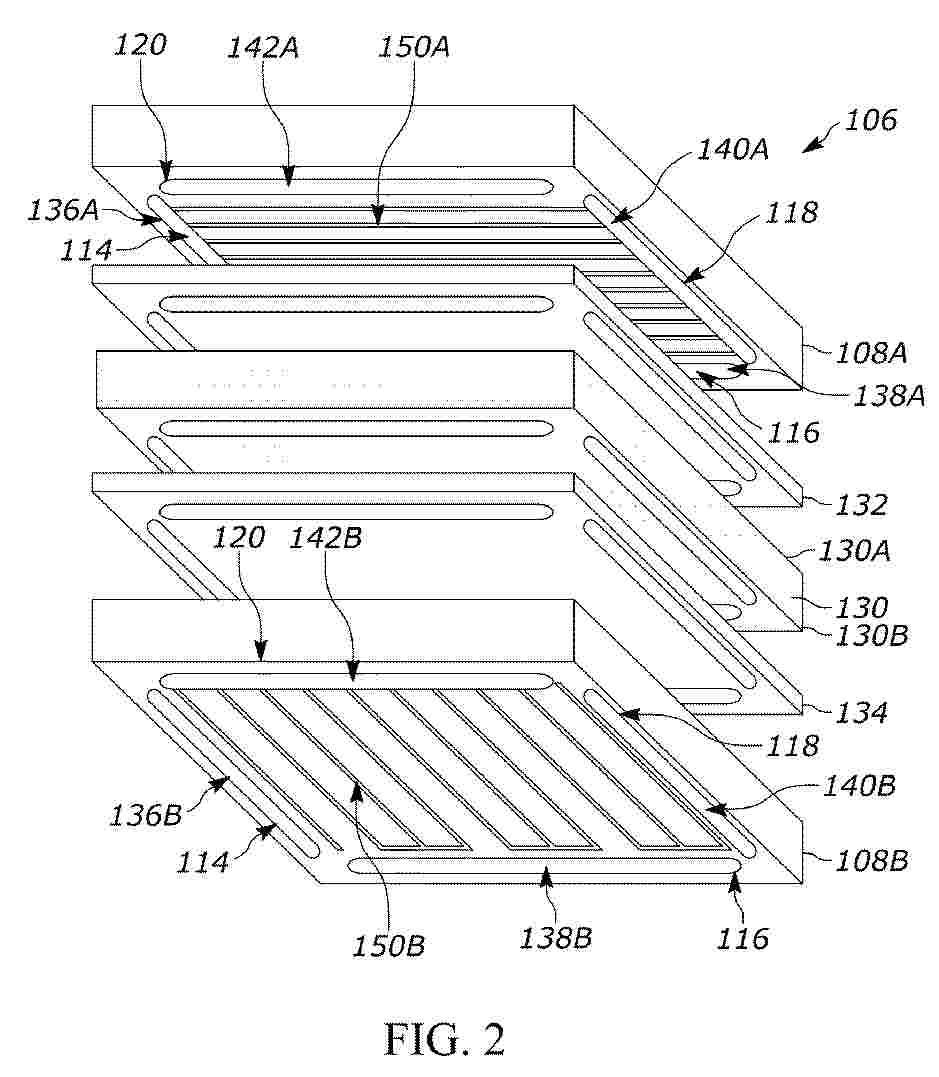
0001 In some embodiments, an electrochemical cell assembly (100, 180) includes a plurality of electrochemical cells (106). The electrochemical cell assembly (100, 180) includes a first end (102, 186) of the that receives and discharges an input stream and a second end (104, 188) disposed opposite the first end (102, 186). Each electrochemical cell in the plurality of electrochemical cells (106) comprises an electrolyte (130), a first electrode (132), and a second electrode (134). A plurality of flow plates (108, 184) are disposed between adjacent electrochemical cells (106) in the plurality of electrochemical cells (106). Each of the plurality of flow plates (108, 184) comprises at least one slot that defines a portion of an axial flow channel (114, 116, 118, 120, 182) that extends from the first end (102, 186) to the second end (104, 188). The electrochemical cell assembly (200) (180) (100) also comprises an insert (122, 124, 126, 128, 190) disposed in the axial flow channel (114, 116, 118, 120, 182). The at insert (122, 124, 126, 128, 190) has a geometry that is non-uniform along an axial direction that extends from the first end (102, 186) to the second end (104, 188) of the electrochemical cell assembly (100, 180).
Resumen de: WO2026176715A1
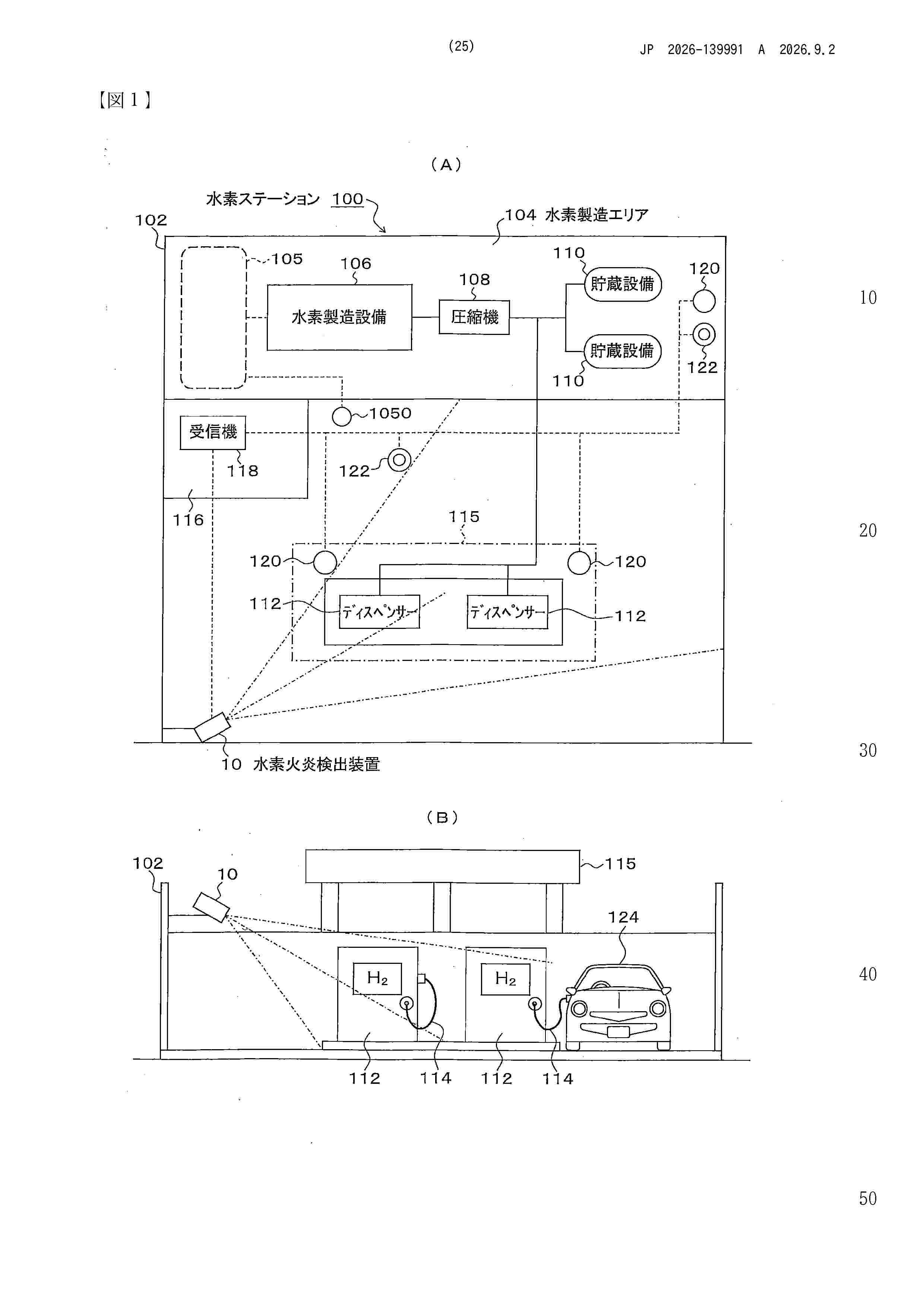
Problem To make it possible to receive light from a hydrogen flame and accurately detect the hydrogen flame. Solution A hydrogen flame detection device 10 comprises a first light reception unit 18 that receives light from a hydrogen flame in a characteristic wavelength band that is specific to hydrogen flames, a second light reception unit 22 that receives light from the hydrogen flame in a wavelength band that is different from the characteristic wavelength band, and a hydrogen flame determination unit 28 that detects the hydrogen flame on the basis of a first light reception signal obtained from the light in the characteristic wavelength band received by the first light reception unit 18 and a second light reception signal obtained from the light in the wavelength band that is different from the characteristic wavelength band received by the second light reception unit 22.
Resumen de: JP2026140623A
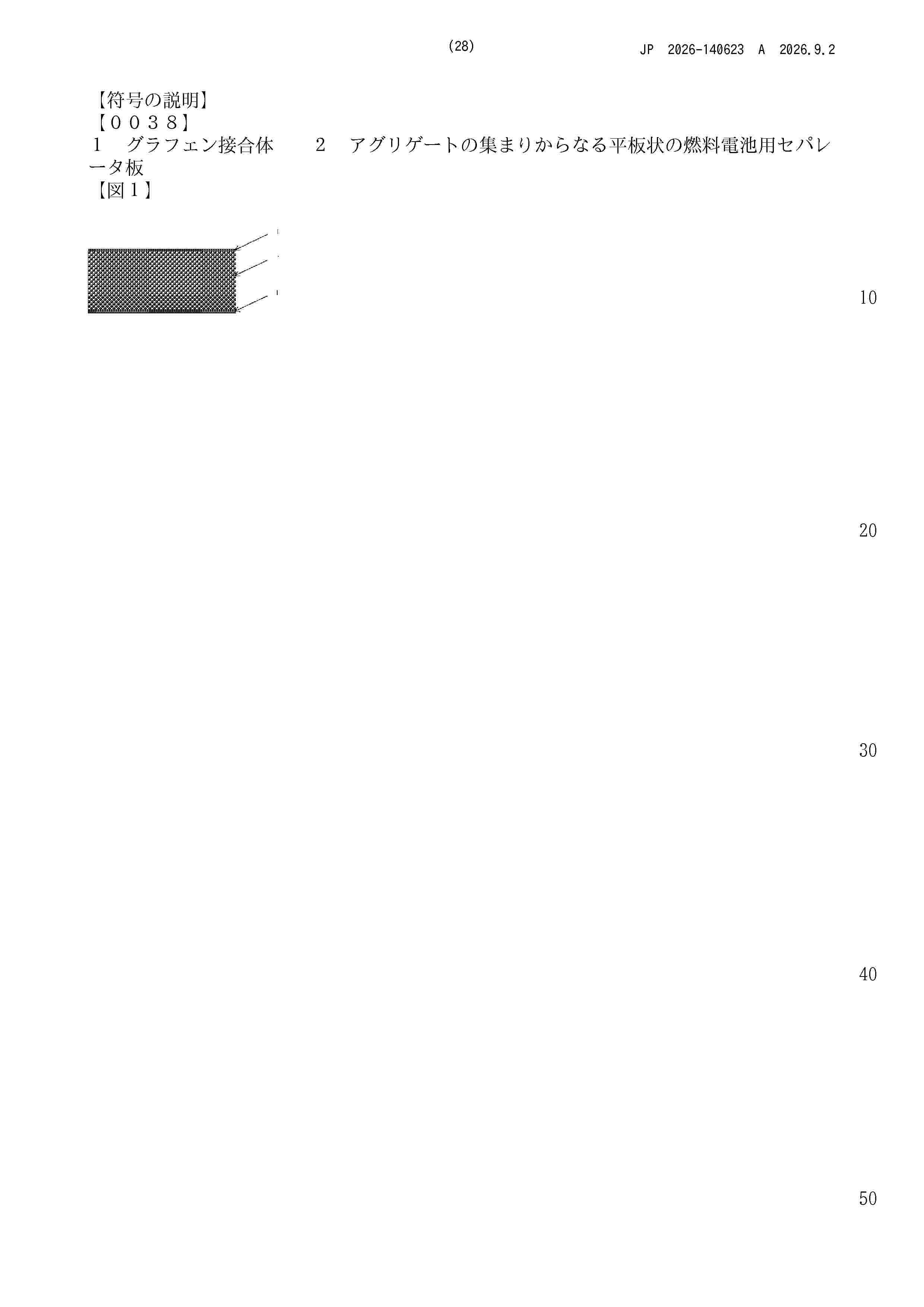
【課題】燃料電池用セパレータ板が、金属に近い電気抵抗を持ち、ガスの不透過性を持ち、酸に対する耐食性を持ち、十分な衝撃強度を持ち、ガス流路が容易に形成でき、著しく軽量で安価に製造できる、これら6つの性質を兼備する燃料電池用セパレータ板の形成方法を見出す。【解決手段】アグリゲートの集まりをメタノール中に分散し、メタノールの6-8倍の粘度を持つアルコールを投入して懸濁液を作成し、該懸濁液を2枚の金型で挟み、アルコールを気化させた後に、上方の金型を圧縮し、燃料電池用セパレータ板を作成する。また、グラフェンの集まりをメタノール中に分散し、グラフェンの扁平面同士が、メタノールの4-6倍の粘度を持つアルコールを介して重なり合った懸濁液を作成する。さらに、燃料電池用セパレータ板を懸濁液に浸漬し、アルコールを気化させた後に、懸濁液を圧縮し、燃料電池用セパレータ板の両方の面にグラフェン接合体を接合する。【選択図】図1
Resumen de: JP2026140462A
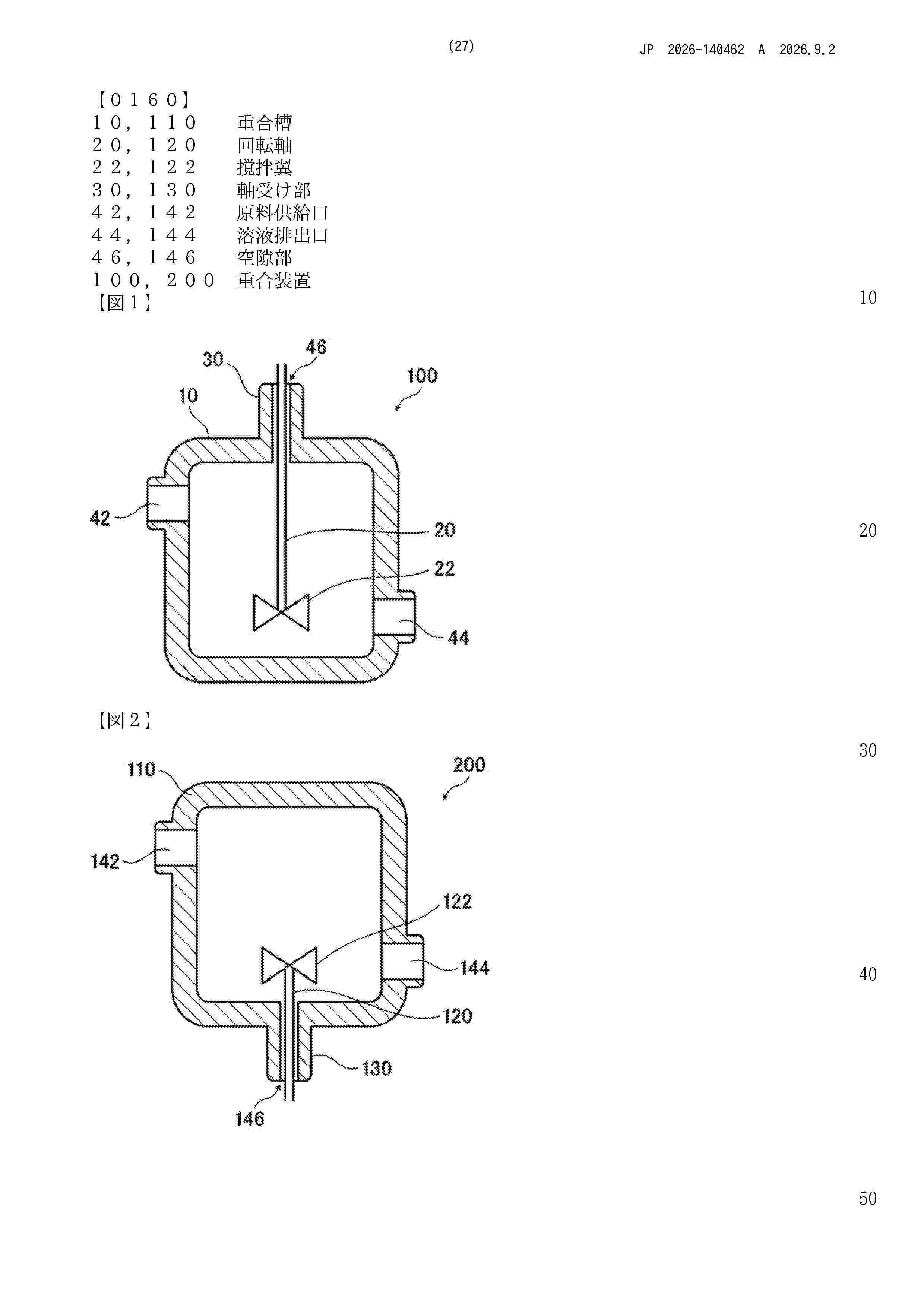
【課題】不純物の混入量が少ないイオン交換基に変換できる基を有する含フッ素ポリマーを製造できる、含フッ素ポリマーの製造方法、及び、液状組成物の製造方法の提供。【解決手段】本発明の含フッ素ポリマーの製造方法は、イオン交換基に変換できる基を有する含フッ素ポリマーの製造方法であって、回転軸に取り付けられた撹拌翼を備える重合槽中において、メカニカルシール液を回転軸に沿って重合槽内に供給しつつ、含フッ素溶媒の存在下、イオン交換基に変換できる基を有する含フッ素モノマーを含むモノマーを重合して、イオン交換基に変換できる基を有する含フッ素ポリマーFを含む溶液を得る工程1と、溶液から含フッ素ポリマーFを回収する工程2と、を含み、含フッ素ポリマーFに対するメカニカルシール液のハンセン溶解度パラメータの距離が5.7MPa0.5以上である。【選択図】なし
Nº publicación: EP4800159A1 02/09/2026
Solicitante:
FUNDACIO INST DE CIENCIES FOT\u00D2NIQUES [ES]
Fundaci\u00F3 Institut de Ci\u00E8ncies Fot\u00F2niques
Resumen de: EP4800159A1
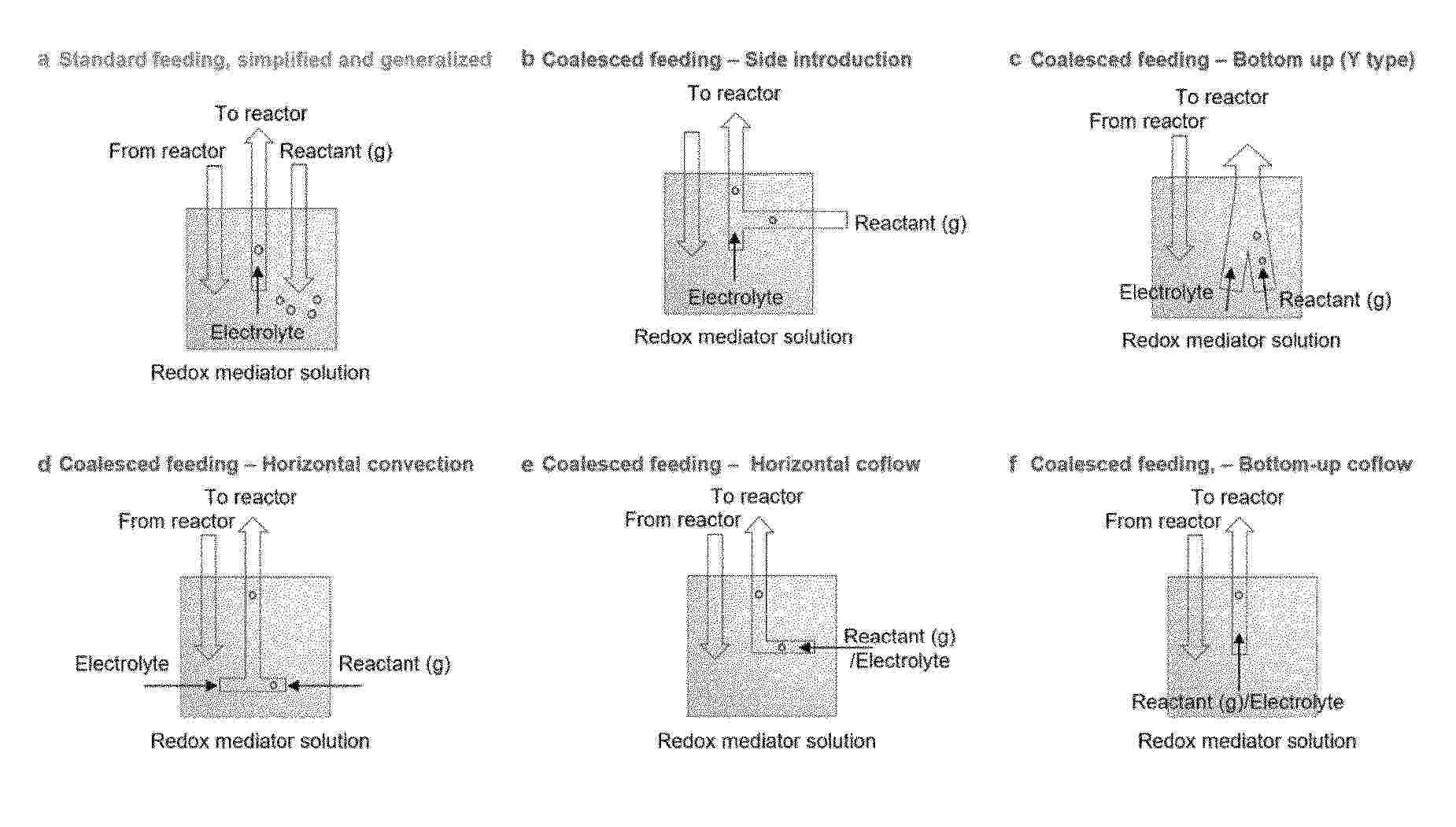
0001 The present invention relates to a process to react a gaseous reactant as well as a device to implement such.
 BOPI
BOPI
 Sede Electrónica