Si deseas distinguir tus productos, servicios o ambos de los de otra empresa, es posible que necesites una marca o nombre comercial. Descubre qué son, en qué consiste su procedimiento de registro y qué implica.

Información sobre los plazos de presentación de solicitudes de transformación de marcas de la Unión Europea en marca nacional española. Más información


Si tienes un nuevo dispositivo, producto o procedimiento que resuelva un problema técnico o tenga una ventaja práctica, existen distintas formas de protegerlo en España y en otros países. Descubre cómo hacerlo.

¿Tu innovación reside en la estética, la ornamentación o la apariencia de tu producto? Protégela mediante un diseño industrial. Descubre qué derechos confiere el registro y cómo realizar la tramitación.

Las indicaciones geográficas protegen el nombre de un producto originario de una zona geográfica, a la cual le debe una determinada calidad, reputación u otra característica. Descubre qué son, en qué consiste su procedimiento de registro y qué beneficios conceden.

Las patentes publicadas en todo el mundo son una valiosa fuente de información científica, técnica y comercial.

Si eres emprendedor/a o una empresa y quieres potenciar y mejorar la rentabilidad de tu negocio protegiendo de forma adecuada los activos intangibles de tu organización, en este espacio encontrarás lo necesario.


 484
resultados
484
resultados
 Última actualización
15/09/2026 [06:53:00]
Última actualización
15/09/2026 [06:53:00]


 Resultados 350 a 375 de 484

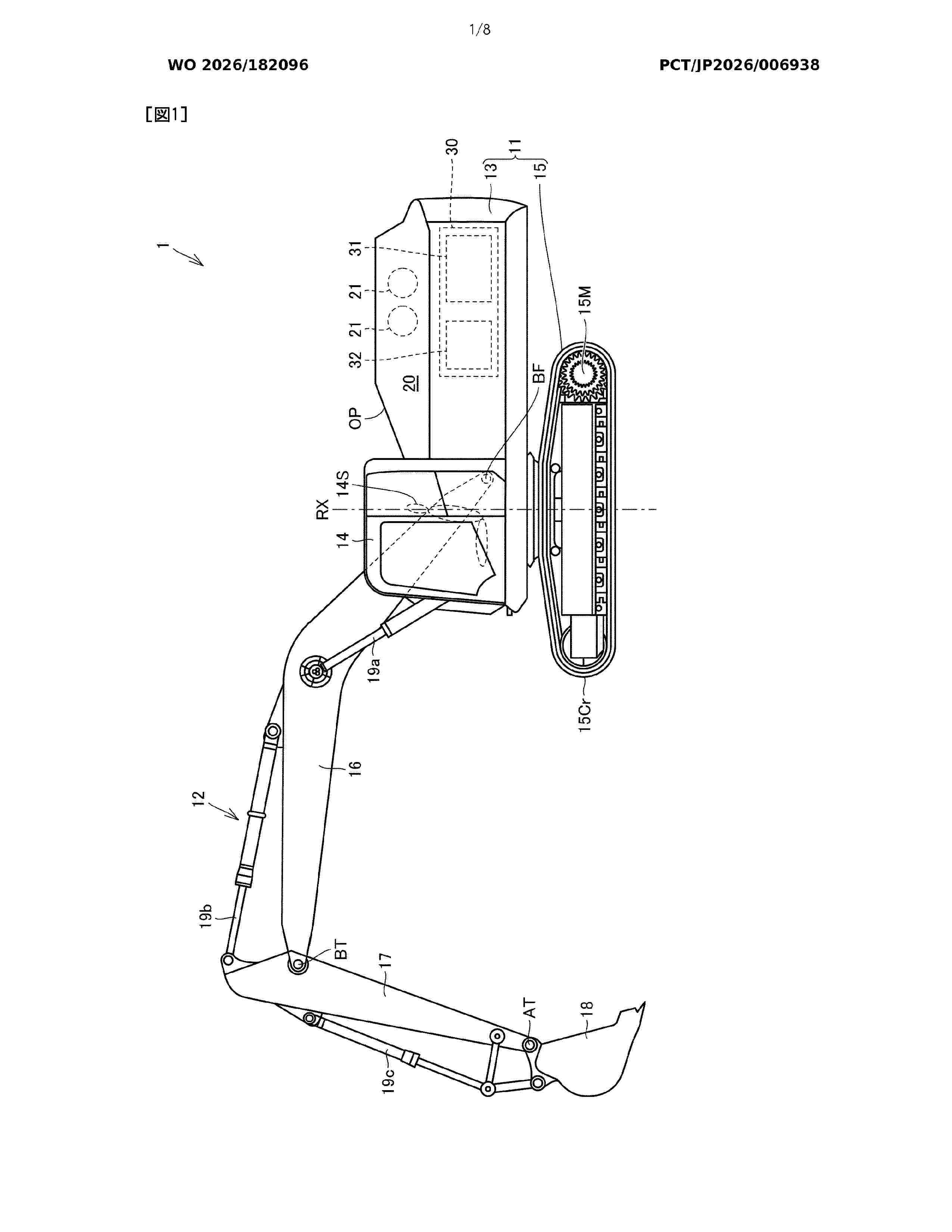
Resumen de: WO2026182096A1
Provided is a work machine capable of efficiently replacing a hydrogen tank in a short time. A work machine comprises: a fuel cell module (30) which is a power source using hydrogen; a hydrogen tank (21) from which hydrogen is supplied to the fuel cell module (30); a flow path (40) for hydrogen from the hydrogen tank (21) to the fuel cell module (30); and a joint (50) which is provided to the flow path (40). The joint (50) has a plug (52) and a socket (51), and is configured so that the plug (52) and the socket (51) can be connected by inserting the plug (52) into the socket (51). The work machine further comprises a pressure-reducing valve (60) for reducing the pressure inside the flow path (40).

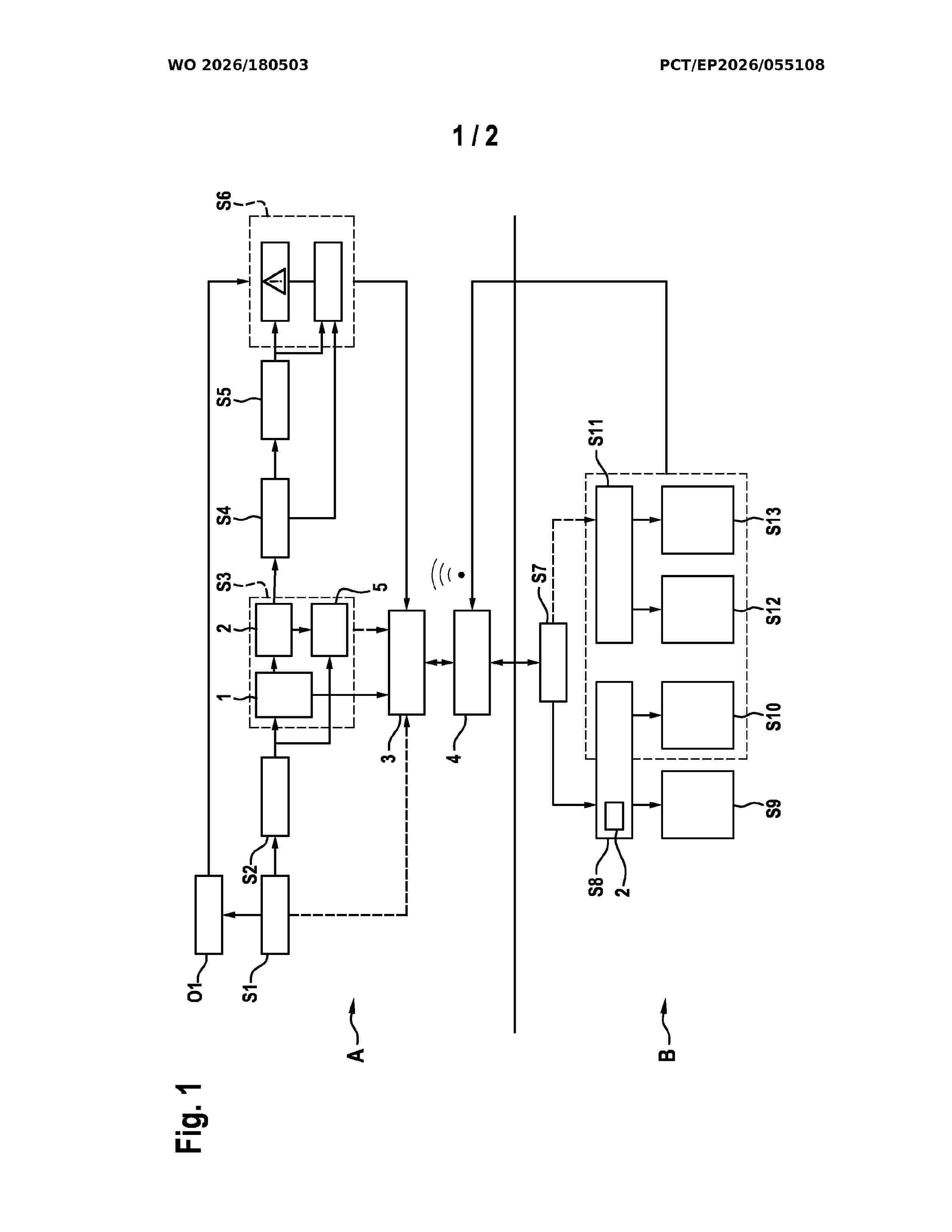
Resumen de: WO2026180503A1
The invention relates to a method for operating a fuel cell system in a vehicle (A), wherein during operation operating data are read out as raw data at a decentralised computing point (B) and are deposited at a temporary storage location. According to the invention, an encoder (1) and a decoder (2) are used onboard the vehicle for data processing and an identical decoder (2) is operated at the decentralised computing point (B), the following steps being carried out partly sequentially, partly in parallel: - generating compressed data onboard the vehicle by compressing the raw data by means of the encoder (1), - transmitting the compressed data to the decentralised computing point (B), - reconstructing the raw data onboard the vehicle from the compressed data by means of the decoder (2), - detecting compression errors on the basis of reconstruction errors, and - if a compression error is detected: reading out the raw data from a temporary storage location and depositing the raw data at a designated long-term storage location. The invention also relates to a control device.
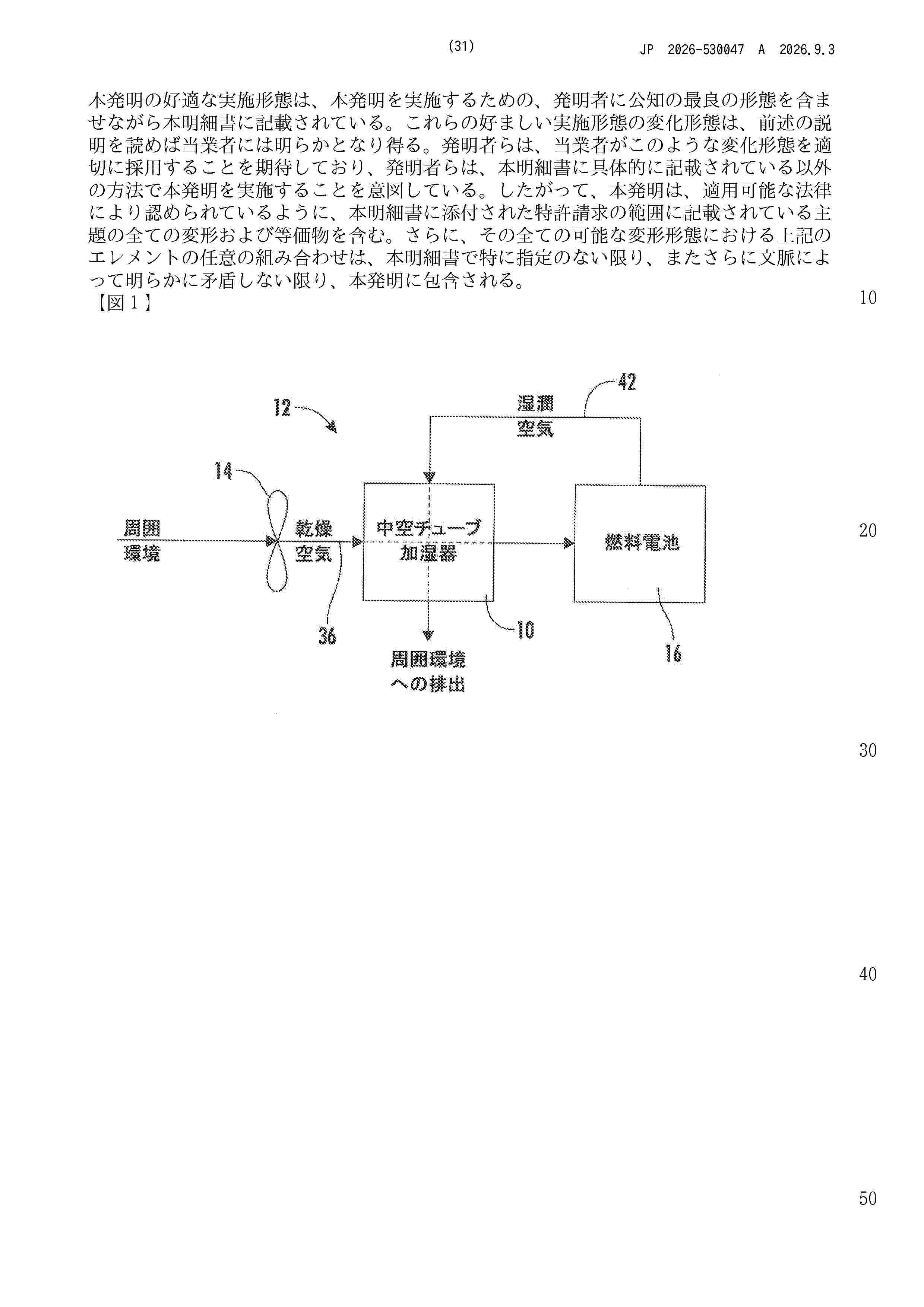
Resumen de: WO2025049517A1
A fluid transfer element is provided that may be used as a humidifier in a fuel cell application to transfer moisture from wet discharge air to incoming dry air from ambient. The element comprises an arrangement of hollow membrane tubes, also referred to as hollow membrane fibers, which have a passageway through the tubes and a separate passageway around the tubes through interstices between adjacent exteriors of tubes. The arrangement of the hollow membrane tubes comprises tubes having different flow cross-section areas arranged to provide different flow restriction properties, which can be provide by larger diameter tubes and smaller diameter tubes. The tubes may be arranged to reduce pressure drop and induce wet gas air flow into smaller interstices along the wet air flow path.
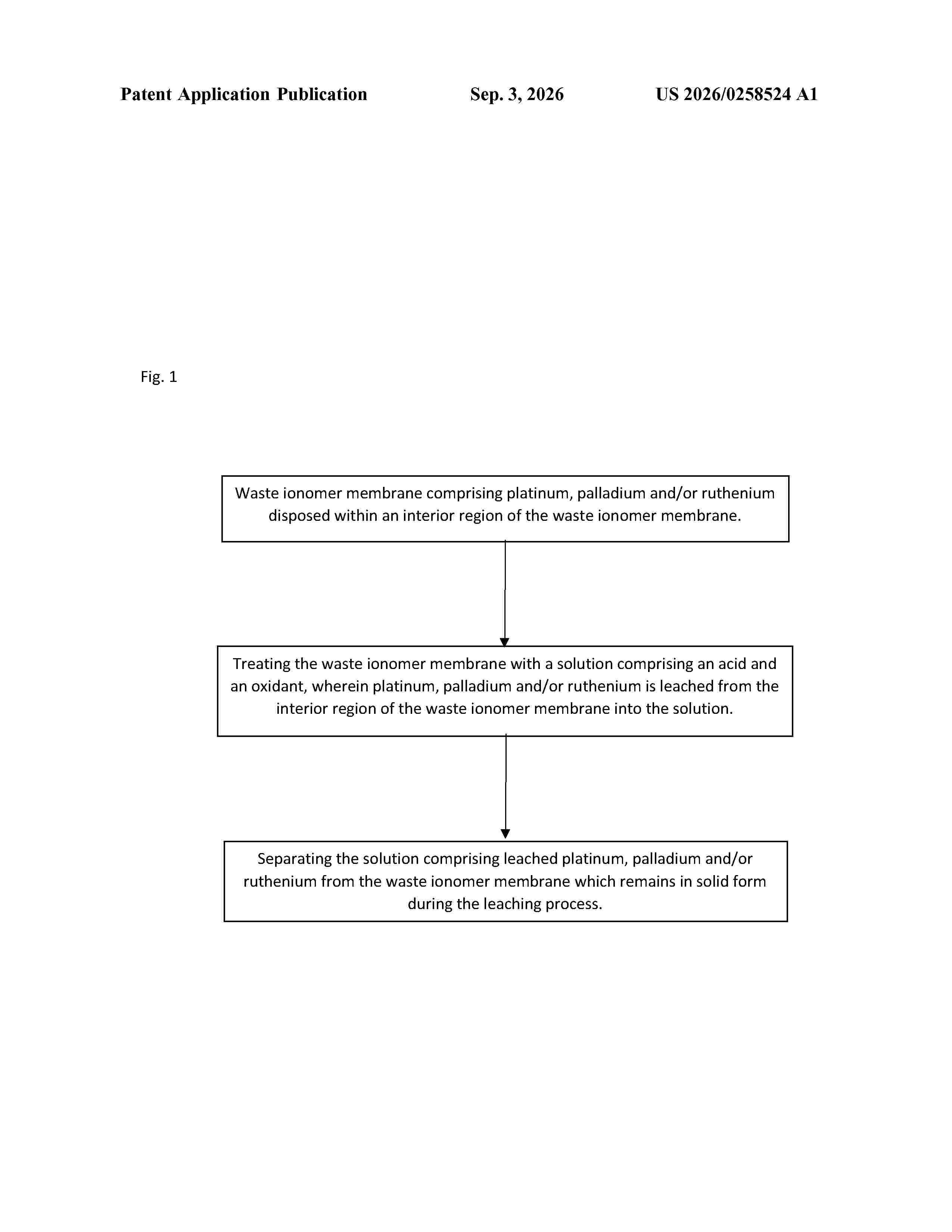
Resumen de: US20260258524A1
A method of recycling a waste ionomer membrane comprising platinum, palladium and/or ruthenium disposed within an interior region of the waste ionomer membrane, the method comprising: (a) treating the waste ionomer membrane with a solution comprising an acid and an oxidant, wherein platinum, palladium and/or ruthenium is leached from the interior region of the waste ionomer membrane into the solution; and (b) separating the solution comprising leached platinum, palladium and/or ruthenium from the waste ionomer membrane which remains in solid form during the leaching process.
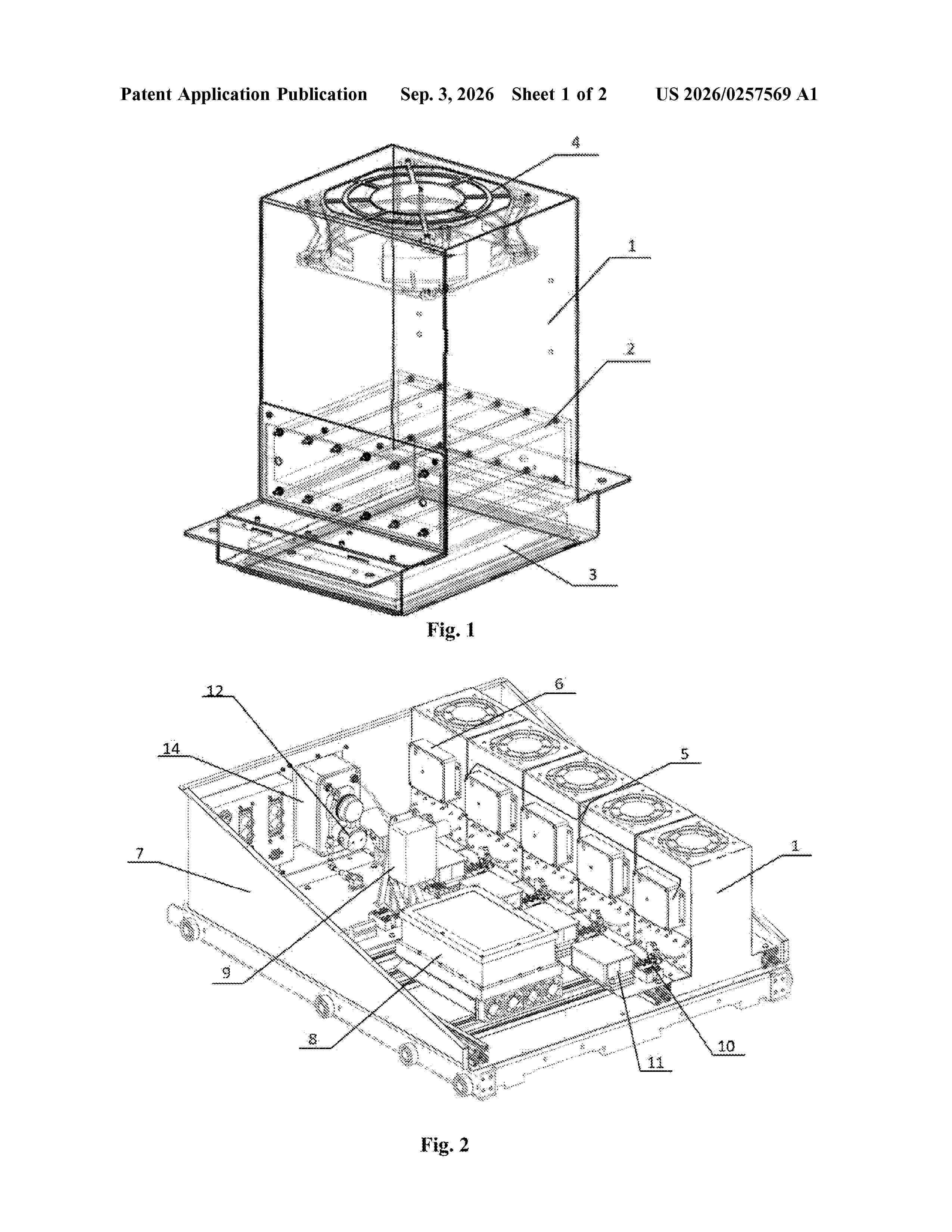
Resumen de: US20260257569A1
0000 The invention relates to devices utilizing a hydrogen fuel element for the accumulation of electricity in order to provide vehicle movement, or to function as an independent source of energy. The technical result achieved in the implementation of this invention is to increase the reliability of using hydrogen fuel cells within the vehicle's power supply system. The specified technical result is achieved due to a vehicle power supply system containing a housing, which, in turn, contains a voltage converter and a hydrogen supply module connected by nylon tubes with, at least, two fuel cells, characterized in that the housing of each fuel cell has a fan, an air filter and a fuel cell control board connected to a buffer battery via a solid-state relay; and the hydrogen supply module has an input for connecting a hydrogen storage and supply system and a low pressure reducer, the output of which is connected via a solenoid valve to nylon tubes, which, in turn, are connected to fuel cells, while the outputs of each fuel cell control board are connected to a voltage converter via the main control board, and the voltage converter is electrically connected to a traction battery and a traction electric motor of a vehicle.
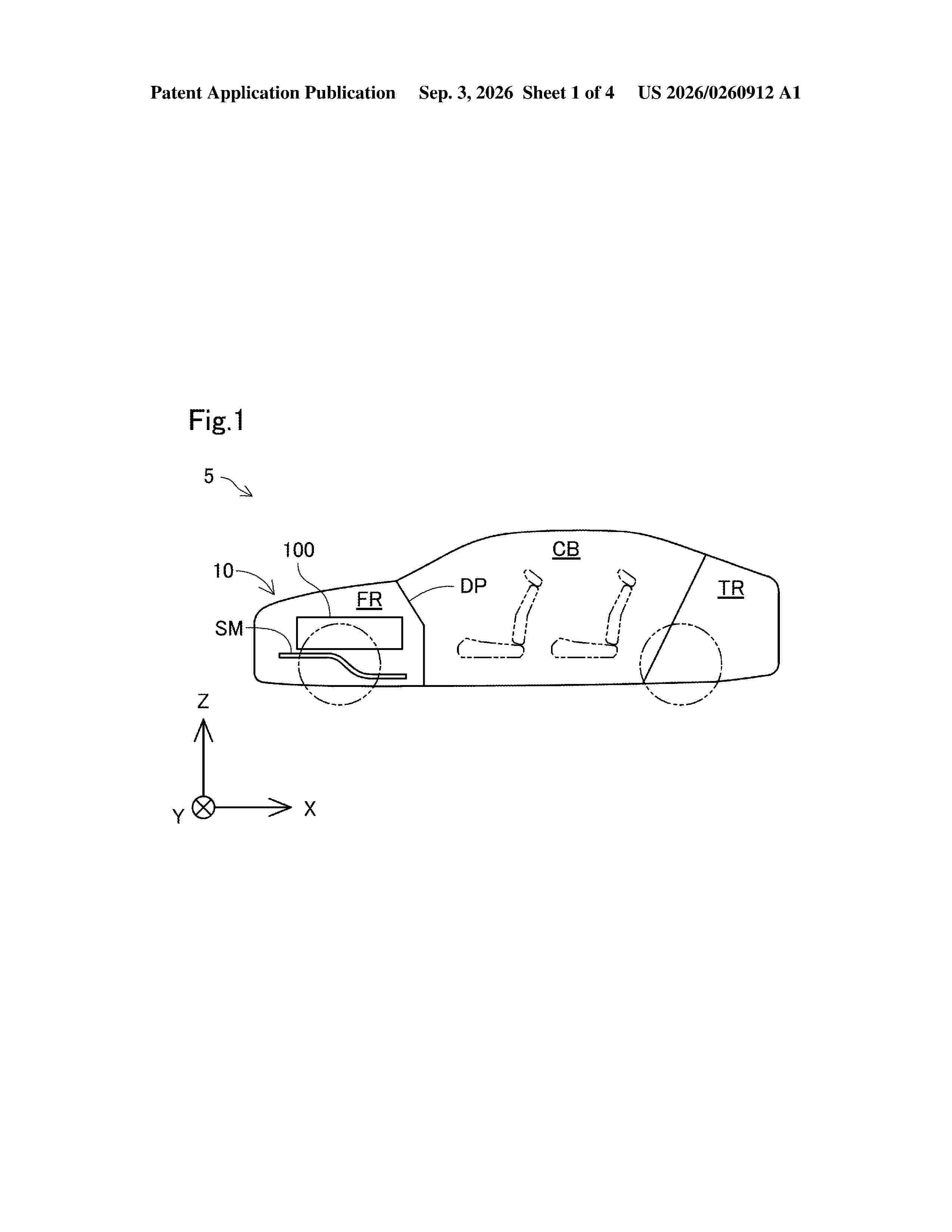
Resumen de: US20260260912A1
A fuel cell system to be mounted on a vehicle includes: a fuel cell having a cathode gas supply port through which cathode gas is introduced and a cathode gas discharge port through which the used cathode gas is discharged; a first pipe made of metal and communicating with the cathode gas supply port or the cathode gas discharge port; and a second pipe made of resin and communicating with the cathode gas supply port or the cathode gas discharge port via the first pipe, the second pipe having a bent portion disposed farther from the fuel cell than the first pipe.
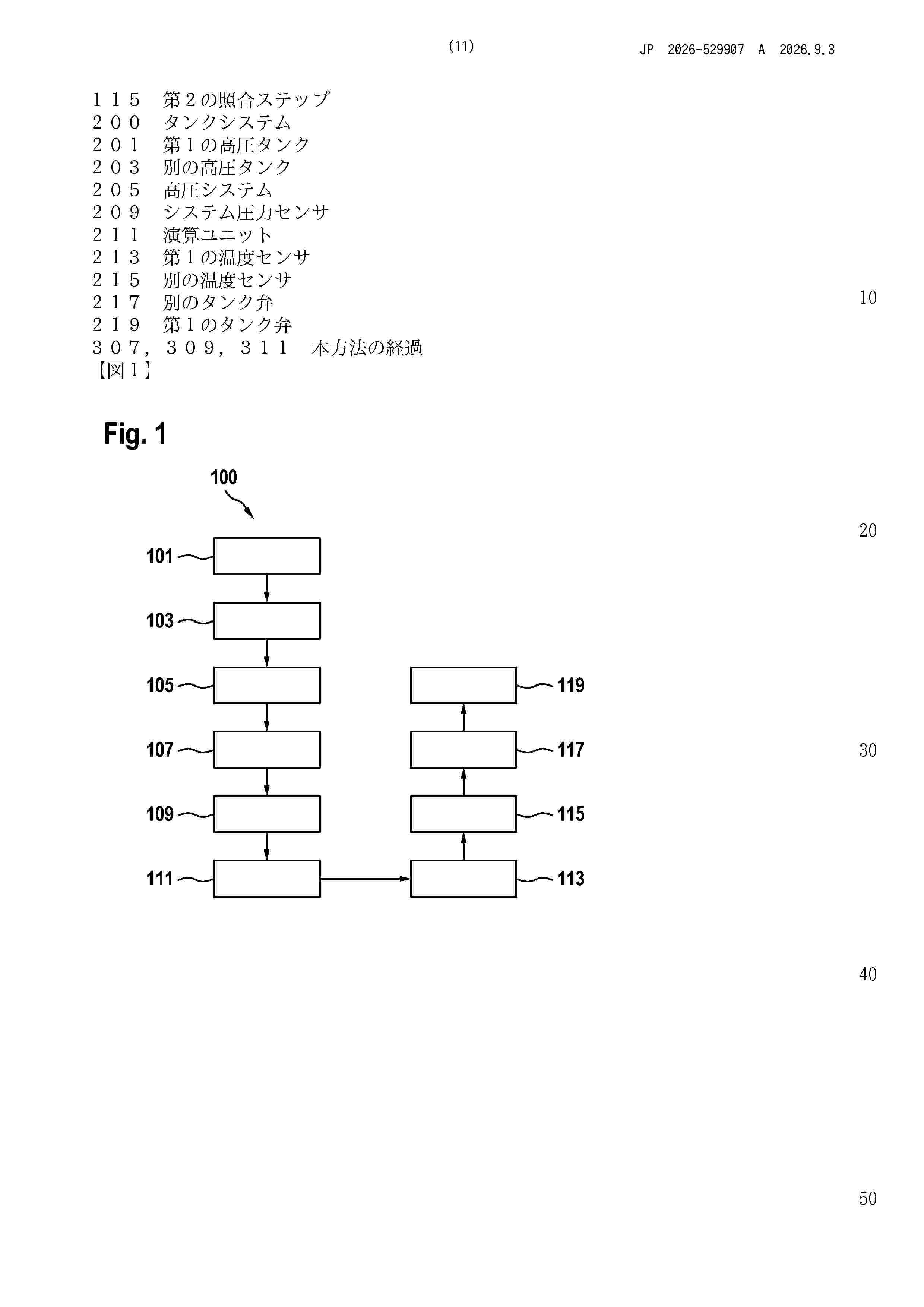
Resumen de: WO2025036702A1
The present invention relates to a method (100) for checking a tank system (200) comprising a plurality of high-pressure tanks (201, 203) as well as to a tank system (200).
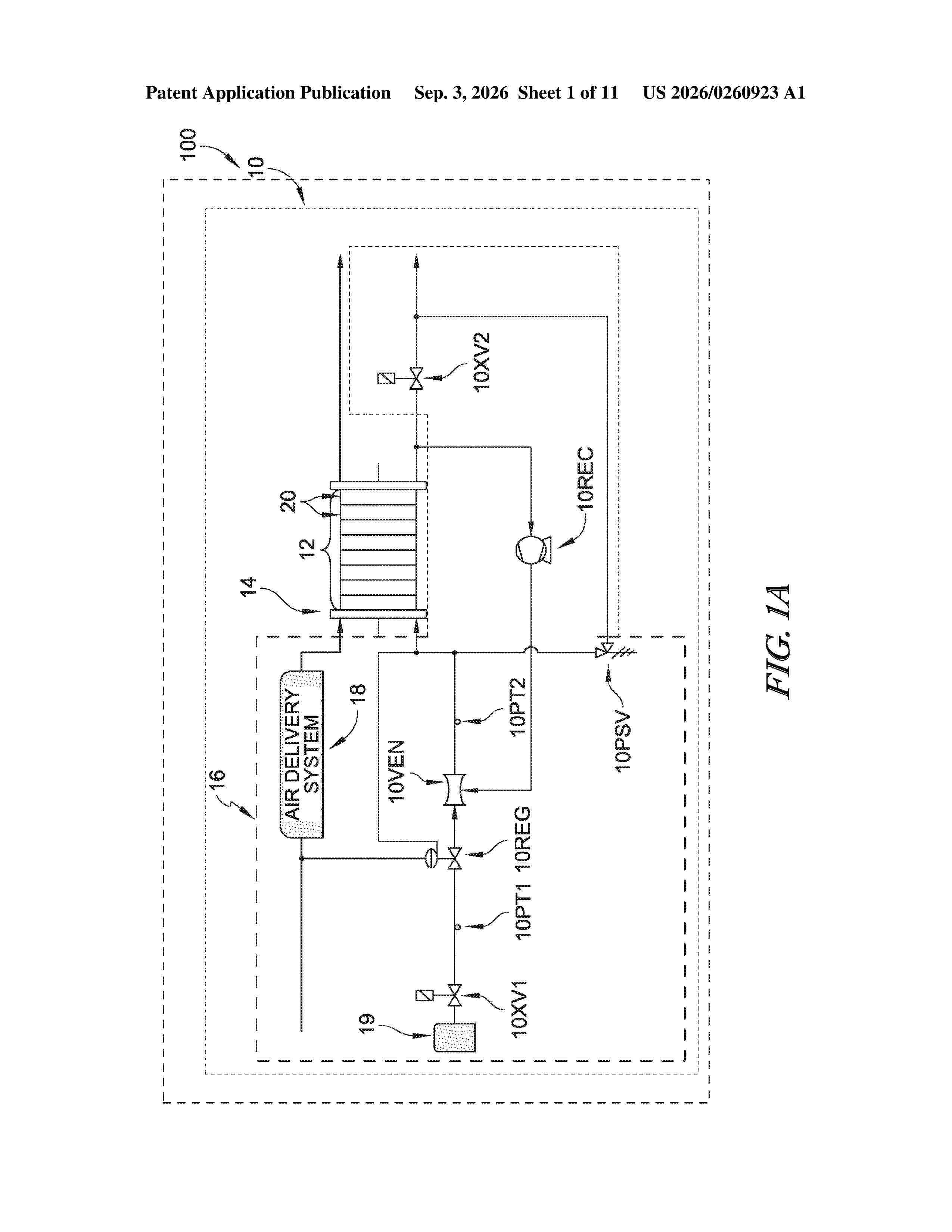
Resumen de: US20260260923A1
0000 An electrochemical system includes an electrochemical stack, a top endplate, a bottom endplate, and a tie rod spring assembly. The electrochemical stack is arranged between the top endplate and the bottom endplate. The tie rod spring assembly is configured to allow one or more components of the electrochemical stack to expand during use of the electrochemical stack.
Resumen de: US20260260907A1
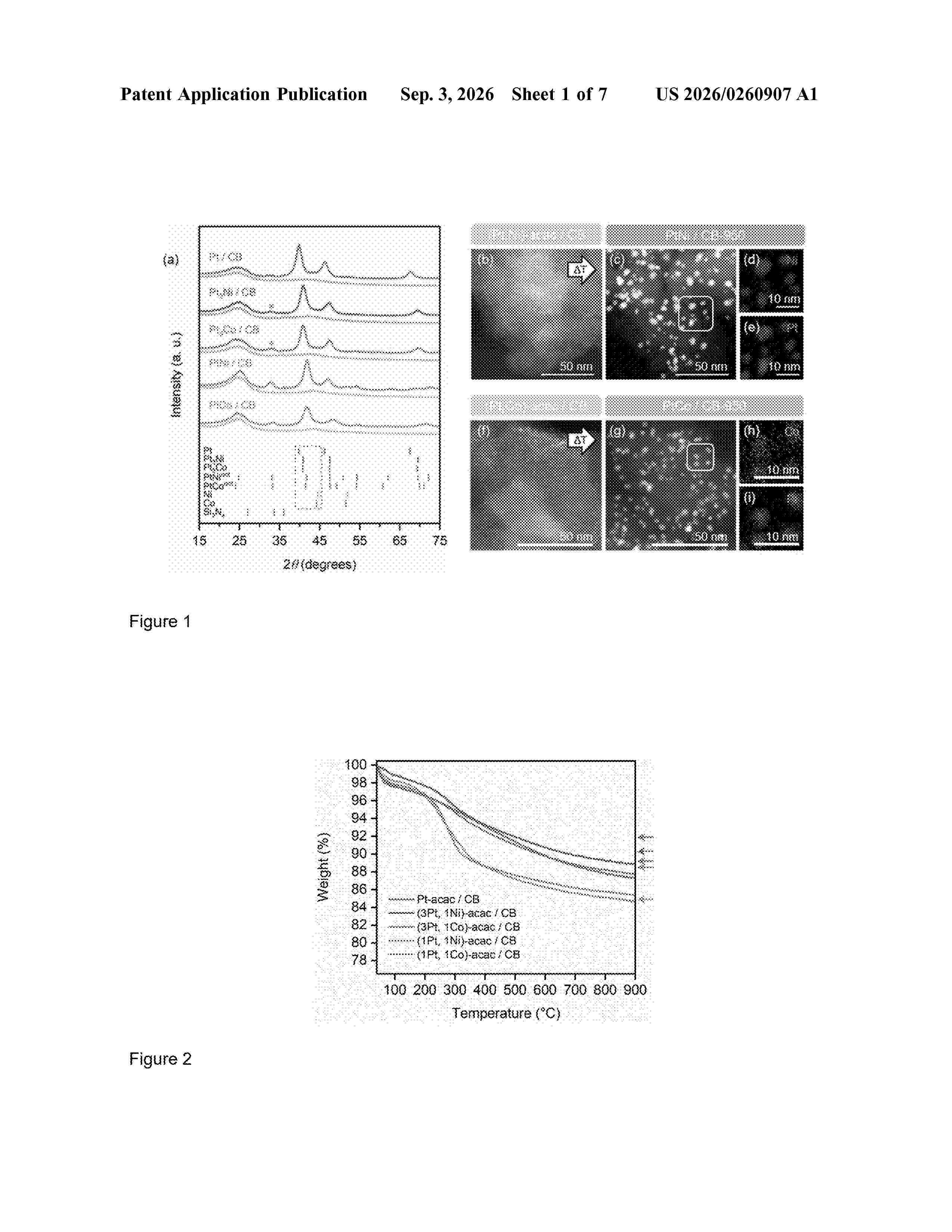
The present invention refers to a process for preparing a supported metallic, in particular a bimetallic, catalyst and the so-obtained catalyst combining high stability with unique electronic and structural properties.
Resumen de: US20260259268A1
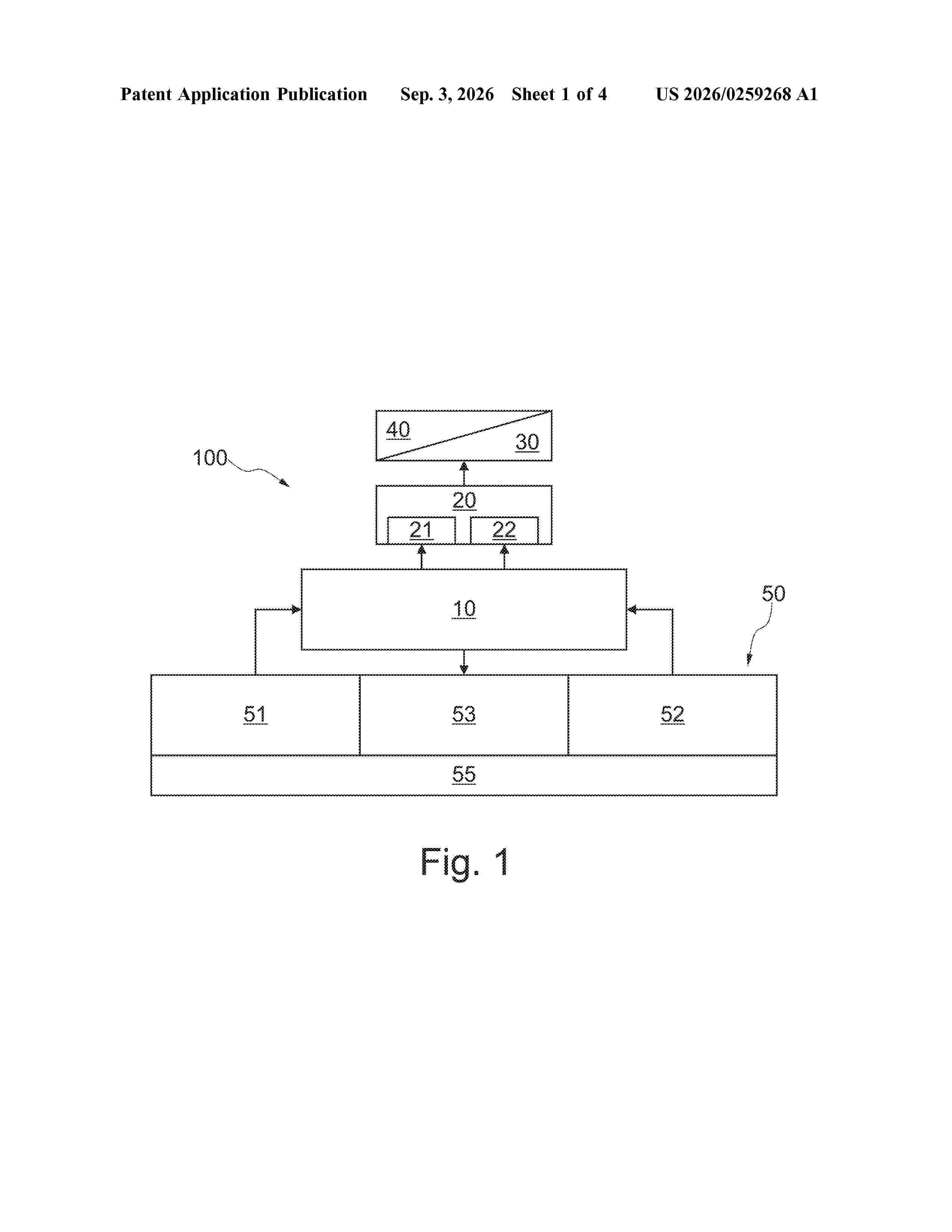
0000 The present invention relates to a system (100) and method for inducing and determining a specific fault and/or impairment on a PEM fuel cell (10). In addition to a measurement of operating parameters, a comparison of measurement signals with reference signals and a determination of whether a specific fault and/or impairment is present, a control of operating parameters in a test operation is in particular carried out according to provided stress factor patterns in which critical settings and/or courses of operating parameters are stored for the purpose of inducing faults and/or impairments on the fuel cell under test (10).
Resumen de: US20260260916A1
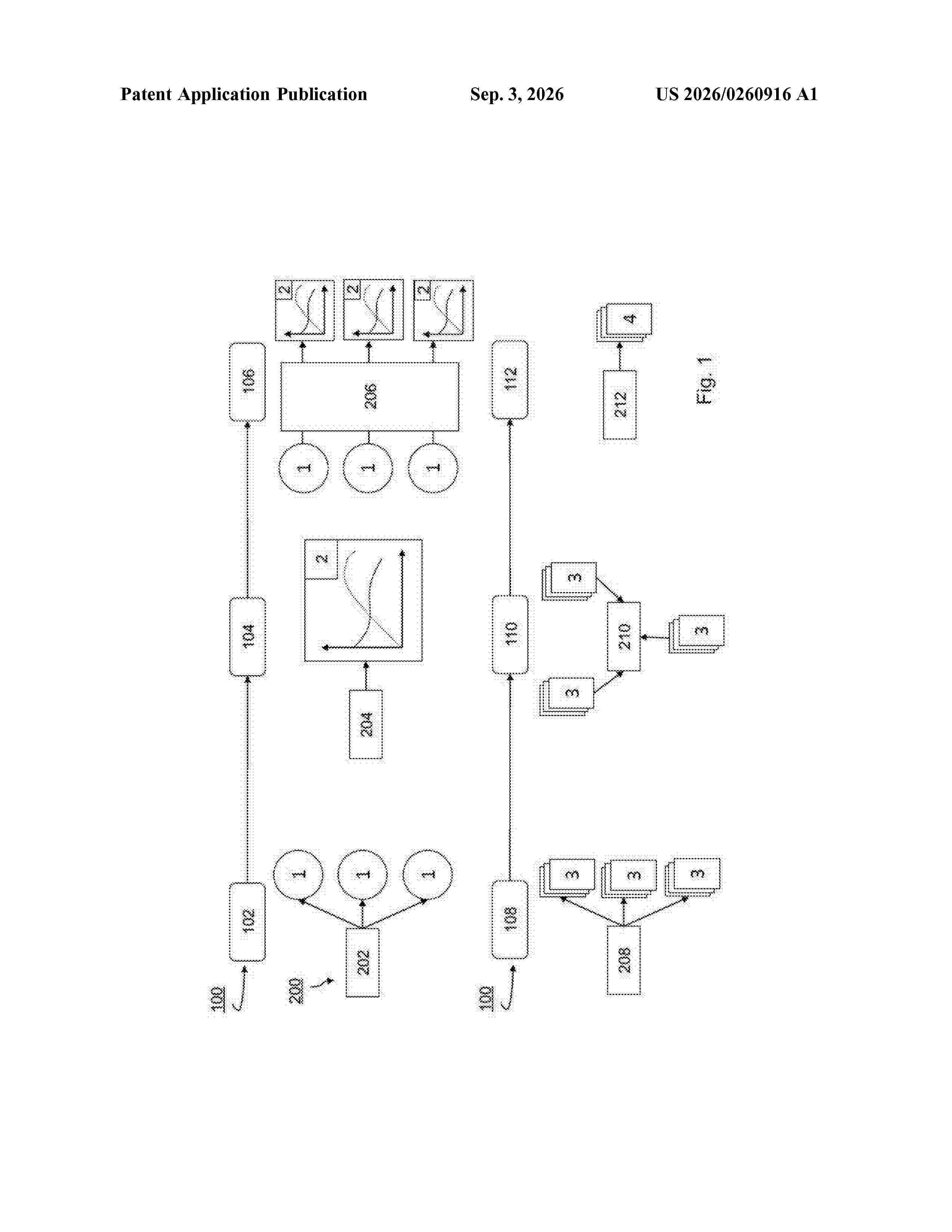
0000 The present invention relates to a diagnostic method (100) for diagnosing at least one fuel cell of a fuel cell system, wherein the diagnostic method (100) comprises the following steps: providing (102) at least two different polarisation models (1) for extracting a diagnostic fuel cell parameter set (3) from a polarisation curve (2) of at least one fuel cell, recording (104) at least one polarisation curve (2) from at least one measurement of at least one fuel cell, applying (106) at least two of the previously recorded different polarisation models (1) to the at least one polarisation curve (2) of the at least one fuel cell, and extracting (108) a diagnostic fuel cell parameter set (3) from the at least one polarisation curve (2) of the at least one fuel cell for each of the applied polarisation models (1).
Resumen de: US20260260920A1
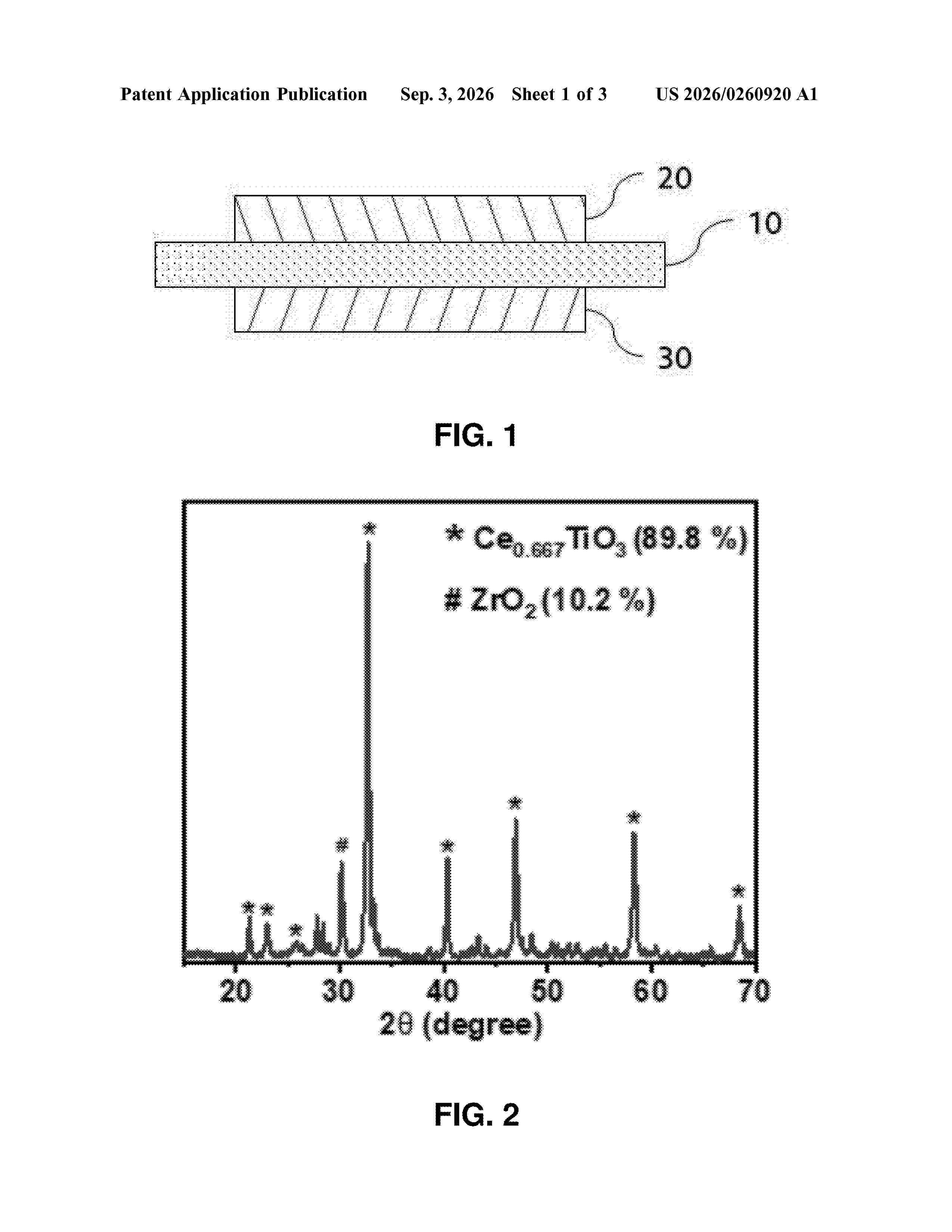
0000 Disclosed are an additive for a polymer electrolyte membrane fuel cell and a polymer electrolyte membrane fuel cell including the additive. The additive may include a carbon material having a predetermined shape and a perovskite compound having the formula Ce(Zr
Resumen de: US20260260872A1
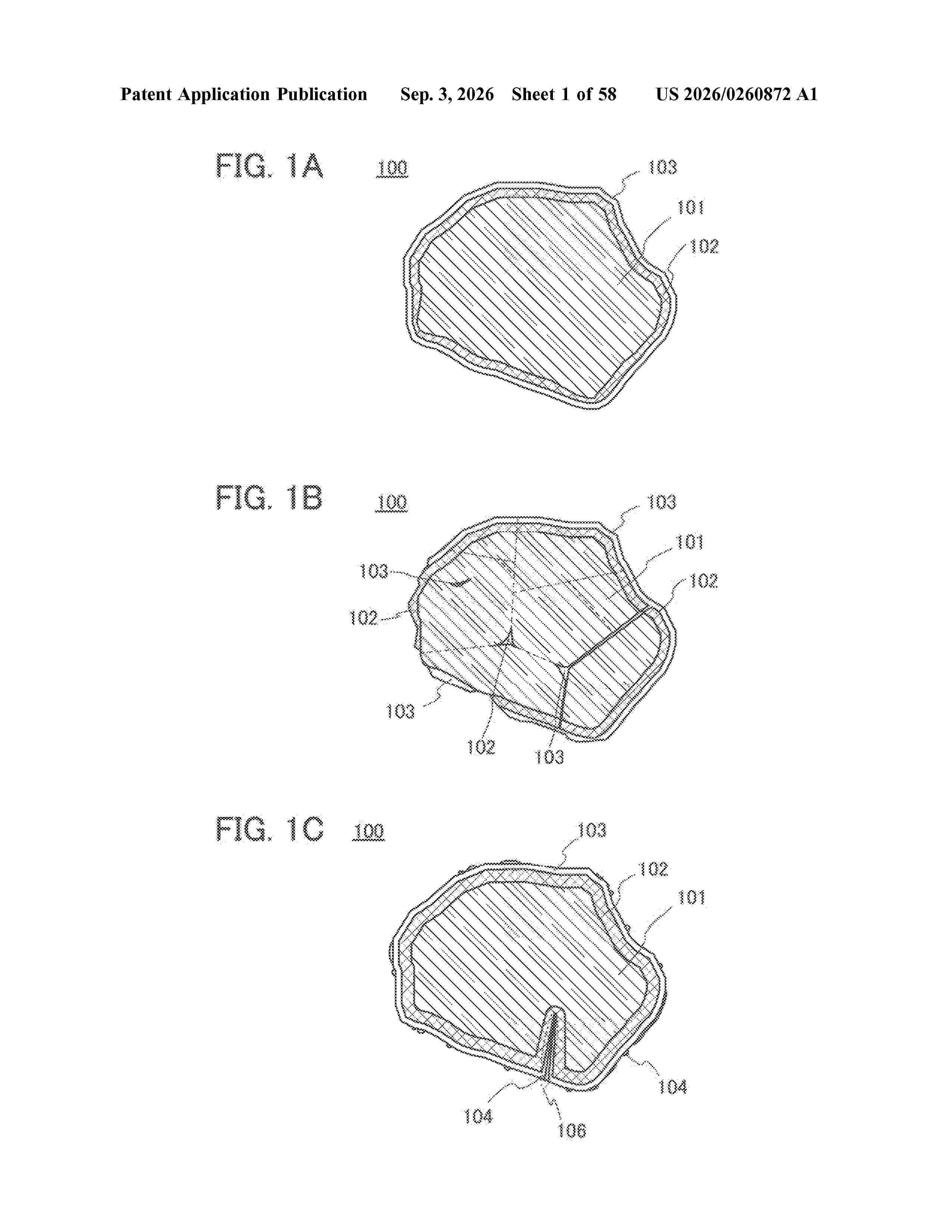
0000 A positive electrode active material which can improve cycle characteristics of a secondary battery is provided. Two kinds of regions are provided in a superficial portion of a positive electrode active material such as lithium cobaltate which has a layered rock-salt crystal structure. The inner region is a non-stoichiometric compound containing a transition metal such as titanium, and the outer region is a compound of representative elements such as magnesium oxide. The two kinds of regions each have a rock-salt crystal structure. The inner layered rock-salt crystal structure and the two kinds of regions in the superficial portion are topotaxy; thus, a change of the crystal structure of the positive electrode active material generated by charging and discharging can be effectively suppressed. In addition, since the outer coating layer in contact with an electrolyte solution is the compound of representative elements which is chemically stable, the secondary battery having excellent cycle characteristics can be obtained.
Resumen de: US20260260905A1
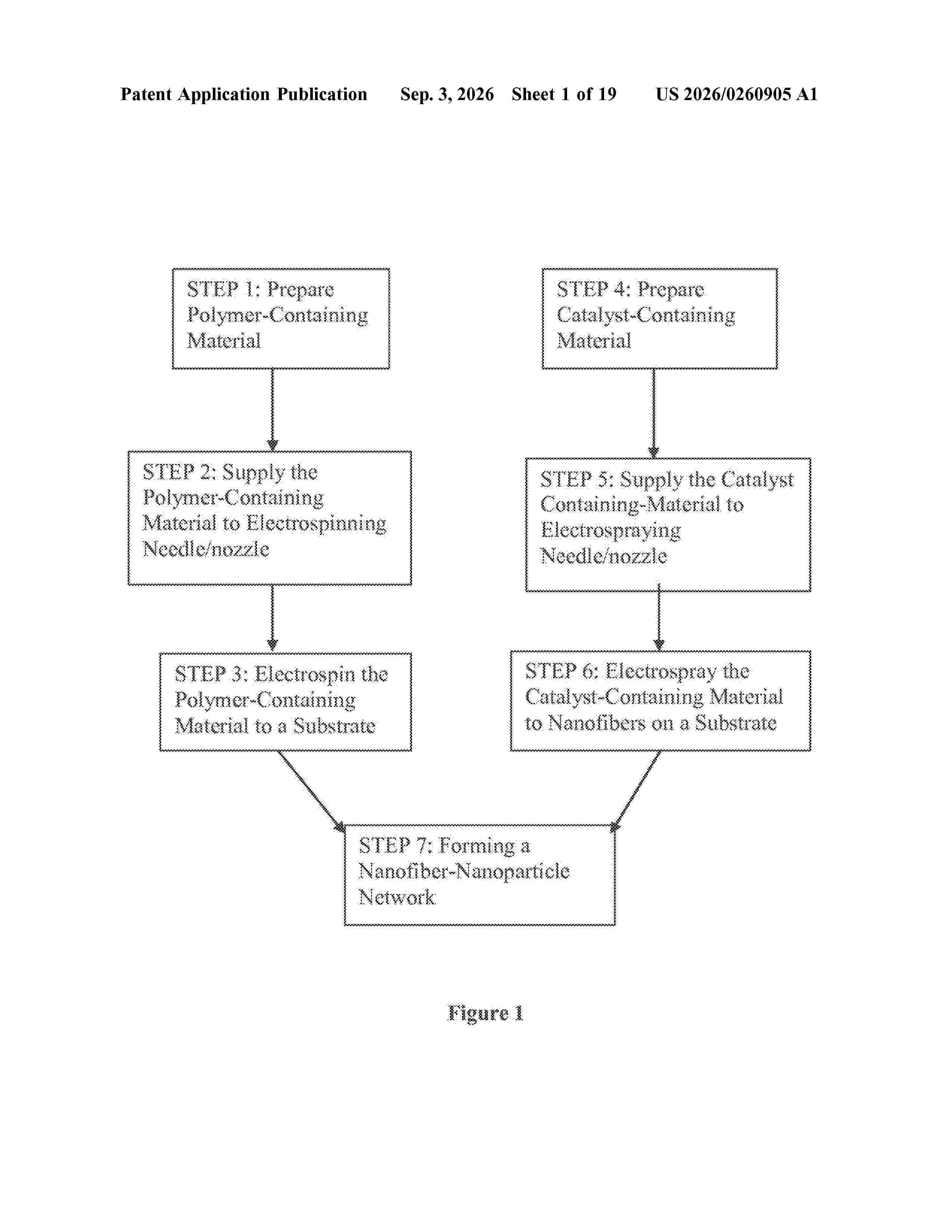
0000 The present invention is directed to methods of making a nanofiber-nanoparticle network to be used as electrodes of fuel cells. The method comprises electrospinning a polymer-containing material on a substrate to form nanofibers and electrospraying a catalyst-containing material on the nanofibers on the same substrate. The nanofiber-nanoparticle network made by the methods is suitable for use as electrodes in fuel cells.
Resumen de: US20260261226A1
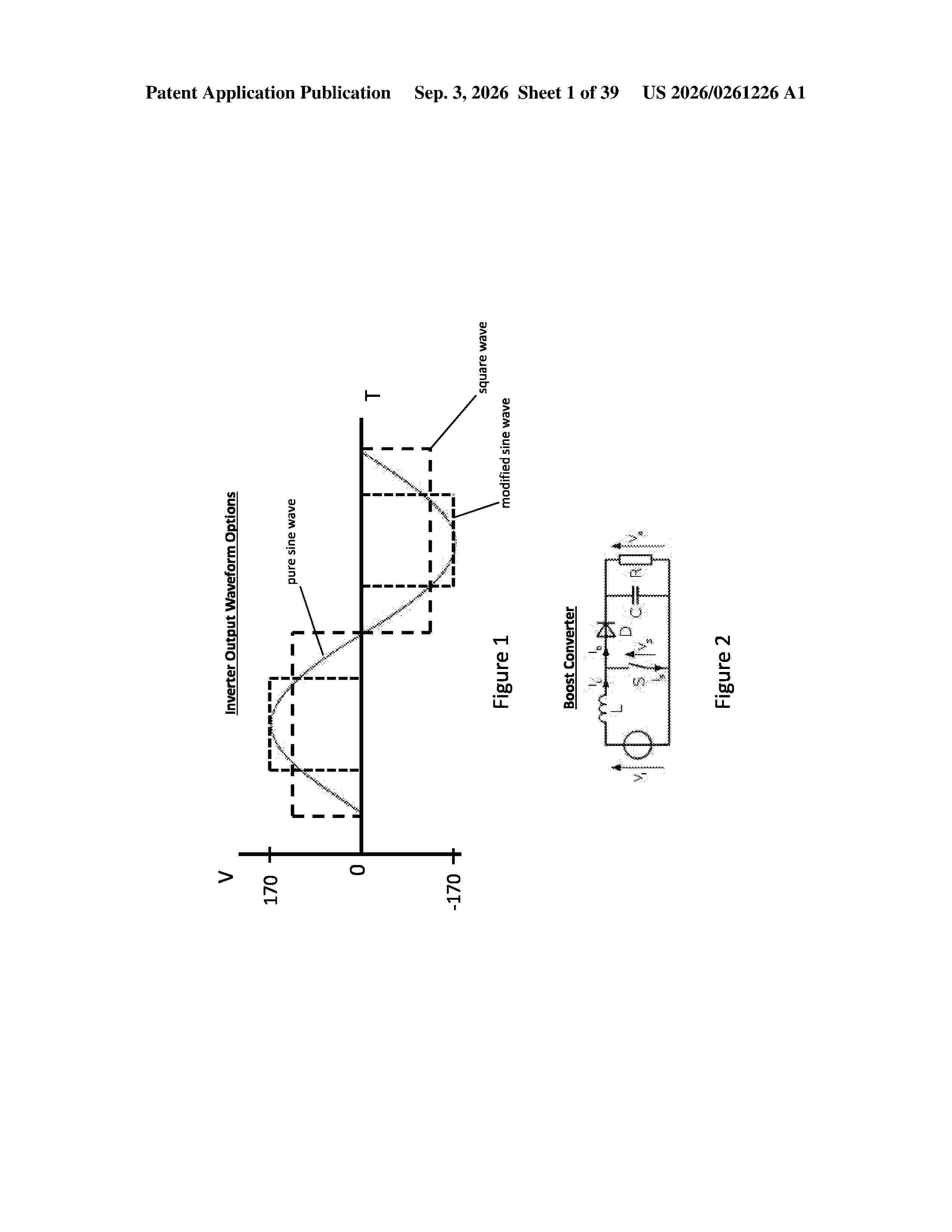
0000 When providing alternating current (AC) power to operate AC powered devices such as power tools (such as drills, table saws, miter saws), equipment (such as lawn mowers), and consumer products (such as refrigerators, television, lights) without being tied to a fixed utility power supply typically requires a generator (such as an internal combustion engine based generator) or a battery powered inverter. In order to meet power and runtime needs for these devices, a battery powered inverter must be relatively large and expensive. This simple fact prohibits their use in many environments.
Resumen de: WO2026181858A1
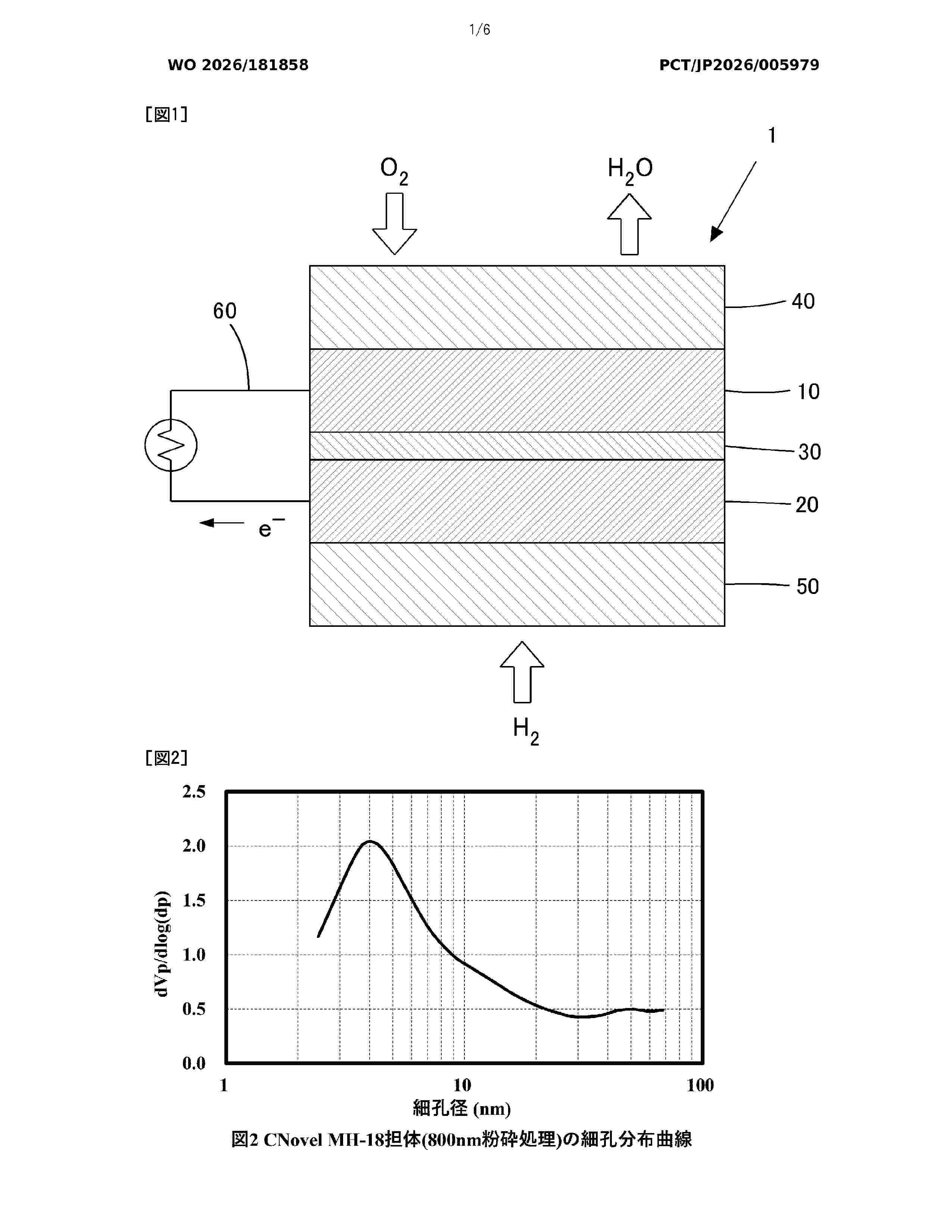
The present invention provides: a cathode catalyst preferably used in a solid polymer fuel cell; and a cathode layer using said cathode catalyst. The cathode catalyst layer is provided with a cathode catalyst and an ionomer. The cathode catalyst includes: a catalyst carrier in which a catalyst is carried on porous carbon carrier particles; and carbon particles not carrying the catalyst. The average particle diameter of the carbon particles not carrying the catalyst is 1/2 or less, and the external surface area of the carbon particles not carrying the catalyst is 500 m2/g or more.
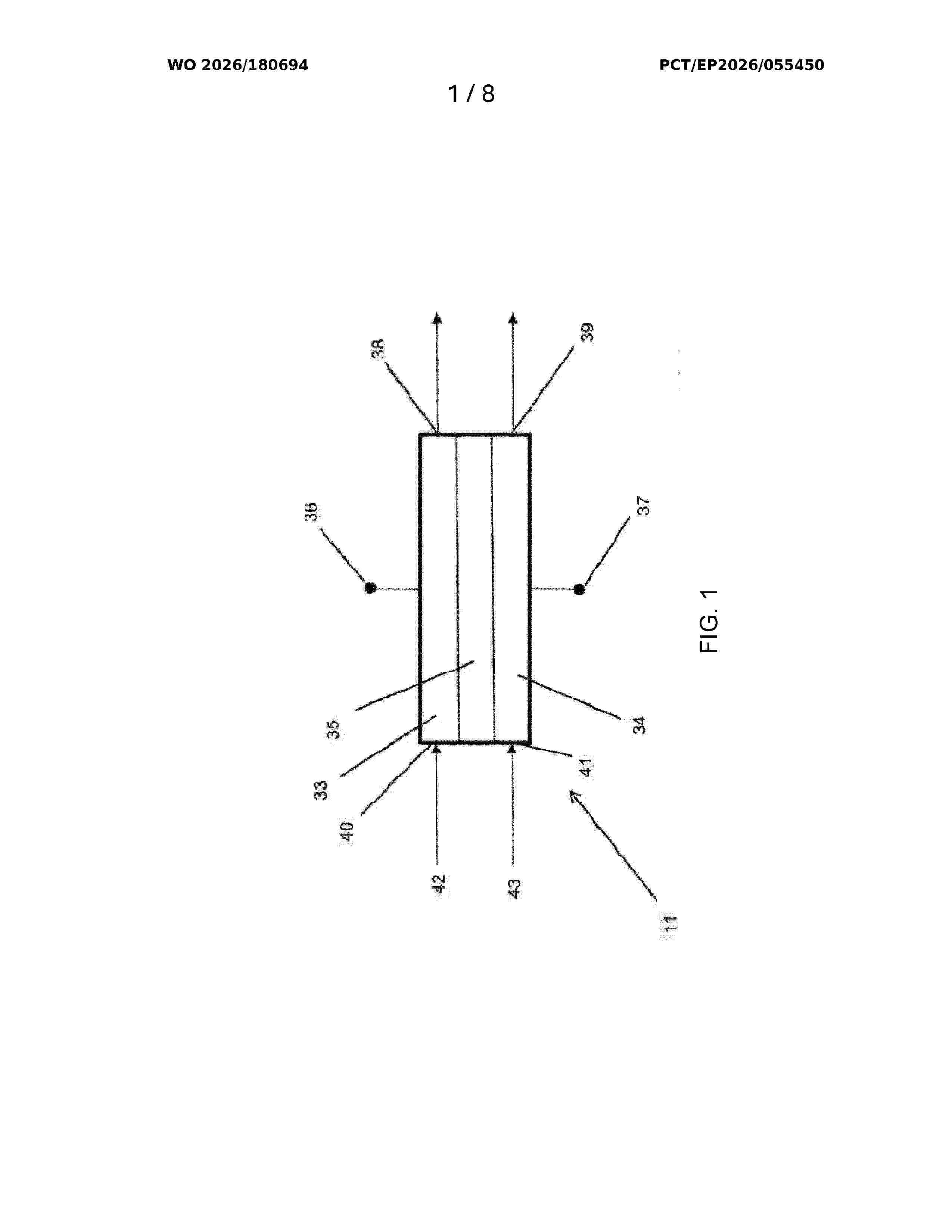
Resumen de: WO2026180694A1
A method of controlling an electrochemical cell system is disclosed, the electrochemical cell system comprising a first fluid inlet, a first fluid outlet, a second fluid inlet, and a second fluid outlet The the control method comprises: determining a temperature at the first fluid outlet, determining a temperature at the second fluid outlet, determining a flow rate condition (Q); and for a range of flow rate conditions: calculating a control temperature which is a function of: the first fluid outlet temperature (To); the second fluid outlet temperature (Tf); and the flow rate condition (Q). The method further comprises controlling the electrochemical cell system based on said calculated control temperature.
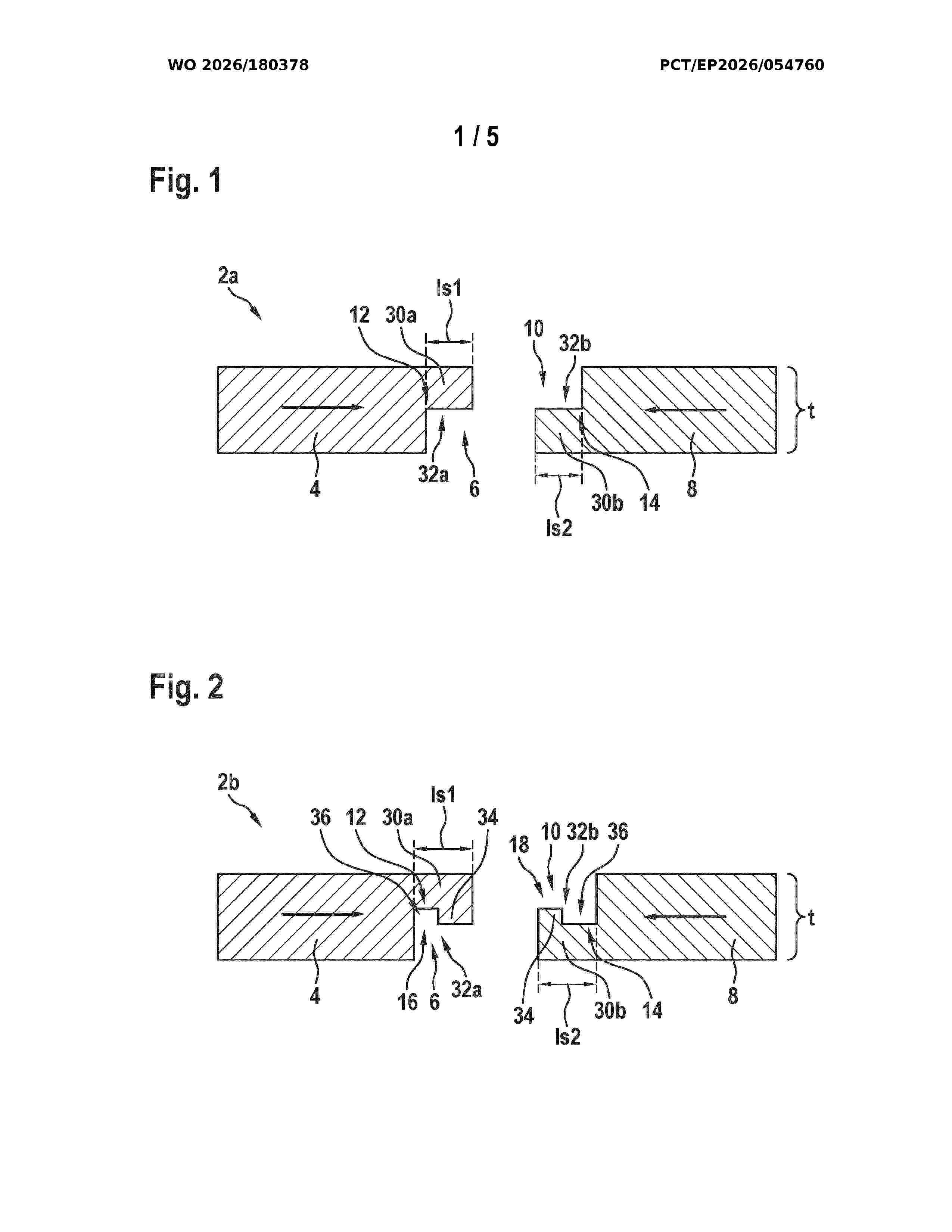
Resumen de: WO2026180378A1
The invention relates to a porous metal panel arrangement (2a-e), wherein the porous metal panel arrangement (2a-e) comprises a first porous metal panel (4) having a connection edge (6) and a second porous metal panel (8) having a connection edge (10), According to the invention, the connection edge (6) of the first porous metal panel (4) is joined with the connection edge (10) of the second porous metal panel (8) so as to form the porous metal panel arrangement (2a-e) from the first and second porous metal panel (4, 8).
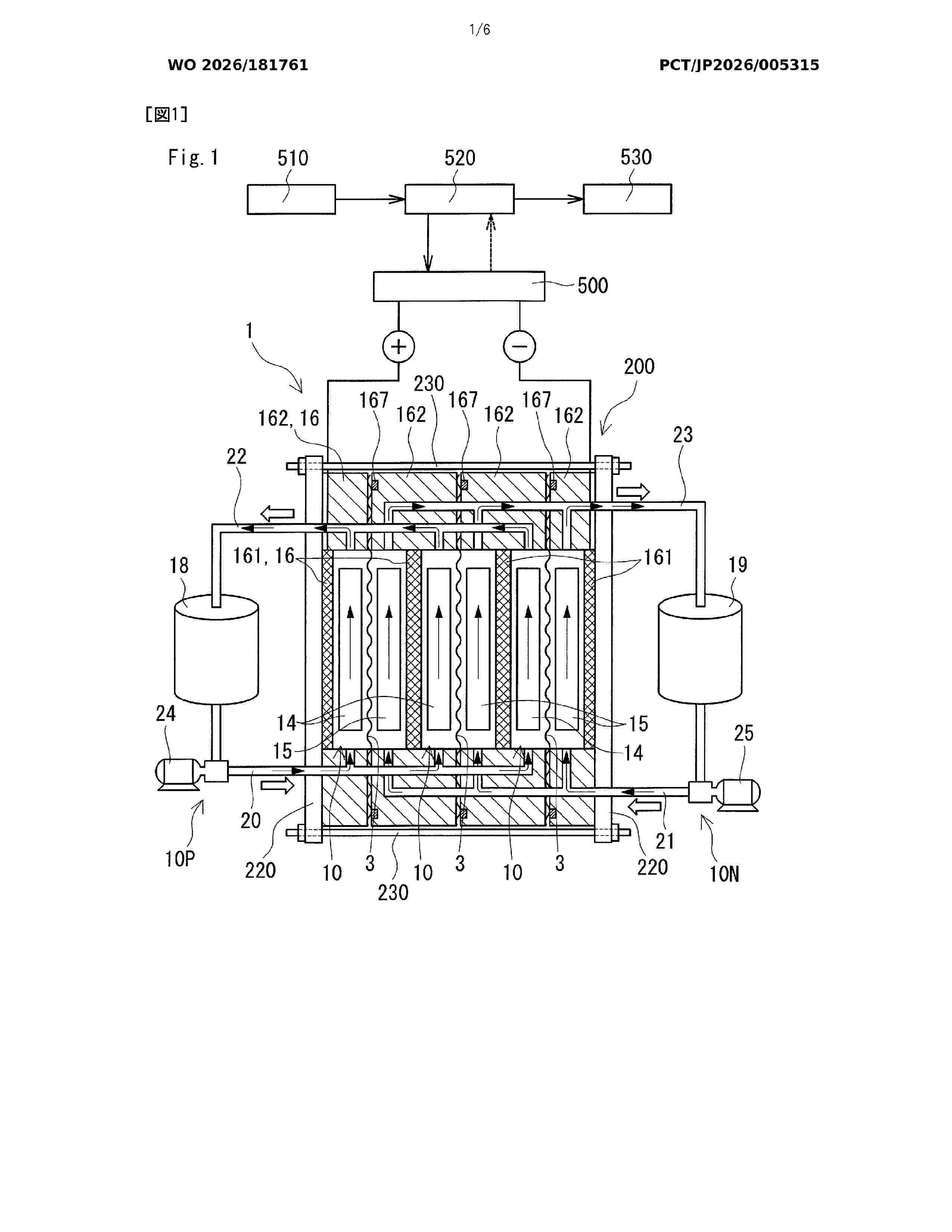
Resumen de: WO2026181761A1
A diaphragm for use in a battery cell of a redox flow battery system, comprising a sheet-shaped base material and a coating layer disposed on at least one of a first surface and a second surface of the base material. The base material contains a fluorine-containing polymer that exhibits cation permeability. The coating layer contains a nitrogen-containing polymer that does not contain fluorine. The coating layer contains a diffusion layer in which the fluorine-containing polymer and the nitrogen-containing polymer are intermixed. The diffusion layer has a thickness of at least 10 nm.
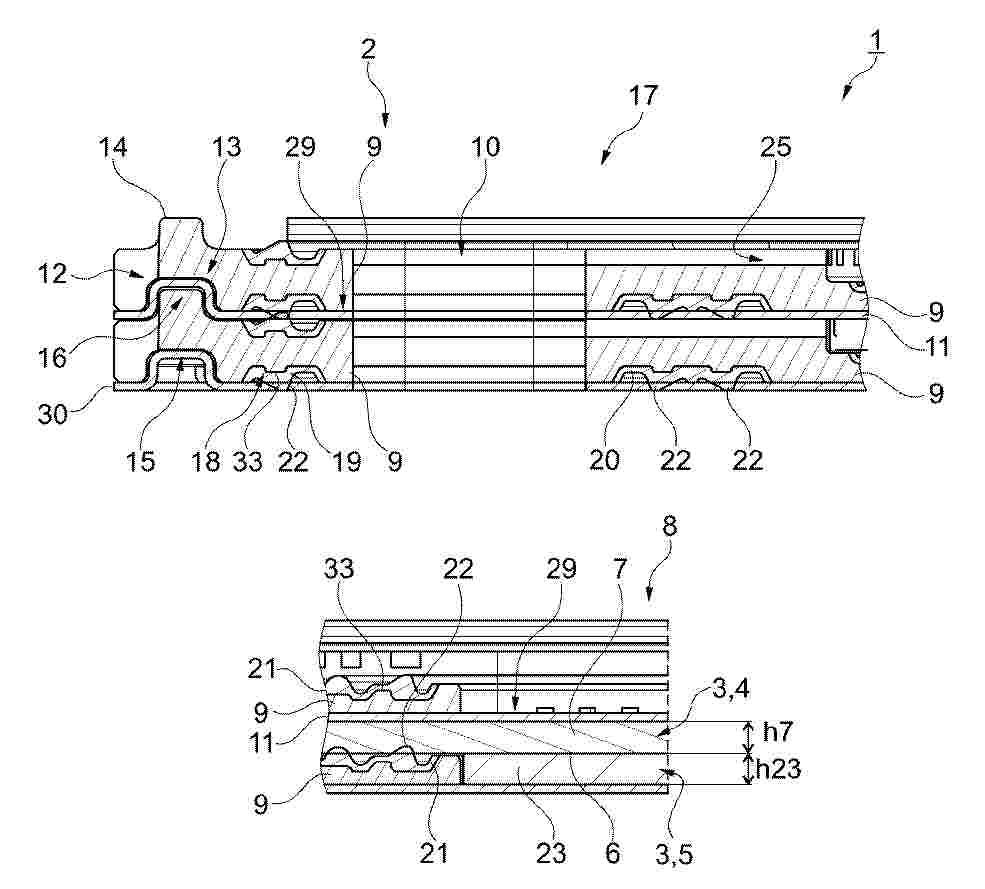
Resumen de: DE102025107950A1
Ein Stapel (2) elektrochemischer Zellen (3), insbesondere Elektrolysezellen, umfasst eine Anzahl Bipolarplatten (11), welche Prägestrukturen (12) aufweisen und jeweils zwischen zwei elektrochemischen Zellen (3) angeordnet sind, sowie mehrere Rahmen (9), welche jeweils eine einem Aktivbereich (8) zuzurechnende Membran (6) umgeben, die eine erste Halbzelle (4) einer elektrochemischen Zelle (3) von einer zweiten Halbzelle (5) derselben elektrochemischen Zelle (3) trennt, wobei die Rahmen (9) unter Bildung von Formschlussverbindungen (13) zwischen den Bipolarplatten (11) angeordnet sind. Am Rahmen (9) befindet sich auf derjenigen Seite der Formschlussverbindung (13), welche dem Aktivbereich (8) zugewandt ist, eine Dichtung (19), welche einen unverformten Abschnitt (29) einer der Bipolarplatten (11) kontaktiert.
Resumen de: US20260258202A1
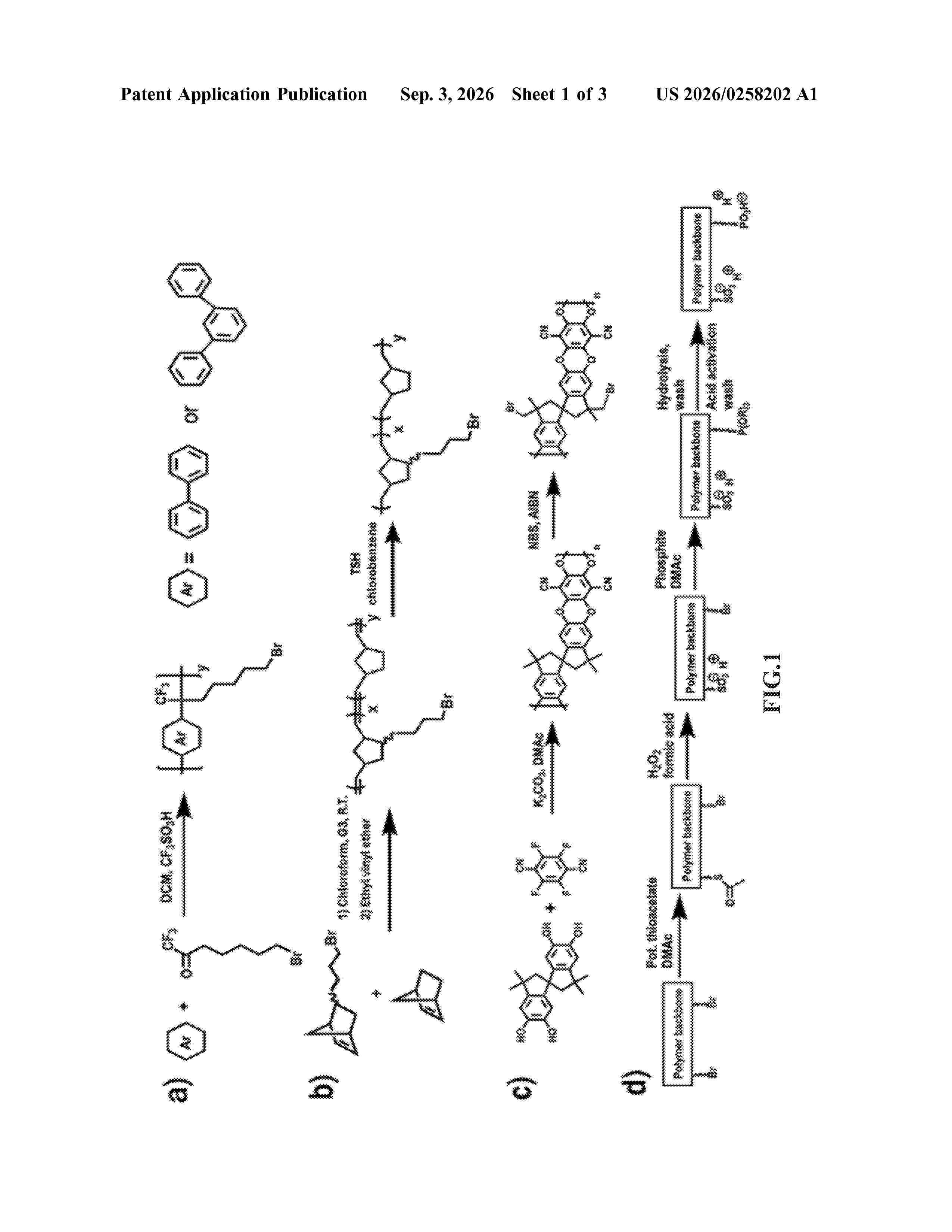
Described herein are fluorene-free or low-fluorine content ionomeric polymers with a hydrocarbon backbone and pendant phosphonic acid and sulfonic acid/sulfonimide groups. The polymers are useful as, e.g., high temperature polymer electrolyte membranes (HT-PEMs) for fuel cells, which do not require imbibed liquid acid in the membrane, as electrode binders (e.g., for fuel cell electrodes; as components of supercapacitors, and as membranes for waste heat recovery systems, and as membranes for hydrogen pumps for hydrogen separation. The HT-PEMs described herein can operate under hot (130 to 220° C.), dry conditions.
Resumen de: WO2026179651A1
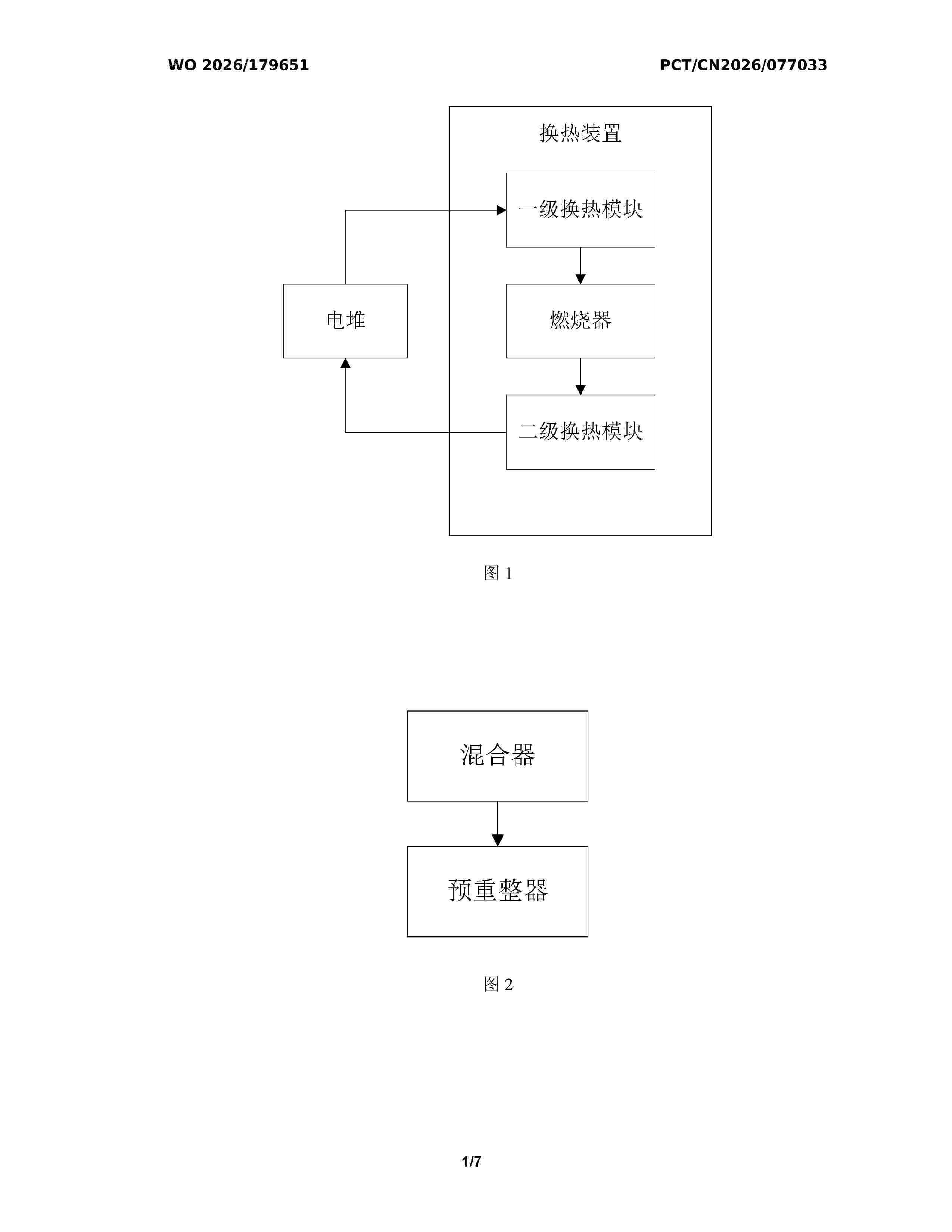
The present application discloses a fuel cell-based heat exchange device and a system. The solution comprises a primary heat exchange module, a burner, and a secondary heat exchange module. A hot-side input end of the primary heat exchange module is connected to an exhaust gas output end of a fuel cell stack, and a hot-side output end of the primary heat exchange module is connected to an input end of the burner. An output end of the burner is connected to a hot-side input end of the secondary heat exchange module, and a cold-side output end of the secondary heat exchange module is connected to an input end of the fuel cell stack. By providing the primary heat exchange module between the burner and the exhaust gas output end of the fuel cell stack, the temperature of stack exhaust gas entering the burner is reduced, thereby reducing the combustion temperature of the burner and the temperature of exhaust gas discharged from the burner, lowering the heat resistance requirements of the burner and the heat exchange module, and thus reducing implementation costs. The primary heat exchange module and the secondary heat exchange module are designed to reduce the number of exhaust gas distribution paths required for the burner output, thereby lowering design difficulty. Embodiments of the present application can be widely applied in the technical field of fuel cells.
Resumen de: US20260260906A1
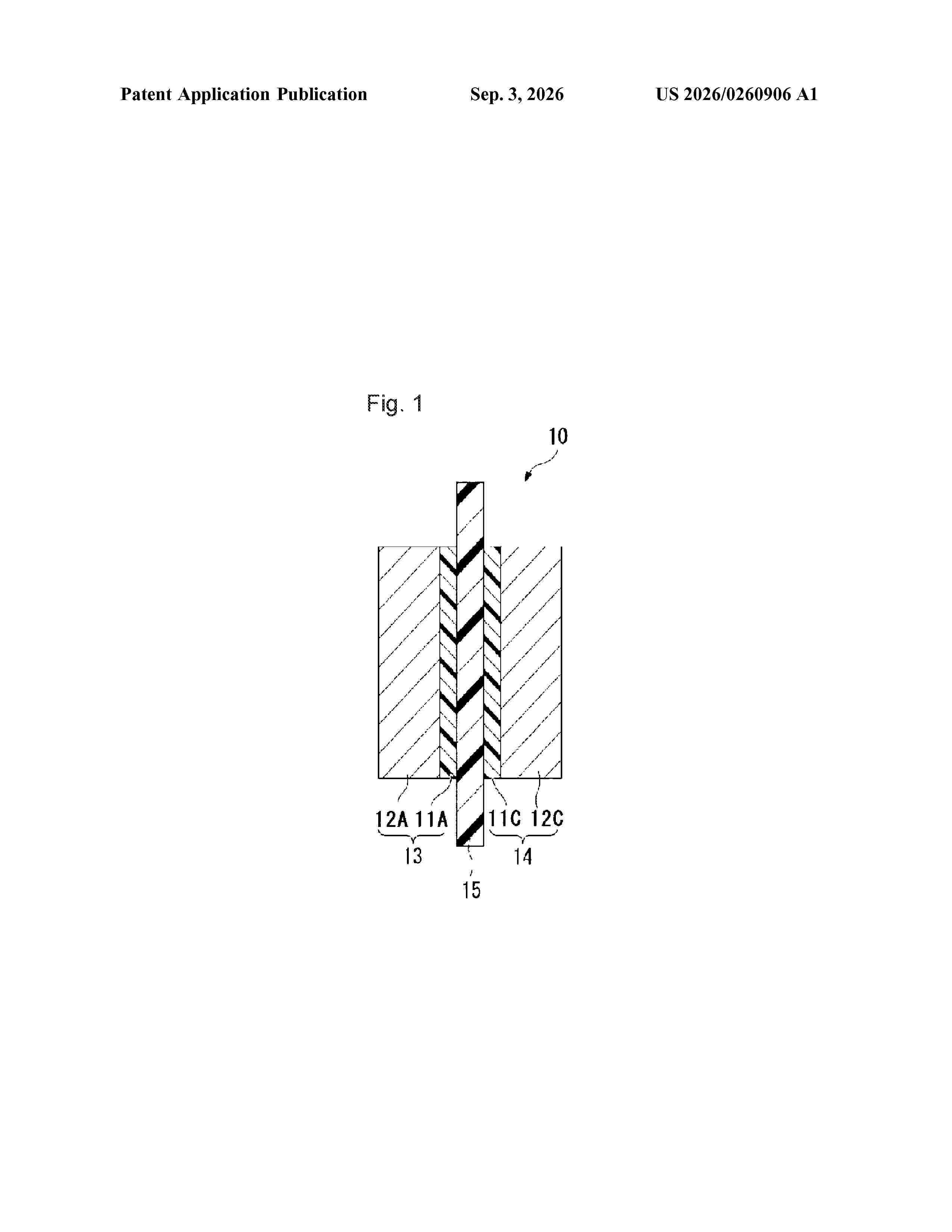
To provide a catalyst layer-forming composition, the composition being capable of forming a catalyst layer of a membrane electrode assembly used for a polymer electrolyte fuel cell excellent in power generation performance durability. A catalyst layer-forming composition includes a fluorinated polymer that has a unit having a cyclic ether structure and has an ion exchange group, a catalyst, and a solvent, wherein the fluorinated polymer has an ion exchange capacity of 1.20 meq/g dry resin or less, the catalyst includes a carbon carrier and a metal supported on the carbon carrier, and a ratio of a mass of the fluorinated polymer to a mass of the carbon carrier is 0.6 to 1.5.
Resumen de: US20260257989A1
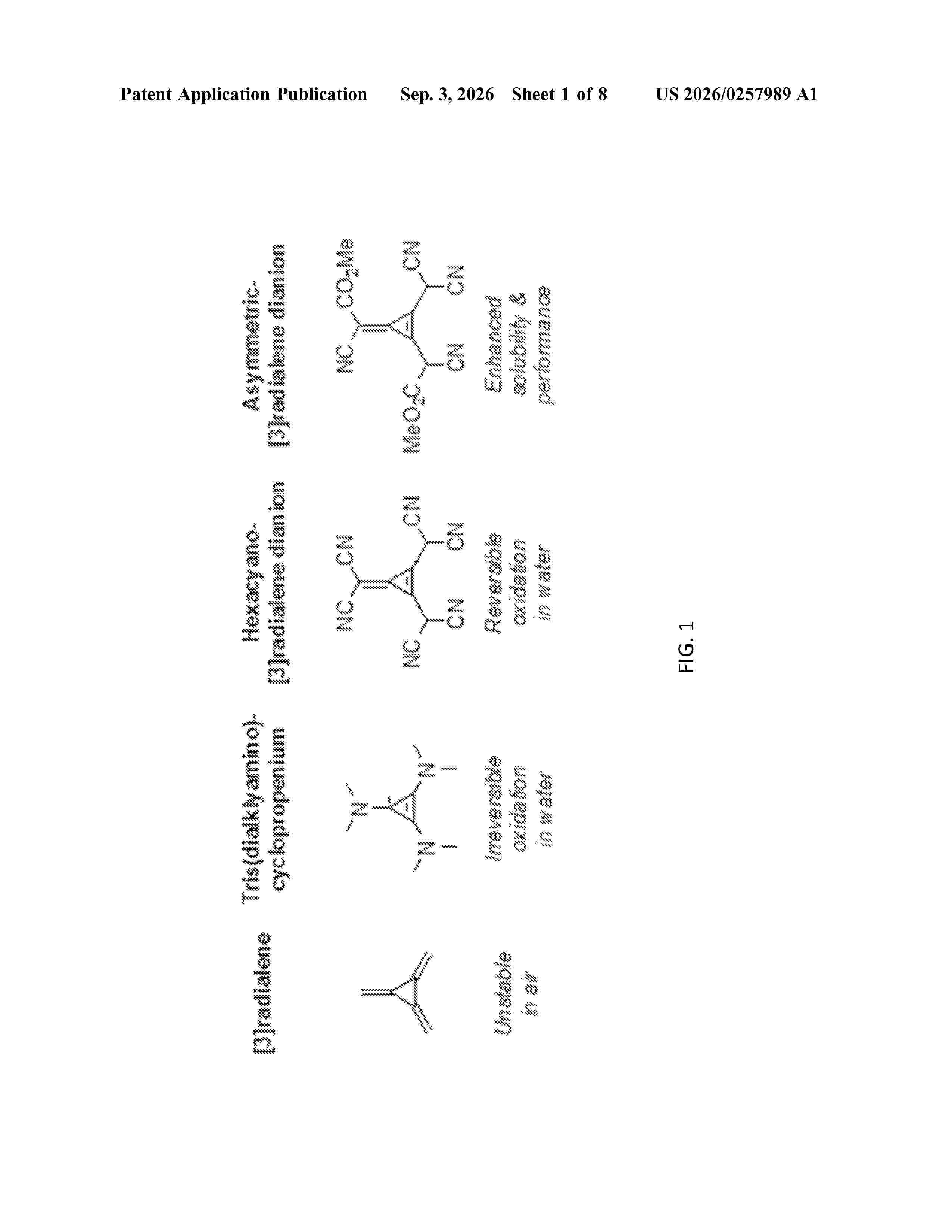
0000 Hexasubstituted 3 radialene compounds are described herein. In some embodiments, the hexasubstituted 3 radialene compounds exhibit desirable water solubility and reversible redox activity in aqueous solutions, thereby facilitating employment of such compounds in aqueous redox flow batteries.
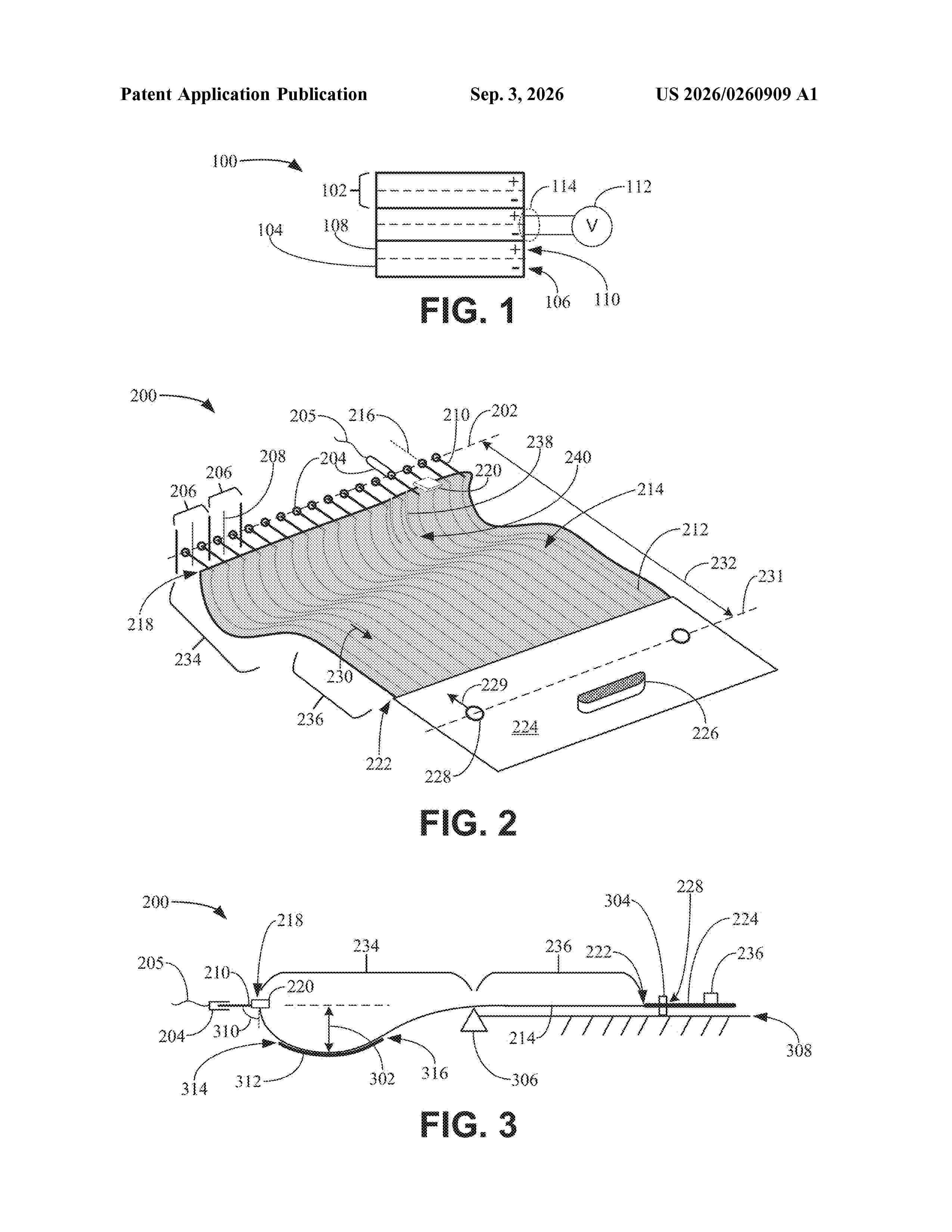
Nº publicación: US20260260909A1 03/09/2026
Solicitante:
BLUE ORIGIN MFG LLC [US]
Blue Origin Manufacturing, LLC
Resumen de: US20260260909A1
A system and method are disclosed for establishing electronic connections between a circuit, such as a voltage monitoring circuit, and a fuel cell stack. Each cell in the fuel cell stack comprises an anode and a cathode, with provisions for connecting a voltage measurement device to monitor individual cell outputs. Due to the compact configuration of fuel cell stacks, direct access to these measurement points is often restricted, making traditional connectivity challenging. The connection system, based on a ribbon cable, addresses these constraints by offering a simplified and reliable means of connectivity that minimizes the risk of short-circuiting between closely spaced fuel cell terminals. Furthermore, the system provides enhanced resilience against disconnection due to external forces, such as shock and vibration, ensuring stable performance in environments like those encountered during rocket launches.
 BOPI
BOPI
 Sede Electrónica