Si deseas distinguir tus productos, servicios o ambos de los de otra empresa, es posible que necesites una marca o nombre comercial. Descubre qué son, en qué consiste su procedimiento de registro y qué implica.

Información sobre los plazos de presentación de solicitudes de transformación de marcas de la Unión Europea en marca nacional española. Más información


Si tienes un nuevo dispositivo, producto o procedimiento que resuelva un problema técnico o tenga una ventaja práctica, existen distintas formas de protegerlo en España y en otros países. Descubre cómo hacerlo.

¿Tu innovación reside en la estética, la ornamentación o la apariencia de tu producto? Protégela mediante un diseño industrial. Descubre qué derechos confiere el registro y cómo realizar la tramitación.

Las indicaciones geográficas protegen el nombre de un producto originario de una zona geográfica, a la cual le debe una determinada calidad, reputación u otra característica. Descubre qué son, en qué consiste su procedimiento de registro y qué beneficios conceden.

Las patentes publicadas en todo el mundo son una valiosa fuente de información científica, técnica y comercial.

Si eres emprendedor/a o una empresa y quieres potenciar y mejorar la rentabilidad de tu negocio protegiendo de forma adecuada los activos intangibles de tu organización, en este espacio encontrarás lo necesario.


 221
resultados
221
resultados
 Última actualización
24/10/2026 [08:47:00]
Última actualización
24/10/2026 [08:47:00]


 Resultados 100 a 125 de 221

Resumen de: CN122812787A
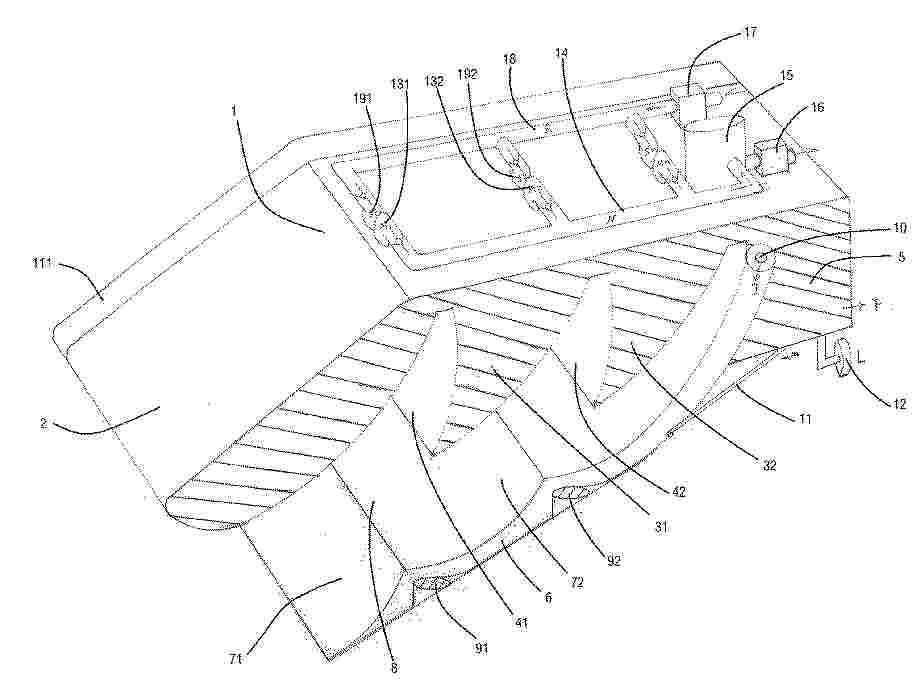
本发明公开了一种自适应变形抗浪的多层级梯度波浪能发电装置及方法,涉及波浪能发电技术领域。装置包括船舱主体、支撑浮体、N级振荡水柱腔室、能量转化系统和控制系统,优选的N为2至10,各级腔室沿波浪传播方向依次串联排列,阻隔板与支撑浮体及各级腔室底部共同围成沿波浪传播方向横截面积逐渐递减的渐缩式密闭波场重构水道,阻隔板表面设有导流曲面板指向相邻后方腔室的进水口,各级腔室顶部的出气孔通过单向阀连接至空气输出总管道驱动出气涡轮发电机,进气涡轮发电机通过空气输入总管道与各级腔室顶部的进气孔连通实现双向发电,控制系统根据发电功率或气压控制驱动机构驱动阻隔板转动调节迎浪口开度。

Resumen de: CN122812827A
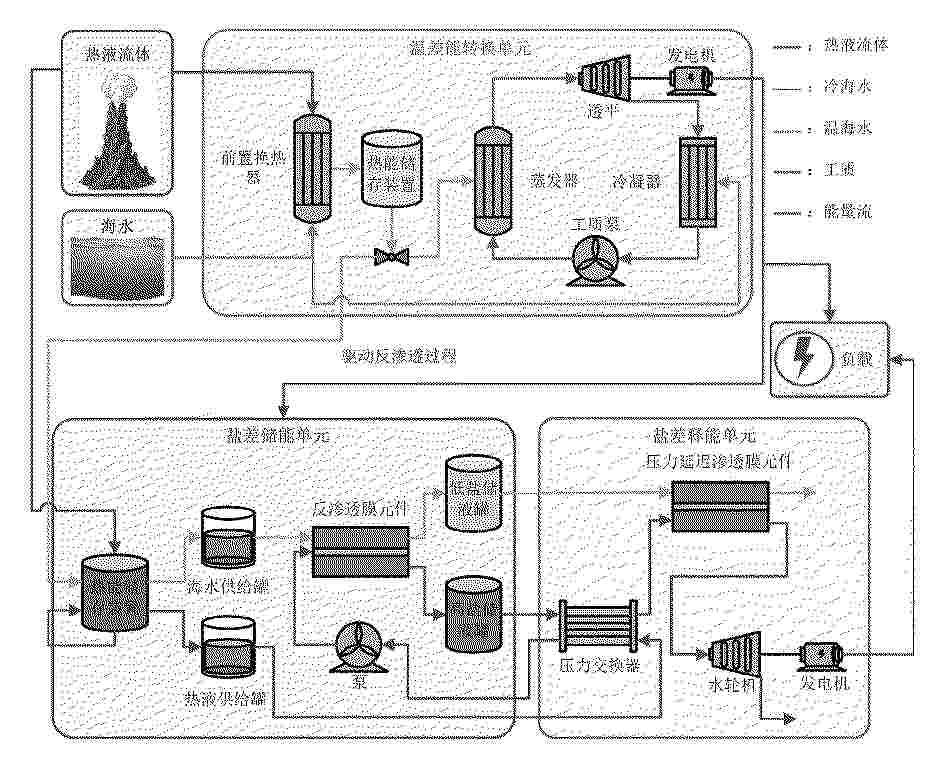
本发明提供了一种深海热液温盐梯度耦合稳定供能系统及其控制方法,属于海洋可再生能源利用、深海原位发电与储能技术领域;系统包括温差能转换单元、盐差储能单元、盐差释能单元以及控制单元;温差能转换单元产生稳定基荷电力;盐差储能单元利用基荷之外的剩余电力产生高盐度溶液和低盐度溶液;盐差释能单元在高负荷需求或储能完成时释放盐差能并补充输出功率,各单元通过物质流、热流和电能流耦合,以实现热源侧缓冲、稳定基础发电、剩余电能的盐度梯度储存以及阶段性附加发电。控制方法根据净输出功率、负载需求和储液体积,在基础供电、反渗透储能及压力延迟渗透释能状态间切换,实现连续基荷供电、剩余电能储存和阶段性增功。
Resumen de: CN122812788A
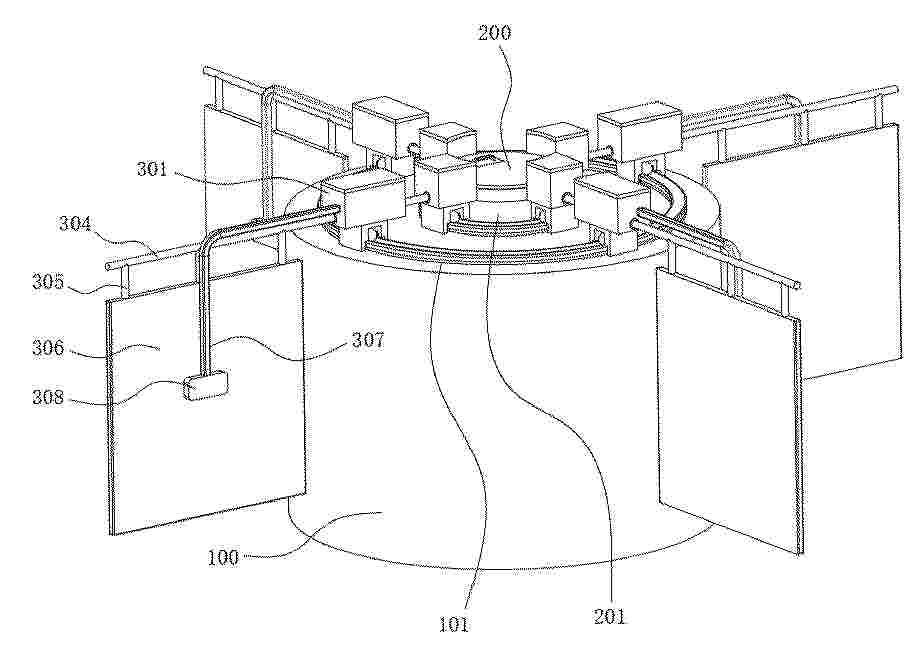
本申请公开了一种基于自适应变角叶片固定中心柱平台的巨型模块化潮流能发电系统,涉及潮流能发电技术领域,解决了现有技术中潮流能发电装置成本高、效率低、寿命短及维护难的问题,该方法包括固定安装于海底的钢筋混凝土中心柱、用于将动能转换为电能的设置于钢筋混凝土中心柱上端的中心发电机构以及用于收集潮流能并驱动中心发电机构的模块化能量捕获机构,其中,钢筋混凝土中心柱起到承托整个发电系统的作用,钢筋混凝土中心柱的顶部高于水面以使得钢筋混凝土中心柱上端的中心发电机构完全位于水面之上,采用被动式自适应定向叶片技术,无需外接偏航动力即可对复杂多向流进行实时寻优,水动力捕获效率大幅提升,模块化设计可单独维护和更换。
Resumen de: CN122814132A
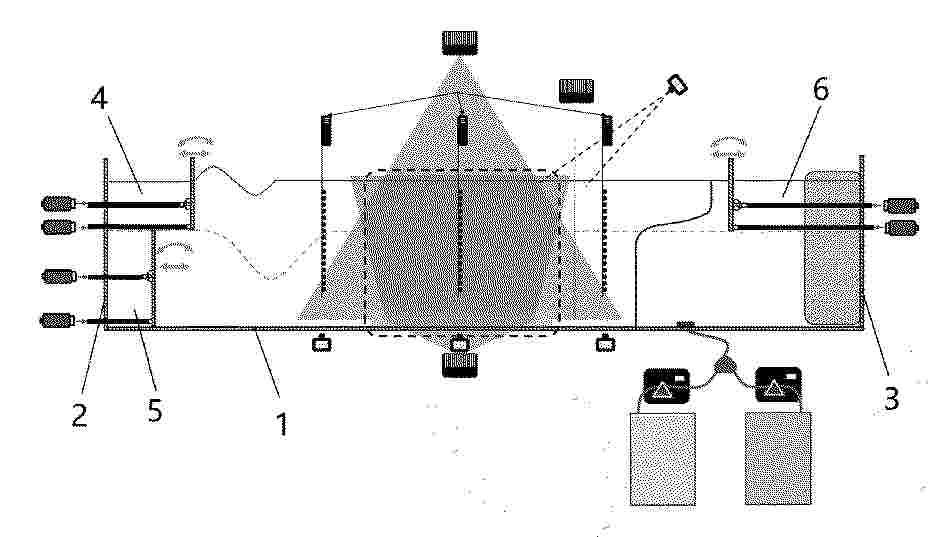
0001 本发明公开了一种上下推摇一体式表面波与内孤立波造波装置及造波方法,涉及海洋工程物理模型试验领域,本发明的技术方案包括水槽和设置于水槽内的三套推摇一体造波板;所述水槽内设置有两种上下分布的分层流体;所述水槽的两端分别为造波端和消波端;所述造波端对应上层流体设置第一套推摇一体造波板,所述造波端对应下层流体设置第二套推摇一体造波板;所述消波端对应上层流体设置第三套推摇一体造波板。通过“三套推摇一体造波板+分层流体+主动/被动消波+多模式协同控制”的整体技术方案,实现了表面波与内孤立波在同一装置中的高效、灵活、精准生成与控制。
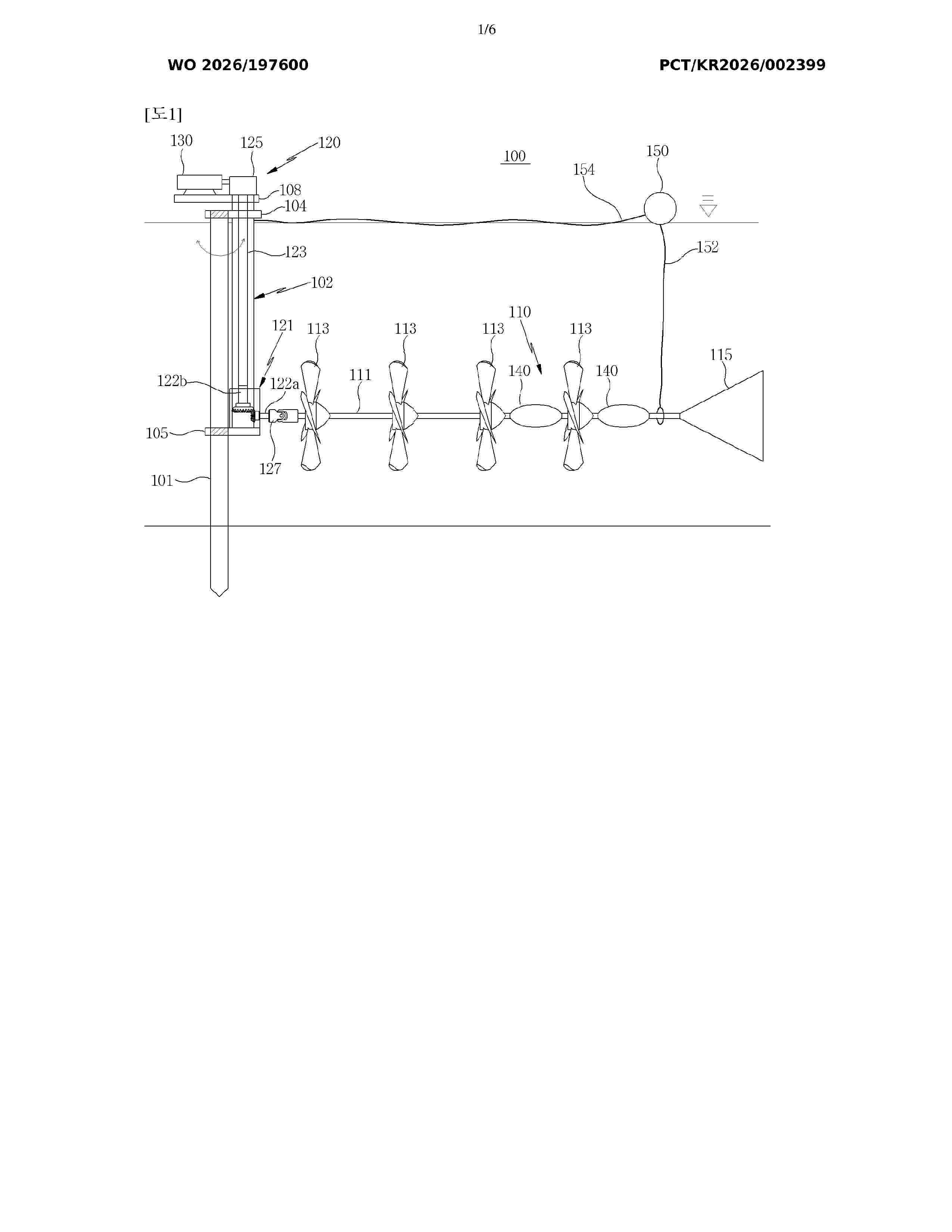
Resumen de: WO2026197600A1
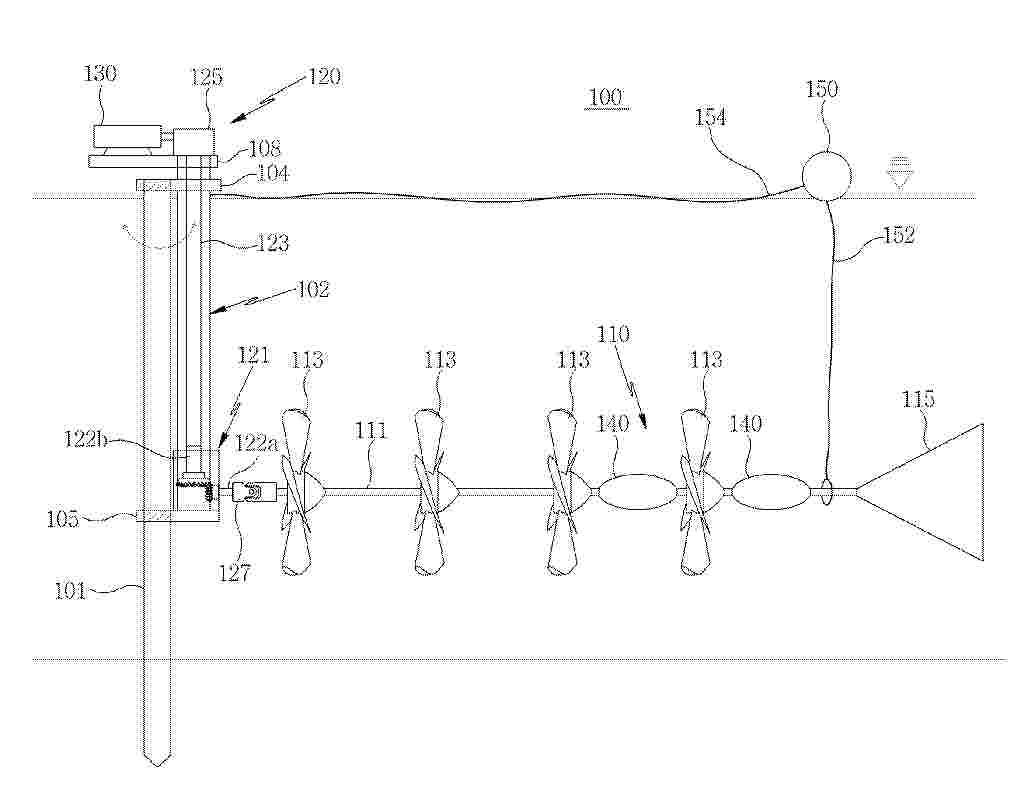
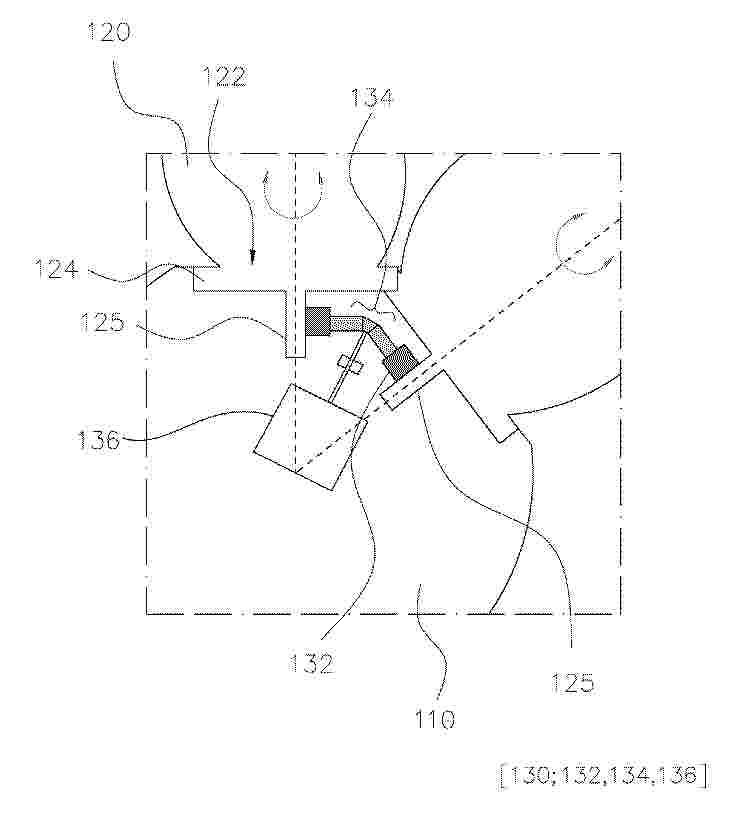
Disclosed is a power generation apparatus using flow of water. The power generation apparatus using flow of water disclosed herein comprises: a pile fixedly installed on the bottom of a body of water; a frame installed to be connected to one side of the pile; a power generator installed on the upper end of the frame to be disposed above water; an axial-flow type multi-propeller rotating body comprising a long shaft which is installed lengthwise in the flow velocity direction from the frame and a plurality of propellers installed on the long shaft at certain intervals; a power transfer means which is installed on the frame and transfers a rotating force of the axial-flow type multi-propeller rotating body to the power generator; and a floating body which is configured to float on the water surface and has a vertical connection line in the downward direction, such that the vertical connection line is connected to the end of the long shaft and the axial-flow type multi-propeller rotating body is prevented from sagging downward and sinking.
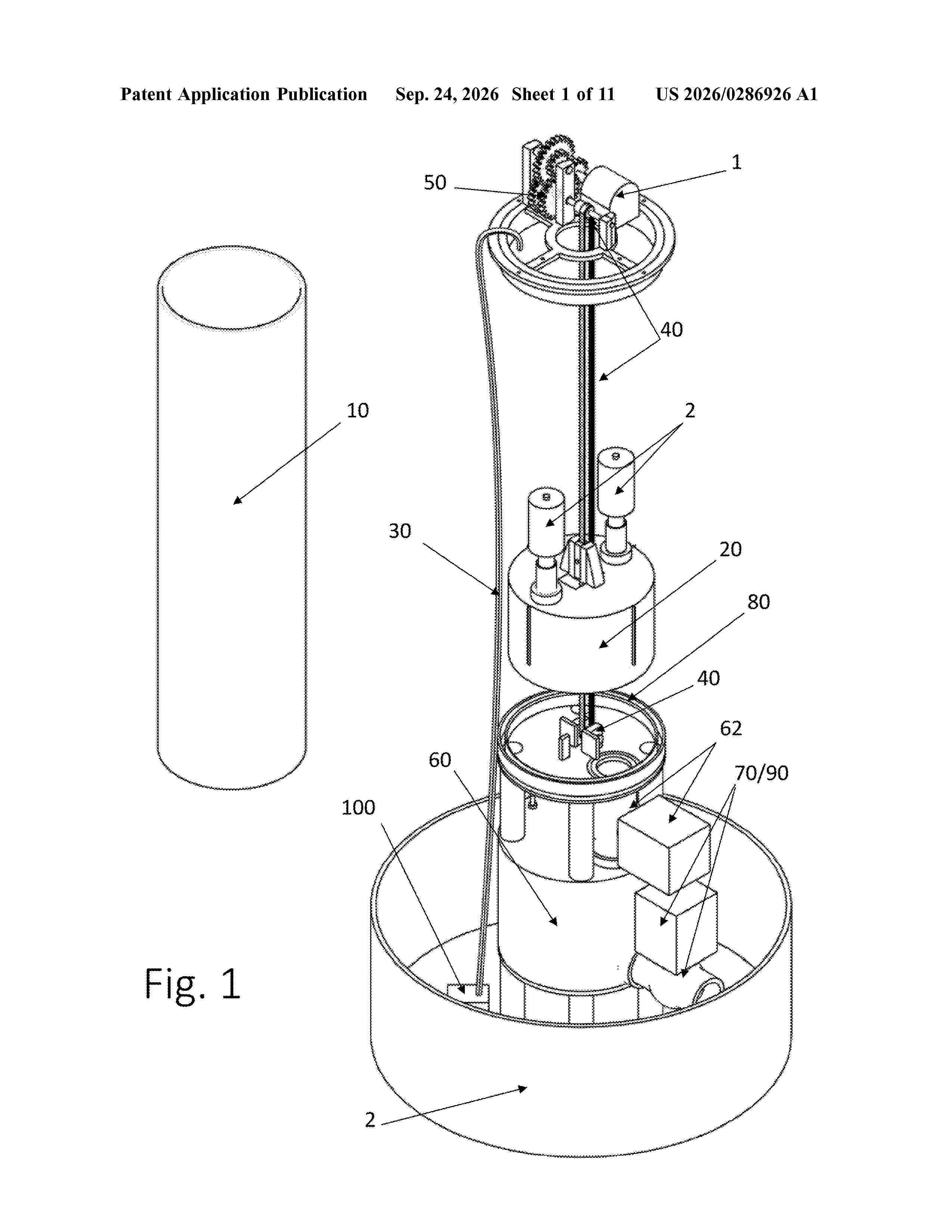
Resumen de: US20260286926A1
0000 A fluid-based apparatus that converts buoyancy to mechanical energy with a vertically extending tube filled with water housing an interior water filled cylinder. Motion of the cylinder through the tube along the y-axis moves a cord correspondingly, thus turning the pulleys and associated gears. Beneath the tube is a lower chamber filled with air. When the cylinder is at the bottom of the tube, the air of the lower chamber is released into the cylinder, causing the cylinder to increase in buoyancy and rise. Water that displaces the air in the lower chamber is pumped back into the main tube, and air once again occupies the lower chamber. Upon reaching the top of the tube, an air-tight seal of the cylinder is broken and the cylinder sinks towards the lower chamber. Once the cylinder reaches the bottom of the tube, the cycle of air/water displacement and water pumping recommences.
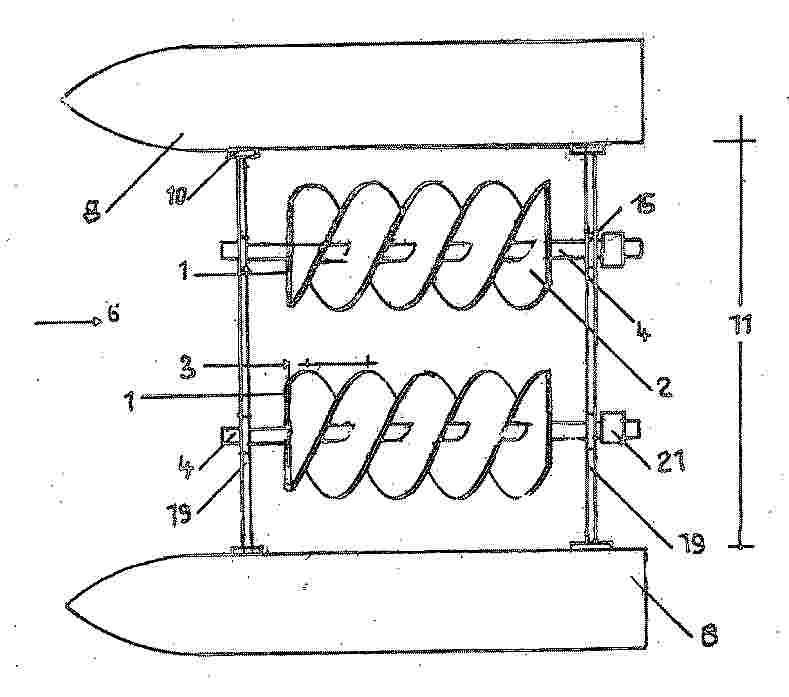
Resumen de: DE102025000963A1
Antrieb für einen Katamaran, der einen Wasserbereich aufweist, der durch zwei nebeneinander befindliche Rümpfe gebildet ist und der nach vorne und nach hinten offen ist und von einem Brückendeck überbrückt ist, das die Rumpfe miteinander verbindet. Der Antrieb ist mindestens ein Motor und/oder ein Windrad mit zwei in Leichtbauweise hergestellten übermäßig großen Wasserspiralen, die im Wasserbereich in Lagern einer Antriebshaltevorrichtung, drehbar gelagert sind. Die Wasserspiralen drehen sich spiralartig, messerartig schneidend und am Wasser abstoßend durch das Wasser vorwärts, wodurch der mit ihnen verbundene Katamaran ebenfalls vorwärts fährt . Der Katamaran ist durch unterschiedlichen Antrieb der Wasserspiralen, ohne Ruder lenkbar.
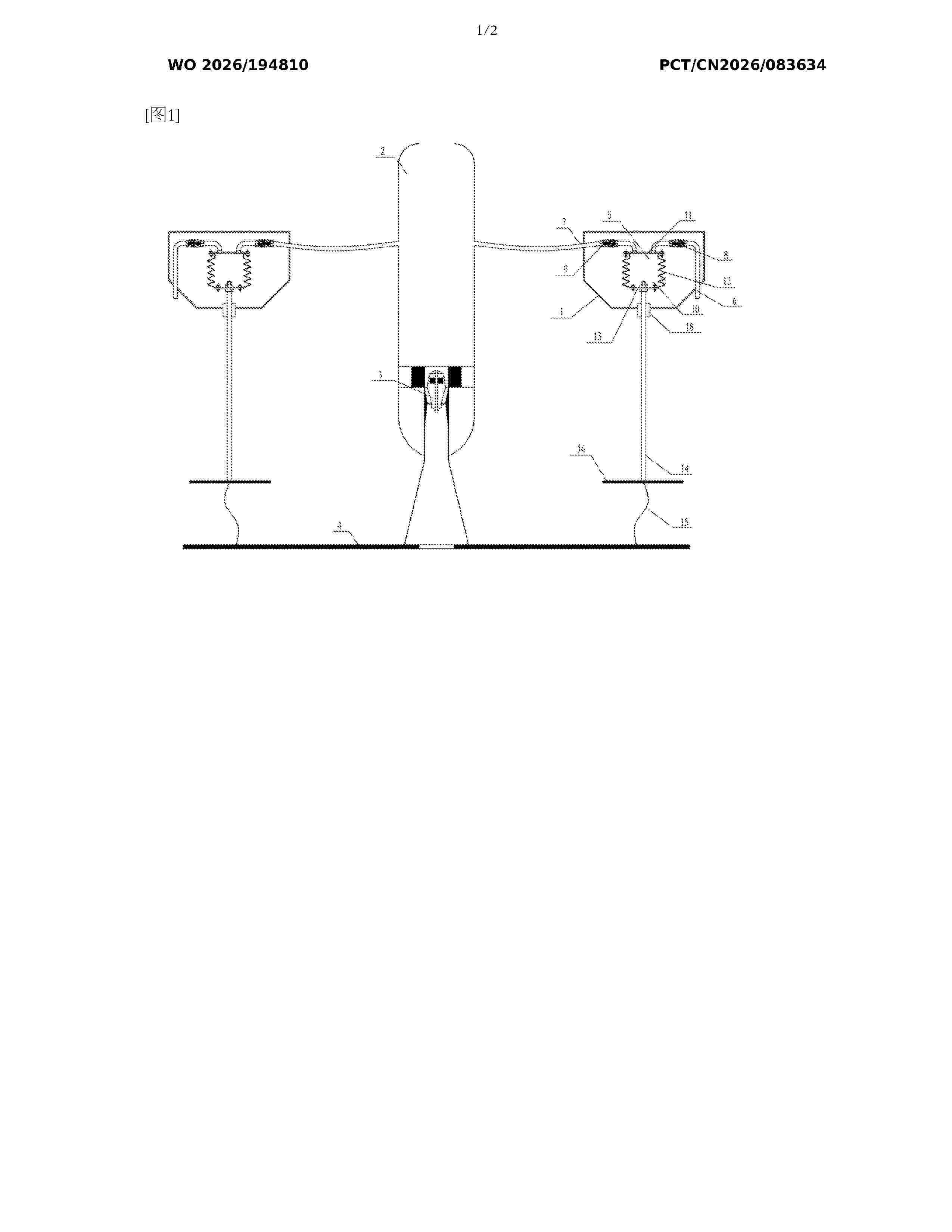
Resumen de: WO2026194810A1
A wave energy power generation method. A float (1) and a water storage tank (2) are comprised; a diaphragm pump (5) is provided inside the float (1), the diaphragm pump (5) comprising a top plate (11), a bottom plate (13), and deformable flexible walls, wherein the top plate (11), the bottom plate (13) and the flexible walls together enclose a cavity (10), a water inlet pipe (6) with a check valve and an water outlet pipe (7) are provided on the top plate (11), and the bottom plate (13) is connected to a damping disk (16) by means of a connector; a water storage cavity, a hydraulic turbine generator set (3) located at the lower part of the water storage cavity, and an energy storage battery connected to the hydraulic turbine generator set (3) are provided inside the water storage tank (2); the water storage cavity is in communication with the water outlet pipe (7); and the float (1) moves vertically along with waves to drive the flexible walls to deform, such that the volume of the cavity (10) of the diaphragm pump (5) changes, thereby suctioning seawater into the cavity (10) of the diaphragm pump (5) or pumping the seawater in the cavity (10) into the water storage cavity, so as to drive the hydraulic turbine generator set (3) to generate power and store electrical energy in the energy storage battery. By means of the power generation method, the cost of a wave energy power generation device can be reduced, and the service life thereof can be prolonged.
Resumen de: WO2026194809A1
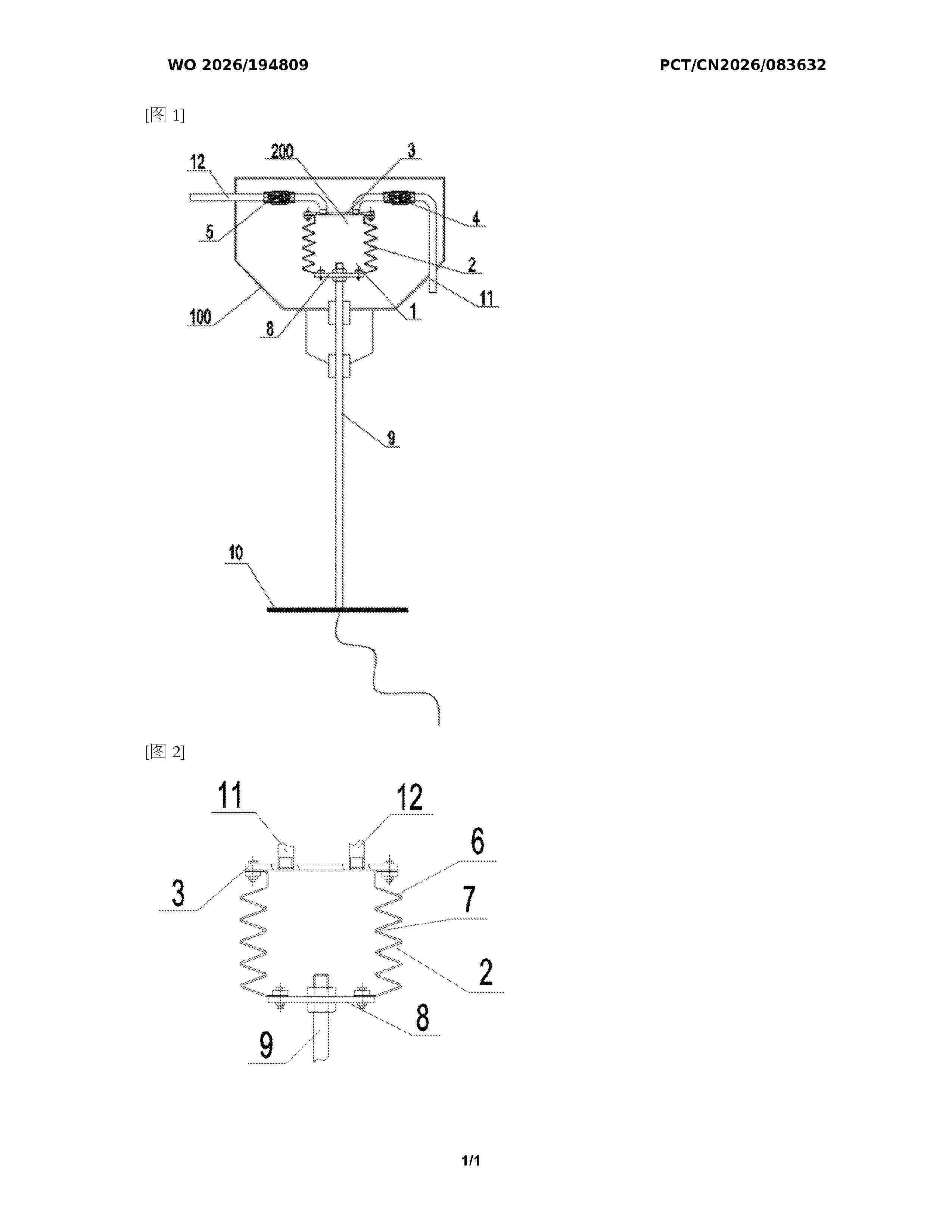
A buoy using wave energy for pumping liquid, and the use thereof. The buoy comprises a buoy body (100); a diaphragm pump (200) is provided in an internal cavity of the buoy body (100); the diaphragm pump (200) comprises a pump cavity (1) having a variable volume, the pump cavity (1) being enclosed by a diaphragm side wall (2) capable of elastic deformation, and a top plate (3) and a bottom plate (8) which are located at two ends of the diaphragm side wall (2); the top plate (3) is connected to the buoy body (100), and the bottom plate (8) is connected to a damping structure; the top plate (3) is provided with a suction valve (4) and a discharge valve (5); the buoy body (100) is provided with a water suction opening matching the suction valve (4) and a water discharge opening matching the discharge valve (5); the buoy body (100) moves with undulation of waves to drive the top plate (3) to move relative to the bottom plate (8), so as to cause the diaphragm side wall (2) to undergo elastic deformation and change the volume of the pump cavity (1), thereby pumping liquid into the pump cavity (1) or discharging liquid from the pump cavity (1).
Resumen de: AU2025243676A1
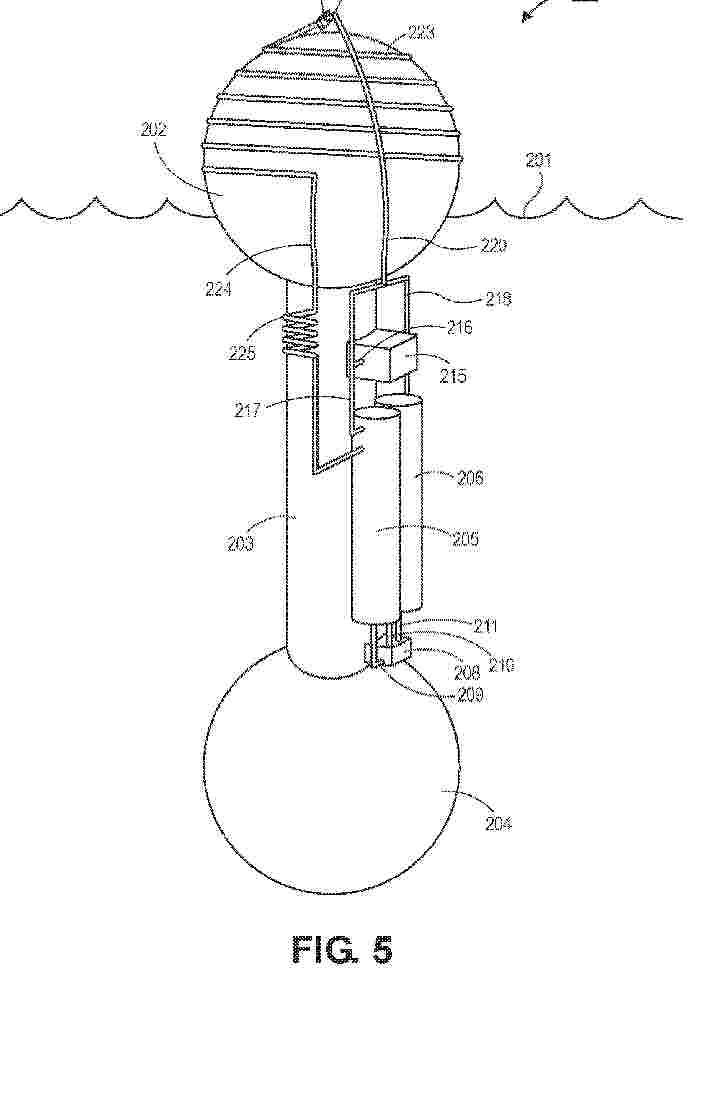
Embodiments disclosed herein comprise a wave energy converter (WEC) that includes a buoyant chamber with a tube depending from the buoyant chamber. In an embodiment, a battery is coupled to the WEC. In an embodiment, the battery includes a first tank for storing an oxidizing gas and a precursor fluid, and a second tank for storing a fuel. In an embodiment the battery further includes a fuel cell fluidically coupled to the first tank and the second tank, and a reaction pipe fluidically coupled to the first tank and the second tank.
Resumen de: EP4810795A1
This invention relates to a process for generating electrical energy by pulses to power a square-pulse electric motor, coupling it to a permanent magnet generator; wherein the generation process consists of a water storage tank, an ionization chamber, a chamber with a magnetic rotor and water injection with copper ions, a dissociation chamber, a water compression chamber, a bellows, an array of piezoelectric generators, an electrical coupling, a square-pulse motor, and a magnetic generator coupled to the square-pulse motor.
Resumen de: CN224782264U
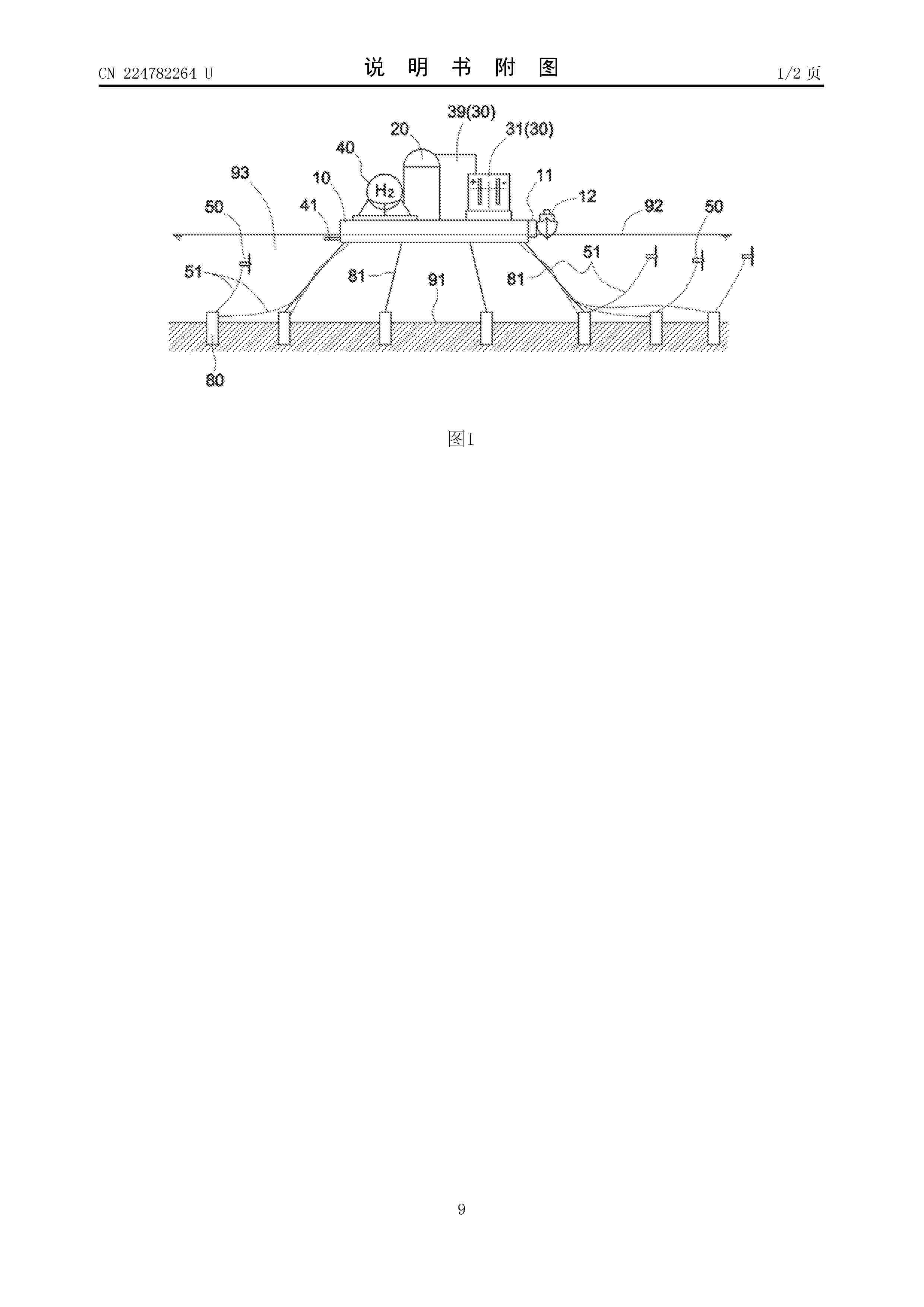
本实用新型公开一种海上能源岛,包括置放于海面上的一浮台、配置于该浮台上的电力转换器及多个能源转换装置,以及用于提供所述能源转换装置所需电力的至少一洋流发电机;其中,该浮台经由海床上的至少一定位桩及该定位桩连结的一缆绳而定位于海面,所述定位桩凭借一电缆而于洋流层牵制所述洋流发电机,所述洋流发电机经由该电缆供电至所述能源转换装置,用以产出再生能源供船舶或陆地使用。
Resumen de: KR20260140319A
0001a 멀티 프로펠러와 부력체를 이용한 조류 발전 장치가 개시된다. 개시된 멀티 프로펠러와 부력체를 이용한 조류 발전 장치는 수역의 바닥에 고정설치되는 파일; 상기 파일에 일측에 연결되게 설치되는 프레임; 상기 프레임의 상단에 수중 위로 배치되도록 설치되는 발전기; 수중에 잠기도록 설치되고, 상기 프레임으로부터 유속방향으로 길게 설치되는 장축과, 상기 장축에 일정간격으로 설치되는 복수의 프로펠러로 이루어진 축류식 멀티 프로펠러 회전체; 상기 프레임에 설치되며 상기 축류식 멀티 프로펠러 회전체의 회전력을 상기 발전기에 전달하는 동력전달수단; 수면에 떠있도록 구성되며 하방으로 수직 연결줄을 구비하여 상기 수직 연결줄이 상기 장축의 말단에 연결되도록 설치되어 상기 축류식 멀티 프로펠러 회전체가 하방으로 쳐지면서 가라앉는 것을 방지하는 부력체;를 포함하는 것을 특징으로 한다.
Resumen de: KR20260139583A
본 발명은 토로이달 블레이드를 갖는 가변피치 프로펠러 및 이를 이용한 조류발전기에 관한 것으로, 보다 상세하게는 환형의 폐루프 구조를 형성하는 토로이달 블레이드에 대하여 각 블레이드의 피치를 가변할 수 있도록 구성한 토로이달 블레이드를 갖는 가변피치 프로펠러 및 이를 이용한 조류발전기에 관한 것이다. 본 발명은 허브와, 상기 허브의 둘레 상에 방사상으로 배치되며 환형의 폐루프 구조를 형성하는 복수개의 토로이달 블레이드와, 상기 토로이달 블레이드의 폐루프 구조를 유지한 상태에서 피치를 가변하도록 구성되는 피치조절부를 포함할 수 있다.
Resumen de: CN224782265U
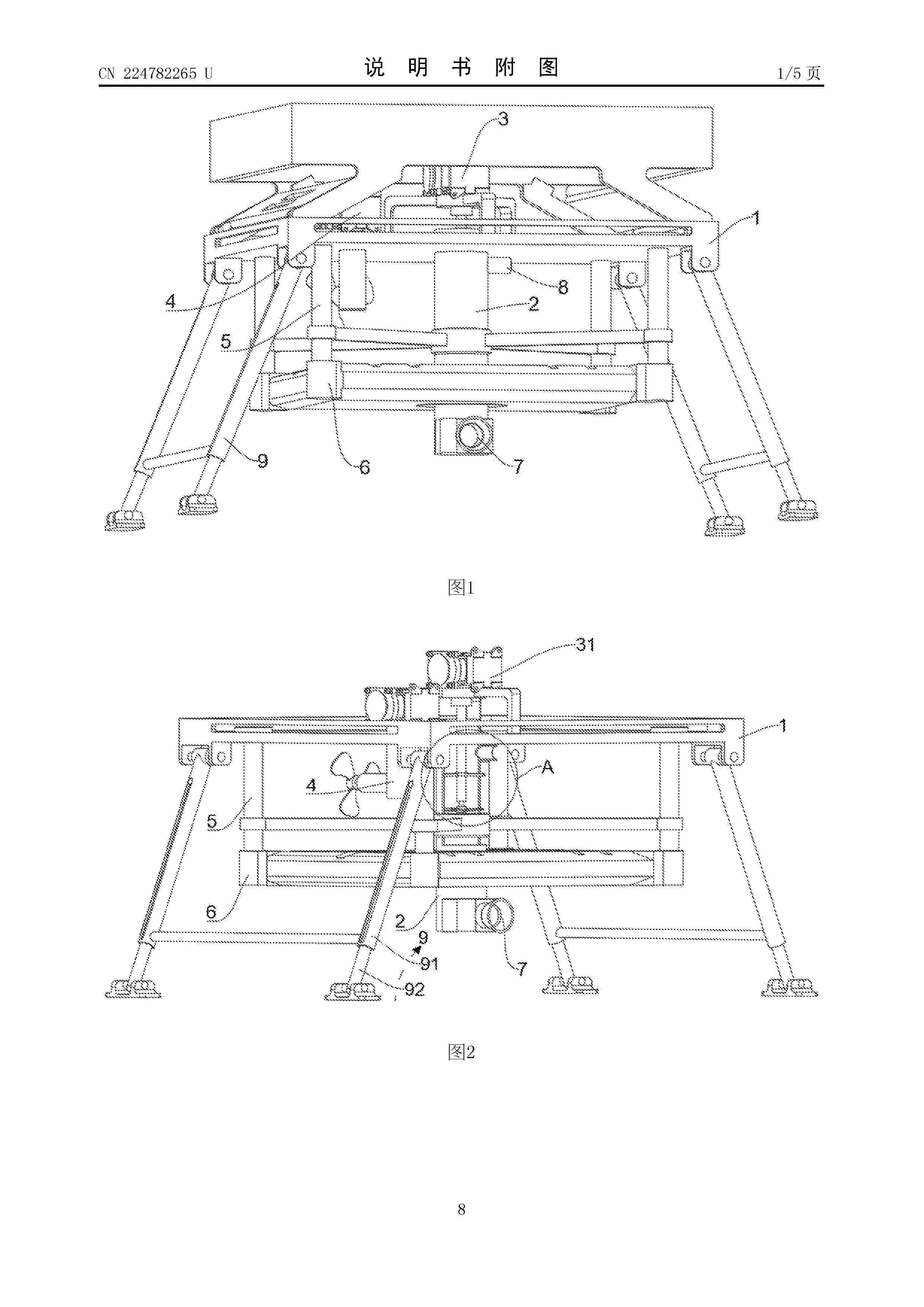
本实用新型公开了一种集成波浪能发电装置的半潜漂浮式风机,涉及发电装置技术领域,包括漂浮平台,所述漂浮平台的内壁固定连接有中央管,所述中央管的外侧设置有第一发电件,所述漂浮平台的外侧设置有第二发电件,所述漂浮平台的底部固定连接有安装杆,所述安装杆的外侧固定连接有漂浮筏,所述中央管的内壁分别开设有进出水口和进出风口,本实用新型具有以下有益效果:通过漂浮筏与适应组件的配合使用,可便于适应不同时间段海水的潮汐变化,使波浪能发电设备能够始终保持在海面之下的合适位置持续运作,防止装置无法适应海水的高度变化而无法运行,从而便于提高装置的灵活性和适用性。
Resumen de: CN122791743A
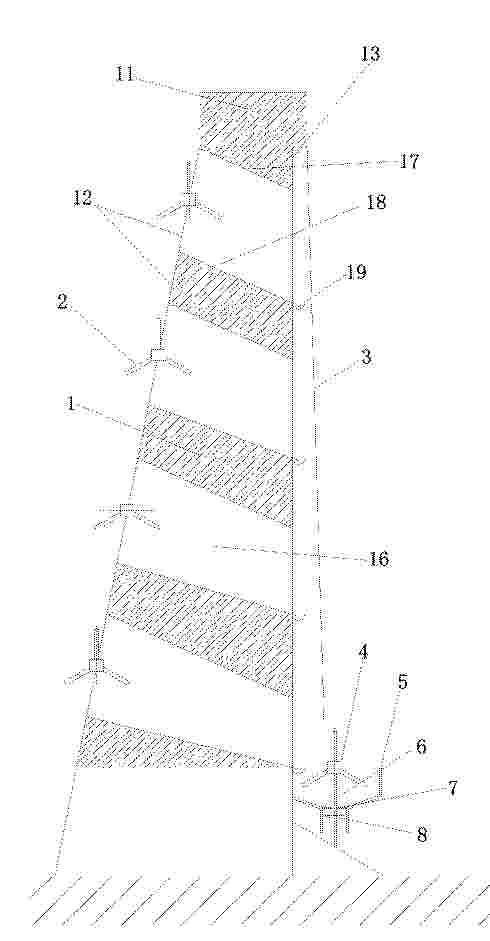
本发明公开了一种兼具消波防护与波浪发电功能的复合型防波堤,包括由下而上设置的护底、基床和堤坝;堤坝宽度方向的纵截面为直角梯形,其迎向波浪一侧为护面,背向波浪的一侧为直立墙;堤坝设有若干行倾斜设置且将堤坝贯穿的消波孔;每个消波孔进口均安装有第一水轮机,每行消波孔出口连接有一排水管;直立墙侧设有集水道、第二水轮机和底部设有排水口的蓄水池,第二水轮机通过支架安装在基床上;若干排水管并接在集水道上,集水道位于蓄水池上方;第二水轮机位于蓄水池上方,其一组叶片正对集水道的出水口;排水口安装有单向阀和第三水轮机。本装置既减小风浪载荷,又能发电,分多级利用波浪能发电,将波浪力分解,消减防波堤整体受力。
Resumen de: CN122801814A
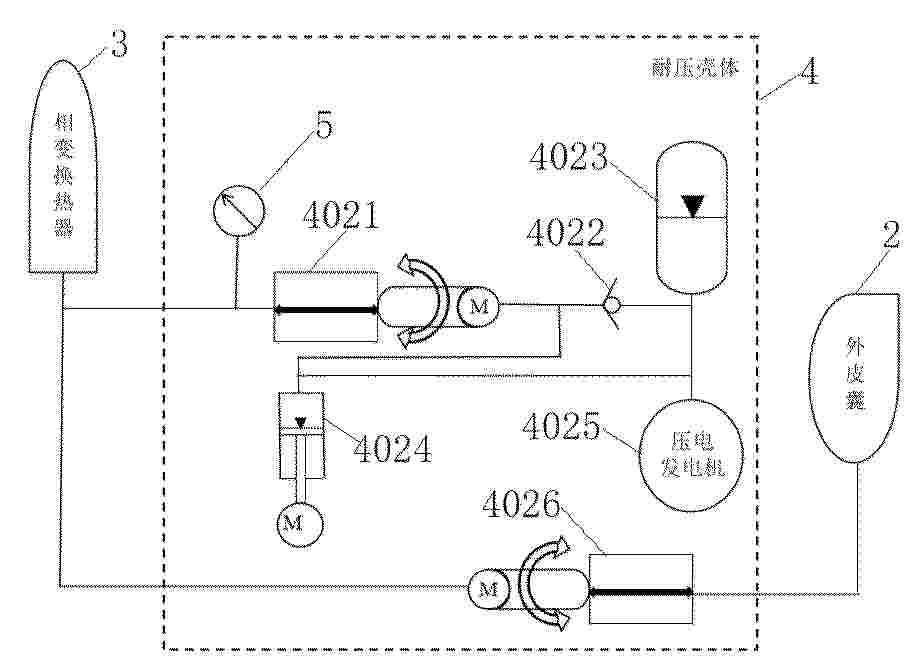
0001 本发明公开了一种基于相变和压电效应的温差能发电装置及发电方法,包括外皮囊、相变换热器、发电模块和与发电模块连接的控制系统,发电模块包括耐压壳体和设置于其内的储能电池、相变蓄能器、单活塞杆缸、压电发电机、第一开关阀、第二开关阀和单向阀,外皮囊通过第一开关阀与相变换热器,相变换热器通过第二开关阀分别与单活塞杆缸和单向阀一端连接,单向阀另一端分别与相变蓄能器及单活塞杆缸连接;相变换热器、压电发电设备以及相互之间的连通管道内均充满相变介质;相变蓄能器底部的压力输出口与压电发电机连接,压电发电机与储能电池连接;第二开关阀的连接管道上设有压力传感器。本发明的温差发电效率高,可灵活适配不同深度的作业需求。
Resumen de: CN122788905A
本发明公开了一种兼具发电与减摇功能的多深度舷侧振荡水柱船舶,属于船舶与海洋新能源利用技术领域。该船舶包括船体结构,其内设有内壳体和中间壳体,两者之间形成U形腔室;U形腔室由隔板分隔为若干U形独立腔室。每个U形独立腔室包括开设在外壳体上的发电单元进水口、设置在腔室顶部的发电单元以及用于启闭进水口的启闭结构;腔室内还设有水泵,用于在进水口关闭时调节液位。发电单元进水口可选择设置为同一高度或多层不同高度,以适应船舶不同吃水工况。本发明实现了发电模式与减摇模式的灵活切换,发电模式下利用波浪能驱动空气透平发电,减摇模式下关闭进水口并调节液位抵抗横摇,有效提升了船舶的波浪能利用效率和航行稳定性。
Resumen de: CN122788917A
本本发明公开了船体自适应变化及波浪能捕获的控制方法及感知系统,涉及于无人帆船技术领域;当倾覆风险指数小于预设倾覆阈值,判断船体处于平稳海况下,船体可以可展开为宽体的双体形态,以获得双体船特有的高初始稳定性、宽阔甲板和高速航行性能,而当倾覆风险指数大于预设倾覆阈值,判断船体处于风浪恶劣的海况下,可收拢为窄体的单体形态,自适应能力较好,并且船体可以根据船体运动数据流,能够在升沉、纵摇和横摇的状态下改变惯性测量单元的动子的电磁阻尼系数,以控制线性电磁发电件所捕获波浪运动能量,对不规则波浪能的利用效果较好,可以提高无人帆船的持续作业能力。
Resumen de: KR20260138717A
본 개시는 마찰 전지 기반 수소 생성 장치에 관한 것이다. 본 개시에 따른 마찰 전지 기반 수소 생성 장치는, 해수면에 일부 잠긴 상태로 떠있도록 구성된 부표 모듈, 상기 부표 모듈 내부에 구비되며, 해수면이 일렁이는 것에 근거하여 전기에너지를 생성하는 마찰 전지 모듈 및 상기 마찰 전지 모듈에서 생성된 전기에너지를 이용하여 해수를 전기분해하여 수소 및 산소 중 적어도 하나를 수집하는 전기 분해 모듈을 포함한다.
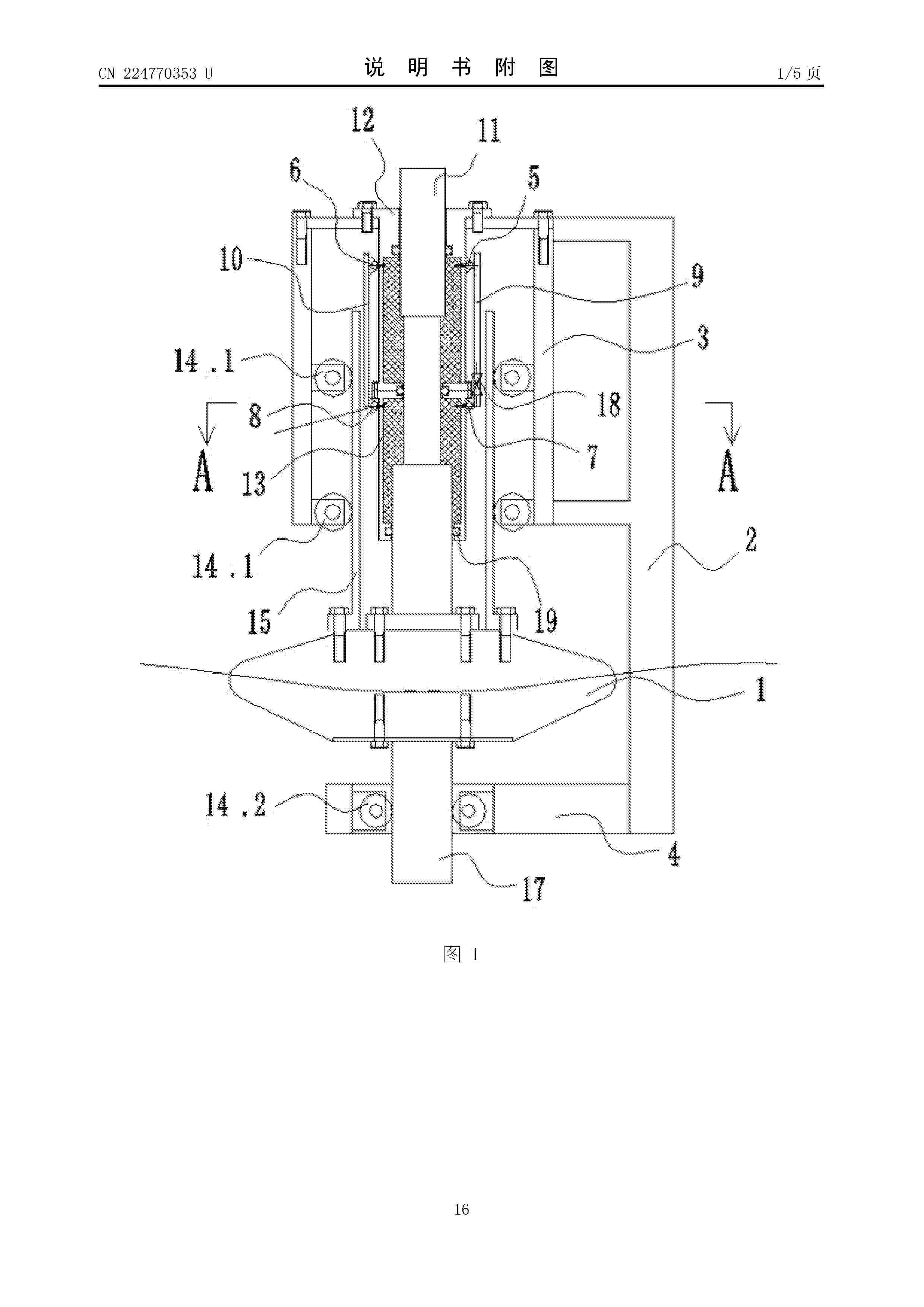
Resumen de: CN224770353U
本实用新型涉及的一种振荡浮子海浪能液压采集系统及液压能转换系统,采集系统包括浮子、三段变径推拉杆、上下双油缸、单向阀组和导轨导轮导向机构等,可将浮子垂荡运动的浮力与重力高效转化为液压能;转换方法通过储能罐缓冲压力脉动,并采用多档位液压马达并联方案,根据系统压力自动切换不同规格马达工作,实现对0.3~4m波高范围内海浪能的高效、平稳转换。本实用新型结构可靠,能量捕获效率高,自适应性强,输出平稳,显著提升了波浪能发电装置的综合性能与经济性。
Resumen de: CN122774242A
本发明涉及防波堤与波浪能转换一体化技术领域,公开了一种多腔室共振耦合沉箱波浪能转换装置,包括主腔,所述主腔的内部开设有第一海水进入口,所述主腔外部固定连接有副腔,所述主腔与副腔的内部开设有连通水道,所述副腔的内部开设有第二海水进入口,所述副腔的内部设置有调节机构,所述调节机构包括驱动组件与锁定组件,所述驱动组件的外部设置在副腔的内部,所述锁定组件的底端设置在驱动组件的内部,所述锁定组件的顶端设置在副腔的内部,所述驱动组件包括防水型伺服电机。通过发动防水型伺服电机驱动转动轴与阻尼板进行转动,从而实现在极端波况下控制转至卸载开度以削弱腔间耦合与压差传递,降低结构荷载并提高运行安全性。
Resumen de: CN122774243A
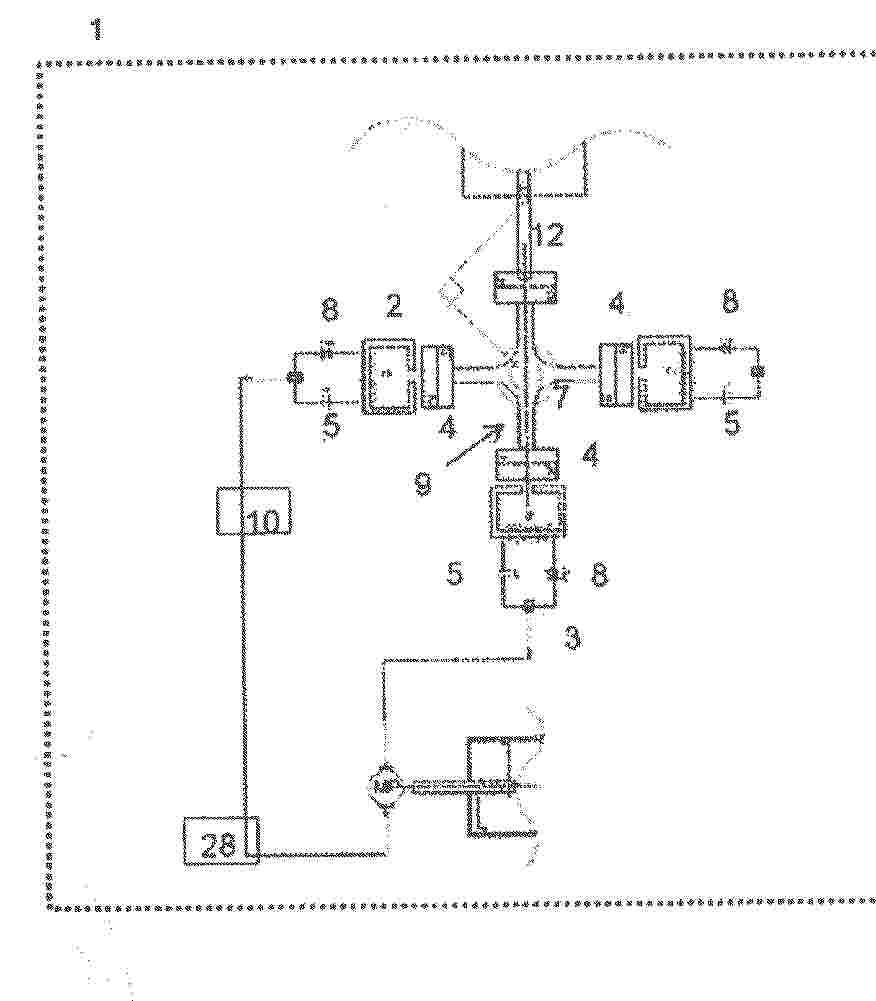
本发明涉及潮汐可再生能源发电智能控制技术领域,公开了一种可沉浮双向文丘里管潮汐发电控制方法;本发明设置水域环境监测下沉避险、整机上浮干式检修和双向文丘里管双向潮汐发电核心工序;采用高压气体挤压舱内海水实现平台上浮,取消海上易腐蚀抽水泵;AI控制系统搭载多类传感识别组件,可自主识别洪水、大型漂浮物危险并驱动整机下沉避险,下沉水下状态仍可持续低负荷发电;设备可整体上浮至干式检修水位,管路完全露出水面,便于维护;系统内置多重故障自保机制与独立无线电远程备用控制通道;解决传统设备易受漂浮物撞击、水泵故障率高、水下检修难度大、无人值守安全保障不足等缺陷,降低运维成本,适配近海长期无人值守潮汐发电场景。
Nº publicación: CN122773739A 18/09/2026
Solicitante:
江苏科技大学
Resumen de: CN122773739A
本发明公开了一种兼具波浪能捕获的亥姆霍兹共振防波堤阵列,该阵列包括多个主堤、副堤、调控装置及通气装置,主堤与副堤内部设有按频率梯度排布的亥姆霍兹共振腔。调控装置包括固定板、压电板及伸缩杆,固定板顶部固定有与主堤外壁滑动配合的挡板;通气装置包括夹板、阻板、侧板及横跨主堤与副堤的气管,气管内设有转板及弹性复位件。相较于现有技术,本发明通过挡板横向移动调节共振腔容积以实现频率调谐,利用压电板将波浪冲击转化为电能,并通过气管内转板的摆动耗散波浪动能,实现了宽频消波与高效能量捕获的双重功效,适用于复杂海况下的海岸防护与海洋能开发。
 BOPI
BOPI
 Sede Electrónica