Si deseas distinguir tus productos, servicios o ambos de los de otra empresa, es posible que necesites una marca o nombre comercial. Descubre qué son, en qué consiste su procedimiento de registro y qué implica.

Información sobre los plazos de presentación de solicitudes de transformación de marcas de la Unión Europea en marca nacional española. Más información


Si tienes un nuevo dispositivo, producto o procedimiento que resuelva un problema técnico o tenga una ventaja práctica, existen distintas formas de protegerlo en España y en otros países. Descubre cómo hacerlo.

¿Tu innovación reside en la estética, la ornamentación o la apariencia de tu producto? Protégela mediante un diseño industrial. Descubre qué derechos confiere el registro y cómo realizar la tramitación.

Las indicaciones geográficas protegen el nombre de un producto originario de una zona geográfica, a la cual le debe una determinada calidad, reputación u otra característica. Descubre qué son, en qué consiste su procedimiento de registro y qué beneficios conceden.

Las patentes publicadas en todo el mundo son una valiosa fuente de información científica, técnica y comercial.

Si eres emprendedor/a o una empresa y quieres potenciar y mejorar la rentabilidad de tu negocio protegiendo de forma adecuada los activos intangibles de tu organización, en este espacio encontrarás lo necesario.


 317
resultados
317
resultados
 Última actualización
25/10/2026 [07:15:00]
Última actualización
25/10/2026 [07:15:00]


 Resultados 275 a 300 de 317

Resumen de: CN122908265A
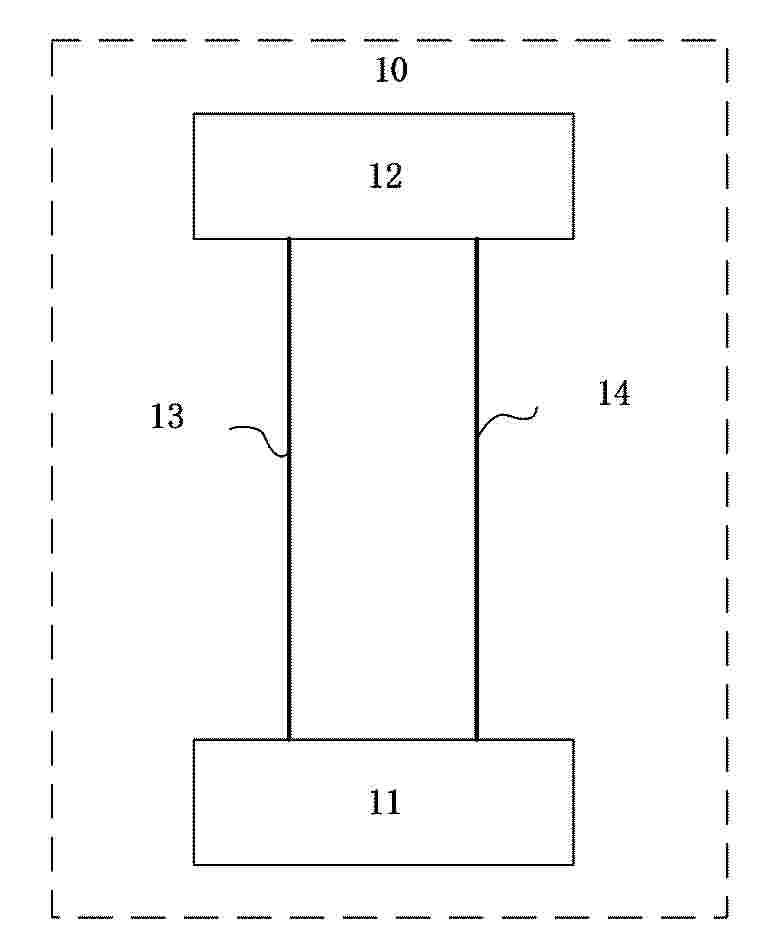
本申请实施例提供一种浮空发电的电力传输系统,包括:地面设备、浮空设备、第一输电链路和第二输电链路,其中,浮空设备包括浮空发电设备和浮空负载设备,浮空发电设备用于将高空的风能转化为高压电能,浮空负载设备用于提供高空算力;浮空发电设备通过第一输电链路将产生的高压电能传输至地面设备,地面设备通过第二输电链路为浮空负载设备提供低压电能。浮空发电设备产生的高压电能直接通过第一输电链路供给地面设备,无需转换为低压电供给浮空负载设备,而浮空负载设备可以直接接收地面设备通过第二输电链路供给的低压电能,从而降低了浮空设备的功耗。

Resumen de: CN122908358A
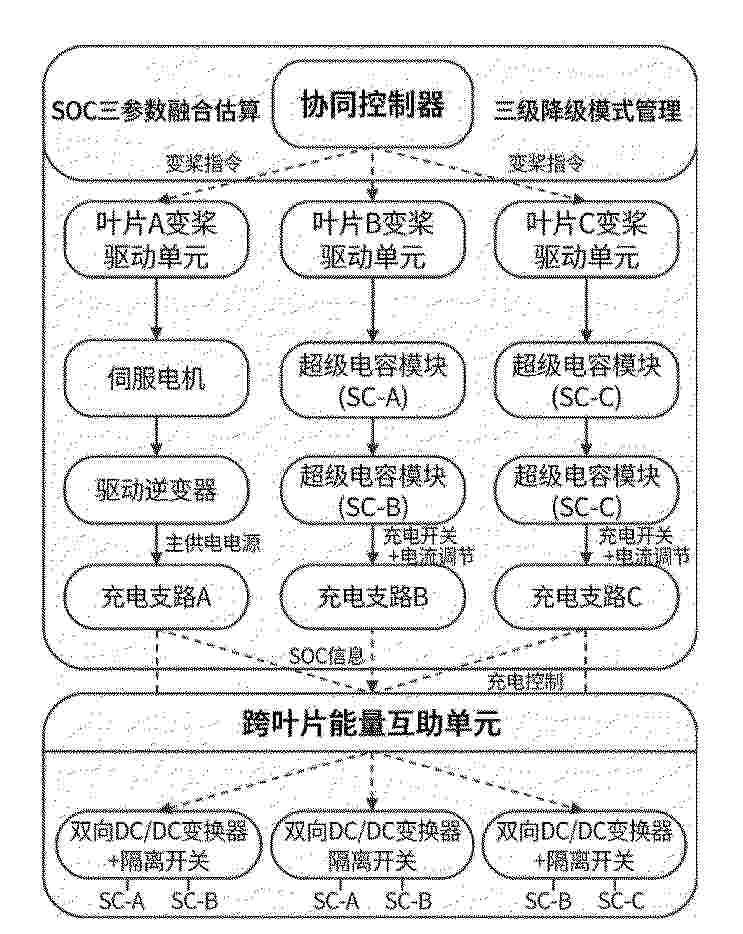
本发明公开了一种超级电容独立供电的变桨协同控制系统,涉及风电变桨控制技术领域,包括:多个叶片变桨驱动单元,每个叶片变桨驱动单元配备独立的超级电容模块作为该叶片变桨驱动的主供电电源;充电单元,与各所述超级电容模块电连接,用于间歇性地为各超级电容模块补充电能;协同控制器,与各叶片变桨驱动单元和各超级电容模块通信连接,用于获取各超级电容模块的荷电状态信息。本发明通过超级电容作为变桨驱动的主供电电源,配合间歇充电策略,实现了变桨系统的全电气独立供电,正常发电状态下单次变桨操作能耗仅2‑5kJ,单次充电3‑6分钟即可恢复满电,循环寿命可达100万次以上,解决了蓄电池循环寿命短和电网依赖的问题,显著降低维护成本。
Resumen de: CN122899660A
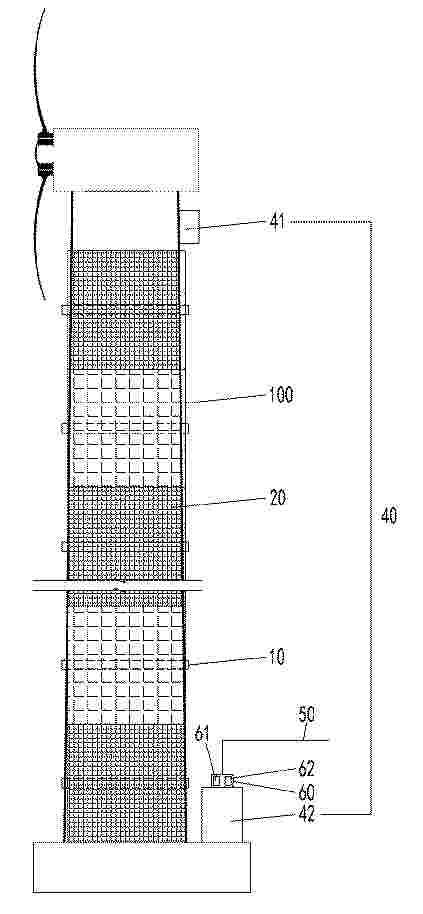
本发明公开了一种风力发电塔筒外挂式光伏发电方法及风光协同发电系统,方法包括在风力发电塔筒外周面安装可拆卸地环抱紧固的塔筒安装接口;将曲率与塔筒外表面相匹配的弧形光伏板,通过其背面的第一配合部与塔筒安装接口上的第二配合部可拆卸地连接;将多个弧形光伏板产生的直流电经电力转换单元转换为交流电后,通过并网接口并入风力发电系统的现有并网线路。本发明充分利用了塔筒闲置空间,无需额外占用土地,通过弧形光伏板与专用接口的适配设计,实现了光伏组件的稳定、便捷安装,有效提升了风力发电场的综合发电量与能源利用效率。
Resumen de: CN122899671A
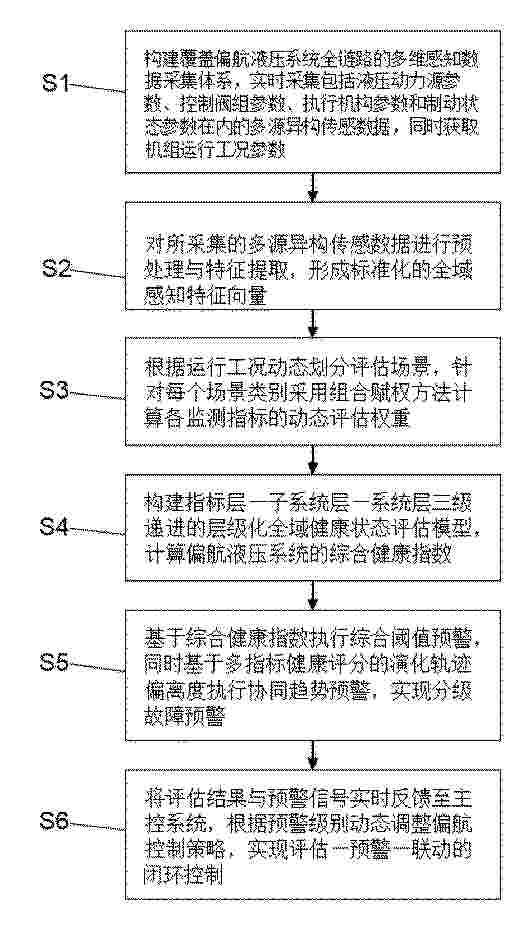
本发明属于风力发电机组状态监测与故障预警技术领域,具体地涉及一种风机偏航液压系统全域感知状态评估及故障预警方法,该方法包括:构建覆盖偏航液压系统全链路的多维感知数据采集体系,实时采集多源异构传感数据并提取特征向量;根据运行工况动态划分评估场景,计算各监测指标在不同场景下的动态评估权重;构建三级递进的层级化健康状态评估模型,计算系统综合健康指数;采用双模预警机制进行分级预警;将评估结果与预警信号实时反馈至主控系统,根据预警级别动态调整偏航控制策略,实现闭环控制。本发明显著提升了偏航液压系统状态评估的准确性和故障预警的前瞻性,适用于风力发电机组偏航液压系统的在线状态监测与故障预警。
Resumen de: CN122899647A
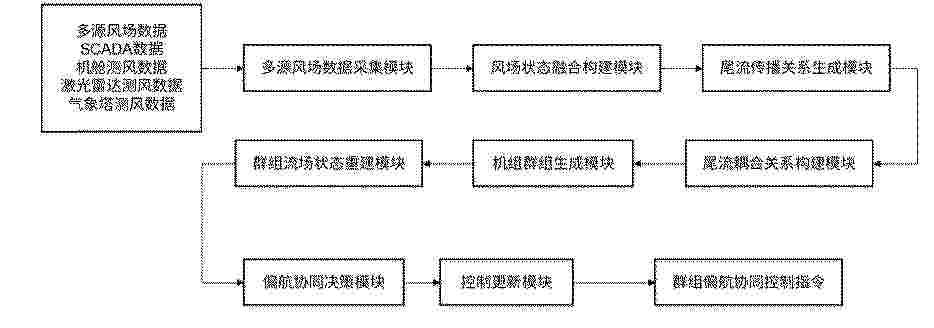
本发明公开了一种基于多源数据融合的风电场群组偏航协同控制系统,涉及风电场运行控制技术领域,包括多源风场数据采集模块,对SCADA运行数据、机舱测风数据、激光雷达测风数据和气象塔测风数据执行时间对齐和空间映射处理,生成统一时间窗风场状态候选数据;风场状态融合构建模块,对统一时间窗风场状态候选数据执行多源一致性差异计算,并引入多源可信收缩系数,执行多源一致性约束可信收缩融合算法处理,生成统一风场状态数据。本发明中,通过风场状态融合构建模块对不同来源的测风数据执行多源一致性约束融合处理,生成统一风场状态数据,从而能够在复杂风场环境下获得更加准确、稳定的风场来流状态信息,提高风电场整体运行状态感知精度。
Resumen de: CN122899642A
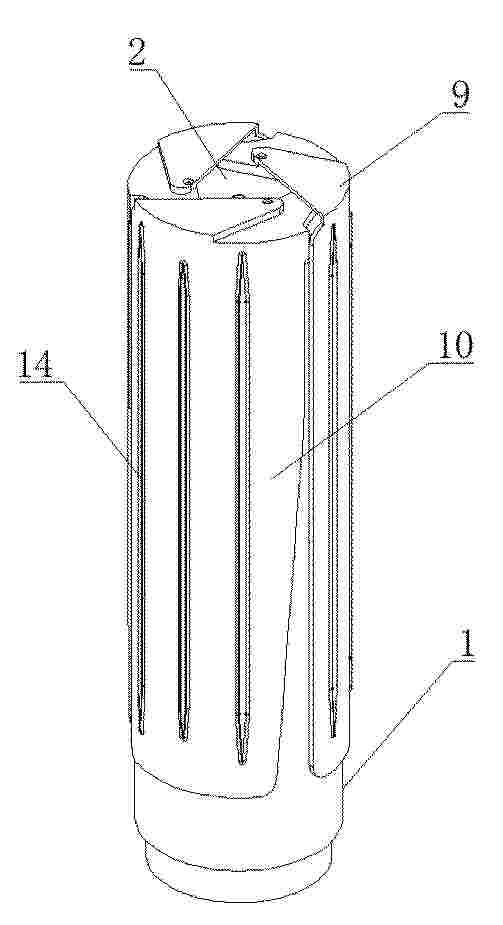
本发明提供了一种折叠式储电充电一体的风力发电机,包括外套筒,外套筒内部设有风力发电机,外套筒顶部设有回转盘,风力发电机通过发电机轴与回转盘传动连接;回转盘沿周向设有多组桨叶组件,桨叶组件包括连接臂和叶片,连接臂的内端与回转盘铰接,连接臂沿自身长度方向设有滑槽;叶片的底部沿连接臂的长度方向设有安装槽,连接臂嵌装于安装槽内,且叶片与连接臂滑动配合;叶片上设有连接件,连接件与滑槽滑动连接;叶片与连接臂之间设有限位结构。本发明广泛应用于风力发电机技术领域。
Resumen de: CN122899676A
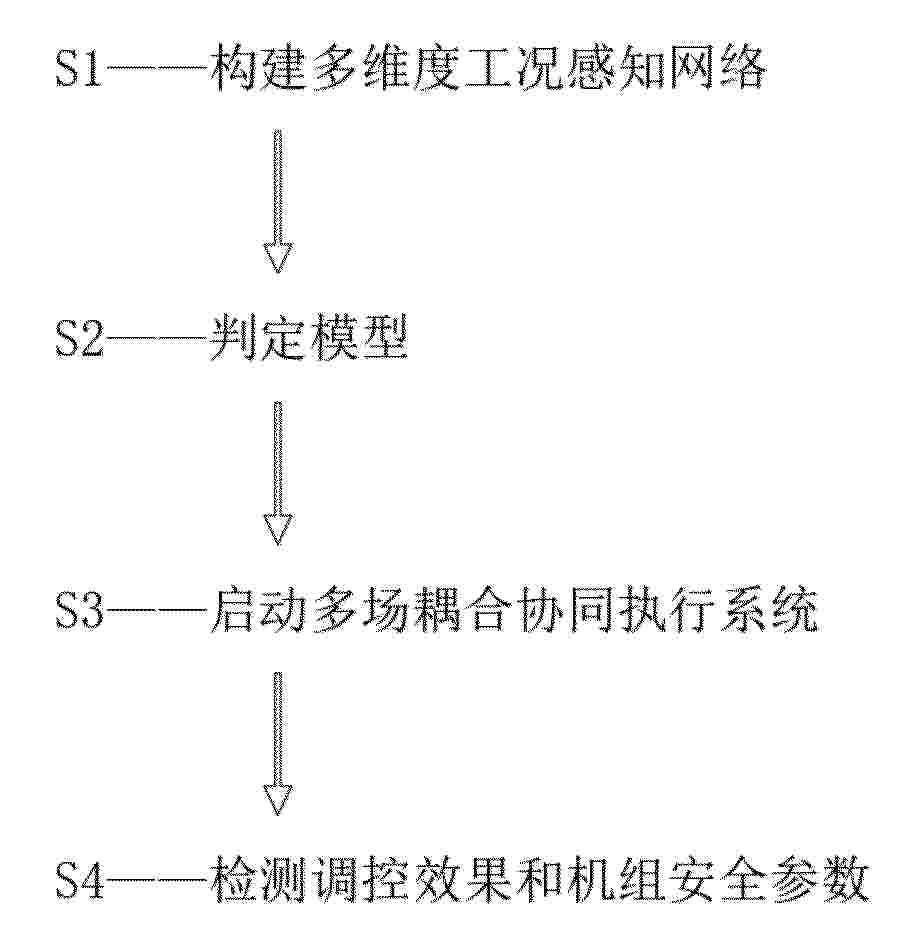
本发明涉及风电叶片维保技术领域,且公开了一种风电叶片防除冰处理方法,包括以下步骤:S1:构建多维度工况感知网络,实时采集叶片覆冰参数、环境参数及机组运行参数,所述覆冰参数包括叶片不同区域的覆冰厚度与覆冰类型,环境参数包括空气密度、环境温度及空气中液态水相关参数,机组运行参数包括叶片转速与叶根载荷;S2:基于采集的参数构建工况判定模型,输出防除冰触发信号及协同控制策略,所述协同控制策略包括防冰模式与除冰模式。该风电叶片防除冰处理方法,能够通过超声振动、梯度电热与气动扰流的多场耦合协同,结合叶片不同区域覆冰特性的差异化调控,相比现有单一技术或简单组合技术,显著提升了防除冰效率。
Resumen de: CN122899641A
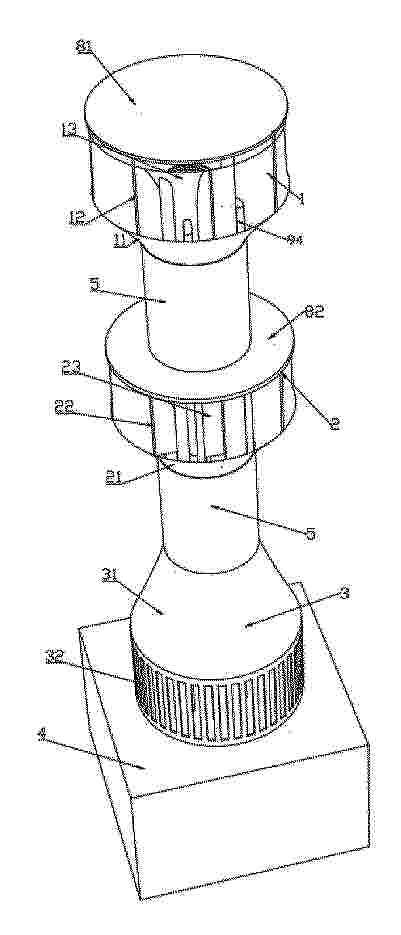
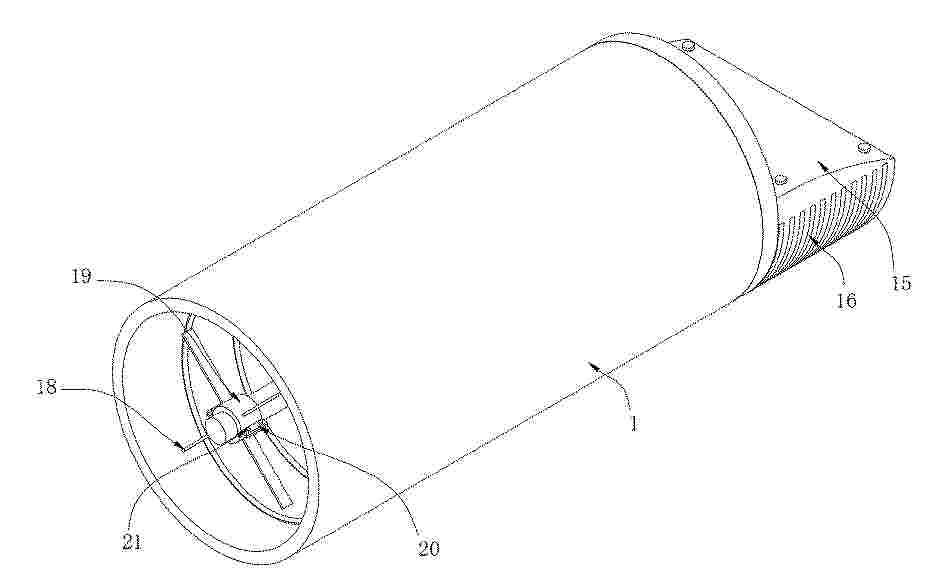
本发明涉及风力发电技术领域,公开了一种基于多级文丘里聚风增速的自保护风力发电系统,包括聚风增速系统、发电系统、增压系统和自保护控制系统;所述聚风增速系统包括沿气流方向依次连通的第一进风筒、第二进风筒和第三罩体,相邻进风筒之间通过连接筒固定连接,所述连接筒内设有文丘里式增速筒;所述发电系统包括设置于第三罩体内的发电机;所述增压系统包括增压风机、分风箱、送风管、出风口和回风管。本发明采用两级文丘里式增速筒物理结构,可实现逐级聚风增速,对进入系统内部的气流进行加速放大,相比传统单级聚风结构,风速提升倍率更高,能够充分利用自然弱风,显著改善低风速条件下发电能力不足的问题。
Resumen de: CN122899648A
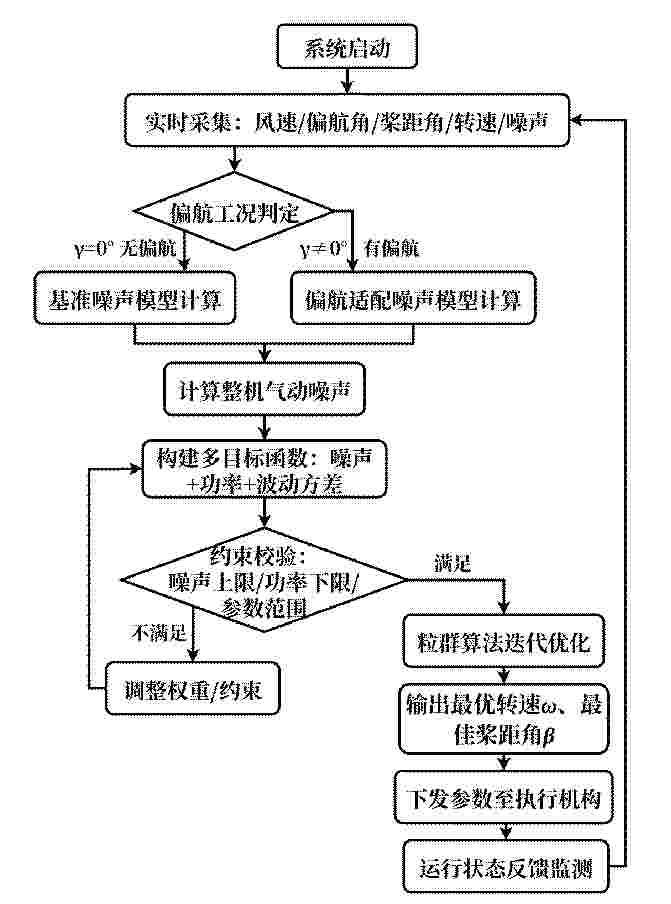
本发明涉及风力发电的技术领域,具体为一种偏航工况下风力机噪声约束的变速变桨协同优化方法,包括如下步骤:一、建立偏航工况下风力机气动噪声计算模型,将叶片沿展向分段,分别计算不同位置的气动噪声并合成整机噪声;二、选取风力机转速ω与桨距角β为协同控制变量;三、构建多目标函数,通过权重系数调整各目标优先级;四、设置约束条件;五、针对不同偏航角γ的多种工况,采用智能优化算法进行迭代寻优,得到最优运行参数组合;六、将最优运行参数组合传输至风力机控制系统,实时调节机组运行状态。本方案可在多变偏航工况下持续稳定实现风力机降噪,均衡兼顾降噪效果、发电收益与机组运行安全,方案实施成本低、难度小,适用性强。
Resumen de: CN122899639A
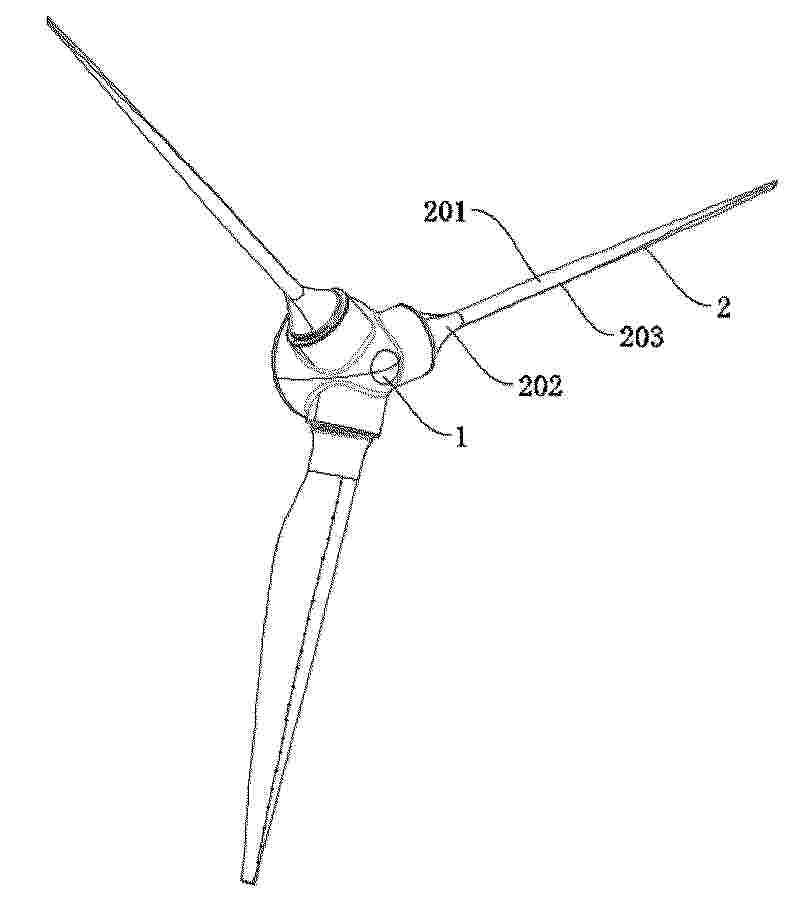
本发明涉及风电叶片加工技术领域,公开了玄武岩纤维风电叶片及其制备方法,包括轮毂和叶片组件,所述叶片组件固定装配于轮毂外侧且呈环形等距分布,所述叶片组件设置有不少于三组,所述叶片组件内部固定安装有内部加固组件,所述叶片组件包括叶片、叶根、叶片前缘、对接贴合面、玄武岩纤维预制防护条、定位凸台、卡合凹槽和拆装操作槽,所述叶片沿展向两侧分别设置有叶片前缘和叶片后缘。本发明中,采用玄武岩缝编网格层间增韧结构,在不改变主梁主体承力结构的前提下,显著提升梁帽层间断裂韧性,有效阻滞交变载荷下的层间裂纹扩展,解决了传统玄武岩叶片主梁易分层、抗疲劳性能差的技术难题,大幅提升叶片服役寿命。
Resumen de: CN122903836A
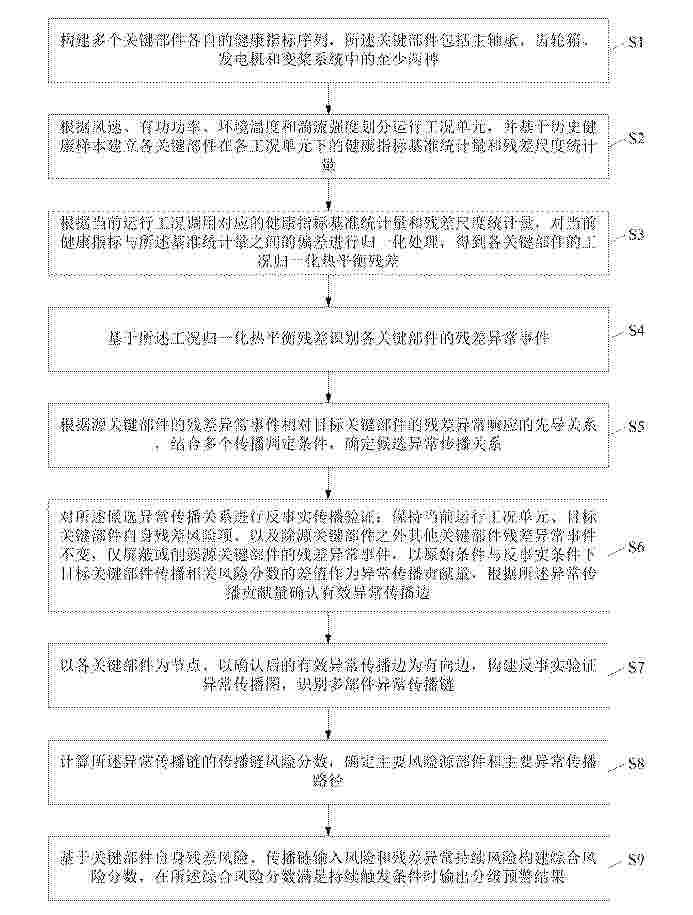
本发明公开了一种风电机组多部件异常传播溯源与分级预警方法及系统,涉及风力发电设备状态监测技术领域。该方法包括构建关键部件健康指标序列,划分工况单元,建立各部件的健康基准与残差尺度统计量,计算工况归一化热平衡残差;基于残差幅值、变化率和持续时间识别残差异常事件;根据源部件异常事件相对目标部件异常响应确定候选传播关系;通过三约束反事实传播验证,屏蔽或削弱源部件异常事件后目标部件传播风险分数的差值作为异常传播贡献量,对候选传播边进行确认、排序和筛选;构建反事实验证异常传播图,识别异常传播链,计算综合风险分数并输出结果。本发明能够区分同步相关与真实传播关系,提高异常溯源和分级预警的准确性与可解释性。
Resumen de: CN122899678A
本发明涉及散热装置技术领域,且公开了一种用于风力发电机组水冷系统的散热装置,包括机组外壳、伺服电机、水箱、水泵、水冷管及半导体制冷模块。机组外壳内腔安装有发电机,底部设有伺服电机经丝杆驱动调节块带动水箱位移。水箱经水泵、出水管、水冷管、进水管构成循环回路。水箱表面设有半导体制冷模块,其上装有导热板及散热鳍片,机组外壳表面设有冷却箱,两侧开设有通风槽。伺服电机驱动水箱移动,调整散热鳍片伸入冷却箱的深度,依据发电机发热负荷与环境温度动态匹配散热强度。高负荷时保障热端充分散热,低负荷时避免温差过大引发凝露。位移过程中散热鳍片扰动箱内空气流场,打破稳态热边界层提升对流散热效率。
Resumen de: CN116378895A
The invention discloses an airflow energy engine which comprises a center transmission shaft. The hollow supporting column is arranged on the outer side of the central transmission shaft in a sleeving manner; the wind wheel main shaft is arranged on the outer side of the hollow supporting column in a sleeving manner; the flange is fixed on the outer side of the wind wheel main shaft; a plurality of cantilever beams are installed on each flange, the cantilever beams are distributed on the flanges in a radioactive mode, and sliding grooves are formed in the cantilever beams; a door shaft of the valve leaf is correspondingly connected with the cantilever beam, and the door shaft of the valve leaf is connected with the sliding groove of the cantilever beam. When the valve leaves are subjected to the action of airflow cut into the valve leaves, the valve leaves move along the sliding grooves and are unfolded and arranged to form a wind-shield wall, and the action area of the airflow is greatly increased; meanwhile, according to the lever principle, the airflow energy acting force can be expanded, so that the airflow energy acting force expanded in a multiple mode directly acts on the central transmission shaft, the central transmission shaft can be driven to rotate by small wind power, the influence of the airflow direction is avoided, and the application range is wide.
Resumen de: CN122899652A
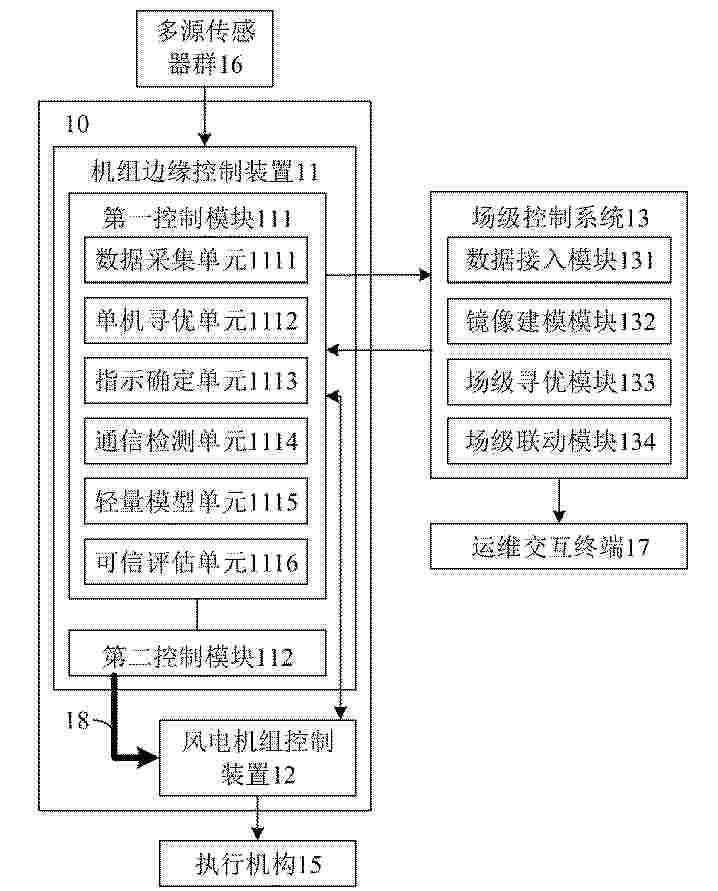
本申请公开了一种风电场的边场协同控制系统、方法、风电机组、介质及程序产品,属于风力发电领域。该系统包括:机组侧控制装置和场级控制系统机组侧控制装置根据采集的风电机组的状态监测数据和工况数据生成单机候选控制指示,向场级控制系统传输状态监测数据和工况数据;场级控制系统根据状态监测数据和工况数据,生成场级候选控制指示;机组侧控制装置不是无条件地执行场级控制指示,而是基于单机候选控制指示和场级候选控制指示进行合理性的分析,确定目标控制指示并执行。本申请实施例用于风电场控制,可避免场级控制系统由于异常产生的异常控制指示被风电机组执行,避免执行机构执行越界的动作,提高风电场控制的安全性。
Resumen de: CN122908643A
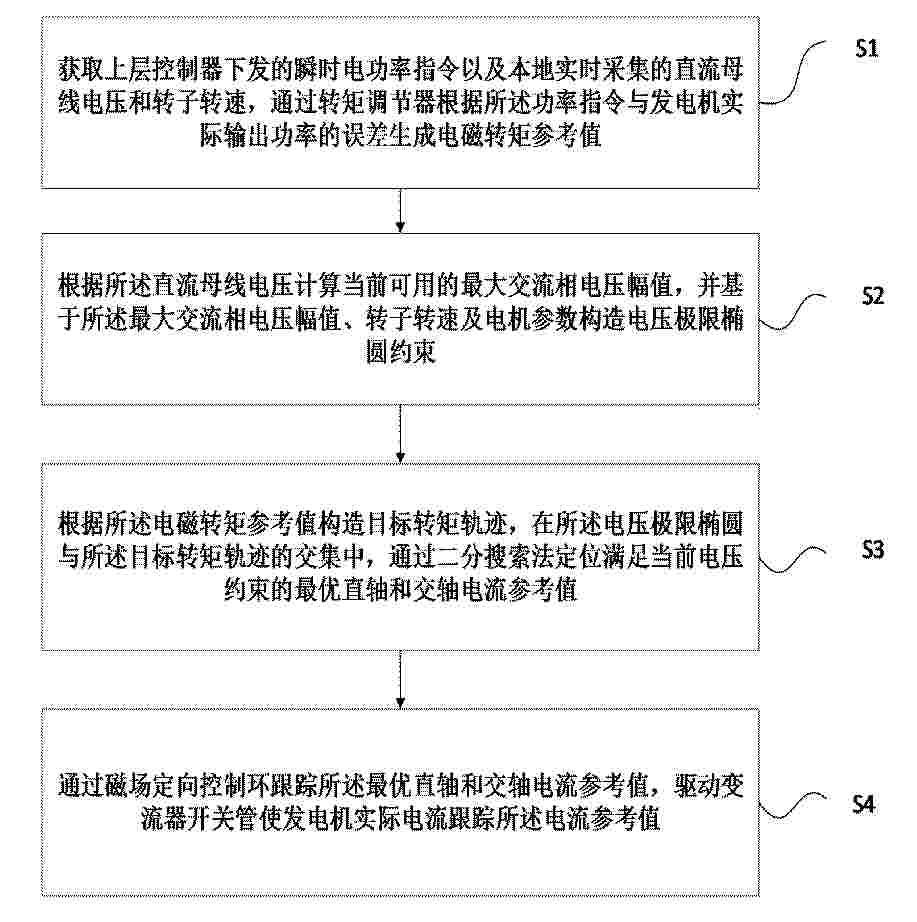
本发明公开了一种用于串联变流系统的电压自适应电流控制方法及系统,涉及可再生能源发电与电机控制技术领域,本发明为每个发电单元配置一电压感知功率控制器,转矩调节器根据功率指令与输出功率的误差生成电磁转矩参考值;电压自适应电流参考生成器实时采集本地直流母线电压,据此计算最大可用交流相电压幅值,并在由其确定的电压极限椭圆约束面内,在椭圆与目标转矩轨迹的交集中定位最优d‑q轴电流参考值;磁场定向控制器跟踪该电流参考,驱动变流器输出指定功率。本发明无需额外硬件,仅通过本地电压感知与电流指令的几何约束求解,即可在直流电压大幅波动下维持变流器可控性,保障串联系统稳定运行。
Resumen de: CN122907934A
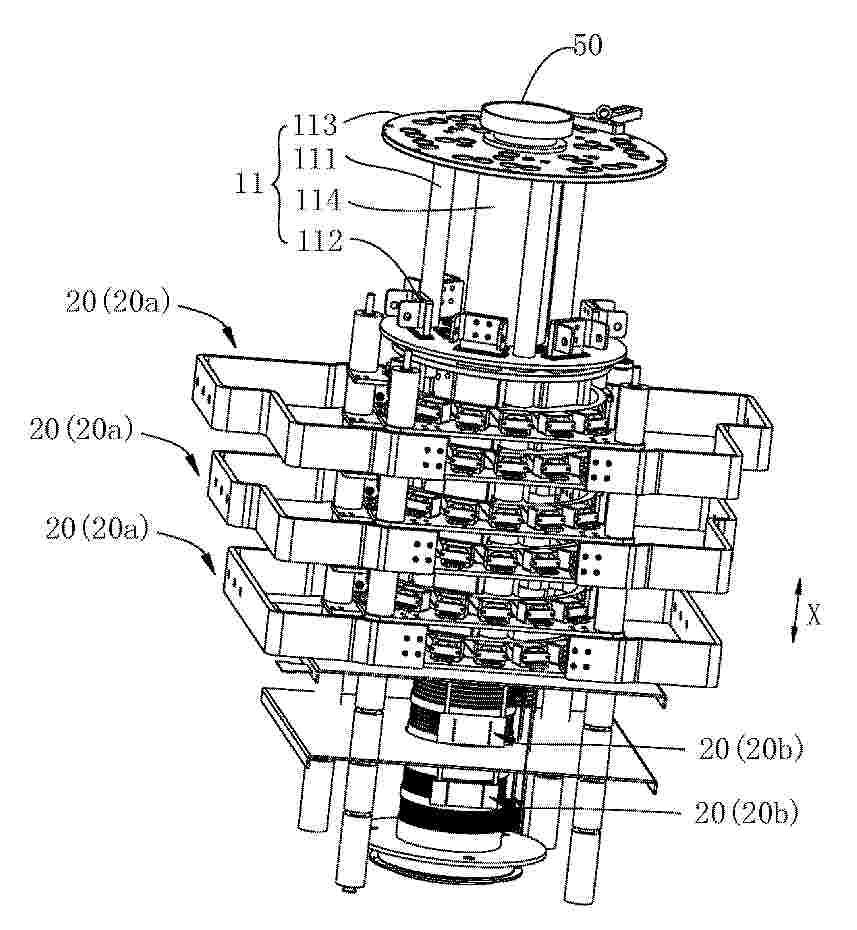
本发明涉及一种电能与信息传输装置,包括基体,包括同轴设置且彼此能够相对转动的转动件以及固定件;多组电接触对,沿基体的轴向间隔分布,每组电接触对包括导电环以及集流组件,导电环设置于转动件并随转动件同步转动,集流组件设置于固定件并与导电环电接触且彼此滑动配合;其中,沿轴向,多组电接触对的耐电压等级逐步增大。本发明实施例提供的电能与信息传输装置以及风力发电机组,能够满足电能以及信息数据的传输,且成本低且可靠性高。
Resumen de: CN122899673A
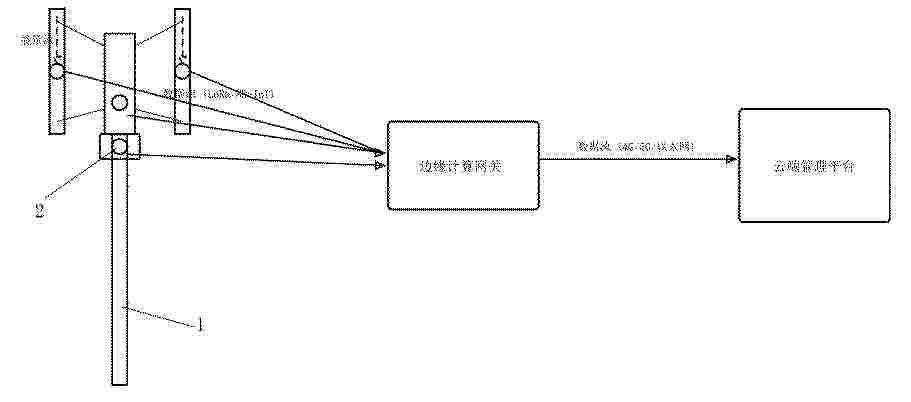
本发明涉及风力发电技术领域,提供了一种基于自供能无线传感网络的垂直轴风力发电机故障预判系统及方法,系统包括自供能无线传感器节点、边缘计算网关和云端管理平台;自供能无线传感器节点用于采集被监测构件的运行数据;边缘计算网关用于接收节点发送的数据,进行工况归一化处理,提取特征向量,并与预存的故障指纹库进行匹配输出预警信息;云端管理平台与边缘计算网关通信连接,用于接收边缘计算网关上报的状态信息,并用于将样本反馈至故障指纹库,更新后的指纹或参数通过OTA方式下发至边缘计算网关。该方案能够在不依赖复杂布线和不依赖高频维护换电的前提下,实现风机关键部件的长期在线监测与故障早期预判。
Resumen de: CN122899643A
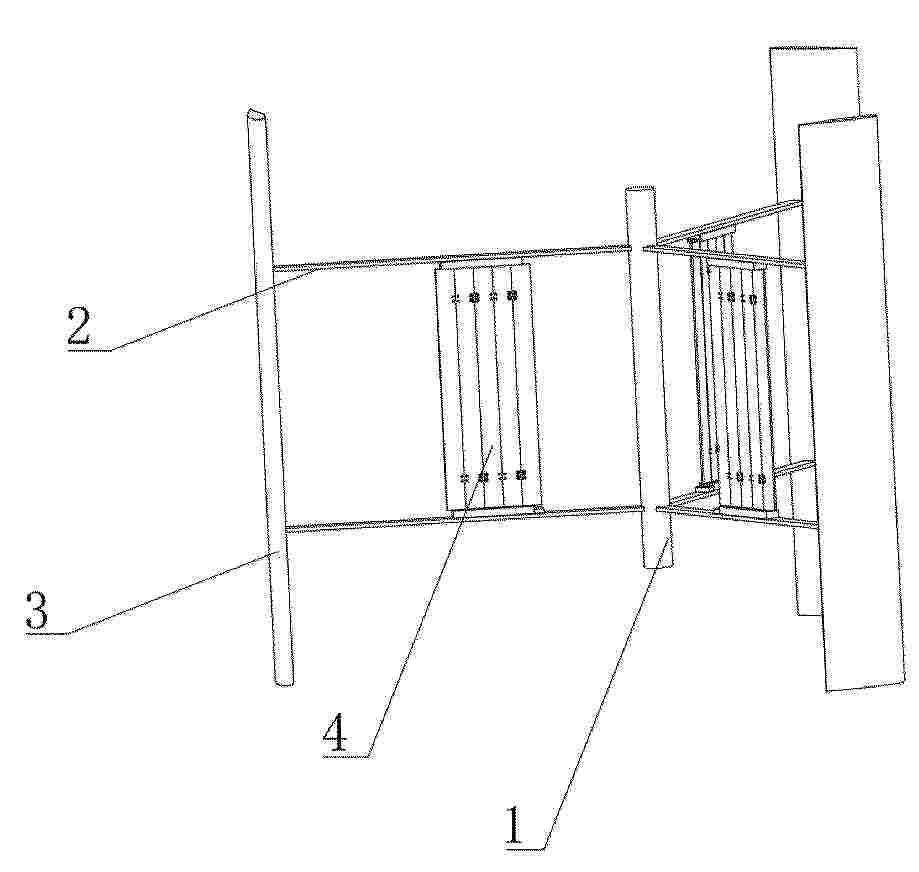
本发明涉及垂直轴风机风力发电设备领域,公开了一种可调节的垂直轴风机风轮装置和使用方法,包括中心轴,所述中心轴沿圆周方向均设置有升力叶片,所述升力叶片与中心轴通过支撑杆固定连接,所述中心轴下端安装有发电机或增速发电总成,本发明通过离心力与磁吸力的作用,控制阻力叶片的展开与收起,阻力叶片在低风速、风轮处于静止状态时展开,提供启动扭矩辅助垂直轴风机启动,而当达到临界转速后,阻力叶片变换为收起状态,其挡风面积变小几乎不会对风轮的转动产生影响;达到在低风速下展开助力风机启动,高风速下收起避免影响风轮转动的效果。
Resumen de: CN122899680A
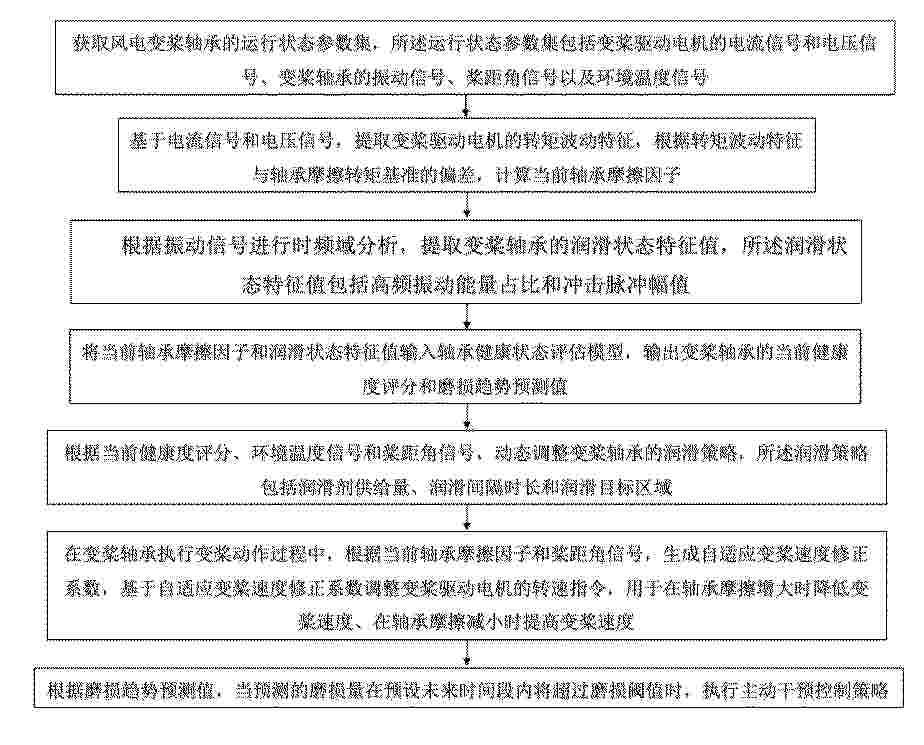
本发明属于风力发电技术领域,公开了一种风电变桨轴承自适应增效系统的智能控制及相关设备,包括将当前轴承摩擦因子和润滑状态特征值输入轴承健康状态评估模型,输出变桨轴承的当前健康度评分和磨损趋势预测值,根据当前健康度评分、环境温度信号和桨距角信号,动态调整变桨轴承的润滑策略,在变桨轴承执行变桨动作过程中,根据当前轴承摩擦因子和桨距角信号,生成自适应变桨速度修正系数,基于自适应变桨速度修正系数调整变桨驱动电机的转速指令,根据磨损趋势预测值,当预测的磨损量在预设未来时间段内将超过磨损阈值时,执行主动干预控制策略;本发明能够实时感知轴承的摩擦阻力变化与润滑膜状态,减轻了动态载荷冲击。
Resumen de: CN122899650A
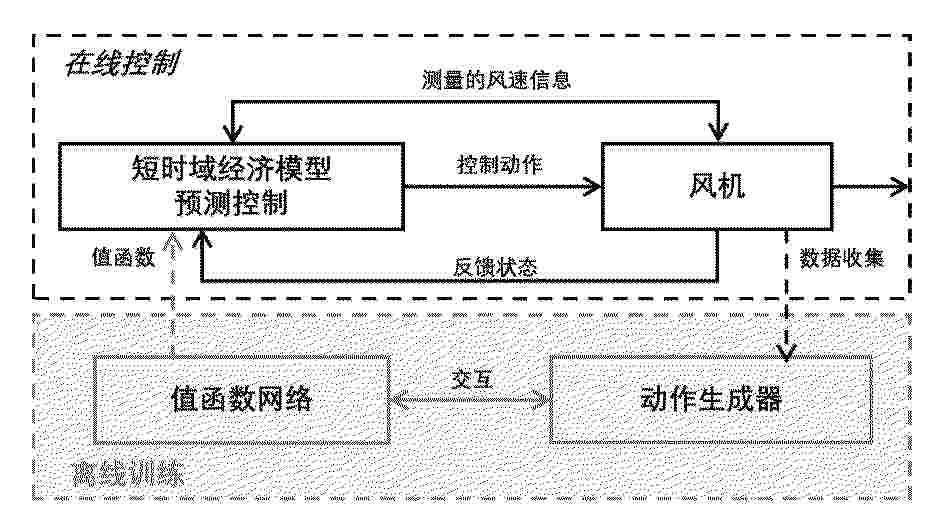
本发明公开了一种海上风力发电机组短时域经济模型预测控制方法,属于风力发电控制策略领域。该方法通过建立变速风力发电机组的状态空间模型和经济阶段代价函数,构建短时域经济模型预测控制优化问题。其核心在于,利用强化学习离线训练一个参数化的终端价值函数,以近似无限时域的经济代价,并将其嵌入短时域优化问题中。在线控制时,仅需有限风速预览信息,通过滚动求解该优化问题实现闭环控制。本发明在降低在线计算负担、满足实时控制要求的同时,有效补偿了有限预测时域下缺失的长时域经济信息,从而在提高风能捕获效率、降低结构疲劳载荷方面取得了优异的综合性能。
Resumen de: CN122899126A
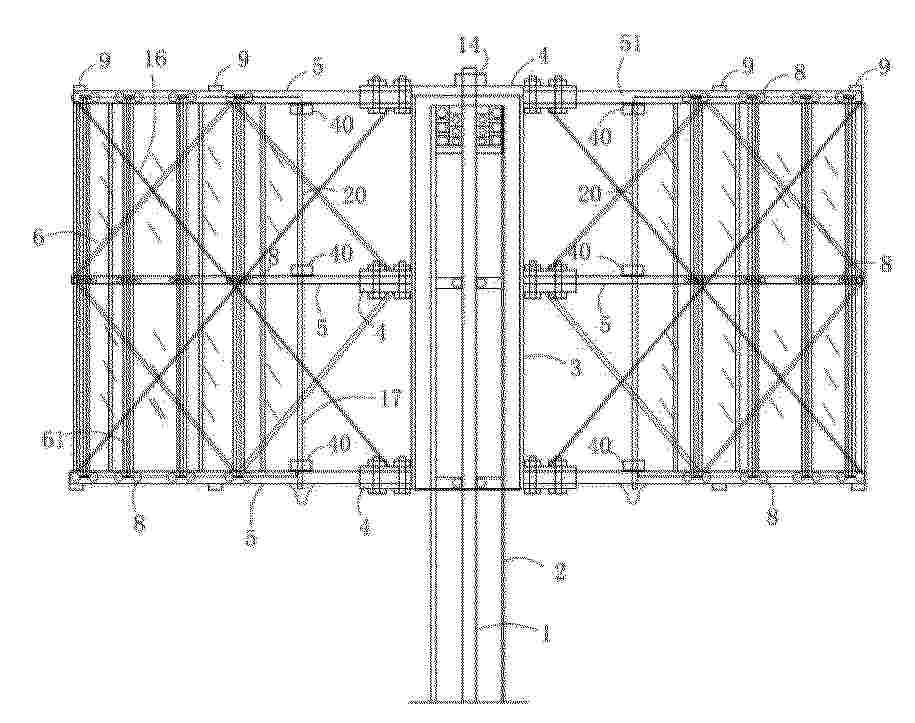
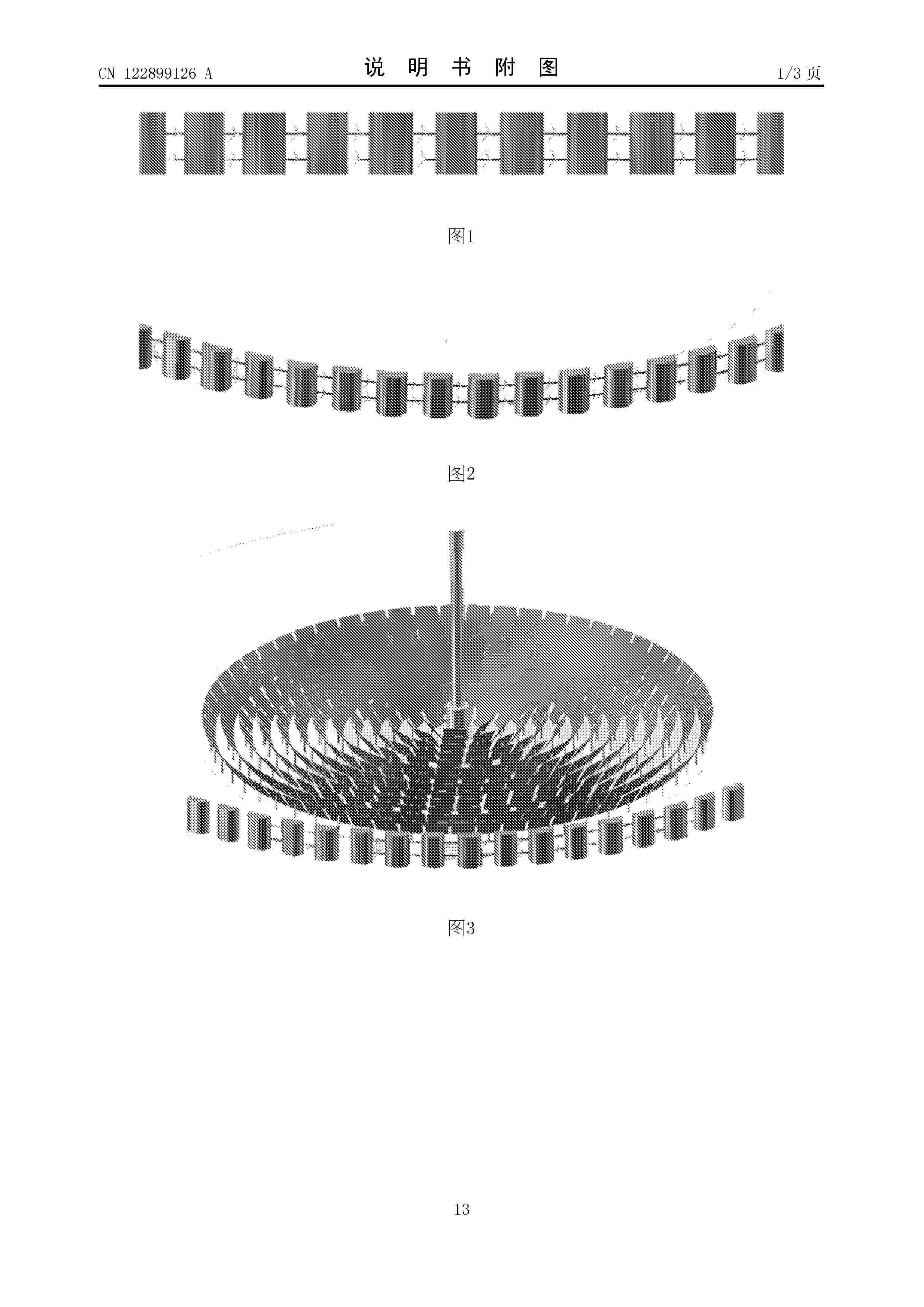
本发明公开了一种适用于沙漠定日镜场的集成风力发电的防护挡风墙结构,属于风力发电的技术领域。该结构包括沿沙漠定日镜场周边间隔布置的多个支撑墙体单元、用于连接支撑墙体单元的多个双层横梁单元,以及多个风力发电机。支撑墙体单元包括嵌入沙土中的地基单元,以及安装于地基单元上的墙体单元,墙体单元的横截面为流线型结构,地基单元和墙体单元内均预埋有输电线缆;风力发电机安装于双层横梁单元上,双层横梁单元内也预埋有输电线缆,风力发电机吸收风能并发电,其生成的电能依次通过双层横梁单元、墙体单元和地基单元内的输电线缆传输至外部电网或储能系统进行利用。本发明提高发电效率的同时降低了土地占用。
Resumen de: CN122899654A
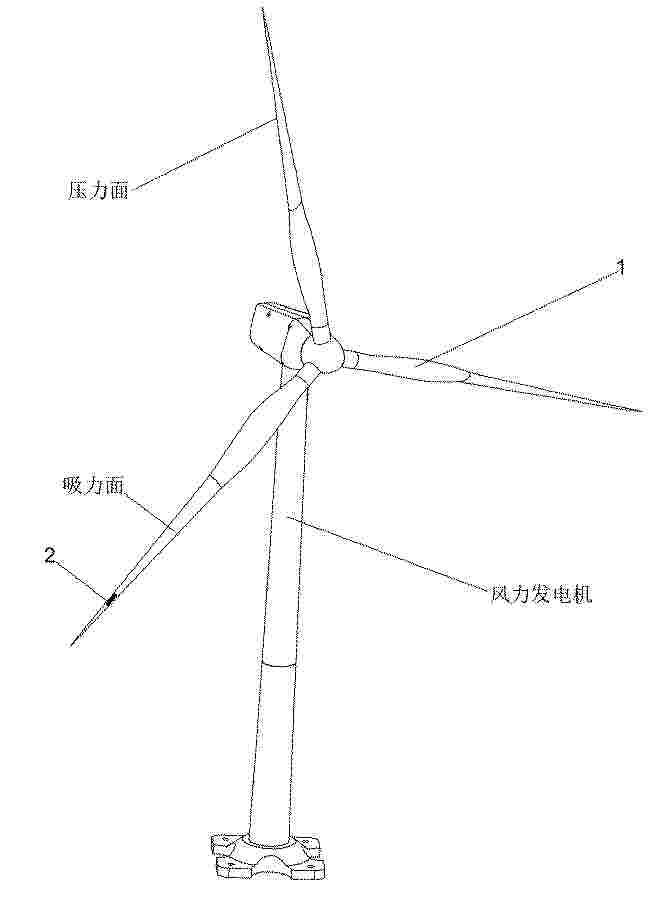
本发明涉及风力发电机领域,且公开了一种带尾流优化装置的风力发电机,包括风力发电机本体以及等角度安装于其轴体上的叶片,所述叶片的一侧为吸力面,另一侧为压力面,叶片的叶尖靠近其吸力面一侧开设有收纳腔,收纳腔的内部设置有尾流调控组件和射流调控组件,尾流调控组件包括设置于收纳腔内侧的小翼,射流调控组件包括等距设置于收纳腔远离叶片吸力面一侧内壁上的喷嘴,本发明,通过小翼向外斜向展开后阻断叶片压力面向吸力面的跨尖绕流,对叶尖泄漏涡形成机械分割,而高速气流从喷嘴喷出直接冲击叶尖泄漏涡涡核,扰动涡旋内部流场,促进集中大涡快速溃散,实现双重尾流优化作用,提高尾流优化效果。
Resumen de: CN122903874A
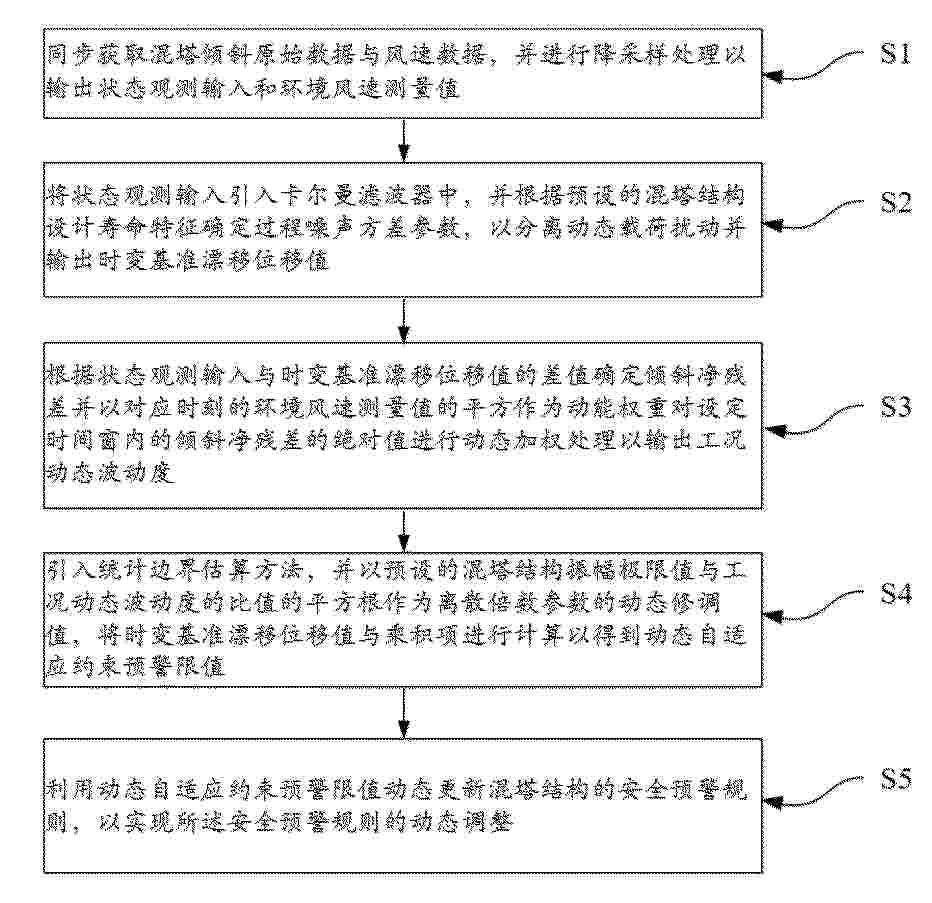
本发明涉及数据处理领域,尤其涉及一种混塔结构安全预警规则动态调整方法及系统,方法包括:同步获取混塔倾斜原始数据与风速数据并进行降采样处理,输出状态观测输入和环境风速测量值;将状态观测输入引入卡尔曼滤波器,根据预设的混塔结构设计寿命特征确定过程噪声方差参数,输出时变基准漂移位移值;根据二者差值确定倾斜净残差,以环境风速测量值的平方为动能权重,对设定时间窗内的倾斜净残差的绝对值动态加权,输出工况动态波动度;以预设的混塔结构振幅极限值与工况动态波动度的比值的平方根,作为离散倍数参数的动态修调值,得到动态自适应约束预警限值以更新预警规则。本发明能精准剥离材料长周期漂移。
Resumen de: CN122904542A
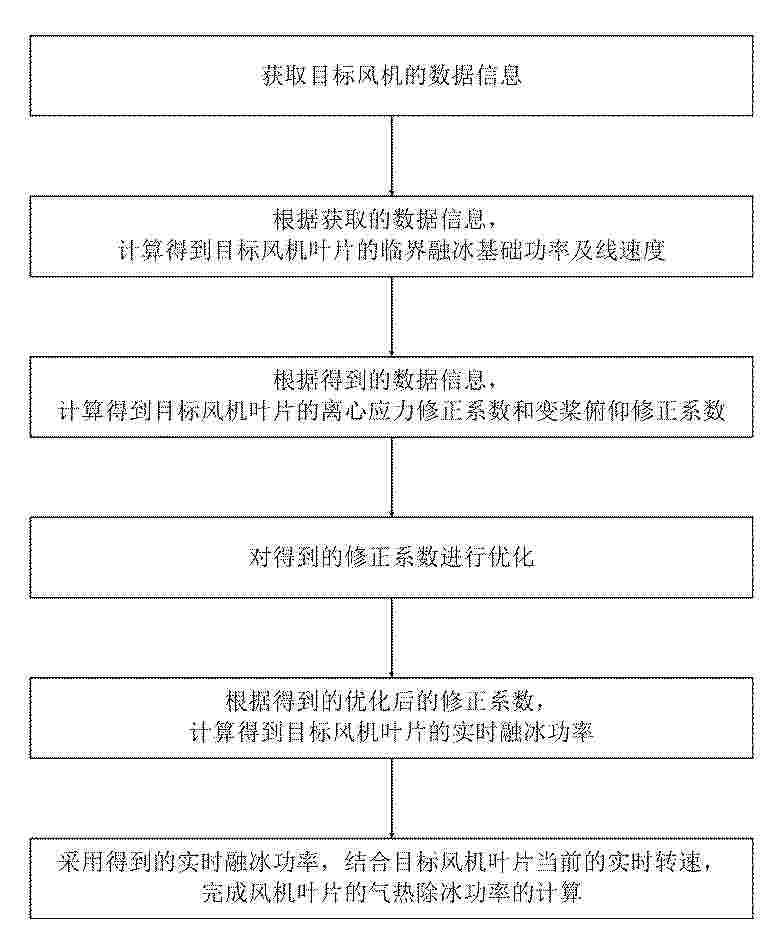
本发明公开了一种风机叶片的气热除冰功率计算方法,包括获取目标风机的数据信息;计算得到目标风机叶片的临界融冰基础功率及线速度;计算得到目标风机叶片的离心应力修正系数和变桨俯仰修正系数;对得到的修正系数进行优化;计算得到目标风机叶片的实时融冰功率;采用得到的实时融冰功率,结合目标风机叶片当前的实时转速,完成风机叶片的气热除冰功率的计算。本发明还公开了一种实现所述风机叶片的气热除冰功率计算方法的系统。本发明不仅能够实现风机叶片的气热除冰功率的计算,而且可靠性更高,精确性更好,融冰过程能耗更低。
Nº publicación: CN122899667A 13/10/2026
Solicitante:
株洲风碳科技有限公司
Resumen de: CN122899667A
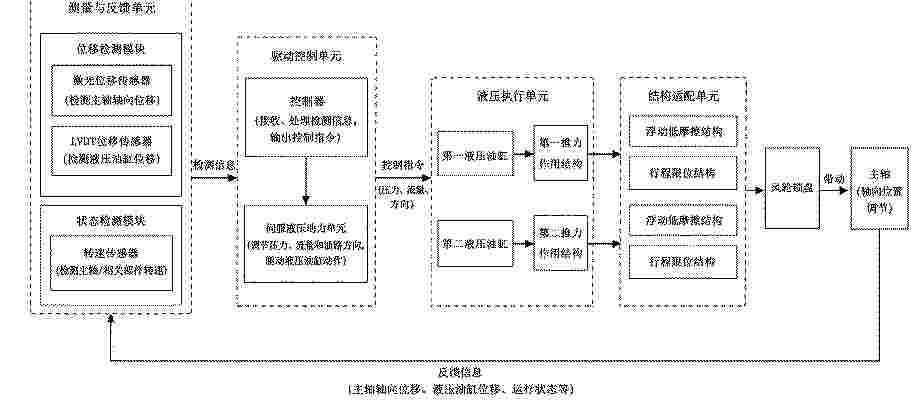
本发明涉及风力发电设备技术领域,公开了一种用于风电机组主轴窜动抑制的液压执行装置,包括测量与反馈单元、驱动控制单元、液压执行单元和结构适配单元。测量与反馈单元用于检测主轴轴向位移、液压执行单元位移及风电机组运行状态;驱动控制单元根据检测结果控制液压执行单元动作;液压执行单元通过推力作用结构向风轮锁盘施加轴向推力,并由风轮锁盘带动主轴进行轴向位置调节;结构适配单元包括浮动低摩擦结构和行程限位结构,用于降低液压执行单元受到的侧向载荷并限制其运动行程。本发明能够实现主轴轴向窜动的主动抑制,提高风电机组运行稳定性。
 BOPI
BOPI
 Sede Electrónica