Si deseas distinguir tus productos, servicios o ambos de los de otra empresa, es posible que necesites una marca o nombre comercial. Descubre qué son, en qué consiste su procedimiento de registro y qué implica.

Información sobre los plazos de presentación de solicitudes de transformación de marcas de la Unión Europea en marca nacional española. Más información


Si tienes un nuevo dispositivo, producto o procedimiento que resuelva un problema técnico o tenga una ventaja práctica, existen distintas formas de protegerlo en España y en otros países. Descubre cómo hacerlo.

¿Tu innovación reside en la estética, la ornamentación o la apariencia de tu producto? Protégela mediante un diseño industrial. Descubre qué derechos confiere el registro y cómo realizar la tramitación.

Las indicaciones geográficas protegen el nombre de un producto originario de una zona geográfica, a la cual le debe una determinada calidad, reputación u otra característica. Descubre qué son, en qué consiste su procedimiento de registro y qué beneficios conceden.

Las patentes publicadas en todo el mundo son una valiosa fuente de información científica, técnica y comercial.

Si eres emprendedor/a o una empresa y quieres potenciar y mejorar la rentabilidad de tu negocio protegiendo de forma adecuada los activos intangibles de tu organización, en este espacio encontrarás lo necesario.


 53
resultados
53
resultados
 Última actualización
16/10/2026 [06:47:00]
Última actualización
16/10/2026 [06:47:00]


 Resultados 25 a 50 de 53

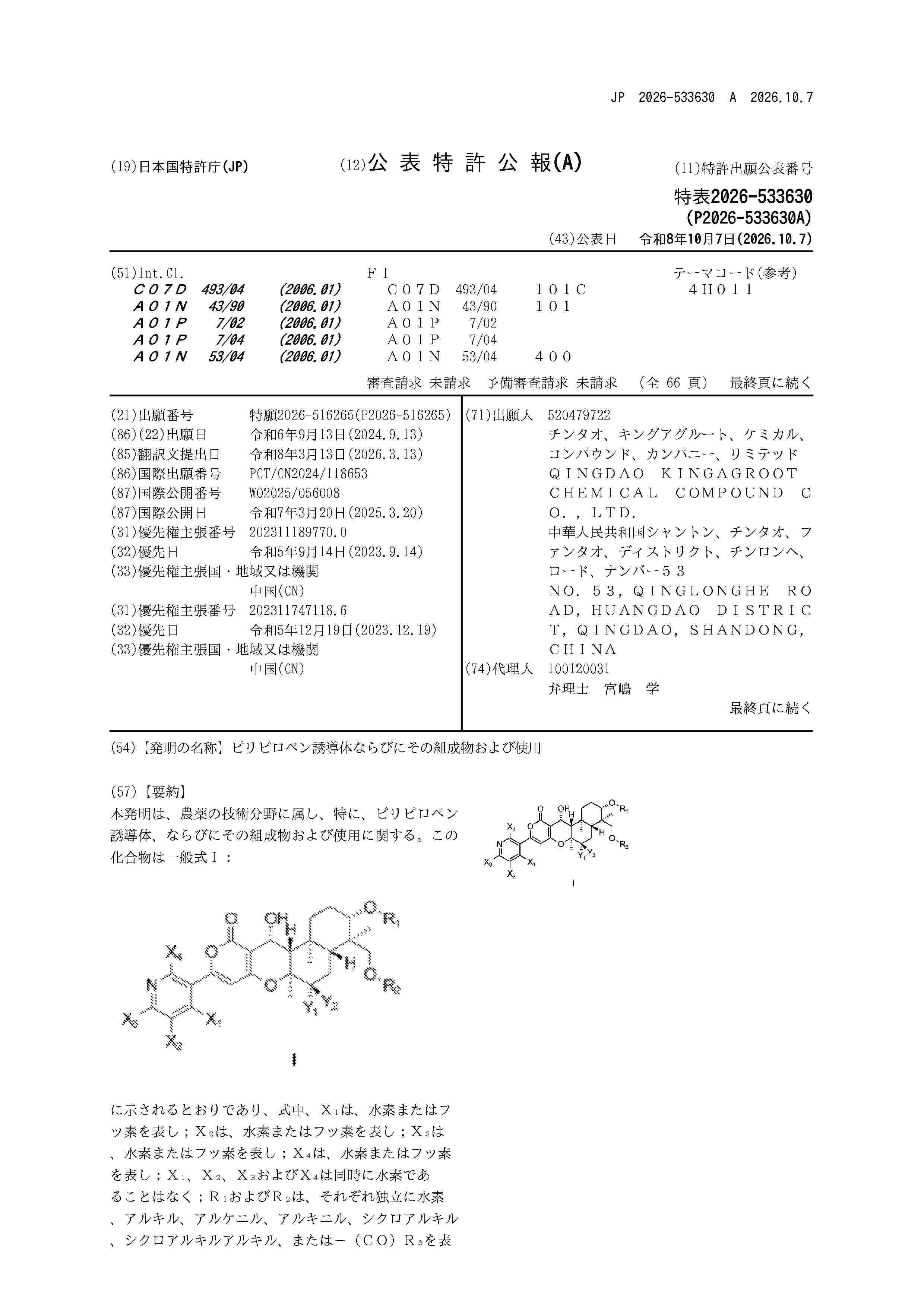
Resumen de: CN119613426A
The invention belongs to the technical field of pesticides, and particularly relates to a pyripyropene derivative as well as a composition and application thereof. The compound is shown as a general formula I: # imgabs0 #, X1 represents hydrogen or fluorine, X2 represents hydrogen or fluorine, X3 represents hydrogen or fluorine, X4 represents hydrogen or fluorine, and X1, X2, X3 and X4 are not hydrogen at the same time; r1 and R2 respectively and independently represent hydrogen, alkyl, alkenyl, alkynyl, cycloalkyl, cycloalkyl alkyl or-(CO) R3; y1 represents a hydroxyl group, an alkoxyalkyloxy group, a trialkylsilyloxy group or-O (CO) R3; y2 represents hydrogen or alkyl; or Y1, Y2 together form = O. The compound has excellent prevention and treatment effects on green peach aphids, green plant bugs, rhopalosiphum padi, bemisia tabaci and other pests.

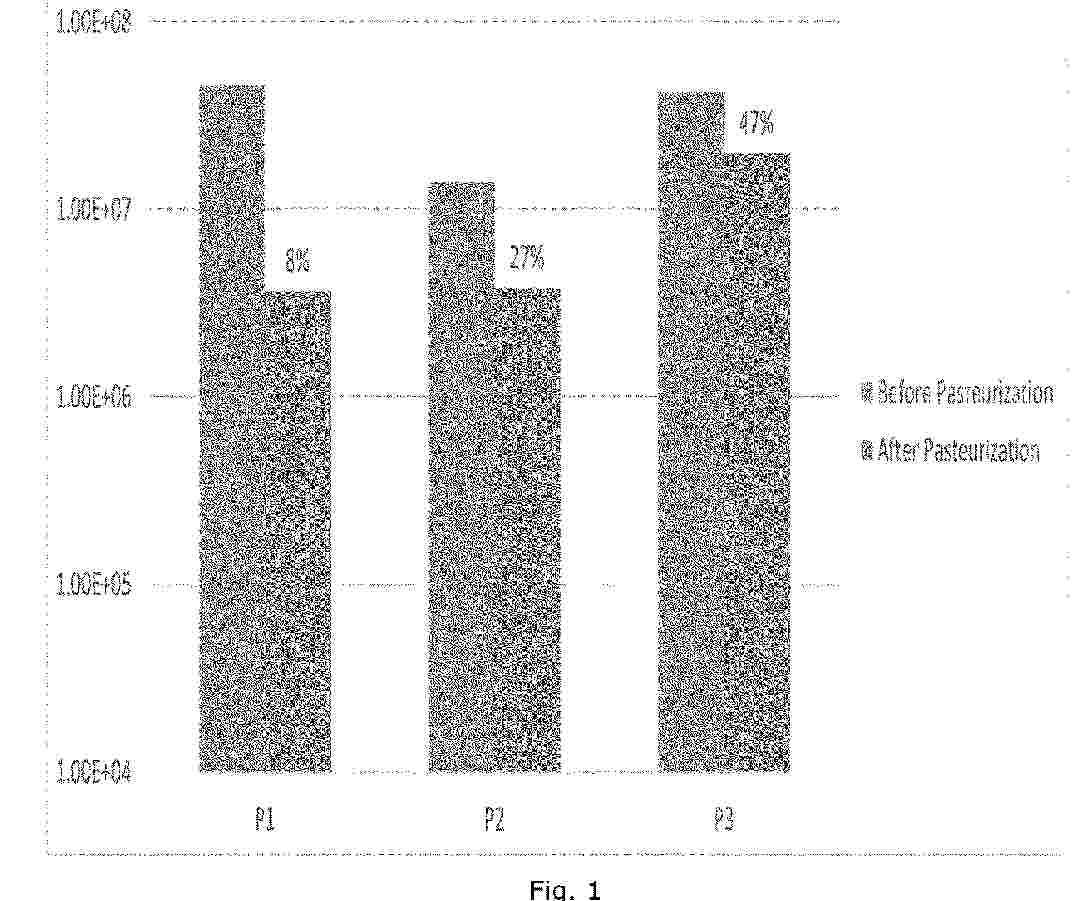
Resumen de: WO2025114446A1
The present disclosure relates to a microencapsulated microbial culture, methods for producing microencapsulated microbial cultures and their uses.
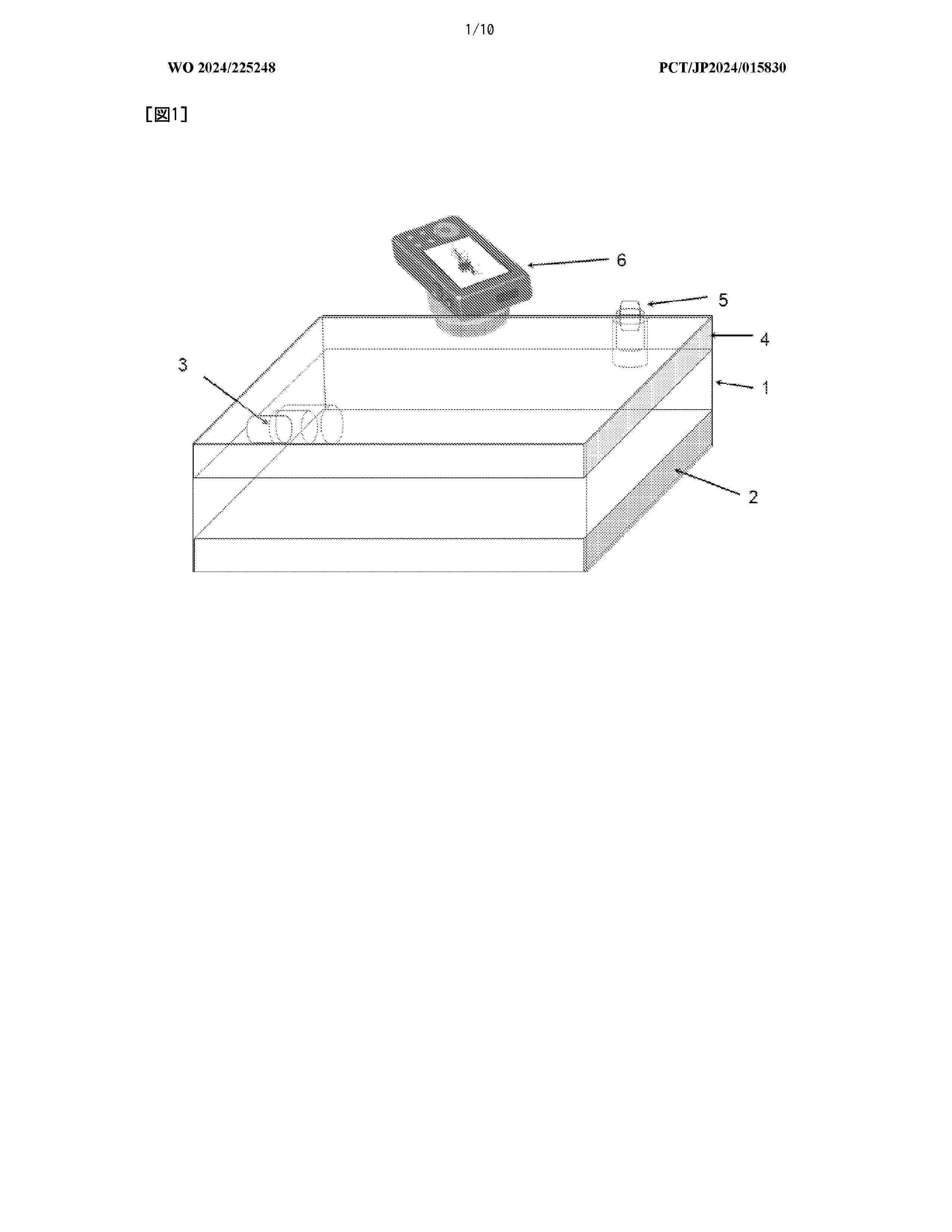
Resumen de: WO2024225248A1
Provided is: a composition that is physiologically active on ants belonging to the Formicidae family; an ant control agent which is effective for ant control; and a control method for ants. Specifically, the present invention provides: a composition containing at least a sugar, a surfactant and at least one C19-50 hydrocarbon compound that is physiologically active on ants belonging to the Formicidae family; an ant control agent for ants belonging to the Formicidae family, said ant control agent containing at least said composition and a gelling agent; and a control method for ants belonging to the Formicidae family, said ant control agent being used in said control method for ants.
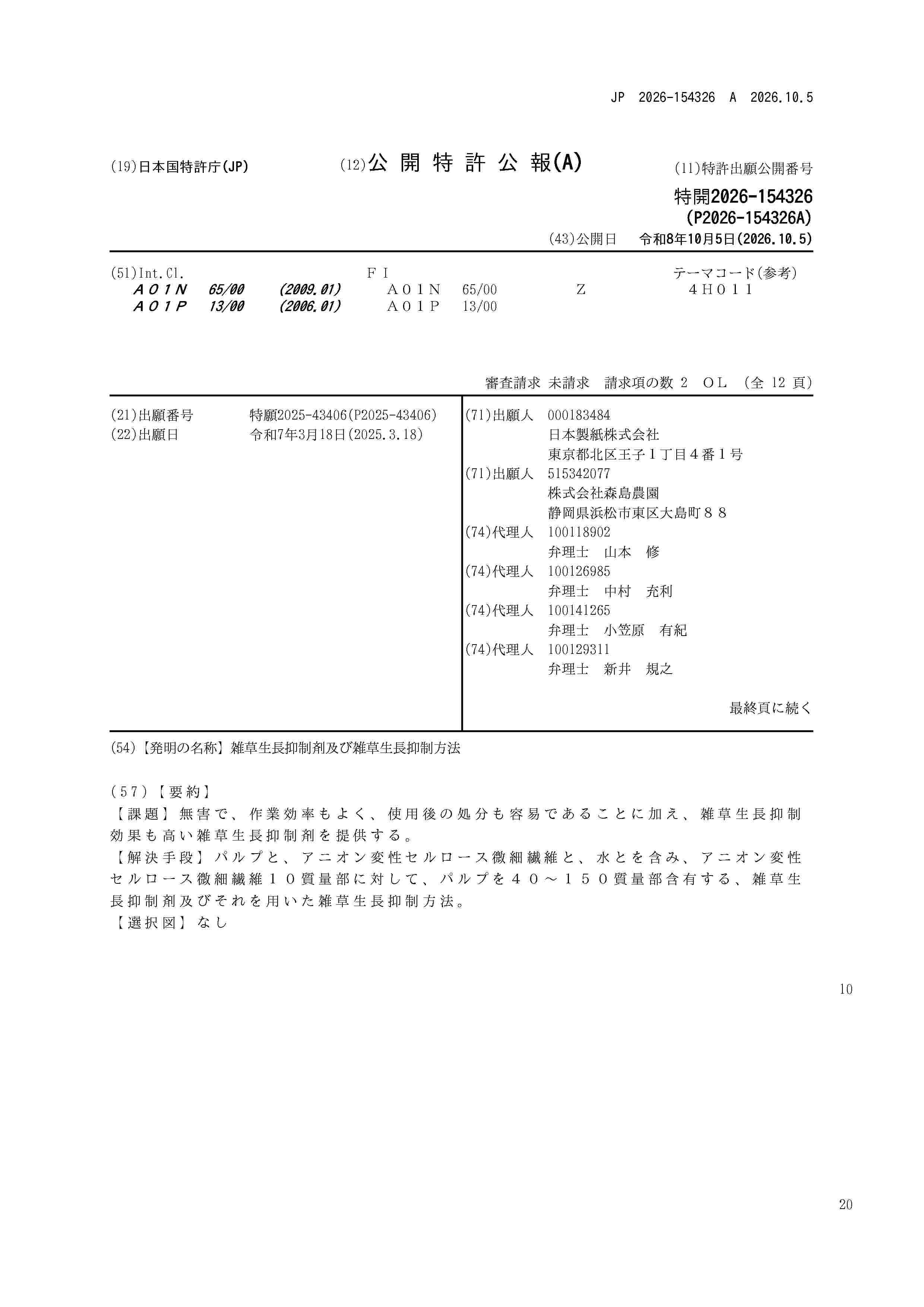
Resumen de: JP2026154326A
【課題】無害で、作業効率もよく、使用後の処分も容易であることに加え、雑草生長抑制効果も高い雑草生長抑制剤を提供する。【解決手段】パルプと、アニオン変性セルロース微細繊維と、水とを含み、アニオン変性セルロース微細繊維10質量部に対して、パルプを40~150質量部含有する、雑草生長抑制剤及びそれを用いた雑草生長抑制方法。【選択図】なし
Resumen de: JP2026153762A
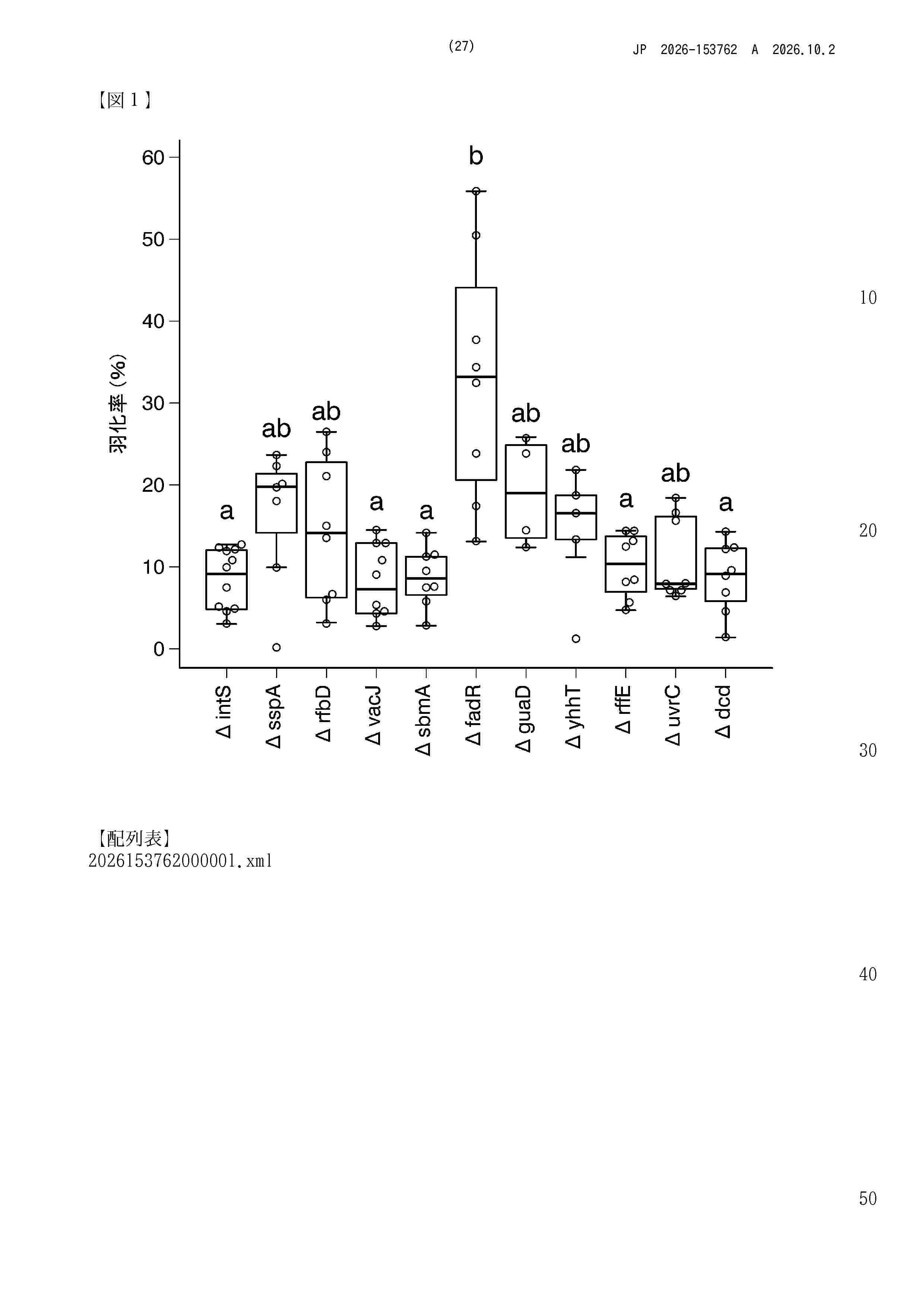
【課題】生物学的な手法により害虫、特にカメムシ亜目の害虫を防除する方法、及び当該方法に有用な防除用共生細菌の提供。【解決手段】大腸菌変異株からなり、前記大腸菌変異株を摂取したカメムシ亜目昆虫の羽化率が、前記カメムシ亜目昆虫の必須共生細菌のみを摂取した前記カメムシ亜目昆虫の羽化率よりも低い、カメムシ亜目昆虫の防除用共生細菌;前記防除用共生細菌を含有する、カメムシ亜目昆虫の防除用組成物;前記カメムシ亜目昆虫の防除用組成物を、カメムシ亜目昆虫に摂取させる、カメムシ亜目昆虫の防除方法;及び、防除の対象となる害虫の共生器官に、前記害虫の生育又は生存の役に立たない共生細菌を定着させて、前記共生器官中の必須共生細菌の量を低減させることにより、前記害虫の正常な成長や繁殖を抑制する、害虫の防除方法。【選択図】なし
Resumen de: CN121182787A
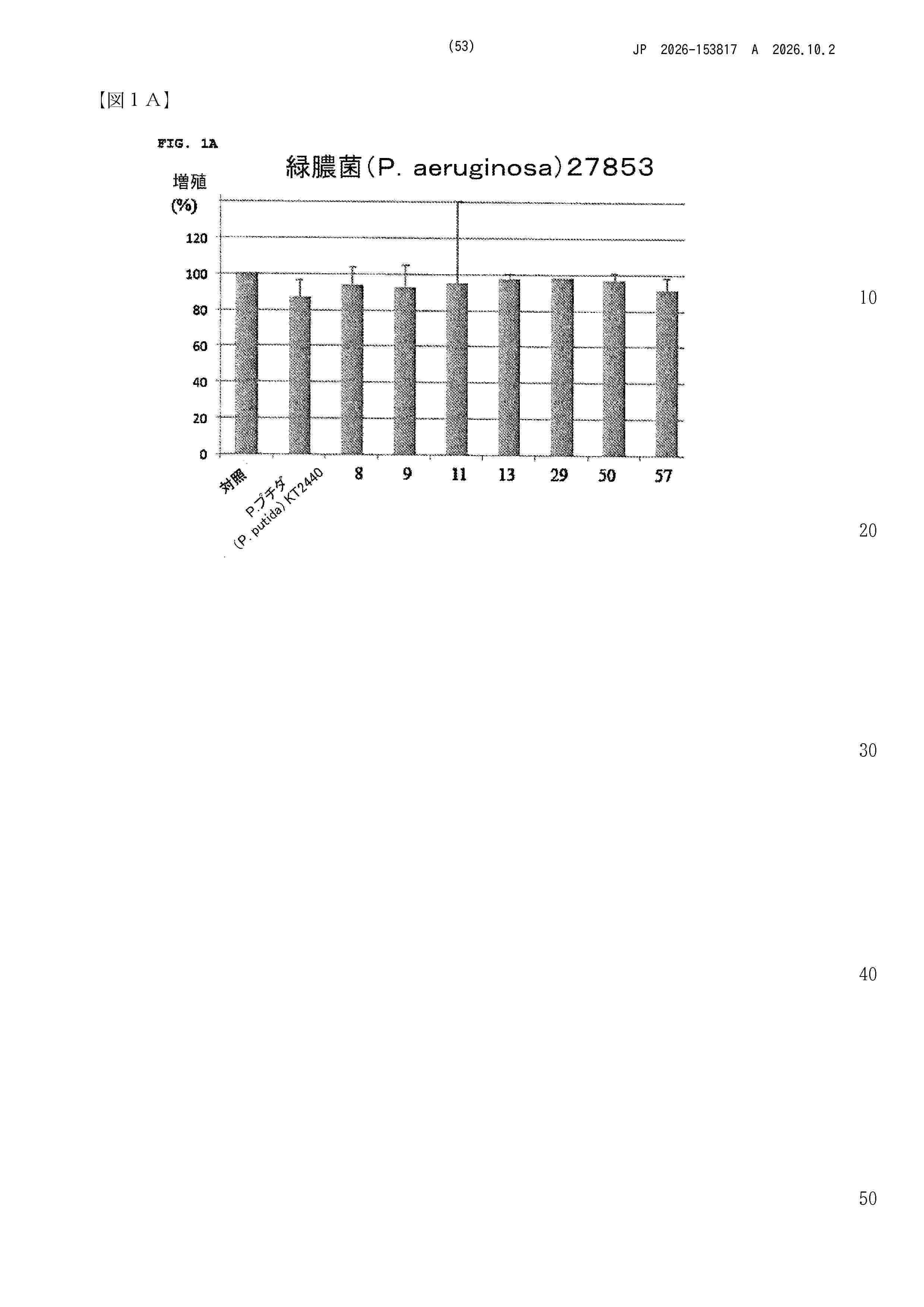
The invention relates to a method for preparing a bacterial supernatant. The method comprises the following steps: culturing Pseudomonas environmental strain PF-11 cells; and recovering the supernatant. The invention also relates to a method of reducing the amount of biofilm on a surface, reducing adhesion of at least one organism on a surface, reducing small and large area contamination on a surface, comprising contacting the surface with a supernatant, a supernatant fraction, a modified supernatant or a modified supernatant fraction of Pseudomonas strain PF-11; or a composition comprising a supernatant, a supernatant fraction, an improved supernatant or an improved supernatant fraction of the Pseudomonas strain PF-11, and one or more acceptable carriers. The invention also relates to a method of killing or reducing the growth of fungi or bacterial cells, or killing or inhibiting the development of insects or marine copepods, comprising contacting the fungi, bacteria, insects or marine copepods with a supernatant, a supernatant fraction, an improved supernatant or an improved supernatant fraction of a Pseudomonas strain PF-11 culture; or a composition comprising a supernatant, a supernatant fraction, an improved supernatant or an improved supernatant fraction of a Pseudomonas strain PF-11 culture, and one or more acceptable carriers. The invention also relates to a substantially pure culture of the Pseudomonas strain PF-11. The invention also relates to a culture enriched in
Resumen de: US20260293908A1
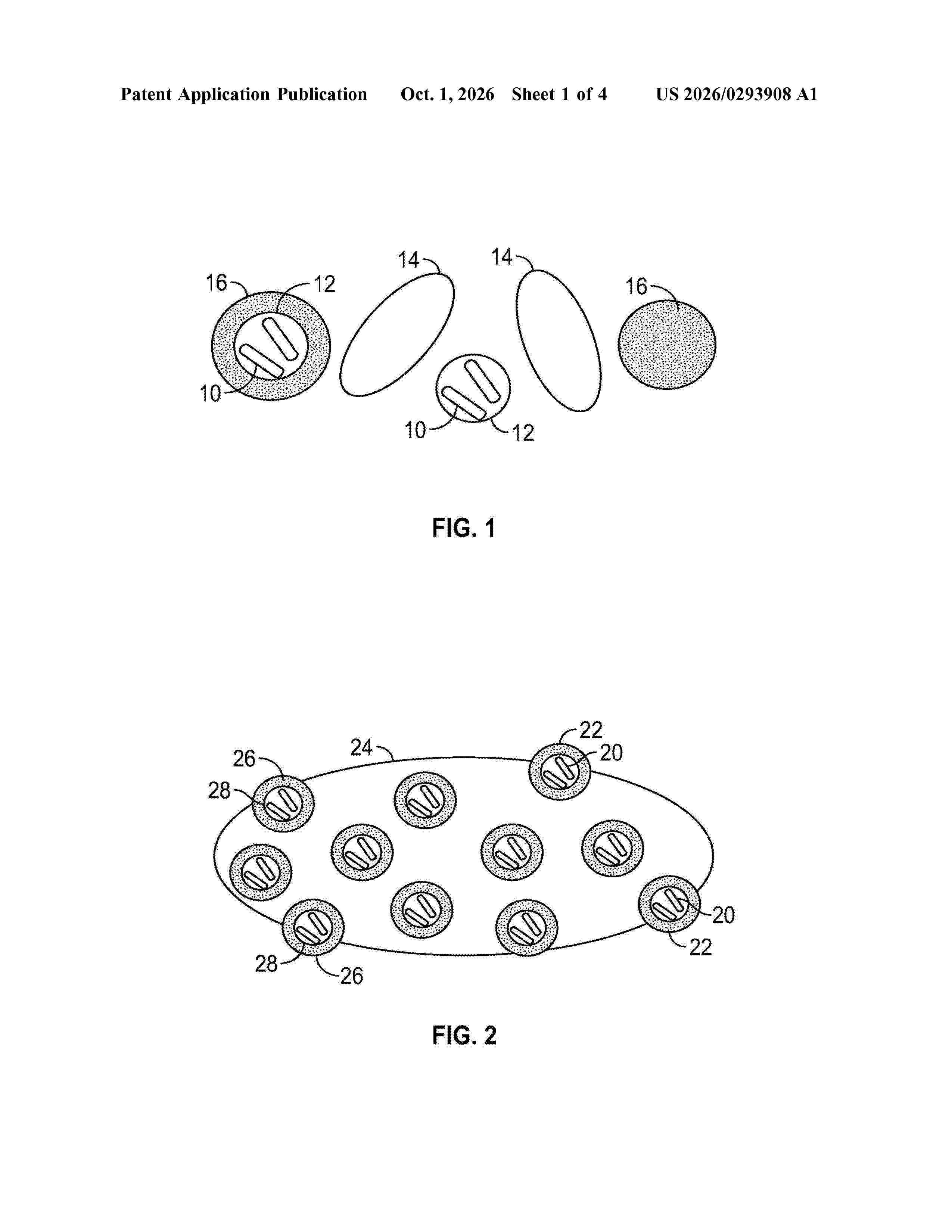
An agricultural composition comprises living microorganisms encapsulated in polymer gel microbeads which are applied onto seeds. In another embodiment, an agricultural composition comprises living microorganisms encapsulated in polymer gel macrobeads for planting with seeds in soil. In another embodiment, an agricultural composition comprises living microorganisms immobilized in a polymer gel matrix that is coated on a seed.
Resumen de: US20260293910A1
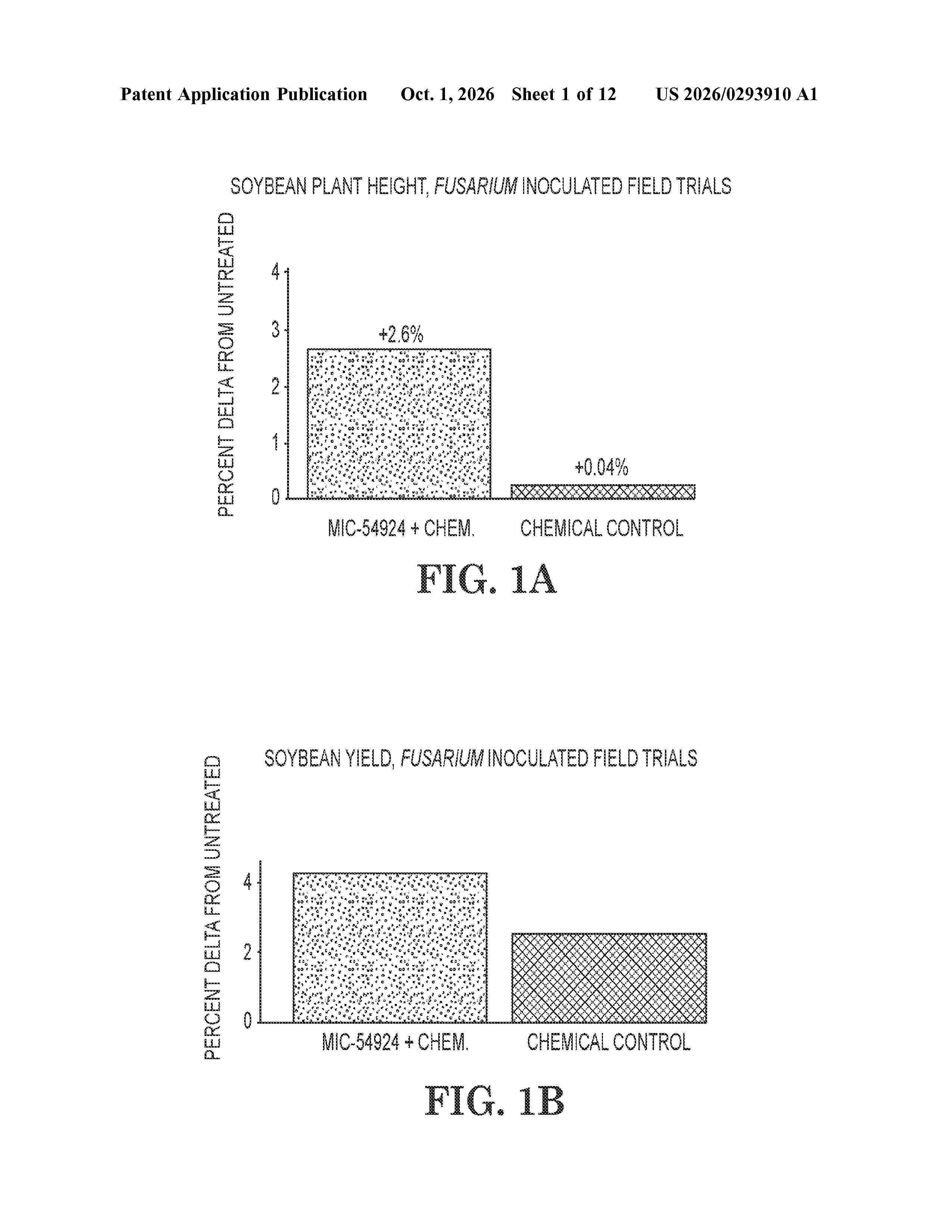
This invention relates to compositions and methods for improving plant health, wherein a plant is heterologously disposed to one or more endophytes, or derived from a plant element heterologously disposed to one or more endophytes.
Resumen de: AU2025225260A1
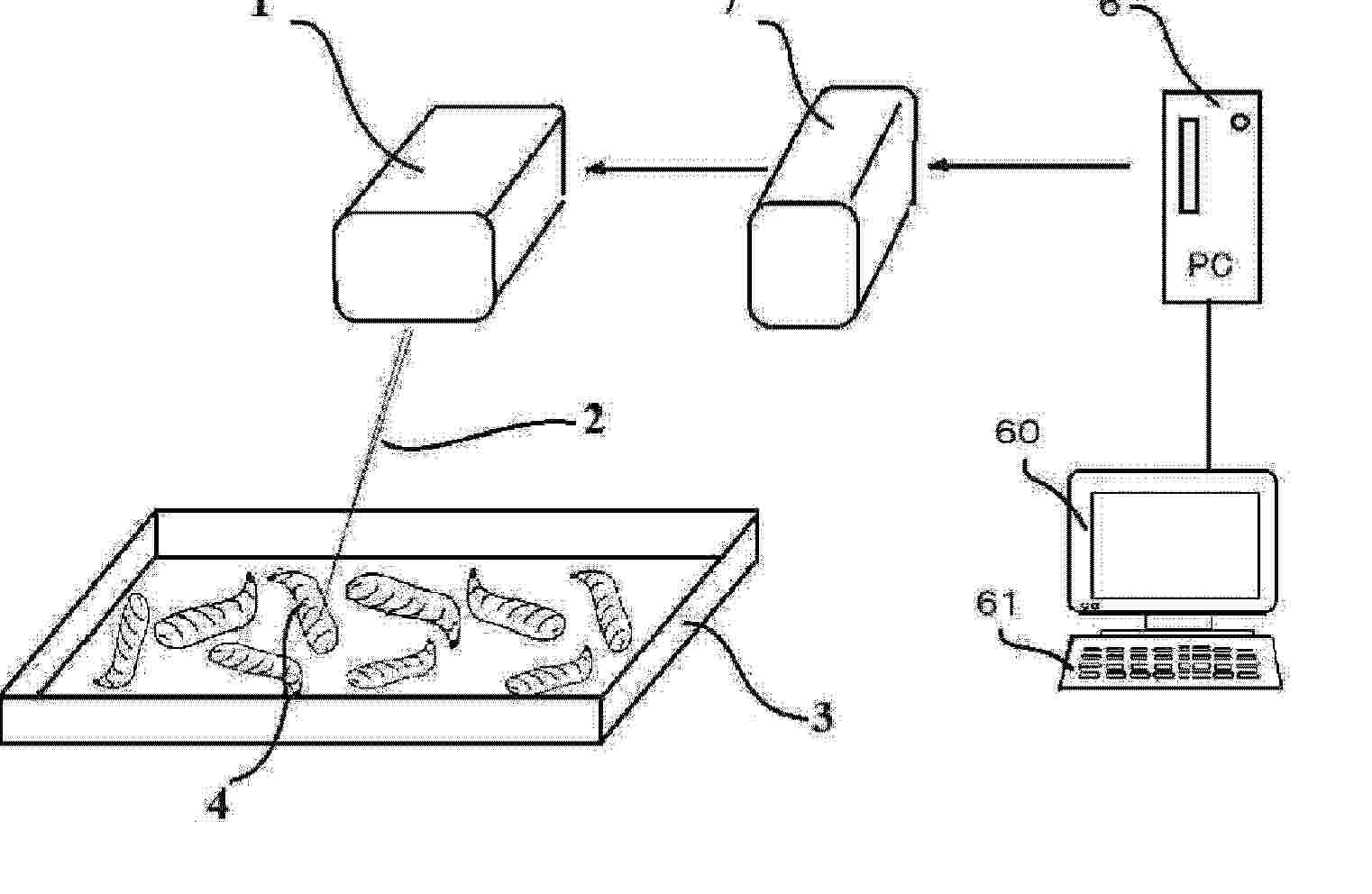
Problem To provide a method for inducing an antimicrobial peptide in the body of an insect. Solution The present invention provides: a method for inducing an antimicrobial peptide in an insect by damaging the insect, said method being characterized by irradiating the outer covering of the insect with a laser and damaging the insect by opening a hole passing through the outer covering of the insect with a laser beam in a state of not causing, to the insect, damage that prevents recovery; a CO2 laser irradiation device; a device used in the method for inducing an antimicrobial peptide in the body of an insect, said device comprising a positional information acquisition means for acquiring positional information that pertains to the insect and a means for transmitting, to the positional information that pertains to the insect, the positional information that pertains to the insect and that has been acquired by the positional information acquisition means; and use of a CO2 laser in the method for inducing an antimicrobial peptide in the body of an insect by opening a hole passing through the outer covering of the insect.
Resumen de: WO2026207547A1
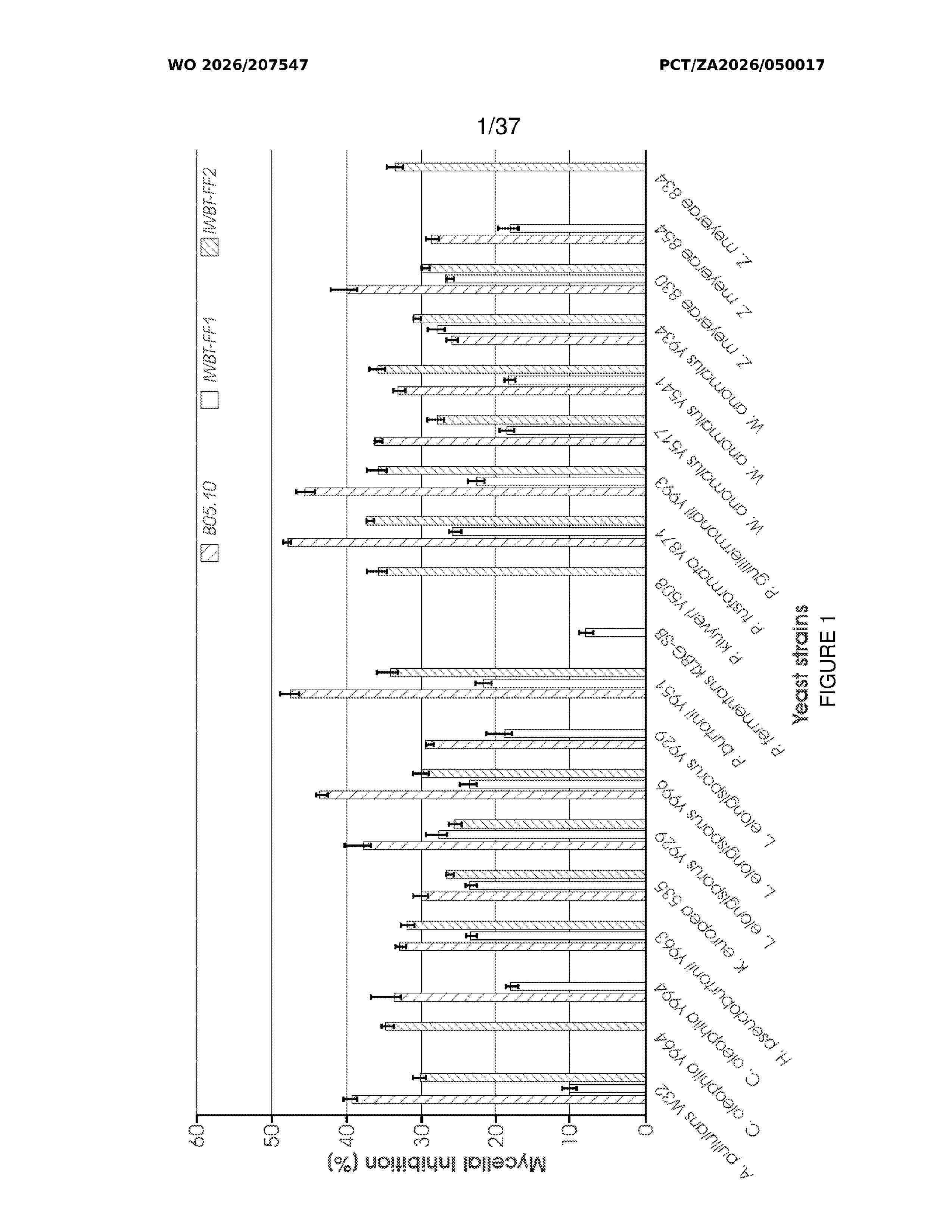
A fungicidal composition comprising: (i) a Pantoea agglomerans bacterium, (ii) a bacterium comprising a genomic sequence comprising a first nucleic acid sequence having at least 96% sequence identity to SEQ ID NO: 1, a second nucleic acid sequence having at least 96% sequence identity to SEQ ID NO: 2, a third nucleic acid sequence having at least 96% sequence identity to SEQ ID NO: 3 and a fourth nucleic acid sequence having at least 96% sequence identity to SEQ ID NO: 4, or a bacterium comprising a genomic sequence which has at least 96% identity to the to the combined sequence of SEQ ID NOs: 1 to 4; and (iii) at least one yeast-like ascomycetous microorganism selected from the group consisting of Hyphopichia pseudoburtonii and Wickerhamomyces anomalus is provided.
Resumen de: AU2026230110A1
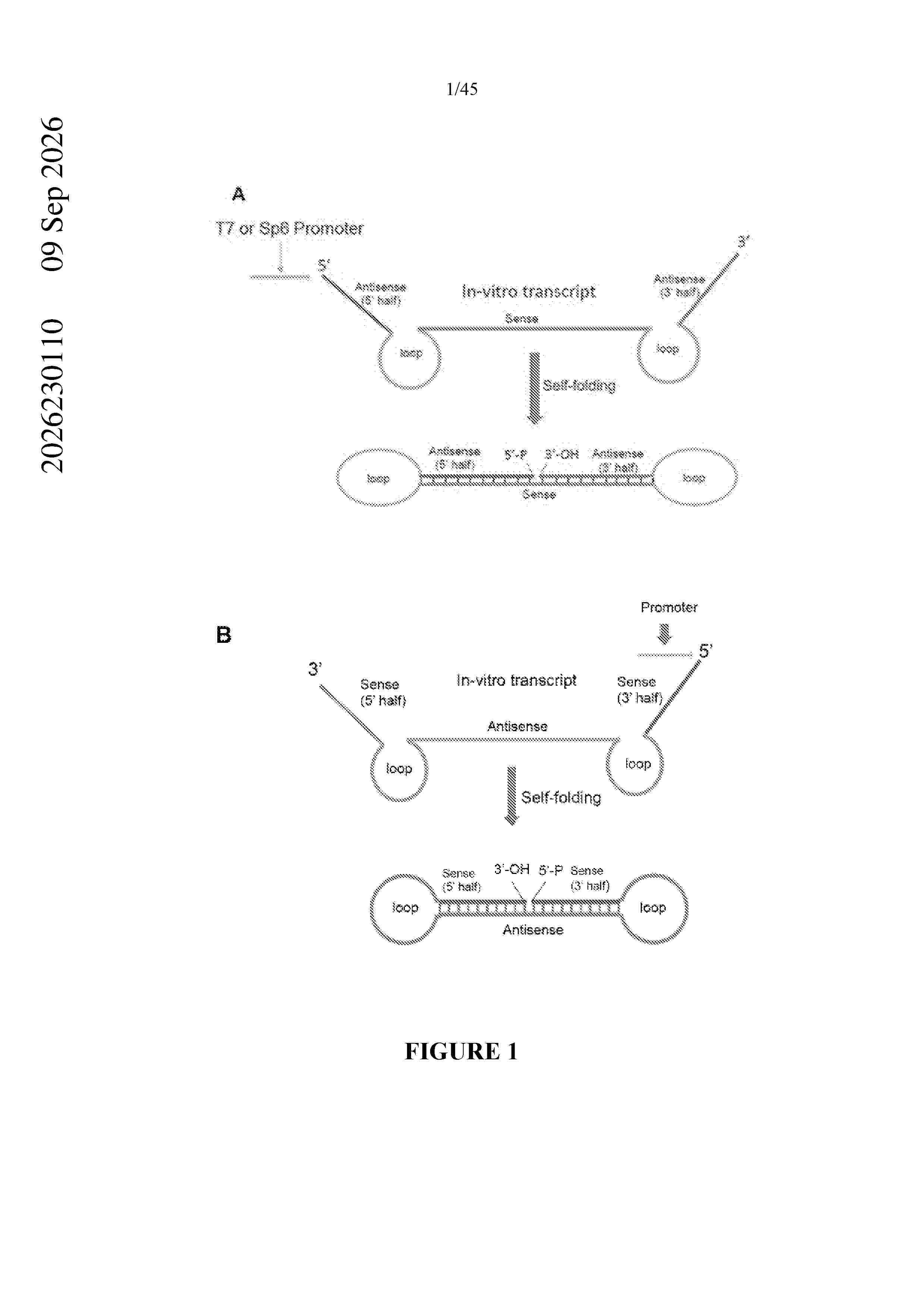
The present invention relates to new double stranded RNA (dsRNA) structures and their use in gene silencing. ep e p
Resumen de: AU2025253320A1
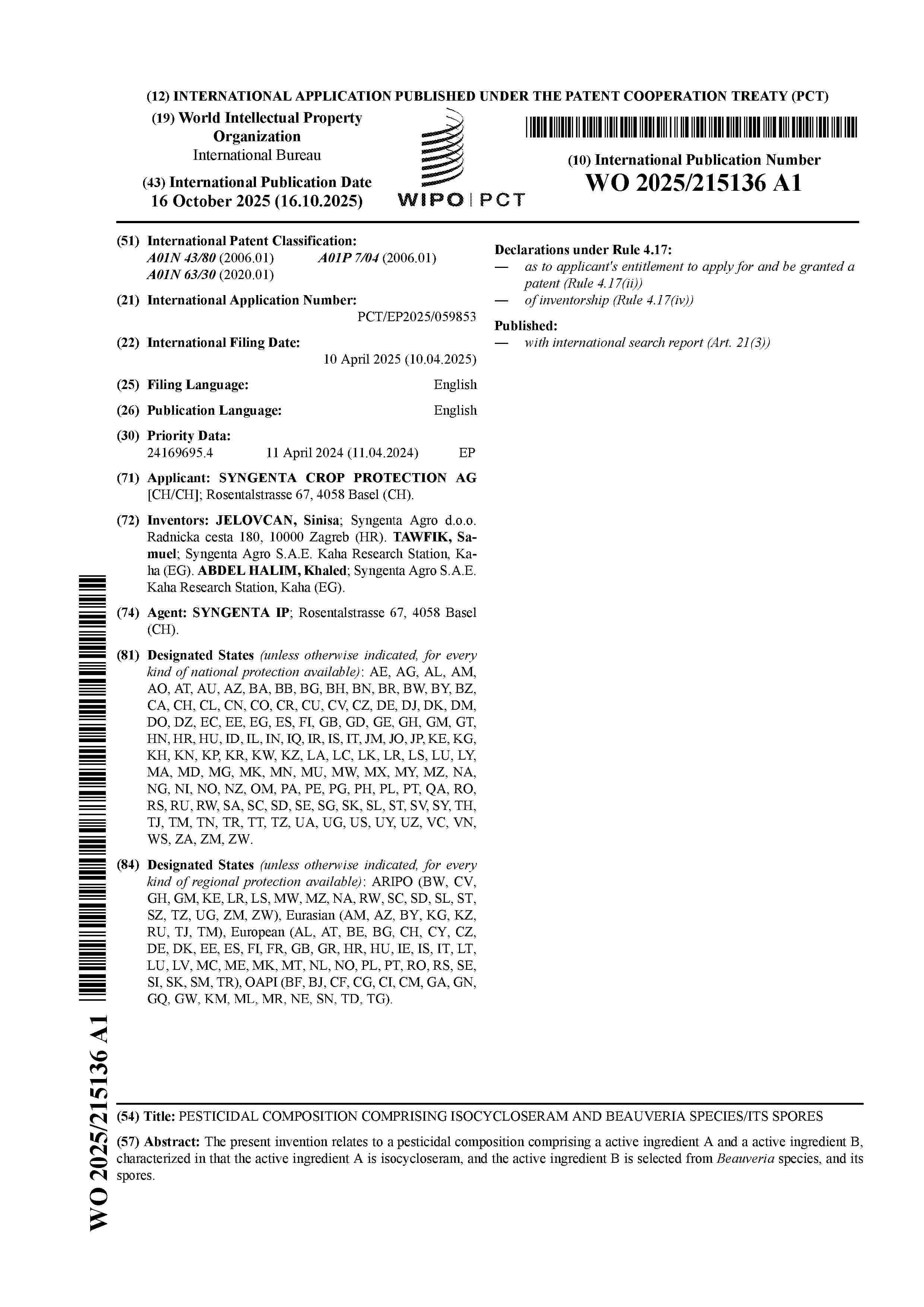
The present invention relates to a pesticidal composition comprising a active ingredient A and a active ingredient B, characterized in that the active ingredient A is isocycloseram, and the active ingredient B is selected from Beauveria species, and its spores.
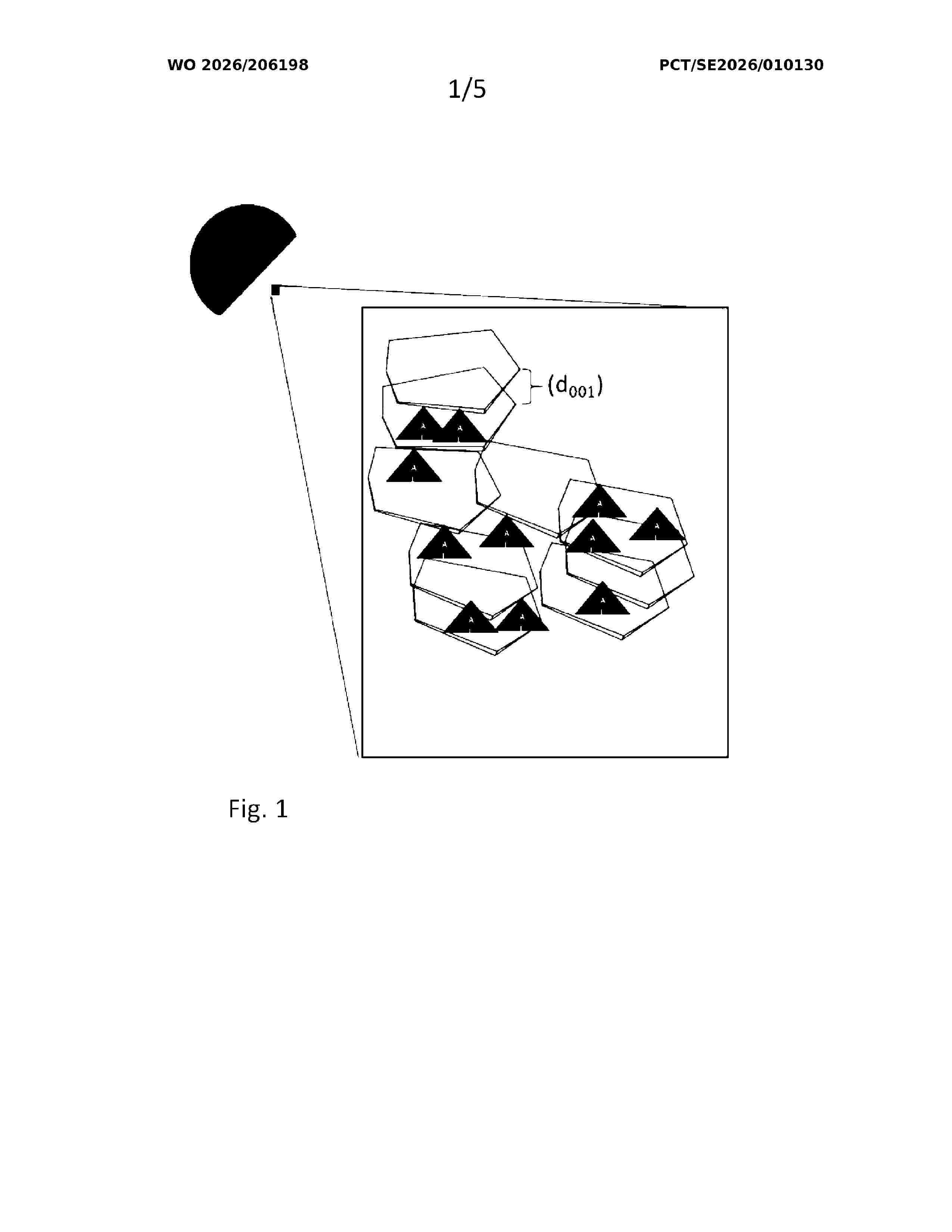
Resumen de: WO2026206198A1
A microbial inoculant composite material for use in agriculture, forestry or horticulture, comprising one or more microbial inoculants and a moisture-sorption component The moisture-sorption component is in the form of a powder, granules, capsules, or pellets, and is comprised of a microbial cell extract and a moisture-sorption particulate material comprising at least 5 wt.% smectite clay mineral. The clay in the moisture-sorption component forms layered stacks and the microbial cell extract is intercalated between individual clay layers in the stacks.
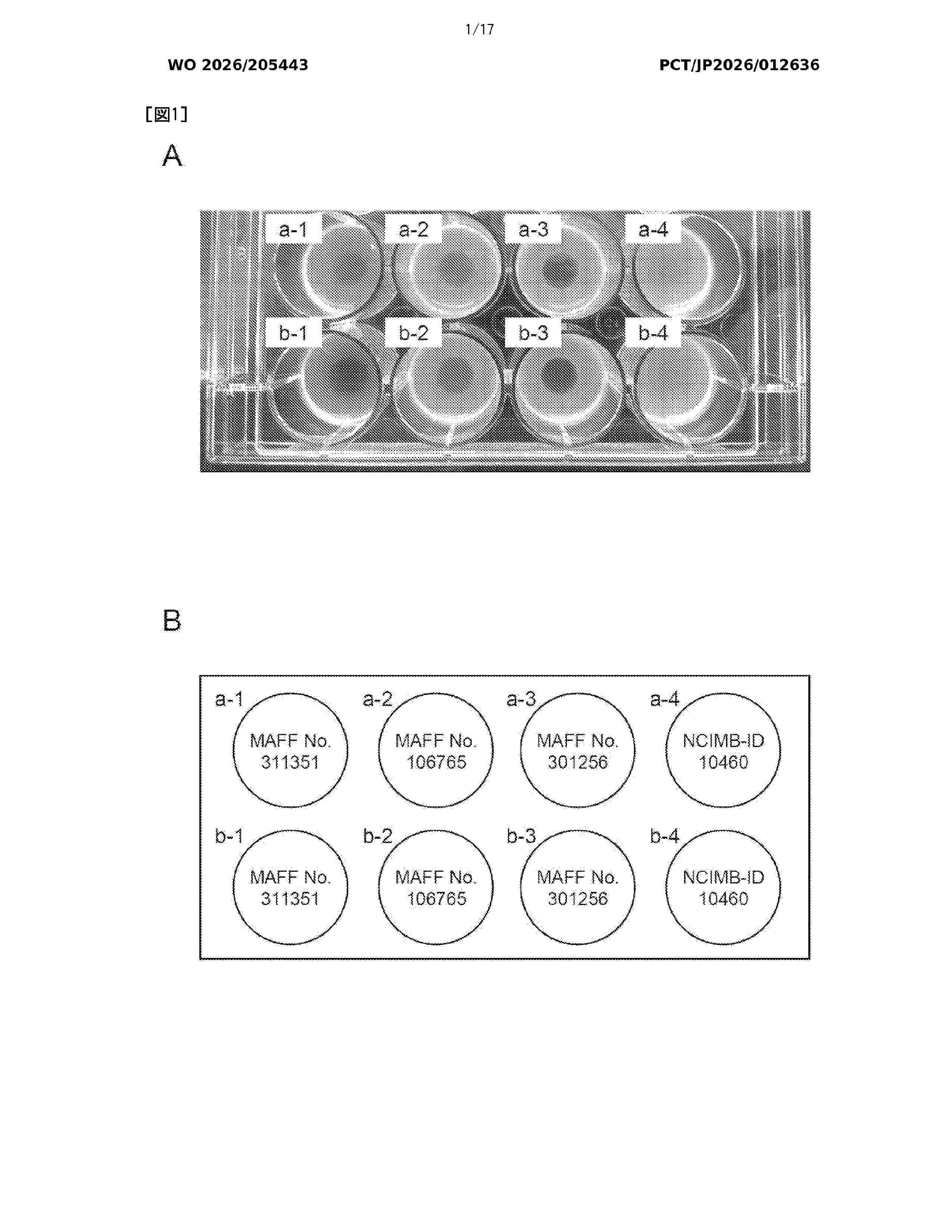
Resumen de: WO2026205443A1
The present invention addresses the problem of isolating a novel bacteriophage exhibiting bacteriolytic activity specifically against Xanthomonas bacteria and of developing and providing a plant disease control composition having the bacteriophage as an active ingredient, in order to control plant diseases caused by Xanthomonas bacteria. Provided are: a bacteriolytic agent comprising a bacteriophage that has a novel genomic DNA sequence and exhibits bacteriolytic activity specifically against Xanthomonas bacteria; and a plant disease control composition having the bacteriolytic agent as an active ingredient.
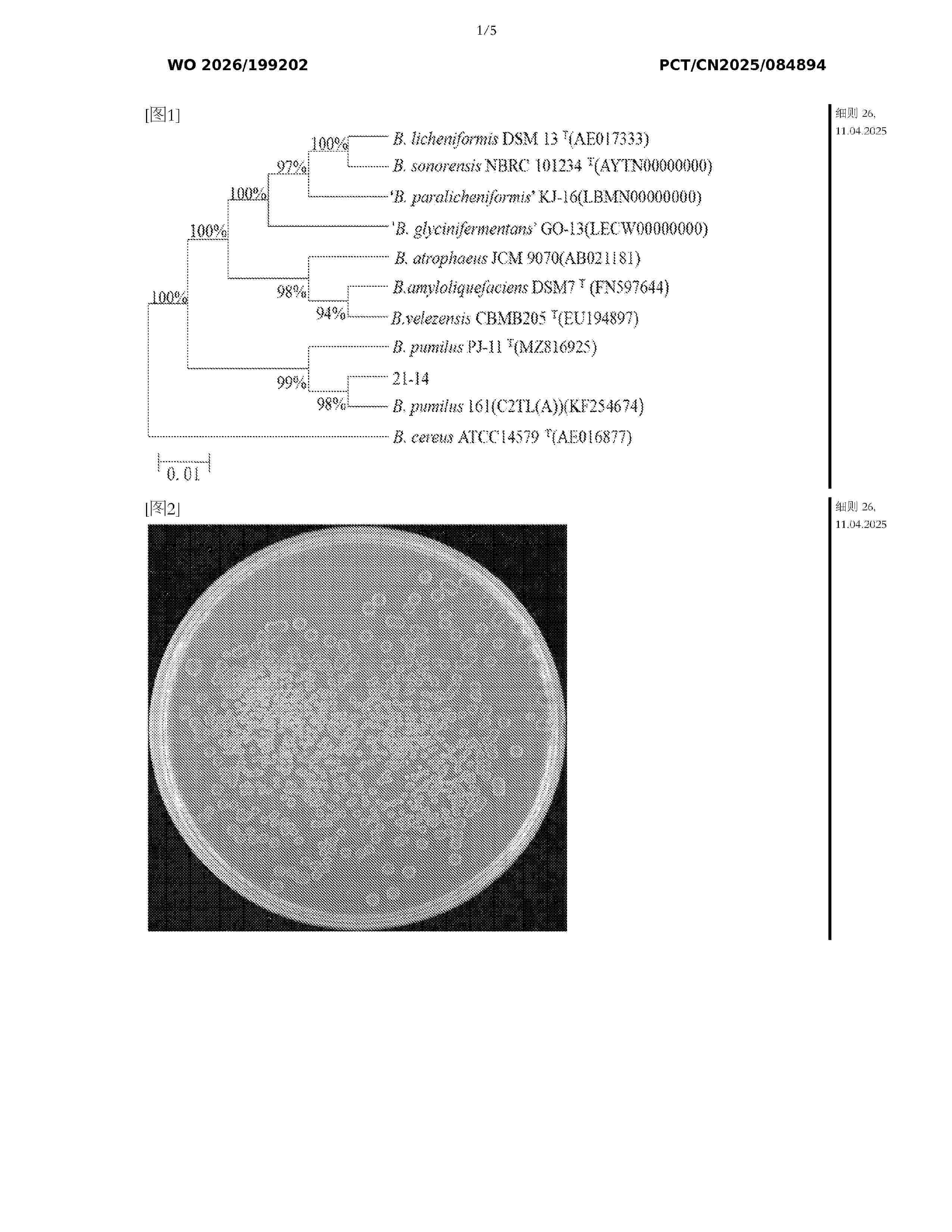
Resumen de: WO2026199202A1
The present invention pertains to the technical field of bioengineering. Disclosed in the present invention is a Bacillus pumilus strain 21-14. The strain was deposited on September 6, 2024 at the China General Microbiological Culture Collection Center, which is abbreviated as CGMCC. The accession number of the strain at the depository center is CGMCC NO. 31892, the deposition date of the strain is September 6, 2024, and the address of the depository institution is No. 3, Yard No. 1, Beichen West Road, Chaoyang District, Beijing, China. The Bacillus pumilus strain 21-14 provided in the present invention is simple to culture, has a short growth cycle, no ecotoxicity, and a wide variety of utilizable carbon sources, exhibits strong salt-alkali tolerance, and can promote the growth and development of potatoes by means of phosphate solubilization, IAA production, and the like, thereby helping to promote the increase of crop biomass in saline-alkaline soils, while effectively inhibiting the growth of Streptomyces scabies.
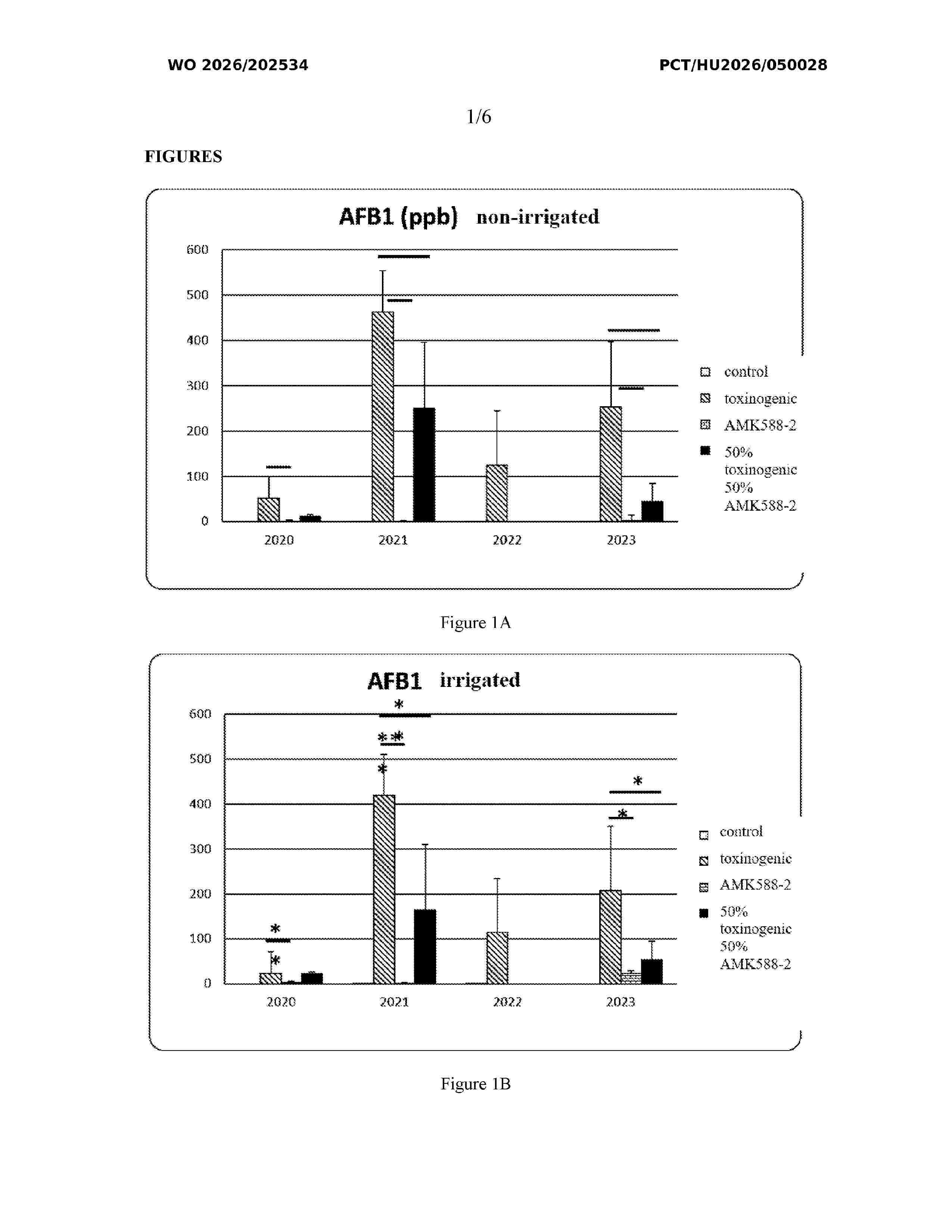
Resumen de: WO2026202534A1
The invention relates to an atoxinogenic Aspergillus flavus strain suitable for use in biological control of aflatoxin-producing A.flavus, in particular in temperate, in particular in Central European climates. The invention also relates to a composition for biological control, that can be used in agriculture, and contains non-mycotoxin-producing, in particular non-aflatoxin-producing Aspergillus and chitosan. The invention further relates to the use of the atoxinogenic A.flavus strain and the composition containing the strain for plant protection.
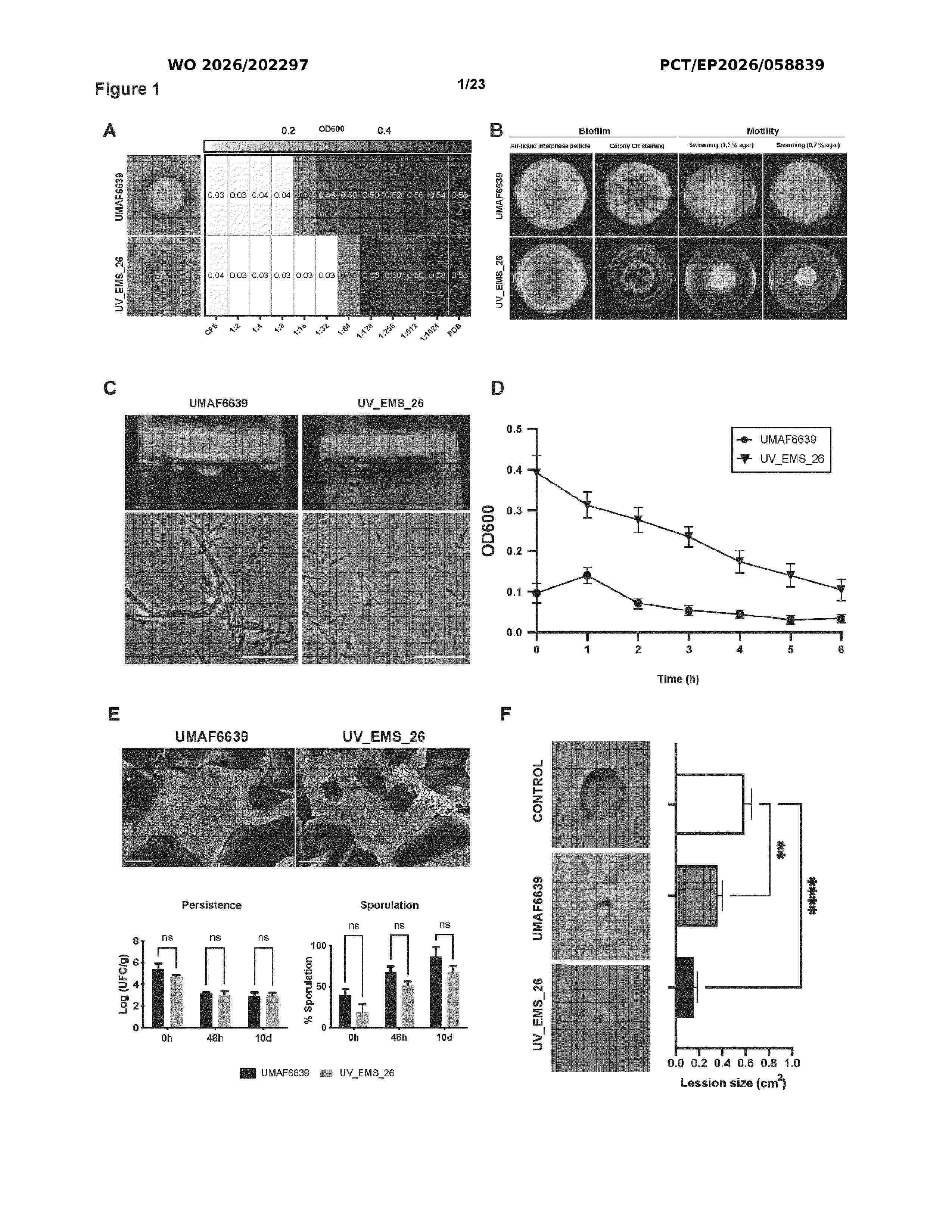
Resumen de: WO2026202297A1
The present invention relates to mutant cells of Bacillus species, preferably mutant cells derived from Bacillus amylolyquefaciens, Bacillus subtilus, or Bacillus velezensis most preferably from Bacillus velezensis strain UMAF6639. Further aspects of the invention relate to the use of the Bacillus mutant cells for producing a fermentate. According to yet a further aspect the invention relates to a composition comprising a fermentate of Bacillus mutant cells according to the invention, preferably comprising viable cells of said mutant cells.
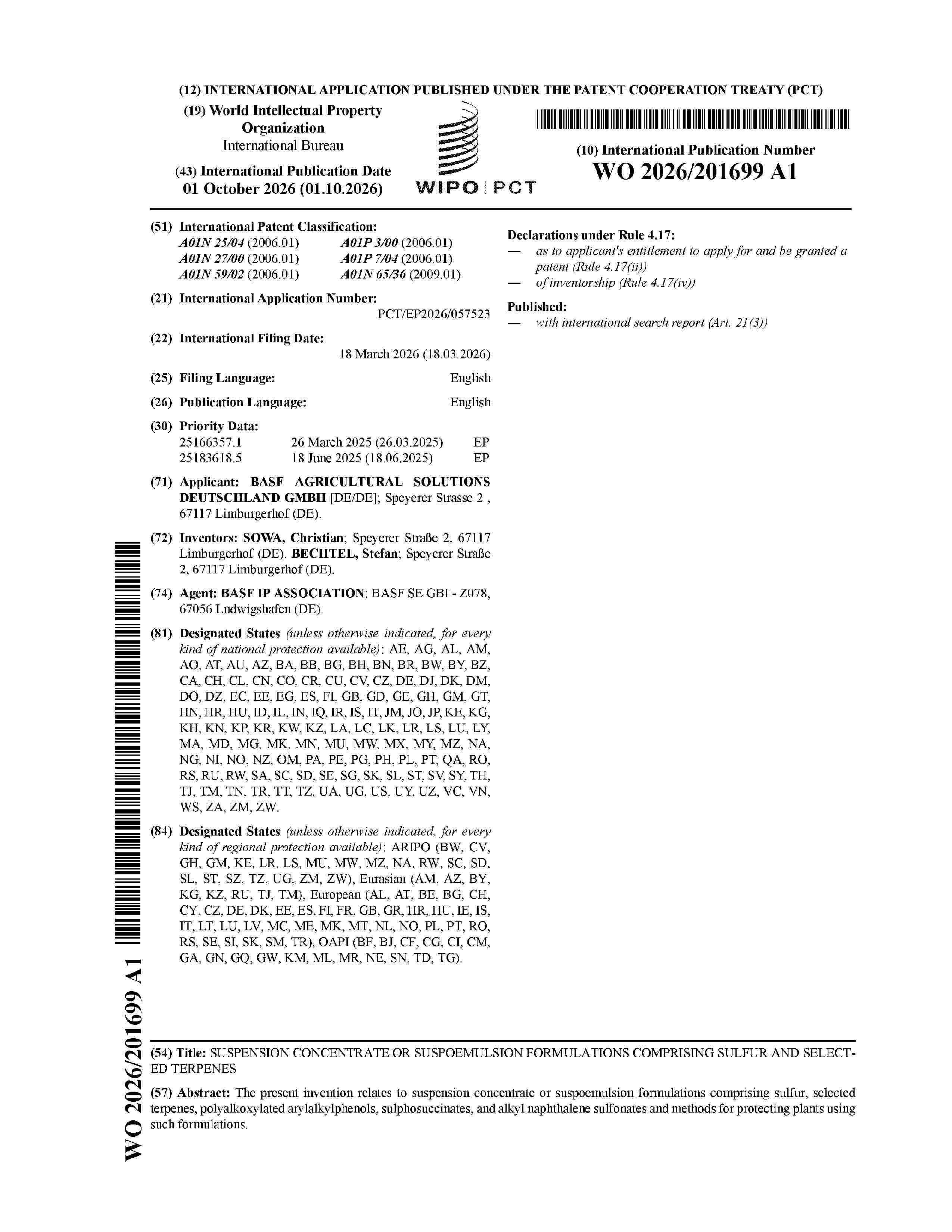
Resumen de: WO2026201699A1
The present invention relates to suspension concentrate or suspoemulsion formulations comprising sulfur, selected terpenes, polyalkoxylated arylalkylphenols, sulphosuccinates, and alkyl naphthalene sulfonates and methods for protecting plants using such formulations.
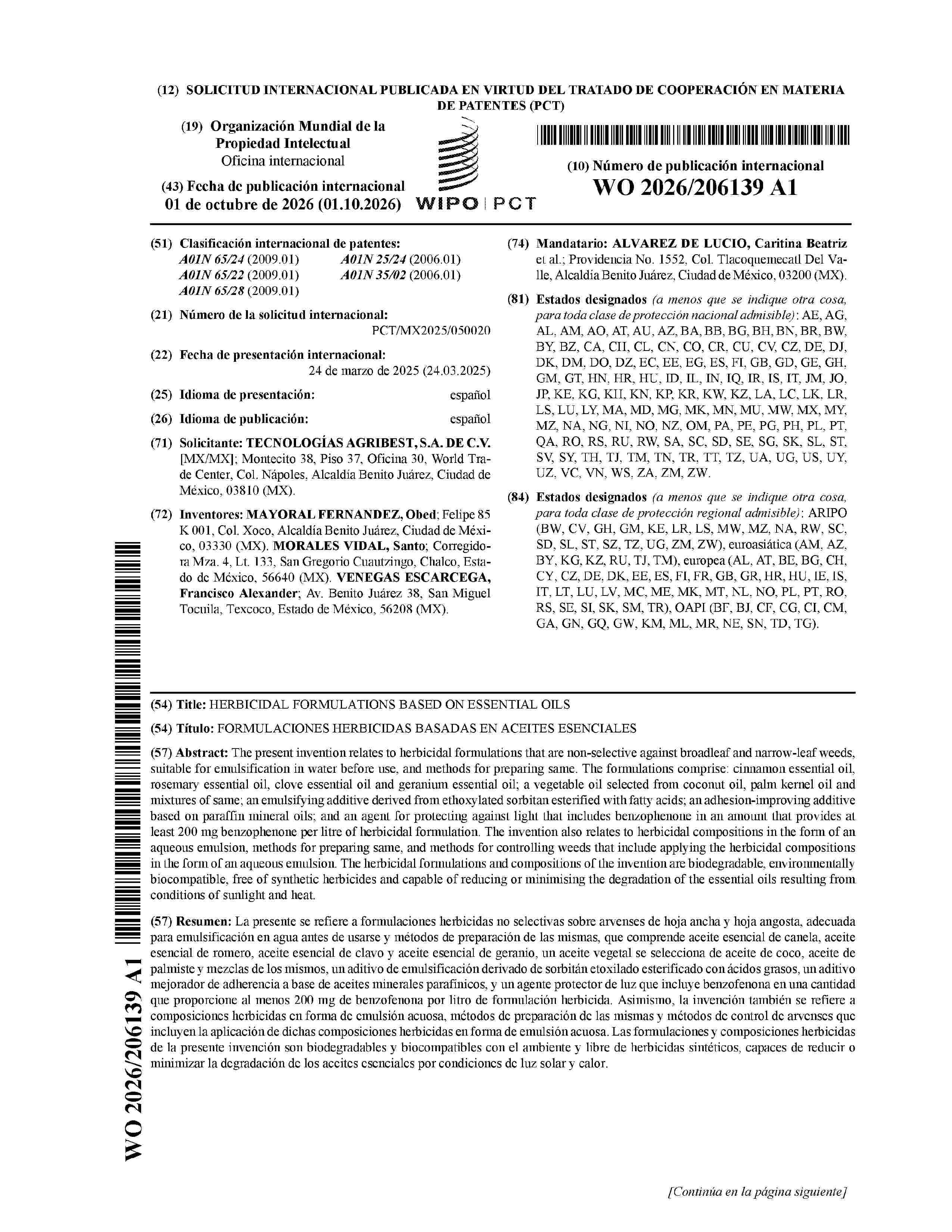
Resumen de: WO2026206139A1
The present invention relates to herbicidal formulations that are non-selective against broadleaf and narrow-leaf weeds, suitable for emulsification in water before use, and methods for preparing same. The formulations comprise: cinnamon essential oil, rosemary essential oil, clove essential oil and geranium essential oil; a vegetable oil selected from coconut oil, palm kernel oil and mixtures of same; an emulsifying additive derived from ethoxylated sorbitan esterified with fatty acids; an adhesion-improving additive based on paraffin mineral oils; and an agent for protecting against light that includes benzophenone in an amount that provides at least 200 mg benzophenone per litre of herbicidal formulation. The invention also relates to herbicidal compositions in the form of an aqueous emulsion, methods for preparing same, and methods for controlling weeds that include applying the herbicidal compositions in the form of an aqueous emulsion. The herbicidal formulations and compositions of the invention are biodegradable, environmentally biocompatible, free of synthetic herbicides and capable of reducing or minimising the degradation of the essential oils resulting from conditions of sunlight and heat.
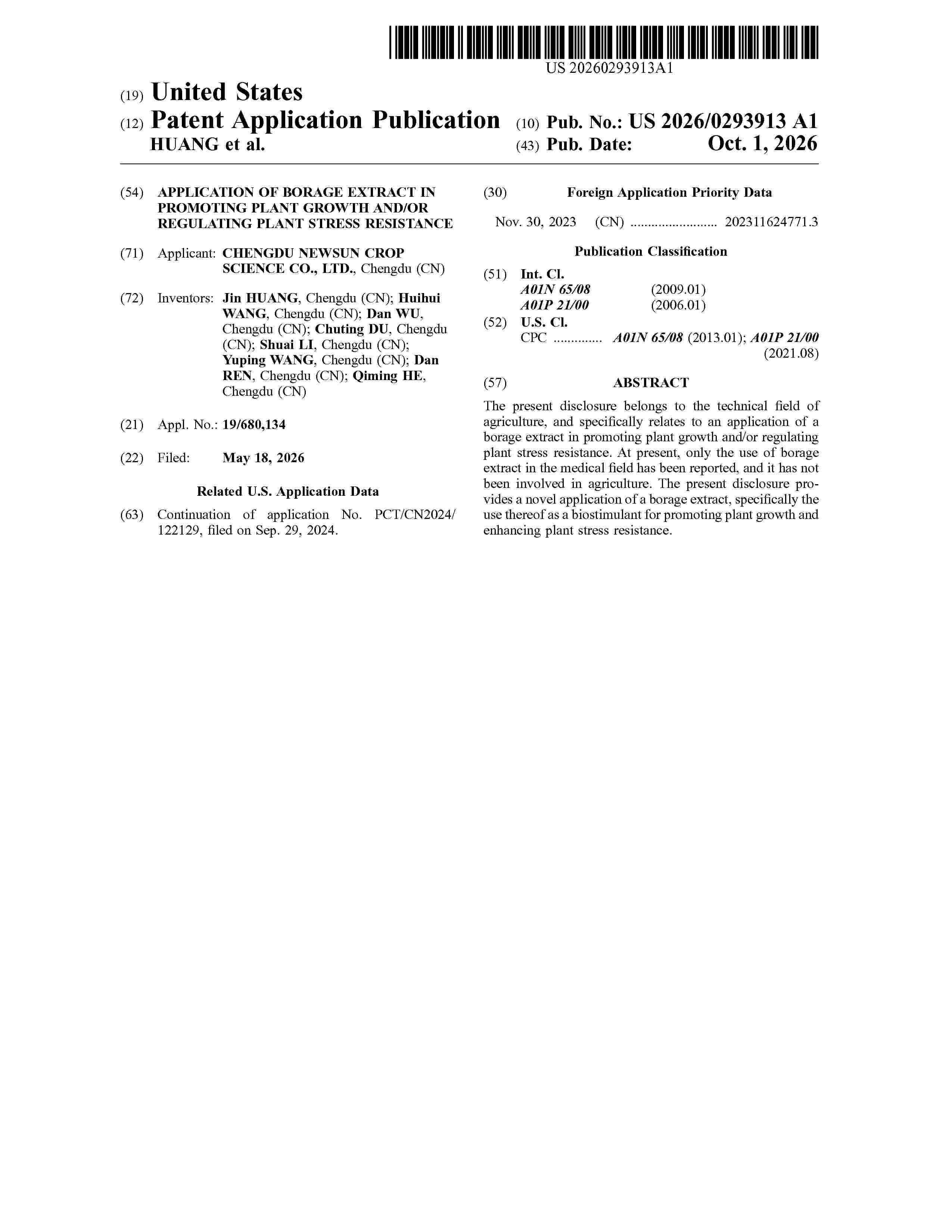
Resumen de: US20260293913A1
0000 The present disclosure belongs to the technical field of agriculture, and specifically relates to an application of a borage extract in promoting plant growth and/or regulating plant stress resistance. At present, only the use of borage extract in the medical field has been reported, and it has not been involved in agriculture. The present disclosure provides a novel application of a borage extract, specifically the use thereof as a biostimulant for promoting plant growth and enhancing plant stress resistance.
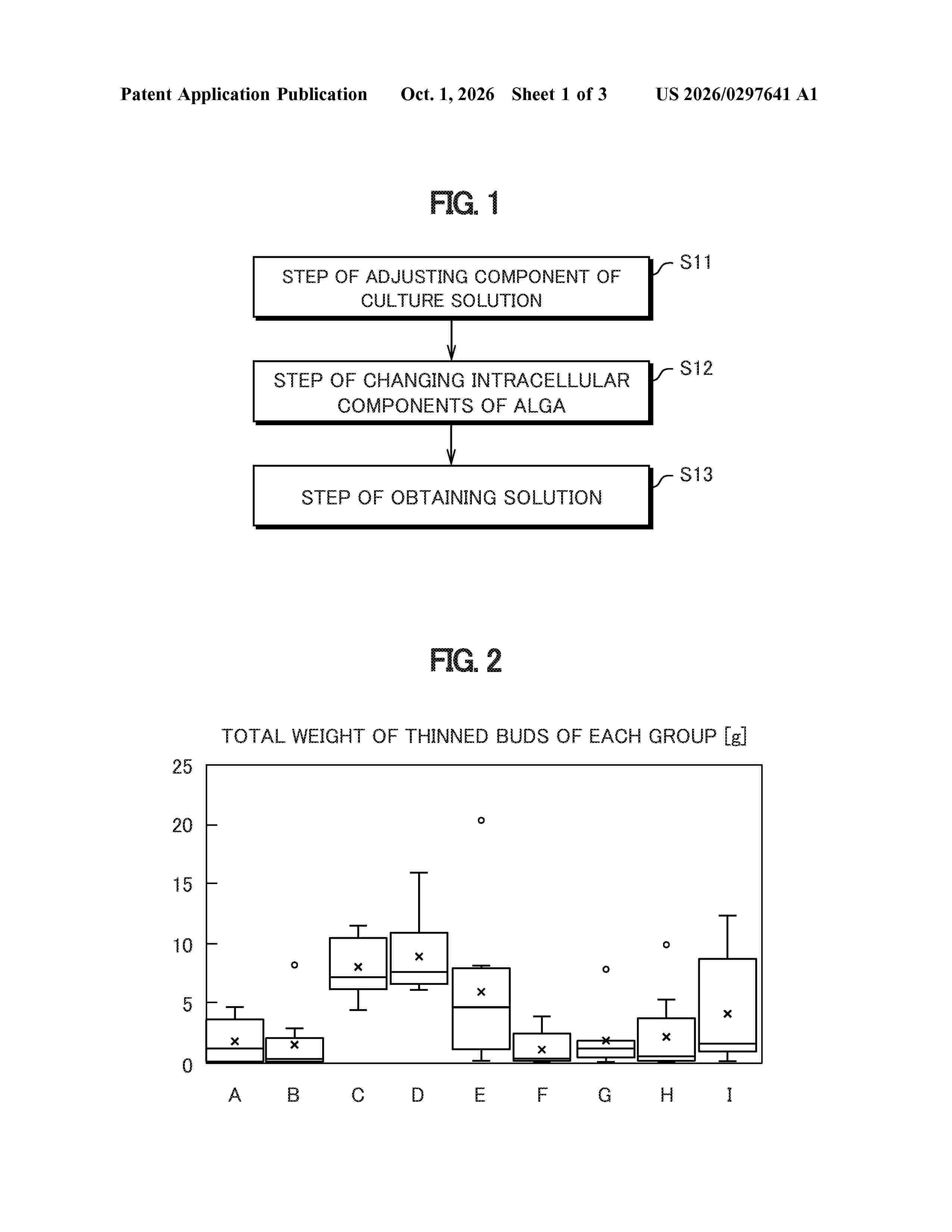
Resumen de: US20260297641A1
0000 A method for producing a solution obtained from a culture of an alga includes changing a ratio between a protein produced by the alga and a carbohydrate produced by the alga by adjusting a component of a culture solution in which to culture the alga and changing intracellular components of the alga. A solution obtained from a culture of an alga, the solution includes a protein produced by the alga and a carbohydrate produced by the alga.
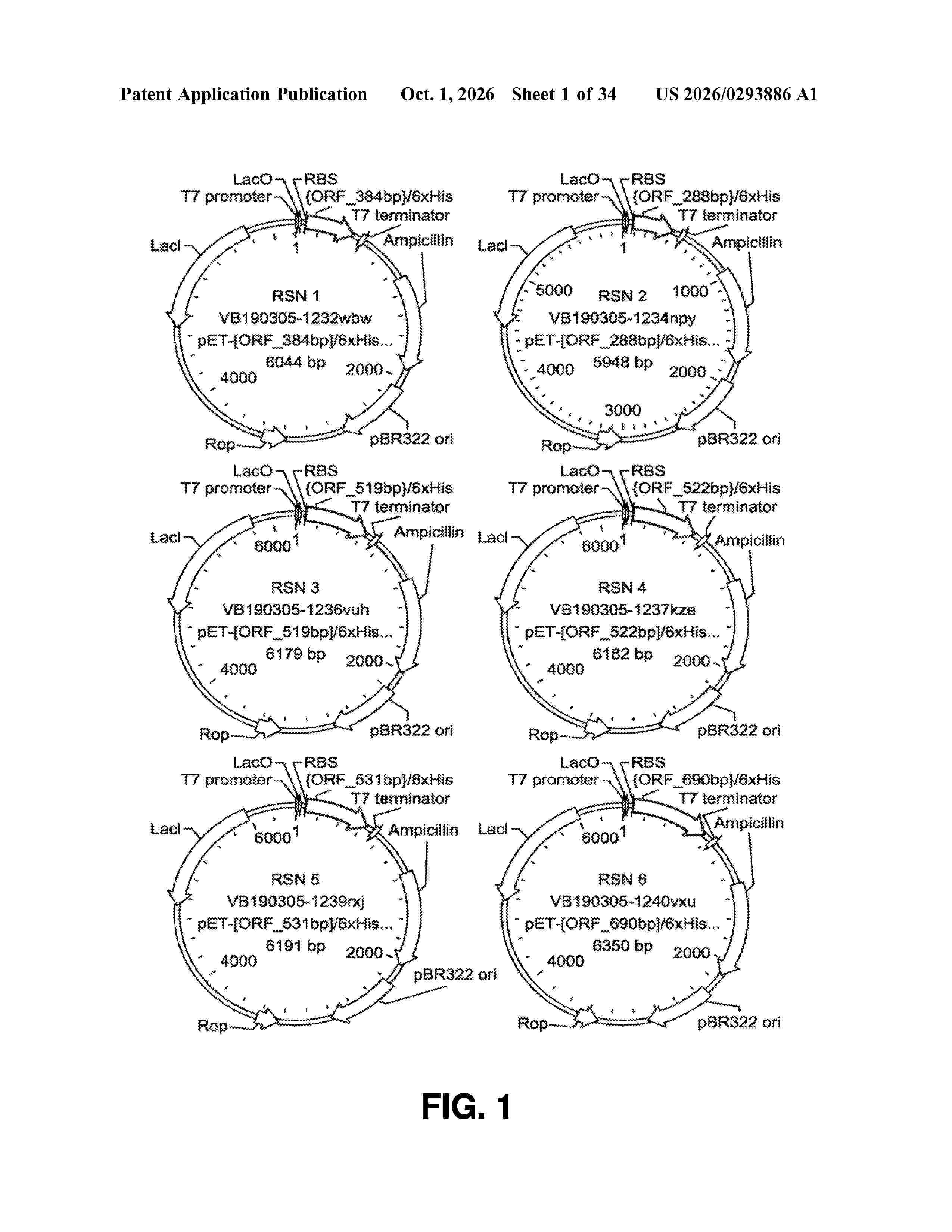
Resumen de: US20260293886A1
0000 The present disclosure relates to a synthetic Túngara frog foam composition. The synthetic Túngara frog foam composition comprises six synthetically synthesized ranaspumin proteins (RSN-1 to RSN-6) wherein only the active segments of the RSN proteins are synthesized and six synthetically synthesized polysaccharides comprising four tetrasaccharides, a heptasaccharide and a nonasaccharide. Multiple novel applications of the foam are described.
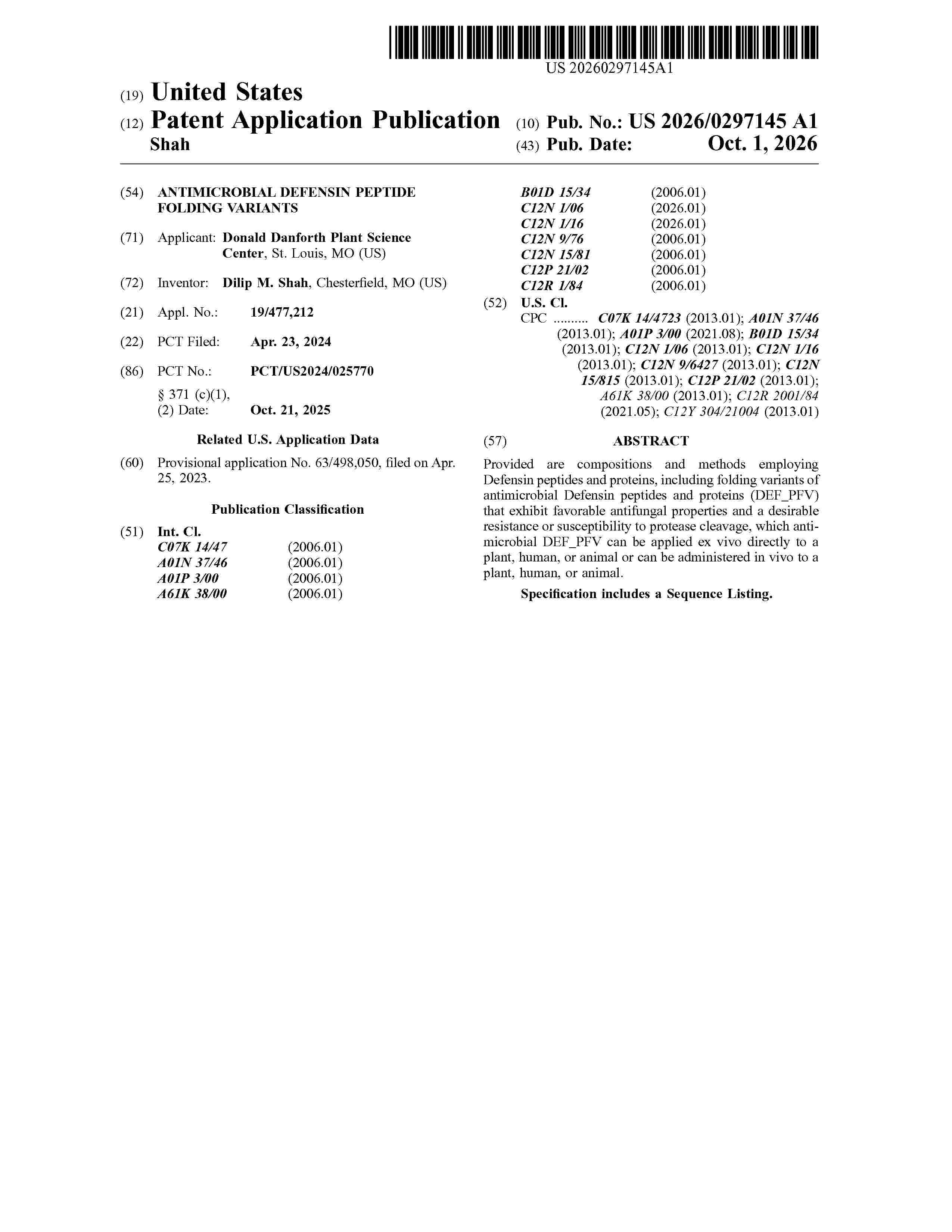
Resumen de: US20260297145A1
0000 Provided are compositions and methods employing Defensin peptides and proteins, including folding variants of antimicrobial Defensin peptides and proteins (DEF_PFV) that exhibit favorable antifungal properties and a desirable resistance or susceptibility to protease cleavage, which antimicrobial DEF_PFV can be applied ex vivo directly to a plant, human, or animal or can be administered in vivo to a plant, human, or animal.
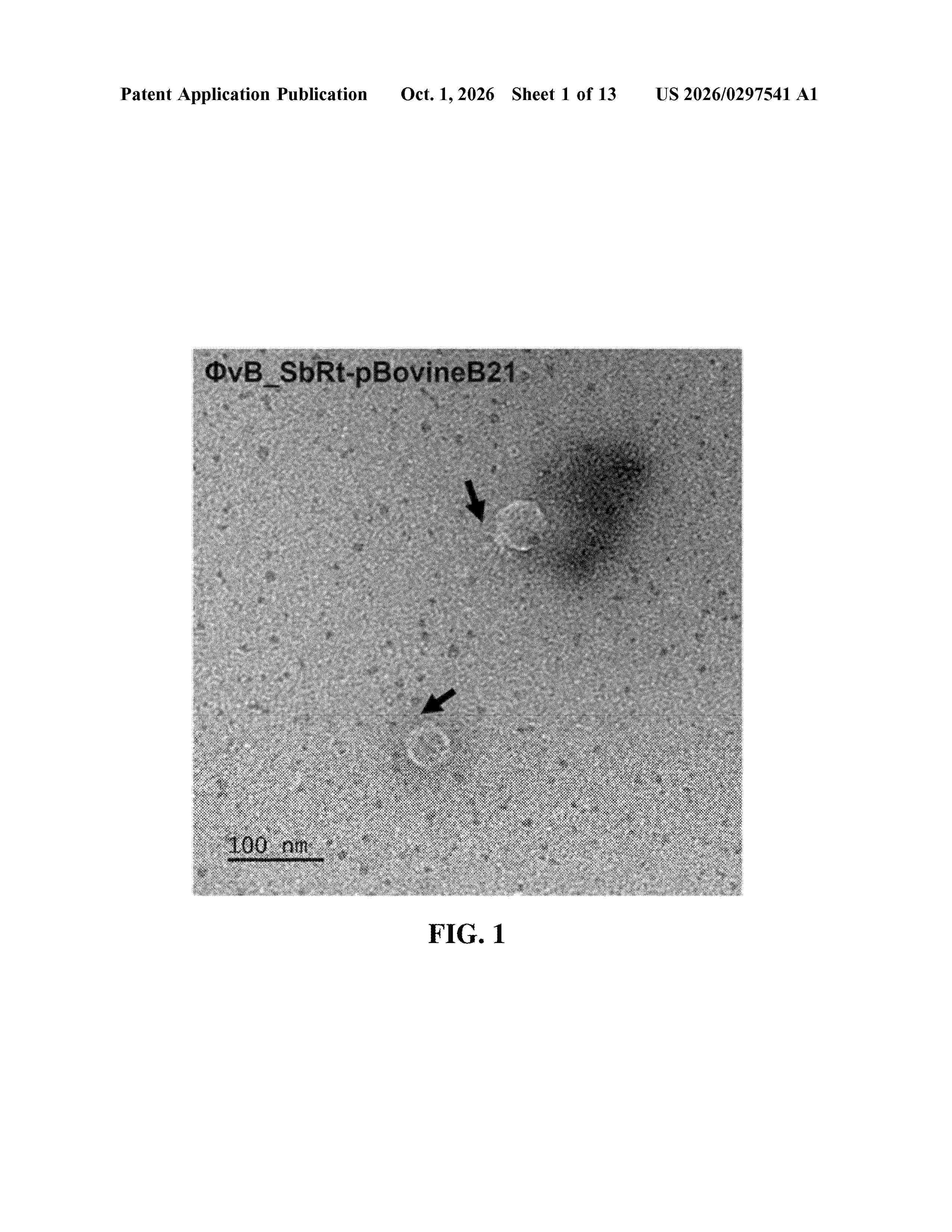
Resumen de: US20260297541A1
An embodiment relates to a bacteriophage vB_SbRt-pBovineB21 having excellent lytic activity and biofilm control activity against Streptococcus bovis/Streptococcus equinus complex (SBSEC) and lactic acid-producing bacteria, and the phage and/or composition according to the present invention can be used as an antibacterial agent, a disinfectant, and a feed additive for ruminants.
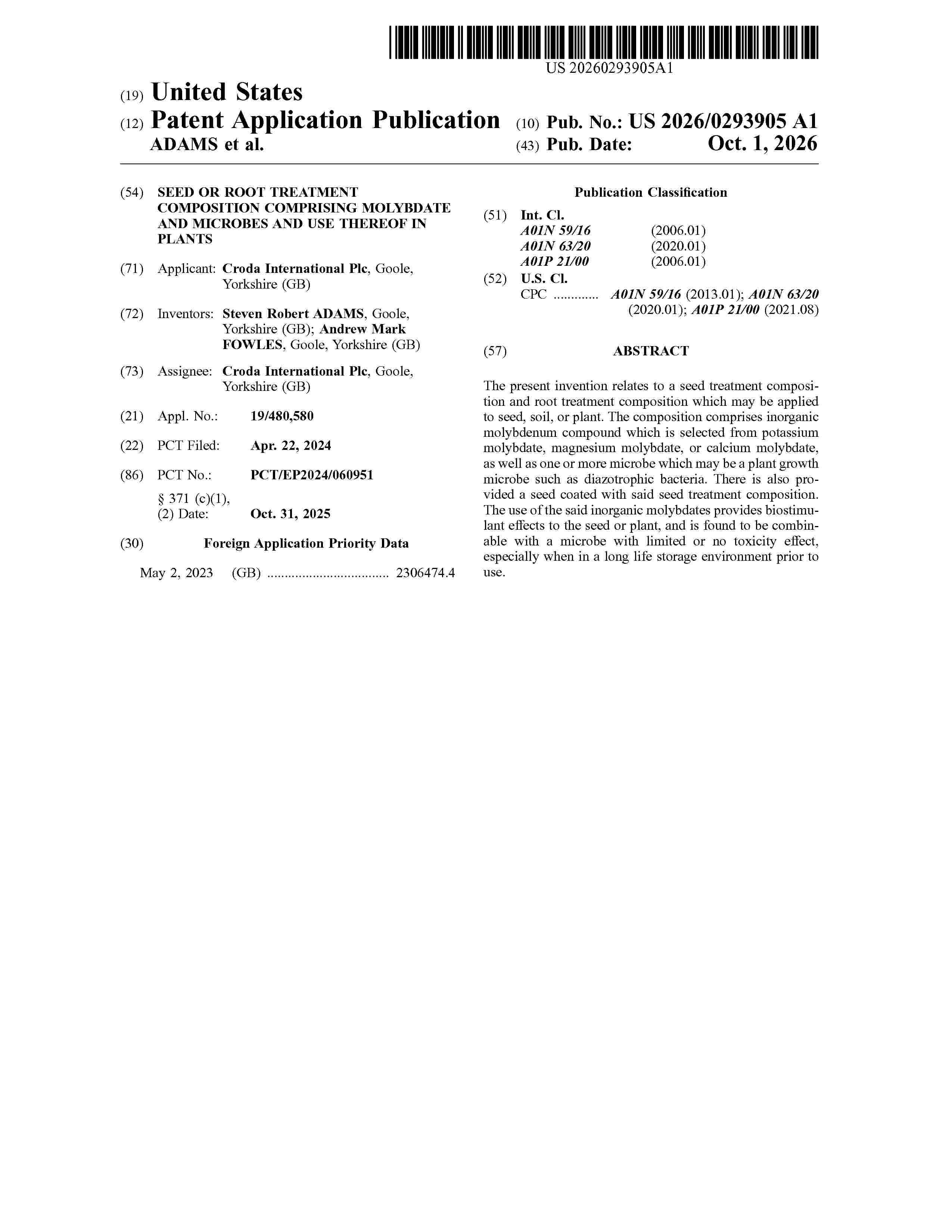
Nº publicación: US20260293905A1 01/10/2026
Solicitante:
CRODA INT PLC [GB]
Croda International Plc
Resumen de: US20260293905A1
0000 The present invention relates to a seed treatment composition and root treatment composition which may be applied to seed, soil, or plant. The composition comprises inorganic molybdenum compound which is selected from potassium molybdate, magnesium molybdate, or calcium molybdate, as well as one or more microbe which may be a plant growth microbe such as diazotrophic bacteria. There is also provided a seed coated with said seed treatment composition. The use of the said inorganic molybdates provides biostimulant effects to the seed or plant, and is found to be combinable with a microbe with limited or no toxicity effect, especially when in a long life storage environment prior to use.
 BOPI
BOPI
 Sede Electrónica