Si deseas distinguir tus productos, servicios o ambos de los de otra empresa, es posible que necesites una marca o nombre comercial. Descubre qué son, en qué consiste su procedimiento de registro y qué implica.

Información sobre los plazos de presentación de solicitudes de transformación de marcas de la Unión Europea en marca nacional española. Más información


Si tienes un nuevo dispositivo, producto o procedimiento que resuelva un problema técnico o tenga una ventaja práctica, existen distintas formas de protegerlo en España y en otros países. Descubre cómo hacerlo.

¿Tu innovación reside en la estética, la ornamentación o la apariencia de tu producto? Protégela mediante un diseño industrial. Descubre qué derechos confiere el registro y cómo realizar la tramitación.

Las indicaciones geográficas protegen el nombre de un producto originario de una zona geográfica, a la cual le debe una determinada calidad, reputación u otra característica. Descubre qué son, en qué consiste su procedimiento de registro y qué beneficios conceden.

Las patentes publicadas en todo el mundo son una valiosa fuente de información científica, técnica y comercial.

Si eres emprendedor/a o una empresa y quieres potenciar y mejorar la rentabilidad de tu negocio protegiendo de forma adecuada los activos intangibles de tu organización, en este espacio encontrarás lo necesario.


 101
resultados
101
resultados
 Última actualización
01/10/2026 [15:51:00]
Última actualización
01/10/2026 [15:51:00]


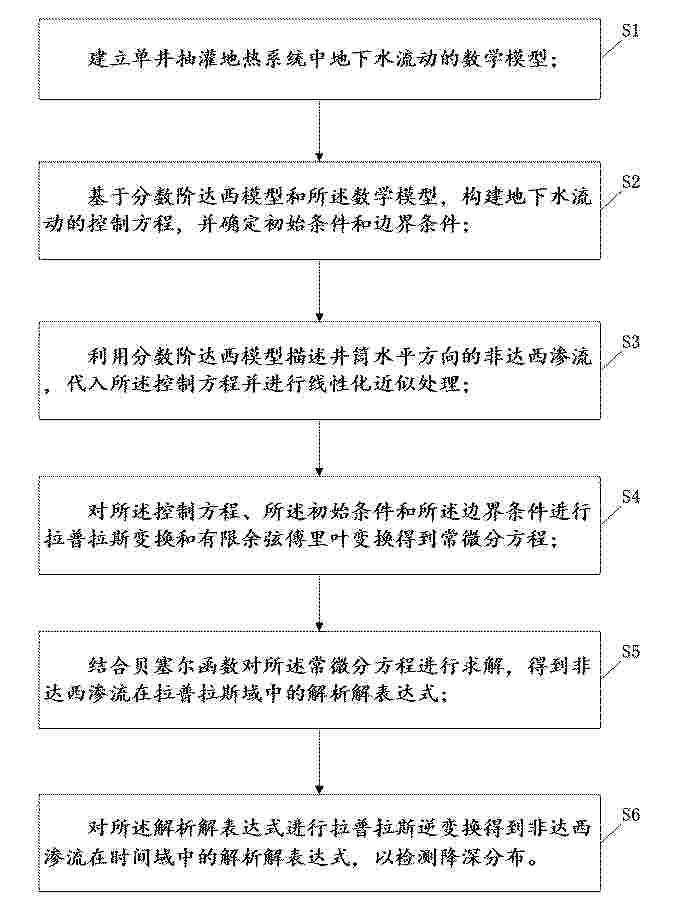
Resumen de: CN122839884A
本申请提供一种单井抽灌地热系统中非达西渗流检测方法及相关设备,所述方法包括建立单井抽灌地热系统中地下水流动的数学模型;构建地下水流动的控制方程,并确定初始条件和边界条件;利用分数阶达西模型描述井筒水平方向的非达西渗流,代入控制方程并进行线性化近似处理;对控制方程、初始条件和边界条件进行拉普拉斯变换和有限余弦傅里叶变换得到常微分方程;对常微分方程进行求解,得到非达西渗流在拉普拉斯域中的解析解表达式;对解析解表达式进行拉普拉斯逆变换得到非达西渗流在时间域中的解析解表达式。本申请提供的单井抽灌地热系统中非达西渗流检测方法及相关设备,简单方便,可以揭示水位降深的时空演化特征及其分布规律,准确可靠。

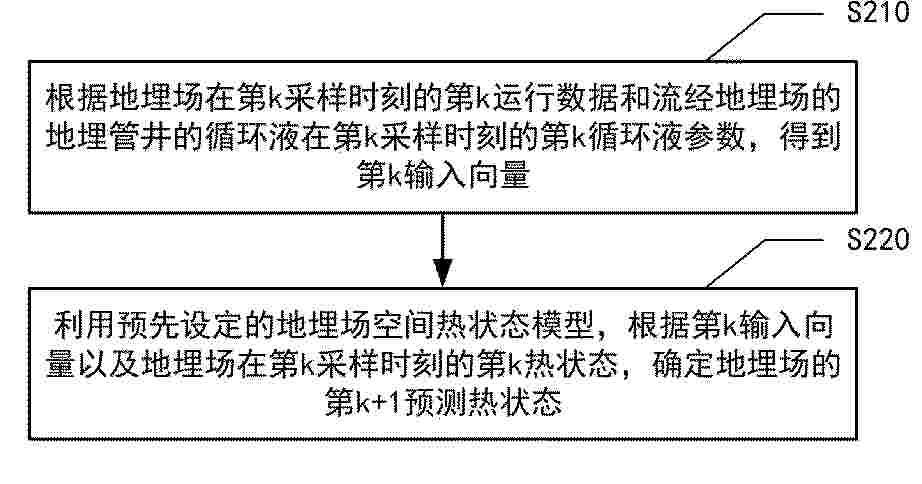
Resumen de: CN122835006A
本申请提供了一种预测地埋场热状态的方法和电子设备,可以应用于地源热泵技术领域。该方法包括:根据地埋场在第k采样时刻的第k运行数据和流经地埋场的地埋管井的循环液在第k采样时刻的第k循环液参数,得到第k输入向量,其中,地埋场包括各自设置有地埋管井的Z个地埋场区域,第k输入向量包括第z地埋场区域的地埋管井从第k‑1采样时刻到第k采样时刻的第k热流变量,z和k为正整数,Z为大于或等于z的整数;利用预先设定的地埋场空间热状态模型,根据第k输入向量以及地埋场在第k采样时刻的第k热状态,确定地埋场的第k+1预测热状态。
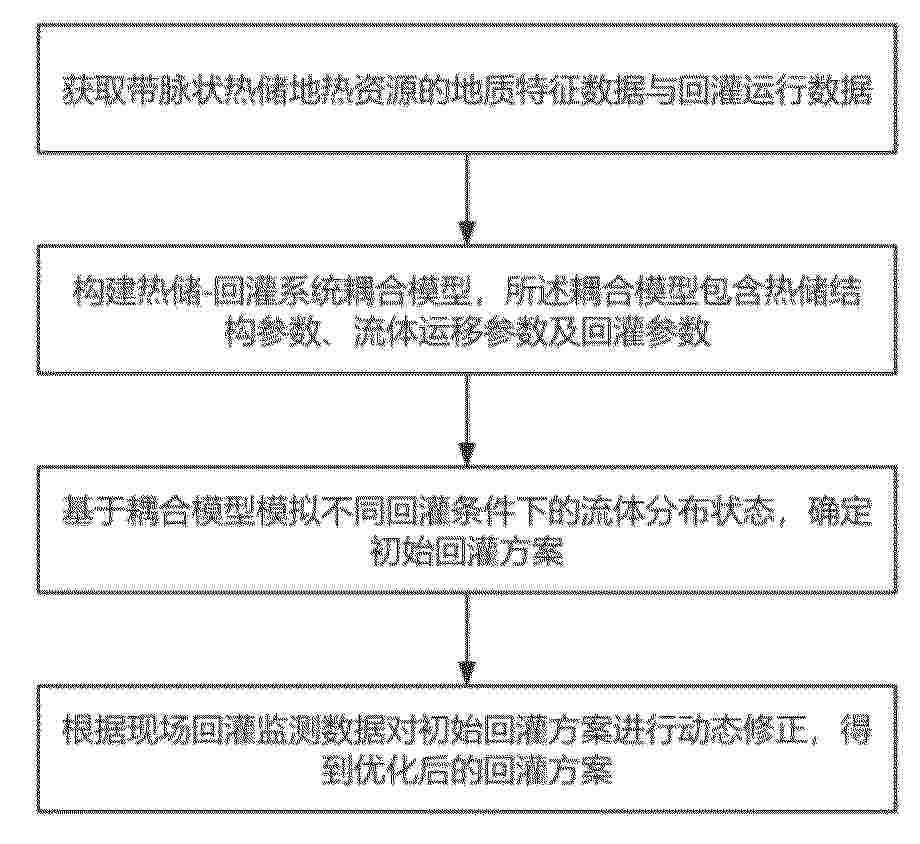
Resumen de: CN122839900A
本发明涉及地热资源开发利用技术领域,公开了一种提升带脉状热储地热资源回灌率的方法,包括以下步骤:获取带脉状热储地热资源的地质特征数据与回灌运行数据;构建热储‑回灌系统耦合模型,所述耦合模型包含热储结构参数、流体运移参数及回灌参数;基于耦合模型模拟不同回灌条件下的流体分布状态,确定初始回灌方案;根据现场回灌监测数据对初始回灌方案进行动态修正,得到优化后的回灌方案。通过构建热储‑回灌系统耦合模型,能够全面且精准地模拟带脉状热储中力学场、温度场和渗流场的多场耦合作用,充分考虑了各参数之间的动态关联,克服了现有技术中因忽视参数动态关联而导致的回灌方案适配性不足的问题。
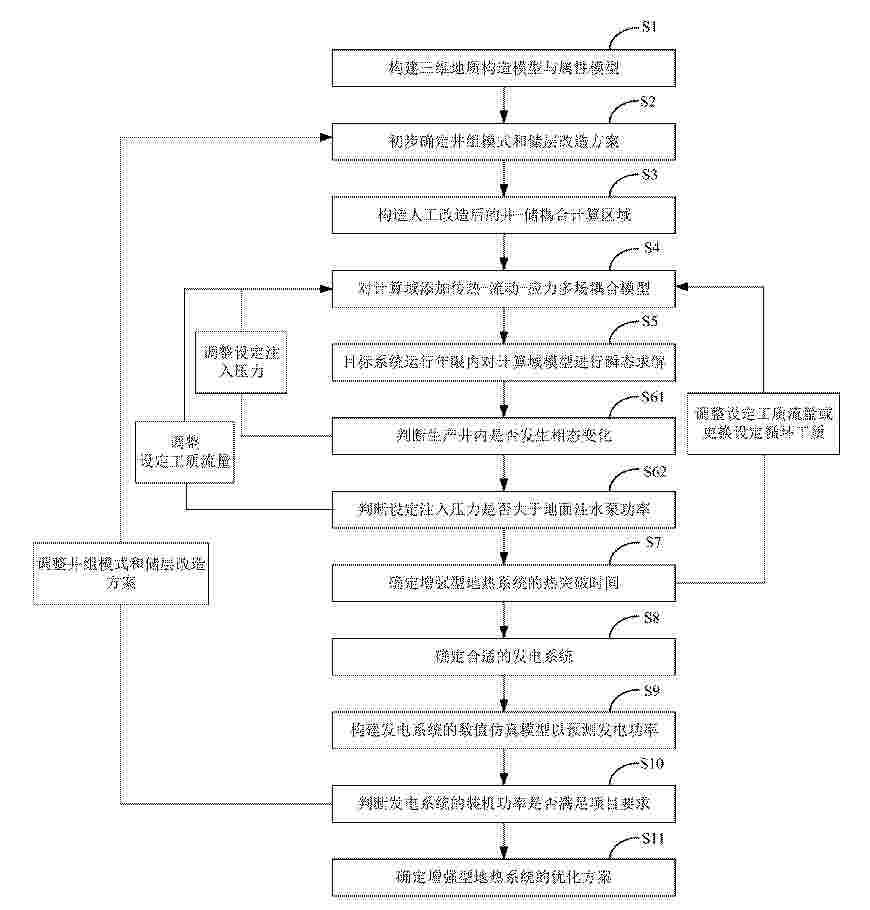
Resumen de: CN122839881A
本发明提供一种增强型地热系统优化方法、装置和电子设备,属于地热资源发电领域。方法包括:基于井组模式和储层改造方案对三维地质构造模型与属性模型进行改造,得到改造后热储层物理模型的井‑储耦合计算域;基于设定循环工质、设定工质流量、设定回灌温度以及设定注入压力,对井‑储耦合计算域添加传热‑流动‑应力多物理场耦合模型;在目标系统运行年限内对传热‑流动‑应力多物理场耦合模型进行求解,得到求解结果;在井‑储耦合计算域的生产井出现相态变化的情况下,调整设定注入压力,以及跳转至多物理场耦合模型的添加步骤执行。本发明用以解决现有方法没有考虑多种地热发电参数共同约束下适用于开发利用工程设计的方案优化方法的缺陷。
Resumen de: CN122835007A
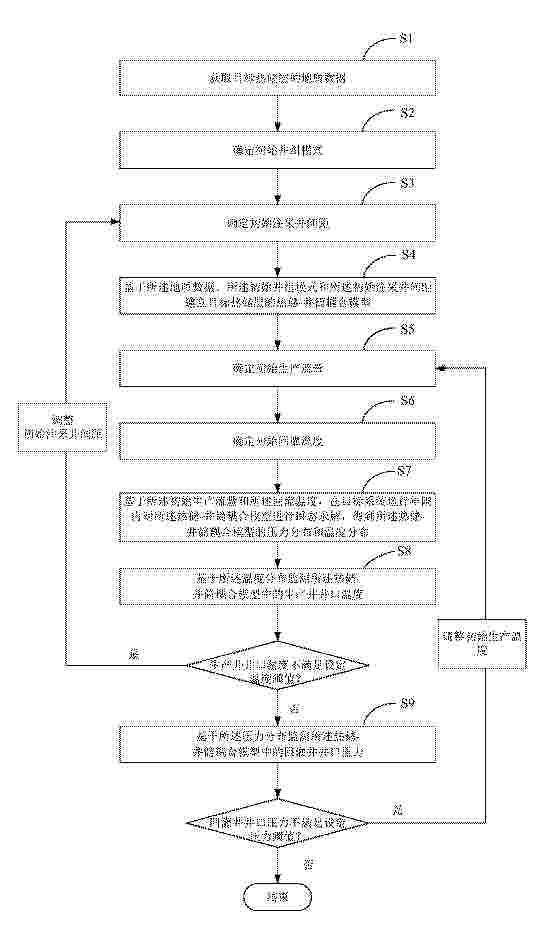
本发明提供一种地下热能开发利用的优化方法、装置和电子设备,属于地下热能开发利用领域。方法包括:基于初始生产流量和回灌温度,在目标系统运行年限内对热储‑井筒耦合模型进行瞬态求解,得到热储‑井筒耦合模型的压力分布和温度分布;基于温度分布监测热储‑井筒耦合模型中的生产井井口温度,在生产井井口温度不满足设定温度阈值的情况下,调整初始注采井间距并跳转至确定初始注采井间距的步骤执行;基于压力分布监测热储‑井筒耦合模型中的回灌井井口压力,在回灌井井口压力不满足设定压力阈值的情况下,调整初始生产流量并跳转至确定初始生产流量的步骤执行。本发明解决现阶段缺少一种地下多类型热能开发与地上利用一体化优化方法的缺陷。
Resumen de: CN122813400A
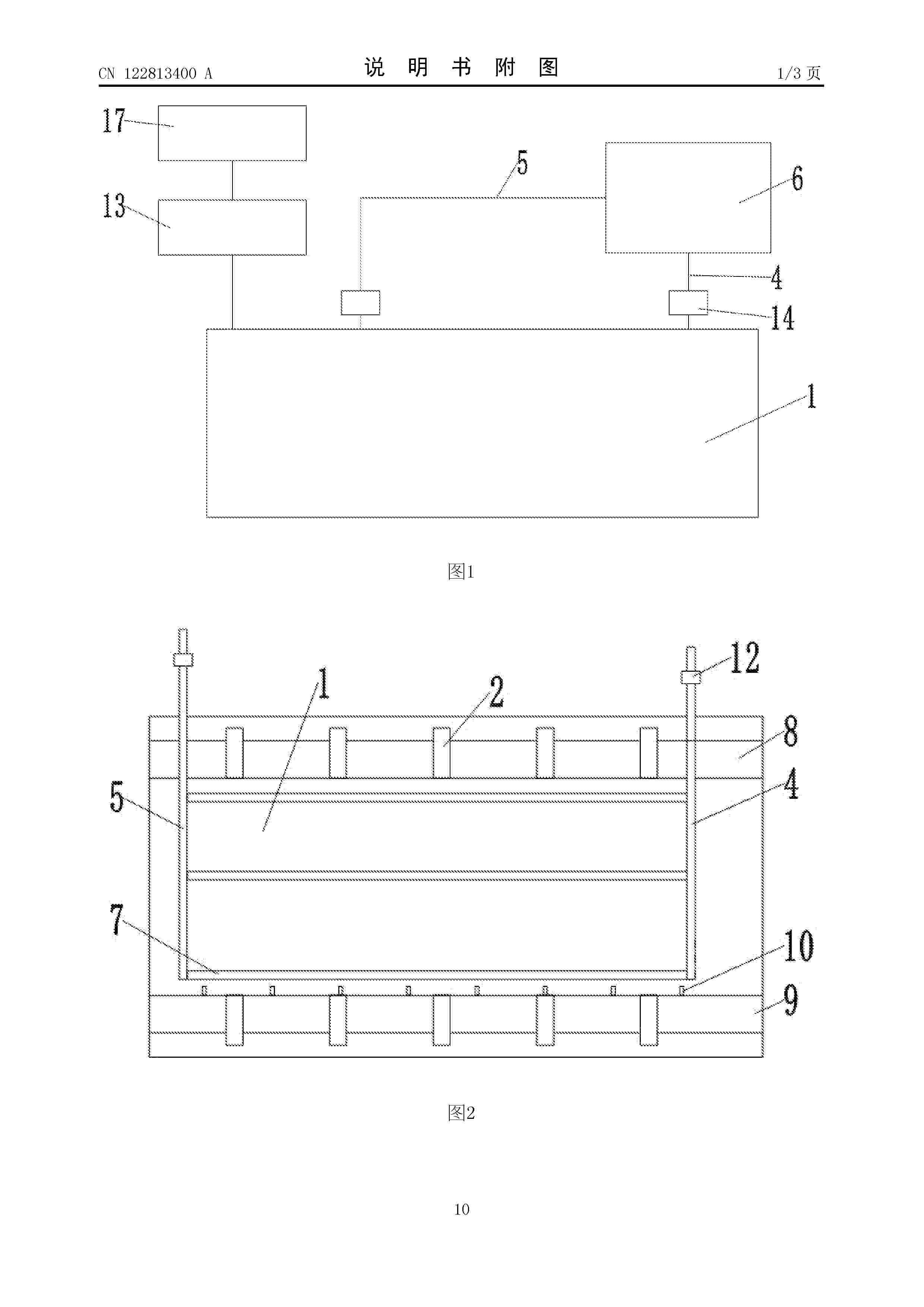
本发明涉及矿井地热资源开发利用技术领域,公开了一种关闭矿井采空区‑围岩协同补热与热恢复系统及调控方法,其中,循环取热单元布置于采空区内用于与采空区岩体进行热交换以提取热量;围岩补热单元设有延伸至围岩深部热储层的补热通道,补热通道与循环取热单元所在空间连通,且补热通道内设有导热介质,用于将围岩深部热量传导至采空区内;温度监测单元用于监测采空区及围岩的温度;流量调节单元用于调节循环取热单元内工作流体的流量;控制单元与温度监测单元和流量调节单元通信连接,本发明有效延缓了采空区温度衰减,大幅延长了系统的全生命周期热能产出。
Resumen de: CN122812141A
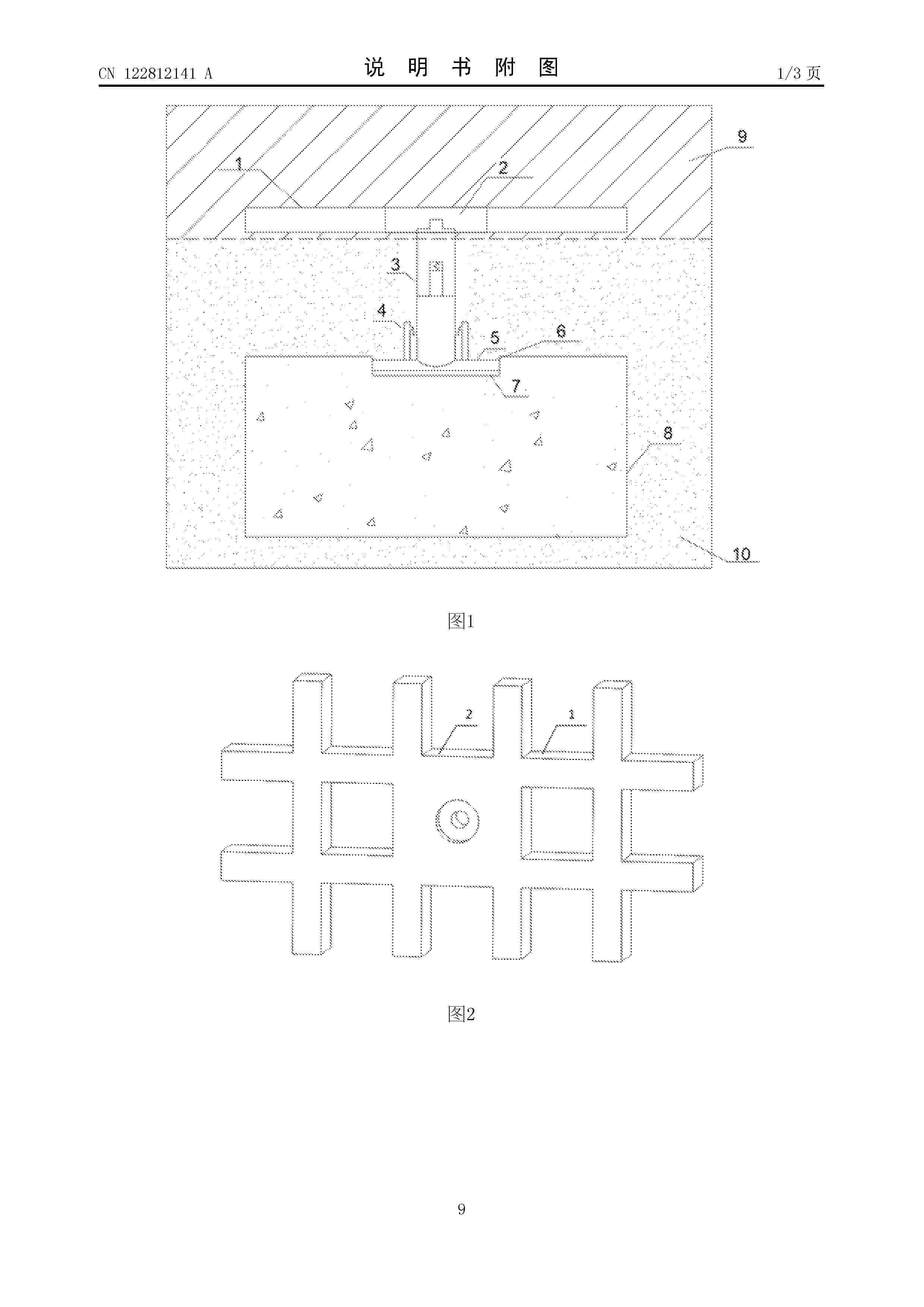
本发明公开了一种复合相变格栅—通风管协同的严寒区公路路基温控结构,其包括复合相变格栅、活塞式导热柱、导套、热交换板和通风管;复合相变格栅水平铺设于多年冻土活动层内,局部设有填充区,填充区底部设有螺栓孔;活塞式导热柱上端穿设导套后与螺栓孔螺纹连接,下端设有导热凸柱球曲面;本申请通过复合相变格栅与通风管结构级耦合,实现潜热调控与对流换热协同作用;冻结期可平抑温降、均匀温度场,降低差异冻胀风险;融化期可排散热量、稳定冻融界面,减小融沉风险;活塞式导热柱内设弹簧结构可适应冻胀融沉产生的相对位移。本申请适用于多年冻土及严寒区公路路基的热稳定控制。
Resumen de: CN122813439A
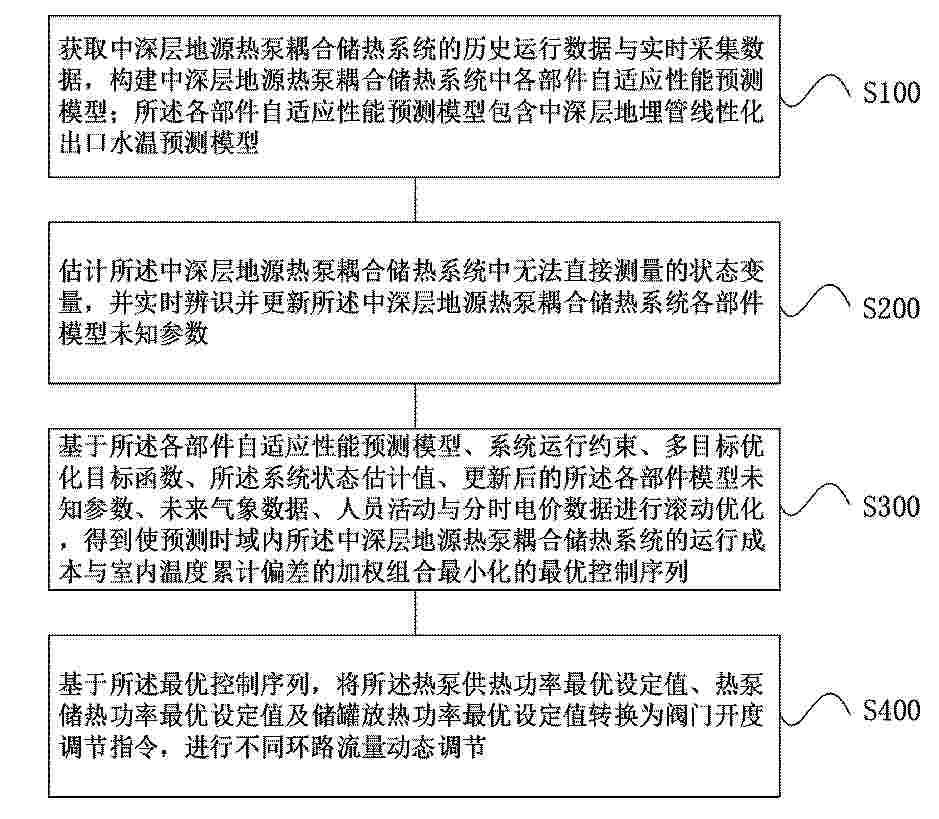
本发明是关于一种中深层地源热泵耦合储热系统柔性控制方法及系统,包括:基于深度神经网络构建中深层地埋管的非线性自回归外生模型,并线性化得到以控制为导向的中深层地埋管性能预测模型;估计所述中深层地源热泵耦合储热系统中无法直接测量的状态变量,并更新所述中深层地源热泵耦合储热系统中各物理部件的未知性能参数;通过执行滚动优化,得到使预测时域内所述中深层地源热泵耦合储热系统的运行成本与室内温度累计偏差的加权组合最小化的最优控制序列;基于最优控制序列,控制热泵和储罐的启停与流量调节。采用本发明技术方案,能够实现建筑用能侧与电网侧的柔性交互,显著降低系统供热成本和运行能耗,同时提升建筑室内热舒适性。
Resumen de: CN122815882A
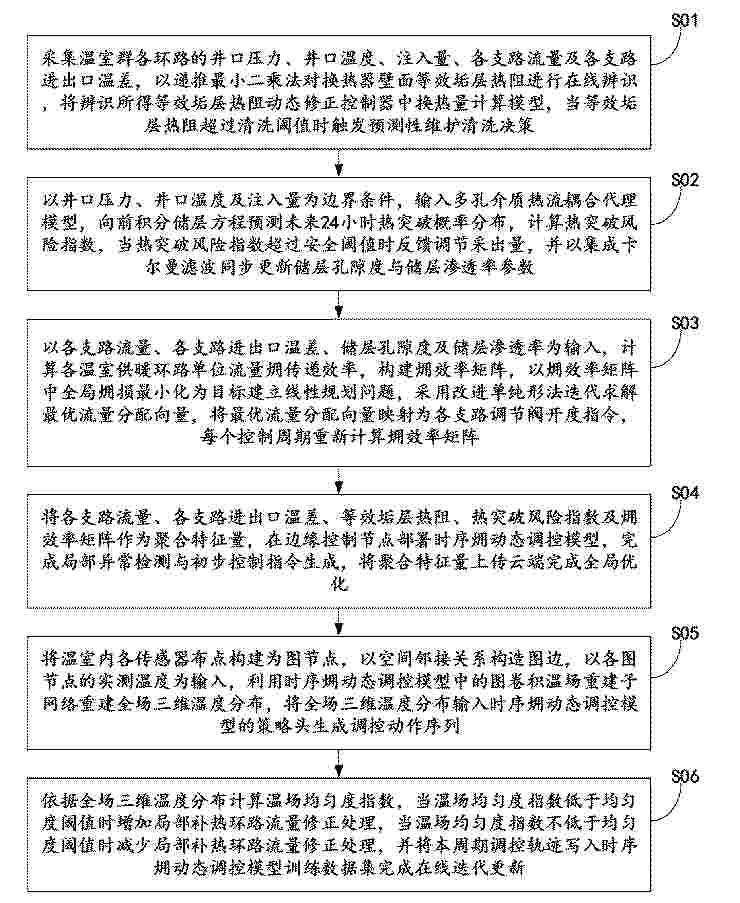
本发明提供一种温室地热能协同供暖动态调控方法,属于温室地热能协同供暖动态调控技术领域,本发明通过递推最小二乘法在线辨识换热器等效垢层热阻并动态修正换热量计算模型,利用多孔介质热流耦合代理模型结合集成卡尔曼滤波预测热突破风险并同步更新储层孔隙度与渗透率参数,以改进单纯形法求解全局㶲损最小化流量分配并生成各支路调节阀开度指令,在边缘控制节点部署人工智能驱动的时序㶲动态调控模型完成局部异常检测与初步指令生成,依据温场均匀度指数动态修正局部补热环路流量,解决了温室地热能协同供暖系统无法在换热器垢层动态累积、储层热突破风险演变与多环路㶲效率时变耦合条件下实现全局㶲损最小化动态调控的技术问题。
Resumen de: CN122813399A
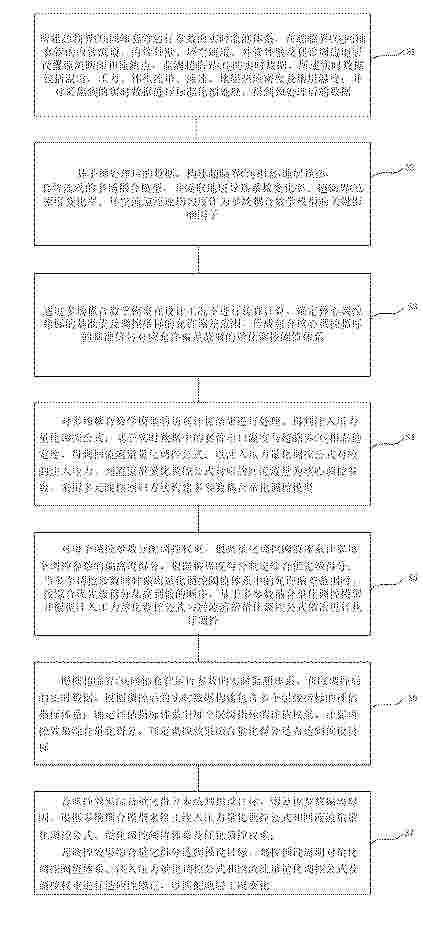
本发明涉及余热回收领域,具体涉及超临界CO2同轴套管运行参数量化调控方法,包括步骤一:构建超临界CO2同轴套管运行参数的实时监测体系;步骤二:构建超临界CO2相态‑地层换热‑套管流动的多场耦合模型;步骤三:建立超临界CO2同轴套管的量化调控阈值体系;步骤四:构建注入压力量化调控公式、回流流量量化调控公式和多参数耦合量化调控模型;步骤六:建立基于加权赋分的优先级执行调控机制,步骤七:开展运行参数调控效果的实时监测与量化评估,步骤八:实施调控策略的动态迭代优化,本发明解决了传统调控方法经验化、无物理模型支撑的问题,避免了因调控顺序不当导致的系统运行失稳,提升了调控的有序性与有效性。
Resumen de: US20260287213A1
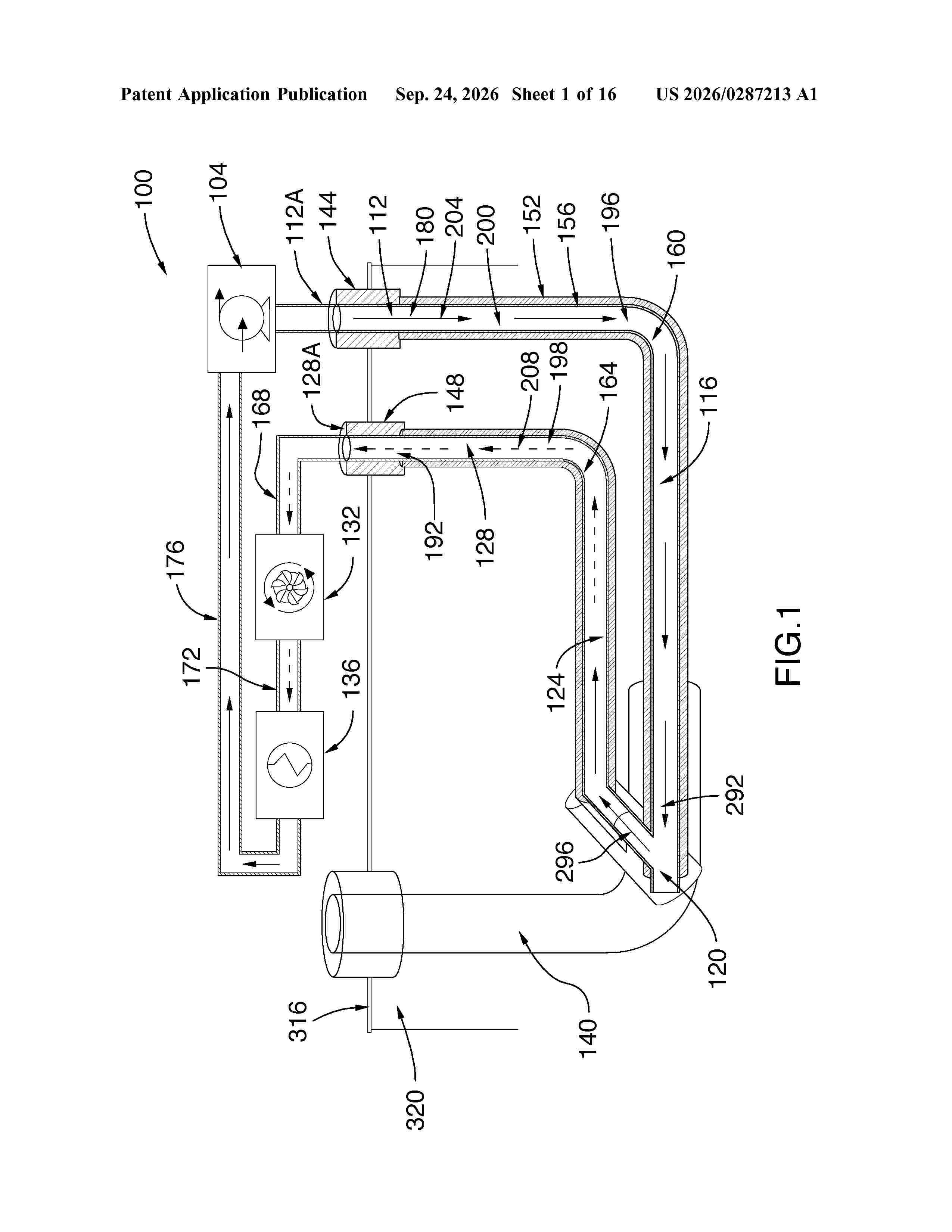
The present disclosure describes a system and a method for generating energy from geothermal sources. The system includes an injection well and a production well extending underground into a rock formation, a first lateral section connected to the injection well and a second lateral section connected to the production well, the first and second lateral sections connected with a multilateral connector, defining a pressure-tested downhole well loop within the rock formation and in a heat transfer arrangement therewith. The downhole well loop cased in steel and cemented in place within the rock formation. The downhole well loop to receive working fluid capable of undergoing phase change between liquid and gas within the downhole well loop as a result of heat transferred from the rock formation. The system also includes a pump to circulate working fluid, a turbine system to convert the flow of working fluid into electricity, and a cooler.
Resumen de: US20260286836A1
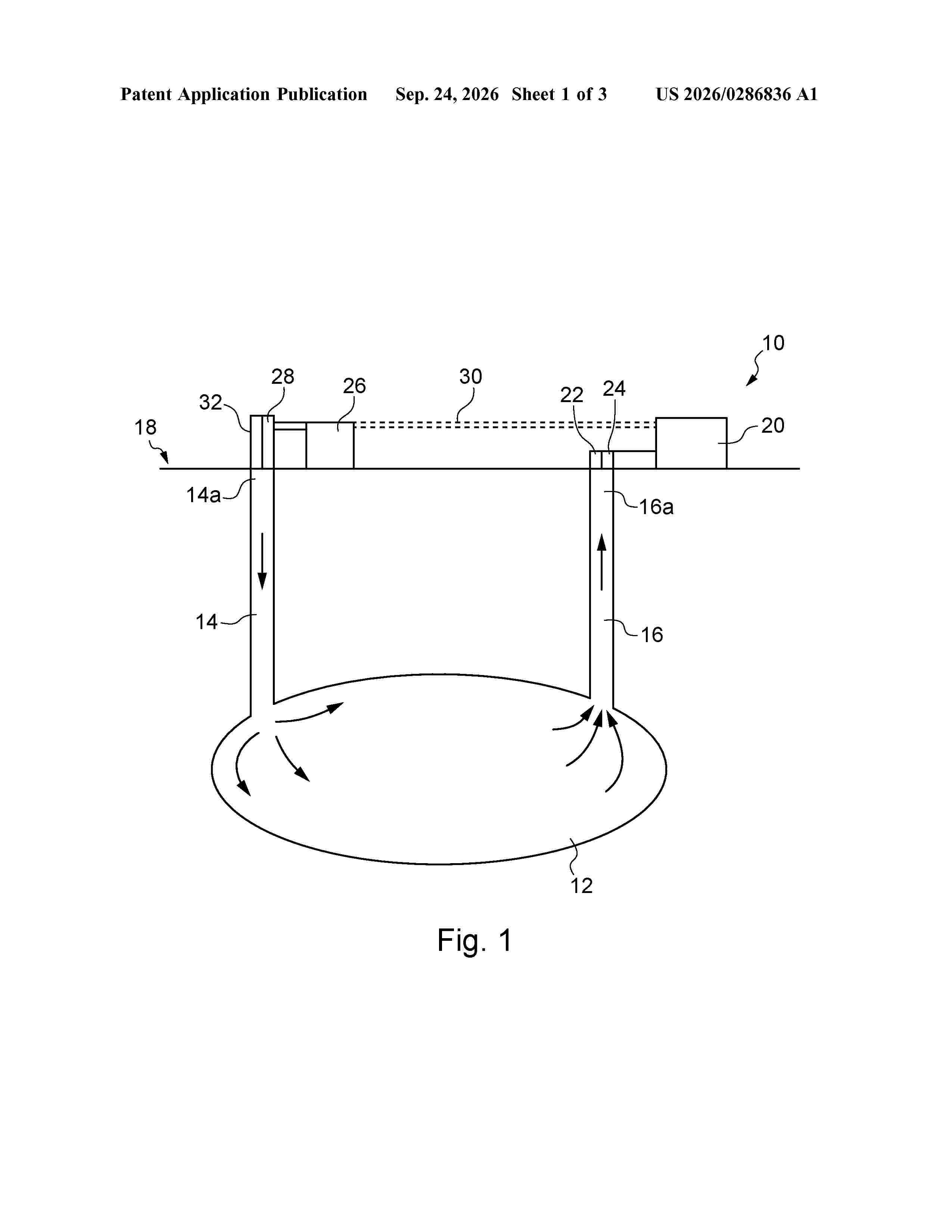
0000 The invention provides a system and method for monitoring a subterranean formation. The method comprises injecting injection fluid into the at least one injection well wherein the at least one injection well is in fluid communication with the subterranean formation. The method comprises injecting or releasing at least one tracer into the at least one injection well and taking at least one sample from fluid produced from the subterranean formation. The method comprises measuring a concentration of the at least one tracer in the at least one sample and based on the measured concentration of the at least one tracer monitoring at least one characteristic of the subterranean formation.
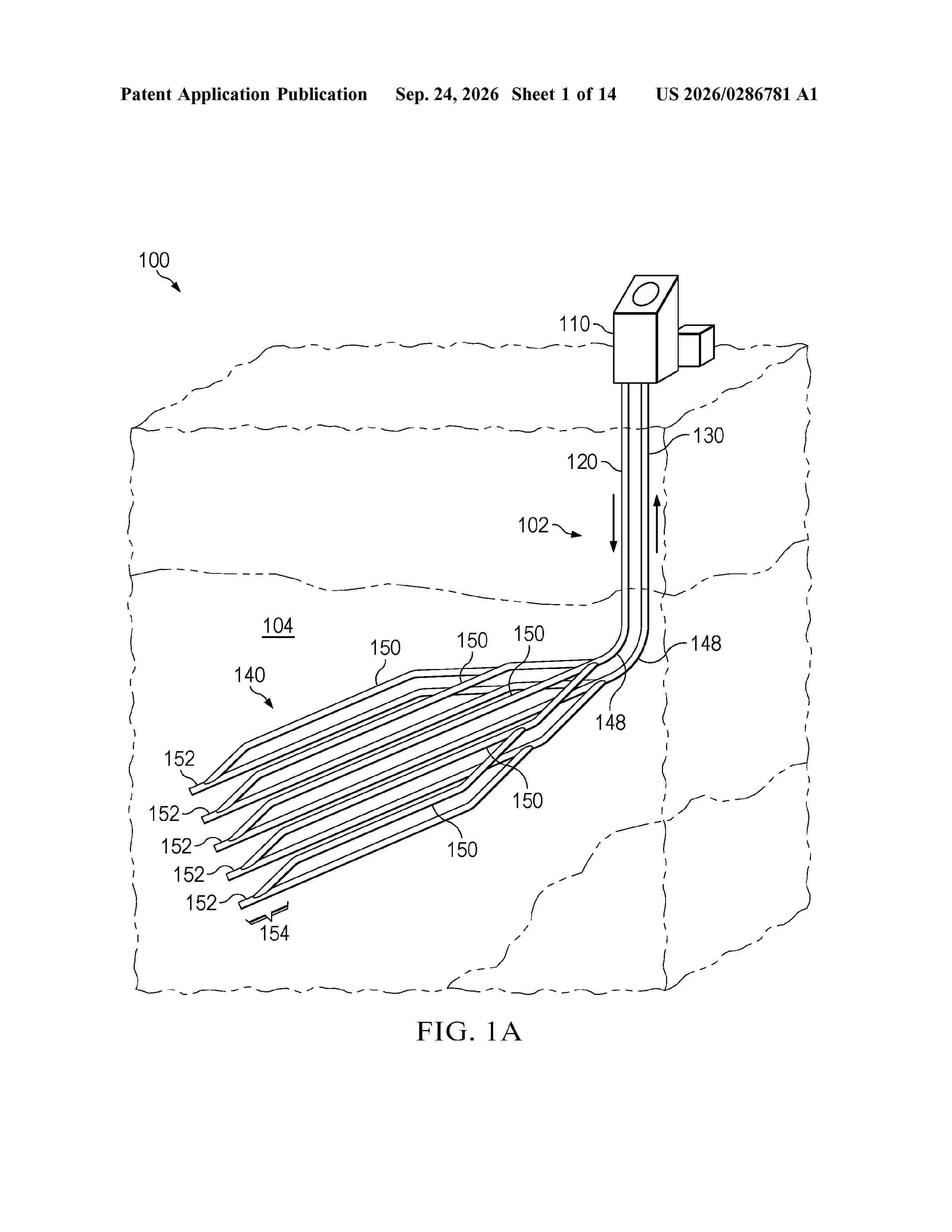
Resumen de: US20260286781A1
A method performed on a wellbore system with a first surface wellbore extending from a terranean surface to a subterranean zone, a second surface wellbore extending from the terranean surface to the subterranean zone and a plurality of connecting wellbores in the subterranean zone each connecting the first and second surface wellbores. A lateral wellbore is drilled using a drill string extending through the first surface wellbore. While drilling, flow of drilling fluid from the drill string is sealed against returning towards the first surface wellbore through the connecting wellbores.
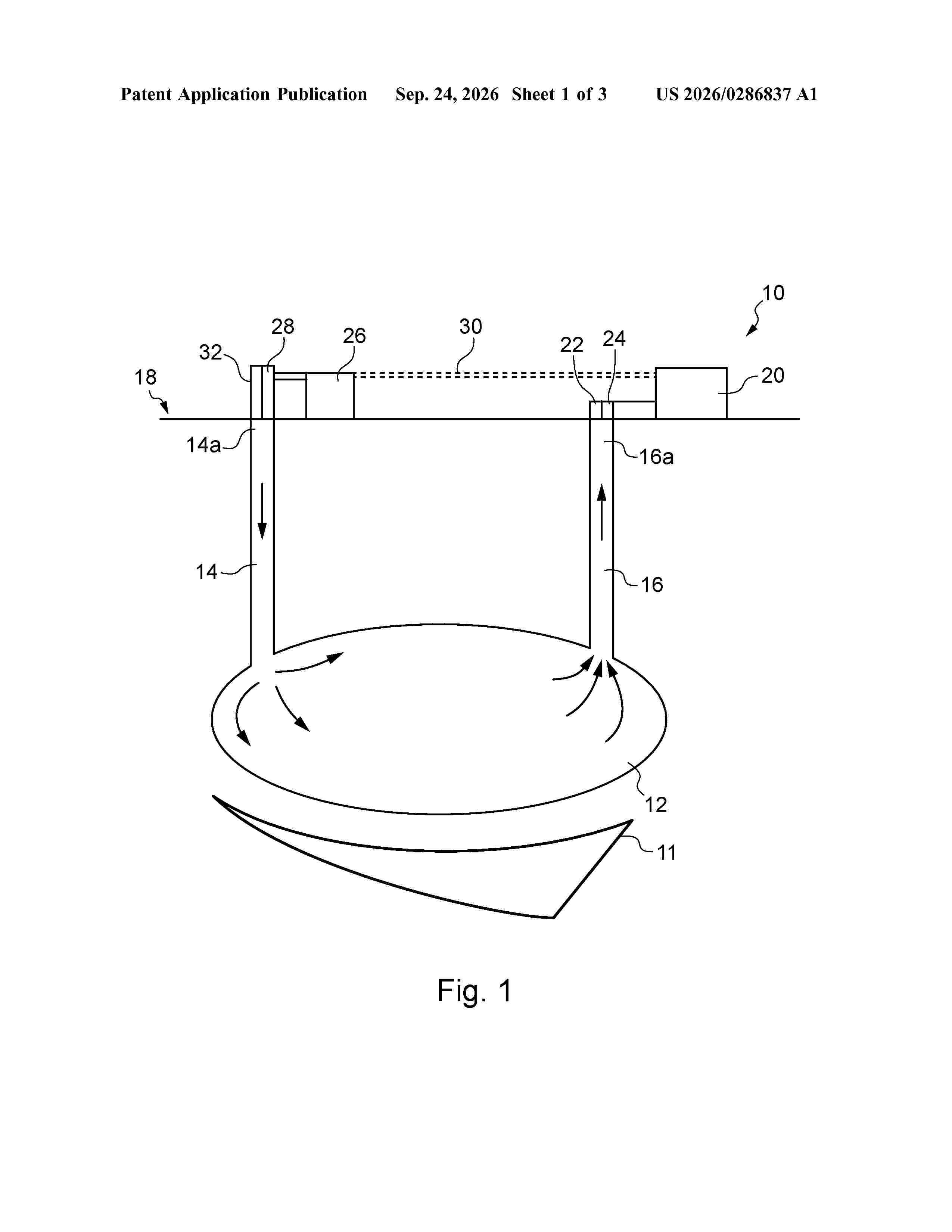
Resumen de: US20260286837A1
0000 The invention provides a system and method for monitoring a supercritical geothermal reservoir. The method comprises injecting an injection fluid and at least one tracer into the geothermal reservoir. The method comprises taking at least one sample of supercritical fluid produced from the geothermal reservoir and measuring a concentration of the at least one tracer in the at least one sample. The method comprises monitoring at least one characteristic of the supercritical geothermal reservoir based on measured concentration of the at least one tracer.
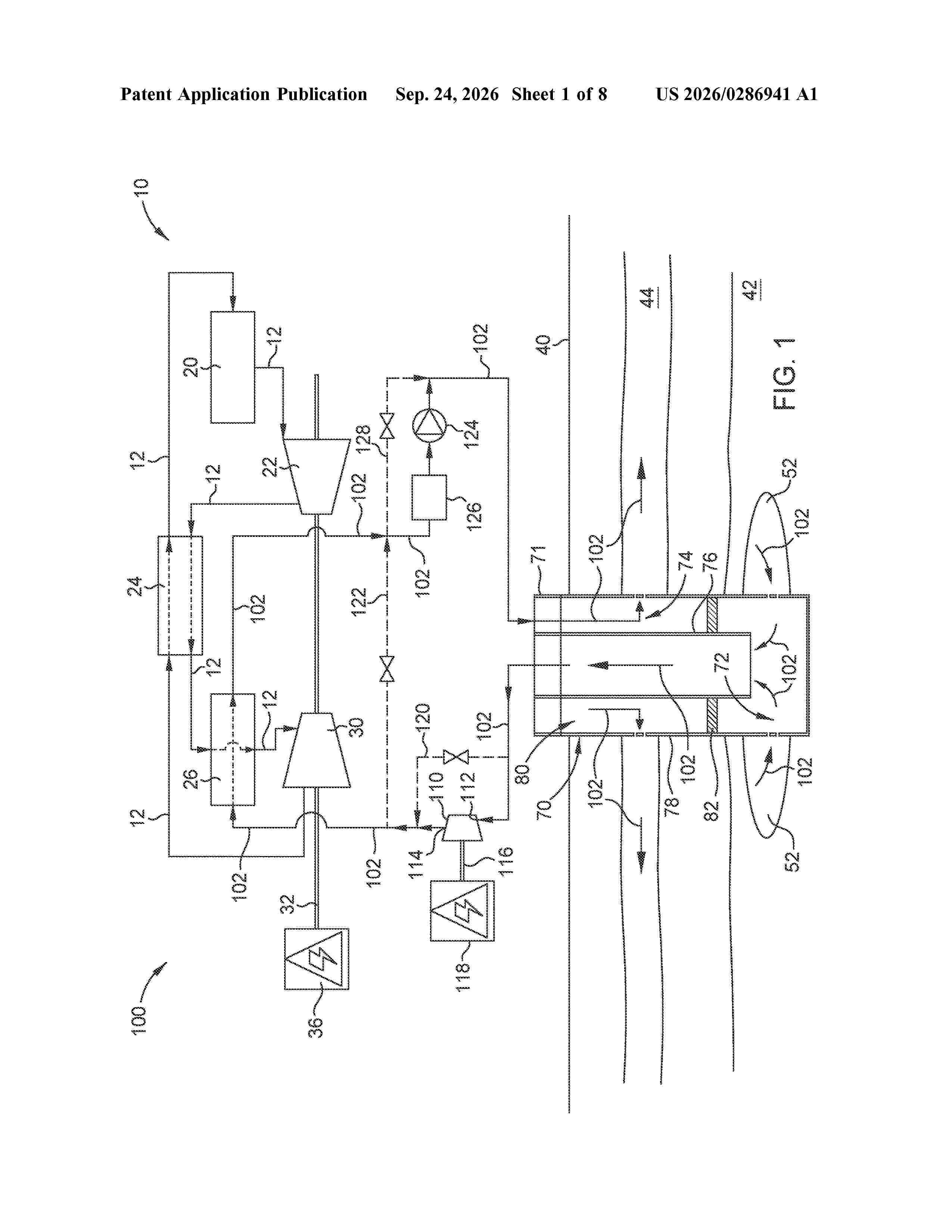
Resumen de: US20260286941A1
A first fluid is produced from a first subterranean formation, and the fluid is used to generate electricity and/or heat a second fluid. The first fluid is injected into a second subterranean formation that is different from the first subterranean formation. The first fluid is transferred from the second subterranean formation to the first subterranean formation. In some implementations, the first fluid is produced from the first subterranean formation at a first zone of a well, and is injected into the second subterranean formation at a second zone of the well. In some implementations, the generation of electricity using the first fluid is performed with an electrical submersible generator installed in the well. In some implementations, the transfer of the first fluid from the second subterranean formation to the first subterranean formation is performed using the electrical submersible generator as a pump.
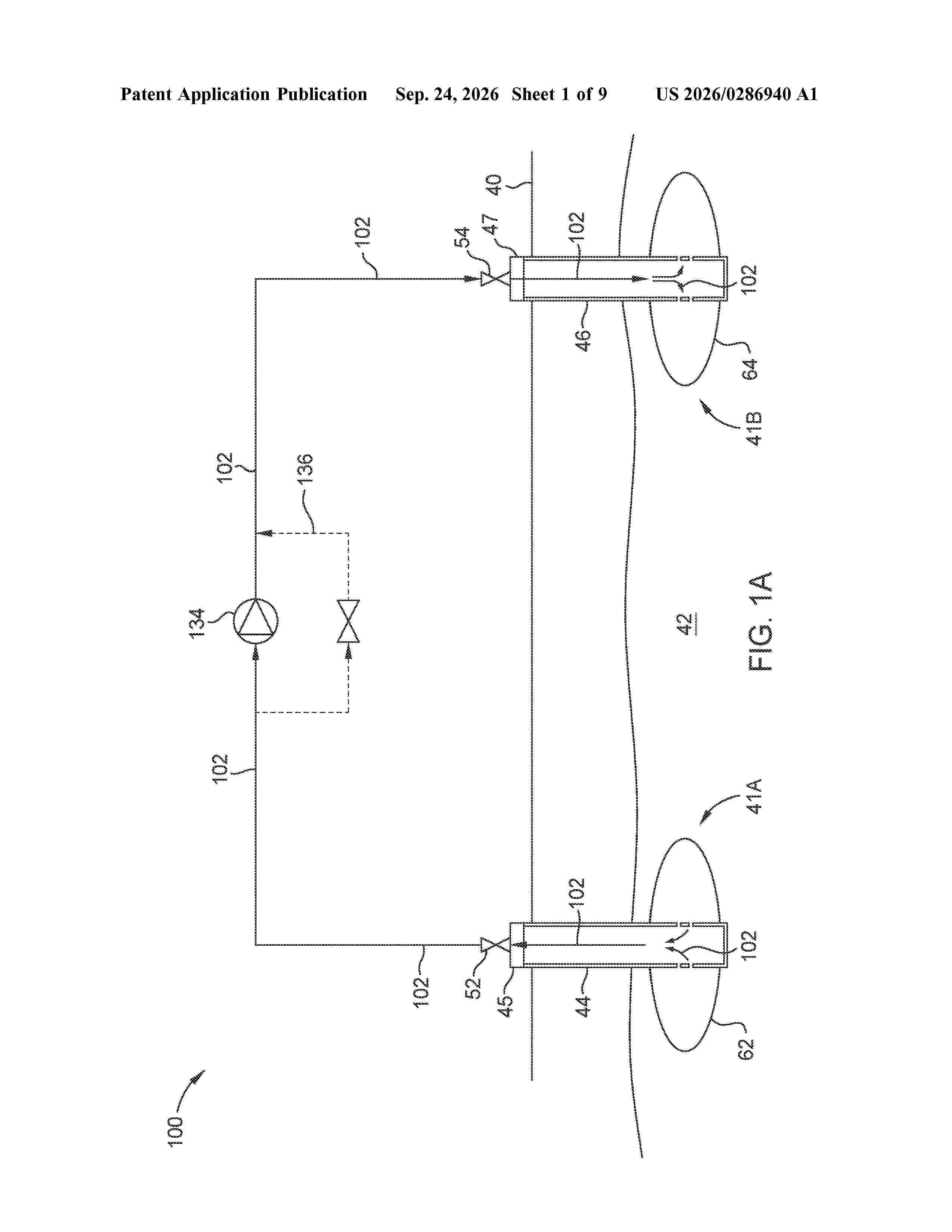
Resumen de: US20260286940A1
A geothermal power system includes a pressure exchanger fluidically coupled to a heat exchanger. A first fluid enters the pressure exchanger at a first inlet, and flows in a first fluid path to a first outlet. The first fluid flows from the first outlet to the heat exchanger. The first fluid heats a second fluid at the heat exchanger. The first fluid flows from the heat exchanger to a second inlet of the pressure exchanger. The first fluid enters the pressure exchanger at the second inlet, and flows in a second fluid path to a second outlet. A pressure of the first fluid reduces as the first fluid transits through the pressure exchanger along the first fluid path. A pressure of the first fluid increases as the first fluid transits through the pressure exchanger along the second fluid path.
Resumen de: US20260286819A1
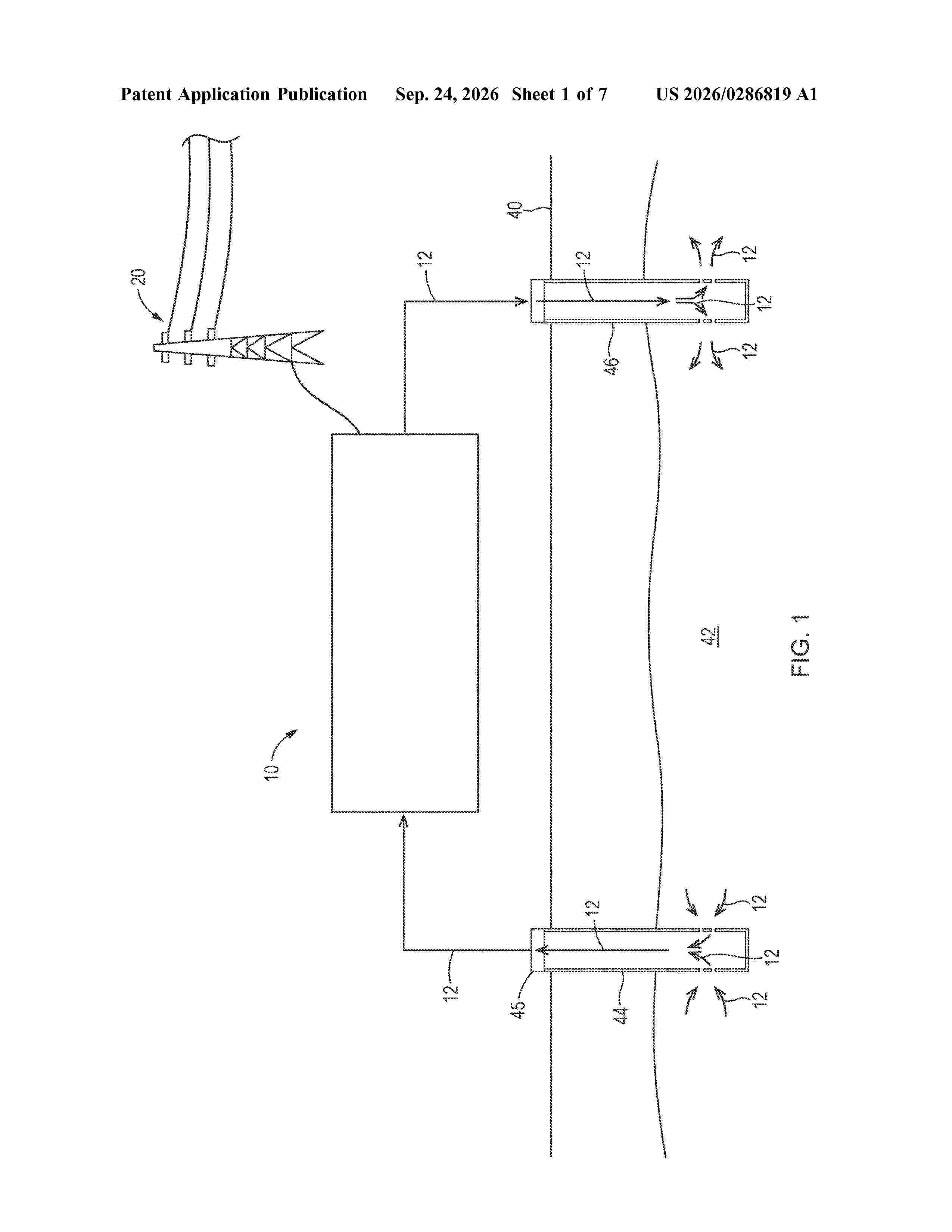
A well is completed in a subterranean formation with first and second fractures. Geothermal fluid flows into the well via the first fracture while flow into the well via the second fracture is prevented. Geothermal fluid flows into the well via the second fracture while flow into the well via the first fracture Is prevented. Fluidic access in the well to the first and second fractures is closed off. Then the well is recompleted on the subterranean formation by creating third and fourth fractures in the subterranean formation. The first, second, third, and fourth fractures are discrete from each other. Geothermal fluid flows into the well via the third fracture while flow into the well via the first, second, and fourth fractures is prevented. Geothermal fluid flows into the well via the fourth fracture while flow Into the well via the first, second, and third fractures is prevented.
Resumen de: US20260287212A1
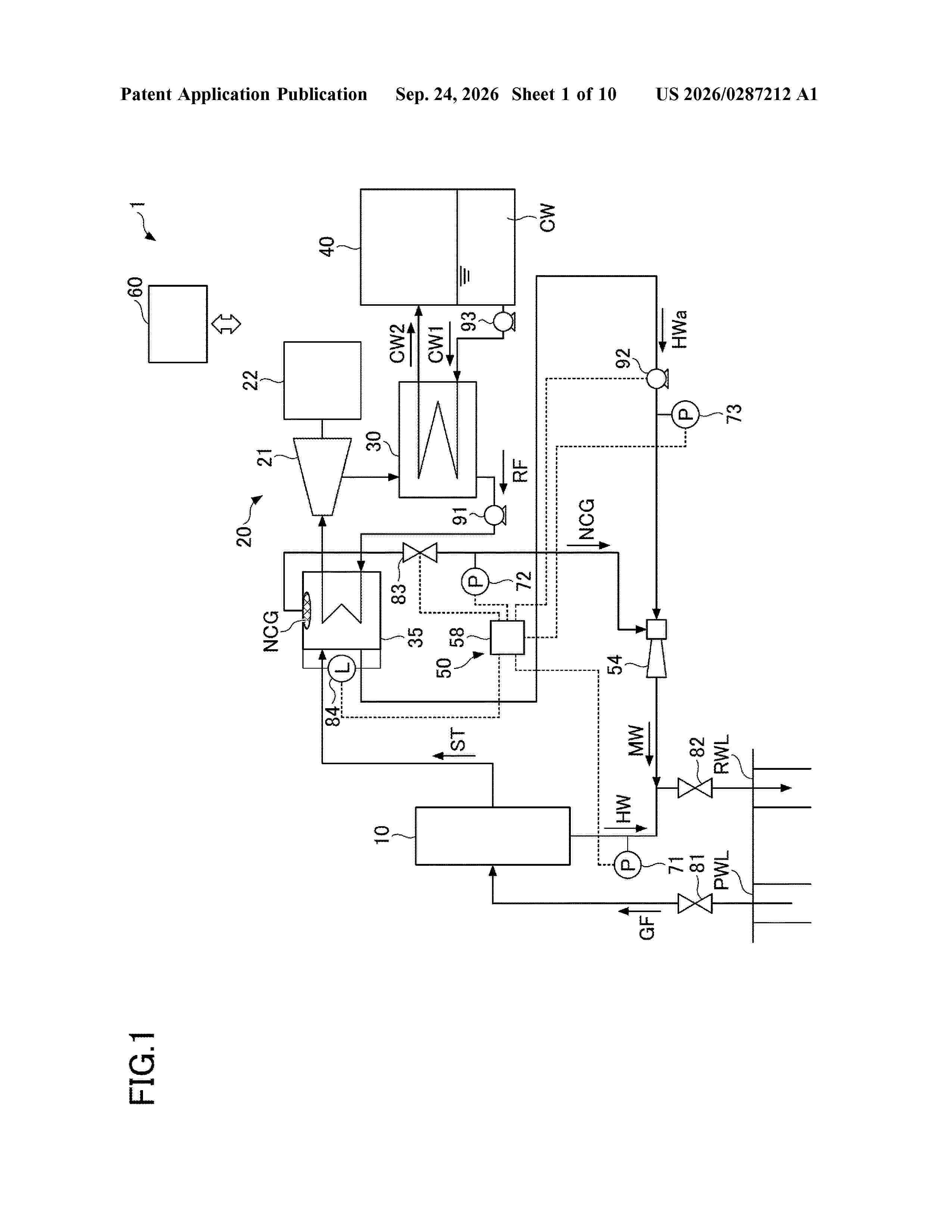
A non-condensable gas reinjection system is provided for use in a geothermal power plant including a gas-liquid separator configured to separate geothermal fluid obtained from a production well into a first gas and a first liquid, an evaporator configured to exchange heat between the first gas and a working fluid, a turbine configured to be rotated by the working fluid discharged from the evaporator, and a condenser configured to cool the working fluid that has rotated the turbine and to condense the working fluid into a liquid. The non-condensable gas reinjection system includes: a pump configured to pressurize a third liquid to be sent to a reinjection well; and an ejector configured to be driven by the third liquid, suction a non-condensable gas contained in the first gas and remaining uncondensed in the evaporator, and discharge a fourth liquid in which the third liquid and the non-condensable gas are mixed.
Resumen de: CN122792720A
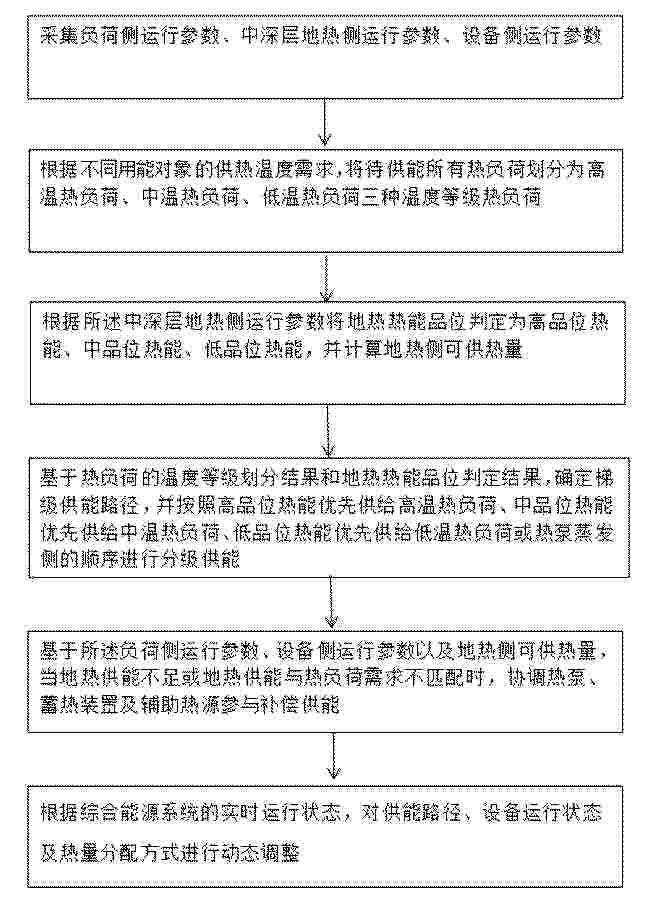
本发明公开了基于中深层地热梯级利用的综合能源系统分级供能方法,属于综合能源系统协同供能与地热能利用技术领域。该方法包括采集中深层地热侧、负荷侧及设备侧运行参数;根据不同用能对象的供热温度需求对热负荷进行温度等级划分;根据深层地热侧运行参数对地热热能品位进行判定;按照高品位热能优先供给高温热负荷、中品位热能供给中温热负荷、低品位热能供给低温热负荷或热泵蒸发侧的顺序确定梯级供能路径;当地热供能不足或与热负荷需求不匹配时,协调热泵、蓄热装置及辅助热源参与补偿供能;实时对供能路径和热量分配方式进行动态调整。本发明能实现中深层地热热能的分级分配与梯级利用,提高地热资源综合利用效率,降低辅助热源能耗。
Resumen de: CN122792089A
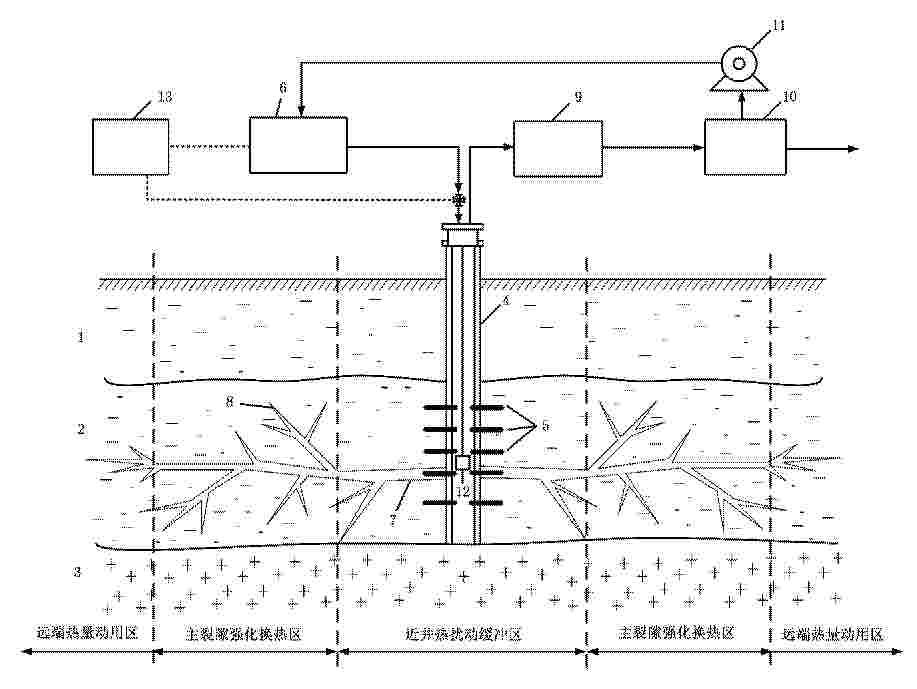
本发明公开了一种相变蓄热支撑剂协同CO2热压振荡的井下采热方法及系统,涉及井下余热回收技术领域,步骤如下:将目标井段划分为近井热冲击缓冲区、主裂隙强化换热区和远端热量动用区;按区域配置不同相变温度的相变蓄热支撑剂;利用CO2携带支撑剂分级注入目标井段裂隙,形成分布式蓄热导流网络;利用该网络调控CO2热压振荡和换热,达到预设导流能力后,CO2作为换热介质回收目标井段余热并输送至地面利用;本发明可将井周裂隙网络转化为可调控的分布式蓄热换热网络,适用于高温油气井余热利用、废弃井再利用和深部井筒热能回收等场景。
Resumen de: CN122792796A
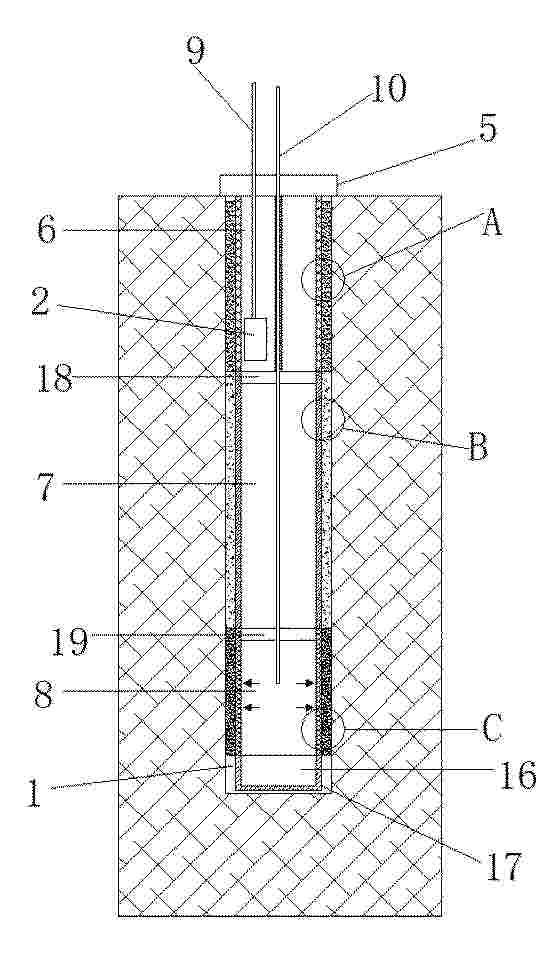
本发明公开一种深井同井回灌换热系统及其运行方法,涉及地下水源热泵机组与地埋管换热技术领域,其中,所述井体深度为200m,所述井体采用339mm的石油套管构建井体框架;所述井体沿深度方向自上而下依次分为上部抽水段、中部封隔段和下部排水段;所述连接管路包括出水管路和回水管路;所述潜水泵设置在上部抽水段内,所述潜水泵的输出端通过出水管路与水源热泵机组相连接;所述水源热泵机组的出水口通过回水管路连接至所述井体的下部排水段;采用“上部抽水、下部回灌”结构,天然利用了重力与密度差,低温回灌水自然向下渗透,与上部抽水段方向一致,配合双封闭器实现三重隔离,彻底解决了传统结构冷热混合的问题。
Resumen de: CN122792795A
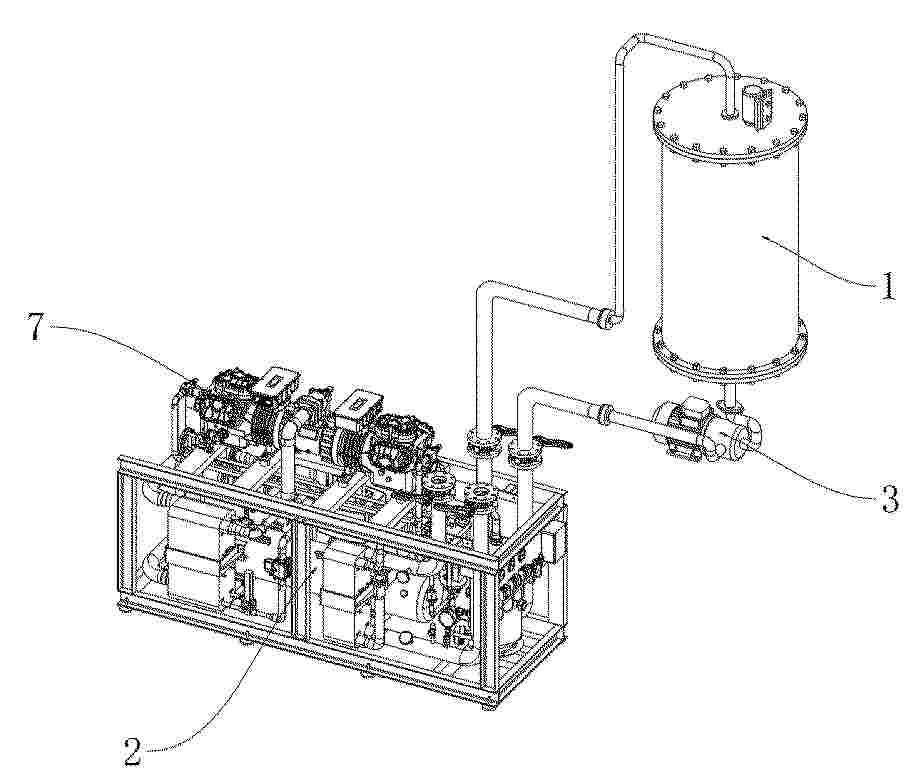
本发明涉及地热热泵技术领域,公开了一种高适配的中深层地热热泵系统,包括蓄水箱箱体、循环泵和输送管道,循环泵的出液端与室外地能换热系统的进液端连通,输送管道的进液端与室外地能换热系统的出液端连通,蓄水箱箱体的内部转动安装有换热机构,换热机构包括螺旋管,螺旋管的两端均一体成型有直管,其中一个直管的一端与输送管道转动连接,本发明通过矩形块内侧的环形凸条刮除螺旋管外壁上的水垢,在不停机的情况下自动刮除螺旋管管壁表面的水垢,清除水垢之后,吸收了地热的换热液体通过螺旋管将热量传递到蓄水箱箱体内的水分中,能够避免因水垢导致的换热效率降低,大幅度提升了地热的利用效率。
Resumen de: CN122774743A
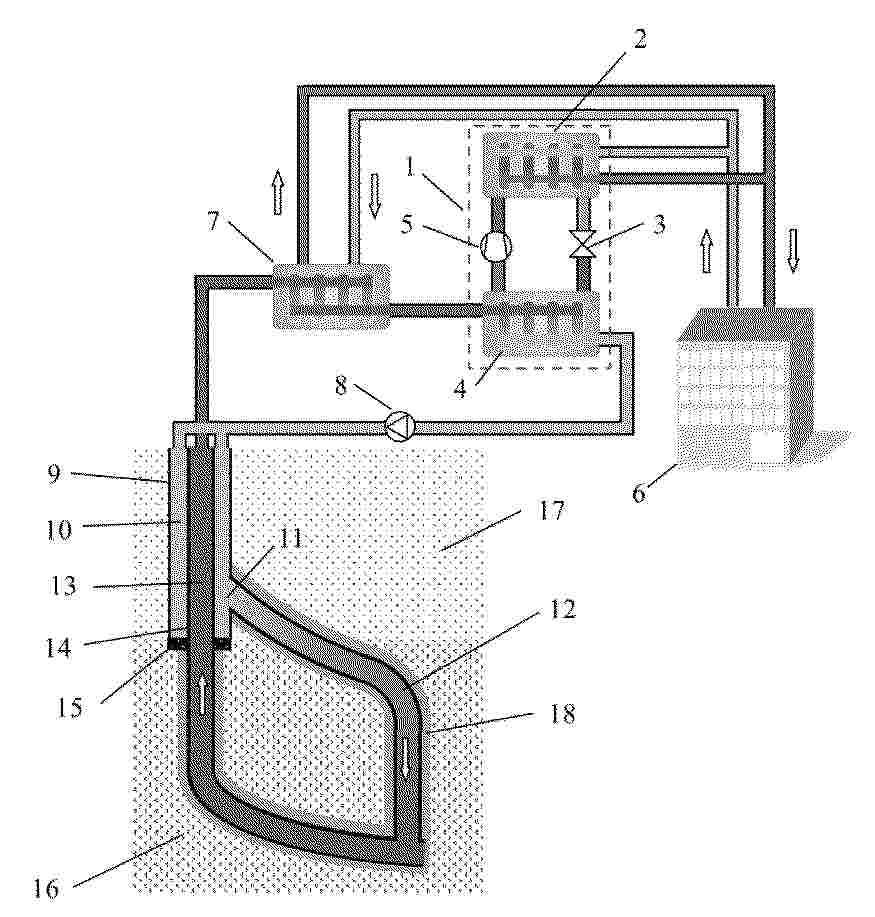
本发明公开了一种地热增强传热的中深层闭式取热井、施工方法及取热系统,地热增强传热的中深层闭式取热井包括:主井同轴套管,设置在低温地层段;所述主井同轴套管包括同轴设置的内筒和外筒;在所述外筒的中下部设置有一个开口;换热管,所述换热管由依次连接的第一倾斜段、第一竖向段、第二倾斜段和第二竖向段构成,所述第一竖向段、第二倾斜段和第二竖向段的整体及第一倾斜段的部分位于深部砂岩热储层;所述第一倾斜段入口连接在所述外筒的开口处,所述第二竖向段出口与所述内筒连接。本发明中深层闭式取热井,解决纯同轴套管井换热路径单一和水平换热面积利用不足的问题,在提高深部热储换热面积利用率的同时,提升了复合井眼成形可靠性。
Resumen de: CN122774698A
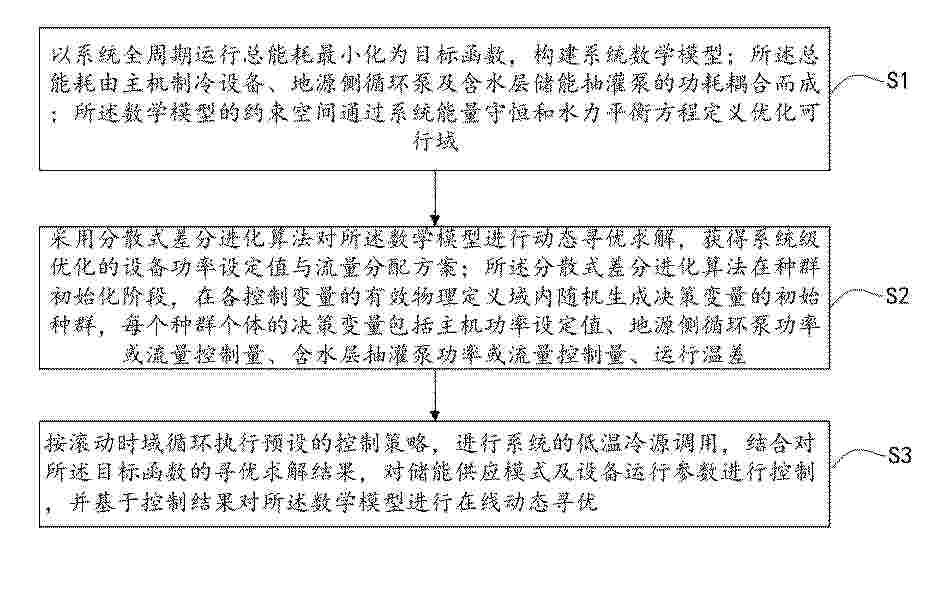
本发明涉及一种地热与含水层储能耦合系统的运行优化方法,包括:以系统全周期运行总能耗最小化为目标函数,构建系统数学模型;数学模型的约束空间通过系统能量守恒和水力平衡方程定义优化可行域;采用分散式差分进化算法对数学模型进行动态寻优求解,获得系统级优化的设备功率设定值与流量分配方案;按滚动时域循环执行预设的控制策略,进行系统的低温冷源调用,结合对目标函数的寻优求解结果,对储能供应模式及设备运行参数进行控制,并基于控制结果对数学模型进行在线动态寻优。本发明通过将复杂的全域优化问题解耦为基于子系统的局部优化与全局协同,解决了传统集中式控制存在的调节延迟高、计算负担重以及可扩展性差的问题。
Nº publicación: CN122774150A 18/09/2026
Solicitante:
武汉大学四川公路桥梁建设集团有限公司
Resumen de: CN122774150A
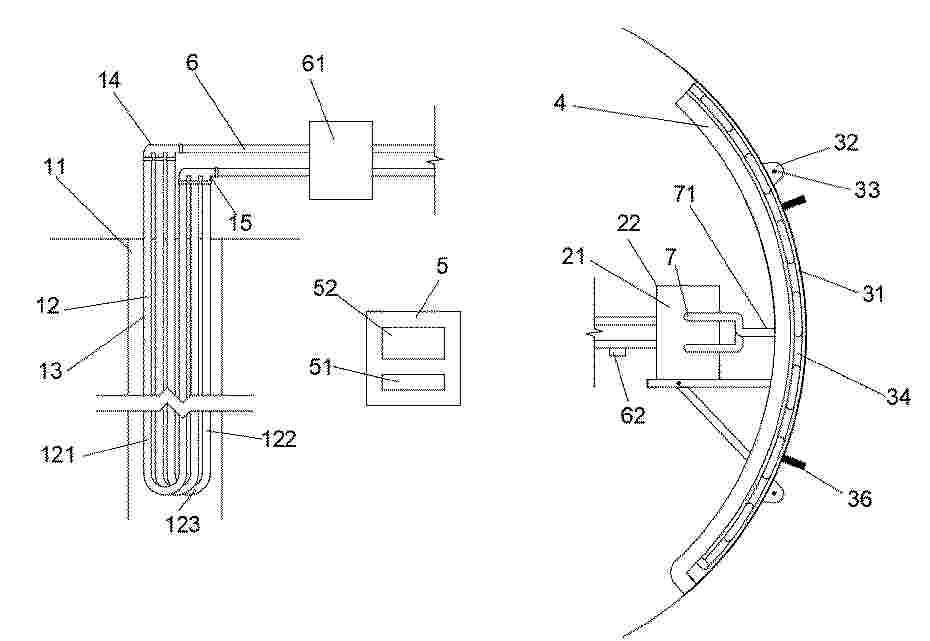
本发明公开适用于隧道防寒抗冻的地热导热系统及控制方法,导热系统,包括:热采集单元、换热单元、散热单元和控制单元,热采集单元包括热采集管群、循环泵、循环管道和温度传感器,换热单元包括换热器和保温层,散热单元包括散热片组件和隔热单元,控制单元包括数据处理模块和PLC控制器,所述数据处理模块与温度传感器电连接,用于接收温度数据并进行分析;所述PLC控制器分别与所述循环泵和所述换热器电连接,用于控制导热系统运行参数。本发明利用地热清洁能源,供热精准高效、热量利用率高,散热片维修便捷,适应极端低温环境,能有效防止岩土冻结与管片故障,降低施工及运营成本,适用于各类隧道防寒抗冻。
 BOPI
BOPI
 Sede Electrónica