Si deseas distinguir tus productos, servicios o ambos de los de otra empresa, es posible que necesites una marca o nombre comercial. Descubre qué son, en qué consiste su procedimiento de registro y qué implica.

Información sobre los plazos de presentación de solicitudes de transformación de marcas de la Unión Europea en marca nacional española. Más información


Si tienes un nuevo dispositivo, producto o procedimiento que resuelva un problema técnico o tenga una ventaja práctica, existen distintas formas de protegerlo en España y en otros países. Descubre cómo hacerlo.

¿Tu innovación reside en la estética, la ornamentación o la apariencia de tu producto? Protégela mediante un diseño industrial. Descubre qué derechos confiere el registro y cómo realizar la tramitación.

Las indicaciones geográficas protegen el nombre de un producto originario de una zona geográfica, a la cual le debe una determinada calidad, reputación u otra característica. Descubre qué son, en qué consiste su procedimiento de registro y qué beneficios conceden.

Las patentes publicadas en todo el mundo son una valiosa fuente de información científica, técnica y comercial.

Si eres emprendedor/a o una empresa y quieres potenciar y mejorar la rentabilidad de tu negocio protegiendo de forma adecuada los activos intangibles de tu organización, en este espacio encontrarás lo necesario.


 61
resultados
61
resultados
 Última actualización
14/09/2026 [08:20:00]
Última actualización
14/09/2026 [08:20:00]


 Resultados 25 a 50 de 61

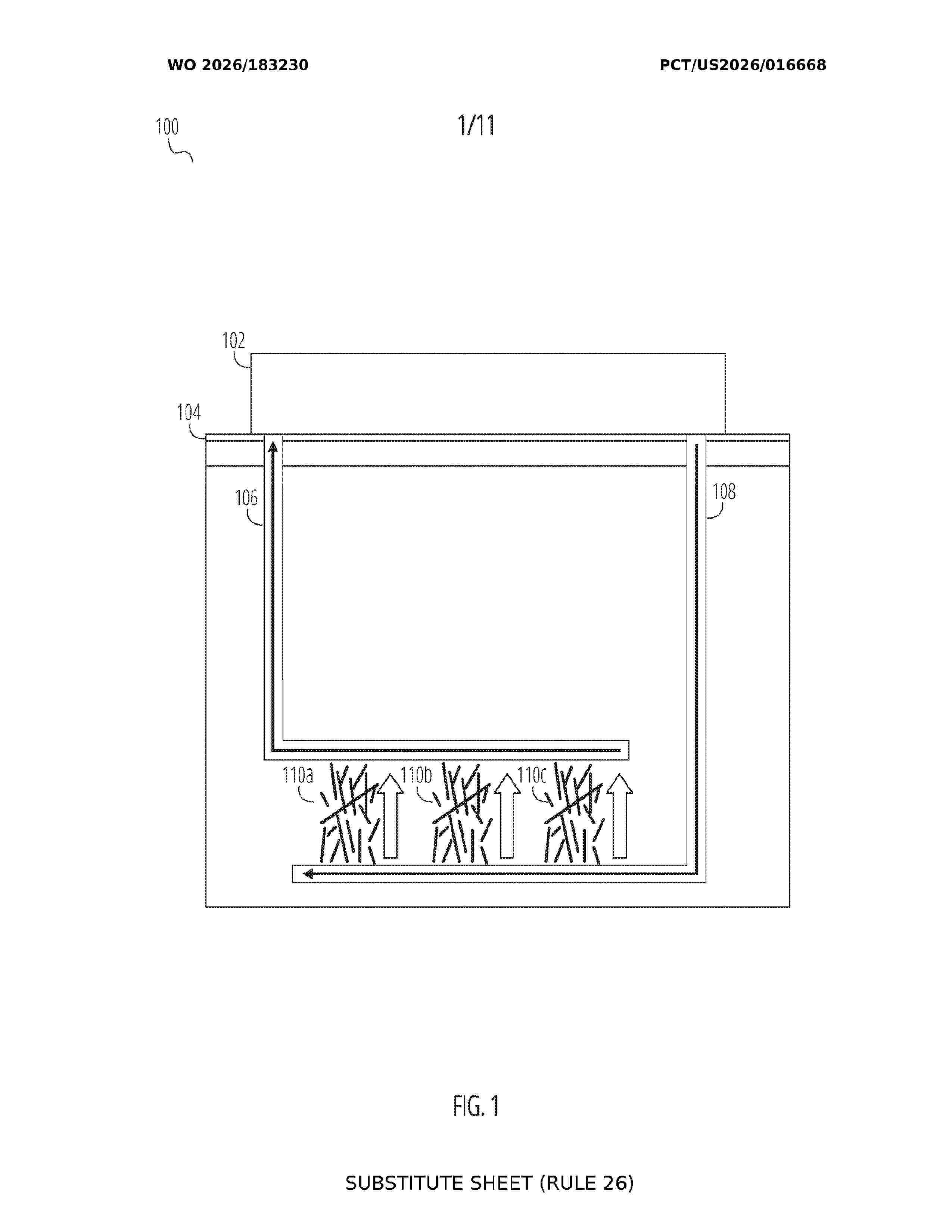
Resumen de: WO2026183230A1
The present disclosure relates to systems and methods for extracting geothermal energy from a subsurface rock volume. An orientation of a dominant pre-existing natural fracture fabric within the rock volume is determined, and a stimulation treatment is performed to create a stimulated fracture network whose dominant hydraulic conductivity orientation is substantially aligned with the pre-existing natural fracture fabric rather than with the maximum horizontal stress orientation.

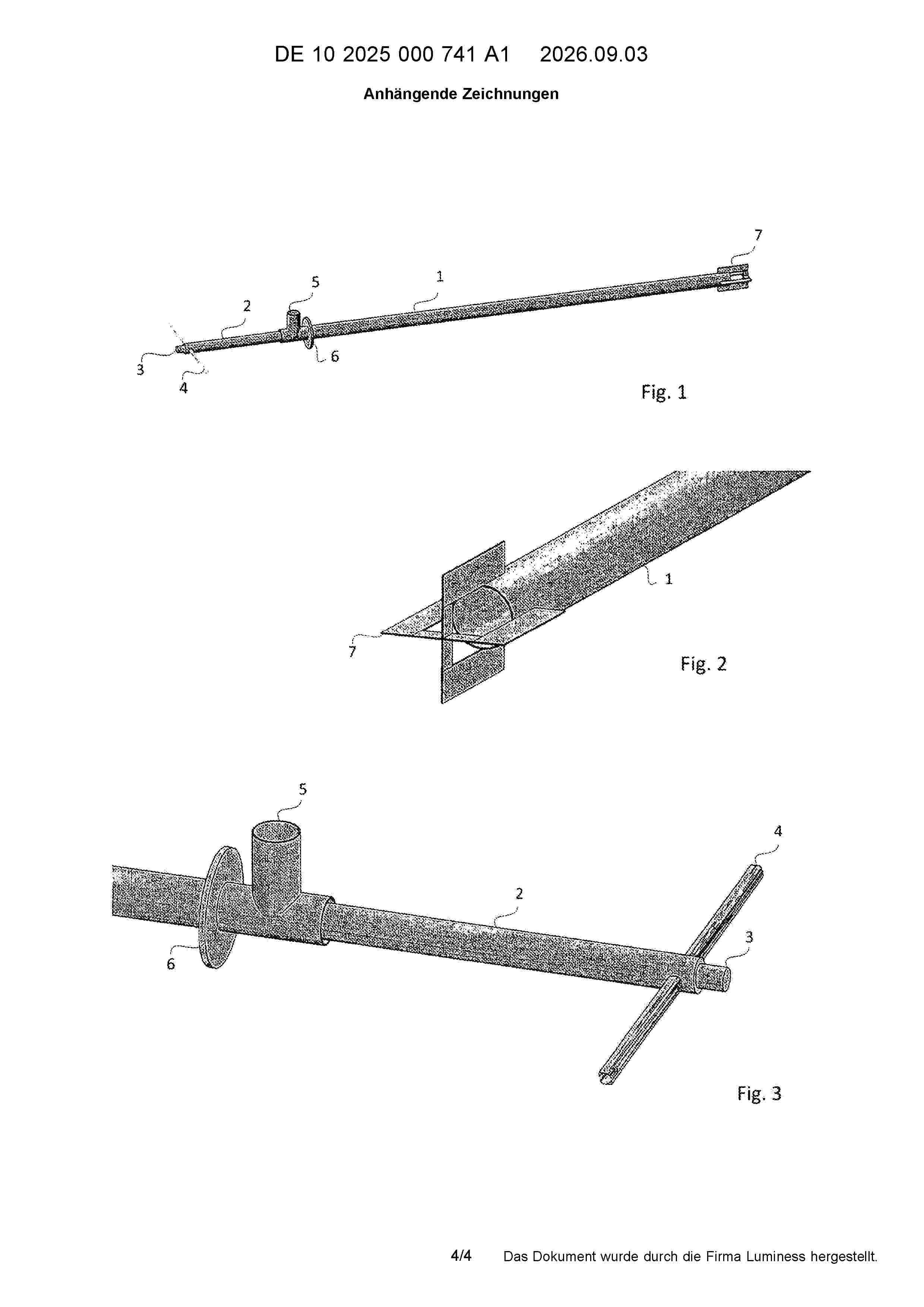
Resumen de: DE102025000741A1
Erdwärmenutzung für die den Betrieb von Wärmepumpen erfolgt bisher durch horizontale Erdkollektoren in einer Tiefe von bis zu 3 Metern oder vertikalen Bohrsonden mit einer Tiefe von bis zu 150 Metern. Der große Flächenbedarf, erforderliche Genehmigungen und die hohen Installationskosten verhindern den Einsatz von Erdwärmepumpen für die Beheizung und Klimatisierung von Gebäuden.Vertikal oder schräg eingebaute Bodenhülsen ermöglichen die genehmigungsfreie Erdwärmenutzung bei minimalem Flächenbedarf. Die bis zu 10 Meter langen Bodenhülsen werden in einem schmalen Graben eingebaut und machen die schnelle und sichere Montage von, speziell für die Hülsenmontage entwickelten Kunststoffwärmetauschern möglich. Der Bodenhülsen-Erdkollektor kombiniert die Vorteile von horizontalen und vertikalen Erdkollektoren und ermöglicht die minimalinvasive Erschließung der Erdwärme in einem Tiefenbereich von 1 bis 11 Metern.Vorhandene Bohr- und Rammtechnik eignet sich nicht für die eine effiziente Montage der langen Bodenhülsen. Das hier vorgestellte Werkzeug für den Einbau von langen Bodenhülsen verkürzt die Montagezeit der Bodenhülsen und erhöht die Wirtschaftlichkeit von Bodenhülsen-Erdkollektoren durch geringe Montagekosten.Das Werkzeug für den Einbau von langen Bodenhülsen ist eine Metallkonstruktion. Die Bodenhülsen sind Metall- oder Kunststoffrohre mit einer Länge von 2 Metern bis zu einer Länge von 12 Metern. Die Innendurchmesser der Bodenhülsen betragen
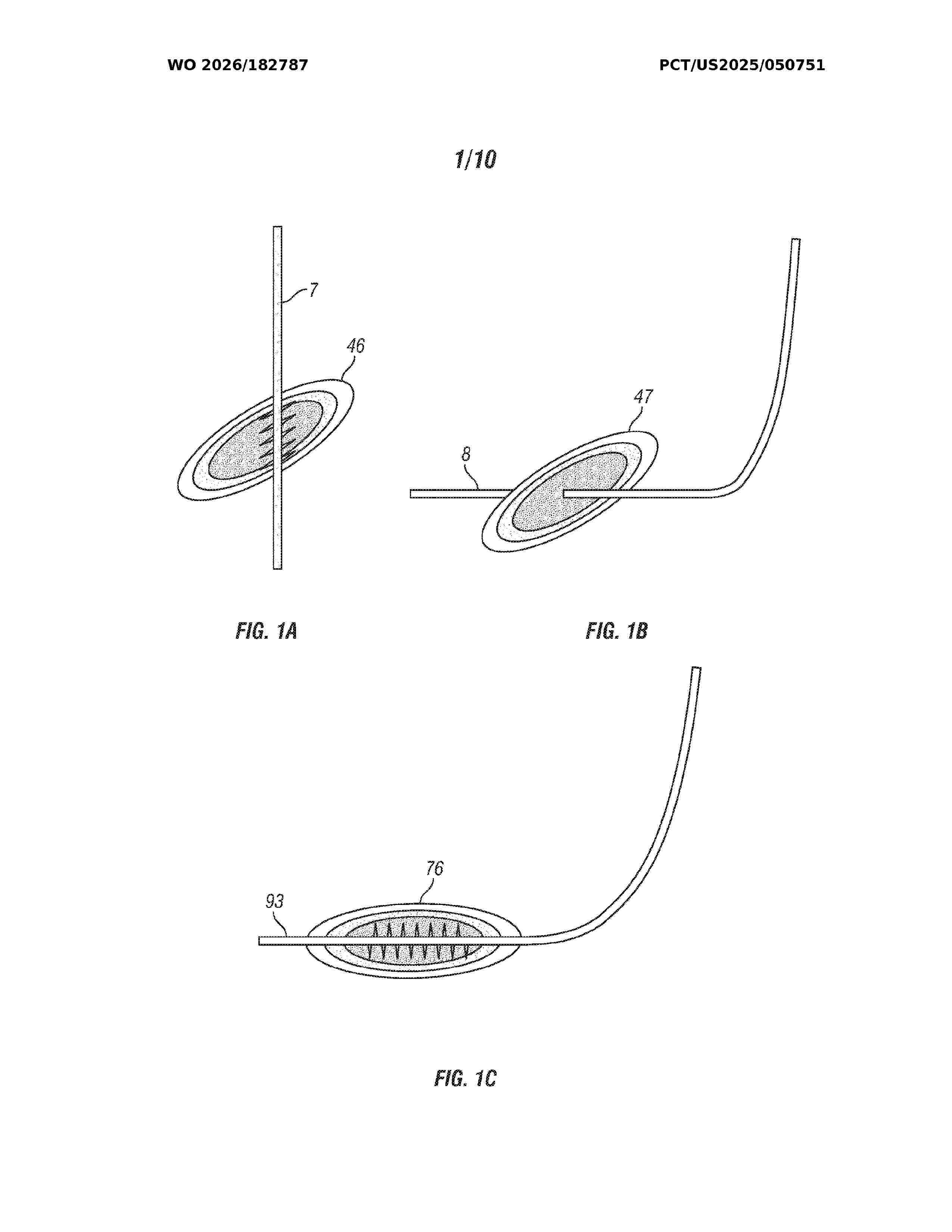
Resumen de: WO2026182787A1
A system and method for collecting and transferring heat energy from a downhole formation to a surface, wherein the system and method comprise one to a plurality of primary wellbores drilled in the underground formation from which one to a plurality of substantially longitudinal hydraulic fractures are created in the formation. These hydraulic fractures are intersected by one or more secondary wellbores. The system and method to utilize this system are defined by introducing energy-collecting/absorbing fluid, into at least one of the primary wellbores, circulating the energy collecting and absorbing fluid within the substantially longitudinally created hydraulic fractures and taking returns from at least one of the secondary wellbores, or vice versa. Tracers or sensors may be used to monitor and characterize the heat extraction system's performance. Additionally, the intervention discloses control of the heat extraction system performance by managing the injection rate and production rates from each of the wells in the system.
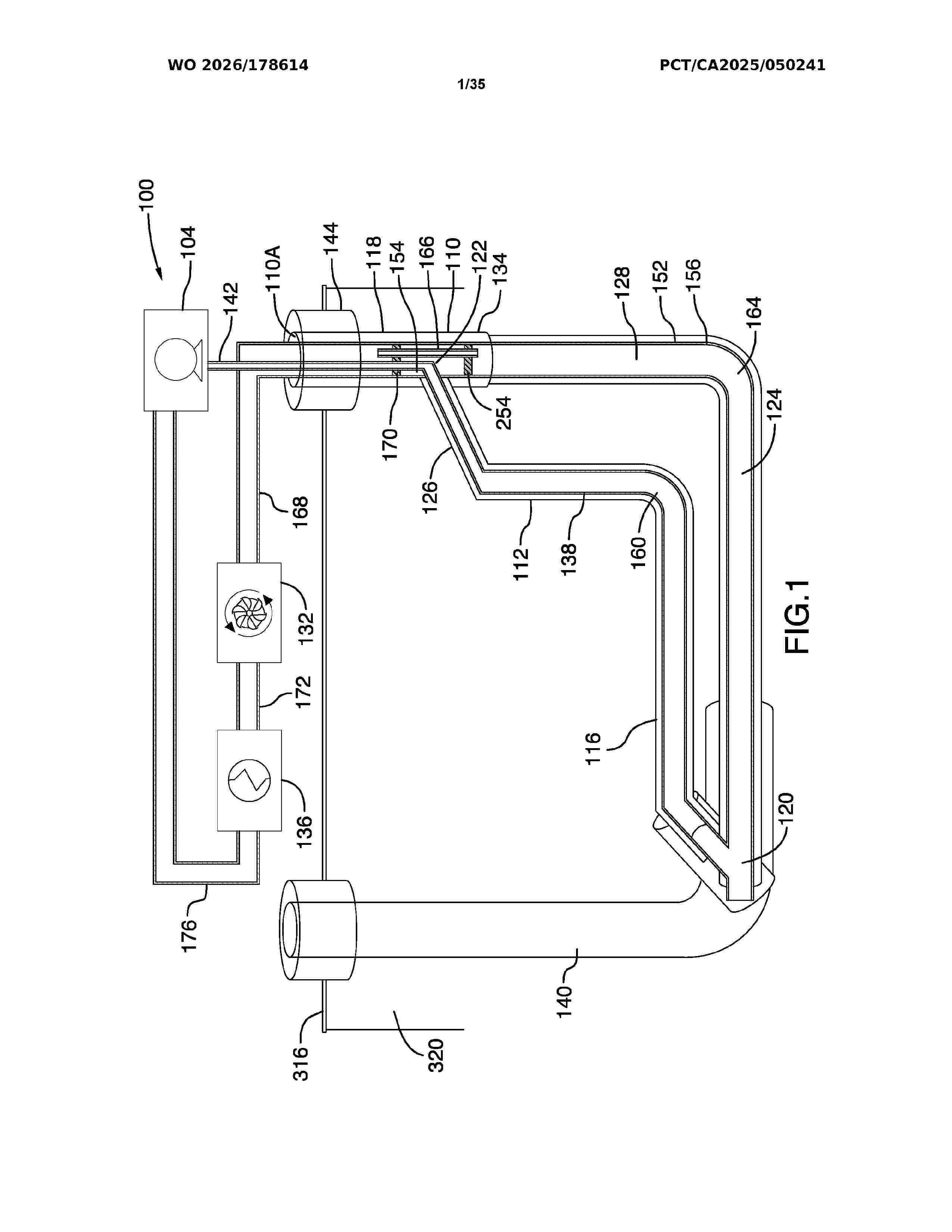
Resumen de: WO2026178614A1
The present disclosure describes a system and a method for generating energy from geothermal sources. The system includes an insulated injection pipe and a common well segment, an injection well and a production well, a first lateral section connected to the injection well and a second lateral section connected to the production well, a multilateral connector joining the first and second lateral sections, the insulated injection pipe coinciding with the common well segment, defining a pressure-tested loop fluidly isolated from the rock formation and in a heat transfer arrangement therewith. The loop cased in steel. The system also includes at least one sublateral branch extending from at least one of the first or the second lateral section into the rock formation. The loop to receive working fluid capable of undergoing phase change within the loop as a result of heat transferred from the rock formation and the sublateral branch.
Resumen de: US20260258792A1
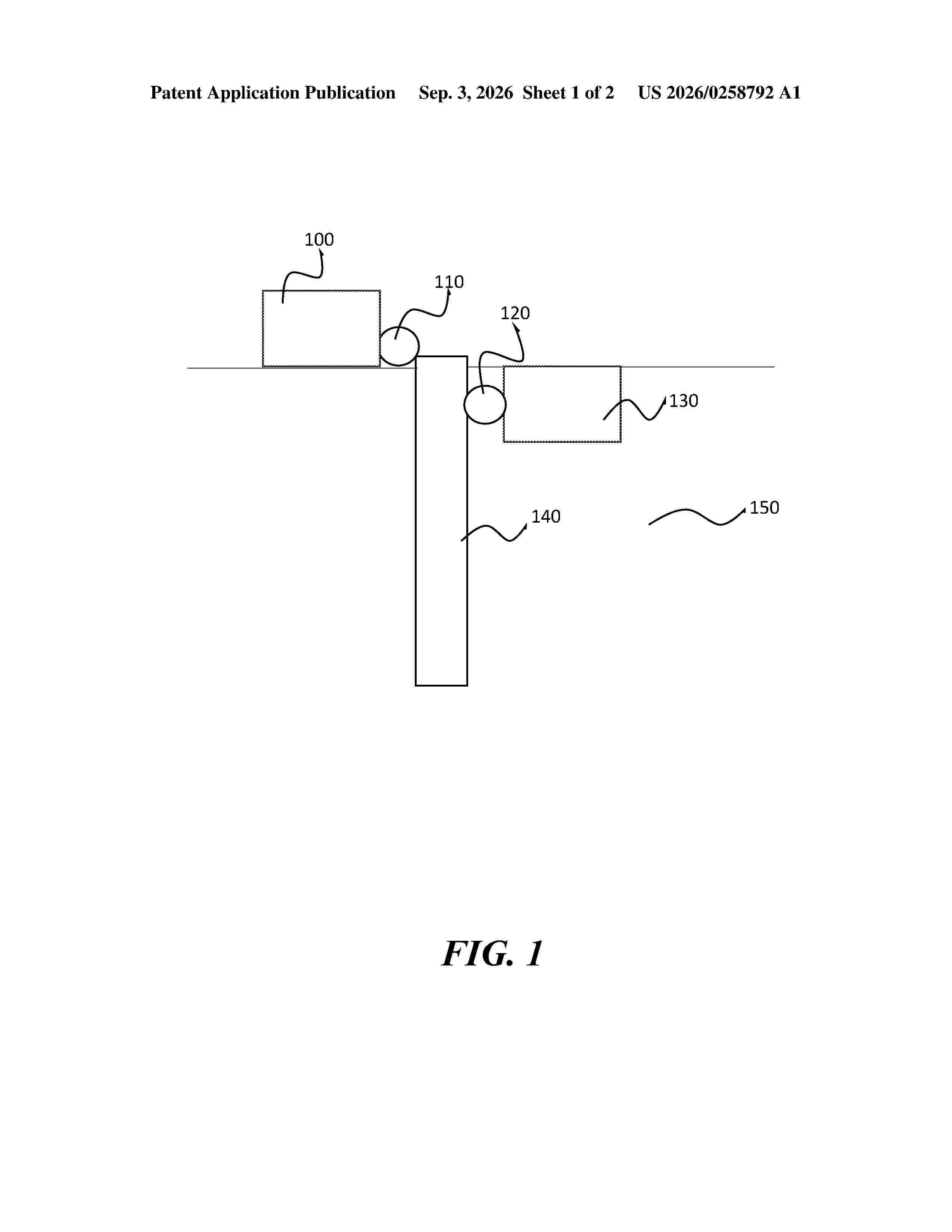
0000 Systems and methods are presented for enhancing energy production and storage by integrating solar energy with geothermal processes. In certain embodiments, a hybrid geothermal/solar system increases energy yield from a closed loop geothermal system, stores heat in a wellbore, enhances power generation from geothermal brine, and/or facilitates carbon dioxide sequestration or conversion to fuel, all preferably utilizing solar energy as a supplemental heat source.
Resumen de: WO2026183275A1
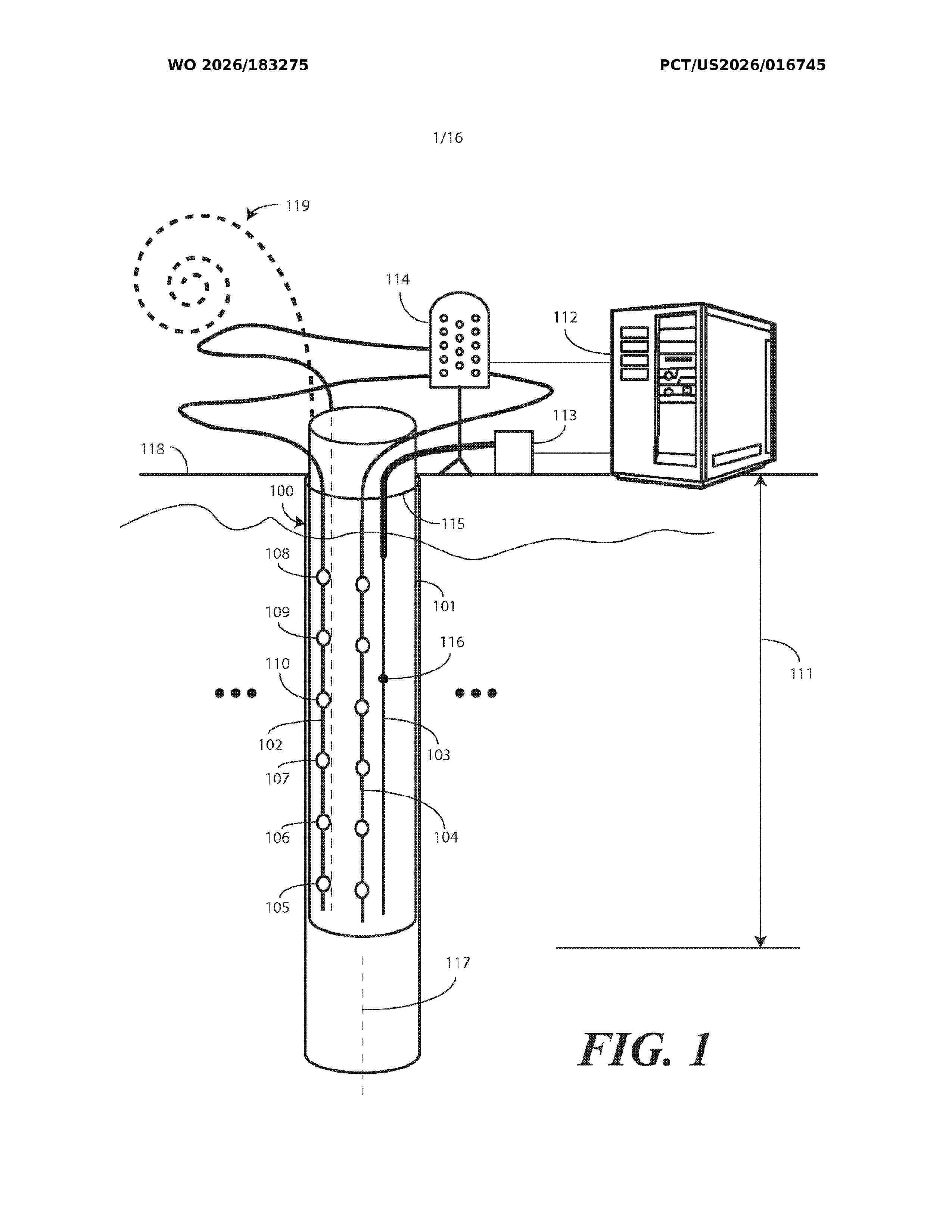
A method, device, and system for quantifying thermal properties of subsurface geologic materials are disclosed, addressing challenges in geothermal energy applications. The method involves deploying an array of temperature sensors (105-110) and heating elements (116) encapsulated within an inflatable sleeve (101) into a borehole (115), activating the heating elements (116) to inject heat into the enveloping formation, and measuring a time series of temperature data for subsequent analysis. The device includes an array of temperature sensors (105-110), at least one heater element (116), a power source (113), and an interrogator (114) configured to measure temperature using data from the sensors (105-110). The system incorporates the inflatable sleeve (115) with fiber optic sensors defining a fiber Bragg grating, heating elements (116), a power source (113), and a computing unit (112) programmed to perform numerical inversion for calculating thermal conductivity and specific heat capacity, thereby optimizing borehole heat exchanger designs for geothermal heat pump systems.
Resumen de: EP4800321A1
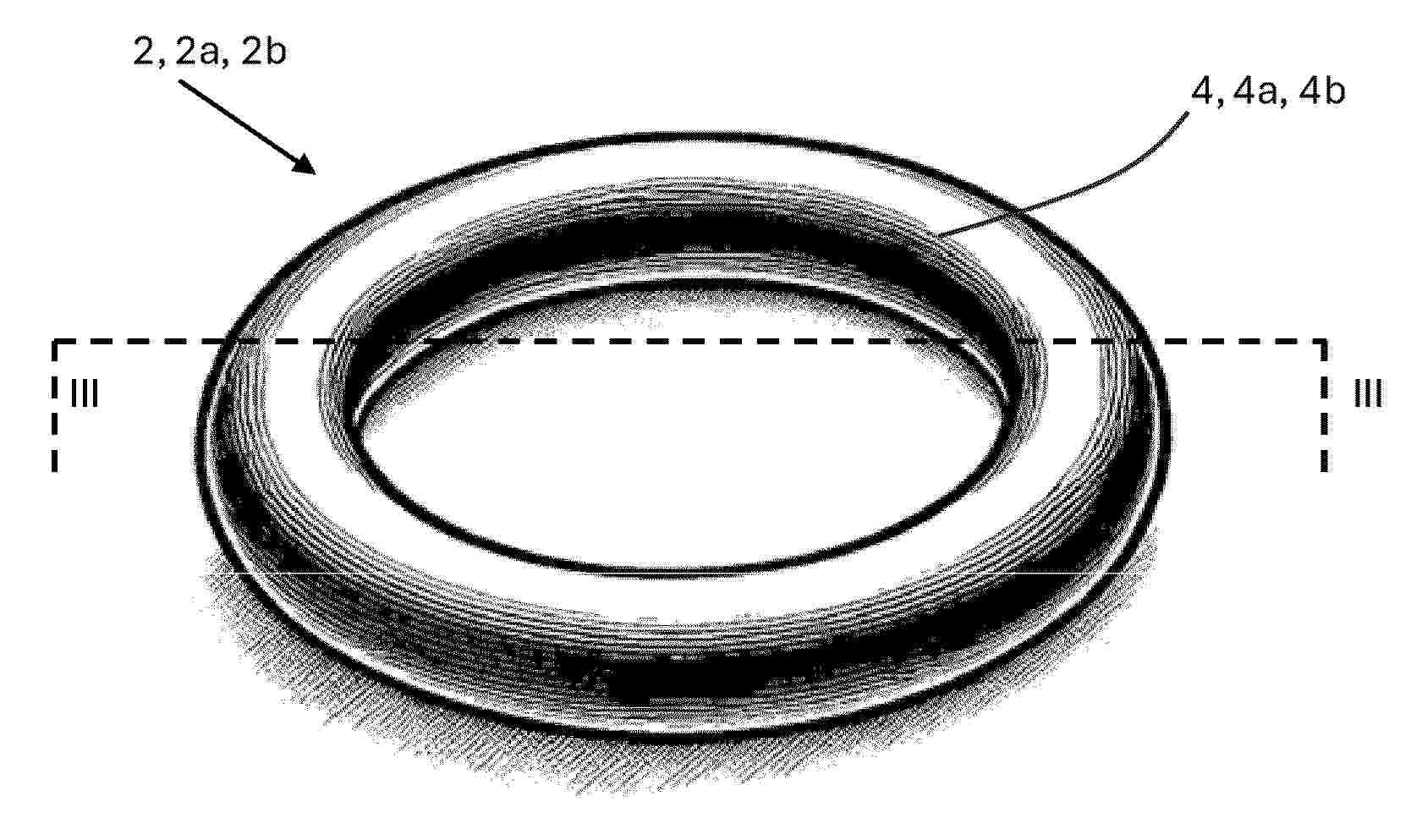
0001 Disclosed herein is a pressure sensitive element (2, 2', 2a, 2b, 2a', 2b') for geothermal applications, comprising: - a shell (4, 4', 4a, 4b, 4a', 4b') enclosing a three-dimensional space, the shell (4, 4', 4a, 4b, 4a', 4b') comprising a wall (6a, 6b, 6a', 6b') having a wall thickness, the wall being made of temperature resistant and elastic material, and - a compressible and/or expandable, pressure-sensitive fluid arranged within the shell (4, 4', 4a, 4b, 4a', 4b'). 0002 The shell (4, 4', 4a, 4b, 4a', 4b') is designed to allow expansion or contraction in a first direction (A) upon external pressure change, as seen on a cross sectional plane cut through the shell (4, 4', 4a, 4b, 4a', 4b'). The cross sectional plane is parallel with the first direction (A) and wherein the first direction (A) is determined by a wall thickness of the shell (4, 4', 4a, 4b, 4a', 4b'), which is chosen to be smaller than the wall thickness of the shell (4, 4', 4a, 4b, 4a', 4b') in other parts, at least along a partial length (L) of the wall (6a, 6b, 6a', 6b') in the cross sectional plane.
Resumen de: EP4800322A1
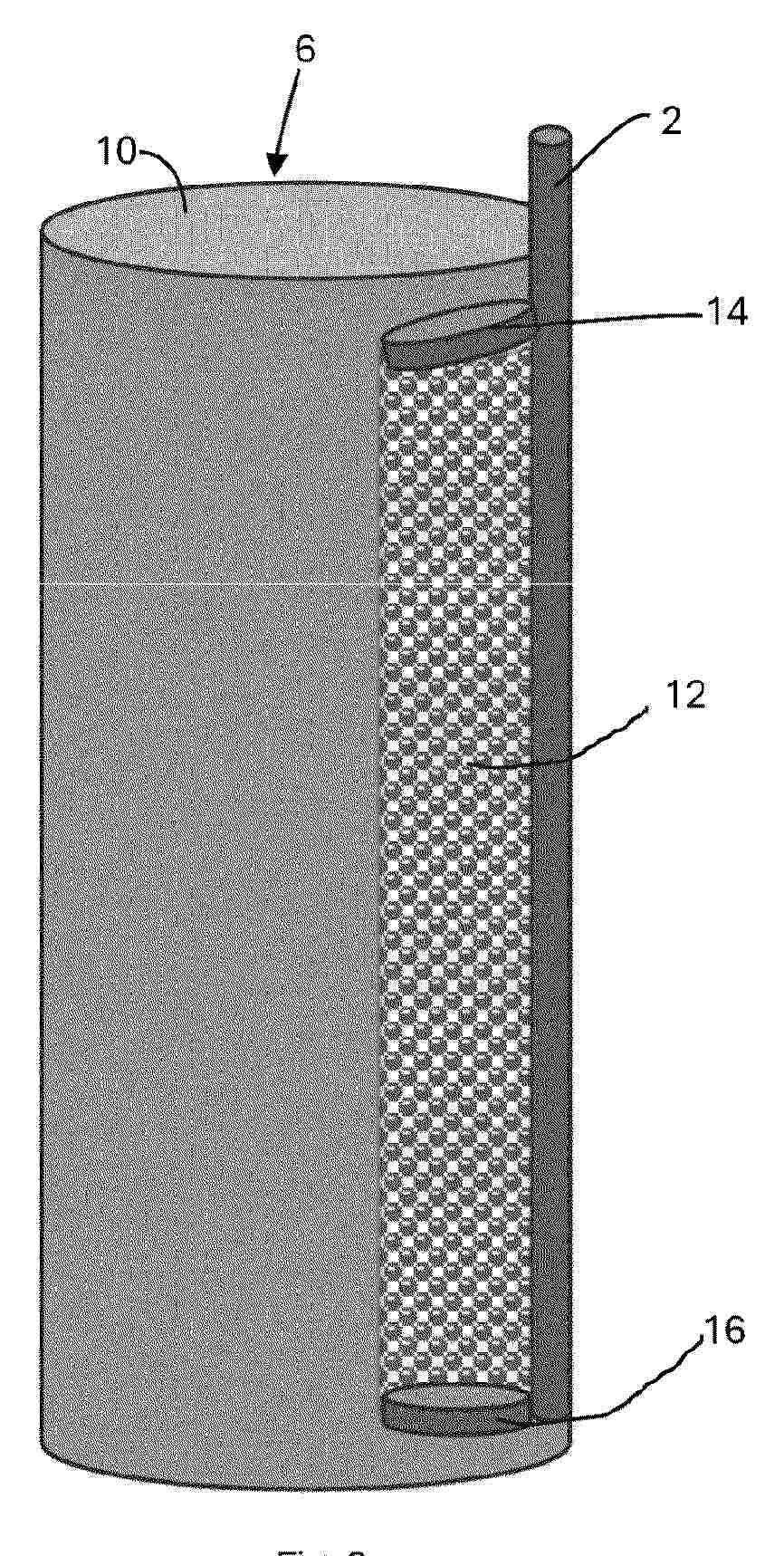
0001 Herein a diffusor (6) designed to be positioned within a borehole (4) for generating steam comprising: - a supply pipe (2) for supplying liquid having a supply capacity, the supply pipe (2) comprising a free end (2') and a plurality of supply pipe openings (18 18') arranged at the free end; - a diffusor element (12) comprising diffusor element openings; - a protection barrel (10) designed to be arranged around the free end (2') and the diffusor element (12); - at least two pressure sensitive elements (20, 20', 20'') is disclosed. 0002 The supply pipe (2) is connected to the diffusor element (12) via the at least two pressure sensitive elements (20, 20', 20''), the supply pipe openings (18, 18') varying in size in that the size of the supply pipe openings (18, 18') are decreasing towards the free end (2'), wherein the supply pipe openings (18, 18') are designed for handling a capacity that is 3 to 6 % above the supply capacity of the supply pipe (2) and wherein the diffusor element openings are distributed over the diffusor element (12), the diffusor element openings being designed for handling a capacity that is 6% to 12% above the supply capacity of the supply pipe (2).
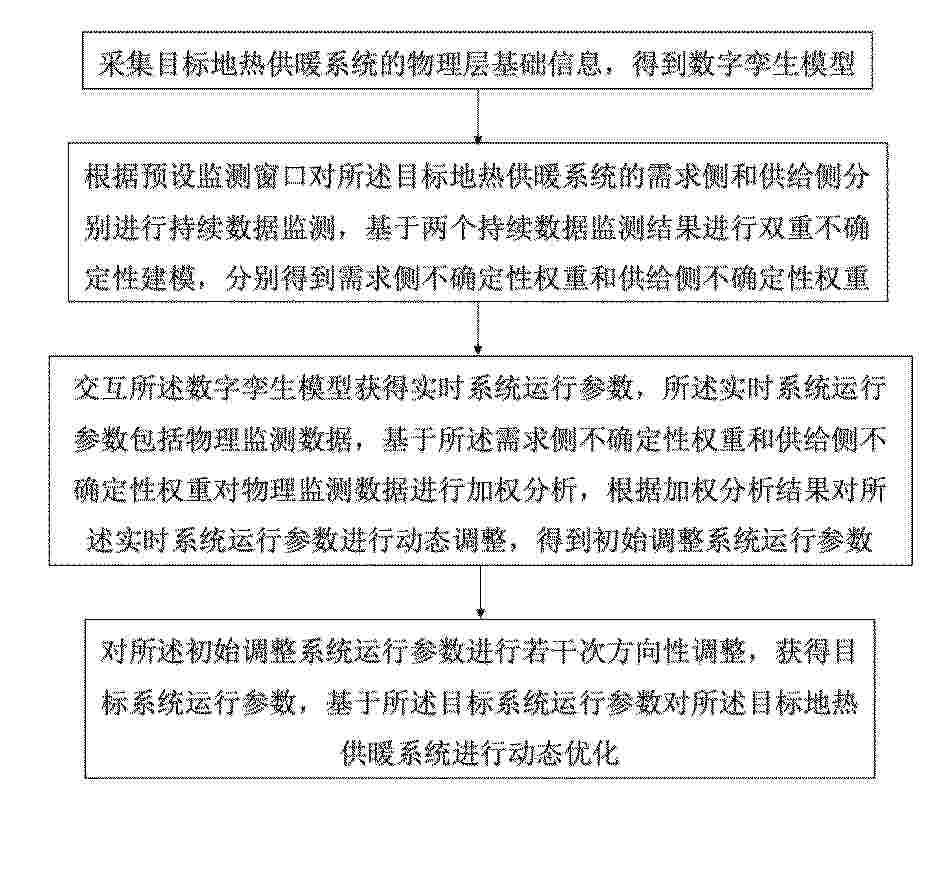
Resumen de: CN122672300A
本发明属于地热供暖技术领域,公开了一种基于数字孪生的地热供暖系统动态优化方法及相关设备;其中,所述方法包括交互数字孪生模型获得实时系统运行参数,实时系统运行参数包括物理监测数据,基于需求侧不确定性权重和供给侧不确定性权重对物理监测数据进行加权分析,根据加权分析结果对实时系统运行参数进行动态调整,得到初始调整系统运行参数,对初始调整系统运行参数进行若干次方向性调整,获得目标系统运行参数,基于目标系统运行参数对目标地热供暖系统进行动态优化;本发明解决了传统地热供暖系统因依赖固定运行策略而导致的能效低下与供暖质量不佳的问题。
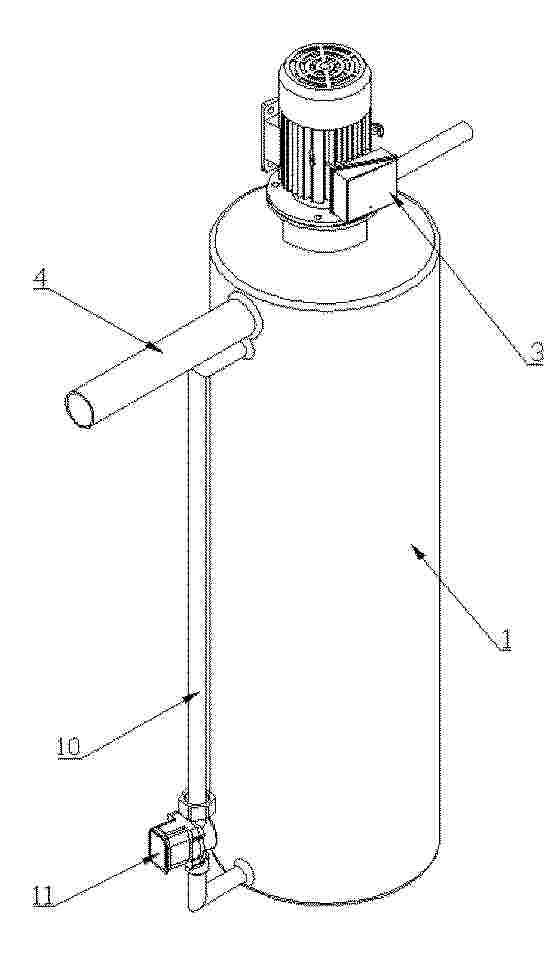
Resumen de: CN122670541A
本申请公开了一种地热回灌装置,属于地热工程技术领域,包括:罐体内设第一分割板以划分罐体内腔为上内腔与第二内腔,上内腔连接输入管,第二内腔内底设若干驱动件,中空通管第一端传动连接驱动件输出端,中空通管第二端转动连接第一分割板并连通上内腔,输出通管第一端延伸至第二内腔中,输出通管第二端与输出组件连接,中空通管侧壁设有若干孔径自中空通管第二端向第一端逐渐增大的过滤网孔,输出通管侧壁设有若干自输出通管第二端向第一端逐渐减小的输出孔。本申请提出的地热回灌装置,通过分区离心实现对沉降与分离效果的增强;通过孔径大小的创新设计,在分层过滤的基础上,实现对地热回灌装置整体效率及杂质过滤效果的提升。
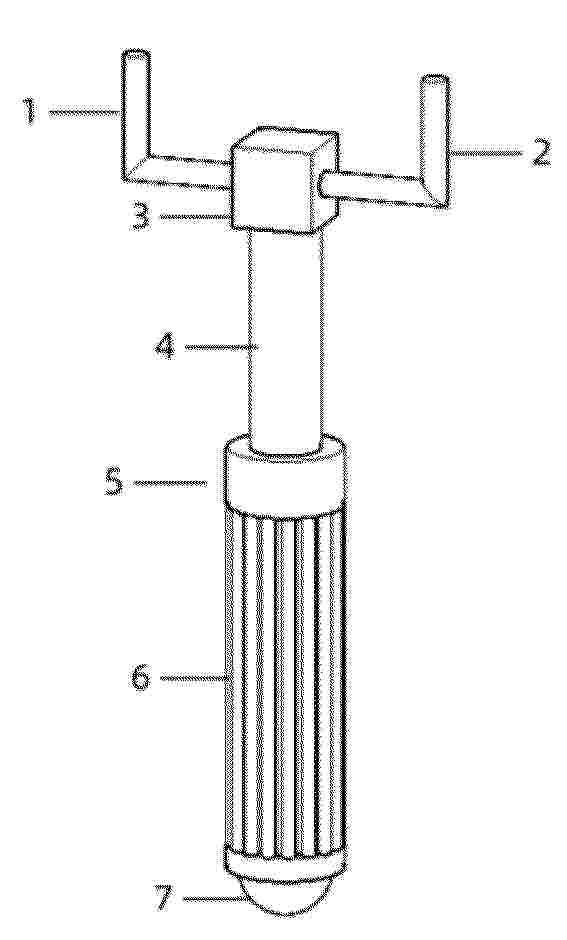
Resumen de: CN122670556A
本发明公开一种集成性地埋管地源热泵系统及其控制方法,系统含地下换热回路、循环工质、地源热泵及控制系统,地下换热回路的核心换热单元自上而下设分流调节段、输热储能段、高效换热段,高效换热段为灯笼状笼形换热器,由中央支撑管和外周周向均布的多根细径换热管构成;出水管设红外线温感设备并与控制系统相连,控制系统根据目标温度与实际回水温度的差值、温度变化率,动态调整细径换热管开启数量。本发明笼形结构换热器使换热管束与土壤的接触面积增加数倍,显著提升单位井深换热量;通过改变参与换热的细径换热管数量,实现地下换热网络流通面积与换热面积的连续可调,改变换热器内工质的流速分布与流态,提升对流换热系数与换热效率。
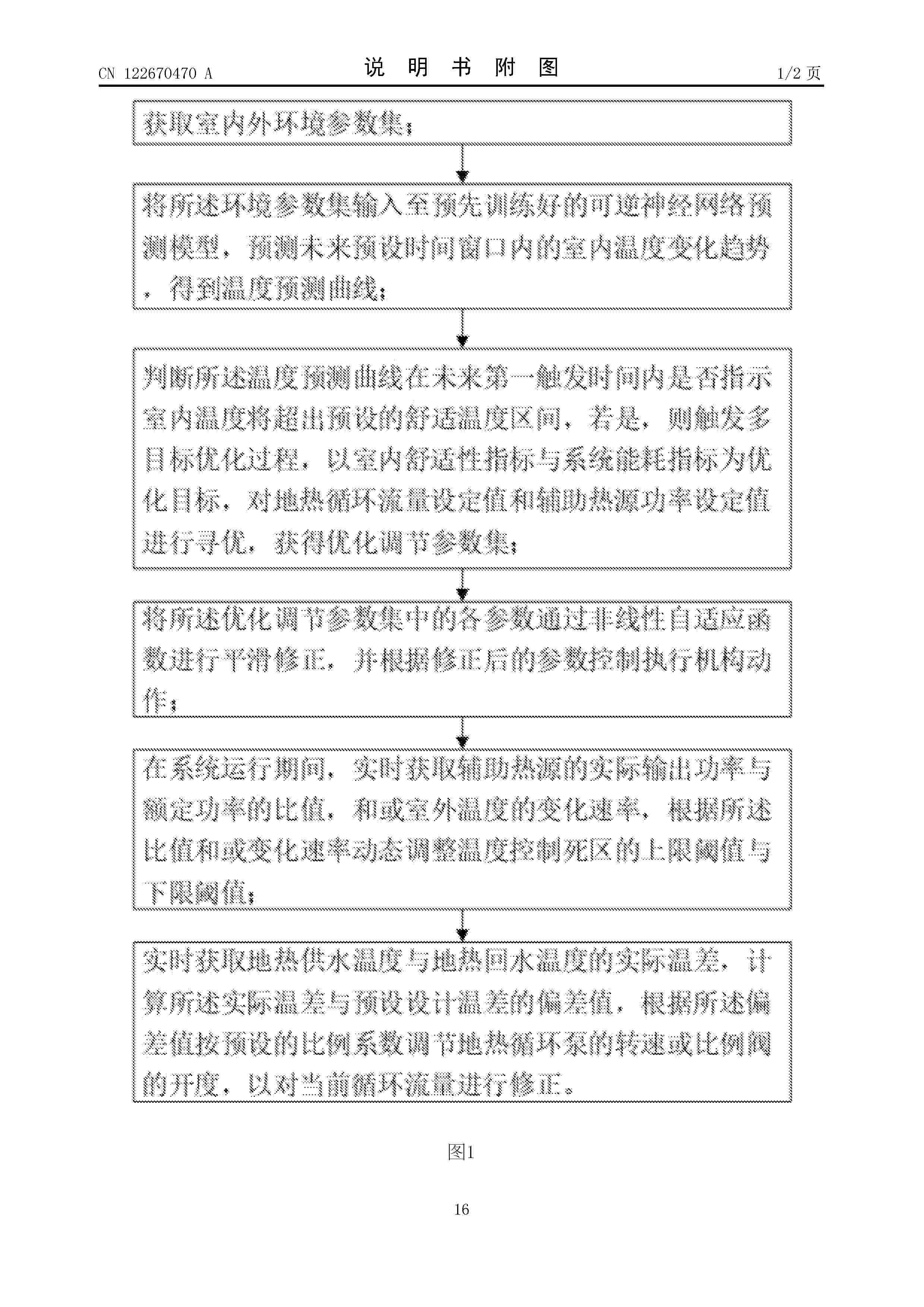
Resumen de: CN122670470A
本发明提供一种基于环境感知的地热能室内温控系统及其自适应调节方法,方法包括以下步骤:获取室内外环境参数集,将所述环境参数集输入至预先训练好的可逆神经网络预测模型,预测未来预设时间窗口内的室内温度变化趋势,得到温度预测曲线;判断所述温度预测曲线在未来第一触发时间内是否指示室内温度将超出预设的舒适温度区间,若是,则触发多目标优化过程,以室内舒适性指标与系统能耗指标为优化目标,对地热循环流量设定值和辅助热源功率设定值进行寻优,获得优化调节参数集。通过引入可逆神经网络预测模型对未来室内温度变化趋势进行预测,并基于预测结果提前触发多目标优化过程,将传统的被动反馈控制转变为前馈与反馈融合的智能控制。
Resumen de: WO2021021860A1
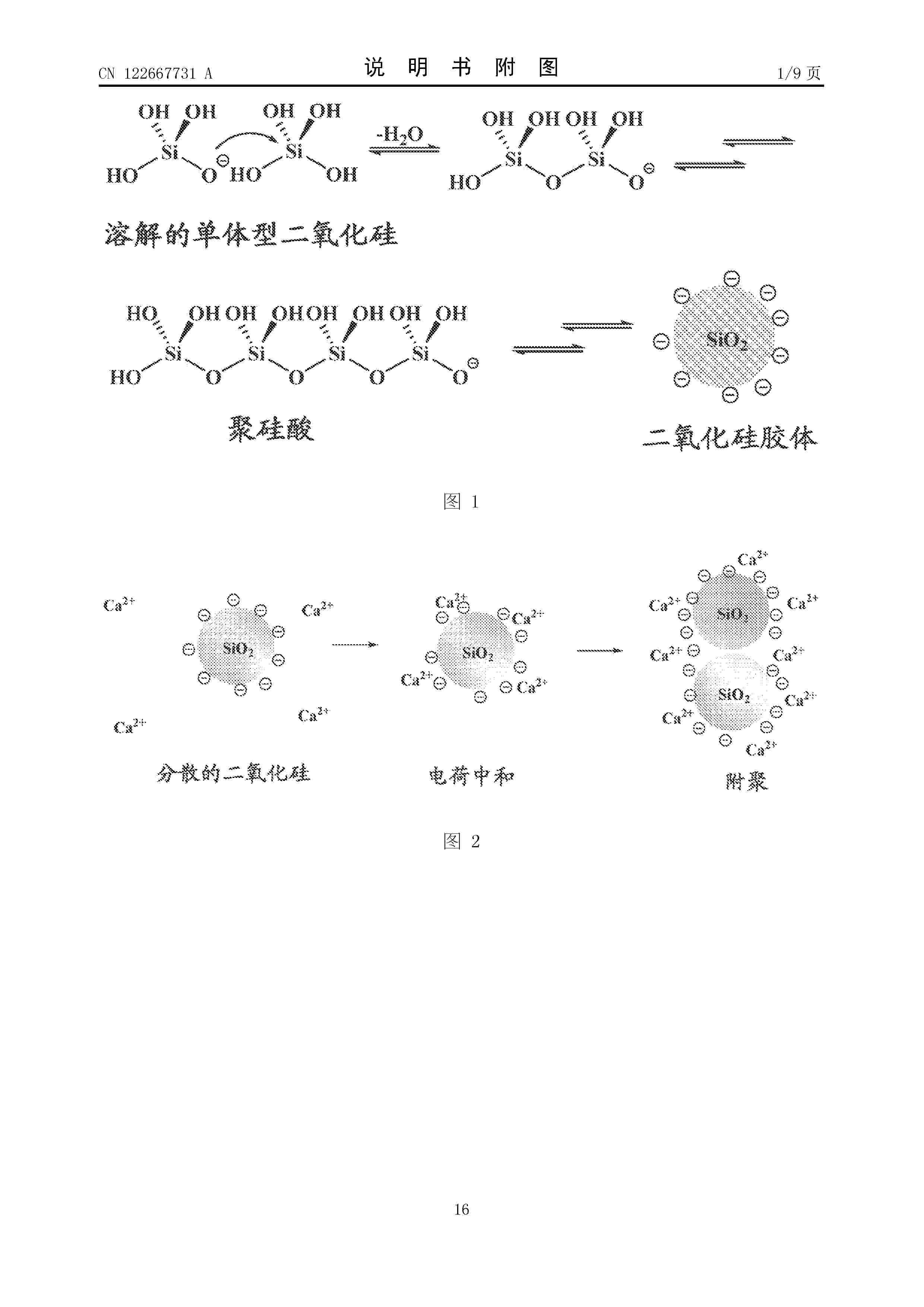
Industrial water such as in a geothermal unit is stabilized against silica polymerization and flocculation by using a combination of inhibitors including a nonionic polyether and a monomeric polycarboxylate.
Resumen de: CN122652974A
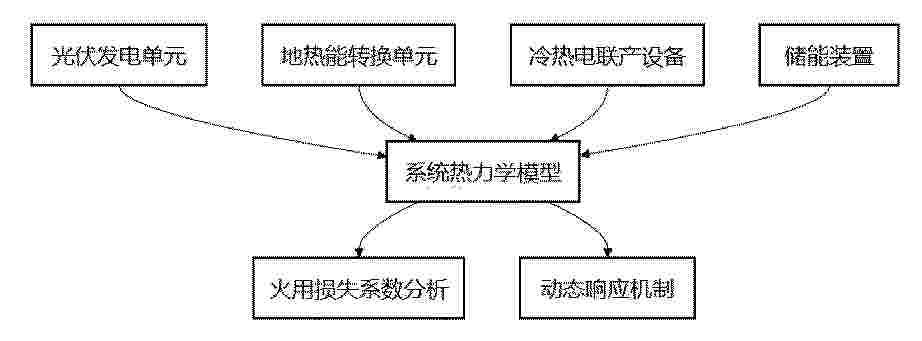
本发明涉及数据采集系统与智能调度控制领域,具体公开了一种光伏‑地热互补耦合供能优化调度方法。该方法构建包含光伏发电、地热能转换、冷热电联产及储能装置的热力学模型,基于全年气象与负荷数据,采用多目标仿生优化算法离线生成帕累托最优解集;通过知识蒸馏训练学生神经网络模型,部署于边缘端实现实时调度决策,动态调节各单元功率分配;并引入在线性能评估与闭环反馈机制,支持多时间尺度协同与异常工况自适应切换。本发明通过上述技术方案,提升系统火用效率、经济性与环境效益的协同水平,实现秒级响应与长期运行稳定性。
Resumen de: CN122650531A
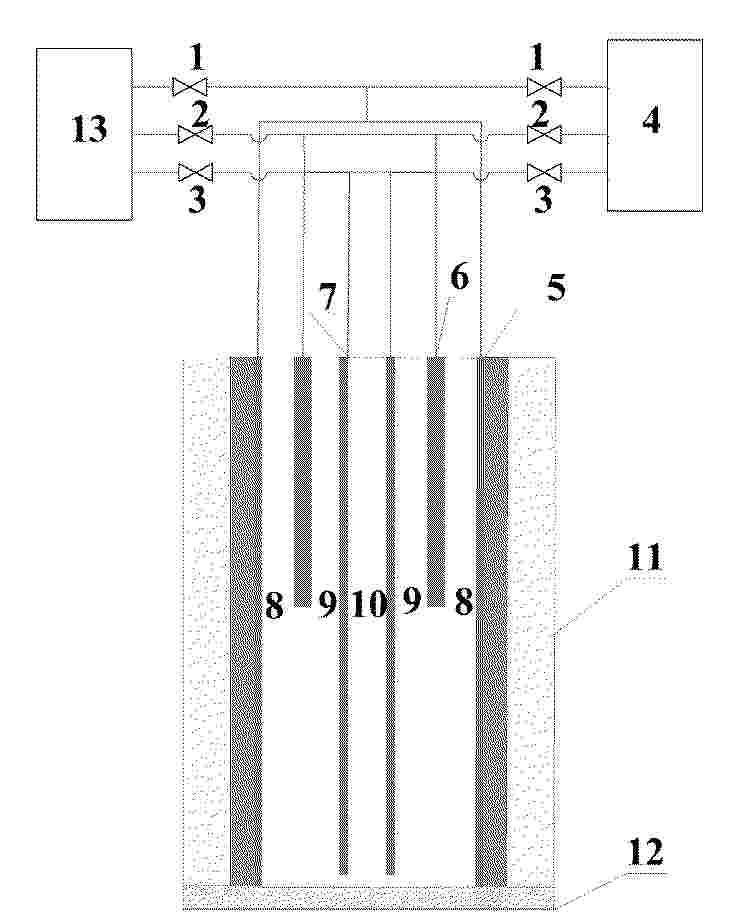
本发明涉及地热能利用技术领域,特指一种浅层和中深层地热能冷热储利用系统,包括有余冷余热系统和热泵,余冷余热系统和热泵之间连接有外管系统、内管系统和环形管系统;外管系统包括有外管和串联于外管上的外管阀体,外管伸入至地层底部,以密封地层,防止循环流体进入地层;内管系统包括有内管和串联于内管上的内管阀门,内管伸入至外管中,且内管伸入至地层的中深层处,内管的底部与地层底部存在间隙,以输送循环流体;环形管系统包括有环形管和串联于环形管上的环形管阀门,环形管伸入至外管和内管之间,环形管伸入至地层的浅层位置,以传递能量;在不同的工况下,调整外管阀体、内管阀体和环形管阀体以实现地层热能的提取和/或利用。
Resumen de: CN122650533A
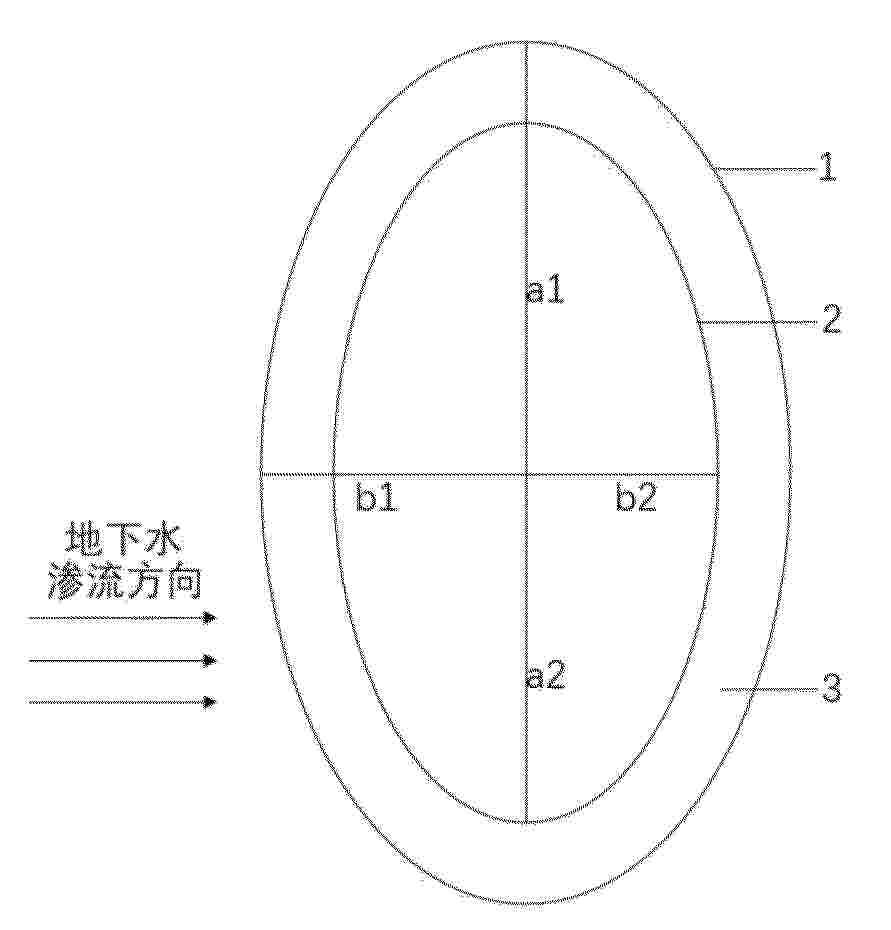
本发明属于地热能源开发与利用技术领域,涉及一种异型截面中深层同轴地埋管及其优化设计方法,地埋管为由外管和内管共同构成同轴套管结构,外管的横截面为非圆形的异型截面,异型截面的形状包括:椭圆形、水滴形、具有多个凸起部的多瓣形,优化设计方法包括:地质与运行参数获取、三维高保真数值模型建立、参数化与目标定义、自动寻优与方案生成;本发明通过异型截面引导流体充分扫掠高温管壁,并最大化垂直渗流方向的换热面积,有效降低了“热短路”损失,增加了从岩土体中的净取热量,因此本发明能够显著提升取热效率与长期性能。
Resumen de: CN122650532A
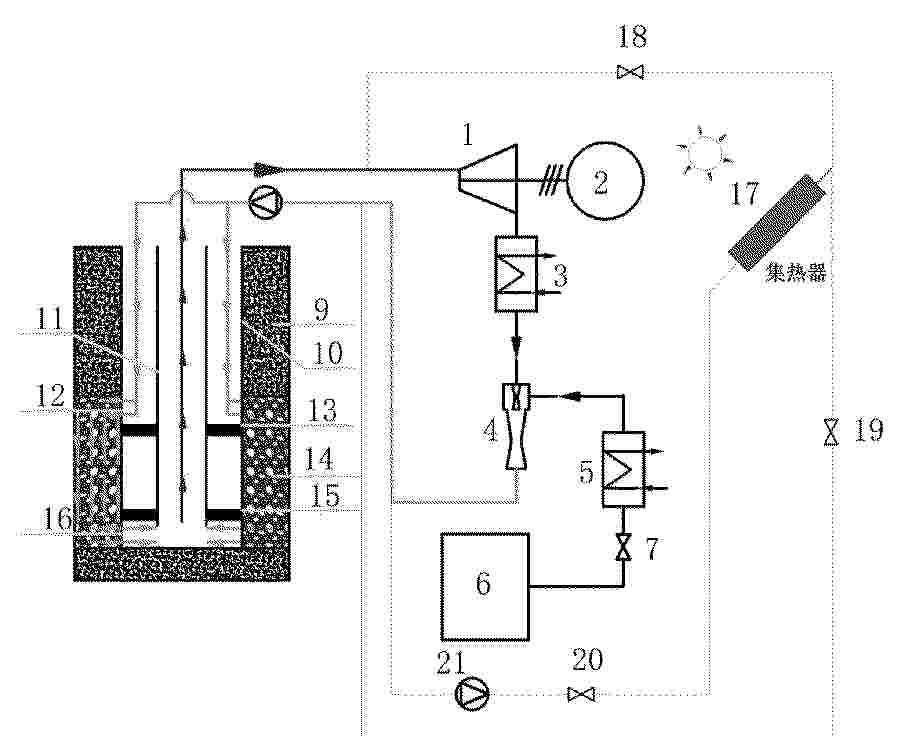
本发明公开了一种集成地下储热的槽式太阳能与超临界二氧化碳单井增强型地热冷热电系统,属于综合能源系统与可再生能源高效利用技术领域,包括膨胀机、发电机、供热换热器、喷射器、蒸发器、增压泵、井管外壁、压裂岩体、聚光集热器及连接管路,所述井管外壁深入岩石层形成地热井,所述井管外壁内部设有保温管,所述压裂岩体位于地热井底部,所述聚光集热器通过连接管路与循环工质通道连接,所述膨胀机与发电机连接,所述膨胀机通过连接管路分别与供热换热器、喷射器连通,所述喷射器通过连接管路与增压泵连通,所述增压泵通过连接管路与井管外壁和保温管形成的环空连通。
Resumen de: CN122650534A
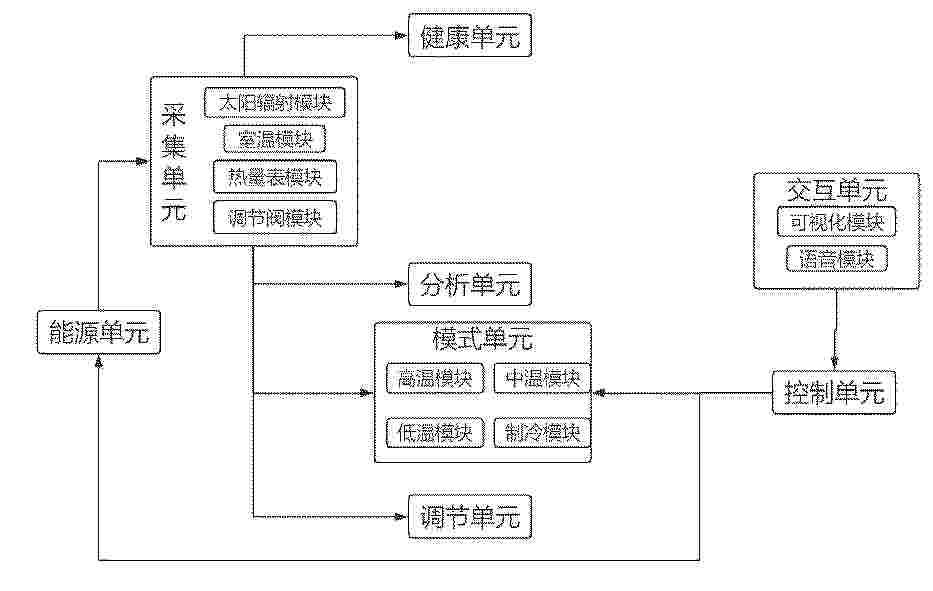
本发明涉及地热能利用技术领域,且公开了一种中深层地热能智慧控制平台,采集单元用于数据单元,能源单元用于能源提供,分析单元用于计算出综合温度ZW,模式单元用于模式切换,调节单元调节房间内阀门的开度,健康单元用于设备的健康值JK计算,交互单元用于人机交互,控制单元用于控制采集单元、能源单元以及模式单元运行;本发明通过设置采集单元与分析单元,采集太阳辐射、室外温度等参数,并计算出综合温度ZW,模式单元根据ZW值自动切换高温模块、中温模块、低温模块及制冷模块,实现太阳能、地源热泵、空气源热泵的多能源系统动态协同运行效果,进而提高对环境的自适应能力和能源利用效率,避免能源浪费与响应延迟。
Resumen de: CN122650560A
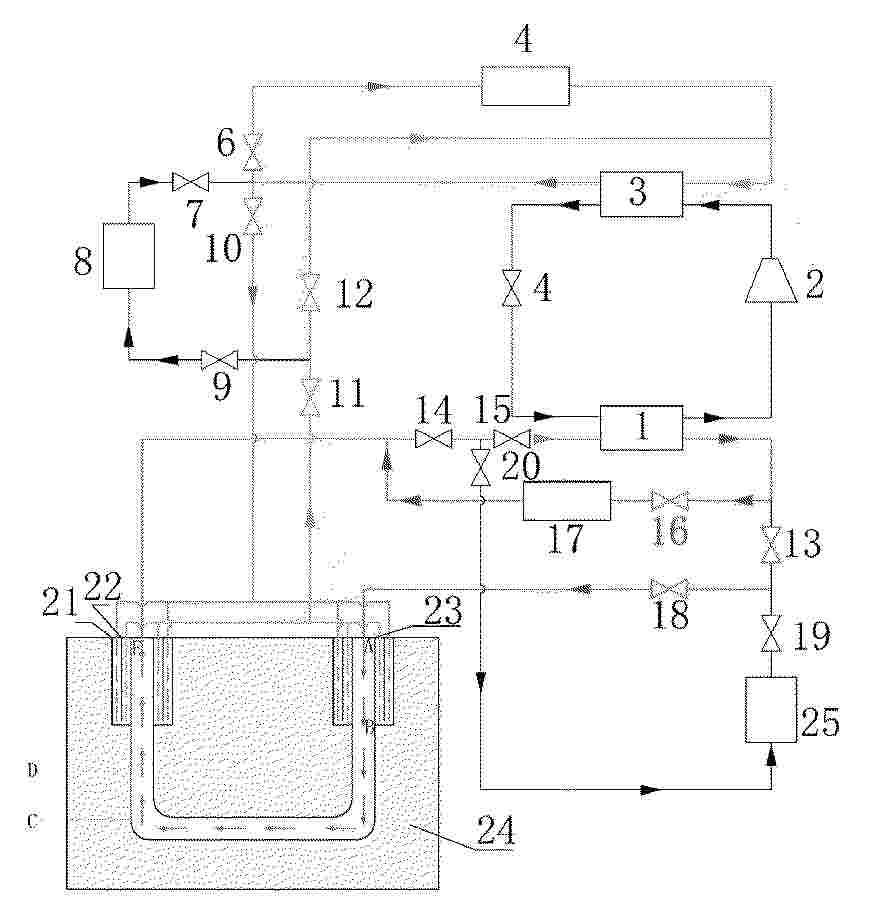
本发明涉及可再生能源利用技术领域,特指一种中深层地热U型管耦合浅层地热制冷储冷系统。通过浅层套管结构与中深层U型管的耦合设计,无需分别构建浅层和中深层独立系统,减少高密度建筑区域的占地面积,降低开发与维护成本;借助阀门组件切换可实现循环流体定向流动,冬季能通过中深层U型管高效提取地热资源满足热用户需求,夏季通过浅层套管结构利用地热能制冷并为冷用户供冷,还可通过余冷、余热系统实现冷热能跨季节存储,缓解中深层热能衰减和浅层冷热不平衡问题,提升能源利用效率。本发明能有效解决现有地热能系统占地大、开发成本高、能源利用效率低、热能衰减及冷热不平衡的问题,同时适配不稳定可再生能源的消纳需求。
Resumen de: NZ780908A
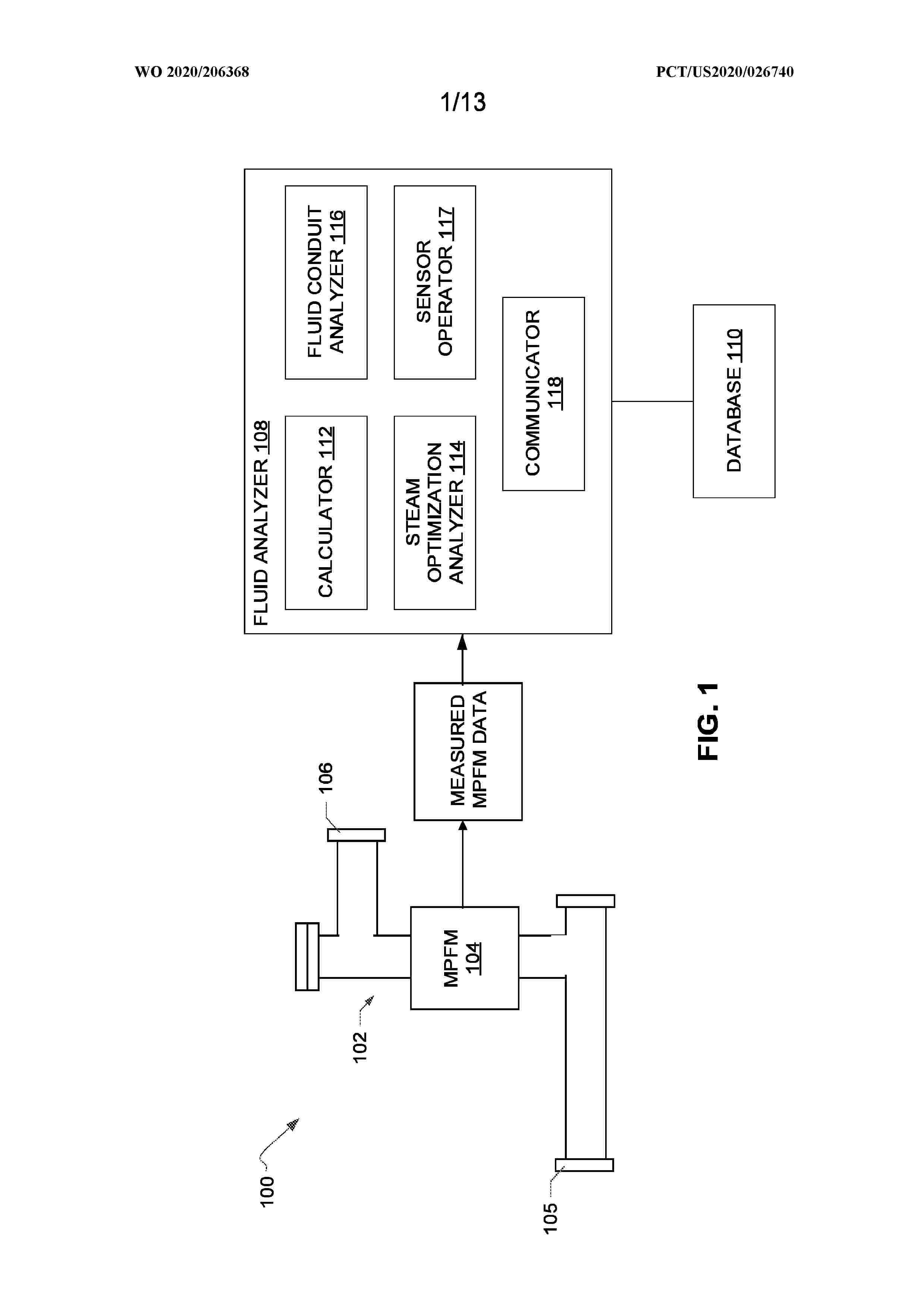
Geothermal production monitoring systems and related methods are disclosed herein. An example system includes a production well, an injection well, a downhole pump or a downhole compressor to control a production of a multiphase fluid including steam from the production well, a first fluid conduit to transport the multiphase fluid away from the production well, a surface pump disposed downstream of the first fluid conduit, and a second fluid conduit. The surface pump is to inject water into the injection well via the second fluid conduit. A flowmeter is fluidly coupled to the first fluid conduit. The example system includes a processor to control at least one of (a) the downhole pump or the downhole compressor or (b) the surface pump in response to fluid property data generated by the first flowmeter.
Resumen de: US20260251356A1
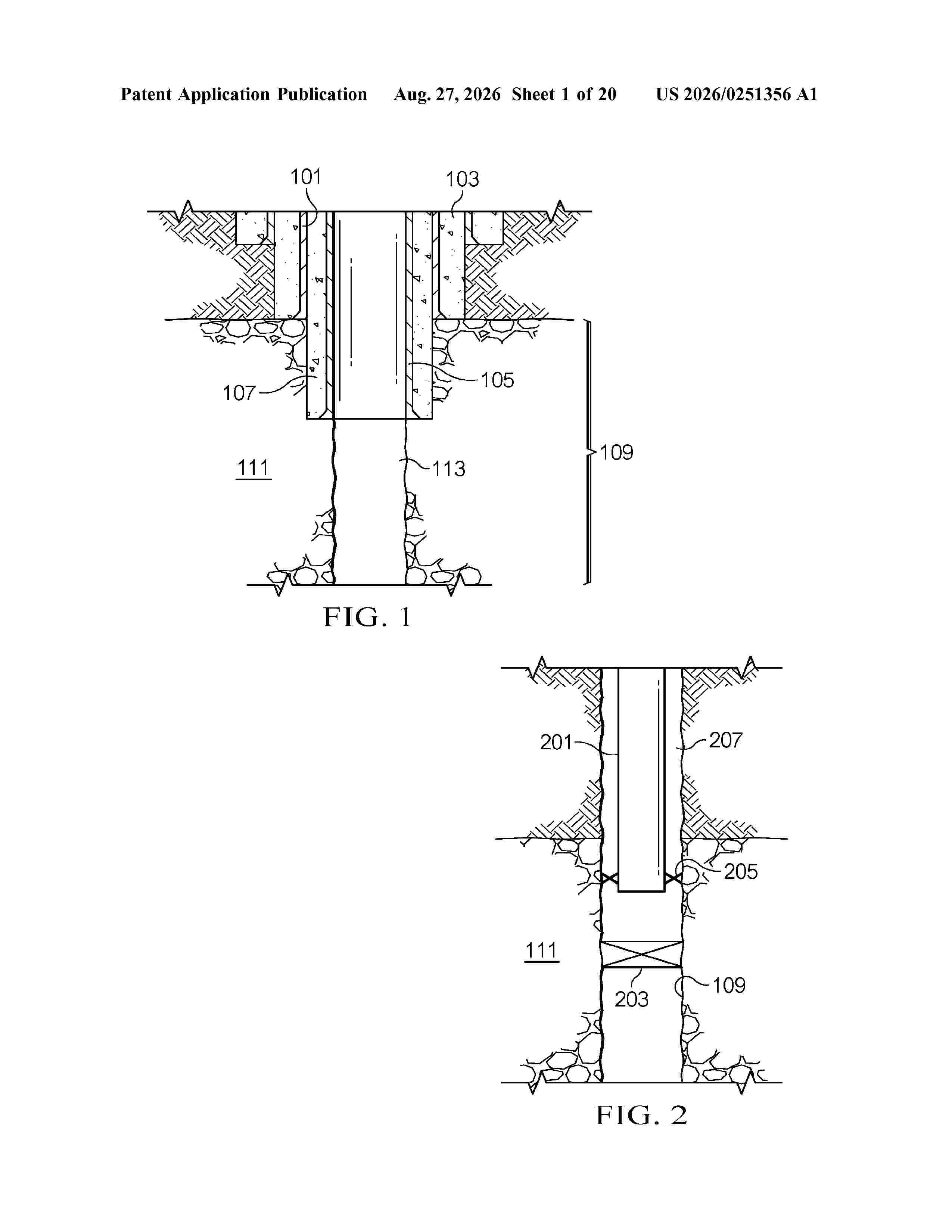
0000 In various aspects of the invention, the following are provided: a process of creating a geothermal well in high-temperature, impermeable rock is provided, a geothermal well in high-temperature, impermeable rock; a process of operating a geothermal well; a packer; and a process for creating a seal in an anulus between a cylinder and a borehole located in a target zone in high-temperature, impermeable rock.
Resumen de: WO2026178366A1
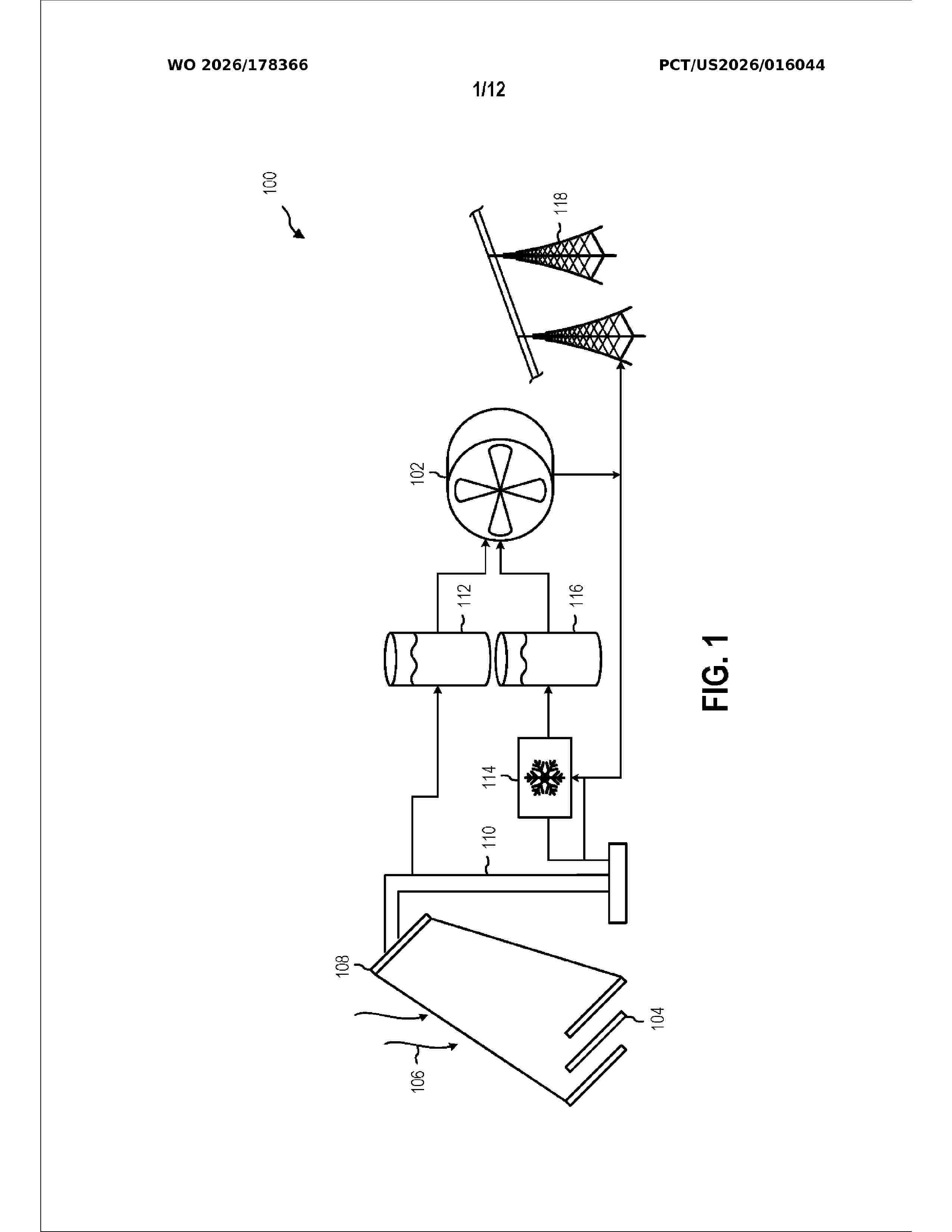
A system may include a solar collector including a photovoltaic (PV) module, wherein the solar collector is configured to convert a first portion of sunlight to solar thermal energy and a second portion of the sunlight to solar electrical energy. A system may include a thermal cycle generator configured to generate electrical energy from a temperature difference between a hot working fluid and a cold working fluid, wherein the hot working fluid receives solar thermal energy from the solar collector. A system may include a heat driven refrigeration unit configured to receive at least a portion of the solar thermal energy via a hot working fluid to cool the cold working fluid.
Resumen de: US12018863B1
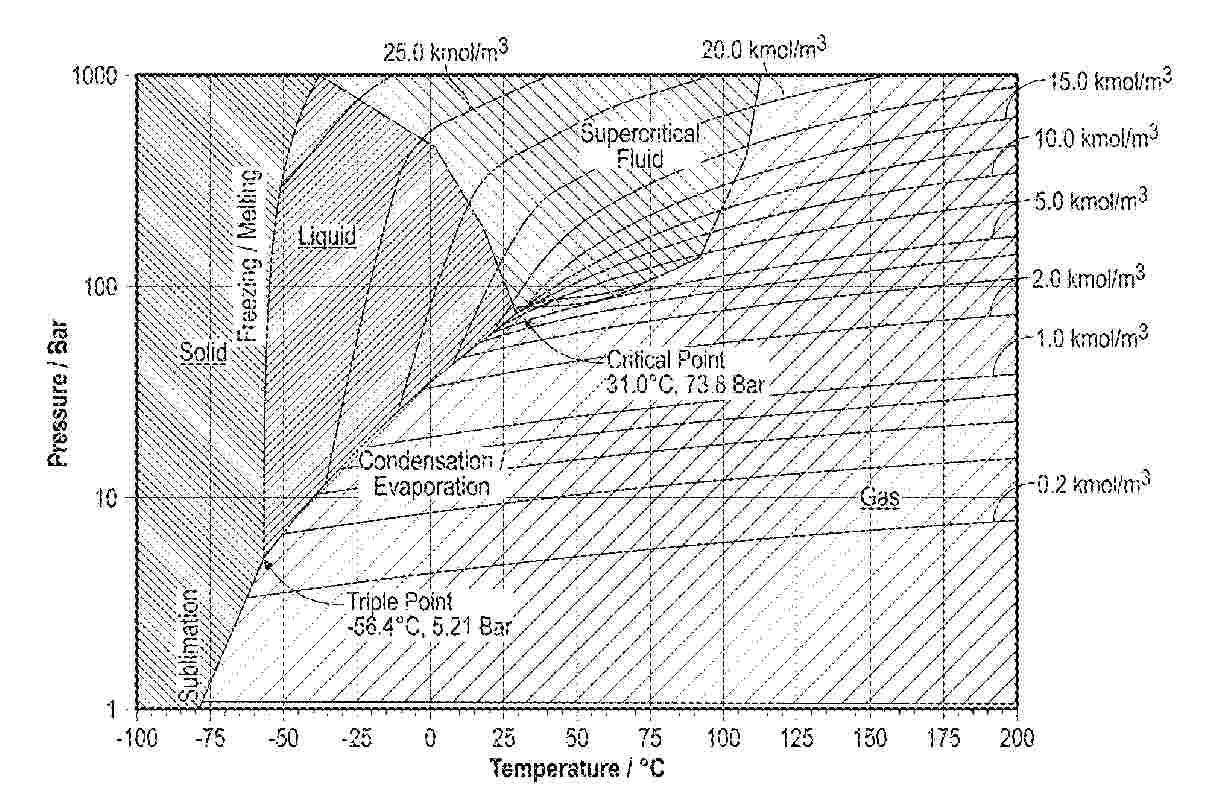
0000 Systems and processes for dry hot rock drilling operations using sCO<2 >expanded across one or more downhole J-T valves or chokes to cool MWD components. Methods of modeling same.
Resumen de: WO2025081275A1
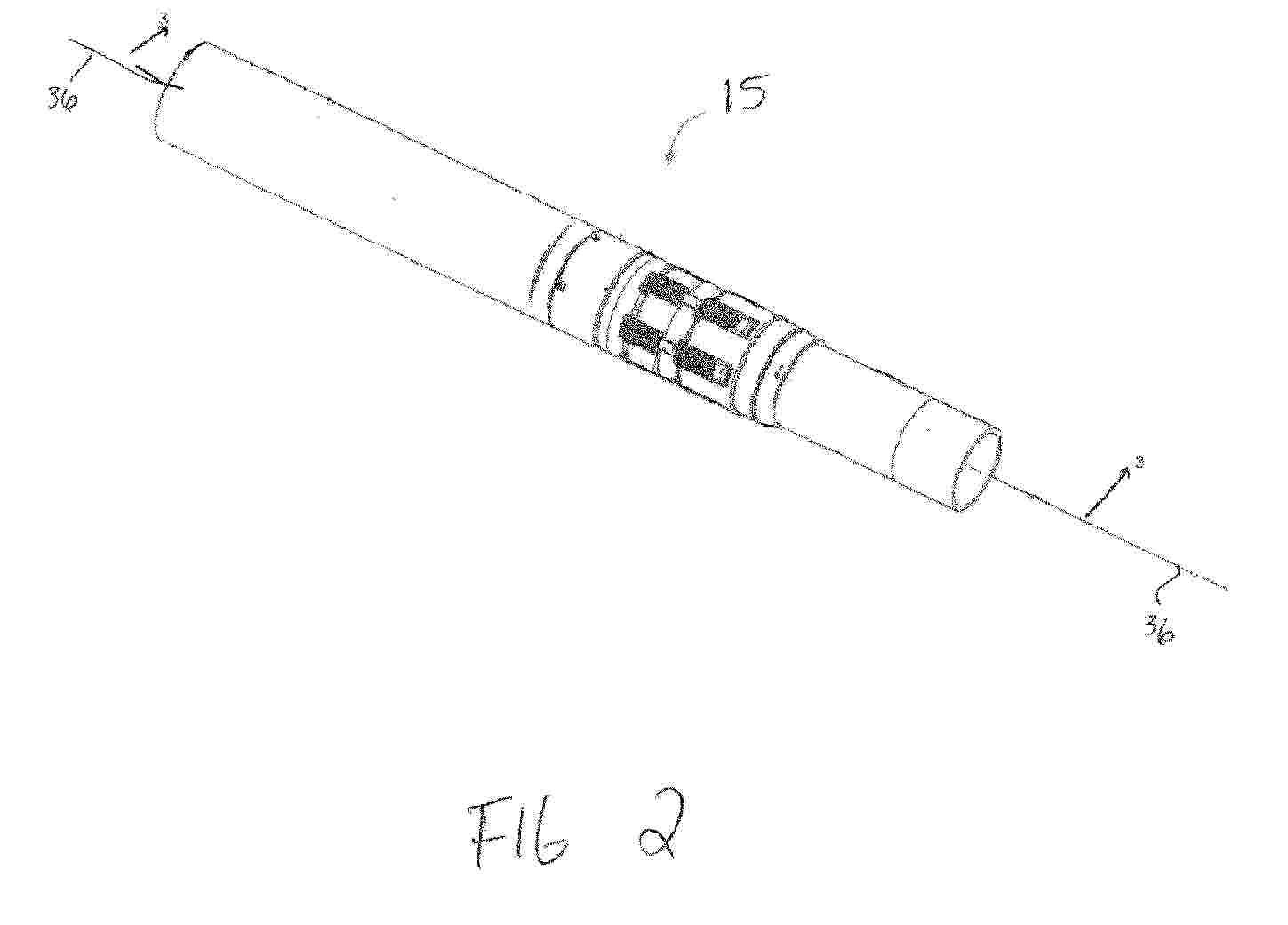
A connector for coupling a well string with a liner hanger, Includes a body, a coupler, and a seal assembly. The body has a length, a thickness, a first end, a second end, and a longitudinal axis. The coupler is operable to releasably secure the connector with a liner hanger, when the connector's body is inserted into the liner hanger to an anchor position. The seal assembly is operable to releasably seal the connector's body with the liner hanger, when the body is inserted into the liner hanger, and includes a seal and an actuating ring. The seal has a length along the body's longitudinal axis, an inside surface located a distance away from the body's longitudinal axis, and an outside surface located a distance away from the body's longitudinal axis that is greater than the distance of the inner surface from the longitudinal axis. The actuating ring compresses the seal when the connector's body is inserted into the liner hanger to the anchor position, to urge the seal to simultaneously contact the body and the liner hanger. To withstand the high-temperature and high-pressure environment often found in geothermal wells, the connector may be made of metal, such as such as AISI 4140 steel, 13 chrome steel, 13Cr-110 chrome steel, 17 chrome steel, 22 chrome steel, 40Cr13 chrome steel, 25 chrome steel, and/or Inconel.
Nº publicación: CN122630780A 25/08/2026
Solicitante:
中国电建集团西北勘测设计研究院有限公司
Resumen de: CN122630780A
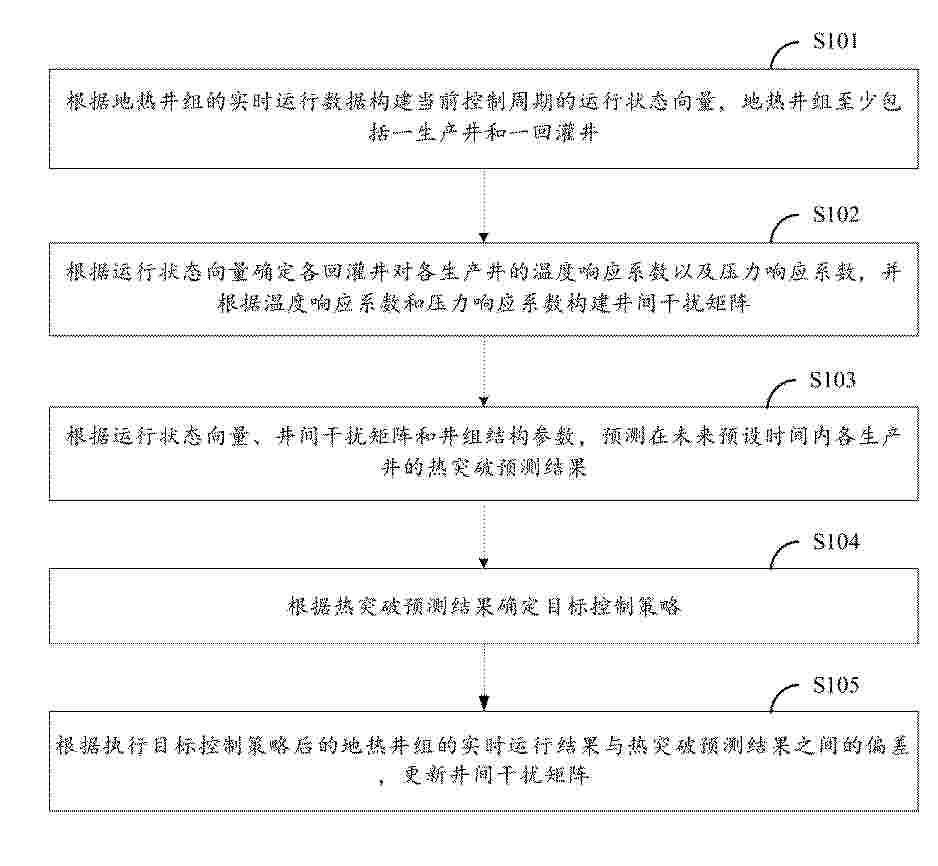
本公开提供一种防热突破的地热井组动态回灌调控方法及系统,所述方法包括:根据地热井组的实时运行数据构建当前控制周期的运行状态向量;根据运行状态向量确定各回灌井对各生产井的温度响应系数以及压力响应系数,并根据温度响应系数和压力响应系数构建井间干扰矩阵;根据运行状态向量、井间干扰矩阵和井组结构参数,预测在未来预设时间内各生产井的热突破预测结果;根据热突破预测结果确定目标控制策略;根据执行目标控制策略后的地热井组的实时运行结果与热突破预测结果之间的偏差,更新井间干扰矩阵。本公开能够预测各生产井的热突破预测结果并动态调节目标控制策略,维持生产井采出温度稳定并延缓或避免热突破发生。
 BOPI
BOPI
 Sede Electrónica