Si deseas distinguir tus productos, servicios o ambos de los de otra empresa, es posible que necesites una marca o nombre comercial. Descubre qué son, en qué consiste su procedimiento de registro y qué implica.

Información sobre los plazos de presentación de solicitudes de transformación de marcas de la Unión Europea en marca nacional española. Más información


Si tienes un nuevo dispositivo, producto o procedimiento que resuelva un problema técnico o tenga una ventaja práctica, existen distintas formas de protegerlo en España y en otros países. Descubre cómo hacerlo.

¿Tu innovación reside en la estética, la ornamentación o la apariencia de tu producto? Protégela mediante un diseño industrial. Descubre qué derechos confiere el registro y cómo realizar la tramitación.

Las indicaciones geográficas protegen el nombre de un producto originario de una zona geográfica, a la cual le debe una determinada calidad, reputación u otra característica. Descubre qué son, en qué consiste su procedimiento de registro y qué beneficios conceden.

Las patentes publicadas en todo el mundo son una valiosa fuente de información científica, técnica y comercial.

Si eres emprendedor/a o una empresa y quieres potenciar y mejorar la rentabilidad de tu negocio protegiendo de forma adecuada los activos intangibles de tu organización, en este espacio encontrarás lo necesario.


 137
resultados
137
resultados
 Última actualización
22/10/2026 [10:01:00]
Última actualización
22/10/2026 [10:01:00]


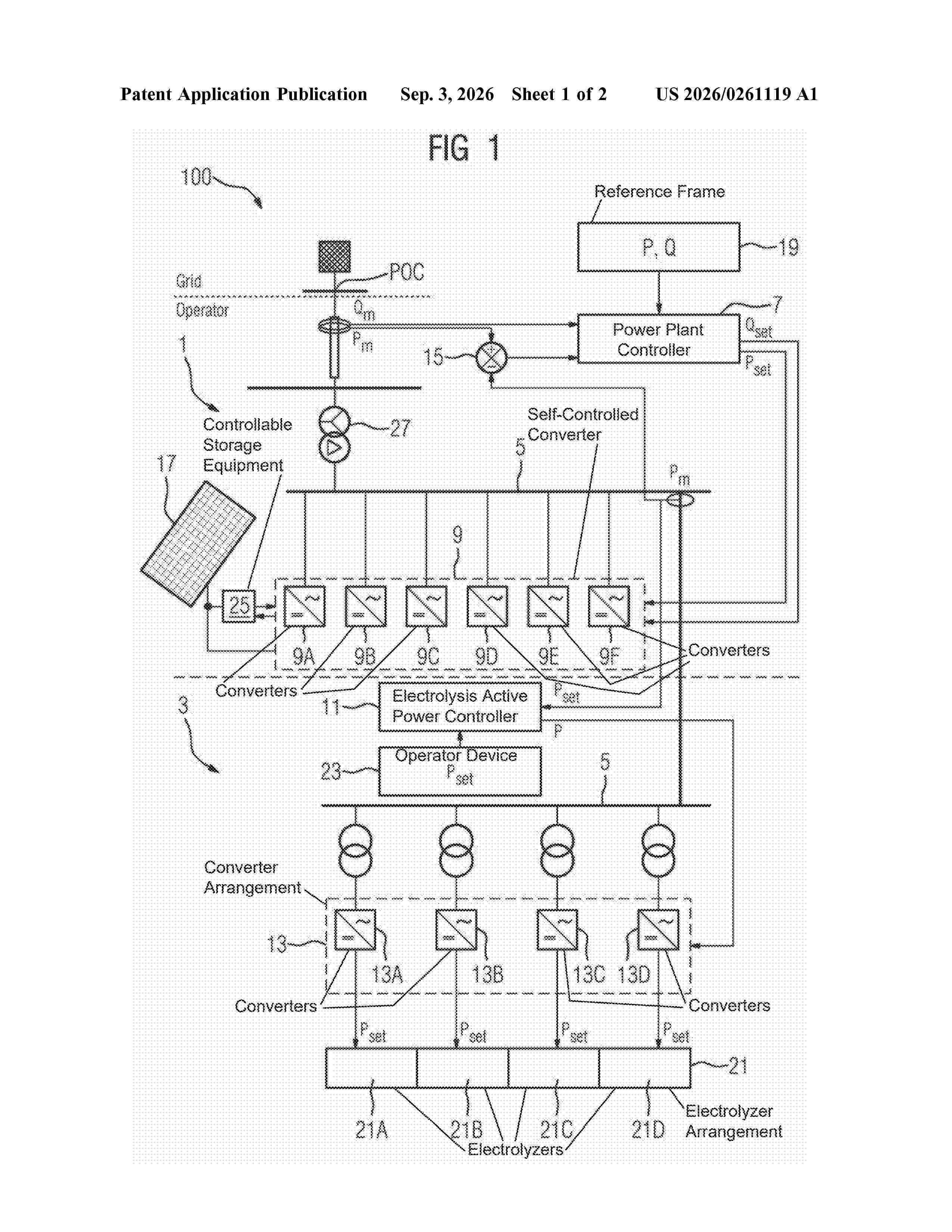
Resumen de: US20260261119A1
0000 An electrolysis system includes a renewable power generation plant, an electrolysis plant, a transformer station and an AC bus bar. The renewable power generation plant is connected to the public electricity grid at a point of connection via the AC bus bar and includes a power plant controller and a self-controlled converter that is connected to the AC bus bar. The electrolysis plant includes an electrolysis active power controller and a converter arrangement that is connected to the AC bus bar. The electrolysis active power controller is configured for controlling active power of the electrolysis plant at the AC bus bar and the power plant controller is configured for controlling reactive power at the point of connection. A method for operating an electrolysis system is also provided.

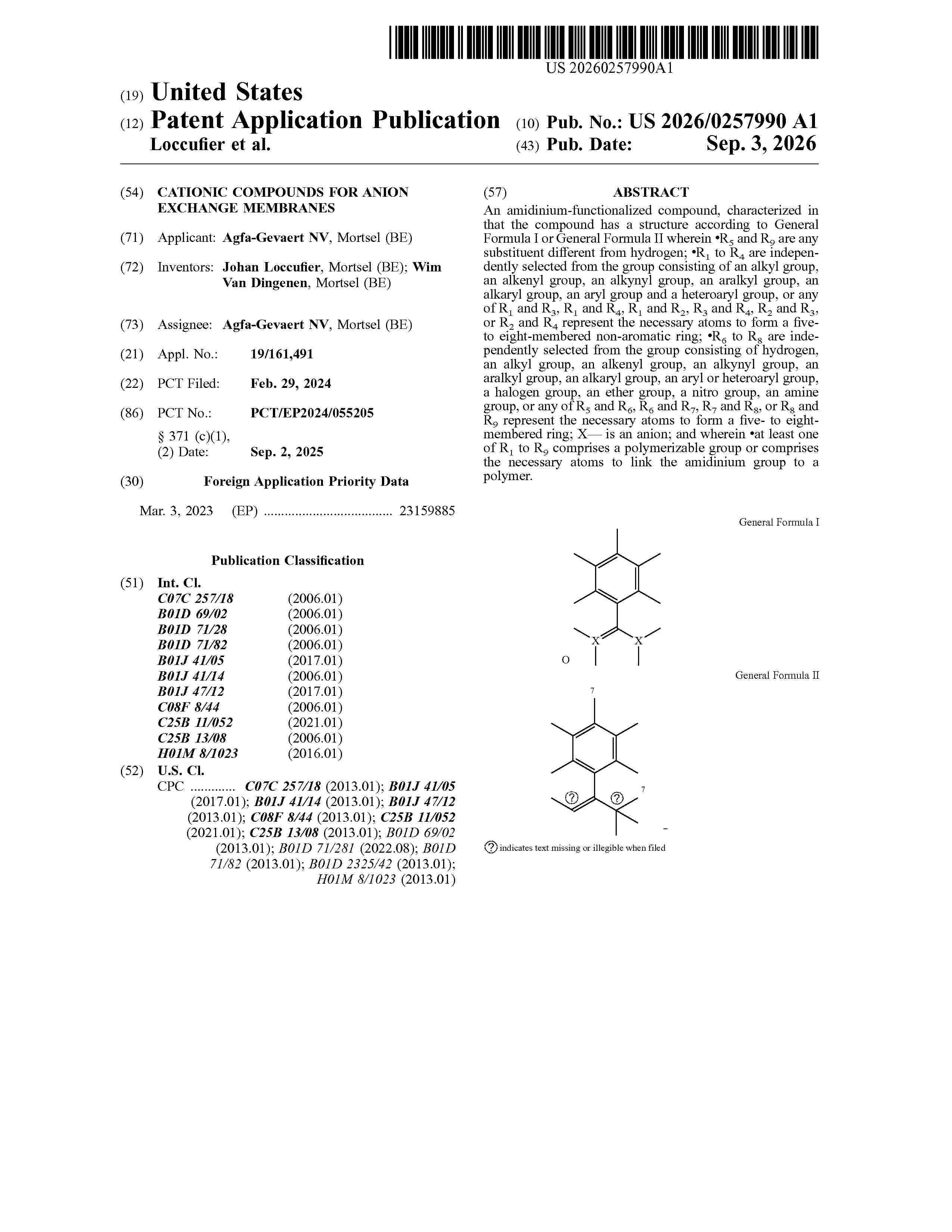
Resumen de: US20260257990A1
An amidinium-functionalized compound, characterized in that the compound has a structure according to General Formula I or General Formula II wherein ⋅R5 and R9 are any substituent different from hydrogen; ⋅R1 to R4 are independently selected from the group consisting of an alkyl group, an alkenyl group, an alkynyl group, an aralkyl group, an alkaryl group, an aryl group and a heteroaryl group, or any of R1 and R3, R1 and R4, R1 and R2, R3 and R4, R2 and R3, or R2 and R4 represent the necessary atoms to form a five- to eight-membered non-aromatic ring; ⋅R6 to R8 are independently selected from the group consisting of hydrogen, an alkyl group, an alkenyl group, an alkynyl group, an aralkyl group, an alkaryl group, an aryl or heteroaryl group, a halogen group, an ether group, a nitro group, an amine group, or any of R5 and R6, R6 and R7, R7 and R8, or R8 and R9 represent the necessary atoms to form a five- to eight-membered ring; X— is an anion; and wherein ⋅at least one of R1 to R9 comprises a polymerizable group or comprises the necessary atoms to link the amidinium group to a polymer.
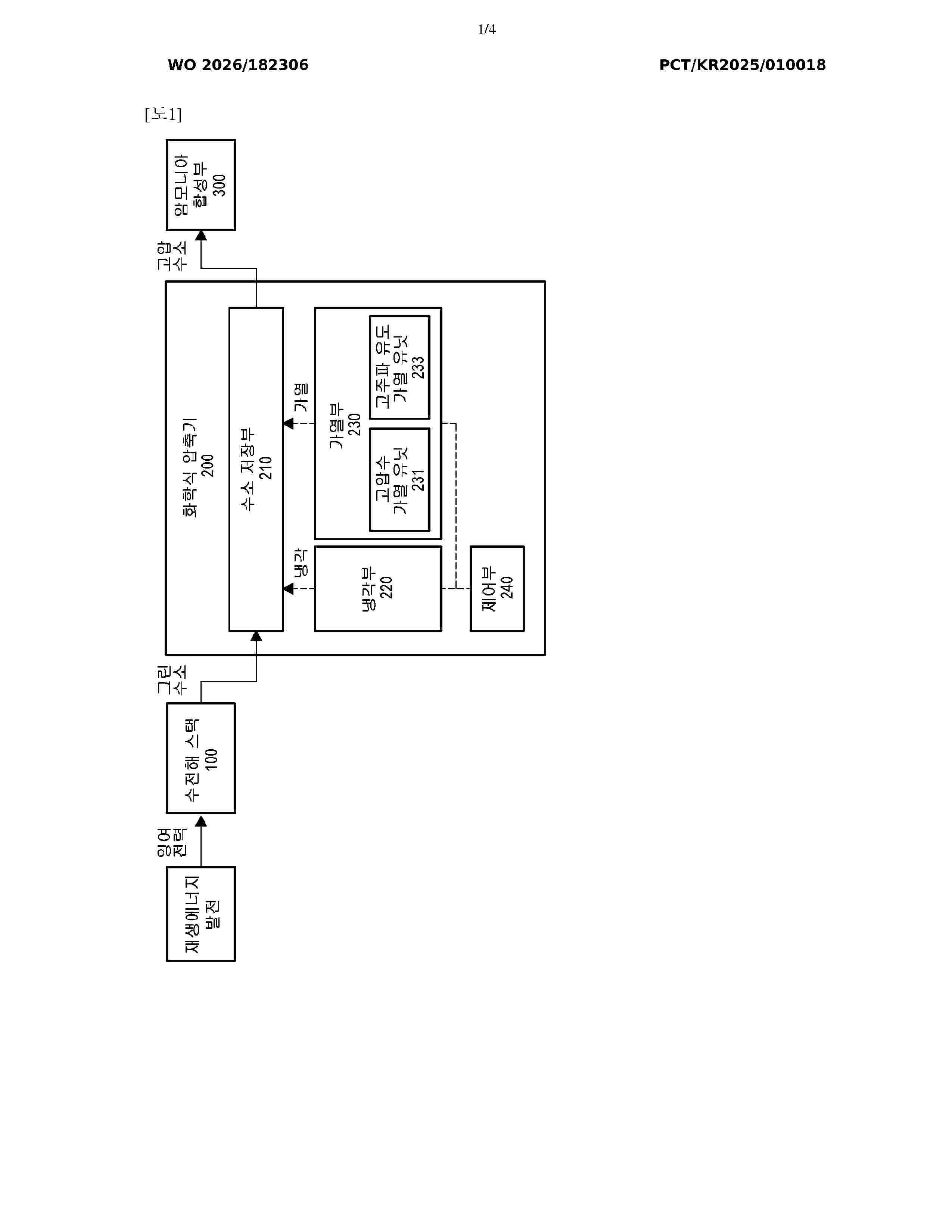
Resumen de: WO2026182306A1
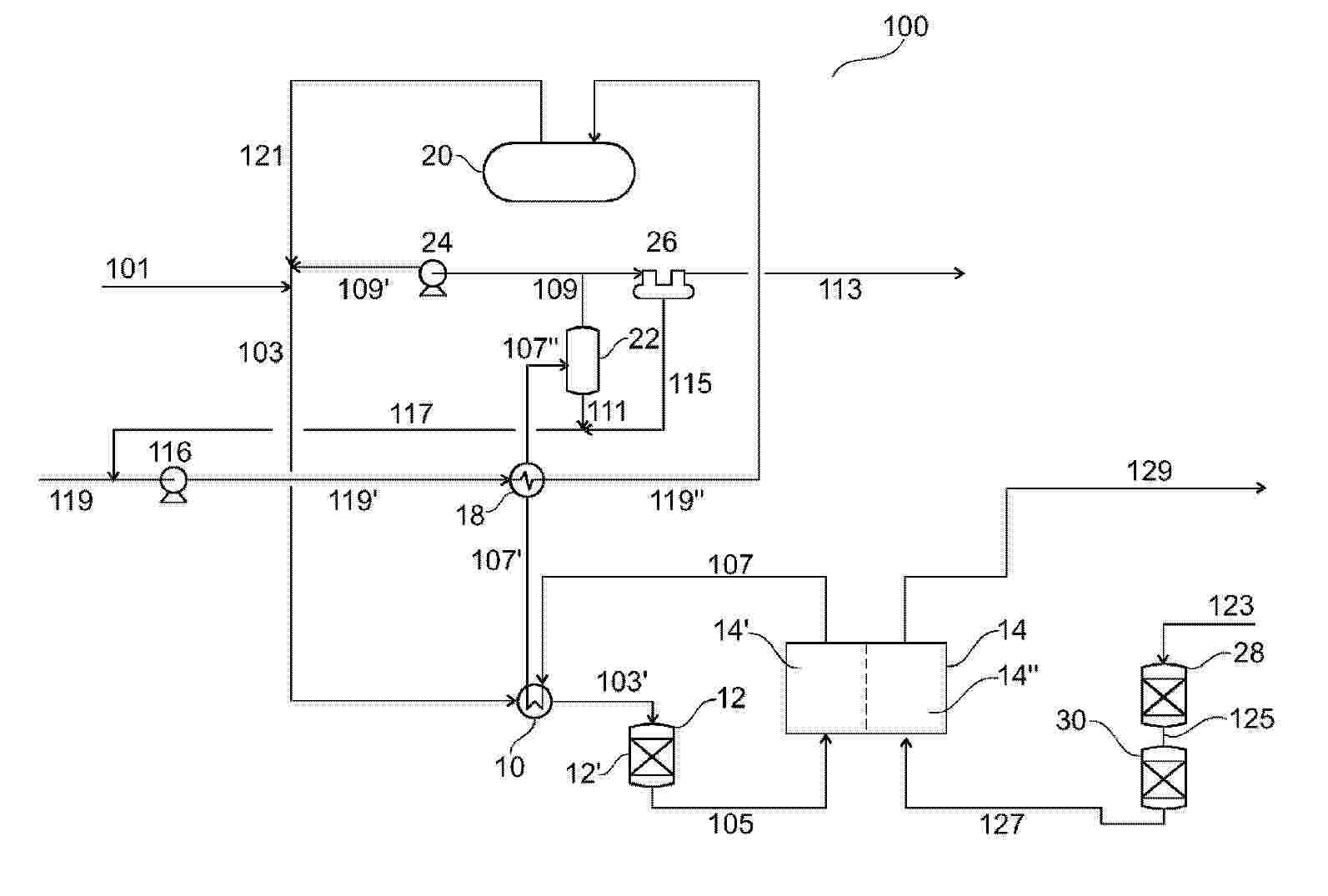
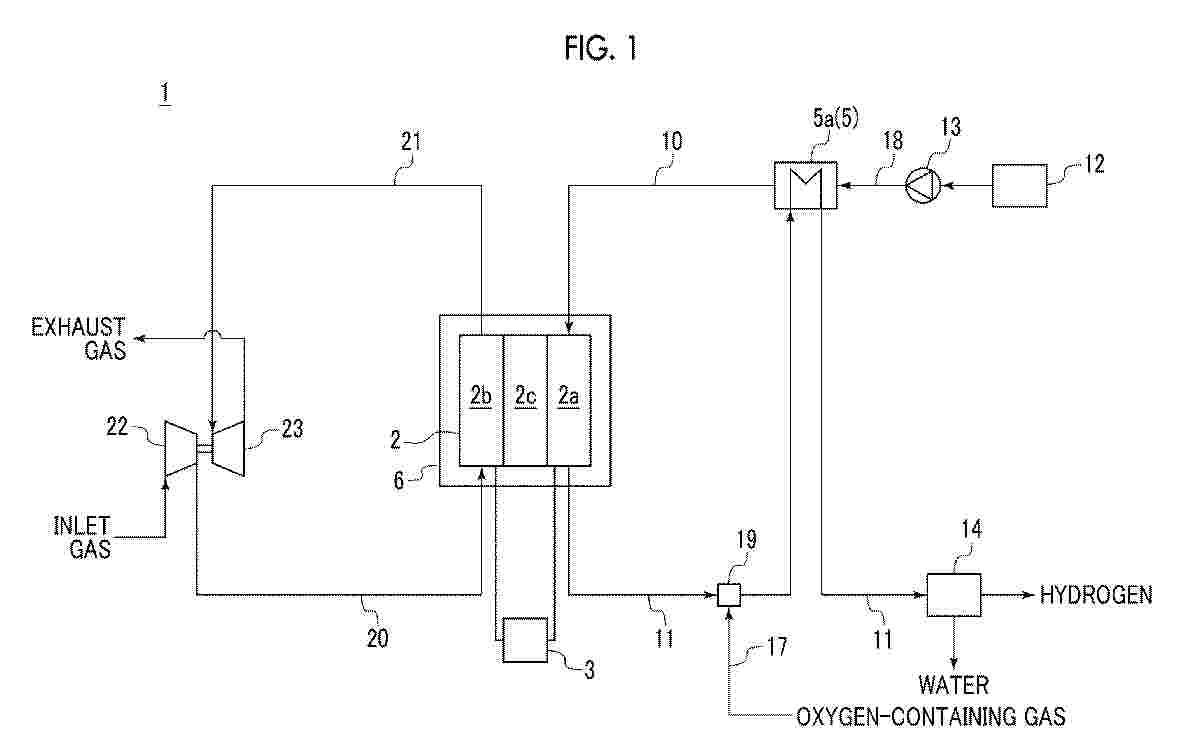
The present invention provides a system for synthesizing ammonia using a chemical compressor having a hydrogen storage alloy embedded therein, and a method for synthesizing ammonia using the ammonia synthesis system. The system for synthesizing ammonia comprises: a water electrolysis stack that generates hydrogen; a chemical compressor that stores and discharges hydrogen supplied from the water electrolysis stack; and an ammonia synthesis unit that receives hydrogen from the chemical compressor and synthesizes ammonia, wherein the chemical compressor includes: a hydrogen storage unit having the hydrogen storage alloy embedded therein; a cooling unit that cools the hydrogen storage unit; a heating unit that heats the hydrogen storage unit; and a control unit that controls operations of the cooling unit and the heating unit, wherein the heating unit includes a plurality of different heating sources independently controllable from one another, and the control unit controls the cooling unit to cool the hydrogen storage alloy of the hydrogen storage unit when hydrogen is stored in the hydrogen storage unit, and controls at least one of the plurality of heating sources of the heating unit to heat the hydrogen storage alloy when hydrogen is discharged from the hydrogen storage unit.
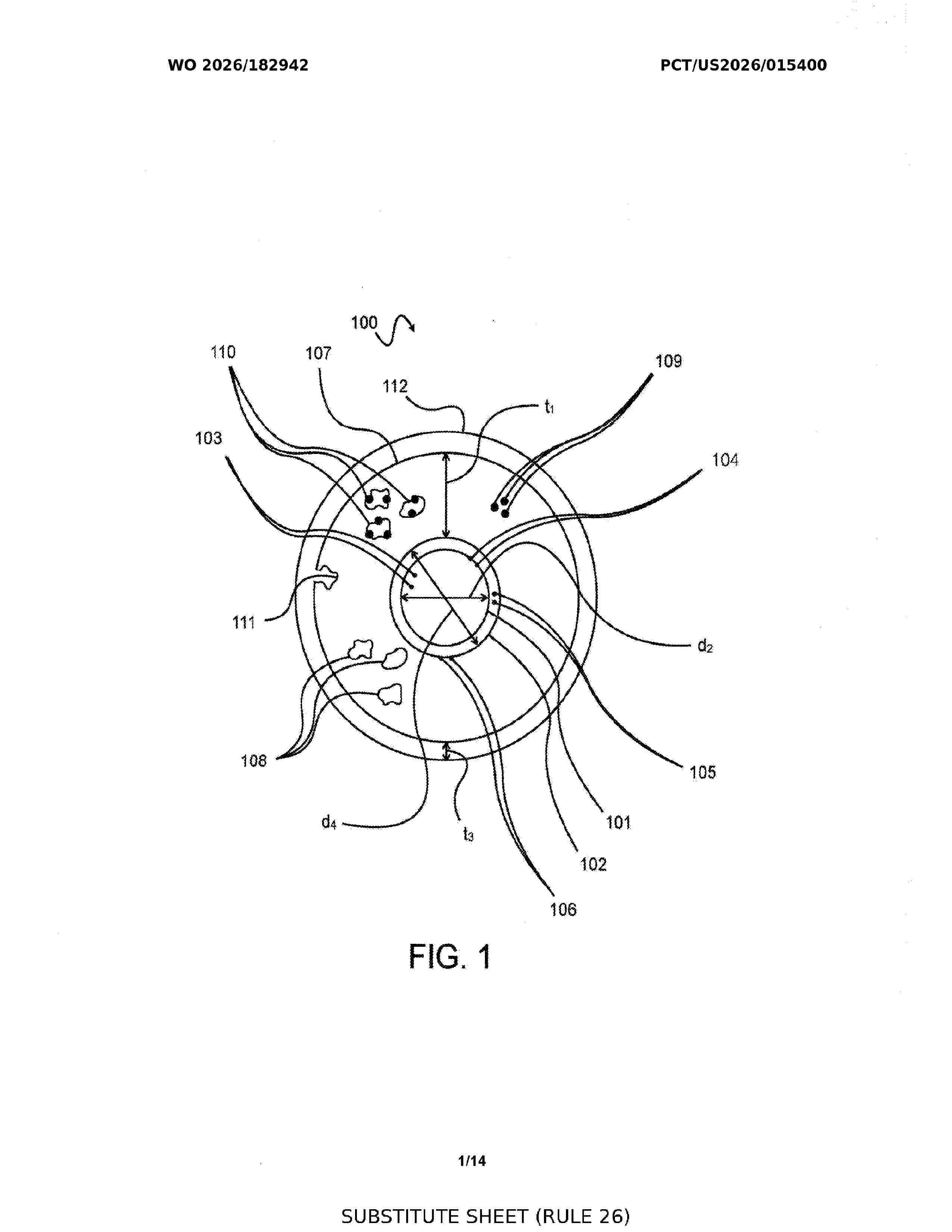
Resumen de: WO2026182942A1
A solar-driven opto-electrolysis hydrogen production system configured to convert light and water into hydrogen is disclosed. The system includes a solar radiation collection assembly, an optical transmission network, and one or more opto-electrolysis light rods positioned within a reactor containing water. Each light rod includes an inner optical core, a cladding, and a porous layer comprising photocatalytic centers configured to generate hydrogen upon illumination. The inner optical core contains spectral conversion additives that modify incident solar radiation such that emitted wavelengths overlap an absorption band of the photocatalytic centers. In certain embodiments, the porous layer comprises a monolithic porous structure formed around the cladding with pore characteristics selected to permit diffusion of water and removal of evolved hydrogen. A plurality of light rods may be arranged in an array to enable scalable hydrogen production.
Resumen de: WO2026180519A1
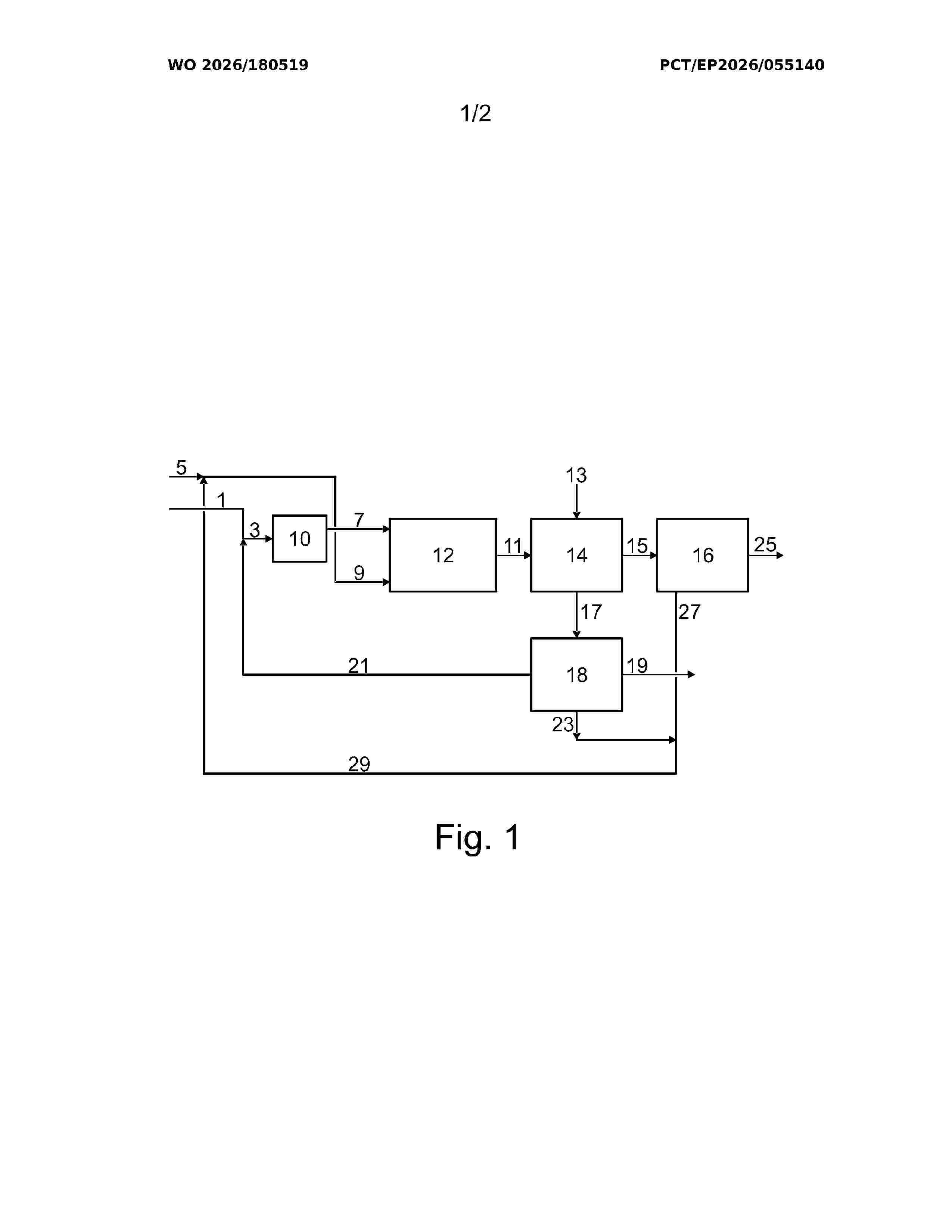
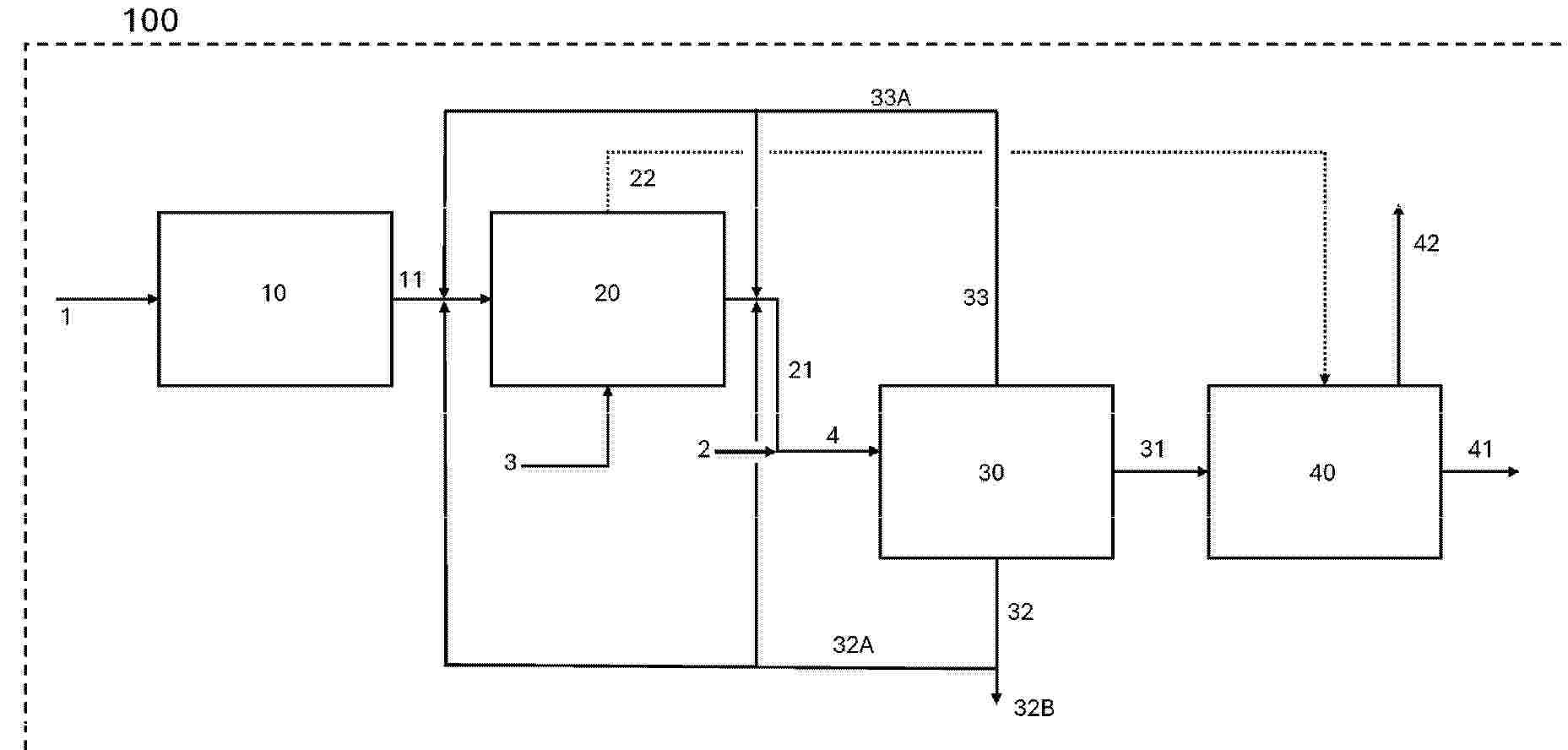
Process and plant for the production of a product gas containing nitrogen and hydrogen from ammonia, the process comprising the steps of: i) pre-cracking an ammonia feed stream to a pre-cracked process gas containing hydrogen, nitrogen, ammonia by contact with a first ammonia cracking catalyst; ii-1) non-catalytic partial oxidation of the pre-cracked process gas with an oxygen containing gas to a process gas containing nitrogen, water, nitrogen oxides and residual amounts of ammonia; ii-2) cracking of at least a part of the residual amounts of ammonia to hydrogen and nitrogen in the process gas by contact with a second ammonia cracking catalyst and simultaneously reducing the amounts of nitrogen oxides to nitrogen and water by reaction with at least a portion of the hydrogen formed during at least the pre-cracking of the ammonia feed stream, thereby producing said product gas containing nitrogen and hydrogen; iii) withdrawing the product gas. The product gas is purified downstream to a hydrogen product.
Resumen de: WO2026182019A1
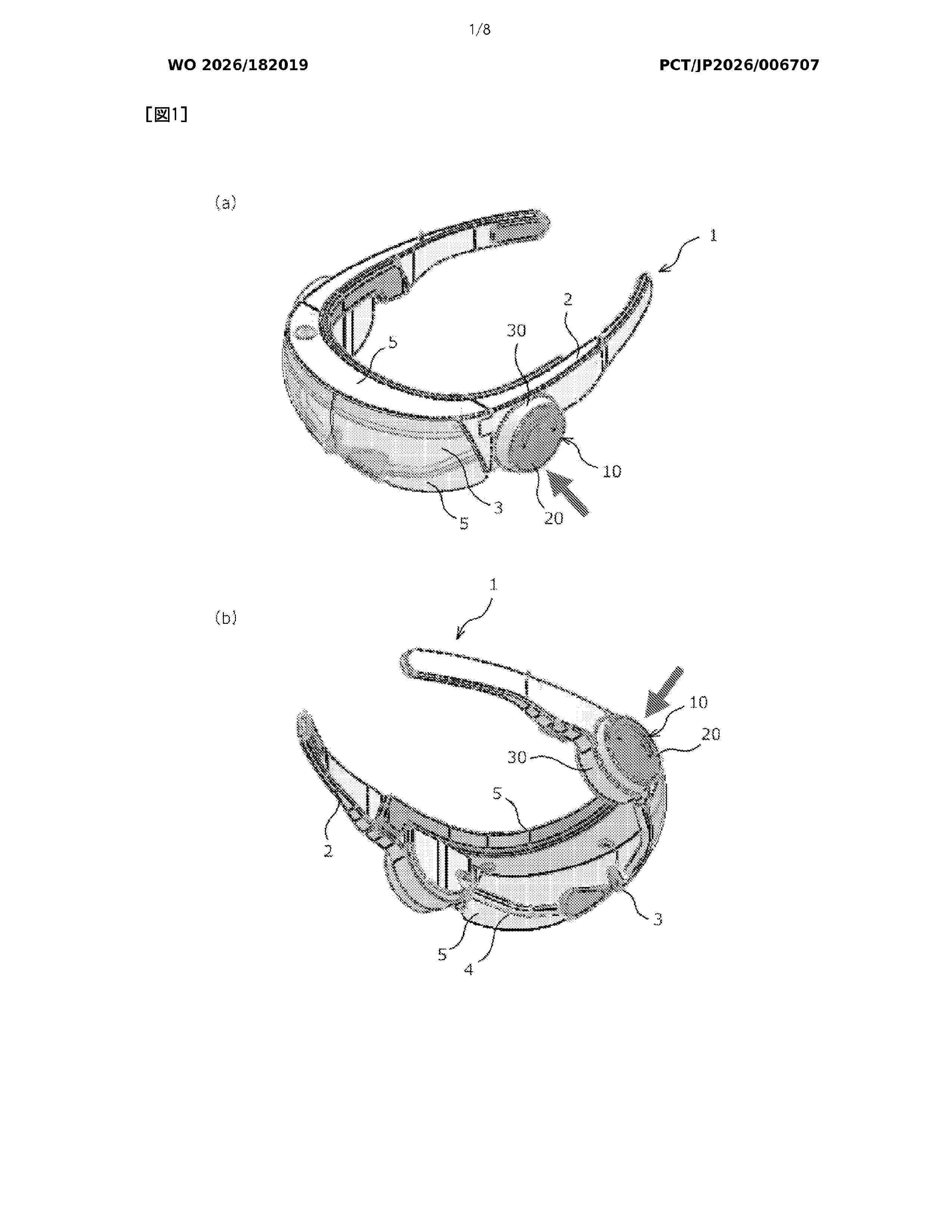
The present invention provides an electrolytic hydrogen supply device to be attached to at least one side of goggles. A hydrogen supply device according to the present invention comprises: an electrolytic cell in which a pair of positive and negative electrodes are disposed in the vertical direction and which is capable of storing electrolytic water; and an electrolytic cell receiving section which has a recess that opens from the bottom toward the outside of the side of the goggles, and which is configured to insert and fix the electrolytic cell in the recess from the outside toward the inside to the bottom. The electrolytic cell has a pair of front and rear sealing members in the inward and outward directions for sealing the inner wall of the electrolytic cell receiving section and the outer wall of the electrolytic cell, and has, above the electrolytic cell, a reserve tank space formed in a gap between the outer wall of the electrolytic cell and the inner wall of the electrolytic cell receiving section between the front and rear sealing members, and a first gas film that allows a gas containing hydrogen and water vapor in the electrolytic cell to pass through and be released into the reserve tank space.
Resumen de: US20260258558A1
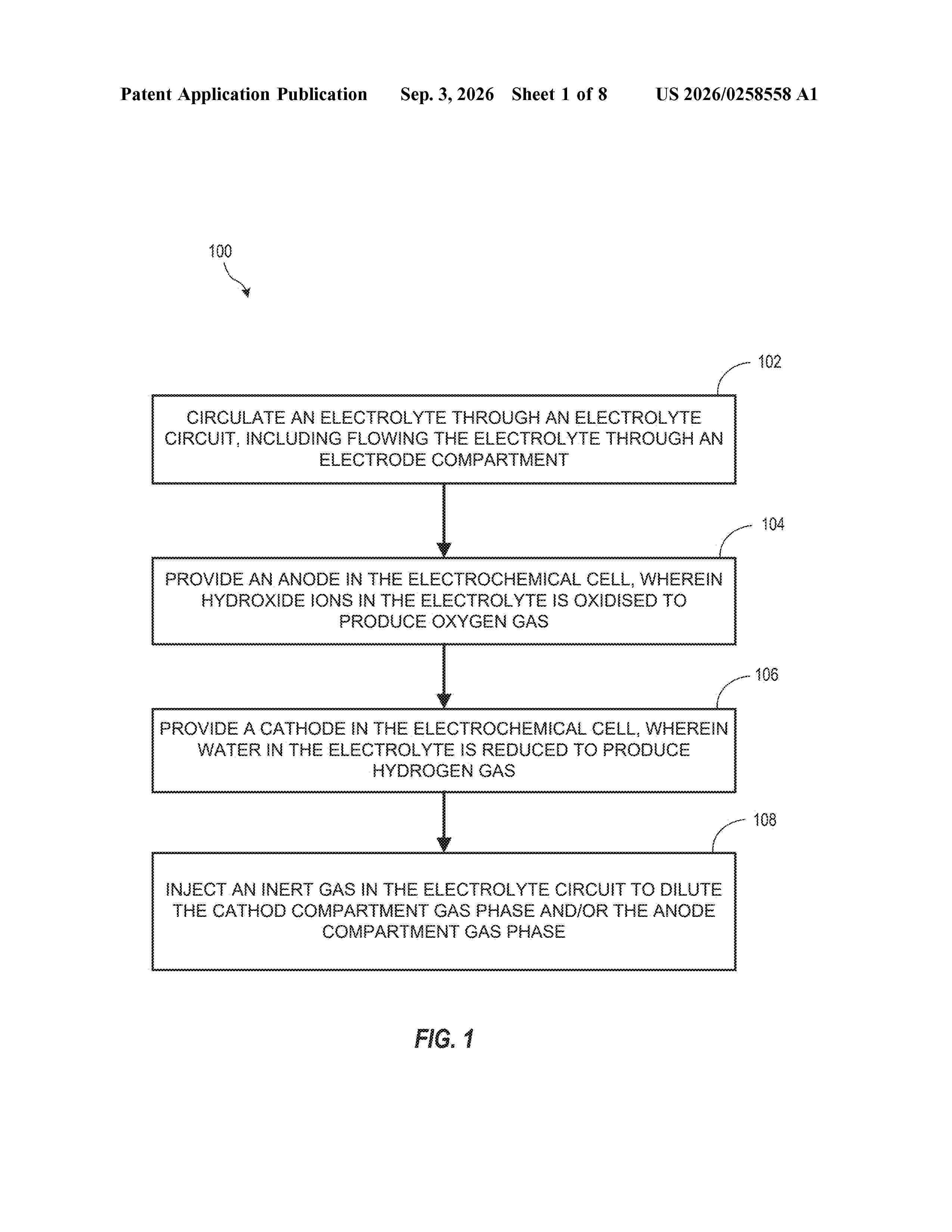
0000 A method to generate hydrogen gas comprises circulating an electrolyte through an electrolyte circuit including an electrochemical cell comprising an anode and a cathode, wherein hydroxide ions in the electrolyte are oxidized at the anode to produce oxygen gas and water in the electrolyte is reduced at the cathode to produce hydrogen gas. The method further includes introducing an inert gas into the electrolyte circuit to dilute a gas phase of the electrolyte circuit.
Resumen de: KR20260133045A
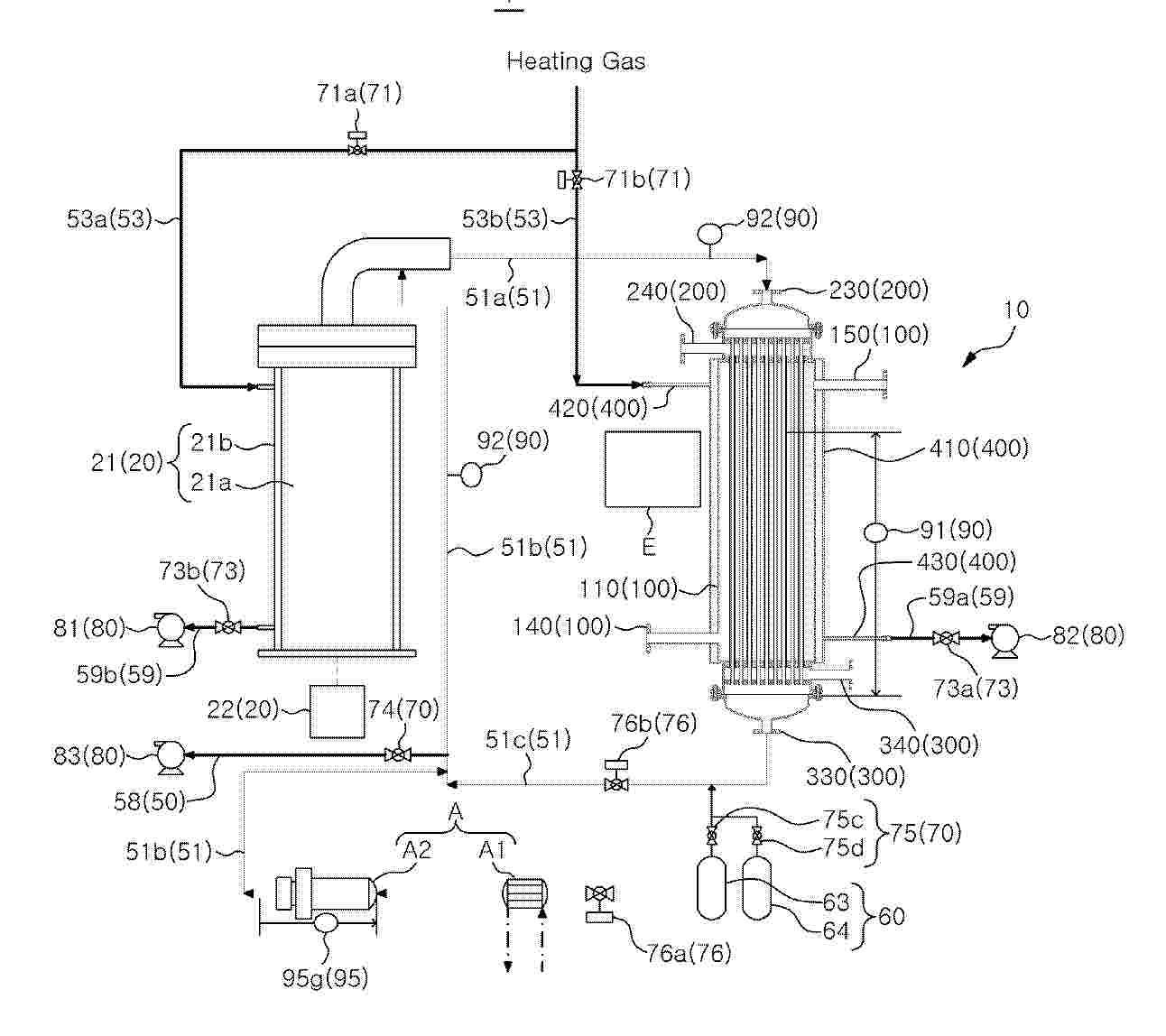
본 발명의 일측면에 따르면, 헬륨과 공급수가 열교환되어 증기가 생성되거나 헬륨과 공기가 열교환되어 가열공기가 생성되도록 내부로 공기, 헬륨 및 공급수가 유입되는 열교환장치; 상기 열교환장치로 유입되는 헬륨을 가열하기 위한 헬륨가열장치; 수소가 생성되도록 상기 열교환장치에서 생성된 증기가 유입되는 제1 캐소드와 가열공기가 유입되는 제1 애노드를 포함하는 고체산화물 수전해 전지스택을 포함하는 수소생성부; 전기가 생성되도록 상기 열교환장치에서 생성된 증기가 유입되는 제2 애노드와 가열공기가 유입되는 제2 캐소드를 포함하는 고체산화물 연료 전지스택을 포함하는 전기생성부; 상기 열교환장치, 상기 헬륨가열장치, 상기 수소생성부 및 상기 전기생성부의 사이에서 헬륨, 공급수, 가열공기, 증기 및 수소가 유동되도록 헬륨, 공급수, 증기, 가열공기 및 수소가 유동되는 통로를 제공하는 플로우채널; 상기 플로우채널에서 가열공기, 헬륨, 공급수, 증기 및 수소의 유동을 조절하기 위해 선택적으로 개폐되는 복수 개의 밸브; 및 복수 개의 제어모드에 기초하여 상기 복수 개의 밸브를 제어하는 제어기를 포함하고, 상기 플로우채널은, 상기 열교환장치와 헬륨가열장치에 연결되고, 외부로부터 공급된 히�
Resumen de: WO2026181397A1
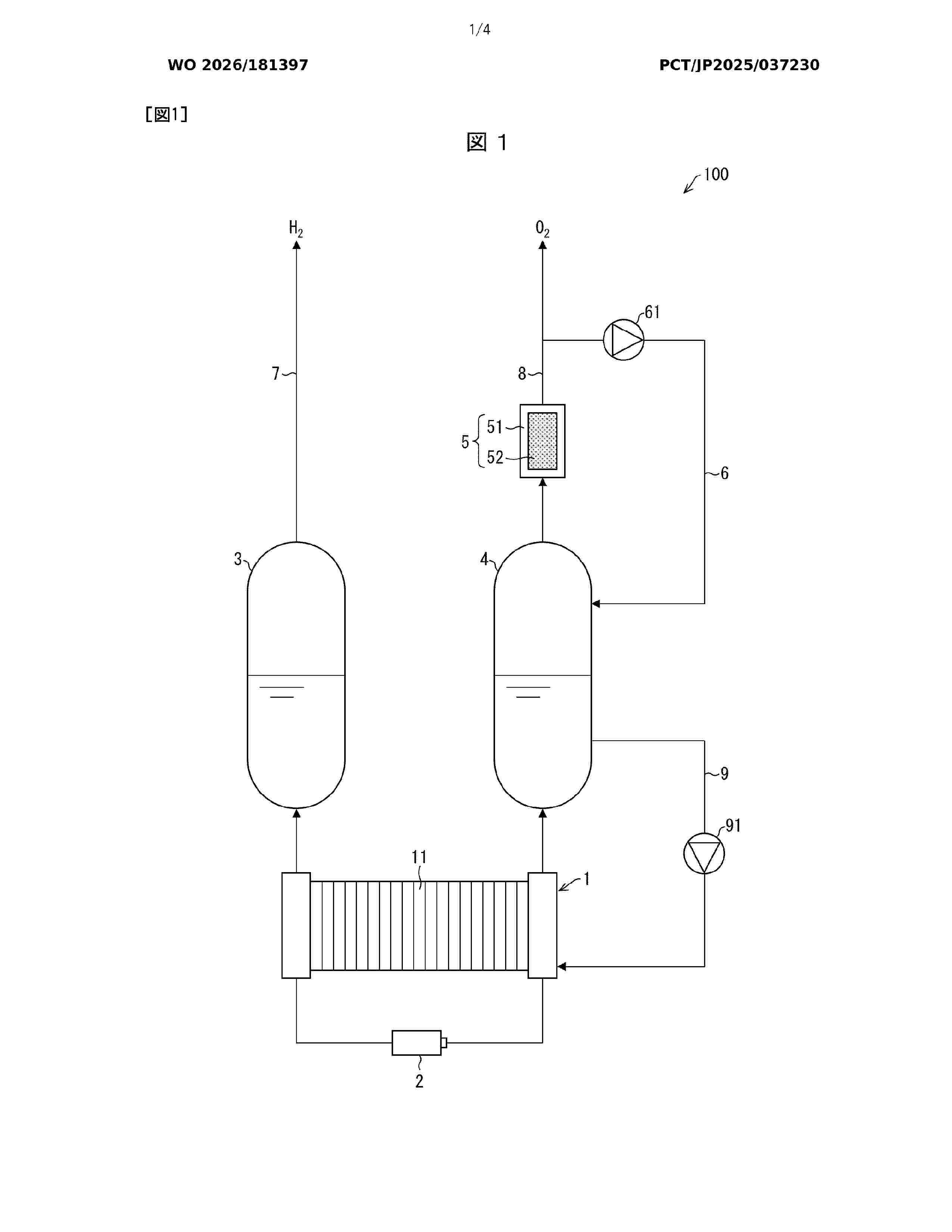
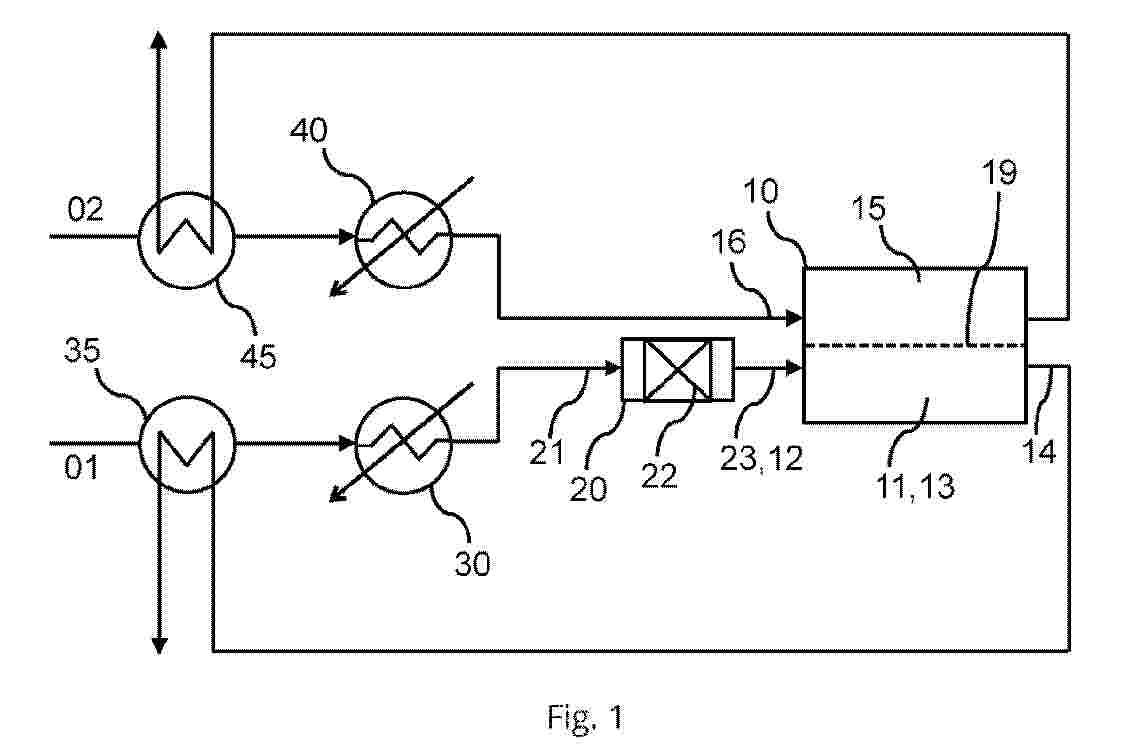
A water electrolysis apparatus (100) comprises: a catalyst (52) that is disposed outside an oxygen gas-liquid separator (4) and reduces hydrogen mixed into oxygen; and an oxygen circulation line (6) in which a blower (61) is disposed and which returns oxygen that has passed through the catalyst (52) to the oxygen gas-liquid separator (4).
Resumen de: WO2026181877A1
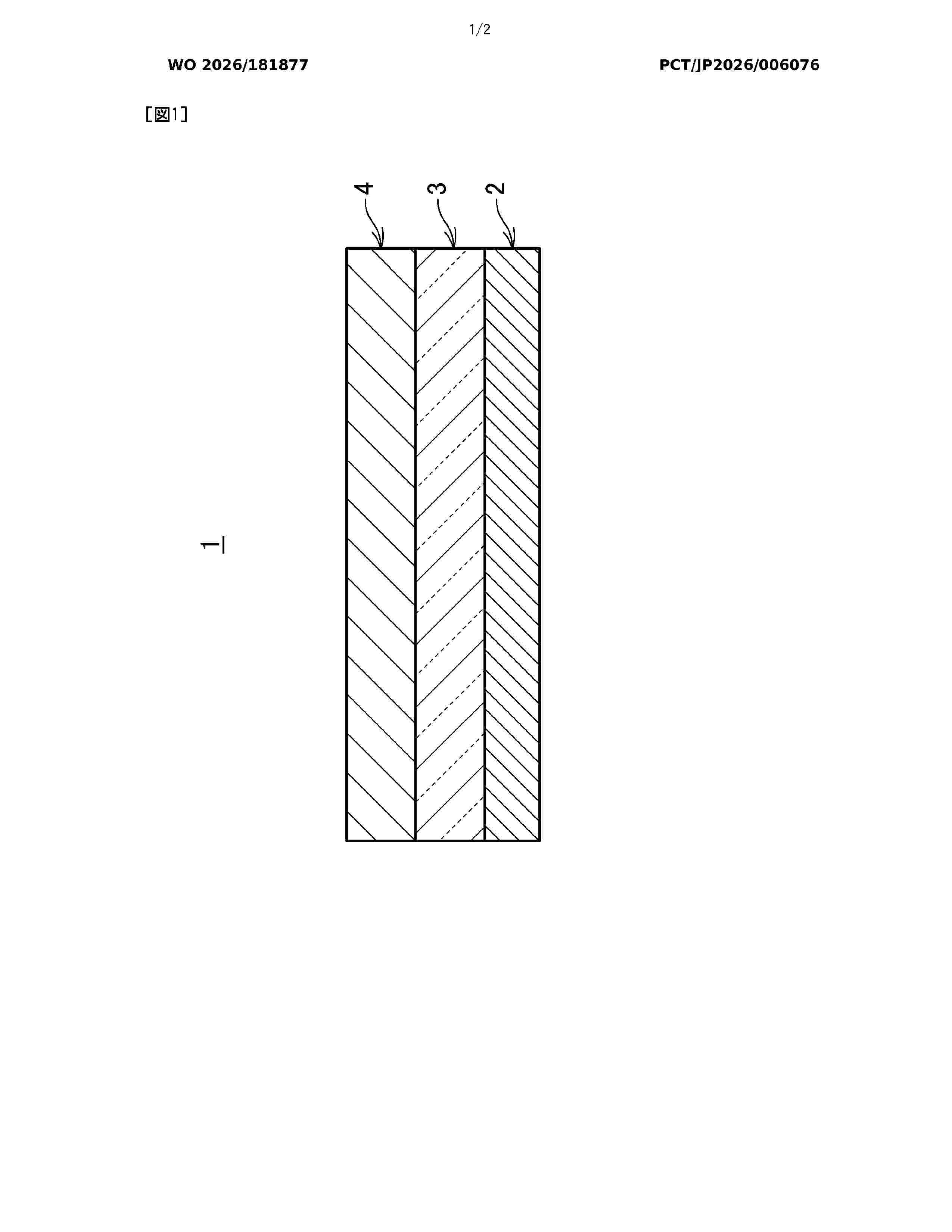
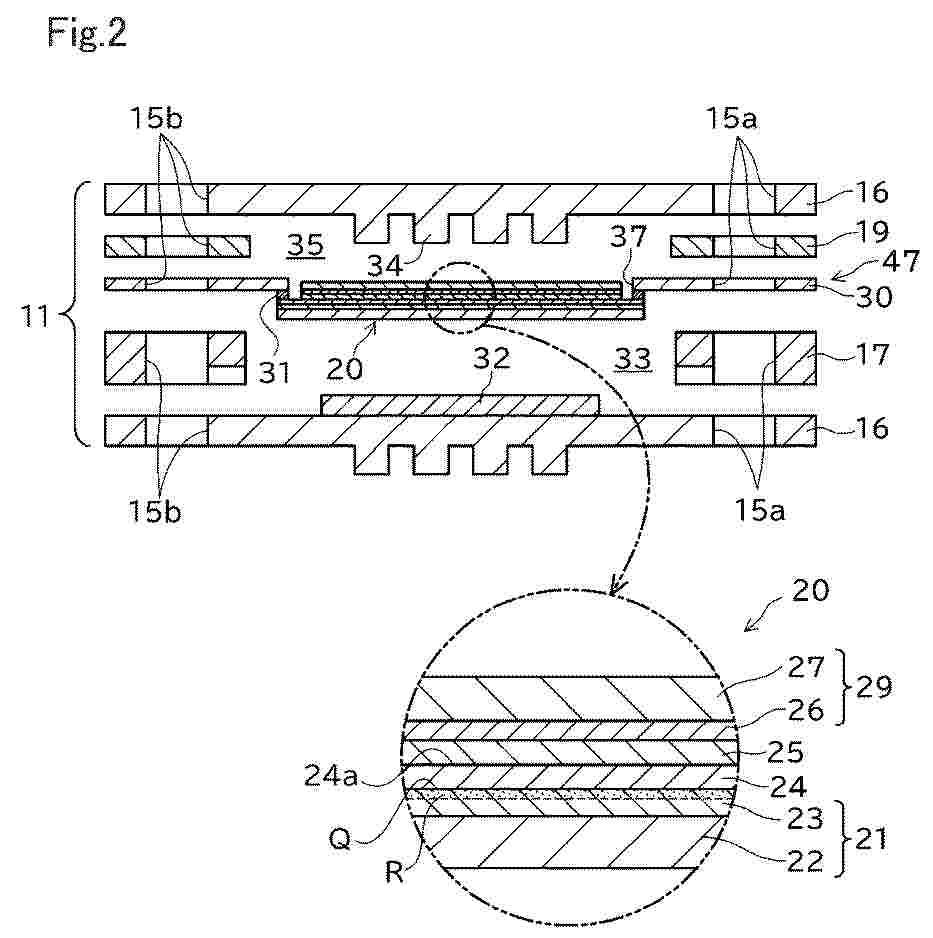
The present invention provides an electrode member having good durability. An electrode member 1 is formed by laminating a metal substrate 2, a conductive oxide layer 3 having a film thickness of 1 nm or more and less than 200 nm, and a metal layer 4 containing at least 50 wt% of iron in this order. A method for manufacturing an electrode member 1 includes: a step A of forming a conductive oxide layer 3 having a film thickness of 1 nm or more and less than 200 nm on the metal member 2; and a step B of forming a metal layer 4 containing at least 50 wt% of iron on the conductive oxide layer 3. The method forms the electrode member 1 in which the metal substrate 2, and the conductive oxide layer 3, and the metal layer 4 are laminated in this order.
Resumen de: KR20260133052A
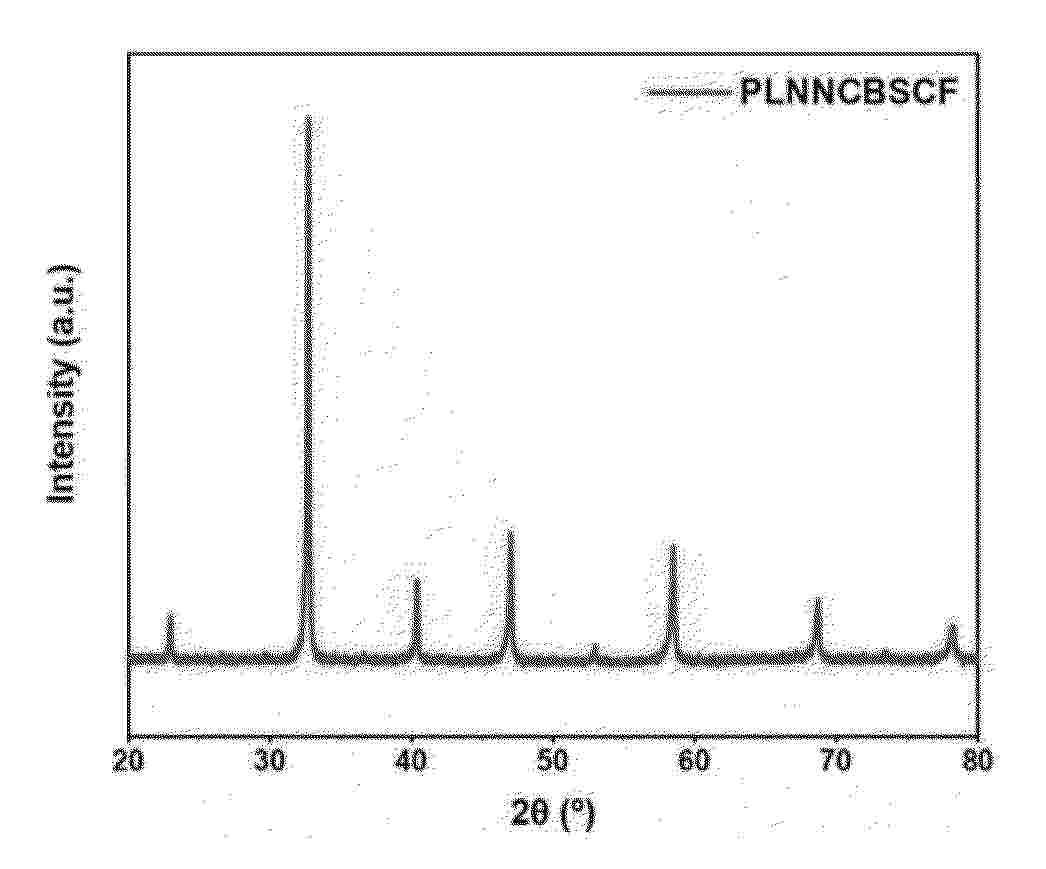
0001a 본 발명의 일 실시예는 Pr 전구체, La 전구체, Nd 전구체, Na 전구체, Ca 전구체, Ba 전구체, Sr 전구체, Co 전구체, 및 Fe 전구체를 포함하는 전구체 용액을 형성하는 단계; 상기 전구체 용액에 킬레이트 고정점 및 가교제를 첨가하여 반응 용액을 형성하는 단계; 및 상기 반응 용액을 반응시키는 단계;를 포함하는 것을 특징으로 하는 더블 페로브스카이트 공기극 산화물 제조방법을 제공한다.
Resumen de: WO2026181447A1
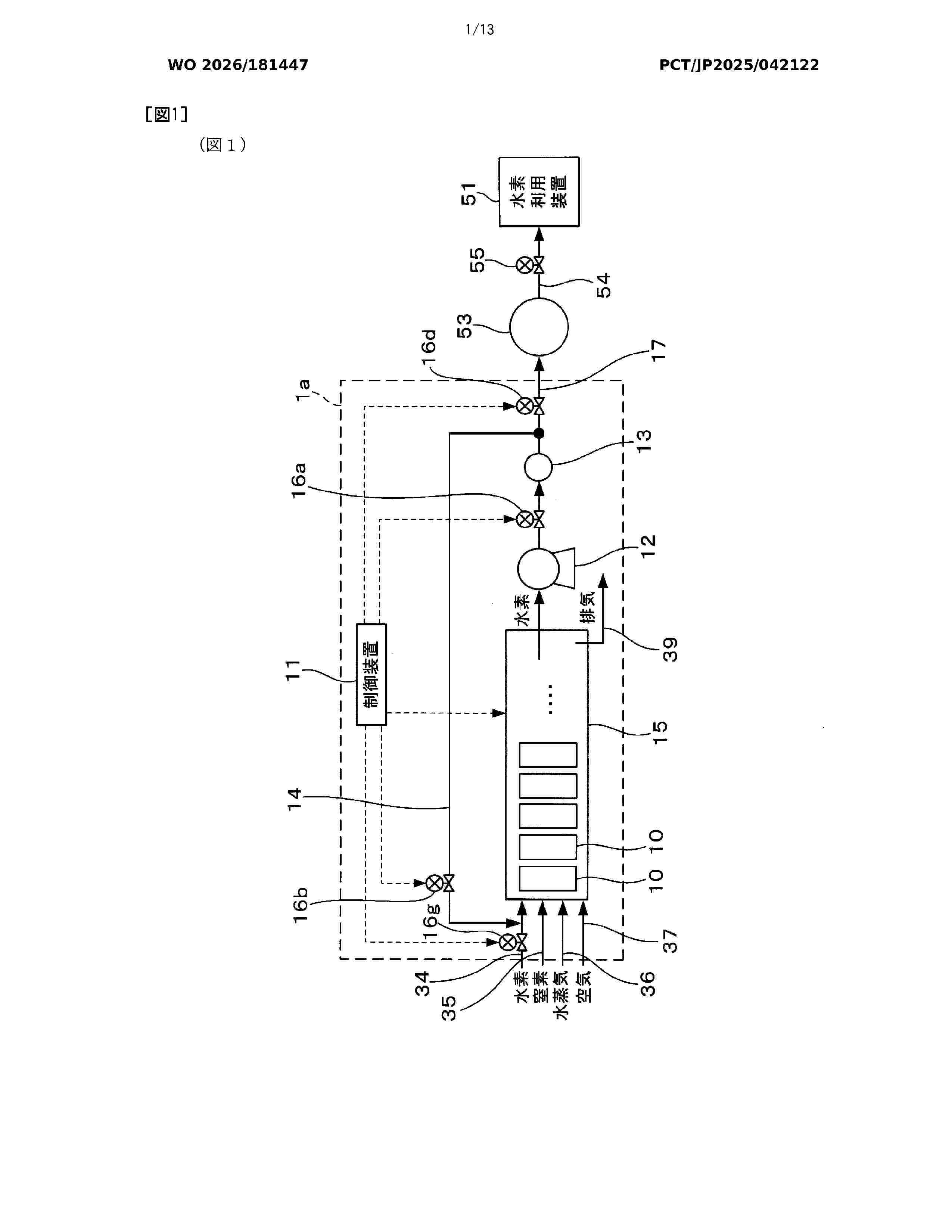
A hydrogen generation apparatus (1a) comprising a plurality of cell stacks (10) that, through electrolysis of water, generate hydrogen and oxygen as a byproduct, and a control device that controls the cell stacks (10) and controls circulation of hydrogen, wherein: the plurality of cell stacks (10) are divided into at least one firstly-started cell stack (10a) that is started firstly among the plurality of cell stacks (10) and at least one subsequently-started cell stack (10b), (10c) that is started subsequently to the firstly-started cell stack (10a); and the control device (11) is configured to be able to supply, to the subsequently-started cell stack (10b), (10c), hydrogen generated by the firstly-started cell stack (10a) when starting the subsequently-started cell stack (10b), (10c) after the firstly-started cell stack (10a) is started.
Resumen de: US20260257913A1
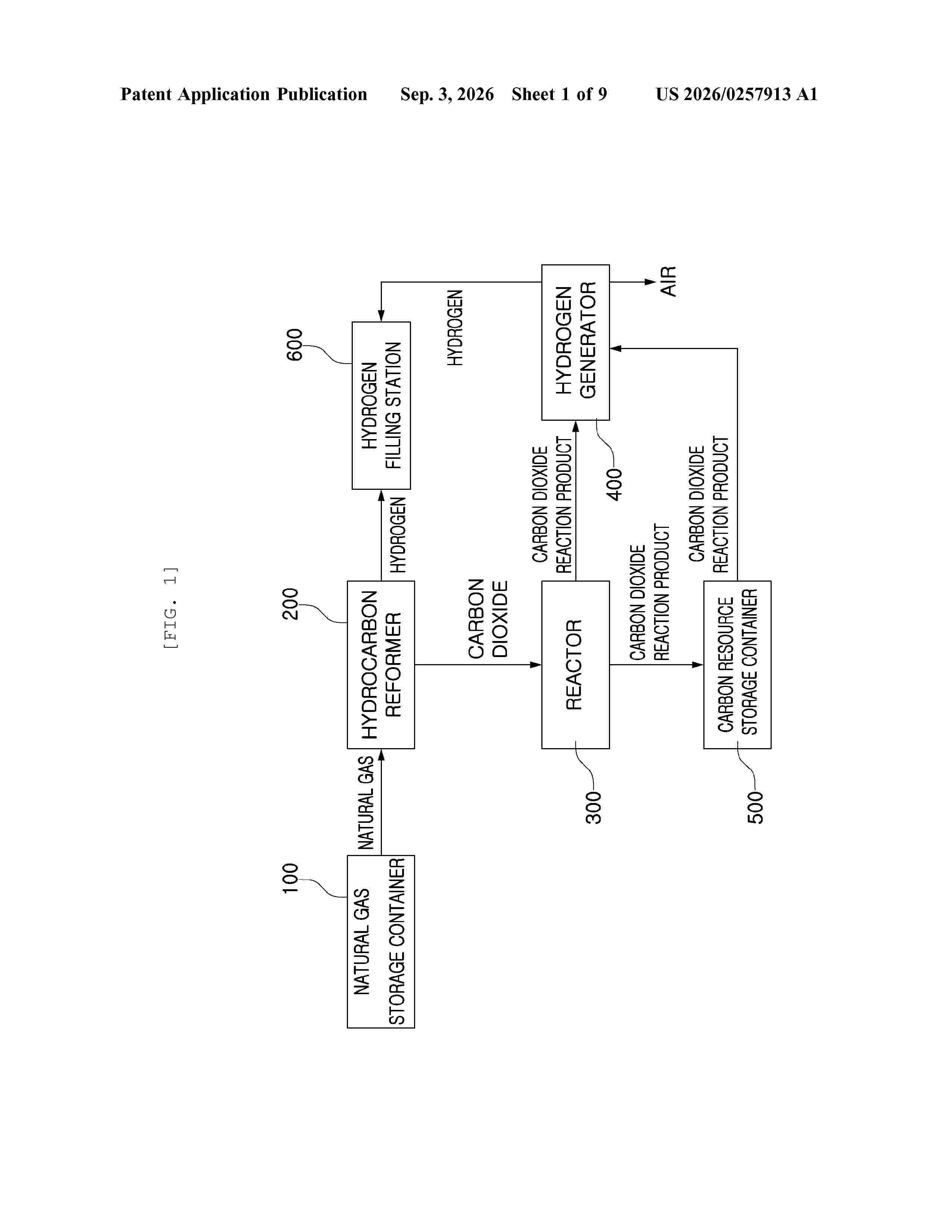
Proposed is a system for generation of blue hydrogen through natural gas reforming, carbon dioxide capture, carbon resource utilization, and reaction product storage. The system includes a natural gas storage container for storing liquefied natural gas including shale gas, a hydrocarbon reformer in which a gas mixture containing hydrogen and carbon dioxide is produced, a hydrogen filling station in which hydrogen is received and stored, a reactor in which carbon dioxide produced is received and reacted with a basic alkali mixed solution to capture carbon dioxide and in which a reaction product is collected and a carbon dioxide reaction product and a waste solution are separated from the reaction product, a carbon resource storage container storing the carbon dioxide product, and a hydrogen generator in which the carbon dioxide reaction product is used to product hydrogen, and the produced hydrogen is delivered to the hydrogen filling station.
Resumen de: EP4800156A1
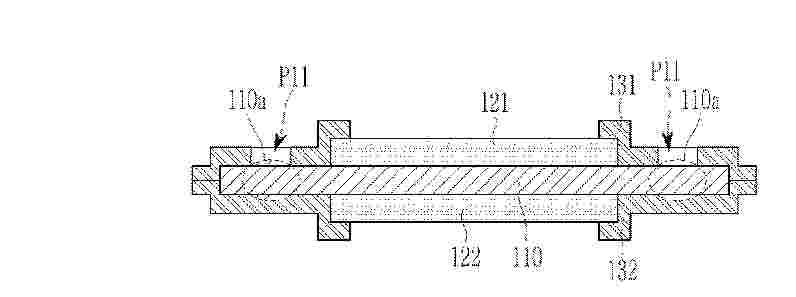
Provided is a membrane-electrode assembly for a water electrolysis cell, including: a polymer electrolyte membrane having an active area and an inactive area surrounding the active area; a hydrogen generation electrode positioned on a first surface of the active area of the polymer electrolyte membrane; an oxygen generation electrode positioned on a second surface of the active area of the polymer electrolyte membrane; a first subgasket disposed on a first surface of the inactive area of the polymer electrolyte membrane and surrounding the hydrogen generation electrode; and a second subgasket disposed on a second surface of the inactive area of the polymer electrolyte membrane and surrounding the oxygen generation electrode, wherein the first subgasket has a first window accommodating the hydrogen generation electrode, and a first water supply path surrounding the first window and exposing the inactive area of the polymer electrolyte membrane.
Resumen de: KR20260132167A
본 발명의 일측면에 따르면, 헬륨과 공급수가 열교환되어 증기가 생성되도록 내부로 헬륨과 공급수가 유입되는 열교환장치; 상기 열교환장치로 유입되는 헬륨을 가열하기 위한 헬륨가열장치; 수소가 생성되도록 상기 열교환장치에서 생성된 증기가 유입되는 제1 캐소드와 제1 애노드를 포함하는 고체산화물 수전해 전지스택를 포함하는 수소생성부; 전기가 생성되도록 상기 열교환장치에서 생성된 증기가 유입되는 제2 애노드와 제2 캐소드를 포함하는 고체산화물 연료 전지스택를 포함하는 전기생성부; 상기 열교환장치, 상기 헬륨가열장치, 상기 수소생성부 및 상기 전기생성부에 연결되어 헬륨, 공급수, 증기 및 수소가 유동되는 통로를 제공하는 플로우채널; 상기 플로우채널에서 헬륨, 공급수, 증기 및 수소의 유동을 조절하기 위해 선택적으로 개폐되는 복수 개의 밸브; 상기 제1 캐소드 및 상기 제2 애노드의 압력을 감지하기 위한 복수 개의 압력센서; 및 복수 개의 압력센서에서 감지된 압력에 기초하여 상기 복수 개의 밸브를 제어하는 제어기를 포함하고, 상기 제어기는 상기 제1 캐소드의 압력이 미리 설정된 제1 캐소드기준압력 이상일 경우, 상기 제1 캐소드로 유입되는 증기가 감소되도록 복수 개의 밸브를 제어하고, �
Resumen de: EP4800057A1
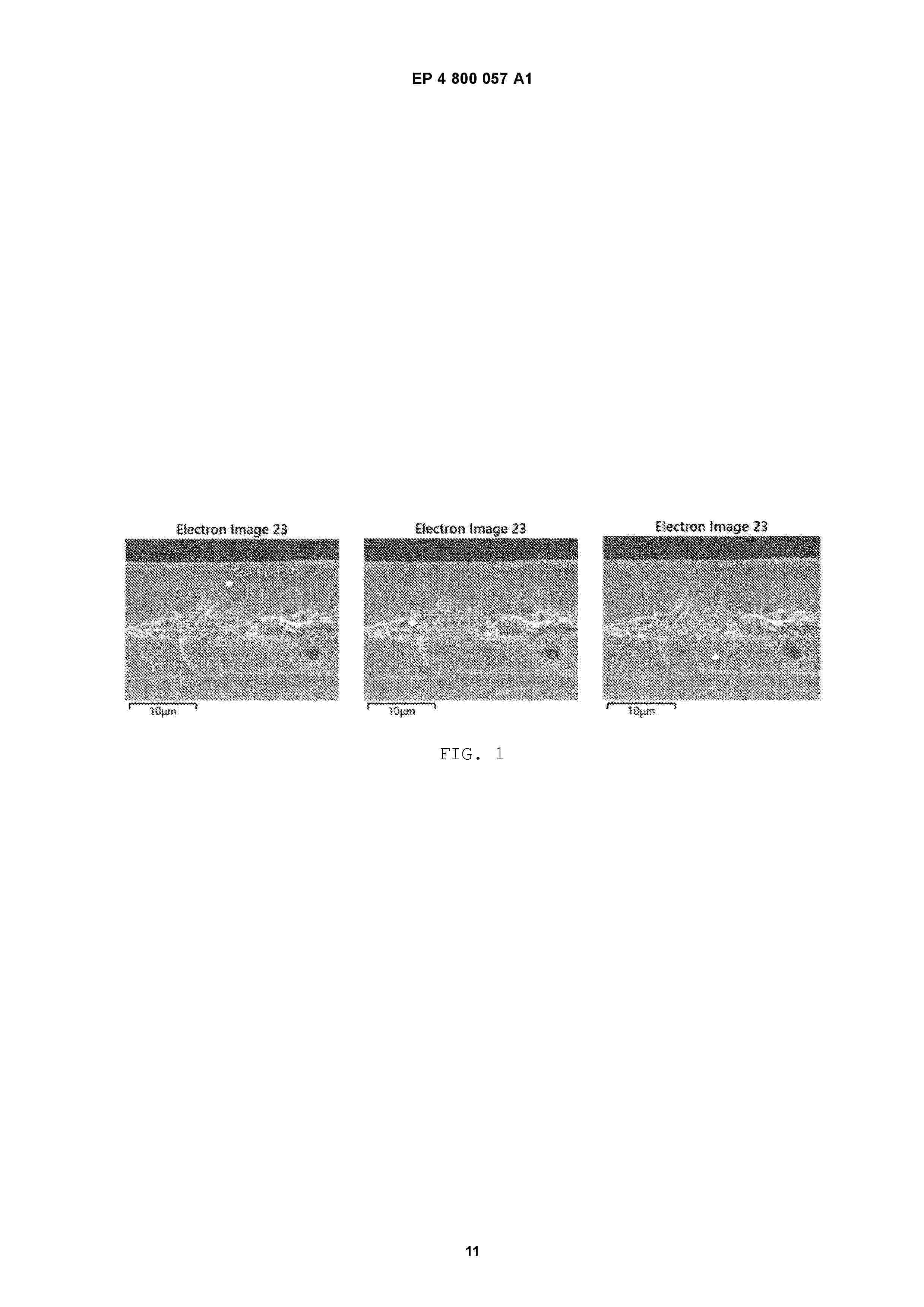
0001 The present invention relates to a reinforced composite polymer electrolyte membrane having assured mechanical, structural, and thermal stability.
Resumen de: WO2025090834A1
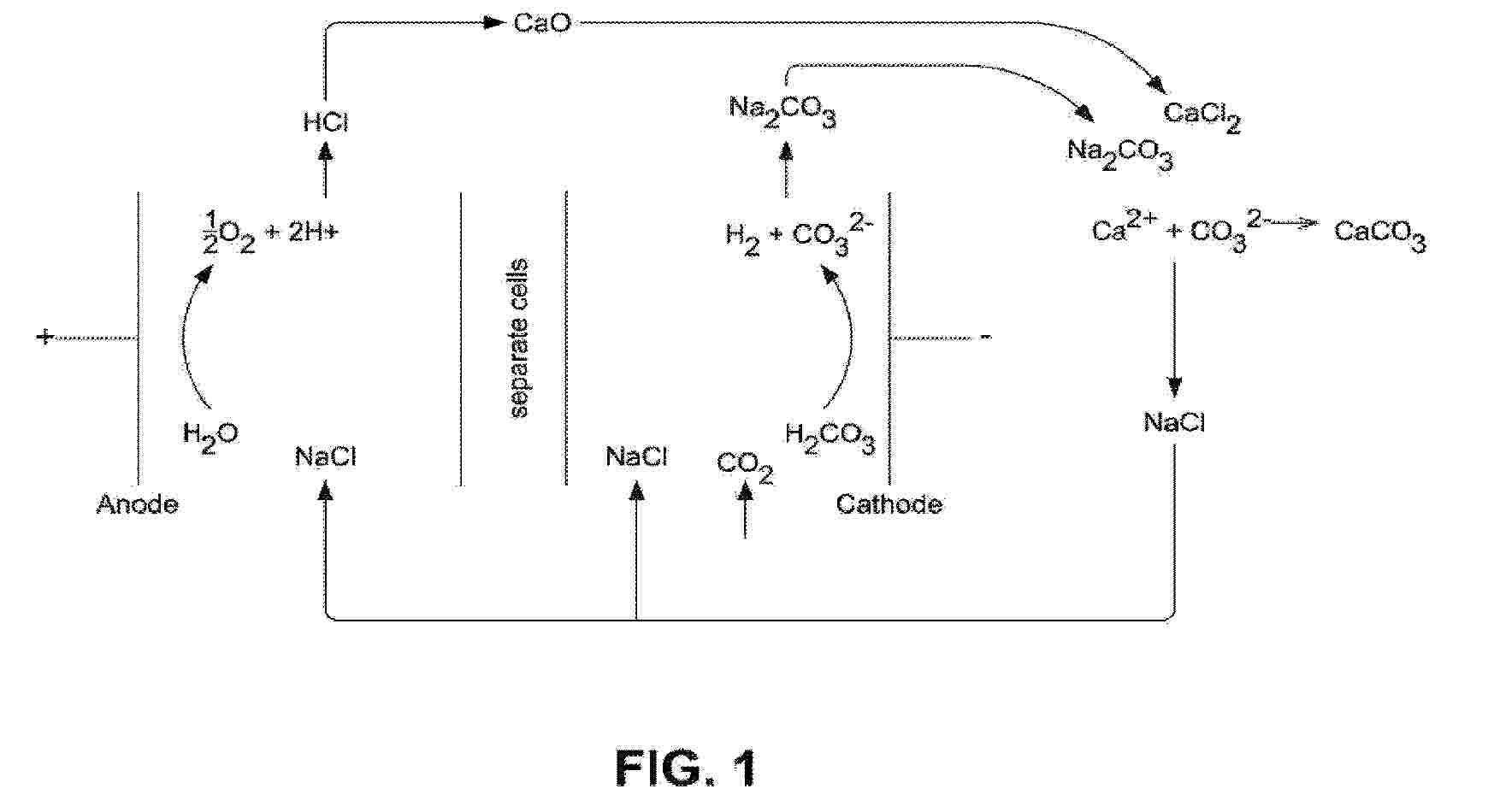
Disclosed herein are systems and methods for tandem hydrogen (H2) production and carbon dioxide (CO2) capture. For example, described herein are methods comprising tandem H2 production and CO2 capture and conversion to a carbonate mineral. In some examples, the method is an electrochemical method. In some examples, the method comprises dissolving CO2 in water and applying an electrochemical potential sufficient to drive the H2 evolution reaction, thereby producing H2 and CO3 2-. In some examples, the methods further comprise contacting the CO3 2- with a cation to thereby form an insoluble carbonate compound.
Resumen de: WO2025087865A1
The present invention relates to a guard bed reactor for silicon removal, a solid oxide electrode system for producing hydrogen comprising a guard bed reactor for silicon removal, a method of operating the system to produce hydrogen and a use of the guard bed reactor for silicon removal for depleting a stream of steam from volatile silica species.
Resumen de: WO2025087866A1
The invention relates to a method of operating a solid oxide electrolysis cell (SOEC) stack for producing hydrogen, and a system for carrying out the method, said SOEC stack comprising at least one solid oxide electrolysis cell (SOEC), said at least one SOEC comprising an electrolyte layer interposed between a fuel-side and an oxy-side, the method comprising transient operation, in which the transient operation comprises: - operating the SOEC stack under open-circuit voltage (OCV); - providing a feed gas comprising ammonia; - supplying at least a portion of said feed gas comprising ammonia to a guard bed reactor, said guard bed reactor comprising a catalyst active in the cracking of ammonia to nitrogen and hydrogen; and withdrawing from said guard bed reactor a forming gas comprising nitrogen and hydrogen; - supplying at least a portion of the forming gas comprising nitrogen and hydrogen to the fuel-side of the at least one of the solid oxide electrolysis cells (SOECs) of the SOEC stack; and withdrawing from said at least one of the SOECs of the SOEC stack, a first fuel-side exit gas.
Resumen de: EP4800161A1
Provided is a technique for suppressing occurrence of cracking in a solid electrolyte layer. A solid oxide electrolysis cell includes an air electrode containing a complex oxide having a perovskite structure, a fuel electrode, and a solid electrolyte layer disposed between the air electrode and the fuel electrode. In an interface region of the fuel electrode, which region extends 5 µm from the interface between the fuel electrode and the solid electrolyte layer, the Al content is 1 ppm or greater and 100 ppm or less.
Resumen de: EP4545476A1
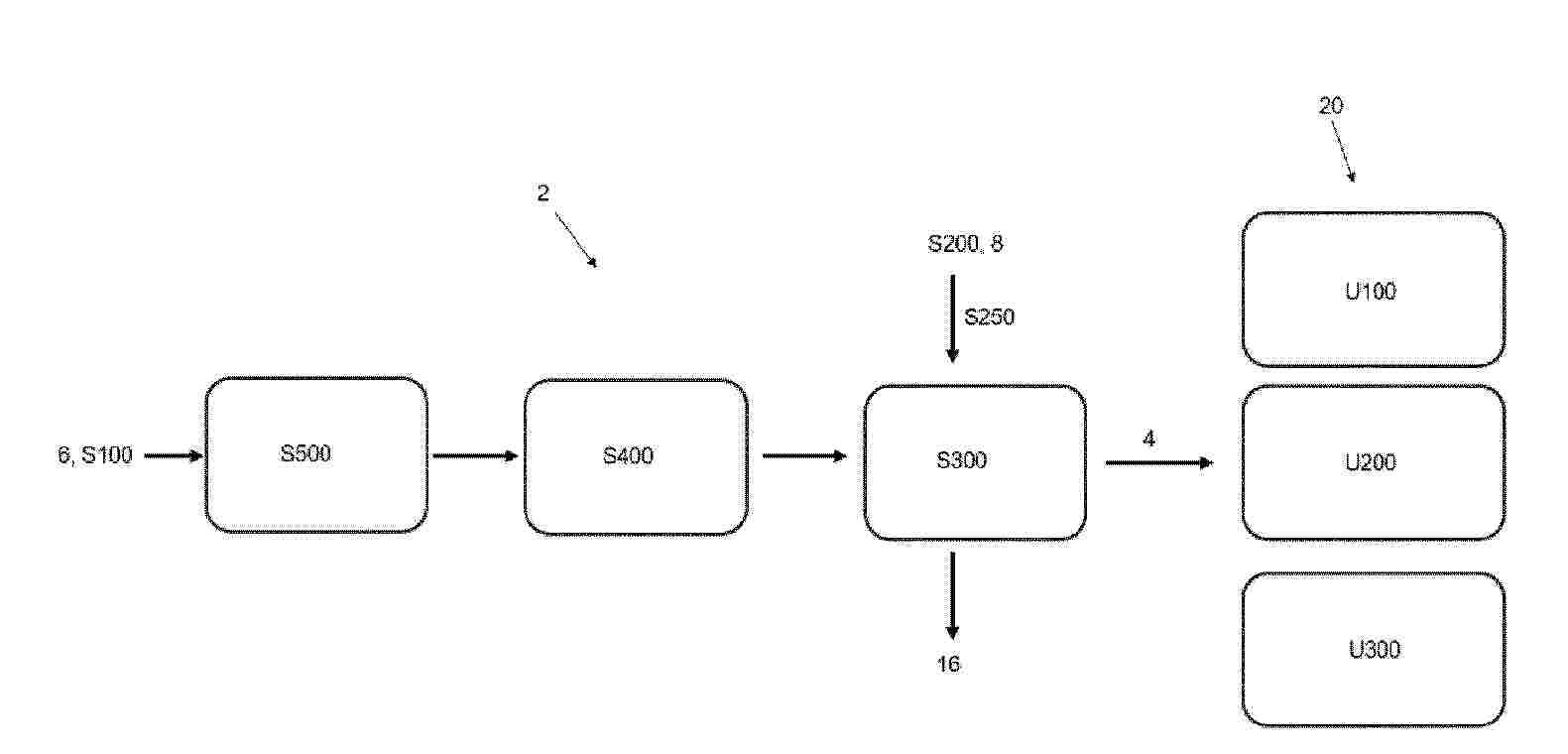
Process (2) for the production of an enhanced fuel gas (4) containing at least hydrogen gas from a fuel stream, in particular from an ammonia fuel stream (6). Said process comprises the following steps:- providing the fuel stream (6) (S100);- providing a condensable medium (8), preferably water steam (8), to a cracker unit (10);- at least one step of performing an endothermic cracking reaction of the fuel stream (6) in the cracker unit comprising at least one catalyst suitable for cracking said fuelstream (6), so as to produce an at least partially cracked fuel stream as said enhanced fuel gas (4) (S300); and- condensing at least partially said condensable medium (8) to provide said heat for the endothermic cracking reaction of the fuel stream (6).
Resumen de: WO2025088418A1
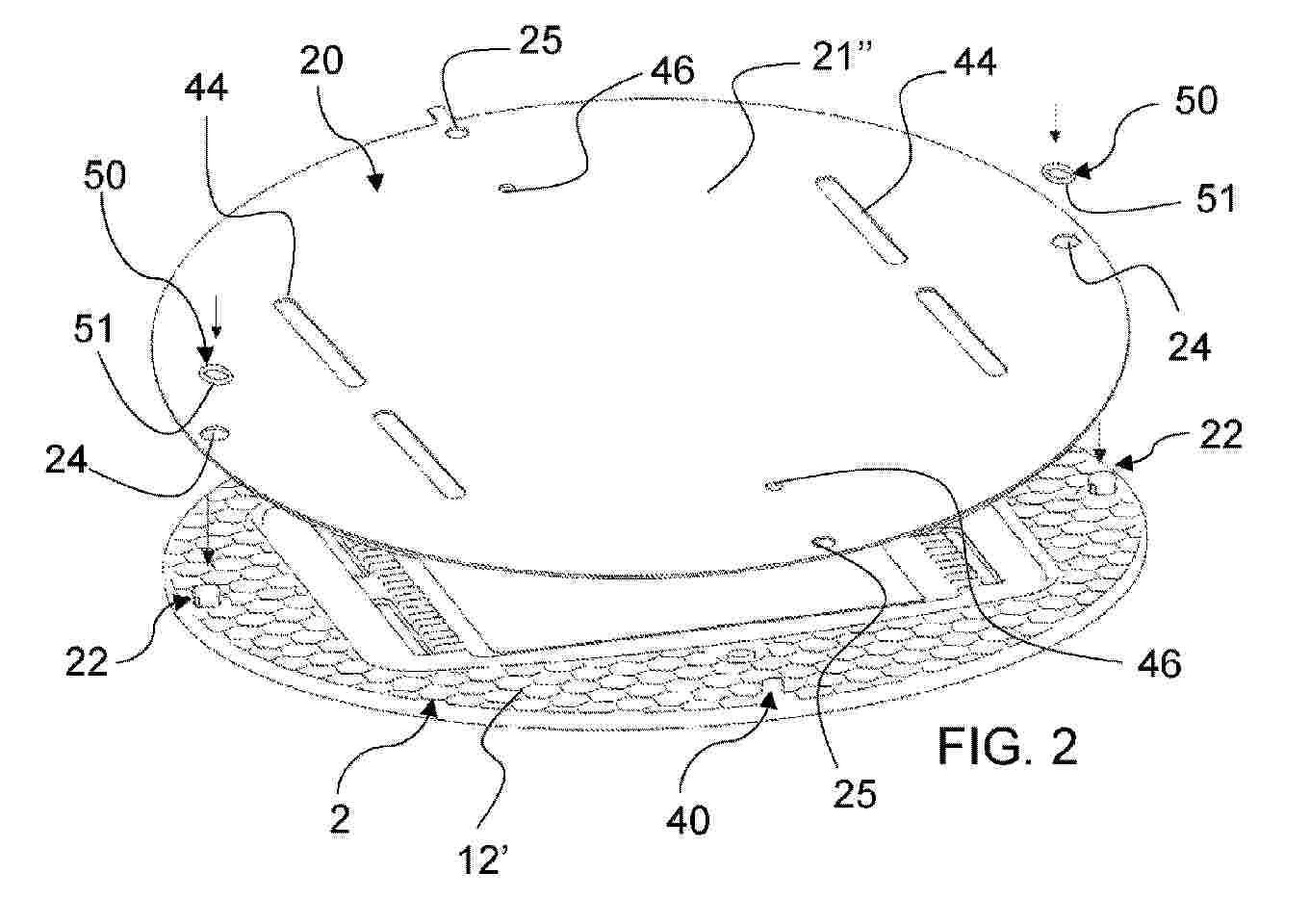
Electrochemical device (1), preferably of the electrolyser type for hydrogen production, characterised by comprising: - at least one support frame (2), with a substantially laminar development, which is provided with at least one seat (3) for an electrochemical module (10), said support frame (2) comprising a first face (12') and a second face (12") which are opposite to each other, at least one electrochemical module (10) which is mounted in said at least one seat (3) and which comprises a separation membrane interposed between two electrodes, respectively between an anode and a cathode, at least one bipolar plate (20) for applying/transferring electrical energy to the electrodes of said at least one electrochemical module (10), said bipolar plate (20) comprising a first surface (21') and a second surface (21") which are opposite to each other, said bipolar plate (20) being superimposed on said support frame (2) and being configured so that the first surface (21') of said bipolar plate (20) rests, at least in part, on a first face (12') of said support frame (2).
Resumen de: EP4800162A2
The hydrogen production system comprises a solid oxide electrolysis cell (SOEC) that electrolyzes steam, a steam discharge line through which the steam discharged from the hydrogen electrode of the SOEC passes, a main heat exchanger that generates the steam by heating supply water through heat exchange between the supply water and the steam passing through the steam discharge line, a combustor that combusts a part of hydrogen contained in steam discharged from a hydrogen electrode, a superheater that exchanges heat between the steam generated in the main heat exchanger and the combustion gas generated in the combustor, a gas discharge line through which an exhaust gas discharged from an oxygen electrode of the SOEC passes, a steam bleeding line that allows the steam discharge line and the combustor to communicate with each other, and an exhaust gas bleeding line that allows the gas discharge line and the combustor to communicate with each other.
Resumen de: EP4800000A1
The invention relates to an methanol plant comprising: a CO2-rich feed, a hydrogen-rich feed, a boiler feed water stream, a CO2-electrolysis section arranged to electrolyse at least a portion of the CO2-rich feed to output a mixed stream, a heat exchange section arranged to heat exchange at least a portion of the first mixed stream so as to output a cooled mixed stream and a steam stream, a methanol synthesis loop arranged to receive at least a portion of the cooled mixed stream and at least a portion of the hydrogen-rich feed and to output a raw methanol stream, a purge gas stream, and a flash gas stream, and a methanol upgrading section, wherein the steam stream is arranged to provide heat energy for one or more components of the methanol upgrading section. At least a portion of the purge gas stream is arranged to be recycled to the CO2-rich feed, and/or at least a portion of the flash gas stream is arranged to be recycled to at least one of: the mixed stream and the cooled mixed stream. The invention also relates to a method for converting CO2 to methanol.
Nº publicación: KR20260132301A 02/09/2026
Solicitante:
서울대학교산학협력단
Resumen de: KR20260132301A
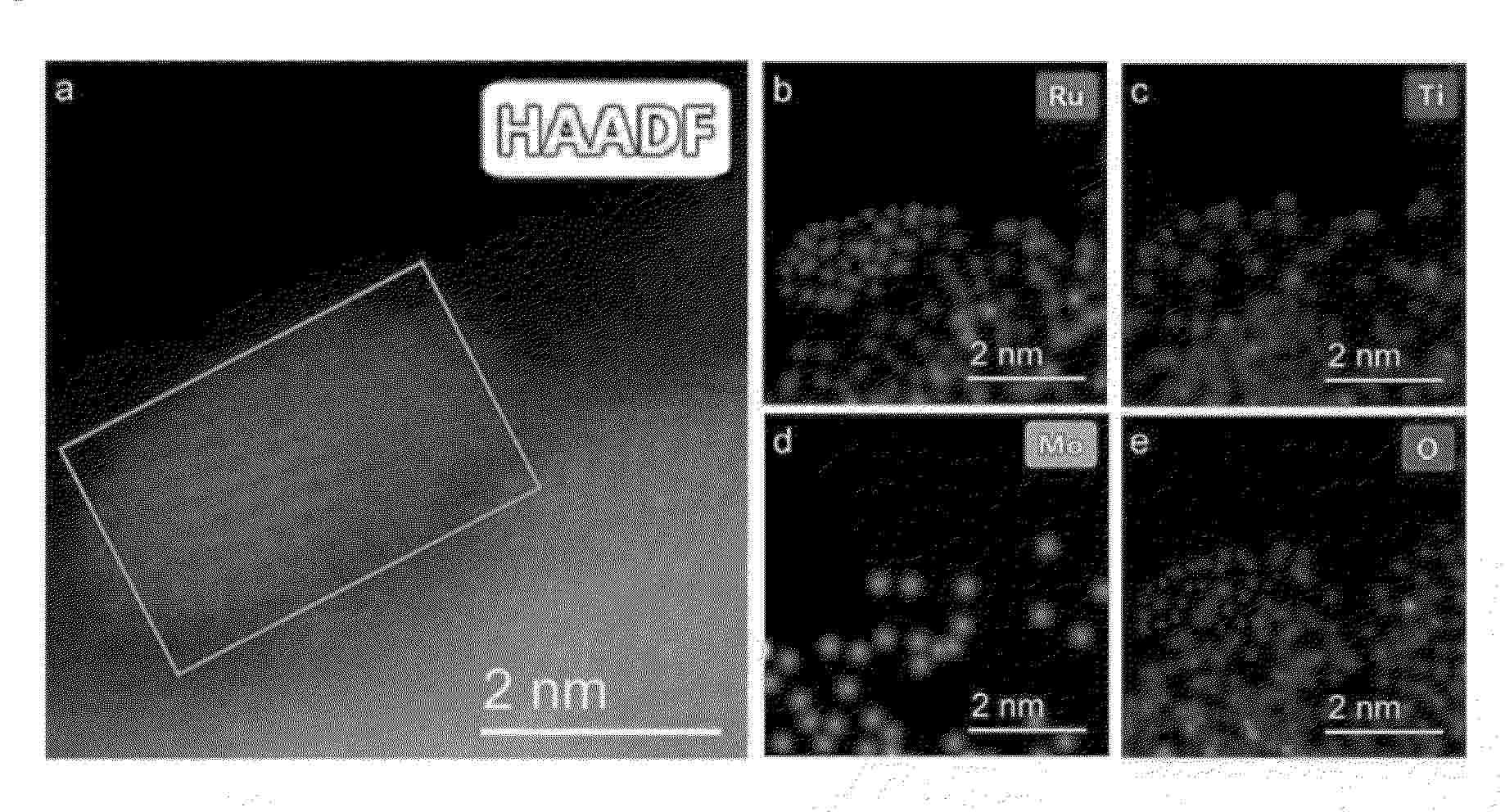
본 발명은 수소발생용 촉매입자, 이의 제조방법, 및 이를 포함하는 전극에 관한 것으로, 보다 구체적으로 내구성 및 전기화학적 특성이 우수한 수소발생용 촉매입자, 이의 제조방법, 및 이를 포함하는 전극에 관한 것이다.
 BOPI
BOPI
 Sede Electrónica