Si deseas distinguir tus productos, servicios o ambos de los de otra empresa, es posible que necesites una marca o nombre comercial. Descubre qué son, en qué consiste su procedimiento de registro y qué implica.

Información sobre los plazos de presentación de solicitudes de transformación de marcas de la Unión Europea en marca nacional española. Más información


Si tienes un nuevo dispositivo, producto o procedimiento que resuelva un problema técnico o tenga una ventaja práctica, existen distintas formas de protegerlo en España y en otros países. Descubre cómo hacerlo.

¿Tu innovación reside en la estética, la ornamentación o la apariencia de tu producto? Protégela mediante un diseño industrial. Descubre qué derechos confiere el registro y cómo realizar la tramitación.

Las indicaciones geográficas protegen el nombre de un producto originario de una zona geográfica, a la cual le debe una determinada calidad, reputación u otra característica. Descubre qué son, en qué consiste su procedimiento de registro y qué beneficios conceden.

Las patentes publicadas en todo el mundo son una valiosa fuente de información científica, técnica y comercial.

Si eres emprendedor/a o una empresa y quieres potenciar y mejorar la rentabilidad de tu negocio protegiendo de forma adecuada los activos intangibles de tu organización, en este espacio encontrarás lo necesario.


 102
resultados
102
resultados
 Última actualización
15/09/2026 [08:13:00]
Última actualización
15/09/2026 [08:13:00]


 Resultados 25 a 50 de 102

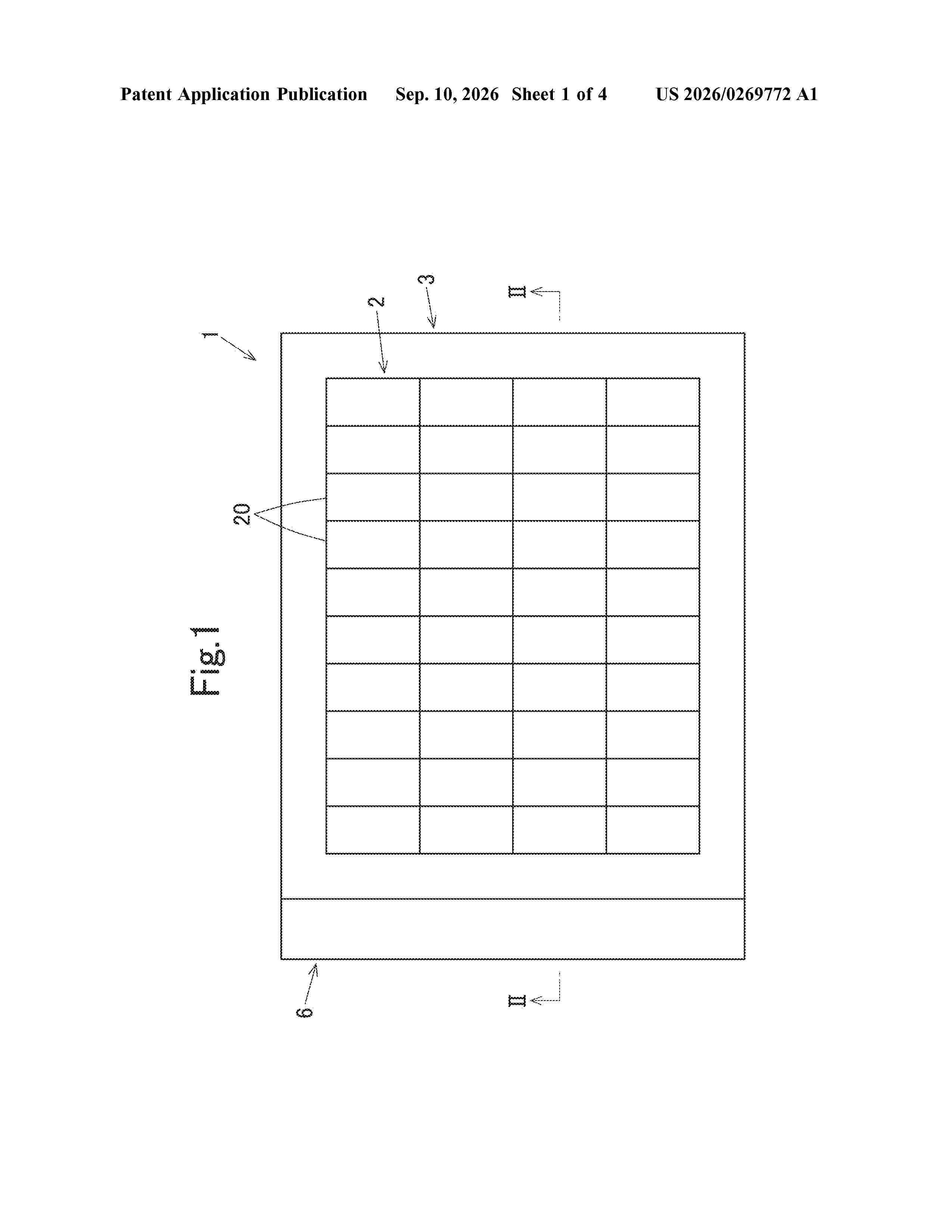
Resumen de: US20260269772A1
Provided is an installation structure for a solar cell module, in which a distance L between an interrupting object and a light-receiving surface end part of a solar cell closest to the interrupting object satisfies two formulas below. A height of the interrupting object is defined as D; a start time for calculation is defined as a and an end time as b; and a sun altitude (in degrees) at a time i of a date k is defined as hk,i and a solar azimuth angle (in degrees) as φk,i. An azimuth angle (in degrees) at which the installation surface faces is defined as Rφ, and an inclination angle (in degrees) of a light-receiving surface of the solar cell module is defined as Rθ. A date of the summer solstice is represented by k=1, and a date of the winter solstice is represented by k=2Lk=Db-a∫ab-coshk,isinϕk,icosRθsinRϕ-coshk,icosϕk,icosRθcosRϕ+sinhk,isinRθcoshk,isinϕk,isinRθsinRϕ+coshk,icosϕk,isinRθcosRϕ+sinhk,icosRθdiL1≤L≤L2.

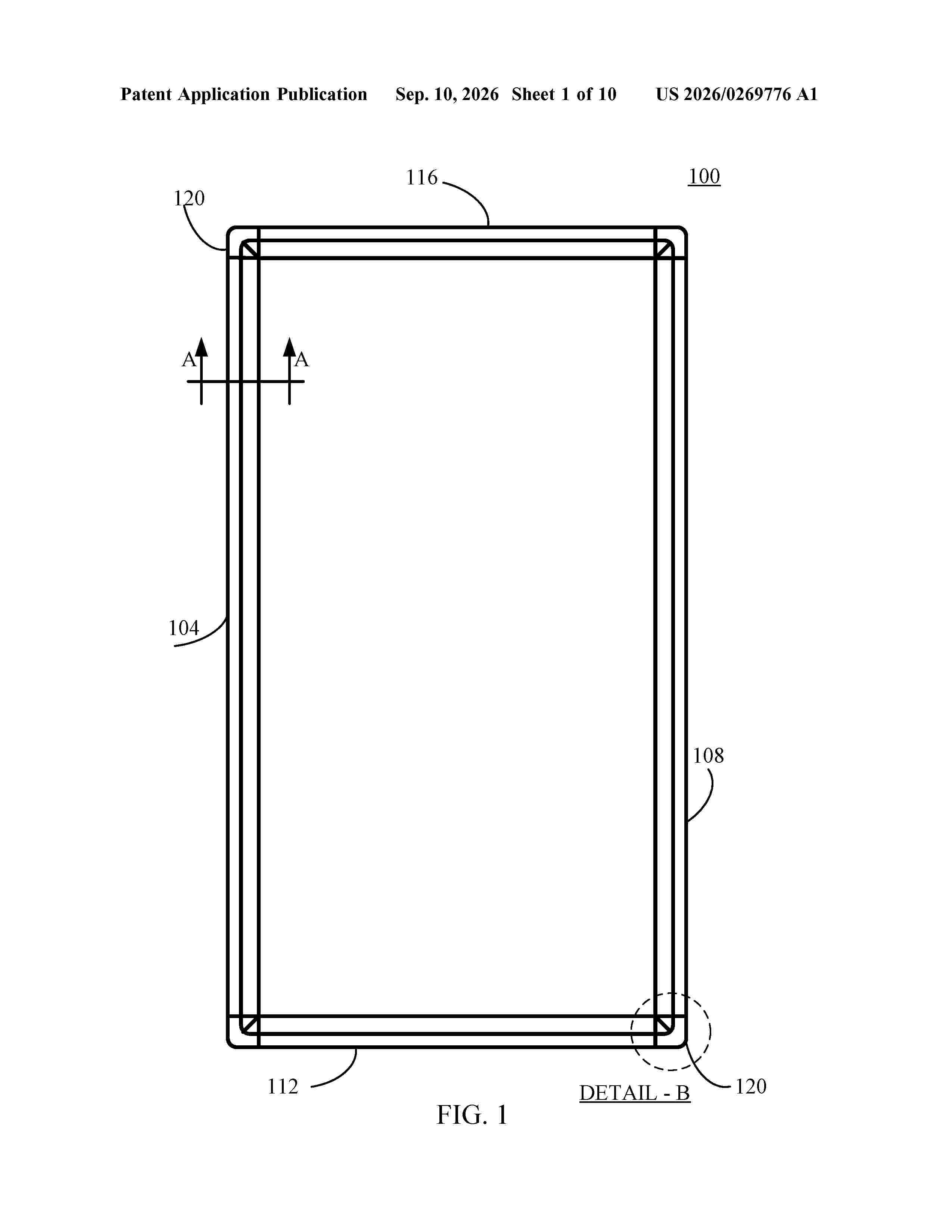
Resumen de: US20260269776A1
A frame for bi-facial solar panel assembly including several elongated metal members. The cross-section of the elongated metal members includes a beveled segment reducing the shading of the solar panel and increasing the solar panel power generation. The beveled segment of the frame facilitates the rainwater run off the panel. The location of frame mounting brackets is flexible and allows for easy repositioning of the brackets to meet the mounting requirements of the different mounting variations.
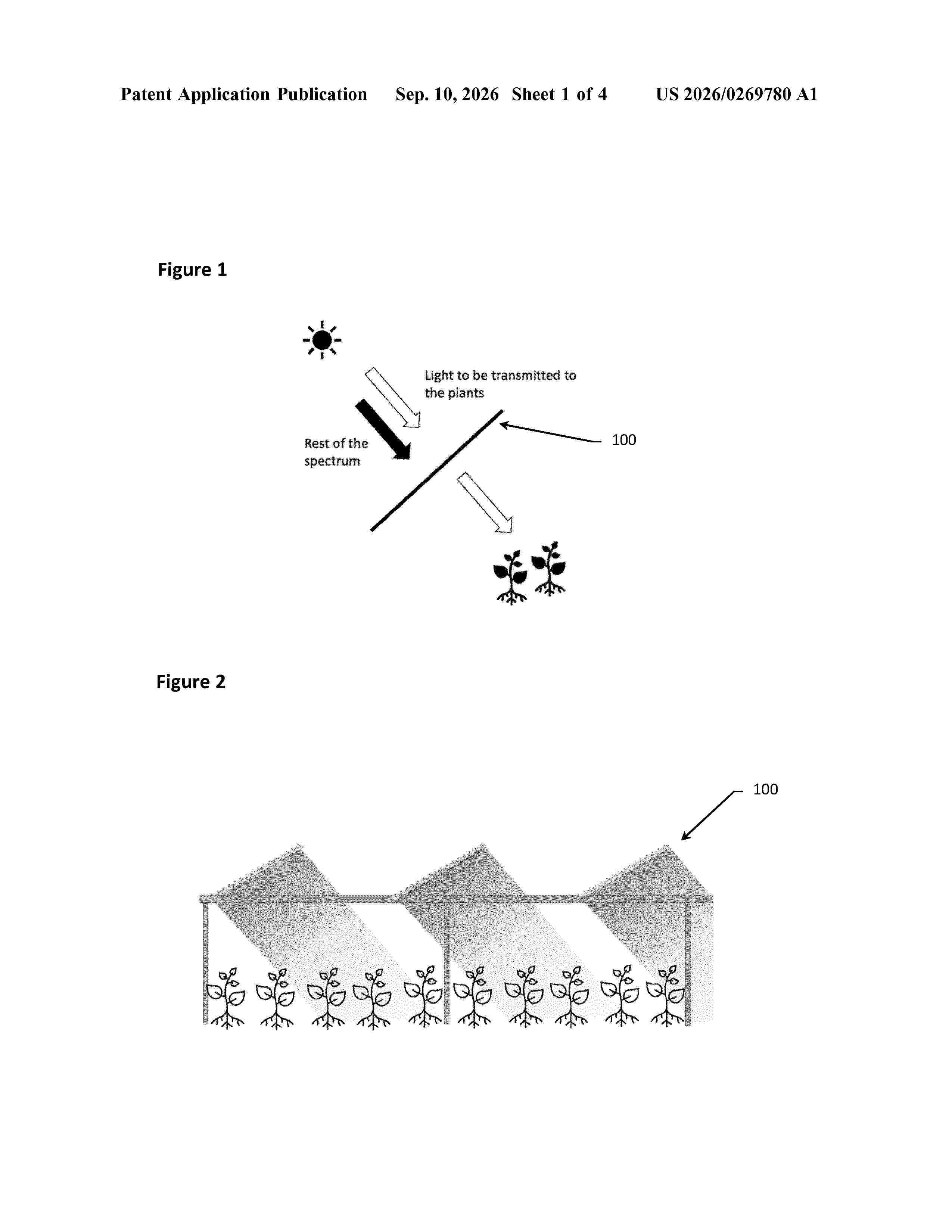
Resumen de: US20260269780A1
The present invention relates to Energy generation panel comprising at least two energy generation modules, each energy generation modules comprising a first surface presenting an energy harvesting device, a second surface, a reflecting surface, and a holding structure connecting the first and second surfaces together so as to present a volume in between, wherein the reflecting surface is configured to filter an incident sunlight thereby letting a first portion of said sunlight pass through it and reflecting a second portion of said sunlight, characterized in that said reflecting surface presents a plurality of reflecting regions differently oriented with respect to each other and each being configured to homogeneously reflect said second portion of incident light on a collecting surface of said energy harvesting device.
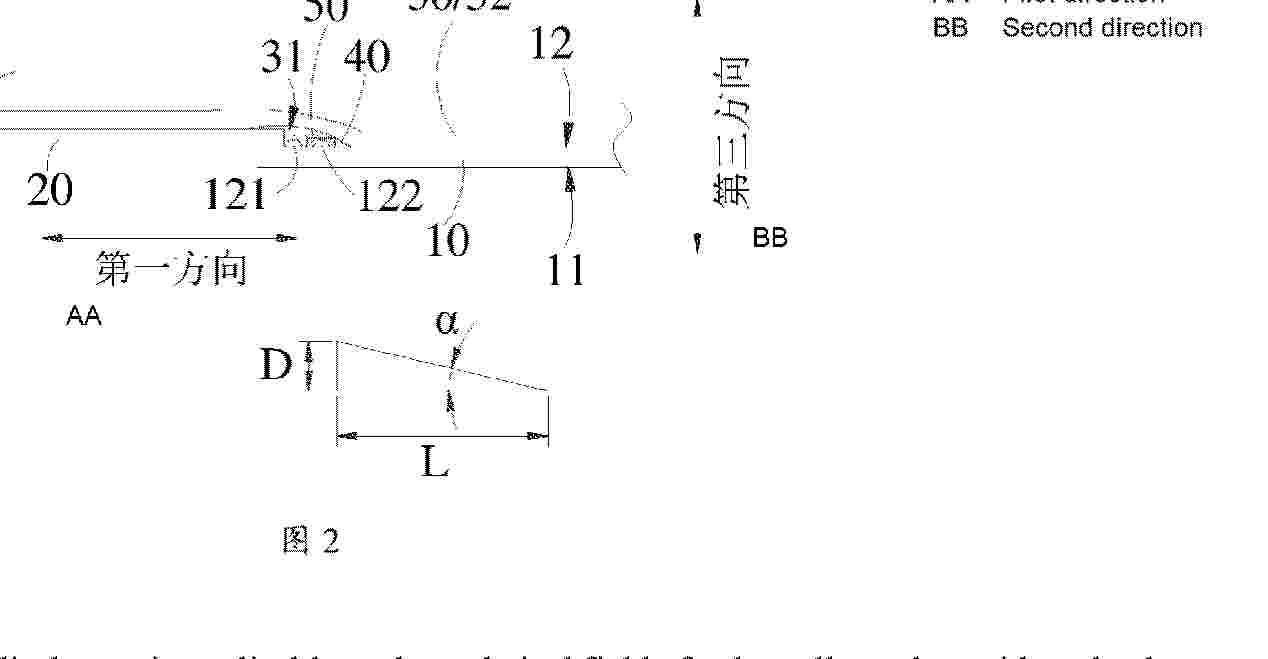
Resumen de: AU2025324106A1
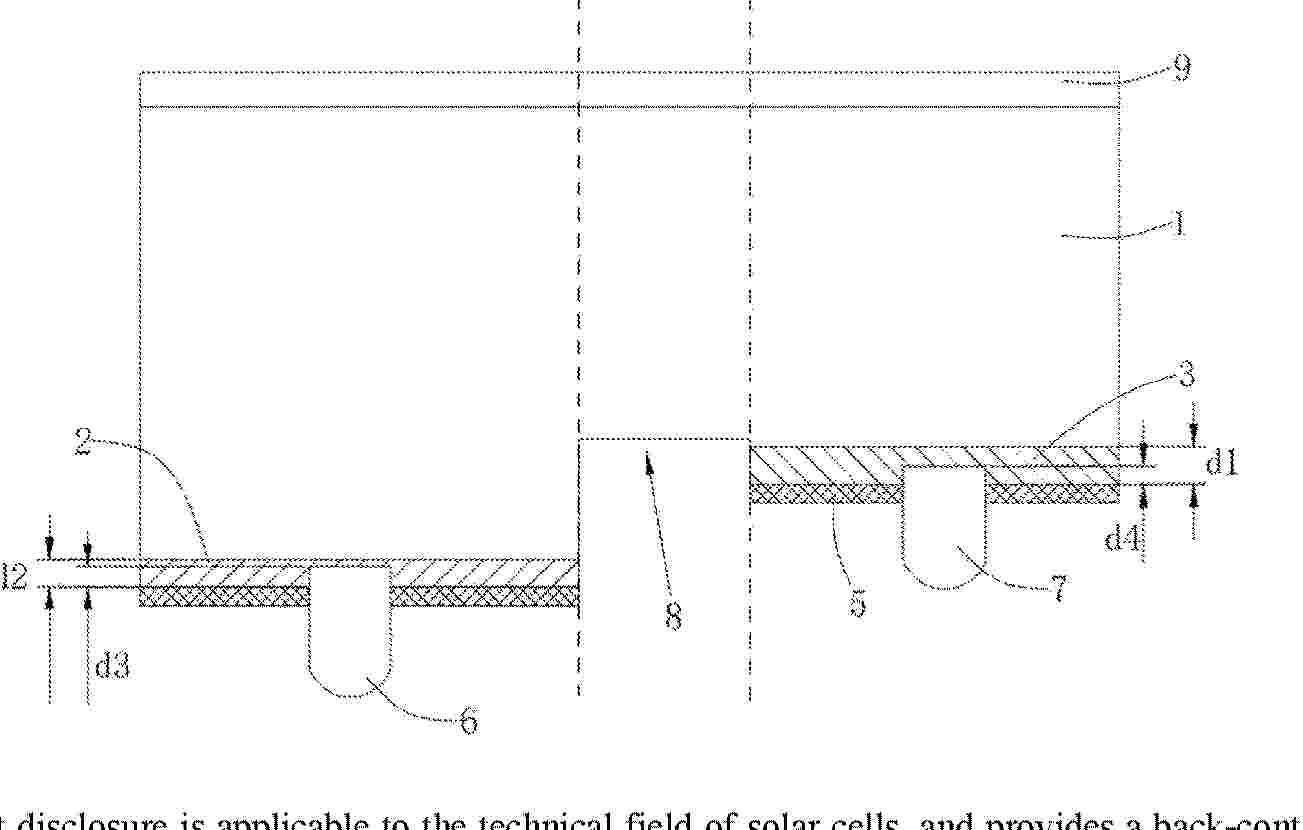
The present disclosure is applicable to the technical field of solar cells, and provides a back contact cell assembly and a photovoltaic system. The back contact cell assembly comprises a cell string, a solder ribbon, a conductive connecting structure, and an insulating structure. A first cell and a second cell are distributed in a first direction. The first cell and the second cell are at least partially stacked together. First grid lines and second grid lines extend in a second direction and are alternately arranged in the first direction. The solder ribbon is arranged on a back surface of the first cell and extends in the first direction. An accommodating space is formed between the side of the first cell close to the second cell and the solder ribbon. The conductive connecting structure is at least partially laid in the accommodating space and connects a first grid line to the solder ribbon in the accommodating space. In this way, the solder ribbon can be connected to the first grid line in the accommodating space by means of the conductive connecting structure, so that a current in the accommodating space can be collected, thereby improving the power generation efficiency of the back contact cell assembly.
Resumen de: US20260269775A1
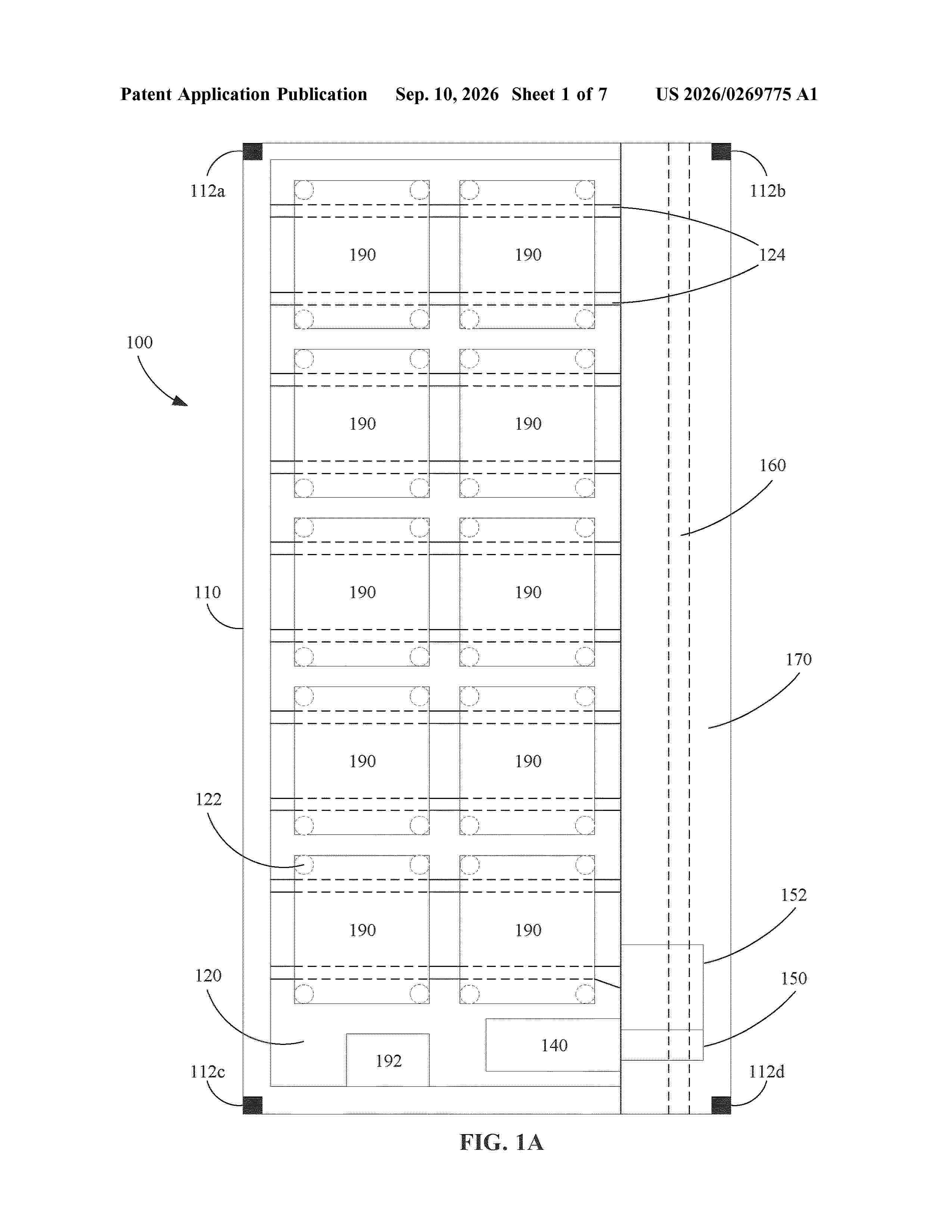
According to an aspect, the present disclosure provides for a power module for releasably mounting to a surface of a structure having a universal mounting element, the power module may include a mounting apparatus having a frame for securing a solar power supply thereto, and a locking mechanism configured for releasably coupling with the universal mounting element of the structure. Embodiments in accordance with the present disclosure may further provide an output of the power module to a system external to the structure, or to an electrical system of the structure itself.
Resumen de: US20260271429A1
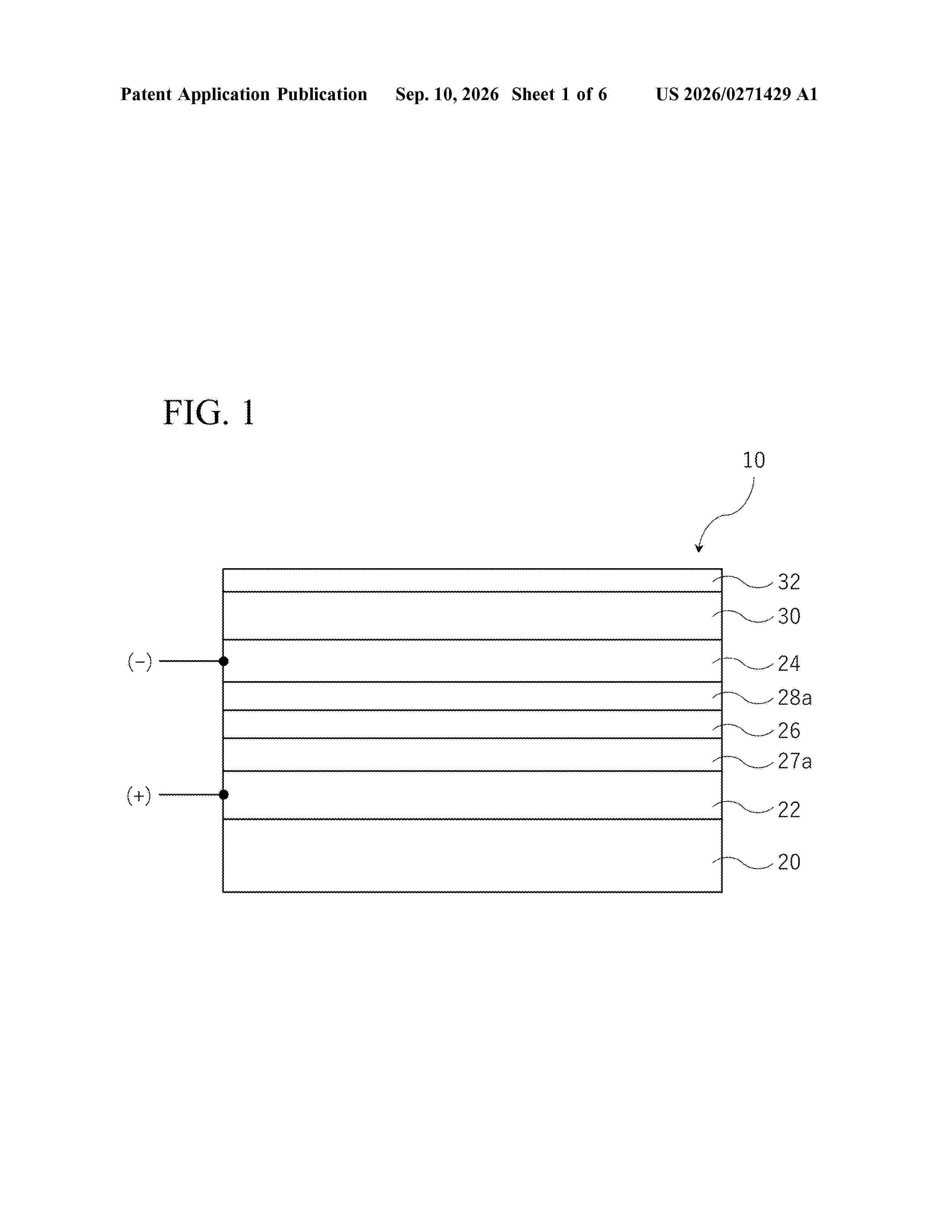
Provided is a photoelectric conversion element capable of improving oxidation resistance while maintaining moisture resistance. A photoelectric conversion element (10) comprises: a film formation substrate (20); at least one photoelectric conversion layer (26) provided on the film formation substrate (20); a distal-side conductive layer (24), among conductive layers electrically connected to the photoelectric conversion layer (26), located farthest from the film formation substrate (20); a sealing layer (30) provided on the distal-side conductive layer (24); and a barrier layer (32) provided on at least a portion of an upper surface and a side surface of the sealing layer (30). The sealing layer (30) contains a paraxylylene-based polymer. The barrier layer (32) contains at least one of an inorganic metal oxide, an inorganic metal nitride and an inorganic metal oxynitride, or a precursor thereof.
Resumen de: US20260269707A1
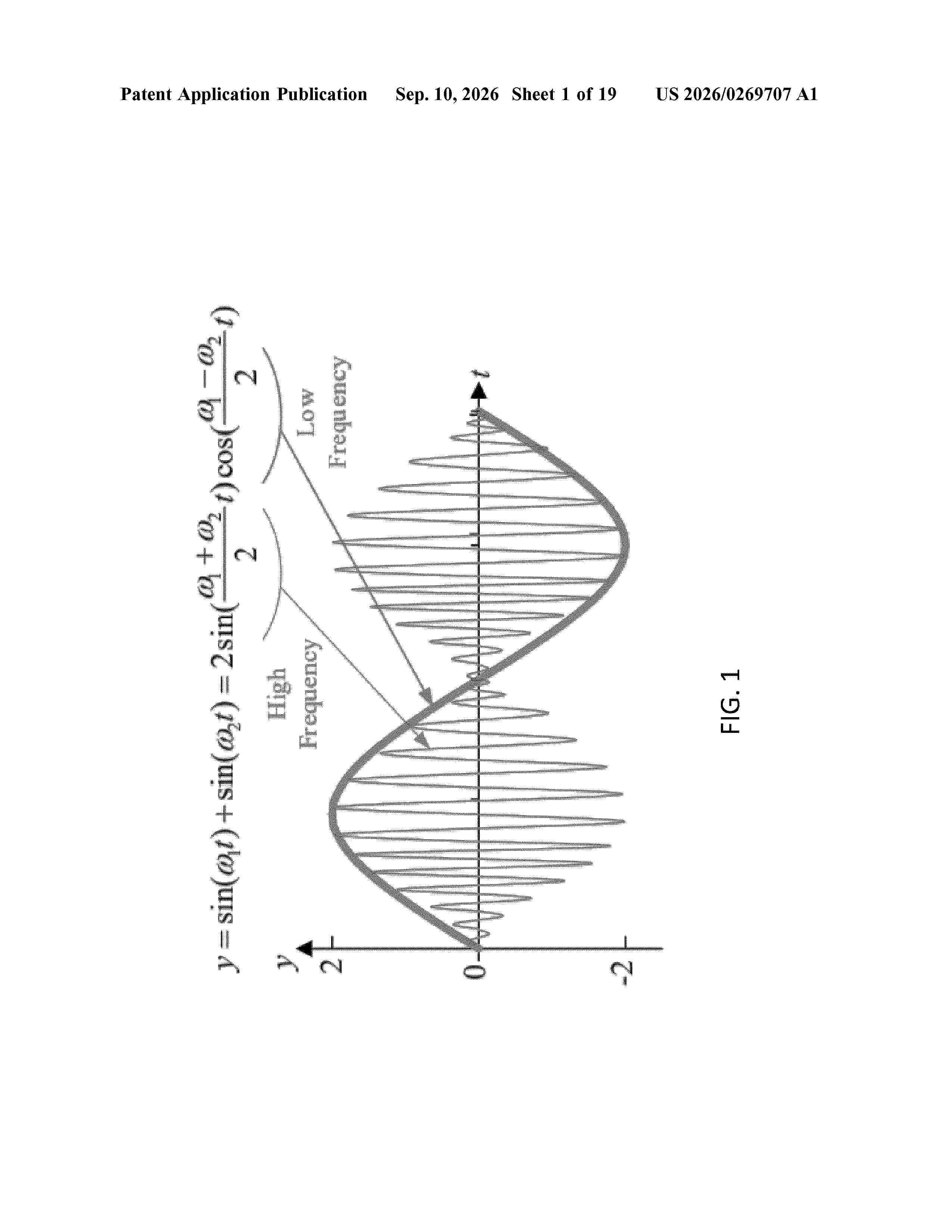
A Beat Frequency Modulation (BFM) system for generating a low frequency reference waveform including two or more converters, a frequency control module, and a rectifier. The converters are connected in series, parallel, or cascaded. Each converter includes a power switch configured to generate a high frequency power signal controlled by BFM modules at their respective outputs. The frequency control module is configured to operate a BFM carrier signal of each of the converters at different frequencies, thereby creating an envelope of a resulting signal containing a desired low frequency reference signal. The rectifier is connected to outputs of the converters and configured to rectify the high frequency signal with the low frequency envelope shape, thereby generating a low frequency sinusoidal waveform.
Resumen de: AU2025309011A1
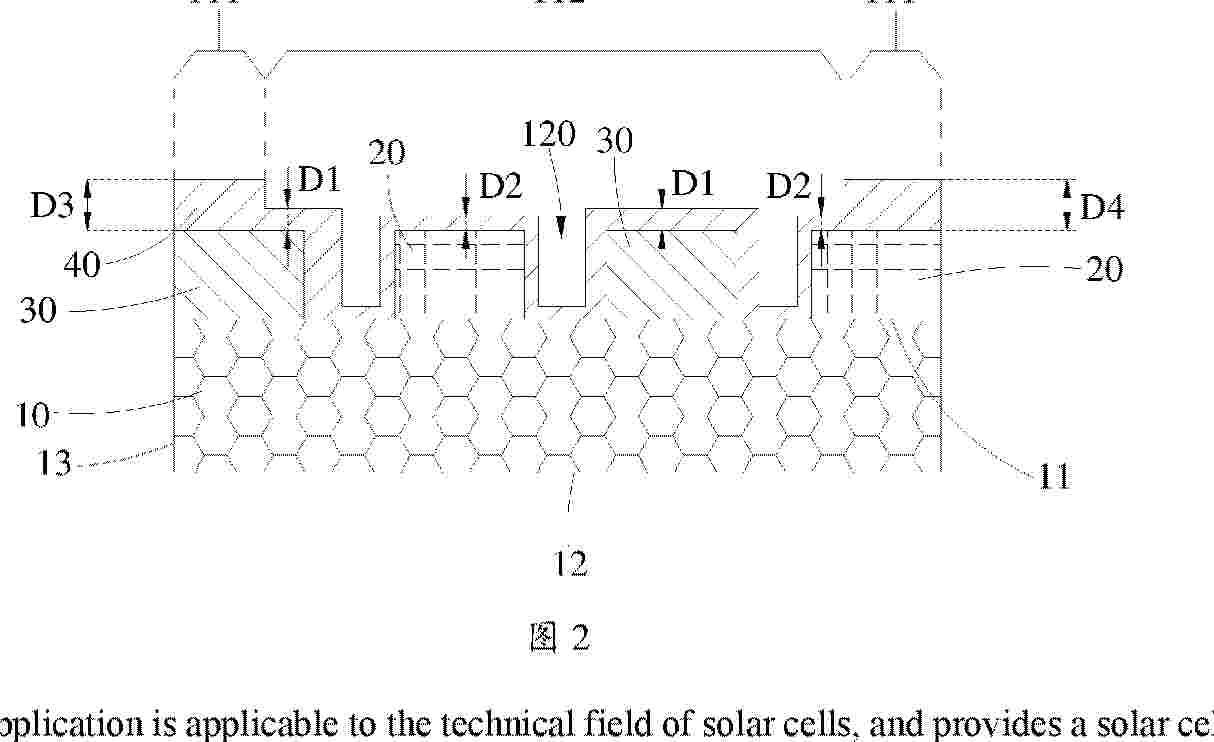
The present application is applicable to the technical field of solar cells, and provides a solar cell, a solar module, and a photovoltaic system. In the solar cell, a P-type doped layer and an N-type doped layer are provided on a first surface of a silicon wafer, and the thickness of a passivation film layer on at least part of the N-type doped layer is greater than the thickness of the passivation film layer on at least part of the P-type doped layer. In this way, by means of coordinated optimization design of different thicknesses of the passivation film layer on at least part of the N-type doped layer and at least part of the P-type doped layer, and by making the passivation film layer on at least part of the N-type doped layer have a greater thickness, passivation effects of different doped regions of the solar cell can be better matched, thereby improving the performance of the solar cell, saving material usage, and reducing costs.
Resumen de: WO2026184342A1
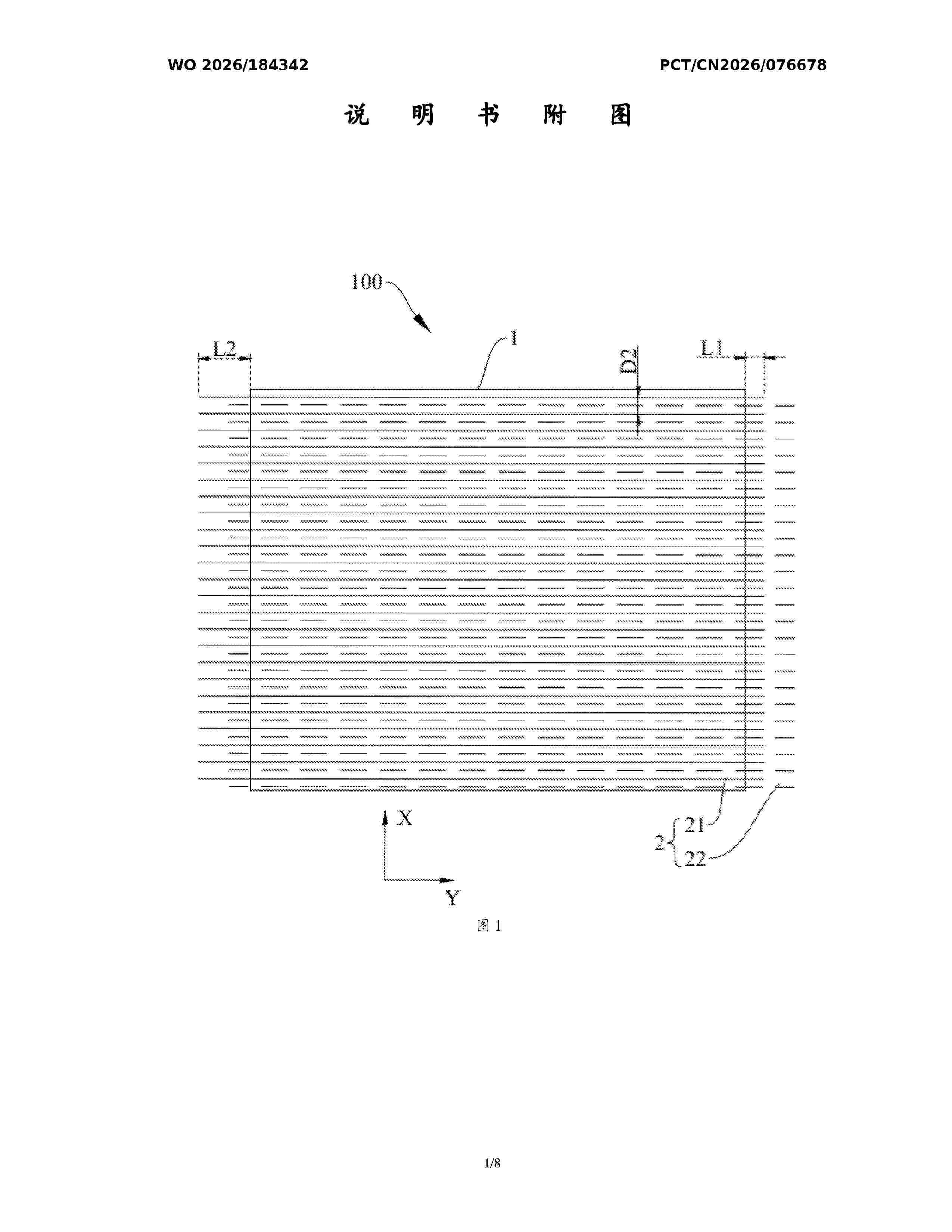
Disclosed in the present application are a solar cell and a manufacturing method therefor, and a photovoltaic module. The solar cell comprises a cell substrate and a plurality of conductive wires; the plurality of conductive wires are arranged in a spaced manner on the cell substrate in a first direction; each of the conductive wires is provided with a first protruding segment and a second protruding segment that extend in a second direction, the first protruding segment and the second protruding segment respectively protruding beyond edges of the cell substrate; the first protruding segments are configured to be connected to conductive wires of another solar cell; the length by which each second protruding segment protrudes beyond the cell substrate is L1, and the thickness of the cell substrate is D1, where L1≤D1. With respect to the solar cell disclosed in the present application, the first protruding segments are connected to the conductive wires of another solar cell without bending, such that the first protruding segments are prevented from contacting conductive wires located on the other side; the size of each second protruding segment is less than the thickness of the cell substrate, such that when being bent, the second protruding segments are less likely to contact the conductive wires on the other side; thus, the risk of short circuits caused by contact between conductive wires can be reduced.
Resumen de: WO2026184162A1
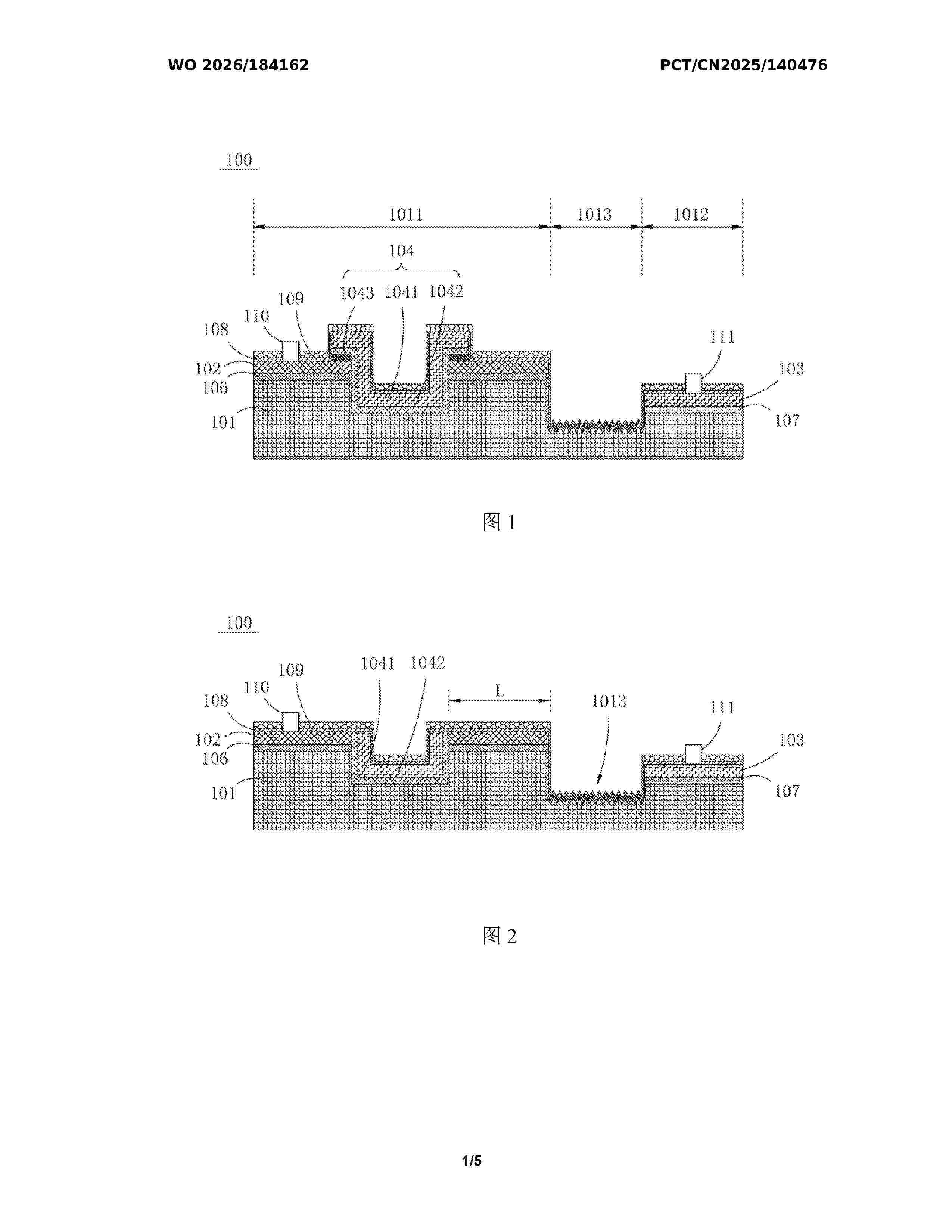
Provided in the present application are a solar cell and a preparation method therefor, and a photovoltaic module. The solar cell comprises a silicon substrate, a first doped polysilicon layer, a second doped polysilicon layer and a conductive block, wherein the back surface of the silicon substrate has a first doped region, a second doped region and an isolation region; the isolation region is located between the first doped region and the second doped region; the first doped polysilicon layer is disposed on the back surface of the silicon substrate and is located in the first doped region; the second doped polysilicon layer is disposed on the back surface of the silicon substrate and is located in the second doped region; the doping type of the first doped polysilicon layer is opposite to that of the second doped polysilicon layer; the conductive block is disposed on the back surface of the silicon substrate and is located in the first doped region; the conductive block comprises a third doped polysilicon layer; the doping type of the third doped polysilicon layer is the same as that of the second doped polysilicon layer and the silicon substrate; and the third doped polysilicon layer comes into electrical contact with both the first doped polysilicon layer and the silicon substrate by means of a tunneling effect. The solar cell is less prone to hot spots and has a relatively small impact on the efficiency of a module.
Resumen de: US20260269782A1
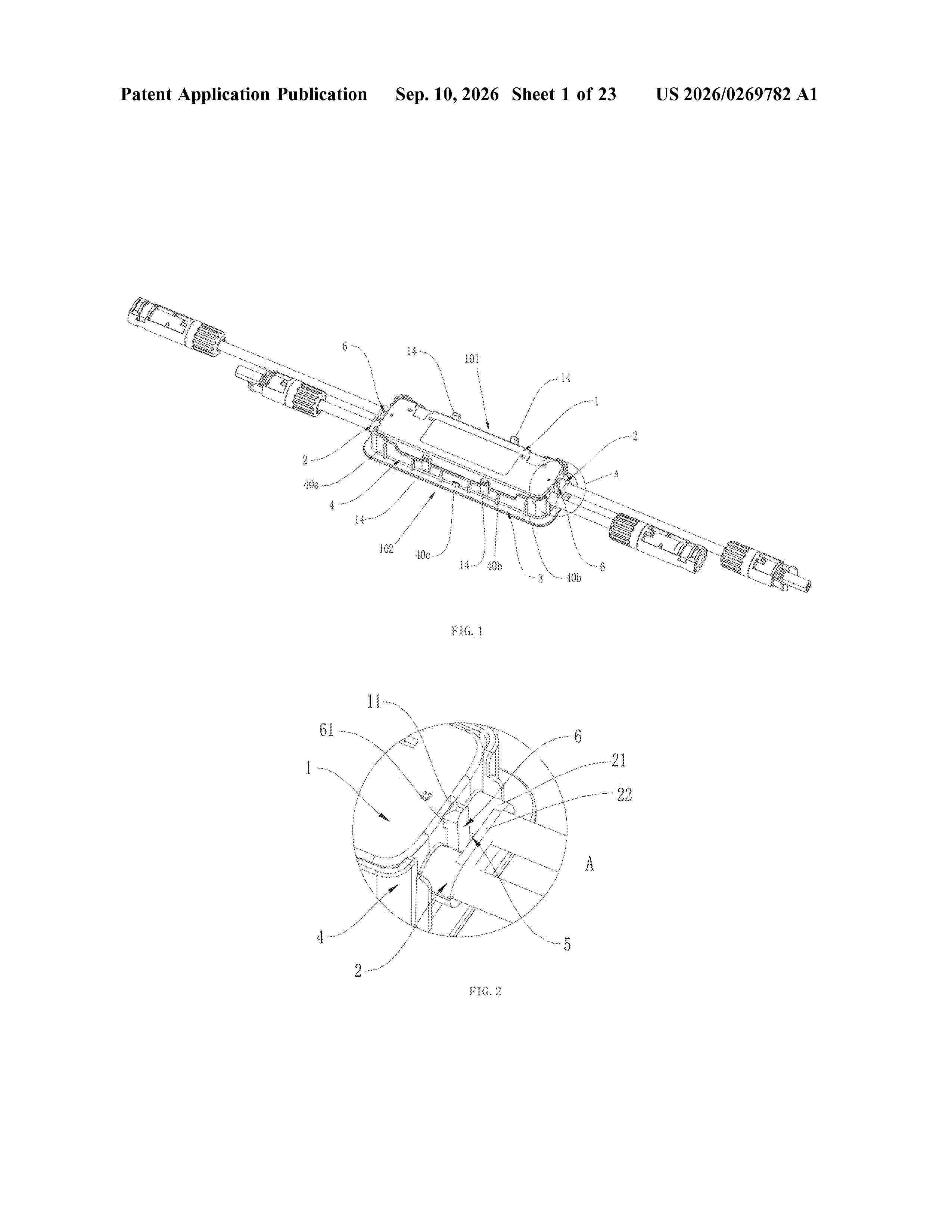
A mounting and fixing system for photovoltaic junction box is provided, including a fixing base and a photovoltaic junction box. The photovoltaic junction box includes a box body connectable to the fixing base, the box body includes a box main body having an accommodating cavity, the fixing base includes a bottom plate, and a side blocking assembly extending upward from the bottom plate. The side blocking assembly and the bottom plate enclose a mounting space, the box main body is configured to be cooperatively accommodated in the mounting space, and the box body and the fixing base are interconnected by a snap-fit structure provided therebetween. By providing an independent fixing base, it is possible to adapt to the installation requirements of different scenarios and to conveniently install the photovoltaic junction box, while also facilitating the repair or replacement of the photovoltaic junction box.
Resumen de: US20260269784A1
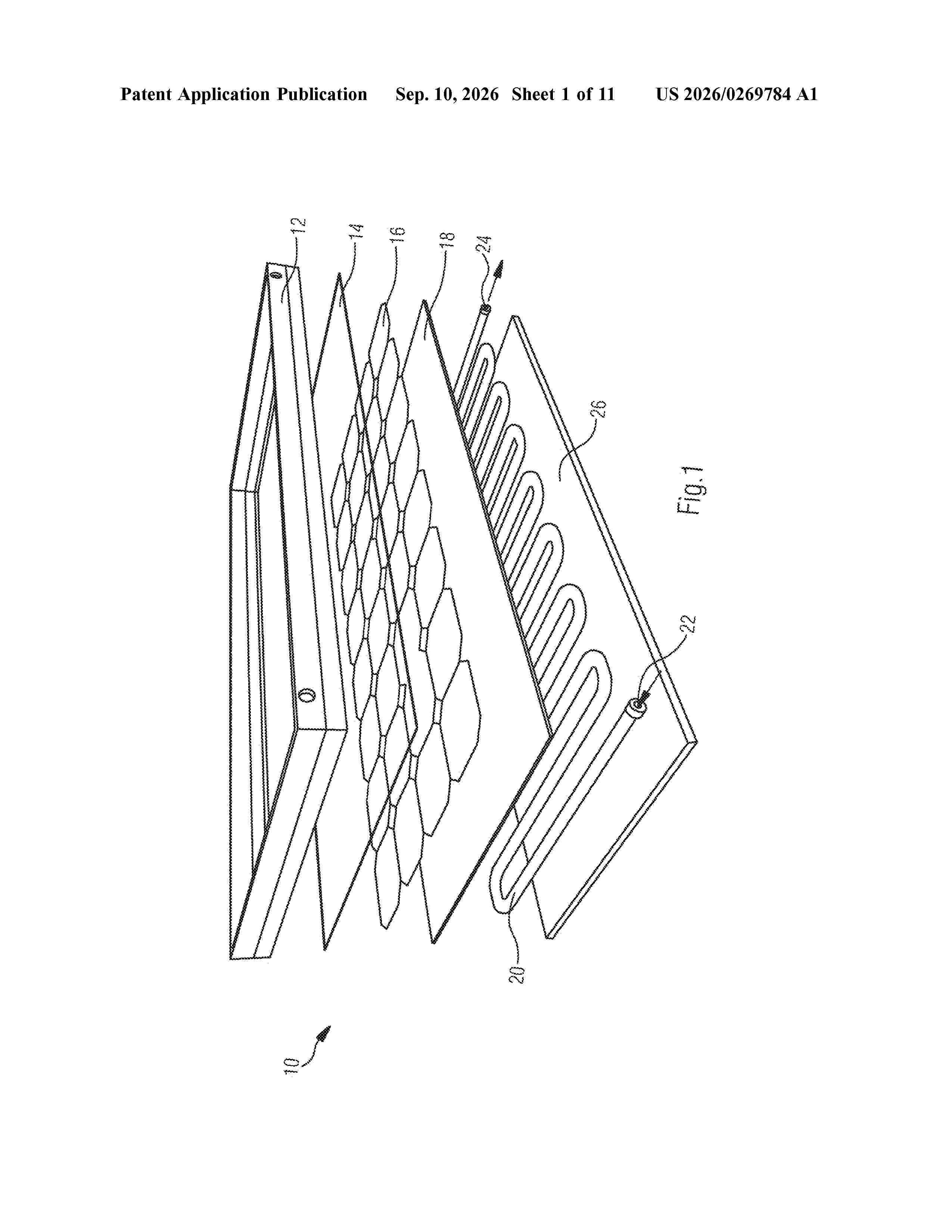
A hybrid photovoltaic thermal energy system for generating electrical and thermal energy, including a photovoltaic module with a first side and a second side opposite the first side. The first side of the photovoltaic module is configured to receive solar energy and convert it into electrical energy. A cooling structure, the cooling structure is arranged on the second side of the photovoltaic module and is configured to receive a cooling fluid for cooling the photovoltaic module. An inlet for introducing the cooling fluid into the cooling structure and an outlet for discharging the cooling fluid from the cooling structure.
Resumen de: US20260269657A1
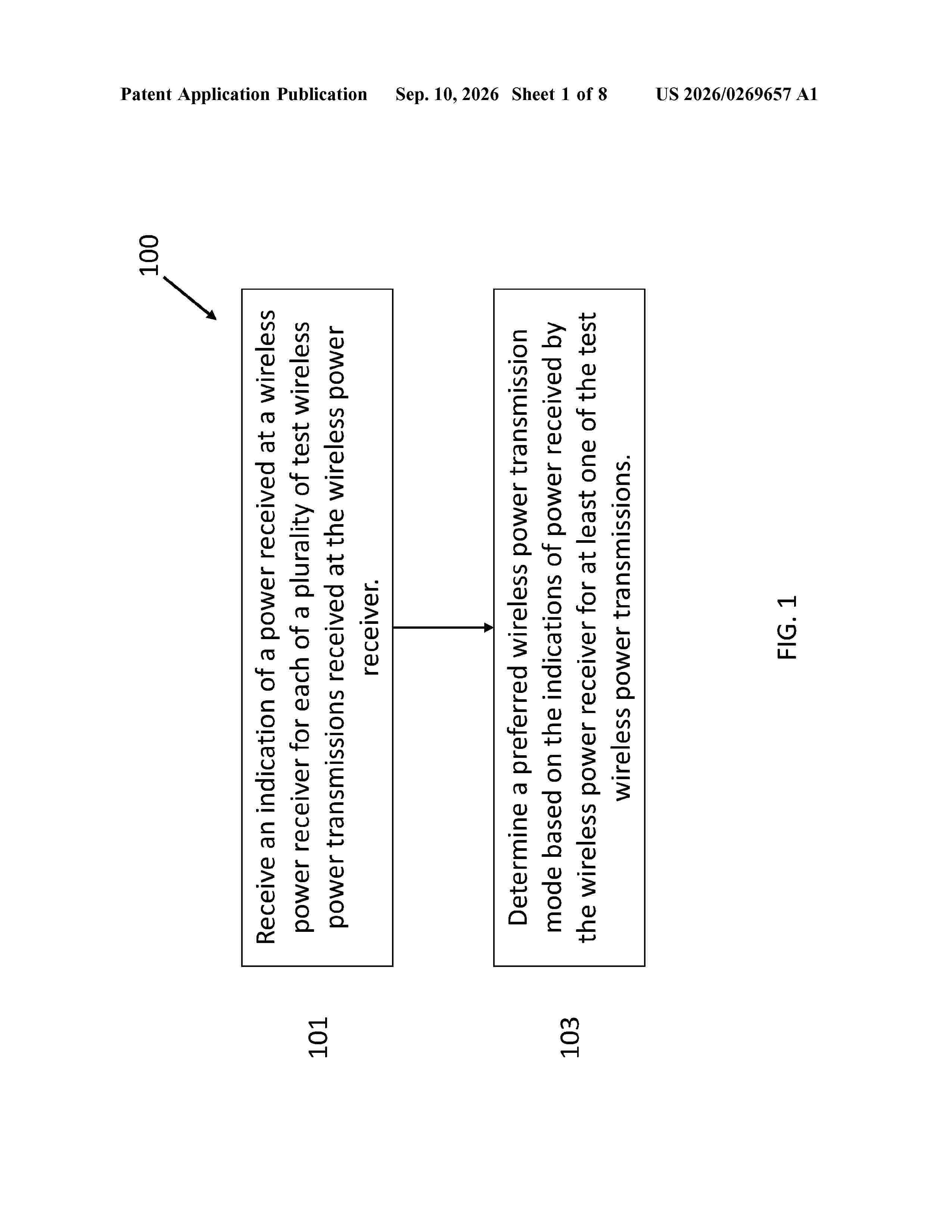
A method of determining a preferred wireless power transmission mode is disclosed. Each wireless laser power transmission mode defines a combination of at least two laser pulses, each of the at least two laser pulses having a different wavelength. The method comprises receiving an indication of a power received at a wireless power receiver for each of a plurality of test wireless power transmissions received at the wireless power receiver, each of the wireless power transmissions corresponding to a different wireless power transmission mode; and determining a preferred wireless power transmission mode based on the indications of power received by the wireless power receiver for at least one of the test wireless power transmissions. A corresponding computer program, non-transitory memory and satellite are also provided.
Resumen de: AU2025295202A1
The present disclosure is applicable to the technical field of solar cells, and provides a back-contact solar cell, a cell assembly, and a photovoltaic system. The back-contact solar cell comprises: a silicon substrate, the silicon substrate having a back surface and a front surface disposed opposite to one another; a P-type doped polysilicon layer, located in a first region of the back surface of the silicon substrate; an N-type doped polysilicon layer, located in a second region of the back surface of the silicon substrate; a first metal electrode, disposed in the first region and in contact with the P-type doped polysilicon layer; and a second metal electrode, disposed in the second region and in contact with the N-type doped polysilicon layer. The depth at which a metal crystal of the first metal electrode enters the P-type doped polysilicon layer is greater than the depth at which a metal crystal of the second metal electrode enters the N-type doped polysilicon layer. The back-contact solar cell of the present disclosure can improve the contact effect between the metal electrode and the P-type doped polysilicon layer, thereby improving the conductivity between the metal electrode and the P-type doped polysilicon layer and improving the cell conversion efficiency.
Resumen de: AU2025232523A1
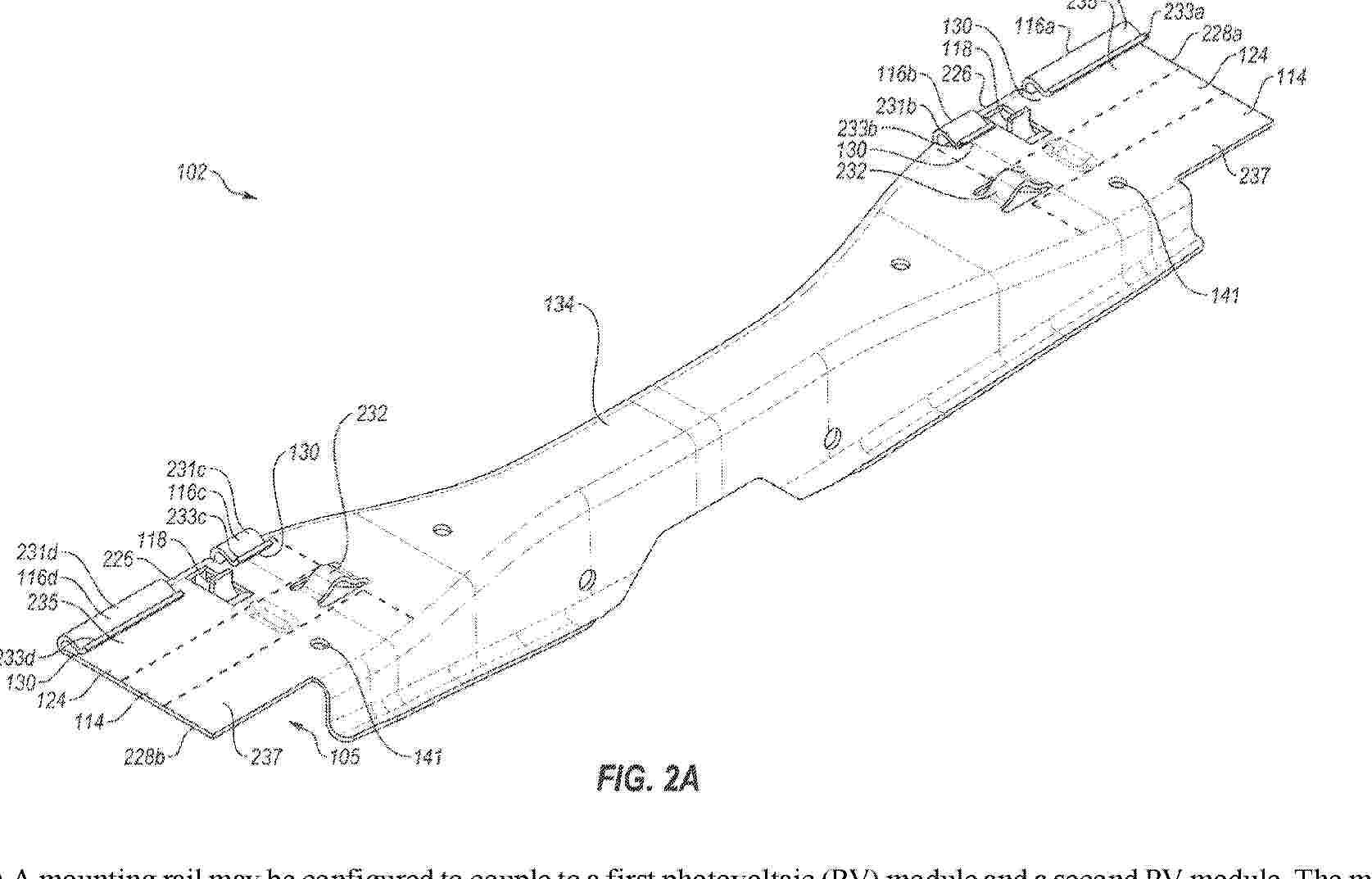
A mounting rail may be configured to couple to a first photovoltaic (PV) module and a second PV module. The mounting rail may include a hooked mechanism and an attachment feature. The hooked mechanism may at least partially define an aperture configured to receive a portion of a first module frame associated with the first PV module. The hooked mechanism may also physically engage with a surface of the first module frame to couple the first module frame to the mounting rail and to prevent the first module frame from unintentionally uncoupling from the mounting rail. The attachment feature may interface with a second module frame associated with the second PV module to couple the second module frame to the mounting rail.
Resumen de: AU2025233013A1
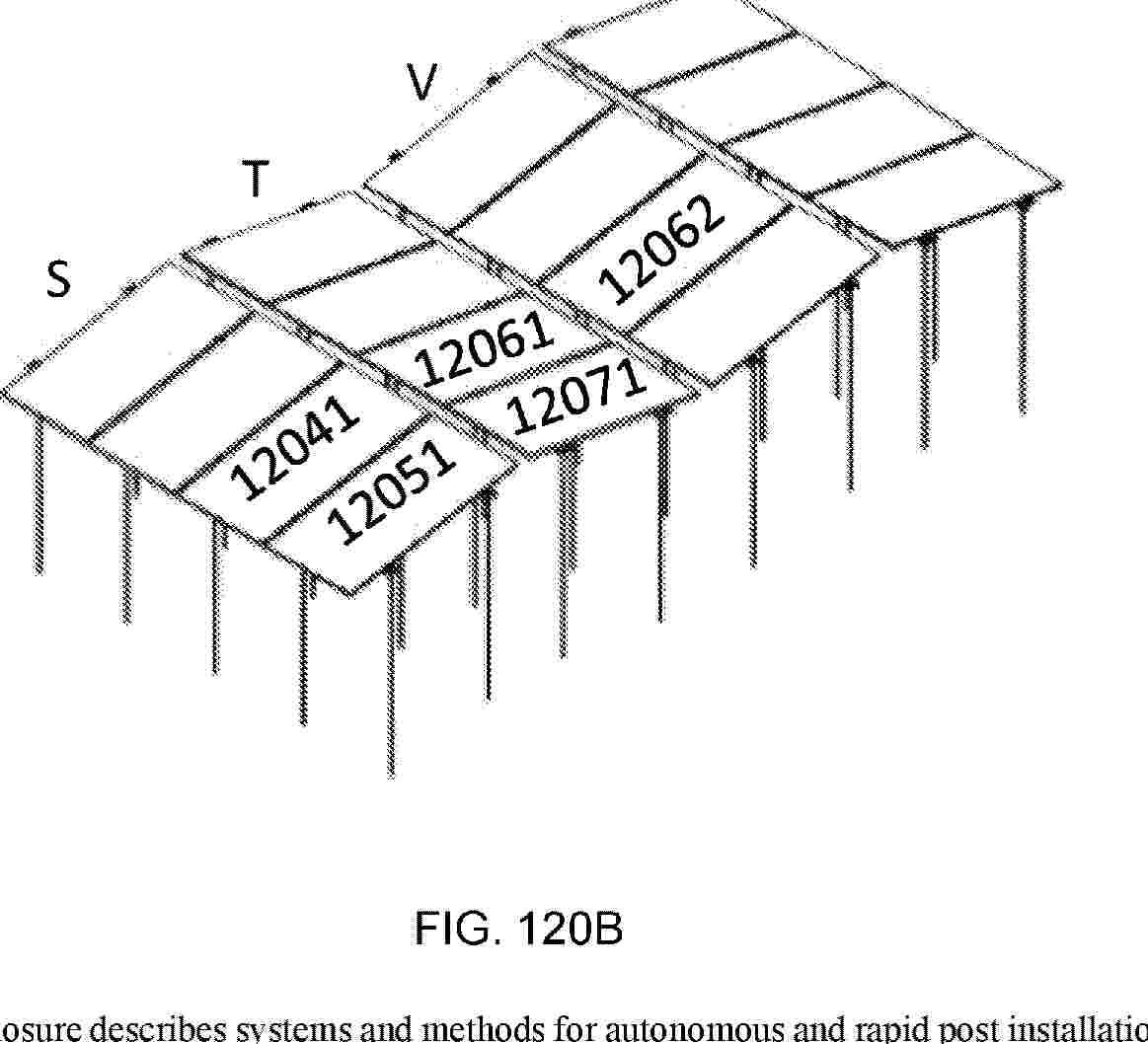
The present disclosure describes systems and methods for autonomous and rapid post installation and post-solar module assembly. In an aspect, the present disclosure provides a solar module array comprising: a plurality of solar modules; and a plurality of posts configured to support the plurality of solar modules, wherein at least one solar module of the plurality of solar modules is configured to be supported by two or more posts at a plurality of non-corner positions along a first longitudinal side of the at least one solar module.
Resumen de: WO2026184660A1
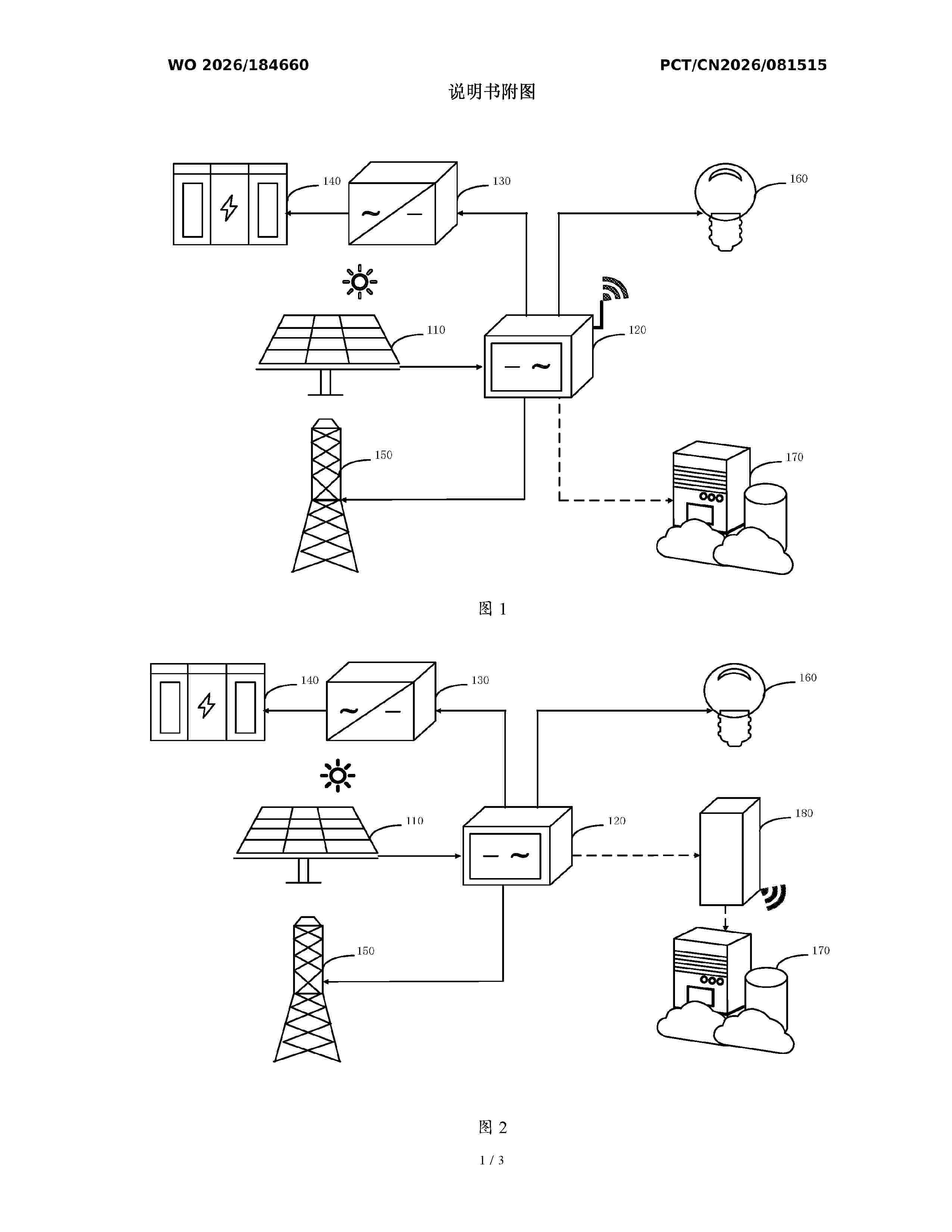
The present application provides a photovoltaic inverter, a home energy management device, and a related communication method. The method comprises: when physical parameters of a photovoltaic inverter satisfy a trigger condition, the photovoltaic inverter switching from a normal mode to a fast upload mode, wherein in the normal mode, the photovoltaic inverter periodically sends a packet to a cloud management system, with a fixed period serving as a time interval, and in the fast upload mode, the interval between a time when a current packet is sent by the photovoltaic inverter and a time when a previous packet is sent by the photovoltaic inverter is less than the fixed period; and sending operation data of the photovoltaic inverter to the cloud management system in the fast upload mode. By means of the solution, data can be quickly uploaded to a cloud management system for storage in an emergency situation.
Resumen de: US20260269771A1
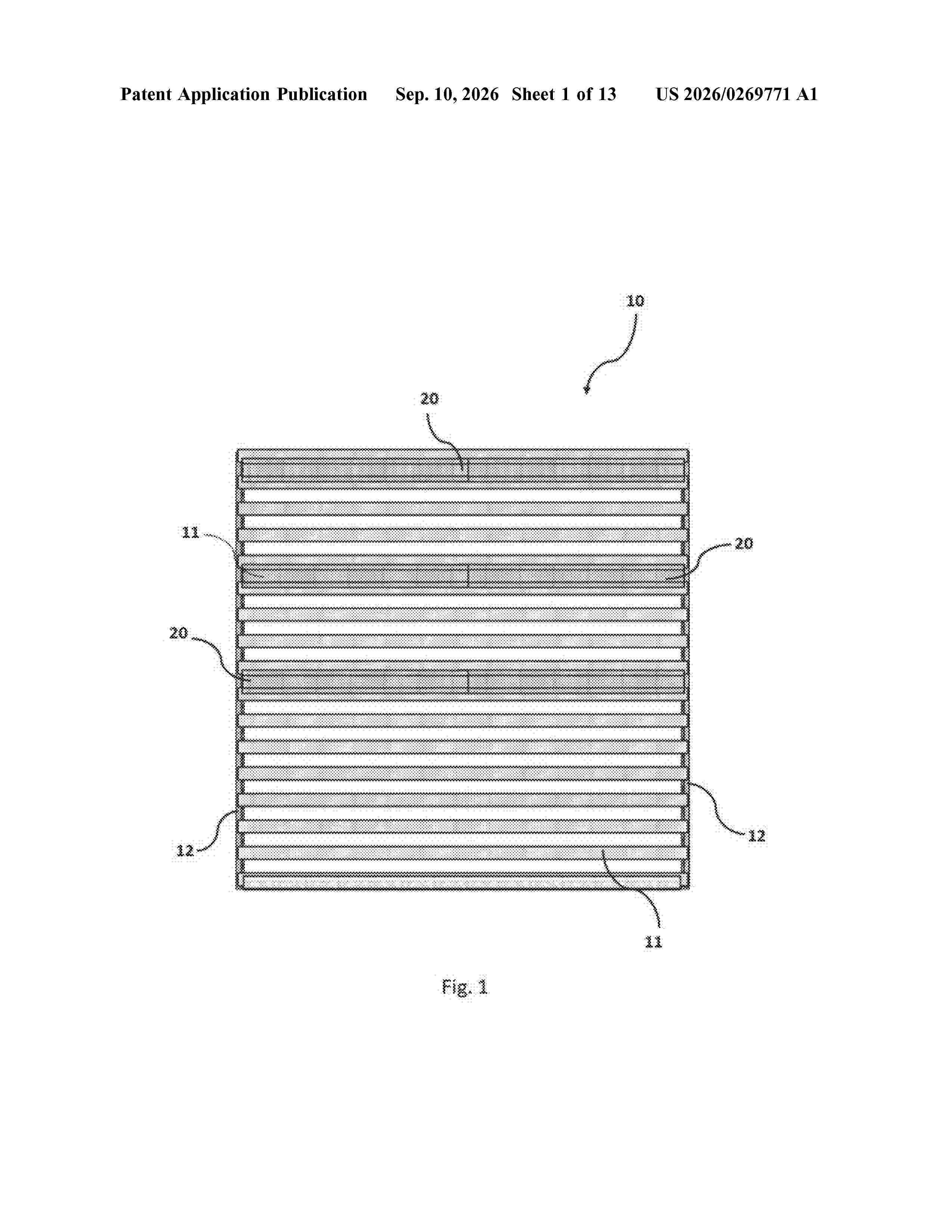
The subject-matter of the present invention is a modular photovoltaic roofing system comprising: plurality of modular roof panels (40) integrated with photovoltaic modules (50); an at least one longitudinal channel profile (20) for routing electrical cables (K); an at least one longitudinal side profile (30) for mounting electric or electronic devices. The subject-matter of the invention is also a solar roof equipped with the modular photovoltaic roofing system and a method of its installation.
Resumen de: US20260269769A1
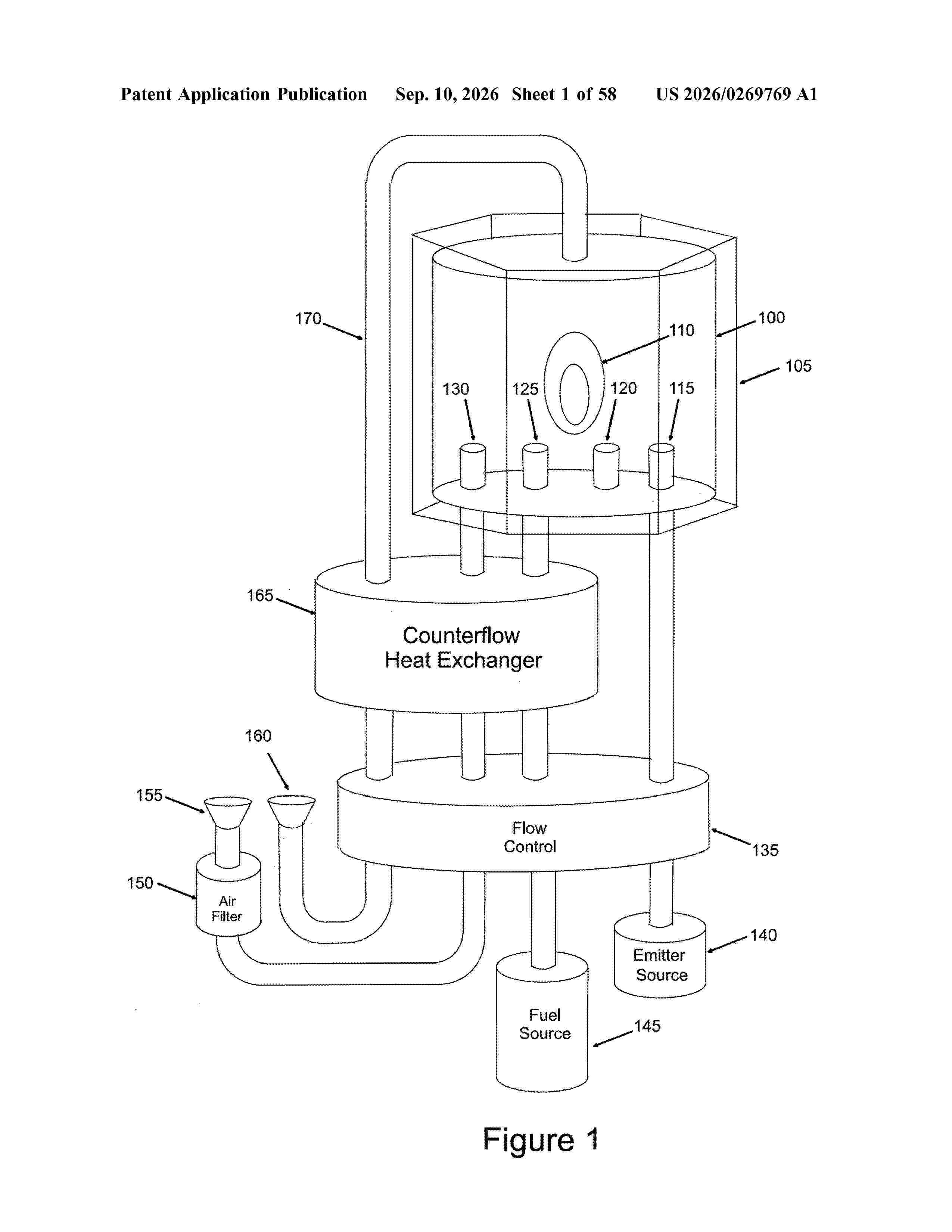
An apparatus for generating electricity via thermophotovoltaic (TPV) energy conversion is described. High efficiency is obtained by introducing a material into a combustion chamber that emits bright near-monochromatic visible light upon heating. This light is then directed to fall on an array of photovoltaic (PV) cells which convert the light to electricity. Heat and infrared radiation that is not absorbed by the PV cells is returned to the combustion chamber to further improve conversion efficiency.
Resumen de: US20260269768A1
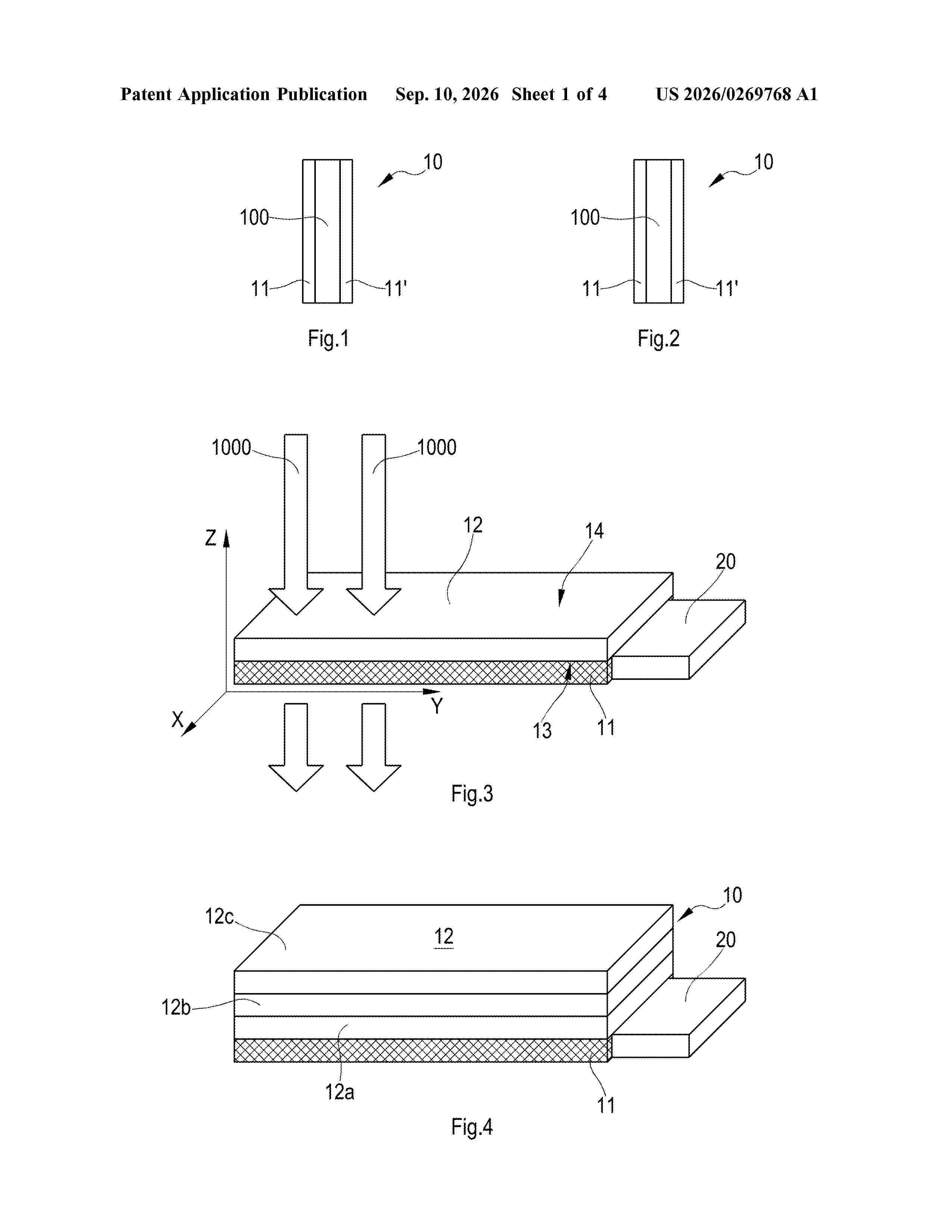
The present invention relates to modular metal panels for thermal energy recovery, with chamber and without chamber usable on buildings or on self-propelled mobile structures or on another kind of prefabricated or non-prefabricated structures, having a metal structure (11) acting as a support for at least a layer (12) of heat-conducting carbonaceous material, coupled to a thermoelectric converter capable of generating electrical energy on the basis of a thermal differential between a first and second surface of said at least one layer (12).The present invention also relates to a method of manufacturing said panels.
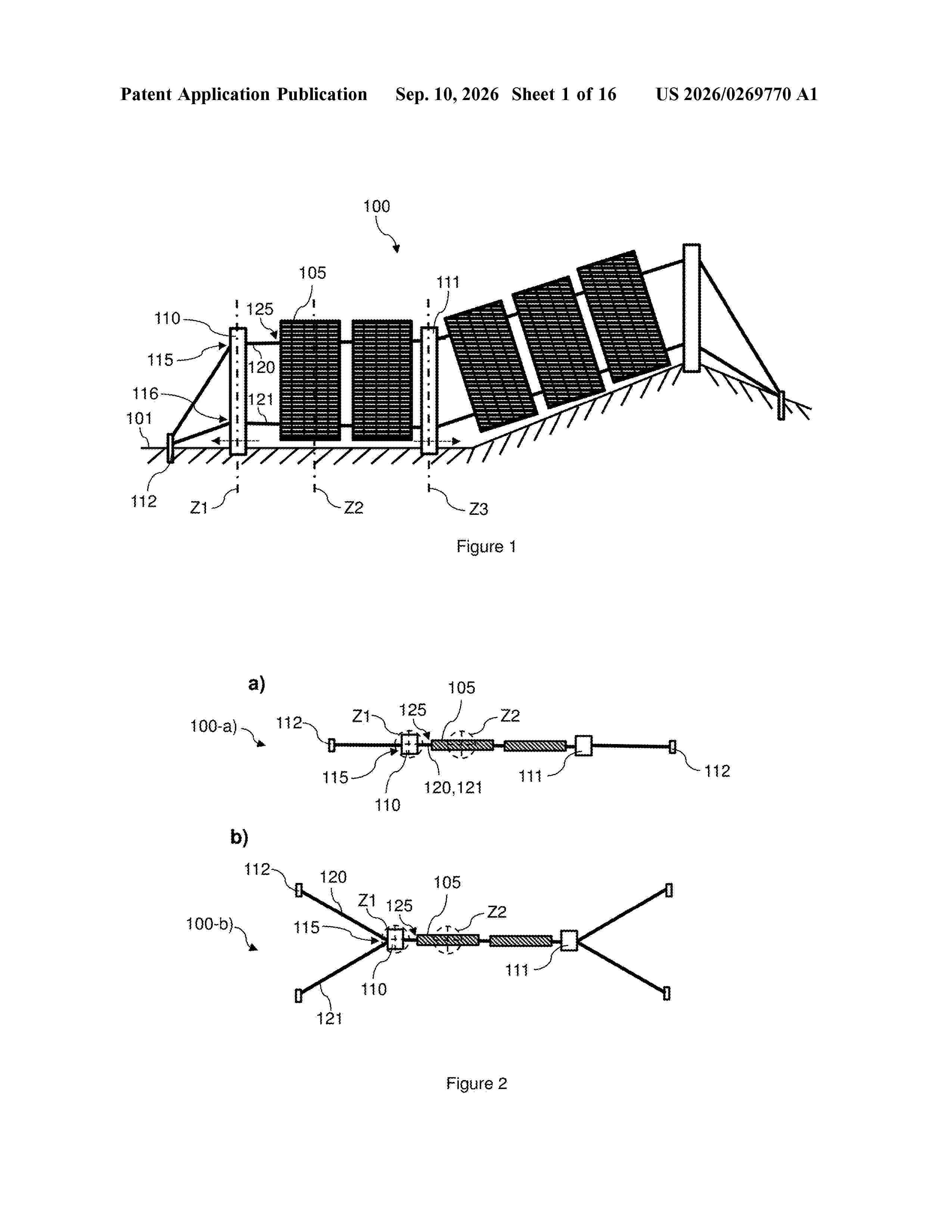
Resumen de: US20260269770A1
The vertical photovoltaic system (100), which comprises at least one photovoltaic module (105) and two posts (110, 111), comprises at least:for each post, a primary securing means (115) for securing a first flexible tie (120) to said post, the collaboration between the primary securing means applying longitudinal tension to the first tie,the first flexible tie being held taut between the two posts, anda fixing means (125) for fixing the module to the tie.
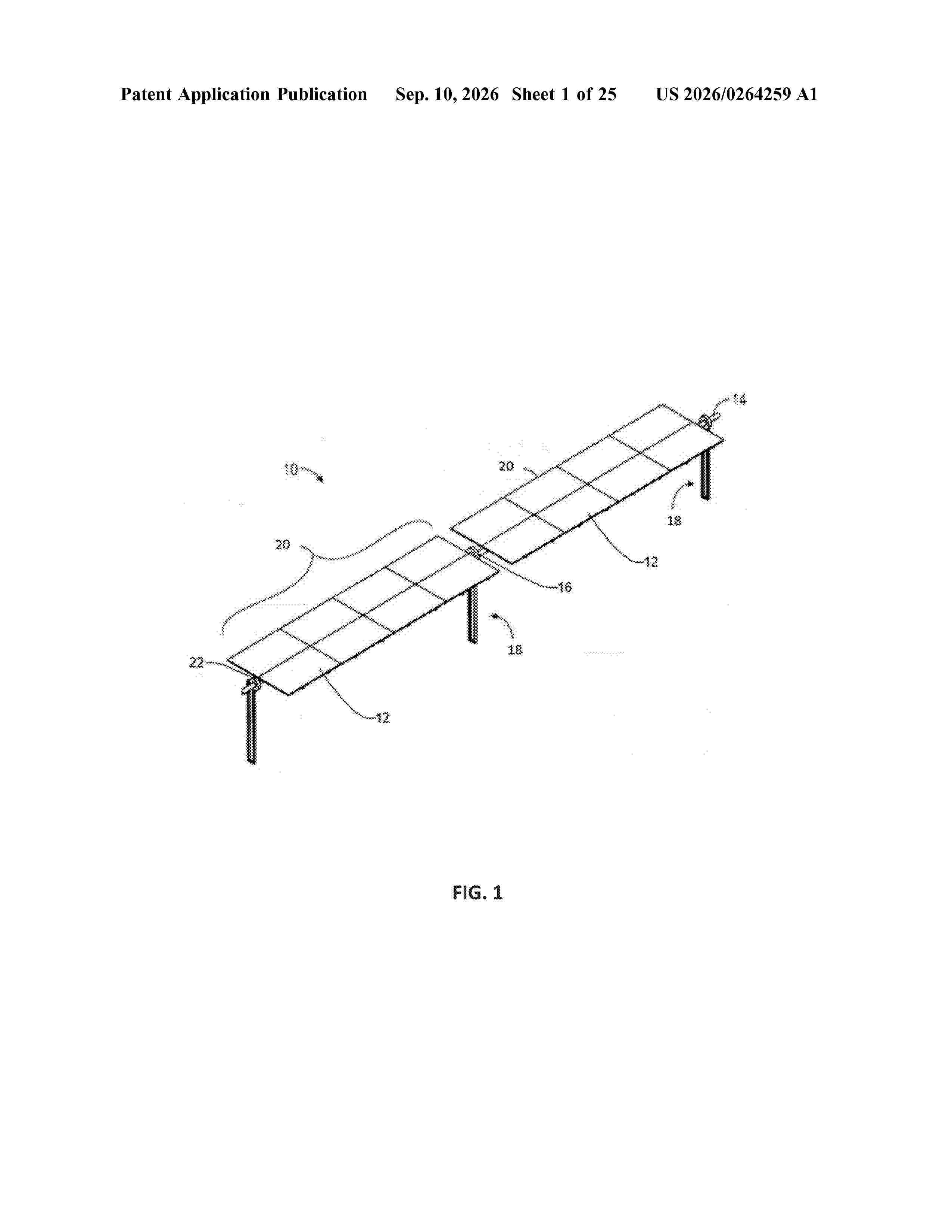
Resumen de: US20260264259A1
Disclosed herein are devices, systems, and methods for solar module frames and installation of solar module frames and/or support rails at solar generation installations, such as at a solar tracker. At a support rail interfacing with a solar module frame, a tab at the support rail is moved from a first tab position to a second tab position. When the tab is moved to the second tab position, a fastening member is actuated at the solar module frame and at the tab in the second tab position to couple the solar module frame to the support rail.
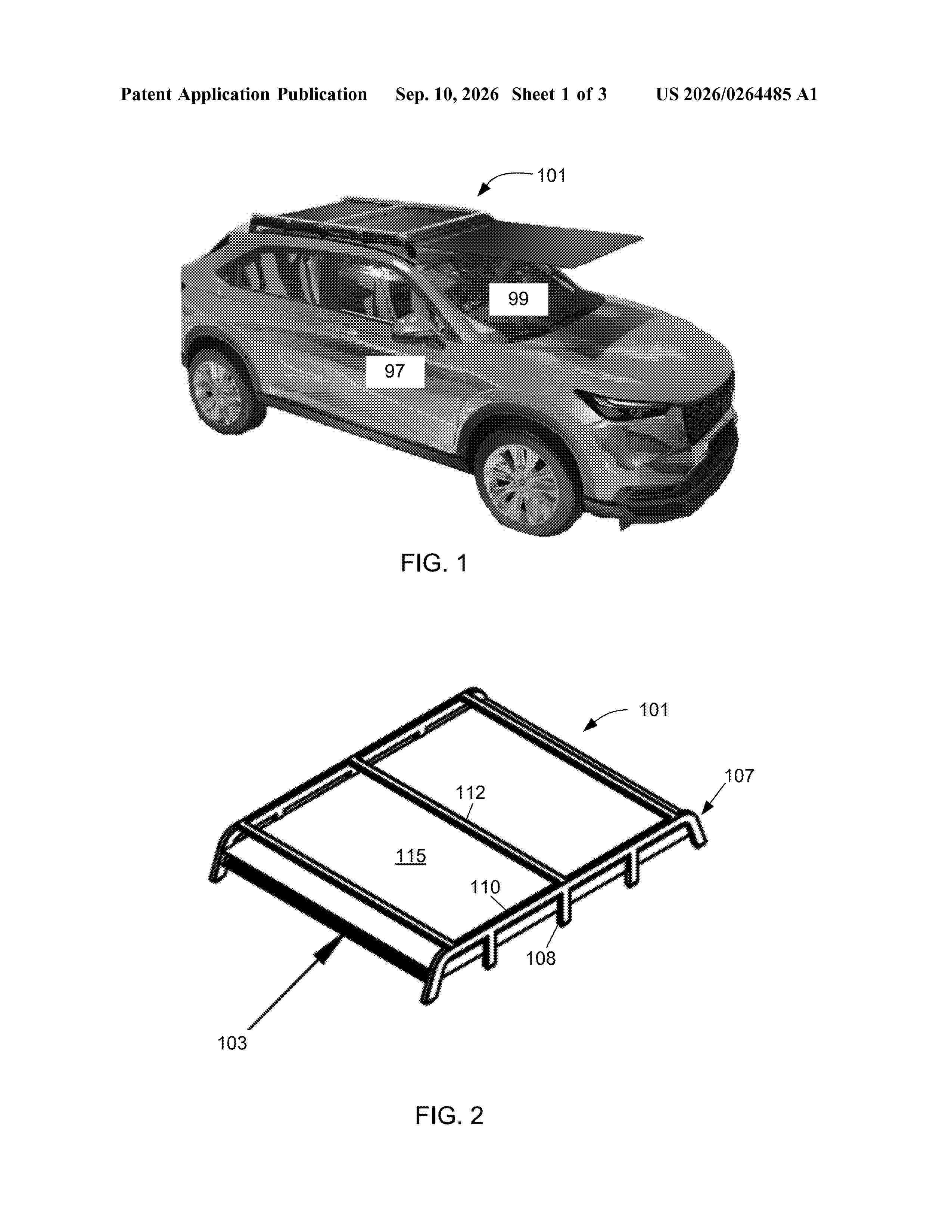
Resumen de: US20260264485A1
A shade assembly for a vehicle includes a frame assembly mounted to a roof of the vehicle with a track and a retractable shade within the track. The frame assembly includes rails and crossmembers for securing cargo across the frame assembly. The retractable shade is configured to operate within the track between an extended and a retracted position. A stop is configured to regulate movement of the retractable shade within the track such that the stop maintains the retractable shade in the track when extended. An enclosure is coupled to the frame assembly and configured to house the retractable shade. The frame assembly extends above the enclosure. A solar panel is optionally coupled to the retractable shade. Deployment of the retractable shade is configured to selectively shade the windshield of the vehicle.
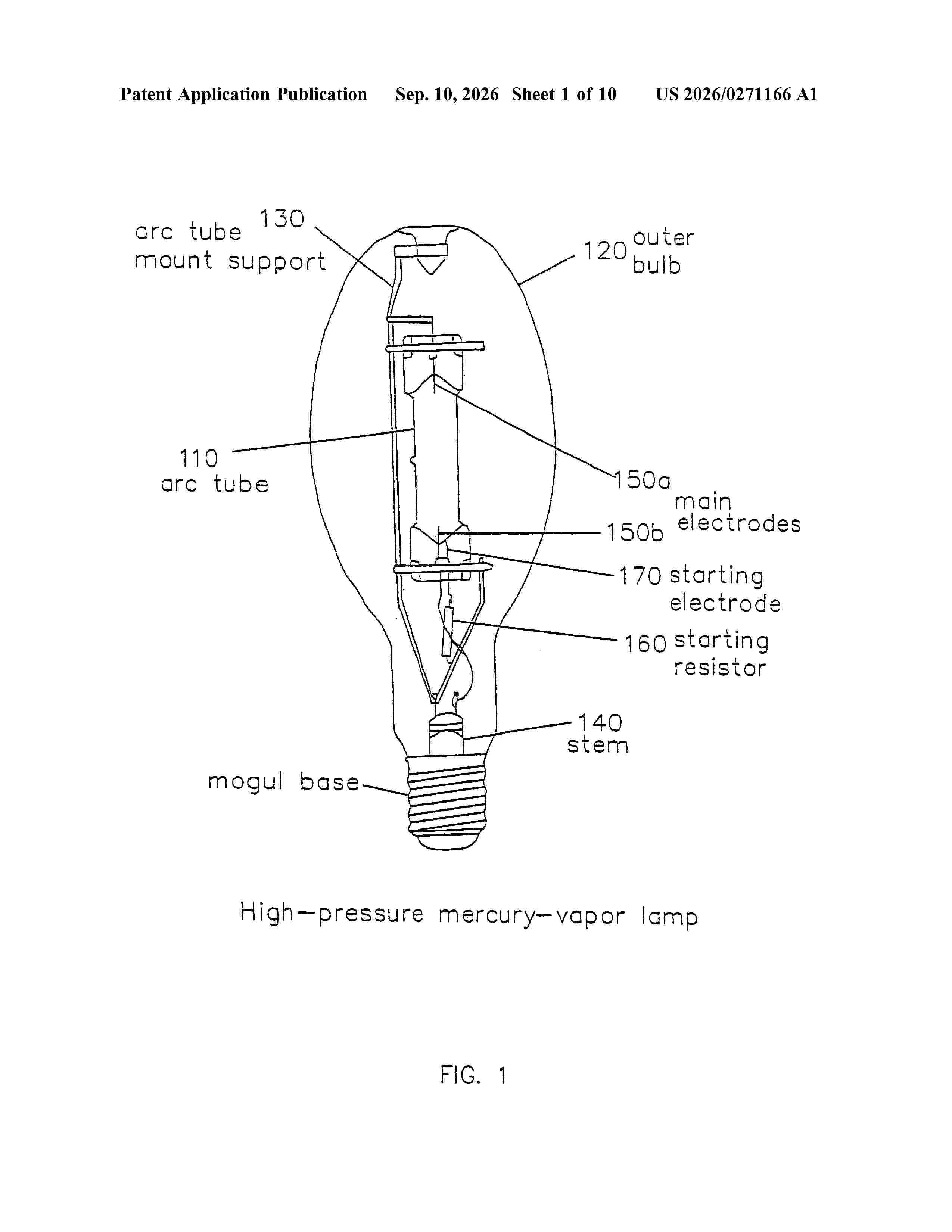
Resumen de: US20260271166A1
A system and method monitors a lamp assembly. Image data related to an object of interest is captured with an optical sensor disposed near the object of interest related to the lamp assembly. The image data from the optical sensor is provided to a processing circuit of a lamp monitoring and control device. The image data from the processing circuit can be transmitted to a base station using a transmit unit.
Nº publicación: US20260269773A1 10/09/2026
Solicitante:
NEXTPOWER LLC [US]
Nextpower LLC
Resumen de: US20260269773A1
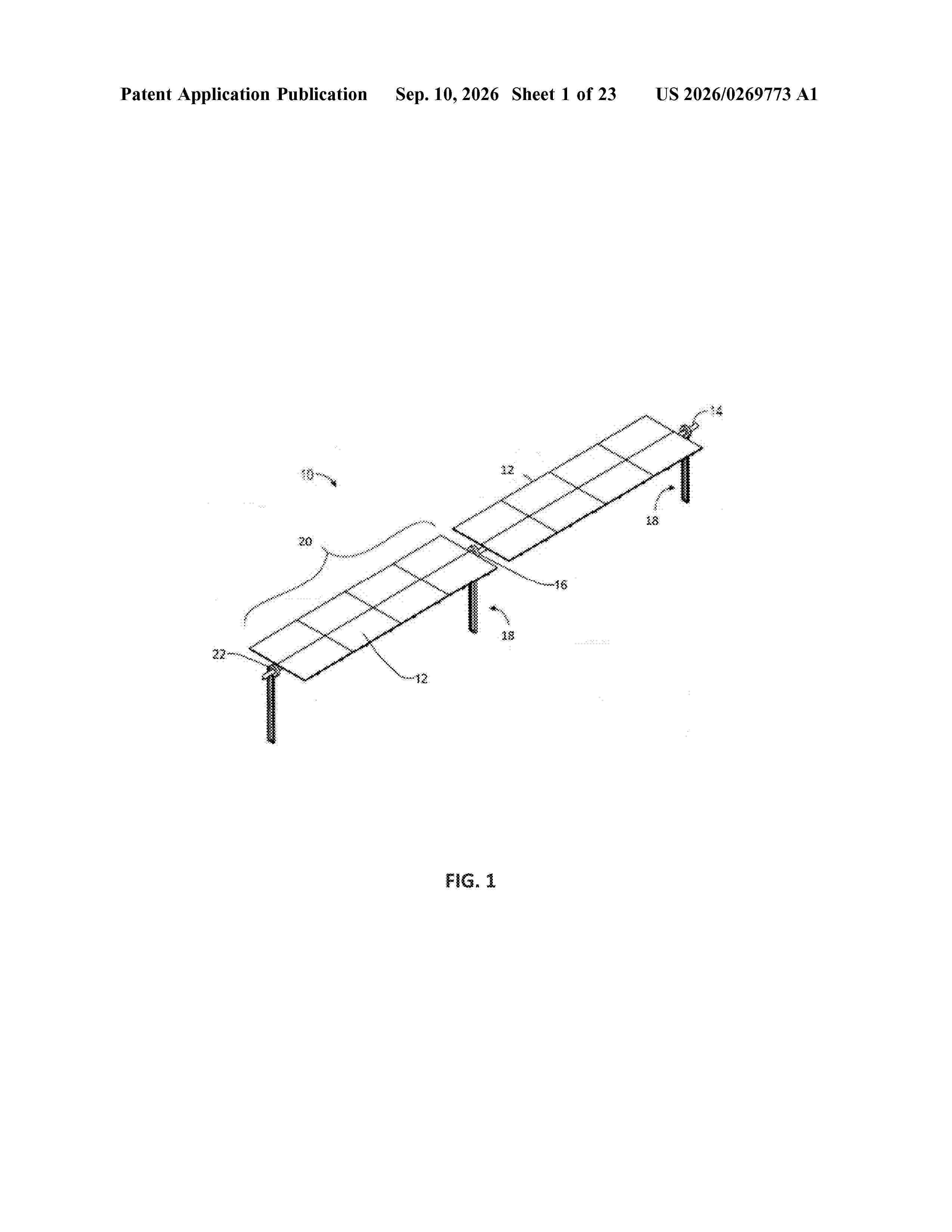
Methods and systems for transporting solar tracker components are disclosed herein. An autonomous mobile carrier unit includes a controller, a motive source coupled to the controller, one or more wheels coupled to the motive source to autonomously move the autonomous mobile carrier unit, and a conveyor mechanism coupled to the controller. The conveyor mechanism is configured to move one or more solar tracker components along the conveyor mechanism, relative to the one or more wheels.
 BOPI
BOPI
 Sede Electrónica