Si deseas distinguir tus productos, servicios o ambos de los de otra empresa, es posible que necesites una marca o nombre comercial. Descubre qué son, en qué consiste su procedimiento de registro y qué implica.

Información sobre los plazos de presentación de solicitudes de transformación de marcas de la Unión Europea en marca nacional española. Más información


Si tienes un nuevo dispositivo, producto o procedimiento que resuelva un problema técnico o tenga una ventaja práctica, existen distintas formas de protegerlo en España y en otros países. Descubre cómo hacerlo.

¿Tu innovación reside en la estética, la ornamentación o la apariencia de tu producto? Protégela mediante un diseño industrial. Descubre qué derechos confiere el registro y cómo realizar la tramitación.

Las indicaciones geográficas protegen el nombre de un producto originario de una zona geográfica, a la cual le debe una determinada calidad, reputación u otra característica. Descubre qué son, en qué consiste su procedimiento de registro y qué beneficios conceden.

Las patentes publicadas en todo el mundo son una valiosa fuente de información científica, técnica y comercial.

Si eres emprendedor/a o una empresa y quieres potenciar y mejorar la rentabilidad de tu negocio protegiendo de forma adecuada los activos intangibles de tu organización, en este espacio encontrarás lo necesario.


 569
resultados
569
resultados
 Última actualización
22/09/2026 [06:51:00]
Última actualización
22/09/2026 [06:51:00]


 Resultados 425 a 450 de 569

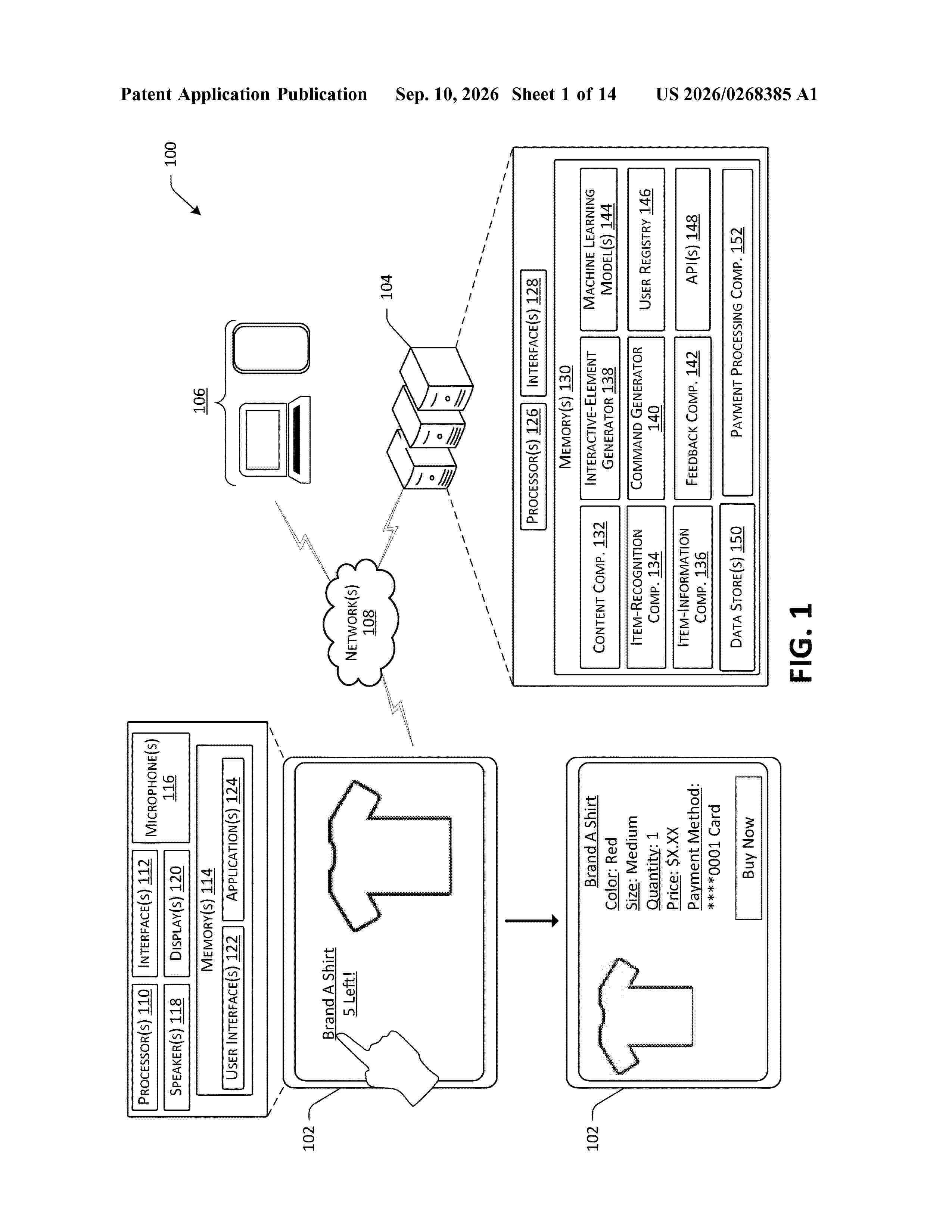
Resumen de: US20260268385A1
0000 Data associated with a multimedia content stream is received. The data includes a representation of an item. It is determined that the representation is displayed at a first timestamp and at a first location relative to a viewable window. An interactive element is generated that includes an e-commerce tag for purchasing the item. The interactive element is overlaid on the stream at the first timestamp in a first portion of the stream. It is then determined that the stream displays the representation at a second timestamp, at a second location relative to the viewable window. The interactive element is overlaid on a second portion of the stream. Upon detecting an interaction with the interactive element, a graphical user interface is displayed that allows the user to purchase the item.

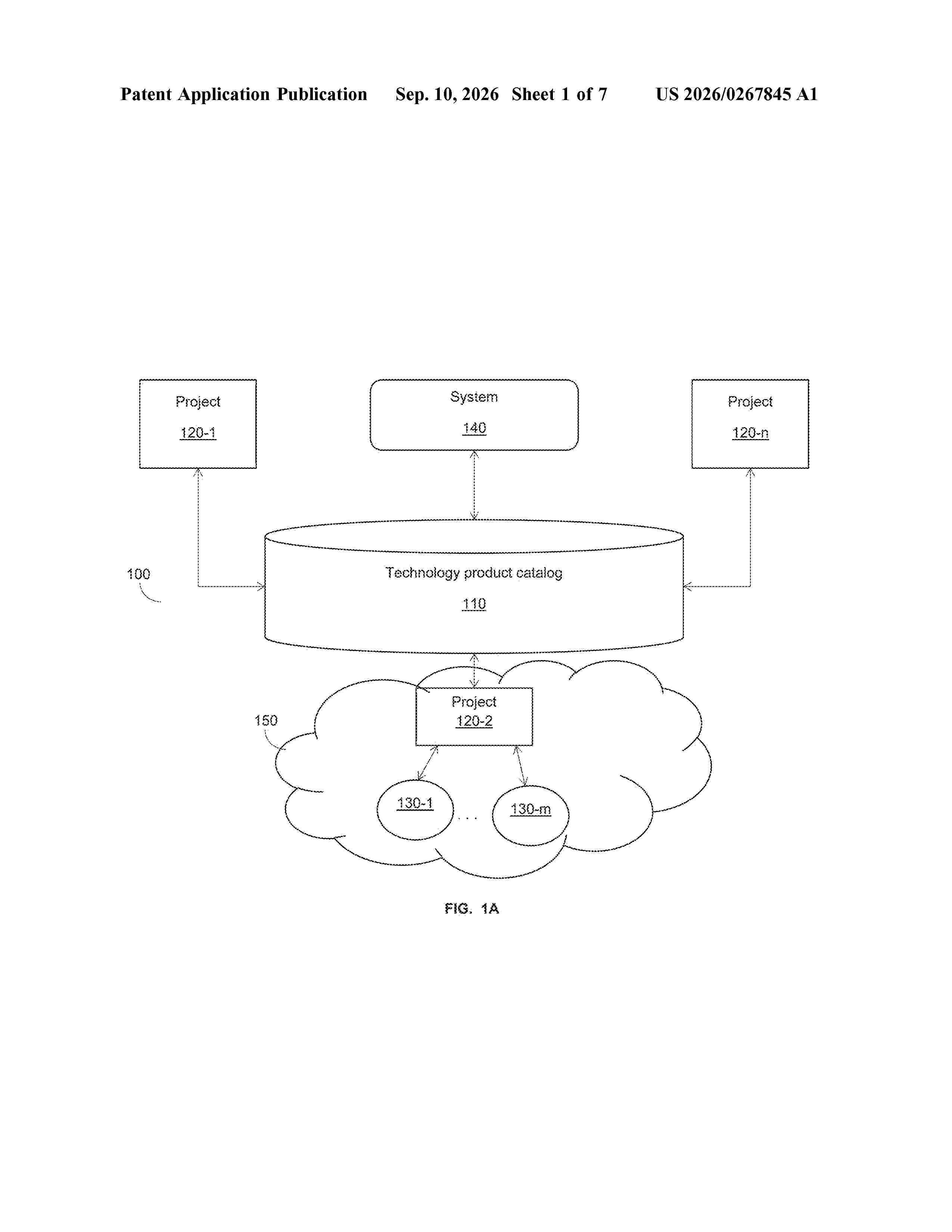
Resumen de: US20260267845A1
A method and system for populating multi-layer technology product catalogs are provided. The method includes scanning an environment executing a software project to collect hints on technology products required for the execution of the software project; mapping the collected hints to identifiers of technology products to identify technology products required for the execution of the software project; analyzing each of the identified technology products to determine a set of descriptors identifying certain attributes of a technology product; classifying each of the identified technology products to at least one technology layer, wherein a technology layer represents the functionality of a technology product; populating a technology product catalog to including a plurality of entries, wherein each entry is associated with a single technology product and marinates the set of descriptors and the least one technology layer associated with the technology product; and saving the populated technology product catalog in a database.
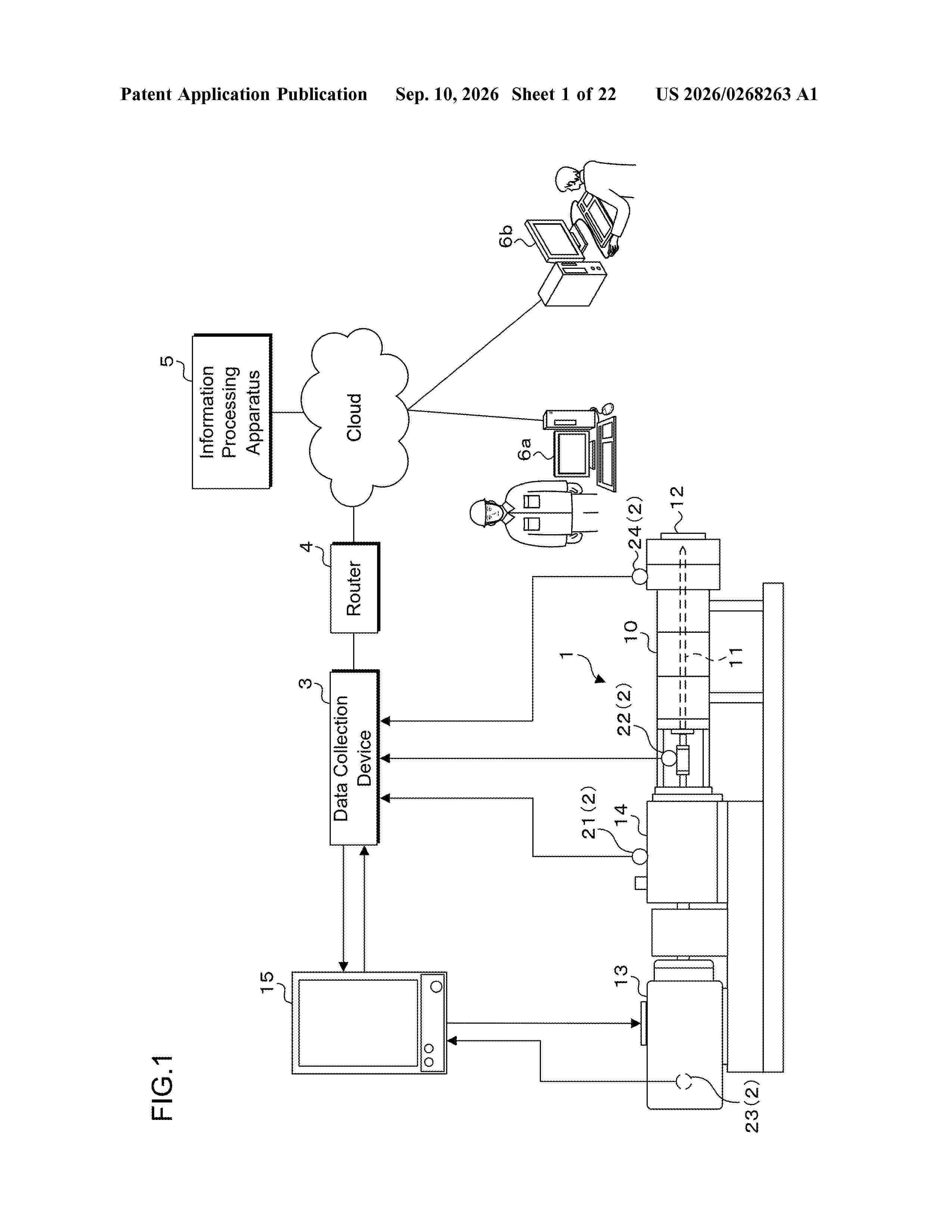
Resumen de: US20260268263A1
An information processing method, comprises: storing, in a database, an identifier for identifying each of a plurality of users, a factory identifier for identifying each of a plurality of factories that belong to each of the plurality of users, a machine identifier for identifying each of a plurality of industrial machines installed in each of the plurality of factories, and machine-related information including specifications of the plurality of industrial machines in association with each other; reading, from the database, the factory identifier, the machine identifier and the machine-related information that are associated with the identifier of one of the users and creating a machine list including the plurality of factories that belong to the one of the users, the plurality of industrial machines that are installed in the plurality of factories and the machine-related information; and providing the one of the users and an external party associated with the one of the users with data of the created machine list.
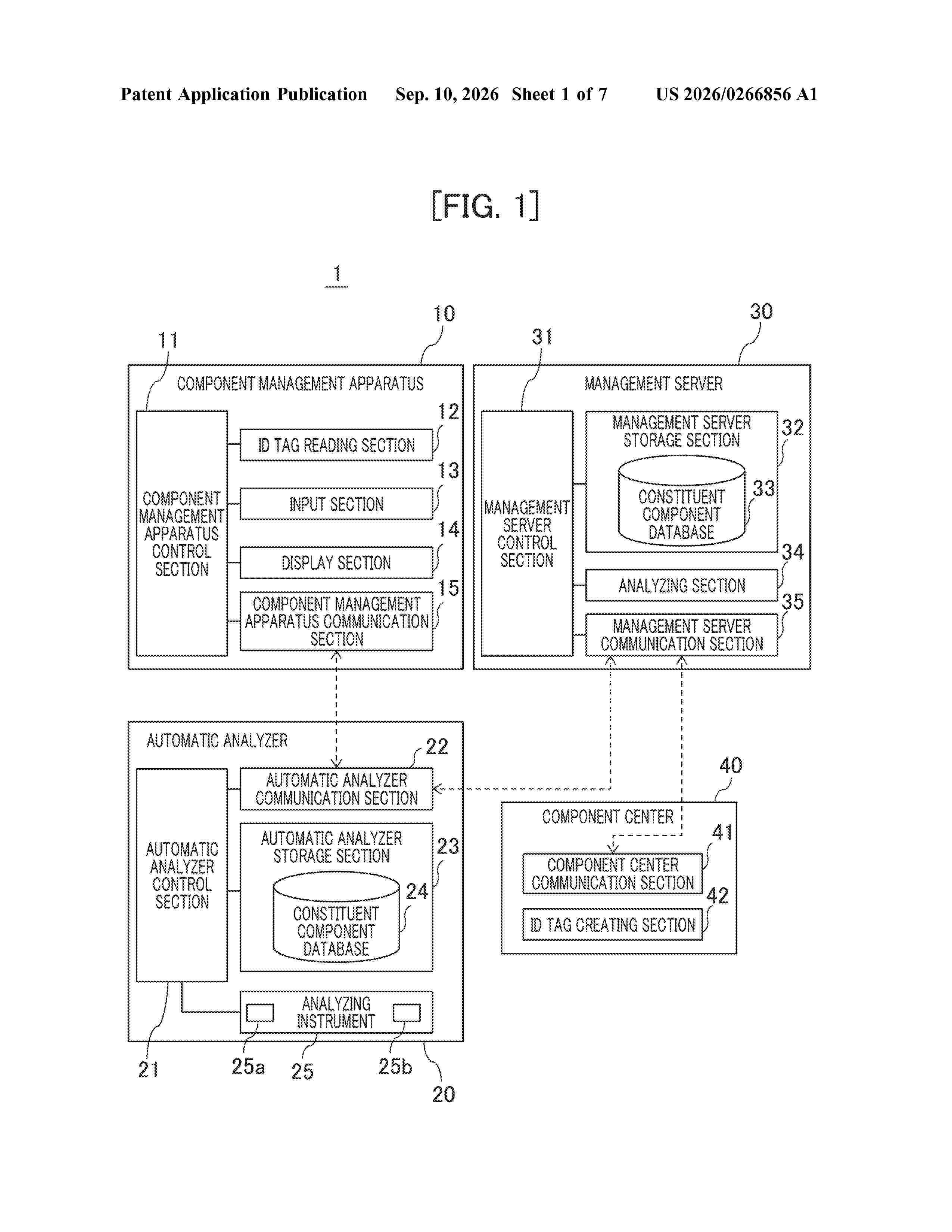
Resumen de: US20260266856A1
A part management system displays information about the part management system. For each of a plurality of analysis devices, an ID of the corresponding analysis device and state information indicating a state of the analysis device are stored in association with each other. An input unit receives a replacement request for the analysis device. A part management apparatus control unit that, when the input unit receives a replacement request for the analysis device, causes a display unit to display the ID of the analysis device whose state information satisfies a predetermined requirement and first state information about a position where the analysis device is used. Accordingly, provided are a part management system, an automatic analyzer, and a part management method capable of supporting the specification of a part to be removed even when parts of the same type are used in a plurality of uses or positions.
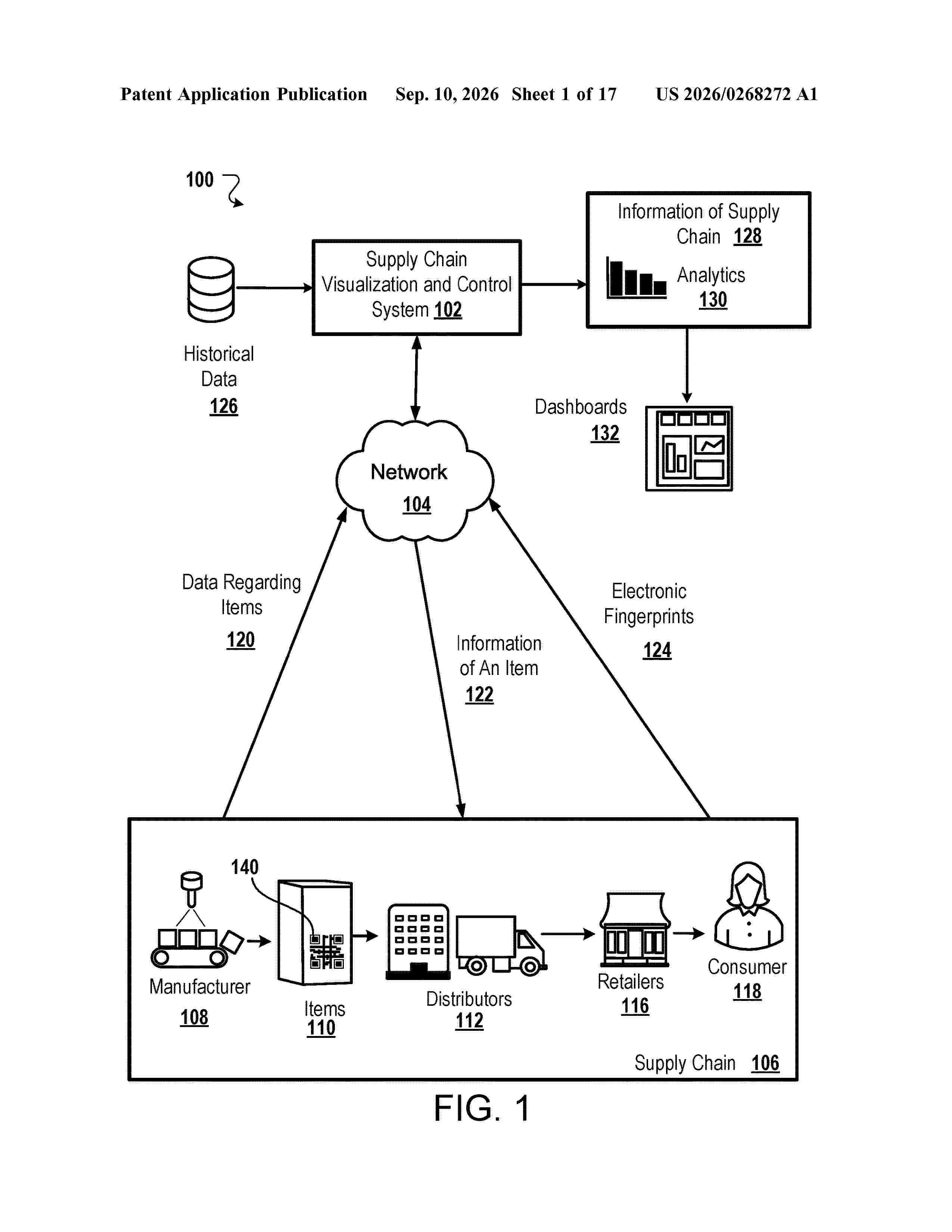
Resumen de: US20260268272A1
The present systems and techniques enable supply chain visualization. Data regarding items can be obtained as the items move through a supply chain, wherein the data includes event data that identifies specific ones of the items at specific locations in the supply chain at specific times. The data can be analyzed to produce information while at least a portion of the items move through the supply chain. A visualization of the information can be provided, and the visualization can be usable to identify one or more changes to make in at least one portion of the supply chain to improve the at least one portion of the supply chain.
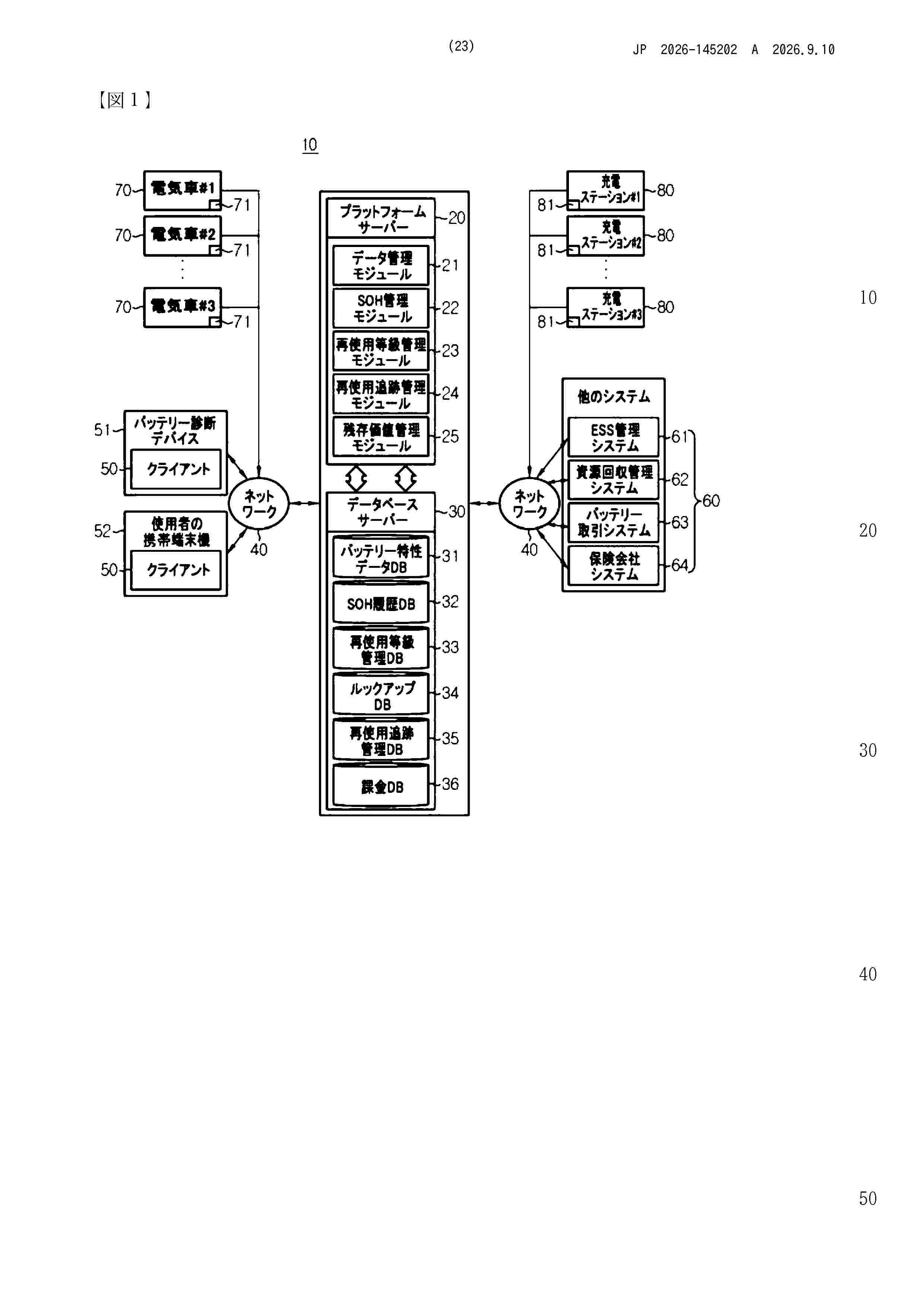
Resumen de: WO2022045842A1
The present invention provides an integrated battery management platform service system and method. The platform service system according to the present invention collects, through a network, battery characteristic data of an electric vehicle to match the data with a battery identification code and accumulatively store same, analyzes the battery characteristic data to calculate the current state of health (SOH) of a battery, and thus match the current SOH with a battery identification code and store same in an SOH history DB, uses the battery identification code to retrieve the SOH history DB and determine the current SOH if a reuse grade calculation request is received from a client together with the battery identification code, and determines a reuse grade corresponding to the current SOH from the predefined reuse grade information for each SOH to transmit the determined grade to the client side.
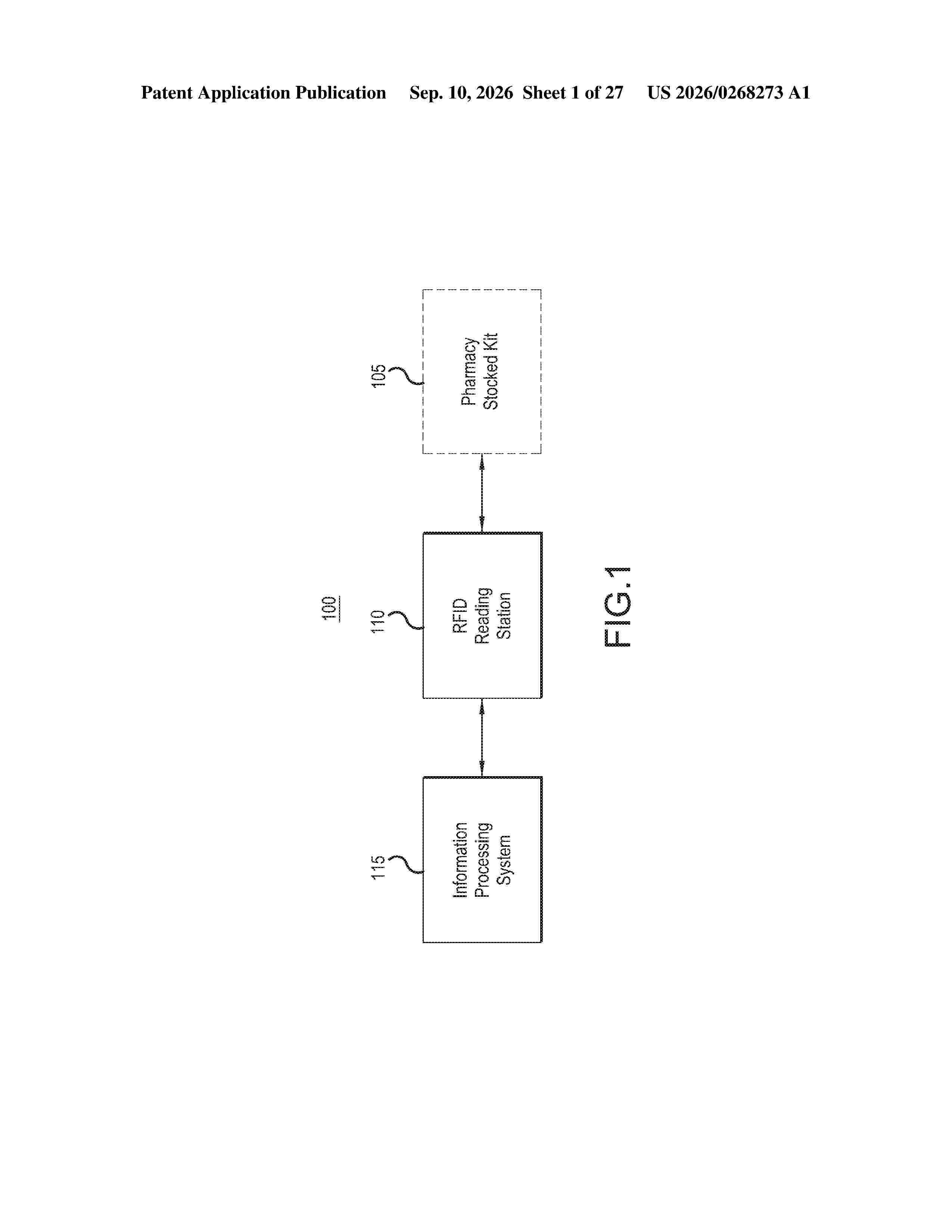
Resumen de: US20260268273A1
A pharmacy kit is managed by defining multiple rules for determining whether a segment of a pharmacy kit is satisfactorily stocked, selecting at least one rule among the multiple rules according to a kit stocking contingency, an prompting a user to stock the segment of the pharmacy kit according to the selected at least one rule.
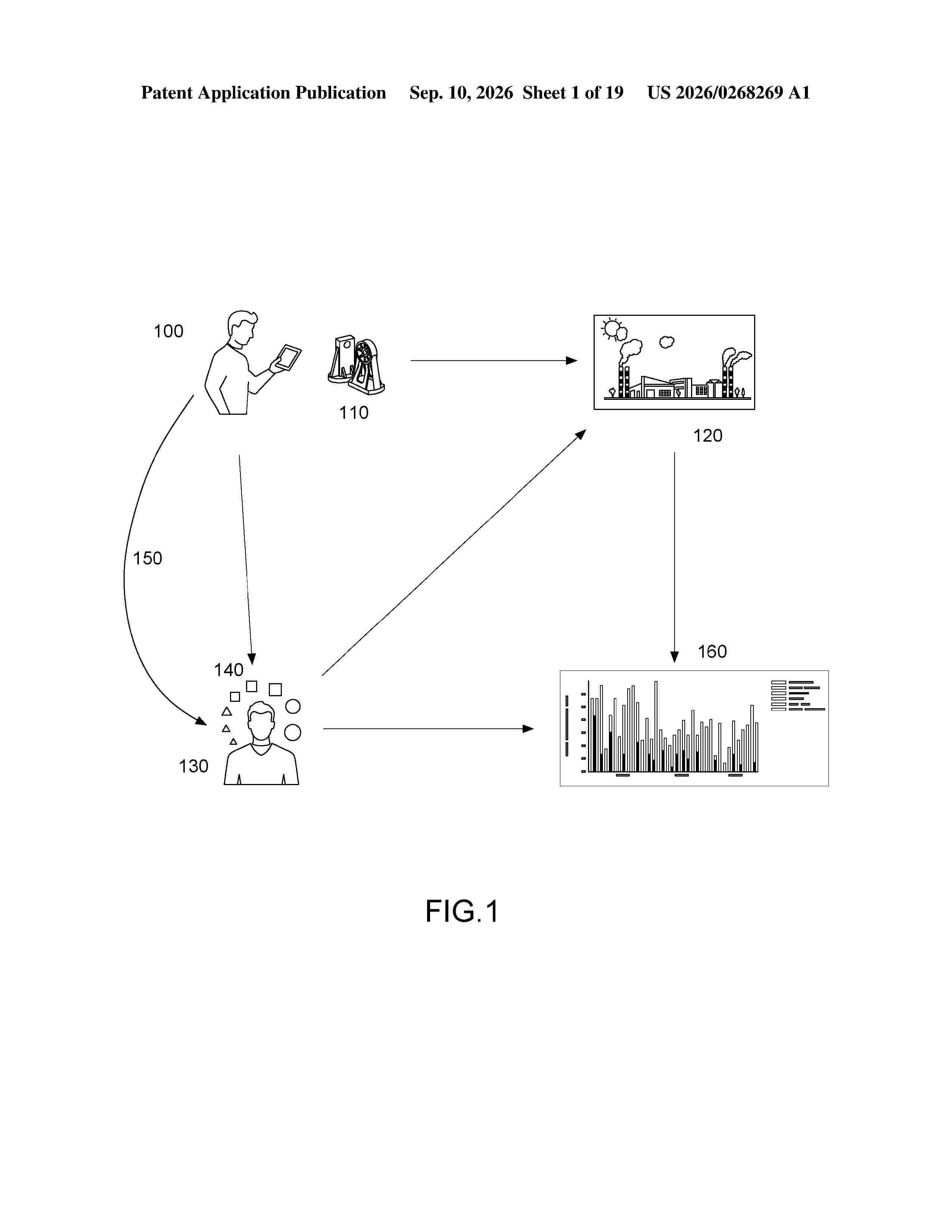
Resumen de: US20260268269A1
0000 A computer implemented method governs execution of tasks and includes receiving, at a computing system, a request to implement a state transition for triggering a real-word effect. The method identifies, in the request, a declared task type associated with the proposed transition, derives a task-specific authority profile based at least partially on the task type and comprising discrete required permission levels to execute a task of the task type, determines an actor-specific authority profile based on a source of the received request and defines an actor-specific permission level associated with each discrete permission of the task-specific authority profile, and creates an instance-specific authority profile comprising an instance-specific permission level corresponding to a narrower of the corresponding task-specific required permission level and the actor-specific permission level. The method then authorizes implementation of the state transition upon determining that the instance-specific authority profile defines sufficient permissions for each discrete required permission level.
Resumen de: US20260260030A1
A facility installation management system for installing a facility generates marking information based on a design drawing of the facility. The marking information is information indicating marks to be drawn on an installation surface, on which the facility is to be installed, to install a plurality of materials for the facility. The system draws an identification mark and an installation mark as the marks on the installation surface based on the marking information using a marking device movable along the installation surface. The identification mark indicates identification information identifying each of the plurality of materials. The installation mark indicates at least an installation position of each of the plurality of materials.
Resumen de: CN116758136A
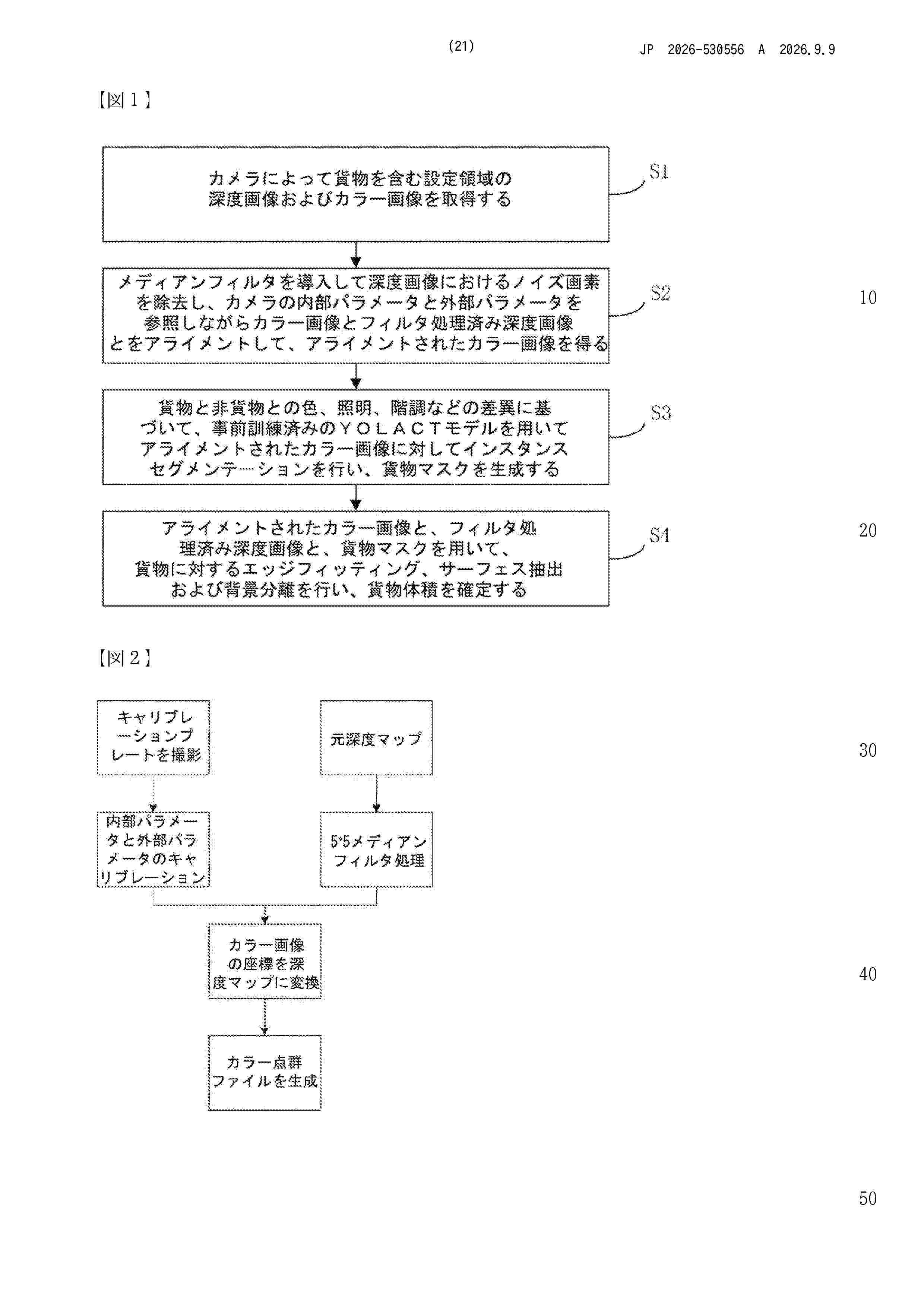
The invention relates to a cargo volume real-time online identification method, system and device and a medium. The method comprises the following steps: acquiring a depth image and a color image of a set area containing a cargo through a camera; introducing a median filter to remove noise pixels in the depth image, and aligning the color image with the filtered depth image by combining internal and external parameters of the camera to obtain an aligned color image; performing instance segmentation on the aligned color image by using a pre-trained YOLACT model according to the color illumination gray level equal difference between the goods and the non-goods, and generating a goods mask; and carrying out sideline fitting, surface extraction and background separation on the cargo by using the aligned color image, the filtered depth image and the cargo mask, thereby realizing the determination of the cargo volume. Therefore, the method has high stability and robustness, reliable data can be obtained regardless of the placing position and the placing direction of the goods, and meanwhile, the method is beneficial to improving the working efficiency.
Resumen de: JP2026144457A
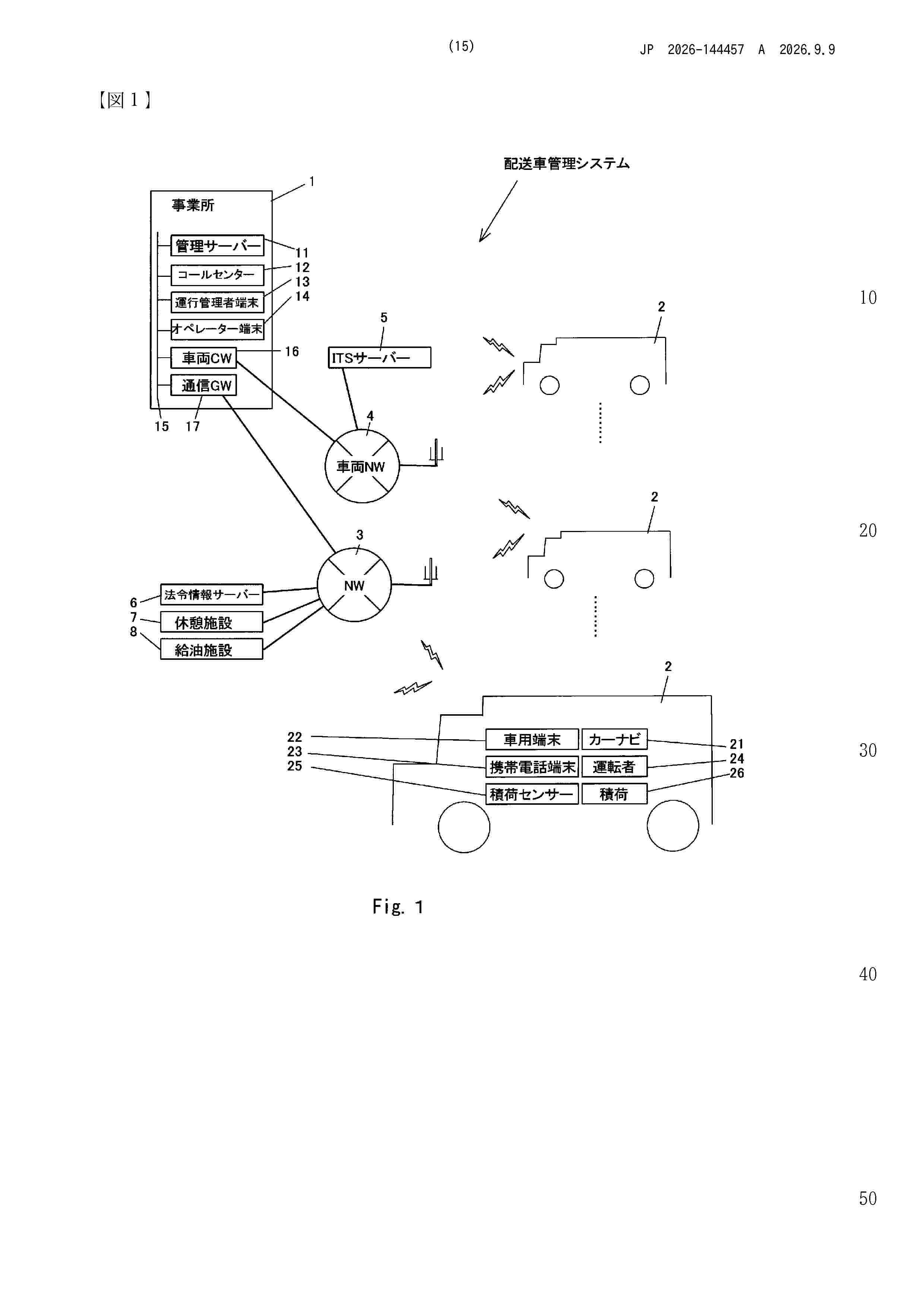
【課題】コンプライアンスを保ちつつ配送計画の変更に対応できる情報処理装置を提供する。【解決手段】情報処理装置は、車両配送計画における情報を処理する情報処理装置であって、車両の配送計画の変更があったか否かを判定する変更発生判定部と、変更発生判定部が配送計画の変更があったと判定した場合に、車両に対し、停車を勧める停車勧告を送出する勧告通信制御部と、車両の現在の走行状況を示す状況情報を取得する状況取得部と、車両の状況情報が車両の停車を示す場合、車両の乗車している乗員の携帯電話端末に発呼するよう制御を行う発呼部と、を備える。【選択図】図5
Resumen de: JP2026144331A
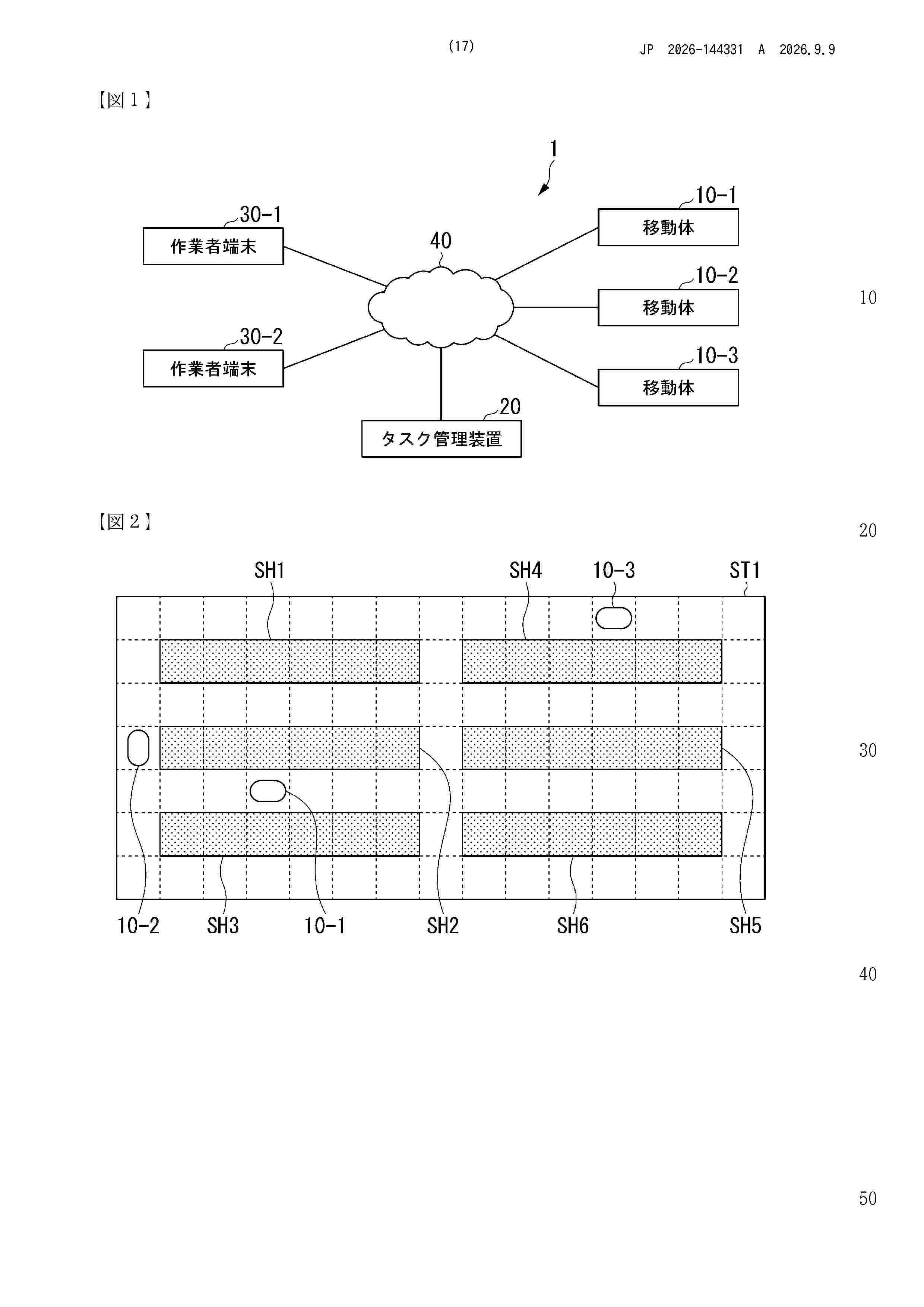
0001 【課題】1つまたは複数のタスクを含むタスクセットを単位として、移動体に割当てられる移動体制御システムを提供すること。 【解決手段】複数の移動体を制御する移動体制御システムであって、1つまたは複数のタスクを含むタスクセットを示す情報を取得するタスクセット情報取得部と、タスクセットの代表位置を、タスクセットの1つまたは複数のタスク各々の位置に基づき算出し、複数の移動体のうち、タスクセットを割り当てる移動体を、代表位置に基づき決定する移動体割当部とを備える移動体制御システムである。 【選択図】図1
Resumen de: JP2026144106A
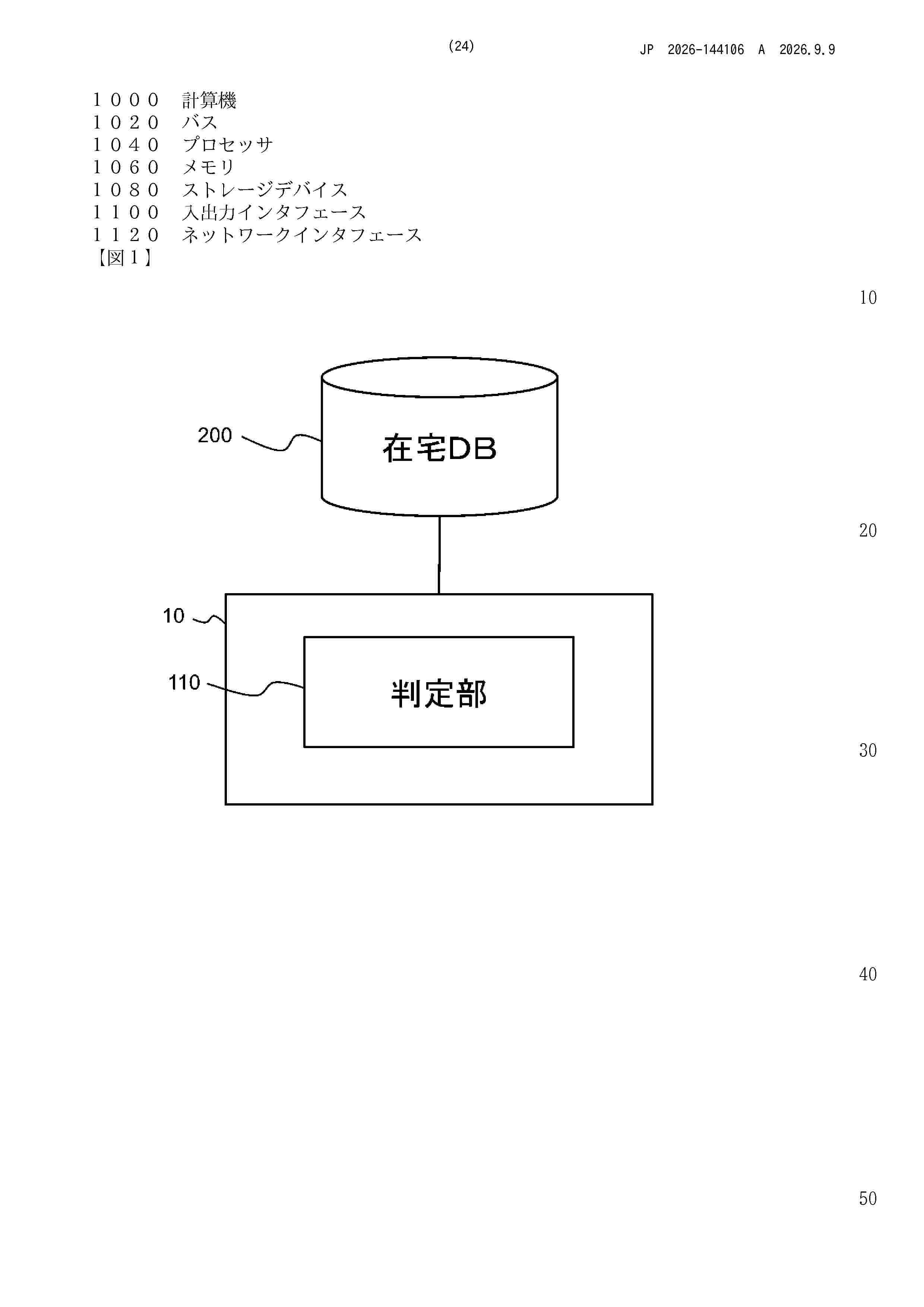
【課題】本開示の目的の一例は、荷物配達における、再配達の発生を抑制することにある。【解決手段】情報処理装置は、判定部を備える。判定部は、荷物の受取人を示す荷物情報と、在宅データベースとを用いて、受取人の在宅中における荷物の配達可否を判定する。在宅データベースは、少なくとも受取人の在宅状況を示す。また、在宅データベースは、受取人の生体情報を用いた認証により住宅の扉が解錠されたことに基づいて、更新されるデータベースである。【選択図】図1
Resumen de: JP2026144999A
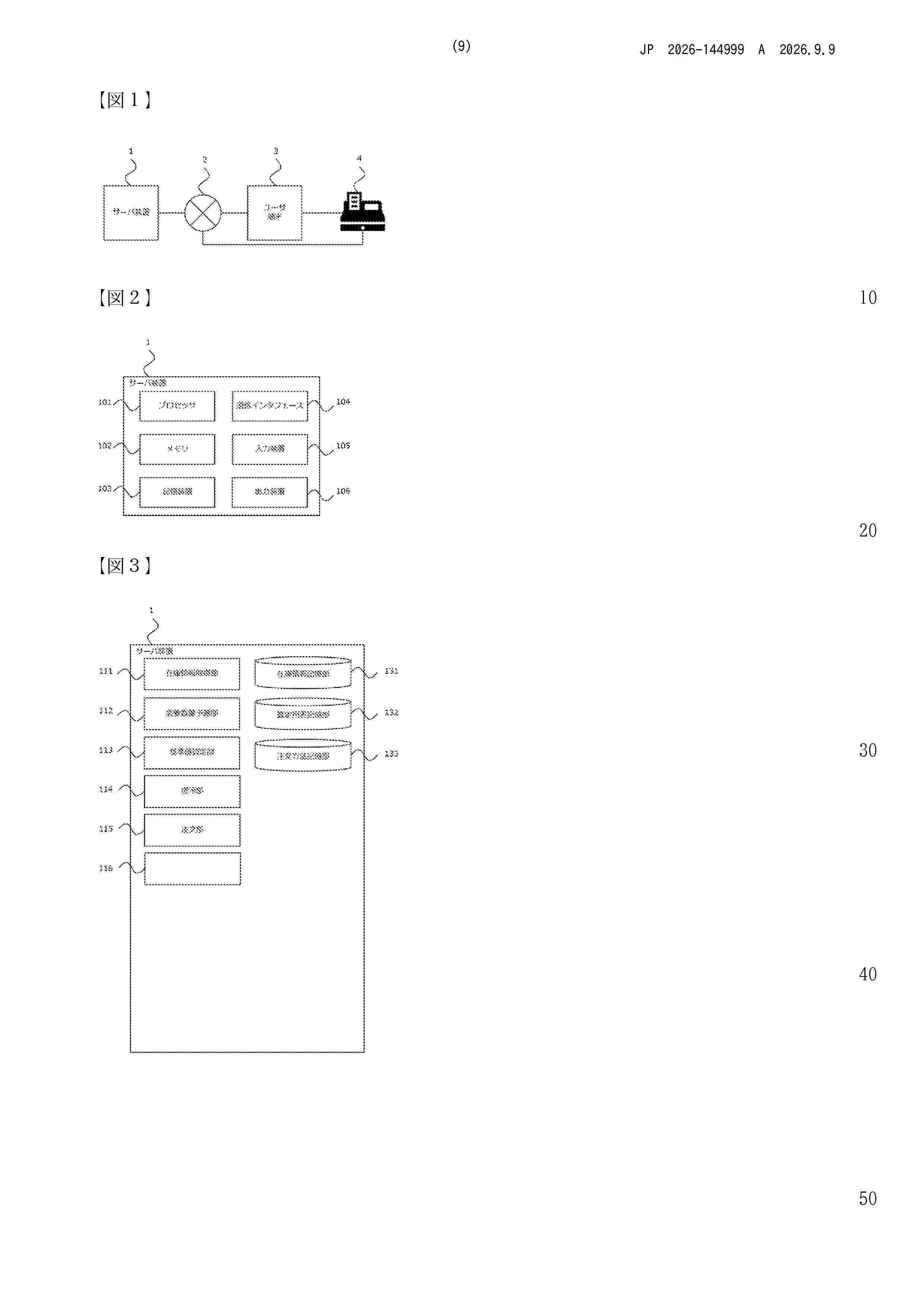
0001 【課題】材料の発注数量の最適化を支援する支援装置、支援プログラム及び支援方法を提供する。 【解決手段】サーバ端末1、店舗端末3、店舗端末4が、ネットワーク2を介して各々接続され、発注を支援する支援システムにおいて、サーバ装置は、対象物の在庫数量の推移の情報を含む在庫情報を取得する在庫情報取得部と、少なくとも前記在庫情報をもとに所定の将来の時点の需要数量を予測する需要数量予測部と、少なくとも前記在庫情報と前記需要数量をもとに在庫基準量を算定する在庫基準量算定部と、を備える。 【選択図】図1
Resumen de: WO2025140801A1
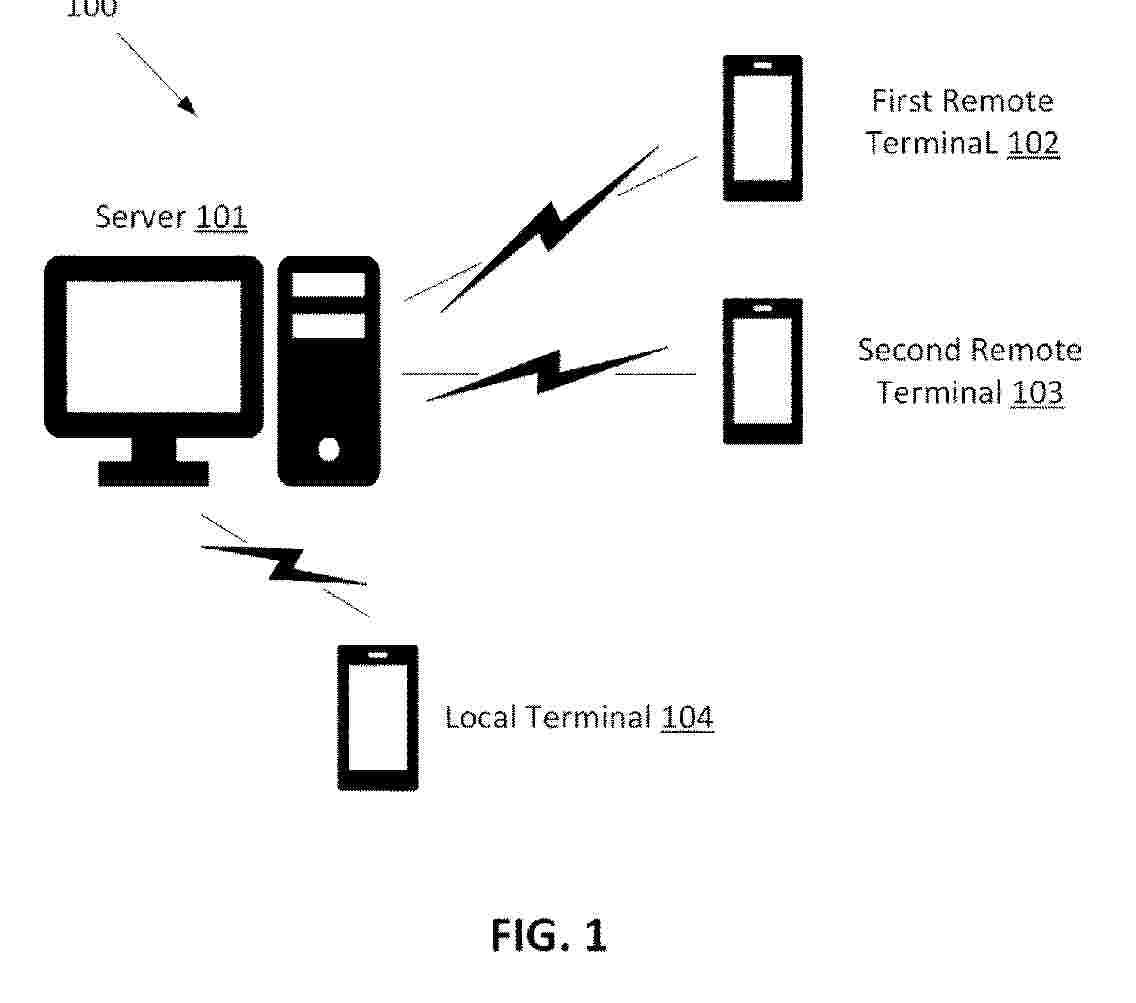
The present disclosure discloses a method and a system for processing an order according to vehicle capacity. The method includes the steps of receiving information of an order proposal from a first remote terminal; determining, based on the information of the order proposal, whether a vehicle utilization of the order proposal meets a preset full-vehicle requirement associated with vehicle capacity; if not, determining a list of recommended products based on the information of the order proposal and sending the list of recommended products to the first remote terminal; and if so, the order proposal is accepted as a full-vehicle order and organizing transportation according to the information of the order. The method can save time and logistic complexity of placing a full-vehicle order for the customer and reduce carbon dioxide emission.
Resumen de: EP4802962A2
Verfahren zur Bestimmung einer Abmessung eines in einer Produktpräsentationsvorrichtung (1) platzierten Produkts (10), wobei das Verfahren die folgenden Schritte aufweist, nämlich:- automatisches Feststellen einer Mehrzahl von Änderungen eines für zumindest eine Abmessung des Produkts (10) repräsentativen Parameters, wobei der Parameter mit Hilfe eines elektronischen Sensors (2) erfasst wird und der Sensor (2) in der Produktpräsentationsvorrichtung (1) lokalisiert ist,- Speichern von Änderungsdaten, welche die jeweils erfasste Parameter-Änderung repräsentieren,- Auswerten der Änderungsdaten, wobei anhand eines zeitlichen Verhaltens und/oder eines wertmäßigen Verhaltens der Parameter-Änderungen zwischen Parameter-Änderungen unterschieden wird, die nicht zur Bestimmung der zumindest einen Abmessung heranzuziehen sind und solchen Parameter-Änderungen, die zur Bestimmung der zumindest einen Abmessung heranzuziehen sind,
Resumen de: WO2025114764A2
In at least one example, a method for production analysis modeling for product quality detection includes receiving a review request for a product that includes an identified failure, identifying production analysis data associated with a production process for the product, the production analysis data includes data captured during production of the product, providing the production analysis data for the product to a machine learning model for producing the product to compare the production analysis data to designated data ranges for the product, determining data from the production analysis data that are outside of the designated range identified by the machine learning model, and identifying a cause of the identified failure during the production of the product based on the determined data.
Resumen de: WO2025093389A1
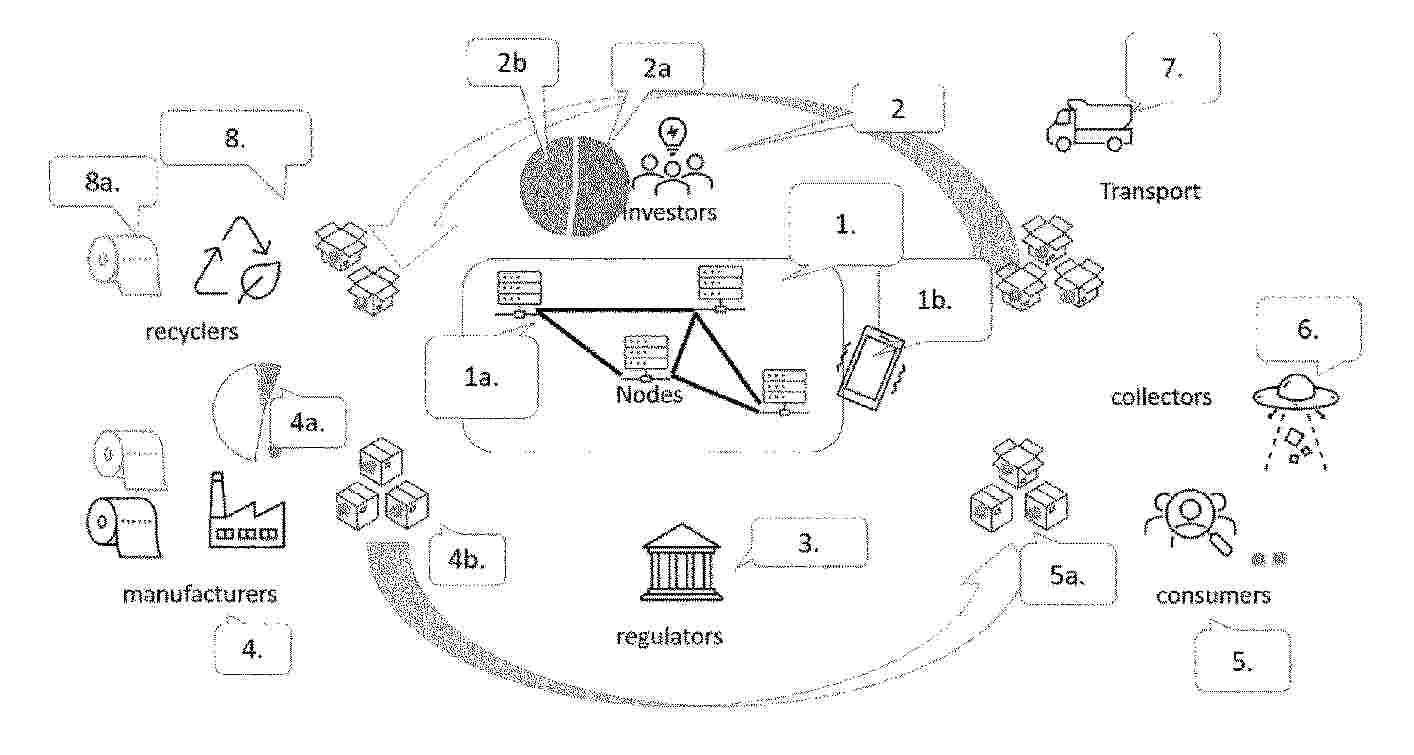
The present invention relates to a packaging collecting process comprising the steps of providing a packaging with an embedded crypto token value comprising a serialized code, one or more packaging scanning devices able to scan the serialized code, the packaging scanning devices being connected to a token transfer system for transferring token or part of token to a user or users of the packaging collecting process, and wherein the token transfer system comprising a blockchain smart contract with a token block use function. The serialized code may be printed on or embedded in the packaging.
Resumen de: WO2025093121A1
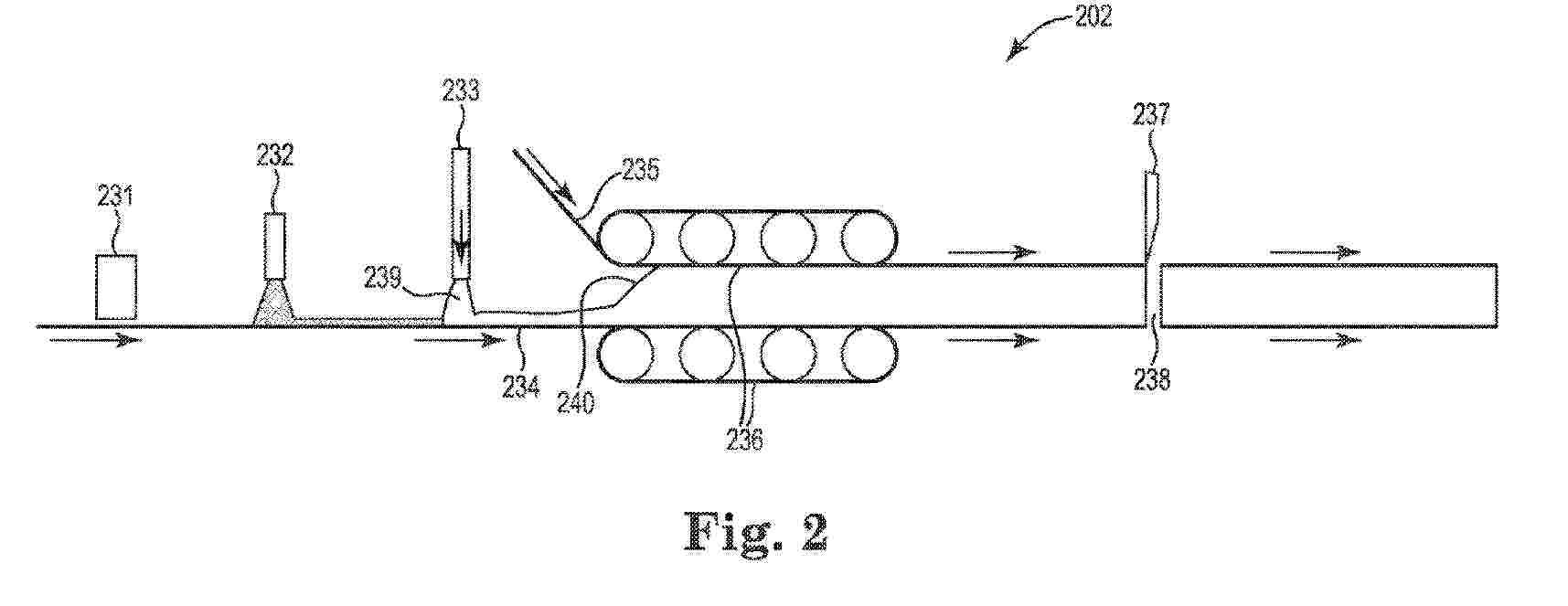
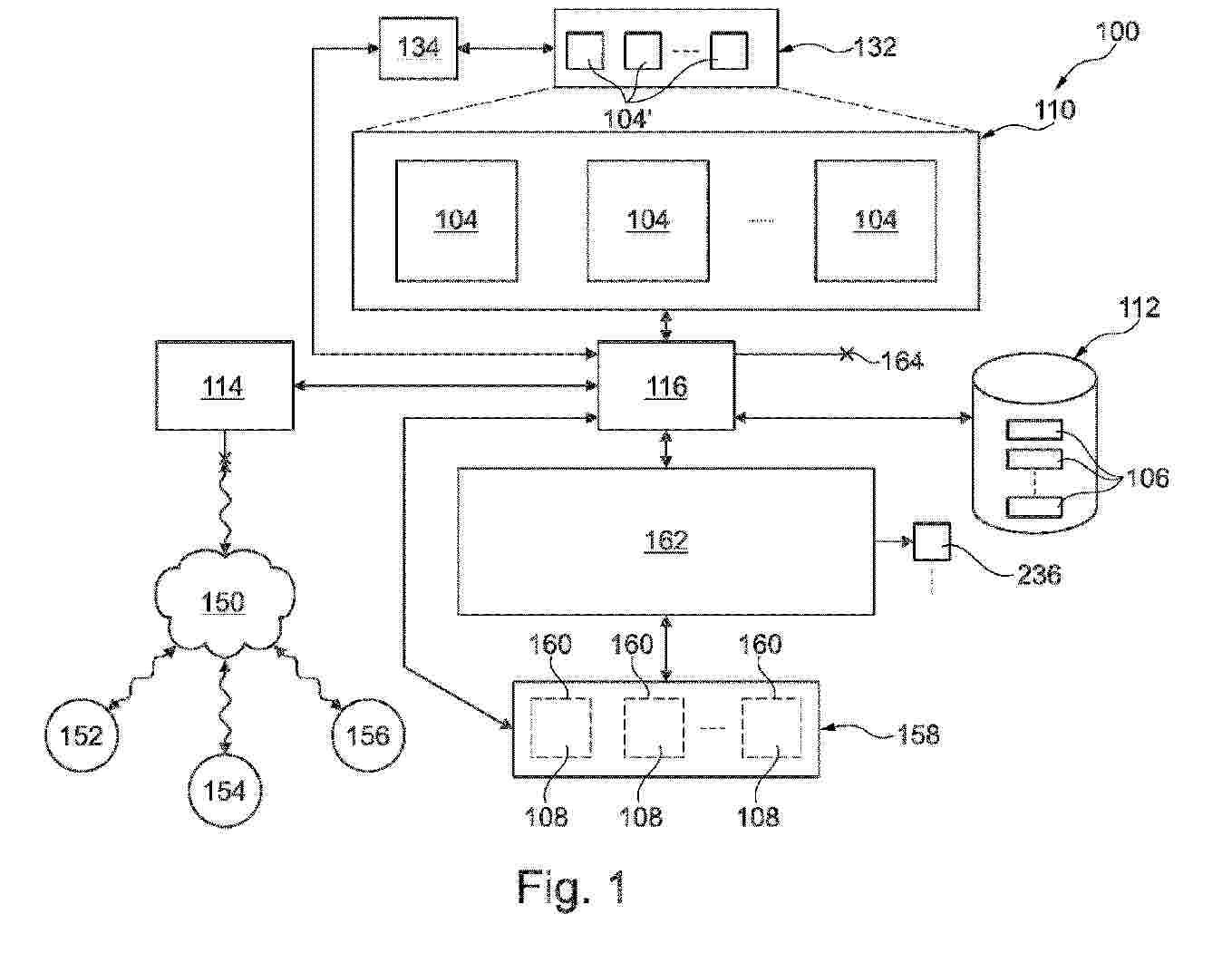
A method of managing a multi-medicine manufacturing facility (100) configured for manufacturing a selected medicine (236) of a set of supported medicines on demand, wherein the method comprises stocking a set of different active pharmaceutical ingredients (102) each in a different one of a set of storage containers (104) separately from excipients (108) under long-term storage conditions, provisioning a set of pre-approved recipes (106) for manufacturing each of the said set of supported medicines by executing a predefined manufacturing process using at least one of said active pharmaceutical ingredients (102) in a predefined formulation at the multi-medicine manufacturing facility (100), forecasting a development of at least one medicine-related parameter, and managing said stocking and/or said provisioning and/or manufacturing of a selected medicine (236) on demand based on said forecasting.
Resumen de: WO2025096469A1
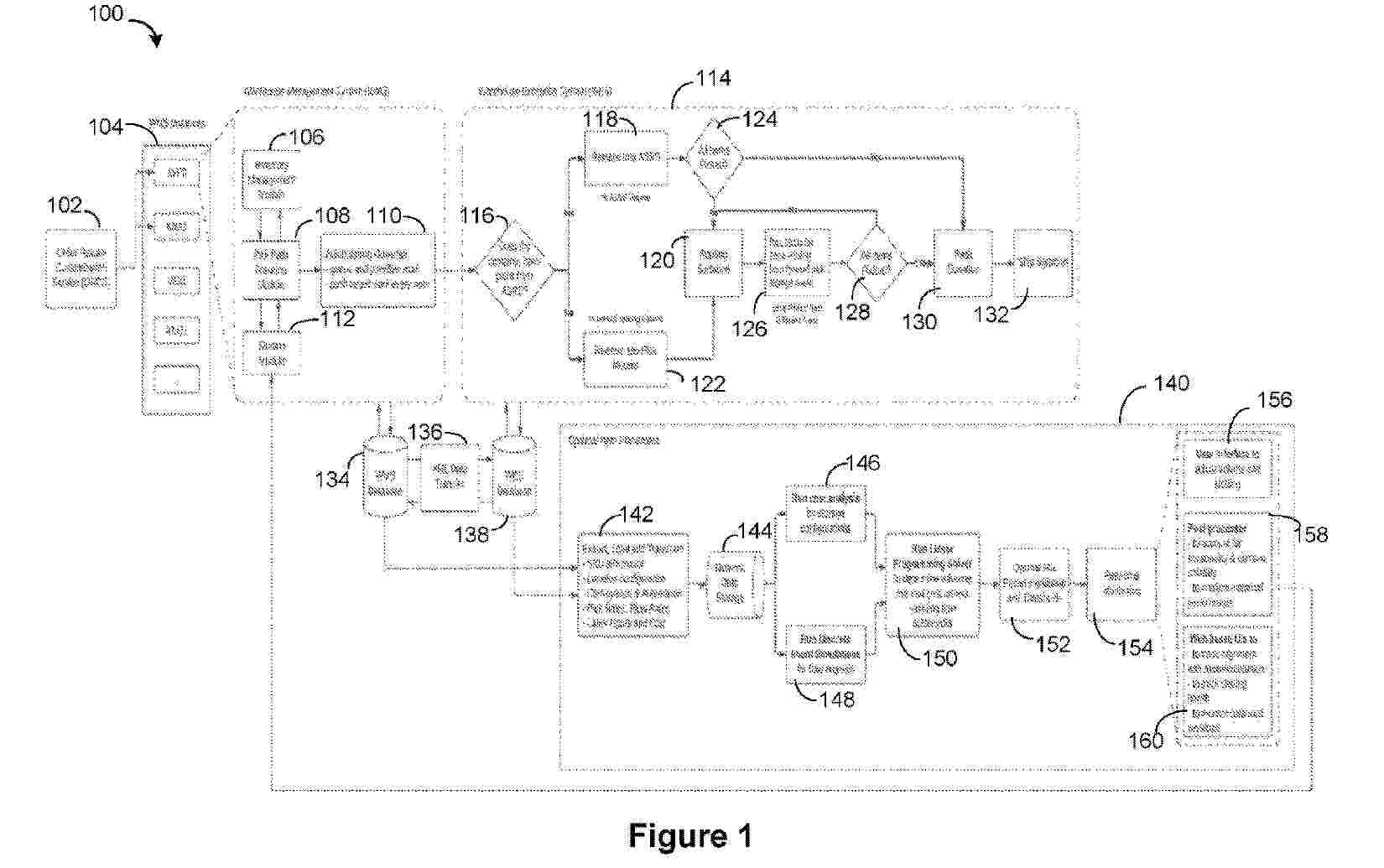
A system and method are provided for controlling item placement for managing warehouse productivity. The system may include one or more warehouse databases, and one or more processors. The processors may be configured to interface with the one or more warehouse databases, extract, transform and load information from the one or more warehouse databases to form an input dataset, perform cost analysis and discrete event simulation to the input dataset to obtain a candidate dataset, and provide a recommendation for an optimal mix of volume flow through different forward pick areas of a warehouse by applying a linear programming solver on the candidate dataset.
Resumen de: TW202520188A
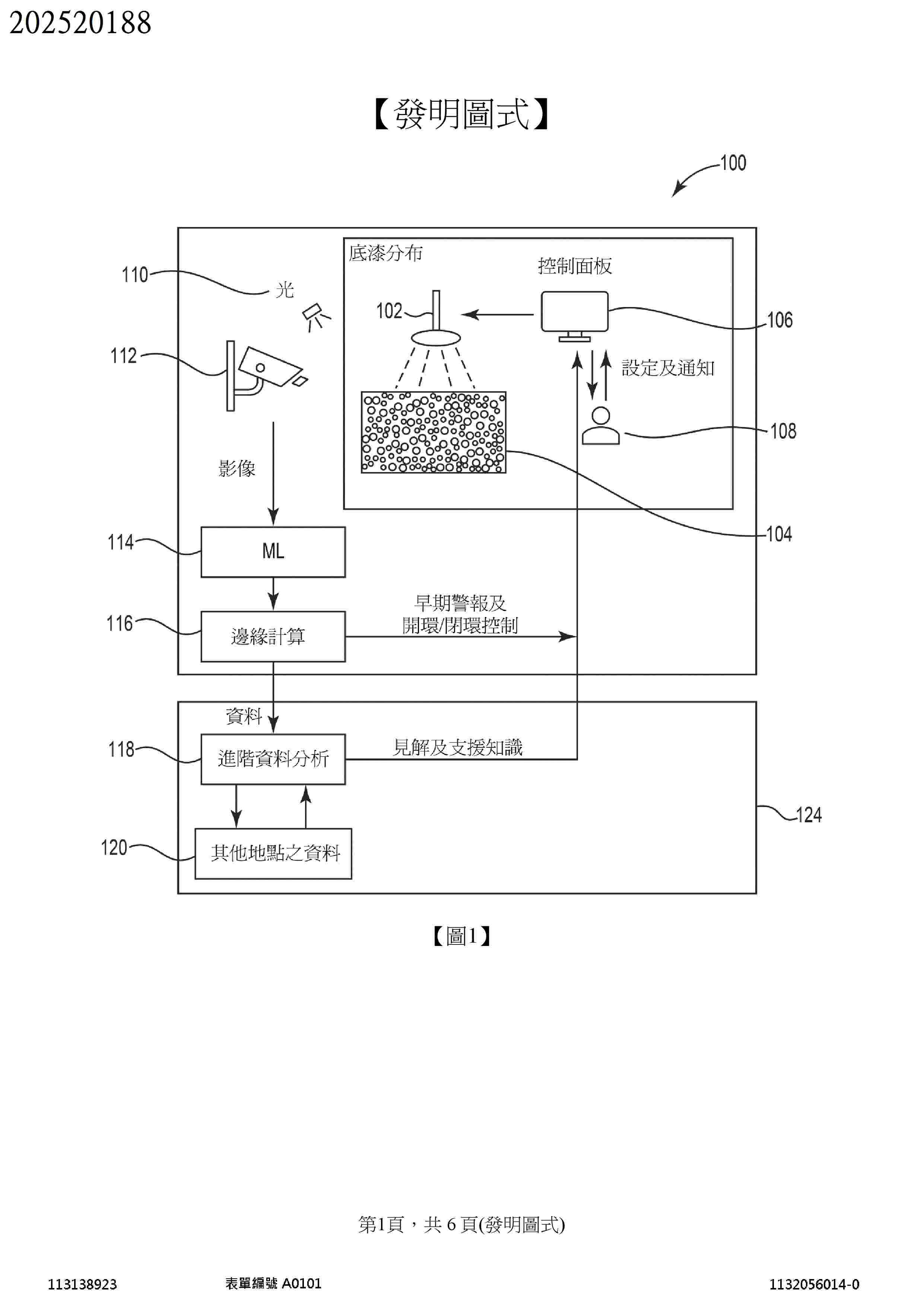
In at least one example, a method for production analysis modeling for product quality detection includes receiving a review request for a product that includes an identified failure, identifying production analysis data associated with a production process for the product, the production analysis data includes data captured during a production of the product, providing the production analysis data for the product to a machine learning model for producing the product to compare the production analysis data to designated data ranges for the product, determining data from the production analysis data that are outside of the designated range identified by the machine learning model, and identifying a cause of the identified failure during the production of the product based on the determined data.
Resumen de: EP4804103A2
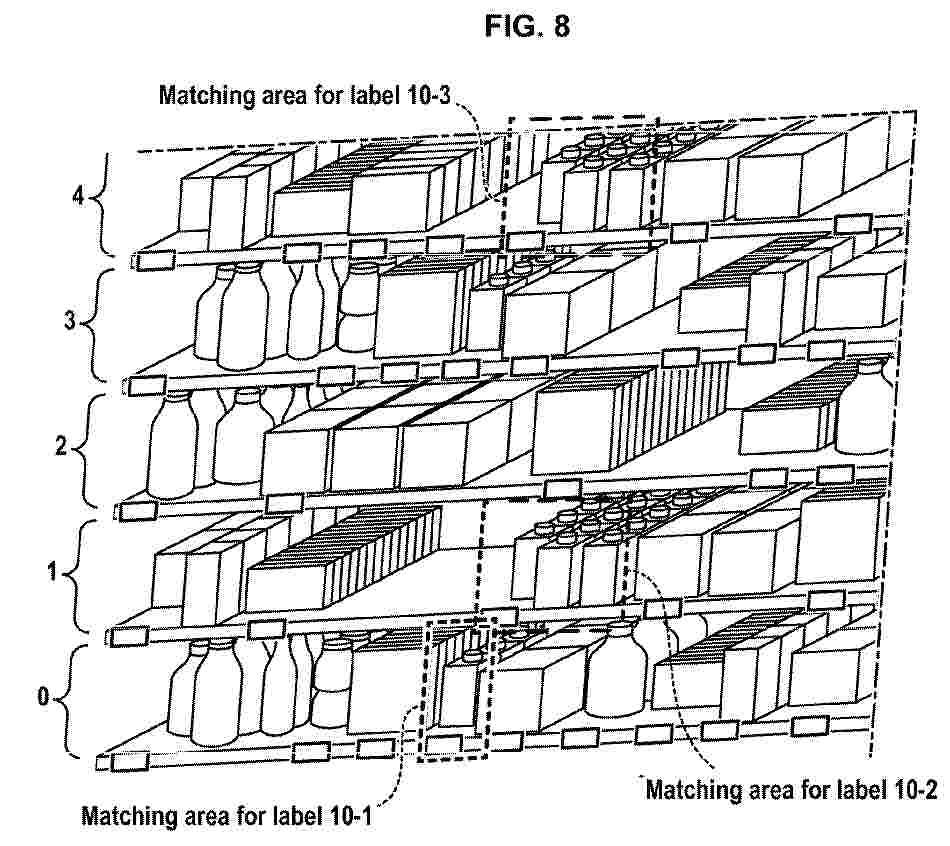
0001 The invention concerns a method of generating layout data representing the arrangement of articles in a gondola, comprising: • detecting electronic shelf labels in an image of the gondola; • detecting rows of consecutive electronic shelf labels in the image of the gondola, wherein detecting a row of consecutive electronic shelf labels comprises detecting an alignment of a set of the detected electronic shelf labels; • determining matching areas in the image of the gondola, each representing a product position in which an article associated with a corresponding electronic shelf label is expected to be shown, a matching area being determined according to a predetermined rule matching a detected electronic shelf label with a zone of the image based on a relative spatial relationship between the detected electronic shelf label, the detected row on which said electronic shelf label is located, and the adjacent electronic shelf labels in the same detected row.
Resumen de: US20250139325A1
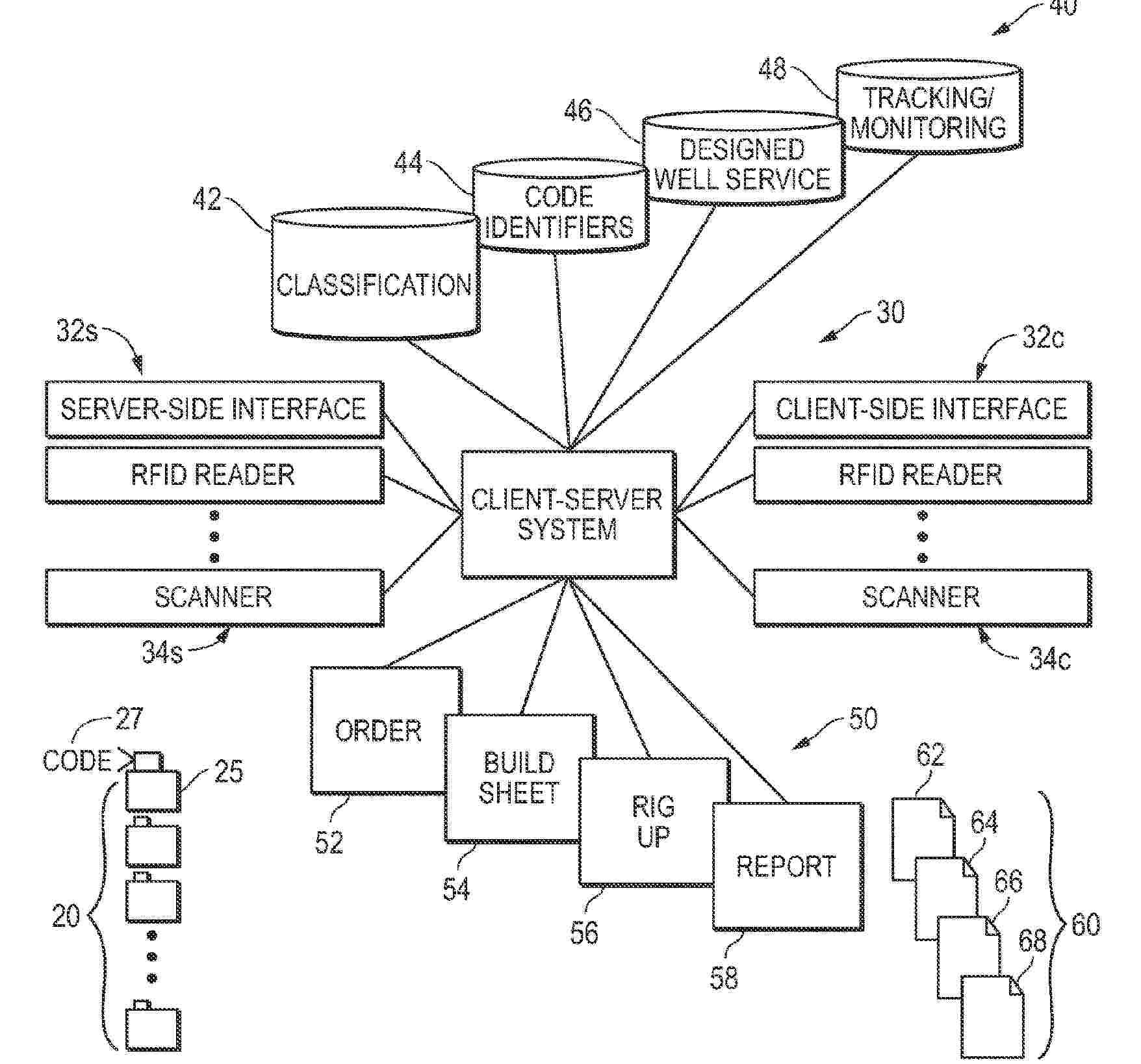
0000 Systems and methods monitor equipment used in performing well services. Machine-readable indicia (e.g., RFID tags) for the equipment are encoded with coded identifiers, each of which includes information about product line, operational classification, and unique identification. The encoded indicia are physically associated with the equipment, and tracking information is associated in the system with the coded identifiers. The system compiles a design list to implement a given service using equipment. The system then remotely tracks the equipment using the coded identifiers of the encoded indicia. In particular, the equipment in the design list is dispatched to the site by verifying the encoded indicia for the equipment, a dispatched list of the encoded indicia is received for the equipment obtained at the site, and the dispatched list is verified against the design list. Additional tracking of the equipment can be performed with the coded identifiers and encoded indica.
Resumen de: WO2025096304A1
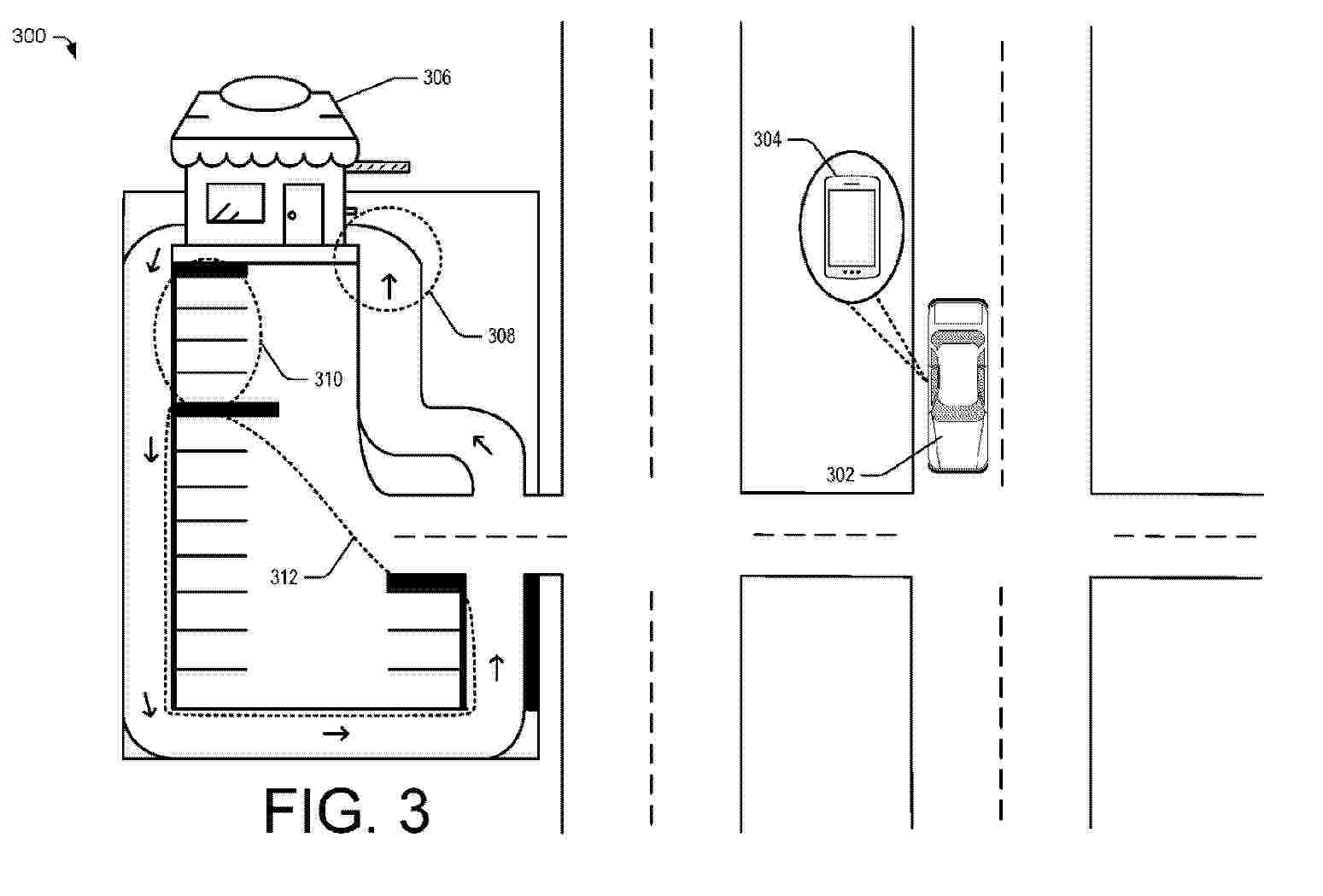
Techniques for determining an estimated time of arrival associated with a pickup location are described herein. For example, a customer can order a good or service for pickup at a pickup location. In some examples, order data can include a pickup location intent, such as a drive-through location, a pickup window, or a parking location. A location of a user computing device can be determined and can be input to a machine-learning model trained to determine estimated times of arrival for a particular location. In some examples, the machine-learning model can be trained with ground truth data specific to the location for which the model is to determine estimated times of arrival. The machine-learning model can output the estimated time of arrival and can update the time at any regular or irregular intervals, which can be used to prioritize an order in an order queue.
Nº publicación: EP4801822A1 09/09/2026
Solicitante:
ENERGY STORAGE SAFETY PRODUCTS INT LLC [US]
Energy Storage Safety Products International LLC
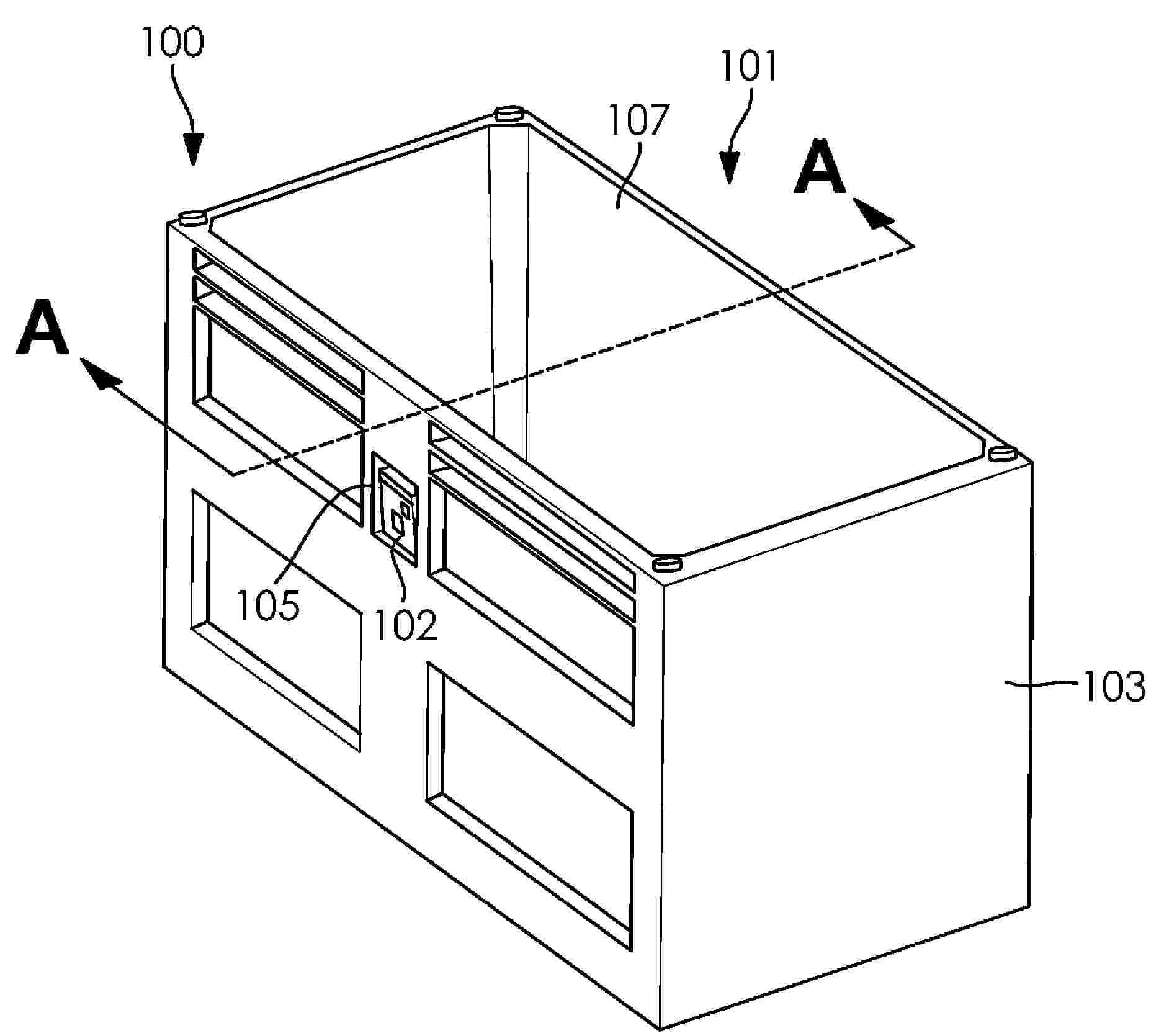
Resumen de: US20250140095A1
0000 The present disclosure provides a container sensor device for detecting a thermal event in a container. The container sensor device can include a housing, a detection module, and a blanket. The housing can be formed of a temperature resistant material. The detection module can be disposed adjacent the hollow interior of the housing and can include a sensor packet, a controller, a light source, an audio source, and a power source. The sensor packet can include a sensor capable of detecting the thermal event and can be adapted to monitor for a thermal event associated with a container. The sensor can detect heat, heat vented rise, humidity, pressure, and tilt of the housing. The blanket can be formed from a temperature resistant material and formed to cover the container.
 BOPI
BOPI
 Sede Electrónica