Si deseas distinguir tus productos, servicios o ambos de los de otra empresa, es posible que necesites una marca o nombre comercial. Descubre qué son, en qué consiste su procedimiento de registro y qué implica.

Información sobre los plazos de presentación de solicitudes de transformación de marcas de la Unión Europea en marca nacional española. Más información


Si tienes un nuevo dispositivo, producto o procedimiento que resuelva un problema técnico o tenga una ventaja práctica, existen distintas formas de protegerlo en España y en otros países. Descubre cómo hacerlo.

¿Tu innovación reside en la estética, la ornamentación o la apariencia de tu producto? Protégela mediante un diseño industrial. Descubre qué derechos confiere el registro y cómo realizar la tramitación.

Las indicaciones geográficas protegen el nombre de un producto originario de una zona geográfica, a la cual le debe una determinada calidad, reputación u otra característica. Descubre qué son, en qué consiste su procedimiento de registro y qué beneficios conceden.

Las patentes publicadas en todo el mundo son una valiosa fuente de información científica, técnica y comercial.

Si eres emprendedor/a o una empresa y quieres potenciar y mejorar la rentabilidad de tu negocio protegiendo de forma adecuada los activos intangibles de tu organización, en este espacio encontrarás lo necesario.


 513
resultados
513
resultados
 Última actualización
16/10/2026 [07:15:00]
Última actualización
16/10/2026 [07:15:00]


Resumen de: AU2026238015A1
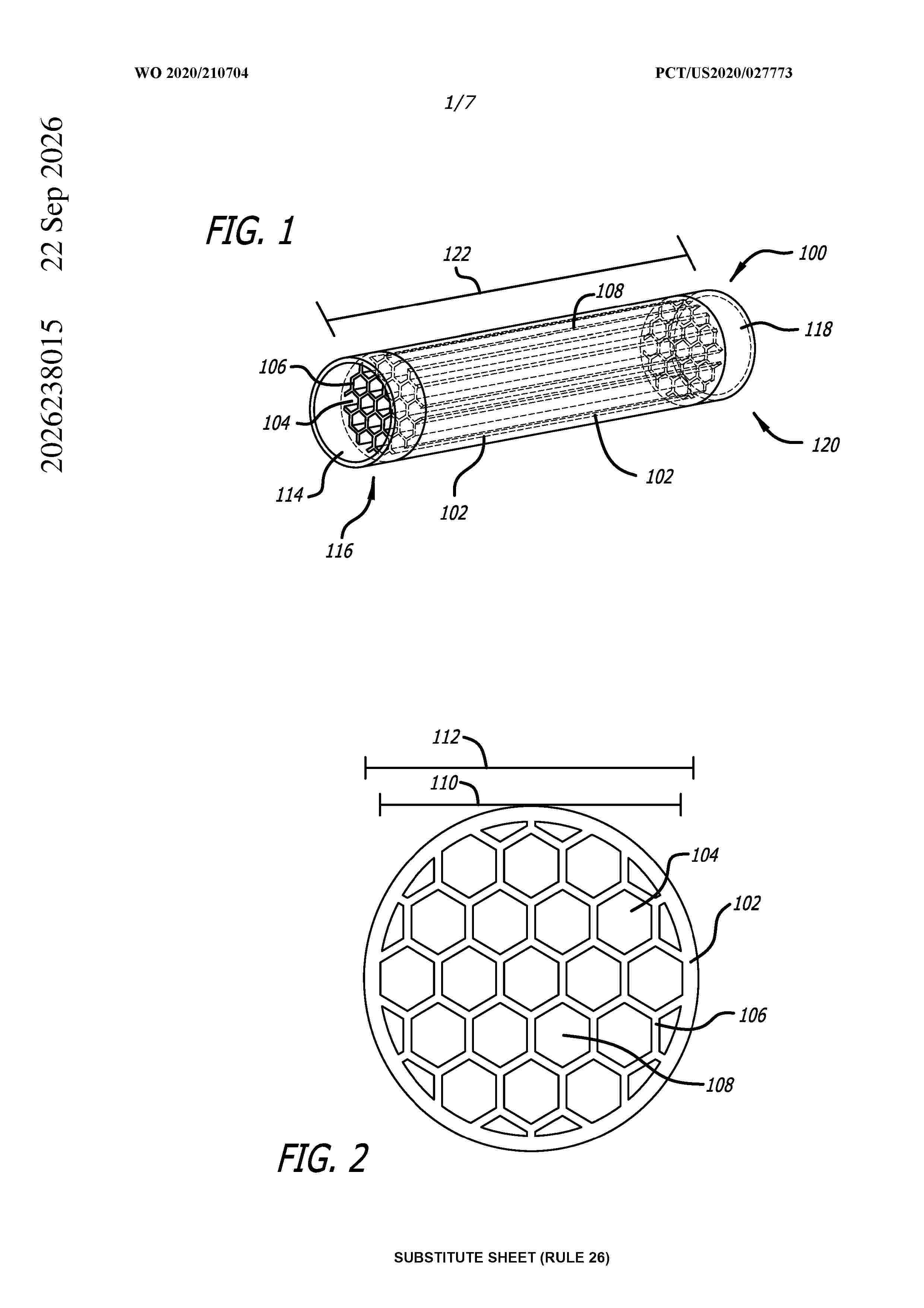
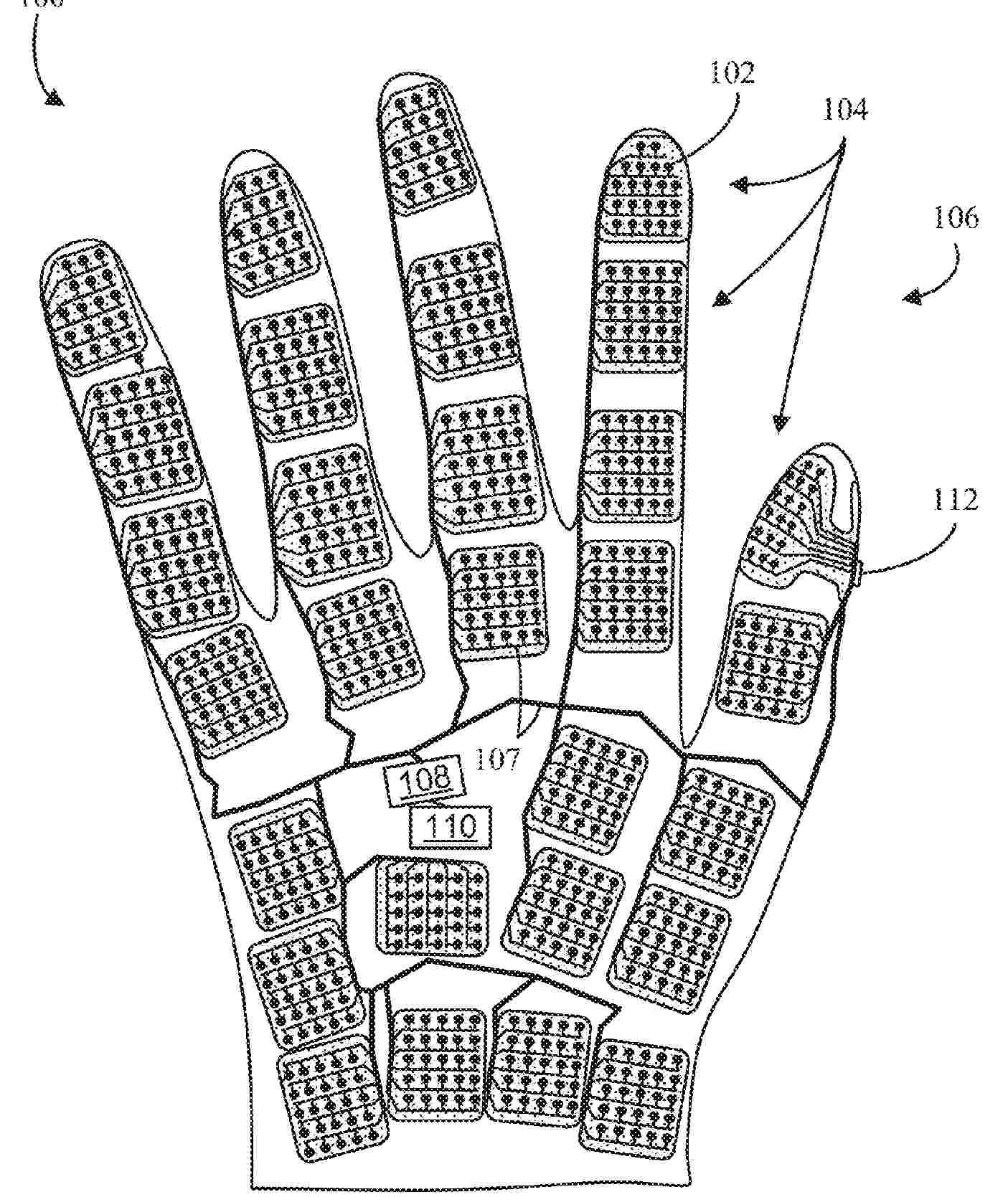
Abstract Biomimetic scaffolds for neural tissue growth are disclosed herein which have a plurality of microchannels disposed within a sheath. Each microchannel comprises a porous wall that is formed from a biocompatible and biodegradable material. The biocompatible and biodegradable material may be polyethylene glycol) diacrylate, methacrylated gelatin, methacrylated collagen, or polycaprolactone, and combinations thereof. The biomimetic scaffolds have high open volume % enabling superior (linear and high fidelity) neural tissue growth, while minimizing inflammation near the site of implantation in vivo. Abstract

Resumen de: US20250186713A1
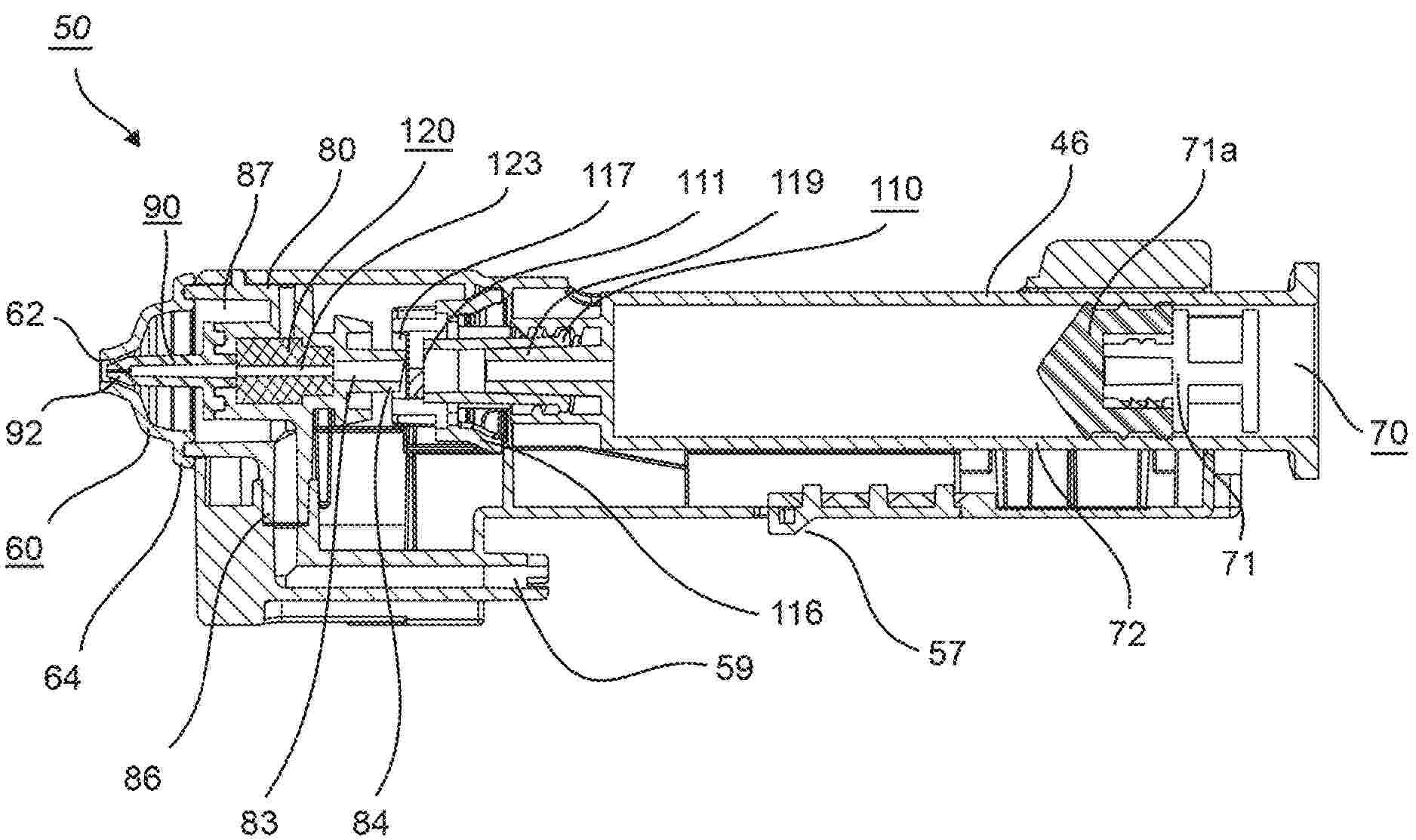
A disposable fluid delivery system for an electrostatic applicator. The system includes a nozzle cap including a distal end including a delivery outlet and an open proximal end. A nozzle housing can be included with a proximal inlet end and an open distal end connected to the open proximal end of the nozzle cap. A conductive insert is at least partially positioned between the open distal end and the proximal inlet end and includes a portion of a flow pathway formed at least partially between the nozzle cap, the nozzle housing, and the conductive insert. A high voltage connector is extended at least partially through the nozzle housing and electrically connected to the conductive insert and configured to be in electrical communication with a high voltage module and electrostatically charge fluid contents within the flow pathway.
Resumen de: EP4821541A2
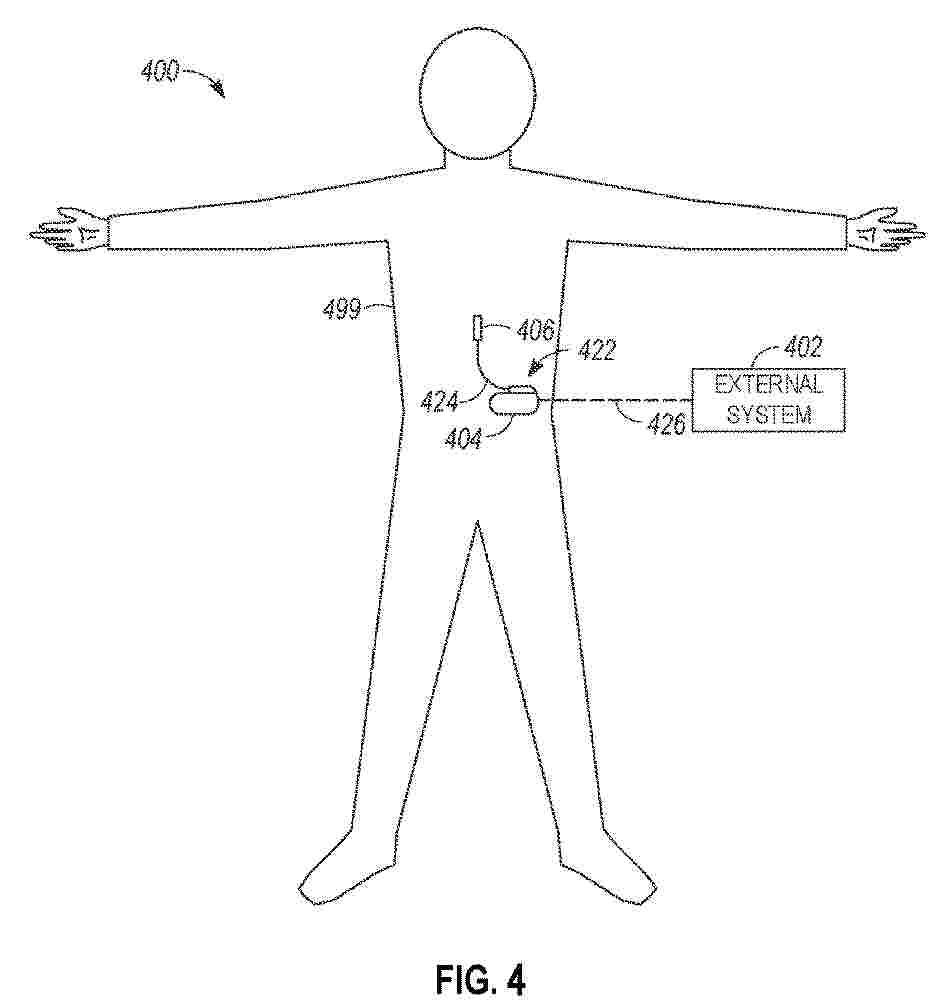
0001 The present invention relates to a computer-implemented method of monitoring neuromodulation progress of neuromodulation device treatment, the method comprising receiving from a user-interface device a user input about (i) a personalized objective of neuromodulation treatment for the patient or (ii) an intended manner of using the neuromodulation device by the patient, generating, via a controller circuit, a personalized treatment and device usage goal using the received user input, tracking, via the controller circuit, progress toward the personalized treatment and device usage goal based on patient state information, and initiating or adjusting a neuromodulation therapy via the neuromodulation device based on the tracked progress toward the personalized treatment and device usage goal.
Resumen de: EP4822711A2
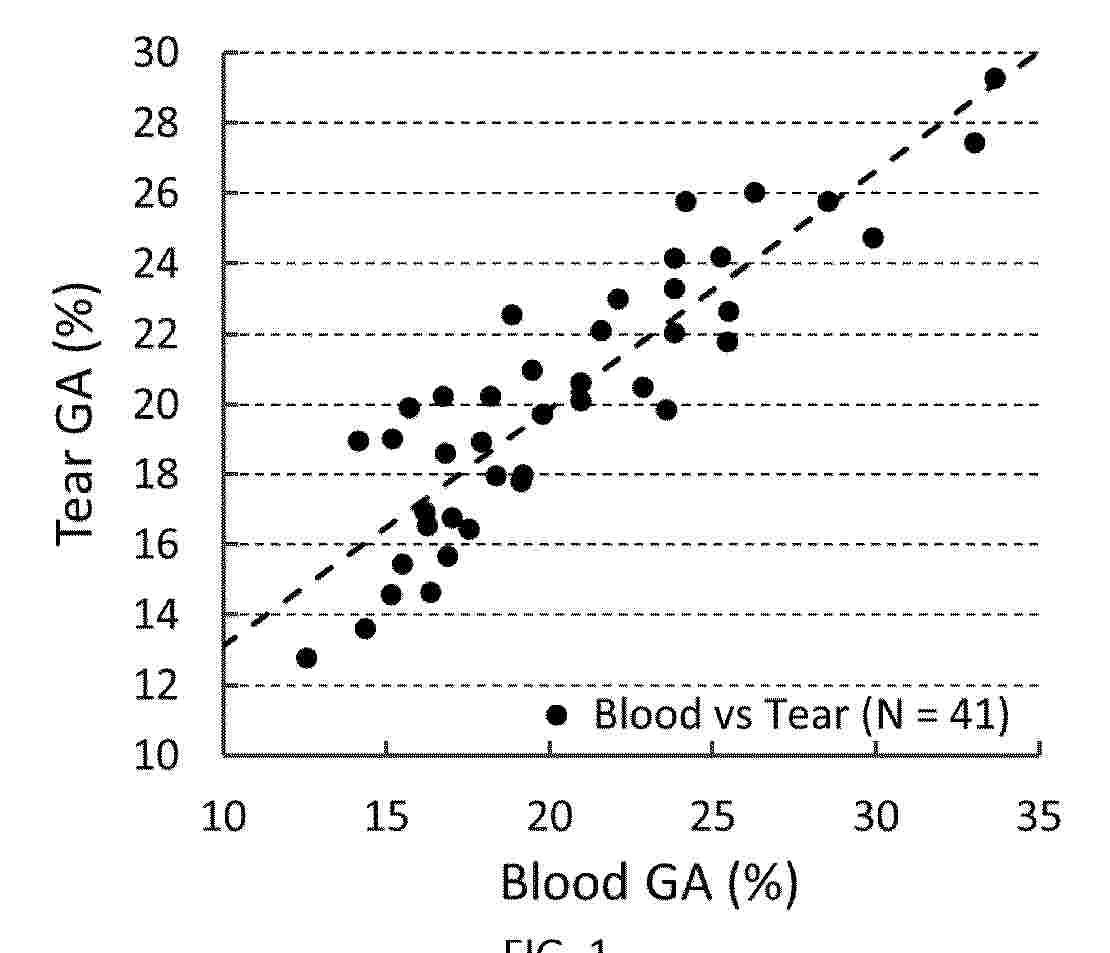
The present disclosure provides a healthcare management method comprising acquiring a first data that includes a glycoalbumin concentration and an albumin concentration in a body fluid from a subject; generating, on the basis of the first data, output information related to the GA value; and providing the generated output information to a user.
Resumen de: WO2025120669A1
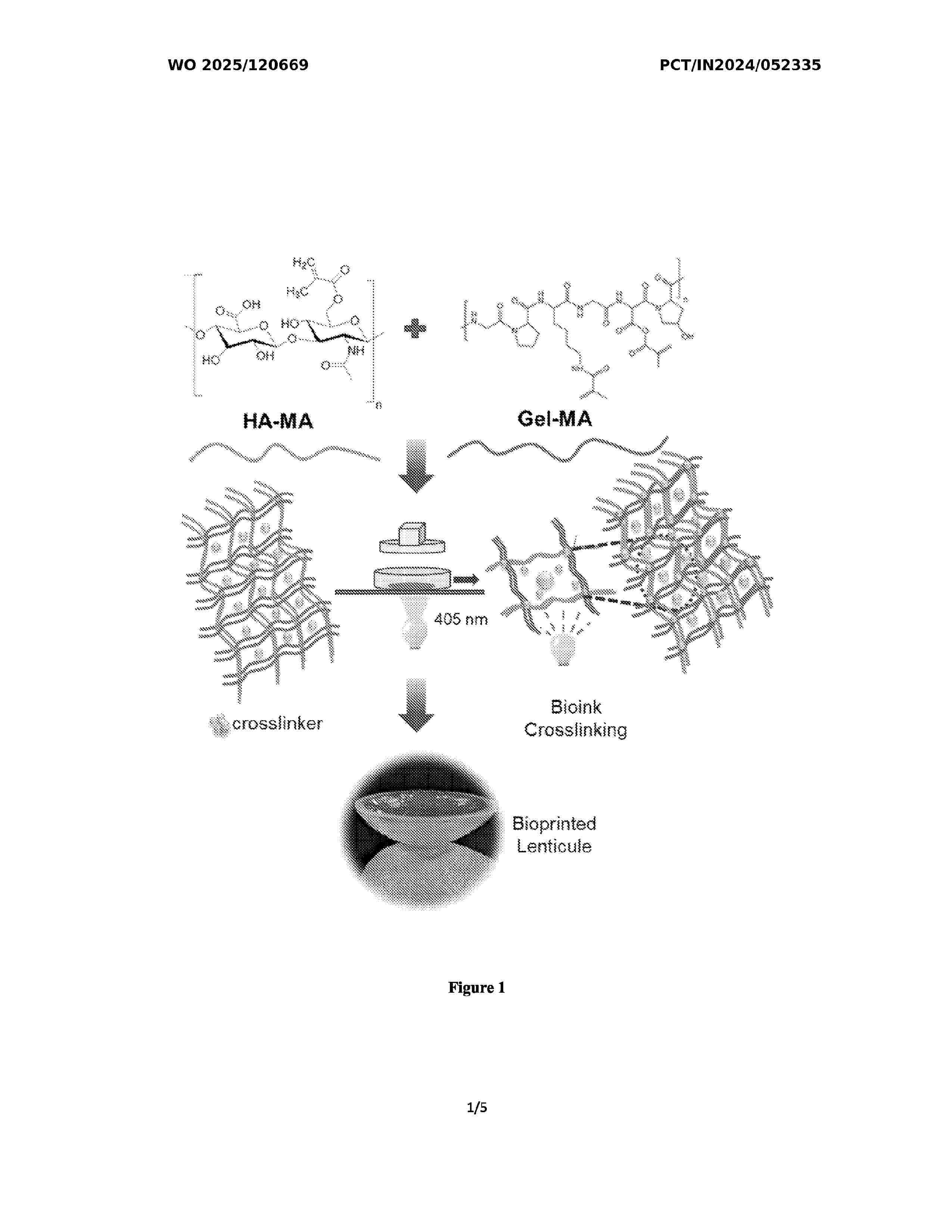
The present disclosure provides a three-dimensional hydrogel prepared using a bioink composition comprising methacrylated hyaluronic acid, methacrylated gelatin, a photoinitiator and a photoabsorber; and a method for preparing the three- dimensional hydrogel or lenticule. The present disclosure further provides a method of treating corneal tissue repair in a subject in need thereof using the three- dimensional hydrogel or lenticule.
Resumen de: WO2025122635A1
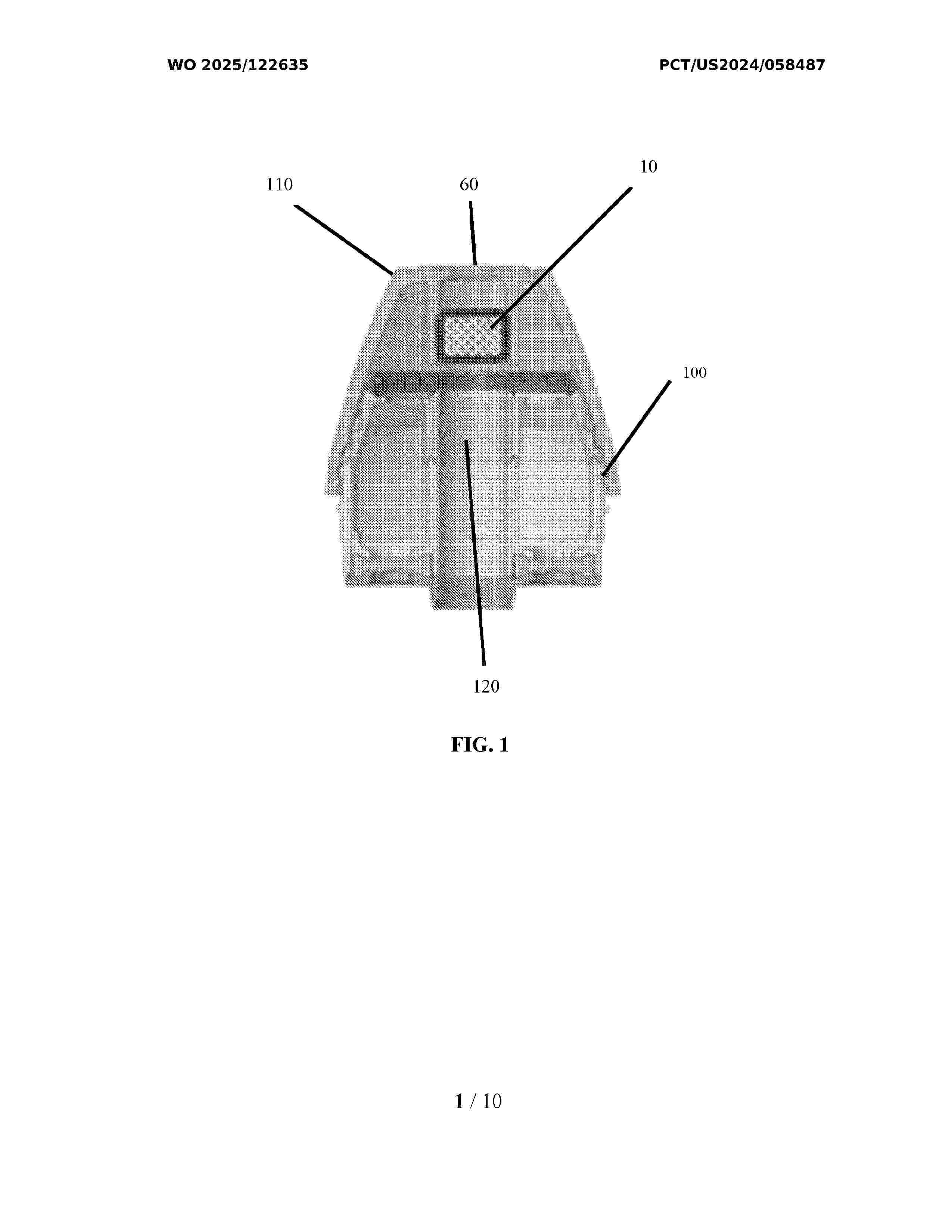
An aerosol delivery device including a liquid supply, an electronically actuated droplet ejector in fluid communication with the liquid supply, and filter media or inertial filter points between the ejector and a droplets outlet to reduce the droplet size distribution of ejected droplets to smaller droplets exiting the droplets outlet.
Resumen de: EP4821500A1
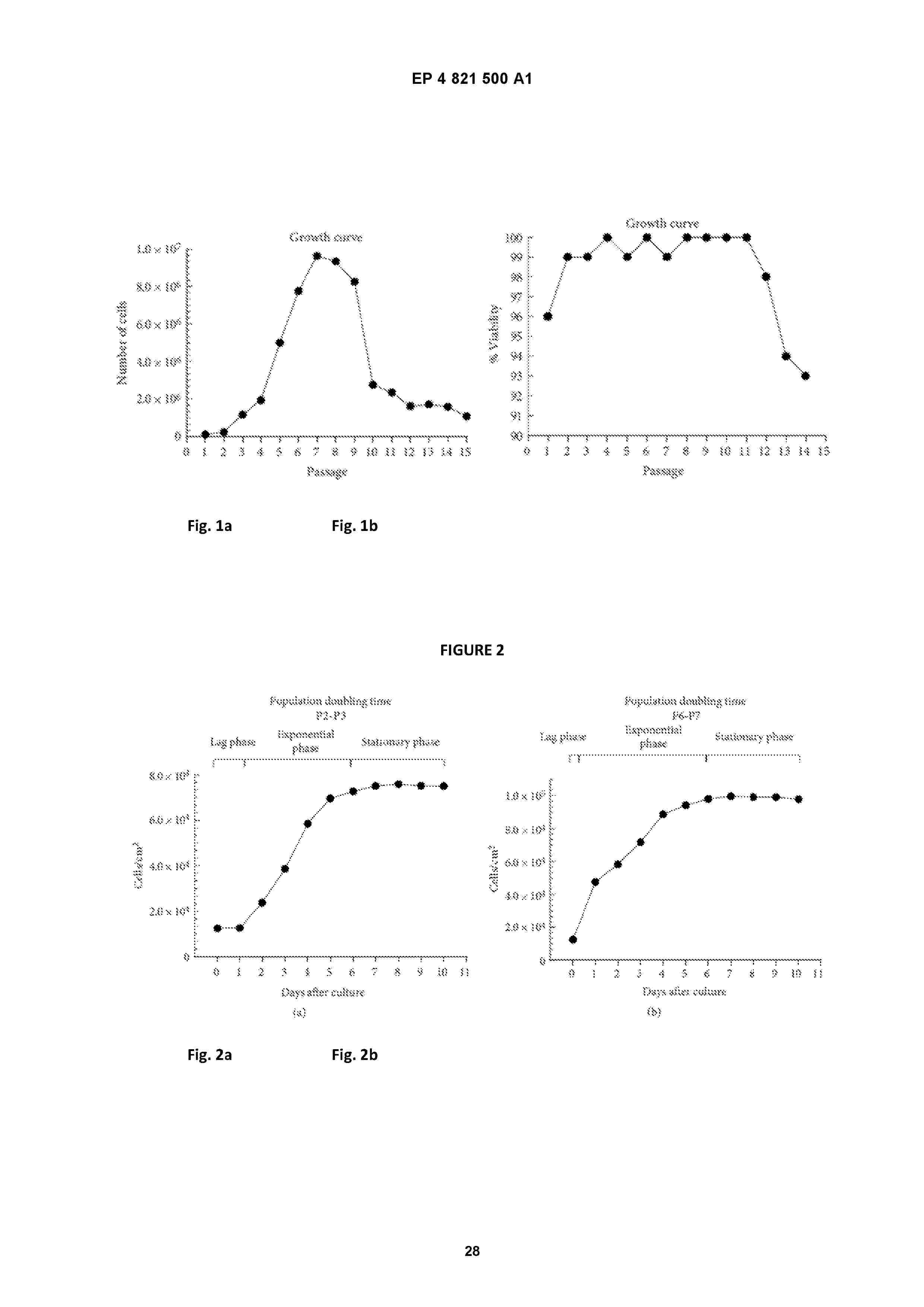
The present invention relates to mesenchymal stem cells isolated from the olfactory mucosa (OM-MSCs) and respective secretome (OMS) integrated with biomaterials such as Neural Guide Conduits/Tubes (NGCs) to promote peripheral nerve regeneration.Therefore, it is herein disclosed a process of isolating OM-MSCs and the respective secretome, cell lines, secretome and culturing media for said OM-MSCs and OMS.Also disclosed is a process to obtain biomaterials comprising integrated OM-MSCs and OMS into NGCs, products and uses thereof.The integration of biomaterials with the cells per se or secretome optimizes the microenvironment, enhancing cellular survival, proliferation, and targeted regeneration of nerve tissues.This invention is in the field of mesenchymal stem cells, biomaterials comprising such cells and peripheral nerve regeneration in humans or animals.
Resumen de: EP4822707A1
0001 The present disclosure relates to a computer-implemented method, system, and corresponding computer program product for measuring exudate spread in a wound dressing. The disclosed solution involves acquiring an image of the wound dressing and obtaining a size parameter from an identifier associated with the dressing, whereby the size parameter and the image are subsequently used to measure the exudate spread within the dressing.
Resumen de: US20250259516A1
A sensing system may include a sensor array comprised of a plurality of sensors coupled with a flexible circuit. Each sensor may include a sensing element and an analog-to-digital converter die coupled with the sensing element. The sensing element may include a sensor area coupled with a sensor die to generate an analog output based on sensing, and the analog-to-digital converter die may include circuitry to perform analog-to-digital conversion of the analog output to generate a digital output. The sensing system may further include a controller connected to the sensor array. The controller can cause a sensor of the sensor array to transmit a digital output that indicates sensing by the sensor in response to receiving a digital input. Other aspects are also described and claimed.
Resumen de: EP4821428A2
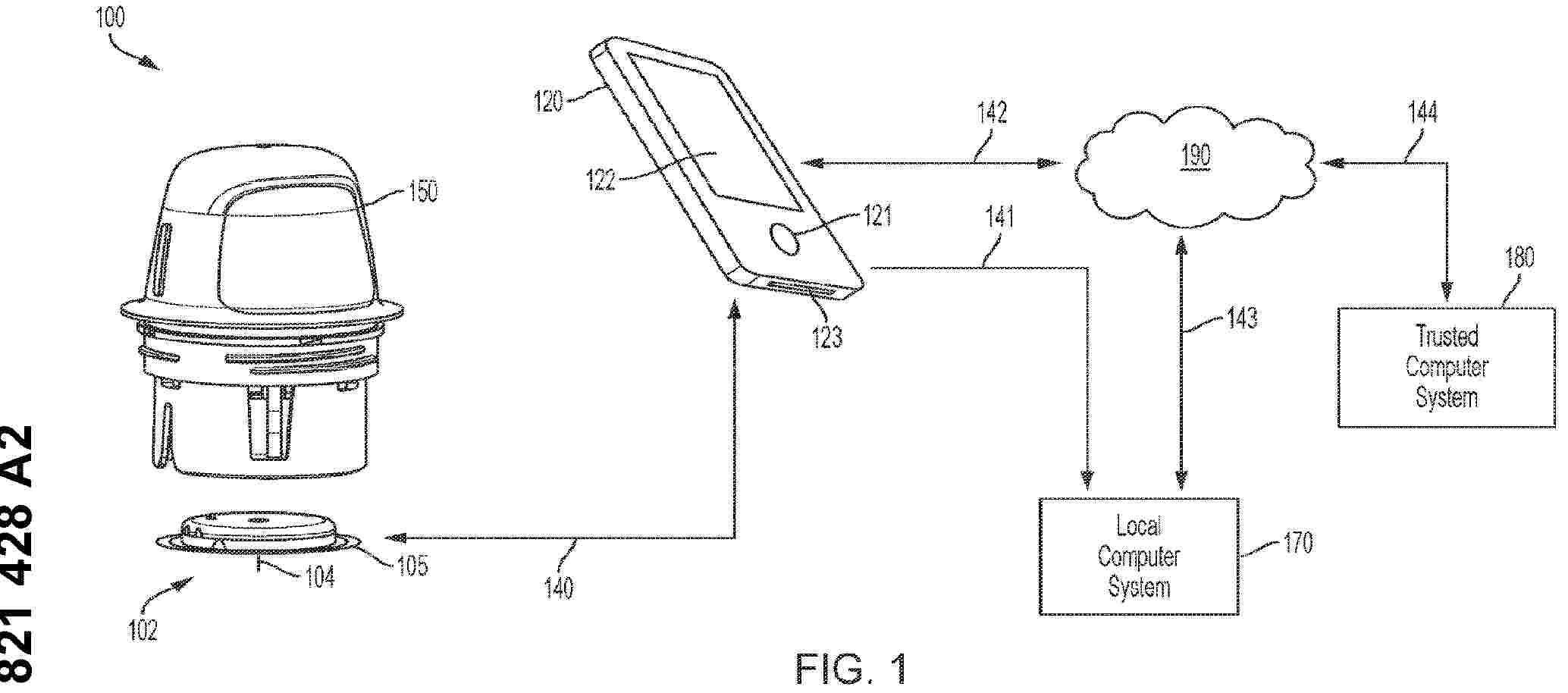
0001 Digital and graphical user interfaces for multi-analyte monitoring systems are provided. For example, disclosed herein are various embodiments of methods, systems, and interfaces for alarm interfaces, alarm settings interfaces, alarm unavailability interfaces and features, and sensor results interfaces. Various embodiments of interfaces relating to glucose and ketone sensing are disclosed herein.
Resumen de: EP4823109A2
1. A method for generating a digital three-dimensional image, the method comprising:driving each one of one or more structured light projectors to project a pattern on an intraoral three-dimensional surface;driving each one of one or more cameras to capture a plurality of images, each image including at least a portion of the projected pattern; andusing a processor to:compare a series of images captured by the one or more cameras;determine which of the portions of the projected pattern can be tracked across the series of images based on the comparison ofthe series of images; andconstruct a three-dimensional model of the intraoral three-dimensional surface based at least in part on the comparison of the series of images.
Resumen de: EP4821540A2
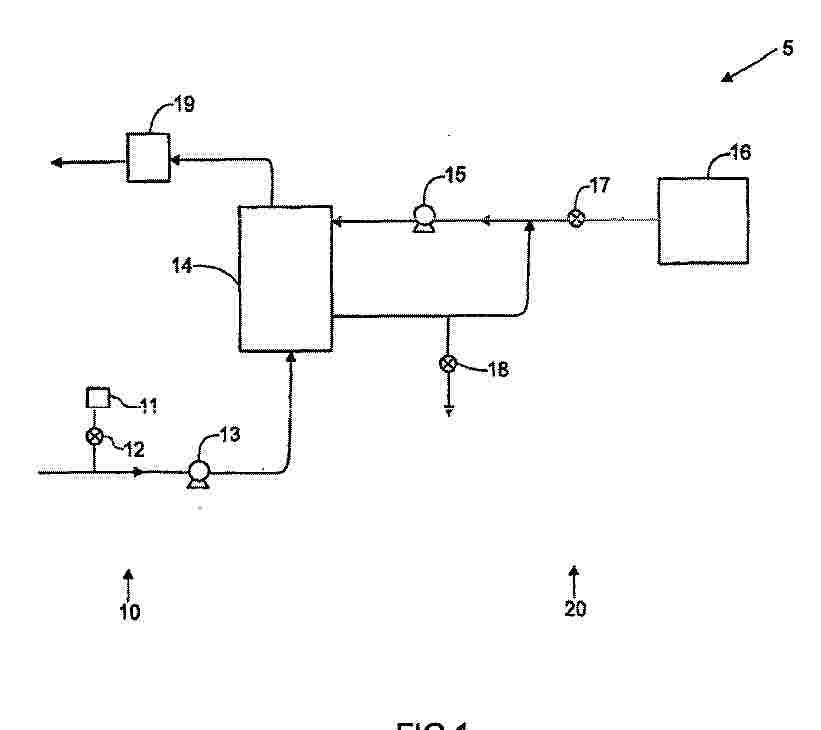
A method of measuring the clearance of a dialyzer in a hemodialysis system comprising the dialyzer, the dialyzer comprising a semi-permeable membrane separating a first side of the dialyzer from a second side of the dialyzer, wherein the first side of the dialyzer is connected in line with a blood flow pathway of the hemodialysis system and the second side of the dialyzer is connected in line with a dialysate flow pathway of the hemodialysis system; the method comprising: creating flow of a first liquid through the blood flow pathway and a second liquid through the dialysate flow pathway; adding ions to either the first liquid or the second liquid to create a change in ionic strength of flowing liquid to which the ions have been added; passing the liquid to which the ions have been added through the dialyzer; measuring a parameter indicative of the ions added to the first or second liquid which pass across the semi-permeable membrane; and determining from the measured parameter a measure of the clearance of the dialyzer.
Resumen de: CN122895539A
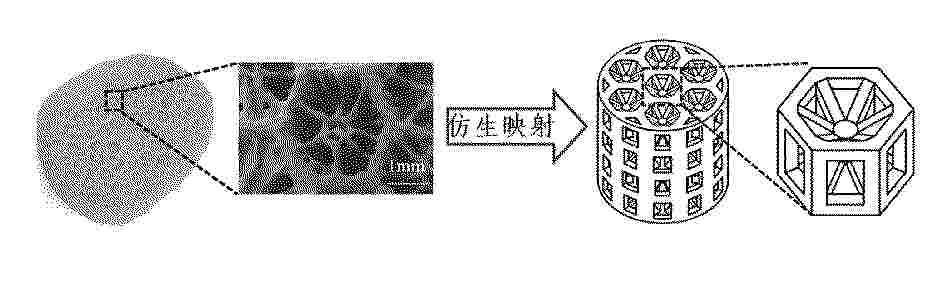
本发明公开了一种仿生珊瑚骨植入物及其制备方法,涉及医用植入技术领域,创新性地将珊瑚天然的多级孔状结构与骨植入物的承重要求相结合,通过仿生结构设计的方法有效提升了多孔金属锌基架的力学承载性能和降解适配性,成功解决了传统金属锌基骨植入物存在的力学强度不足和支撑失效问题。采用选择性激光熔化技术制备出的多孔锌基仿生珊瑚结构,不仅具有优异的力学适配性,能够提供长期的稳定支撑,还具备良好的生物可降解特性,能够随着骨组织的愈合实现渐进式降解,避免了二次取出手术,在脊柱外科椎间盘置换领域具备良好的应用前景。
Resumen de: CN122894072A
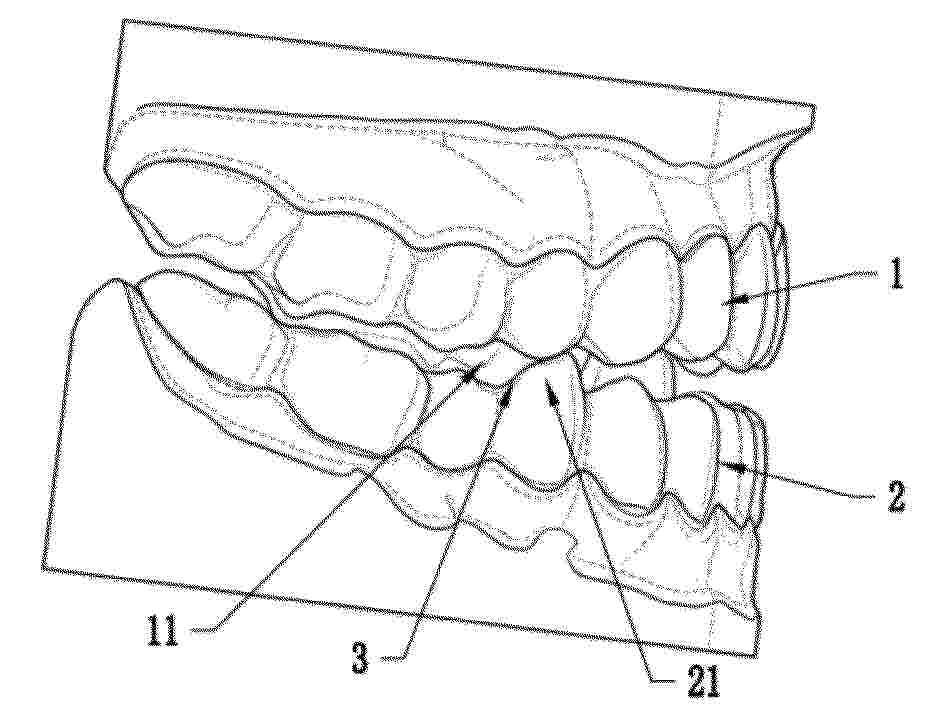
本申请公开了一种颌垫及其制作方法,涉及牙科矫正用具的技术领域,颌垫包括上颌垫和下颌垫,上颌垫后牙区向对颌方向凸出设置有上定位部,下颌垫后牙区向着对颌方向凸出设置有下定位部,上定位部设置有上定位斜面,下定位部设置有下定位斜面,上定位斜面和下定位斜面能够相互抵触以形成一复合导向配合面;复合导向配合面在近远中方向上由远中向近中倾斜向上延伸;复合导向配合面在颊舌方向上由舌侧向颊侧倾斜朝向近中延伸。本申请中通过上、下定位斜面的相互抵触配合,能够有效防止下颌后退及左右摆动。
Resumen de: CN122896423A
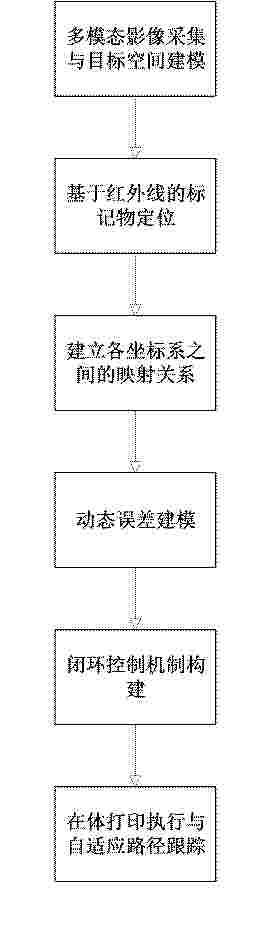
本发明提供一种基于多模态标记的在体闭环三维打印系统及方法、设备,包括用于获取多模态标记物的信息和内部待打印区域的信息,同时实现各坐标系的转换的影像采集与反馈模块;用于识别标记物的位置的红外相机成像与反馈模块;用于根据误差模型进行动态补偿控制并实现末端执行器的自适应调节的闭环控制模块;用于接收闭环控制模块的指令完成生物材料的在体三维打印的打印执行模块;多自由度机械臂为协作机械臂,协作机械臂端部安装有打印喷头。本发明通过构建多模态标记体系,实现术前医学影像与术中导航信息的统一定位,有效降低多模态配准误差并提高空间映射精度。
Resumen de: US12758379B1
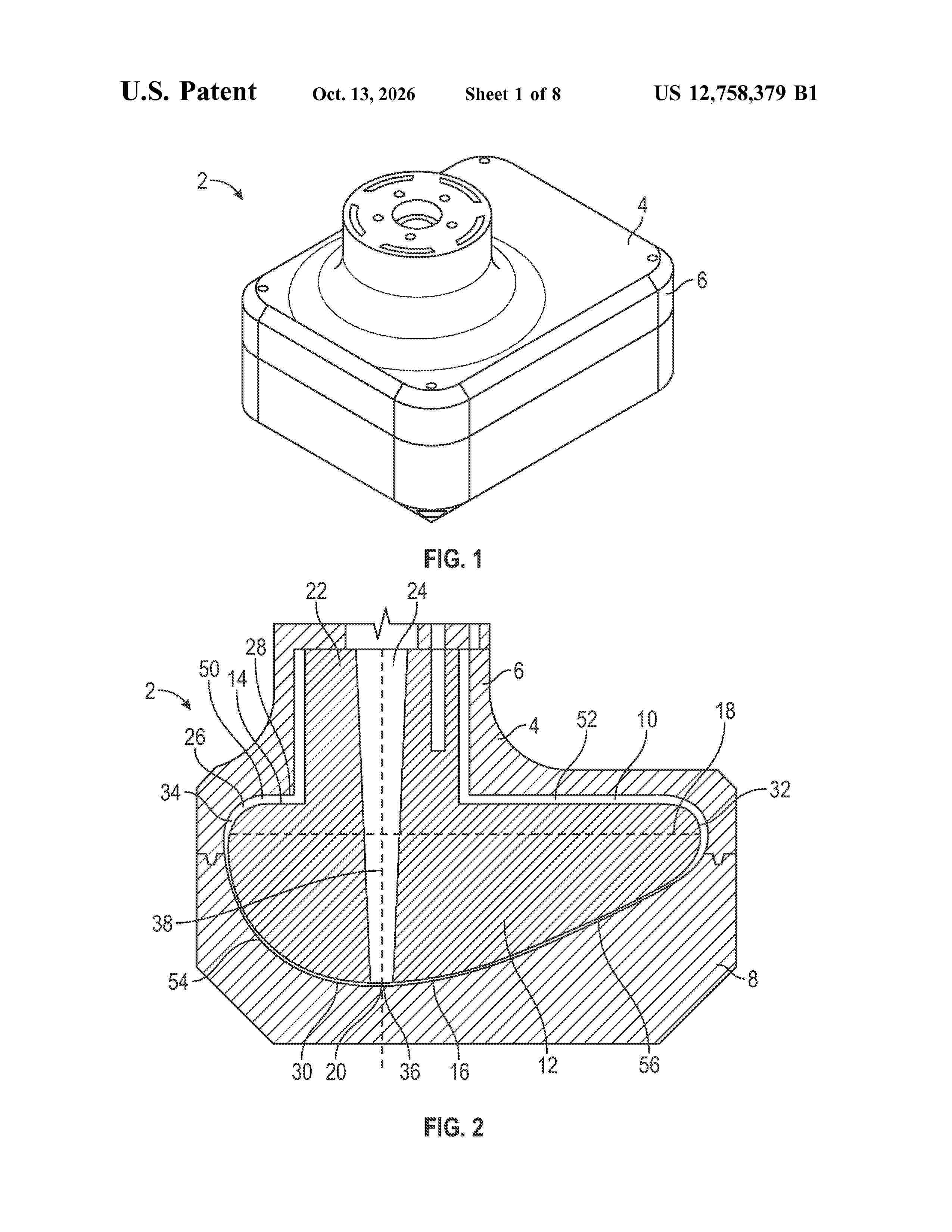
Implementations of methods of injection molding a breast implant may include placing a core within an outer mold having a cavity. The cavity may correspond in shape and size to a breast implant. The method may include injecting a molding into a volume between the core and outer mold, removing the molding from the core and outer mold, and filling the molding to form the breast implant. A first thickness of the volume between the core and the outer mold around a perimeter of the core at a vertex boundary may be greater than a second thickness of the volume between the core and the outer mold at a cusp of the core.
Resumen de: GB2638786A
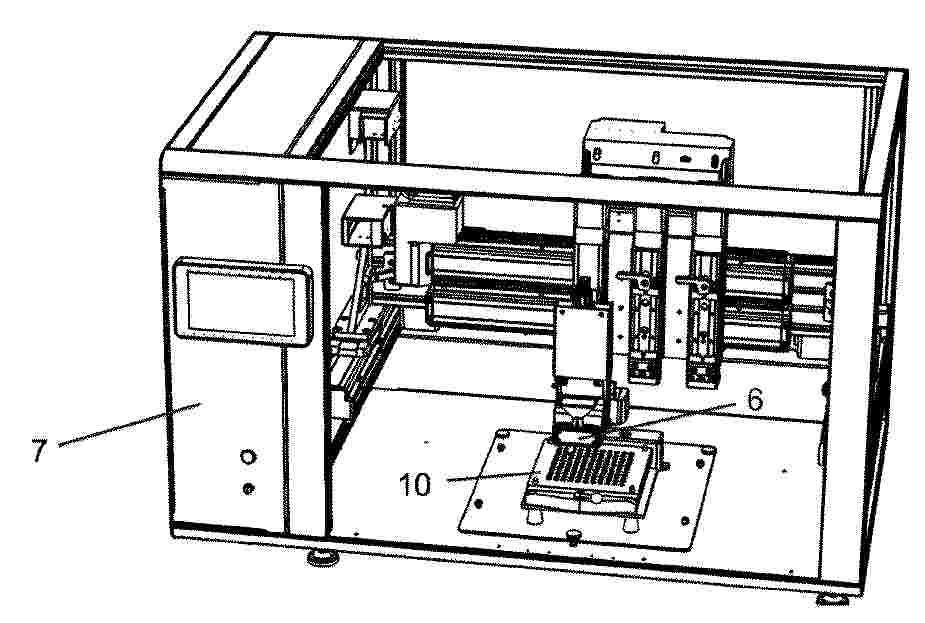
3D printing of solid-dosage-forms. A printhead comprising one of an integrated powder dispenser or an integrated peristaltic pump 11, where the printhead may be interchangeable and may comprise a multi-tip array. A 3D printer comprising one or more of the printheads. The peristaltic pump may comprise a thermostatic peristaltic pump and tubing 13 for pumping at up to 160 °C, a temperature controlled chamber 12 for storing semi-solid material, and may comprise dispensing tips 15 for simultaneous printing of multiple items. 3D printing apparatus comprising the 3D printer and a build platform with integrated capsule holders and/or moulds. 3D printing apparatus comprising a conveyer belt and balance. Methods of manufacturing solid-dosage-forms comprising use of the 3D printer to print semi-solid material at up to 160 °C, fill capsules or moulds, or print multiple items simultaneously.
Resumen de: WO2025191493A1
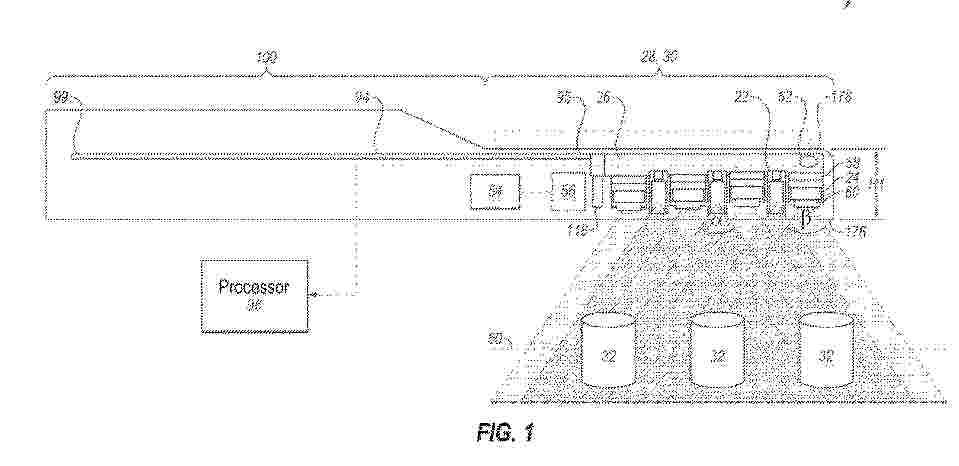
Device for estimating the three-dimensional structure of teeth inside a mouth, comprising : - a central control unit, - a tray insertable inside the mouth, - a plurality of independent cameras arranged on the tray, each camera being equipped with a corresponding fixed focus lens, having a corresponding field of view and being designed to capture a corresponding image of the teeth within the field of view and to transmit the image to the central control unit, each image being composed by a plurality of pixels, and - illumination means arranged on the tray and designed to illuminate the fields of view of the cameras, wherein the central control unit is programmed to estimate the three-dimensional structure of the teeth by estimating independently for each image a depth value for each pixel thereof.
Resumen de: CN122874182A
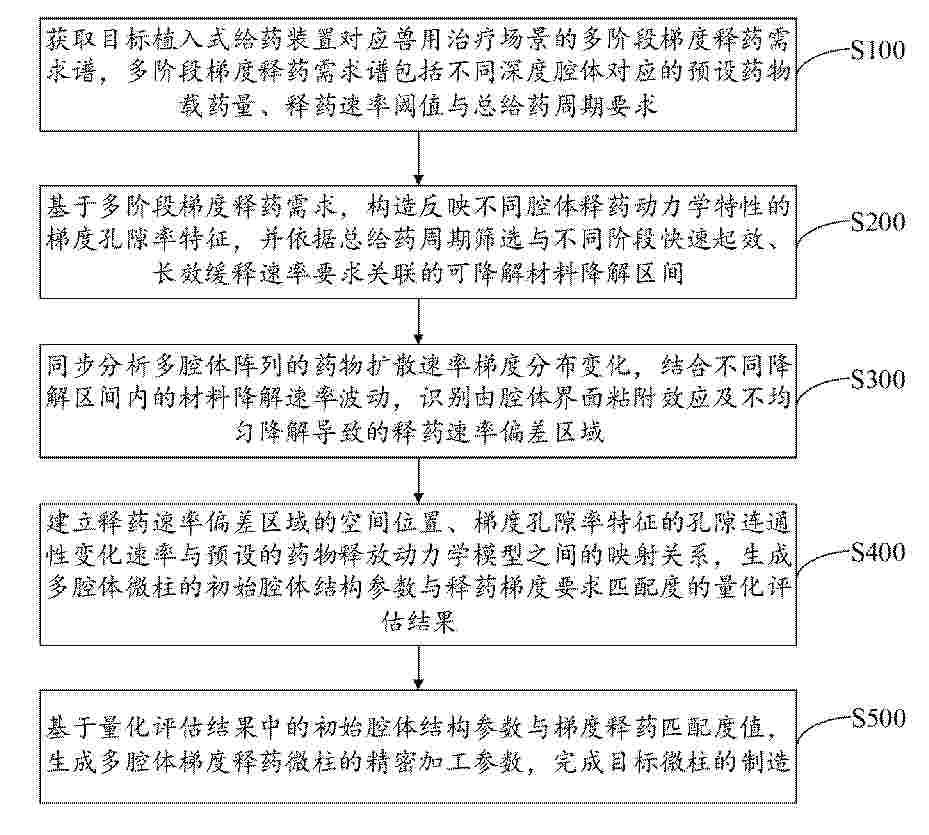
本发明涉及给药装置技术领域,尤其涉及一种兽用长效缓释植入式给药装置的精密制造方法,该方法首先获取对应治疗场景的多阶段梯度释药需求谱;进而构造反映释药动力学特性的梯度孔隙率特征,并筛选匹配的可降解材料降解区间;同步分析药物扩散速率梯度与材料降解波动,识别由界面粘附及不均匀降解导致的释药偏差区域;建立偏差区域、孔隙连通性变化速率与药物释放动力学模型的映射关系,量化评估腔体结构参数与释药要求的匹配度;最终基于评估结果生成精密加工参数以完成制造。本发明实现了从临床需求到制造参数的精准闭环,有效解决了传统工艺中释药速率偏离预期及批次一致性差的问题,显著提升了微柱的释药稳定性与治疗安全性。
Resumen de: CN122874654A
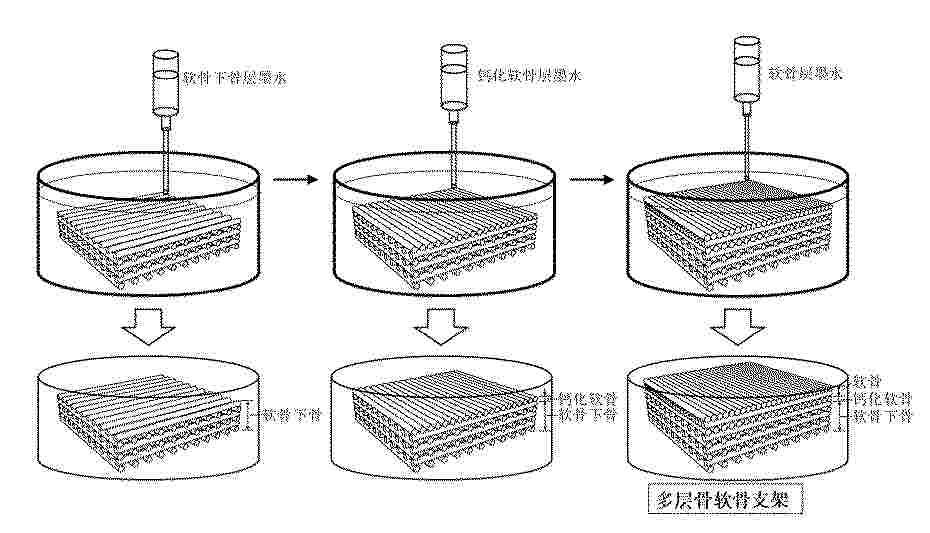
本发明公开了一种基于悬浮生物3D打印的多层骨软骨支架及其制备方法,属于生物医用材料技术领域,该多层骨软骨支架包括软骨层、钙化软骨层和软骨下骨层,利用悬浮3D打印技术制备得到,制备软骨层墨水、钙化软骨层墨水和软骨下骨层墨水;软骨层墨水包括基底成分、软骨细胞和聚凝胺;钙化软骨层墨水包括基底成分和成纤维细胞生长因子;软骨下骨层墨水包括基底成分、纳米羟基磷灰石、骨髓间充质干细胞或成骨细胞和骨形态发生蛋白;依次在悬浮支撑浴中进行软骨下骨层墨水、钙化软骨层墨水和软骨层墨水的打印,光固化后即可得到多层骨软骨支架。该多层骨软骨支架生物相容性好、避免了层间连接不紧密的问题。
Resumen de: CN224821376U
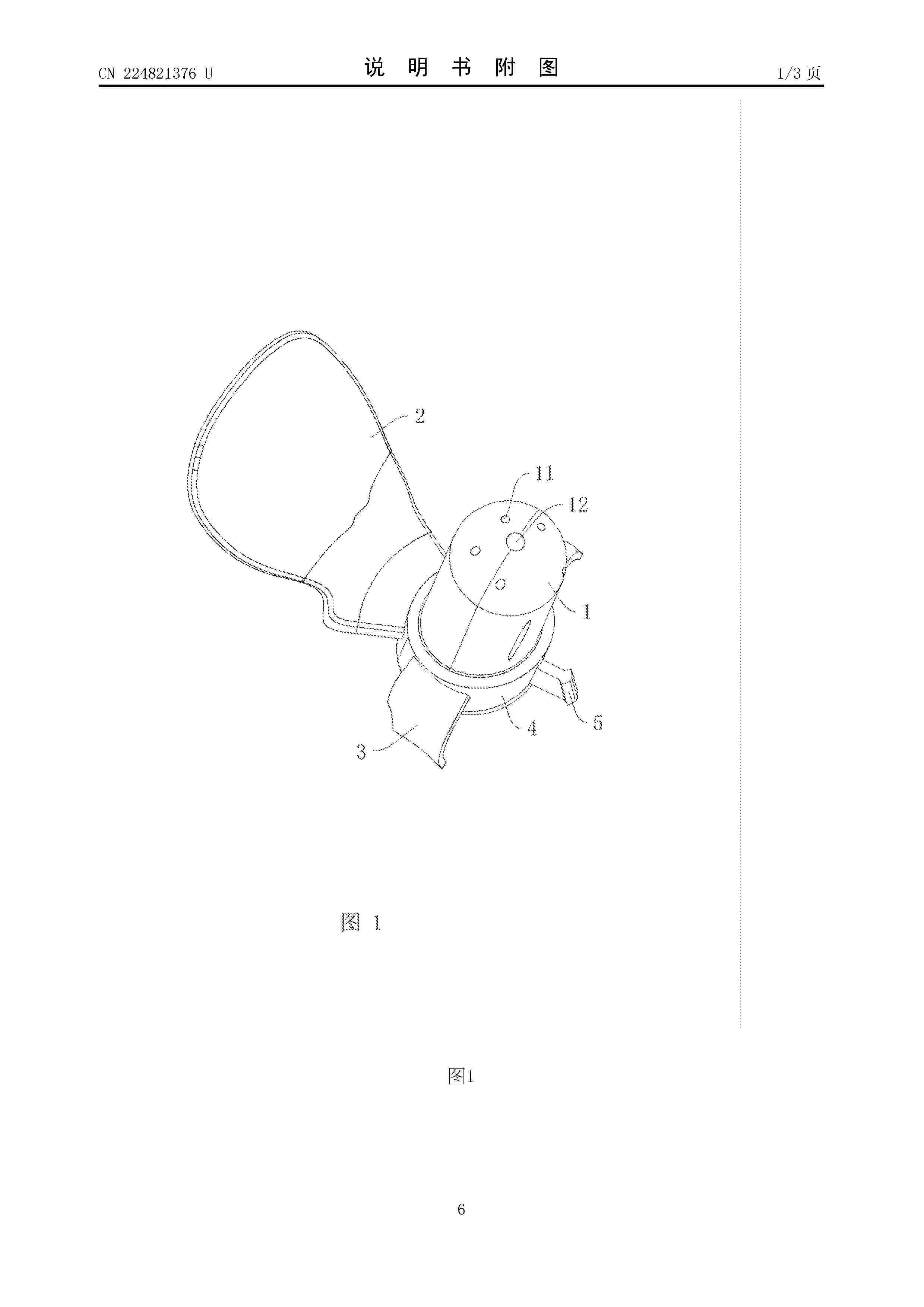
本实用新型提供了一种3D打印腔道插植模板,属于医疗器械技术领域。它解决了现有插植模板精确复位与人体连为一体的问题。本3D打印腔道插植模板,包括贯通设有插植针通道和/或宫腔管通道的插入柱,插入柱的尾端上侧设有上固定板,插入柱尾端的左右两侧分别设有一个用于将插入柱固定在人体上的固定翼,固定翼的形状与患者体表轮廓适形/不适形。由于有两侧固定翼的固定,模具不会因触碰插植针而左右晃动,加上腹部的体表定位板,模具与患者完全固定在一起,使得后续操作不会影响模具和插植针的位置,放疗更精准。
Resumen de: JP2026163110A
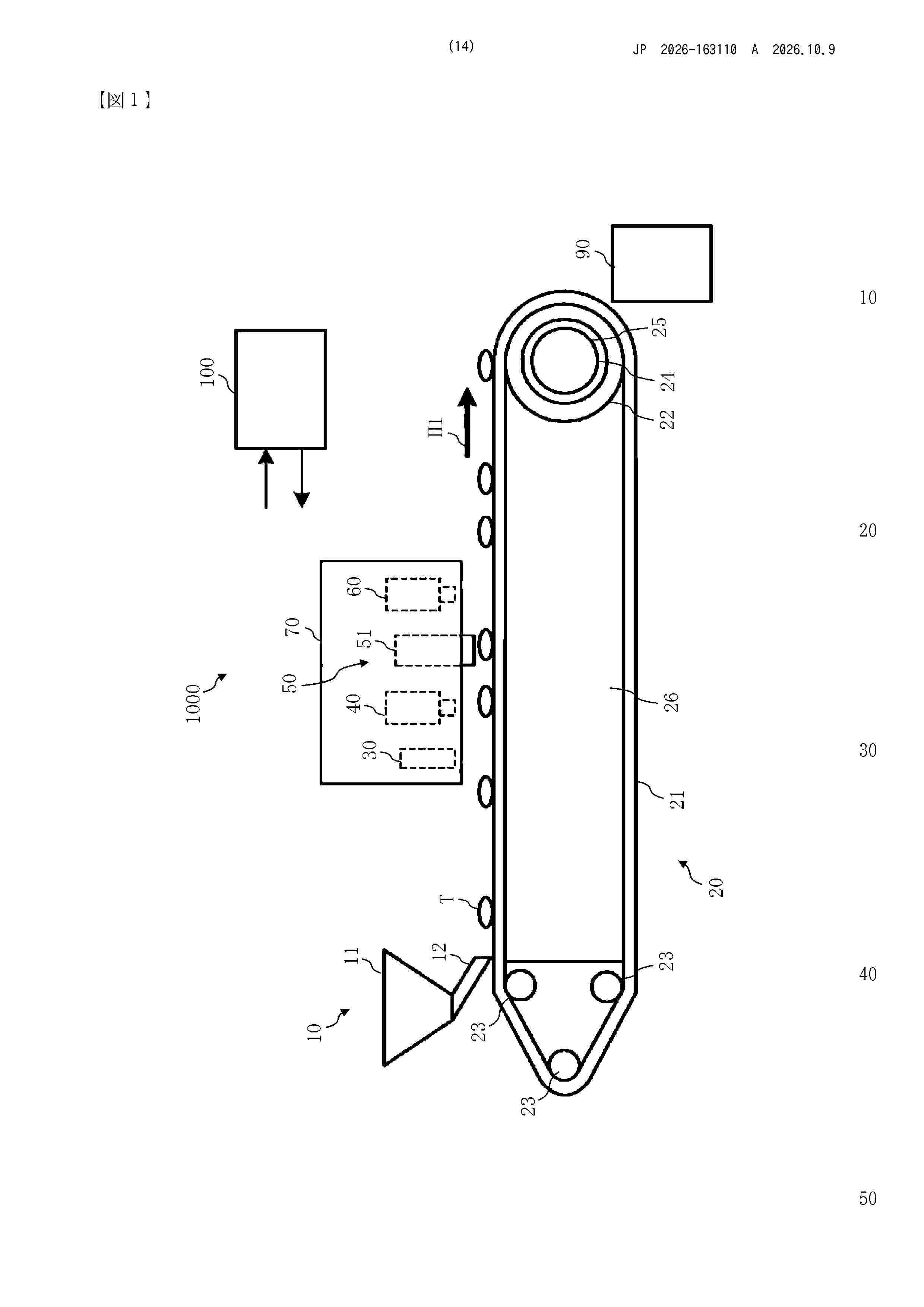
【課題】錠剤に形状及び配置の少なくともいずれかにおいて不規則な模様がある場合でも、錠剤の外観又は印刷における異常を適切に検出できるようにする。【解決手段】錠剤印刷装置1000は、搬送機構20により搬送される、大きさ、形状及び配置の少なくともいずれかにおいて不規則な模様が外面にある錠剤Tに印刷する印刷部50と、印刷部50による印刷の前段階及び後段階の少なくともいずれかで錠剤を撮像する撮像部(第1の撮像部40、第2の撮像部60)と、撮像部と搬送機構20との間に配置される、模様の色に対応させた光学フィルタ部(第1の光学フィルタ部71、第2の光学フィルタ部72)とを備える。【選択図】図1
Resumen de: CN122878706A
一种树脂组合物及其制备方法和应用,以重量份计,所述树脂组合物包括50~75份无机填料、22~42份树脂基体、0.5~1.5份光引发体系、2~5份增韧剂和0.5~1.5份阻氧助剂;所述树脂基体包括超支化聚酯甲基丙烯酸酯;所述增韧剂包括核壳橡胶粒子、微米级载体和二维纳米增韧片;所述阻氧助剂包括聚乙二醇和三羟甲基丙烷三丙烯酸酯;所述树脂组合物能够实现高无机填料体系下低收缩、高韧性、高疲劳寿命的性能平衡。
Nº publicación: CN122874155A 09/10/2026
Solicitante:
烟台市口腔医院
Resumen de: CN122874155A
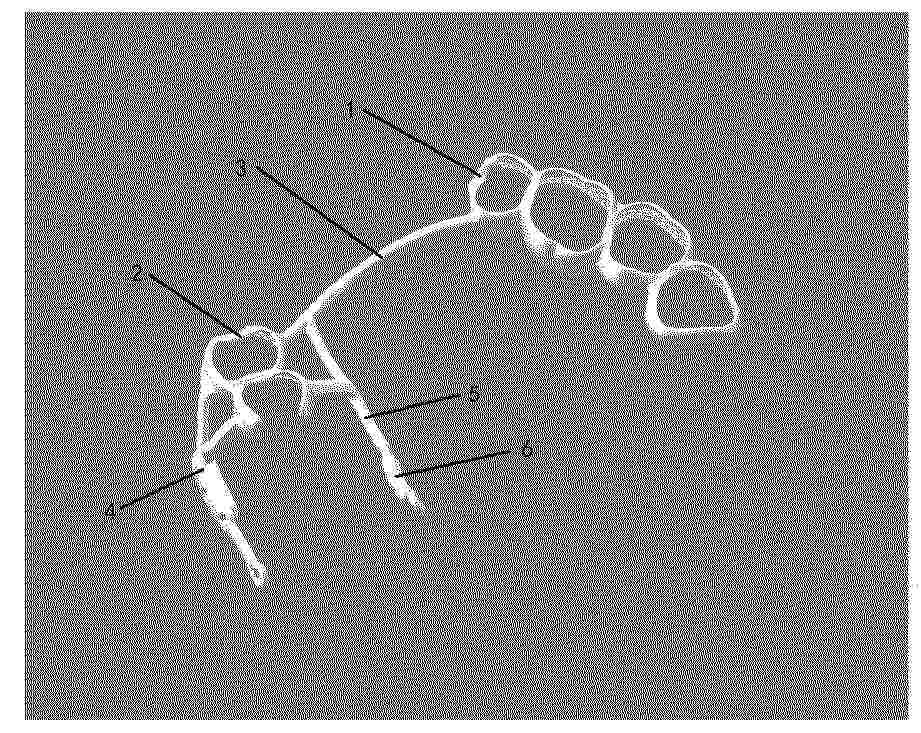
本发明涉及牙齿纠正的技术领域,尤其涉及一种压低后牙伸长的矫治器与其使用方法,包括第一前牙带环组和第二前牙带环组,第二前牙带环组和第一前牙带环组之间连接有横腭杆;第一前牙带环组和第二前牙带环组的内侧壁上开设有空仓;横腭杆在第二前牙带环组的另一端的两侧设置有固定杆,固定杆与第二前牙带环组的内侧之间设置有内侧连接杆。本发明提供的一种压低后牙伸长的矫治器与其使用方法,通过将相邻支抗牙区域的矫治器,3D打印的金属矫治器强度高,粘接在多颗基牙上,可限制支抗牙移动,在微种植钉的协同下,矫治力得到了很好的表达,矫治效率高。
 BOPI
BOPI
 Sede Electrónica