Si deseas distinguir tus productos, servicios o ambos de los de otra empresa, es posible que necesites una marca o nombre comercial. Descubre qué son, en qué consiste su procedimiento de registro y qué implica.

Información sobre los plazos de presentación de solicitudes de transformación de marcas de la Unión Europea en marca nacional española. Más información


Si tienes un nuevo dispositivo, producto o procedimiento que resuelva un problema técnico o tenga una ventaja práctica, existen distintas formas de protegerlo en España y en otros países. Descubre cómo hacerlo.

¿Tu innovación reside en la estética, la ornamentación o la apariencia de tu producto? Protégela mediante un diseño industrial. Descubre qué derechos confiere el registro y cómo realizar la tramitación.

Las indicaciones geográficas protegen el nombre de un producto originario de una zona geográfica, a la cual le debe una determinada calidad, reputación u otra característica. Descubre qué son, en qué consiste su procedimiento de registro y qué beneficios conceden.

Las patentes publicadas en todo el mundo son una valiosa fuente de información científica, técnica y comercial.

Si eres emprendedor/a o una empresa y quieres potenciar y mejorar la rentabilidad de tu negocio protegiendo de forma adecuada los activos intangibles de tu organización, en este espacio encontrarás lo necesario.


 389
resultados
389
resultados
 Última actualización
16/09/2026 [08:26:00]
Última actualización
16/09/2026 [08:26:00]


 Resultados 325 a 350 de 389

Resumen de: WO2026167891A1
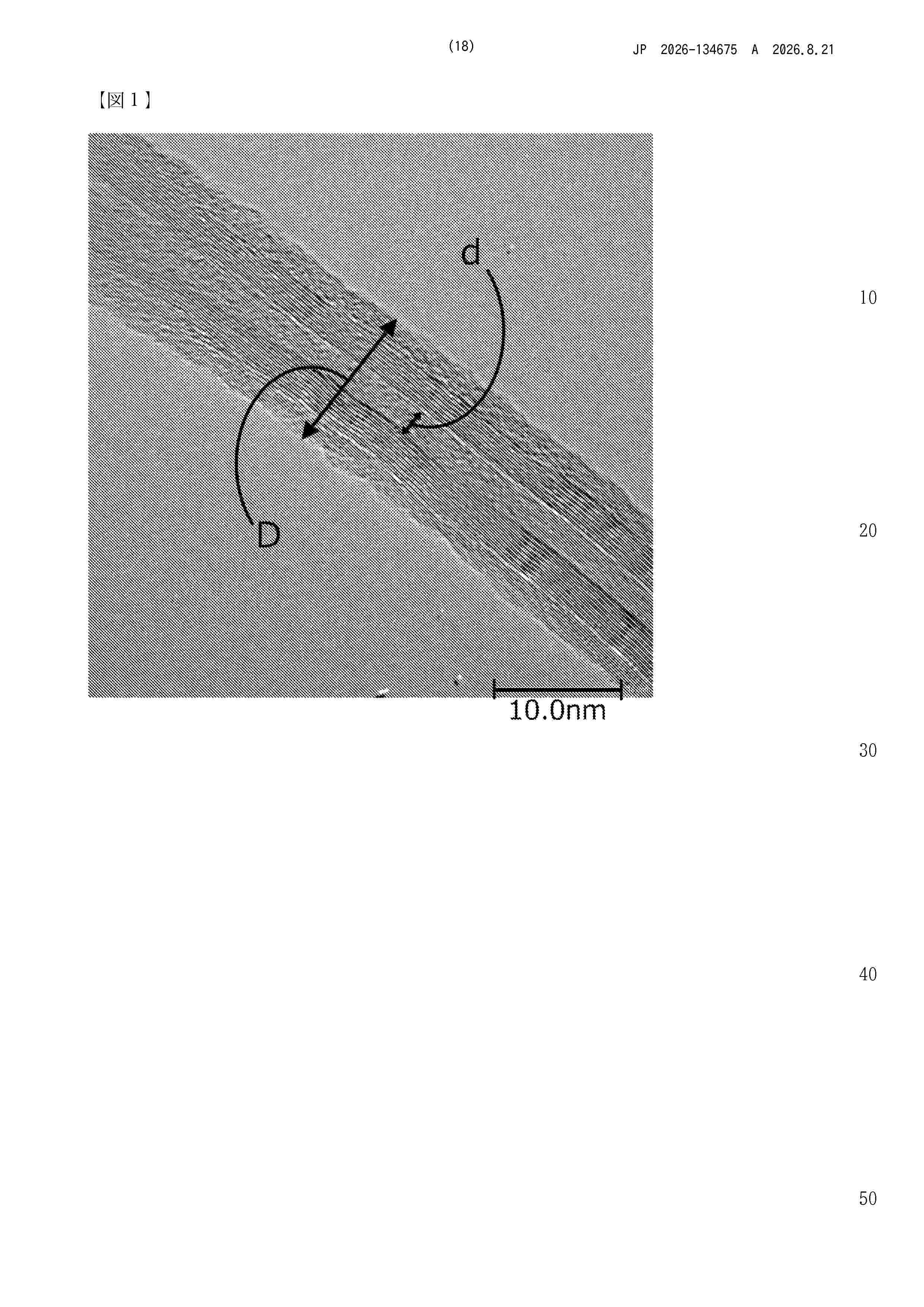
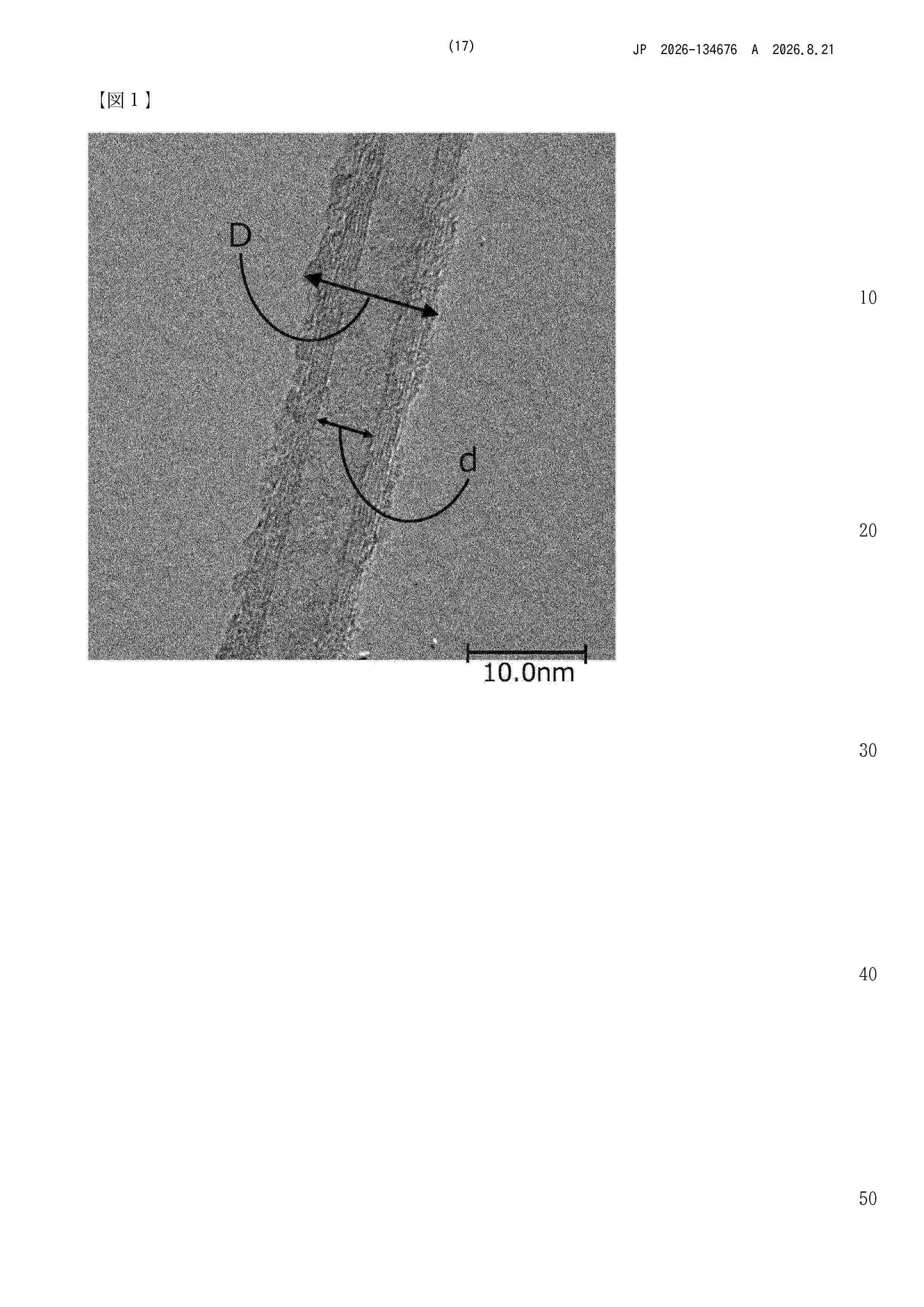
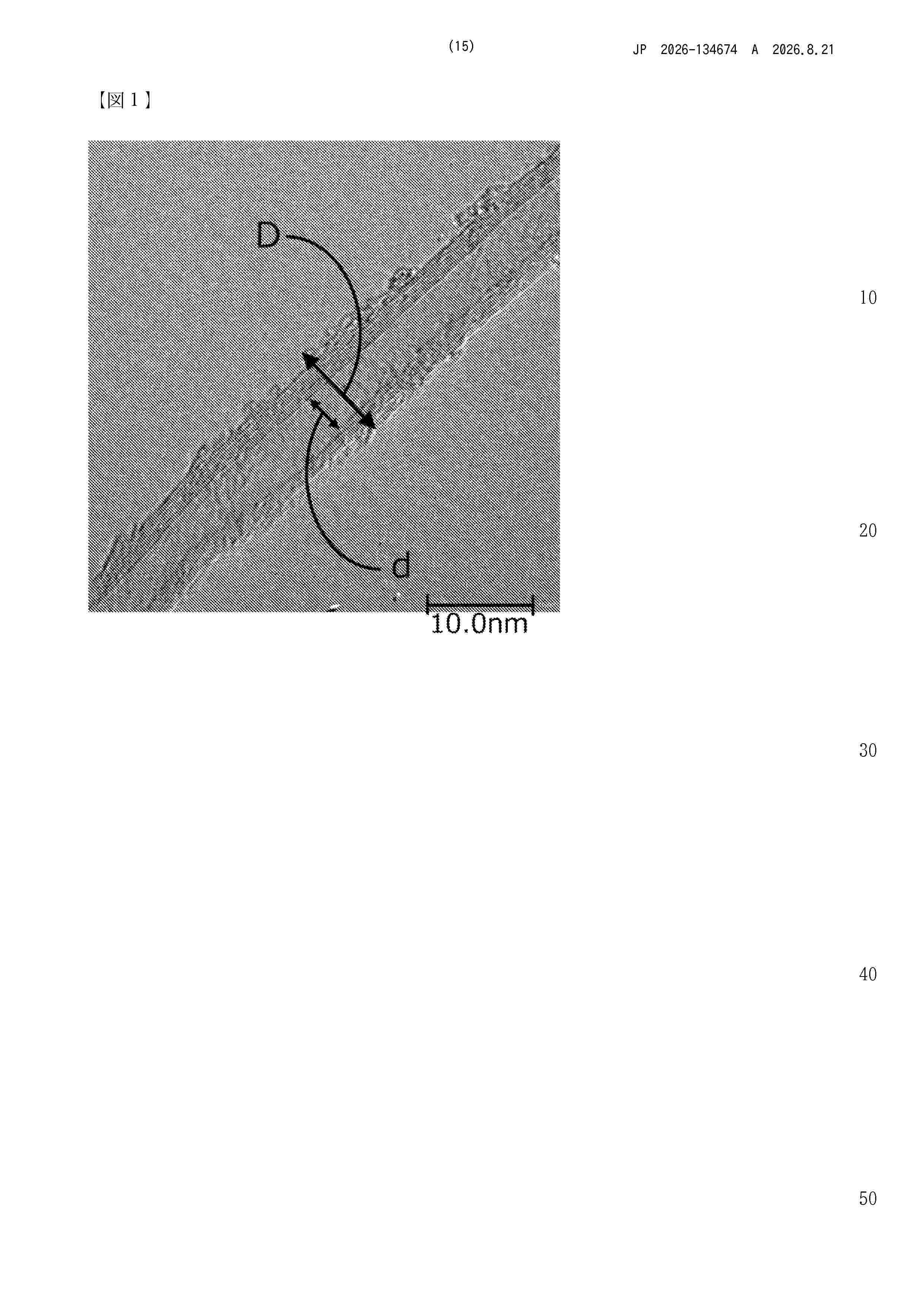
A carbon nanotube aggregate according to an aspect of the present disclosure comprises a plurality of carbon nanotubes (CNTs), wherein, when at least 110 CNTs constituting the aggregate are observed with a transmission electron microscope, in a case in which the number of most frequently observed layers is defined as n, with respect to 100% of the total amount of all observed CNTs, the proportion of the total amount of CNTs in which the number of layers is n-1 to n+1 is 20-38%, and the proportion of the total amount of CNTs in which the number of layers is n-2 to n+2 is 35-80%, and in a case in which the average value of the outer diameters of the CNTs in which the number of layers is n is defined as X (nm), the average value of the outer diameters of the CNTs in which the number of layers is n-1 is X-2.8 (nm) to X+0.5 (nm), the average value of the outer diameters of the CNTs in which the number of layers is n+1 is X-0.5 (nm) to X+2.8 (nm), and the average value of the outer diameters of the all observed CNTs is X-1.5 (nm) to X+1.5 (nm).

Resumen de: WO2026167892A1
One embodiment of a carbon nanotube aggregate according to the present disclosure contains a plurality of carbon nanotubes (CNTs). When at least 110 CNTs constituting the aggregate are observed with a transmission electron microscope and if n is defined as the wall number most frequently observed: relative to a total of 100% of all observed CNTs, the total proportion of CNTs having a wall number of n-1 to n+1 is greater than 38% but less than 65% and the total proportion of CNTs having a wall number of n-2 to n+2 is 45-90%; and if X(nm) is defined as the average value of the outer diameter of CNTs having a wall number of n, the average value of the outer diameter of CNTs having a wall number of n-1 is X-1.8(nm) to X+0.5(nm), the average value of the outer diameter of CNTs having a wall number of n+1 is X-0.5(nm) to X+1.8(nm), and the average value of the outer diameter of all observed CNTs is X-3.0(nm) to X+3.0(nm).
Resumen de: WO2026167890A1
One embodiment of a carbon nanotube aggregate according to the present disclosure contains a plurality of carbon nanotubes (CNTs). When at least 110 CNTs constituting the aggregate are observed with a transmission electron microscope and if n is defined as the wall number most frequently observed: relative to a total of 100% of all observed CNTs, the total proportion of CNTs having a wall number of n-1 to n+1 is 65-100% and the total proportion of CNTs having a wall number of n-2 to n+2 is 81-100%; and if X(nm) is defined as the average value of the outer diameter of CNTs having a wall number of n, the average value of the outer diameter of CNTs having a wall number of n-1 is X-1.7(nm) to X+0.5(nm), the average value of the outer diameter of CNTs having a wall number of n+1 is X-0.5(nm) to X+1.7(nm), and the average value of the outer diameter of all observed CNTs is X-1.5(nm) to X+1.5(nm).
Resumen de: AU2025214942A1
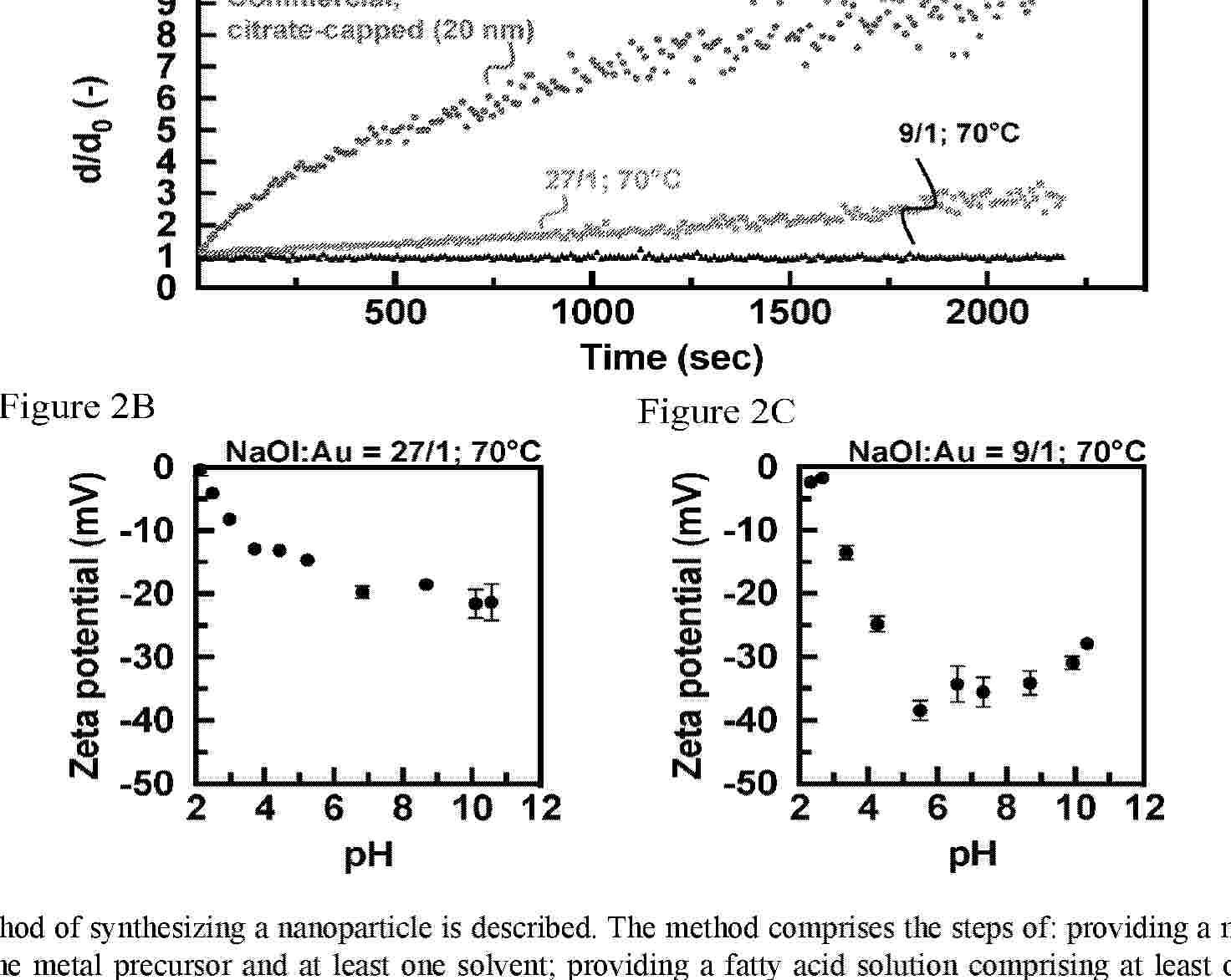
A method of synthesizing a nanoparticle is described. The method comprises the steps of: providing a metal solution comprising at least one metal precursor and at least one solvent; providing a fatty acid solution comprising at least one fatty acid and at least one solvent; combining the metal solution and the fatty acid solution to provide a combined solution; and collecting the nanoparticle from the combined solution. Also described is a nanoparticle synthesized using the method, and compositions comprising the nanoparticle.
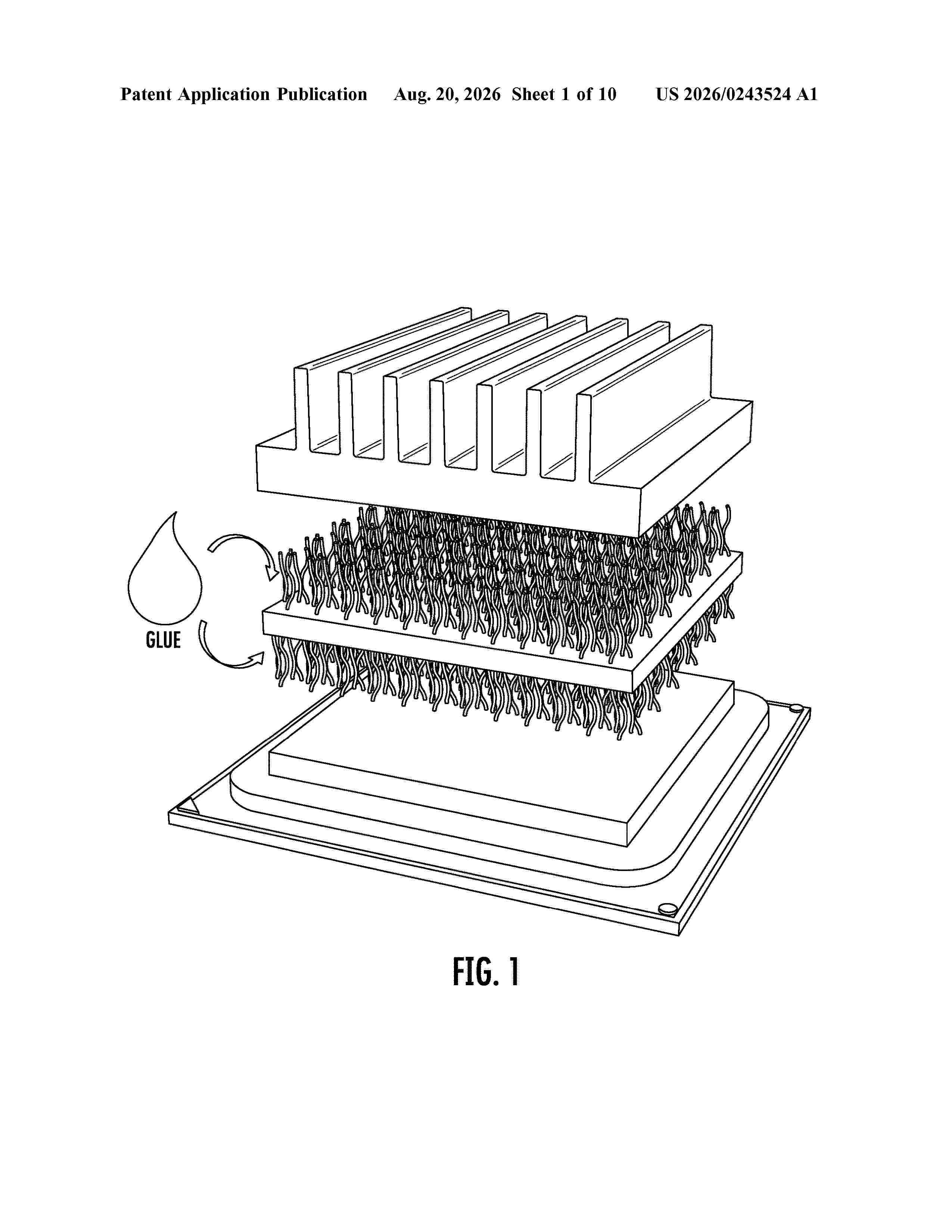
Resumen de: US20260243524A1
Disclosed herein is a nanostructured composite thermal interface and a method for fabricating the interface. The interface consists of a metal foil having arrays of metal nanowires disposed on either side thereof. An adhesive polymer is interspersed within the nanowires in each array and serves as a binder to adhere the interface to the surfaces of target objects, for example, a CPU and a heat sink.
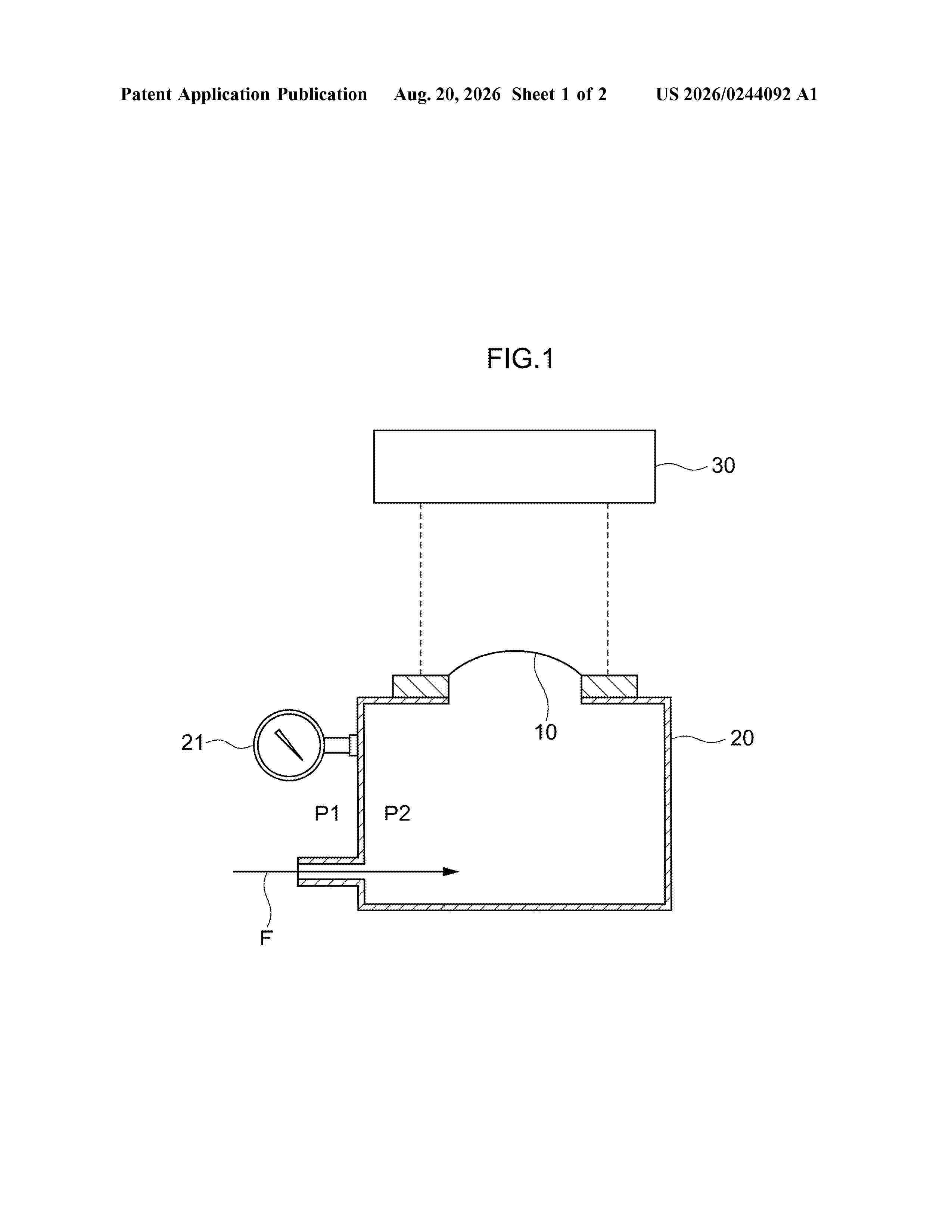
Resumen de: US20260244092A1
A nanotube pellicle film of the disclosure has a ratio of ventilation resistance to a film thickness of 0.015 Pa·cm2/(sccm nm) or more.
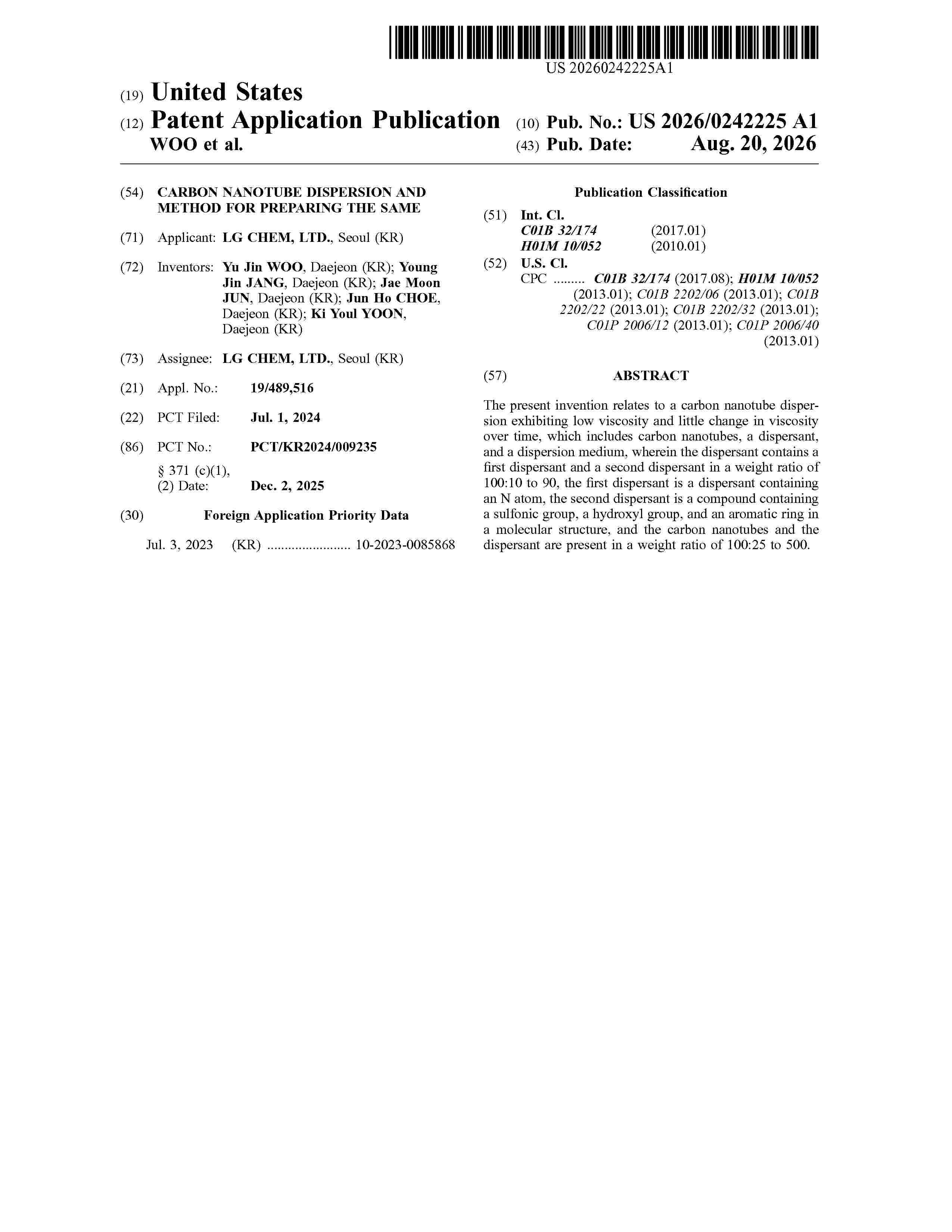
Resumen de: US20260242225A1
0000 The present invention relates to a carbon nanotube dispersion exhibiting low viscosity and little change in viscosity over time, which includes carbon nanotubes, a dispersant, and a dispersion medium, wherein the dispersant contains a first dispersant and a second dispersant in a weight ratio of 100:10 to 90, the first dispersant is a dispersant containing an N atom, the second dispersant is a compound containing a sulfonic group, a hydroxyl group, and an aromatic ring in a molecular structure, and the carbon nanotubes and the dispersant are present in a weight ratio of 100:25 to 500.
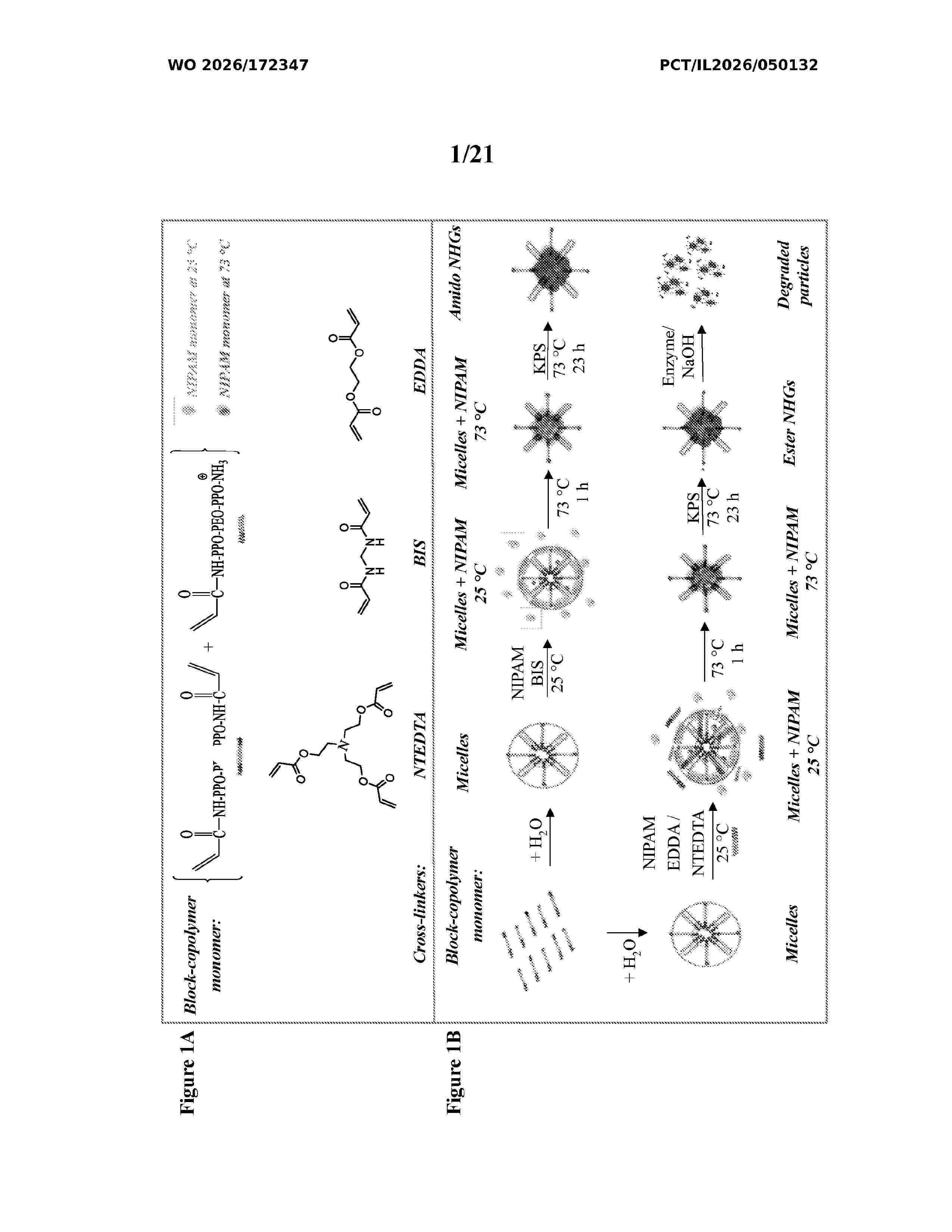
Resumen de: WO2026172347A1
A copolymer nanohydrogel comprising chains made of structural units corresponding to (i) at least one macromonomer consisting of a polyether block copolymer with acrylamide end groups, and (ii) an N-alkylated (meth)acrylamide monomer; characterized in that the chains of the copolymer nanohydrogel are connected by at least one crosslinker that contains biodegradable ester bond. A nanohydrogel comprising poorly water-soluble pharmaceutically active compound, a process for preparing the nanohydrogel, pharmaceutical composition thereof, and method of using the nanohydrogels are also provided by the invention.
Resumen de: US20260241087A1
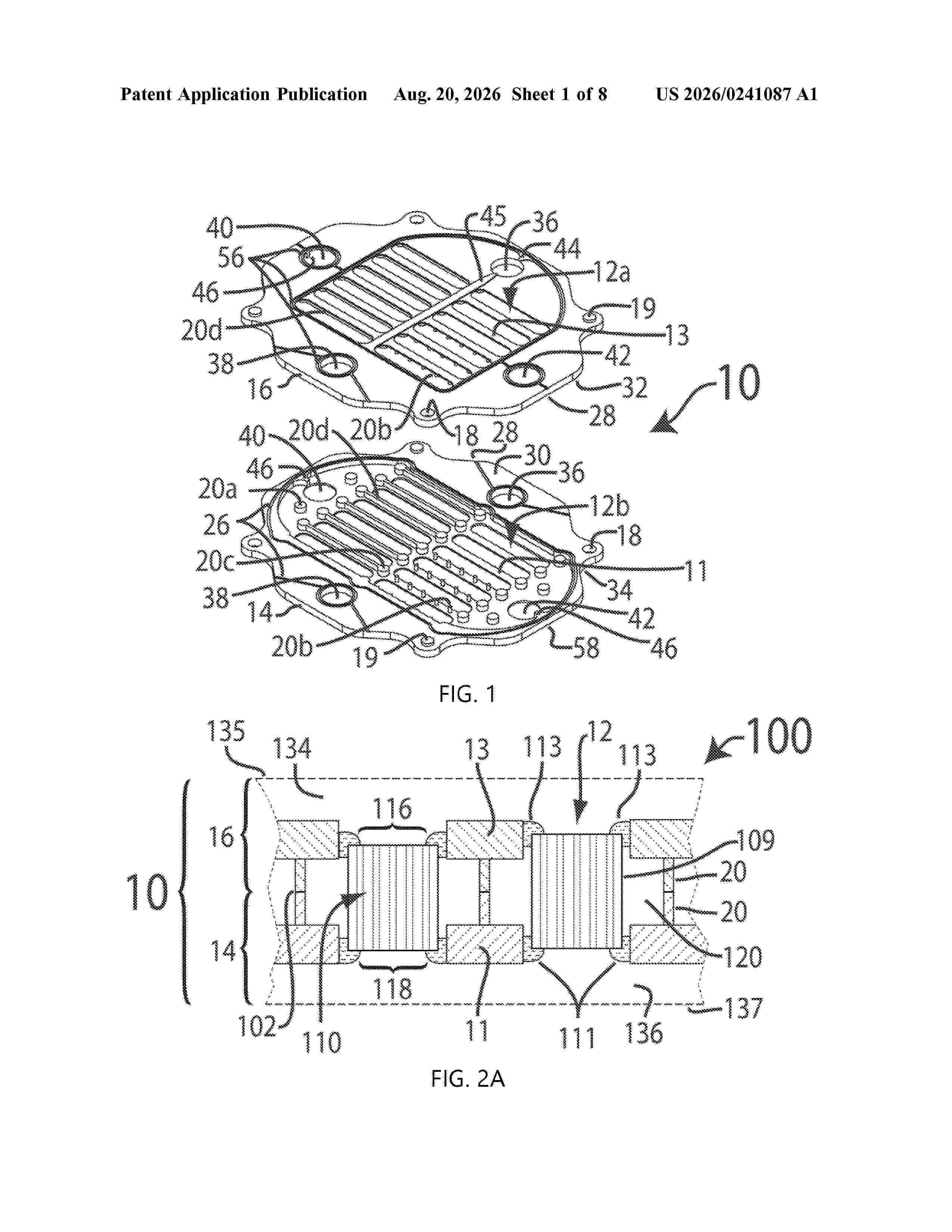
0000 A fluid reactor unit includes a fluid reactor housing and a reactor core. A reactor core includes at least one reactor core assembly made from reactor core assembly parts. Reactor core assembly parts are either reactor core components or reactor core accessories. A reactor core component includes a reactor core frame and at least one reactor core element having multiple fluid channel perforations that are surrounded by an open-pore cellular network material having a bi-continuous tortuous phase. Reactor core accessories can include, but are not limited to, heat exchangers, electrically power heaters, and endplates.
Resumen de: US20260247081A1
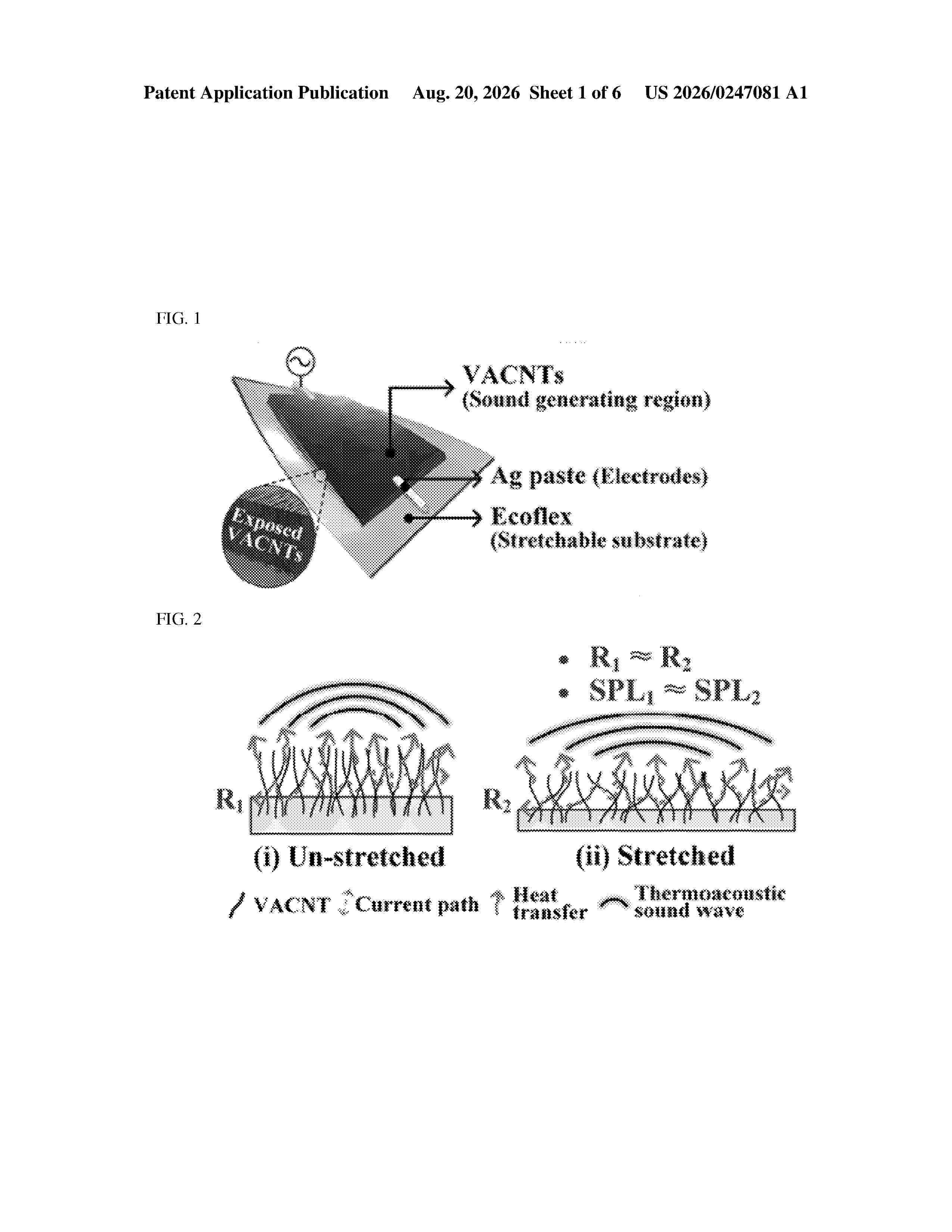
0000 Disclosed is a strain-insensitive stretchable thermoacoustic loudspeaker comprising: a stretchable polymer substrate; a heating element including a film including bundles of vertically aligned carbon nanotubes (VACNTs) on the stretchable polymer substrate; an electrode part including a first electrode electrically connected to the heating element and a second electrode spaced apart from the first electrode and electrically connected to the heating element; and a power application means for applying alternating current (AC) voltage to the electrode part, wherein the AC voltage is applied to the electrode part such that the heating element thermally oscillates to generate an acoustic wave.
Resumen de: WO2026174041A1
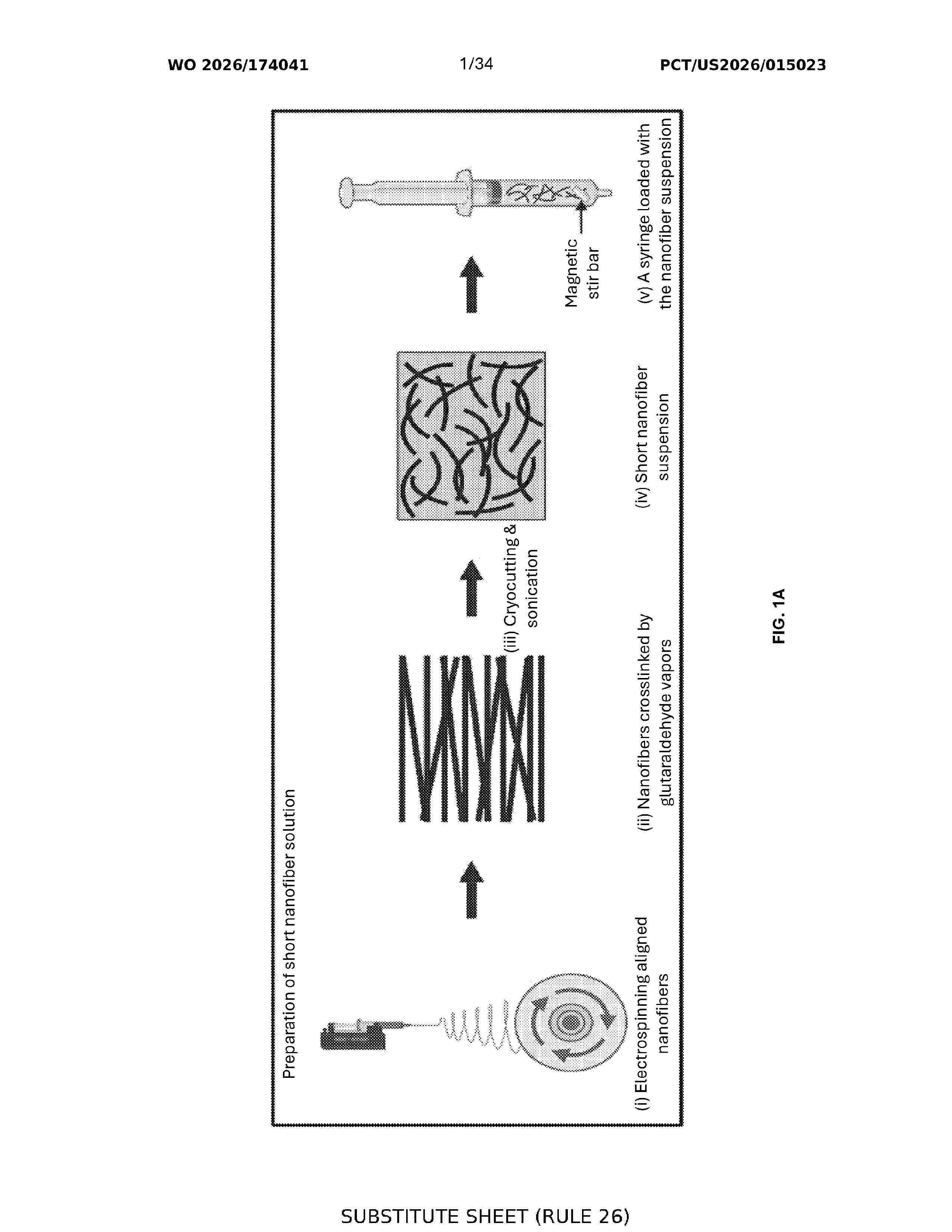
Porous nanofibrous/microfibrous spheres are provided as well as methods of use thereof and methods of making. In certain embodiments, the method of synthesis comprises a) applying inner air, outer air, and a nanofiber/microfiber suspension to a sphere generator, wherein the nanofiber/microfiber suspension comprises nanofiber/microfiber segments, and b) collecting the spheres from an outlet nozzle of the sphere generator in a media having a temperature of less than about -20°C (e.g., liquid nitrogen), thereby synthesizing the porous nanofibrous/microfibrous spheres.
Resumen de: EP4794474A2
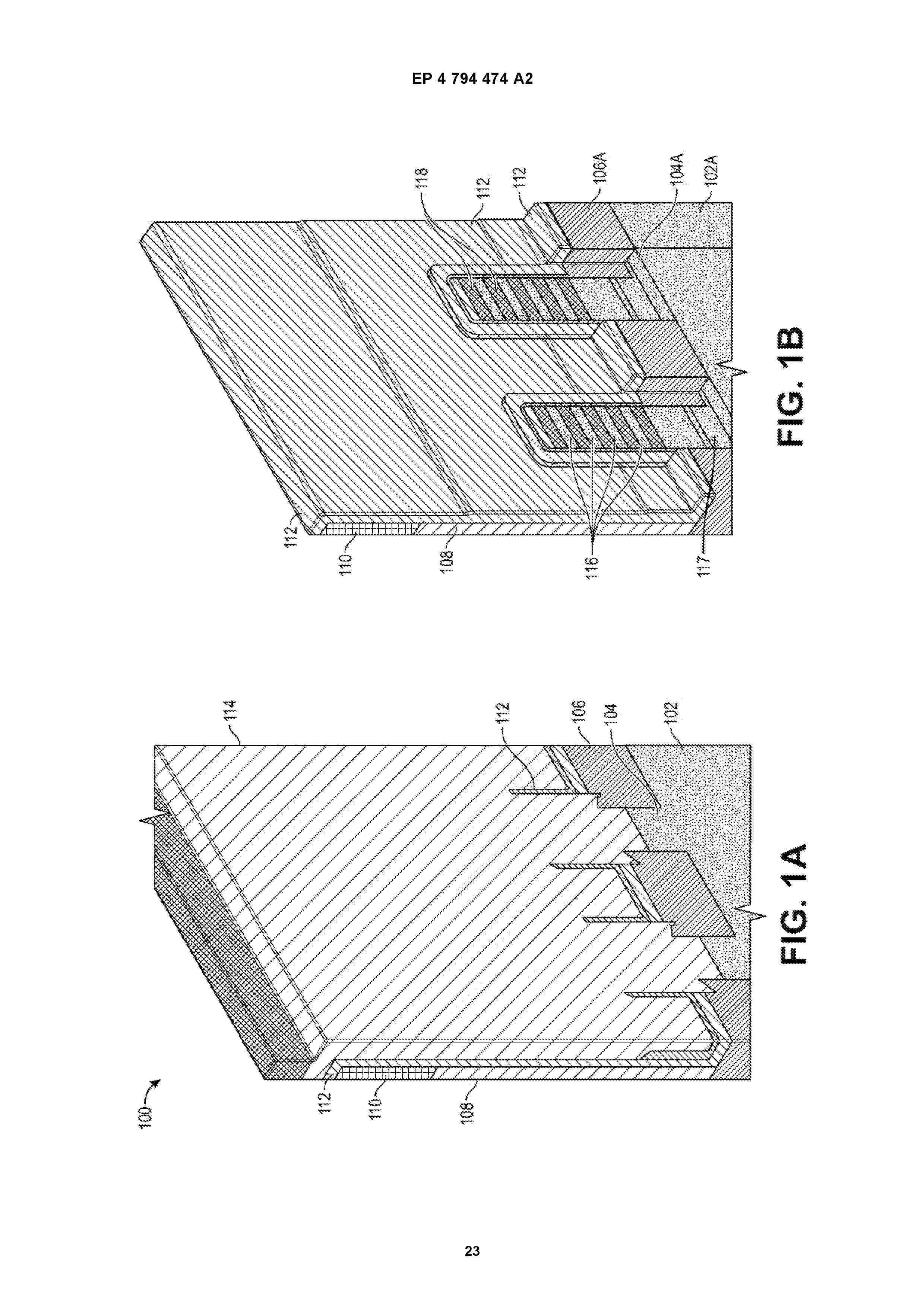
0001 An integrated circuit structure comprises a first epitaxial source or drain structure; a second epitaxial source or drain structure laterally spaced apart from the first epitaxial source or drain structure; a frontside contact over and in contact with the first epitaxial source or drain structure; a backside conductive source or drain contact beneath and in contact with the second epitaxial source or drain structure, wherein the backside conductive source or drain contact does not extend around the second epitaxial source or drain structure, wherein the backside conductive source or drain contact has a lateral width at the top less than a lateral width of the second epitaxial source or drain structure, and the backside conductive source or drain contact having a lateral width at the bottom greater than the lateral width at the top of the backside conductive source or drain contact; and a conductive line coupled to the backside conductive source or drain contact.
Resumen de: CN122588598A
0001 本发明涉及一种缺陷磷烯催化剂的电化学合成方法及其在氮还原中的应用。该催化剂为富含面内磷空位的少层磷烯,具有多孔二维片状结构,厚度为1~3 nm,面内孔径为5~15 nm。本发明采用无水有机电解液体系,将黑磷薄片以压合接触的方式夹于两片铂电极之间,构成‘铂‑黑磷‑铂’夹层式阴极,以铂电极为对电极。在含有季铵盐阳离子插层剂的无水有机电解液中,通过阶跃式施加负电位,使季铵盐阳离子在电场作用下插层进入黑磷层间。同时,铂催化产生的氢气原位形成高压氢气泡,动态刻蚀黑磷原子层,一步实现黑磷的剥离和缺陷构筑。所得缺陷磷烯中磷空位可作为路易斯酸位点,显著增强对氮气的σ‑捐赠电子和π‑反馈电子作用,高效活化N≡N三键。该路易斯酸位点还能提高析氢反应的能垒,抑制副反应。本发明的方法避免了传统水相刻蚀导致的磷烯氧化问题,操作简便、方法高效,有望推广应用于其他二维材料及电催化领域。
Resumen de: CN122586043A
0001 本申请属于粉末冶金技术领域,具体为一种纳米碳化钨及其制备方法,所述制备方法包括:将氧化钨和碳源进行混合,过筛,接着依次加入结构剂并进行压条和离心造粒,得到球形料;在氮气气氛中,将球形料在400~600℃下保温20~40min,然后依次进行还原碳化和合批补碳,得到碳化料;最后将碳化料进行钝化,破碎后得到纳米碳化钨。本申请采用简单的离心造粒技术,解决了空心料的问题,加强了球形料的结构强度,避免了后续工艺过程中出现球形料破碎导致碳化钨粉末一致性差的问题;通过引入结构剂对球形料内部宏观结构进行构造,以形成气体通道,避免了反应过程中产生的气体将物料结构破坏的问题,使得纳米碳化钨粉末的品质和生产效率均得到明显的提升。
Resumen de: CN122583567A
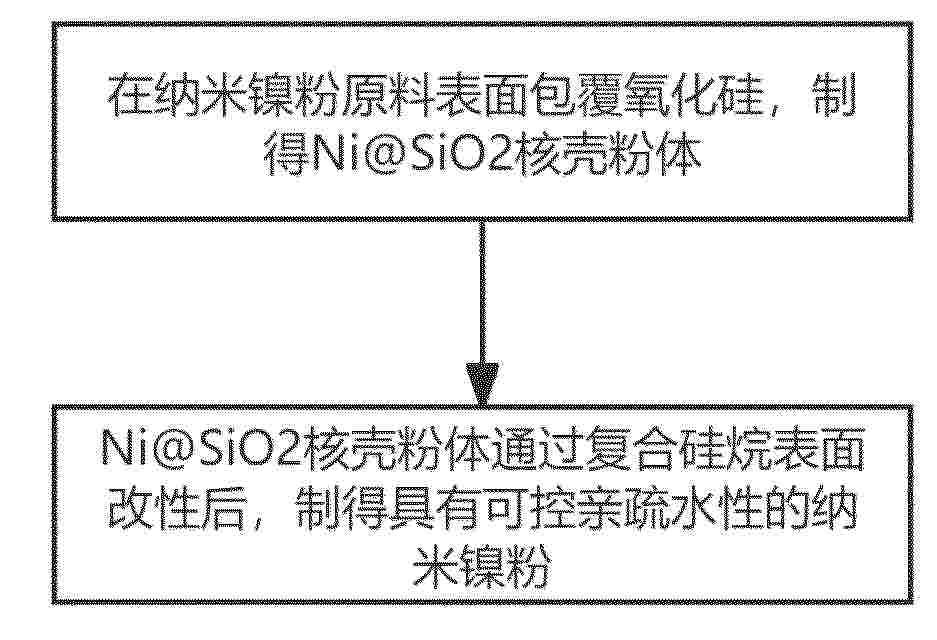
本发明涉及金属粉末加工技术领域,公开了一种具有可控亲疏水性的纳米镍粉表面改性方法及其制得的纳米镍粉和其应用,该改性方法包括以下步骤:S1:在纳米镍粉原料表面包覆氧化硅,制得Ni@SiO2核壳粉体;S2:Ni@SiO2核壳粉体通过复合硅烷表面改性后,制得具有可控亲疏水性的纳米镍粉。本发明可以实现纳米镍粉的可控亲疏水性,并且基于复合硅烷中各组分的进一步选择,表面改性后的纳米镍粉具有优异的分散稳定性和抗氧化能力。
Resumen de: CN122588617A
本发明公开了一种微波干燥‑微波烧结一体化制备水电解用钛极板的方法,涉及水电解制氢及电化学工程装备技术领域。所述方法包括以下步骤:在经酸蚀刻和激光刻蚀后的钛基底表面涂覆涂液,然后进行微波干燥‑微波烧结一体化处理,得到所述水电解用钛极板;所述涂液由RuO2‑TiO2纳米颗粒、粘结剂和溶剂配制而成。本发明通过微波加热的选择性/均匀性优化涂层烧结过程,结合精准的前驱体(RuO2‑TiO2纳米颗粒)合成与基底预处理工艺,最终获得高性能水电解用钛极板。本发明的微波干燥‑微波烧结一体化工艺相比传统热分解法,可进一步减少涂层孔隙率,同时避免风干不充分导致的烧结时涂层鼓泡问题,提高涂层的致密性与催化活性稳定性。
Resumen de: CN122582186A
0001 本发明公开了一种通过纳米药物激活 MPC 调控线粒体功能的心肌损伤治疗方法,属于海洋生物伤救治与心血管疾病治疗技术领域。该方法先完成心肌损伤靶点定位与基线评估,制备靶向激活 MPC 的 E‑CDs@NAD + 纳米解毒剂,经电极诱导预处理改善心肌递送环境后完成精准给药,再通过电极诱导实现纳米药物的线粒体靶向递送与 MPC 激活,全程监测心肌功能与线粒体稳态,最终完成序贯式维持治疗与预后评估。本发明可同步逆转 MPC 抑制介导的能量代谢紊乱与线粒体自噬障碍,大幅提升药物靶向性与生物利用度,对野村水母蜇伤所致心肌损伤具有显著治疗效果,安全性高,临床转化前景良好。
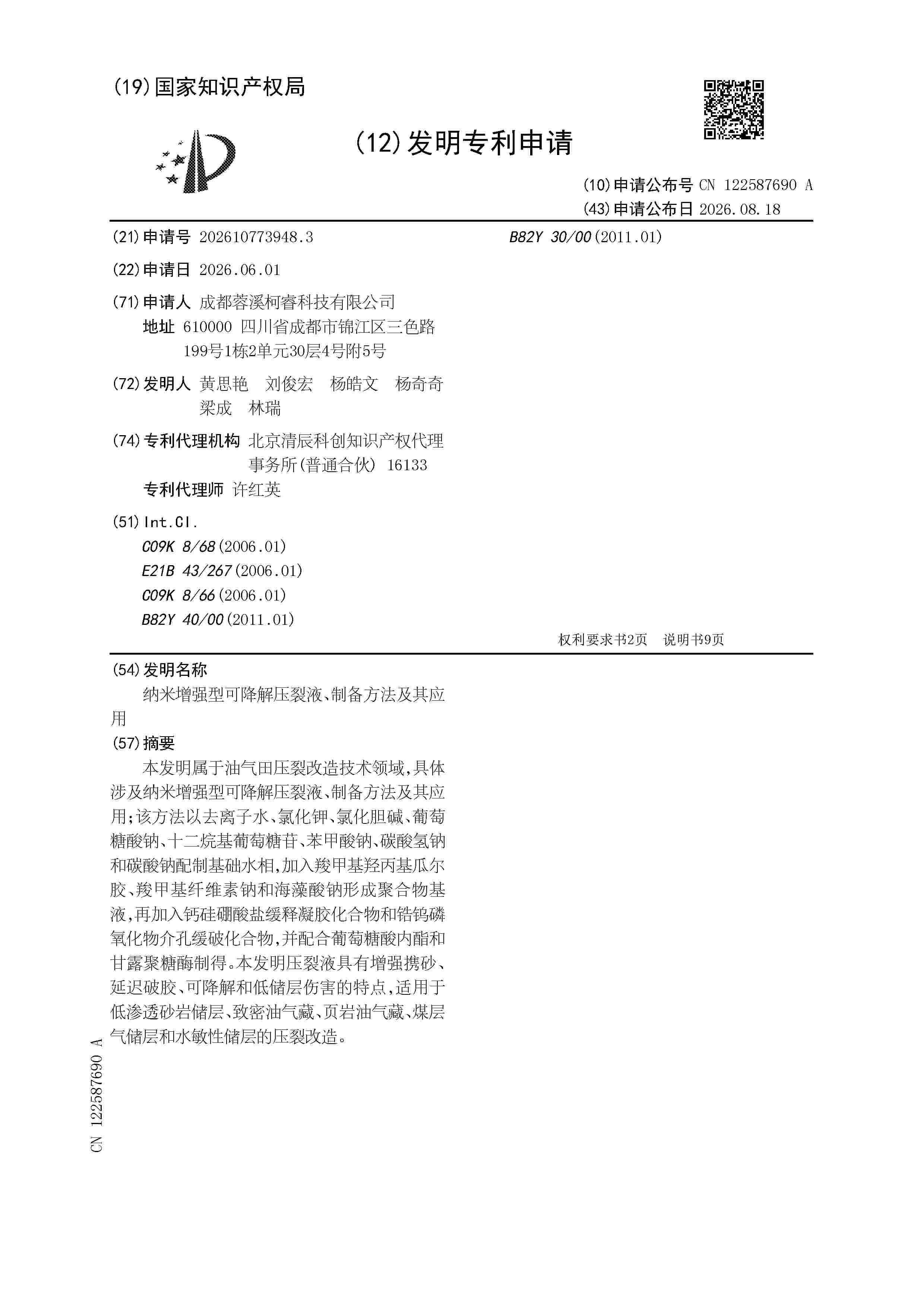
Resumen de: CN122587690A
0001 本发明属于油气田压裂改造技术领域,具体涉及纳米增强型可降解压裂液、制备方法及其应用;该方法以去离子水、氯化钾、氯化胆碱、葡萄糖酸钠、十二烷基葡萄糖苷、苯甲酸钠、碳酸氢钠和碳酸钠配制基础水相,加入羧甲基羟丙基瓜尔胶、羧甲基纤维素钠和海藻酸钠形成聚合物基液,再加入钙硅硼酸盐缓释凝胶化合物和锆钨磷氧化物介孔缓破化合物,并配合葡萄糖酸内酯和甘露聚糖酶制得。本发明压裂液具有增强携砂、延迟破胶、可降解和低储层伤害的特点,适用于低渗透砂岩储层、致密油气藏、页岩油气藏、煤层气储层和水敏性储层的压裂改造。
Resumen de: CN122586105A
0001 本发明公开了一种形貌可控的单分散氧化钇的制备方法,属于稀土材料技术领域。一种形貌可控的单分散氧化钇的制备方法,包括以下步骤:向沉淀剂水溶液中加入表面活性剂,升温搅拌,缓慢滴加硝酸钇水溶液,调节pH为6.5‑7.5,搅拌反应,经陈化、抽滤、洗涤、干燥、焙烧、冷却、研磨、过筛制得氧化钇。本发明制备的氧化钇粒径分布较窄、单分散性较好,并且可以实现形貌和粒径的可控制备。
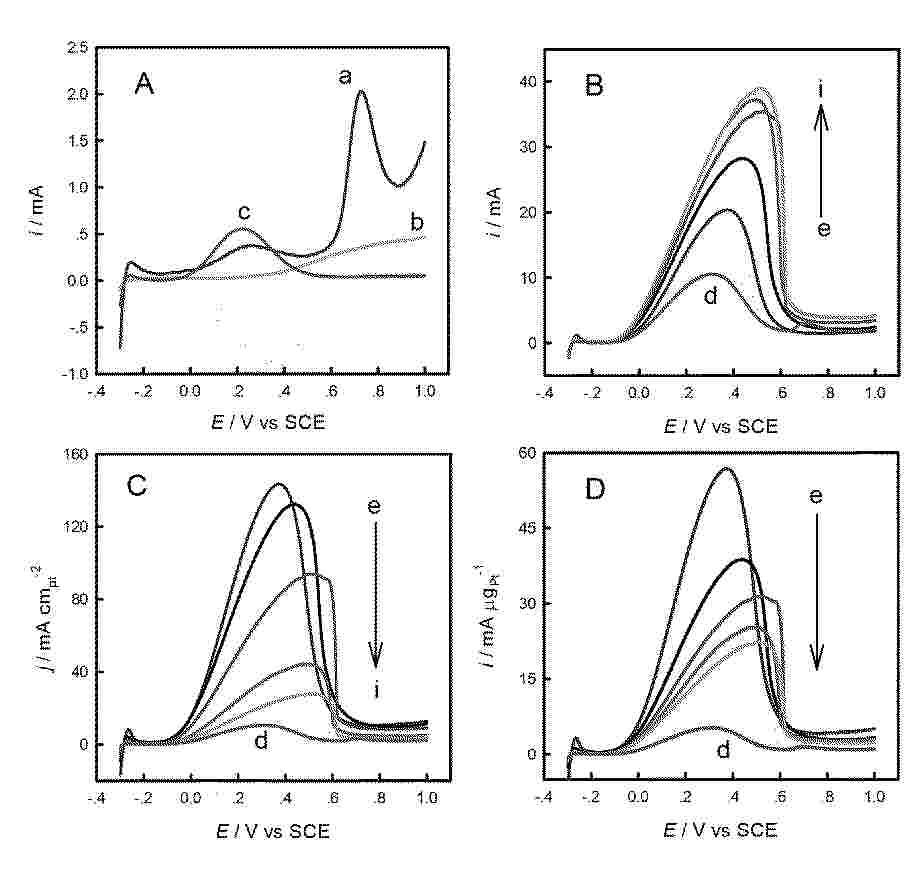
Resumen de: CN122599461A
本发明公开了高分散铂修饰的三维蜂窝状多孔纳米金电极及其制备方法和应用,属于电催化材料技术领域,制备方法包括:(1)采用动态气泡模板法在含氯金酸和氯化铵的电解液中通过一步阴极电沉积制备3DHPNG/Au电极;(2)将3DHPNG/Au电极水洗后,进行循环伏安扫描活化;(3)将活化后的3DHPNG/Au电极置于氯铂酸溶液中吸附铂前驱体,取出后水洗;(4)通过线性扫描伏安法电化学还原3DHPNG/Au电极上吸附的铂前驱体,得到高分散铂修饰电极。该电极对甲酸电催化氧化表现出优异的直接脱氢路径选择性,具有高的面积比电催化活性和质量比电催化活性,且抗CO中毒能力强,在直接甲酸燃料电池领域具有重要应用价值。
Resumen de: CN122581251A
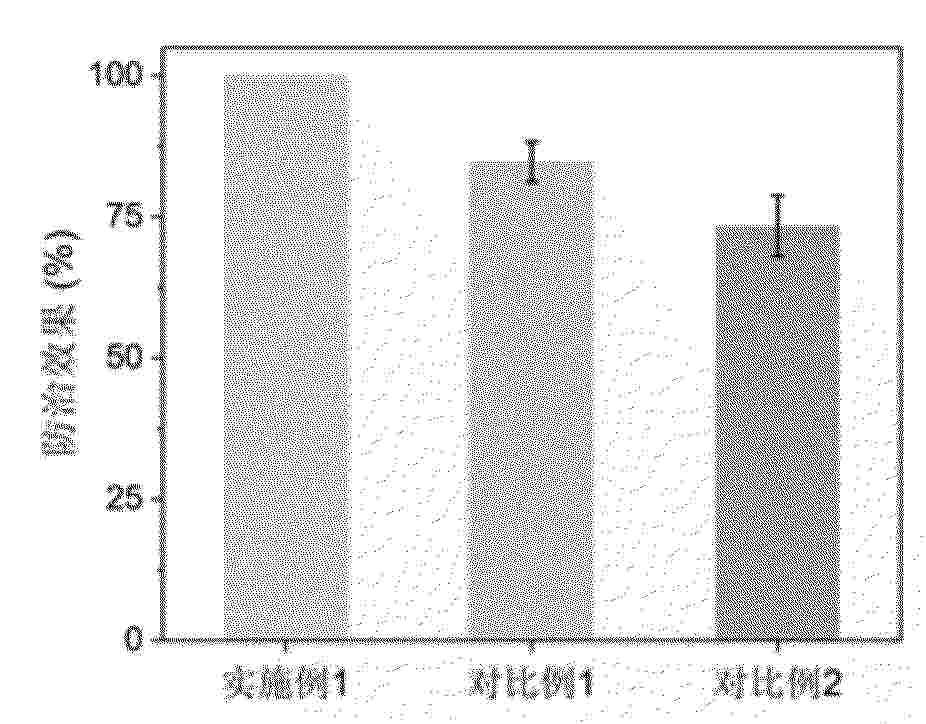
0001 本发明公开了一种纳米农药混悬剂的绿色制备方法与应用,原料组成为:2.5‑20wt%农药原药、2‑10wt%木质素磺酸盐或聚羧酸盐、1‑7wt%季铵盐或胺盐型阳离子表面活性剂、5‑10wt%有机溶剂,余量为水;包括如下步骤:(1)将木质素磺酸盐或聚羧酸盐与水混合,制得分散液;(2)将农药原药、季铵盐或胺盐型阳离子表面活性剂与有机溶剂混合分散,制得有效成分液;(3)将分散液与有效成分液混合并进行纳米化处理,得到纳米农药混悬剂。本发明采用一锅法连续制备工艺,以解决现有技术存在的工艺复杂、能耗高、碳排放量大及生产效率低下等问题,从而获得一种高性能、高稳定性且生产更绿色的纳米农药混悬剂。
Resumen de: CN122588569A
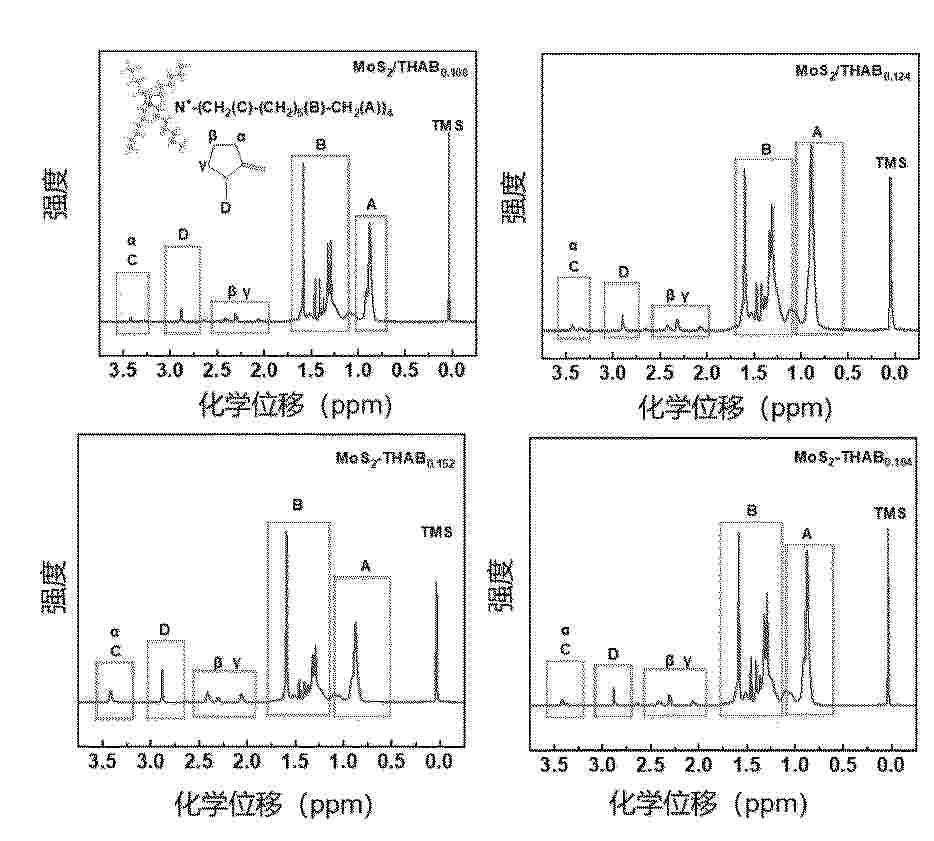
本发明公开了一种天然辉钼矿基柔性热电薄膜的制备方法及应用,属于热电材料薄膜制备技术领域。该制备方法通过电化学法剥离天然辉钼矿块体材料,制备二硫化钼纳米片,使用真空抽滤和冷压技术将二硫化钼纳米片组装成外形尺寸可控的致密的热电薄膜材料。本发明得到的天然辉钼矿基热电薄膜,能够通过精确控制电化学剥离时间,调控有机季铵盐在二硫化钼纳米片层间的插层量,从而有效调控薄膜的载流子浓度、电导率等热电性能。该方法无需复杂的电化学刻蚀步骤,工艺简单,成本低廉,所得薄膜兼具优异的热电性能和较高的柔性变形能力,具有较好的应用前景。
Resumen de: CN122585974A
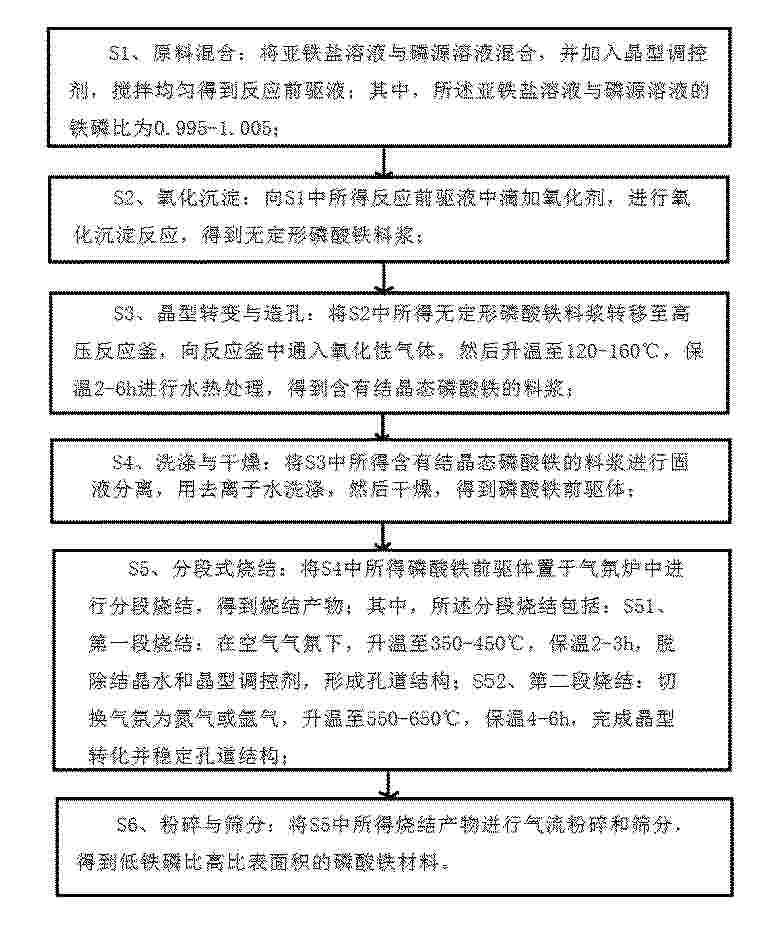
本申请涉及电池材料技术领域,具体公开了一种低铁磷比高比表面积的磷酸铁材料及其制备方法和应用,所述磷酸铁材料的铁磷摩尔比为0.961‑0.967,BET比表面积为15‑25m2/g,振实密度为0.8‑1.2g/cm3,粒径D50为5‑15μm。制备方法包括:S1、原料混合;S2、氧化沉淀;S3、晶型转变与造孔;S4、洗涤与干燥;S5、分段式烧结;S6、粉碎与筛分。通过该制备方法,本发明获得了兼具低铁磷比、高比表面积、适宜振实密度及窄粒度分布的优异磷酸铁产品。
Resumen de: CN122582293A
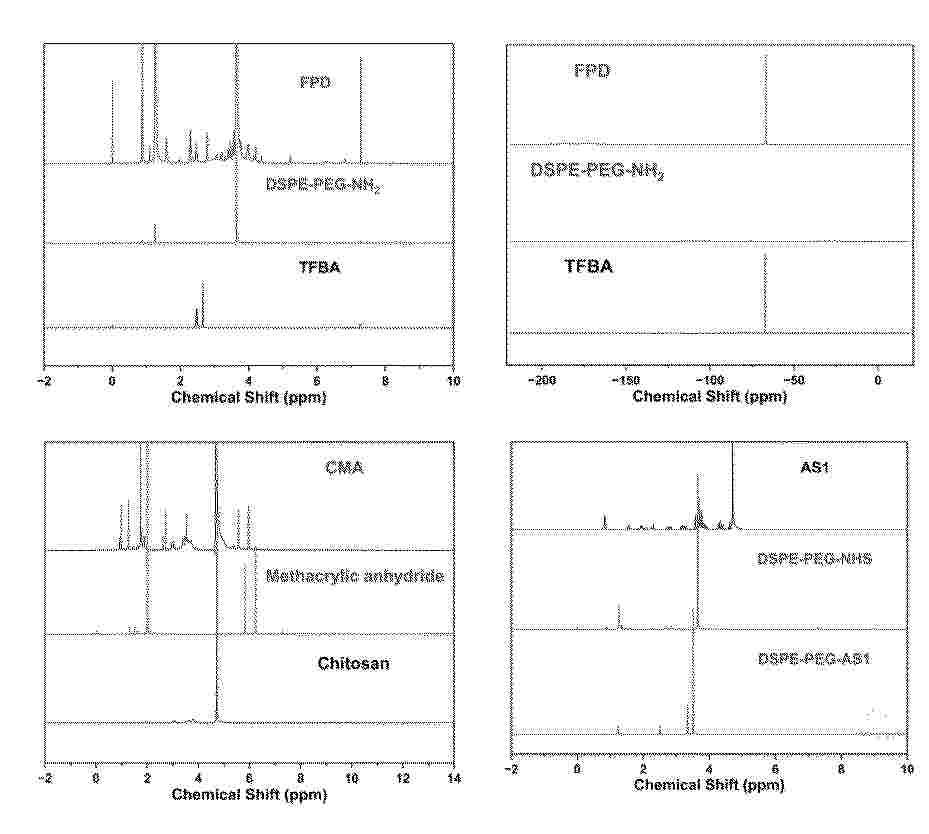
本发明公开了一种可编程氟化脂质纳米递送系统及其应用,该系统为核‑壳结构,以内嵌药物分子的壳聚糖‑甲基丙烯酸酯交联纳米内核为药物储库,以功能化氟化脂质FPD、1,2‑二硬脂酰‑sn‑甘油‑3‑磷酸胆碱、胆固醇、DOPE‑TK‑mPEG和DSPE‑PEG‑靶向分子构成的复合脂质层为外壳。本发明所述递送系统作为模块化平台,通过替换外壳表面连接的靶向分子,能够灵活实现对不同胶质细胞亚群或脑实质病灶区免疫受体的主动精准靶向递送。该系统具备优异的脑部递送效率与生物安全性,并能在阿尔茨海默病脑内高活性氧病理微环境下响应性触发外壳解离与药物分子的持续缓慢释放,为阿尔茨海默病的抗炎与神经保护功能研究提供了全新的技术方案。
Nº publicación: CN122582282A 18/08/2026
Solicitante:
昆明医科大学
Resumen de: CN122582282A
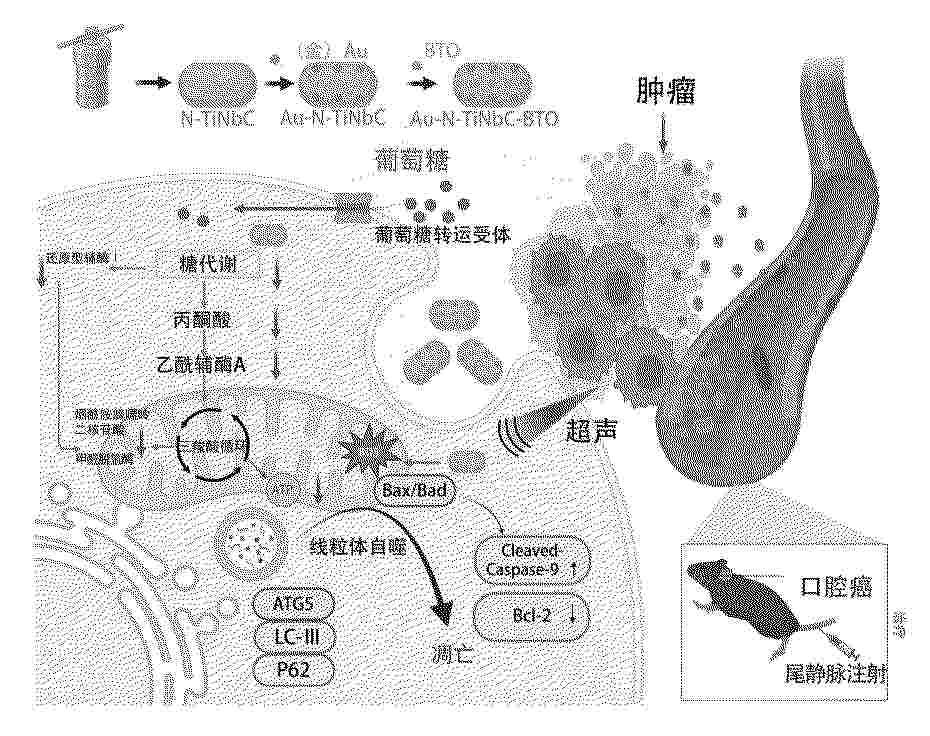
本发明公开了一种具有葡萄糖催化消耗能力和超声压电响应性能的复合纳米材料及其制备方法和应用,属于生物医用纳米材料和抗肿瘤药物技术领域。该材料包括N掺杂TiNbC纳米基底,以及负载于其表面的Au纳米颗粒和BaTiO3压电组分。该材料兼具葡萄糖催化活性和超声压电响应性能。还提供了所述复合纳米材料的制备方法和其在制备超声协同治疗肿瘤的药物中的应用。通过“先代谢预处理、后超声协同”的时序化治疗模式,先由Au纳米颗粒消耗肿瘤微环境葡萄糖,抑制三羧酸循环与氧化磷酸化,使肿瘤细胞进入代谢弱势状态;再通过压电组分响应超声产生压电效应,协同诱导活性氧生成,激活线粒体自噬与凋亡通路,实现高效抗肿瘤效果。
 BOPI
BOPI
 Sede Electrónica