Si deseas distinguir tus productos, servicios o ambos de los de otra empresa, es posible que necesites una marca o nombre comercial. Descubre qué son, en qué consiste su procedimiento de registro y qué implica.

Información sobre los plazos de presentación de solicitudes de transformación de marcas de la Unión Europea en marca nacional española. Más información


Si tienes un nuevo dispositivo, producto o procedimiento que resuelva un problema técnico o tenga una ventaja práctica, existen distintas formas de protegerlo en España y en otros países. Descubre cómo hacerlo.

¿Tu innovación reside en la estética, la ornamentación o la apariencia de tu producto? Protégela mediante un diseño industrial. Descubre qué derechos confiere el registro y cómo realizar la tramitación.

Las indicaciones geográficas protegen el nombre de un producto originario de una zona geográfica, a la cual le debe una determinada calidad, reputación u otra característica. Descubre qué son, en qué consiste su procedimiento de registro y qué beneficios conceden.

Las patentes publicadas en todo el mundo son una valiosa fuente de información científica, técnica y comercial.

Si eres emprendedor/a o una empresa y quieres potenciar y mejorar la rentabilidad de tu negocio protegiendo de forma adecuada los activos intangibles de tu organización, en este espacio encontrarás lo necesario.


 789
resultados
789
resultados
 Última actualización
15/09/2026 [08:08:00]
Última actualización
15/09/2026 [08:08:00]


 Resultados 250 a 275 de 789

Resumen de: CN122538094A
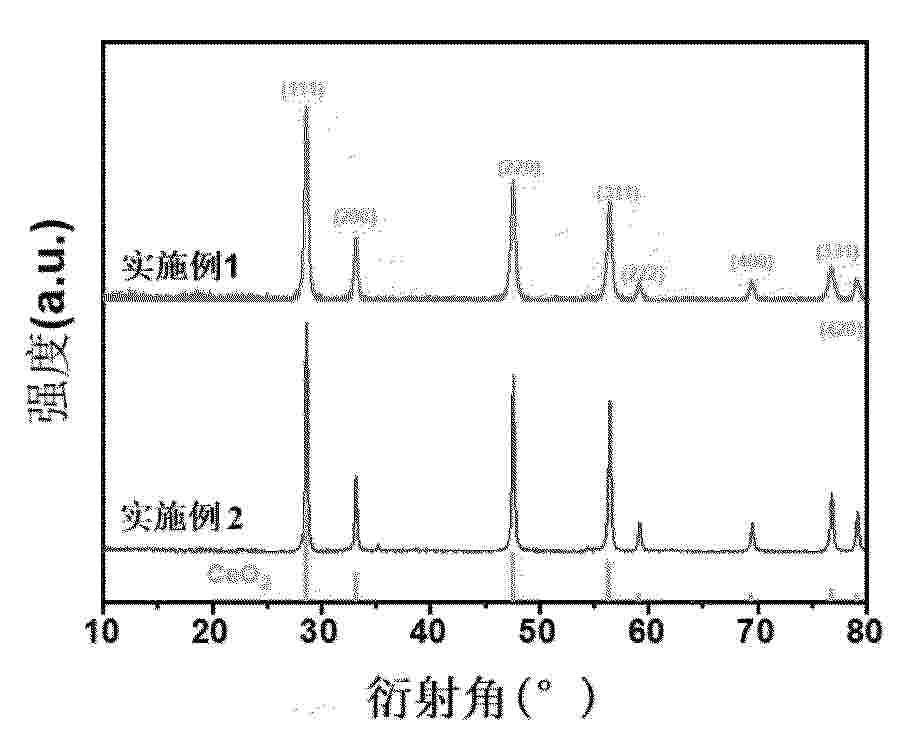
0001 本发明公开了一种CuCo

Resumen de: CN122543096A
0001 本发明涉及催化剂制备技术领域,具体涉及一种用于电解水析氧的Bi基异质结催化剂及其制备方法。一种用于电解水析氧的Bi基异质结催化剂的制备方法,包括:Bi‑MOF前驱体的制备、Bi基异质结催化剂的制备。本发明以MOF为前驱体,利用硝酸铋、硫脲及2‑甲基咪唑在甲醇溶液中进行一步法合成,获得高比表面积和均匀掺杂的Bi<2>S<3>前驱体。随后,通过Te粉碲化工艺,原位构建Bi<2>S<3>/Bi<2>Te<3>多相异质结构催化剂。
Resumen de: CN122543102A
本发明属于电催化材料与电解水技术领域,具体涉及一种基于阴阳离子修饰的双功能异质结电解水催化剂及其制备和应用。以镍盐、钴盐、氟化铵和尿素为原料,预处理干净的泡沫镍为基底,在聚四氟乙烯内衬不锈钢反应釜中,水热反应获得前驱体NiCo‑LDH@NF;接着以尿素为氮源,前驱体NiCo‑LDH@NF置于管式炉下游,氮化处理获得异质结NiCoO/CoN@NF;然后浸渍到0.1~10mmol的硝酸铬溶液并保持1~10min,自然干燥后得到阴阳离子修饰的异质结催化剂NiCoO/CoN@NF‑CrNO,其双功能催化活性显著提升,并且稳定性优异,能够良好的应用在电解槽阴阳极或AEM器件中。
Resumen de: CN122538200A
本发明公开了一种单原子稀土‑钌共掺杂氮化碳纳米管、制备方法及其在光催化产氢中的应用,该稀土‑钌共掺杂氮化碳纳米管通过先以三聚氰胺为前驱体,经水热反应、冷冻干燥及高温煅烧制得氮化碳纳米管,再经稀土掺杂与钌单原子负载而制成。该材料以七嗪环为构筑单元形成层状堆叠结构,具有三维纳米管形貌,稀土与钌均以单原子形态均匀分布于层间及表面。稀土掺杂可调控能带结构、抑制光生载流子复合,钌单原子提供高效析氢活性中心,二者构建电子结构调控与位点催化协同体系。作为催化剂兼具优异光催化产氢性能与重复循环利用性能。本发明制备工艺简单温和、可控性及重复性好,适配多种稀土元素,易于规模化制备,可广泛用于光催化分解水产氢领域。
Resumen de: CN122542992A
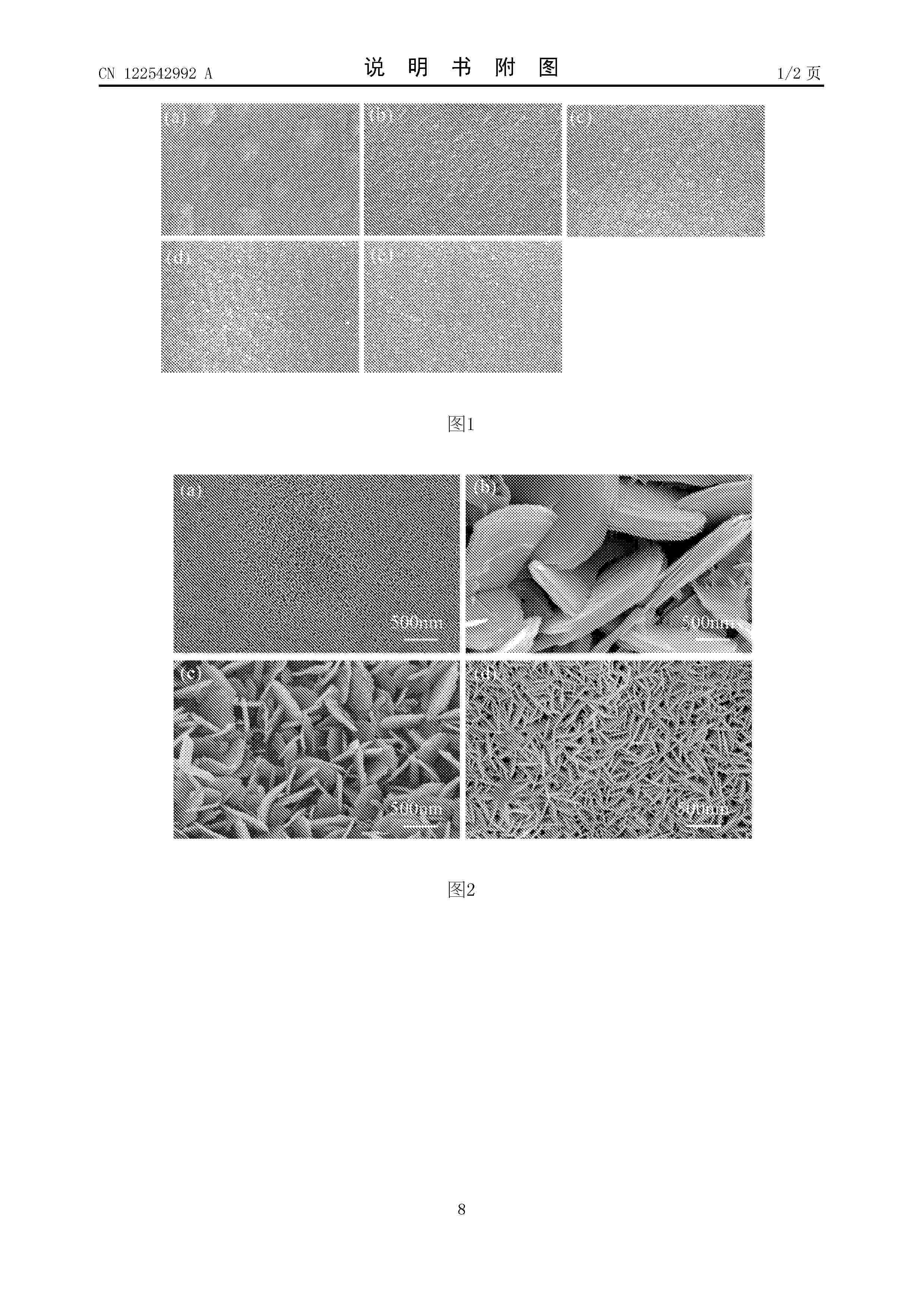
本发明涉及铁镍催化电极制备技术领域,本发明公开了一种形貌可控的铁镍氧化物催化电极及其制备方法,通过磁控溅射在镍基体上掺杂元素,随后通过碱液浸泡去除掺杂元素,在镍基体上制备得到铁镍氧化物纳米片;纳米片的形貌可控,通过控制掺杂元素的磁控溅射电流密度,即可控制铁镍氧化物纳米片的尺寸大小,进而调控制备得到的铁镍氧化物电极的比表面积和电学性能;使得铁镍氧化物电极的性能能够得以优化提升。本发明的制备方法制备得到的铁镍氧化物电极表面具有厚度为50nm‑300nm的铁镍氧化物纳米层,在100mA/cm2电流密度下的过电位仅为292mV,且运行24h不发生明显衰减,具有优异而稳定的电性能;适宜推广应用。
Resumen de: CN122543103A
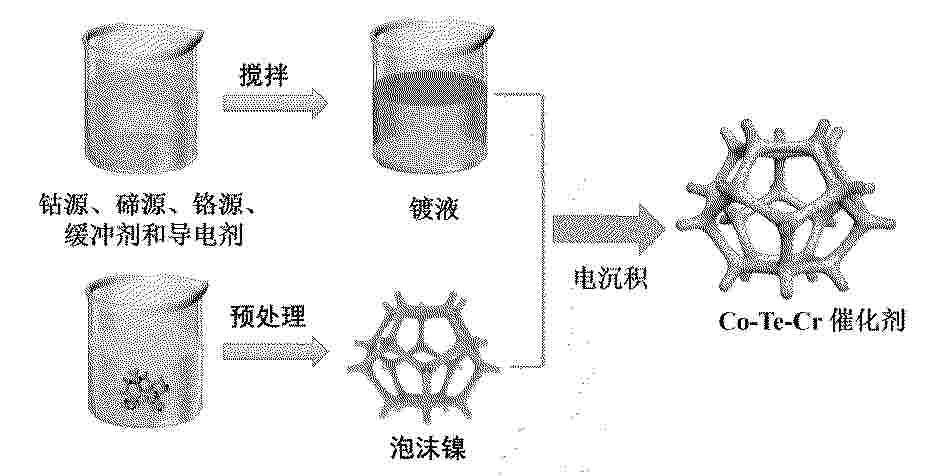
本发明公开了一种用于电解海水制氢的Co‑Te‑Cr催化材料,其采用如下方法制备得到,具体为:以导电基体作为阴极、以石墨片作为阳极,采用恒电流电沉积法在电镀水溶液中进行电沉积,电沉积后,得到Co‑Te‑Cr催化材料;所述Co‑Te‑Cr催化材料包括导电基体以及电沉积在导电基体表面的Co‑Te‑Cr活性层;所述Co‑Te‑Cr活性层由Co‑Te‑Cr纳米片堆积而成。本发明方法制得的Co‑Te‑Cr化材料应用在尿素阳极氧化反应过程中具有良好的催化活性,能够大幅降低尿素阳极氧化反应的能垒,从而实现低能耗海水电解制氢。
Resumen de: CN122543097A
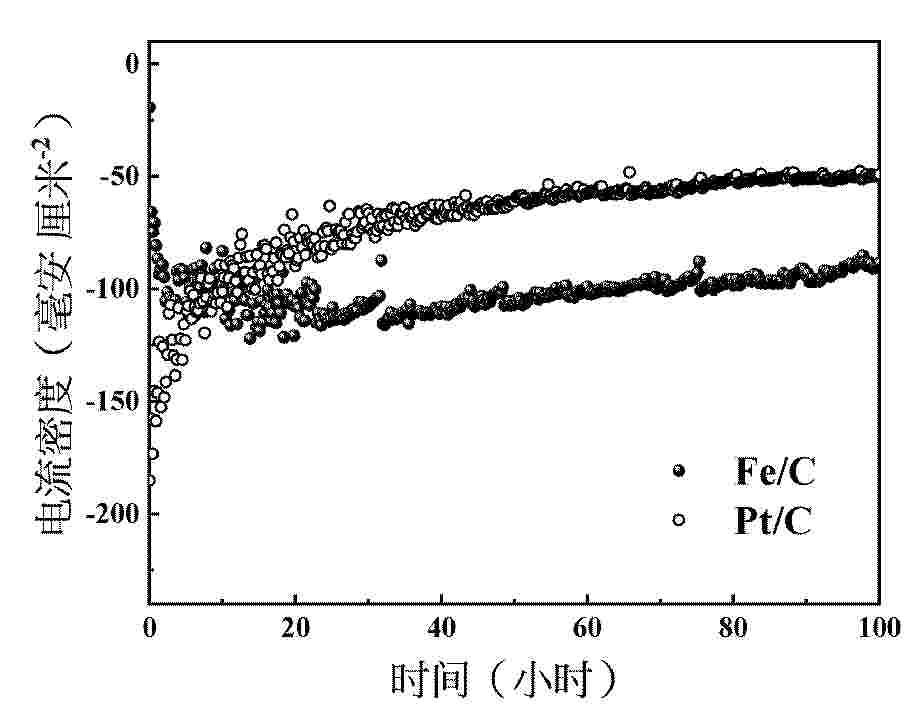
本发明公开了一种基于Fe2O3的析氢催化剂的制备方法。包括以下步骤:按照质量比为1:1~5分别称取LFPO和Glc·H2O,将二者置于玛瑙研钵中研磨5~20 min,形成一混合物,随后将得到的混合物置于马弗炉中,在空气氛围中于500 ℃~900℃下煅烧0.5~4 h,即得到一种含Li3Fe2(PO4)3、Fe2O3和C的HER析氢催化剂。I‑t 曲线测试表明,在测试时间达到10小时时,所制备的催化剂的HER催化性能明显高于商业铂碳的性能,这说明,这种不含贵金属的催化剂具有优良的析氢性能。本发明制备工艺简单,成本低廉,适合规模化商业生产。
Resumen de: CN122543094A
本申请涉及电催化剂技术领域,公开了一种稀土掺杂IrOx电催化剂及其制备方法和应用。所述稀土掺杂IrOx电催化剂,其为具有三维多孔结构的固溶体氧化物MaIrbOx;其中,M为镧系稀土金属;a为M的摩尔数,b为Ir的摩尔数,且a:b=(0~0.7):(0.3~1)。本申请基于无机盐硬模板法,通过将多种金属前驱体均匀包覆在无机盐晶粒表面,经退火形成均匀的氧化物,进而得到具有三维分级多孔的形貌的电催化剂;本申请的稀土‑铱固溶体氧化物电催化剂呈三维多孔结构,具有三维空间传质优势和高比表面积的结构特点,赋予其高电催化活性;引入的合金化效应、无定形结构及丰富的缺陷位点赋予材料极高的电催化活性,使得电催化分解水产氧的性能显著提高。
Resumen de: CN122543083A
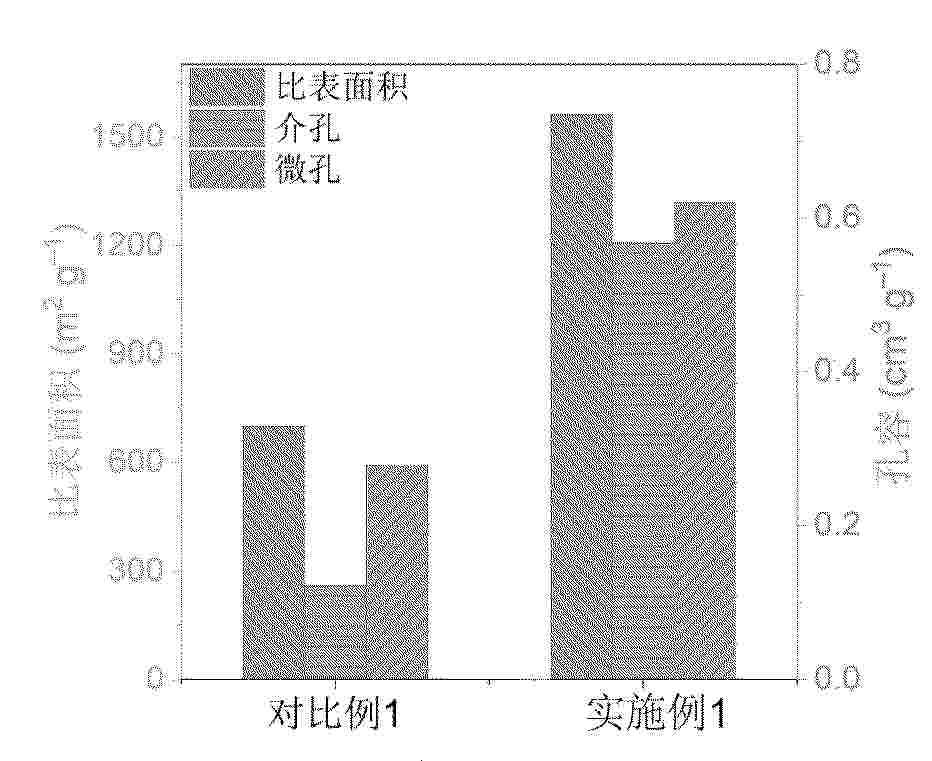
0001 本申请涉及电解水制氢领域,并提供了一种过渡金属单原子多孔碳基贵金属催化剂的制备方法及应用,方法包括:制备过渡金属掺杂ZIF‑8前驱体;向过渡金属掺杂ZIF‑8前驱体中加入模板剂的醇水溶液,研磨并干燥,经热解处理,冷却,经水洗、抽滤,制得富含介孔的过渡金属‑氮‑碳复合材料;将富含介孔的过渡金属‑氮‑碳复合材料与氨气源前驱体混合,于惰性气氛下进行热解处理,制得富含微孔和介孔的过渡金属‑氮‑碳复合材料;采用化学气相沉积法,得到过渡金属单原子多孔碳基贵金属催化剂。上述的制备方法,克服现有阴离子交换膜电解水阴极催化剂在高电流密度下存在的活性位点易团聚失活、气泡排阻严重以及三相界面传质极化高的问题。
Resumen de: CN122540802A
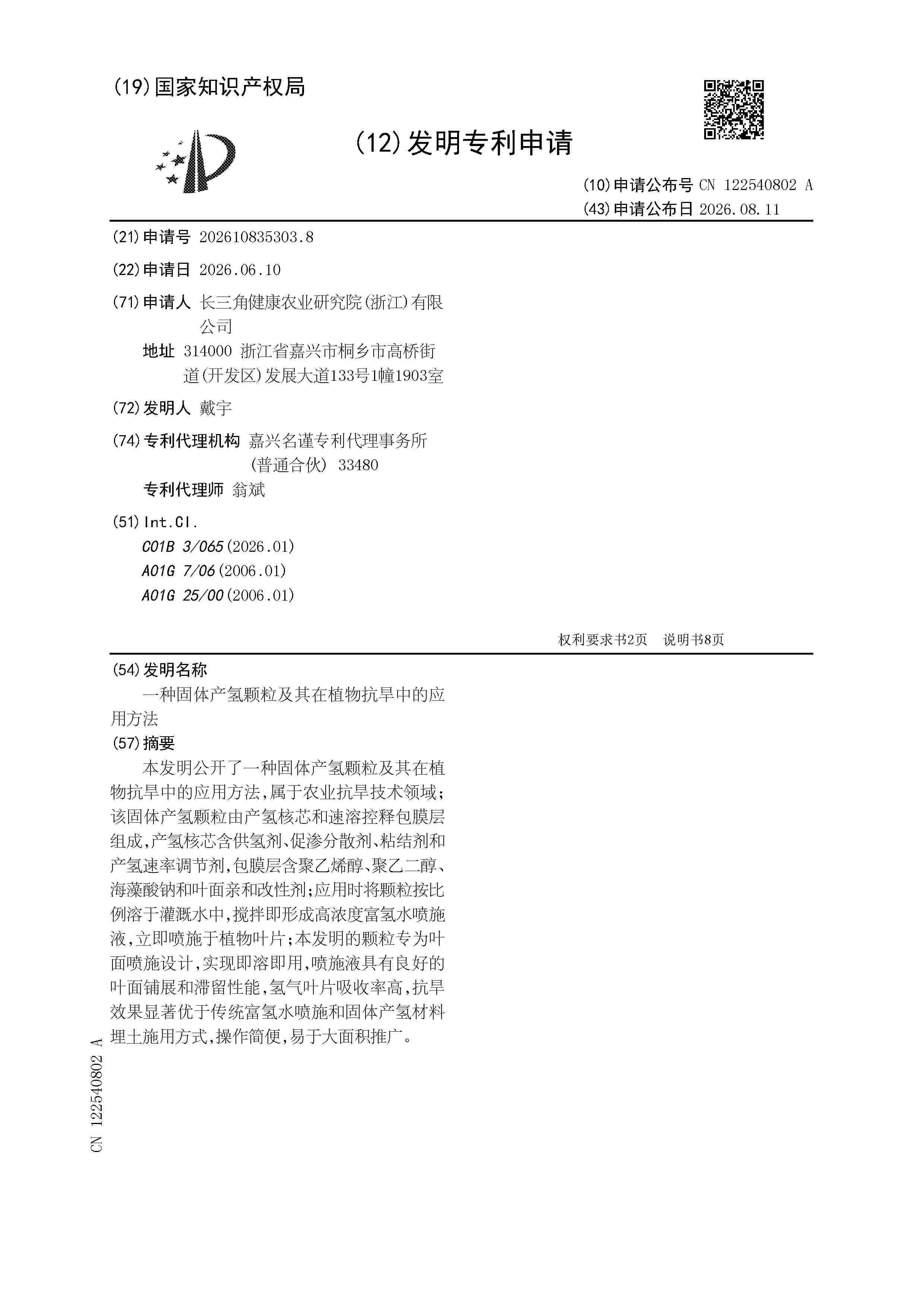
0001 本发明公开了一种固体产氢颗粒及其在植物抗旱中的应用方法,属于农业抗旱技术领域;该固体产氢颗粒由产氢核芯和速溶控释包膜层组成,产氢核芯含供氢剂、促渗分散剂、粘结剂和产氢速率调节剂,包膜层含聚乙烯醇、聚乙二醇、海藻酸钠和叶面亲和改性剂;应用时将颗粒按比例溶于灌溉水中,搅拌即形成高浓度富氢水喷施液,立即喷施于植物叶片;本发明的颗粒专为叶面喷施设计,实现即溶即用,喷施液具有良好的叶面铺展和滞留性能,氢气叶片吸收率高,抗旱效果显著优于传统富氢水喷施和固体产氢材料埋土施用方式,操作简便,易于大面积推广。
Resumen de: CN122543093A
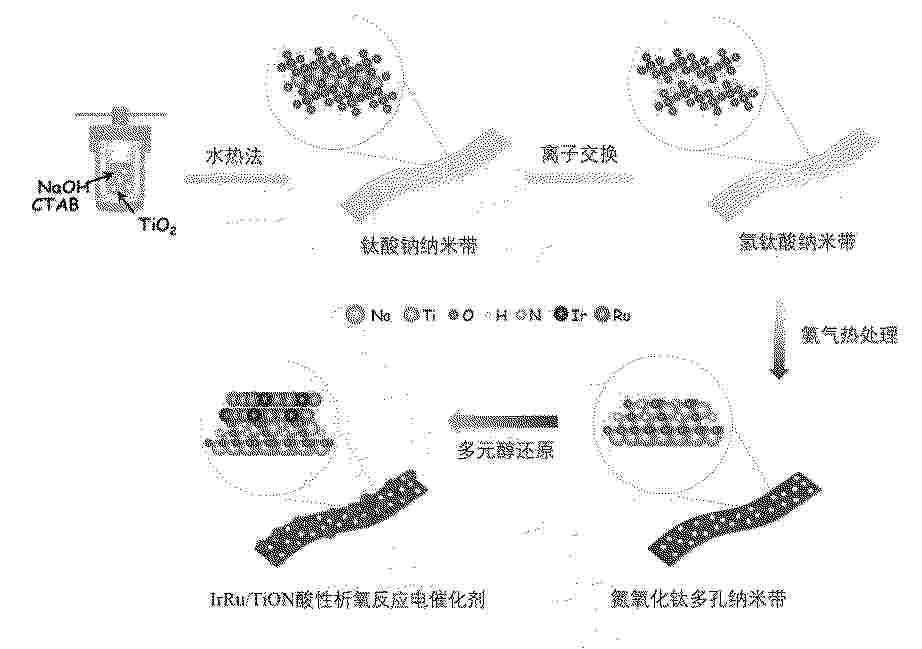
本发明涉及电解水领域,公开了一种IrRu/TiON酸性析氧反应电催化剂的制备方法和应用。本发明IrRu/TiON酸性析氧反应电催化剂的制备方法包括:1)TiON多孔纳米带的制备:TiO2、NaOH和表面活性剂经水热反应制得钛酸钠纳米带;将钛酸钠纳米带分散于酸溶液中经离子交换反应得到氢钛酸纳米带;将氢钛酸纳米带置于氮气气氛中氮化,得到TiON多孔纳米带;2)IrRu/TiON酸性析氧反应电催化剂的制备:将Ir前驱体和Ru前驱体分散于多元醇中,加入TiON多孔纳米带,经还原反应,得到IrRu/TiON酸性析氧反应电催化剂。本发明通过优化制备方法制得了得到催化活性更好、稳定性更好的IrRu/TiON酸性析氧反应电催化剂,可将其应用于质子交换膜水电解中。
Resumen de: CN122538098A
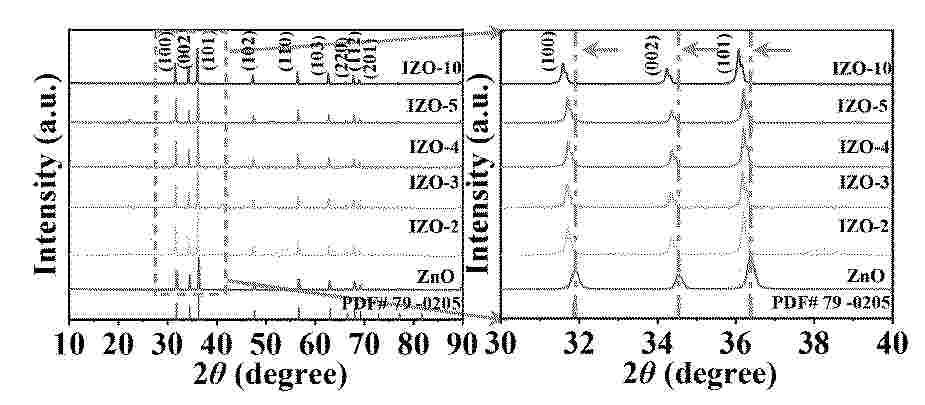
0001 本发明公开了一种基于In掺杂诱导各向异性晶格畸变的ZnO基压电催化材料及其制备方法与应用,涉及压电催化与功能氧化物材料技术领域。本发明通过适量In掺杂提高ZnO的压电催化性能。具体地,In<3+>取代Zn<2+>进入ZnO晶格形成固溶体,由于In<3+>离子半径大于Zn<2+>,引起晶格畸变;该畸变在晶体内部形成局域应变场,并在c轴方向表现出各向异性增强;在机械振动作用下,该结构更易产生较高的压电极化电势;增强的压电势促进电子‑空穴对分离并抑制复合;同时,In掺杂提供施主能级,提高材料导电性;二者协同作用显著提升材料压电催化效率。
Resumen de: WO2025080121A2
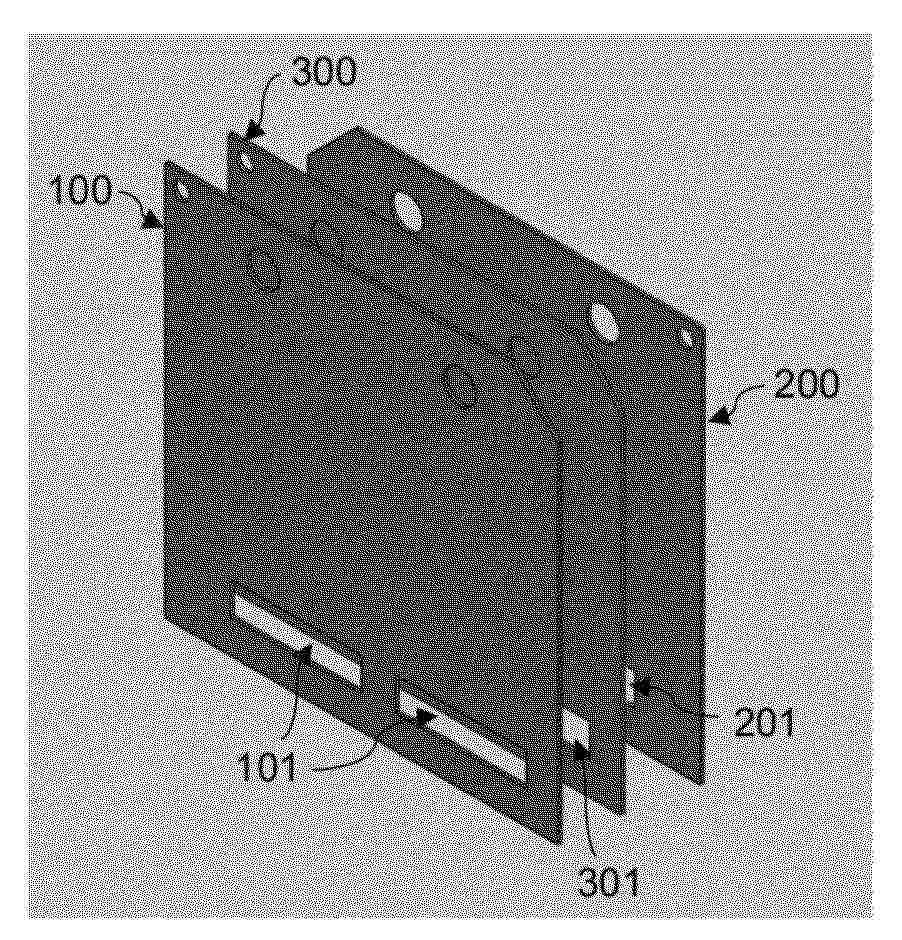
The present invention discloses an electrolyser for water splitting in hydrogen/oxygen production and methods thereof. The electrolyser comprises a first electrode plate (100) coated with a first catalyst comprising a first ion transfer opening (101) formed therethrough along a first lateral axis of the first electrode plate (100); a second electrode plate (200) coated with a second catalyst comprising a second ion transfer opening (201) formed therethrough along a second lateral axis of the second electrode plate (200); and an electrically insulative adhesive layer (300) configured for securing together the first electrode plate (100) and the second electrode plate (200) in a face-to-face manner or a back-to-face manner, forming separate compartments each for a hydrogen gas and an oxygen gas resulting from the water splitting that provide immunity against any mixing of the hydrogen gas and the oxygen gas at any level of an electrical power supply.
Resumen de: WO2025002798A1
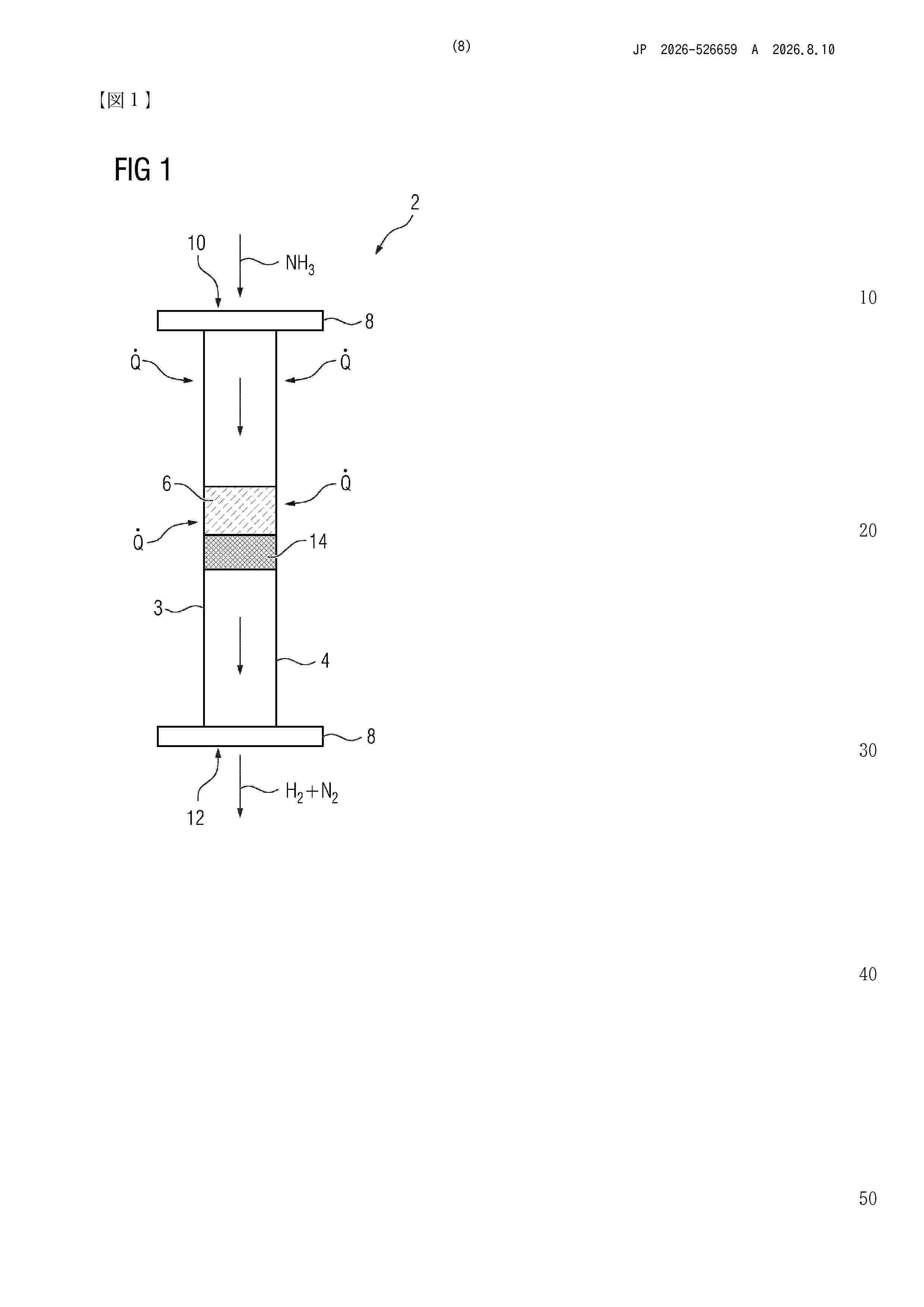
The invention relates to a reactor (2) for generating hydrogen and at least one other product from at least one reactant, the reactor comprising a tubular reactor vessel (4) which contains a catalyst (6) in the form of a ceramic bed. Improved corrosion resistance against a variety of media and thus an increased service life of the reactor (2) is achieved by forming the reactor vessel (4) from silicon-infiltrated silicon carbide (SiSiC).
Resumen de: WO2025127502A1
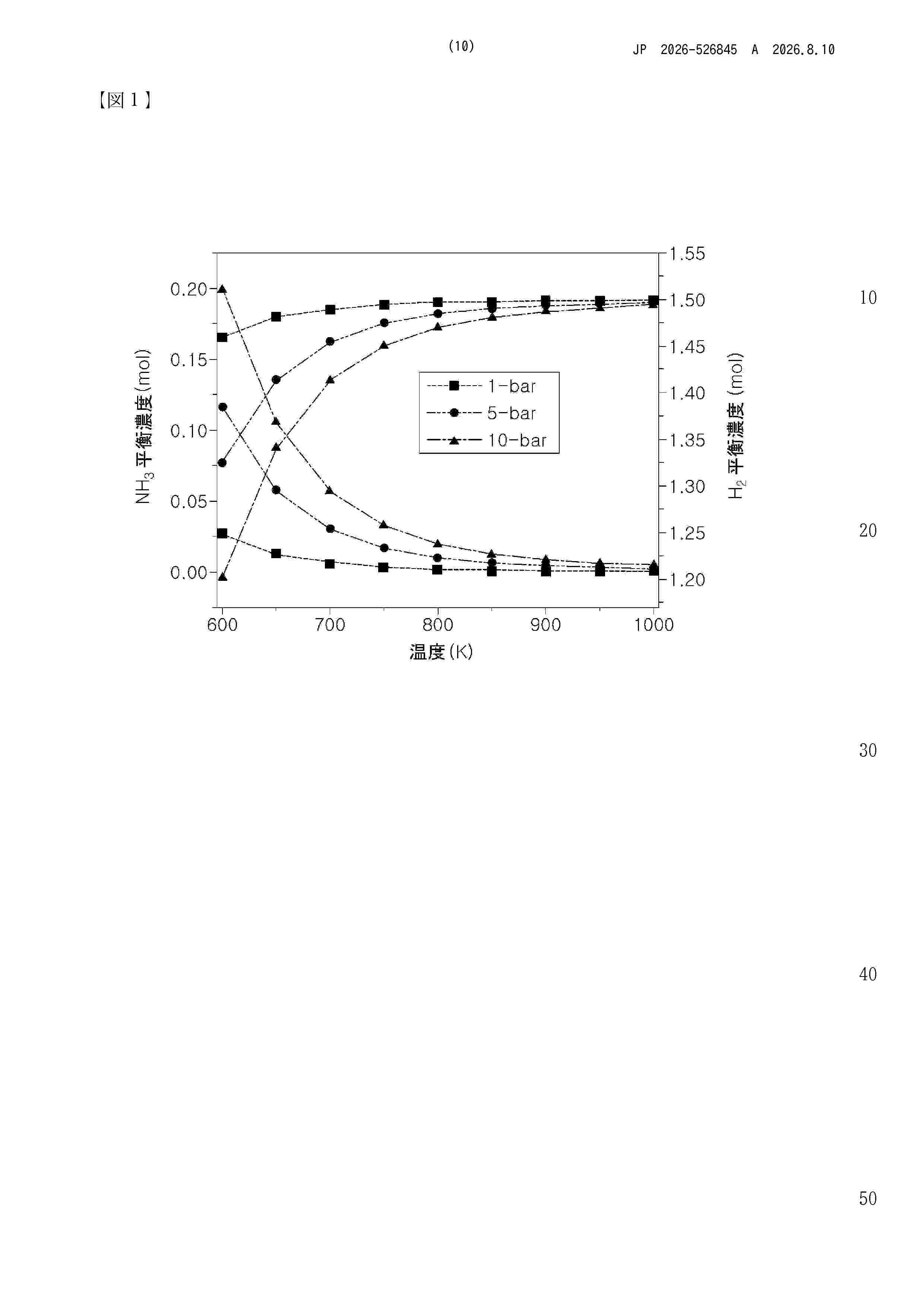
Provided according to exemplary embodiments of the present invention is an ammonia decomposition system capable of minimizing the generation of iron nitride, which is a by-product.
Resumen de: PL451147A1
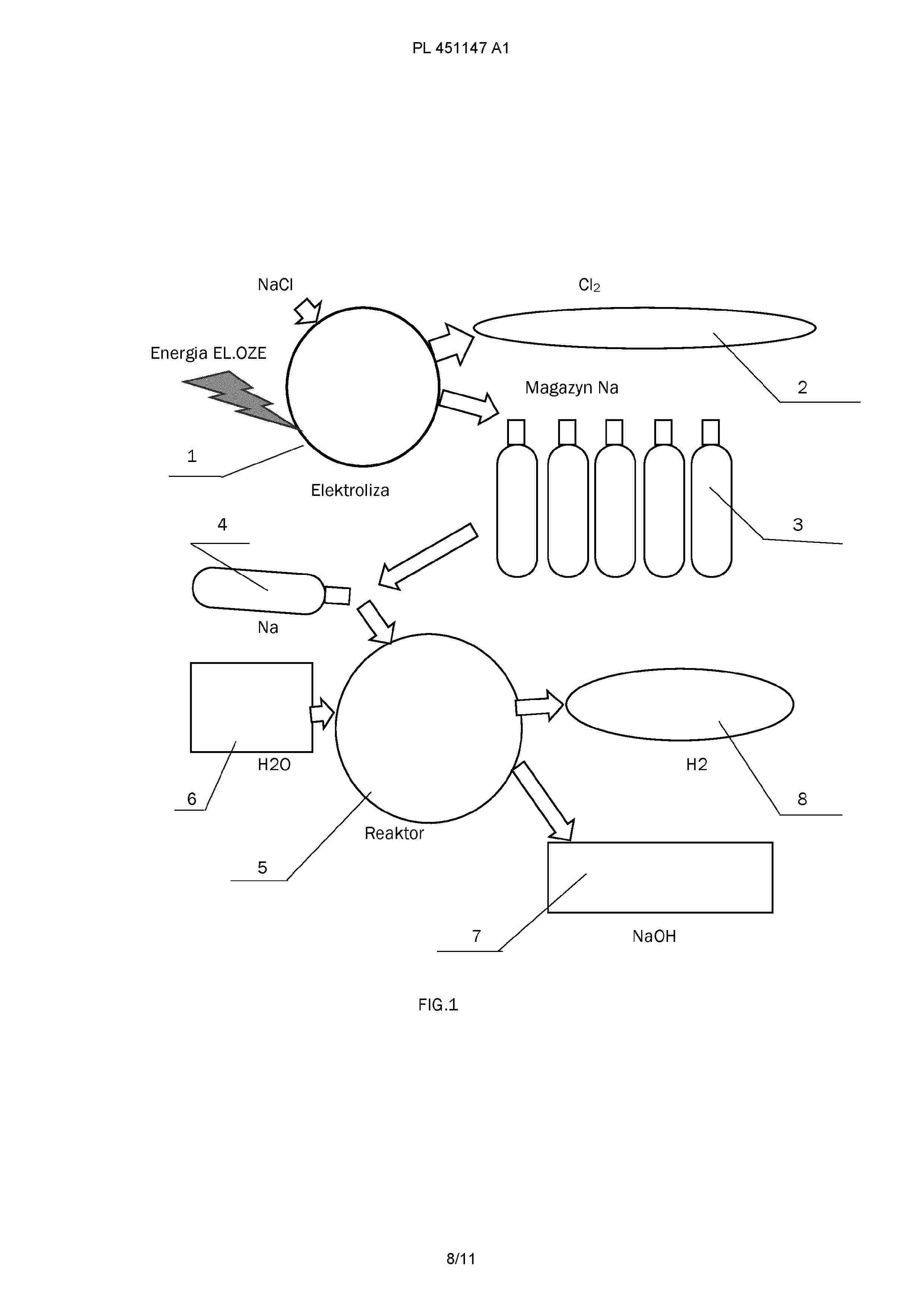
Przedmiotem zgłoszenia jest sposób wytwarzania wodorotlenku sodu z jednoczesnym magazynowaniem prekursora wodoru, który charakteryzuje się tym, że: w pierwszym etapie prowadzona jest elektroliza stopionego chlorku sodu w elektrolizerze stopionych soli (1) z ujęciem chloru, magazynowanego w zbiorniku chloru (2), zużywanego w innych procesach przemysłowych, a ciekły sód po schłodzeniu przechowywany jest w zestawie zbiorników sodu w postaci stałej (3), a w następnym etapie po zadysponowaniu wytworzenia partii wodorotlenku sodu i wodoru, zbiornik (3) podgrzewany jest do osiągnięcia stanu ciekłego sodu w zbiorniku (4), skąd ciekły sód trafia do reaktora reakcji metalicznego ciekłego sodu z wodą (5), zasilanego sodem i wodą ze zbiornika (6), skąd (5) wodór trafia do zbiornika wodoru (8), a wodorotlenek sodu do zbiornika wodorotlenku sodu (7), alternatywnie sód przechowywany jest w zbiorniku (zbiornikach) termosach ciekłego sodu, a elektrolizer stopionych soli (1) jak i zbiorniki sodu w postaci stałej (3), czy zbiornik termos ciekłego sodu (9) geograficznie usytuowany są w innej lokalizacji niż pozostałe instalacje wg sposobu, dodatkowo wprowadzony może być elektrolizer stopionego wodorotlenku sodu (10) zasilany ze zbiornika wodorotlenku sodu (7) z magazynowaniem ubocznych produktów - wodoru - w zbiorniku wodoru (8) i tlenu w zbiorniku tlenu (11).
Resumen de: CN121666467A
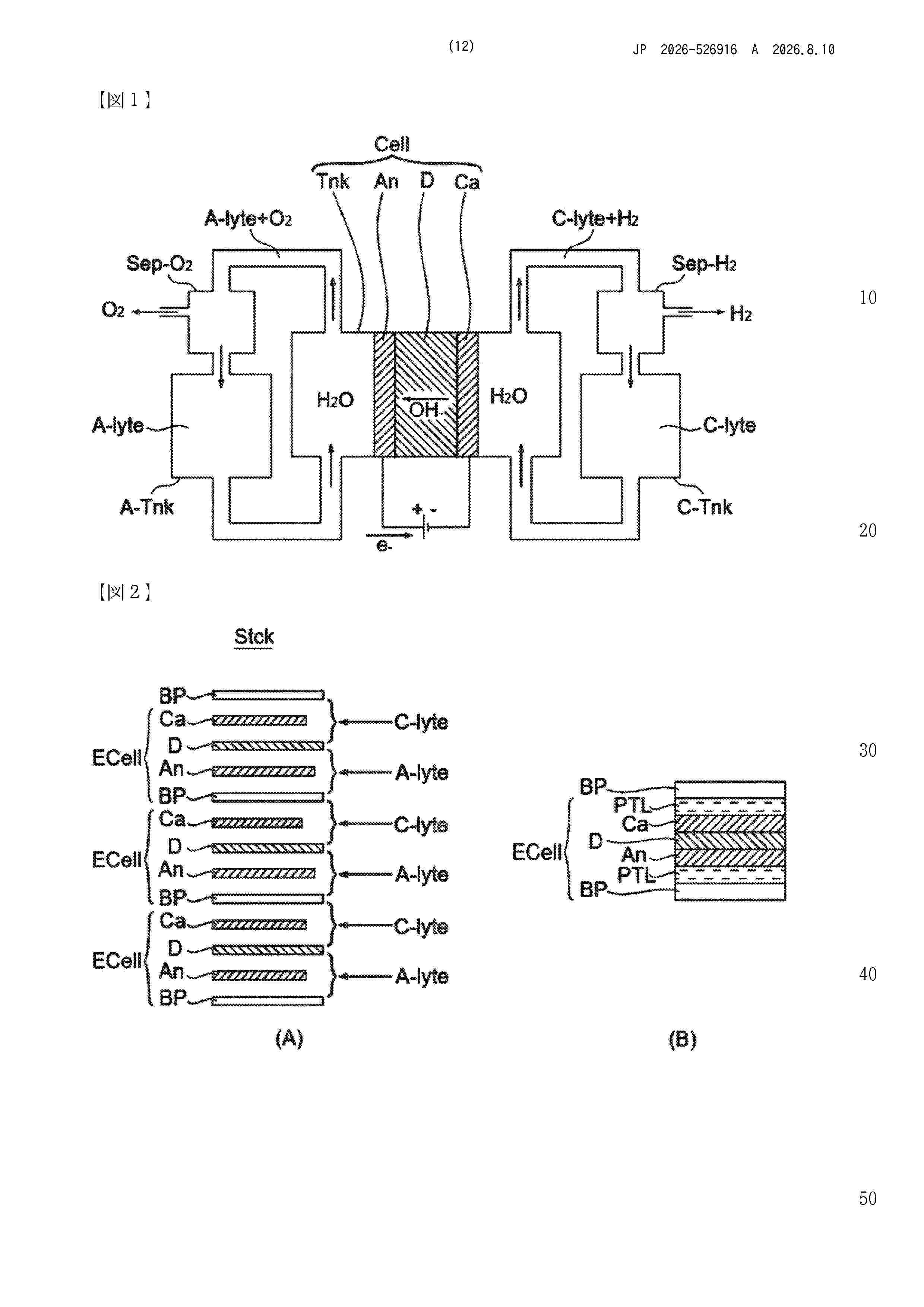
The present invention relates to an electrolytic cell frame (100) configured to be integrated in an electrolytic cell. The frame forms a closed shape with an inner contour (InnCnt) defining an opening (Op) extending in an extension plane (ExtP1). The inner contour has at least two steps (St1, St2, St3, St4, St5, St6), each step comprising a first surface (S1) perpendicular to the extension plane and a second surface (S2) parallel to the extension plane. The respective second surfaces of two of the steps (St1, St3, St5) are configured to support two respective bipolar plates (BP-1, BP-21, BP-22).
Resumen de: EP4495290A1
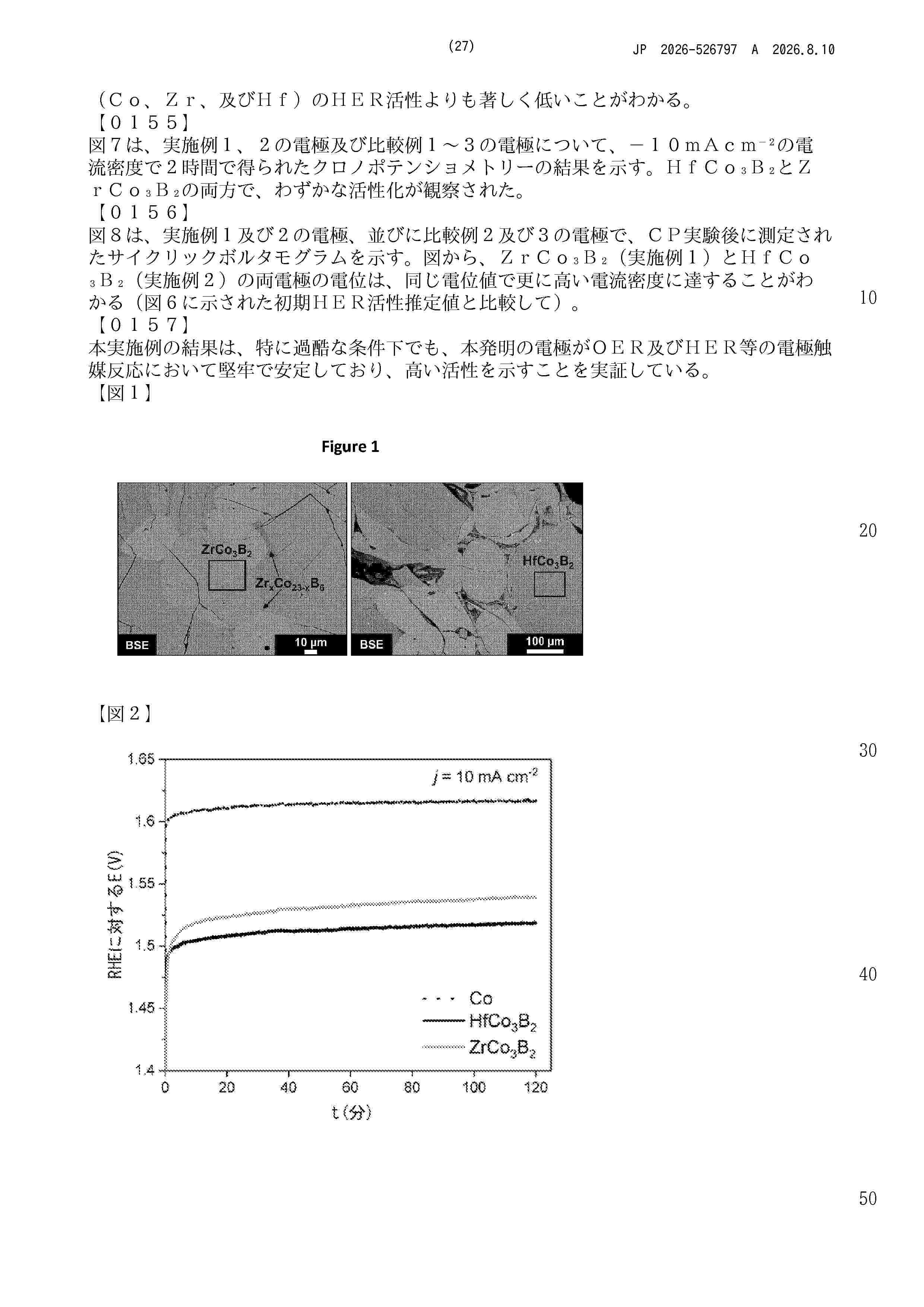
0001 The present invention relates to an electrode comprising or consisting of an electrocatalyst, the electrocatalyst comprising a metal boride, wherein the metal boride comprises at least one element M1 selected from Ti, Zr and Hf, and at least one element M2 selected from Co, Ni, Ru, Rh, Pd, Ir and Pt; and the metal boride contains more than 10 atomic % of M2. The present invention also provides an electrode obtainable by subjecting the electrode to an electrocatalytic reaction. It also relates to an electrolyzer comprising said electrode. It is also concerned with a method for producing an electrode, and use of an electrode in an electrocatalytic reaction.
Resumen de: WO2025119499A1
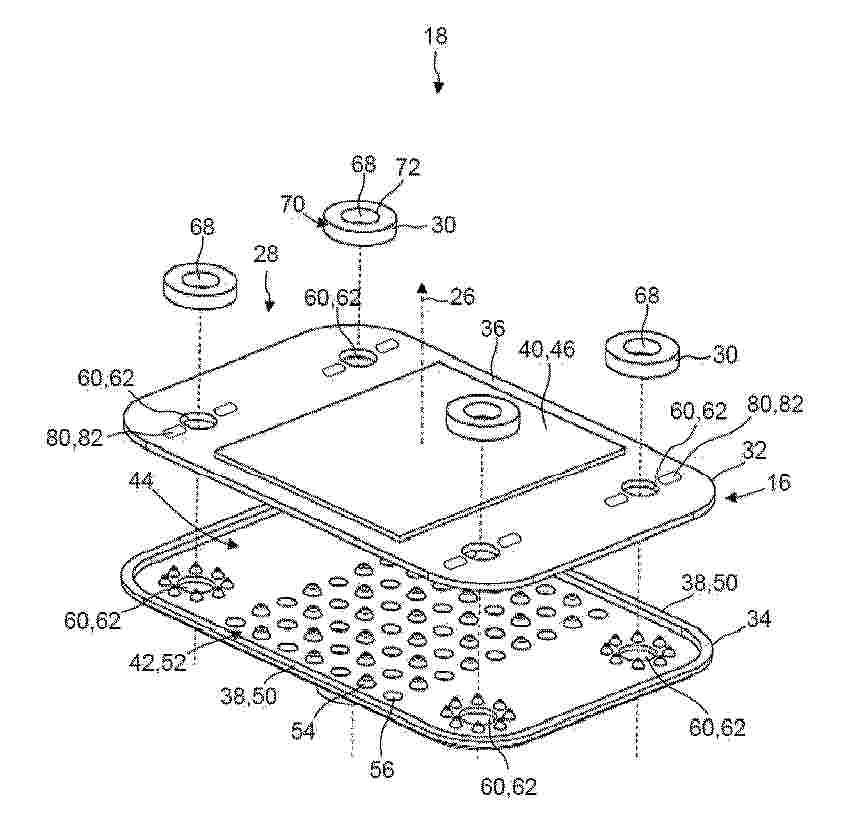
The invention relates to a method of preparing a cell repeat unit (18) for use in an electrochemical cell stack (10), the method comprising providing an electrochemical cell unit (28), said cell unit (28) having an inner fluid volume (44) and a cell opening (60) for transporting fluid between said inner fluid volume (44) and the exterior of the cell unit, providing a gasket being configured to surround the cell opening, and attaching said gasket to said cell unit by a hot melt adhesive dose (80). The invention also relates to a cell repeat unit and an electrochemical cell stack.
Resumen de: WO2025093251A1
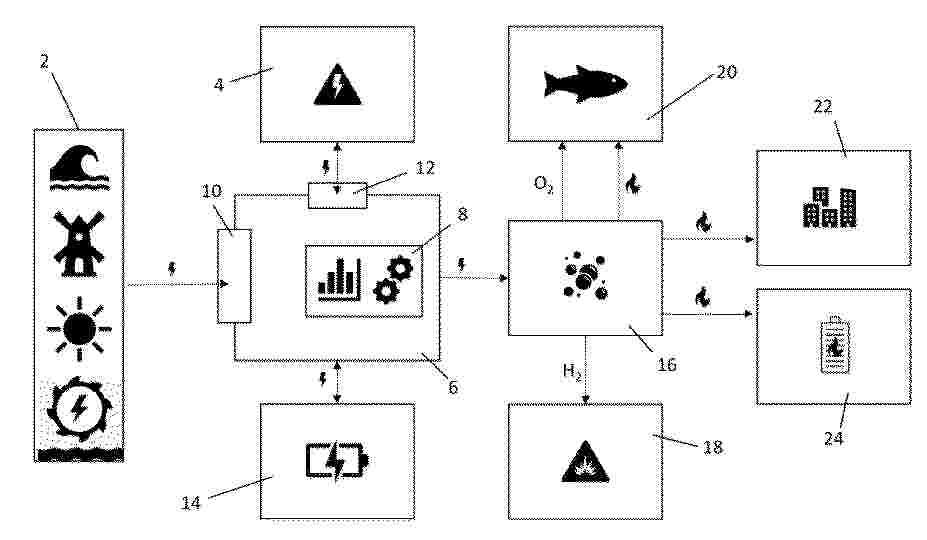
An energy production and storage system comprises a power input connection (10) for a renewable energy source (2); an electrolysis device (16) for electrolysis of water to produce oxygen, hydrogen, and heat; an electrical energy storage device (14); a two-way grid connection (12) coupled to an external electrical grid (4); and a controller (8). The controller (8) is configured to: (i) receive information relating to: actual or potential energy production from the renewable energy source (2), the amount of stored energy in the electrical energy storage device (14), and balancing requirements for the external electrical grid (4); (ii) use the energy from the renewable energy source (2) to power the electrolysis device (16) and/or for storage in the energy storage device (14); and (iii) based on the received information, operate the energy production and storage system as a balancing service provider by either: drawing power from the grid (4) to supply the electrolysis device (16), or supplying power to the grid (4) from the electrical energy storage device (14), thereby acting as a switch to aid in balancing for the external electrical grid (4).
Resumen de: WO2025016560A1
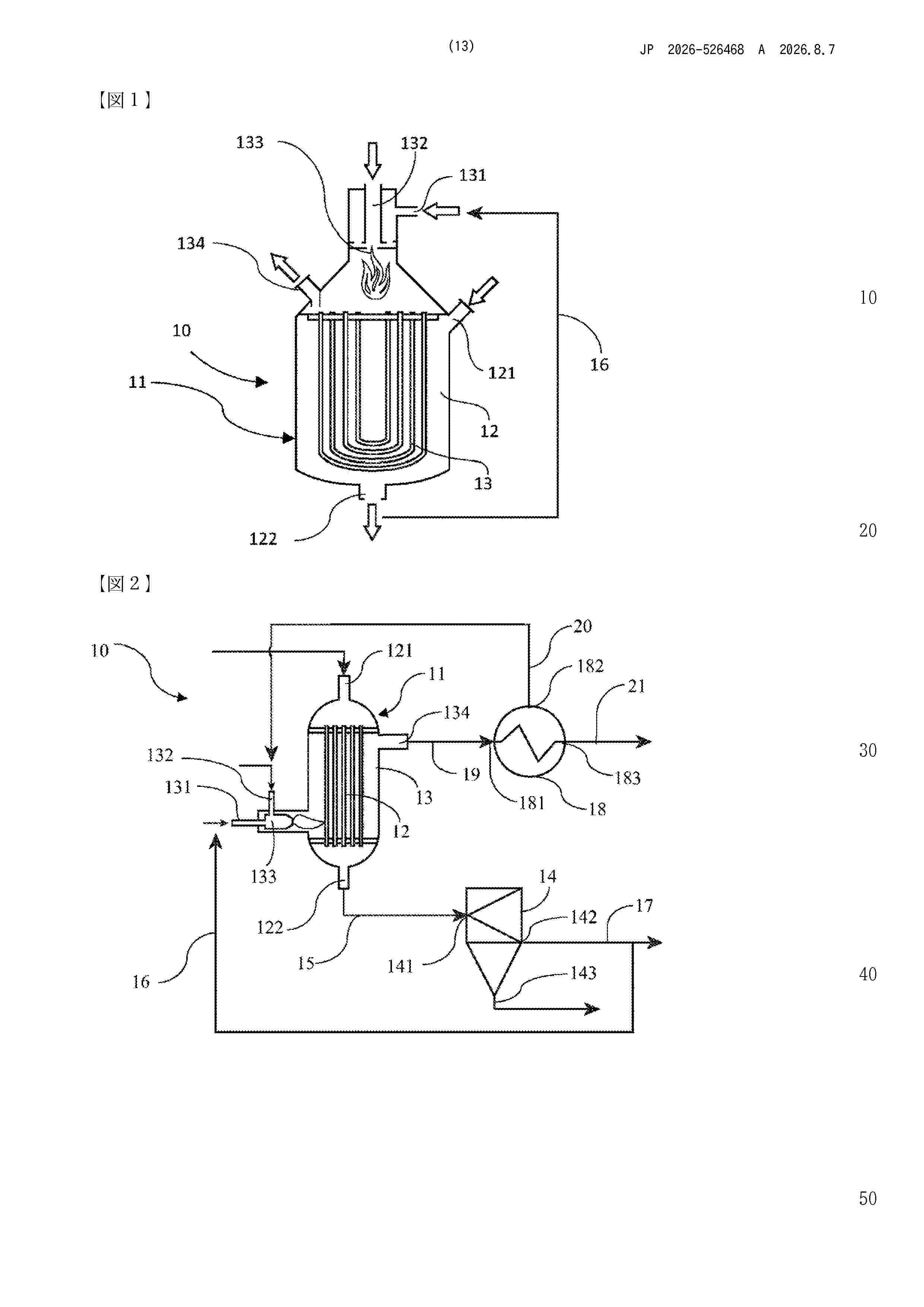
The disclosure concerns a process of carbon oxides-free hydrogen production is disclosed. The process comprises the following steps: - heating a gas stream of a reacting compound including hydrogen atoms in absence of oxidizing agents, to thermally decompose the reacting compound into smaller product compounds, including hydrogen molecules, obtaining a stream of decomposition product compounds; - separating hydrogen molecules from other product compounds of the stream of decomposition product compounds; - reacting a portion of the stream of separated hydrogen molecules with a stream of an oxidizing agent, in particular oxygen or air, to obtain combustion product compounds, including steam and heat, in a stream of combustion product compounds; - providing heat obtained in the previous step to the step of heating the reacting compound; and wherein the process can comprise a step of - recovering energy from the stream of decomposition product compounds and/or from the stream of combustion product compounds. Additionally, a system of hydrogen production is also disclosed, the system being configured to operate according to the above process.
Resumen de: WO2025051333A1
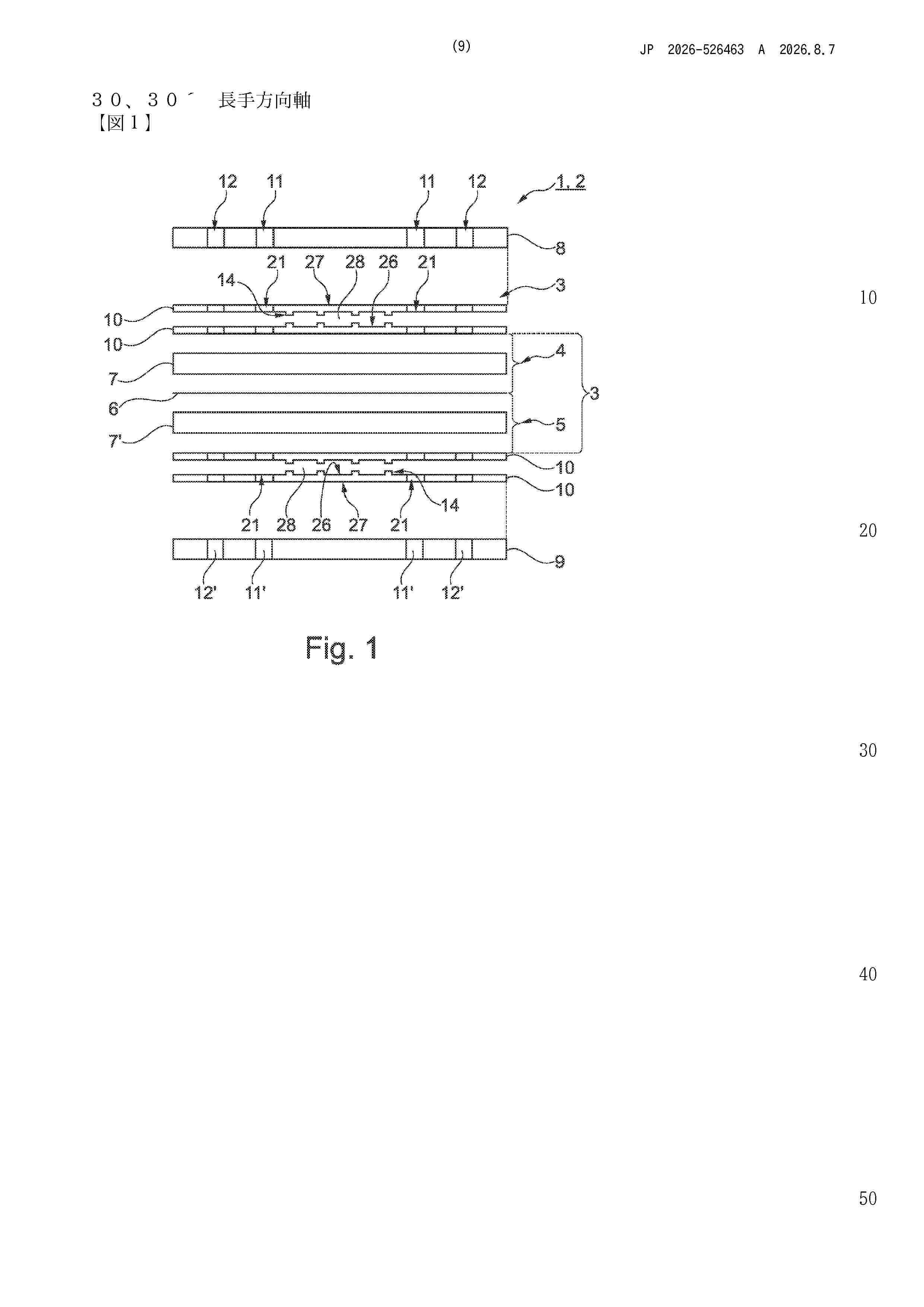
The invention relates to a plate-like element (10) of a cell stack (2) of an electrochemical system (1), having a first plate side (26), a second plate side (27), a plurality of openings (13, 21, 22, 23, 23') and a first structure (14) for forming a flow field for coolant and several further structures (14') for forming distributors for operating media on the first plate side (26). The structure (14) comprises a coolant conducting structure (15, 16) through which a first coolant path (15) and a second coolant path (16) arranged mirror-symmetrically thereto are formed, each of which have, starting from one of the openings (21), an elongate inflow portion (17), a centre portion (18) which starts from the inflow portion (17), fans out and describes at least one meandering bend (19), and an elongate outflow portion (20) which adjoins the centre potion (18) and is narrower than the centre portion (18). A longitudinal axis (30) of the inflow portion (17) of the first coolant path (15) matches a longitudinal axis (30) of the outflow portion (20) of the second coolant path (16), and a longitudinal axis (30') of the inflow portion (17) of the second coolant path (16) matches a longitudinal axis (30') of the outflow portion (20) of the first coolant path (15). The invention also relates to a cell stack (2) comprising a plurality of such plate-like elements (10) which are parallel to one another.
Resumen de: CN122517019A
本发明涉及一种贵金属/稀土氧化物复合催化剂及其制备方法和应用,属于氨分解催化剂技术领域,解决了现有氨分解催化剂活性低、热稳定性差、成本高、难以在500℃以下高效稳定使用等问题中的至少一种。制备方法,包括:S1,将可溶性矿化剂溶液与稀土盐溶液搅拌混合后,进行陈化,得到第一产物;S2,将第一产物与溶剂搅拌分散均匀后,进行溶剂热反应,得到第二产物;S3,将第二产物在预定气氛下进行焙烧,得到稀土氧化物载体;S4,将Ru前驱体溶液与稀土氧化物载体的分散液混合,进行加热反应,得到第三产物;S5,将第三产物进行焙烧,得到第四产物;S6,将第四产物在还原气氛下进行焙烧,得到负载型贵金属/稀土氧化物复合催化剂。
Resumen de: CN122533374A
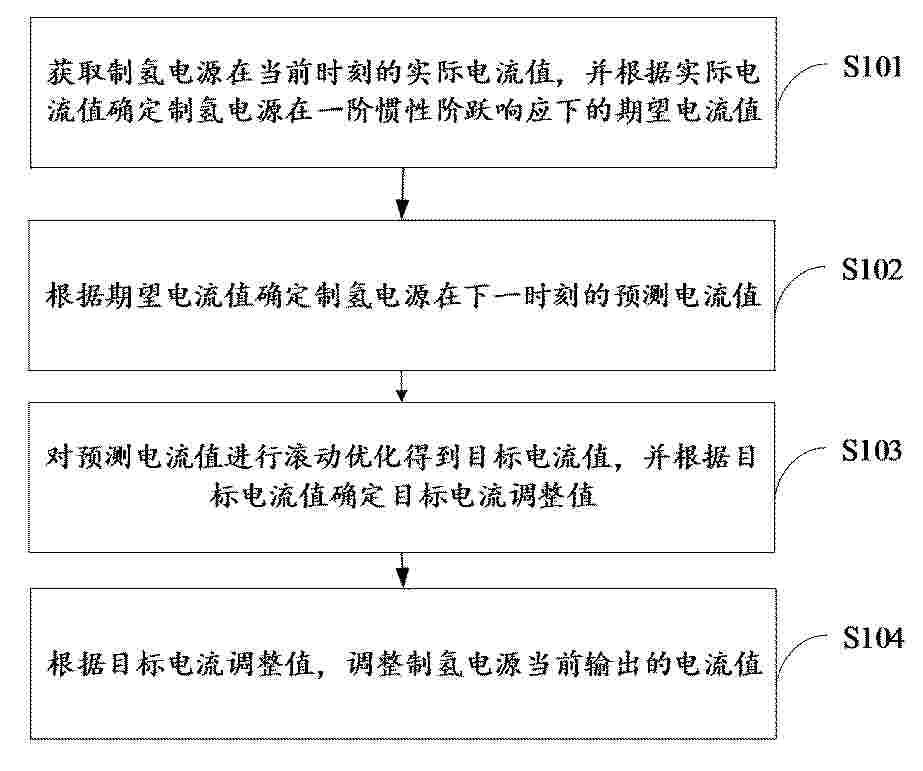
本申请提供一种电源控制方法和相关设备,电源控制方法包括:获取制氢电源在当前时刻的实际电流值,并根据所述实际电流值确定所述制氢电源在一阶惯性阶跃响应下的期望电流值;根据所述期望电流值确定所述制氢电源在下一时刻的预测电流值;对所述预测电流值进行滚动优化得到目标电流值,并根据所述目标电流值确定目标电流调整值;根据所述目标电流调整值,调整所述制氢电源当前输出的电流值。本申请中,有效避免了PI控制中常见的超调和震荡现象。
Nº publicación: CN122522324A 07/08/2026
Solicitante:
华南理工大学
Resumen de: CN122522324A
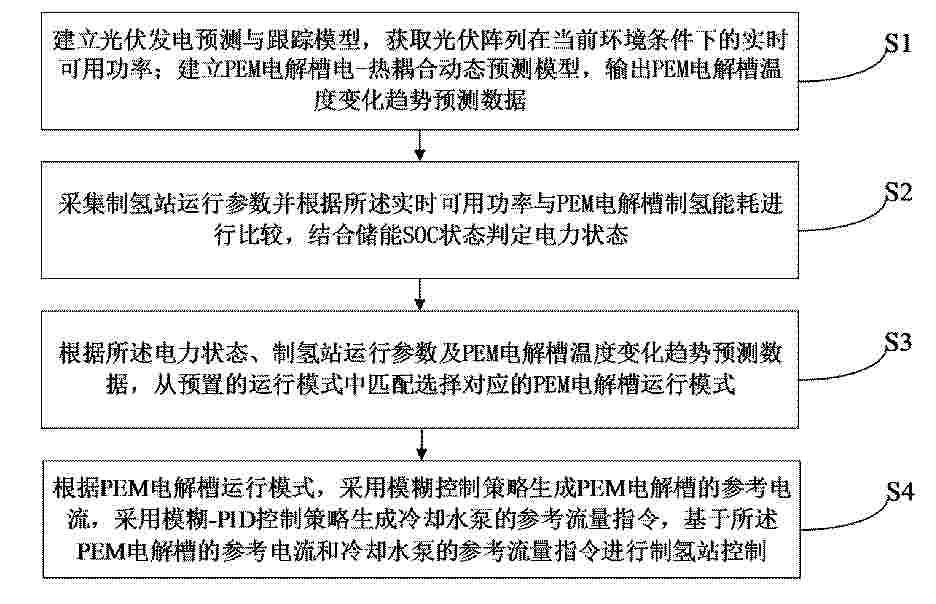
0001 本发明公开了基于槽温功率协同的光伏‑PEM制氢站全时段控制方法,属于光伏‑氢能制备及运行控制技术领域,该方法包括:建立光伏模型获取实时功率,建立PEM电解槽电热耦合模型预测温度;采集运行参数,比较光伏功率与制氢能耗并联合SOC判定电力状态;根据电力状态匹配常规、过载或冷却运行模式;采用模糊控制生成PEM电解槽参考电流,采用模糊‑PID生成冷却水泵参考流量指令,实现协同控制。本发明能够在光伏出力充足时提高PEM电解槽对剩余光伏功率的吸收能力,在槽温接近上限时及时降低PEM电解槽负荷并增强冷却作用,从而提高光伏能源利用率、优化产氢效率,并保障PEM电解槽全时段安全稳定运行。
 BOPI
BOPI
 Sede Electrónica