Si deseas distinguir tus productos, servicios o ambos de los de otra empresa, es posible que necesites una marca o nombre comercial. Descubre qué son, en qué consiste su procedimiento de registro y qué implica.

Información sobre los plazos de presentación de solicitudes de transformación de marcas de la Unión Europea en marca nacional española. Más información


Si tienes un nuevo dispositivo, producto o procedimiento que resuelva un problema técnico o tenga una ventaja práctica, existen distintas formas de protegerlo en España y en otros países. Descubre cómo hacerlo.

¿Tu innovación reside en la estética, la ornamentación o la apariencia de tu producto? Protégela mediante un diseño industrial. Descubre qué derechos confiere el registro y cómo realizar la tramitación.

Las indicaciones geográficas protegen el nombre de un producto originario de una zona geográfica, a la cual le debe una determinada calidad, reputación u otra característica. Descubre qué son, en qué consiste su procedimiento de registro y qué beneficios conceden.

Las patentes publicadas en todo el mundo son una valiosa fuente de información científica, técnica y comercial.

Si eres emprendedor/a o una empresa y quieres potenciar y mejorar la rentabilidad de tu negocio protegiendo de forma adecuada los activos intangibles de tu organización, en este espacio encontrarás lo necesario.


 111
resultados
111
resultados
 Última actualización
27/07/2026 [09:35:00]
Última actualización
27/07/2026 [09:35:00]


 Resultados 100 a 111 de 111
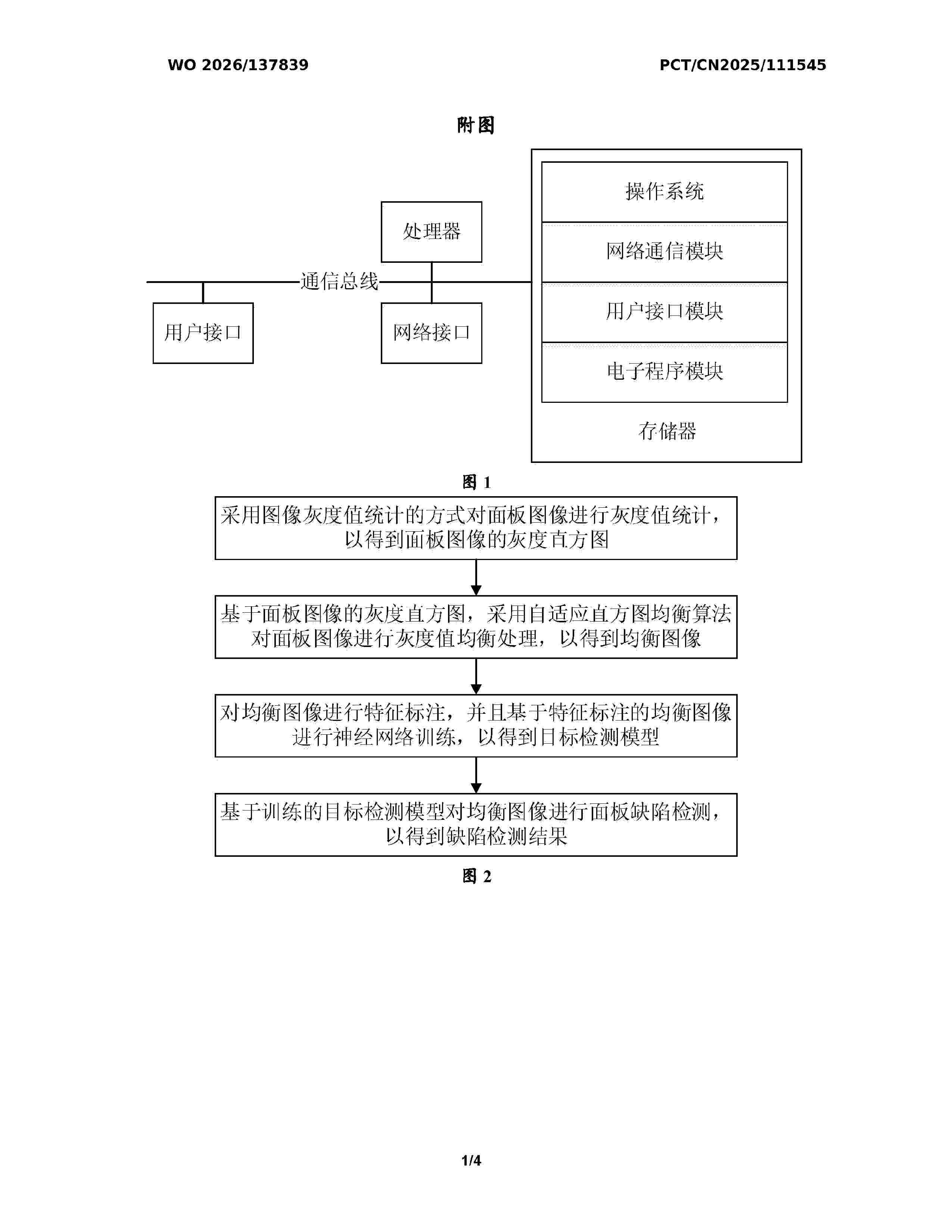
Resumen de: WO2026137839A1
The present disclosure relates to the technical field of panel defect detection, and provides a method and system for implementing panel defect detection on the basis of image grayscale equalization. The method comprises: collecting statistics about grayscale values of a panel image by means of image grayscale value statistics collection, so as to obtain a grayscale histogram of the panel image; on the basis of the grayscale histogram of the panel image, using an adaptive histogram equalization algorithm to perform grayscale value equalization processing on the panel image, so as to obtain an equalized image; performing feature labeling on the equalized image, and performing neural network training on the basis of the feature-labeled equalized image, so as to obtain a target detection model; and performing panel defect detection on the equalized image on the basis of the trained target detection model, so as to obtain a defect detection result. By performing grayscale value statistics collection and grayscale value equalization processing on the panel image, defect imaging features can be enhanced, so that the target detection model can accurately perform defect detection and locating, thereby solving the problem that existing Mura defect detection is prone to missed detection.

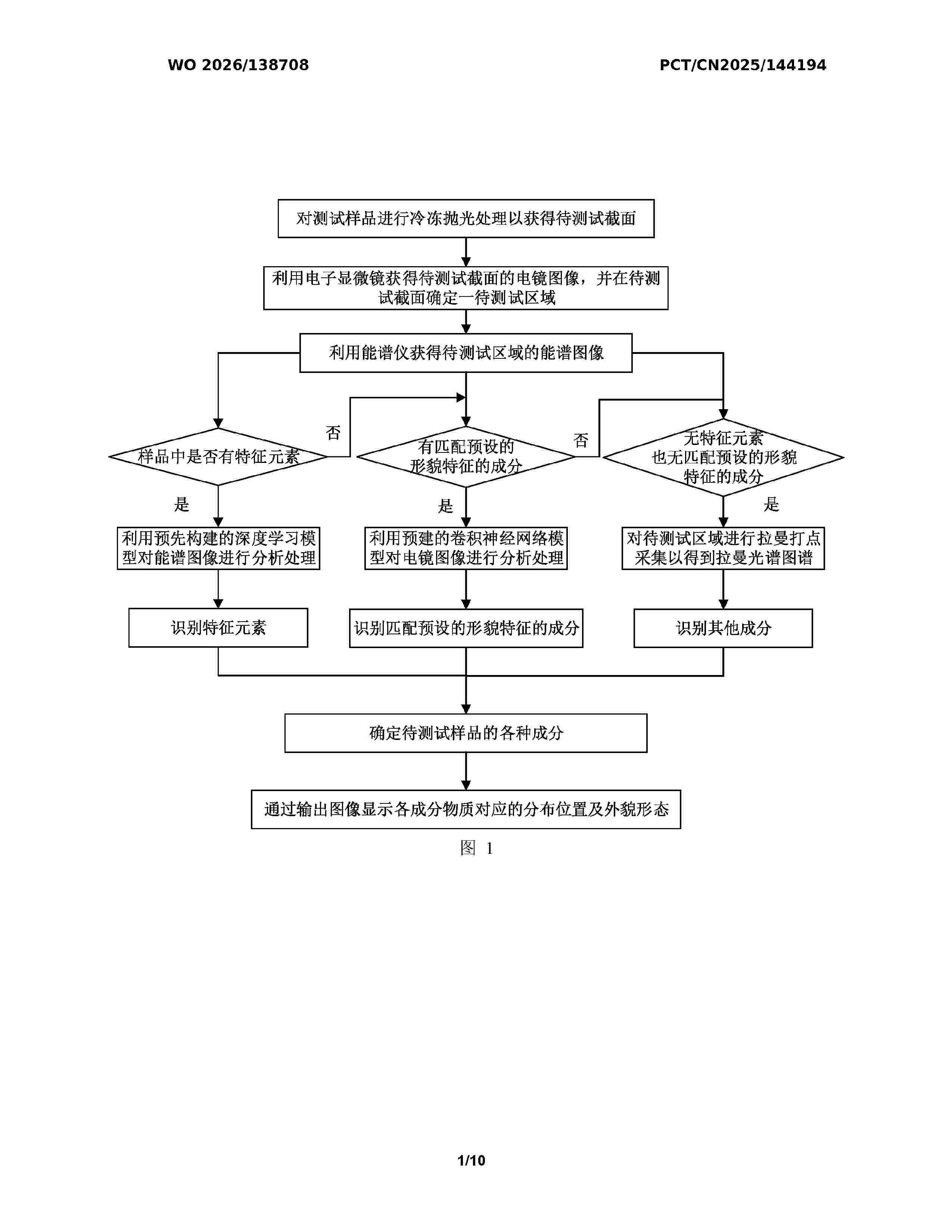
Resumen de: WO2026138708A1
A multi-device combined use-based identification method and system for raw materials and excipients in a formulation. The method comprises: performing cryogenic polishing on a cross-section of a test sample under analysis to obtain a cross-section under test; using an electron microscope to observe the cross-section under test to obtain an electron microscopy image of the cross-section under test, and determining a region under test on the cross-section under test; using an energy dispersive spectrometer to scan the region under test to obtain an energy spectrum image; on the basis of the electron microscopy image and the energy spectrum image, determining whether there are characteristic elements in the test sample, and if there are characteristic elements, identifying the characteristic elements on the basis of the energy spectrum image; and on the basis of the electron microscopy image and the energy spectrum image, determining whether there are components matching preset morphological characteristics in the test sample, and if there are components matching the preset morphological characteristics, using a pre-constructed convolutional neural network model to perform analysis processing on the electron microscopy image to identify the components matching the preset morphological characteristics. The identification method can more accurately and quickly identify components in a sample under analysis.
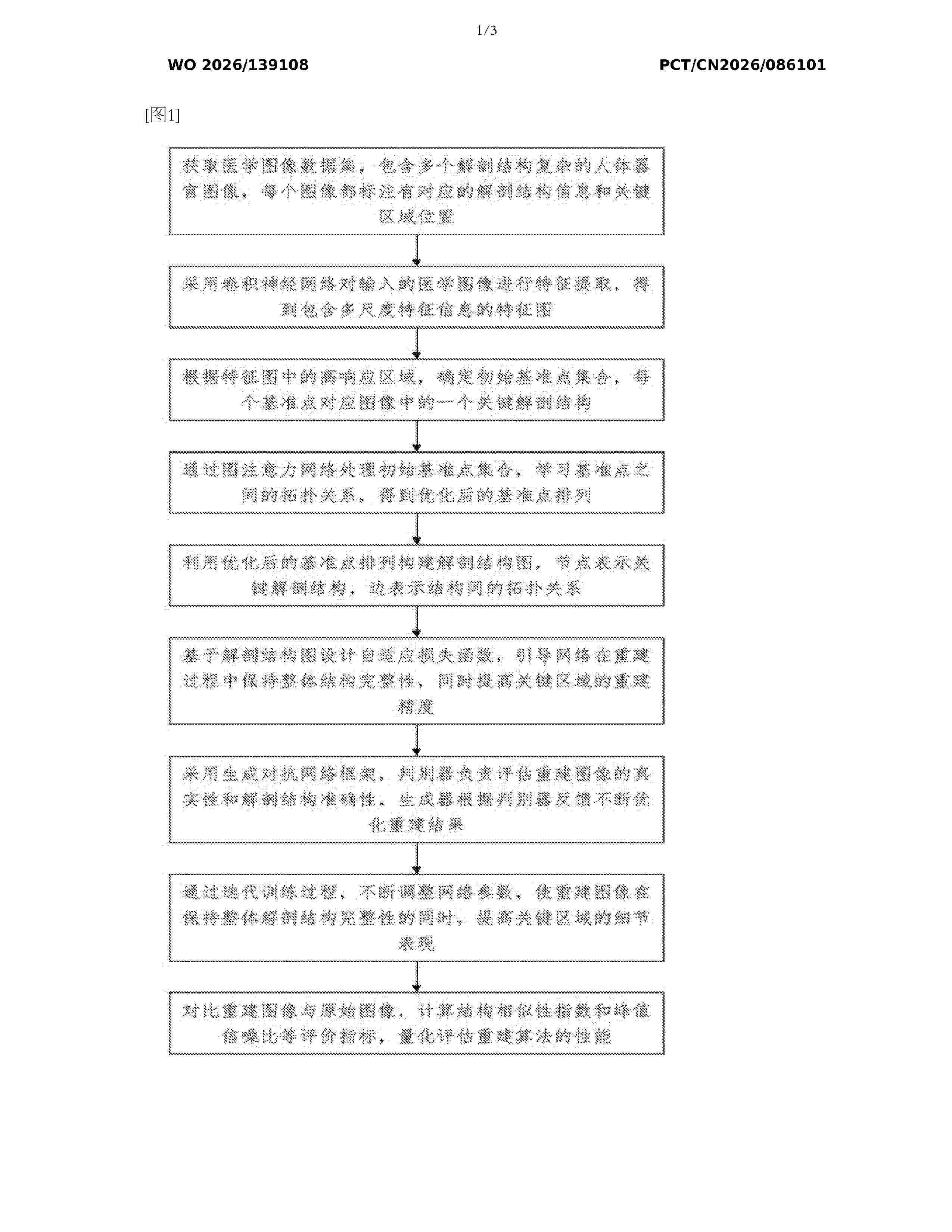
Resumen de: WO2026139108A1
The present invention belongs to the interdisciplinary technical field of medical image processing and artificial intelligence. Disclosed is a medical image reconstruction method based on deep learning. The method comprises: acquiring a medical image data set, and labeling corresponding key anatomical structure information; on the basis of a feature encoder and a graph structure processor, constructing a medical image reconstruction model; the feature encoder performing feature extraction on the medical image data set by means of a convolutional neural network, so as to obtain a multi-scale feature map; the graph structure processor constructing an initial landmark point set of the multi-scale feature map by means of a graph attention network, and analyzing topological relationships between landmark points, so as to obtain an optimized landmark point arrangement; on the basis of the optimized landmark point arrangement, constructing an anatomical structure graph; on the basis of the anatomical structure graph, designing an adaptive loss function to train the medical image reconstruction model; and on the basis of the trained medical image reconstruction model, obtaining a corresponding reconstructed image. The present invention achieves the objective of improving the detail representation of a reconstructed image while maintaining the accuracy of an anatomical structure.
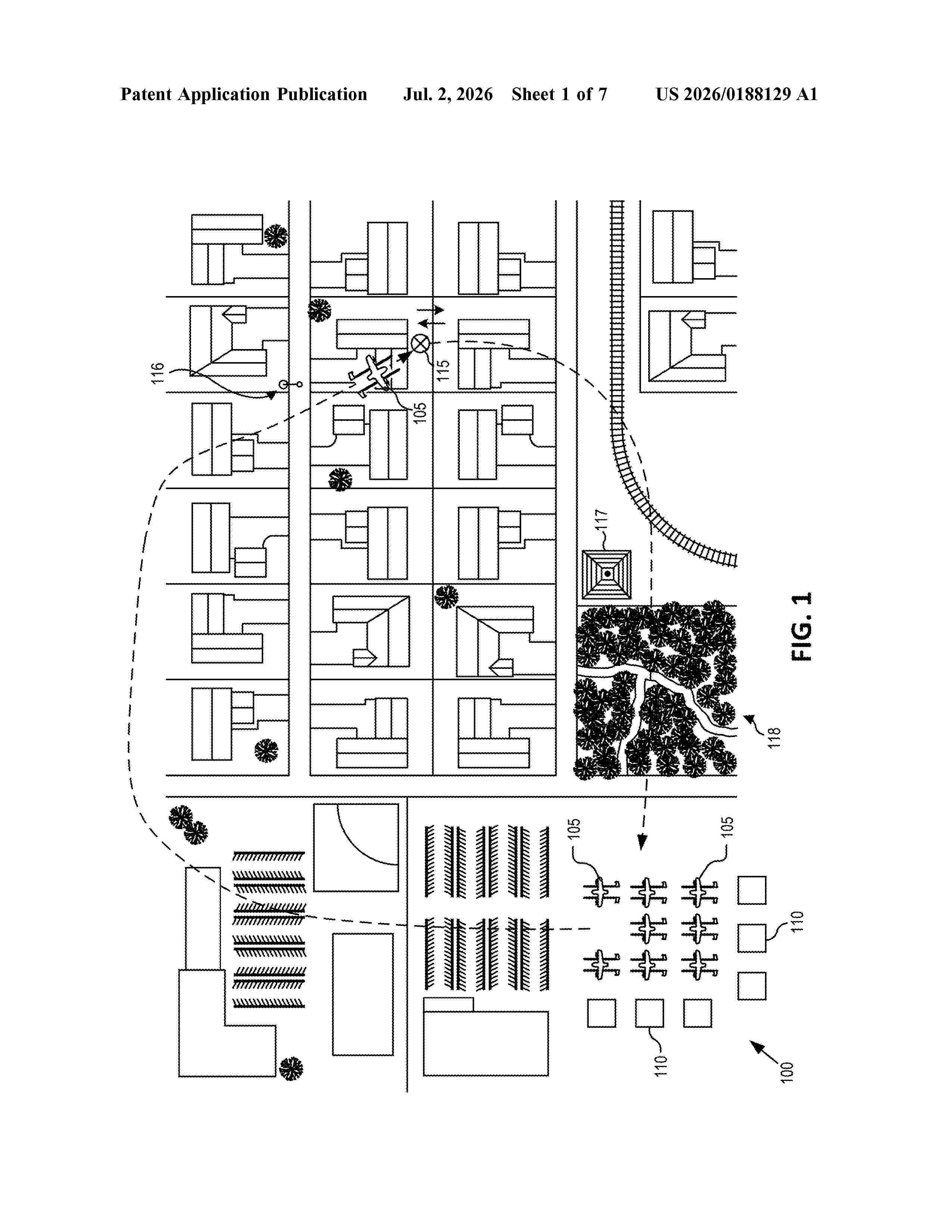
Resumen de: US20260188129A1
0000 A method for perception validation of an aerial vehicle includes: acquiring an image of a ground area with an onboard camera system of the aerial vehicle, generating an above ground altitude (AGL) estimate with a neural network trained to output the AGL estimate in response to the image fed as an input to the neural network, generating a motion estimate or a position estimate based upon sensor data output from a sensor disposed onboard the aerial vehicle, and cross-validating the motion or position estimate against the AGL estimate.
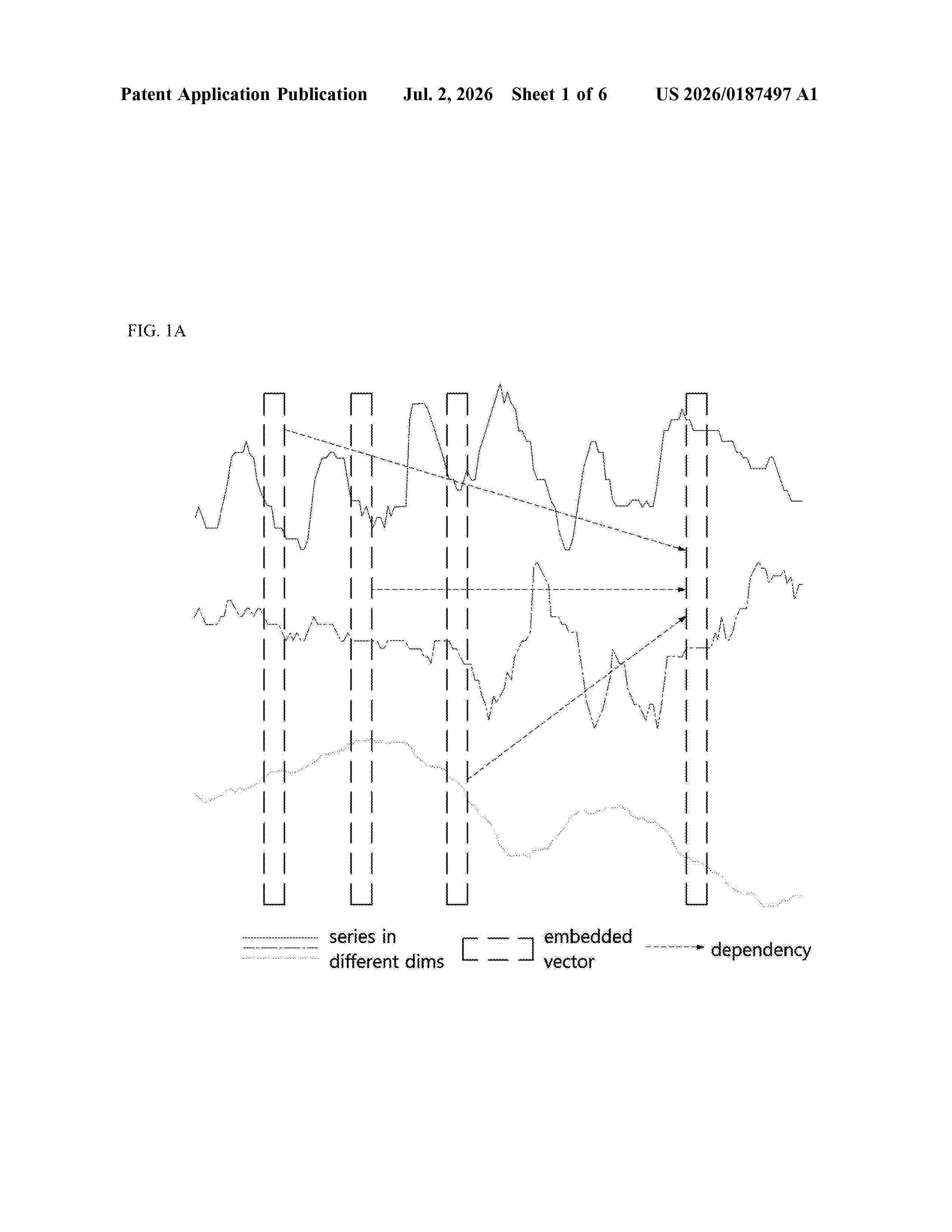
Resumen de: US20260187497A1
A system generates prediction data by processing an input sequence segmented along a time axis based on a predetermined period using neural networks. The neural networks comprise a first neural network configured to apply dilated attention to the input sequence segmented along the time axis based on the predetermined period, and a second neural network configured to apply random partition attention to data arranged along a feature axis.
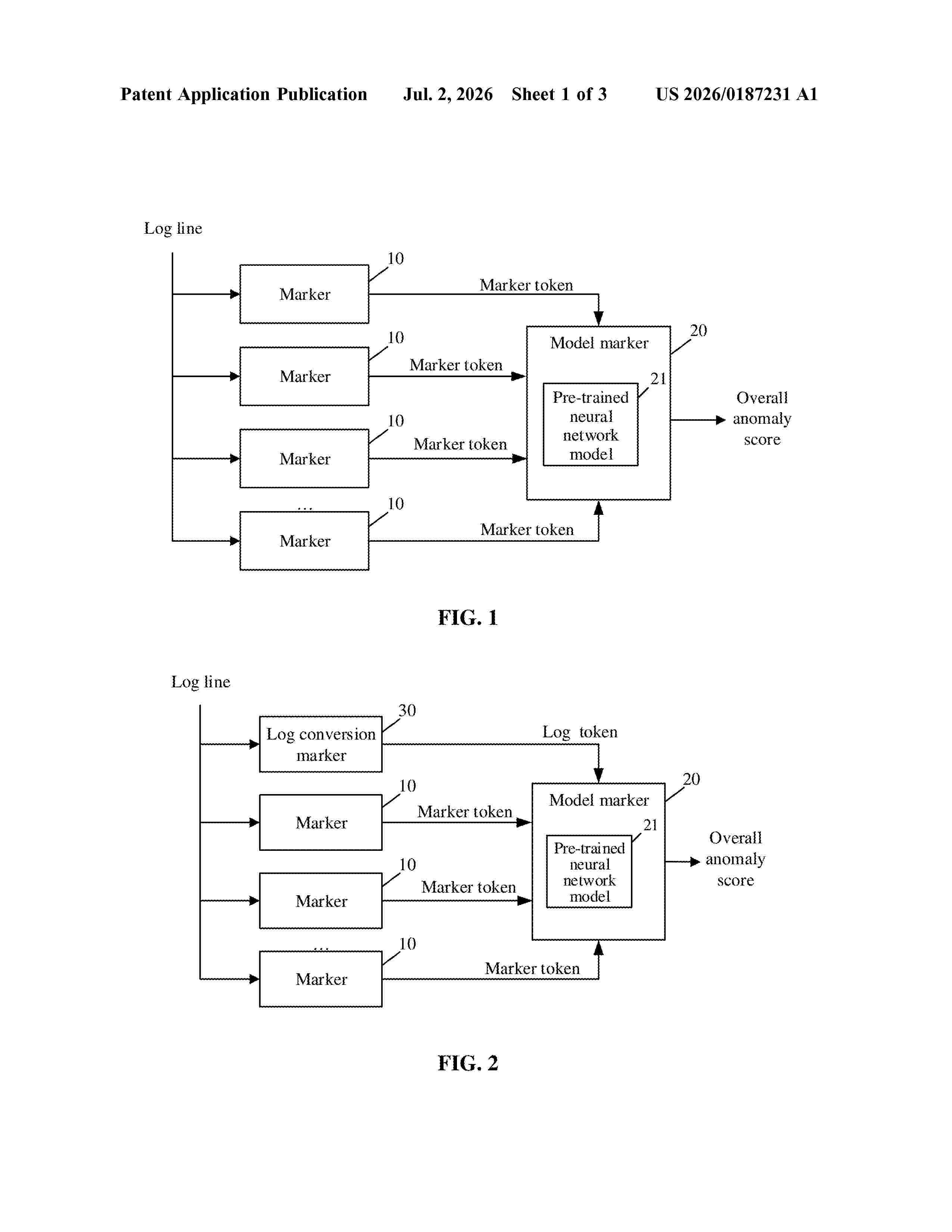
Resumen de: US20260187231A1
0000 An anomaly detection system, an anomaly detection method, an electronic device and a storage medium are provided, which relates to the field of artificial intelligence. The anomaly detection system includes a plurality of markers. The plurality of markers are different from each other and correspond to different anomaly detection operations. A log line of a target system may be detected from different dimensions by using the plurality of markers, and marker tokens generated by different markers are obtained. In addition, the anomaly detection system further includes a model marker. The model marker may combine the marker tokens respectively generated by each marker into a token sequence and perform anomaly detection on the token sequence by using a pre-trained neural network model to obtain an overall anomaly score of the target system within a preset time period.
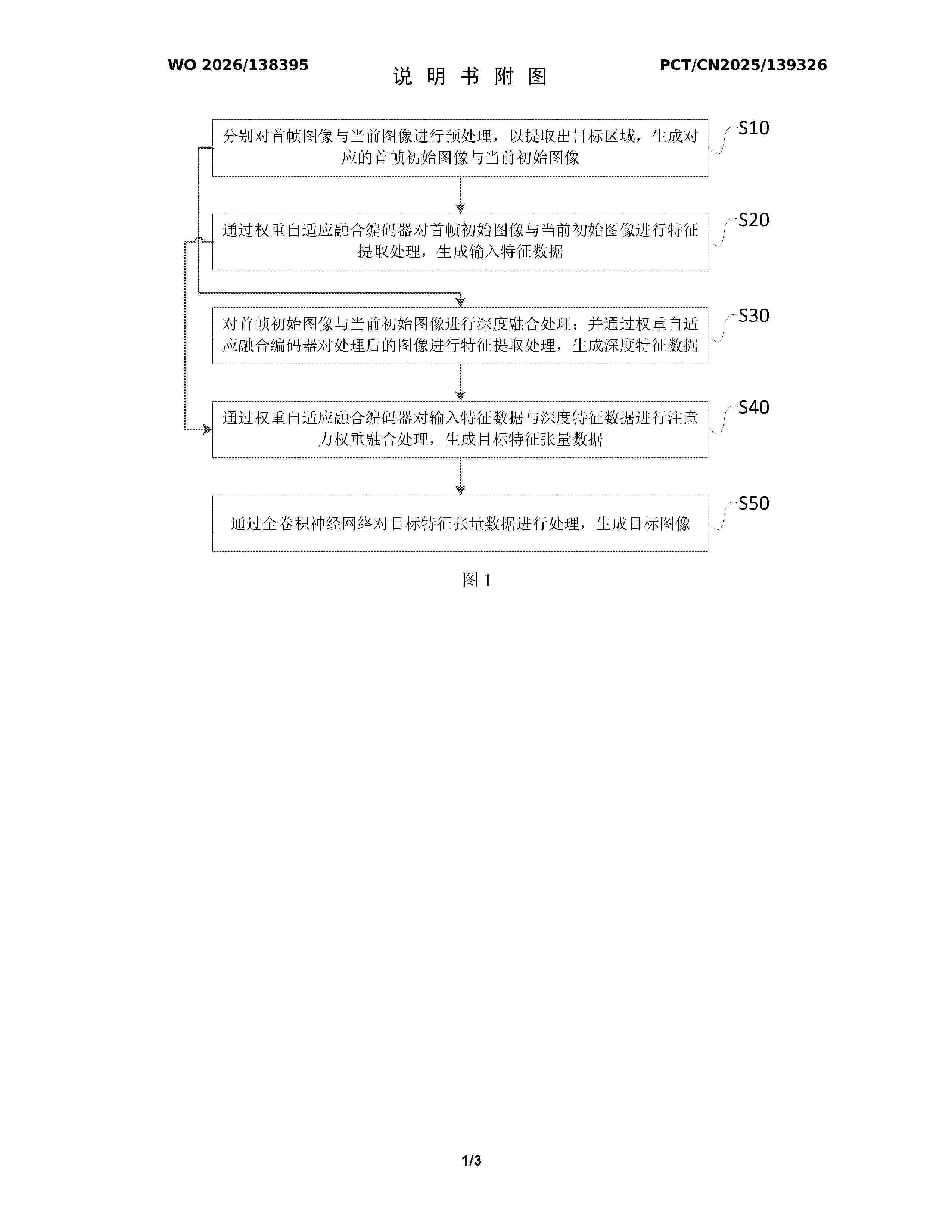
Resumen de: WO2026138395A1
The present invention provides an object tracking processing method and apparatus, a device, and a medium. The processing method comprises: respectively preprocessing a first-frame image and a current image to generate a corresponding first-frame initial image and a corresponding current initial image; performing feature extraction processing on the first-frame initial image and the current initial image by means of a weight-adaptive fusion encoder to generate input feature data; performing deep-level fusion processing on the first-frame initial image and the current initial image; performing feature extraction processing by means of the weight-adaptive fusion encoder to generate deep feature data; performing attention-weighted fusion processing on the input feature data and the deep feature data by means of the weight-adaptive fusion encoder to generate target feature tensor data; and processing the target feature tensor data by means of a fully convolutional neural network to generate a target image. The object tracking processing method and apparatus, the device, and the medium provided by the present invention improve object tracking performance.
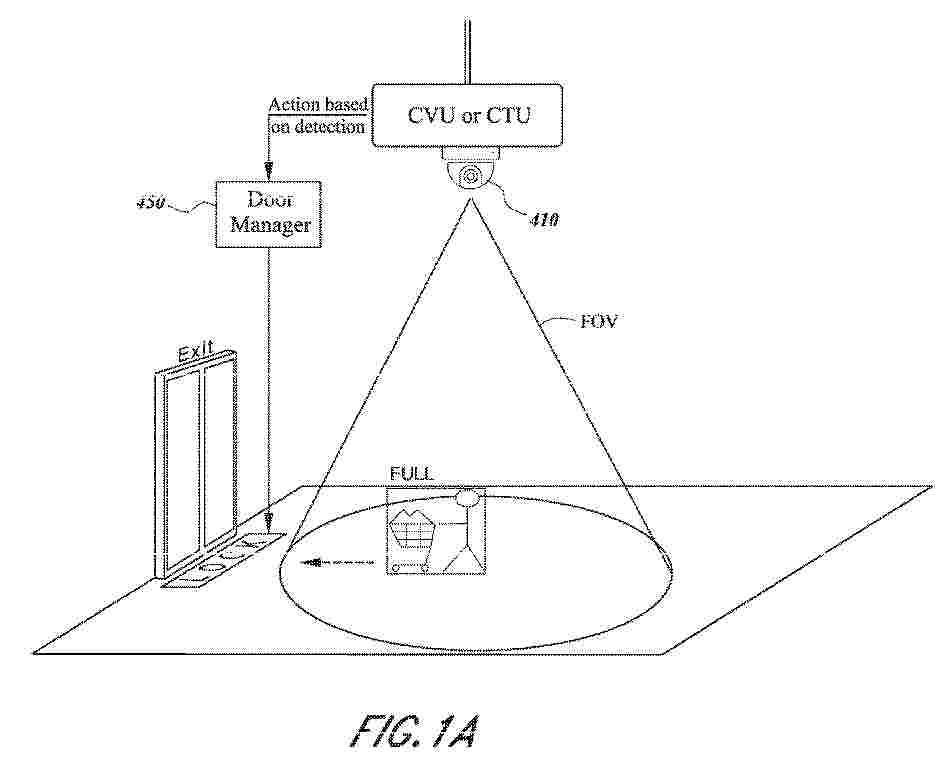
Resumen de: EP4769361A2
0001 A system for monitoring shopping baskets (e.g., baskets on human-propelled carts, motorized carts, or hand-carried baskets) can include a computer vision unit that can image a surveillance region (e.g., an exit to a store), determine whether a basket is empty or loaded with merchandise, and assess a potential for theft of the merchandise. The computer vision unit can include a camera and an image processor programmed to execute a computer vision algorithm to identify shopping baskets and determine a load status of the basket. The computer vision algorithm can comprise a neural network. The system can identify an at least partially loaded shopping basket that is exiting the store, without indicia of having paid for the merchandise, and execute an anti-theft action, e.g., actuating an alarm, notifying store personnel, activating a store surveillance system, activating an anti-theft device associated with the basket (e.g., a locking shopping cart wheel), etc.
Resumen de: EP4769366A1
0001 The object of the application is a computer-implemented method for generating multimedia games and their launching schedule, in which multimedia game scenarios are made of attributes stored in advance in a database, using a genetic algorithm and deep neural networks, wherein said genetic algorithm is implemented using a bidirectional neural network of the Long Short-Term Memory type, LSTM. 0002 The object of the application is also a system for generating multimedia games, said system being configured and programmed to implement the method according to the application.
Resumen de: EP4769218A1
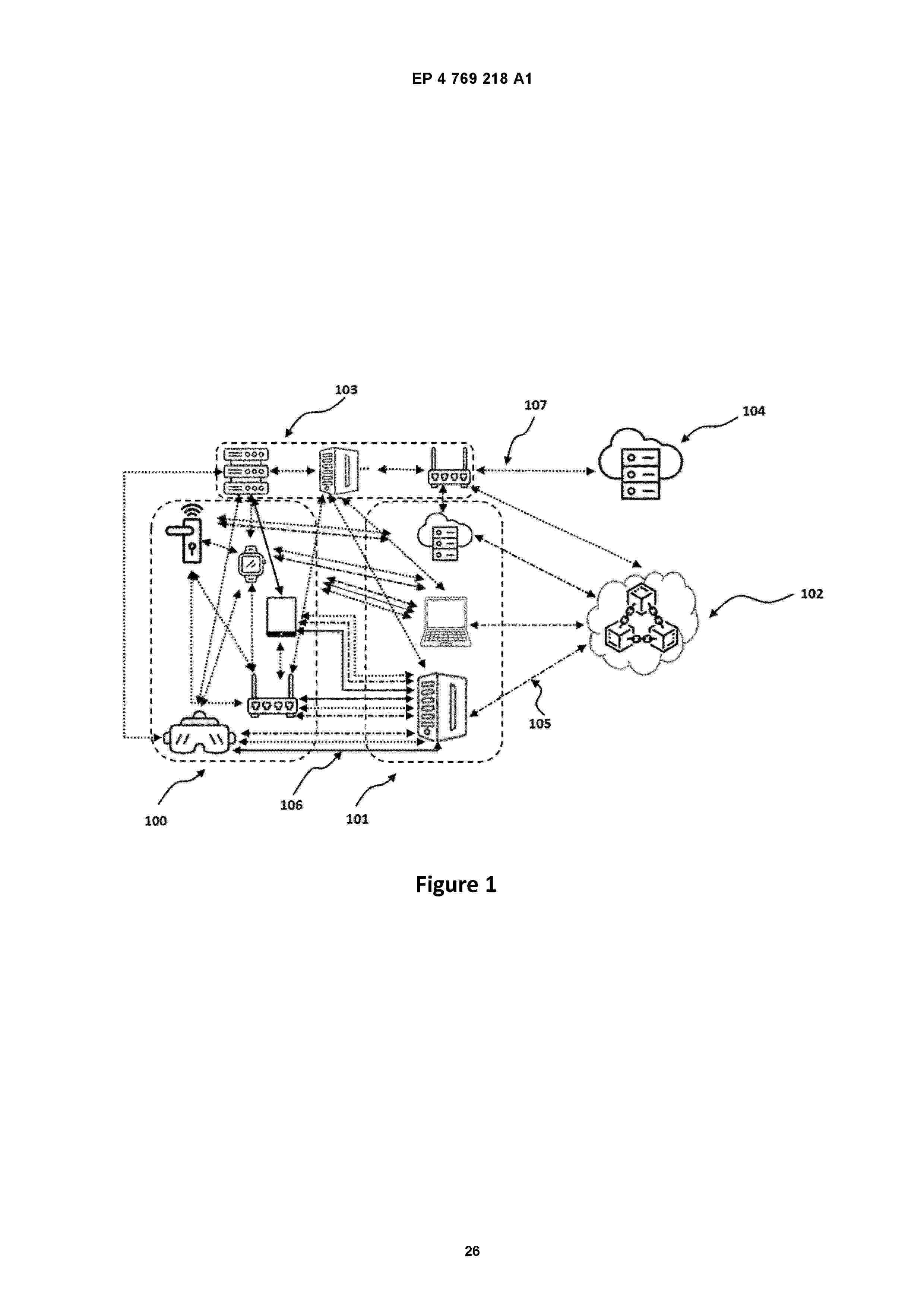
0001 The invention particularly relates to a system and method that is used artificial intelligence, distributed computing, energy efficiency, optimization, cybersecurity, privacy field and relates to a decentralized system that not only optimizes neural networks for devices with varying capacities but also provides a robust defense mechanism against cybersecurity and privacy threats.
Nº publicación: EP4769222A2 01/07/2026
Solicitante:
LARALAB GMBH [DE]
Laralab GmbH
Resumen de: EP4769222A2
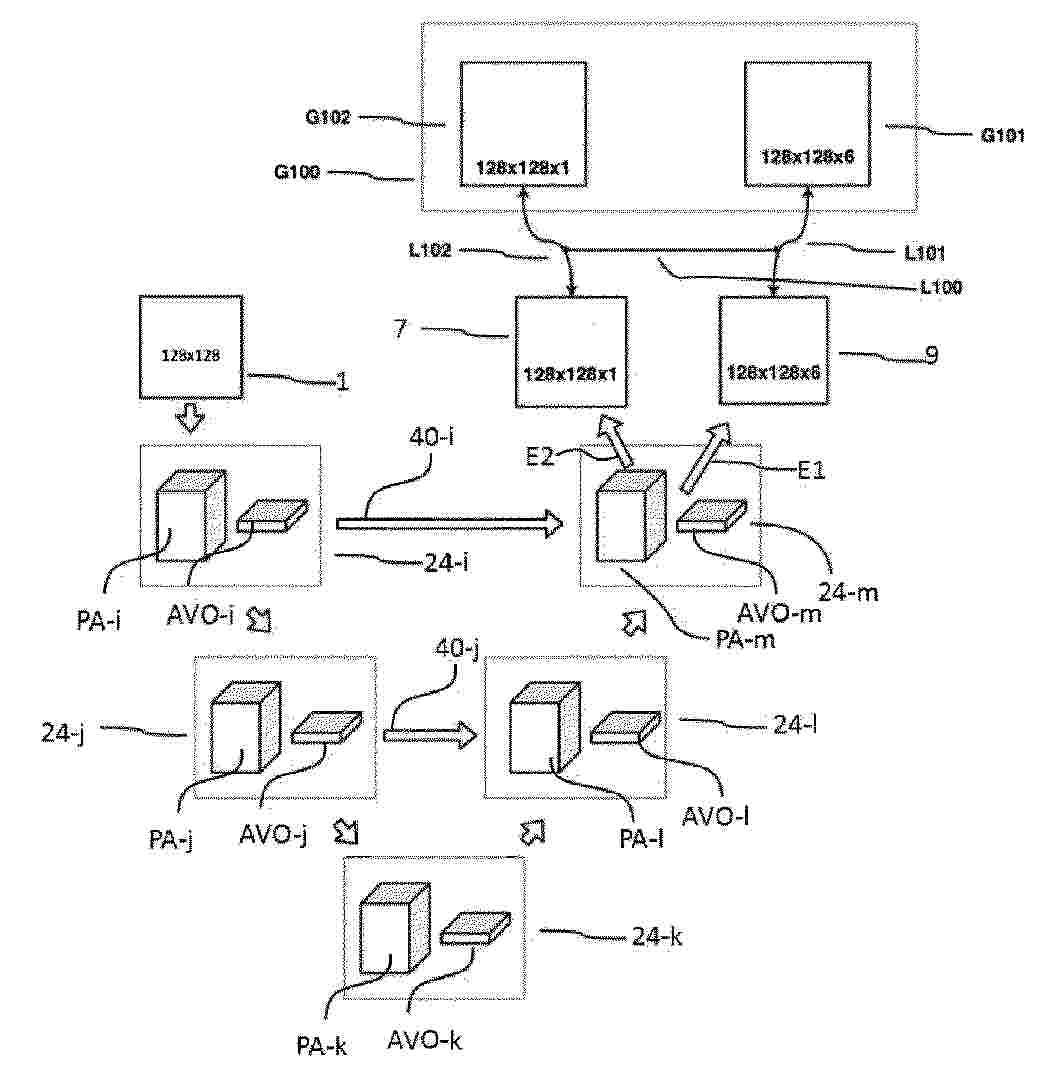
0001 The invention provides a system and method for training artificial neural networks for solving multiple tasks simultaneously, wherein the artificial neural network comprises at least one capsule layer. The invention also provides a system and a method for solving multiple tasks simultaneously, wherein the artificial neural network comprises at least one capsule layer. The invention further provides additional connected aspects.
 BOPI
BOPI
 Sede Electrónica