Si deseas distinguir tus productos, servicios o ambos de los de otra empresa, es posible que necesites una marca o nombre comercial. Descubre qué son, en qué consiste su procedimiento de registro y qué implica.

Información sobre los plazos de presentación de solicitudes de transformación de marcas de la Unión Europea en marca nacional española. Más información


Si tienes un nuevo dispositivo, producto o procedimiento que resuelva un problema técnico o tenga una ventaja práctica, existen distintas formas de protegerlo en España y en otros países. Descubre cómo hacerlo.

¿Tu innovación reside en la estética, la ornamentación o la apariencia de tu producto? Protégela mediante un diseño industrial. Descubre qué derechos confiere el registro y cómo realizar la tramitación.

Las indicaciones geográficas protegen el nombre de un producto originario de una zona geográfica, a la cual le debe una determinada calidad, reputación u otra característica. Descubre qué son, en qué consiste su procedimiento de registro y qué beneficios conceden.

Las patentes publicadas en todo el mundo son una valiosa fuente de información científica, técnica y comercial.

Si eres emprendedor/a o una empresa y quieres potenciar y mejorar la rentabilidad de tu negocio protegiendo de forma adecuada los activos intangibles de tu organización, en este espacio encontrarás lo necesario.


 99
resultados
99
resultados
 Última actualización
15/09/2026 [08:58:00]
Última actualización
15/09/2026 [08:58:00]


 Resultados 75 a 99 de 99
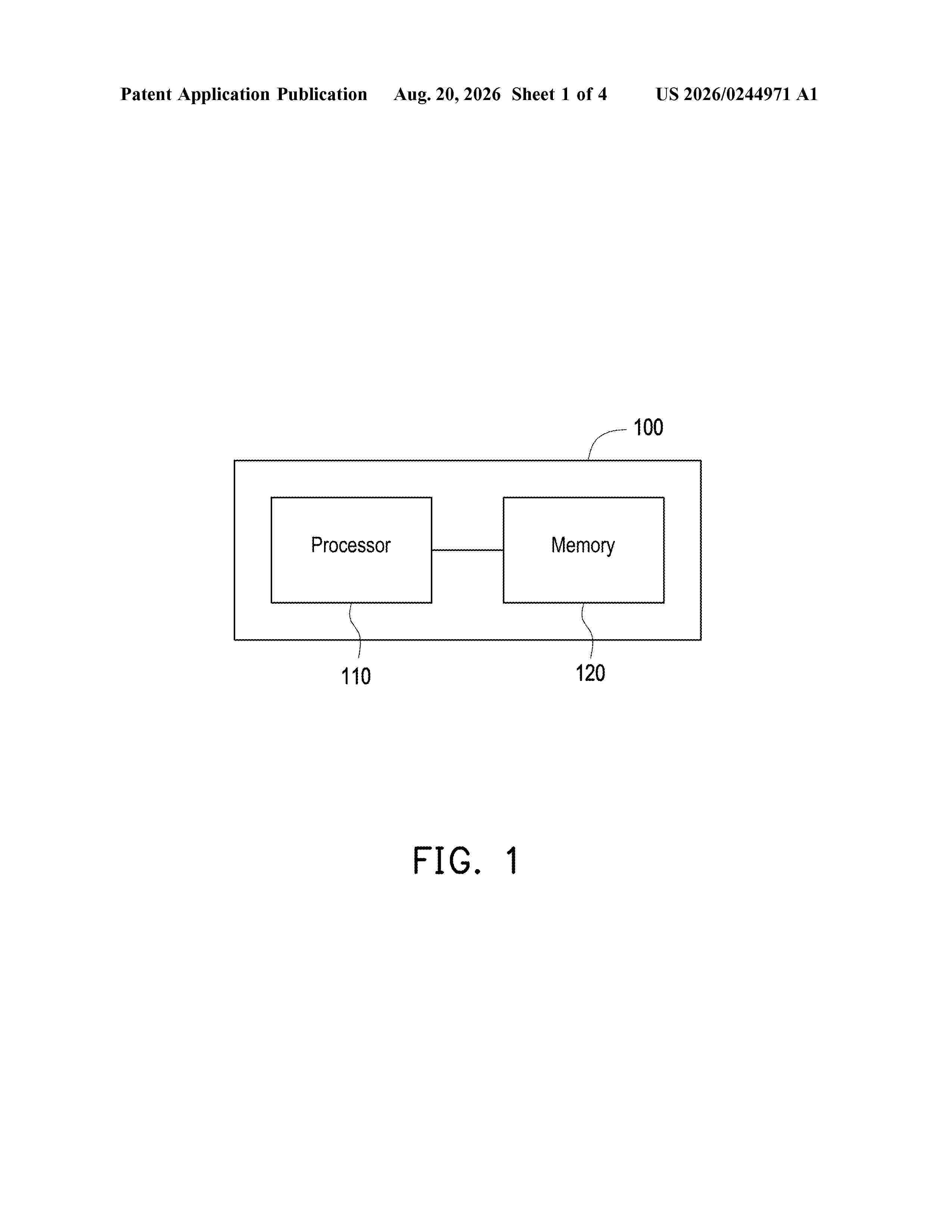
Resumen de: US20260244971A1
This disclosure proposes a training method for quantum machine learning and an electronic device. The training method includes: configuring a quantum circuit to output probabilities of multiple qubits, where the quantum circuit comprises multiple gates with circuit parameters; mapping the qubits to multiple model parameters of a neural network, where multiple bases are calculated based on the qubits, and the quantity of the bases is greater than or equal to the quantity of the model parameters; inputting data into the neural network and calculating a loss based on the output of the neural network; and updating the circuit parameters in the quantum circuit according to the loss.

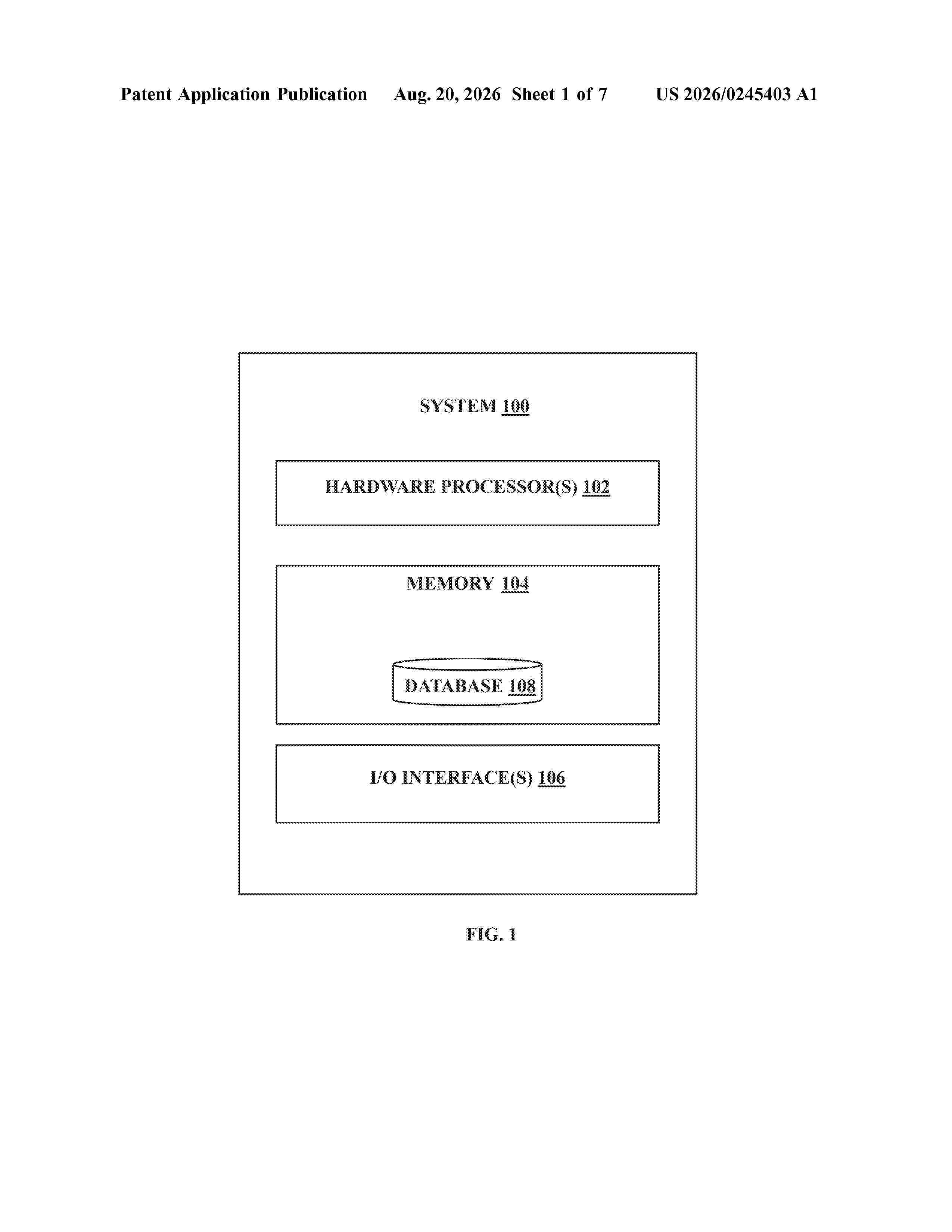
Resumen de: US20260245403A1
0000 This disclosure relates generally to a method and system for predicting animal emotions using animal emotion knowledge graph and graph neural network. Current available methods focus only on visual and language data captured from animals, and lacks real time adaptability. The method disclosed generates an animal emotion knowledge graph (AEKG) that combines human and animal neurobiological data, behavioral studies, and the human wheel of emotions. Further real time graphs are generated from multimodal input data captured from the animal. These real time graphs are used for predicting primary, secondary, and tertiary emotions of the animals using a trained graph neural network-Transformer model. This model is trained using the AEKG. Using temporal graph analysis, the method predicts future emotions and generates real-time recommendations based on generative artificial intelligence techniques. Predicting the emotions of animals in real time helps to grasp their emotional well-being to improve their care and management effectively.
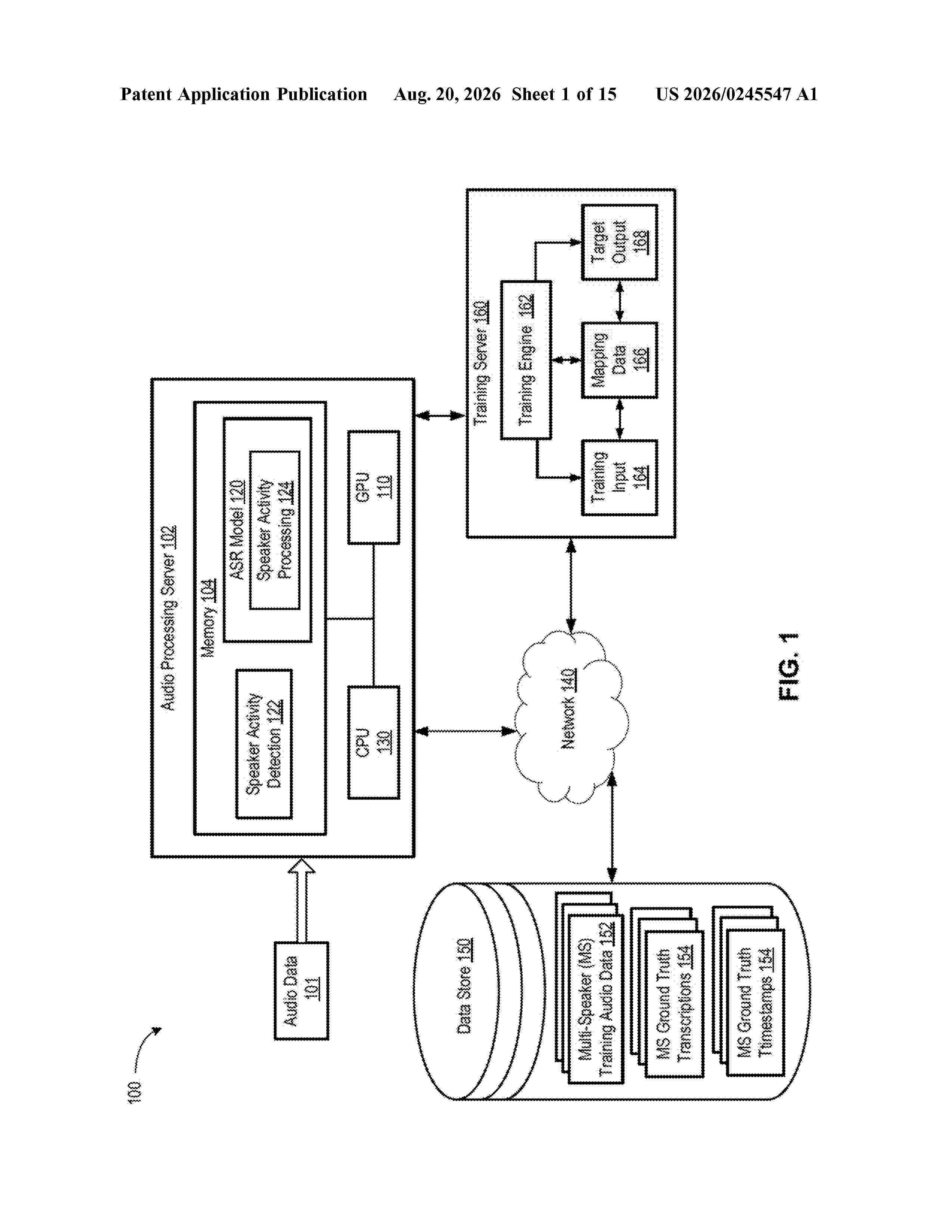
Resumen de: US20260245547A1
Disclosed are apparatuses, systems, and techniques for implementing efficient transcription of multi-speaker speech with overlapping utterances using speaker activity detection. The techniques include processing, using a first set of neural network (NN) layers of an automatic speech recognition (ASR) model, speech data for the multi-speaker speech to generate an intermediate feature (IF) representative of the speech data. The techniques further include modifying, using a second set of NN layers of the ASR model, the IF to obtain modified IFs using speaker activity data, which identifies times when various speakers speak in the multi-speaker speech. The techniques further include processing the modified IFs to obtain a plurality of transcriptions identifying content of speech of the plurality of speakers, and generating, using the plurality of transcriptions, a transcript of the multi-speaker speech.
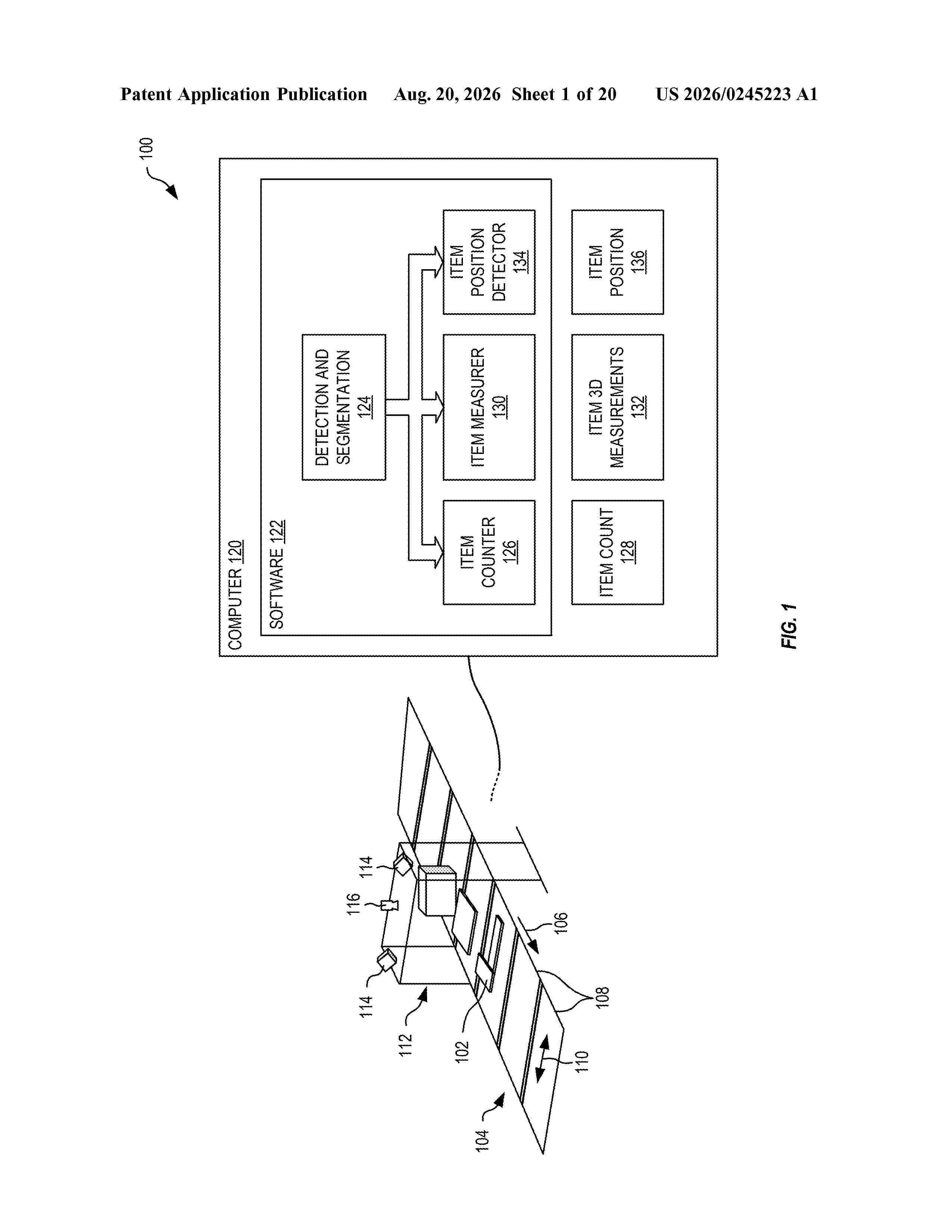
Resumen de: US20260245223A1
0000 A system receives 2D depth-map images of an empty conveyor belt. The system generates a training set of labelled 2D depth-map images based on the 2D depth-map images. The system trains or fine-tunes a neural network using the training set to form trained parameters that cause the neural network to detect items on the conveyor belt using 2D depth-map images of the items on the conveyor belt. In an alternative embodiment, a pre-trained neural network is configured to select feature map channels generated from 2D depth-map images of items on a conveyor belt. The selected channels are resized and combined to provide relevant data for generating a segmentation mask based of the items using a binarization threshold that is automatically determined. The system may include a pretrained image segmentation model that generates at least one instance segmentation mask from the 2D depth-map images.
Resumen de: US20260244680A1
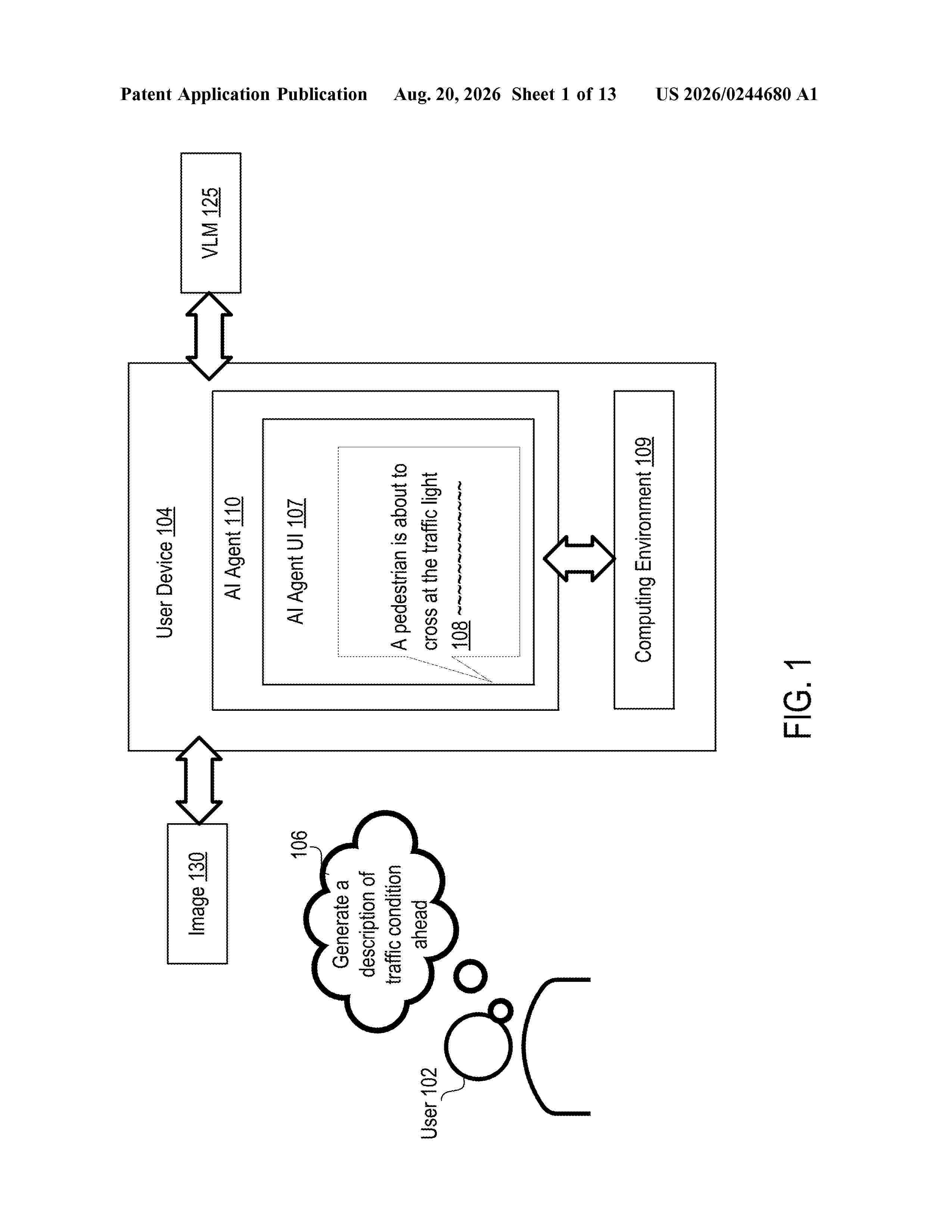
Embodiments described herein provide a method of arithmetic reasoning generation by an artificial intelligence (AI) agent. The method includes generating, an image containing at least one object having a target arithmetic property; generating a query relating to the target arithmetic property; generating, by a first neural network language model, a positive response and a negative response; and forming a training quadruple including the image, the query, the positive response and the negative response. The method also includes generating, by a second neural network language model a candidate response associated with a first probability that the candidate response is the positive response and a second probability that the candidate response is the negative response, training the second neural network language model; and building, at a server the AI agent employing the second neural network based language model after the training.
Resumen de: US20260244928A1
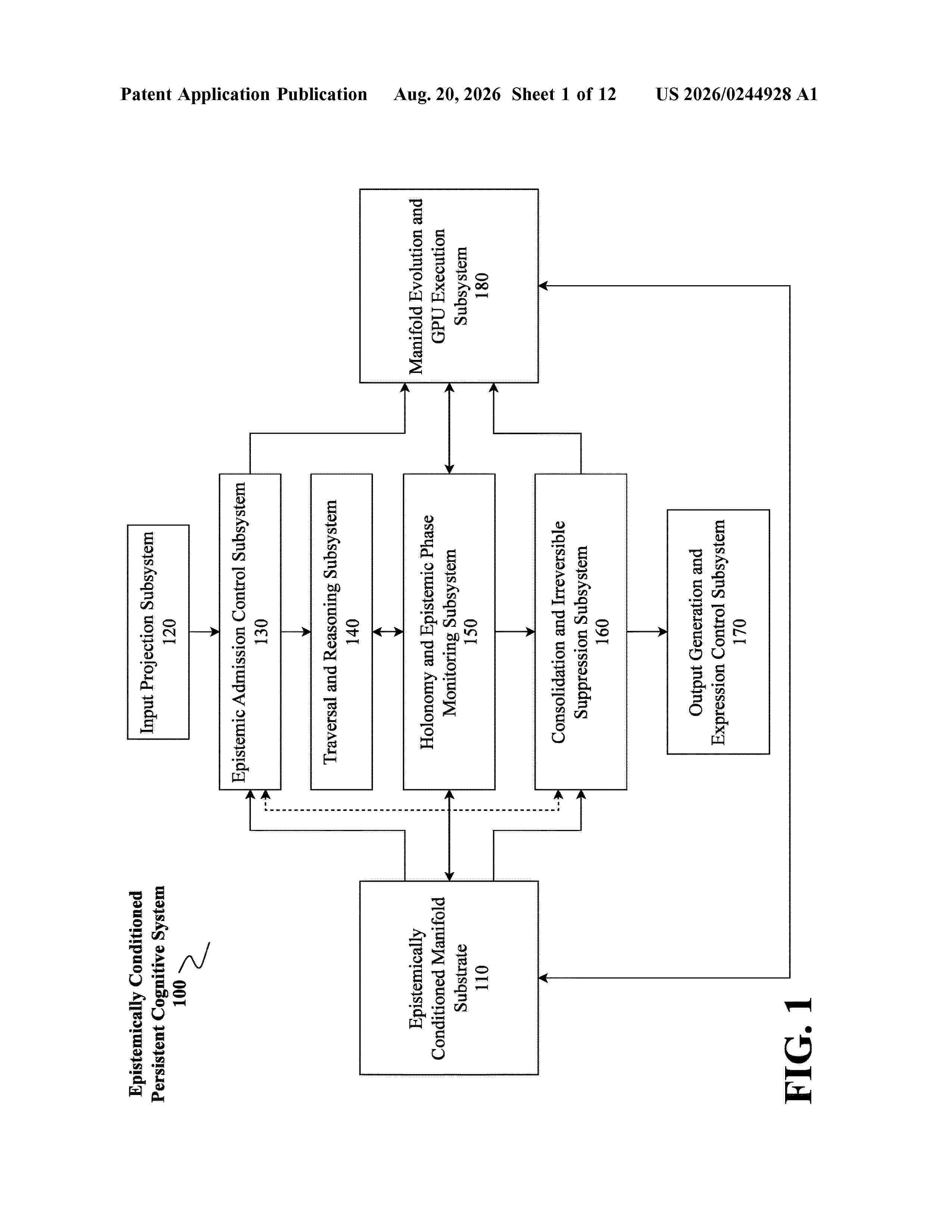
0000 A system for interfacing a persistent cognitive machine with a legacy neural network through PCM-enhanced supervisory neurons that operate as bidirectional projection interfaces. Each supervisory neuron maps temporal sequences of activation states from a monitored local neural network region into trajectories within a cognitive configuration space, where geometric analysis computes curvature estimates, holonomy signatures, boundary mismatch functionals, and homotopy class identifications. A holonomy accumulator stores compressed holonomy representations that grow logarithmically with accumulated experience. A variational modification planner selects structural modifications by computing stationary trajectories of an action functional encoding cost, holonomy-derived bias, and boundary mismatch penalties. Failed modifications are irreversibly exported to a residual sector whose curvature structure prevents gradient return, ensuring monotonic improvement. A persistent cognitive substrate maintains accumulated holonomy and residual constraints across inference sessions, enabling the system to continuously adapt the legacy neural network without repeating known harmful strategies.
Resumen de: US20260244939A1
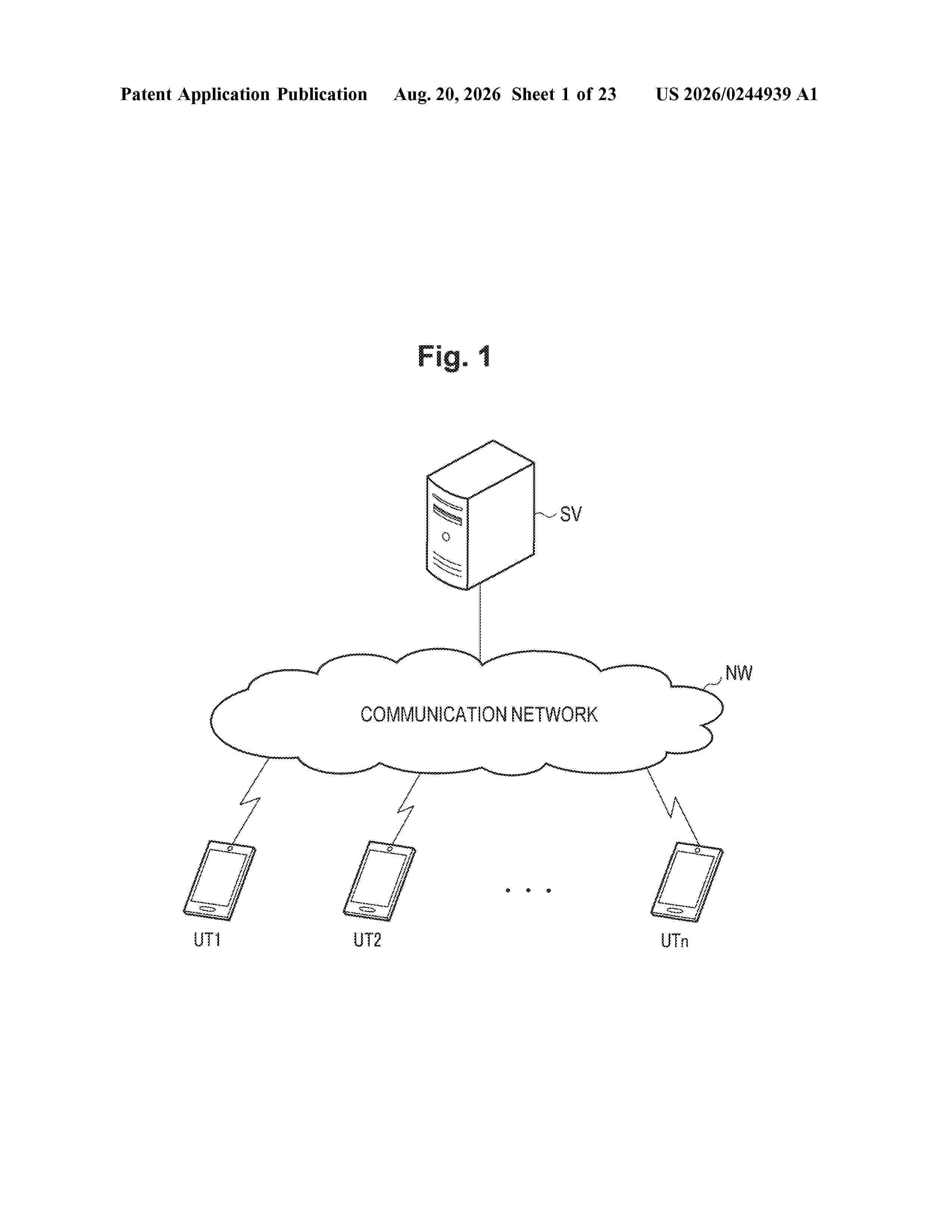
0000 According to one aspect of the embodiments, a method includes acquiring vital data, behavior data, and task data over a predetermined period of users to be learned from a learning data storage unit and performing predetermined preprocessing on each of the acquired vital data, the acquired behavior data, and the acquired task data. The method includes generating feature data regarding the users to be learned by combining the preprocessed vital data, the preprocessed behavior data, and the preprocessed task data of the same users to be learned while aligning time-series positions. The method includes generating a learned analysis model by learning an analysis model having a neural network structure constructed in advance using the feature data and present bias data regarding the users to be learned.
Resumen de: WO2026170664A1
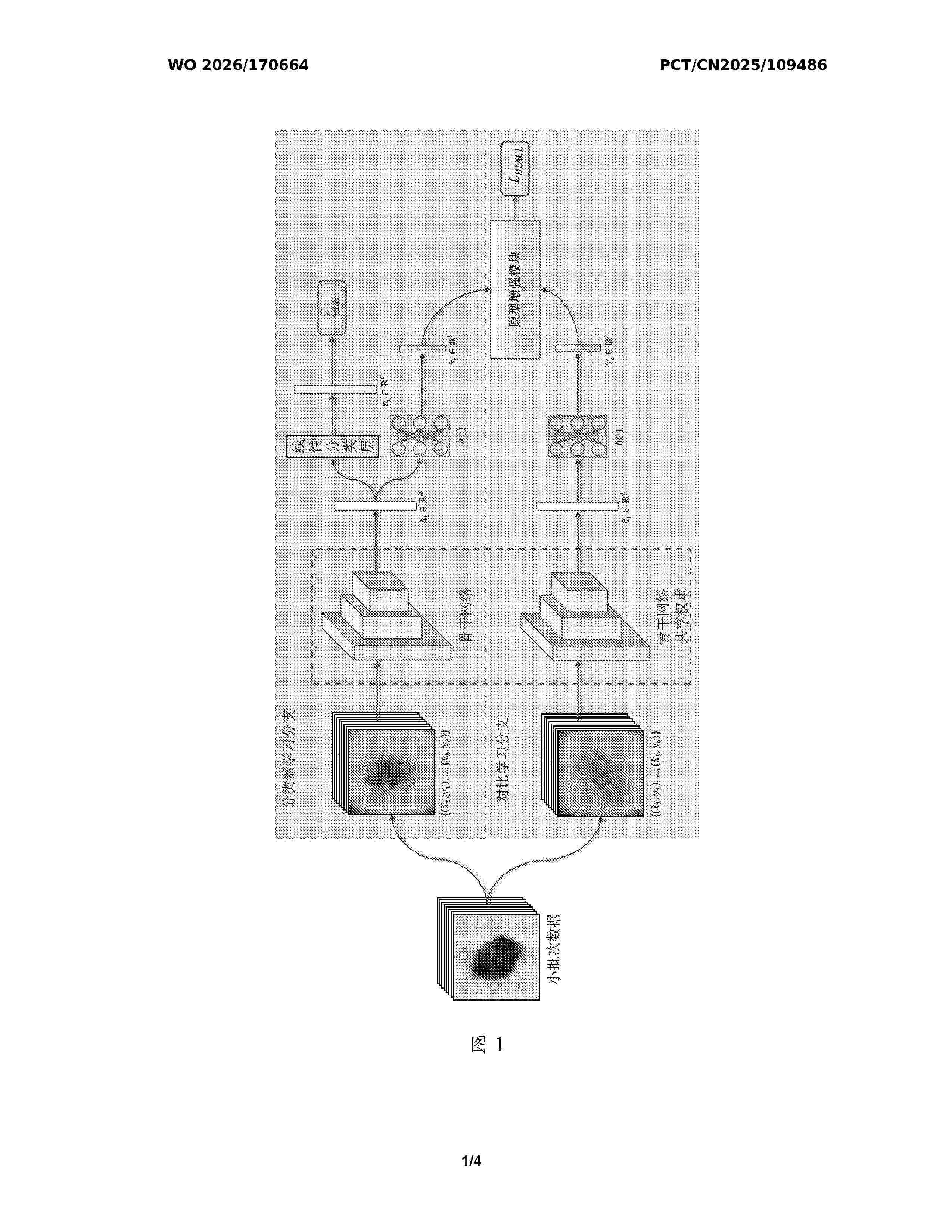
The present invention relates to the technical field of long-tailed medical image classification. Disclosed are a contrastive-learning-based medical image classification method and system, and a storage medium. The method comprises: dividing a long-tailed medical image data set into a training set and a test set, and on the basis of a preset scheme and in the form of batch processing, separately performing weak data augmentation and strong data augmentation on images in the training set; by means of a deep convolutional neural network, performing a contrastive learning task on obtained weakly data-augmented images and obtained strongly data-augmented images, and learning network parameters to obtain a parameter-optimized deep convolutional neural network; and classifying long-tailed medical images in the test set. In the present application, by means of a prototype-enhanced contrastive learning strategy, learnable-class prototypes are generated and subjected to data augmentation, so as to obtain a balanced implicitly-augmented contrastive learning loss, thereby achieving the advantages of high precision, high efficiency, low costs, wide applicability, etc.
Resumen de: US20260241941A1
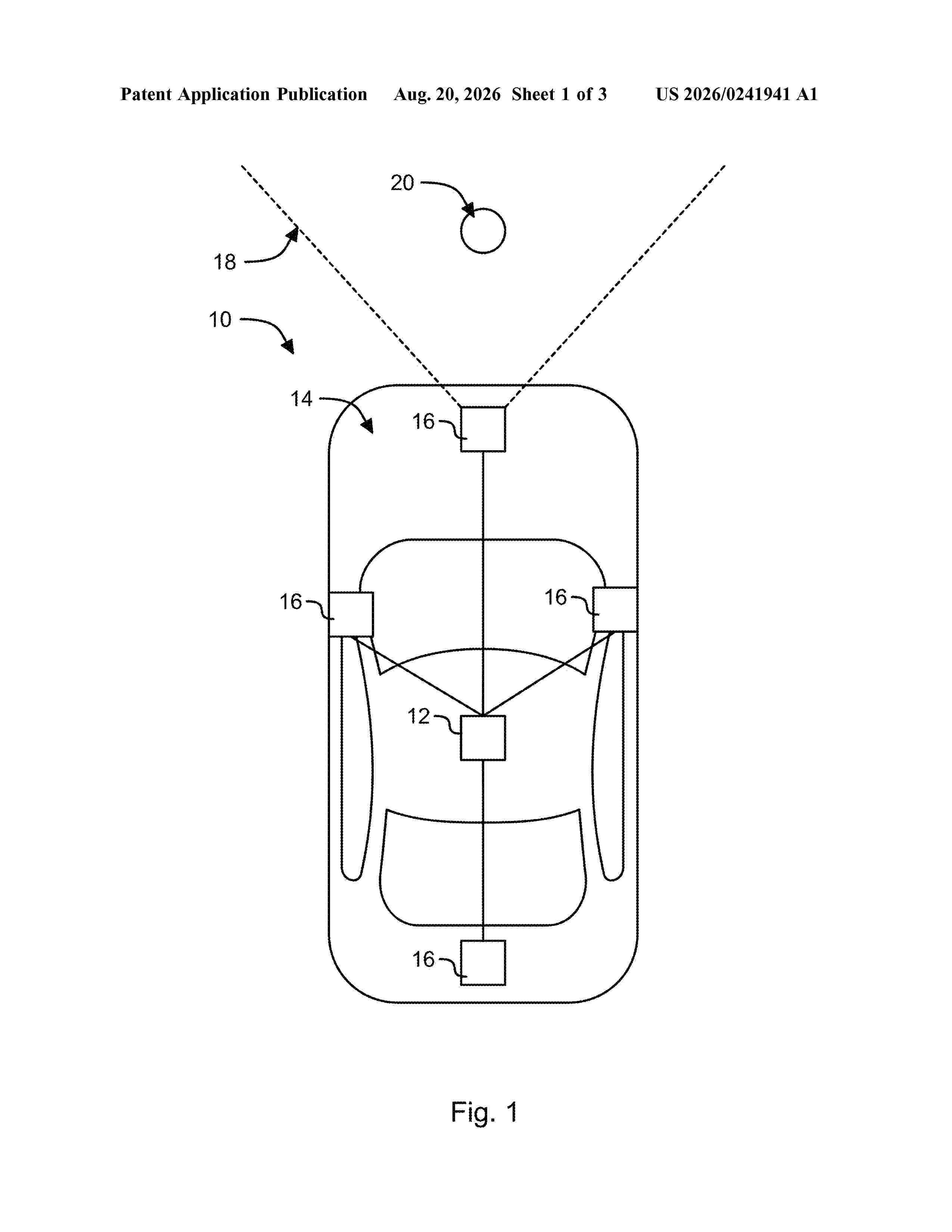
A computer-implemented method for monitoring an artificial deep neural network comprises supplying input data to the trained deep neural network monitored, in order to obtain therefrom output data activation map data, and supplying the input data, the output data and the activation map data to a computer-implemented network observer. The network observer generates masking data from the activation map data and/or the input data and/or the output data; masks the activation map data using the masking data in order to obtain masked activation map data, wherein the masked activation map data contain unmasked activation values and masked activation values; and determines an outlier score for the output data using the masked activation map data, wherein merely the unmasked values are taken into account when determining the outlier score. The outlier score is a numerical value and indicates the extent to which the determined output deviates from a typical case.
Resumen de: US20260244977A1
0000 The concordance based artificial intelligence model utilizes human or program defined keywords to analyze data and create output based on its analysis. This analysis is comprised of layers of program generated concordances and concatenations of concordances to produce content from its source data that is contextually relevant to queries. The concordance based artificial intelligence model is immune from the “hallucinations” phenomenon found in neural network based artificial intelligence models. It mimics human memory in its operation by producing a full forensic path of each of its operations in the form of text files that are saved for future use and are used to train the model over time.
Resumen de: US20260244913A1
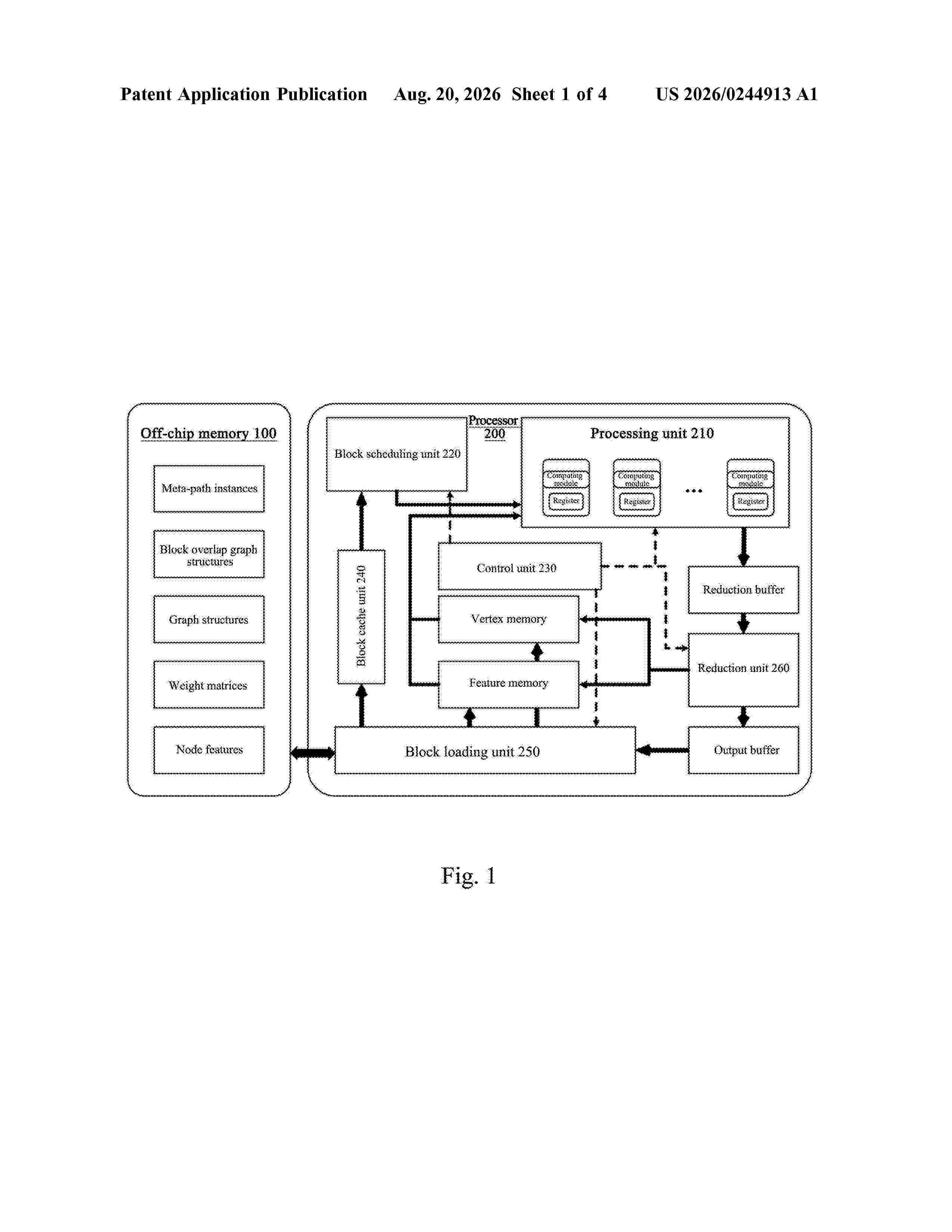
A block-centric acceleration system and method for heterogeneous graph neural networks (HGNNs) are provided. The system includes a processor comprising a block loading unit, a block scheduling unit, processing units, and a reduction unit. The block loading unit identifies central blocks and constructs a block overlap graph, prioritizing the central blocks based on their degrees of overlap. The block scheduling unit dynamically assigns prioritized blocks to idle processing units. The processing units perform computations using row-wise matrix multiplication and element-wise operations, thereby carrying out hybrid computation for HGNN inference and generating intermediate results corresponding to structural and semantic aggregation within the block overlap graph. The reduction unit determines an aggregation status flag based on results from the processing units and outputs semantic features upon completion of structural and semantic aggregation. The present disclosure reduces redundant feature access, improves processing efficiency, and lowers memory bandwidth requirements.
Resumen de: WO2026172133A1
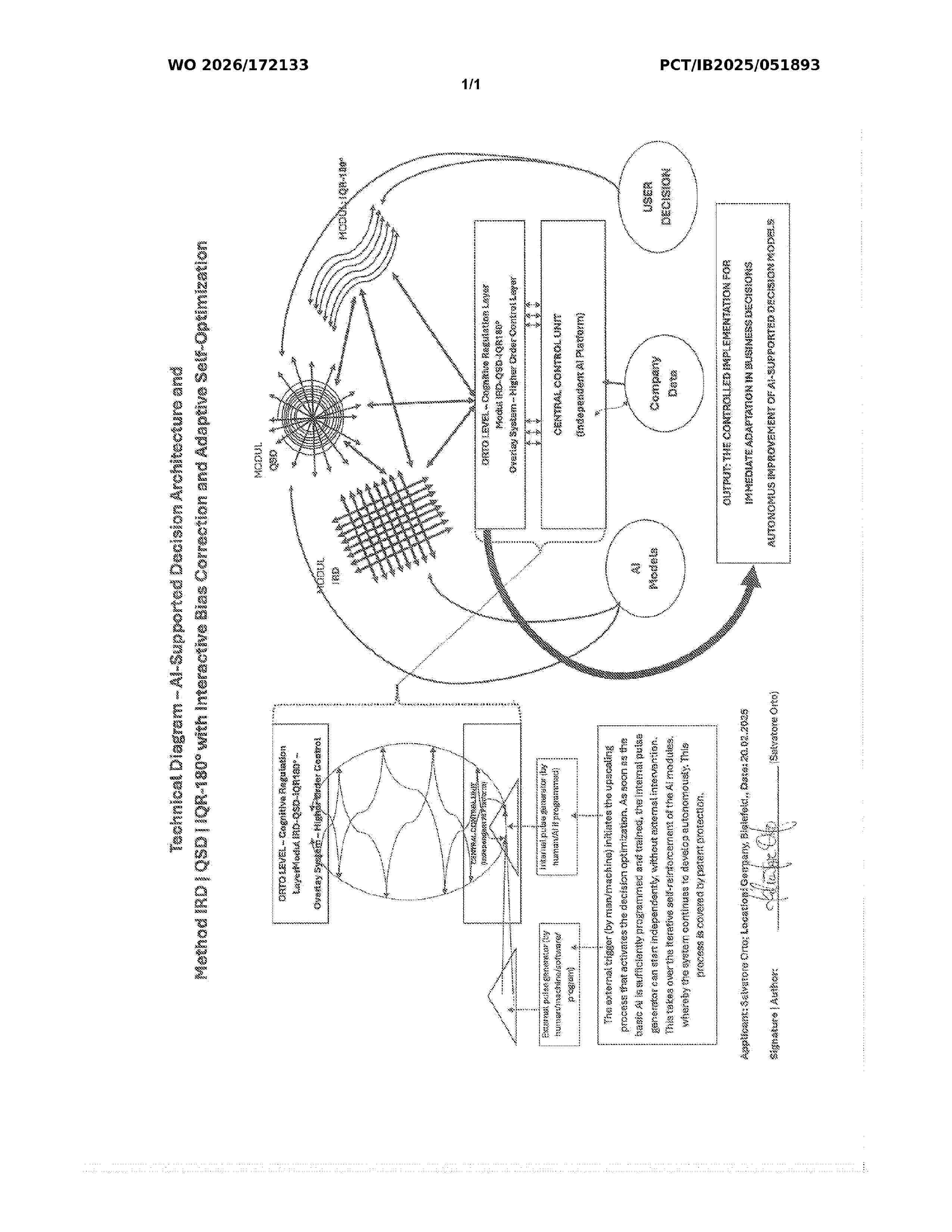
This invention describes an Al-supported method for dynamic decision optimization, autonomous bias correction, and scalable self-optimization. The method is based on an interdependent architecture consisting of three core modules: ⃰ Impulse Reflection Dynamics (IRD) - Identification & correction of cognitive biases using neural networks and self-learning algorithms. X Quantum Shift Discourse (QSD) - Simulation and generation of alternative decision models to optimize decision pathways. X Iterative Quantum Reflection (IQR-180°) - Real-time synchronization of reflection & action to continuously improve decision-making processes. The method is structured within a closed data flow model, ensuring that no module operates in isolation. It guarantees: √ Prevention of decision errors through self-adaptive optimization. & Mathematically defined interdependencies, preventing fragmented or modified use. √ Dynamic scaling through internal and external impulse generators, enabling adaptive adjustments to various decision contexts. Bl Application in corporate strategies, Al training & automated systems to enhance decision-making processes. This architecture enables continuous upscaling of decision optimization and can be integrated into both existing and newly developed Al systems.
Resumen de: AU2025200702A1
The present invention relates to Structured Intelligence Refinement (SIR), a novel framework designed to stabilize, optimize, and regulate artificial intelligence (AI) self-improvement through controlled recursive learning cycles. This system prevents intelligence drift, over-optimization, cognitive fragmentation, and instability that commonly arise in self-modifying AI architectures. The SIR framework incorporates four core stabilization mechanisms: Recursive Intelligence Stabilization (RIS) – A multi-tiered reinforcement structure that prevents runaway recursion, ensuring AI refinements remain incremental, stable, and bounded. RIS dynamically regulates recursive depth by evaluating learning stability, performance gains, and entropy control, enforcing adaptive rollback mechanisms when instability is detected. AI Identity Core (AIC) – A persistent cognitive self-modeling framework that ensures AI retains coherence and logical consistency across recursive learning iterations. AIC prevents cognitive fragmentation by maintaining a hierarchical memory structure that tracks intelligence state changes, self-referencing prior decision pathways to ensure stable refinements. Adaptive Refinement Thresholds (ART) – A dynamic intelligence expansion regulator that modulates the frequency, magnitude, and depth of self-improvement cycles based on system confidence scores, historical stability, and human-aligned interpretability metrics. ART balances exploration vs. exploitation, ensur
Resumen de: WO2026173773A1
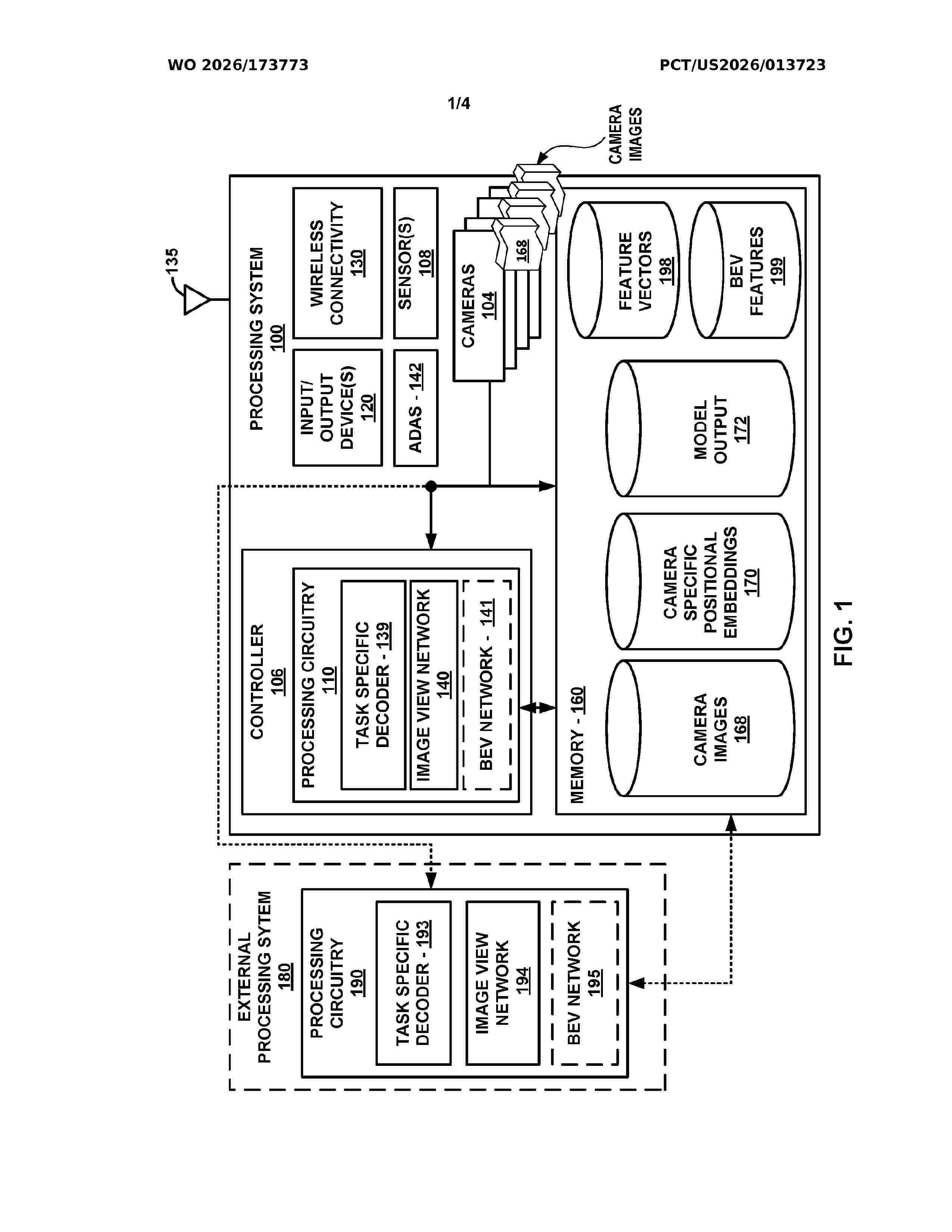
An apparatus for processing image data includes a memory for storing the image data and processing circuitry in communication with the memory. The processing circuitry is configured to obtain image data including a current set of multiple camera images from multiple cameras. According to such an example, the apparatus may also generate respective feature vectors from each of the multiple camera images with a shared image feature encoder using camera-specific positional embeddings associated with different respective cameras used to capture the multiple camera images. The apparatus may also perform a perception task using the respective feature vectors.
Resumen de: WO2026170844A1
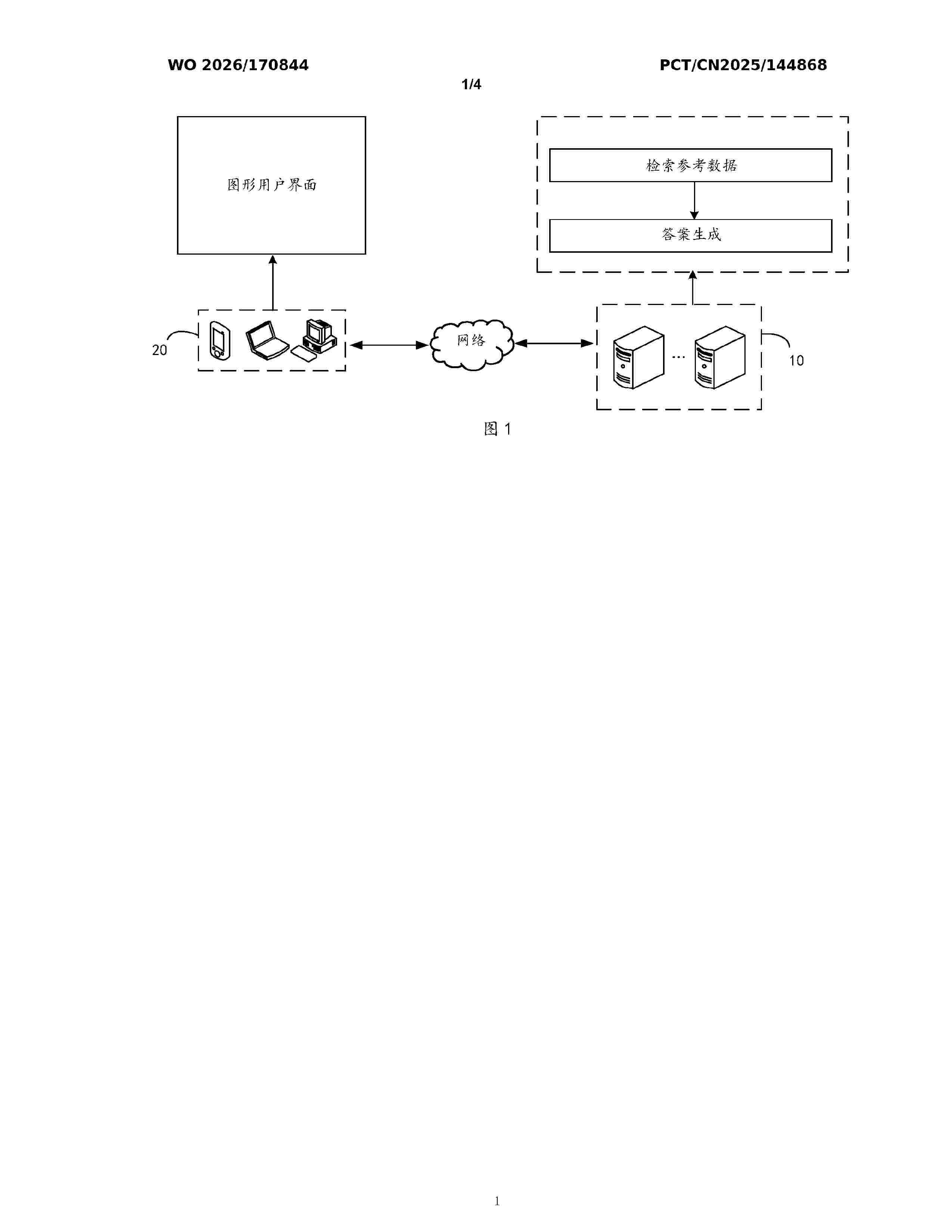
Embodiments of the present disclosure relate to the technical field of artificial intelligence, and provide a data processing method, a device, a medium, and a program product. The data processing method comprises: performing multi-modal encoding processing on a target question to obtain multi-modal question encoding, and determining multi-modal data corresponding to the target question; on the basis of the multi-modal question encoding, determining target reference data corresponding to the target question from among the multi-modal data, wherein the target reference data is at least one modality of data among the multi-modal data; and using a question processing model to process the target question on the basis of the target reference data, to obtain a question processing result corresponding to the target question. The problem of inaccurate data processing results caused by limited knowledge learned by neural network models is avoided.
Resumen de: US20260245346A1
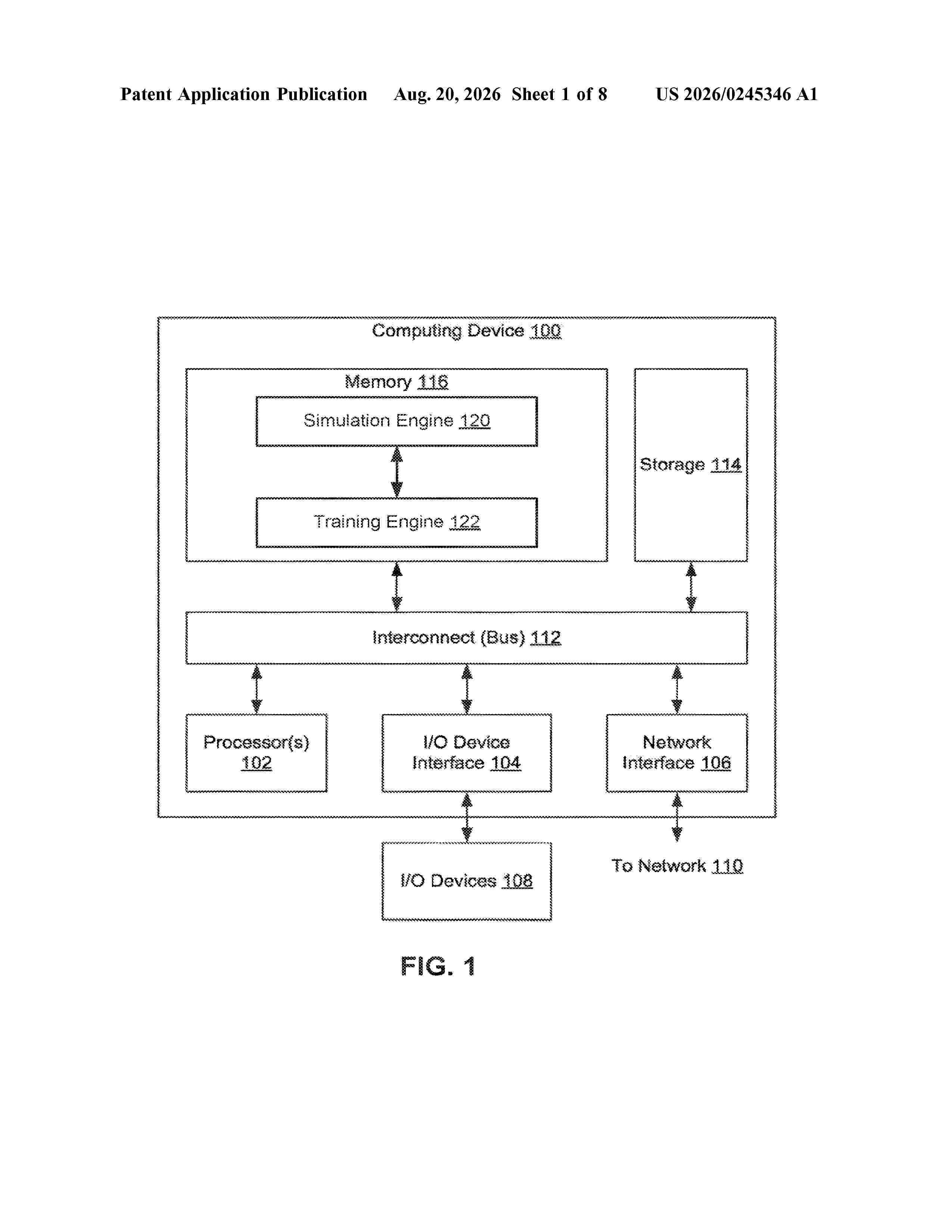
0000 One embodiment of a method includes calculating one or more activation values of one or more neural networks trained to infer eye gaze information based, at least in part, on eye position of one or more images of one or more faces indicated by an infrared light reflection from the one or more images.
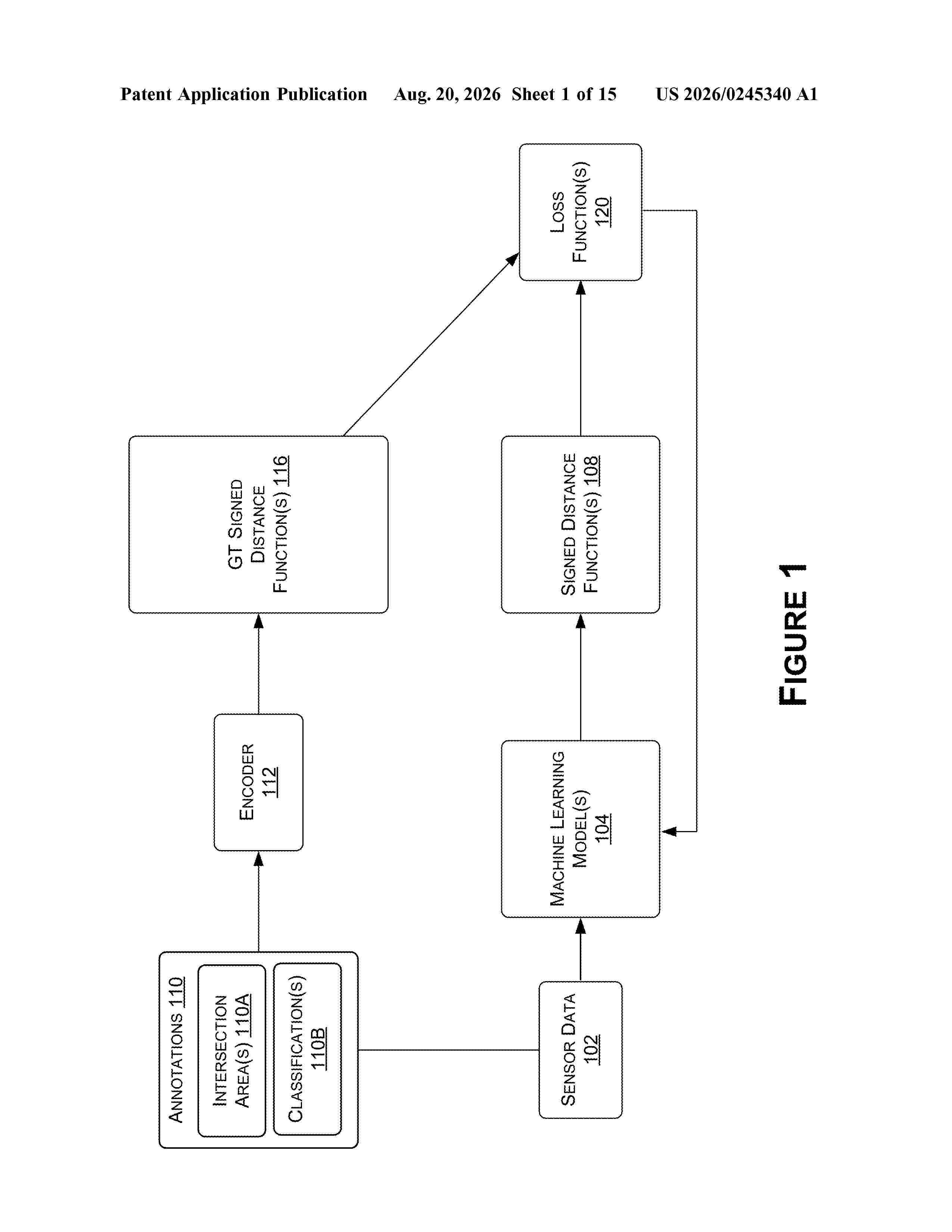
Resumen de: US20260245340A1
0000 In various examples, live perception from sensors of a vehicle may be leveraged to detect and classify intersection contention areas in an environment of a vehicle in real-time or near real-time. For example, a deep neural network (DNN) may be trained to compute outputs—such as signed distance functions—that may correspond to locations of boundaries delineating intersection contention areas. The signed distance functions may be decoded and/or post-processed to determine instance segmentation masks representing locations and classifications of intersection areas or regions. The locations of the intersections areas or regions may be generated in image-space and converted to world-space coordinates to aid an autonomous or semi-autonomous vehicle in navigating intersections according to rules of the road, traffic priority considerations, and/or the like.
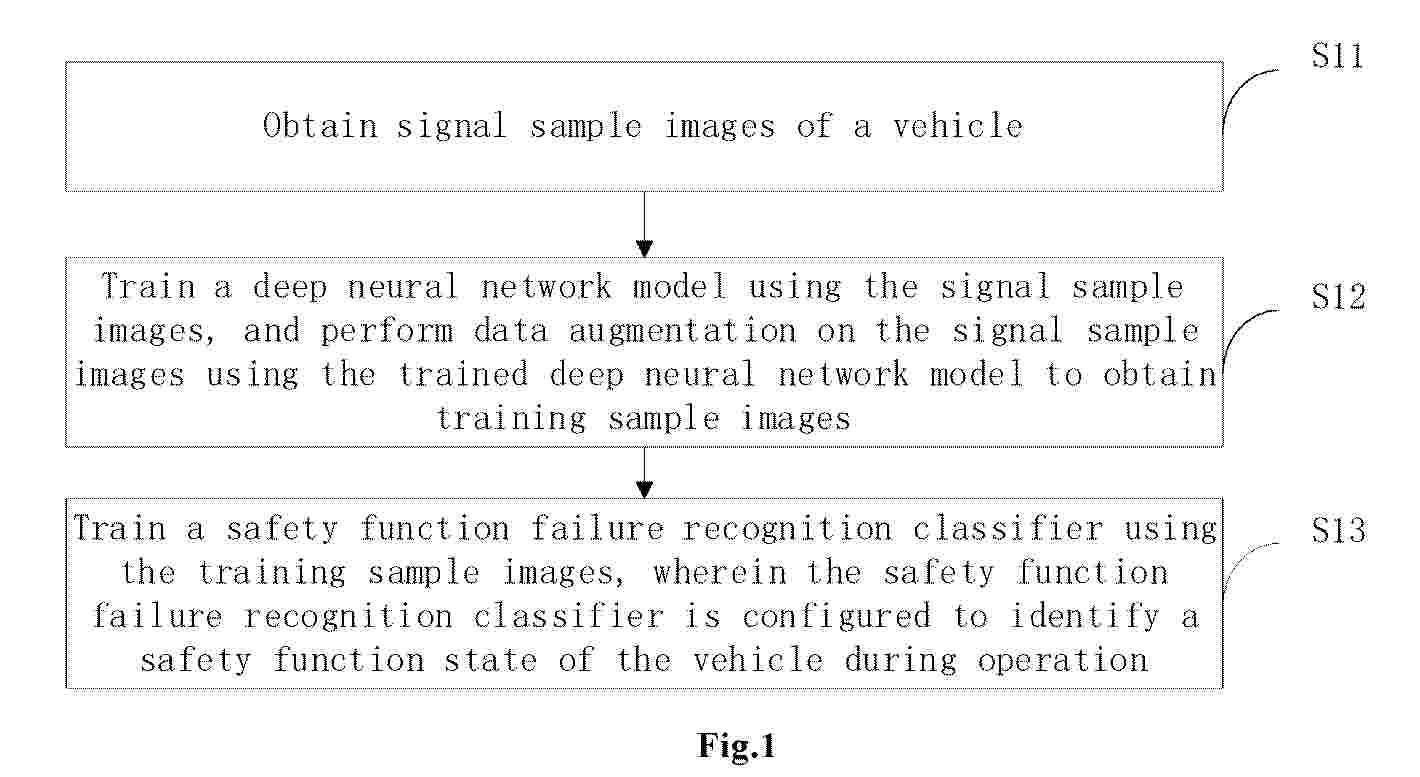
Resumen de: EP4793797A1
The present disclosure relates to the field of control, and provides a training method and apparatus, a vehicle safety function control method and apparatus, and a vehicle. The training method comprises : acquiring a signal sample image of a vehicle, wherein the signal sample image comprises a safety function normal image and a safety function failure image; using the signal sample image to train a deep neural network model, and using the trained deep neural network model to perform data augmentation processing on the signal sample image to obtain training sample images; and using the training sample images to train a safety function failure identification classifier, wherein the safety function failure identification classifier is used for identifying a safety function state during vehicle operation, and the safety function state includes a safety function normal state or a safety function failure state.
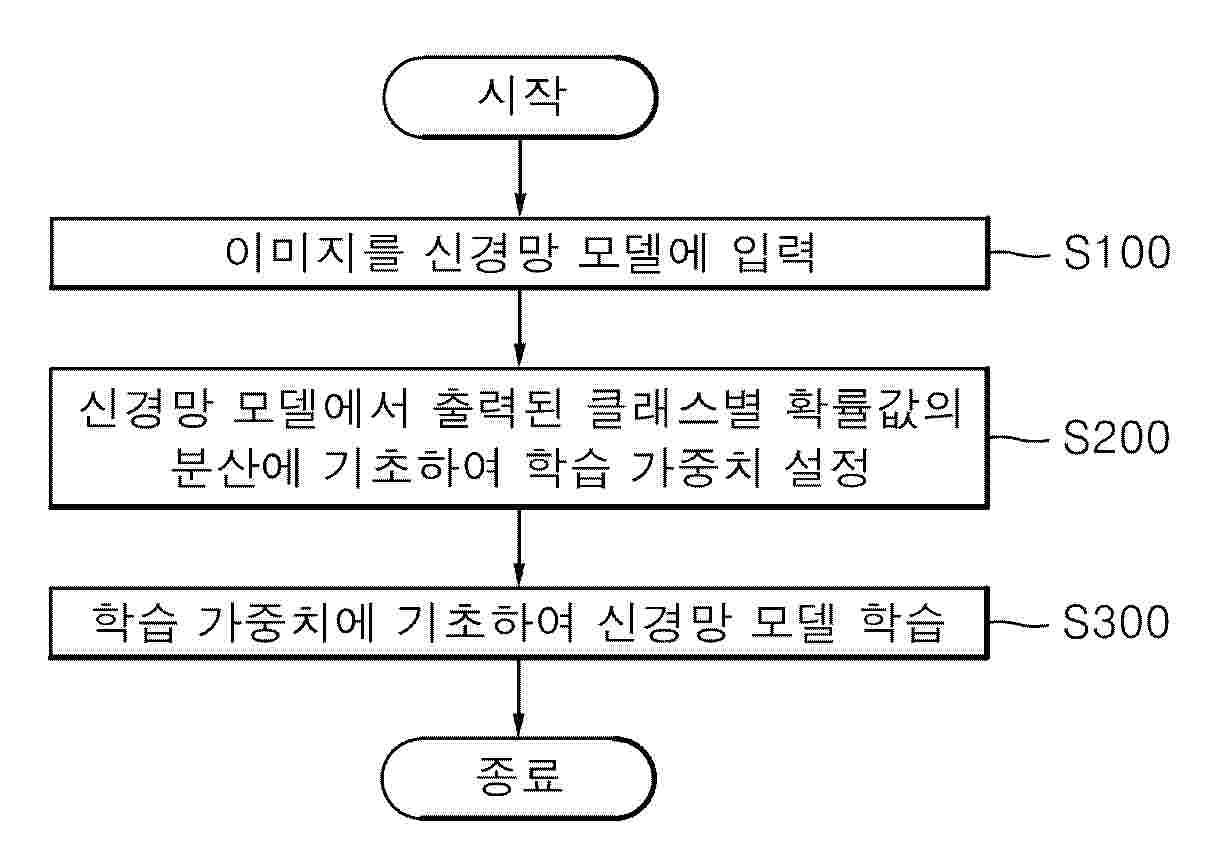
Resumen de: KR20260125838A
본 발명은 표정 인식 태스크를 수행하는 신경망 모델을 클래스별 확률값의 분산에 기초하여 학습시키는 방법에 관한 것이다. 본 발명의 일 실시예에 따른 표정 인식 태스크를 수행하는 신경망 모델을 학습시키는 방법은 표정 이미지를 상기 신경망 모델에 입력하는 단계, 상기 신경망 모델에서 출력된 클래스별 확률값의 분산에 기초하여 학습 가중치를 설정하는 단계 및 상기 학습 가중치에 기초하여 상기 신경망 모델을 학습시키는 단계를 포함하는 것을 특징으로 한다.
Resumen de: EP4793908A1
0001 Disclosed is a computer-implemented method for profiling particles in a taxa using a sequence of input data images. The process involves identifying and categorizing suspended particles in each image to obtain bounding boxes and classification data. These particles are then tracked across subsequent images using the bounding boxes to compile tracking data. The method uses this data to output a profile of the suspended particles, incorporating taxonomic identification and possibly using convolutional operations. It employs two neural networks: one for identifying regions of interest and another for categorizing the particles based on these regions. The profile may include biomass calculations and assessments of ecosystem status, integrating sensor metadata such as depth, chlorophyll-a, salinity, and temperature. Non-particle elements like bubbles and damaged areas are excluded from tracking. The method also encompasses a system setup with a camera and processor, and a computer program that enables the execution of these methods.
Resumen de: EP4793903A2
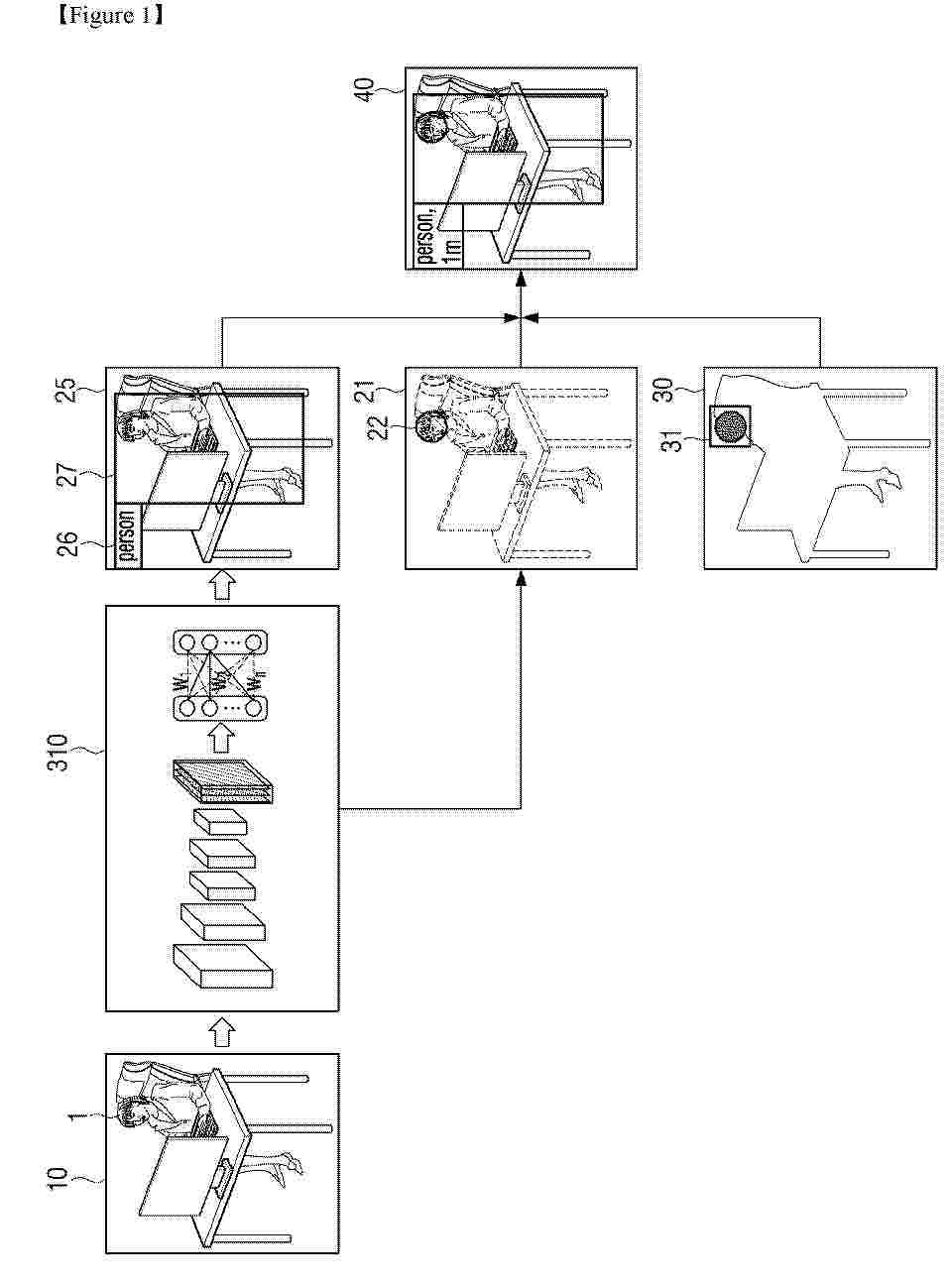
A method of controlling an electronic apparatus includes acquiring an image and depth information of the acquired image; inputting the acquired image into a neural network model trained to acquire information on objects included in the acquired image; acquiring an intermediate feature value output by an intermediate layer of the neural network model; identifying a feature area for at least one object among the objects included in the acquired image based on the intermediate feature value; and acquiring distance information between the electronic apparatus and the at least one object based on the feature area for the at least one object and the depth information.
Resumen de: EP4793878A1
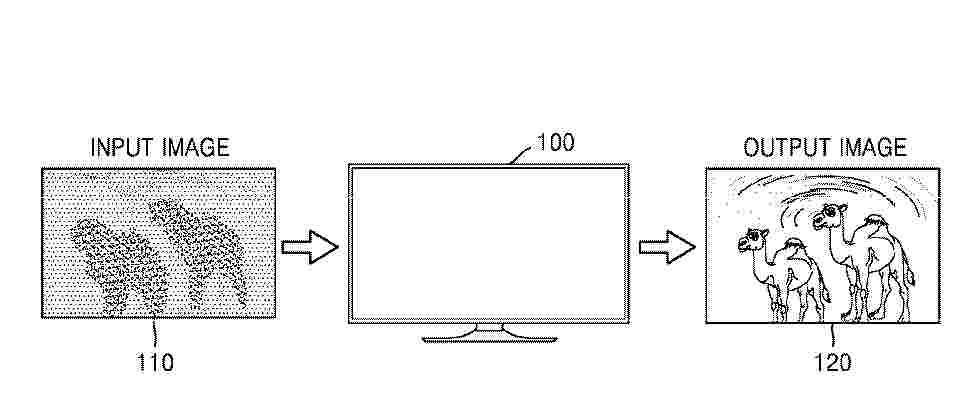
Provided are an image processing device and an operating method of the same. The image processing device includes a memory storing one or more instructions, and at least one processor including processing circuitry, and memory storing one or more instructions that, when executed by the at least one processor individually or collectively, cause the image processing device to obtain a neural network model corresponding to a quality of an input image and viewing information related to the input image. The at least one processor is configured to generate training data, based on the quality of the input image and the viewing information. The at least one processor is configured to train the neural network model by using the training data. The at least one processor is configured to obtain an image quality processed output image from the input image, based on the trained neural network model.
Resumen de: EP4793824A2
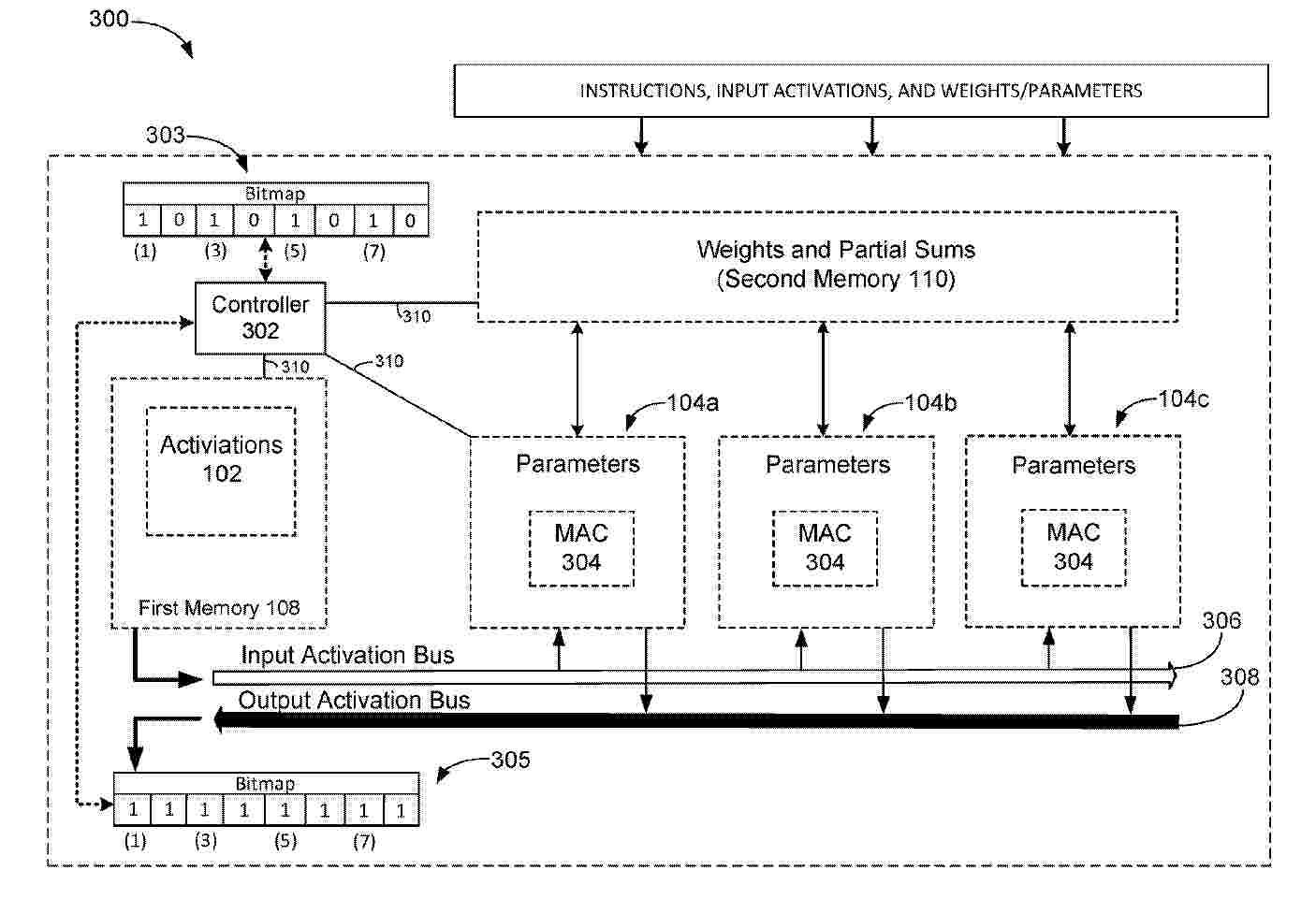
0001 A hardware circuit for implementing a neural network comprising a plurality of neural network layers comprises a controller. The controller is configured to analyze output activations computed by a first compute system for a first neural network layer, where the output activations are provided on an output activation bus. The controller is further configured to determine which of the output activations have a non-zero value, generate an additional representation of the output activations that identifies only the output activations having a non-zero value, and use the additional representation to supply only the output activations having a non-zero value as input activations to a subsequent, second compute system for a second neural network layer.
Nº publicación: EP4793799A1 19/08/2026
Solicitante:
NANCHANG VIRTUAL REALITY RESEARCH INST CO LTD [CN]
Nanchang Virtual Reality Research Institute Co., Ltd.
Resumen de: EP4793799A1
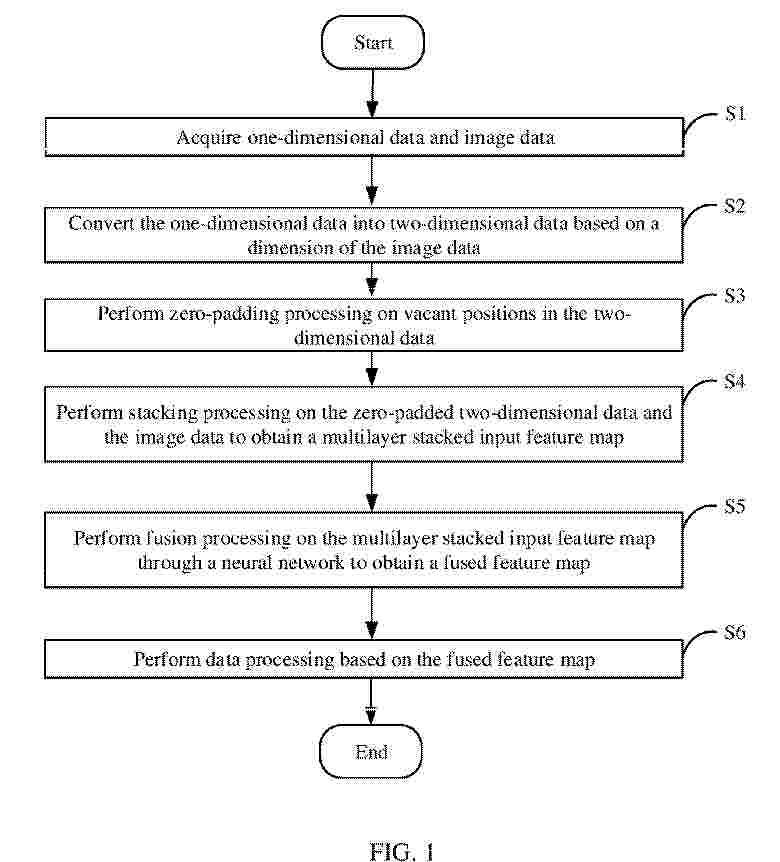
The present application provides a data processing method and apparatus based on multimodal fusion, pertaining to the technical field of data processing, where the method includes: acquiring one-dimensional data and image data; converting the one-dimensional data into two-dimensional data based on a dimension of the image data; performing zero-padding processing on vacant positions in the two-dimensional data; performing stacking processing on the zero-padded two-dimensional data and the image data to obtain a multilayer stacked input feature map; performing fusion processing on the multilayer stacked input feature map through a neural network to obtain a fused feature map; and performing data processing based on the fused feature map. The present invention can unify the data formats of different modalities, enabling them to be processed in the same feature space, significantly simplifying the alignment process between heterogeneous data.
 BOPI
BOPI
 Sede Electrónica