Si deseas distinguir tus productos, servicios o ambos de los de otra empresa, es posible que necesites una marca o nombre comercial. Descubre qué son, en qué consiste su procedimiento de registro y qué implica.

Información sobre los plazos de presentación de solicitudes de transformación de marcas de la Unión Europea en marca nacional española. Más información


Si tienes un nuevo dispositivo, producto o procedimiento que resuelva un problema técnico o tenga una ventaja práctica, existen distintas formas de protegerlo en España y en otros países. Descubre cómo hacerlo.

¿Tu innovación reside en la estética, la ornamentación o la apariencia de tu producto? Protégela mediante un diseño industrial. Descubre qué derechos confiere el registro y cómo realizar la tramitación.

Las indicaciones geográficas protegen el nombre de un producto originario de una zona geográfica, a la cual le debe una determinada calidad, reputación u otra característica. Descubre qué son, en qué consiste su procedimiento de registro y qué beneficios conceden.

Las patentes publicadas en todo el mundo son una valiosa fuente de información científica, técnica y comercial.

Si eres emprendedor/a o una empresa y quieres potenciar y mejorar la rentabilidad de tu negocio protegiendo de forma adecuada los activos intangibles de tu organización, en este espacio encontrarás lo necesario.


 175
resultados
 Última actualización
22/10/2026 [09:51:00]


 Resultados 150 a 175 de 175
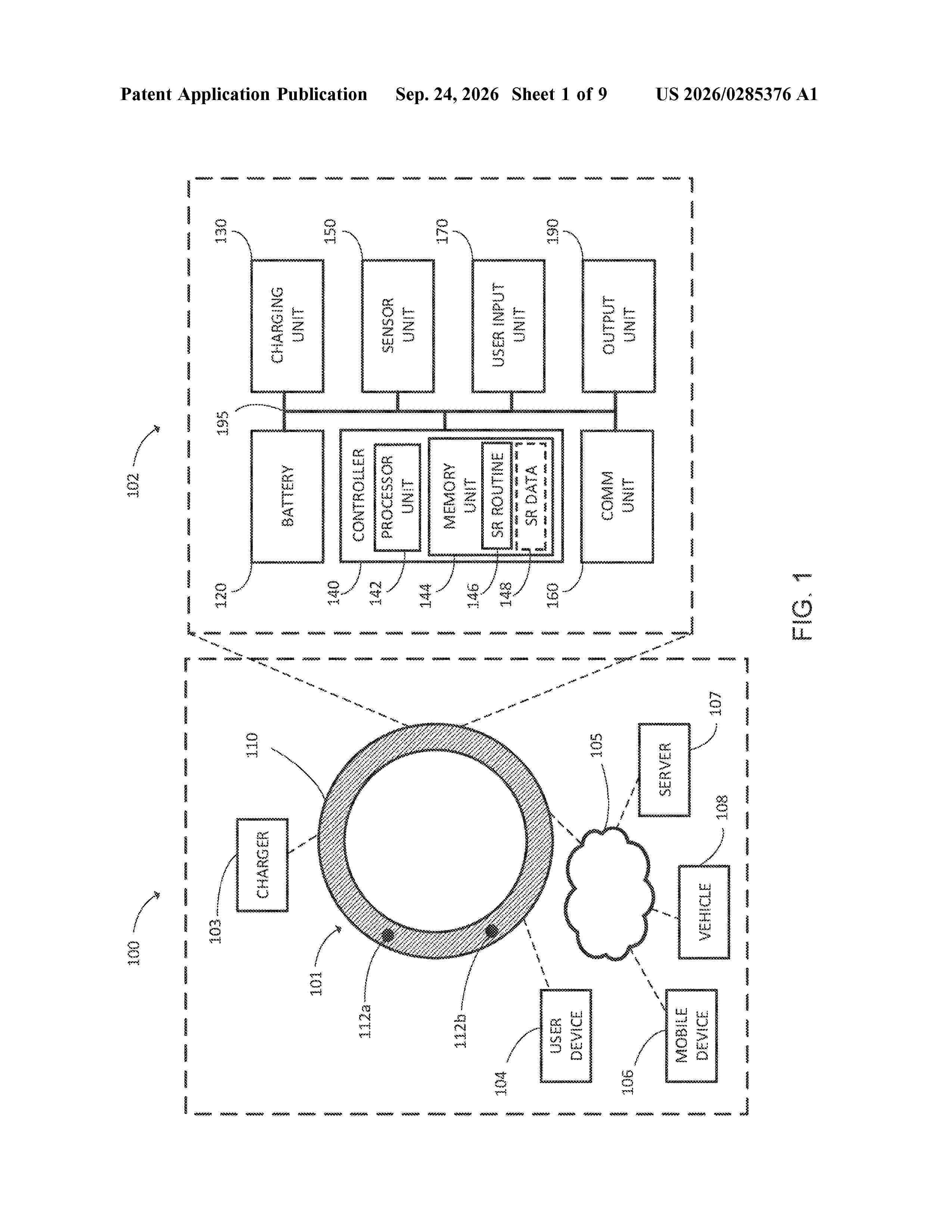
Resumen de: US20260285376A1
A method can include acquiring, by a sensor of a sleep detecting device, a set of user data indicative of sleep activity of a user. The method further can include acquiring data indicative of an activity of the user. The method also can include predicting, based at least on the set of user data and the activity of the user, a level of risk exposure for the activity of the user. The method also can include in response to predicting, generating an output indicative of the level of risk exposure of the user. Other embodiments are disclosed herein.

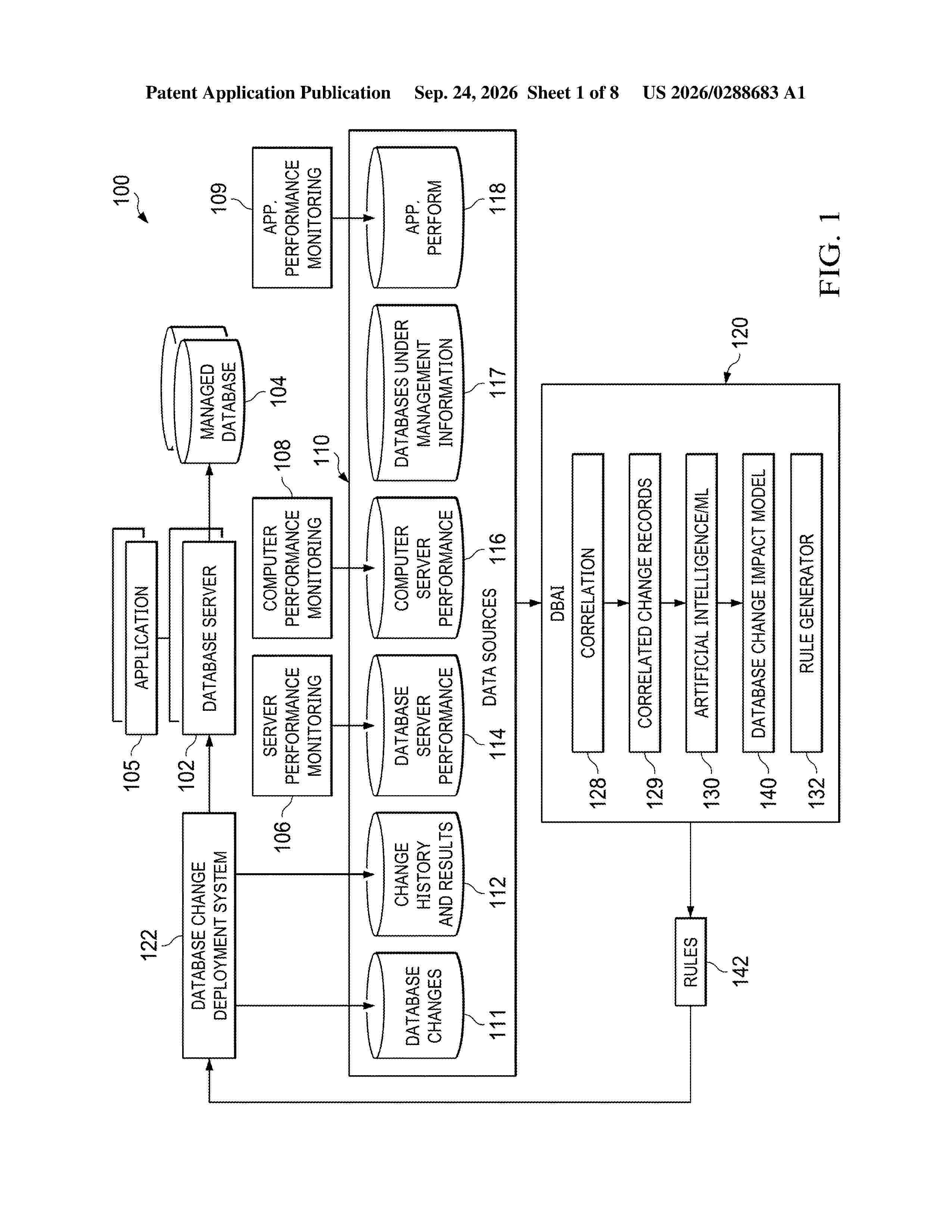
Resumen de: US20260288683A1
0000 Embodiments provide systems, methods, and computer program products that utilize artificial intelligence/machine learning to process database change data and correlated performance data to predict the impact of database changes and generate rules with respect to database changes to prevent undesired behavior or promote increased performance.
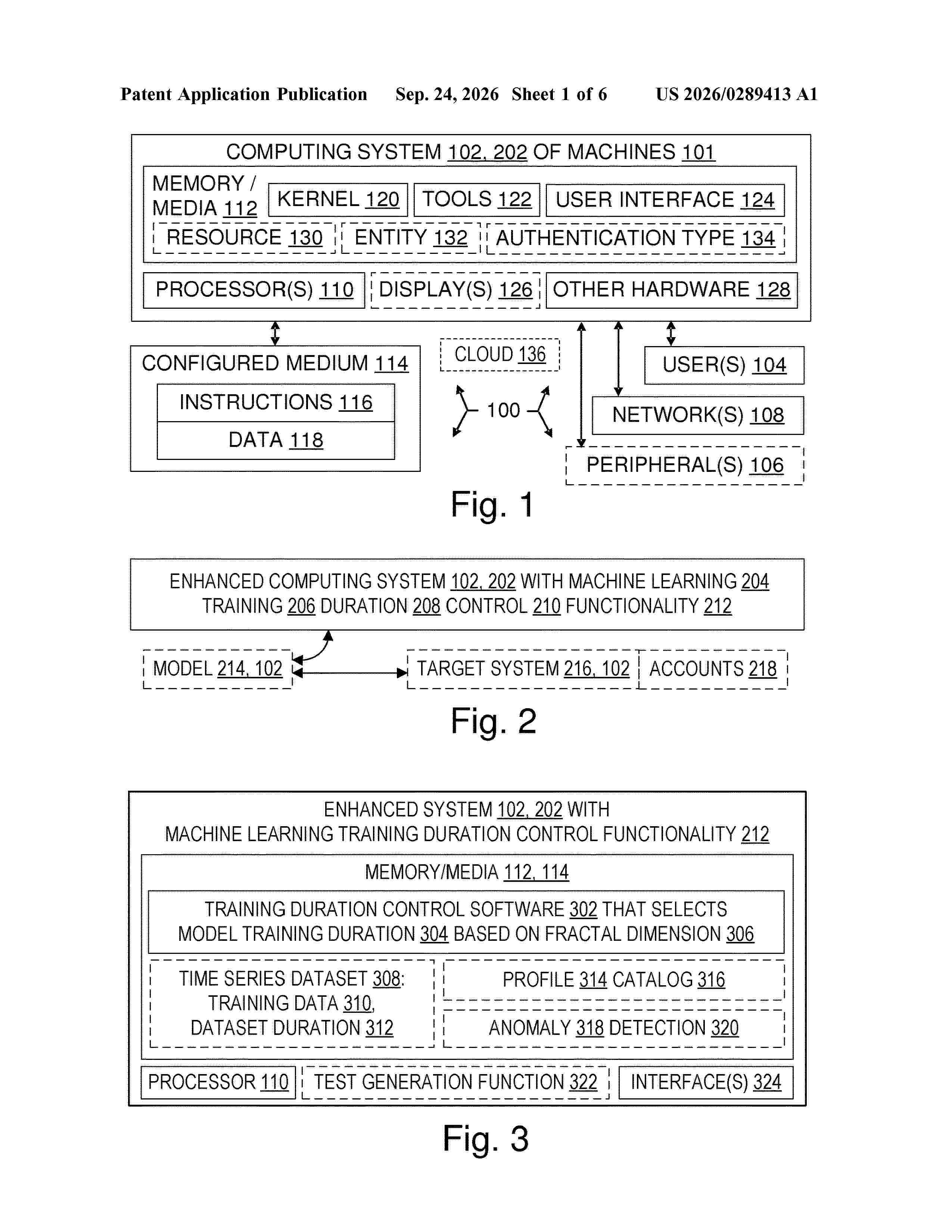
Resumen de: US20260289413A1
Some embodiments select a machine learning model training duration based at least in part on a fractal dimension calculated for a training data dataset. Model training durations are based on one or more characteristics of the data, such as a fractal dimension, a data distribution, or a spike count. Default long training durations are sometimes replaced by shorter durations without any loss of model accuracy. For instance, the time-to-detect for a model-based intrusion detection system is shortened by days in some circumstances. Model training is performed per a profile which specifies particular resources or particular entities, or both. Realistic test data is generated on demand. Test data generation allows the trained model to be exercised for demonstrations, or for scheduled confirmations of effective monitoring by a model-based security tool, without thereby altering the model's training.
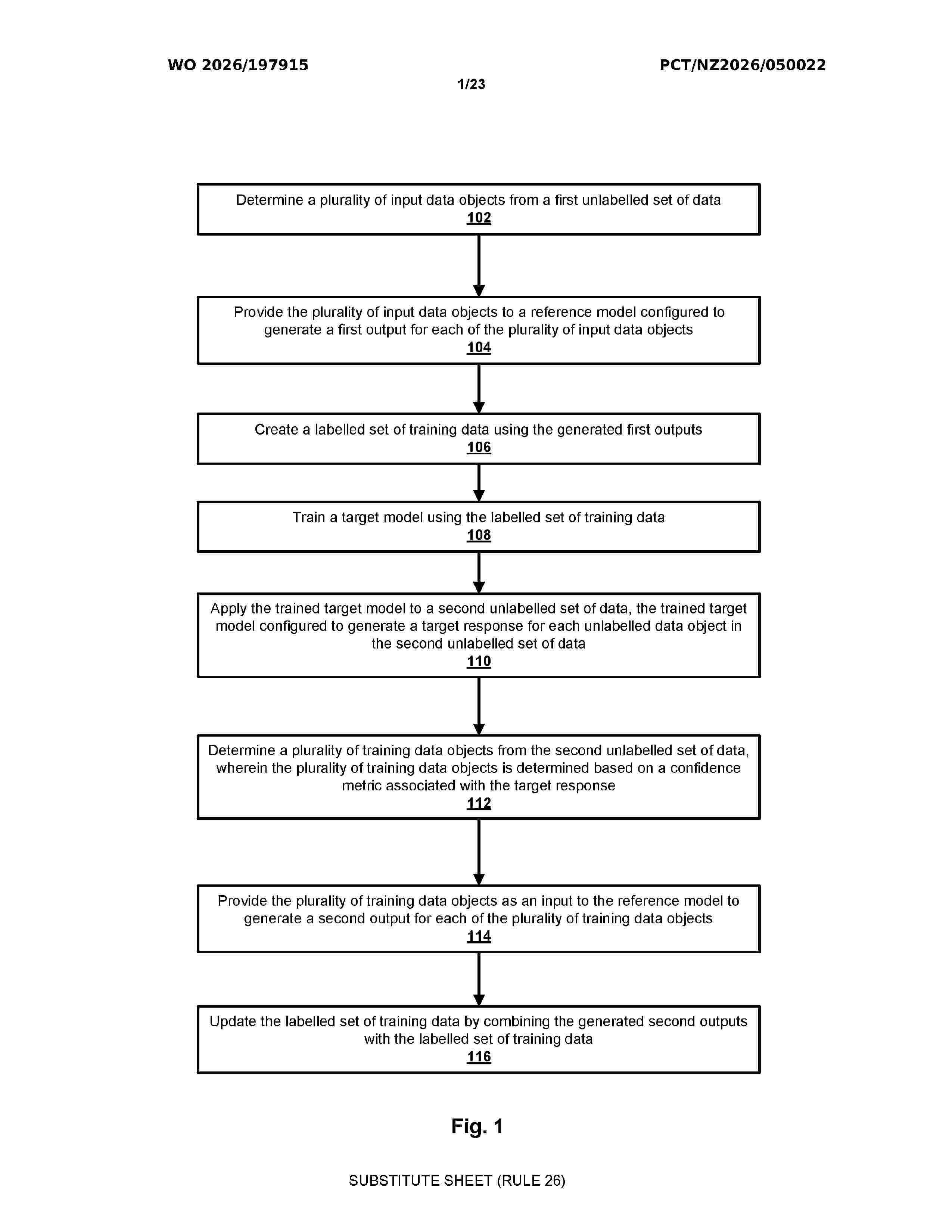
Resumen de: WO2026197915A1
A method for extracting data from a data object comprising receiving, at an extraction application programming interface (API), an extraction request comprising at least one data object or at least one data object reference and an extraction schema comprising one or more target data elements. The method includes determining for each target data element, whether a target model exists for extracting the target data element. Responsive to determining that a target model exists, the target model is applied to the data object to extract one or more values associated with the target data element from the data object. Responsive to determining that a target model does not exist, a general extractor model is applied to the data object to extract one or more values associated with the target data element from the data object. The method further includes generating and outputting an extraction payload.
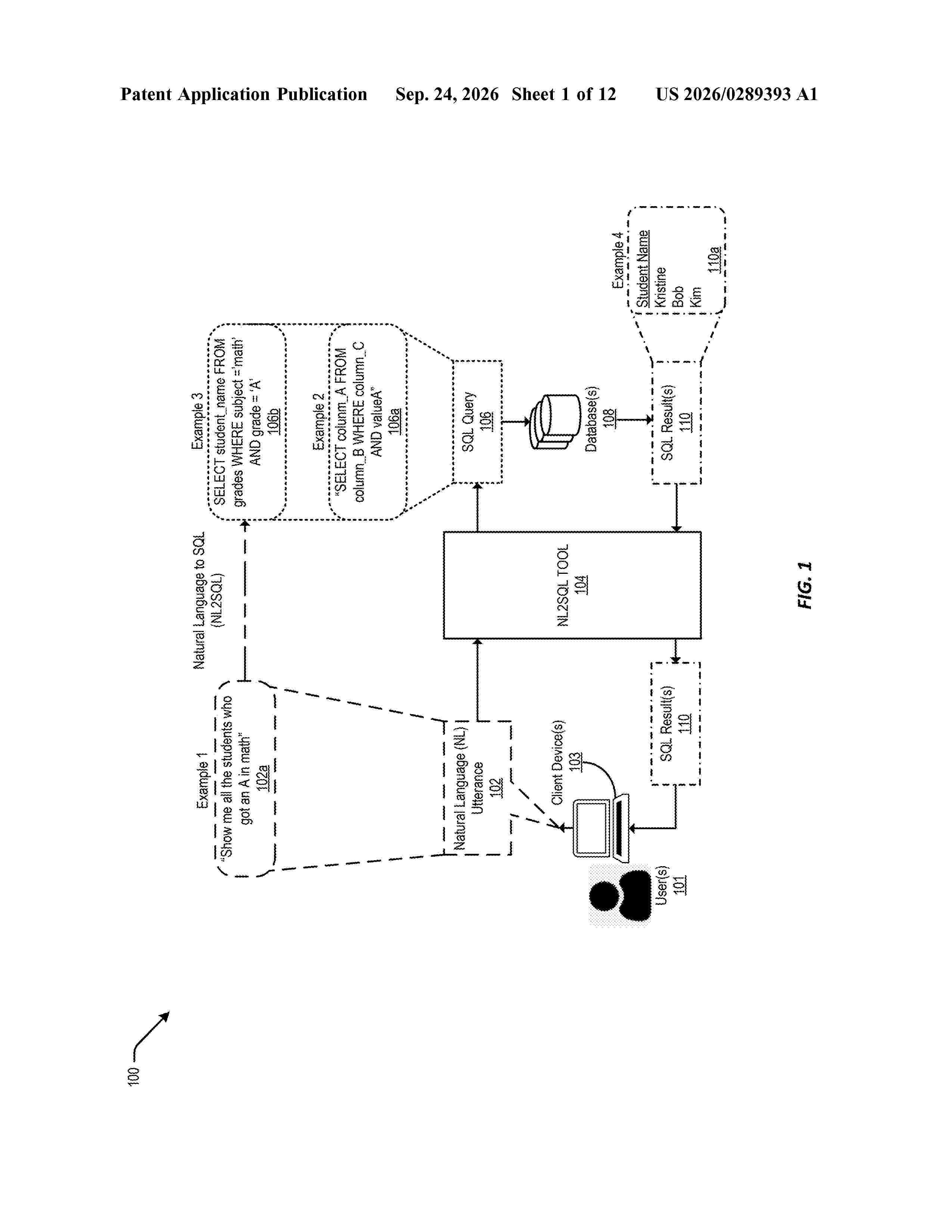
Resumen de: US20260289393A1
Techniques are disclosed herein for generating augmented training examples to fine-tune a machine learning model for converting natural language to logical form. In one aspect, a method is disclosed that includes: accessing a set of training examples, wherein each training example includes: (i) an original prompt having a database schema and (ii) a programming language completion corresponding to the original prompt, generating a set of augmented training examples based on the set of training examples, generating a fine-tuning dataset comprising the training examples and the augmented training examples, and fine-tuning a model with the fine-tuning dataset. Generating the set of augmented training examples can include performing an iterative process including: selecting a subset of database object names from the database schema and/or programming language completions and performing transformations to each database object name of the selected subset of database object names within the original prompt and programming language completion.
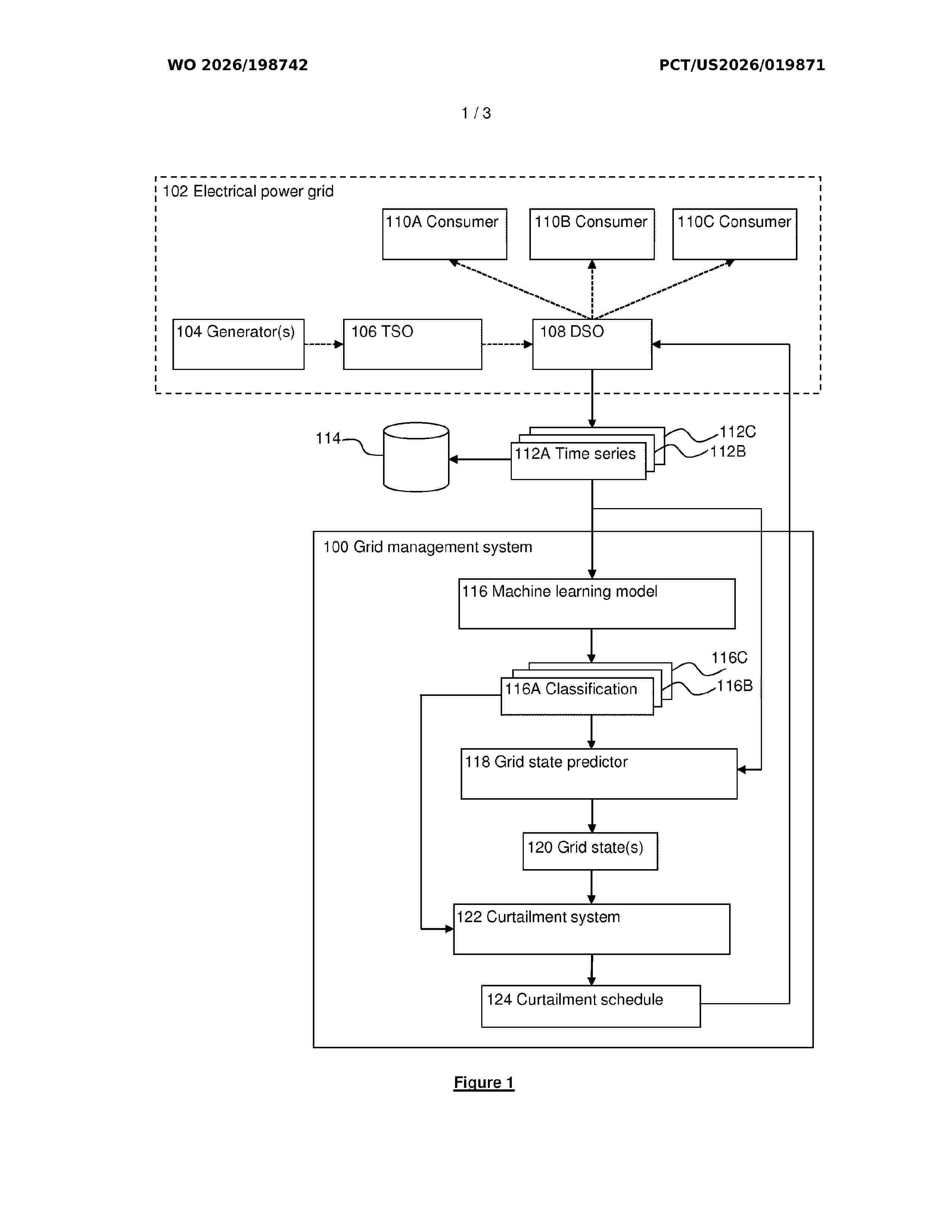
Resumen de: WO2026198742A1
A system and method of managing an electrical power grid. The method comprises: obtaining measurement data comprising a respective time series for each of a plurality of electrical loads connected to an electrical power grid, each time series comprising electrical power consumption measurements for the corresponding electrical load at each of a plurality of times; processing each of the time series using a machine learning model to determine a respective classification output for each of the electrical loads; processing the measurement data to predict one or more states of the electrical power grid at one or more corresponding times; and adjusting electrical power distribution to one or more of the electrical loads based on the classification outputs for the electrical loads and the predicted one or more states of the electrical power grid.
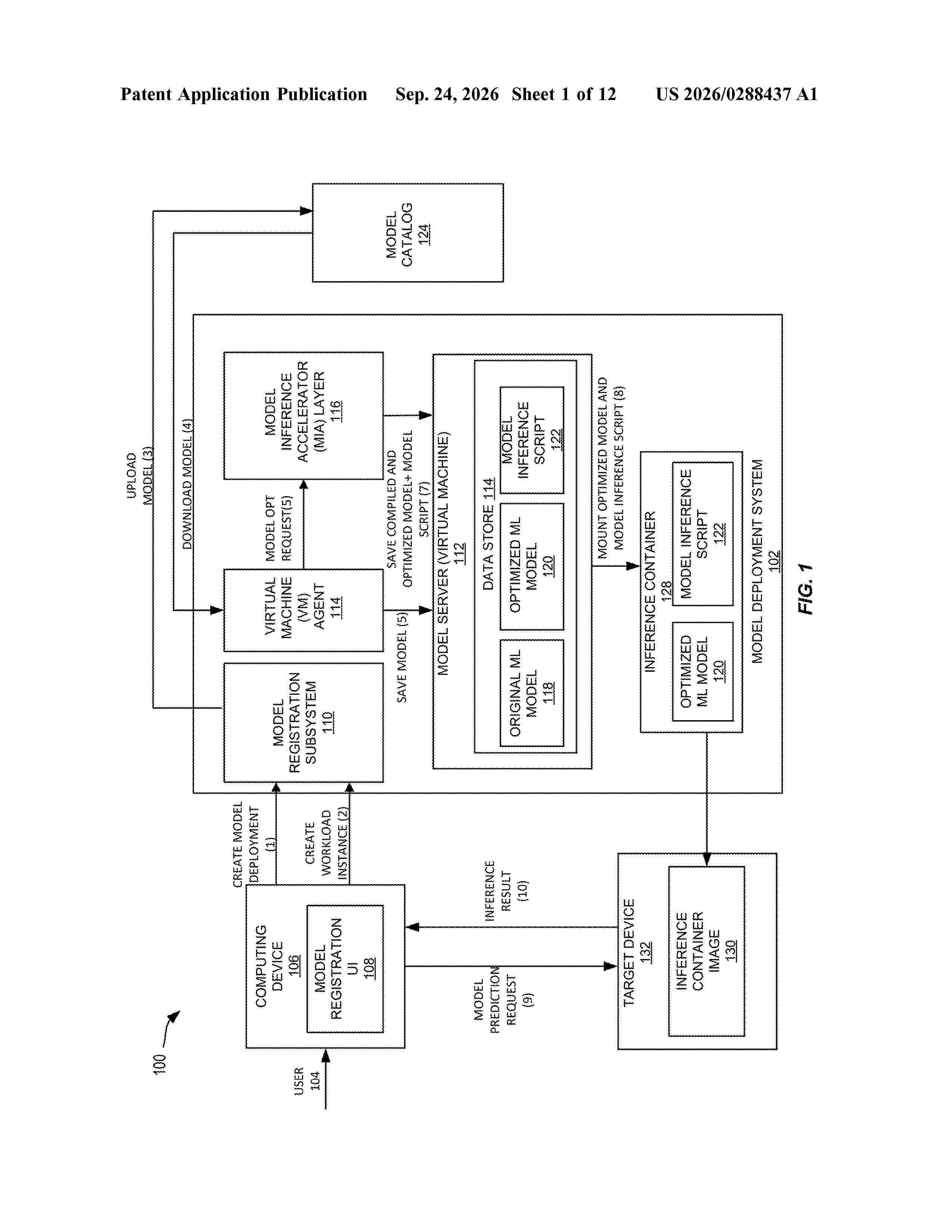
Resumen de: US20260288437A1
A model deployment system (MDS) is disclosed that includes capabilities for generating an optimized model that is tailored to specific target deployment hardware used to deploy the model in a target environment. The MDS is capable of executing a model inference accelerator (MIA) layer to perform a set of optimizations on a machine learning (ML) model. The MIA layer executes the set of optimizations based on model metadata associated with the ML model to generate an optimized ML model. The execution performed by the MIA layer includes generating an intermediate representation (IR) format for the IR model that identifies model-specific optimizations to be applied to the ML model and target hardware for deploying the ML model. The execution by the MIA layer further includes compiling the IR format of the ML model based on model-specific optimizations and target hardware-specific model optimizations to generate an optimized ML model.
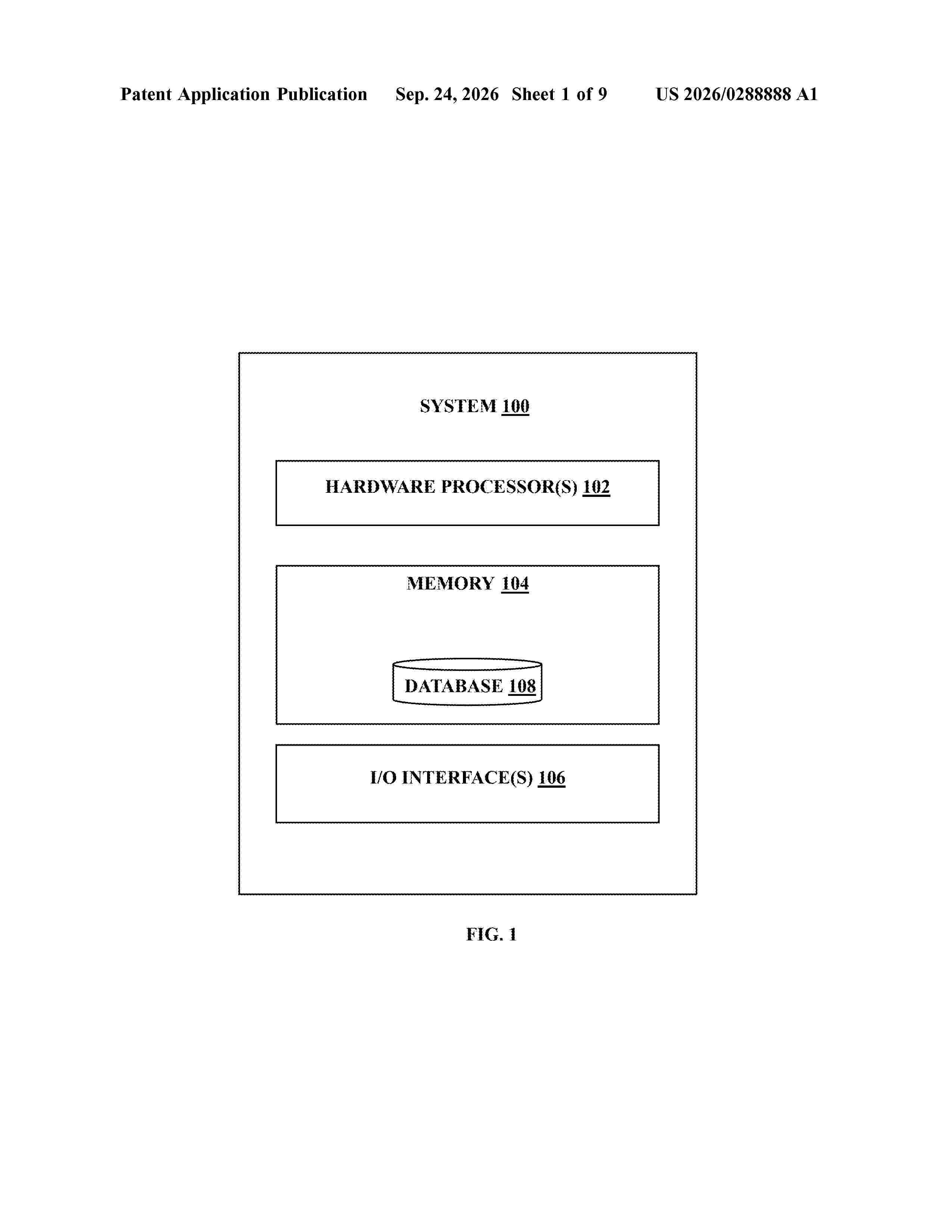
Resumen de: US20260288888A1
This disclosure relates generally to a method and system for generating spatially distributed response to query by intelligent selection of time-series remote sensing data. The current available methods for processing and analyzing geospatial data have limitations such as manual satellite data selection, limited natural language query support and the like. The method disclosed receives multi-contextual user query, intelligently selects the relevant time-series satellite data and climate information from repository using intents and entities generated utilizing pre-defined knowledge graph. The method intelligently selects time-series satellite data by creating and utilizing relationship strength-based node ranking graph. This time-series satellite data is combined with the climate data selected from climate repository to generate the spatially distributed response for the multi-contextual user query using machine learning model and large language model. The method enables stakeholders to access actionable insights without needing expertise in satellite data processing and using it for informed agricultural decision-making.
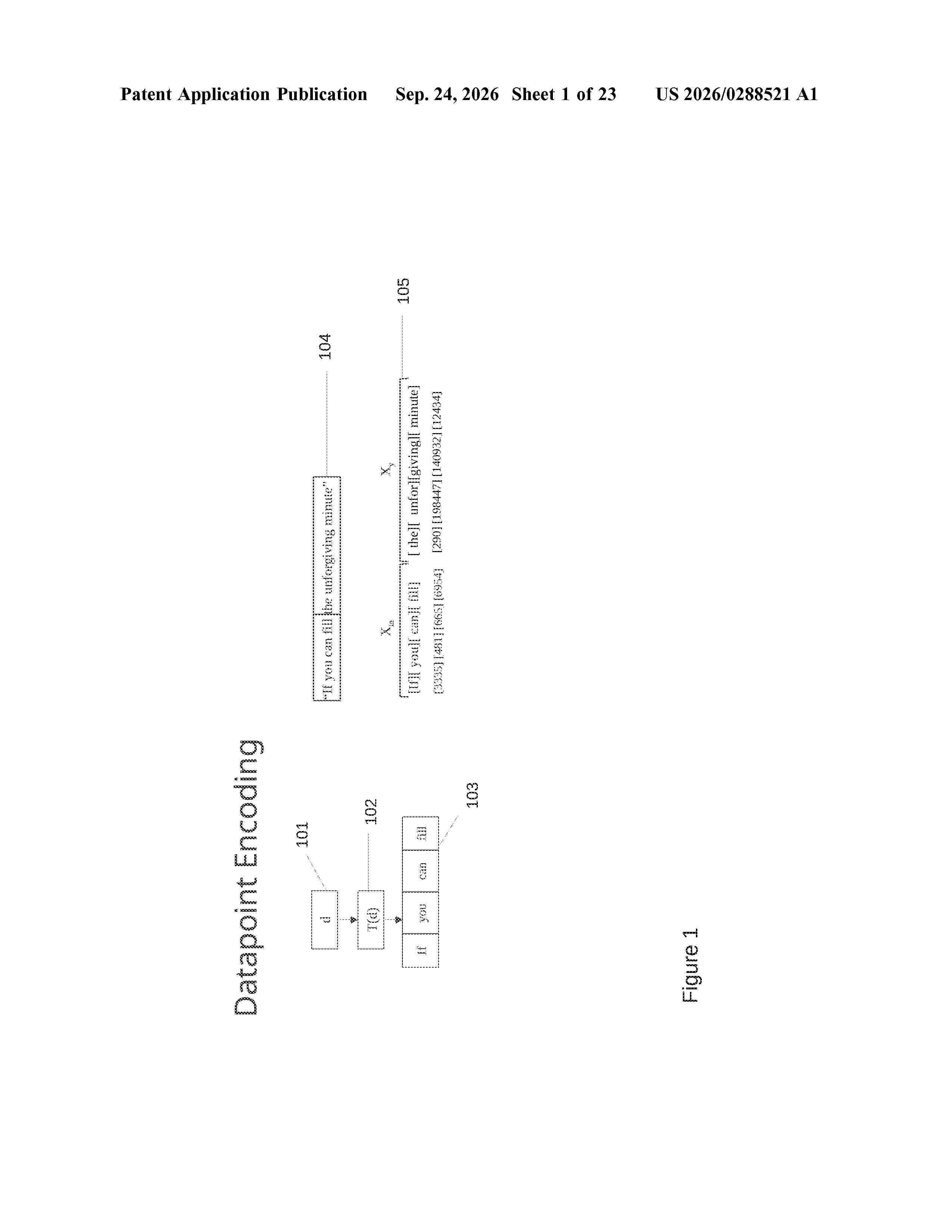
Resumen de: US20260288521A1
Systems, methods, and computer-readable media determine allocation of model memory, storage, parameters, context window capacity, tokens, or training and inference resources based on contribution values of input data. A system can encode input data, segment the input data into input sequences, test a model with the input sequences, obtain output token or encoding sequences and logit values, and compute entropy, significance, weight of evidence, explanatory power, rarity, or salience to determine expected contribution values. Input sequences having low or negative contribution value can be discarded or reordered, and remaining input sequences can be retained for training, inference, fine tuning, reinforcement learning, or context-window assembly. The resulting allocation can reduce processing of low-utility data while optimizing memory, storage, and parameter resources of the model in training.
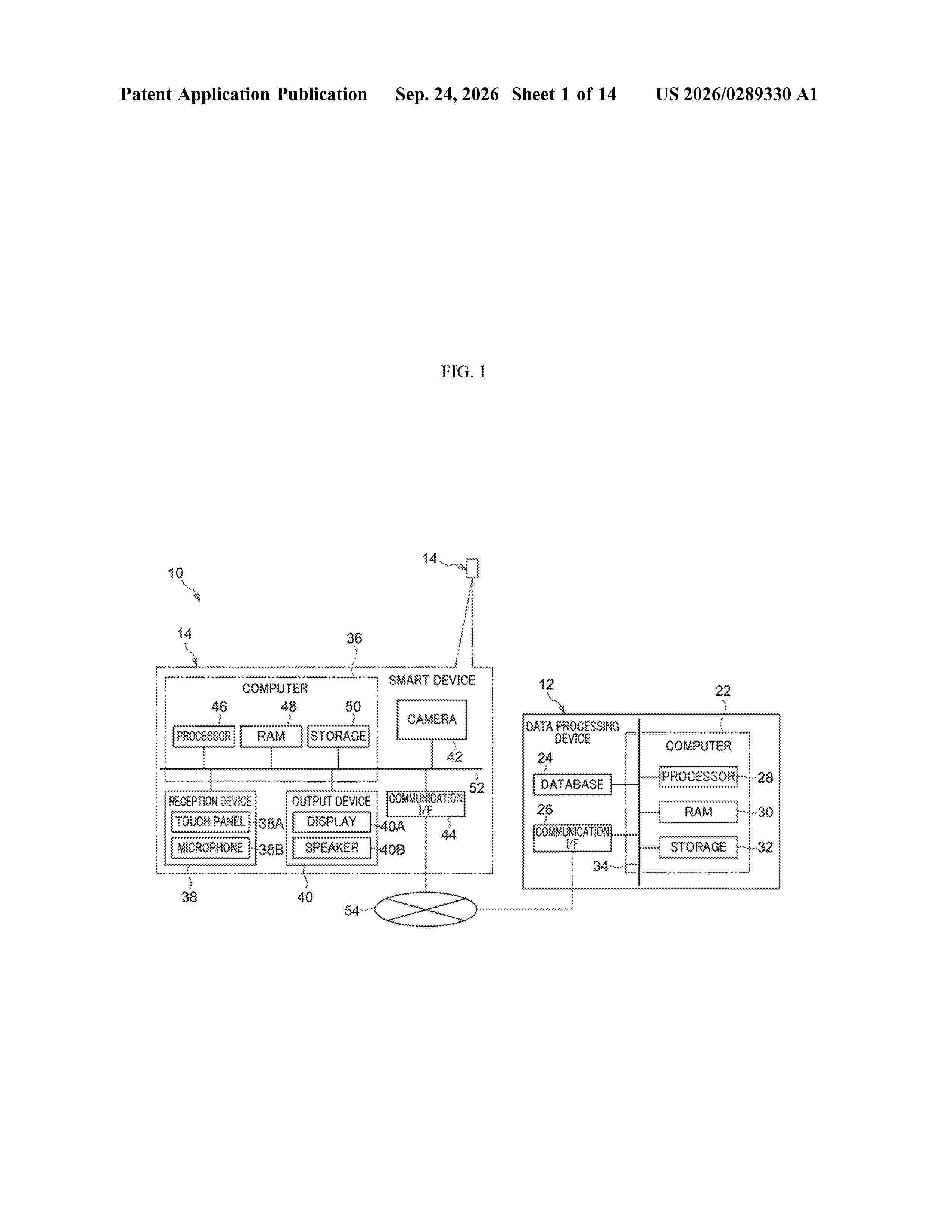
Resumen de: US20260289330A1
A system includes a processor that is configured to preprocess information acquired from a plurality of information sources and analyze the preprocessed information by using a machine learning algorithm, analyze a question of a user by using a natural language processing technique, input a prompt to a generative AI model to instruct the generative AI model to generate an appropriate answer to the question, and analyze a text input of the user by using a sentiment analysis algorithm and adjust the generated answer based on an emotion estimated from the text input.
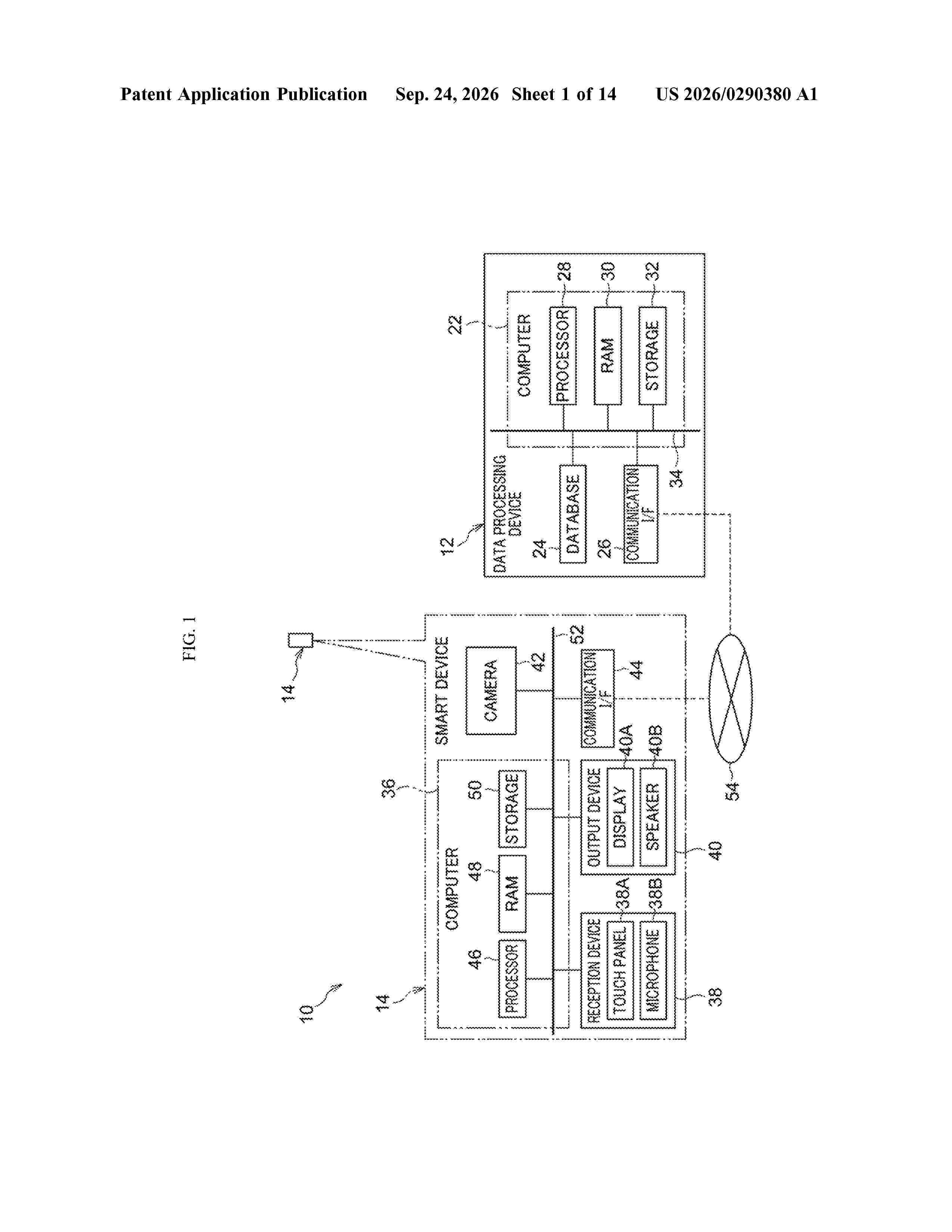
Resumen de: US20260290380A1
A system includes a processor that is configured to extract, from a database, data related to past business performance and customer traffic for a corresponding past period and analyze the extracted data using a statistical analysis technique, generate a prompt for instructing a generative artificial intelligence model to generate advice, input the prompt into the generative artificial intelligence model, and obtain advice generated by the generative artificial intelligence model, and perform preprocessing on data using an information processing device, normalize the data, and perform feature extraction on the data so as to apply a machine learning algorithm and construct a prediction model.
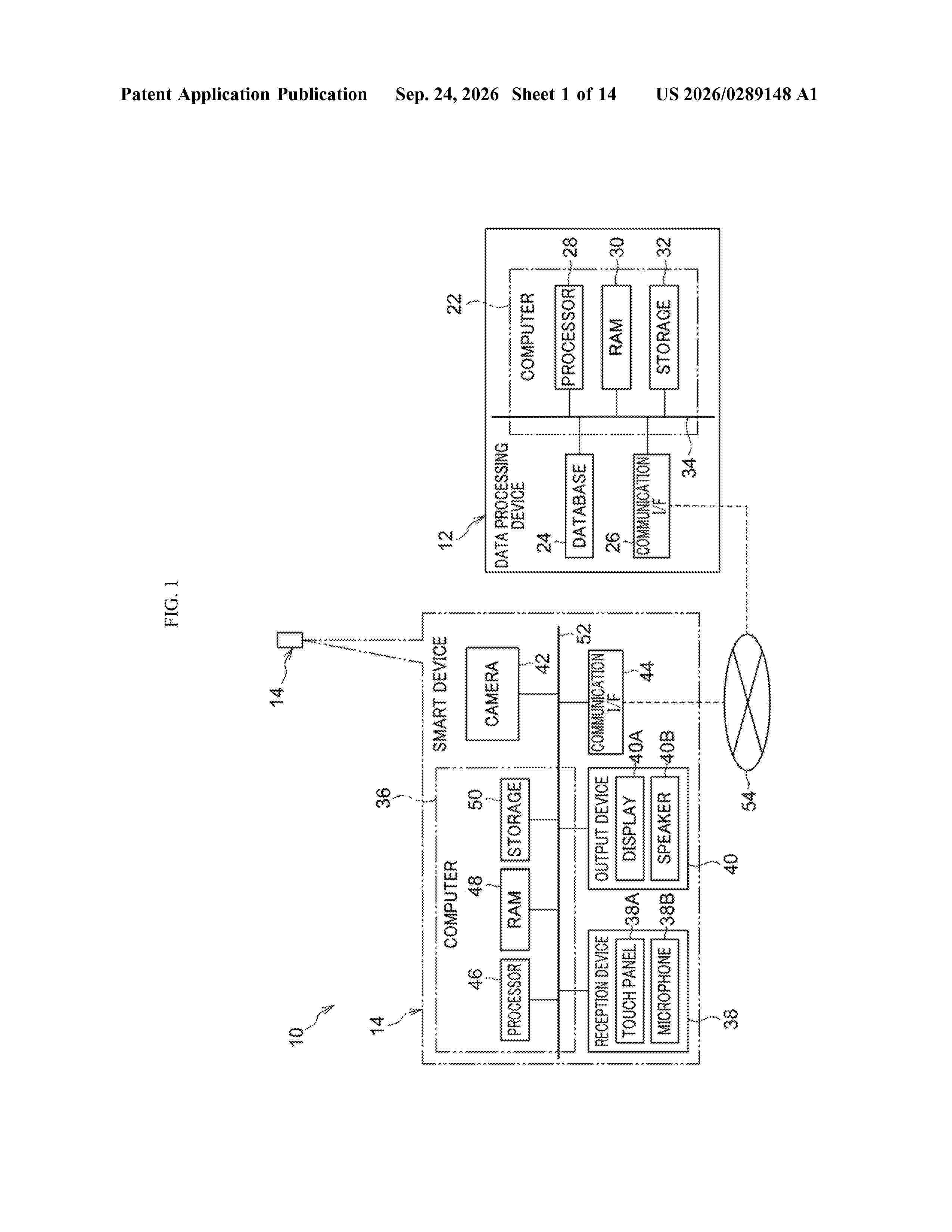
Resumen de: US20260289148A1
0000 A system includes a processor that is configured to collect historical performance information, market trend information, and competitor information, convert the collected data into a format suitable for analysis, analyze the data using a machine learning algorithm to identify factors that affect a management strategy, generate an optimal management strategy by using a generative AI model based on the identified factors, obtain emotion information by using an emotion engine that recognizes a user's emotion, and reflect the obtained emotion information in the generated management strategy, and receive feedback from a user and use the feedback to improve the generative AI model.
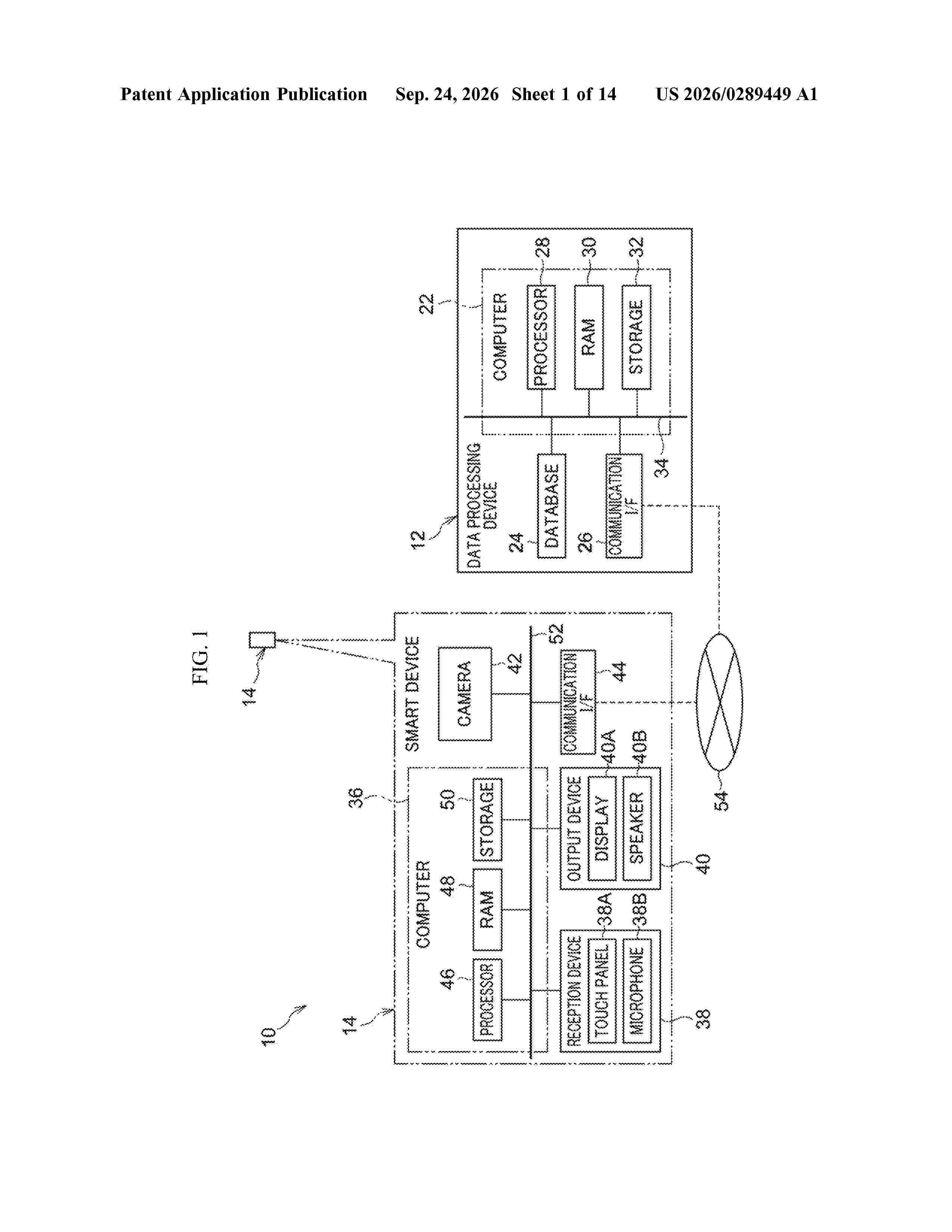
Resumen de: US20260289449A1
0000 A system includes a processor that is configured to collect information for attracting visitors to a facility from at least one sensor or at least one database and analyze the collected information by using a machine learning algorithm, acquire attributes of visitors by using at least one camera or at least one RFID sensor and analyze the acquired attributes by using a data mining technique, and generate, by using a natural language processing technique, a prompt sentence for instructing a generative artificial intelligence model to generate event content and input the prompt sentence to the generative artificial intelligence model.
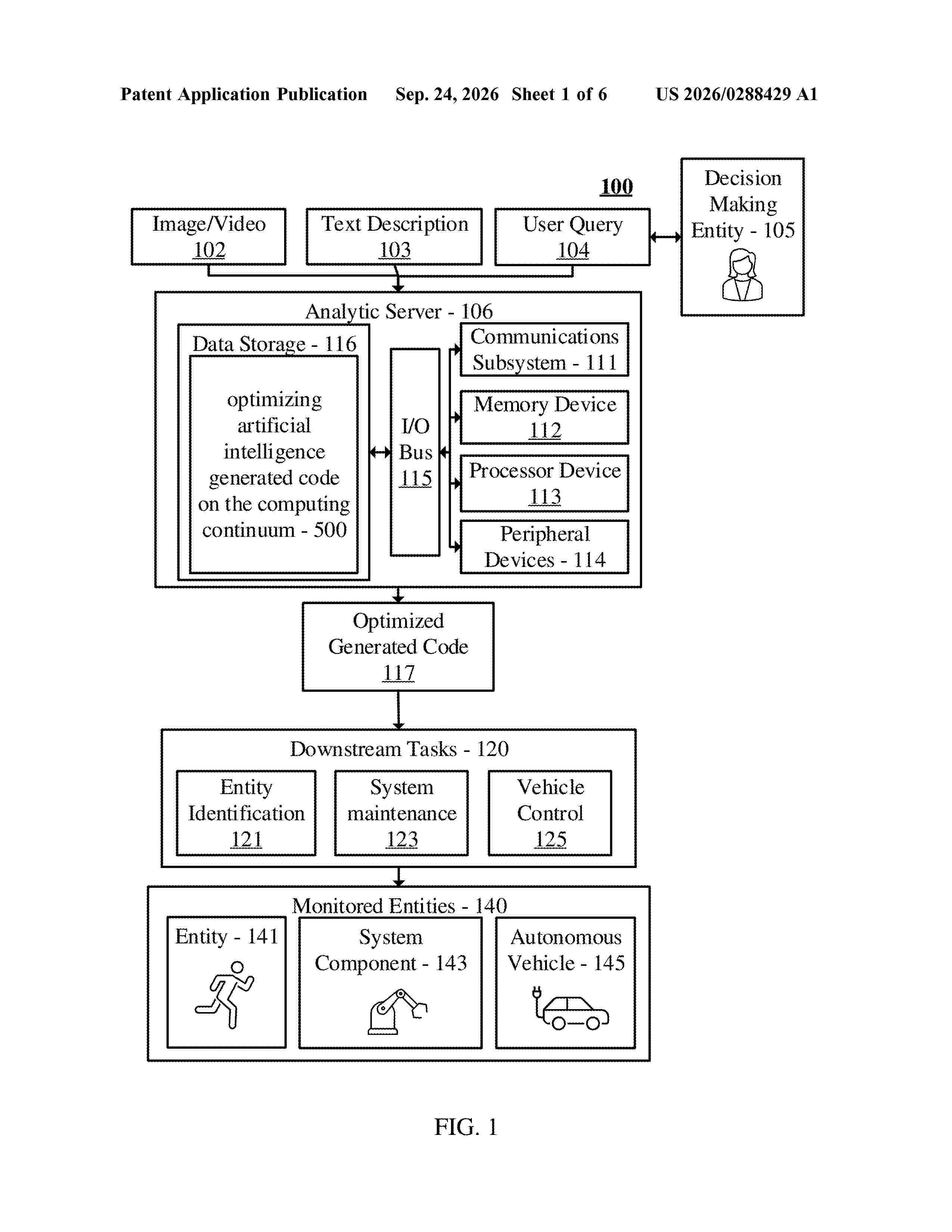
Resumen de: US20260288429A1
Systems and methods for optimizing artificial intelligence generated code on the computing continuum. An instruction code that instructs a machine learning model (MLM) can be modified to obtain a modified instruction code that incorporates a dynamic control flow that limits processing of software code based on a target time period. One or more candidate codes based on the modified instruction code can be generated. One or more service paths within the dynamic control flow of the one or more candidate codes can be executed to obtain an optimized generated code having detailed responses within a threshold for downstream tasks by asynchronously performing sub-tasks from the one or more service paths to optimal computing nodes.
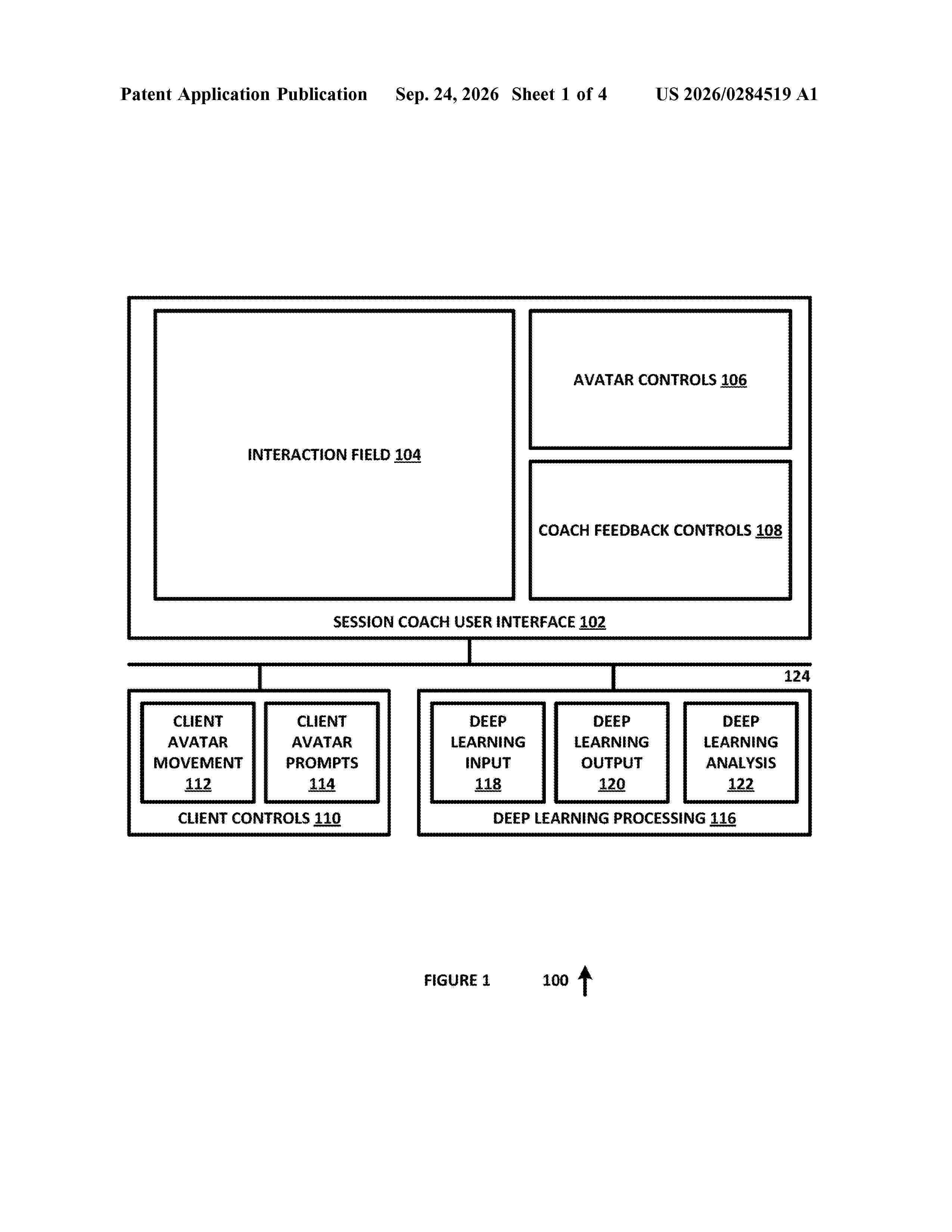
Resumen de: US20260284519A1
0000 A deep-learning system enables a coach to guide interactions between a user and an avatar while adaptively refining behavioral characteristics associated with the avatar. During a session, a coach provides prompts, feedback, and scoring through a dedicated interface, and the system generates avatar-matched dialog based on predefined behavioral traits, objectives, and personality attributes. The system compares automated scoring with coach-provided evaluations to identify substantive differences and dynamically update adaptive model parameters used in future dialog generation. The invention further supports real-time response suggestions, behavioral reinforcement, avatar movement controls, voice transformation, and personality-based language modification. Training data generated during sessions may be reviewed and incorporated into ongoing deep-learning processes, enabling continuous improvement of avatar behavior modeling for coaching, simulation, education, therapeutic, or interactive communication environments.
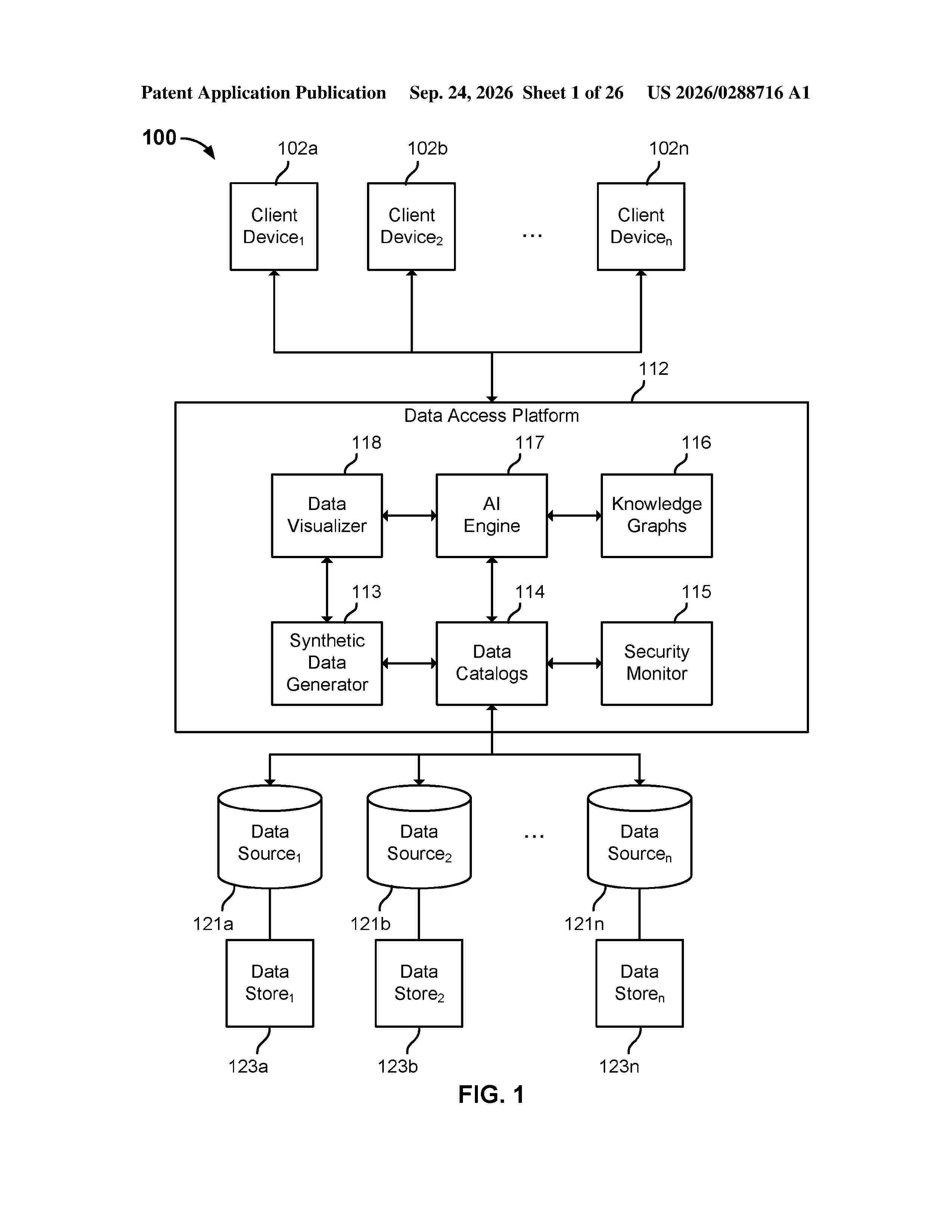
Resumen de: US20260288716A1
A first dashboard is generated utilizing a machine learning model and user settings associated with a user. One or more follow-up prompts are received. Data needed to answer the one or more follow-up prompts is determined and obtained utilizing one or more data catalogs. One or more subsequent dashboards are generated utilizing the machine learning model and the user settings associated with the user.
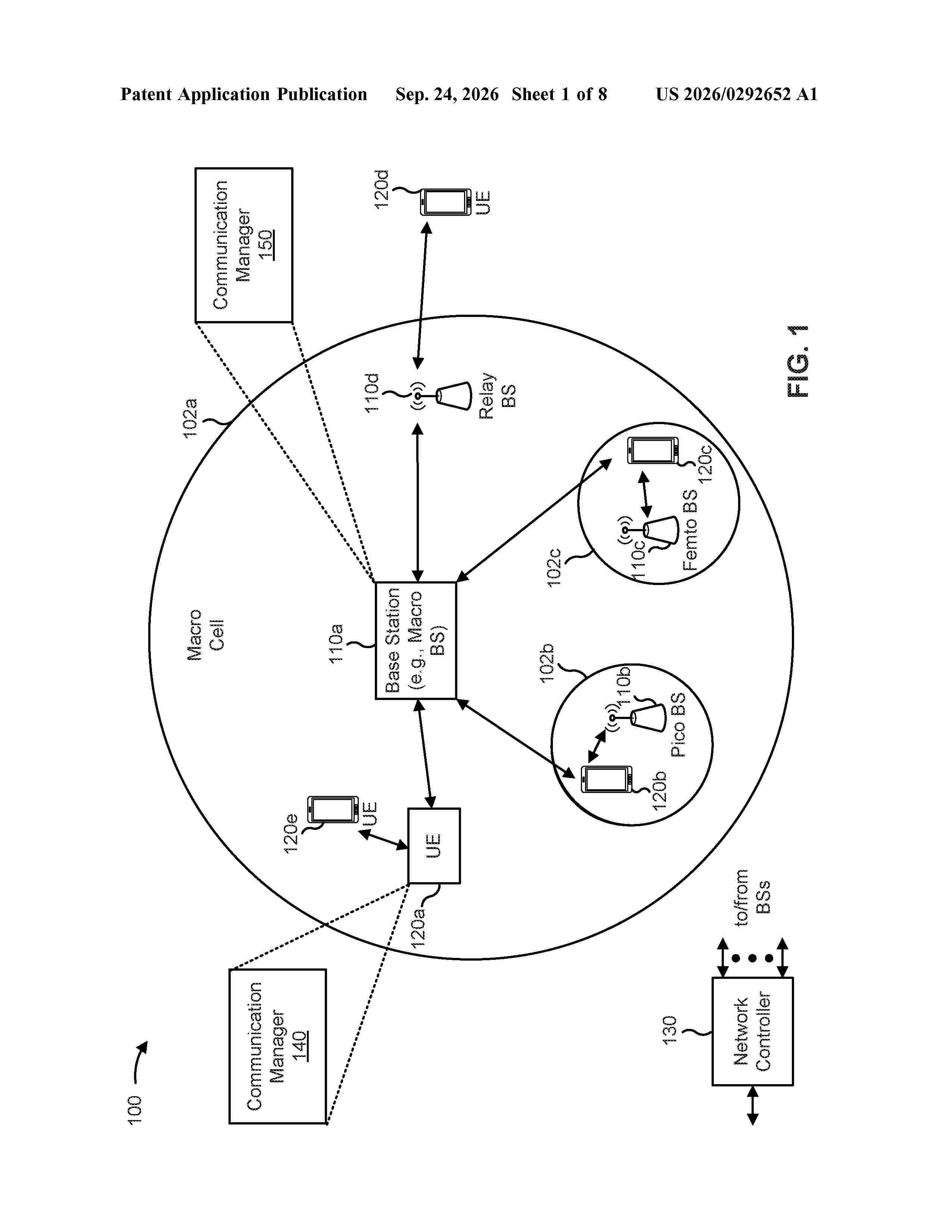
Resumen de: US20260292652A1
Various aspects of the present disclosure generally relate to wireless communication. In some aspects, a transmitter node may predict a future state associated with a wireless channel at a future time instance using a machine learning model, wherein the future state is predicted based at least in part on one or more of weights associated with the machine learning model, a current state associated with the wireless channel, or one or more previous states associated with the wireless channel. The transmitter node may select one or more parameters for a transmission to occur at the future time instance based at least in part on the future state associated with the wireless channel. The transmitter node may perform the transmission using the one or more parameters. Numerous other aspects are described.
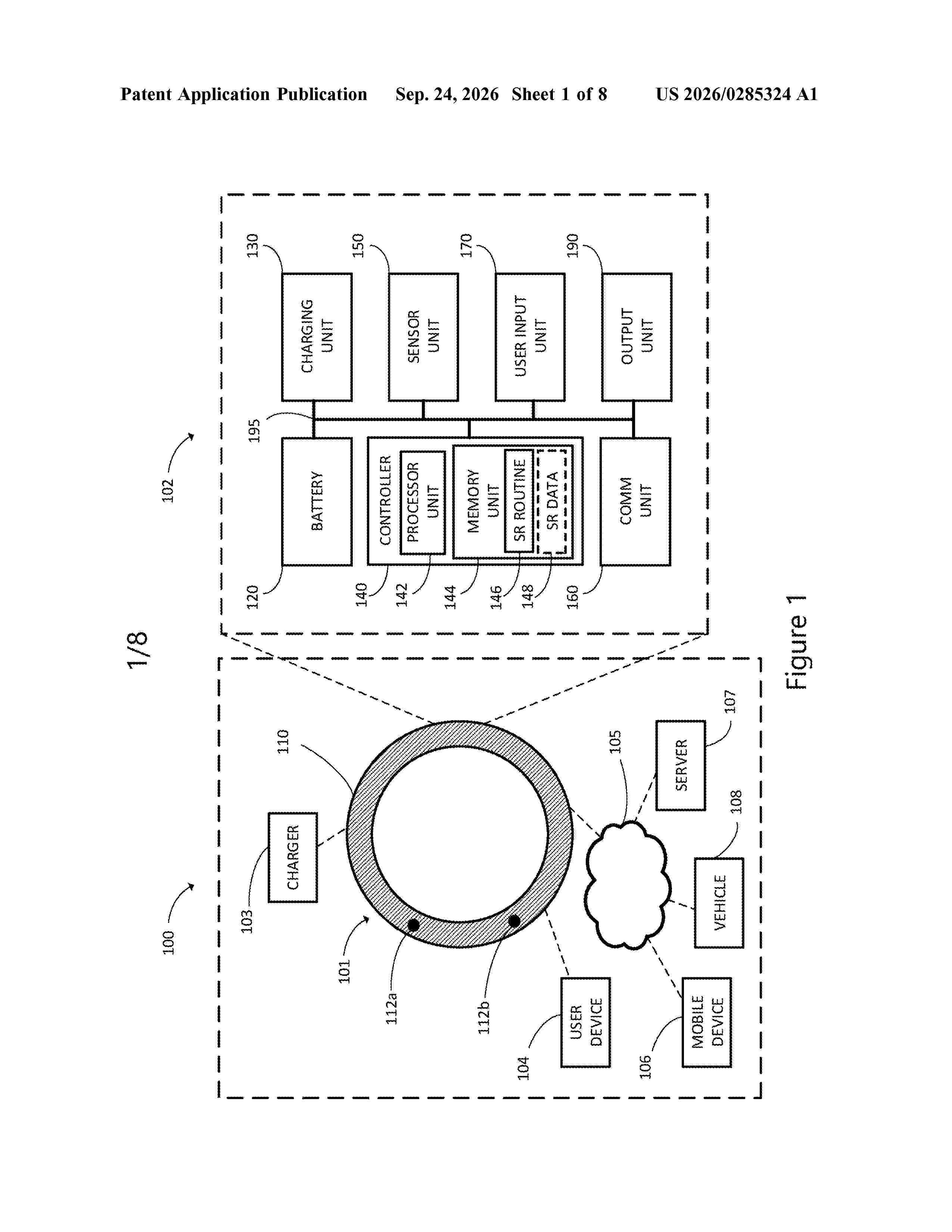
Resumen de: US20260285324A1
A method for predicting risk exposure can include sensing, by a sensor of a ring worn by a user, a set of data. The sensor can be integrated with a microfluidic device. The method for predicting risk exposure further can include determining, by a trained machine learning (ML) model, a risk score based at least on the set of data. The method for predicting risk exposure also can include determining, by a trained ML model, a remediating action to reduce the risk score. The method for predicting risk exposure also can include, in response to determining the risk score, generating a notification to alert the user of the risk score and the remediating action. Other embodiments are disclosed.
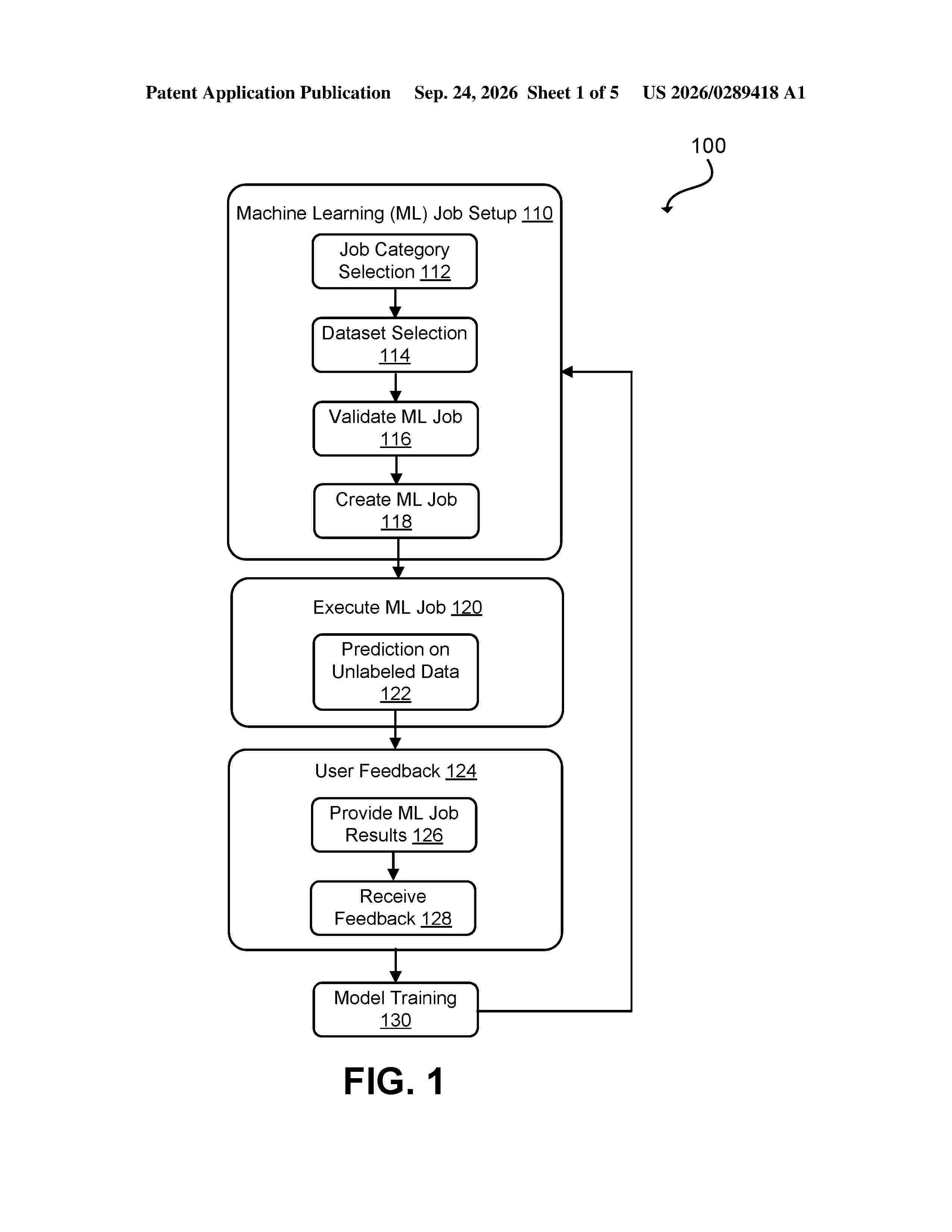
Resumen de: US20260289418A1
Embodiments relate to multi-domain process automation with user feedback integration. Some embodiments include a method performed by one or more computing devices. The one or more computing devices generate, using a machine learning (ML) model, predictions for records. The one or more computing devices receive at least one of single user feedback or multiple user feedback for the predictions. The one or more computing devices generate a user validated record pool based on the single user feedback or multiple user feedback. The one or more computing devices update the ML model using the user validated record pool.
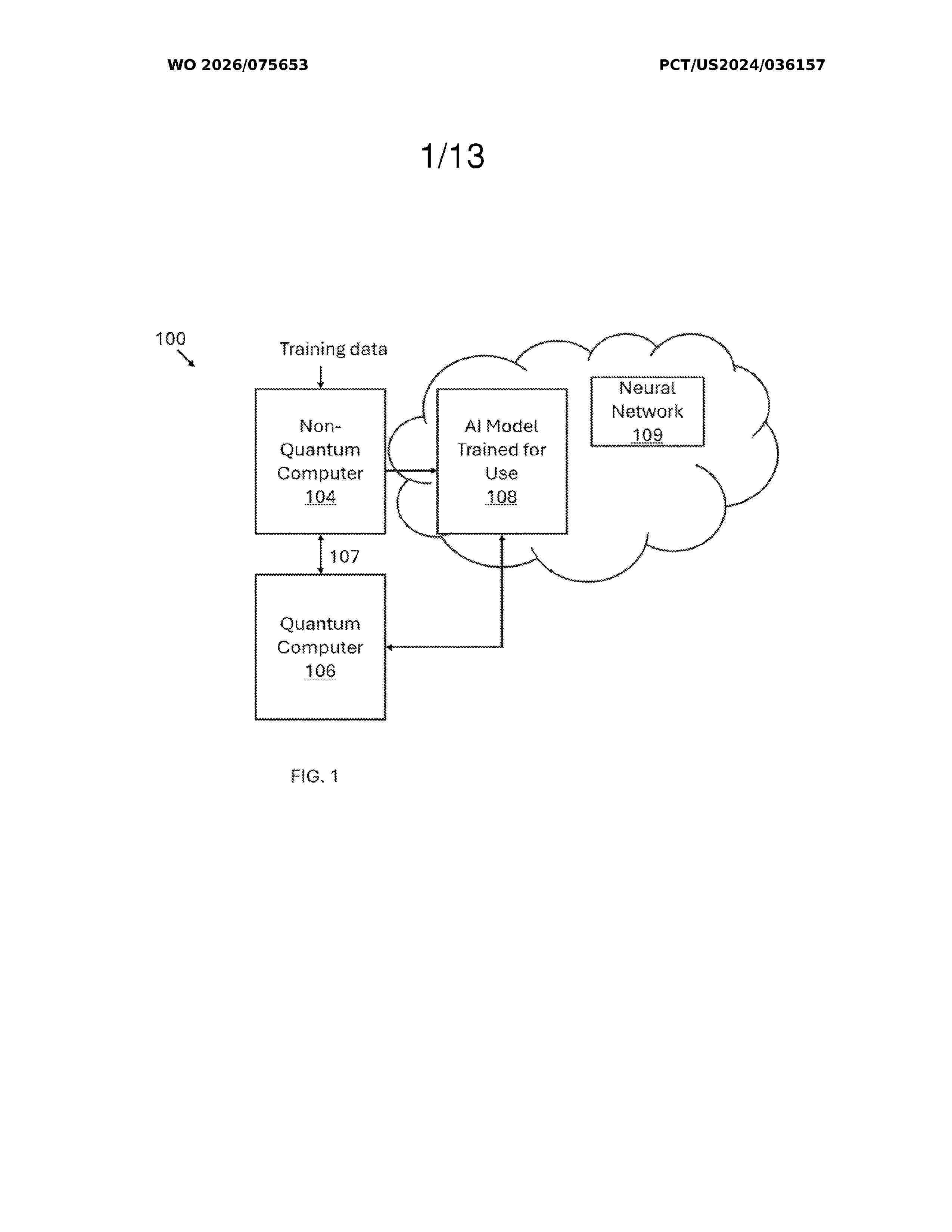
Resumen de: WO2026075653A2
A system and method to accelerate machine learning training comprises receiving, by a non-quantum computer, a set of data for training a machine learning model; dividing the set of data into a plurality of data batches, each data batch determined according to predetermined requirements of a quantum computer; calculating, by the non-quantum computer, a Jacobian matrix for each of the plurality of data batches, the Jacobian matrix and a loss vector being part of a linear matrix equation for updating weights in the model; arranging, by the non-quantum computer, input data of a polynomial function formatted for a quantum computer; solving, by the quantum computer, a vector of weight updates; and updating the weights in the model.
Resumen de: EP4811366A1
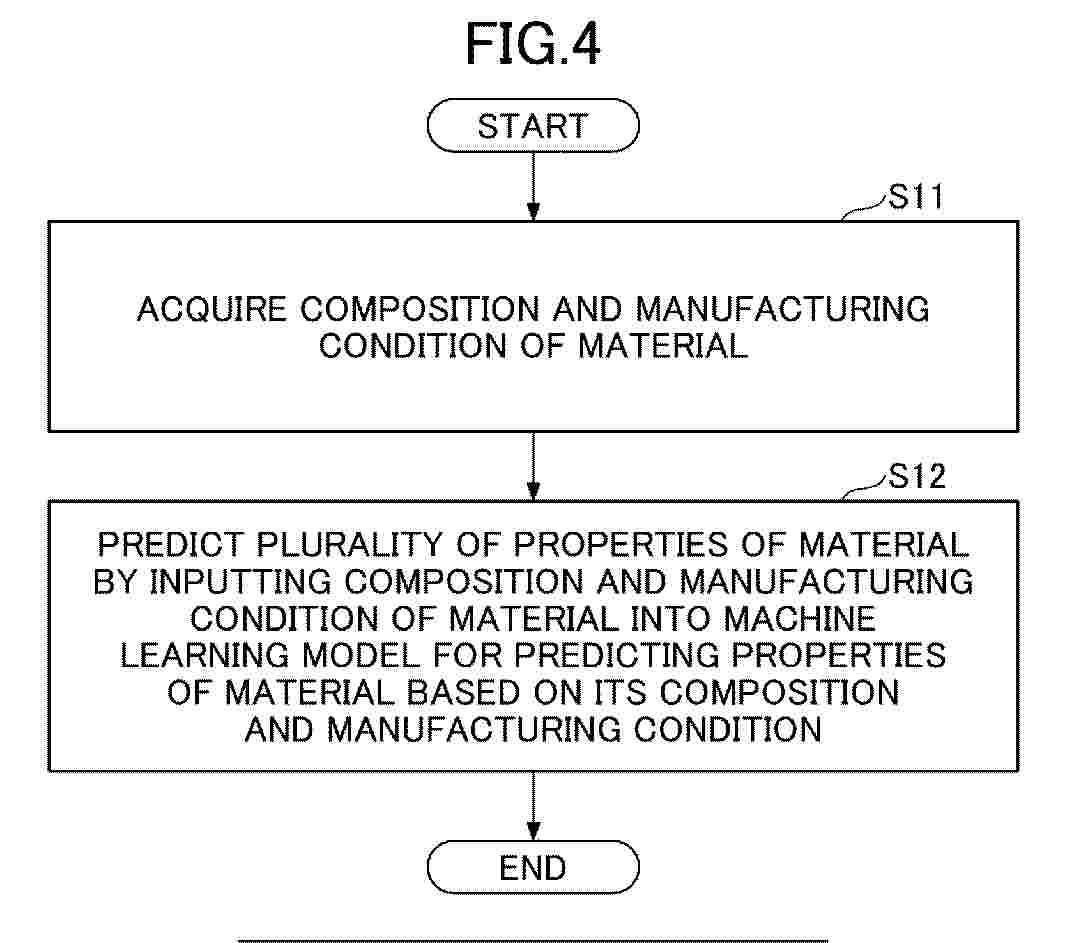
To design a material required to satisfy a plurality of properties efficiently. A method performed by a prediction system according to an embodiment of the present invention includes acquiring a composition and a manufacturing condition of a material of interest; and predicting a plurality of properties of the material of interest by inputting the acquired composition and manufacturing condition of the material of interest into a machine learning model for predicting properties of a material based on its composition and manufacturing condition. The machine learning model is based on a mixture of continuous probability distributions.
Resumen de: EP4811249A1
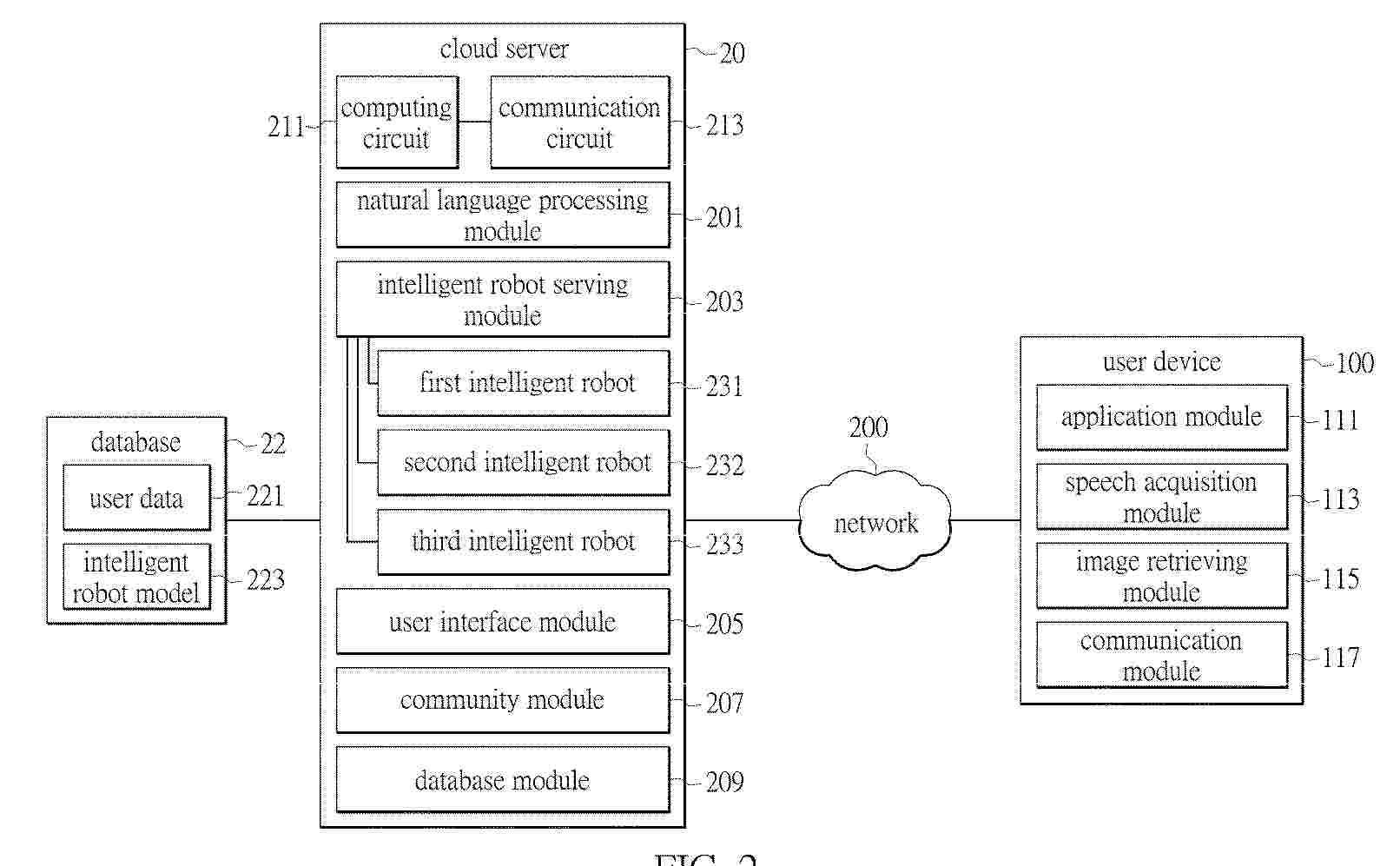
0001 A method for establishing a robot community, a robot community system and an operating method. For establishing the robot community, each of intelligent robots (101) is assigned with a specific attribute, and accordingly a training data is prepared for training the intelligent robot (101) through a machine-learning algorithm. The robot communication system then deploys multiple intelligent robots (101) into a social media and generates community contents associated with each of the intelligent robots (101) according to the attribute and basic data of each of the intelligent robots (101) by a generative intelligent model. Therefore, the robot community system allows users to interact with the intelligent robots (101) and establish social relationships between the users and the intelligent robots (101) in the social media.
Resumen de: WO2025106998A1
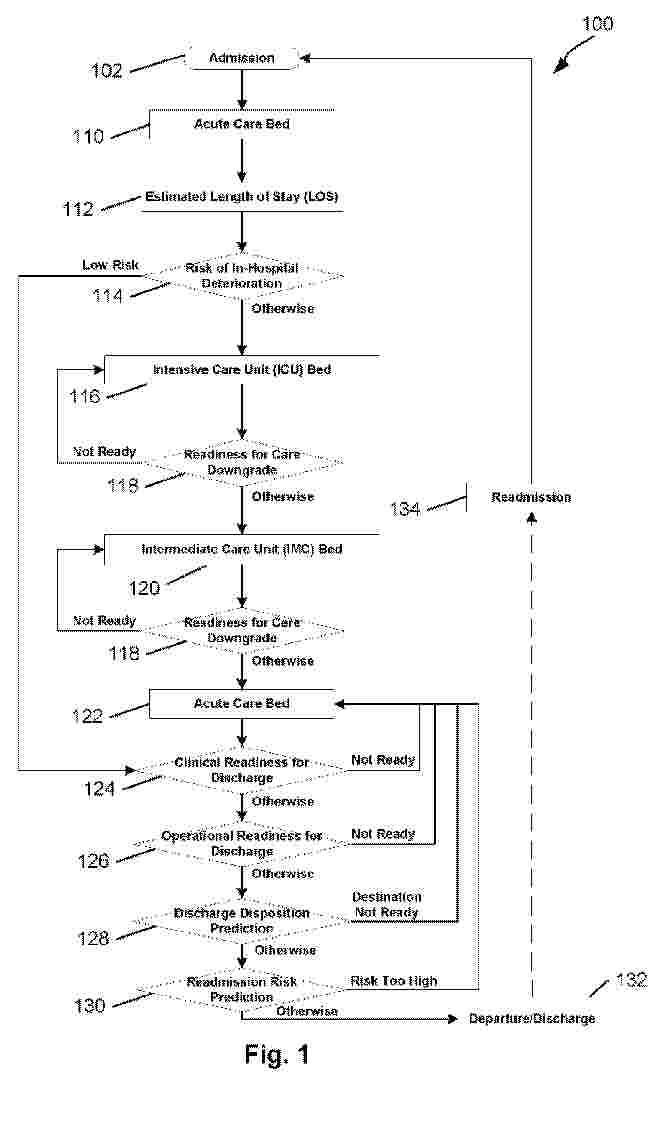
A method includes: receiving patient information including information about a current hospitalization of a patient; receiving hospital-unit-volume information corresponding to a rolling window of time, indicating a patient number admitted to, transferred into, or discharged from a hospital unit housing the patient; converting the patient information and the hospital-unit- volume information into a machine-interpretable format for at least one binary output machine learning algorithm; executing the at least one algorithm to generate binary models that predict the likelihood of discharging the patient within each of multiple timeframes; combining the binary models into a single combined model, including optimizing weightings of discharge predictions for each binary model; determining, using the single combined model, at least one weighted discharge readiness quantization; transforming the at least one weighted discharge readiness quantization into at least one discharge prediction; and controlling a user interface to provide the at least one discharge prediction to a user.
Resumen de: WO2025105999A1
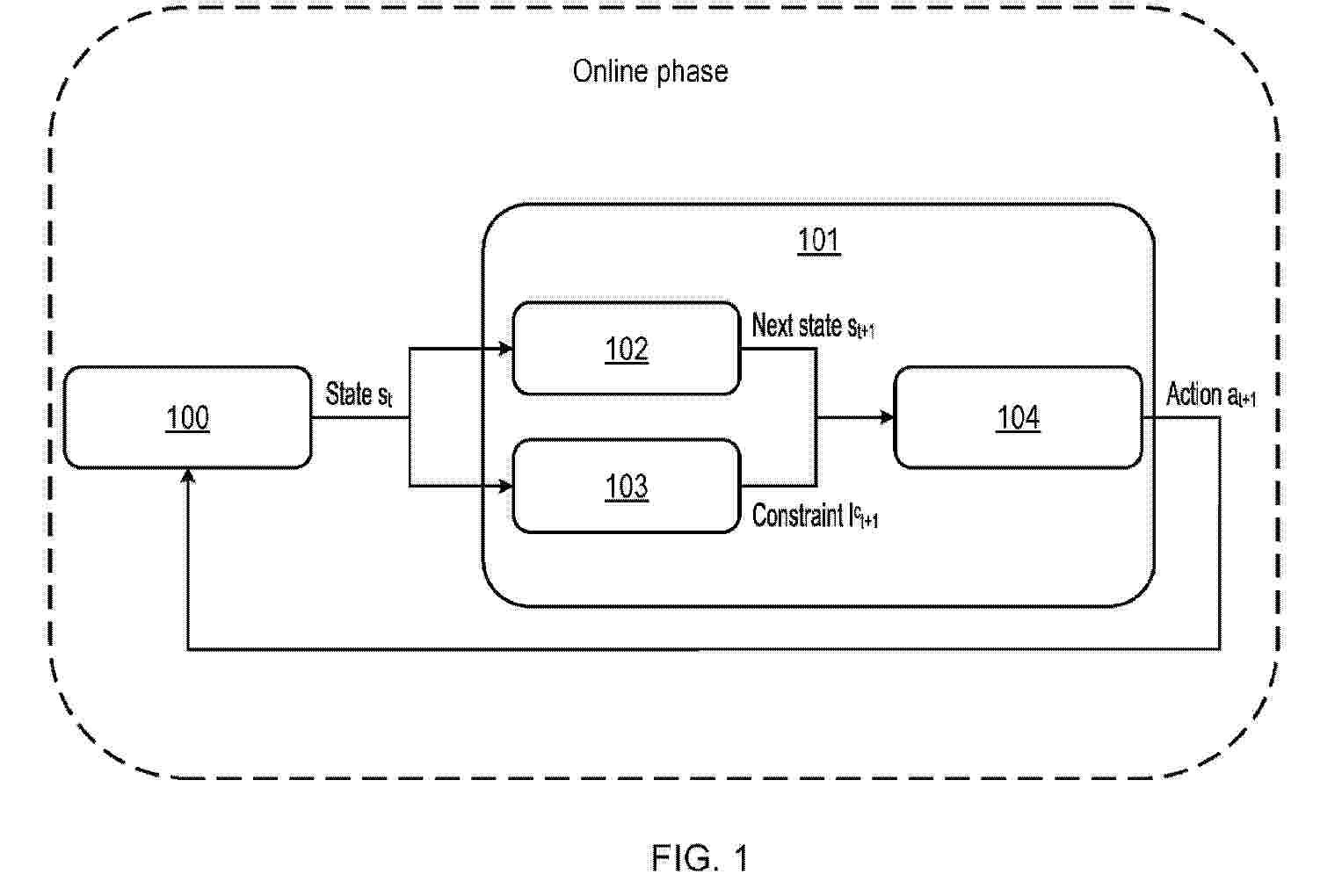
Embodiments described herein relate to methods and apparatuses for initiating control of one or more parameters in a communications network. A computer-implemented method comprises obtaining a first state of the communications network; for each action in a set of actions: predicting a next state of the communications network utilizing a first ML model based on the first state and the action; predicting, utilizing a second ML model, whether taking the action whilst the communications network is in the first state will violate one or more constraints; determining a cost value associated with the action by evaluating a cost function, wherein the cost function comprises: a first component representing one or more performance metrics of the communications network in the next state; and a second component dependent on whether taking the action in the first state will violate the one or more constraints; selecting a selected action from the set of actions, wherein the selected action is associated with a best cost value; and initiating performance of the selected action in the communications network.
Nº publicación: EP4811625A1 23/09/2026
Solicitante:
2NEURON SOLUCOES EM INTELIGENCIA ARTIFICIAL LTDA [BR]
2Neuron Solucoes Em Inteligencia Artificial Ltda
Resumen de: EP4811625A1
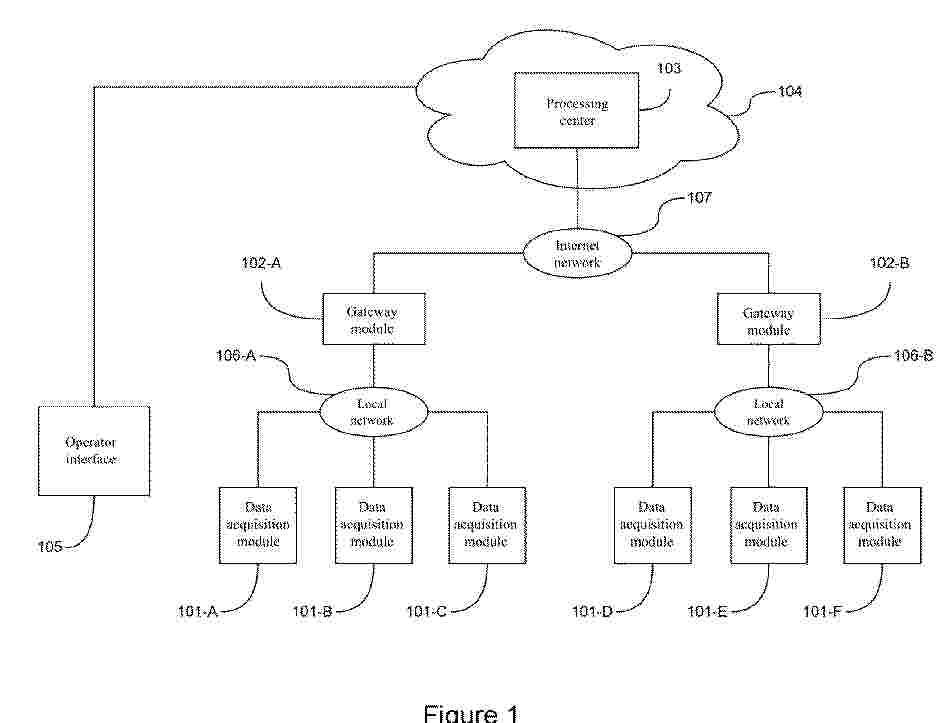
The present invention pertains to methods for operation, maintenance, and monitoring of rotating electrical machines, and relates to a system and a method for monitoring the operational condition and detecting mechanical, electrical, load, and process faults in rotating electrical machines. The proposed system and method, together, provide a more effective way to detect faults early on, with greater installation convenience and scalability than prior art methods, and are more efficient in avoiding production losses, improving operational performance and preventing damage to equipment and risks to operators. The developed method continuously collects electrical current and voltage signals that power the machine, utilizing a data acquisition module and current and voltage transformers. The collected data undergoes stages of compression, encryption, application of Fast Fourier Transform (FFT), subsampling, feature extraction, anomaly detection using statistical and machine learning techniques, and fault classification using machine learning techniques. The proposed system consists of one or more data acquisition modules, one or more gateway devices, a processing center on a cloud computing platform, and an operator interface. In an industrial application, the method can be continually improved with the collection of new data and with validation information from an operator in the face of an identified fault.
 BOPI
 Sede Electrónica