Si deseas distinguir tus productos, servicios o ambos de los de otra empresa, es posible que necesites una marca o nombre comercial. Descubre qué son, en qué consiste su procedimiento de registro y qué implica.

Información sobre los plazos de presentación de solicitudes de transformación de marcas de la Unión Europea en marca nacional española. Más información


Si tienes un nuevo dispositivo, producto o procedimiento que resuelva un problema técnico o tenga una ventaja práctica, existen distintas formas de protegerlo en España y en otros países. Descubre cómo hacerlo.

¿Tu innovación reside en la estética, la ornamentación o la apariencia de tu producto? Protégela mediante un diseño industrial. Descubre qué derechos confiere el registro y cómo realizar la tramitación.

Las indicaciones geográficas protegen el nombre de un producto originario de una zona geográfica, a la cual le debe una determinada calidad, reputación u otra característica. Descubre qué son, en qué consiste su procedimiento de registro y qué beneficios conceden.

Las patentes publicadas en todo el mundo son una valiosa fuente de información científica, técnica y comercial.

Si eres emprendedor/a o una empresa y quieres potenciar y mejorar la rentabilidad de tu negocio protegiendo de forma adecuada los activos intangibles de tu organización, en este espacio encontrarás lo necesario.


 41
resultados
41
resultados
 Última actualización
20/09/2026 [06:54:00]
Última actualización
20/09/2026 [06:54:00]


Resumen de: EP4807079A1
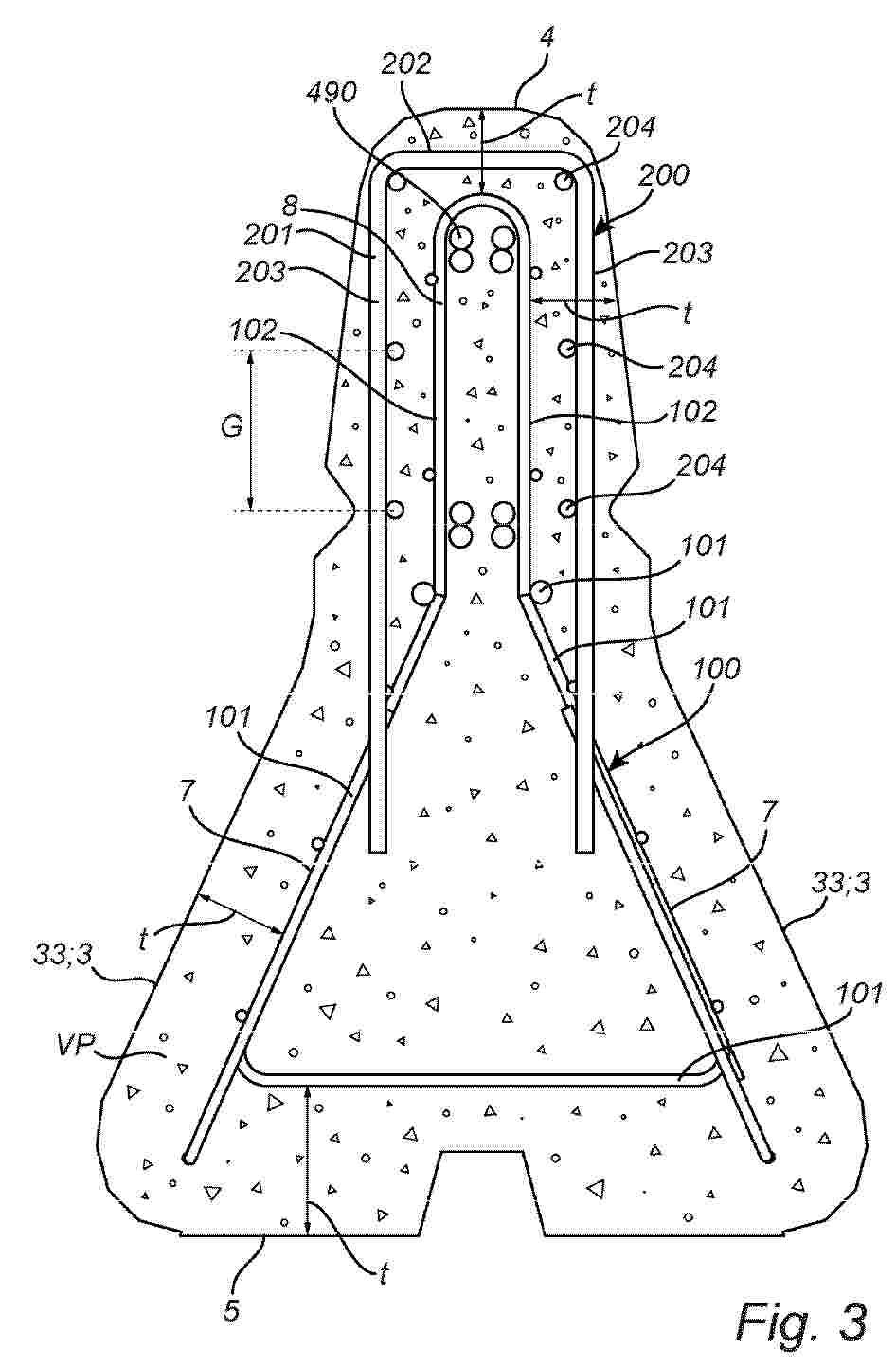
The invention refers to a barrier element (1) comprising a concrete body (2) and a first reinforcing structure (100) being made of metal. The first reinforcing structure is arranged inside the concrete body and has an extension along the longitudinal direction of the barrier element (1). The barrier element further comprises a second reinforcing structure (200) that is arranged in a volumetric portion (VP) of the concrete body (2) being defined by outer boundaries (7) of the first reinforcing structure (100), at least one of two opposing side surfaces (33), one of two opposing end surfaces (66), a top wall (4) and a bottom wall (5) of the barrier element (1). The second reinforcing structure (200) is made of a non-metallic material.

Resumen de: WO2025099591A1
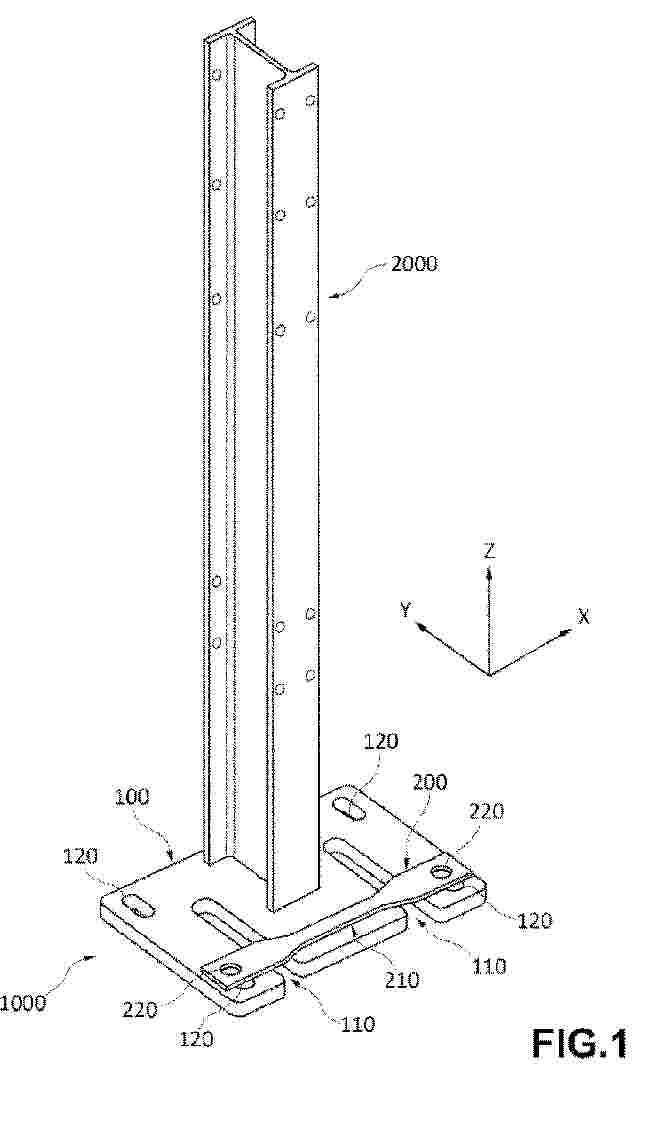
The present invention relates to a base plate (1000) for a lateral traffic barrier, configured to be fixed to a road support (5000) by means of an anchoring system with at least two through slots (120). The plate (1000) includes a zone for fixing a barrier pole and has weakening areas which form a tab not anchored to the support. An elongated element (200) is installable on the tab by means of the slots, contributing to the dissipation of impact energy and the controlled deformation of the structure in the case of an impact. The present invention further relates to a lateral traffic barrier (6000), with a series of vertical elements (1000,2000) of lateral traffic barrier (6000) consisting of a pole (2000) fixed to a base plate (1000), as well as with a longitudinal impact element (4000) fixed at the end of the pole (2000) opposite to the plate through longitudinal element fixing means (3000), wherein one or more rigid longitudinal bars (3500) are interposed between said fixing means (3000,3100) of longitudinal impact element (4000) and said longitudinal impact element (4000).
Resumen de: EP4807712A1
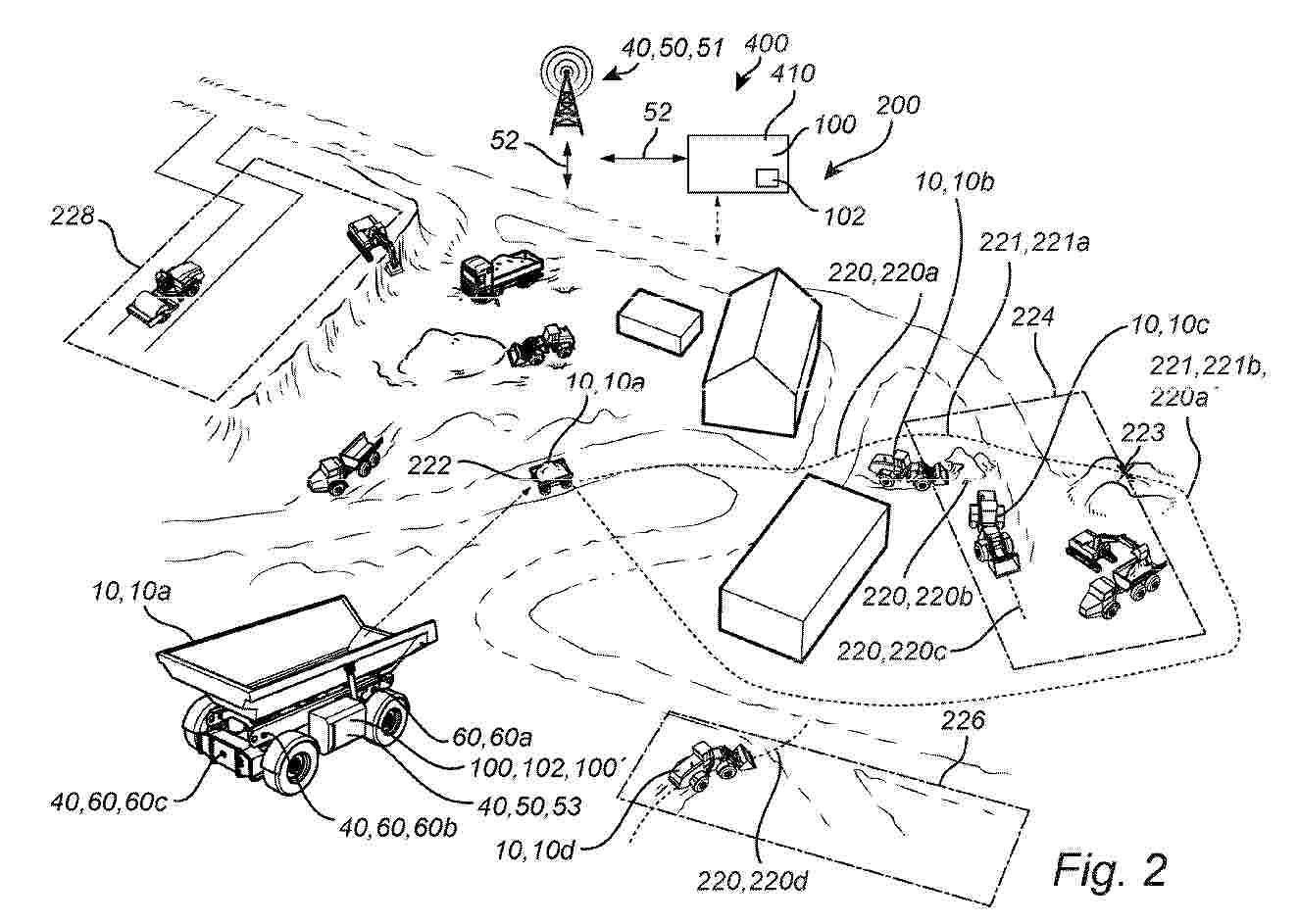
The present disclosure relates to a computer system (100) for trajectory planning of one or more vehicles (10, 10a to 10n), in particular one or more autonomous heavy-duty vehicles, operating within a confined geographical area (200), the computer system comprising processing circuitry configured to: determine one or more geographical zones (224, 226, 228) within the confined geographical area where a vehicle positioning system arrangement (40, 50, 60) is anticipated to experience reduced positioning reliability or accuracy; determine positions of the vehicles within the confined geographical area; determine, based on the one or more geographical zones and the positions of the vehicles, that at least one vehicle (10b) is anticipated to operate, or is operating in a geographical zone among the one or more geographical zones with anticipated reduced positioning reliability or accuracy; and adapt one or more trajectories of one or more other vehicles (10a) in response to the determination that the at least one vehicle is anticipated to operate, or is operating in the geographical zone with anticipated reduced positioning reliability or accuracy, so as to avoid approaching the at least one vehicle.
Resumen de: EP4808172A1
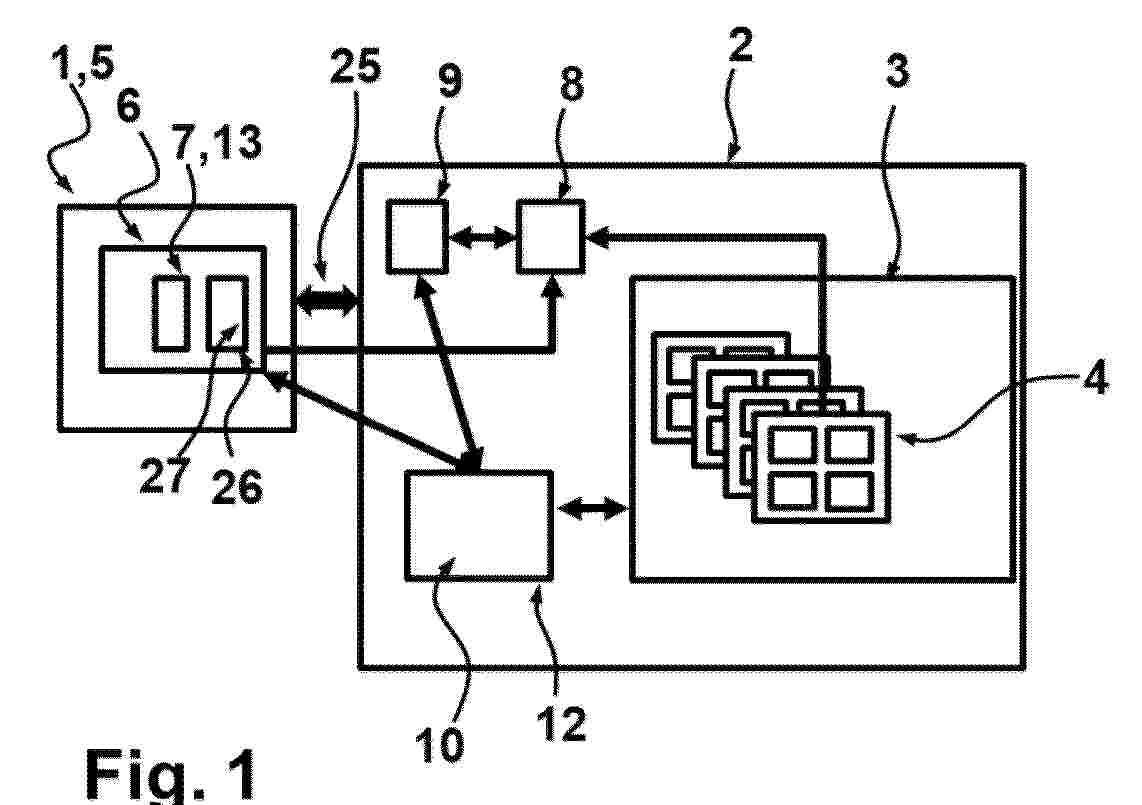
Die Erfindung betrifft ein Geschwindigkeitsüberwachungssystem, eine Referenzeinrichtung, Referenzdatenverarbeitungsanlage und persistentes Speichermedium; wobei mindestens ein Datensatz eines Geschwindigkeitsüberwachungssystems auf dem persistentem Speichermedium gespeichert ist und mit Hilfe der Referenzeinrichtung geprüft wird. Die Referenzeinrichtung ist ein manipulationsgeschütztes Speichermedium, wobei das Geschwindigkeitsüberwachungssystem eine Geschwindigkeitsmessvorrichtung und eine Bildaufnahmevorrichtung umfasst und wobei die Geschwindigkeitsmessvorrichtung eingerichtet ist eine Geschwindigkeit eines Fahrzeugs auf einer Fahrbahn zu erfassen und wobei die Bildaufnahmevorrichtung eingerichtet ist Bilddaten des Fahrzeugs zu erfassen und bereitzustellen.
Resumen de: EP4807108A1
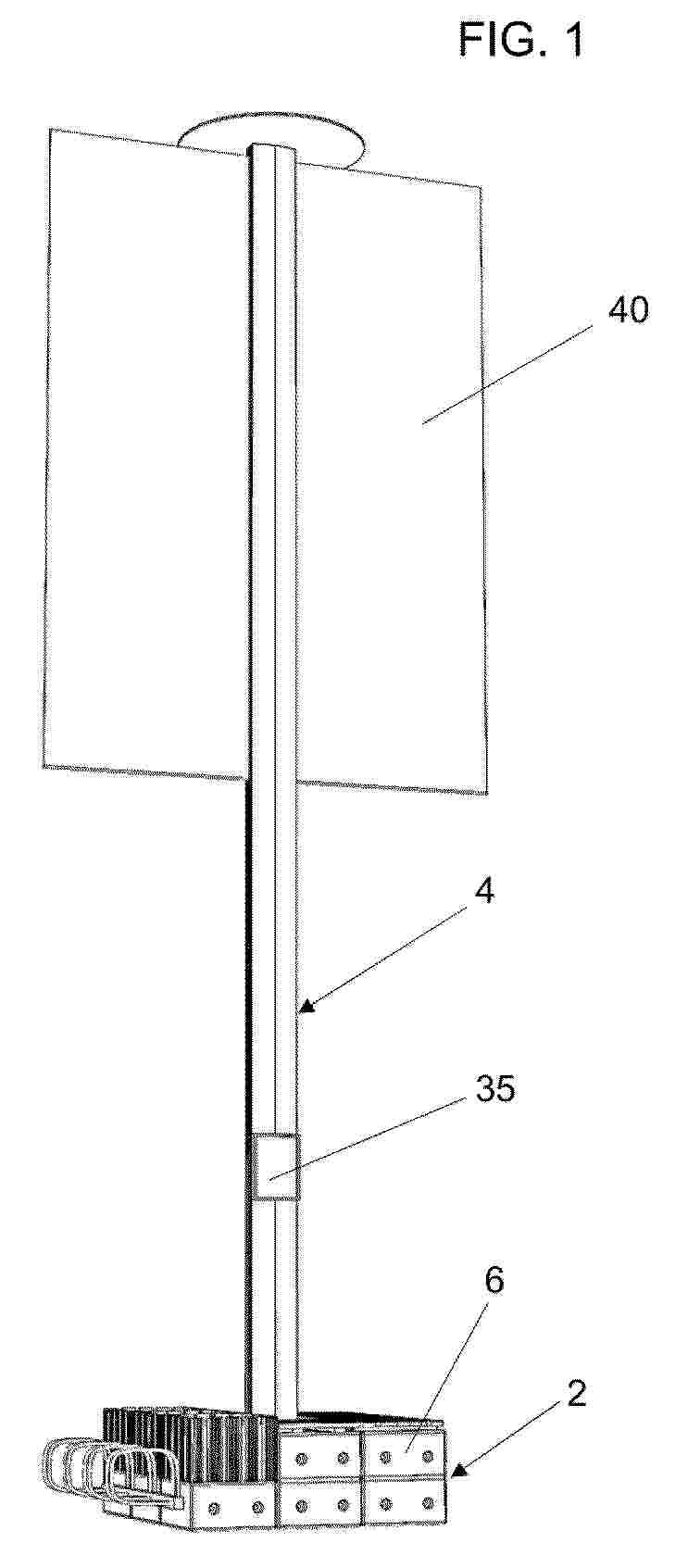
Multifunctional pole structure, particularly for urban use, with a support base (2) and a pole (4) supported by said base and extending vertically upwards, characterised in that:- said base (2) consists of parallelepipedal blocks, preferably of concrete (6), placed side by side and superimposed, held together by restraining means (13) which pass through holes (8,10,12) made in each of these, and- said pole (4) consists of superimposed segments with a constant section, each comprising an internal cylindrical tubular core (30) and external profiles (32) applied externally to said core and configured to give the pole itself a shape having a horizontal dimension prevailing over the other, said segments being held together by joining elements (42) inserted simultaneously in longitudinal cavities of adjacent segments and possibly by tie rods also running within longitudinal cavities of adjacent segments.
Resumen de: WO2026185218A1
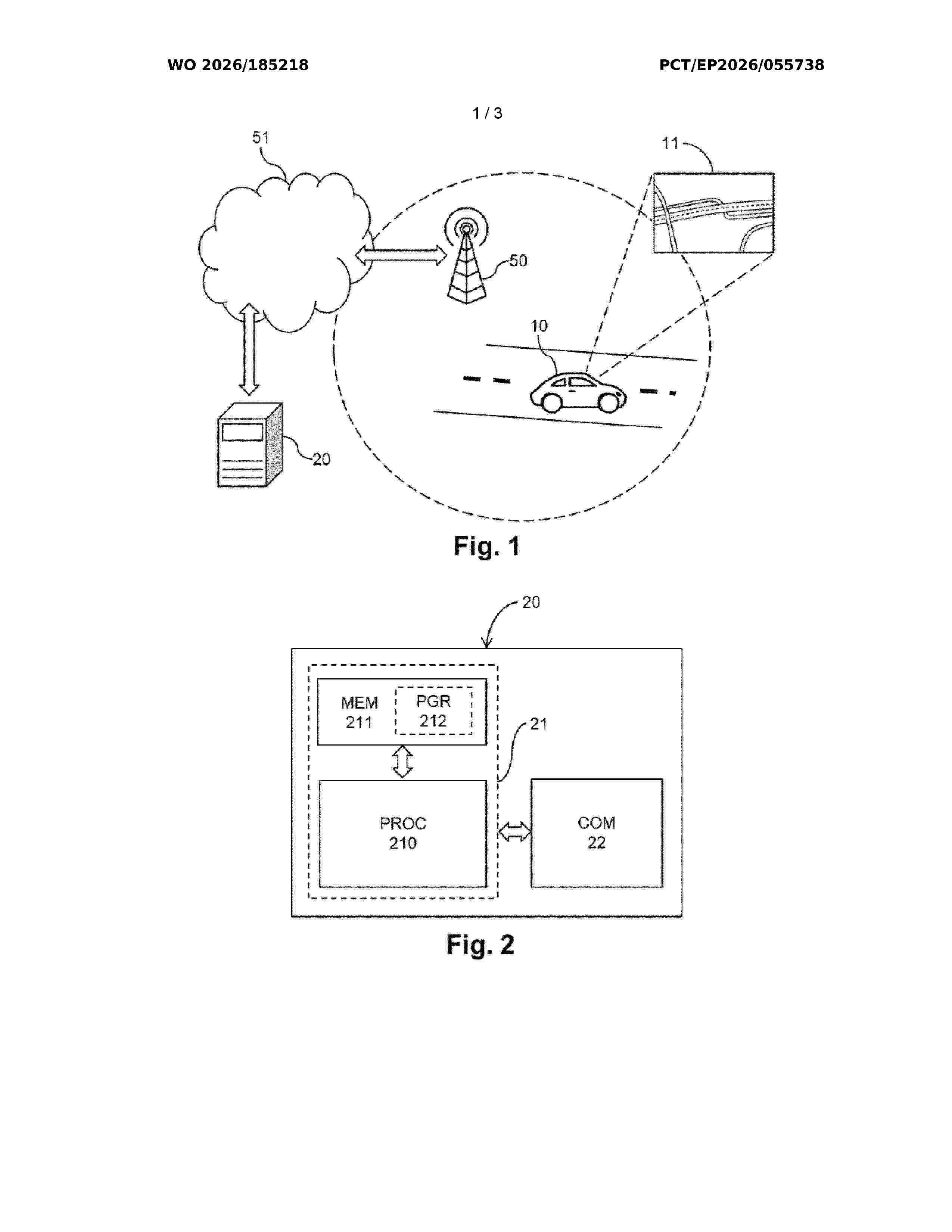
The present disclosure relates to a method (30) for positioning objects on a target digital map from a structured set of location information relating to at least one road of a road network represented by the target digital map, the method comprising: - pre-processing (S30) the structured set so as to obtain road segments, each road segment being made up of one or more road links, - selecting (S31) an object of interest to be positioned on the target digital map, - determining (S32) a geometric model describing, in the target digital map, the geometry of the representation of the road segment on which the object of interest is located, - determining (S33) a map position of the object of interest in the target digital map as a function of the geometric model and as a function of location information associated with the object of interest.
Resumen de: WO2026186337A1
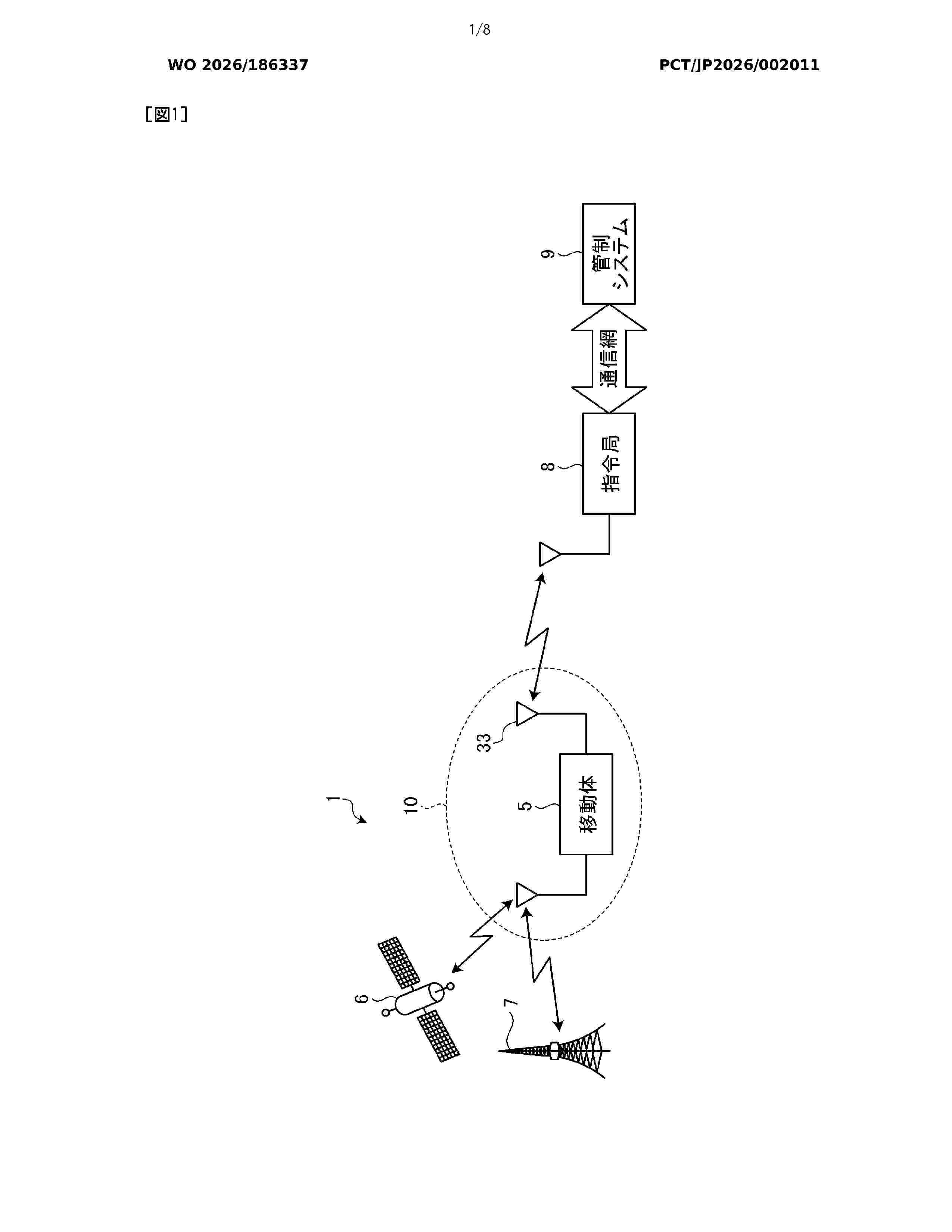
This group control system comprises a control unit that performs group control of the movement of a plurality of moving bodies, wherein: the control unit sets, in a three-dimensional coordinate system, virtual dedicated trajectories serving as movement paths along which the moving bodies move, and outputs, toward the moving bodies, guidance commands for guiding the moving bodies along the set virtual dedicated trajectories; the virtual dedicated trajectories are a group of coordinates comprising a plurality of position coordinates arranged along the movement path; and the guidance commands include information relating to the position coordinates of the virtual dedicated trajectories.
Resumen de: WO2026186304A1
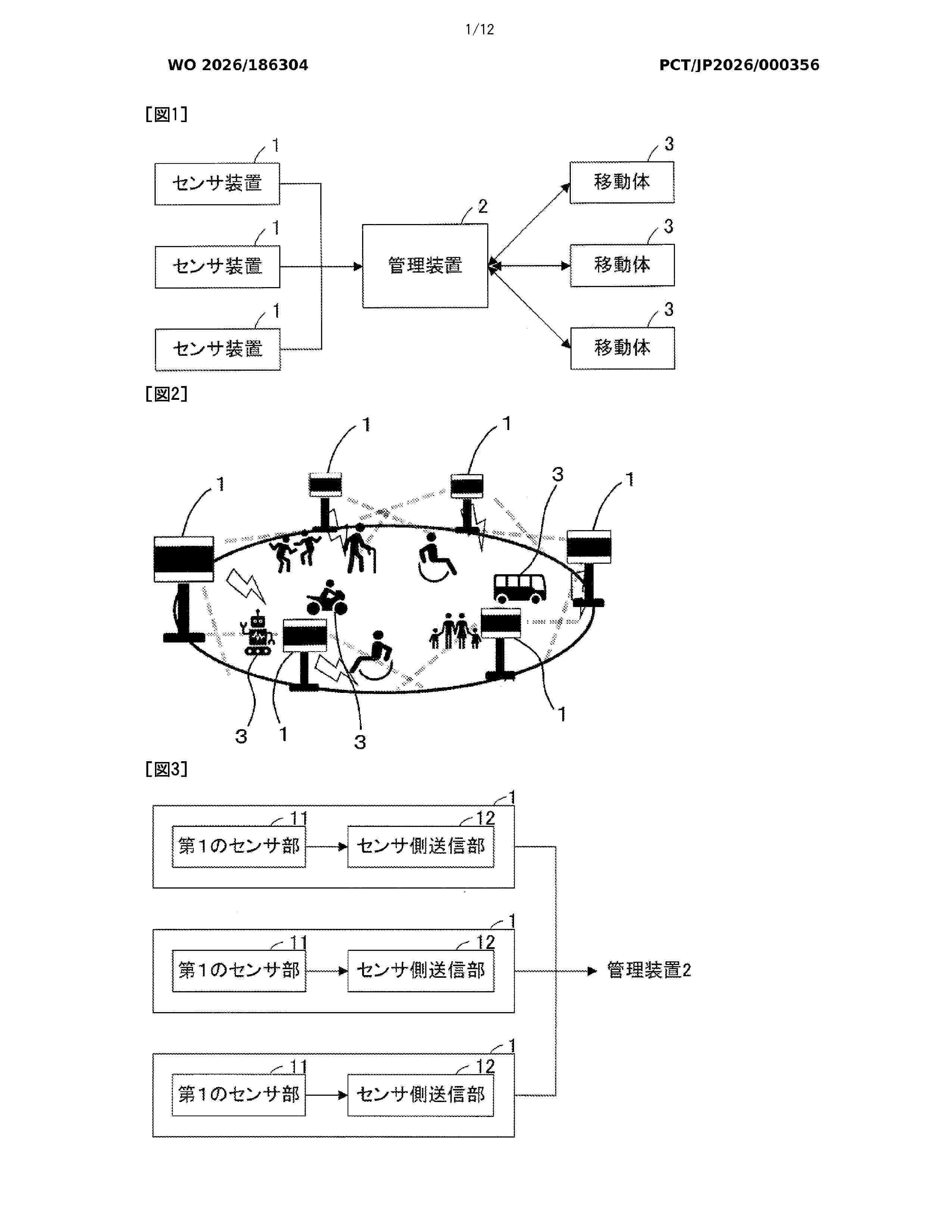
The purpose of the present invention is to provide a mobile body travel control system capable of stably controlling travel of a mobile body regardless of the area where the mobile body is located. The present invention is such that the area where the mobile body is located is classified by the mobile body, and in accordance with the area, travel of the mobile body is controlled by switching between an infrastructure-based mode in which self-location estimation processing and route generation processing are executed by a management device in accordance with the area, and a stand-alone mode in which the self-location estimation processing and route generation processing are executed by the mobile body. Alternatively, the area where the mobile body is located is classified by the management device, and in accordance with the area, travel of the mobile body is controlled by switching between the infrastructure-based mode and the stand-alone mode.
Resumen de: WO2026187242A1
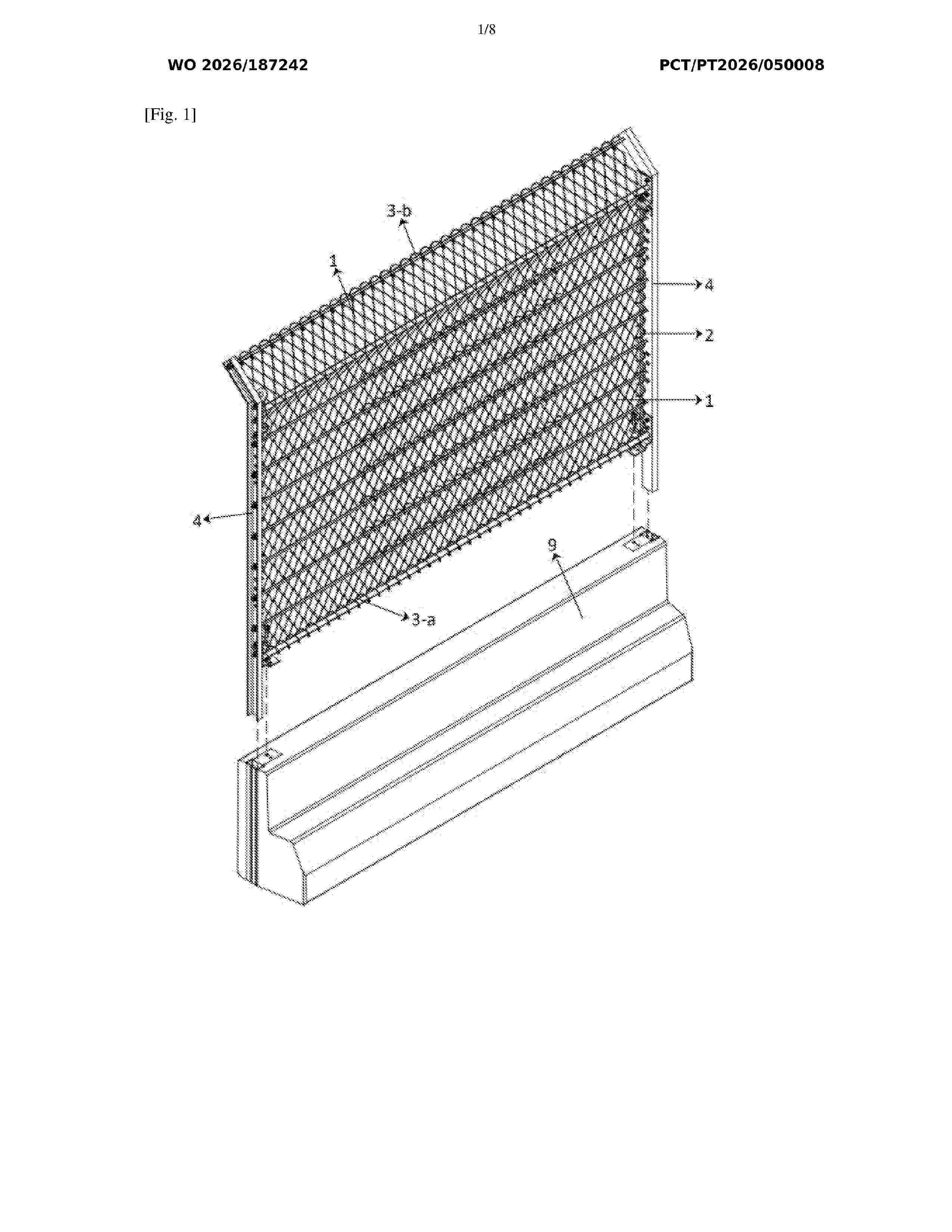
The invention relates to mesh panels for use in motorsport circuits. Produced and mounted in a modular manner, the invention essentially consists of mesh panels arranged between two lateral uprights, configured to provide high impact resistance and to greatly facilitate assembly and disassembly, allowing quick access to the inside of the circuit in the event of an accident. The mesh is bound between two outer lateral profiles (4) and is anchored to two lateral tie rods (2), wrapped in vertical helical mesh reinforcements (5-b), to an upper fastening tie rod (3-b), to a lower fastening profile, with lateral tie rods (2) in the central area thereof wrapped in horizontal helical mesh reinforcements (5-a), the panel having secondary support tie rods (3-c), upper (6) and lower (7) lateral energy dissipators and the horizontal dissipator (8) for fastening between adjacent panels.
Resumen de: WO2026185549A1
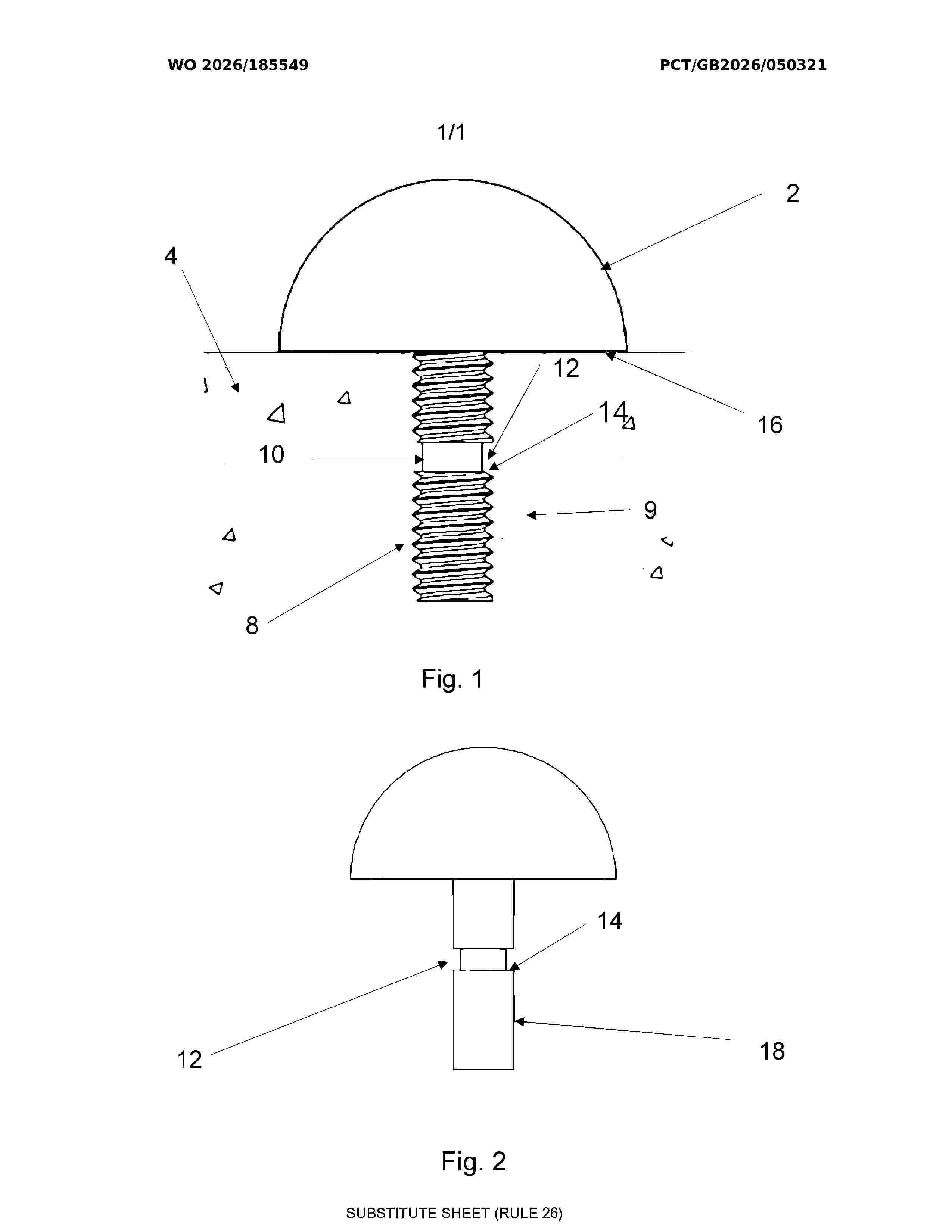
An Architectural Stud: According to a first aspect there is provided an architectural stud configured to anchor in situ in an orifice located on a surface. The architectural stud comprises: a head (2), configured to define an exposed profile at the surface; wherein: the head comprises a first face configured to provide the exposed profile; and, a second face configured to lie flush against the surface; and, a stem (6), configured to project from the second face of the head; wherein: the stem comprises a recessed portion (10) configured to define a recessed area (12); and, the recessed area comprises a laterally extending abutment surface (14).
Resumen de: WO2026183820A1
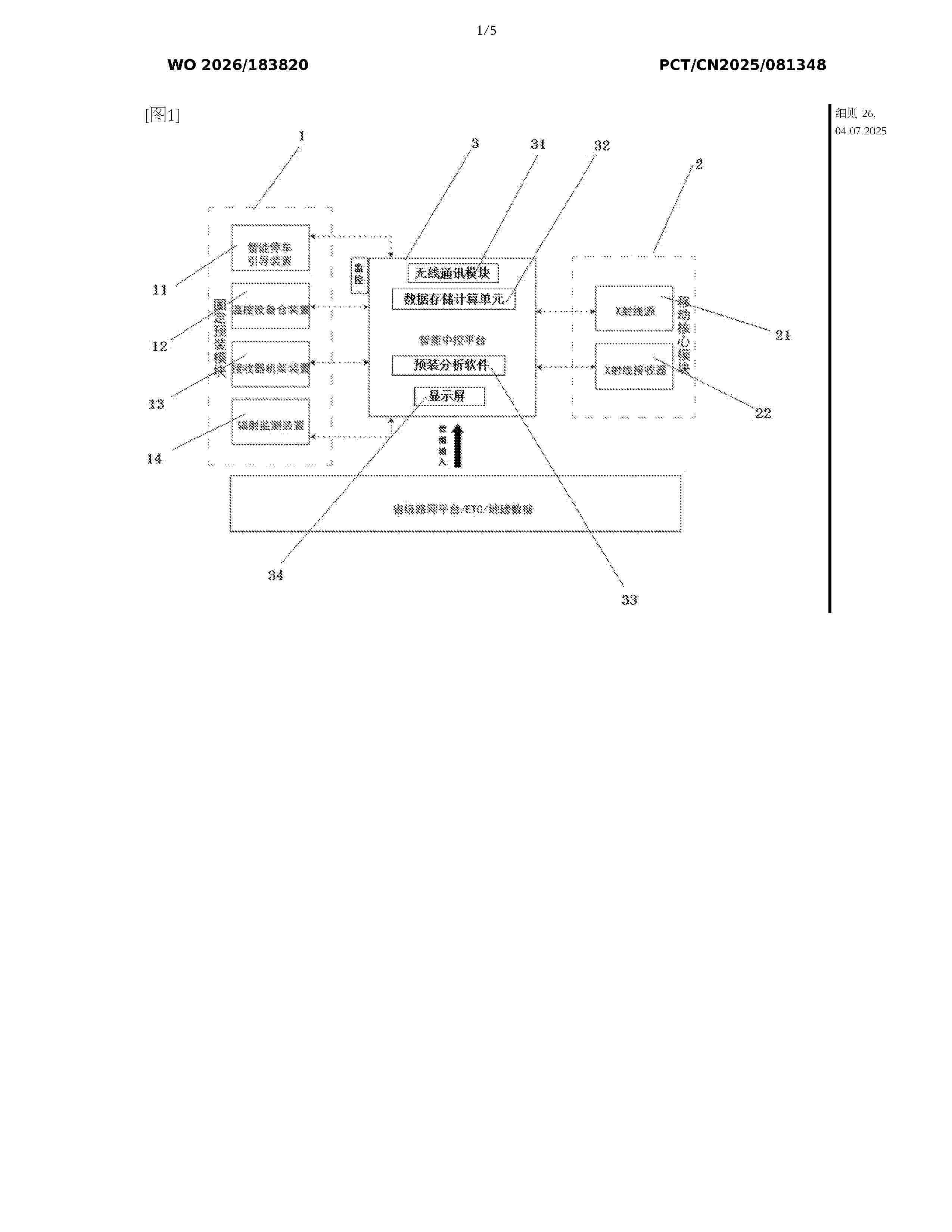
An intelligent detection system for a green channel based on split-type dynamic inspection. The system comprises a fixed pre-installed module (1), a mobile core module (2) and an intelligent central control platform (3), wherein the fixed pre-installed module (1) is used for completing the standardized retrofitting of an infrastructure; the mobile core module (2) is used for implementing the dynamic deployment of a high-value detection unit; the fixed pre-installed module (1) and the mobile core module (2) constitute a collaborative detection system, and are organically linked by means of an intelligent scheduling algorithm and a standardized interface, thereby improving the unpredictability of inspection while reducing single-site construction costs. The intelligent detection system for a green channel significantly reduces the probability of evasion by toll-evading vehicles, solves the problems of the deployment costs of conventional detection devices being high and the predictability of conventional inspection modes being strong, and is suitable for promotion and usage.
Resumen de: WO2026186446A1
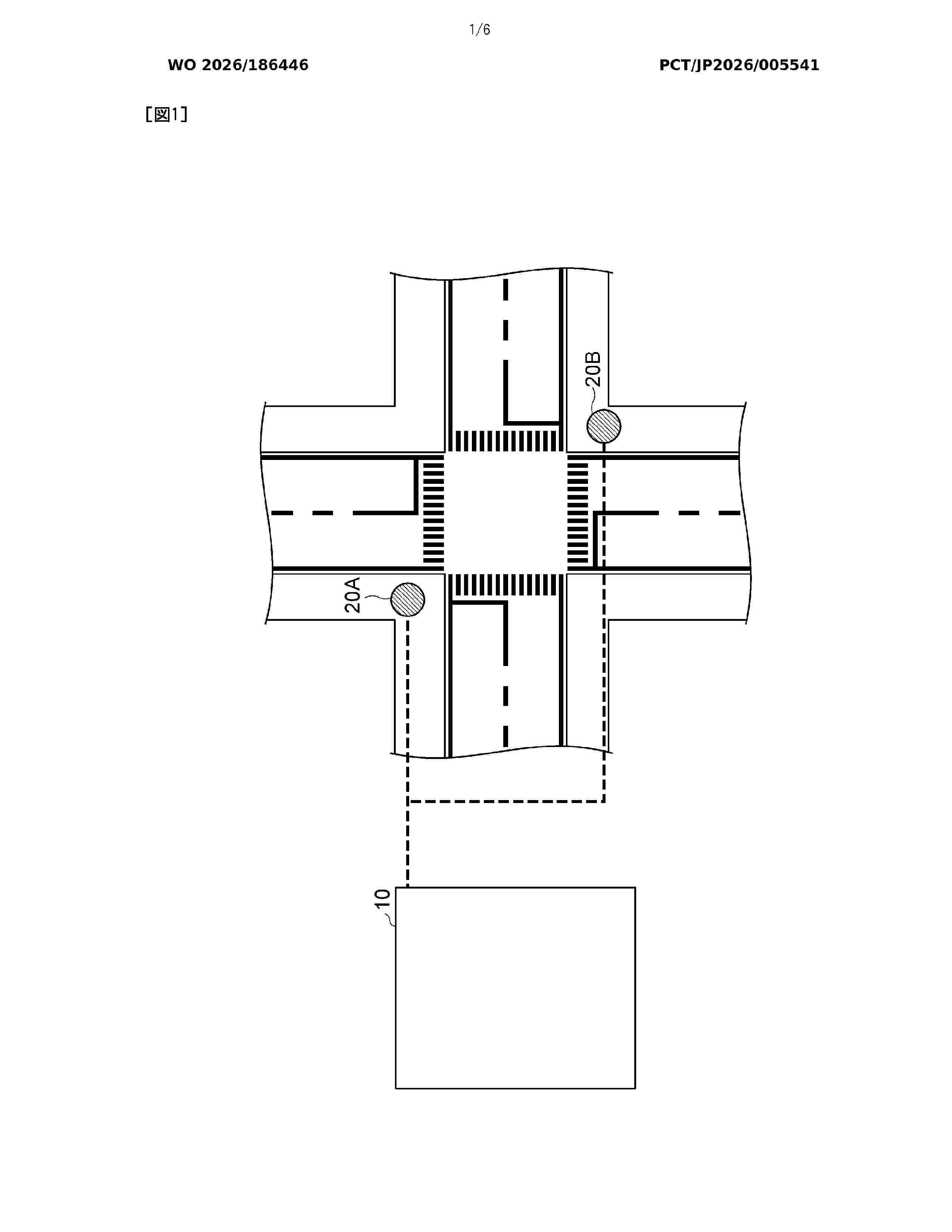
Provided is an object recognition system comprising a first camera that captures a first image, a second camera that captures a second image, and a control unit. The control unit is configured to execute: setting the more reliable recognition processing result among a recognition processing result for an object in the first image and a recognition processing result for the object in the second image as a correct answer recognition result of the object; determining whether the less reliable recognition processing result among the recognition processing result for the object in the first image and the recognition processing result for the object in the second image satisfies a predetermined learning condition; and when the less reliable recognition processing result satisfies the learning condition, using the correct answer recognition result as correct answer data, using a combination of the correct answer recognition result and the image related to the less reliable recognition processing result as a training sample related to the recognition processing, and learning the training sample.
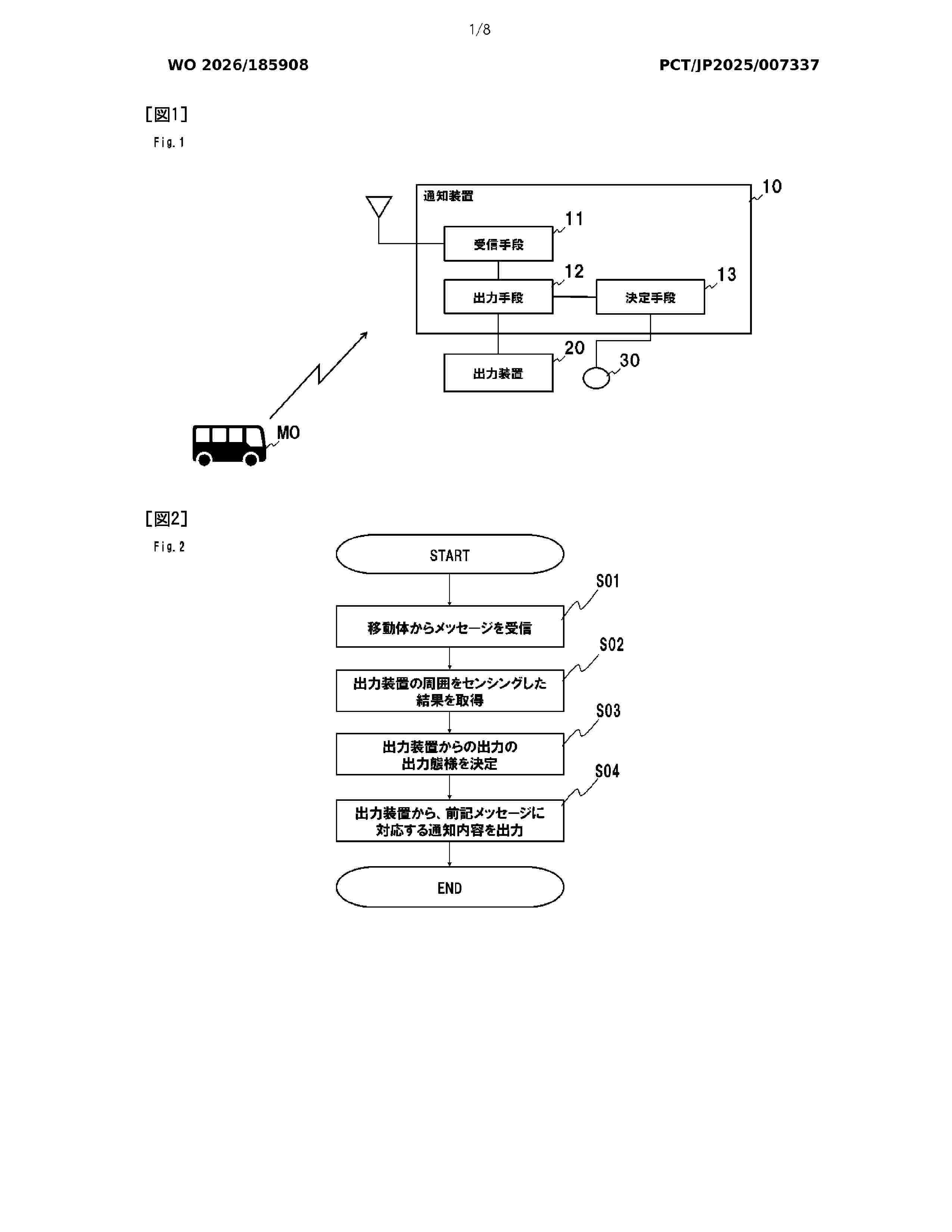
Resumen de: WO2026185908A1
Provided are a notification device, a notification method, and a recording medium capable of effectively notifying traffic participants in a specific area that a mobile object is approaching. The notification device comprises: a reception means for receiving a message indicating a current state or a scheduled operation from a mobile object capable of transmitting the message; a determination means for determining, on the basis of the result of sensing the periphery of an output device installed on a roadside, an output mode for an output from the output device; and an output means for outputting, in the determined output mode from the output device, notification content corresponding to the message.
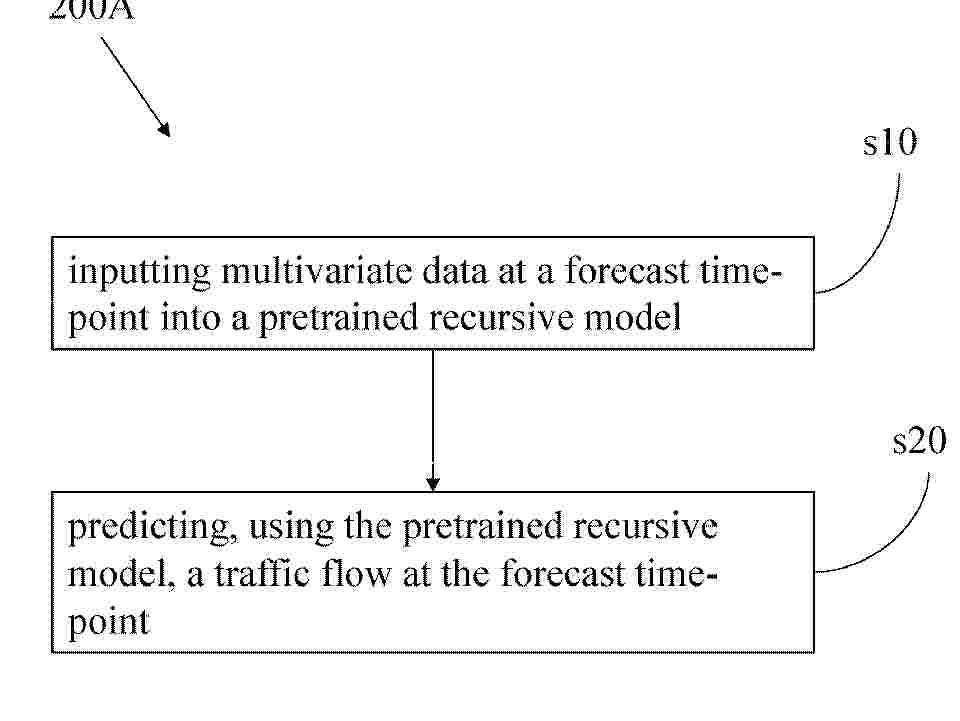
Resumen de: EP4804159A1
0001 A computer implemented method for forecasting traffic flow using a pretrained recursive model, comprising, inputting multivariate data at a forecast time-point into the pretrained recursive model, and predicting, using the pretrained recursive model, a traffic flow at the forecast time-point, wherein the pretrained recursive model is trained using a multivariate dataset comprising a time-series traffic flow variable and an additional time-series variable at times before the forecast time-point, and wherein the multivariate data at the forecast time-point input into the pretrained recursive model comprises the additional time-series variable at the forecast time-point.
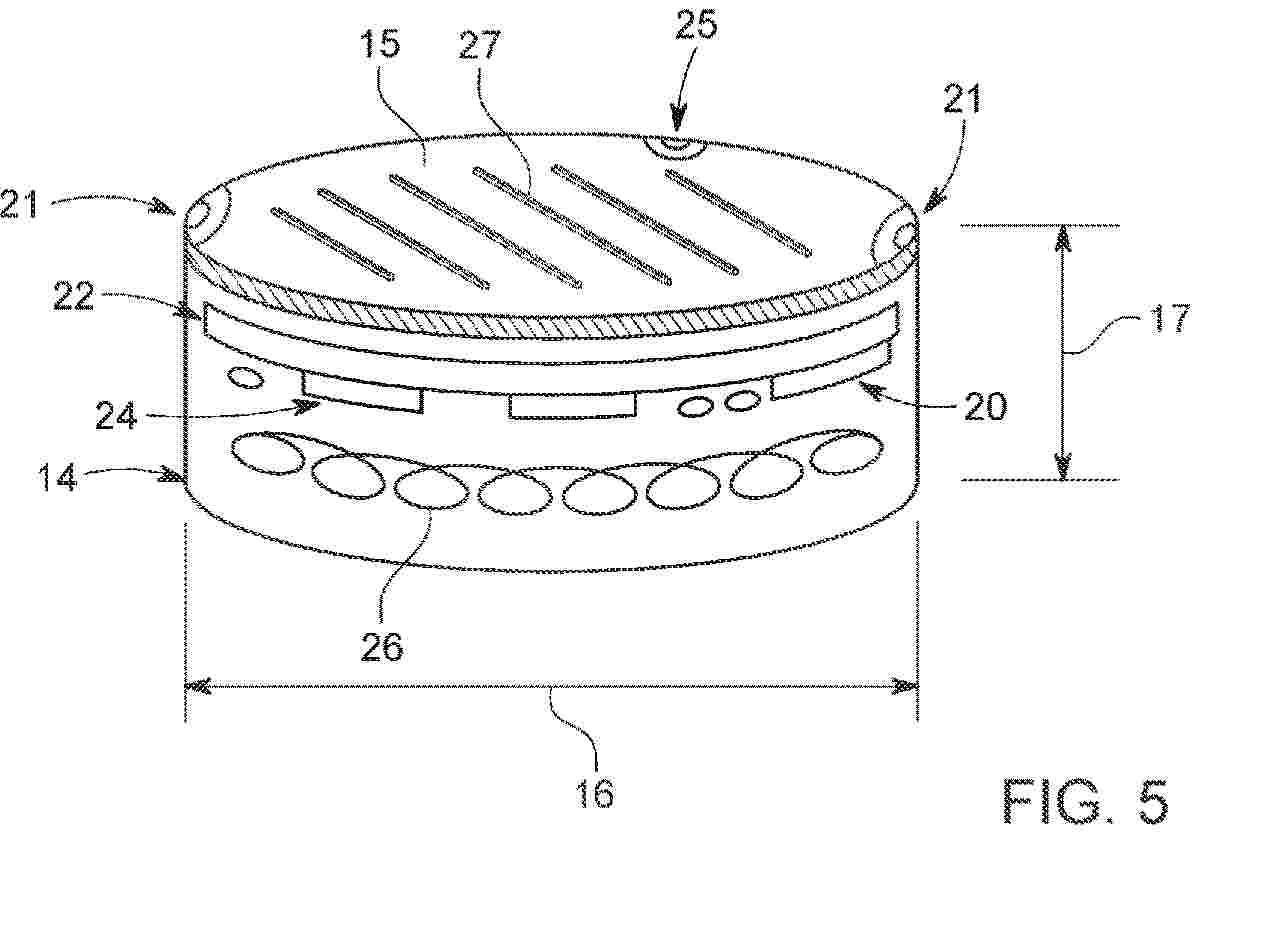
Resumen de: AU2024403983A1
A road mounted sensor comprising: a housing configured to be embedded in a road surface and comprising a top which is exposed to and flush with the road surface when embedded in the road surface; the housing enclosing a circuit comprising a printed circuit board (PCB), a solar panel, sensors and sensor probes, a microcontroller, a battery, and a transmitter; the road mounted sensor is further self-contained with all components located within the housing and the road mounted sensor operates independently to sense and transmit (or receive) data collected wirelessly to a processor via a network; wherein the road mounted sensor is configured to measure a variety of traffic and other infrastructure data, which may be used to provide feedback to a processor; and sensed data may comprise vehicle image or radar data, gas concentration proximate a road surface, vehicle weight in motion and vehicle propulsion means.
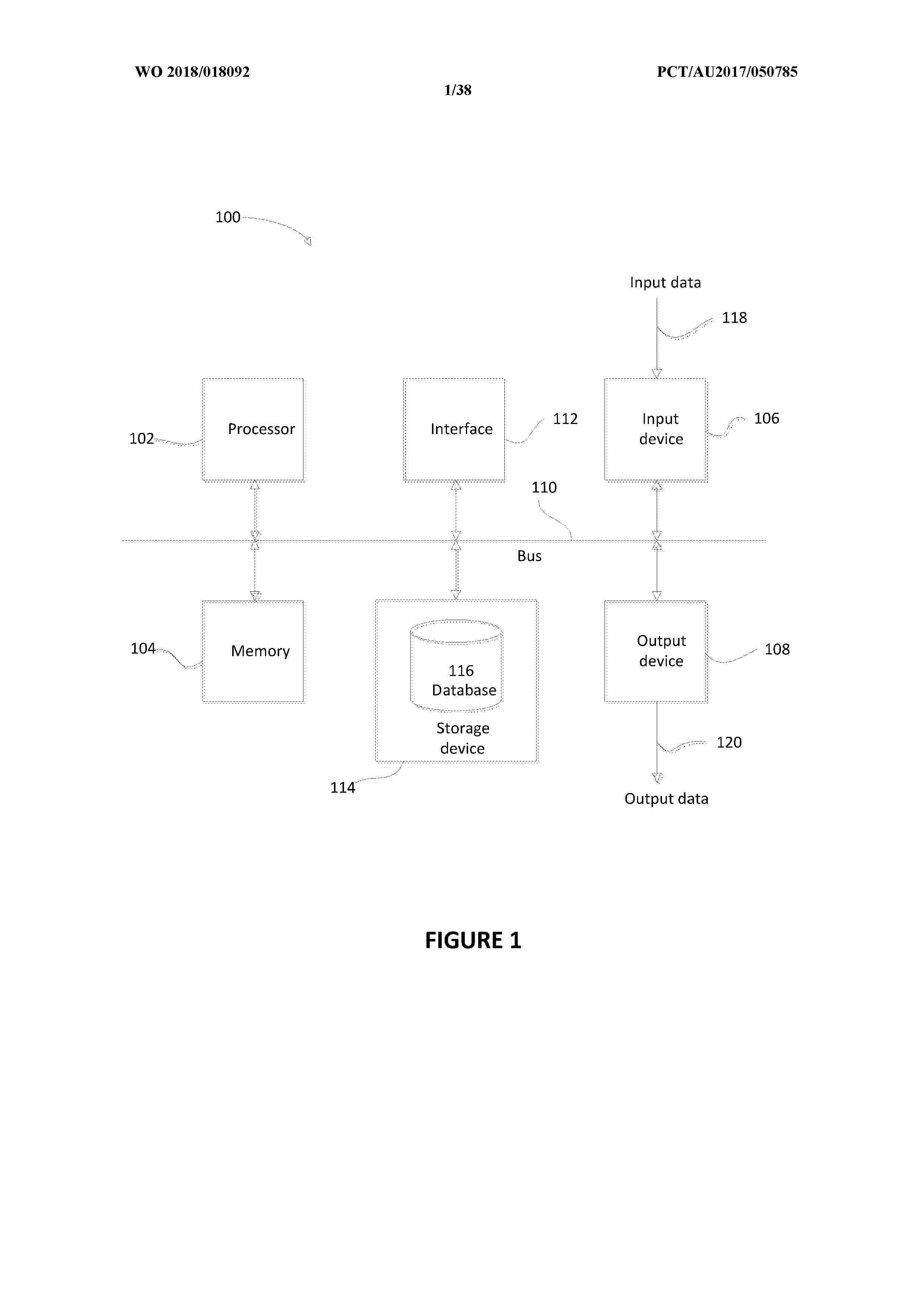
Resumen de: AU2017301114A1
Disclosed is a system, method, mobile communication device and one or more computer programs for a monitoring system. In one aspect, the system includes a plurality of transmitters, each transmitter having associated therewith a reflector antenna configured to substantially reflect signal transmission toward a detection area; and a mobile device configured to: receive transmitter signals from at least two transmitters from the plurality of transmitters; and determine that the mobile device is located within the detection area based on received signal strengths of the at least some of the transmitter signals.
Resumen de: WO2024150165A1
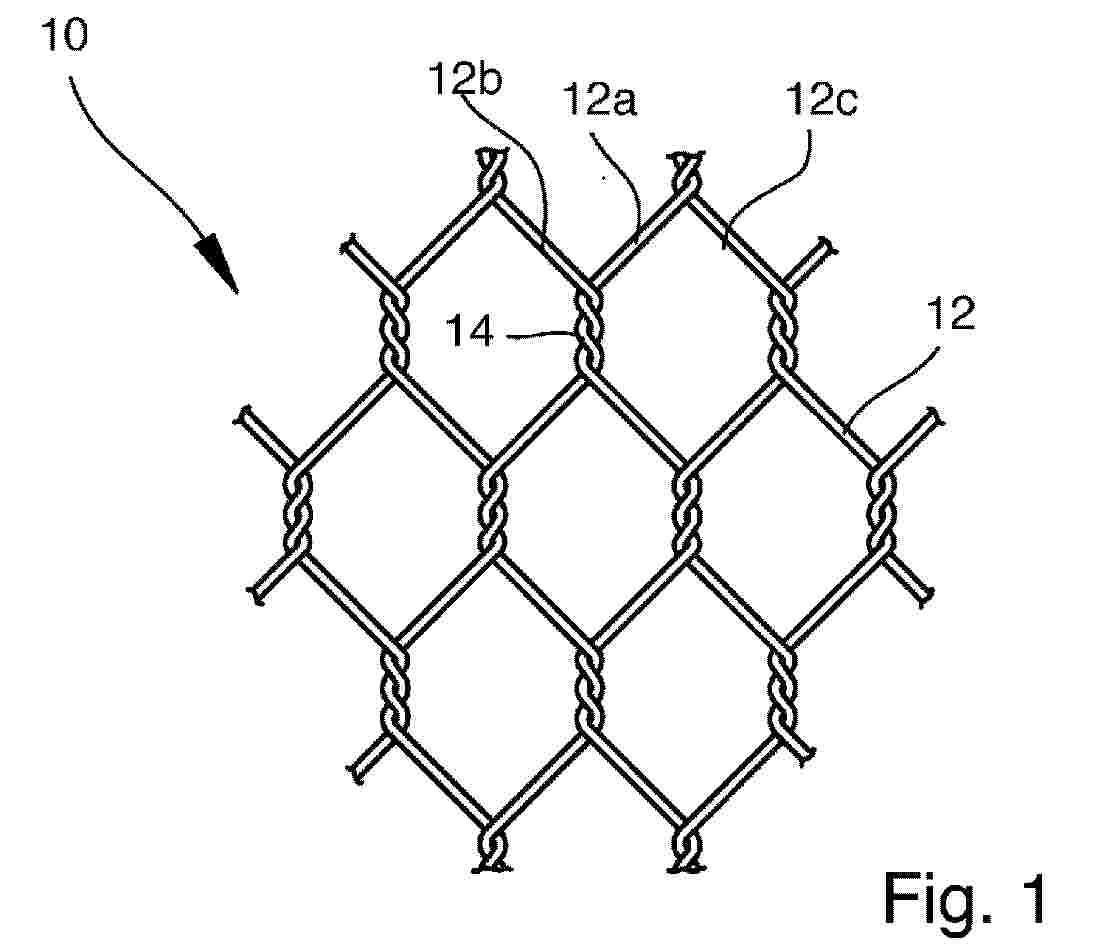
A protection netting for civil works comprises metal wires which have high strength and which have a protective plastics coating, the netting is of the double-twist or triple-twist type with hexagonal mesh, and wherein the wires are steel wires with a tensile strength between 550 and 1350 MPa.
Resumen de: WO2026181174A1
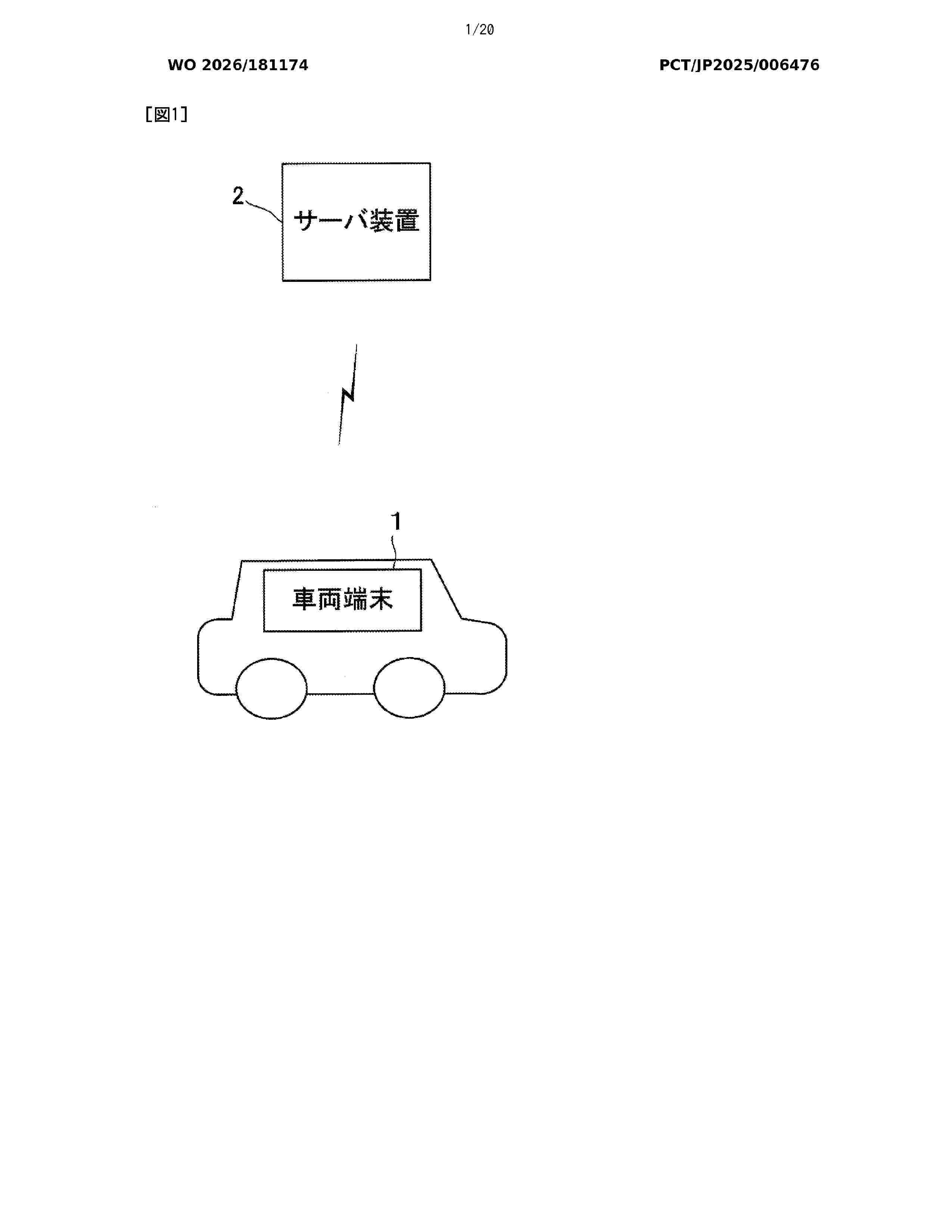
This information processing device has an acquisition means and a display control means. The acquisition means acquires the degree of congestion of links on a map to be displayed. On a display unit, the display control means displays, in association with the links, degree-of-congestion images that represent the degree of congestion. Further, if the map includes a first link and a second link, that are connected after the directions thereof change at an intersection, the display control means renders a display on the display unit by interlinking a first degree-of-congestion image, which is a degree-of-congestion image representing the degree of congestion of the first link, and a second degree-of-congestion image, which is a degree-of-congestion image representing the degree of congestion of the second link.
Resumen de: WO2026181139A1
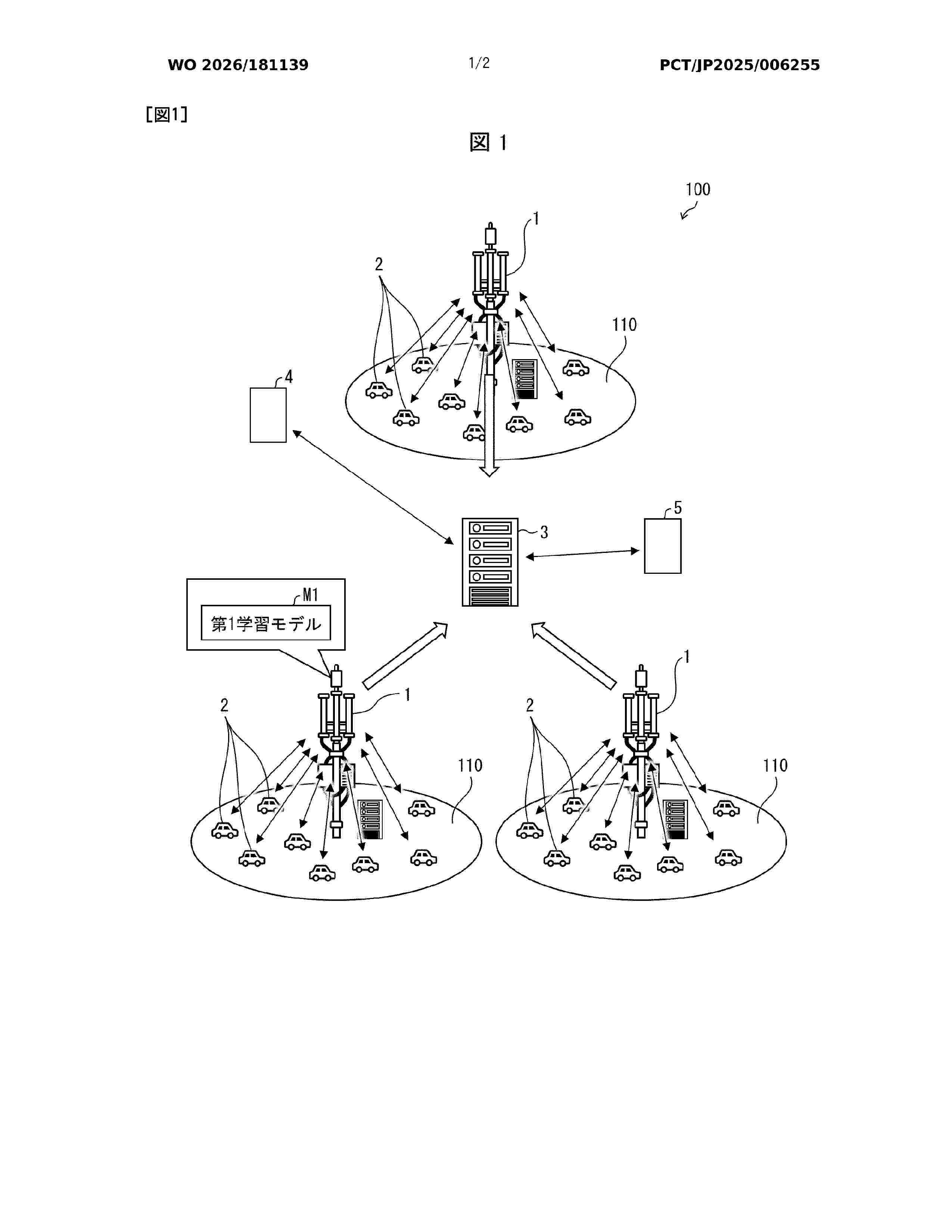
In the present invention, imaging data obtained by imaging the external environments of autonomous vehicles (2) are input into a training model (M1), a base station (1) acquires control values of the autonomous vehicles (2) on the basis of an output from the training model (M1), approval operations by users of the autonomous vehicles (2) are received for the use of unapproved data in additional training of the training model (M1), the unapproved data including image data based on the imaging data and the control values acquired on the basis of the imaging data, and training data, in which are used approved data obtained by adding information indicating the approvals being received to the unapproved data for which the approvals of the users were obtained, is used for additional training of the training model (M1).
Resumen de: WO2026181211A1
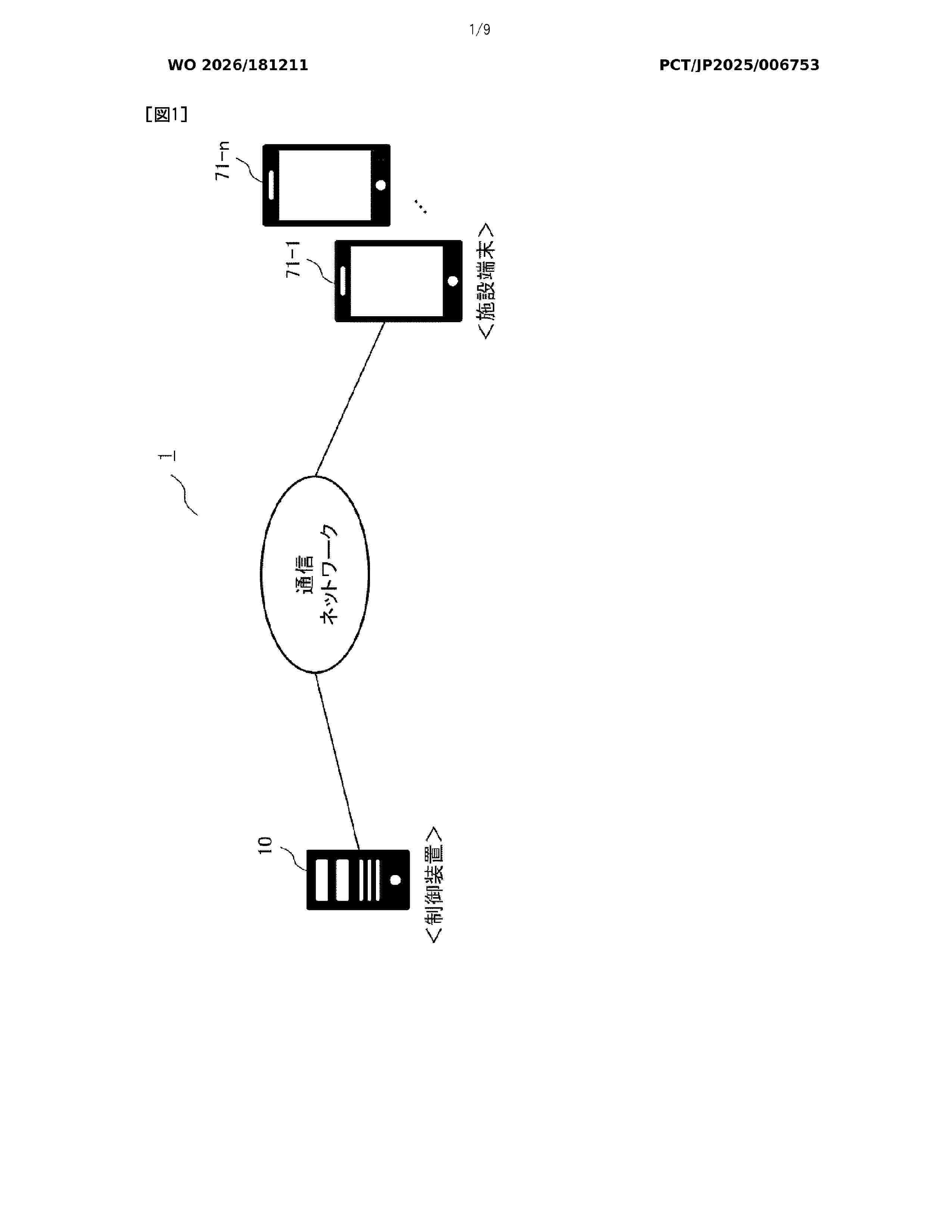
This control device comprises: a facility terminal output unit that is provided in each of a plurality of facility terminals installed in a facility, and is configured to output information enabling acquisition of an instruction for vehicle exit before a user who has parked a vehicle in a parking lot returns from the facility to the parking lot; an acquisition unit that is configured to acquire, from at least some of the plurality of facility terminals, an instruction for vehicle exit; and a control unit that, when a plurality of instructions for vehicle exit are acquired, is configured to execute processing related to exit in a specific order.
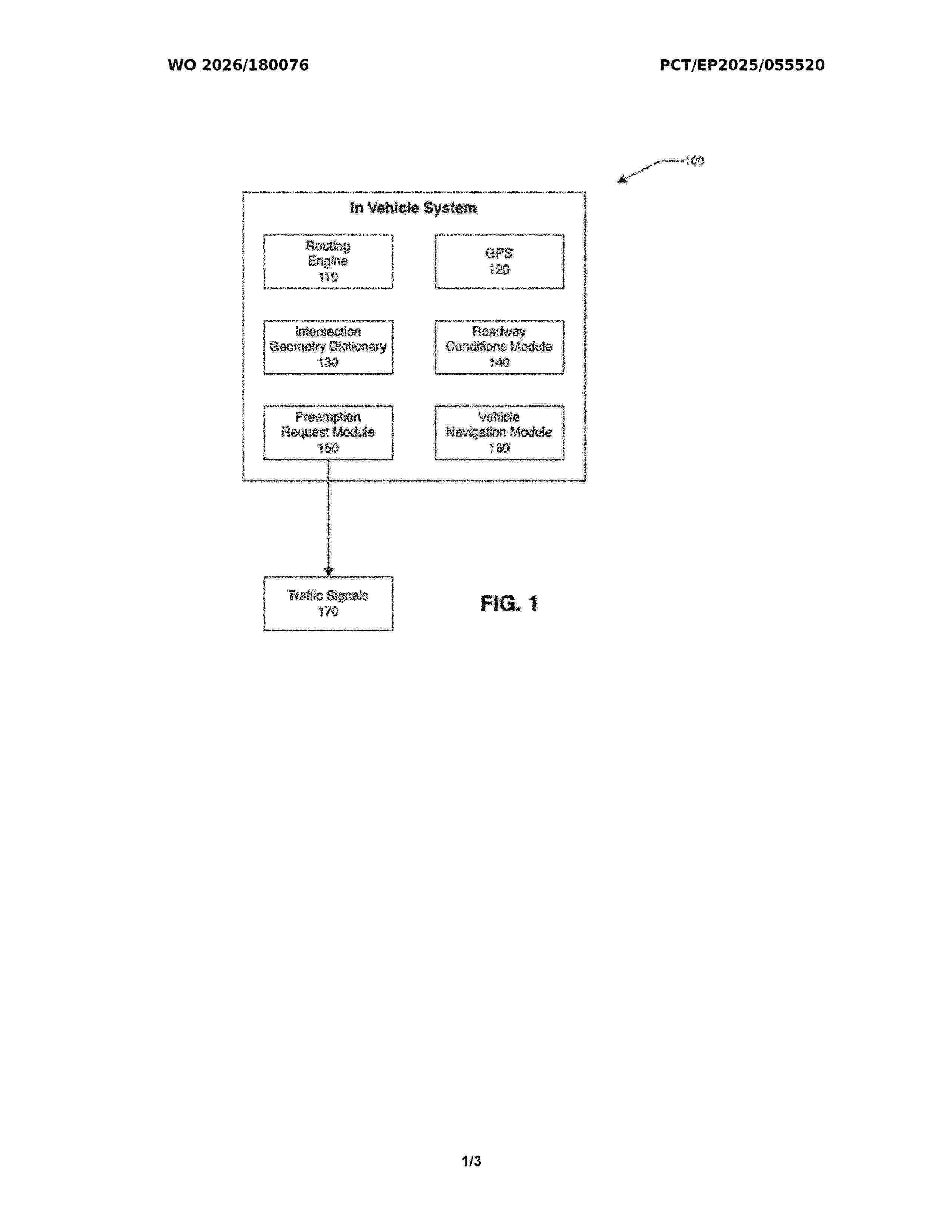
Resumen de: WO2026180076A1
A vehicle navigation and traffic signal preemption system comprising: a vehicle navigation system for calculating a route between a set target destination and a repeatedly determined current vehicle position; and a preemption request module which is designed to generate a preemption request for at least a next upcoming traffic signal based on the determined current vehicle position and a calculated estimated time of arrival at the traffic signal, the preemption request taking into consideration ingress approach data and egress approach data for the vehicle at the traffic signal.
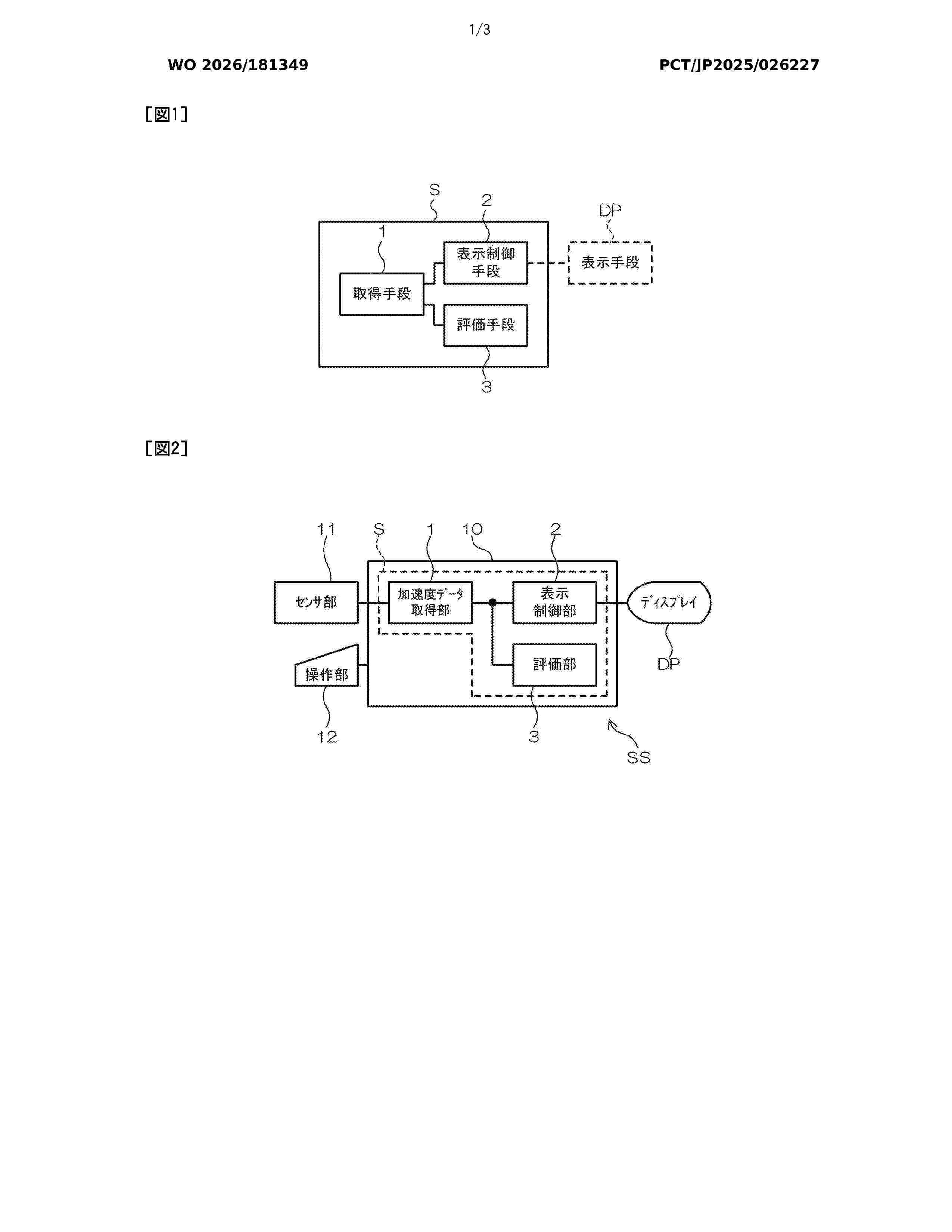
Resumen de: WO2026181349A1
Provided is a movement evaluation device, etc. that enables intuitive, easy-to-understand, and interesting evaluation of vehicle driving skills. Provided are: an acceleration data acquisition unit 1 that acquires change information indicating change in the state of virtual water contained in a virtual cup that moves with a vehicle due to acceleration applied to the vehicle; a display control unit 2 that controls a display mode of at least the state of water on a display DP on the basis of the change information; and an evaluation unit 3 that acquires and outputs, on the basis of the change information, evaluation information indicating the evaluation result of evaluating driving skills of a vehicle driver.
Resumen de: WO2025089971A1
A modular landing platform and structural modules for forming the landing platform. Each structural module includes a frame comprising a plurality of sides and a plurality of coupling elements. At least one coupling element projects from each side of the frame and each coupling element has at least one fastening feature. Each coupling element is configured to couple the structural module to a separate module of the modular landing platform. The landing platform may be buoyant, include drainage, fire suppression, guard rails, electrical charging and pre-conditioned air units.
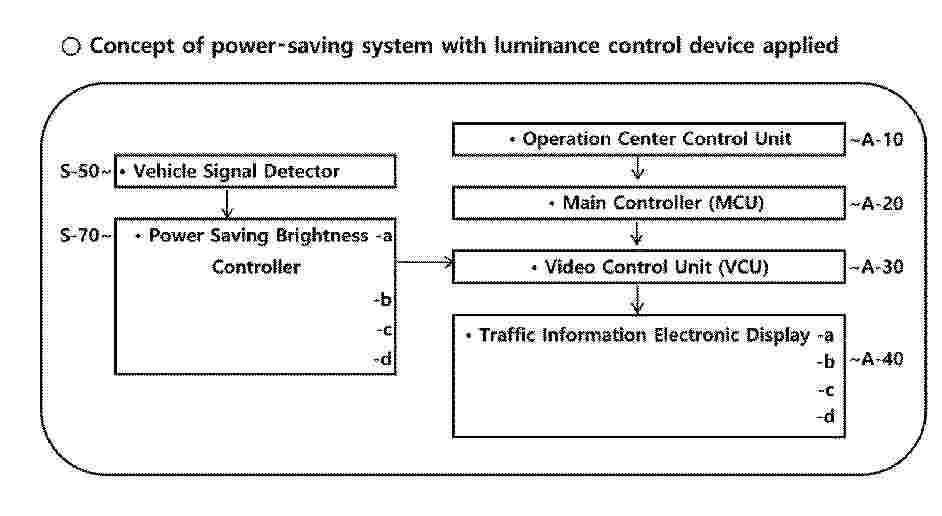
Resumen de: EP4800677A1
The present invention is a Smart Power-Saving-System of Electronic Traffic Information Display Board that reduces power consumption of an Electronic Traffic Information Display Board during time periods in which no passing vehicles are present by adjusting luminance of the Electronic Traffic Information Display Board such that, based on a signal of a passing vehicle detected by an operation-detection sensor such as a radar sensor, a Power-Saving-Luminance at minimum power is maintained when no passing vehicles are present, and when a passing vehicle is detected, display is performed at Normal-Luminance only for a certain time period after the vehicle passes the Electronic Traffic Information Display Board and then the luminance automatically returns to the Power-Saving-Luminance.
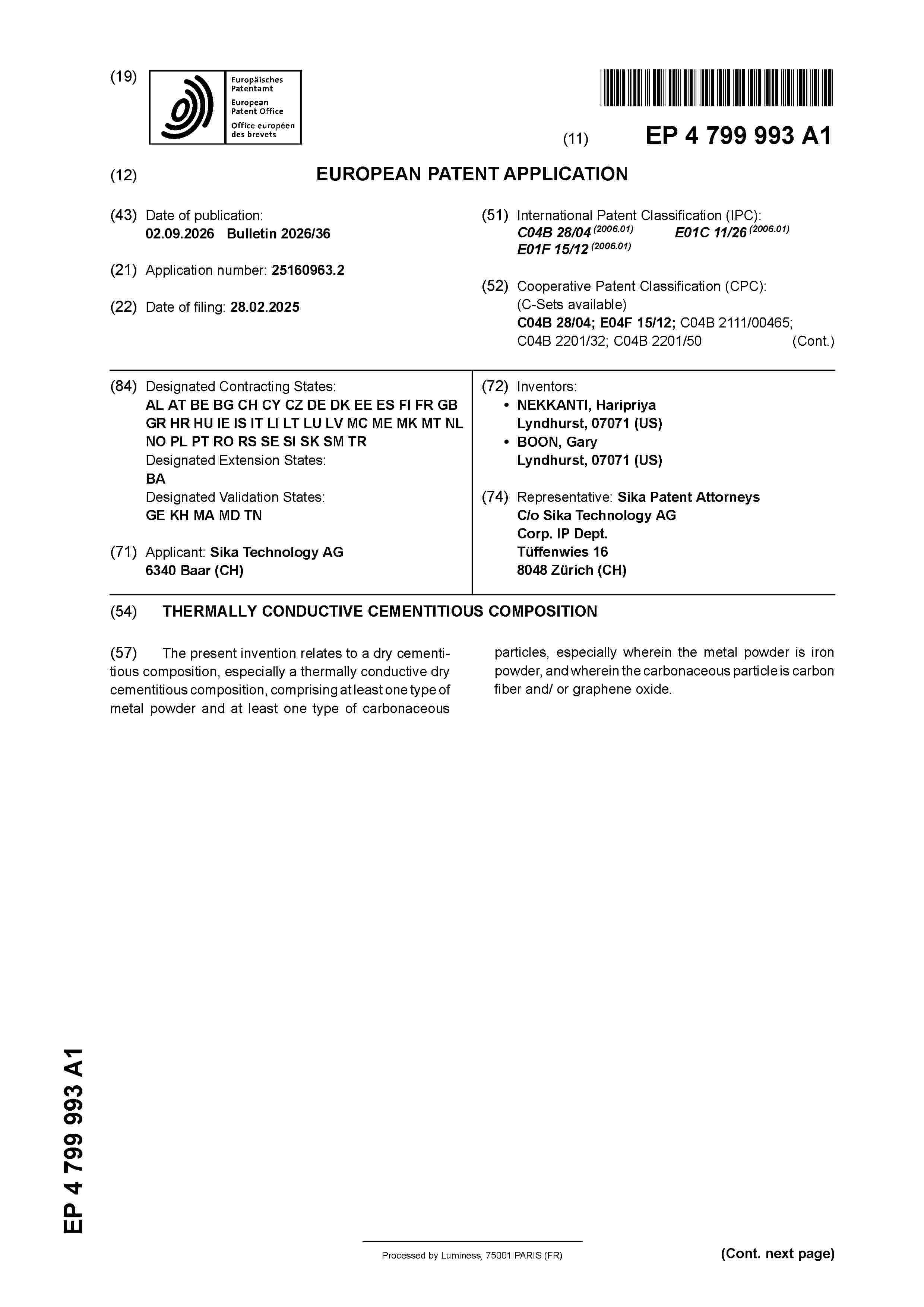
Nº publicación: EP4799993A1 02/09/2026
Solicitante:
SIKA TECH AG [CH]
Sika Technology AG
Resumen de: EP4799993A1
The present invention relates to a dry cementitious composition, especially a thermally conductive dry cementitious composition, comprising at least one type of metal powder and at least one type of carbonaceous particles, especially wherein the metal powder is iron powder, and wherein the carbonaceous particle is carbon fiber and/ or graphene oxide.
 BOPI
BOPI
 Sede Electrónica