Si deseas distinguir tus productos, servicios o ambos de los de otra empresa, es posible que necesites una marca o nombre comercial. Descubre qué son, en qué consiste su procedimiento de registro y qué implica.

Información sobre los plazos de presentación de solicitudes de transformación de marcas de la Unión Europea en marca nacional española. Más información


Si tienes un nuevo dispositivo, producto o procedimiento que resuelva un problema técnico o tenga una ventaja práctica, existen distintas formas de protegerlo en España y en otros países. Descubre cómo hacerlo.

¿Tu innovación reside en la estética, la ornamentación o la apariencia de tu producto? Protégela mediante un diseño industrial. Descubre qué derechos confiere el registro y cómo realizar la tramitación.

Las indicaciones geográficas protegen el nombre de un producto originario de una zona geográfica, a la cual le debe una determinada calidad, reputación u otra característica. Descubre qué son, en qué consiste su procedimiento de registro y qué beneficios conceden.

Las patentes publicadas en todo el mundo son una valiosa fuente de información científica, técnica y comercial.

Si eres emprendedor/a o una empresa y quieres potenciar y mejorar la rentabilidad de tu negocio protegiendo de forma adecuada los activos intangibles de tu organización, en este espacio encontrarás lo necesario.


 251
resultados
251
resultados
 Última actualización
16/10/2026 [06:52:00]
Última actualización
16/10/2026 [06:52:00]


 Resultados 175 a 200 de 251

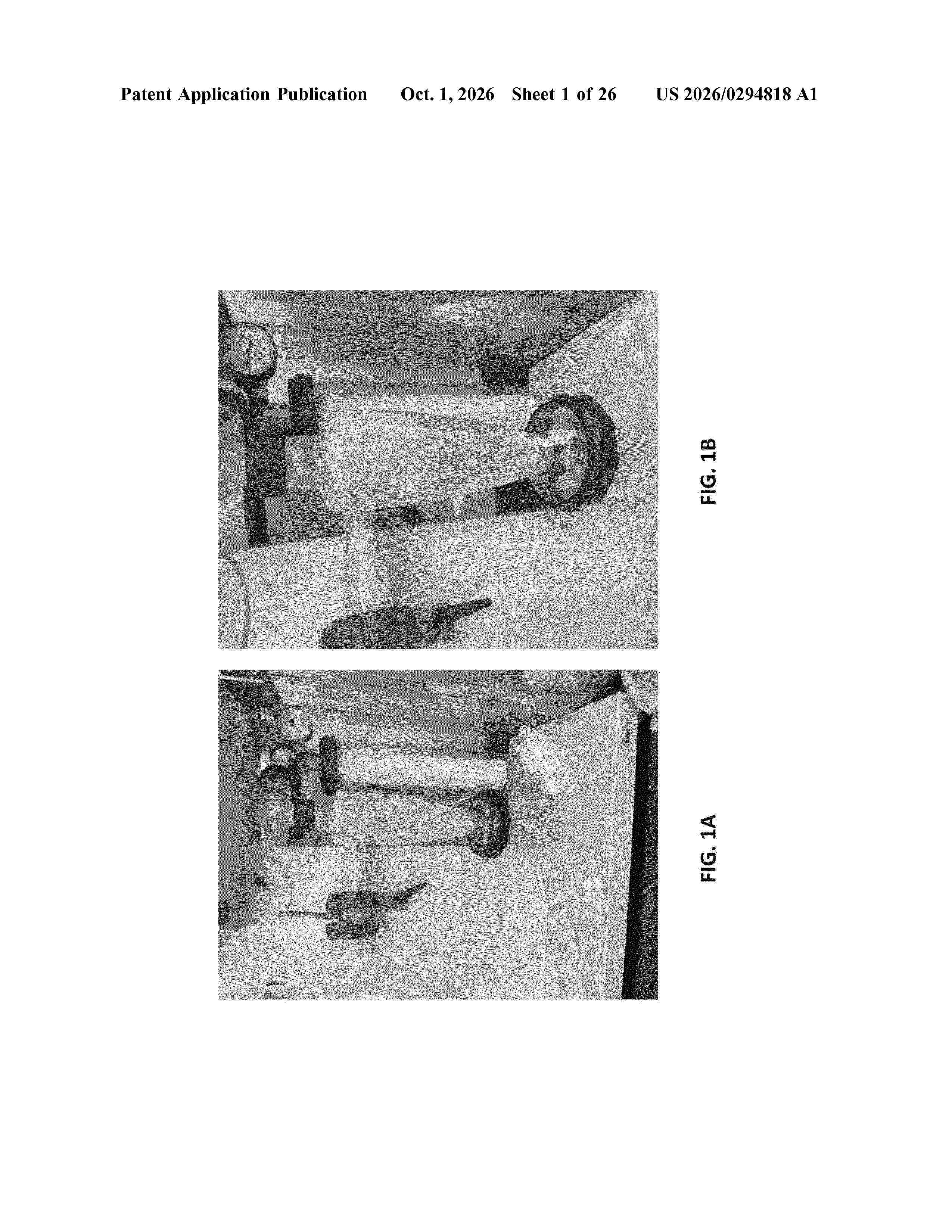
Resumen de: US20260294818A1
0000 The present disclosure is directed to the use of reconstituted mRNA dry powder particles for parenteral administration. The present disclosure is also directed to a method of generating dry powder particles supplemented with appropriate excipients for optimal thermostability and in vivo expression.

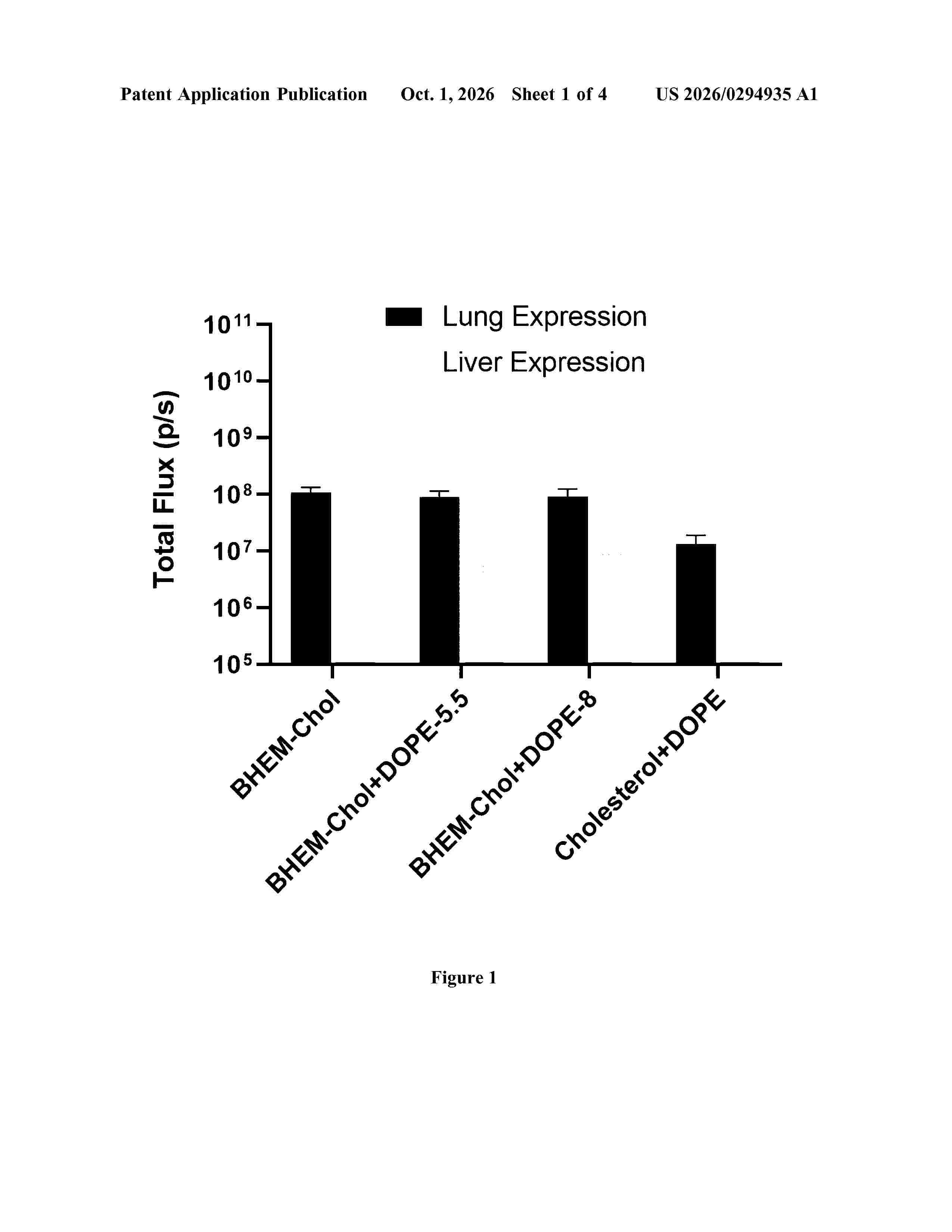
Resumen de: US20260294935A1
Provided herein are lipid nanoparticles comprising cationic steroid compound, as well as the preparation and uses of such lipid nanoparticles. Such lipid nanoparticles are useful in the delivery of payloads, such as nucleic acids, in vivo to non-hepatic organs (e.g., lung) for the treatment or prevention of certain diseases or disorders, particularly lung diseases.
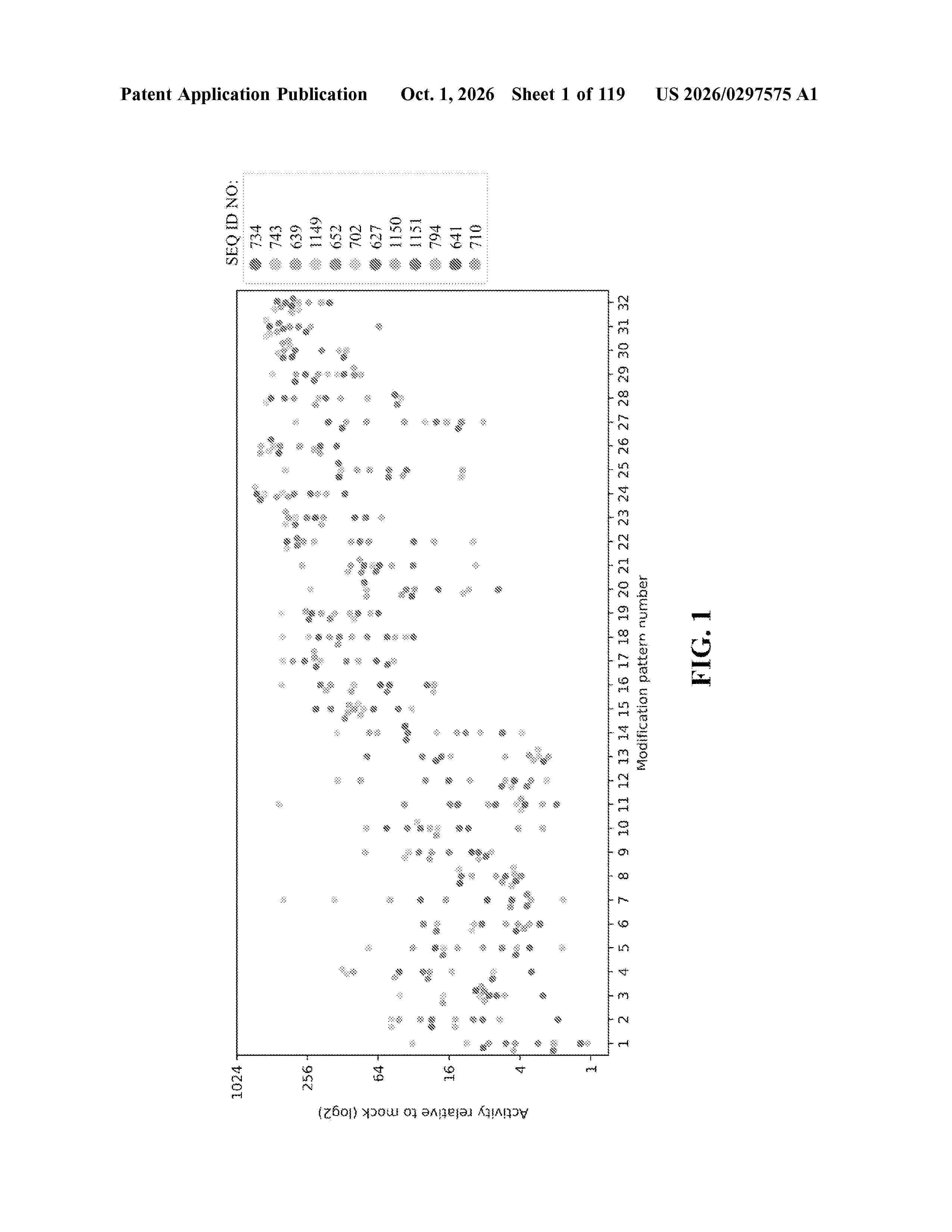
Resumen de: US20260297575A1
0000 The invention relates generally to tRNA-based effector molecules having a non-naturally occurring modification and methods relating thereto.
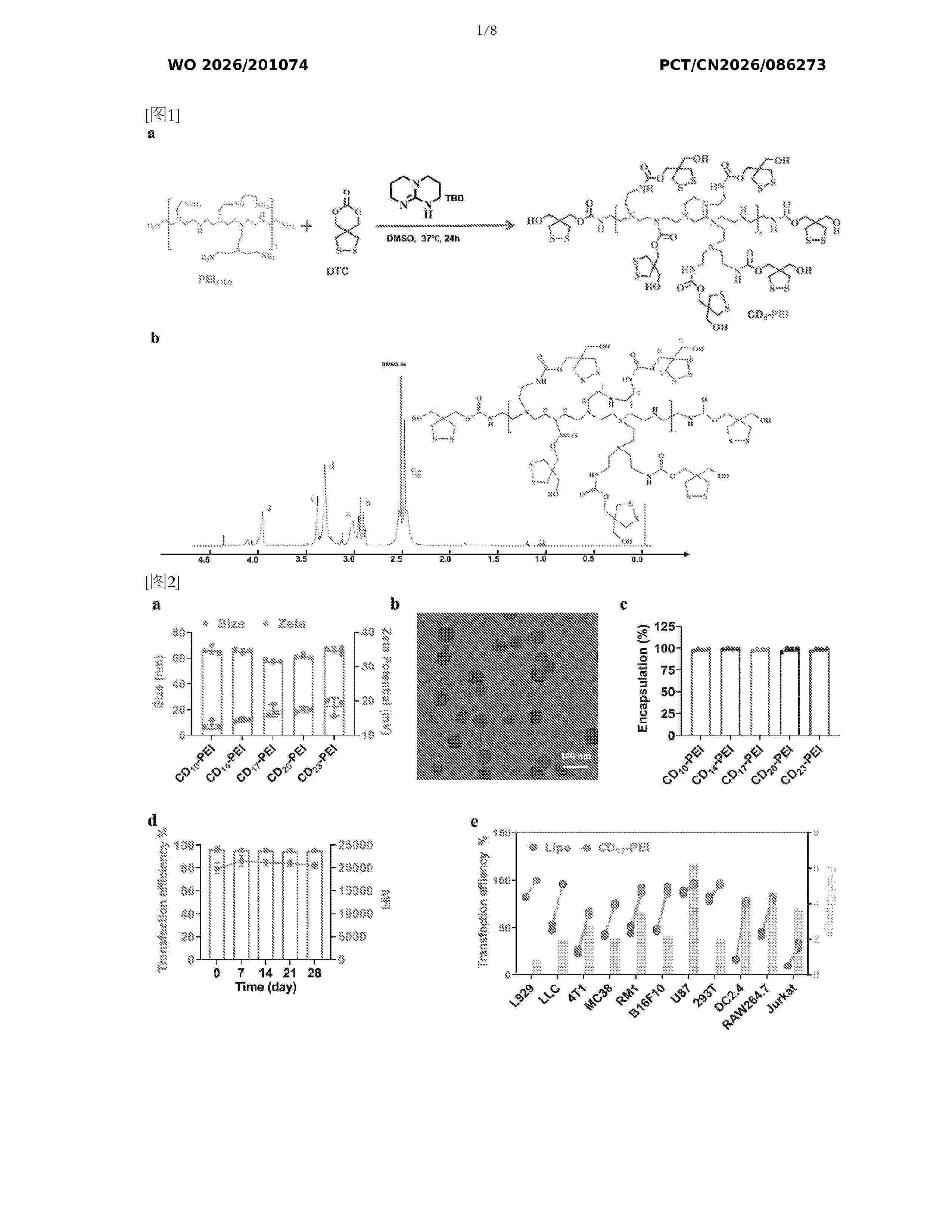
Resumen de: WO2026201074A1
The present invention relates to the technical field of medicine, and specifically relates to a cationic polymer, a drug delivery system comprising same, and the use thereof. The cationic polymer is a cationic polymer PEI modified with a cyclic disulfide group, wherein the cyclic disulfide group is represented by formulas (I)-(III). The polymer provided by the present invention can be used as a drug carrier, especially as a carrier of a nucleic acid drug, thereby achieving targeted delivery of extrahepatic organs and tissue.
Resumen de: US20260297143A1
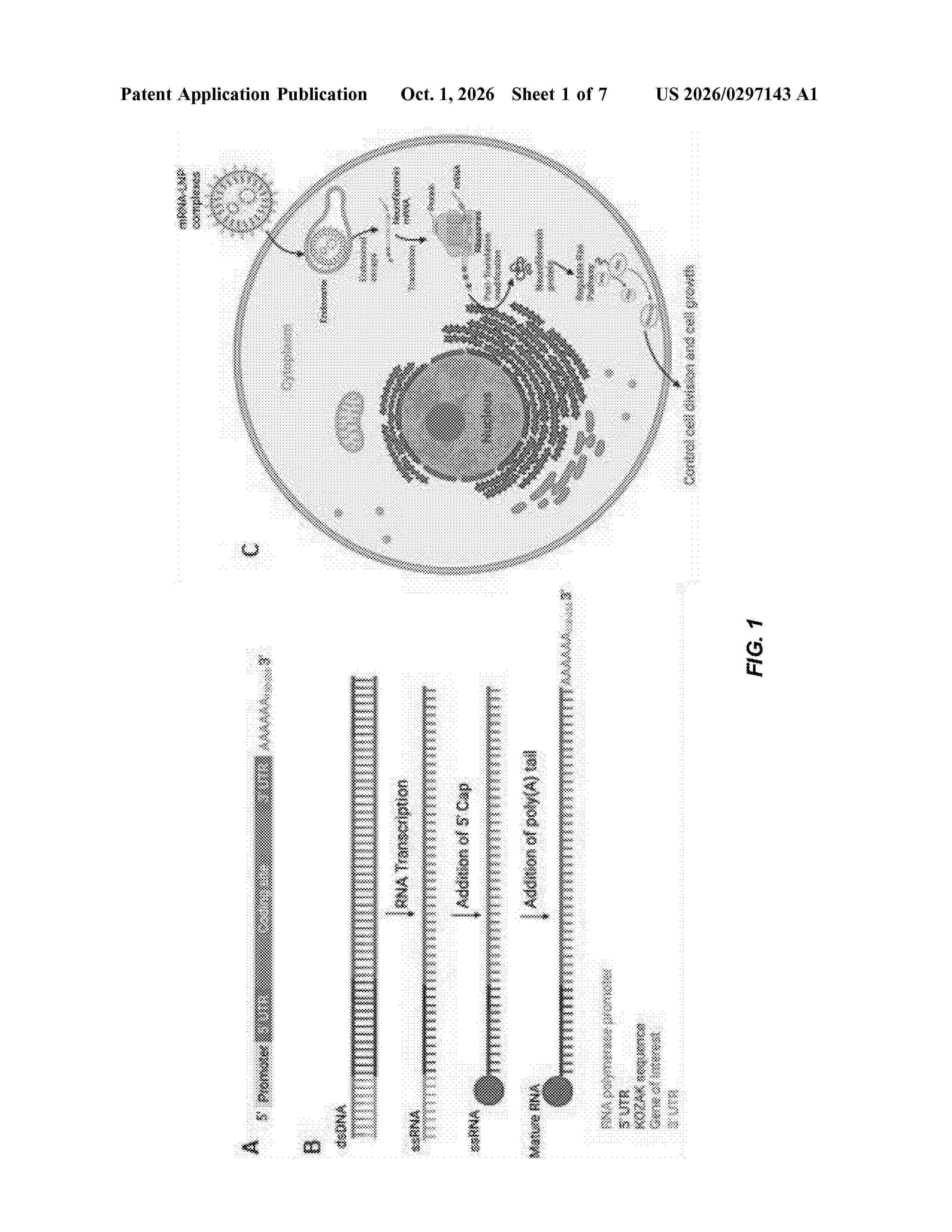
0000 Described herein are compositions and methods for treatment of conditions relating to expression and production of neurofibromin proteins. The disclosed compositions include nucleic acid molecules (e.g., messenger RNA, mRNA) providing optimized sequences, such as encoding for neurofibromin proteins or related derivatives or fragments thereof and useful for treating conditions associated with neurofibromatosis type 1. The disclosed compositions may be implemented in the form of nanoparticles including the nucleic acid molecules and suspended in a suitable carrier, such as an aqueous emulsion of a cationic lipid complex. The particle emulsion may be generated using an extrusion-based printing process. Administration of the disclosed compositions can result in expression of neurofibromin proteins or related derivatives or fragments thereof in mammals.
Resumen de: US20260294810A1
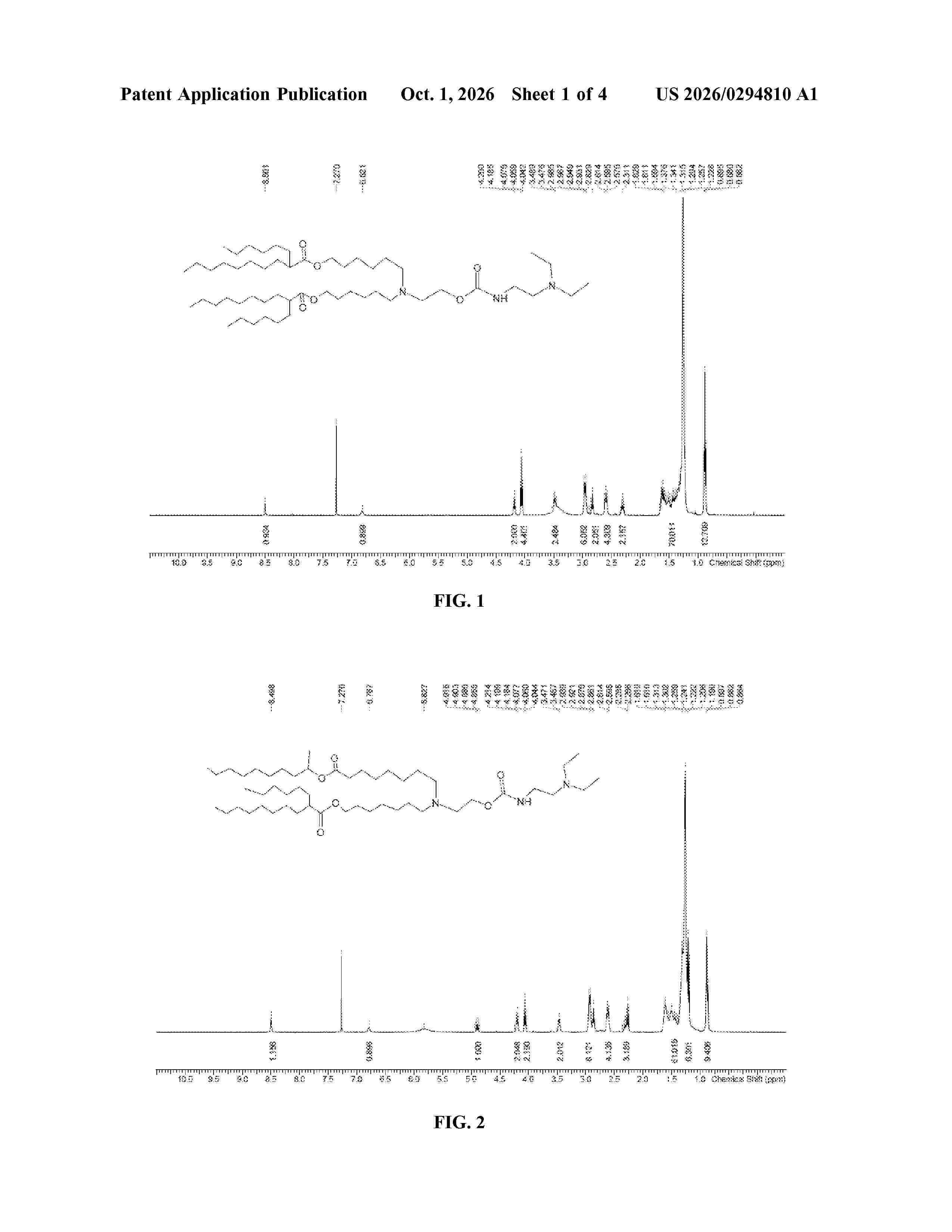
0000 The present invention relates to an ionizable lipid compound, a lipid carrier comprising same, and an application of the ionizable lipid compound. The present invention provides a series of compounds as shown in formula (1), a lipid carrier comprising same as an ionizable lipid, a nucleic acid lipid nanoparticle composition, and a preparation thereof. Lipid nanoparticles formed by the ionizable lipid can deliver nucleic acid molecules into cells, thus increasing the transfer rate of the nucleic acid molecules, and thereby improving the treatment effect of a nucleic acid drug.
0000
Resumen de: AU2025262086A1
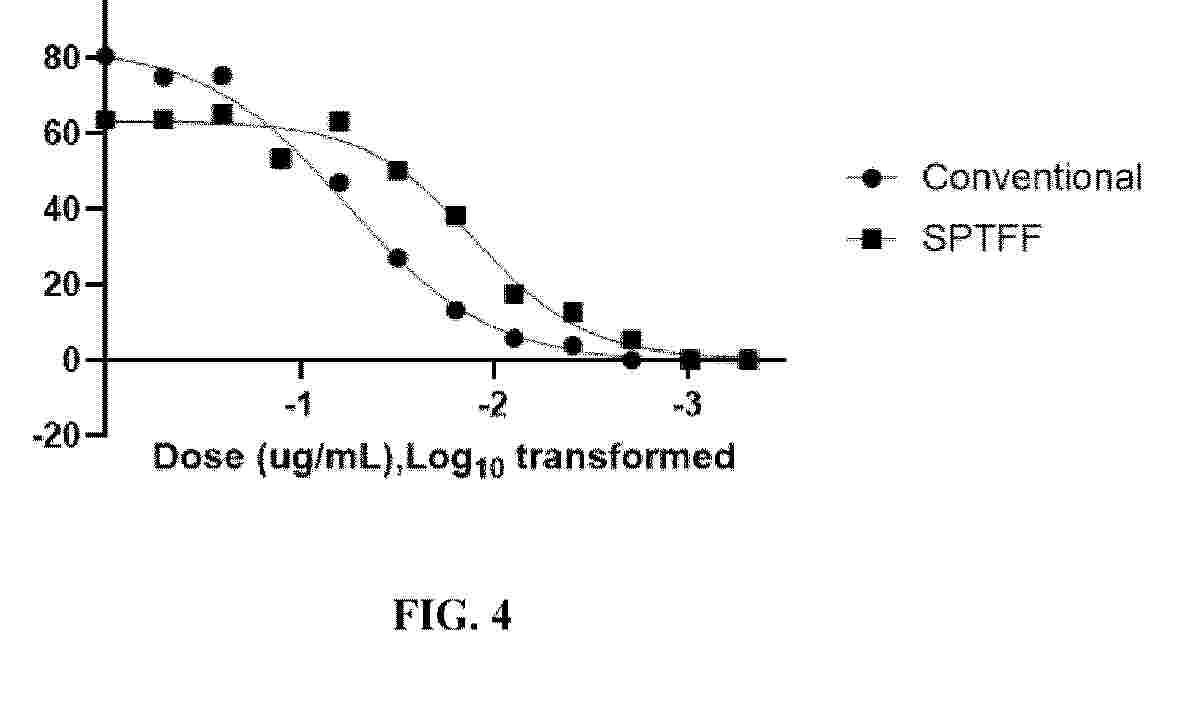
A method is provided for producing a composition that includes a nanoparticle with at least one nucleic acid and at least one ionizable lipid. The method includes introducing a first composition that includes the at least one nucleic acid and a second composition that includes the at least one ionizable lipid into at least one reactor. The first composition and the second composition are introduced at a first flow rate and a second flow rate, respectively, therefore generating the nanoparticle in a reaction mixture. The method further includes filtering the nanoparticle from the reaction mixture via a single-pass tangential flow filter at a feed flux to provide a retentate, to produce the composition. The method may also include filtering the retentate through a sterile filtration membrane.
Resumen de: AU2025259439A1
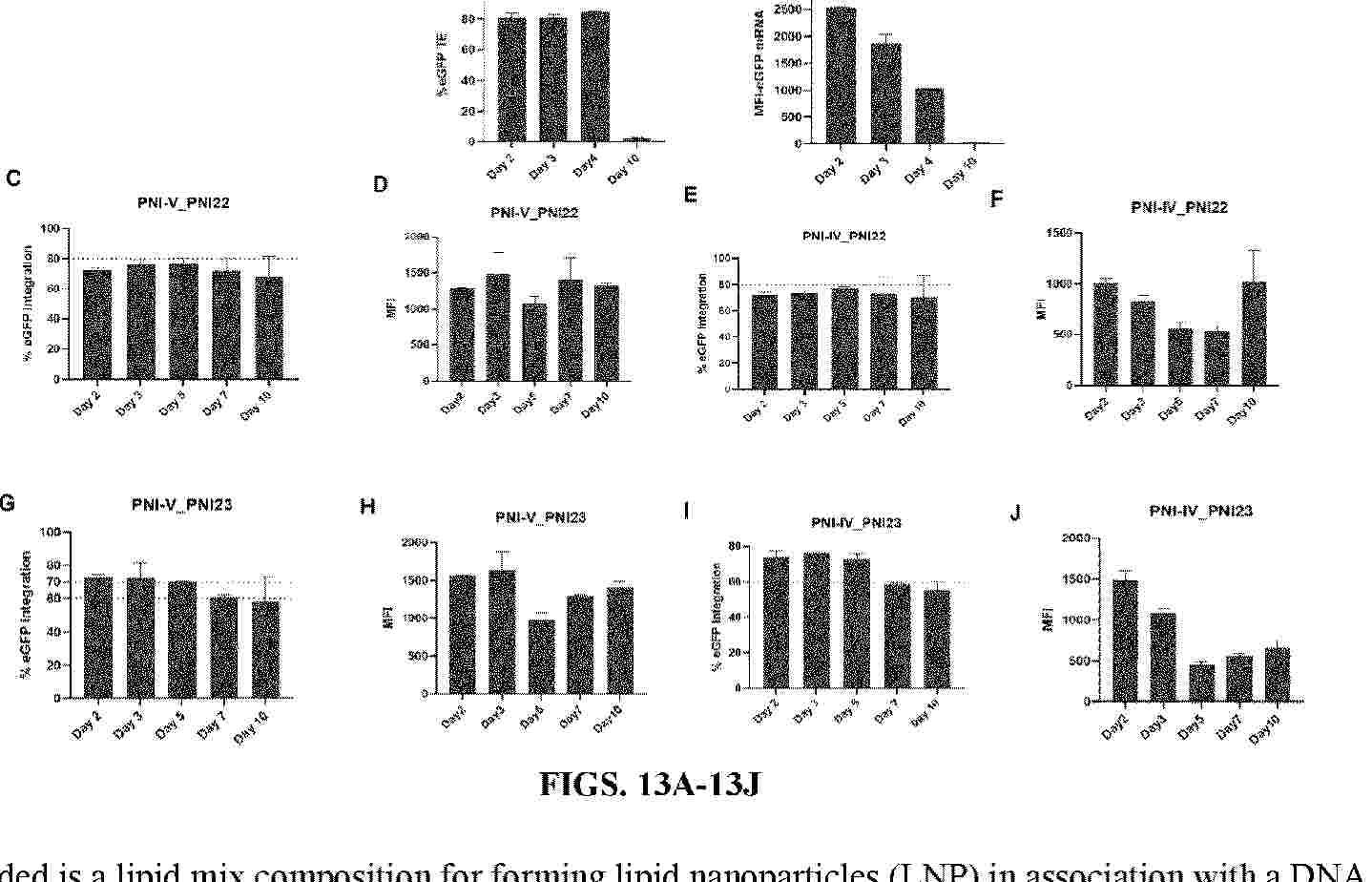
Provided is a lipid mix composition for forming lipid nanoparticles (LNP) in association with a DNA, for use in transfecting a cell of hematopoietic lineage, the lipid mix composition comprising an ionizable lipid, a phospholipid, a stabilizer, and cholesterol. The LNP, a method of modifying cells of hematopoietic lineage using the LNP, a cell of hematopoietic lineage modified by the method, and a method of treatment for immune deficiency, cancer, autoimmune disease or genetic insufficiency are also provided.
Resumen de: AU2025259015A1
Provided are compositions and methods for transfecting a cell of hematopoietic lineage, using a lipid nanoparticle (LNP) that includes a lipid mix composition including an ionizable lipid, the lipid mix composition encapsulating an HDR template DNA comprising a gene of interest for insertion into a desired chromosomal locus.
Resumen de: US20260295075A1
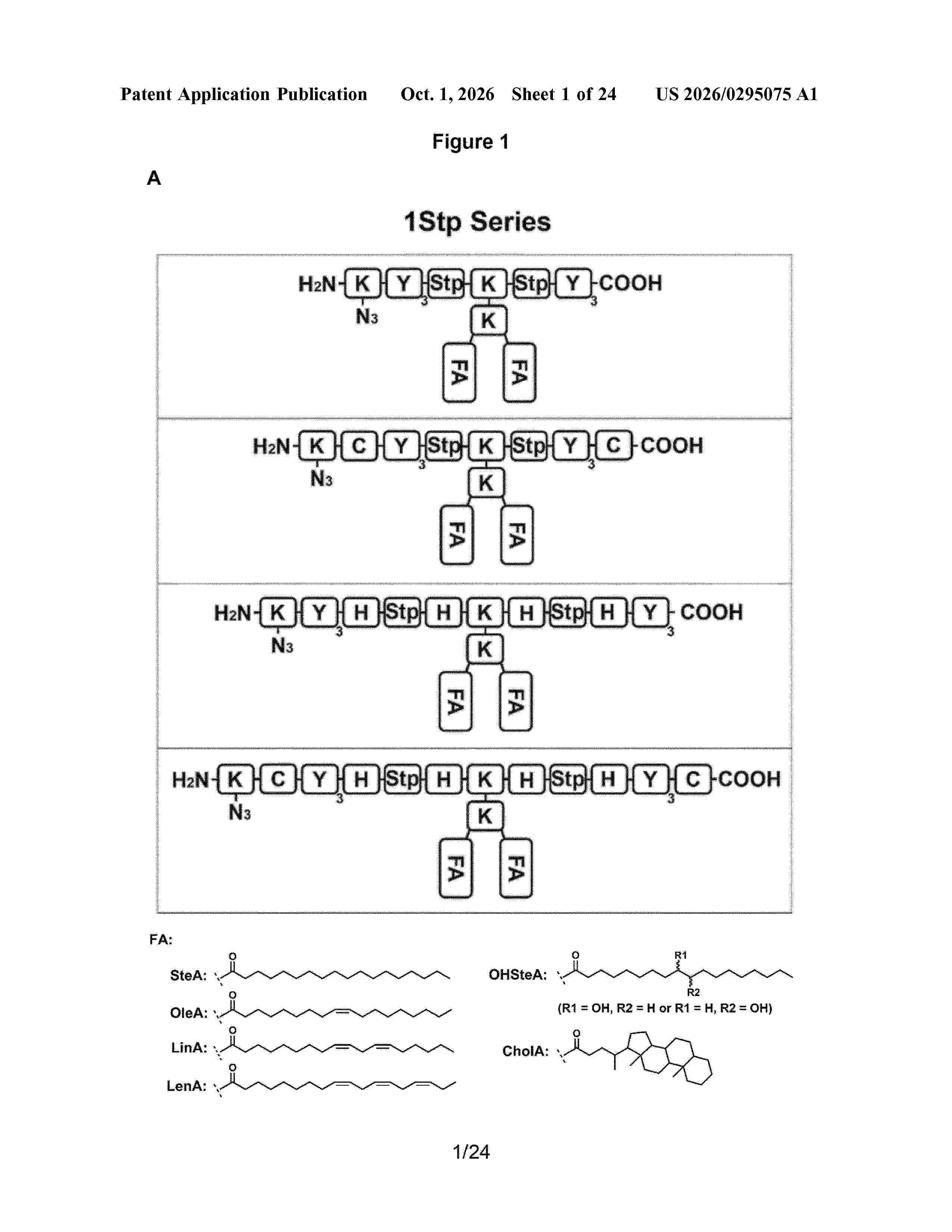
0000 The invention relates to nanoparticles for Cas protein/gRNA ribonucleoprotein (RNP) complex, siRNA or PMO delivery comprising one or more Cas protein/gRNA RNP complex(es), siRNA(s) or PMO(s) as cargo; and a carrier comprising a sequence-defined T-shape lipo-oligomer comprising a tyrosine tripeptide and either a single artificial amino acid or two hydrophobic artificial amino acids at either side of a central lysine branching point and a hydrophobic tail comprising two fatty acids, wherein the artificial amino acid is an oligo(alkylamino) acid. The invention further relates to therapeutic and non-therapeutic uses thereof and to an in vitro method for transfecting mammalian cells.
Resumen de: AU2025252092A1
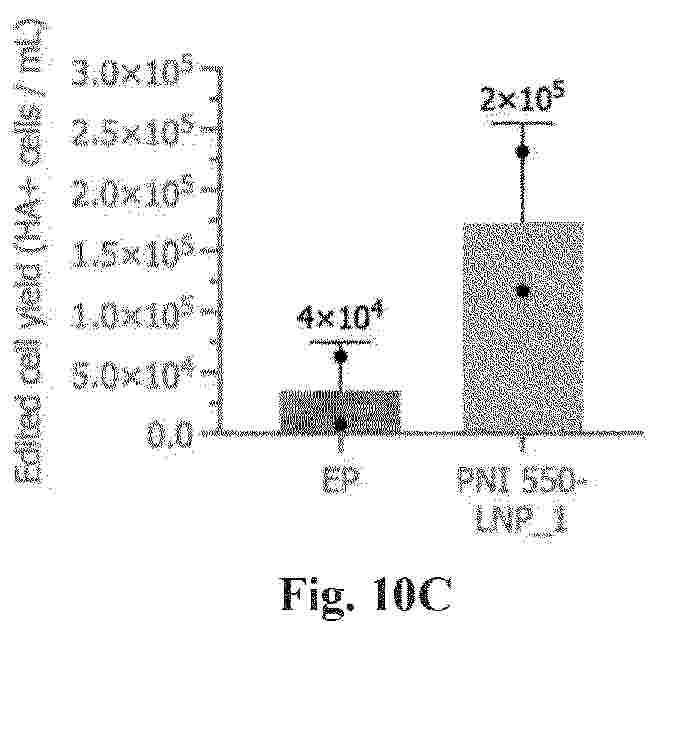
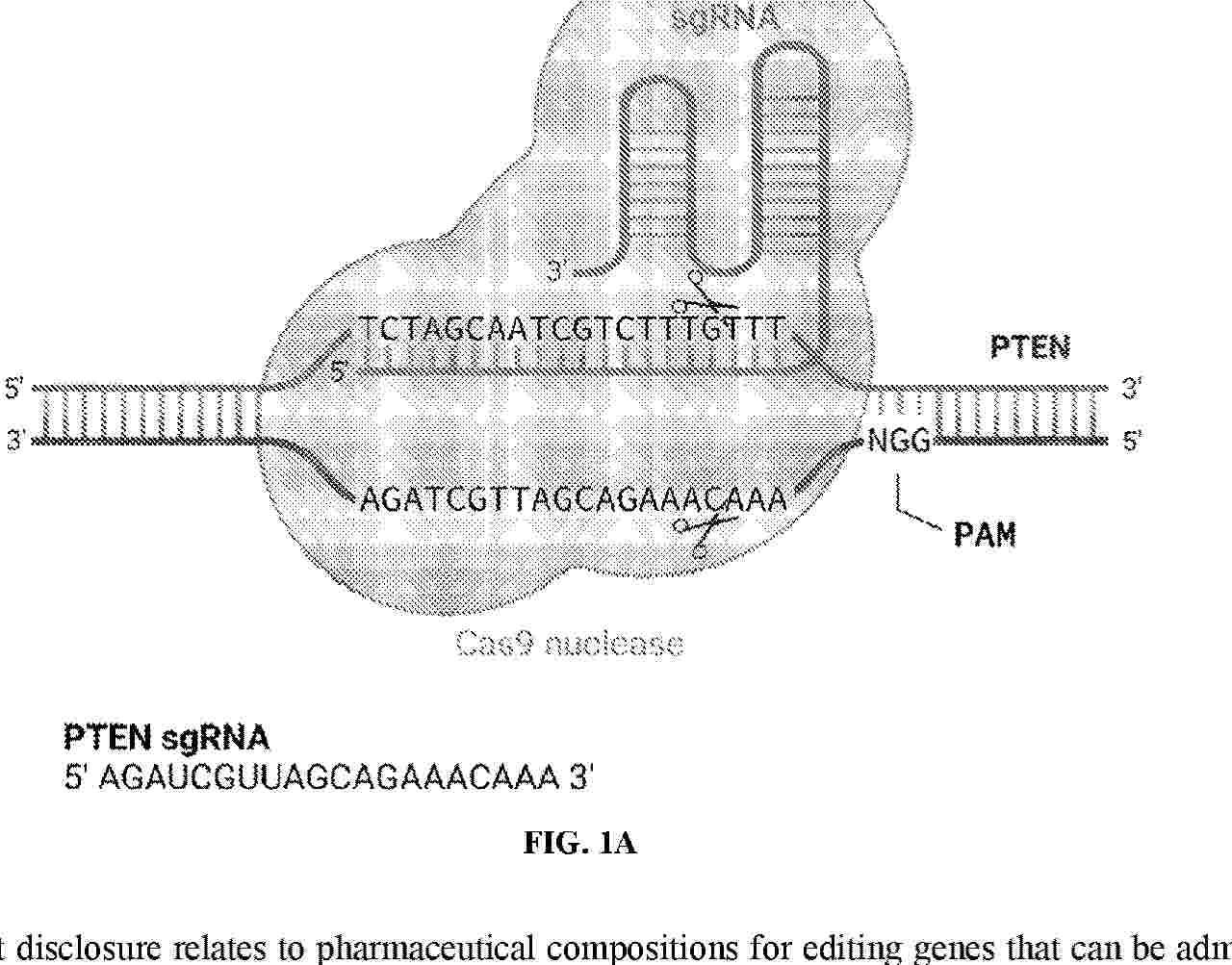
The present disclosure relates to pharmaceutical compositions for editing genes that can be administered through inhalation, such as via nebulization. In particular, these compositions contain β-sitosterol instead of other sterols or steroids. These compositions may show improved gene editing performance with fewer editing errors and/or improved aerosolization compared to lipid nanoparticles with cholesterol.
Resumen de: US20260294836A1
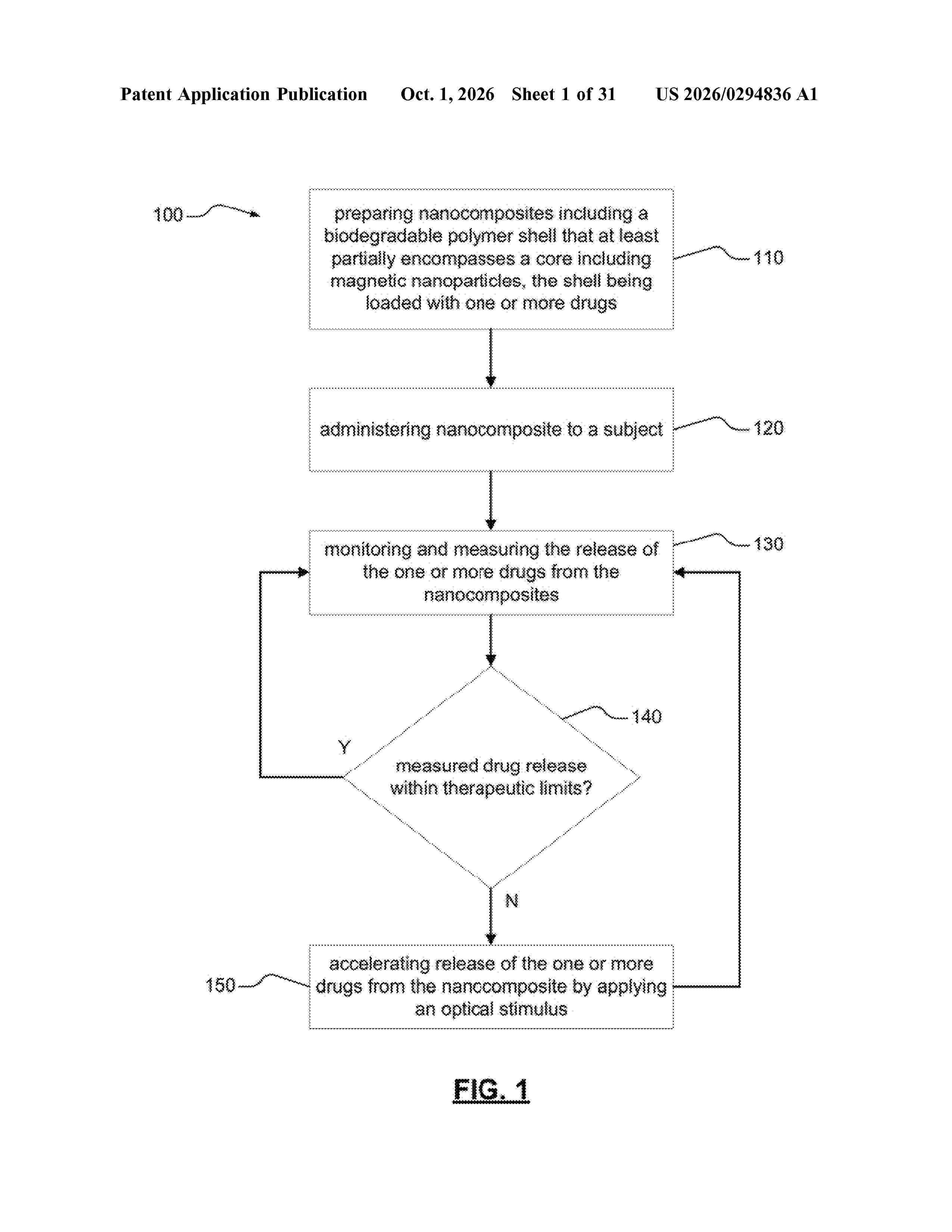
0000 A method for targeting and tuning drug release in a human or non-human subject includes monitoring release of one or more drugs from one or more nanocomposites administered to the subject and applying precision-controlled optical stimulus to an area of the subject hosting the one or more nanocomposites to accelerate release of the one or more drugs from the one or more nanocomposites.
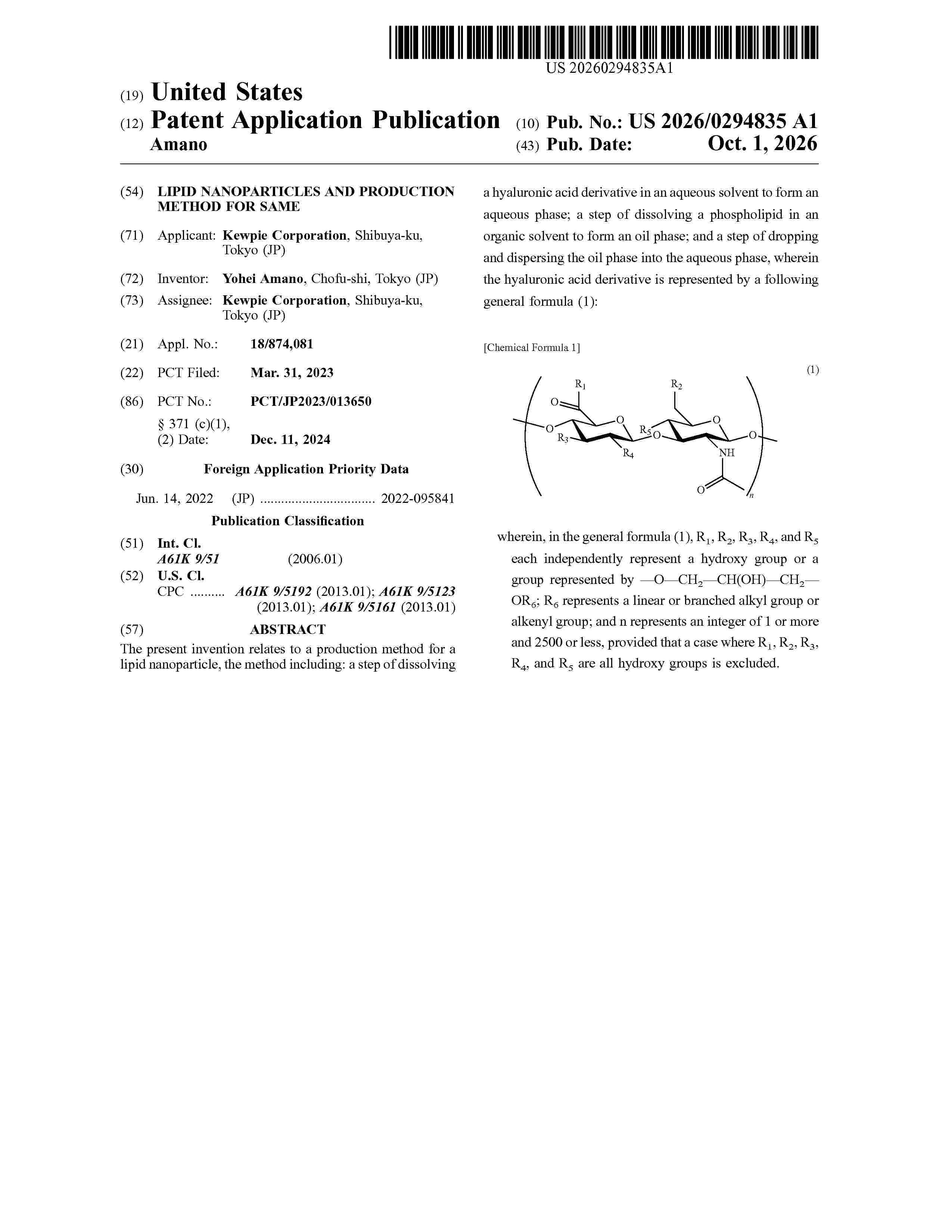
Resumen de: US20260294835A1
0000 The present invention relates to a production method for a lipid nanoparticle, the method including: a step of dissolving a hyaluronic acid derivative in an aqueous solvent to form an aqueous phase; a step of dissolving a phospholipid in an organic solvent to form an oil phase; and a step of dropping and dispersing the oil phase into the aqueous phase, wherein the hyaluronic acid derivative is represented by a following general formula (1):
0000
wherein, in the general formula (1), R<1>, R<2>, R<3>, R<4>, and R<5 >each independently represent a hydroxy group or a group represented by —O—CH<2>—CH(OH)—CH<2>—OR<6>; R<6 >represents a linear or branched alkyl group or alkenyl group; and n represents an integer of 1 or more and 2500 or less, provided that a case where R<1>, R<2>, R<3>, R<4>, and R<5 >are all hydroxy groups is excluded.
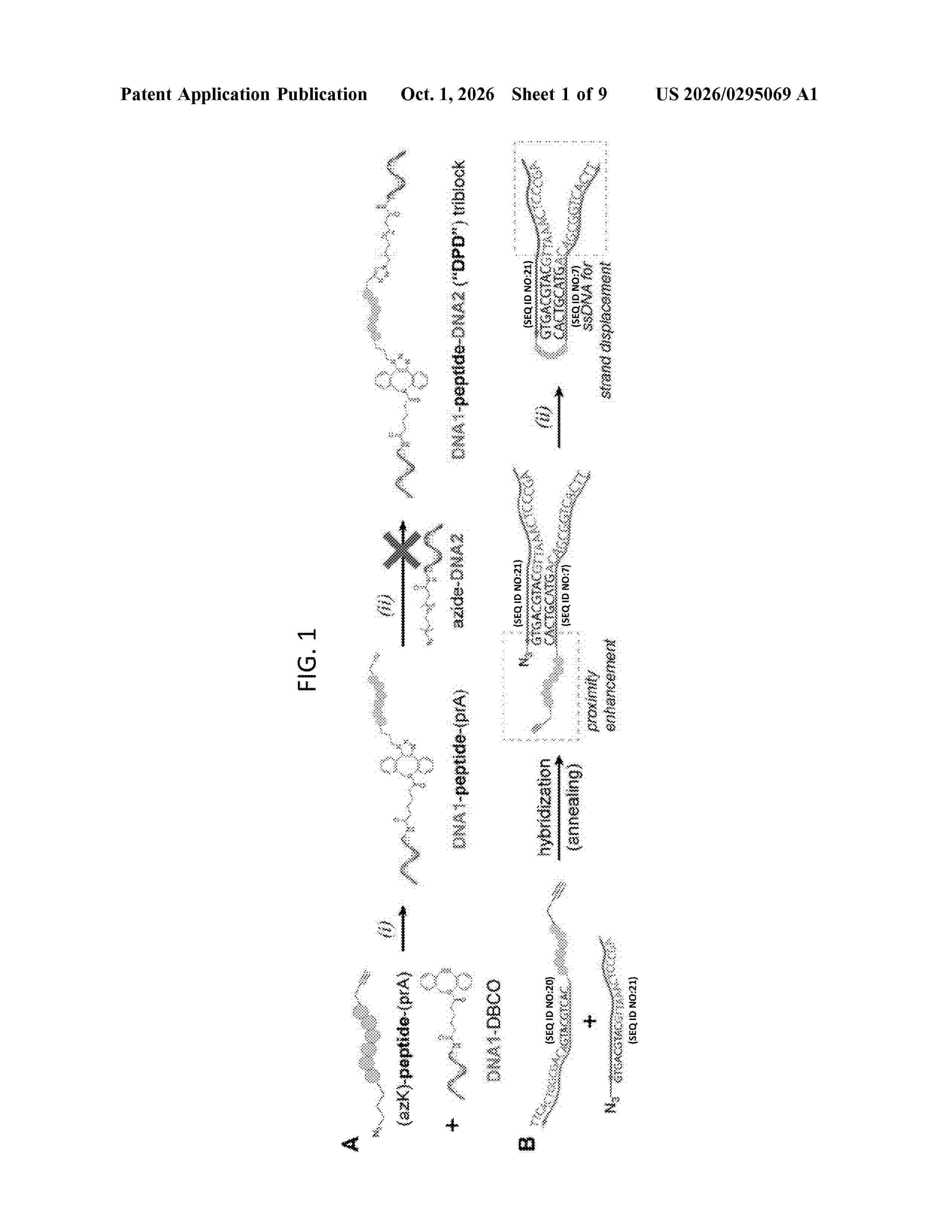
Resumen de: US20260295069A1
0000 The present disclosure relates to nucleic acid-peptide-nucleic acid conjugate molecules and to methods for synthesizing nucleic acid-peptide-nucleic acid conjugate molecules. In some embodiments, a method for synthesizing a nucleic acid-peptide-nucleic acid conjugate molecule using proximity-enhanced synthesis includes covalently linking a peptide with a first nucleic acid strand via a first reaction, hybridizing the first nucleic acid strand with a second nucleic acid strand to bring the second nucleic acid strand in proximity to the peptide, and covalently linking the peptide with the second nucleic acid strand via a second reaction to provide the nucleic acid-peptide-nucleic acid conjugate molecule. In some embodiments, the peptide of the nucleic acid-peptide-nucleic acid conjugate molecule is a substrate for cleavage by an enzyme, such as matrix metalloproteinase-8 (MMP-8). Exemplary applications of the nucleic acid-peptide-nucleic acid conjugate molecule for drug delivery, molecular assembly of hybrid structures, and constraining the peptide to a biologically active conformation are also disclosed.
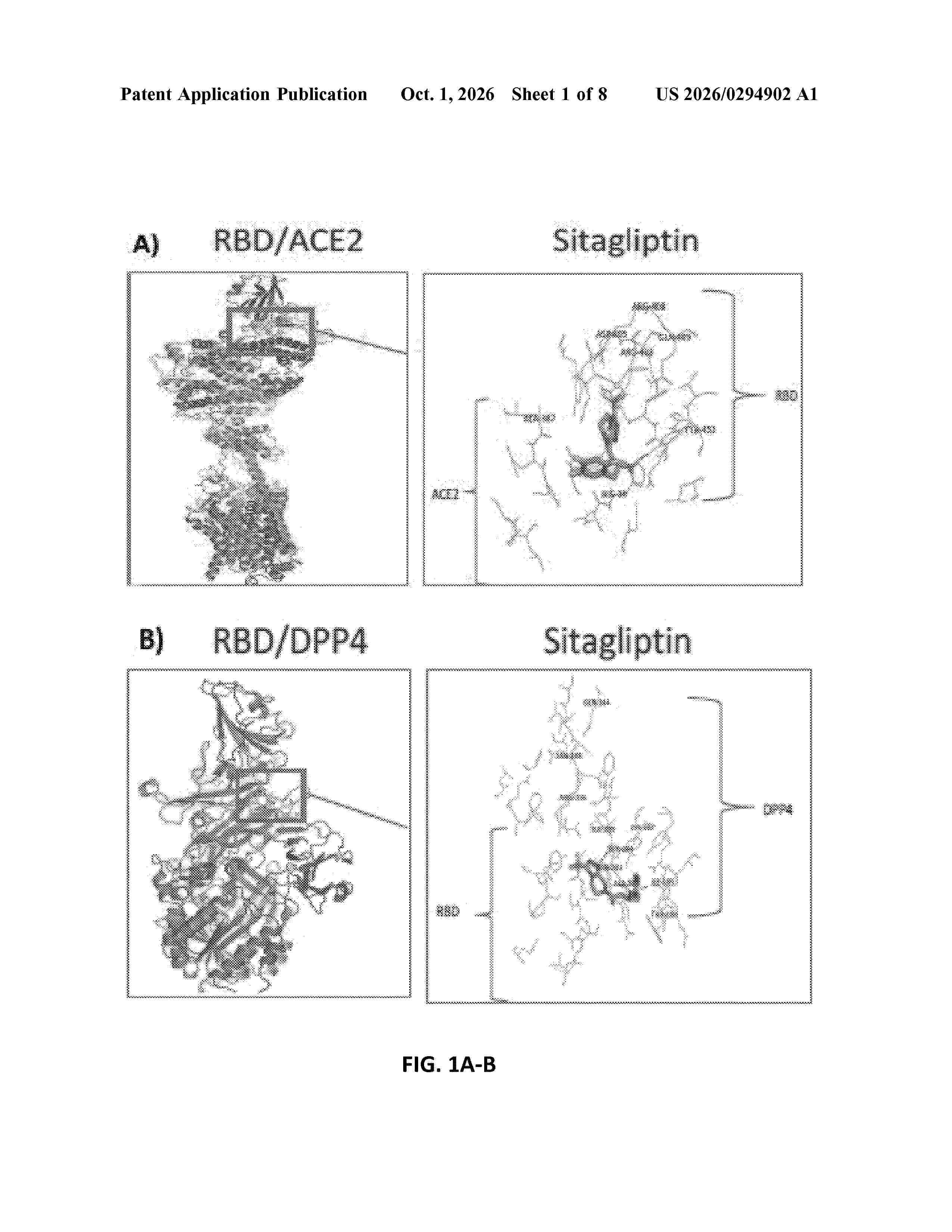
Resumen de: US20260294902A1
0000 A nanosystem and methods of treating, including prophylactically, coronavirus infections, such as those caused by severe acute respiratory syndrome coronavirus 2 (SARS-CoV-2), by administering such nanosystem to a patient is presented. The nanosystem may be comprised of a single or a combination of therapeutic agents, optionally encapsulated in a nanoparticle having a targeting moiety directed to the particular coronavirus. For CoV-2 infections, at least one therapeutic agent, such as the dual DPP4/ACE2 inhibitor sitagliptin, may optionally be encapsulated within a nanoparticle having a fatty acid such as linoleic acid, as the targeting moiety. Administration can occur intranasally prior to infection for prophylactic treatment or post-infection for treatment of the viral infection.
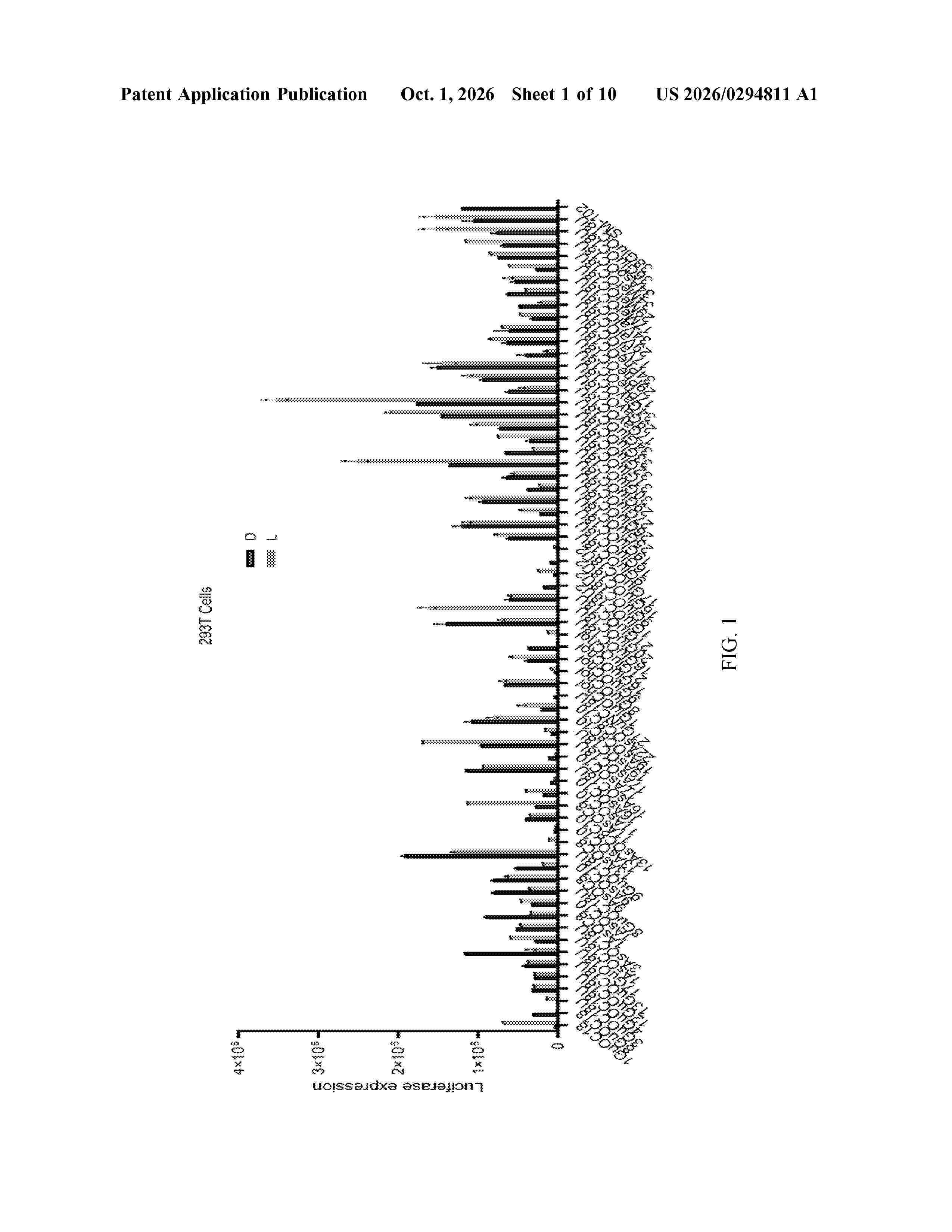
Resumen de: US20260294811A1
0000 The present disclosure provides an amino acid backbone ionizable lipid, preparation method thereof and application method therefor. The amino acid backbone ionizable lipid is modified with amino acids as a core, has many ester groups and peptide bonds, and can be quickly hydrolyzed by enzymes after effectively releasing RNA in vivo. The amino acid backbone ionizable lipid has four tail structures, which can increase a cross-sectional area of lipid tails, help RNA and other drugs escape from endosomes, and enhance transfection efficiency. A charge of the ionizable lipid is electrically neutral under physiological conditions, reducing a cytotoxicity caused by excessive positive charges, thereby increasing stability of lipid nanoparticles, helping to prolong circulation time of loaded nucleic acid drugs and improving pharmacokinetic characteristics.
Resumen de: AU2025236954A1
The present application provides lipid nanoparticles comprising an ionizable lipid, a phospholipid, a structural lipid, and a PEG lipid. The lipid nanoparticles of the present application enable encapsulation and delivery of a therapeutic/prophylactic agent, safely deliver the therapeutic/prophylactic agent to a targeted position, and enable high expression, thereby exerting the effect of the therapeutic/prophylactic agent.
Resumen de: AU2025237572A1
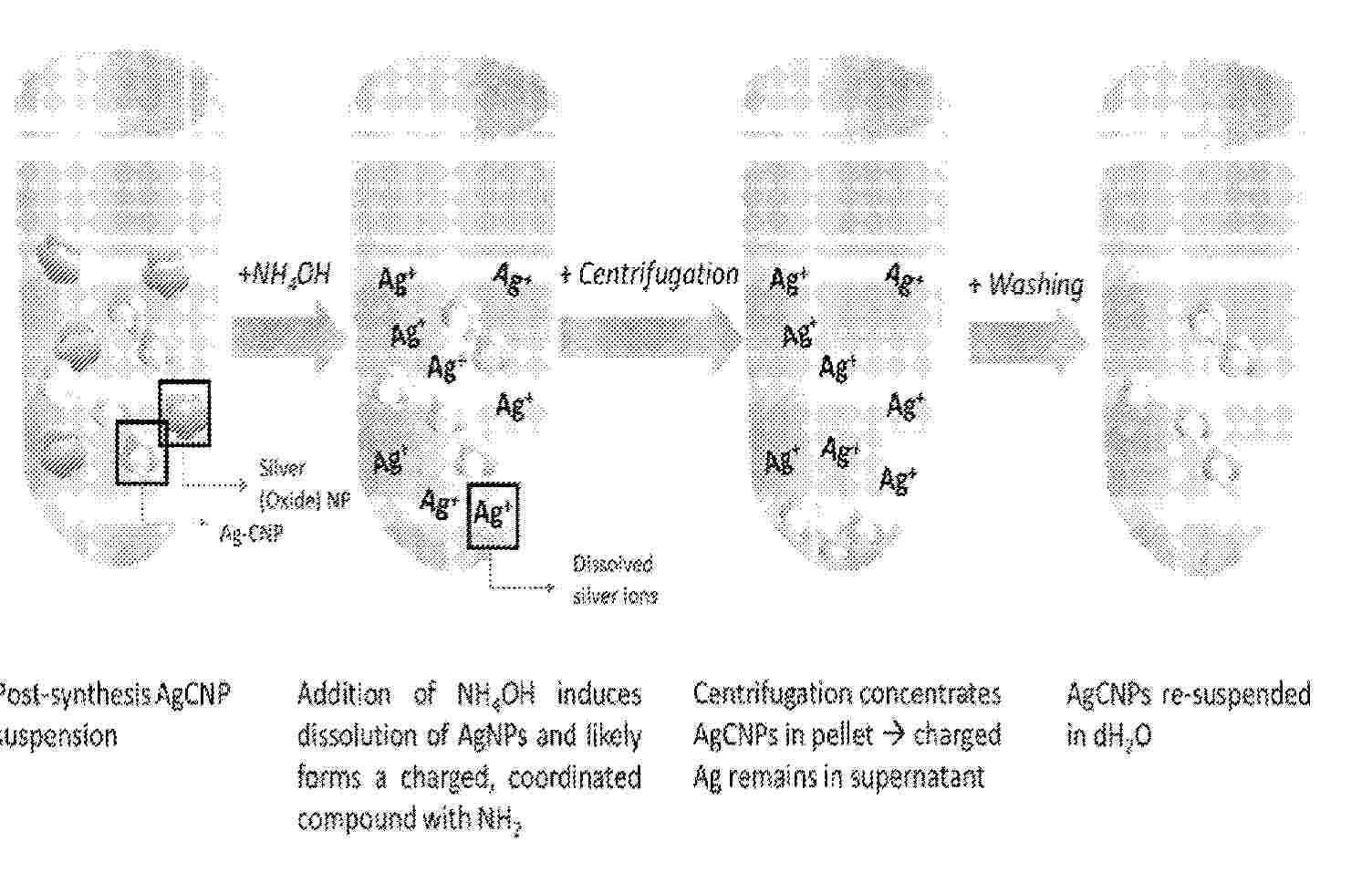
Community-associated and hospital acquired infections caused by bacteria and viruses on surfaces are global challenges to human health. New strategies that offer non-specific and broad protection are urgently needed. Irradiated cerium nanoparticles IrCNPs are provided which optionally are synthesized with a metal such as silver. These nanoparticles are designed to have superior function due to a higher trivalent (Ce3+) surface fraction, which produces high potency and residual effects on a variety of surfaces. Preferred IrCNPs can rapidly and completely eradiate Pseudomonas aeruginosa, Staphylococcus aureus, and methicillin resistant S. aureus, both species and biofilm, within 3 hours of exposure, and are effective against viruses as well.
Resumen de: AU2025237119A1
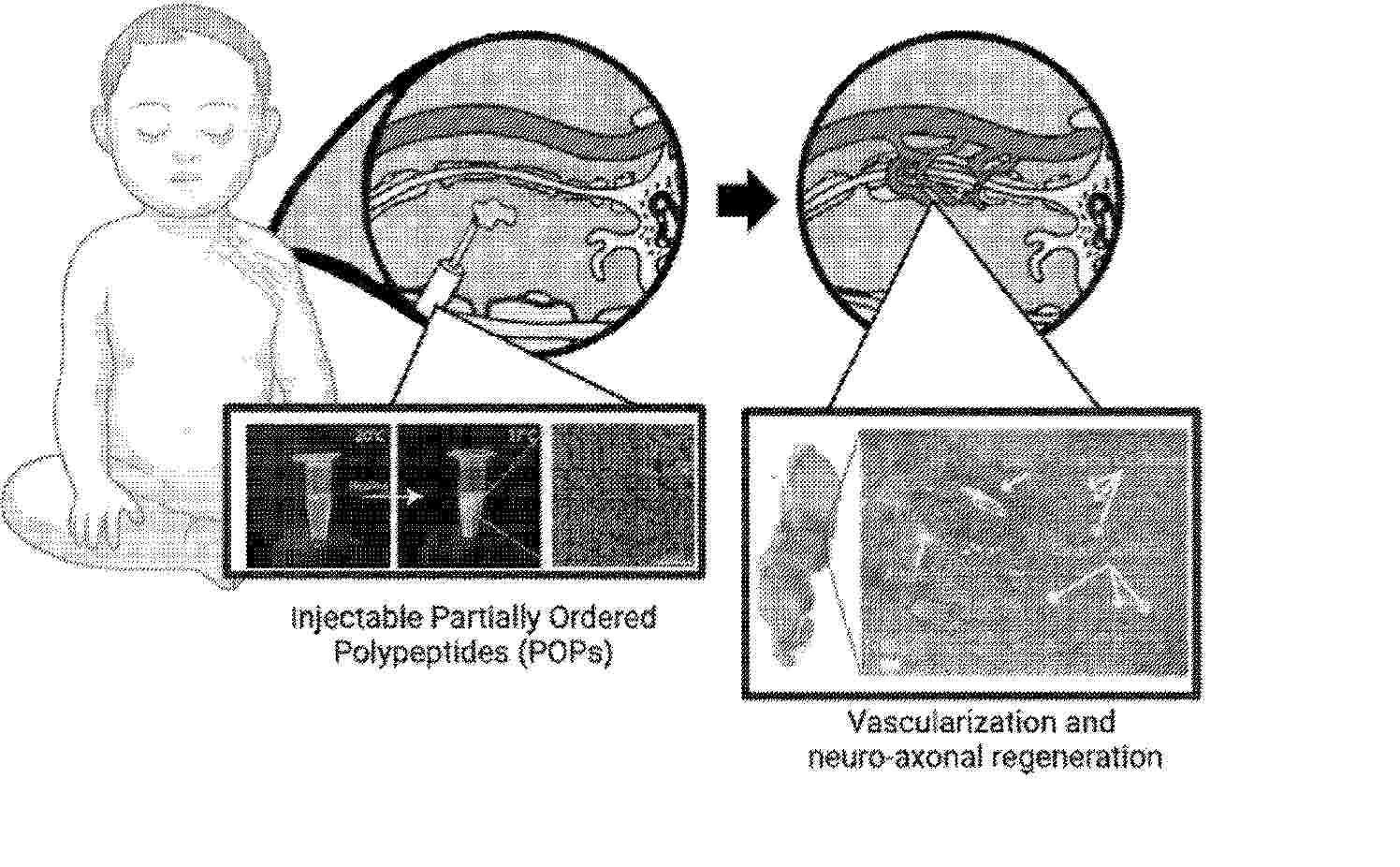
Disclosed herein are methods and recombinant partially ordered polypeptides for repairing nerve injuries, such as a peripheral nerve injury. The methods and polypeptides can take advantage of temperature-dependent phase transition behavior of the polypeptide to provide biocompatible, porous scaffolds for beneficial outcomes in nerve repair. An example method includes administering a recombinant partially ordered polypeptide to a location of a nerve injury in a subject. An example recombinant partially ordered polypeptide includes a plurality of disordered domains, a plurality of structured domains, and an optional neuroregenerative domain.
Resumen de: US20260294833A1
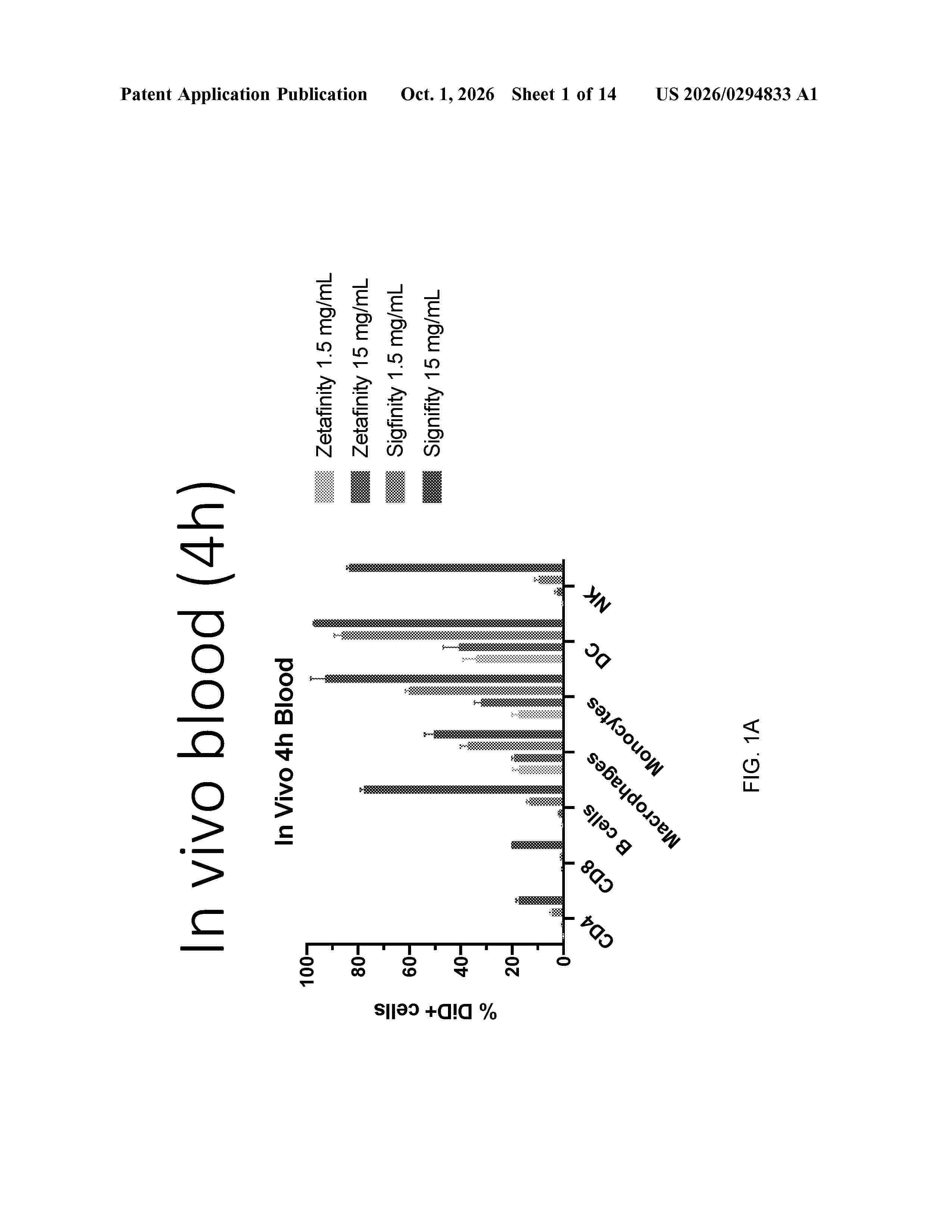
This invention provides a pharmaceutical composition comprising an agent that can bind Siglec receptors on cell surface. This invention also provides the method of preparing said pharmaceutical composition and the use thereof.
Resumen de: AU2025230986A1
The purpose of the present invention is to provide a lipid nanoparticle that makes it possible to efficiently introduce a drug into a cell, and a constituent lipid of this lipid nanoparticle. Provided are: a compound represented by general formula (I), (II), or (III); a salt or stereoisomer thereof; and a lipid nanoparticle containing the same as a constituent lipid.
Resumen de: AU2025226097A1
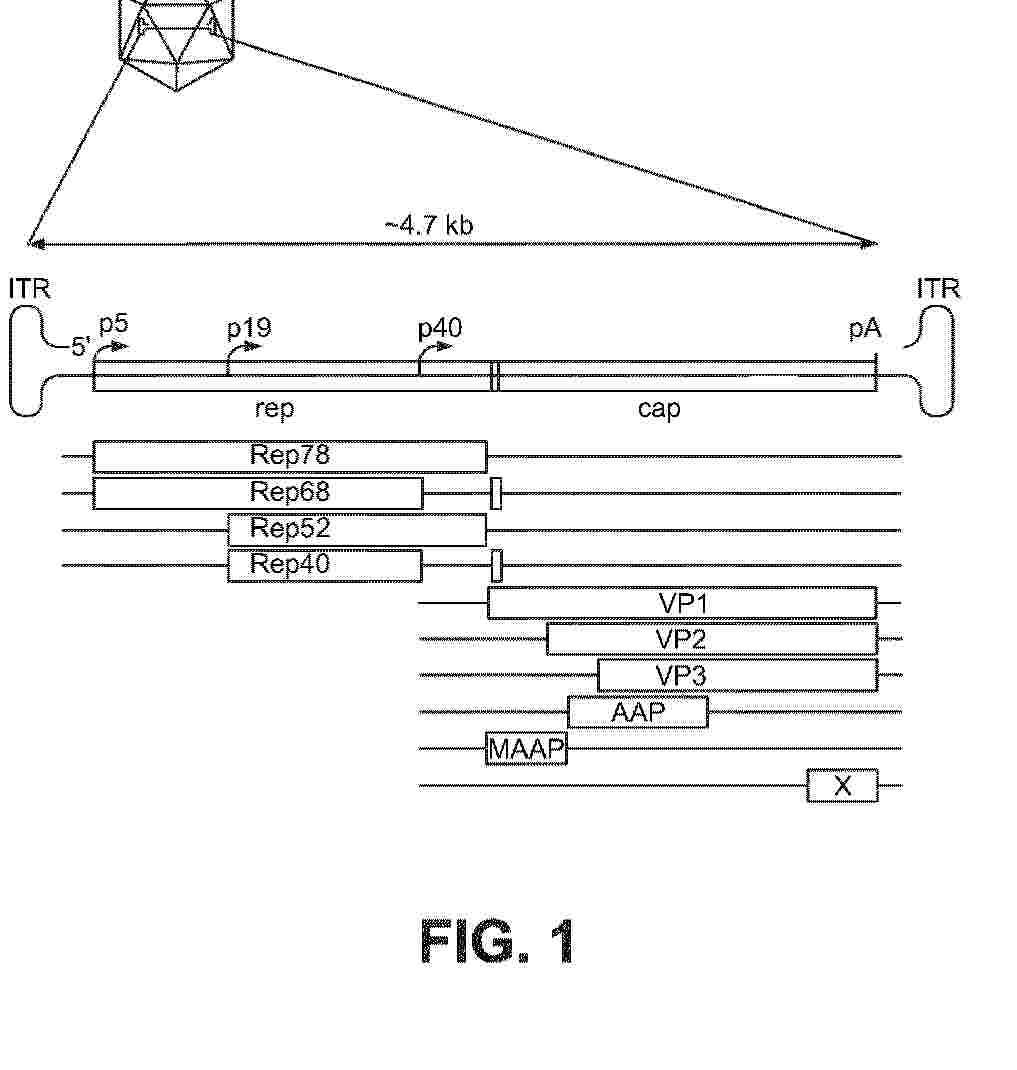
Provided are gene therapy vectors designated MEV-GTVs, which are MEVs that contain an ITR-containing plasmid (also referred to as a minigene plasmid) that comprises Inverted Terminal Repeats (ITRs), such as viral ITRs, and nucleic acid encoding a product of interest, and optionally regulatory sequences. The ITRs serve to circularize the minigene plasmid. The plasmids do not contain additional viral components, so that resulting DNA is not encapsulated in a viral capsid or envelop and is not replicated by viral genes. The plasmids can be inserted into bacterial plasmids for propagation.
Resumen de: AU2025224446A1
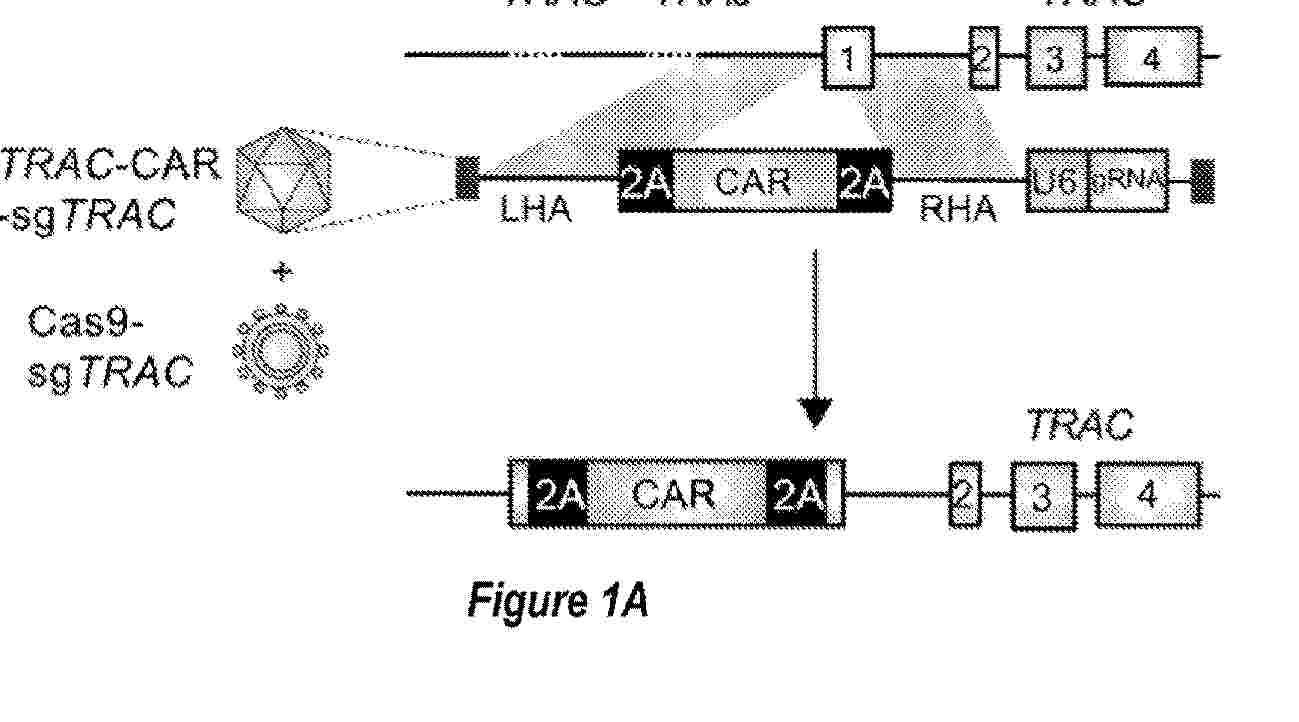
Disclosed herein are methods and compositions for the in vivo modification of cell genomes involving delivery of different components of gene editing components from different vectors. The methods and compositions target a heterologous polynucleotide to a target cell-specific locus for insertion into the genome, and for expression of a heterologous polypeptide in place of a native gene. The methods and compositions may be used in the treatment of disease.
Resumen de: AU2026230227A1
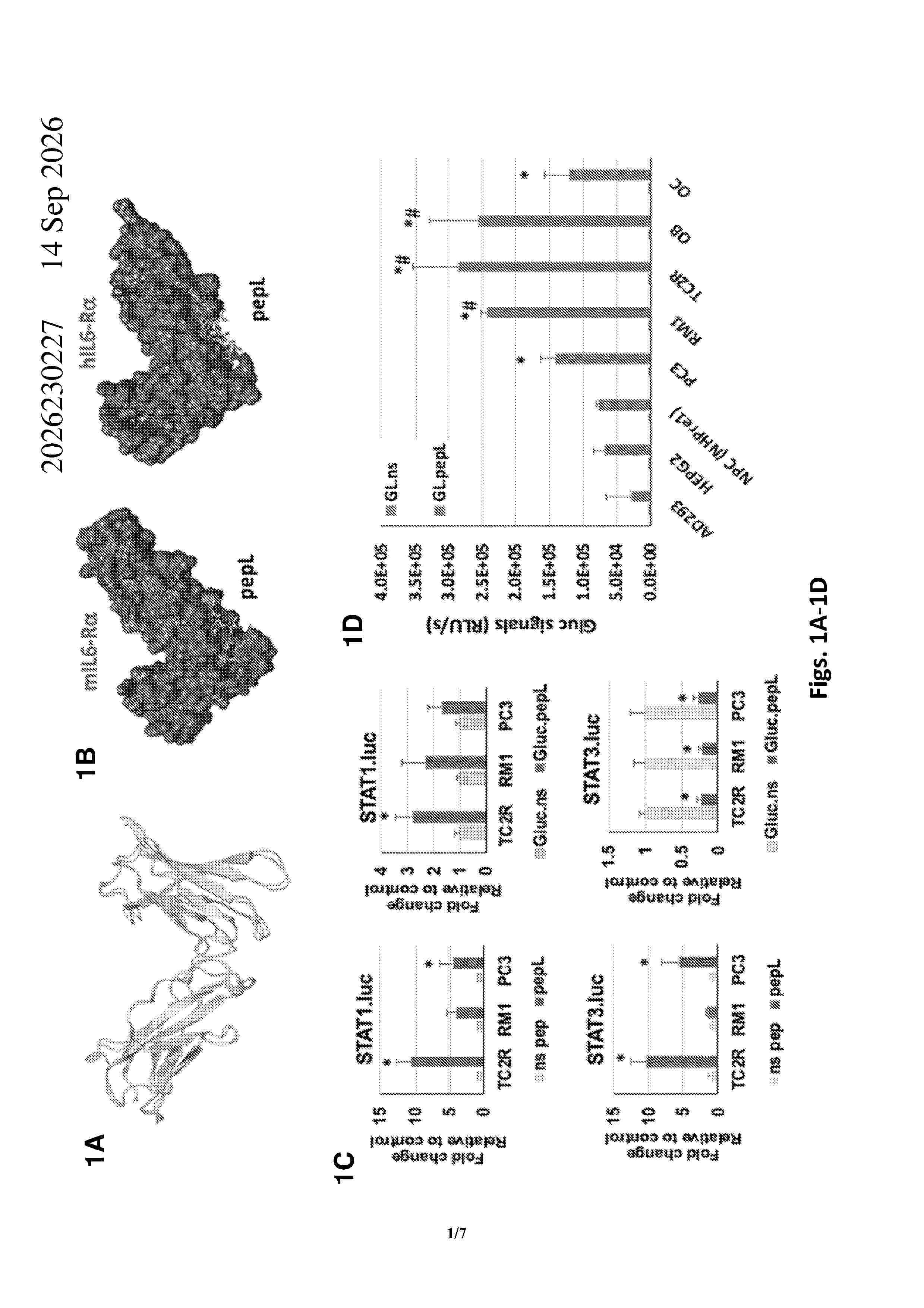
The present invention generally relates to composition matter and methods useful for gene delivery and an option for therapeutic treatment of various diseases. Particularly, this disclosure relates to a plasmid vector comprising a fusion of a plurality of genes comprising a gene of chemokine or cytokine, a gene for a targeting polypeptide and genes for one or more linkers. Methods of use and composition matters are within the scope of this disclosure. ep e p
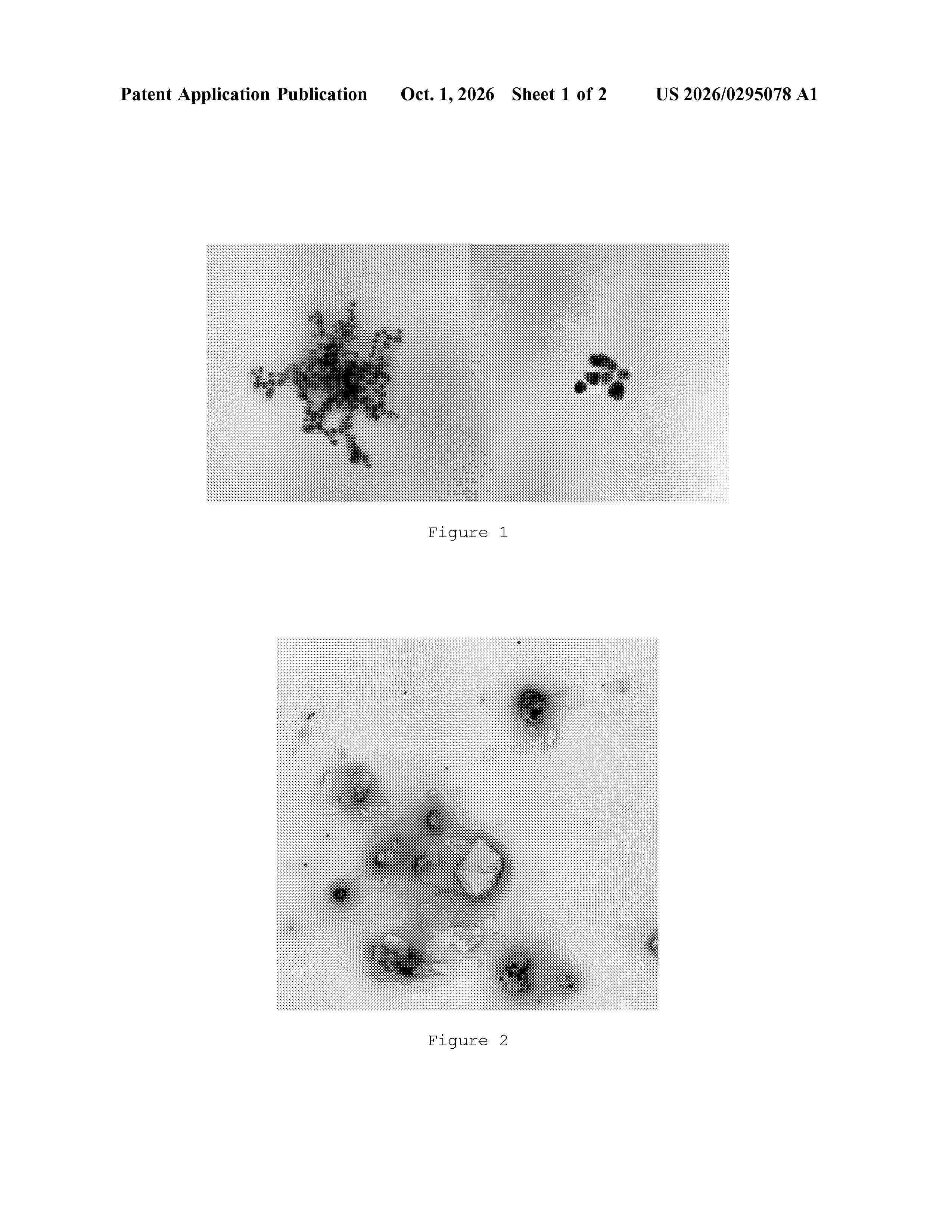
Nº publicación: US20260295078A1 01/10/2026
Solicitante:
UNIVERSIDADDELPAISVASCO/EUSKALHERRIKOUNIBERTSITATEA [ES]
UNIVERSIDADDELPA\u00CDSVASCO/EUSKALHERRIKOUNIBERTSITATEA
Resumen de: US20260295078A1
0000 The invention provides solid lipid nanoparticles (SLNs) which comprise gold, and are useful as vectors for the transfection of different types of nucleic acids. Different methods for obtaining such SLNs are also disclosed.
 BOPI
BOPI
 Sede Electrónica