Si deseas distinguir tus productos, servicios o ambos de los de otra empresa, es posible que necesites una marca o nombre comercial. Descubre qué son, en qué consiste su procedimiento de registro y qué implica.

Información sobre los plazos de presentación de solicitudes de transformación de marcas de la Unión Europea en marca nacional española. Más información


Si tienes un nuevo dispositivo, producto o procedimiento que resuelva un problema técnico o tenga una ventaja práctica, existen distintas formas de protegerlo en España y en otros países. Descubre cómo hacerlo.

¿Tu innovación reside en la estética, la ornamentación o la apariencia de tu producto? Protégela mediante un diseño industrial. Descubre qué derechos confiere el registro y cómo realizar la tramitación.

Las indicaciones geográficas protegen el nombre de un producto originario de una zona geográfica, a la cual le debe una determinada calidad, reputación u otra característica. Descubre qué son, en qué consiste su procedimiento de registro y qué beneficios conceden.

Las patentes publicadas en todo el mundo son una valiosa fuente de información científica, técnica y comercial.

Si eres emprendedor/a o una empresa y quieres potenciar y mejorar la rentabilidad de tu negocio protegiendo de forma adecuada los activos intangibles de tu organización, en este espacio encontrarás lo necesario.


 274
resultados
274
resultados
 Última actualización
28/08/2026 [06:57:00]
Última actualización
28/08/2026 [06:57:00]


 Resultados 250 a 274 de 274
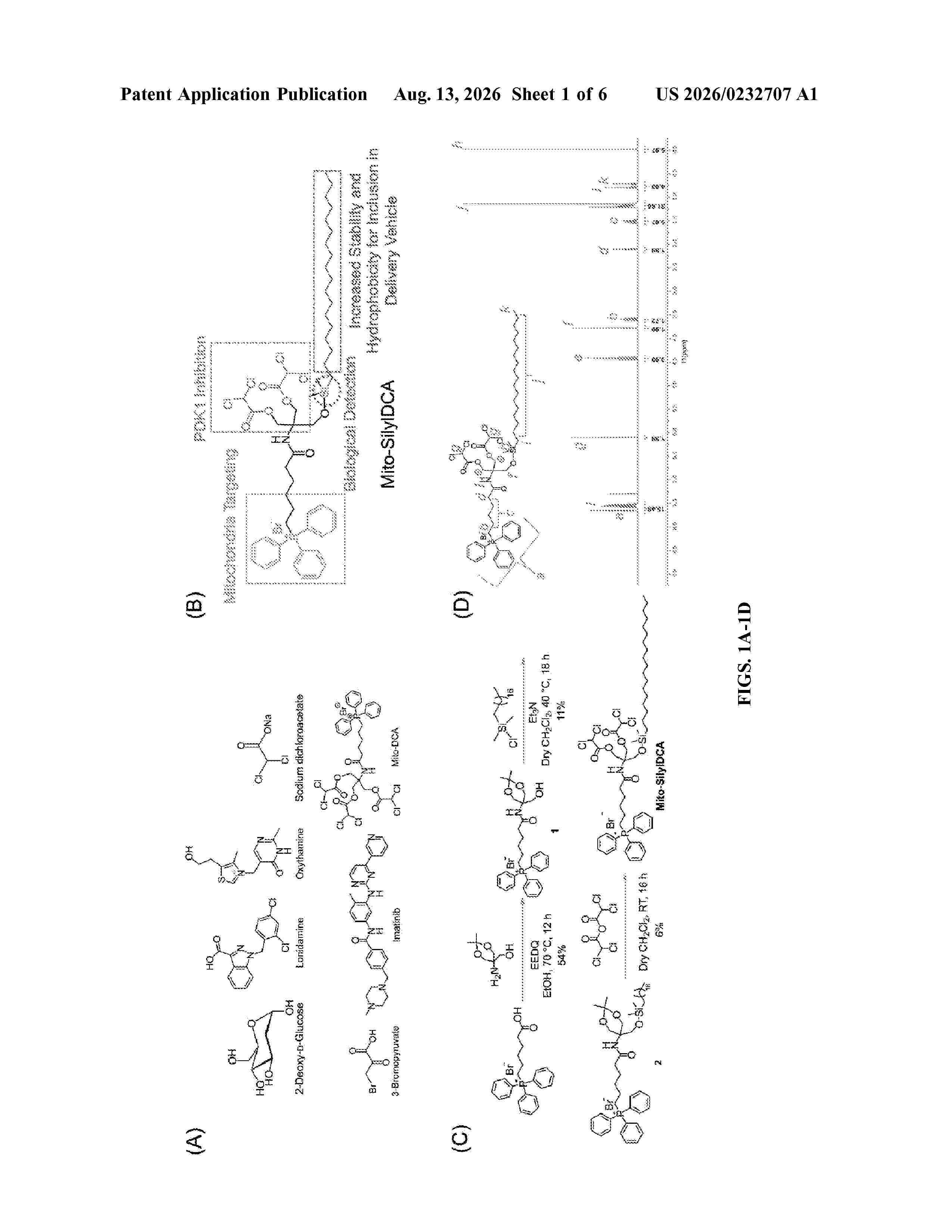
Resumen de: US20260232707A1
Disclosed are compounds, nanoparticles, and compositions for effective delivery of metabolic inhibitors to disease state cells. The compounds, nanoparticles, and compositions disclosed herein show trackability in biological system, extended stability, and other advantageous physicochemical properties to treat various disease states. Also disclosed are methods of treating a subject in need thereof, such as a subject with cancer.

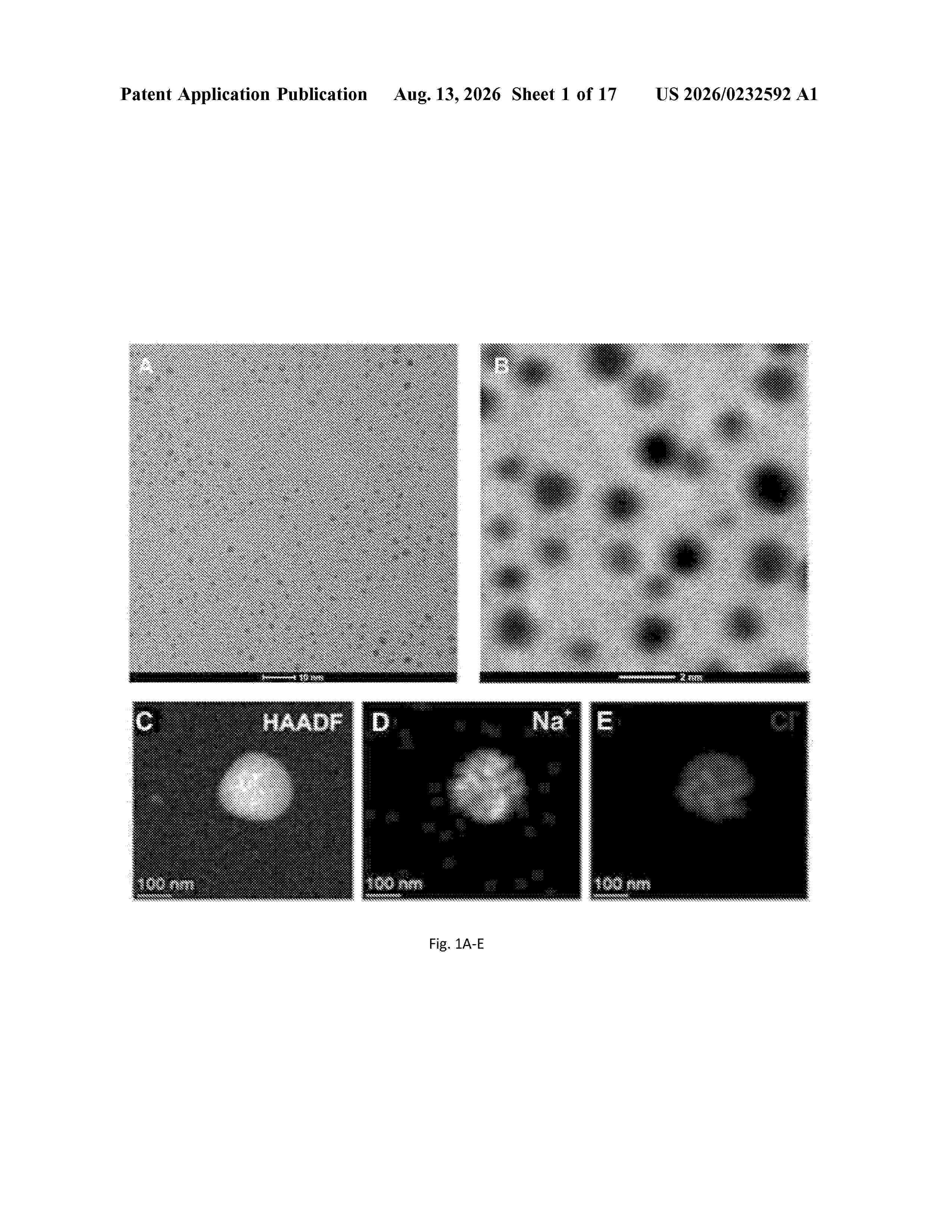
Resumen de: US20260232592A1
0000 The present invention relates to a method for the production of gold nanoparticles (AuNPs) coated with glutathione and Li<+> ions, hereinafter designated as LiG-AuNPs, to a method for the preparation of aggregates of said nanoparticles and to the use of said nanoparticles, aggregates or compositions thereof which comprise them for therapeutic use. LiG-AuNPs then are an effective instrument in inhibiting GSK-3 and its downstream molecular targets, while keeping the lithium extracellular concentration levels below the systemic toxicity threshold (1.5 mEq/L), and exerting an antioxidant action by means of the glutathione present on their surface.
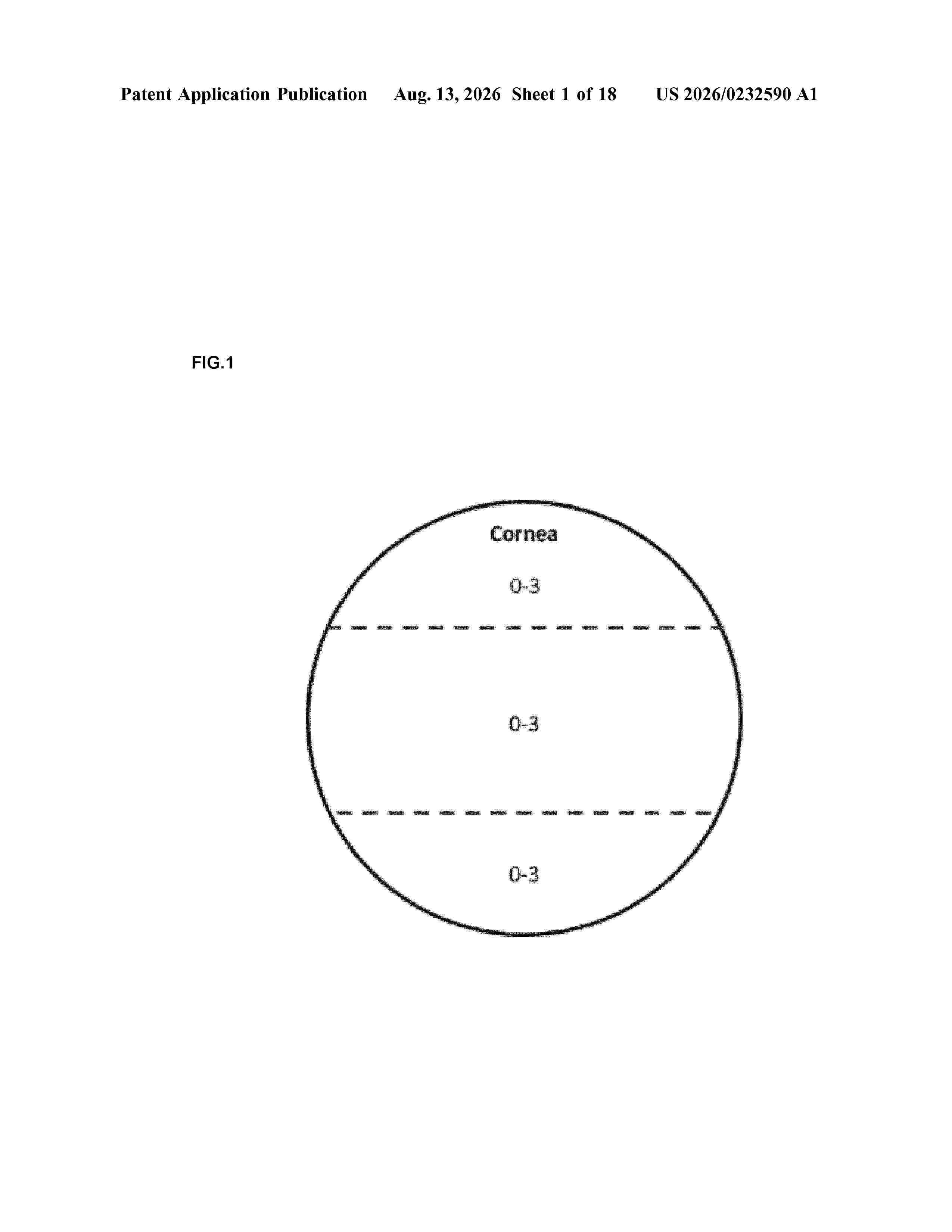
Resumen de: US20260232590A1
The present invention relates to a composition comprising lipid nanoparticles comprising rosehip oil, at least one solid lipid, at least one surfactant, and optionally at least one active ingredient, as well as their use in a method of treating ocular diseases, such as for example dry eye disease.
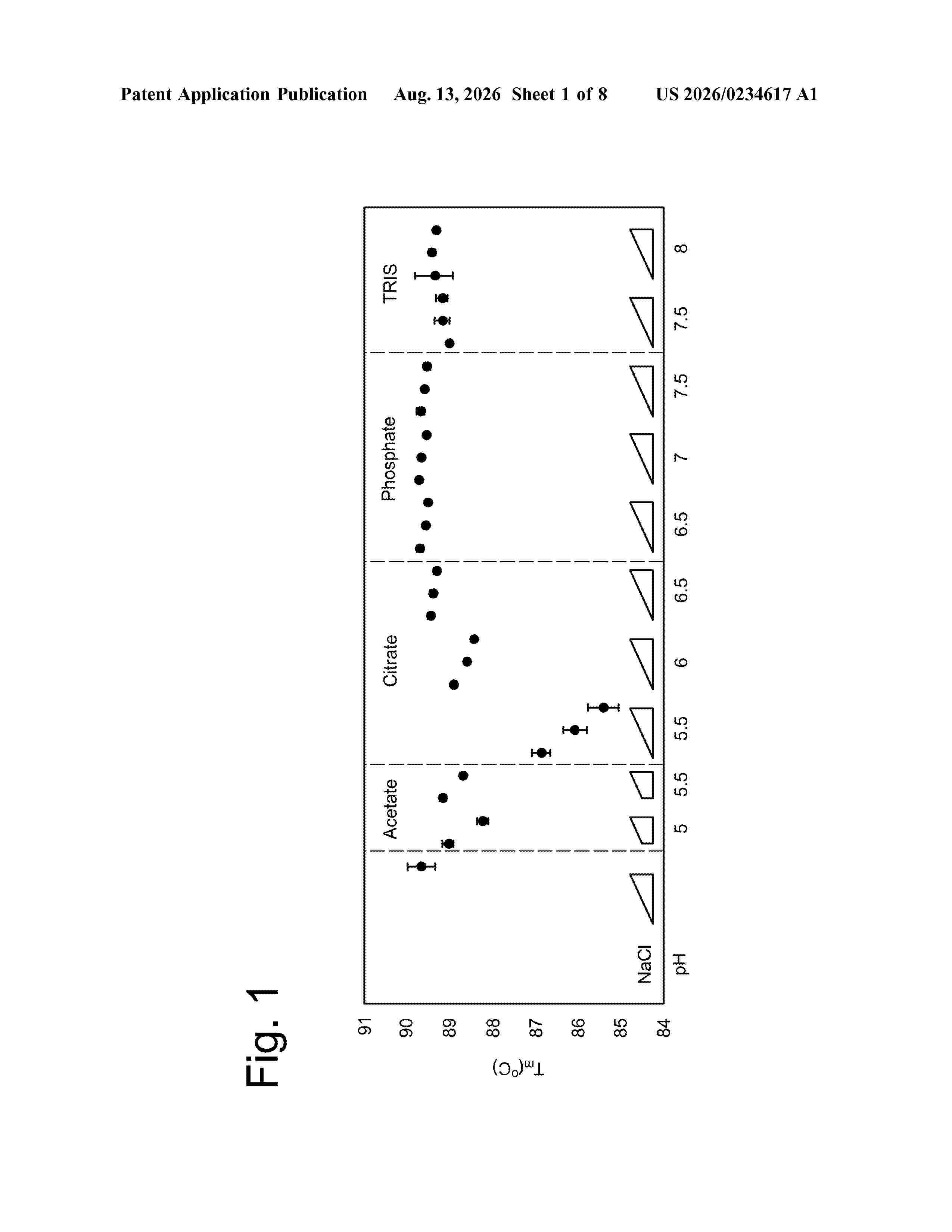
Resumen de: US20260234617A1
0000 The invention relates to formulations comprising miRNA that have improved stability for the treatment of diseases including neurodegenerative diseases such as spinocerebellar ataxias type 3.
Resumen de: AU2025215292A1
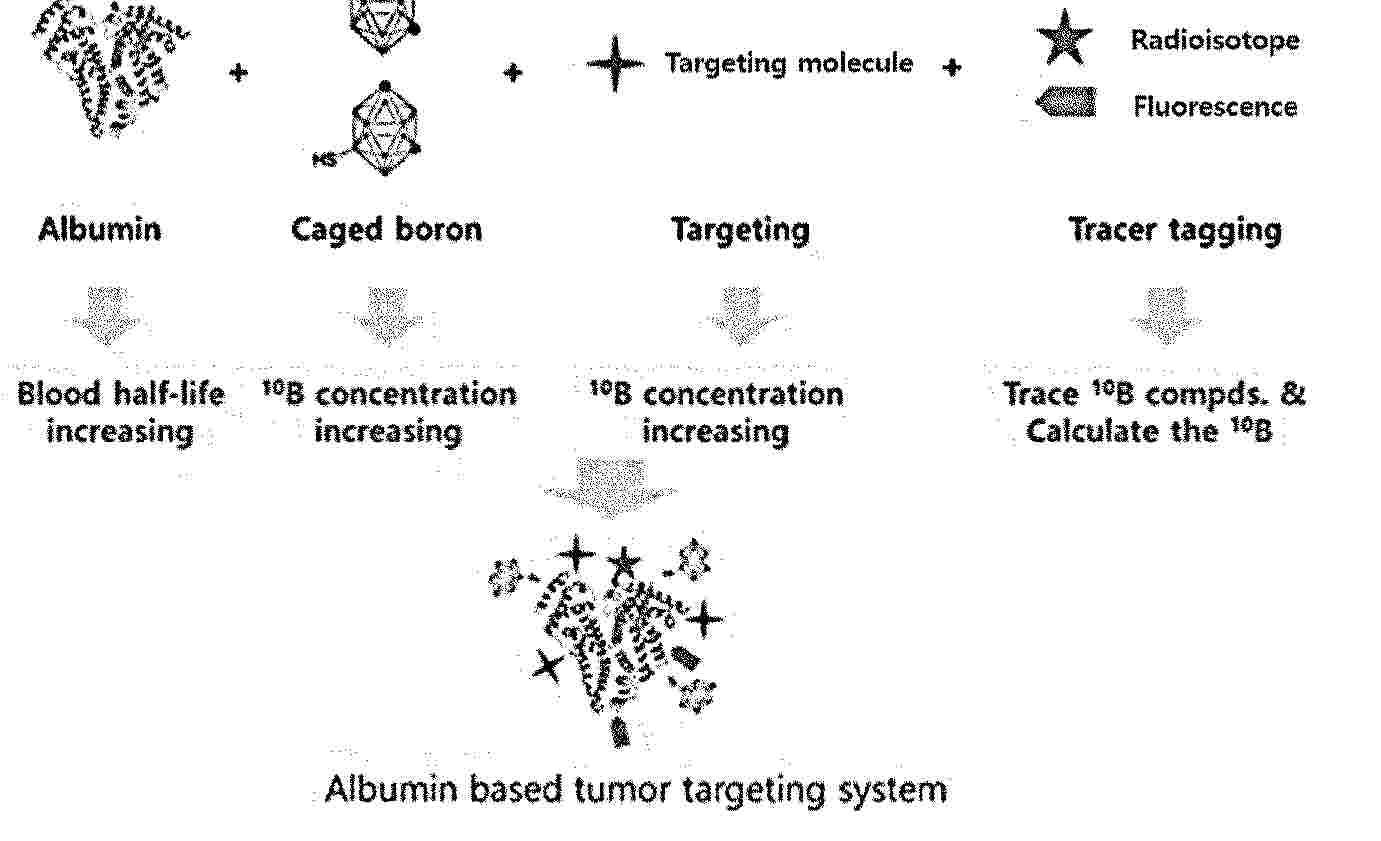
The present invention relates to an albumin nanoplatform for boron neutron capture therapy and a composition for boron neutron capture therapy comprising same. The albumin-based nanoplatform according to the present disclosure can effectively deliver boron to specific tumor tissues by simultaneously conjugating a boron compound containing an excessive amount of boron and a targeting molecule as a carrier for specifically targeting tumor tissues via click chemistry functional groups introduced into the albumin surface. In particular, the nanoplatform enables sufficient delivery of boron molecules to target tumor tissues even at doses less than one-tenth of those required by conventional boron neutron capture therapy (BNCT) drugs, and thus can be applied as a composition for boron neutron capture therapy and as an anticancer therapeutic agent.
Resumen de: AU2024417973A1
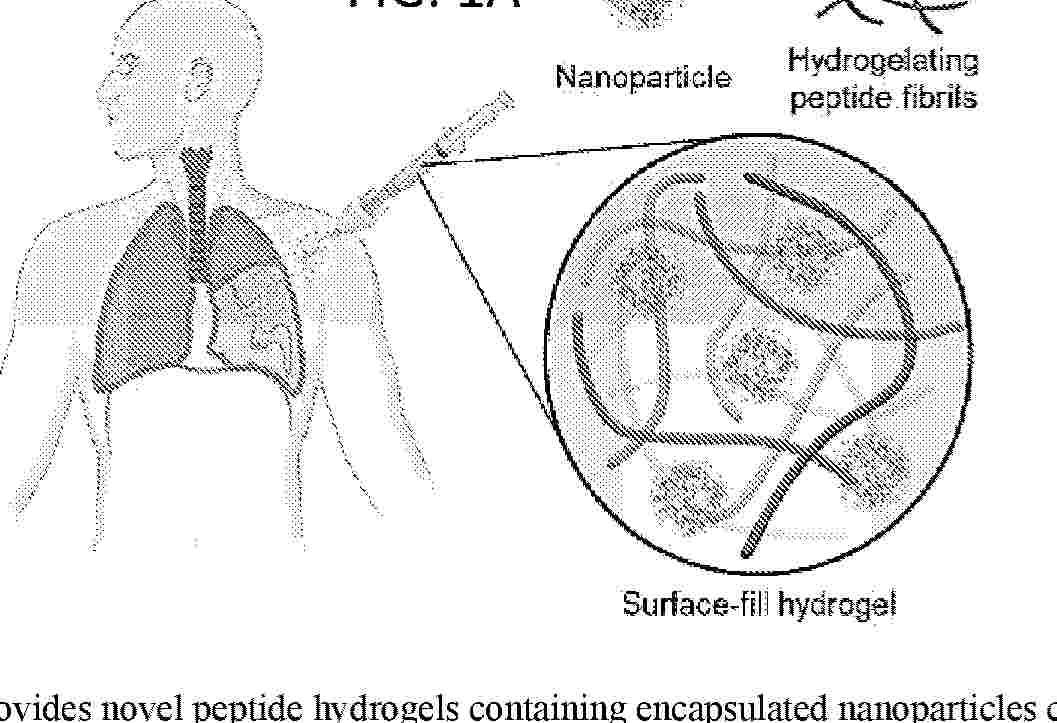
This disclosure provides novel peptide hydrogels containing encapsulated nanoparticles comprising nucleic acid molecules (such as miRNA) that can undergo multiple gel-to-solution (gel-sol) and solution-to-gel (sol-gel) phase transitions, and their use, such as for controlled delivery of nucleic acid molecules to a subject. Also provided are novel peptides for use in disclosed peptide hydrogels.
Resumen de: US20260234104A1
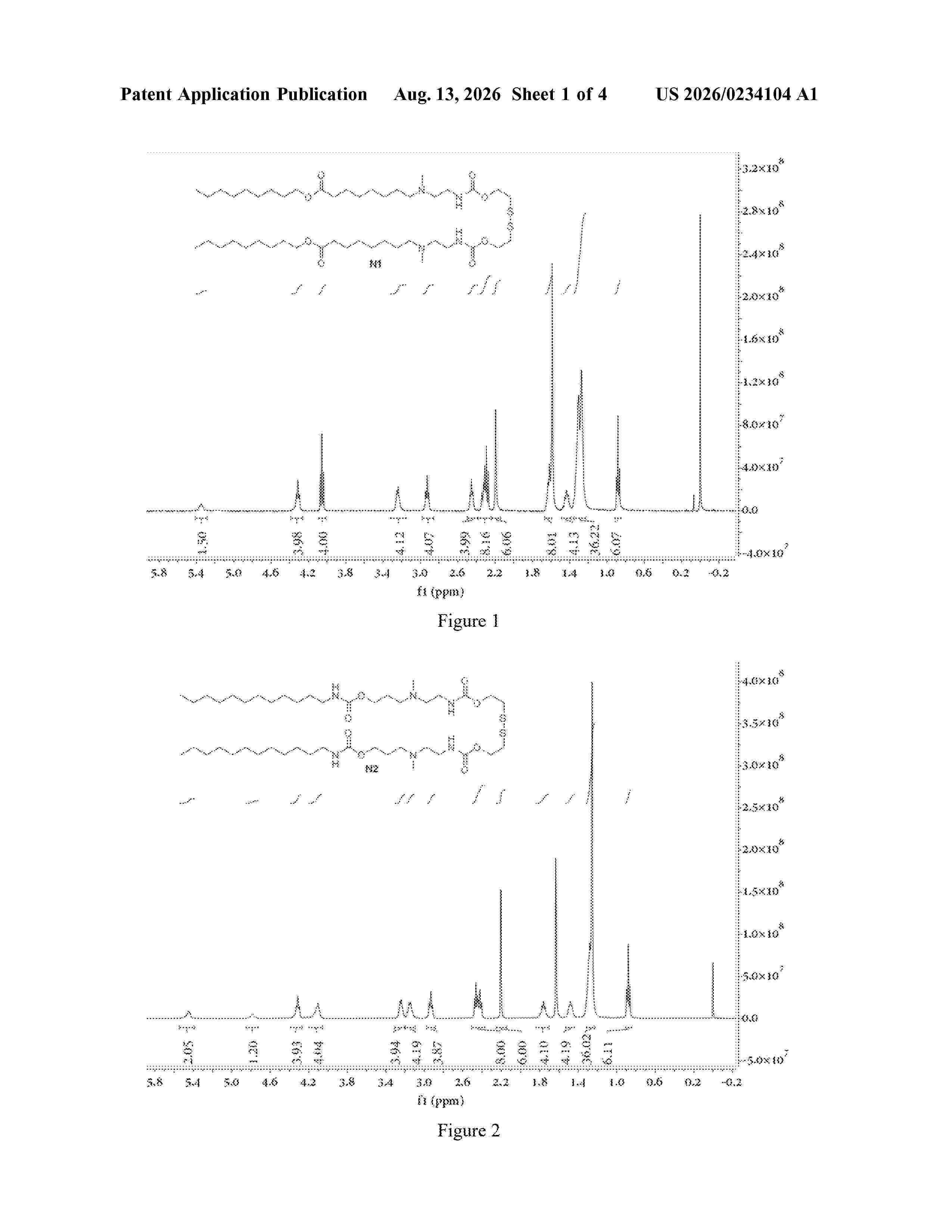
0000 A cationic lipid containing a disulfide bond of Formula (1), wherein, —S—S— is a disulfide bond; L<1 >and L<2 >are each independently a degradable divalent linking group, X<1 >and X<2 >are each independently an acyclic divalent linking group containing a tertiary amine group; G<1 >and G<2 >are each independently a linking bond or a trivalent branching group; when G<1 >is a linking bond, k1 is 1; when G<1 >is a trivalent branching group, k1 is 2; when G<2 >is a linking bond, k1 is 1; when G<2 >is a trivalent branching group, k2 is 2; R<1 >and R<2 >are each independently a substituted or unsubstituted C<5-30 >hydrocarbon group or C<5-30 >hydrocarbon derivative residue. The lipid composition prepared with the cationic lipid can more effectively exert the therapeutic effect of the LNP-nucleic acid pharmaceutical composition formulation, thereby improving immunological or therapeutic outcomes.
0000
Resumen de: US20260232588A1
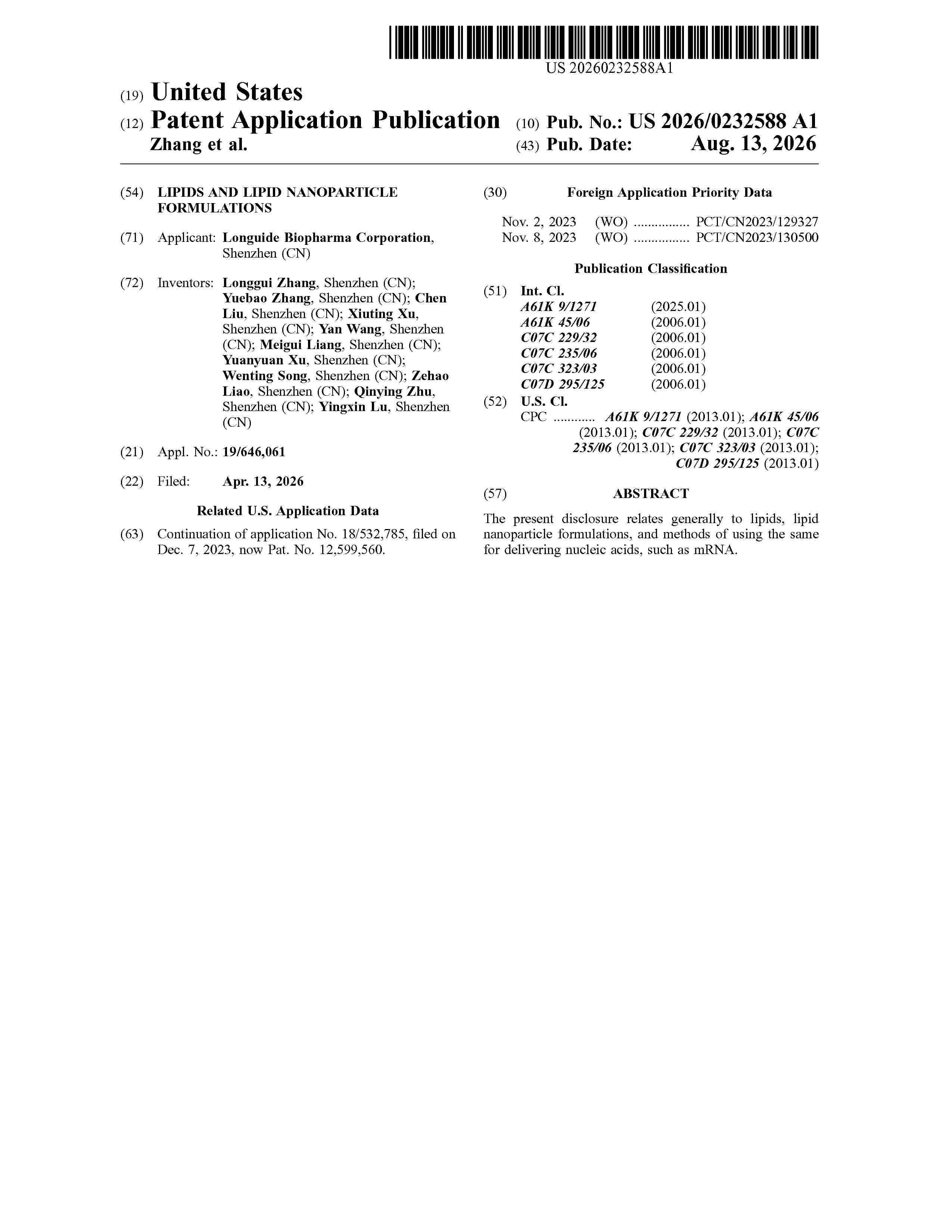
The present disclosure relates generally to lipids, lipid nanoparticle formulations, and methods of using the same for delivering nucleic acids, such as mRNA.
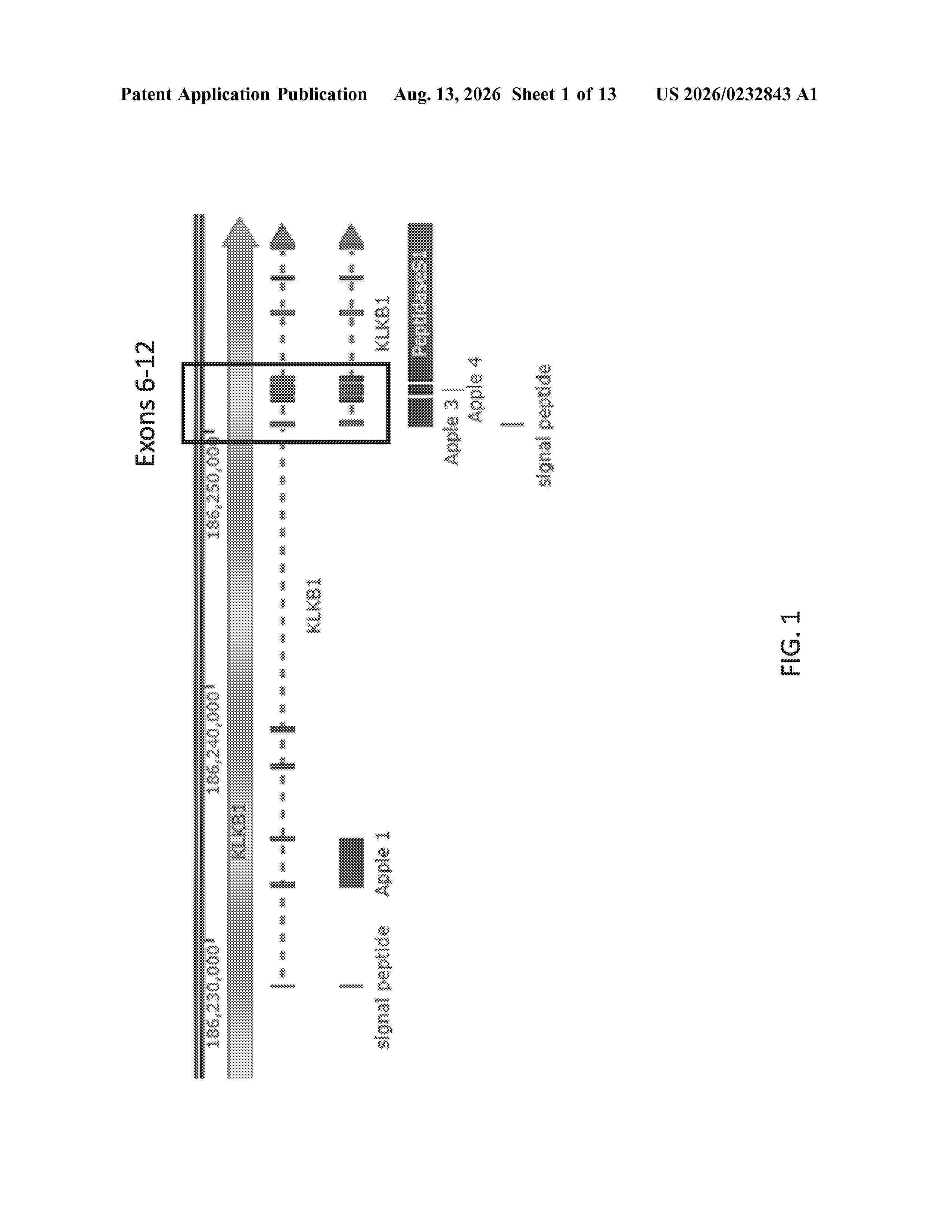
Resumen de: US20260232843A1
Disclosed are methods and compositions for functional genetic modifications at selected genomic sites such as KLKB1 gene. Also provided are cell populations, which comprise the functional genetic modification at one or more selected gene loci.
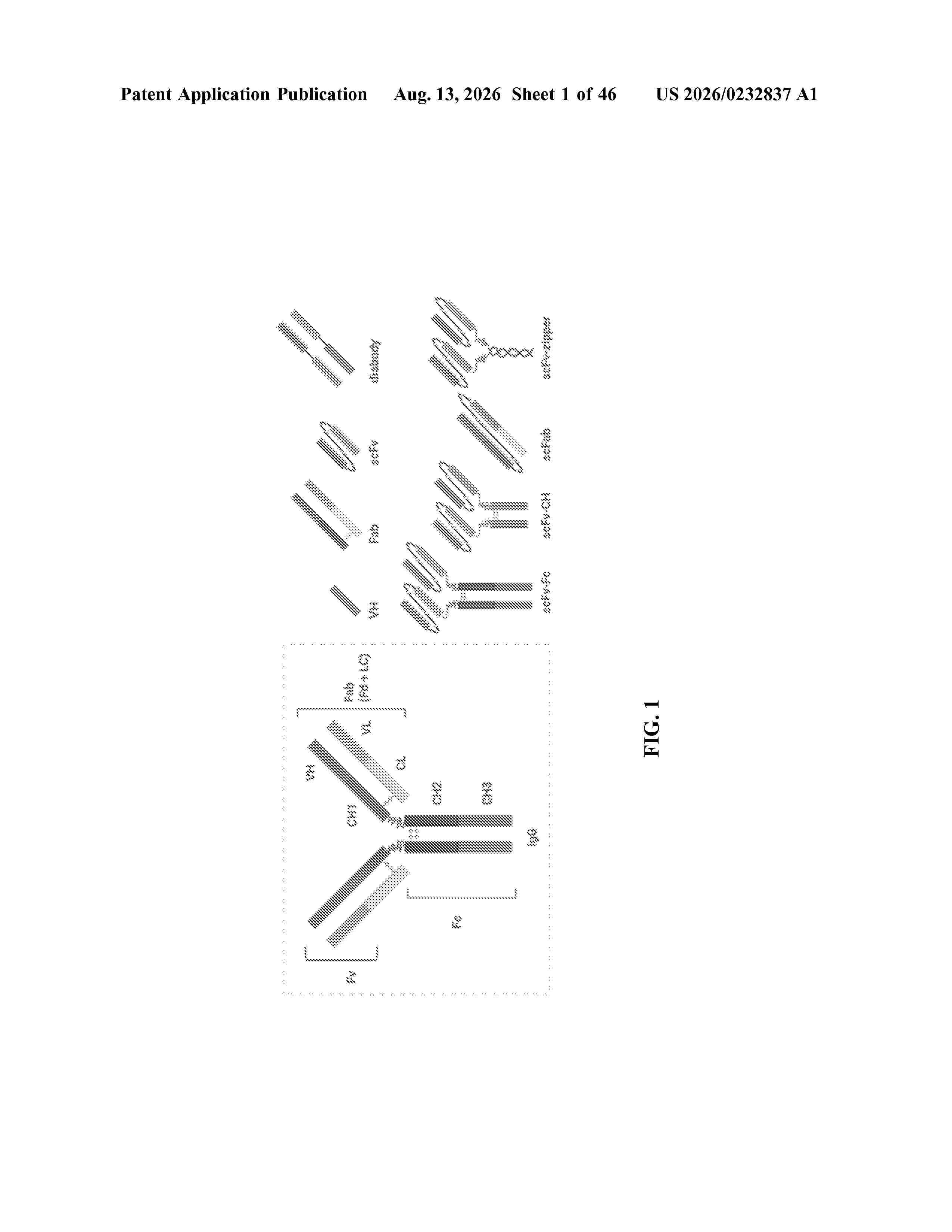
Resumen de: US20260232837A1
A nanoparticle complex comprises a bifunctional binder capable of non-covalently binding to the lipid nanoparticle in the nanoparticle complex.
Resumen de: WO2025027089A1
The present disclosure provides a compound of formula (I): (I), or a pharmaceutically acceptable salt thereof, that is useful for forming particles (e.g., lipid nanoparticles) for delivery of nucleic acids. The present disclosure further provides particle compositions comprising the compound of formula I, as well as uses thereof.
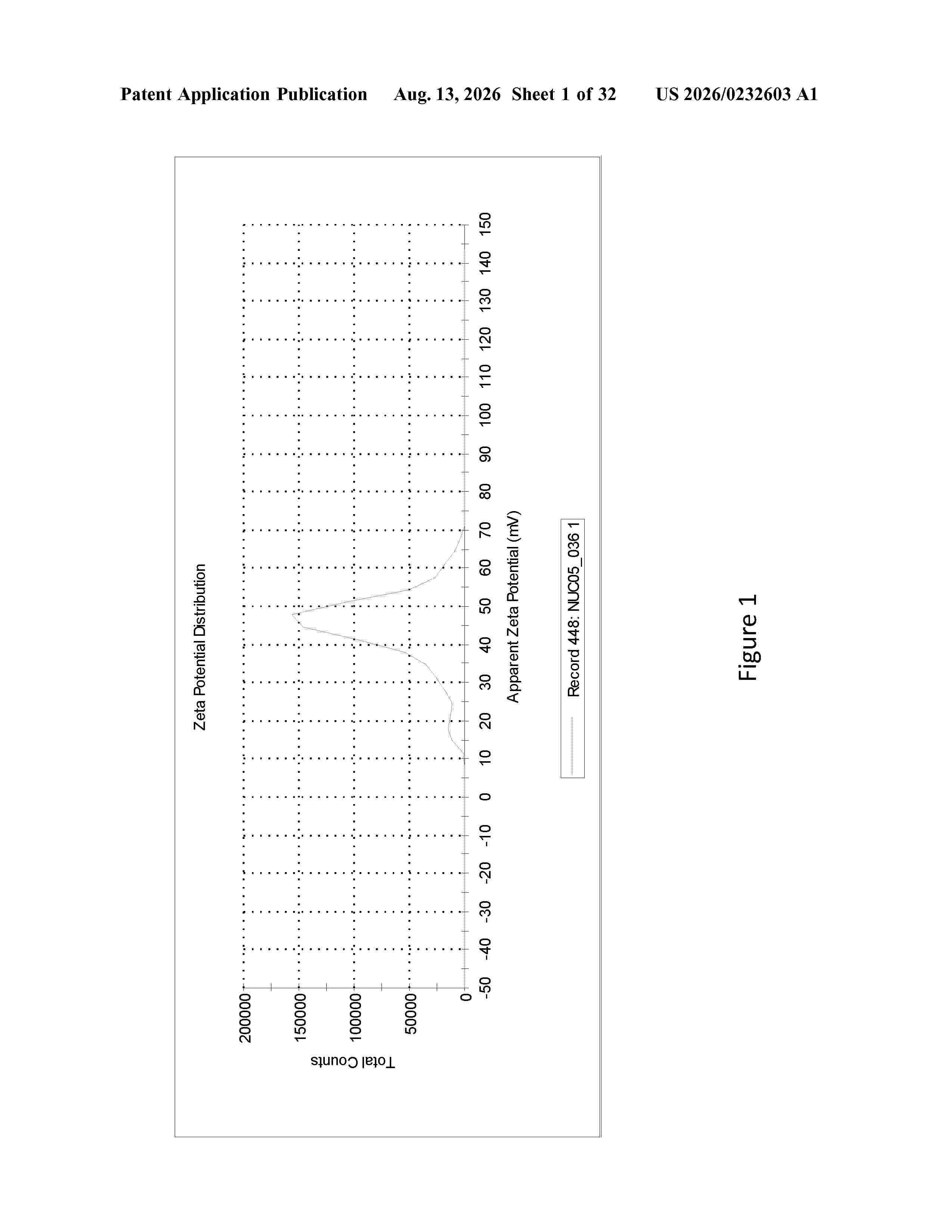
Resumen de: US20260232603A1
The present invention relates to a method of preparing an aqueous dispersion of nanoparticles of a hydrophobic active pharmaceutical ingredient (API). The present invention also relates to a plurality of nanoparticles produced by such method. Furthermore, the present invention relates to uses of such nanoparticles.
Resumen de: WO2025024704A1
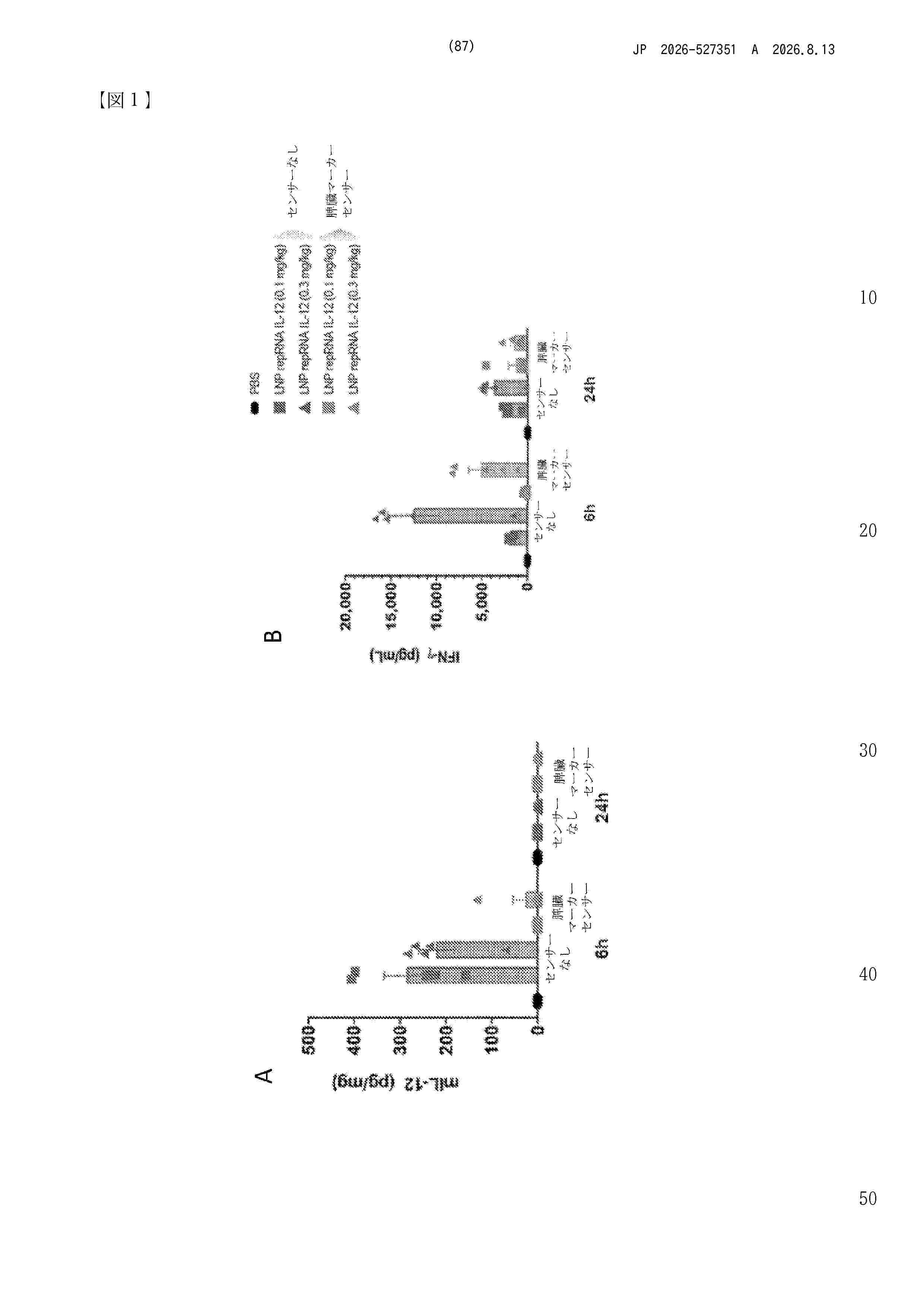
The present disclosure relates to polynucleotides comprising (a) a first region encoding a payload and (b) a second region comprising an immune cell detargeting sensor (e.g., a spleen detargeting sensor). Upon recognition of the marker by the sensor, the expression of the encoded payload is reduced or inhibited. Also provided herein are replicons, nanoparticles, synthetic circuits, pharmaceutical compositions comprising such polynucleotides. Methods of using the polynucleotides, replicons, synthetic circuits, nanoparticles, and pharmaceutical compositions are also provided.
Resumen de: US20260232602A1
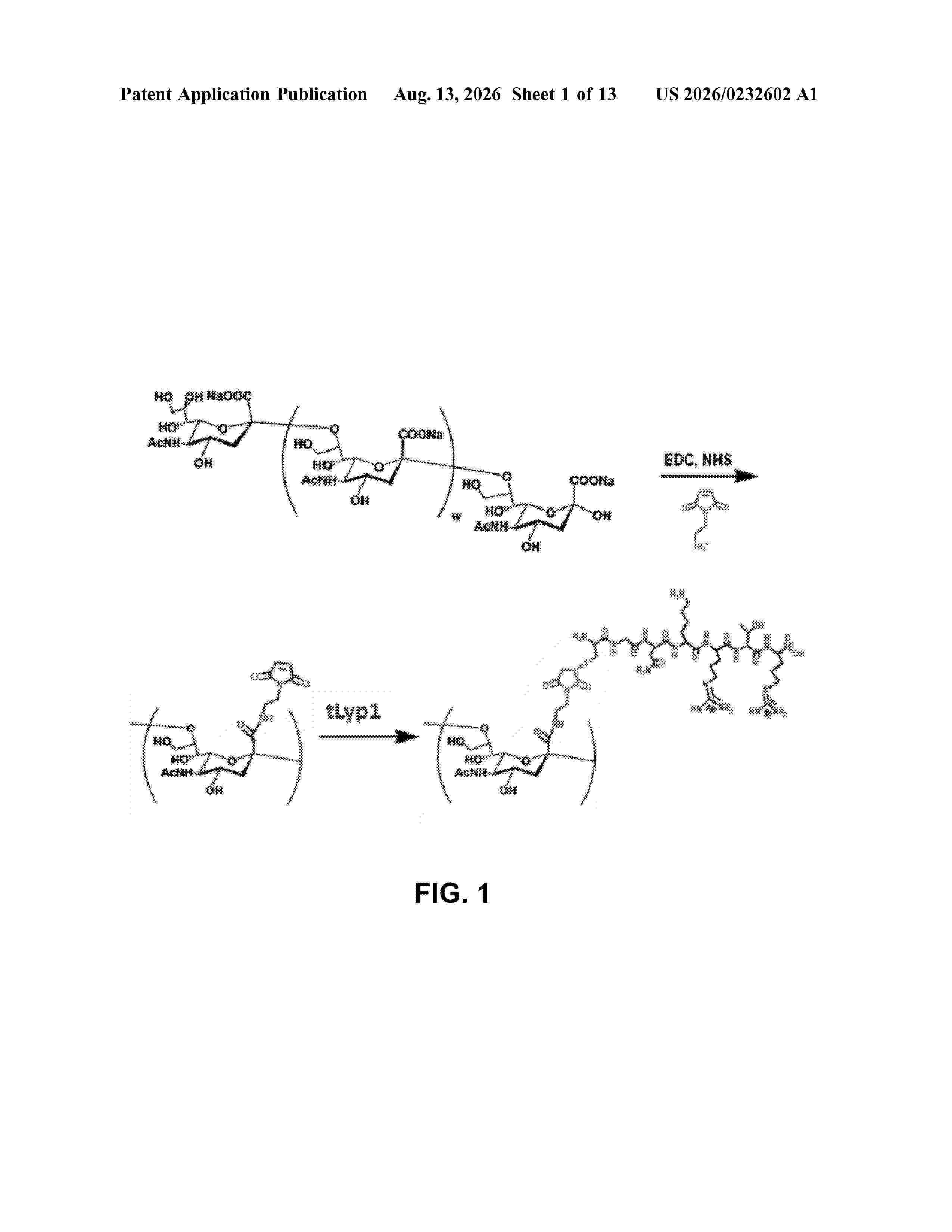
0000 The present invention generally relates to particles, including nanocapsules or other nanoentities, comprising a polymer such as polysialic acid. The particles are able to access the interior of the cells, and/or to procure the intracellular release of the associated drugs. In one aspect, the present invention is directed to nanocapsules or other entities having an exterior or surface comprising a polymer such as polysialic acid. In some cases, targeting moieties such as Lyp-1 or (Lyp-1 peptide are bonded to the polymer, e.g., using aminoalkyl (C<1>-C<4>) succinimide or other linkers. These may be created, for example, by reacting a carboxylate moiety on a polymer with an aminoalkyl maleimide (C<1>-C<4>) or an aminoalkyl (C<1>-C<4>) methacrylamide, and reacting the resulting aminoalkyl (C<1>-C<4>) maleimide or the aminoalkyl (C<1>-C<4>) methacyrlamide to a cysteine or other sulfur group. Targeting moieties are bonded to the polymer, for example, by reacting a carboxylate moiety on a polymer with a N-hydroxysuccinimide or a carbodimide, and reacting the intermediate formed with a lysine or arginine group on a targeting peptide to produce polymer-amide-peptide. Other aspects of the invention are generally directed to methods of making or using such compositions, kits including such compositions, or the like.
Resumen de: US20260234671A1
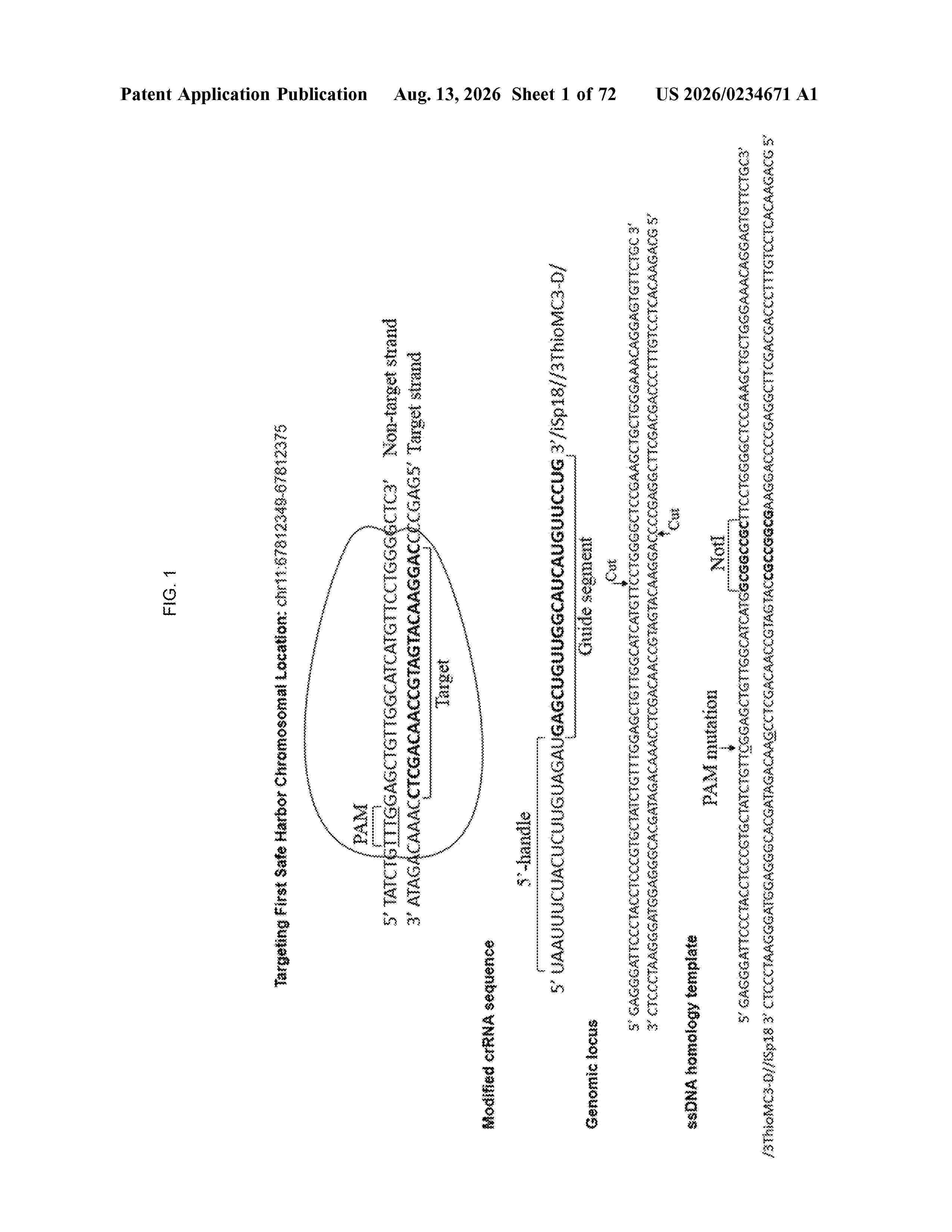
Genomic safe harbors (GSH) for genetic therapies in human stem cells and engineered nanoparticles to provide targeted genetic therapies are described. The GSH and/or associated nanoparticles can be used to safely and efficiently treat a variety of genetic, infectious, and malignant diseases.
Resumen de: US20260232604A1
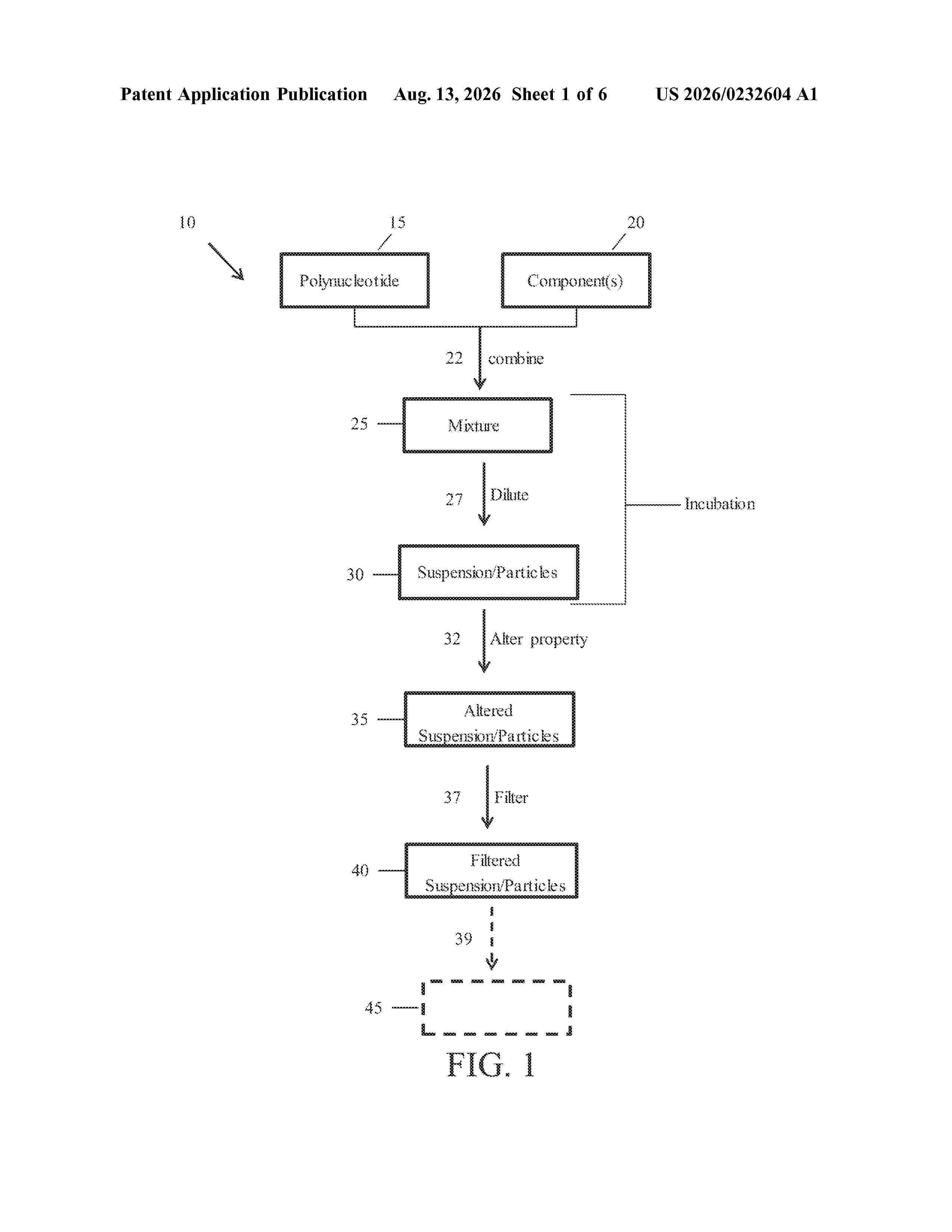
Methods for preparing particles and related compositions are provided. In some embodiments, the particles include at least one polynucleotide (e.g., mRNA), and in certain embodiments, the particles may include at least one ionizable molecule (e.g., a lipid). A method for preparing a suspension including the particles may comprise one or more filtration steps. In some such embodiments, prior to or during filtration, one or more properties of the particles (e.g., surface charge) and/or one or more properties of the suspension (e.g., pH) may be altered. In some embodiments, altering one or more properties of the particles and/or suspension may improve yield, improve a characteristic of the resulting composition, and/or prevent or reduce certain problems, such as fouling during the filtration process.
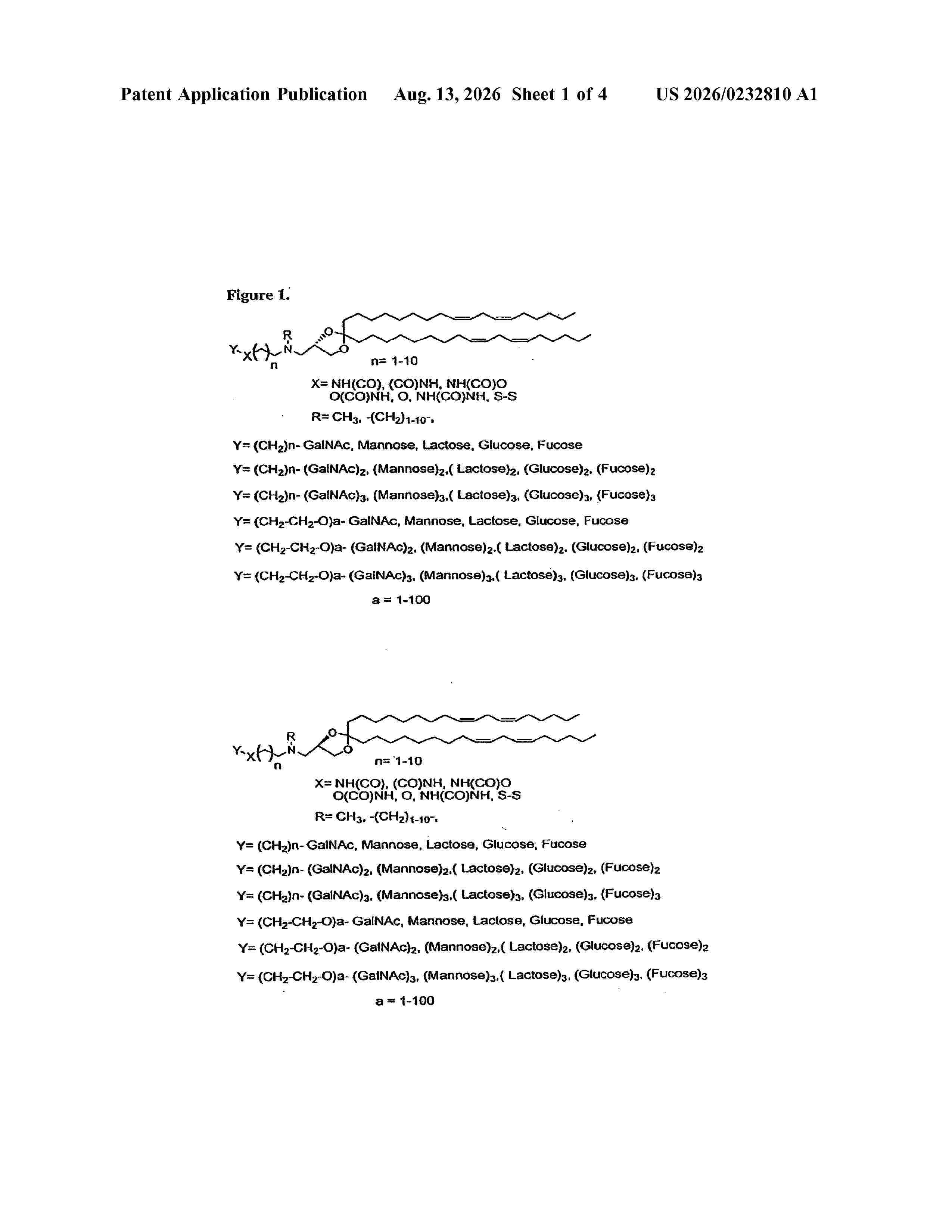
Resumen de: US20260232810A1
0000 The present invention provides lipids that are advantageously used in lipid particles for the in vivo delivery of therapeutic agents to cells. In particular, the invention provides lipids having the following structure
0000
0000 wherein: R<1 >and R<2 >are each independently for each occurrence optionally substituted C<10>-C<30 >alkyl, optionally substituted C<10>-C<30 >alkenyl, optionally substituted C<10>-C<30 >alkynyl, optionally substituted C<10>-C<30 >acyl, or -linker-ligand; R<3 >is H, optionally substituted C<1>-C<10 >alkyl, optionally substituted C<2>-C<10 >alkenyl, optionally substituted C<2>-C<10 >alkynyl, alkylhetrocycle, alkylphosphate, alkylphosphorothioate, alkylphosphorodithioate, alkylphosphonates, alkylamines, hydroxyalkyls, ω-aminoalkyls, ω-(substituted)aminoalkyls, ω-phosphoalkyls, ω-thiophosphoalkyls, optionally substituted polyethylene glycol (PEG, mw 100-40K), optionally substituted mPEG (mw 120-40K), heteroaryl, heterocycle, or linker-ligand; and E is C(O)O or OC(O).
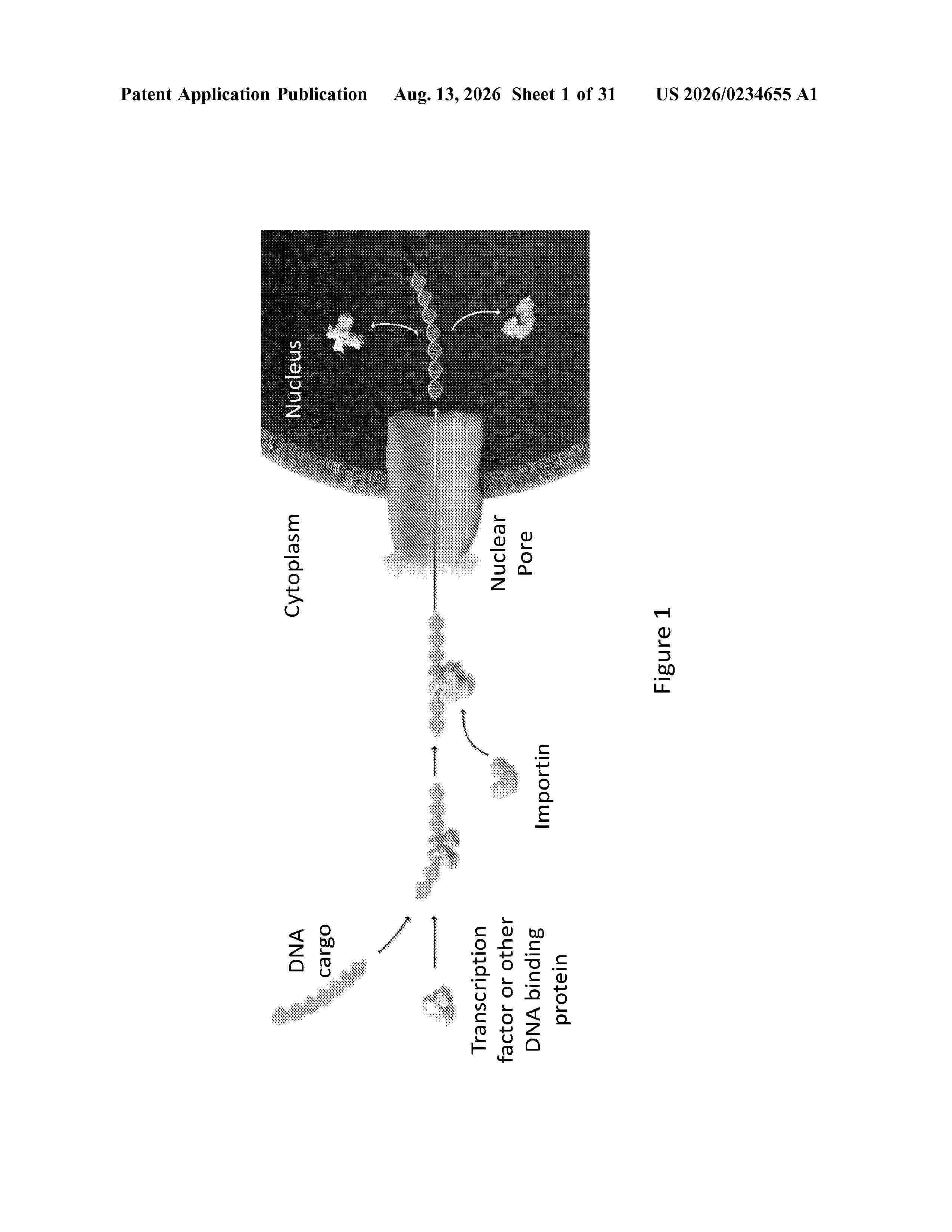
Resumen de: US20260234655A1
0000 Methods of nuclear targeted DNA delivery are provided. Aspects of the methods include contacting a cell with: (a) a nuclear targeted deoxyribonucleic acid (NTDNA) that includes a DNA nuclear targeting sequence (DTS) and a cargo nucleic acid heterologous to the DTS. Also provided are compositions for use in practicing methods of the invention.
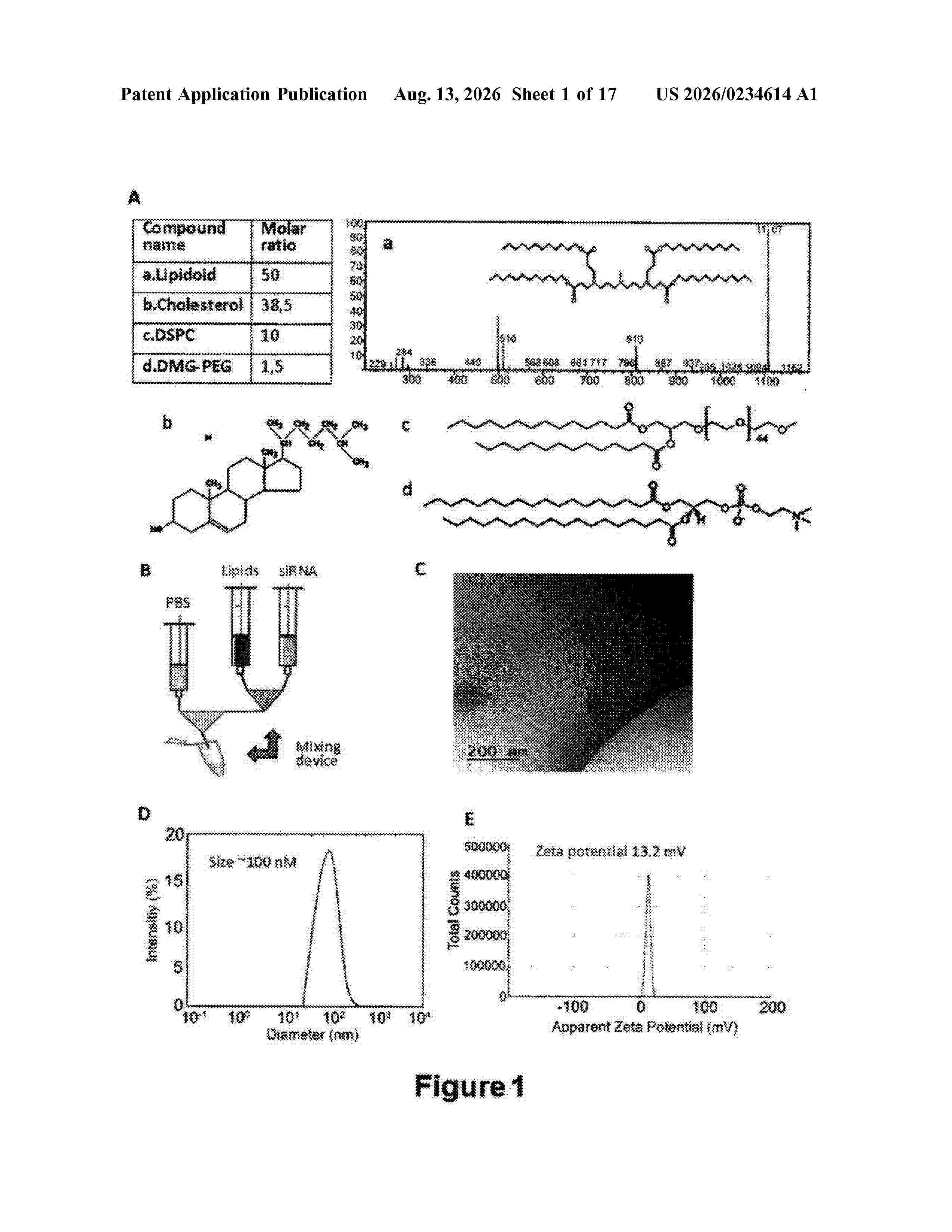
Resumen de: US20260234614A1
Inhibitors, pharmaceutical compositions and methods for inhibiting the expression of Fos-related antigen-1 (Fra-1) or Fos-related antigen-2 (Fra-2) in fibrogenic tissue cells for use in the treatment or prevention of organ or tissue fibrosis. The inhibitor of the present invention is characterized in that it interferes with Fra-1 or Fra-2 expression, resulting in a reduction in the amount of Fra-1 or Fra-2 in the fibrogenic cells to levels found in non-fibrotic healthy cells or tissues.
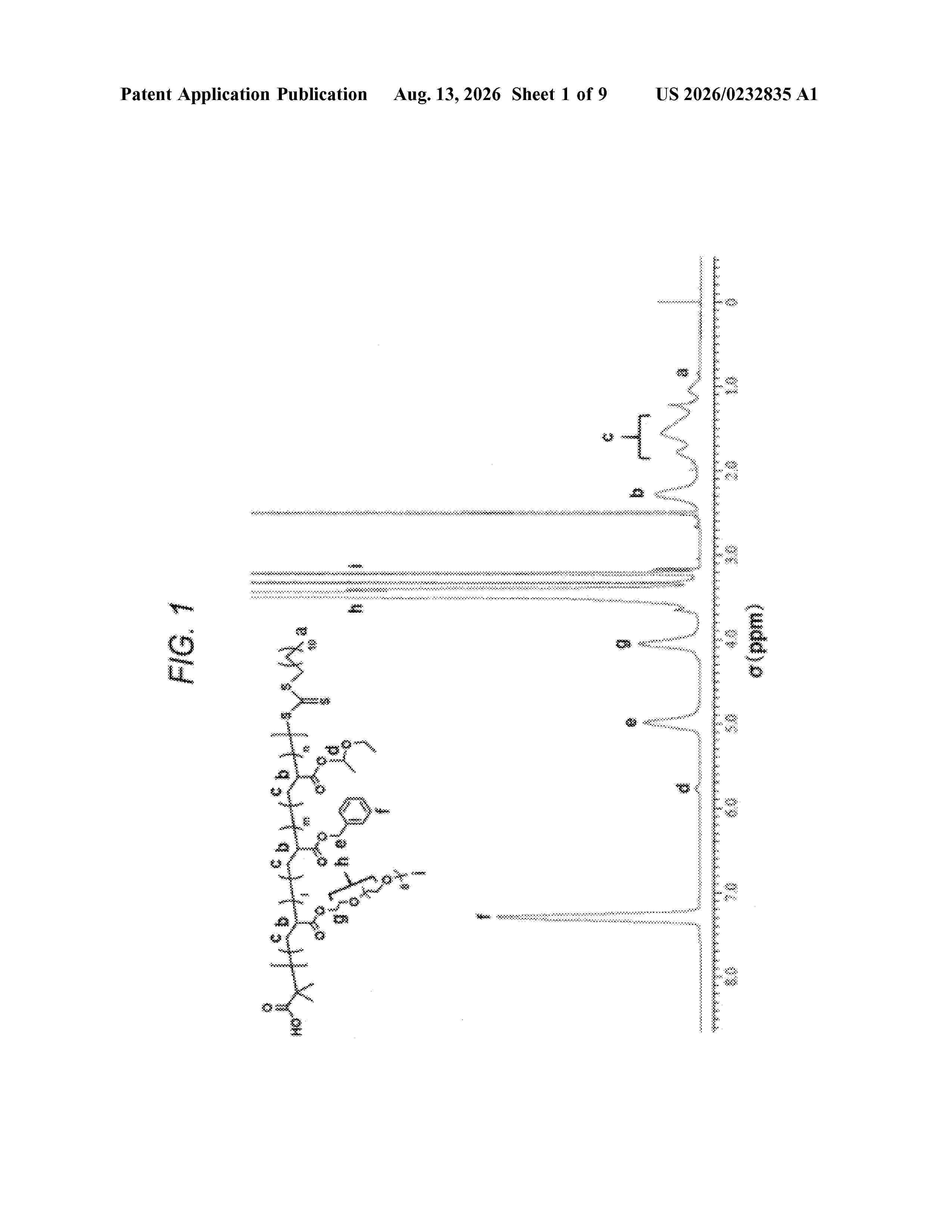
Resumen de: US20260232835A1
A copolymer includes a copolymer X and a target-specific molecule bonded to the copolymer X. The copolymer X includes structural units of formulas (A), (B) and (C),where R1, R2, and R3 are the same or different and are hydrogen or C1-3 alkyl, R4 is C1-3 alkyl, R5 is hydrogen, C1-18 alkyl, a 3- to 8-membered cycloalkyl optionally having a substituent, an adamantyl, a C6-18 aryl optionally substituted, or a 5- to 10-membered heteroaryl group optionally substituted, X1, X2, and X3 are the same or different and are oxygen, sulfur, or N—R7, R6 is hydrogen, leaving group, or linker, R7 is hydrogen or C1-3 alkyl group, m is 1 to 100, and n is 0 to 3.
Resumen de: AU2026208137A1
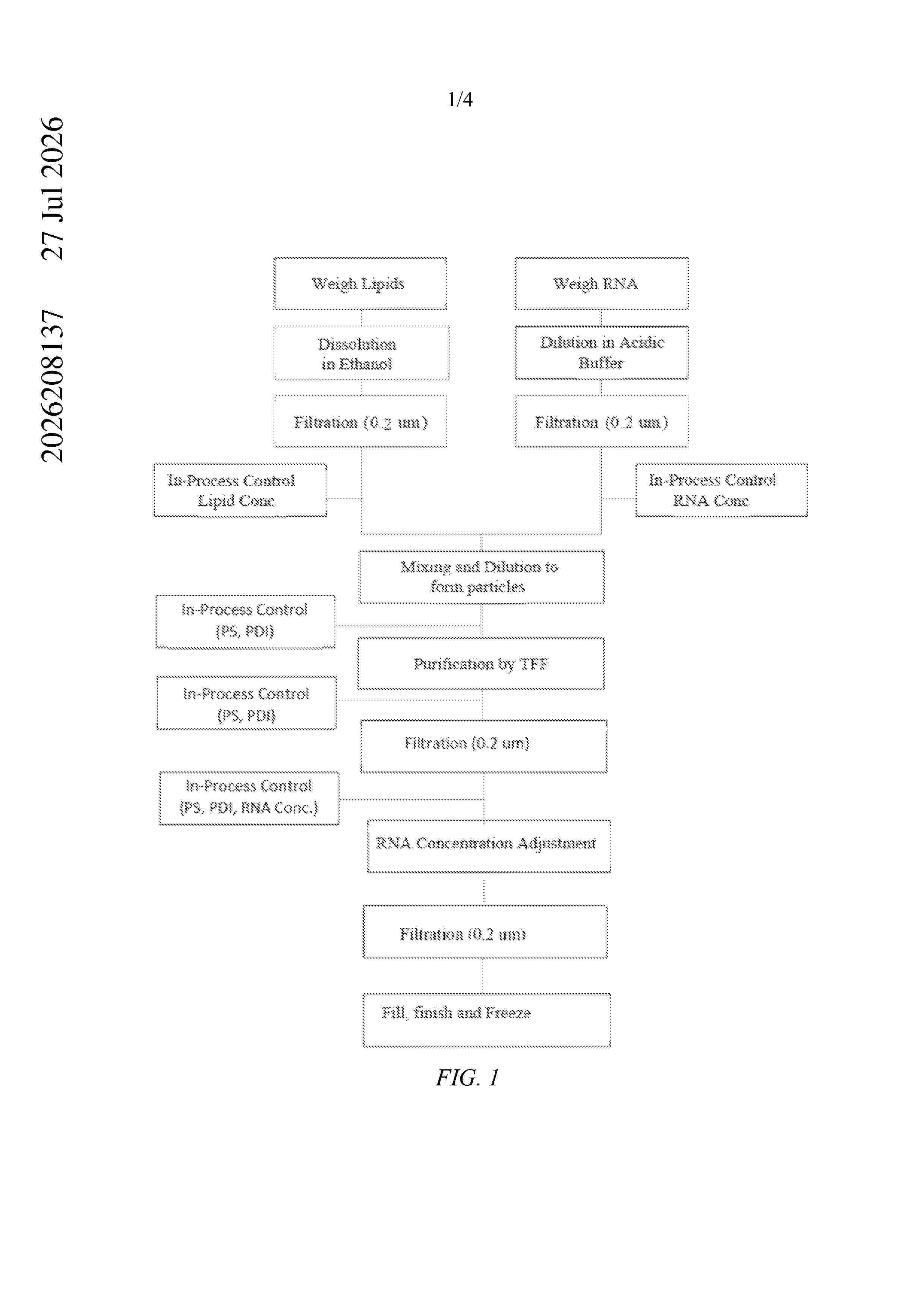
A method of producing lipid-encapsulated RNA nanoparticles includes flowing an aqueous solution comprising an RNA through a 1st tube having a first inner diameter (ID); the RNA comprises from about 6,000 to about 13,000 nucleotides; flowing an ethanol solution comprising lipids through a 2nd tube having a second inner diameter (ID), at a flow rate of about 0.2 to about 1 times relative to the aqueous solution through the 1st tube, the lipids comprise a cationic lipid; and mixing the ethanol solution with the aqueous solution; the first ID and second ID and flow rates through the 1st tube and 2nd tube are selected to produce a shear force sufficiently low to preserve the integrity of the RNA; the mixing produces an output solution flowing in the 1st tube comprising a turbulent flow of the RNA and the lipids in between about ethanol, the lipid-encapsulated RNA nanoparticles having a bilayer structure. ul u l
Resumen de: AU2026208121A1
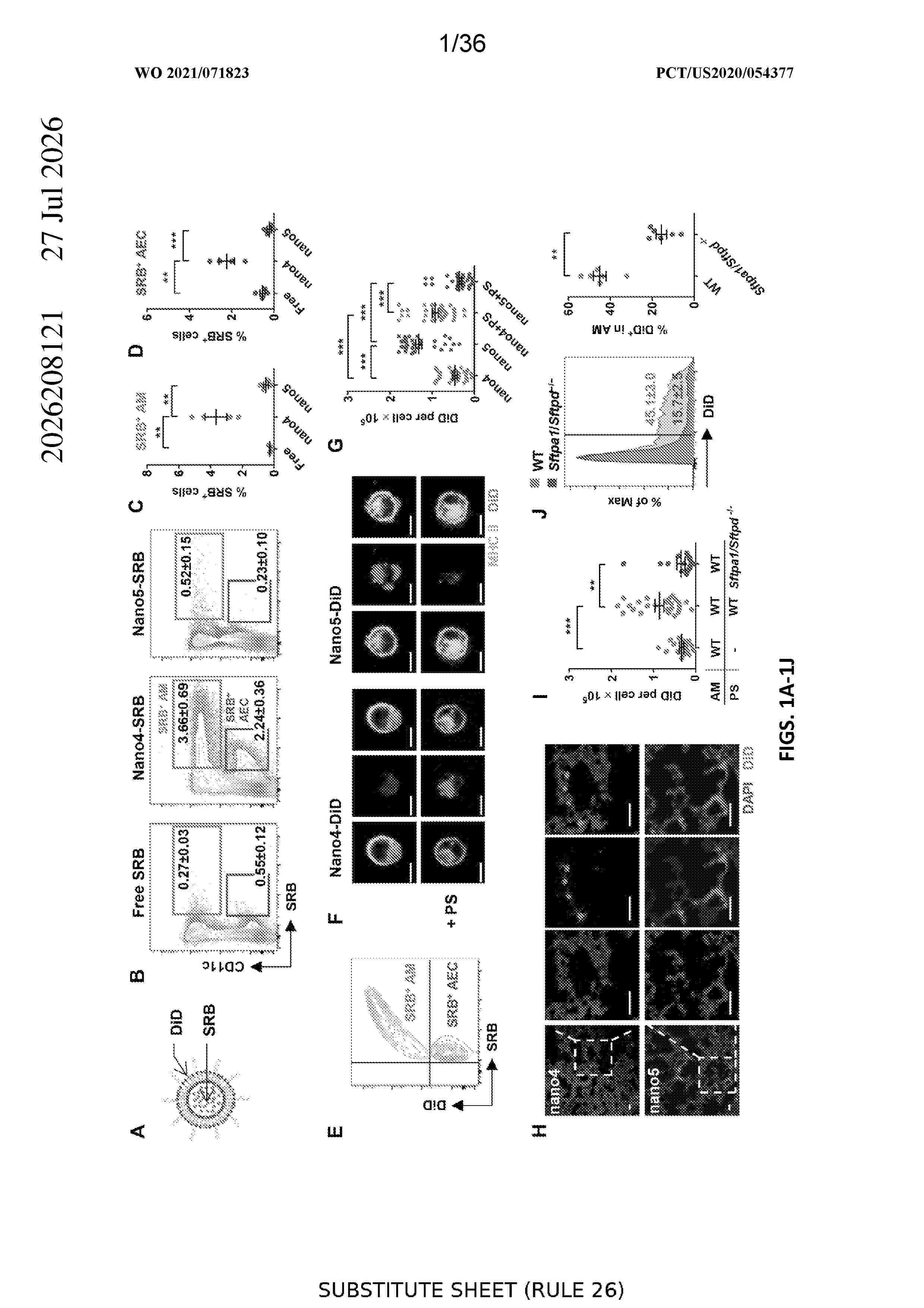
Abstract Compositions and methods comprising pulmonary surfactant (PS)-biomimetic nanoparticles are disclosed. In particular, the disclosure relates to a composition comprising a negatively charged nanoparticle having an average size of 200 to 400 nm and comprising a plurality of pulmonary surfactant-biomimetic molecules, and one or more cargo molecules enveloped by the nanoparticle, wherein the cargo molecule has a molecular weight of up to 1200 Da. Abstract 40x ** wo 2021/071823 Perth Body weight change (%) Perth+PS-GAMP IgG titer Log10 = -5 -2.0 -10 SUBSTITUTE SHEET (RULE 26) Days post immunization Days post immunization PBS Perth GAMP Perth Michigan ** HAI titer PBS Perth+PS. Perth .GAMP PBS Perth+PS. Perth .GAMP PCT/US2020/054377 FIGS. 37A-37E ul u l e m p e r a t u r e h a n g e ( ° ) e r t h + - ( ) Days post immunization Days post immunization e r t h t i t e r t i t e r e r t h -
Resumen de: US20260232587A1
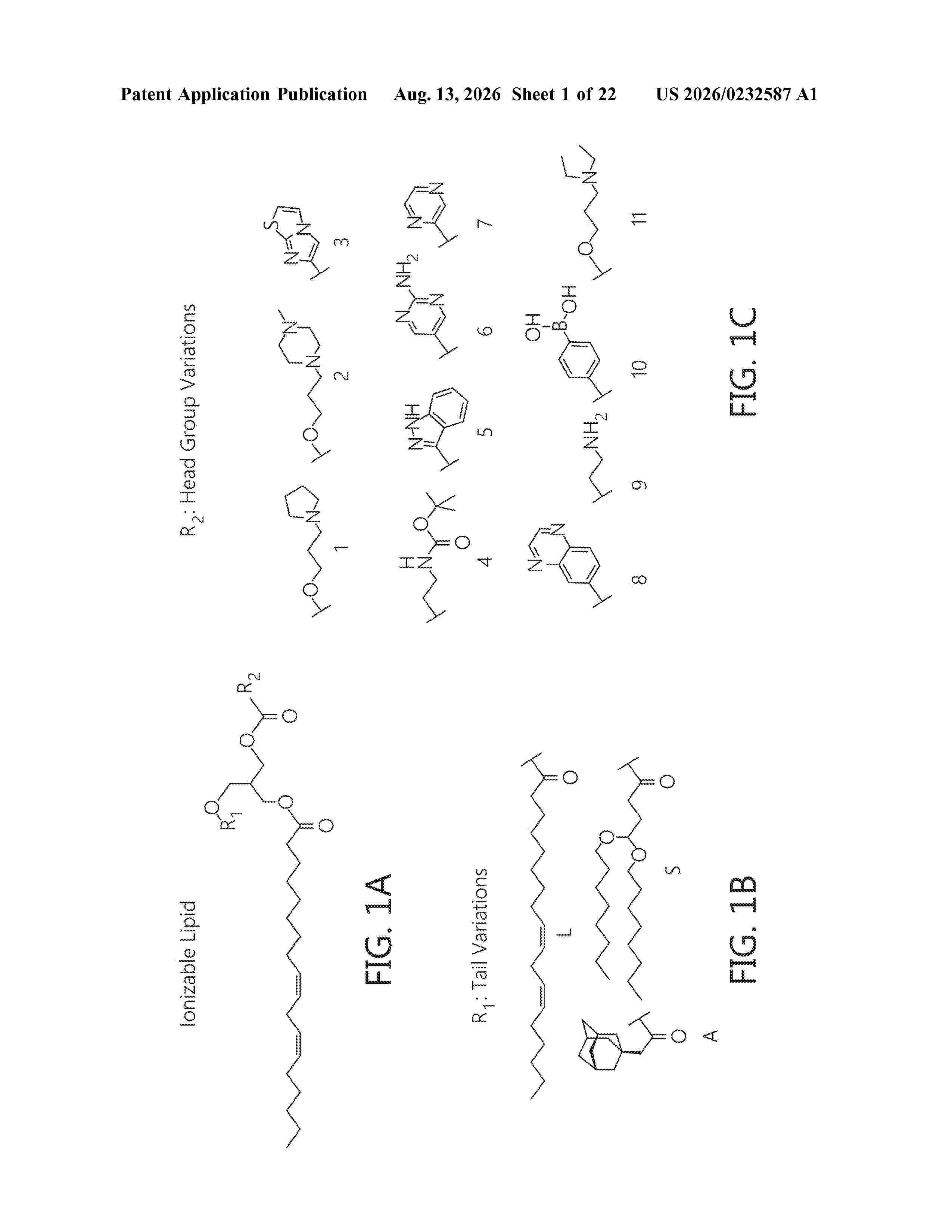
Compositions for delivering nucleic acids to cells or tissue microenvironments are provided. In one embodiment, the compositions are lipid nanoparticle compositions formulated to have reduced splenic and hepatic clearance. It has been discovered that the chemical composition of lipid nanoparticles significantly influences the natural trafficking of the lipid nanoparticles. More specifically, it has been discovered that conformationally constrained ionizable lipids can modify the tropism and clearance profile of lipid nanoparticles without the need of a targeting ligand. It has also been discovered that tropism of the disclosed lipid nanoparticles is size-independent.
Nº publicación: WO2026170199A2 13/08/2026
Solicitante:
THE BRIGHAM AND WOMENS HOSPITAL INC [US]
TRUSTEES OF TUFTS COLLEGE [US]
THE BRIGHAM AND WOMEN'S HOSPITAL, INC.
TRUSTEES OF TUFTS COLLEGE
Resumen de: WO2026170199A2
The present disclosure provides therapeutic matrix inverse targeting (MINT) nanoparticle including a MINT nanoparticle and a therapeutic material encapsulated in the MINT nanoparticle. The MINT nanoparticle includes a biocompatible polymer and an anionic coating. The disclosure further provides compositions including such a nanoparticle and methods of making such a nanoparticle or compositions. The disclosure further provides a method of treating an articular cartilage disease characterized by a decrease in glycosaminoglycan in extracellular matrix of articular cartilage using such a nanoparticle or composition.
 BOPI
BOPI
 Sede Electrónica