Si deseas distinguir tus productos, servicios o ambos de los de otra empresa, es posible que necesites una marca o nombre comercial. Descubre qué son, en qué consiste su procedimiento de registro y qué implica.

Información sobre los plazos de presentación de solicitudes de transformación de marcas de la Unión Europea en marca nacional española. Más información


Si tienes un nuevo dispositivo, producto o procedimiento que resuelva un problema técnico o tenga una ventaja práctica, existen distintas formas de protegerlo en España y en otros países. Descubre cómo hacerlo.

¿Tu innovación reside en la estética, la ornamentación o la apariencia de tu producto? Protégela mediante un diseño industrial. Descubre qué derechos confiere el registro y cómo realizar la tramitación.

Las indicaciones geográficas protegen el nombre de un producto originario de una zona geográfica, a la cual le debe una determinada calidad, reputación u otra característica. Descubre qué son, en qué consiste su procedimiento de registro y qué beneficios conceden.

Las patentes publicadas en todo el mundo son una valiosa fuente de información científica, técnica y comercial.

Si eres emprendedor/a o una empresa y quieres potenciar y mejorar la rentabilidad de tu negocio protegiendo de forma adecuada los activos intangibles de tu organización, en este espacio encontrarás lo necesario.


 212
resultados
212
resultados
 Última actualización
17/10/2026 [06:55:00]
Última actualización
17/10/2026 [06:55:00]


 Resultados 225 a 212 de 212
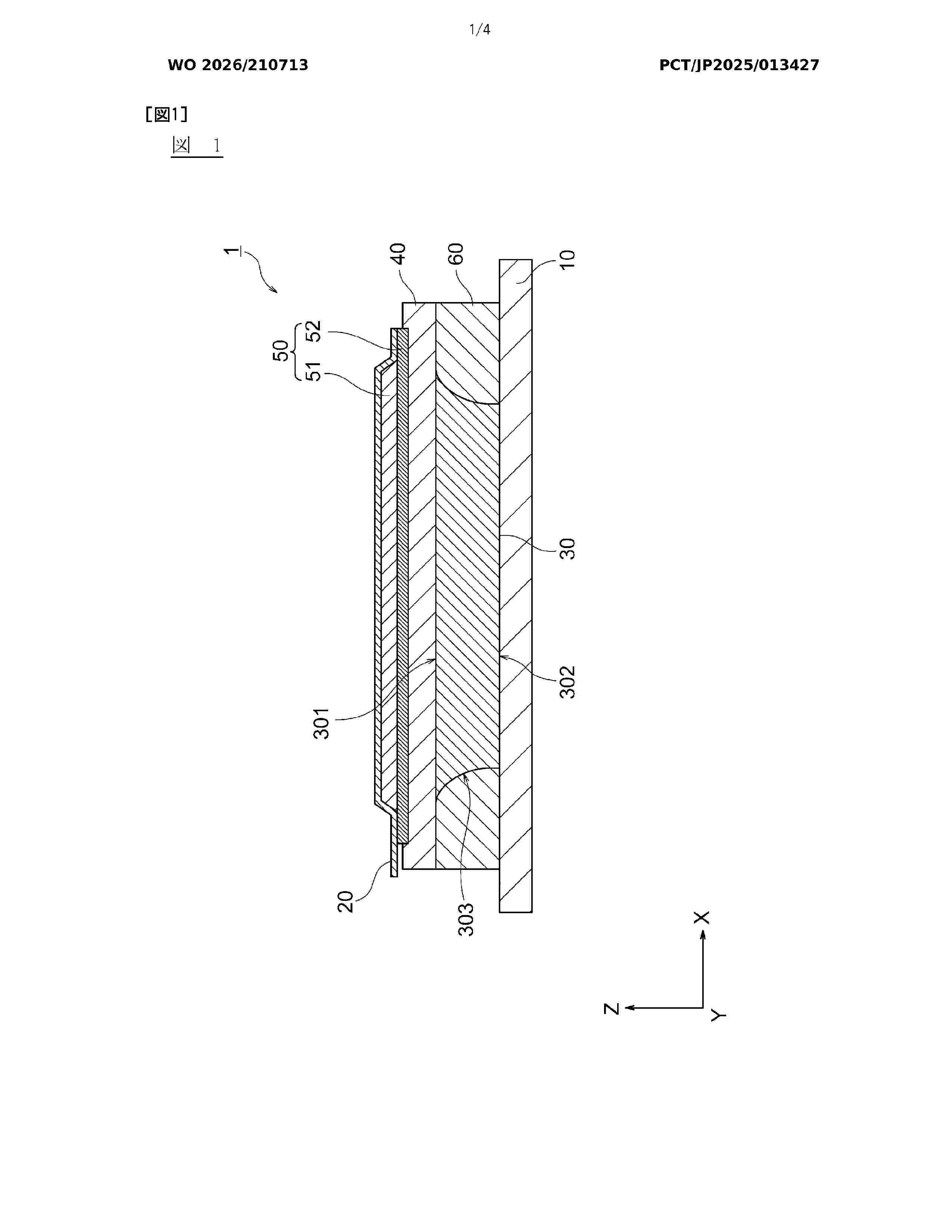
Resumen de: WO2026210713A1
In the present invention, a battery cell (1) comprises: a positive electrode layer (30); a negative electrode layer (50); a solid electrolyte layer (40) that contains a solid electrolyte and that is interposed between the positive electrode layer (30) and the negative electrode layer (50); and a frame (60) that covers the outer circumferential surface (303) of the positive electrode layer (30) and that has electronically insulating properties. The width of the solid electrolyte layer (60) and the width of the negative electrode layer (50) are greater than the width of the positive electrode layer (30), and the outer circumferential surface (303) is inclined away from the center of the positive electrode layer (30) as the outer circumferential surface (303) approaches the solid electrolyte layer (40).

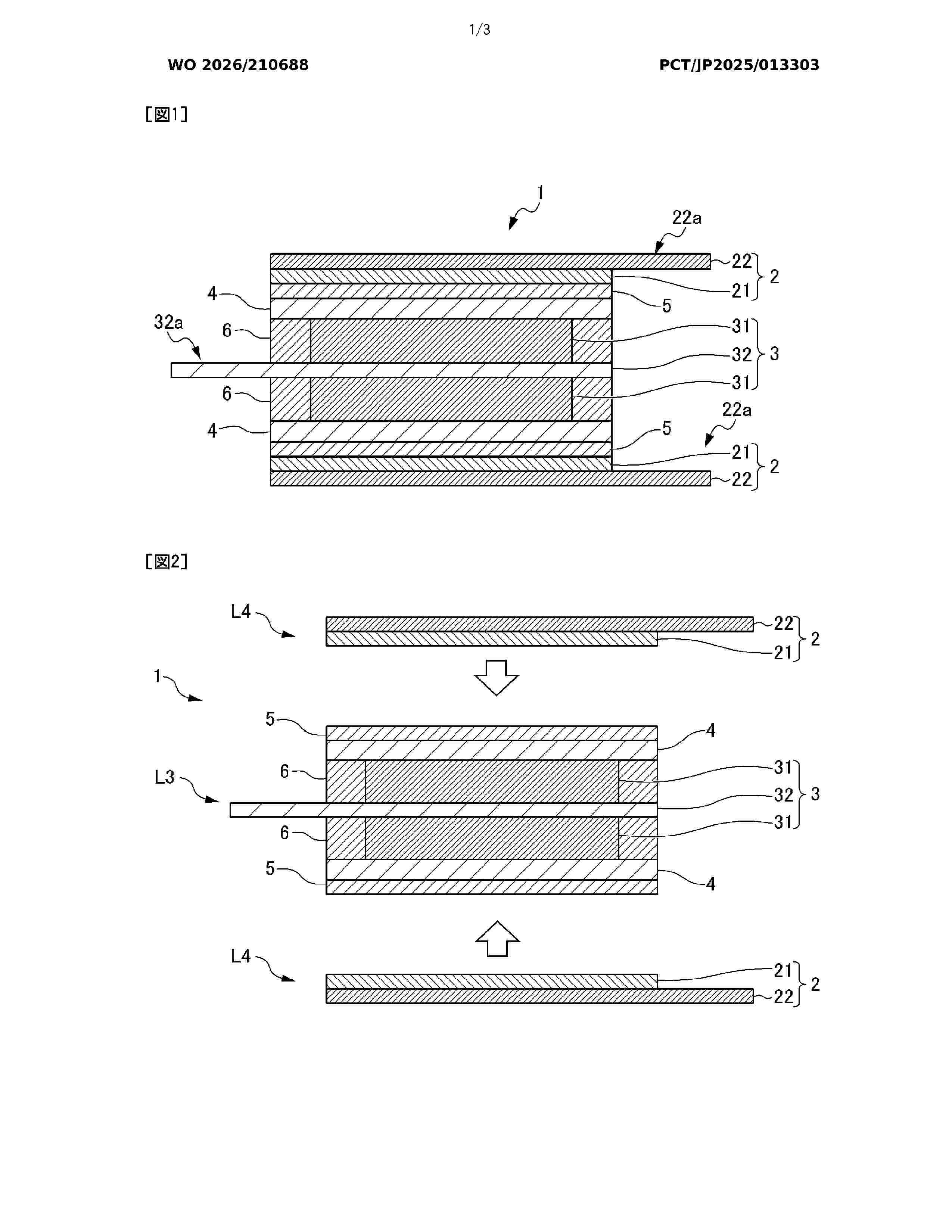
Resumen de: WO2026210688A1
The present disclosure addresses the problem of providing a method for manufacturing a solid-state battery, the method being capable of densifying an intermediate layer, a solid electrolyte layer, and a positive electrode layer and obtaining a solid-state battery in which the structure of each layer is maintained. A method for manufacturing a solid-state battery according to one aspect for solving the above problem has: a first bonding step for laminating a positive electrode layer, a solid electrolyte layer, and an intermediate layer in this order and pressure-bonding the laminated positive electrode layer, solid electrolyte layer, and intermediate layer to obtain a positive electrode layer-solid electrolyte layer-intermediate layer assembly; and a second bonding step for laminating the positive electrode layer-solid electrolyte layer-intermediate layer assembly and a negative electrode layer such that the intermediate layer and the negative electrode layer are adjacent to each other, and pressure-bonding the laminated positive electrode layer-solid electrolyte layer-intermediate layer assembly and negative electrode layer at a pressure equal to or less than 1/50 of the bonding pressure in the first bonding step to obtain a laminate.
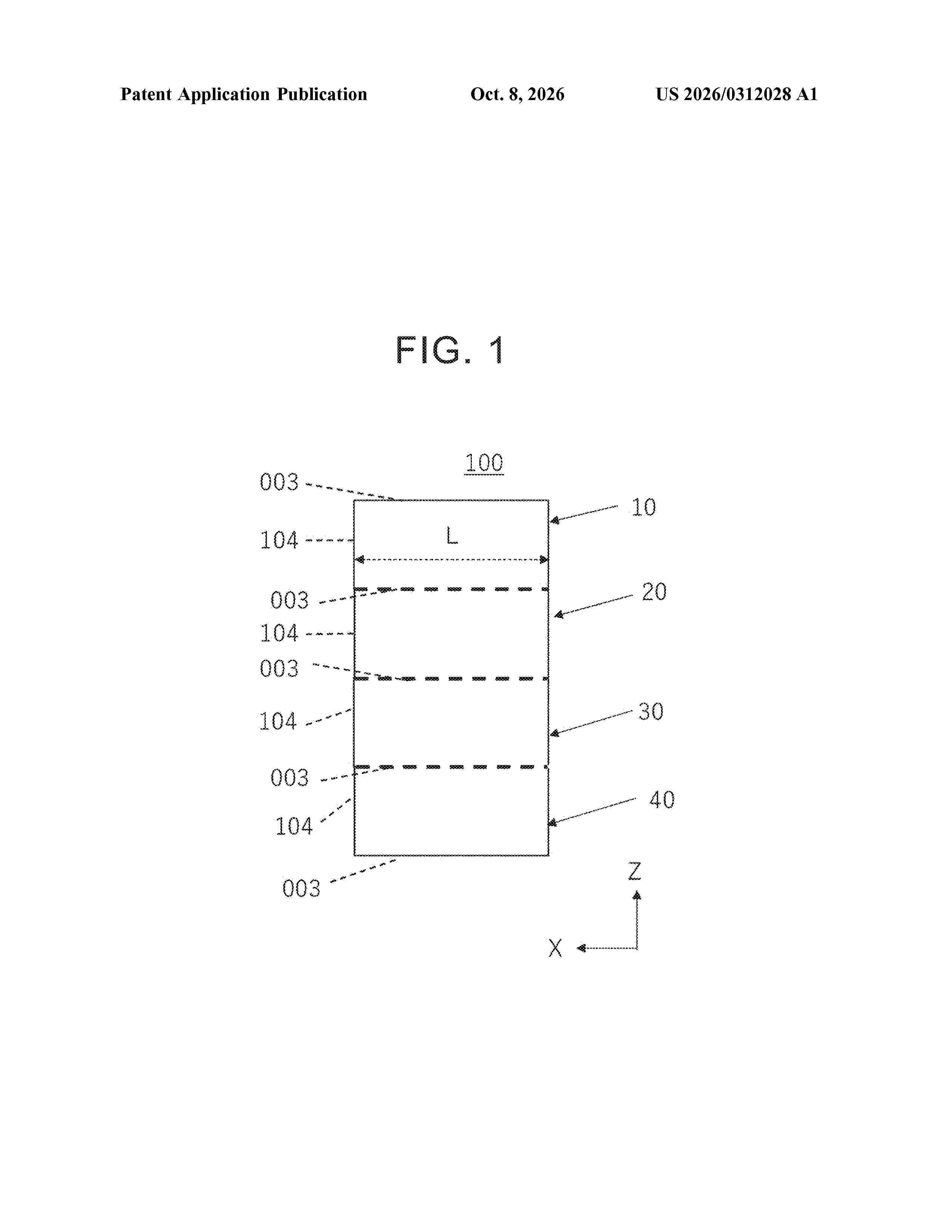
Resumen de: US20260312028A1
0000 The cathode active material includes at least one element selected from the group consisting of Ni, Co, and Mn. The cathode active material has a form in which two or more primary particles overlap each other. The primary particles are single crystals having a crystal structure belonging to space group R-3m. The primary particles are stacked such that the (003) planes of the primary particles are oriented parallel to each other. The ratio of the length of the shortest primary particle to the length of the longest primary particle among the primary particles, in a direction parallel to the (003) planes of the primary particles, is from 0.95 to 1.
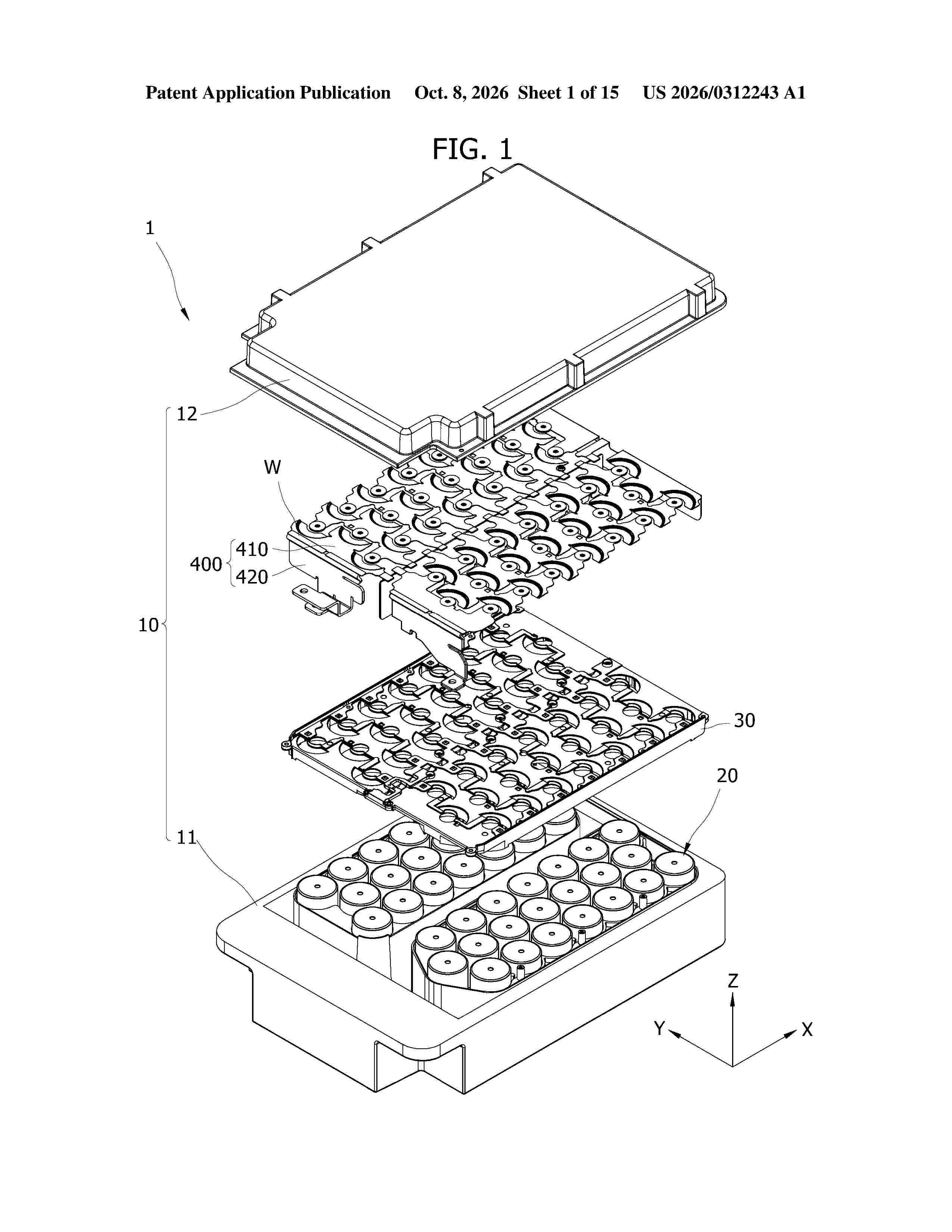
Resumen de: US20260312243A1
A busbar assembly and a battery pack including the same are disclosed. A busbar assembly includes a first busbar electrically connecting a plurality of battery cells and a second busbar electrically connected to the first busbar and connected to a protection device, in which the second busbar includes a welding portion connected to the first busbar and a binding portion extending from the welding portion and connected to the protection device.
Resumen de: DE102025001128A1
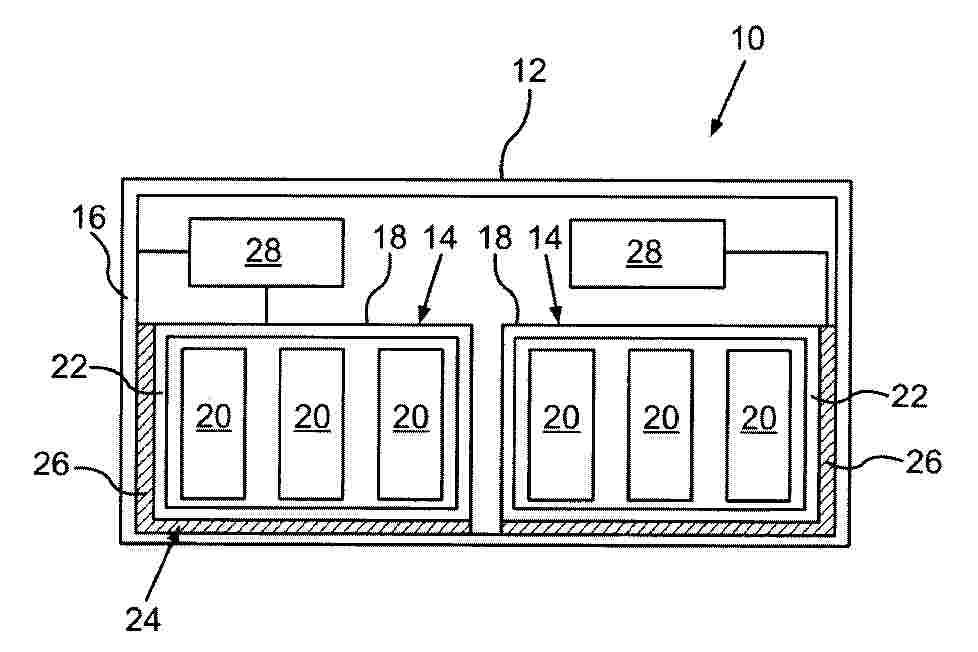
Die Erfindung betrifft eine Batterie (10) für ein Kraftfahrzeug, mit einem Batteriegehäuse (12) und wenigstens einem Zellmodul (14), welches an einer Wandung (16) des Batteriegehäuses (12) angeordnet ist, wobei das wenigstens eine Zellmodul (14) ein Zellmodulgehäuse (18) und in diesem angeordnete Batteriezellen (20) umfasst, und ein Modulwandung (22) des Zellmodulgehäuses (18) mittels eines Klebestoffs (24) mit der Wandung (16) des Batteriegehäuses (12) verbunden ist, wobei der Klebstoff (24) wenigstens eine Klebeschicht (26) zwischen der Wandung und der Modulwandung (22) ausbildet, deren Klebeeigenschaft mittels eines Auslösemechanismus deaktivierbar ist, wodurch das Zellmodul (14) aus dem Batteriegehäuse (12) lösbar ist. Ferner betrifft die Erfindung ein Verfahren zum Zerlegen einer Batterie für ein Kraftfahrzeug sowie ein Kraftfahrzeug.
Resumen de: WO2026211187A1
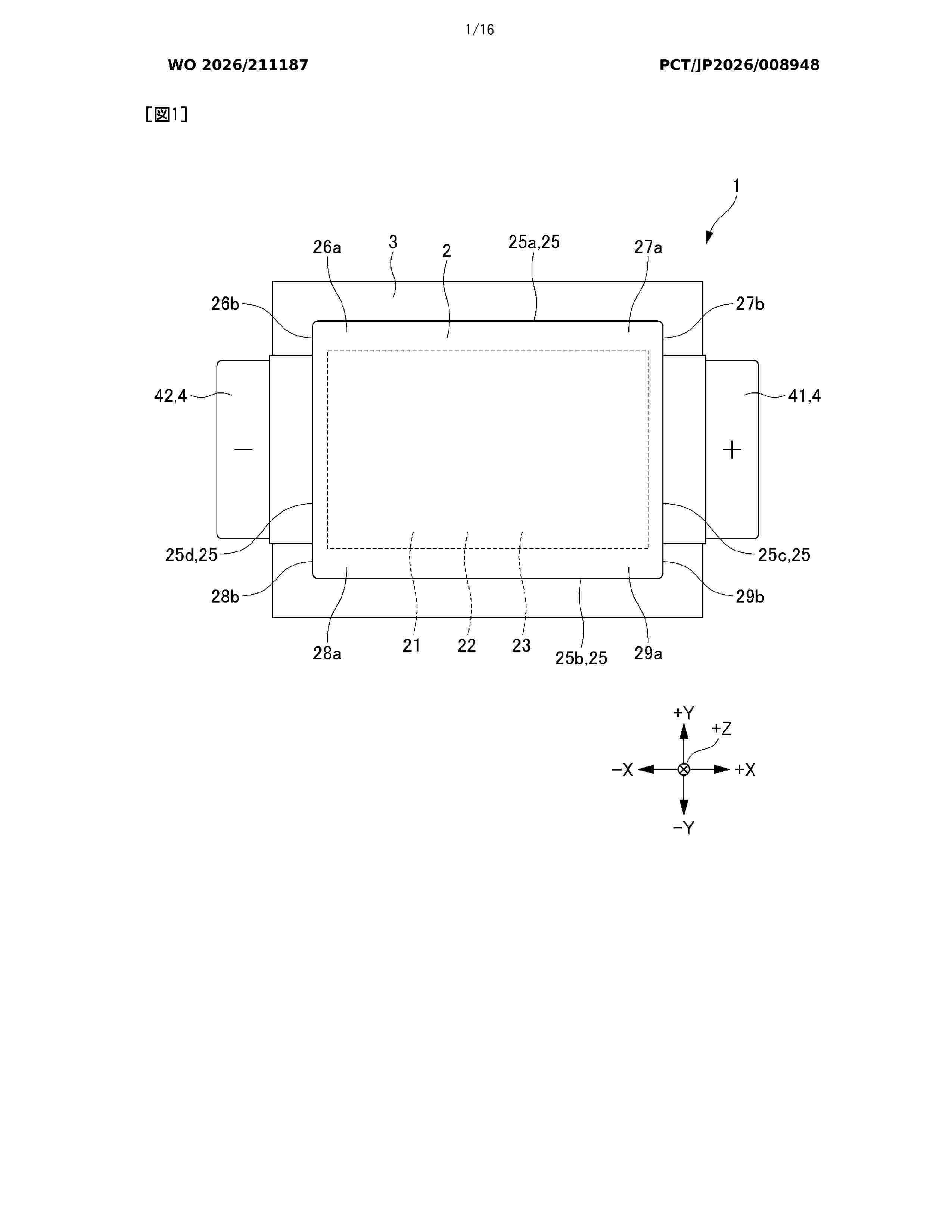
The present invention provides a processing device capable of inhibiting the occurrence of cracks in a pouch-type battery cell. Provided is a processing device (100) which processes an exterior body (3) of a pouch-type battery cell (1) that is provided with a battery element (2), the exterior body (3), and a pair of tab leads (4), the processing device (100) comprising a mounting unit (130) and a processing unit (140) that performs a prescribed process, wherein: a processing region (R1) extends in a first direction (D1); the mounting unit (130) includes a mounting plate (132) on which the pouch-type battery cell (1) is mounted and a protruding section (134) which protrudes from the mounting plate (132); and, when the processing unit (140) subjects the exterior body (3) to the prescribed process, positioning of the battery element (2) in a second direction (D2) with respect to the processing region (R1) is executed as a result of the tab lead (4) coming into contact with the protruding section (134), the second direction (D2) being orthogonal to the first direction (D1).
Resumen de: WO2026211769A1
Provided is a sulfide solid electrolyte having high ionic conductivity and a rough surface shape, containing lithium atoms, phosphorus atoms, and sulfur atoms, and having a roughness index (RI) of 200% or more, calculated by a formula: RI = A1/A0 × 100 (in the formula, A1 represents the surface area per particle (μm2/particle) and A0 represents the surface area per true spherical particle (μm2/particle)).
Resumen de: WO2026212276A1
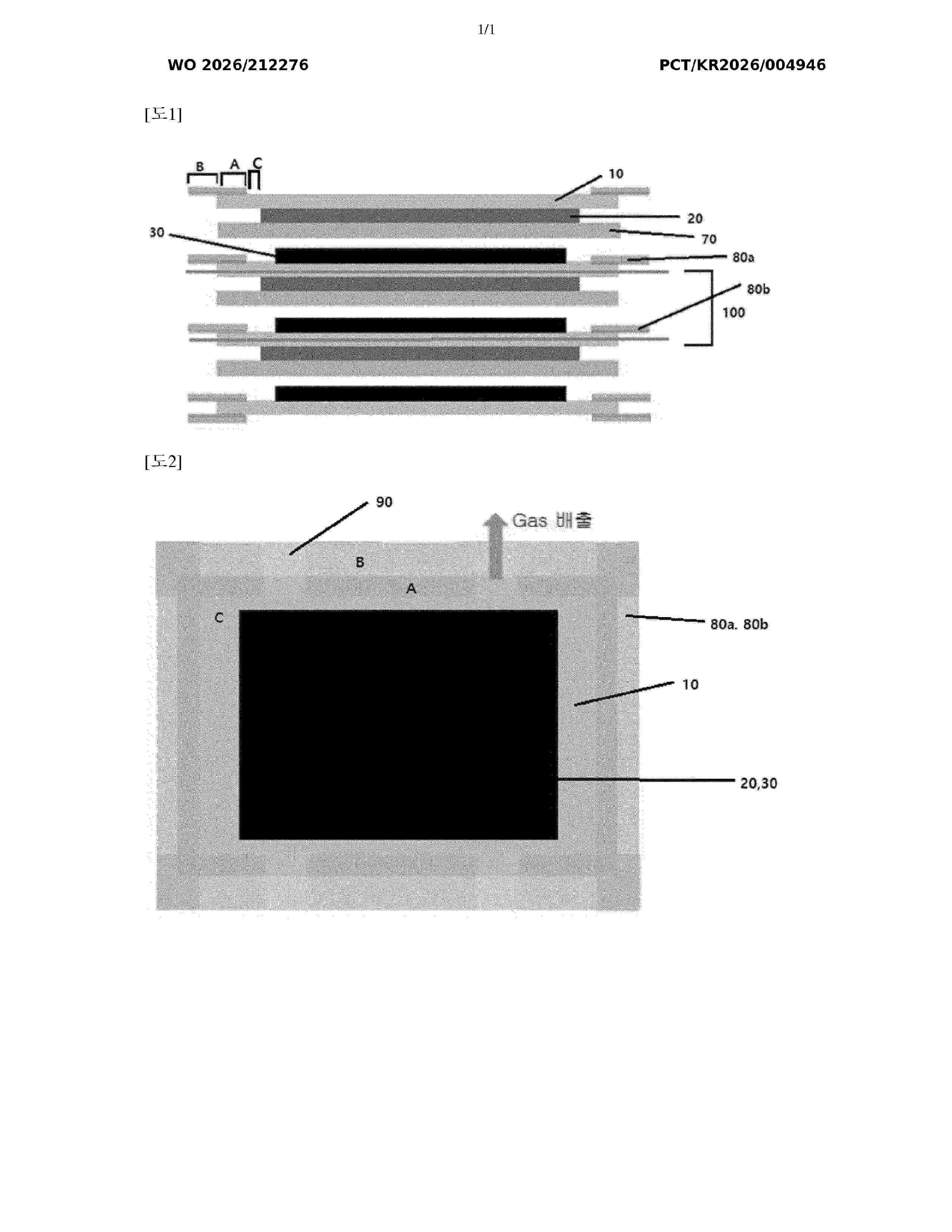
The present invention relates to a bipolar secondary battery having a simplified sealing structure that suppresses volatilization and leakage of the electrolyte while effectively discharging gas generated during activation. The bipolar secondary battery may comprise: a plurality of stacked bipolar electrodes, each having a positive electrode active material layer and a negative electrode active material layer respectively formed on both surfaces of a metal current collector; a separator formed between the positive electrode active material layer and the negative electrode active material layer of adjacent bipolar electrodes; a gel electrolyte formed on the positive electrode active material layer, the negative electrode active material layer, or the separator; and an insulating tape attached to the metal current collector to surround the positive electrode active material layer or the negative electrode active material layer, wherein the insulating tapes on the metal current collectors facing each other are bonded to each other to seal the space between the metal current collectors, while a portion of each of the insulating tapes is unbonded.
Resumen de: WO2026212216A1
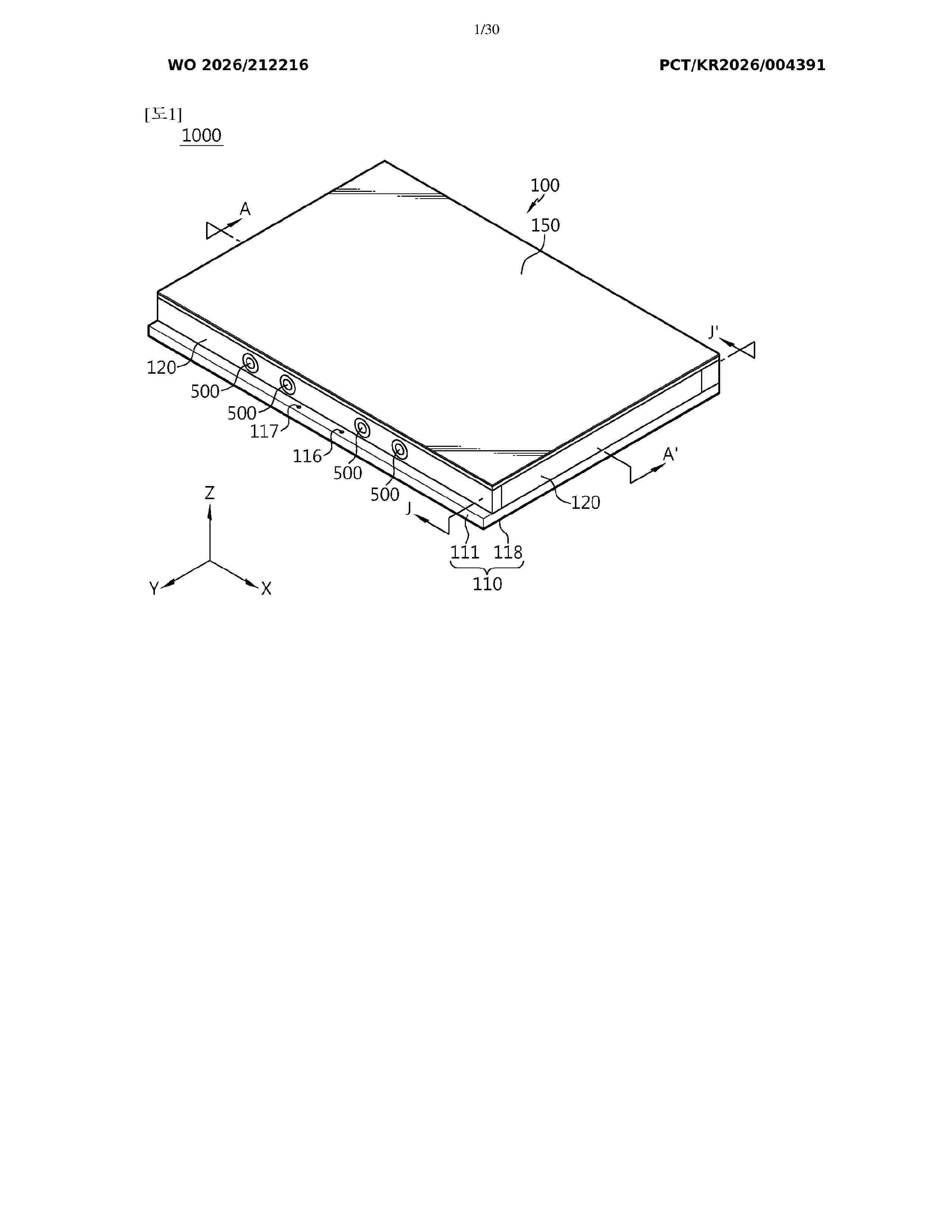
A battery pack is disclosed. The battery pack, according to one embodiment of the present invention, may comprise: battery cells; a bottom cover assembly positioned below the battery cells and provided with a first flow path therein; a top cover assembly positioned above the battery cells and provided with a second flow path therein; and a connection pipe connecting the first flow path and the second flow path to communicate.
Resumen de: US20260312011A1
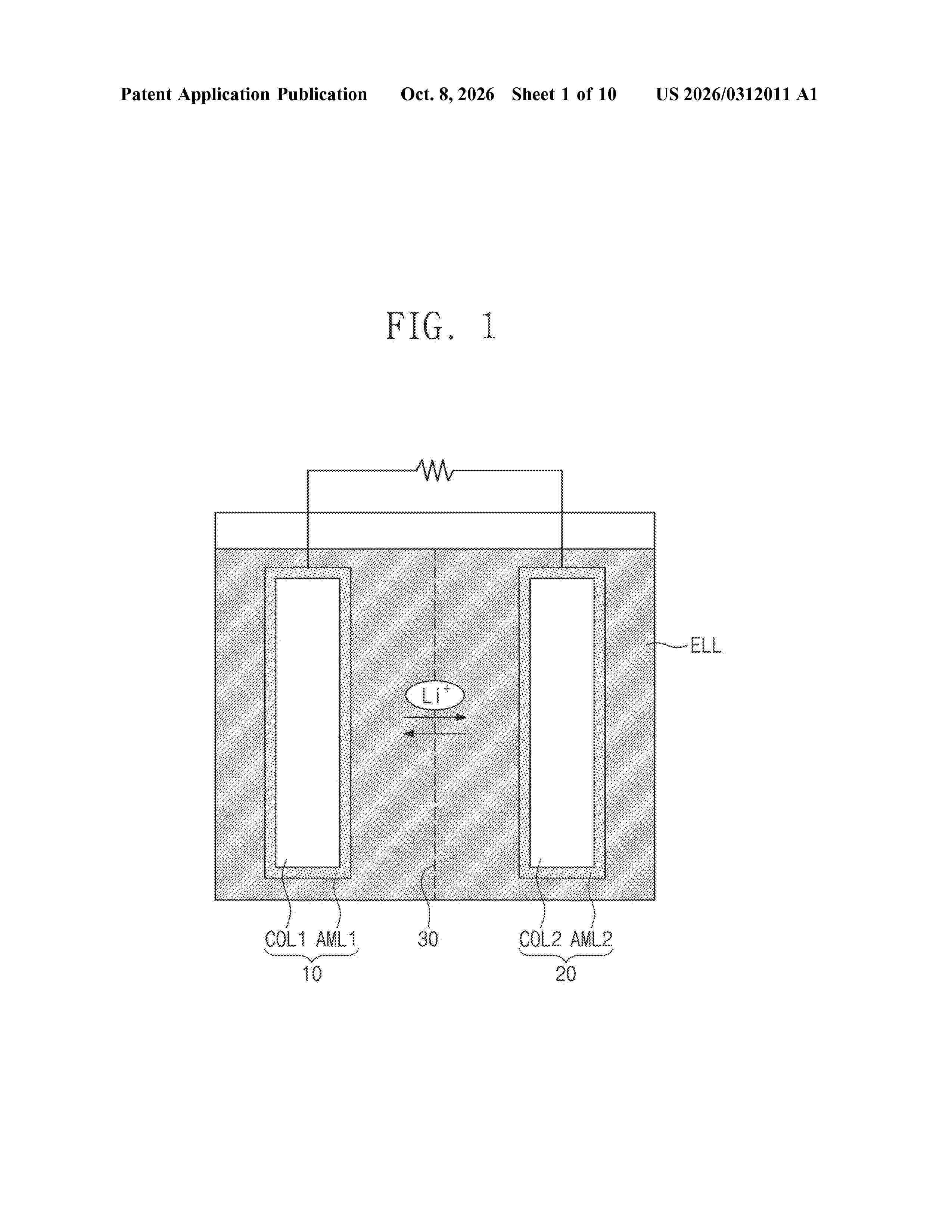
A negative electrode active material, a rechargeable lithium battery including the same, and a method for manufacturing the same are provided. The negative electrode active material includes a silicon-carbon composite in the form of particle. The silicon-carbon composite includes a secondary particle in which a plurality of primary particles is agglomerated and a carbon coating layer around (e.g., surrounding) the secondary particle. The silicon-carbon composite includes macro pores having a pore diameter of about 50 nm or more. A volume ratio of the macro pores is about 10% to about 50% relative to a total pore volume of the silicon-carbon composite. The primary particle includes a silicon nanoparticle, and the carbon coating layer includes an amorphous carbon.
Resumen de: WO2026212127A1
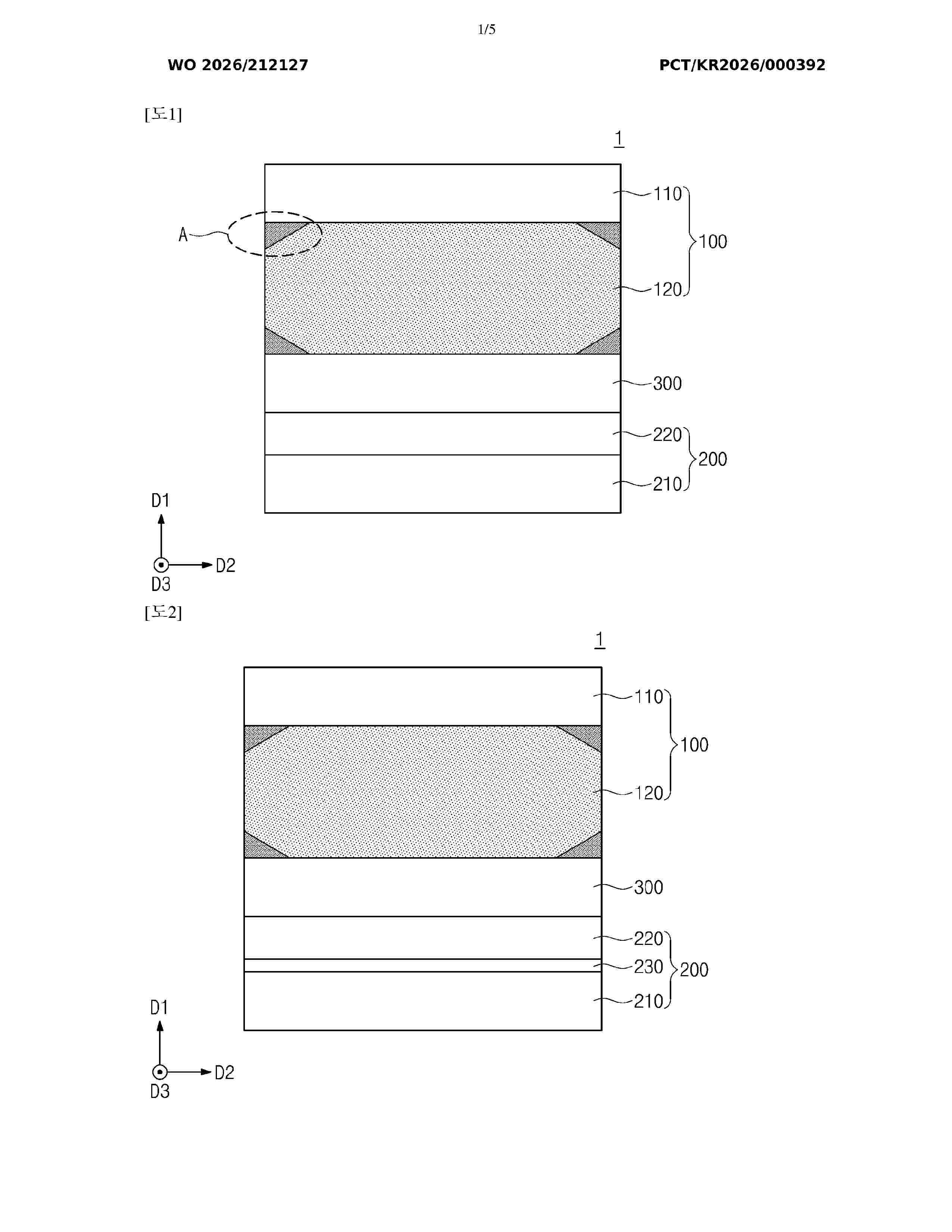
Disclosed is an all-solid-state battery comprising: a positive electrode current collector; a positive electrode active material layer disposed on the positive electrode current collector, the positive electrode active material layer comprising a surface layer and a core layer on the surface layer, the surface layer comprising an outer surface, an inner surface facing the outer surface, and a connecting portion connecting the outer surface and the inner surface, the inner surface of the surface layer being in contact with the core layer; a solid electrolyte layer disposed on the positive electrode active material layer; a negative electrode disposed on the solid electrolyte layer; and gaps surrounding the connecting portion of the surface layer and formed between the positive electrode current collector and the solid electrolyte layer, the gaps being void or comprising a filler.
Resumen de: WO2026211473A1
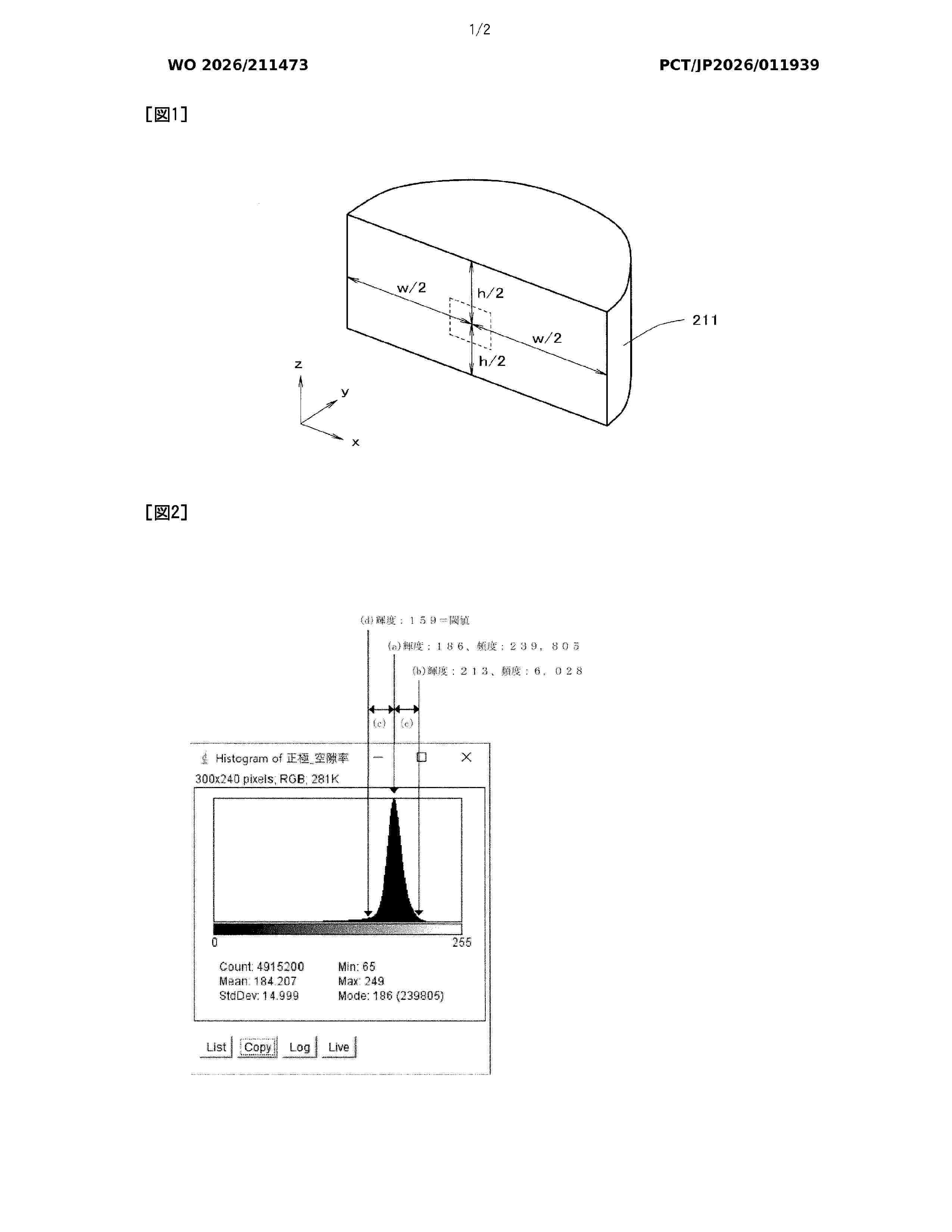
Provided are a method for producing an electrode mixture for obtaining an electrode capable of constituting an all-solid-state battery with excellent characteristics, a method for producing the electrode, and a method for producing the all-solid-state battery. The method for producing an electrode mixture involves performing dry mixing of an electrode active material and a solid electrolyte using a mixing device to produce an electrode mixture. A resonance mixer is used as the mixing device, and a mixing medium is loaded into a mixing container installed in the mixing device to mix the electrode active material and the solid electrolyte. The method for producing an electrode for an all-solid-state battery involves producing an electrode that is for use in an all-solid-state battery and has a molded body of an electrode mixture containing an electrode active material and a solid electrolyte. The method for producing an electrode for an all-solid-state battery includes a step for producing a molded body of the electrode mixture by molding the electrode mixture produced by the method of the present invention. In the method for producing an all-solid-state battery, an electrode for an all-solid-state battery produced by the method of the present invention is used as at least one of a positive electrode and a negative electrode.
Resumen de: WO2026211246A1
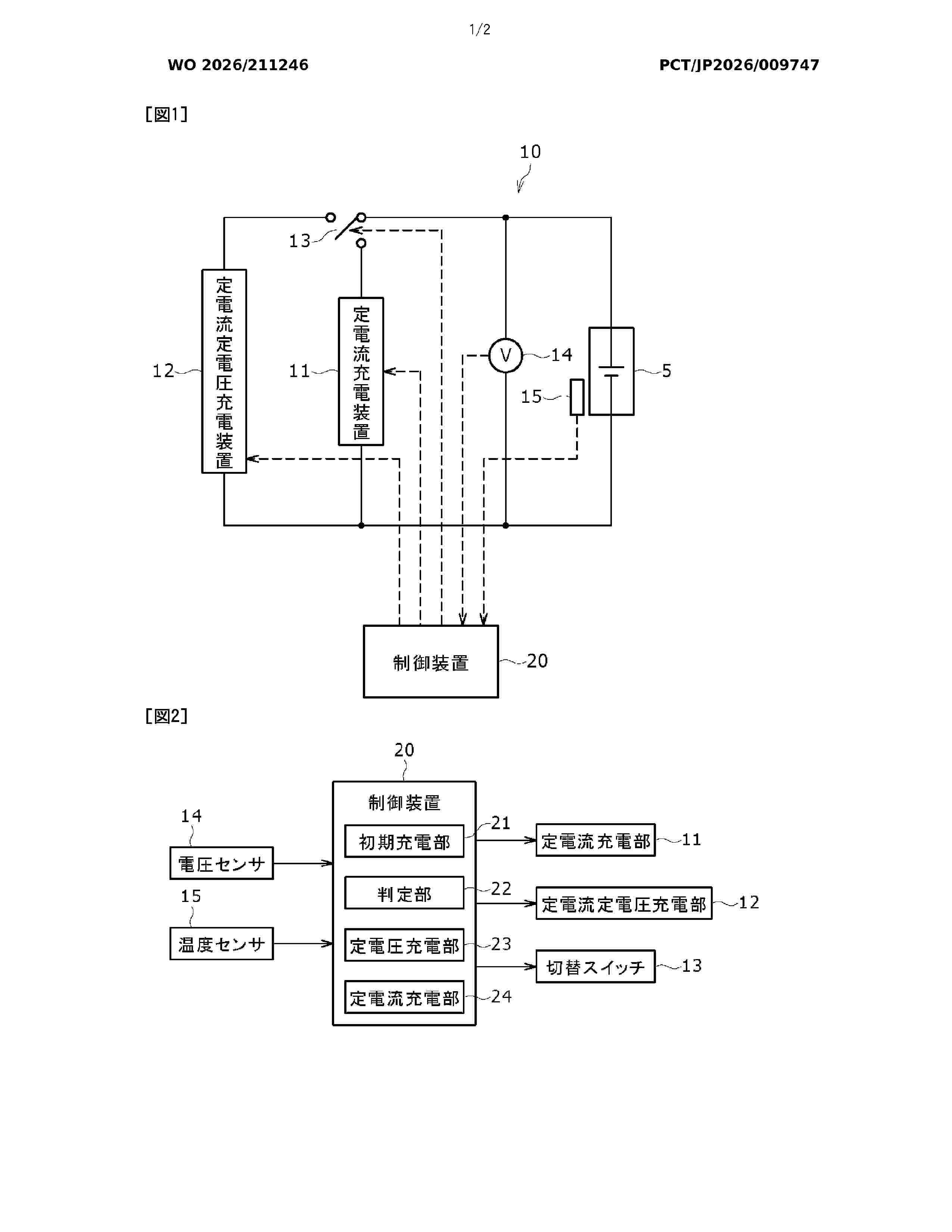
The present disclosure provides a charging system capable of improving reliability of a secondary battery. A charging system (10) according to the present disclosure comprises: a constant current charging device (11); a constant-current/constant-voltage charging device (12) capable of switching between constant current charging and constant voltage charging; a temperature sensor (15) that detects the ambient temperature of a secondary battery (5); and a control device (20). The control device (20) detects an ambient temperature (T1) of the secondary battery (5) after the secondary battery (5) has been initially charged for a first prescribed time (S1) with a constant first current (It1) using the constant current charging device (11). When an ambient temperature (Th1) is equal to or less than a reference temperature (Ths), the control device (20) charges the secondary battery (5) with a constant second voltage (E2) by controlling the charging current to a second current (It2) or less using the constant-current/constant-voltage charging device (12). When an ambient temperature (Th1) is higher than the reference temperature (Ths), the control device (20) charges the secondary battery (5) with a constant second current (It2) by using the constant-current/constant-voltage charging device (12).
Resumen de: WO2026212374A1
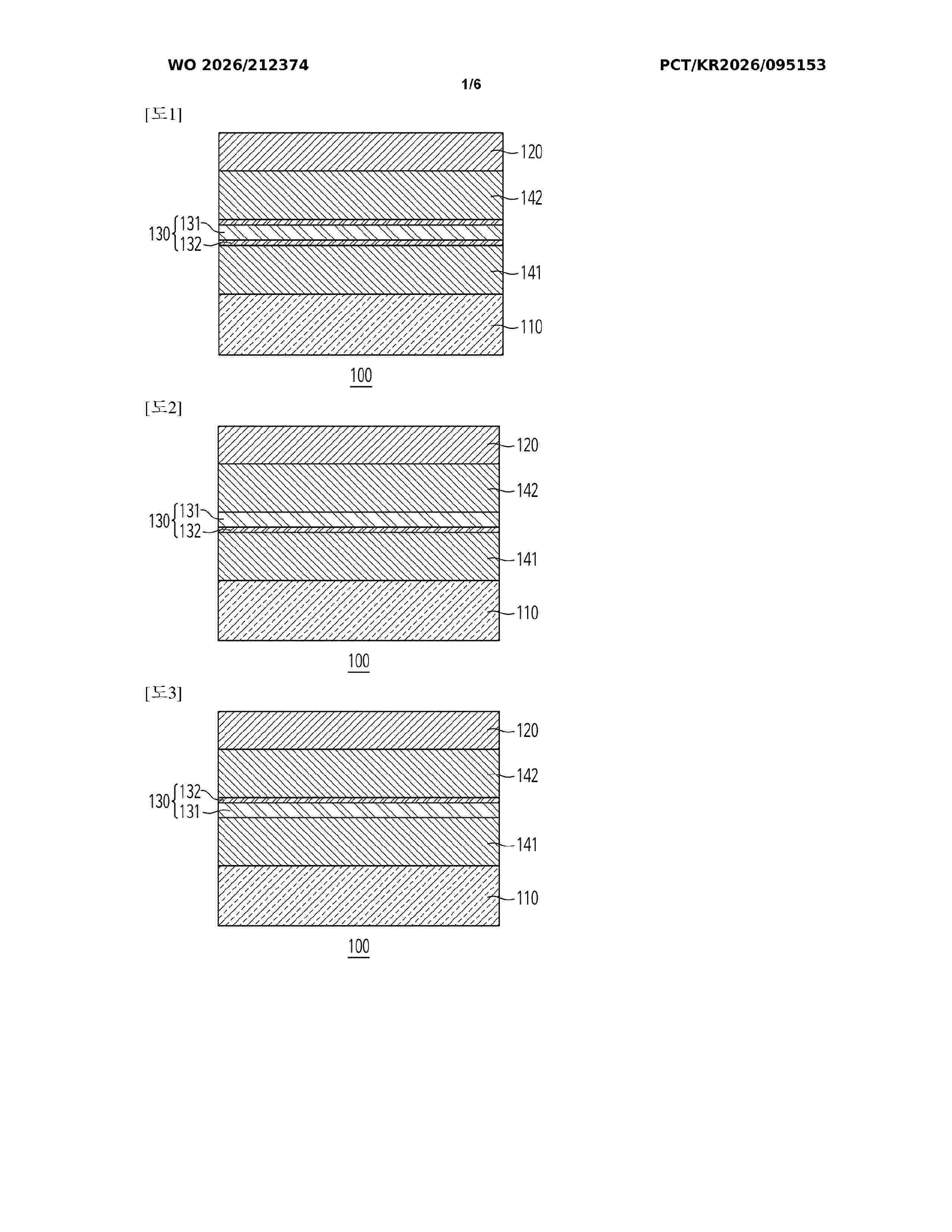
The present disclosure relates to: a separator for a lithium secondary battery; and a lithium secondary battery comprising same, and may provide a separator for a lithium secondary battery, comprising a porous substrate and a coating layer disposed on at least one surface of the porous substrate, wherein the coating layer includes a NASICON-based compound, an acrylate-based crosslinking agent, and a silane coupling agent.
Resumen de: WO2026210687A1
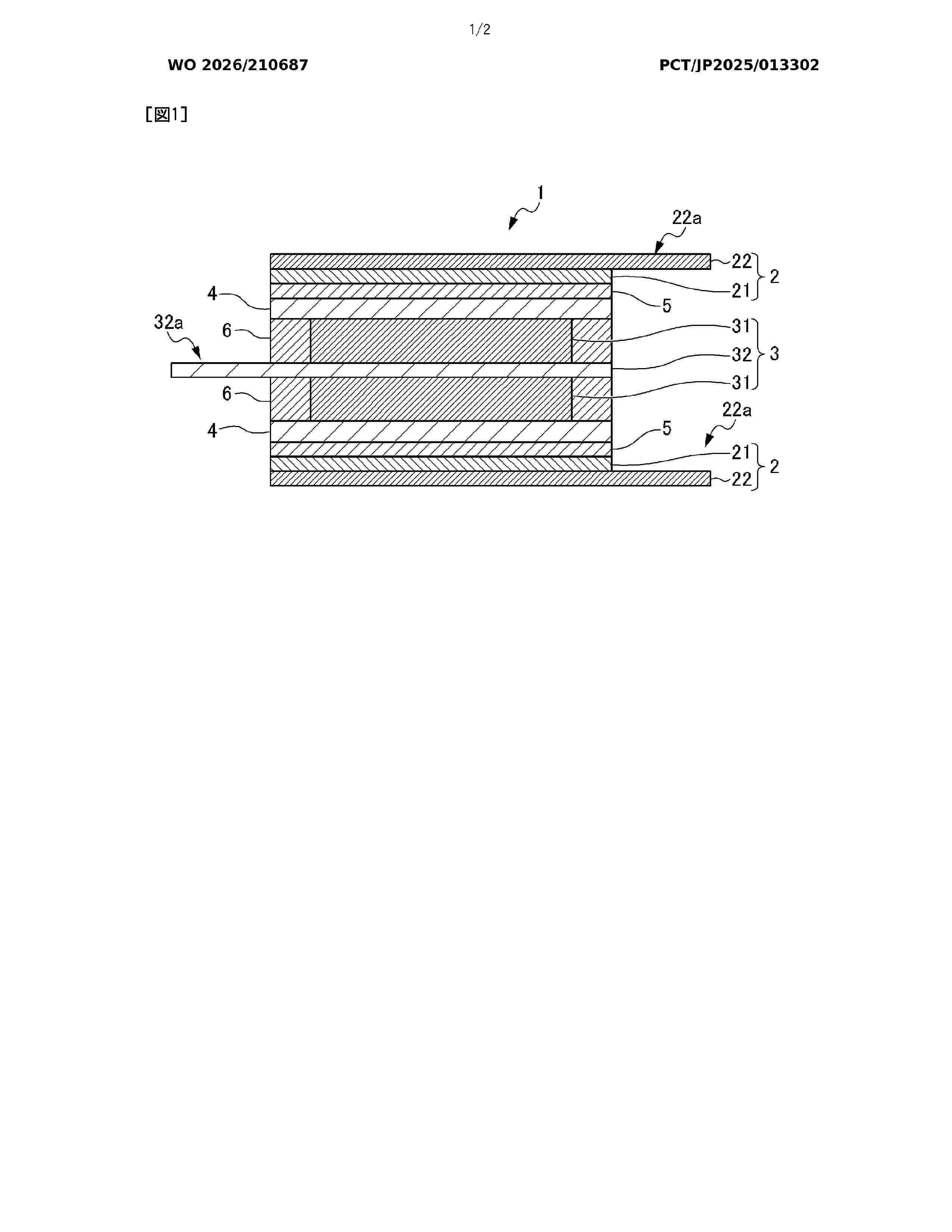
The present disclosure addresses the problem of providing a method for manufacturing a solid-state battery with which it is possible to easily improve the bondability between an intermediate layer and a negative electrode active material layer at a low bonding pressure. A method for manufacturing a solid-state battery according to one aspect of the present invention for solving the above problem is a manufacturing method of a solid-state battery that has a laminate in which a negative electrode layer, an intermediate layer, a solid electrolyte layer, and a positive electrode layer are laminated in this order, wherein the negative electrode layer has a negative electrode current collector layer and a negative electrode active material layer containing lithium metal or a lithium alloy, and the intermediate layer contains a metal material and a carbon material. In the method for manufacturing a solid-state battery, the surface of the negative electrode active material layer is polished, the negative electrode layer and the intermediate layer are laminated so that the polished surface of the negative electrode active material layer is in contact with the intermediate layer, and the laminated negative electrode layer and intermediate layer are pressed at a pressure of 0.01 MPa to 3.0 MPa inclusive.
Resumen de: WO2026212250A1
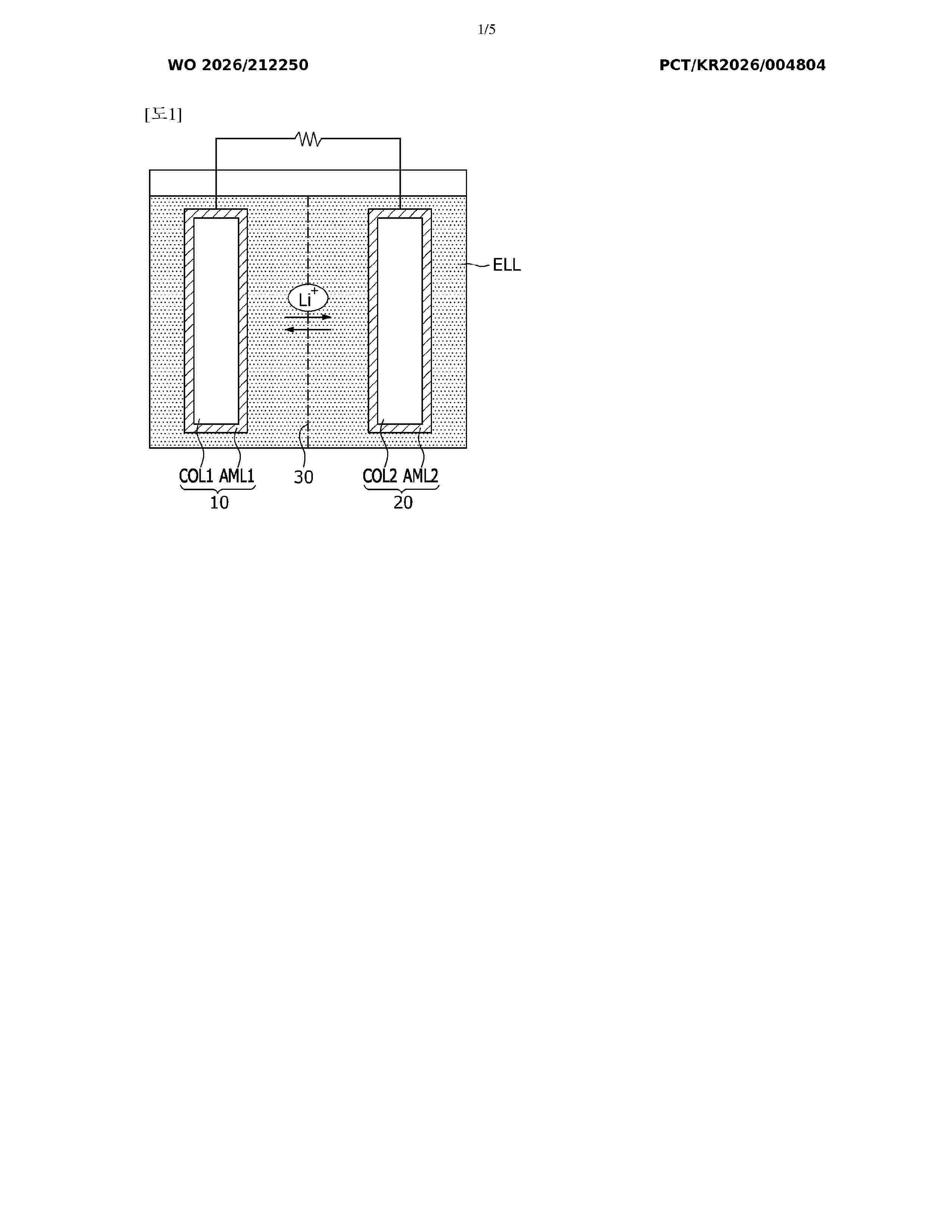
The present invention relates to an electrolyte for a secondary battery and a secondary battery comprising same, and to an electrolyte for a secondary battery and a secondary battery comprising same, the electrolyte comprising a non-aqueous organic solvent, a lithium salt, and an additive, wherein the additive comprises a first additive represented by chemical formula 1.
Resumen de: WO2026212126A1
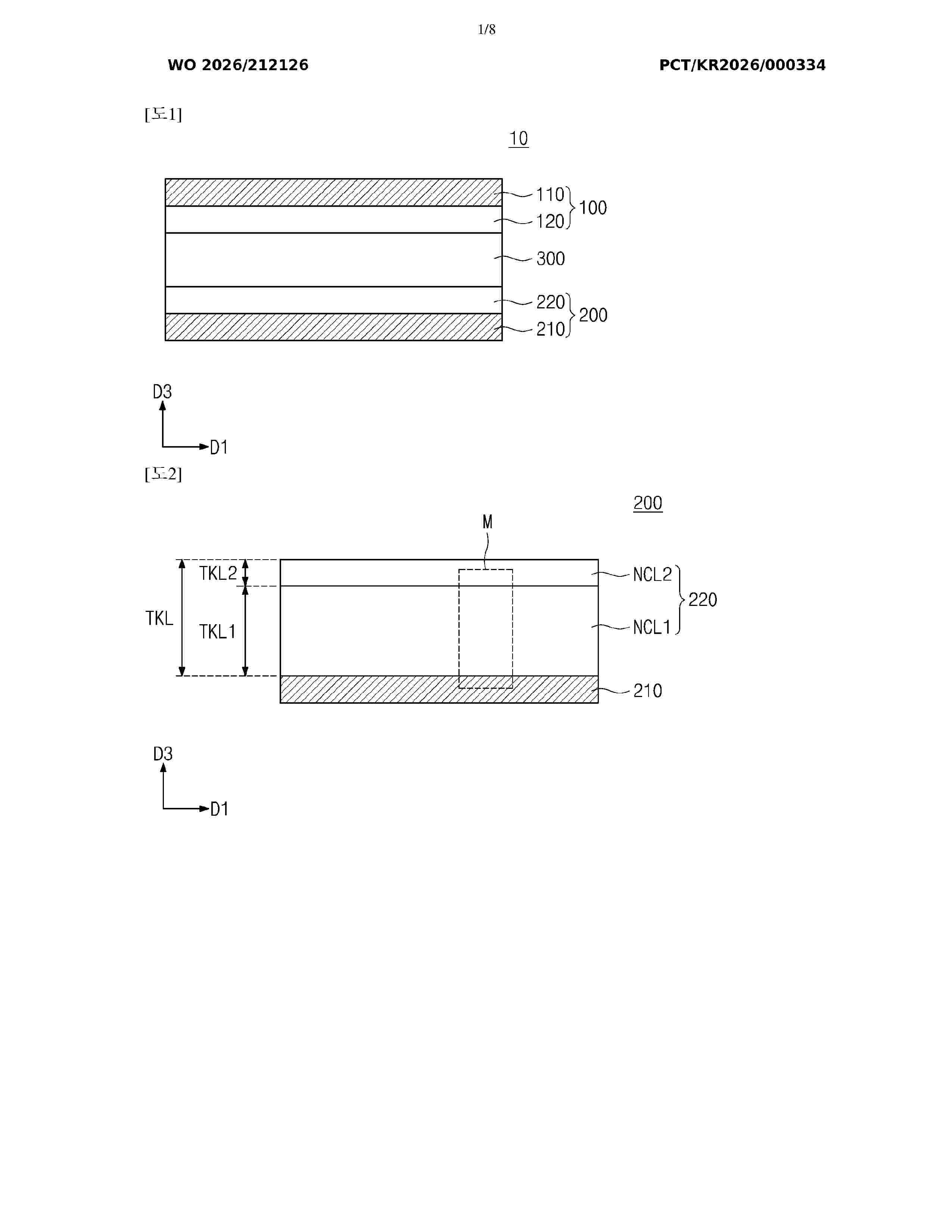
The present invention relates to an anode and an all-solid-state battery comprising same. More specifically, the anode comprises: an anode current collector; a first anode coating layer which is positioned on the anode current collector and which includes a first metal and first carbon; and a second anode coating layer which is positioned on the first anode coating layer and which includes a second metal and second carbon, wherein the density of the first metal in the first anode coating layer is less than that of the second metal in the second anode coating layer.
Resumen de: US20260312200A1
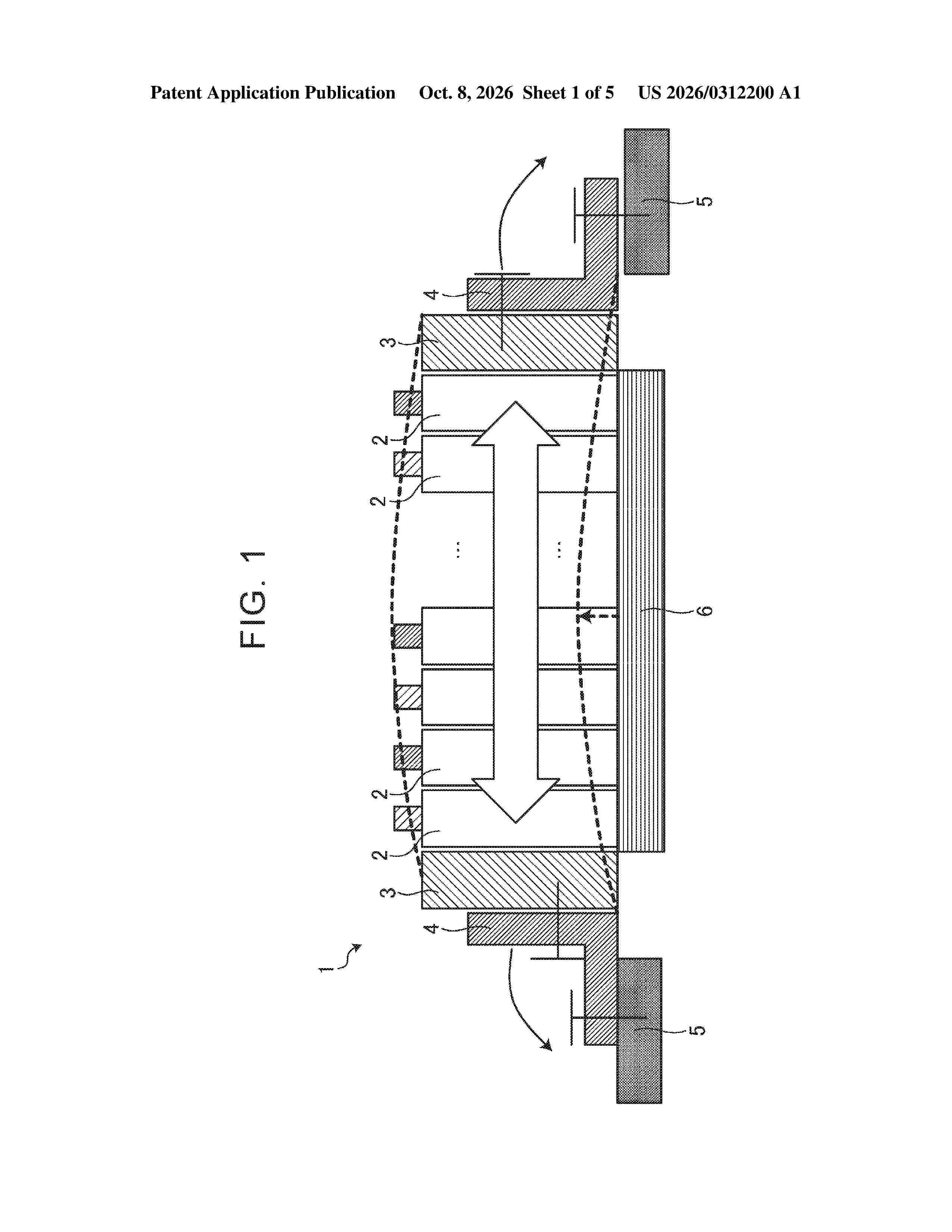
A power storage device includes a housing case, a stack, a thermally conductive material, and support members. Each of the support members includes a first support portion extending in an up-down direction, a second support portion extending in a stacking direction, and a bending portion where the first support portion intersects the second support portion. Each of the support members is fixed to the stack at the first support portion and to the housing case at the second support portion. The bending portion is in contact with the stack on a side farther away from the thermally conductive material than a center of the stack in a height direction. The first support portion extends from the bending portion toward the thermally conductive material.
Resumen de: WO2026209646A1
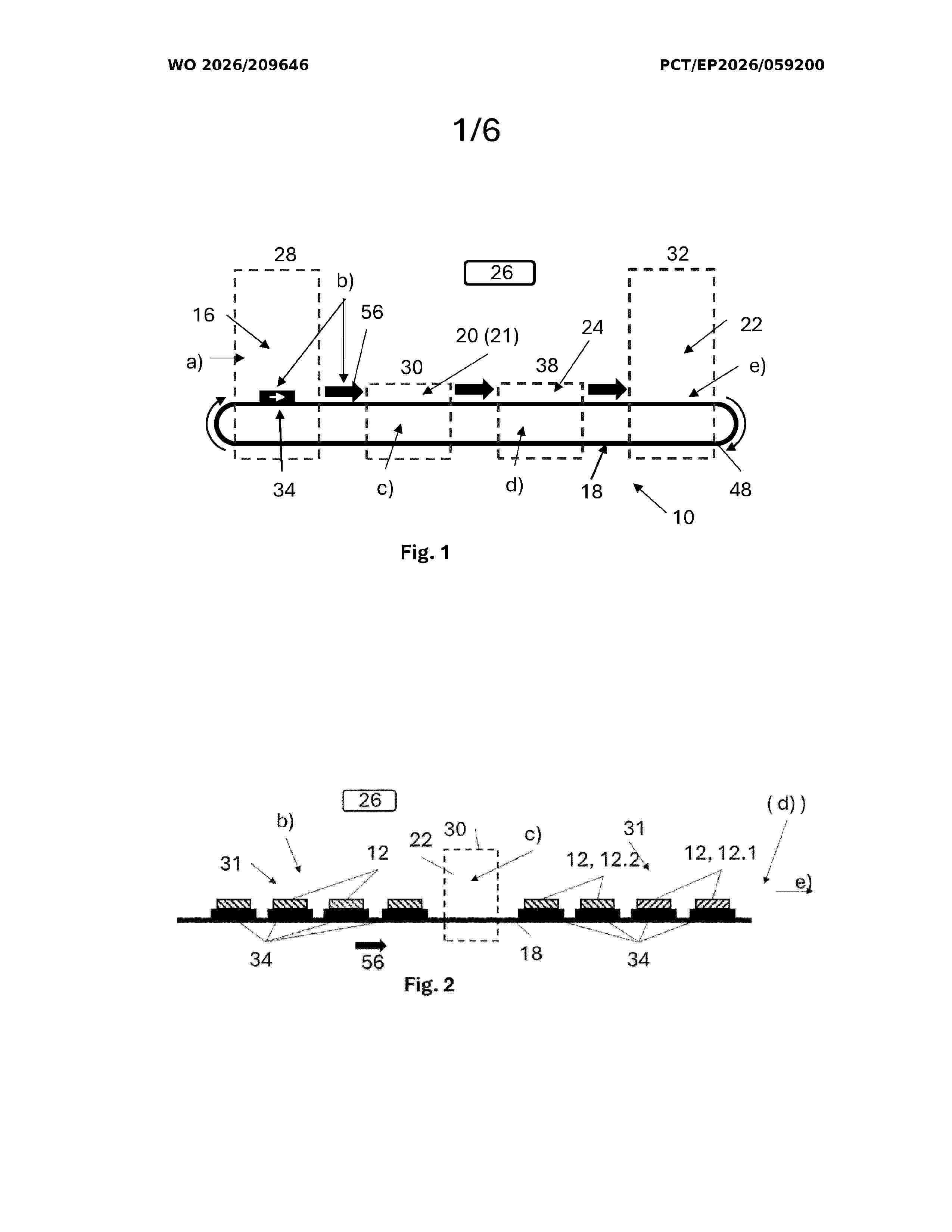
The aim of the invention is to improve the assembly of battery cells (12) during the industrial series production of battery cell systems (40), such as battery packs or battery modules for example, in particular with regard to costs, emissions, time, and space requirements. According to the invention, this is achieved by a cell alignment method having the steps of: a) providing individual battery cells (12); b) receiving and transporting the battery cells (12) to a turning station (30) such that battery cells (12) are transported one after the other in a row (31); c) turning one or more of the battery cells (12) from the row (31) of battery cells (12) so as to form, in the row (31) of battery cells (12), a specified sequence of battery cells (12) which are in specific positions or alignments and/or battery cells (12) which have poles (32.2, 32.2) in specific orientations; and e) providing the battery cells (12) in the sequence obtained by step c) for assembly. The invention also relates to a device (10) for carrying out the method and to the use thereof in a battery cell system assembly process.
Resumen de: DE102025113380A1
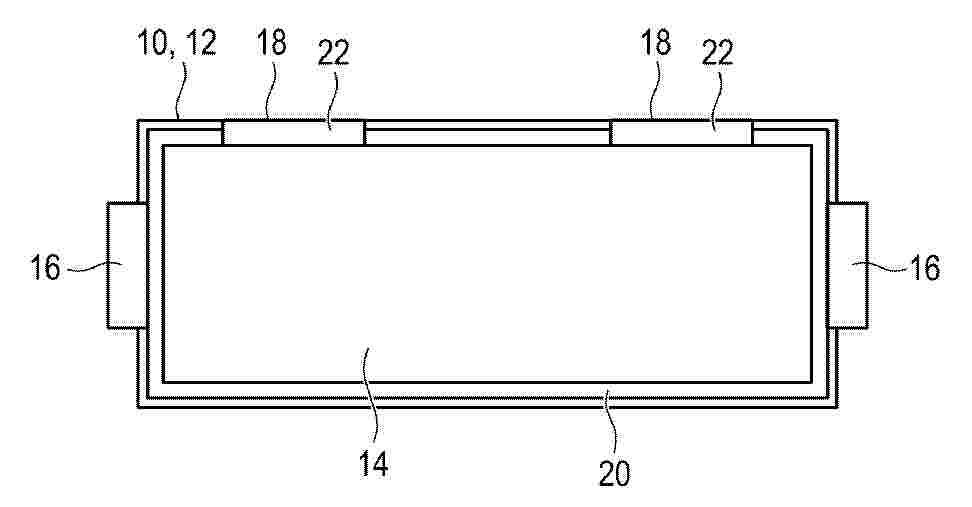
Die Erfindung betrifft ein Batteriezellgehäuse (10) mit einem Gehäusekörper (12) zur umschließenden Anordnung mindestens einer Batteriezelle (14). In dem Gehäusekörper (12) ist mindestens eine Ventilationseinrichtung (18) vorgesehen. Innenseitig des Gehäusekörpers (12) ist mindestens eine aktivierbare Isolationsschicht (20) angeordnet. Die aktivierbare Isolationsschicht (20) erstreckt sich vollflächig über die innenseitigen Wände des Gehäusekörpers (12) mit Ausnahme mindestens einer, sich um die Ventilationseinrichtung (18) erstreckenden thermischen Isolationsschicht-Ausnehmung (22).
Resumen de: WO2026212377A1
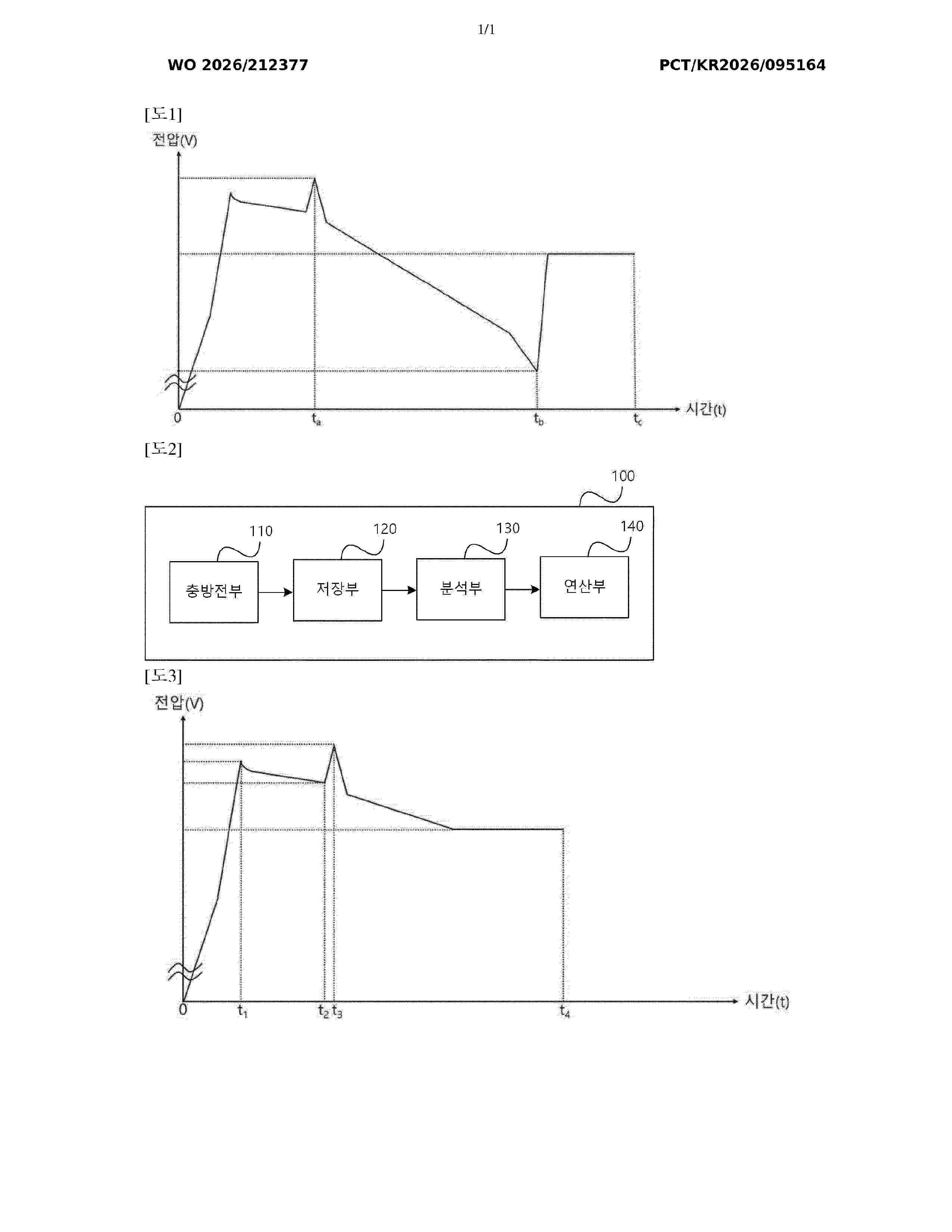
The present invention relates to a lithium secondary battery capacity diagnosis system and method, the system comprising: a storage unit that monitors a lithium secondary battery and stores charging capacity data including a first charging capacity (Q1) in a jig formation process and a second charging capacity (Q2) measured at an arbitrary temperature (T1); an analysis unit that derives a correction equation for correction to a process capacity (Q3) at a specific temperature (T2) by performing regression analysis on the charging capacity data; and a calculation unit that calculates the process capacity (Q3) at the specific temperature (T2) by applying the first charging capacity (Q1) and the second charging capacity (Q2) to the correction equation. The lithium secondary battery capacity diagnosis system can improve the agreement between the process capacity derived by correction and the actual process capacity, and shorten the process time.
Resumen de: WO2026212067A1
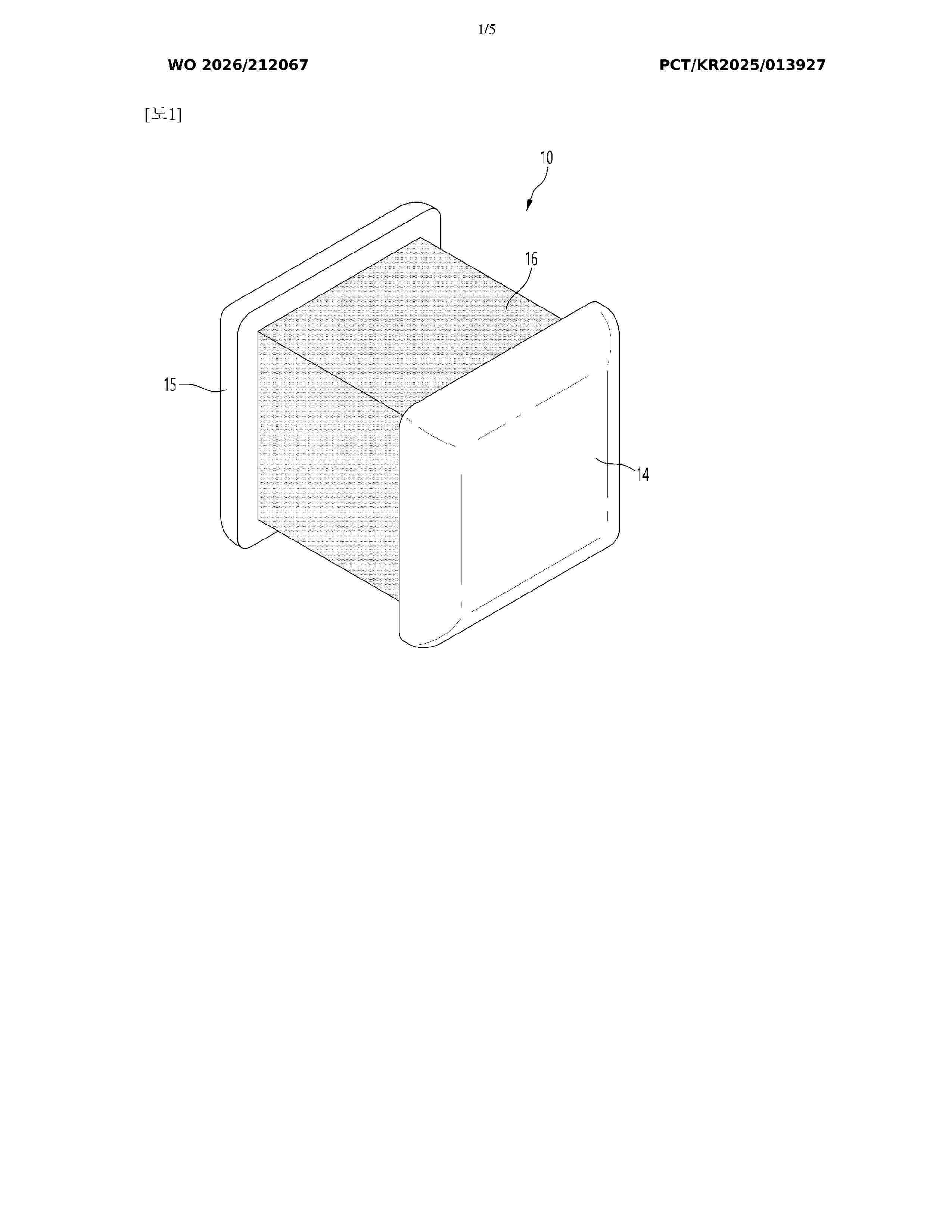
The present invention relates to a lithium ion conductor for an all-solid-state battery. The lithium ion conductor for an all-solid-state battery, according to one embodiment of the present invention, comprises a LiaBbAlcClxOy crystal phase (32≤a≤45, 30≤b≤54, 0≤c≤24, 6≤x≤8, 93≤y≤100), a Li10-2mB14Cl2O25-m crystal phase (0≤m≤1), and a Li3-nB2-nAlO6-2n crystal phase (0≤n≤1).
Resumen de: US20260312120A1
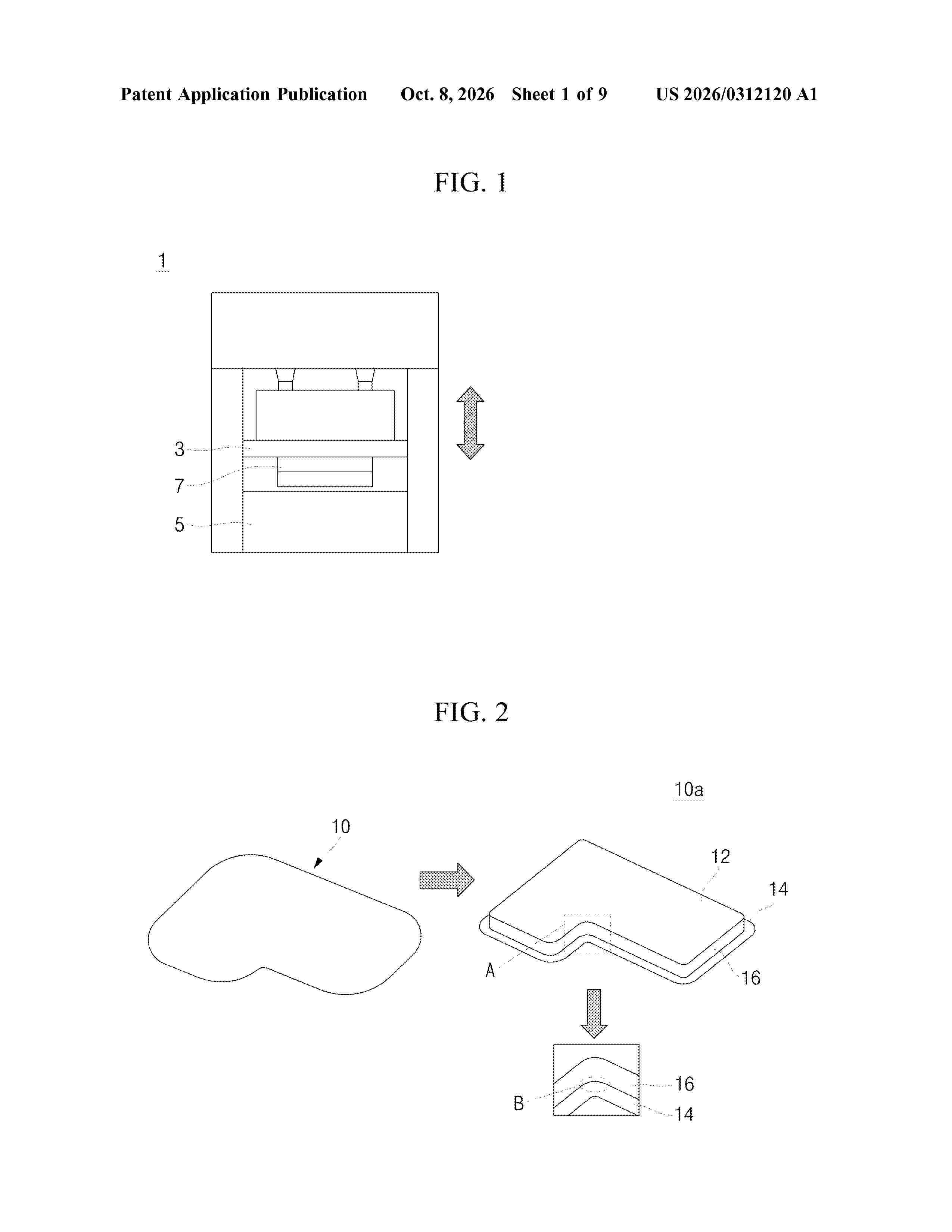
0000 A secondary battery manufacturing apparatus may be configured to draw a case material for a secondary battery. The case material may have a recessed region. The secondary battery manufacturing apparatus may comprise an upper mold including a die pad configured to press the case material from above, a lower mold including a punch configured to press the case material from below, a blank holder mounted to the lower mold, the blank holder including a punch hole formed through the blank holder to receive the punch, the blank holder being configured to support the case material from below the case material, and a cam. The cam may include an upper cam mounted to the upper mold and having a first operating surface, a lower cam seated on the lower mold and having a second operating surface in contact with the first operating surface, and a sliding bar connected to the lower cam and configured to be linearly moved in a direction perpendicular to an operating direction of the upper cam by the lower cam.
Resumen de: US20260312071A1
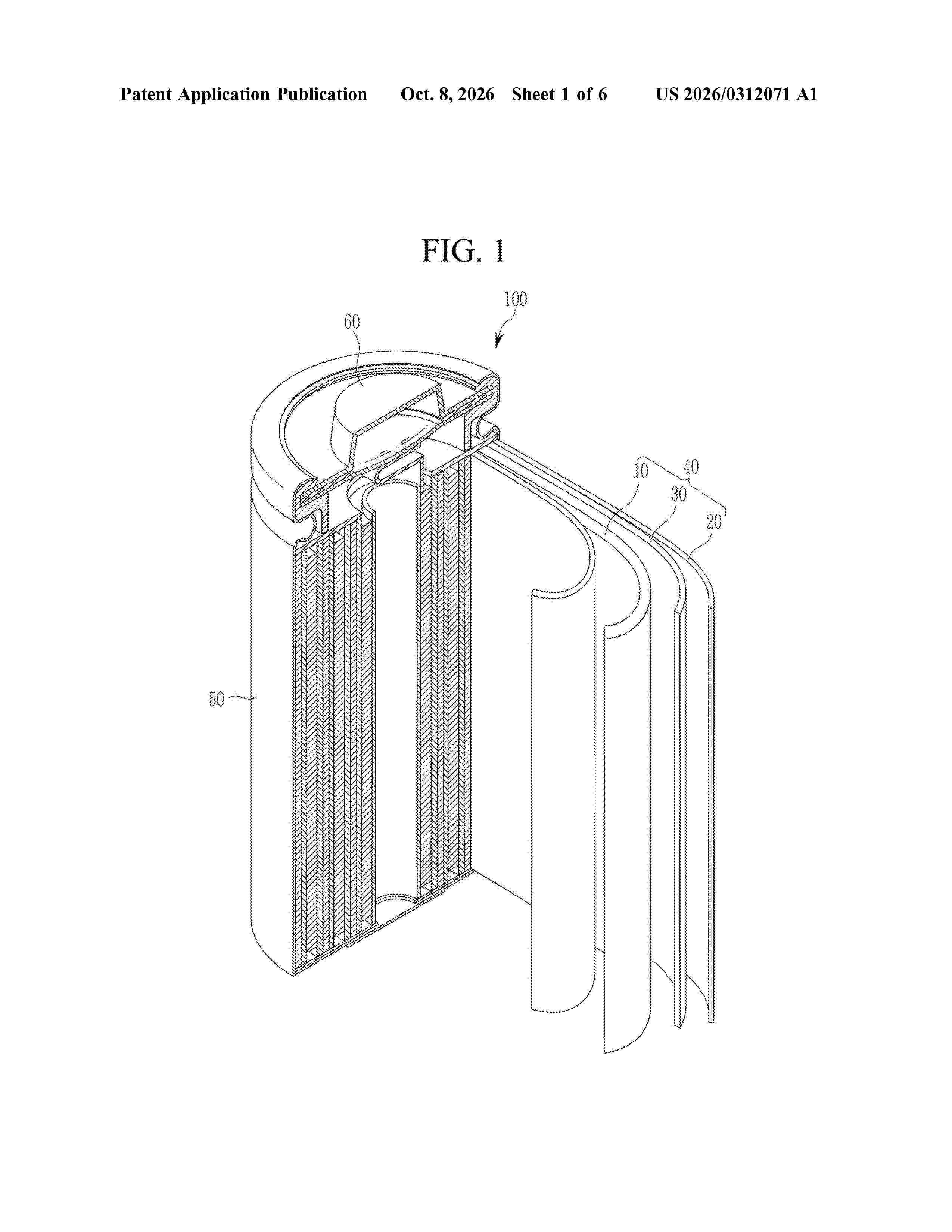
0000 Disclosed are an electrode current collector, an electrode, and a rechargeable lithium battery. The electrode current collector includes a first metal layer, a second metal layer, and a polymer layer between the first metal layer and the second metal layer. The polymer layer includes a first polymer and a second polymer, the first polymer includes at least one of polyurethane, polyethylene, polycarbonate, polydimethylsiloxane, or a combination thereof, and the second polymer includes at least one of polycaprolactone, polylactide, polyglycolic acid, or a combination thereof.
Nº publicación: US20260312019A1 08/10/2026
Solicitante:
SK ON CO LTD [KR]
SK INNOVATION CO LTD [KR]
SK ON CO., LTD.
SK INNOVATION CO., LTD.
Resumen de: US20260312019A1
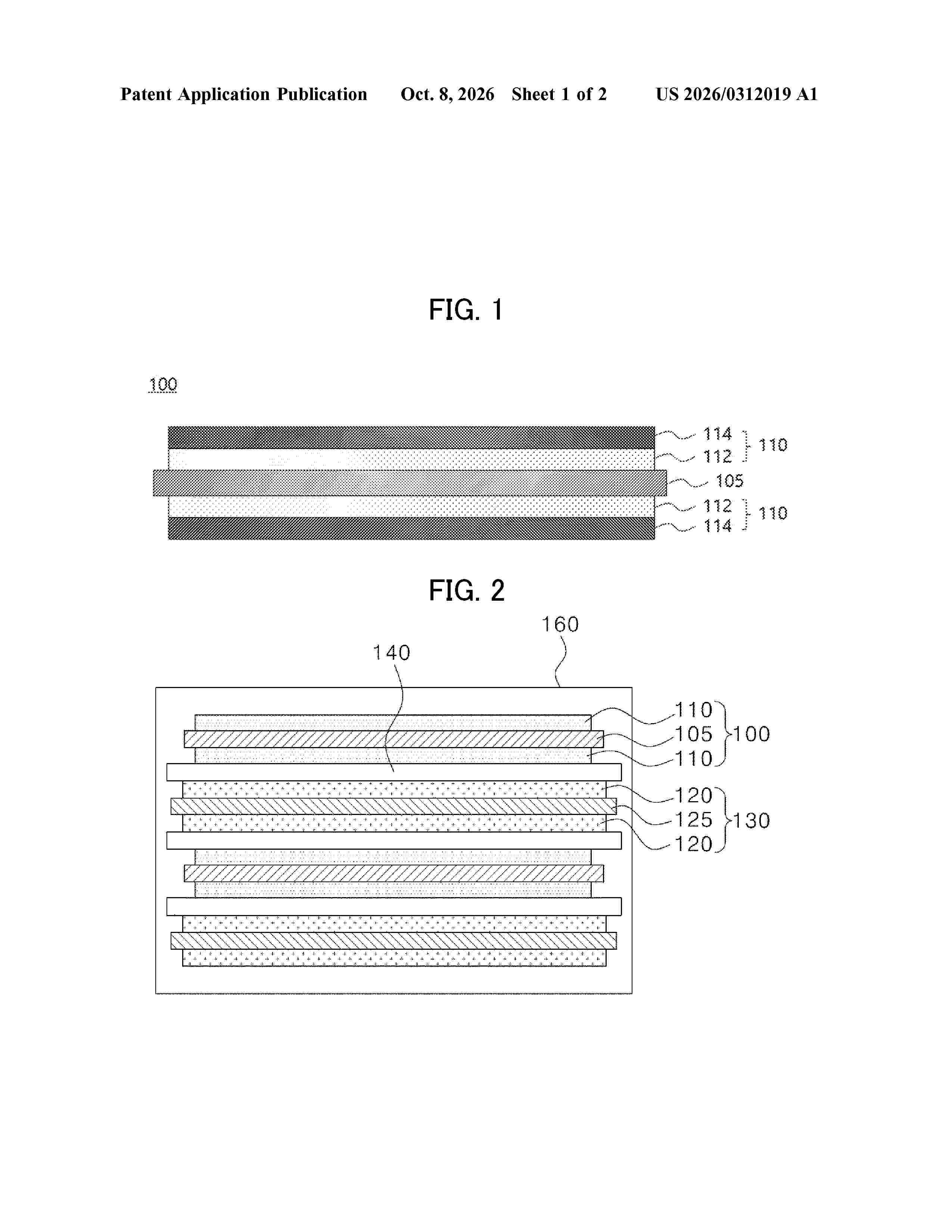
0000 A cathode for a lithium secondary battery includes a cathode current collector, a first cathode active material layer disposed on the cathode current collector and including a first conductive material, and a second cathode active material layer disposed on the first cathode active material layer and including a second conductive material. A Raman R value of the first cathode active material layer is in a range from 0.5 to 1.1, and the Raman R value of the second cathode active material layer is in a range from 1.05 to 1.5.
 BOPI
BOPI
 Sede Electrónica