Si deseas distinguir tus productos, servicios o ambos de los de otra empresa, es posible que necesites una marca o nombre comercial. Descubre qué son, en qué consiste su procedimiento de registro y qué implica.

Información sobre los plazos de presentación de solicitudes de transformación de marcas de la Unión Europea en marca nacional española. Más información


Si tienes un nuevo dispositivo, producto o procedimiento que resuelva un problema técnico o tenga una ventaja práctica, existen distintas formas de protegerlo en España y en otros países. Descubre cómo hacerlo.

¿Tu innovación reside en la estética, la ornamentación o la apariencia de tu producto? Protégela mediante un diseño industrial. Descubre qué derechos confiere el registro y cómo realizar la tramitación.

Las indicaciones geográficas protegen el nombre de un producto originario de una zona geográfica, a la cual le debe una determinada calidad, reputación u otra característica. Descubre qué son, en qué consiste su procedimiento de registro y qué beneficios conceden.

Las patentes publicadas en todo el mundo son una valiosa fuente de información científica, técnica y comercial.

Si eres emprendedor/a o una empresa y quieres potenciar y mejorar la rentabilidad de tu negocio protegiendo de forma adecuada los activos intangibles de tu organización, en este espacio encontrarás lo necesario.


 1890
resultados
1890
resultados
 Última actualización
30/06/2026 [12:07:00]
Última actualización
30/06/2026 [12:07:00]


 Resultados 1250 a 1275 de 1890

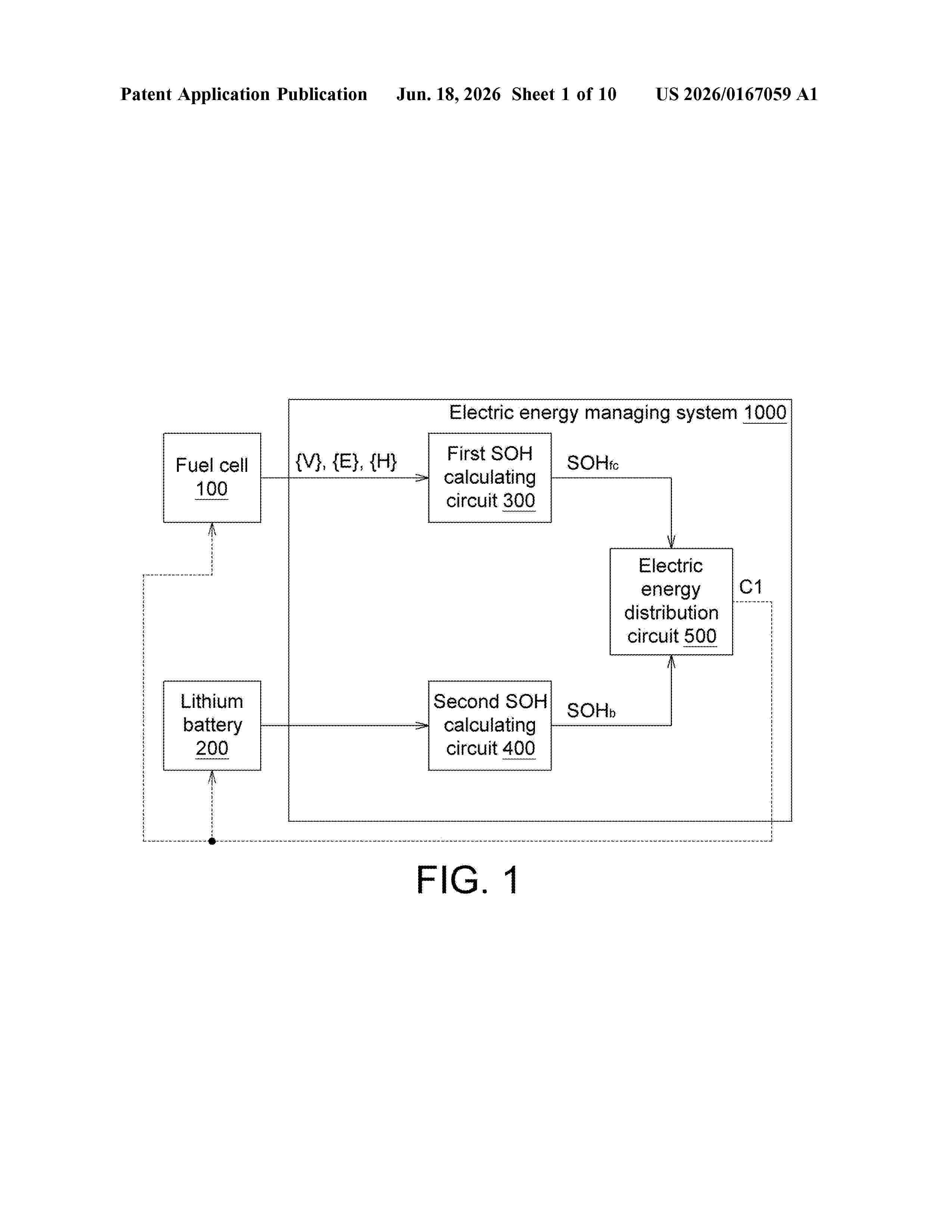
Resumen de: US20260167059A1
0000 An electric energy managing system applied to an electric vehicle, comprises the following components. A first state-of-health (SOH) calculating circuit, calculates an overall SOH of a fuel cell of the electric vehicle. The overall SOH is associated with an aging condition of the fuel cell. A second SOH calculating circuit, calculates a SOH of a lithium battery of the electric vehicle. The SOH is associated with an aging condition of the lithium battery. An electric energy distribution circuit, calculates a first predefined ratio of an output power of the fuel cell with respect to a total electric energy demand of the electric vehicle according to the overall SOH of the fuel cell and the SOH of the lithium battery, and controls a second predefined ratio of the output power of the fuel cell with respect to an output power of the lithium battery according to the first predefined ratio.

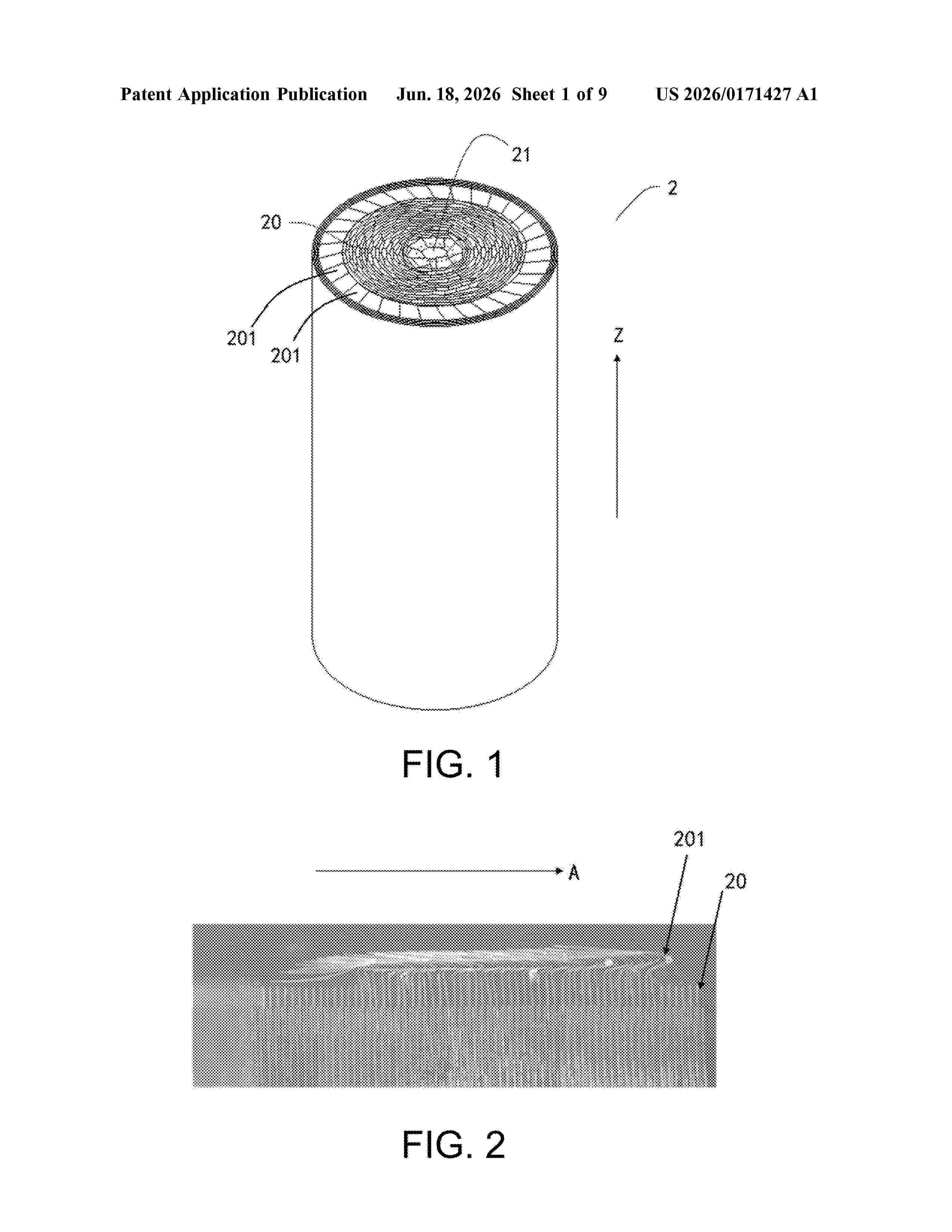
Resumen de: US20260171427A1
A battery cell, a battery pack, and an electronic device are provided. The battery cell includes a housing, an electrode assembly, and a current collecting plate. A first extension portion of the current collecting plate extends from an outer edge of a main body portion along a radial direction of the main body portion to be in contact with an outer tab. One end of a second extension portion is connected to the main body portion between the two adjacent first extension portions. An outer edge of the second extension portion is formed with an outer edge surface along a circumferential direction. The outer edge surface is projected orthographically along a height direction onto a plane where the outer tab is located that is perpendicular to the height direction to form an outer edge surface projection at least partially overlapping each outer tab between the two adjacent first extension portions.
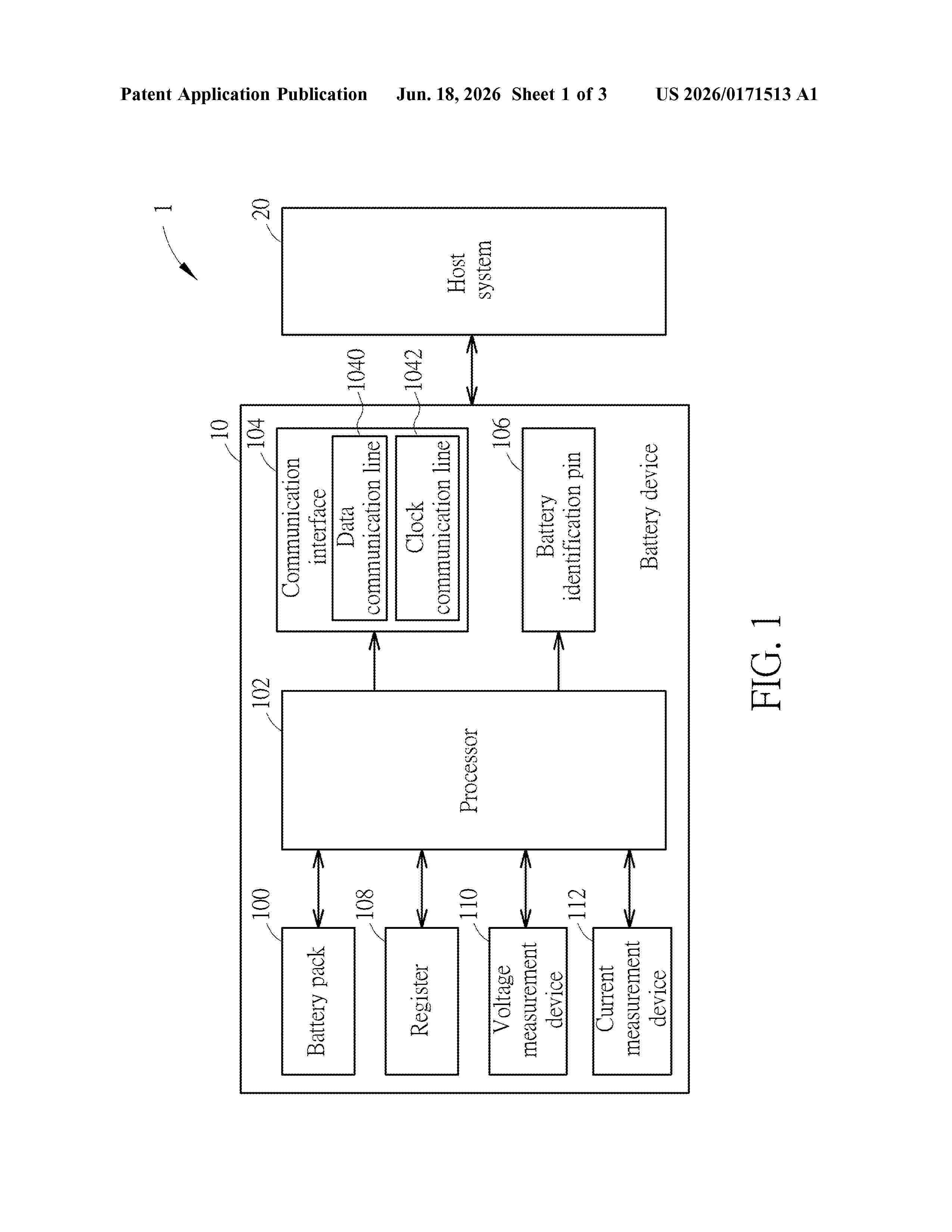
Resumen de: US20260171513A1
An output voltage control method for a battery device is provided. The output voltage control method includes detecting signal states of a data communication line and a clock communication line of a communication interface, and determining whether to enter a first-phase shutdown mode to control an output voltage of the battery device according to the signal states of the data communication line and the clock communication line and a first duration.
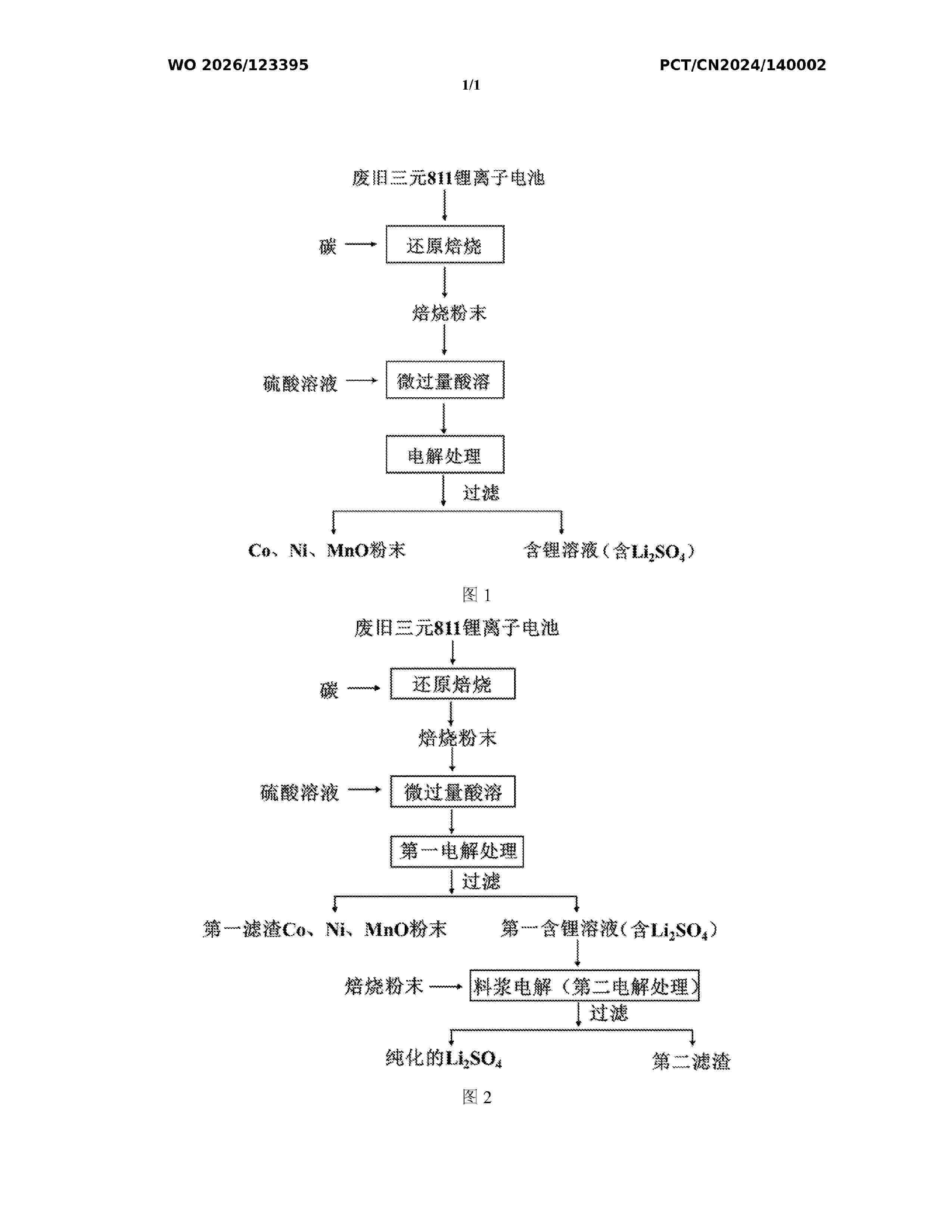
Resumen de: WO2026123395A1
Provided in the present application is a method for extracting lithium from spent batteries. The method comprises the following steps: (1) pretreatment, involving: acquiring a spent ternary positive electrode material, and pretreating the spent ternary positive electrode material to obtain black mass; (2) a reduction roasting treatment, involving: subjecting the black mass to reduction roasting to obtain a roasted powder; (3) an acid dissolution treatment, involving: subjecting the roasted powder and a sulfuric acid solution to an acid dissolution reaction to obtain a solid-liquid mixture; and (4) an electrolysis treatment, involving: electrolyzing the solid-liquid mixture, and after electrolysis is finished, filtering same to obtain a filter residue and a lithium-containing solution. By using the method provided in the present application, the recovery rate of lithium is increased to 98% or more.
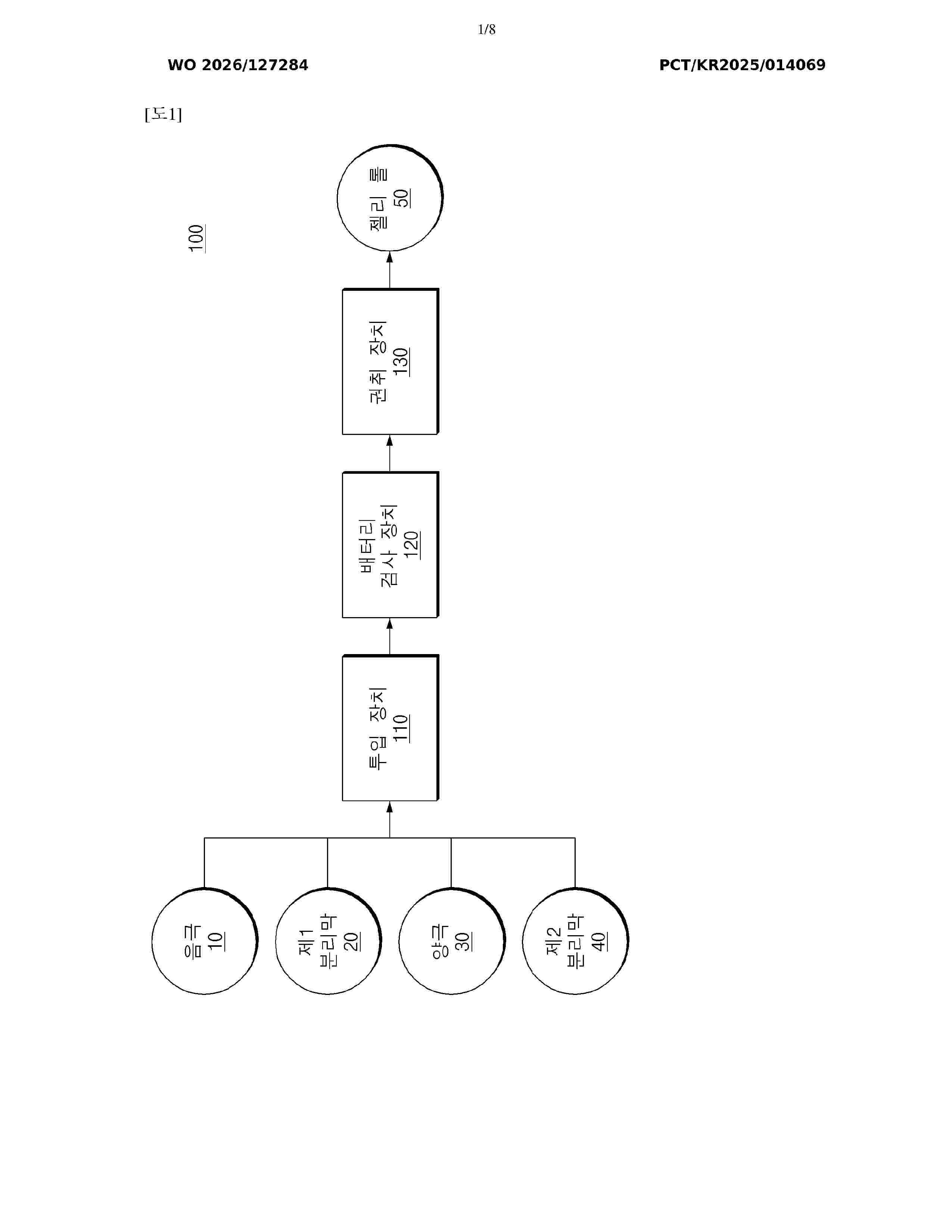
Resumen de: WO2026127284A1
According to some embodiments, a battery inspection device comprises: a photographing unit configured to generate a negative electrode insertion state image by photographing an insertion state of a negative electrode inserted toward a winding core to form a jelly roll of a cylindrical battery cell; and a processing unit configured to measure a first distance indicating the insertion state of the negative electrode on the basis of the negative electrode insertion state image, calculate a negative electrode insertion amount indicator indicating the insertion amount of the negative electrode on the basis of the first distance, and diagnose a winding state of the jelly roll on the basis of the negative electrode insertion amount indicator.
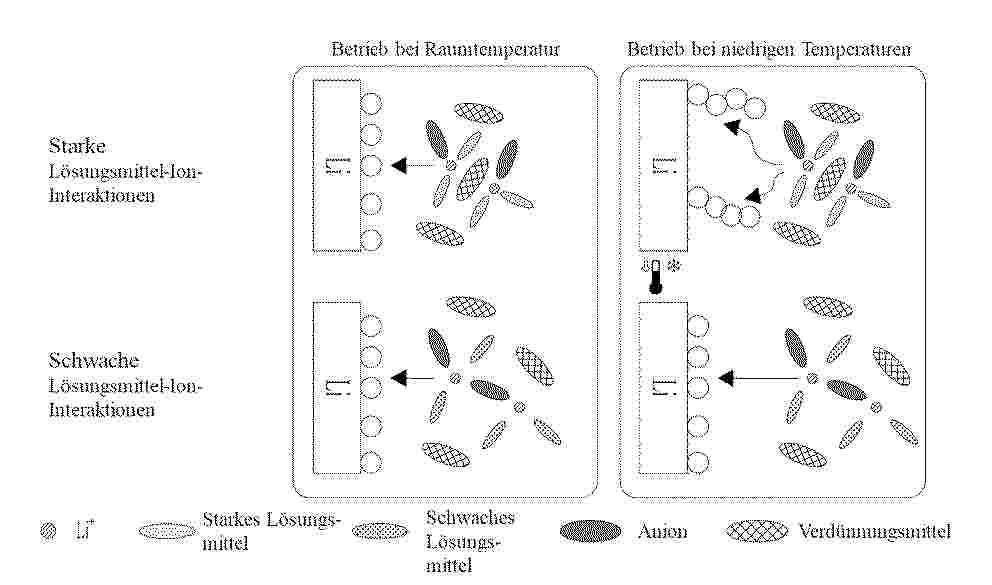
Resumen de: DE102025139312A1
Elektrolyt für eine Lithium-Sekundärbatterie, der ein Lithiumsalz; ein nichtwässriges organisches Lösungsmittel, das ein Lösungsmittel, das schwach an das Lithiumsalz bindet, und ein fluoriertes Lösungsmittel, das sich von dem Lösungsmittel, das schwach an das Lithiumsalz bindet, unterscheidet, enthält; und ein Additiv umfasst.
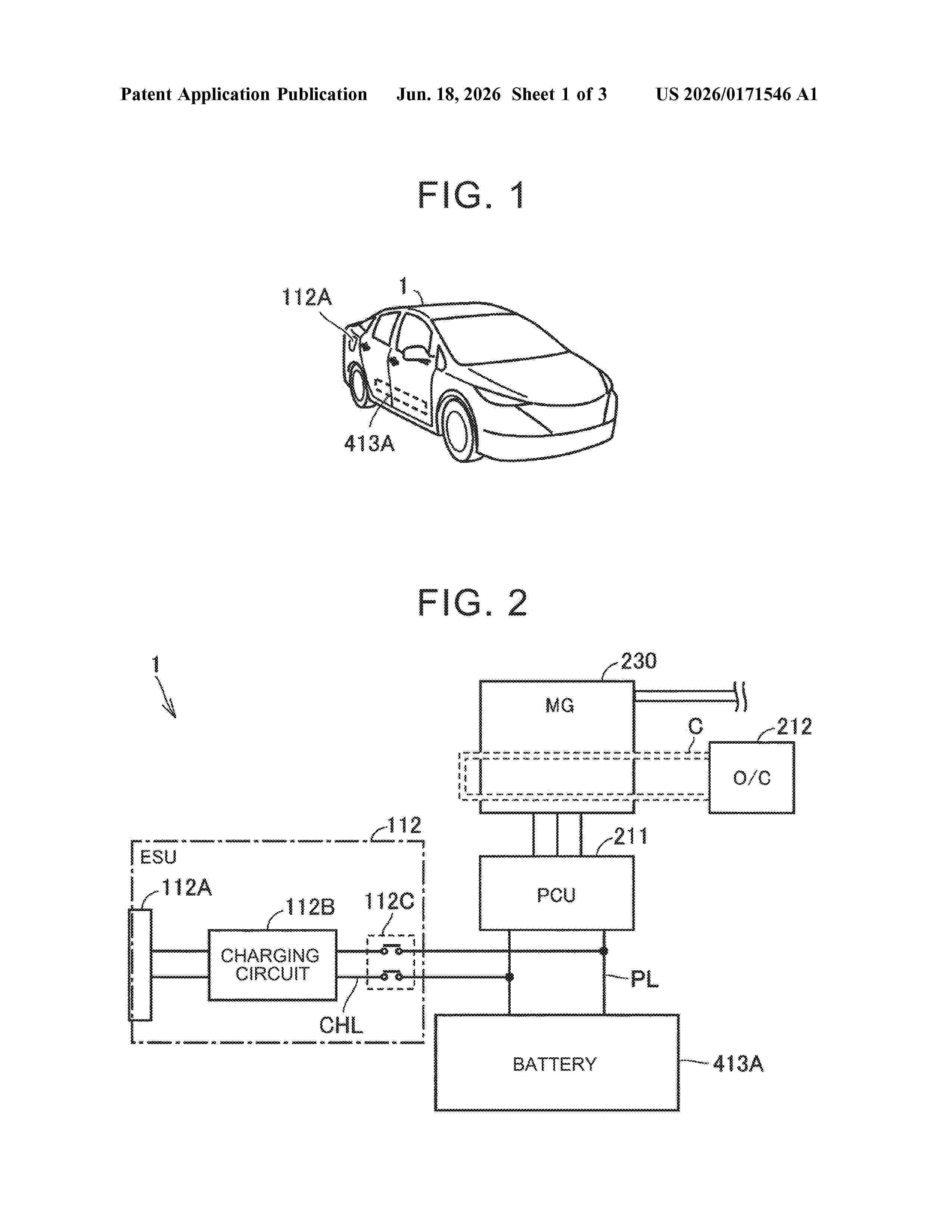
Resumen de: US20260171546A1
0000 A manufacturing method for a heat management system includes reducing a pressure of air in a first channel and a second channel included in the heat management system from a supply apparatus included in the heat management system in a state where no coolant is flowing through the first channel and the second channel. The first channel and the second channel are configured to flow the coolant inside. The manufacturing method includes adding the coolant to the supply apparatus such that the supply apparatus simultaneously supplies the coolant to both the first channel and the second channel that are reduced in pressure. A pressure higher than atmospheric pressure is applied to the coolant.
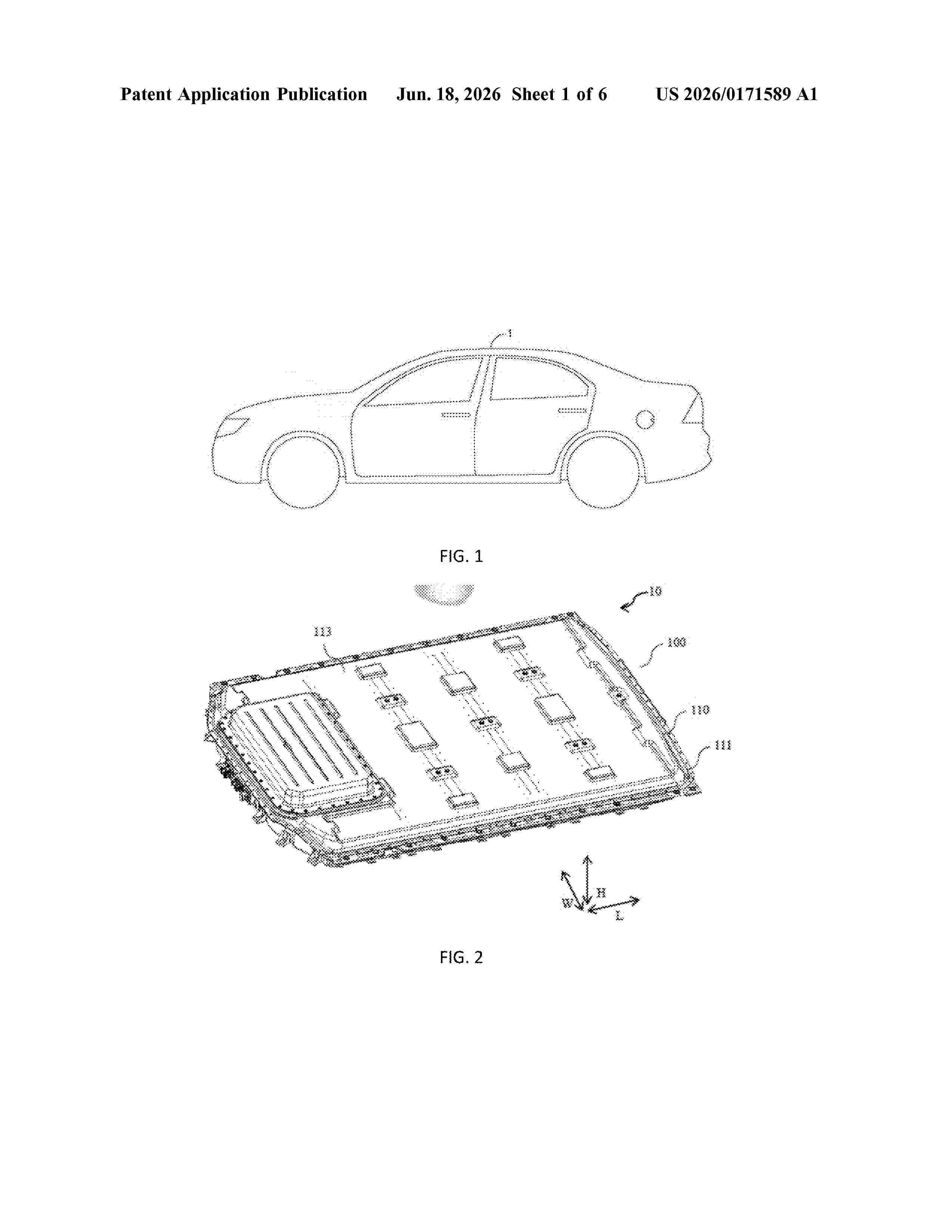
Resumen de: US20260171589A1
A battery pack includes a first battery unit, a second battery unit, a plate member, a thermal insulation plate, and an air flow channel. The plate member extends between the first battery unit and the second battery unit in a first direction. The thermal insulation plate is disposed between the plate member and the first battery unit. The first battery unit has a first vent hole facing the plate member. The air flow channel formed between the plate member and the thermal insulation plate.
Resumen de: DE102024137453A1
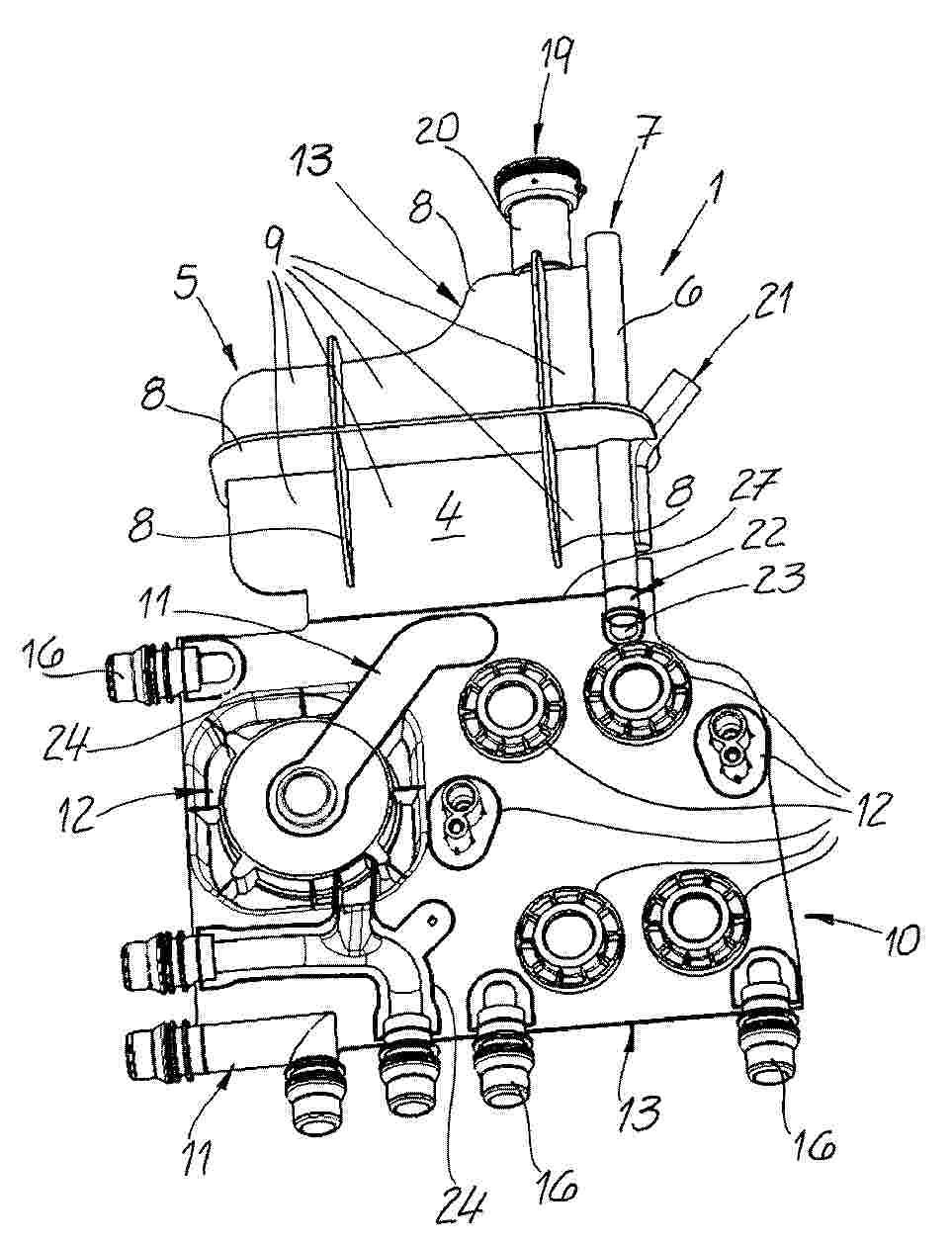
Ein Behälter (1) für ein Modul (2) eines Temperiermittelkreislaufs weist eine Behälterwand (3) auf. Die Behälterwand (3) schließt ein mit dem Temperiermittel befüllbares Behälterlumen (4) ein. Der Behälter (1) weist ein Innenelement (5) auf, wobei das Innenelement (5) von der Behälterwand (3) wenigstens teilweise umschlossen wird bzw. in den Behälterlumen (4) angeordnet ist. Ein Modul (2) für einen Temperiermittelkreislauf umfasst einen bzw. den Behälter (1) und einen Träger (10). Der Behälter (1) weist eine Behälterwand (3) auf, wobei die Behälterwand (3) ein mit dem Temperiermittel befüllbares Behälterlumen (4) einschließt. Der Träger (10) weist wenigstens einen Kanal (11) und wenigstens eine Aufnahme (12) zur Anordnung wenigstens einer Fluidkomponente (17, 25) auf. Der Träger (10) umfasst ein Mittelteil (13), ein erstes Seitenteil (14) und ein zweites Seitenteil (15). Der Behälter (1) weist das Mittelteil (13), das erste Seitenteil (14) und/oder das zweite Seitenteil (15) auf.
Resumen de: DE102024138615A1
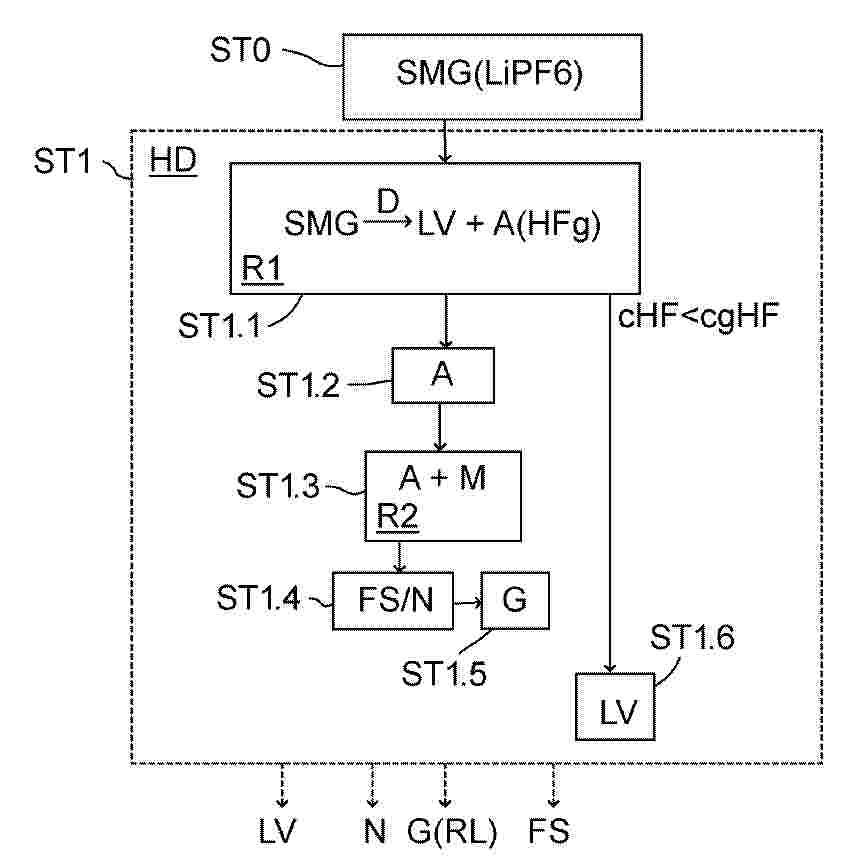
Die Erfindung betrifft ein Verfahren zum Behandeln eines Schwarzmasse-Gemischs (SMG) zur Gewinnung von Reinstoffen, mit mindestens den folgenden Schritten:- Bereitstellen des Schwarzmasse-Gemisches (SMG) (ST0);- Durchführen eines Heißdampfbehandlungsprozesses (HD) (ST1) an dem bereitgestellten Schwarzmasse-Gemisch (SMG) durch:--- Beaufschlagen oder Vermischen des bereitgestellten Schwarzmasse-Gemisches (SMG) mit Heißdampf (D) (ST1.1) zum Bewirken einer ersten chemischen Reaktion (R1) unter Bildung zumindest einer festen Lithium-Verbindung (LV) und von Abluft (A), aufweisend gasförmigen Fluorwasserstoff (HFg),--- Abführen der in der ersten chemischen Reaktion (R1) entstehenden Abluft (A) (ST1.2),--- Zusammenführen dieser abgeführten Abluft (A) mit einem Adsorbermaterial (M) (ST1.3) zum Bewirken einer zweiten chemischen Reaktion (R2) unter Bildung eines Feststoffs (FS), umfassend Flussspat, mindestens eines Nebenprodukts (N) und eines gereinigten Gasstroms (G),--- Abscheiden des in der zweiten chemischen Reaktion (R2) gebildeten Feststoffs (FS) von dem mindestens einen Nebenprodukt (N) (ST1.4) zur Gewinnung von Flussspat als Reinstoff;--- Abführen des in der zweiten chemischen Reaktion (R2) gebildeten gereinigten Gasstroms (G) (ST1.5); und--- Abführen der in der ersten chemischen Reaktion (R1) gebildeten festen Lithium-Verbindung (LV) als Bestandteil eines behandelten Schwarzmasse-Gemisches (bSMG) nach Abschluss des Heißdampfbehandlungsprozesses (HD) (ST1.6).
Resumen de: US20260171387A1
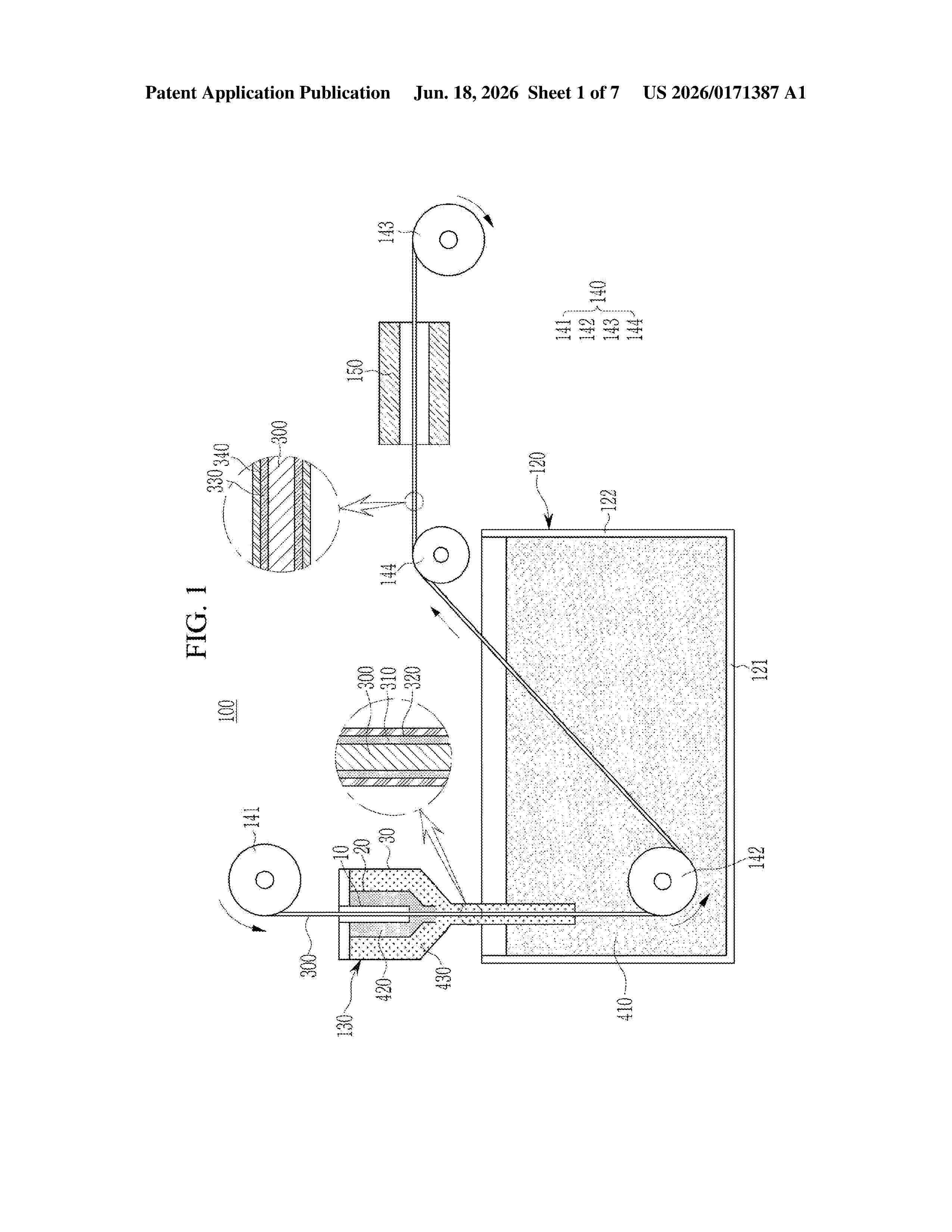
0000 A manufacturing device of a fiber-type electrode includes: a bath including a coagulant; a transport portion including a supply roll provided outside the bath, a take-up roll provided inside the bath to be immersed in the coagulant, and a winding roll provided outside the bath, and configured to transport a fiber-type substrate; and a nozzle between the supply roll and the take-up roll. The nozzle includes a guide pipe that provides a moving passage of the fiber-type substrate, an inner main body around the guide pipe and that provides a central axis space in which an active material solution is supplied, and an outer main body around the inner main body and that provides a peripheral space in which a polymer solution is supplied.
Resumen de: WO2026126045A1
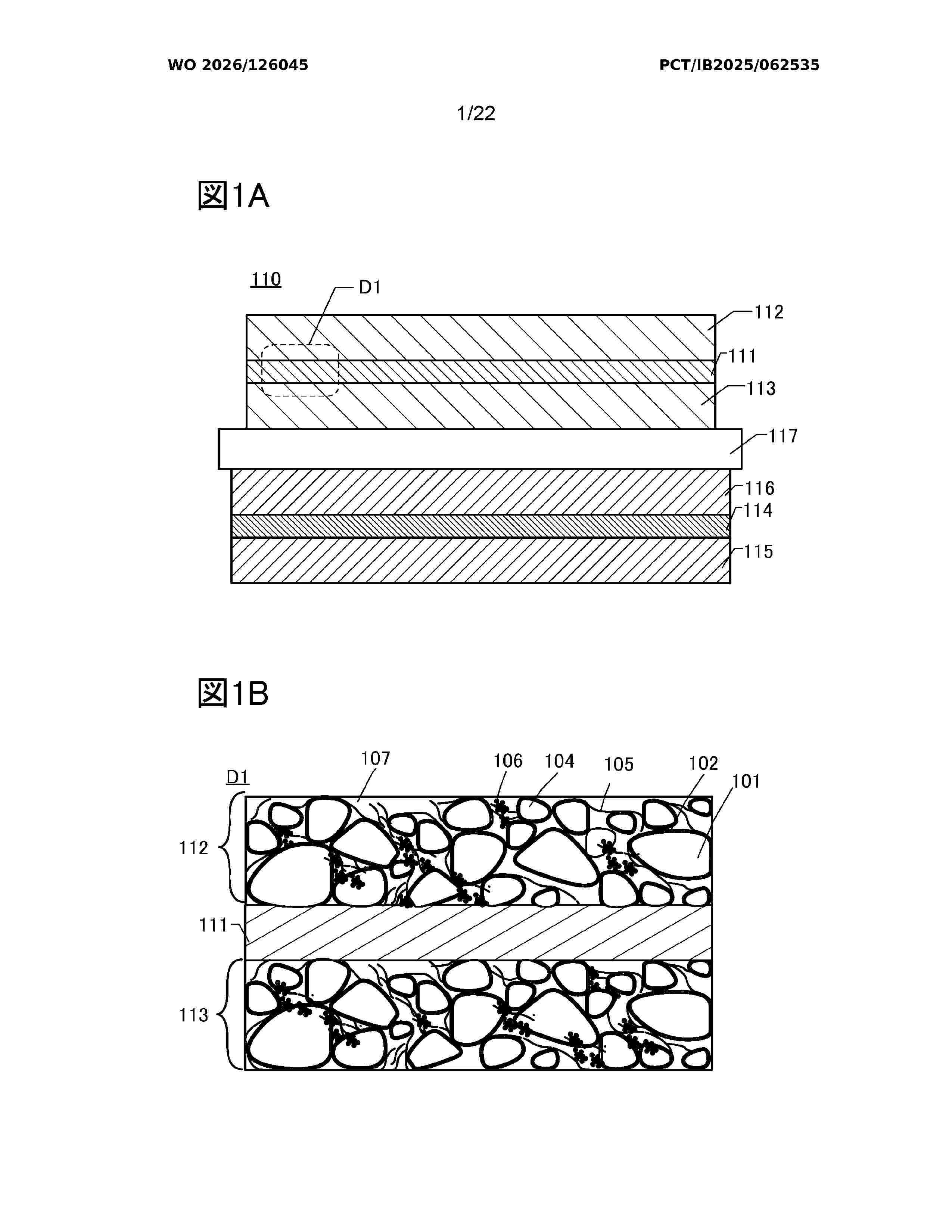
The present invention suppresses elution of metal elements, and additionally, elemental oxygen and the like from positive electrode active material particles even if cycle testing is performed at a high voltage. This secondary battery comprises an electrolyte and a positive electrode. The positive electrode comprises positive electrode active material particles that have surface layer sections and coating layers that have regions that are in contact with the surface layer sections. The positive electrode active material particles comprise lithium cobalt oxide. The surface layer sections comprise magnesium and fluorine. The coating layers function to suppress elution of one or more materials chosen from the group consisting of cobalt, oxygen, magnesium, and fluorine from the positive electrode active material into the electrolyte. The coating layers function to transmit lithium ions at least during charging. The coating layers comprise layers that comprise fluorine, layers that comprise oxygen, or layers that comprise fluorine and oxygen.
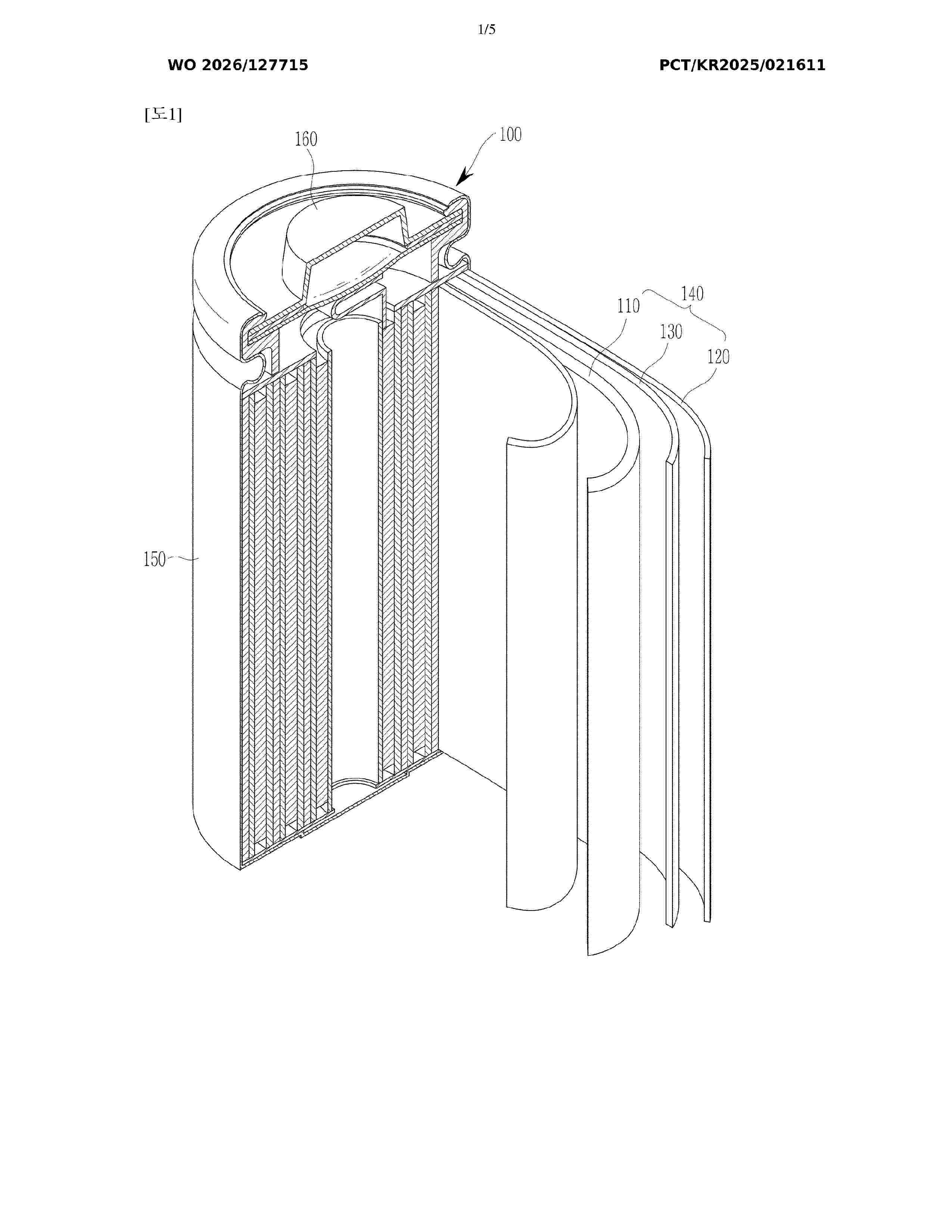
Resumen de: WO2026127715A1
Provided are a positive electrode lithium supplement, and a positive electrode and a lithium secondary battery comprising same. The positive electrode lithium supplement includes an inorganic lithium-supplemented solid electrolyte material and a two-dimensional MXene material. The inorganic lithium-supplemented solid electrolyte material includes a sulfide-based lithium-supplemented solid electrolyte and/or a halide-based lithium-supplemented solid electrolyte. The two-dimensional MXene material is used as a conductive agent for constructing a three-dimensional conductive network and also as a catalyst for effectively reducing the decomposition voltage of an inorganic lithium-supplemented solid electrolyte material. The positive electrode lithium supplement supplies additional lithium ions to the battery through an electrochemical decomposition reaction at a low voltage during first charging/discharging in a battery formation process, thereby improving the initial efficiency, energy density, and cycle stability of the battery. In addition, elements such as P, S, and halogen are introduced as effective components of a negative electrode SEI film, further enhancing the cycle stability of the battery.
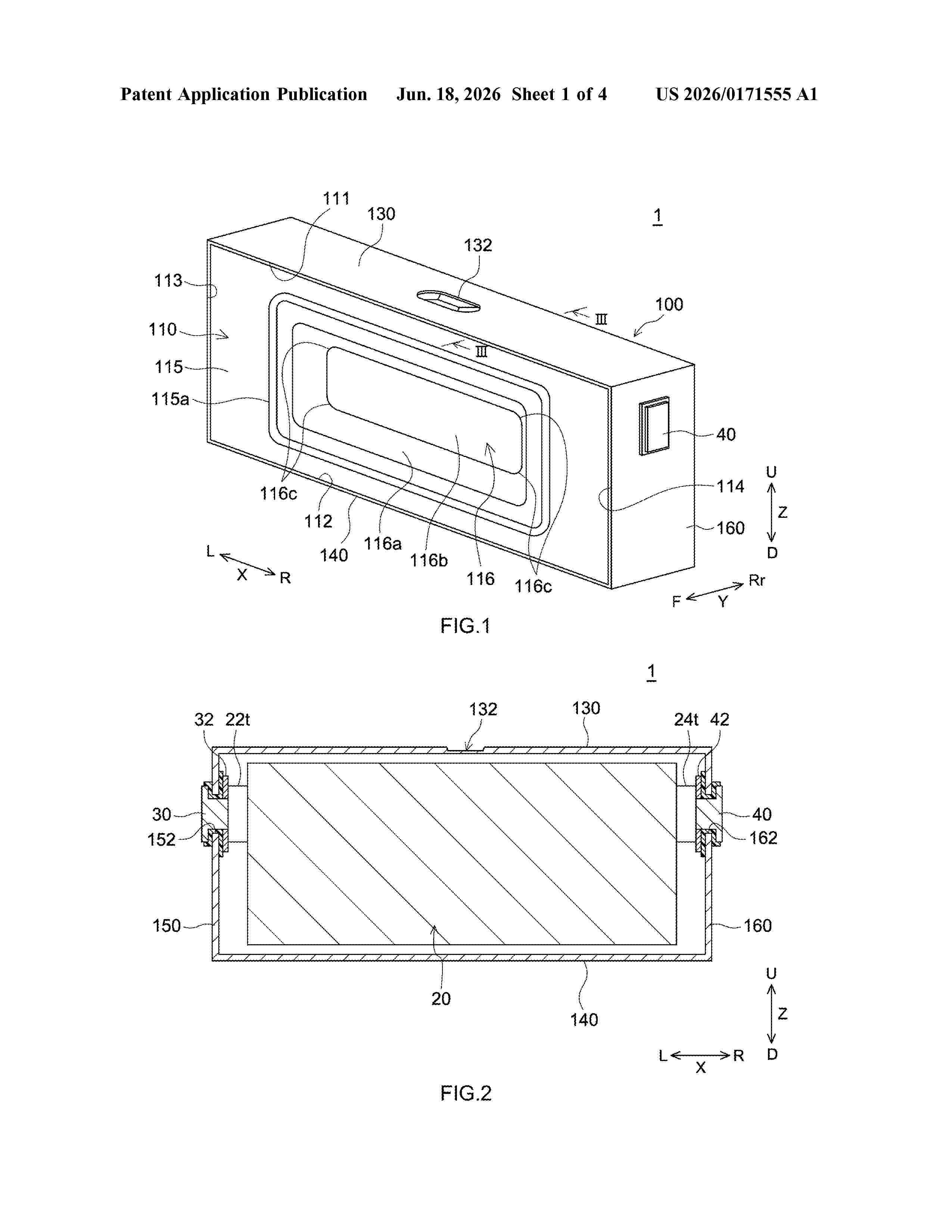
Resumen de: US20260171555A1
0000 The herein disclosed electricity storage device includes the case and an electrode assembly accommodated in the case. The case includes a first wall having a first side and a second side, and includes a second wall being opposed to the first wall. The electrode assembly includes a laminate part in which the positive electrode and the negative electrode are laminated along an opposed direction of the first wall and the second wall. The first wall includes a base part and a hollow part protruding from the base part toward the electrode assembly. The hollow part includes an inclined part from the base part toward the electrode assembly and a bottom part that is positioned closer to the electrode assembly than the base part. The base part includes a recessed part between the hollow part and the first side.
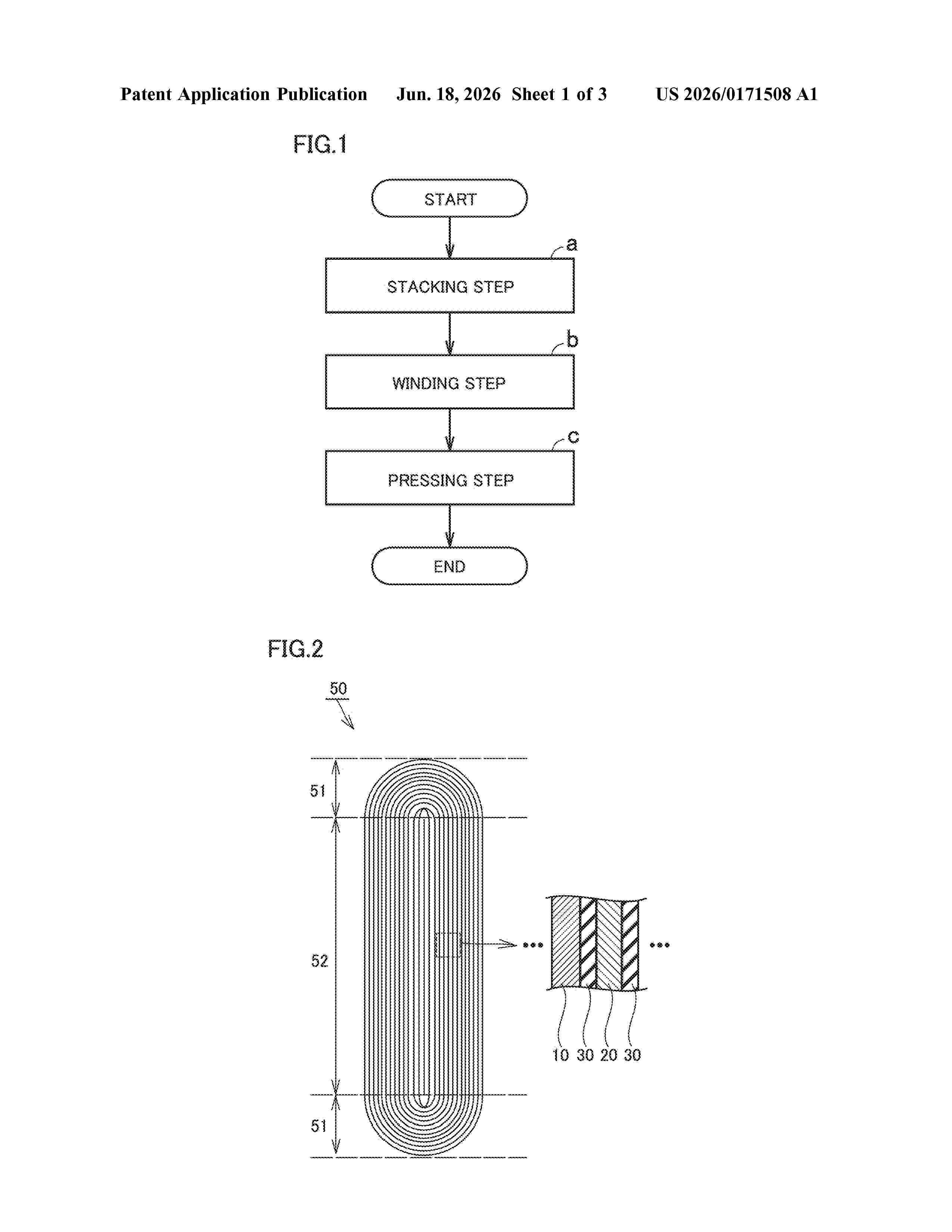
Resumen de: US20260171508A1
A method of producing an electrode assembly comprises: a stacking step to stack a positive electrode and a negative electrode with a separator interposed therebetween to form a stack; a winding step to wind the stack to form a wound body; and a pressing step to press the wound body to form a wound electrode assembly having a flat form. A press load in the pressing step is less than 140 kN. A thickness of the separator in the wound electrode assembly is from 16 μm to 20 μm. When the press load is denoted as A (kN), the thickness of the separator in the wound electrode assembly is denoted as B (μm), and a thickness of the negative electrode in the wound electrode assembly is denoted as C (μm), A/(B/C) is from 190 kN to 473 kN.
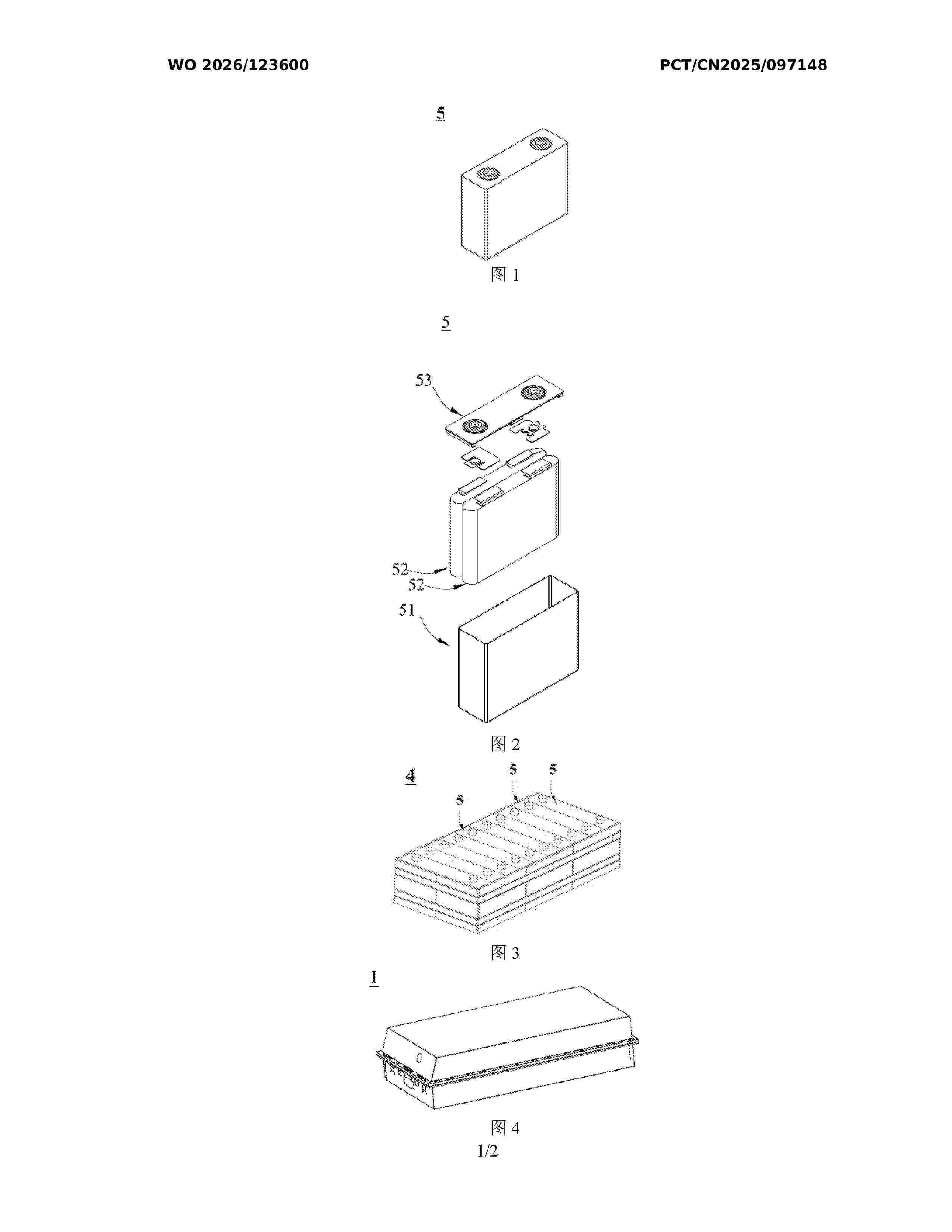
Resumen de: WO2026123600A1
The present application provides a lithium-ion battery device and an electric device. The lithium-ion battery device comprises a battery cell and a battery management system for managing the battery cell. The battery cell comprises a positive electrode sheet and an electrolyte, wherein the positive electrode sheet comprises a positive electrode active material, the positive electrode active material comprises a nickel-containing lithium transition metal oxide, and in the nickel-containing lithium transition metal oxide, the molar ratio of nickel to metal elements other than lithium is 0.45:1 to 0.95:1; and the electrolyte comprises an organic solvent, the organic solvent comprises ethylene carbonate, and the weight content of the ethylene carbonate in the organic solvent is less than or equal to 20%. The charge cut-off voltage of the lithium-ion battery device as set in the battery management system is greater than 4.3 V.
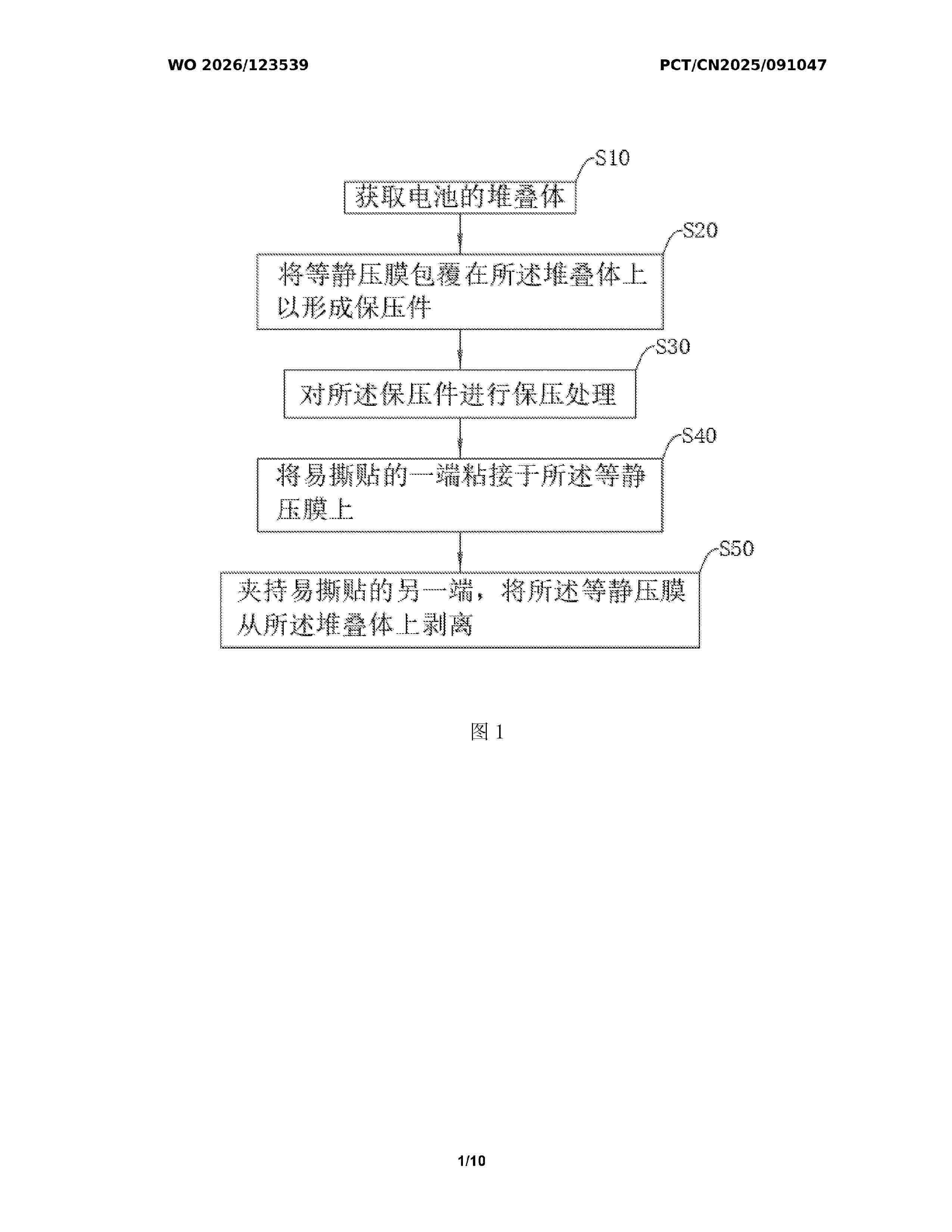
Resumen de: WO2026123539A1
The present application relates to a preparation process and a solid-state battery. The preparation process comprises: obtaining a battery stack; wrapping an isostatic pressing film around the stack to form a pressure-retaining member; performing a pressure-retaining treatment on the pressure-retaining member; adhering one end of a peel-off tape to the isostatic pressing film; and clamping the other end of the peel-off tape to peel the isostatic pressing film off of the stack. The preparation process and the solid-state battery according to the embodiments of the present application have the advantage of a higher production efficiency.
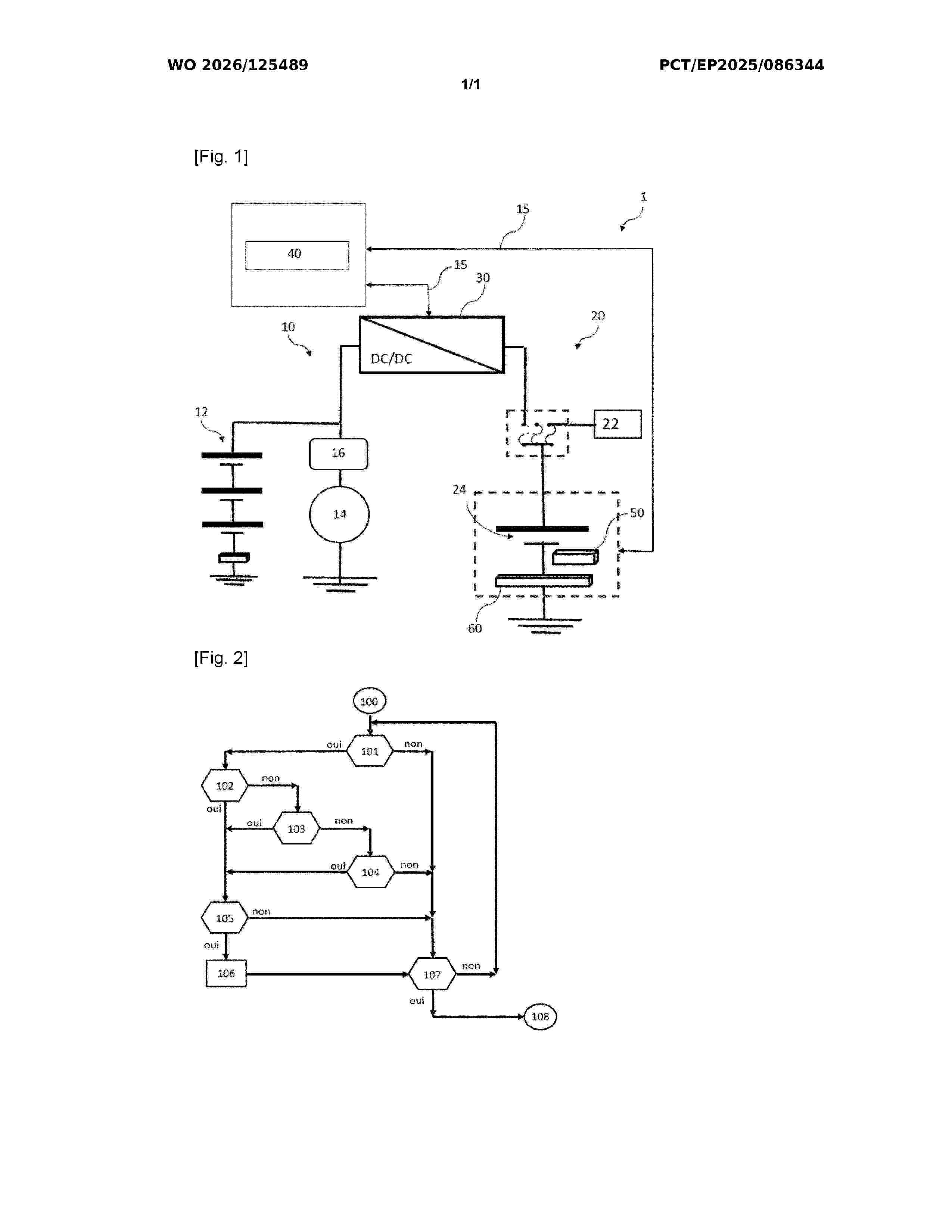
Resumen de: WO2026125489A1
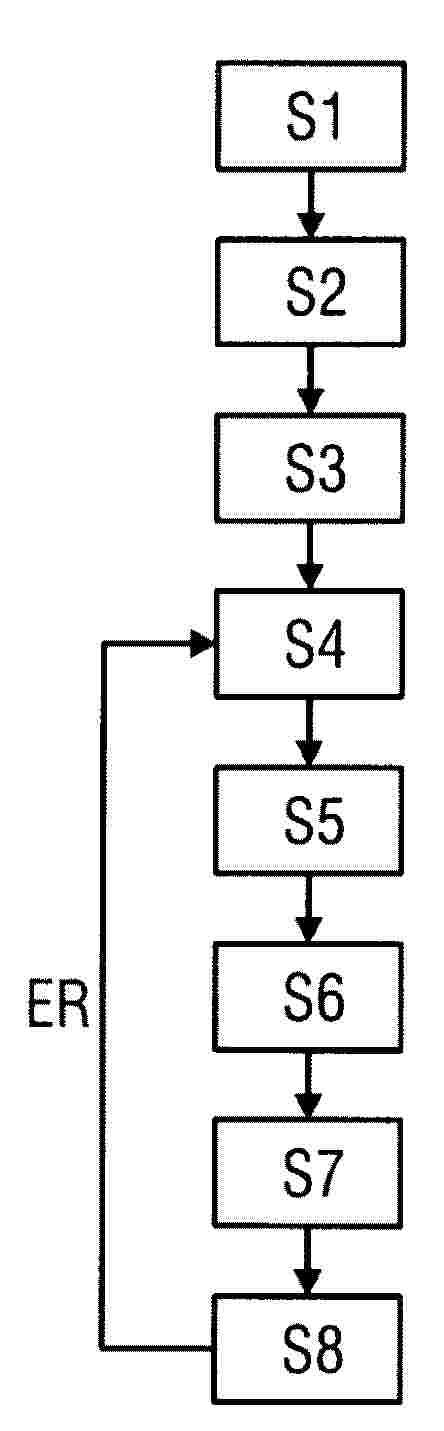
Disclosed is a method for managing the charge level of a low-voltage battery (24) of an electric motor vehicle comprising a high-voltage battery module (12), the method being characterised in that it comprises: - a step (100) of initiating a rest phase of the vehicle and of starting a monitoring time period; - a step (101) of assessing a condition indicating whether the monitoring time period has elapsed; - when said time period has elapsed, one or more steps (102, 103, 104) of measuring a parameter of the low-voltage battery; - if at least one parameter exceeds a threshold, a verification step (105) in which the monitoring device (50) verifies whether the threshold continues to be exceeded for a predetermined length of time; - if the threshold continues to be exceeded for said length of time, a step (106) of recharging the low-voltage battery (24) by means of the at least one high-voltage battery module (12).
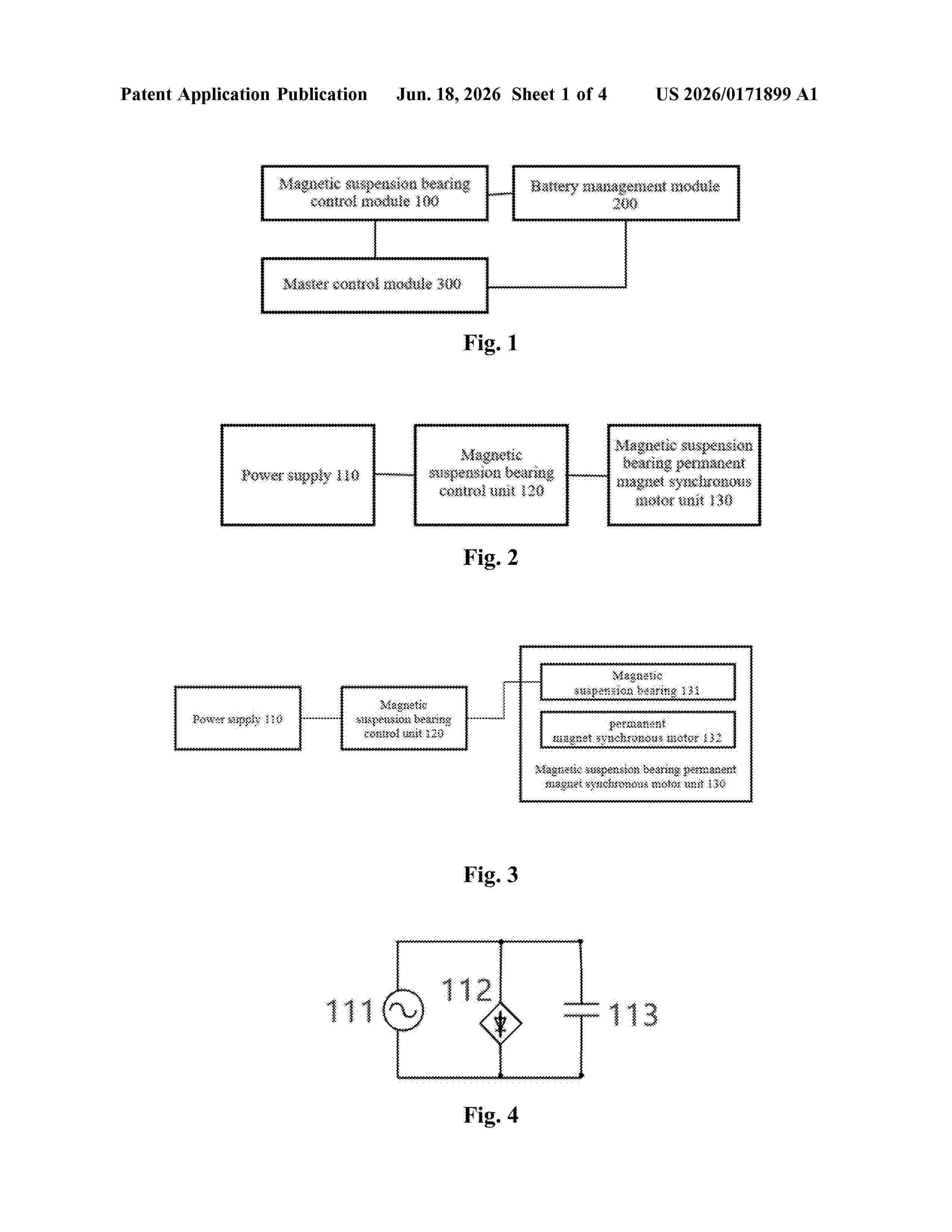
Resumen de: US20260171899A1
This application relates to a magnetic suspension bearing control system, a control method and refrigeration equipment. The magnetic suspension bearing control system includes: a magnetic suspension bearing control module configured to control a magnetic suspension bearing; a battery management module electrically connected to the magnetic suspension bearing control module; and a master control module connected to the magnetic suspension bearing control module and the battery management module, and configured to control the battery management module to store electric energy when a voltage of the magnetic suspension bearing control module is excessive, and supply power to the magnetic suspension bearing control module when the magnetic suspension bearing control module is underpowered.
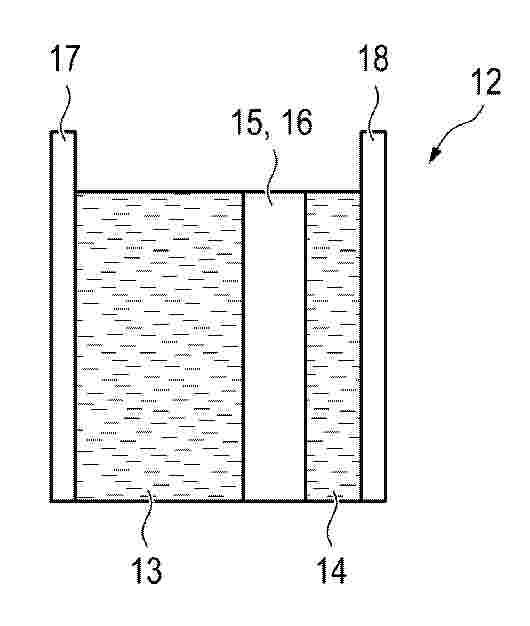
Resumen de: DE102024138229A1
Traktionsbatterie eines Kraftfahrzeugs, mit mehreren Batteriezellen (12), wobei jede Batteriezelle (12) als Festkörperbatteriezelle ausgebildet ist, die eine als Kathode (13) dienende erste Elektrode, eine als Anode (14) dienende zweite Elektrode und einen zwischen den Elektroden angeordneten Festkörperelektrolyten (15) aufweist, wobei der Festkörperelektrolyt (15) der jeweiligen Batteriezelle (12) als Sulfid-Festkörperelektrolyt ausgebildet ist, und wobei die Kathode (13) als NMC-Kathode oder LMFP-Kathode oder LFP-Kathode oder NCA-Kathode oder NMO-Kathode oder Nickelbasis-Kathode ausgebildet ist, wobei Partikel eines NMC-Werkstoffs oder LMFP-Werkstoffs oder LFP-Werkstoffs oder NCA-Werkstoffs oder NMO-Werkstoffs oder Nickelbasis-Werkstoffs der Kathode (13) in Li3PO4oder LiNbO3oder LiTaO3oder Li2ZrO3oder Li4Ti5O12eingebettet sind.
Resumen de: DE102024138030A1
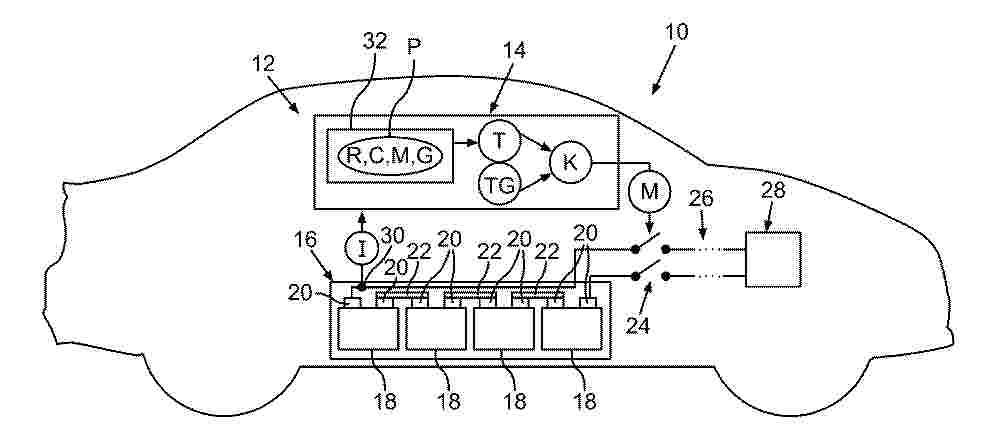
Die Erfindung betrifft ein Verfahren zum Betreiben einer Batterie (16), die mindestens eine Batterieeinheit (16, 18) umfasst, wobei ein gemessener Batteriestrom (I) an einer Steuereinrichtung (10) bereitgestellt wird, die in Abhängigkeit vom gemessenen Batteriestrom (I) überprüft, ob ein vorgegebenes Sicherheitskriterium (K) erfüllt ist, und falls das Sicherheitskriterium (K) nicht erfüllt ist, mindestens eine Maßnahme (M) auslöst. Dabei ist vorgesehen, dass die Steuereinrichtung (10) zur Überprüfung, ob das vorgegebene Sicherheitskriterium (K) erfüllt ist, überprüft, ob eine mittels eines vorgegebenen Temperaturmodells (32) für mindestens eine Komponente (20, 22) der Batterie (16) und in Abhängigkeit vom bereitgestellten Batteriestrom (I) berechnete Temperatur (T) der mindestens einen Komponente (20, 22) einen bestimmten Temperaturschwellwert (TG) überschreitet, und falls die berechnete Temperatur (T) den bestimmten Temperaturschwellwert (TG) überschreitet, die Steuereinrichtung (10) bestimmt, dass das Sicherheitskriterium (K) nicht erfüllt ist.
Resumen de: WO2026127725A1
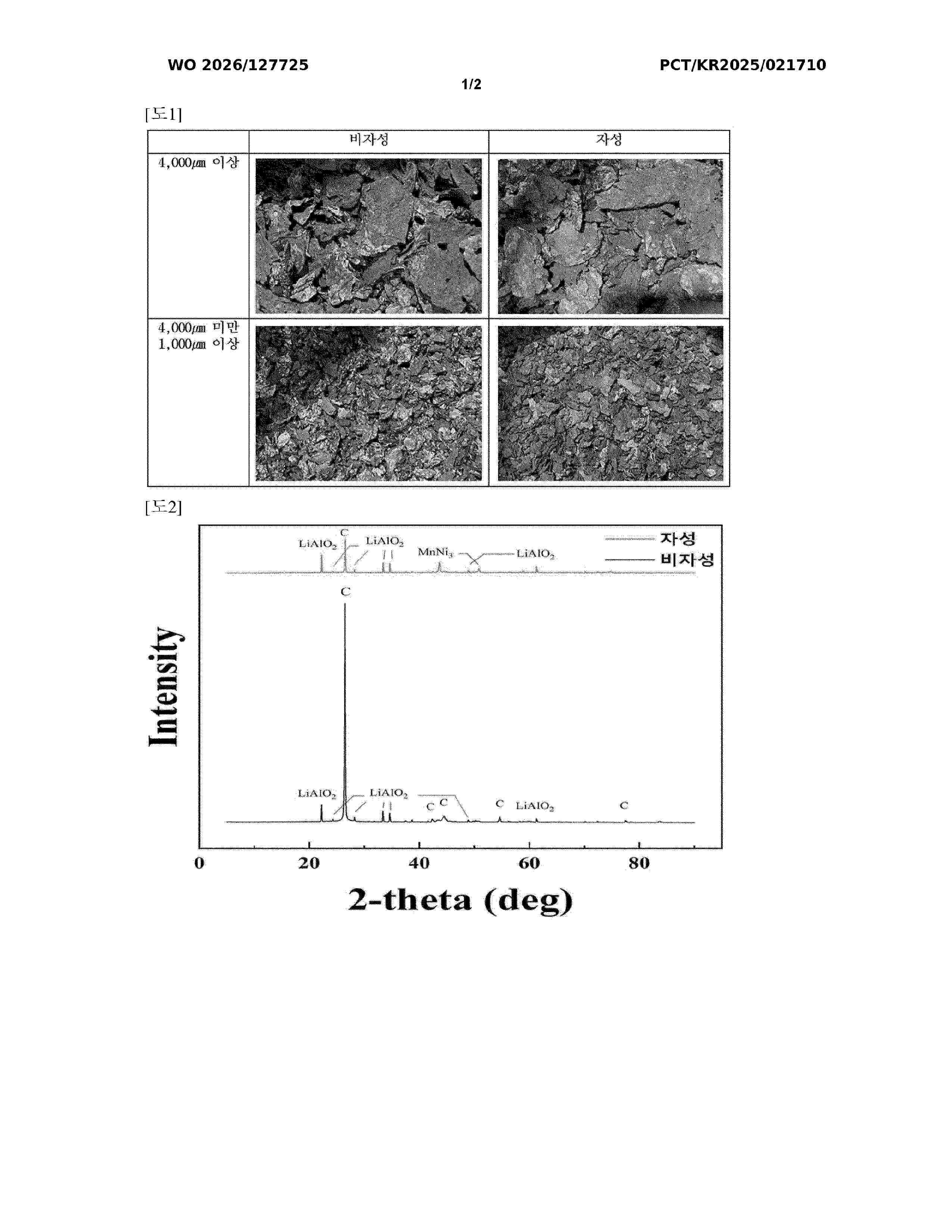
A method for recovering a mixture containing a lithium compound and graphite, according to the present invention, comprises: a step of preparing a reactant recovered from a waste battery; a pretreatment step of removing a lithium compound in the reactant and an organic compound disposed on graphite; and a step of obtaining a mixture containing the lithium compound and graphite from the reactant.
Resumen de: DE102024004402A1
Die Erfindung betrifft ein Verfahren zum Laden einer Batterie (B) mit den Schritten Ermitteln eines initialen Batteriezustands der Batterie (B), Bestimmen einer Ruhespannung und eines Ruhepotentials einer Anode aus einer Lookup-Tabelle (LUT) oder aus einem Modell, kurzzeitiges Anlegen eines Stroms aus einer Lookup-Tabelle (LUT) oder aus dem Modell oder einer Überspannung, die dem Ruhepotential der Anode multipliziert mit einem Faktor entspricht, Bestimmen eines Innenwiderstands über eine Überspannung und den Strom, Auslesen eines effektiven ohmschen Widerstandes (ROhm) aus einer Lookup-Tabelle (LUT) oder aus dem Modell, Ermitteln eines Chemiewiderstandes, indem der Innenwiderstand um den Anteil des effektiven ohmschen Widerstandes (ROhm) reduziert wird, Bestimmen eines maximal möglichen Ladestroms und/oder einer maximalen Überspannung derart, dass die Überspannung des Chemiewiderstandes dem mit dem Faktor multiplizierten Ruhepotential der Anode entspricht, und Laden der Batterie (B) mit einem Strom, der kleiner als oder gleich dem ermittelten maximal möglichen Ladestrom ist, und/oder mit einer Spannung, die kleiner oder gleich der ermittelten maximalen Überspannung addiert mit der Ruhespannung ist, bis mindestens eine vorgegebene Endbedingung erreicht ist.
Resumen de: WO2026123579A1
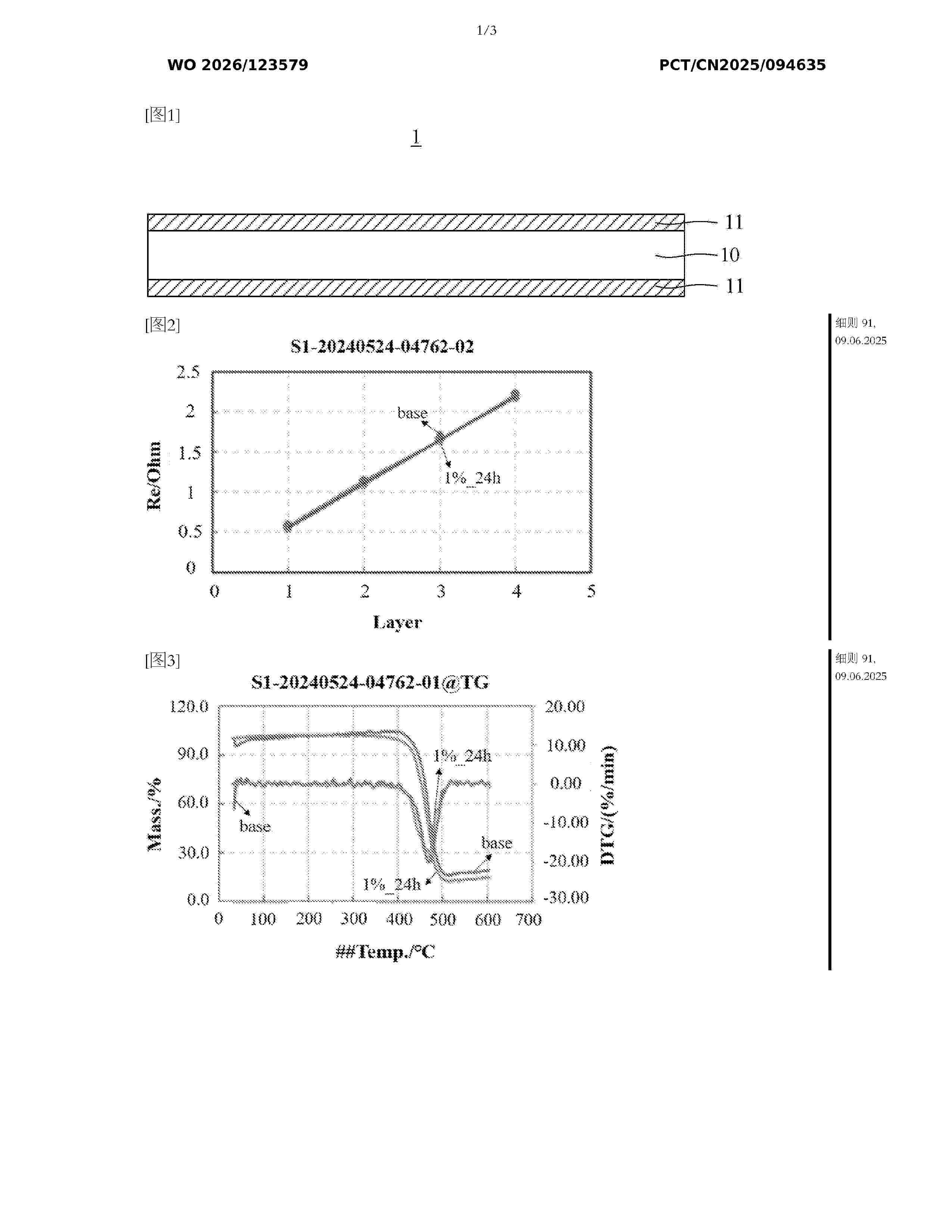
A battery cell and an electrical apparatus. The battery cell comprises a positive electrode sheet and an electrolyte, the positive electrode sheet comprising a positive electrode current collector and a positive electrode film layer, the positive electrode film layer being disposed on at least one side of the positive electrode current collector, and the positive electrode film layer comprising a positive electrode active material. The positive electrode active material comprises a lithium-containing phosphate, the electrolyte comprises a first additive and a second additive, the first additive comprises a fluorocarbonate, and the second additive comprises at least one of lithium bis(fluorosulfonyl)imide and lithium bis(trifluoromethanesulfonyl)imide. The present application can reduce the rate of increase of internal resistance of the battery and improve the cycle performance of the battery, so that the battery cell has both cycle performance and rate performance.
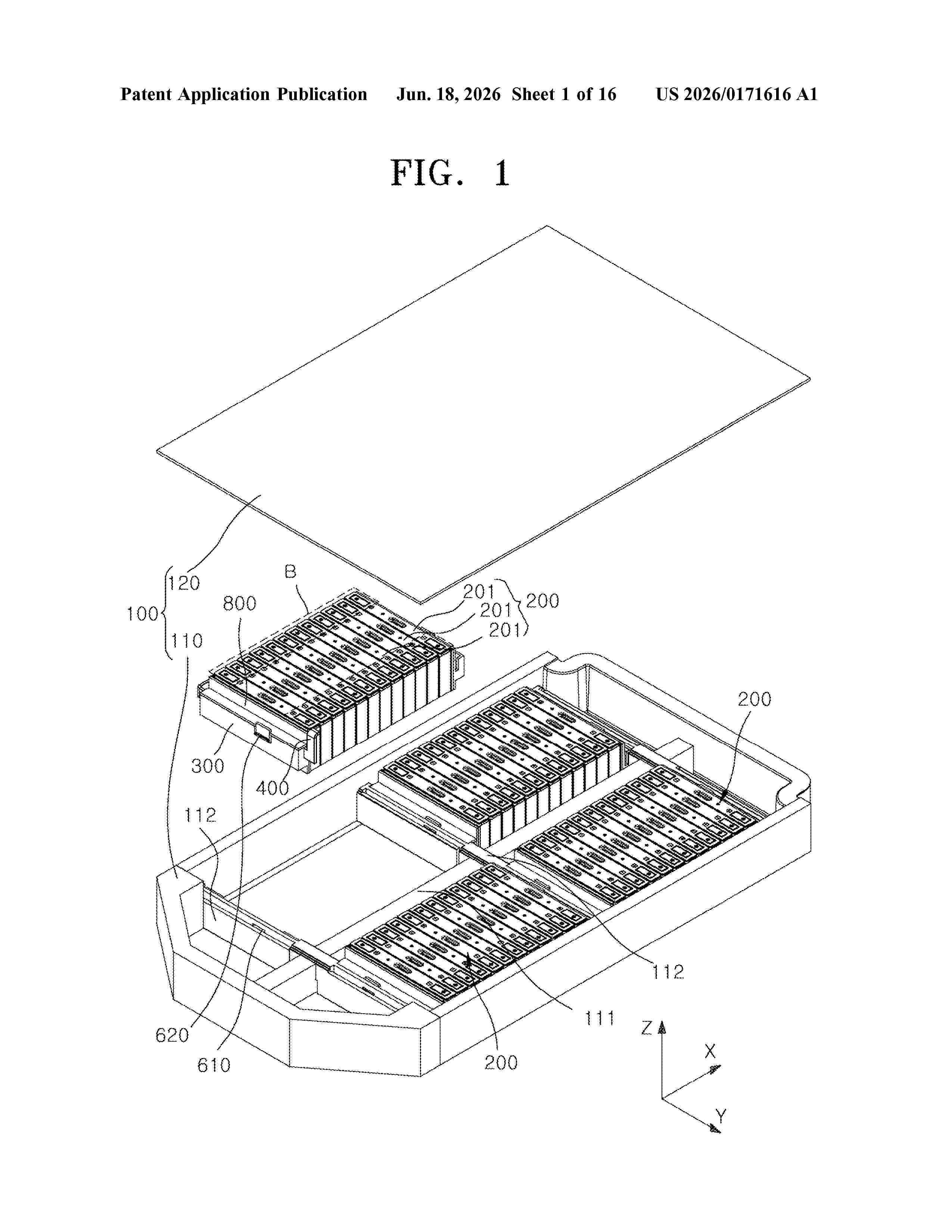
Nº publicación: US20260171616A1 18/06/2026
Solicitante:
SAMSUNG SDI CO LTD [KR]
Samsung SDI Co., Ltd.
Resumen de: US20260171616A1
0000 The present disclosure relates to a battery pack, and the technical problem to be solved is to provide a battery pack capable of increasing space utilization and preventing damage to components. To this end, the present disclosure provides a battery pack including a housing, one or more cell stacks disposed in the housing and including a plurality of battery cells arranged along a first direction, an end plate disposed to face the cell stack along the first direction, a slot disposed in the end plate, and a stack bus bar connected to the cell stack and inserted into the slot.
 BOPI
BOPI
 Sede Electrónica