Si deseas distinguir tus productos, servicios o ambos de los de otra empresa, es posible que necesites una marca o nombre comercial. Descubre qué son, en qué consiste su procedimiento de registro y qué implica.

Información sobre los plazos de presentación de solicitudes de transformación de marcas de la Unión Europea en marca nacional española. Más información


Si tienes un nuevo dispositivo, producto o procedimiento que resuelva un problema técnico o tenga una ventaja práctica, existen distintas formas de protegerlo en España y en otros países. Descubre cómo hacerlo.

¿Tu innovación reside en la estética, la ornamentación o la apariencia de tu producto? Protégela mediante un diseño industrial. Descubre qué derechos confiere el registro y cómo realizar la tramitación.

Las indicaciones geográficas protegen el nombre de un producto originario de una zona geográfica, a la cual le debe una determinada calidad, reputación u otra característica. Descubre qué son, en qué consiste su procedimiento de registro y qué beneficios conceden.

Las patentes publicadas en todo el mundo son una valiosa fuente de información científica, técnica y comercial.

Si eres emprendedor/a o una empresa y quieres potenciar y mejorar la rentabilidad de tu negocio protegiendo de forma adecuada los activos intangibles de tu organización, en este espacio encontrarás lo necesario.


 1426
resultados
1426
resultados
 Última actualización
29/06/2026 [08:41:00]
Última actualización
29/06/2026 [08:41:00]


 Resultados 1125 a 1150 de 1426

Resumen de: EP4760864A1
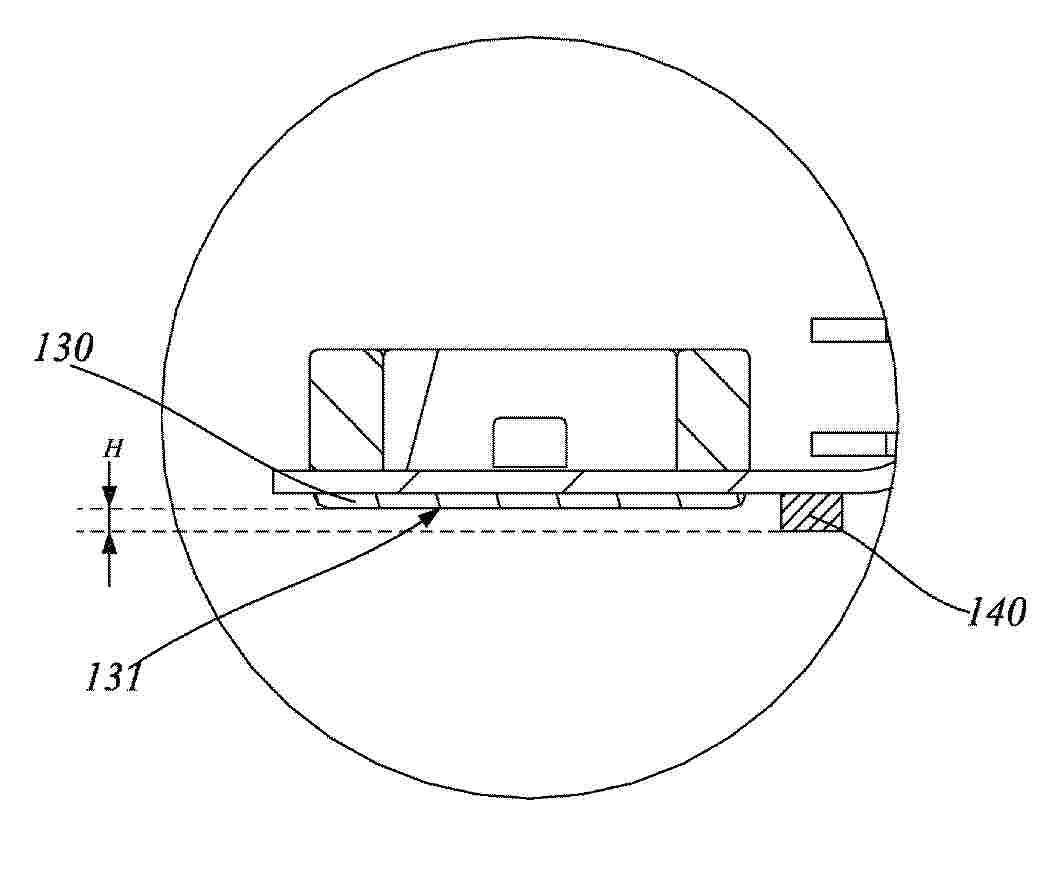
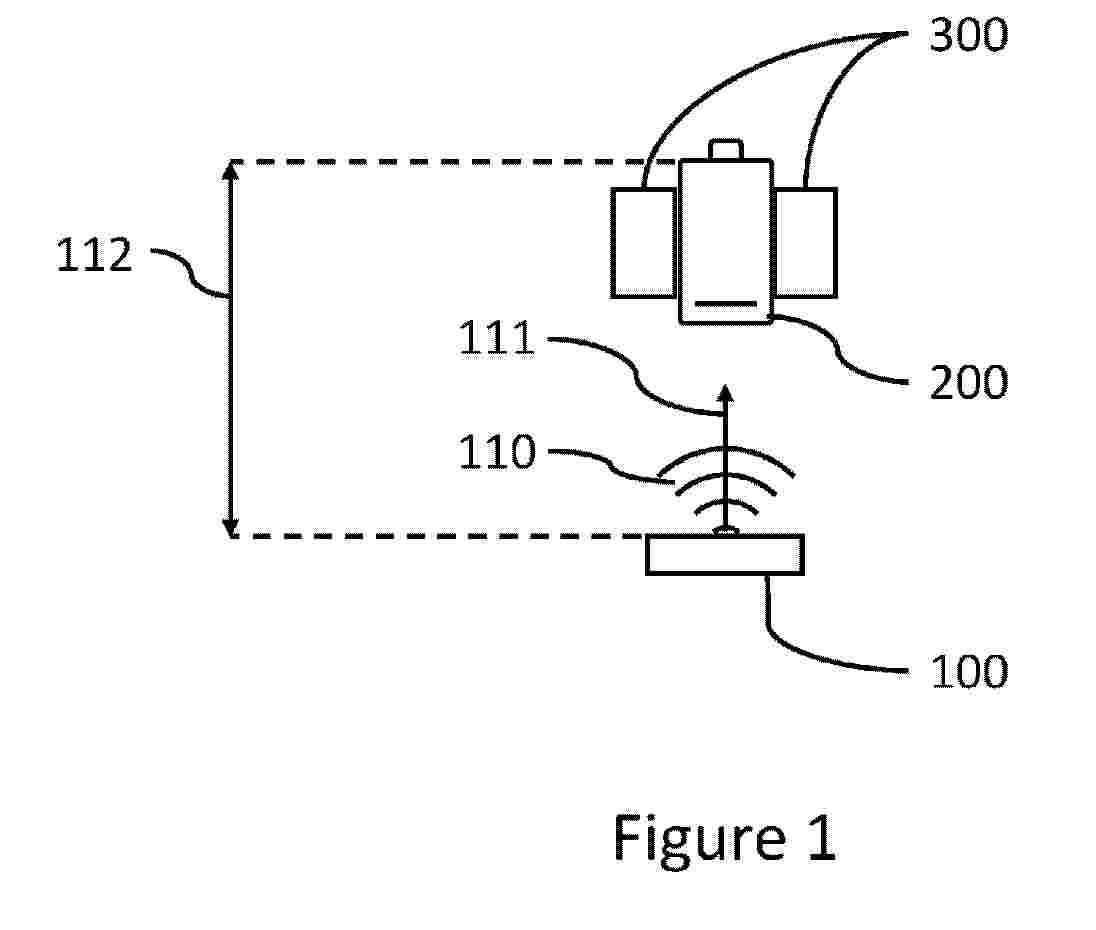
Provided are a cells contact system, a temperature detection method, and a battery module. The cells contact system includes: a circuit board; a temperature sensor disposed on the circuit board and having a temperature detection surface; an electrical conductor disposed on the circuit board to protrude from the temperature detection surface. The electrical conductor is configured to contact a temperature detection portion of the battery module when the temperature detection surface is close to the temperature detection portion.

Resumen de: EP4760818A1
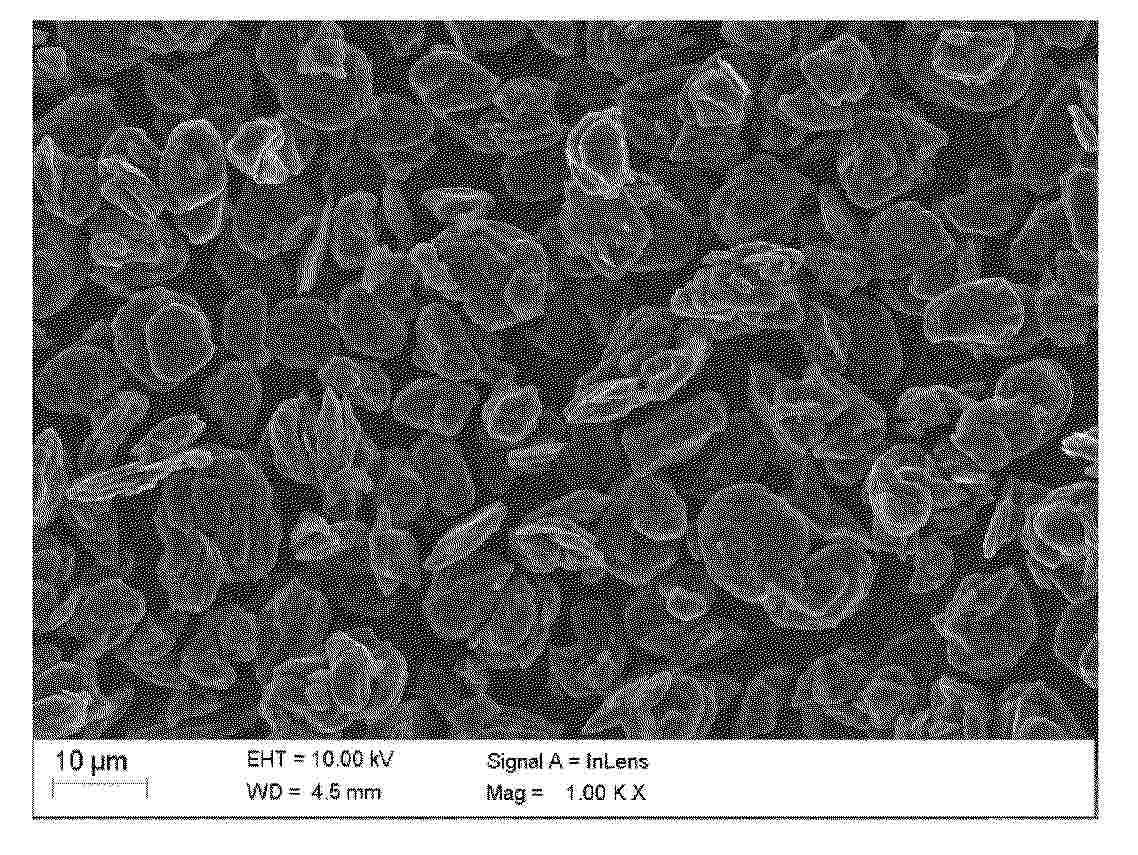
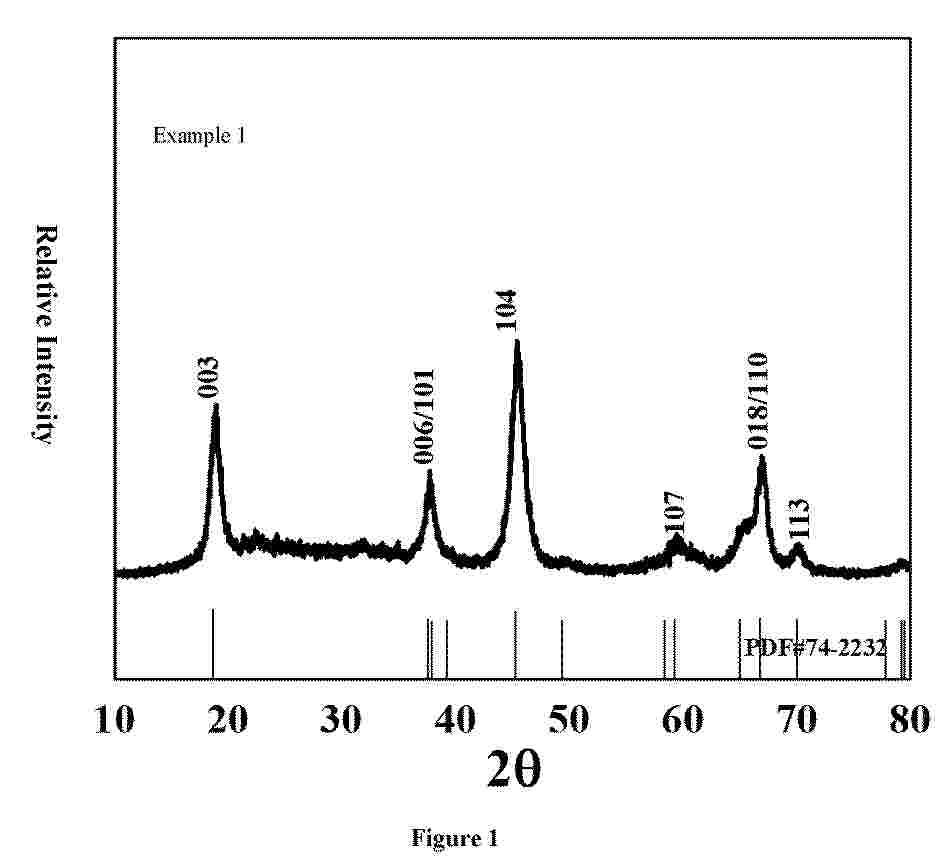
A negative electrode active material, a secondary battery, and an electronic device are provided. The negative electrode active material includes graphite, where Dn10, Dv50, and Dv90 of the negative electrode active material satisfy: D = (Dv90 - Dn10) / Dv50, and 0.8 ≤ D ≤ 1.5. The Dn10 of the negative electrode active material is 1 µm to 5 µm. In an X-ray diffraction pattern of the negative electrode active material, a peak intensity ratio of a characteristic peak C004 to a characteristic peak C110 is I. The negative electrode active material satisfies: 2 ≤ I/D ≤ 4. The negative electrode active material can be used to improve the cycling performance of the secondary battery.
Resumen de: EP4759760A1
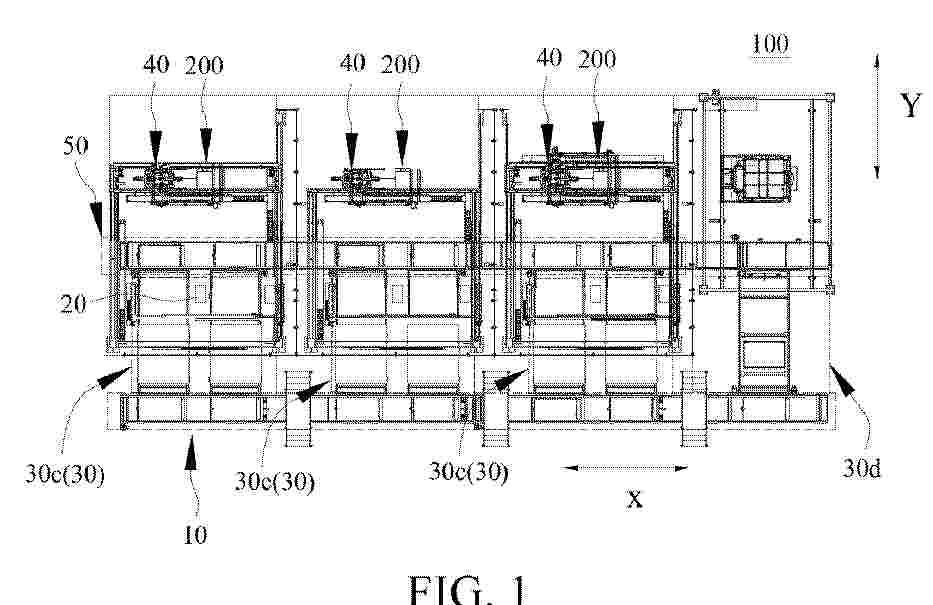
A boxing device, a detection mechanism, a battery production line, and a boxing method. A boxing device (100) is configured to box a battery module. The boxing device includes a first conveying apparatus (10), a boxing channel (30), and a detection mechanism (20). The first conveying apparatus is configured to convey a battery module to move along a first direction. The boxing channel is arranged on a side of the first conveying apparatus. The battery module on the first conveying apparatus is movable to the boxing channel for boxing. The detection mechanism is configured to detect the battery module located in the boxing channel, to match the battery module with a box (200) of a battery.
Resumen de: EP4759757A1
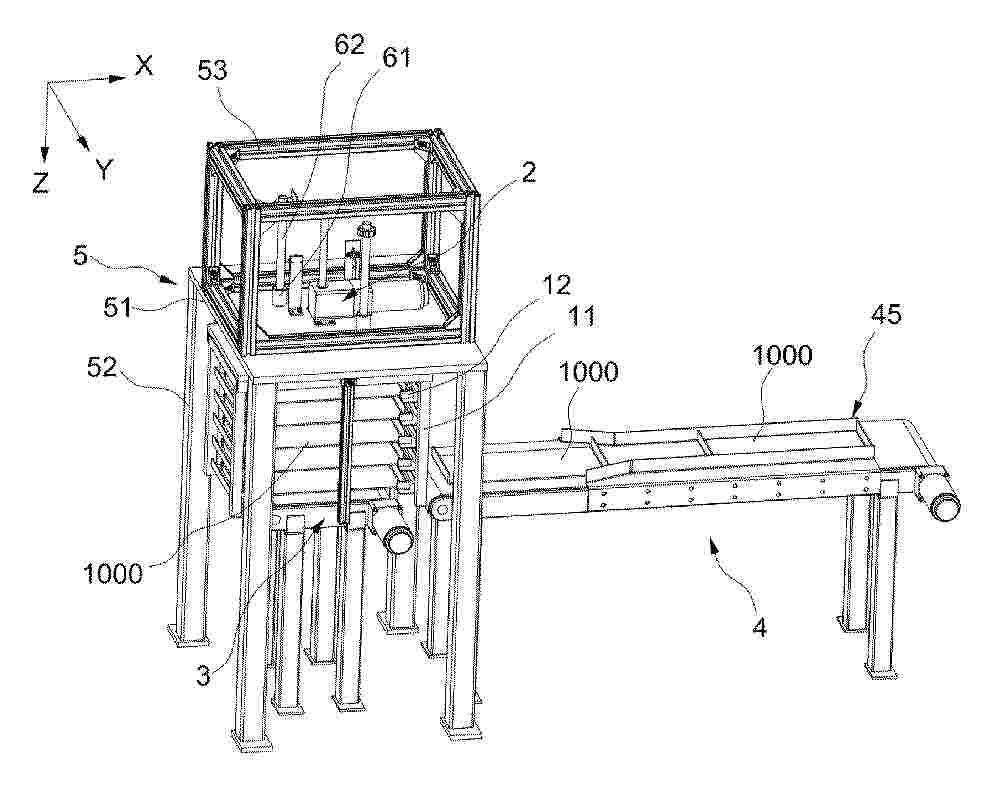
Disclosed in the present disclosure are a feeding apparatus, a feeding method, and a battery assembly line. The feeding apparatus comprises a material rack, a workpiece conveyor line, and a transfer mechanism, wherein the material rack is provided with at least two layers of bearing portions, which are arranged in sequence at intervals in a first direction, the bearing portions on the same layer define a workpiece bearing space for accommodating a workpiece, and the bearing portions can perform reciprocating motion in the first direction along with the material rack; the workpiece conveyor line is used for conveying the workpiece, the conveying path of the workpiece conveyor line extending in a second direction that intersects with the first direction; and the transfer mechanism is configured to enter and exit the workpiece bearing space, the transfer mechanism being used for transferring the workpiece from the workpiece bearing space to the conveying path of the workpiece conveyor line.
Resumen de: EP4760899A1
A battery cell, a battery, and a power consuming apparatus, relating to the field of battery technologies. The battery cell includes a housing assembly and a sealing structure. The housing assembly defines an accommodating cavity and is provided with a flow channel in communication with the accommodating cavity. The sealing structure is engaged with the housing assembly and is configured to open or seal the flow channel.
Resumen de: EP4760972A1
A battery cell, a battery and an electric device, relating to the technical field of batteries. The battery cell comprises: a housing, an electrode column body and an electrode column cover plate, wherein the housing defines an accommodating cavity; the electrode column body is arranged on the housing; a communication channel in communication with the accommodating cavity is formed on the electrode column body; the electrode column cover plate is arranged on the electrode column body; and a liquid injection hole in communication with the communication channel is formed in the electrode column cover plate.
Resumen de: EP4759764A1
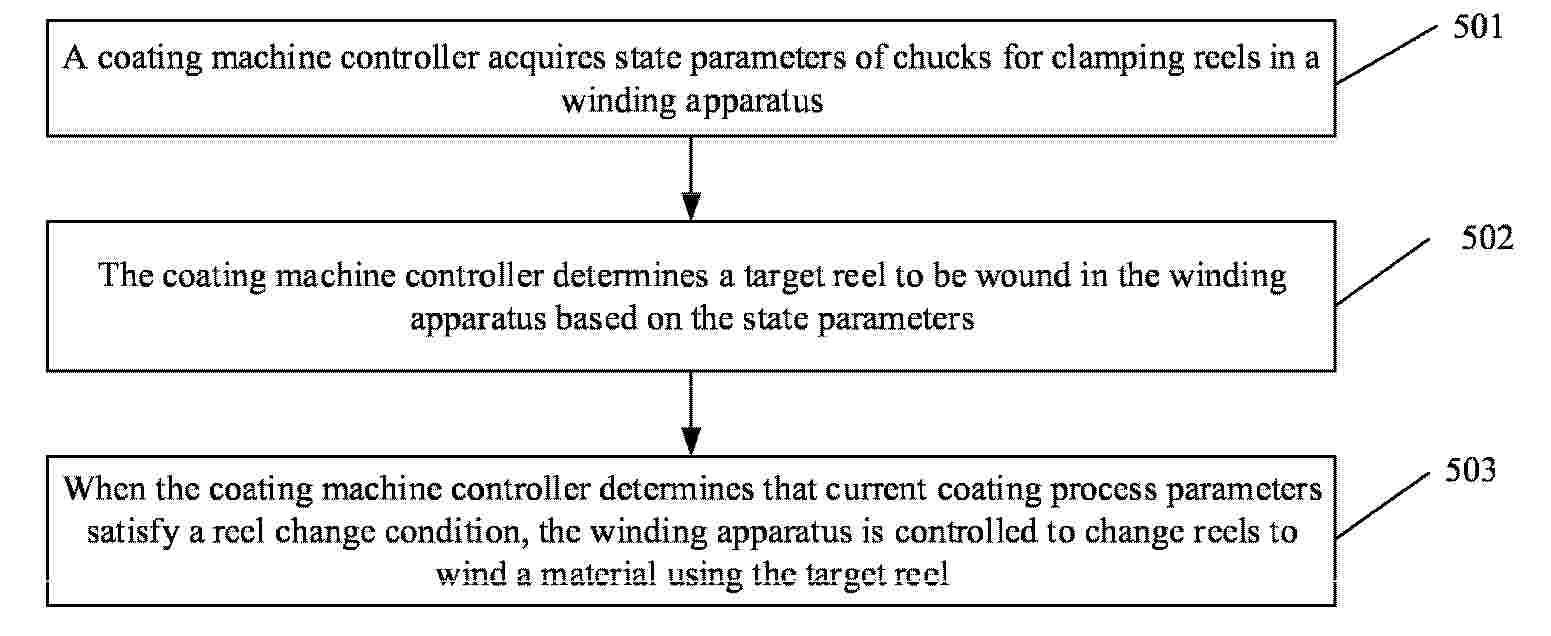
This application discloses a coating system and a coating method. The coating system determines a target reel to be wound based on state parameters of chucks for clamping reels in a winding apparatus (11); and when it is determined that current coating process parameters satisfy a reel change condition, the winding apparatus (11) is controlled to change reels to wind a material using the target reel. Through the state parameters of the chucks, the coating process parameters, and the reel change condition, automatic switching to the target reel for winding the material in the winding apparatus is achieved, significantly improving the automation level of reel change.
Resumen de: EP4759421A1
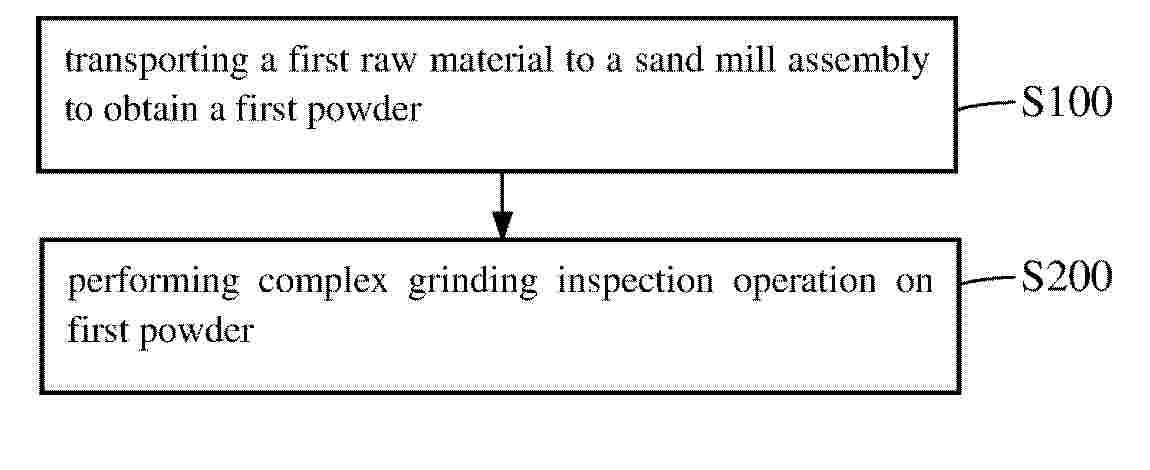
The disclosure provides a dispersion-blending based particle size-improved lithium battery ceramic separator powder preparation method and an apparatus thereof. The aforementioned dispersion-blending based particle size-improved lithium battery ceramic separator powder preparation method includes transporting a first raw material to a sand mill assembly to obtain a first powder; performing a complex grinding inspection operation on the first powder. The complex grinding inspection operation includes: inspecting the first powder to obtain a first particle size parameter; determining whether the first particle size parameter is greater than a preset particle size parameter; transporting the first powder to a powder buffer tank to form a second powder, if the first particle size parameter is greater than the preset particle size parameter, and dispersing and mixing a second raw material and the second powder according to a dynamic blending ratio to have the second powder enter the sand mill assembly together with the second raw material for grinding, so that the raw material of the previous process can be ground timely, and the material obtained through grinding the raw material can enter the equipment of the next process, thereby reducing the impact of repeated grinding of powder on the rhythm and efficiency of the production line.
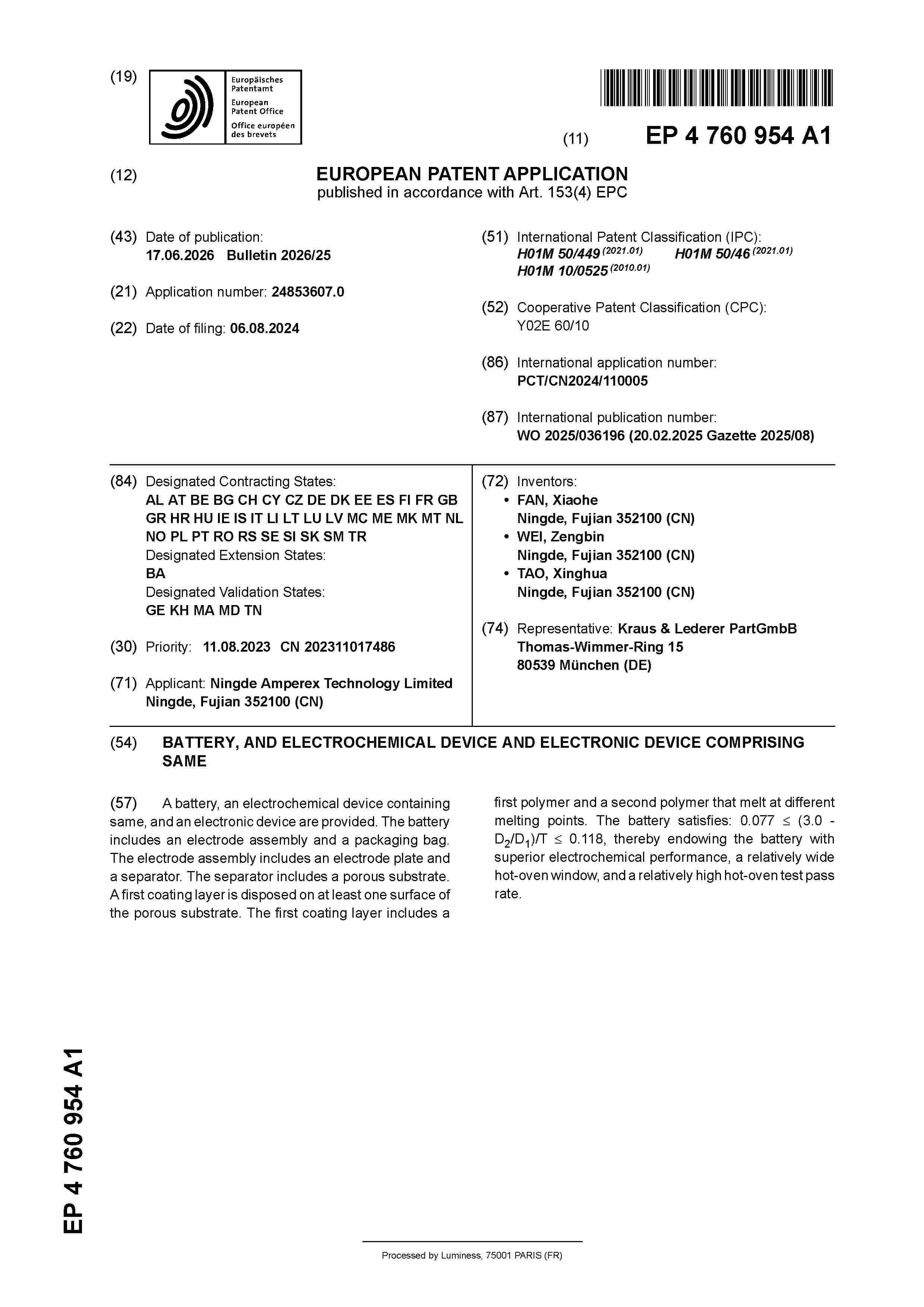
Resumen de: EP4760954A1
A battery, an electrochemical device containing same, and an electronic device are provided. The battery includes an electrode assembly and a packaging bag. The electrode assembly includes an electrode plate and a separator. The separator includes a porous substrate. A first coating layer is disposed on at least one surface of the porous substrate. The first coating layer includes a first polymer and a second polymer that melt at different melting points. The battery satisfies: 0.077 ≤ (3.0 - D2/D1)/T ≤ 0.118, thereby endowing the battery with superior electrochemical performance, a relatively wide hot-oven window, and a relatively high hot-oven test pass rate.
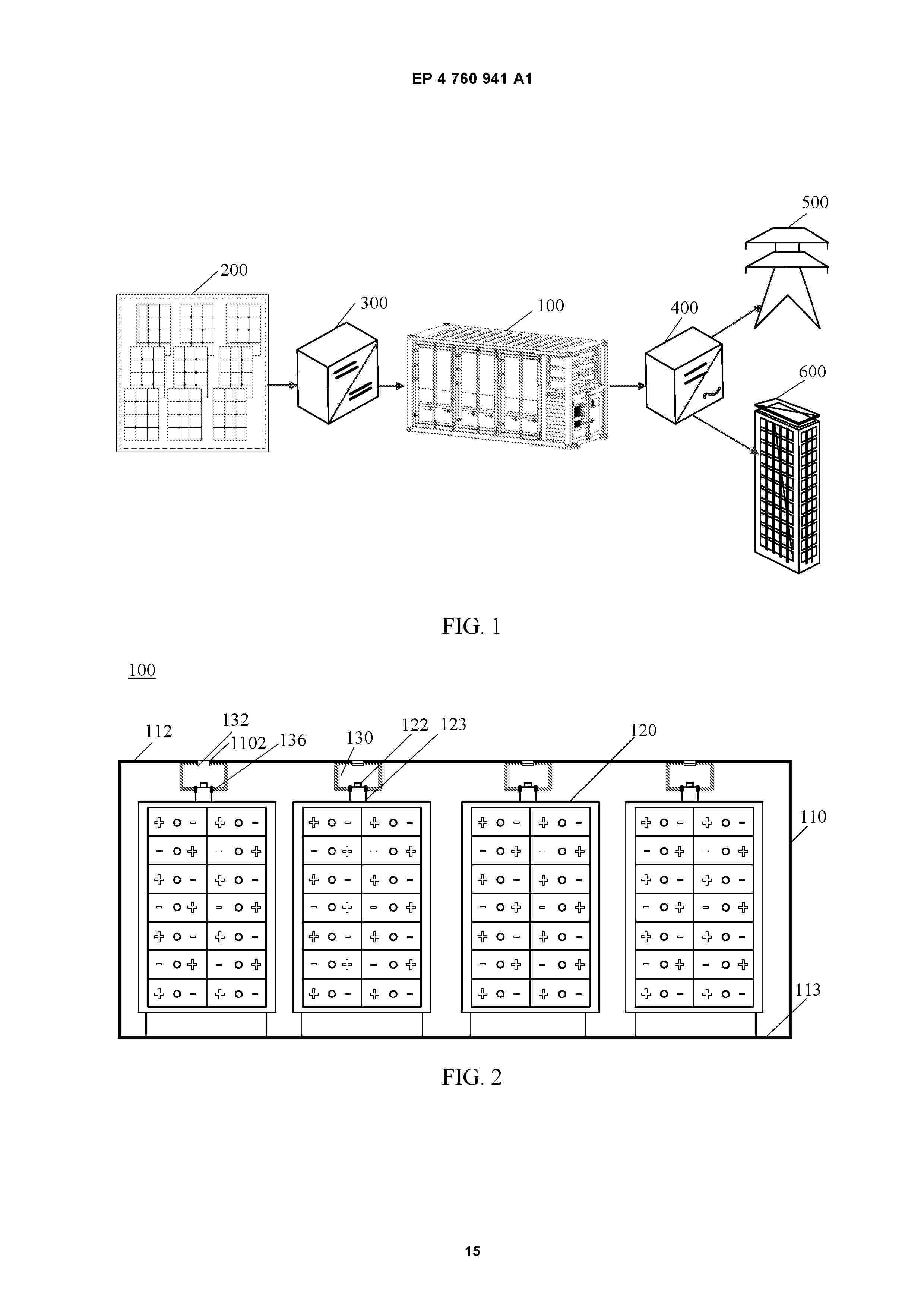
Resumen de: EP4760941A1
An energy storage container (100) includes a battery cluster, a container body (110), and a flue (130). The container body (110) includes a rear wall (112) and a container door. The rear wall (112) and the container door are disposed in parallel. The battery cluster and the flue (130) are disposed in the container body (110). The plurality of battery clusters are arranged in parallel. The battery clusters and the flues (130) are in a one-to-one correspondence. The flue (130) is located between the battery cluster and the rear wall (112). The flue (130) is provided with a plurality of flue gas inlets (131) and a flue gas outlet (132). A boss (123) facing the flue (130) is disposed on a battery pack (120), the boss (123) passes through the flue gas inlet (131), and a sealing member (136) is disposed between the flue gas inlet (131) and an outer wall that is of the boss (123) and that is in contact with a periphery of the flue gas inlet (131). The boss (123) is of a hollow structure, the boss (123) communicates with the inside of the battery pack (120), a surface that is of the boss (123) and that is located in the flue (130) is provided with an opening, and a pressure relief valve (122) is installed on the opening. When thermal runaway occurs in the battery pack (120) and high-temperature flue gas is released, the pressure relief valve (122) of the battery pack (120) opens, and the battery pack (120) communicates with a corresponding flue (130) through the boss (123) and the pr
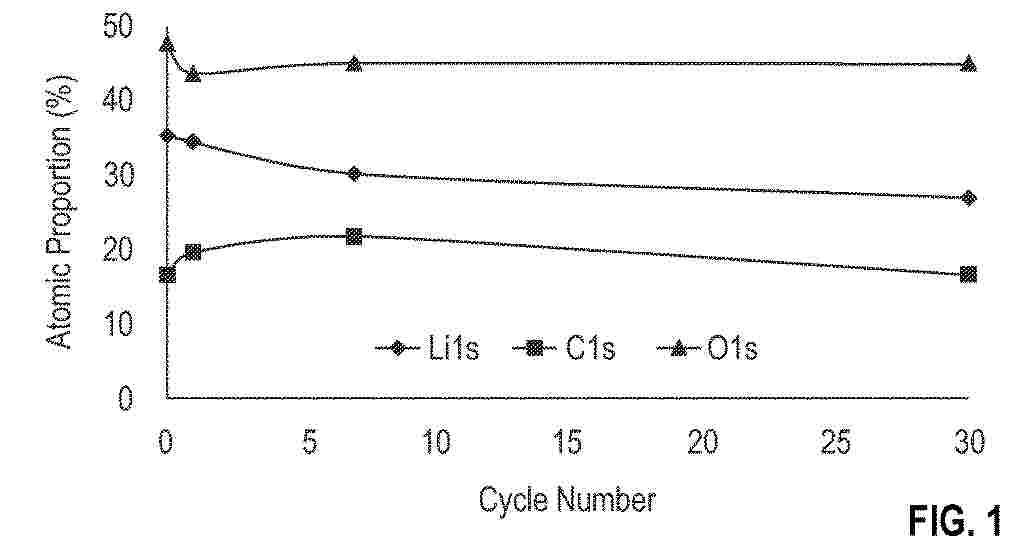
Resumen de: GB2644913A
A rechargeable battery has a metal anode with a solid electrolyte interphase (SEI) surface layer, a cathode with a halogen species integrated in a porous carbon material, an electrolyte with an organic solvent and a salt that is in contact with the anode and the cathode, and an oxidizing gas in contact with the electrolyte. The SEI layer has the composition MαBβCγNδFεXζOη, where M is a metal, B is boron, C is carbon, N is nitrogen, F is fluorine, X is a non-fluorine halogen species, and 0 is oxygen; α is a number in the range of 0.2-0.4, β is a number in the range of 0.0-0.1, γ is a number in the range of 0.15-0.25, δ is a number in the range of 0.0-0.02, ε is a number in the range of 0.0-0.1, ζ is a number in the range of 0.005-0.02, η is a number in the range of 0.40-0.60, and a, p, y, 6, E, (, and q are selected such that the sum of α+β+γ+δ+ε+ζ+η=1. The SEI surface layer on the metal anode suppresses the formation of dendrites, facilitates the even plating of lithium, limits electrolyte decomposition, and extends battery life.
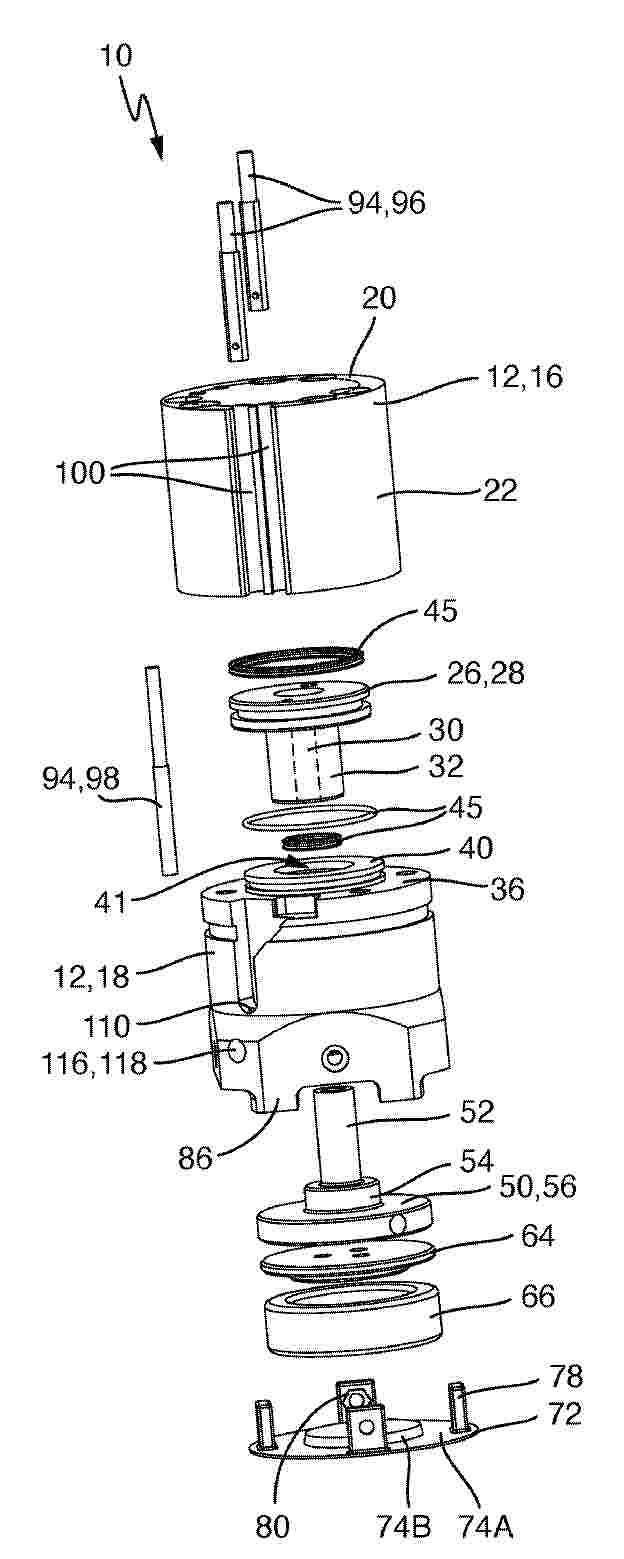
Resumen de: WO2025036823A1
The invention relates to a battery cell gripper (10) for gripping a battery cell, the battery cell gripper (10) comprising: a main housing (12) which has a longitudinal axis (14), a piston portion (16) and a magnet portion (18), the magnet portion (18) having a magnet cylinder (48) which extends along the longitudinal axis (14); a magnet device (62) which is connected to the piston device (26) and which has a ring magnet (66) disposed concentrically to the longitudinal axis (14) for gripping the battery cell, the magnet device (62) being movable by means of the piston device (26) along a gripping direction (46) running parallel to the longitudinal axis (14) into a gripping position and against the gripping direction (46) into release position; and an electrically insulating separating element (72), the ring magnet (66) being disposed between the separating element (72) and the piston device (26).
Resumen de: EP4760808A1
A silicon anode material and its preparation method and application, belonging to the field of secondary battery technology. The silicon anode material includes porous γ-lithium aluminate and a carbon coating layer. The pores of the porous γ-lithium aluminate are sequentially deposited with a carbon layer and a silicon material layer. The carbon coating layer coats the surface of the porous γ-lithium aluminate, which has been deposited with the carbon layer and the silicon material layer. The silicon anode material effectively prevents direct contact between the silicon material and the electrolyte, and inhibits the volume expansion of silicon during cycling from the material side. It effectively alleviates volume changes, making the structure of the electrode material more stable, thereby enhancing the electrochemical performance of the material.
Resumen de: WO2025036866A1
The present invention relates to a system a system for accelerating the infiltration of a liquid electrolyte in a battery cell, the system comprising: means for positioning the battery cell; a transducer for generating a wave in response to an excitation signal, a controller for controlling the transducer; wherein the transducer and the battery cell are positioned such that the battery cell sits in the direction of propagation; wherein the transducer and the battery cell are positioned such that a distance from the transducer to a surface of the battery cell, furthest away from the transducer, is equal to or larger than one fourth of the wavelength; wherein the controller is configured to bring the voltage and the current of the excitation signal in phase with one another. The present invention also relates to a method or accelerating the infiltration of a liquid electrolyte in a battery cell.
Resumen de: WO2025038427A1
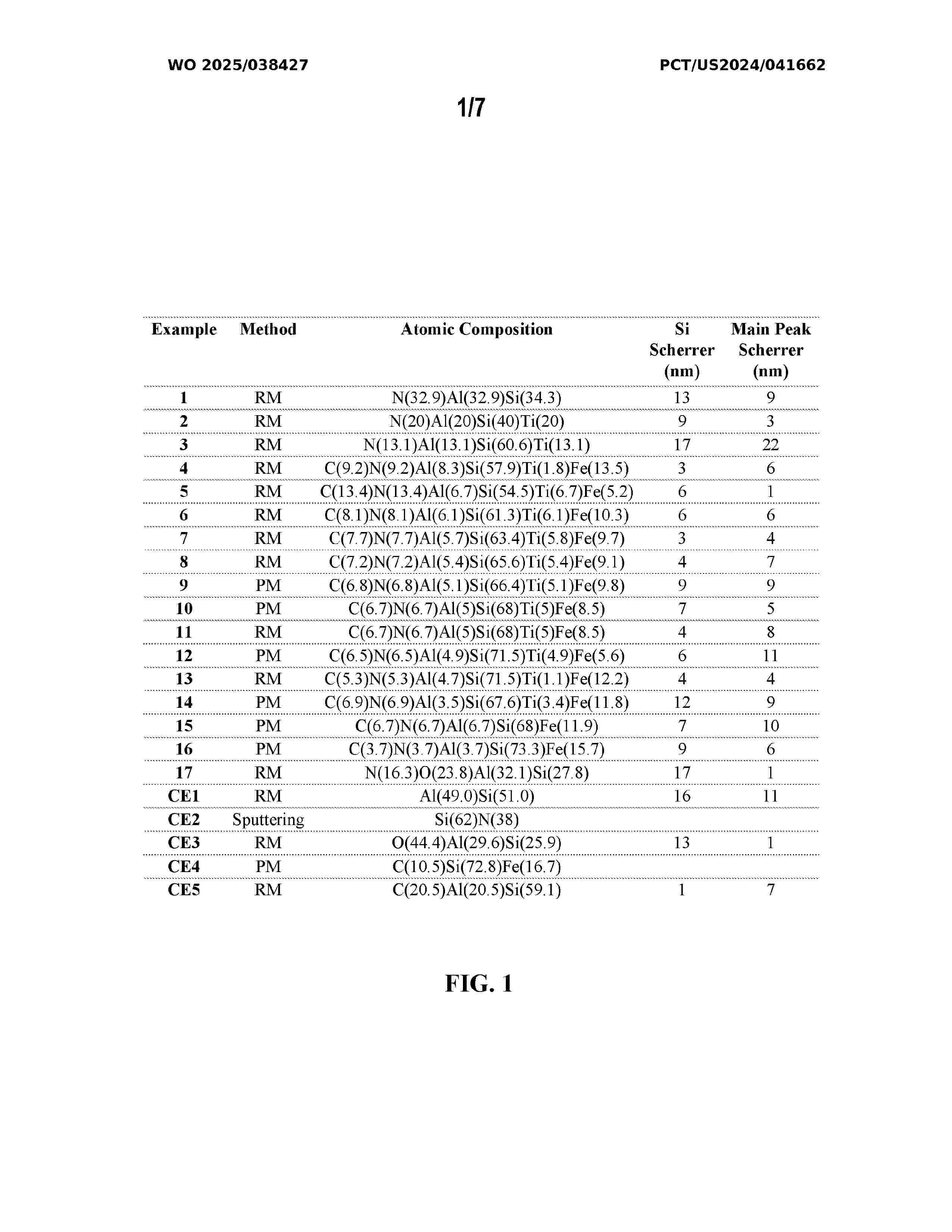
This disclosure relates to an electrochemically active material and batteries containing the same. The electrochemically active material comprises an alloy represented by the formula SiaAlbTicNdOeXf wherein X comprises one or more of carbon, a transition metal, and tin, wherein a+b+c+d+e+f = 100, wherein a ˃ 25, b > 0, c ≥ 0, d > 0, d ≥ b, e ≥ 0, f ≥ 0, wherein a+b+c ˃ d, d+(2/3e) > b, b+c > d, and wherein the alloy includes an inactive phase comprising aluminum.
Resumen de: WO2025038346A1
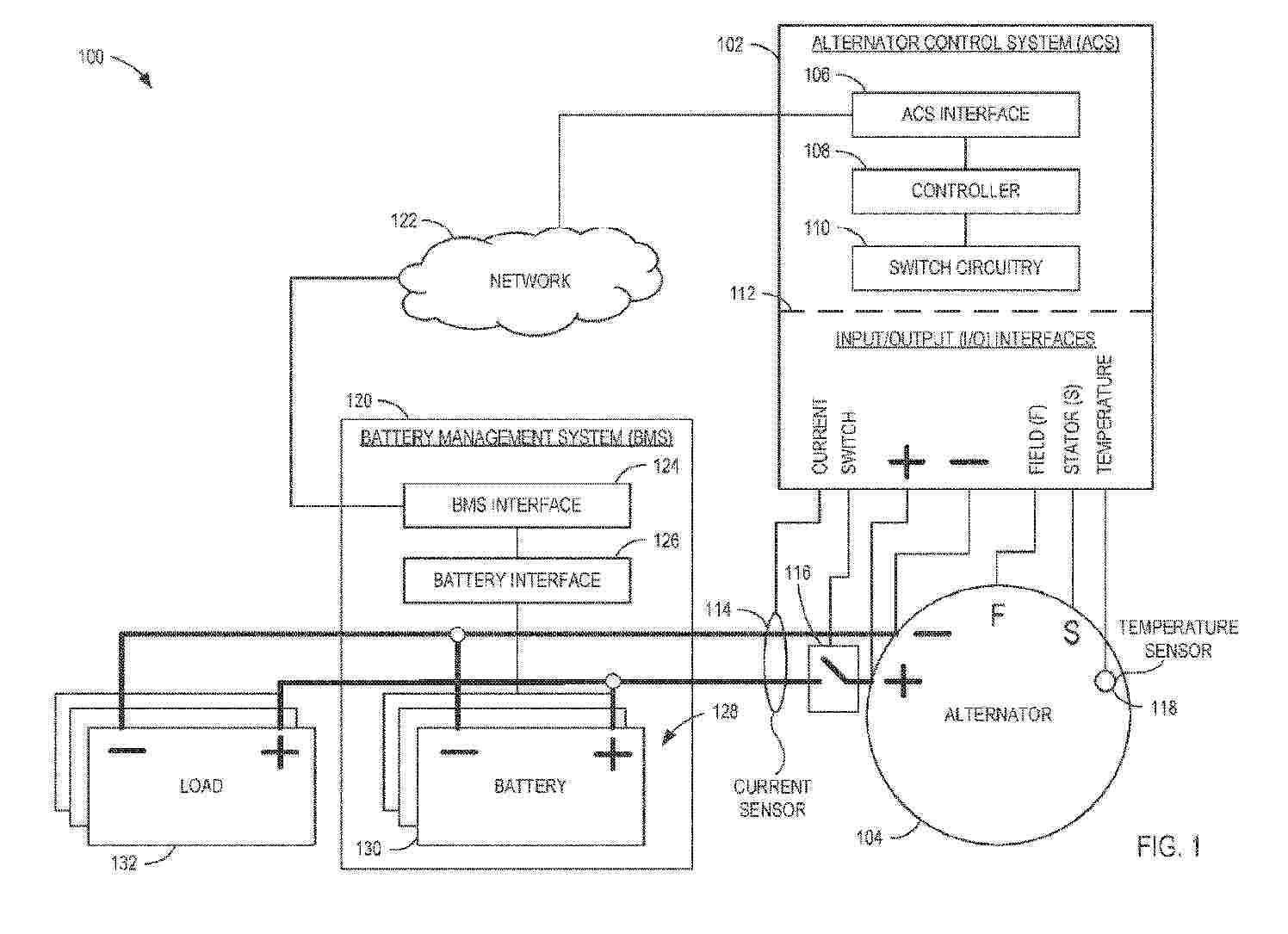
The techniques described herein relate to systems, apparatus, articles of manufacture, and methods for characterizing an alternator. An example method includes obtaining a battery system voltage from a battery system, measuring an alternator voltage of an alternator to be connected to the battery system, and connecting the battery system and the alternator after determining that a difference between the battery system voltage and the alternator voltage satisfies a threshold.
Resumen de: EP4760953A1
A separator is provided, including a base film and an organic coating disposed on one surface of the base film. The organic coating contains a first polymer and a second polymer. A melting point T of the first polymer satisfies 60°C ≤ T ≤ 100°C, and a swelling degree D of the second polymer during placement in a solution at 60°C for 24 h satisfies D ≤ 30%. The first polymer maintains the adhesion force requirements during the battery charge-discharge cycling. When the battery generates heat during charging and discharging, the first polymer softens relatively easily, reducing adhesion force, which allows the interface between the separator and the battery electrode plate to open, helping to reduce heat accumulation and improve the safety performance of a hot box of a cell. The second polymer, with a relatively low swelling degree, can maintain the original morphology in the cell, effectively alleviating the issue of the low-melting-point first polymer melting into a film during the hot-pressing process of the cell, thereby improving the cycling performance of the cell. This application further provides a secondary battery, an electrochemical device, and an electric device.
Resumen de: EP4760835A1
This disclosure discloses a cell scanning and replacement system, a control method thereof, and a battery production line, relating to the field of battery technology. The cell scanning and replacement system can improve the production efficiency of cells. The cell scanning and replacement system includes: a testing device, an identification device, and a replacement device, where the testing device includes a testing mechanism, and the testing mechanism is configured to test a cell; the identification device is connected to the testing device, and the identification device is configured to acquire identification information of the cell, where the identification information is associated with a test result of the cell; and the replacement device is connected to the testing device, the replacement device includes a replacement mechanism, the replacement mechanism is electrically connected to the identification device, and the replacement mechanism is configured to replace a cell to be replaced based on the identification information.
Resumen de: EP4760930A1
There is provided a restraint tool which restrains a lithium metal battery including a plurality of battery cells, including: a restraint member which includes: a plate-shaped member which is made of a rubber material and include a plate-shaped base and a plurality of protrusions on the base; and a frame member into which the plate-shaped member is fitted; and a fixing member which fixes the plate-shaped member fitted into the frame member in a pressurized state in which the plate-shaped member is pressed against the lithium metal battery. In the restraint tool, due to elasticity of the plate-shaped member, a pressure applied by the restraint tool to the plurality of battery cells in charging the plurality of battery cells is 5 MPa or less, and a pressure applied by the restraint tool to the plurality of battery cells in discharging the plurality of battery cells is 0.1 MPa or more.
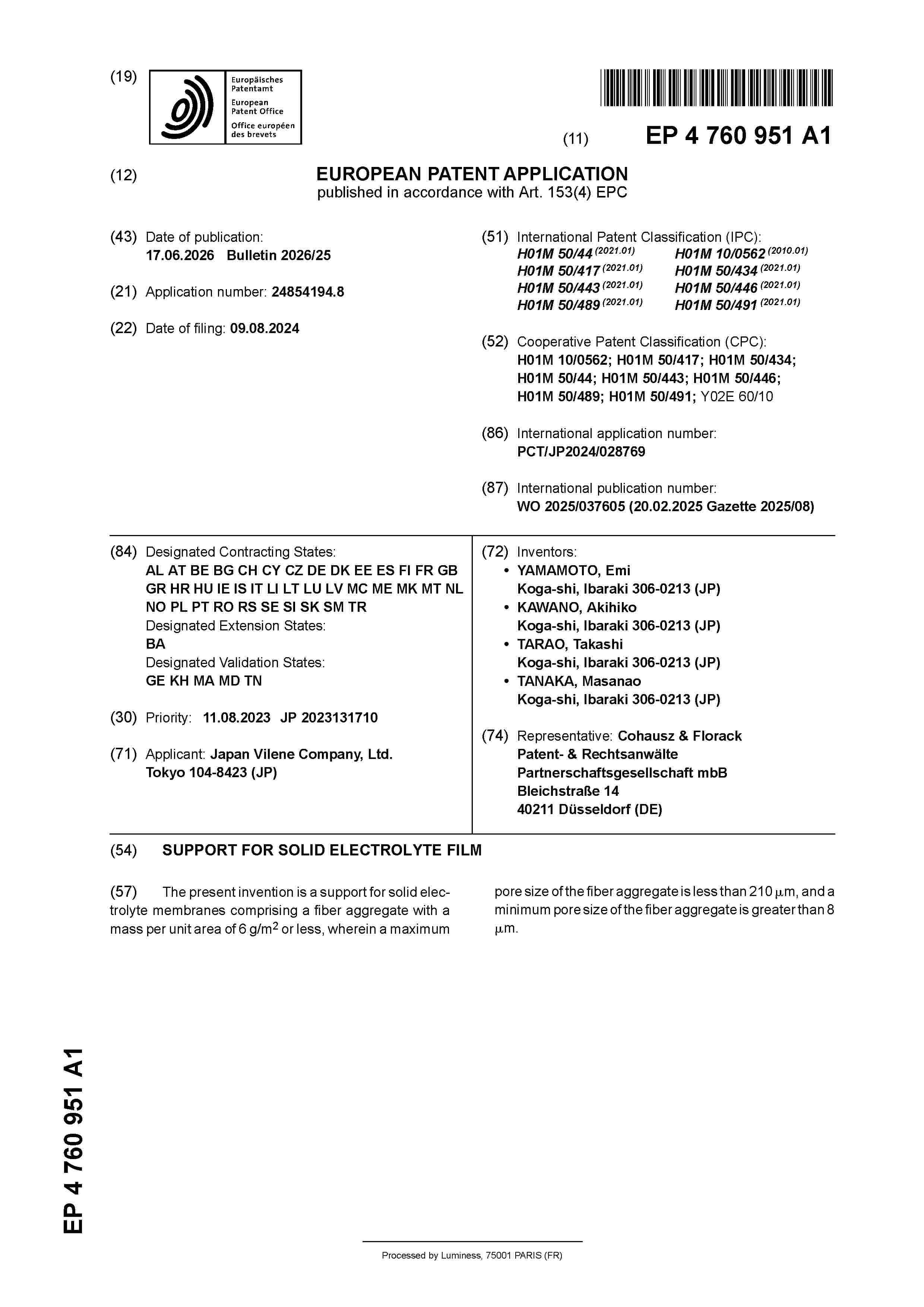
Resumen de: EP4760951A1
The present invention is a support for solid electrolyte membranes comprising a fiber aggregate with a mass per unit area of 6 g/m2 or less, wherein a maximum pore size of the fiber aggregate is less than 210 µm, and a minimum pore size of the fiber aggregate is greater than 8 µm.
Resumen de: EP4760881A1
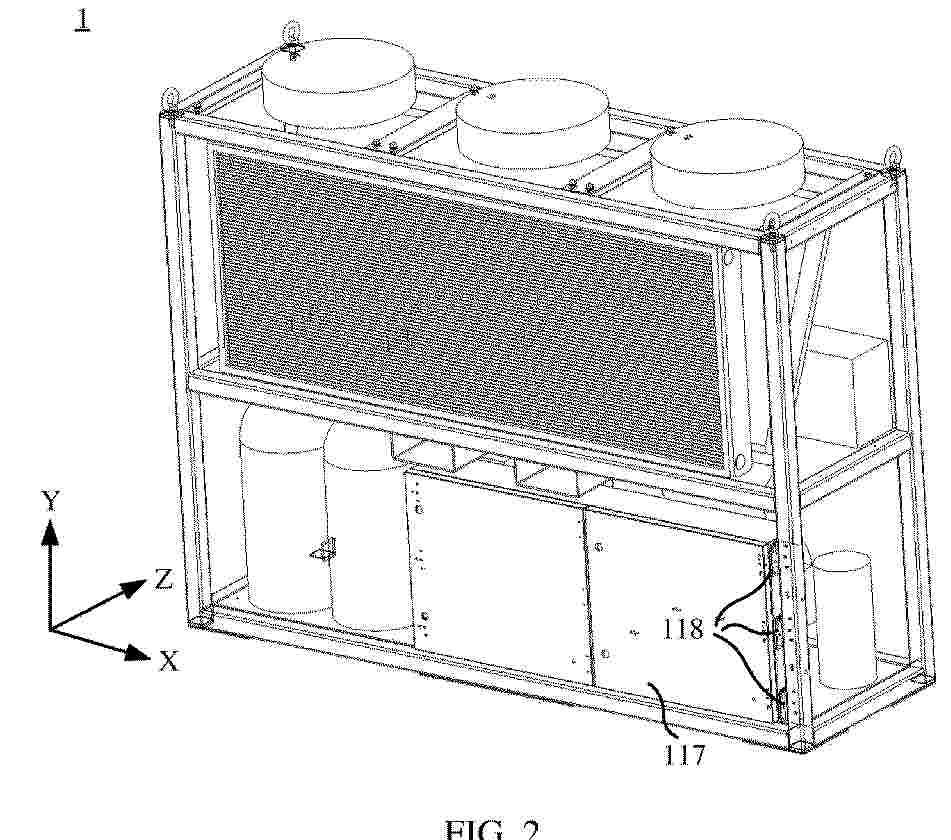
Embodiments of this application disclose a thermal management apparatus and an energy storage system, to improve space utilization of the thermal management apparatus and reduce a volume of the thermal management apparatus. The thermal management apparatus includes a cabinet, a fan, a first heat dissipation module, and a second heat dissipation module. The fan is disposed on a top surface of the cabinet. The first heat dissipation module and the second heat dissipation module each are a plate structure, and an included angle between the first heat dissipation module and the top surface is unequal to an included angle between the second heat dissipation module and the top surface. A distance between an end that is of the first heat dissipation module and that is close to the top surface and an end that is of the second heat dissipation module and that is close to the top surface is greater than a distance between an end that is of the first heat dissipation module and that is away from the top surface and an end that is of the second heat dissipation module and that is away from the top surface.
Resumen de: WO2025038280A1
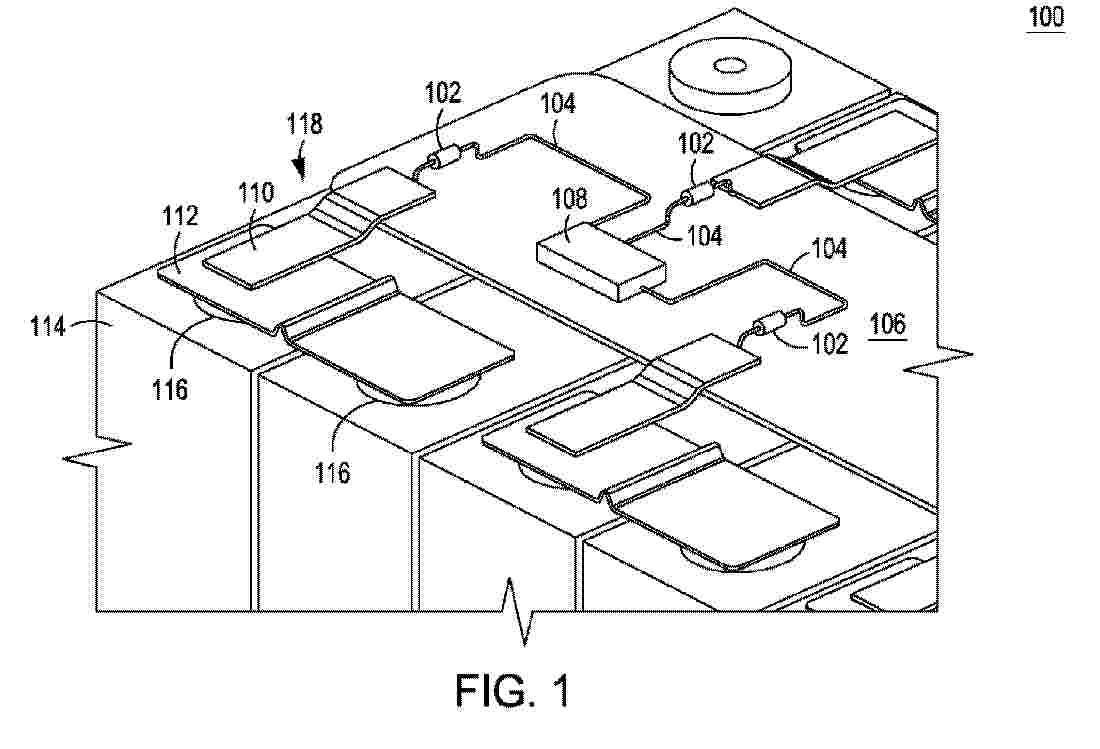
Apparatus for short circuit prevention in a battery storage system comprising a thermally activated disconnect device or material positioned in a conductive path between a sensing printed circuit board trace and a battery storage cell terminal, where the thermally activated disconnect device or material opens the conductive path when an ambient temperature rises above a threshold level. A method of operation of the apparatus is also disclosed.
Resumen de: EP4760190A1
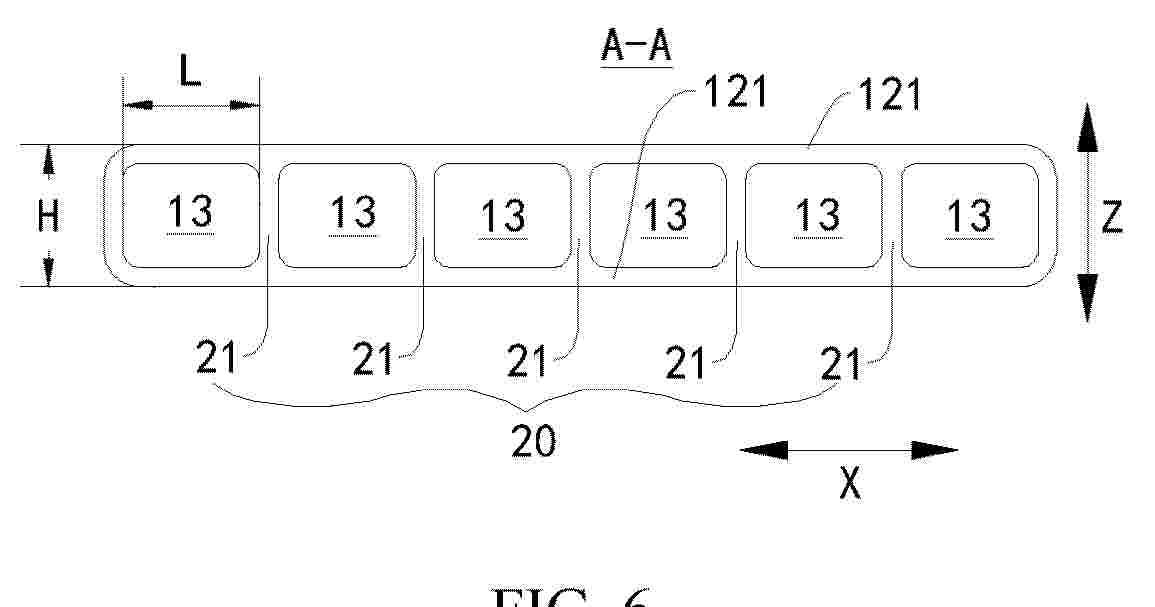
A heat exchange tube (10), a battery (1000), and an electric apparatus are provided. The heat exchange tube (10) includes a plurality of straight heat exchange sections (11) and at least one bent section (12). The plurality of straight heat exchange sections (11) are spaced apart. The at least one bent section (12) sequentially connects and communicates with the plurality of straight heat exchange sections (11); where at least one bent section (12) is provided with a first reinforcement member (20).
Resumen de: EP4760799A1
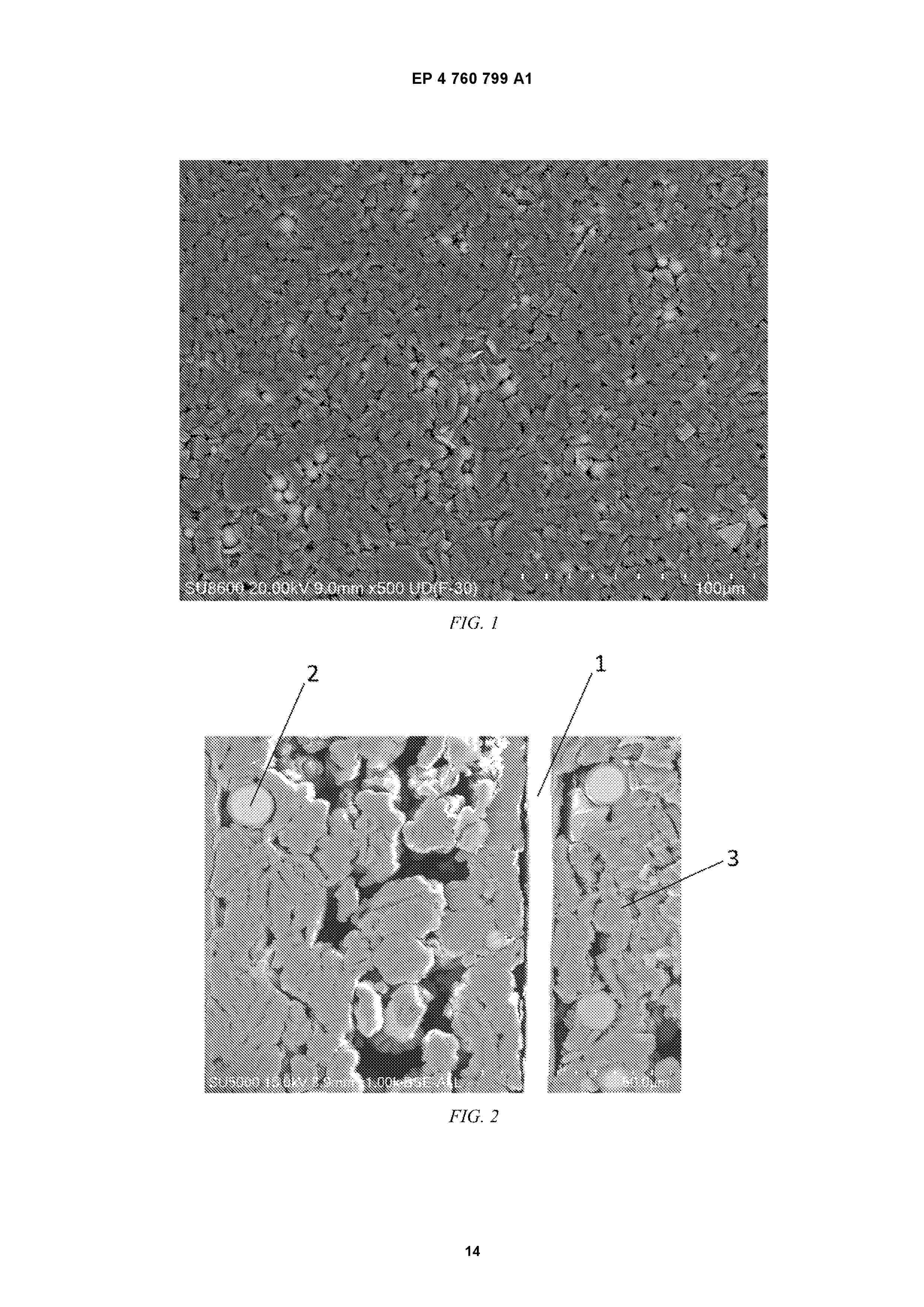
The present invention relates to the technical field of batteries, and in particular relates to a negative electrode plate and a battery. The negative electrode plate comprises a negative electrode current collector and a negative electrode active coating layer on a surface of at least one side of the negative electrode current collector, wherein the negative electrode active coating layer comprises silicon-based particles; the number of the silicon-based particles in a region of 100 µm x 100 µm of the surface of the negative electrode active coating layer is a, 1 ≤ a ≤ 50; the average sphericity of the silicon-based particles is b, 0.66 ≤ b ≤ 1; and a and b satisfy: 1 ≤ a/b ≤ 67, thereby the degree of self-discharge of the battery can be reduced and the high-temperature storage performance of the battery can be improved.
Nº publicación: EP4760961A1 17/06/2026
Solicitante:
EVE ENERGY CO LTD [CN]
Eve Energy Co., Ltd.
Resumen de: EP4760961A1
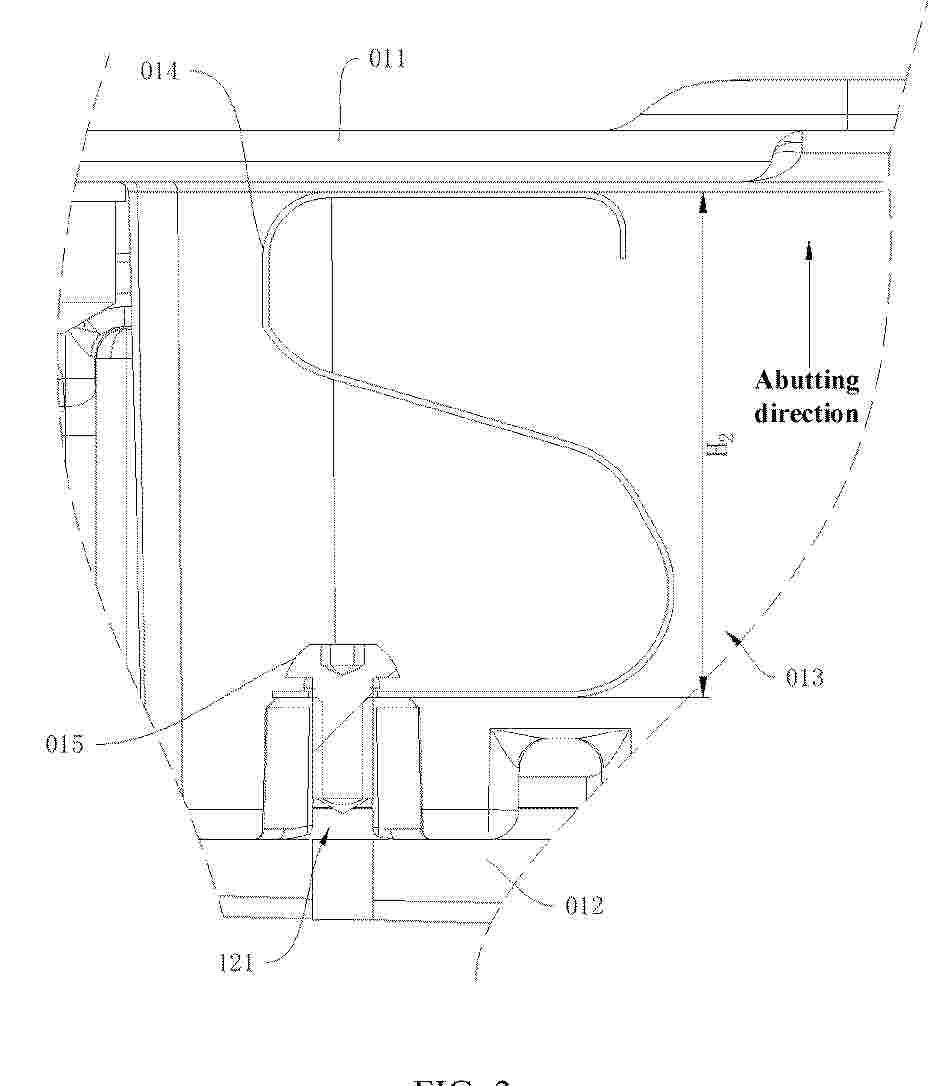
The application provides a battery box and a battery, relating to a field of battery technology. The battery box includes a box body, a box cover, and a conductive member. The box cover is mounted on the box body to define an installation cavity. The conductive member is elastic and located in the installation cavity. One of the box cover and the box body is connected to the conductive member, while the other abuts against the conductive member, and the conductive member is in an elastically compressed state.
 BOPI
BOPI
 Sede Electrónica