Si deseas distinguir tus productos, servicios o ambos de los de otra empresa, es posible que necesites una marca o nombre comercial. Descubre qué son, en qué consiste su procedimiento de registro y qué implica.

Información sobre los plazos de presentación de solicitudes de transformación de marcas de la Unión Europea en marca nacional española. Más información


Si tienes un nuevo dispositivo, producto o procedimiento que resuelva un problema técnico o tenga una ventaja práctica, existen distintas formas de protegerlo en España y en otros países. Descubre cómo hacerlo.

¿Tu innovación reside en la estética, la ornamentación o la apariencia de tu producto? Protégela mediante un diseño industrial. Descubre qué derechos confiere el registro y cómo realizar la tramitación.

Las indicaciones geográficas protegen el nombre de un producto originario de una zona geográfica, a la cual le debe una determinada calidad, reputación u otra característica. Descubre qué son, en qué consiste su procedimiento de registro y qué beneficios conceden.

Las patentes publicadas en todo el mundo son una valiosa fuente de información científica, técnica y comercial.

Si eres emprendedor/a o una empresa y quieres potenciar y mejorar la rentabilidad de tu negocio protegiendo de forma adecuada los activos intangibles de tu organización, en este espacio encontrarás lo necesario.


 457
resultados
 Última actualización
16/11/2026 [21:00:00]


Resumen de: AU2025432440A1
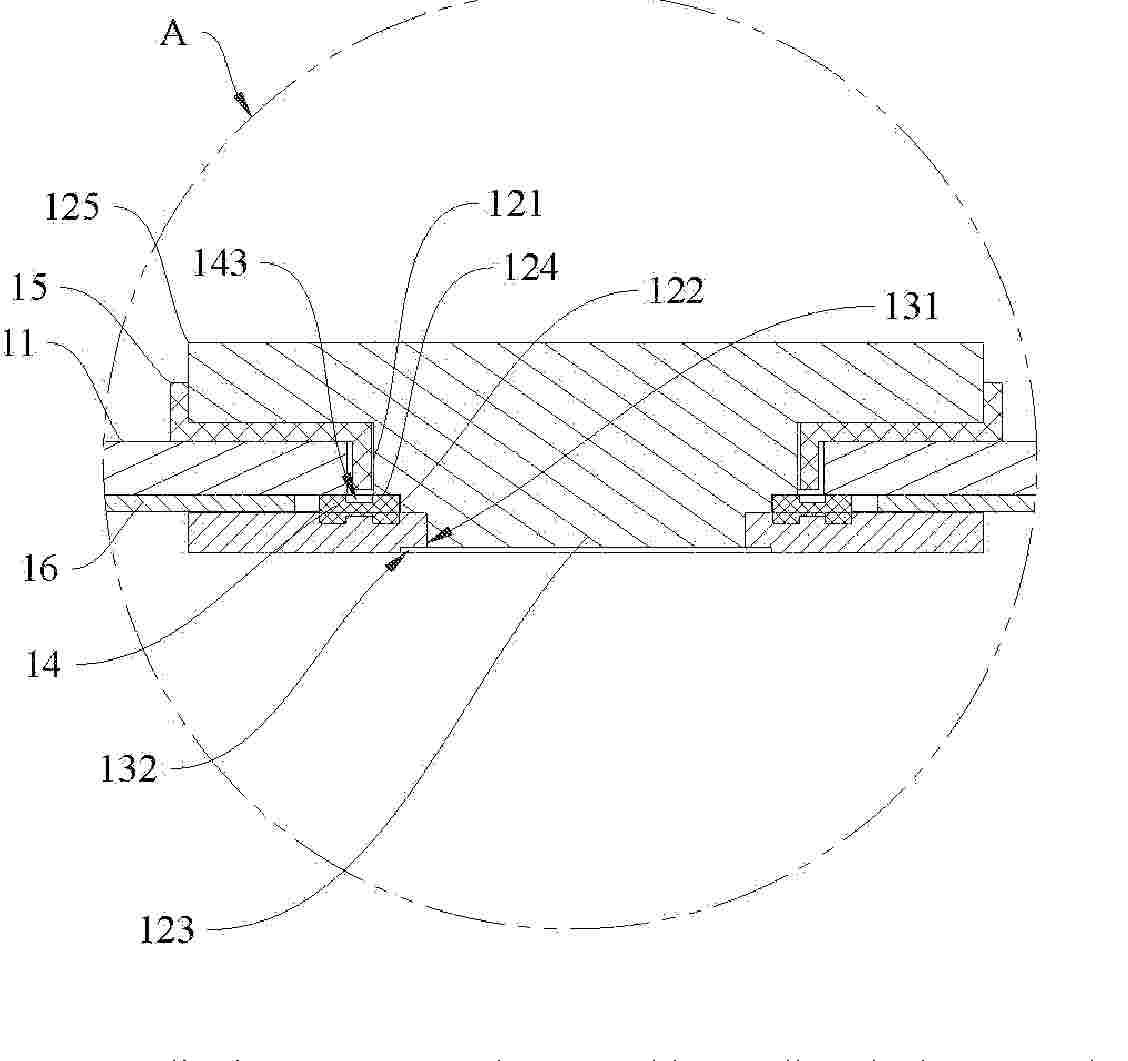
Provided in the present application are a cover plate assembly, a cell, and a battery pack. The cover plate assembly comprises an end cap, a post, a bottom plate, and a sealing ring. The post comprises a first section and a second section that are connected to each other, the diameter of the second section being smaller than the diameter of the first section, the first section having a first shoulder face facing toward the second section, and the first section passing through the end cap. The bottom plate is sleeved onto the second section. The sealing ring is sleeved onto the second section and is located between the end cap and the bottom plate, the sealing ring having a first end face facing away from the bottom plate. The inner diameter side of the first end face abuts against the first shoulder face.

Resumen de: AU2025274574A1
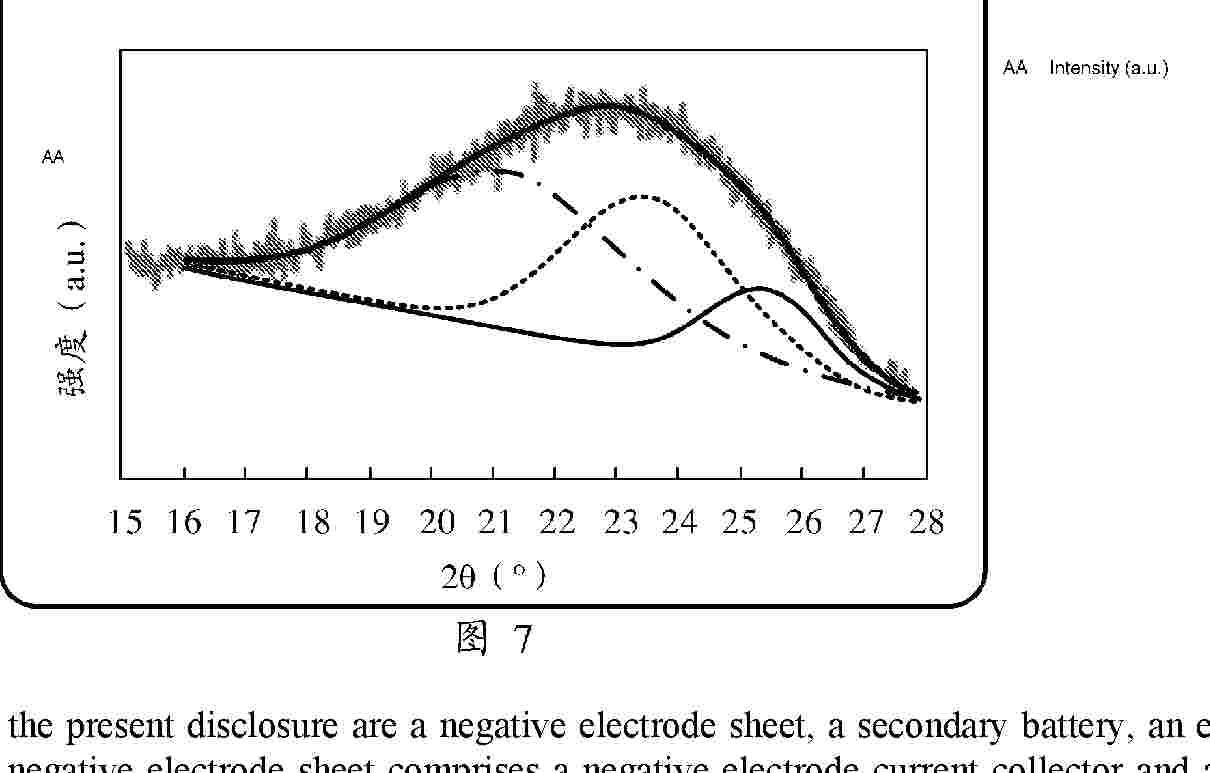
Provided in the present disclosure are a negative electrode sheet, a secondary battery, an electrical apparatus and a carbon-based material. The negative electrode sheet comprises a negative electrode current collector and a negative electrode film layer located on at least one surface of the negative electrode current collector, wherein the negative electrode film layer comprises a carbon-based material, the carbon-based material comprises graphene sheet layers, and the space volume H1 between graphene sheet layers with the interlayer spacing greater than 0.4 nm and the total space volume Htotal between all the graphene sheet layers satisfy: 40%≤H1/Htotal≤60%.
Resumen de: US20260358068A1
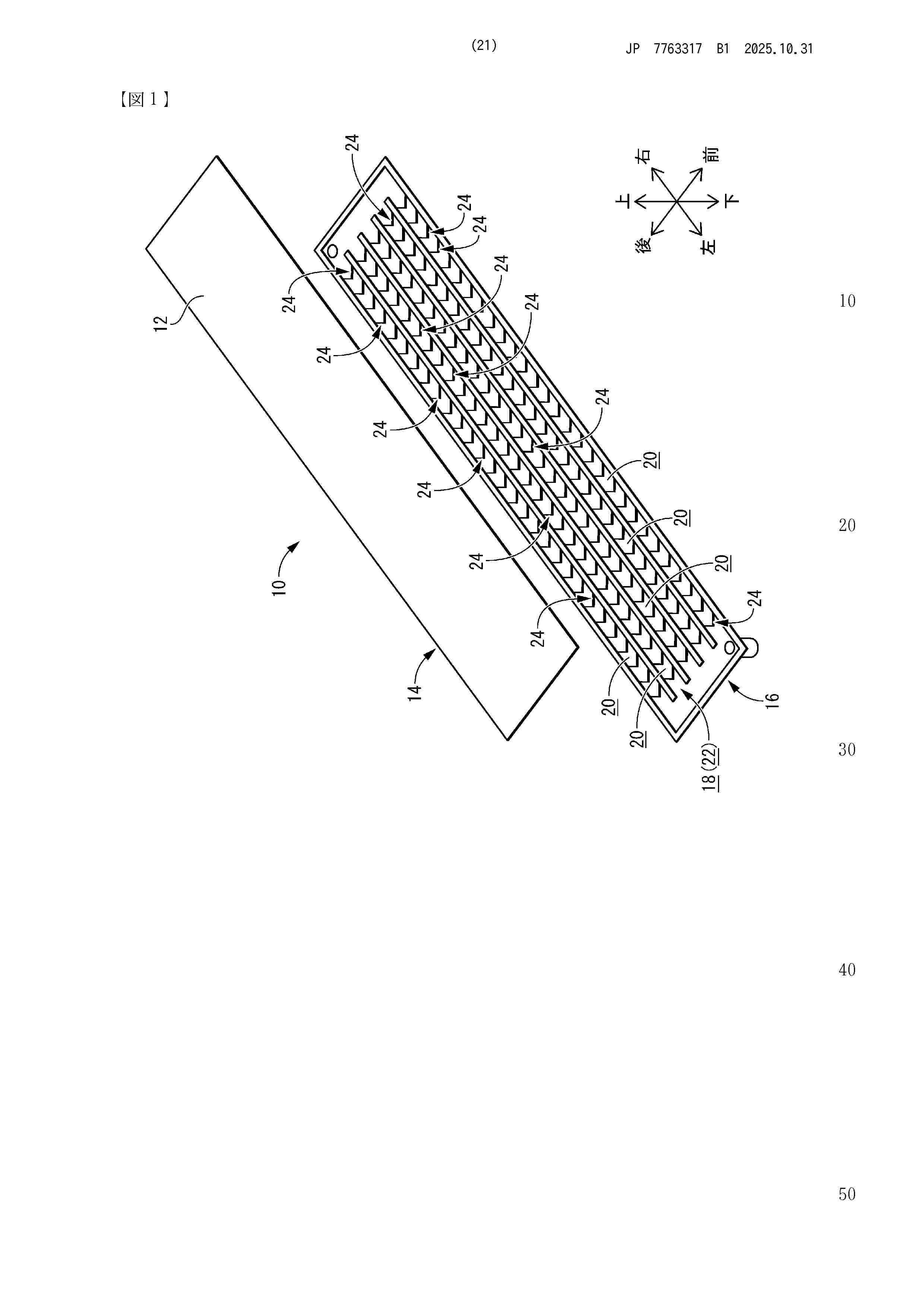
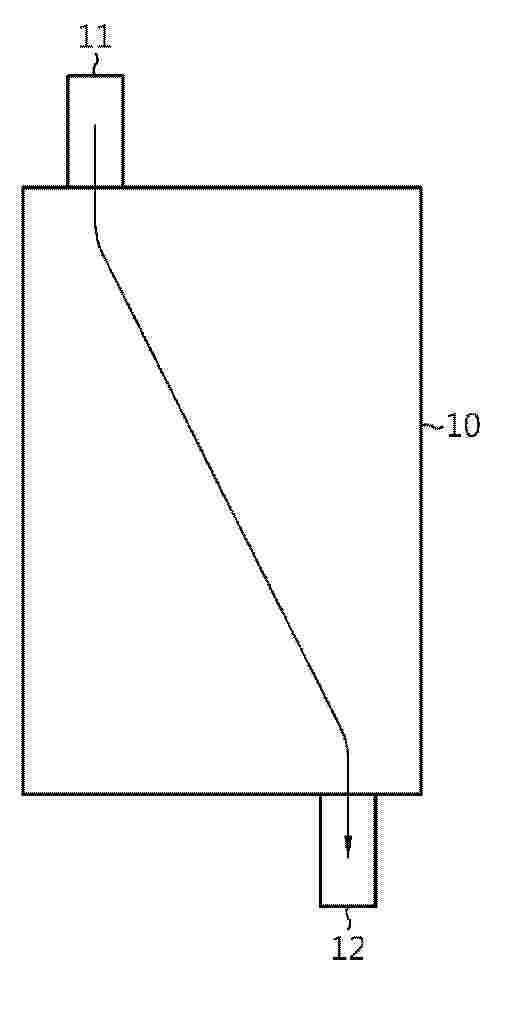
A cooling heat exchanger having a novel structure that is expected to further improve cooling performance. A cooling flow path through which a cooling heat medium flows is formed between two plates having a cooling surface, at least one of the plates superposed on a cooling target. At least one protrusion is provided on a wall of the cooling flow path, extending in a direction intersecting a flow path length direction of the cooling flow path. The protrusion is provided with a pair of inclined portions respectively, extending both sides of a flow path width direction toward the flow path length direction of the cooling flow path. The pair of inclined portions comprises a low protruding portion having low height and a high protruding portion having high height.
Resumen de: AU2025262702A1
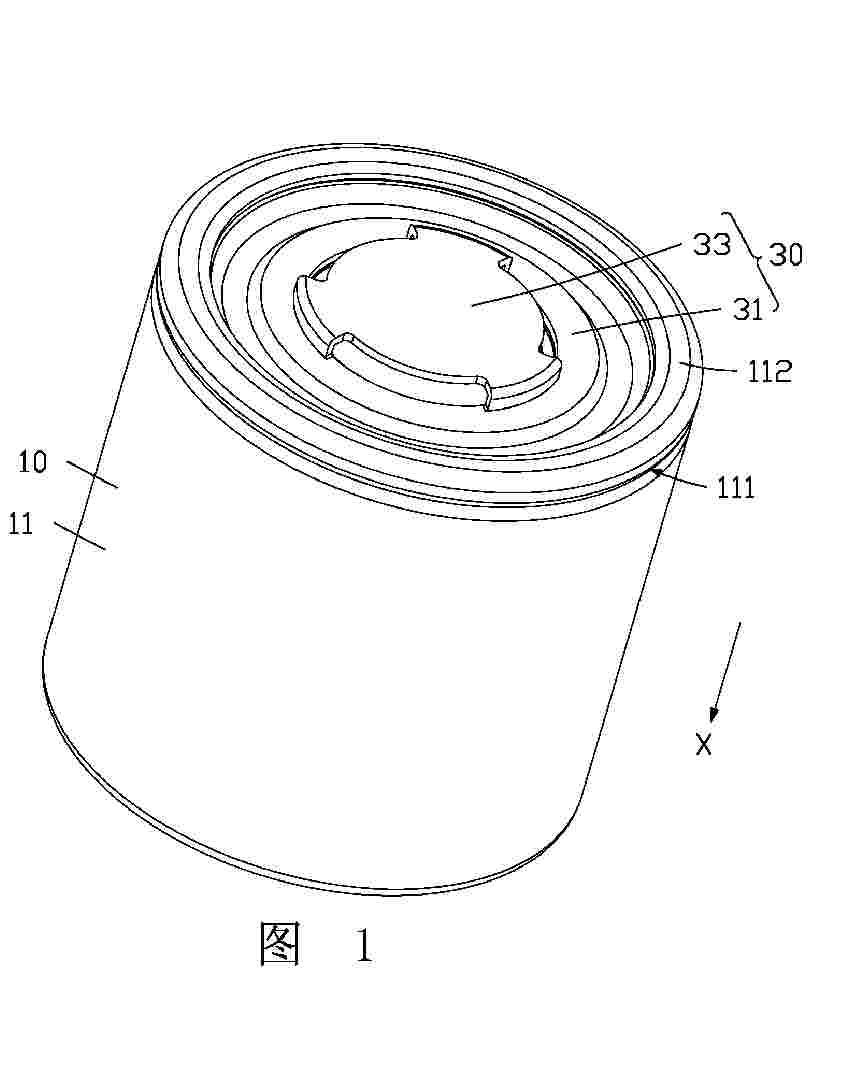
Disclosed in the present application are a cylindrical cell, a battery pack and an electric device. The cylindrical cell comprises a casing, an electrode assembly, an end cap and a first insulating member. The end cap is connected to the casing and the electrode assembly. The end cap and the electrode assembly are arranged in an axial direction. The end cap is provided with a projecting portion. The first insulating member comprises a first part and a second part which are connected to each other, wherein the first part is connected to the end cap and the casing; and in the axial direction, at least part of the second part is located between the projecting portion and the electrode assembly, and is connected to the projecting portion and the electrode assembly.
Resumen de: AU2025256616A1
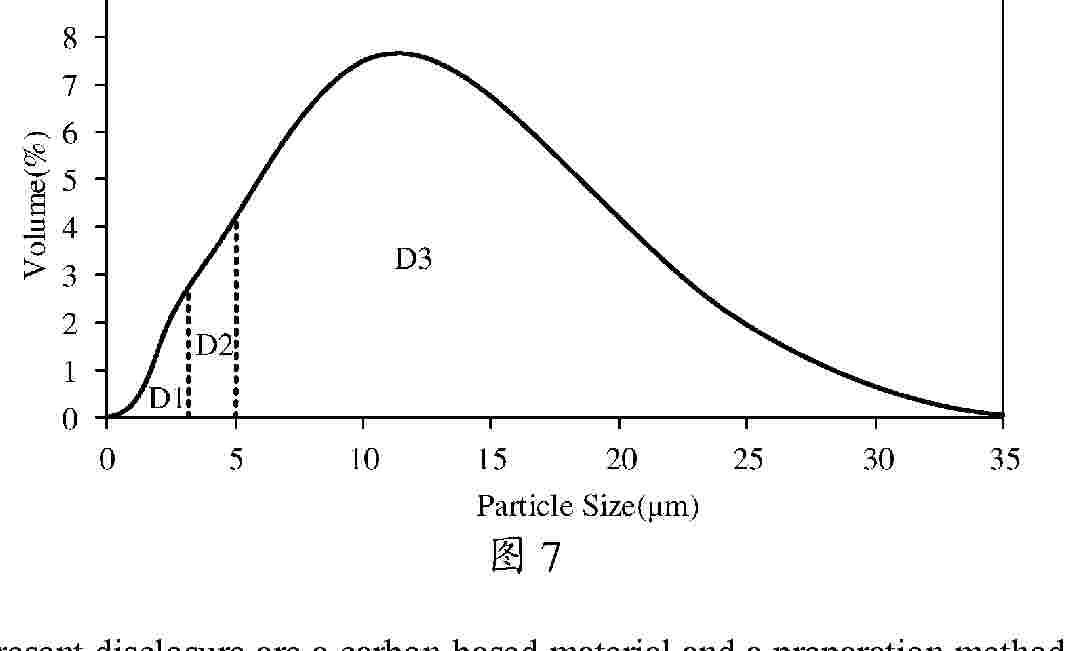
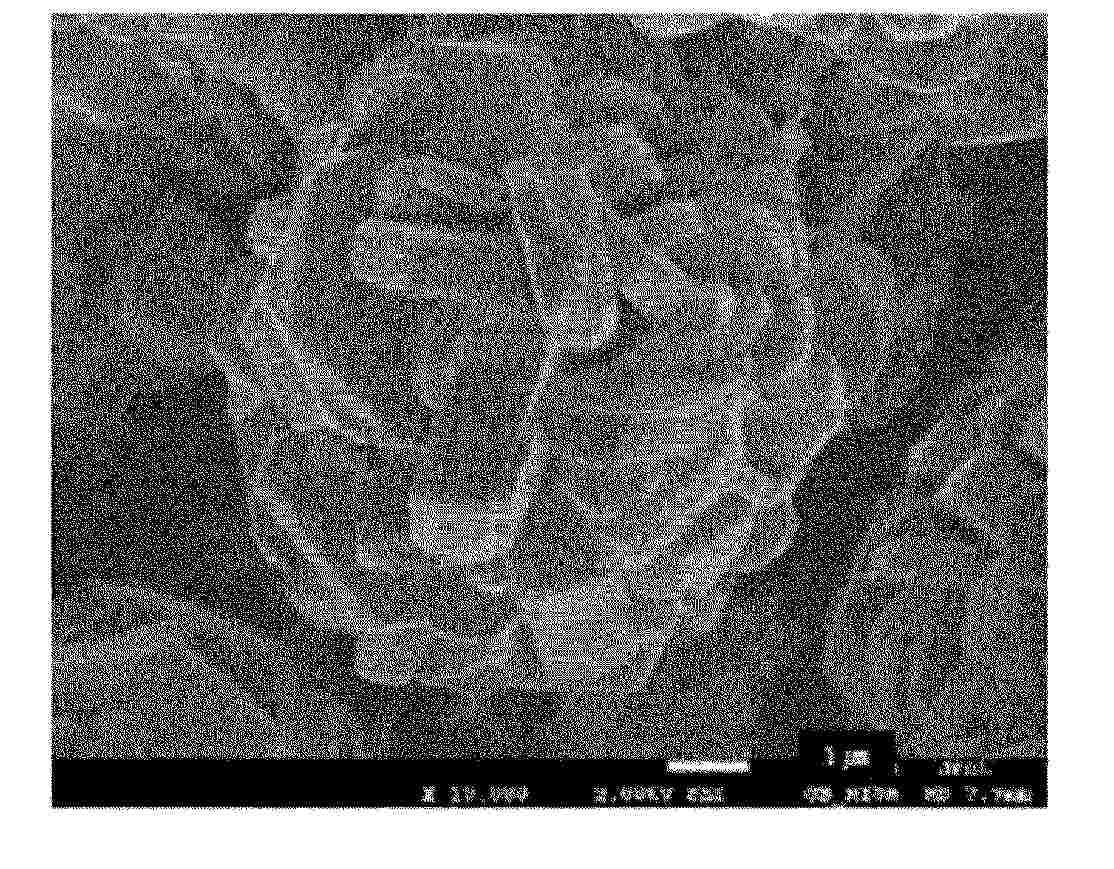
Provided in the present disclosure are a carbon-based material and a preparation method therefor, a secondary battery and an electric device. The carbon-based material is granular, and has a degree of sphericity of 0.5-1.0. The carbon-based material satisfies: D1/D2 being 0.4-0.62, and D2/D3 being 0.1-0.16, wherein D1 is the proportion of the total volume of particles having a particle diameter of smaller than or equal to 3 μm in the carbon-based material to the total volume of all the particles in the carbon-based material; D2 is the proportion of the total volume of particles having a particle diameter of greater than 3 μm and less than 5 μm in the carbon-based material to the total volume of all the particles in the carbon-based material; and D3 is the proportion of the total volume of the particles having a particle diameter of greater than or equal to 5 μm in the carbon-based material to the total volume of all the particles in the carbon-based material.
Resumen de: AU2026205493A1
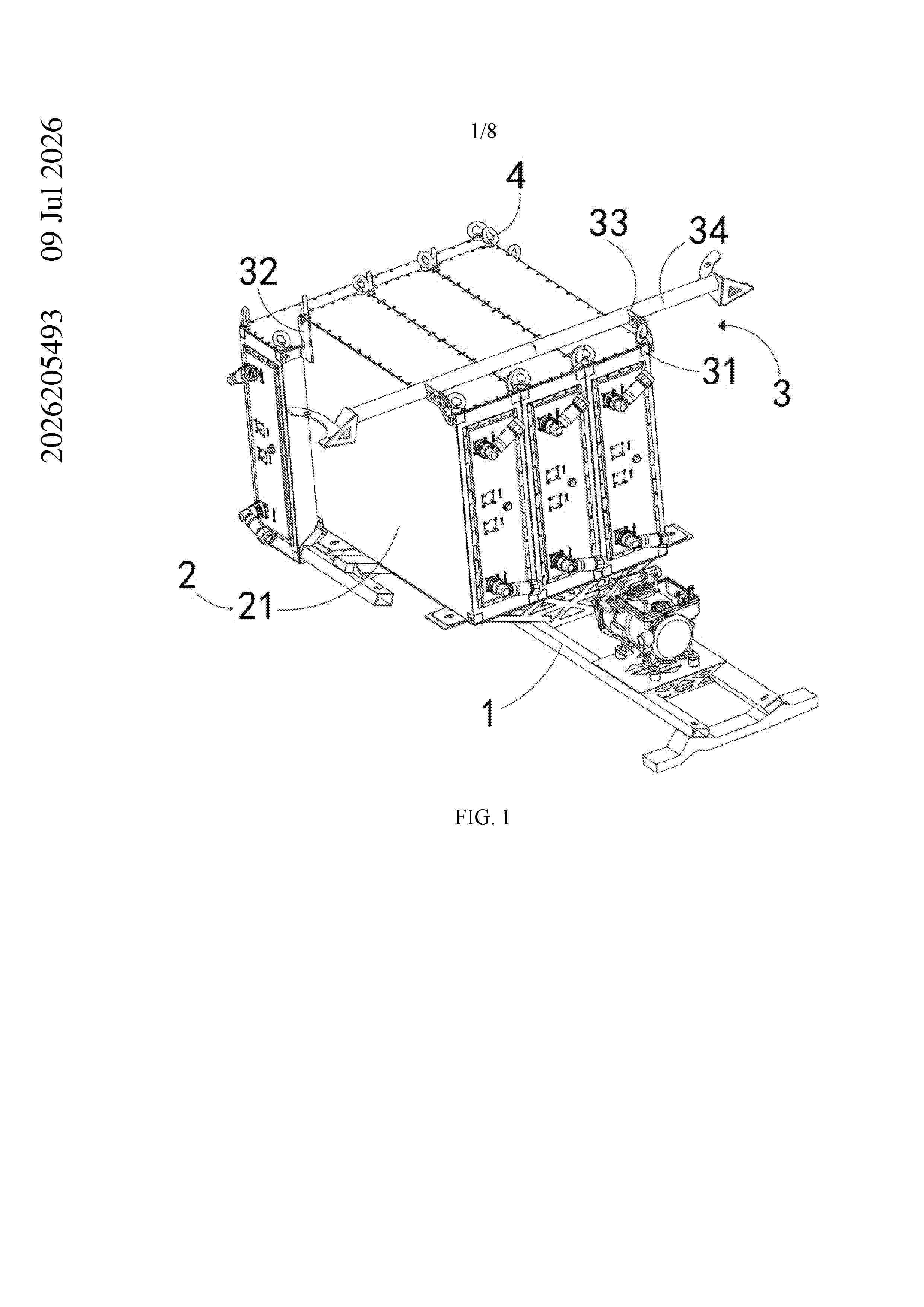
Abstract The present disclosure provides a modular battery assembly, power drive system, and gasoline-to-electric converted vehicle. The modular battery assembly includes a support frame, a battery module, and a fixing assembly. The support frame is disposed on a vehicle body. The battery module comprises a plurality of battery boxes electrically connected in series end to end, and the plurality of battery boxes are disposed on the support frame along their longitudinal direction and/or transverse direction. The fixing assembly is disposed between the plurality of battery boxes and the vehicle body, and is located on the side of the battery module distal from the support frame, for fixing the battery boxes to the vehicle body. Abstract ul u l u l in is4is is is is is Hi ul u l u l
Resumen de: US20260360923A1
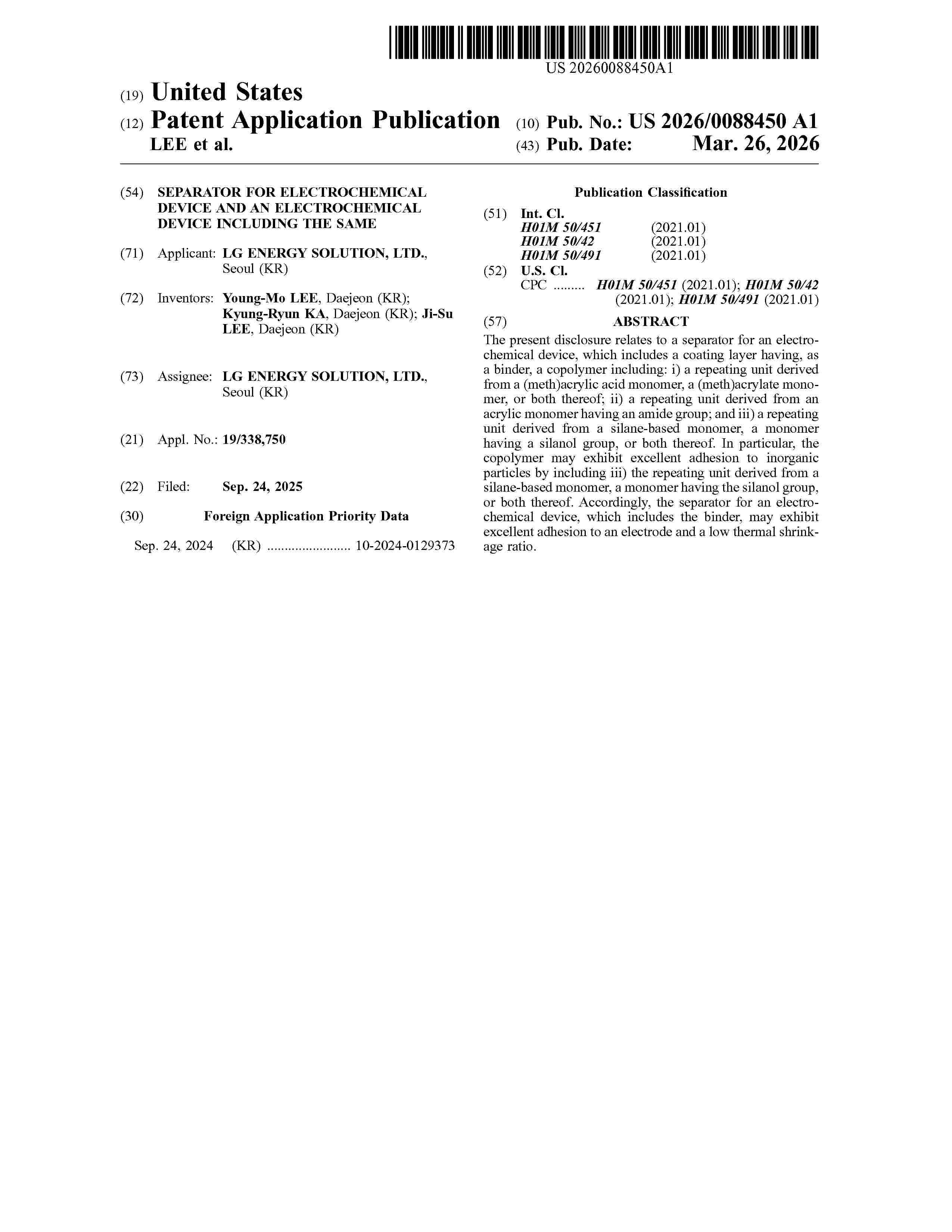
The present disclosure relates to a separator for an electrochemical device, which includes a coating layer having, as a binder, a copolymer including: i) a repeating unit derived from a (meth)acrylic acid monomer, a (meth)acrylate monomer, or both thereof; ii) a repeating unit derived from an acrylic monomer having an amide group; and iii) a repeating unit derived from a silane-based monomer, a monomer having a silanol group, or both thereof. In particular, the copolymer may exhibit excellent adhesion to inorganic particles by including iii) the repeating unit derived from a silane-based monomer, a monomer having the silanol group, or both thereof. Accordingly, the separator for an electrochemical device, which includes the binder, may exhibit excellent adhesion to an electrode and a low thermal shrinkage ratio.
Resumen de: US20260358428A1
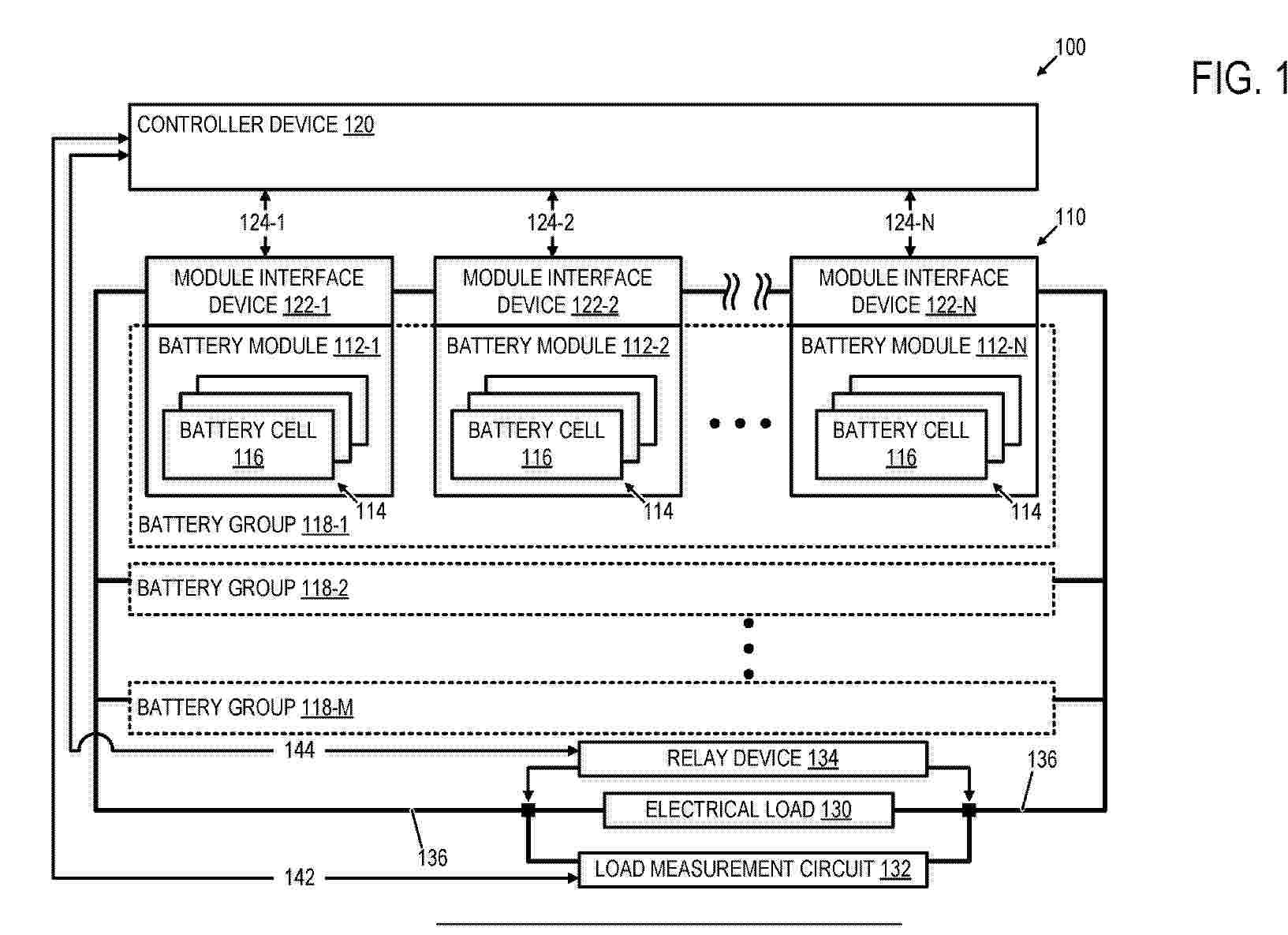
A method, a battery management system, and an article of manufacture for testing a battery system are disclosed. The battery system can include a plurality of battery modules. A test process is performed with respect to the battery system via the battery management system that includes a controller device and a plurality of module interface devices. For each battery module of the plurality of battery modules, a respective module interface device of the plurality of module interface devices is operatively coupled to anode and cathode terminals of that battery module. Each module interface device can include a measurement circuit and a switching circuit. The test process can be used to independently connect, disconnect, and measure various operating conditions of the battery modules and load.
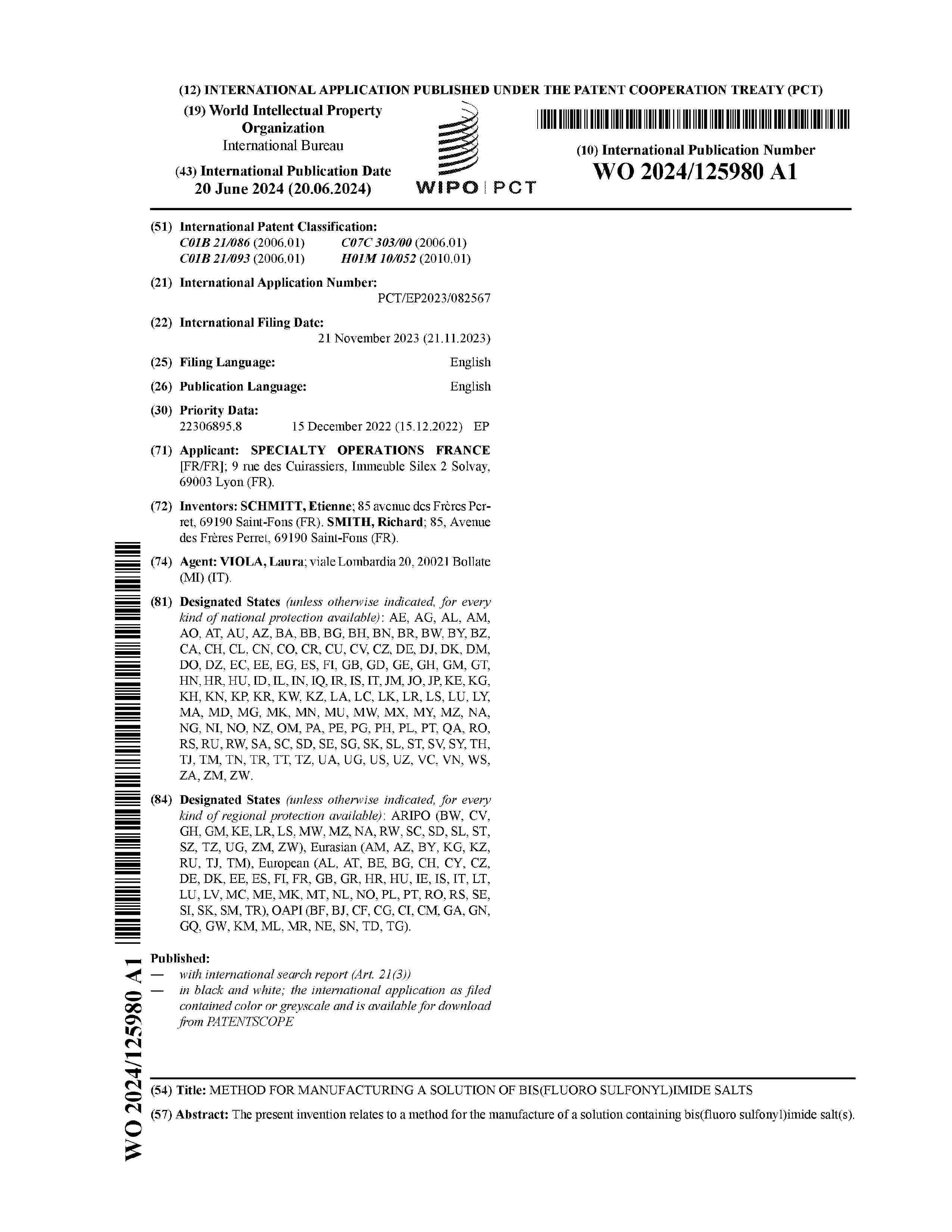
Resumen de: US20260356797A1
A method for manufacturing a composition comprising a salt of bis(fluoro sulfonyl)imide (salt-FSI), the method comprising the steps of: providing a composition composition (COMP) comprising: at least a salt of bis(fluoro sulfonyl)imide salt-FSI in a first concentration, and at least one solvent solvent (S); charging said composition (COMP) into a first vessel; charging at least one organic solvent solvent (S1) into the first vessel; subjecting said composition (COMP) and the solvent (S1) to a first distillation; recovering a composition composition (COMP-F) in the form of a solution comprising: the at least one salt-FSI in a second concentration wherein the second concentration is higher than the first concentration in the composition (COMP), water in an amount lower than the amount of water in composition (COMP), and at least one solvent comprising said solvent (S1) in an amount of at least 95 wt. % based on the total weight of the composition (COMP-F).
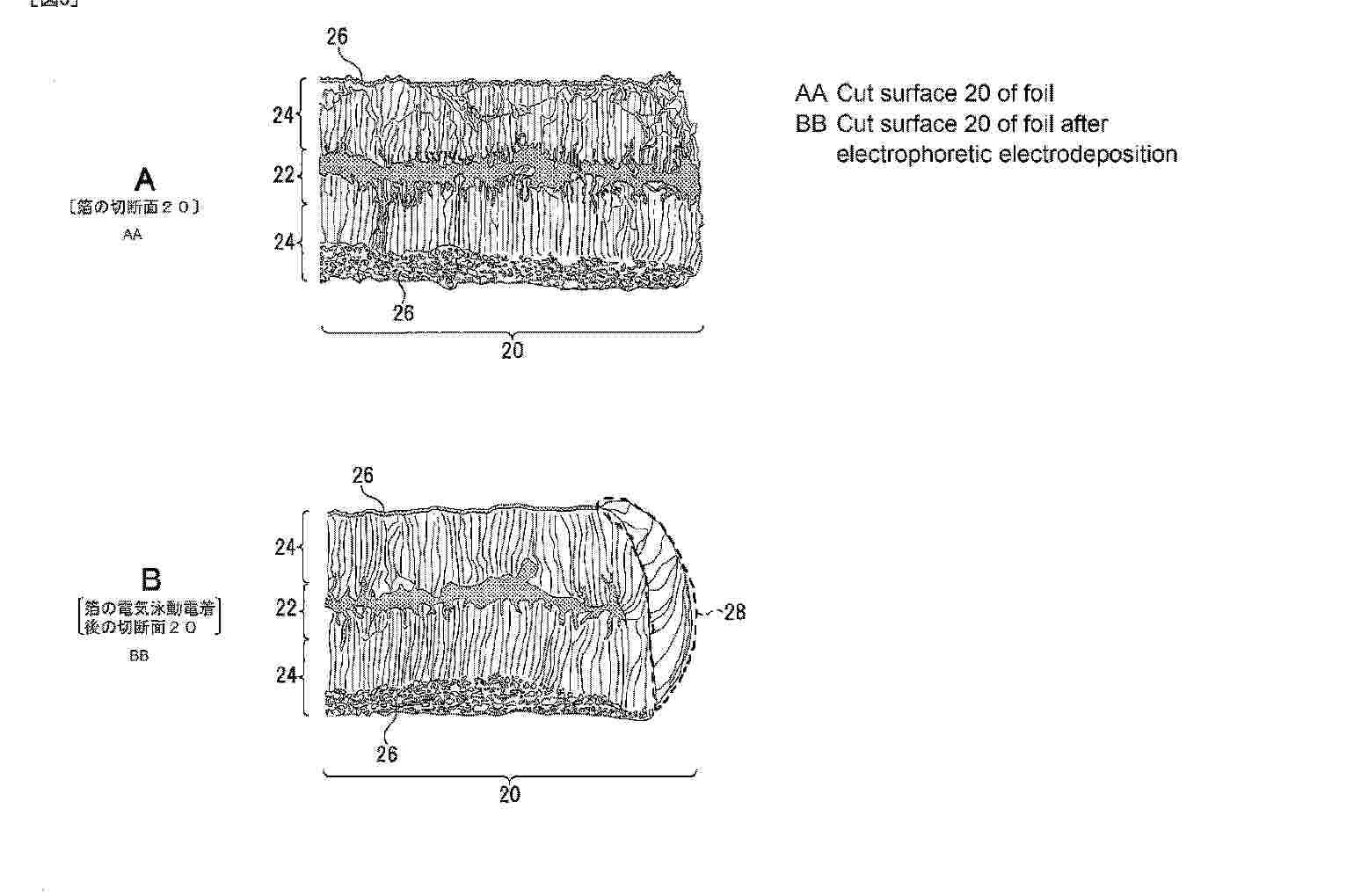
Resumen de: US20260360628A1
A manufacturing method for an electrode foil, includes: performing a surface expansion treatment on a foil made from a valve metal; forming an oxide film layer on the foil subjected to the surface expansion treatment; cutting the foil on which the oxide film layer is formed; and forming, on a cut surface of the foil, a resin layer having a withstand voltage equal to or greater than a withstand voltage of the oxide film layer.
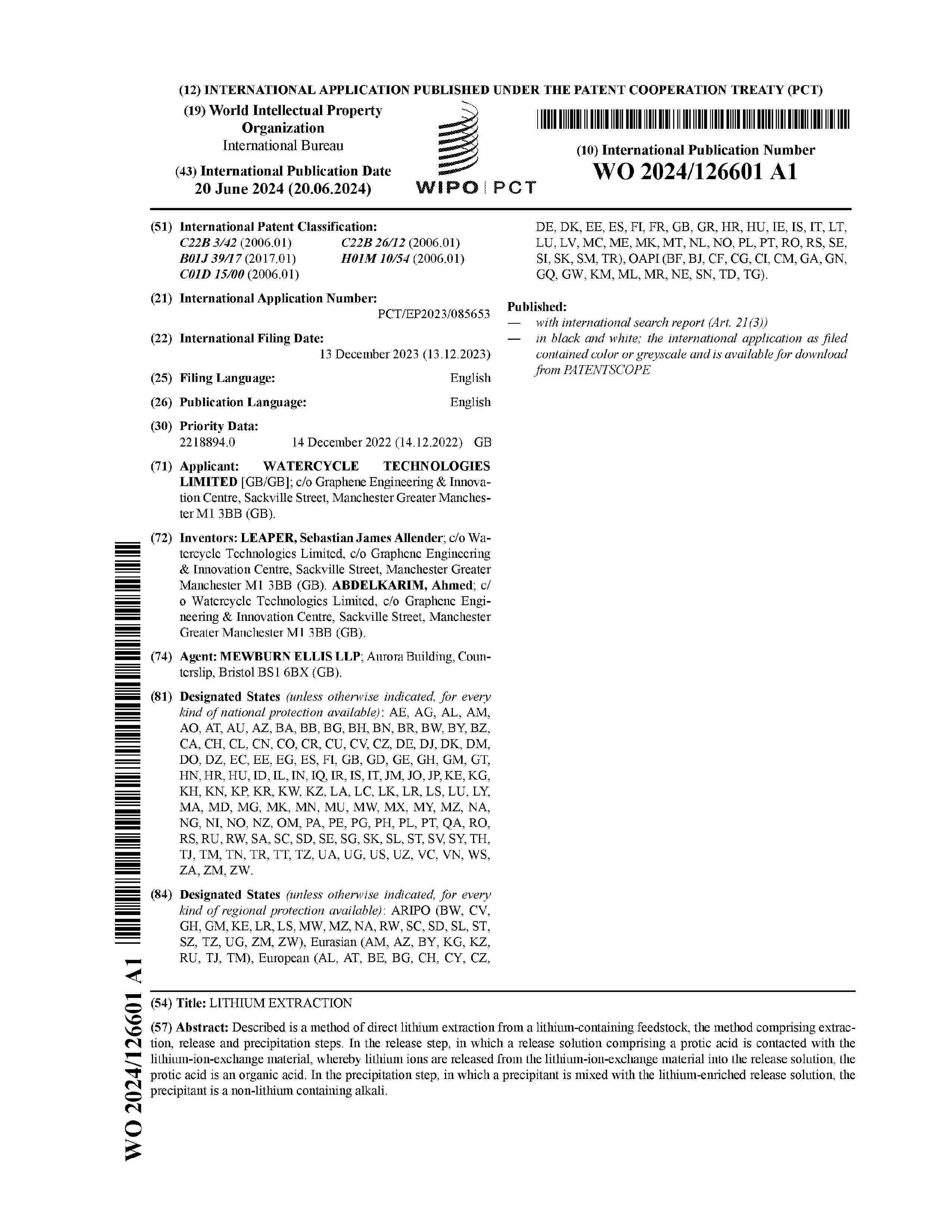
Resumen de: US20260357378A1
Described is a method of direct lithium extraction from a lithium-containing feedstock, the method comprising extraction, release and precipitation steps. In the release step, in which a release solution comprising a protic acid is contacted with the lithium-ion-exchange material, whereby lithium ions are released from the lithium-ion-exchange material into the release solution, the protic acid is an organic acid. In the precipitation step, in which a precipitant is mixed with the lithium-enriched release solution, the precipitant is a non-lithium containing alkali.
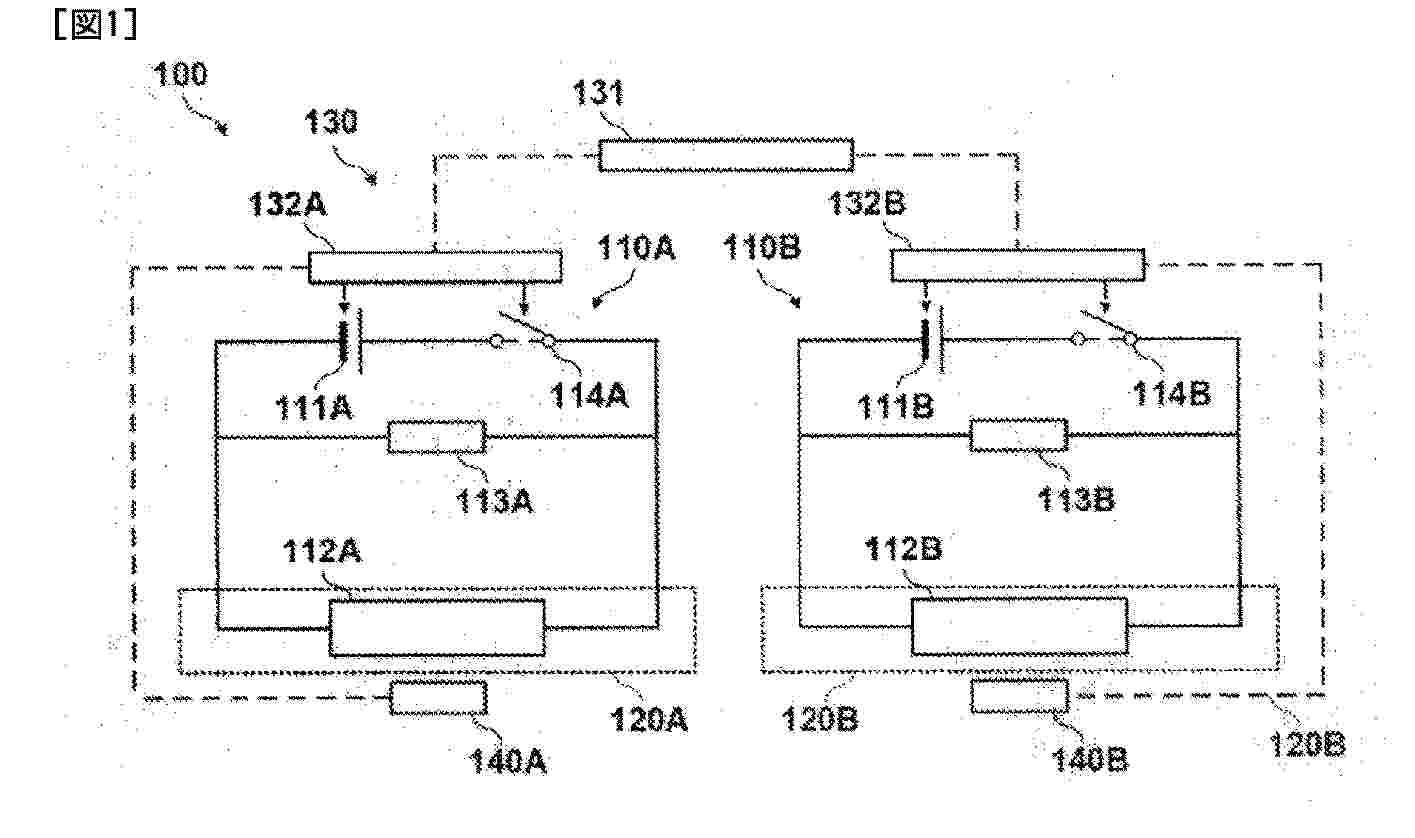
Resumen de: US20260360599A1
A superconducting magnet device includes a first superconducting coil, a second superconducting coil, a first power source that supplies a current to the first superconducting coil and does not supply a current to the second superconducting coil, a second power source that does not supply a current to the first superconducting coil but supplies a current to the second superconducting coil, a first detector that detects quenching of the first superconducting coil, and a control unit that performs first adjustment processing of adjusting a current to be supplied from the second power source to the second superconducting coil in response to detection of quenching of the first superconducting coil by the first detector.
Resumen de: US20260358422A1
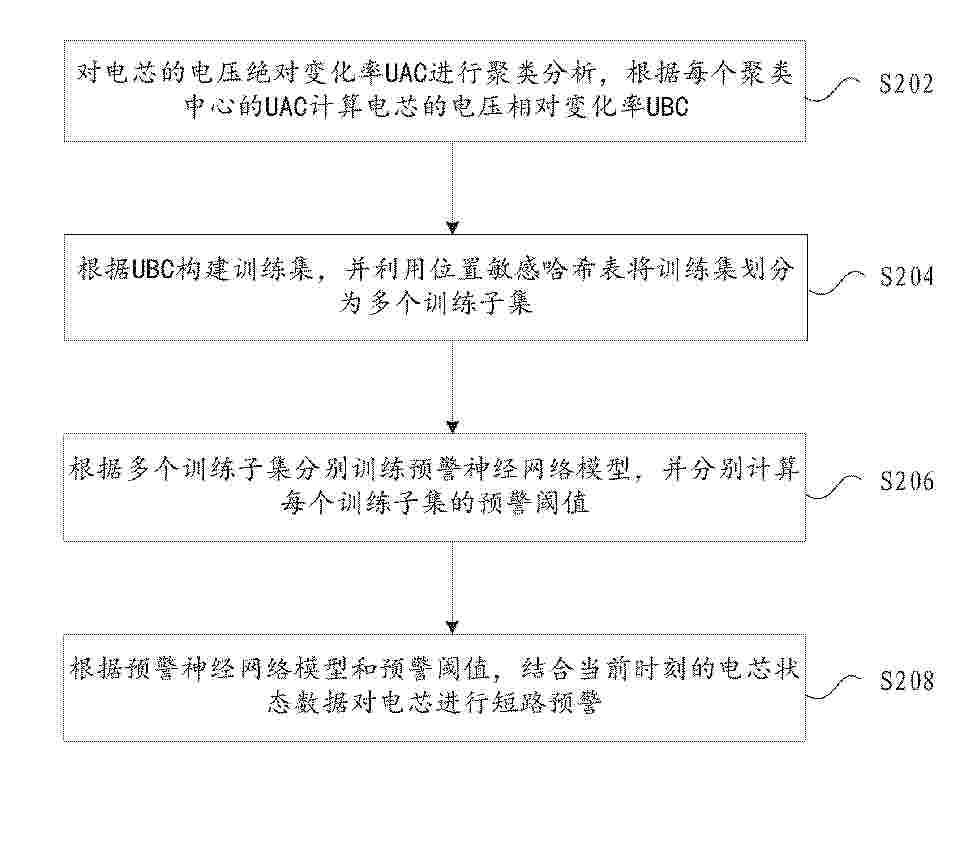
Embodiments of the present disclosure provide a short circuit early-warning method and apparatus for an energy storage battery. The method includes: clustering analysis is performed on a U-Absolute Change (UAC) of a battery cell, and a U-Baseline Change (UBC) of the battery cell is calculated according to the UAC of each clustering center; a training set is constructed according to the UBC, and the training set is partitioned into a plurality of training subsets using a locality-sensitive hashing table; an early-warning neural network model is respectively trained according to the plurality of training subsets, and an early-warning threshold of each training subset is respectively calculated; and short circuit early-warning is performed on a battery cell according to the early-warning neural network model and the early-warning threshold and in conjunction with battery cell state data at the current moment.
Resumen de: US20260360716A1
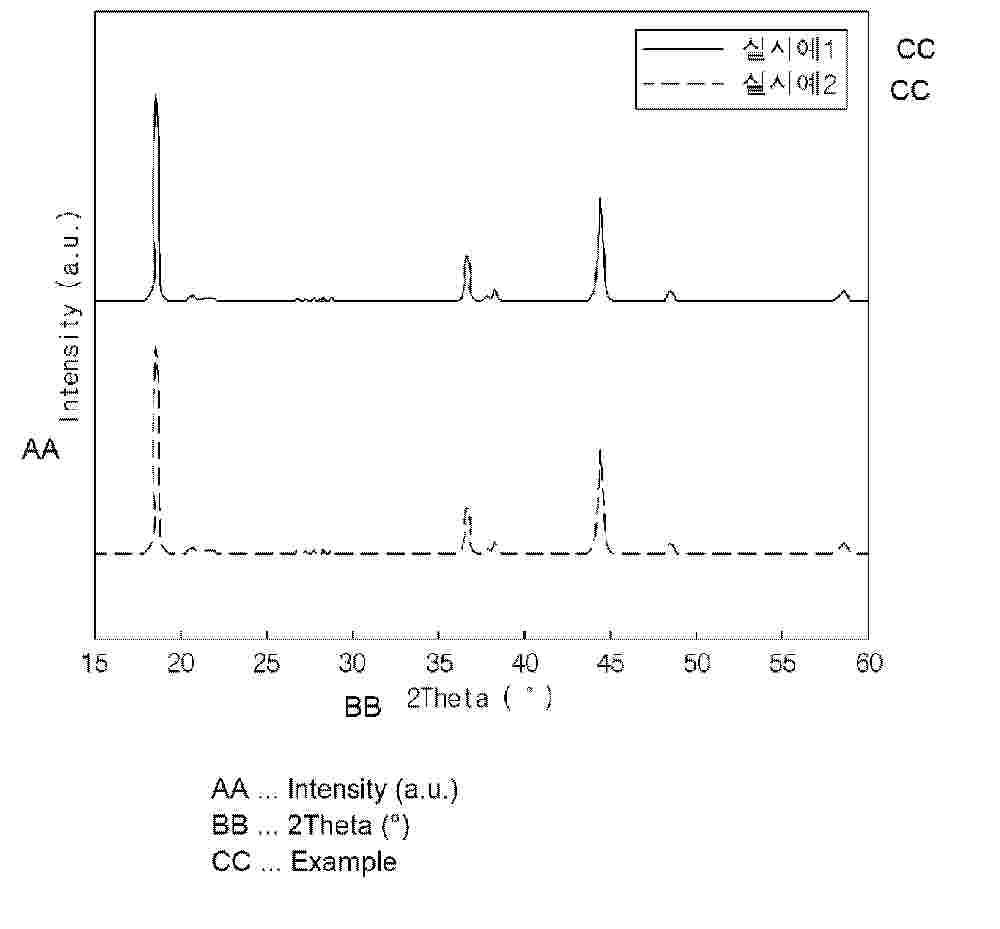
The present invention relates to a positive electrode active material capable of improving the performance of a lithium secondary battery, wherein the positive electrode active material includes a lithium composite transition metal oxide including both a Li2MnO3 phase and a LiMO2 (in this case, M is an element including Ni, Mn, or a combination thereof) phase; and a coating layer including a compound composed of vanadium (V) and oxygen (O) on the lithium composite transition metal oxide, wherein the lithium composite transition metal oxide has a composition represented by Formula 1 described in the present specification, and the content of vanadium (V) included in the coating layer is 90 ppm to 2,500 ppm based on the total weight of the lithium composite transition metal oxide, and relates to a preparation method thereof, and a positive electrode and a lithium secondary battery including the same.
Resumen de: US20260360945A1
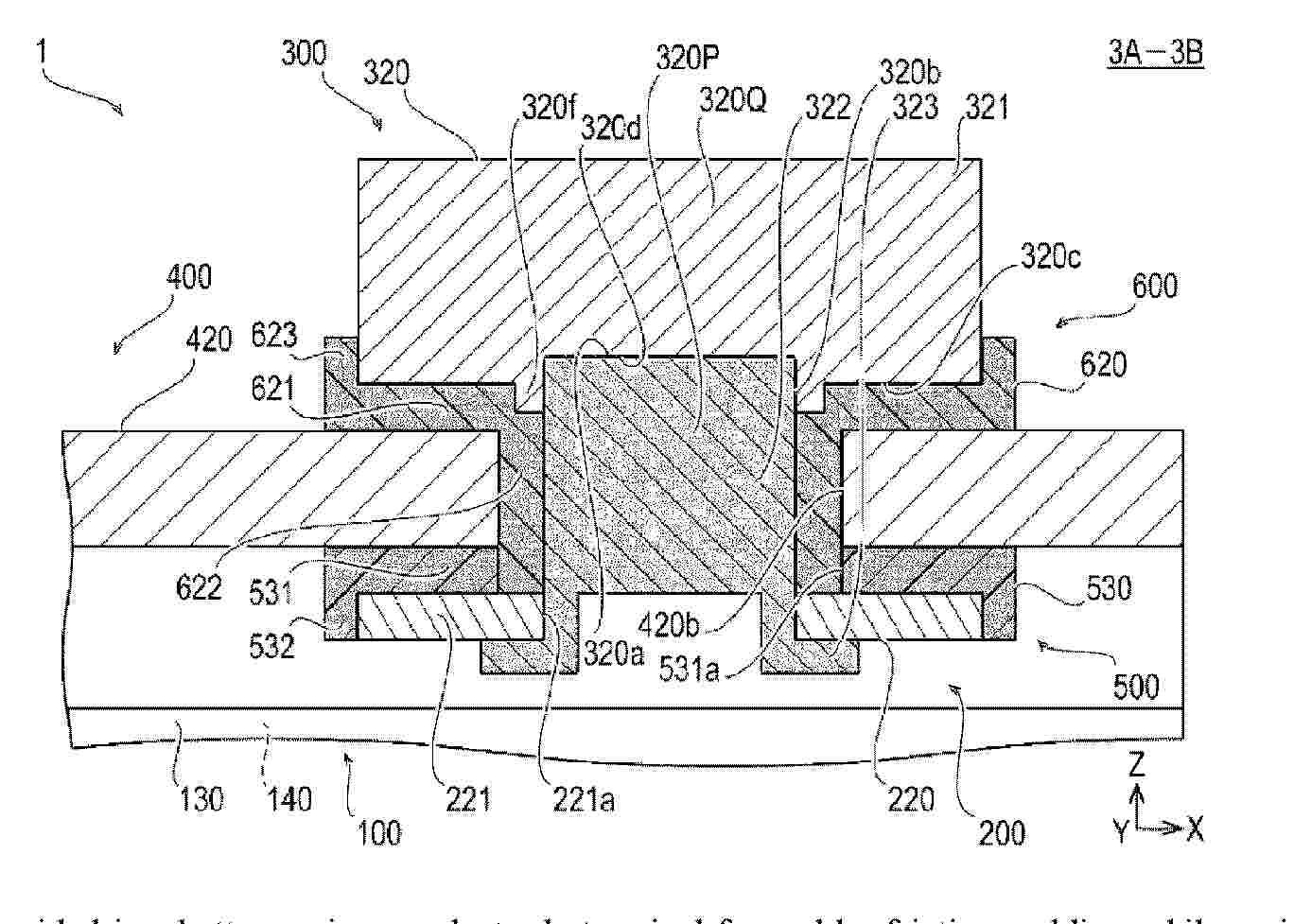
To obtain a battery that uses an electrode terminal formed by friction pressure welding while maintaining or improving sealing properties. A battery includes: a charging/discharging body; an exterior body that houses the charging/discharging body and has a through-hole formed therein; a sealing body that is provided in the exterior body; and an electrode terminal that is provided in the sealing body. The electrode terminal includes: a first portion that is inserted into the through-hole of the exterior body; and a second portion that is exposed to the outside of the exterior body, is lower in rigidity than the first portion, and is joined to a bus bar or an electric device. The first portion and the second portion are joined to each other by friction pressure welding. The second portion includes a projecting portion projecting toward the sealing body.
Resumen de: US20260358429A1
A negative electrode included in a secondary battery according to the present disclosure includes is a free-standing type electrode including a negative electrode active material but not having a current collector, and includes a first negative electrode tab and a second negative electrode tab extended in opposite directions. It may be possible to measure the resistance of only the negative electrode without disassembly of the secondary battery and accurately the resistance of the negative electrode. In addition, it may be possible to determine the degree of degradation of the negative electrode by measuring the resistance of the negative electrode.
Resumen de: US20260360835A1
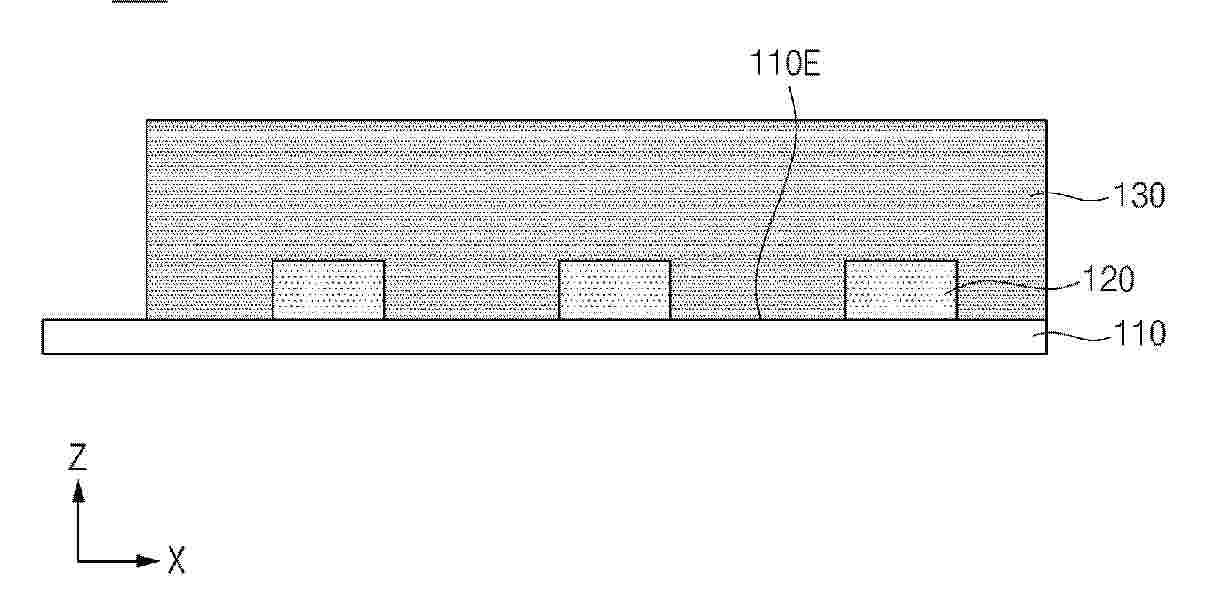
A positive electrode for lithium secondary battery may include a positive electrode current collector and a self-temperature control layer disposed on one or both sides of the positive electrode current collector, but disposed to cover a portion of the positive electrode current collector The positive electrode may also include a positive electrode active material layer disposed on the self-temperature control layer and an exposed positive electrode current collector region not covered by the self-temperature control layer. The self-temperature control layer may includes a positive temperature coefficient (PTC) material.
Resumen de: US20260360714A1
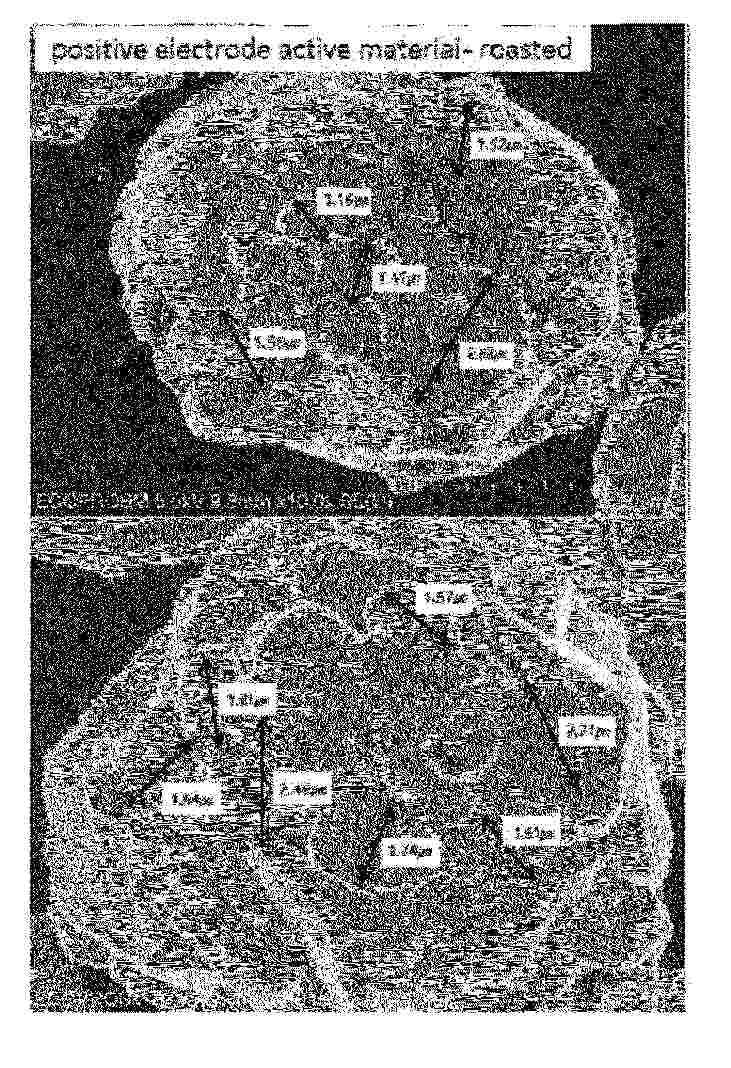
Provided are a positive electrode active material for a sodium secondary battery including: a sodium manganese-based oxide which includes at least sodium (Na), nickel (Ni), manganese (Mn), and a doping metal (Mp) and has a manganese content of 55 mol % or more in all metals other than sodium, wherein the sodium manganese-based oxide is a secondary particle formed by agglomeration of at least one primary particle, and the primary particles have an aspect ratio of 1:1 to 1:2.5, a method for producing a positive electrode active material, and a positive electrode for a sodium secondary battery and a sodium secondary battery including the positive electrode active material.
Resumen de: US20260360718A1
A positive electrode active material includes a lithium nickel complex oxide having a hexagonal crystalline layered structure and containing secondary particles in which a plurality of primary particles are aggregated. The lithium nickel complex oxide contains Li, Ni, B, and element M at a ratio by mole of Li:Ni:B:M=a:b:c:d (where 0.95≤a≤1.10, 0.50≤b<1.00, 0.00
Resumen de: US20260360713A1
Provided are a method for producing a positive electrode active material for a sodium secondary battery including: a) feeding a composite transition metal hydroxide precursor and a first cobalt compound to a reactor and forming a second cobalt compound on a surface of particles of the composite transition metal hydroxide precursor; and b) mixing the composite transition metal hydroxide precursor having the second cobalt compound formed on the surface of the particles and a sodium compound and then performing a heat treatment to produce a sodium manganese-based oxide doped with cobalt (Co), wherein the sodium manganese-based oxide includes at least nickel (Ni), manganese (Mn), and cobalt (Co), and contains 55 mol % or more of manganese in all metals other than sodium, a positive electrode active material for a sodium secondary battery, and a positive electrode and a sodium secondary battery including the positive electrode active material.
Resumen de: US20260360898A1
A mounting structure, a battery, and an electric device. The mounting structure comprises a lock sleeve, a mounting screw, a tightening screw, and a mounting cap. The lock sleeve is provided with a containing cavity passing through the lock sleeve in the axial direction; the mounting screw has a first end and a second end that are opposite to each other, the second end is arranged in the containing cavity, and the first end extends out of the lock sleeve; the tightening screw has an internal threaded section threadedly connected to the second end; the mounting cap is provided with a connecting hole for adapted connection of the first end of the mounting screw.
Resumen de: US20260360729A1
A positive electrode sheet includes a composite current collector and a positive electrode film layer provided on at least one surface of the composite current collector. The composite current collector includes a polymer material substrate layer and a metal composite layer located on at least one surface of the polymer material substrate layer, and an active material of the positive electrode film layer contains the Ni element. The metal composite layer includes a metal matrix layer and a metal oxide layer which are stacked. The resistivity of the metal oxide layer is greater than that of the metal matrix layer.
Resumen de: US20260360947A1
A housing assembly, a battery cell, a battery, and an electric device are provided. The housing assembly includes a housing and a post terminal. The housing is provided with a via. The post terminal includes a main body part, a connecting part extending through the via, and a bent part located outside the housing. The connecting part connects the main body part and the bent part. A recess is formed on a side of an end portion of the bent part facing the housing. The arrangement improves the connection structure between the post terminal and the housing and enhances assembly reliability and structural stability.
Resumen de: US20260360804A1
A solid electrolyte film and an all-solid-state battery comprising same are provided. The solid electrolyte film comprises a solid electrolyte and a binder including an acrylate-based binder and a nitrile butadiene rubber (NBR)-based binder.
Nº publicación: US20260360901A1 12/11/2026
Solicitante:
LG ENERGY SOLUTION LTD [KR]
LG ENERGY SOLUTION, LTD.
Resumen de: US20260360901A1
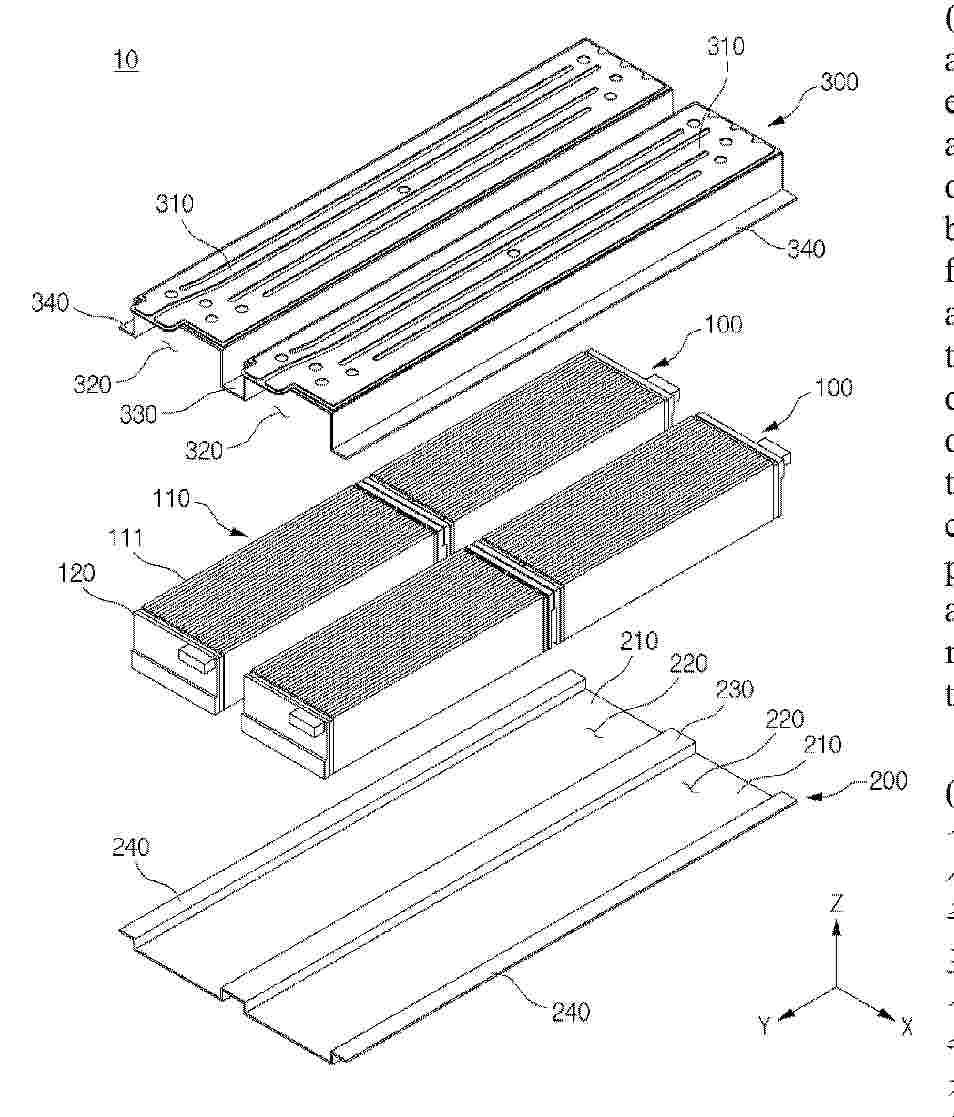
A battery module includes a plurality of battery cell assemblies each including a plurality of battery cells; a lower case including a plurality of first pocket parts spaced apart from each other in a first direction and a first connection part extending between two adjacent first pocket parts among the plurality of first pocket parts, each of the plurality of first pocket parts includes a lower accommodation space for accommodation of a lower part of a corresponding battery cell assembly; and an upper case including a plurality of second pocket parts spaced apart from each other in the first direction and a second connection part extending between two adjacent second pocket parts among the plurality of second pocket parts, in which each of the plurality of second pocket parts includes an upper accommodation space for accommodation of an upper part of a corresponding battery cell assembly.
 BOPI
 Sede Electrónica