Si deseas distinguir tus productos, servicios o ambos de los de otra empresa, es posible que necesites una marca o nombre comercial. Descubre qué son, en qué consiste su procedimiento de registro y qué implica.

Información sobre los plazos de presentación de solicitudes de transformación de marcas de la Unión Europea en marca nacional española. Más información


Si tienes un nuevo dispositivo, producto o procedimiento que resuelva un problema técnico o tenga una ventaja práctica, existen distintas formas de protegerlo en España y en otros países. Descubre cómo hacerlo.

¿Tu innovación reside en la estética, la ornamentación o la apariencia de tu producto? Protégela mediante un diseño industrial. Descubre qué derechos confiere el registro y cómo realizar la tramitación.

Las indicaciones geográficas protegen el nombre de un producto originario de una zona geográfica, a la cual le debe una determinada calidad, reputación u otra característica. Descubre qué son, en qué consiste su procedimiento de registro y qué beneficios conceden.

Las patentes publicadas en todo el mundo son una valiosa fuente de información científica, técnica y comercial.

Si eres emprendedor/a o una empresa y quieres potenciar y mejorar la rentabilidad de tu negocio protegiendo de forma adecuada los activos intangibles de tu organización, en este espacio encontrarás lo necesario.


 369
resultados
369
resultados
 Última actualización
17/10/2026 [08:09:00]
Última actualización
17/10/2026 [08:09:00]


 Resultados 250 a 275 de 369

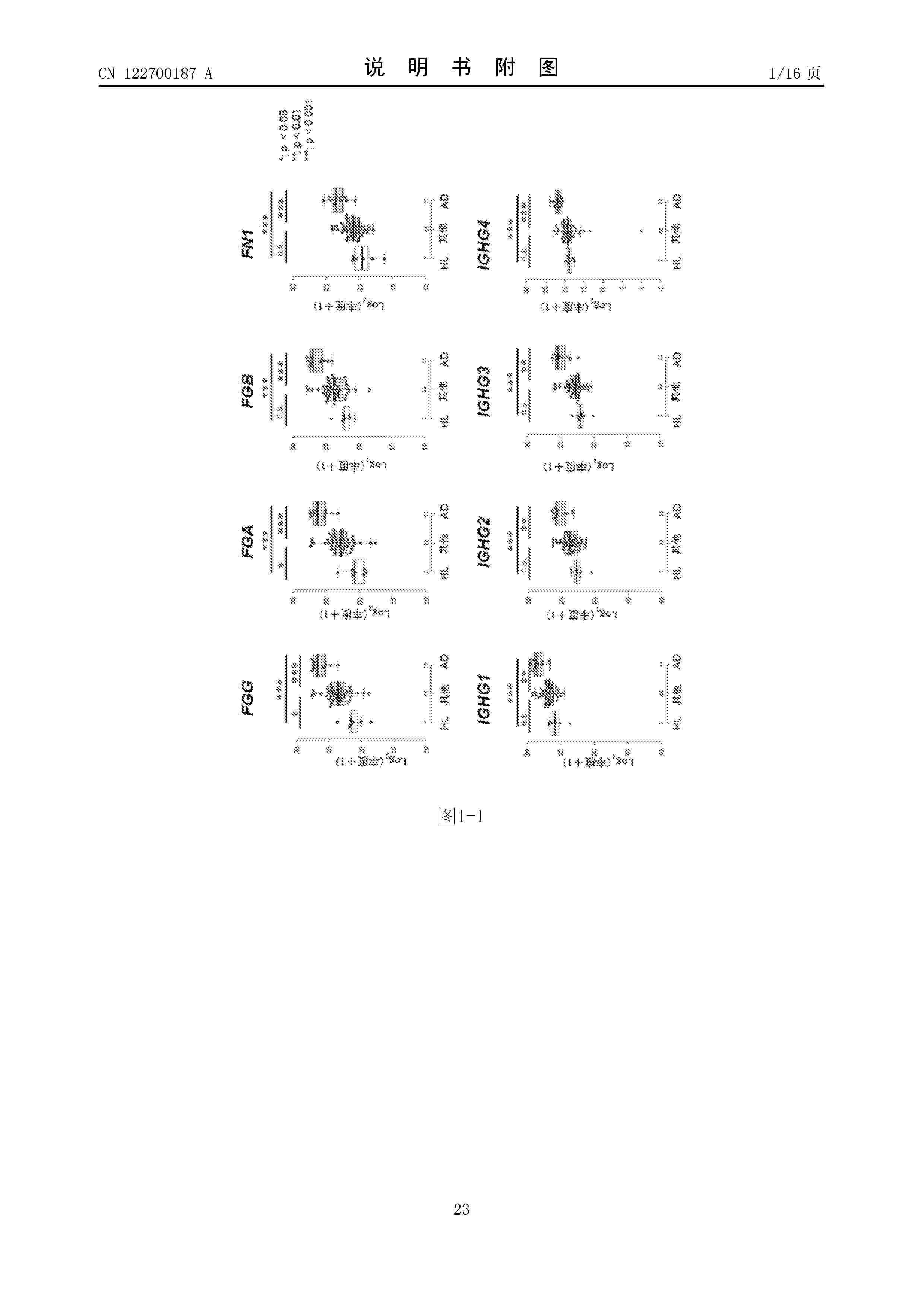
Resumen de: WO2025169282A1
Provided are a method for preparing a protein marker for differentiating atopic dermatitis and other skin diseases, and a method for discriminating atopic dermatitis and other skin diseases using said protein marker. More specifically, the method for preparing a protein marker for differentiating atopic dermatitis and other skin diseases includes collecting, from a sample collected from the skin of a subject, at least one protein selected from FGG, FGA, FGB, FN1, IGHG1, IGHG2, IGHG3, IGHG4, C3, C4B, C7, CFB, CFH, EPX, CLC, RNASE3, RNASE2, and PRG2.

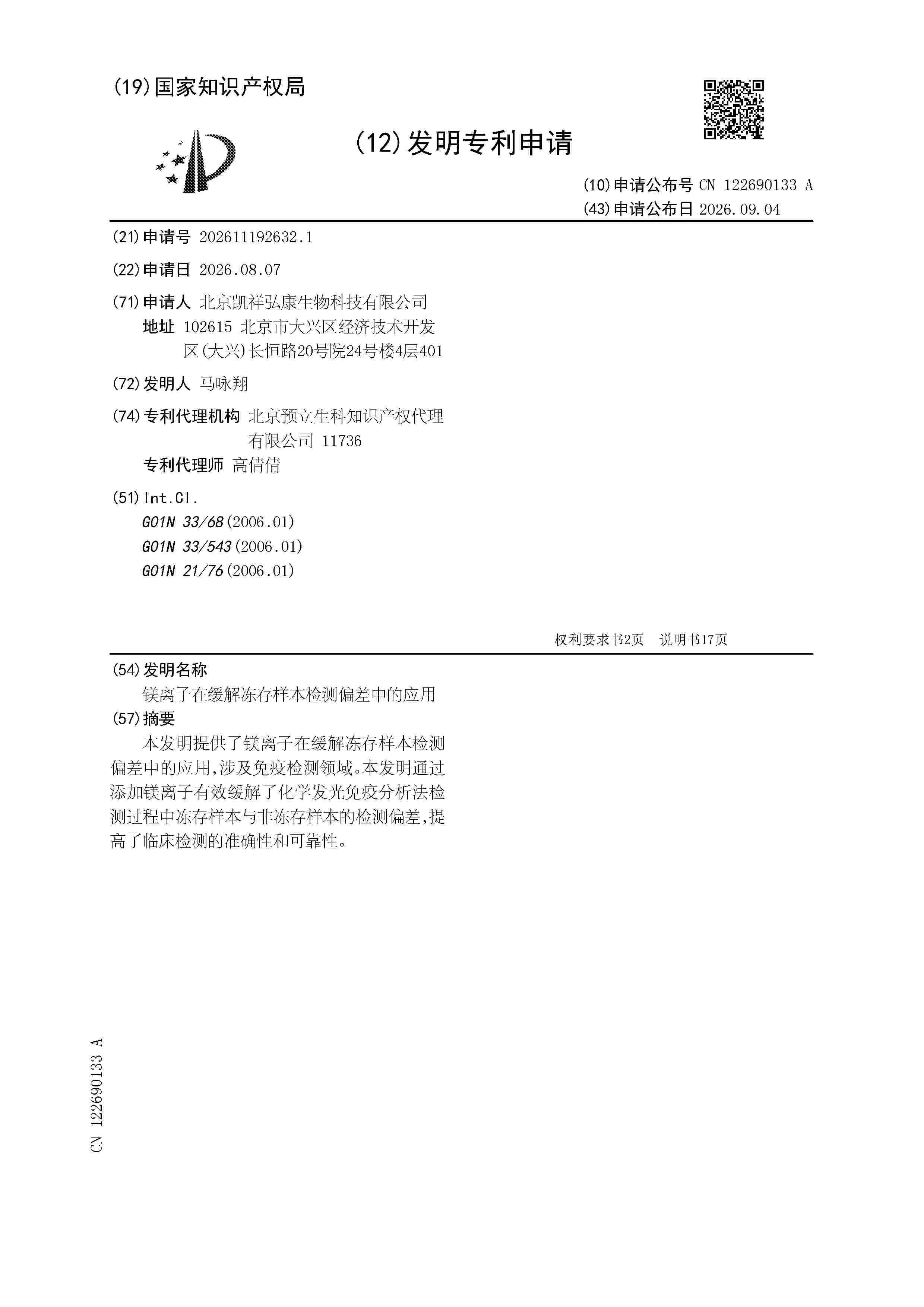
Resumen de: CN122690133A
0001 本发明提供了镁离子在缓解冻存样本检测偏差中的应用,涉及免疫检测领域。本发明通过添加镁离子有效缓解了化学发光免疫分析法检测过程中冻存样本与非冻存样本的检测偏差,提高了临床检测的准确性和可靠性。
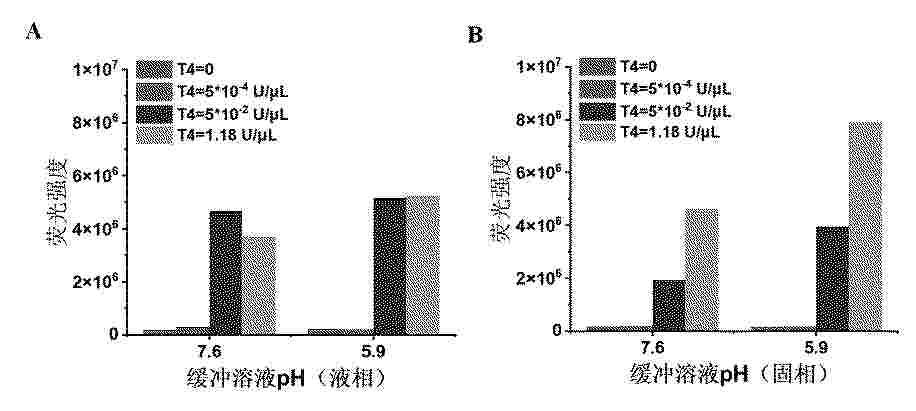
Resumen de: CN122690127A
本发明公开了一种检测低丰度蛋白的方法,包括S1、将磁球偶联待测蛋白的捕获抗体和磷酸末端的寡核苷酸链段,得到捕获待测蛋白的微球、将捕获待测蛋白的微球、待测样品和生物素化检测抗体混合孵育;S2、酶标记,加入SA‑T4 PNKP酶,使捕获待测蛋白的微球表面标记T4 PNKP酶;S3、去磷酸化反应,洗去未结合的SA‑T4 PNKP酶,加入维生素B7置换结合在待测蛋白的微球表面的SA‑T4 PNKP,并激活T4 PNKP的去磷酸化性能,使得待测蛋白的微球表面的磷酸基团去磷酸化为羟基;S4、TdT信号放大,加入TdT酶和dTTP底物,识别待测蛋白的微球表面的羟基并进行polyT链延长;S5、荧光标记;S6、检测荧光强度以评估待测蛋白浓度;本发明提供了操作更为便捷,检测灵敏度高的低丰度蛋白的检测方法。
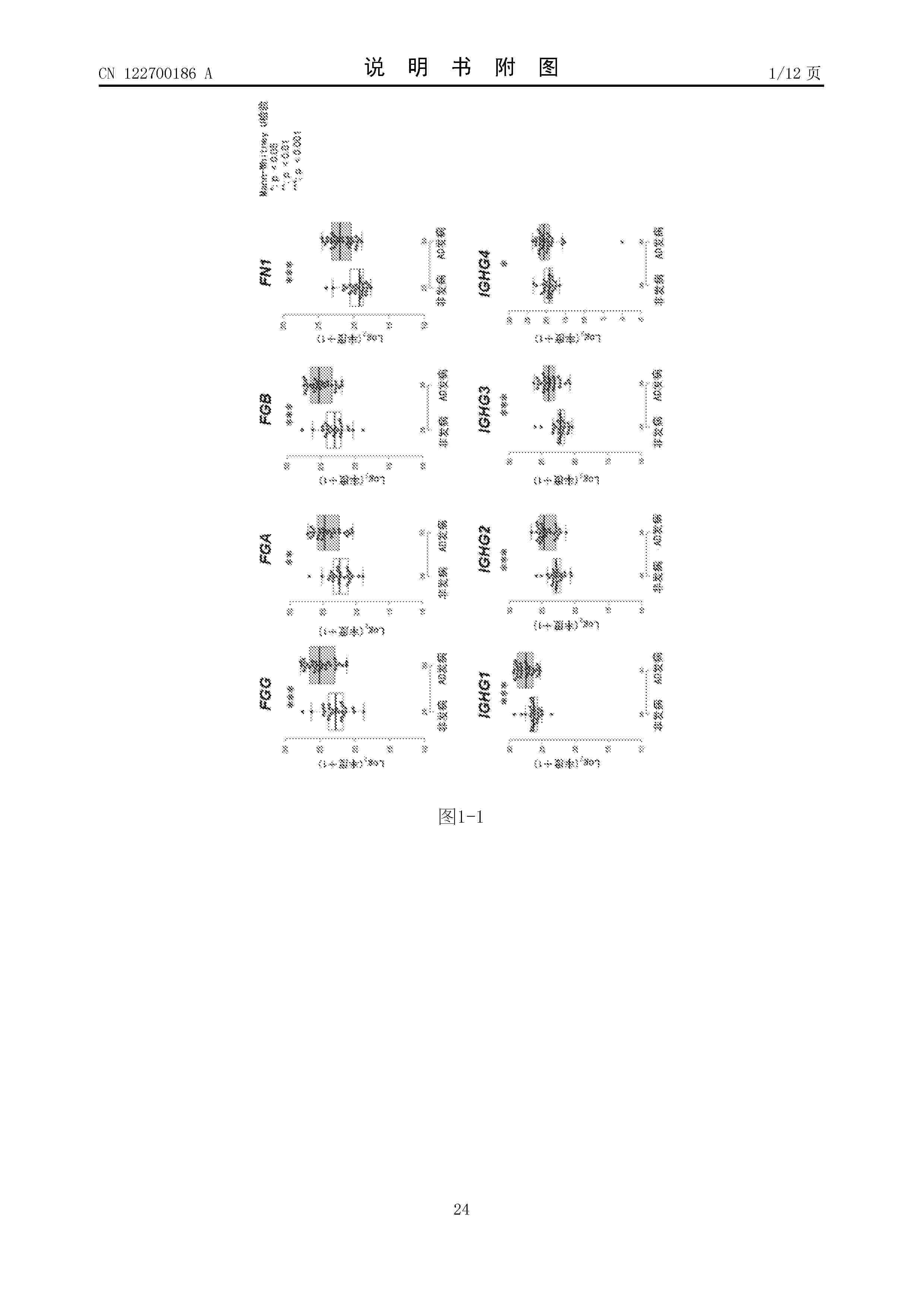
Resumen de: WO2025169281A1
Provided are a method for preparing a protein marker for predicting the risk of developing atopic dermatitis or the risk of allergen sensitization in infants, and a method for predicting the risk of developing atopic dermatitis or the risk of allergen sensitization using said protein marker. More specifically, the method for preparing a protein marker for predicting the risk of developing atopic dermatitis includes recovering at least one kind of protein selected from FGG, FGA, FGB, FN1, IGHG1, IGHG2, IGHG3, IGHG4, C3, C4B, C7, CFB, CFH, EPX, CLC, RNASE3, RNASE2 and PRG2 from a sample collected from the skin of an infant subject.
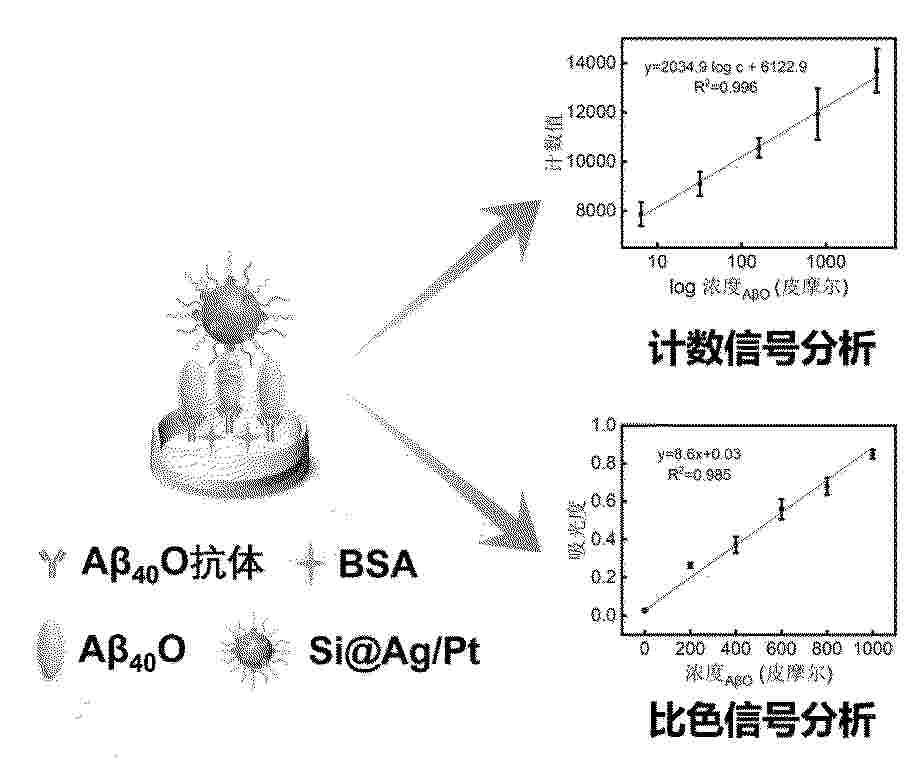
Resumen de: CN122690124A
0001 本发明公开了一种基于Si@Ag/Pt纳米酶的双模态检测Aβ<40>寡聚体的试剂盒、方法、系统及其应用。本发明所述试剂盒包括:包被有捕获抗体的固相载体,所述捕获抗体能够与待测样本中的Aβ<40>寡聚体特异性结合;检测探针,所述检测探针为Aβ<40>寡聚体特异性识别分子修饰的Si@Ag/Pt纳米酶探针,对待测样本中的Aβ<40>寡聚体进行捕获与信号转导;任选地,包括用于比色检测的显色底物。本发明将Aβ<40>寡聚体特异性识别分子修饰的Si@Ag/Pt纳米酶探针应用于夹心免疫分析中,利用同一探针兼具的强光散射特性和高效类过氧化物酶活性,在同一检测体系中实现对目标物的明场成像颗粒计数与催化比色双模式信号输出。两种模式独立定量、结果互验,极大地提升了检测的可靠性。
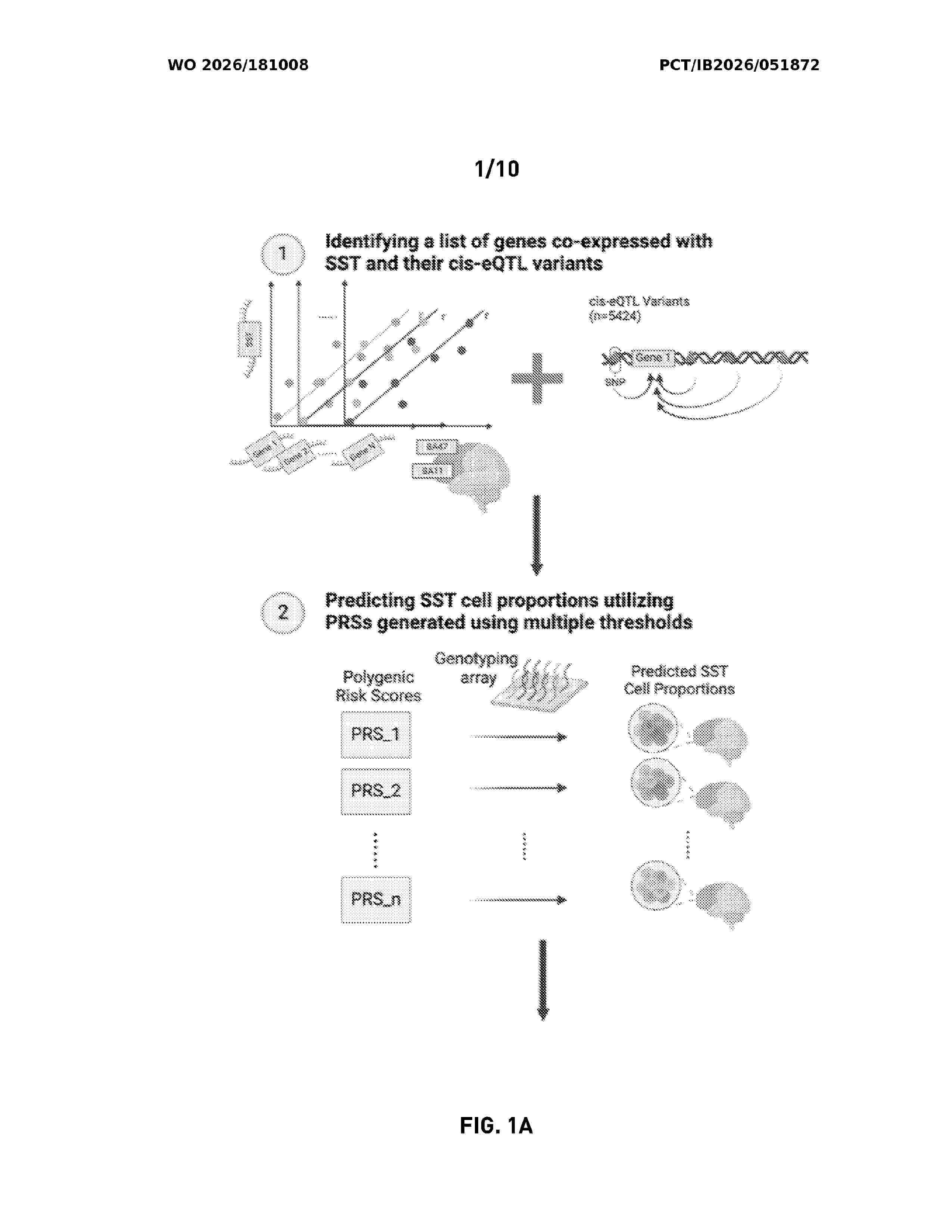
Resumen de: WO2026181008A1
The invention provides methods of assessing abundance of GABAergic somatostatin positive interneurons (SST+ cells) in living brain tissue of a subject by calculating a polygenic risk score using genomic variants of genes co-expressed with SST mRNA and their cis expression quantitative trait loci (cis-eQTLs); or where the genomic variants associated with SST+ cell abundance are variants directly associated with inter-individual variability in SST cell type proportions estimated from bulk RNA-seq data. Also provided are related diagnostic methods.
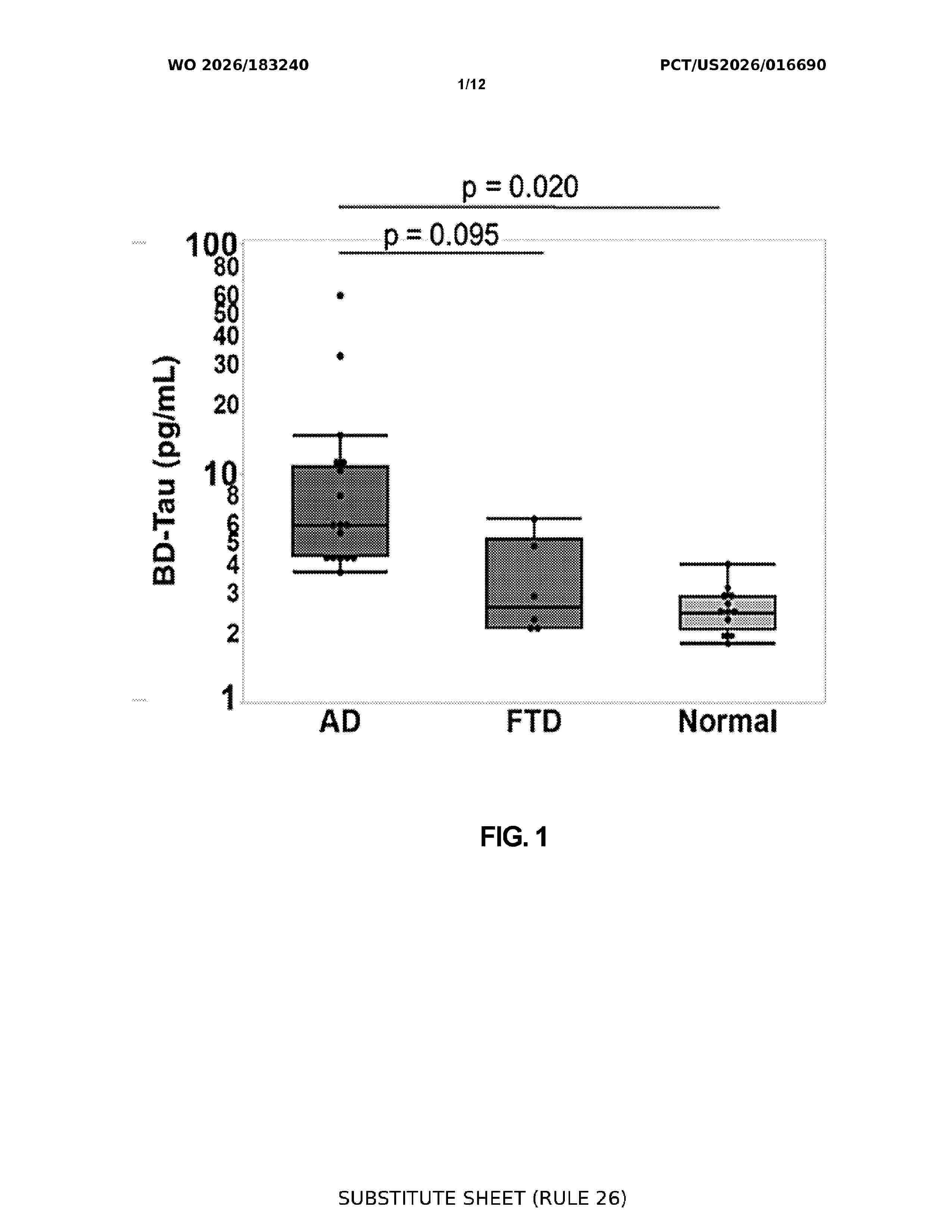
Resumen de: WO2026183240A1
The presently described and claimed technology relates to high-throughput automated methods for detecting brain derived tau (BD-tau) in a biological sample using an immunoassay analyzer.
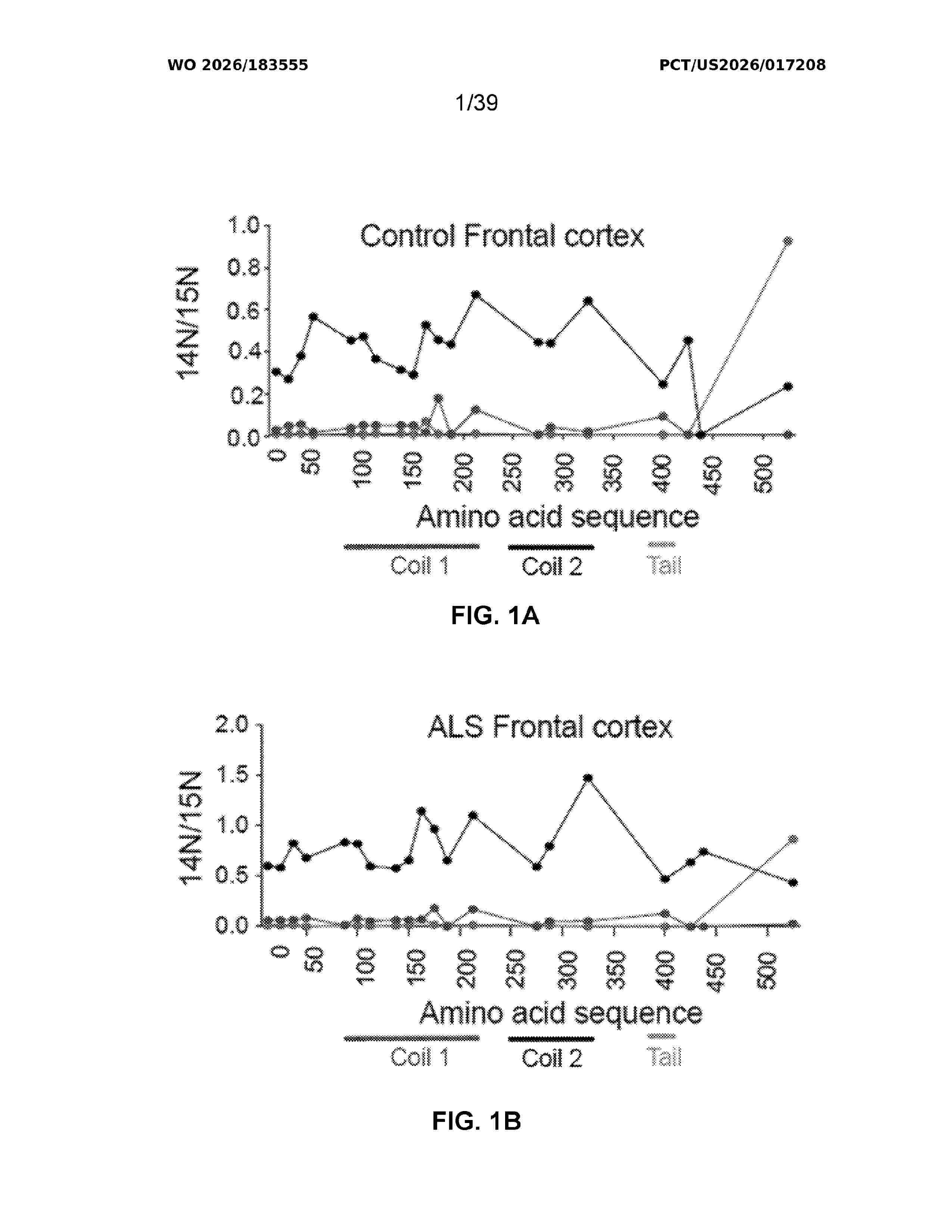
Resumen de: WO2026183555A1
Methods of treating a neurodegenerative disease in a subject in need thereof are provided. Exemplary methods include providing a biological sample from the subject; measuring an NfL530 peptide concentration in the biological sample; measuring at least one of an NfL284 peptide concentration and an NfL101 peptide concentration in the biological sample; determining at least one of an NfL530/NfL284 ratio and an NfL530/NfL101 ratio; and treating the subject based on the determined NfL530/NfL284 and/or NfL530/NfL101 ratio. In some embodiments, the biological sample is selected from whole blood, plasma, and cerebrospinal fluid. In some embodiments, the subject is determined to have ALS based on the determined NfL530/NfL284 and/or NfL530/NfL101 ratio.
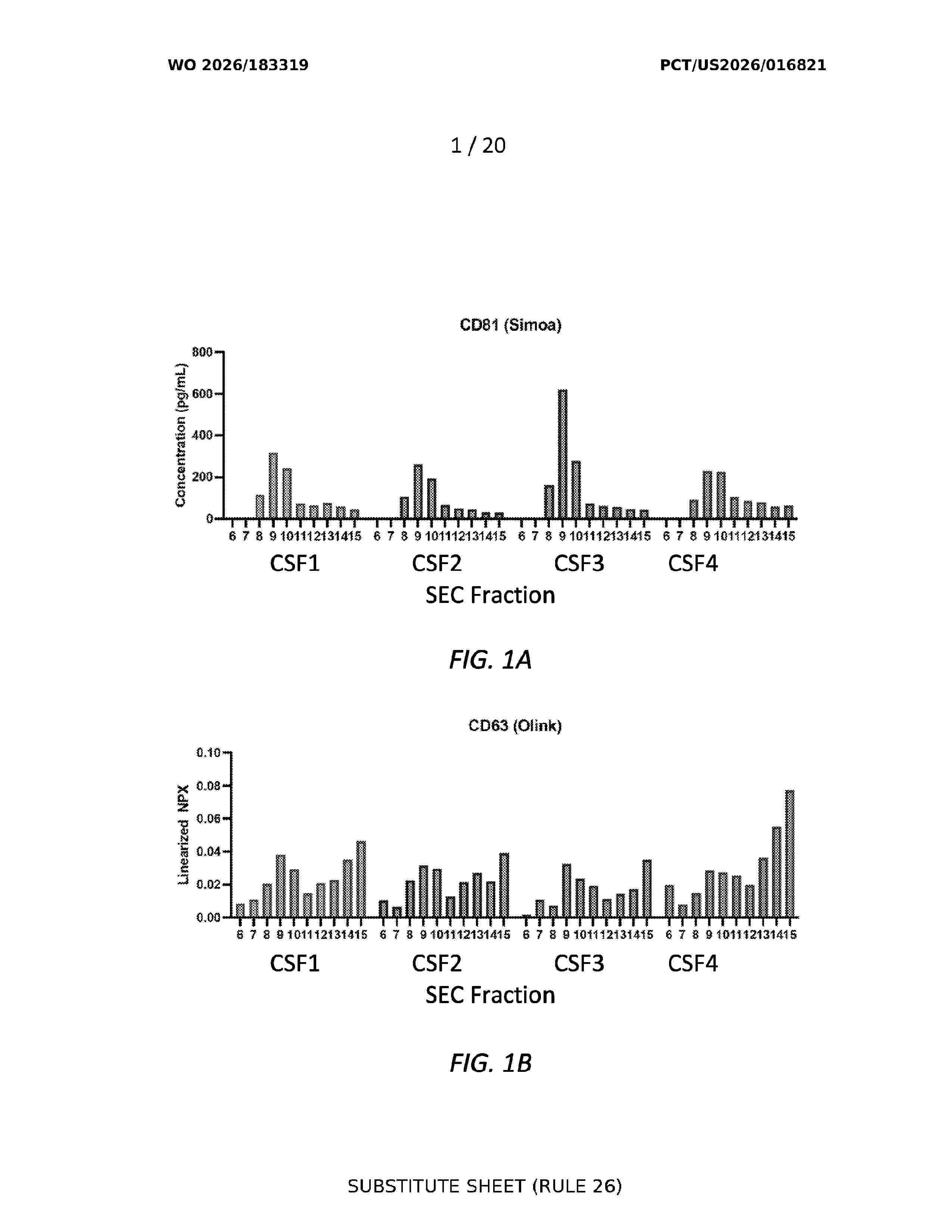
Resumen de: WO2026183319A1
Described herein are methods of identifying cell-type specific proteins that are transmembrane on or internal to extracellular vesicles (EVs).
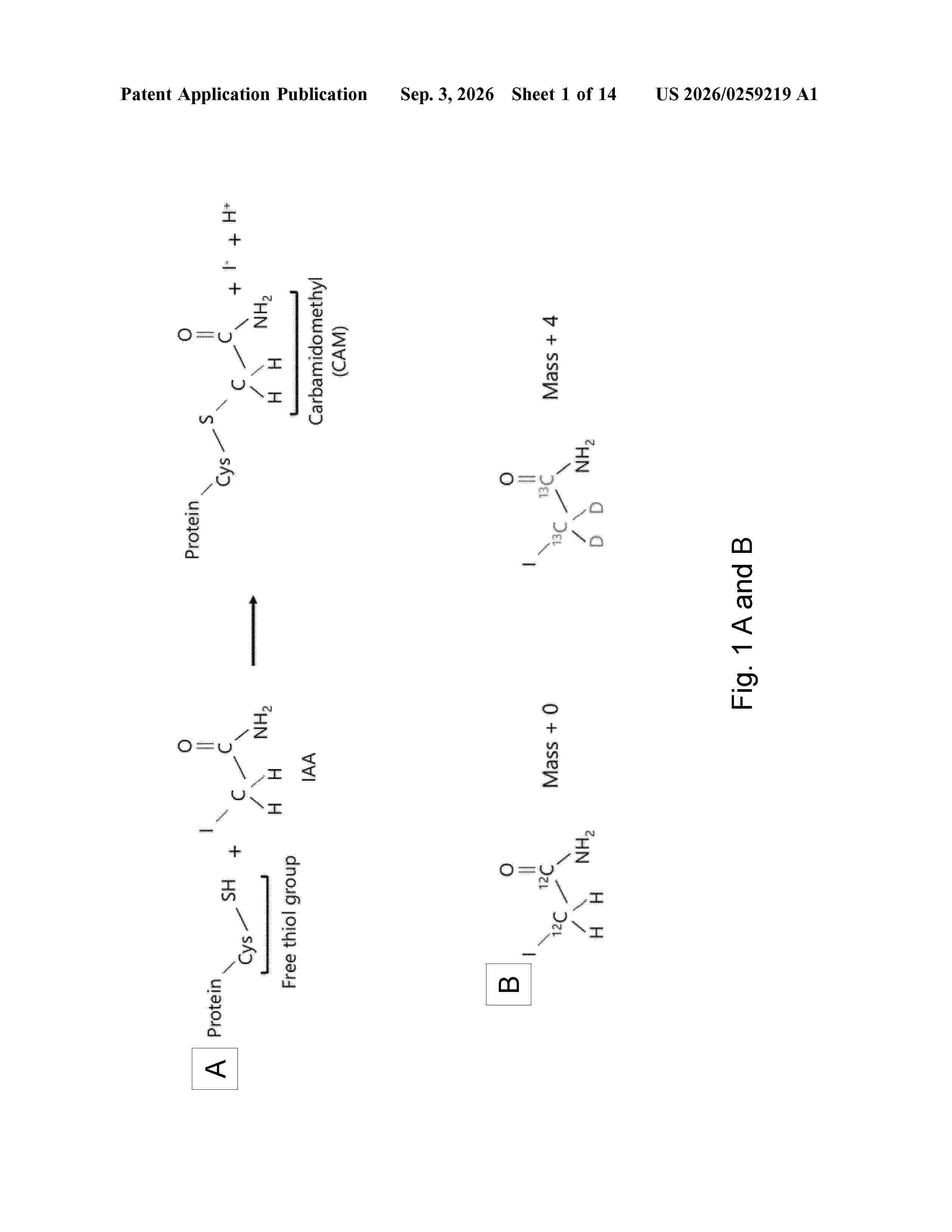
Resumen de: US20260259219A1
Provided is a method for measuring proteomic cysteine redox status in a sample obtained from a bodily fluid of a subject, the method comprising: (i) providing said sample, wherein the sample comprises a plurality of different proteins that comprise cysteine residues, a proportion of which are in reduced form and a proportion of which are in reversibly oxidised form; (ii) contacting the sample with a first label that selectively labels the reduced cysteine thiols of the plurality of different proteins; (iii) contacting the sample with a reducing agent that reduces the reversibly oxidised cysteine residues to form reduced cysteine thiols; (iv) contacting the sample with a second label that labels the reduced cysteine thiols formed in step (iii), wherein the second label is distinguishable from the first label by mass spectrometry, (v) processing the sample for analysis by mass spectrometry; and (vi) analysing the sample by mass spectrometry to measure at least the relative abundance of identified peptides labelled with the first label and corresponding identified peptides labelled with the second label, thereby providing a measure of the proteomic cysteine redox status of the sample. The invention also provides related methods for biomarker discovery and for predicting presence of a liver disease and/or cancer, such as hepatocellular carcinoma (HCC) in a subject.
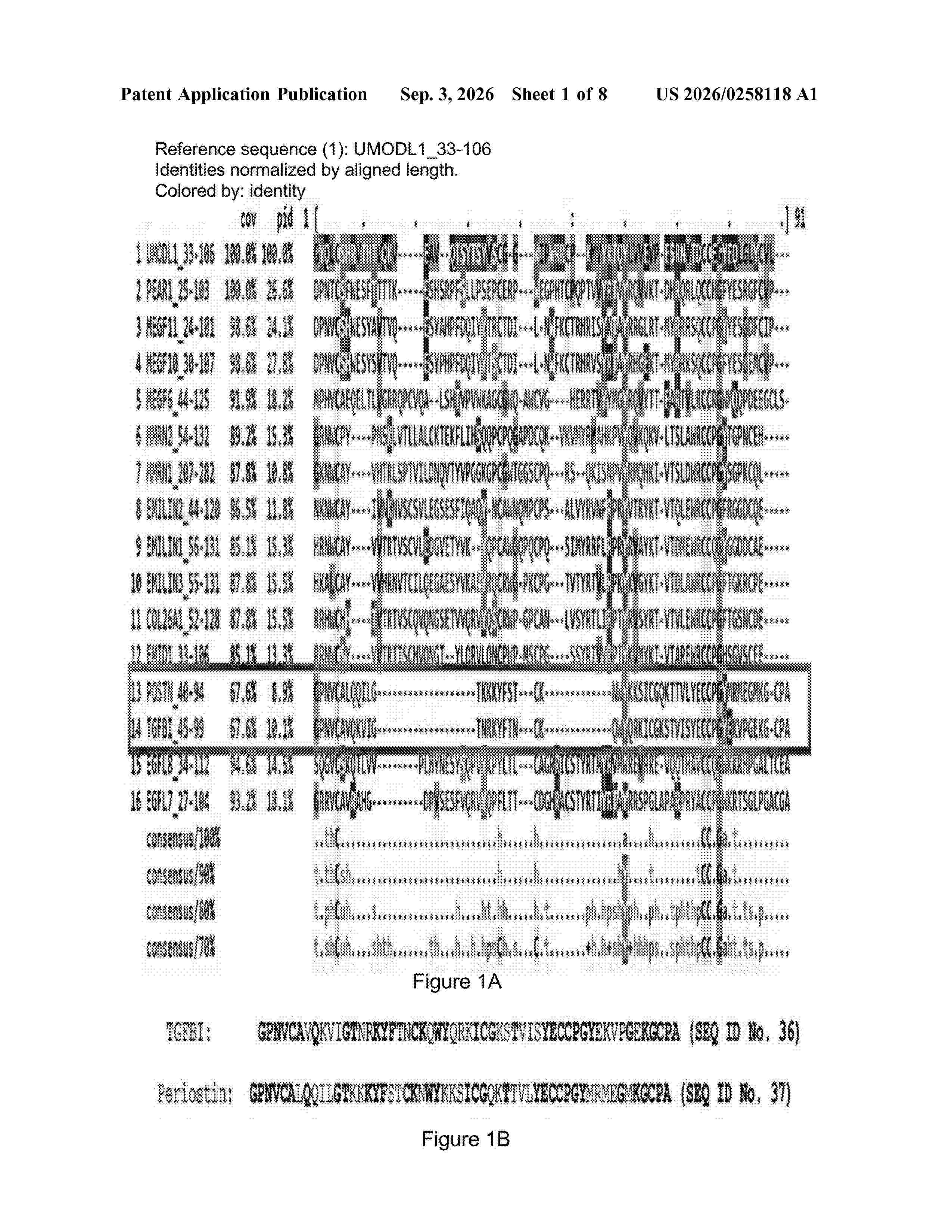
Resumen de: US20260258118A1
0000 The present invention relates to a method for detecting markers of fibroblast activation in a patient by sandwich immunoassay to identify patients, particularly cancer patients who would benefit from anti-TGFβI therapy. The markers of fibroblast activation may be selected from the N-terminal pro-peptide of Collagen III (Pro-C3), the N-terminal pro-peptide of Collagen VI (Pro-C6), the N-terminal pro-peptide of Collagen I (Pro-C1) and/or an internal sequence in the N-terminal region of type 3 collagen (P3NP). The invention also provides an anti-TGFβI therapy for use in the treatment of cancer and/or fibrosis.
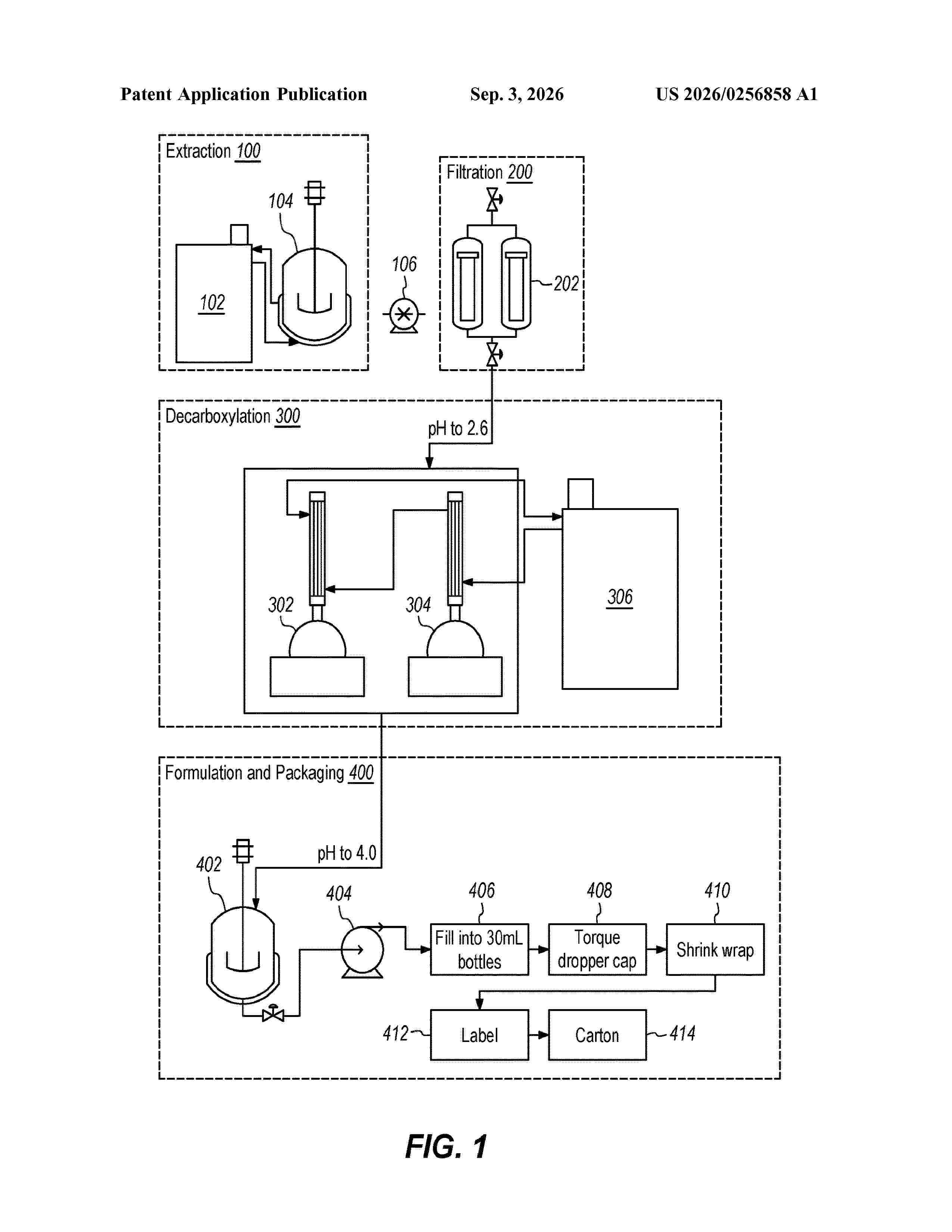
Resumen de: US20260256858A1
0000 Disclosed herein are processes for extracting muscimol from Amanita mushrooms, and more particularly, from Amanita muscaria, including processes that increase muscimol content and decrease ibotenic acid content, and further including improved processes that produce extract at scale, such as at kilogram scale. In some aspects are methods for selecting Amanita mushroom biomass suitable for the disclosed extraction methods, so as to produce extracts and products that are safe and beneficial for human use. Also disclosed are numerous compositions and formulations made with disclosed extracts, including beverage formulations, having a variety of improvements and advantages over previously known products made from Amanita muscaria.
Resumen de: MX2026005029A
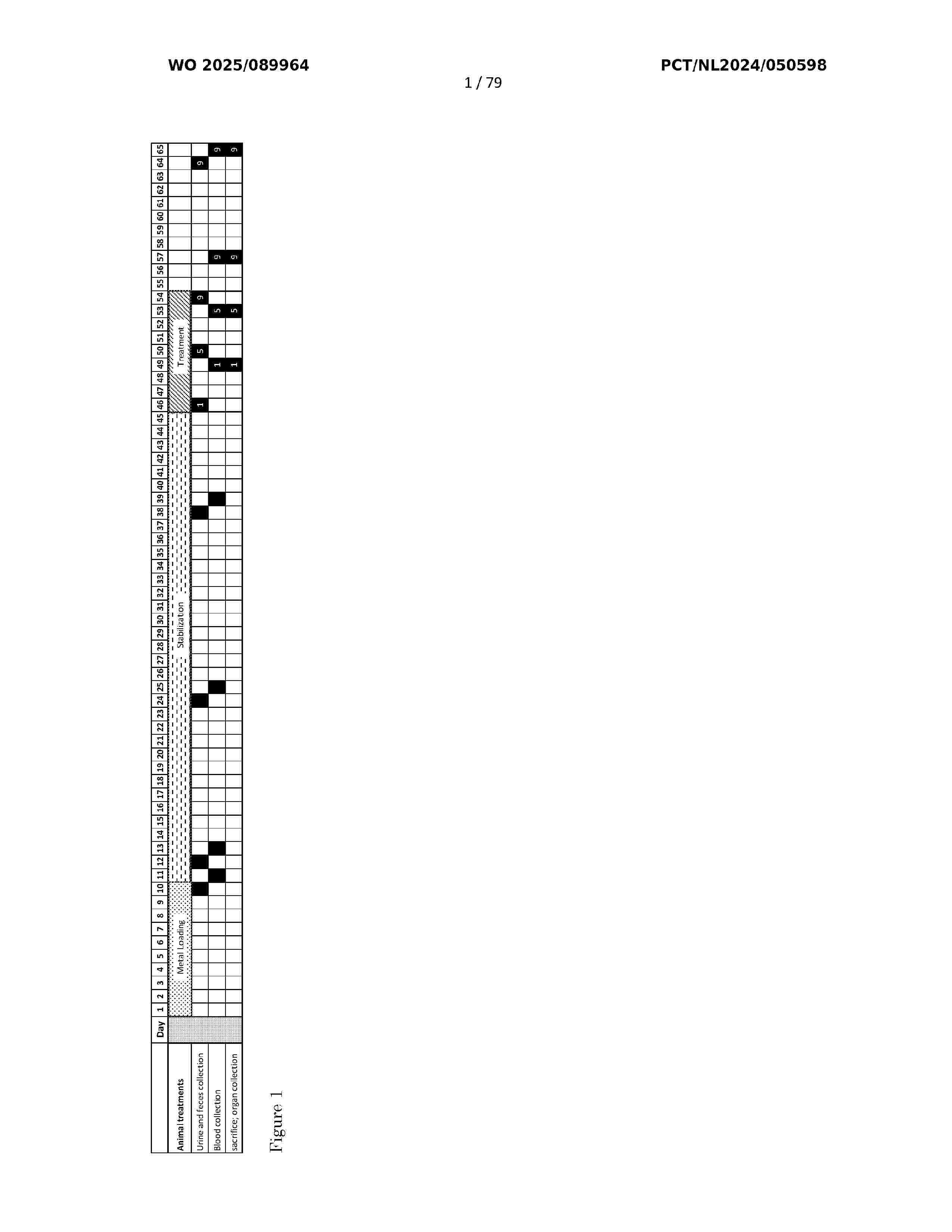
The invention relates to methods for testing the effects of elevated heavy metal levels on the efficacy of an active compound for cancer treatment. The invention further relates to methods of producing a test model having elevated heavy metal accumulation, to the resulting test models, and to the use thereof.
Resumen de: US20260259202A1
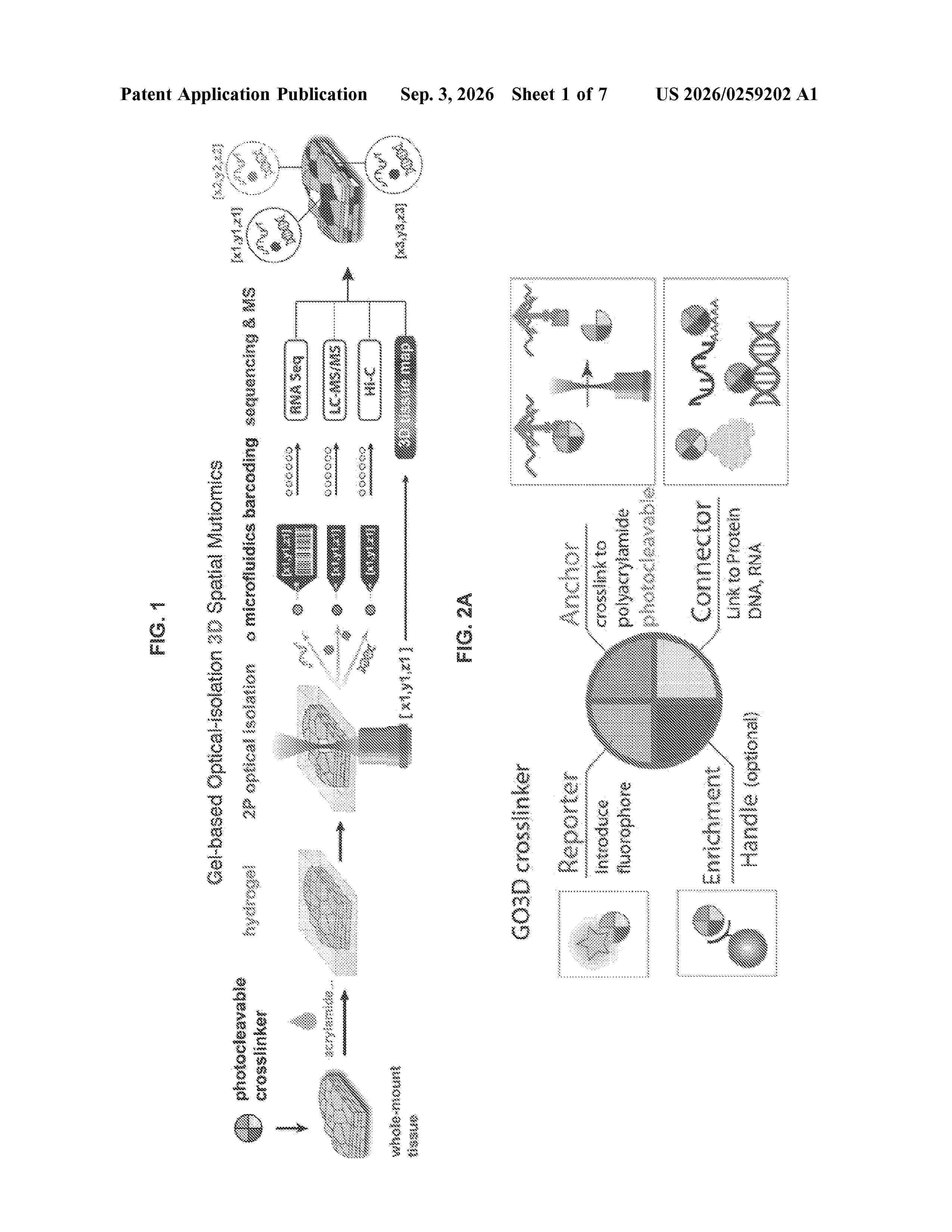
0000 Proper functioning of the human body relies on the organization of cells in 3D space. A cell's function and fate are determined by its biomolecule composition and 3D environment. The spatial identification of proteins, RNAs, DNAs, and other biomolecules in a tissue thus provides a powerful map to decipher how cells build tissues and become diseased. Thus, described herein are methods and compositions for assessing biomolecule identity (the present invention features methods and compositions for assessing biomolecule identity (e.g., genes (DNA, RNA), DNA and RNA modifications, proteins, protein modifications, lipids, sugars, metals), and abundance (e.g., RNA expression levels, protein translation levels) in a 3D tissue sample.
Resumen de: US20260258495A1
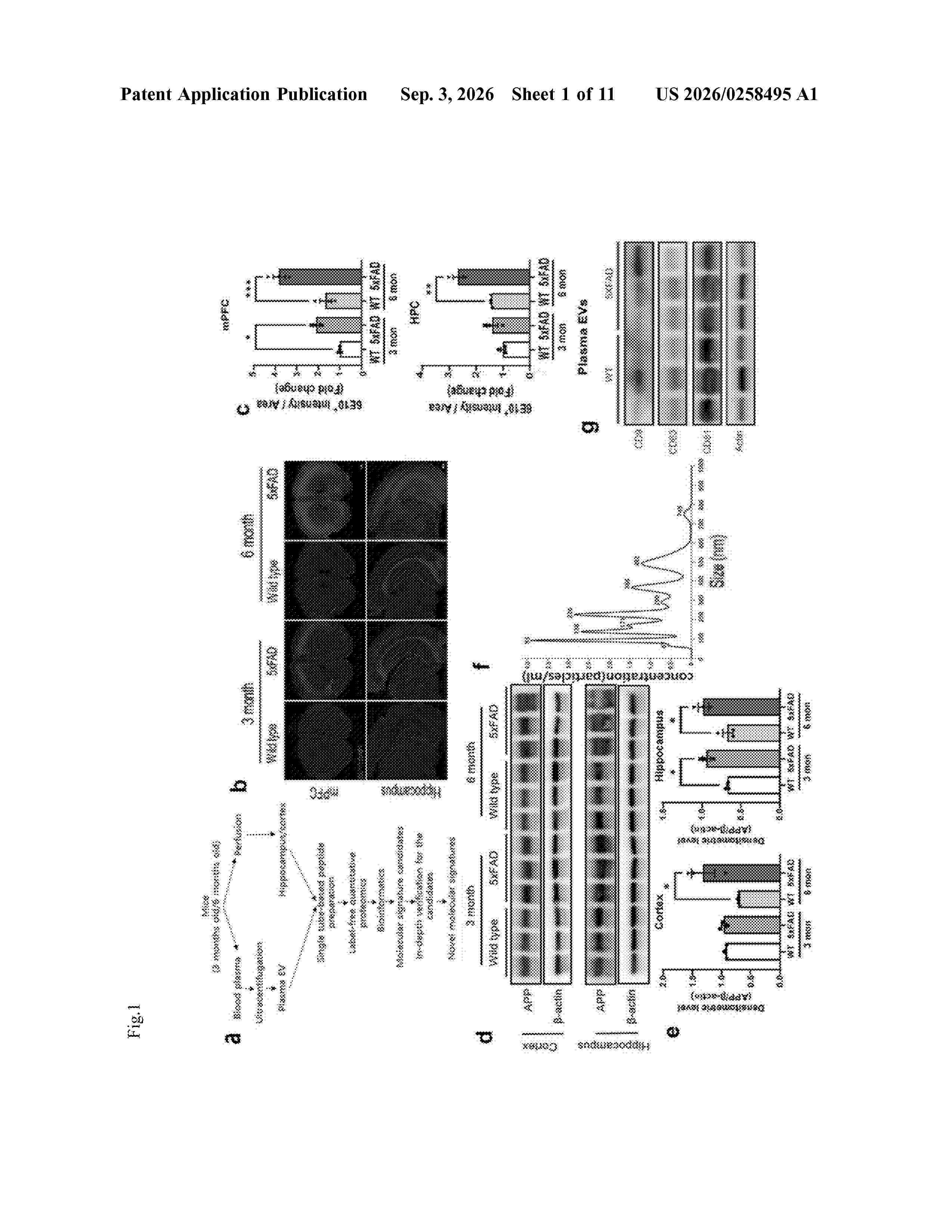
The present invention relates to a biomarker for the early diagnosis of Alzheimer's disease and a use thereof, and more particularly, the present invention relates to: a biomarker composition for the early diagnosis of Alzheimer's disease, the biomarker composition comprising one or more genes selected from the group consisting of alpha-2-macroglobulin (A2M), creatine kinase M-type (CKM), filamin-A (FLNA), integral alpha-IIb (ITGA2B), alpha-1-acid glycoprotein 2 (ORM2), phospholipid transfer protein (PLTP), haptoglobin (HP), sulfhydryl oxidase 1 (QSOX1), protein-glutamine gamma-glutamyltransferase 2 (TGM2), filamin C (FLNC), heat shock protein 70 (HSP70) and lysomal alpha-mannosidase (MAN2B1), or a protein expressed from the genes; a method for the early diagnosis of Alzheimer's disease; a diagnostic kit for the early diagnosis of Alzheimer's disease; and a method for providing information for predicting and diagnosing Alzheimer's disease.
Resumen de: US20260256717A1
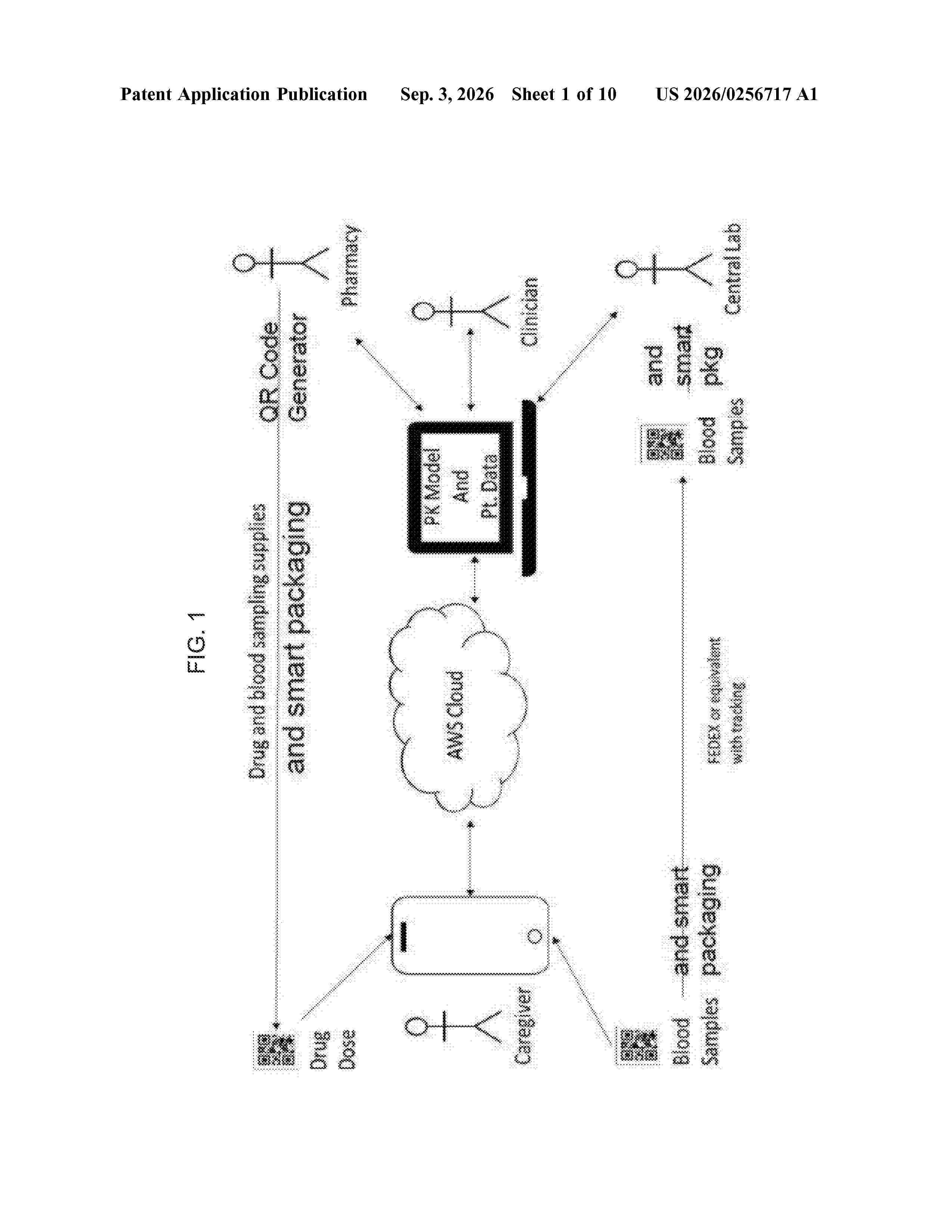
In alternative embodiments, provided are drugs and companion diagnostics, or therapeutic drug combinations and a companion diagnostic comprising a dried blood spot or a volumetric dried blood spot, or an at-home high-volume liquid blood, collection device, including products of manufacture and kits, and methods, for using them. In alternative embodiments, provided are novel methods for dosaging therapeutic drug compositions. In alternative embodiments, provided are artificial intelligence (AI)-enabled therapeutic drug compositions (bMEDs™), including bMEDs™ amifampridine for Lambert Eaton Myasthenic Syndrome (LEMS), bMEDs™ deflazacort to Duchenne Muscular Dystrophy (DMD), bMEDs™ propranolol for Infantile Hemangioma, bMEDs™ serabelisib for PIK3CA-Related Overgrowth Spectrum (PROS), bMEDs™ sirolimus for Kaposiform Hemangioendothelioma with Kasabach-Merritt Phenomenon (“KHE w/KMP”), bMED™ everolimus for TSC-associated epilepsy, TSC-associated SEGA, TSC-associated renal angiomyolipoma, breast cancer, pNET, renal cancer, or allograph organ rejection prophylaxis, and bMEDs™ for rare diseases as provided herein.
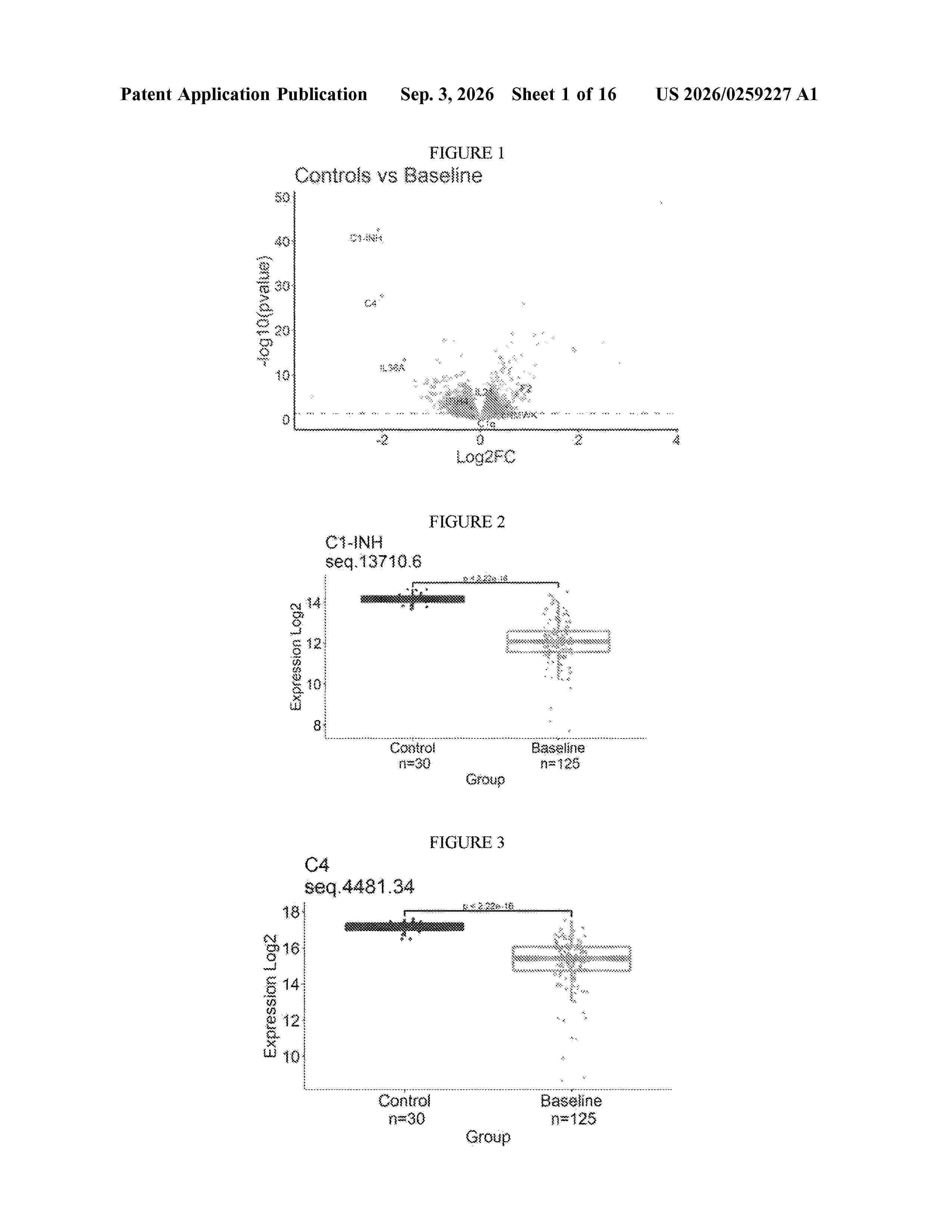
Resumen de: US20260259227A1
0000 Provided herein are methods for determining whether a disorder is susceptible to treatment with a plasma kallikrein inhibitor and methods for identifying a subject as a candidate for treatment with a plasma kallikrein inhibitor. Provided herein are methods of identifying a subject as having or being at risk for a disorder and methods of treating a disorder in a subject. Also provided herein are methods of evaluating effectiveness of a treatment in a subject.
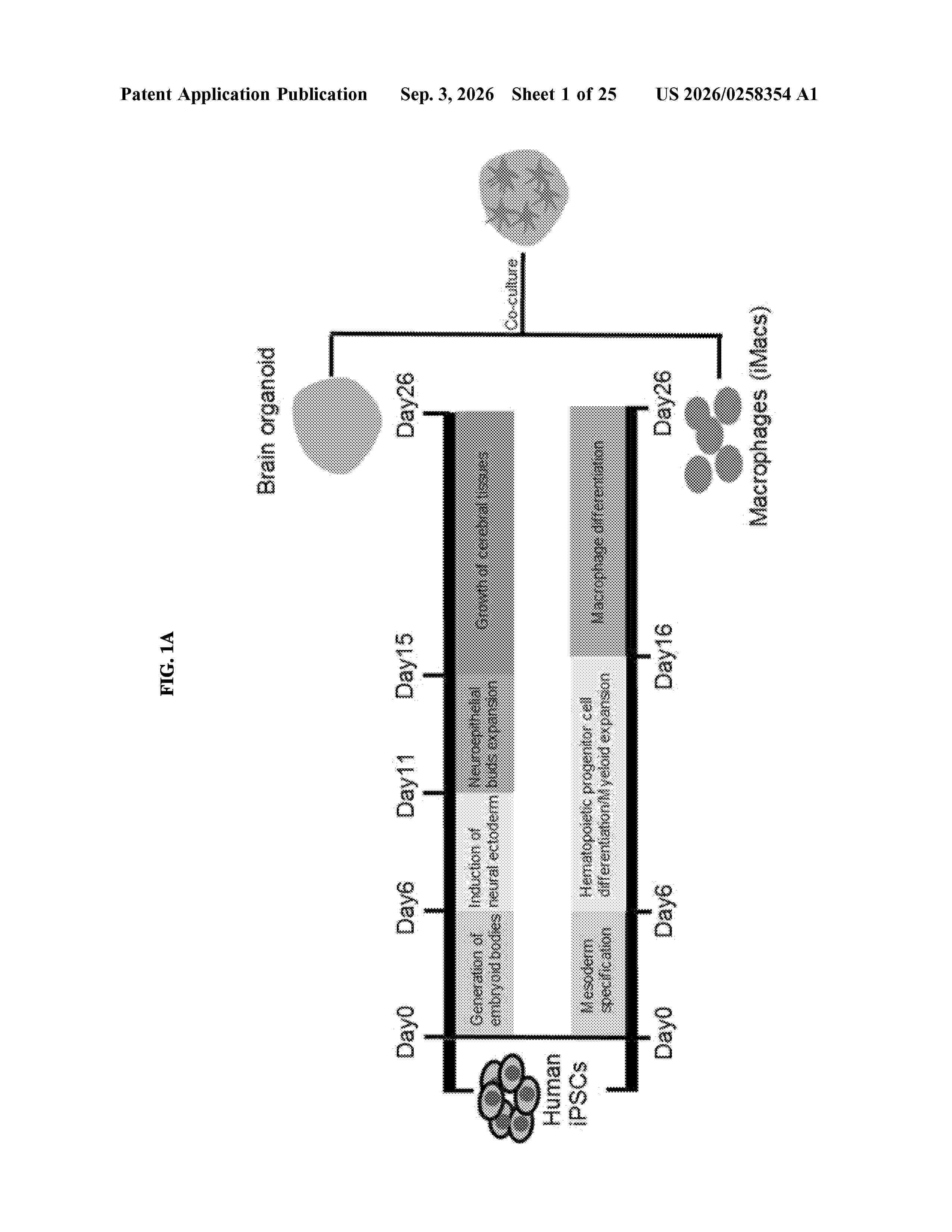
Resumen de: US20260258354A1
The present invention relates to a method for generating a microglia-sufficient brain organoid comprising the step of incubating primitive-like macrophage cells with a brain organoid that is between about 15 to about 30 days old in cerebral organoid medium comprising CSF-1 in a low attachment cell culture vessel to generate microglia cells. The present invention also relates to a microglia-sufficient brain organoid obtained by the method as described herein.
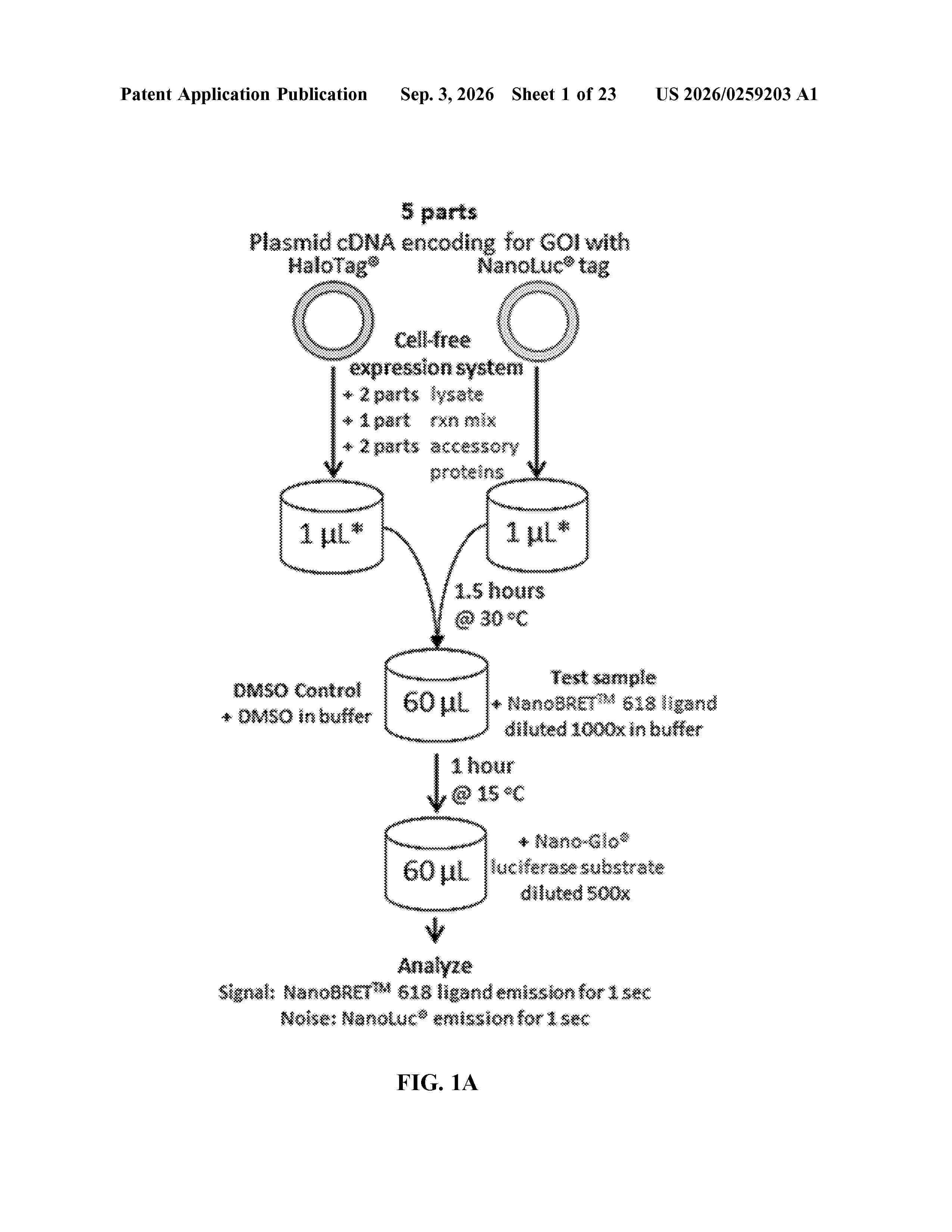
Resumen de: US20260259203A1
0000 Disclosed is a method that combines high throughput and flexible nature of a cell-free protein microarray with the quantitative capability of surface plasmon resonance to detect>400 different protein interactions in <1 hour. A method of detecting interactions between a targeting agent and one or more proteins of interest is disclosed. The method includes producing a set of proteins of interest using a cell-free protein expression system; providing the set of proteins of interest on a protein microarray wherein each spot in the array comprises a protein of interest; contacting the protein microarray with a targeting agent that binds to one or more of the set of proteins of interest; and detecting the binding of the targeting agent to the set of proteins of interest using surface plasmon resonance imaging (SPRi), thereby detecting the targeting agent and one or more proteins of interest in the micro array.
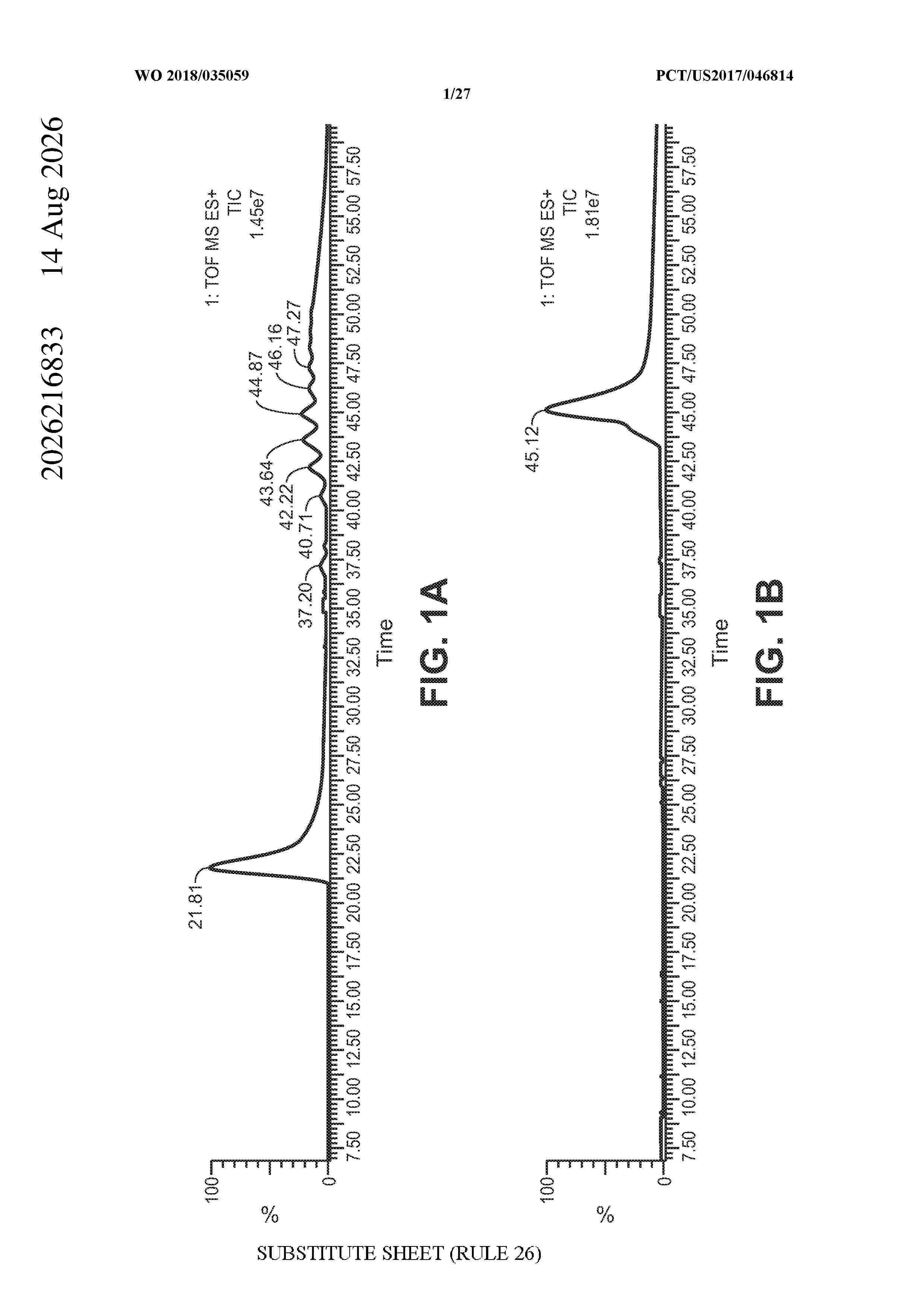
Resumen de: AU2026216833A1
24521425_1 (GHMatters) P44915AU02 Provided herein are methods for determining the serotype of a virus particle and/or or determining the heterogeneity of a virus particle (e.g., an AAV particle). In other embodiments, the invention provides methods to determine the heterogeneity of AAV particles. In some aspects, the invention provides viral particles (e.g., rAAV particles) with improved stability and/or improved transduction efficiency by increasing the acetylation and/or deamidation of capsid proteins. ug u g
Resumen de: US20260259204A1
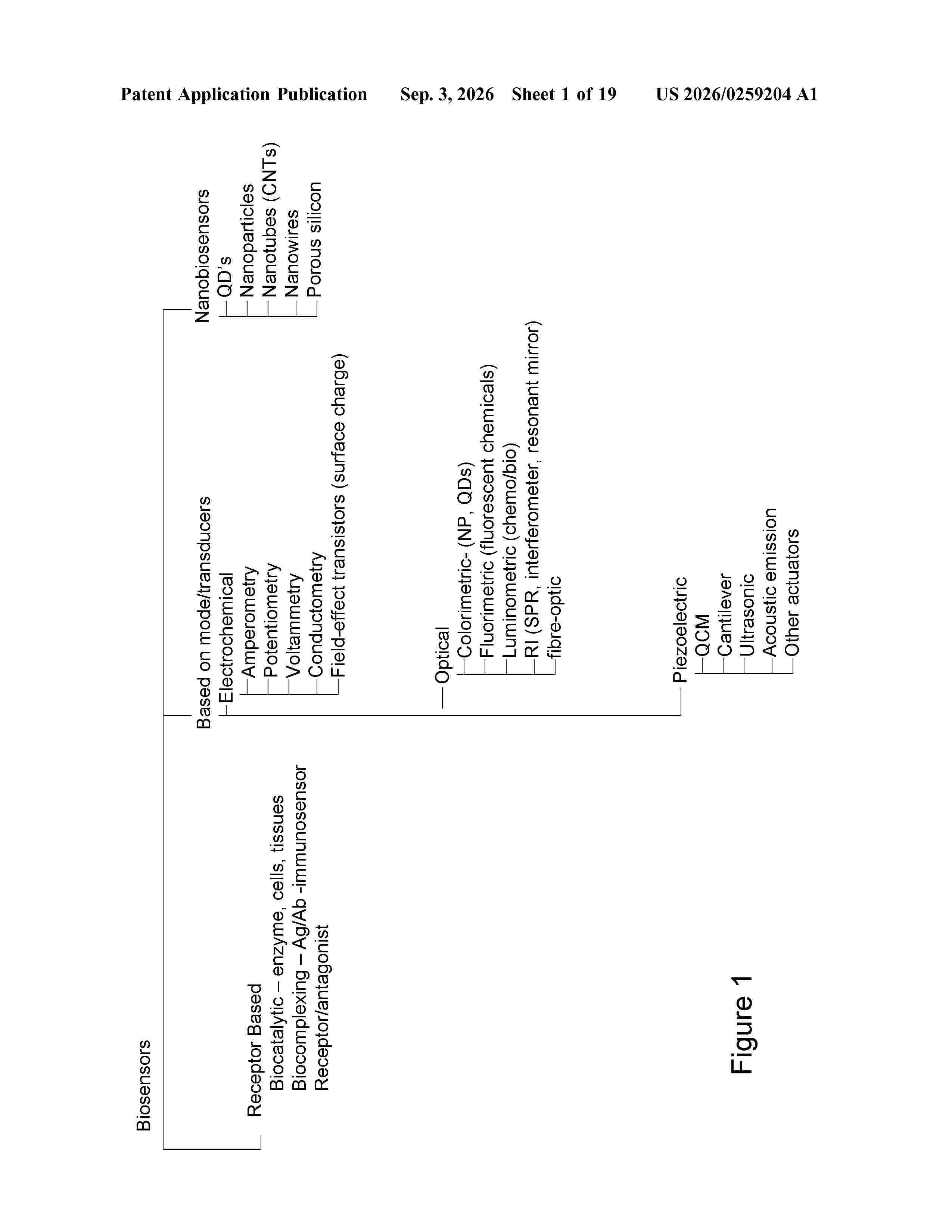
Described herein are biosensor microarrays comprising detector polypeptide monolayers substantially free of contaminants. Also provided are methods for generation of such biosensor microarrays by capture of polypeptides by arrays comprising capture moieties and associated sensors.
Resumen de: US20260258105A1
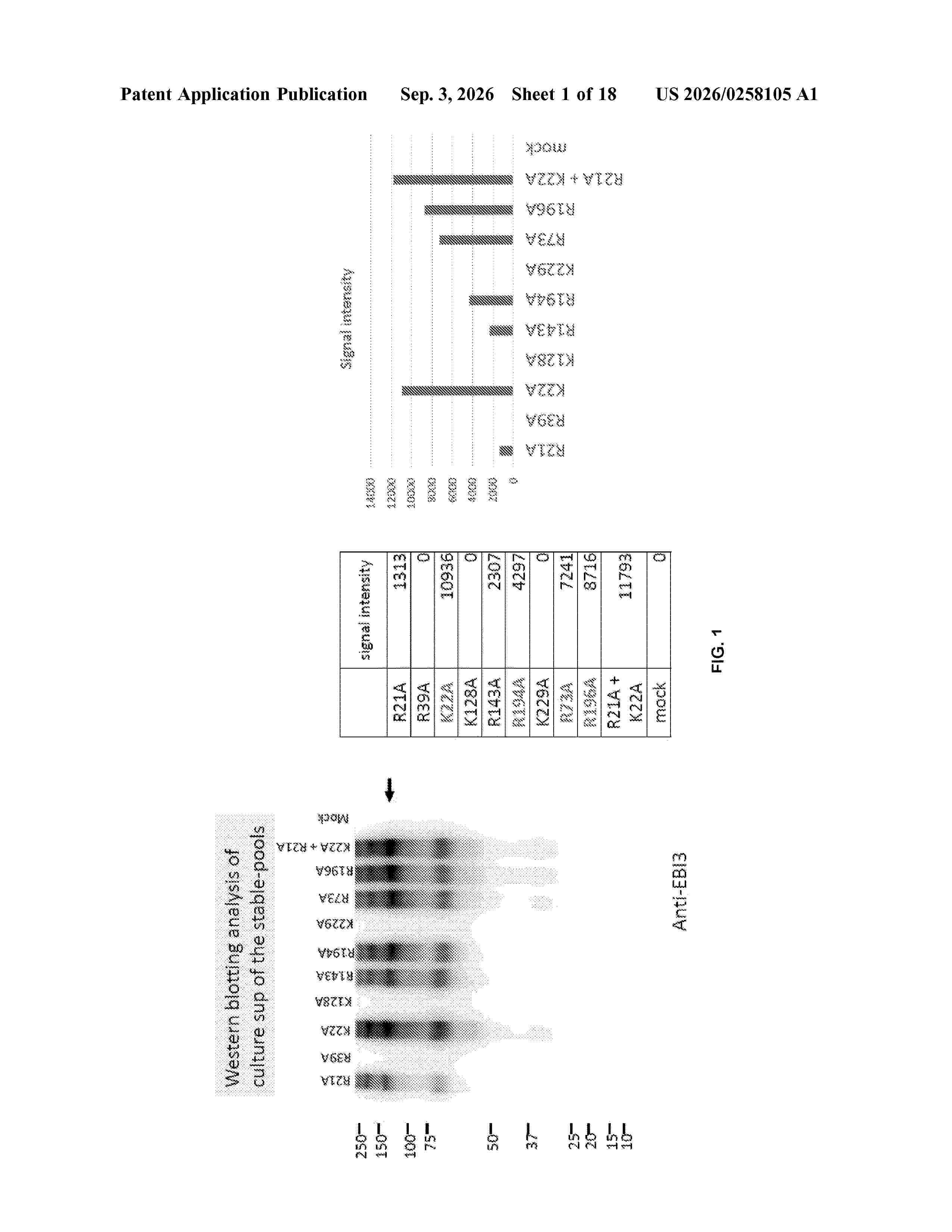
0000 The disclosure relates to the engineering of IL-35 cytokine polypeptides to achieve improved therapies for inflammatory diseases and conditions. Accordingly, aspects of the disclosure relate to a polypeptide comprising SEQ ID NO:2, wherein the polypeptide comprises one or more amino acid substitutions relative to SEQ ID NO:2, wherein the one or more amino acid substitutions comprise K23, R74, R195, R197, or combinations thereof. Further aspects relate to a polypeptide comprising SEQ ID NO:4, wherein the polypeptide comprises one or more amino acid substitutions relative to SEQ ID NO:4, wherein the one or more amino acid substitutions comprise C74. Further aspects relate to a polypeptide comprising SEQ ID NO:6, wherein the polypeptide comprises one or more amino acid substitutions relative to SEQ ID NO:6, wherein the one or more amino acid substitutions comprise C34.
Resumen de: US20260258472A1
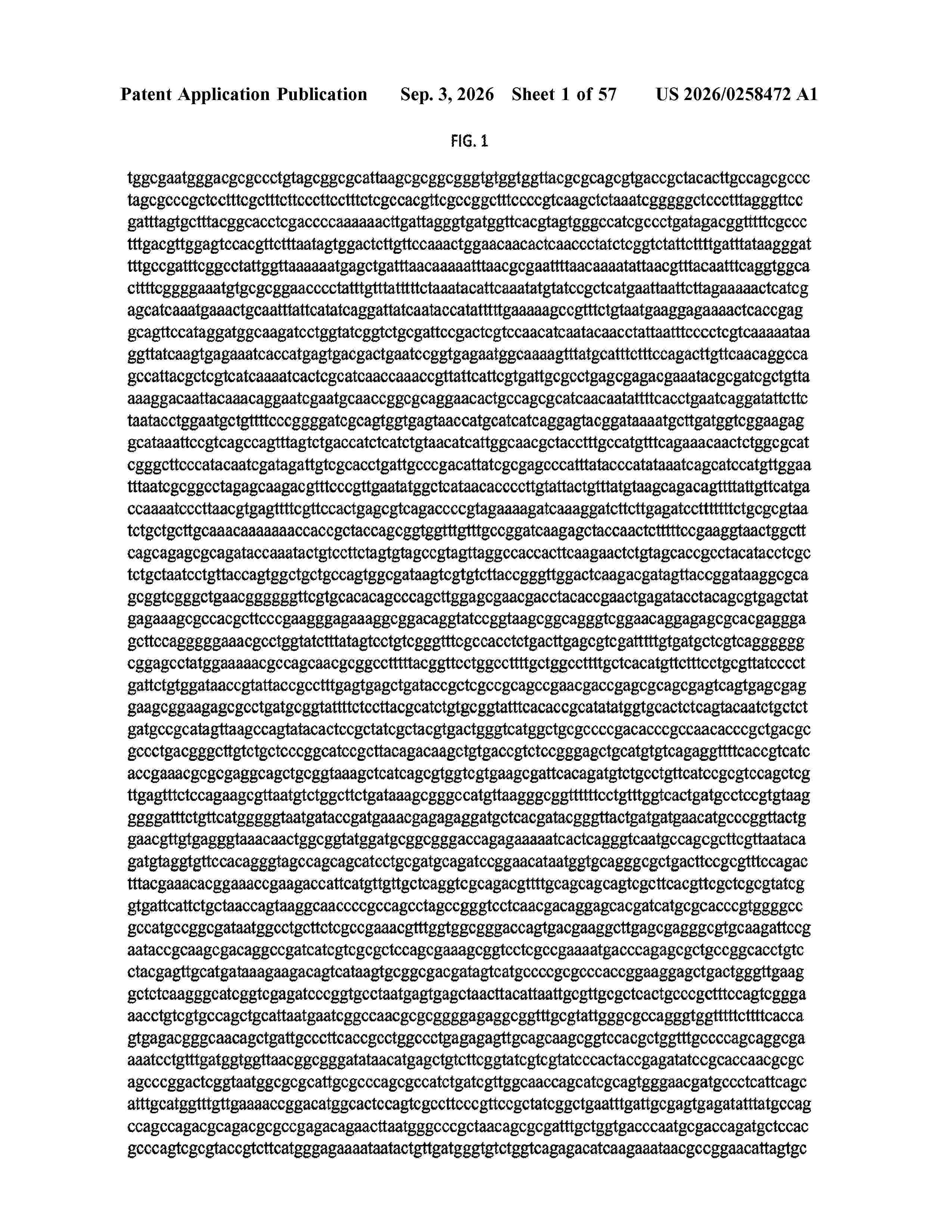
Disclosed herein are methods for detecting the presence of at least one misfolded form of human Superoxide Dismutase 1 (SOD1) in a biological sample obtained from a human subject. In some aspects, the subject is suspected of having, or has, one or more neurodegenerative diseases, such as, for example, Amyotrophic Lateral Sclerosis, Parkinson's disease, or Alzheimer's disease.
Resumen de: US20260259229A1
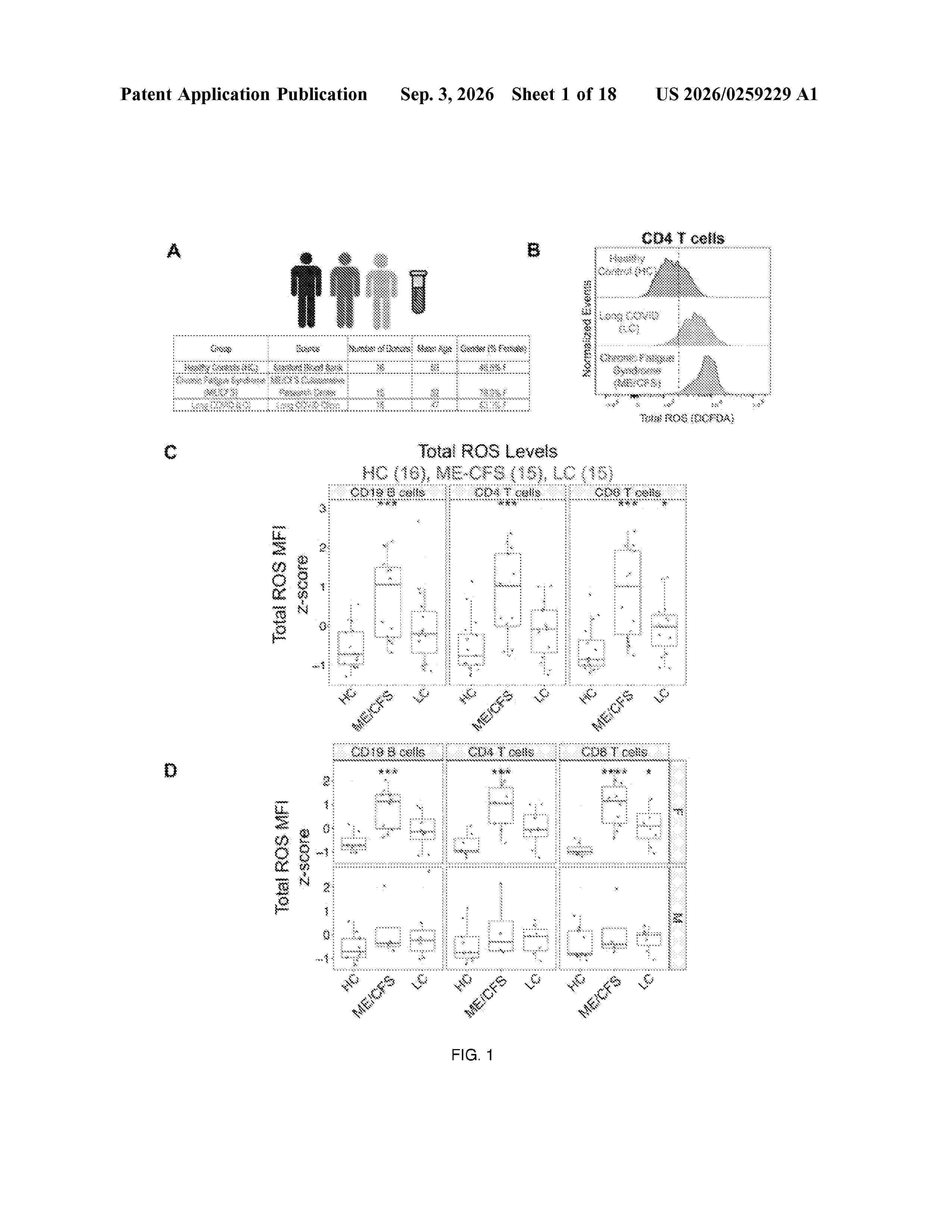
A common molecular signature of elevated oxidative stress is detected in blood samples from individuals with fatigue syndromes, including LC, ME-CFS, and lupus patients reporting fatigue. Analysis can be performed with one or more of flow cytometry, bulk RNA-seq analysis, mass spectrometry, and systems chemistry analysis. Elevated reactive oxygen species (ROS) were found, as well as differences in glutathione ROS clearance pathways and markers of oxidative damage.
Nº publicación: AU2025225075A1 03/09/2026
Solicitante:
INMUNE BIO INC
INMUNE BIO INC.
Resumen de: WO2025179269A1
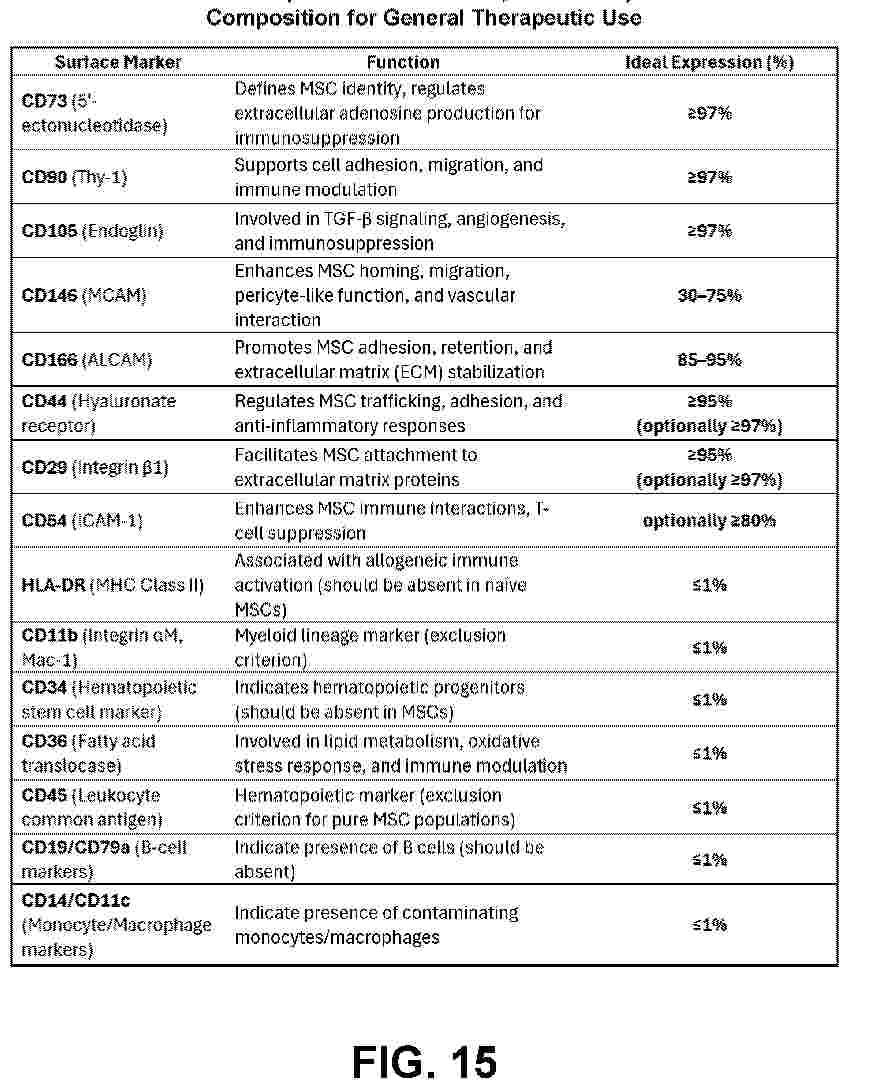
The disclosure provides a therapeutic composition comprising pooled, culture-expanded human umbilical cord-derived mesenchymal stromal cells (hucMSCs) derived from at least four and up to twelve donors, which can be reproduced with batch to batch consistency. These cells exhibit consistent marker expression profiles, enhanced and consistent secretion of therapeutic factors, and potent immunomodulatory activities after at least ten to thirty population doublings. The composition, formulated with a pharmaceutically acceptable carrier, is designed for clinical applications addressing inflammatory, immune, and degenerative conditions.
 BOPI
BOPI
 Sede Electrónica