Si deseas distinguir tus productos, servicios o ambos de los de otra empresa, es posible que necesites una marca o nombre comercial. Descubre qué son, en qué consiste su procedimiento de registro y qué implica.

Información sobre los plazos de presentación de solicitudes de transformación de marcas de la Unión Europea en marca nacional española. Más información


Si tienes un nuevo dispositivo, producto o procedimiento que resuelva un problema técnico o tenga una ventaja práctica, existen distintas formas de protegerlo en España y en otros países. Descubre cómo hacerlo.

¿Tu innovación reside en la estética, la ornamentación o la apariencia de tu producto? Protégela mediante un diseño industrial. Descubre qué derechos confiere el registro y cómo realizar la tramitación.

Las indicaciones geográficas protegen el nombre de un producto originario de una zona geográfica, a la cual le debe una determinada calidad, reputación u otra característica. Descubre qué son, en qué consiste su procedimiento de registro y qué beneficios conceden.

Las patentes publicadas en todo el mundo son una valiosa fuente de información científica, técnica y comercial.

Si eres emprendedor/a o una empresa y quieres potenciar y mejorar la rentabilidad de tu negocio protegiendo de forma adecuada los activos intangibles de tu organización, en este espacio encontrarás lo necesario.


 165
resultados
165
resultados
 Última actualización
16/10/2026 [06:58:00]
Última actualización
16/10/2026 [06:58:00]


 Resultados 25 a 50 de 165

Resumen de: CN122357716A
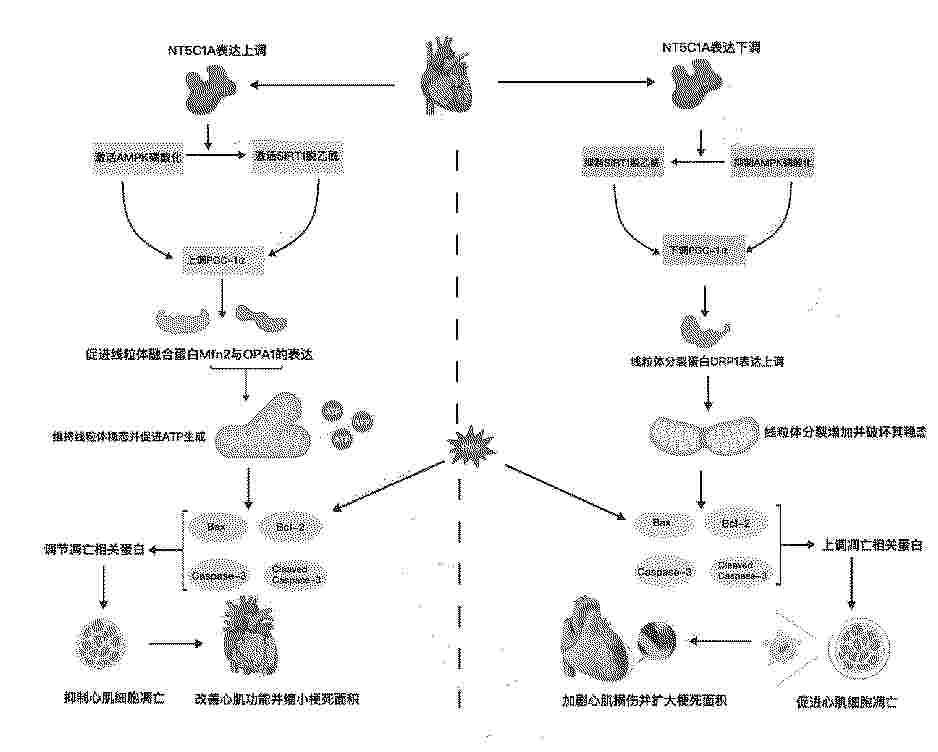
The invention discloses application of NT5C1A as a myocardial ischemia reperfusion injury treatment target, and belongs to the technical field of biological medicine. Through proteomics screening and in-vivo and in-vitro experiments, up-regulated expression of the NT5C1A in an MIRI pathological process is found and confirmed for the first time, and the NT5C1A is a key upstream factor for regulating and controlling an AMPK/SIRT1/PGC-1 alpha signal channel. Overexpression of the NT5C1A can effectively activate the pathway and cooperatively regulate multiple downstream pathological links: expression of mitochondrial fusion proteins Mfn-2 and OPA1 is promoted, and expression of split protein DRP1 is inhibited; aTP generation is obviously promoted, and energy metabolism disorders are improved; the expression balance of apoptosis-related protein Bax/Bcl-2 is adjusted, myocardial cell apoptosis is inhibited, and finally myocardial damage is relieved, the myocardial function is improved, and the myocardial infarction area is reduced. The invention provides a new target spot and strategy for accurate intervention of the MIRI.

Resumen de: CN122351478A
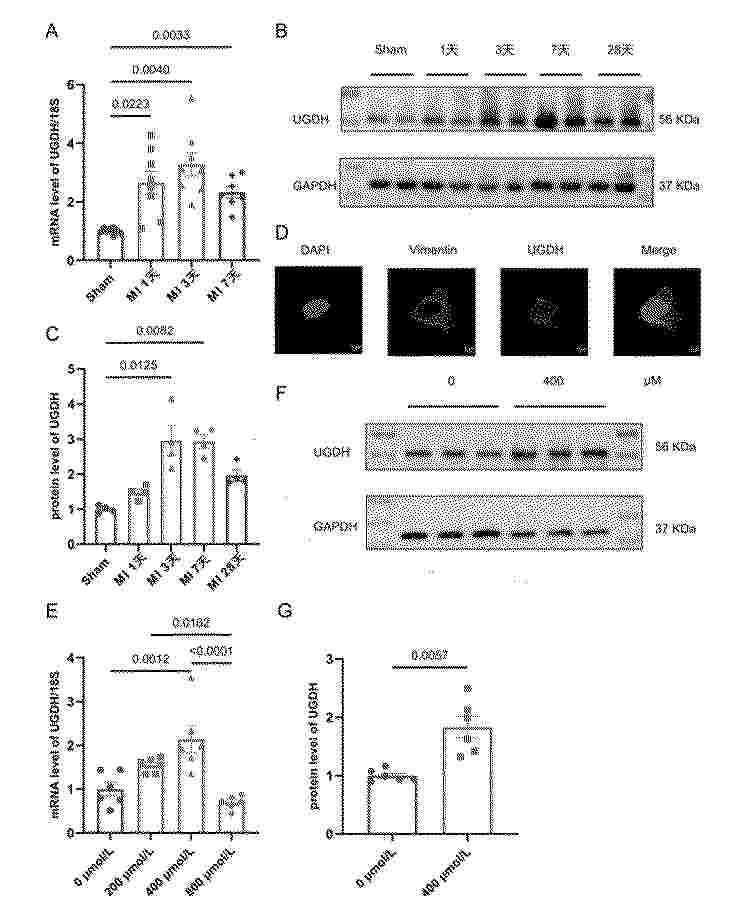
The invention discloses medical application of UGDH in prevention or treatment of myocardial infarction, and belongs to the technical field of biological medicine. The invention firstly proves that UDP-glucose dehydrogenase (UGDH) plays a key regulation and control role in a myocardial infarction pathological process, and UGDH expression in a myocardial infarction model is remarkably up-regulated; the fibroblast specific knock-down UGDH can significantly improve the cardiac function of a mouse after myocardial infarction, reduce the myocardial infarction area, and inhibit myocardial fibrosis and fibroblast excessive activation; overexpression of UGDH significantly deteriorates the pathological phenotypes. According to the invention, UGDH can be used as a new target for prevention, treatment and auxiliary diagnosis of myocardial infarction, and a new direction is provided for development of gene therapy drugs for myocardial infarction.
Resumen de: CN122361809A
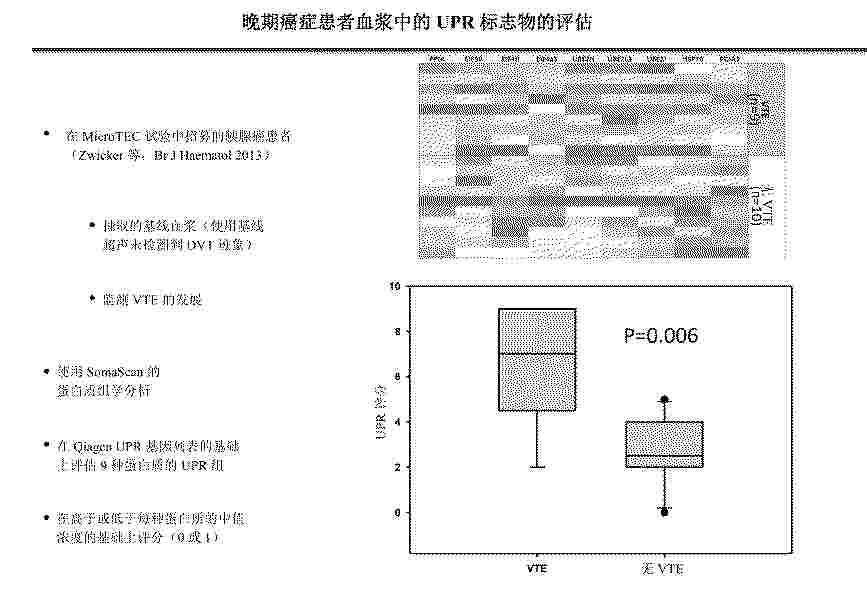
The present invention relates to compositions and methods for identifying risk patients and modulating thrombosis conditions in cancer patients. The embodiments provided herein include a method of determining the risk of a thrombosis event in a tumor patient, the method comprising: detecting an elevated level of PPIA, PDIA3, and at least one of EIF5A, EIF4H, EIF4a3, UBE2N, UBE2L3, UBE2I, and HSP70 in a sample of a cancer patient.
Resumen de: CN122351250A
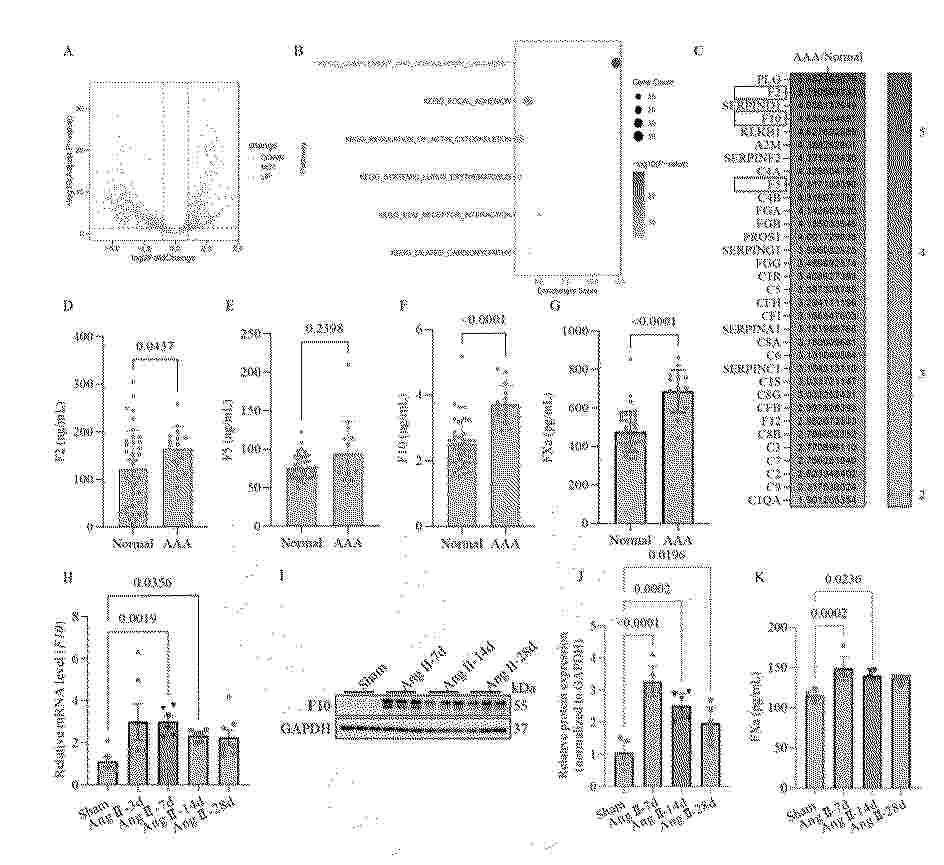
The invention discloses application of a substance which intervenes in the expression of a blood coagulation factor X (F10) or inhibits the activity of the blood coagulation factor X (FXa) activated in an activated form in preparation of a medicine for preventing or treating abdominal aortic aneurysm (AAA), and belongs to the field of biological medicine. It is found for the first time that endothelial-derived F10/FXa is significantly up-regulated in the early stage of AAA, and FXa can destroy the stability of endothelial tight junction protein ZO-1 through a non-blood-coagulation-dependent approach and drive the development of vascular wall barrier dysfunction and AAA. In-vivo experiments prove that the AAA tumor formation rate can be remarkably reduced by inhibiting F10 expression or FXa activity, aortic dilatation is inhibited, and a brand-new target spot and an intervention scheme are provided for early prevention and drug treatment of AAA.
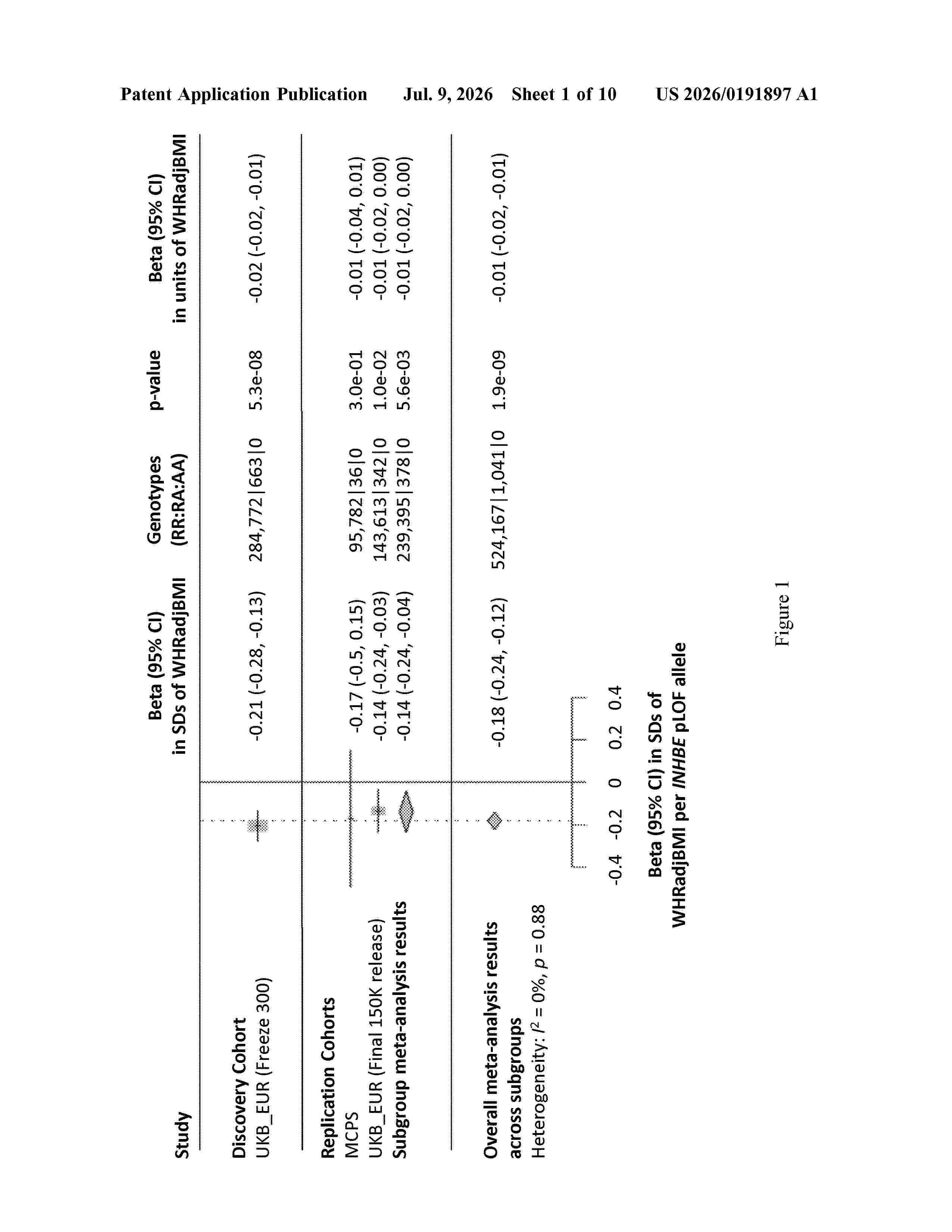
Resumen de: US20260191897A1
0000 The present disclosure provides methods of treating a subject having metabolic disorders and/or cardiovascular diseases, methods of identifying subjects having an increased risk of developing a metabolic disorder and/or a cardiovascular disease, and methods of detecting human Inhibin Subunit Beta E variant nucleic acid molecules and variant polypeptides.
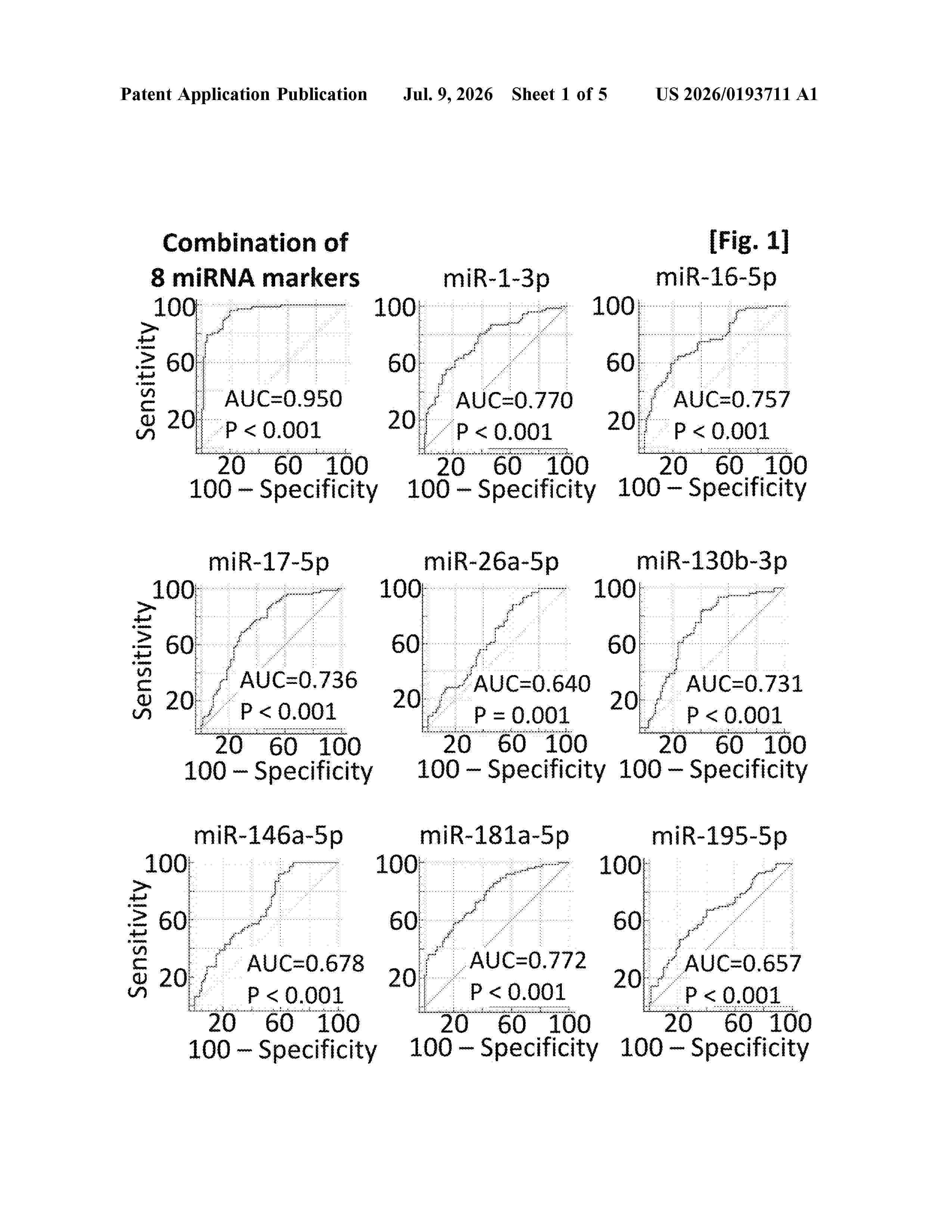
Resumen de: US20260193711A1
0000 Method of prediction of pregnancy complications associated with a high risk of pregnancy loss, such as miscarriage, stillbirth, or HELLP syndrome. Pregnant women are screened to determine the expression profile of two or more miRNAs in whole peripheral venous blood collected in the period of 10th-13th gestational week, whereas said two or more miRNAs are selected from the group miR-1-3p, miR-16-5p, miR-17-5p, miR-20a-5p, miR-26a-5p, miR-130b-3p, miR-143-3p, miR-145-5p, miR-146a-5p, miR-181a-5p, miR-195-5p, miR-210-3p, miR-342-3p, miR-499a-5p a miR-574-3p.
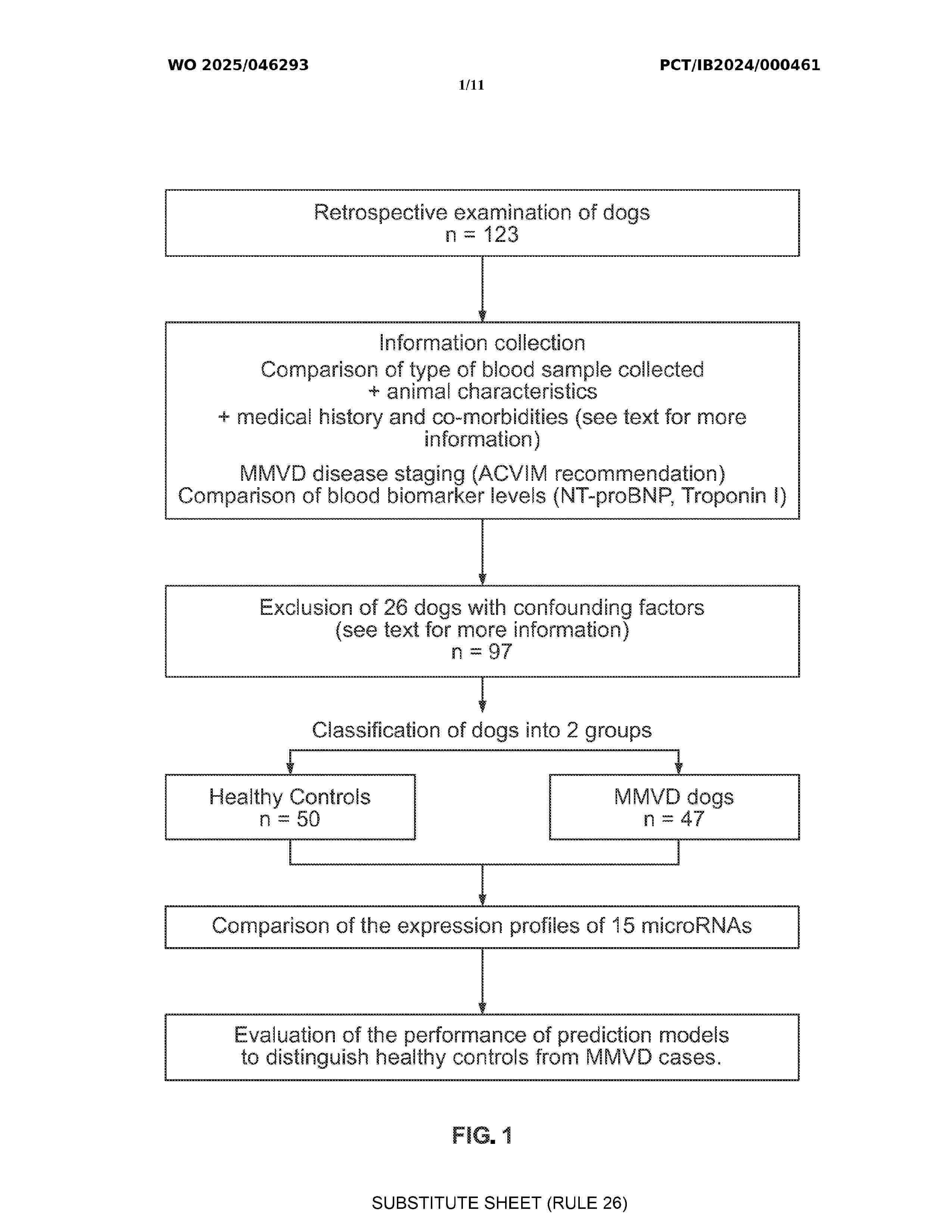
Resumen de: WO2025046293A1
A method of assessing expression profiles of miRNA markers using predictive classification models to differentially diagnosing MMVD patients from healthy controls or DCM patients from healthy controls. Additionally, an assessment of the same method to discriminate pre-clinical from clinical MMVD or DCM patients. Also provided is a method of differentially diagnosing MMVD patients from DCM patients or from healthy controls.
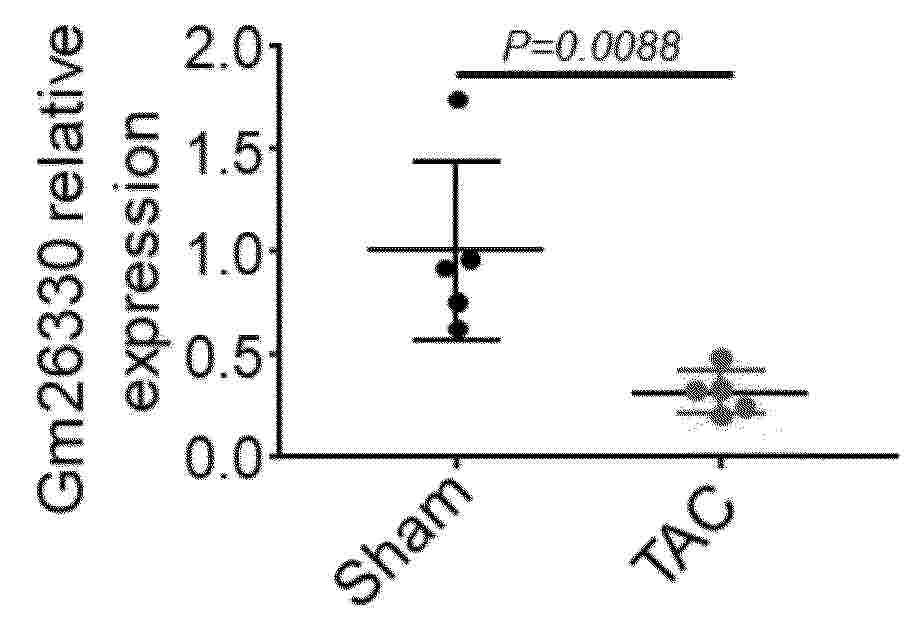
Resumen de: CN122326737A
The invention belongs to the field of biomedical engineering, and relates to an application of SnoRNA Gm26330 as a myocardial hypertrophy biomarker and a therapeutic target. The invention provides a marker snoRNA (ribonucleic acid) Gm26330 related to myocardial hypertrophy, wherein the nucleotide sequence of the snoRNA Gm26330 is as shown in SEQ ID No. 1. The invention also provides a kit for detecting myocardial hypertrophy. In-vivo and in-vitro experiments show that the SnoRNA Gm26330 can inhibit the cardiac hypertrophy, the SnoRNA Gm26330 has a protection effect on myocardial damage caused by the cardiac hypertrophy, and the SnoRNA Gm26330 has a potential value for preparing the medicine for preventing and treating the related heart diseases.
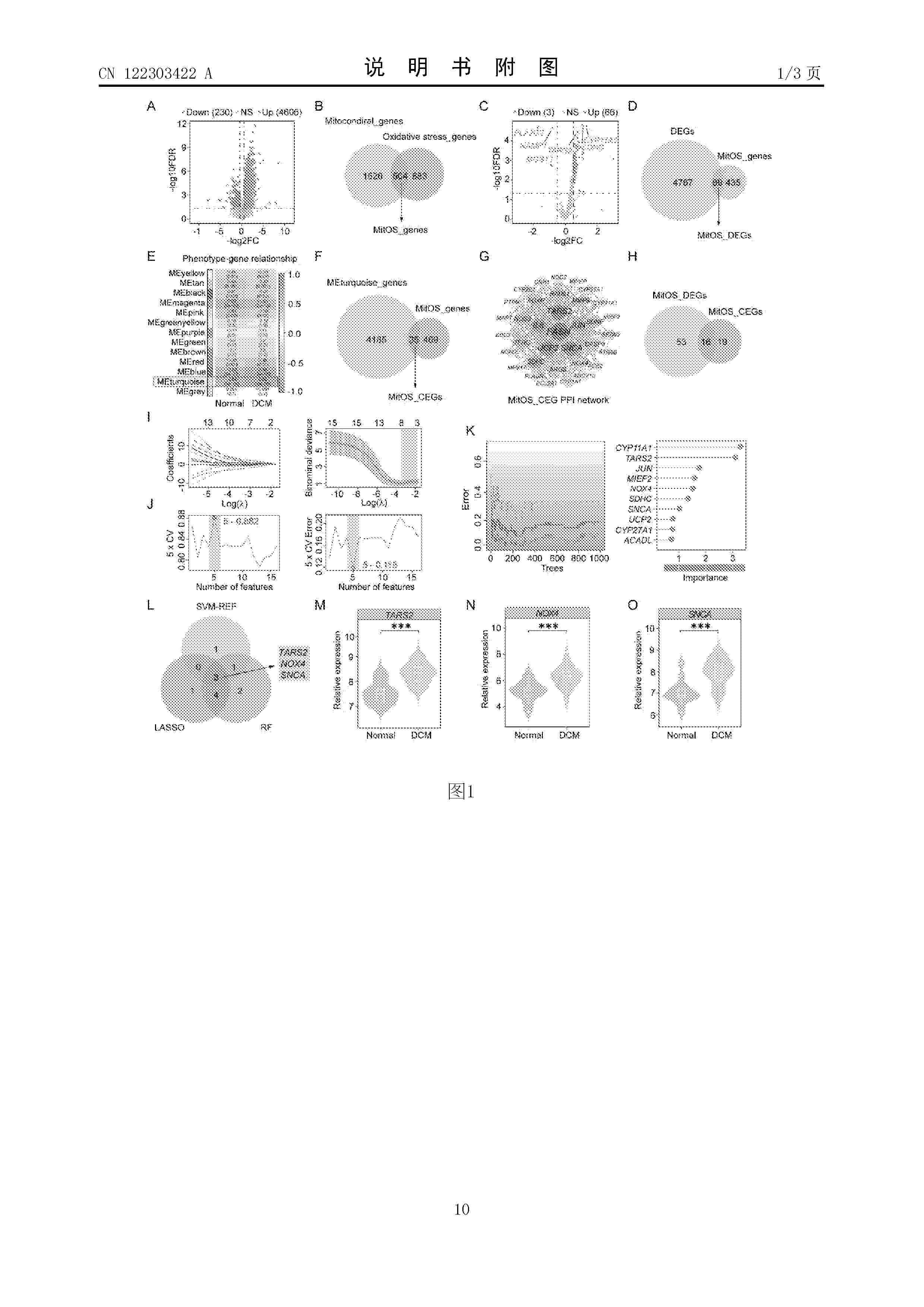
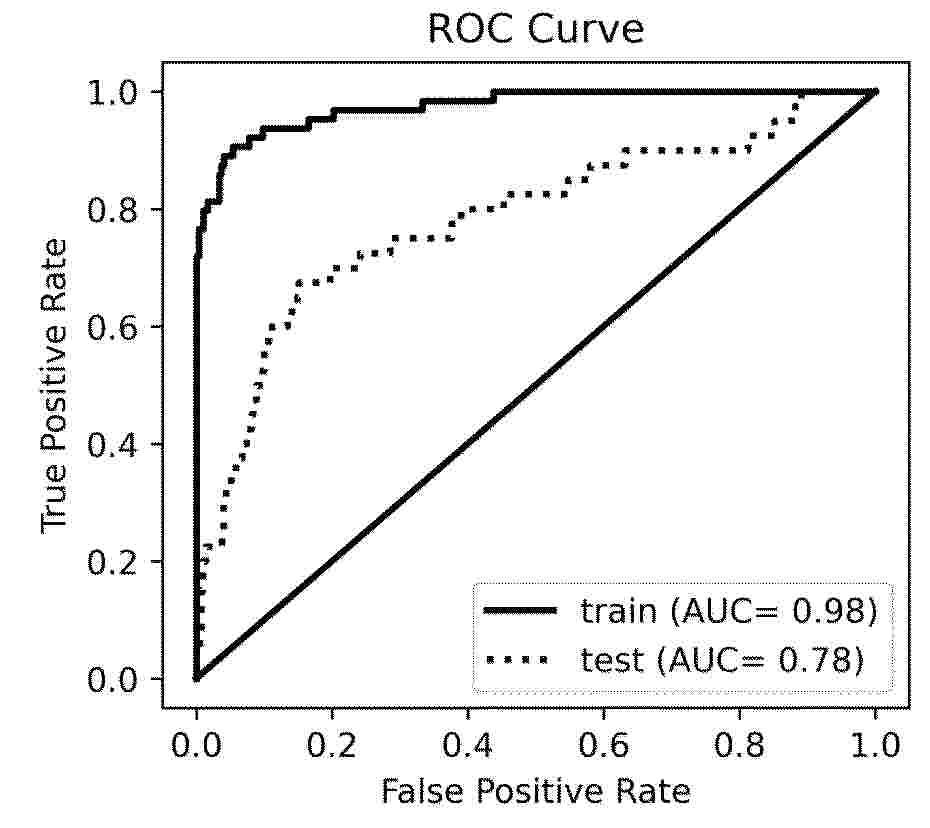
Resumen de: CN122303422A
The invention relates to the field of biological medicine, and discloses a biomarker composition based on mitochondrial oxidative stress for auxiliary diagnosis of dilated cardiomyopathy and application of the biomarker composition. The biomarker combination comprises a TARS2 gene, a NOX4 gene and an SNCA gene. The biomarker combination can be applied to preparation of an auxiliary diagnosis kit for dilated cardiomyopathy, auxiliary diagnosis of dilated cardiomyopathy can be efficiently and accurately achieved by detecting the expression level of each gene in the biomarker combination, and compared with a traditional diagnosis means, the biomarker combination has the advantages that the sensitivity is high on the basis of mitochondrial oxidative stress related gene characteristics, and the sensitivity is high. The diagnosis accuracy is higher, and the applicability is better.
Resumen de: CN122314366A
The invention relates to a group of genes related to gestational hypertension, a method for predicting gestational hypertension in early pregnancy by using the related genes and related application thereof. Specifically, a transcript starting site characteristic value of at least one of LOC124902572, EEF1A1P16, LOC105369767, GOLM2, CDRT7, MEIS3 and LOC105376108 in a to-be-detected pregnant woman cfDNA sample is obtained, and after the transcript starting site characteristic value is input into a prediction model, whether the risk of gestational hypertension exists or not is judged according to an output result. The initial site feature value of the transcript is the sequence number of the corrected transcriptional initial site region. The obtained prediction model can effectively and stably perform early prediction on the risk of gestational hypertension (including preeclampsia) in the early pregnancy so as to assist a doctor in performing early pregnancy intervention on a subject and reduce the occurrence risk of gestational hypertension.
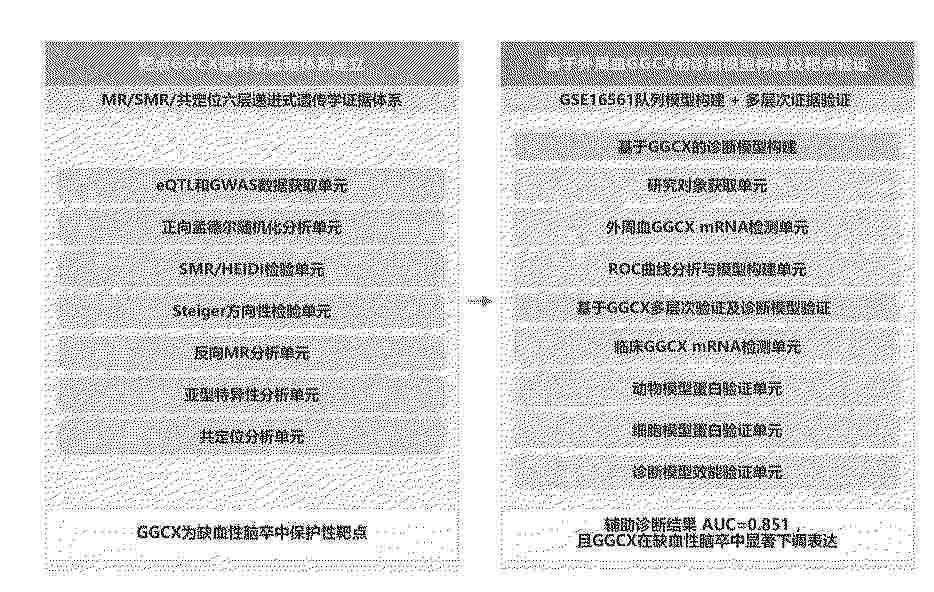
Resumen de: CN122303424A
The invention discloses application of GGCX in preparation of a reagent for diagnosis or auxiliary diagnosis of cerebral arterial thrombosis. Firstly, by constructing a six-layer progressive genetics evidence system, it is proved that gamma-glutamyl carboxylase (GGCX) is up-regulated to the protection direction of cerebral arterial thrombosis, and the protection effect has subtype specificity. Secondly, constructing a diagnosis model based on peripheral blood GGCX expression data; and finally, verifying that the GGCX is obviously reduced under the ischemia condition through three aspects of clinical sample qPCR (quantitative polymerase chain reaction) detection, a tMCAO/R animal model and a primary hippocampal neuron OGD/R cell model, and clinically verifying that the AUC value of a queue is 0.889. The invention provides a reliable scheme based on the peripheral blood biomarker GGCX for early auxiliary diagnosis of cerebral arterial thrombosis. And the kit has definite clinical value and important significance for improving the early diagnosis rate of cerebral arterial thrombosis and shortening the time from morbidity to treatment.
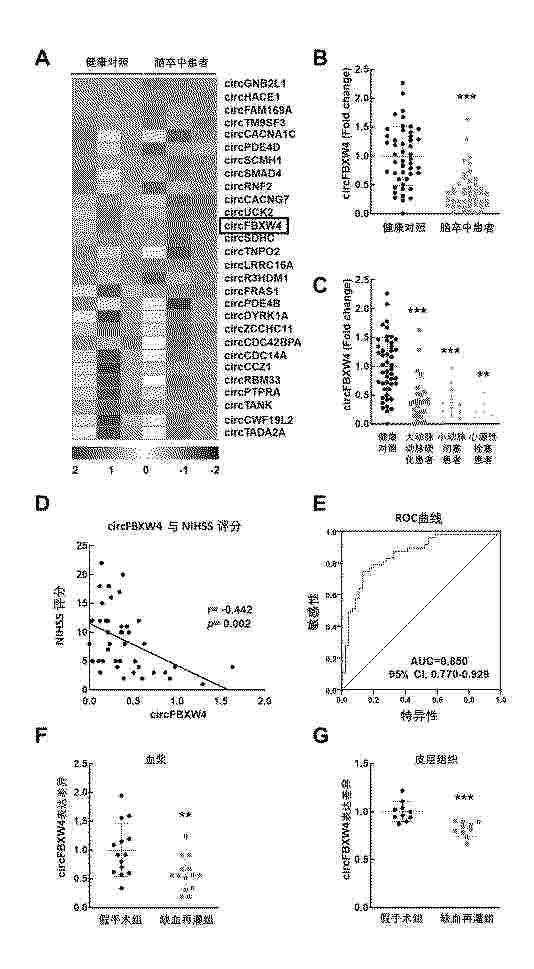
Resumen de: CN122297507A
The invention discloses an application of circFBXW4 in preparation of a medicine for treating cerebral apoplexy. The circFBXW4 inhibits FUS aggregation after cerebral arterial thrombosis and increases the free form of FUS by combining and adsorbing FUS, so that expression of downstream target protein HECTD1 and a ubiquitination substrate IQGAP1 of the downstream target protein HECTD1 is up-regulated, and then activation of astrocytes is inhibited. According to the application disclosed by the invention, the action mechanism of circFBXW4 in cerebral apoplexy diseases is systematically elaborated for the first time, and circFBXW4 is expected to become a novel biomarker and a molecular treatment target for clinically treating acute ischemic cerebral apoplexy.
Resumen de: CN122278827A
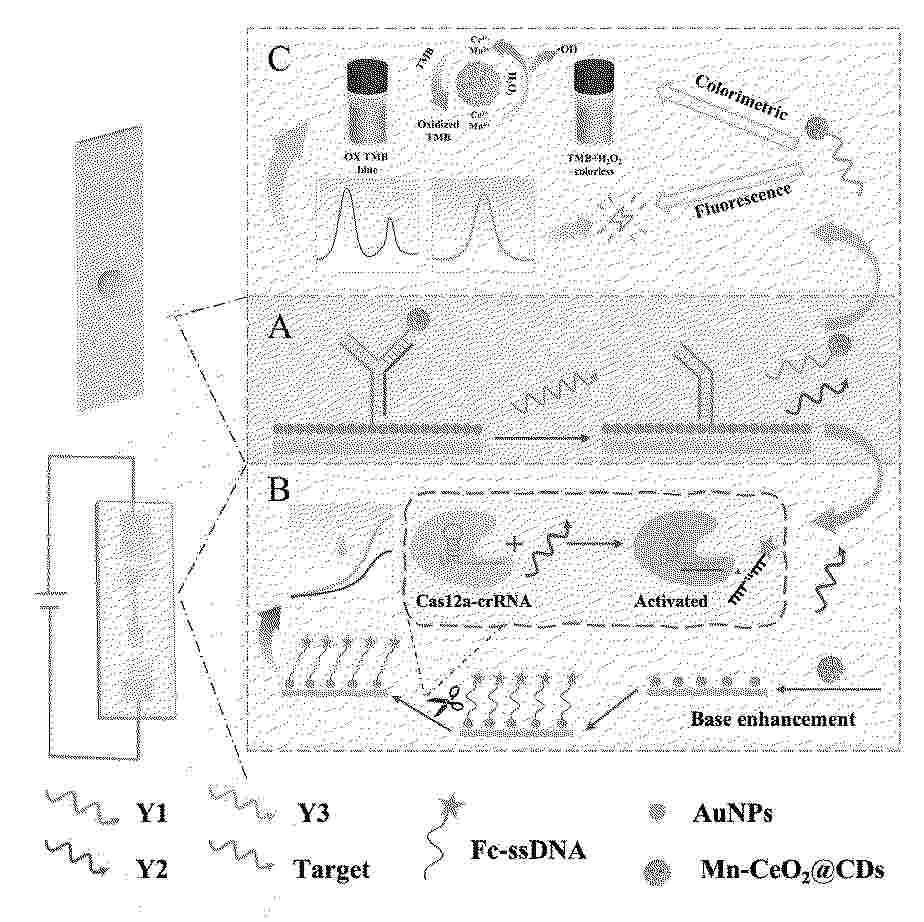
The invention relates to the technical field of biological detection, in particular to a miRNA (micro Ribonucleic Acid) multi-modal detection array based on Mn-CeO2 (at) CDs nano enzyme and Cas12a sensing as well as a preparation method and application of the miRNA multi-modal detection array. The identification and signal amplification probe composition based on the Mn-CeO2 (at) CDs nano-enzyme and Cas12a comprises a solid-phase substrate, the DNA Y-type structure in the first aspect, the composite nano-enzyme and a CRISPR/Cas12a (clustered regularly interspaced short palindromic repeats/clustered regularly interspaced short palindromic repeats/clustered regularly interspaced short palindromic repeats) system. According to the invention, a DNA nanotechnology and a Cas12a enzyme digestion technology are combined, and nanoenzyme is used as a signal output medium. And the high-specificity and high-sensitivity multi-mode detection of the myocarditis marker miRNA in three modes of fluorescence, ultraviolet-visualization and electrochemistry is realized.
Resumen de: CN122279030A
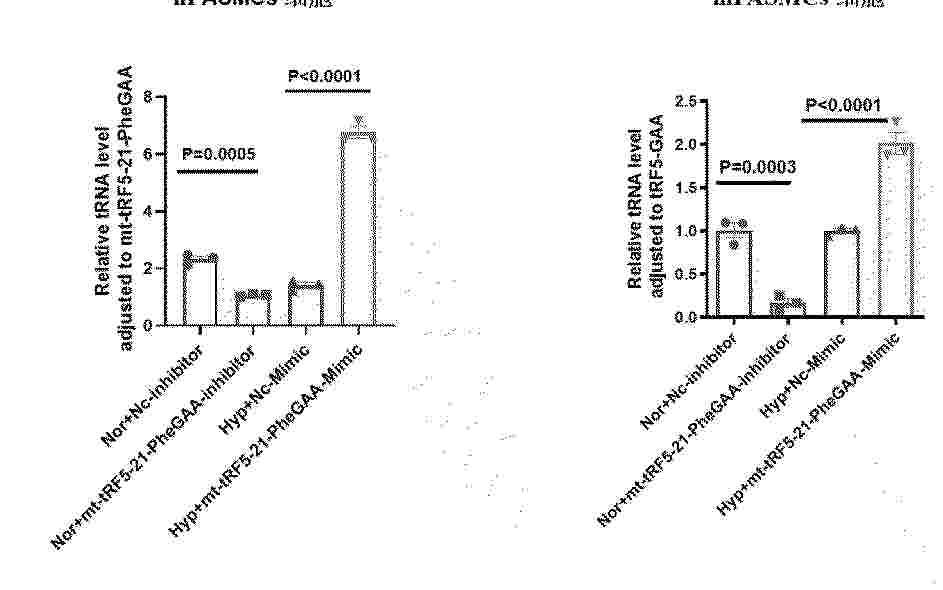
The invention discloses application of a reagent for detecting the expression level of pulmonary vessel tsRNA in preparation of a product for diagnosing and treating hypoxic pulmonary hypertension, the product and a pharmaceutical composition, and relates to the technical field of biomedicine, pulmonary vessel tsRNA is mt-tRF5-21-PheGAA, the nucleotide sequence of the mt-tRF5-21-PheGAA is GTTTATGTAGCTTACCTCCTC, the product comprises the reagent for detecting the expression level of tsRNA, and the reagent for detecting the expression level of tsRNA is applied to diagnosis and treatment of hypoxic pulmonary hypertension. The pharmaceutical composition comprises an activating agent of tsRNA, wherein the activating agent is an overexpression vector of mt-tRF5-21-PheGAA; according to the application of the pulmonary vessel tsRNA in diagnosis and treatment of the hypoxic pulmonary hypertension, the regulation effect of mt-tRF5-21-PheGAA on vascular remodeling caused by the pulmonary hypertension is defined, excessive proliferation of PASMCs is inhibited, pulmonary vascular remodeling and increase of the pulmonary hypertension are inhibited, and a new treatment target is provided for treatment of hypoxic PH through nucleic acid.
Resumen de: US20260176700A1
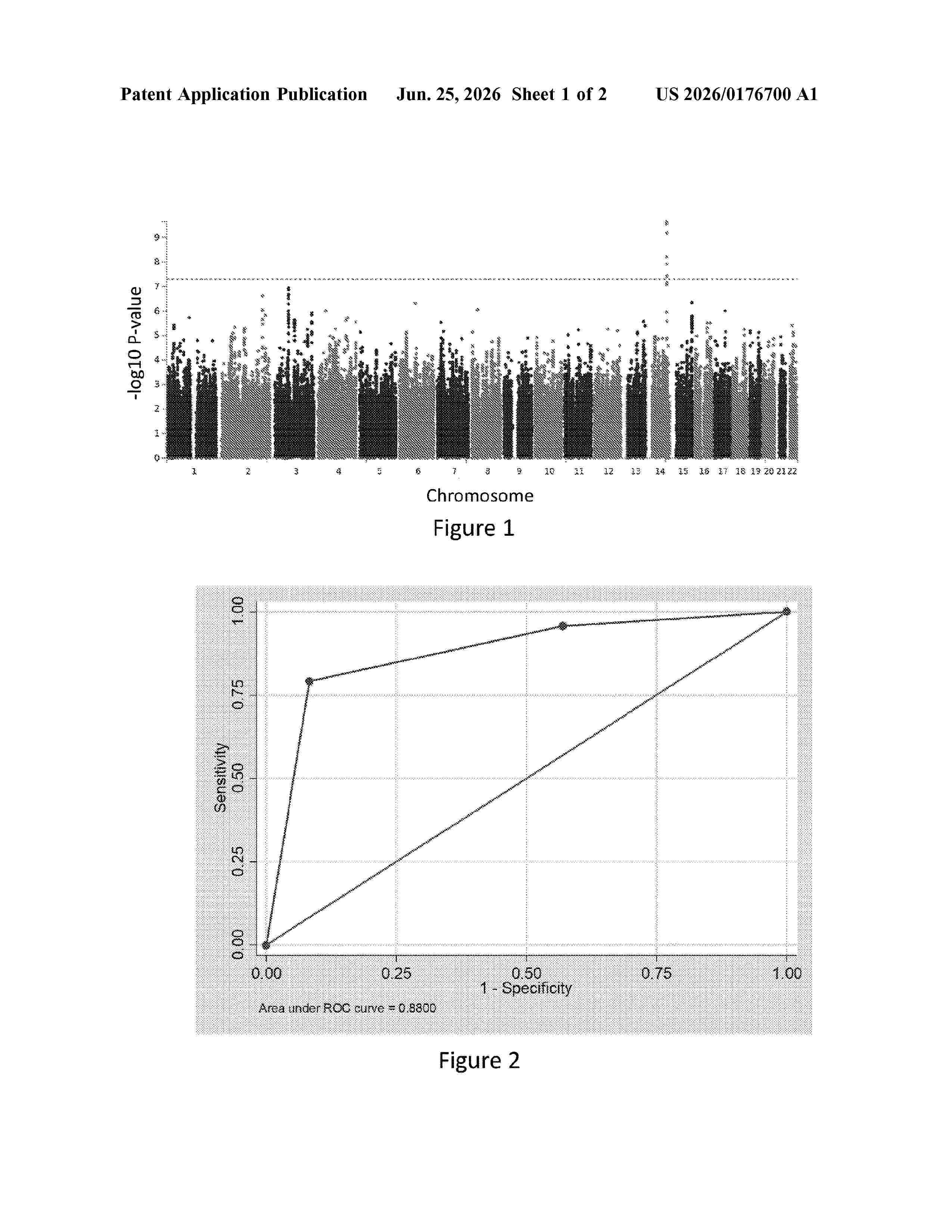
0000 The invention relates to an assay. More specifically, the invention relates to an assay for predicting cardiovascular toxicity of a chemotherapeutic agent.
Resumen de: US20260174904A1
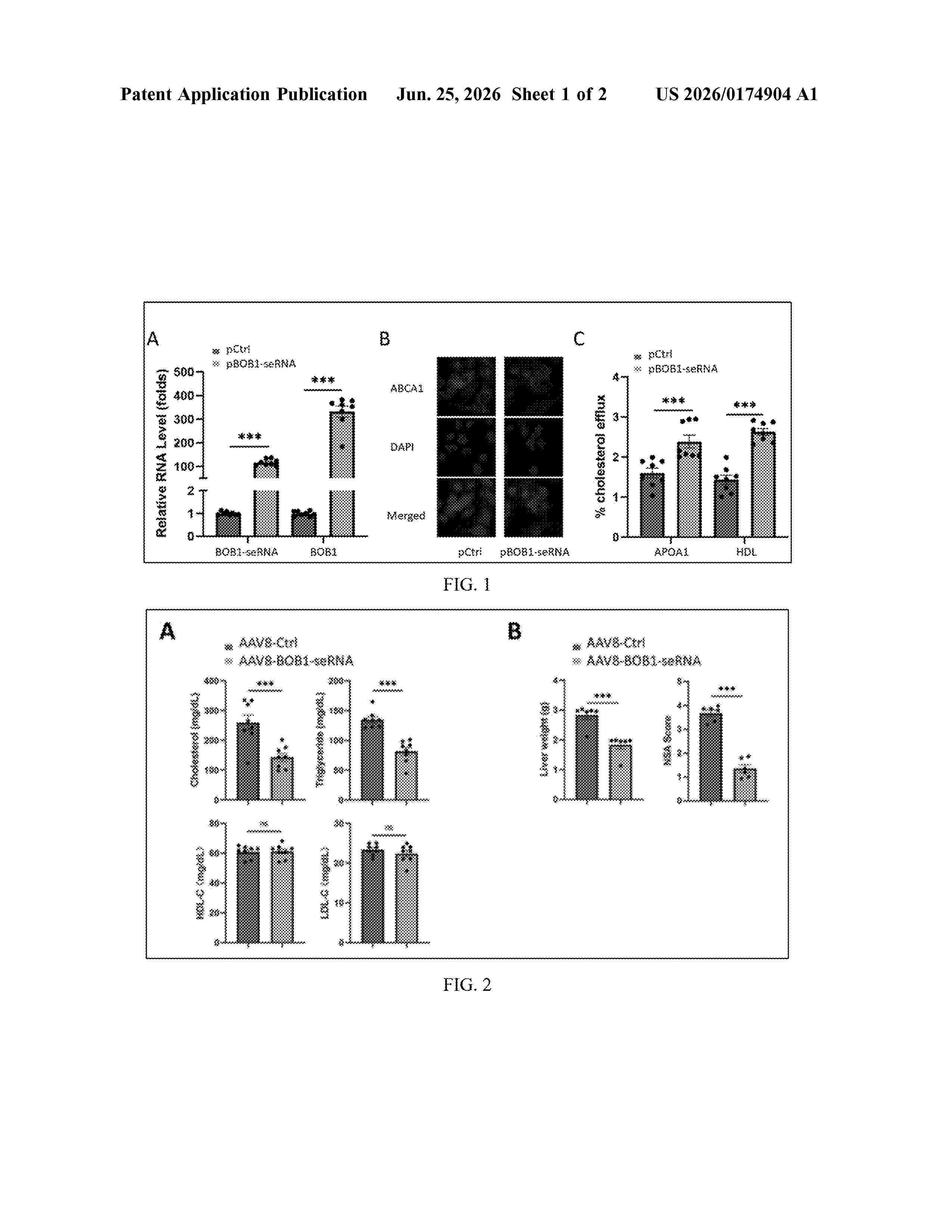
0000 A B-cell specific octamer-binding protein 1 super-enhancer ribonucleic acid (BOB1-seRNA) and an application thereof are provided. The nucleotide sequence of the BOB1-seRNA is shown in SEQ ID NO: 1. Through experiments, it further confirms that the BOB1-seRNA is downregulated in patients with coronary heart disease and can be used in preparation of a product for diagnosing or predicting the coronary heart disease. The use of this molecular marker can be used for early diagnosis of the coronary heart disease, which is rapid and effective. It is not only of great significance for early treatment of the coronary heart disease and saving medical costs, but also provides therapeutic targets and important basis for clinical applications such as gene therapy and drug therapy.
Resumen de: CN122256497A
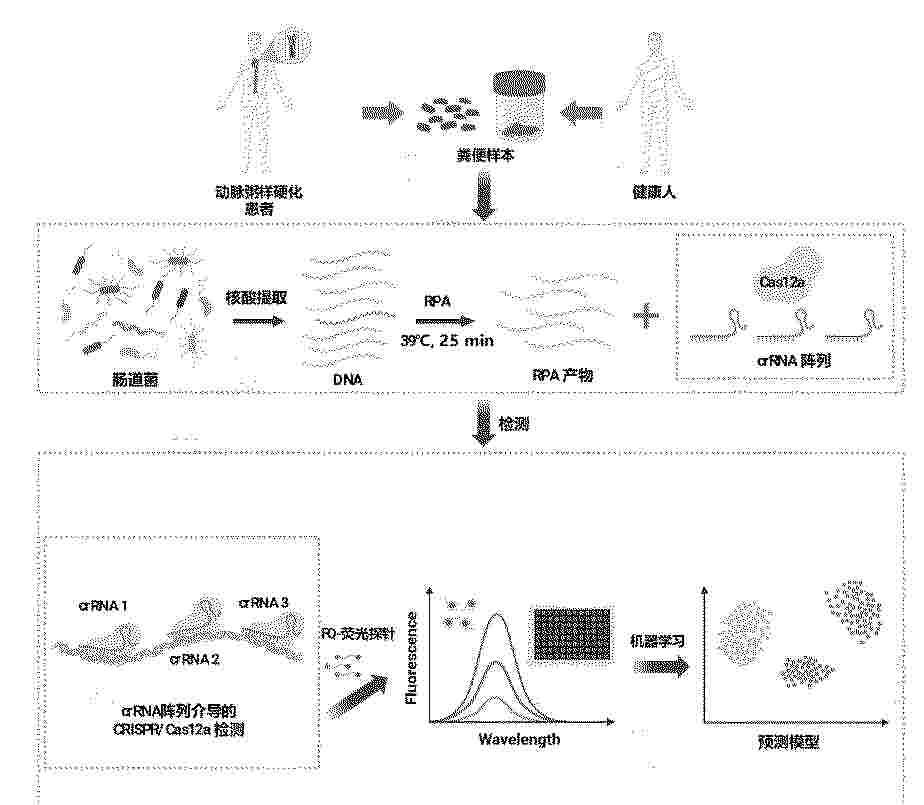
The invention discloses application of an intestinal bacterium metabolism key gene in preparation of an atherosclerosis diagnosis product, and belongs to the technical field of biological medicines. The invention establishes a CRISPR/Cas12a detection method based on RPA and crRNA array mediation, can accurately detect eight intestinal bacteria metabolism key genes closely related to cardiovascular diseases, and realizes rapid diagnosis according to the detection result. The invention provides a new technical means for evaluating the risk of cardiovascular diseases, and has potential application value in the aspects of early screening, prediction and judgment of diseases.
Resumen de: KR20240114848A
The present invention relates to a marker composition, a kit, a panel, and a method for providing information for diagnosing, generating, or predicting prognosis of stroke. The present invention is a novel tool capable of predicting the diagnosis, occurrence, progress, or prognosis of a stroke. the present invention has excellent sensitivity and can be easily analyzed without using a biopsy, thereby being usefully used for early diagnosis, occurrence, or prognosis prediction of a stroke.
Resumen de: CN122235289A
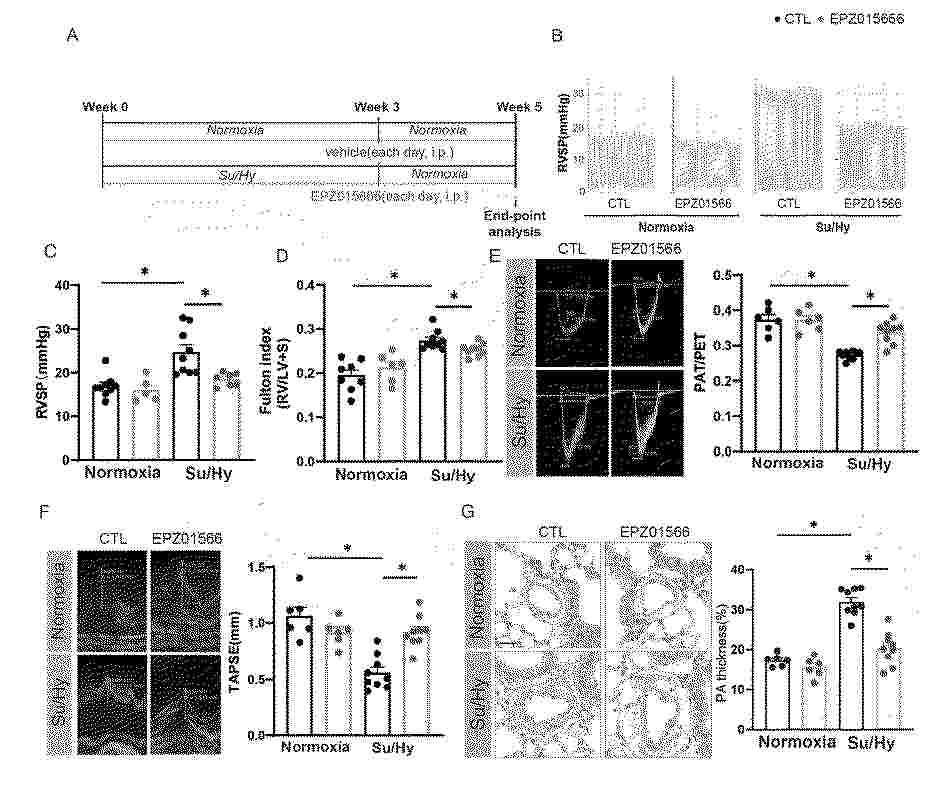
The invention relates to the technical field of biological medicine, provides novel application of PRMT5, and particularly relates to application of PRMT5 in preparation of a pulmonary arterial hypertension diagnosis and treatment product. The invention further provides a PRMT5 inhibitor recombinant vector and a pulmonary arterial hypertension treatment pharmaceutical composition taking the PRMT5 inhibitor or a recombinant expression vector thereof as an active component. It is found for the first time that expression of PRMT5 in lung tissues of patients and models with pulmonary arterial hypertension is increased, pathological injuries, including pulmonary vascular remodeling and right ventricular hypertrophy, of pulmonary arterial hypertension can be remarkably relieved by intervening expression quantity and/or biological activity of PRMT5 through gene level (Lenti-shPRMT5) or drug level (EPZ015666), and it is prompted that PRMT5 has a key effect in generation and development of PAH. The discovery provides an experimental basis for the research and development of PRMT5 as a potential therapeutic target and related drugs thereof.
Resumen de: CN122235152A
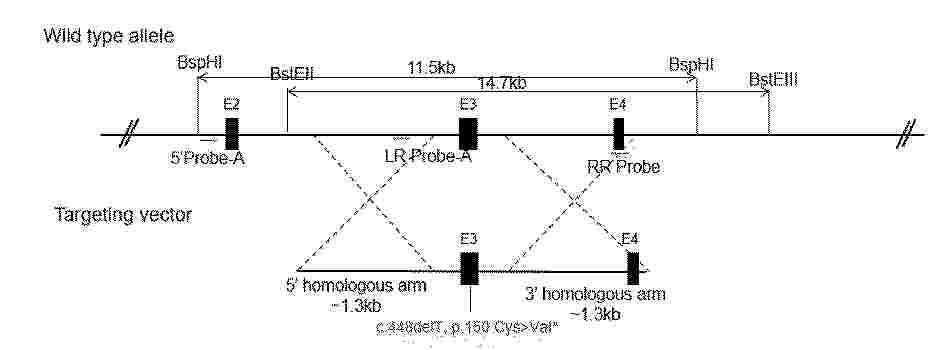
The invention belongs to the technical field of biological medicine, and particularly relates to application of Popdc1 frameshift mutation in treatment and detection of dilated heart disease. According to the invention, a candidate pathogenic gene Popdc1 gene is screened, the frame shift mutation (c.448delT) of the candidate pathogenic gene Popdc1 gene causes early termination of the synthesis of encoded BVES protein, and cardiomyopathy and cardiomyopathy are caused by the modes of regulating downstream genes, oxidative stress, cell apoptosis and the like through a BVES-AnkG-CaMKII pathway. By detecting the homozygous frame-shift mutation (c.448delT) of the Popdc1 gene, early warning is made for early diagnosis and prenatal breeding of the dilated heart disease; through the gene therapy of targeting BVES, AnkG and CaMKII, the treatment of the hereditary dilated heart disease can be realized; the animal model is constructed by using the mutation site, a model basis is provided for research of cardiomyopathy, and the application prospect is wide.
Resumen de: CN122235296A
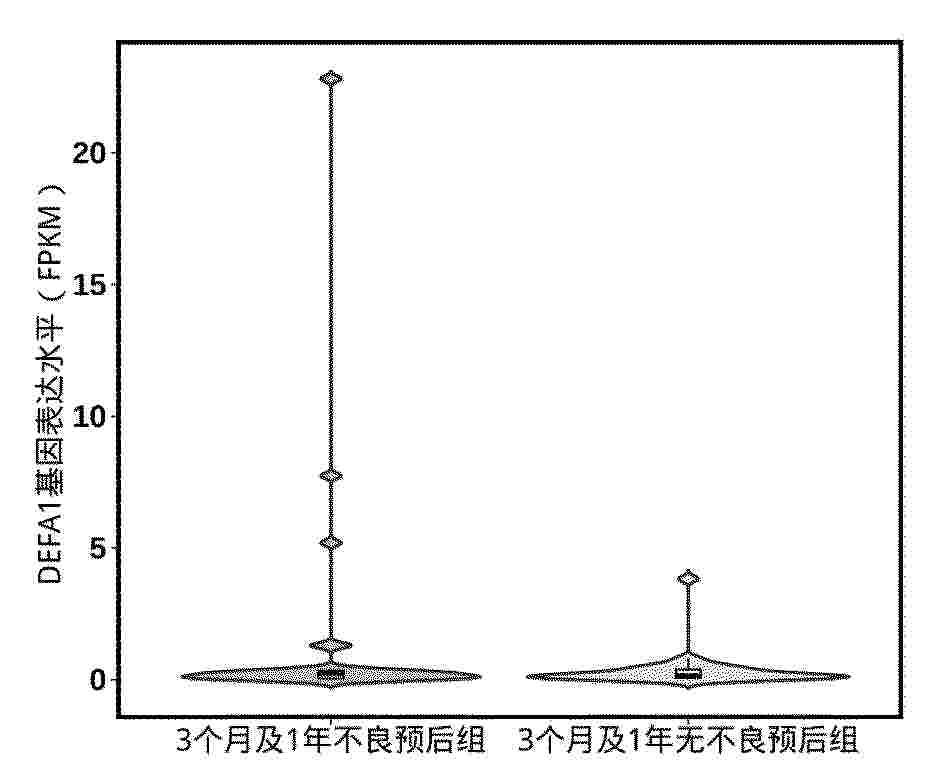
The invention belongs to the technical field of biomarkers, and particularly relates to application of DEFA1 as an acute ischemic stroke prognosis biomarker. It is found that the DEFA1 gene has significant differential expression between acute ischemic stroke patients with vascular events and acute ischemic stroke patients without vascular events or death within one year, and the expression level of the DEFA1 gene in the patients with vascular events or death is significantly higher than that of the patients without vascular events or death; the DEFA1 gene has significant differential expression between acute ischemic stroke patients with severe disability or death and acute ischemic stroke patients without severe disability or death within 3 months, and the expression level of the DEFA1 gene in the patients with severe disability or death is significantly higher than that of the patients without severe disability or death. The DEFA1 shows good predictive ability in predicting whether a patient suffering from cerebral arterial thrombosis suffers from poor prognosis within 1 year and/or 3 months.
Resumen de: CN122235297A
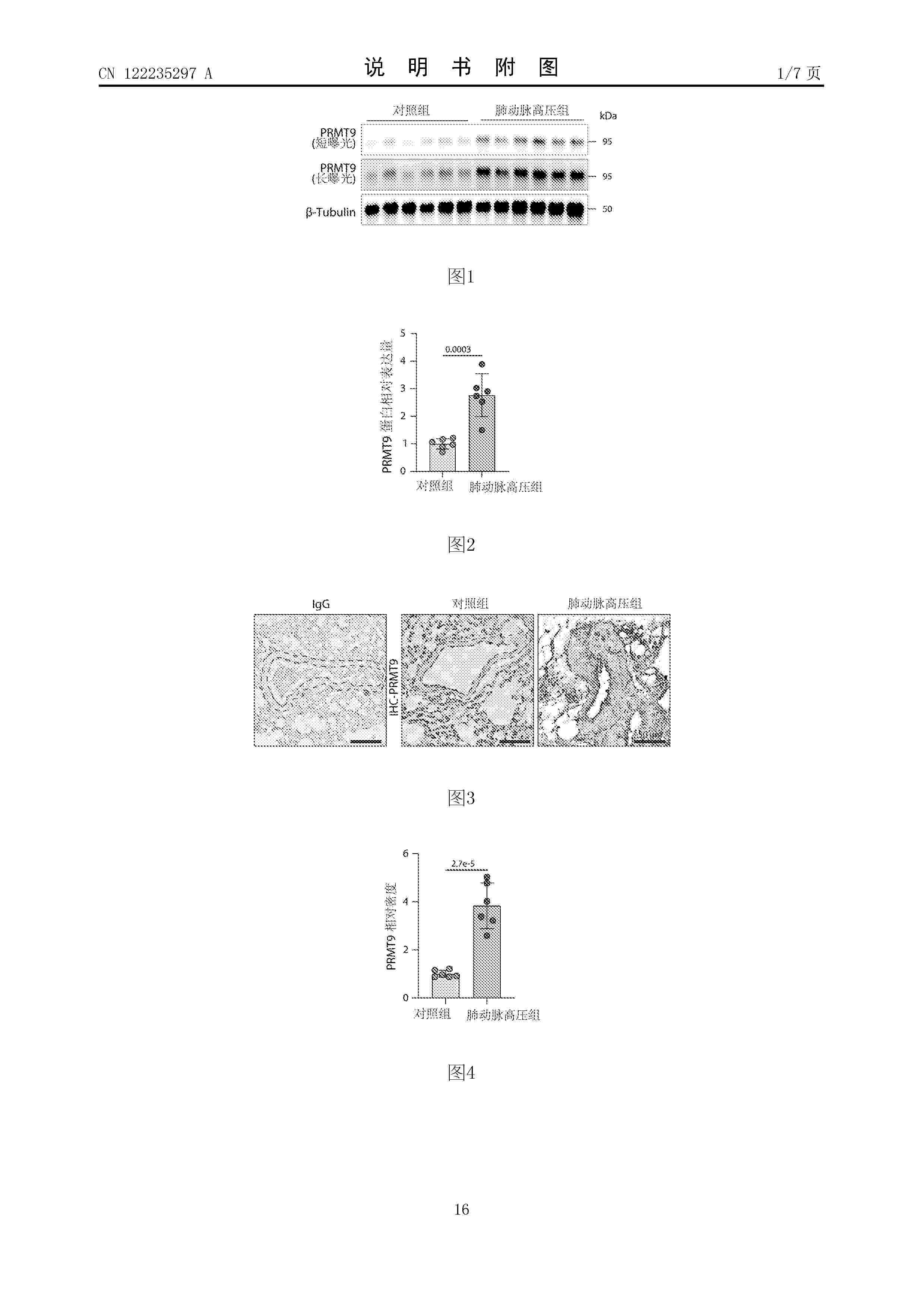
The invention discloses application of PRMT9 or an encoded protein thereof as a pulmonary arterial hypertension diagnosis and treatment target, and belongs to the technical field of biological medicines. The invention discloses an application of detecting the expression level of a PRMT9 gene or the content of an encoded protein of the PRMT9 gene in screening a product for diagnosing pulmonary arterial hypertension, and further discloses an application of a PRMT9 gene knocked-down mouse model in screening a medicine for preventing, relieving and/or treating pulmonary arterial hypertension. The invention is applied to research on PRMT9 gene expression or PRMT9 gene product activity, pathology improvement and behavioral change improvement. The invention finds that the expression of the PRMT9 in the pulmonary arterial hypertension is obviously increased, the pulmonary arterial hypertension can be improved by inhibiting the PRMT9 gene, a new idea for diagnosing the pulmonary arterial hypertension by taking the PRMT9 gene and the encoded protein thereof as targets is provided, a product and various biological models for diagnosing the pulmonary arterial hypertension are also provided, and the application has good practical prospects and research potential.
Resumen de: CN122249562A
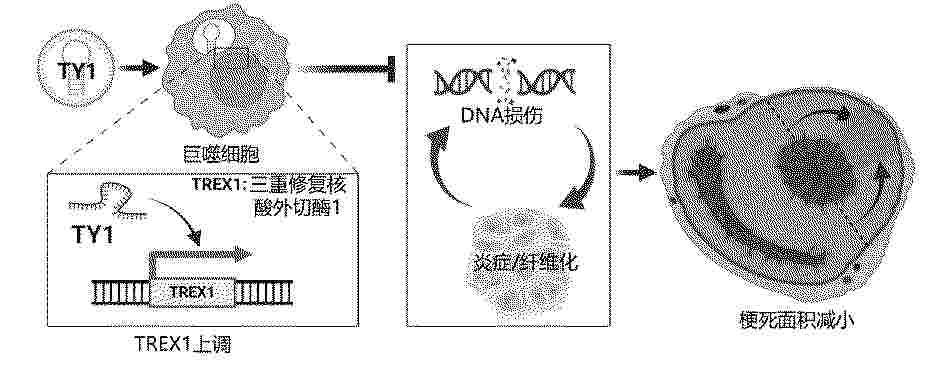
The present application provides methods of treating conditions associated with senescence, atrophy, fibrosis, tissue senescence, inflammation, heart disease, and/or muscle disease by administering to a subject an agent that enhances the expression of a Trex1 gene product, wherein the agent is not an isolated RNA comprising a nucleotide sequence having at least 95% identity with CGUCCGAUGGUAGUGGGUUAUCAG (SEQ ID NO: 3). The present application also provides compositions for treating conditions associated with aging, atrophy, inflammation, and/or fibrosis, including a nucleic acid that will anneal with and enhance the expression of Trex1 5 '-UTR, a nucleic acid that encodes and enhances the expression of Trex1, a population of macrophages having enhanced expression of a Trex1 gene product, or a combination thereof.
Resumen de: WO2026127584A1
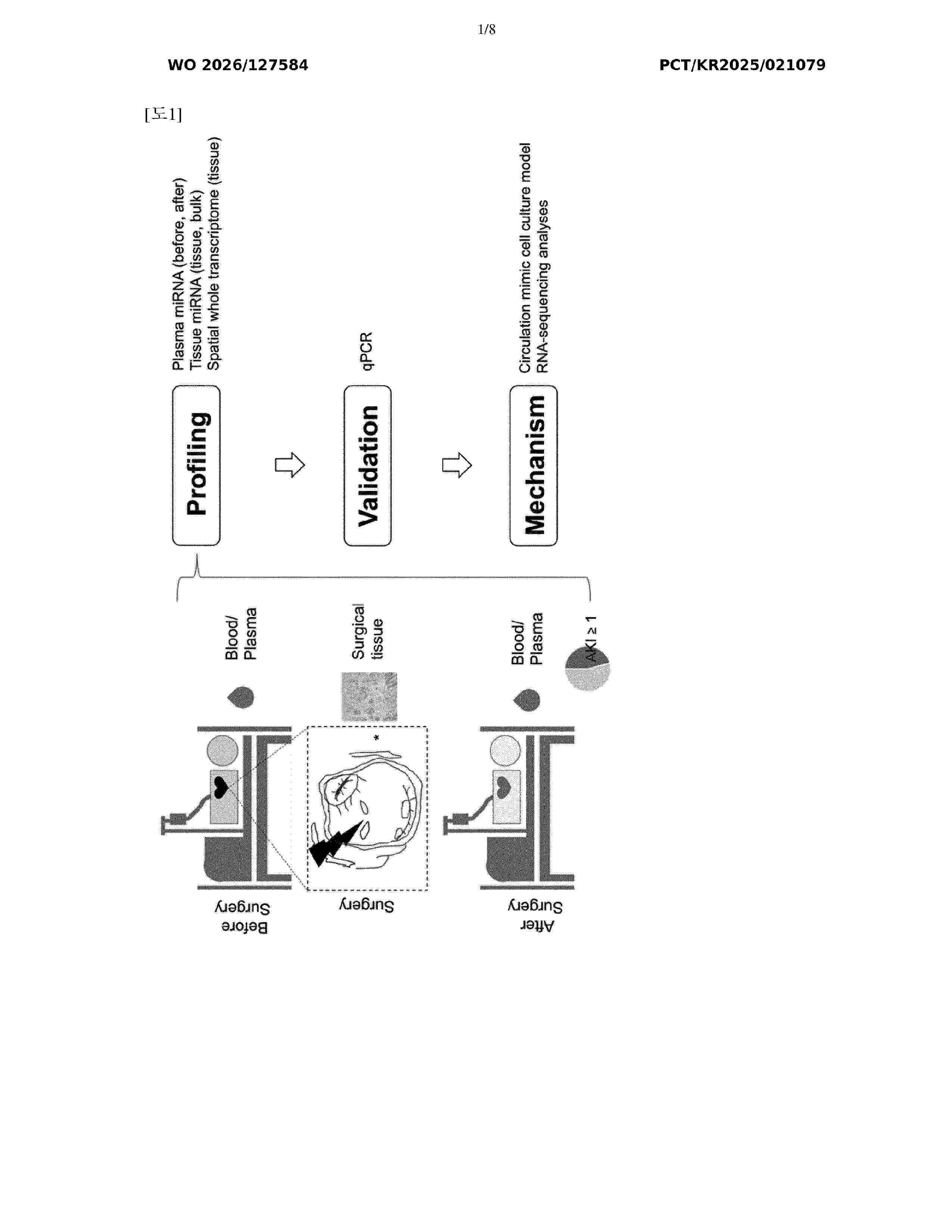
The present invention relates to a biomarker for diagnosing or predicting the onset of postoperative acute kidney injury, and a method for diagnosing or predicting the onset of postoperative acute kidney injury using same. Specifically, the present invention relates to a method for diagnosing or predicting the onset of acute kidney injury by using, as a biomarker, miR-451a, miR-185-5p, miR-221-3p, miR-191-5p, miR-484, miR-144-3p, miR1972, miR-4478, miR-1273h-5p, miR-619-5p, miR-4430, or miR-548aq-3p in a blood sample following open-heart surgery.
Nº publicación: KR20260092168A 18/06/2026
Solicitante:
전남대학교산학협력단
Resumen de: KR20260092168A
본 발명은 SOCS3를 유효성분으로 포함하는 혈관 석회화 진단, 예방 및 치료용 조성물에 관한 것으로서, 본 발명의 SOCS3는 혈관이 석회화된 경우 발현이 감소하며, SOCS3가 과발현되는 경우 그 석회화가 현저히 감소되므로, SOCS3를 이용하면 평활근 세포 등의 관련 혈관 석회화 질환에서 혈관 석회화의 예방 또는 치료에 유용하게 이용될 수 있다.
 BOPI
BOPI
 Sede Electrónica