Si deseas distinguir tus productos, servicios o ambos de los de otra empresa, es posible que necesites una marca o nombre comercial. Descubre qué son, en qué consiste su procedimiento de registro y qué implica.

Información sobre los plazos de presentación de solicitudes de transformación de marcas de la Unión Europea en marca nacional española. Más información


Si tienes un nuevo dispositivo, producto o procedimiento que resuelva un problema técnico o tenga una ventaja práctica, existen distintas formas de protegerlo en España y en otros países. Descubre cómo hacerlo.

¿Tu innovación reside en la estética, la ornamentación o la apariencia de tu producto? Protégela mediante un diseño industrial. Descubre qué derechos confiere el registro y cómo realizar la tramitación.

Las indicaciones geográficas protegen el nombre de un producto originario de una zona geográfica, a la cual le debe una determinada calidad, reputación u otra característica. Descubre qué son, en qué consiste su procedimiento de registro y qué beneficios conceden.

Las patentes publicadas en todo el mundo son una valiosa fuente de información científica, técnica y comercial.

Si eres emprendedor/a o una empresa y quieres potenciar y mejorar la rentabilidad de tu negocio protegiendo de forma adecuada los activos intangibles de tu organización, en este espacio encontrarás lo necesario.


 53
resultados
53
resultados
 Última actualización
14/09/2026 [08:07:00]
Última actualización
14/09/2026 [08:07:00]


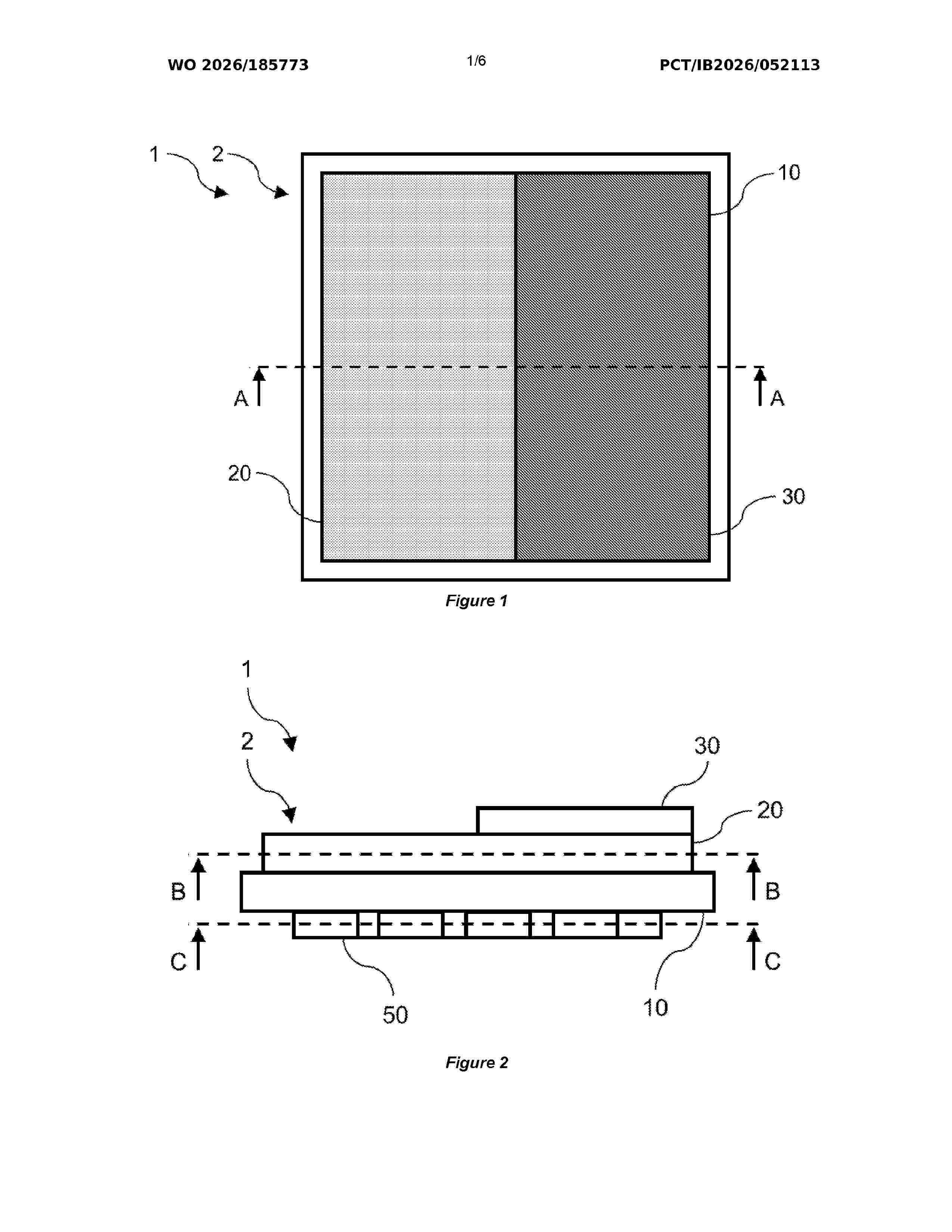
Resumen de: WO2026185773A1
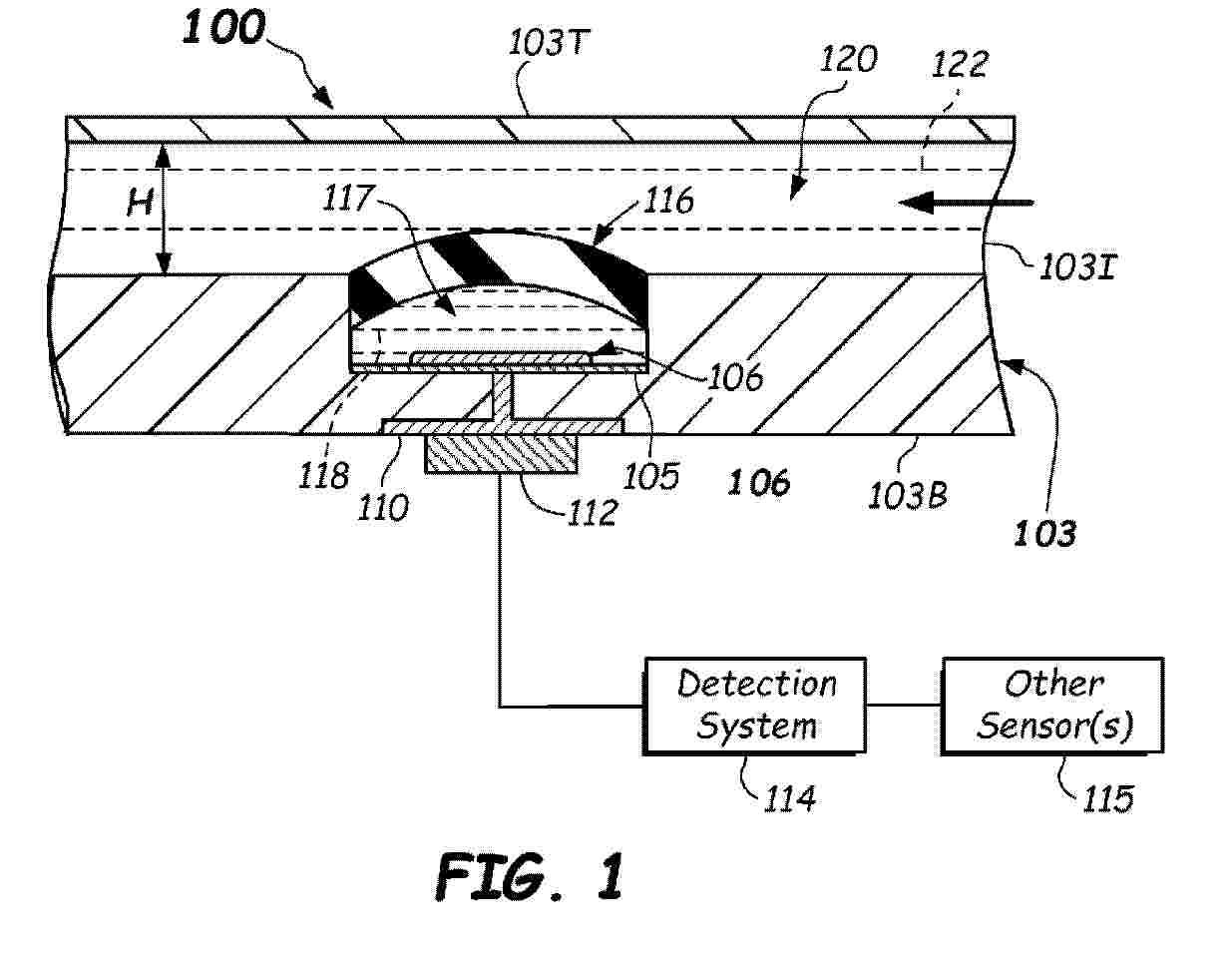
Described is a gas sensor. The gas sensor comprises a substrate; a body of sensing material attached to the substrate and configured to facilitate a reaction with a target component of a sample gas and to undergo change in an electrical property as a result of the reaction; a first electrode pair attached to the substrate and embedded within the body of sensing material; a second electrode pair attached to the substrate and embedded within the body of sensing material; and a filter attached to an outer surface of the body of sensing material to cover at least one of the first electrode pair or the second electrode pair. At least one electrode of the at least one of the first electrode pair or the second electrode pair is not covered by the filter. Also described is a method of determining a concentration of a target component within a sample gas using a gas sensing system.

Resumen de: US20260265564A1
A conductive polymer composition comprising: —a conductive polymer, and —a polymer binder, characterized in that the polymer binder includes an aqueous dispersion of a Polymer Mixture comprising a First Polymer that is aqueous dispersible and a Second Polymer that is aqueous insoluble.
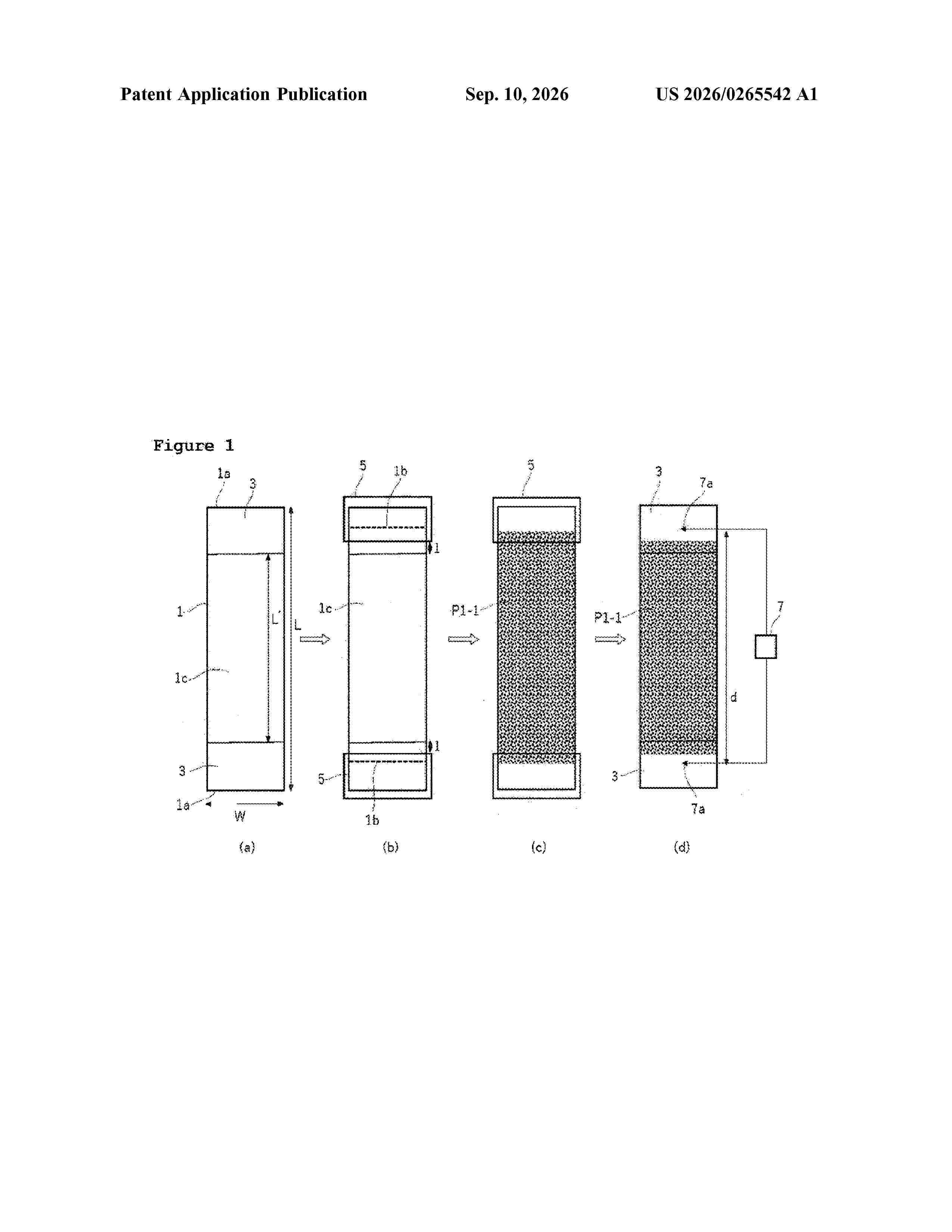
Resumen de: US20260265542A1
Described herein are electrically-conductive primer coating compositions which include (C) an electrically-conductive pigment paste produced by dispersing (A) an electrically-conductive pigment in (B) a non-chlorinated polyolefin resin which includes hydroxy groups, (D) an acrylic resin-modified chlorinated polyolefin resin, and (E) a blocked polyisocyanate compound. Also described are a process for production thereof, primer coating films formed from these electrically-conductive primer coating compositions, and processes for forming multilayered coating films.
Resumen de: US20260265565A1
A mixed ink contains copper microparticles and a nickel formate complex having an ammine ligand or an amino group-containing ligand containing an amino group. The copper microparticles have a volume-based cumulative particle size D50 of 1.5 μm or more and 20.0 μm or less at a cumulative volume of 50 vol %, as measured using a laser diffraction/scattering particle size distribution measurement method, and an aspect ratio of 4.0 or more and 20.0 or less or a BET specific surface area of 0.8 m2/g or more and 4.0 m2/g or less. It is preferable that the copper microparticles have a flat shape. It is also preferable that the amino group-containing ligand is at least one selected from the group consisting of 1-amino-2-propanol, ethylenediamine, and 2-amino-1-butanol.
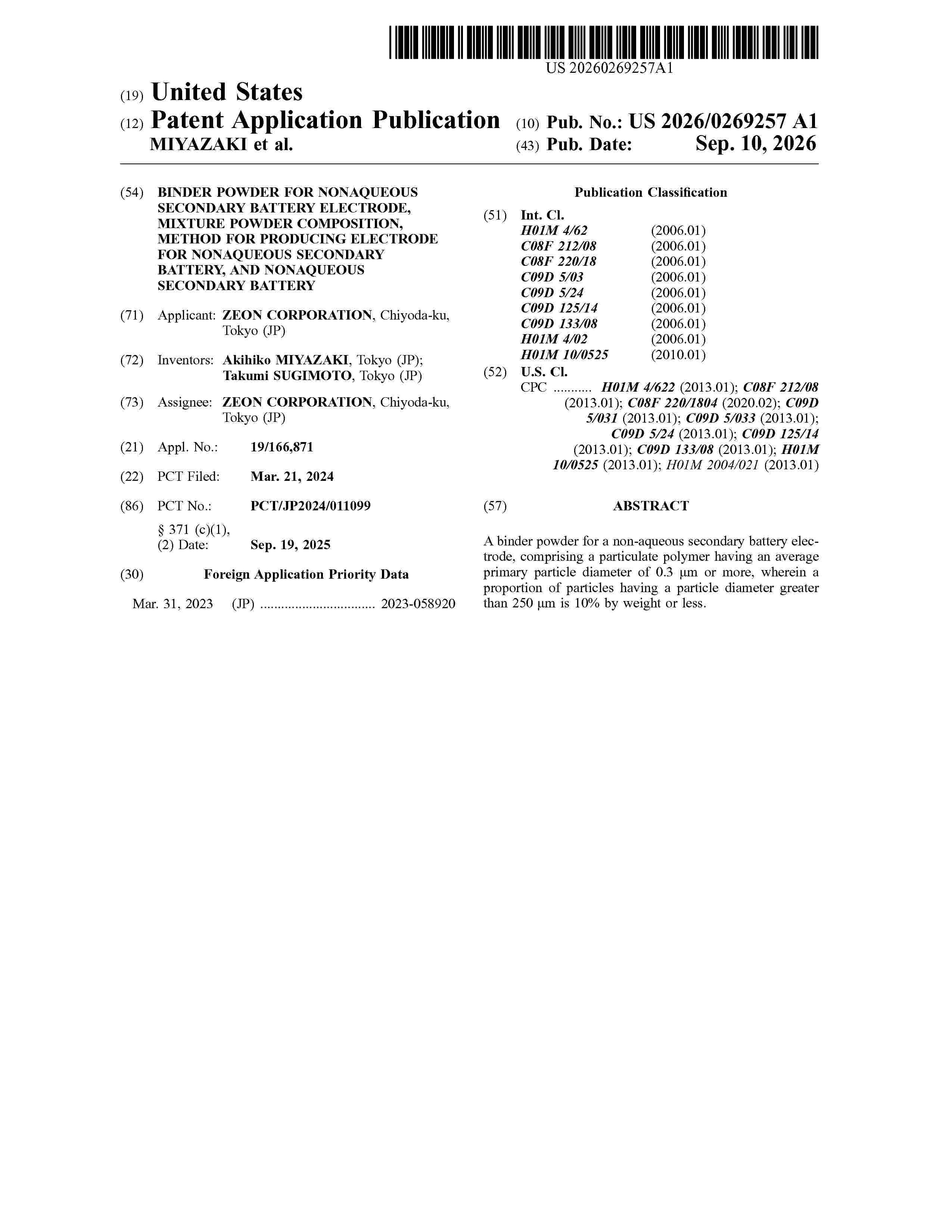
Resumen de: US20260269257A1
A binder powder for a non-aqueous secondary battery electrode, comprising a particulate polymer having an average primary particle diameter of 0.3 μm or more, wherein a proportion of particles having a particle diameter greater than 250 μm is 10% by weight or less.
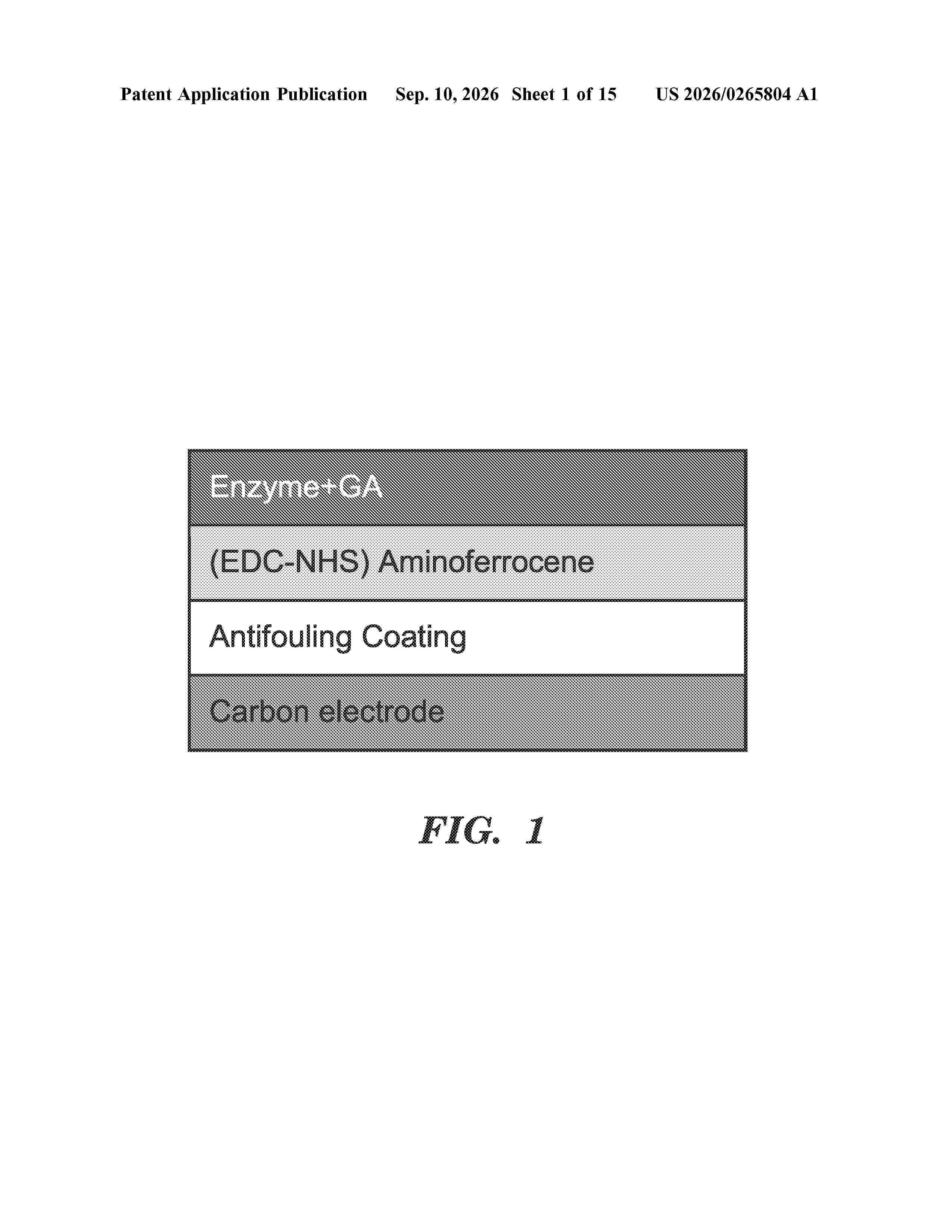
Resumen de: US20260265804A1
0000 The disclosure relates generally to compositions and methods for making antifouling and electrically responsive coatings, and electrodes and sensors including said antifouling coatings, and uses thereof.
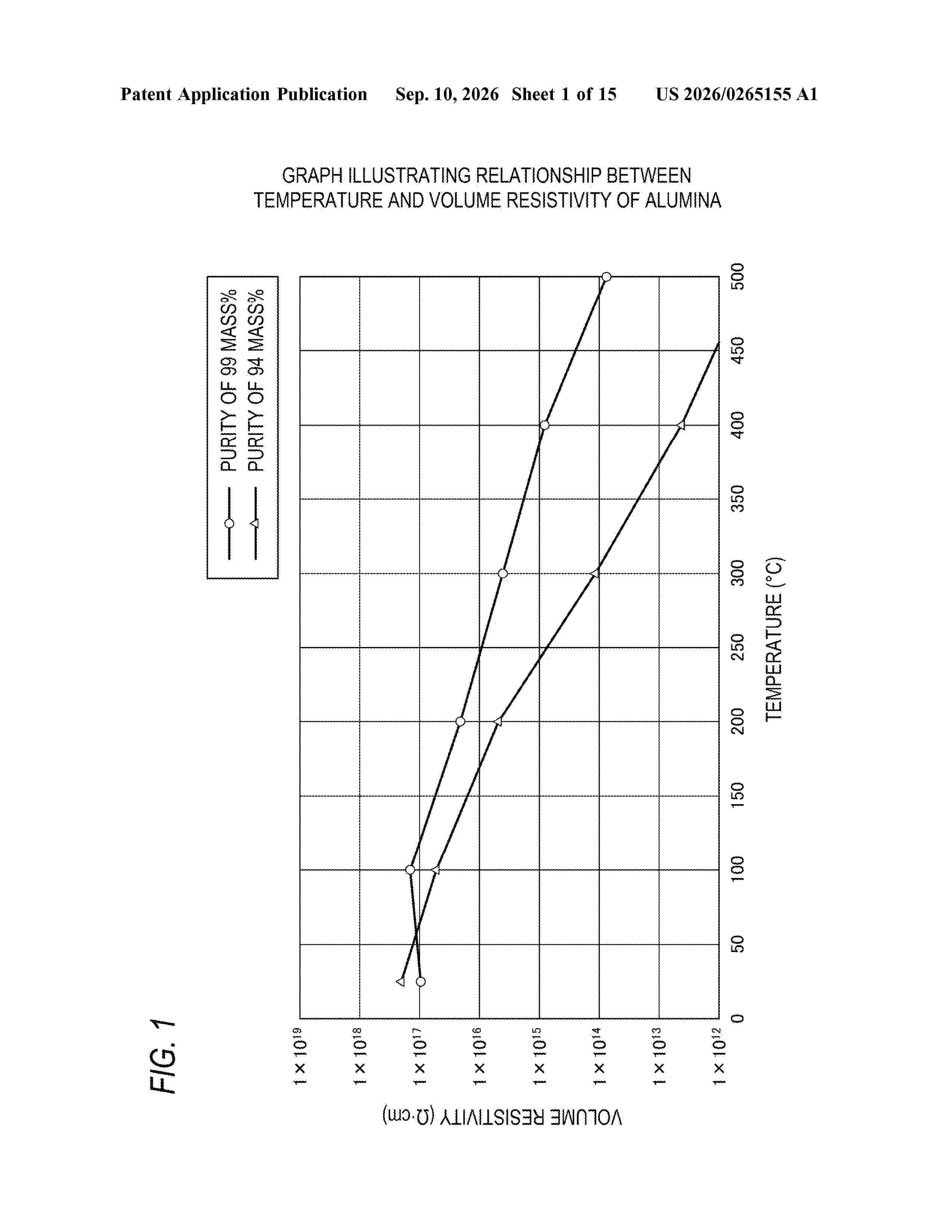
Resumen de: US20260265155A1
A ceramic substrate includes a base formed of ceramic, and a conductor pattern embedded in the base and containing tungsten, molybdenum, or both. The conductor pattern includes a first aluminum oxide crystal grain having a crystal grain size of less than 1 μm, a second aluminum oxide crystal grain having a crystal grain size of 1 μm or more and less than 3 μm, and a third aluminum oxide crystal grain having a crystal grain size of 3 μm or more.
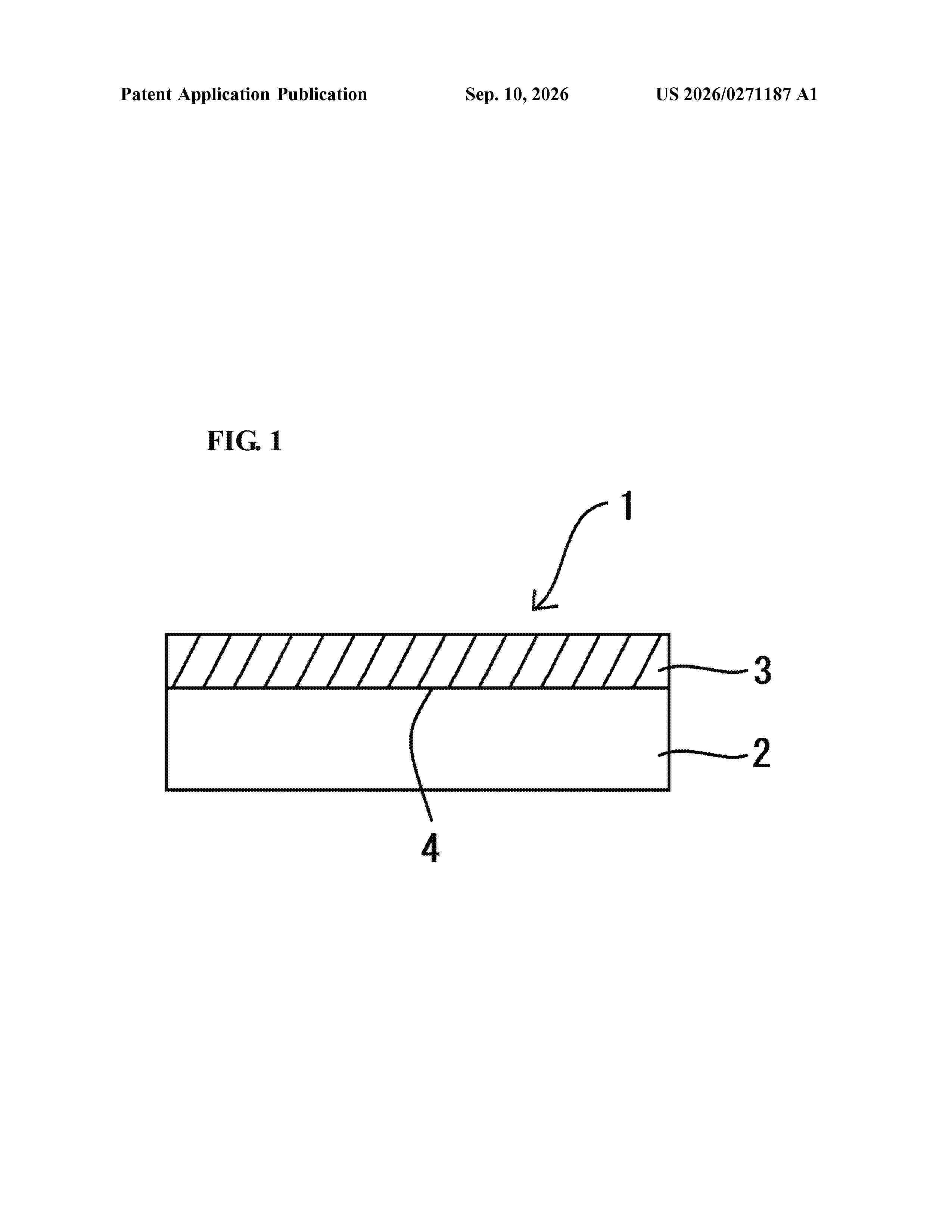
Resumen de: US20260271187A1
This copper nano-ink includes copper nanoparticles and a solvent. The copper nanoparticles have a first mean particle size of 1 nm to 200 nm, the first mean particle size is a volume-based mean diameter obtained by analyzing a scanning electron microscope image of the copper nanoparticles, the copper nanoparticles contain at least one of copper oxide and copper hydroxide, and in the copper nano-ink, a first ratio is 5.0% or less, the first ratio being a ratio of a mass ratio M2 of a total of copper oxide and copper hydroxide to a mass ratio M1 of copper, the mass ratio M2 and the mass ratio M1 being measured by a reference intensity ratio method.
Resumen de: US20260269254A1
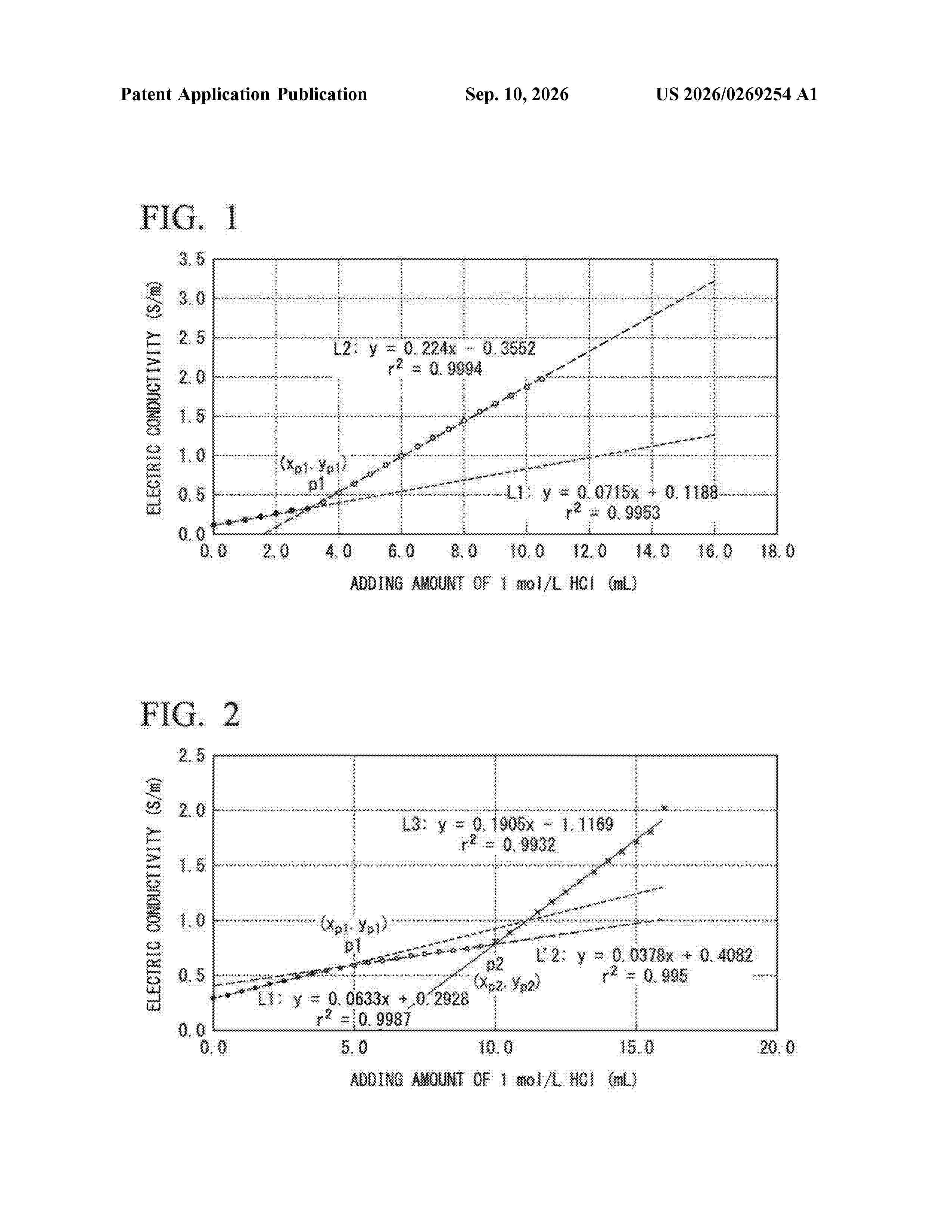
A binder polymer for nonaqueous secondary batteries, in which, when a water dispersion at a pH of 12.0 at 23° C., which contains the binder polymer for nonaqueous secondary batteries at a solid content concentration of 8.0 mass %, is prepared and a 1.0 mol/L hydrochloric acid aqueous solution is added to 125 g of the water dispersion at a rate of 0.5 mL/30 seconds, there are only two linear functions, a first straight line L1 and a second straight line L2, which are determined through a least-squares method from a relationship between an electrical conductivity of y S/m of the water dispersion and a cumulative addition amount of x mL of the hydrochloric acid aqueous solution from the start of addition of the hydrochloric acid aqueous solution and until the electrical conductivity reaches 2.0 S/m.
Resumen de: US20260264431A1
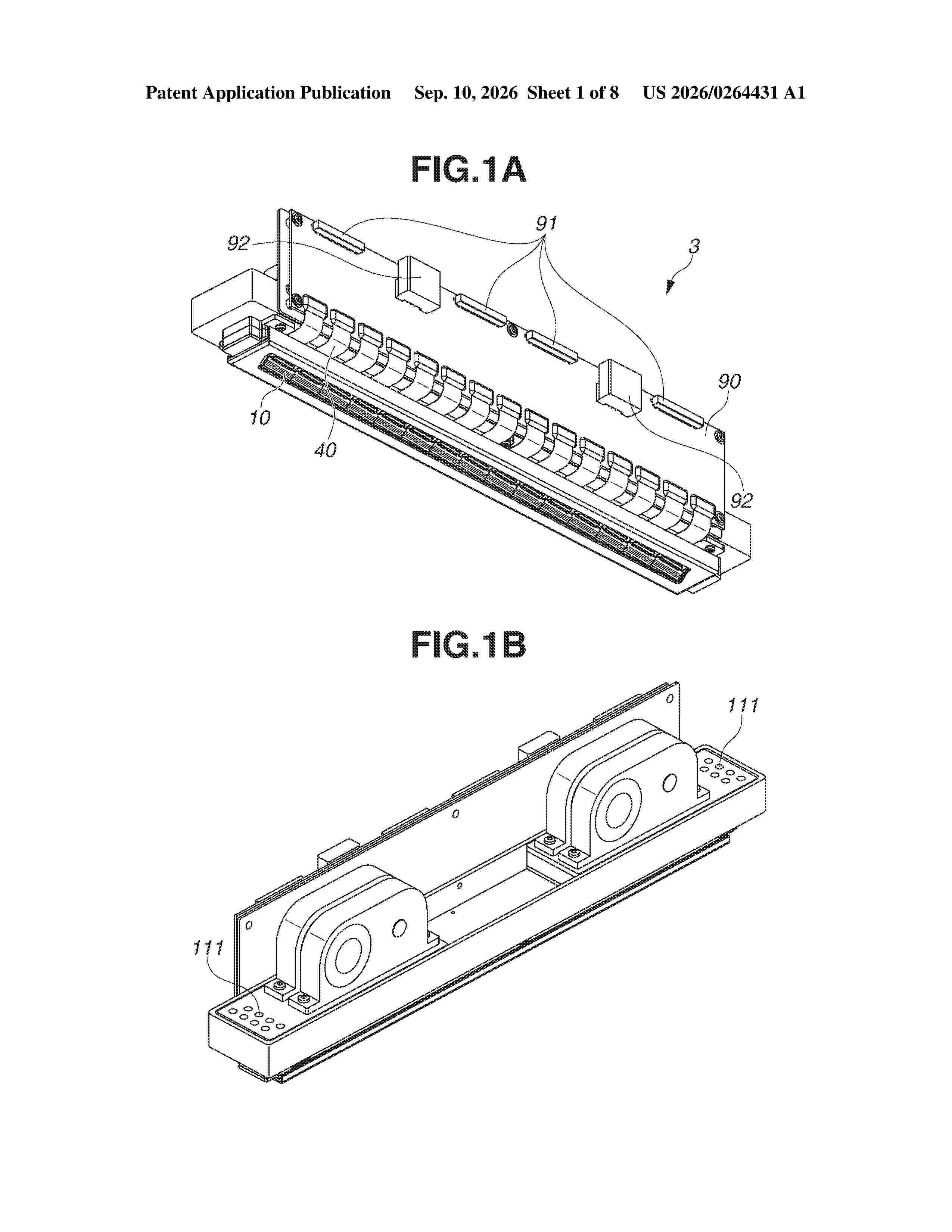
0000 A cleaning method for a liquid ejection head that includes an ejection outlet configured to eject liquid, a heat generating element configured to heat the liquid to eject the liquid from the ejection outlet, a first electrode disposed on the heat generating element and configured to protect the heat generating element, and a second electrode electrically connected to the first electrode via the liquid includes applying a voltage equal to or higher than an elution potential of metal precipitate and lower than an elution potential of a substance from the first electrode between the first electrode and the second electrode to remove the metal precipitate from the first electrode when the liquid is ejected from the ejection outlet.
Resumen de: WO2026187703A1
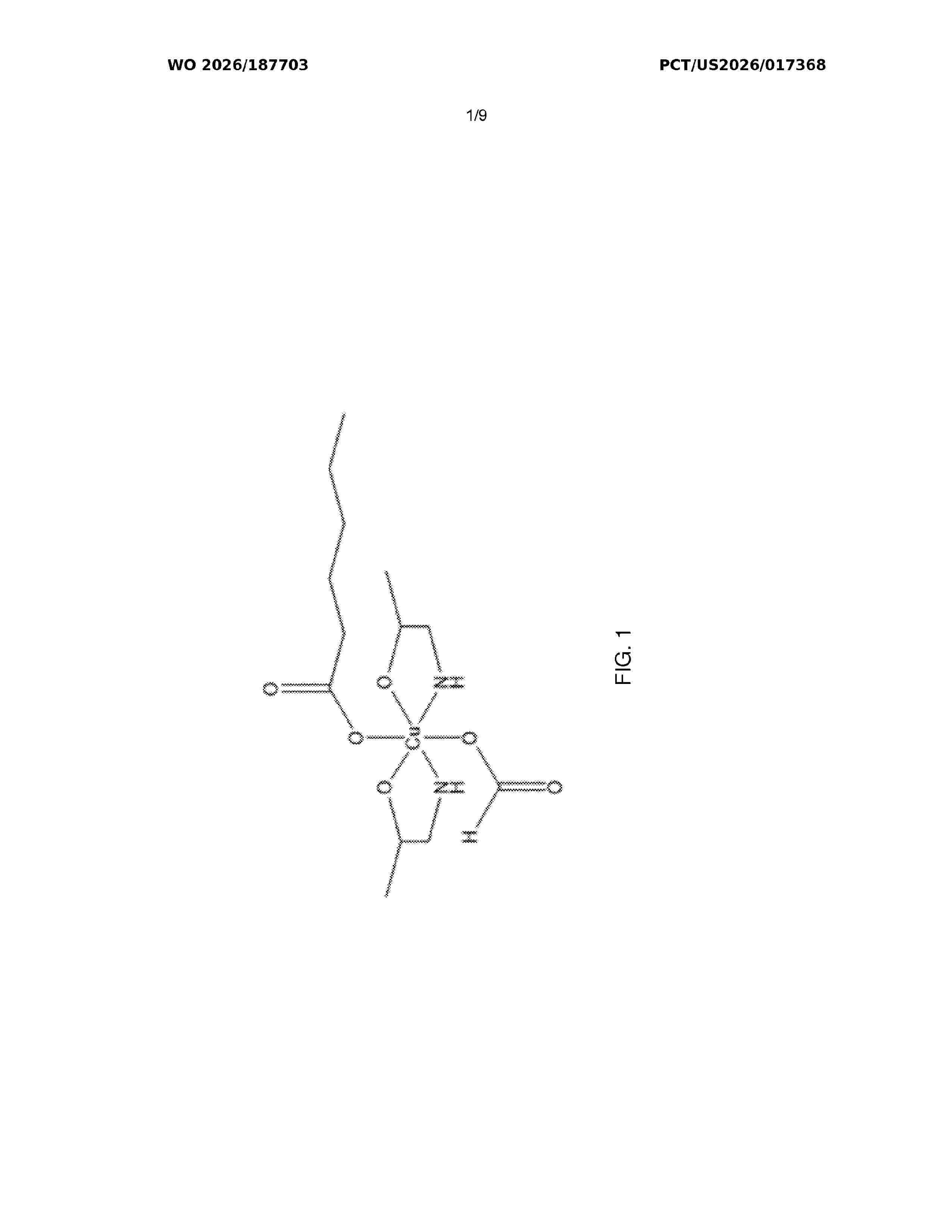
Disclosed herein are conductive ink compositions for making a conductive copper structure. The ink compositions comprise a complexed copper ion, an amine-containing complexing ligand, a formate salt, and a dissolving agent. In some embodiments, the complexed copper ion has been reduced from a copper (II) ion to a copper (I) ion. This reduction can allow for a more rapid metallization of the copper metal precursor to a metal copper metal to create a far more metallic deposit under ambient conditions. Also disclosed herein are methods for making the ink compositions and methods for using the same.
Resumen de: US20260265563A1
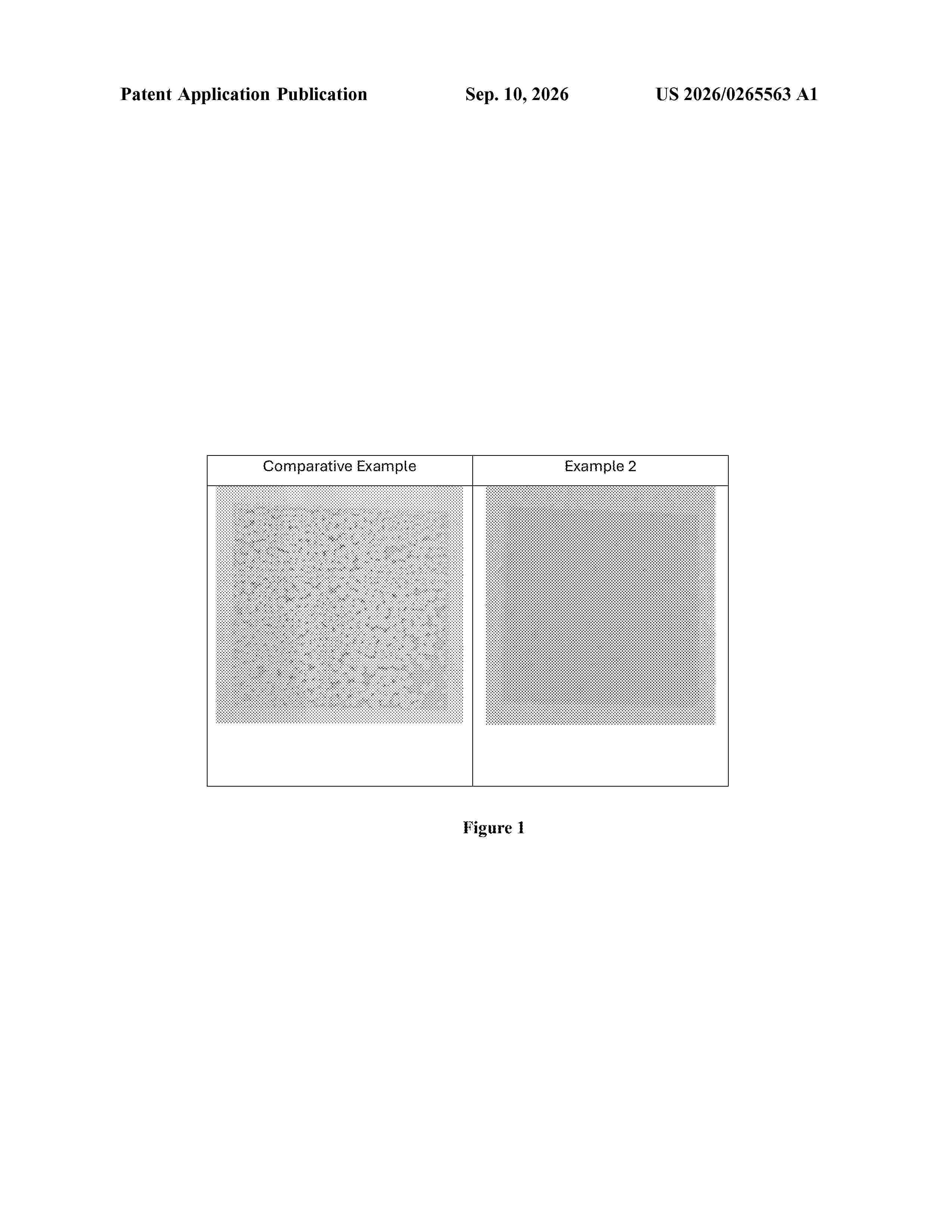
Ink formulations based on silver nanowires. In particular, the ink formulations based on silver nanowires, said inks being stable, transparent and having improved conductivity. The ink formulations may include at least 0.1% by weight silver nanowires, at least 0.75% by weight monohydric alcohol with 1 to 4 carbon atoms, at least 2% by weight hydroxypropyl methylcellulose, at least 20% by weight water, at least 20% by weight ethylene glycol, and at least 10% by weight propylene glycol propyl ether.
Resumen de: WO2025040652A1
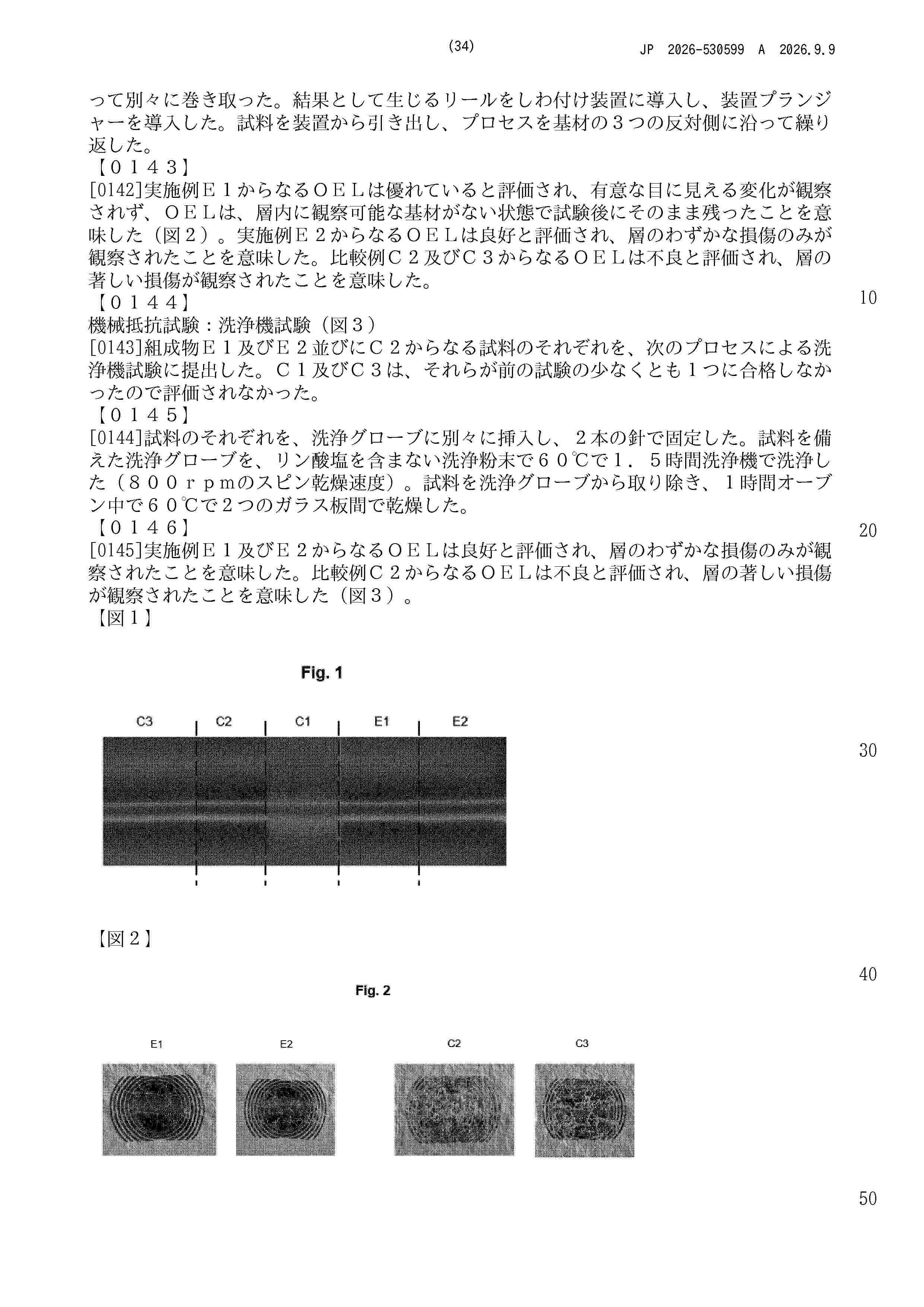
The invention relates of UV-Vis radiation curable coating compositions comprising magnetic or magnetizable pigment particles and methods for producing optical effect layers (OELs) comprising magnetically oriented magnetic or magnetizable pigment particles and the use of said OELs as anti-counterfeit means on security documents or security articles as well as decorative purposes. The UV-Vis radiation curable coating compositions comprises one or more (meth)acrylate monomers, one or more cyclic ether compounds, one or more vinyl ether compounds, one or more photoinitiators, one or more thermoplastic polymers and non-spherical magnetic or magnetisable pigment particles.
Resumen de: US20260259435A1
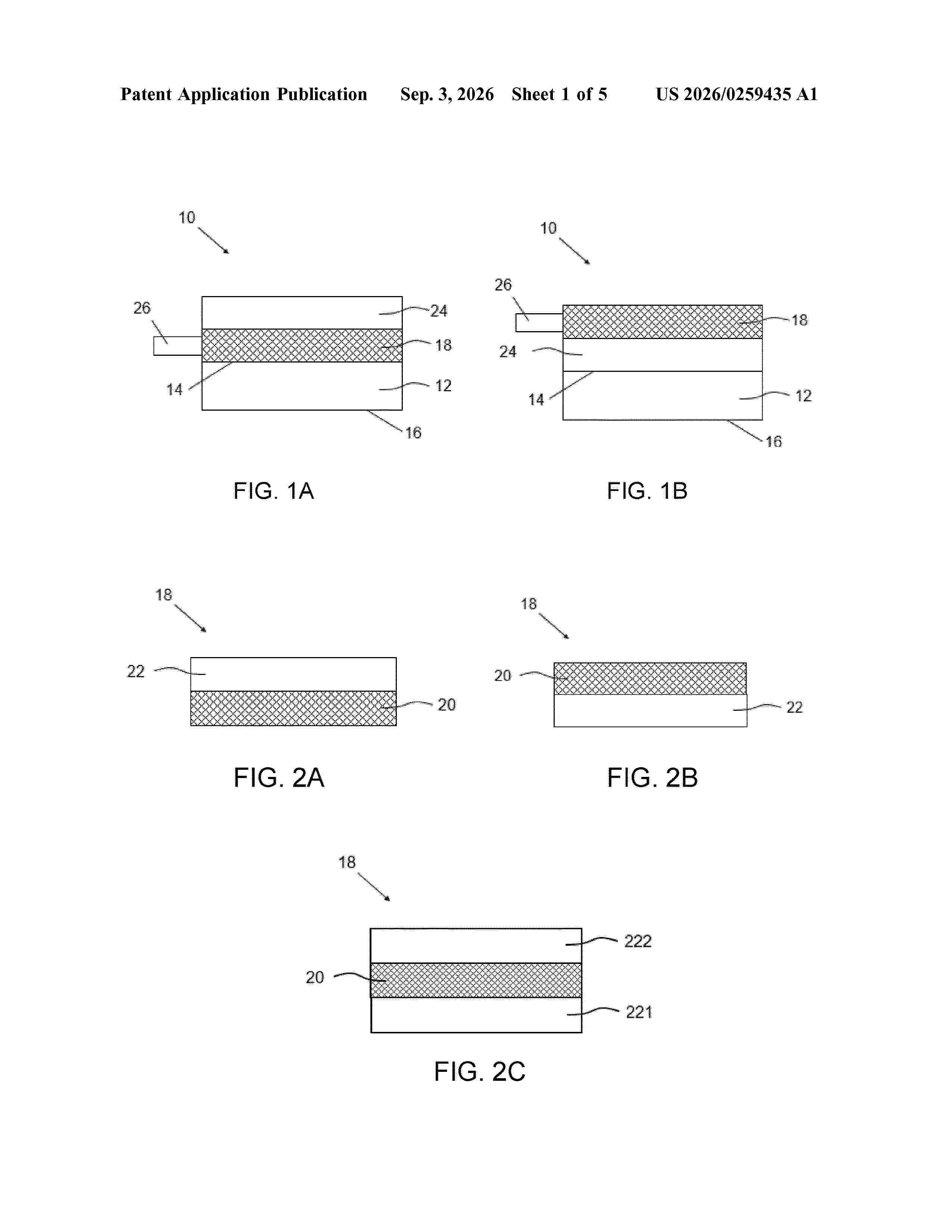
A heatable optical article is provided. The heatable optical article includes: an optical substrate comprising a first surface and a second surface opposite the first surface; an electrode located over at least a portion of the first surface, wherein the electrode includes an electrically conductive three-dimensional network; a photochromic coating comprising at least one photochromic material; and a power supply electrically connected to the electrode. A method of making the heatable optical article is also provided.
Resumen de: US20260258271A1
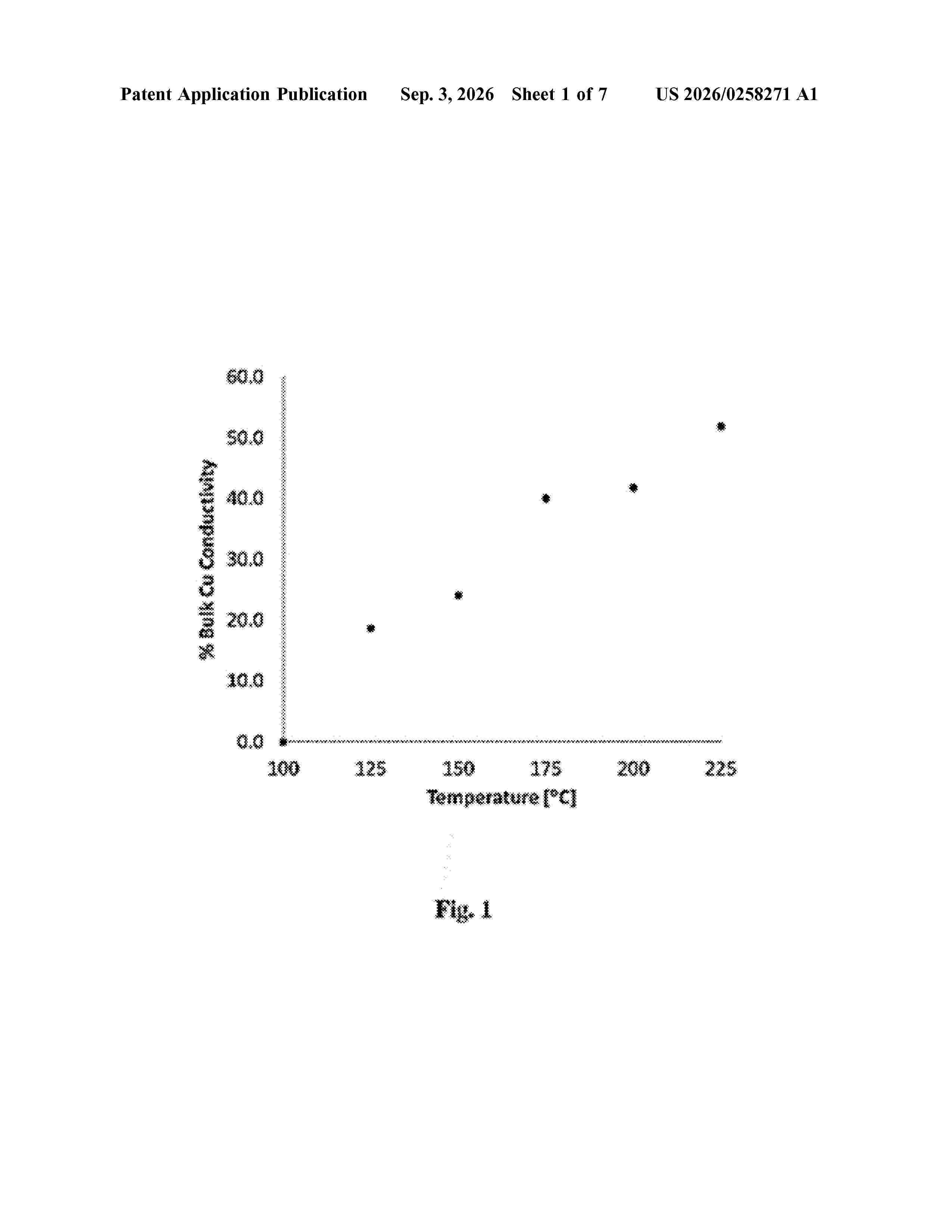
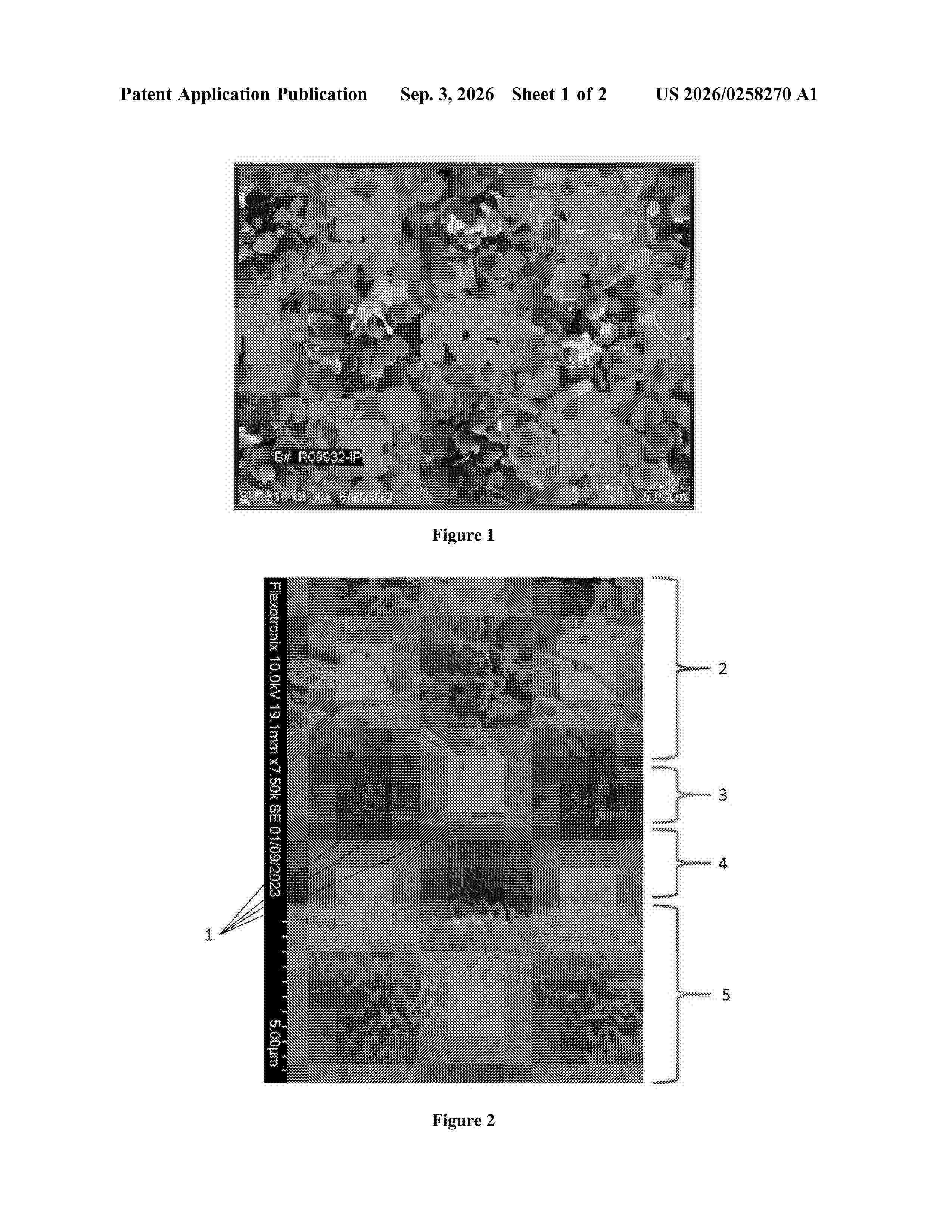
0000 This disclosure concerns formulations and processes for obtaining conductive patterns of copper onto a substrate.
Resumen de: WO2026181646A1
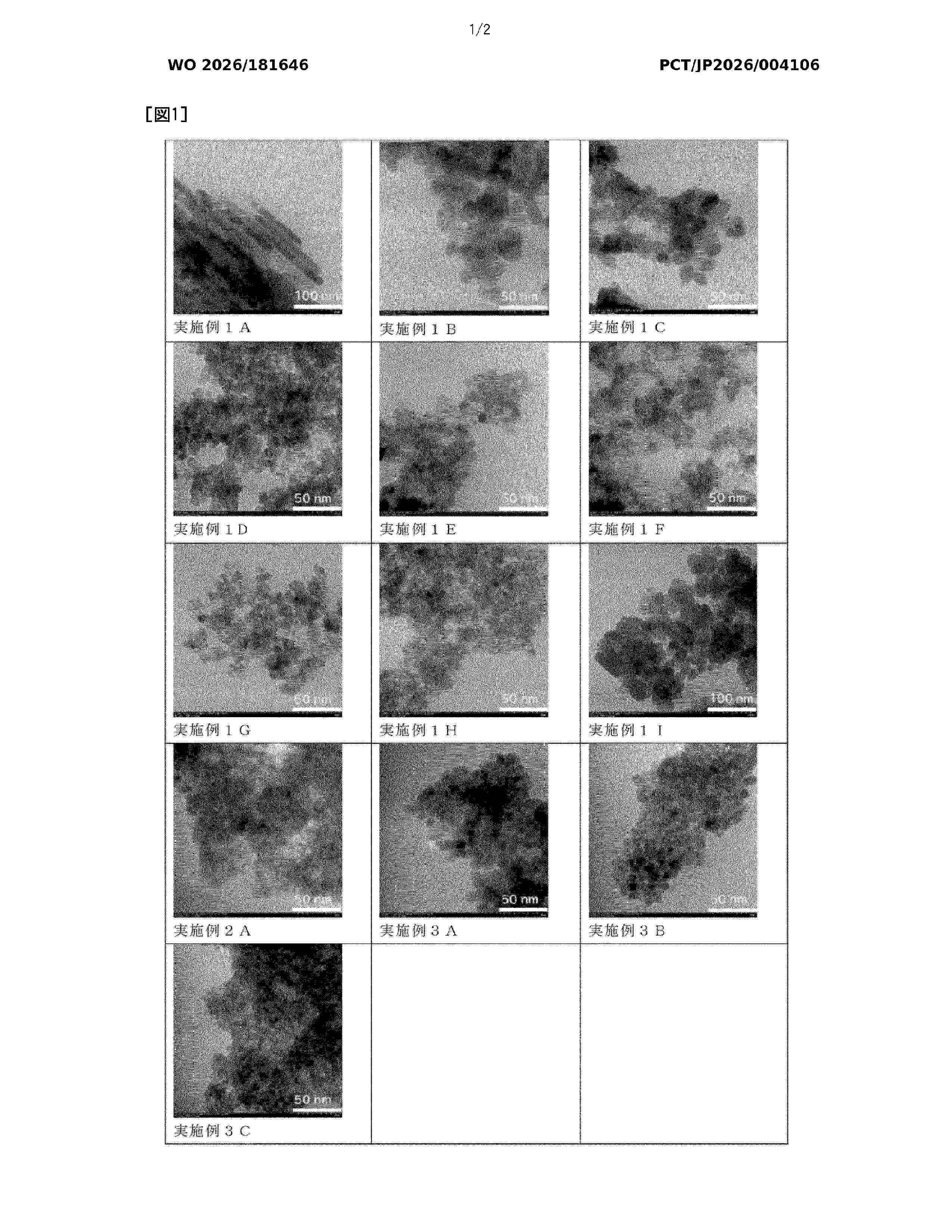
As a method for producing zinc oxide particles with which it is possible to synthesize zinc oxide particles having few defect structures, provided is a method for producing zinc oxide particles doped with at least one selected from the group consisting of magnesium, lithium, and tin, the method including a step for obtaining zinc oxide particles doped with at least one selected from the group consisting of magnesium, lithium, and tin by heating, at a temperature higher than the boiling point of a solvent, a mixed solution containing: the solvent; a base containing at least a metal alkoxide; a zinc raw material; and at least one selected from the group consisting of a magnesium raw material, a lithium raw material, and a tin raw material.
Resumen de: US20260258270A1
0000 In one aspect a printable medium is disclosed, comprising flakes and a liquid, wherein the flakes comprise silver, graphene, or a mixture thereof, and have a length of from 0.1 μm to 3 μm, a thickness of 0.8 nm to 100 nm, and an aspect ratio of from 5:1 to 3750:1. In another aspect an article is disclosed comprising a conductive layer, a porous receiving layer, and a base layer, wherein the conductive layer is provided on the porous receiving layer, the porous receiving layer is provided on the base layer, the conductive layer comprises flakes; and the porous receiving layer has a surface roughness of 500 nm or less.
Resumen de: WO2026182909A1
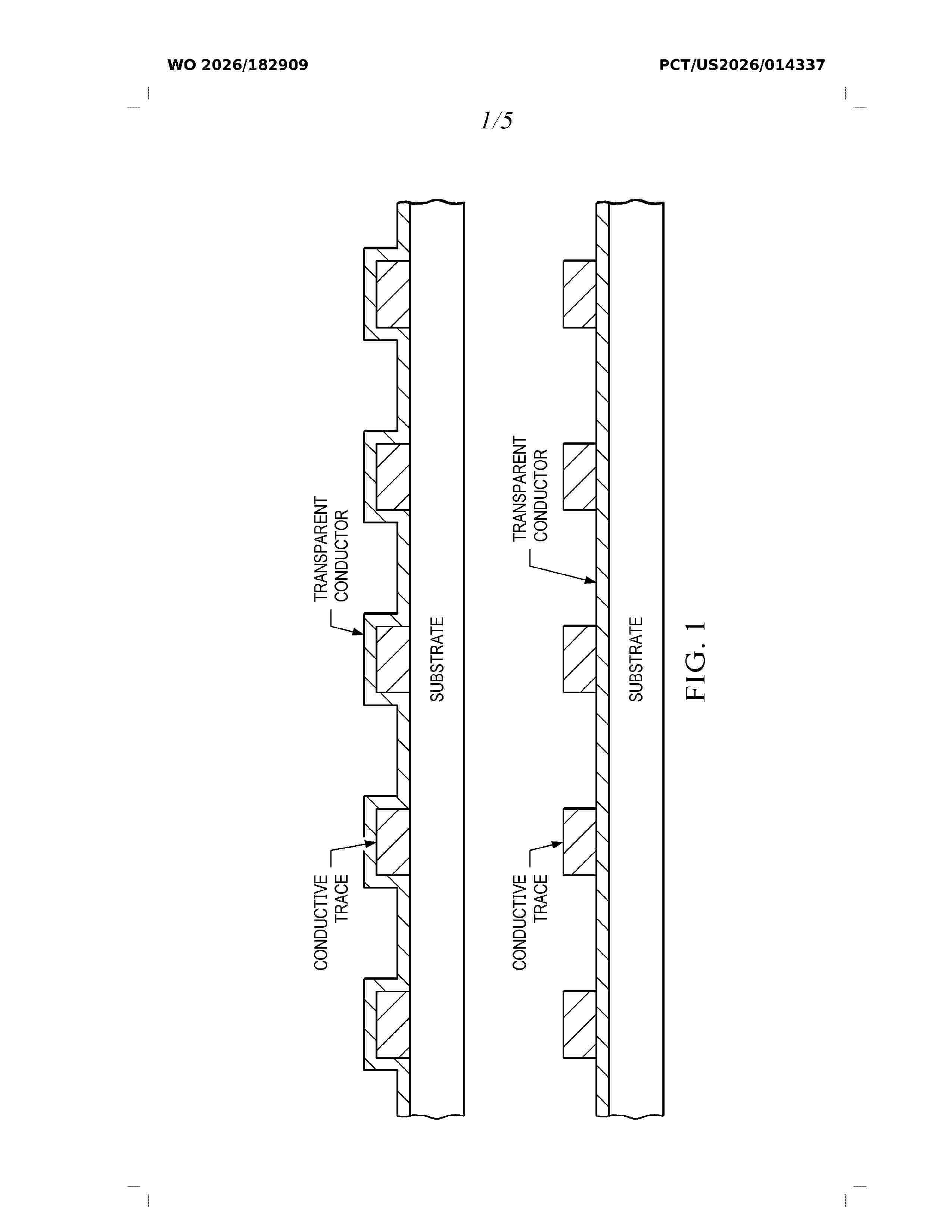
The present disclosure provides transparent conductive electrodes with high optical transmission (e.g., >55% at λ=550 nm) and low sheet resistance (e.g., <5 Ω/sq). The electrodes comprise a substrate, a transparent conductive layer, and strategically arranged metallic traces that minimize optical interference patterns. The metallic traces may be arranged at angles relative to a mesh counter electrode to prevent moiré patterns while maintaining high conductivity. The disclosure also provides methods of manufacturing such electrodes and their use in reversible metal electrodeposition devices and other suitable applications.
Resumen de: JP2026140207A
【課題】液体組成物をインクジェットヘッドで塗布して導電膜を形成した際に、体積抵抗率の優れた導電膜を形成し、かつ、インクジェットヘッドのノズル詰まりを抑制することができる液体組成物を提供すること。【解決手段】溶媒と、銅粒子と、を含み、25℃での粘度が3mPa・s以上20mPa・s以下であり、前記溶媒は、グリコールエーテルを含み、20℃での蒸気圧が3Pa以上50Pa以下である液体組成物である。【選択図】なし
Resumen de: WO2025090151A1
In some embodiments, a dispensable suspension composition may include a liquid vehicle, silver (Ag) particles, silver chloride (AgCl) particles, and cellulose nanofibers. The dispensable suspension composition can be used to effectively manufacture electrodes via micro-dispensing. Such Ag/AgCl electrodes can be used as reference or indicator electrodes in electrochemical sensing systems. Thus, Ag/AgCl electrodes formed from the dispensable suspension, and sensors utilizing them are provided, as well as methods of manufacturing Ag/AgCl electrodes using the dispensable suspension. Other aspects including the dispensable Ag/AgCl suspension composition are disclosed.
Resumen de: KR20260130773A
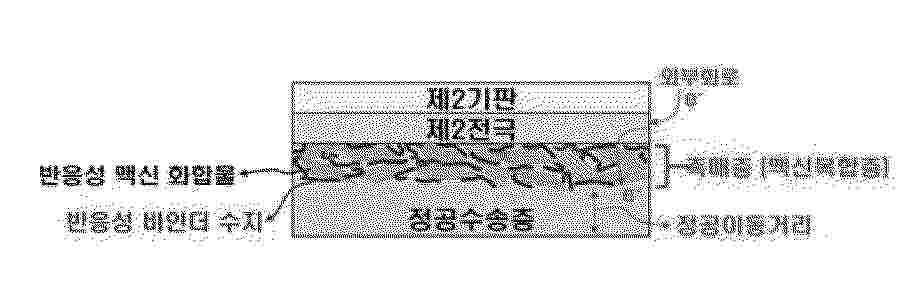
본 발명은 작업전극과 상대전극 사이에 주입된 정공수송재를 포함하는 태양전지에 있어서, 상기 상대전극을 구성하는 촉매층이 반응성 맥신화합물을 포함하는 전도성 맥신페이스트로부터 제조된 맥신복합층임을 특징으로 하는 하이브리드 태양전지에 관한 것으로서, 본 발명의 반응성 맥신화합물과 전도성 맥신페이스트는 하이브리드 태양전지의 촉매층으로 적용가능 하여 고가의 백금촉매를 대체할 수 있고, 또한 수소생산용 촉매 및 연료전지/이차전지/전기화학장치의 전극으로의 확대 응용이 가능한 특징이 있다.
Resumen de: US20260250527A1
The present disclosure provides a conductive ink composition for forming a wiring pattern by a one-step IR laser irradiation process. The conductive ink composition comprises: silver nanoparticles, a binder and a solvent, and the one-step IR laser irradiation process is performed with a wavelength ranging from 800 nm to 1150 nm and a pulse duration of 100 femtoseconds to 1000 femtoseconds. The present disclosure also provides a wiring pattern manufactured from the conductive ink composition by the one-step IR laser irradiation process.
Resumen de: US20260250537A1
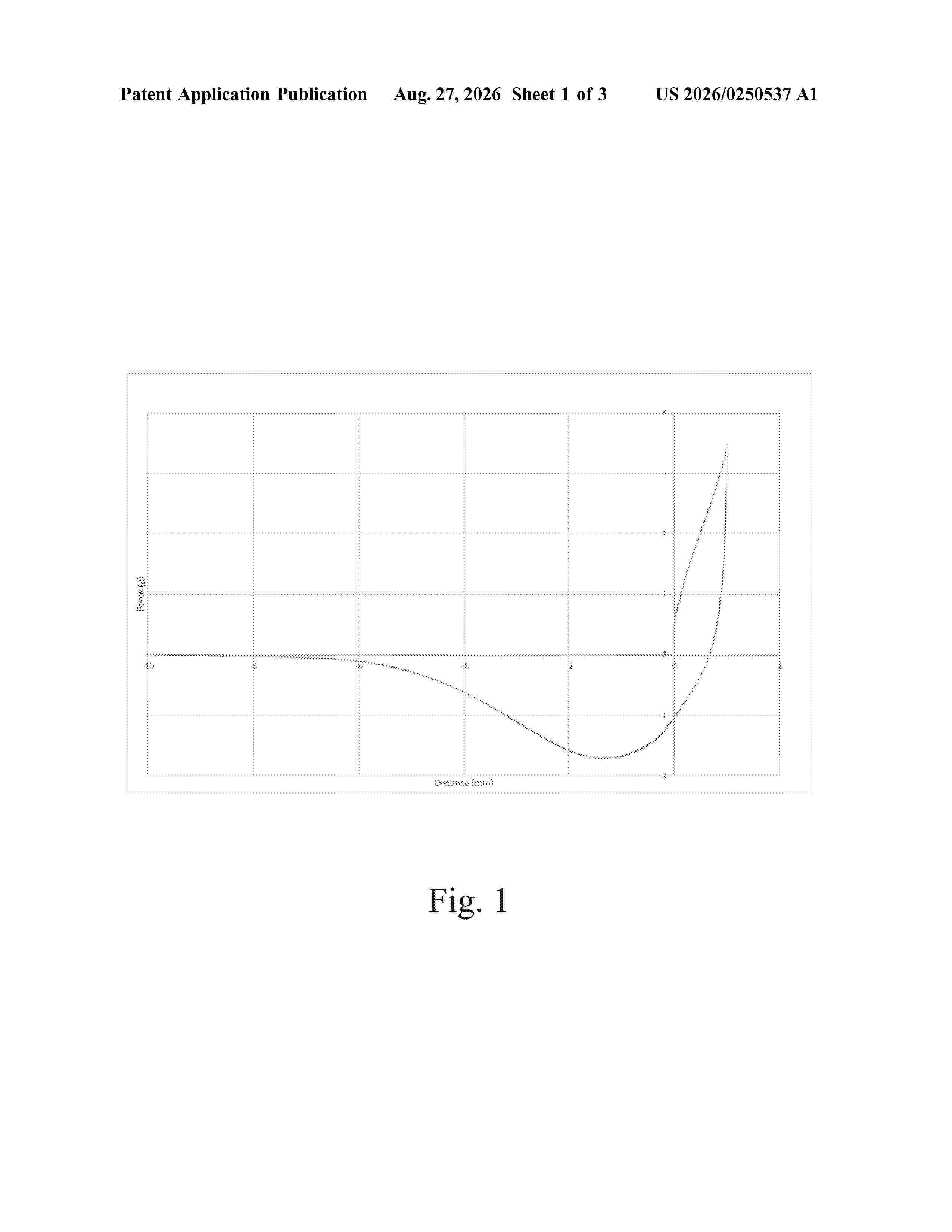
0000 The present disclosure provides a conductive ink composition comprising silver nanoparticles, a binder and a solvent, and has good stringiness when subjected to texture test. The conductive ink composition has good operability and can be printed to produce wiring patterns.
Resumen de: US20260250523A1
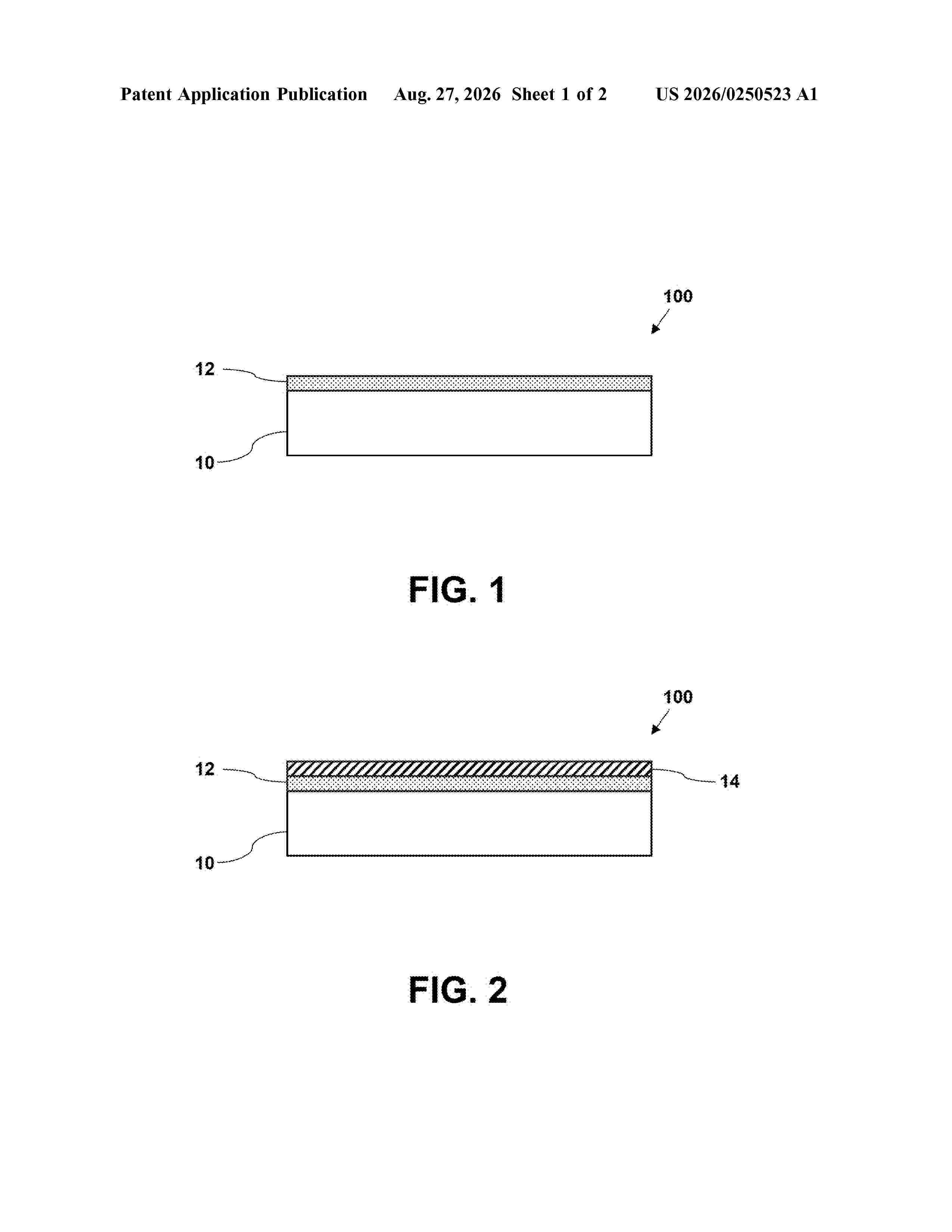
The present disclosure is directed to a conductive paste composition. The conductive paste composition may be acid resistant. The conductive paste composition may be particularly suitable for plating applications, such as plating applications involving acidic solutions. The methods of the present disclosure are directed to making the aforementioned conductive paste composition and for making an article including a ceramic substrate and a fired conductive paste composition.
Nº publicación: WO2026174579A1 27/08/2026
Solicitante:
HENKEL AG & CO KGAA [DE]
HENKEL CHINA CO LTD [CN]
HENKEL AG & CO. KGAA
HENKEL (CHINA) CO., LTD.
Resumen de: WO2026174579A1
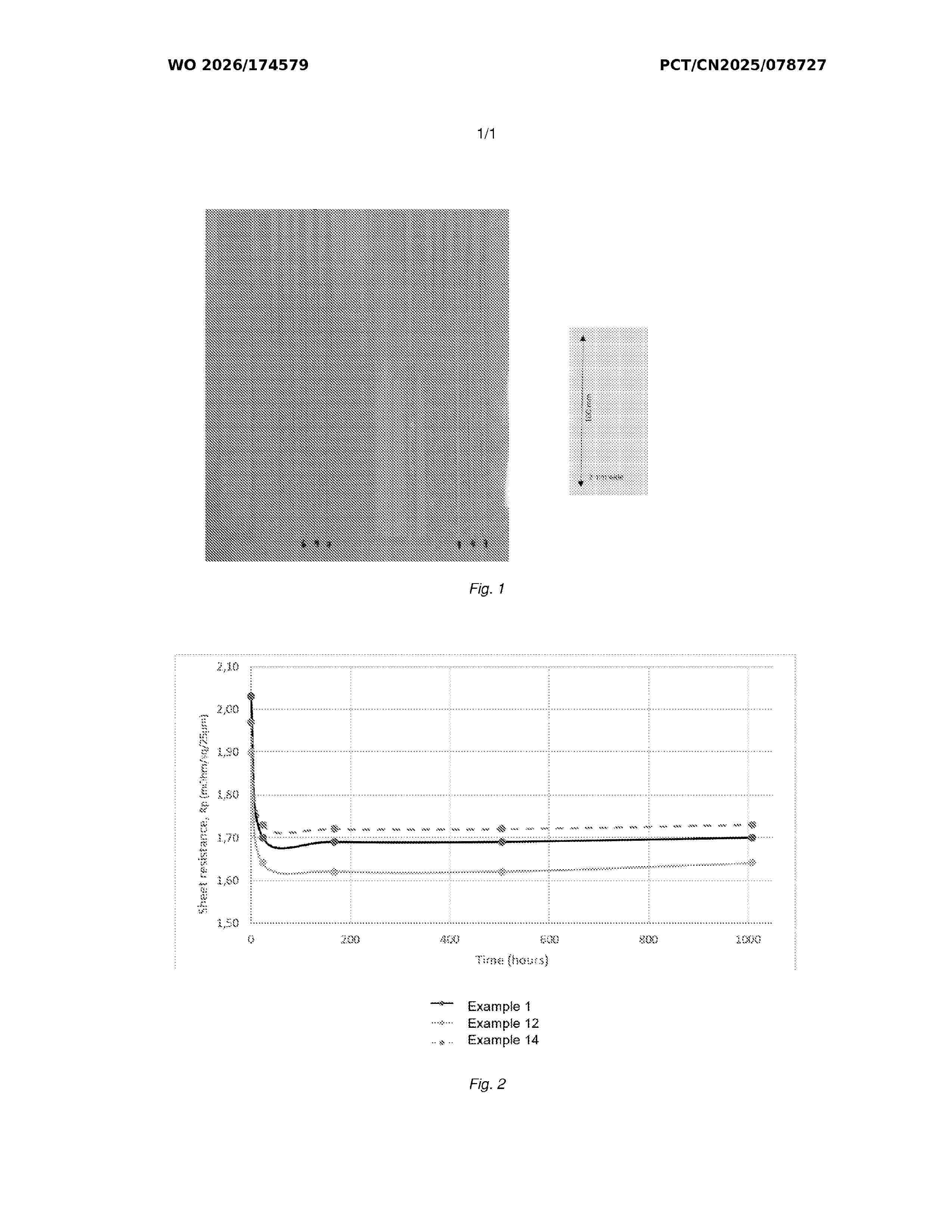
The present invention relates to electrically conductive silver ink composition providing excellent conductivity. The ink composition is screen printable and suitable for use in printed electronics applications.
 BOPI
BOPI
 Sede Electrónica