Si deseas distinguir tus productos, servicios o ambos de los de otra empresa, es posible que necesites una marca o nombre comercial. Descubre qué son, en qué consiste su procedimiento de registro y qué implica.

Información sobre los plazos de presentación de solicitudes de transformación de marcas de la Unión Europea en marca nacional española. Más información


Si tienes un nuevo dispositivo, producto o procedimiento que resuelva un problema técnico o tenga una ventaja práctica, existen distintas formas de protegerlo en España y en otros países. Descubre cómo hacerlo.

¿Tu innovación reside en la estética, la ornamentación o la apariencia de tu producto? Protégela mediante un diseño industrial. Descubre qué derechos confiere el registro y cómo realizar la tramitación.

Las indicaciones geográficas protegen el nombre de un producto originario de una zona geográfica, a la cual le debe una determinada calidad, reputación u otra característica. Descubre qué son, en qué consiste su procedimiento de registro y qué beneficios conceden.

Las patentes publicadas en todo el mundo son una valiosa fuente de información científica, técnica y comercial.

Si eres emprendedor/a o una empresa y quieres potenciar y mejorar la rentabilidad de tu negocio protegiendo de forma adecuada los activos intangibles de tu organización, en este espacio encontrarás lo necesario.


 53
resultados
53
resultados
 Última actualización
14/09/2026 [08:07:00]
Última actualización
14/09/2026 [08:07:00]


 Resultados 25 a 50 de 53

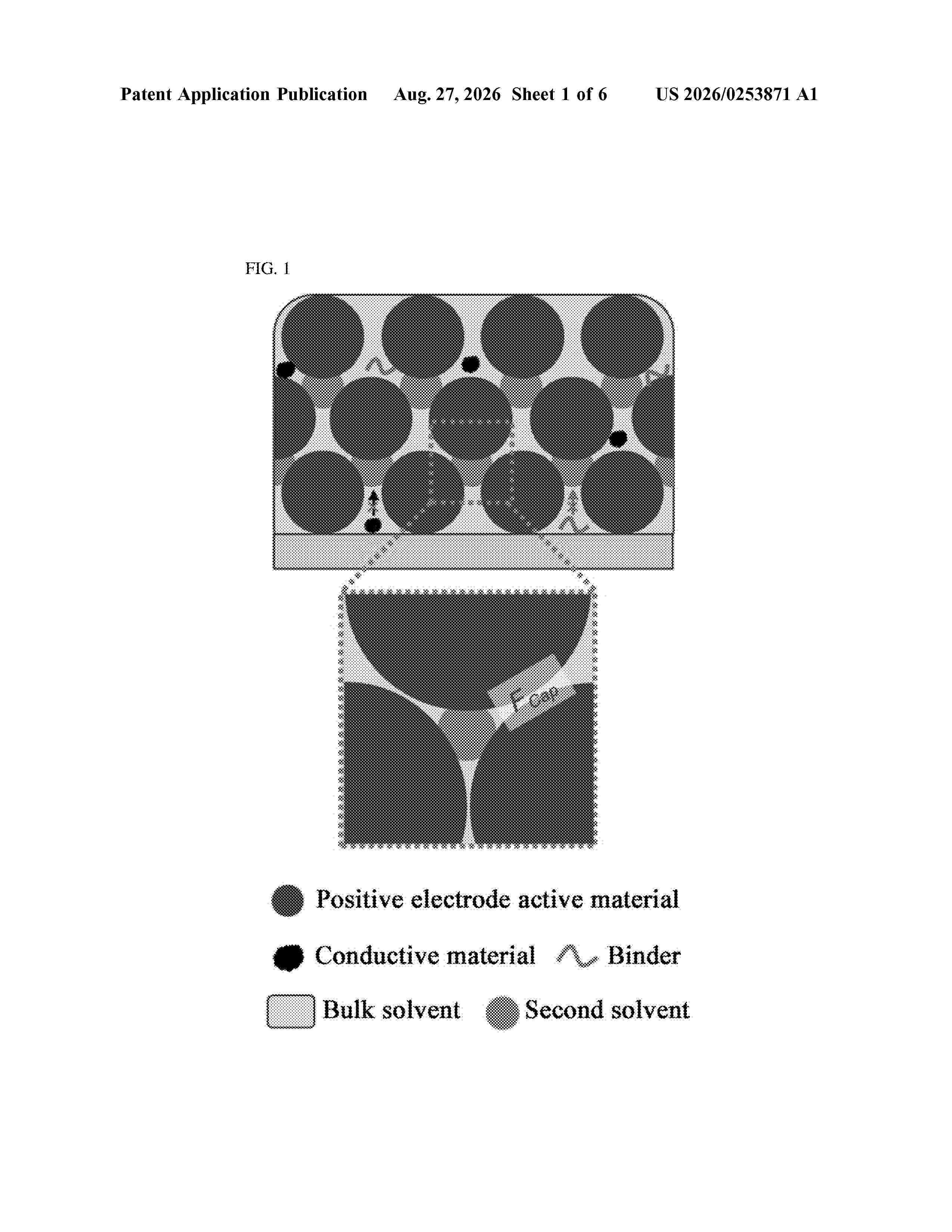
Resumen de: US20260253871A1
0000 The present invention relates to an electrode slurry composition for a lithium ion battery and an electrode for a lithium ion battery manufactured using the same. More specifically, the electrode slurry composition for a lithium ion battery of the present invention has the advantages that, by mixing a first solvent and a second solvent of specific components into the electrode slurry composition, the binder, conductive material, and electrode active material can be uniformly distributed during drying, the migration phenomenon of the electrode active material is suppressed to enable the manufacture of a high-loading electrode, adhesion to the current collector is excellent, and the manufacturing process is simple. Furthermore, the life characteristics and electrochemical stability of the high-loading electrode can be remarkably improved.

Resumen de: WO2026177740A2
Coatings having anti-blast properties are disclosed, as are methods for using such compositions and substrates coated with same.
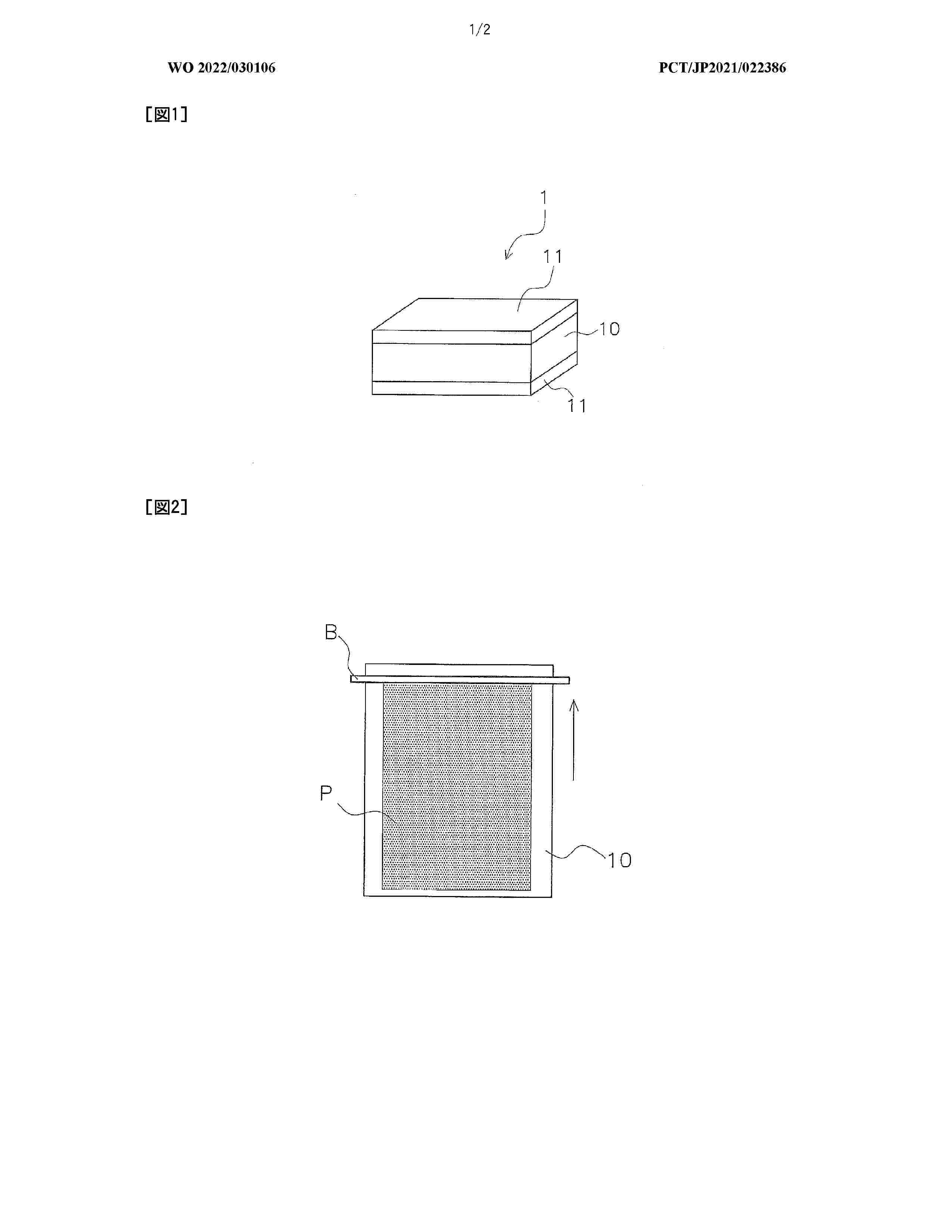
Resumen de: WO2022030106A1
This multilayer body (1) is provided with a base material (10) and an antistatic coating layer (11). The antistatic coating layer (11) is provided on the base material (10), and contains carbon nanotubes and a resin. The specific surface area per unit weight of the carbon nanotubes is 350 m2/g or more.
Resumen de: US20260255694A1
There is provided an antistatic coating agent that is excellent in antistatic performance, hydrophilicity, and durability such as wear resistance and that makes it possible to form a coat layer having high visible light transmittance on a surface of a substrate made of glass easily at normal temperature, and an antistatic glass substrate using this antistatic coating agent. The antistatic coating agent is a normal-temperature-hardenable antistatic coating agent containing tin oxide (SnO2), silica (SiO2), tungsten oxide (WO3), a single-walled carbon nanotube, and a liquid medium. The antistatic glass substate includes a substrate made of glass and a coat layer being a hardened layer provided on a surface of the substrate, the hardened layer formed from the antistatic coating agent.
Resumen de: US20260253896A1
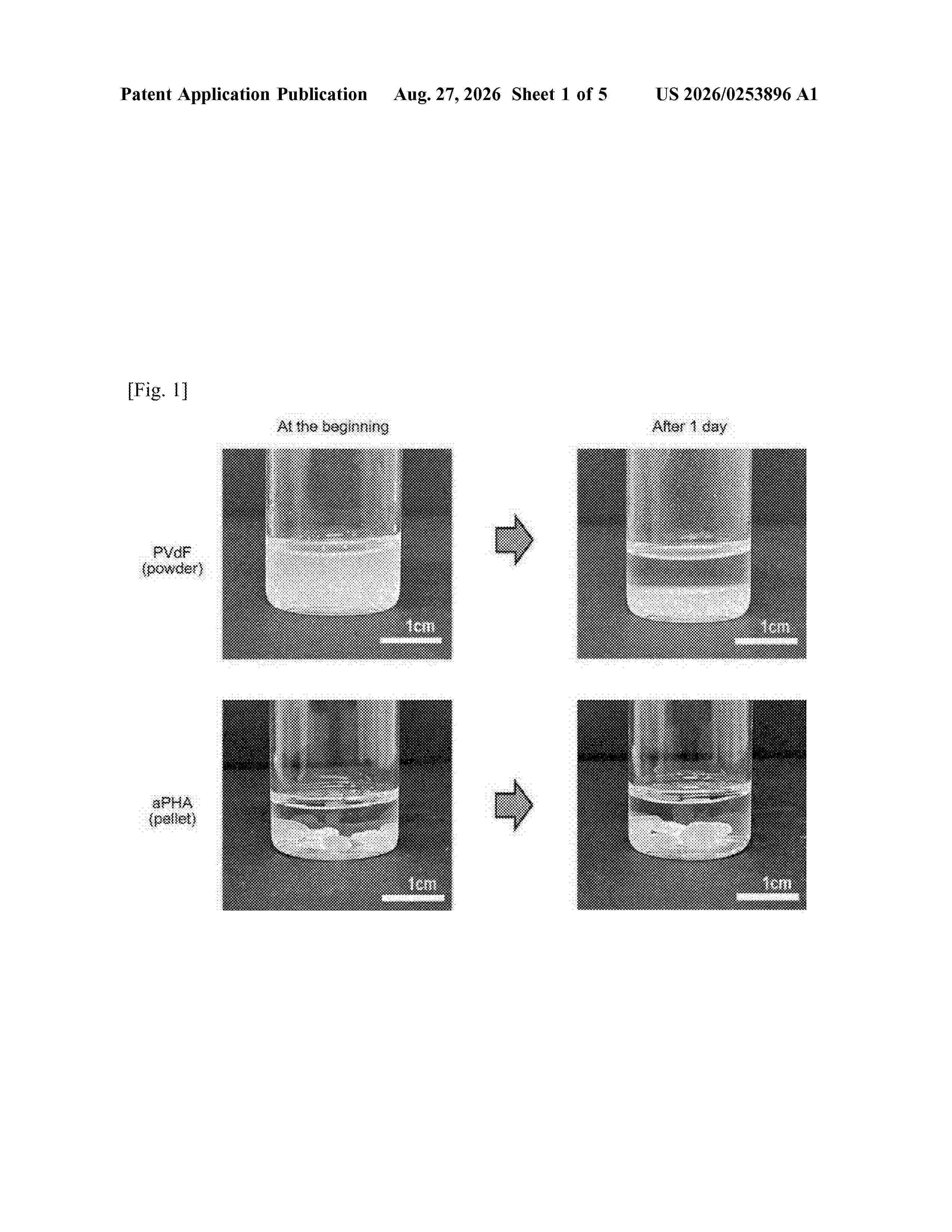
0000 The present invention relates to a composition for electrode active material, and an electrode and secondary battery comprising same, the composition comprising an electrode active material, a binder, and a conductive material, wherein the binder contains polyhydroxyalkanoate (PHA). By containing polyhydroxyalkanoate (PHA) as a binder, the composition for electrode active material: can further improve adhesion between active materials and between an active material and an electrode current collector; has excellent oxidation resistance and is electrochemically stable; and may achieve the long lifespan, high capacity, and high power output of secondary batteries even if the binder is used in a small amount, thereby enabling the use thereof not only in a battery cell that is used as a power source for small devices, but also in the unit cell of medium and large-sized battery modules comprising multiple cells.
Resumen de: EP4550444A1
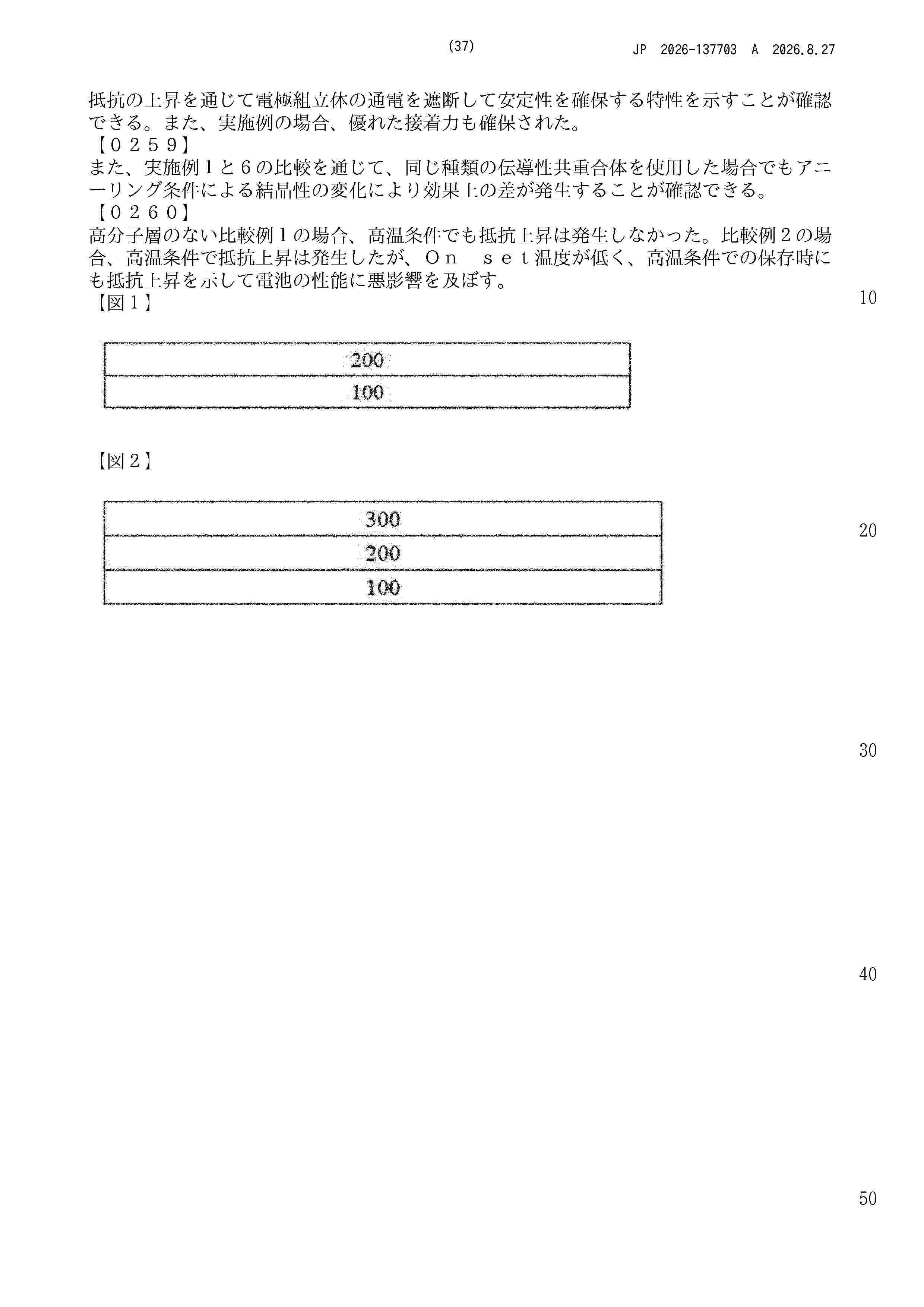
0001 The present application provides a current collector, and a use thereof. The present application can provide a current collector capable of forming an electrode, which does not affect performance and operation of a secondary battery by exhibiting, in a normal state, excellent electrical characteristics including low resistance, and can ensure stability by blocking, in an abnormal state, energization of an electrode assembly through resistance increase, and a use thereof. The present application can also provide a current collector capable of ensuring excellent adhesive force between layers forming the electrode, and a use thereof.
Resumen de: WO2025031693A1
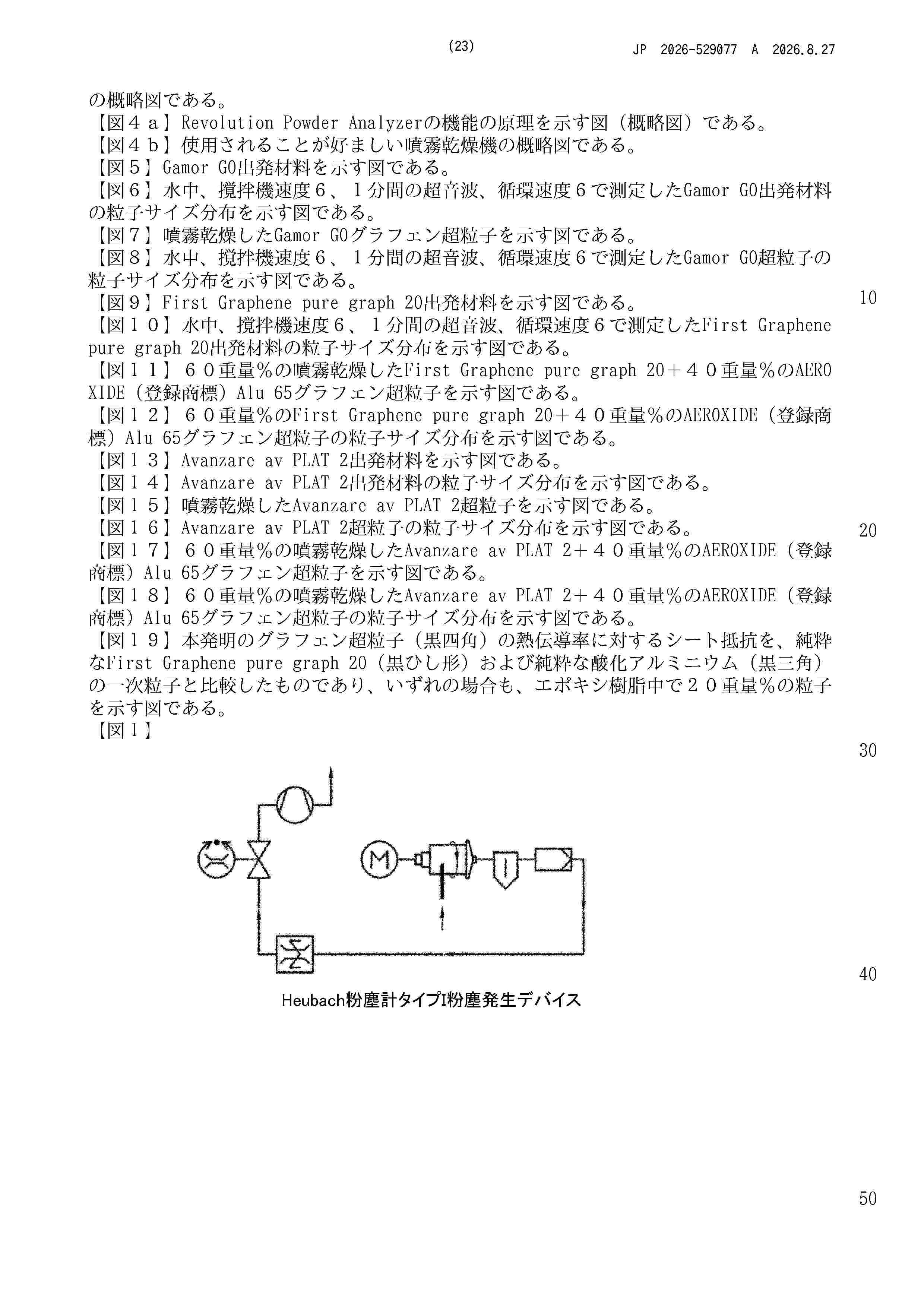
The present invention relates to a process for producing graphene supraparticles by dispersing graphene material having a particles size diameter d50 of 0.5 microns to 100microns in a solvent, preferably adding an additive to the dispersion, and at least partly removing the solvent from the dispersion thus obtained by spray drying to give graphene supraparticles
Resumen de: WO2025031696A1
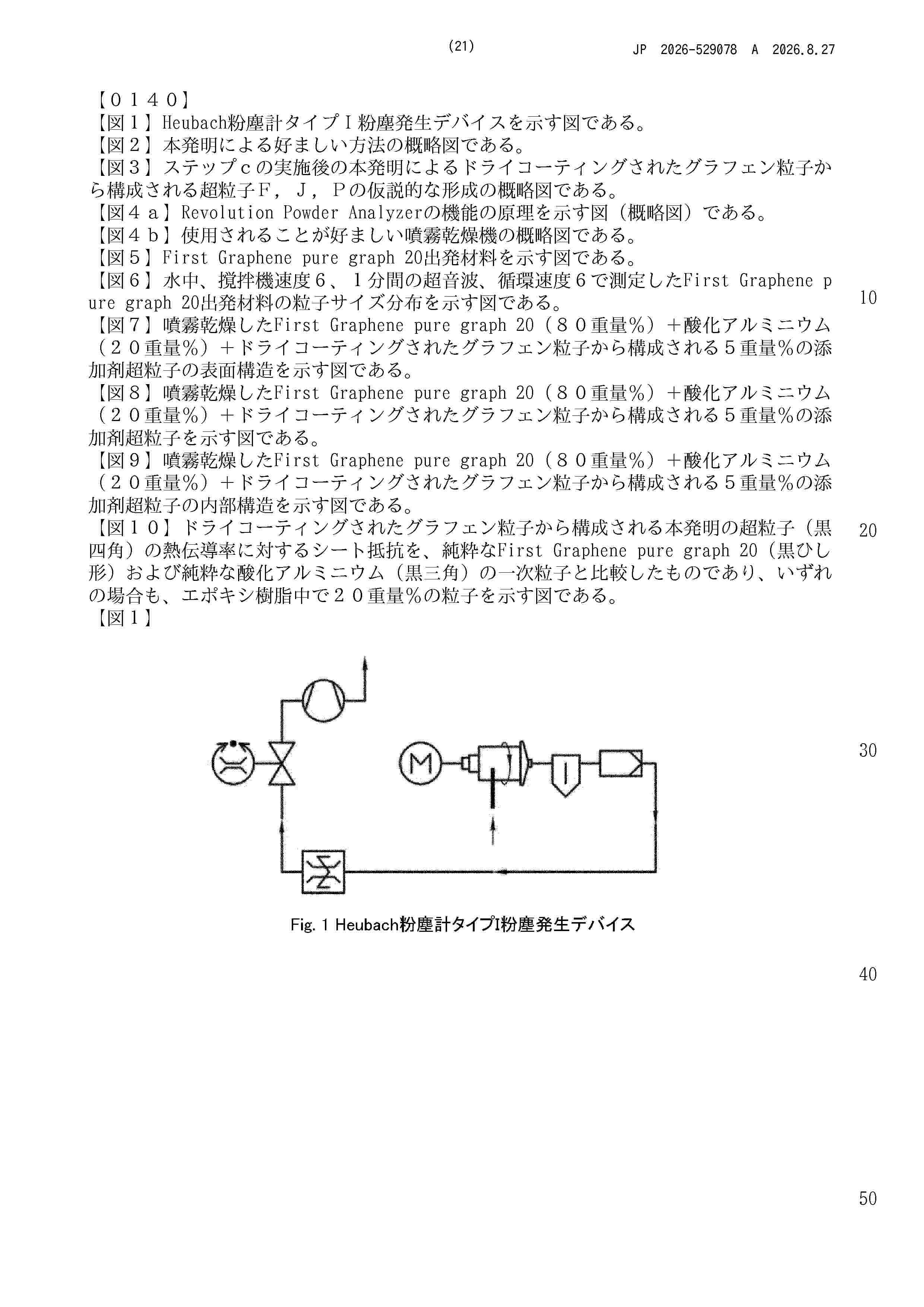
The present invention relates to a process for producing supraparticles composed of dry-coated graphene particles by dry-coating graphene material, dispersing the particles obtained in a solvent, adding an additive to the dispersion, and at least partly removing the solvent from the dispersion thus obtained by spray drying to give supraparticles composed of dry-coated graphene particles
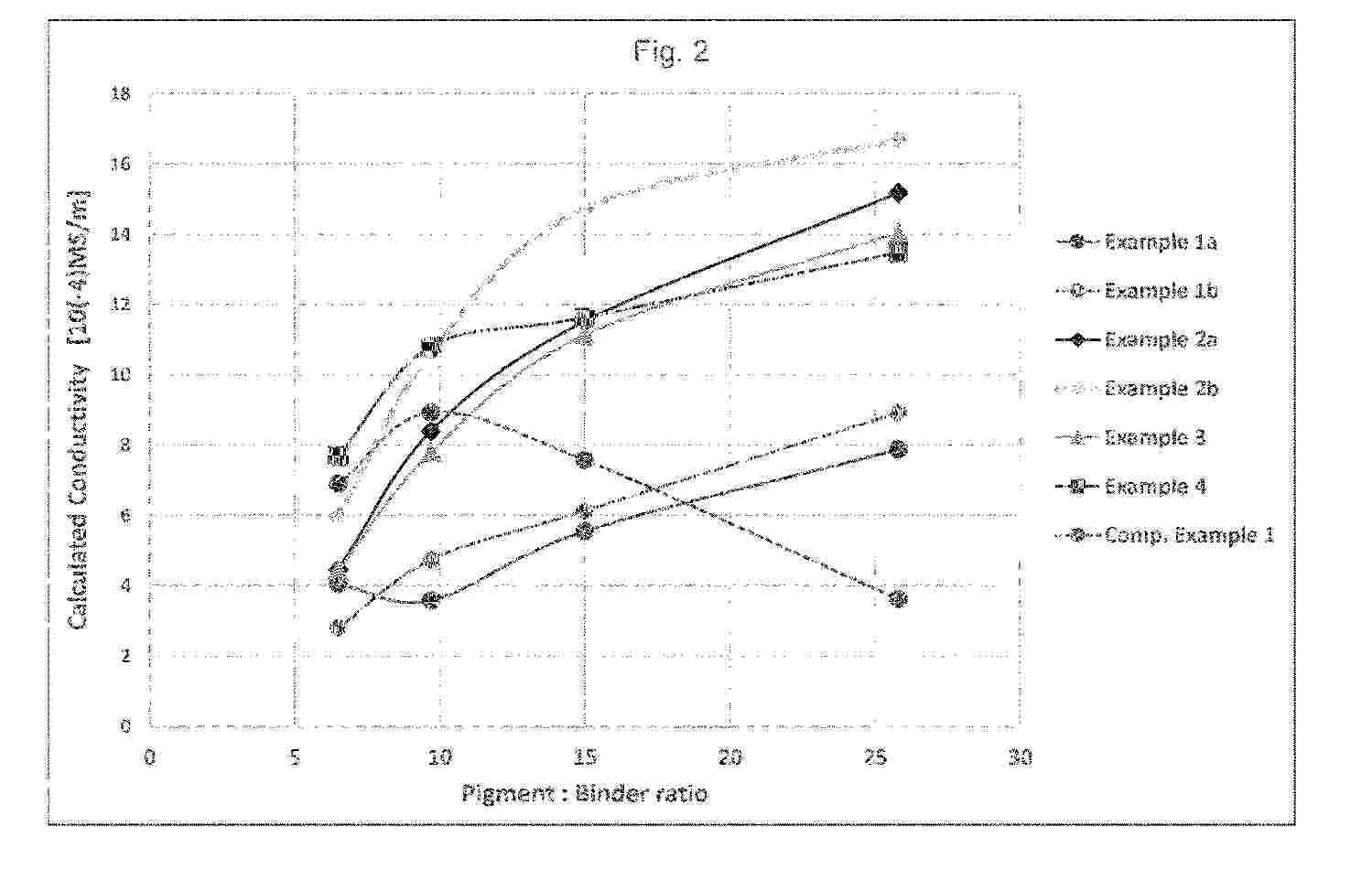
Resumen de: WO2025141155A1
The invention is directed to flaky silver pigments having a d50 in a range of 2.0 to 100.0 µm and an aspect ratio of more than 25 which are coated at least partially with an additive component, wherein the additive component is: I) a thiol represented by the general formula (Ia): A1-S-A2 or a dithiol represented by the general formula (Ib): A1-S-S-A2, wherein A1 and A2 represent either an alkyl having 1 to 8 C-atoms with A1=A2 or A1 and A2 independently represent a moiety containing polar or polarizable functionalities selected from the group consisting of ester, carboxyl, amine, hydroxyl, benzyl, benzoic, furyl, furfuryl, pyrrolyl, pyridyl, pyrazolyl, pyrazonolyl, oxazolyl, isooxazolyl, ether and combinations thereof and wherein the polar or polarizable functionalities are spaced apart from the sulphur atom or disulphur atoms by a maximum of 3 non-aromatic C-atoms and wherein the maximum total length of the thiol or dithiol involves a chain containing a maximum of 8 non-aromatic C-atoms and the maximum length difference of A1 and A2 is within 2 atoms of each other, or II) a thiol represented by the general formula (IIa): HS-(CH(A3))x-(R1)y-A3 or represented by the general formula (IIb): HS-R4-CO-O-R5, wherein R1 is an alkylene having 1 to 6 C-atoms or a phenylene, and wherein A3 is independently selected from the group consisting of NR2 2, OH, COOH, COOR3, N-succinimide, and 1-amino 2-carboxylethyl, wherein integers x and y are either 0 or 1 and x + y = 1 or 2, and wherein
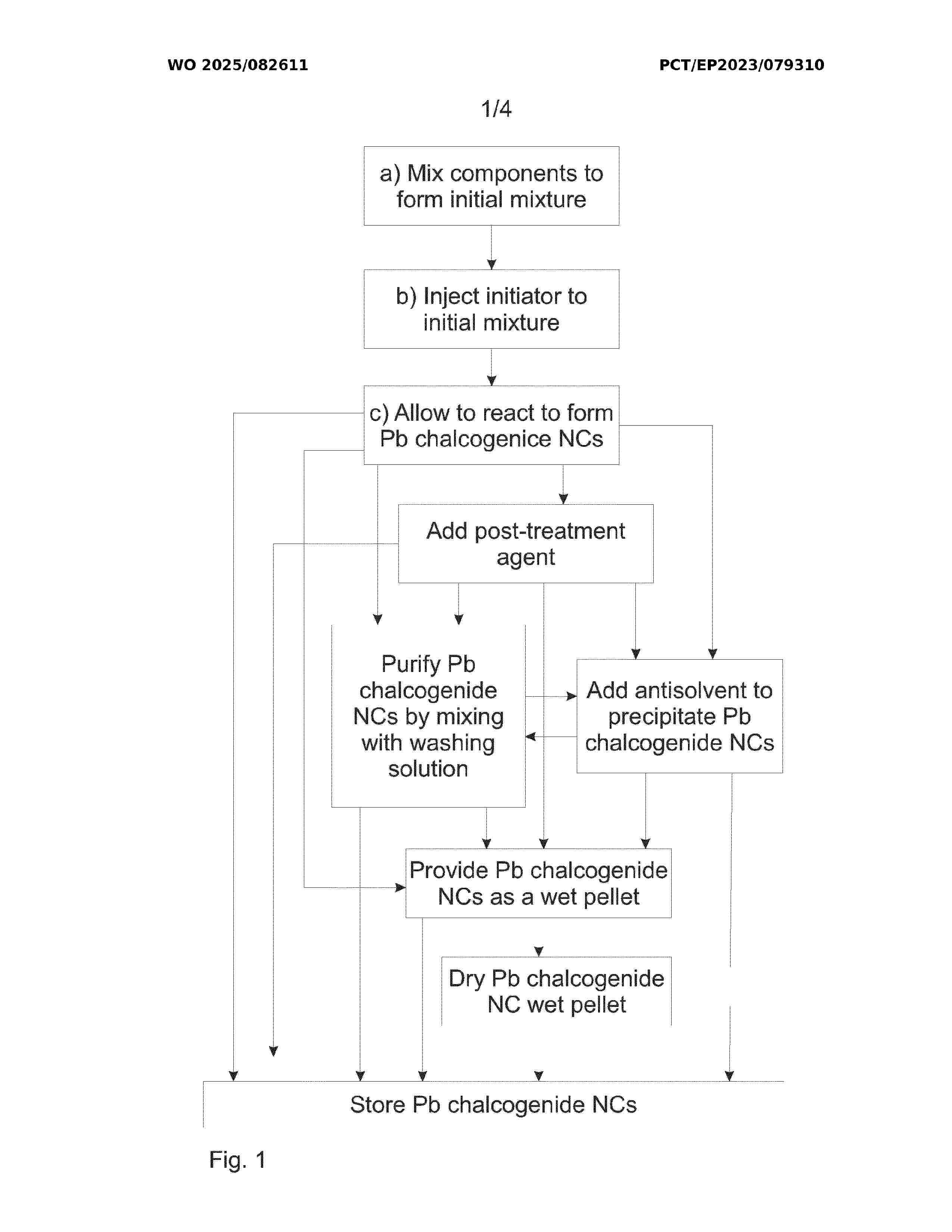
Resumen de: WO2025082611A1
The invention relates to a method for producing ion-capped colloidal Pb chalcogenide nanocrystals The invention further relates to a method for producing ink composition for electronics applications and said ink compositions. The invention further relates to methods for depositing Pb chalcogenide nanocrystal films for electronics applications and said Pb chalcogenide nanocrystal films. The invention further relates to detectors for detecting X-ray radiation, the detector comprising Pb chalcogenide nanocrystals.
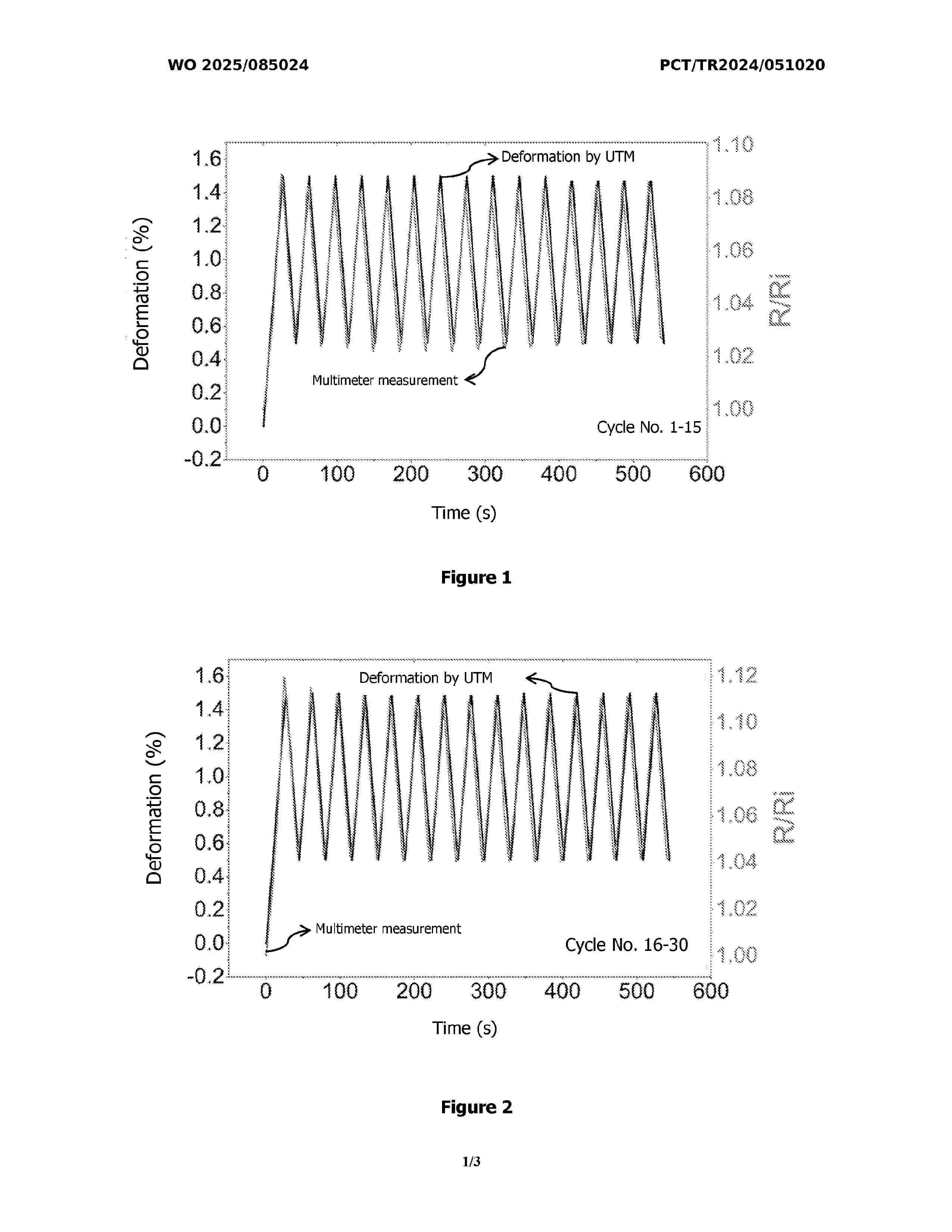
Resumen de: WO2025085024A2
The present invention relates to polymer-based ink compositions comprising graphene nanoplatelets and graphite powder dispersed in an aqueous solution of a polymer matrix, the piezoresistive films obtained from the ink compositions, and methods for production thereof.
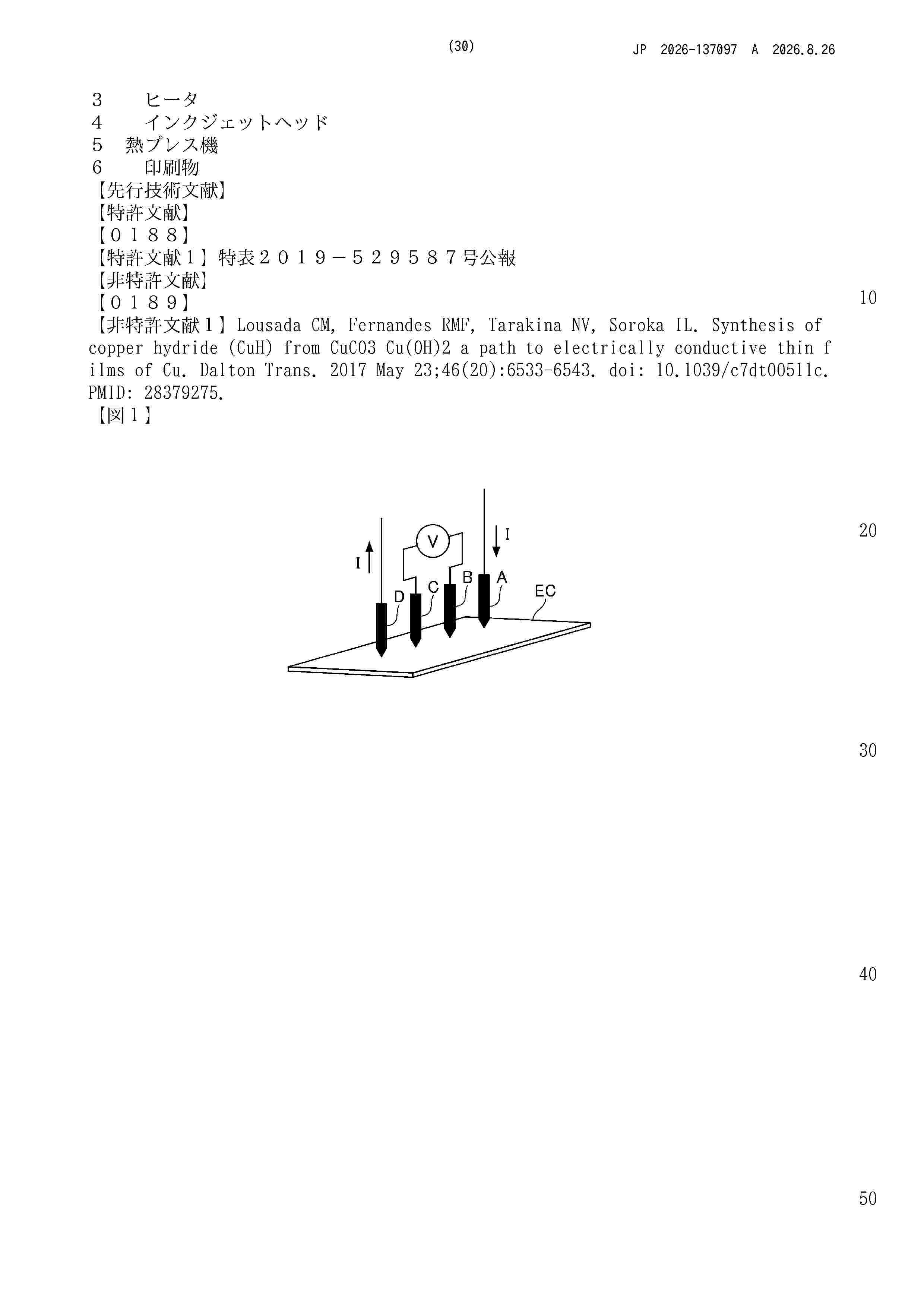
Resumen de: JP2026137097A
0001 【課題】浸透基体に対して、インクジェットヘッドでの吐出が可能なインクで、低抵抗な導電膜を形成することができる電子部品の製造方法を提供する。 【解決手段】電子部品の製造方法は、基体上に、インクジェットヘッドで銅及び分散媒を含むインクを吐出して印刷パターンを形成する印刷パターン形成工程と、前記印刷パターンを乾燥させて乾燥膜を形成する乾燥膜形成工程と、前記乾燥膜を焼結する焼結工程と、を含む電子部品の製造方法であって、前記基体は、前記分散媒が浸透する浸透基体であり、前記基体は、前記焼結工程に対する耐熱性を有し、前記分散媒の含有量は、前記インクの全量に対して40質量%以上であり、前記インクの全量に対する前記分散媒の質量比をSwとし、前記基体に対する前記分散媒の浸透乾燥時間をT(秒)とし、前記基体に対する前記分散媒の接触角をθ(°)としたとき、下記式Iを満たす。 【選択図】なし
Resumen de: US2025171652A1
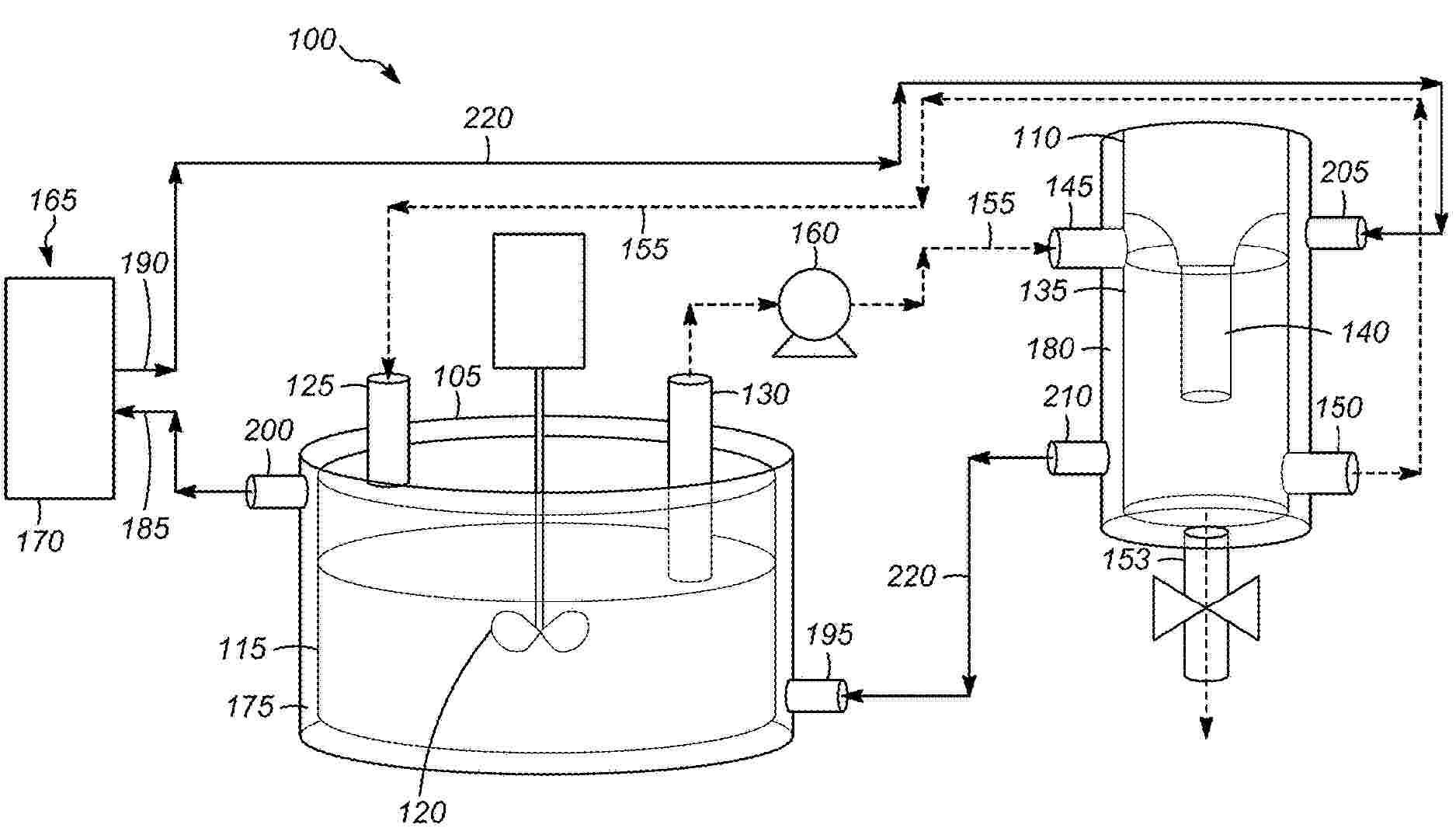
0000 Methods of continuously dispersing catalyst inks for use in coating processes are described. The catalyst ink is continuously mixed in a high shear mixing unit, and the mixed ink is sonicated in a sonication unit. Part of the sonicated catalyst ink is returned to the high shear mixing unit. The method provides continuous mixing and sonicating of the catalyst ink. The mixed and sonicated ink can then be applied to a substrate in a defined pattern.
Resumen de: EP4796603A1
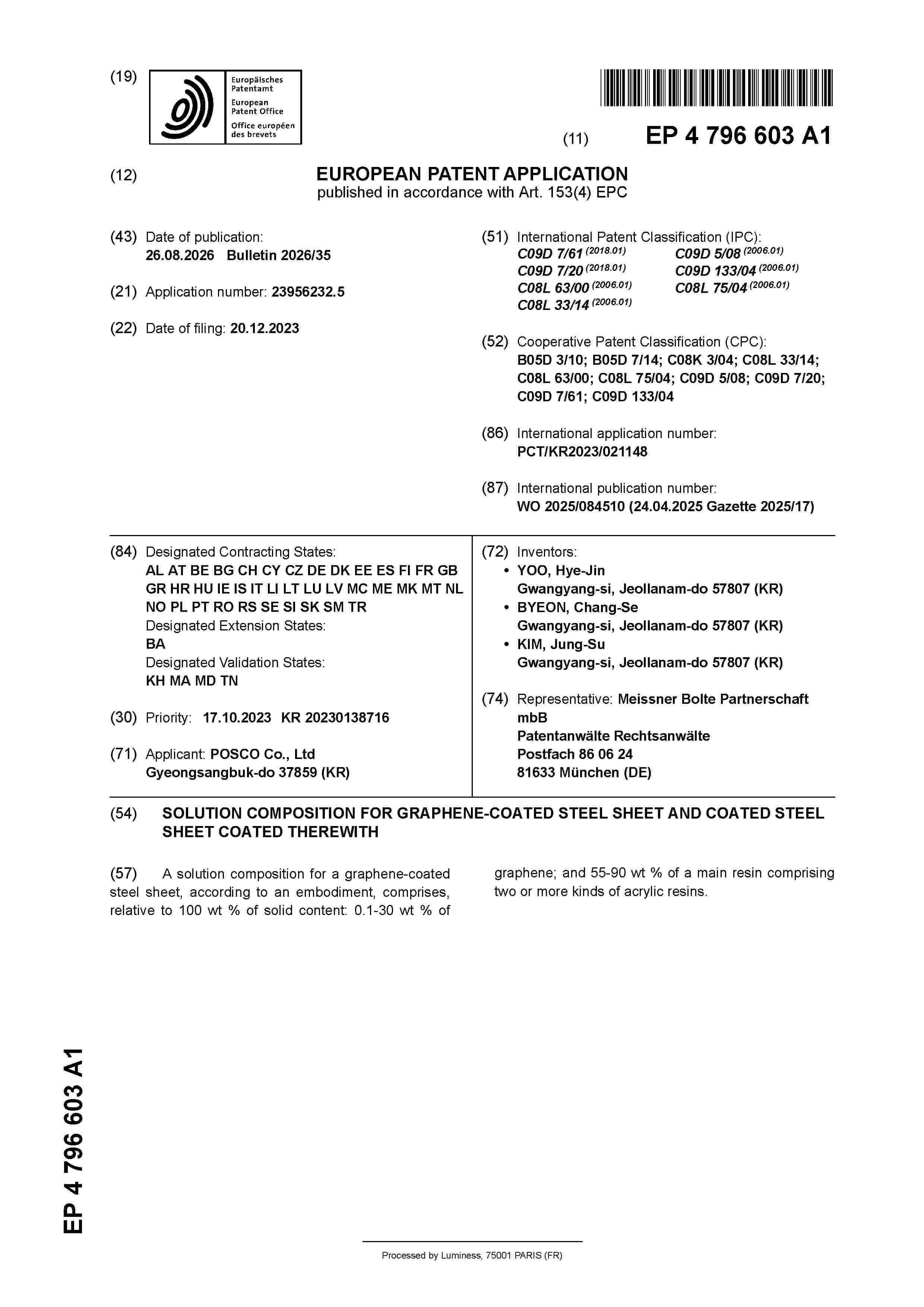
A solution composition for a graphene-coated steel sheet, according to an embodiment, comprises, relative to 100 wt % of solid content: 0.1-30 wt % of graphene; and 55-90 wt % of a main resin comprising two or more kinds of acrylic resins.
Resumen de: JP2024161908A
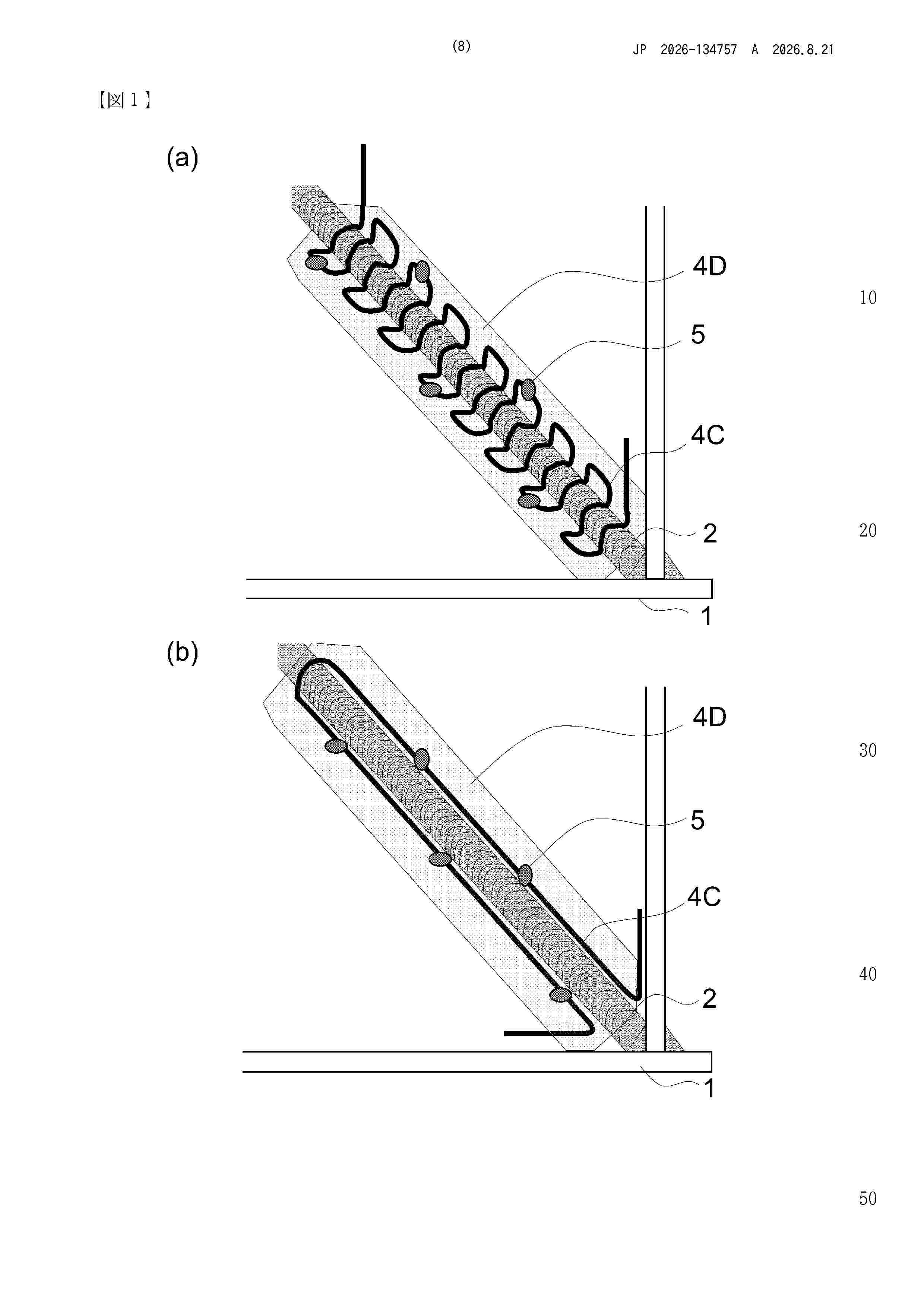
To provide a technique which can be performed easily and has a high maintenance property for precisely detecting generation of a crack precisely.SOLUTION: The present invention relates to a coating layer for detecting a crack including: a first insulation film formed in the surface of a steel structure; a conductive film for detecting a crack applied on the surface of the first insulation film; and a second insulation film applied for protecting the conductive coating film. There is also a repair point for separating the conductive coating film to expose the conductive coating film, between the conductive coating film and the second insulation film.SELECTED DRAWING: Figure 1
Resumen de: WO2025037281A1
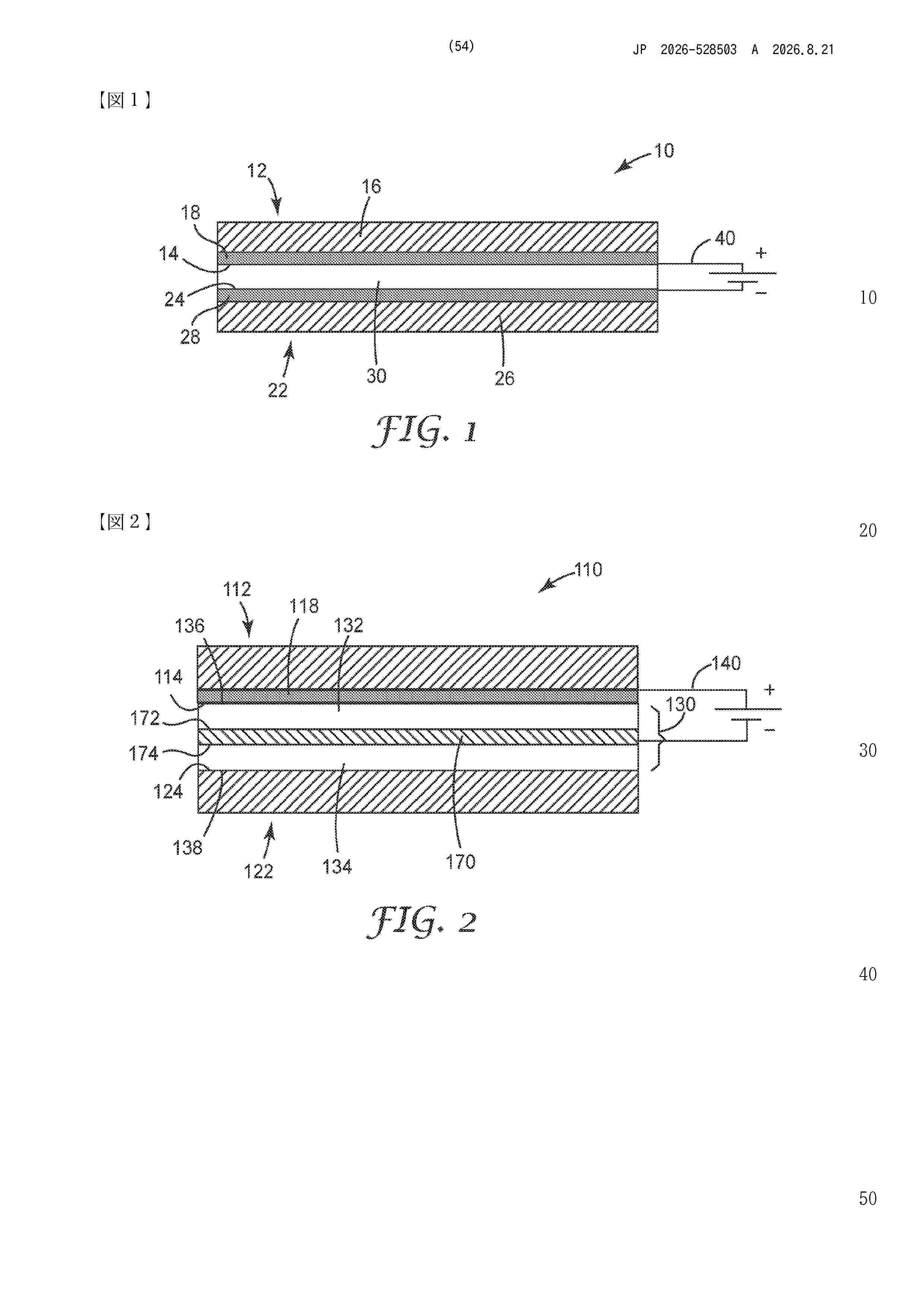
A primer composition includes solvent, electrically conductive filler dispersed in the solvent, and a polymer at least one of dissolved or dispersed in the solvent. The polymer includes at least one of a polyurethane, polyacrylate, a polyamide, or a rubber. An adhesive system includes the electrically conductive composition and an electrically debonding adhesive including an ionic liquid. The use of the primer composition as a primer on an electrically nonconductive substrate in combination with an electrically debonding adhesive is also described. A method of making a bonded article and an article bonded with the adhesive system disclosed herein and/or made by the method disclosed herein are also described.
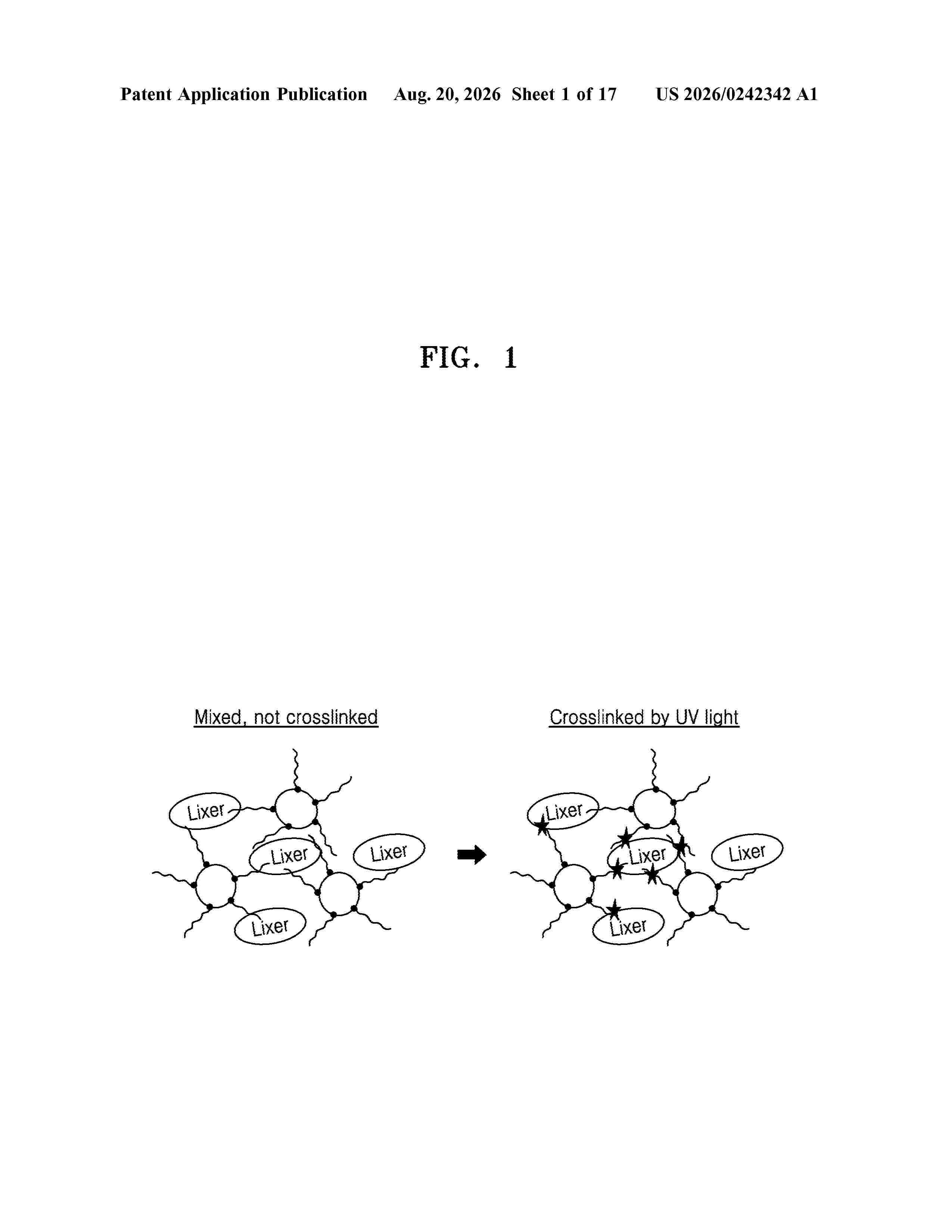
Resumen de: US20260242342A1
Provided are a crosslinking compound and a film including the same.
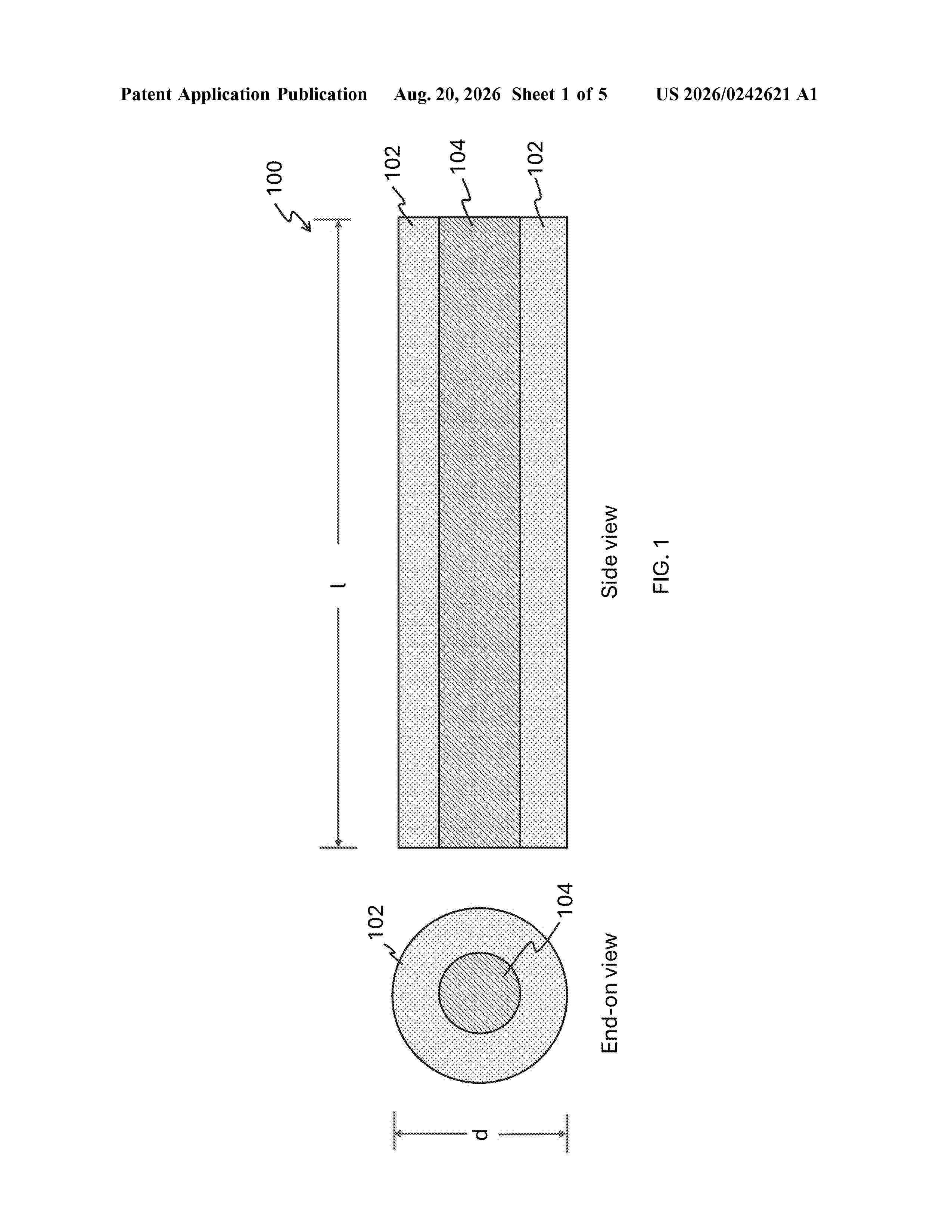
Resumen de: US20260242621A1
0000 Disclosed herein is a composition for manufacturing an electrically conducting composite, the composition comprising a polymer comprising a surface energy reducing moiety; wherein the surface energy reducing moiety comprises a silicon atom, a fluorine atom, or both a silicon atom and a fluorine atom; a liquid metal; and a solvent; wherein the composition is operative to undergo self-assembly into an electrically conducting composite that comprises a jacket that comprises the polymer and a strand that comprises the liquid metal. Disclosed herein too is an article comprising an electrically conducting composite comprising a liquid metal strand disposed in an encapsulating polymeric jacket; wherein the liquid metal strand extends continuously from one end to another end of the encapsulating polymeric jacket; and wherein the encapsulating polymeric jacket comprises a surface energy reducing moiety; wherein the surface energy reducing moiety comprises a low surface energy moiety.
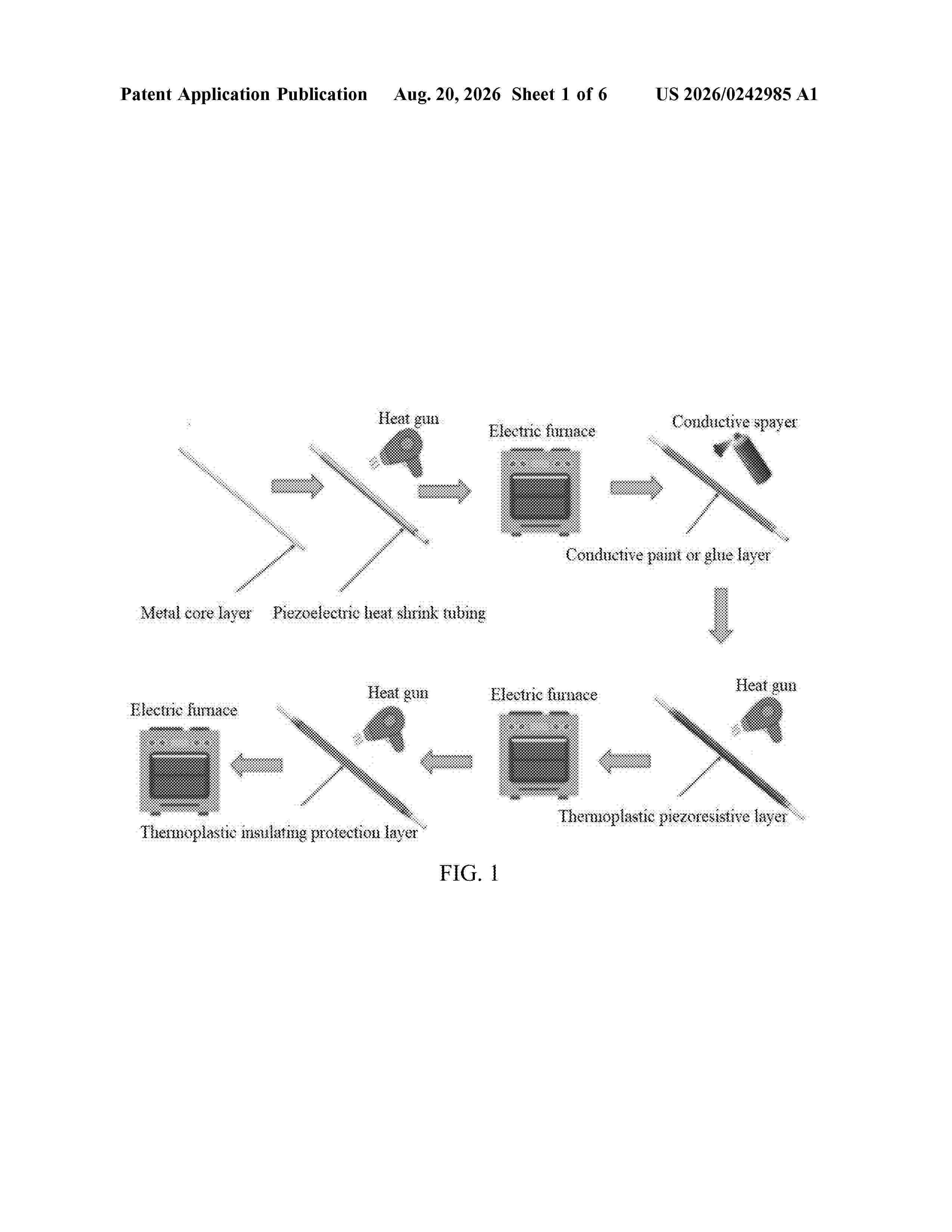
Resumen de: US20260242985A1
Composite fibers with dynamic and static sensing functions based on a thermal shrinkage process and a rapid preparation method relate to the technical field of composite fibers with core-shell structures. The composite fibers have a core-shell structure including a fiber core layer, a piezoresistive layer, a second conductive layer, a piezoelectric layer, a first conductive layer and an insulating protection layer from inside to outside in sequence, or a metal core layer, the piezoelectric layer, the first conductive layer, the piezoresistive layer and the insulating protection layer from inside to outside in sequence; a coaxial multi-layer functional structure is composited, which integrates the dynamic (piezoelectric effect) and static (piezoresistive effect) sensing functions in a single fiber, thereby breaking through the sensing limitation of a traditional single material or a single physical effect fiber, and realizing synchronous detection of broadband (dynamic and static) force and motion signals.
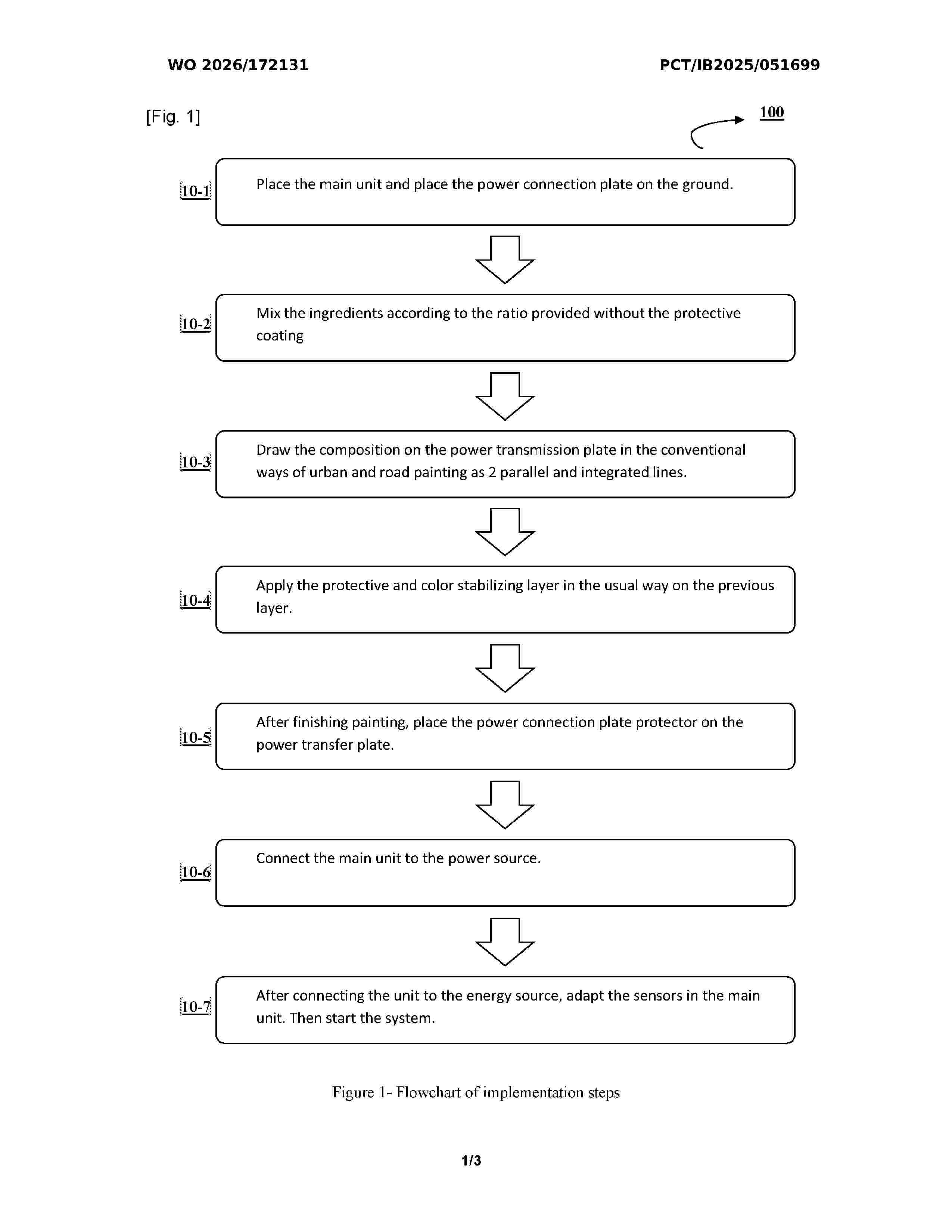
Resumen de: WO2026172131A1
This invention relates to the formulation of an electrically and thermally conductive graphite paint designed to de-ice and increase the safety of traffic surfaces such as roads, bridges, airport runways and tunnels. This paint consists of a combination of graphite powder, metal nanoparticles, epoxy/polyurethane resin and phosphor powders, which, in addition to high conductivity and uniform heat distribution, has a soft lighting property to improve visibility in low light and icy conditions. The system works as follows: After applying the paint to the desired surface, an electric current is supplied through the embedded connectors and the paint begins to heat up. Temperature and humidity sensors intelligently adjust the amount of energy required to ensure optimal de-icing and without energy waste.
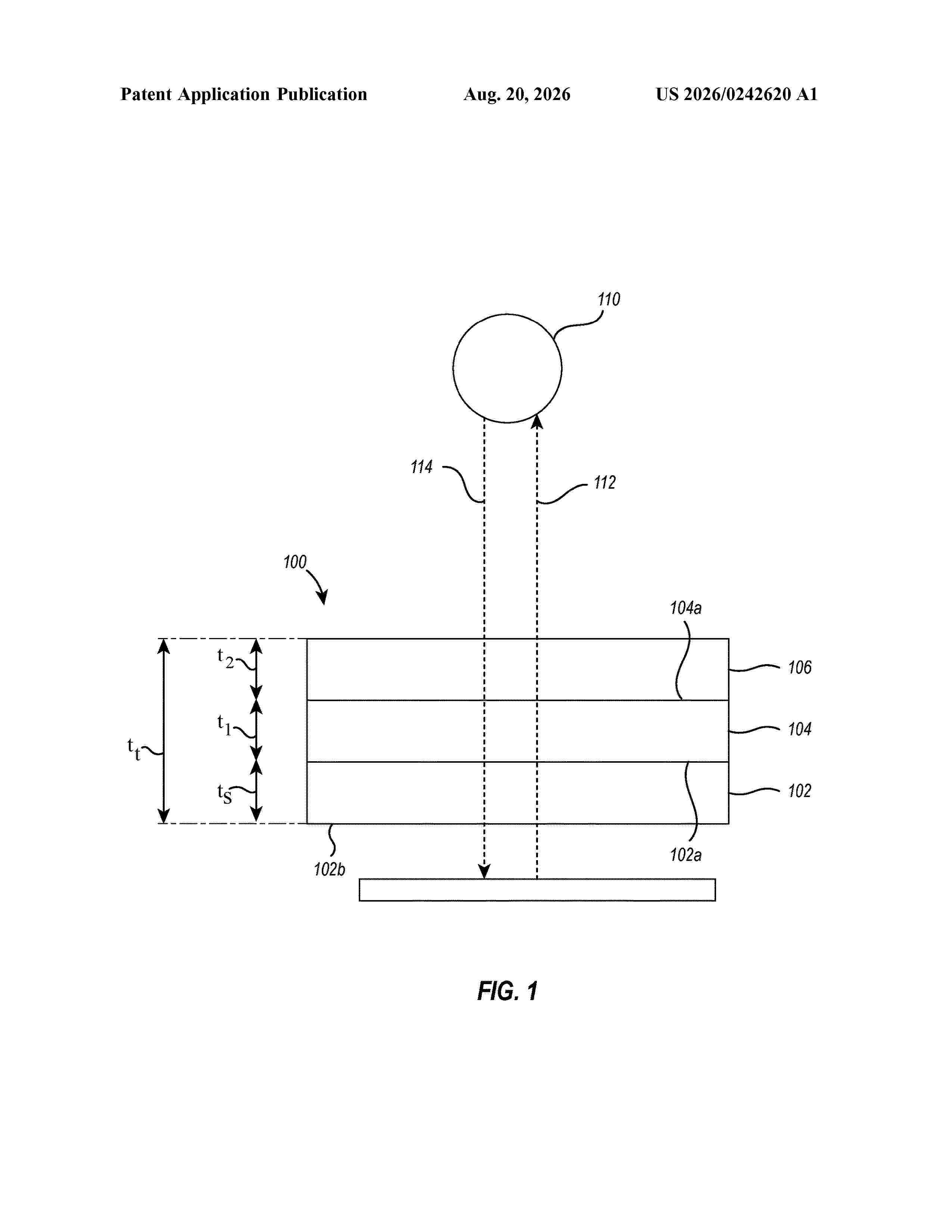
Resumen de: US20260242620A1
This invention deals with effect pigment mixture comprising platelet-like aluminum effect pigments obtained by grinding of aluminum or aluminum based alloy shot and silvery pearlescent pigments, wherein the silvery pearlescent pigments are taken from the group consisting of: a) pearlescent pigments comprising a transparent substrate which is coated with a high-refractive index layer with n>1.8, which comprises or consists of an iron-oxide with Fe(II)-ions, b) pearlescent pigments comprising a transparent substrate which is coated with a high-refractive index layer with n>1.8, which comprises or consists of titanium suboxide or a pearlescent pigment comprising a substrate with a high-refractive index with n>1.8 layer, which comprises or consists of a titanium suboxide that is optionally coated with a high-refractive index layer with n>1.8, c) pearlescent pigments comprising a transparent substrate which is coated with a high-refractive index layer with n>1.8, which comprises or consists of titanium oxynitride, d) pearlescent pigments comprising a transparent substrate which is coated with a layer comprising carbon, wherein the carbon is enclosed in a particulate form in another metal oxide layer or is formed as a separate, individual layer, e) a transparent substrate coated with a first layer comprising or consisting of a mixture of the oxides of titanium, iron and at least one of cobalt and chromium and a second layer on the first layer, wherein the second layer comprises an
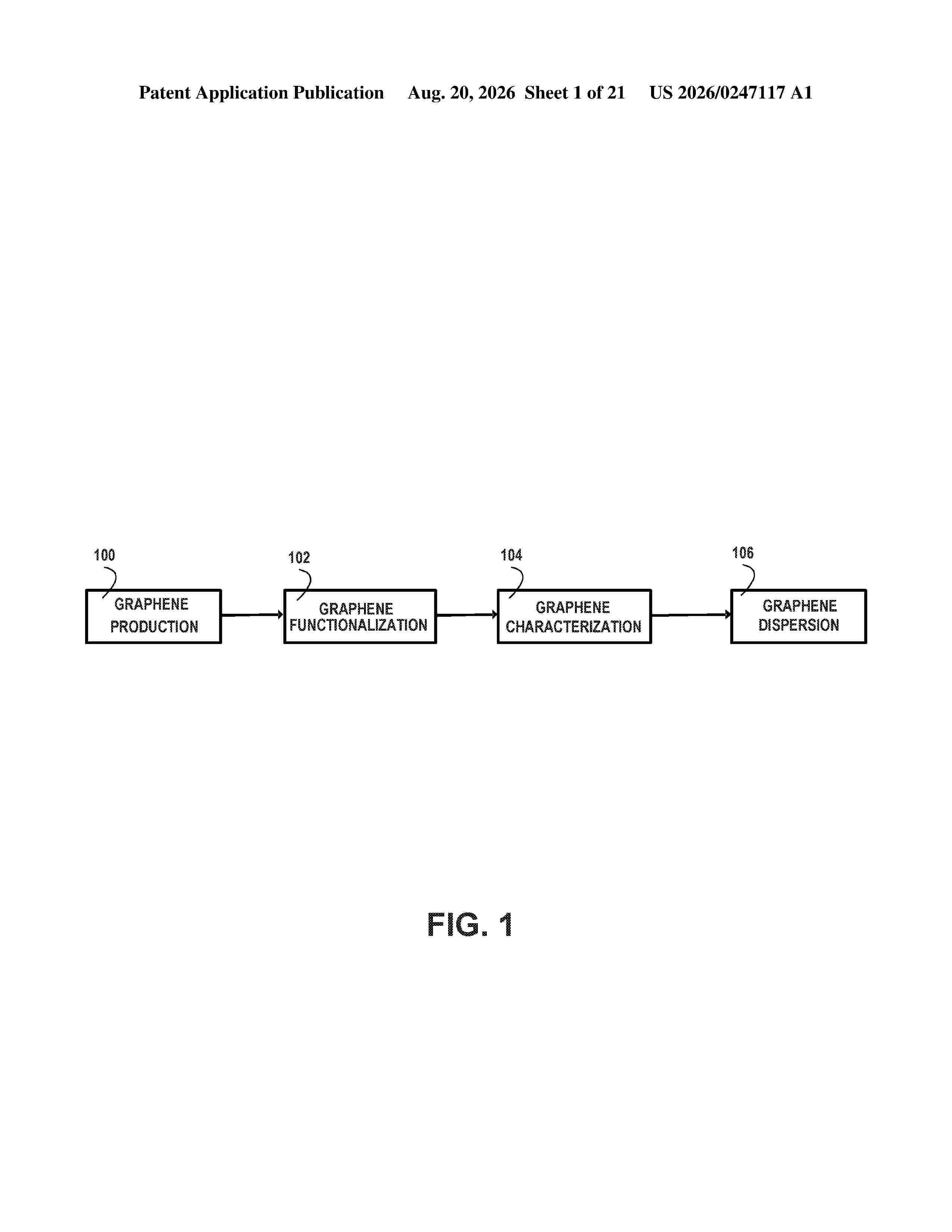
Resumen de: US20260247117A1
0000 The emboiments disclose a functionalized graphene composition including a graphene material having a conjugated carbon lattice produced by a controlled functionalization process comprising at least one of plasma treatment, chemical, functionalization, silanization, or polyhedral oligomeric silsesquioxane (POSS) functionalization, the controlled functionalization process defining a surface chemistry configured to immobilize a molecular capture element, a plurality of oxygen-containing functional groups including at least one of hydroxyl, ether, carbonyl, and carboxyl or ester groups disposed on basal planes and edge regions of the graphene material, a conductive pathway formed by the graphene material, a chemically active surface interface defined by the graphene material and the oxygen-containing functional groups, and an analytical target comprising at least one of a nucleic acid, protein, peptide, pathogen-associated biomarker, chemical compound, or biological molecule, the analytical target being capable of interacting with the chemically active surface interface to produce a corresponding electrical response.
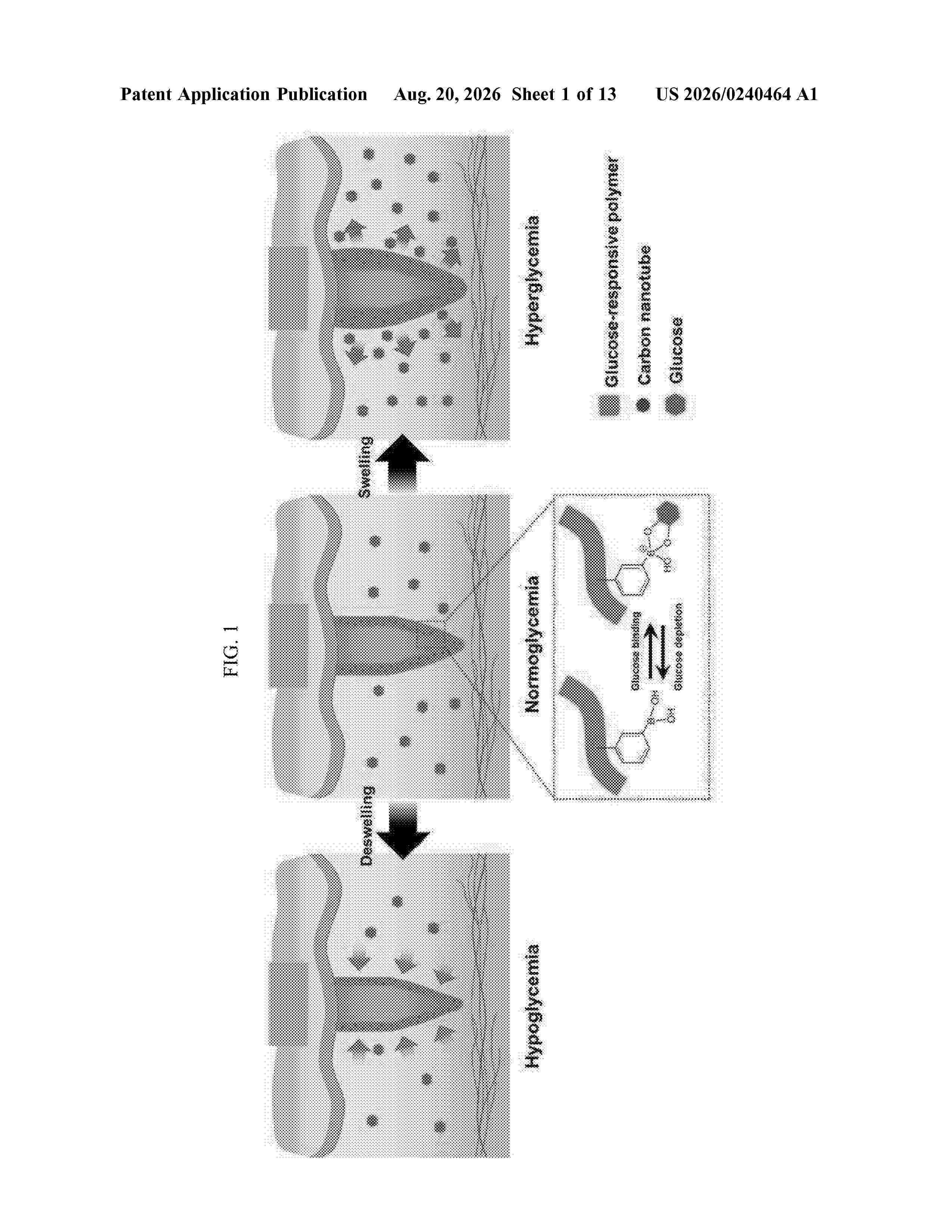
Resumen de: US20260240464A1
0000 A composition for blood glucose measurement includes a copolymer including three types of monomers having a hydrophobic group, a hydrophilic group, and a boronic acid moiety, and a conductive material mixed with the copolymer, thereby enabling volume changes in response to glucose to be converted into electrical signals. An electrochemical sensor for blood glucose measurement includes a working electrode that includes the composition.
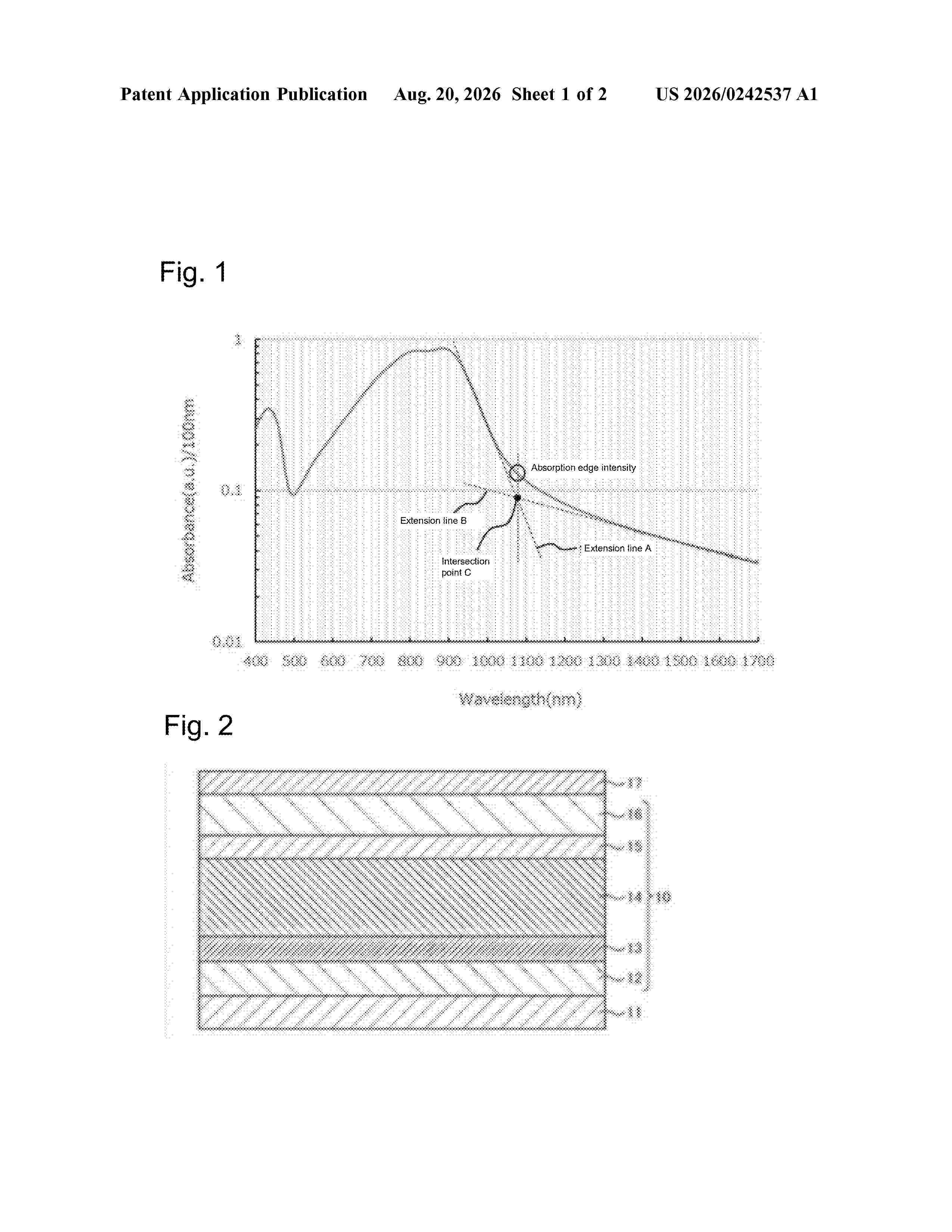
Resumen de: US20260242537A1
Provided is a polymer that suppresses dark current in a photoelectric conversion element.A polymer contains a structural unit having a main chain and a side chain, a weighted average of formula weights of the side chains weighted by a molar ratio of the structural units contained in the polymer is 160 or more, and an absorption edge intensity is 0.08 or less.
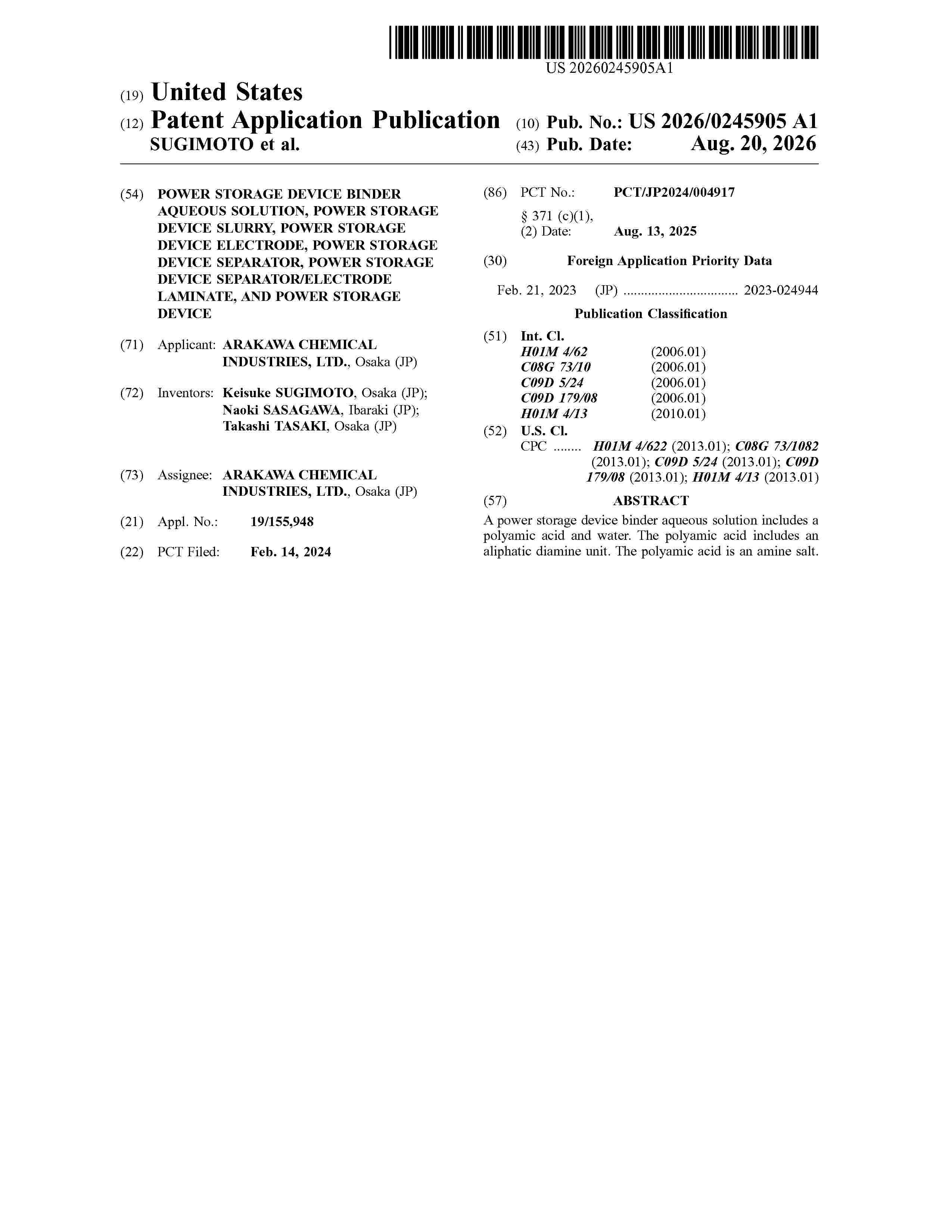
Nº publicación: US20260245905A1 20/08/2026
Solicitante:
ARAKAWA CHEMICAL IND LTD [JP]
ARAKAWA CHEMICAL INDUSTRIES, LTD.
Resumen de: US20260245905A1
0000 A power storage device binder aqueous solution includes a polyamic acid and water. The polyamic acid includes an aliphatic diamine unit. The polyamic acid is an amine salt.
 BOPI
BOPI
 Sede Electrónica