Si deseas distinguir tus productos, servicios o ambos de los de otra empresa, es posible que necesites una marca o nombre comercial. Descubre qué son, en qué consiste su procedimiento de registro y qué implica.

Información sobre los plazos de presentación de solicitudes de transformación de marcas de la Unión Europea en marca nacional española. Más información


Si tienes un nuevo dispositivo, producto o procedimiento que resuelva un problema técnico o tenga una ventaja práctica, existen distintas formas de protegerlo en España y en otros países. Descubre cómo hacerlo.

¿Tu innovación reside en la estética, la ornamentación o la apariencia de tu producto? Protégela mediante un diseño industrial. Descubre qué derechos confiere el registro y cómo realizar la tramitación.

Las indicaciones geográficas protegen el nombre de un producto originario de una zona geográfica, a la cual le debe una determinada calidad, reputación u otra característica. Descubre qué son, en qué consiste su procedimiento de registro y qué beneficios conceden.

Las patentes publicadas en todo el mundo son una valiosa fuente de información científica, técnica y comercial.

Si eres emprendedor/a o una empresa y quieres potenciar y mejorar la rentabilidad de tu negocio protegiendo de forma adecuada los activos intangibles de tu organización, en este espacio encontrarás lo necesario.


 484
resultados
484
resultados
 Última actualización
15/09/2026 [06:53:00]
Última actualización
15/09/2026 [06:53:00]


 Resultados 250 a 275 de 484

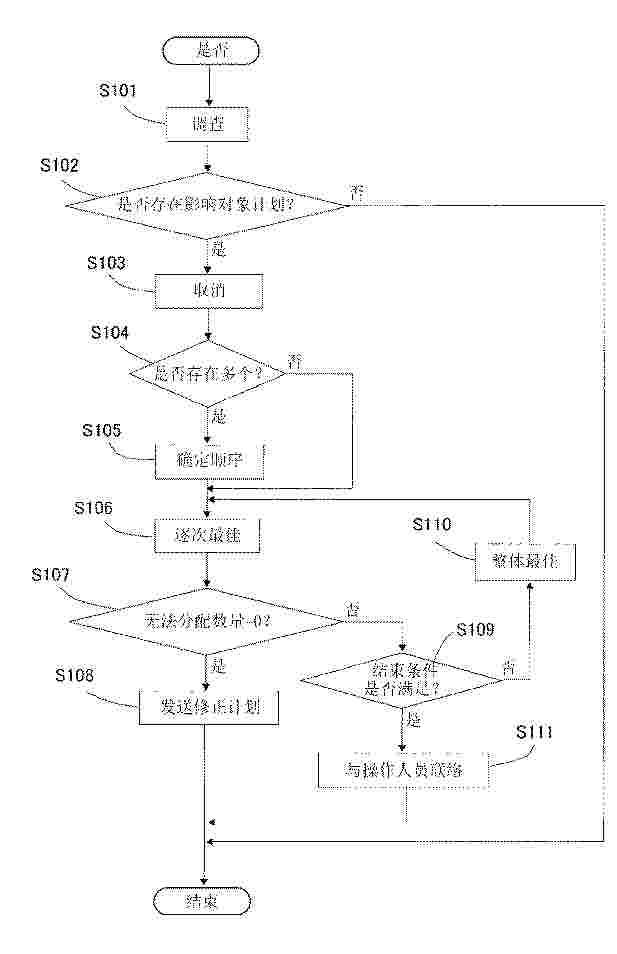
Resumen de: CN122713583A
本发明的课题在于提供一种即使在登记车辆的到达延迟的情况下也能够应对的配车支援系统。在本发明中,控制器在通信装置从执行配车计划期间的登记车辆接收到延迟通知的情况下,判定是否存在因延迟而受到影响的其他配车计划即影响对象计划,在判定为存在影响对象计划的情况下,取消影响对象计划,将与影响对象计划对应的预约请求作为新的预约请求即再预约请求执行再计算处理。再计算处理中包括:替换处理,在2台登记车辆之间将1个未完成的配车计划彼此替换:及判定处理,判定在执行了替换处理的状态下是否能够进行再预约请求的分配。

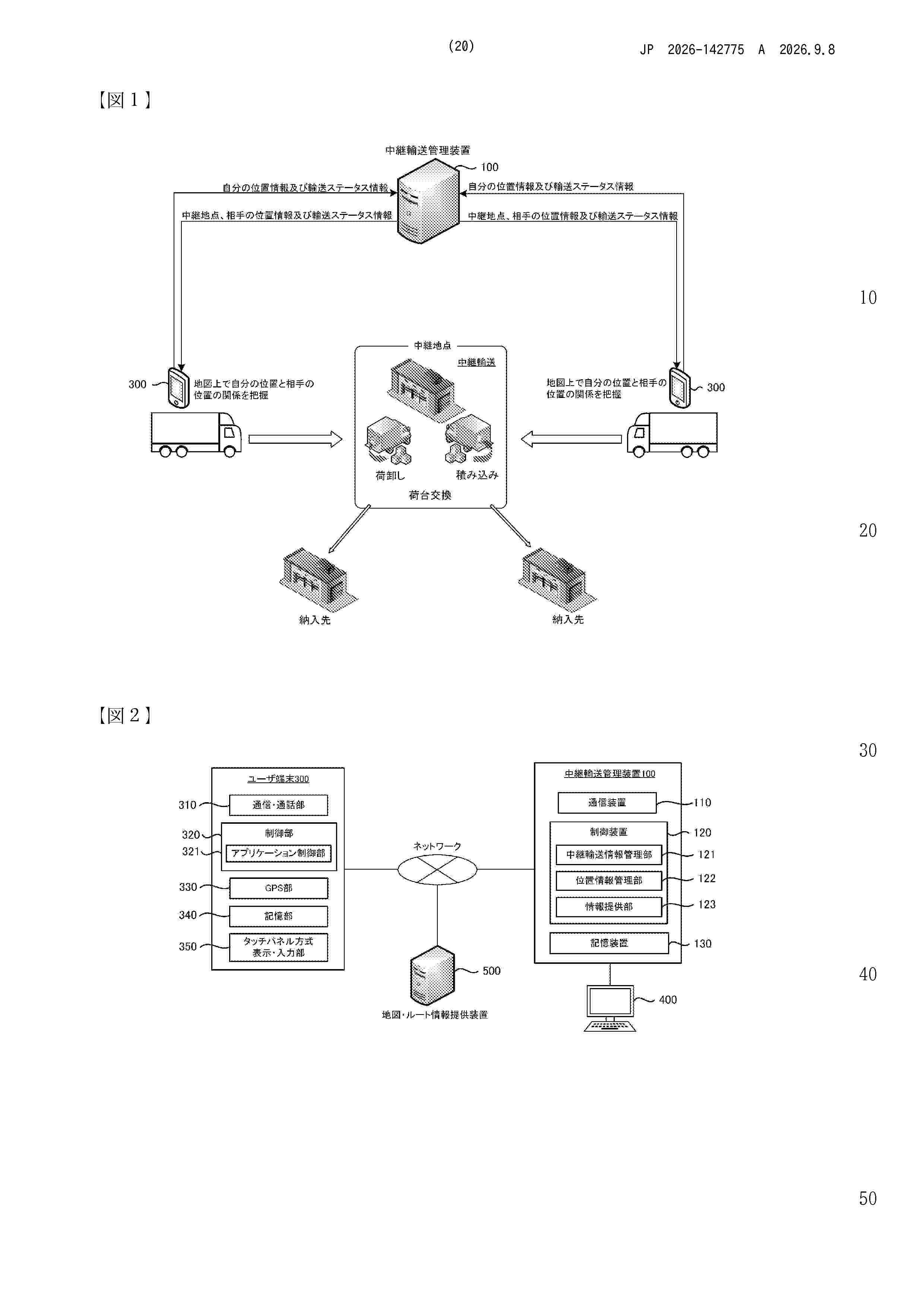
Resumen de: JP2026142775A
【課題】中継輸送における待ち時間を低減させる。【解決手段】中継輸送支援システムは、中継輸送情報を各運転手のユーザ端末に送信し、中継輸送情報を閲覧して移動を開始した各運転手のユーザ端末から送信される位置情報を取得する。中継地点に移動する他の運転手の位置情報は各ユーザ端末に送信されて共有されるとともに、中継輸送情報画面から中継輸送情報及び各運転手の位置情報を確認することができる。そして、変更可能な中継地点を選択又は入力可能に制御し、選択又は入力された中継地点を含む中継地点変更情報を各運転手のユーザ端末に送信しつつ、各運転手のユーザ端末から中継地点変更に対する回答を受信し、各運転手が中継地点変更に同意する旨の回答である場合に、中継輸送情報の中継地点を選択された中継地点に変更して中継輸送情報を更新し、変更後の中継地点を含む中継輸送情報を各運転手のユーザ端末に送信する。【選択図】図10
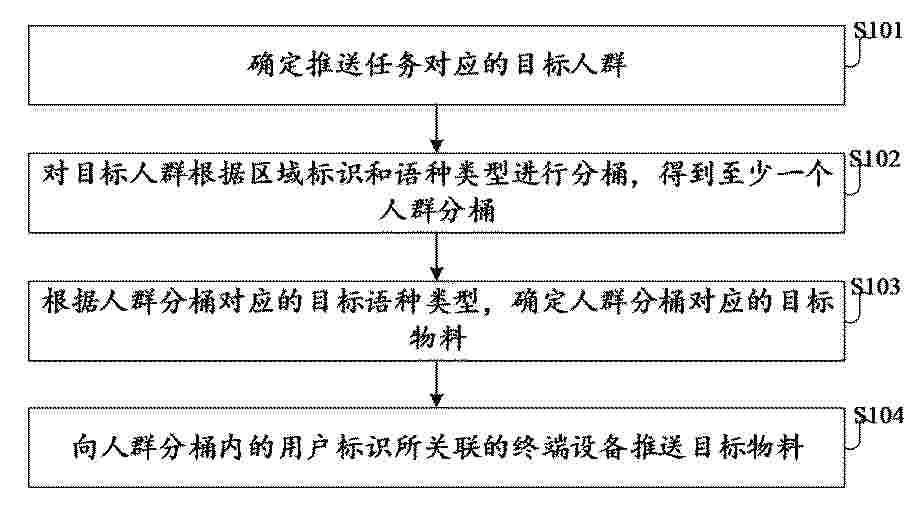
Resumen de: CN122713937A
本公开提供了一种物料推送方法、装置、电子设备及存储介质,涉及数据处理技术领域,具体涉及智能搜索、信息推送领域;具体实现方案为:确定推送任务对应的目标人群;对目标人群根据区域标识和语种类型进行分桶,得到至少一个人群分桶;根据人群分桶对应的目标语种类型,确定人群分桶对应的目标物料;向人群分桶内的用户标识所关联的终端设备推送目标物料,实现推送内容的高效适配。
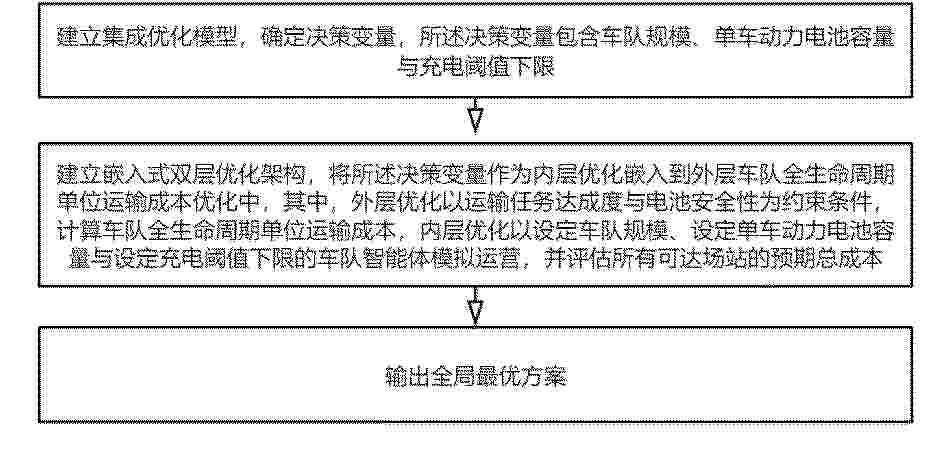
Resumen de: CN122713902A
本发明涉及物流车队运营管理技术领域,具体涉及一种电动重卡车队技术配置与运营协同优化方法,步骤如下:建立集成优化模型,确定决策变量;建立嵌入式双层优化架构,将决策变量作为内层优化嵌入到外层车队全生命周期单位运输成本优化中,外层优化以运输任务达成度与电池安全性为约束条件,计算车队全生命周期单位运输成本,内层优化以设定车队规模、设定单车动力电池容量与设定充电阈值下限的车队智能体模拟运营,并评估所有可达场站的预期总成本;输出全局最优方案。本发明可以较好地缓解前期规划与实际运营相脱节的状况,使技术配置方案更加符合实际需求,从而减少车辆和电池的投资浪费,降低车队在整个使用寿命内的单位运输成本。
Resumen de: CN122712006A
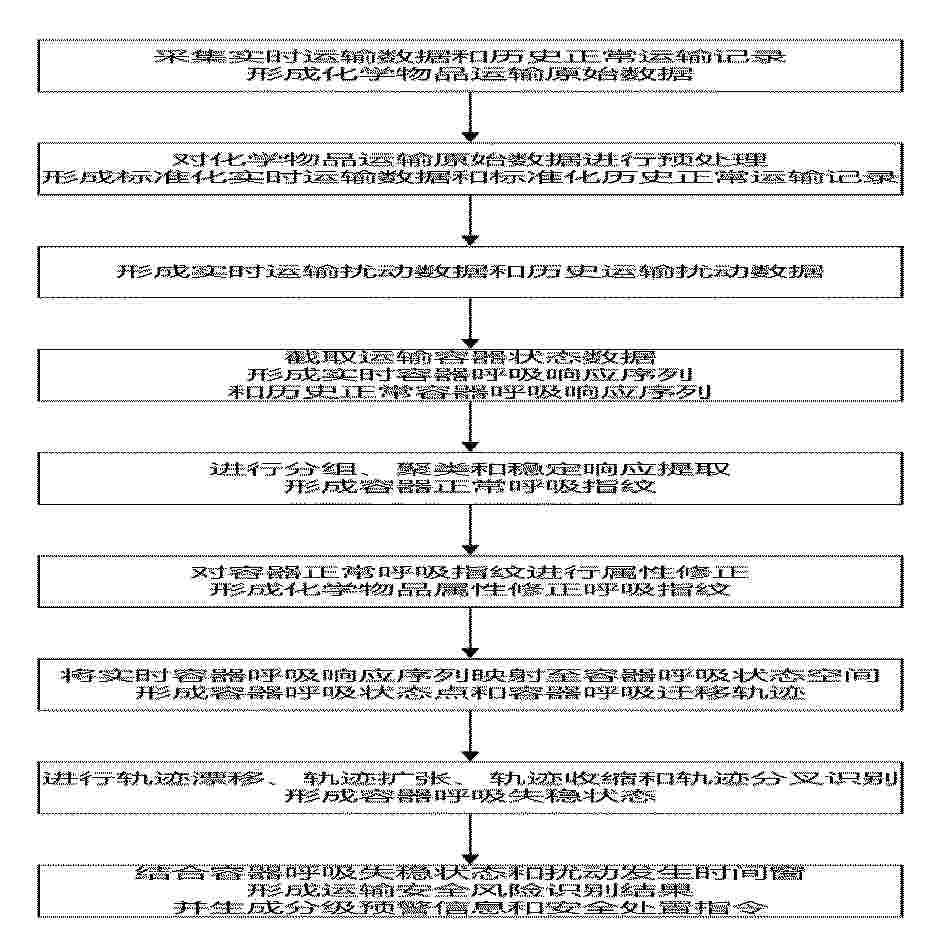
本发明公开了一种基于大数据分析的化学物品运输安全监测方法,包括如下步骤:采集得到化学物品运输原始数据;预处理得到标准化实时运输数据和标准化历史正常运输记录;分别提取并生成实时运输扰动数据和历史运输扰动数据;截取运输容器状态数据生成实时容器呼吸响应序列和历史正常容器呼吸响应序列;进行分组、聚类和稳定响应提取生成容器正常呼吸指纹;进行属性修正生成化学物品属性修正呼吸指纹;映射生成容器呼吸状态点,并连接生成容器呼吸迁移轨迹;进行识别生成容器呼吸失稳状态;生成运输安全风险识别结果,并生成分级预警信息和安全处置指令。本发明通过容器呼吸指纹分析,前置识别运输泄漏风险,具备预警准确、处置及时的优点。
Resumen de: CN122713528A
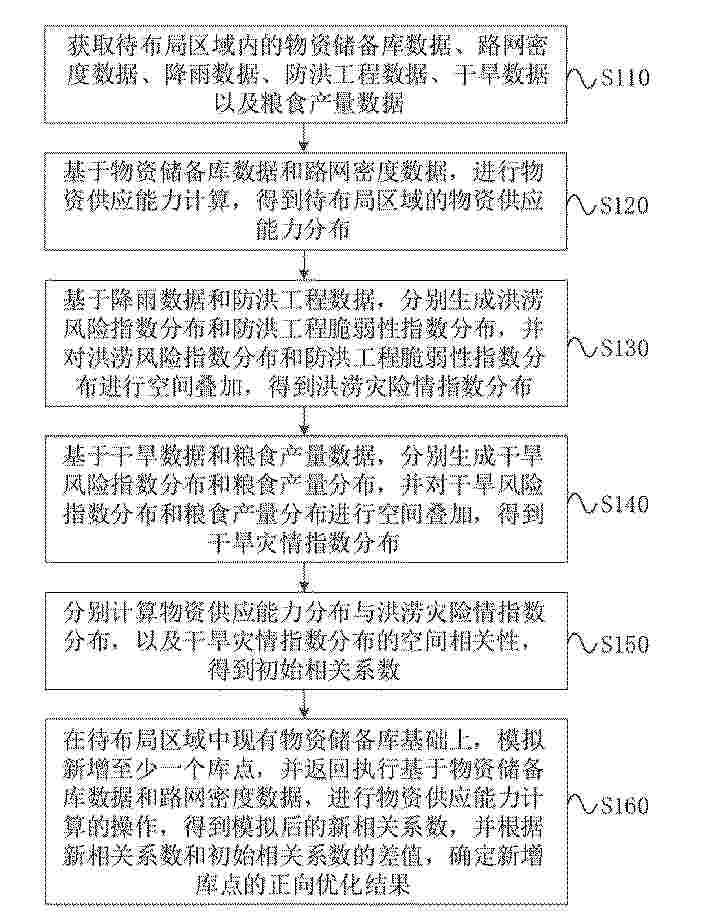
本发明公开了一种防汛抗旱物资库布局优化方法、装置、设备、介质及产品。防汛抗旱物资库布局优化方法,包括:基于物资储备库数据和路网密度数据,确定待布局区域的物资供应能力分布;基于降雨数据和防洪工程数据,确定洪涝灾险情指数分布;基于干旱数据和粮食产量数据,确定干旱灾情指数分布;分别计算物资供应能力分布与洪涝灾险情指数分布,以及干旱灾情指数分布的空间相关性,得到初始相关系数;模拟新增至少一个库点,并返回执行计算相关系数的操作,得到模拟后的新相关系数,并根据新相关系数和初始相关系数的差值,确定新增库点的正向优化结果。本发明实施例的技术方案,可以实现科学精准的防汛抗旱物资储备库布局优化。
Resumen de: CN122713692A
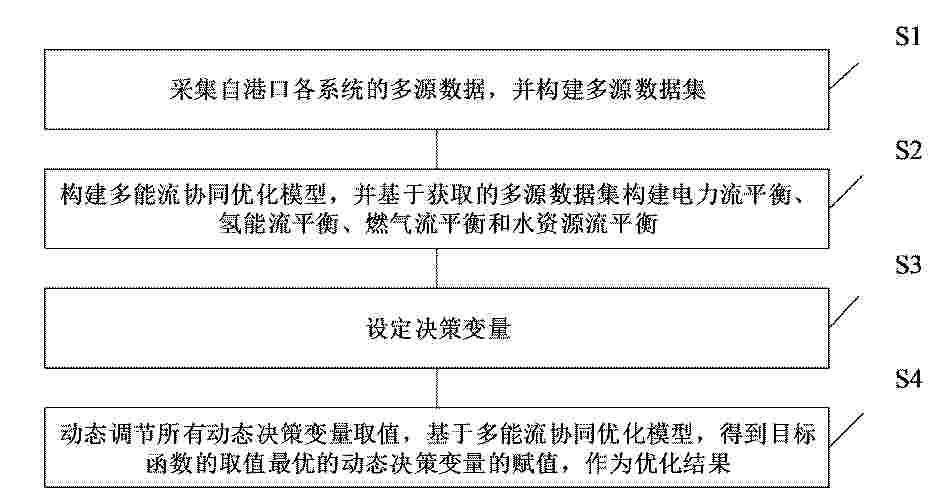
本发明涉及一种面向集装箱港口低碳运行的多能流协同优化方法。获取集卡到港、箱量结构、运输距离、装卸设备、车辆、岸电、气象、电价、能源价格、排放因子及设备参数,构建作业时序和逐时多能负荷映射模型;根据车辆动力结构和自动驾驶比例计算各类集卡能源需求及自动驾驶电动集卡V2G可用能力;建立光伏、风电、储能、充电、电解制氢、储氢、电锅炉和中水回用的多能流耦合模型,在作业、容量、能量平衡、荷电状态和能源自洽约束下,以日均综合成本和日均碳排放为目标求解车辆结构、设备容量和运行策略,为港口低碳调度提供决策依据。
Resumen de: CN122713898A
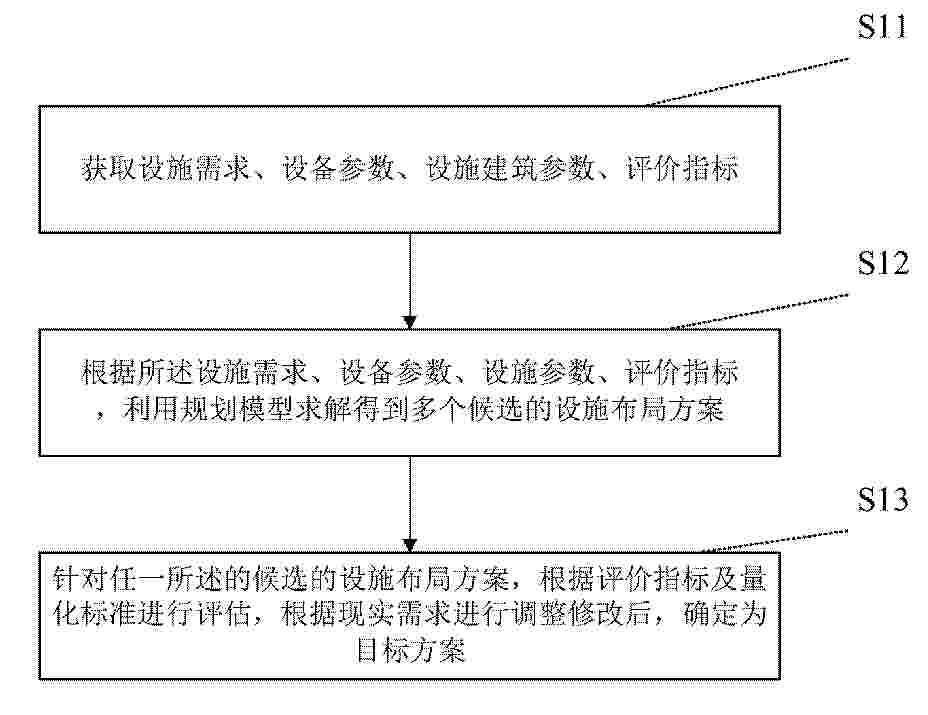
本发明提供了一种多层级快件处理中心规划布局与优化升级评估方法,涉及智能物流的决策技术领域,具体是一种针对快件处理中心功能区进行布局的规划和优化评估系统。根据设施参数与设施功能区类型与面积需求,设计评价指标,利用改进遗传算法和两阶段模型规划模型求解设施布局方案。首先构建第一阶段模型并求解获得功能区分层方案,再构建第二阶段模型并求解结果获得多个设施布局方案,然后针对候选设施布局方案,根据评价指标及量化标准进行评估,结合现实需求调整修改后,确定为目标方案。实现提供一种具有科学合理性和可实施性的多层级快件中心布局规划与评估方法目的,解决快件处理中心建设标准不统一,依赖人工决策,缺乏科学规划的问题。
Resumen de: CN122713917A
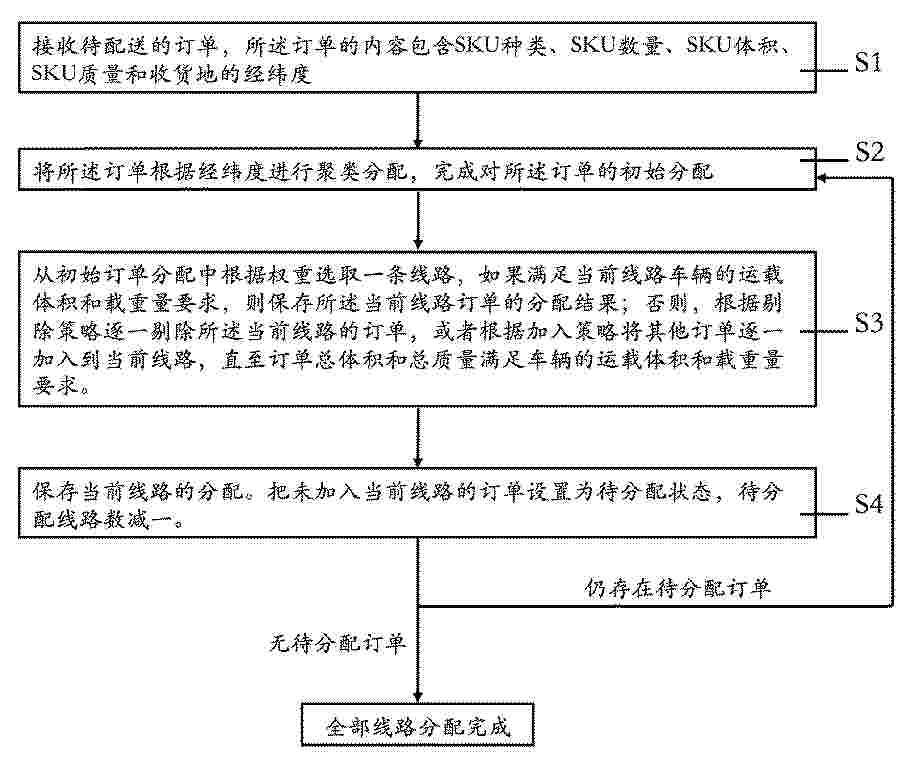
本发明提供了一种分单方法,包括接收待配送的订单,所述订单的内容包含SKU种类,SKU数量,SKU体积,SKU质量和收货地的经纬度;将所述订单根据经纬度进行聚类划分,完成对所述订单的初始分配;从初始订单分配中根据权重选取一条线路,如果满足当前线路车辆的运载体积和载重量要求,则保存所述当前线路订单的分配结果;否则,根据剔除策略逐一剔除所述当前线路的订单,或者根据加入策略将其他订单逐一加入到当前线路,直至订单总体积和总质量满足车辆的运载体积和载重量要求。当前线路确定后,未被加入线路的订单再次进入聚类分配,依次类推,直至所有线路分配完毕。本发明的技术方案大幅提高了后续配送的效率,进而提高了生产力。
Resumen de: CN122713688A
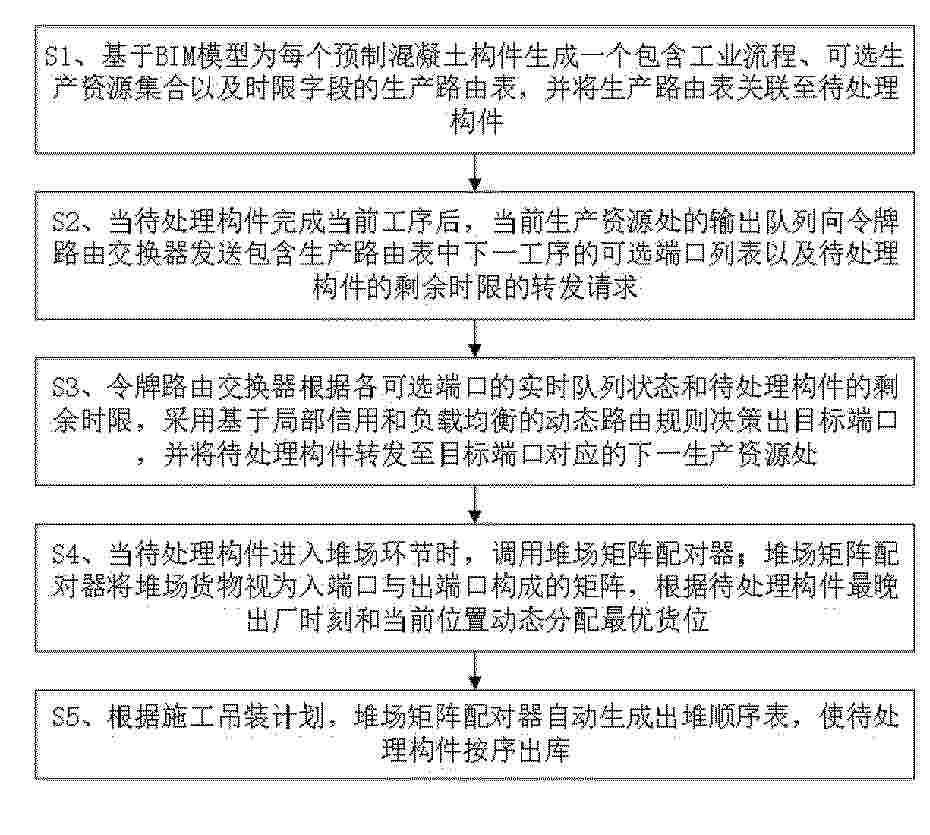
本申请提供一种基于BIM的预制混凝土构件生产调度方法及系统,涉及建筑信息技术领域,解决了集中式排产计算量大、扰动响应迟缓、资源协同不足、堆场依赖人工导致翻垛及信息断裂等问题。该方法包括:基于BIM为每个构件生成包含工艺流程、可选资源及时限字段的生产路由表并关联至构件;构件完成当前工序后,当前资源输出队列向令牌路由交换器发送含下一工序可选端口列表及剩余时限的转发请求;交换器根据端口实时状态和剩余时限,采用局部信用与负载均衡规则决策目标端口并转发;构件进入堆场时,堆场矩阵配对器将货位视为入出端口矩阵,动态分配最优货位;根据施工吊装计划,配对器自动生成出堆顺序表,按序出库。
Resumen de: CN122713932A
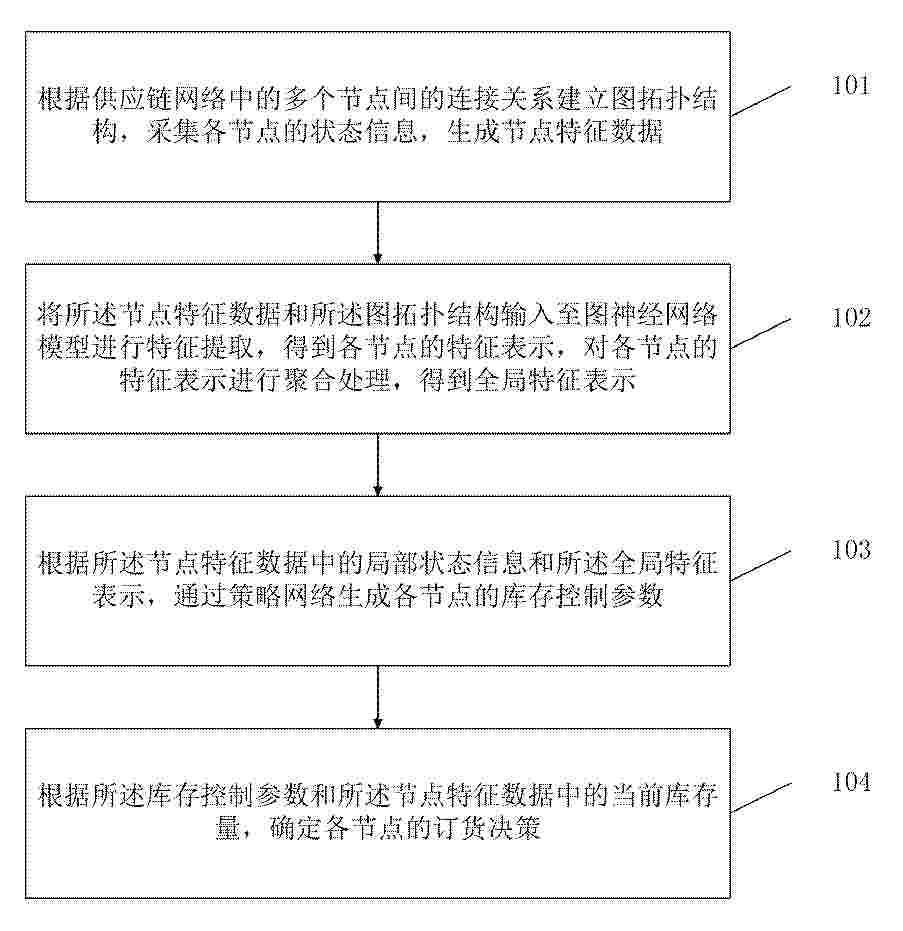
本发明提供了一种库存动态管理方法、装置、设备及存储介质,该方法包括:根据供应链网络中多个节点间的连接关系建立图拓扑结构,采集各节点的状态信息生成节点特征数据;将节点特征数据和图拓扑结构输入至图神经网络模型进行特征提取,得到各节点的特征表示,并对各节点的特征表示进行聚合处理得到全局特征表示;根据节点特征数据中的局部状态信息和全局特征表示,通过策略网络生成各节点的库存控制参数;根据库存控制参数和节点特征数据中的当前库存量确定各节点的订货决策。本发明利用图神经网络捕获供应链网络的拓扑结构特征,通过策略网络根据当前状态动态生成库存控制参数,实现了各节点库存决策的自适应调整和协同优化。
Resumen de: CN122714170A
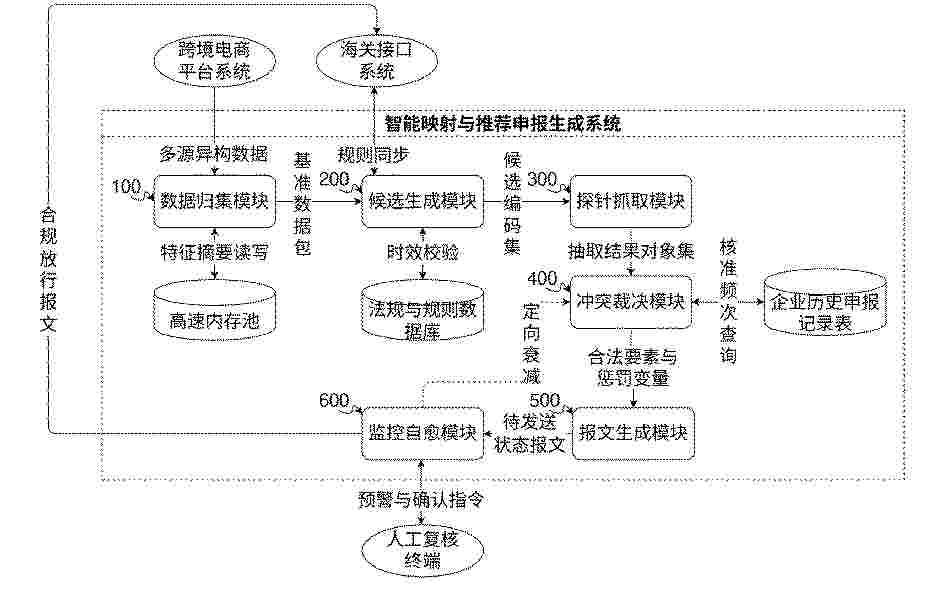
本申请涉及数据处理技术领域,公开了面向跨境电商的智能映射与HS编码推荐申报生成方法,该方法获取多源异构数据,基于散列计算执行缓存降载与文本映射;在时间戳校验通过后检索树状数据库,生成携带初始概率的候选编码集;构建逆向寻址探针,在多级降级策略下定向抽取要素;计算二维源质可靠性得分执行业务冲突裁决,并在平局时执行死锁熔断;计算综合推荐分值锁定海关商品编码,将胜出要素封装为单证报文;实时监控分类信息熵,在超出安全阈值时挂起报文,并依据人工复核指令执行权重衰减与字典扩容。本发明有效提升了复杂商业场景下申报要素的提取完整率,解决了多源数据取值冲突与业务规则迭代滞后的问题。
Resumen de: CN122714192A
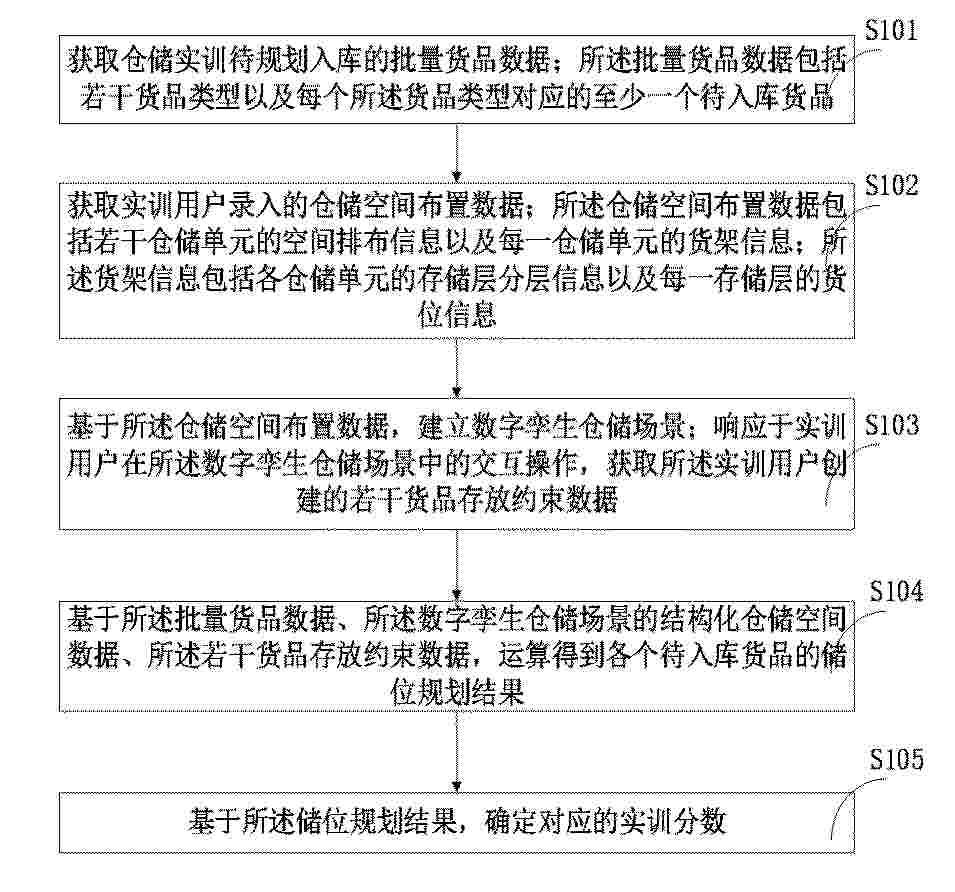
本申请涉及一种基于数字孪生的仓储规划实训方法。所述方法获取批量货品数据及仓储空间布置数据,基于所述仓储空间布置数据建立数字孪生仓储场景;响应实训用户在数字孪生仓储场景中的交互操作,获取若干货品存放约束数据;基于批量货品数据、结构化仓储空间数据及货品存放约束数据运算得到储位规划结果,并将储位规划结果绑定至数字孪生仓储场景进行可视化显示;基于储位规划结果,结合系统自动判定的合规性评分与授课用户对货品存放约束数据及取货路径规划数据的综合评分,融合计算得到实训分数。通过多维度约束驱动的储位规划与双维度评分机制,本申请提升了仓储实训的真实性与评价准确性。
Resumen de: CN122713512A
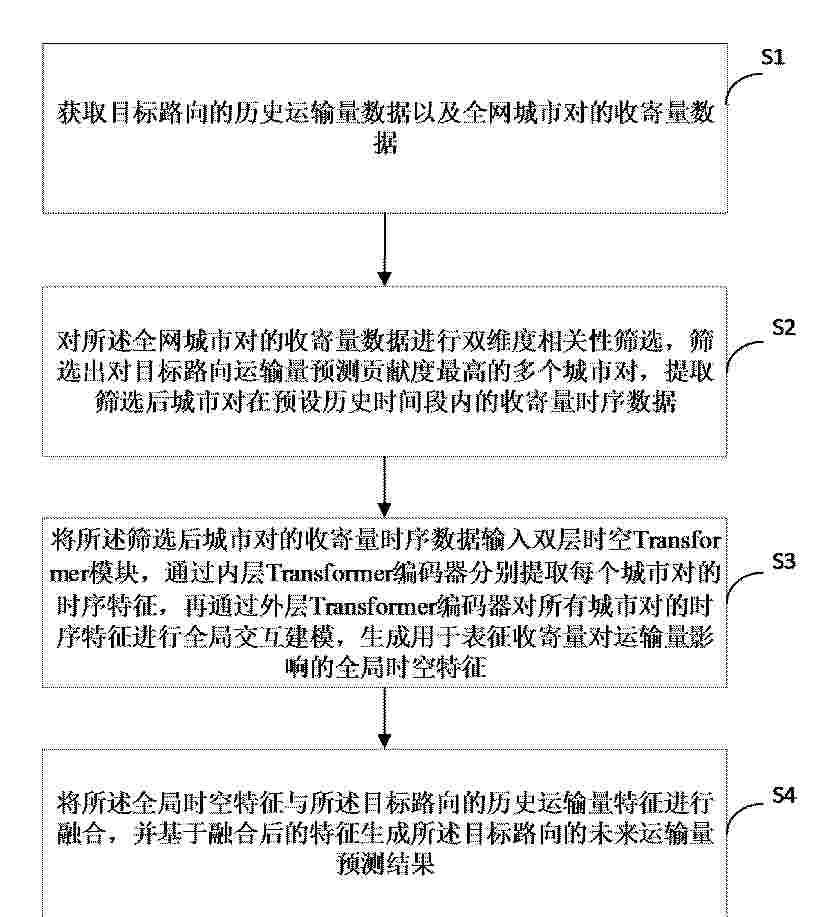
本发明公开了一种双层时空Transformer的路向运量预测方法,包括:获取目标路向的历史运量数据以及全网城市对的收寄量数据;对城市对的收寄量数据进行双维度相关性筛选,筛选出对目标路向运量预测贡献度高的城市对,提取其在预设历史时段的收寄量时序数据;将其输入双层时空Transformer模块,通过内层Transformer编码器提取各城市对的时序特征,再通过外层Transformer编码器对所有城市对的时序特征进行全局交互建模,生成表征收寄量对运量影响的全局时空特征;将其与目标路向的历史运量特征融合,并基于融合特征生成目标路向的未来运量预测结果。
Resumen de: CN122711379A
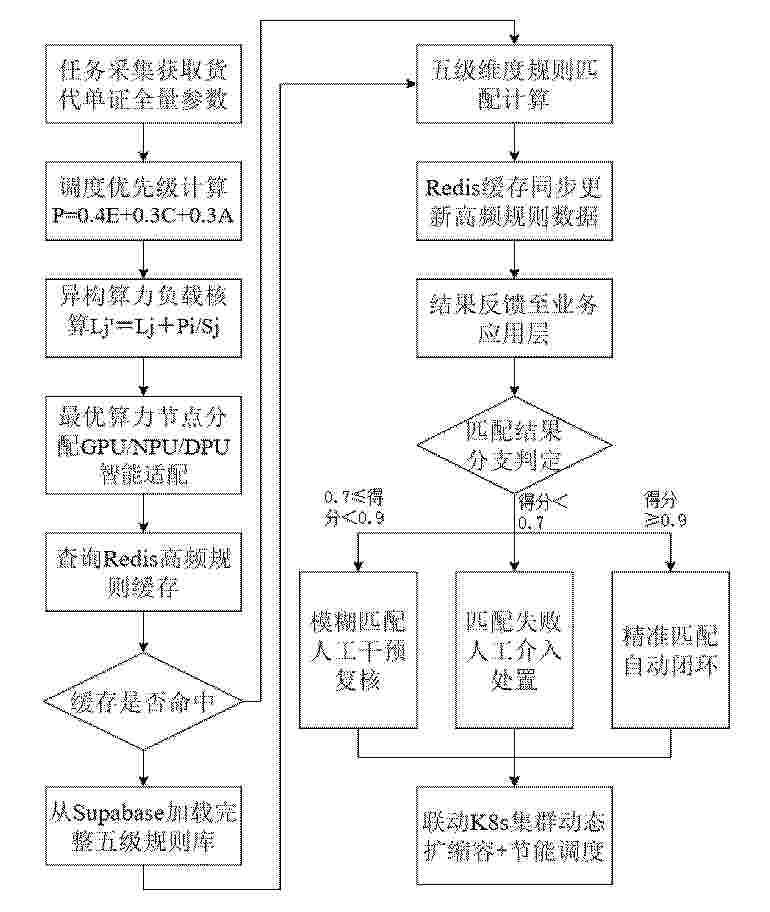
本发明公开了一种适配国际物流单证的算力调度与规则匹配优化方法及系统,涉及物流数据处理技术领域,方法包括:获取单证任务的申报时限、单证类型数量、字段数量、任务类型及国家、港口、港区、航线、船司维度信息;量化任务紧急度、复杂度和算力适配度,计算调度优先级并形成任务队列;结合GPU、NPU、DPU节点当前负载和承载系数确定目标算力节点;在目标算力节点上优先调用缓存规则,缓存未命中时查询规则数据库,基于五级维度权重计算规则匹配相似度,确定匹配状态并解决规则冲突,生成单证处理结果并进行缓存协同处理。通过本发明的技术方案,能够提高任务调度合理性、规则匹配准确性和高并发处理效率,降低节点过载及冲突风险。
Resumen de: CN122713897A
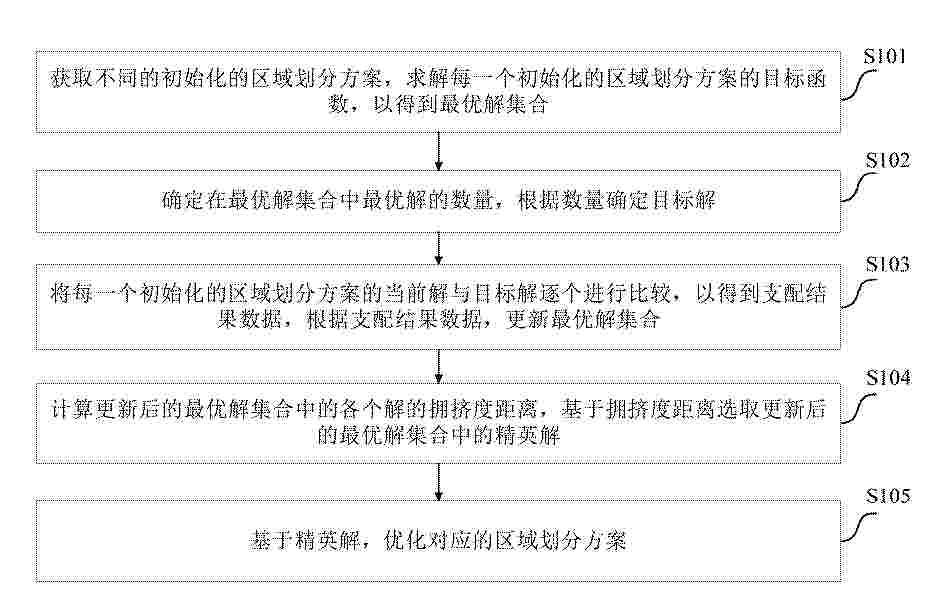
本申请公开了一种区域划分方法、装置、电子设备及计算机可读介质,涉及计算机技术领域,一具体实施方式包括获取不同的初始化的区域划分方案,求解每一个初始化的区域划分方案的目标函数,以得到最优解集合;确定在最优解集合中最优解的数量,根据数量确定目标解;将每一个初始化的区域划分方案的当前解与目标解逐个进行比较,以得到支配结果数据,根据支配结果数据,更新最优解集合;计算更新后的最优解集合中的各个解的拥挤度距离,基于拥挤度距离选取更新后的最优解集合中的精英解;基于精英解,优化对应的区域划分方案。可以实现合理的区域划分的同时降低资源浪费,提高相关运营效率和服务质量。
Resumen de: CN122713924A
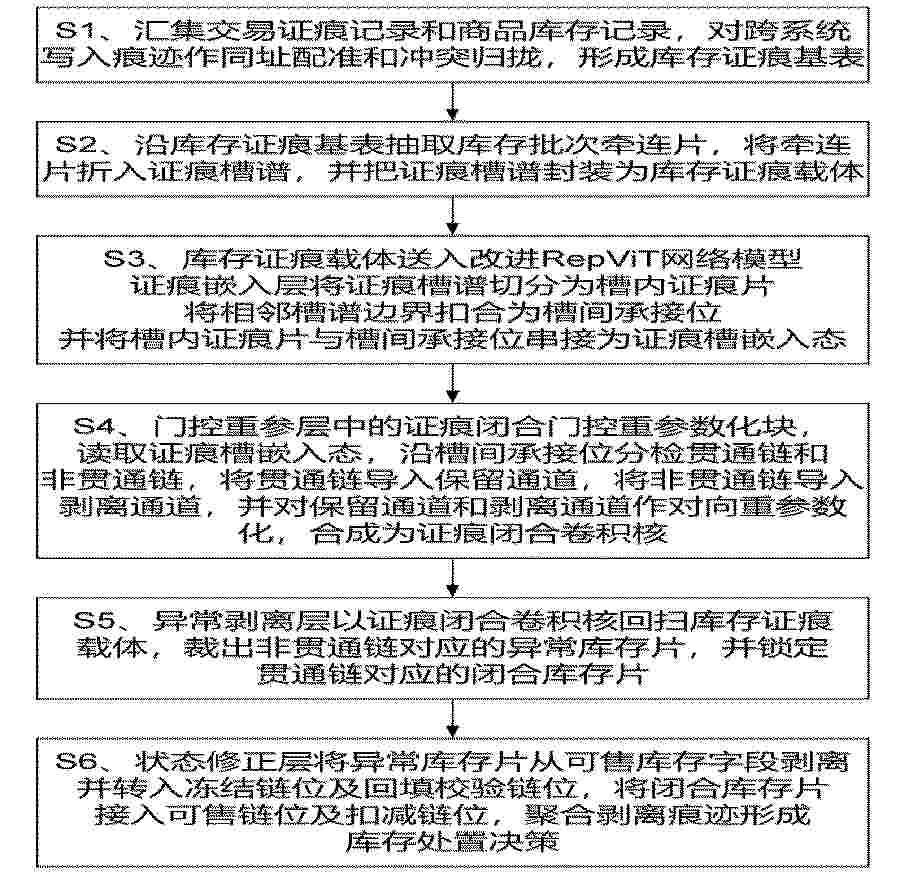
本发明公开了一种基于大数据分析的商品库存信息处理方法及系统,包括如下步骤:S1、汇集交易证痕记录和商品库存记录,形成库存证痕基表;S2、抽取库存批次牵连片,折入证痕槽谱并封装为库存证痕载体;S3、输入改进RepViT网络模型,经证痕嵌入层形成证痕槽嵌入态;S4、通过证痕闭合门控重参数化块分检贯通链和非贯通链,并对向重参数化生成证痕闭合卷积核;S5、回扫库存证痕载体,裁出异常库存片并锁定闭合库存片;S6、修正可售、冻结、回填和扣减状态,形成库存处置决策。本发明采用库存证痕载体构建与改进RepViT网络模型,实现多渠道商品库存异常剥离与状态修正。
Resumen de: JP2026142762A
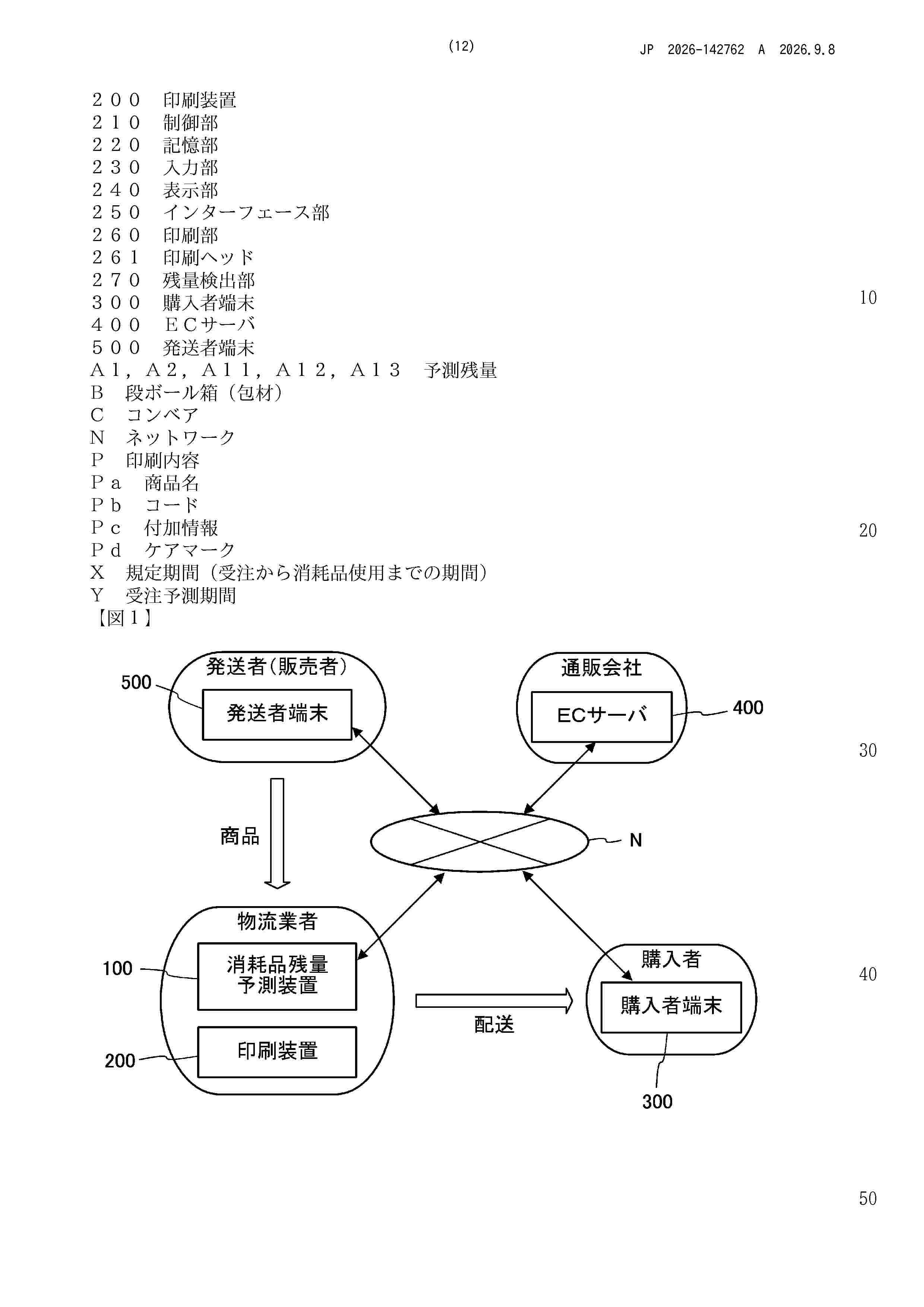
0001 【課題】消耗品残量予測装置、消耗品残量予測方法、及びプログラムにおいて、消耗品の残量予測の精度を高める。 【解決手段】消耗品残量予測装置100は、受注された商品を収容する段ボール箱B(包材の一例)に付されるものであるか又は段ボール箱B自体である消耗品の残量情報を取得する取得部111(ステップS1)と、受注後で且つ消耗品の使用前の商品の受注状況に基づいて、消耗品の消費予測を行う予測部112(ステップS2)と、残量情報及び消費予測に基づいて、消耗品の予測残量を算出する算出部113(ステップS3)とを備える。 【選択図】図4
Resumen de: CN122713724A
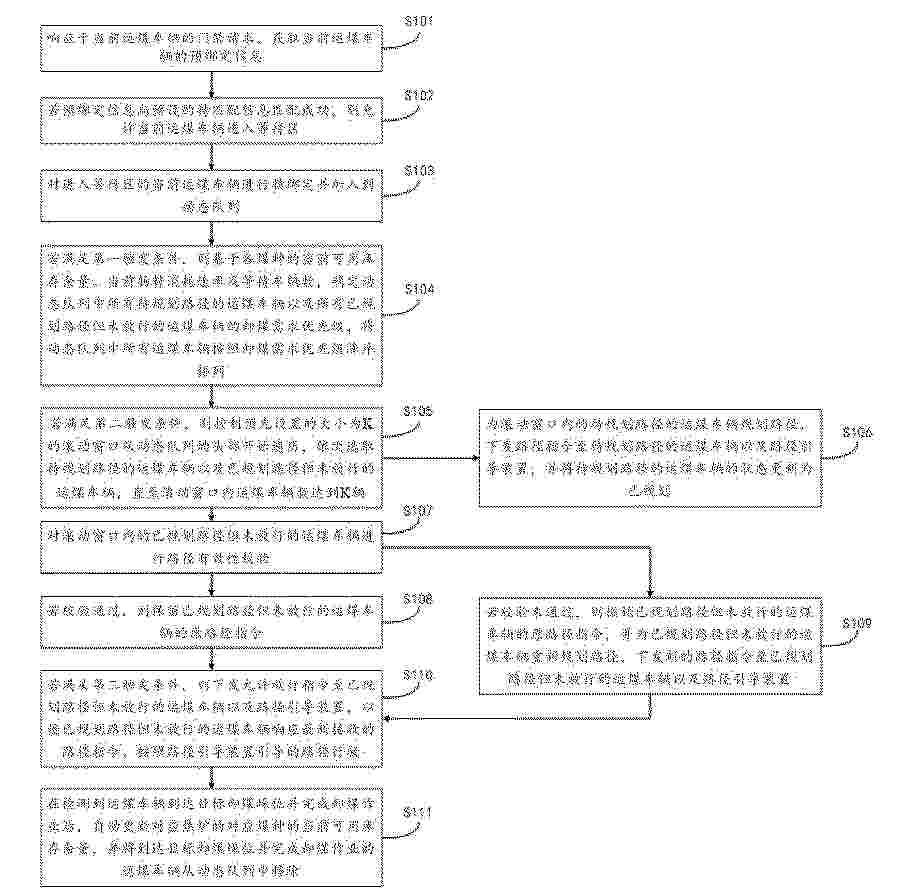
本申请涉及一种进煤物料管控方法、装置、设备及计算机可读存储介质,属于进煤管理技术领域,方法包括:若满足第一触发条件,则基于各煤种的当前可用库存余量、当前物料消耗速率及等待车辆数,确定动态队列中运煤车辆的卸煤需求优先级并排序;若满足第二触发条件,则控制预先设置的大小为K的滚动窗口从动态队列的头部开始遍历,依次选取运煤车辆;为窗口内待规划路径的运煤车辆规划路径;对窗口内已规划路径但未放行的运煤车辆进行路径有效性校验;若校验通过,则保留原路径指令,否则撤销原路径指令,并重新规划路径;若满足第三触发条件,则下发允许放行指令至已规划路径但未放行的运煤车辆以及路径引导装置。本申请能提升进煤物料管控效率。
Resumen de: CN122713786A
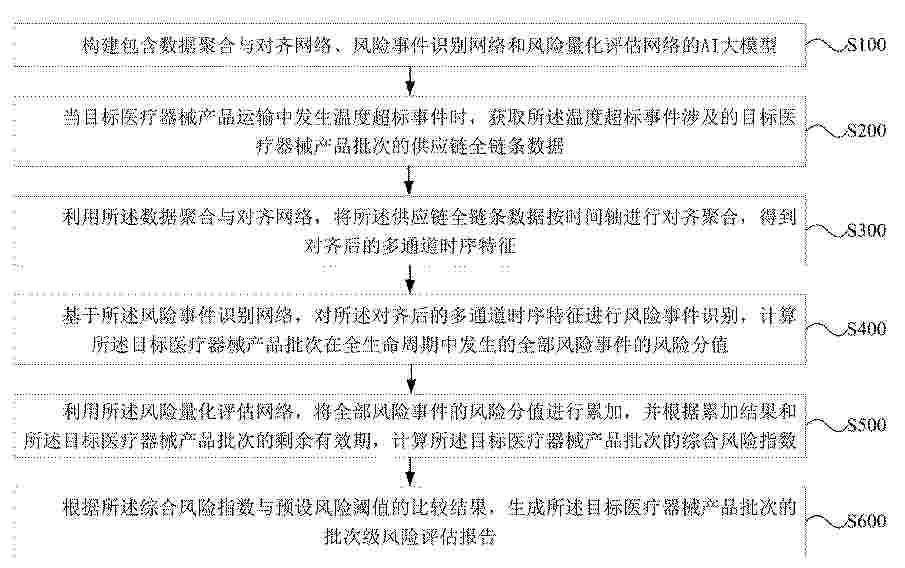
本发明提供了基于AI大模型的数据分析方法和系统,属于数据分析技术领域,包括:构建包含数据聚合与对齐网络、风险事件识别网络和风险量化评估网络的AI大模型;当发生温度超标事件时,获取供应链全链条数据;将供应链全链条数据按时间轴进行对齐聚合;对对齐后的多通道时序特征进行风险事件识别,计算风险分值;将风险分值进行累加,并和目标医疗器械产品批次的剩余有效期,计算综合风险指数;根据与预设风险阈值的比较结果,生成批次级风险评估报告。本发明解决了现有技术无法对医疗器械产品运输过程中发生的温度超标事件进行全生命周期的风险量化评估,导致风险评估依赖人工经验、缺乏多维度数据融合分析的问题。
Resumen de: EP4803459A1
Method for managing a fleet of transport units (1) of an automation system 100, wherein:- the automation system (100), in addition to the fleet of transport units (1), comprises a movement plane (2) and at least one automation station (3), the latter being configured to sequentially receive at an entrance a plurality of workpieces to be processed (P1) and to deliver at an exit a plurality of processed workpieces (P2),- the transport units 1 are independently movable on the movement plane (2) in a controlled manner to and from an entrance (31) and an exit (32) of the automation station (3).The method comprises the steps of:a) bringing a first group of transport units (1a) loaded with a first group of workpieces to be processed (P1G1), in succession:al) to the entrance (31) of the automation station (3) to feed the first group of workpieces to be processed (P1G1), and thena2) to a parking region (20) of the movement plane (2)b) downstream of a1), bringing a second group of transport units (1b) loaded with a second group of workpieces to be processed (P1G2), in succession:b1) to the entrance (31) of the automation station (3) to feed the second group of workpieces to be processed (P1G2), and thenb2) to the exit (32) of the automation station (3) to pick up respective processed workpieces (P2) obtained from the first group of workpieces to be processed (P1G1), c) downstream of a2), bringing in succession the first group of tr
Resumen de: CN122713934A
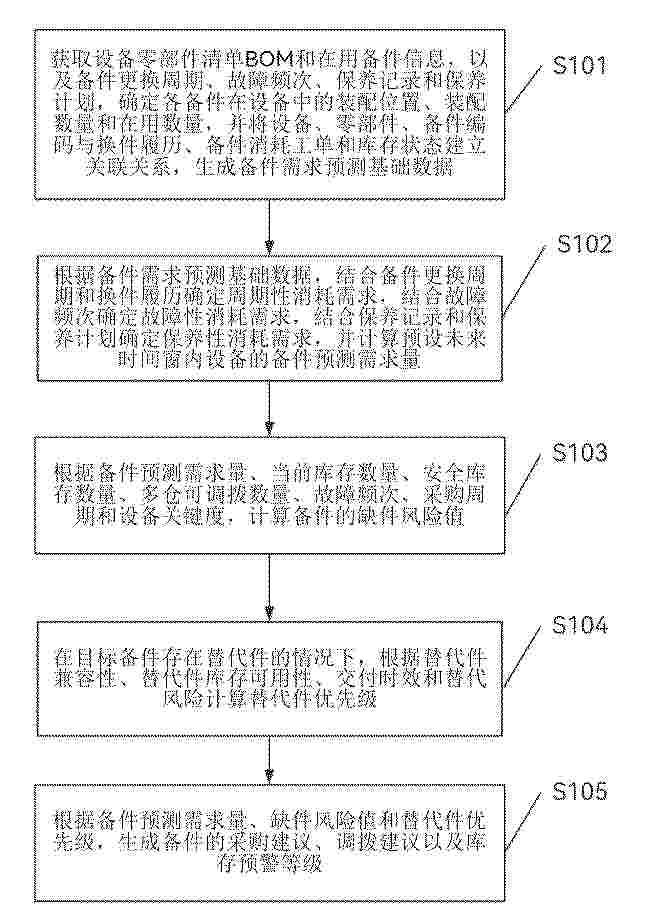
本申请提供一种设备备件需求预测方法、装置、电子设备及存储介质,应用于库存管理领域。通过获取设备零部件清单BOM和在用备件信息,以及备件更换周期、故障频次、保养记录和保养计划,确定各备件在设备中的装配位置、装配数量和在用数量,并将设备、零部件、备件编码与换件履历、备件消耗工单和库存状态建立关联关系,生成备件需求预测基础数据;根据该备件需求预测基础数据进行预设未来时间窗内设备的备件预测需求量的计算,实现对设备的备件需求预测。且通过计算缺件风险值和替代件优先级,结合备件预测需求量,可以动态生成库存预警等级,且生成的采购建议与调拨建议更贴近实际应用场景,更具备灵活性。
Resumen de: CN122713904A
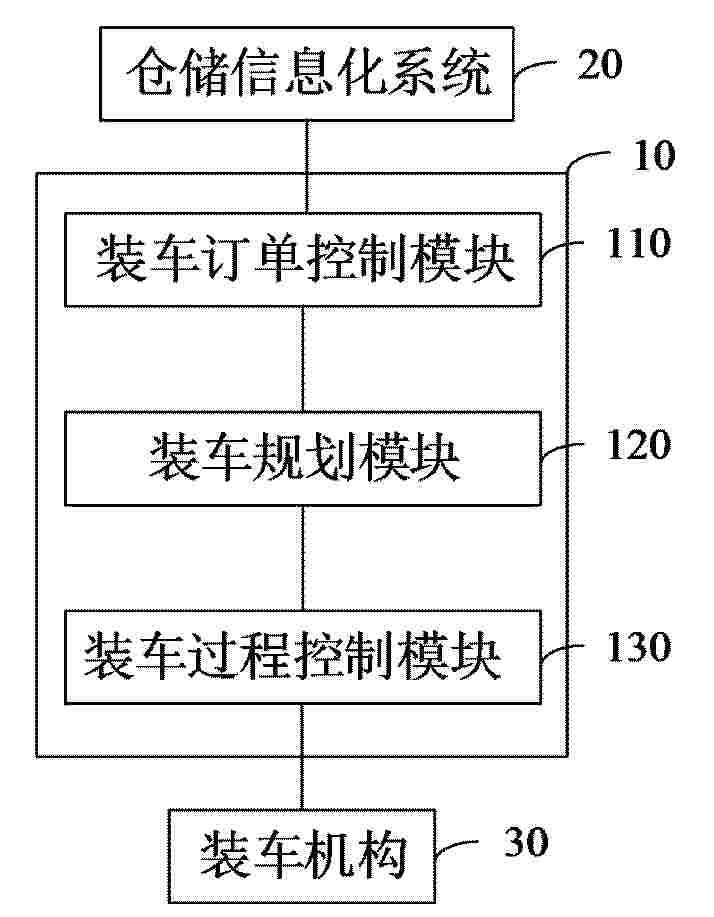
本发明公开了一种自动装车设备的全流程自动控制系统及方法,属于自动装车设备的技术领域,该系统包括:装车订单控制模块,用于获取装车订单数据并建立装车任务列表,响应装车规划模块的任务数据请求并按优先级回传装车任务数据;装车规划模块,用于接收装车任务数据和车厢尺寸参数,根据预设码货规则生成装车规划方案并发送至装车过程控制模块,以及在当前批次作业过程中根据剩余空间及下一排货箱尺寸变化,提前向装车订单控制模块请求下一批次任务数据;装车过程控制模块用于接收装车规划方案并控制下游装车机构执行货箱码放动作。本发明解决了现有自动装车设备无法实现全流程自动化控制的技术问题。
Resumen de: CN122713901A
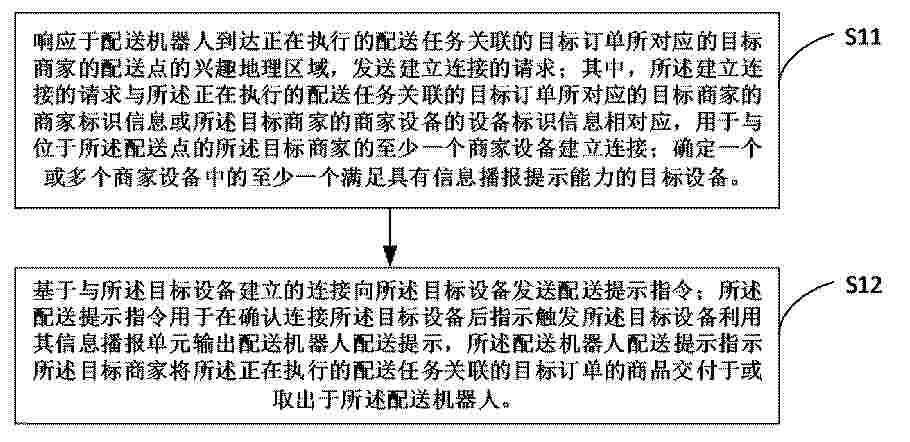
本公开涉及配送提示方法。所述方法应用于配送机器人,包括:响应于配送机器人到达正在执行的配送任务关联的目标订单所对应的目标商家的配送点的兴趣地理区域,发送建立连接的请求,所述建立连接的请求用于与位于所述配送点的所述目标商家的至少一个商家设备建立连接;确定商家设备中的满足具有信息播报提示能力的目标设备;基于与目标设备建立的连接发送配送提示指令,以触发目标设备利用其信息播报单元输出配送机器人配送提示,指示目标商家将配送机器人正在执行的配送任务关联的目标订单的商品交付于或取出于所述配送机器人。根据本公开的方法,可在机器人配送场景中提醒商家及时进行存取件操作,提升配送机器人的配送效率。
Nº publicación: CN122714665A 08/09/2026
Solicitante:
上海点进信息科技有限公司
Resumen de: CN122714665A
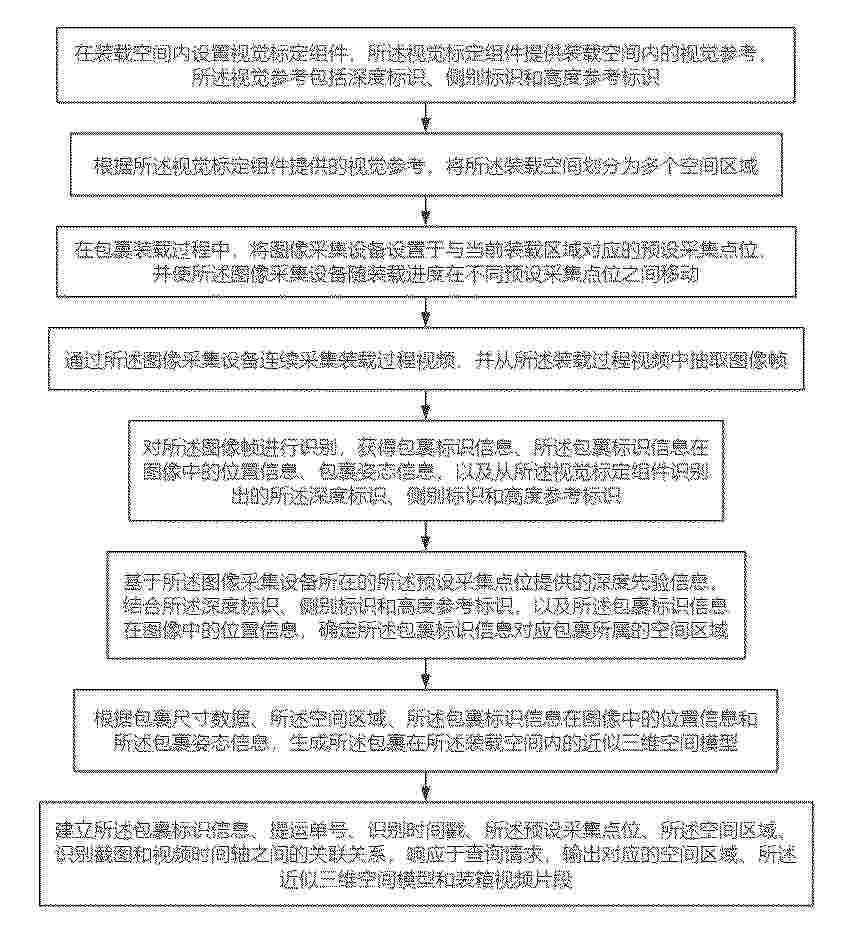
本发明公开了一种装载空间内包裹区域定位方法及系统,包括以下步骤:在装载空间内设置视觉标定组件,提供深度、侧别及高度参考标识,据此将空间划分为多个区域,包裹装载时,图像采集设备随进度在不同预设点位间移动,连续采集视频并抽取图像帧,对图像帧识别,获取包裹标识、位置、姿态信息及标定组件的三种标识,基于当前点位提供的深度先验信息,结合标识及位置信息,确定包裹所属空间区域,再利用包裹尺寸、区域、位置与姿态信息,生成其在装载空间内的近似三维空间模型,最后建立包裹标识、提运单号、时间戳、点位、区域、截图与视频时间轴的关联,响应查询时输出对应区域、三维模型及装箱视频片段。
 BOPI
BOPI
 Sede Electrónica