Si deseas distinguir tus productos, servicios o ambos de los de otra empresa, es posible que necesites una marca o nombre comercial. Descubre qué son, en qué consiste su procedimiento de registro y qué implica.

Información sobre los plazos de presentación de solicitudes de transformación de marcas de la Unión Europea en marca nacional española. Más información


Si tienes un nuevo dispositivo, producto o procedimiento que resuelva un problema técnico o tenga una ventaja práctica, existen distintas formas de protegerlo en España y en otros países. Descubre cómo hacerlo.

¿Tu innovación reside en la estética, la ornamentación o la apariencia de tu producto? Protégela mediante un diseño industrial. Descubre qué derechos confiere el registro y cómo realizar la tramitación.

Las indicaciones geográficas protegen el nombre de un producto originario de una zona geográfica, a la cual le debe una determinada calidad, reputación u otra característica. Descubre qué son, en qué consiste su procedimiento de registro y qué beneficios conceden.

Las patentes publicadas en todo el mundo son una valiosa fuente de información científica, técnica y comercial.

Si eres emprendedor/a o una empresa y quieres potenciar y mejorar la rentabilidad de tu negocio protegiendo de forma adecuada los activos intangibles de tu organización, en este espacio encontrarás lo necesario.


 484
resultados
484
resultados
 Última actualización
15/09/2026 [06:53:00]
Última actualización
15/09/2026 [06:53:00]


 Resultados 225 a 250 de 484

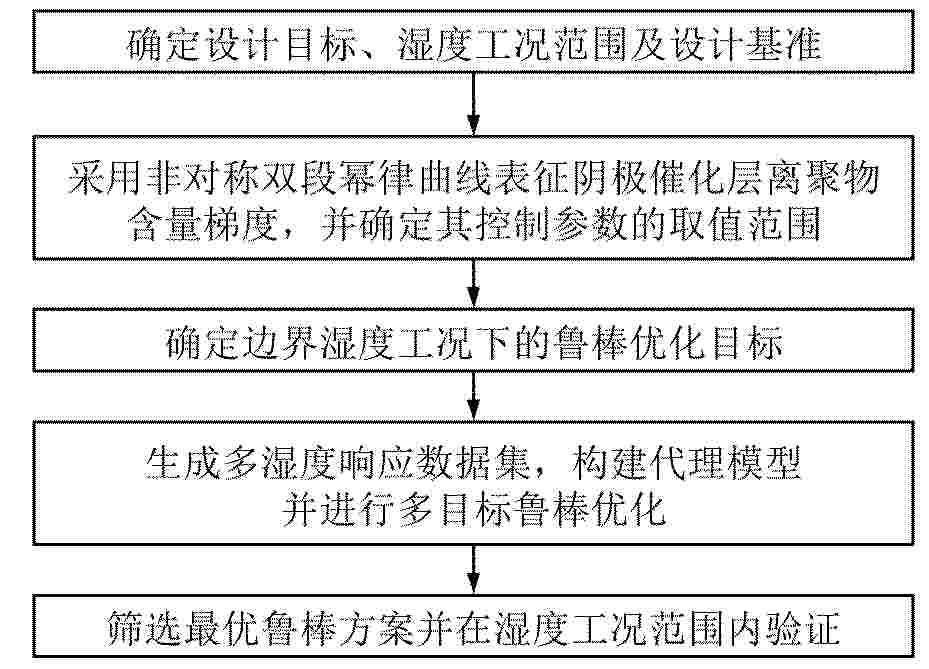
Resumen de: CN122716366A
本发明属于燃料电池催化层设计领域,具体涉及一种燃料电池阴极催化层离聚物梯度鲁棒优化方法及燃料电池。所述方法采用非对称双段幂律曲线表征阴极催化层内的离聚物含量梯度分布,并具备灵活控制质子入口与氧气入口侧功能区的过渡平衡、整体传输支持及局部富集或削减的能力;确定边界湿度工况与鲁棒优化目标后,生成体现极端条件下传质瓶颈的多湿度响应数据集,通过多目标鲁棒优化得到最优离聚物梯度方案并在湿度工况范围内验证。采用该方法确定离聚物梯度分布的燃料电池,能缓解边界湿度下的主导传质瓶颈,并在中间湿度下保持充分的质子与氧气传输、限制异常反应区域,从而在宽湿度范围内实现稳定的净输出功率提高并限制催化层内反应均匀性恶化。

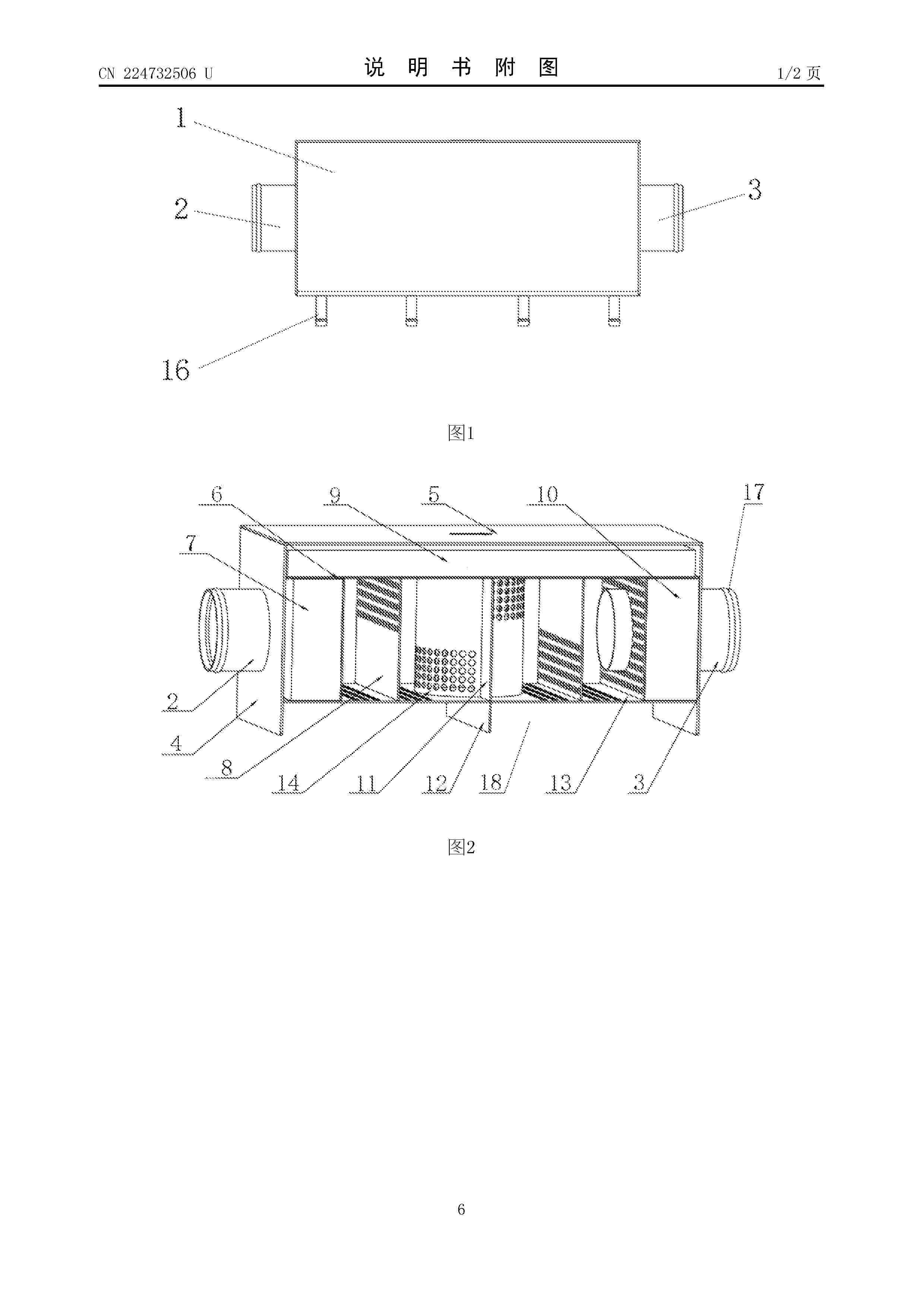
Resumen de: CN224732506U
本实用新型公开了一种匹配燃料电池系统的方形尾排消声器,方形外壳由U型筒体、盖板及两侧端盖围合而成,进气管、出气管设于端盖;U型筒体下方焊排水管,内部储水盒与排水管连通;外壳内横向设上横板、方形孔板,纵向设分腔板;中部有旋流孔管,其两侧侧挡板、底部方形堵板均连U型筒体;端盖与分腔板间设进气丝网;旋流孔管进气侧下、出气侧上开圆孔,管内丝网固定于两圆孔间;上横板与盖板间填片状消音棉,出气管外侧填散状消音棉。本实用新型能有效提升水气分离效率,避免系统生成的水从排气尾口喷出,确保分水效率≥90%;并优化了消声器结构以适应整车紧凑空间布置,实现进、出气口位置的灵活调整,同时保证消声性能。
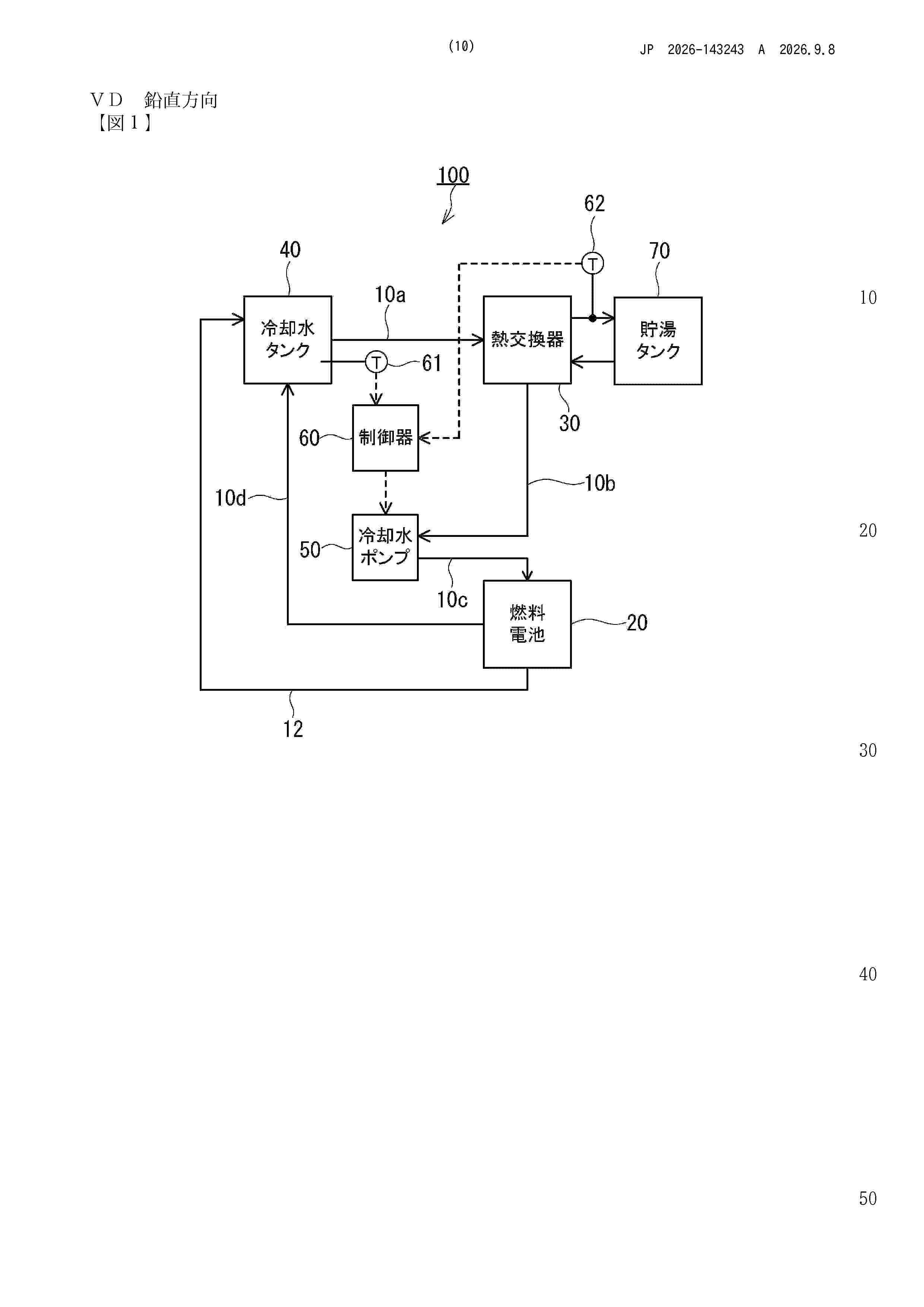
Resumen de: JP2026143243A
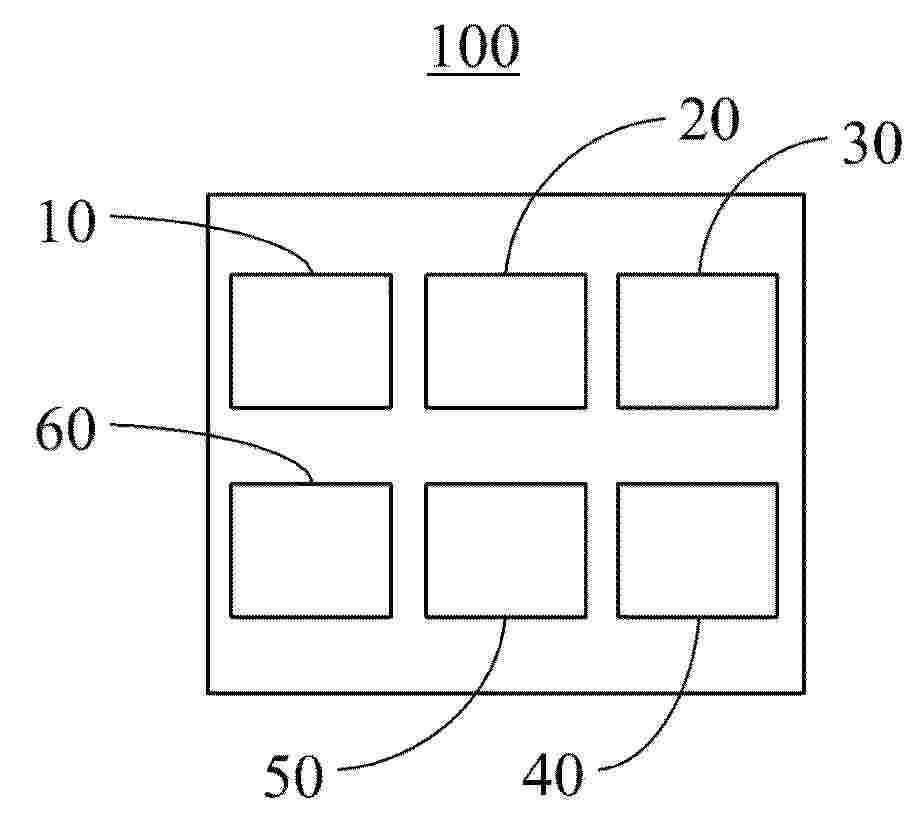
【課題】熱交換器から気泡を除去するための技術を提供する。【解決手段】本開示の燃料電池システム100は、燃料電池20と、燃料電池20の冷却水を放熱させる熱交換器30と、冷却水を貯留する冷却水タンク40と、冷却水タンク40を介して燃料電池20と熱交換器30との間で冷却水を循環させる冷却水ポンプ50と、冷却水ポンプ50を制御する制御器60と、を備え、熱交換器30の内部に空気が溜まったと判断されるとき、制御器60は、冷却水ポンプ50を所定時間停止させる。【選択図】図1
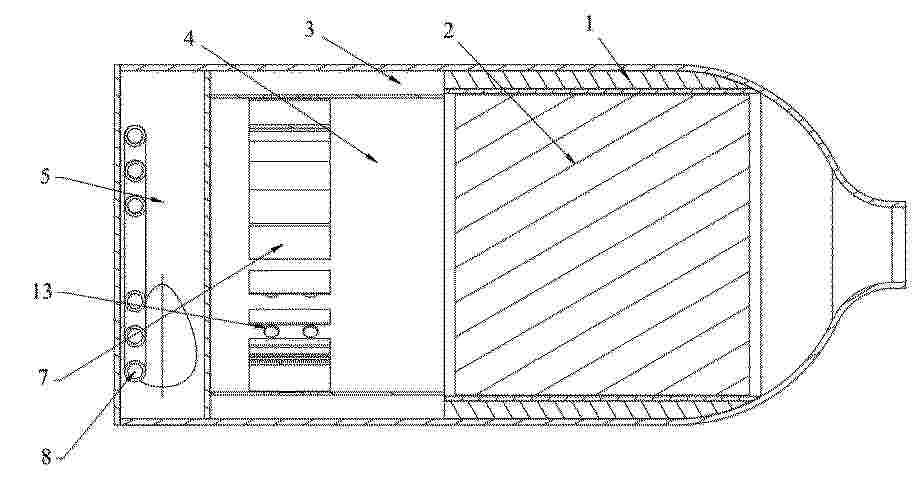
Resumen de: CN122716364A
本发明属于制氢领域,涉及一种柴油重整器及工作方法,用于SOFC系统。重整器包括圆柱形腔体,沿流向设有预热区、弥散区、混合区及催化区;预热区与混合区通过密封端板隔离,弥散区为环绕混合区的环形夹层,混合区与催化区通过支撑格栅分隔。预热区内设盘管,混合区内设喷嘴及旋流挡板,催化区内设蜂窝载体及活性层。工作方法包括:柴油预热至400℃‑410℃,与弥散区均布的混合气混合后于催化区重整,并将30%‑40%气体回流。本发明通过结构耦合与闭环热管理,实现温度稳定、混合均匀。
Resumen de: CN122716362A
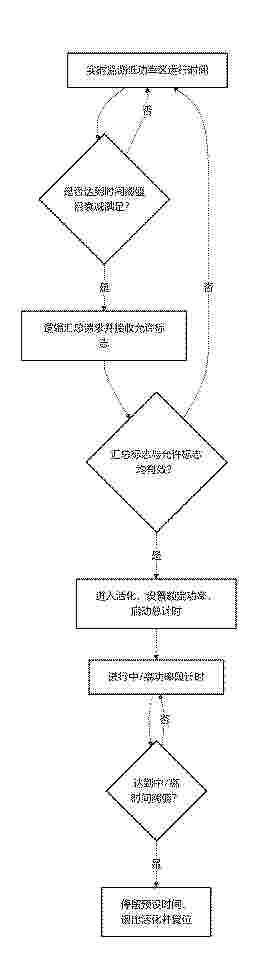
本发明涉及燃料电池系统领域,具体涉及一种燃料电池系统自动活化控制方法及系统,该方法包括:S1,实时监测电堆低功率区的连续与累计运行时间,达阈值且衰减系数满足条件时生成低功率活化请求;S2,将该请求或启动请求汇总为内部标志,经整车控制器允许后生成最终活化标志;S3,依据最终标志进入活化执行,将请求功率设为额定功率以屏蔽常规请求,自主控制输出并启动总计时;S4,根据实际功率区间分别进行中、高功率段计时,任一段达阈值即转入完成状态;S5,在完成状态停留后退出,清零功率请求、恢复常规响应并复位计时器。本发明解决了传统单一功率拉载在功率受限时失效的问题,保障了活化过程的可靠性与完成度。
Resumen de: CN122715821A
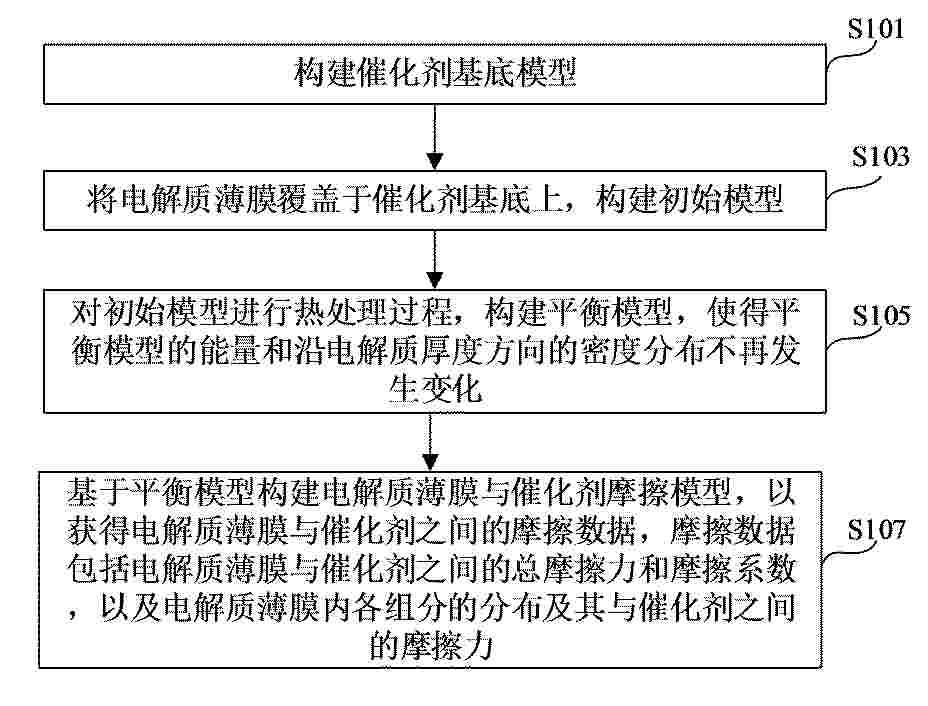
本发明涉及一种燃料电池催化层电解质薄膜与催化剂摩擦过程仿真方法及燃料电池,方法包括:构建催化剂基底模型;将电解质薄膜覆盖于催化剂基底上,构建初始模型;对初始模型进行热处理过程,构建平衡模型,使得平衡模型的能量和沿电解质厚度方向的密度分布不再发生变化;基于平衡模型构建电解质薄膜与催化剂摩擦模型,以获得电解质薄膜与催化剂之间的摩擦数据,摩擦数据包括电解质薄膜与催化剂之间的总摩擦力和摩擦系数,以及电解质薄膜内各组分的分布及其与催化剂之间的摩擦力。本发明实现了燃料电池催化层内部电解质薄膜与催化剂界面摩擦过程的精准分子动力学模拟,能够真实反映微观界面作用机制与力学演化规律。
Resumen de: CN122716368A
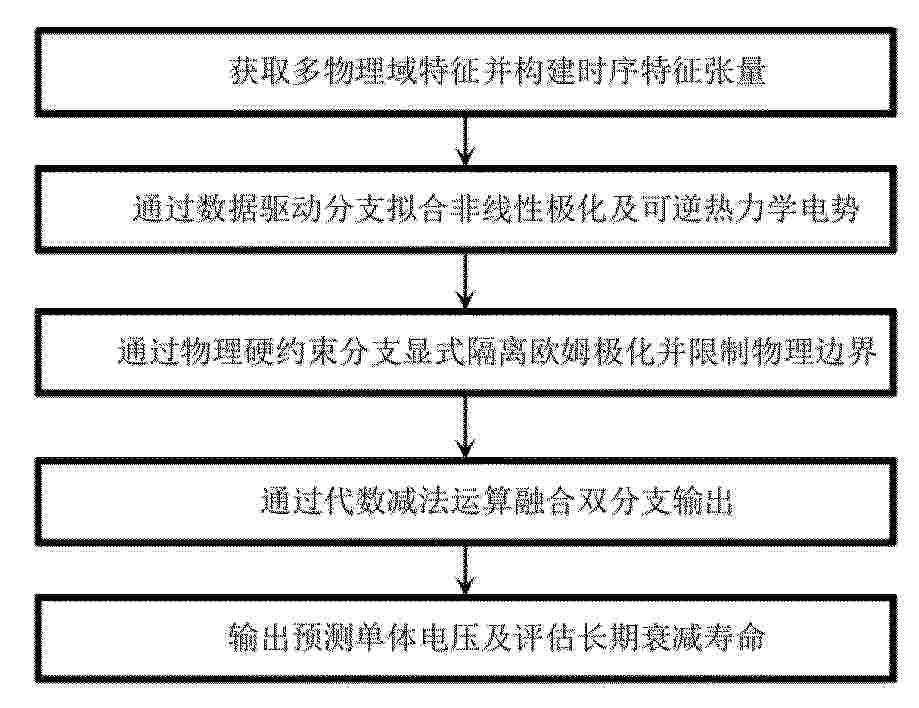
本发明提供一种基于物理融合双分支架构的燃料电池电压衰减预测方法、控制系统、电子设备及存储介质,涉及燃料电池寿命预测技术领域。针对现有预测模型缺乏机理约束、多极化强耦合致动态工况精度低的问题,本发明构建物理融合双分支架构,显式解耦欧姆极化与非线性电化学极化;电阻估计子网络受物理区间硬约束,经不可训练乘法层与瞬时电流硬融合,并结合时序自注意力机制聚合膜水热历史记忆,生成多步衰减预测。所述算法部署于集成高频采集与动态负载的闭环台架系统,实现寿命评估与工况自适应控制。本发明显著提升高应力瞬变工况下的预测精度与工程鲁棒性,适用于燃料电池全生命周期健康管理与加速老化验证。
Resumen de: DE102025155058A1
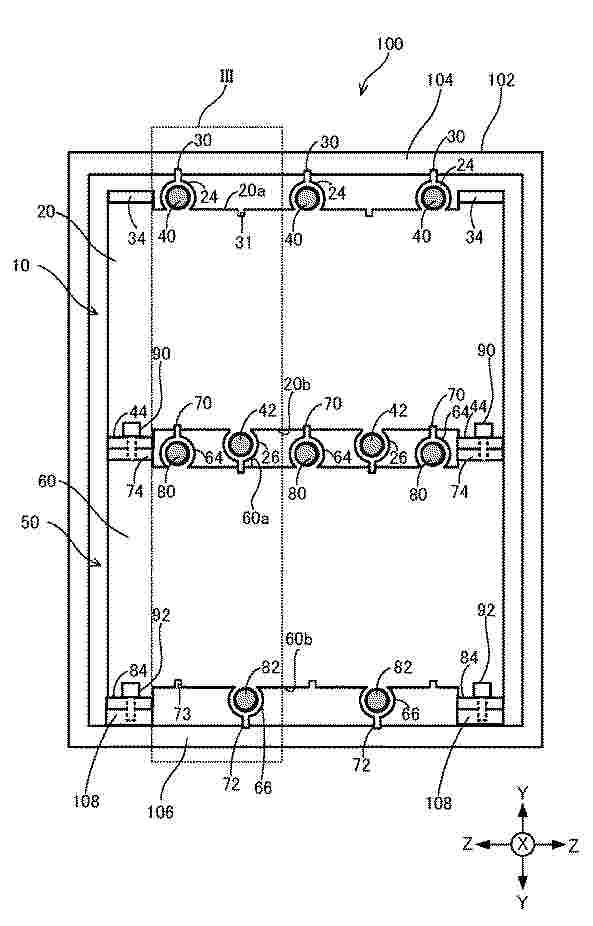
Ein Brennstoffzellenmodul (100) kann Folgendes umfassen: eine Vielzahl von Brennstoffzellenstapeleinheiten (50), von denen jede Folgendes umfasst: Zellen (12a), die in einer ersten Richtung gestapelt sind; ein Paar Endplatten (20, 60), die an beiden Enden der Zellen (12a) in der ersten Richtung angeordnet sind; und Befestigungselemente (40, 42), die sich in der ersten Richtung zwischen den Endplatten (20, 60) erstrecken und die Zellen (12a) einschränken, wobei die Brennstoffzellenstapeleinheiten (50) in einer zweiten Richtung senkrecht zur ersten Richtung gestapelt sind und die Befestigungselemente mindestens ein erstes Befestigungselement (40) auf einer Seite der zweiten Richtung relativ zu den Zellen (12a) und mindestens ein zweites Befestigungselement (42) auf einer anderen Seite der zweiten Richtung relativ zu den Zellen (12a) aufweisen und sich jedes der mindestens einen ersten Befestigungselemente (40) in einer dritten Richtung, die im Wesentlichen senkrecht zu den ersten und zweiten Richtungen ist, an einer anderen Stelle als jedes der mindestens einen zweiten Befestigungselemente (42) befindet.
Resumen de: CN122716367A
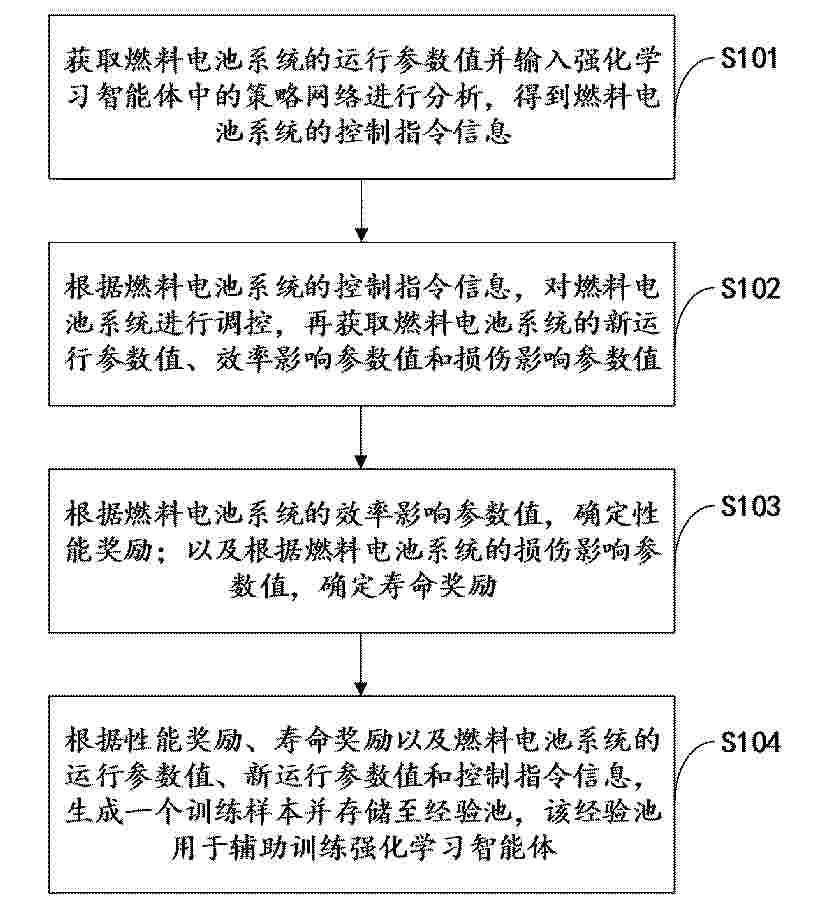
本申请提供燃料电池系统控制方法、装置、电子设备及存储介质,属于燃料电池技术领域。该方法包括:获取燃料电池系统的运行参数值并输入强化学习智能体中的策略网络进行分析,得到燃料电池系统的控制指令信息,并以此对燃料电池系统进行调控,再获取燃料电池系统的新运行参数值、效率影响参数值和损伤影响参数值;根据燃料电池系统的效率影响参数值和损伤影响参数值,对应确定性能奖励和寿命奖励;根据性能奖励、寿命奖励以及燃料电池系统的运行参数值、新运行参数值和控制指令信息,生成一个训练样本并存储至用于辅助训练强化学习智能体的经验池。本申请可通过引入考虑到性能和寿命的双奖励机制的强化学习策略来提高燃料电池系统的控制鲁棒性。
Resumen de: CN122716363A
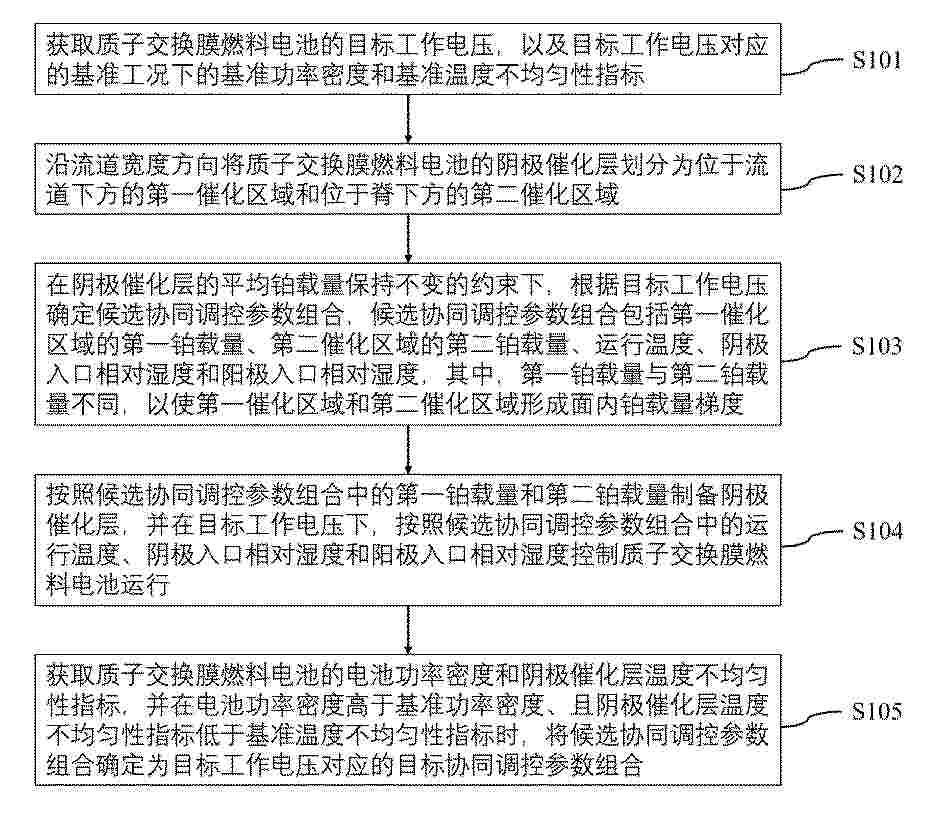
本申请提供一种燃料电池铂载量梯度与运行参数协同优化方法及系统,涉及燃料电池技术领域。该方法包括:获取目标工作电压及对应基准工况下的基准性能指标;将阴极催化层划分为流道下方的第一催化区域和脊下方的第二催化区域;在平均铂载量保持不变的约束下,根据目标工作电压确定包括两个催化区域的铂载量、运行温度及阴阳极入口相对湿度的候选协同调控参数组合,以形成面内铂载量梯度;按照候选协同调控参数组合制备阴极催化层并控制燃料电池运行,根据电池功率密度和阴极催化层温度不均匀性指标确定目标协同调控参数组合。通过本申请的方法能够在不增加平均铂用量的情况下,提高不同工作电压下的电池功率密度,并改善阴极催化层温度分布均匀性。
Resumen de: CN122716369A
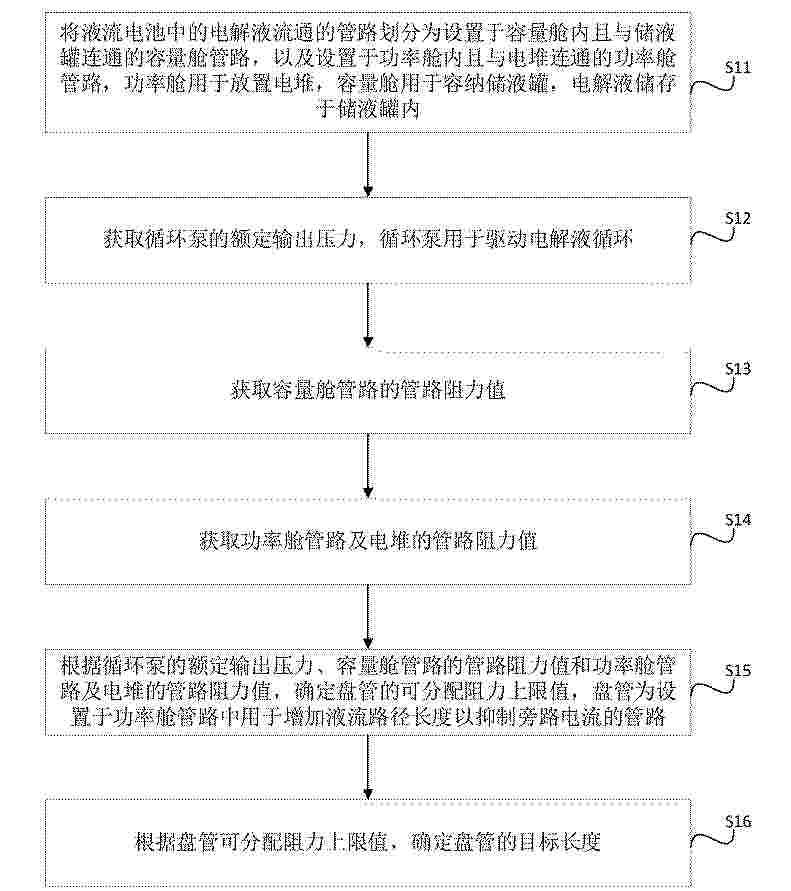
本发明公开了一种液流电池的管路尺寸确定方法及装置,涉及液流电池设置领域,包括获取循环泵的额定输出压力;获取容量舱管路的管路阻力值;获取功率舱管路及电堆的管路阻力值;根据循环泵的额定输出压力、容量舱管路的管路阻力值和功率舱管路及电堆的管路阻力值,确定盘管的可分配阻力上限值;根据盘管可分配阻力上限值,确定盘管的目标长度。确定盘管的可分配阻力上限值时基于泵压、容量舱阻力和功率舱阻力,得到的数据更加准确。通过增加管路长度实现抑制旁路电流,同时将流动阻力控制在泵压范围内,避免由于盘管设置过长导致泵耗剧增、系统效率下降的问题。
Resumen de: JP2026143026A
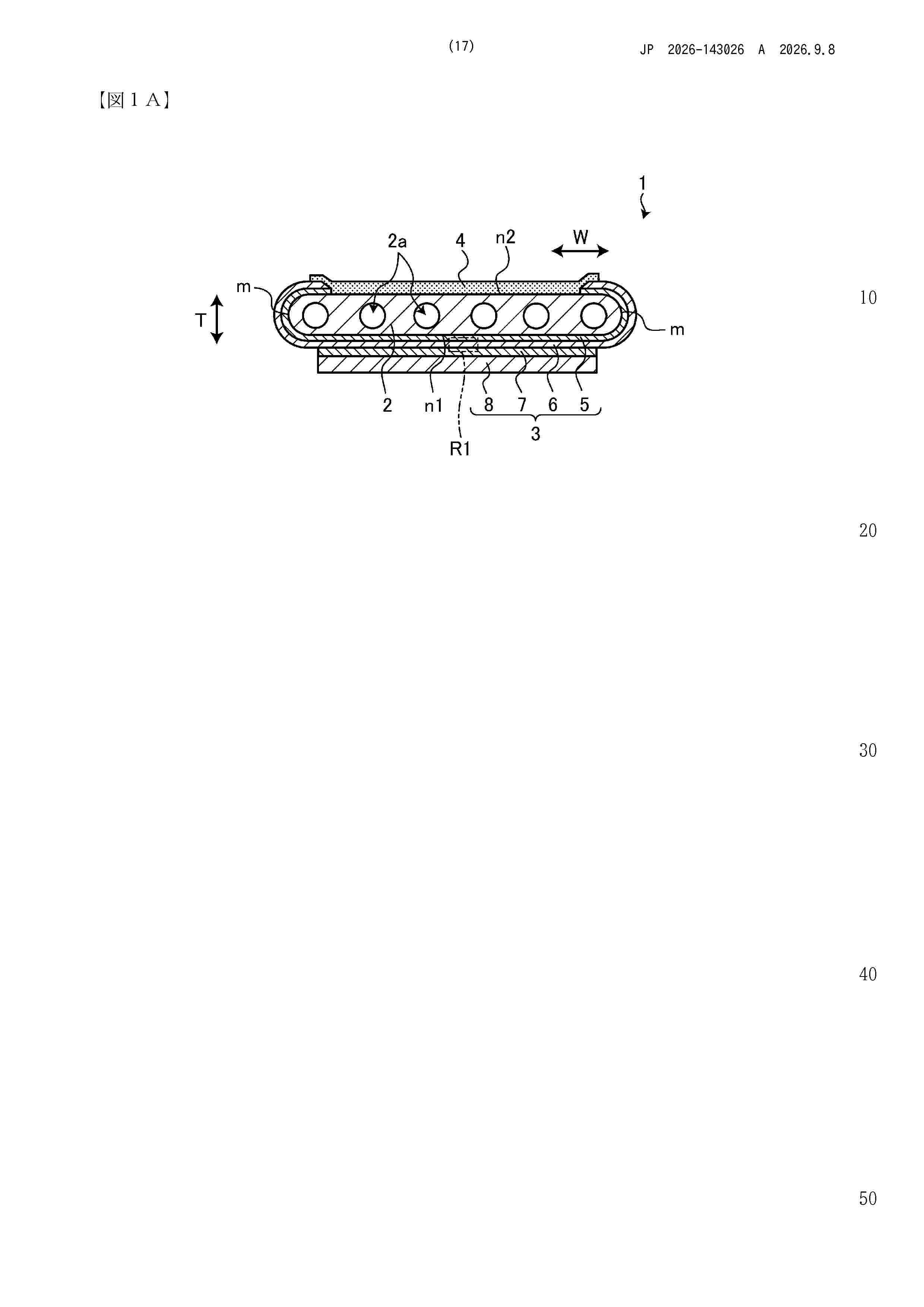
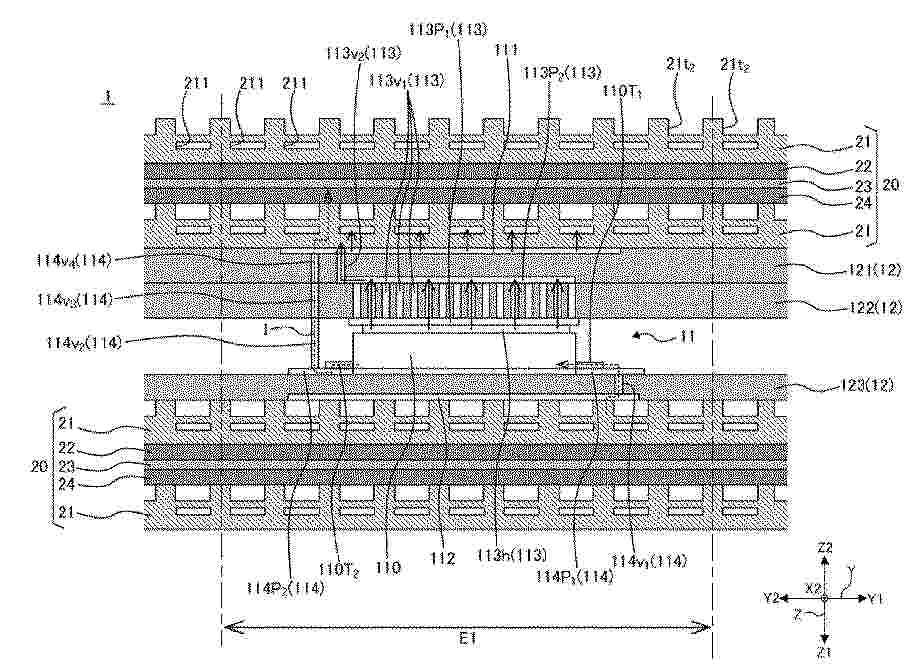
0001 【課題】耐久性を向上することができる固体電解質層、電気化学セル、電気化学セル装置、モジュールおよびモジュール収容装置を提供する。 【解決手段】固体電解質層は、厚み方向の両端に位置する第1面および第2面を有し、複数の気孔を含む。複数の気孔は、第1面に沿う方向に延びる長径を有し、扁平な第1気孔を含む。厚み方向に沿う断面において、第1気孔の占める面積割合である第1面積率が2%以上10%以下である。 【選択図】図2
Resumen de: CN122716354A
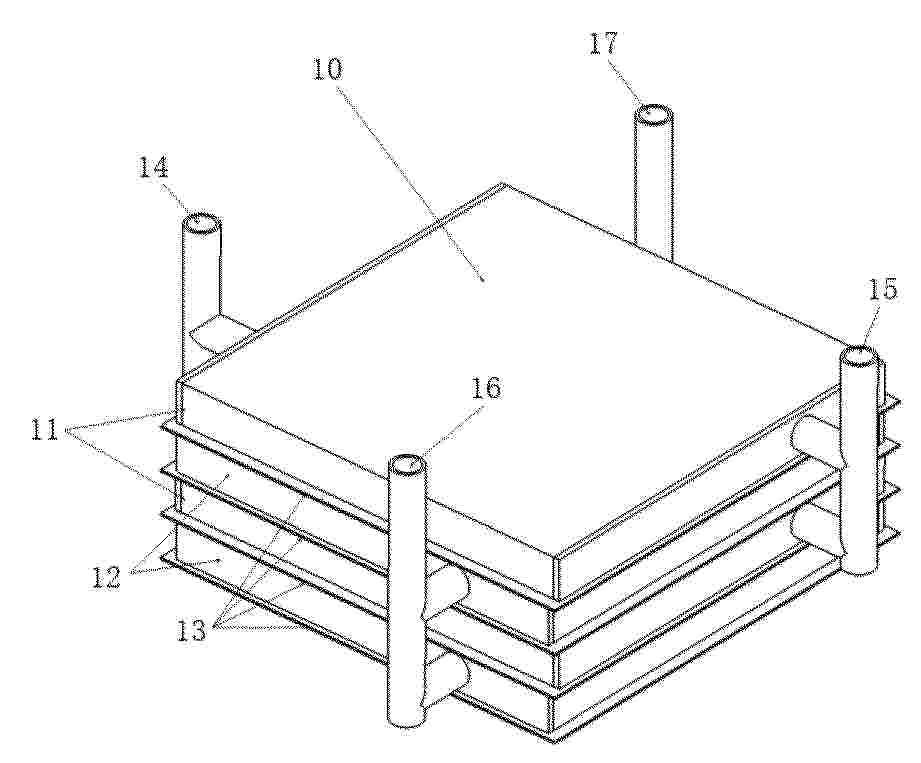
本申请涉及一种换热器、燃料电池系统及汽车,属于氢燃料电池系统热管理技术领域,该换热器包括换热芯体,其包括沿堆叠方向交替设置的第一换热板和第二换热板,所述第一换热板内设置有用于流通第一流体的第一流道,所述第二换热板内设置有用于流通第二流体的第二流道;绝缘导热件,其设置于相邻的所述第一换热板和所述第二换热板之间,用于电气隔离所述第一流道和所述第二流道。实现两冷却回路间的电气隔离,消除高压电位传导的安全隐患,使得换热器本身具备绝缘功能,无需依赖延长管路提高绝缘电阻,可靠近燃料电池布置,大幅减少高成本绝缘管路的使用,降低管路流阻和系统成本,使热管理系统布局更加紧凑灵活,提高整车的空间利用率。
Resumen de: JP2026143269A
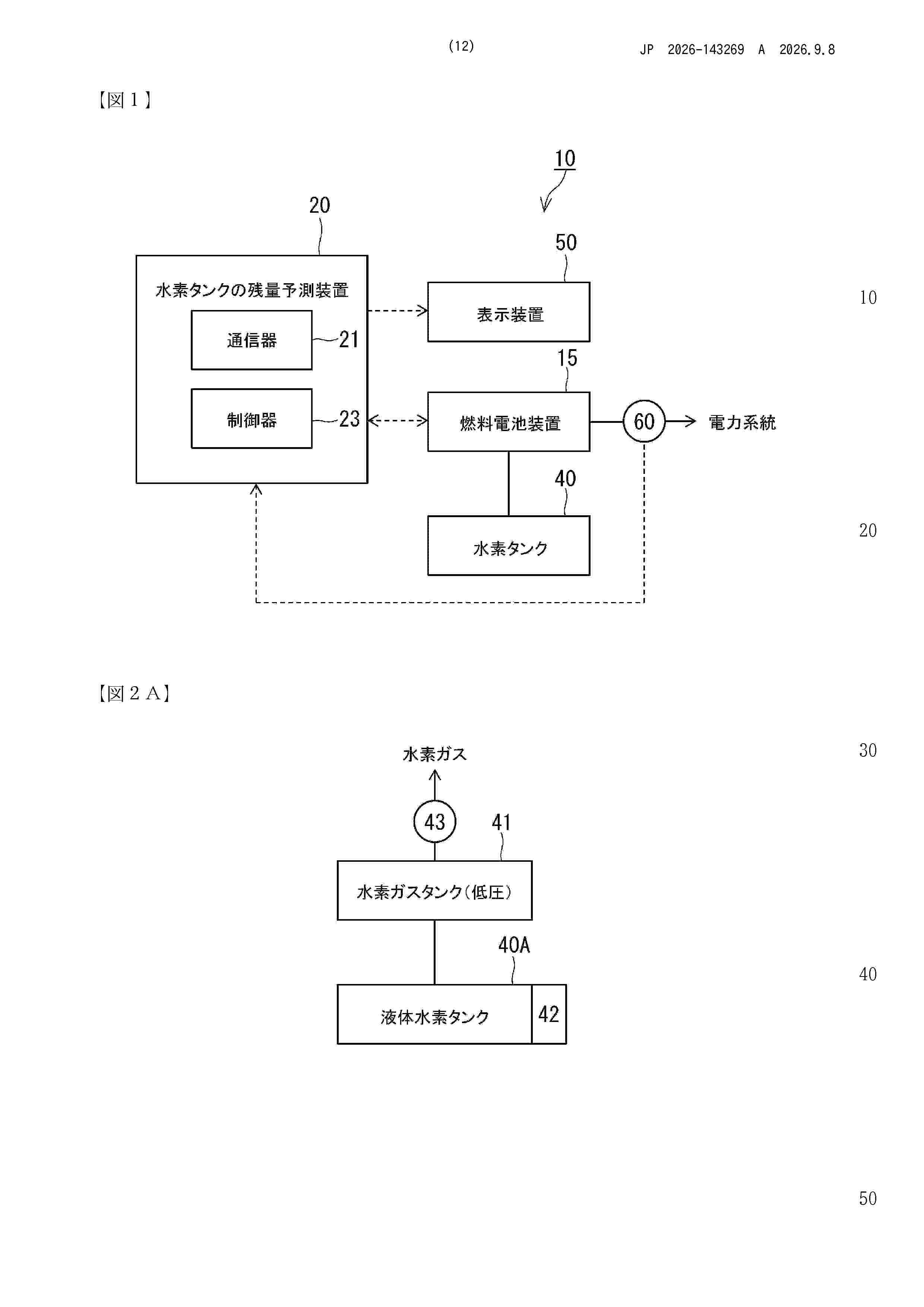
【課題】水素タンクの水素残量を予測する際の予測精度を向上させるための技術を提供する。【解決手段】本開示は、少なくとも1つの燃料電池ユニットを含む燃料電池装置15で使用される水素タンク40の残量予測方法であって、複数日に亘る第1の期間において使用された水素タンク40の水素量に基づき水素タンク40の水素残量が閾値水素量以下になる時期を予測するステップと、前記時期を表示装置50に通知するステップと、を備え、燃料電池装置15の発電電力量が閾値電力量以下である特定日が第1の期間に含まれる場合、第1の期間から特定日を除いた第2の期間において使用された水素タンク40の水素量に基づき前記時期を予測する。【選択図】図1
Resumen de: WO2025156085A1
The present application discloses a control device for controlling cold starting of a fuel cell system. The fuel cell system comprises a stack, a load and a cooling loop; the stack comprises an electrode plate and a membrane electrode assembly; and the control device comprises: a measurement module, configured to measure an initial temperature T0 of the stack; a calculation module, configured to calculate an internal temperature T of the stack on the basis of the initial temperature T0 and the output current I and the output voltage U outputted from the stack to a load; a determination module, configured to compare the calculated internal temperature T with a threshold temperature Tth; and an adjustment module, configured to, when the internal temperature T is greater than the threshold temperature Tth, increase the flow volume Qcoolant of a coolant in a cooling circuit flowing through the stack. The present application further discloses a fuel cell system comprising the control device, a control method for the fuel cell system and a computer readable storage medium. The present application can realize rapid and safe cold starting of the fuel cell system.
Resumen de: US20260253928A1
A first fuel cell system of the present disclosure includes a power generation module including a fuel cell that generates power by receiving a supply of fuel, and a combustion unit that burns unused fuel that is not used in the fuel cell, a fuel supply system that is allowed to adjust a flow rate of fuel to be supplied to the fuel cell, a voltage sensor that detects a voltage of the fuel cell, and a control unit that monitors a voltage detected by the voltage sensor while increasing a fuel utilization rate by decreasing a flow rate of fuel supplied to the fuel cell in a state where a current taken out from the fuel cell is kept constant, and determines a set fuel utilization rate used for an operation of the fuel cell based on a decrease in the voltage detected by the voltage sensor at a rate exceeding a predetermined amount per unit time.
Resumen de: WO2024064495A2
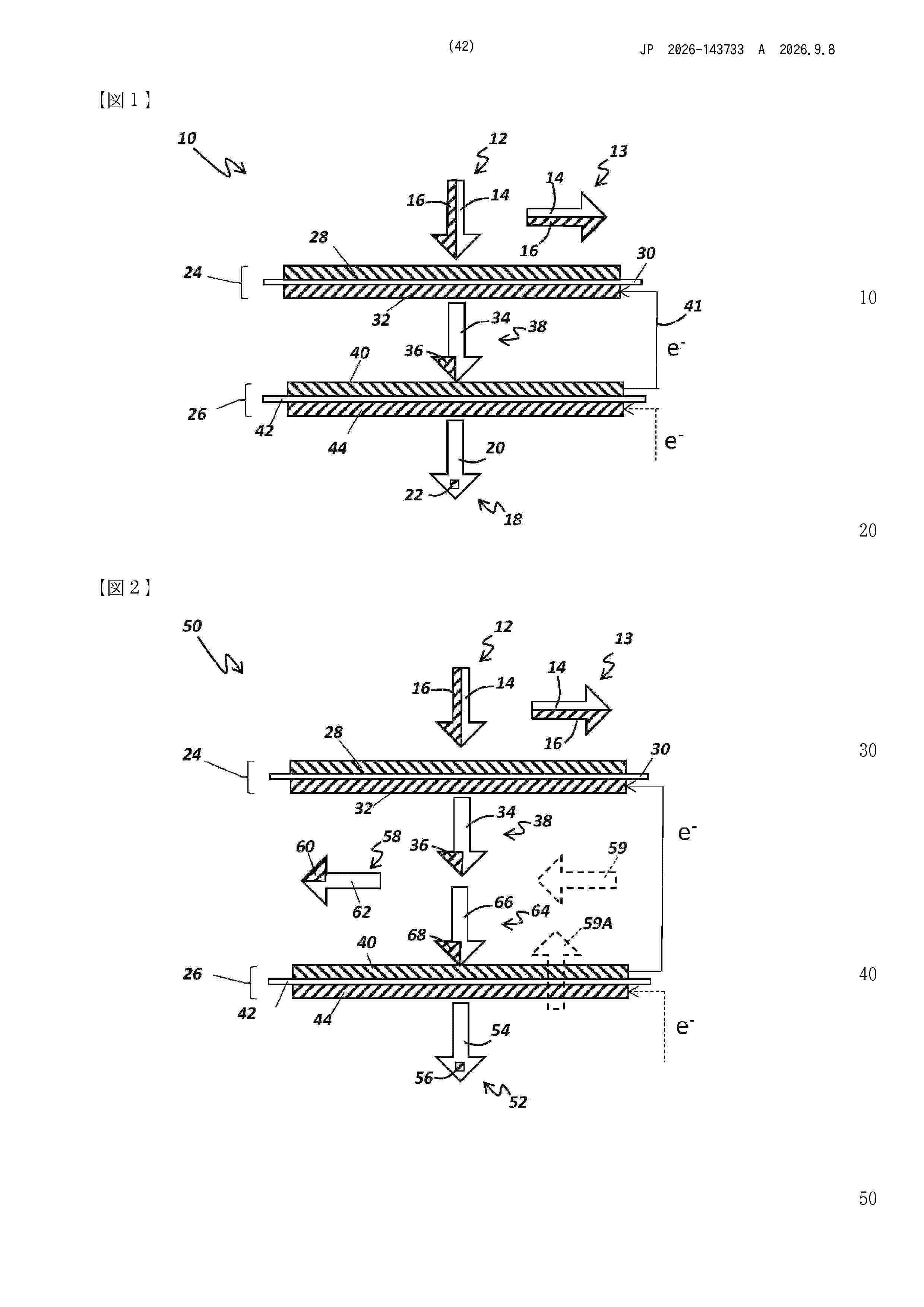
Hydrogen gas purifier electrochemical cells (10, 50, 150), systems (200) for purifying hydrogen gas, and methods for purifying hydrogen gas are provided. The cells, systems, and methods employ double membrane electrode (DMEA) electrochemical cells (24, 26, 152) that enhance purification while avoiding the complexity and cost of conventional cells. The purity of the hydrogen gas produced by the cells, systems, and methods can be enhanced by removing at least some intermediate gas impurities from the cells. The purity of the hydrogen gas produced by the cells, systems, and methods can also be enhanced be introducing hydrogen gas to the cells to replenish any lost hydrogen. Water electrolyzing electrochemical cells (250) and methods of electrolyzing water to produce hydrogen gas are also disclosed.
Resumen de: CN122716360A
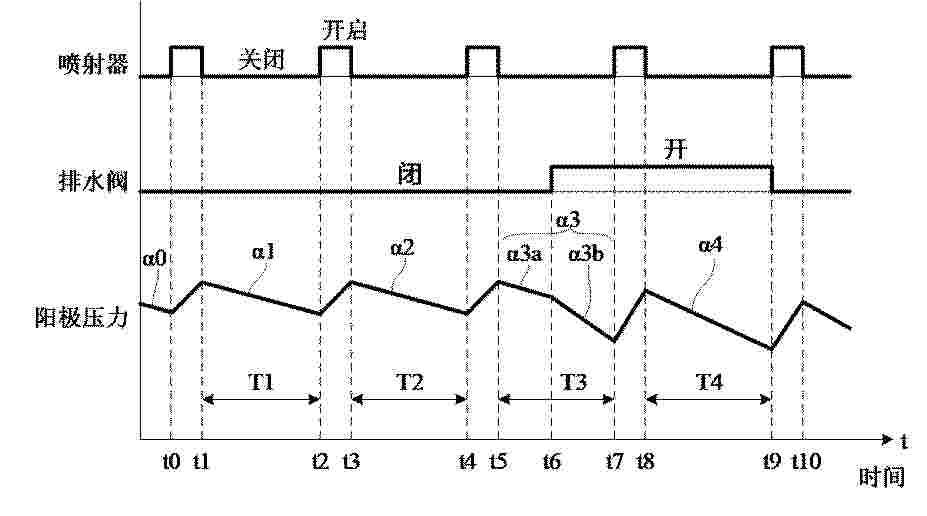
本发明提供一种燃料电池系统,具备:储水部,其储存通过燃料电池的发电而产生的液态水;排水阀,其设置在与储水部连接的排水流道;以及控制部,其控制喷射器,使得根据发电负荷相互交替地重复阳极气体的喷射和非喷射,并且根据阳极气体的压力将排水阀从将排水流道打开的开启位置切换为将排水流道切断的关闭位置。控制部根据喷射器的阳极气体的非喷射时阳极气体的压力的下降比例,将排水阀从开启位置切换为关闭位置。
Resumen de: WO2025032441A1
Thermoplastic compositions include: from about 35 wt% to about 70 wt% of a polymer resin, wherein the polymer resin comprises at least two polymer resins, wherein at least one of the polymer resins includes a high density polyethylene (HDPE) polymer having a degree of crystallinity of at least 47% as measured by differential scanning calorimetry (DSC); from about 10 wt% to about 40 wt% synthetic graphite; from about 5 wt% to about 15 wt% carbon nanotubes (CNTs); and from about 3 wt% to about 15 wt% conductive carbon black powder.
Resumen de: US12617889B1
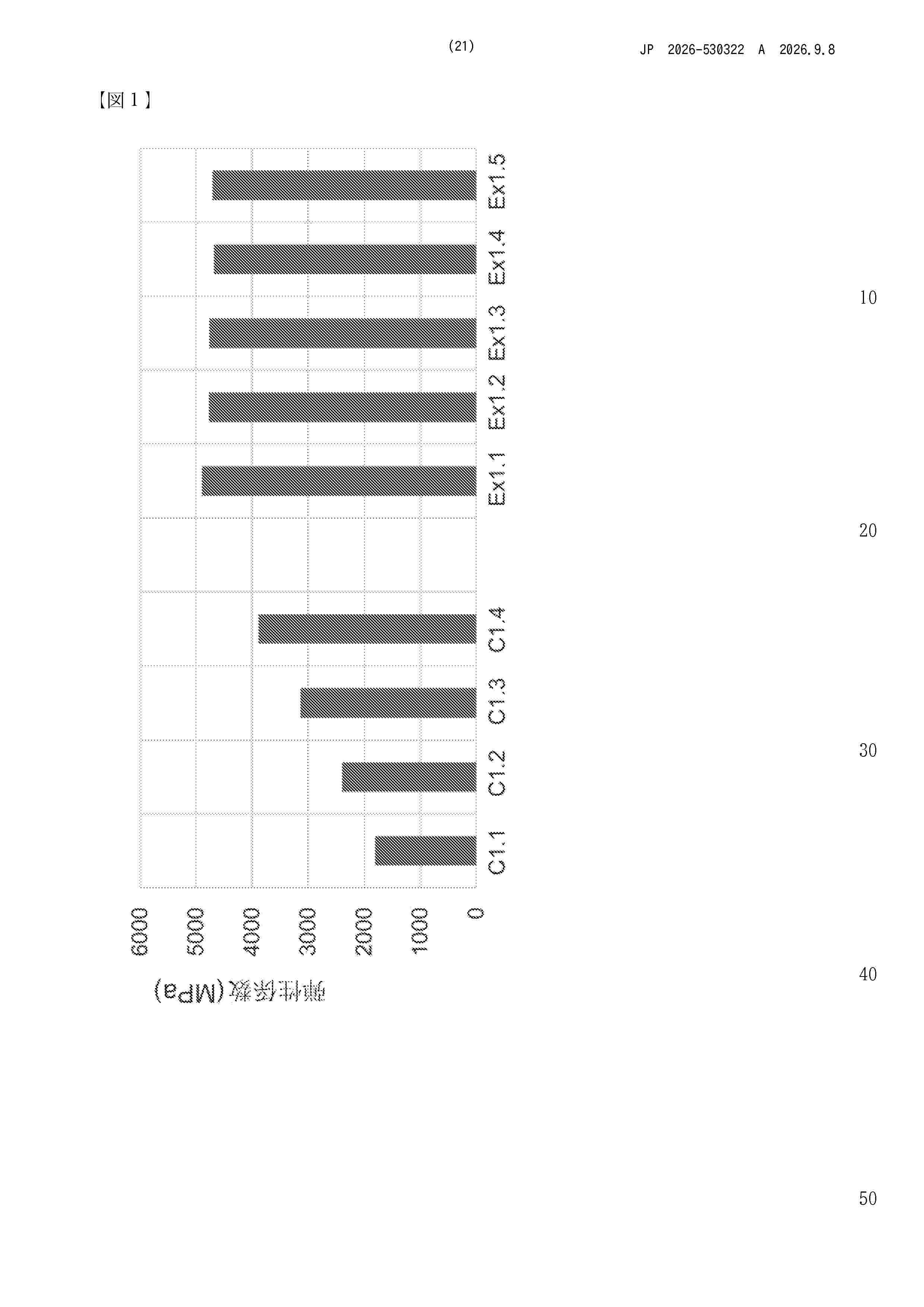
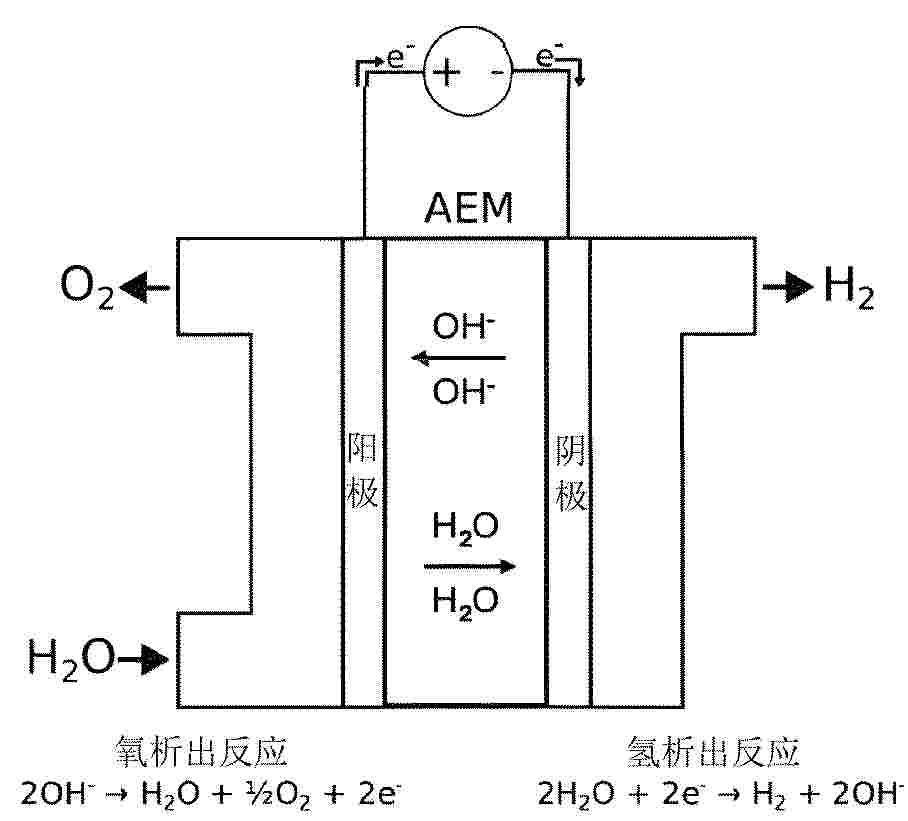
0000 Polymers for use as an Anion Exchange Membranes (AEMs) and produce an alkaline stable AEM. The multinuclear aromatic and amine-functionalized acetal (ketal) come together to form a polymer with a hydrocarbon backbone that is stable to alkaline conditions. The use of an amine-functionalized acetal allows for the incorporation of a stable cation, dimethyl piperidinium, in the most stable confirmation while avoiding incorporation of a CF3 group with every cation. The amines within the amine-functionalized polyaromatic that results from this polymerization are quaternized to form the desired cationic groups to create an AEM that is mechanically robust, conductive, and stable.
Resumen de: WO2025197087A1
This current density distribution control apparatus for controlling the current density distribution of a fuel battery in which a plurality of fuel battery cells are stacked comprises a current control device disposed in each of a plurality of regions resulting from dividing a power generation region of the fuel battery, the current control apparatus having a current measurement unit that measures a current value in the region. The current density distribution control apparatus has an electronic load device that controls a current value of output current on the basis of the current value measured by the current measurement unit, and a heat transfer structure for guiding heat of the electronic load device to a cooling water flow path provided in a separator of the fuel battery cells.
Resumen de: WO2025192311A1
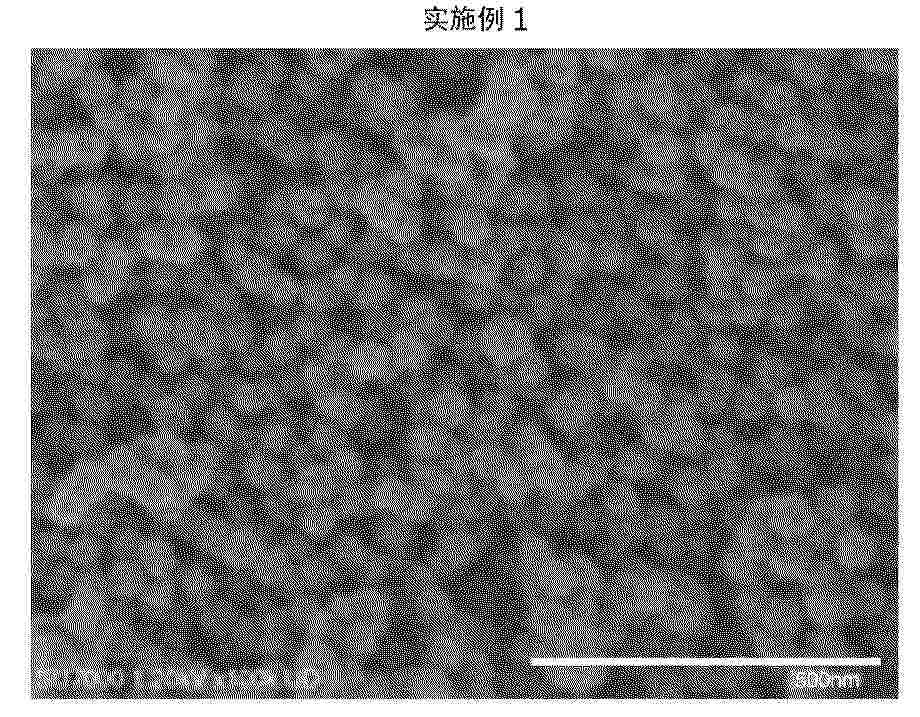
The present invention addresses the problem of providing a tin oxide powder that, when used as a carrier of a catalyst, is capable of improving the durability of the carrier. This tin oxide powder is composed of an aggregation of tin oxide secondary particles configured from aggregates of primary particles of tin oxide. The tin oxide powder has pores having a diameter of 10 nm or less and pores having a diameter greater than 10 nm. The tap density of the tin oxide powder is 1.0 g/cm3 or greater. When a log differential pore volume distribution in a pore diameter range of 1-300 nm is measured using a nitrogen adsorption method, it is preferable to have a first peak at 1-10 nm and a second peak at greater than 10 nm but not greater than 300 nm.
Resumen de: CN119170826A
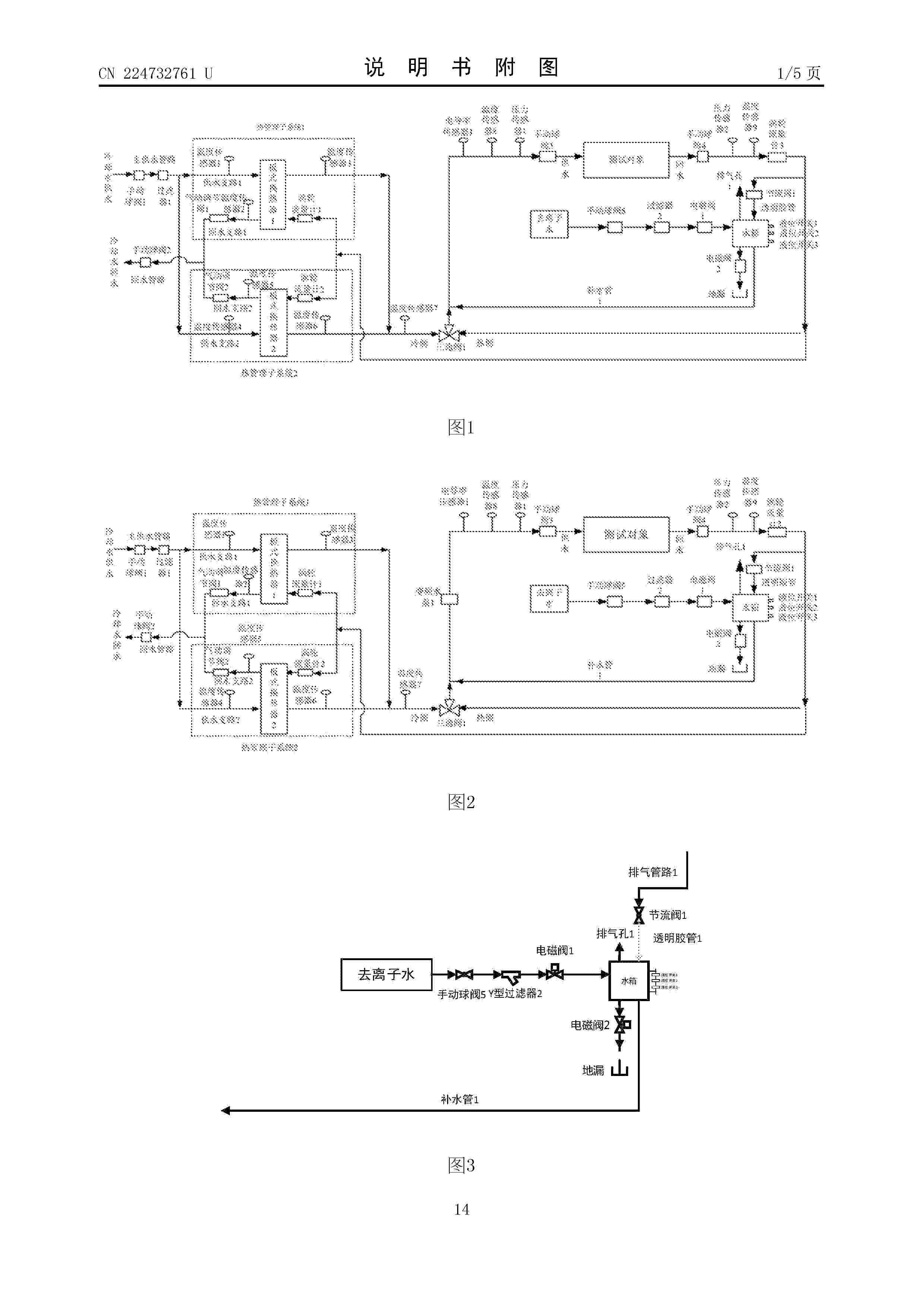
The invention relates to the technical field of fuel cell testing, in particular to a fuel cell stack thermal management method and device for a high-power testboard, and the method employs a mode that two thermal management subsystems are connected in parallel, cooperates with a three-way valve, and automatically controls and adjusts the opening degree of each valve according to different working powers of a fuel cell stack and a self-adaptive algorithm. The three-way valve properly distributes the flow of cold water and hot water by adjusting the opening degree, the temperature of the cold water is achieved by conducting heat exchange with external cooling water through the plate heat exchanger, and accurate temperature adjustment is achieved by controlling the opening degree of the pneumatic adjusting valve to adjust the flow of the external cooling water. The high-power excellent thermal management of the fuel cell stack can be realized, meanwhile, the accuracy and stability of temperature control during low-power operation of the fuel cell stack are considered, an excellent temperature control effect in a wide power range is realized, and compared with a series connection mode, the mode of connecting the two thermal management subsystems in parallel can reduce the flow resistance and improve the temperature control efficiency. And the flow resistance of cooling water is reduced.
Resumen de: US20260253918A1
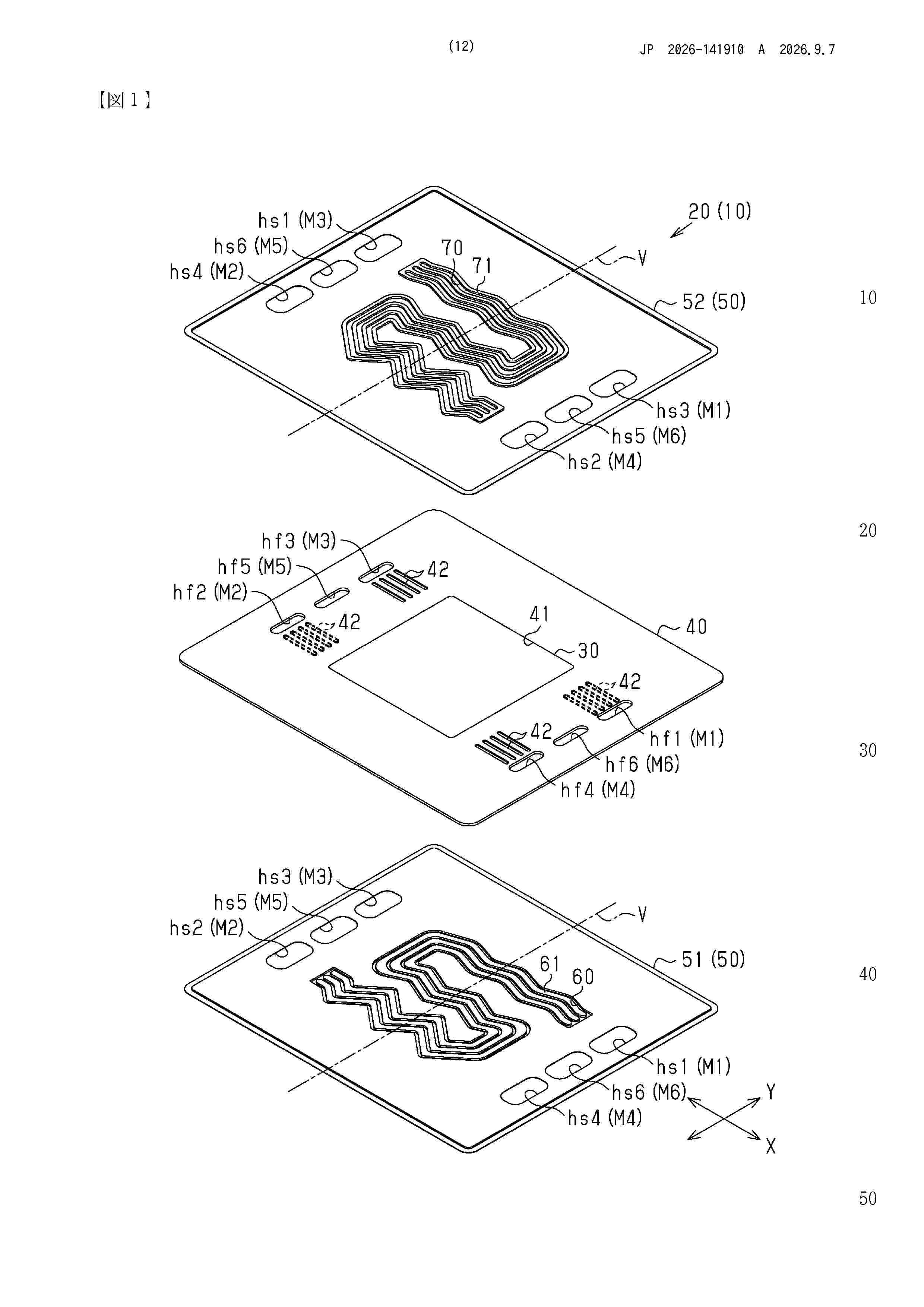
0000 A cooling passage of a second surface of each of two separators includes undulating portions extending in an undulating manner in a first direction and arranged in a second direction, and a connecting portion that connects a first end of one of the undulating portions to a second end of an adjacent one of the undulating portions in the second direction. A cooling medium supply manifold and a cooling medium discharge manifold are located at opposite sides of the cooling passage in the first direction. The undulating portions include at least a first undulating portion and a second undulating portion located upstream of the first undulating portion with respect to a flow direction of reactant gas. A fuel cell stack is formed so that cooling medium flowing through the first undulating portion has a greater pressure loss than cooling medium flowing through the second undulating portion.
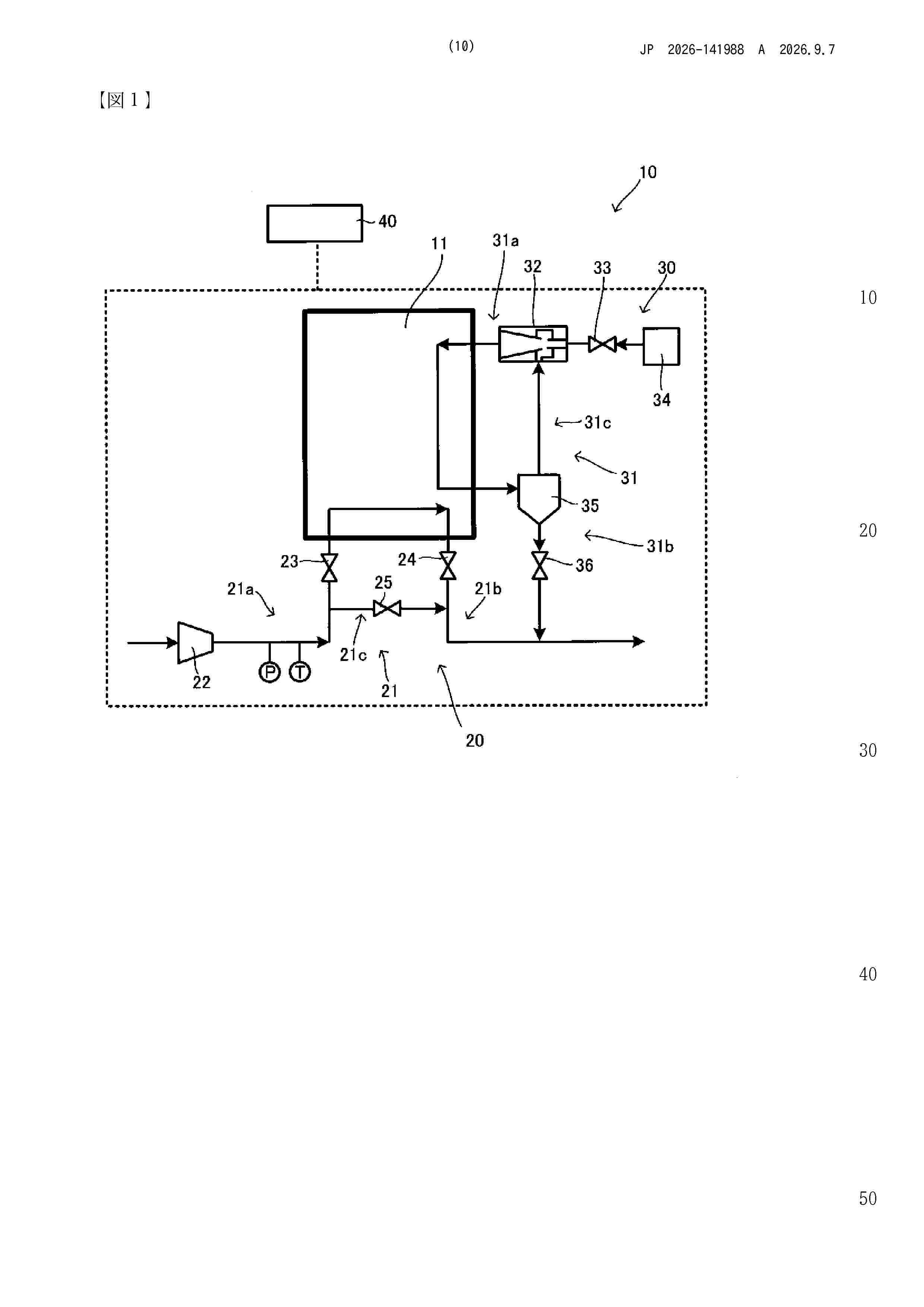
Nº publicación: JP2026141988A 07/09/2026
Solicitante:
トヨタ自動車株式会社
Resumen de: US20260253926A1
0000 The present disclosure relates to a fuel cell system. The fuel cell system includes a fuel gas system, an oxidant gas system, and a control device. The control device is configured to perform purge control. In the purge control, purging on the anode side is started first, and then purging on the cathode side is started.
 BOPI
BOPI
 Sede Electrónica